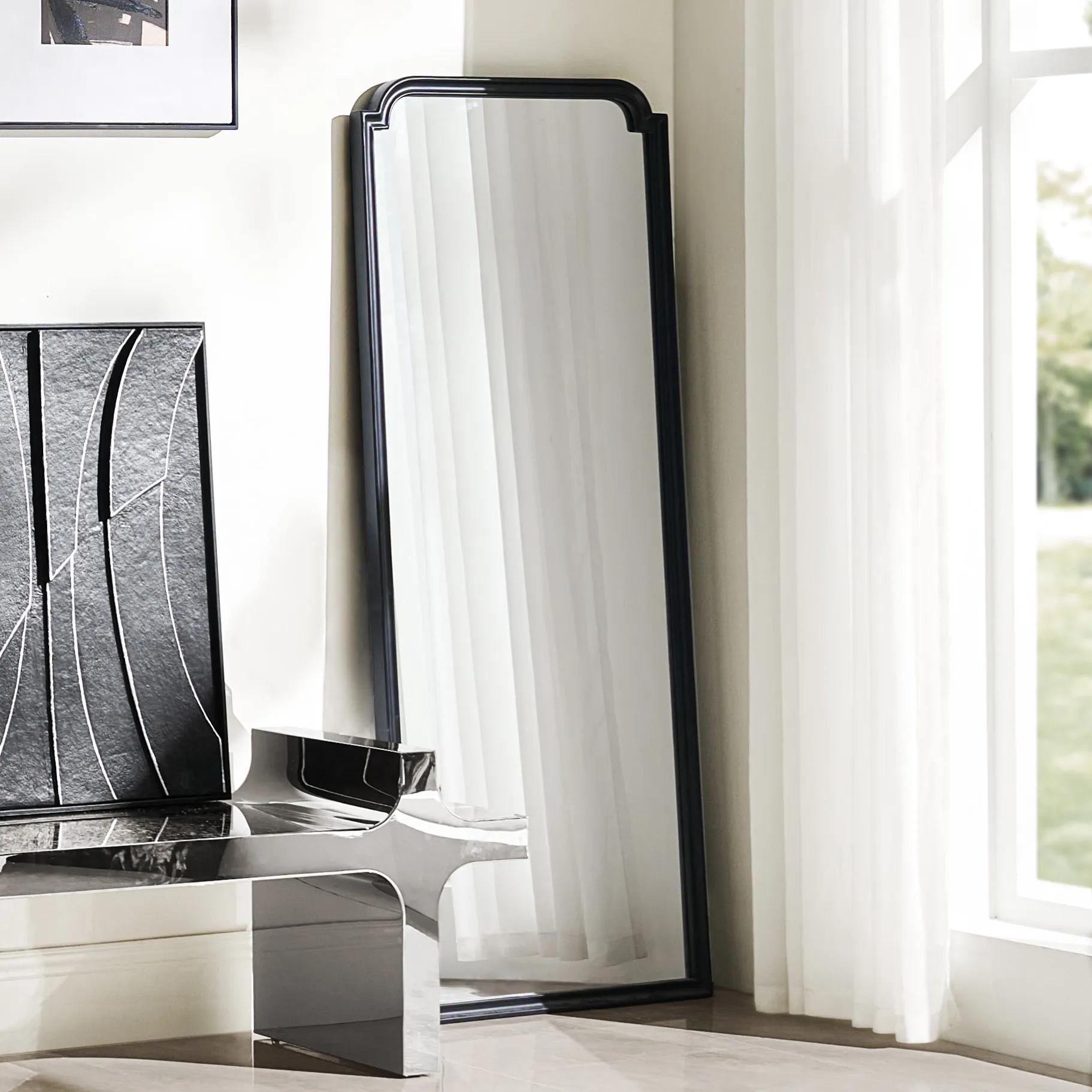
Mirrored Frames For Contemporary Homes
Mirrored Frames For Contemporary Homes
-

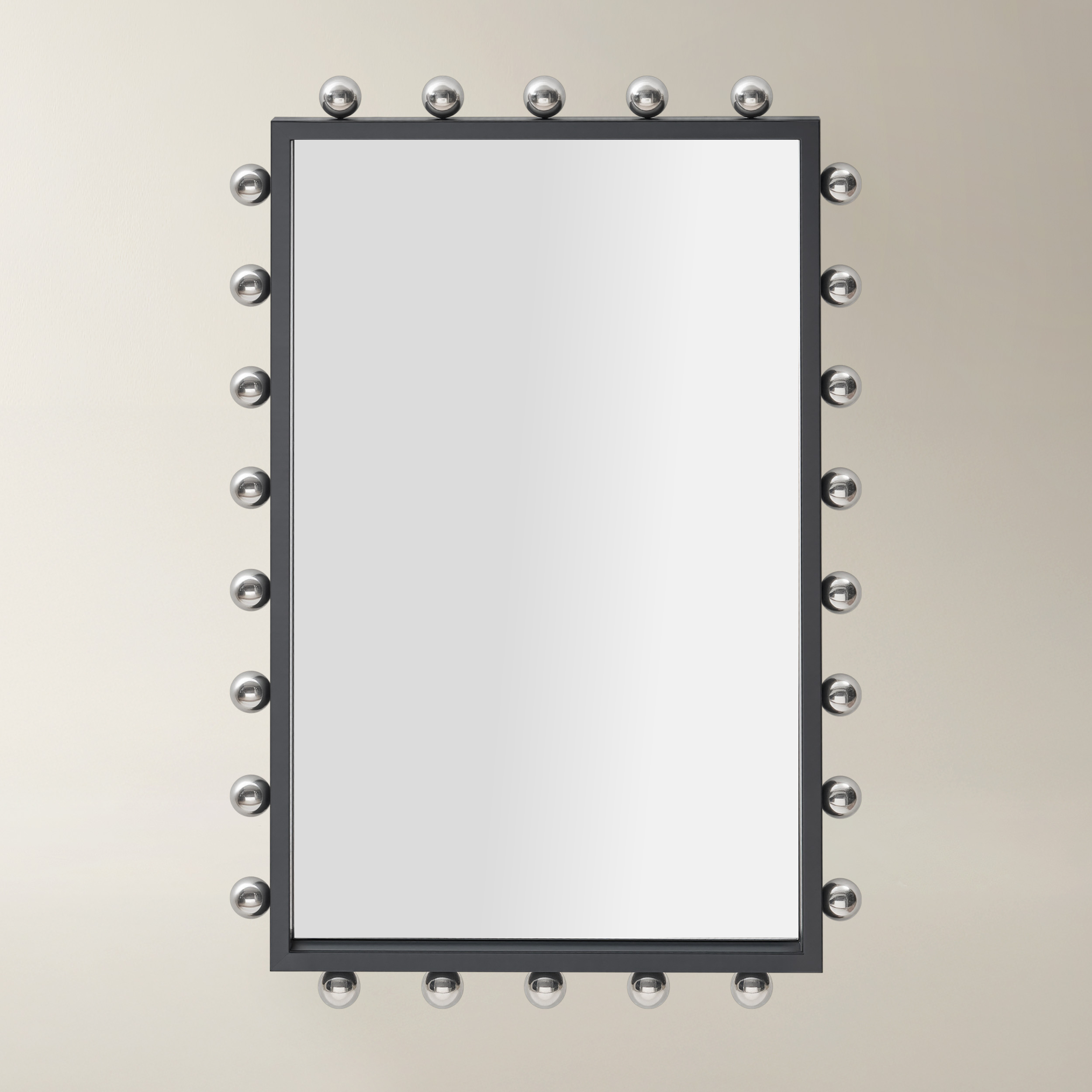
 Broadway Mirrored Frame$49
A sleek mirrored photo frame that brightens and enhances your cherished memories with reflective elegance.
Add To Cart -

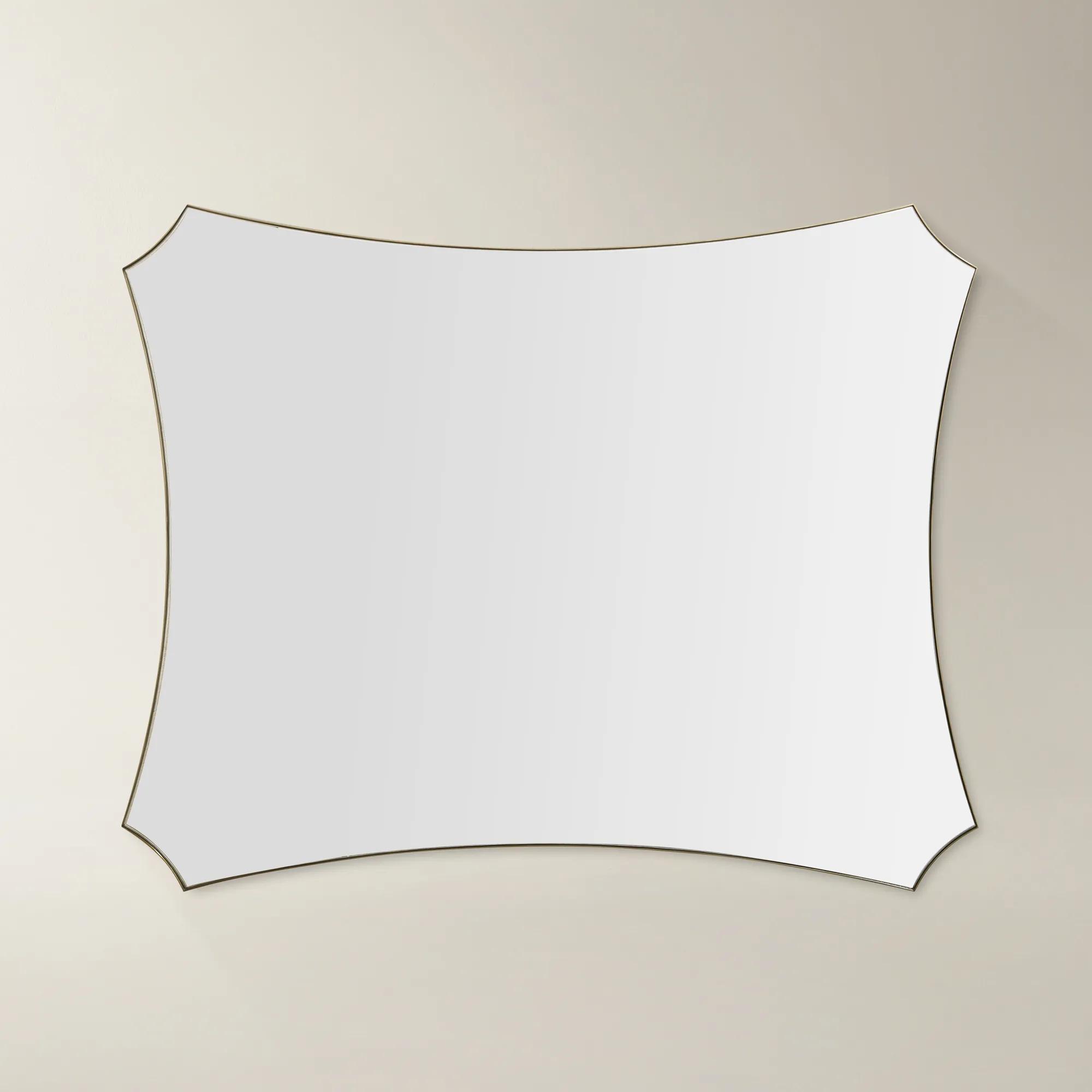 Ava Gold Stainless Steel Wall Mirror 40" x 50"$499
A contemporary wall mirror adding reflective style and sophistication to modern interiors.
Add To Cart -

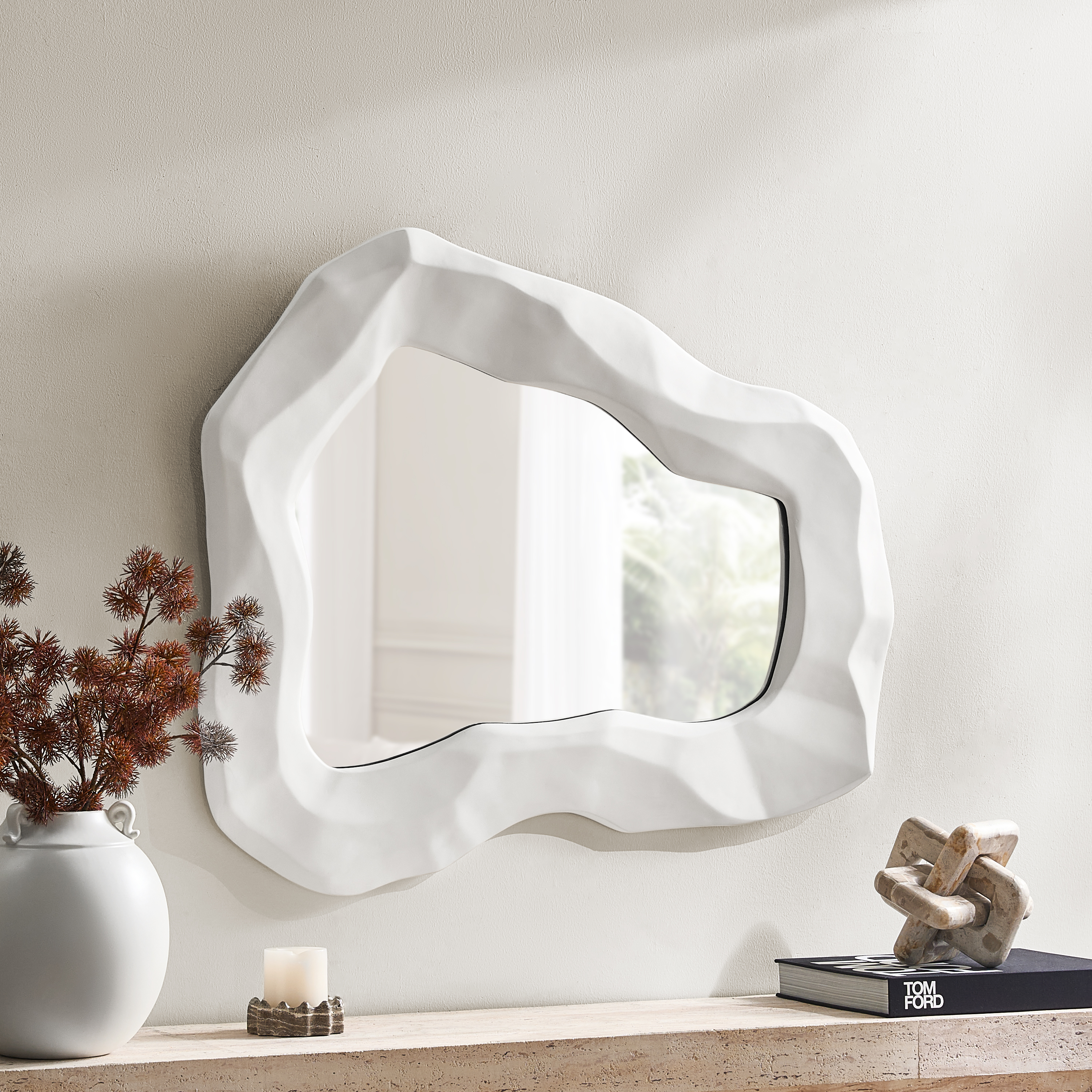 Islay Wall Mirror - White$549
A sculpted resin-framed mirror in matte white with an organic, asymmetrical silhouette for modern interiors.
Add To Cart -

 Titan II Framed Printed Wall Mirror 40" x 60"$1529
A striking modern mirror designed to elevate contemporary spaces with artistic flair.
Add To Cart -
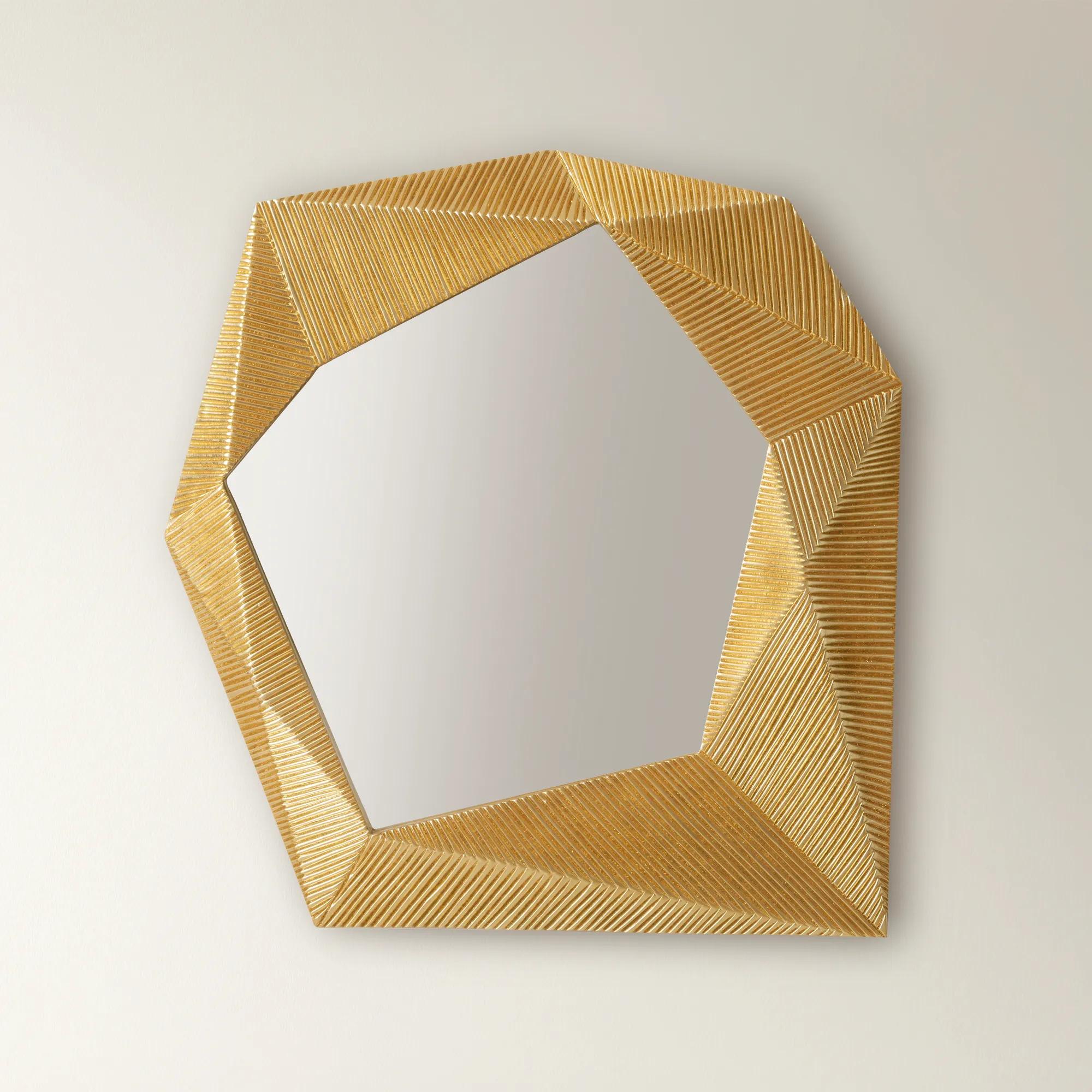
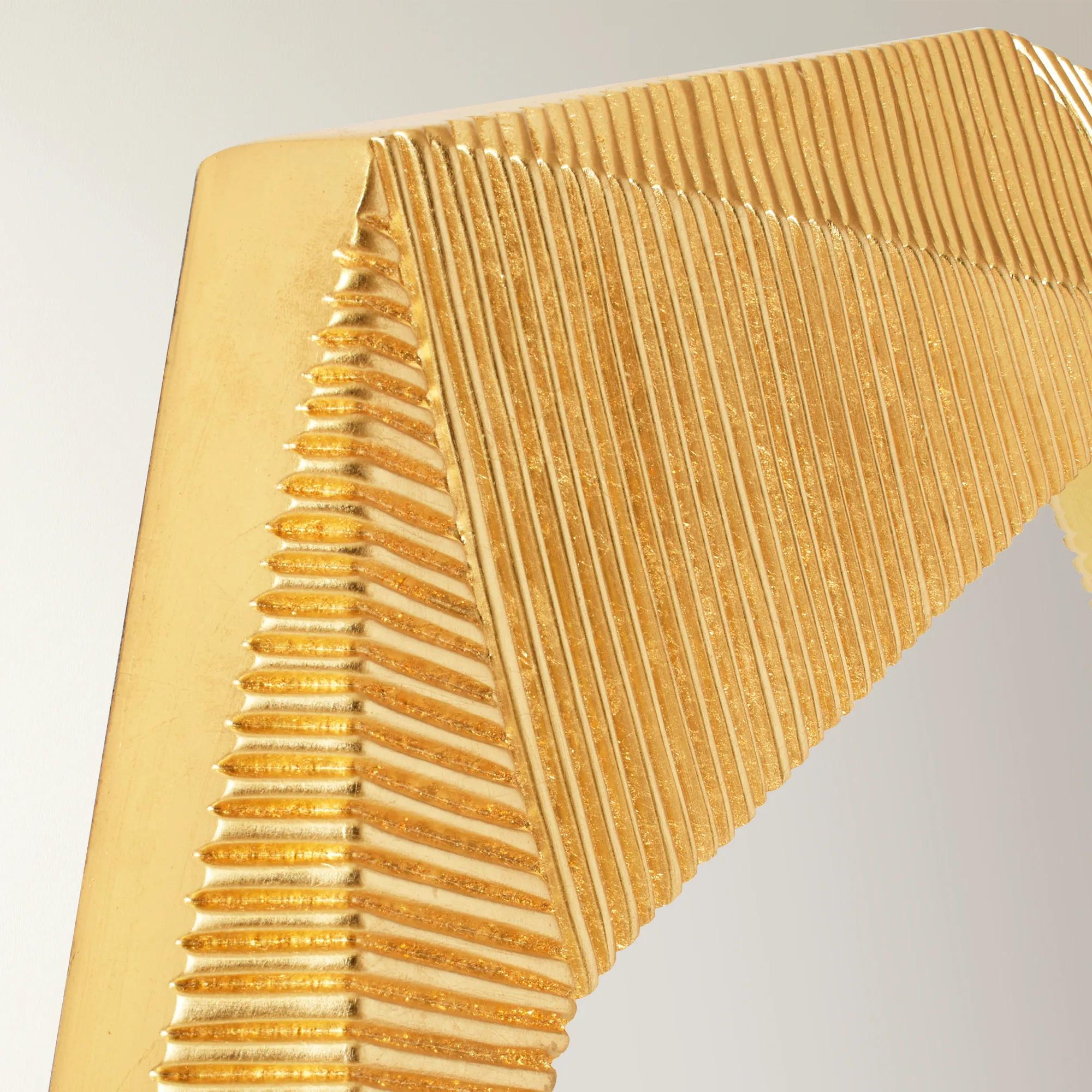 Nikki Chu Gold Steel Faceted Wall Mirror 31.5" x 35.5"$349
A modern mirror featuring a textured, faceted steel frame in a striking metallic gold finish.
Add To Cart -
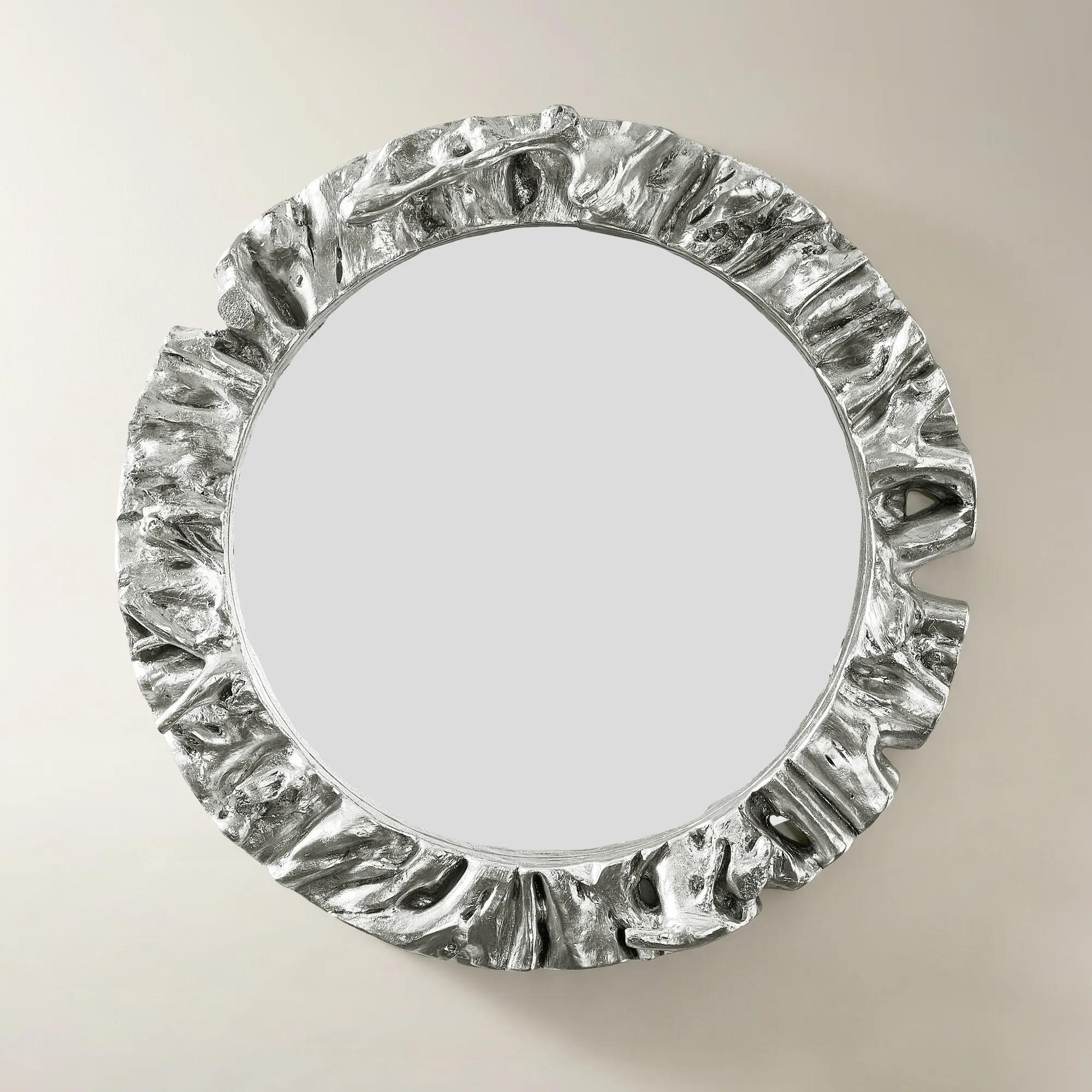
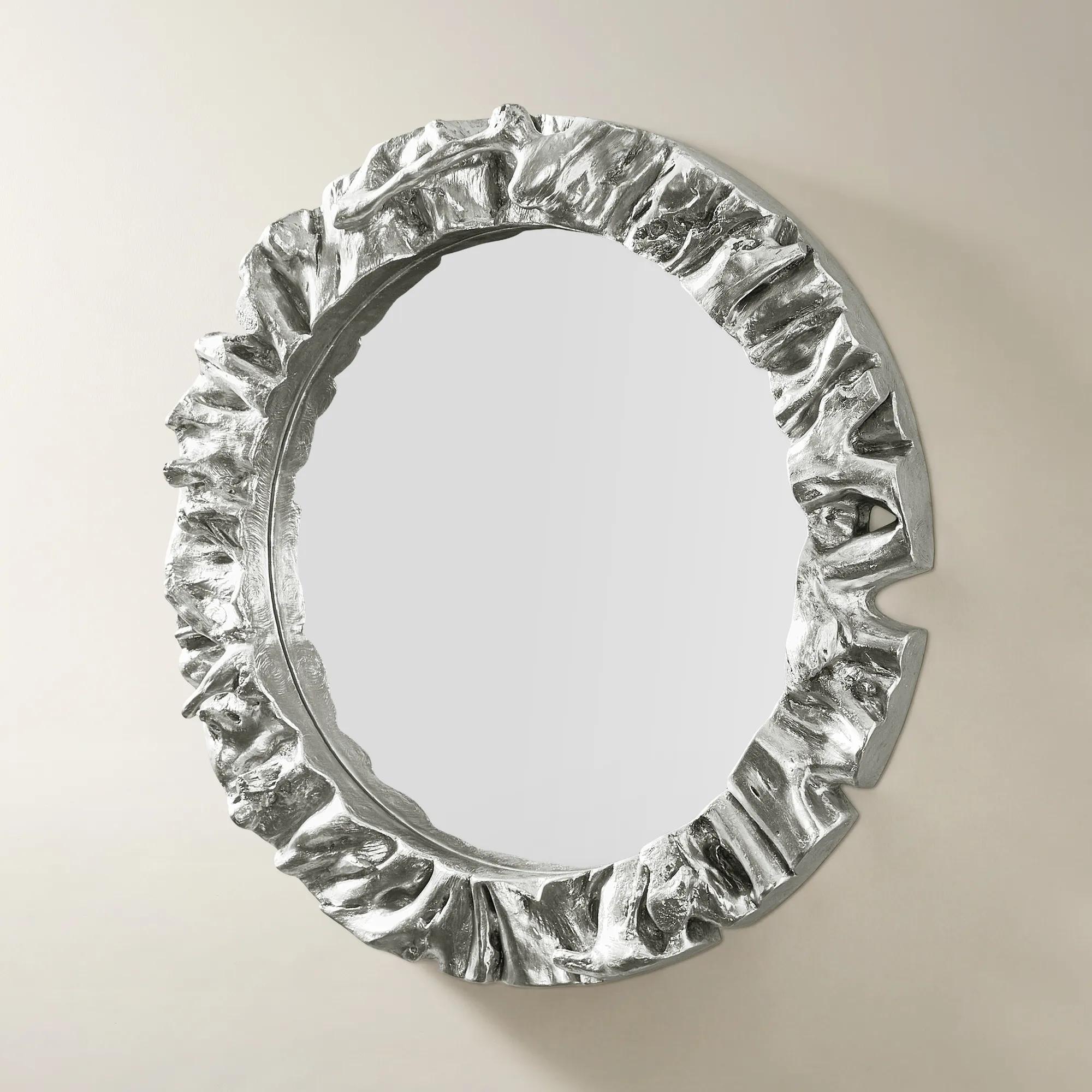 Sequoia Silver Resin Round Wall Mirror 48.25"$1199
A sculptural silver fiberglass resin frame mirror that adds modern polish and reflective brightness to any room.
Add To Cart -
 Celine White And Gold Resin Round Wall Mirror 46.5" x 38.5"$699
A curvaceous wall mirror featuring a white and gold frame for a touch of modern glamour.
Add To Cart -
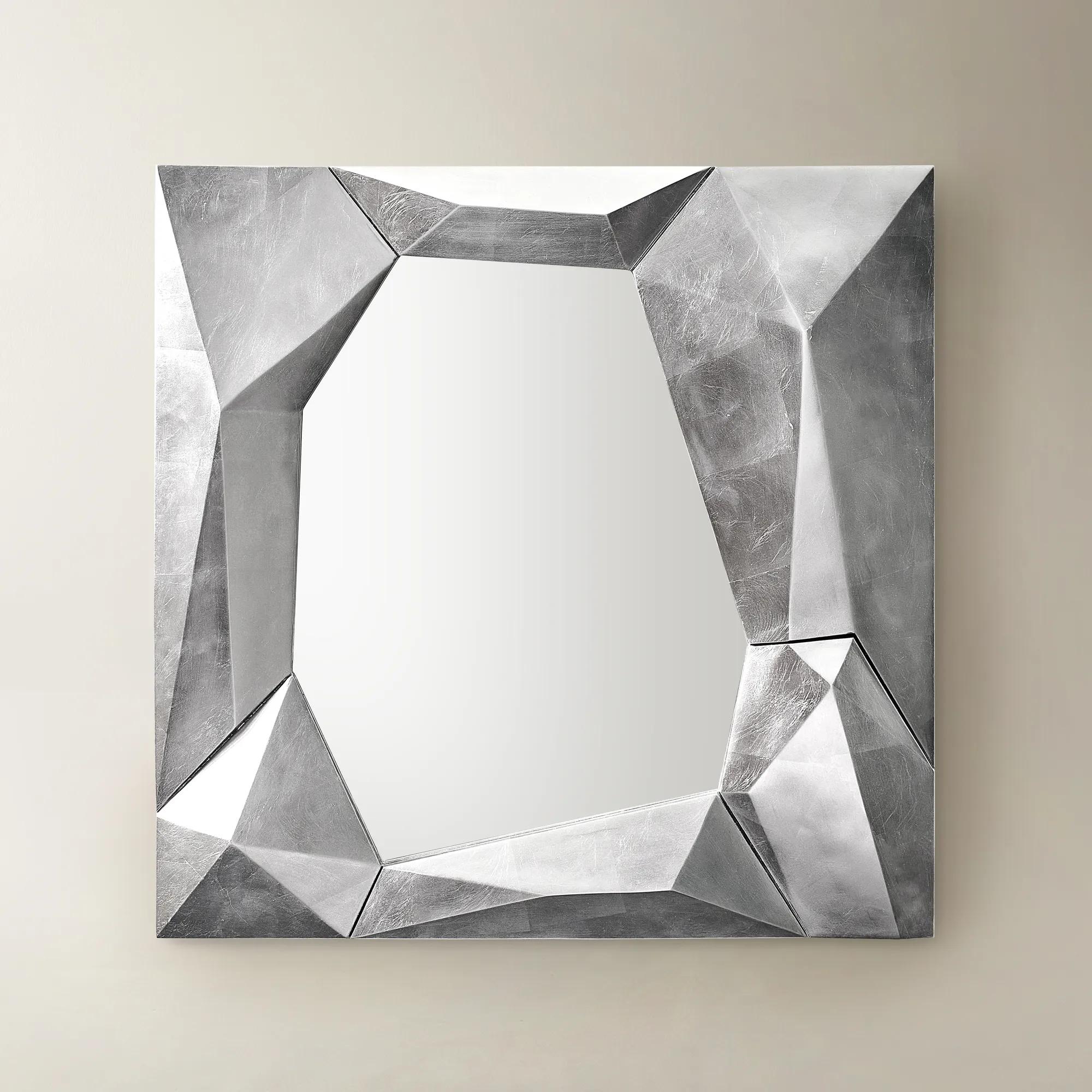 Aeris Satin Silver Faceted Resin Square Wall Mirror 35" x 35"$499
A satin silver fiberglass resin frame and faceted silhouette create a modern, sculptural wall mirror.
Add To Cart -
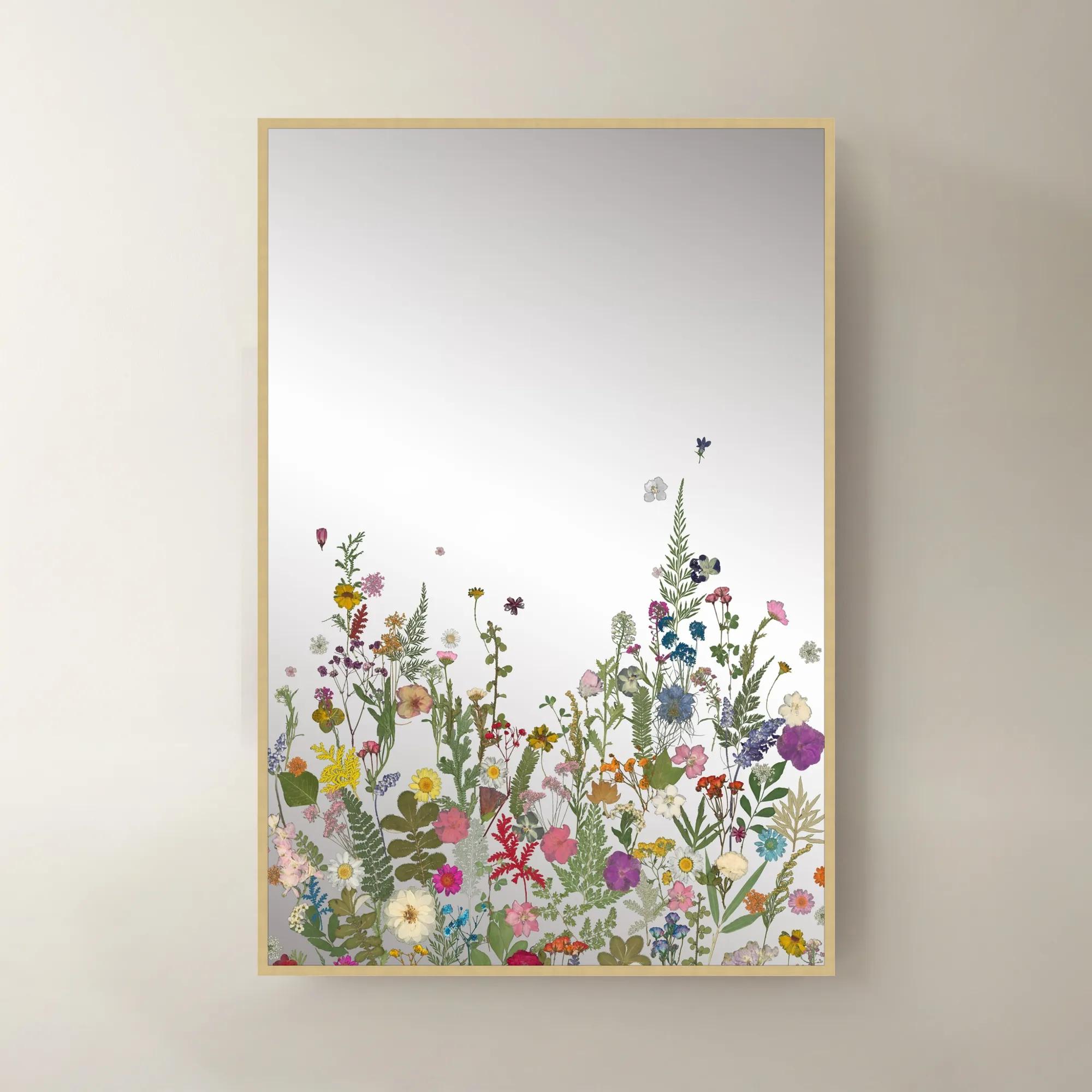
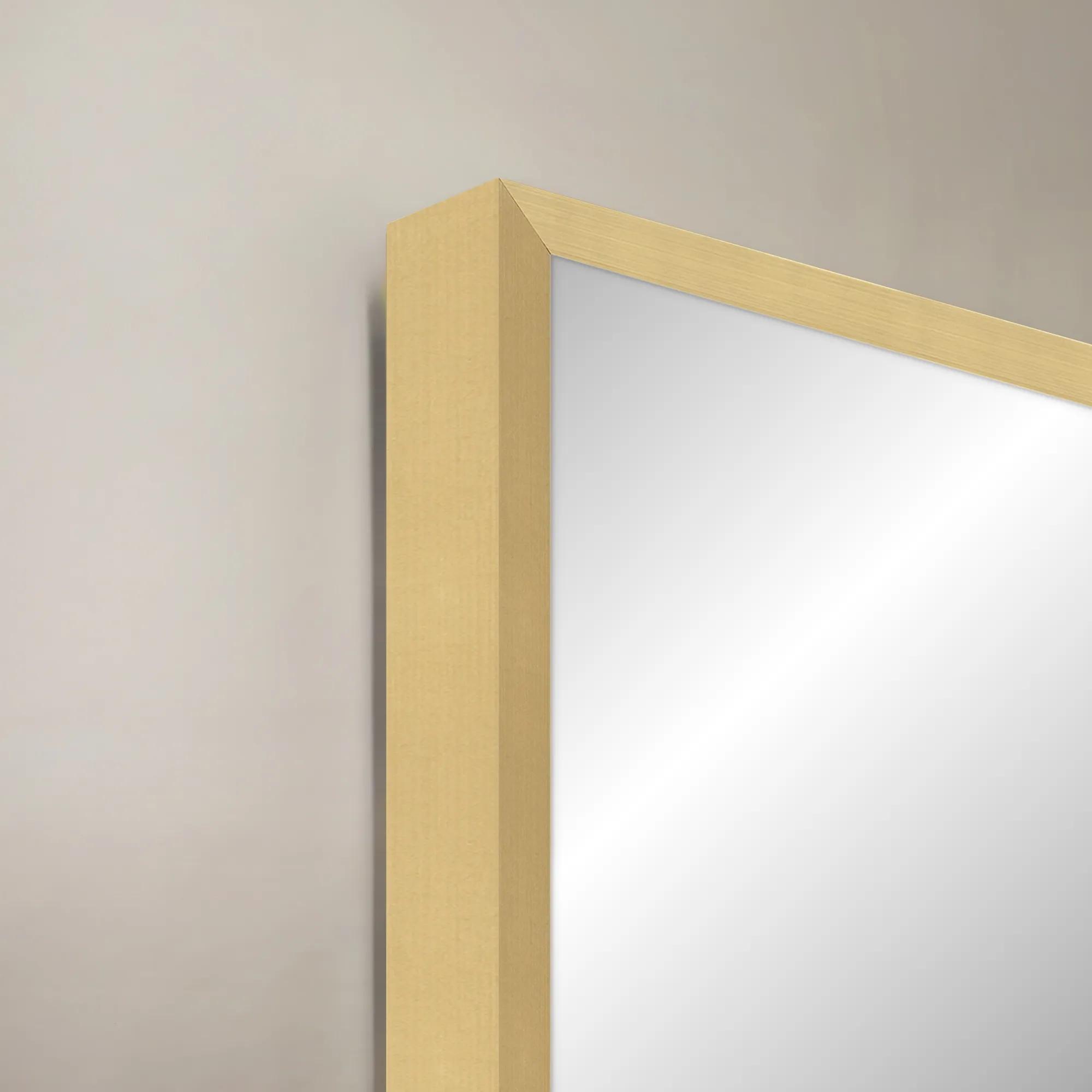 Night Scent III Framed Printed Wall Mirror 40" x 60"$1499
A framed printed wall mirror offering artistic dimension and contemporary style.
Add To Cart -
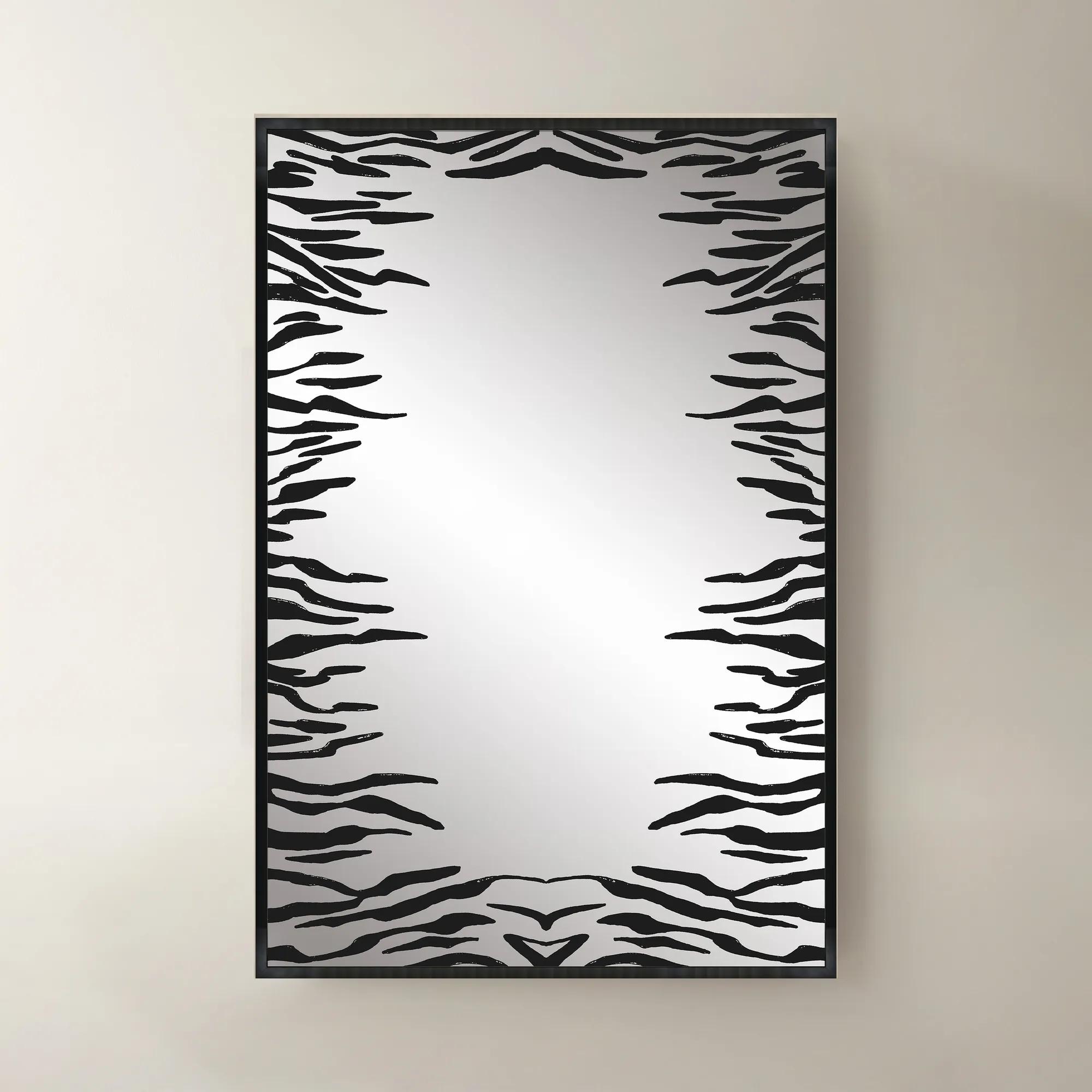
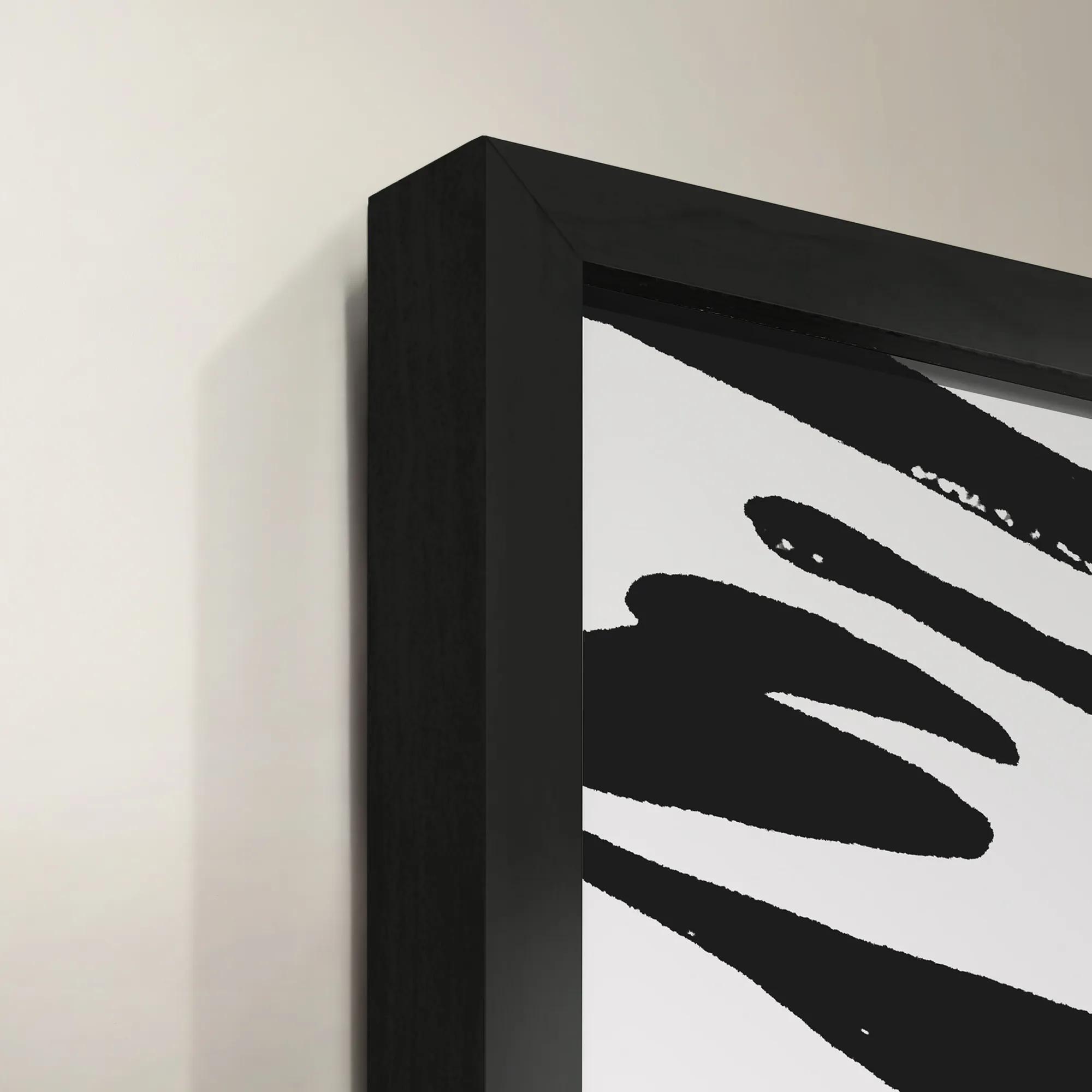 Savanna Veil Framed Printed Wall Mirror 40" x 60"$1499
A black framed printed wall mirror offering artistic dimension and modern sophistication.
Add To Cart -
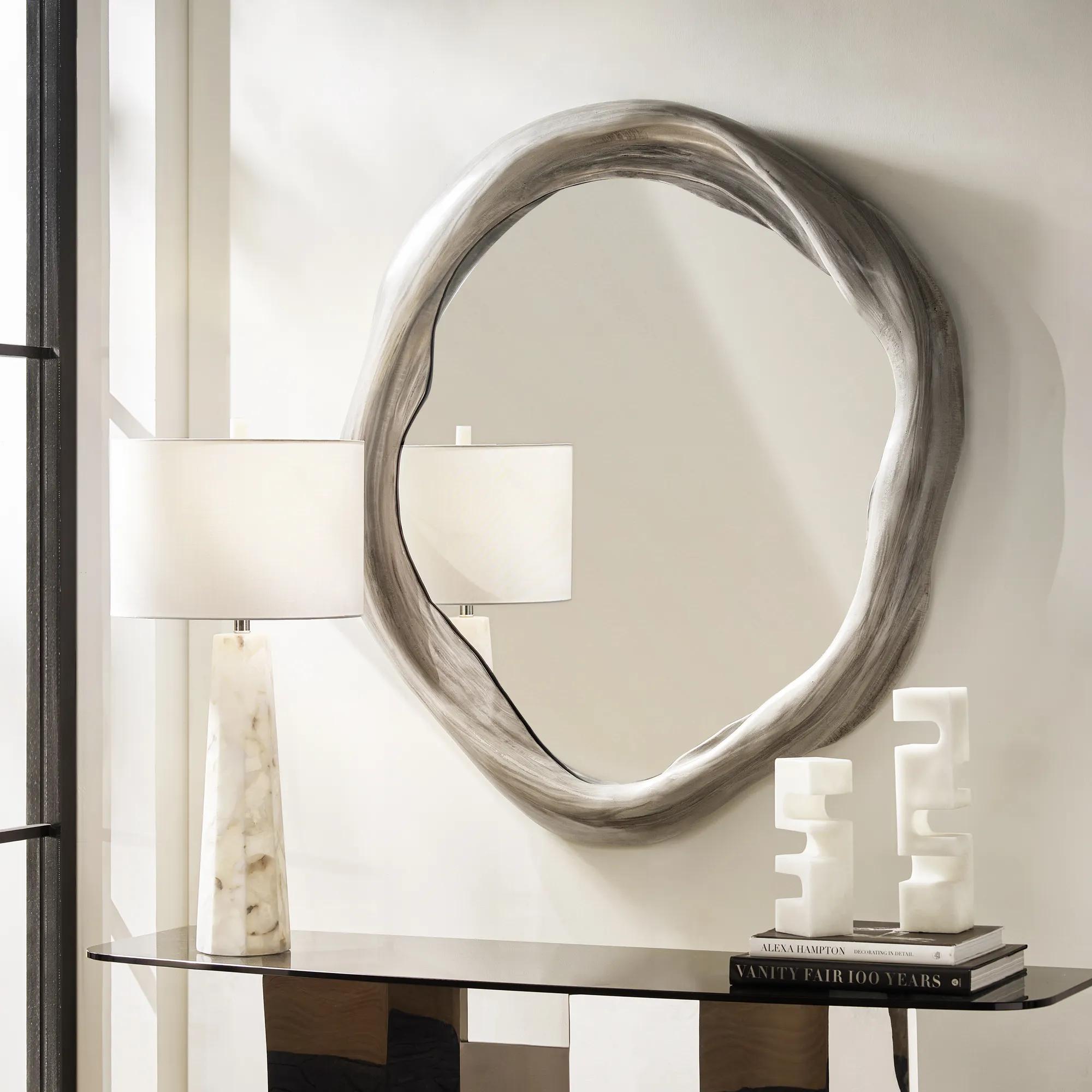
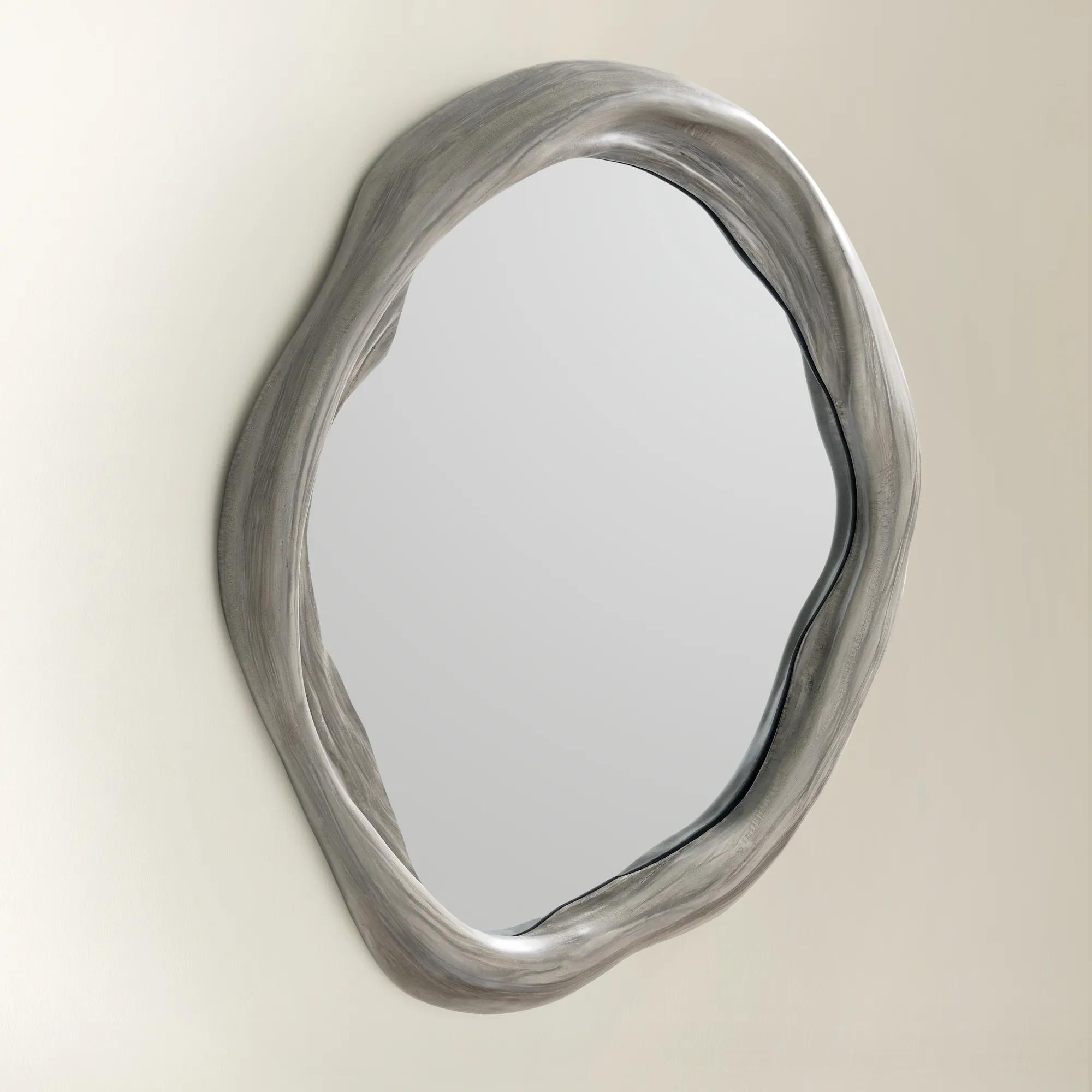 Dunes Wall Mirror$899
An organically shaped wall mirror with an artfully irregular gray frame, perfect for modern or minimalist spaces.
Add To Cart -

 In a New Light II Framed Printed Wall Mirror 60" x 40"$1499
A contemporary framed printed wall mirror adding artistic dimension and reflective style to modern interiors.
Add To Cart -
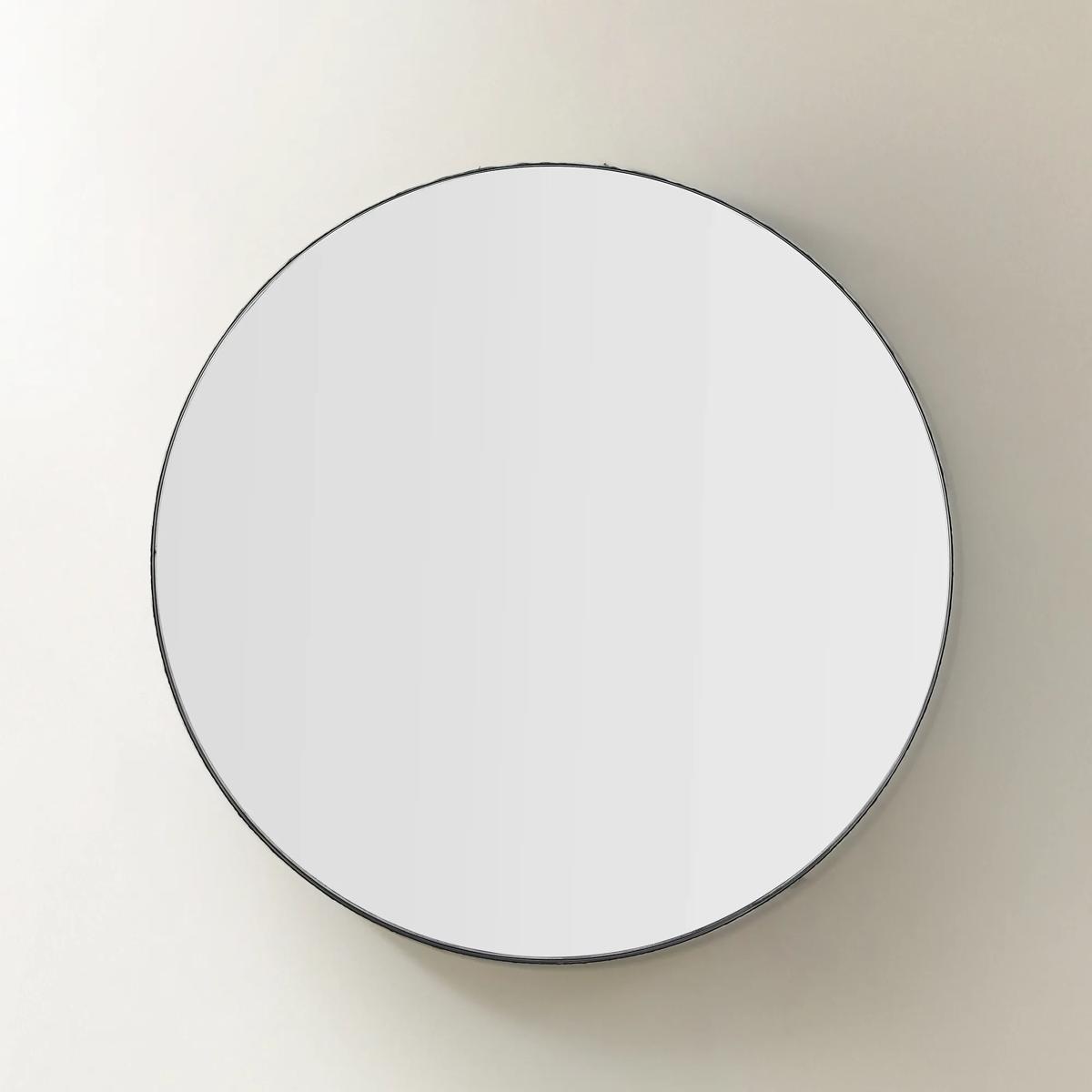
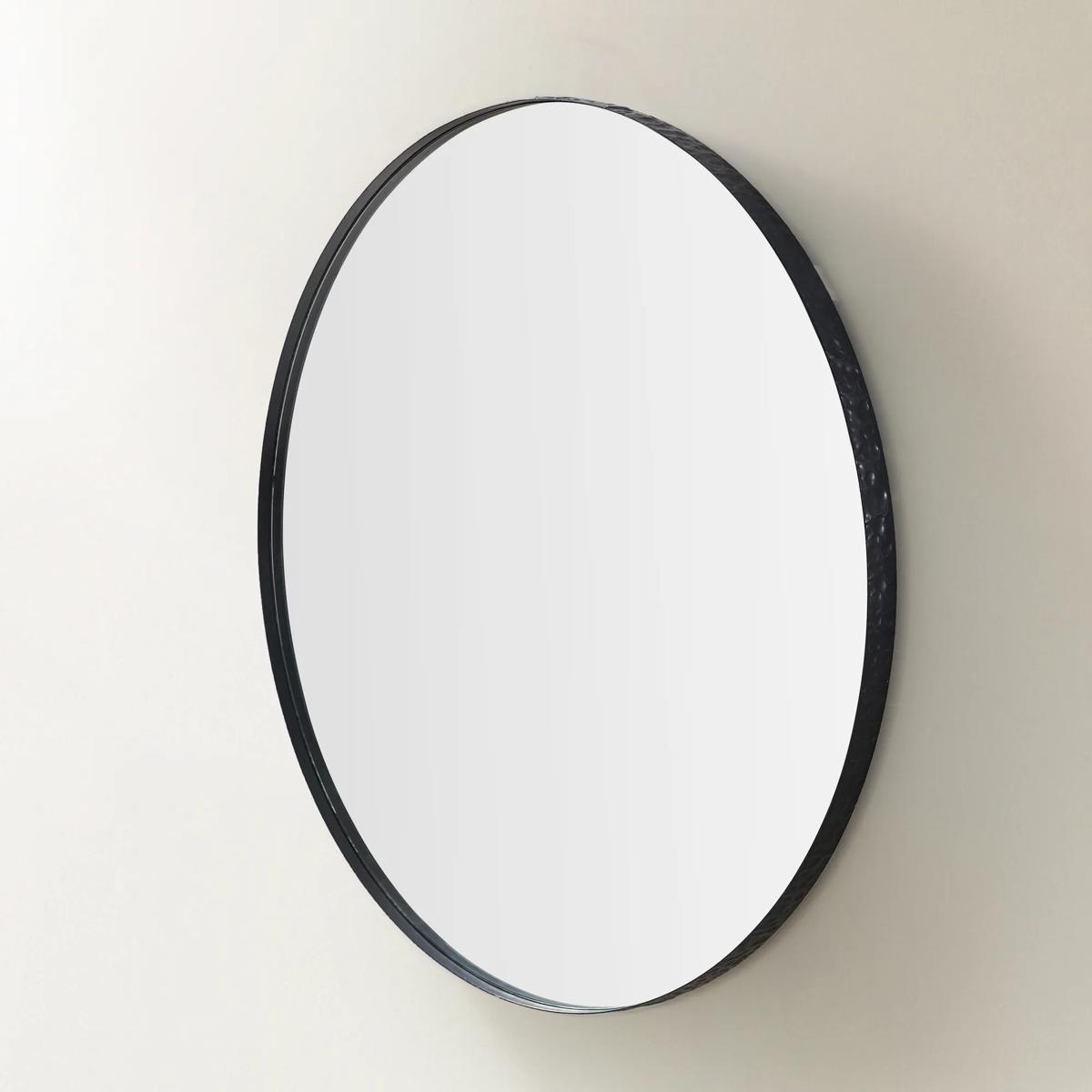 Cade Wall Mirror - Black$699
A round wall mirror featuring a hand-hammered black iron frame for a sleek, modern accent.
Add To Cart -
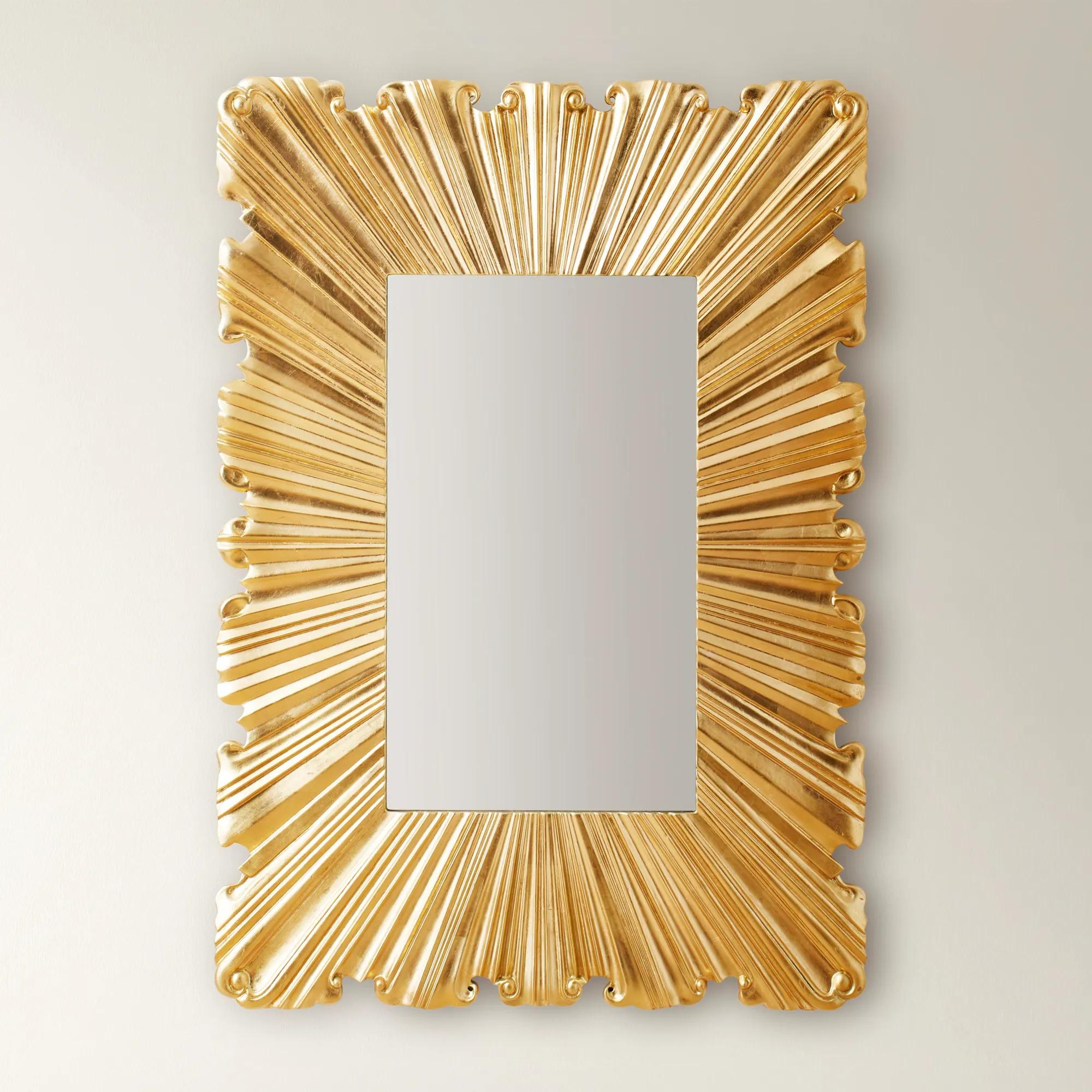 Metropolitan Gold Leaf Resin Rectangular Wall Mirror 27.5" x 39.5"$459
A sculptural wall mirror featuring a gold-finished polyurethane frame for a modern, elegant accent.
Add To Cart -
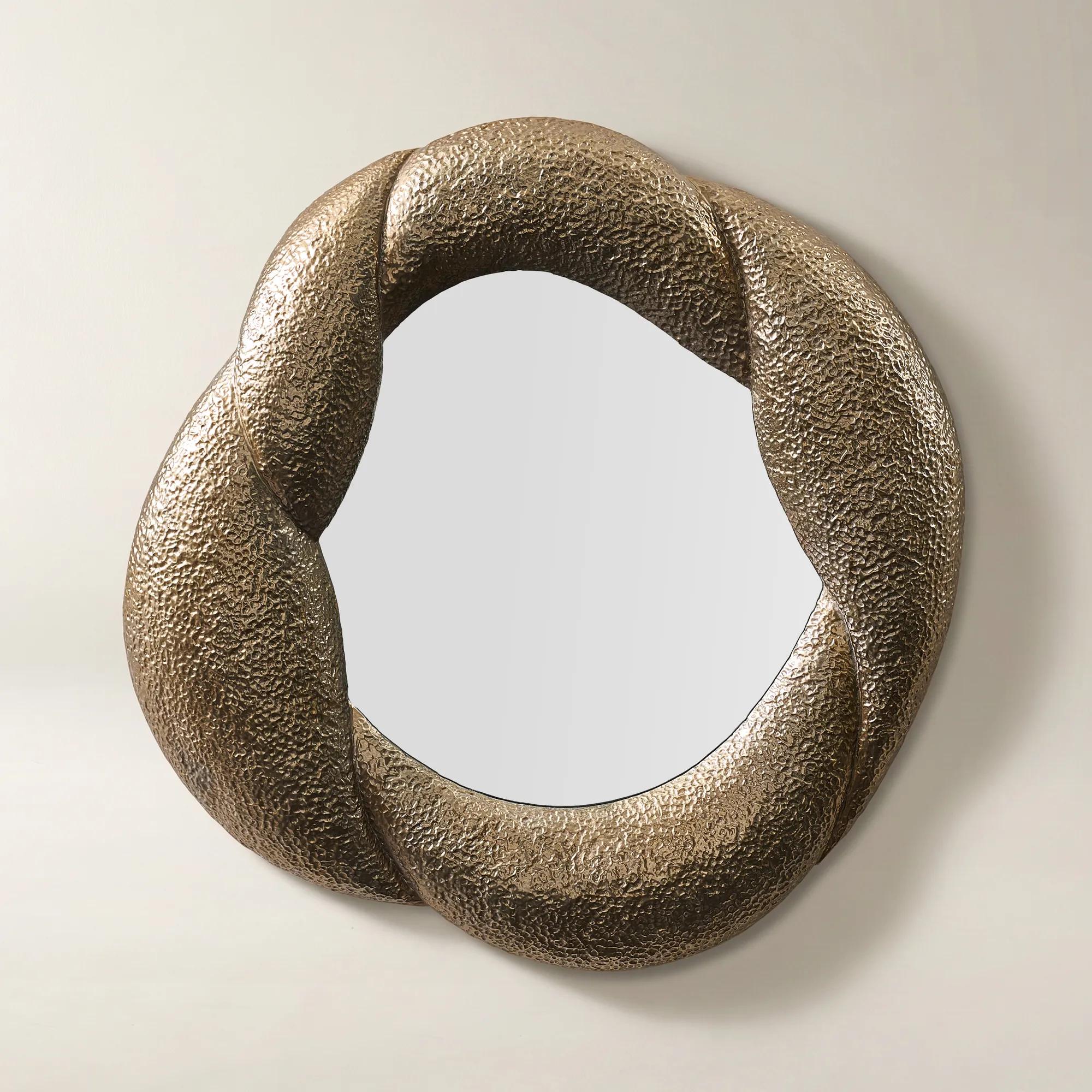 Bronze Age Hammered Texture Resin Organic Round Wall Mirror 34"$599
A round wall mirror featuring a chunky resin frame with hammered bronze texture for sculptural, modern appeal.
Add To Cart -
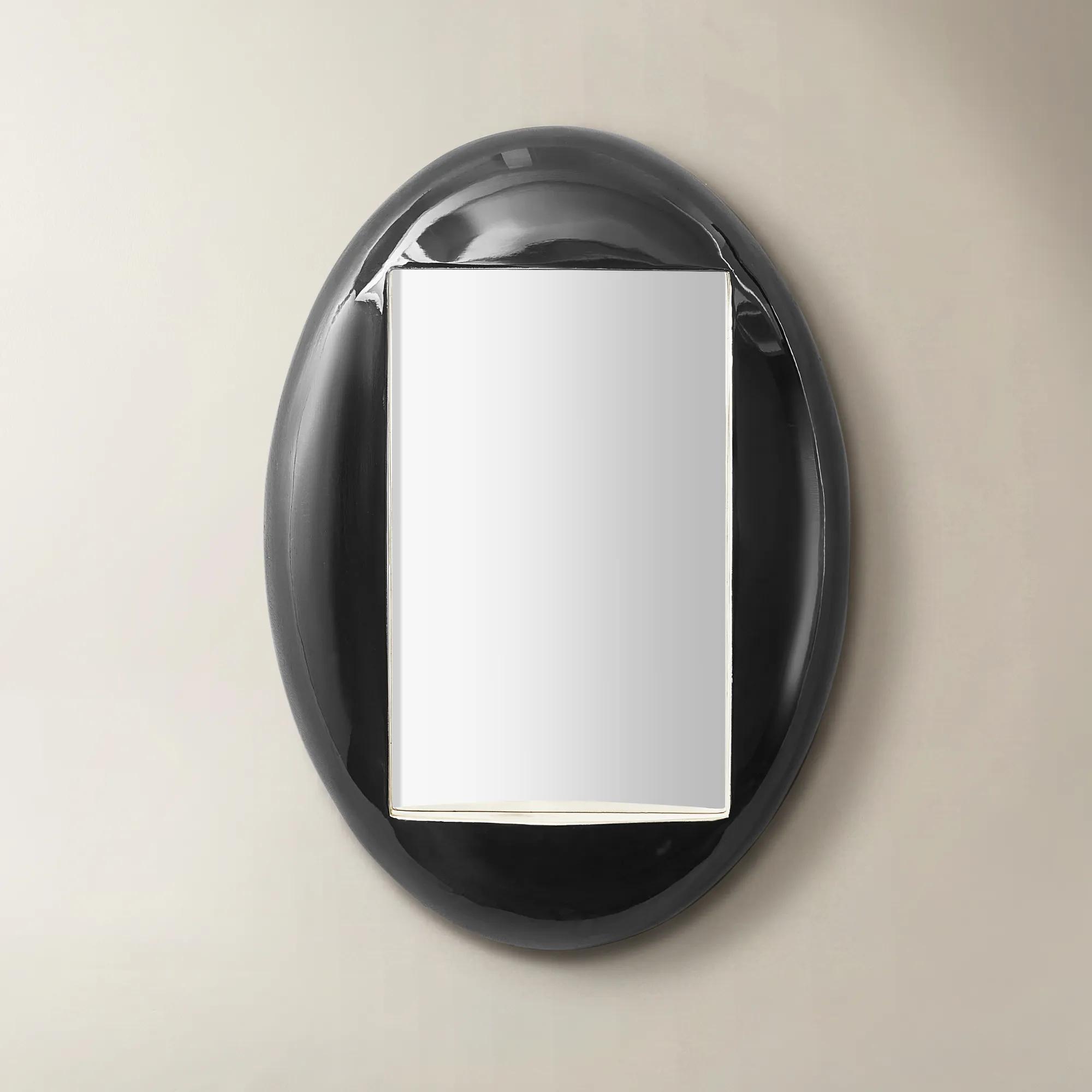 Tuxedo Black And Champagne High Gloss Resin Geometric Wall Mirror 28" x 20"$299
A geometric wall mirror with a black and champagne resin frame for bold, modern sophistication.
Add To Cart -
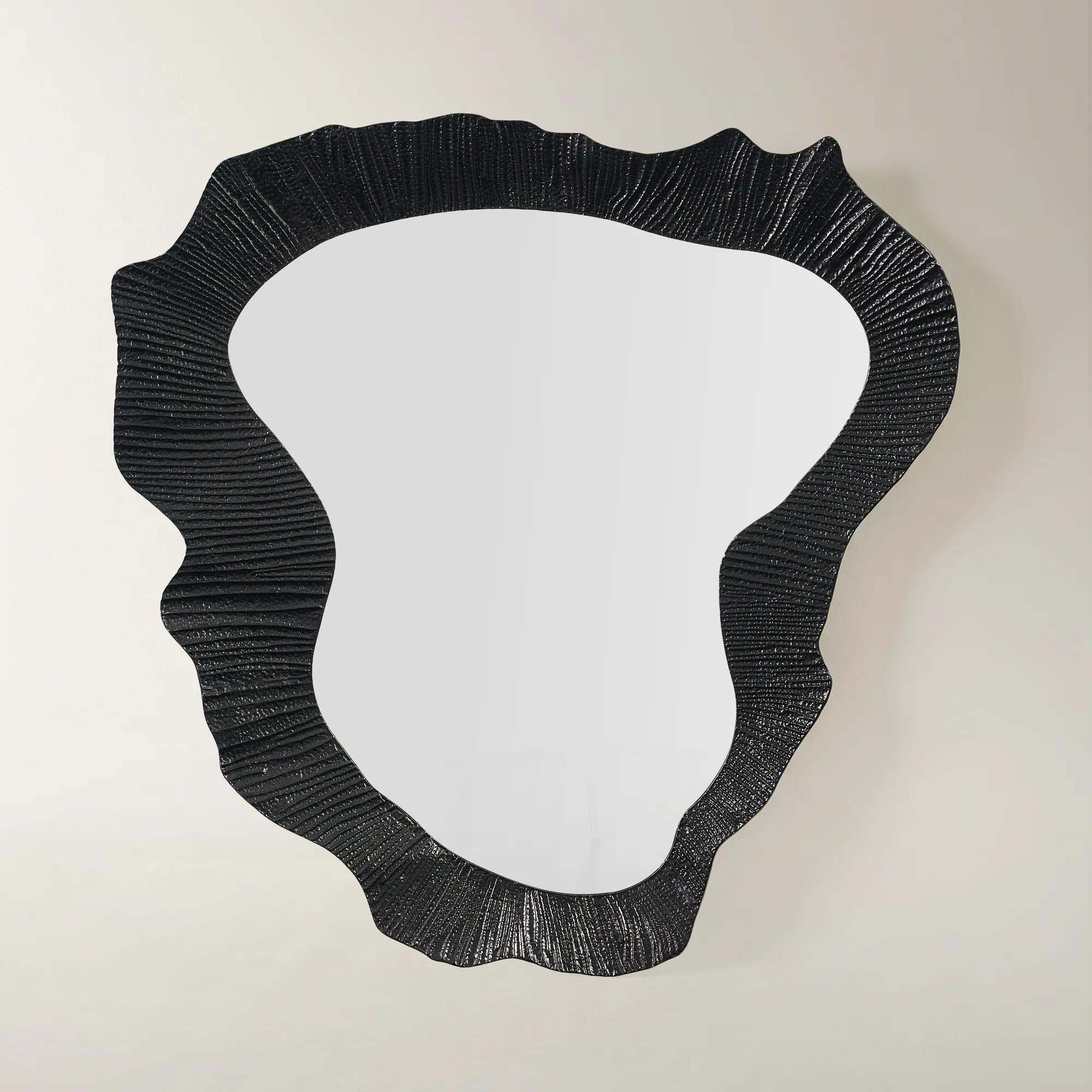 Cara Black Hand-Forged Iron Organic Shaped Wall Mirror 52.5" x 53"$1199
A hand-forged black iron frame and organic silhouette create a bold, sculptural statement for any room.
Add To Cart -
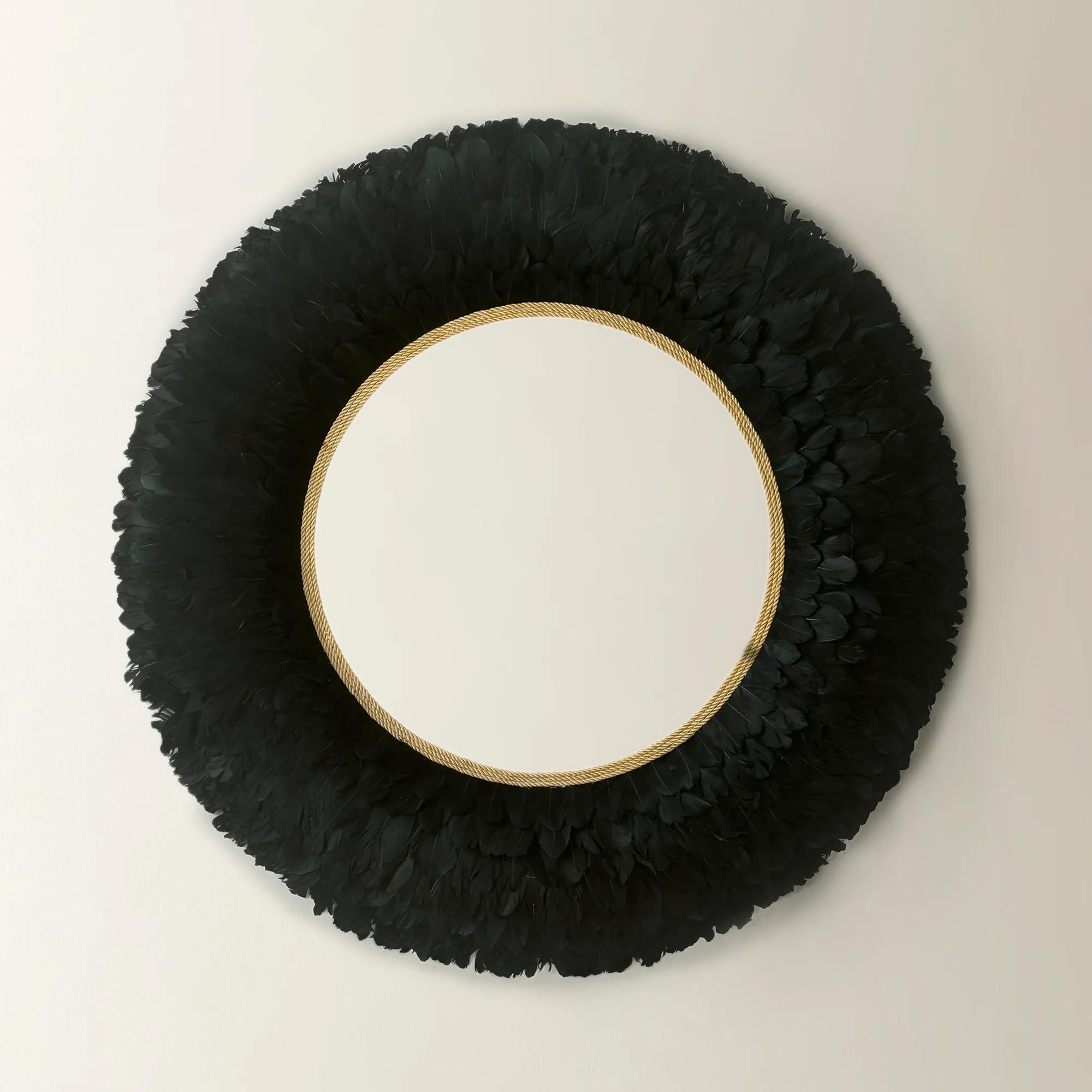
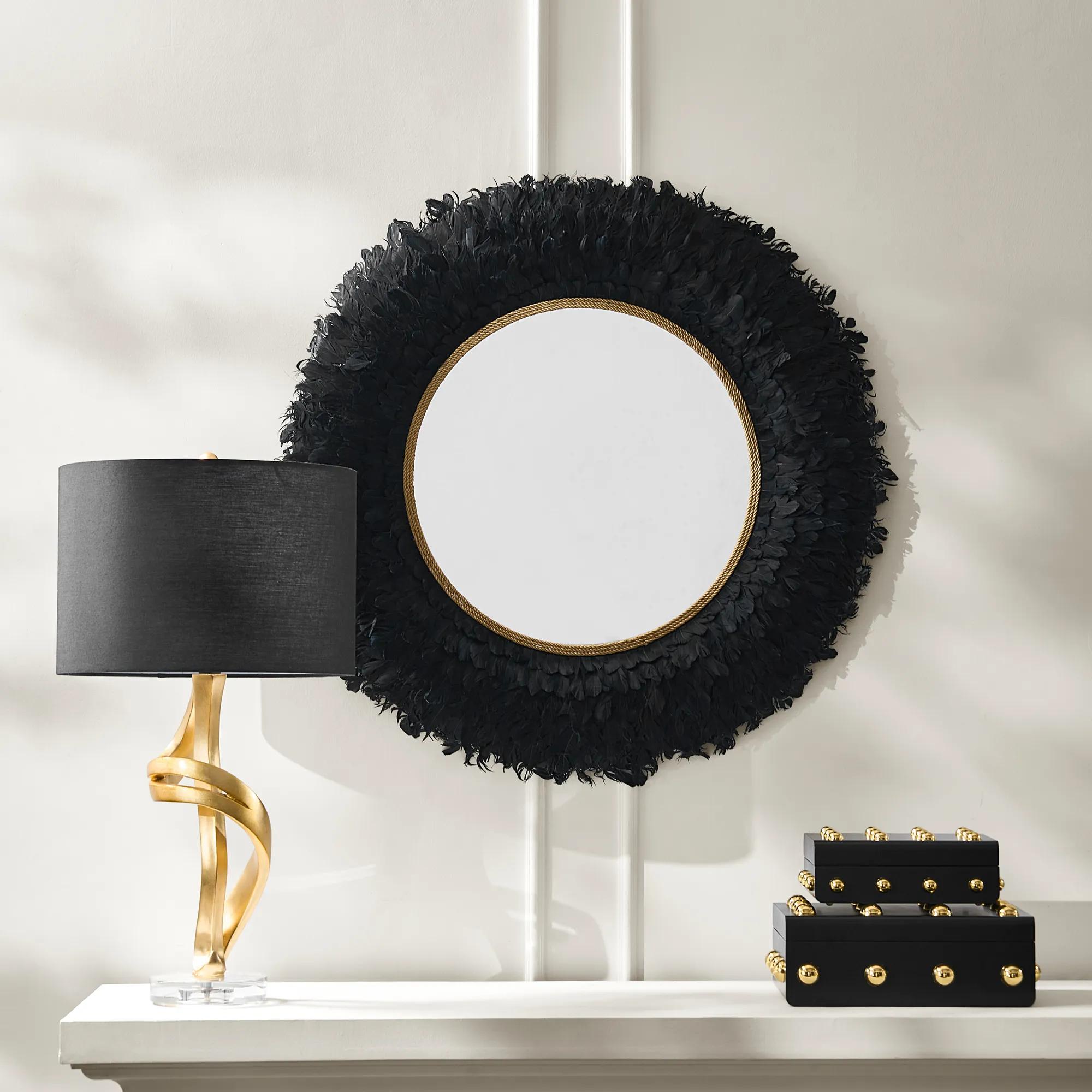 Nikki Chu Midnight Black Feather Round Wall Mirror 35.5"$499
A dramatic black feather-framed mirror accented with a gleaming gold inner border for striking wall texture.
Add To Cart -
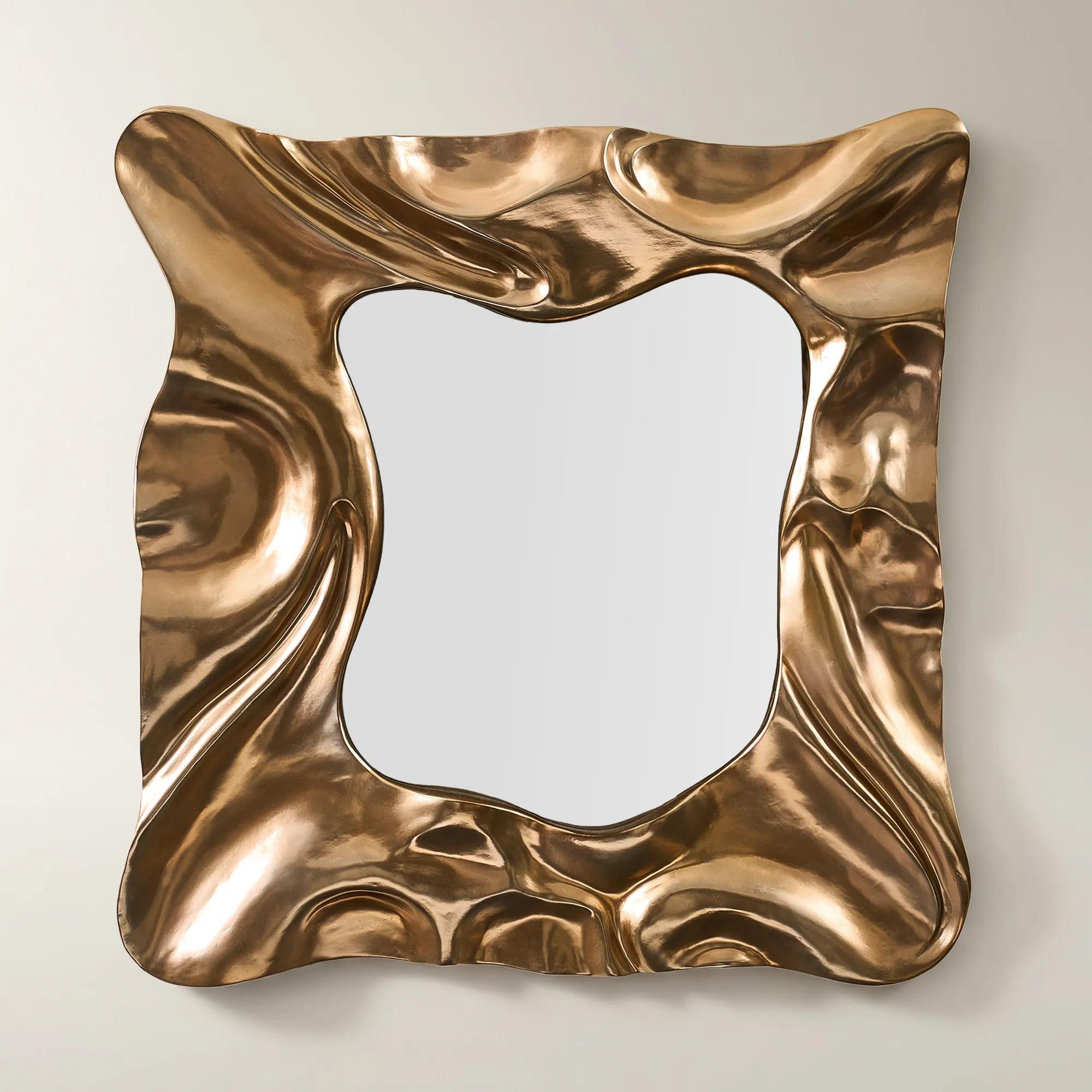 Surface Bronze Resin Organic Shaped Wall Mirror 40" x 40"$699
A sculptural bronze resin frame and organic silhouette create a striking, artful focal point for any room.
Add To Cart -
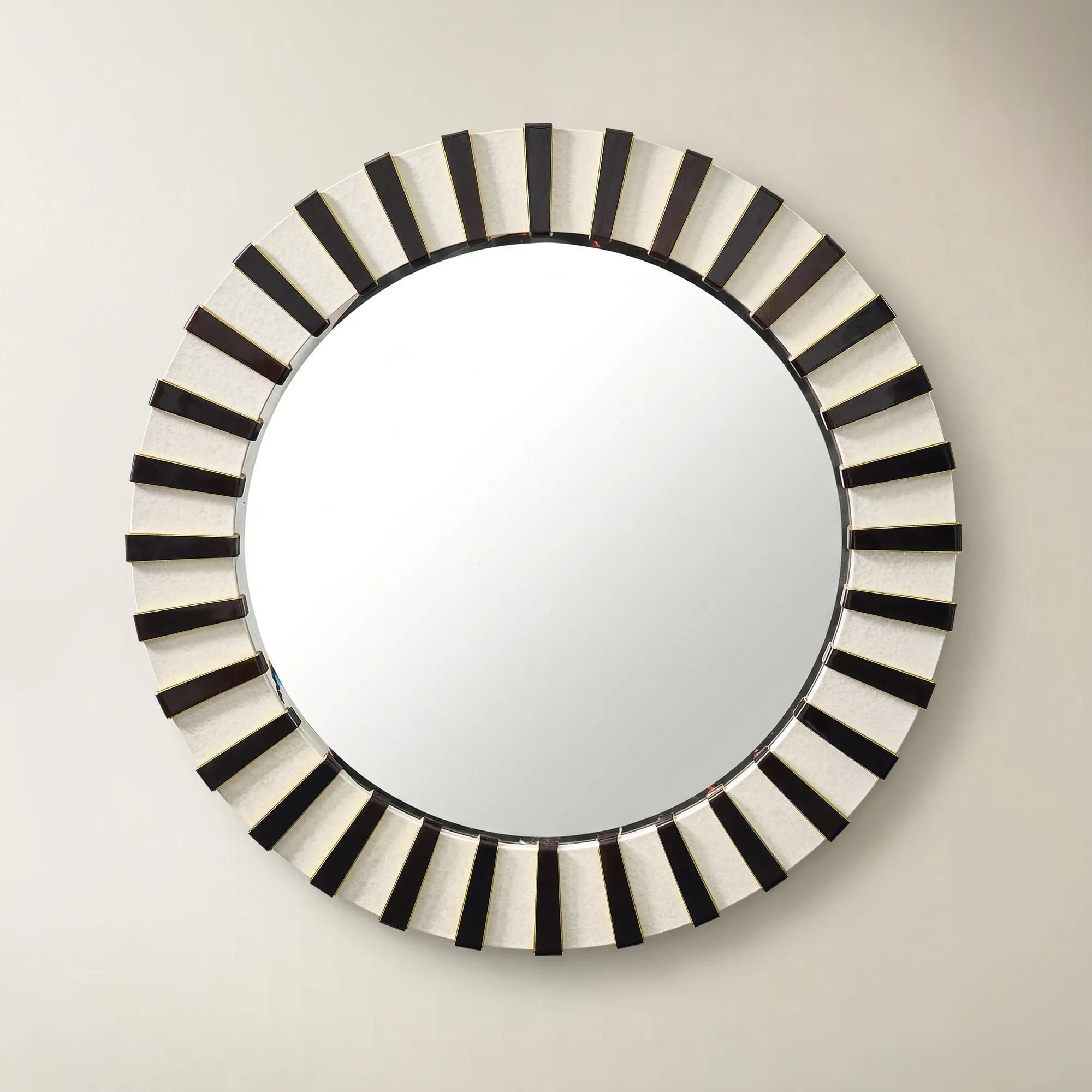 Regatta Opaline Pearl Black Gold Dimensional Round Wall Mirror 45"$849
A luminous wall mirror featuring an opaline pearl lacquered wood frame with black, gold, and raised resin accents.
Add To Cart -

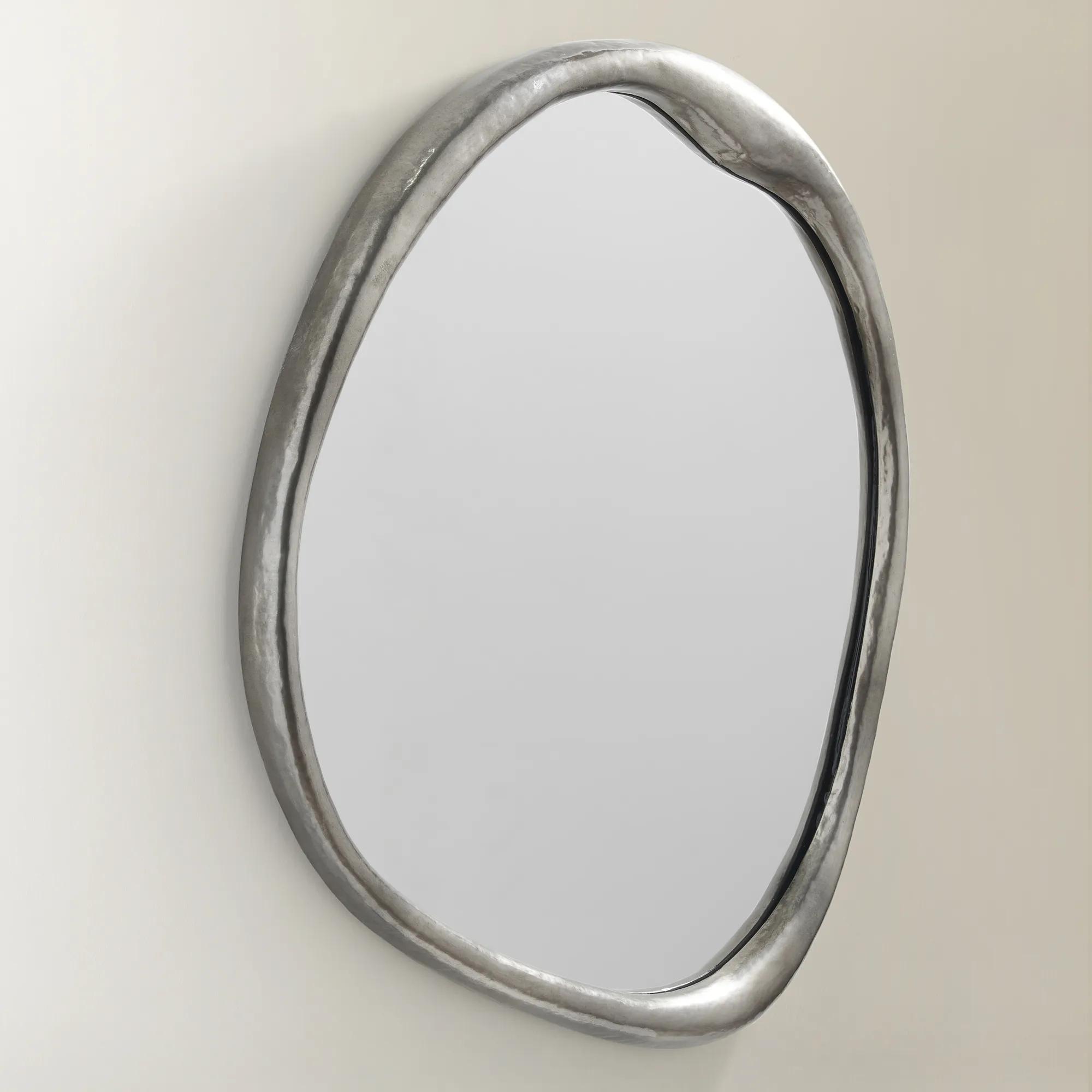 Organa Wall Mirror$599
An irregular silver iron-framed mirror that brings modern organic style and reflective depth to any room.
Add To Cart -
 Forrest Floor Mirror$1499
A sculptural floor mirror featuring a hand-finished dark green MDF frame for a bold, organic accent.
Add To Cart -
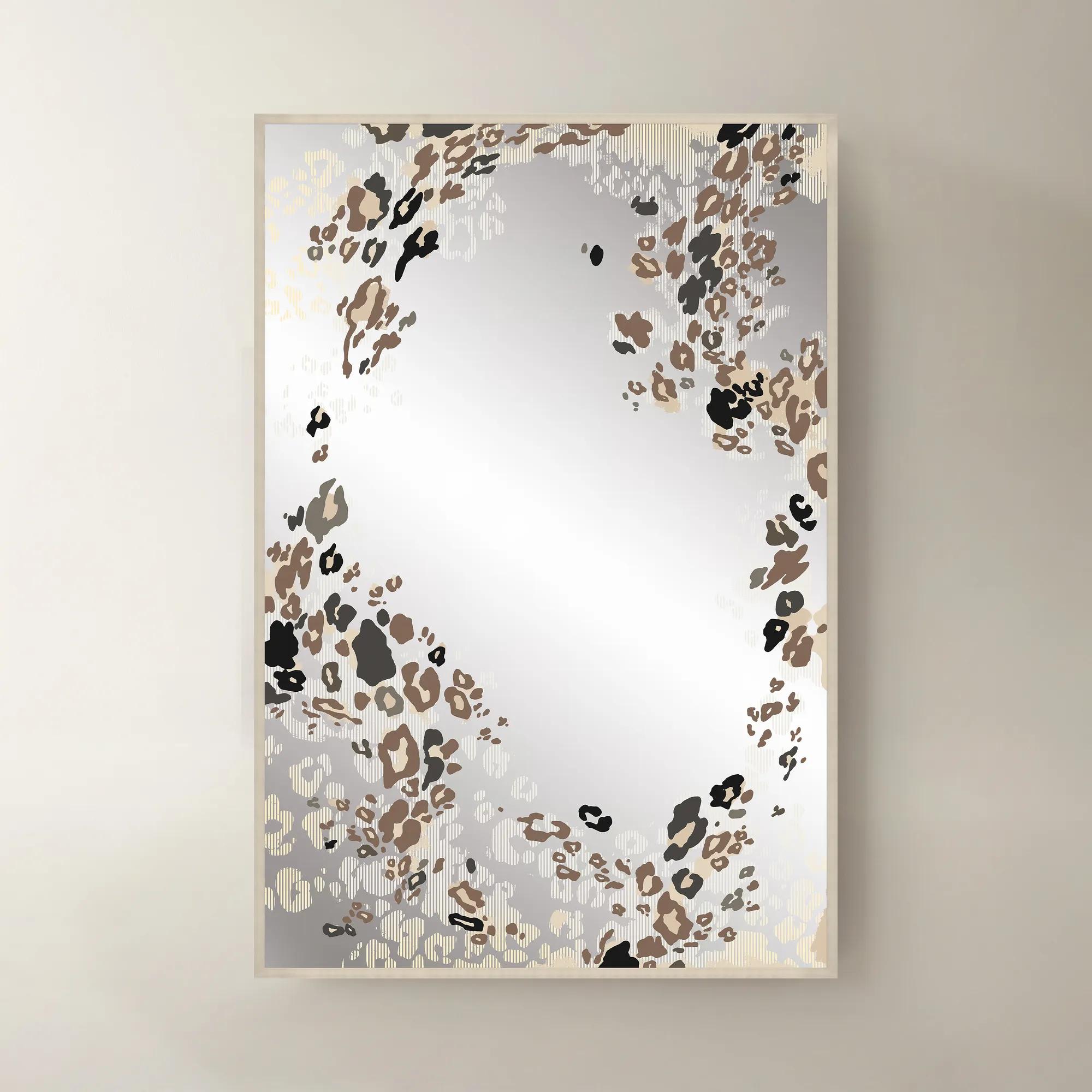
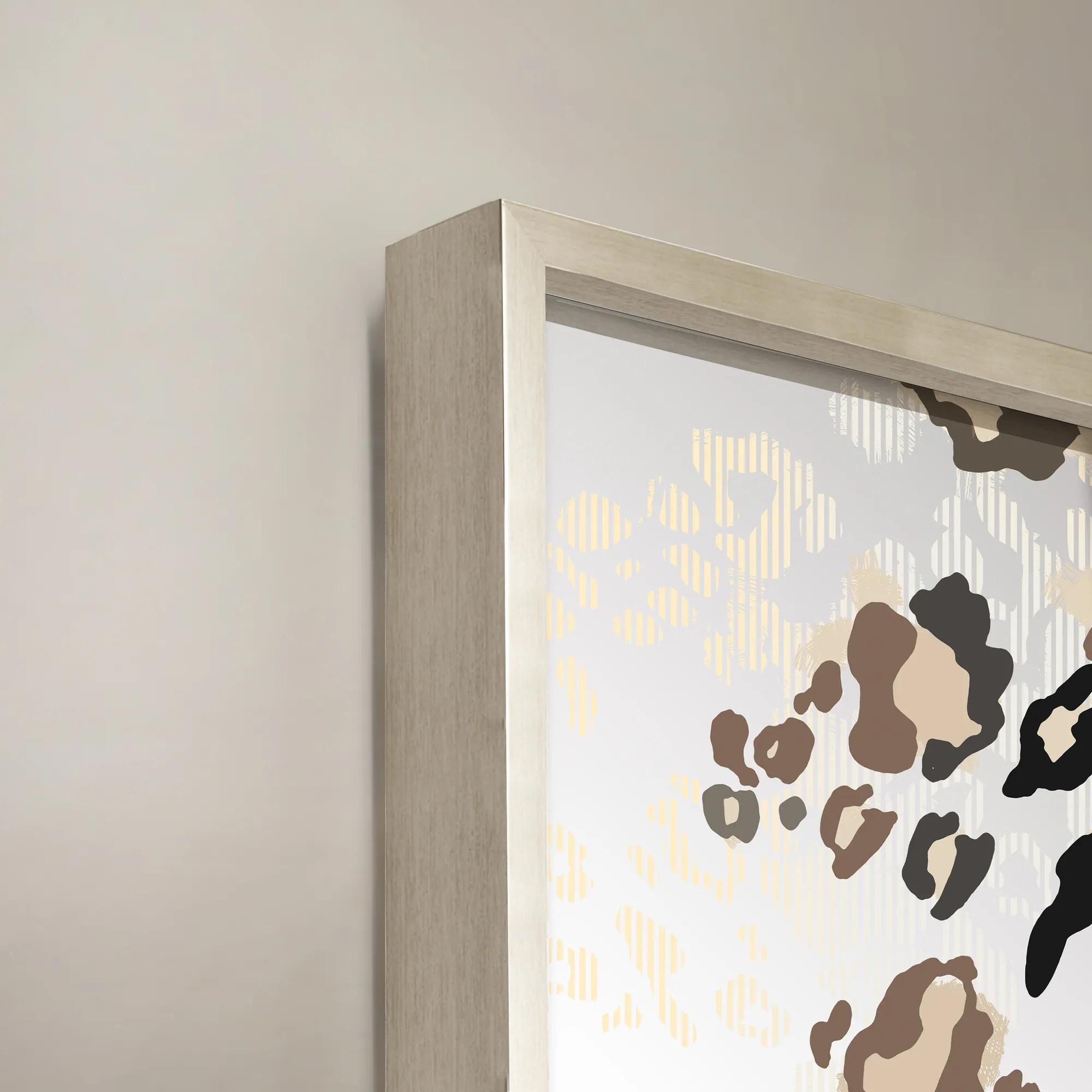 Leopard Luxe Framed Printed Wall Mirror 40" x 60"$1499
A printed mirror featuring Art Deco-inspired leopard artwork, set in a wood silver frame with brown and black tones.
Add To Cart -
 Ever Translucent Amber Resin Round Wall Mirror 40"$699
A sculptural amber resin mirror with gold accents and playful bauble-inspired forms for modern glamour.
Add To Cart

Mirrored Frames For Contemporary Homes
Mirrored frames for contemporary homes are the ultimate expression of modern glamour—transforming blank walls into luminous galleries that captivate at every glance. Each frame is a study in reflection and refinement, channeling light to create an atmosphere that feels both expansive and artfully curated. Whether poised in a dramatic entryway or anchoring a sophisticated living space, these radiant accents invite you to celebrate your boldest instincts. Elevate your décor with mirrored frames for contemporary homes and let every moment shimmer with possibility.
Mirrored frames bring reflective borders to photographs and artwork, adding visual depth, catching ambient light, and creating a polished connection between personal details and contemporary interiors. Their appeal lies in the contrast: a meaningful image remains the focal point, while its gleaming surround introduces movement, dimension, and a touch of architectural drama. Unlike a broad mirrored wall, a mirrored picture frame delivers reflection in a measured accent, making it especially expressive on a console, bedside table, or carefully composed gallery wall. A family portrait gains a luminous edge; a monochrome photograph takes on the presence of a gallery piece; an abstract print finds a crisp counterpoint to its expressive color. In rooms defined by clean lines, reflective frames add richness without requiring another strong color or pattern. Clear mirrored borders feel bright and precise, while smoky or antiqued effects introduce a more atmospheric character. Beveled edges create additional facets that catch light from different angles, giving even a restrained arrangement a jewel-like finish. The effect depends on placement and proportion: a narrow mirrored edge lends definition to a small image, while a wider border becomes a more pronounced part of the composition. Against a dark wall, the reflective perimeter creates a striking outline; on a pale wall, it feels more integrated, with subtle shifts in light bringing the edges into focus. A nearby lamp can illuminate the bevel beautifully, while a position opposite an uncovered window may produce distracting glare across the image. Mirrored frames for contemporary homes are especially compelling where polished metal, glass, lacquer, or velvet already establish a sophisticated material palette. They echo those finishes without needing to match every surface, allowing a room to feel considered rather than rigidly coordinated. The result is personal display with presence: intimate enough to hold a favorite memory, yet expressive enough to contribute to the entire room.
Materials and construction shape both the appearance and everyday performance of mirrored frames. Mirrored glass offers a crisp reflective surface, while mirrored acrylic provides a lighter alternative with different care requirements and greater susceptibility to surface scratches. Beneath the decorative border, wood, engineered wood, or metal may provide structural support; the backing, corner joints, and hanging hardware matter as much as the face of the frame. A substantial border needs a stable easel for tabletop display or securely fitted hardware for wall mounting, particularly in spaces where furniture is frequently used or passing movement could disturb a delicate arrangement. Dimensions deserve equal attention. The stated photo opening, the visible image area, and the overall exterior measurements are not always identical, and a broad mirrored surround can make a modest photograph occupy a surprisingly generous footprint. On a narrow console, that extra width may determine whether a frame sits comfortably beside a lamp or crowds the surface. For wall groupings, sufficient space between frames allows each reflective outline to remain distinct. Matting also changes the effect: a generous neutral mat gives detailed artwork breathing room, while a closer fit creates a more intimate presentation. Treasured photographs benefit from suitable preservation materials, such as acid-free mats and archival backing, but a mirrored border alone does not provide protection against fading. Direct sunlight can affect the image inside, regardless of how beautifully the frame reflects it. Everyday care is best kept gentle and consistent with the material’s care instructions. A clean, soft microfiber cloth removes light dust without scouring the finish; when an appropriate cleaner is needed, applying it sparingly to the cloth rather than spraying the frame helps keep moisture away from seams and backing. Abrasive pads can scratch reflective surfaces, and excess liquid can compromise vulnerable edges. Dry interior settings, careful handling at the supported sides, and secure placement help preserve the frame’s clarity and structure, allowing its brilliance to remain part of the room’s character over time.
The most memorable arrangements balance reflection with materials that absorb light. A mirrored frame beside a textured ceramic vessel or against a richly upholstered wall gains distinction because every surface is not competing to shine. On a living room console, one generous framed photograph can anchor the composition, with a lower sculptural accent nearby and open space around the reflective border. In a home office, a pair of coordinated frames can give professional portraits, architectural photography, or personal milestones a composed presence without overwhelming the desk. A bedroom dresser calls for a more intimate scale, where a meaningful photograph can sit beside a jewelry box and a softly shaded lamp. Mixed orientations work particularly well when the images share a visual thread, such as black-and-white photography or a restrained palette of warm neutrals. Identical borders create rhythm, while varied widths introduce a more collected mood; keeping either the finish or the image treatment consistent prevents the arrangement from feeling scattered. Larger reflective accents can extend the same design language through Arched Mirrors for Contemporary Spaces, with curved silhouettes offering a graceful counterpoint to rectangular picture frames. The relationship feels strongest when scale is deliberate: a substantial wall mirror establishes the architectural gesture, and smaller mirrored frames carry that gleam into the room’s personal details. These frames also make thoughtful gifts for people furnishing a first home, celebrating a wedding, marking a graduation, or honoring a family milestone. The appeal is both decorative and deeply individual, especially when the frame suits the recipient’s interior and the image has genuine significance. For an art enthusiast, a reflective border can underscore a graphic print; for someone devoted to family photography, it gives an everyday display a more distinguished setting. Throughout contemporary homes, mirrored frames offer a way to make meaningful images feel fully integrated into the design. Their reflective edges bring animation to still arrangements, lending photographs and artwork the attention they deserve while enriching the room with light, contrast, and quiet spectacle.
FAQs
Mirrored frames complement a wide spectrum of contemporary styles, from minimalist urban lofts to maximalist glamour. Their reflective surfaces work beautifully with metallic accents, plush textiles, and bold color palettes, creating a sense of depth and drama. They also blend seamlessly with Art Deco, Hollywood Regency, and modern eclectic interiors, making them a versatile choice for those who love to experiment with expressive design.
During the winter, mirrored frames capture and amplify limited natural light, brightening interiors and creating a sense of airiness even on the darkest days. Their luminous surfaces reflect candlelight and firelight, adding warmth and a touch of sparkle that transforms cozy gatherings and quiet evenings into moments of understated luxury.
Absolutely. Mirrored frames make exceptional gifts for housewarmings, weddings, anniversaries, or milestone celebrations. Their timeless elegance and versatility ensure they suit a wide range of tastes, and they offer a thoughtful way to showcase cherished memories or meaningful artwork in a truly striking presentation.
Mirrored frames can be styled in unexpected ways—leaned casually atop a mantel, layered with other frames for a curated gallery look, or even used as tray displays on coffee tables to showcase candles or floral arrangements. Their reflective quality adds dimension and intrigue wherever they are placed, inviting playful experimentation throughout the home.
Mirrored frames act as both functional and artistic elements, amplifying light and creating visual interest. They serve as luminous focal points that draw the eye and elevate the everyday, transforming ordinary walls into moments of reflection and beauty. In contemporary spaces, they embody the spirit of bold self-expression and refined glamour.