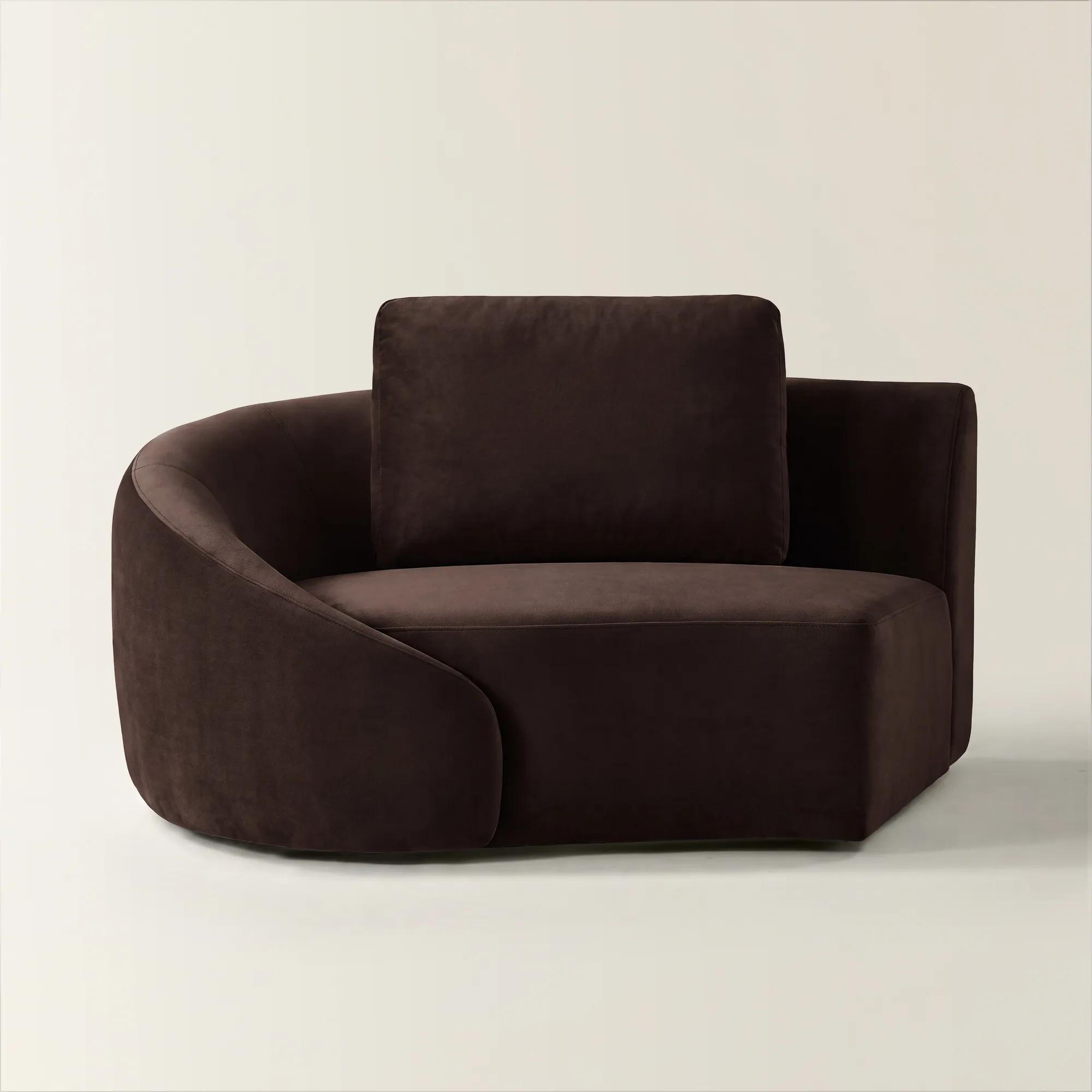
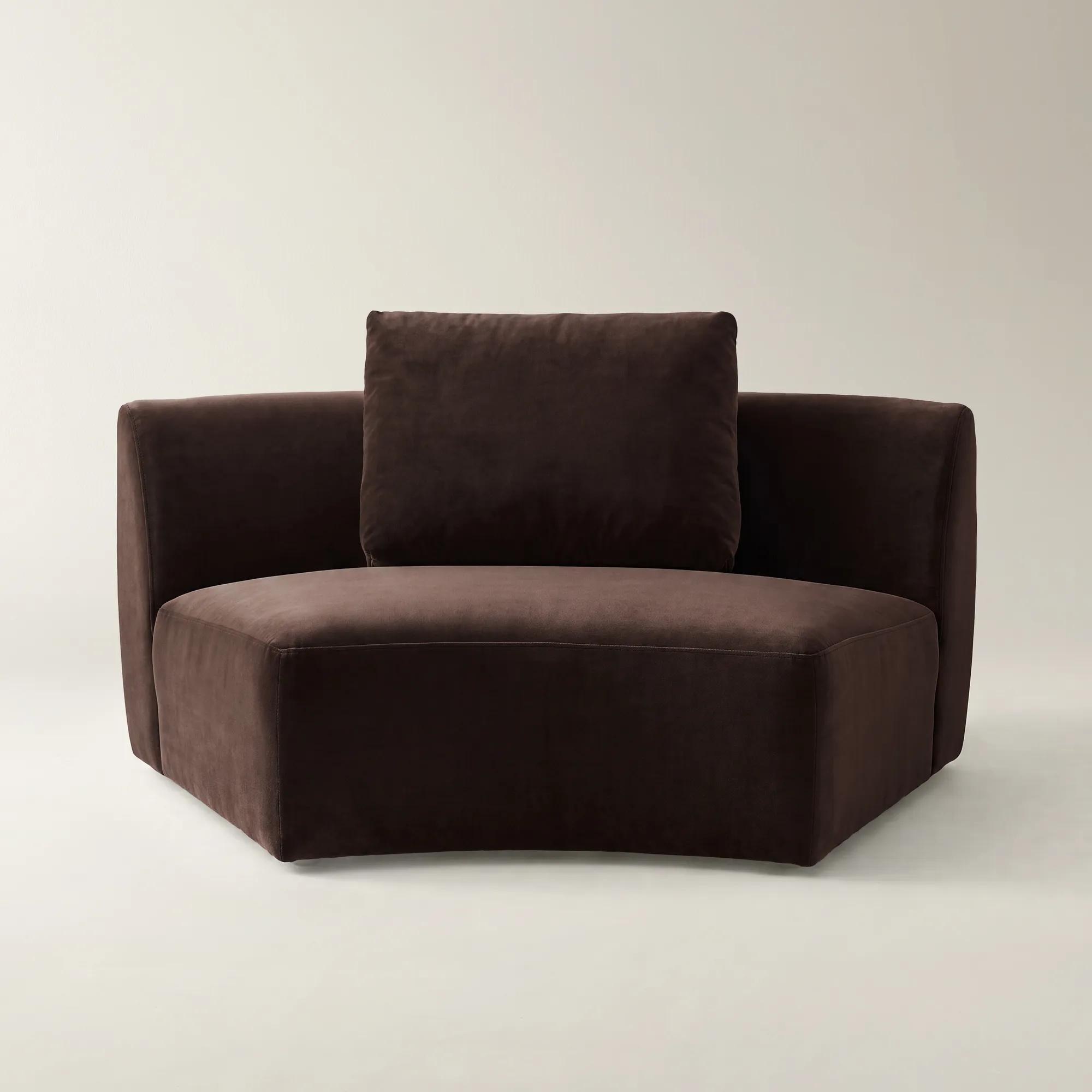
Minimalist Sectional Sofas
Minimalist Sectional Sofas
-
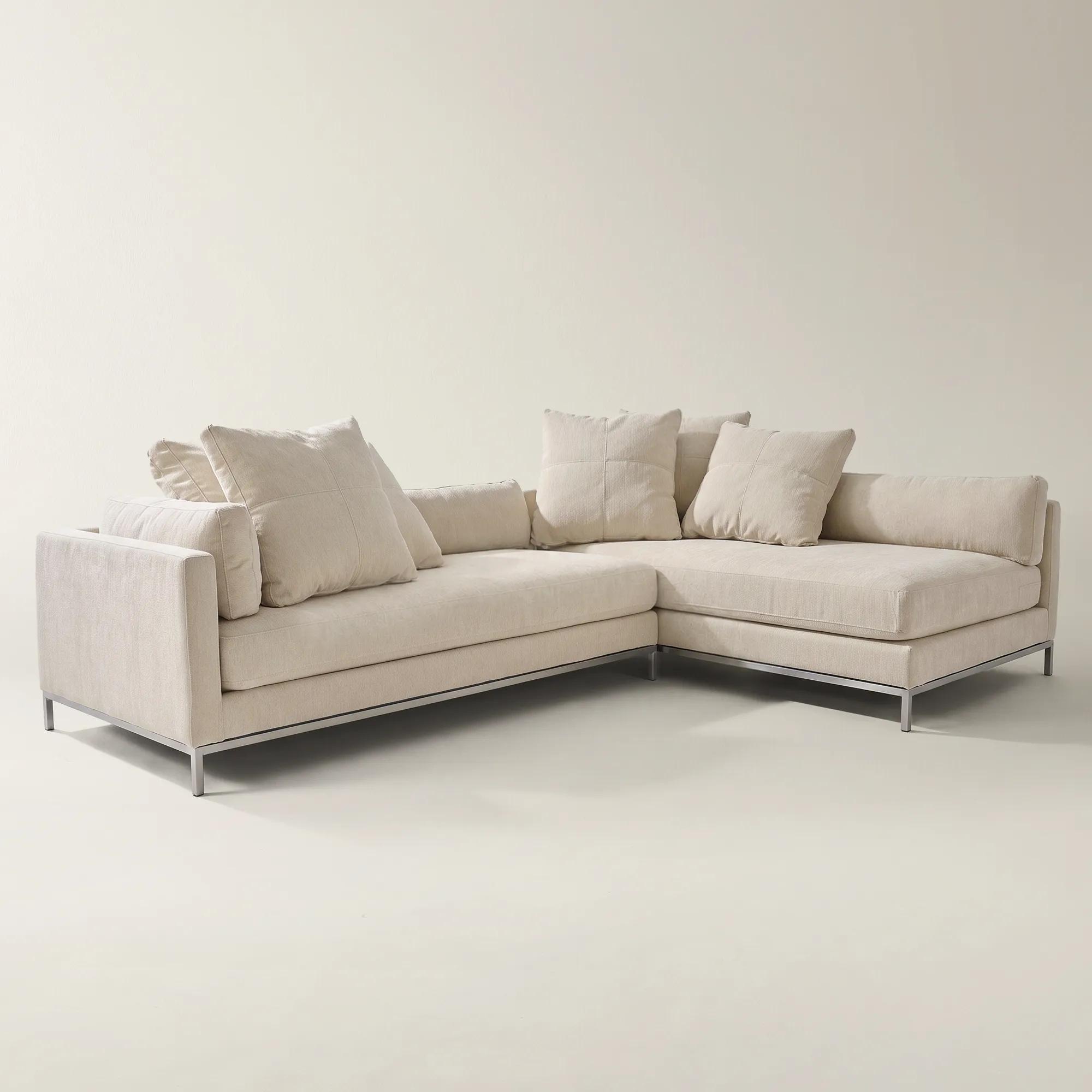
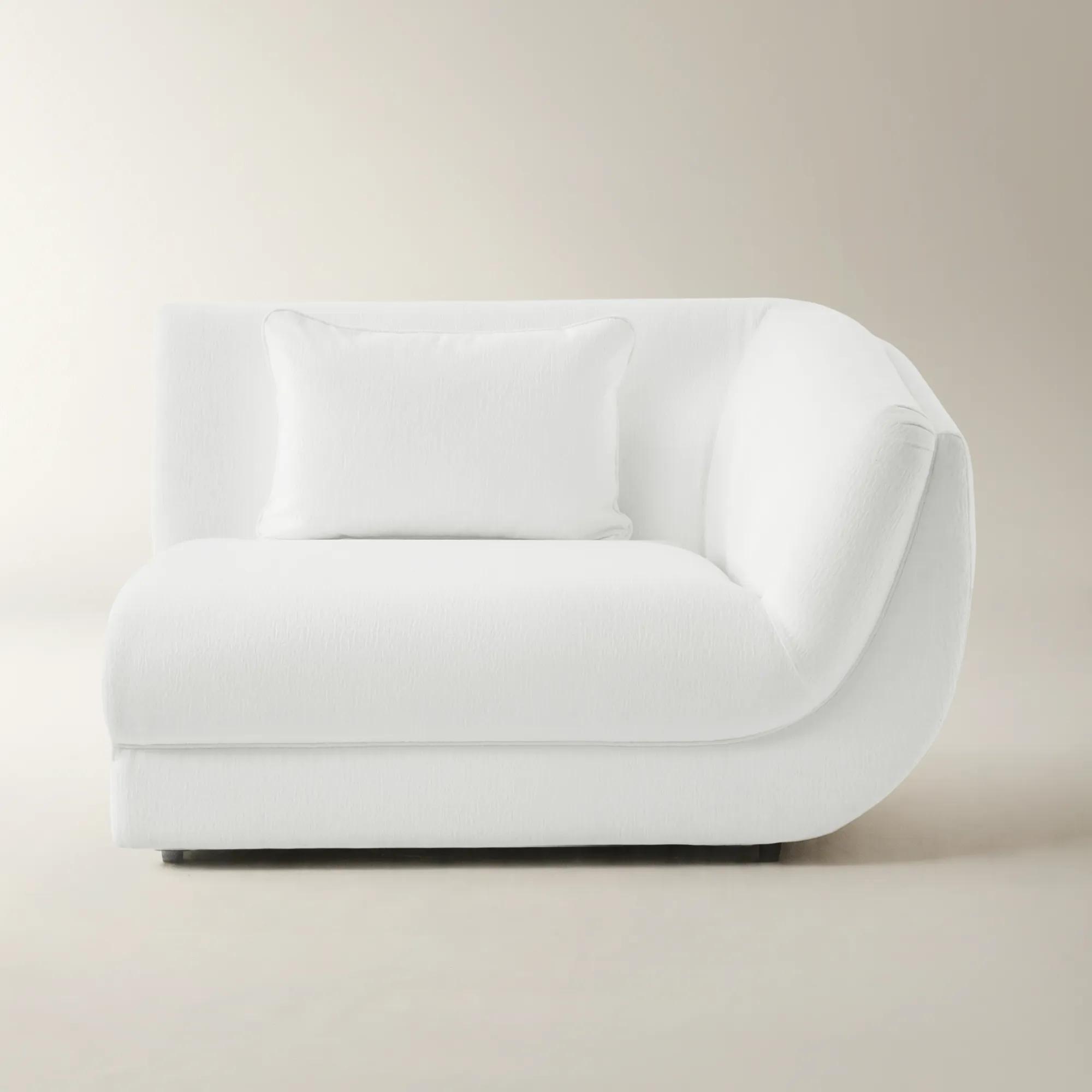
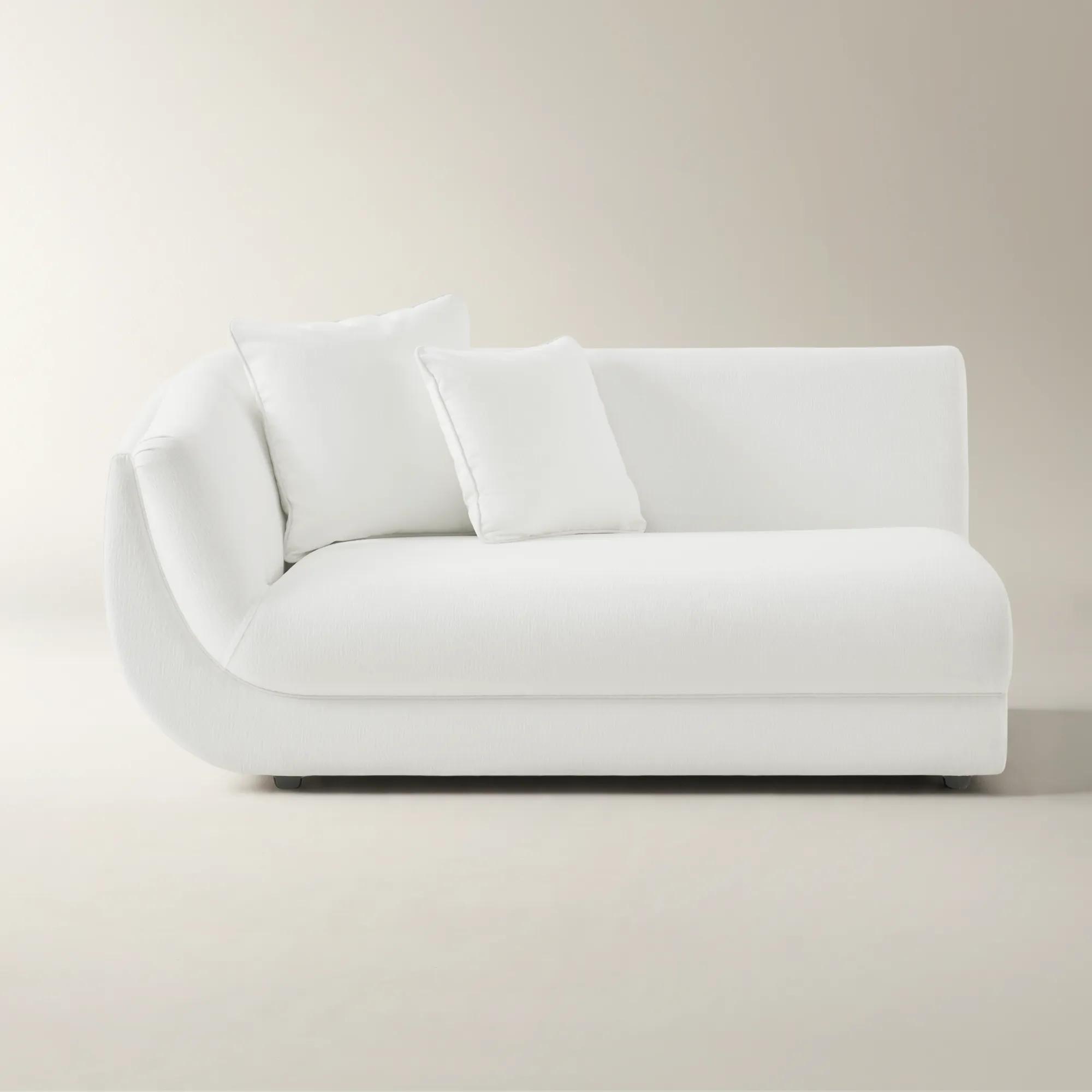
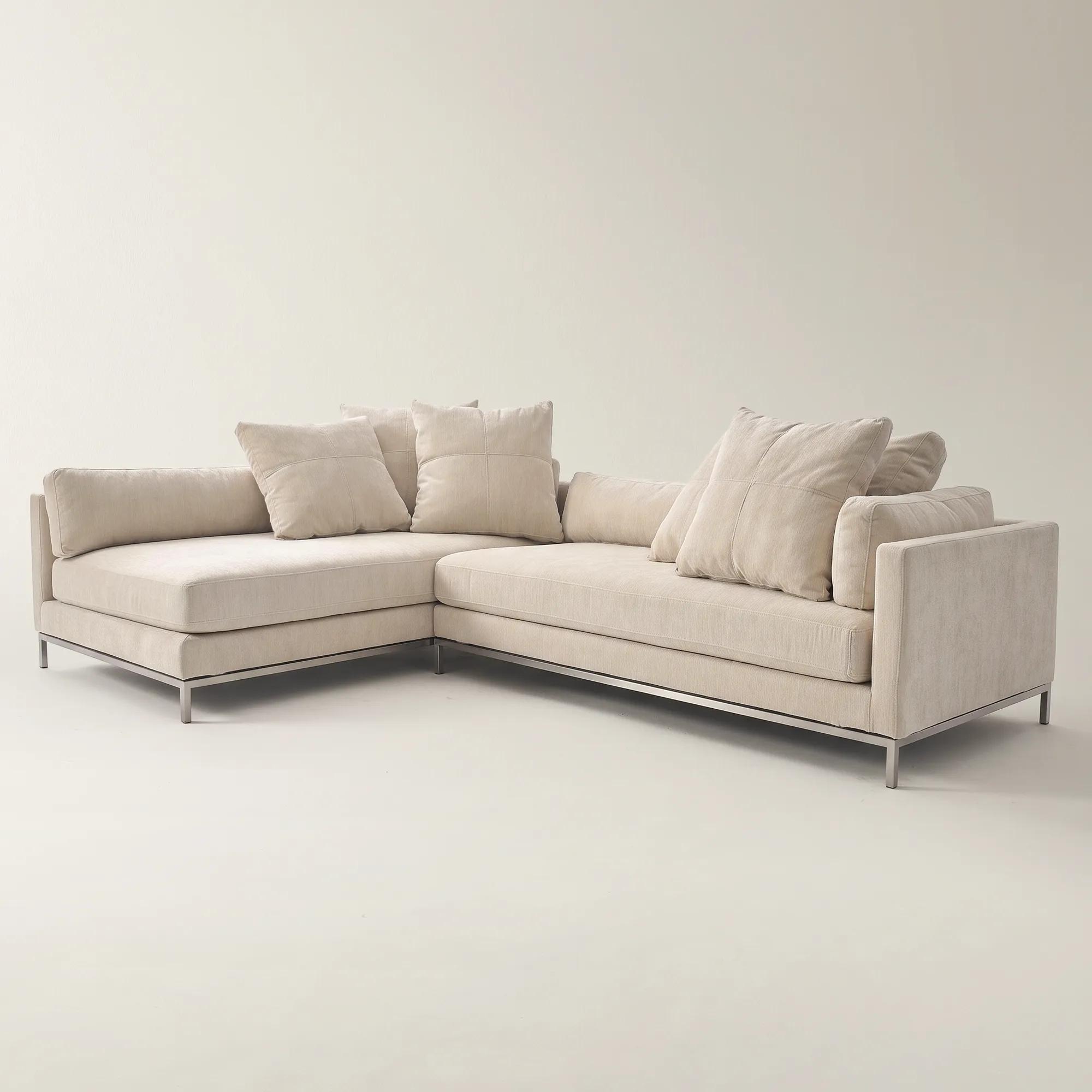
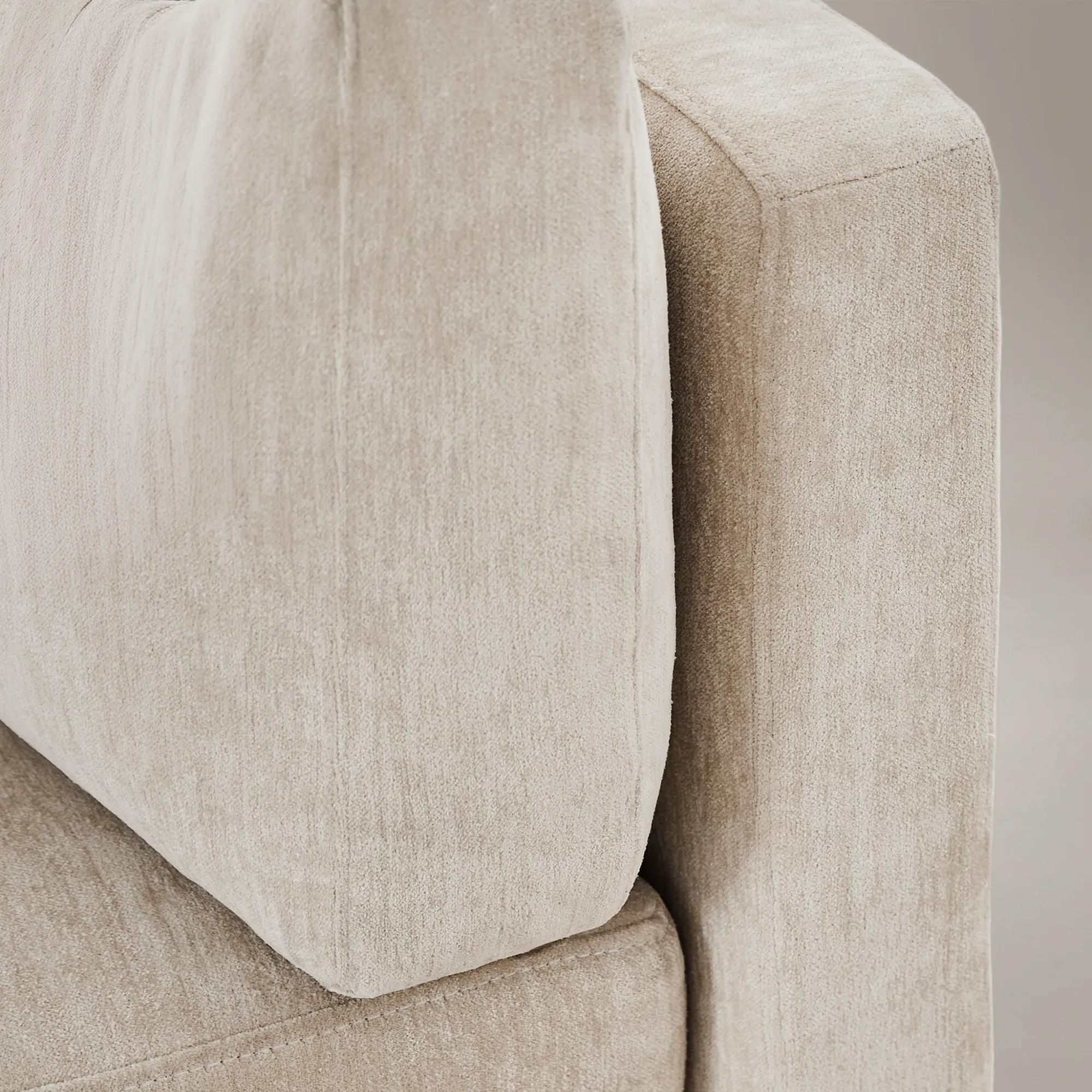 Ventura 2-Piece L-Shaped Snow Chenille Sectional Sofa With Left-Arm Chair$4099
A modern Snow chenille sectional with plush feather-filled pillows, supportive cushioning, and a stainless-steel base.
Add To Cart -
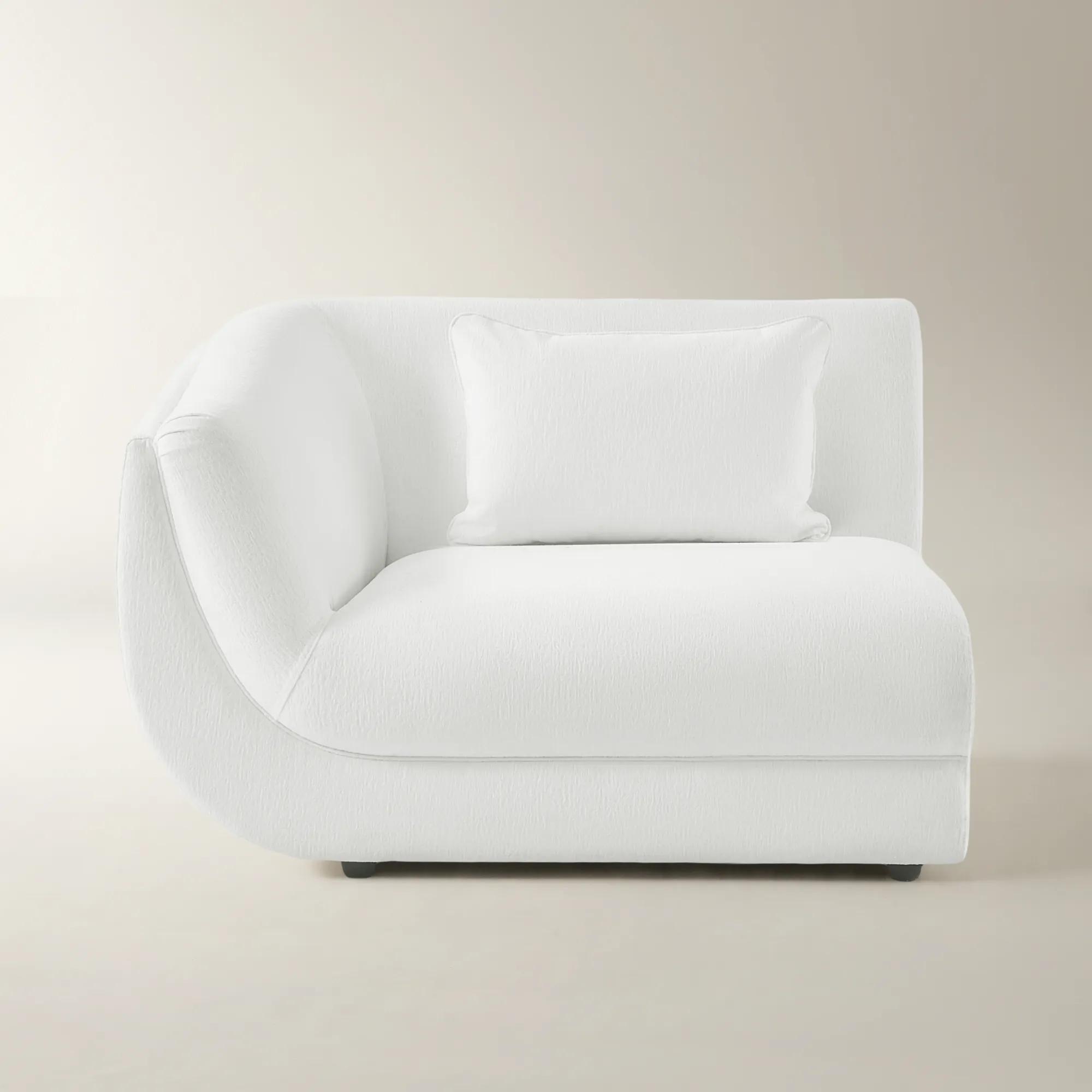
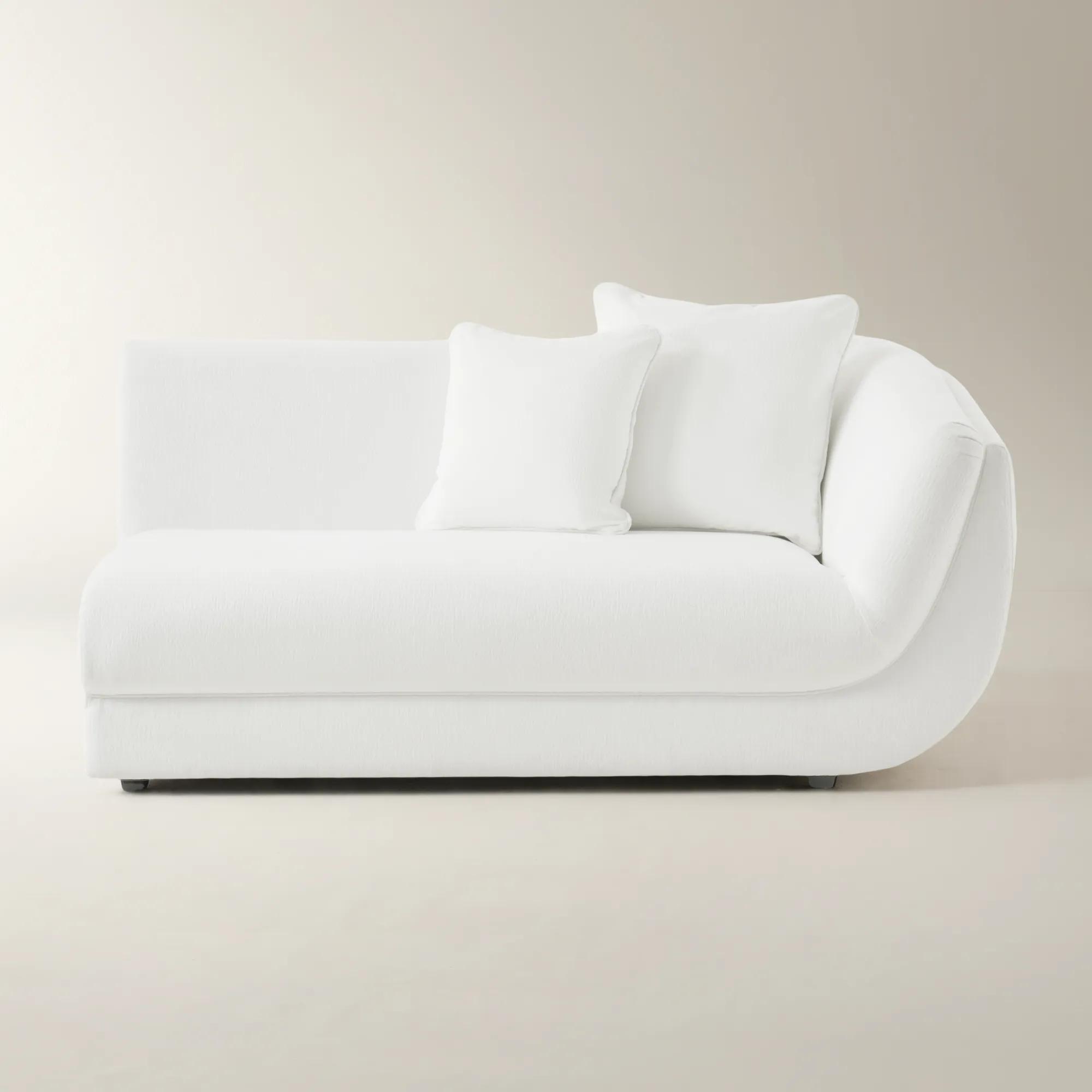
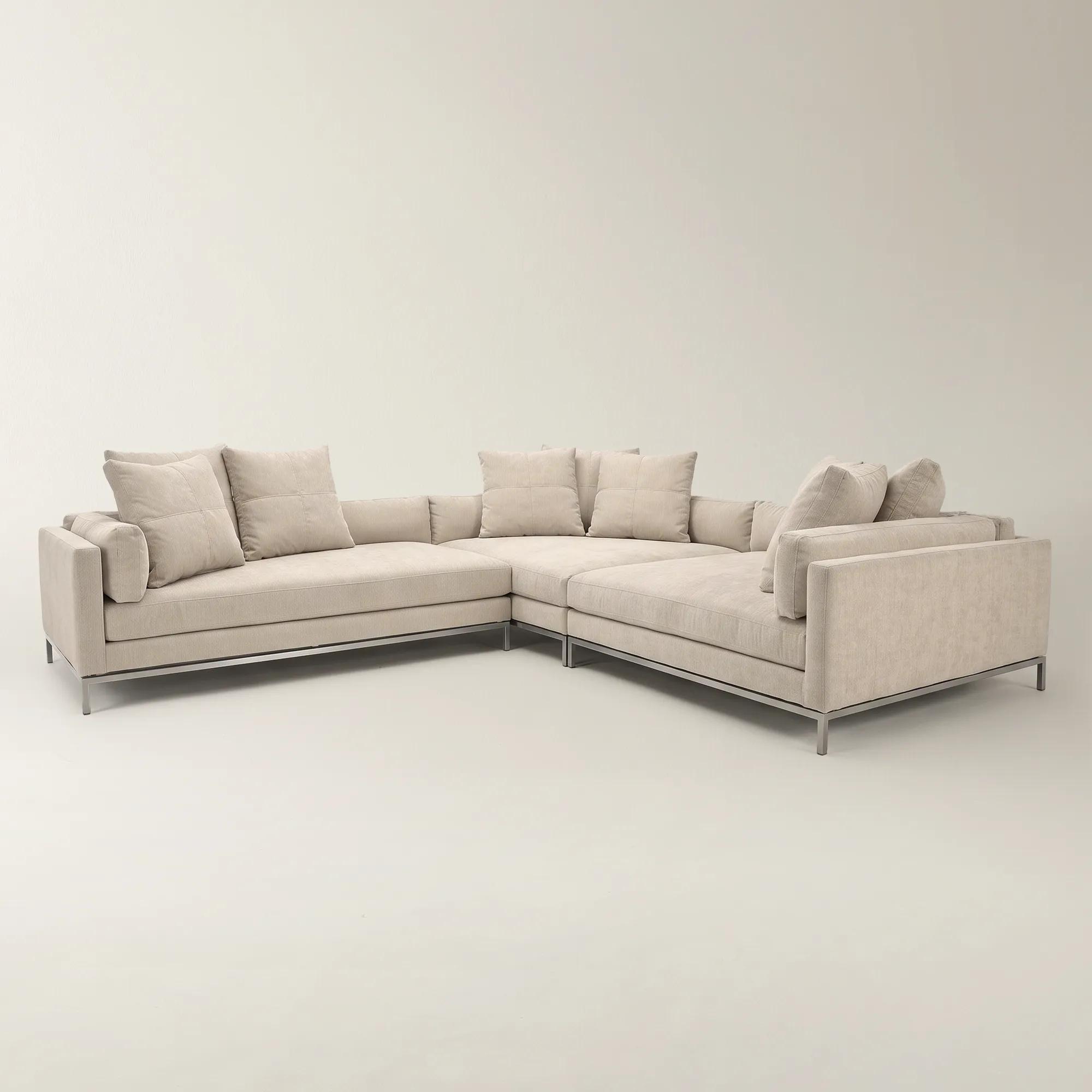
 Ventura 2-Piece L-Shaped Snow Chenille Sectional Sofa With Right-Arm Chair$4099
A modern Snow chenille sectional with plush feather-filled cushions, streamlined metal base, and versatile L-shaped comfort.
Add To Cart -
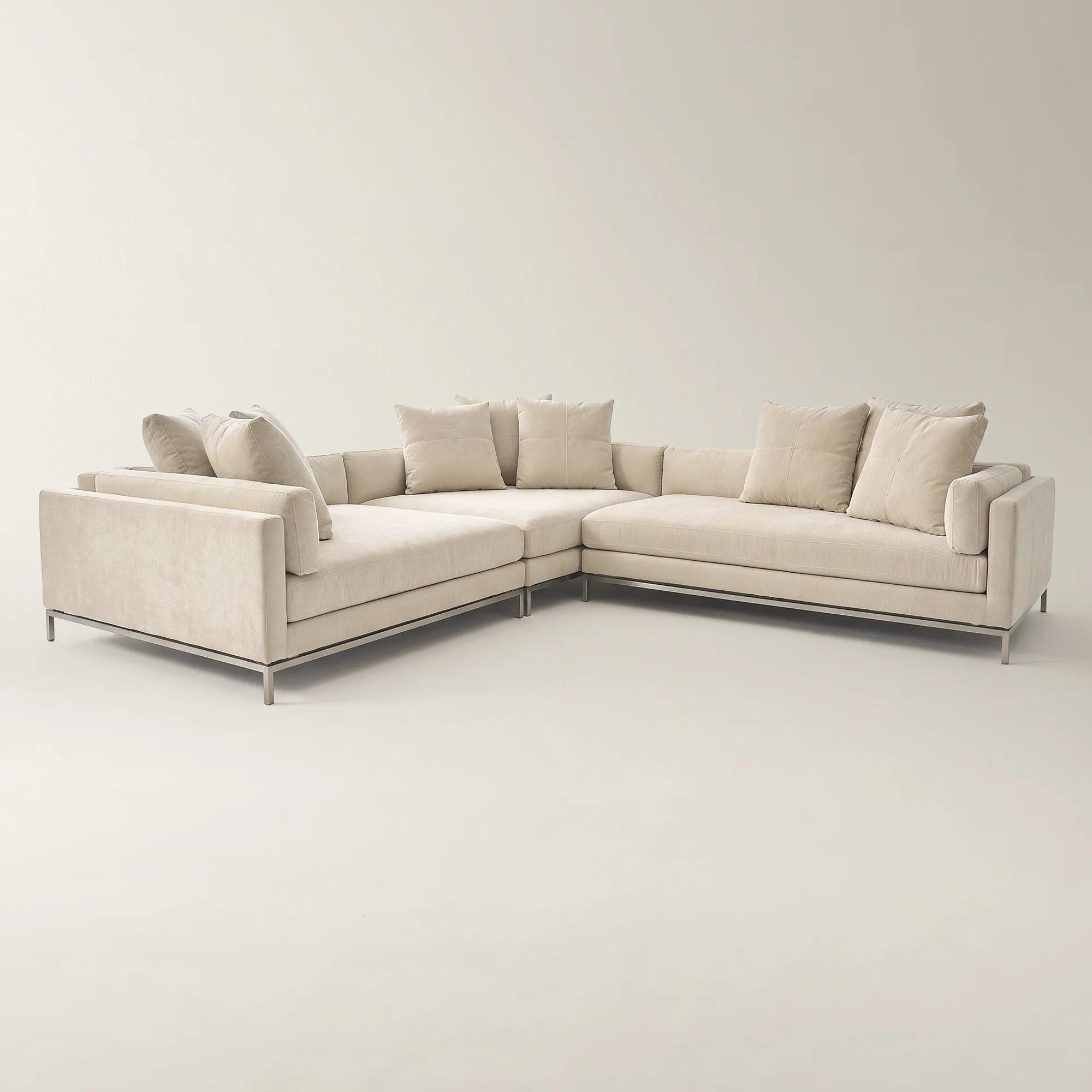
 Ventura 3-Piece L-Shaped Snow Chenille Sectional Sofa With Left-Arm Chair$5999
A modern Snow chenille sectional with a stainless-steel base, plush feather pillows, and deep-seated comfort.
Add To Cart -
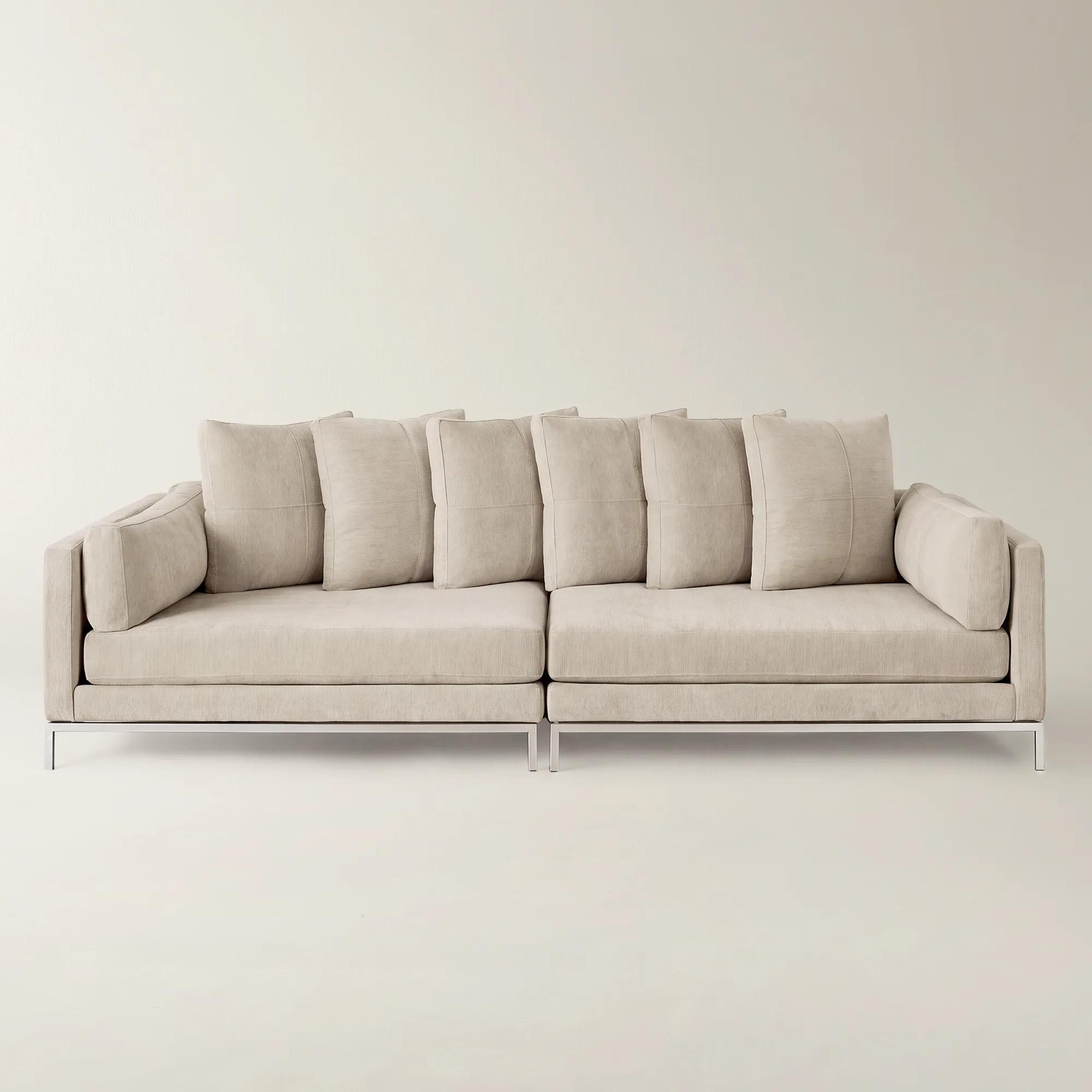
 Ventura 3-Piece L-Shaped Snow Chenille Sectional Sofa With Right-Arm Chair$5999
A snow chenille sectional with a streamlined floating silhouette, plush feather-filled cushions, and versatile L-shaped seating.
Add To Cart -
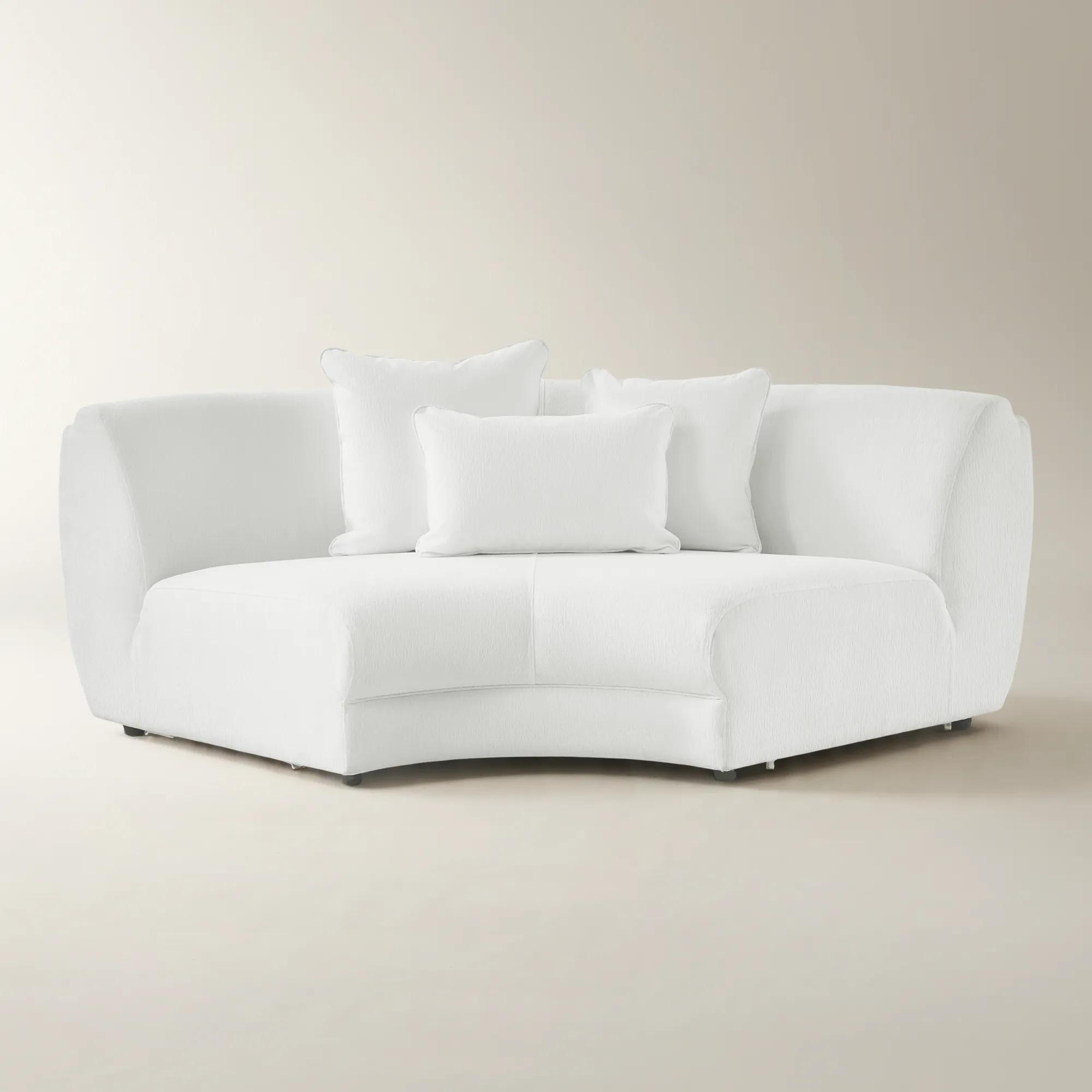
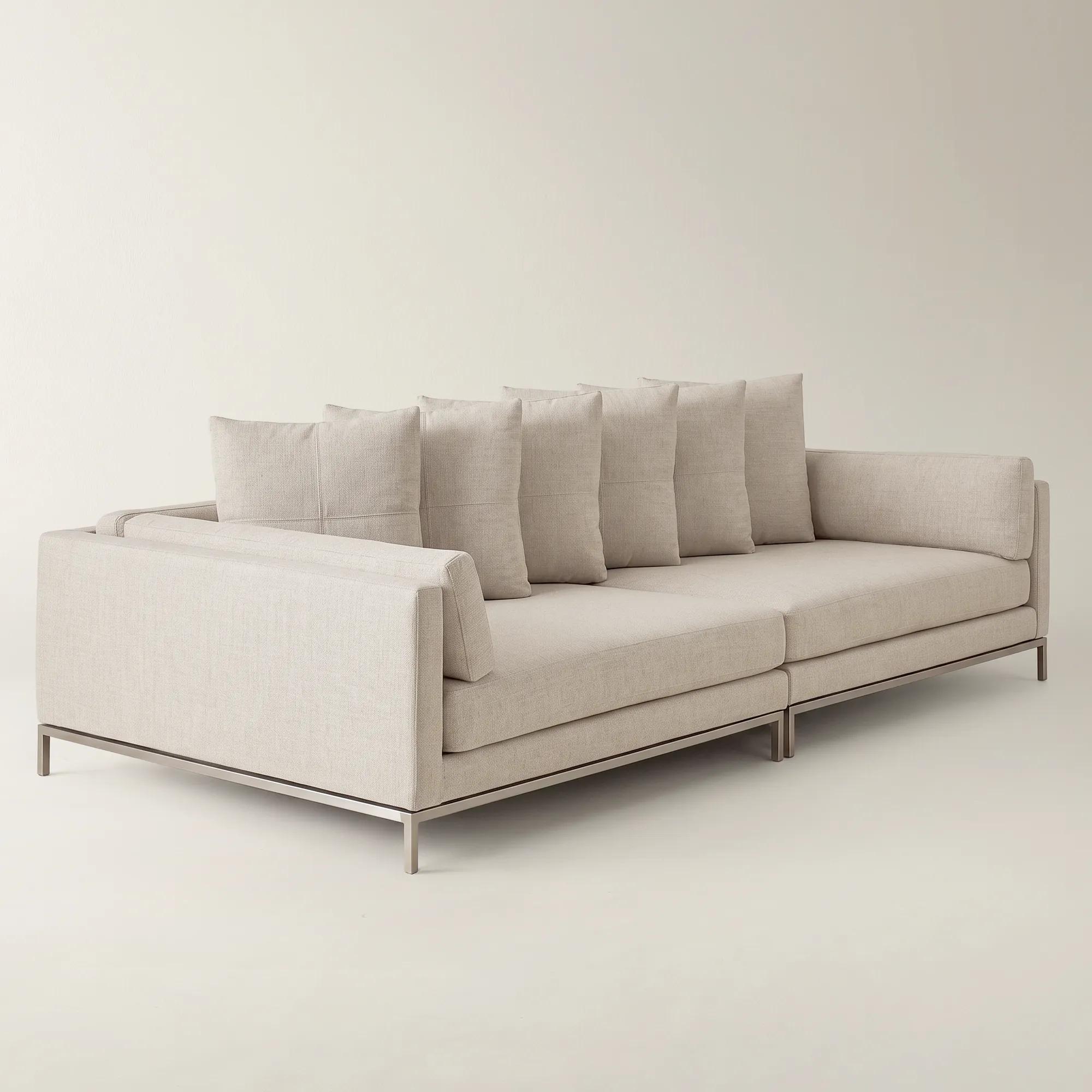 Ventura 2-Piece Square Snow Chenille Sectional Sofa$4299
A modern snow chenille sectional with a floating stainless-steel base, plush feather-filled pillows, and versatile configurations.
Add To Cart -
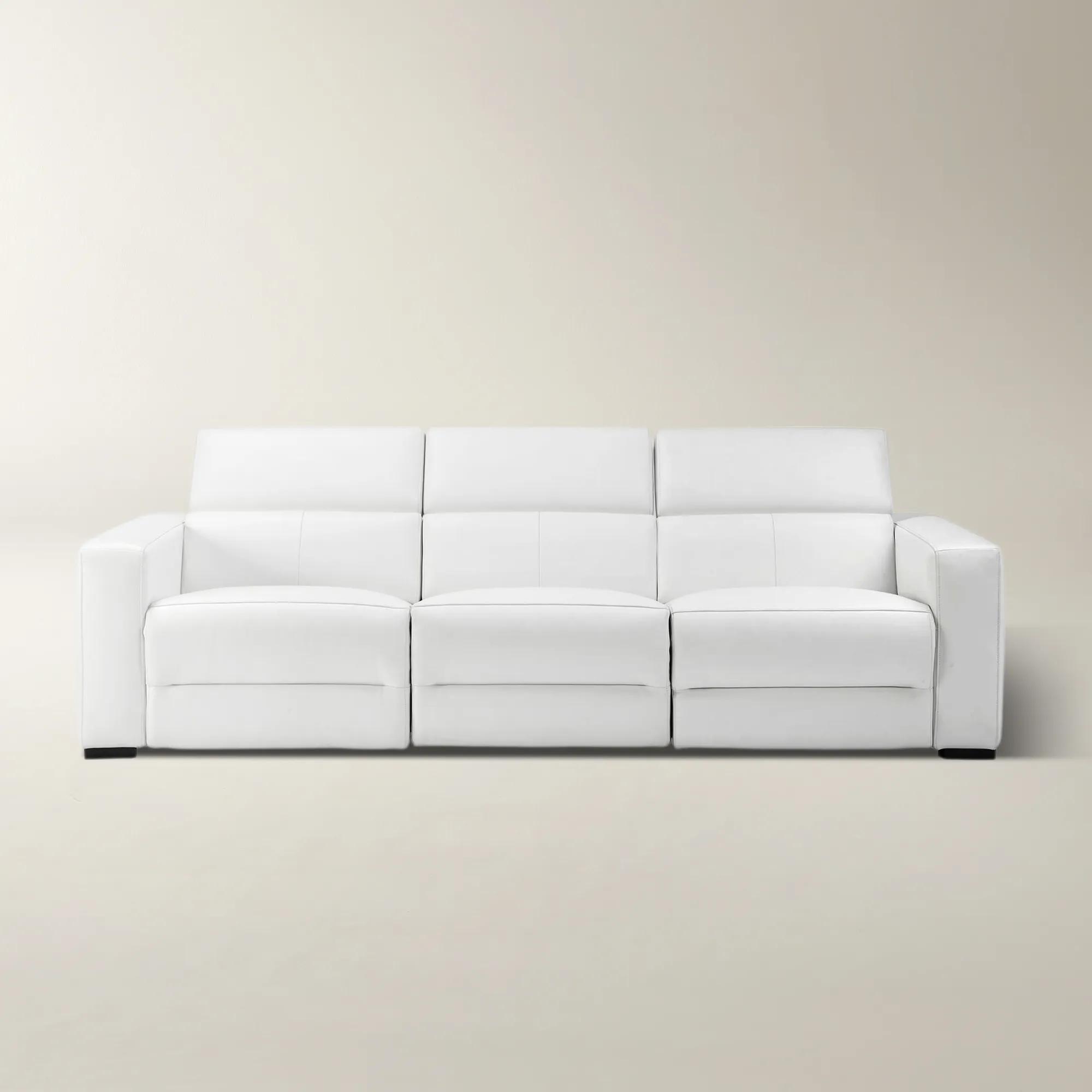
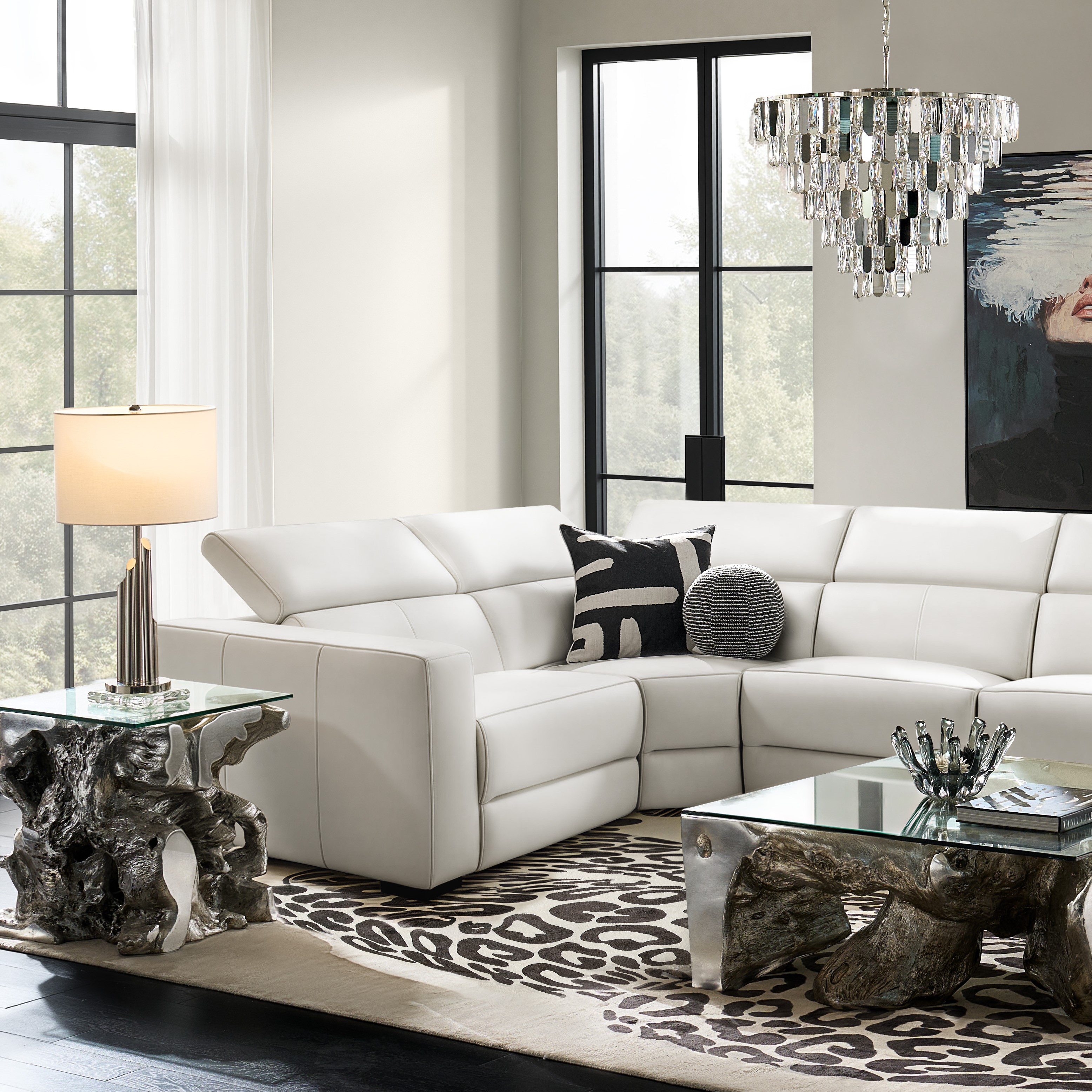 Verona 3-Piece White Leather Sectional Sofa$4399
A modern white sectional upholstered in supple semi-aniline leather with adjustable headrests and power-reclining seats.
Add To Cart -
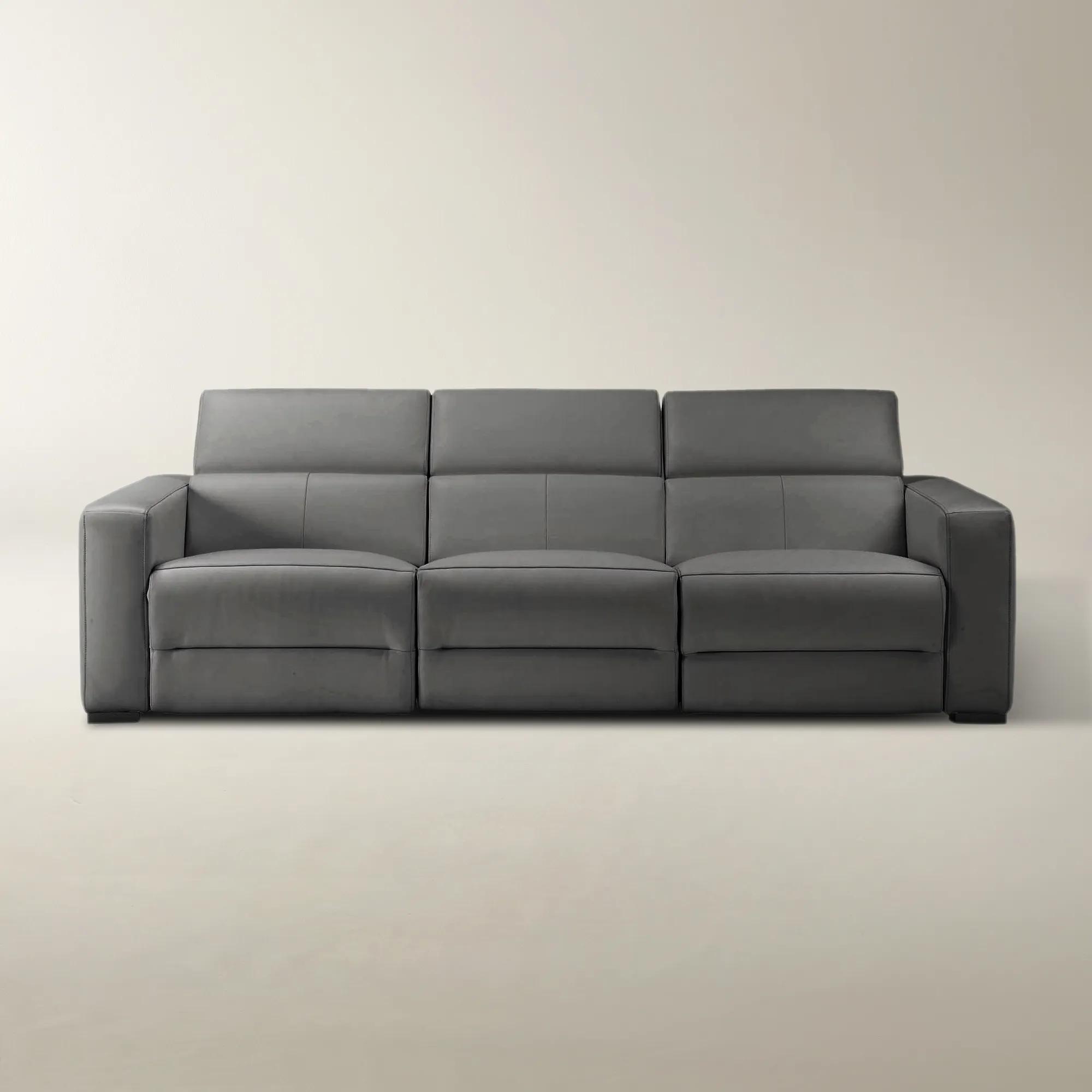 Verona 3-Piece Charcoal Leather Sectional Sofa$4399
A charcoal semi-aniline leather sectional featuring adjustable headrests, kiln-dried hardwood frame, and optional power recline.
Add To Cart -
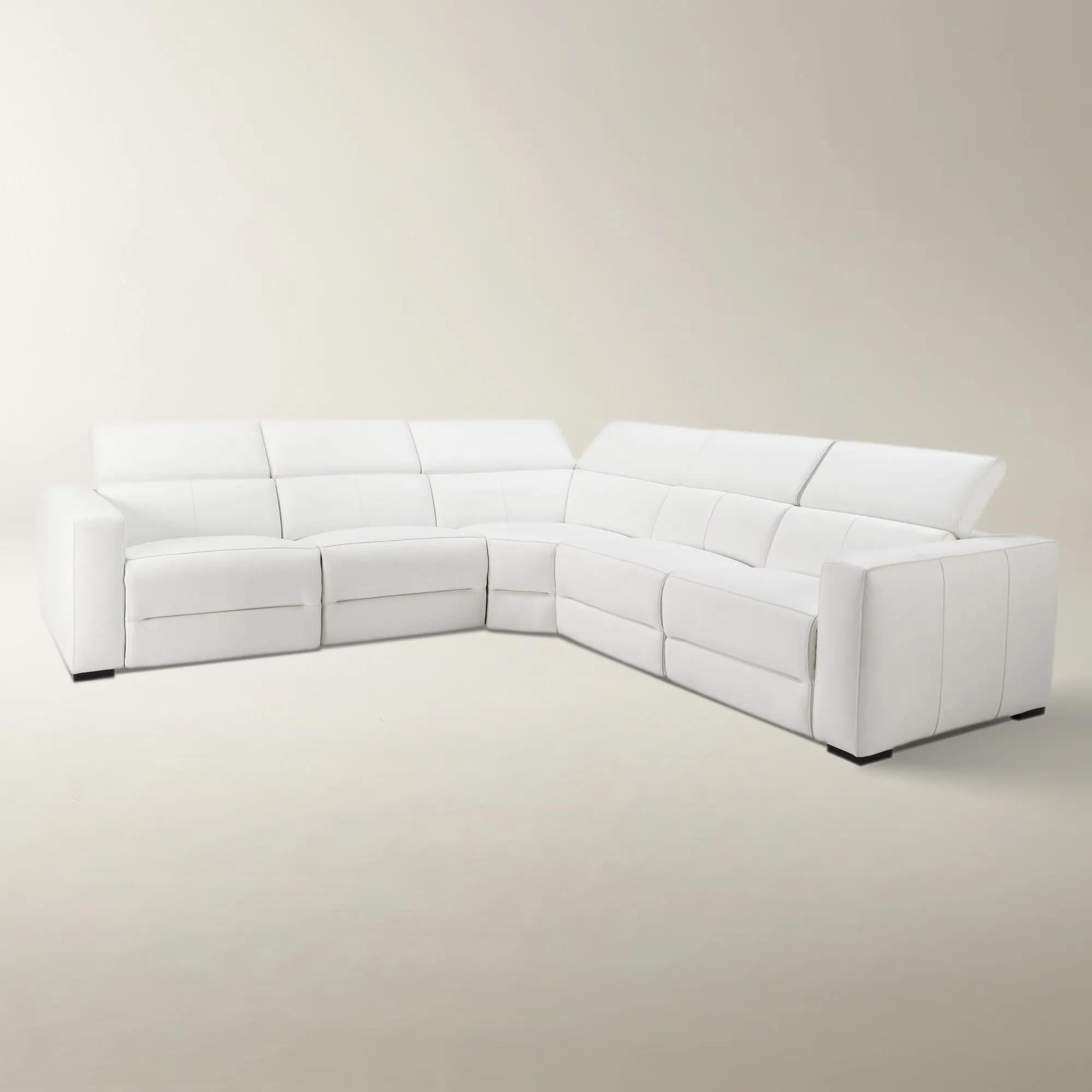 Verona 5-Piece Reclining White Leather Sectional Sofa$7199
A modern sectional upholstered in supple white semi-aniline leather with adjustable headrests and power-reclining seats.
Add To Cart -
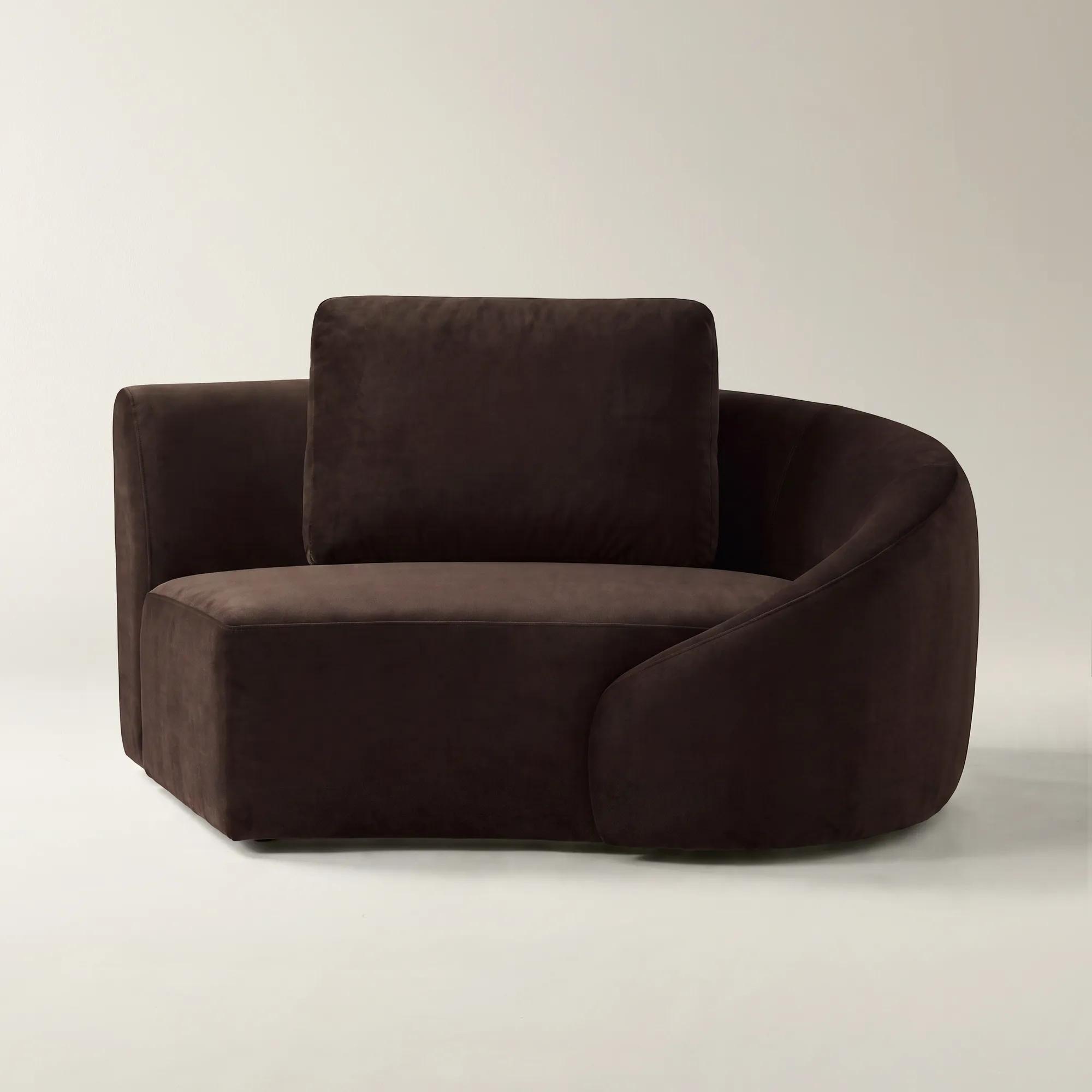
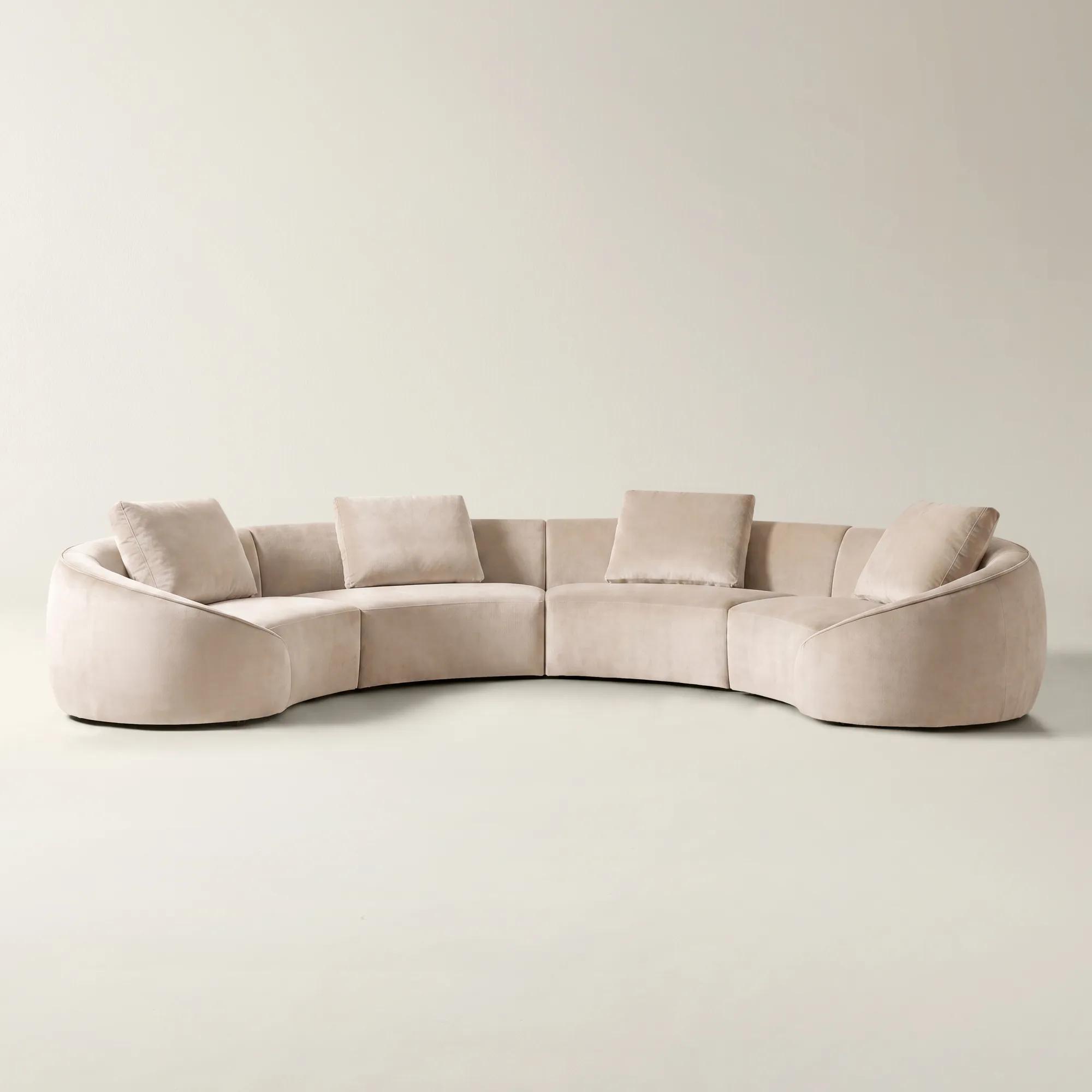 Irene 4-Piece Simply Taupe Velvet Sectional Sofa$4599
A sculptural taupe velvet sectional featuring high-resiliency foam cushions and hand-finished artisan upholstery.
Add To Cart -
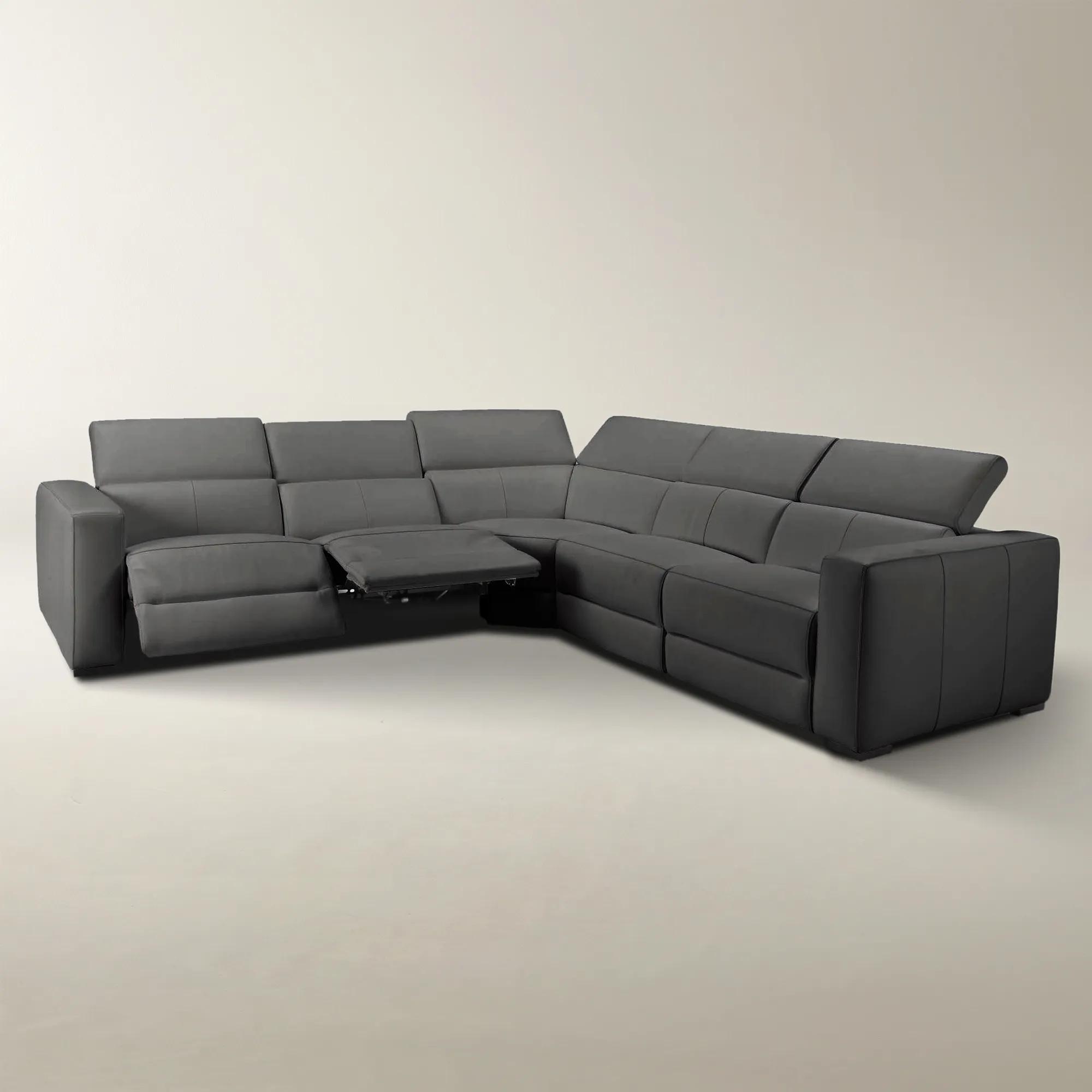 Verona 5-Piece Reclining Charcoal Leather Sectional Sofa$7199
A charcoal semi-aniline leather sectional featuring adjustable headrests, kiln-dried hardwood frame, and optional power recline.
Add To Cart -
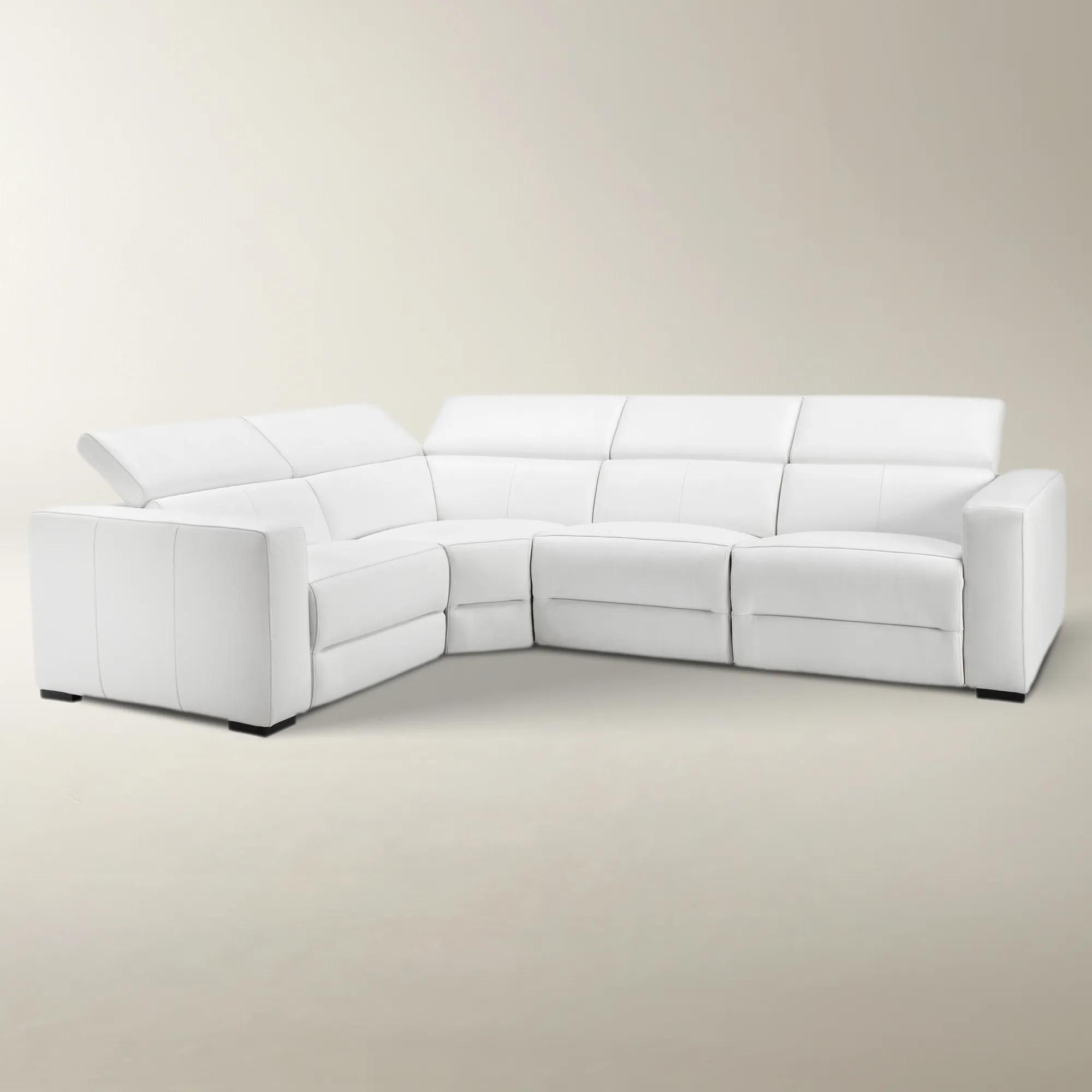 Verona 4-Piece L-Shaped Reclining White Leather Sectional Sofa With Left-Arm$5899
A modern sectional upholstered in supple white semi-aniline leather with adjustable headrests and power-reclining seats.
Add To Cart -
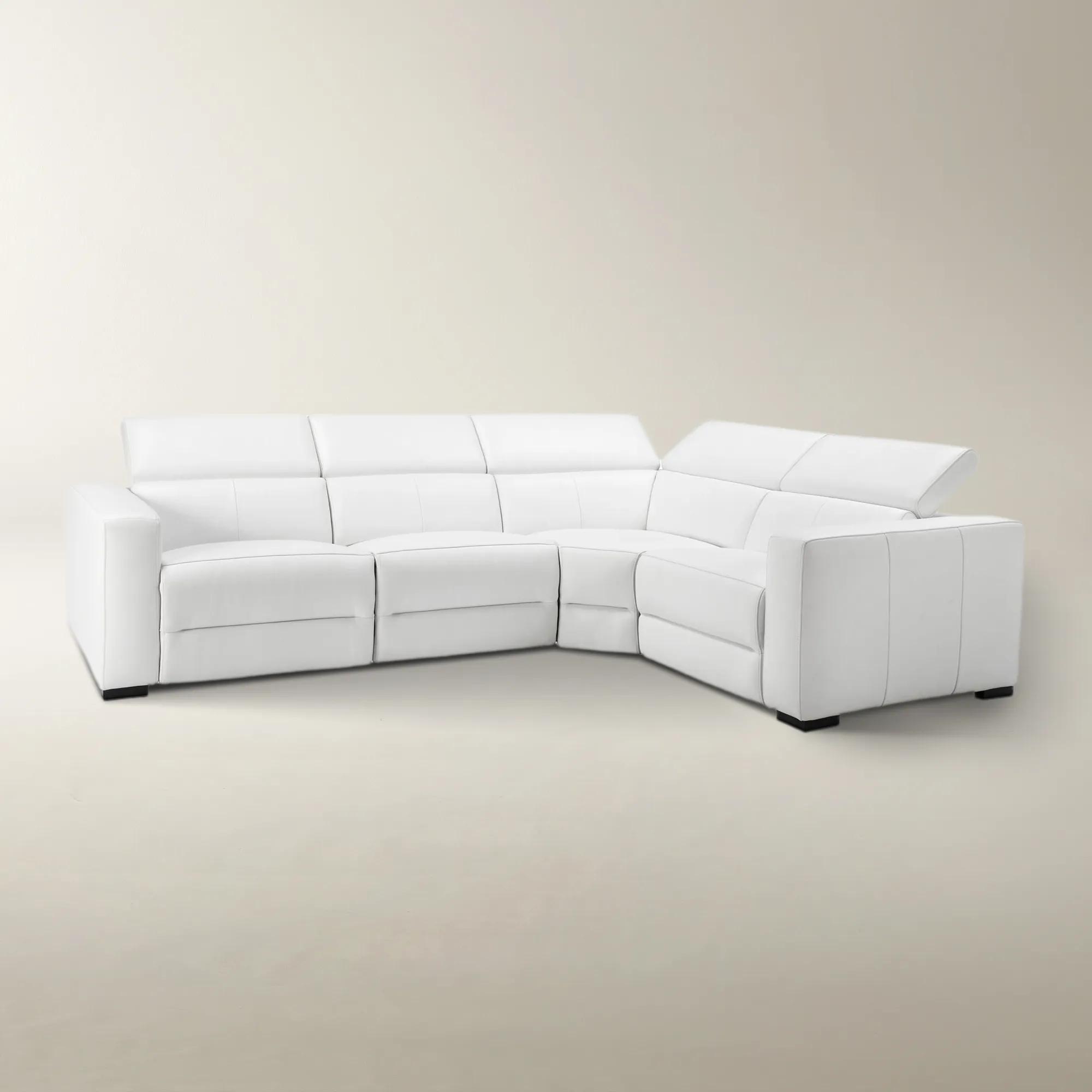 Verona 4-Piece L-Shaped Reclining White Leather Sectional Sofa With Right-Arm$5899
A modern sectional upholstered in supple white semi-aniline leather with adjustable headrests and power-reclining seats.
Add To Cart -
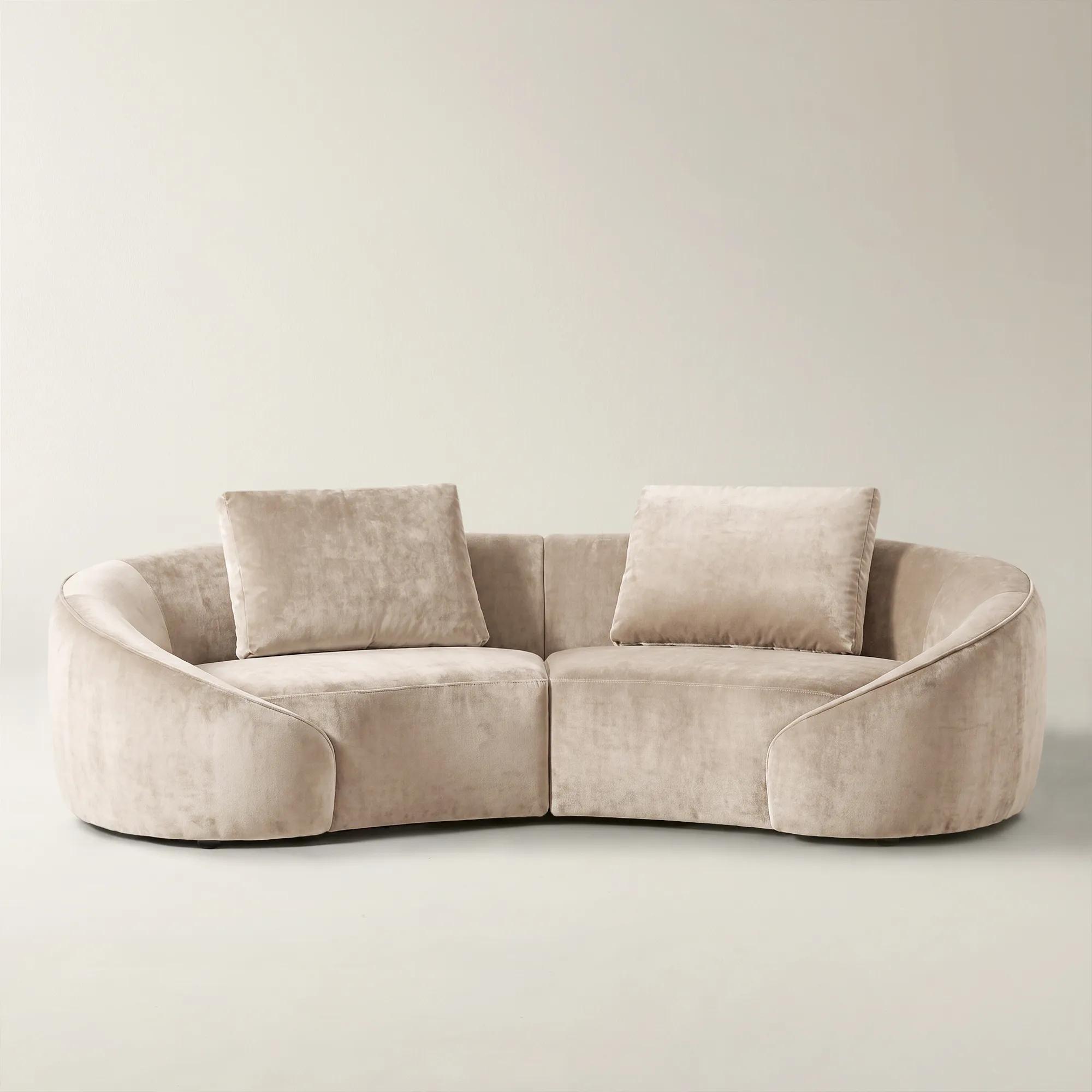
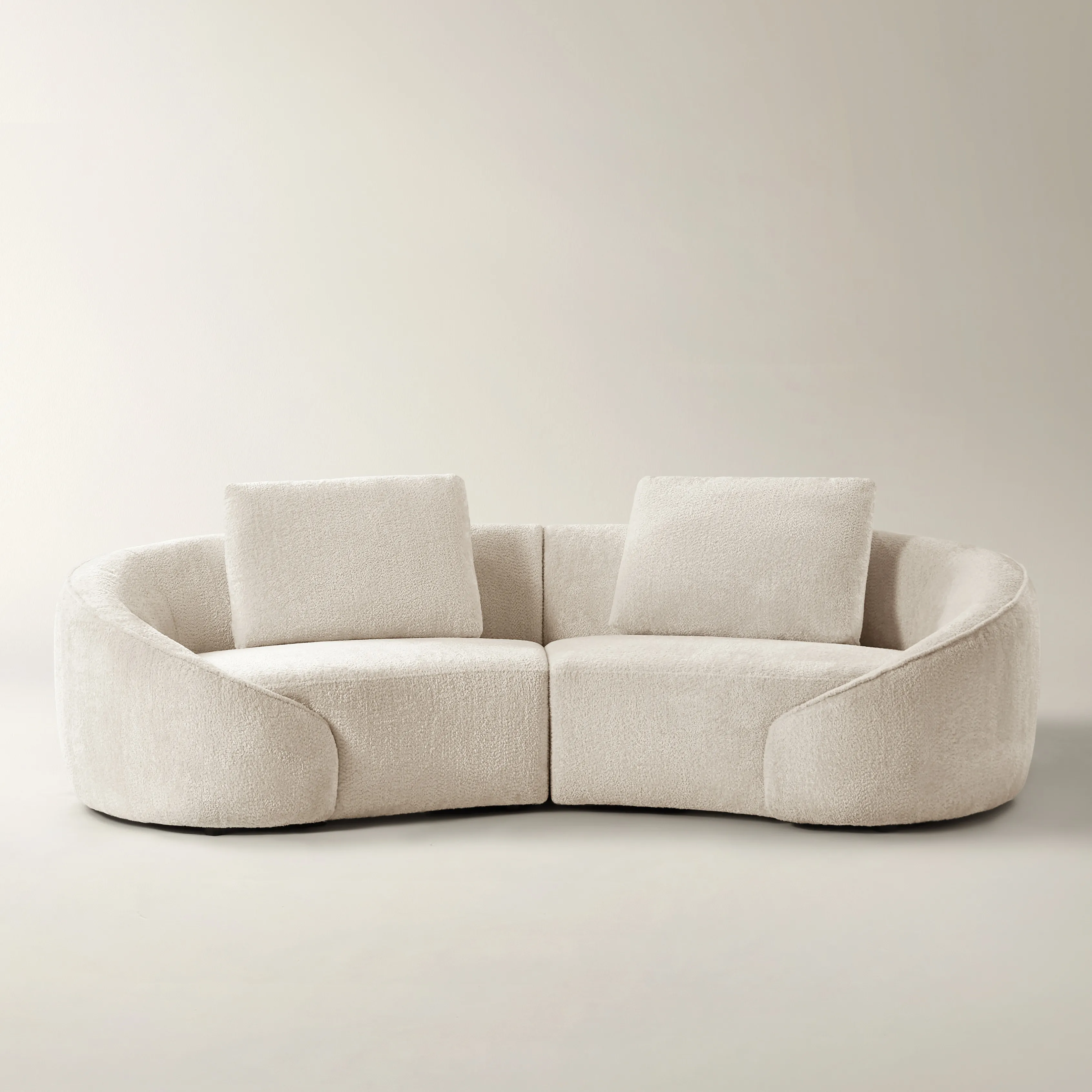 Irene 2-Piece Simply Taupe Velvet Sectional Sofa$2499
A sculptural taupe velvet sectional featuring high-resiliency foam cushions and artisan hand-finished upholstery.
Add To Cart -
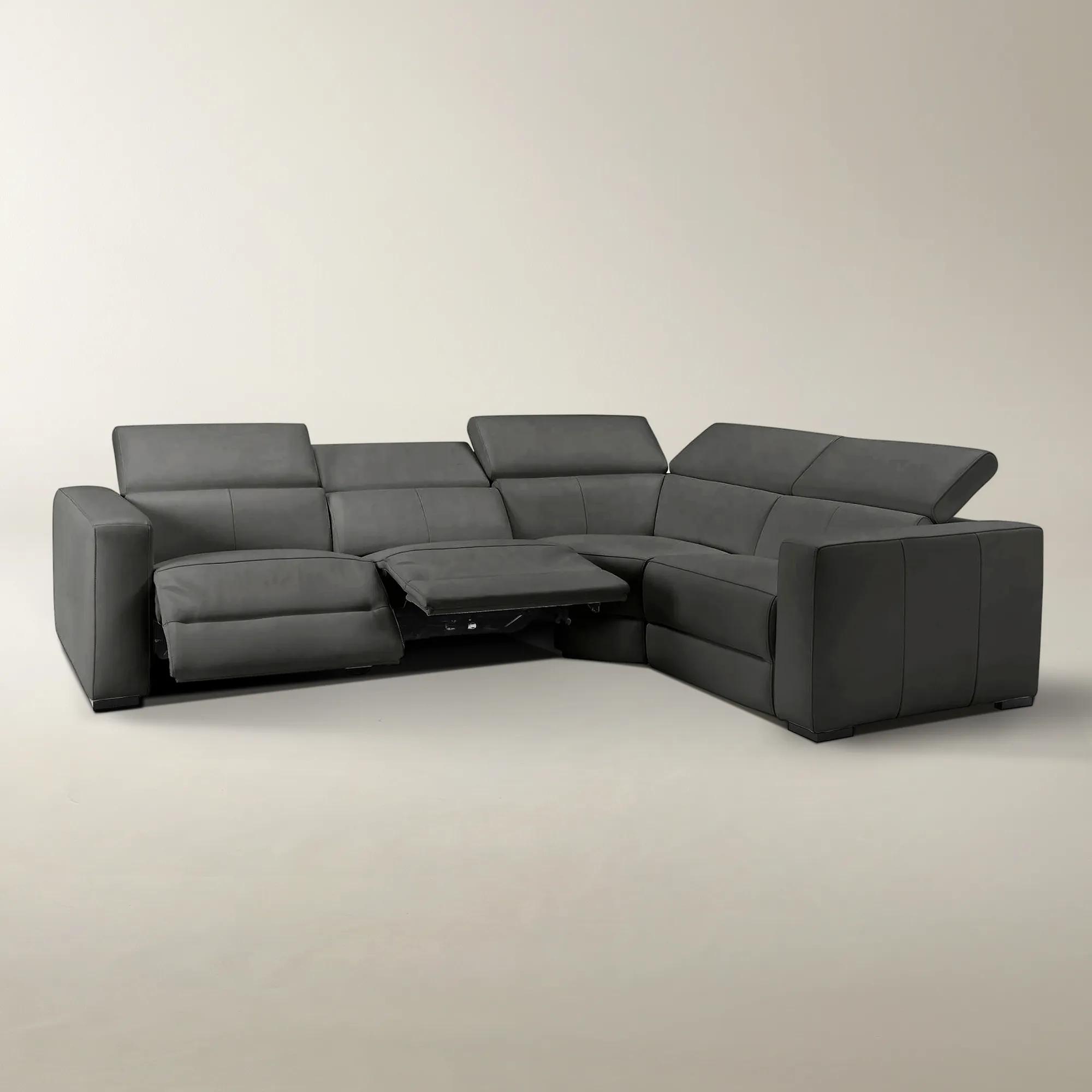
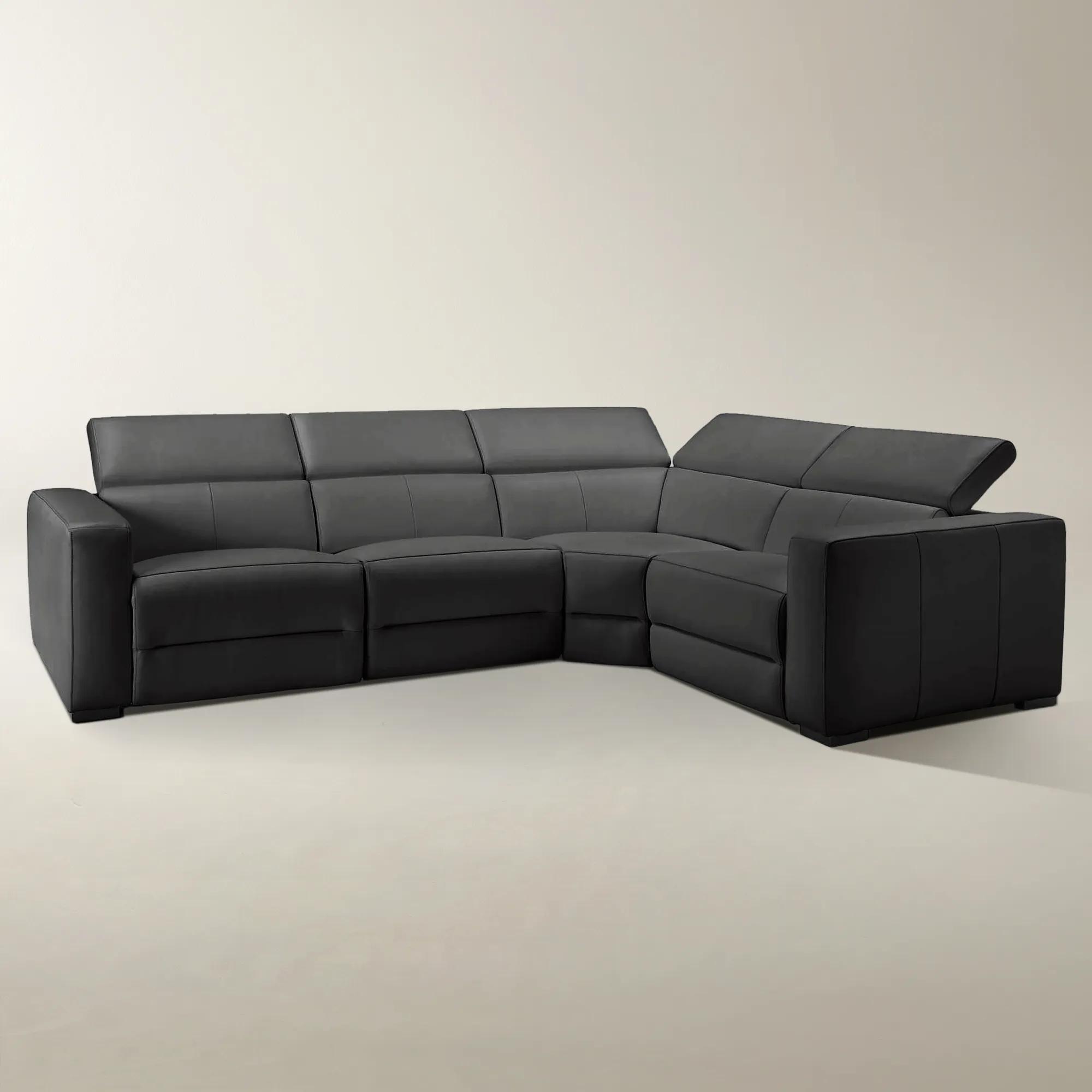 Verona 4-Piece L-Shaped Reclining Charcoal Leather Sectional Sofa With Right-Arm$5899
A charcoal semi-aniline leather sectional featuring adjustable headrests, power-reclining seats, and kiln-dried hardwood frame.
Add To Cart -
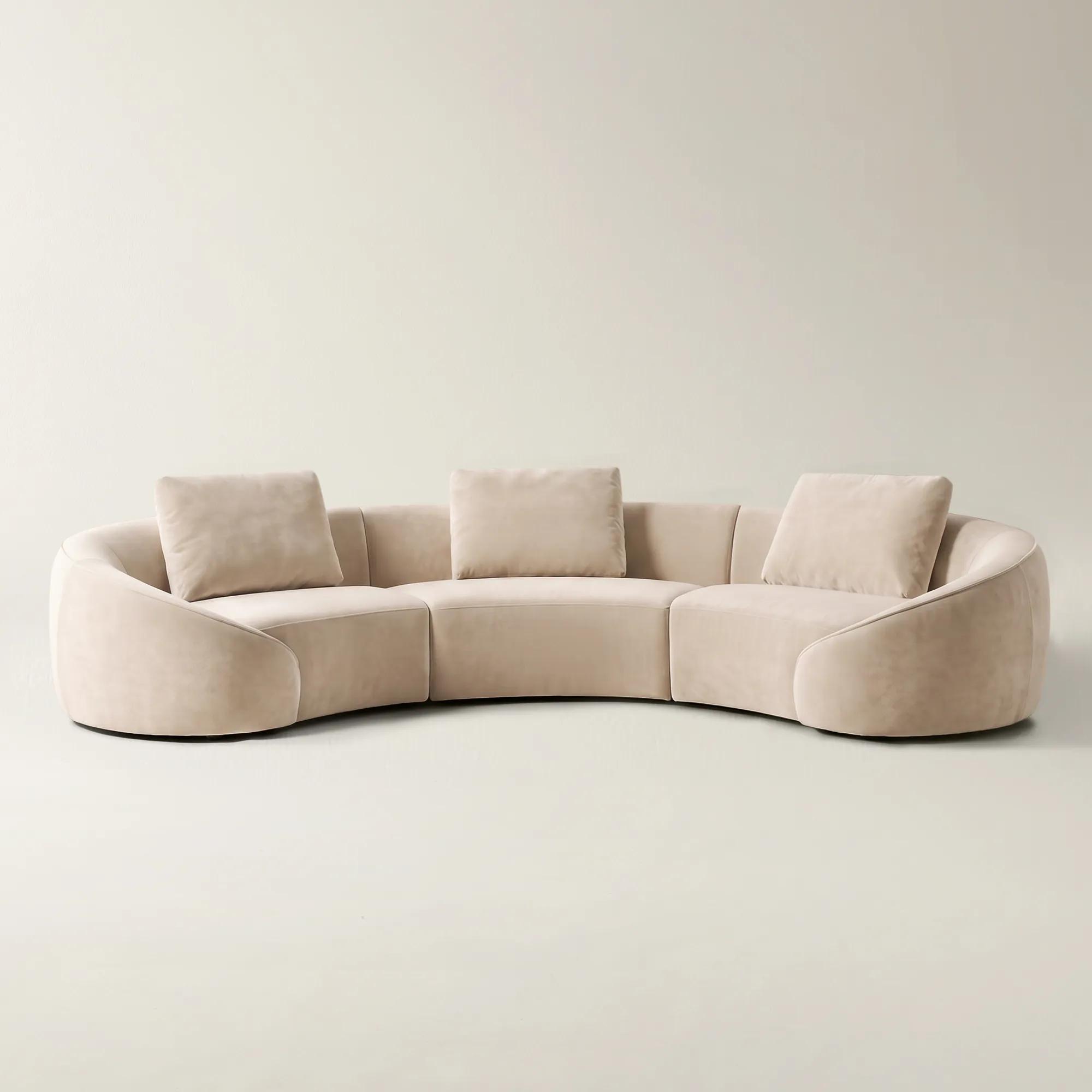
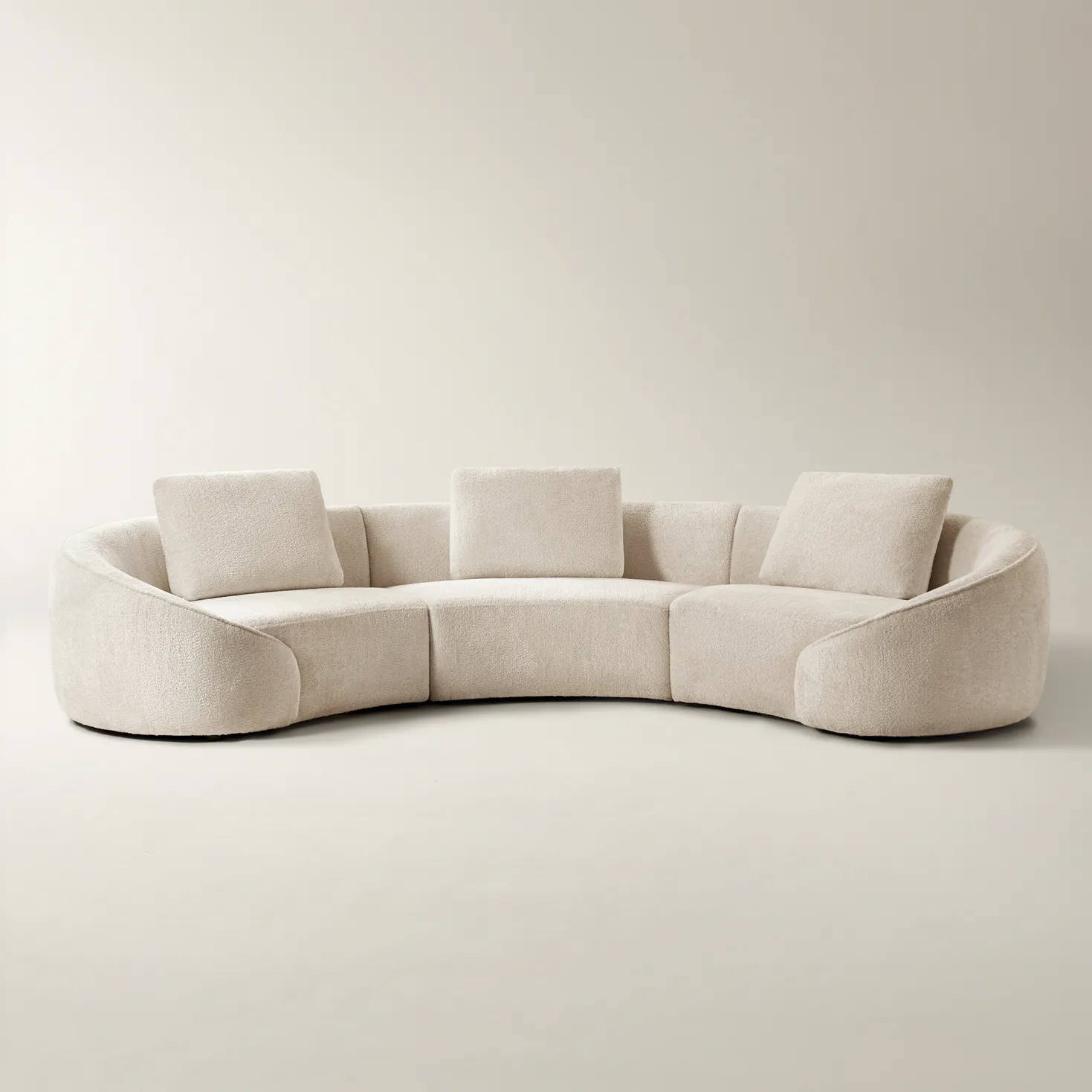 Irene 3-Piece Simply Taupe Velvet Sectional Sofa$3599
A sculptural, hand-finished sectional in simply taupe velvet with high-resiliency foam cushions and accent pillows.
Add To Cart -
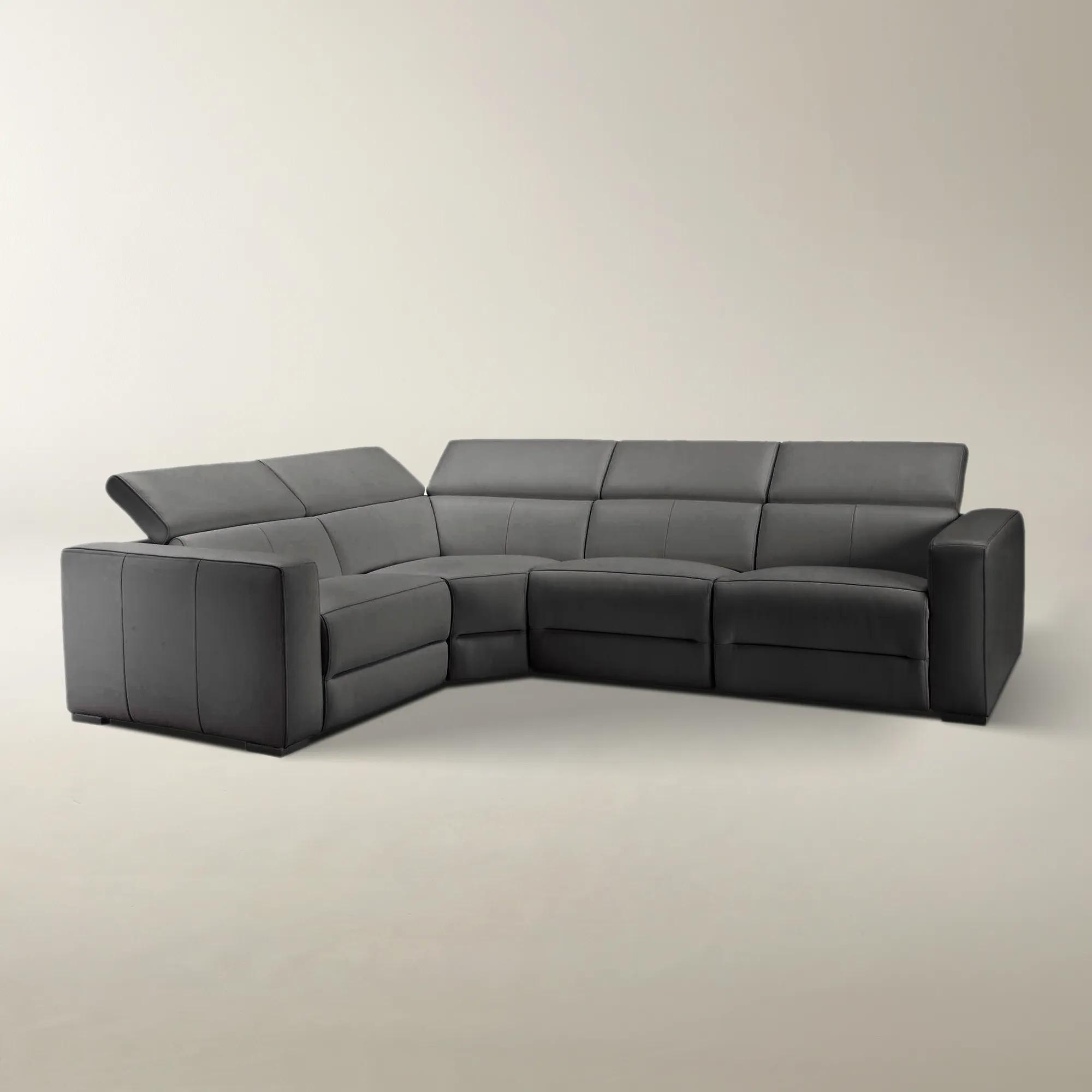 Verona 4-Piece L-Shaped Reclining Charcoal Leather Sectional Sofa With Left-Arm$5899
A charcoal semi-aniline leather sectional featuring adjustable headrests and optional power-reclining seats for comfort.
Add To Cart -
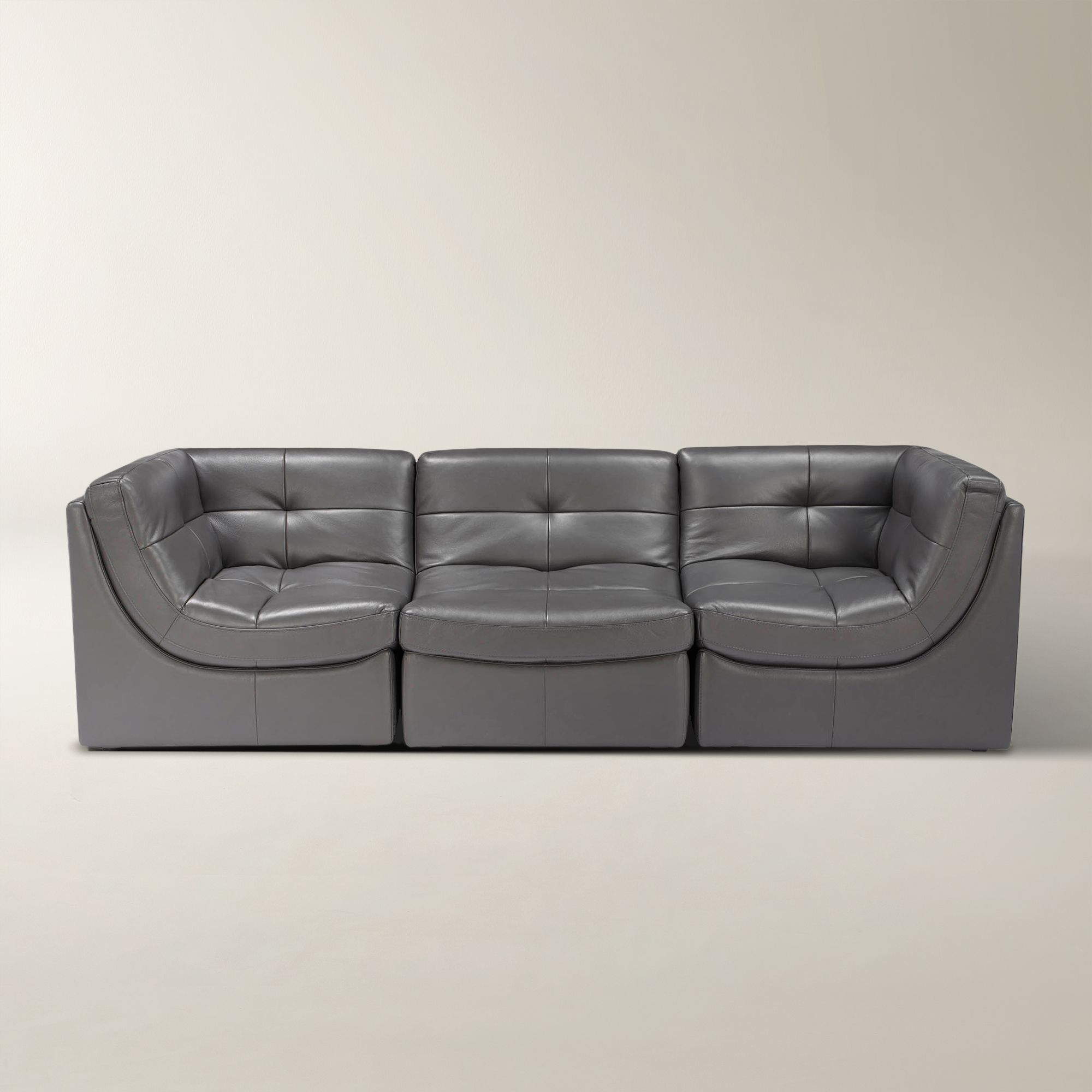 Convo 3-Piece Charcoal Leather Sectional Sofa$3999
A modular charcoal leather sofa with kiln-dried hardwood frame and gently curved, blind-tufted seats.
Add To Cart -
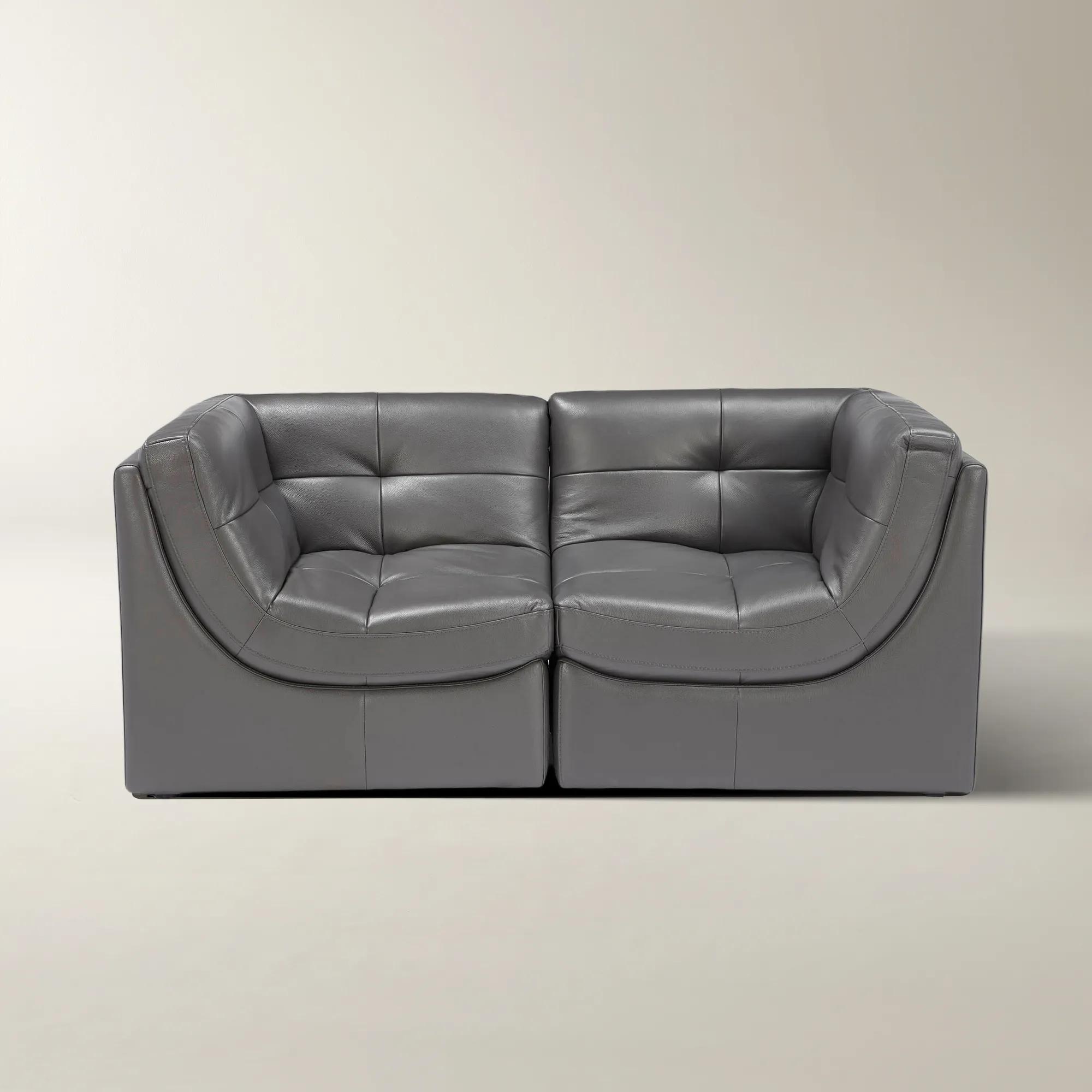 Convo 2-Piece Charcoal Leather Sectional Sofa$2799
A modular charcoal leather sofa with kiln-dried hardwood frame and blind-tufted, semi-aniline upholstery.
Add To Cart -
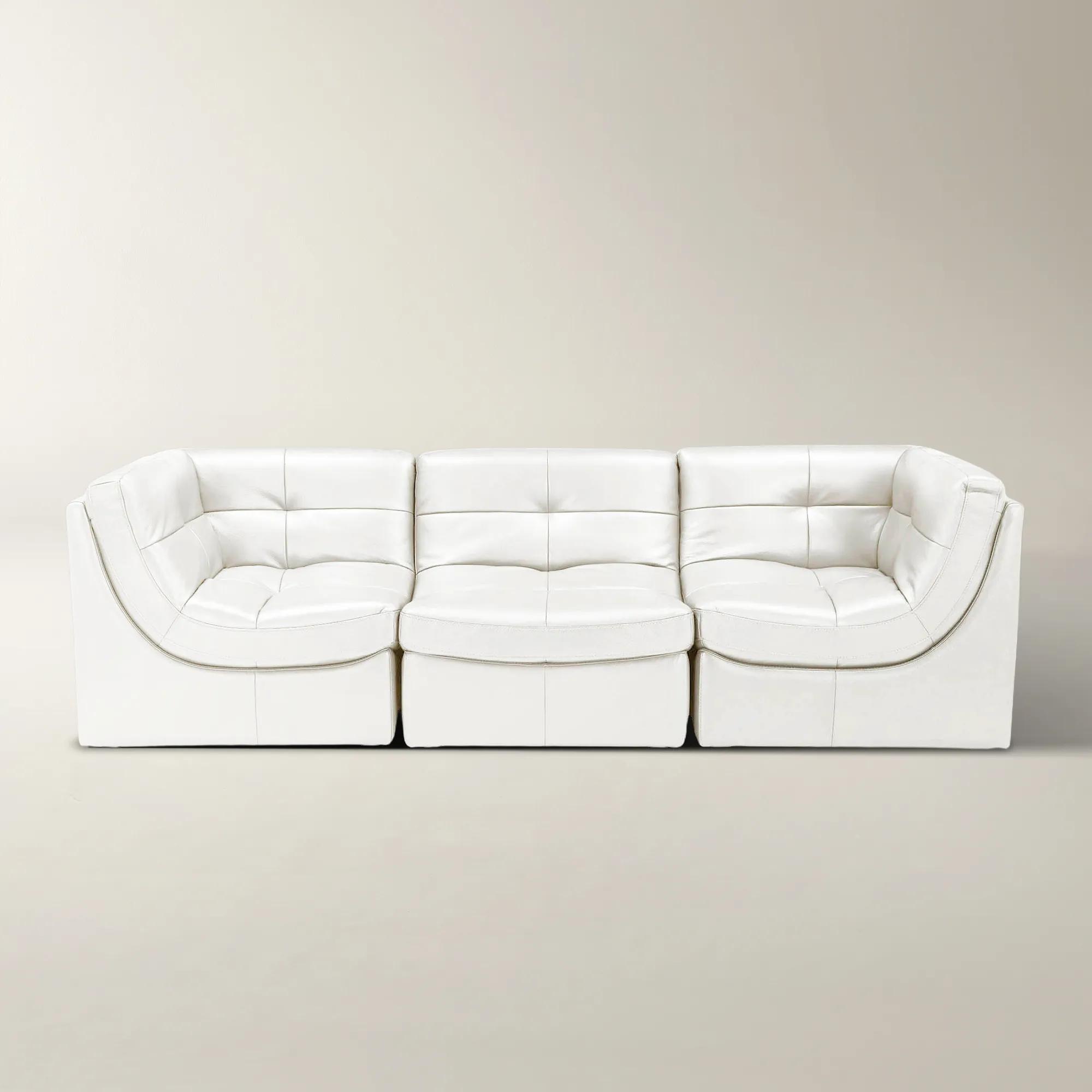 Convo 3-Piece White Leather Sectional Sofa$3999
A modular charcoal leather sofa with kiln-dried hardwood frame and blind-tufted, semi-aniline upholstery.
Add To Cart -
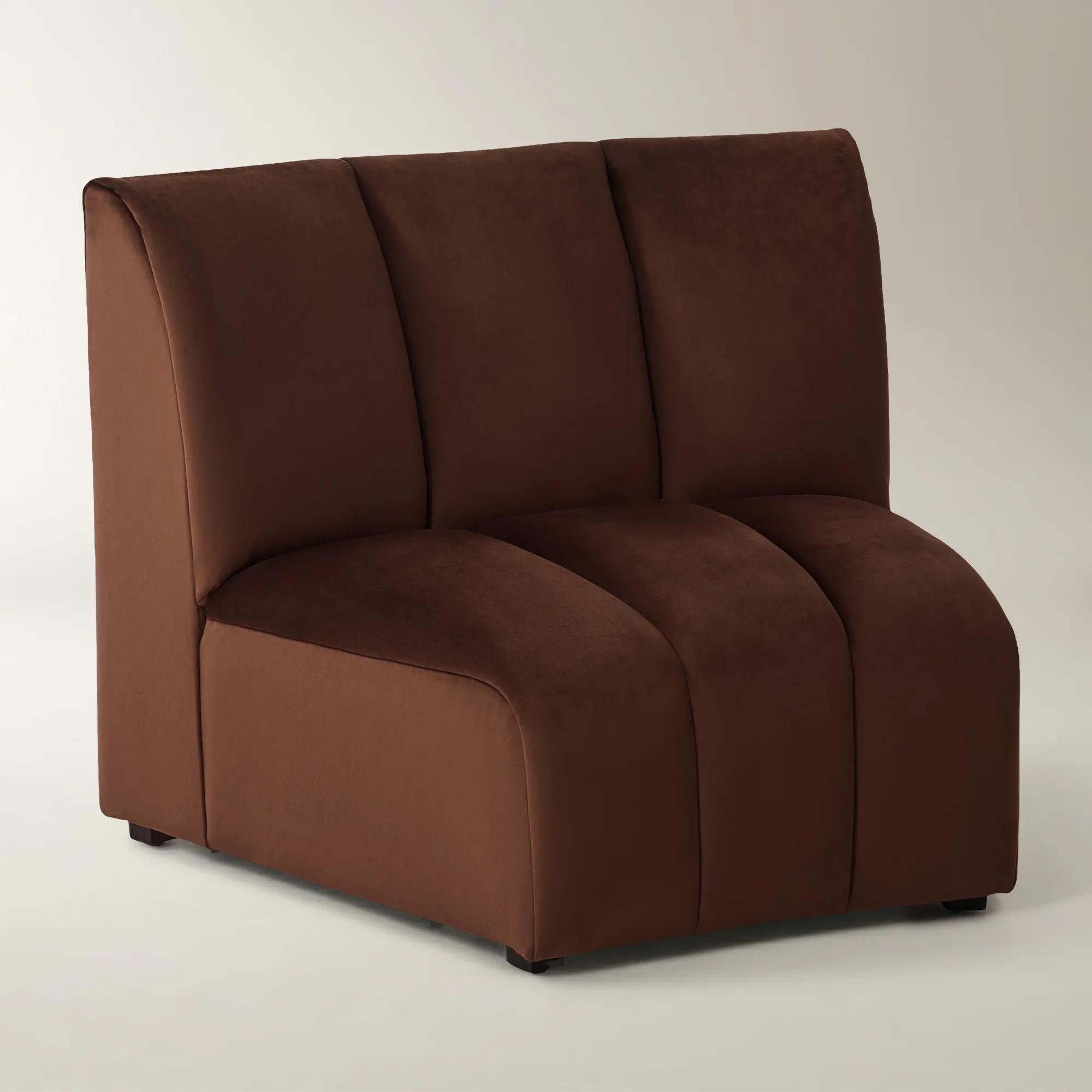
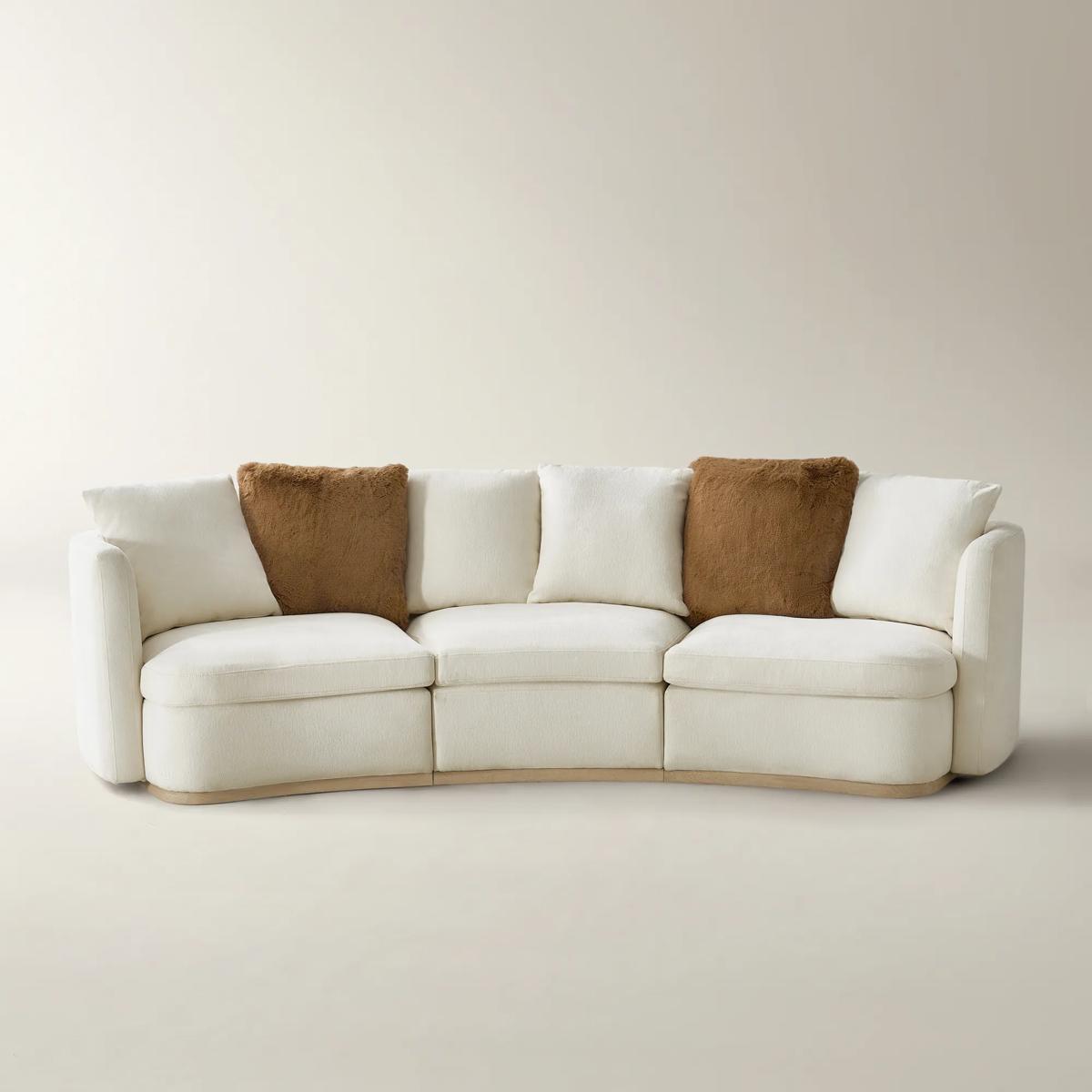 Stria 3-Piece Ivory Chenille Sectional Sofa$3399
An ivory chenille sofa featuring a sculptural curved design, triple-layer cushioning, and a kiln-dried oak frame.
Add To Cart -
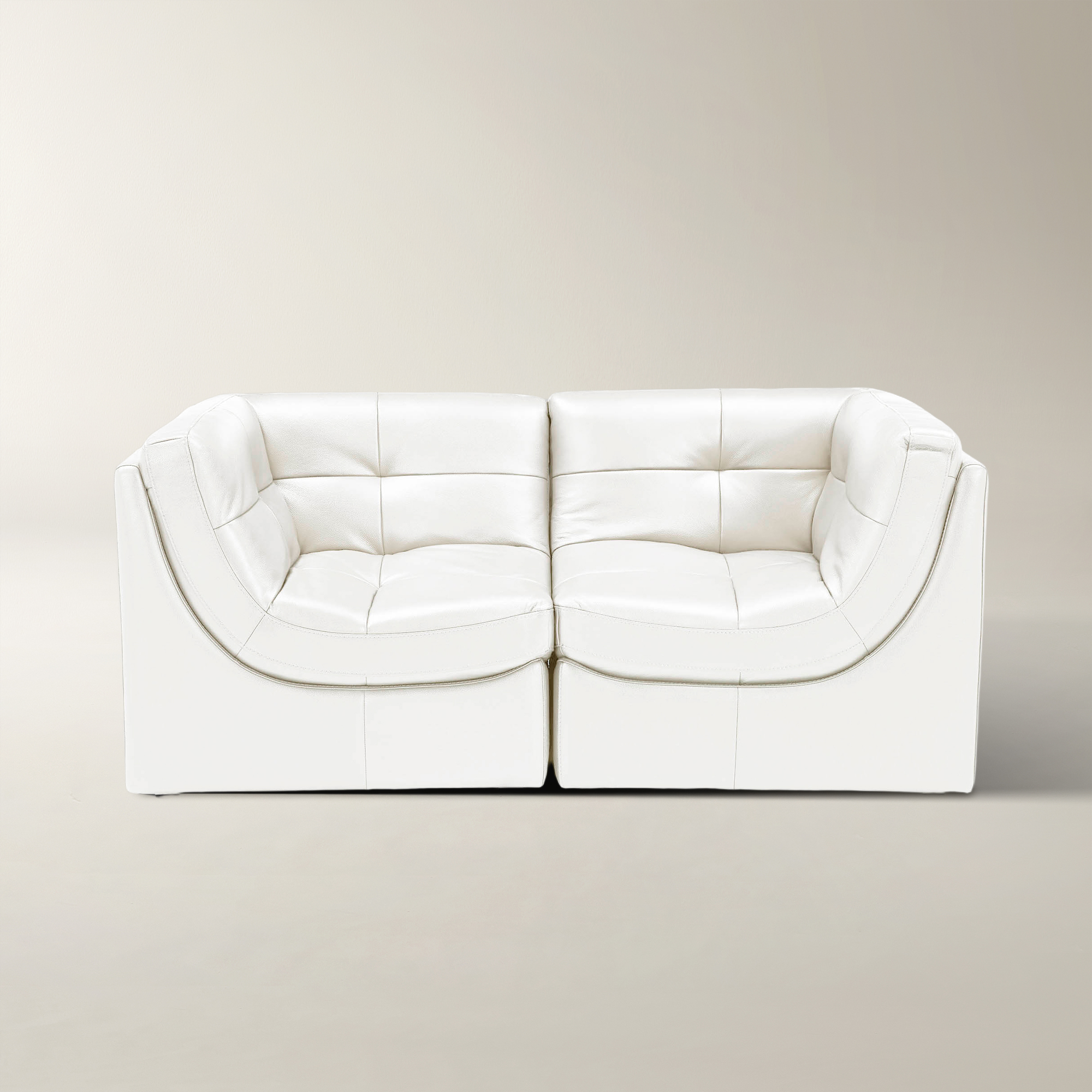 Convo 2-Piece White Leather Sectional Sofa$2799
A modular charcoal leather sofa with kiln-dried hardwood frame and blind-tufted, semi-aniline upholstery.
Add To Cart -
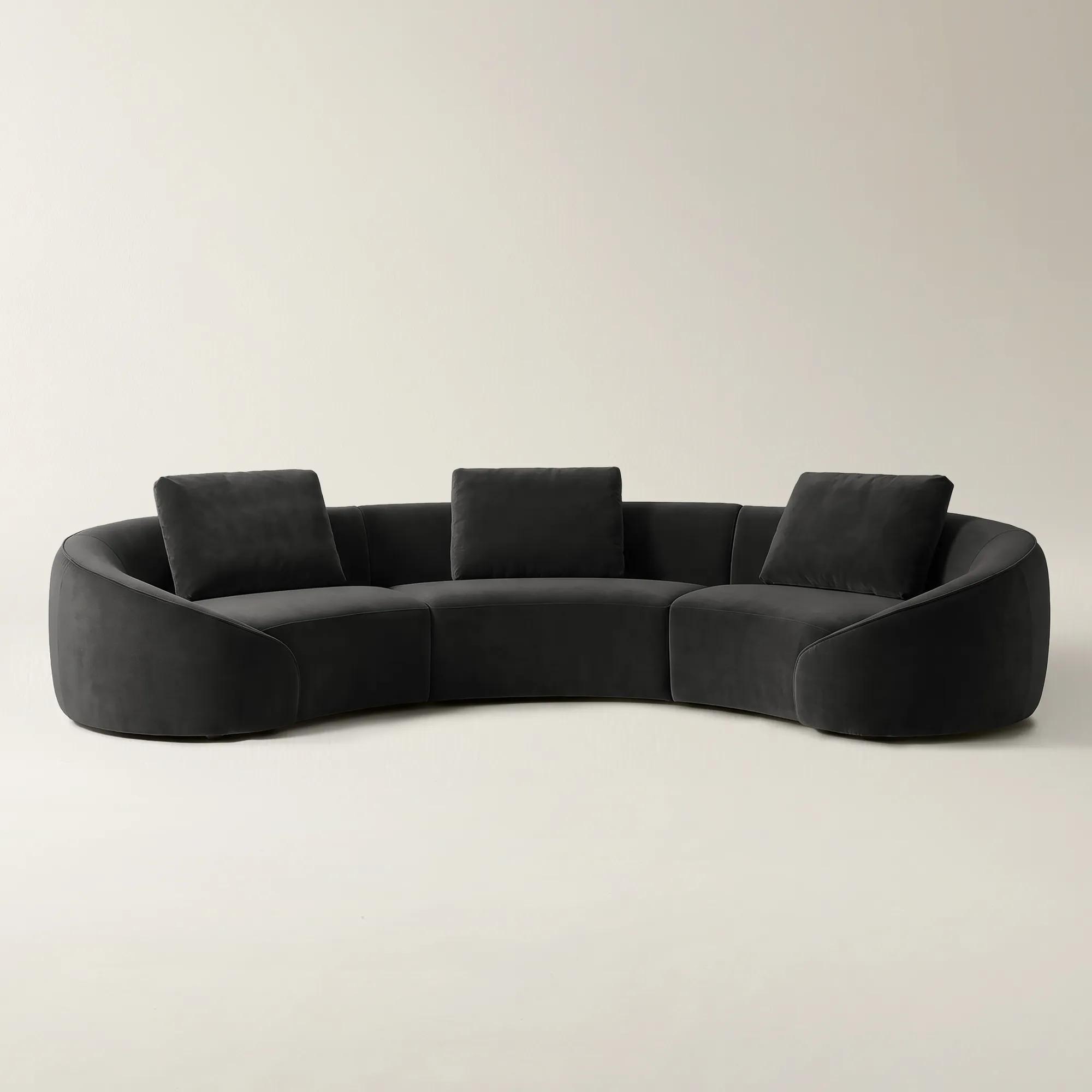 Irene 3-Piece Charcoal Velvet Sectional Sofa$3599
A sculptural charcoal velvet sectional featuring high-resiliency foam cushions and hand-finished artisan upholstery.
Add To Cart -
 Stria 3-Piece Light Brown Chenille Sectional Sofa$3399
A light brown chenille sofa with triple-layer cushioning and a kiln-dried oak frame for lasting comfort.
Add To Cart -
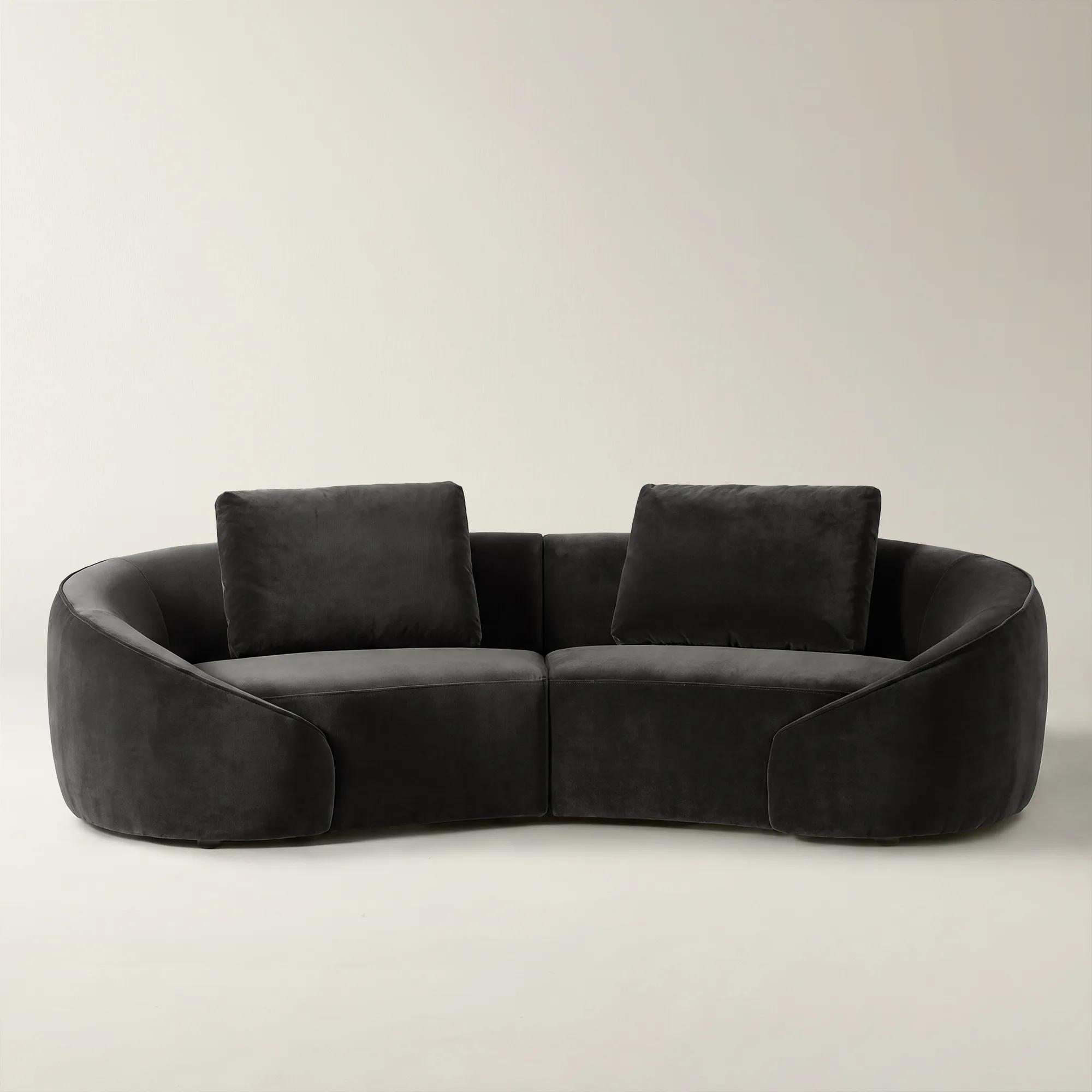
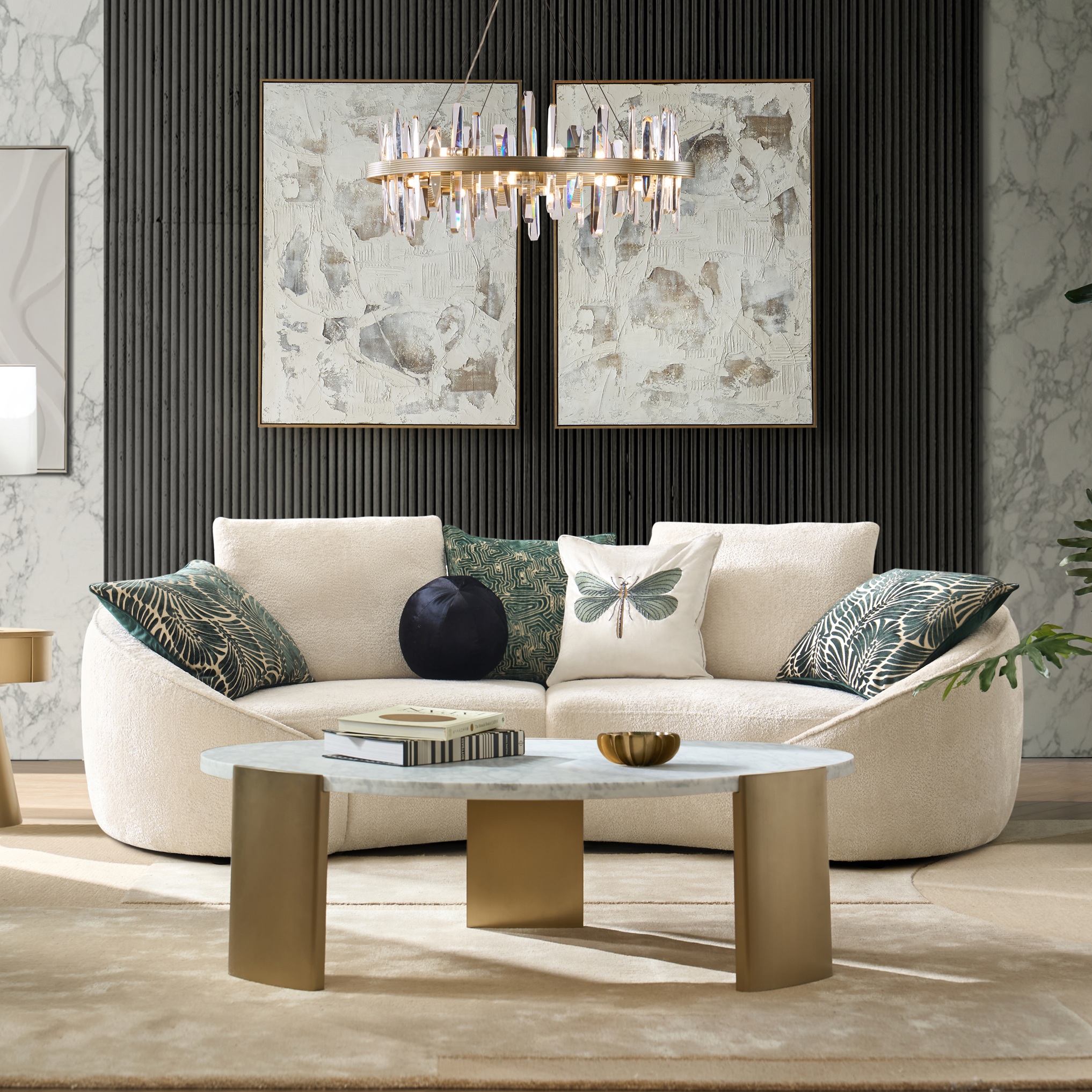 Irene 2-Piece Charcoal Velvet Sectional Sofa$2499
A sculptural charcoal velvet sectional with high-resiliency foam cushions and artisan hand-finished upholstery.
Add To Cart

Minimalist Sectional Sofas
Minimalist sectional sofas are the epitome of refined restraint—where sculptural silhouettes meet serene simplicity, and every line is a deliberate brushstroke on your living room canvas. Designed for those who crave both clarity and drama, these pieces anchor a space with quiet confidence, transforming open floor plans into curated sanctuaries of style. Let sweeping proportions and subtle sophistication invite conversation, creativity, and comfort, as each sectional becomes an invitation to live artfully in the everyday.
Minimalist sectional sofas give a living room its defining silhouette: a generous sweep of upholstery, a precise arrangement of cushions, and a sense of ease that never depends on excess ornament. Their appeal lies in proportion rather than embellishment, with clean lines allowing fabric, shape, and scale to carry the expression. A low profile can preserve the drama of an oversized artwork, while a broad, tailored arm creates a sculptural edge beside a slender metal accent table. In an open living area, an L-shaped sectional establishes a distinct place to gather without interrupting the view across the room. In a more intimate setting, a chaise configuration offers space to stretch out while keeping the arrangement visually composed. This balance makes minimalist sectionals compelling for design-conscious apartment dwellers, households sharing one central lounge, and hosts who want conversation to feel effortless rather than formally arranged. The look need not be austere. Ivory upholstery against richly grained wood, a charcoal silhouette beneath a luminous abstract painting, or a softly curved sectional beside a gleaming pedestal table can bring remarkable depth to an edited interior. Texture does much of the expressive work: a nubby weave catches light differently from smooth leather, and velvet introduces a shifting richness that gives even the simplest outline a glamorous presence. For a more architectural treatment, minimalist channel tufted sectionals introduce linear upholstery detailing that adds rhythm without relying on elaborate ornament. The surrounding pieces can be equally deliberate. A substantial rug grounds the seating arrangement, an expressive lamp adds height, and a few generously scaled pillows create dimension without obscuring the sectional’s form. Negative space matters here; leaving breathing room around an elegant silhouette makes its contours more noticeable. The result is a room with a clear point of view, equally suited to a quiet evening with a book and a lively gathering where guests settle in and stay.
The most successful fit begins with how a room is experienced, not simply how much sofa its floor can accommodate. Overall width and depth establish the footprint, but chaise length, arm thickness, back height, and usable seat space determine how that footprint feels. A sectional with broad arms may have a commanding presence yet offer less seating than a similarly sized design with slimmer sides. Deep cushions invite reclining and casual lounging; a shallower seat can better suit people who prefer their feet on the floor and a more upright posture. Seat height also deserves attention, especially in a shared household where comfort preferences and ease of standing differ. Before committing to a configuration, mark its outline on the floor and imagine an ordinary evening: someone crossing toward the kitchen, another person opening a cabinet, and a guest moving past the chaise with a drink. Those routes should remain comfortable rather than squeezed between furniture. A coffee table needs enough separation for movement while remaining within easy reach, and nearby doors, drawers, and reclining furniture require their full operating space. Orientation is equally important. Left-facing and right-facing descriptions can depend on the seller’s perspective, so a configuration diagram is more reliable than an assumption about which side the chaise occupies. Modular sectional sofas may provide flexibility for changing arrangements, although individual components, finished sides, and connectors determine what layouts are possible. A sectional floated away from the wall benefits from a thoughtfully finished back, since that surface becomes part of the room’s architecture. Delivery deserves the same precision as styling: compare packaged dimensions with doorways, stair turns, elevator openings, and narrow halls. An expansive lounge should feel gracious once installed, not dominate every approach to it. When the proportions align with daily life, clean-lined seating creates a natural gathering place, with enough visual restraint to let an exceptional rug, a textured wall, or a panoramic view retain its presence.
Materials and construction shape both the initial impression and the way a minimalist sectional lives over time. Upholstery carries particular importance on a streamlined frame because broad, uninterrupted surfaces bring its texture and tailoring into focus. Velvet offers plush depth and a softly reflective finish, though its pile can show shading and pressure marks; woven fabrics range from smooth and tightly structured to richly textured, with different tendencies toward snagging, pilling, and visible wear. Leather can lend a sleek, substantial character and develop distinctive surface variation, but its response to spills, scratches, and conditioning depends on the finish. Performance upholstery may be worth considering for frequent entertaining or households with children and pets, yet the term does not guarantee that every stain will release or every fabric will tolerate the same cleaning method. Look for specific care instructions and, when provided, testing information relevant to the way the sofa will be used. A fabric sample viewed beside the rug and flooring can reveal undertones that photography misses; it also gives a more useful impression of texture against bare skin. Beneath the upholstery, frame construction, reinforced joints, suspension, and cushion composition contribute to support and longevity. Foam cushions often provide a more defined shape, while fiber or feather blends can create a softer, more relaxed surface that may need regular fluffing. Neither feel is universally better; the distinction is whether the sectional is intended for upright conversation, extended movie nights, or a blend of both. Routine care helps preserve the crisp expression that makes these sofas distinctive. Vacuum with an appropriate upholstery attachment, rotate or flip cushions only when their construction permits, and blot spills promptly without vigorous rubbing. Removable covers are not necessarily machine washable, so follow the manufacturer’s directions before cleaning them. Protect upholstery from prolonged direct sunlight, and keep delicate fabrics clear of abrasive edges and pet claws where possible. With thoughtful material choices and consistent care, a minimalist sectional can remain the room’s visual anchor: generous enough for everyday living, tailored enough for an expressive interior, and composed enough to welcome new art, bolder accents, and changing arrangements without losing its identity.
FAQs
A minimalist sectional sofa complements a wide range of interior styles, from contemporary and Scandinavian to mid-century modern and urban loft. Its clean lines and understated elegance allow it to blend seamlessly into both monochromatic palettes and spaces layered with bold art or metallic accents, making it a versatile foundation for any room that values both sophistication and simplicity.
To create a cozy atmosphere with a minimalist sectional couch, layer it with sumptuous throws in tactile fabrics like cashmere or faux fur, and add a curated selection of pillows in varying textures and tones. Incorporate a plush area rug beneath the sectional and accentuate the space with warm, ambient lighting—think sculptural floor lamps or a cluster of candles—to evoke a sense of inviting warmth, especially during the winter months.
Absolutely. Minimalist sectional sofas are designed to offer generous seating and encourage conversation, making them ideal for gatherings. Their streamlined design maximizes usable space, allowing guests to mingle comfortably, whether you’re hosting a cocktail soirée or a casual movie night. The sectional’s modular nature also makes it easy to adapt the arrangement for different occasions.
The best minimalist sofas are typically crafted from high-quality materials that balance durability with refined aesthetics. Expect to find performance fabrics, soft linens, or smooth leather upholstery paired with kiln-dried hardwood frames and high-density foam cushions. These materials not only ensure lasting comfort but also elevate the visual appeal, lending a touch of luxury to the minimalist silhouette.
Yes, a minimalist sectional sofa can absolutely serve as a statement piece. Its sculptural form and tailored upholstery create a striking focal point, especially when paired with bold accent pieces or dramatic artwork. Even in its simplicity, a well-chosen minimal sectional commands attention, offering both visual impact and everyday comfort without overwhelming the space.