Mid Century Modern Velvet Chairs
Mid Century Modern Velvet Chairs
-
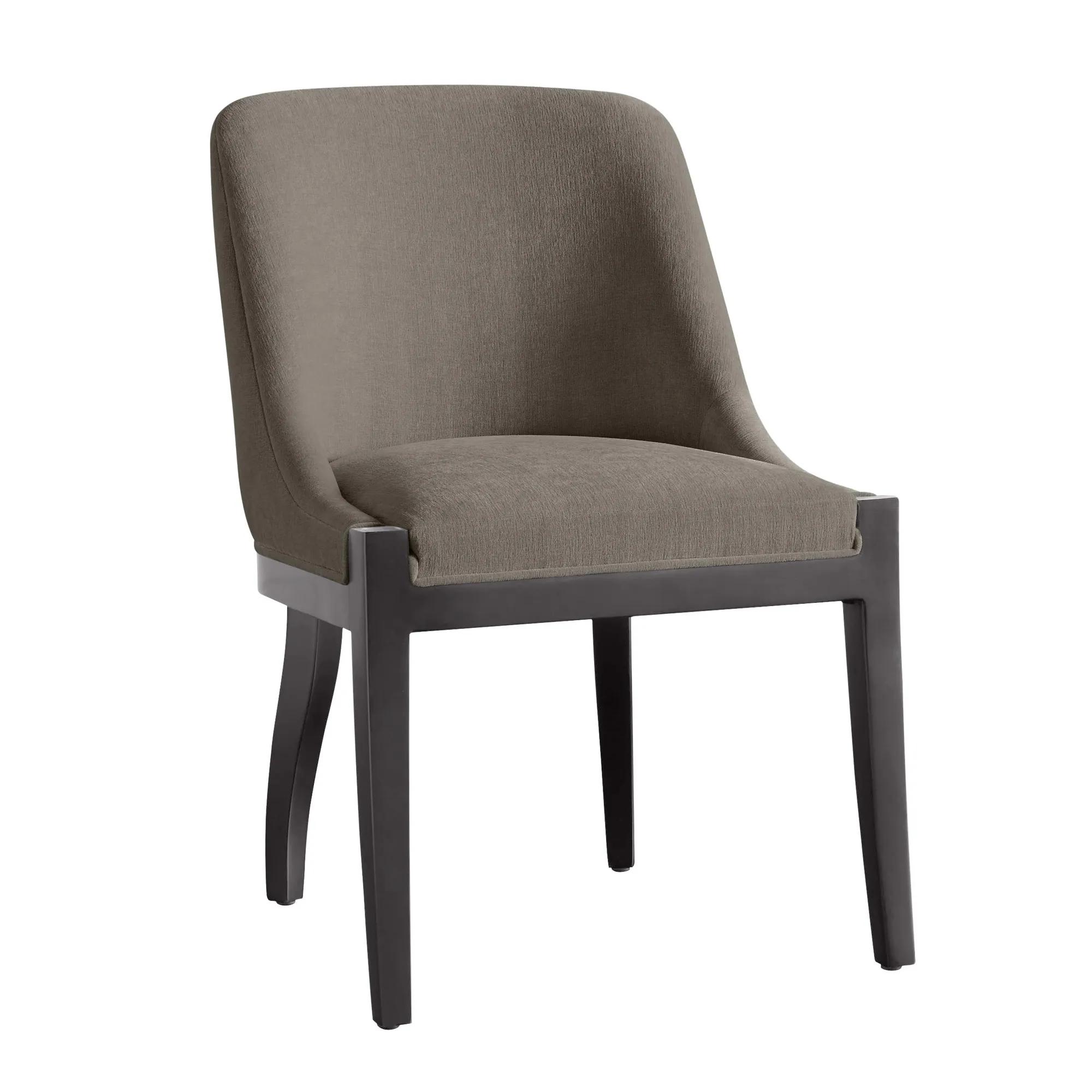
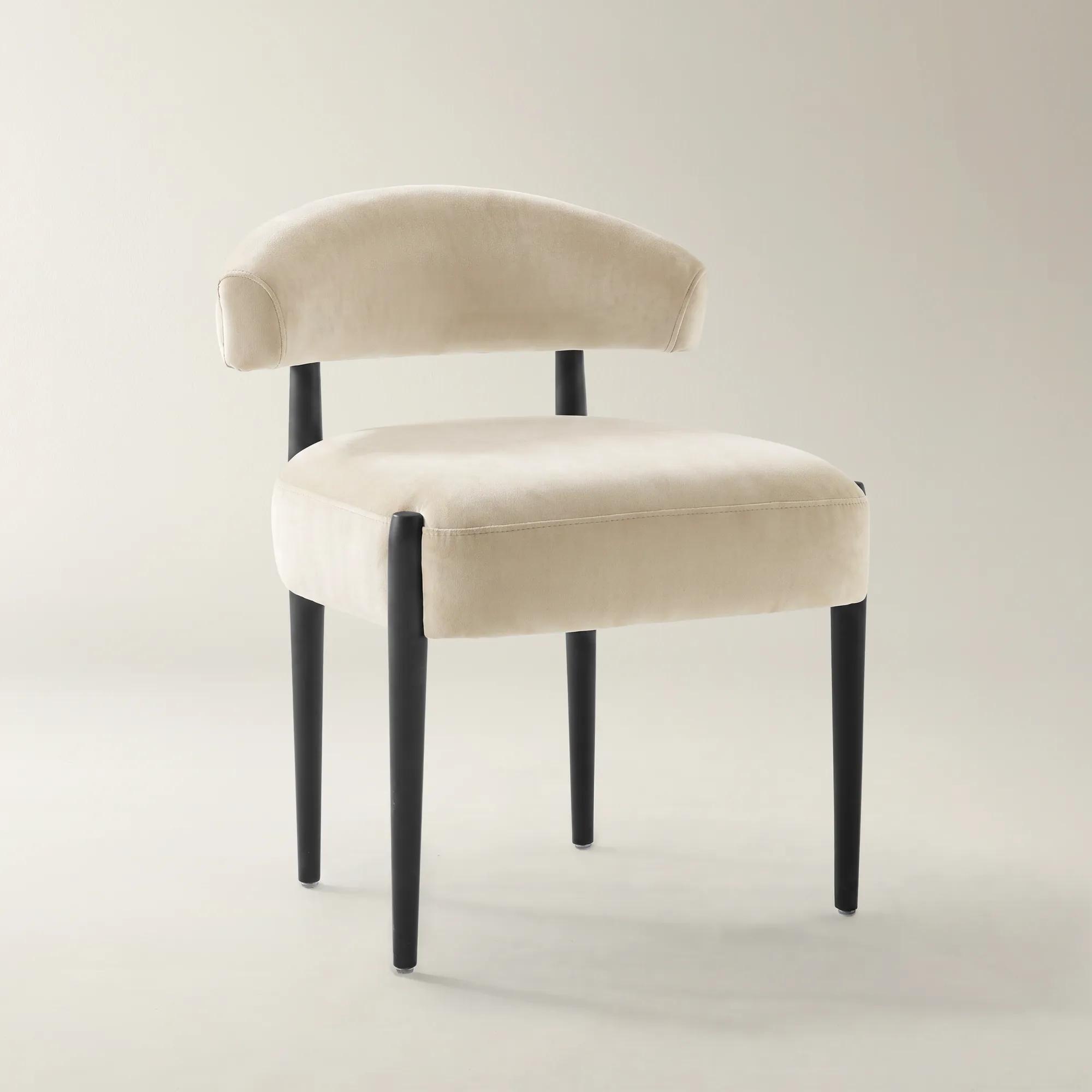
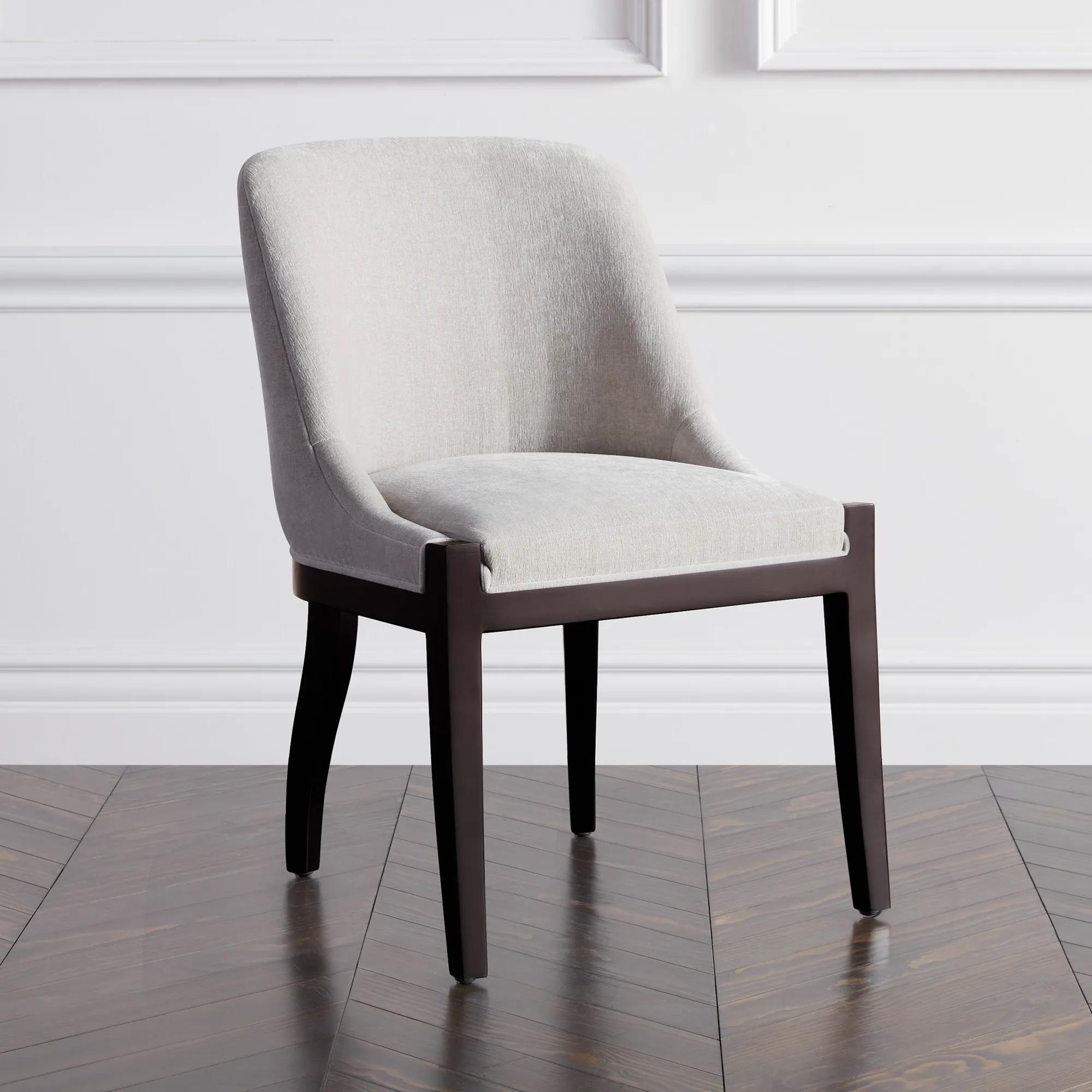 Lily Dining Chair - Espresso$649
A modern dining chair featuring espresso-finished hardwood, curvaceous silhouette, and plush tailored upholstery.
Add To Cart -
 Reina Tufted Simply Taupe Velvet Swivel Chair$1099
A taupe velvet swivel chair with channel tufting, an architectural winged profile, and plush, sculpted comfort.
Add To Cart -
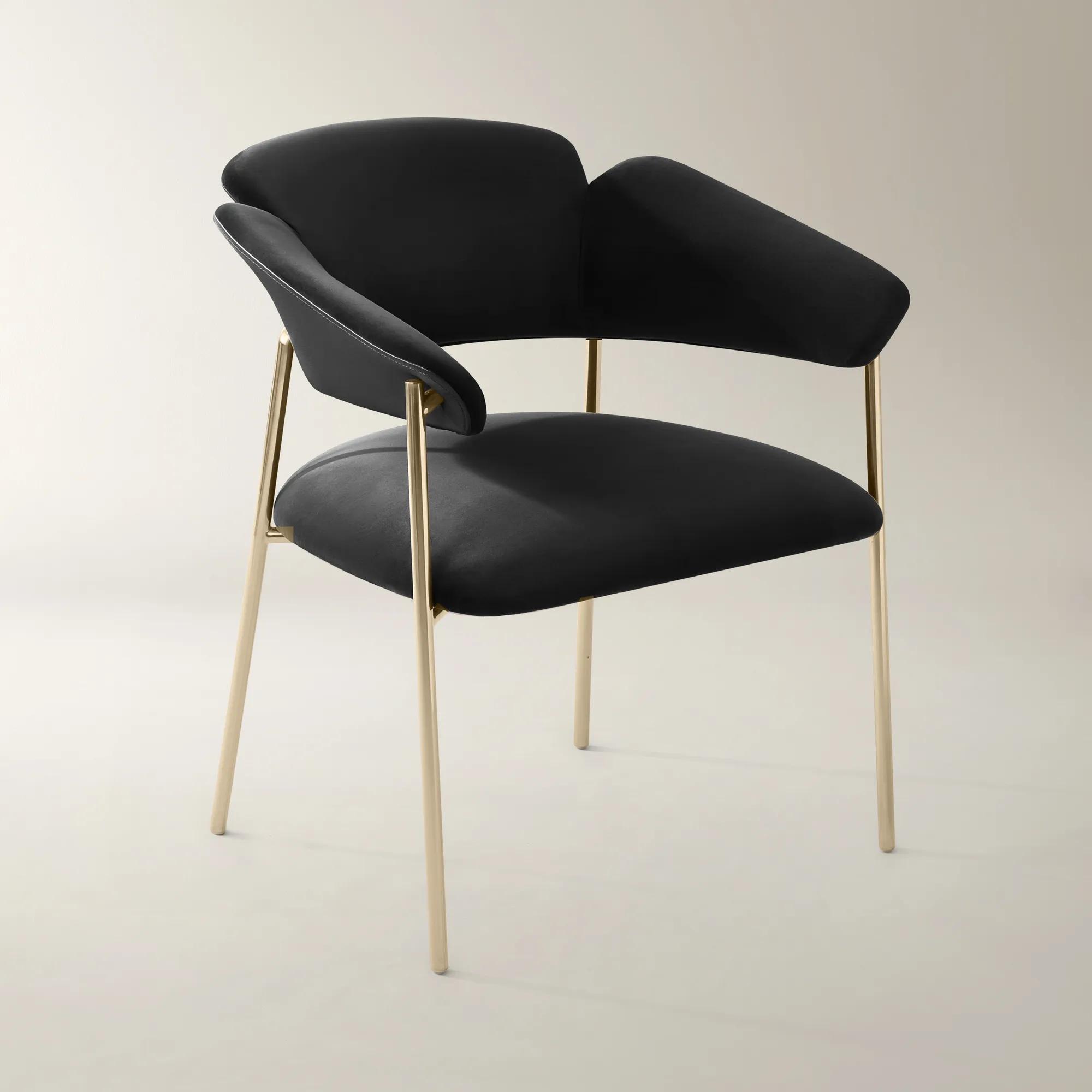 Odette Charcoal Velvet Dining Chair$499
A charcoal velvet chair featuring a wraparound open-back design, tonal faux leather accents, and gold metal legs.
Add To Cart -
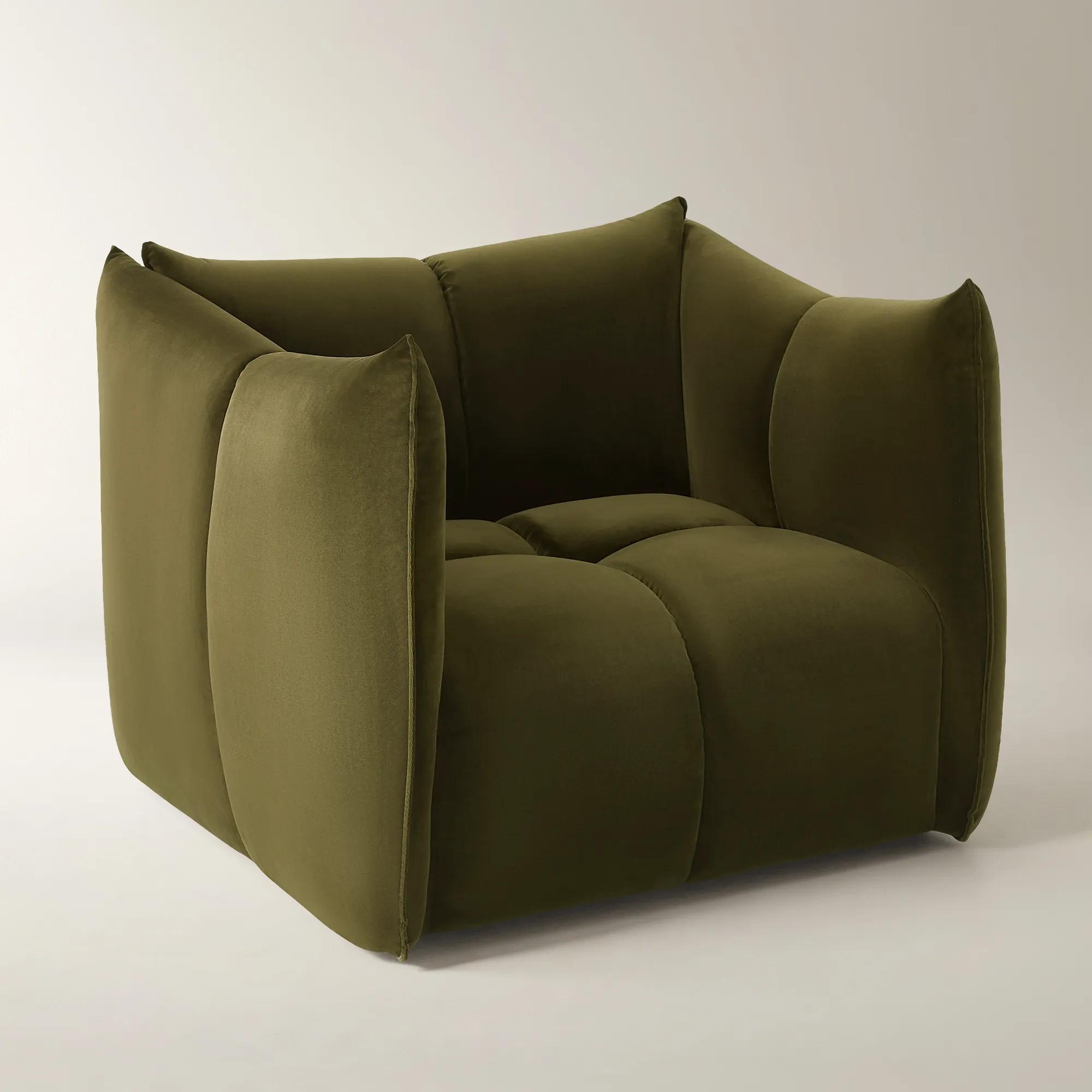 Reina Tufted Deep Olive Velvet Swivel Chair$1099
A green velvet swivel chair with channel tufting, winged architecture, and plush high-density foam comfort.
Add To Cart -
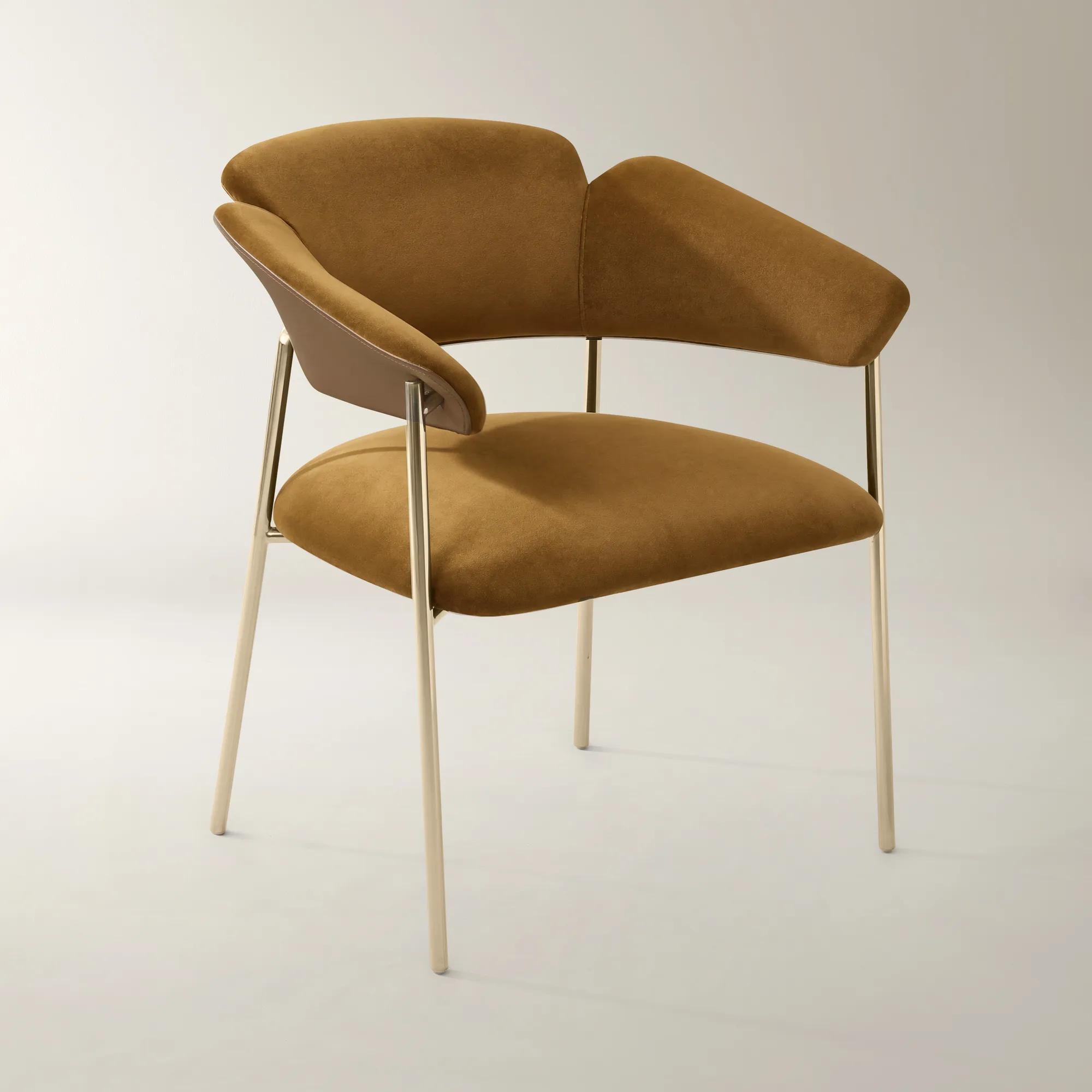 Odette Roasted Pecan Velvet Dining Chair$499
A sculptural dining chair featuring roasted pecan velvet, tonal faux leather accents, and gold stainless steel legs.
Add To Cart -
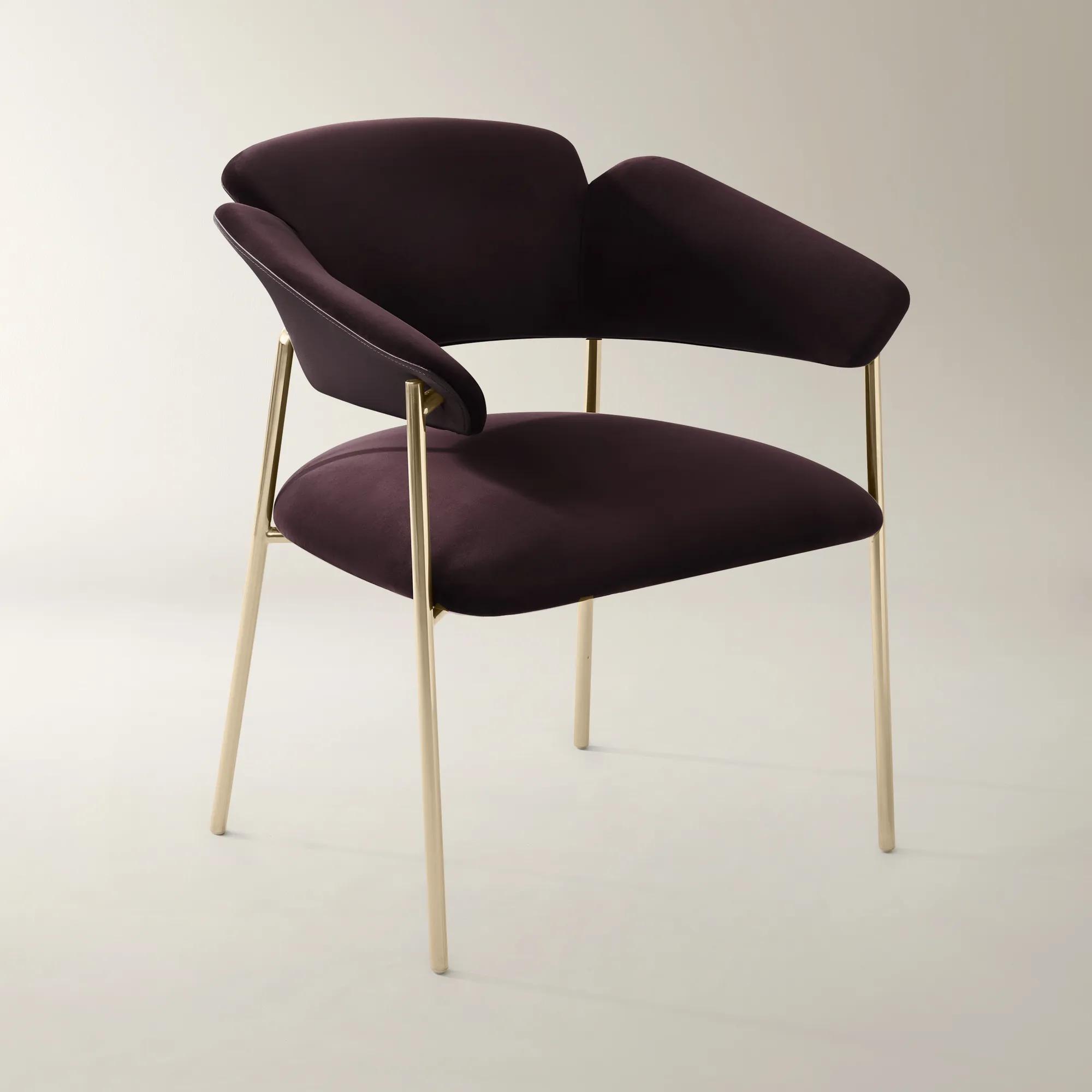 Odette Fig Velvet Dining Chair$499
A sculptural dining chair featuring fig velvet, tonal faux leather accents, and slender gold-finished metal legs.
Add To Cart -
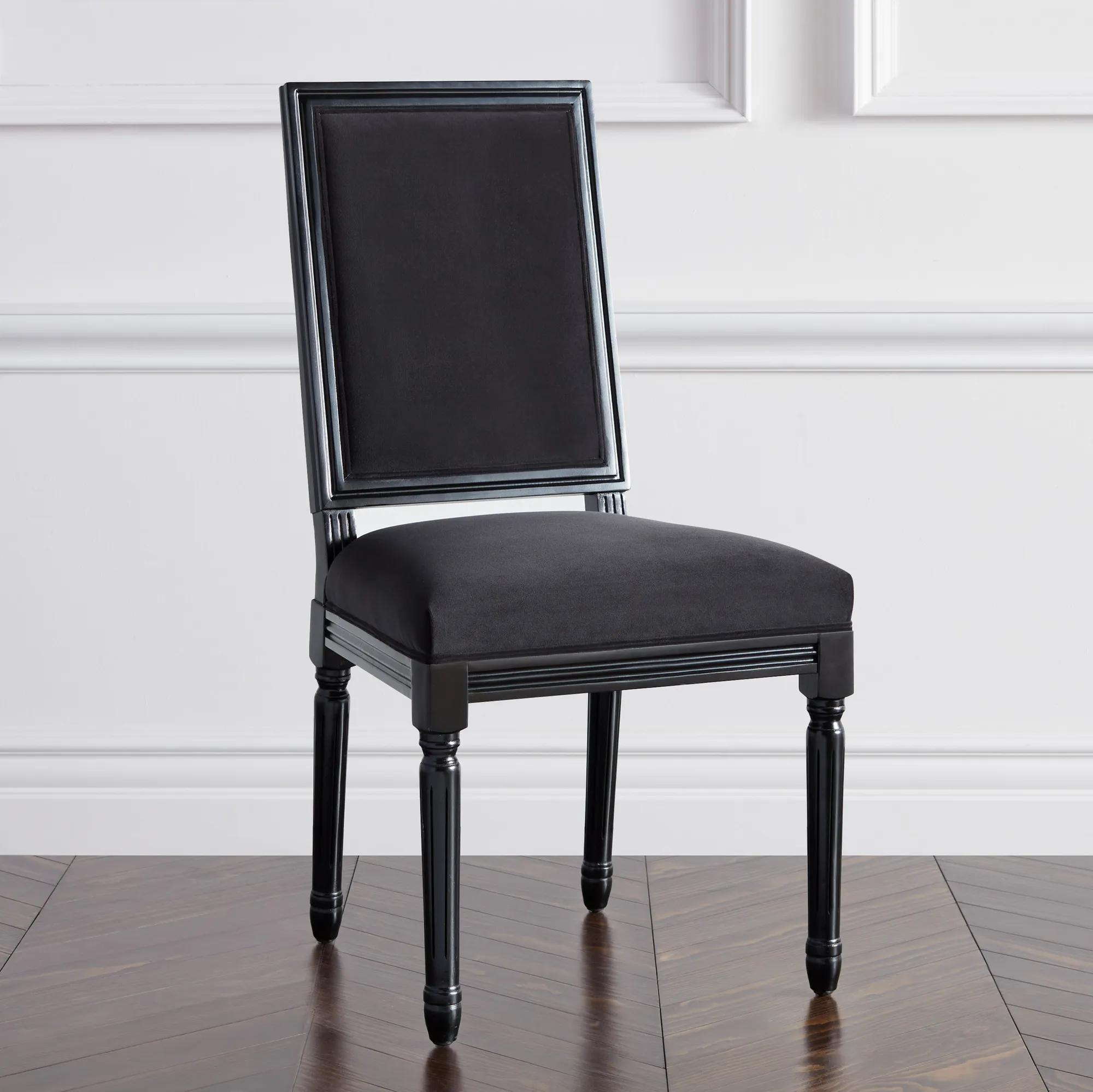
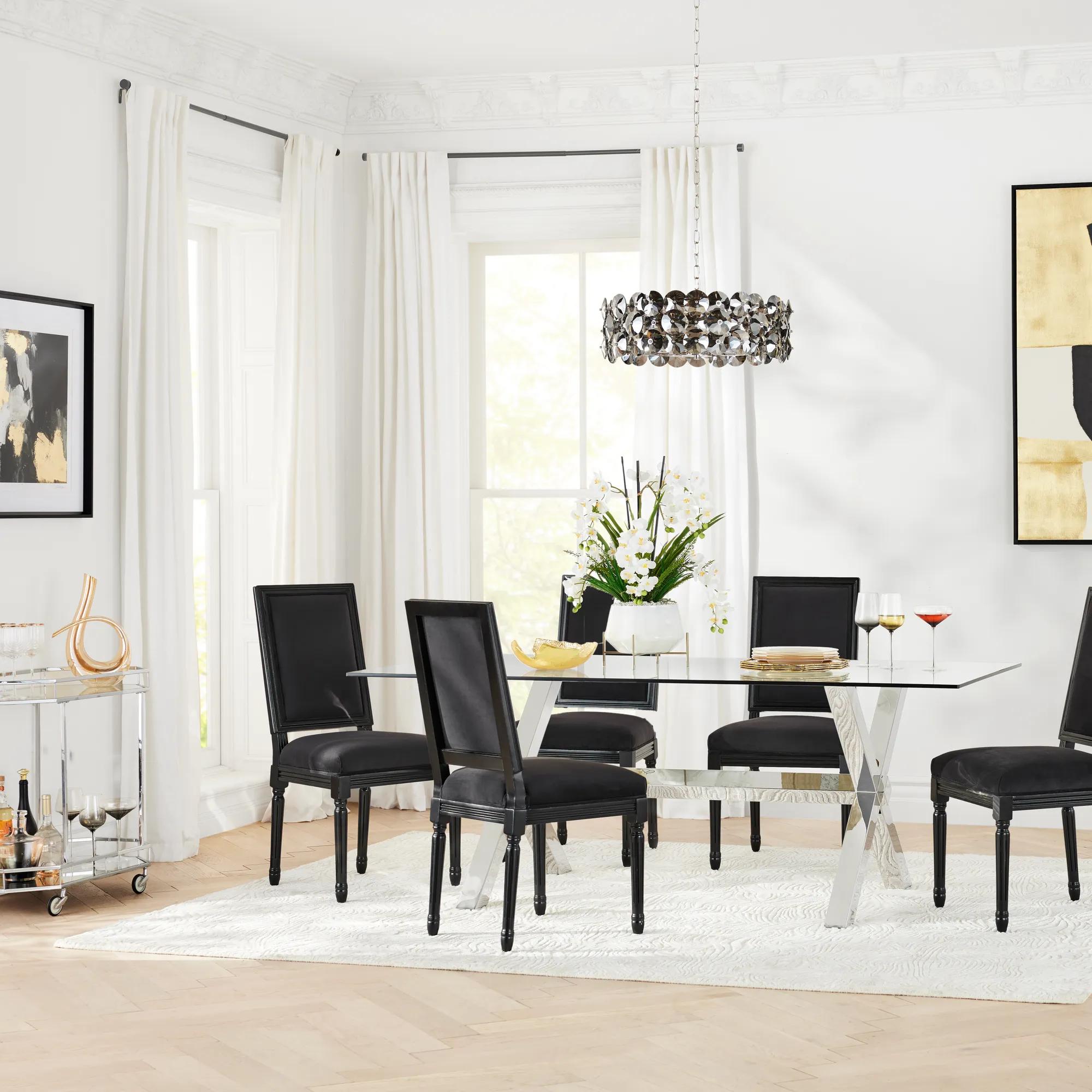 Callan Dining Chair - High Gloss Black$549
A handcrafted dining chair featuring high-gloss black finish, Bella Velvet upholstery, and classic French-inspired details.
Add To Cart -
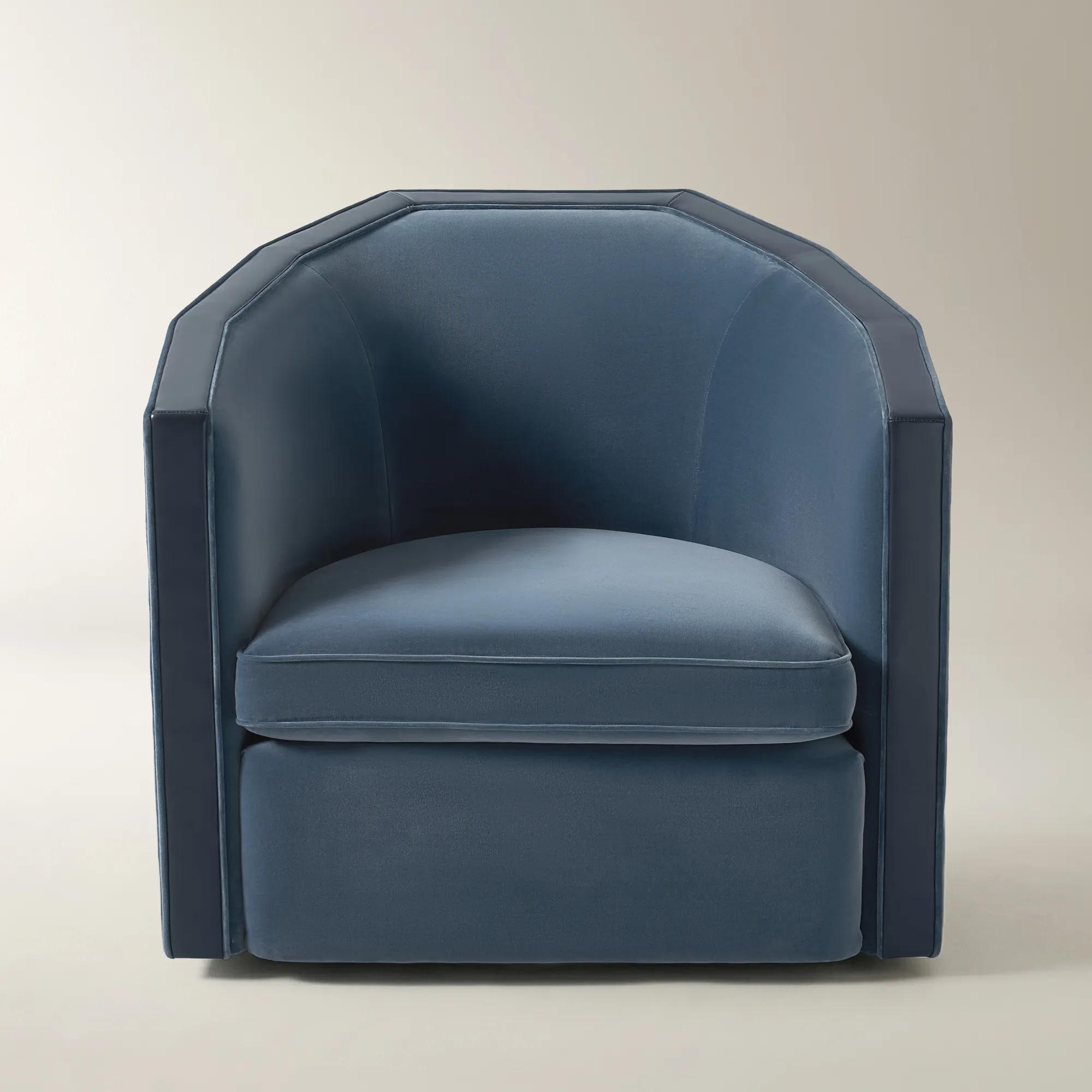 Vesper Dusty Blue Velvet With Leather Swivel Accent Chair$999
A modern accent chair in dusty blue velvet with tonal leather trim and a smooth 360-degree swivel base.
Add To Cart -
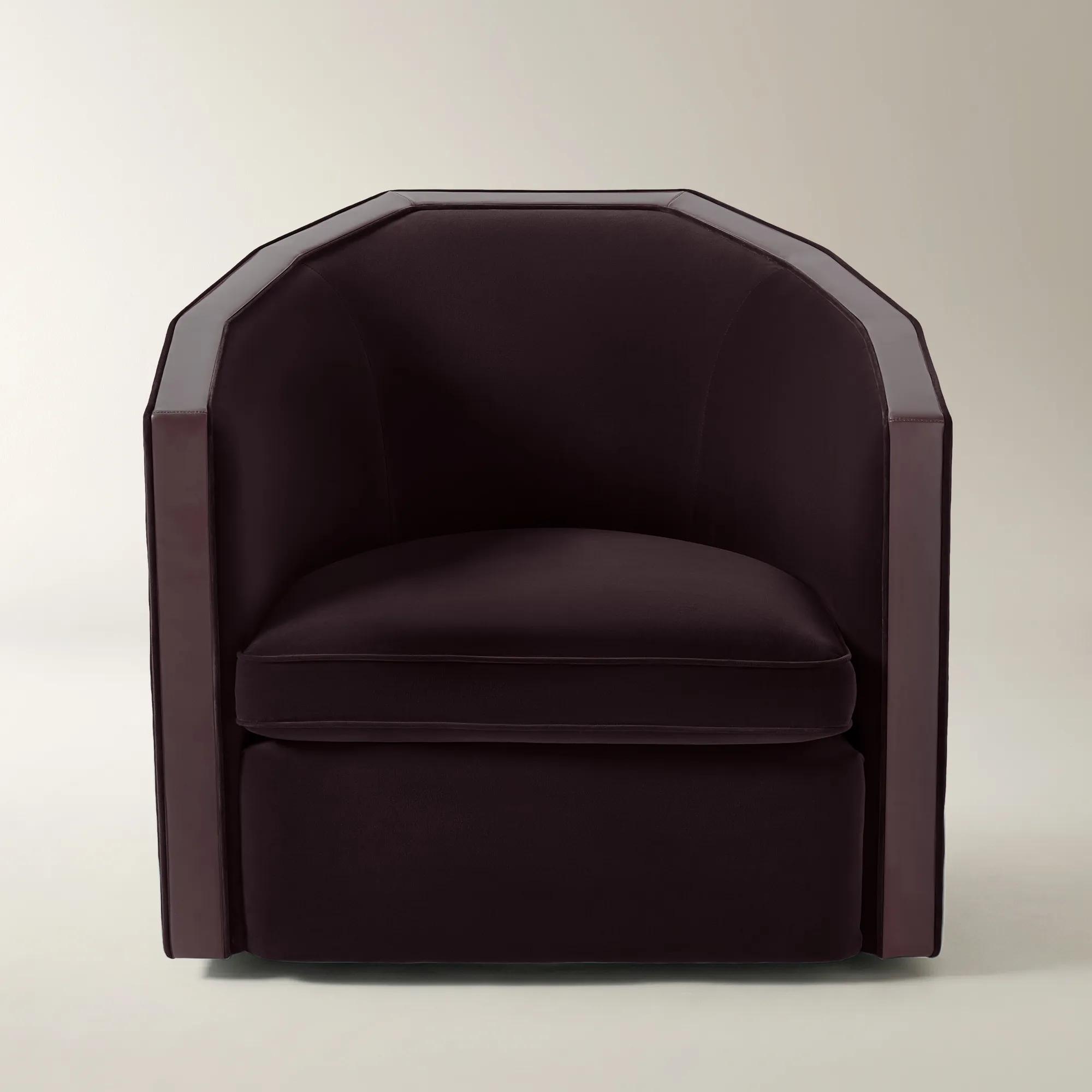
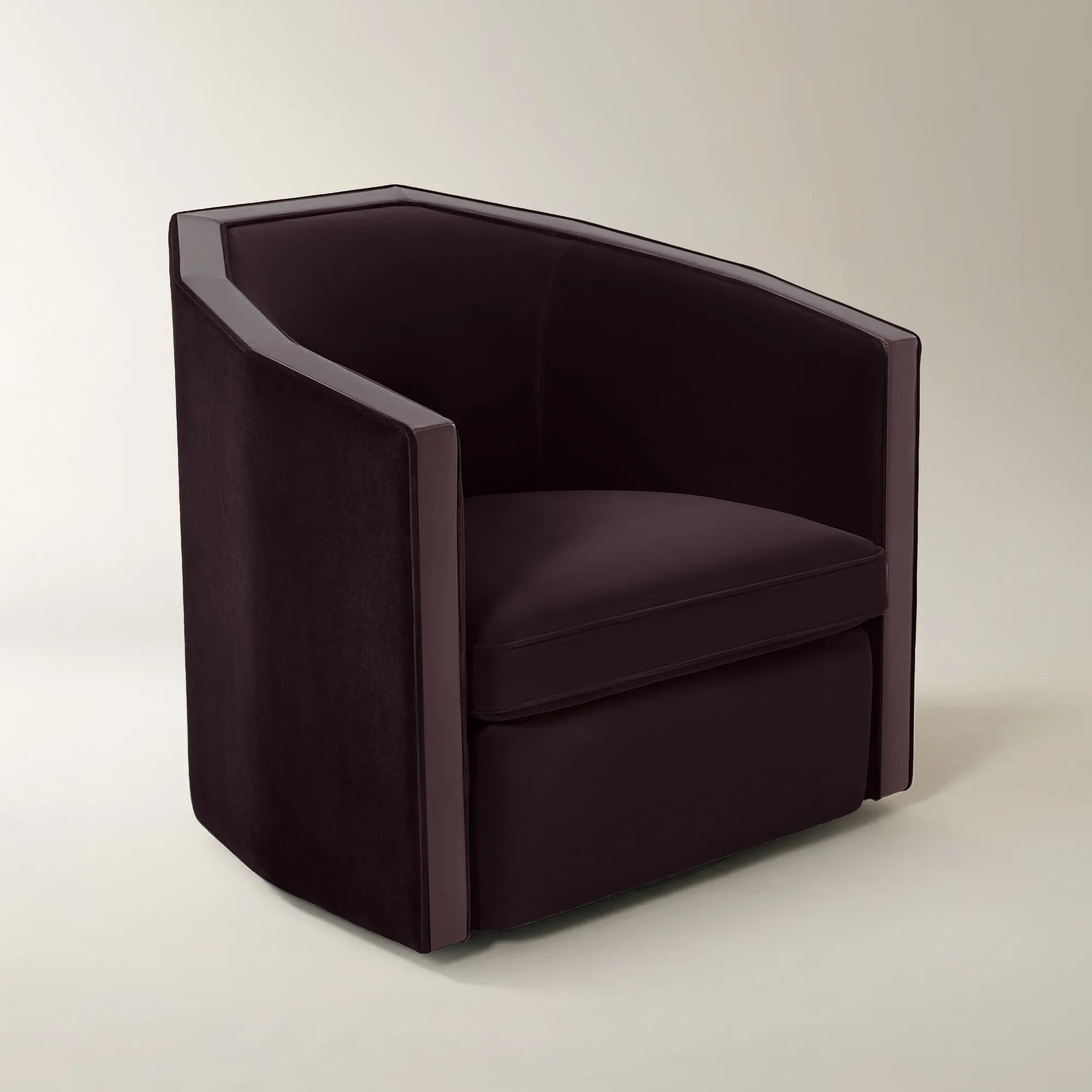 Vesper Fig Velvet With Leather Swivel Accent Chair$999
A modern accent chair featuring fig velvet upholstery, tonal leather trim, and a smooth 360° swivel base.
Add To Cart -
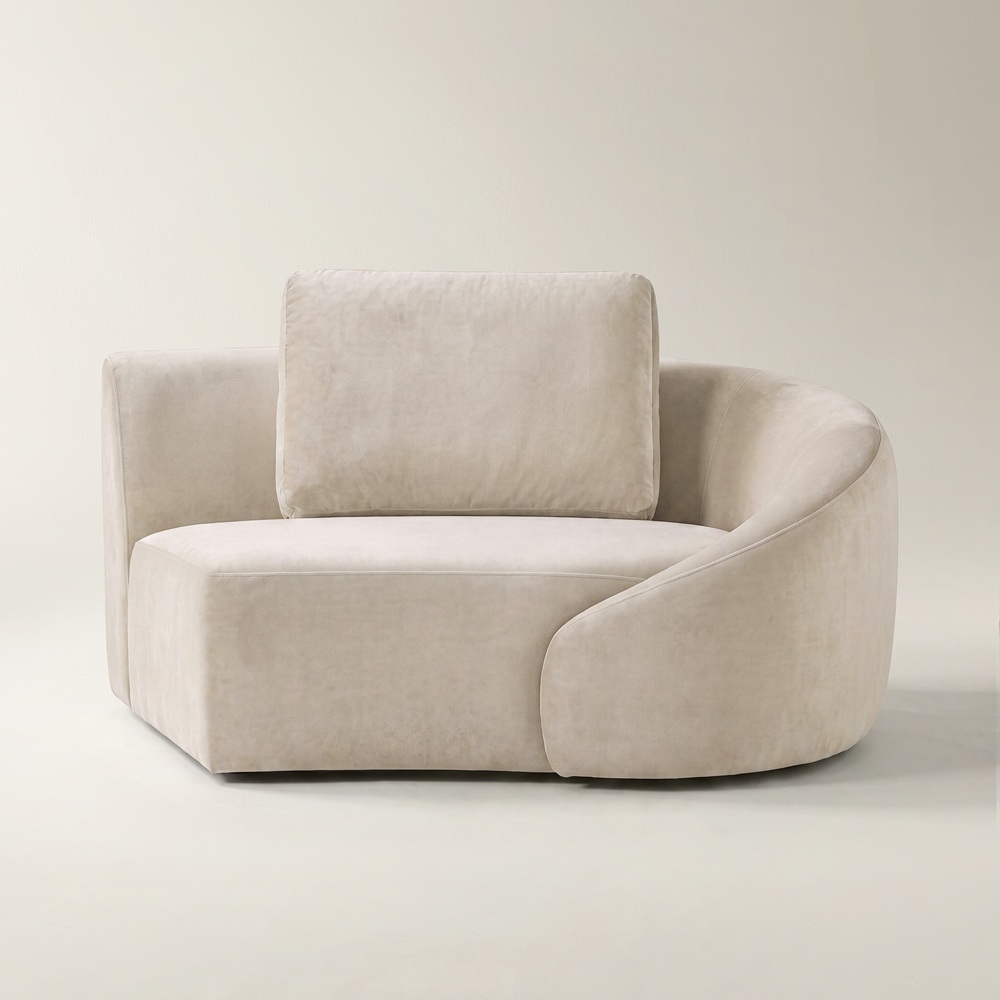
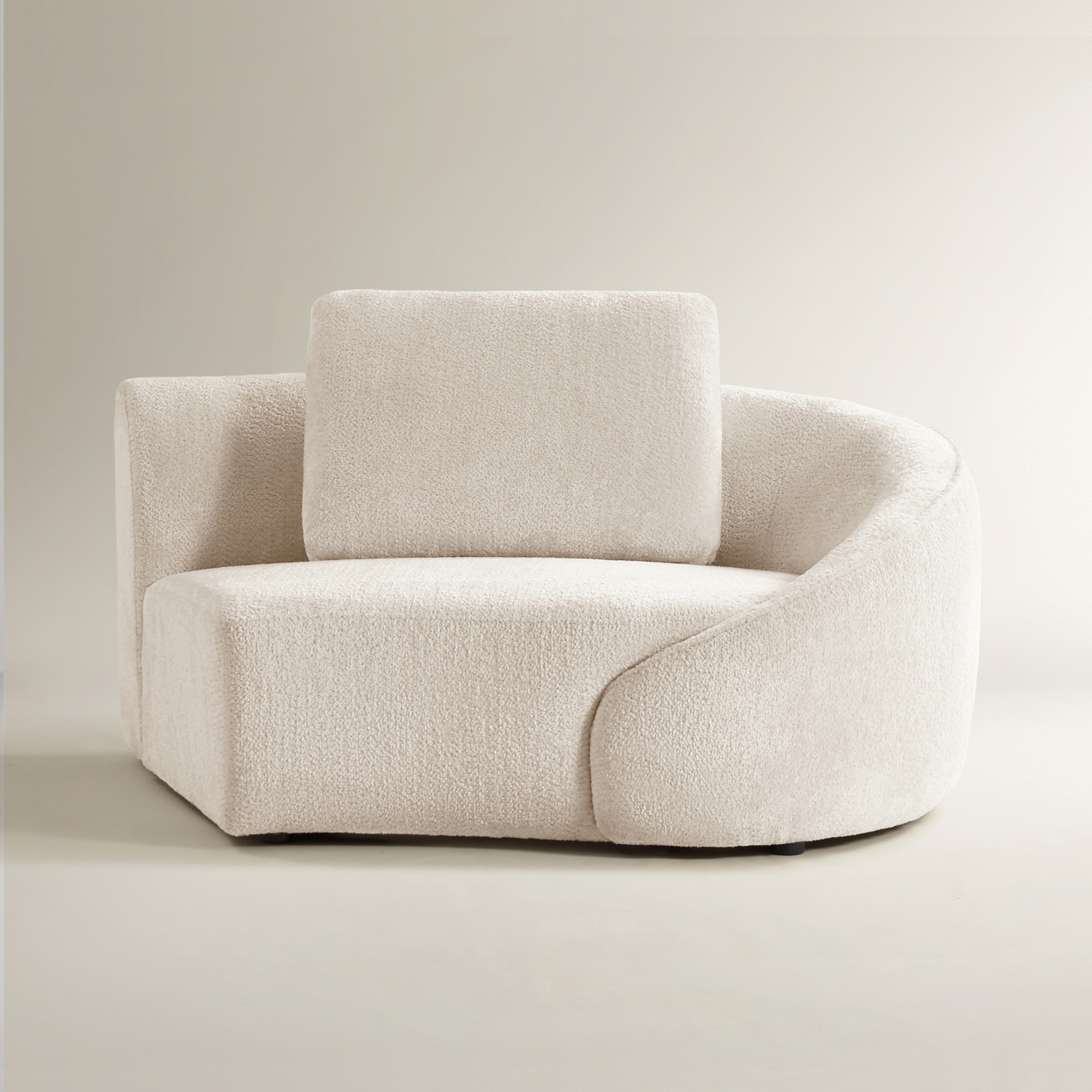 Irene Oatmeal Velvet Right-Arm Chair$1399
An oatmeal velvet right-arm chair featuring sculptural curves, high-resiliency foam, and artisan hand-finished upholstery.
Add To Cart -
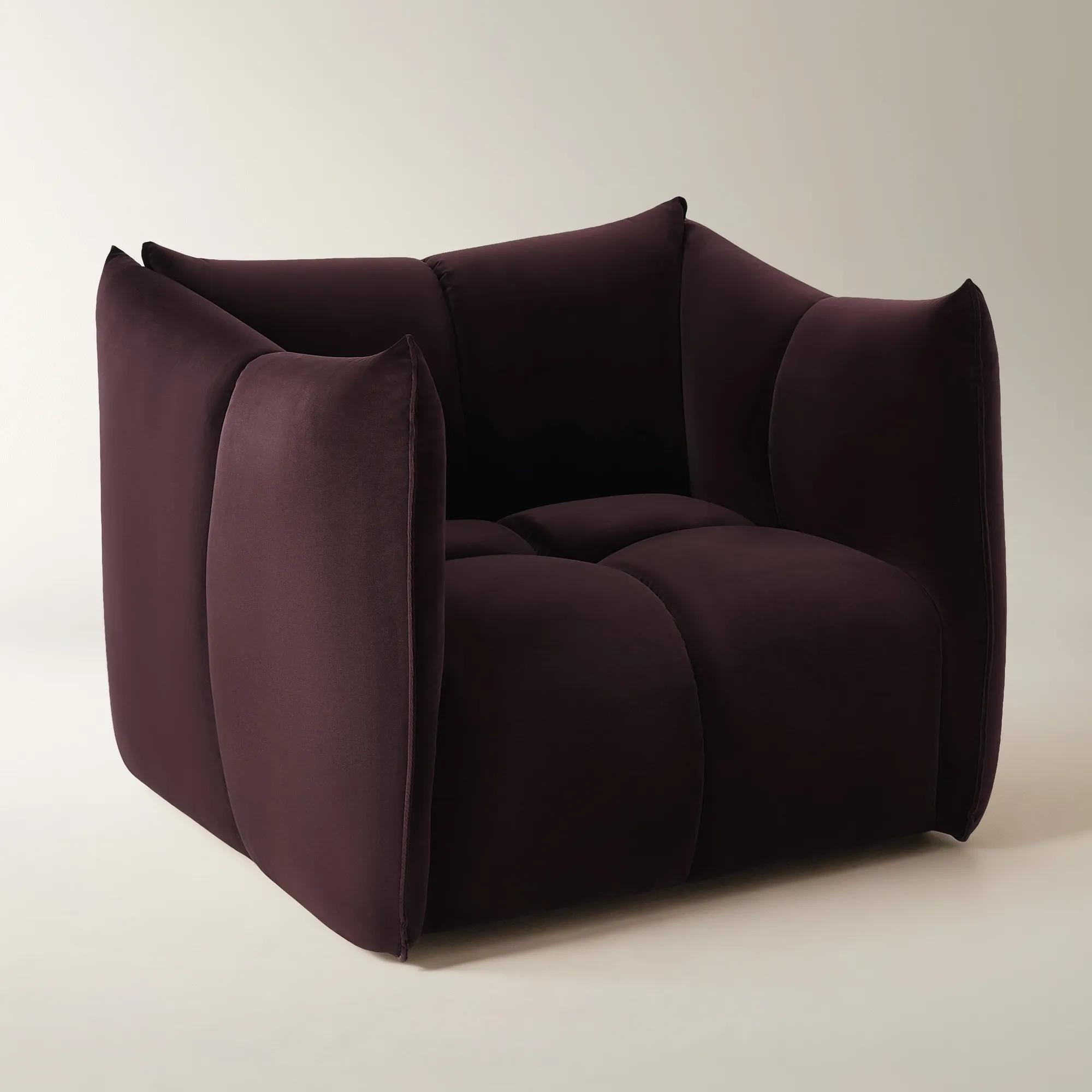 Reina Tufted Fig Velvet Swivel Chair$1099
A fig velvet swivel chair with channel tufting, a sculptural wingback profile, and plush foam cushioning.
Add To Cart -
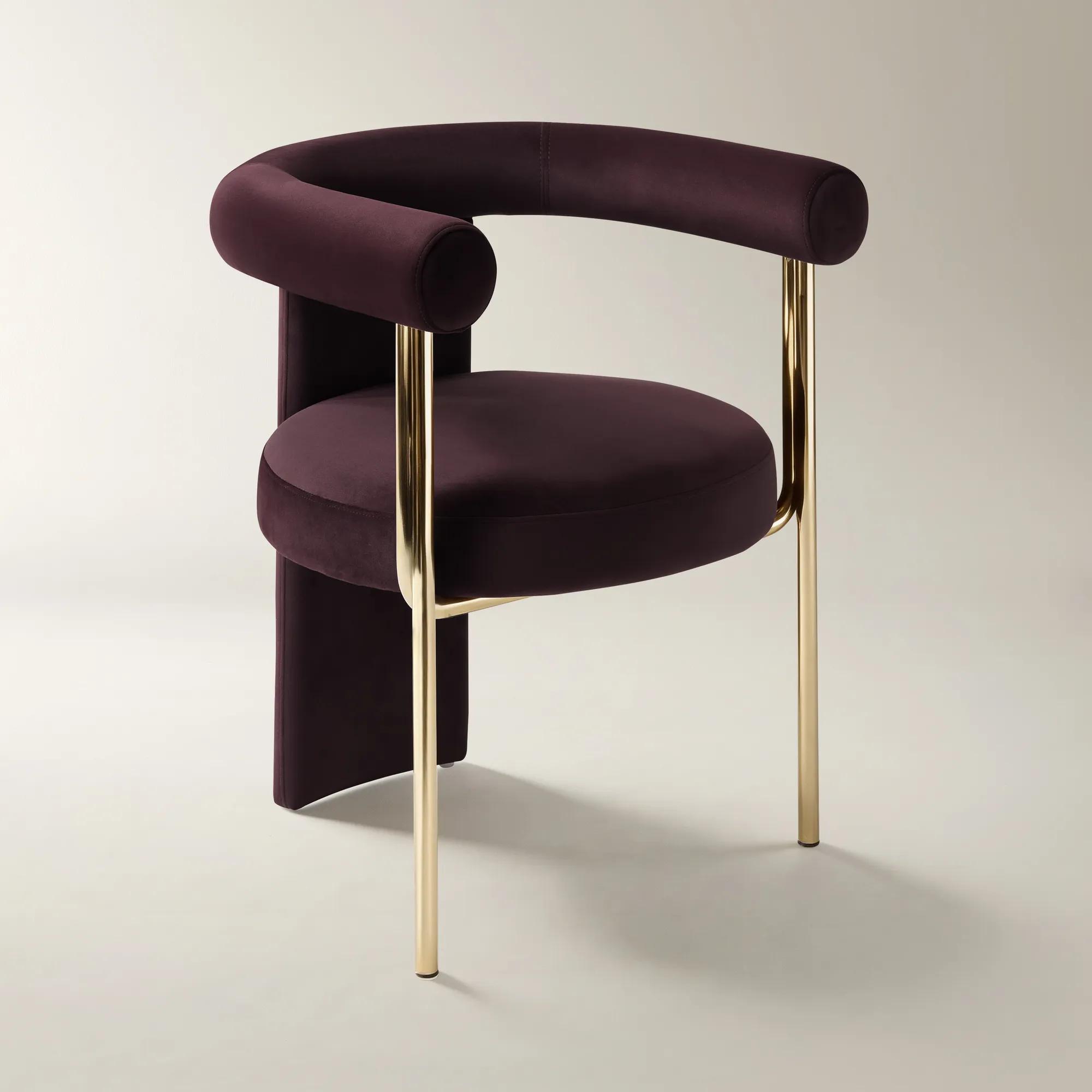 Davina Fig Velvet Dining Chair Set Of 2$899
A set of two dining chairs featuring plush fig velvet upholstery and a sleek gold-finished metal frame.
Add To Cart -
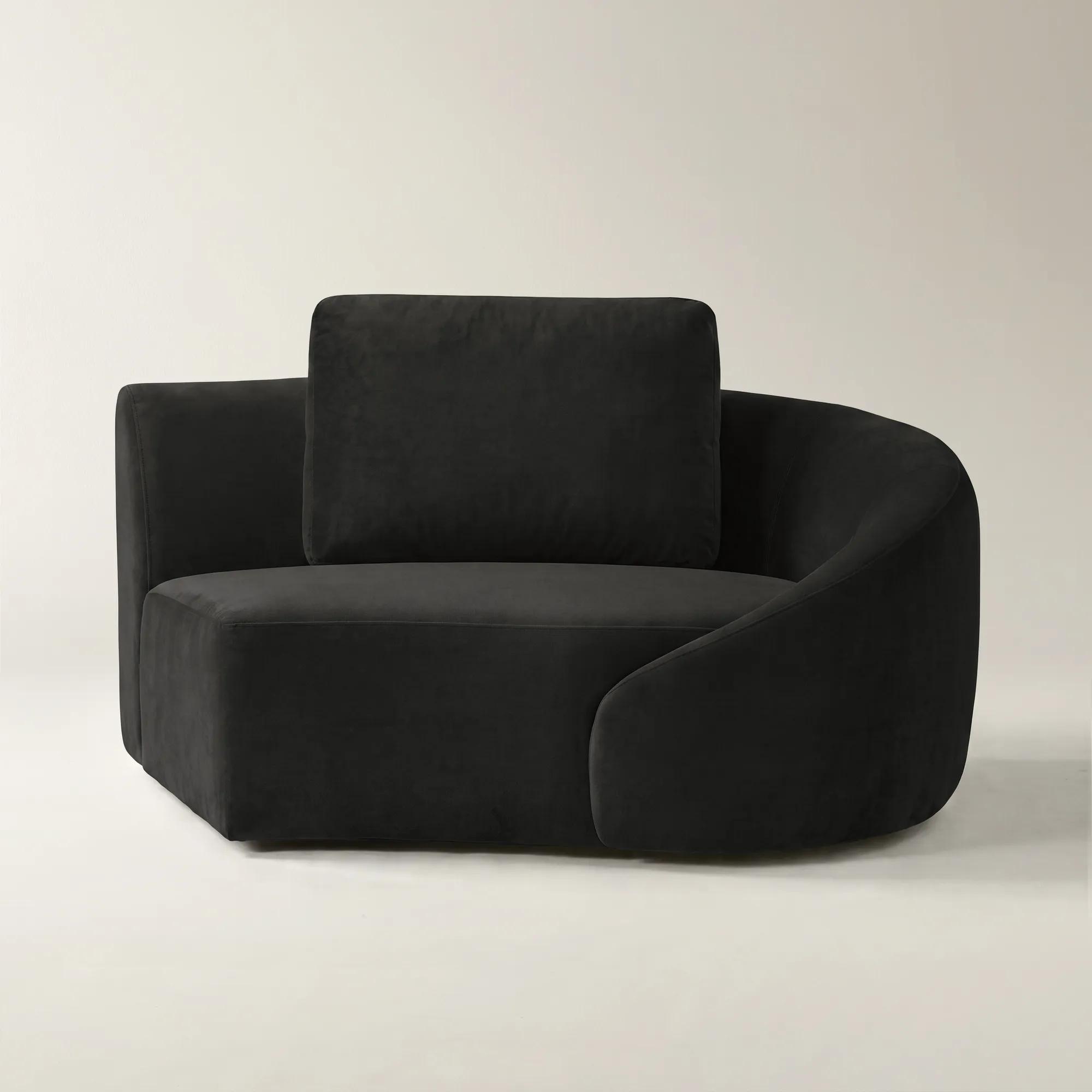 Irene Charcoal Velvet Right-Arm Chair$1399
A sculptural right-arm chair in charcoal velvet with high-resiliency foam cushions and artisan hand-finished details.
Add To Cart -
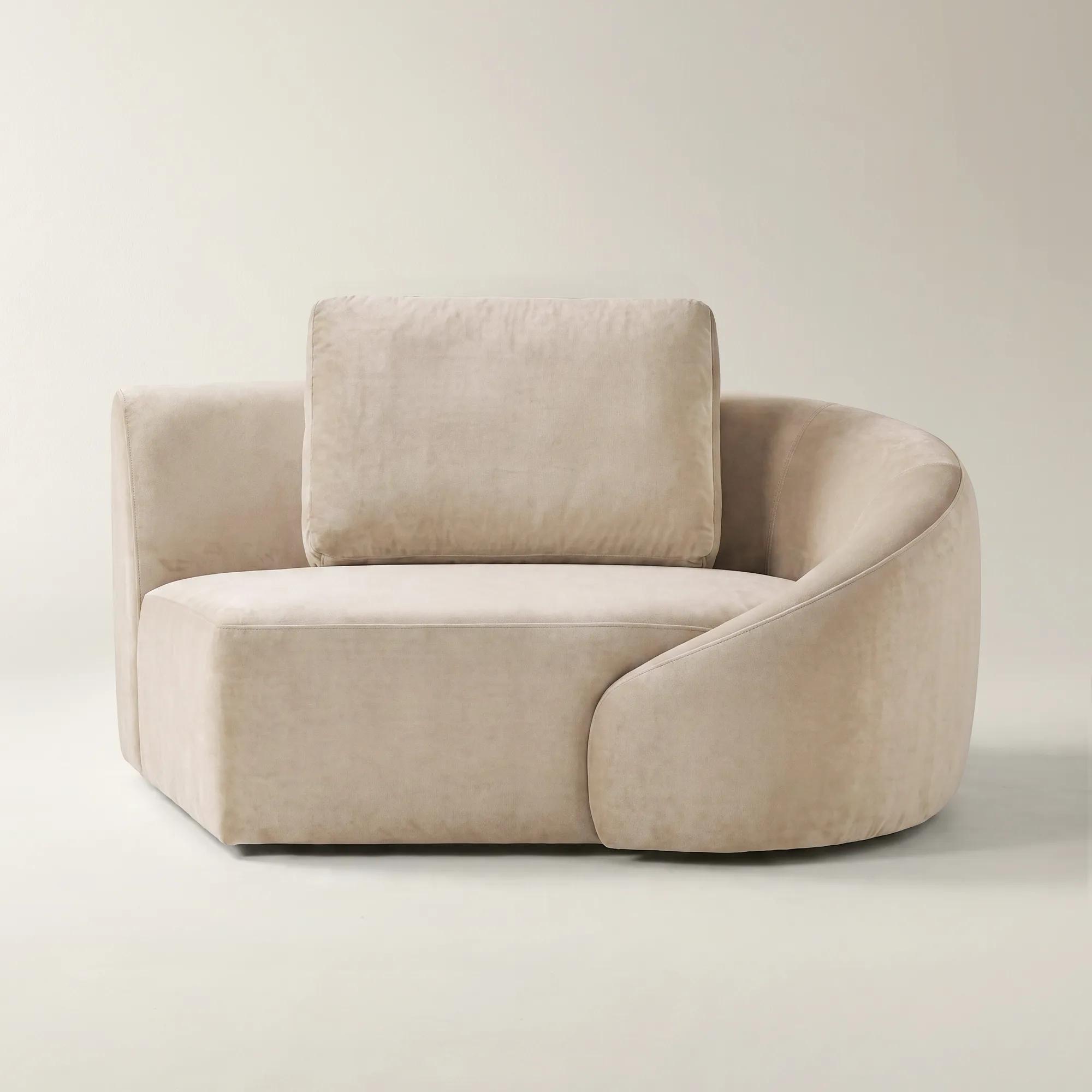 Irene Simply Taupe Velvet Right-Arm Chair$1399
A sculptural right-arm chair in simply taupe velvet with high-resiliency foam cushions and artisan detailing.
Add To Cart -
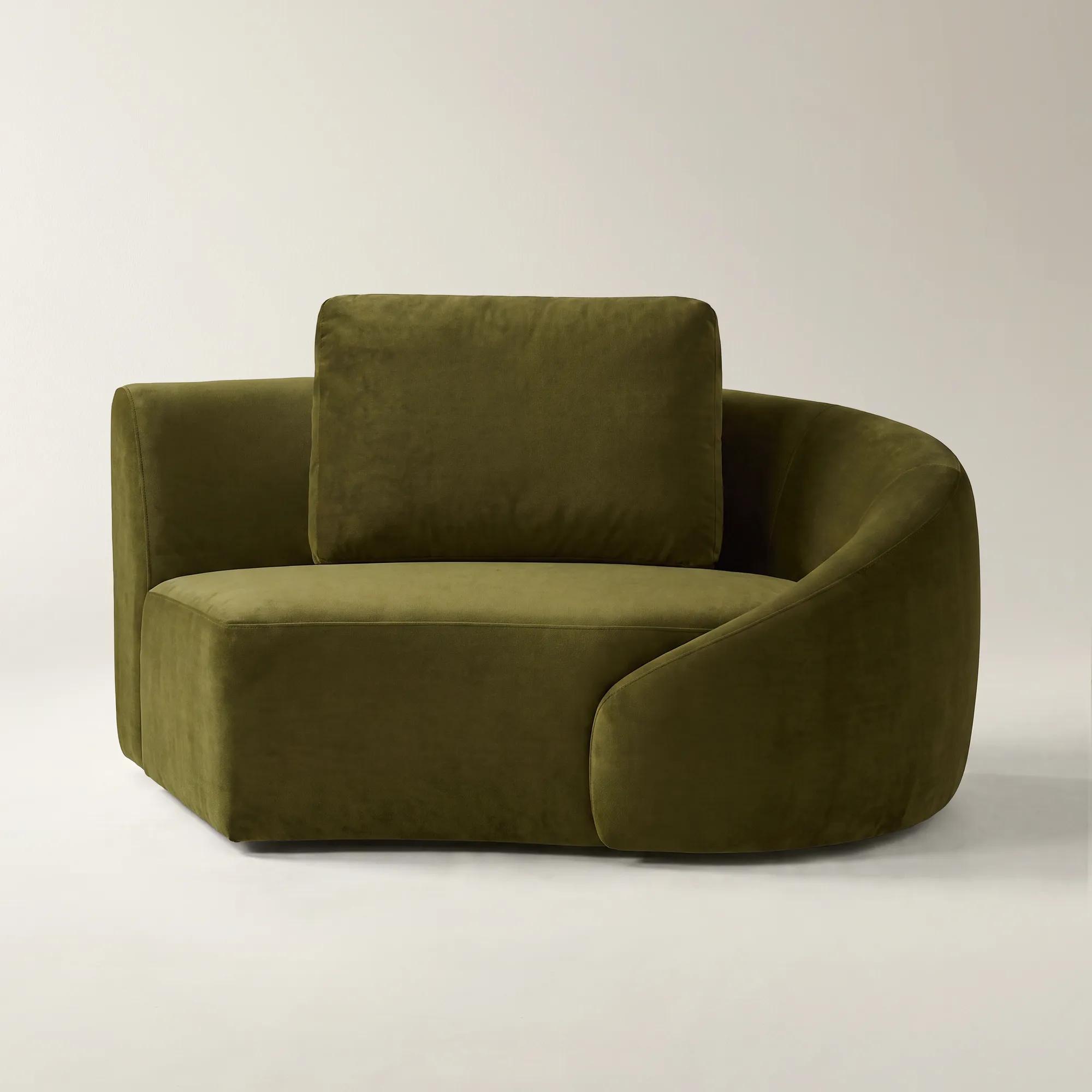 Irene Deep Olive Velvet Right-Arm Chair$1399
A sculptural right-arm chair in deep olive velvet with high-resiliency foam cushions and artisan detailing.
Add To Cart -
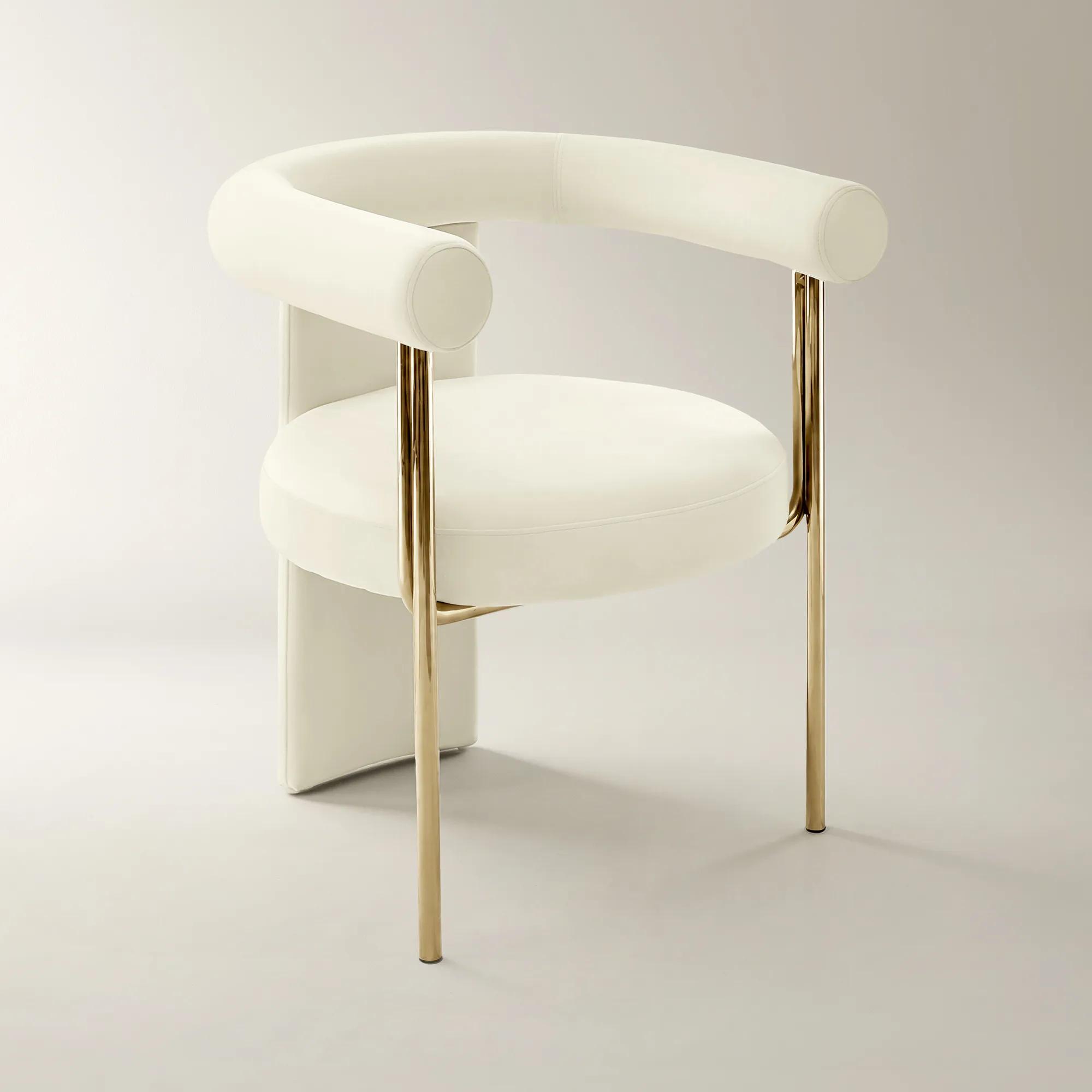 Davina Cloud Velvet Dining Chair Set Of 2$899
A set of two dining chairs featuring plush cloud velvet upholstery and a sculptural gold metal frame.
Add To Cart -
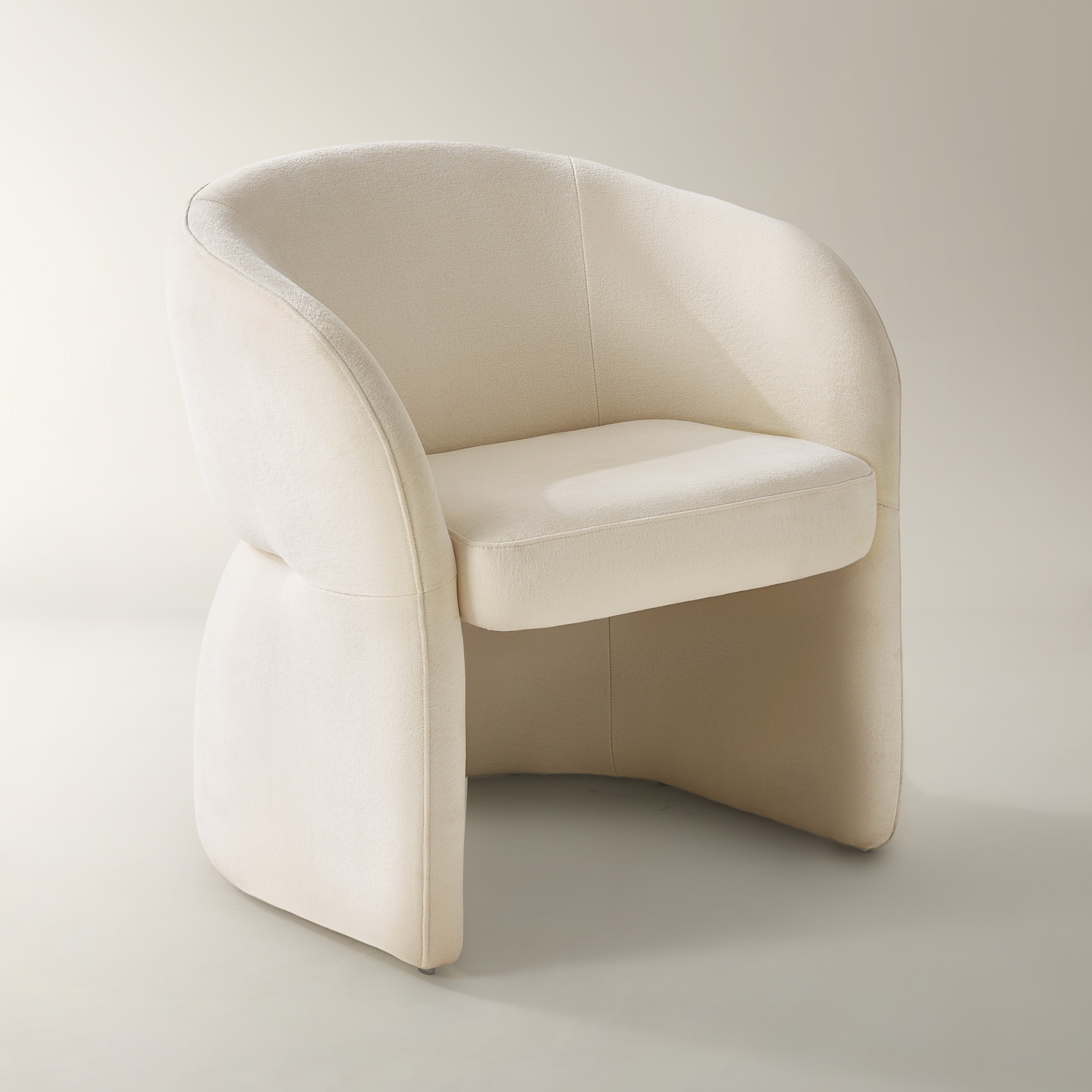
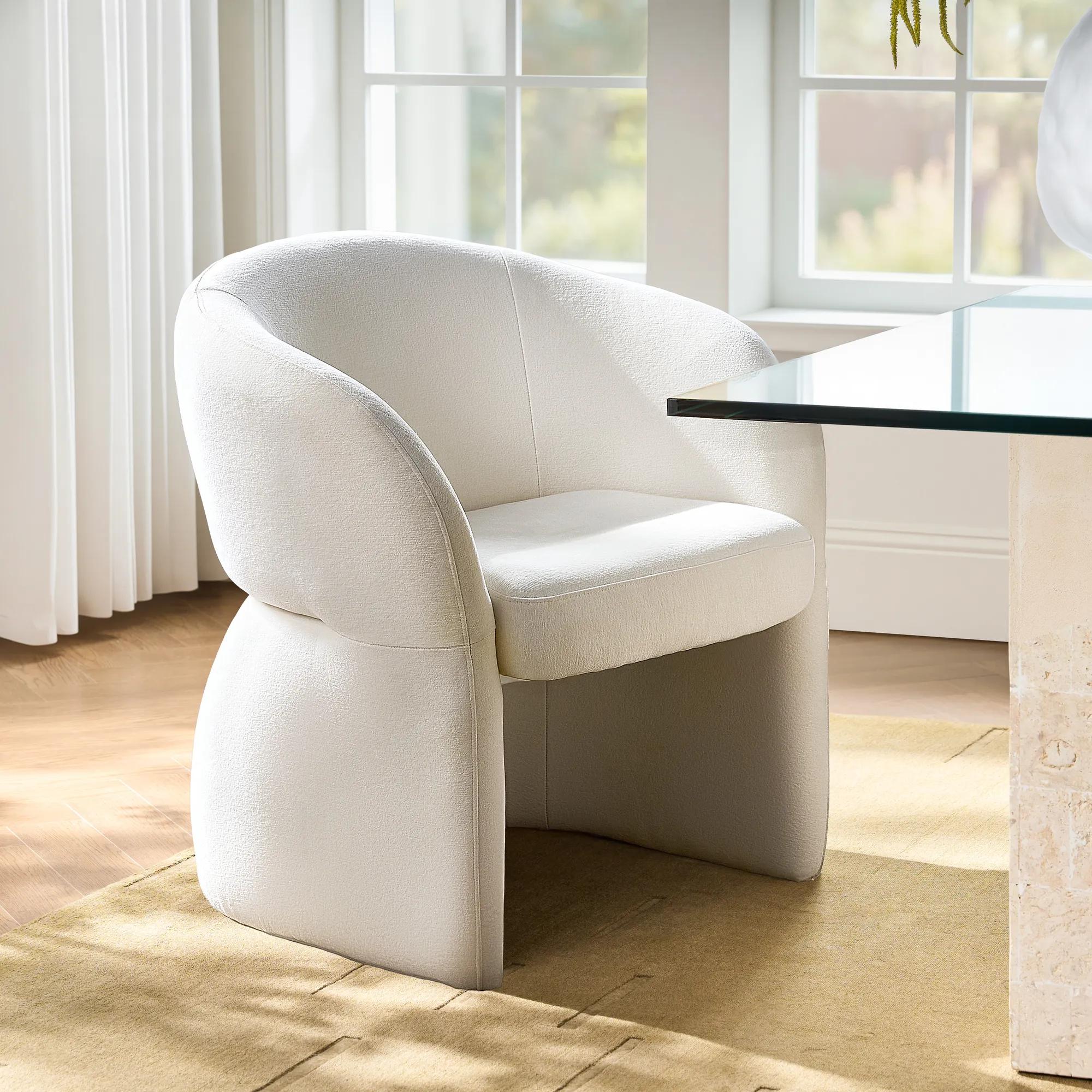 Sierra Oatmeal Velvet Dining Chair$599
An elegant accent chair in oatmeal velvet with gracefully arched arms, curved back, and plush cushioning.
Add To Cart -
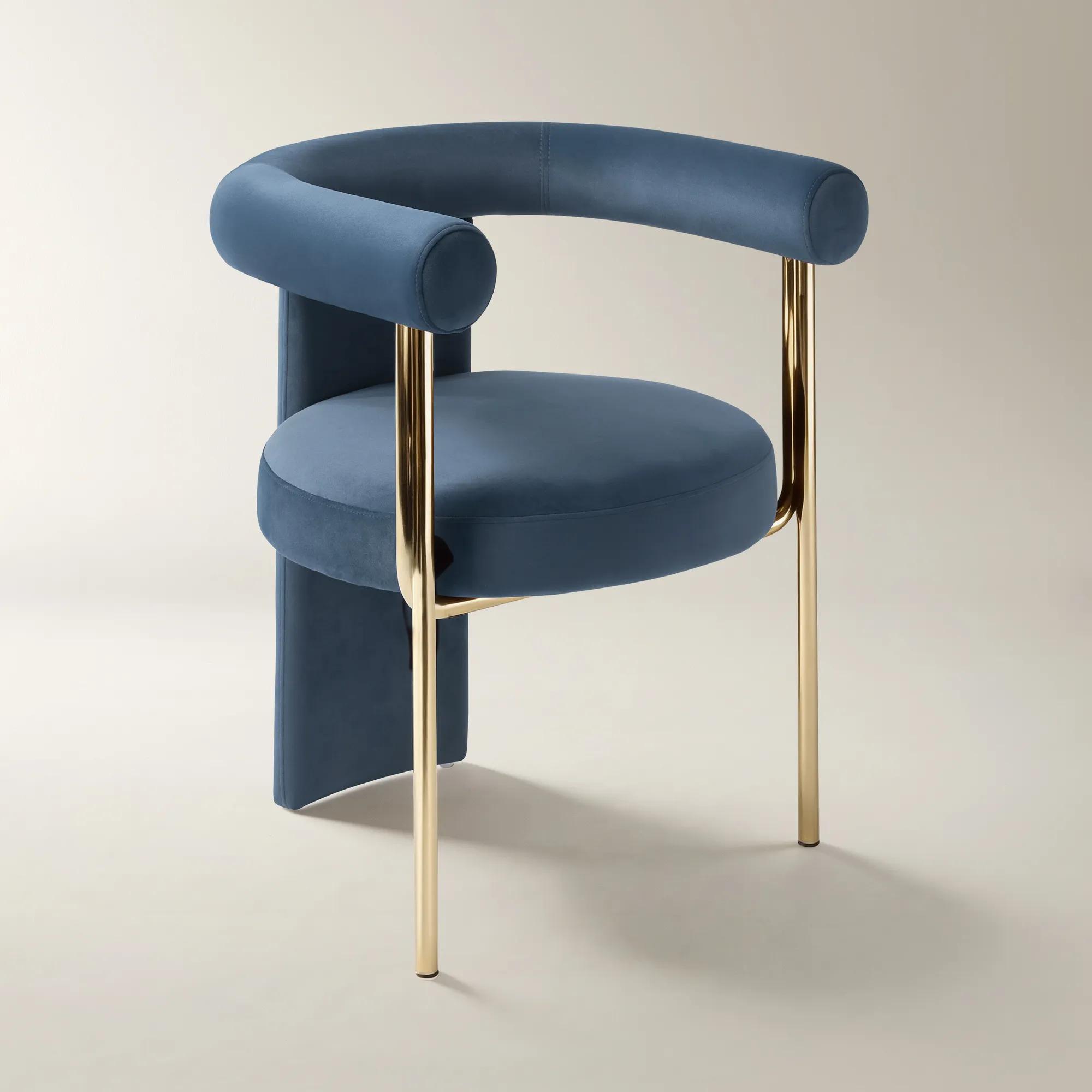 Davina Dusty Blue Velvet Dining Chair Set Of 2$899
A set of two dining chairs featuring dusty blue velvet upholstery and a polished gold metal frame.
Add To Cart -
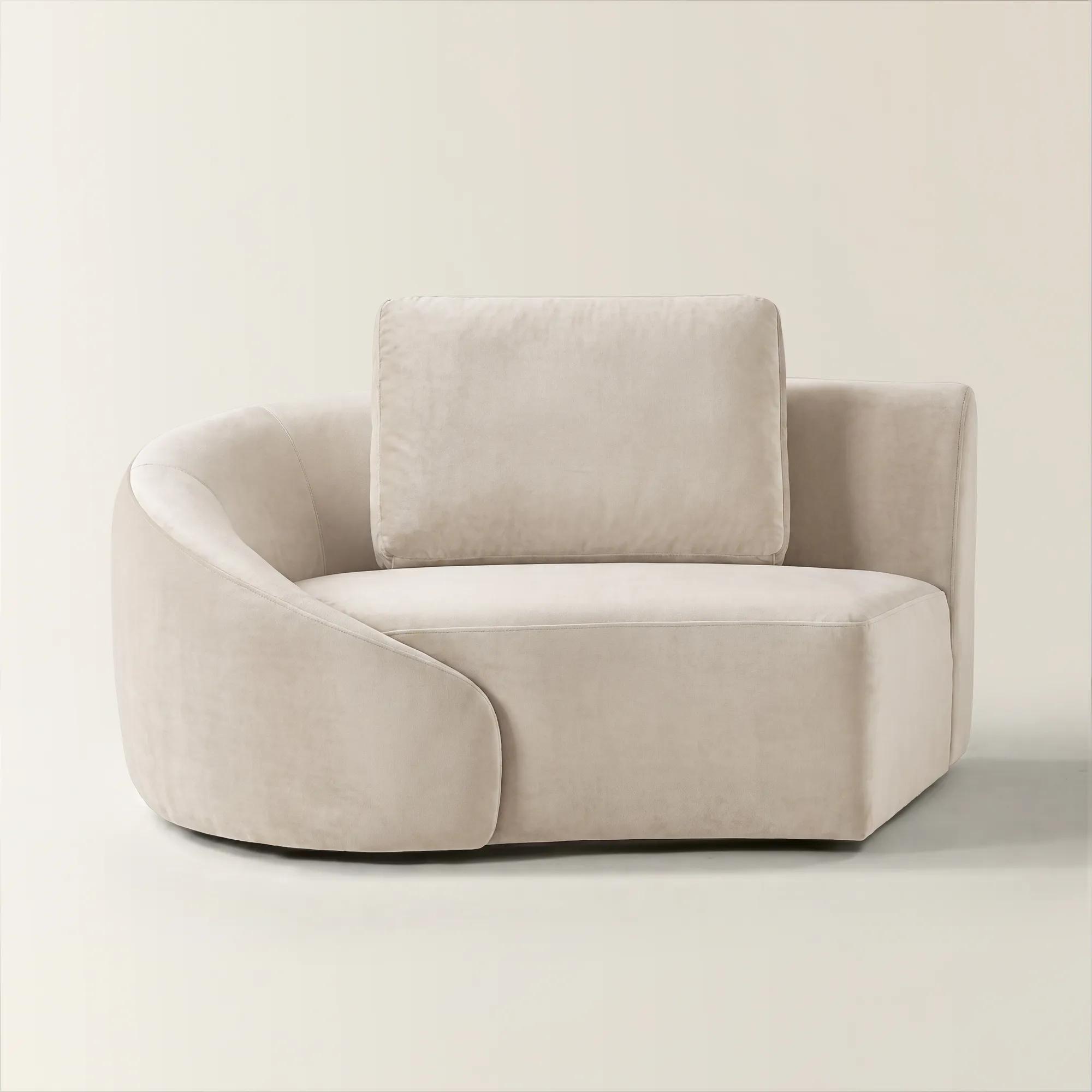
 Irene Oatmeal Velvet Left-Arm Chair$1399
An oatmeal velvet left-arm chair featuring sculptural curves, high-resiliency foam, and artisan hand-finished upholstery.
Add To Cart -
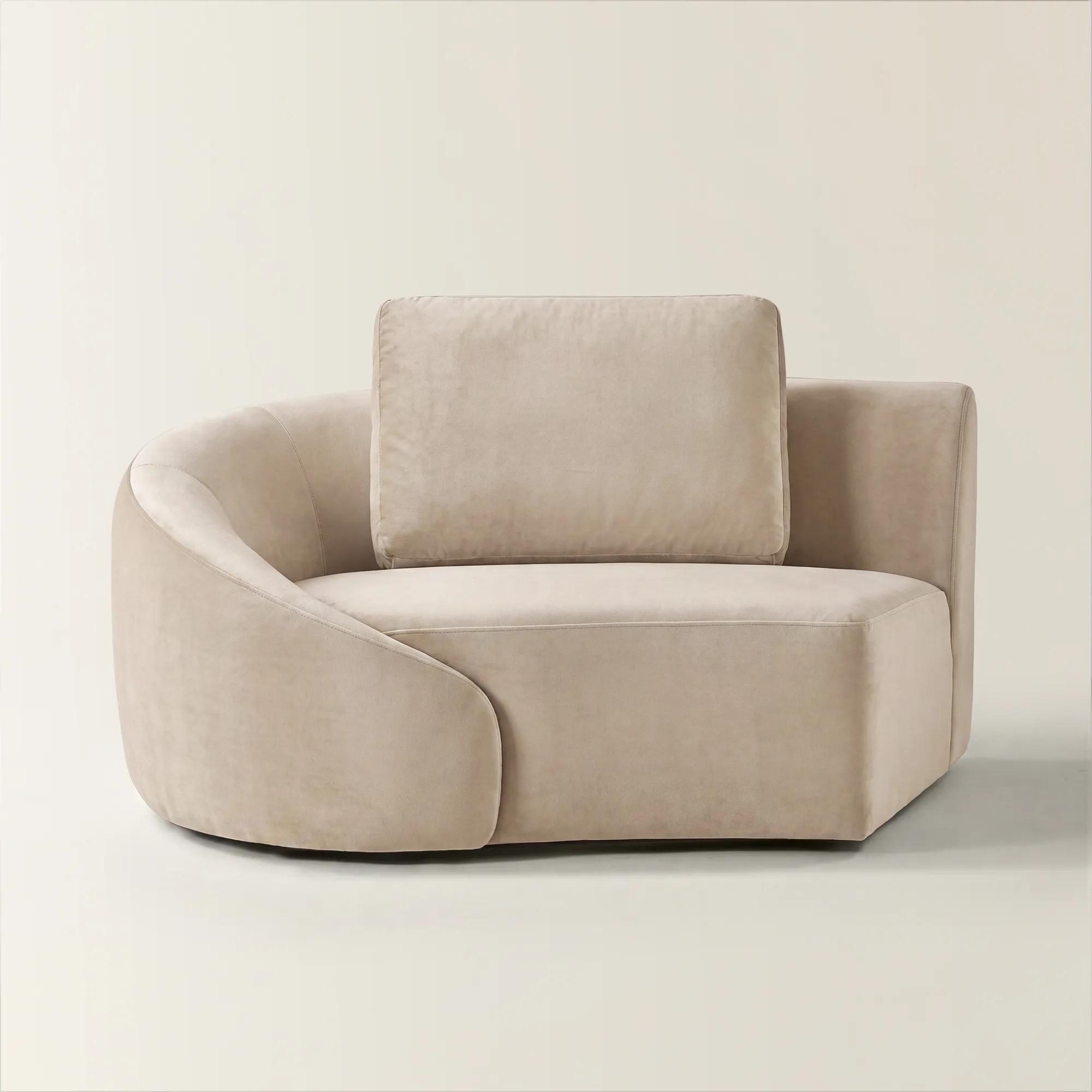 Irene Simply Taupe Velvet Left-Arm Chair$1399
A sculptural left-arm chair in simply taupe velvet, featuring high-resiliency foam cushions and artisan tailoring.
Add To Cart -
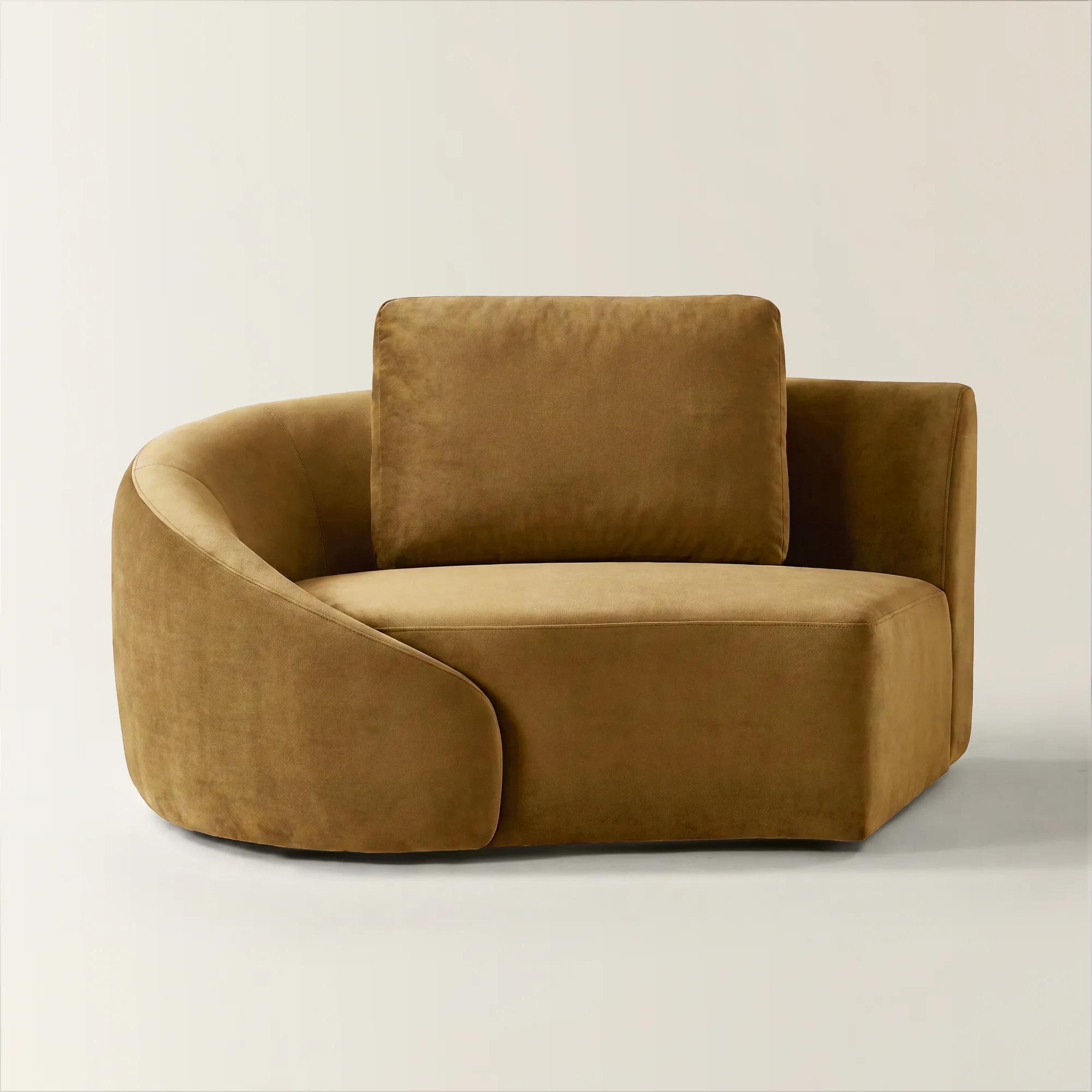 Irene Roasted Pecan Velvet Left-Arm Chair$1399
A sculptural left-arm chair in roasted pecan velvet with high-resiliency foam cushions and artisan detailing.
Add To Cart -
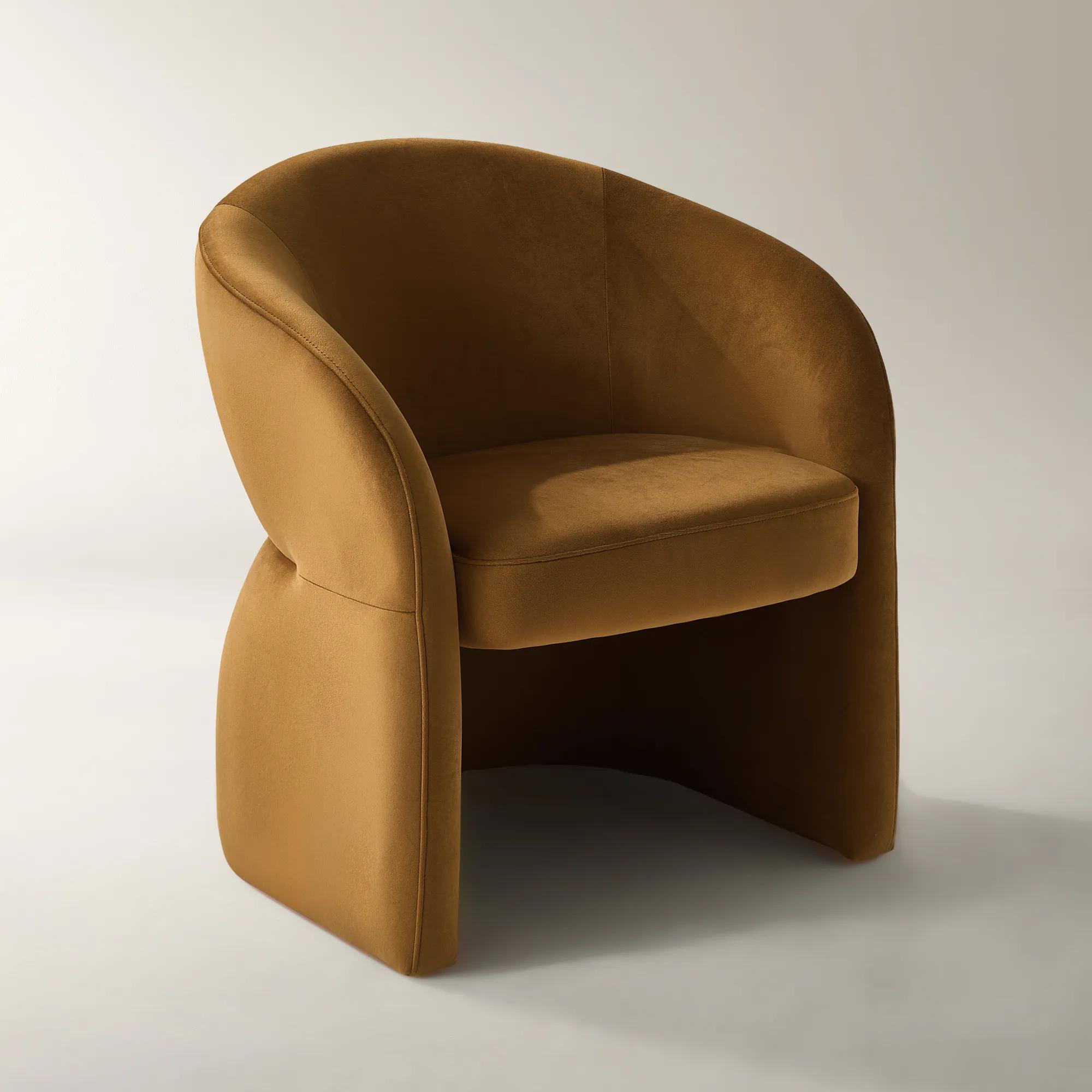
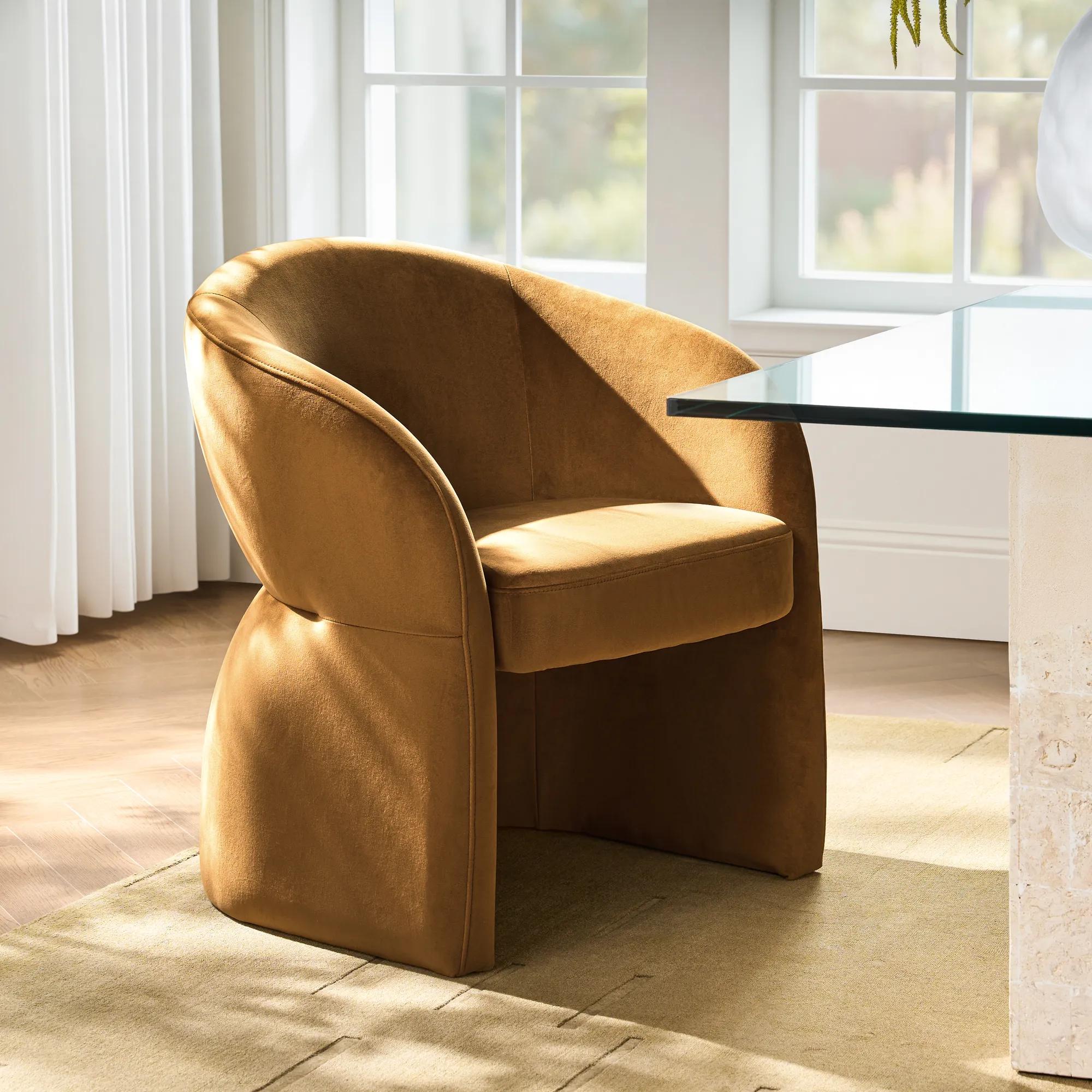 Sierra Roasted Pecan Velvet Dining Chair$599
A sculptural accent chair in roasted pecan velvet with arched arms, curved back, and plush cushioning.
Add To Cart -
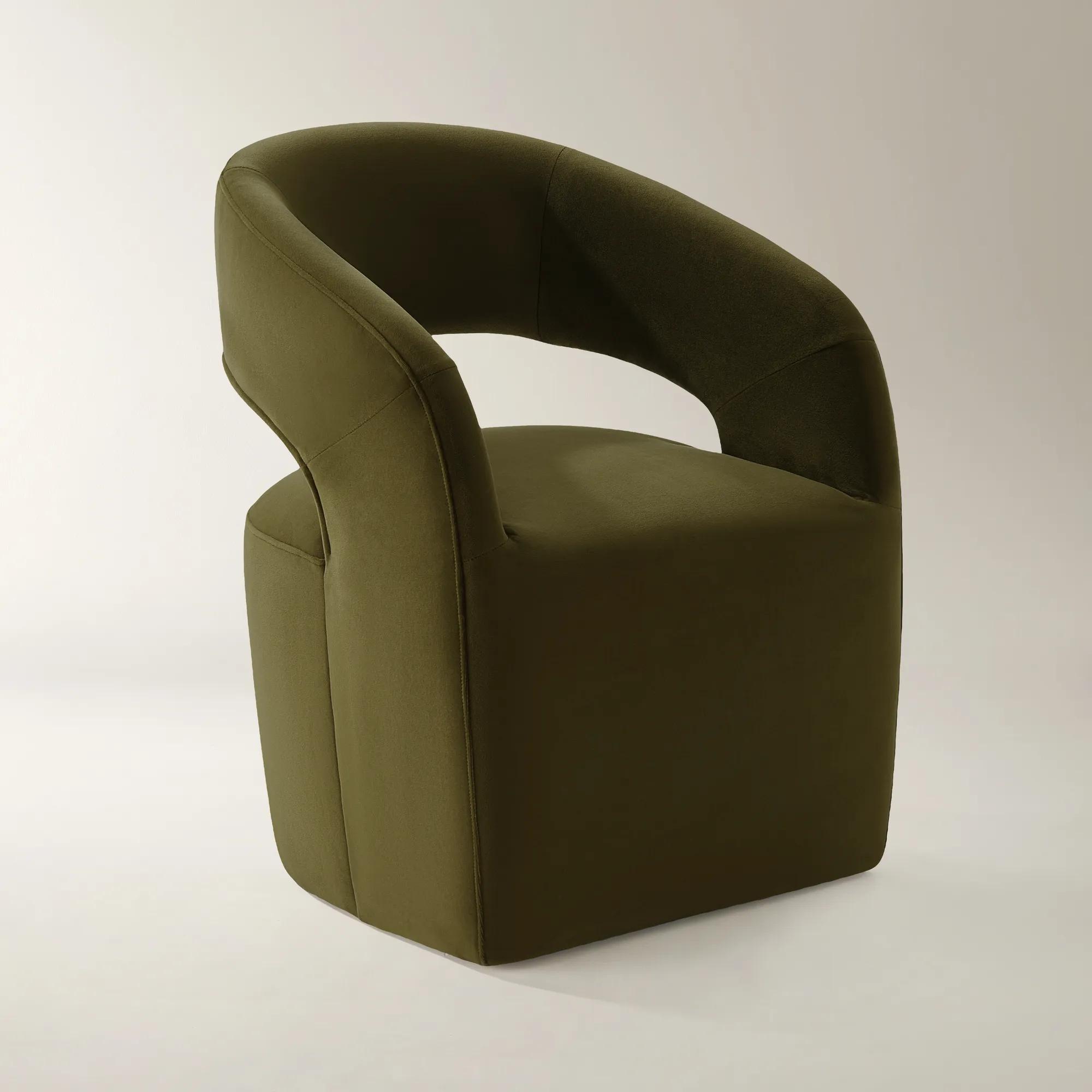 Harrison Deep Olive Velvet Dining Chair$499
A sculptural dining chair in deep olive velvet with a curved back, integrated arms, and plush feather-blend comfort.
Add To Cart -
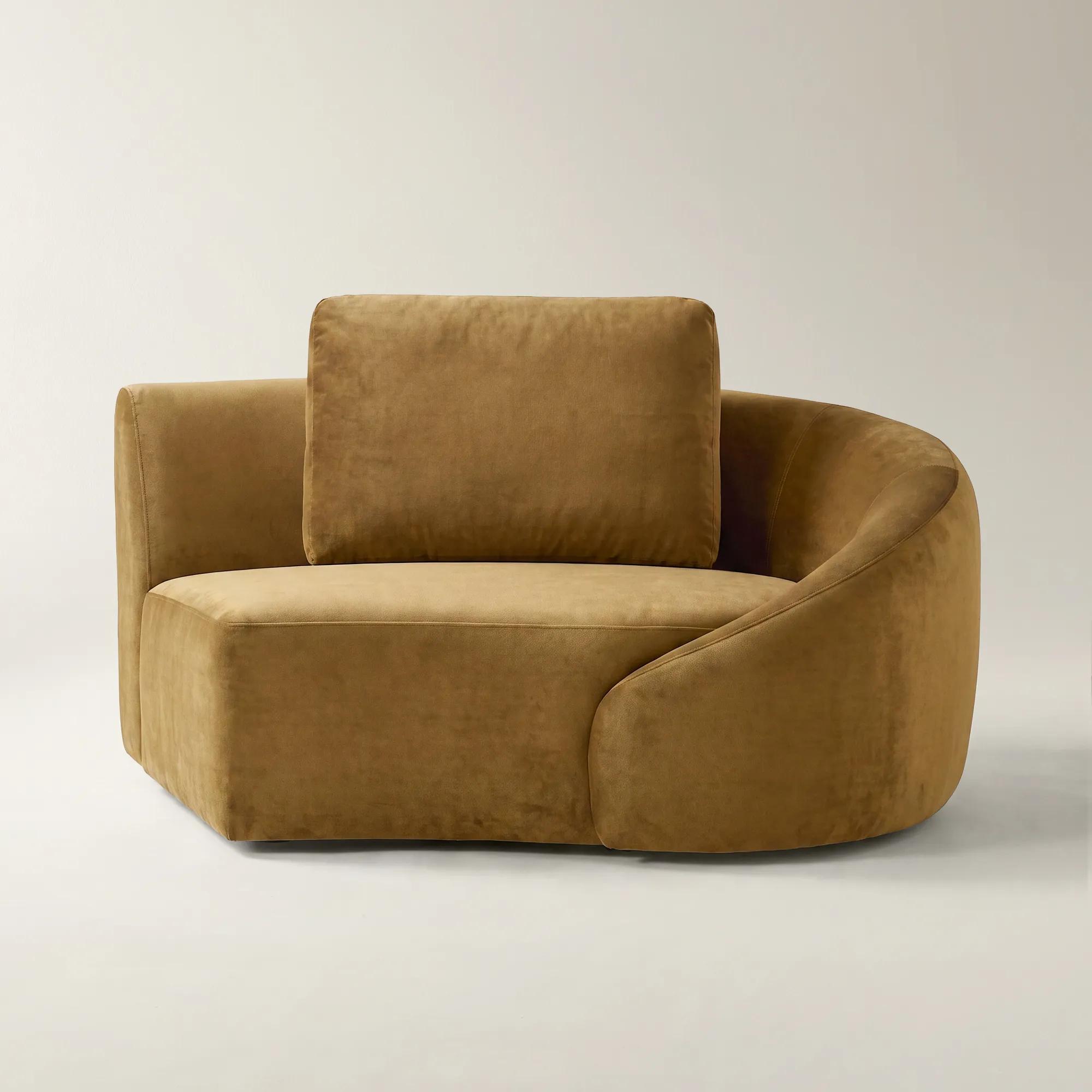 Irene Roasted Pecan Velvet Right-Arm Chair$1399
A sculptural right-arm chair in roasted pecan velvet with high-resiliency foam cushions and artisan detailing.
Add To Cart

Mid Century Modern Velvet Chairs
Mid Century Modern Velvet Chairs invite you to indulge in an era where artistry meets allure. Each piece is a masterstroke of sculptural form and sumptuous texture, designed for those who crave interiors that captivate at every glance. With their plush velvet upholstery and iconic silhouettes, these chairs transform any room into a stage for bold self-expression. Let your space revel in retro glamour reimagined for today—where every curve, every hue, and every tactile detail speaks to a life lived beautifully and unapologetically.
Mid-century modern velvet chairs bring the sculptural clarity of postwar furniture into a richer, more expressive setting. Associated with design from the 1940s through the 1960s, the style often features tapered legs, gently angled backs, restrained ornament, and organic curves; velvet adds a luminous surface that softens those architectural lines. The result is seating with presence rather than bulk: a chair can feel visually light on slender legs while still delivering the drama of sumptuous upholstery. A curved back draws the eye around a conversation area, while an exposed wood frame introduces warmth against the fabric’s subtle sheen. Brass-toned or dark metal legs can give the same silhouette a sharper, more glamorous edge. Color changes the atmosphere just as decisively. Emerald, sapphire, and garnet lend depth to a room anchored by pale walls, while ivory, taupe, and silver-gray allow shape and texture to lead. Velvet’s directional pile catches light differently across the seat, arms, and back, creating tonal movement even in a single-color fabric. That interplay makes these chairs especially compelling beside a streamlined sofa, beneath an expressive painting, or opposite a stone-topped coffee table. In a living room, a pair can establish a distinct conversation zone without requiring the visual weight of another sofa. In a bedroom, one generously proportioned chair can turn an unused corner into a place for reading or a quiet pause before the day begins. A compact accent silhouette can also bring softness to a home office, although occasional seating should not be confused with an ergonomic task chair designed for extended desk work. For homes that mix vintage influences with contemporary furnishings, mid-century modern velvet chairs offer a persuasive bridge: recognizable proportions, tactile richness, and enough personality to stand apart without competing with every surrounding detail. They suit interiors shaped by art, entertaining, and individual expression, whether the larger composition is restrained and tonal or layered with lacquer, metallic finishes, and daring color.
The appeal of velvet begins with touch, but its composition matters as much as its appearance. Velvet describes a raised-pile fabric rather than a single fiber, so upholstery may be made from cotton, polyester, other fibers, or blends with different characteristics. Cotton velvet can offer a rich, softly matte appearance, while many polyester velvets have a more pronounced sheen and practical resilience; actual performance depends on the fabric’s construction and finish. A performance designation is worth reading closely because resistance to spills, staining, or wear varies, and no upholstery should be assumed to be stainproof or immune to pet claws. For a chair used every evening, tightly constructed upholstery, well-supported cushions, and a stable frame deserve as much attention as color. Solid wood, engineered wood, and metal can all contribute to furniture construction, with durability depending on the quality of the materials, joints, and overall execution rather than a material name alone. Published abrasion results, when provided, offer useful context for fabric wear, though they do not predict every aspect of daily use. Comfort is equally individual. An upright back and a moderately shallow seat may feel natural for conversation, while a deeper seat and a more reclined angle encourage lingering with a book. Plush cushioning creates an inviting first impression, but supportive fill and suspension help determine how a chair feels over time. Seat height affects how easily someone can sit down and rise, and arm height influences whether shoulders can relax comfortably. A dramatic barrel shape may cradle the body beautifully yet offer less usable seat width than its exterior dimensions suggest. For shared households, the most successful chair accommodates the people who will actually use it, from a taller reader who appreciates legroom to a guest who prefers firmer support. Mid-century styling supplies the visual language; proportion, upholstery, and construction determine how convincingly that beauty serves everyday life.
Scale gives a velvet chair its place in the room. Overall width and depth establish the footprint, but the space needed around the chair matters too, especially beside a walkway or between a sofa and a side table. A swiveling design requires clearance through its turning range, while a fixed chair with a sweeping back may project farther into a room than expected. Doorways, stair turns, and elevator dimensions also influence whether a beautifully proportioned piece can reach its intended setting. Within the room, a side table should sit at a comfortable reach without crowding the arms, and a floor lamp can define a reading corner without interrupting circulation. Styling can amplify the chair’s character rather than bury it: a single textured pillow, an angular table, or an artwork with a shared accent color often provides enough connection. For an interior that moves between design traditions, Modern Classic Velvet Chairs provide a related direction for pairing plush upholstery with a different balance of curves and tailored detail. Whatever the surrounding aesthetic, velvet benefits from thoughtful placement and consistent care. Strong direct sunlight can contribute to fading, and repeated contact with sharp hardware or abrasive surfaces can damage the pile. Routine dust removal with an appropriate soft upholstery attachment, when allowed by the manufacturer’s instructions, helps keep debris from settling into the fabric. Spills call for prompt attention according to the stated care requirements; vigorous rubbing, excessive moisture, and unapproved cleaning products can leave lasting marks. A clean white cloth may be suitable for gently blotting a fresh spill, but the upholstery’s care code should determine any further treatment. Changes in shading or temporary pressure impressions can be part of velvet’s natural character rather than evidence of a stain. With suitable care and a silhouette matched to its setting, a mid-century modern velvet chair becomes more than an accent. It gives a room a distinctive point of view, joining sculptural form with the intimate pleasure of a beautifully upholstered seat.
FAQs
A mid century modern velvet chair stands apart with its sculptural silhouette, tapered legs, and plush velvet upholstery, seamlessly blending retro glamour with contemporary elegance. These chairs serve as both functional seating and statement pieces, adding a layer of texture, color, and artistry to any room.
To style a mid century modern velvet accent chair, pair it with metallic or glass side tables, geometric rugs, and bold artwork for a look that channels vintage sophistication. In a bedroom or reading nook, let the chair shine with a soft throw and a nearby floor lamp, creating a cozy yet chic retreat.
Absolutely—mid century modern velvet chairs make unforgettable gifts for design enthusiasts, newlyweds, or anyone who appreciates expressive interiors. Their timeless appeal and luxurious comfort turn them into cherished additions for any home, marking milestones or special occasions with style.
Popular colors for mid century velvet chairs include rich jewel tones like emerald, sapphire, and amethyst, as well as sophisticated neutrals such as charcoal, blush, and ivory. These shades highlight the sumptuous texture of velvet and complement a variety of interior palettes.
Mid century modern velvet chairs elevate a room by introducing a sense of drama, warmth, and tactile luxury. Their elegant lines and vibrant upholstery draw the eye, while their plush comfort invites relaxation, transforming ordinary spaces into expressive, inviting sanctuaries.