
Luxury Breakfast Bar Stools
Luxury Breakfast Bar Stools
-
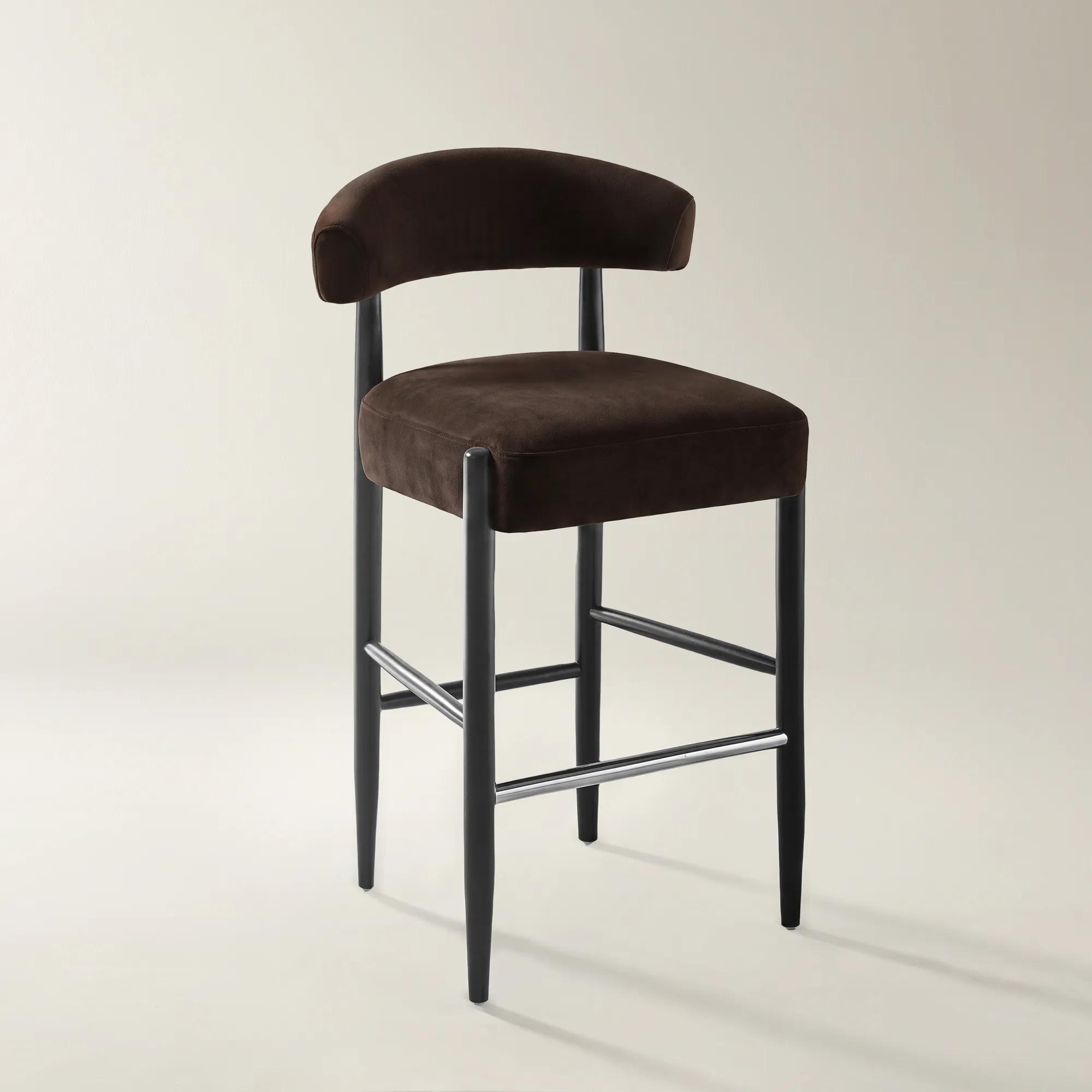 Anna Dark Chocolate Velvet Bar/Counter Stool$449
A dark chocolate velvet counter stool with a sculpted back, padded seat, and tapered solid-rubberwood legs.
Add To Cart -
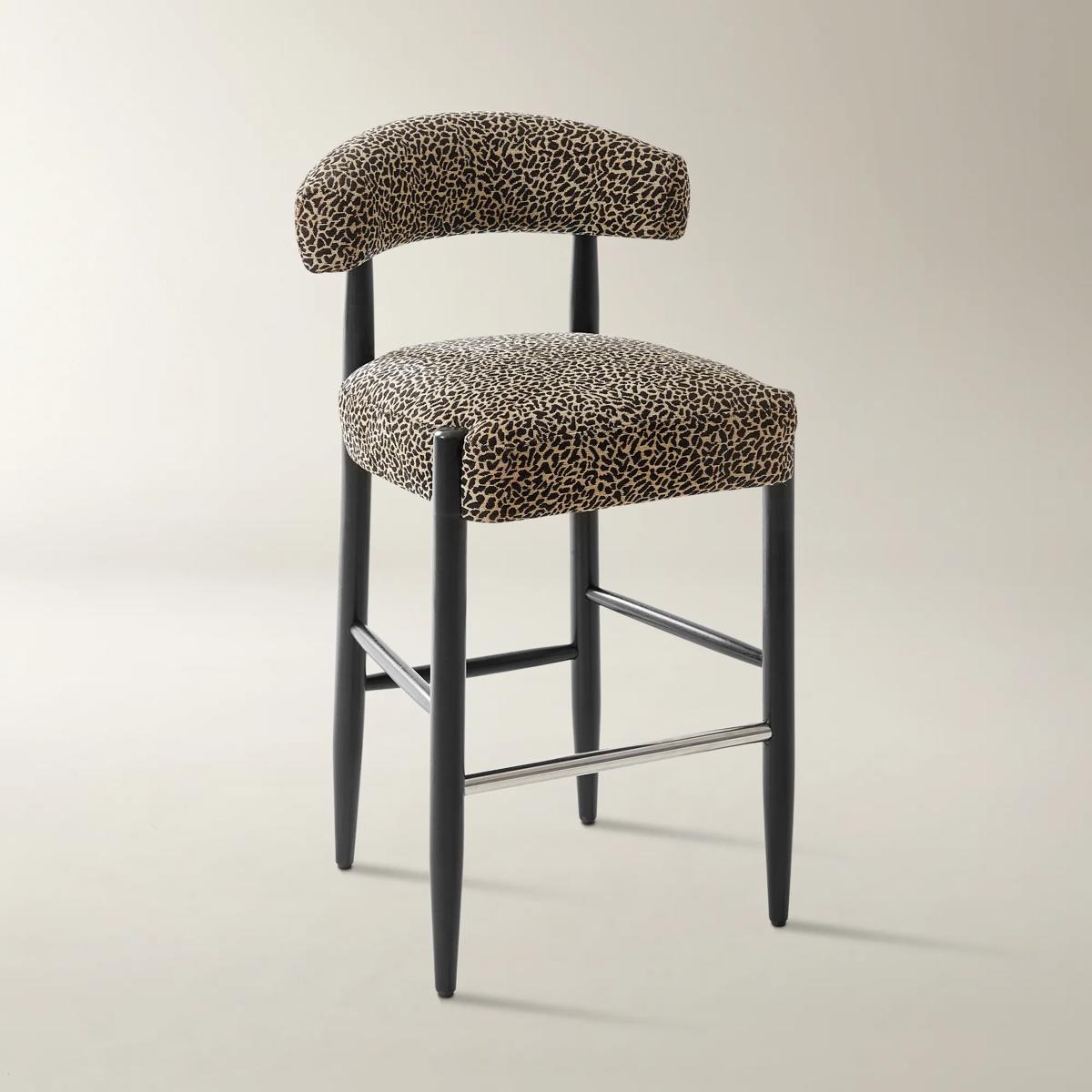
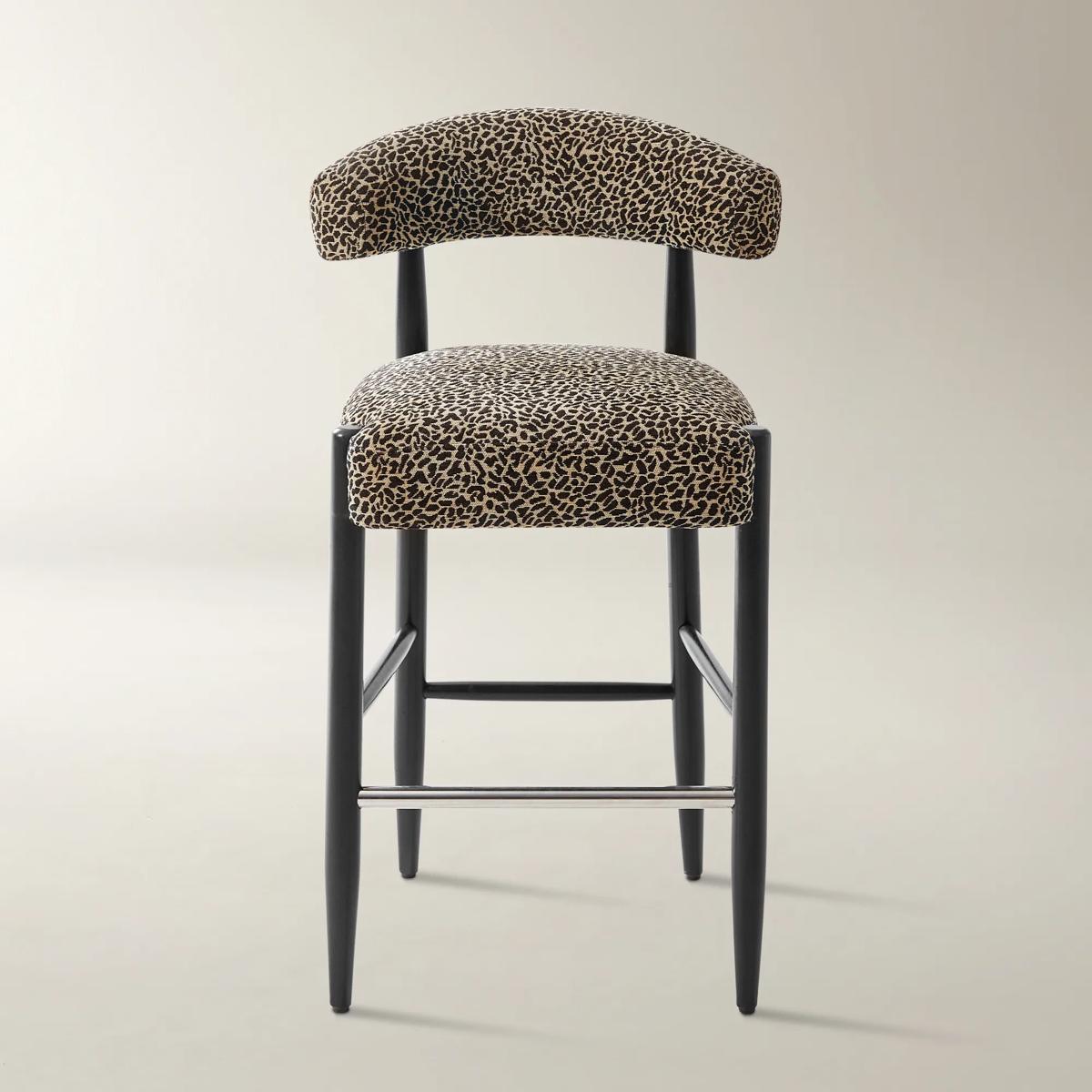 Anna Leopard Chenille Bar/Counter Stool$449
A leopard-patterned chenille bar stool with sculpted padded support and tapered solid rubberwood legs.
Add To Cart -
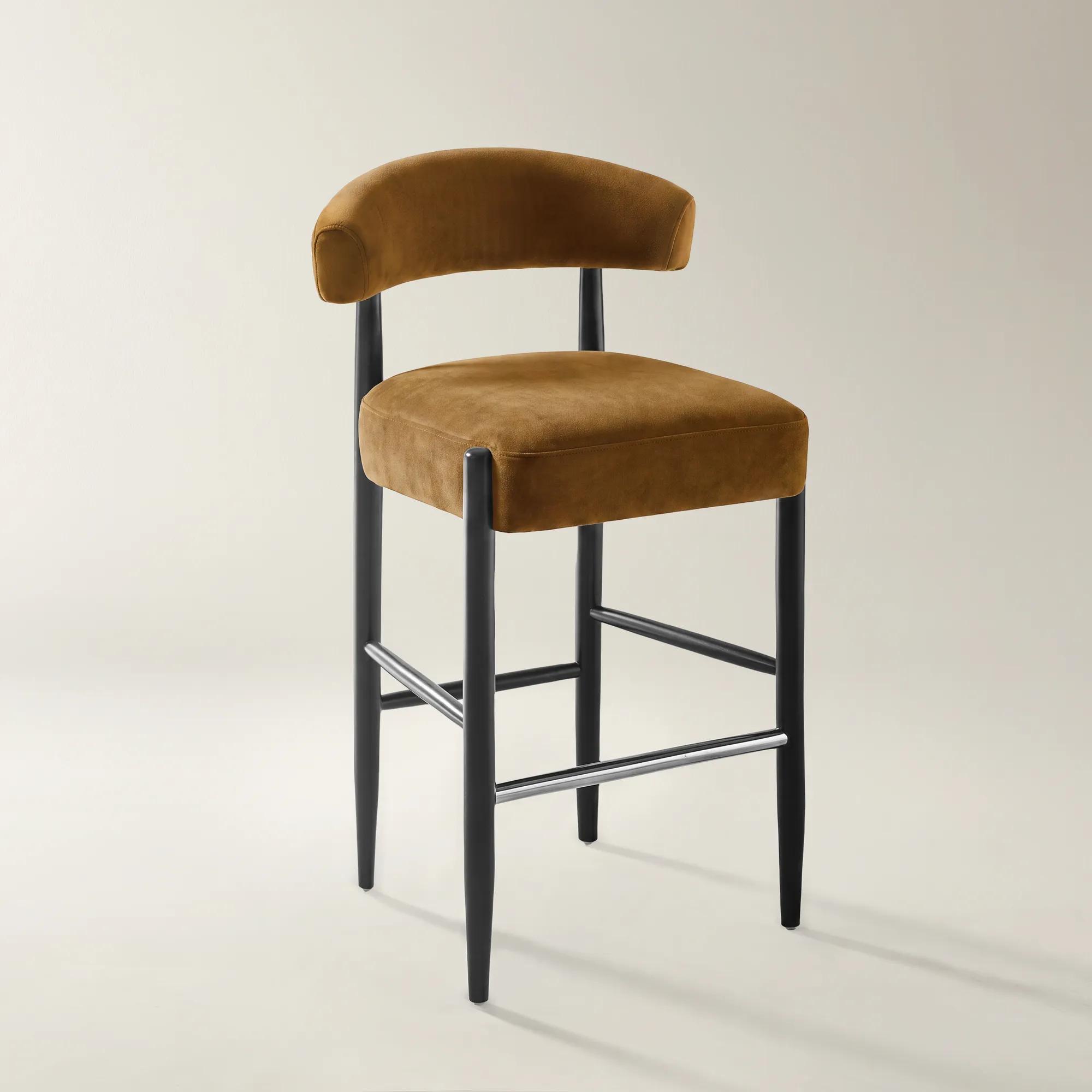 Anna Roasted Pecan Velvet Bar/Counter Stool$449
A roasted pecan velvet bar stool with a sculpted padded back, custom upholstery, and tapered solid-rubberwood legs.
Add To Cart -
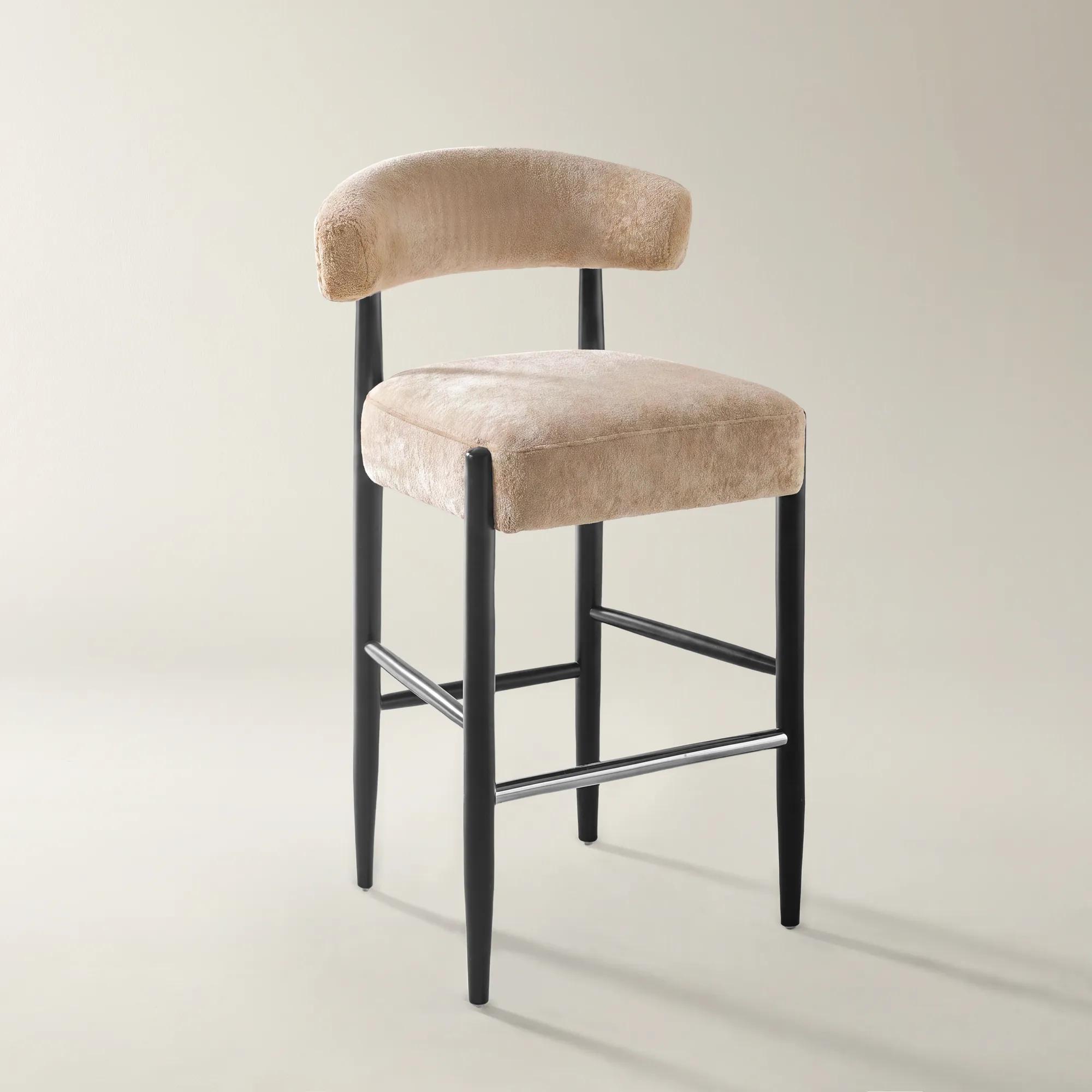 Anna Light Brown Chenille Bar/Counter Stool$449
A brown chenille counter stool with a sculpted back, padded seat, and tapered solid-rubberwood legs.
Add To Cart -
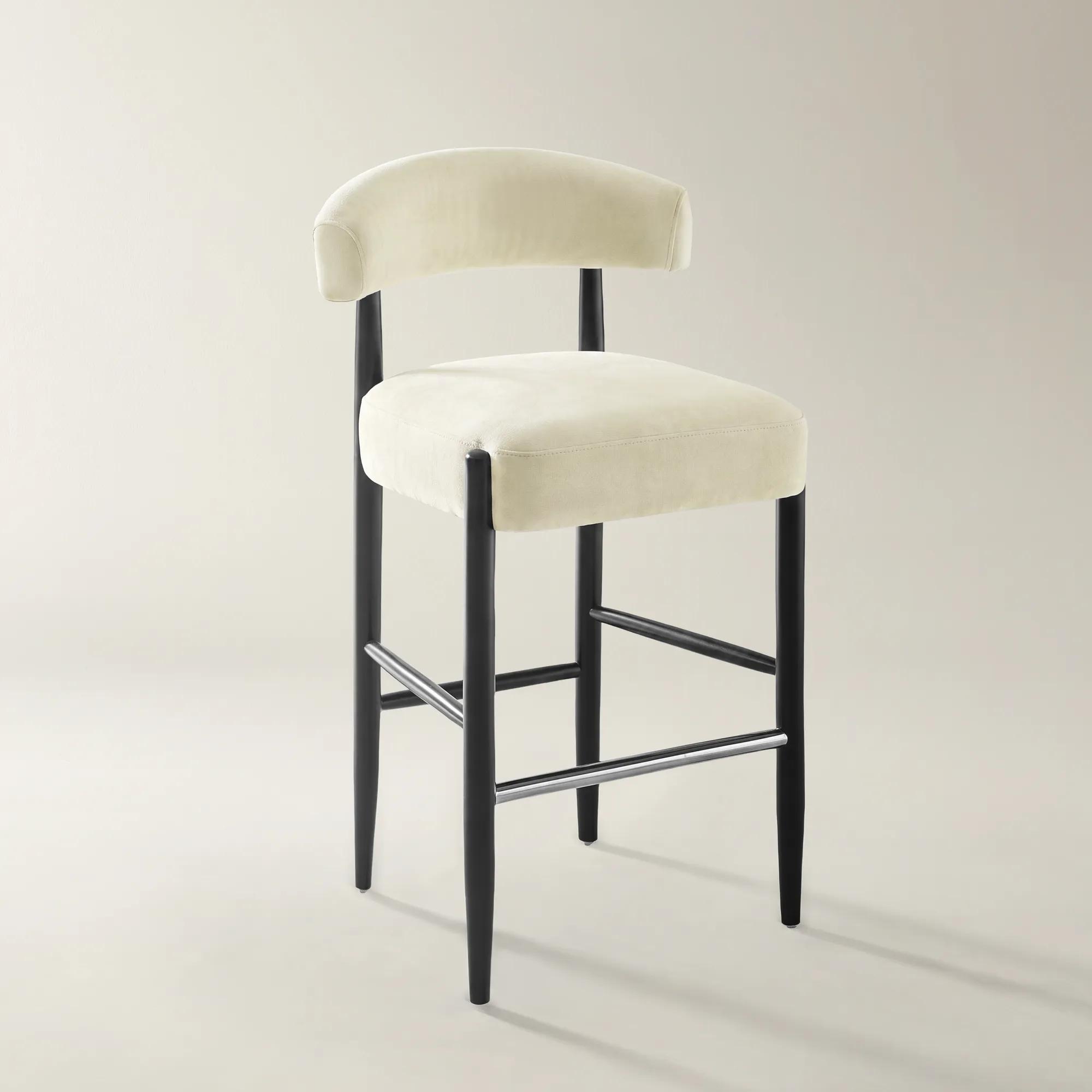 Anna Cloud Velvet Bar/Counter Stool$449
A cloud velvet counter stool with sculpted padded support and tapered solid-rubberwood legs.
Add To Cart -
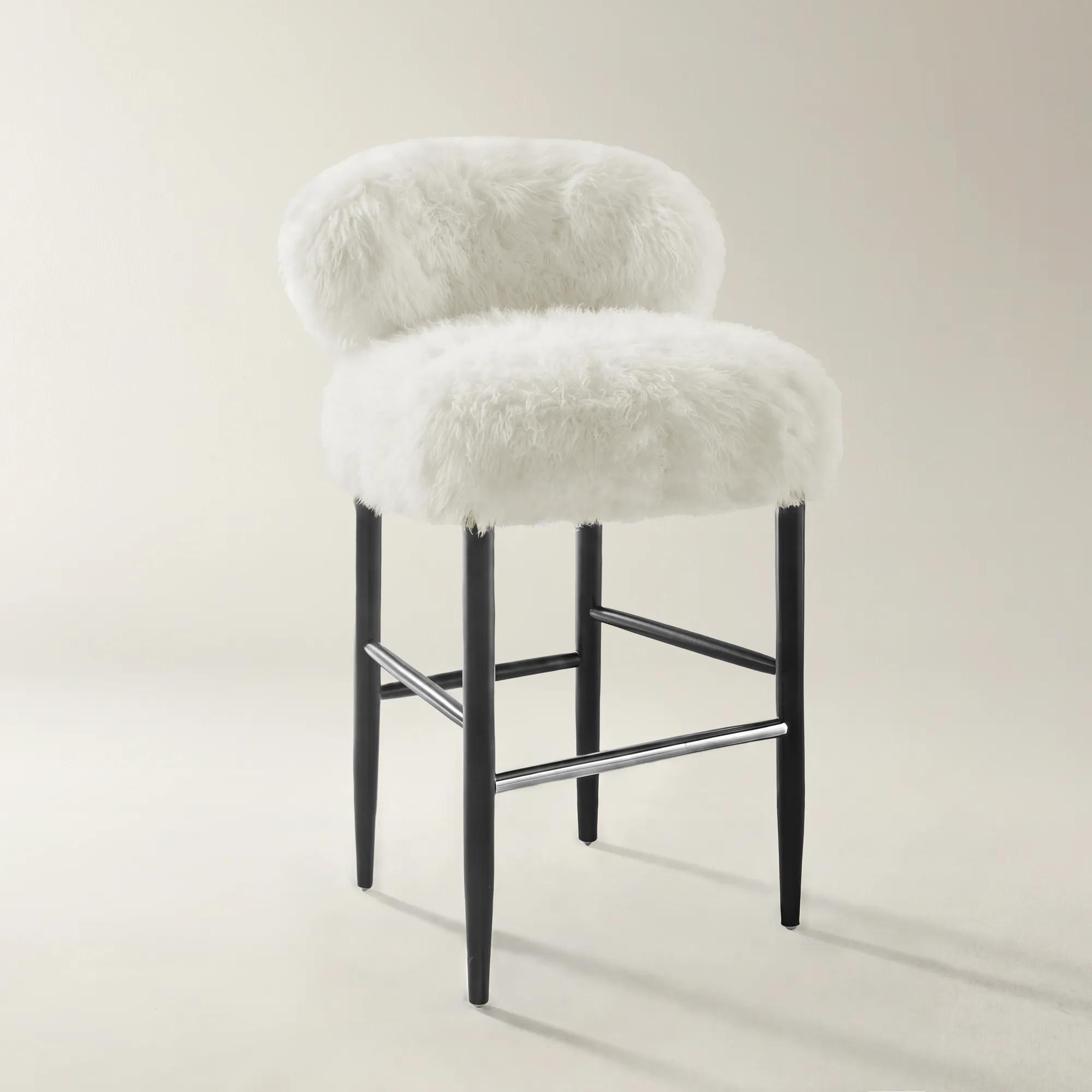 Anna Ivory Faux Fur Bar/Counter Stool$549
An ivory faux-fur counter stool with sculpted support, padded seating, and tapered solid-rubberwood legs.
Add To Cart -
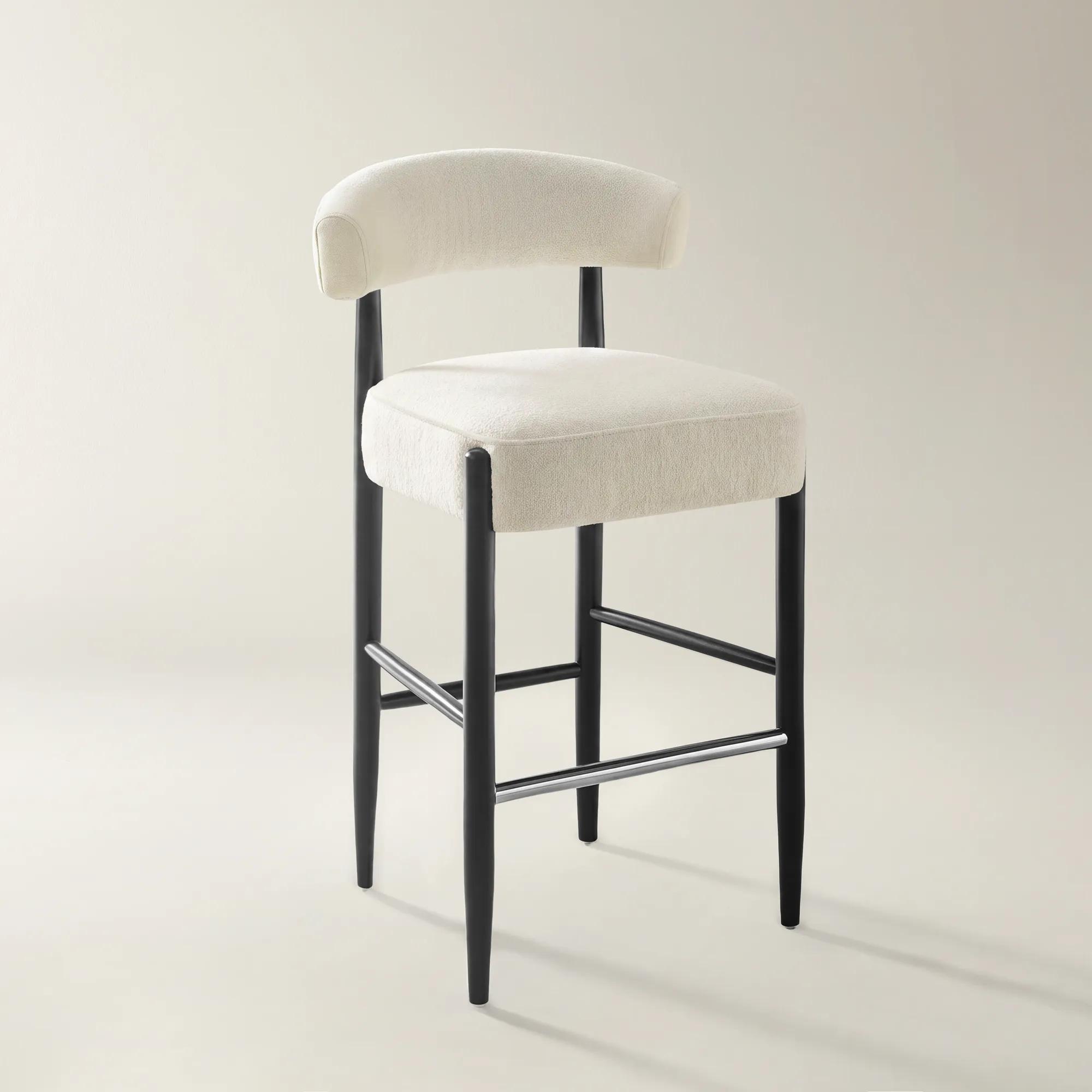 Anna Ivory Performance Chenille Bar/Counter Stool$449
An ivory performance-chenille bar stool with a sculpted back, padded seat, and tapered solid-rubberwood legs.
Add To Cart -
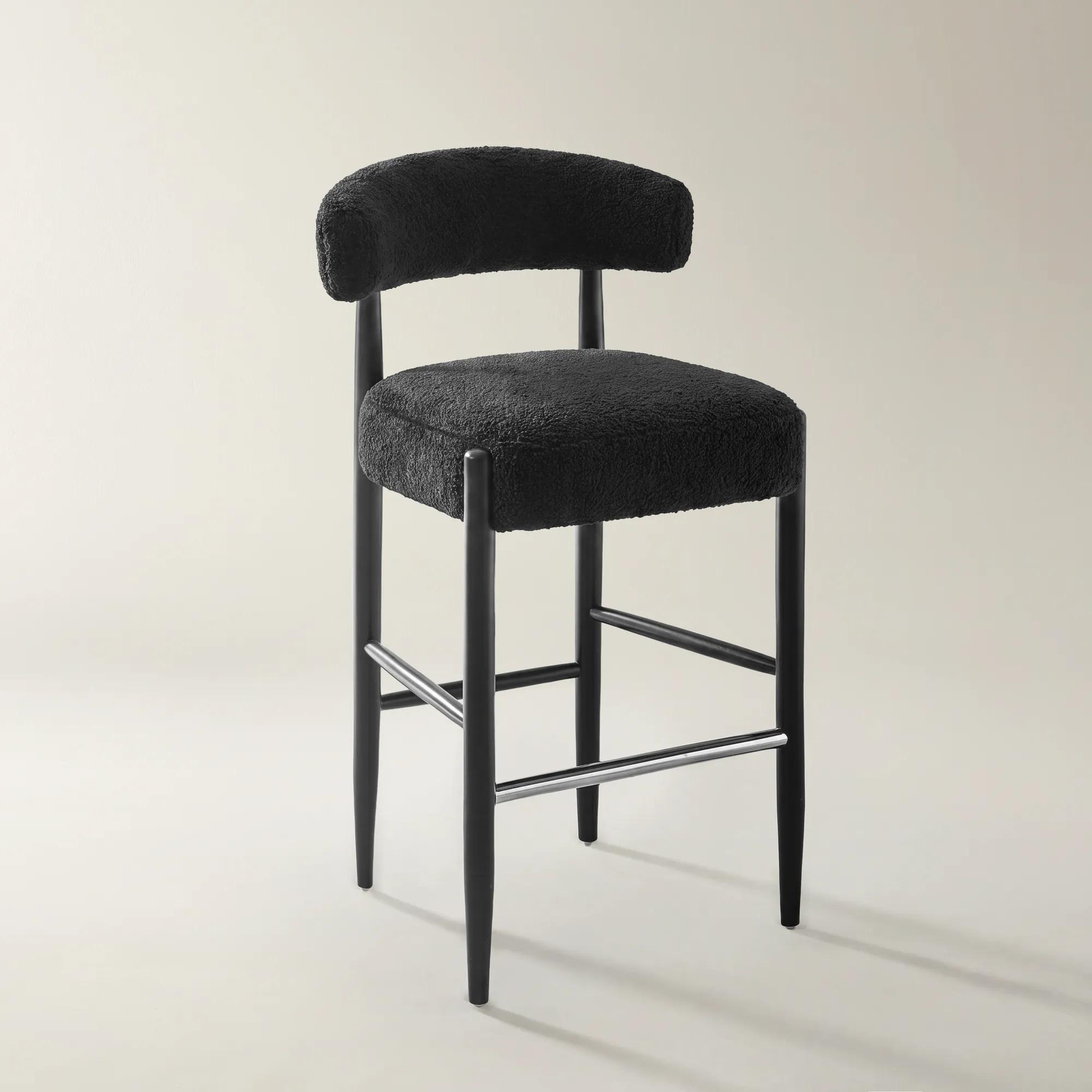 Anna Black Chenille Bar/Counter Stool$449
A black chenille counter stool with a sculpted padded seat and solid rubberwood legs.
Add To Cart -
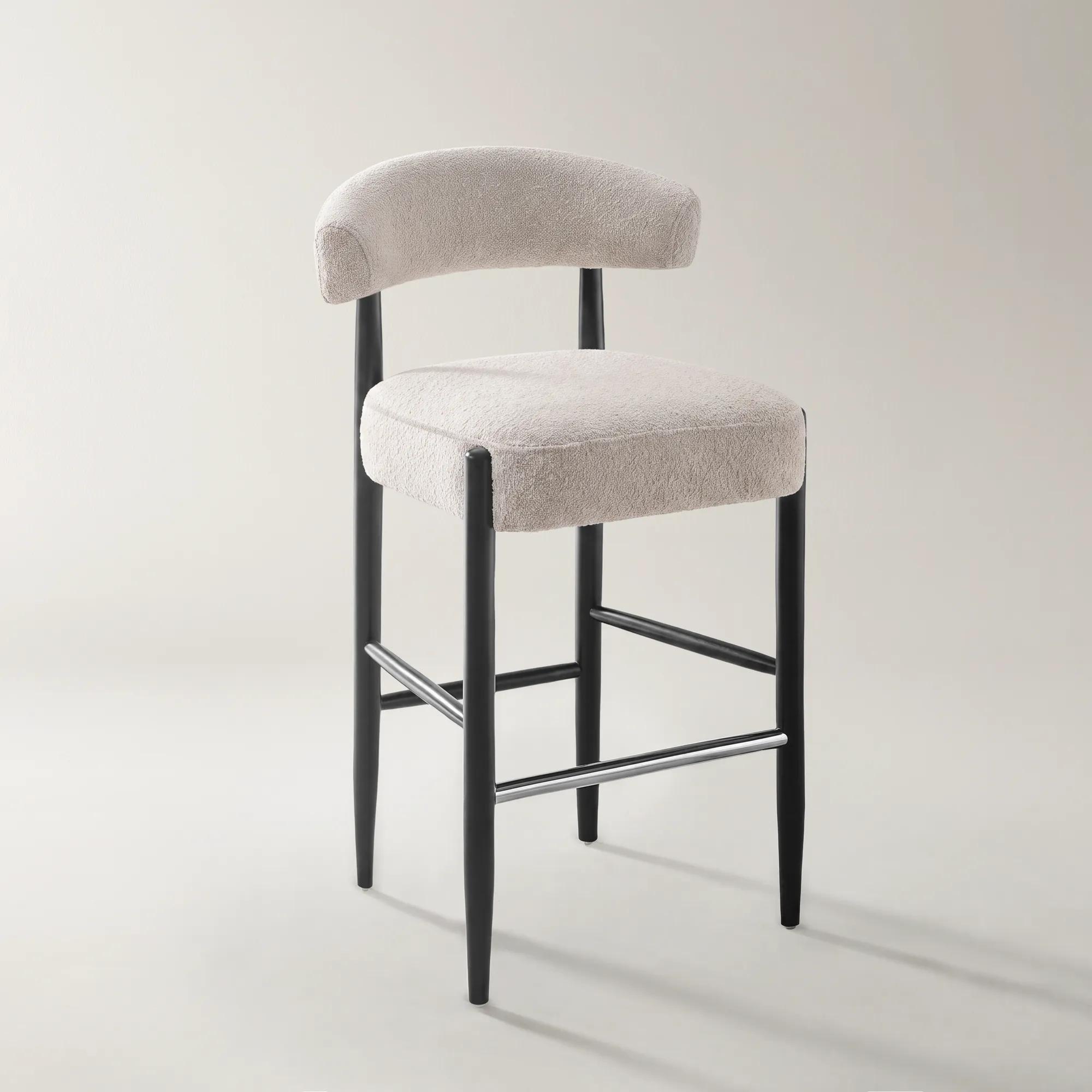 Anna Ivory Performance Boucle Bar/Counter Stool$449
An ivory performance-bouclé bar stool with sculpted padded support and tapered solid-rubberwood legs.
Add To Cart -
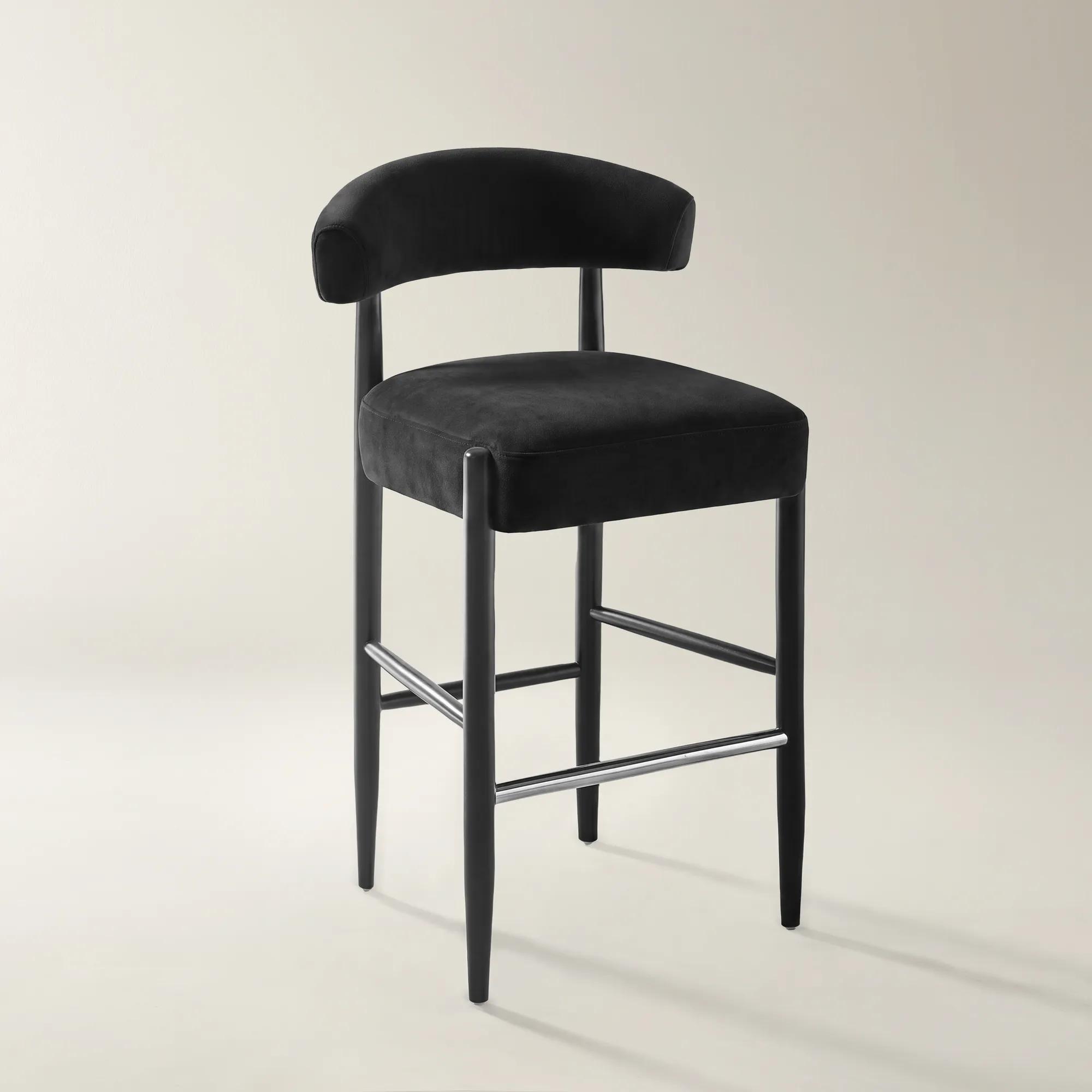 Anna Charcoal Velvet Bar/Counter Stool$449
A charcoal velvet bar stool with a sculpted padded seat and solid rubberwood legs.
Add To Cart -
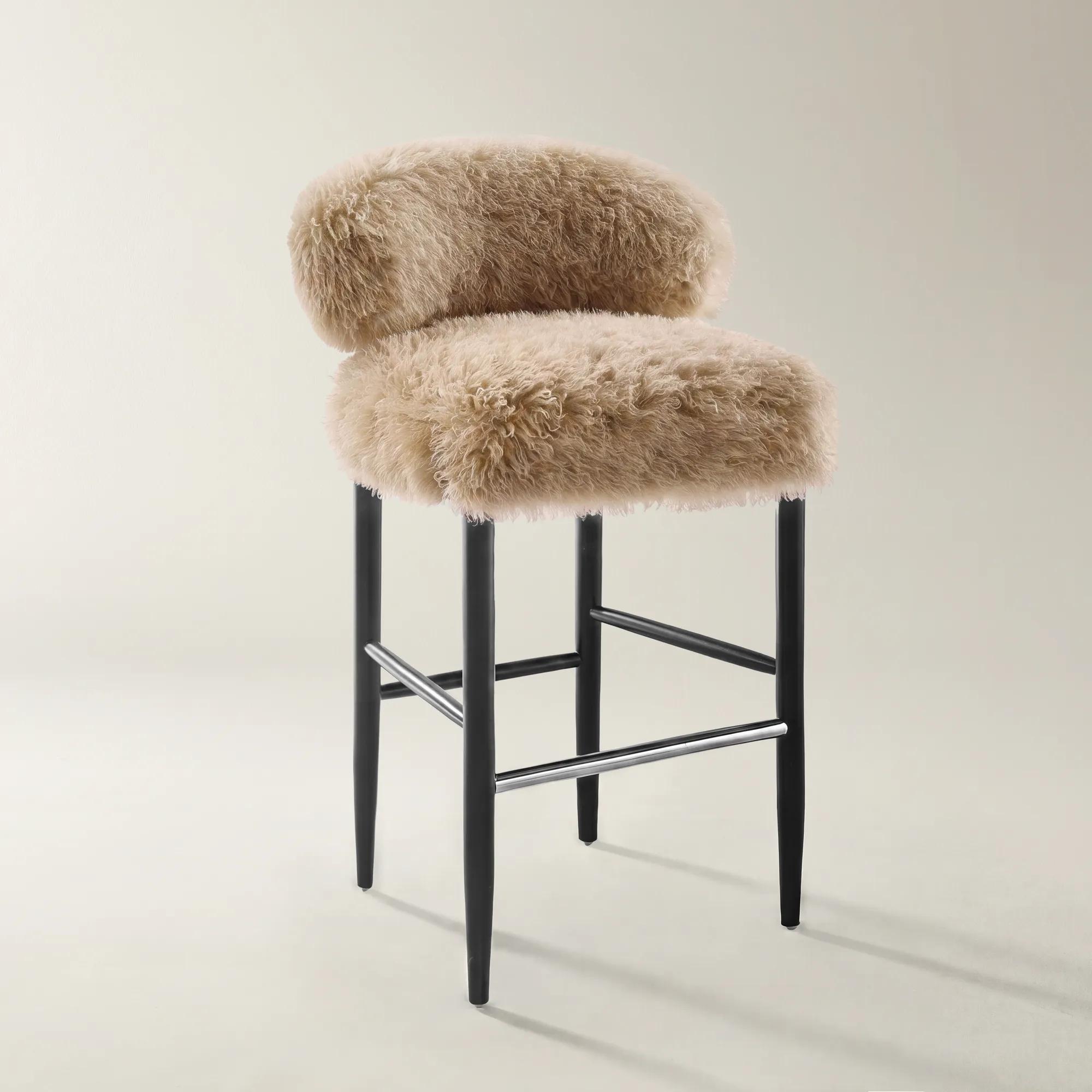 Anna Tan Faux Fur Bar/Counter Stool$549
A tan faux-fur bar stool with a sculpted padded seat and tapered solid-rubberwood legs.
Add To Cart -
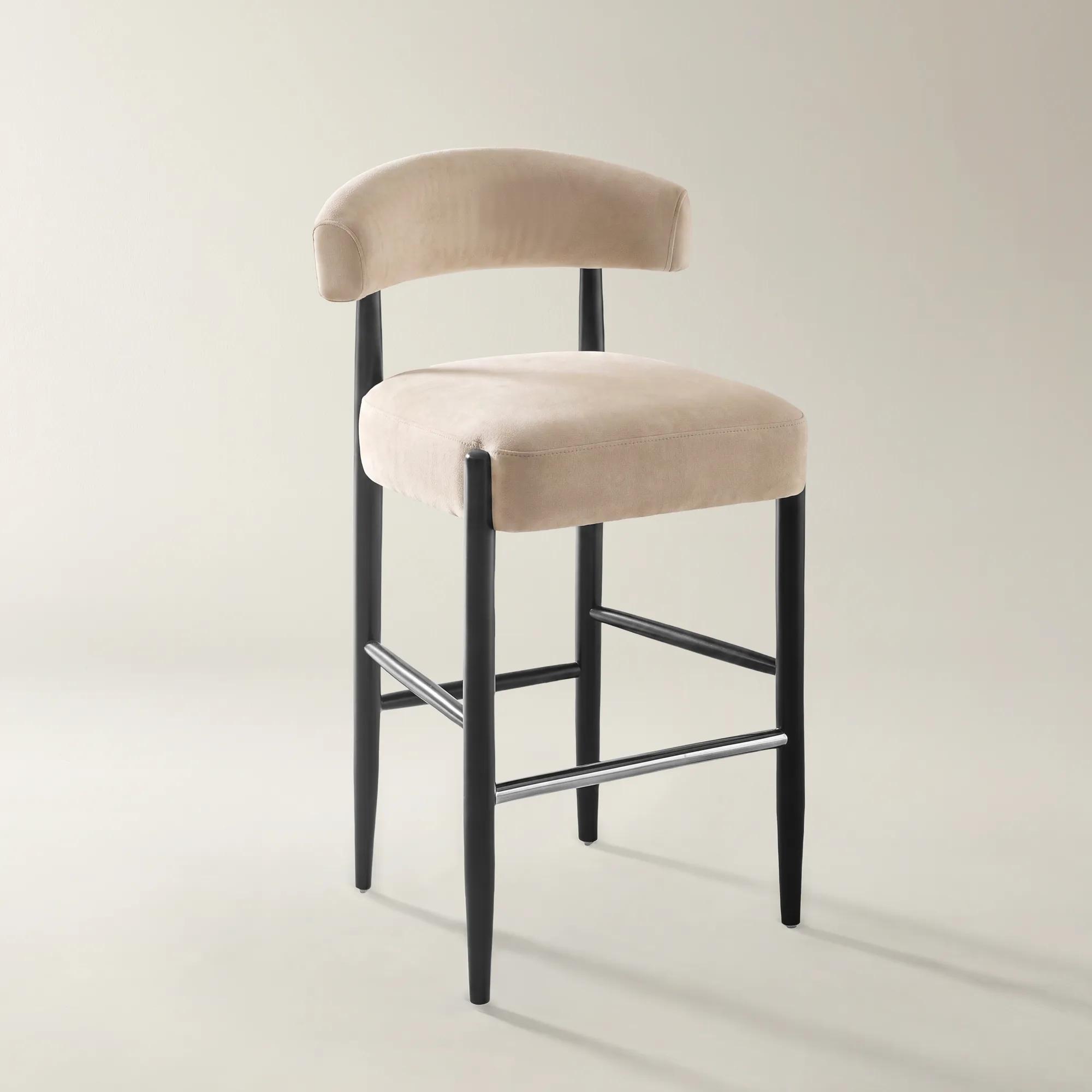 Anna Simply Taupe Velvet Bar/Counter Stool$449
A taupe velvet counter stool with a sculpted back, padded seat, and tapered solid-rubberwood base.
Add To Cart -
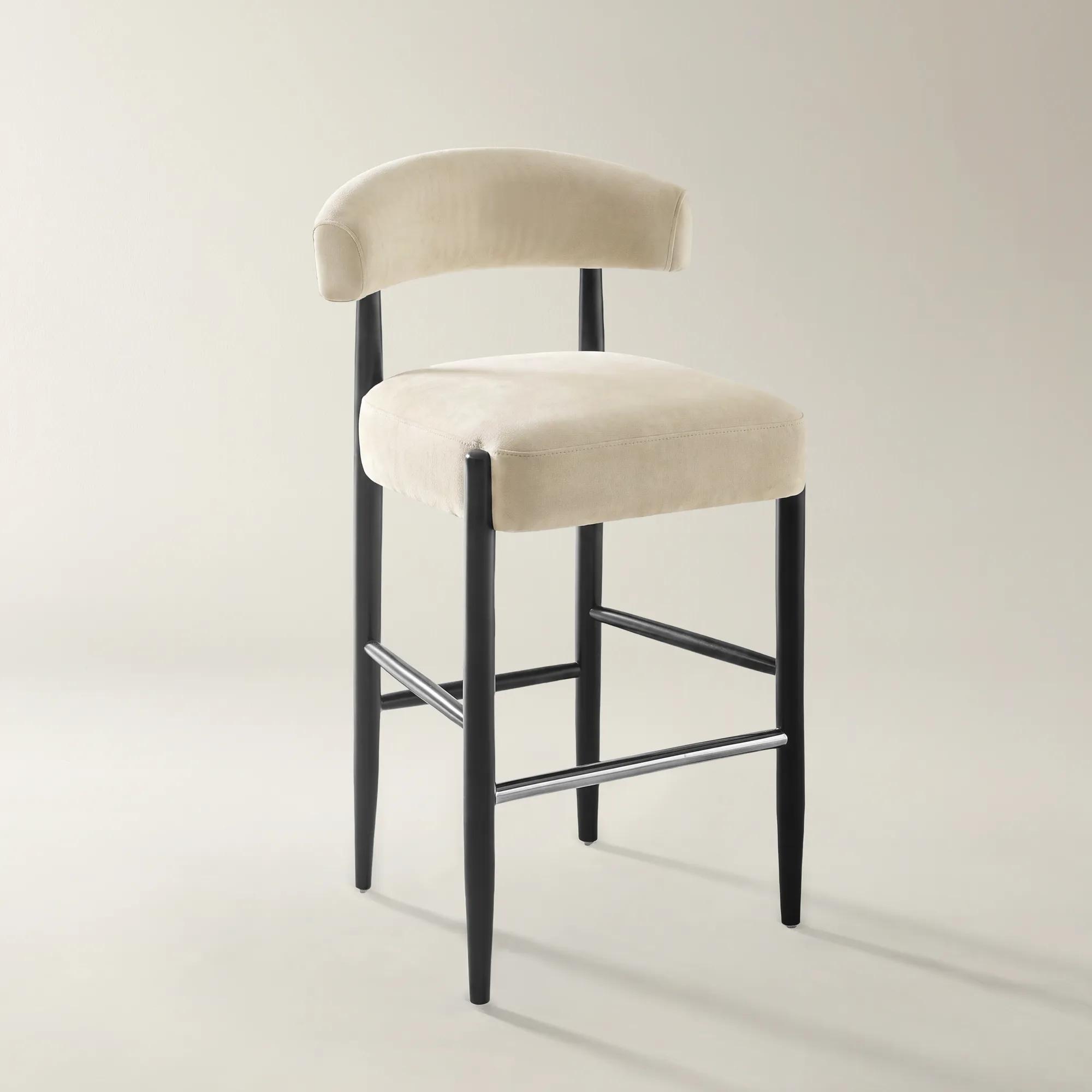 Anna Oatmeal Velvet Bar/Counter Stool$449
A counter stool with oatmeal velvet upholstery, sculpted back, padded seat, and solid rubberwood legs.
Add To Cart -
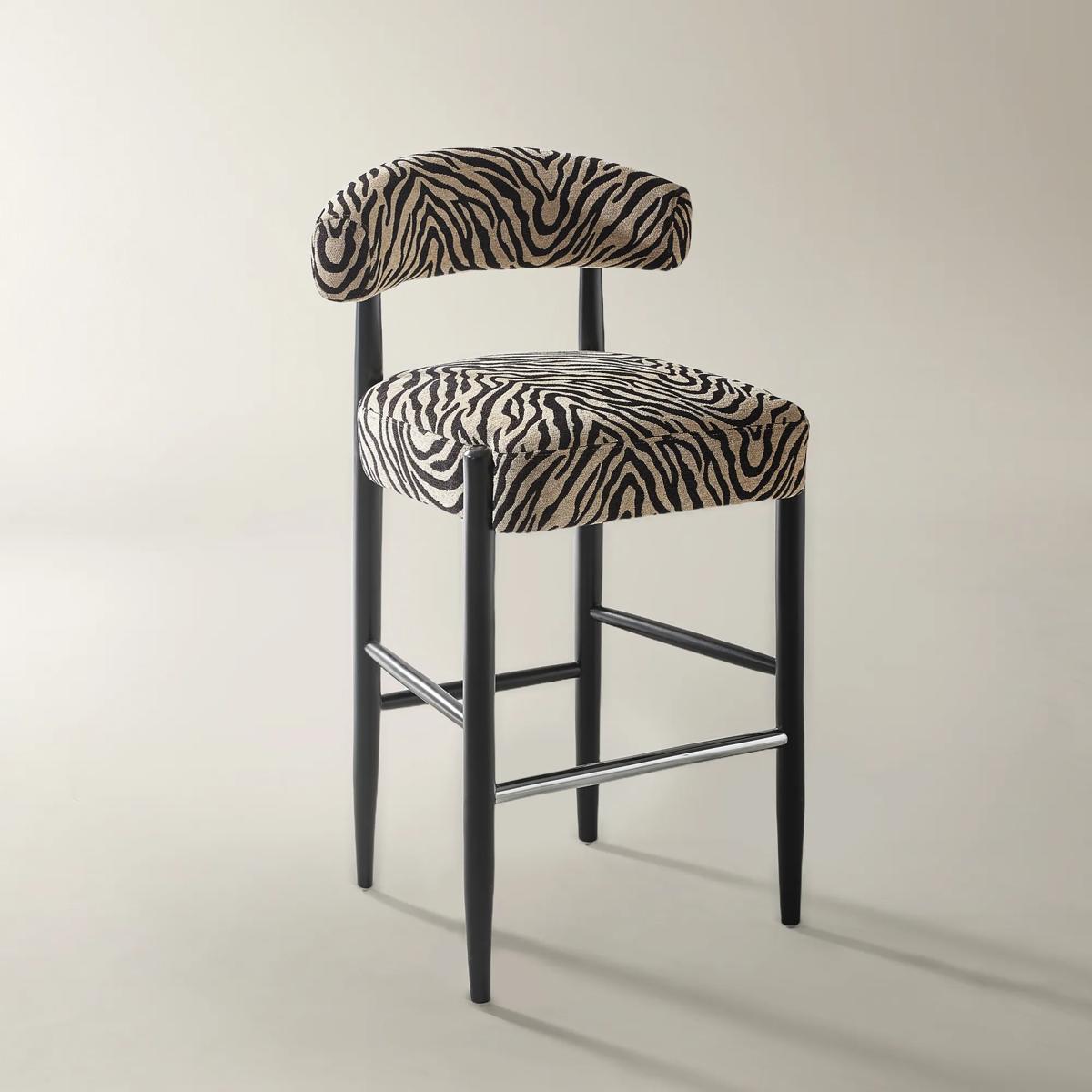
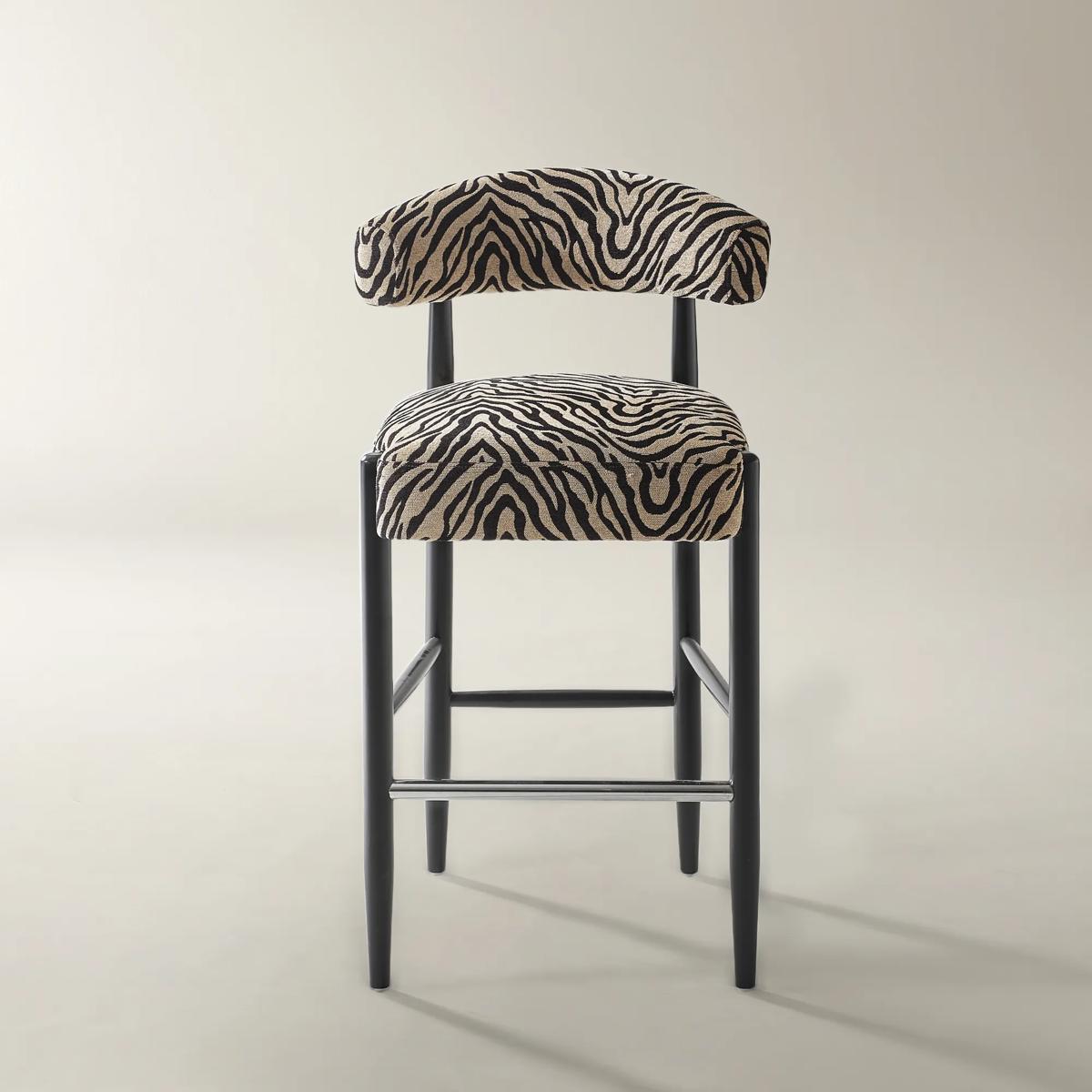 Anna Zebra Chenille Bar/Counter Stool$449
A bar stool with zebra-patterned chenille upholstery, sculpted padding, and tapered solid-rubberwood legs.
Add To Cart -
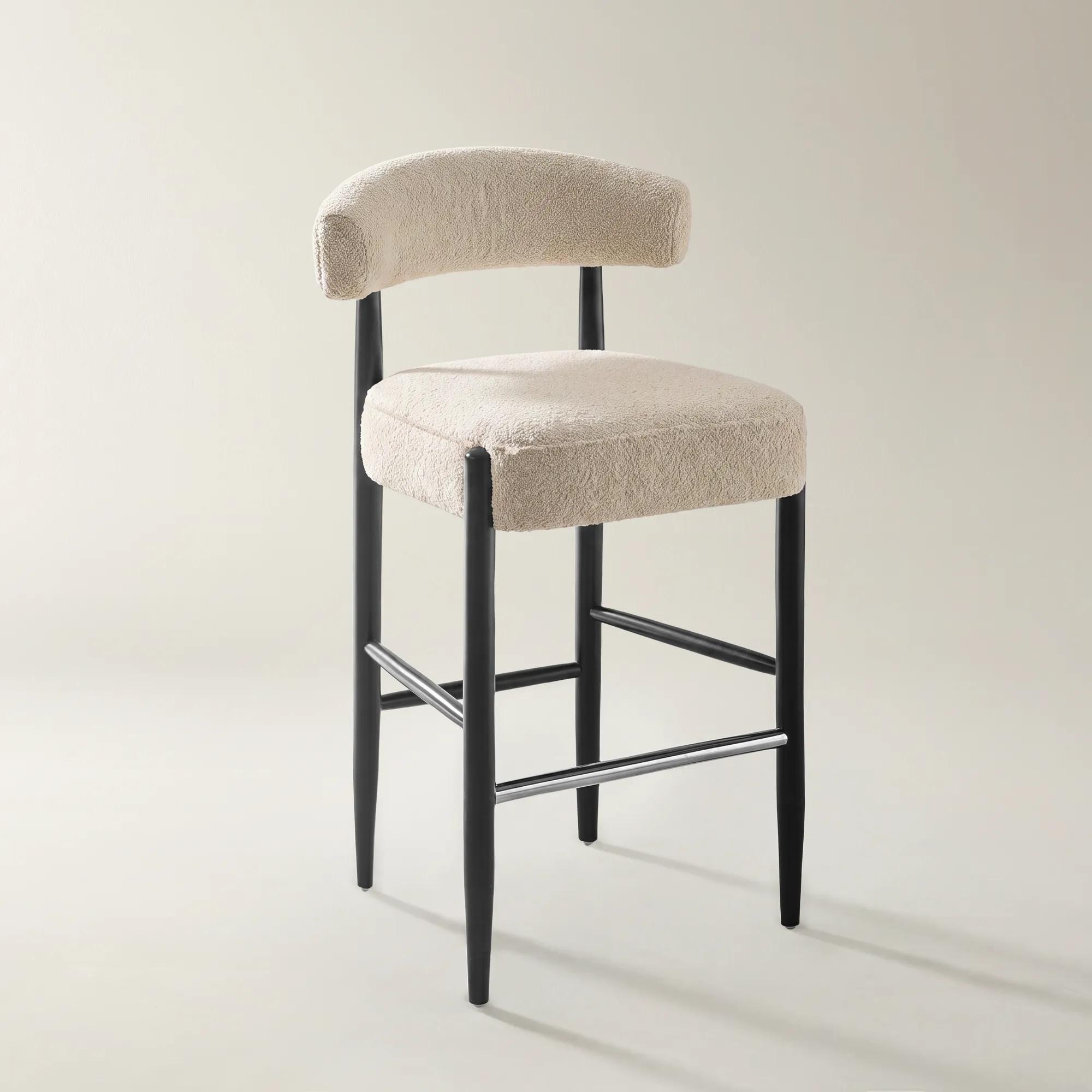 Anna Utopia Sand Chenille Bar/Counter Stool$449
A chenille bar stool with a sculpted padded seat, kiln-dried hardwood frame, and solid rubberwood legs.
Add To Cart -
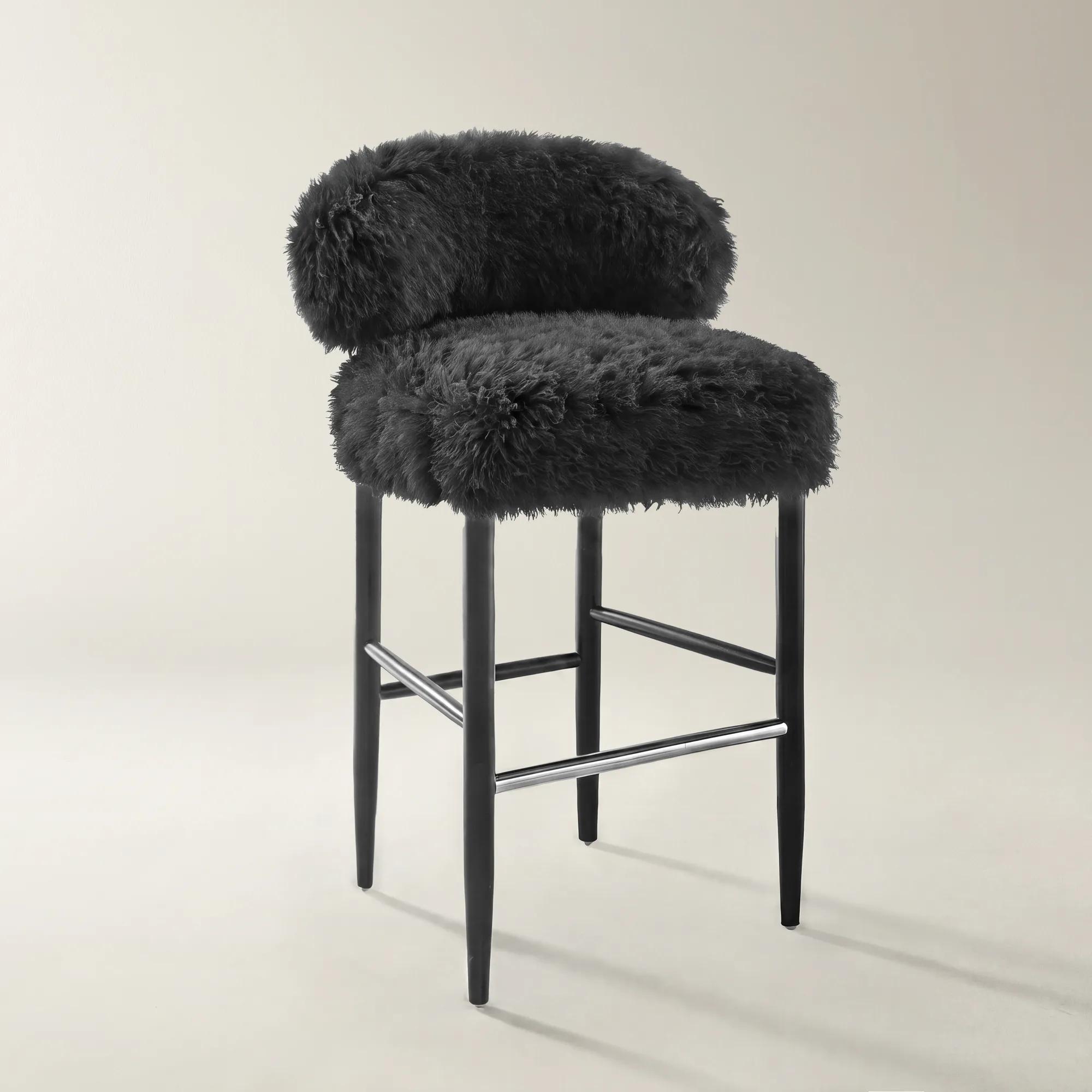 Anna Black Faux Fur Bar/Counter Stool$549
A black faux-fur bar stool with a sculpted back, padded seat, and solid rubberwood legs.
Add To Cart -
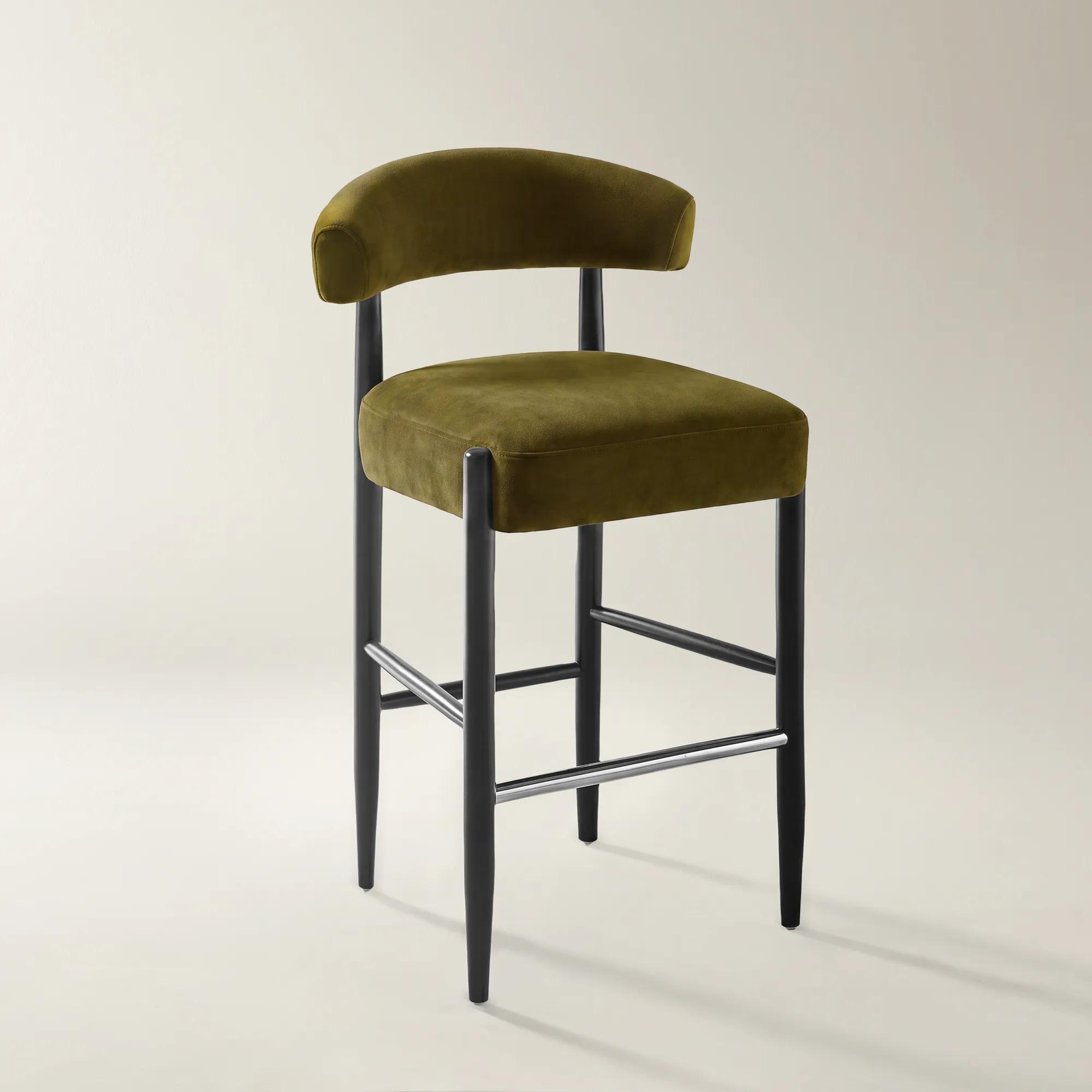 Anna Deep Olive Velvet Bar/Counter Stool$449
A green velvet bar stool with a sculpted padded seat, tailored upholstery, and tapered solid-rubberwood legs.
Add To Cart -
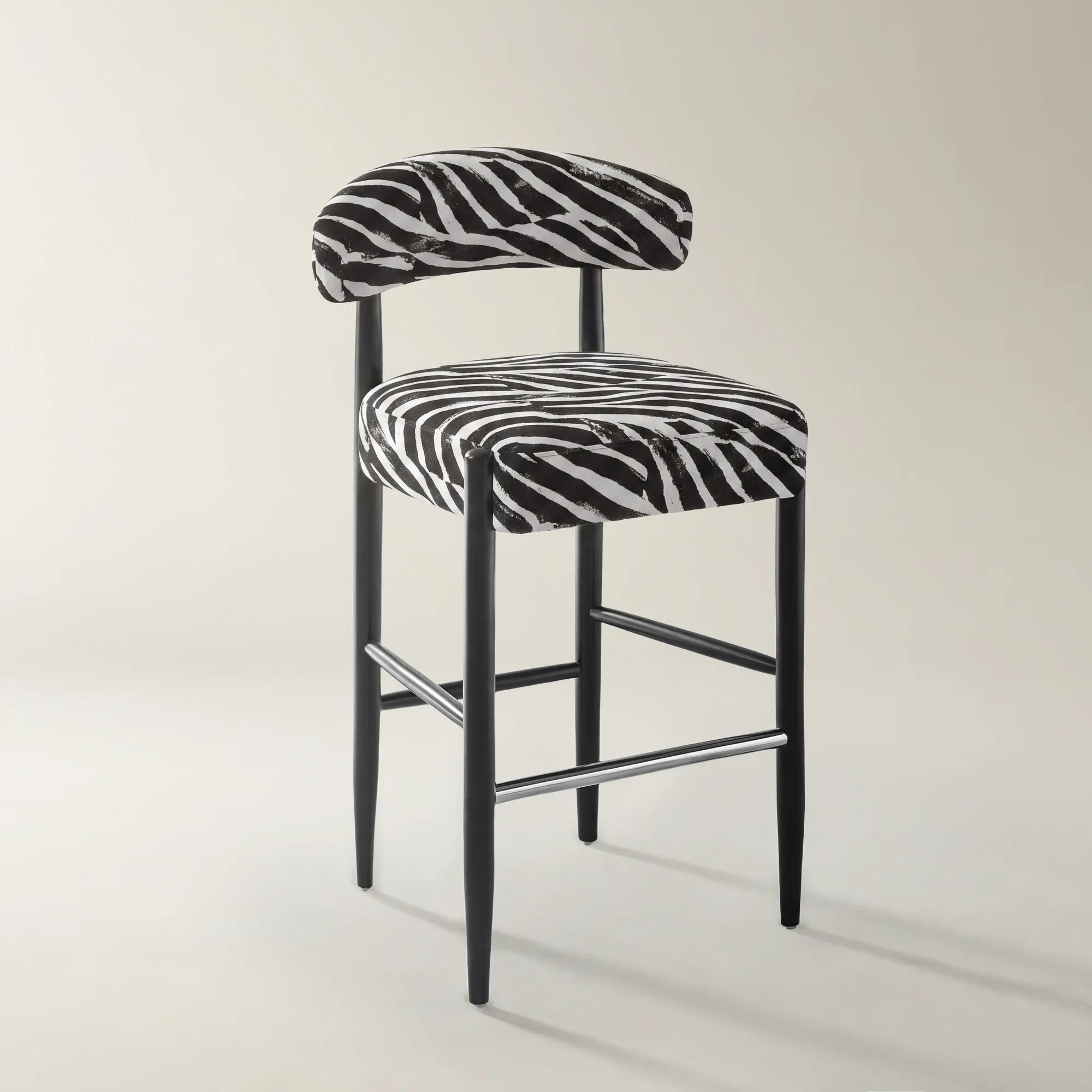 Anna White/Black Performance Chenille Bar/Counter Stool$449
A black-and-white chenille bar stool with a sculpted back, padded seat, and tapered solid rubberwood legs.
Add To Cart -
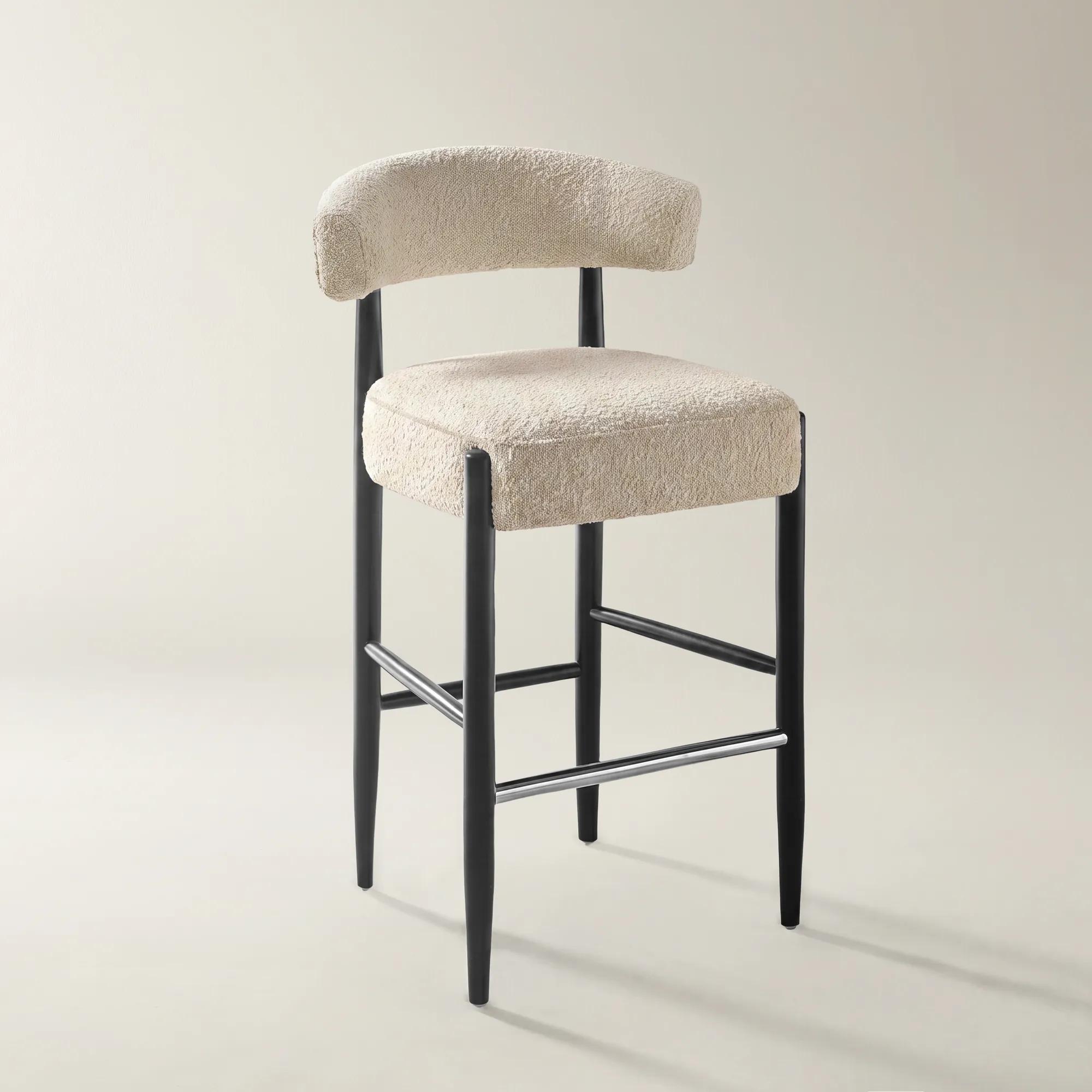 Anna Ivory Performance Boucle Bar/Counter Stool$449
A counter stool with ivory performance boucle upholstery, sculpted support, and tapered solid rubberwood legs.
Add To Cart -
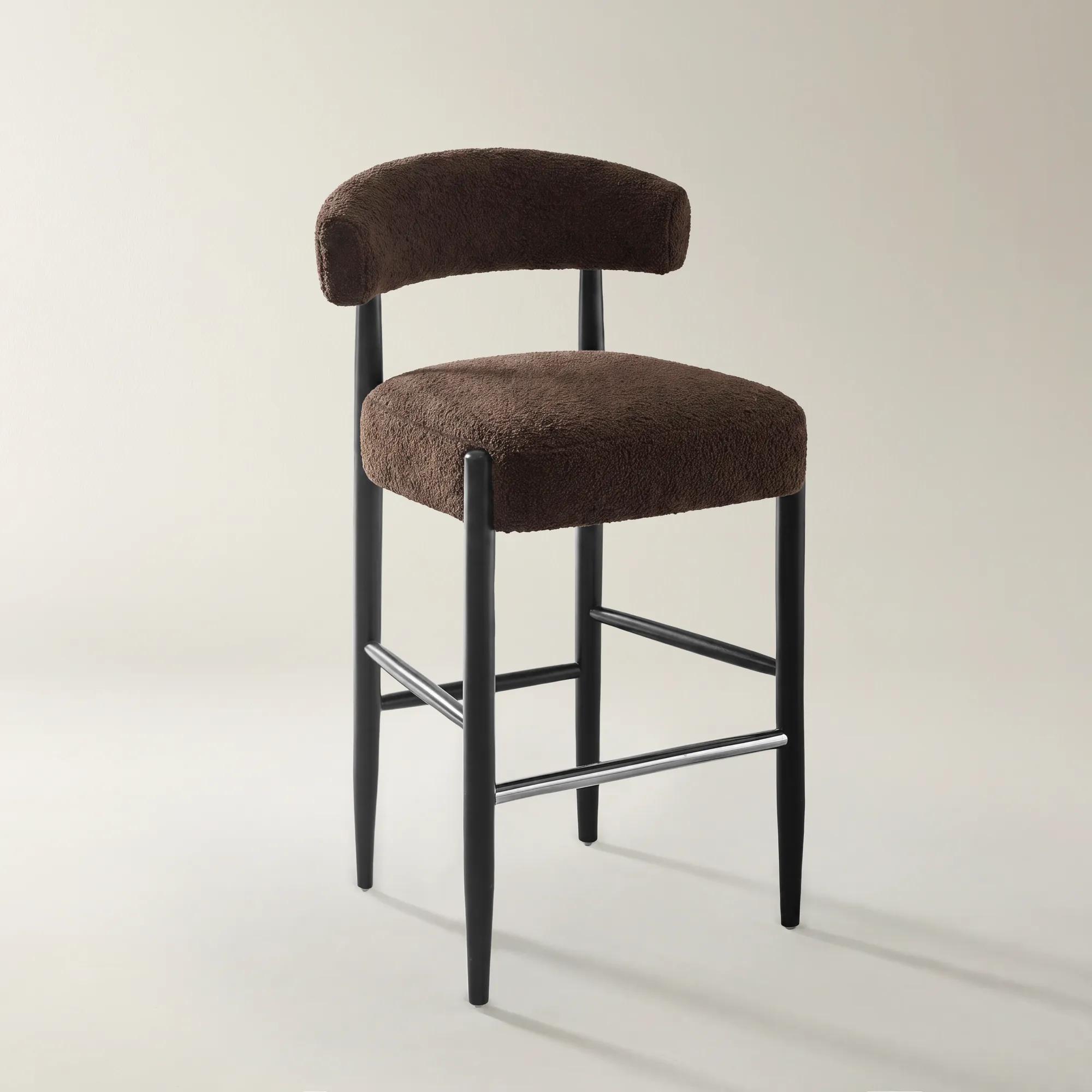 Anna Dark Chocolate Chenille Bar/Counter Stool$449
A dark chocolate chenille counter stool with a sculpted padded seat and solid rubberwood legs.
Add To Cart -
 Valerie Natural Outdoor Counter Stool$659
A natural-finished outdoor stool offering stylish counter-height seating.
Add To Cart -
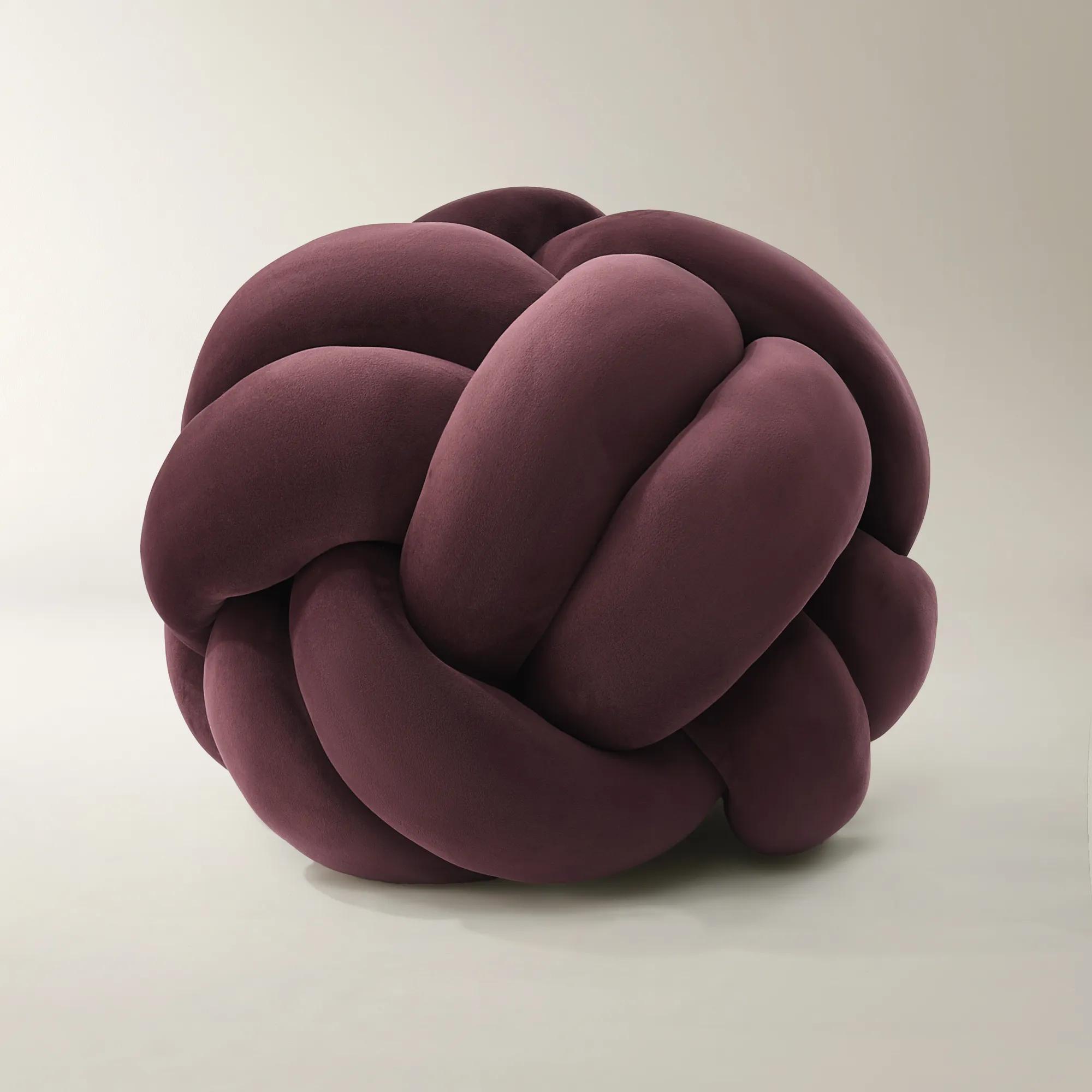
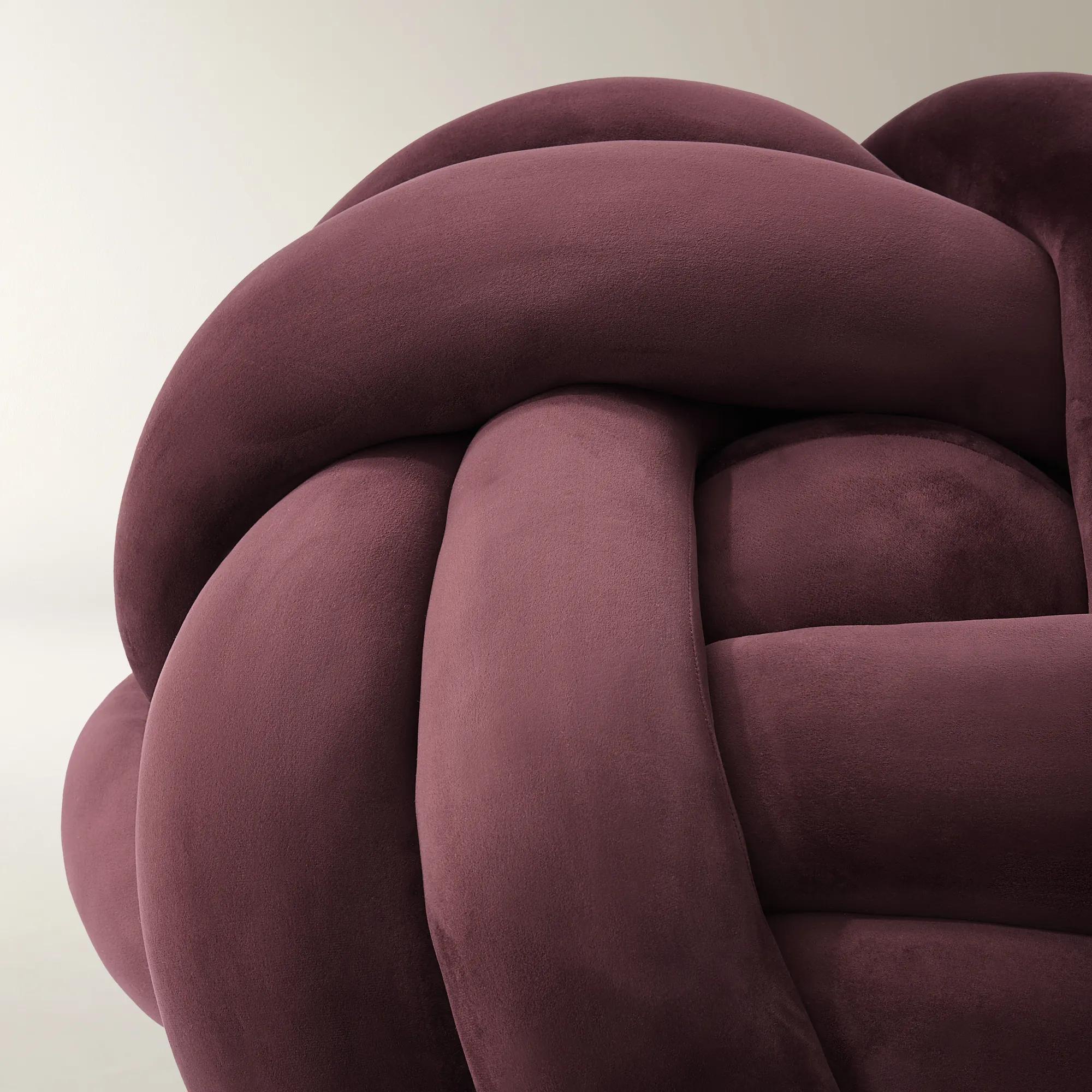 Loopie Fig Velvet Stool (34.5")$399
An oversized, knot-inspired stool hand-upholstered in plush fig velvet for bold sculptural appeal.
Add To Cart -
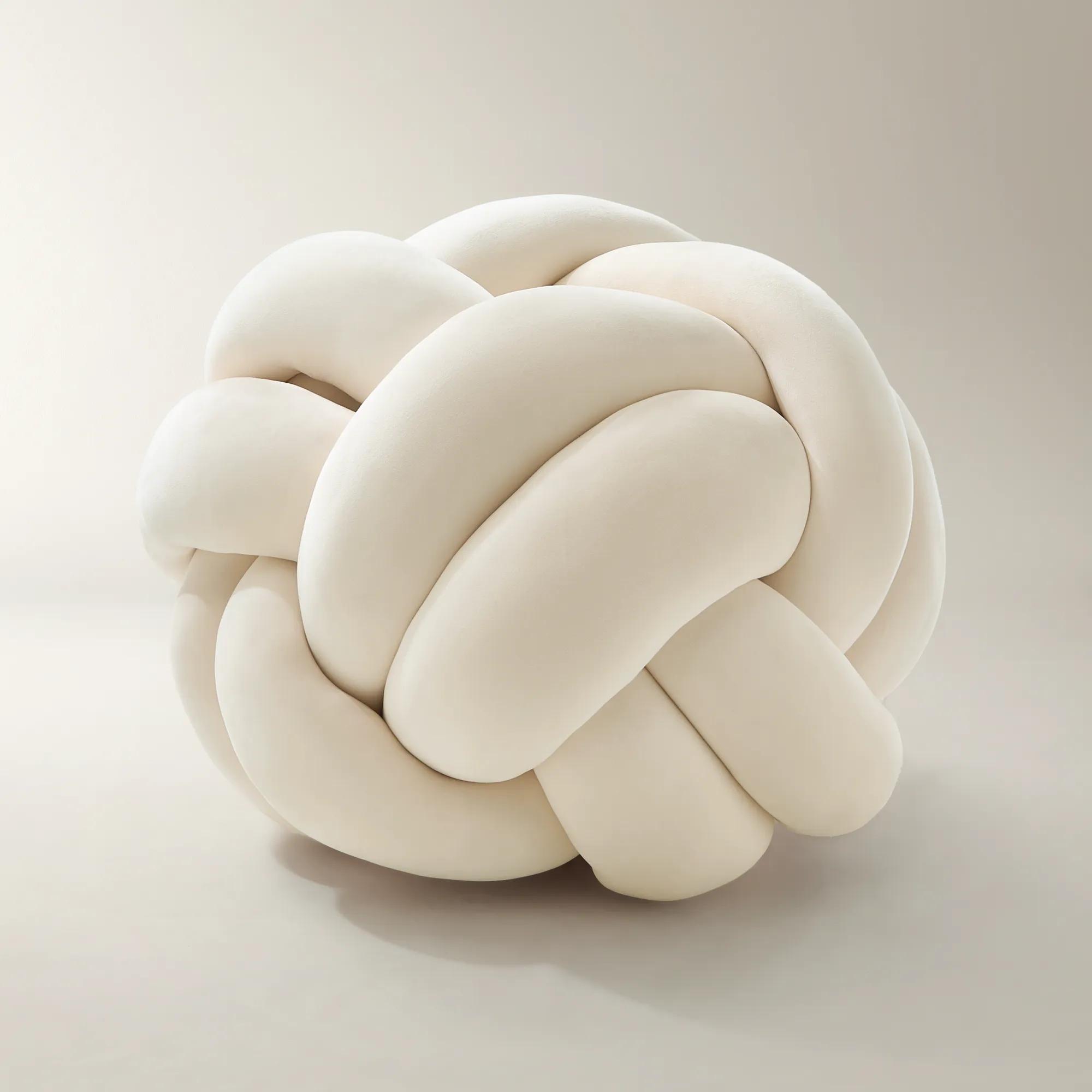 Loopie Oatmeal Velvet Stool (34.5")$399
An oversized oatmeal velvet stool featuring a sculptural knotted silhouette and plush, hand-upholstered finish.
Add To Cart -
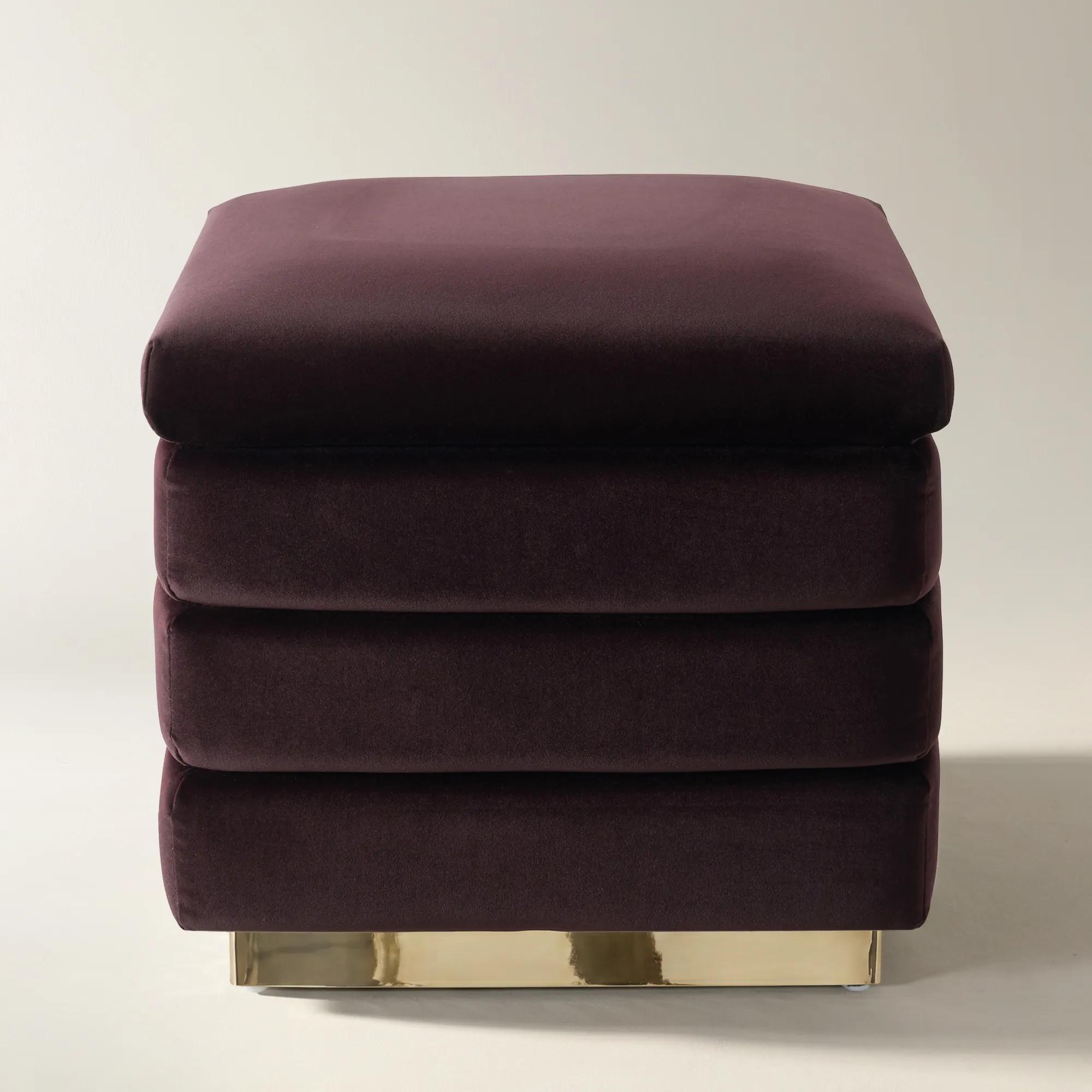
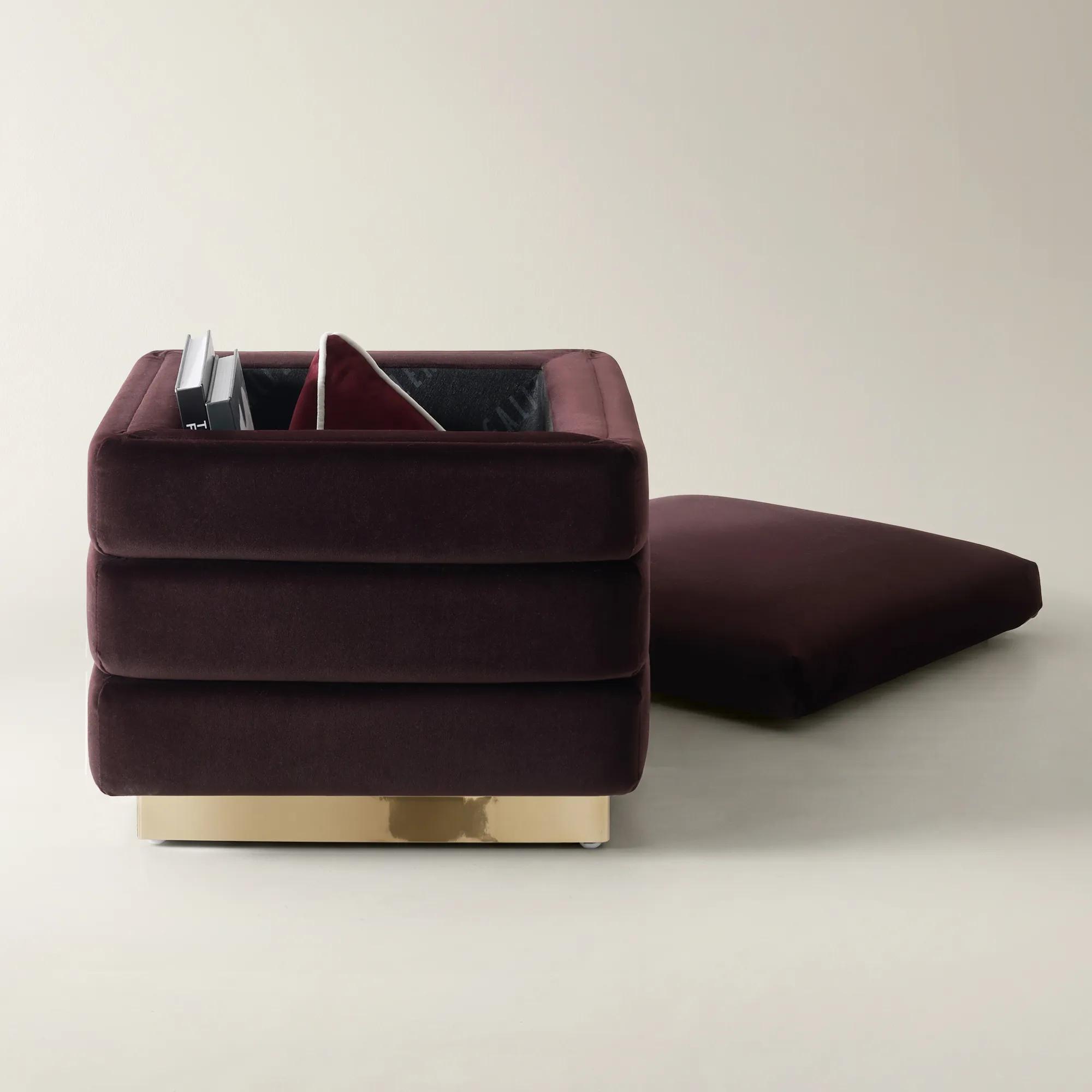 Gable Fig Chenille Storage Stool$399
A plush fig chenille stool with hidden storage, velvet upholstery, and a polished gold stainless steel base.
Add To Cart

Luxury Breakfast Bar Stools
Explore luxury breakfast bar stools to bring a polished, expressive touch to your kitchen seating. Look for a silhouette that complements your island or breakfast bar, then compare seat height, width, and back support to suit your space. Allow comfortable room between stools so morning coffee and lingering conversation feel as inviting as the setting looks.
Luxury breakfast bar stools bring elevated materials, expressive silhouettes, and thoughtfully considered comfort to kitchen islands, breakfast counters, and home bars. Their appeal extends beyond a place to sit: they introduce texture, proportion, and a distinctive design perspective where daily routines and entertaining naturally meet. A sculptural back can create a striking rhythm along a stone island, while plush upholstery softens the contrast between polished cabinetry and gleaming hardware. Slender metal legs offer a crisp, architectural presence; richly finished wood lends depth and warmth. The most compelling choice feels connected to the room without disappearing into it. In a kitchen with strongly veined stone, a restrained stool silhouette can let the surface command attention while adding a sumptuous layer beneath it. Against quieter cabinetry, a curved back, channel detailing, or a luminous frame can become the defining accent. Color makes an equally deliberate statement. Ivory and cream create an airy, tailored composition, charcoal adds visual weight, and saturated jewel tones introduce an artful focal point. A coordinated row feels composed, but matching every finish is unnecessary; repeating one element, such as a warm metallic accent or a dark wood tone, can establish continuity across the space. Consider the view from adjoining rooms as well. In an open-plan home, stool backs may be visible from the dining table or sofa, making their shape and detailing part of the larger interior. For households that gather at the island for breakfast, conversation, or an informal dinner, these seats balance an expressive aesthetic with everyday purpose. For hosts, they create an inviting perch close to the activity without requiring guests to stand around the kitchen. Whether the mood is softly glamorous or dramatically architectural, luxury breakfast bar stools give this hardworking space the same design attention as a formal dining room.
Materials shape both the atmosphere and the experience of the seat. Velvet offers a light-catching surface that gives color dimension, particularly on curved backs and generously padded seats. Woven upholstery introduces a more subtle texture, with its character influenced by fiber content, weave, and finish. Leather develops a different expression depending on its treatment, from smooth and tailored to richly textured; leather alternatives vary in composition and require their own care considerations. For a seating arrangement that emphasizes softness and tactile detail, Upholstered Breakfast Bar Stools bring fabric, cushioning, and silhouette into a cohesive design statement. Look beyond color to the qualities that suit the household. A frequently used breakfast counter may benefit from upholstery with documented abrasion resistance and clear cleaning instructions, while a less frequently used entertaining area may allow greater emphasis on delicate texture. Performance claims should be evaluated by the specific fabric specifications, since stain resistance does not make a material stain-proof. Frame materials deserve similar attention. Wood can introduce visible grain and a substantial presence, while metal can support more slender, open profiles; durability depends on construction, joinery, finish, and intended use rather than material alone. Secure connections, a stable base, and a well-positioned footrest matter as much as decorative details. Comfort also comes from the relationship among the seat, back, and body. A supportive back can make a leisurely breakfast more inviting, while a backless silhouette keeps sightlines open and may tuck more completely beneath an overhang. Arms add definition and a place to rest, but they require enough clearance to slide beneath the counter. A swivel seat can make conversation and entry easier, provided there is room to rotate without striking cabinetry or neighboring stools. For a counter that doubles as a laptop perch or homework station, supportive seating deserves particular consideration; for brief coffee breaks, a lighter visual profile may be the priority.
Scale turns a beautiful stool into a successful part of the room. Counter-height seats commonly measure about 24 to 26 inches high and suit many surfaces around 36 inches high, while bar-height seats commonly measure about 28 to 30 inches for surfaces around 40 to 42 inches high. These are starting points, not substitutes for measuring: the underside of the counter, any apron, and the thickness of the seat all affect the fit. Aim for approximately 9 to 12 inches between the seat and the underside of the surface, allowing comfortable thigh clearance without placing the diner too far below the counter. Check overall width as carefully as seat height. About 26 to 30 inches of counter length per stool is a useful planning range, with additional room for broad arms, generous seats, or swivel movement. An island that appears long enough for four narrow stools may feel far more gracious with three substantial upholstered seats. Measure the overhang for knee room, and preserve access to drawers, appliances, and nearby walkways when someone is seated. Floor protection is another quiet detail with lasting value: suitable glides can help reduce scratching, though they should be checked regularly for trapped grit and compatibility with the flooring. Care should follow the manufacturer’s instructions for each surface. Vacuum upholstery gently with an appropriate attachment, blot spills promptly rather than rubbing, and use only approved cleaning methods. Avoid assuming that a cleaner suitable for one fabric will be safe for another. Wipe finished wood and metal with a soft cloth as directed, avoiding abrasive products that could dull a sheen or damage a protective coating. Keep upholstery and finishes away from prolonged direct sunlight when possible, and check accessible fasteners periodically if the care instructions recommend it. These practical considerations preserve the pleasure of the design: a seat that feels steady, a finish that retains its character, and an arrangement that welcomes daily use. Chosen with equal attention to proportion, material, and comfort, breakfast bar stools can make a simple morning ritual feel beautifully considered.
FAQs
Luxury breakfast bar stools bring expressive design to an everyday gathering place. Look for sculptural silhouettes, thoughtfully finished details, and rich textures that give each seat a distinct presence. The most compelling designs feel considered from every angle, turning the breakfast bar into a focal point rather than an afterthought.
Take your cue from the kitchen’s strongest design feature. Streamlined cabinetry invites a more expressive stool silhouette, while dramatic surfaces pair beautifully with quieter profiles and subtle detailing. Repeat one element, such as a finish or color, to connect the seating to the room without making every detail match.
Breakfast bar stools and dining chairs can feel connected without being identical. Carry a shared color, curved line, or finish between the two areas, then vary the silhouettes for a more collected look. In an open-concept space, this approach creates visual continuity while giving each gathering place its own personality.
Ivory, charcoal, and warm neutrals offer a sophisticated foundation, while jewel tones introduce a more theatrical note. For a layered look, draw a color from nearby artwork or decorative accents. Contrast can be equally striking: dark seating against pale cabinetry creates definition, while tonal pairings let shape and texture take the spotlight.
Let statement stools lead, then compose the surrounding details with restraint. Sculptural pendant lighting can echo their curves, while a decorative bowl or artful arrangement adds a finishing gesture to the counter. Keep competing accents edited so the seating’s silhouette, texture, and detailing remain the center of attention.


