
High End Bar Stools
High End Bar Stools
-
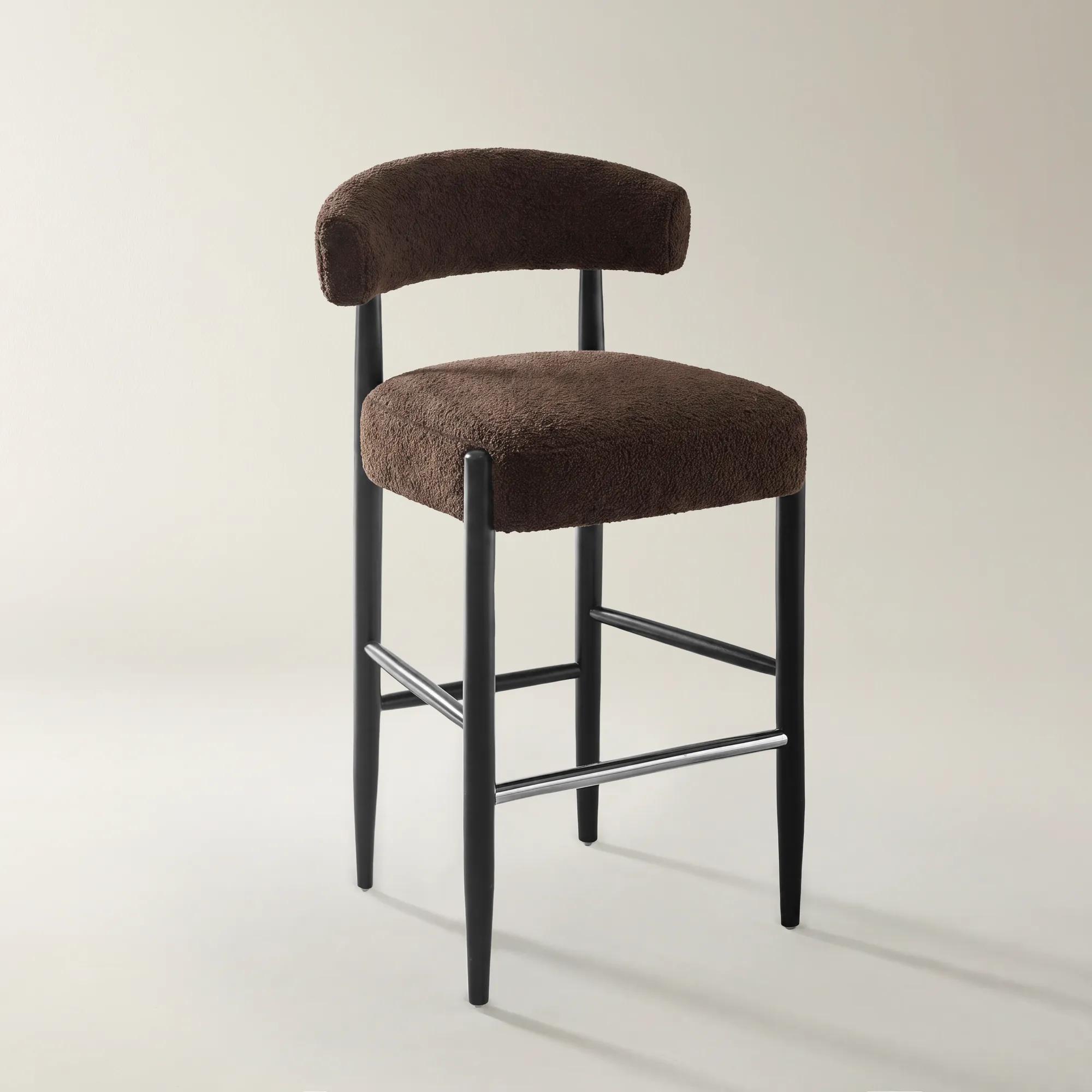 Anna Dark Chocolate Chenille Bar/Counter Stool$449
A dark chocolate chenille counter stool with a sculpted padded seat and solid rubberwood legs.
Add To Cart -
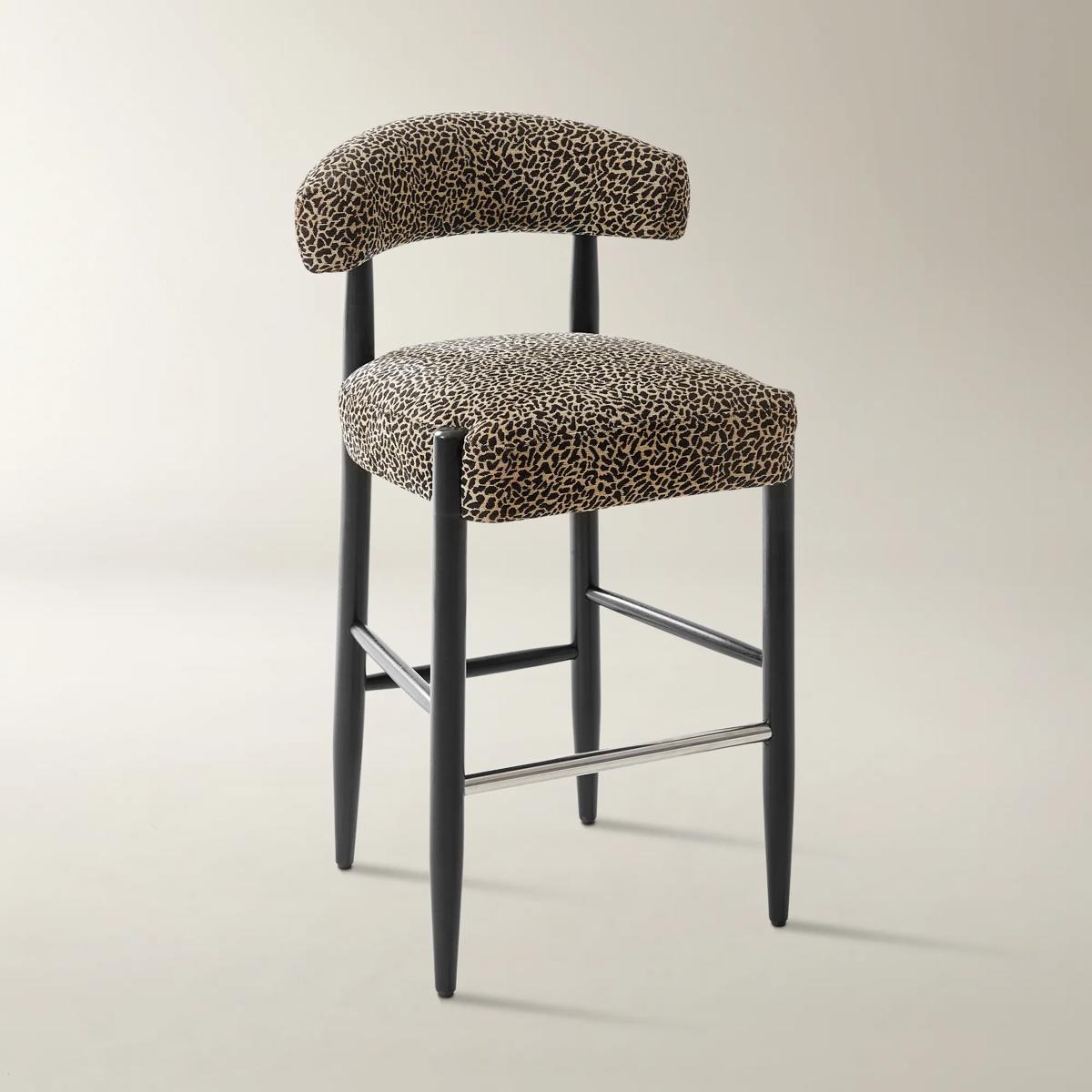
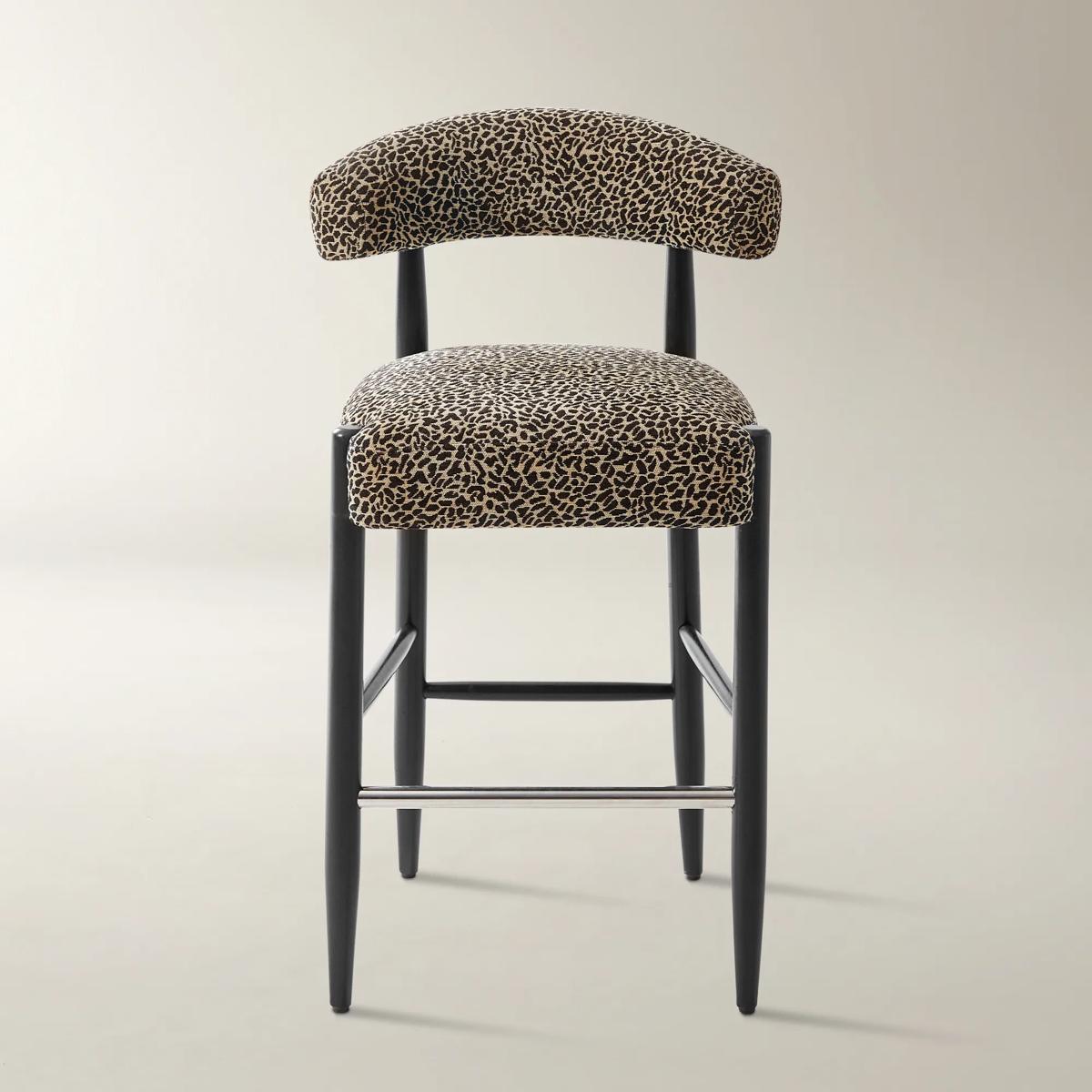 Anna Leopard Chenille Bar/Counter Stool$449
A leopard-patterned chenille bar stool with sculpted padded support and tapered solid rubberwood legs.
Add To Cart -
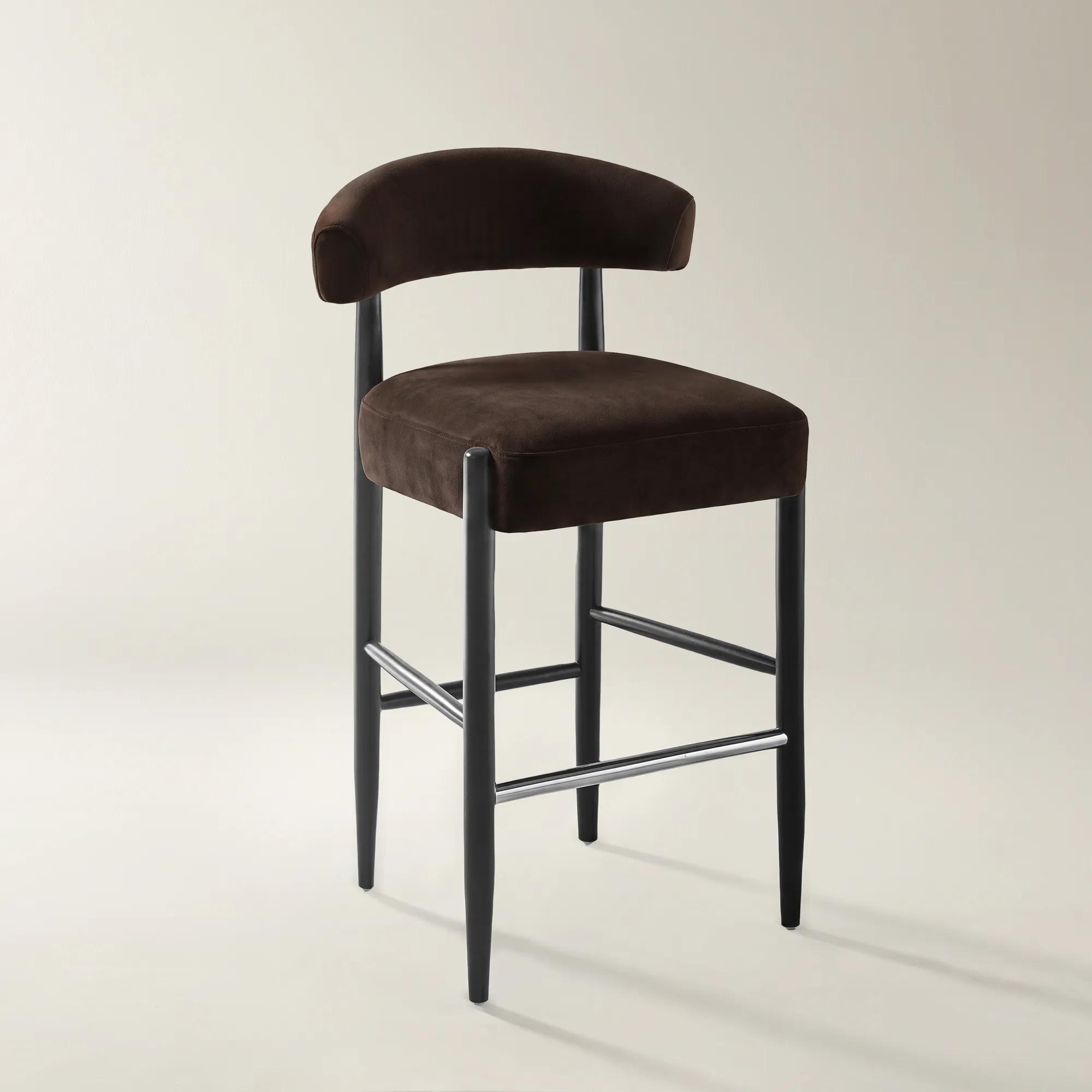 Anna Dark Chocolate Velvet Bar/Counter Stool$449
A dark chocolate velvet counter stool with a sculpted back, padded seat, and tapered solid-rubberwood legs.
Add To Cart -
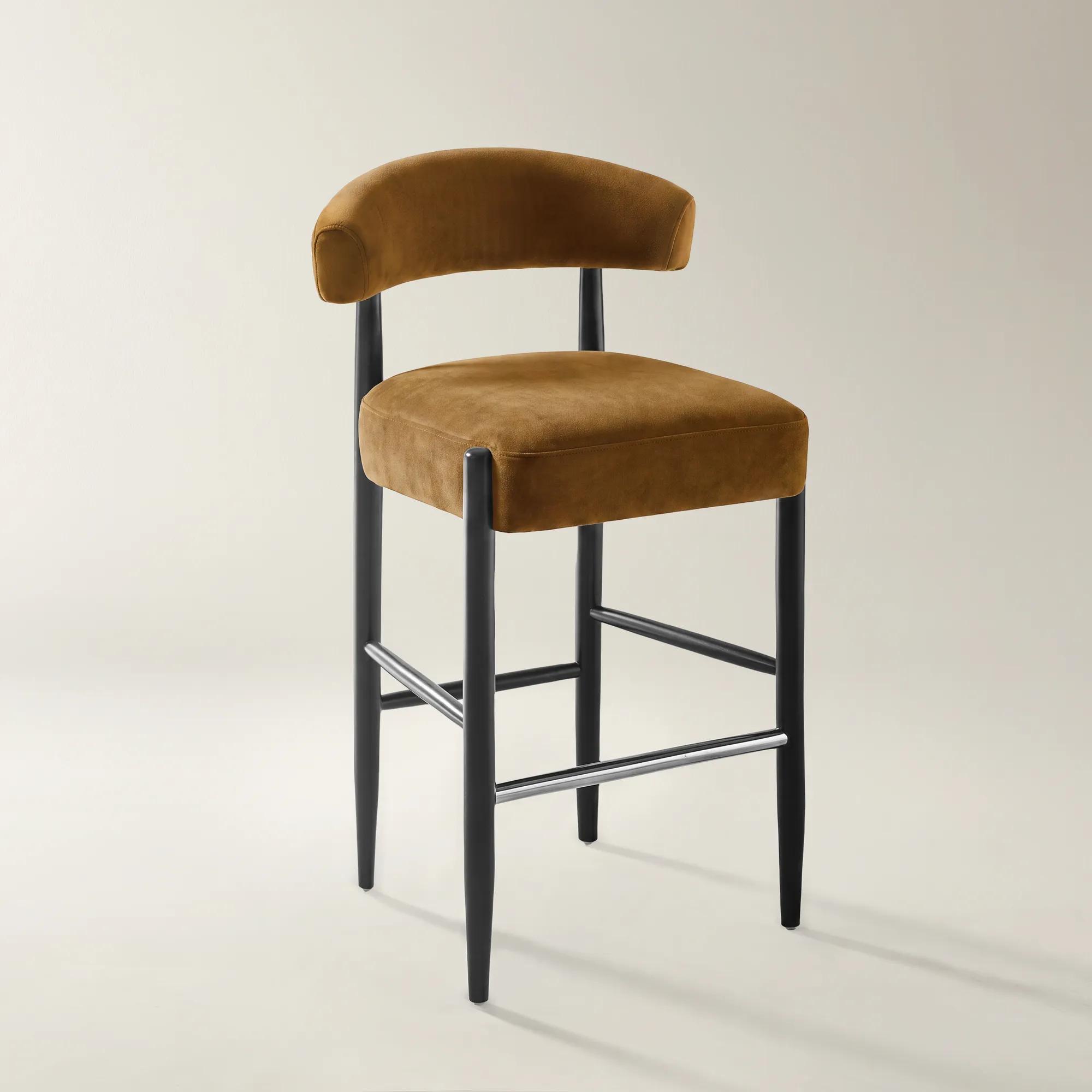 Anna Roasted Pecan Velvet Bar/Counter Stool$449
A roasted pecan velvet bar stool with a sculpted padded back, custom upholstery, and tapered solid-rubberwood legs.
Add To Cart -
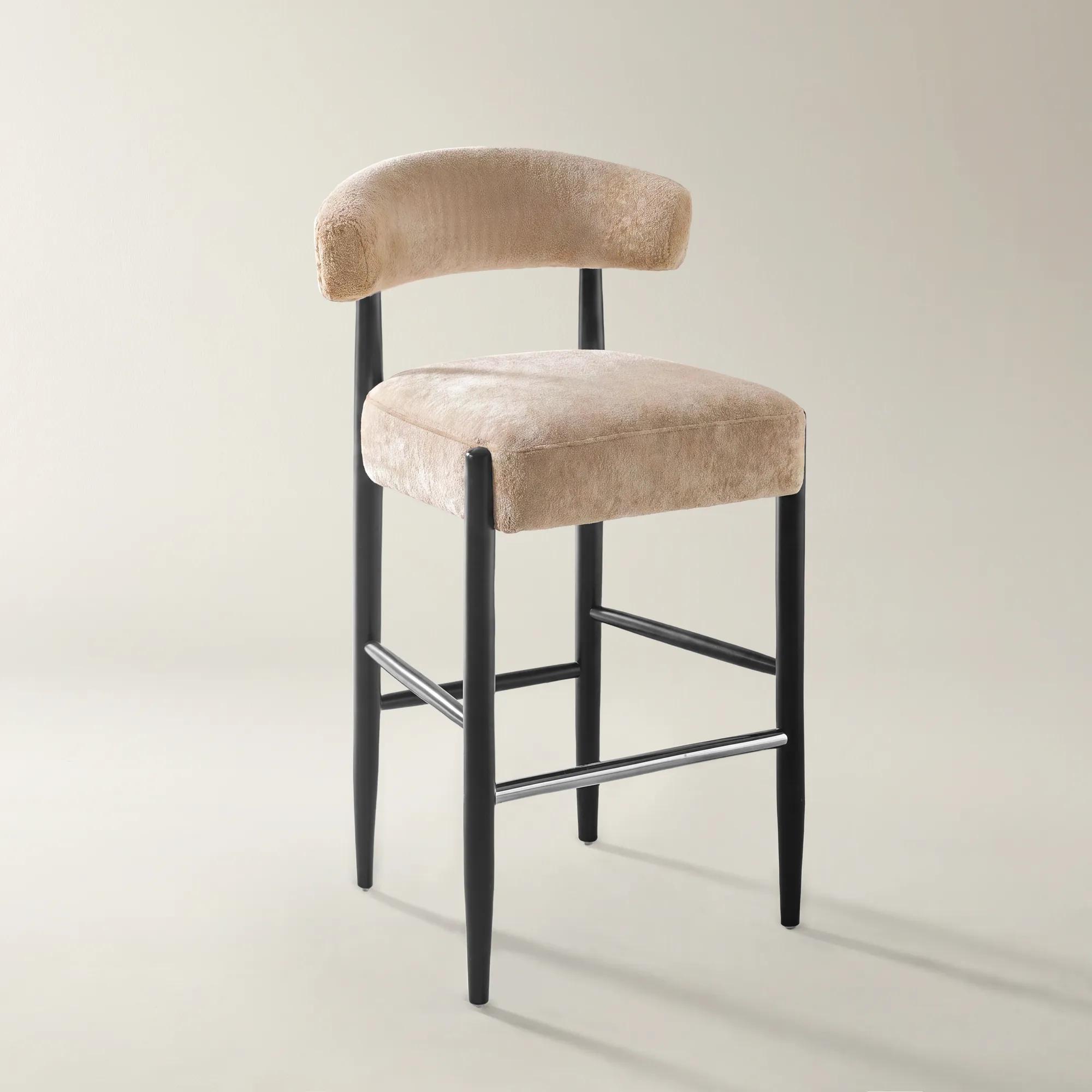 Anna Light Brown Chenille Bar/Counter Stool$449
A brown chenille counter stool with a sculpted back, padded seat, and tapered solid-rubberwood legs.
Add To Cart -
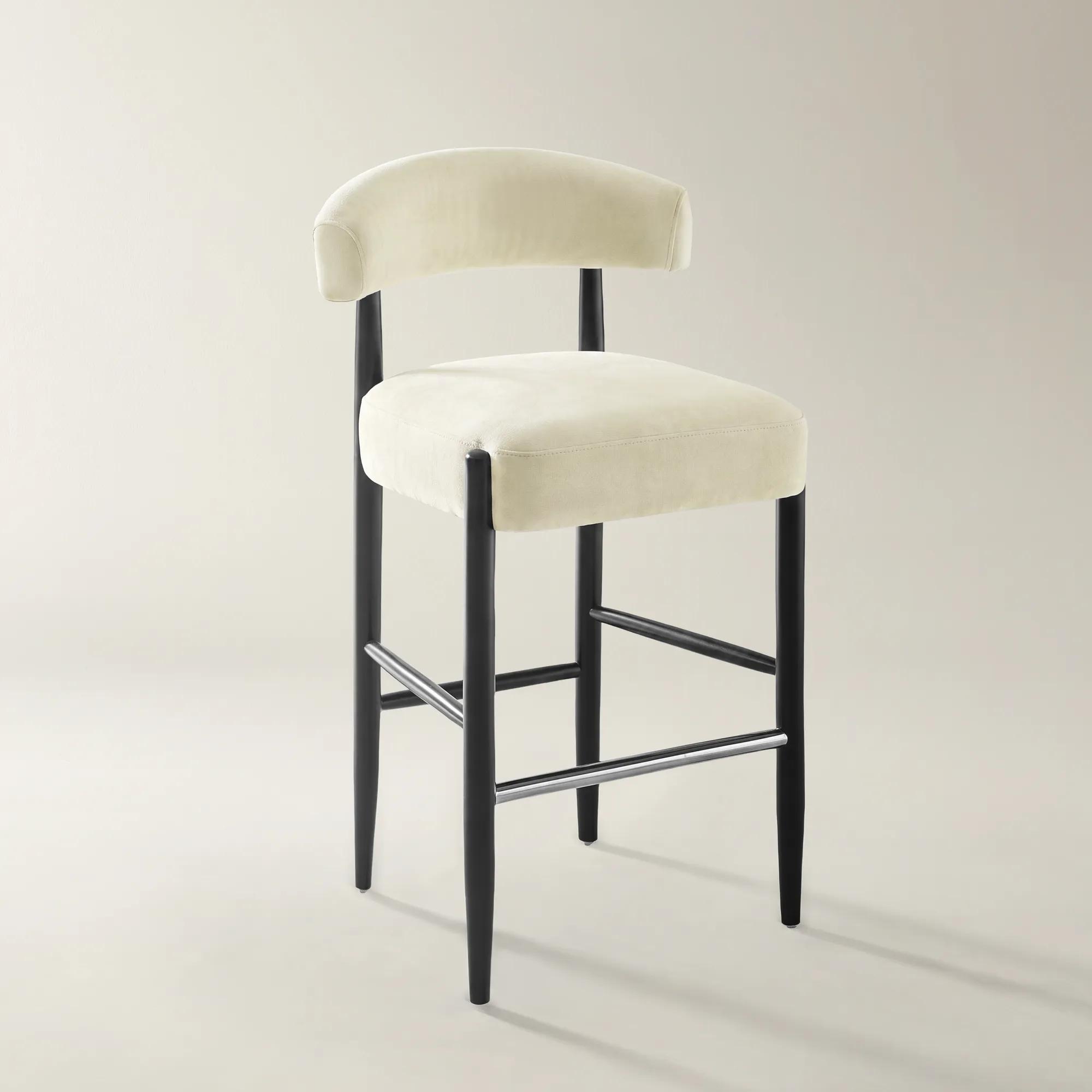 Anna Cloud Velvet Bar/Counter Stool$449
A cloud velvet counter stool with sculpted padded support and tapered solid-rubberwood legs.
Add To Cart -
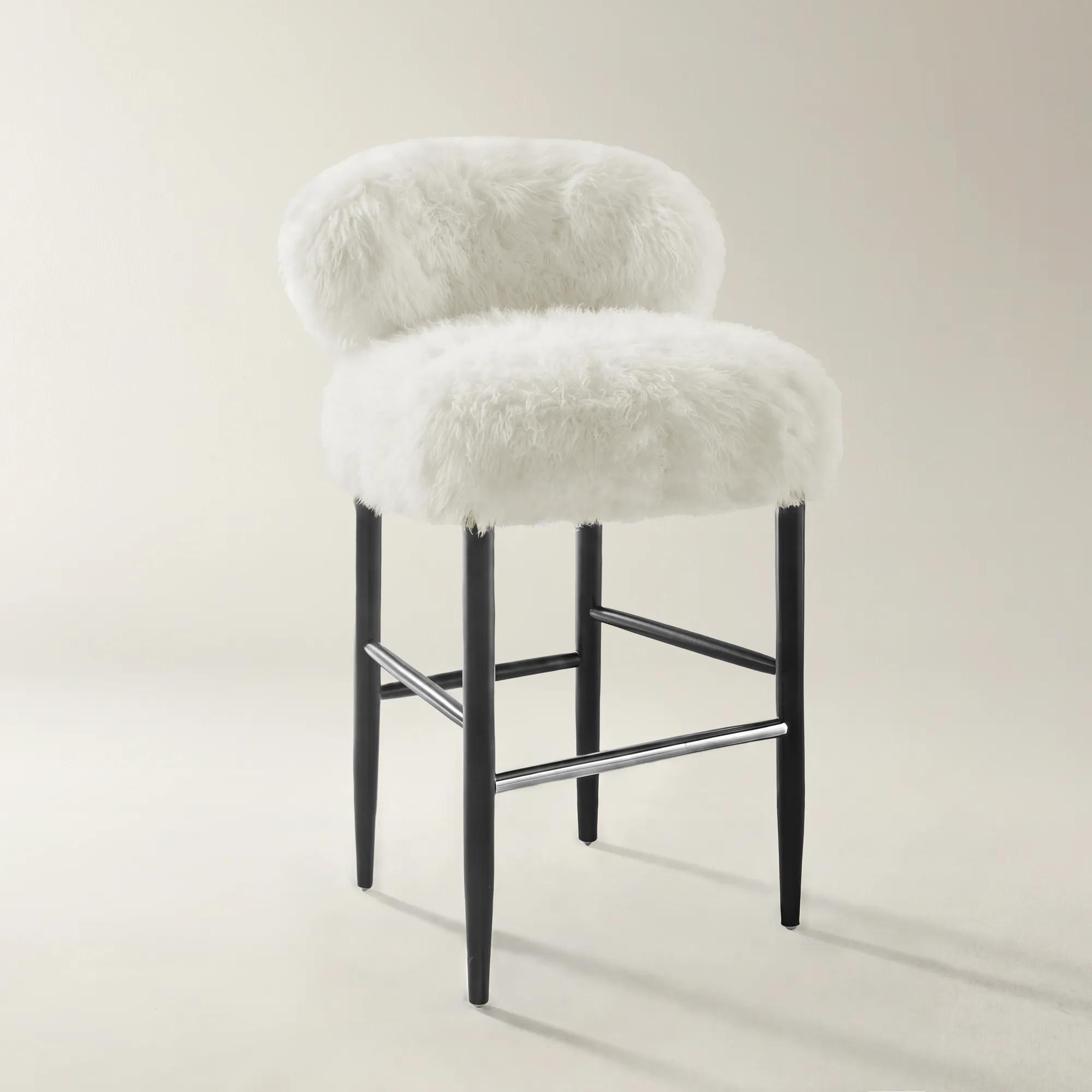 Anna Ivory Faux Fur Bar/Counter Stool$549
An ivory faux-fur counter stool with sculpted support, padded seating, and tapered solid-rubberwood legs.
Add To Cart -
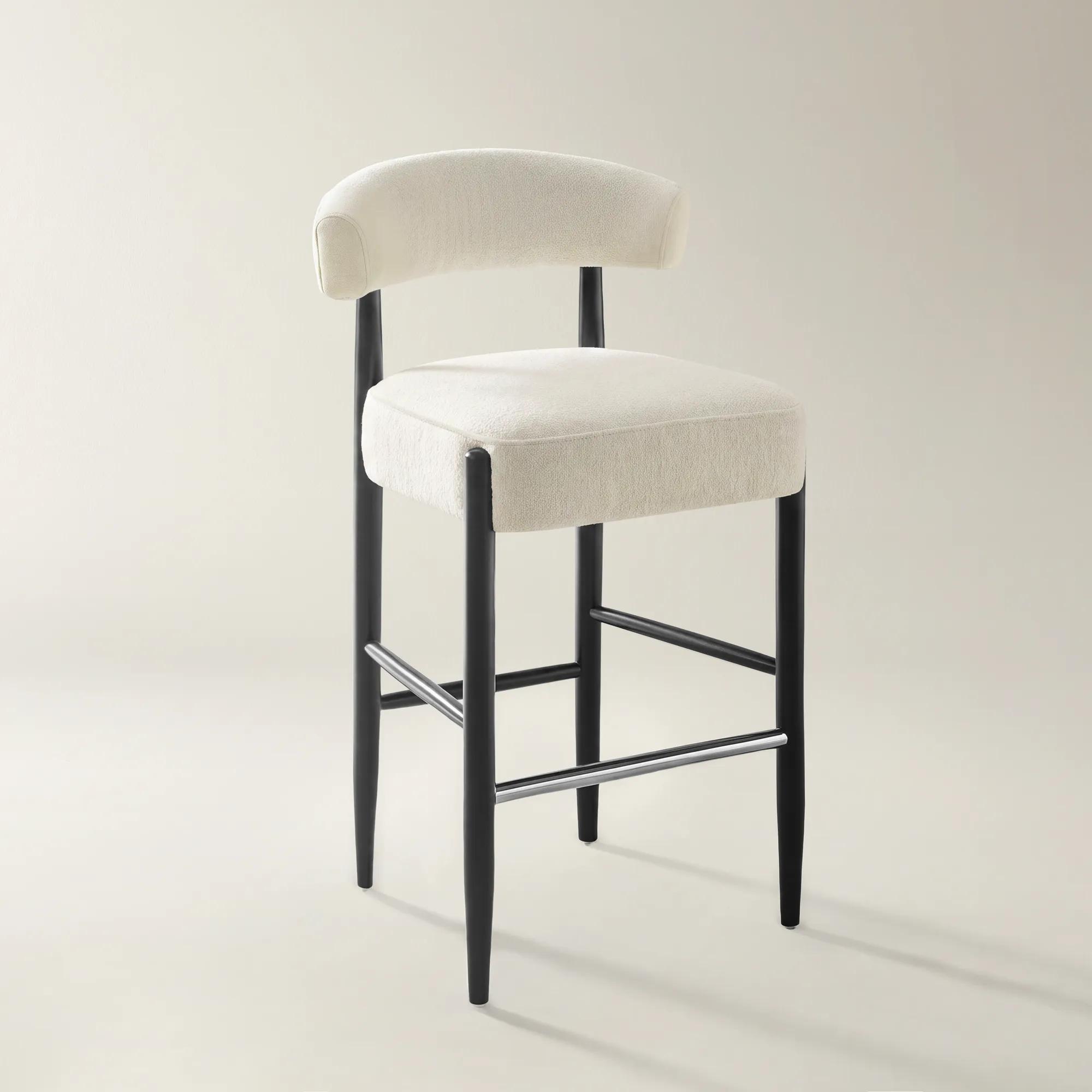 Anna Ivory Performance Chenille Bar/Counter Stool$449
An ivory performance-chenille bar stool with a sculpted back, padded seat, and tapered solid-rubberwood legs.
Add To Cart -
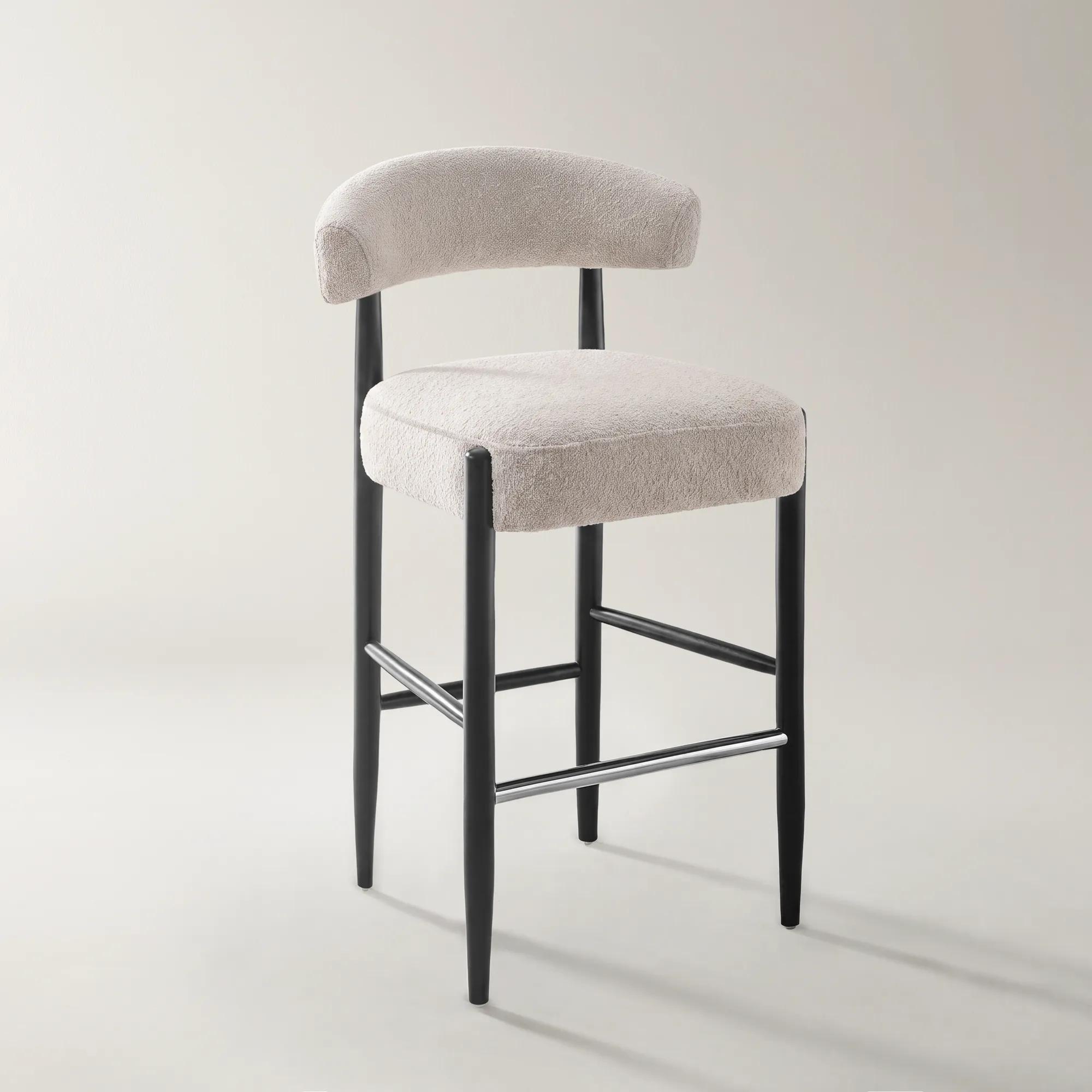 Anna Ivory Performance Boucle Bar/Counter Stool$449
An ivory performance-bouclé bar stool with sculpted padded support and tapered solid-rubberwood legs.
Add To Cart -
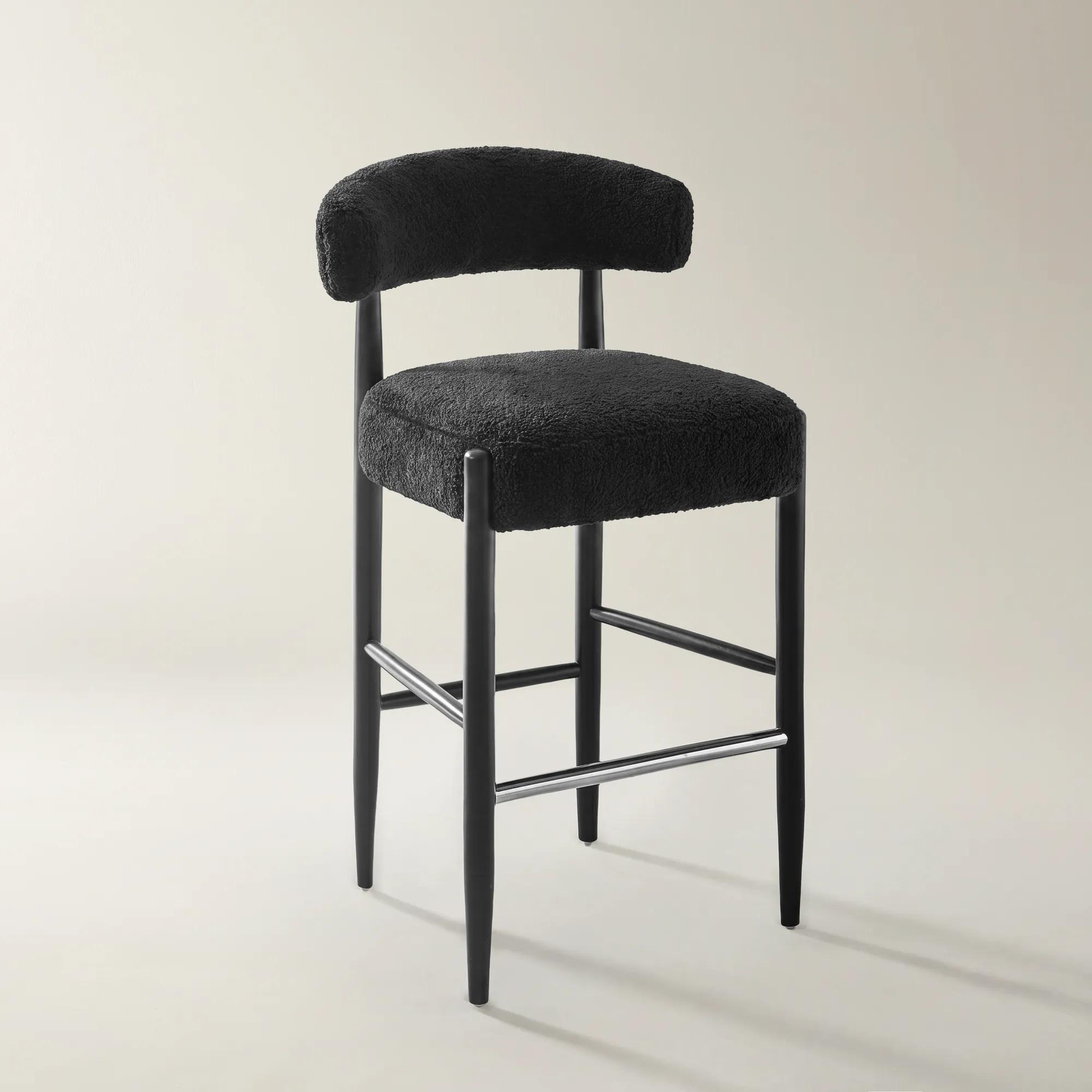 Anna Black Chenille Bar/Counter Stool$449
A black chenille counter stool with a sculpted padded seat and solid rubberwood legs.
Add To Cart -
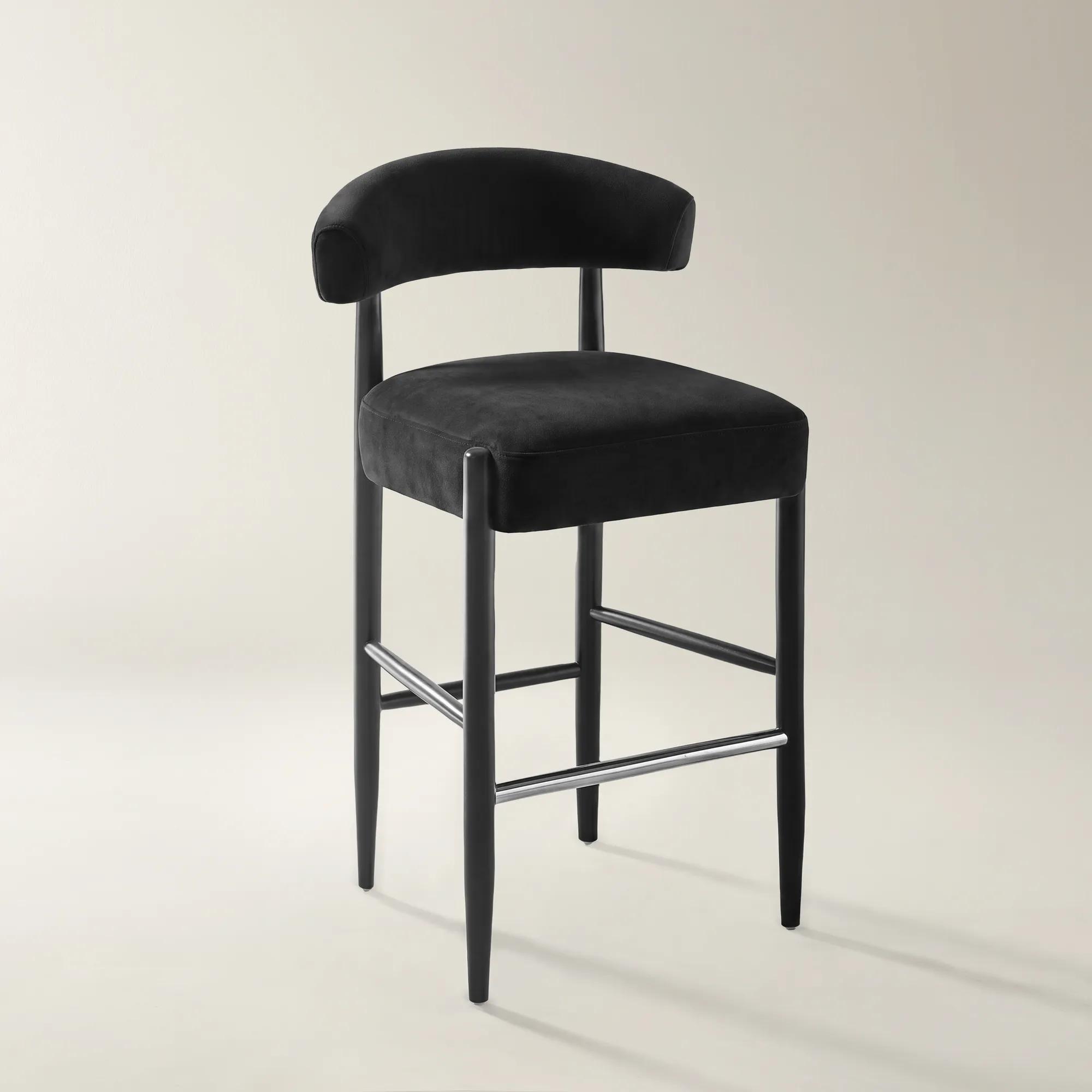 Anna Charcoal Velvet Bar/Counter Stool$449
A charcoal velvet bar stool with a sculpted padded seat and solid rubberwood legs.
Add To Cart -
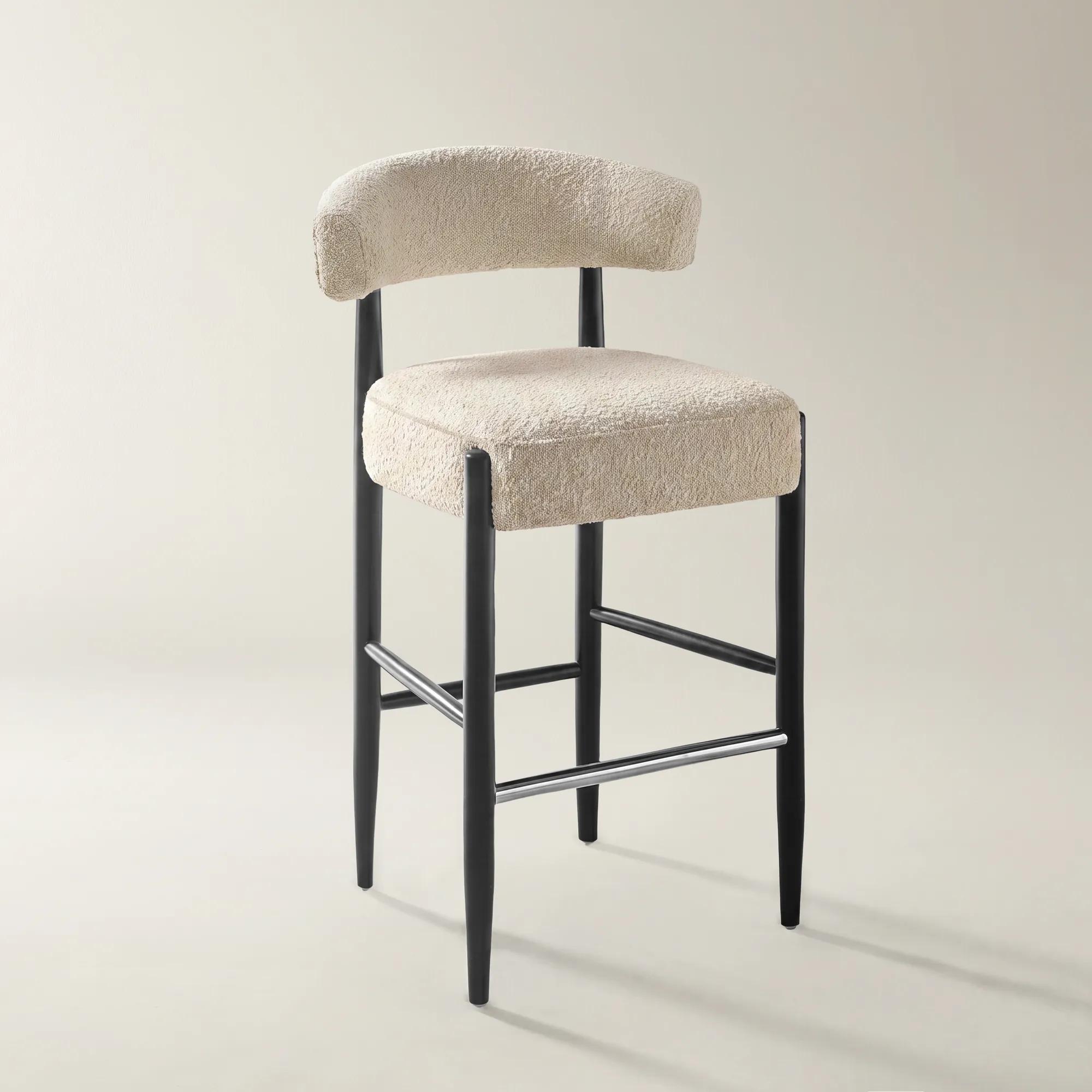 Anna Ivory Performance Boucle Bar/Counter Stool$449
A counter stool with ivory performance boucle upholstery, sculpted support, and tapered solid rubberwood legs.
Add To Cart -
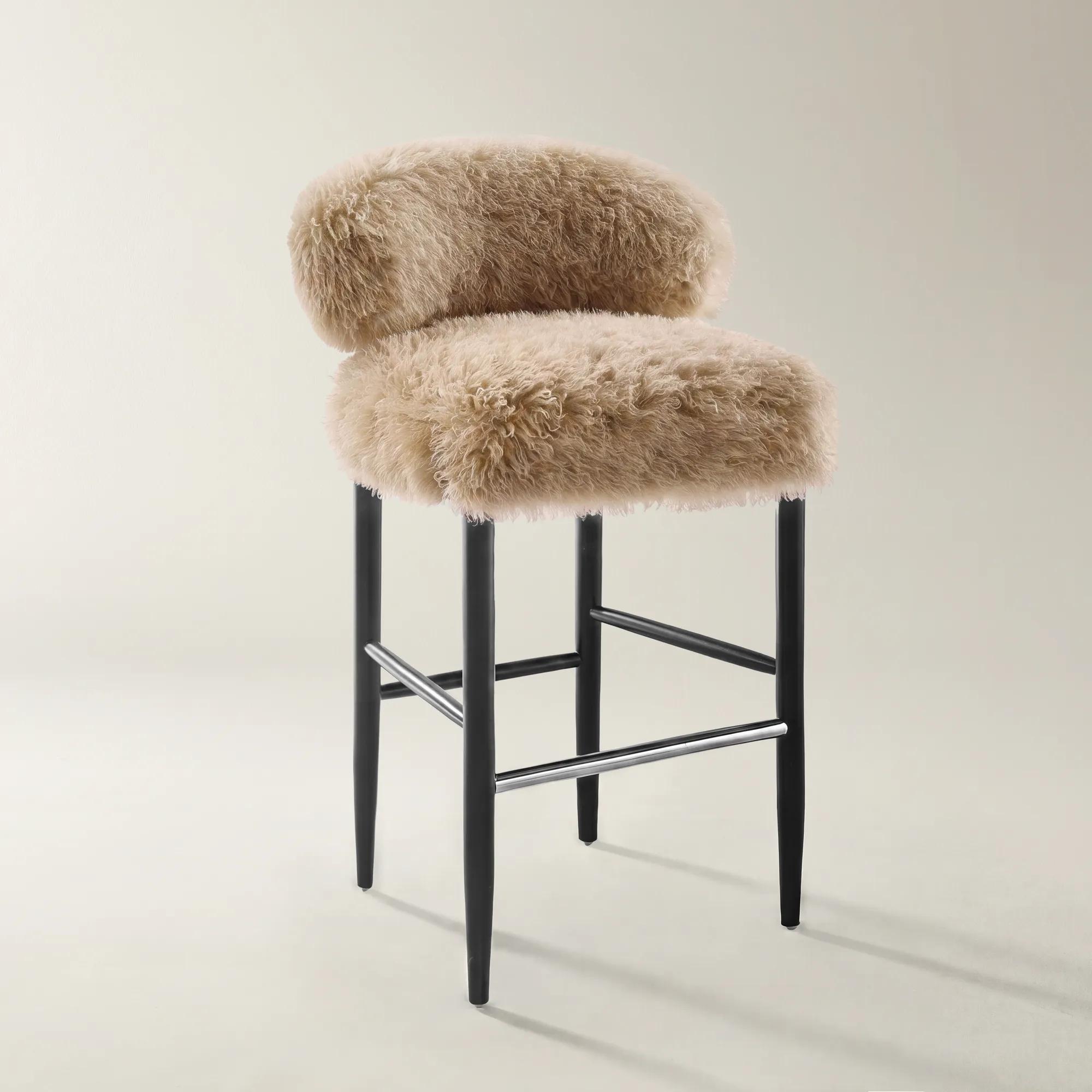 Anna Tan Faux Fur Bar/Counter Stool$549
A tan faux-fur bar stool with a sculpted padded seat and tapered solid-rubberwood legs.
Add To Cart -
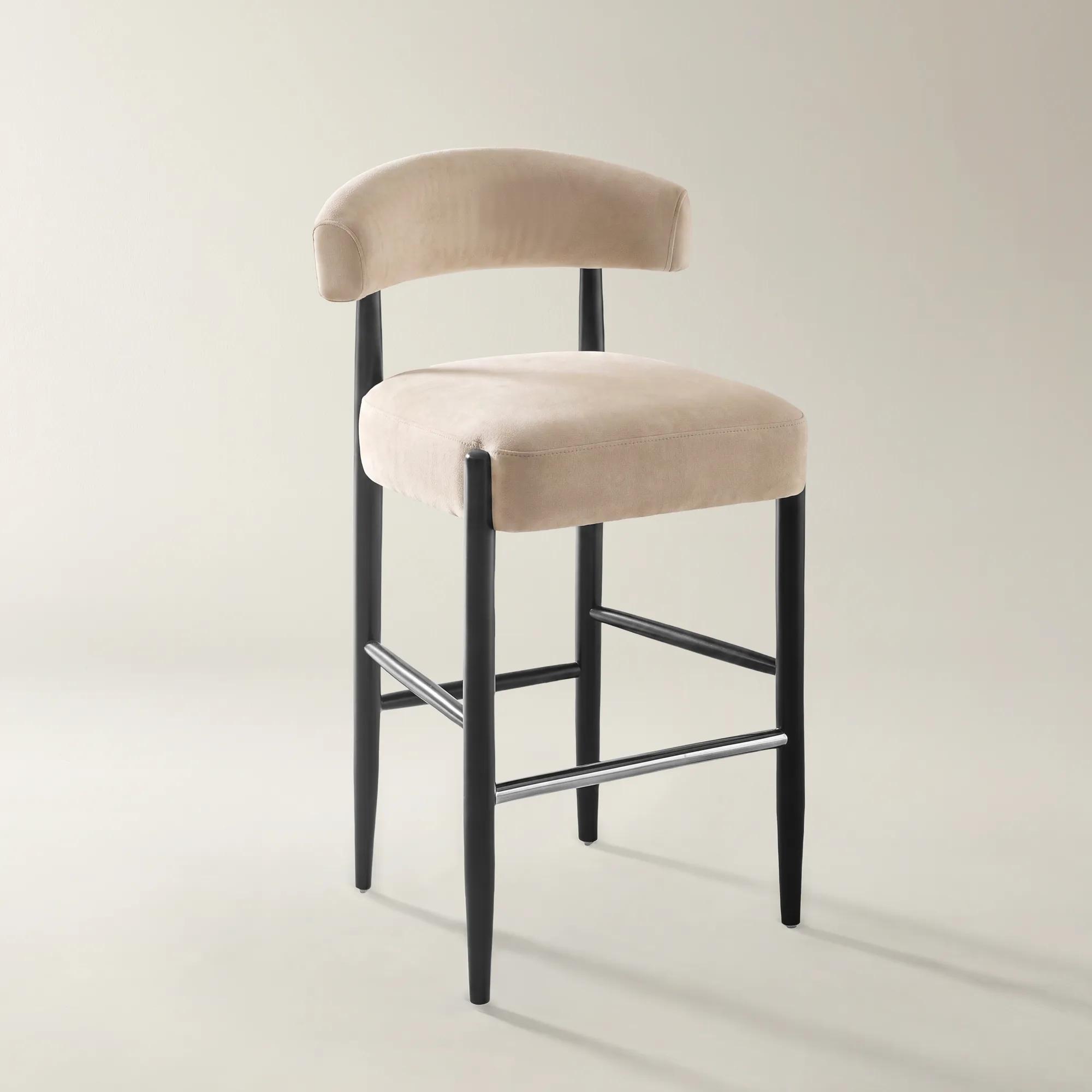 Anna Simply Taupe Velvet Bar/Counter Stool$449
A taupe velvet counter stool with a sculpted back, padded seat, and tapered solid-rubberwood base.
Add To Cart -
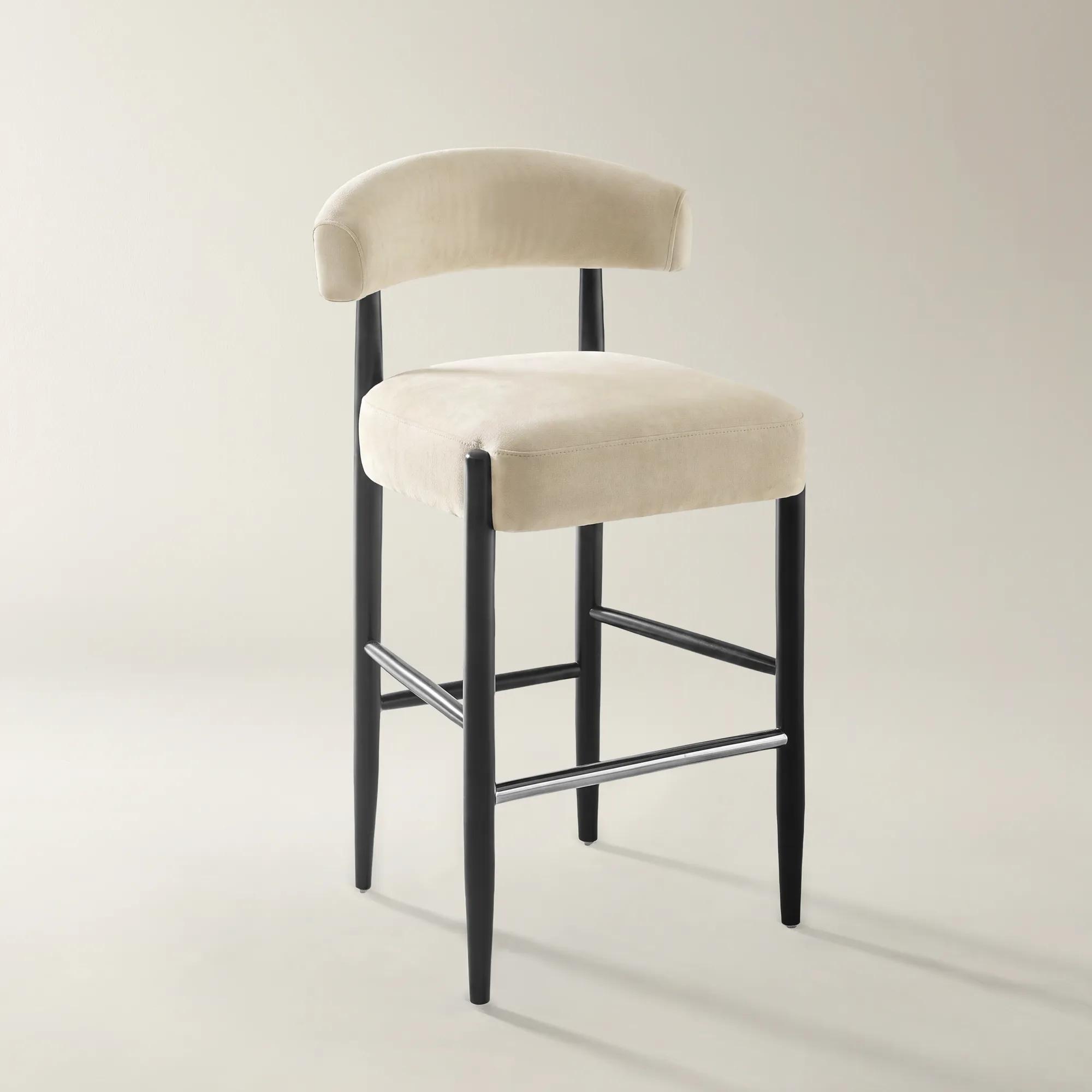 Anna Oatmeal Velvet Bar/Counter Stool$449
A counter stool with oatmeal velvet upholstery, sculpted back, padded seat, and solid rubberwood legs.
Add To Cart -
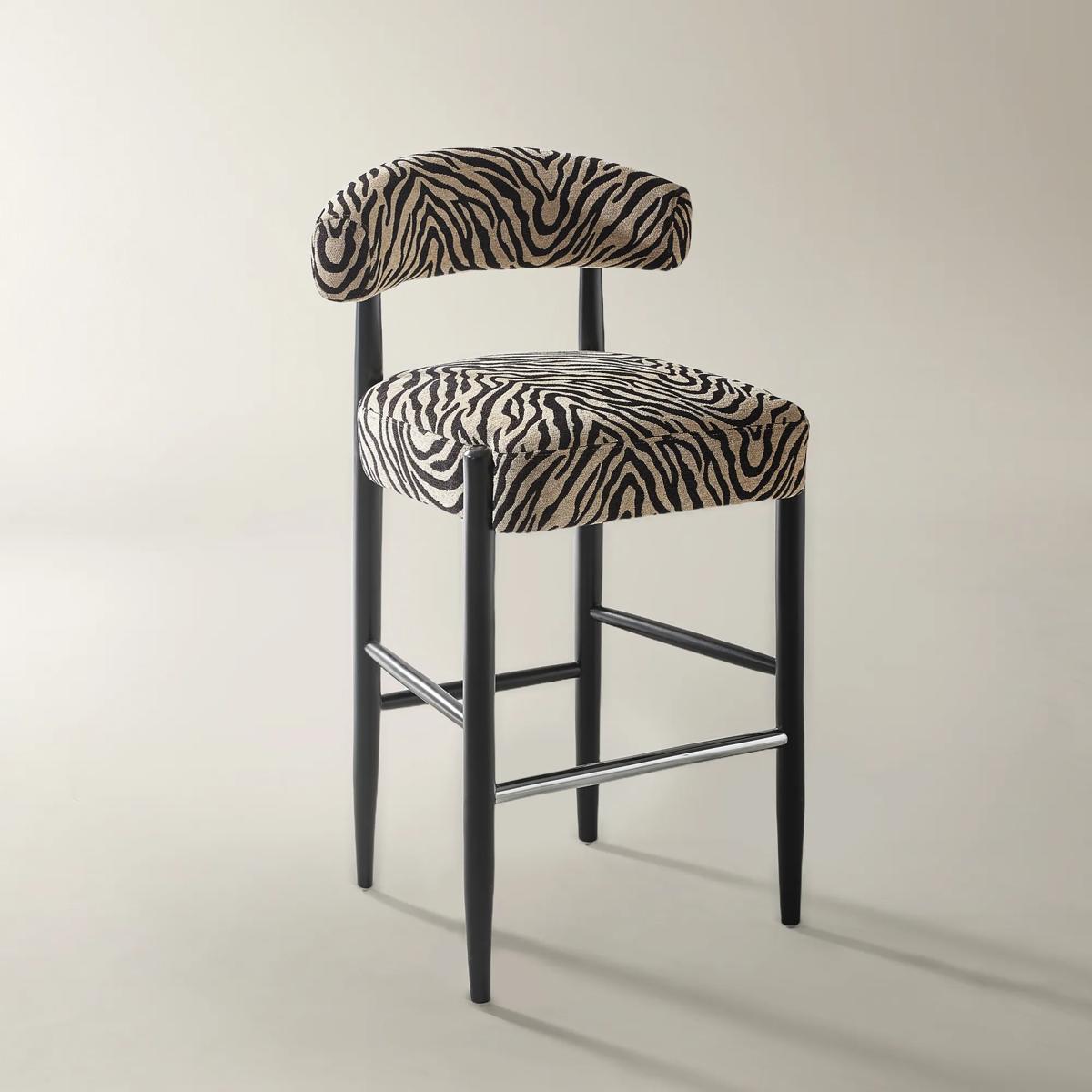
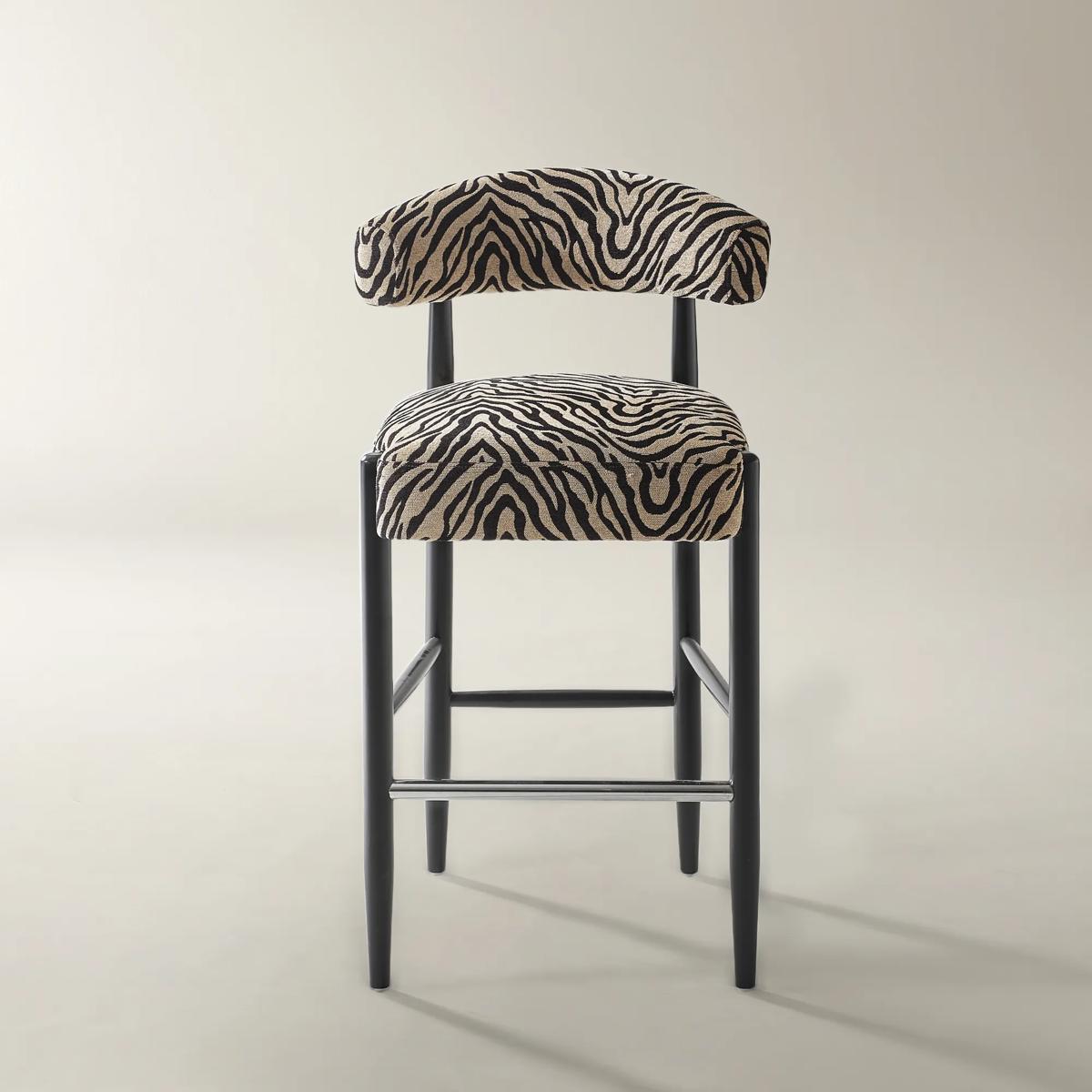 Anna Zebra Chenille Bar/Counter Stool$449
A bar stool with zebra-patterned chenille upholstery, sculpted padding, and tapered solid-rubberwood legs.
Add To Cart -
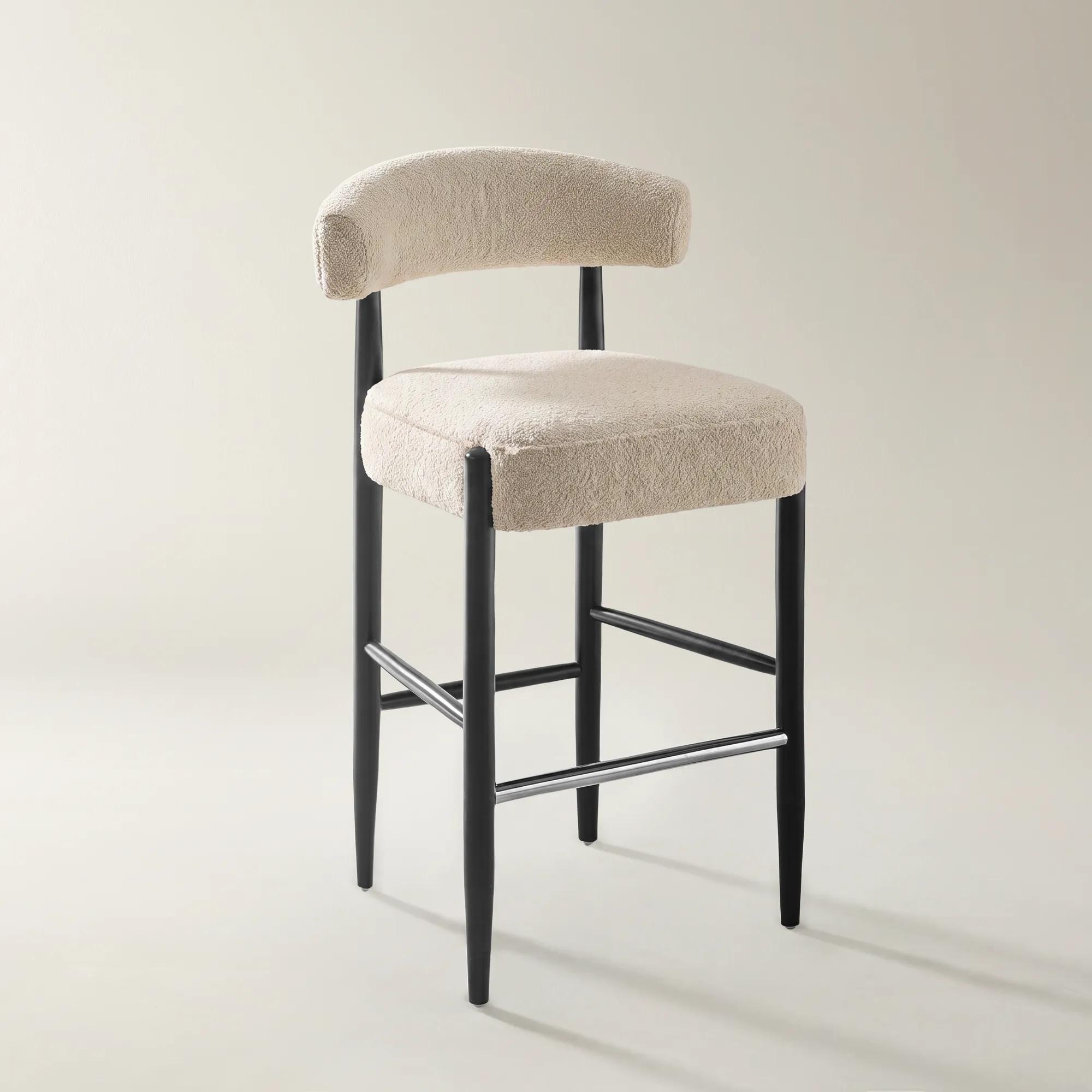 Anna Utopia Sand Chenille Bar/Counter Stool$449
A chenille bar stool with a sculpted padded seat, kiln-dried hardwood frame, and solid rubberwood legs.
Add To Cart -
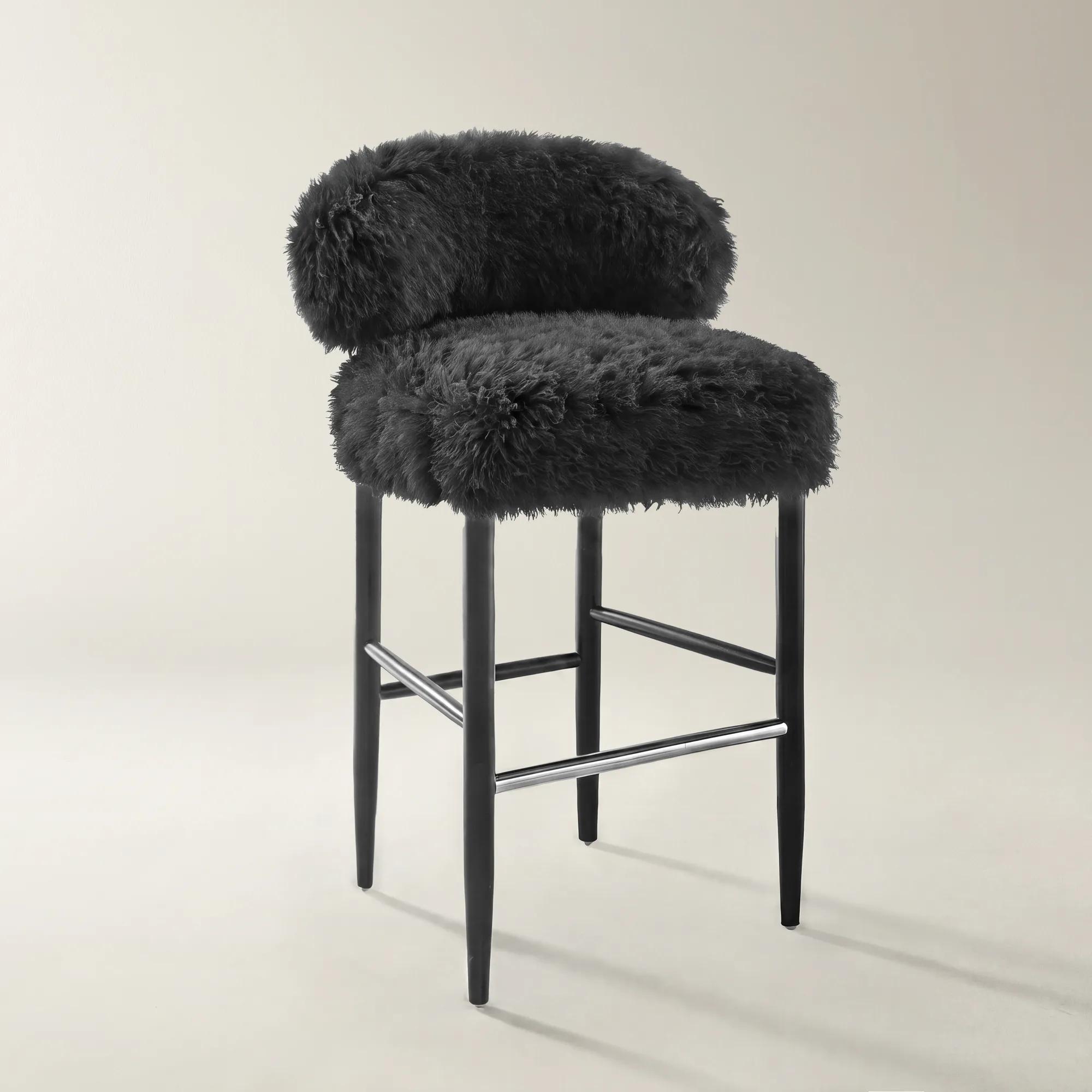 Anna Black Faux Fur Bar/Counter Stool$549
A black faux-fur bar stool with a sculpted back, padded seat, and solid rubberwood legs.
Add To Cart -
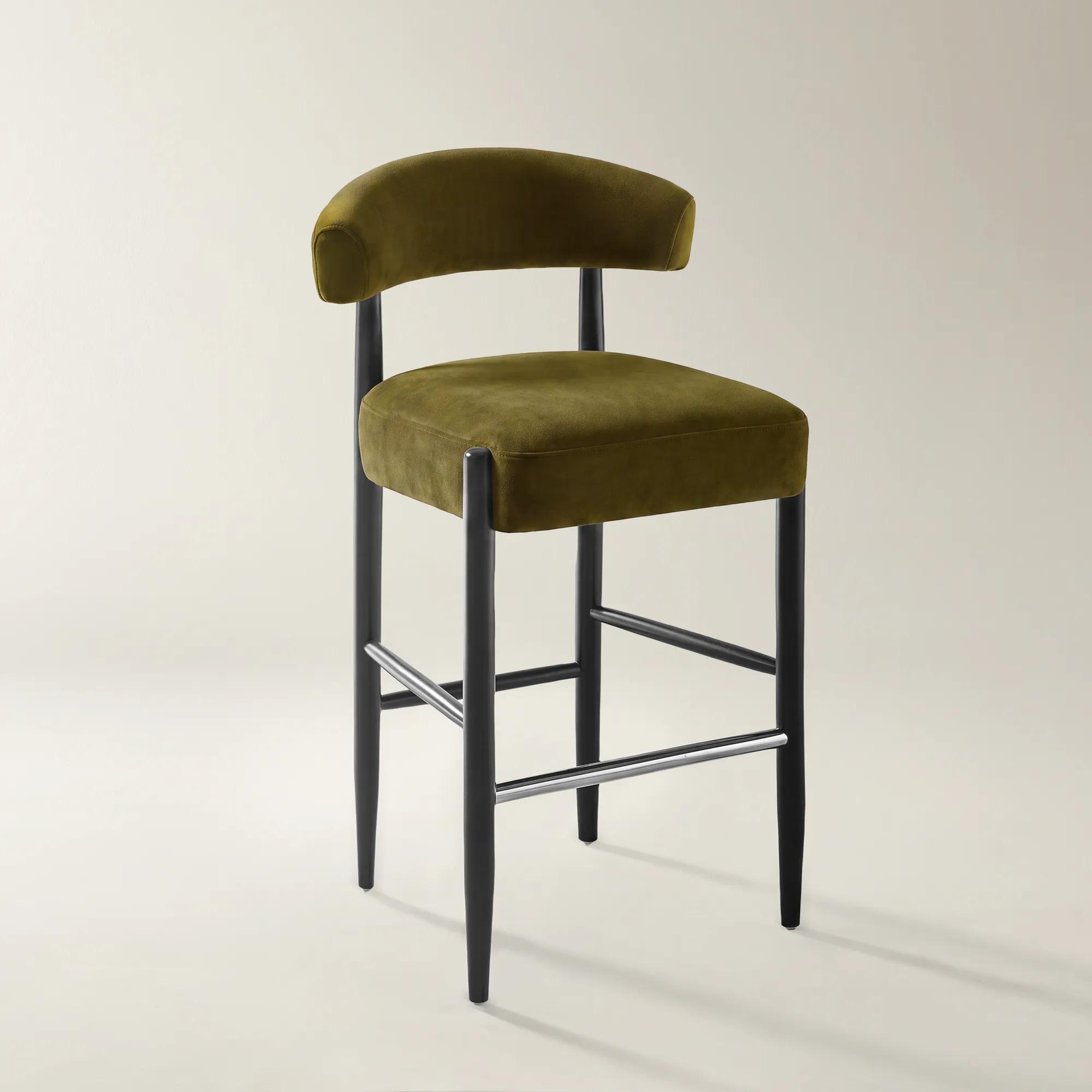 Anna Deep Olive Velvet Bar/Counter Stool$449
A green velvet bar stool with a sculpted padded seat, tailored upholstery, and tapered solid-rubberwood legs.
Add To Cart -
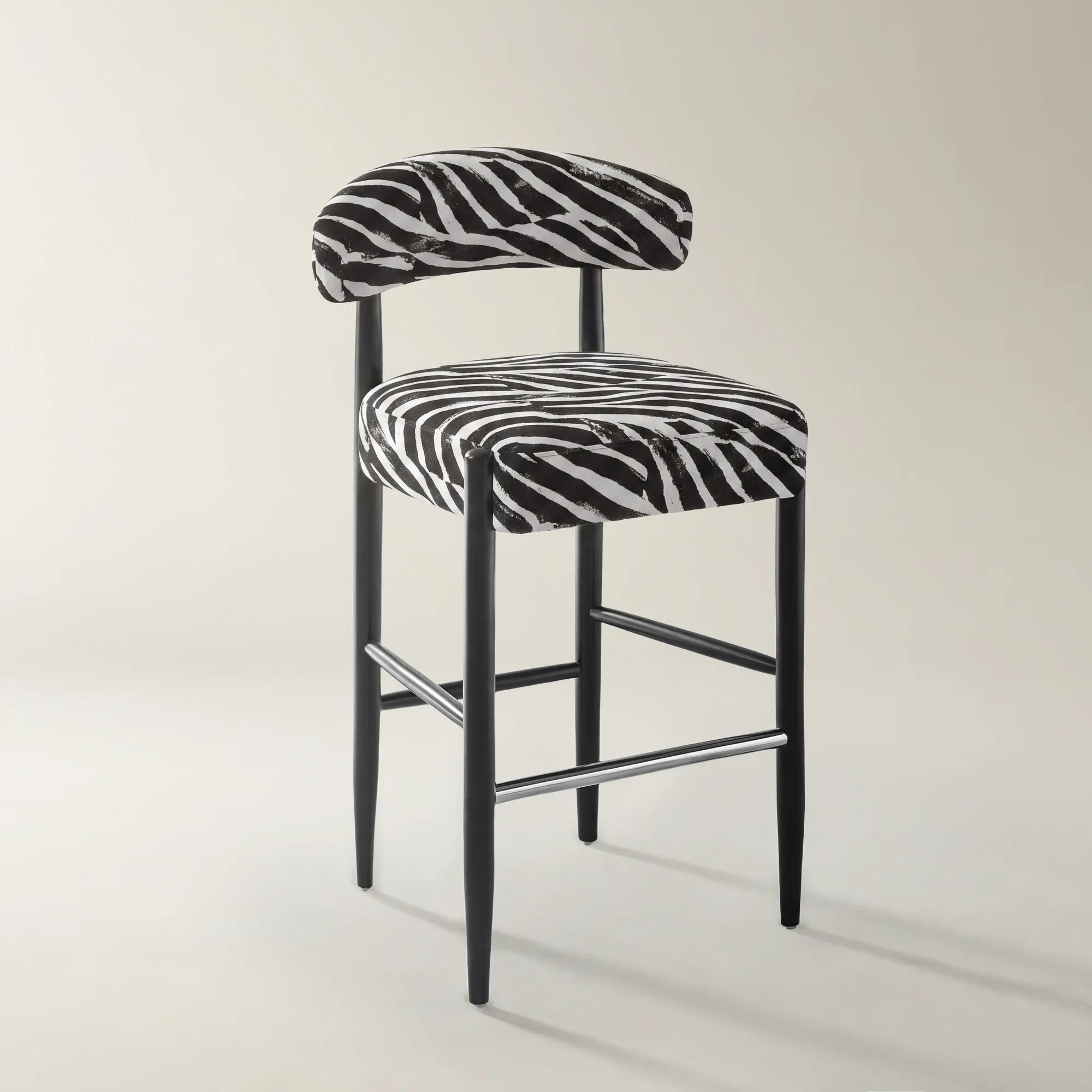 Anna White/Black Performance Chenille Bar/Counter Stool$449
A black-and-white chenille bar stool with a sculpted back, padded seat, and tapered solid rubberwood legs.
Add To Cart -
 Valerie Natural Outdoor Counter Stool$659
A natural-finished outdoor stool offering stylish counter-height seating.
Add To Cart

High End Bar Stools
Explore high-end bar stools that give your home bar a striking finishing touch. Consider the silhouette and scale of your bar seating alongside the room’s design, then compare seat height and overall dimensions with your bar to allow comfortable legroom and space between guests.
High-end bar stools bring the presence of finely crafted furniture to the places where conversation naturally gathers: the kitchen island, the home bar, the open stretch of counter between cooking and entertaining. Their distinction lies in the relationship between materials, construction, proportion, and comfort—not ornament alone. A sculptural frame can make a striking first impression, but supportive seating, thoughtful footrest placement, and upholstery suited to everyday life give that beauty lasting purpose. Solid hardwood contributes warmth and expressive grain, while metal frames introduce a precise architectural line. Brass-toned finishes lend a golden accent; polished chrome reflects surrounding light with a cooler brilliance; darker metals create definition against pale stone or richly patterned surfaces. Each finish changes the mood of the room, especially when repeated subtly in cabinet hardware, pendant lighting, or nearby furnishings. Upholstery adds another layer of character. Velvet creates luminous depth as its pile catches the light, leather develops character according to its finish and use, and woven fabrics offer texture that can soften an otherwise sleek interior. Top-grain leather, dense cushioning, reinforced joinery, and carefully finished seams are useful construction details to look for when comparing luxury bar stools, though no single material guarantees quality on its own. A beautifully resolved design feels cohesive from the upholstered back to the base, including the parts visible beneath the counter. That matters in an open-plan home, where a row of stools may be seen from the living room as often as from the kitchen. Low backs preserve uninterrupted sightlines and emphasize the countertop above them. Taller backs create a more enveloping silhouette, giving an island the atmosphere of an intimate dining space. Whether the setting is a tailored apartment or an expansive entertaining area, the most compelling seating feels intentional from every angle.
Fit gives that visual confidence a practical foundation. Bar stools and counter stools serve different surface heights, and their names are not interchangeable: counter-height seats are typically about 24 to 27 inches from the floor, while bar-height seats are often about 28 to 32 inches. Countertops commonly stand around 34 to 36 inches high, and raised bars are often around 40 to 42 inches high. These ranges are starting points rather than a substitute for checking the actual measurements. Approximately 10 to 12 inches between the seat and the underside of the counter generally provides comfortable legroom; aprons, thick stone edges, support brackets, and other obstructions can reduce usable space. Arm height matters as much as seat height when stools need to tuck beneath an overhang. A generously upholstered arm may feel wonderfully inviting yet prevent the chair from sliding inward, changing both the look of the room and the clearance behind it. Seat width also deserves attention. Leaving roughly 6 to 10 inches between seat edges can help guests settle in comfortably, while broad silhouettes and swivel designs may require more room. Three substantial stools can create a more gracious arrangement than four crowded together. For a kitchen island used for meals, conversation, and occasional laptop work, a supportive back and well-positioned footrest make longer periods of sitting more comfortable. Backless designs suit spaces where a discreet profile and easy tucking are priorities, though they offer less support for lingering. Swivel bar stools allow seated guests to turn toward the conversation without repeatedly moving the base, provided there is enough clearance to rotate freely. Floor protection is another small detail with an outsized effect: glides appropriate for the flooring help limit marks and reduce scraping, while a stable base supports a settled, comfortable seat. In households with children or frequent visitors, the stated weight capacity, stability, and intended residential use deserve the same attention as the silhouette.
Materials should suit the rhythm of the room as naturally as they suit its palette. An island that hosts breakfast, art projects, and evening drinks places different demands on upholstery than a home bar reserved for occasional entertaining. Performance fabrics can offer useful resistance to stains or wear, but the specific care instructions and testing details matter more than the label alone. Leather varies considerably, too: a protected finish may be more forgiving of everyday spills than an absorbent, minimally finished hide. Velvet rewards regular attention with a richly dimensional appearance, although its pile may show pressure marks or shading that should be addressed only with recommended methods. Across upholstery types, prompt blotting with a clean, absorbent cloth is generally preferable to rubbing a spill, and cleaning products should match the manufacturer’s directions. Wood and metal finishes also benefit from gentle care rather than abrasive cleaners, with moisture removed promptly and footrests checked for wear. Periodic inspection of fasteners, glides, and moving parts helps preserve the experience of a well-made stool, particularly in seating used daily. Decorative detail can remain practical when chosen thoughtfully. Tufting introduces depth, tailored rhythm, and a sense of upholstered luxury, though its recesses may need extra attention when removing crumbs or dust. For interiors that favor this dimensional finish, high-end tufted bar stools offer a more richly detailed expression of bar seating. Smooth upholstery creates a quieter surface, allowing an expressive frame or gleaming base to take the lead. Repeating one finish throughout a row establishes cohesion; contrasting that finish with the counter creates a deliberate focal point. As a substantial housewarming or wedding gift, bar seating is best coordinated with the recipient’s measurements, lifestyle, and preferred materials. For personal spaces, the same thoughtful balance makes the difference: high-end bar stools should feel as considered during an unhurried breakfast as they look when guests gather beneath the pendant lights.
FAQs
High-end bar stools bring a deliberate design point of view to the room through sculptural silhouettes, considered detailing, and expressive finishes. Look for designs that feel compelling from every angle, especially in open kitchens where the back of each stool becomes part of the composition.
Take your cue from the kitchen’s most distinctive element, whether that is dramatic stone, richly colored cabinetry, or gleaming hardware. Choose bar stools that echo one detail while introducing contrast elsewhere. A curved silhouette, for example, can soften crisp architectural lines without diminishing their drama.
Upholstered bar stools introduce softness and a tailored, lounge-inspired mood to kitchens and home bars. Channel detailing can create a rhythmic, architectural effect, while a smooth upholstered profile feels quietly polished. Let the upholstery color either deepen your room’s palette or become its most expressive accent.
Yes. A thoughtful mix of finishes gives a room depth rather than a perfectly matched look. Establish one dominant finish, then introduce a contrasting accent through your bar stools. Repeat that accent in lighting or decorative objects to make the combination feel intentional and visually connected.
Let statement bar stools set the artistic direction, then build a focused composition around them. Pair sculptural seating with expressive artwork, luminous lighting, or a beautifully arranged tray. Keep competing details selective so the stools remain a defining feature, not simply another layer in the room.


