Luxury Benches With High Density Foam Cushions
Luxury Benches With High Density Foam Cushions
-
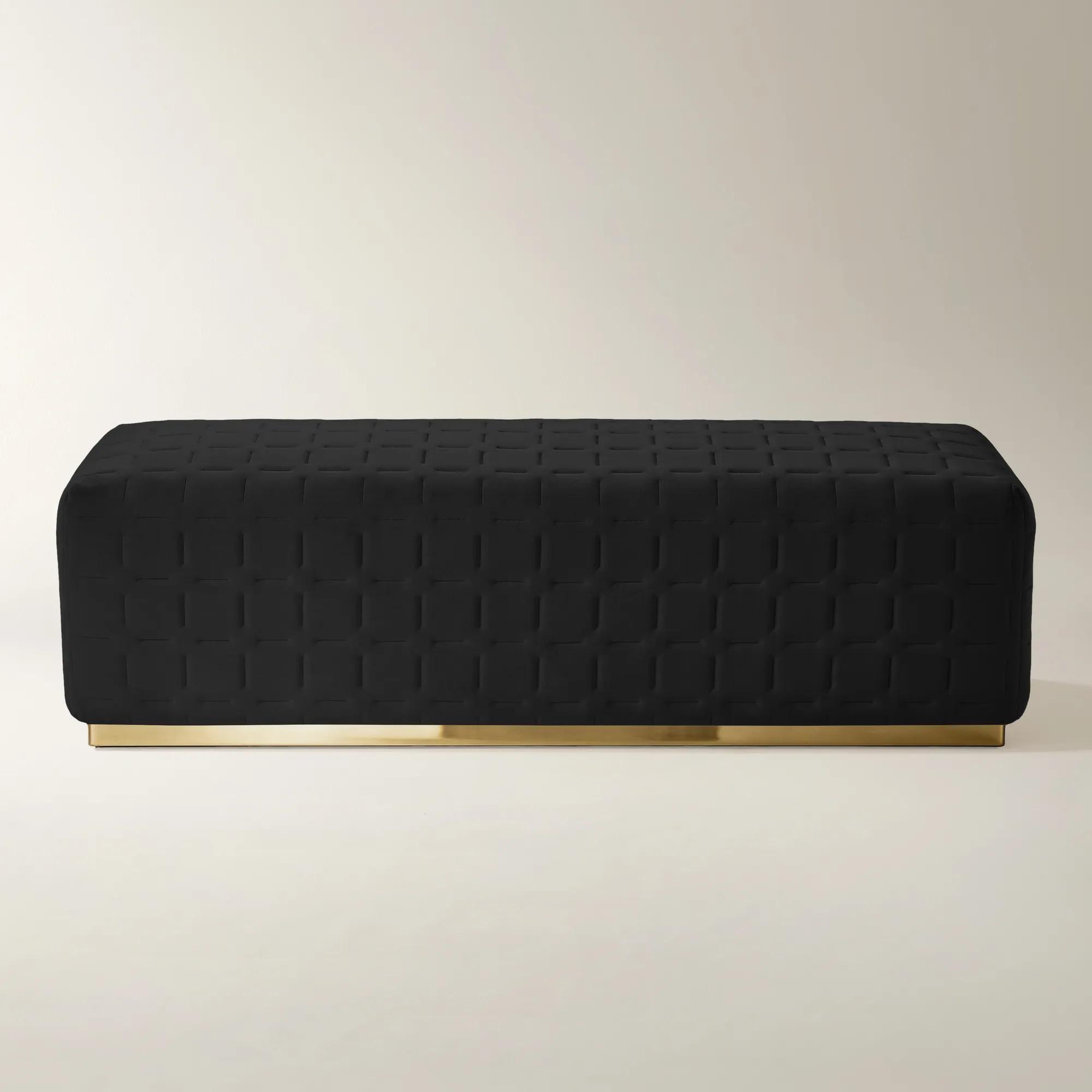 Vanta Quilted Charcoal Velvet Bench (64.6")$899
A charcoal velvet bench featuring checker quilted tufting and a gold stainless steel base for modern elegance.
Add To Cart -
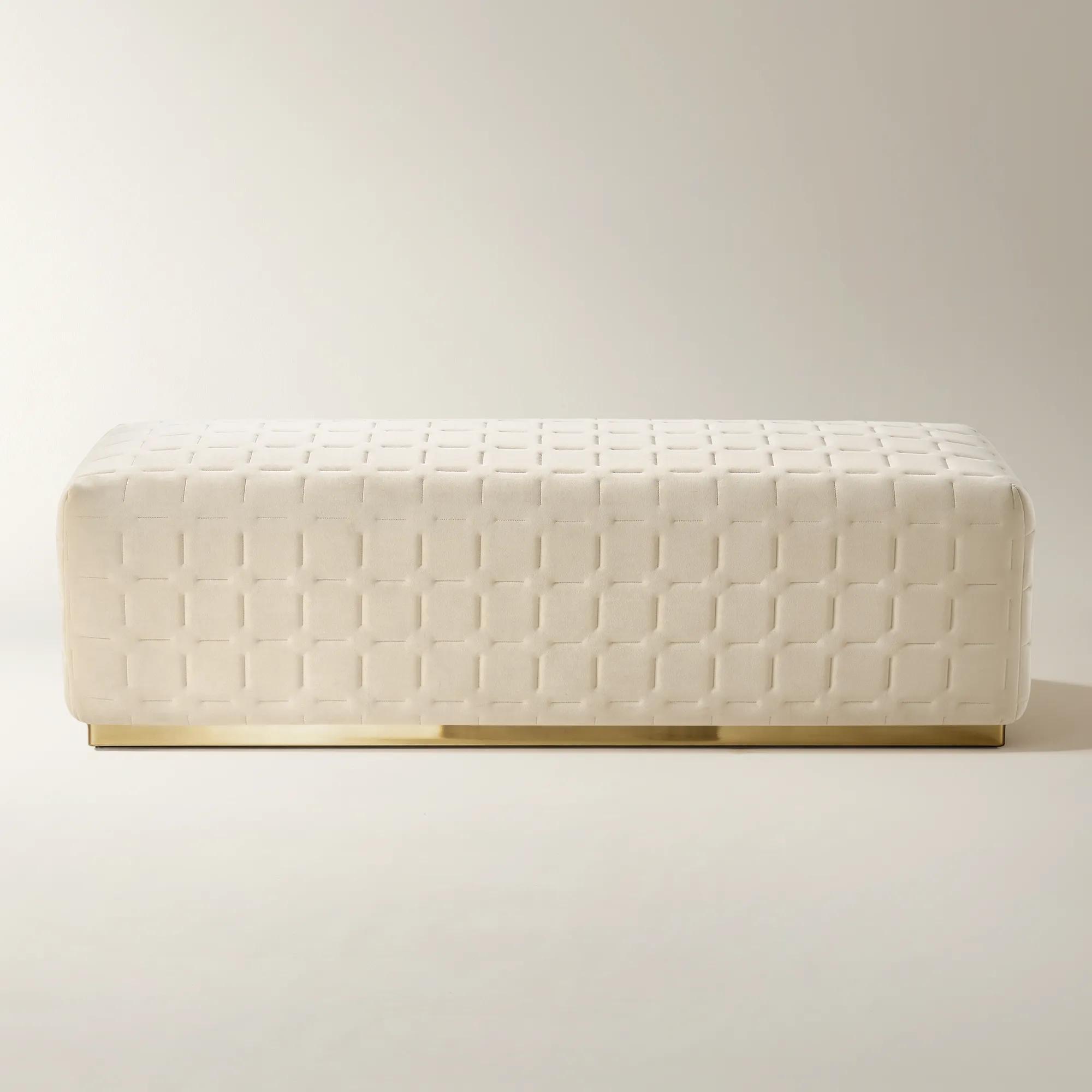
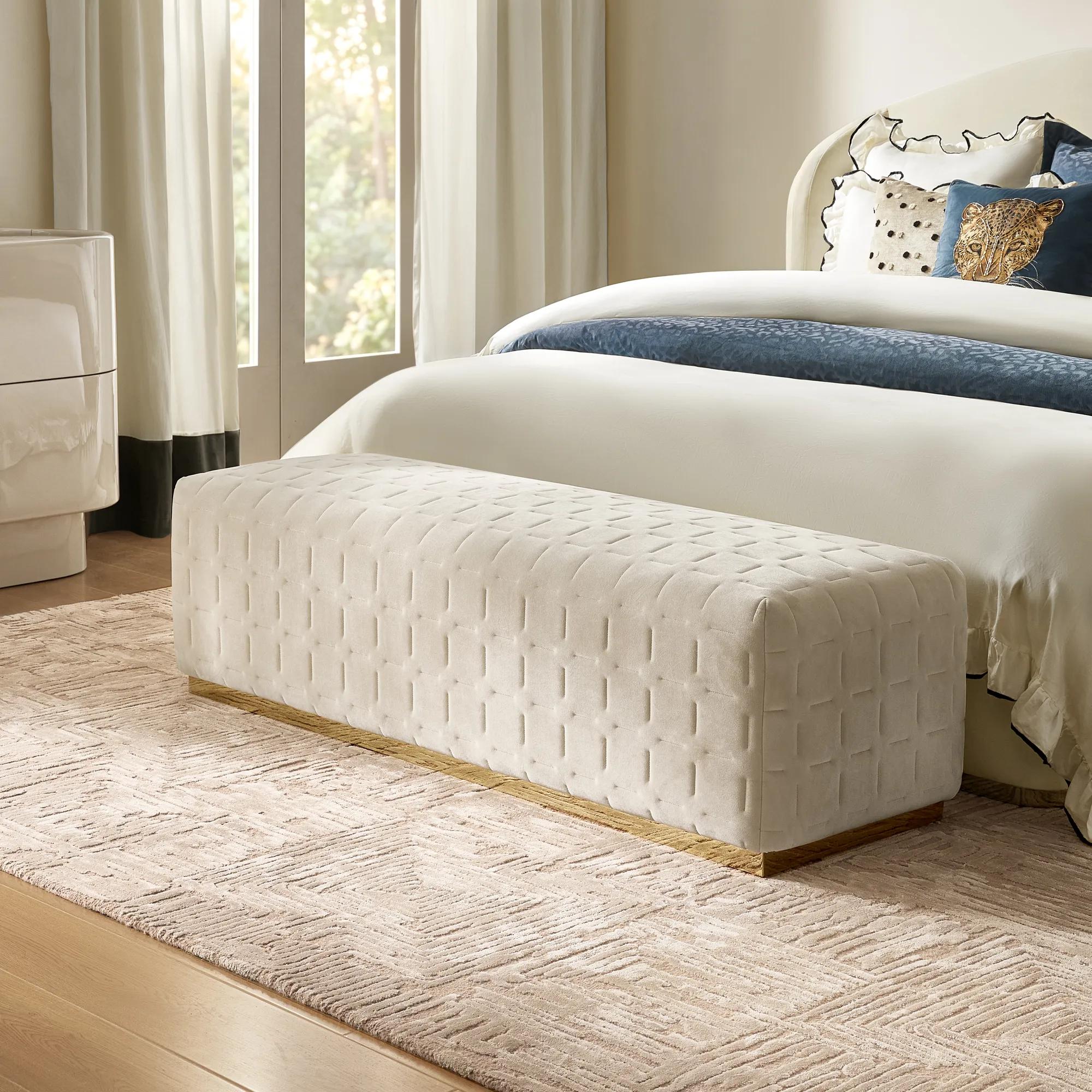 Vanta Quilted Oatmeal Velvet Bench (64.6")$899
A plush oatmeal velvet bench featuring checker quilted tufting and a sleek gold stainless steel base.
Add To Cart -
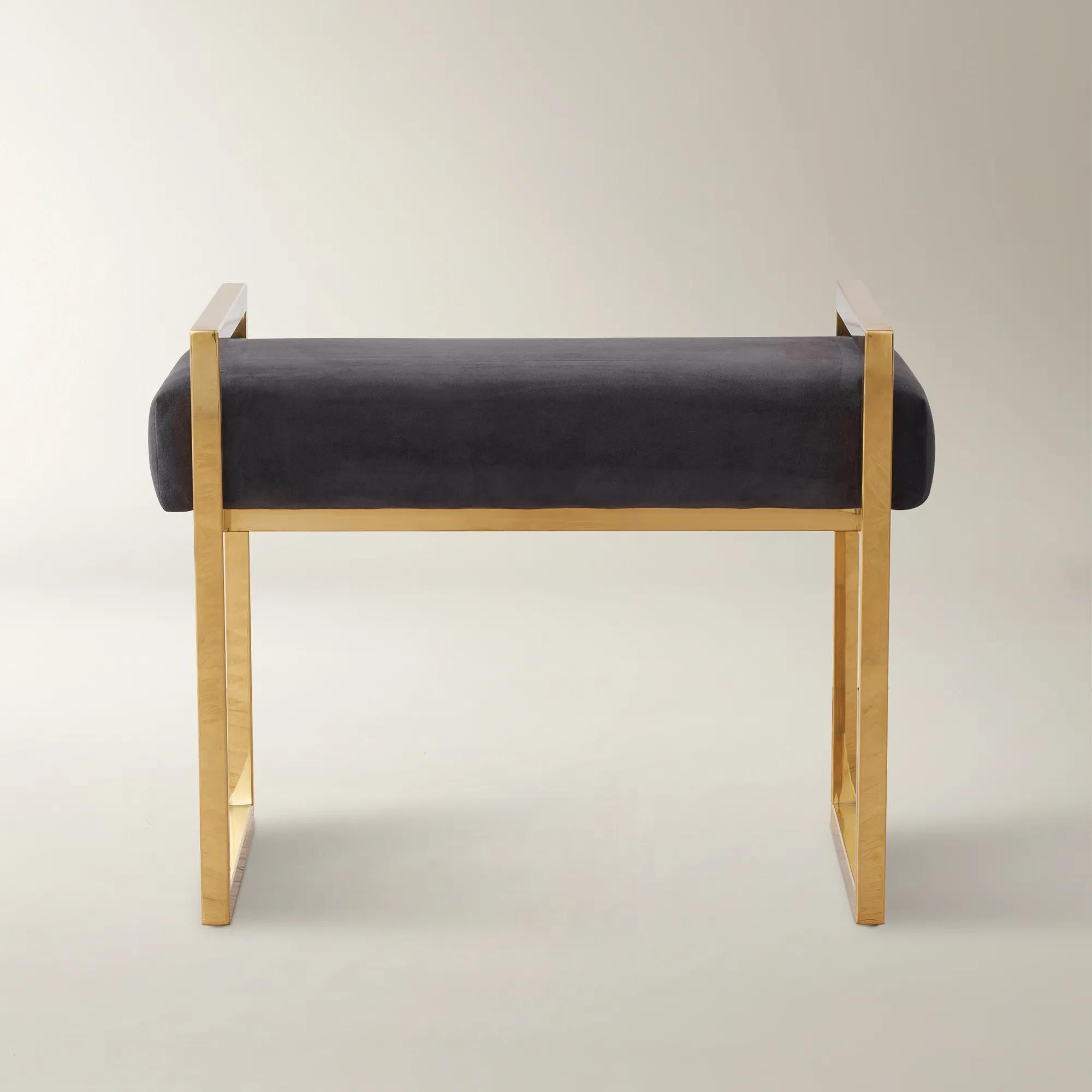
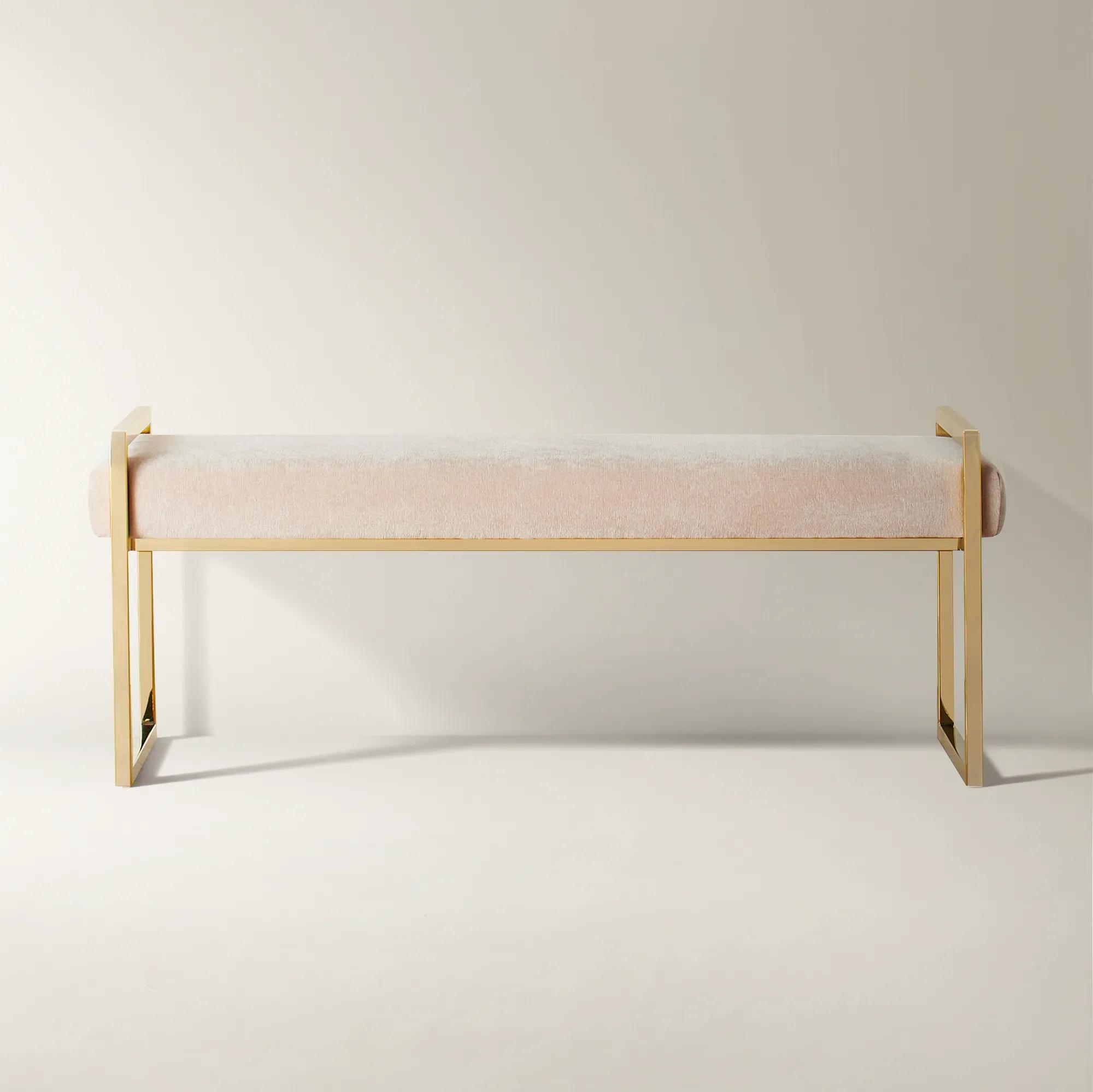 Clara Bench$699
A plush upholstered bench with a high-density foam seat and polished gold metal legs for modern elegance.
Add To Cart -
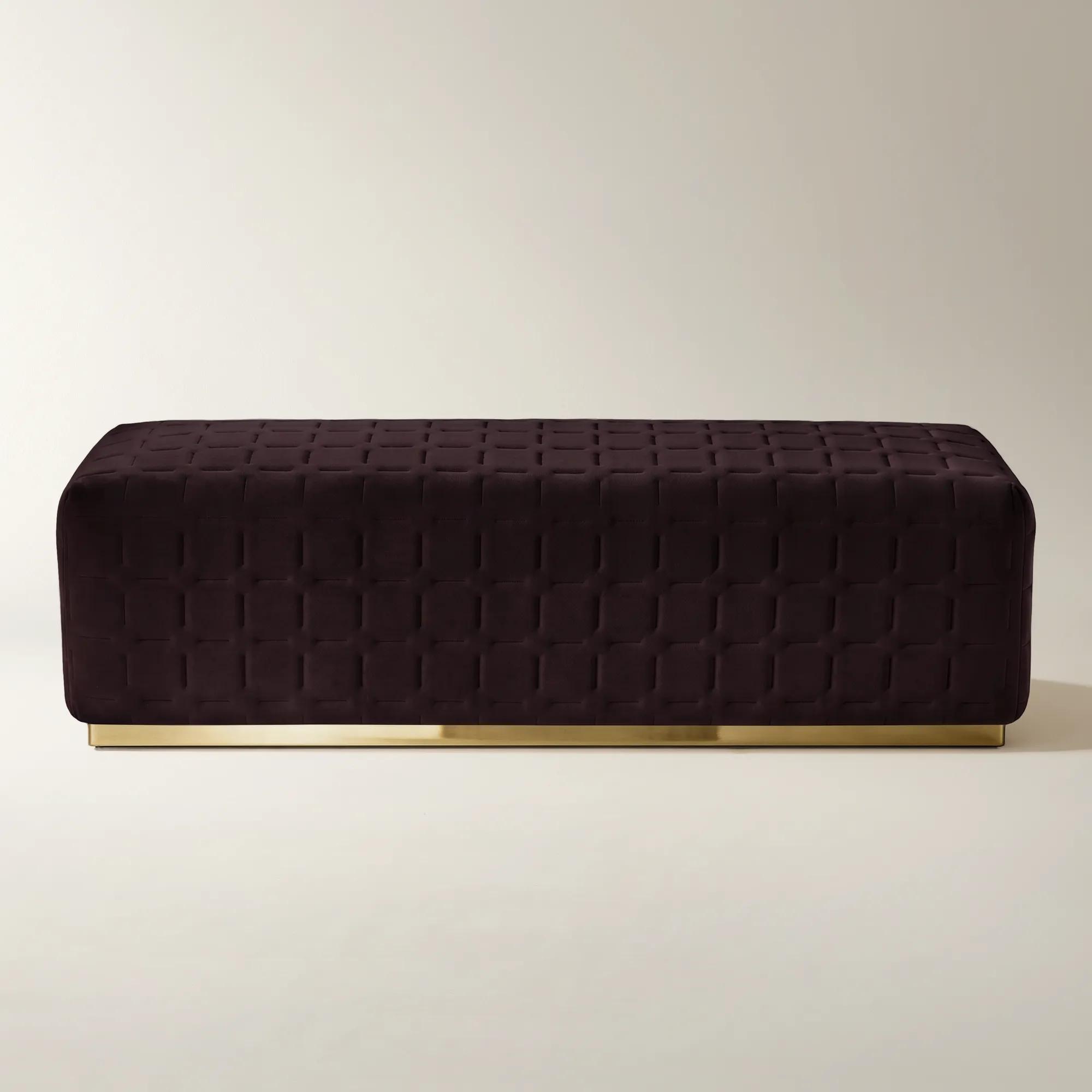
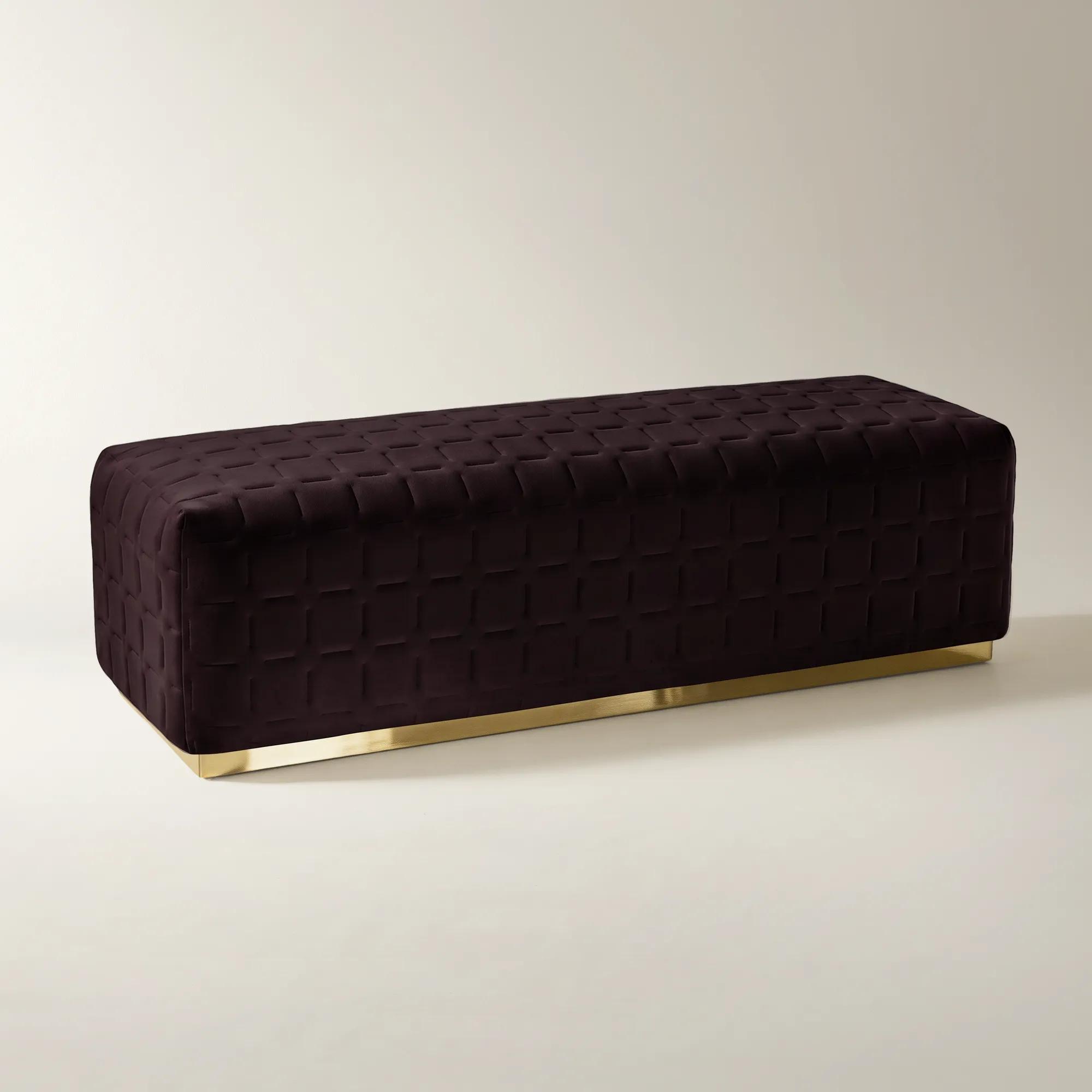 Vanta Quilted Fig Velvet Bench (64.6")$899
A plush fig velvet bench featuring checker quilted tufting and a sleek gold stainless steel base.
Add To Cart -
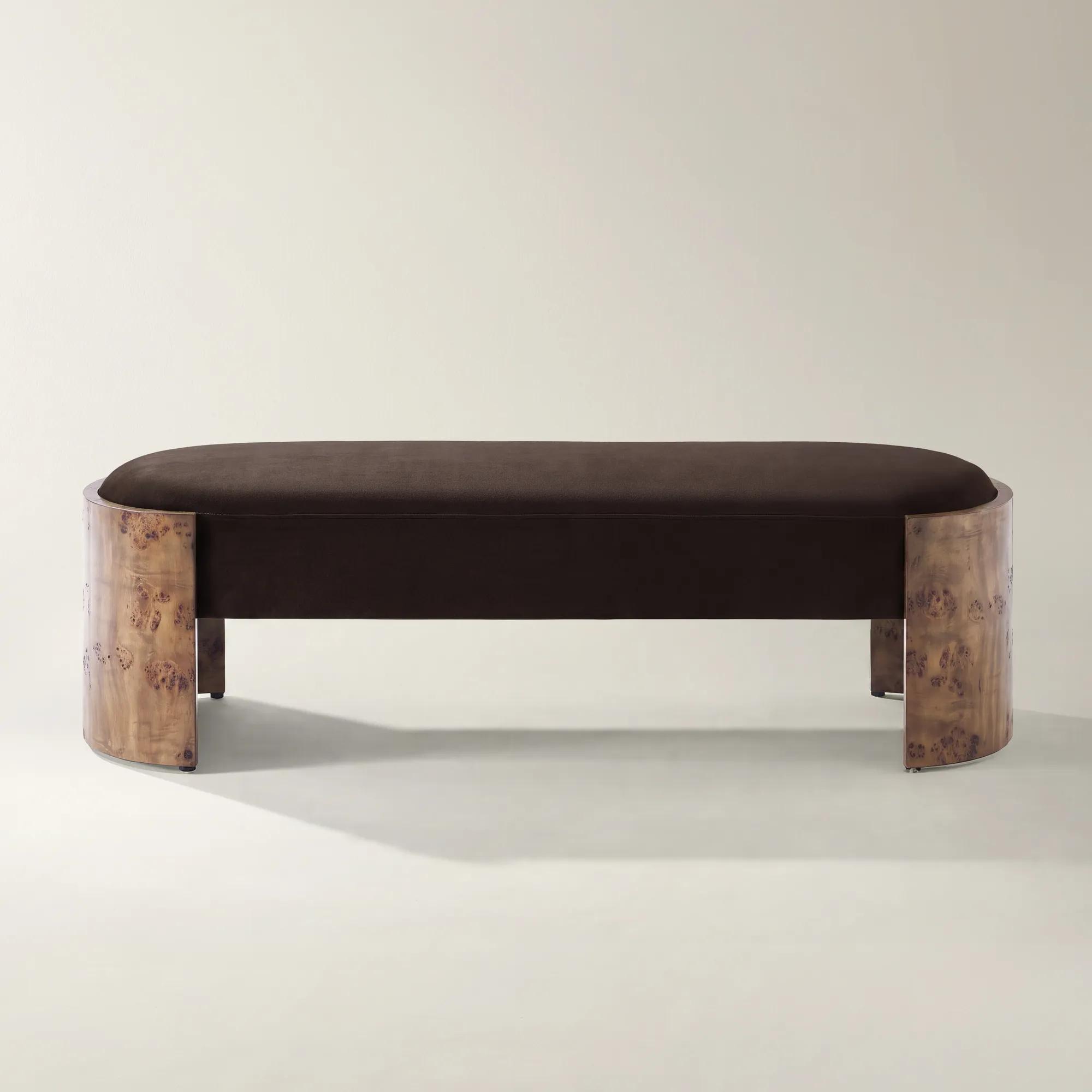
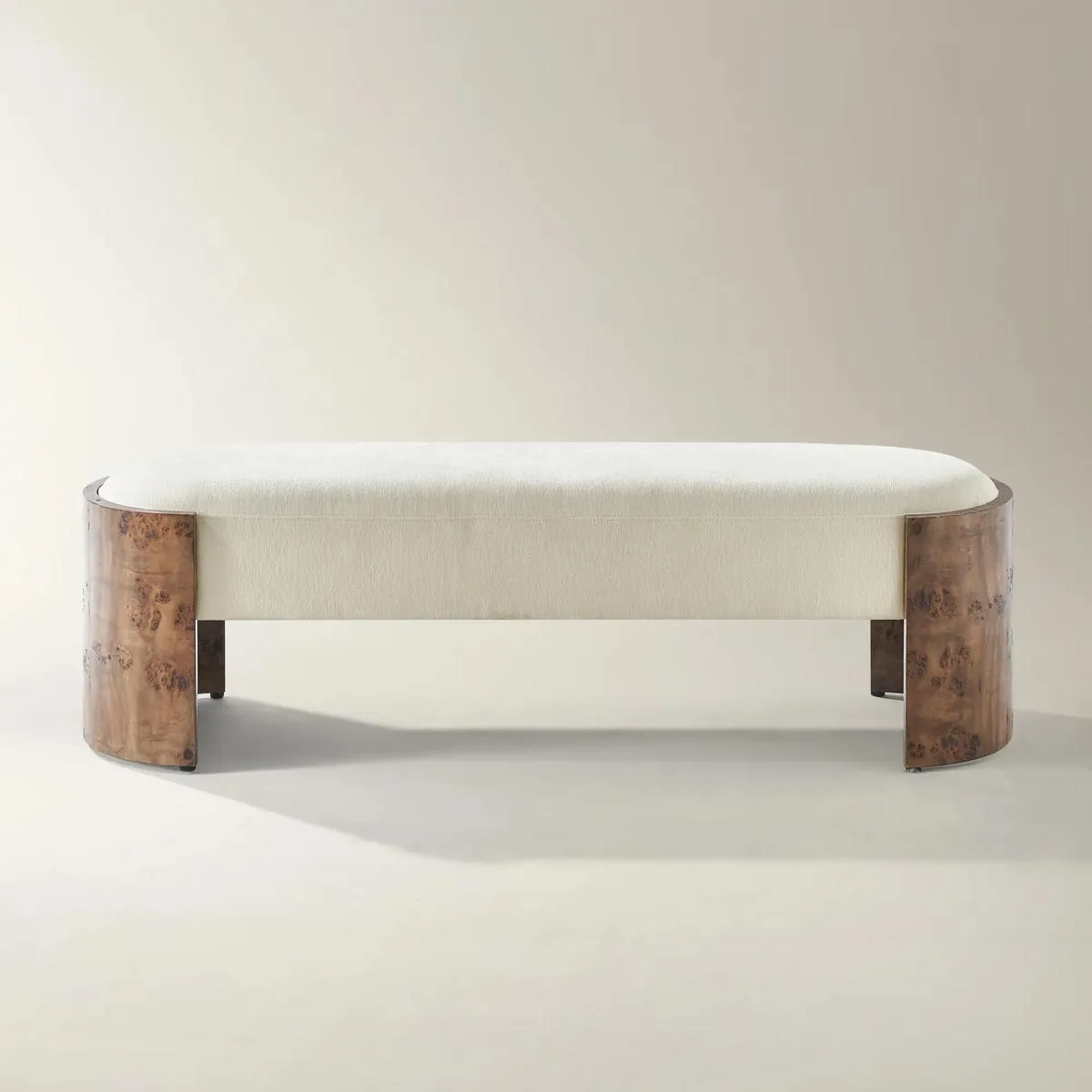 Cora Dark Chocolate Velvet With Ash Wood Bench (60.6")$999
A dark chocolate velvet bench with sculpted bookmatched ash burl end panels and high-resiliency foam cushioning.
Add To Cart -
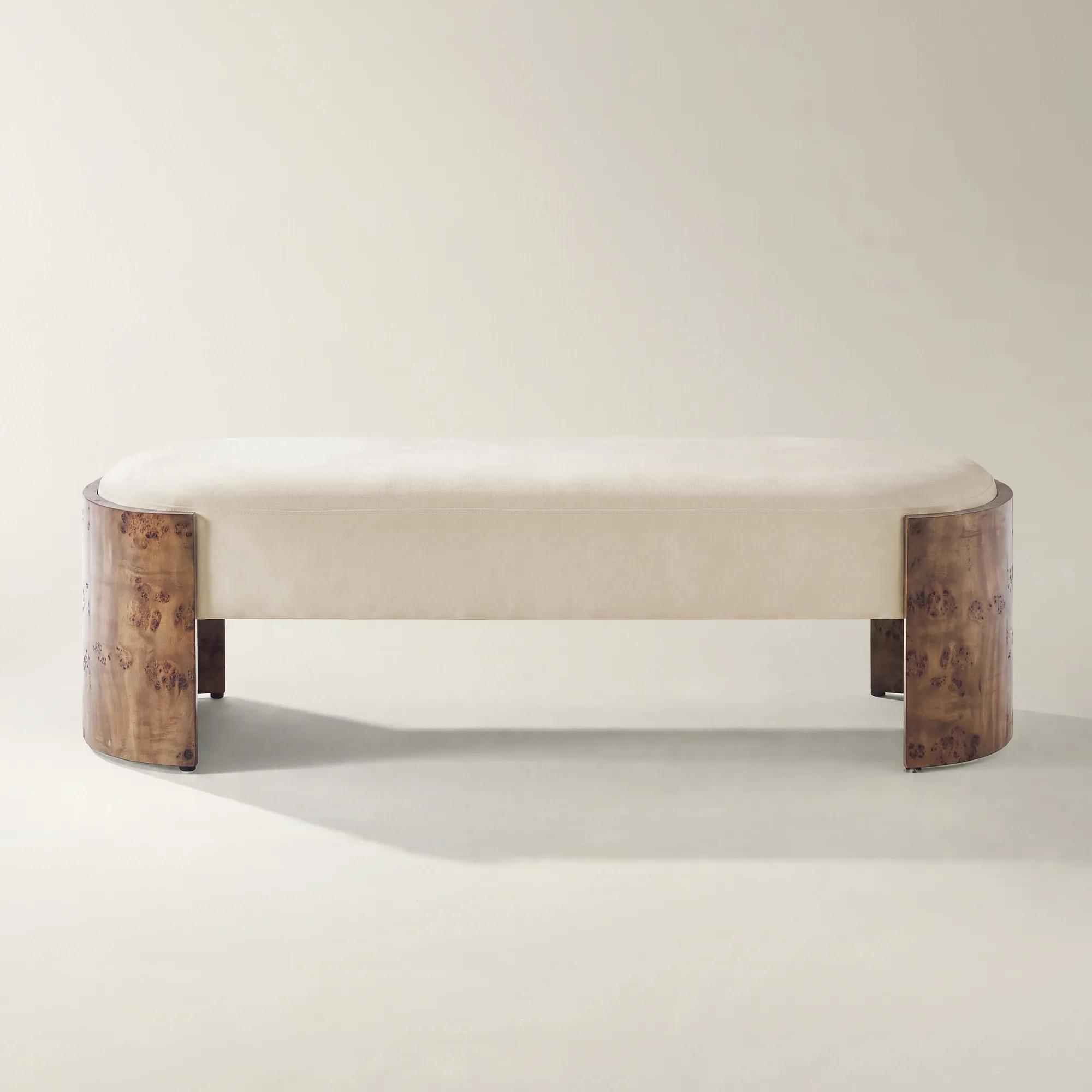 Cora Oatmeal Velvet With Ash Wood Bench (60.6")$999
A sculptural oatmeal velvet bench with curved ash burl wood panels and supportive foam cushioning.
Add To Cart -
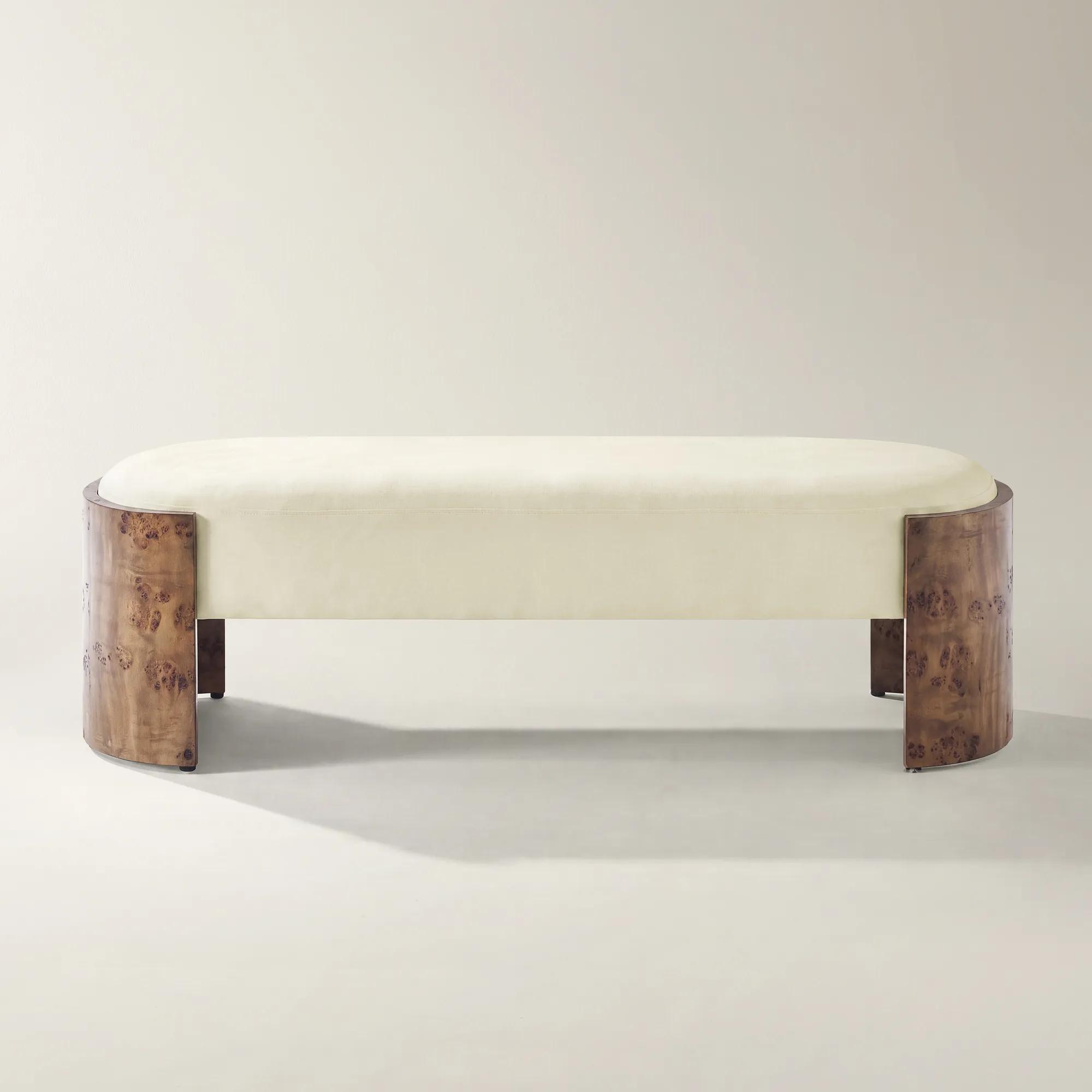 Cora Cloud Velvet With Ash Wood Bench (60.6")$999
A cloud velvet bench with bookmatched ash burl panels and supportive foam cushioning.
Add To Cart -
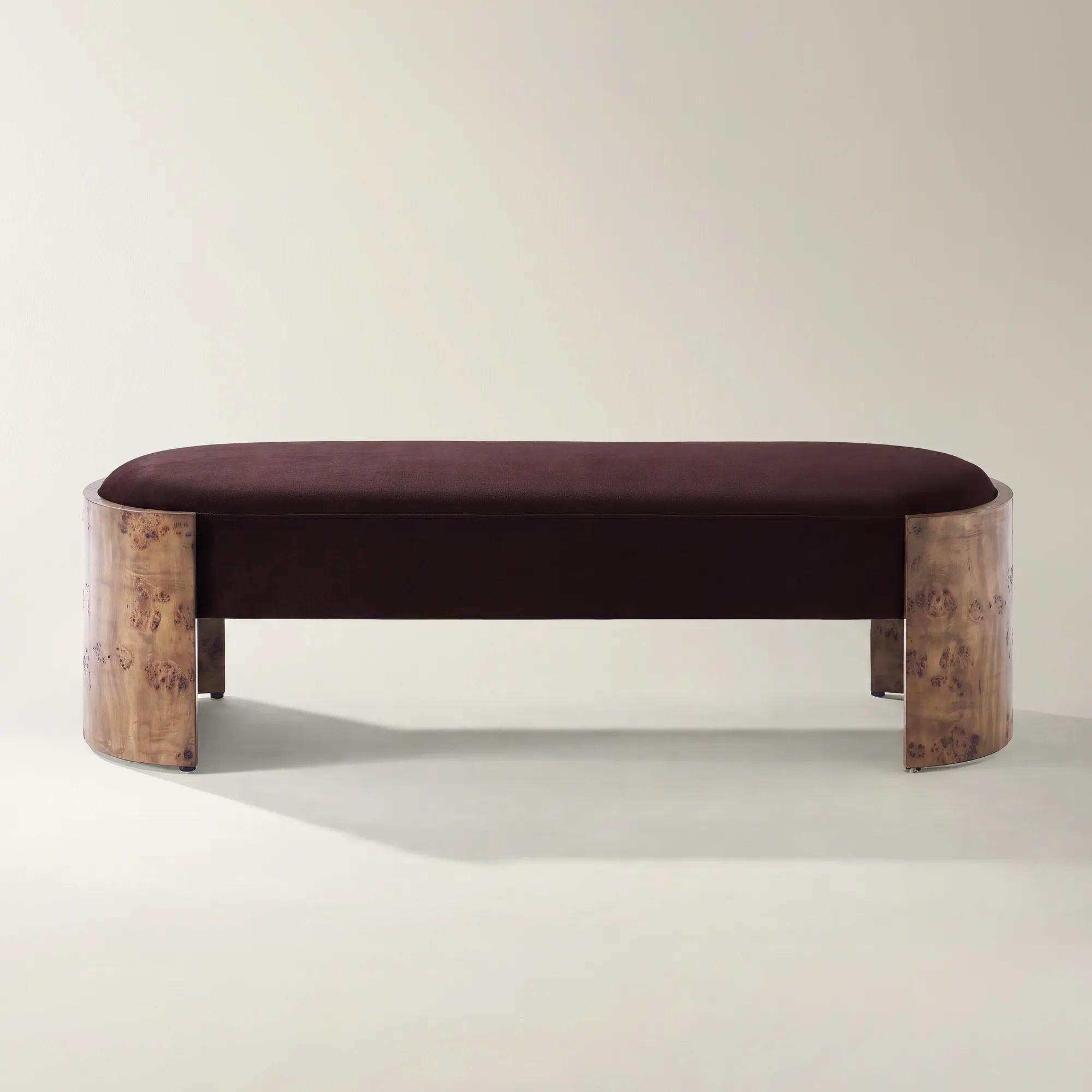 Cora Fig Velvet With Ash Wood Bench (60.6")$999
A sculptural bench with fig velvet upholstery, bookmatched ash burl panels, and supportive high-resiliency foam cushioning.
Add To Cart -
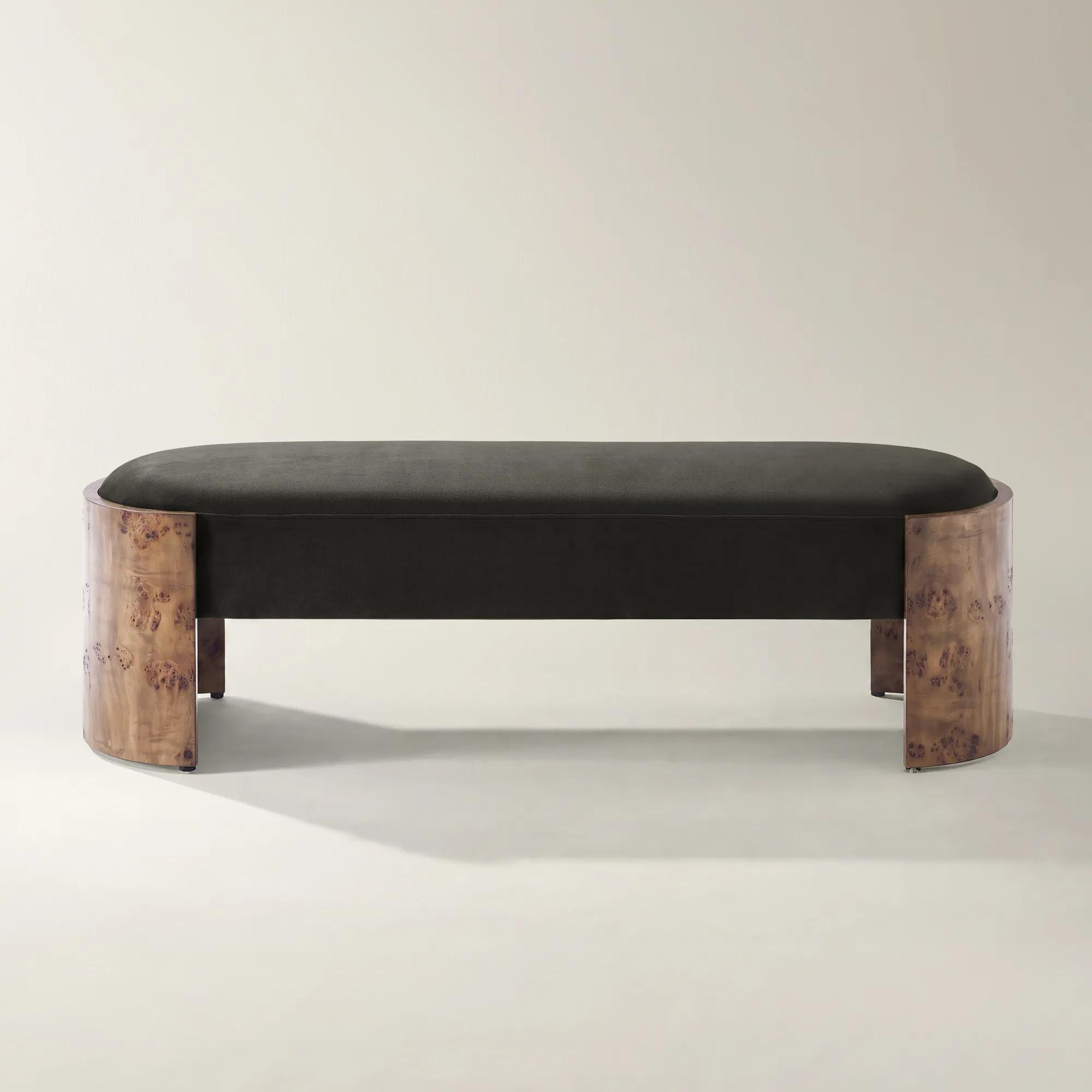 Cora Charcoal Velvet With Ash Wood Bench (60.6")$999
A sculpted charcoal velvet bench with curved bookmatched ash burl panels and supportive foam cushioning.
Add To Cart -
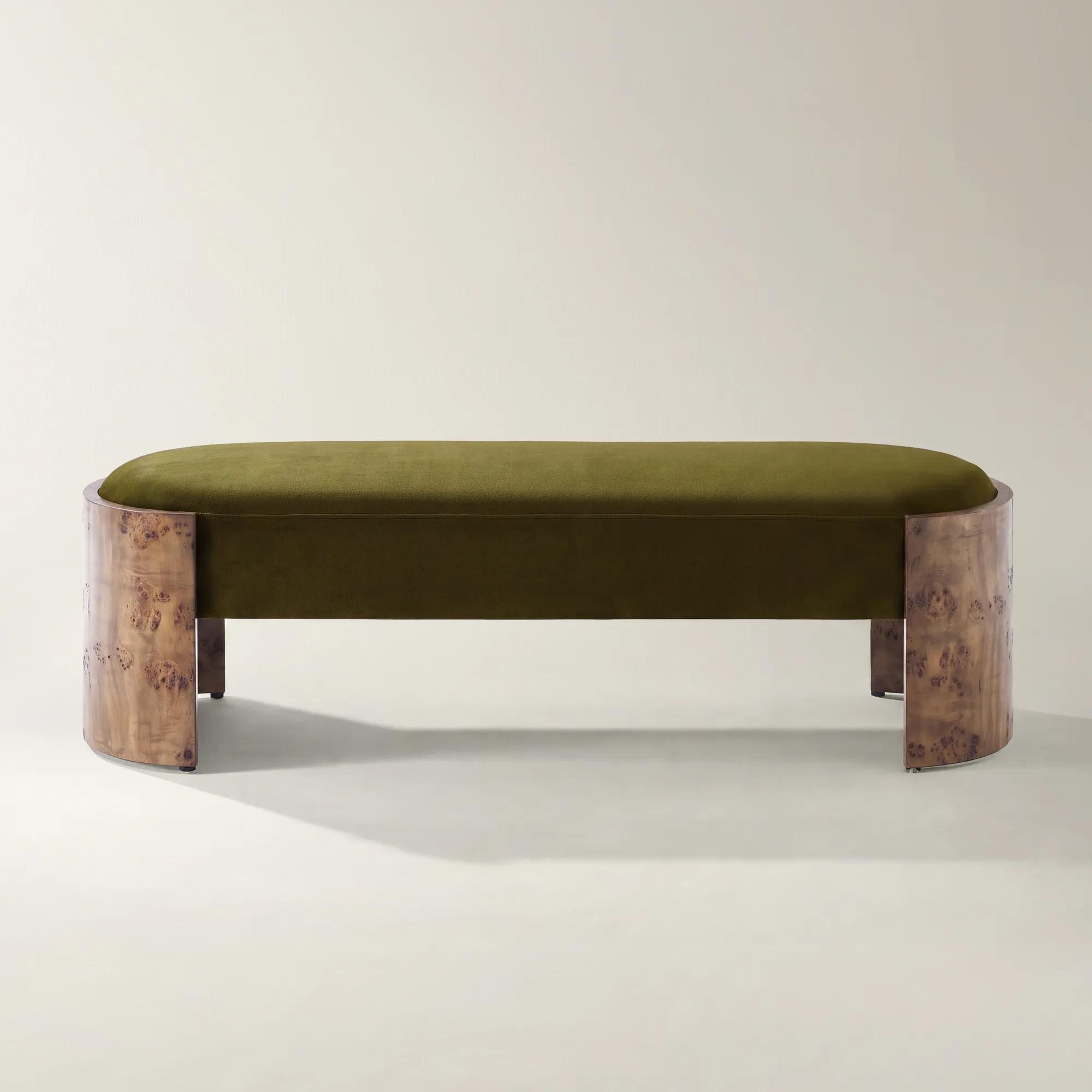 Cora Deep Olive Velvet With Ash Wood Bench (60.6")$999
A sculpted deep olive velvet bench featuring curved ash burl end panels and supportive foam cushioning.
Add To Cart -
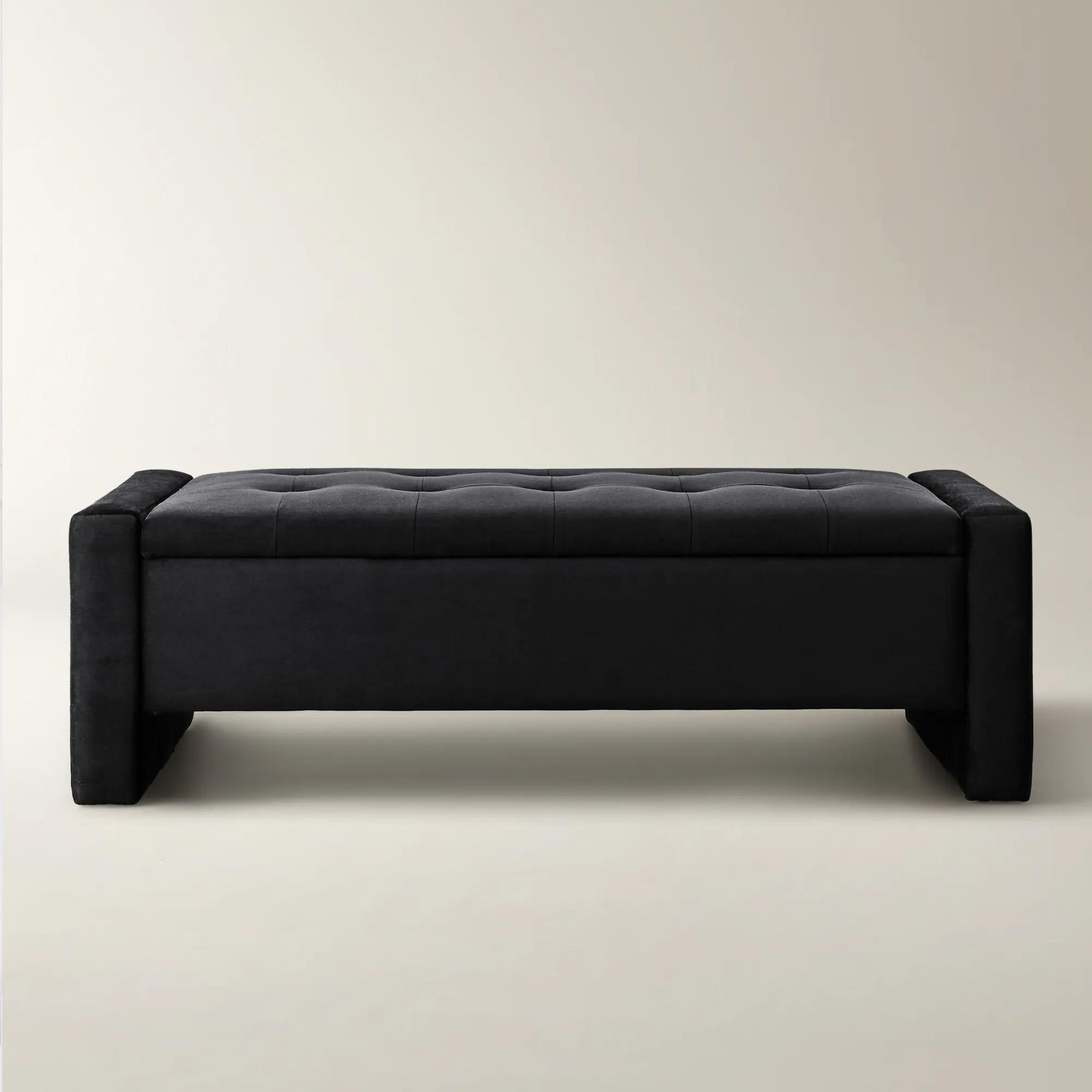
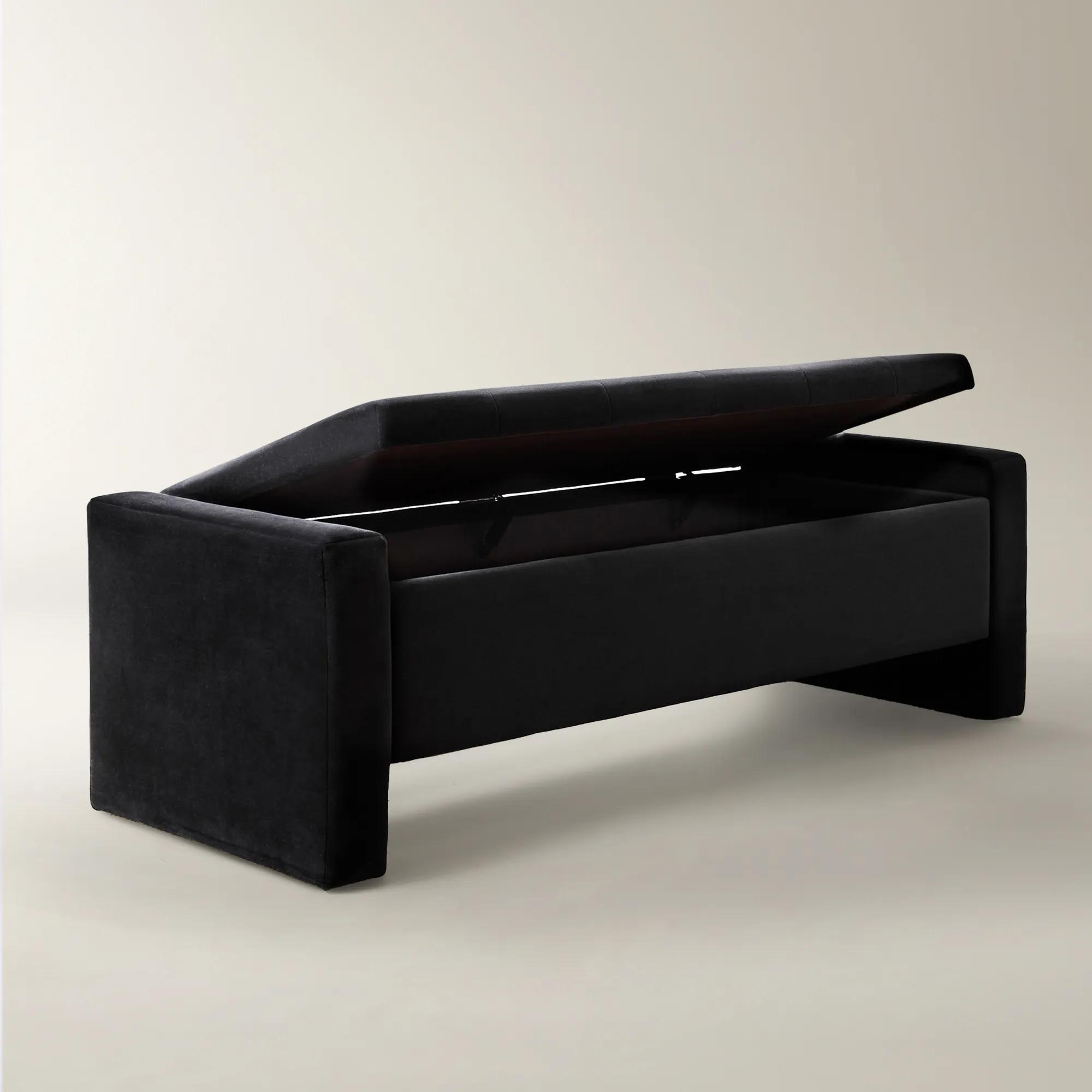 Maeve Storage Bench$899
A modern velvet-upholstered bench with hidden storage, sturdy kiln-dried hardwood frame, and plush cushioning.
Add To Cart -
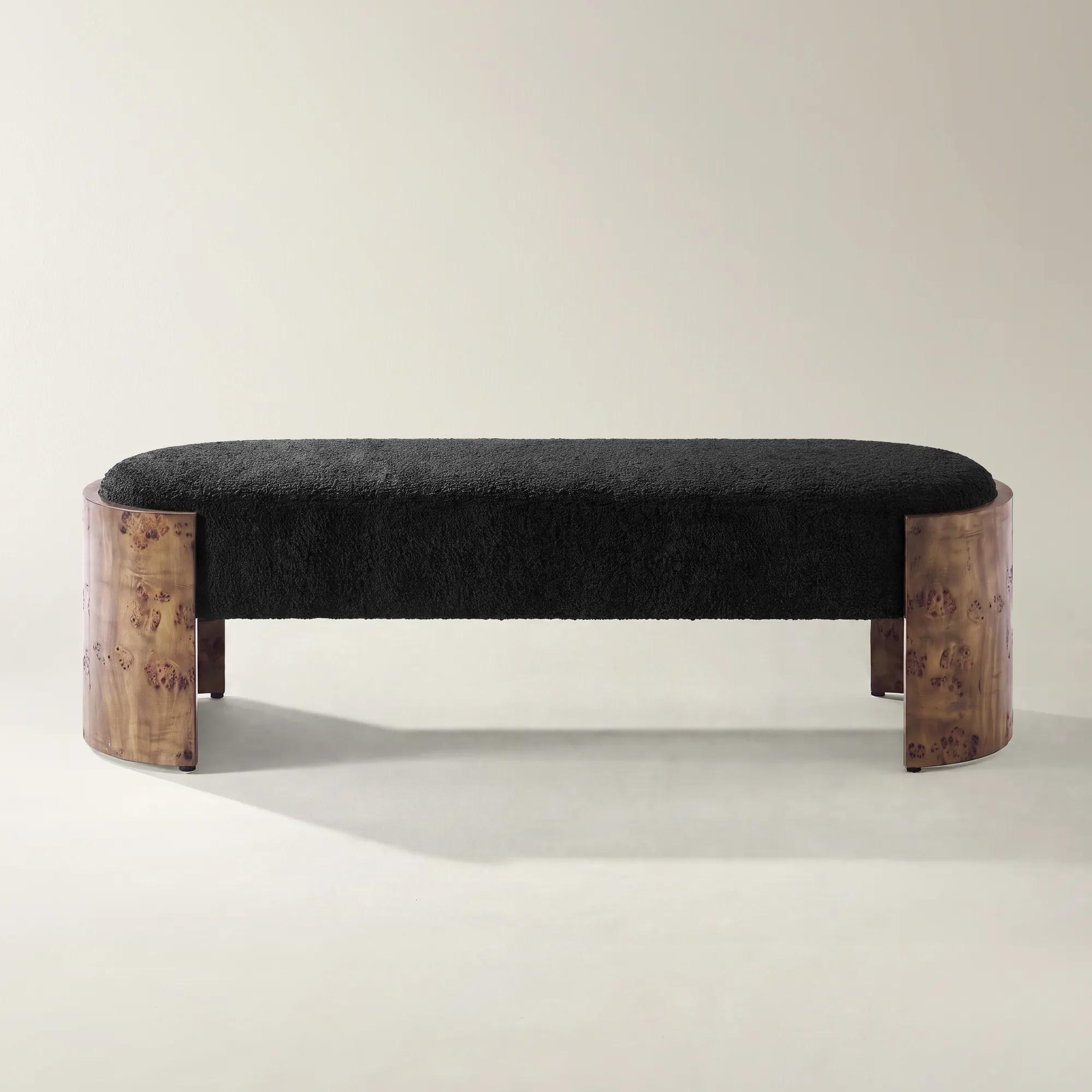 Cora Black Chenille With Ash Wood Bench (60.6")$999
A sculpted charcoal chenille bench featuring curved bookmatched ash burl panels and supportive foam cushioning.
Add To Cart -
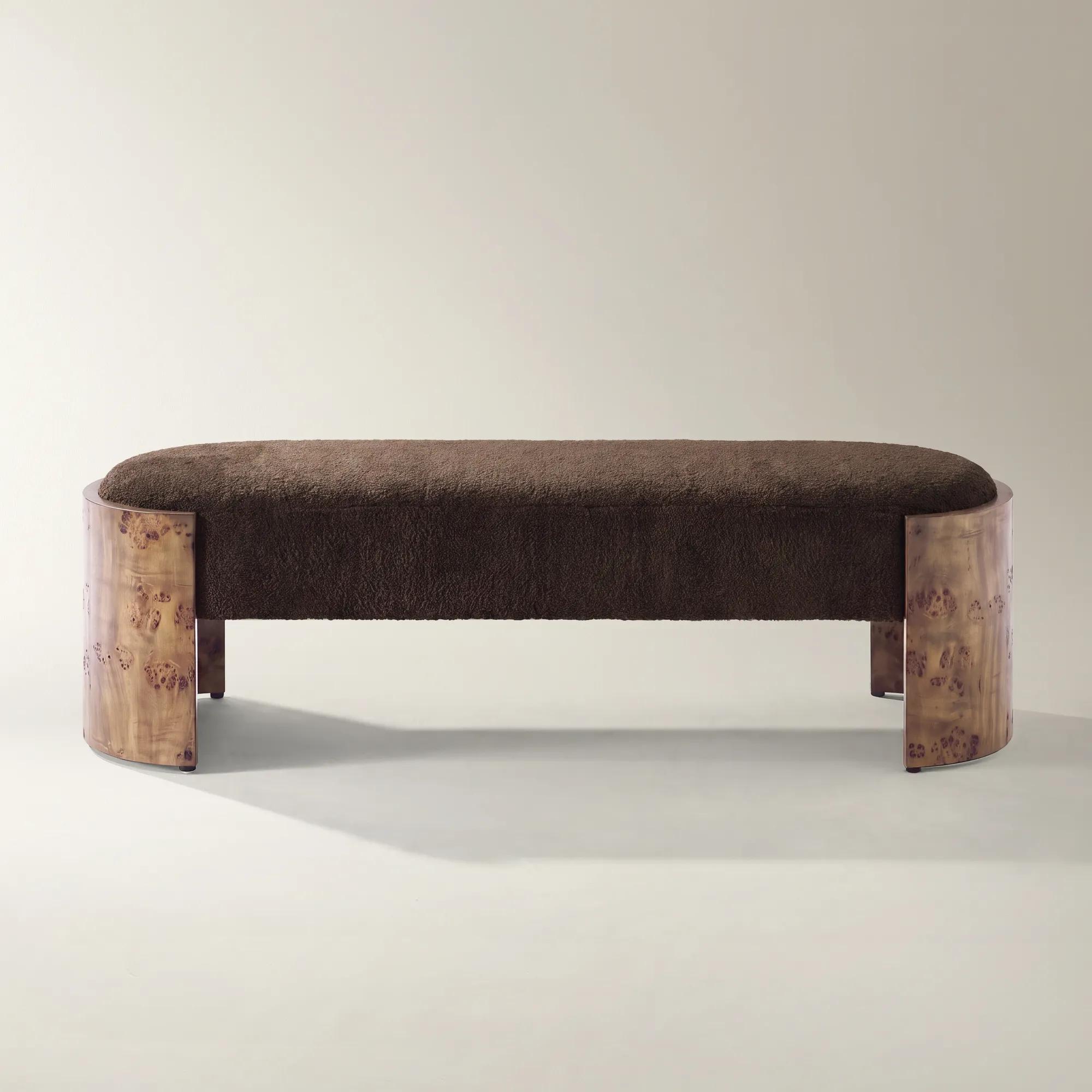 Cora Dark Chocolate Chenille With Ash Wood Bench (60.6")$999
A sculpted dark chocolate chenille bench with curved ash burl end panels and supportive foam cushioning.
Add To Cart -
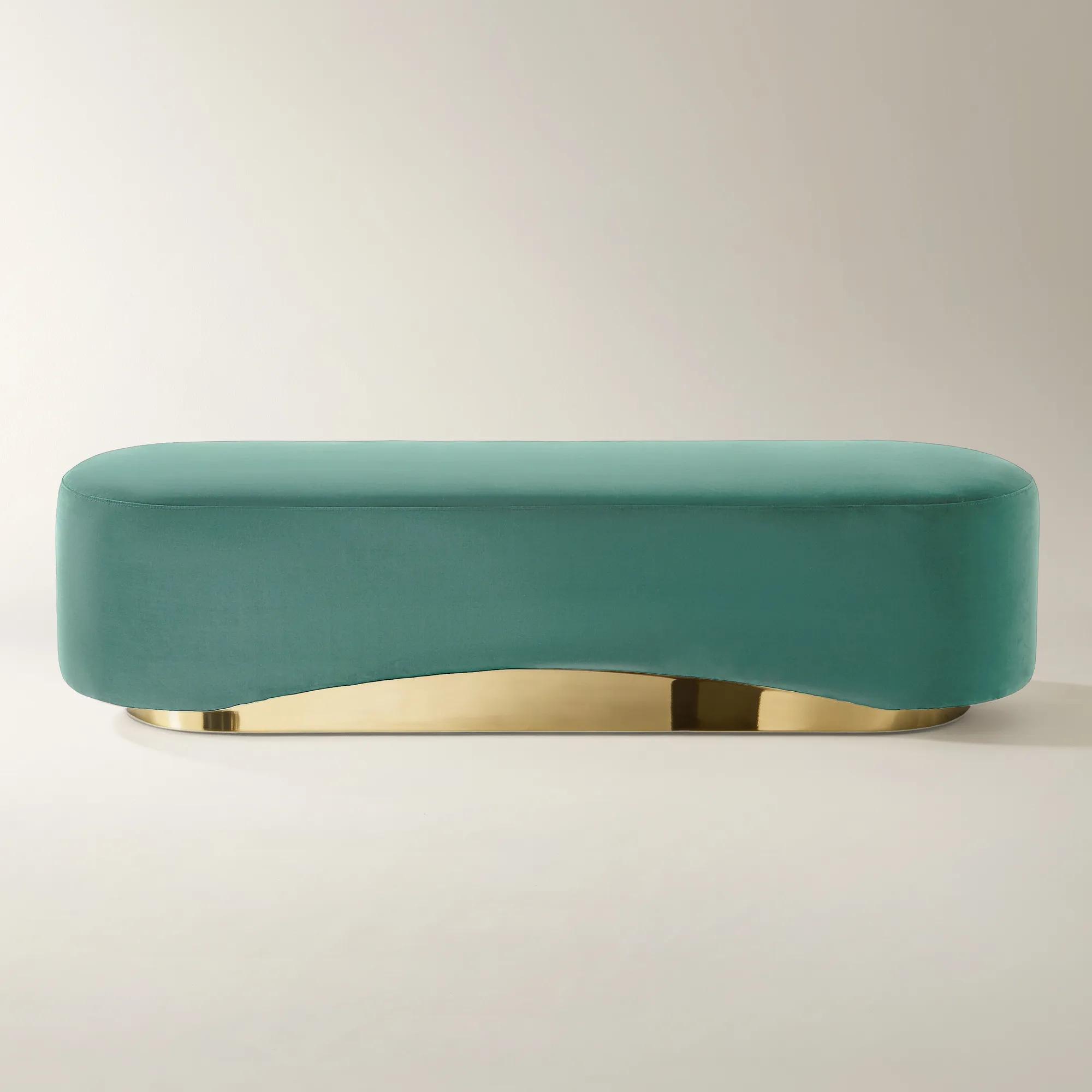 Kendra Ocean Teal Velvet Bench (70.47")$799
An elongated oval bench in ocean teal velvet with a plush seat and polished gold stainless steel base.
Add To Cart -
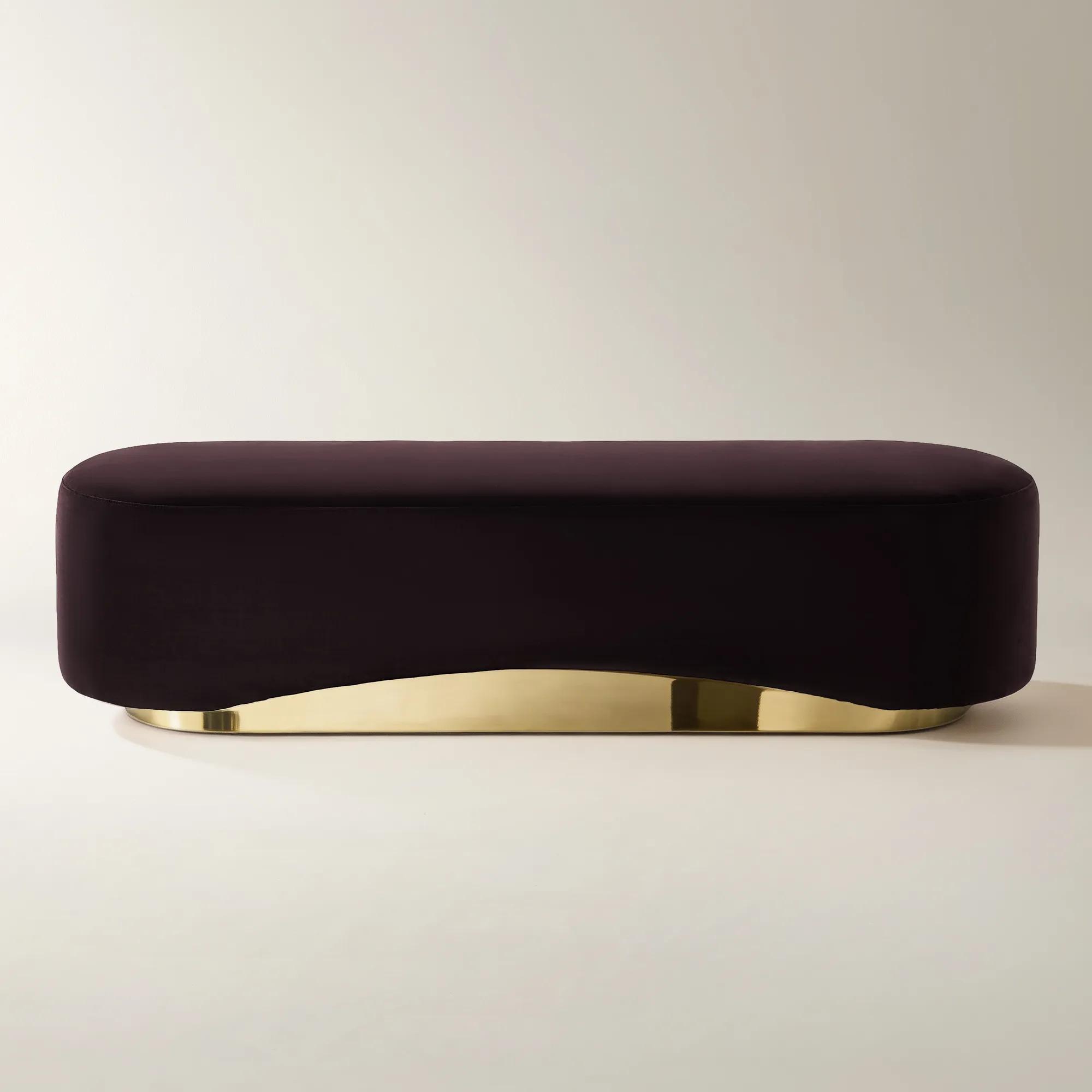 Kendra Fig Velvet Bench (70.47")$799
A plush fig velvet bench with an elongated oval silhouette and a polished gold stainless steel base.
Add To Cart -
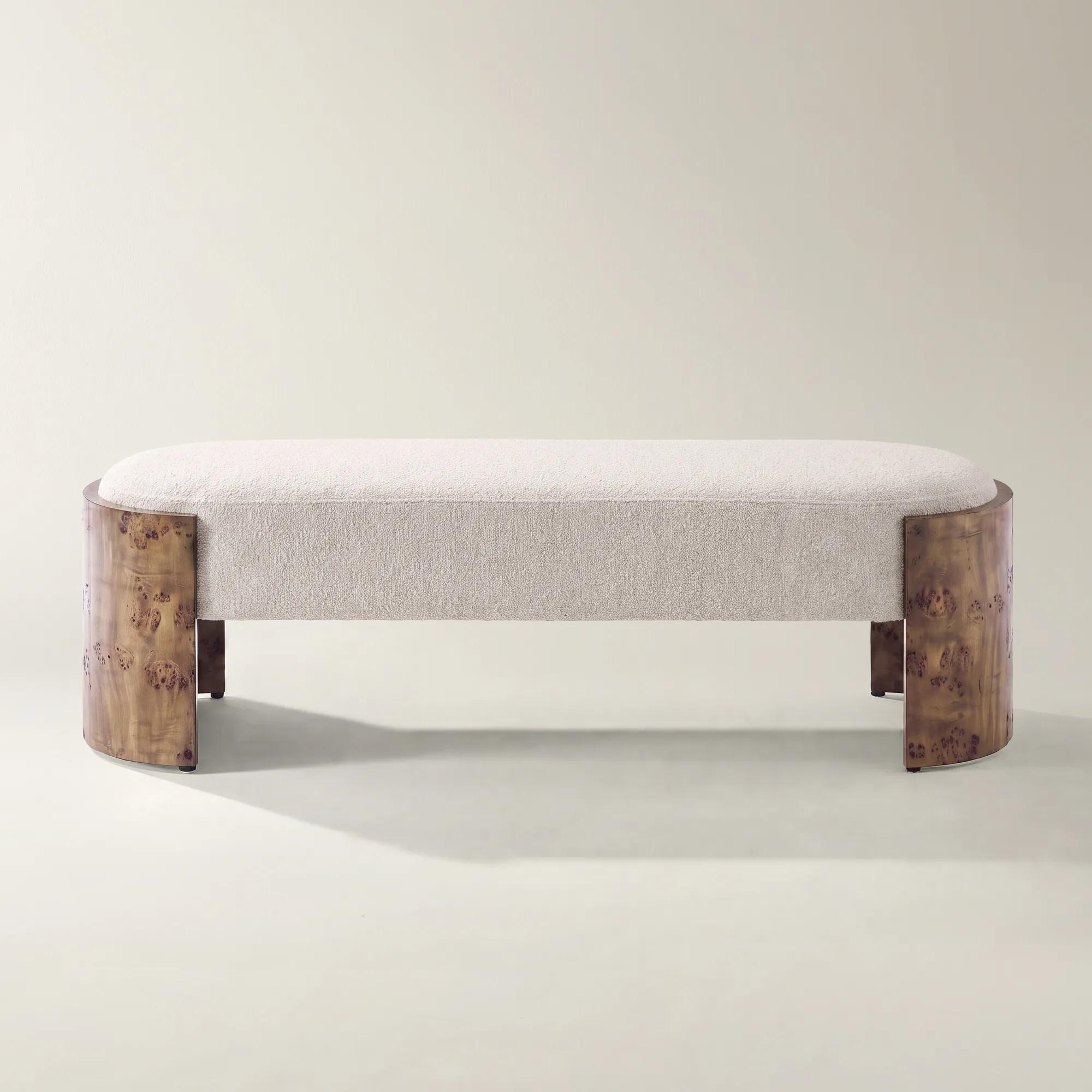 Cora Ivory Performance Boucle With Ash Wood Bench (60.6")$999
A sculpted ivory performance bouclé bench with curved bookmatched ash burl panels and supportive foam cushioning.
Add To Cart -
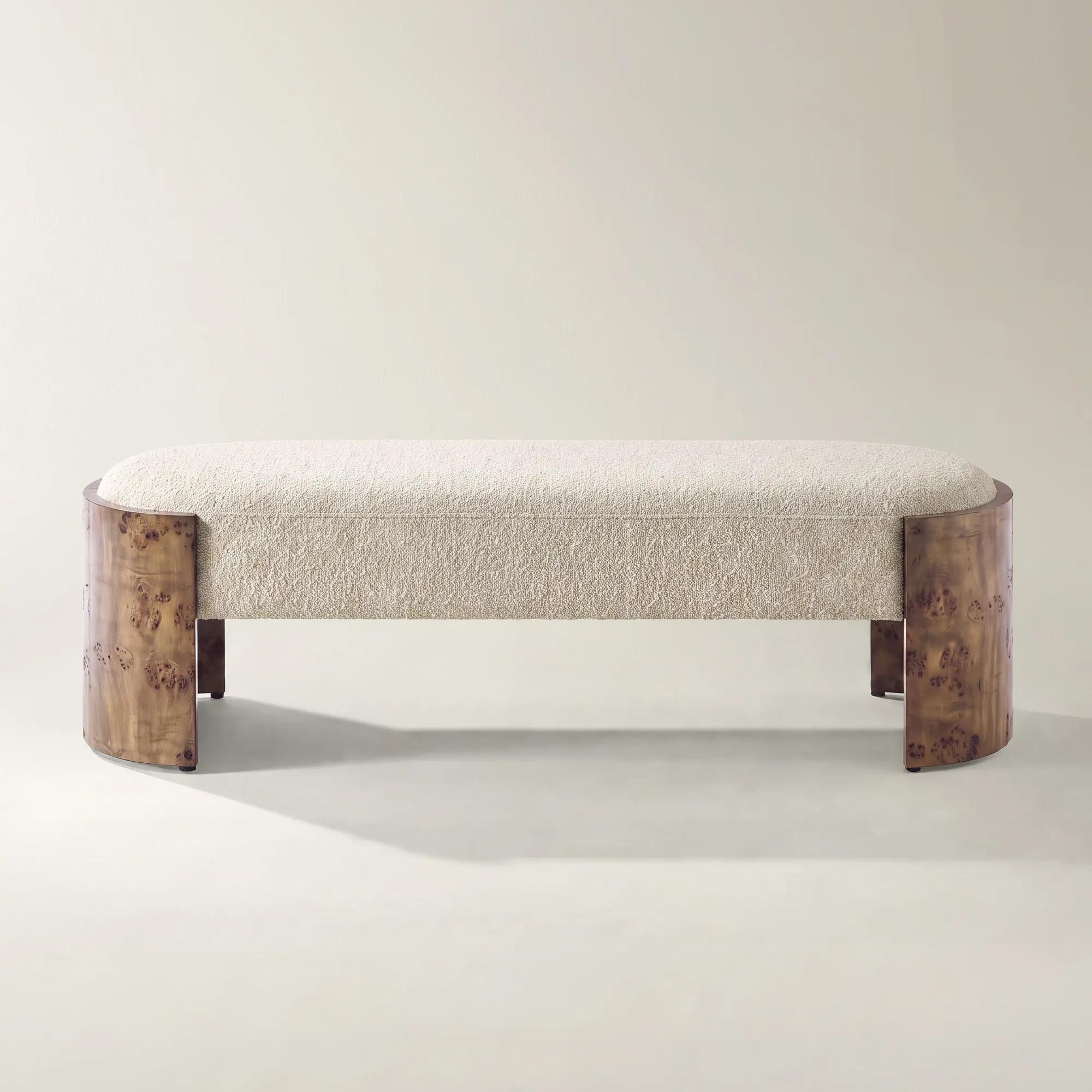 Cora Ivory Performance Boucle With Ash Wood Bench (60.6")$999
An ivory performance boucle bench with curved bookmatched ash burl panels and supportive foam cushioning.
Add To Cart -
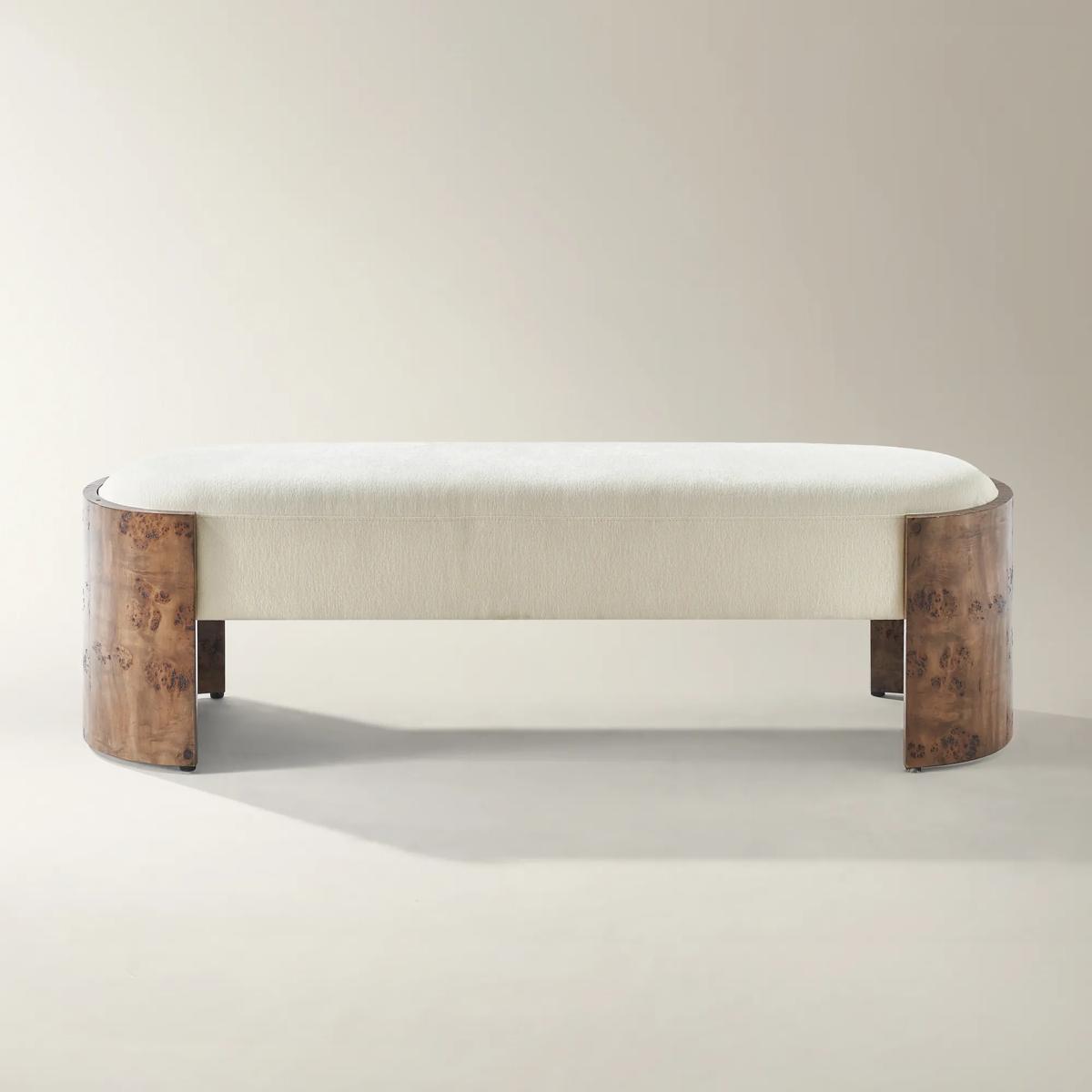 Cora Ivory Chenille With Ash Wood Bench (60.6")$999
An ivory chenille bench with curved ash burl veneer panels, blending plush comfort with striking wood artistry.
Add To Cart -
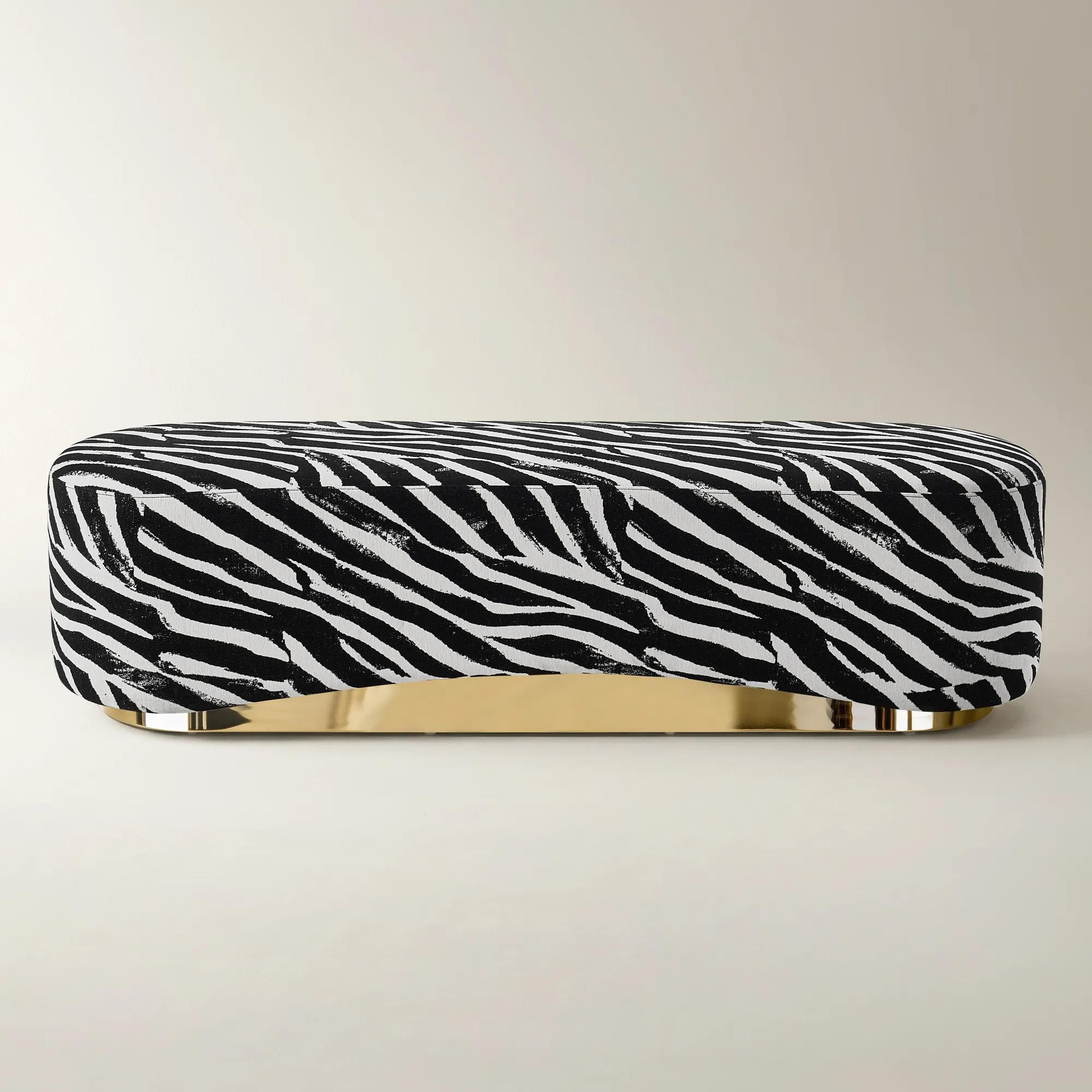
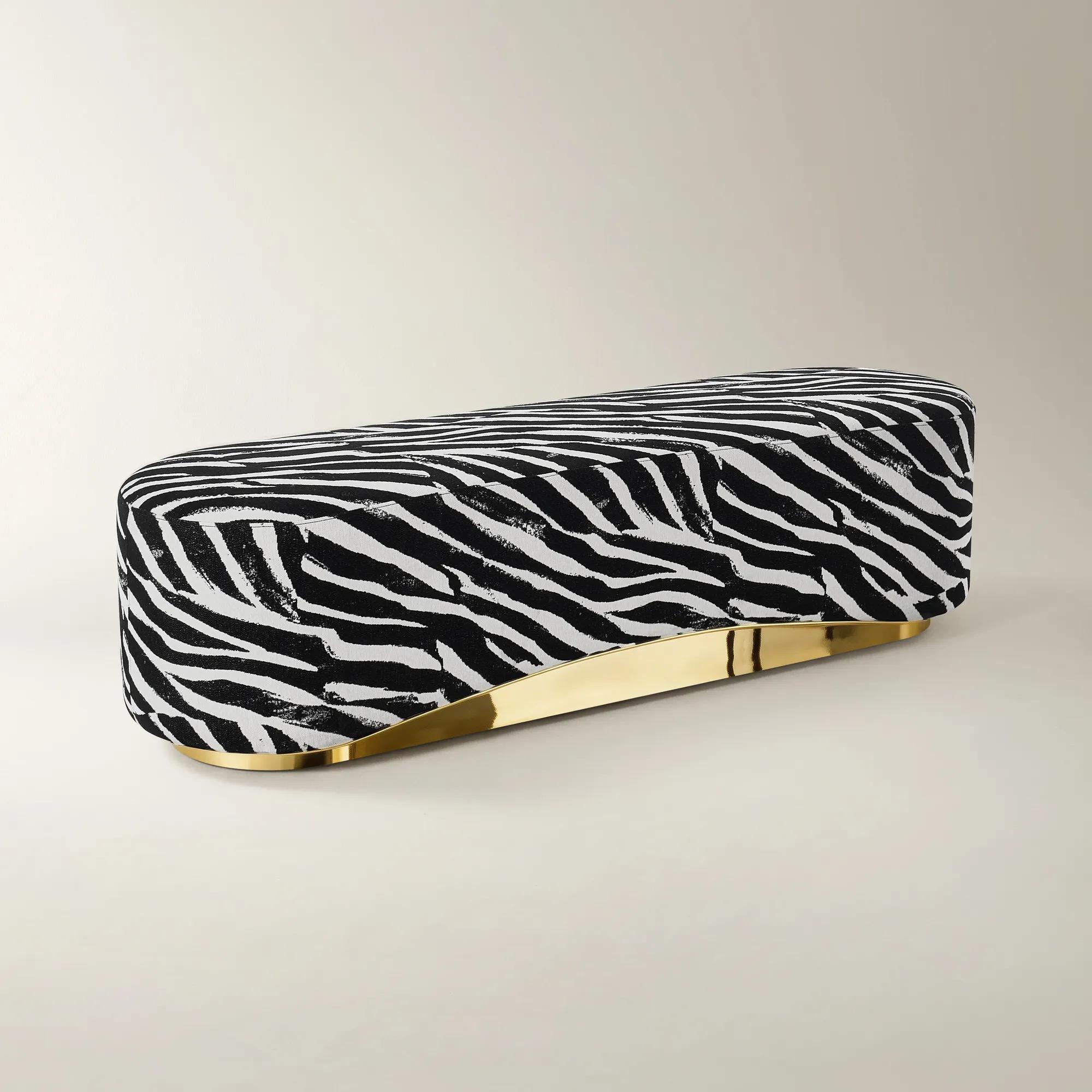 Kendra White/Black Performance Chenille Bench (70.47")$799
An elongated oval bench upholstered in white and black performance chenille with a polished gold stainless steel base.
Add To Cart -
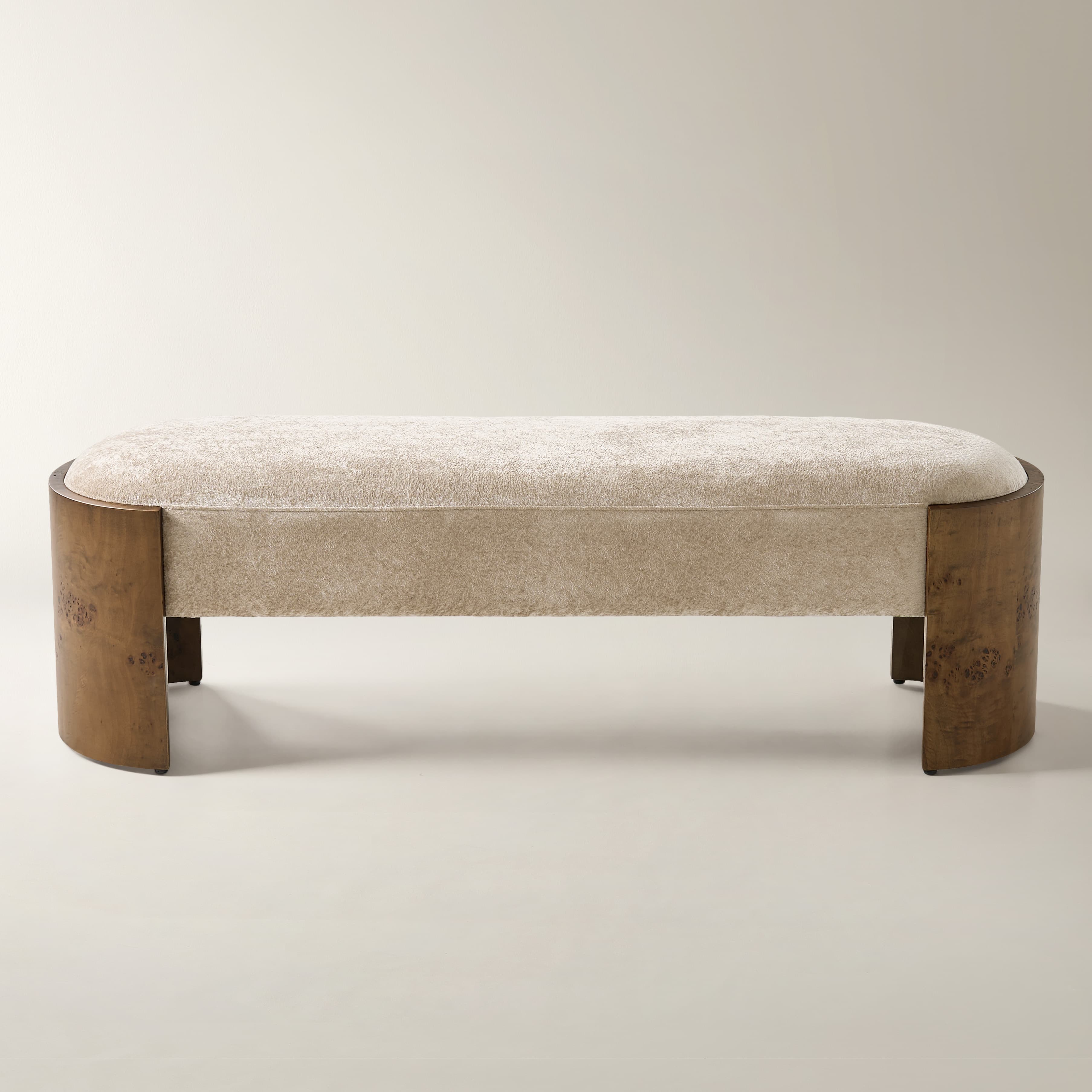 Cora Light Brown Chenille With Ash Wood Bench (60.6")$999
A light brown chenille bench with curved ash burl veneer panels, blending plush comfort and organic artistry.
Add To Cart -
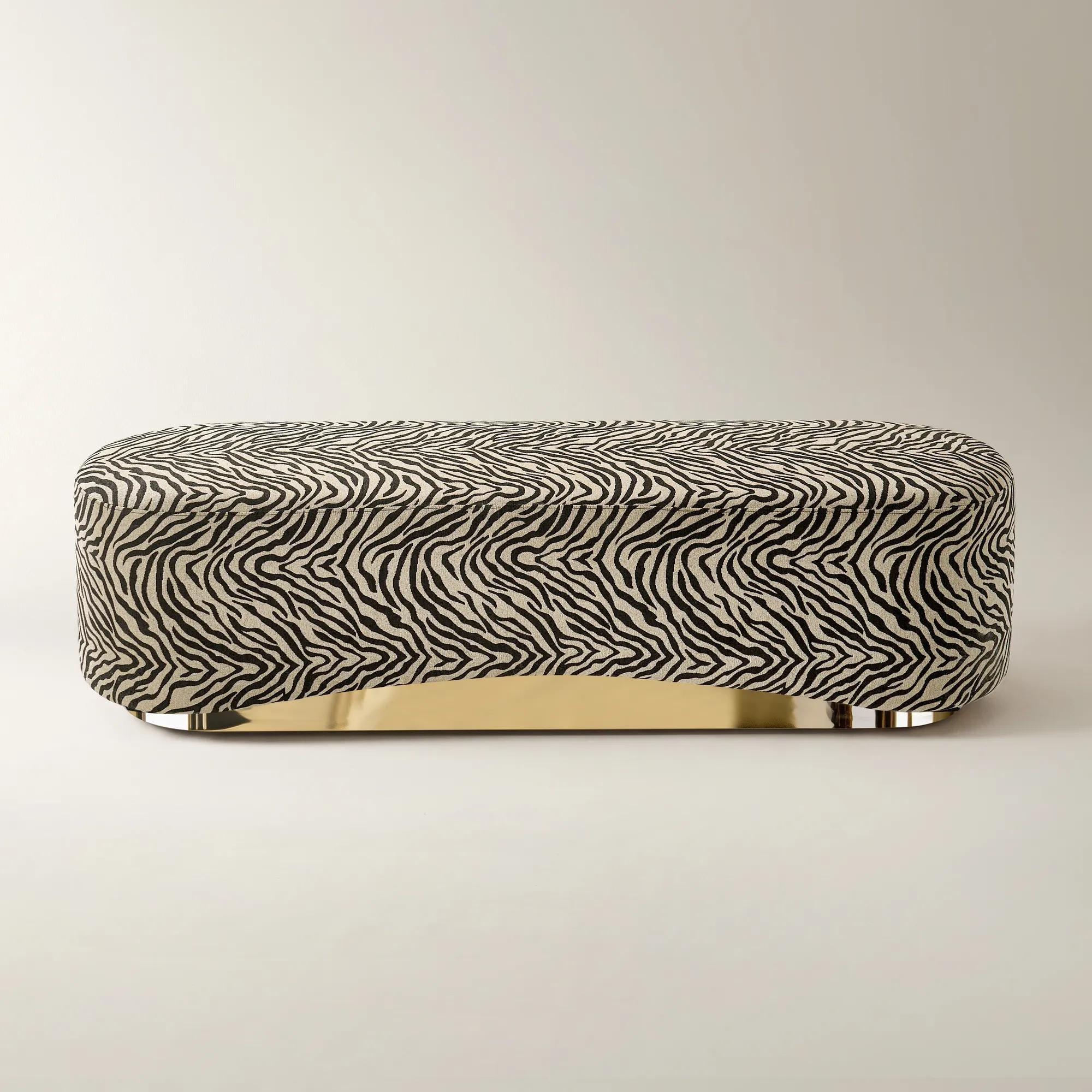
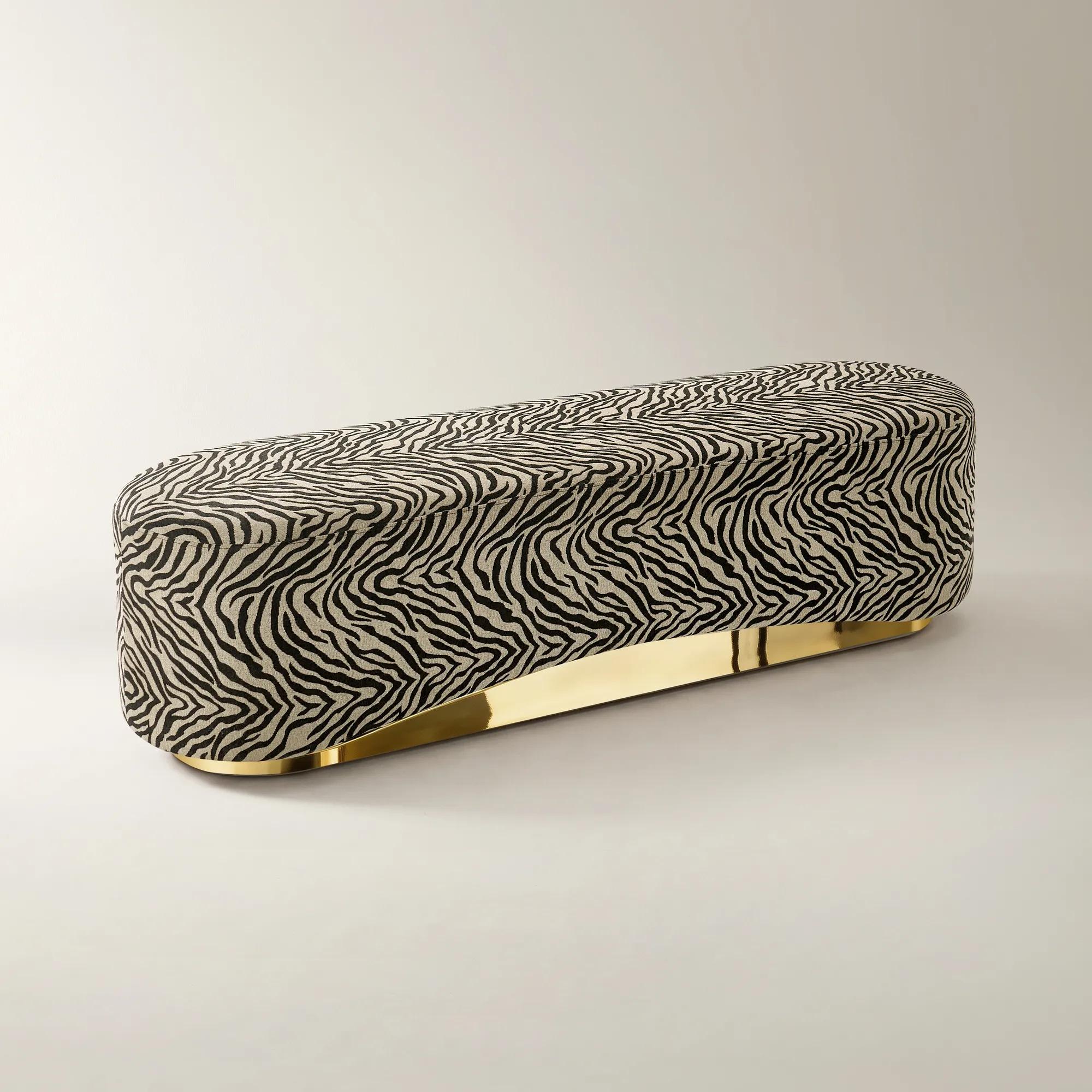 Kendra Zebra Performance Chenille Bench (70.47")$799
An elongated oval bench upholstered in textured zebra-pattern chenille with a polished gold stainless steel base.
Add To Cart -
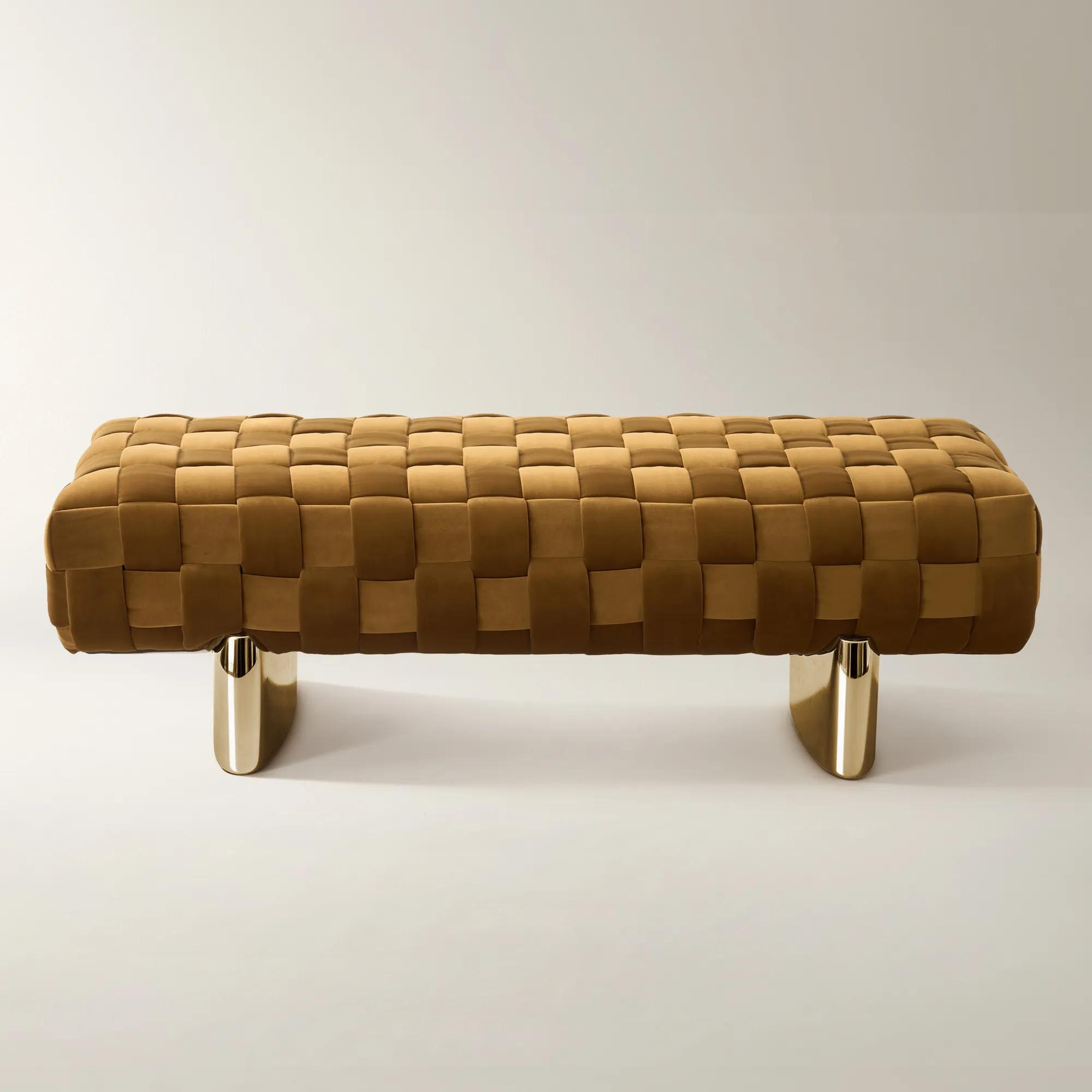
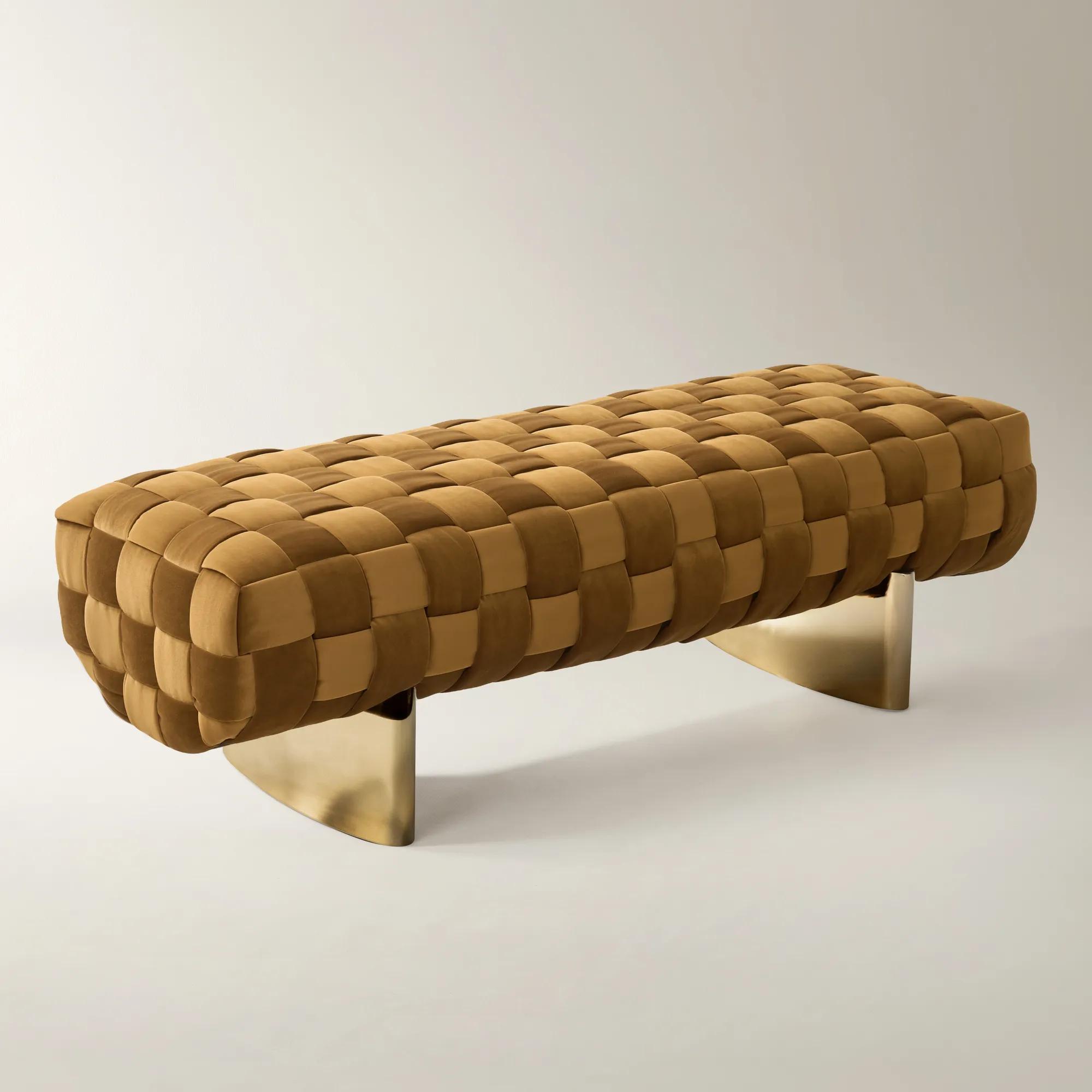 Dexter Woven Roasted Pecan Velvet Bench (64.2")$999
A woven roasted pecan velvet bench featuring plush upholstery and polished gold stainless steel legs for modern elegance.
Add To Cart -
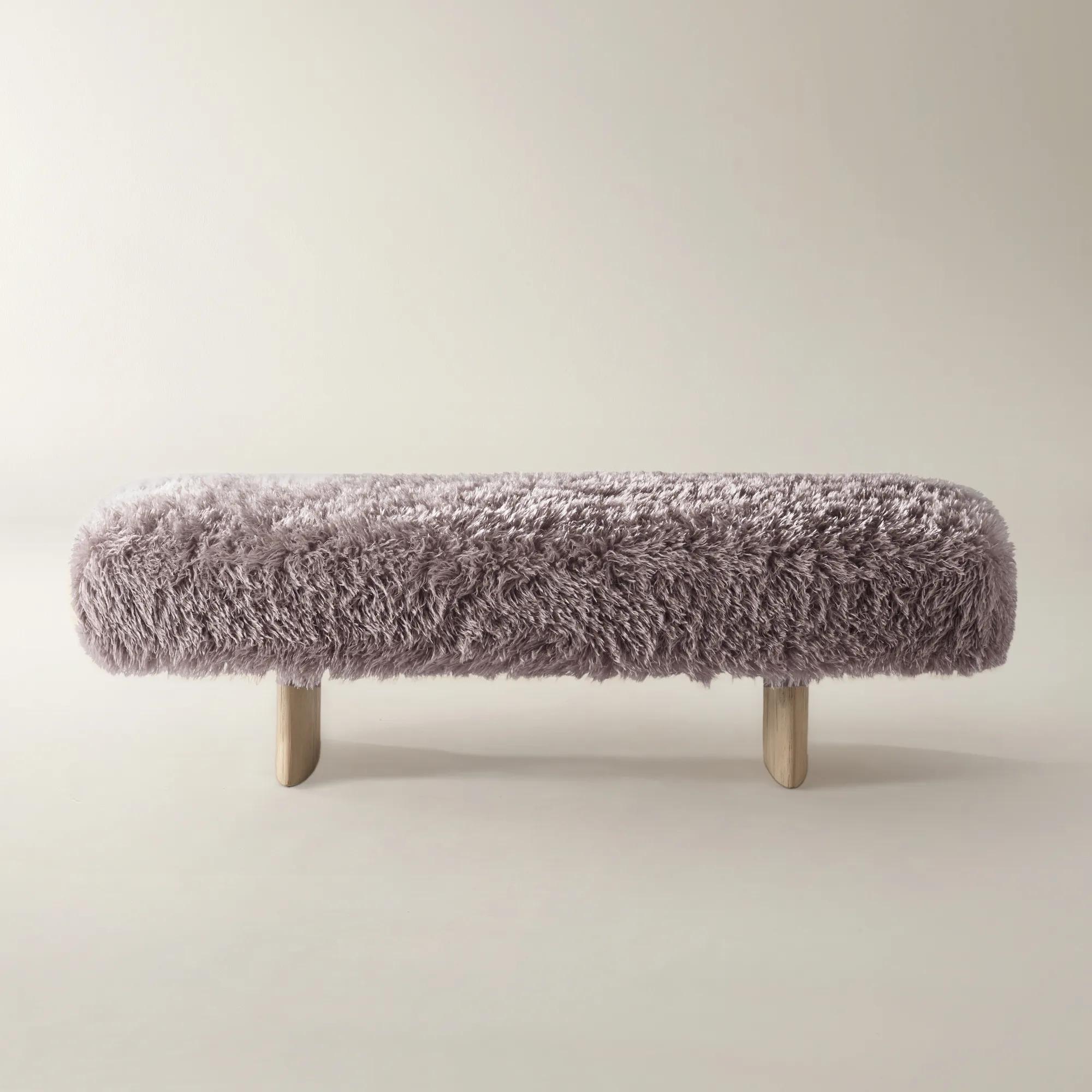
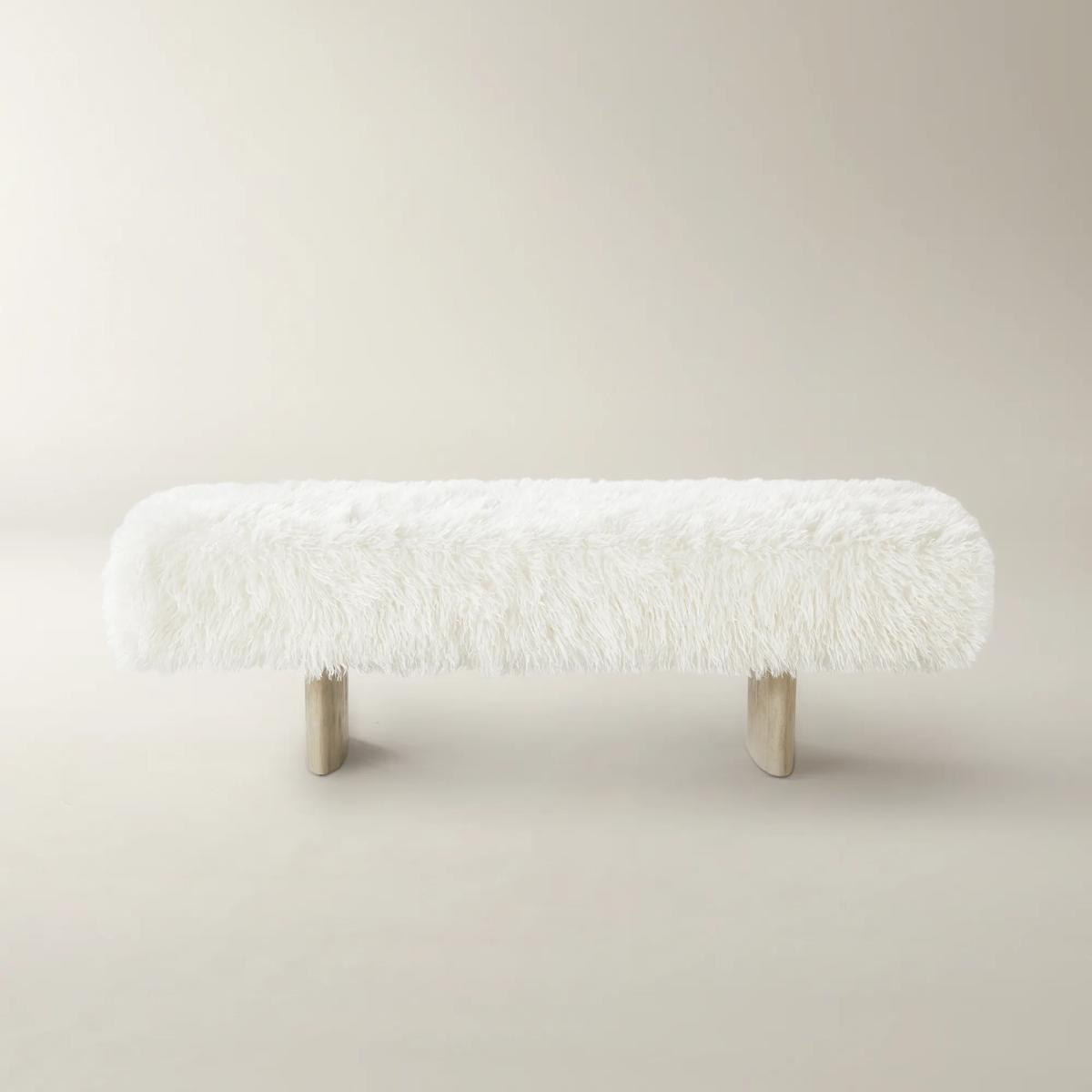 Micah Ivory Mongolian Faux Fur Bench With Rubberwood Legs (62.6")$699
An ivory faux Mongolian fur bench with high-density foam and sculptural solid rubberwood base for modern coziness.
Add To Cart -
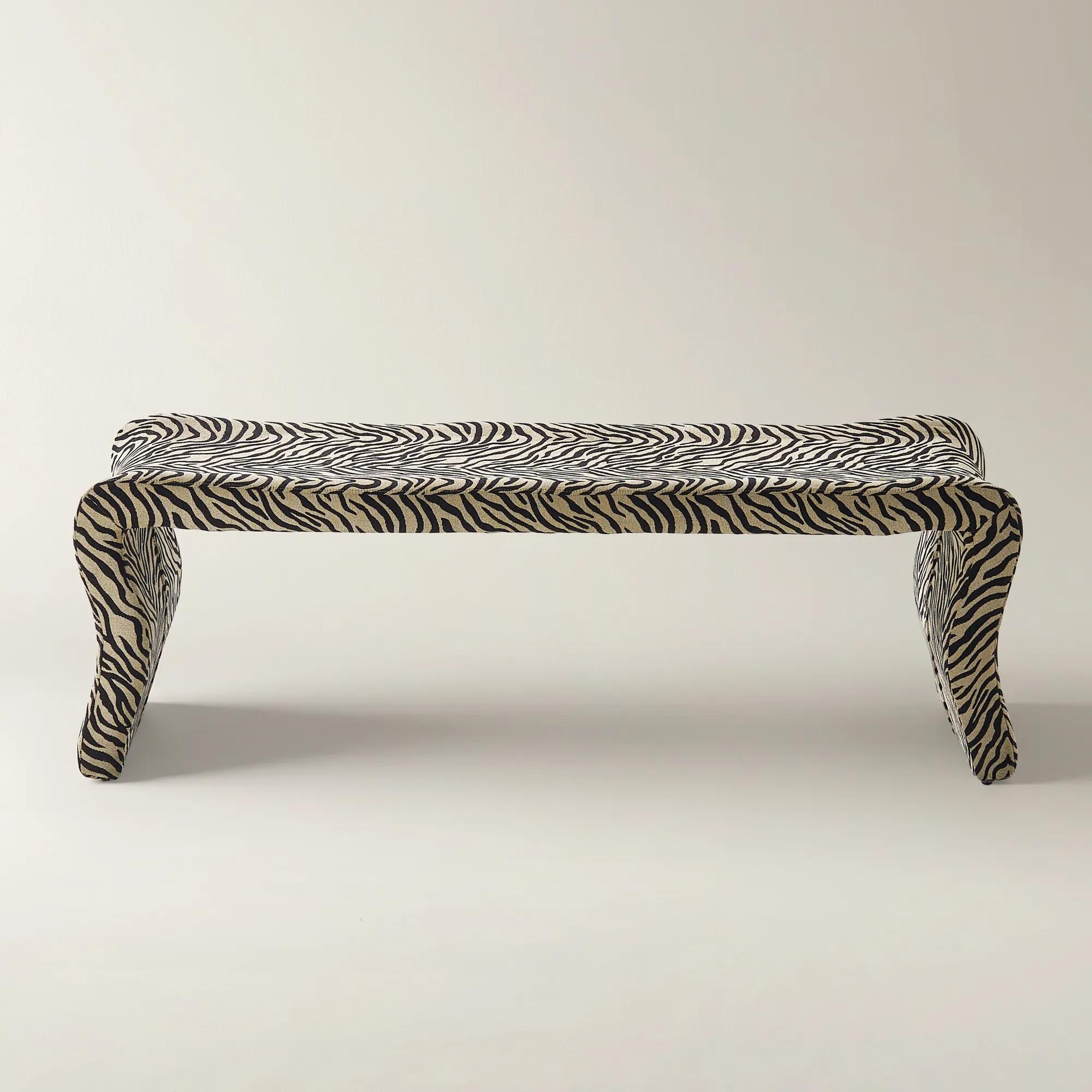 Romy Zebra Performance Chenille Bench (61.5")$899
A sculptural bench wrapped in zebra-patterned performance chenille with a wave-like silhouette and full foam construction.
Add To Cart

Luxury Benches With High Density Foam Cushions
Elevate your interiors with luxury benches with high density foam cushions—where opulent design meets irresistible comfort. Each piece is a testament to artistry, inviting you to indulge in sculptural silhouettes and sumptuous textures that transform any space into a gallery of modern glamour. Whether poised at the foot of a grand bed or anchoring an entryway with dramatic flair, these benches promise more than just a seat; they offer a moment of pure indulgence, enveloping you in plush sophistication and undeniable style. Paint your home boldly—let every detail declare your passion for extraordinary living.
Luxury benches with high-density foam cushions pair the sculptural presence of an upholstered seat with a supportive core that helps it retain its shape through repeated use. High-density foam, commonly made of polyurethane, contains more material per cubic foot than lower-density foam. That generally makes it more resistant to lasting indentations under comparable conditions, but density is not the same as firmness. A dense cushion can feel supple or decidedly firm depending on how the foam is formulated, how thick it is, and how the seat is built. A fiber wrap can soften the first contact and round the cushion’s edges, while a supportive base beneath the foam helps control how deeply the seat compresses. The difference is tangible on a bench: the cushion can give a little as someone sits without swallowing the clean line of the seat or making it awkward to stand again. The frame matters just as much as the upholstery. A well-joined hardwood or engineered wood frame can provide a stable foundation, while a metal base can lend the piece a finer outline without adding visual weight. An attached seat keeps the profile tidy where people frequently sit and stand; a removable cushion can make it easier to vacuum along the edges. Details such as piping, channel stitching, or a deep upholstered apron change how the proportions read across a room. A continuous seat in matte velvet makes a curved silhouette feel languid, while crisp seams on a woven bench draw attention to its geometry. Exposed wood brings grain and warmth into the composition; a gleaming metal frame catches the light below the upholstery and makes the seat appear to float. In each case, the foam does its work out of sight, allowing the cushion’s shape and the fabric’s texture to carry the design.
The same upholstered bench can feel entirely different at the foot of a bed, beneath an entry mirror, or opposite a sofa. In a bedroom, a bench narrower than the bed leaves the corners of the frame visible, and a seat lower than the top of the mattress creates a pleasing step in height. A generous depth gives someone room to sit while getting dressed or set down a folded blanket, but the space at the foot of the bed still needs to accommodate movement. The aisle that looks ample on a floor plan may feel quite different when a dresser drawer is open. In an entryway, a shallower bench can define the landing spot without blocking the route through it. A seat that allows feet to rest on the floor makes it easier to lean forward and fasten a shoe, and a cushion with a little give can make that brief pause feel considered. In a living room, the appeal is often the open sightline. A backless bench offers extra seating without hiding the pattern of a rug or interrupting the view into an adjoining room. Paired with Designer Sofas With High Density Foam Cushions, it can echo the tailored line of the sofa while introducing a distinct texture, such as velvet against a nubby weave. A bench set near a coffee table needs room for knees and a clear route around the grouping; a nominally long seat may offer less usable space when upholstery curves upward at the ends. Overall width and depth establish whether the piece fits the room, while usable seat width and height determine how comfortably it fits the people who will use it. In an open layout, those proportions can give a bench enough presence to define the edge of a seating area without closing it off.
Upholstery helps determine how a bench settles into daily life. Velvet brings depth to saturated color and can look darker or lighter as the pile moves, so a shift in sheen where someone frequently sits is not necessarily a sign that the cushion underneath has lost support. A tight weave can be a practical match for a busy entry, especially when the fabric is rated for frequent use. A more pronounced weave gives a bedroom bench richer texture at close range, though it may be more prone to snagging on pet claws or hardware. The finish on the base also deserves attention: exposed wood near an entry may meet the occasional heel or bag clasp, while a reflective metal finish makes dust and fingerprints more apparent. Gentle vacuuming with an upholstery attachment, when recommended, removes grit that can collect along seams and abrade the fabric. Fresh spills are generally best blotted rather than rubbed, with any cleaner chosen according to the upholstery care instructions. Even water can leave a mark on certain fabrics, and a zipper does not necessarily mean a cover is washable. Keeping upholstered seating out of prolonged direct sunlight can also help limit fading, especially where one end of a bench sits beside a bright window. For a household that regularly hosts, a living room bench gives guests a place to join the conversation without crowding the sofa. For someone furnishing a new home, it can be a generous gift when the intended placement, dimensions, and fabric preferences are known. The most convincing choices bring those practical details into the design itself: a low, tailored bench that preserves the sweep of a bedroom, a gleaming base that lifts the composition at an entry, or a richly textured seat that adds depth to a living room without competing with the pieces around it.
FAQs
Luxury benches with high-density foam cushions often feature premium materials such as solid oak, brushed stainless steel, or lacquered wood for the frame, paired with upholstery in sumptuous fabrics like velvet, performance linen, or easy-care synthetics. These elements come together to create a bench that is both visually striking and enduringly comfortable.
A luxury bench serves as both a functional seat and a dramatic design statement. Its sculptural silhouette and plush cushioning can anchor a room, invite conversation, and introduce a layer of sophistication, whether placed in an entryway, at the foot of a bed, or beneath a window for a cozy reading nook.
Many luxury benches are designed for outdoor enjoyment, featuring water-repellent and UV-resistant fabrics that withstand the elements while maintaining their beauty. These benches bring indoor-level comfort to patios, verandas, or garden spaces, allowing you to extend your sense of style beyond the walls of your home.
High-density foam is prized for its resilience and support, delivering lasting comfort that resists sagging and flattening. Its structure offers a plush yet supportive seat, ensuring that the bench remains inviting and maintains its elegant shape through years of use.
Yes, many luxury benches offer customization options, allowing you to select the upholstery fabric, color, and even details like piping or tufting. This personalization ensures your bench is a true reflection of your aesthetic, seamlessly integrating with your existing décor and unique sense of style.