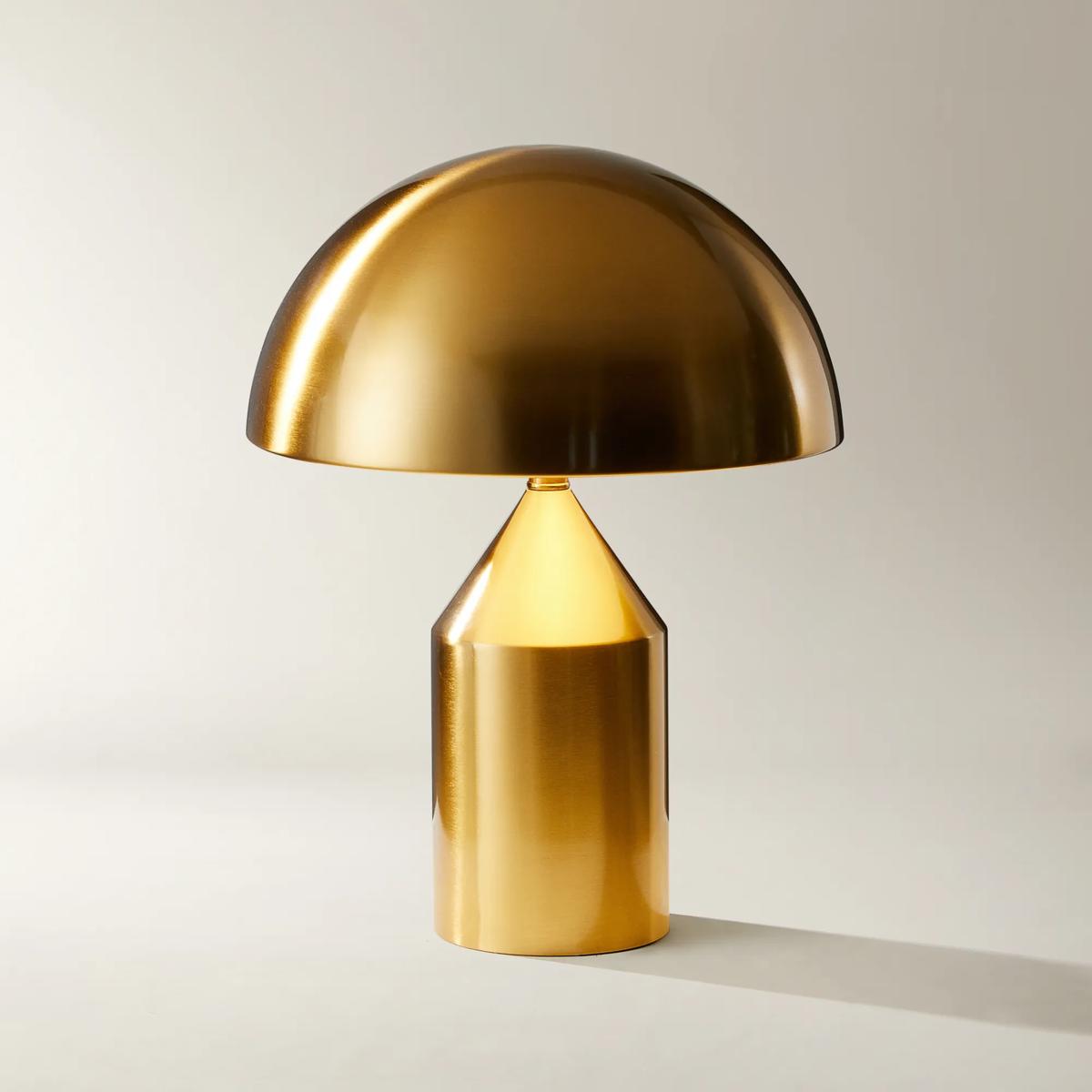
Lighting For Autumn Evenings
Lighting For Autumn Evenings
-
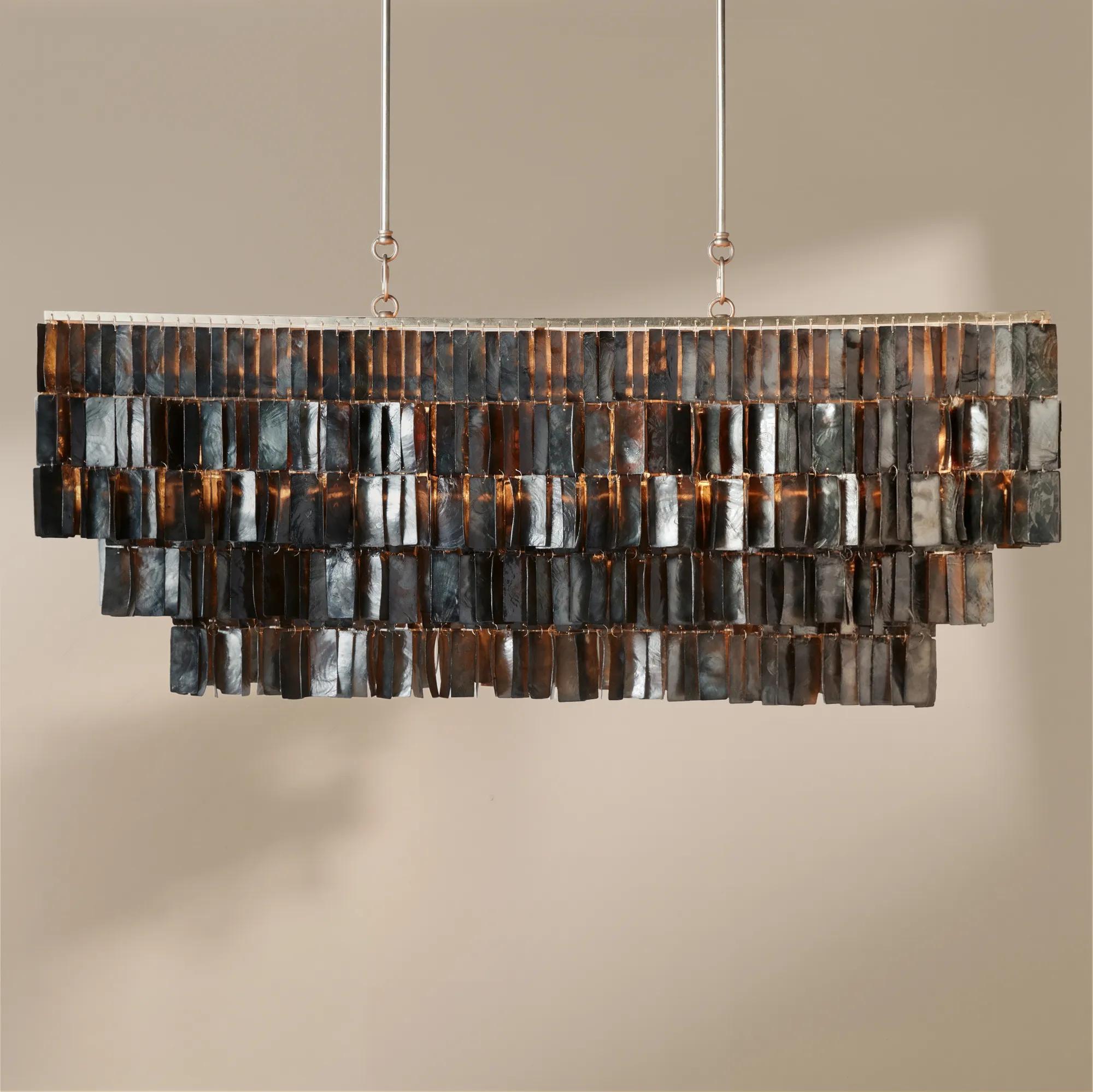
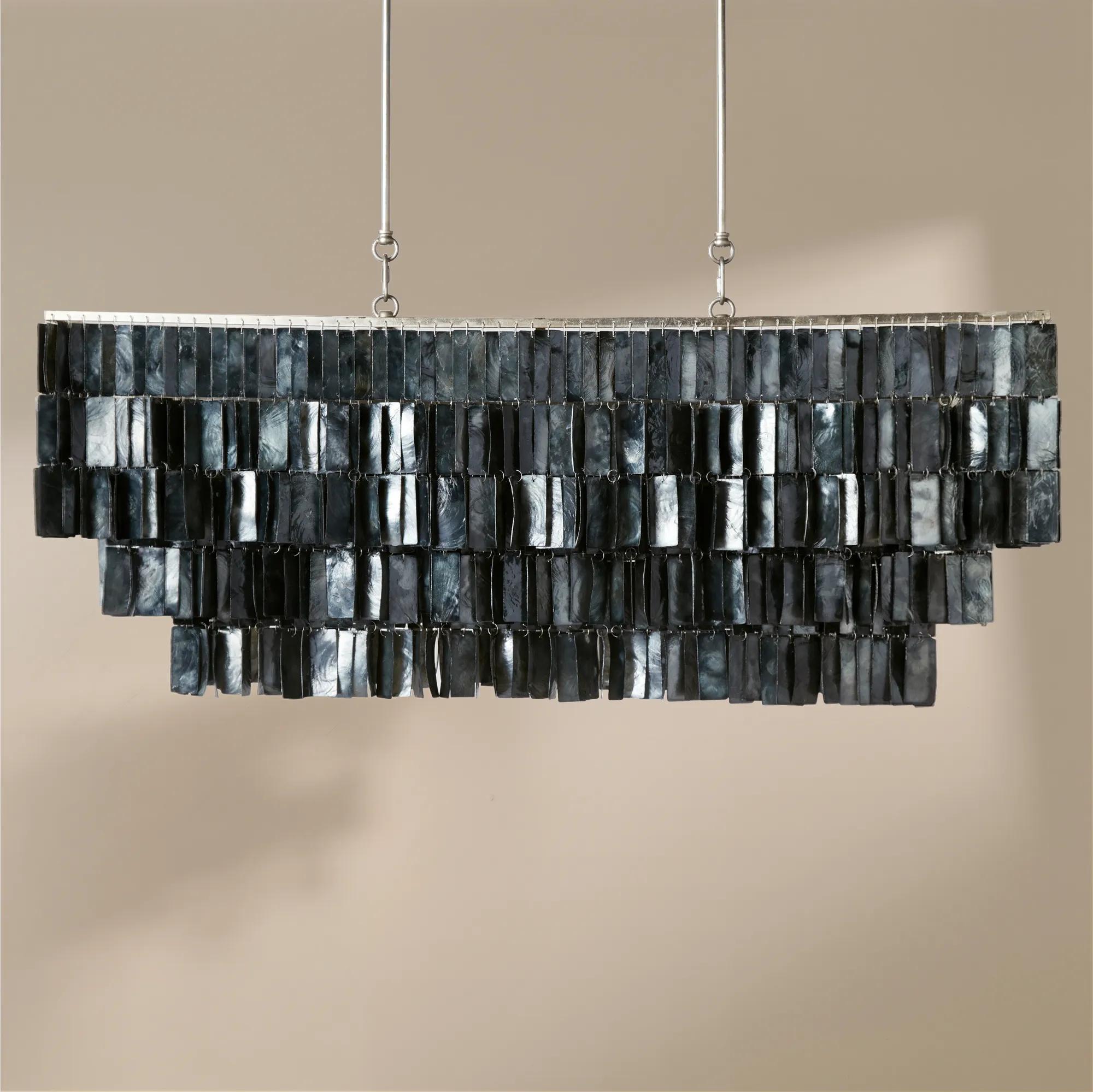 Capiz Shell Graphite Chandelier 39"$849
A naturally elegant chandelier featuring cascading charcoal capiz shells and a champagne-finished iron frame.
Add To Cart -
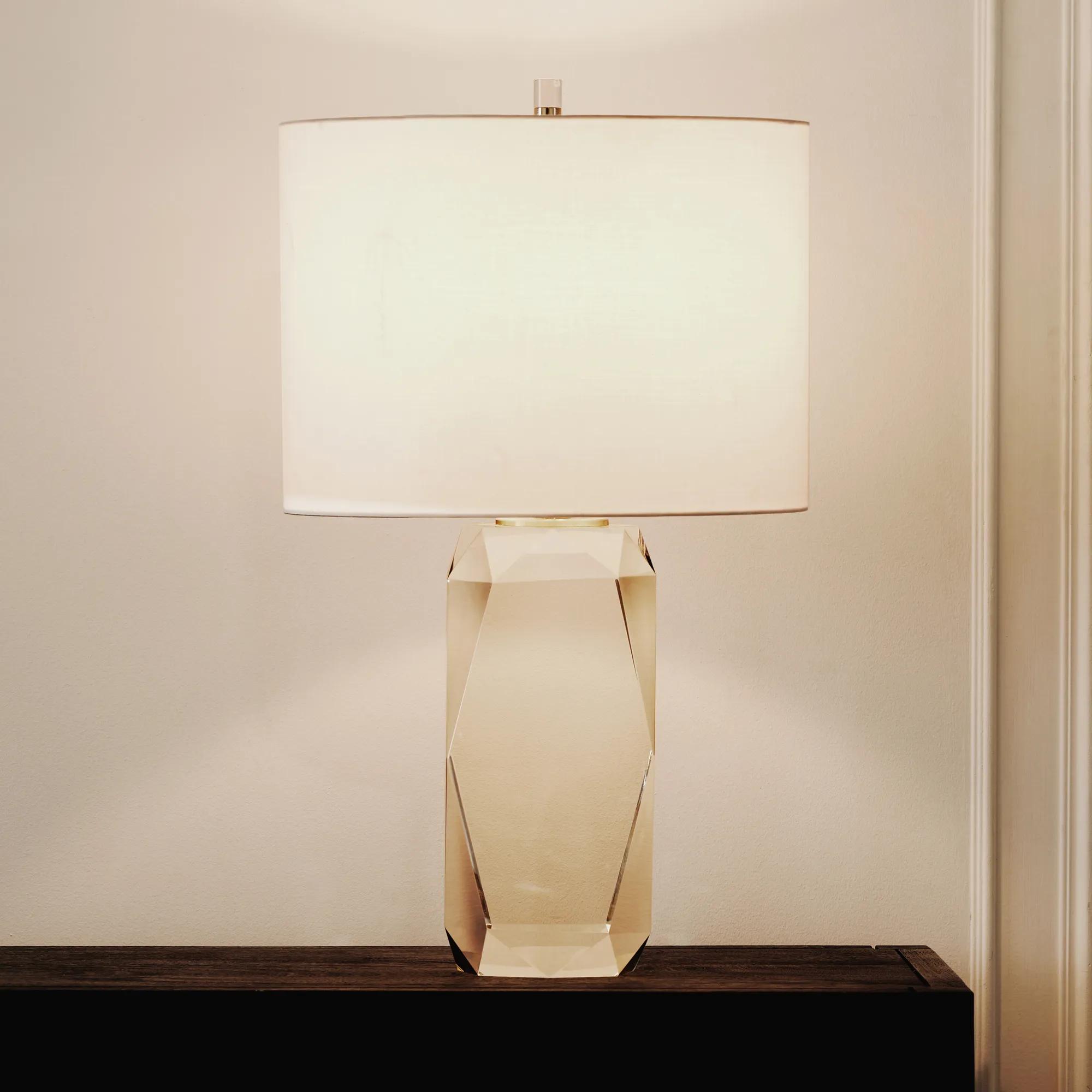 Bianca Faceted Clear K9 Crystal Table Lamp 24"H$499
A clear crystal table lamp with a white drum shade and soft brass hardware for elegant illumination.
Add To Cart -
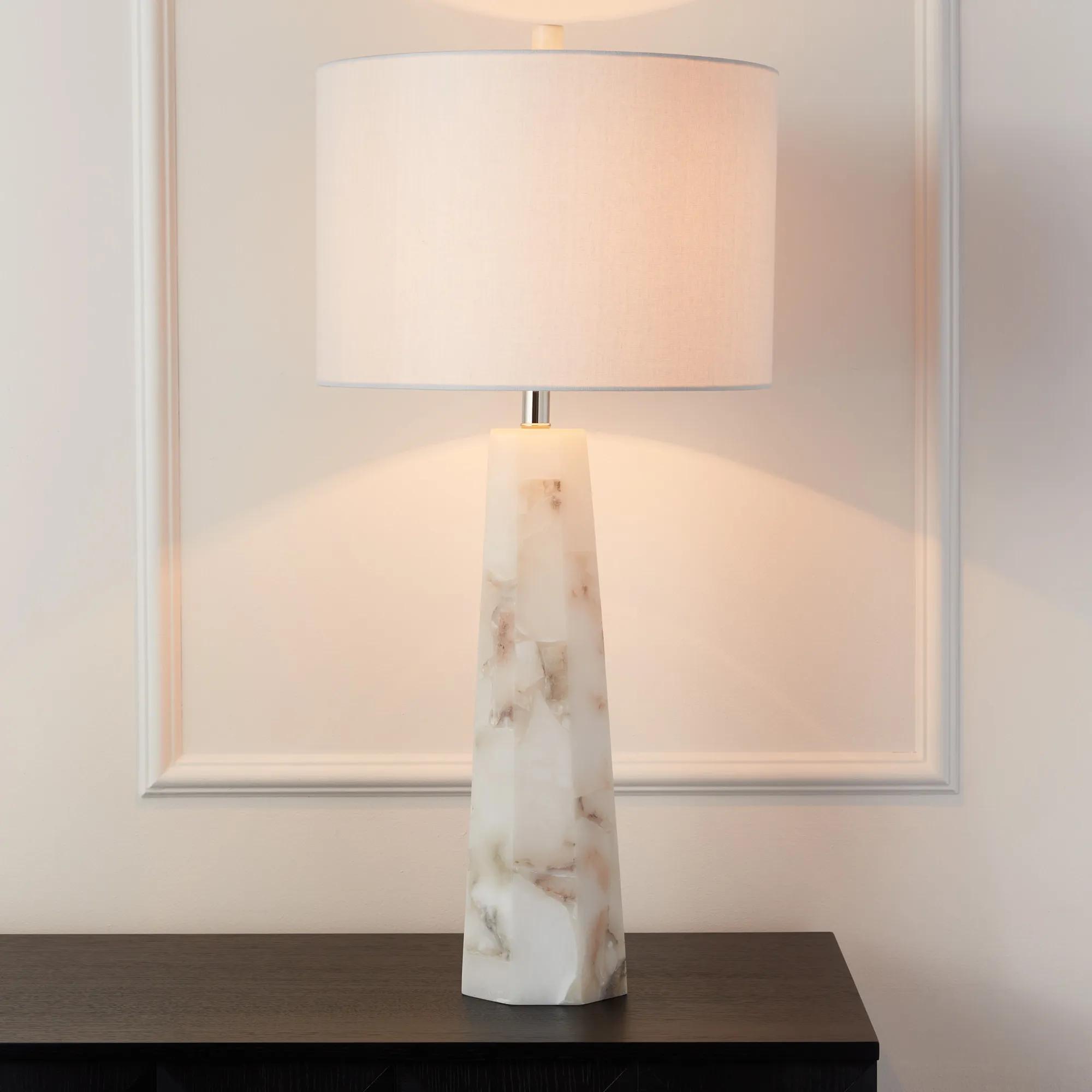 Aurora Alabaster Table Lamp 34"$499
An alabaster stone lamp with a tapered silhouette, white linen shade, and matching alabaster finial.
Add To Cart -
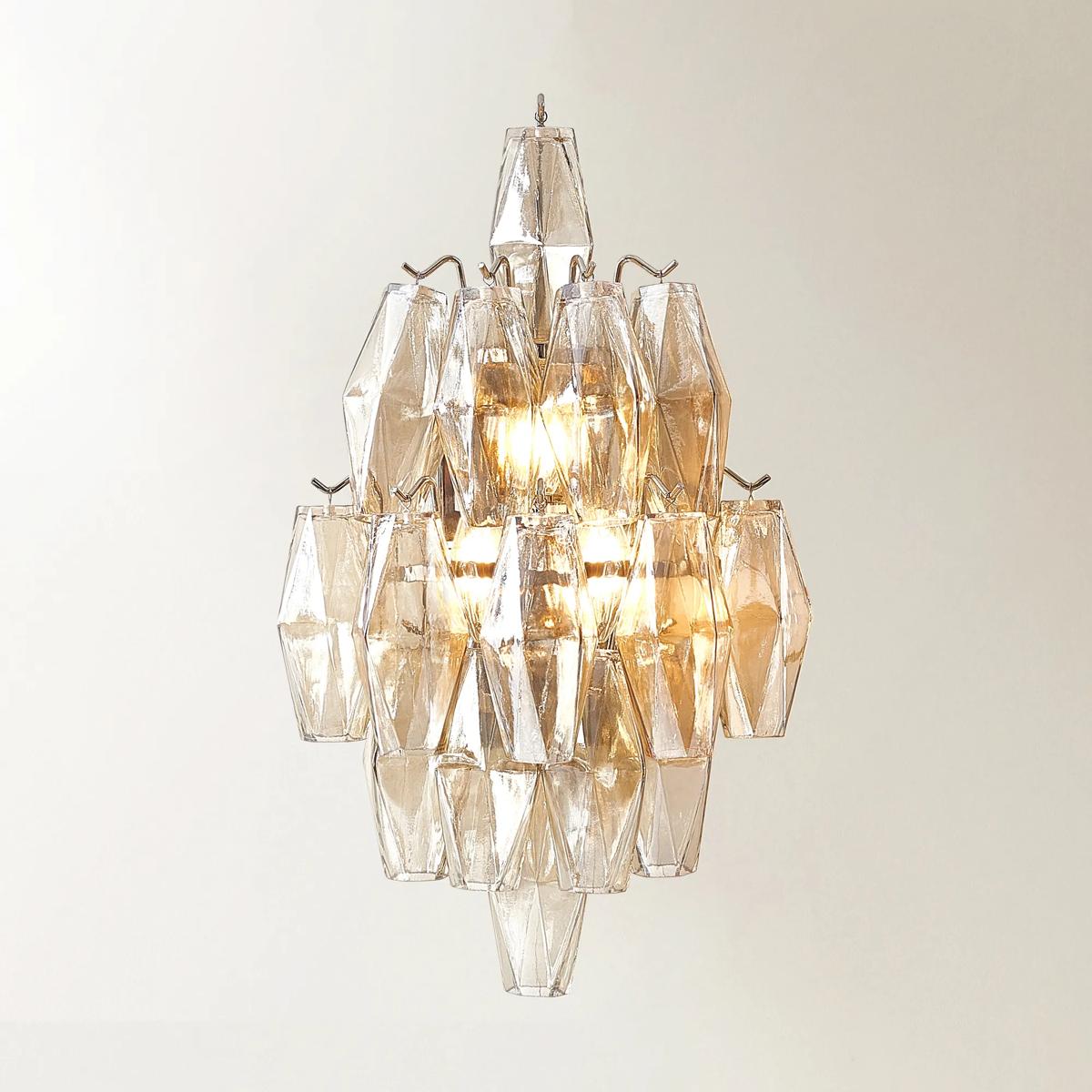
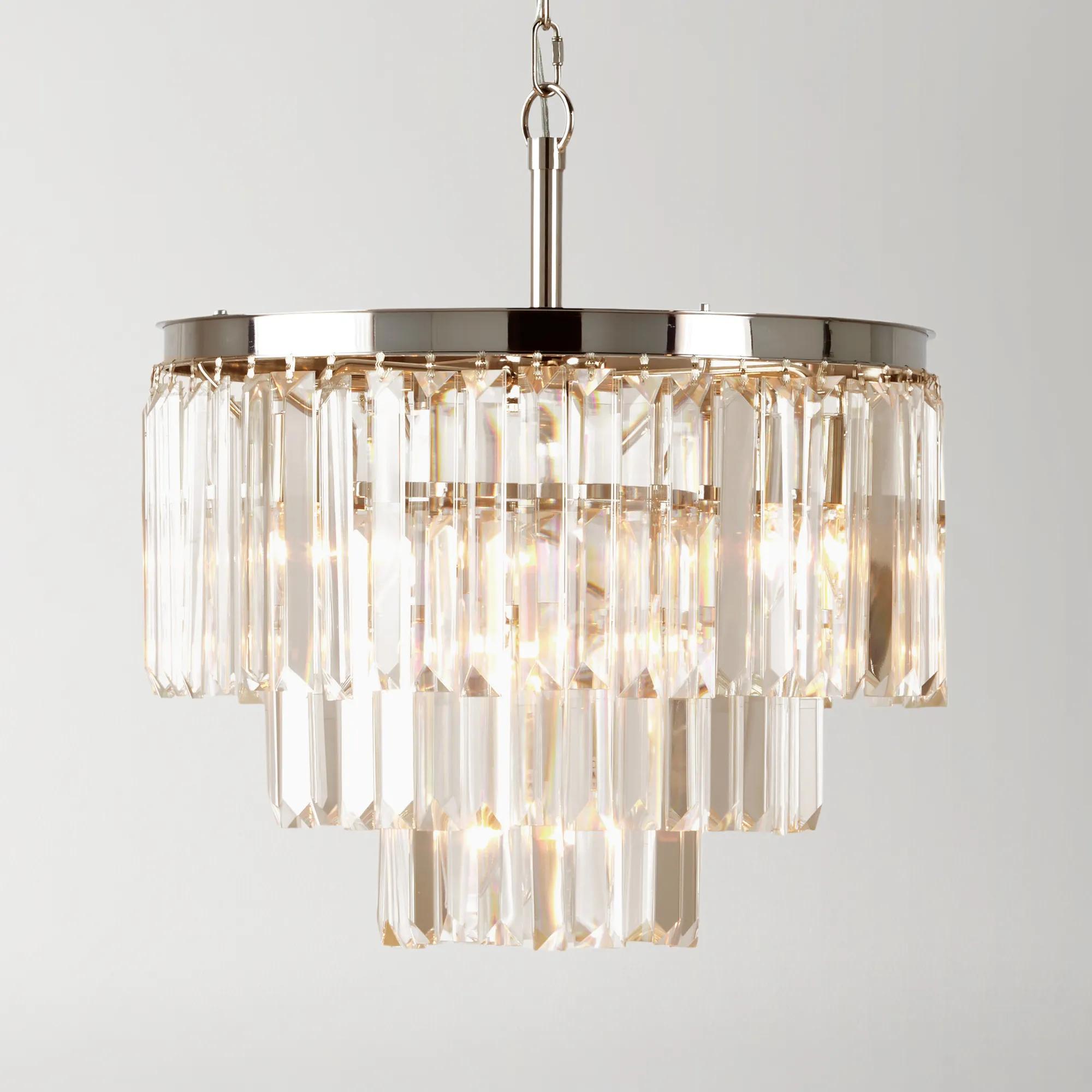 Luxe Chandelier$799
A glamorous chandelier featuring a nickel-plated iron frame and three tiers of faceted crystal accents.
Add To Cart -
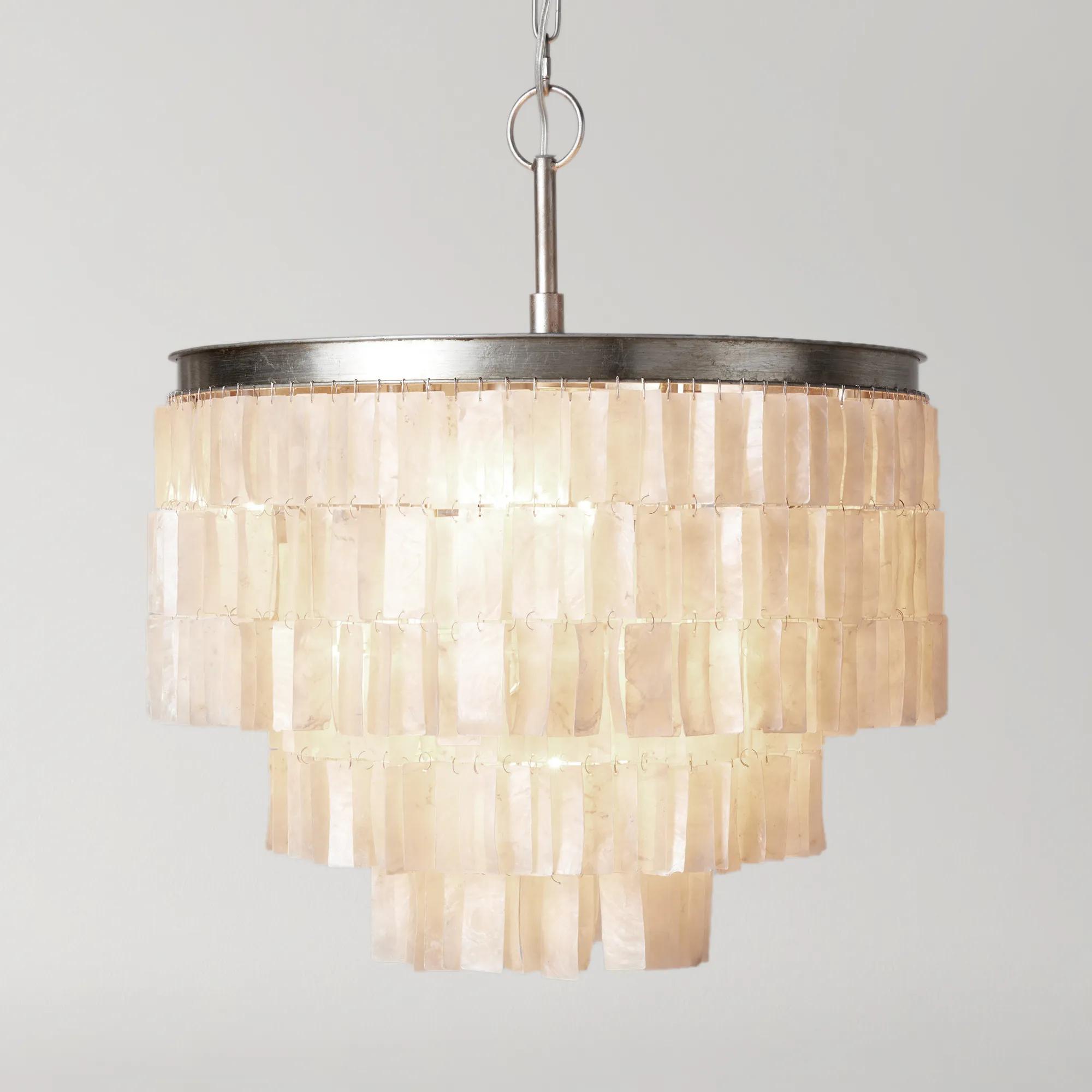
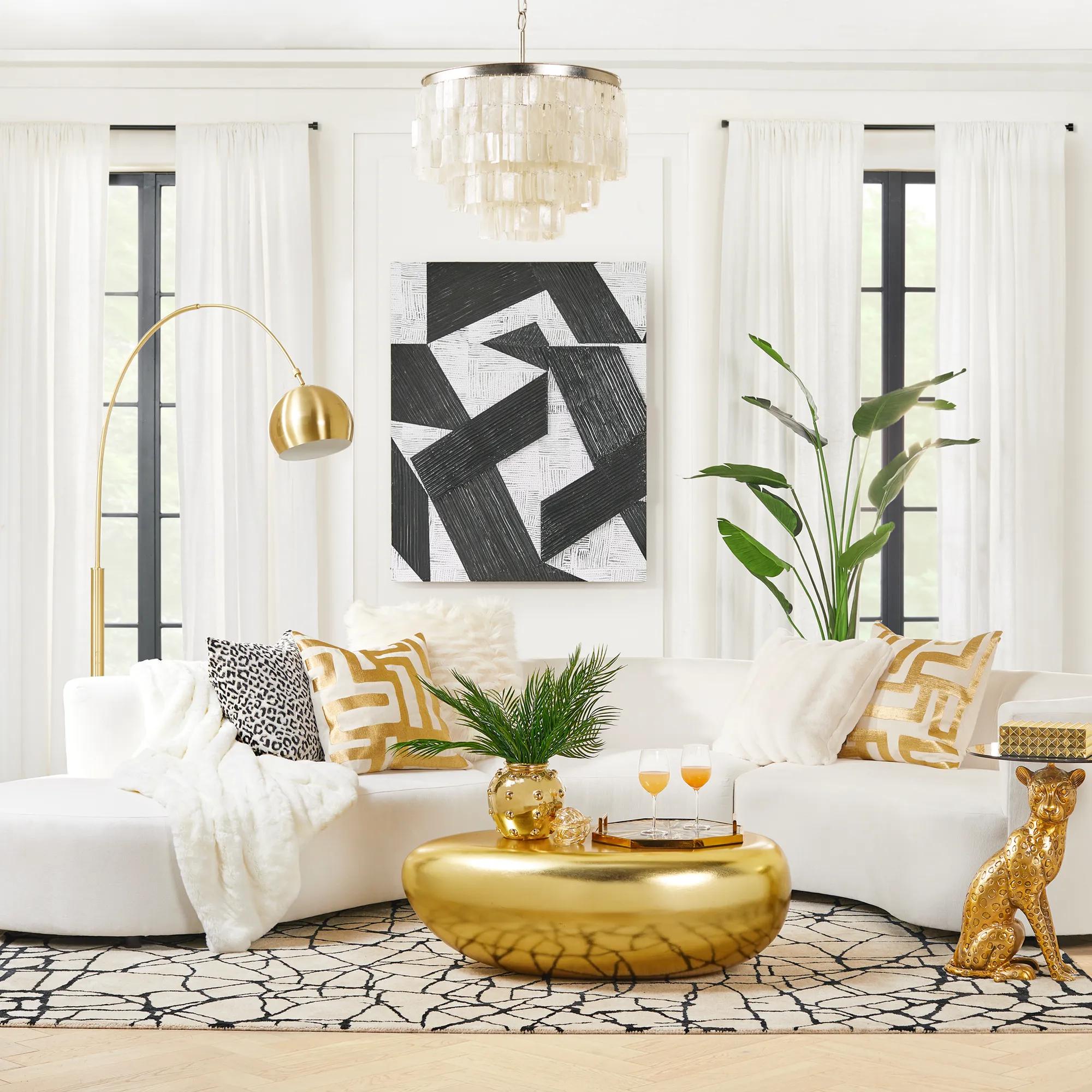 Capiz Chandelier$699
A cascading chandelier featuring over six hundred natural Capiz shells on a nickel-plated iron frame.
Add To Cart -
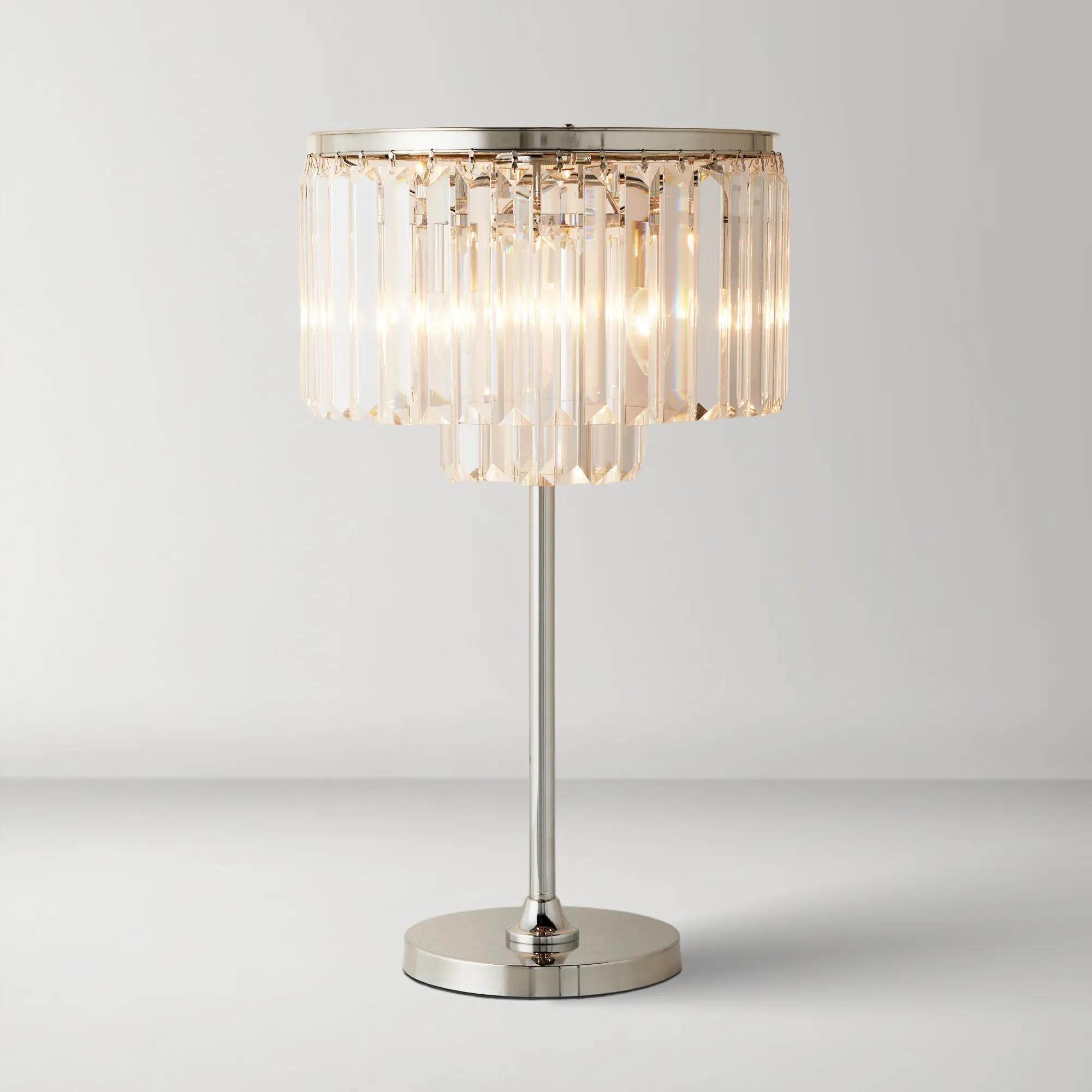
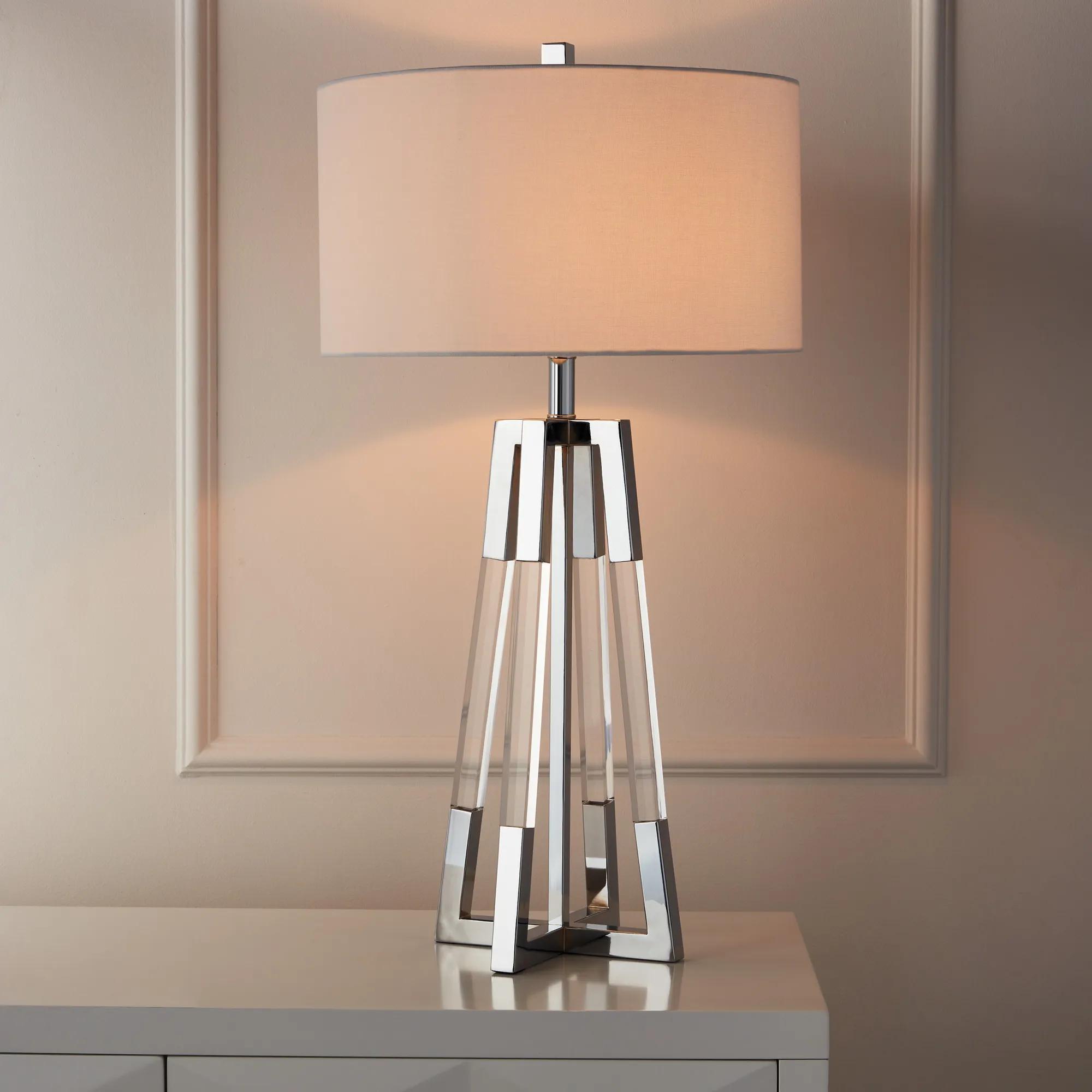
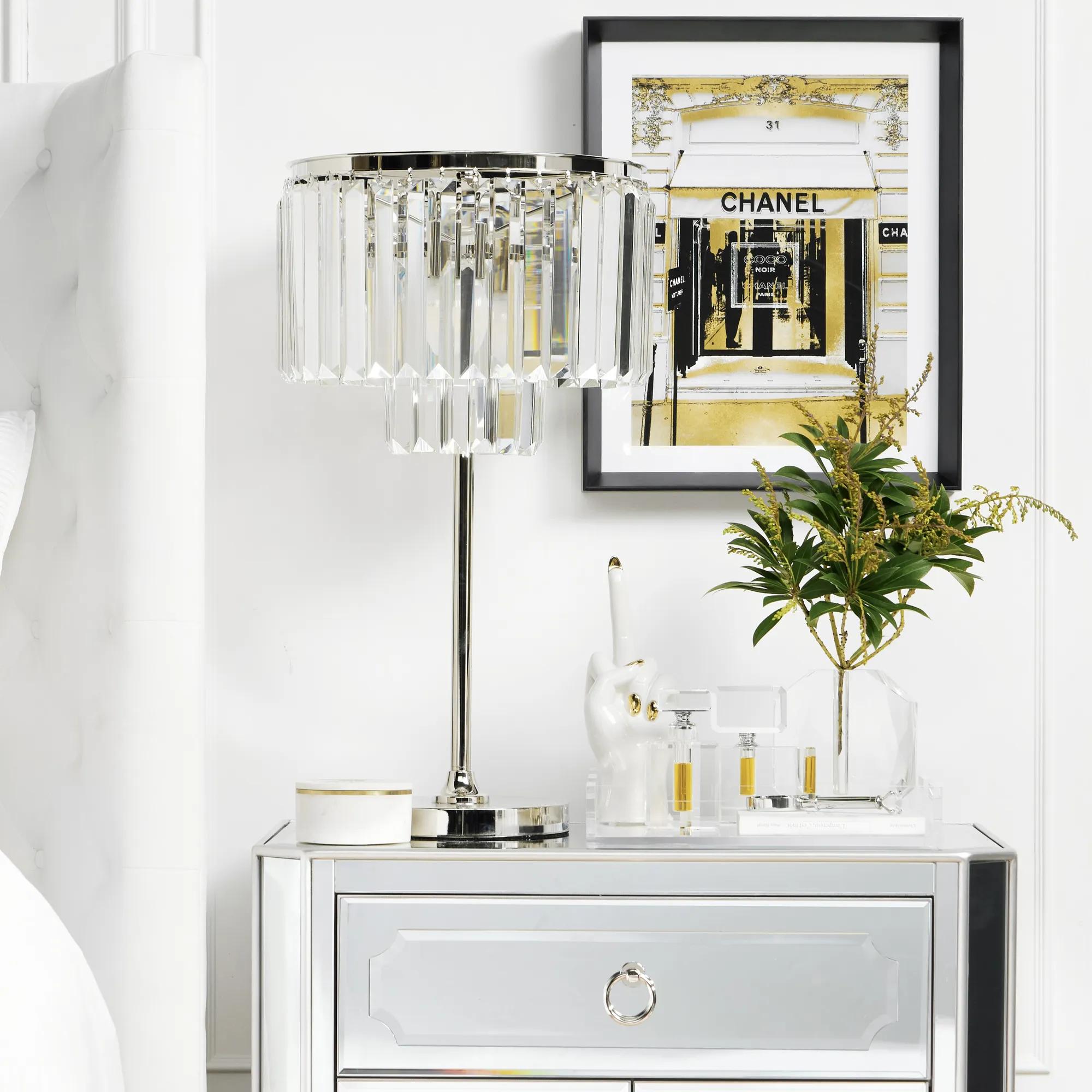 Luxe Table Lamp$499
A sophisticated table lamp featuring faceted ocular glass prisms and a nickel-plated iron frame.
Add To Cart -
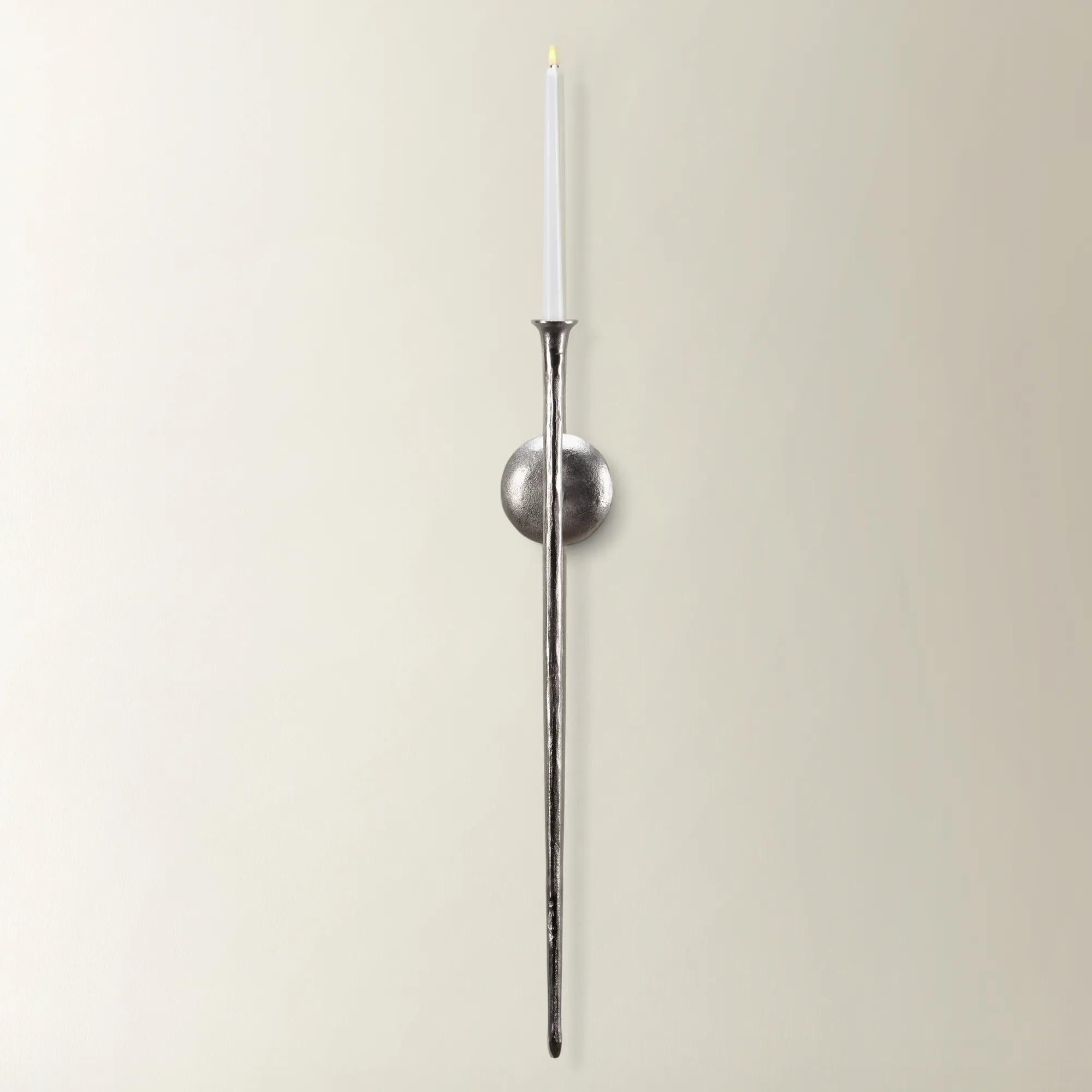
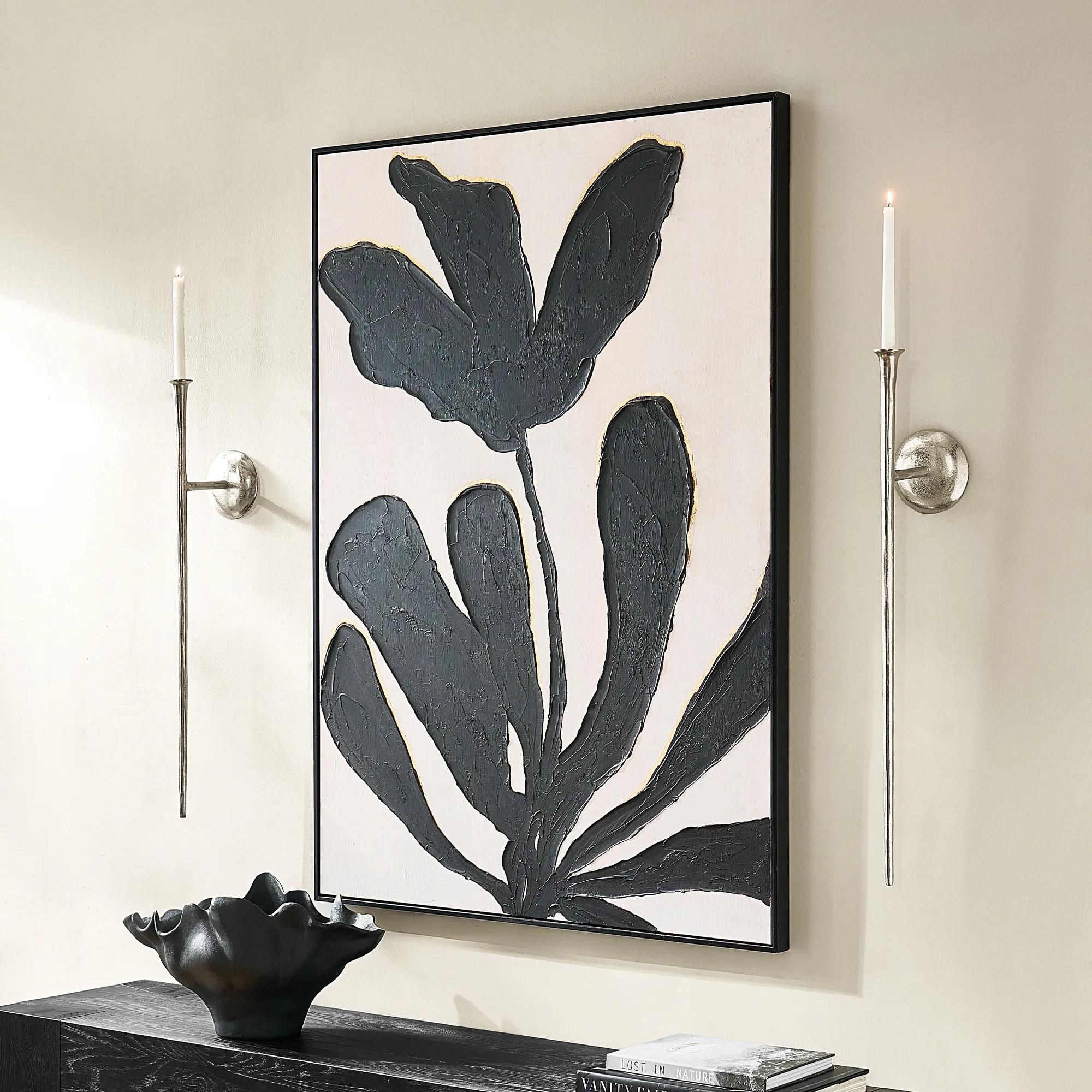 Aspar Silver Aluminum Candle Wall Sconce Large 33"$59
A slender metal wall sconce available in silver, gold, or black for elegant candlelit ambiance.
Add To Cart -
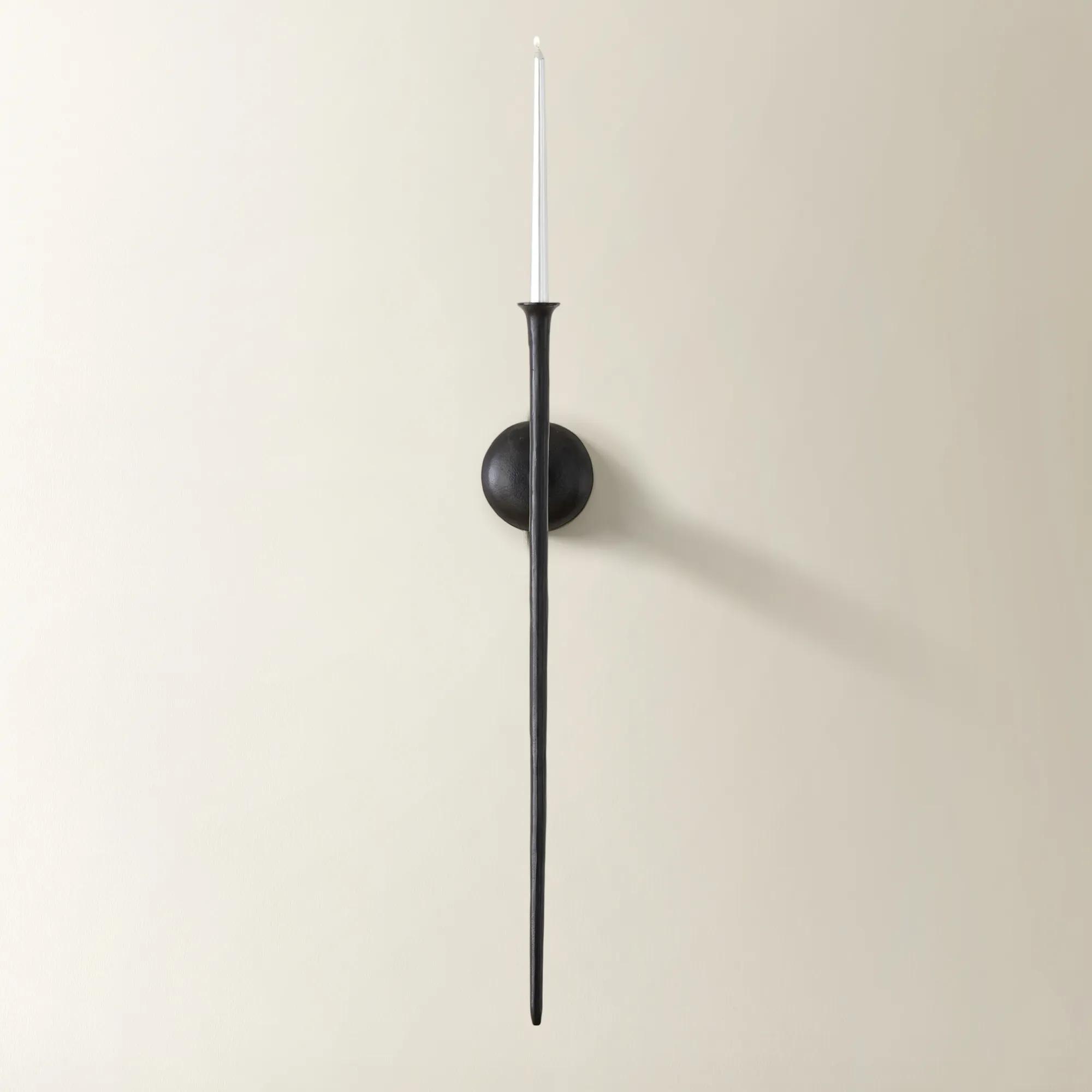 Aspar Black Aluminum Candle Wall Sconce Large 33"$59
A slender metal wall sconce available in silver, gold, or black, perfect for elegant candlelit ambiance.
Add To Cart -
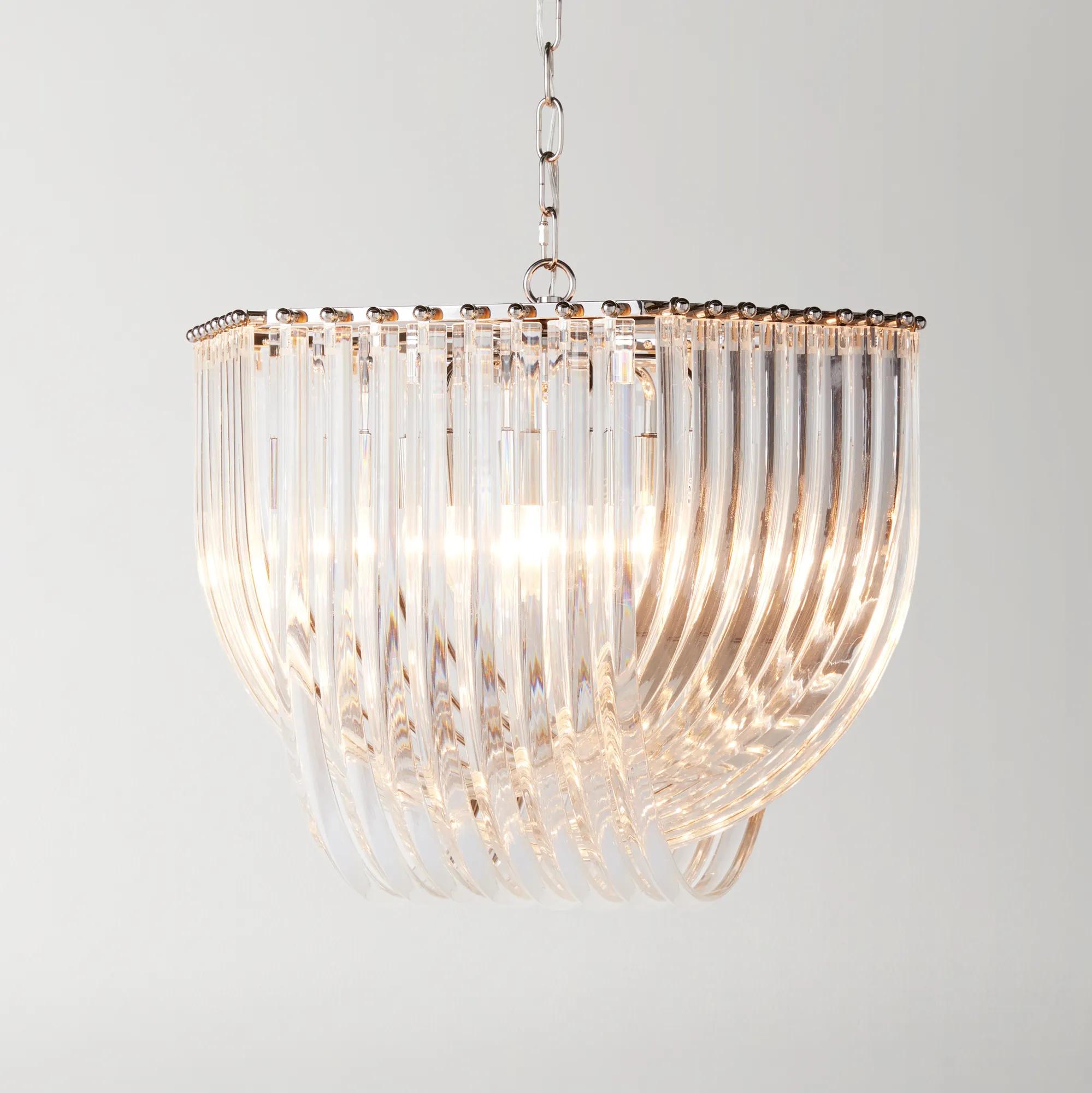 Laval Clear Curved Glass Chandelier 21"D x 18"H$799
A deco-inspired chandelier with crystal-clear curved glass and a polished nickel frame for ambient lighting.
Add To Cart -
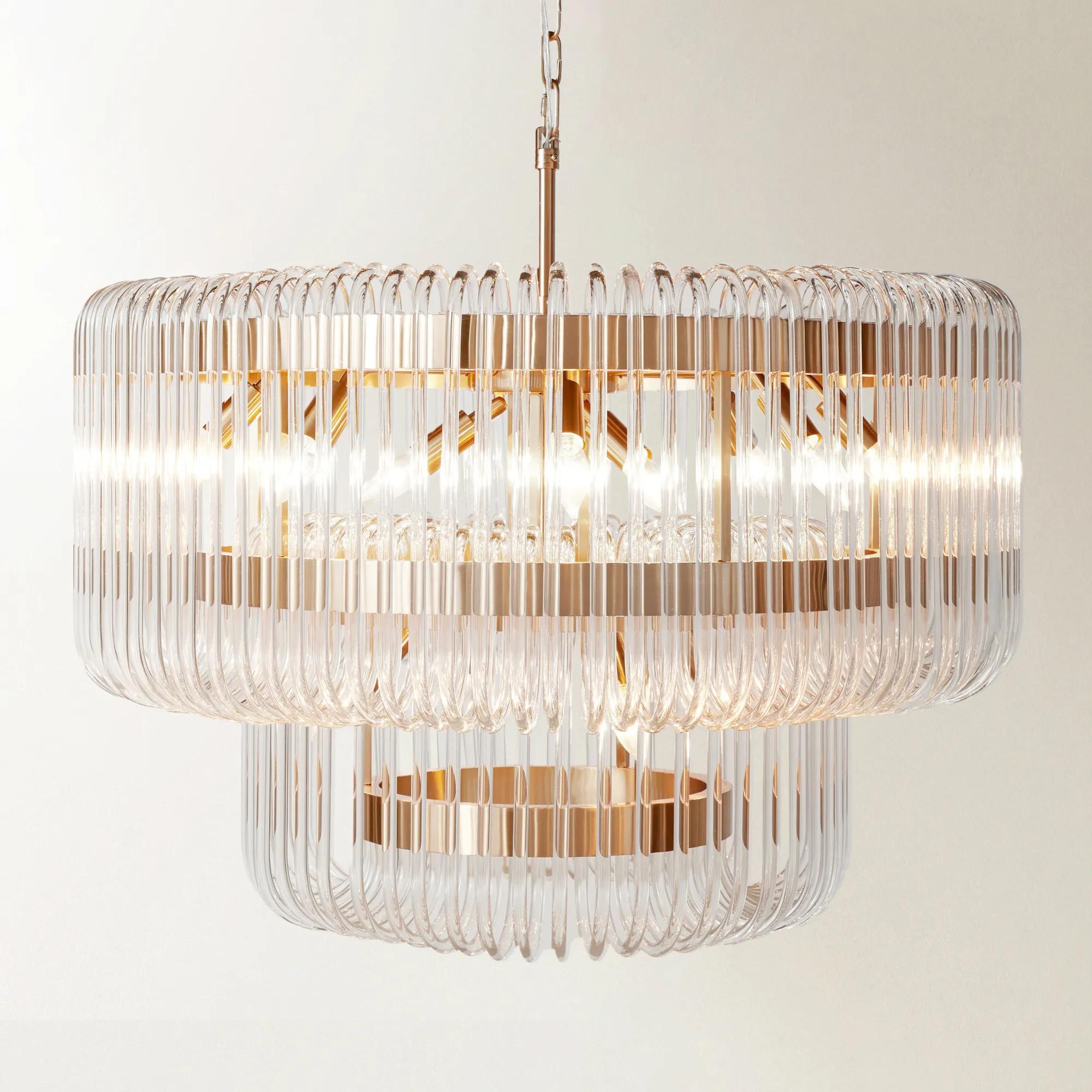 Allure Clear Curved Glass Chandelier 31.5"D x 27.75"H$1499
A dramatic chandelier featuring over 150 clear blown glass rods and brushed brass-finished iron rings.
Add To Cart -
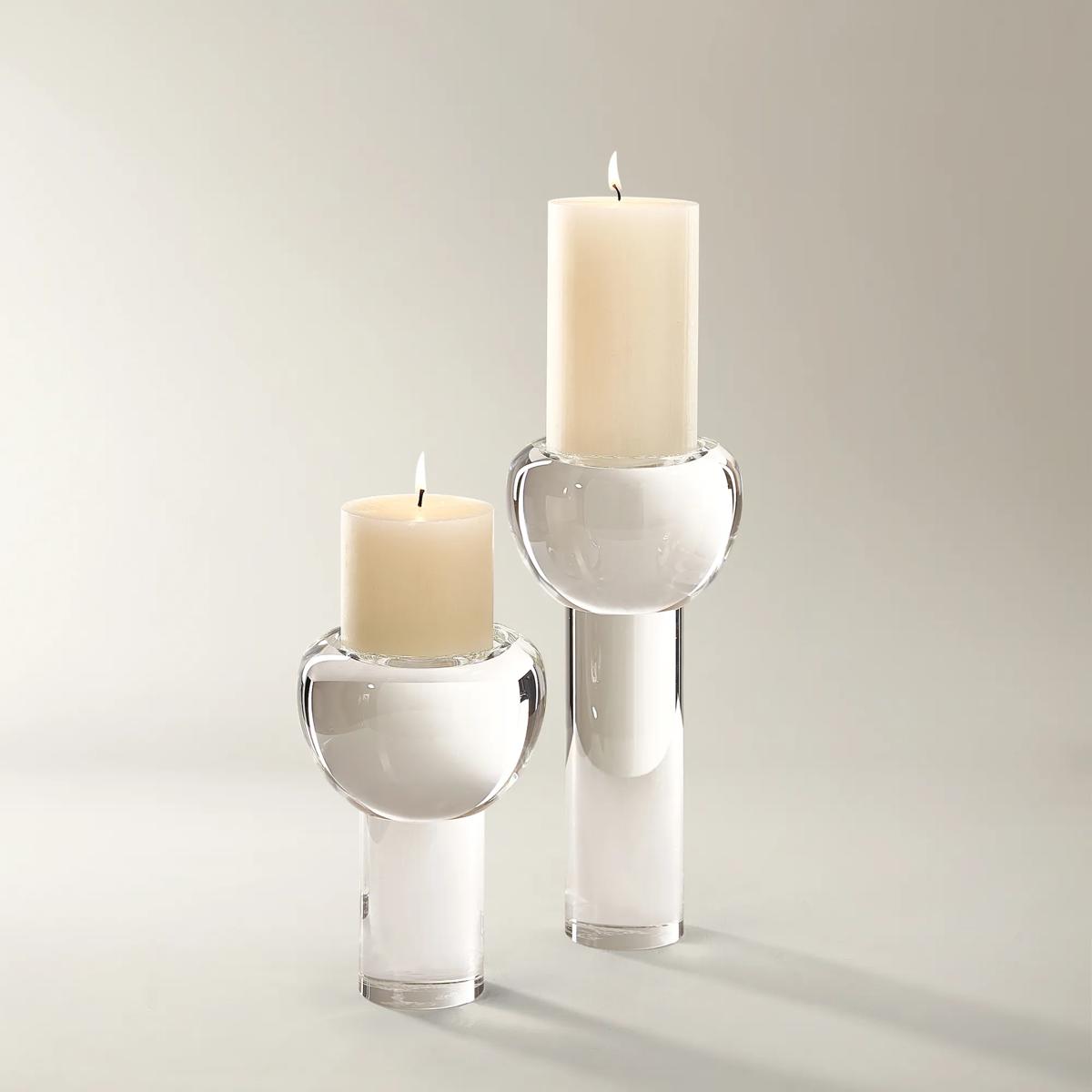
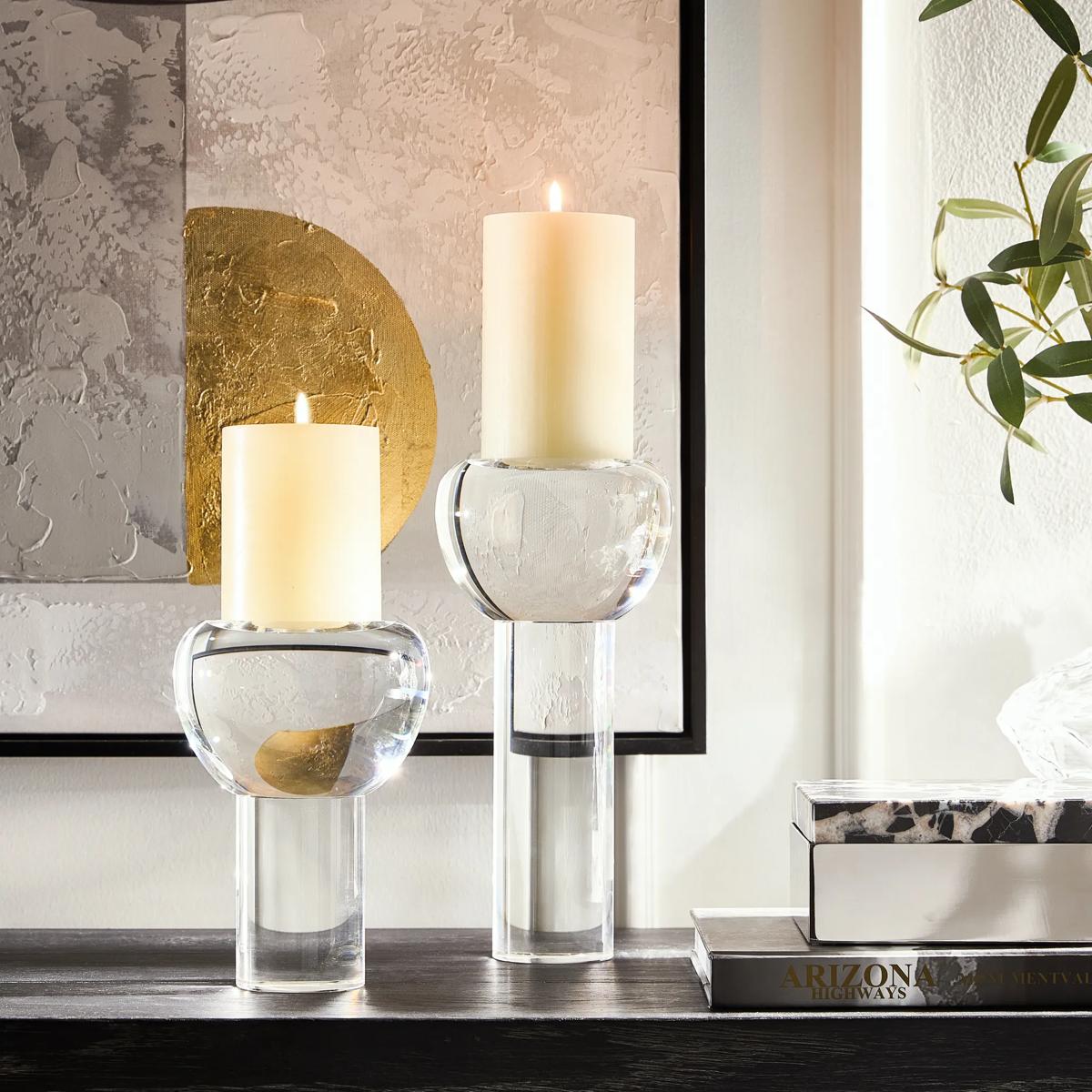 Serene Pillar Holder$109
A clear crystal glass holder with a sculptural, minimalist design that beautifully elevates candlelight.
Add To Cart -
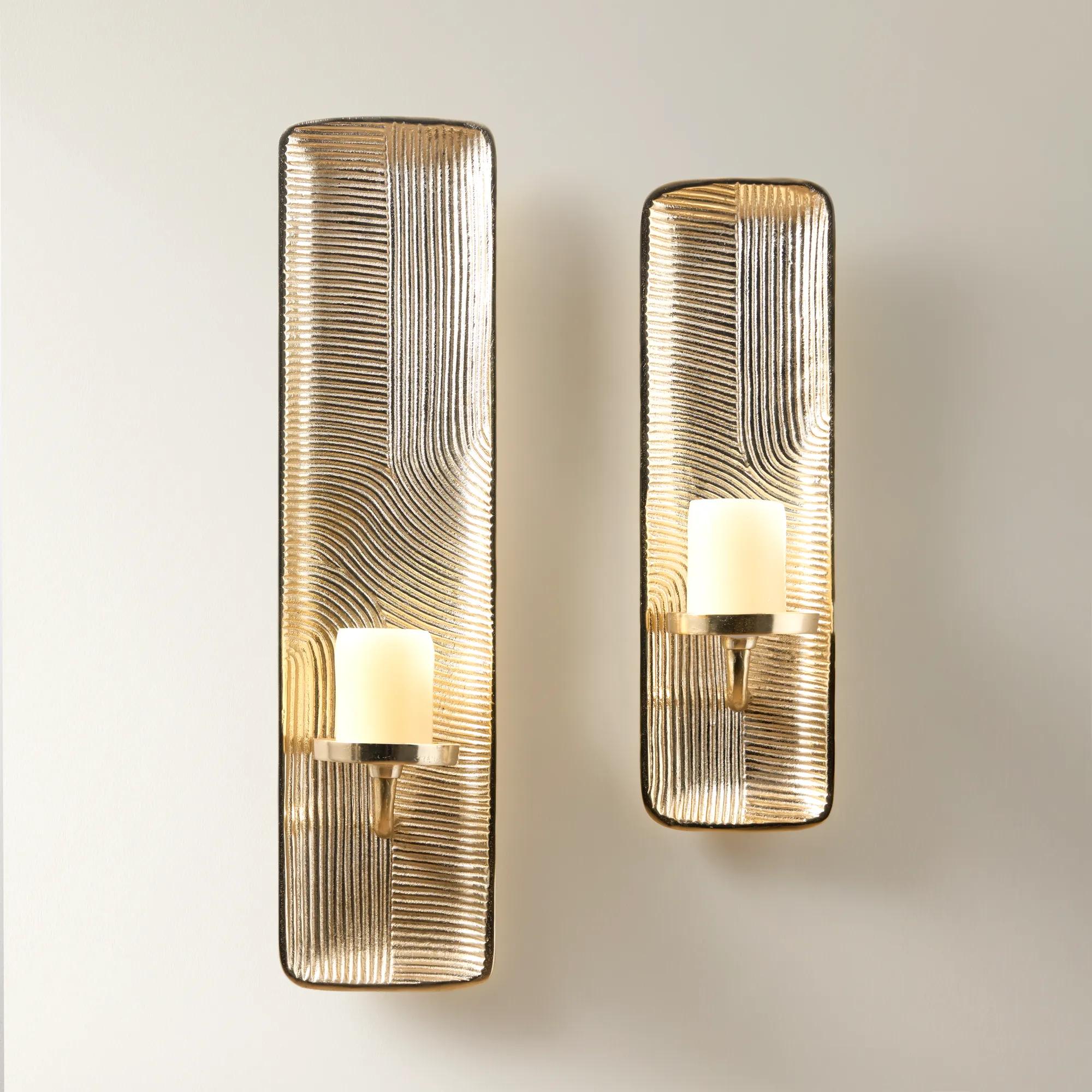
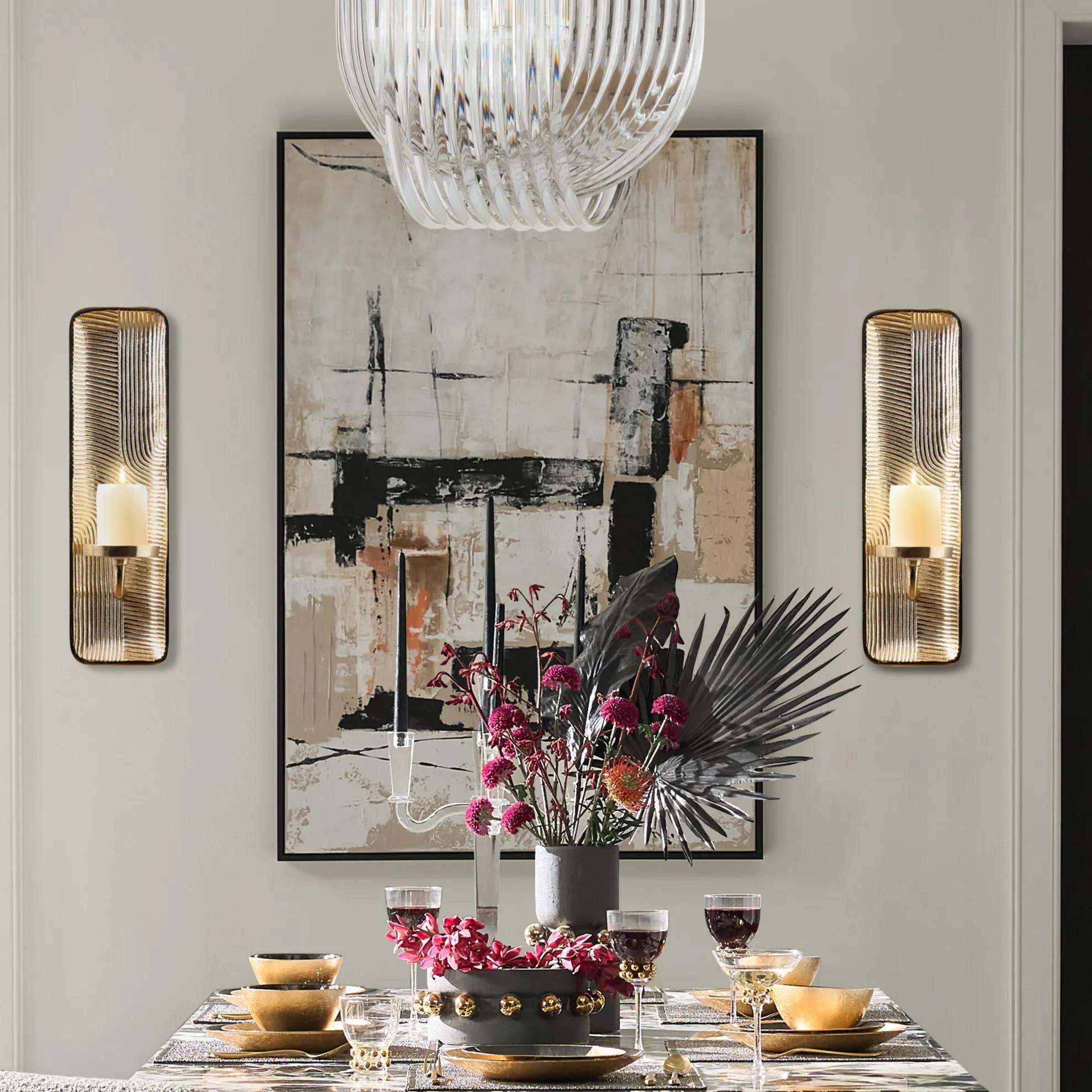 Ando Gold Aluminum Wall Sconces$99
A hand-wrought gold aluminum sconce that adds understated elegance and ambient candlelit glow to any space.
Add To Cart -
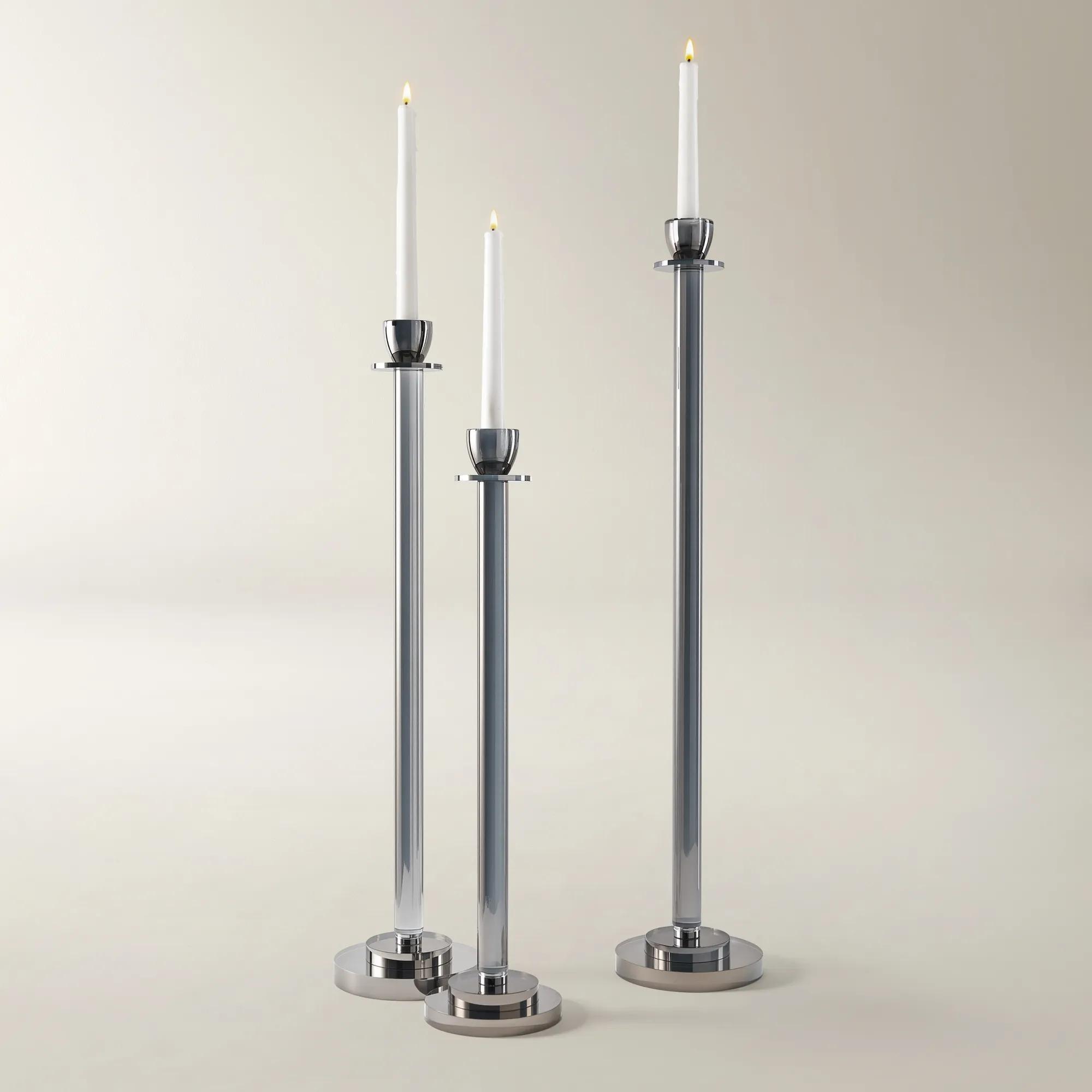
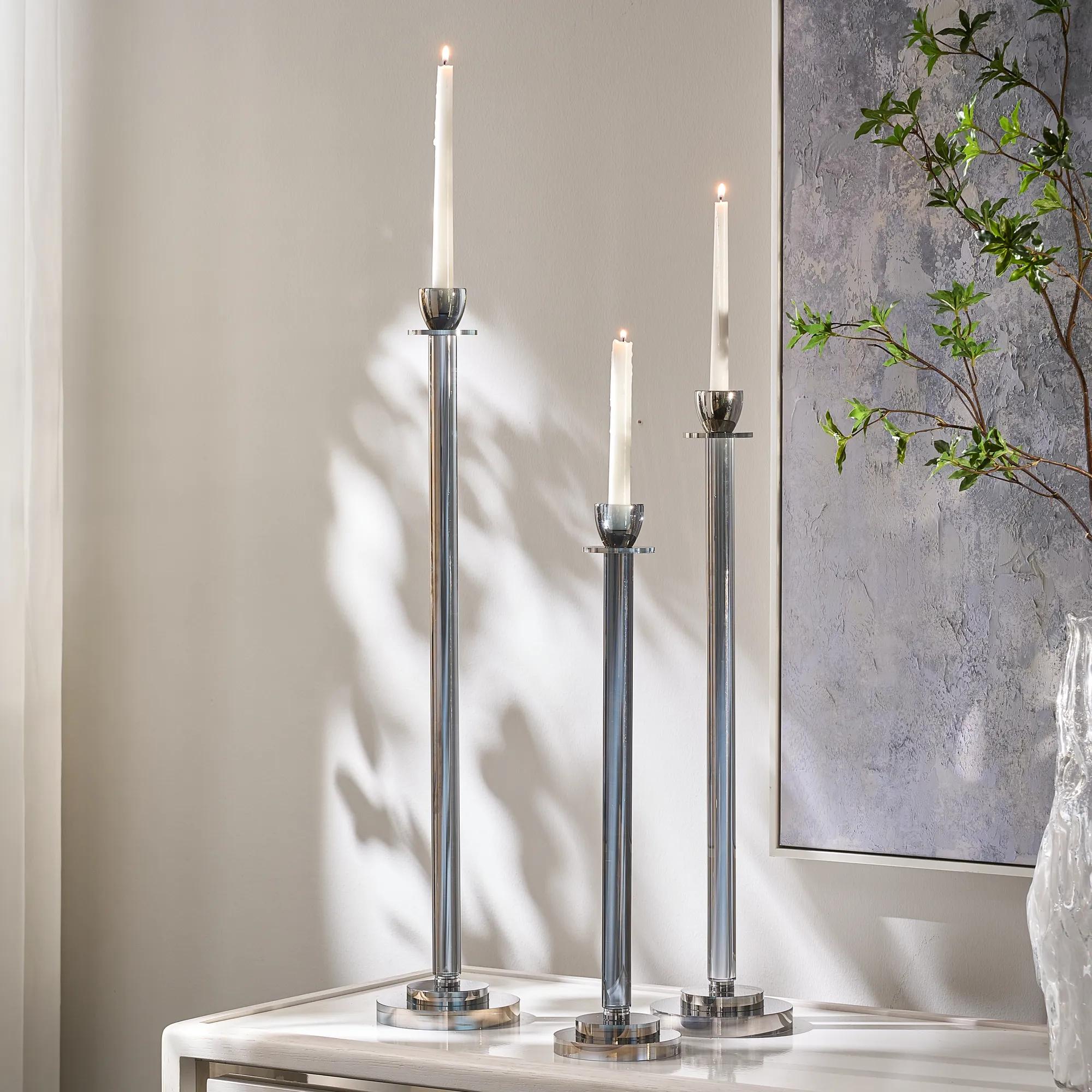 Warren Mirrored Graphite Crystal Taper Holders Set of 3$199
A set of three crystal glass taper holders in mirrored graphite for a dramatic, modern candlelight display.
Add To Cart -
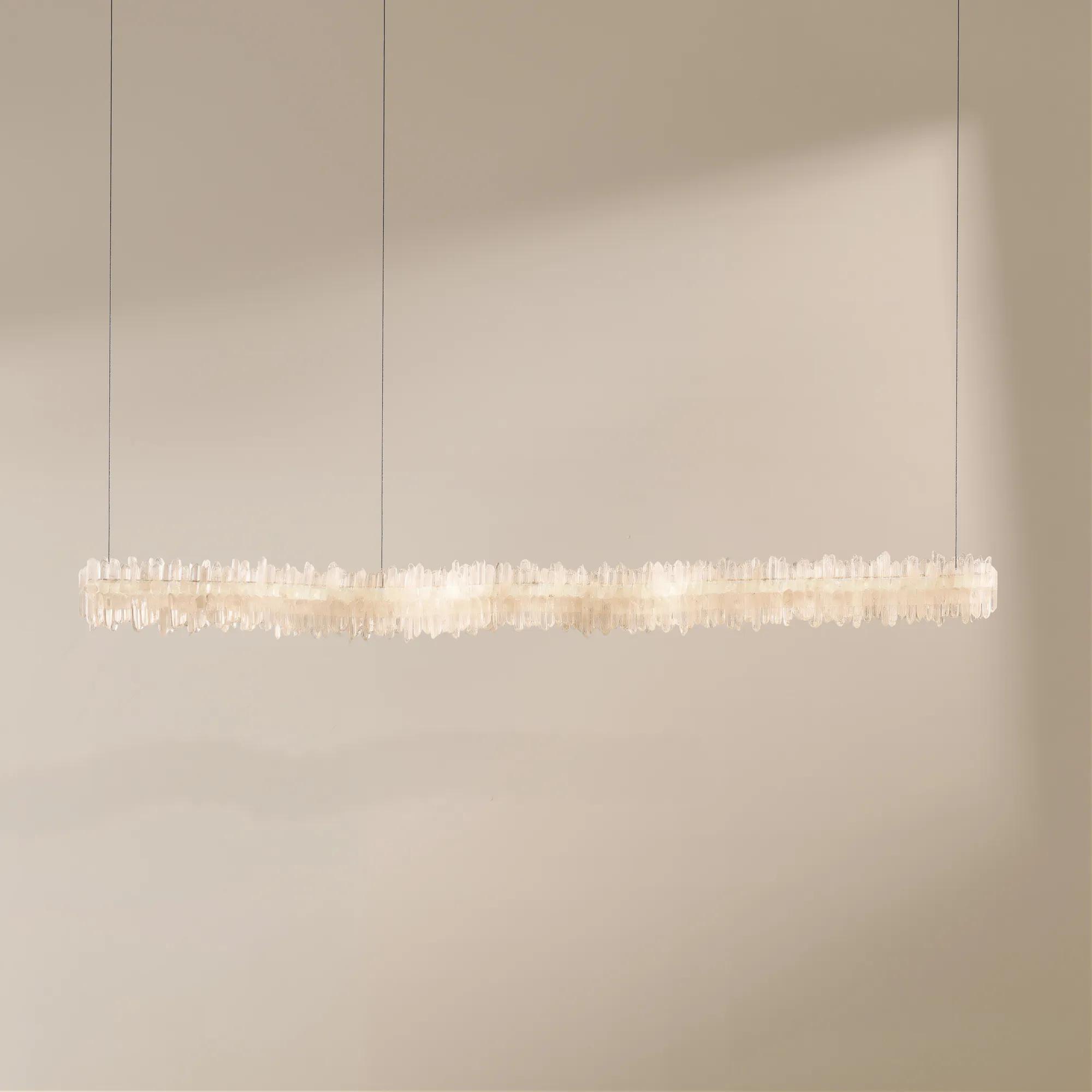 Stella Quartz Crystal LED Chandelier 47.25"$1899
A linear chandelier featuring raw quartz crystals and a rose gold frame with integrated warm LED lighting.
Add To Cart -
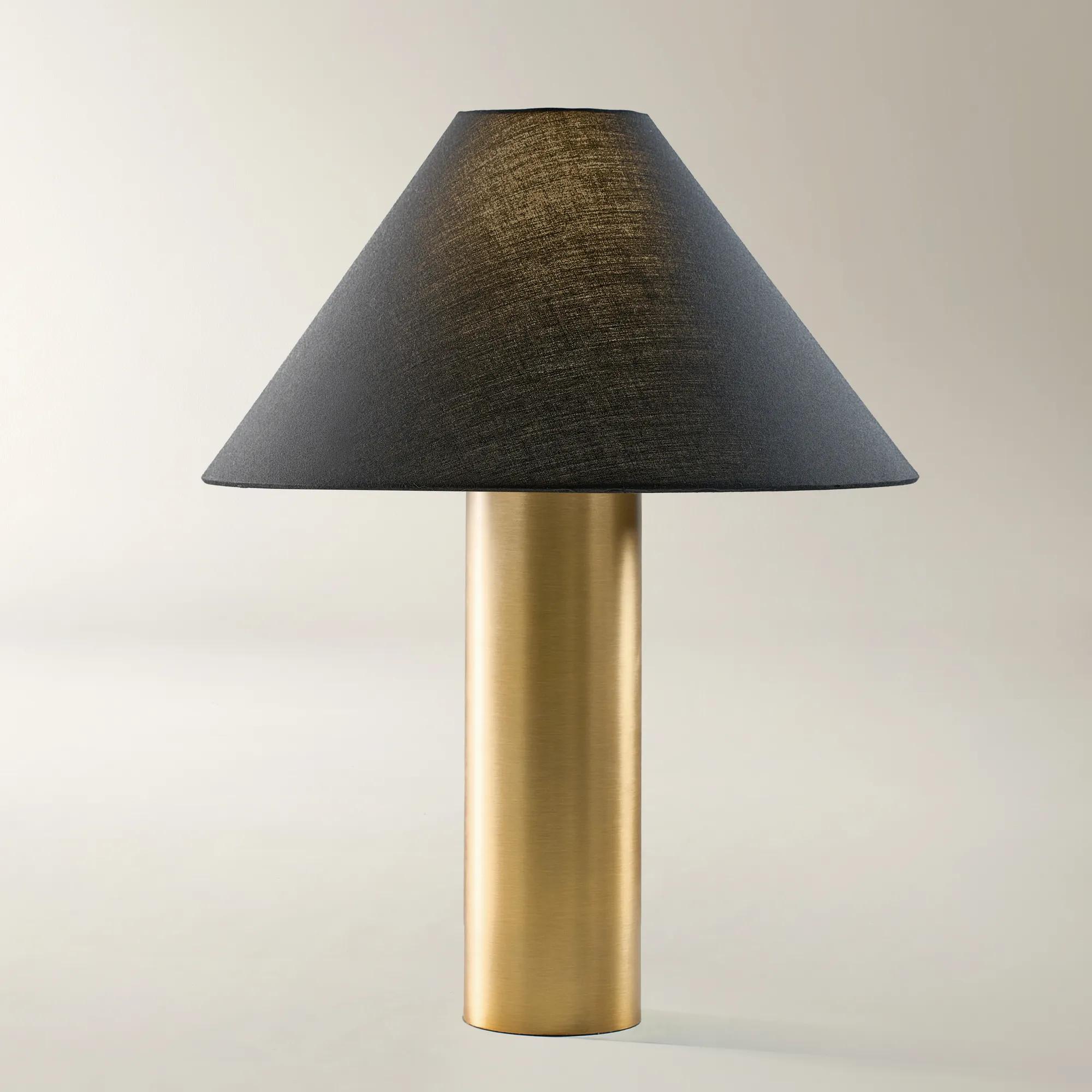 Tova Brushed Brass/Black Table Lamp 20.5"$299
A sculptural brushed brass iron base pairs with a tailored black cotton shade for bold, modern contrast.
Add To Cart -
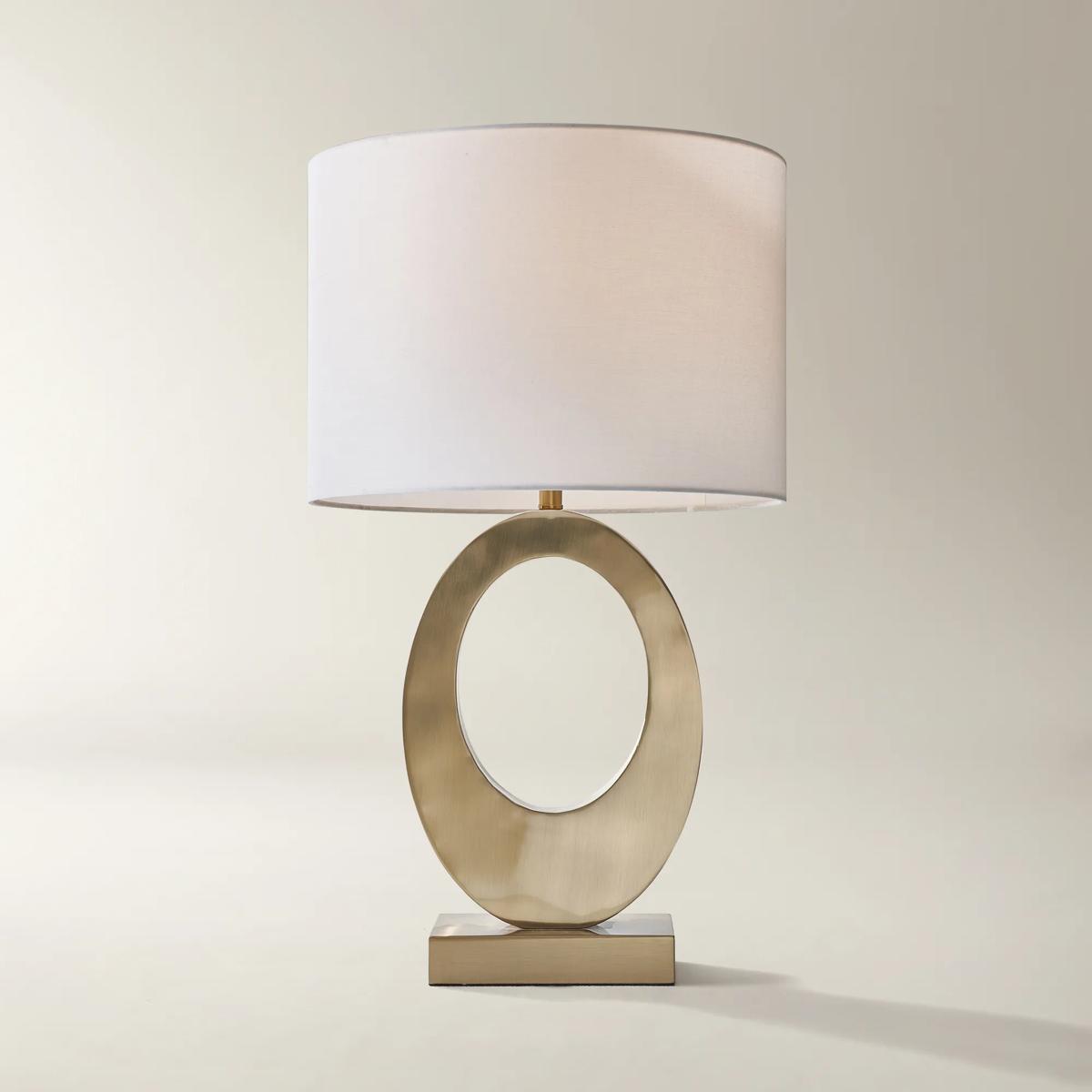 Loop Champagne Gold Metal Table Lamp 26.25"$399
A sculptural iron lamp in champagne gold with a beige cotton drum shade for warm, diffused lighting.
Add To Cart -
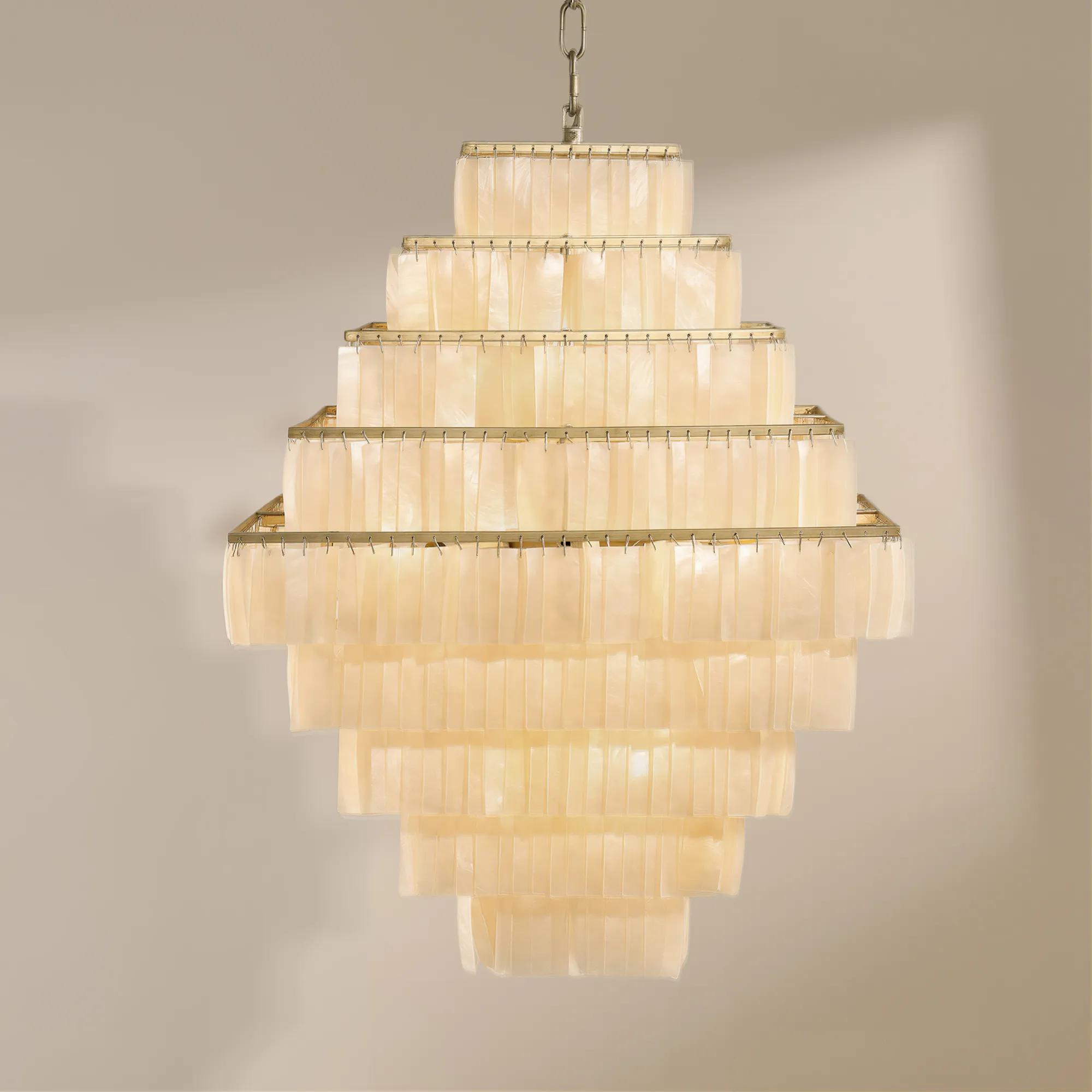 Soleil Capiz Shell Chandelier 25"$999
A luminous chandelier crafted from 700 hand-strung capiz shells and a champagne-finished iron frame.
Add To Cart -
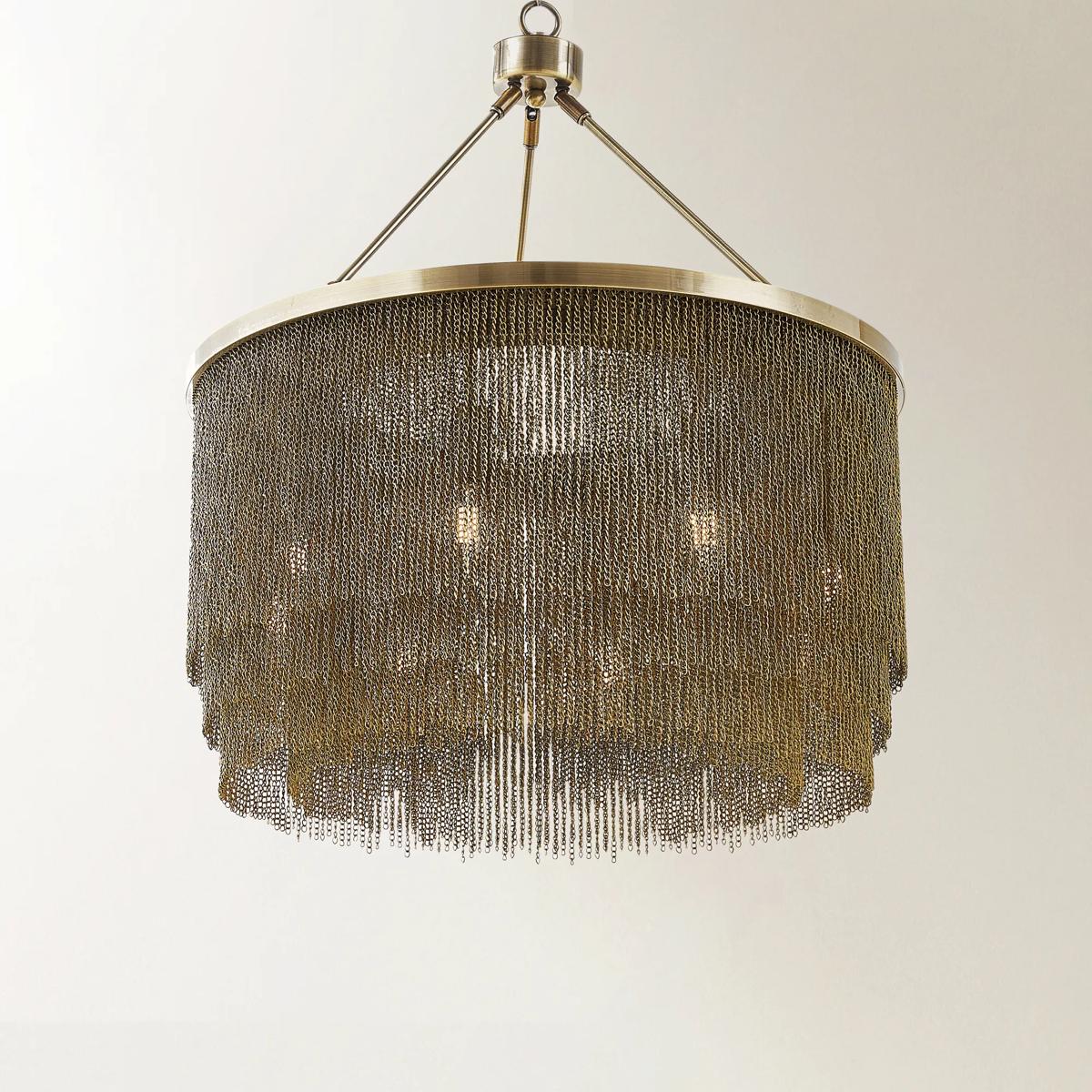
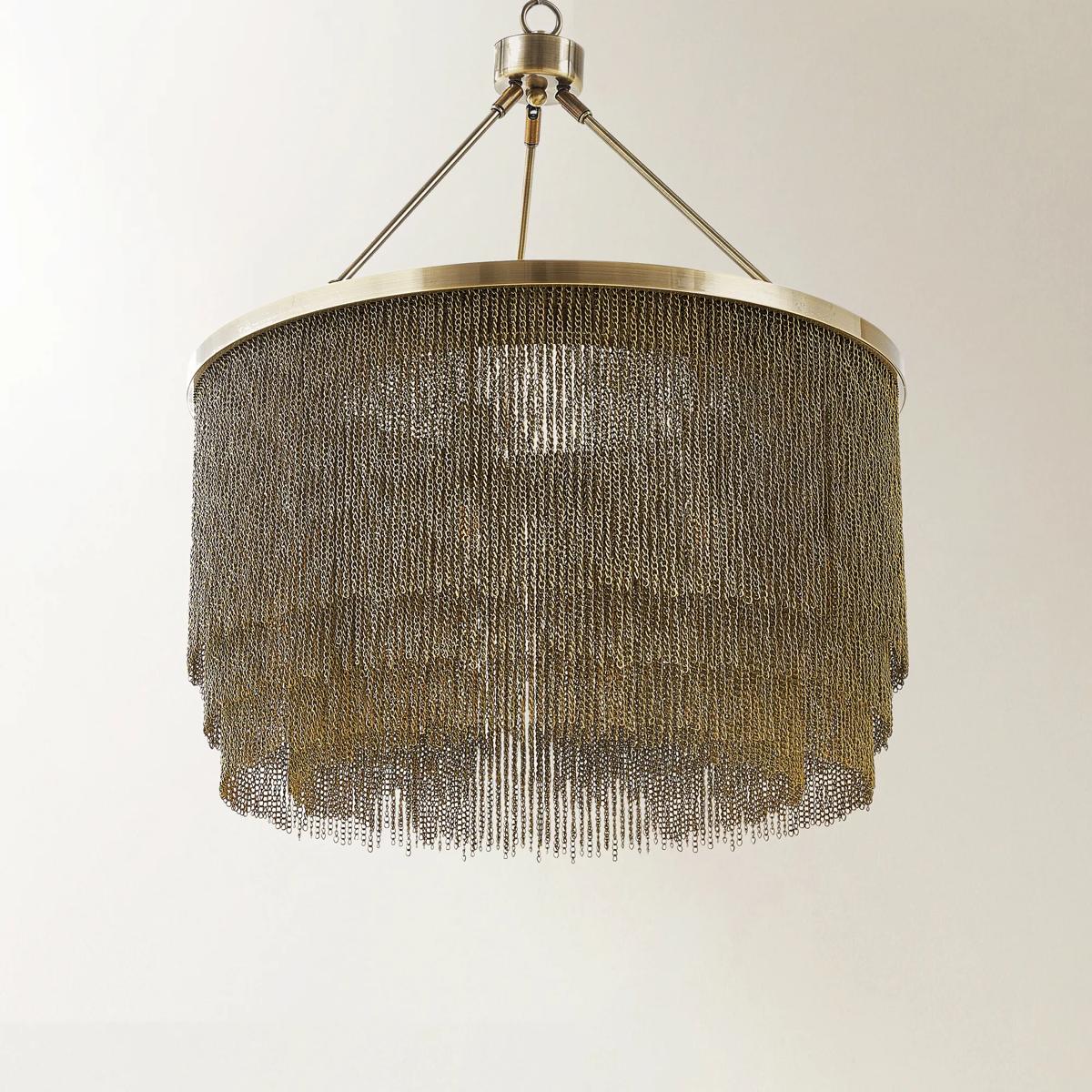 Dagny Brass Link Chain Chandelier 23.5"D x 27.5"H$999
A dramatic chandelier featuring cascading antique brass chains and a polished iron frame with a warm golden finish.
Add To Cart -
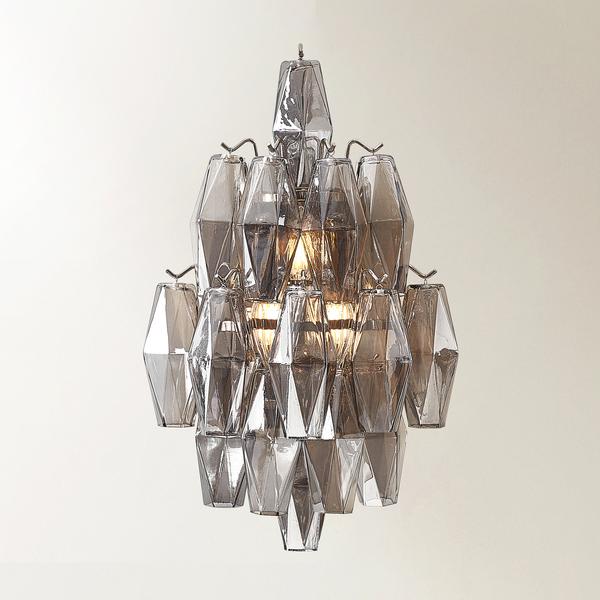
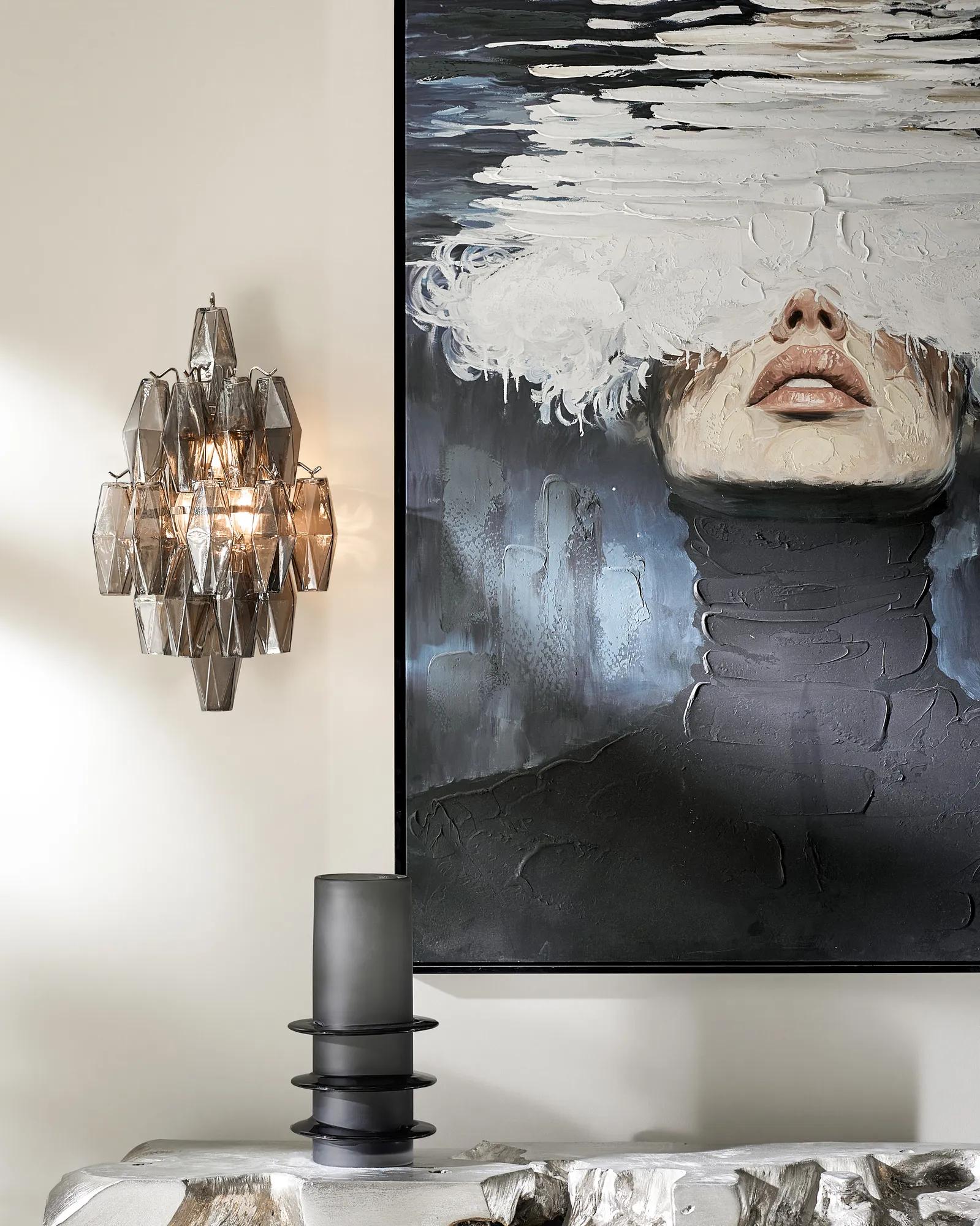 Cosima Glass Sconce 19.75" - Smoke$299
A sculptural sconce featuring hand-blown smoked gray glass and a polished nickel backplate for moody elegance.
Add To Cart -
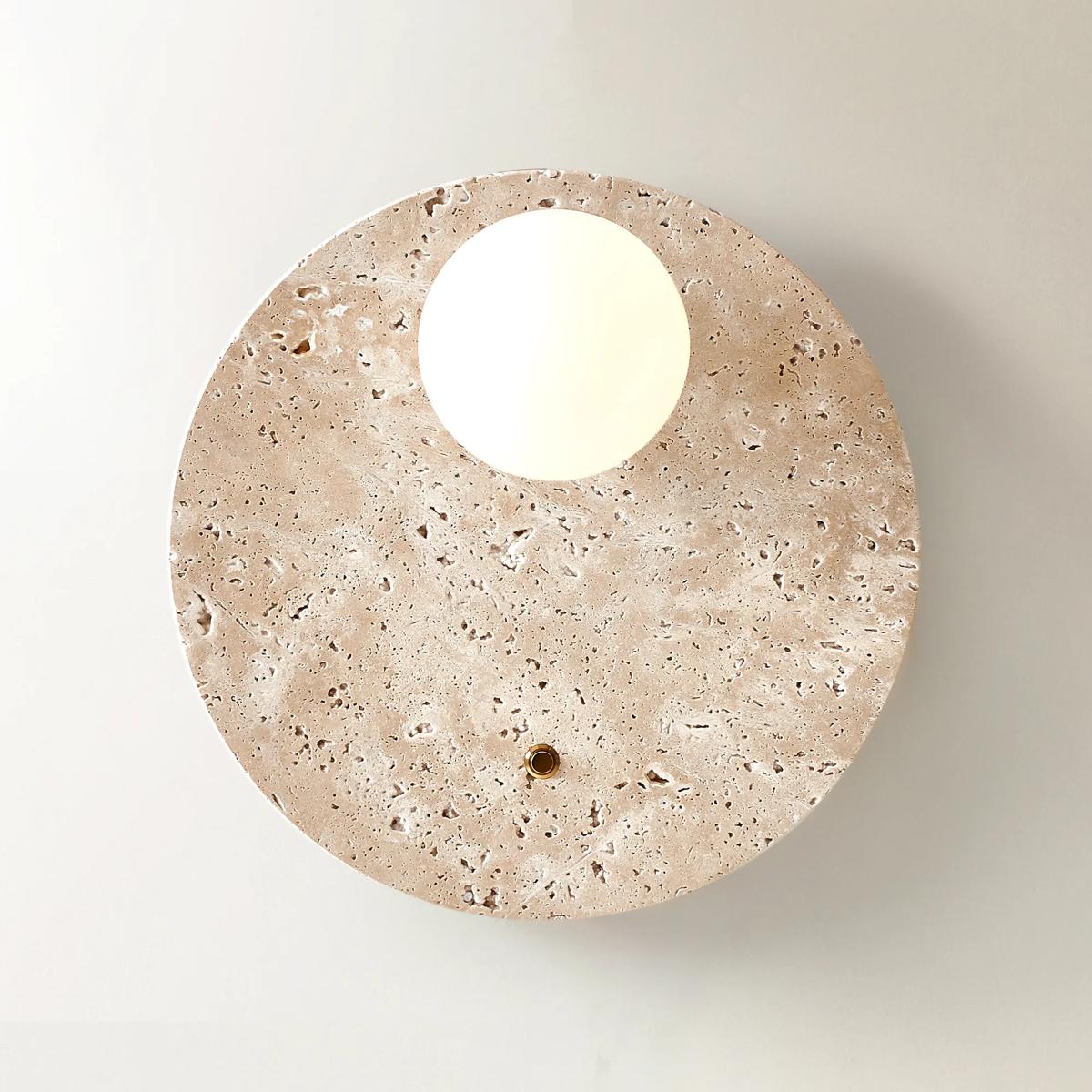
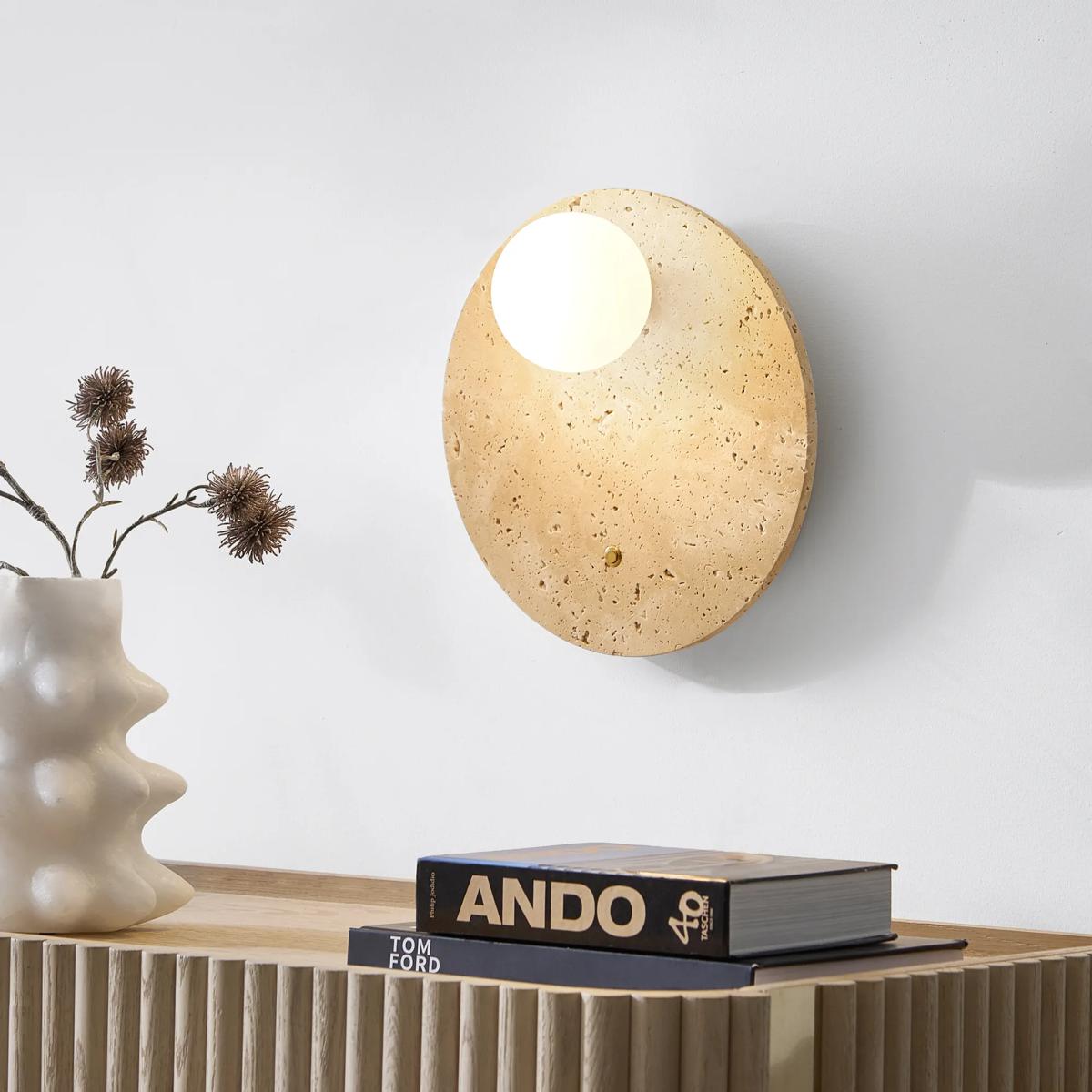 Eden Travertine Sconce 11.75"$149
A sculptural wall sconce crafted from genuine travertine and frosted glass for a softly diffused glow.
Add To Cart -
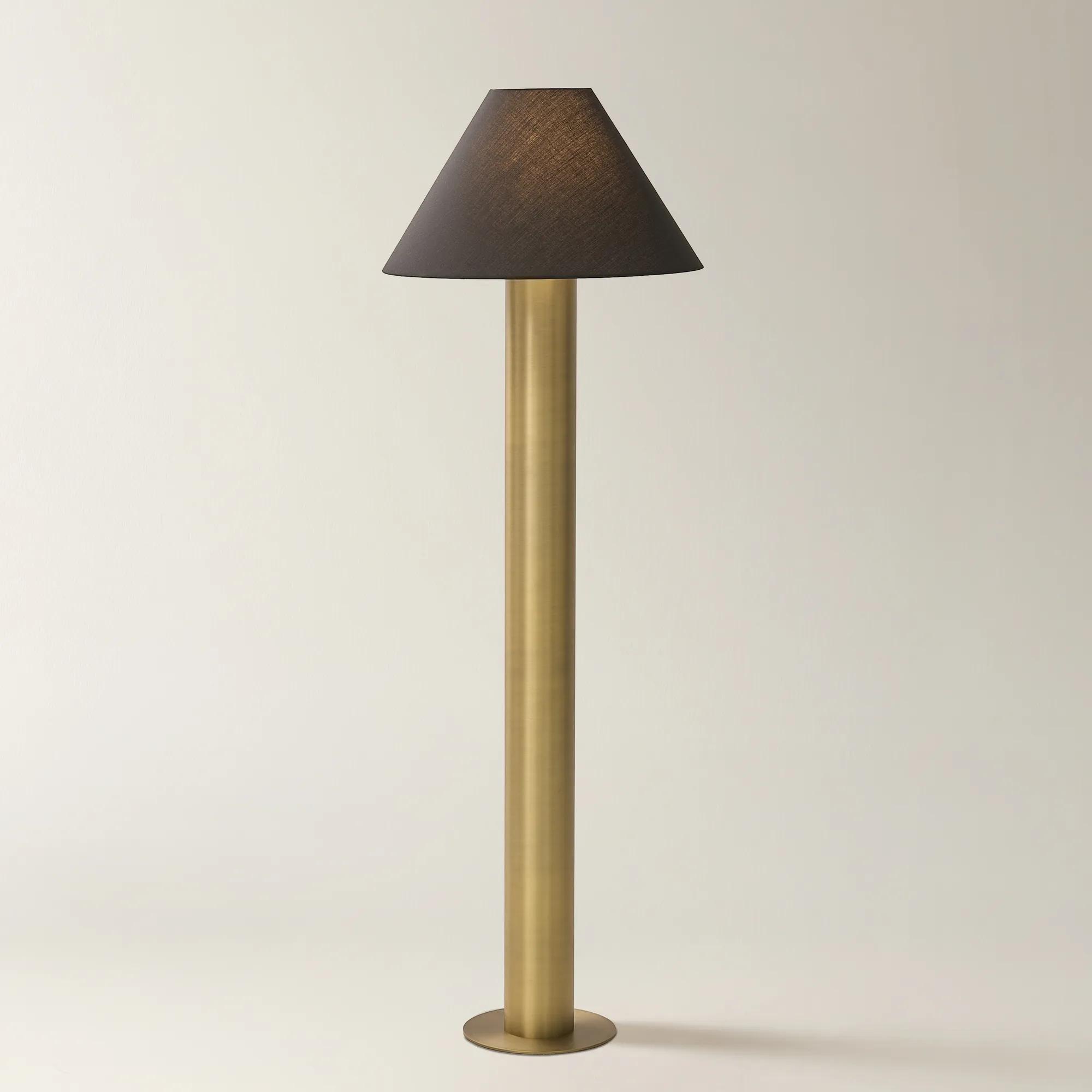
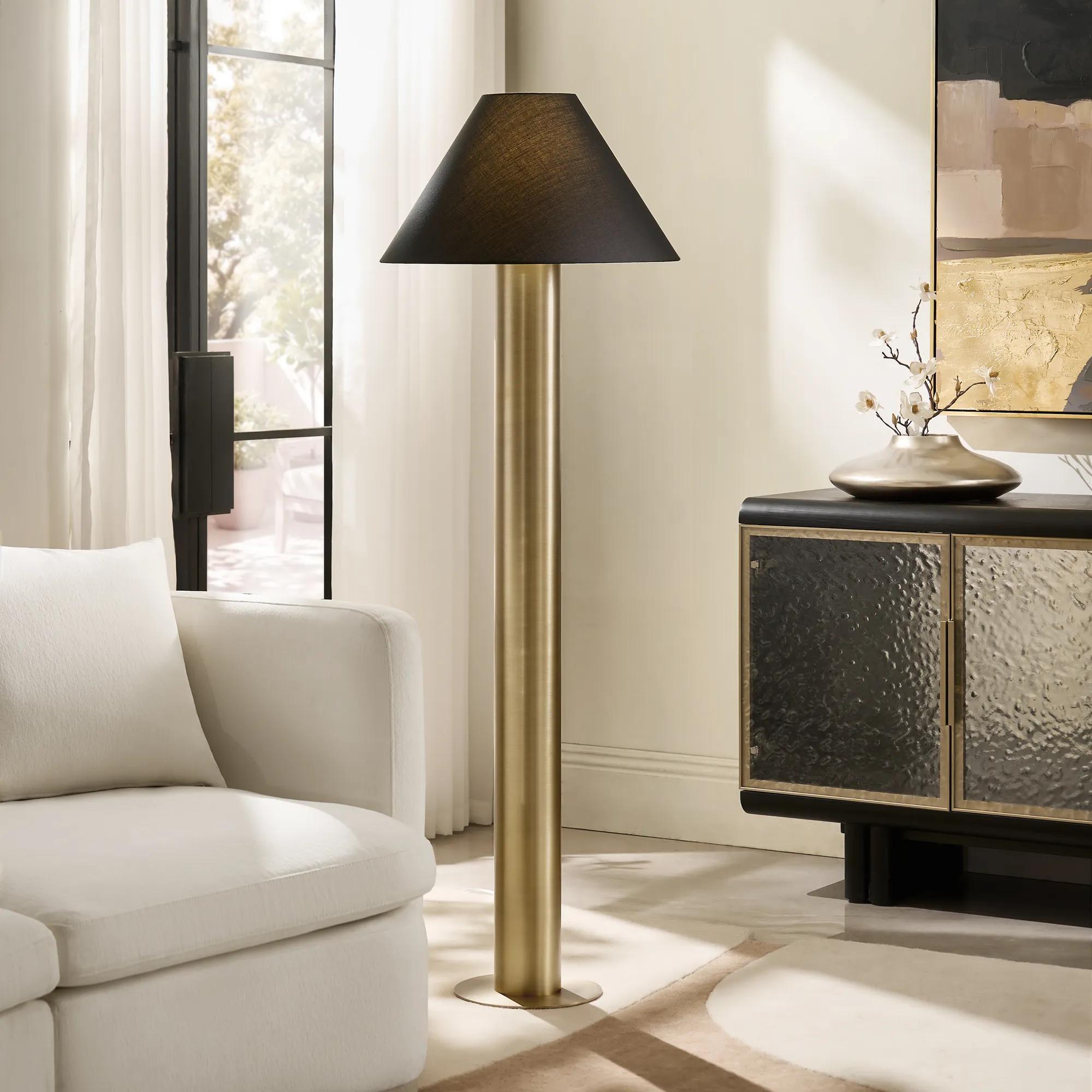 Tova Brushed Brass/Black Floor Lamp 60"$699
A sculptural brushed brass iron frame pairs with a tailored black cotton shade for modern, moody ambiance.
Add To Cart -
.jpeg?w=1200&h=1200) Bolla LED Hand-Blown Glass Bubble Chandelier 60.25"$499
Bolla LED Hand-Blown Glass Bubble Chandelier 60.25"$499A linear chandelier featuring clear sculptural glass orbs and a matte gold steel frame for modern elegance.
Add To Cart -
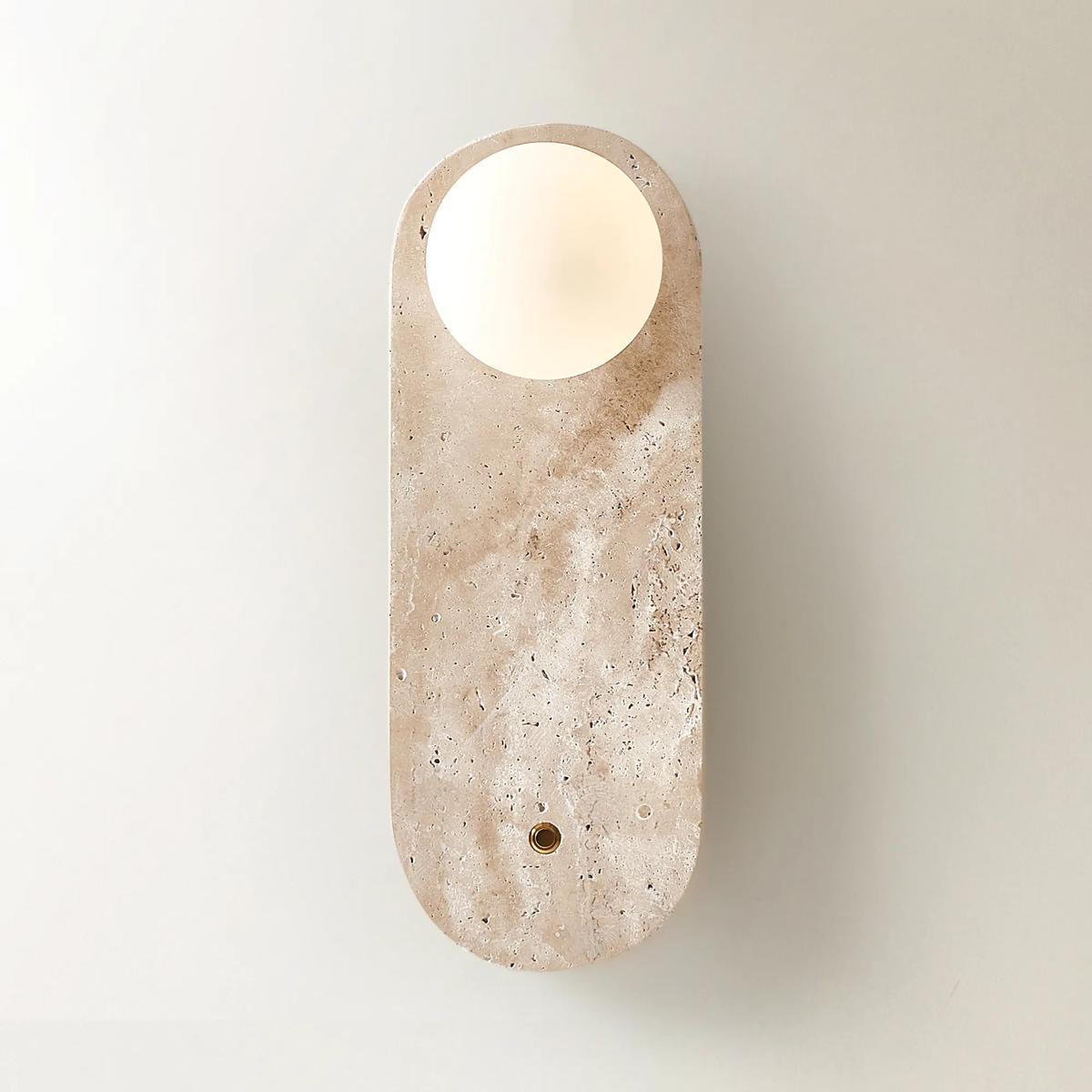 Eden Natural Travertine Electric Wall Sconce 15"$149
A handcrafted travertine sconce featuring a frosted glass globe and unique natural stone variations.
Add To Cart -
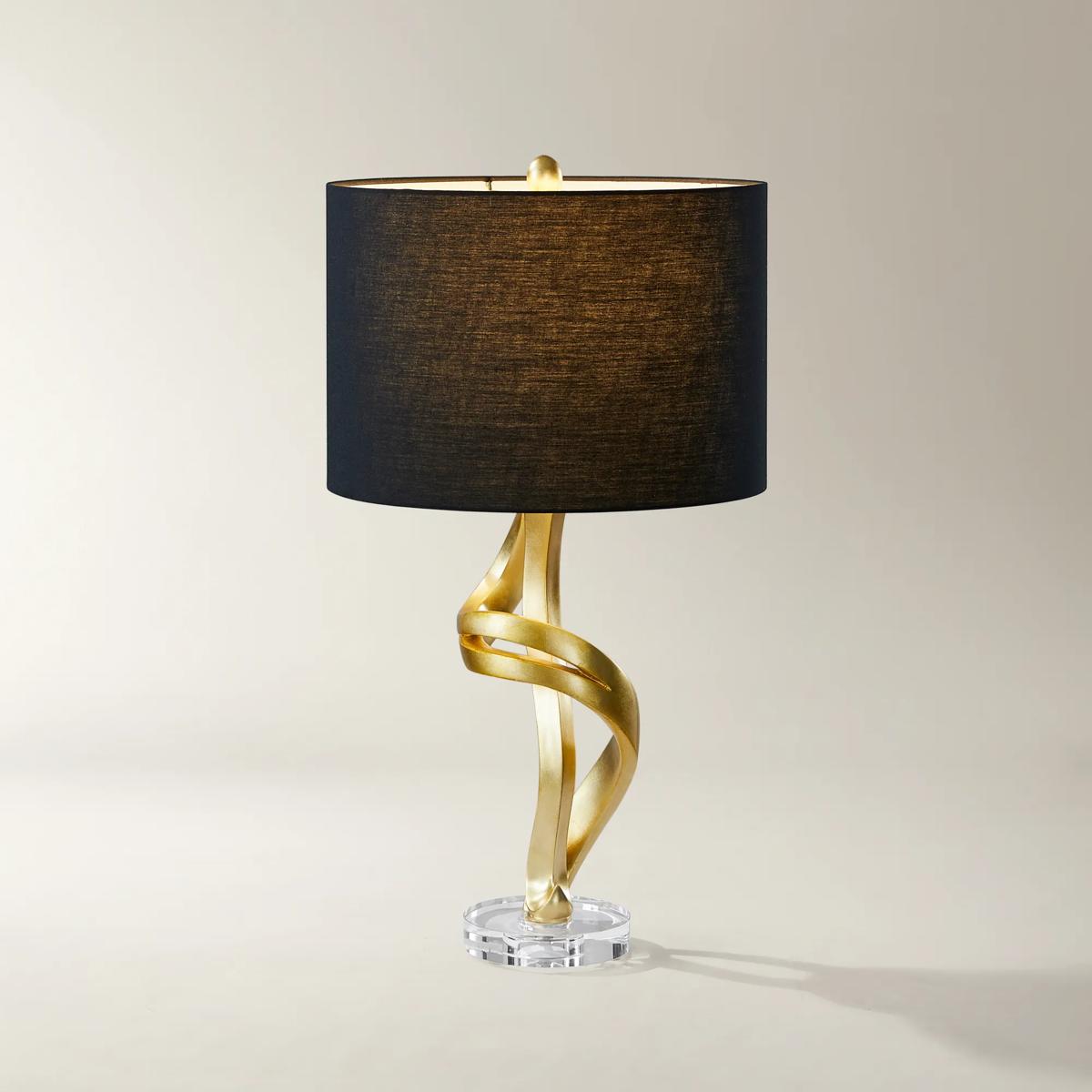
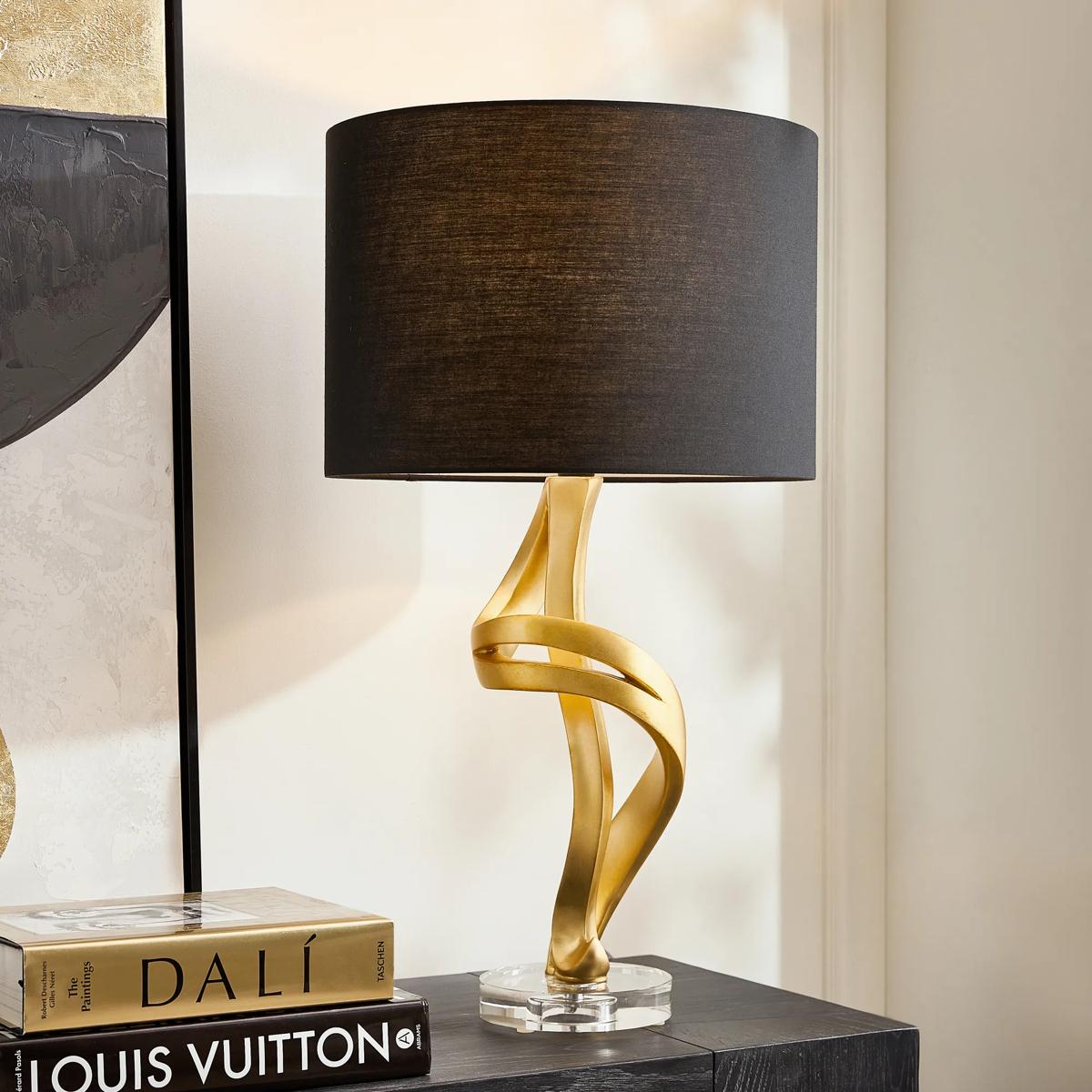 Nisa Sculptural Champagne Resin Table Lamp 28.25"$399
A sculptural resin lamp in champagne gold with a black cotton drum shade and clear acrylic base.
Add To Cart

Lighting For Autumn Evenings
As twilight deepens and leaves turn to gold, lighting for autumn evenings becomes the secret ingredient in crafting a home that glows with warmth and allure. Imagine pools of golden light cascading across velvet throws, sculptural silhouettes casting dramatic shadows, and each illuminated corner inviting you to linger just a little longer. With every flicker and gleam, lighting for autumn evenings transforms ordinary moments into opulent rituals—infusing your space with depth, intimacy, and a hint of seasonal magic. Let your home shimmer with the promise of cozy gatherings and unforgettable nights.
Lighting for autumn evenings brings warmth, dimension, and a sense of occasion to the hours spent at home after sunset. As daylight fades earlier and the cooler months invite longer evenings indoors, thoughtfully layered lighting turns a living room into an intimate gathering place and gives a quiet bedroom a softer silhouette. Table lamps, floor lamps, chandeliers, pendants, and wall sconces each contribute a different quality of light, from a concentrated pool beside a favorite chair to a luminous wash across the dining table. The most inviting combinations balance ambient light for the room, task light for reading or serving, and accent light that draws attention to art, texture, or an architectural detail. A sculptural lamp can hold its own against richly patterned upholstery, while a translucent glass base lets a compact console retain a feeling of openness. Warm white bulbs around 2700K to 3000K generally create a welcoming glow without making the space feel overly amber; lower color temperatures, around 2200K, lend a more pronounced, candlelike warmth. Color temperature describes the appearance of the light, not its brightness, so lumen output matters just as much when a lamp needs to illuminate a book rather than simply soften a corner. Dimmable lighting offers flexibility for rooms that move from afternoon activity to evening conversation, provided the bulb, fixture, and dimmer are compatible. For someone reading while another person relaxes nearby, a shaded floor lamp can concentrate illumination around the chair while surrounding lamps remain low. This quieter distribution of light gives the room depth without requiring every surface to shine equally. For spaces where an intimate atmosphere matters beyond the season, Lighting For Cozy Spaces offers a complementary direction. The appeal is not darkness, but contrast: enough illumination to feel comfortable, with softer edges that allow velvet, polished stone, and expressive artwork to reveal their character.
Materials shape that atmosphere as decisively as the light itself. Metal finishes bring definition to a lighting arrangement, with brushed surfaces offering a restrained shimmer and polished finishes catching brighter reflections. Clear glass feels airy and architectural, while textured or tinted glass can introduce depth even before a lamp is switched on. Crystal details scatter highlights across nearby surfaces, giving an evening gathering a more jewel-like quality. Ceramic and stone bases add visual weight, especially beside a sumptuous sofa or on a substantial sideboard, though natural variation in veining, color, and texture means these materials may have individual character. Shades influence both appearance and performance: a pale fabric shade typically diffuses light broadly, while an opaque shade often directs more illumination through its openings. Shade construction, lining, and bulb placement all affect the final glow. For a reading corner, the relationship between seat height and shade height helps determine whether the light feels useful or intrusive; the bulb should not shine directly into seated eyes. On a bedside table, the lamp needs room for everyday essentials, and its switch should be easy to reach without leaning across the bed. A generous console can support a taller, more substantial silhouette, while a narrow entry table benefits from a base that leaves a comfortable margin around its edges. Chandeliers and pendants need proportions that respond to the furniture below and the room around them, with appropriate clearance for movement and unobstructed sightlines across a dining table. Ceiling height, fixture dimensions, and installation requirements deserve attention before a hardwired piece becomes part of the room. In a dining area that also serves as a workspace, brighter illumination may suit daytime tasks, while a lower evening setting emphasizes the table rather than the entire ceiling. These practical relationships give decorative lighting its lasting appeal. A fixture feels considered when its scale, reach, and light distribution support the way the space is actually lived in, not simply the way it looks from the doorway.
Warm lighting also gives gathering spaces a gracious rhythm during the cooler months. A softly lit entry makes the transition indoors feel welcoming, while a lamp on a sideboard allows guests to find glasses and serving pieces without flooding the dining room with overhead light. In an open-plan home, separate pools of illumination can distinguish conversation, dining, and reading areas while preserving a cohesive mood. Decorative candlelight adds movement, but real candles require stable, heat-resistant holders, generous clearance from fabrics and foliage, and attentive supervision. Flameless candles offer an alternative where an open flame is unsuitable, though battery compartments should remain secure, especially around children and pets. Outdoor lighting extends the same sense of welcome to a sheltered porch or patio only when the fixture is rated for its intended location; damp-rated and wet-rated designs are not interchangeable. Walkways and steps need enough directed light for clear footing, with glare kept away from approaching eyes. Indoors or out, durability depends on appropriate placement and care as much as material. Stable bases and cords routed away from traffic help lighting sit comfortably within a busy household. Before cleaning, disconnect power where applicable and allow bulbs to cool. Metal, glass, and stone surfaces generally benefit from gentle dusting with a soft cloth, while fabric shades may need a delicate brush attachment or another method specified by the manufacturer. Abrasive cleaners and excess moisture can damage finishes, so material-specific care instructions remain essential. Bulbs should match the fixture’s base type, wattage limits, and any requirements for enclosed use. For housewarming gifts or hosts who enjoy expressive interiors, decorative lighting can be a thoughtful choice when the recipient’s space, electrical needs, and preferred finishes are understood. Whether illuminating a shared meal or the final chapter of a novel, well-chosen lighting makes everyday rituals feel richer, with warmth that carries naturally from early fall into the longer evenings ahead.
FAQs
For autumn evenings, lighting that emits a warm white or amber glow—typically between 2700K and 3000K—cultivates an inviting, cozy ambiance. Layering different sources such as floor lamps, table lamps, wall sconces, and accent lighting helps create depth and drama, while dimmable features allow you to tailor the mood as the evening unfolds.
Strategically placed accent lamps or spotlights can draw attention to seasonal vignettes, such as a decorative console adorned with autumn foliage or a sculptural centerpiece. Incorporate lighting with metallic or textured finishes to complement rich fall tones, and use subtle uplighting or backlighting to enhance the visual impact of statement pieces.
Lighting fixtures crafted from brushed gold, antique brass, smoked glass, or hand-finished ceramics evoke the warmth and richness of the season. Velvet or linen shades add a tactile dimension, while mirrored or crystal accents reflect the soft glow of autumn light, creating a sense of luxury and depth.
Absolutely. Layered lighting—combining ambient, task, and accent sources—can open up a small space and create a sense of intimacy. Opt for warm-toned bulbs and reflective surfaces to amplify the available light, and place lamps at varying heights to eliminate dark corners and add visual interest.
For autumn gatherings, consider using clusters of flameless candles for a flickering effect without the worry, or draping string lights across mantels and banisters for a touch of whimsy. Statement floor lamps or pendant lights above the dining area can set a dramatic tone, while portable lanterns and illuminated trays add both function and flair to your entertaining repertoire.
-compressed.jpg?w=3614&h=3614)
.jpg?w=3614&h=3614)