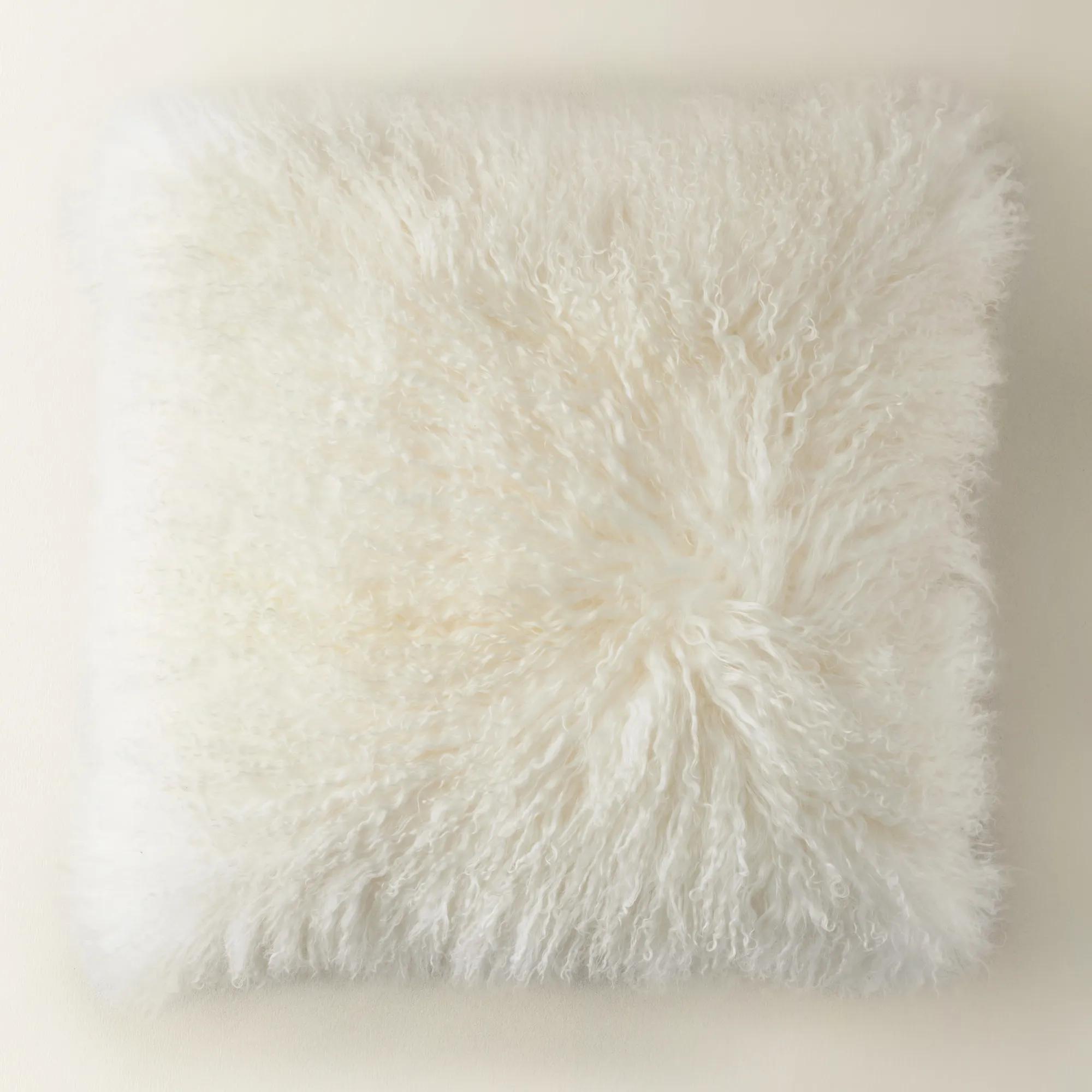
Leopard Print Home Accessories
Leopard Print Home Accessories
-
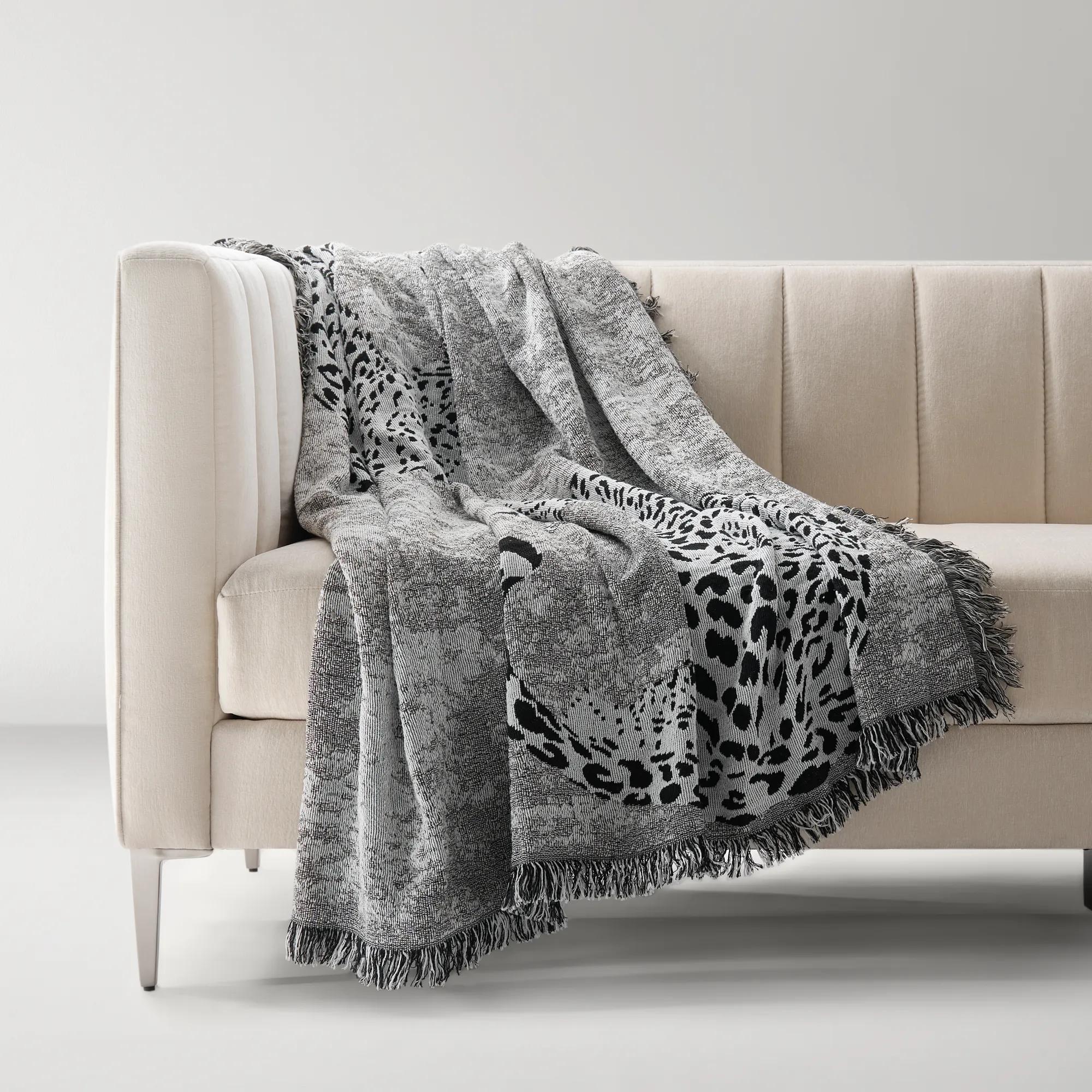 Leopard Duet Throw 60" X 50"$79
A plush black and white leopard print throw woven from polyester and cotton for bold, cozy style.
Add To Cart -
 Zulu Leopard Embroidered Velvet Pillows$89
A plush black and tan velvet pillow featuring a striking leopard face with embroidered accents and feather-down insert.
Add To Cart -
 Leopardi Black/Rust Dual Side Velvet Pillow 22" x 22"$89
A reversible velvet pillow featuring bold black and rust leopard silhouettes for dramatic, plush style.
Add To Cart -
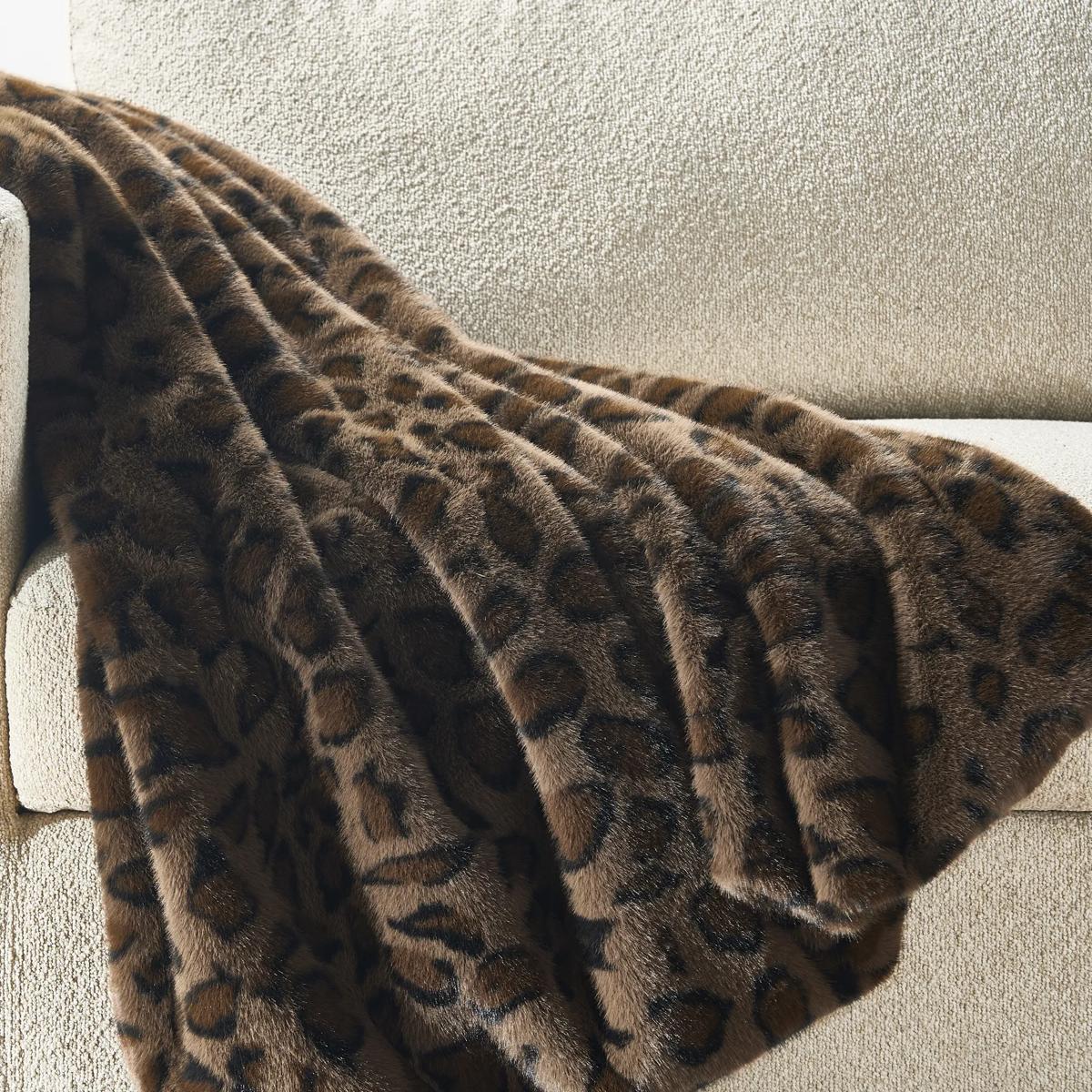
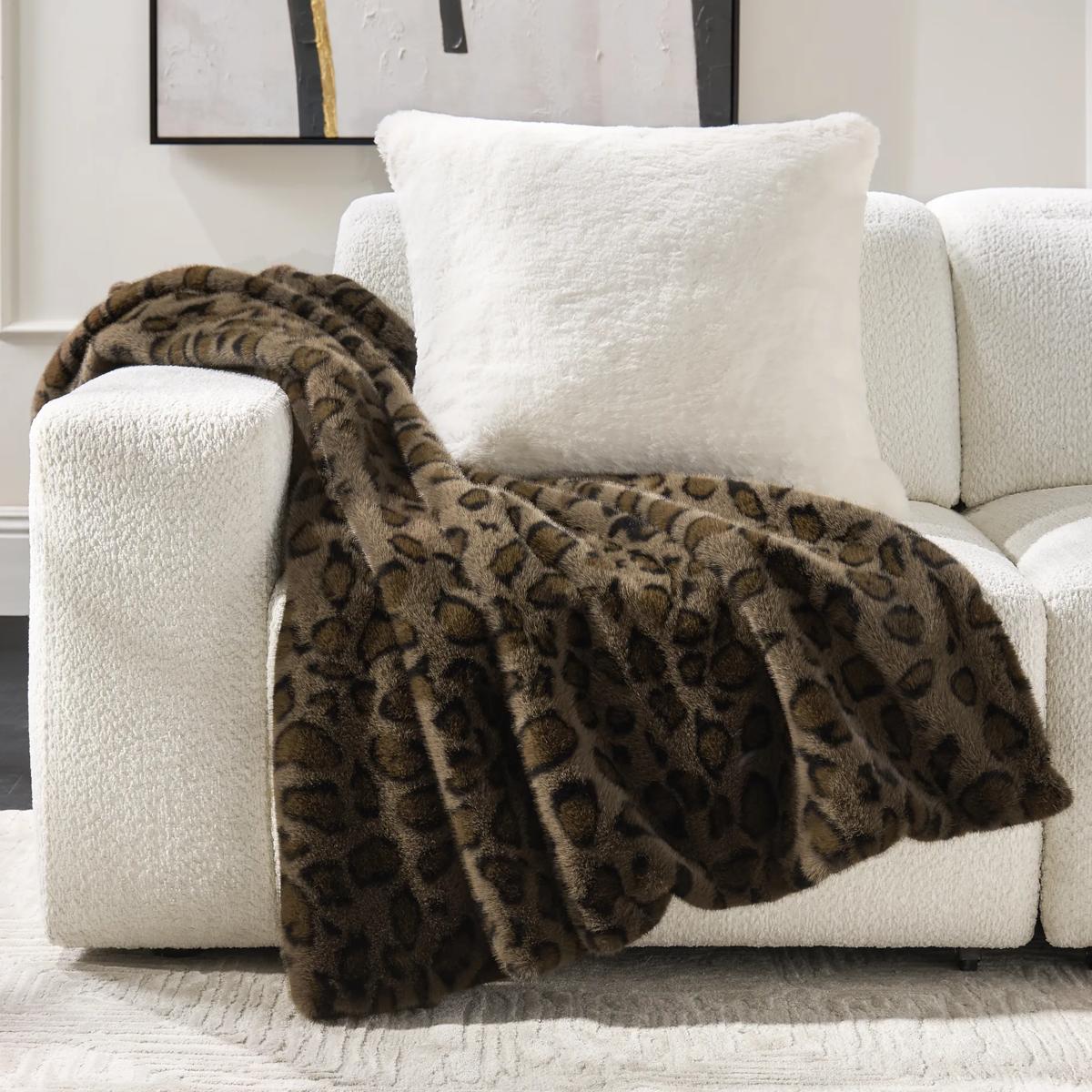 Nyx Brown Animal Print Faux Fur Throw 50" x 60"$149
A brown leopard print faux fur throw offering ultra-soft texture and bold, glamorous style.
Add To Cart -
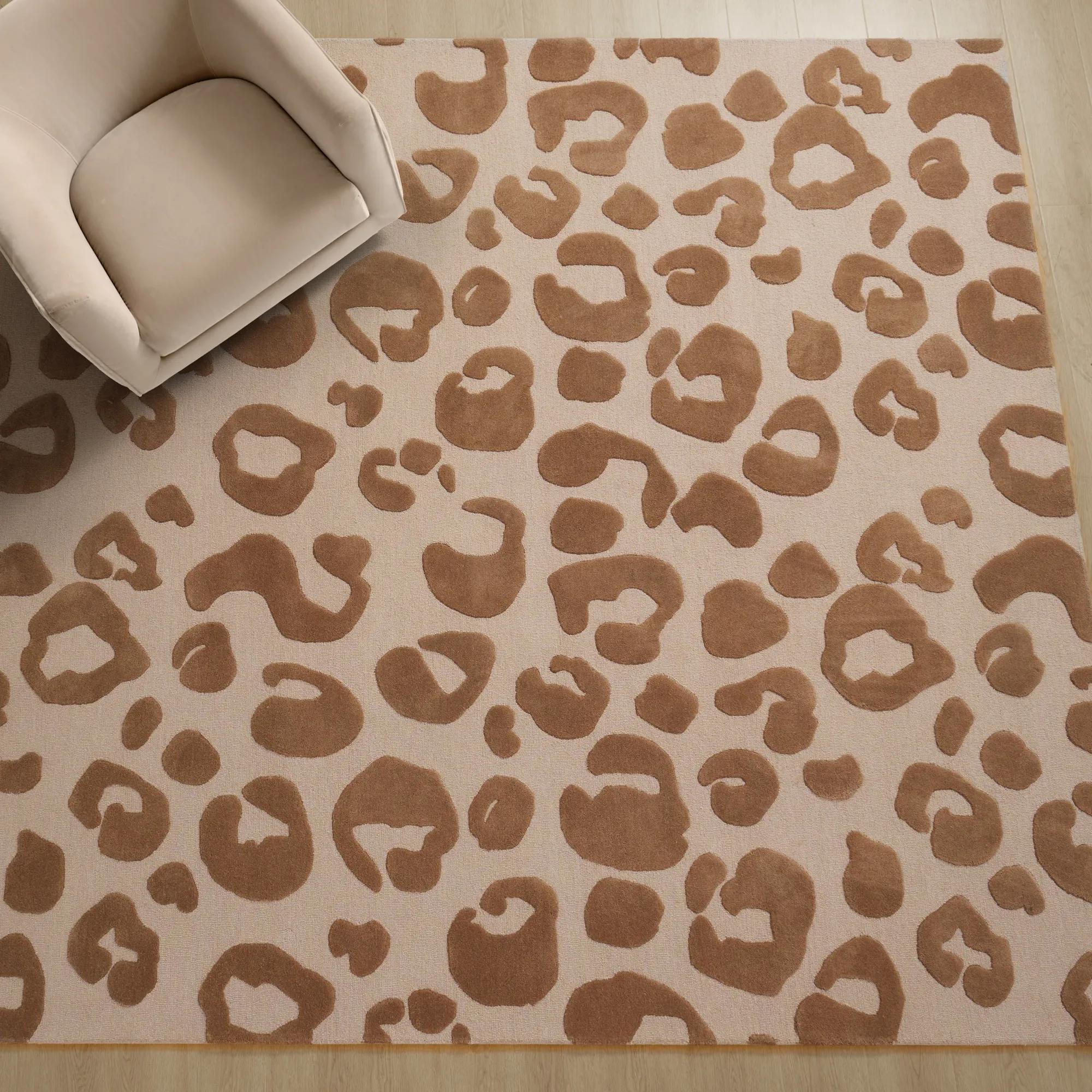 Pounce Hand-Tufted Tawny Brown Leopard Print Wool Rugs$1499
A hand-tufted pure wool rug featuring a bold tawny brown leopard print and sculptural high-low texture.
Add To Cart -
 Namir Leopard Beaded Embroidered Dusty Blue/Gold Velvet Pillow 22" x 22"$129
A soft dusty blue velvet pillow featuring an embroidered beaded leopard face and feather-down insert.
Add To Cart -
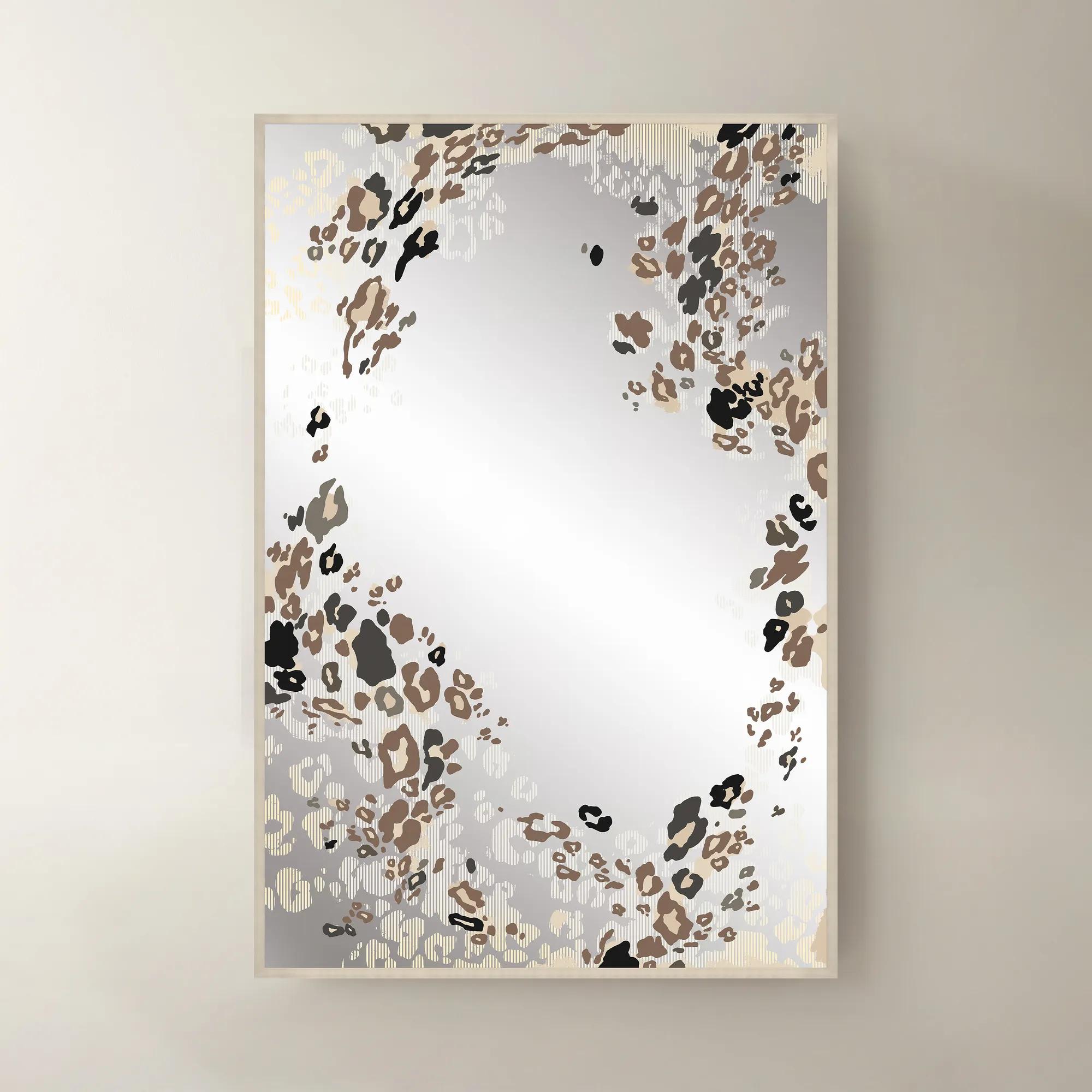
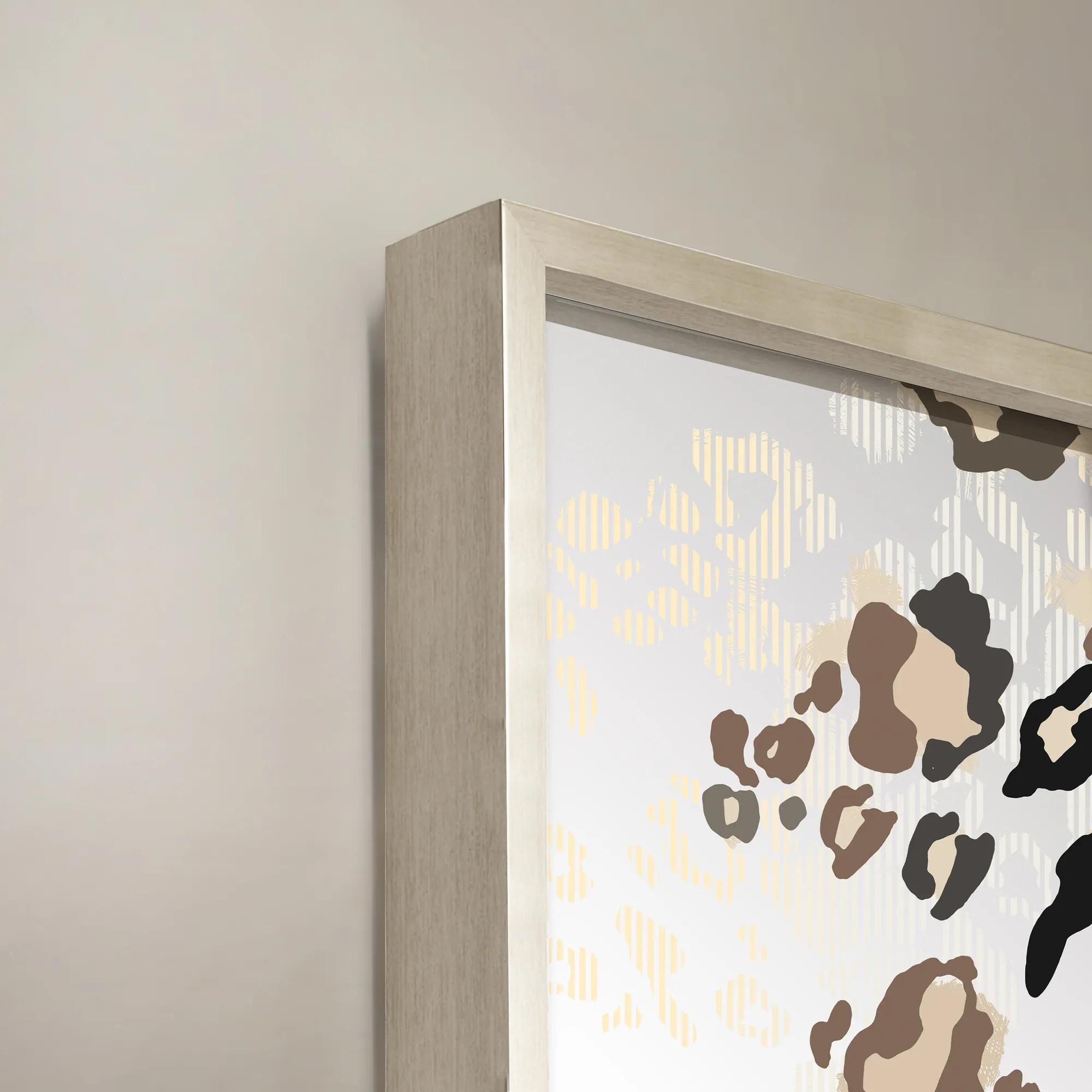 Leopard Luxe Framed Printed Wall Mirror 40" x 60"$1499
A printed mirror featuring Art Deco-inspired leopard artwork, set in a wood silver frame with brown and black tones.
Add To Cart -
 Leopard Camel/Black Cow Hide Ottoman (18'')$799
A genuine cowhide pouf in camel and black leopard print with a removable cover and hidden zipper.
Add To Cart -
 Nyx Brown Animal Print Faux Fur Pillow 22" x 22"$89
A plush brown leopard-print faux fur pillow with a velvet back and removable feather down insert.
Add To Cart -
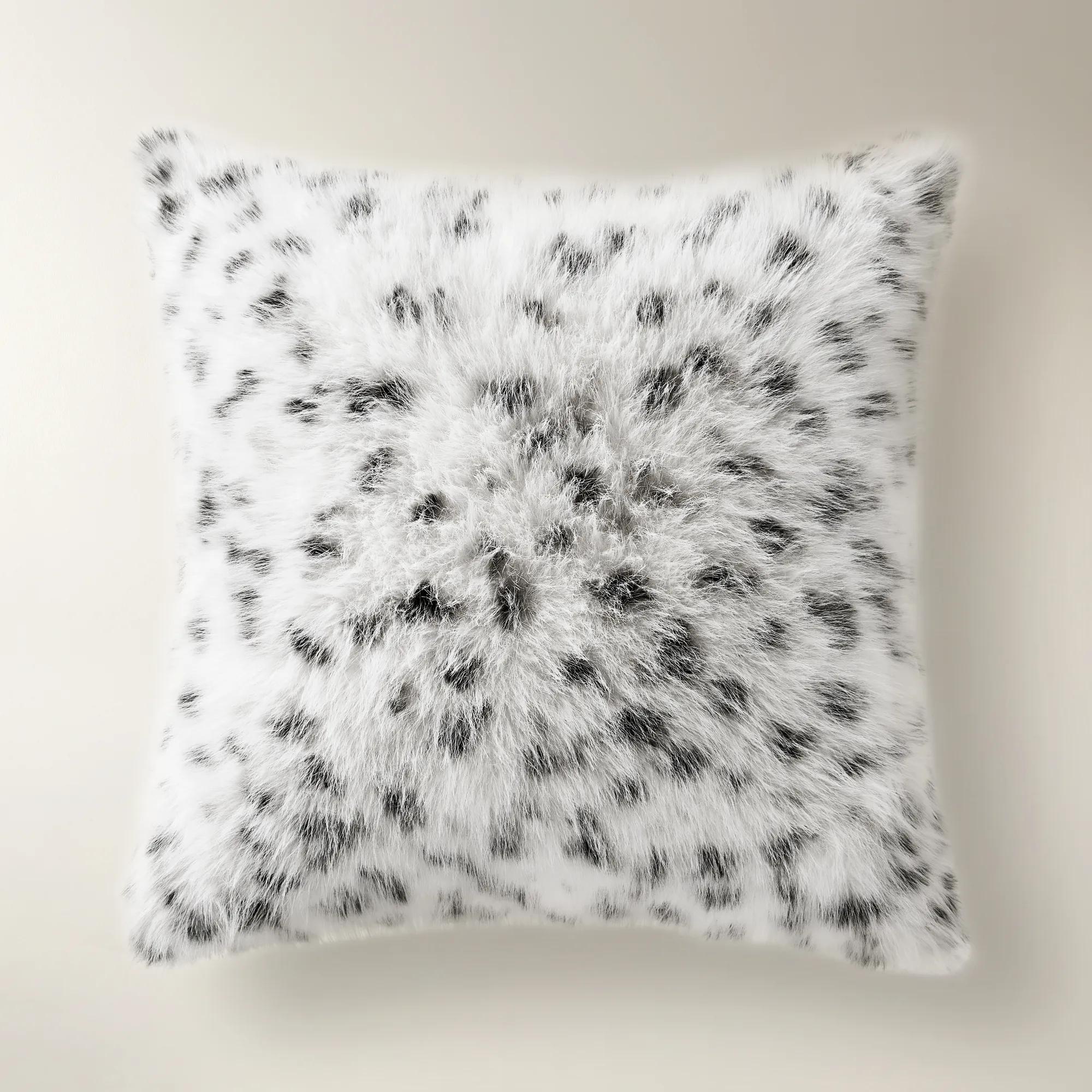 Snow Leopard Faux Fur Pillow 22" x 22"$89
A plush white and black faux fur pillow with a snow leopard print and velvet reverse for modern flair.
Add To Cart -

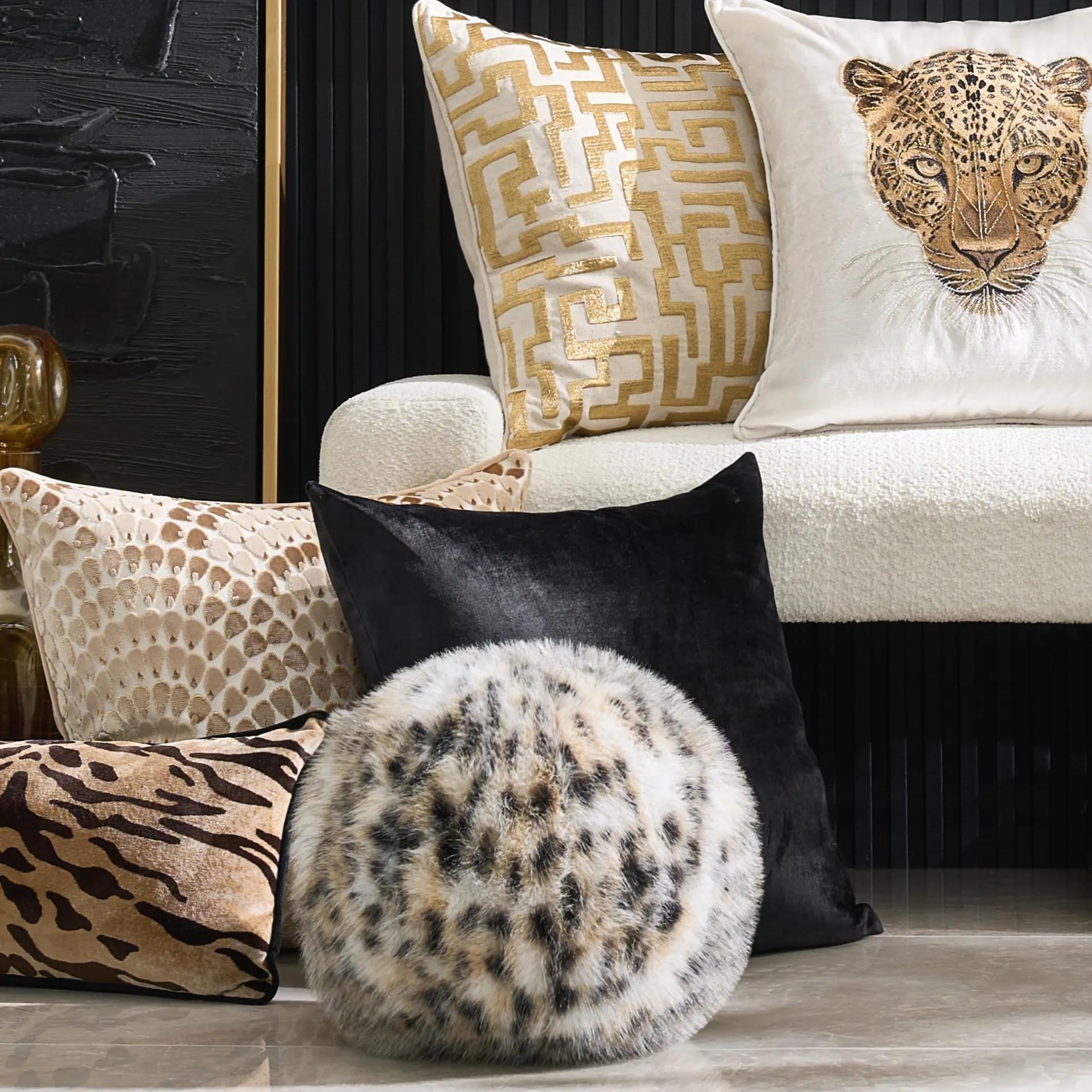 Bria Spotted Animal Print Faux Fur Ball Pillow 12"D$89
A whimsical faux fur sphere featuring a multi-toned animal print for a playful, modern accent.
Add To Cart -
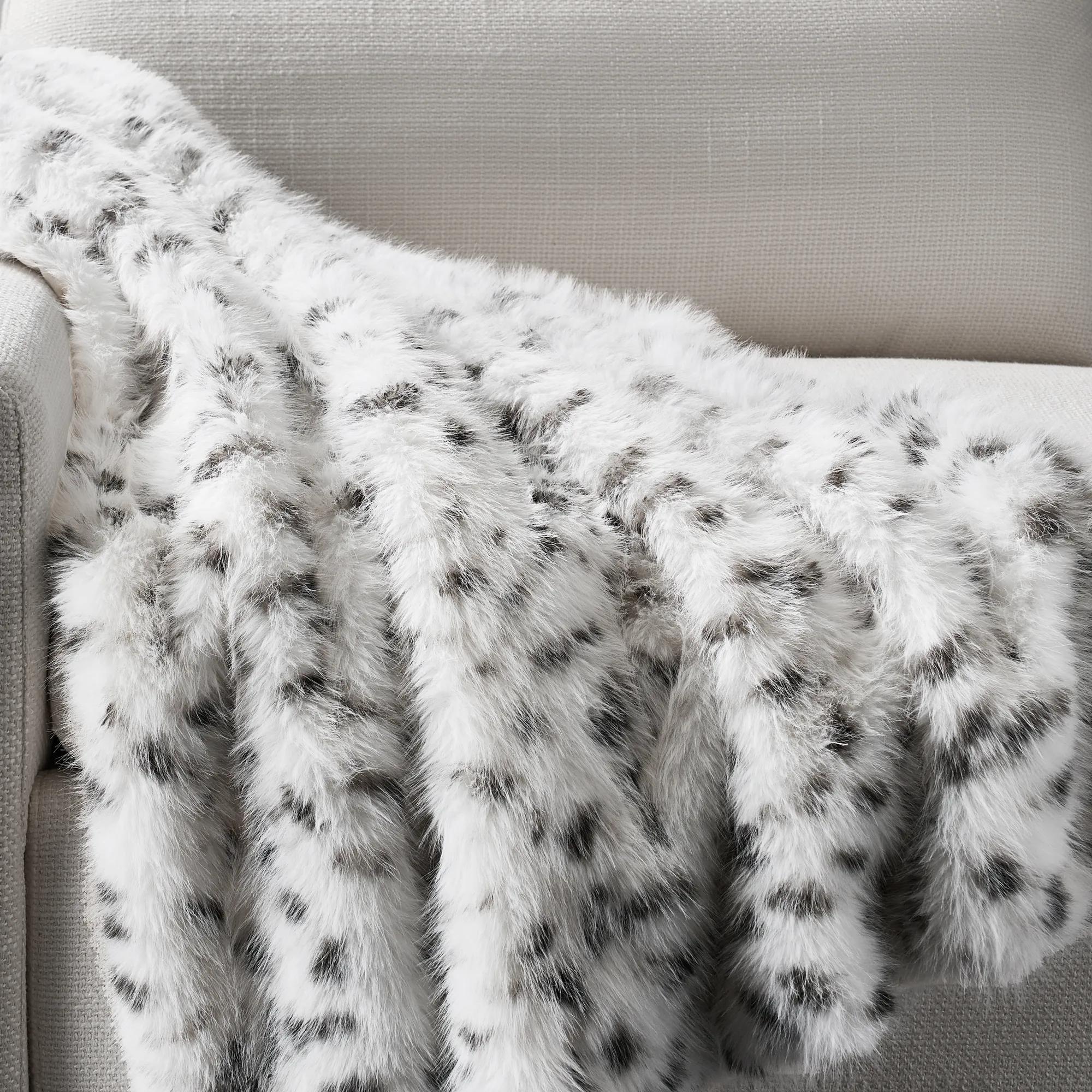 Snow Leopard Faux Fur Throw 50" x 60"$159
A plush white and black faux fur throw with a snow leopard print and soft velvet reverse.
Add To Cart -

 Namir Leopard Beaded Embroidered Black/Gold Velvet Pillow 22" x 22"$129
A luxurious black velvet pillow featuring an embroidered leopard face and a plush feather-down insert.
Add To Cart -
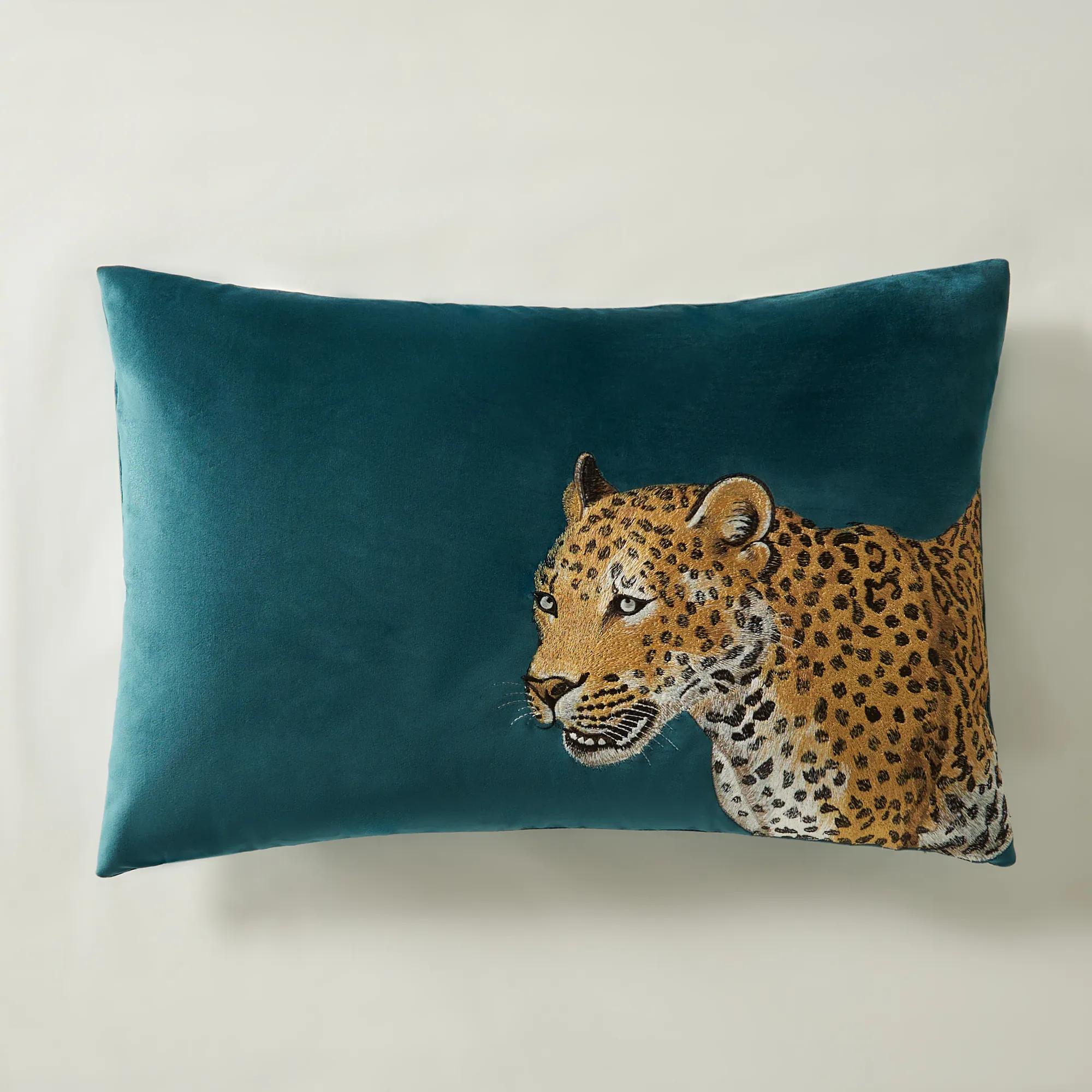
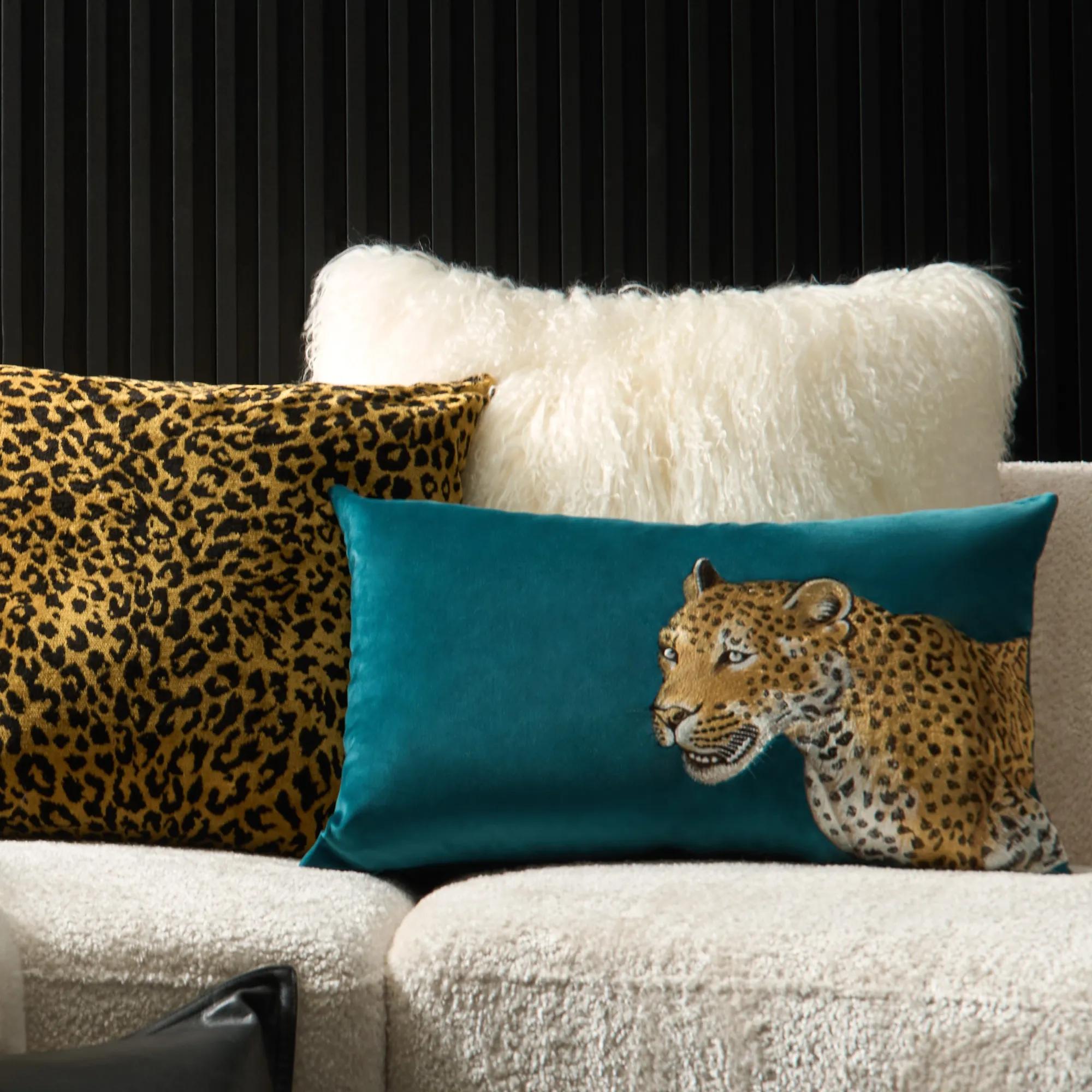 Leopard Embroidered Teal Velvet Lumbar Pillow 15" x 23"$69
A luxe dark teal velvet pillow featuring an embroidered leopard face and a plush feather-down insert.
Add To Cart -
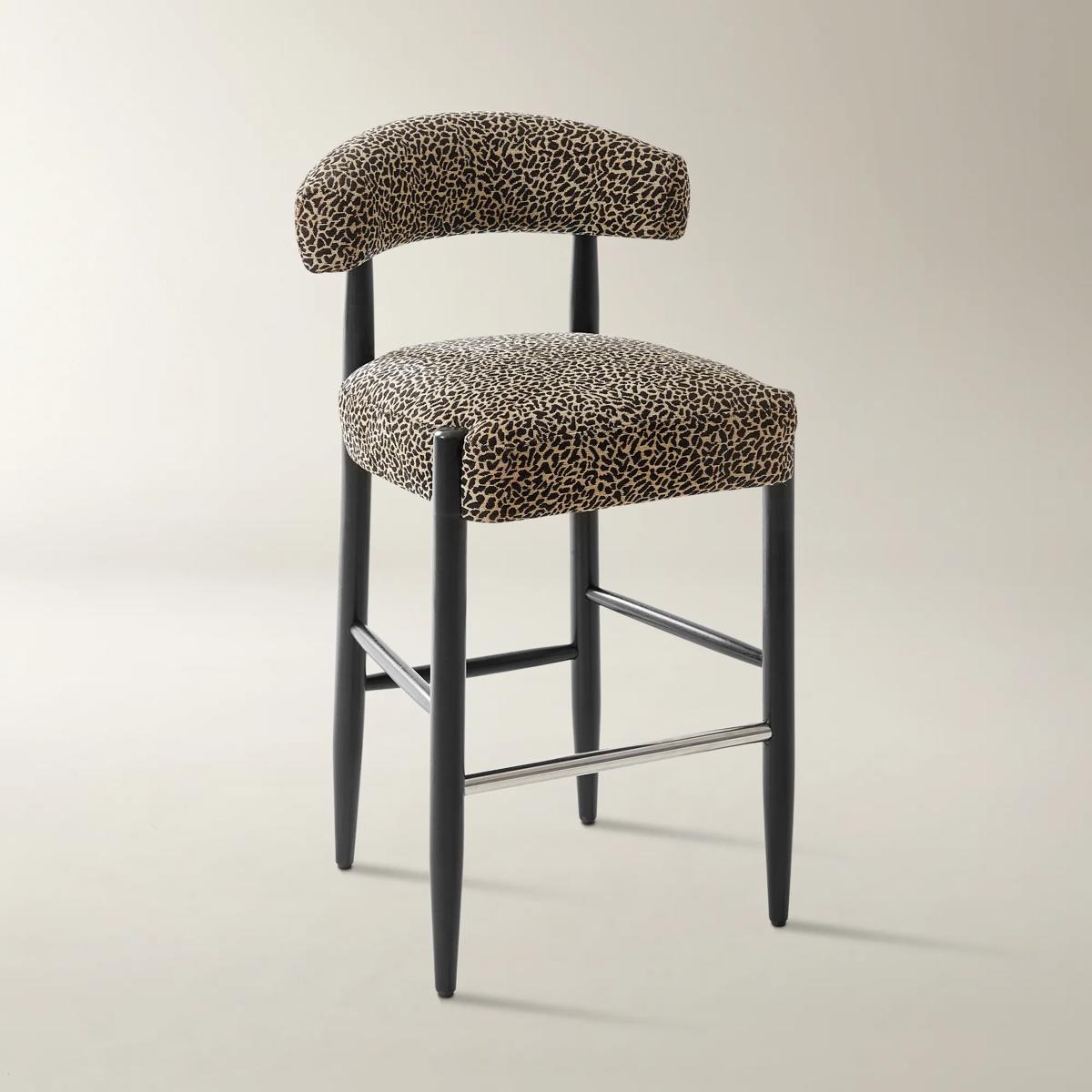 Anna Leopard Chenille Bar/Counter Stool$449
A leopard-print chenille barstool with kiln-dried hardwood legs and supportive, hand-upholstered cushioning.
Add To Cart -

 Leopard Pop Trim Outdoor Pillow 20"$79
A water-resistant black-and-white leopard print pillow with citron yellow piping for bold outdoor style.
Add To Cart -

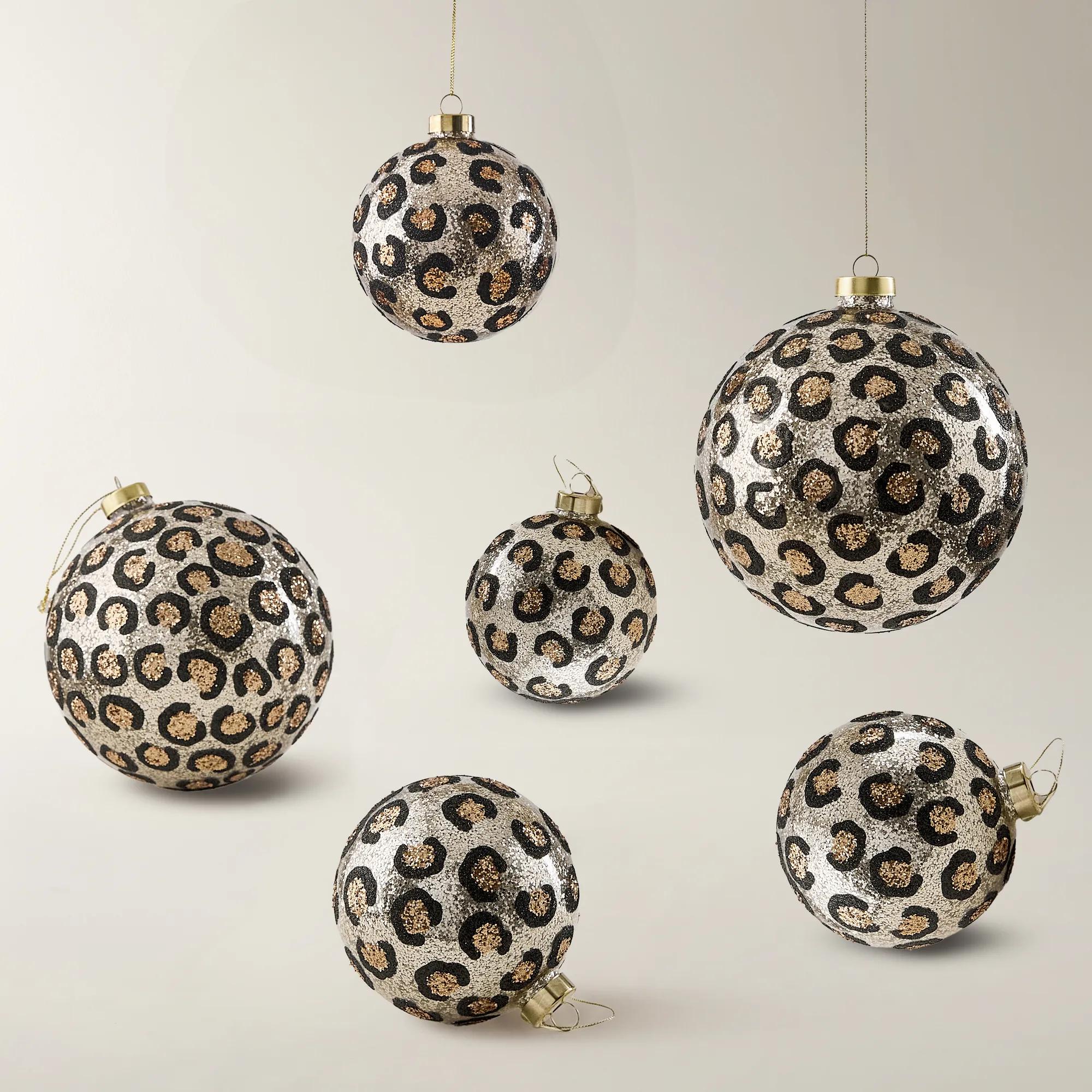 Leopard Print Glitter Glass Ornaments Sets$59
A set of glass ornaments featuring champagne, gold, and black leopard print with sparkling glitter accents.
Add To Cart -
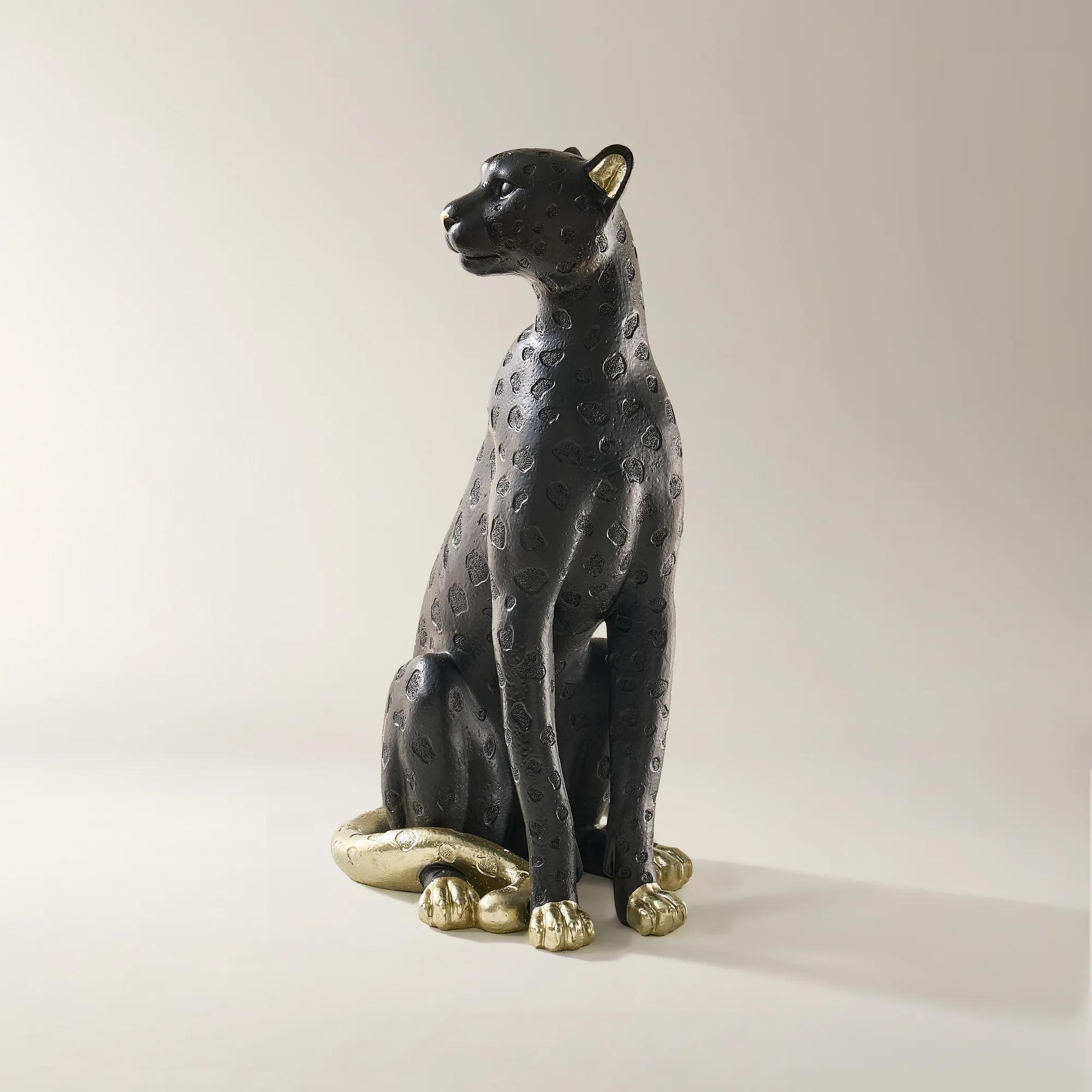
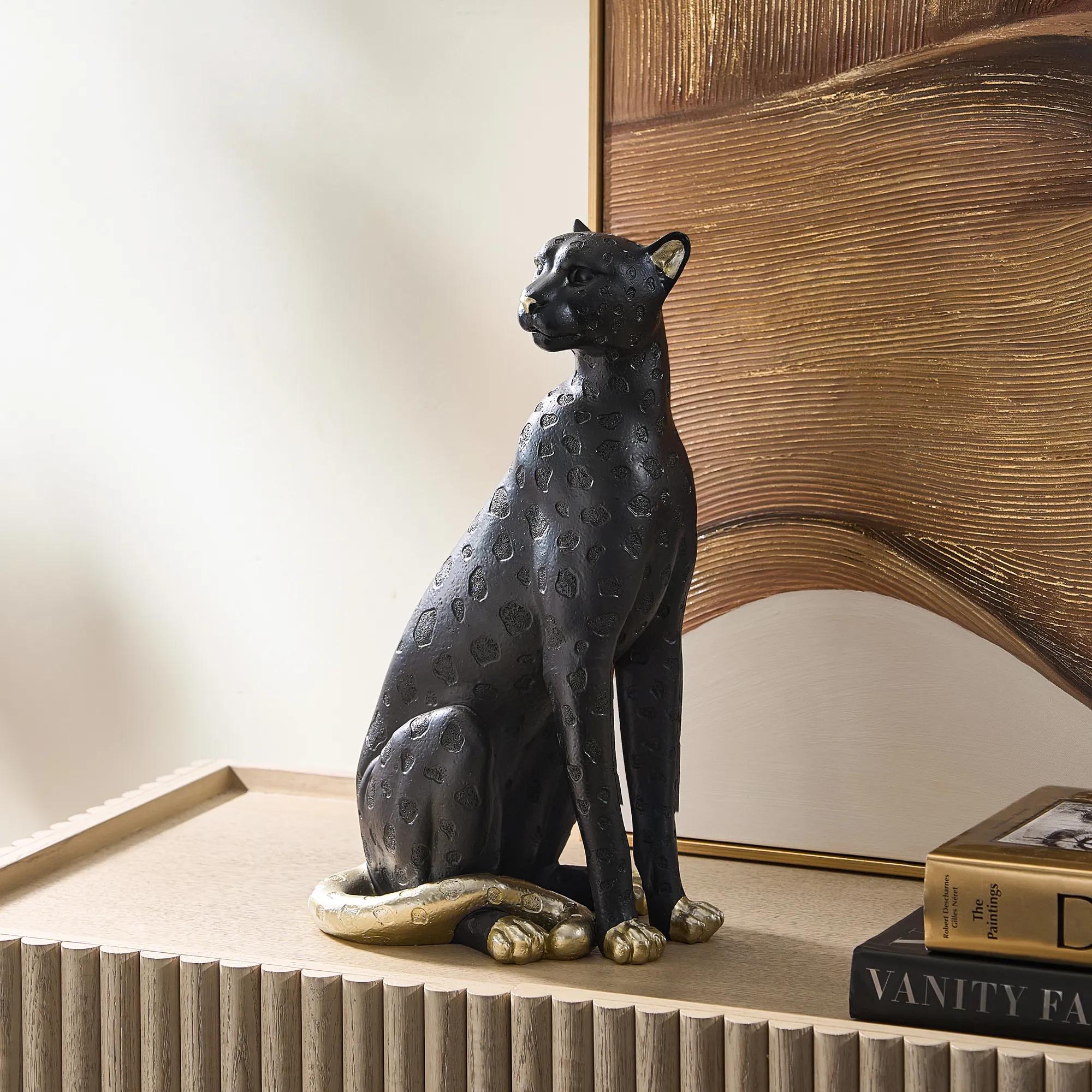 Midnight Leo Black And Gold Resin Object 17.75"$149
A sculpted black resin leopard with gilded gold accents adds bold, artistic glamour to any space.
Add To Cart -
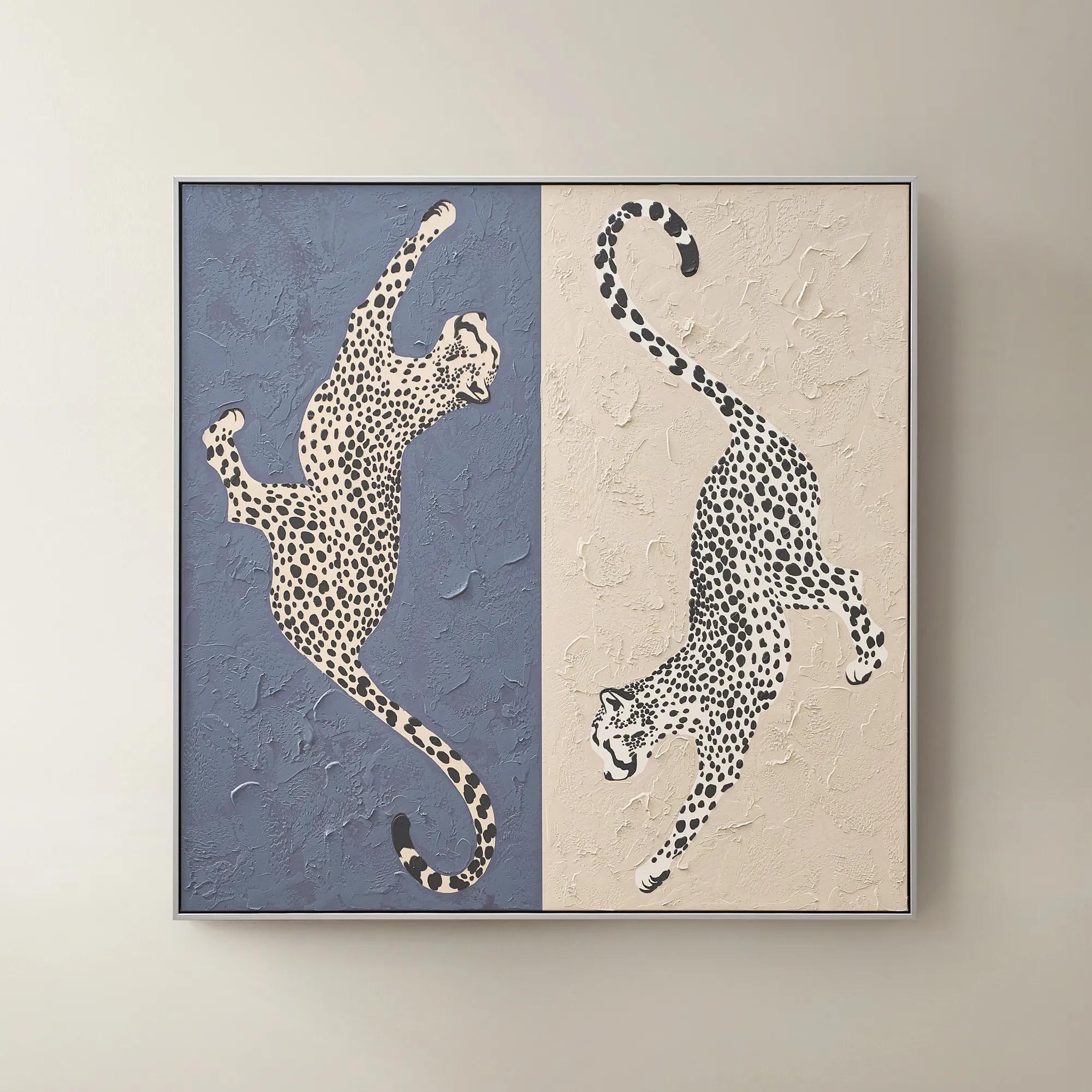 Leopard At Play Framed Painted Wall Art 40" x 40"$299
A hand-painted canvas in ink blue and taupe features playful leopard-inspired art with a silver-black frame.
Add To Cart -
 Namir Leopard Beaded Embroidered Ivory/Gold Velvet Pillow 22" x 22"$129
An ivory velvet pillow featuring an embroidered leopard face and a plush feather-down insert.
Add To Cart -
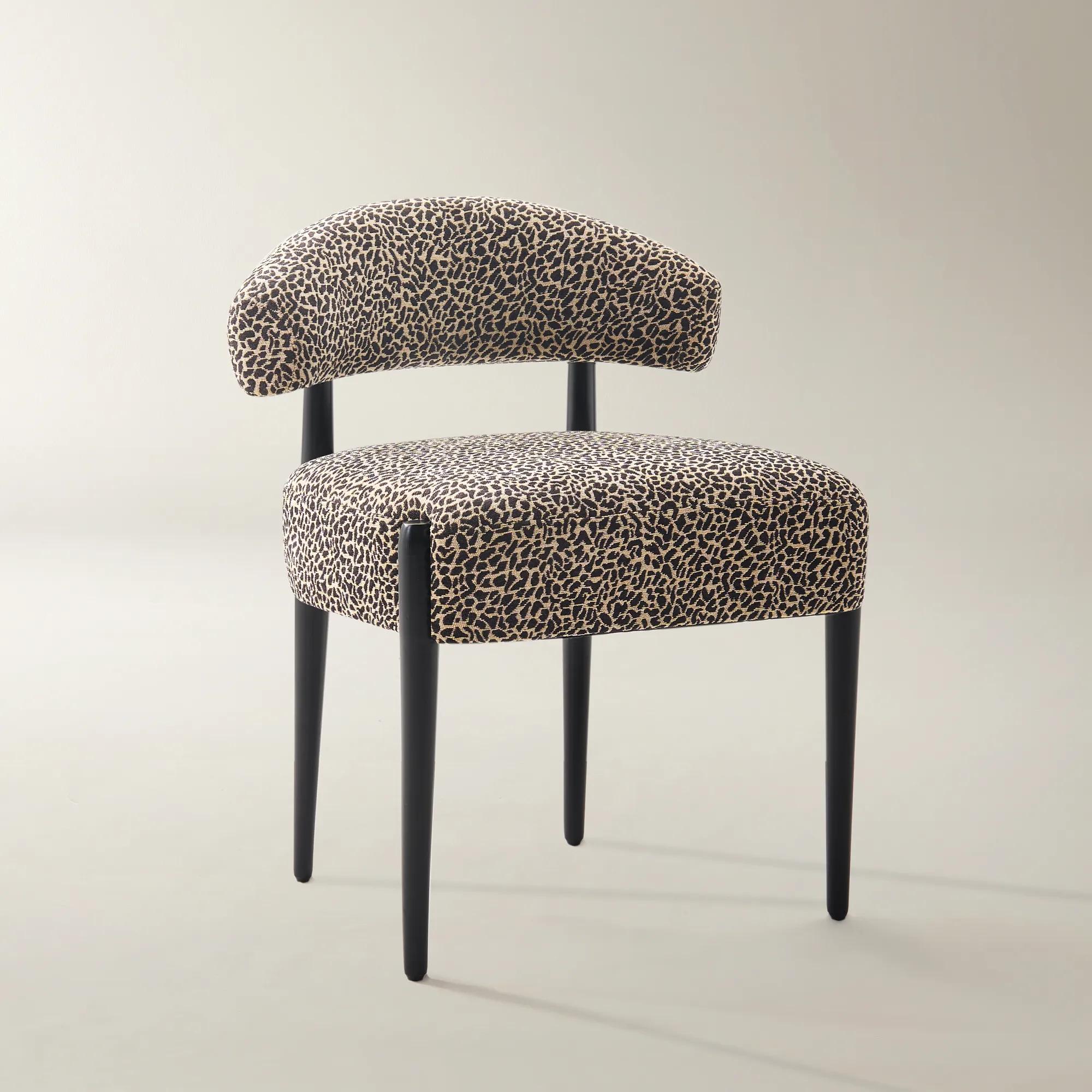
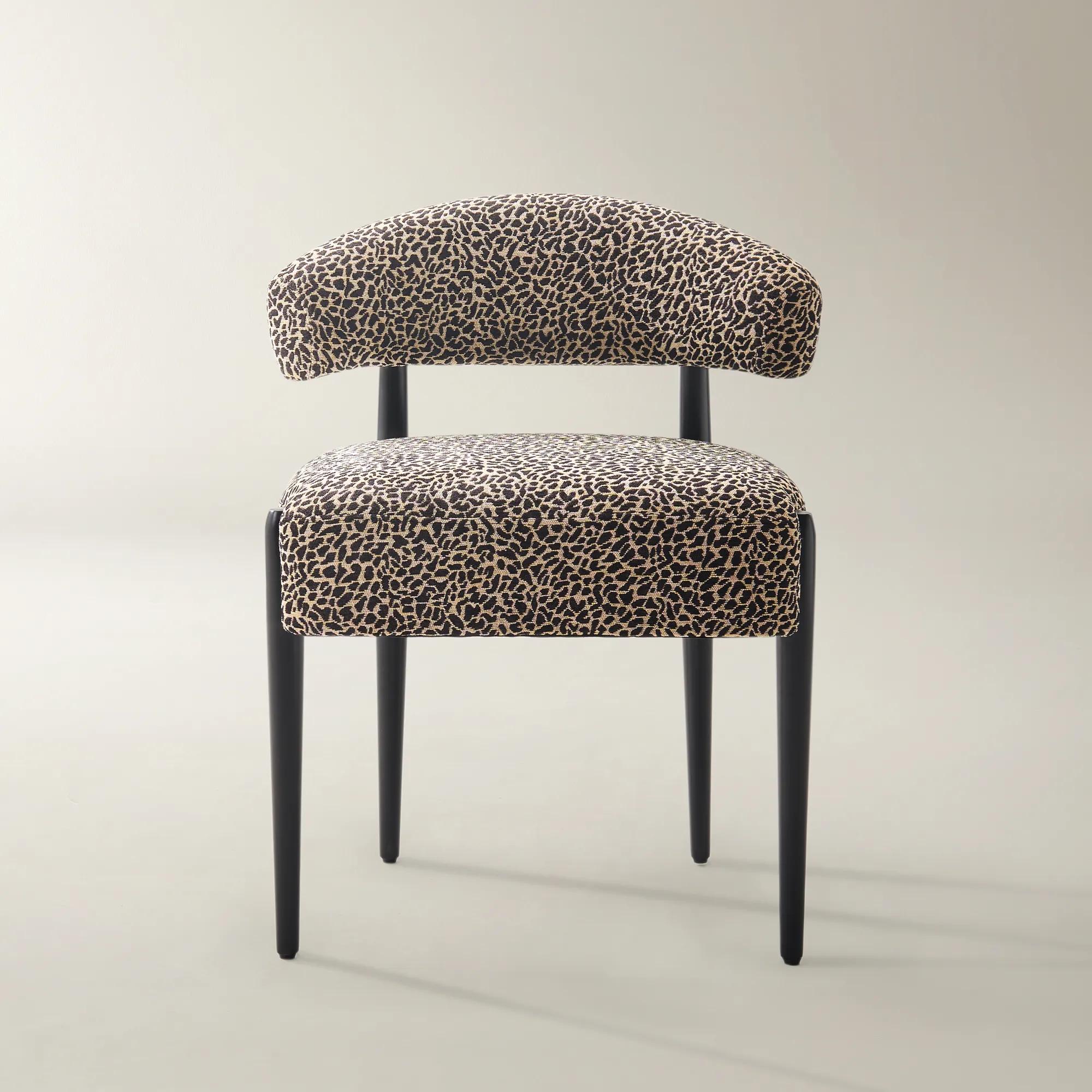 Anna Leopard Chenille Dining Chair Set Of 2$699
A pair of leopard-print chenille chairs with solid rubberwood legs and high-density foam for lasting comfort.
Add To Cart -

 Lou Leopard White Embroidered Velvet Pillow 22" x 22"$99
A plush white velvet pillow featuring intricate gold and black leopard embroidery with a removable feather-down insert.
Add To Cart -

 Davina Spot Embroidered Pillow 22"$89
A modern black and tan velvet pillow featuring abstract embroidery, contrast piping, and a plush feather-down insert.
Add To Cart -
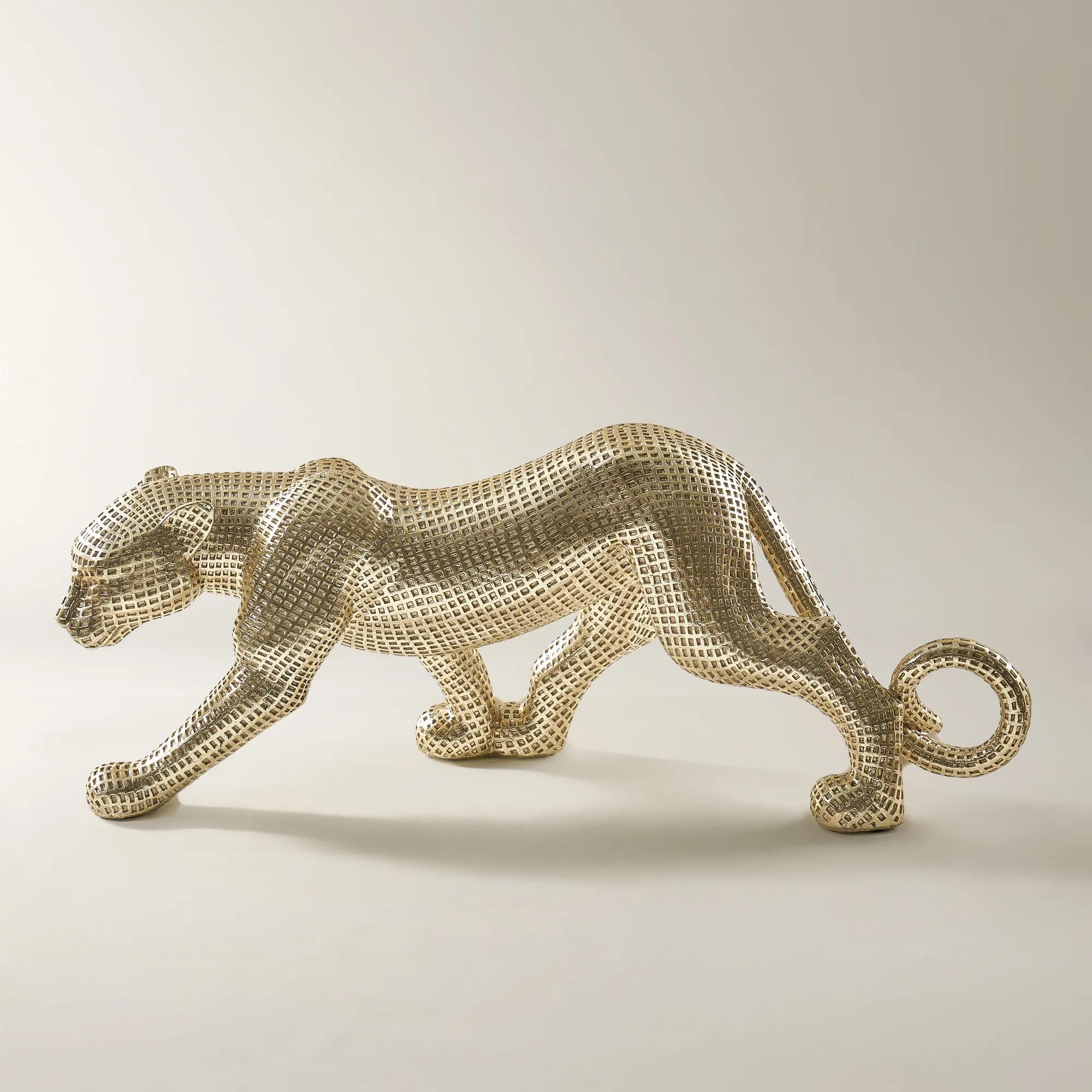
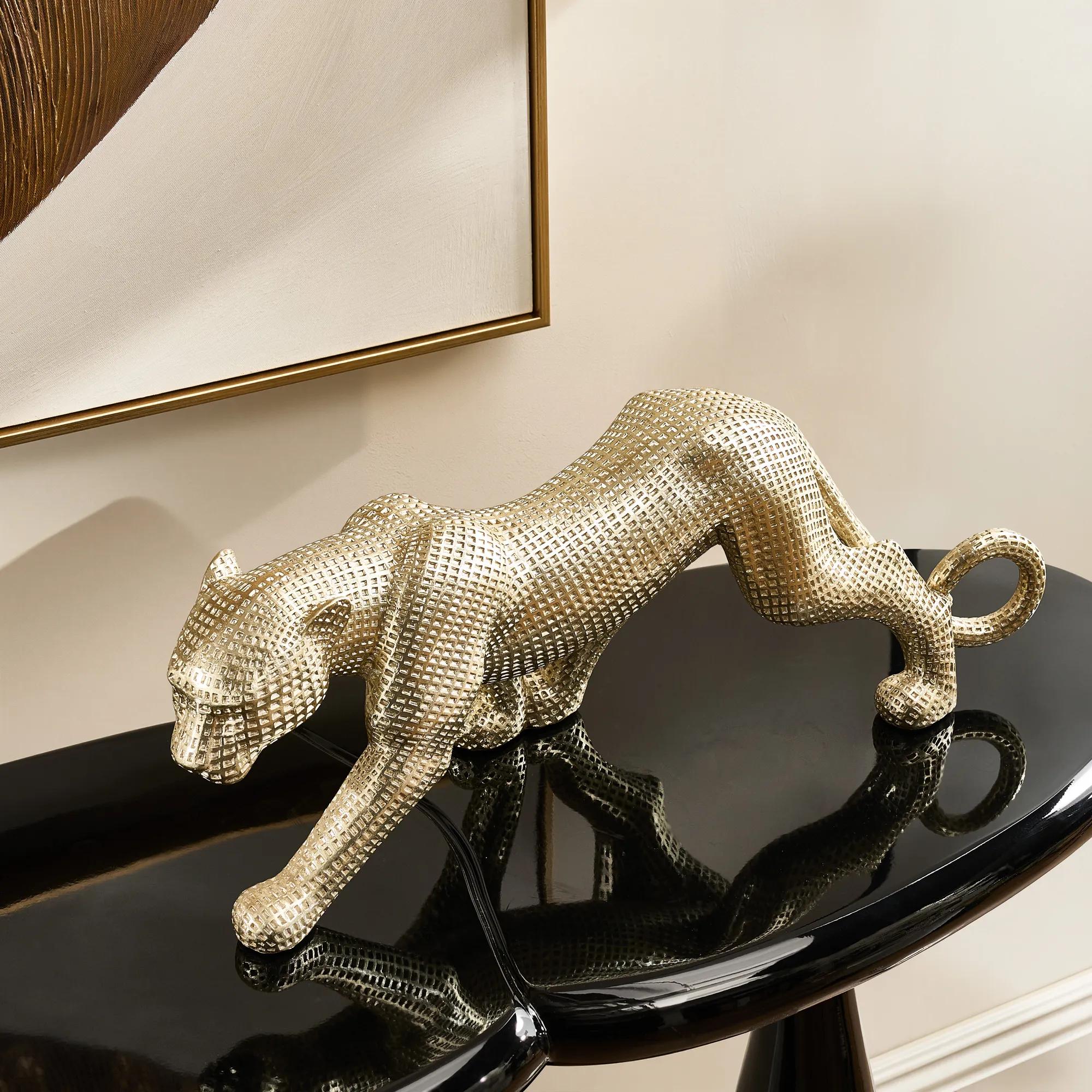 Pardus Champagne Resin Decorative Object 20.5" x 8"$79
A sculptural feline decor piece cast in champagne-finished resin with intricate grid texturing and sleek lines.
Add To Cart

Leopard Print Home Accessories
Leopard Print Home Accessories channel the untamed spirit of the wild into your living space, transforming every corner into a showcase of confidence and allure. With their iconic pattern and unmistakable flair, these accents invite a sense of adventure while elevating your décor to new heights of sophistication. Whether draped across a sofa or perched atop a vanity, each piece is designed to captivate, adding texture, drama, and a touch of the exotic. Unleash your inner maximalist and let Leopard Print Home Accessories infuse your home with unapologetic glamour and artistic intrigue.
Leopard print home accessories bring expressive pattern to an interior through richly varied spots, warm neutrals, and a sense of movement that solid surfaces cannot create alone. The familiar motif usually features dark, irregular rosettes against a camel, tan, or ivory ground, although interpretations in charcoal, pale gray, and high-contrast black and white offer a different mood. Its appeal lies in that combination of recognizable pattern and organic variation: leopard print feels graphic without the strict repetition of a stripe or grid. In home decor, it can function as a neutral-adjacent accent, connecting wood furniture, creamy upholstery, and gleaming metal finishes while retaining a distinctly glamorous presence. Camel and chocolate tones emphasize its warmth; black sharpens its outline; ivory gives the pattern breathing room. Olive green introduces an earthy richness, while burgundy or deep teal creates a more saturated, dramatic composition. Brass, gold-toned, and bronze details echo the warmth of traditional leopard coloring, and polished silver offers a cooler contrast. Scale changes the effect considerably. Closely spaced spots create a textured impression from across the room, while oversized rosettes make the pattern a focal point. A leopard-patterned cushion against a generous solid-colored sofa reads differently from a broad expanse of patterned textile: one supplies a concentrated flourish, while the other establishes the room’s visual rhythm. Accessories allow that intensity to be shaped around the architecture and furnishings already present. In a living room, a patterned textile can connect a dark coffee table with pale seating; in an entryway, a decorative accent can lend personality to a console without obscuring its sculptural lines. A home office gains a more expressive atmosphere when leopard detailing sits beside tailored upholstery and warm wood. Other patterns can share the composition, particularly when they repeat a color from the leopard motif and differ noticeably in scale. A broad stripe or generous geometric design creates a clearer contrast than another tightly packed print. The result feels composed and personal, with enough distinction for each element to be appreciated.
The character of leopard print decor depends as much on its material as on its coloring. Cotton and linen-blend textiles often have a matte surface that softens the motif, allowing it to sit comfortably alongside natural wood and textured upholstery. Velvet gives the same pattern greater depth, with a directional pile that catches light and makes darker markings appear especially sumptuous. Faux fur introduces a more tactile expression, though pile length and density affect both the definition of the print and the way the surface feels. Woven patterns and surface-printed designs can also differ in texture, appearance, and maintenance; the construction details help establish which treatment suits a frequently used seating area or a largely decorative setting. For cushions, dimensions, insert compatibility, and filling influence the finished silhouette. A softly filled accent settles into a lounge chair, while a fuller shape gives a sofa a more tailored arrangement. Throws need enough length for their intended purpose, particularly when they are expected to provide comfortable coverage rather than simply drape across an arm. For floor accents, size, pile height, edge construction, and a suitable rug pad all matter, especially near doorways or along paths where people walk regularly. Pattern placement deserves attention, too: a small surface may show only part of a large rosette, while a broader textile reveals the full repeat. Decorative trays and other hard-surface accessories introduce another dimension, pairing pattern with smooth ceramic, resin, glass, or lacquered finishes. Their intended use should remain distinct from their appearance; a decorative surface is not necessarily suitable for direct food contact, moisture, or hot serving pieces. Everyday durability depends on construction and finish rather than the motif alone. Although irregular markings may make minor visual wear less conspicuous, leopard print does not make a material stain-resistant or fade-proof. Care labels and manufacturer instructions remain essential. Removable covers may require anything from gentle laundering to professional cleaning, while velvet and faux fur often need particular attention to preserve their texture. Light vacuuming, prompt blotting of spills, and protection from prolonged direct sunlight can help maintain an accessory’s appearance when appropriate for its material. On glossy finishes, a soft cloth and compatible cleaner help preserve the sheen without scratching the surface.
In the bedroom, leopard print brings a more intimate form of drama, particularly when soft layers temper its graphic energy. An ivory bed covering, a dark upholstered headboard, and a restrained leopard accent create a composition with depth rather than visual noise. Warm tan markings sit beautifully beside walnut furniture and champagne-toned finishes, while a gray interpretation can complement crisp white linens and silvery details. The dedicated selection of Leopard Print Bedroom Accessories offers a focused setting for exploring this expressive motif within a personal retreat. Bedroom accents benefit from attention to comfort as well as appearance: fabrics that touch the skin should feel inviting, and decorative layers should be easy to move when the bed is in use. A patterned throw folded near the foot of the bed can provide a deliberate band of color, while a cushion on a reading chair carries the motif beyond the sleeping area. Repeating leopard print in a few separated accents can connect those spaces without making every surface compete. Variation in texture helps the repetition feel considered, especially when a plush textile is balanced by smooth furniture and reflective details. These accessories appeal to people who enjoy fashion-inspired interiors, collected rooms, and decorative elements with unmistakable personality. They can also make thoughtful housewarming or wedding gifts for a recipient whose taste embraces bold pattern, particularly when the colorway complements furnishings already in the home. Smaller decorative accents generally require less knowledge of room dimensions than large textiles, although materials, care preferences, and intended placement still deserve consideration. For shared spaces, a carefully proportioned leopard accent can express one person’s love of glamour while remaining compatible with another person’s preference for solid colors and architectural furniture. Its versatility comes from the relationship between pattern, proportion, and finish—not from treating every interpretation as interchangeable. A soft camel print, a sharply defined monochrome motif, and a lustrous velvet surface each tell a different story, giving familiar rooms a distinctive signature through details that feel both deliberate and deeply personal.
FAQs
Leopard print can be as subtle or as daring as you wish. To create a harmonious look, start by introducing one or two statement pieces, such as a throw pillow or a decorative tray, and balance them with solid colors and rich textures. Leopard print pairs beautifully with neutrals, jewel tones, and metallic accents, allowing you to curate a layered, sophisticated aesthetic that feels intentional rather than overpowering.
Absolutely. Leopard print accessories bring a touch of drama and elegance to any space, from living rooms and bedrooms to home offices and powder rooms. In more intimate areas, a single piece—like a plush throw or a striking vase—can create a focal point, while in larger rooms, layering multiple accents can evoke a sense of curated luxury.
Leopard print is remarkably versatile, complementing a range of design styles. It adds a glamorous edge to Hollywood Regency and Art Deco interiors, injects playful energy into eclectic or bohemian spaces, and provides a bold contrast in contemporary or minimalist settings. The key is to use leopard print as an expressive accent that enhances your existing décor.
Leopard print is timeless and can be styled year-round. In the colder months, it brings warmth and richness when paired with cozy textures and deep hues. During spring and summer, it can add a lively, exotic flair alongside lighter fabrics and fresh botanicals. Its adaptability makes it a perennial favorite for those who love to refresh their décor throughout the year.
Leopard print accessories make memorable and luxurious gifts for anyone who appreciates bold design. They are perfect for housewarmings, birthdays, or special occasions, offering a unique blend of artistry and personality. From accent pillows to chic trays, these pieces are sure to delight recipients who love to express their style through home décor.