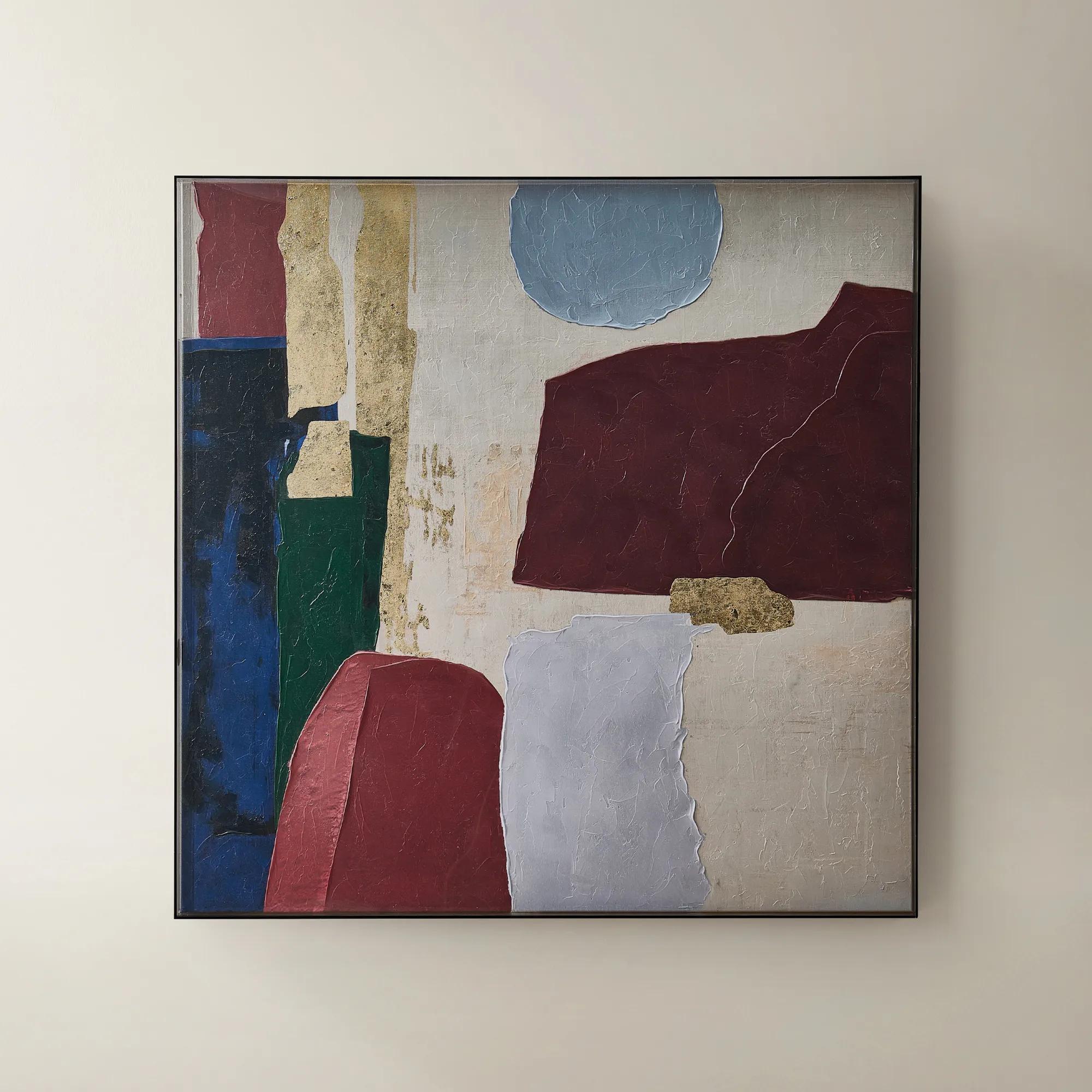
Layered Surface Canvas Paintings
Layered Surface Canvas Paintings
-
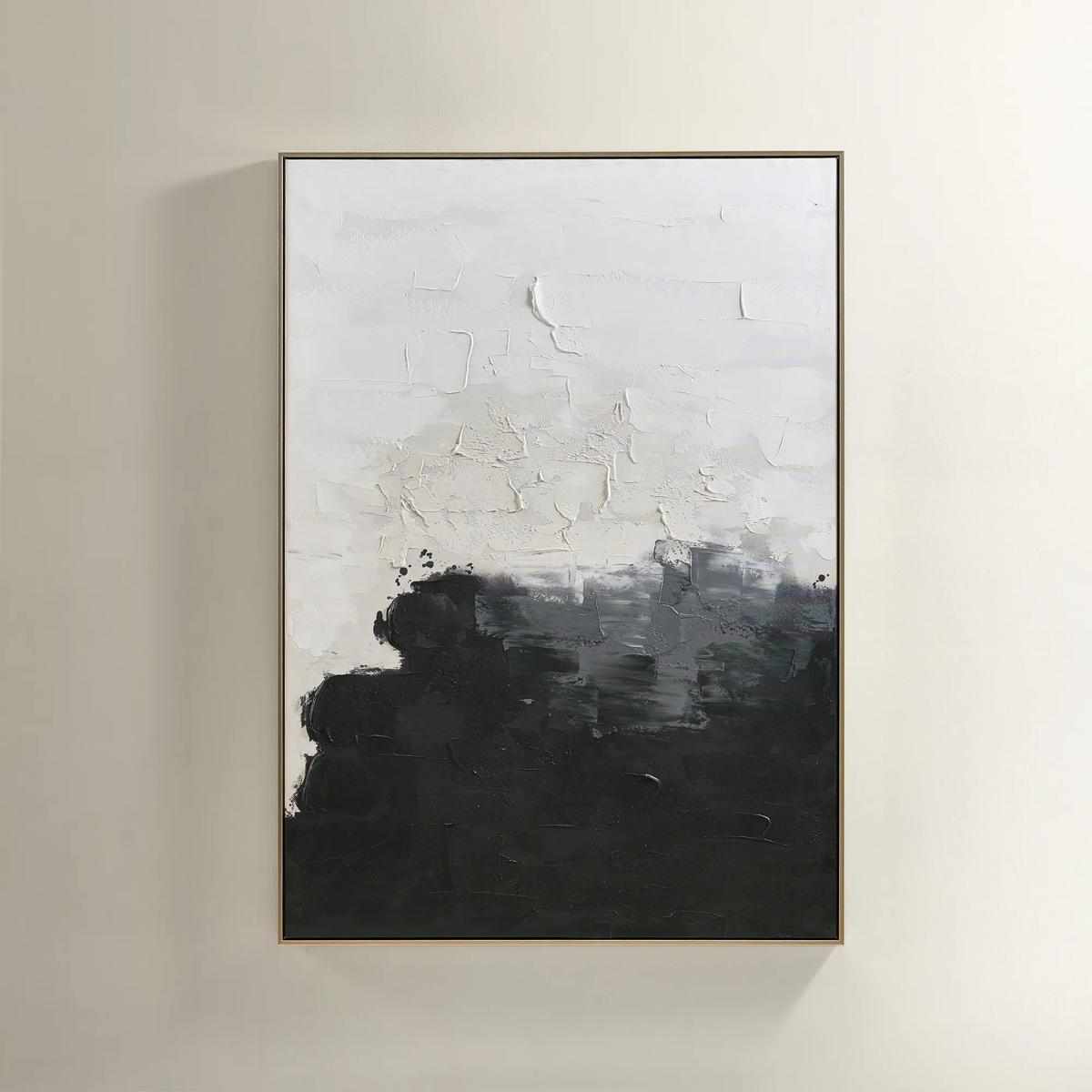
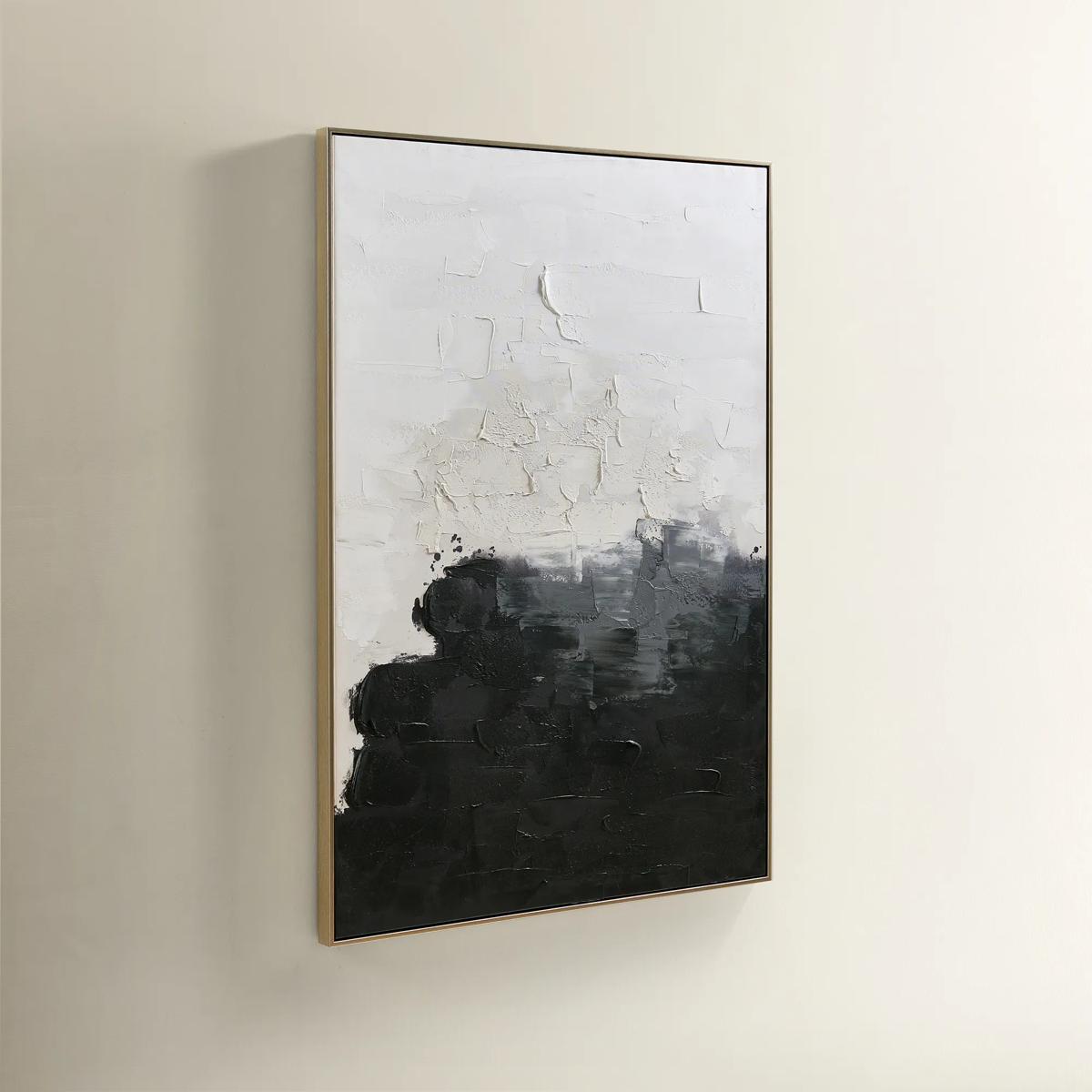 No Rush Painted Wall Art 39.25" x 55"$499
A hand-painted canvas featuring textured strokes of white, ivory, and charcoal in a natural wood frame.
Add To Cart -
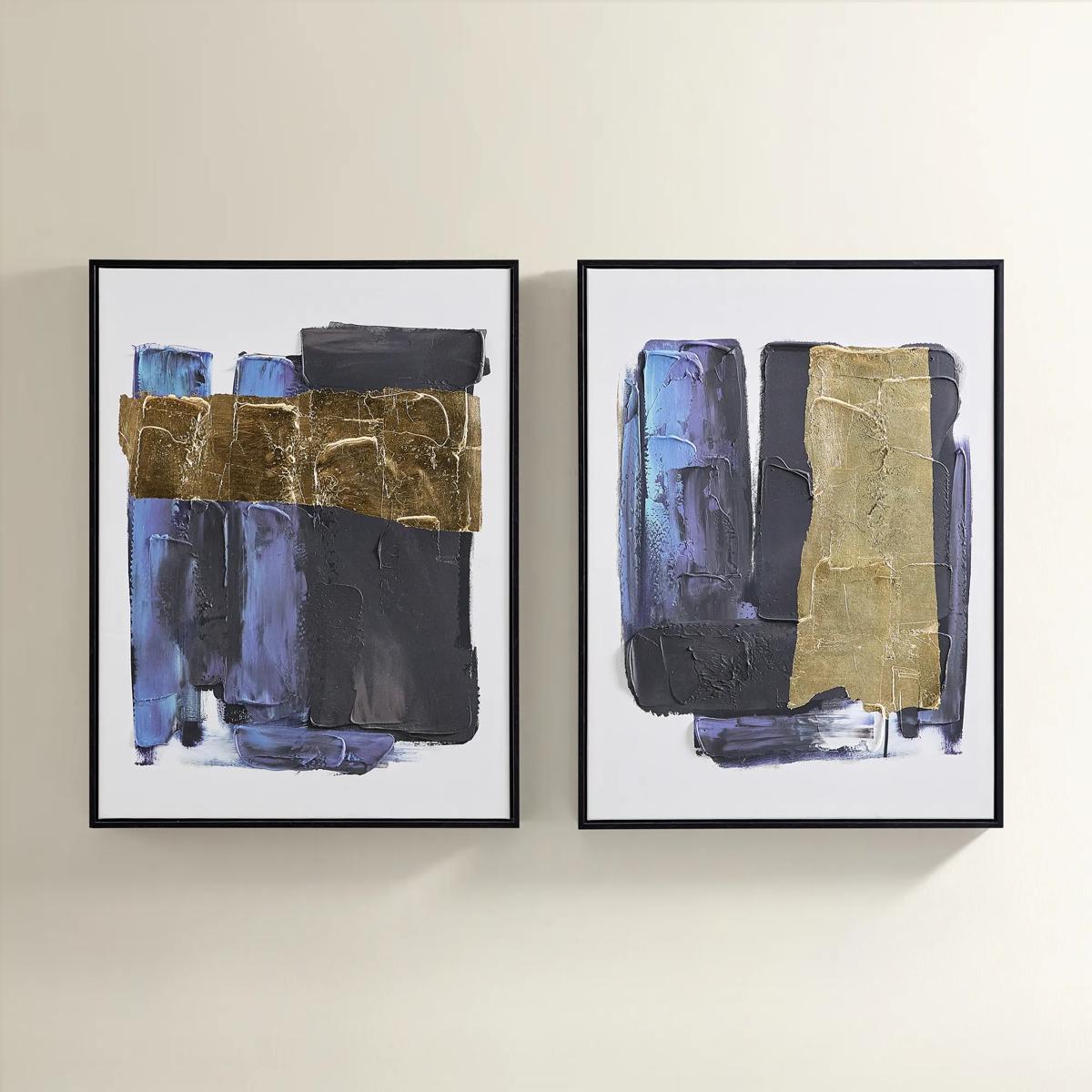
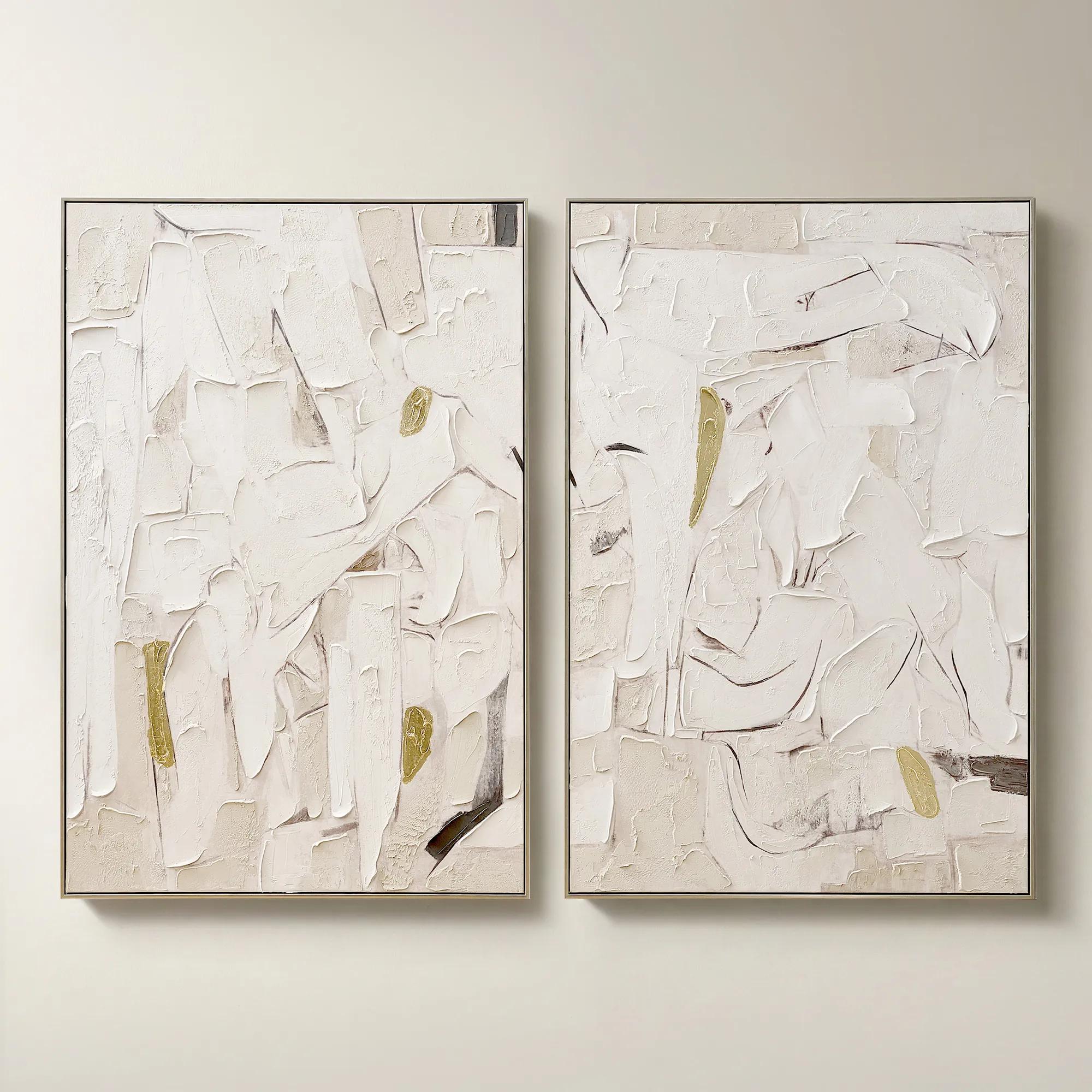 Beneath the Surface Framed Gold Leaf Painted Wall Art 40" x 60" Set of 2$799
A hand-painted abstract diptych featuring gold detailing and layered texture in alabaster and tawny hues.
Add To Cart -
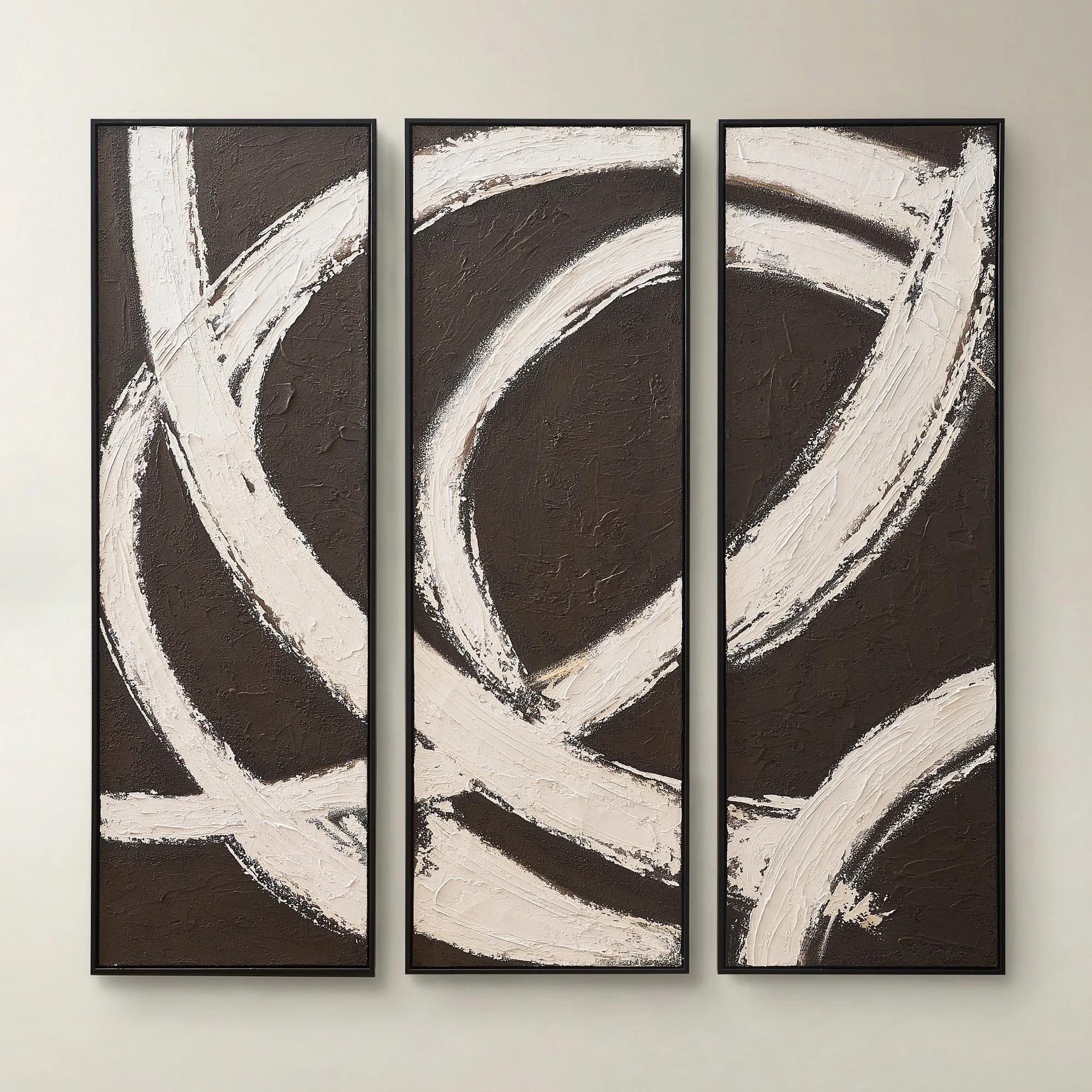
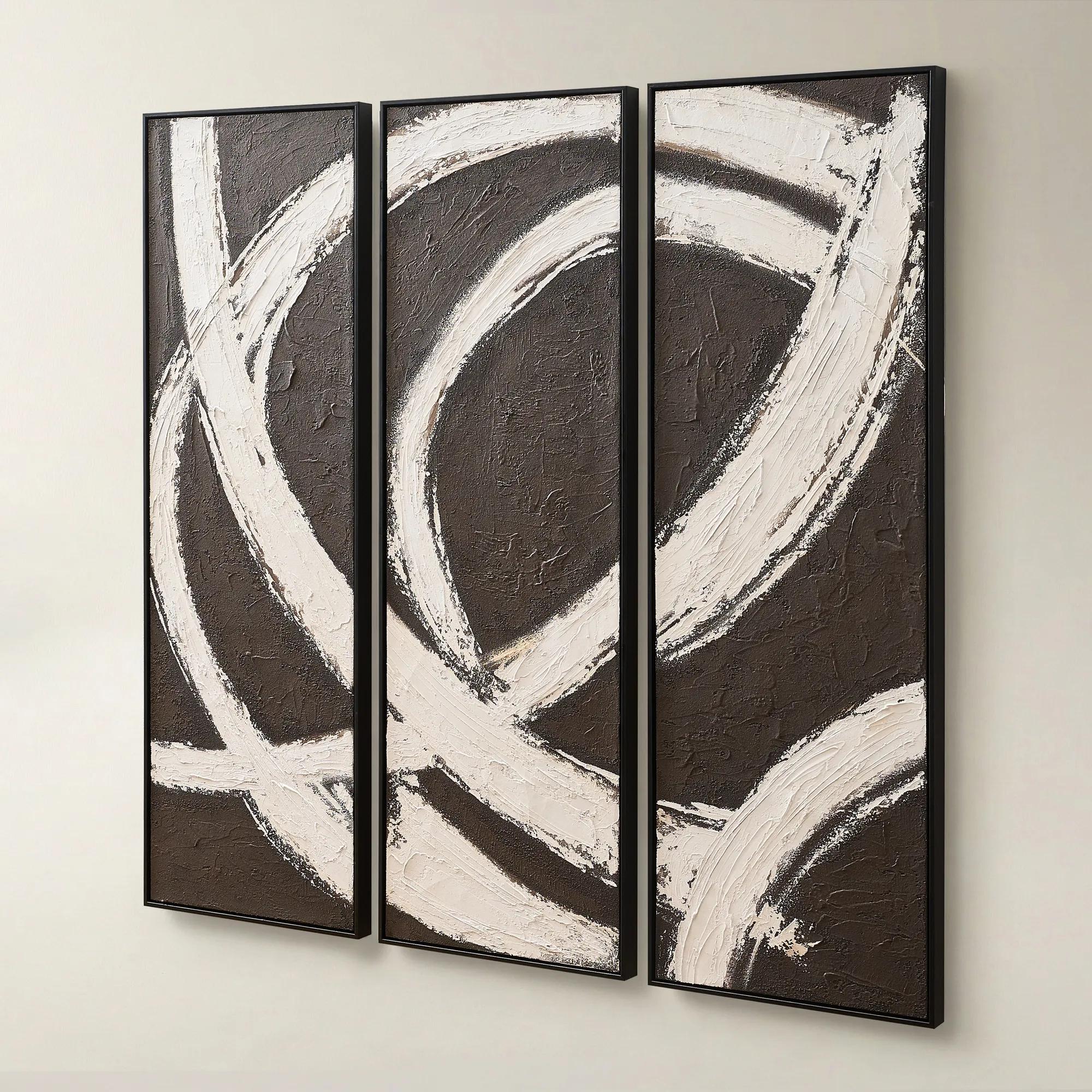 Spun in Coco Framed Painted Wall Art 20" x 60" Set of 3$499
A hand-painted triptych featuring dark chocolate and alabaster tones with rich texture and modern contrast.
Add To Cart -
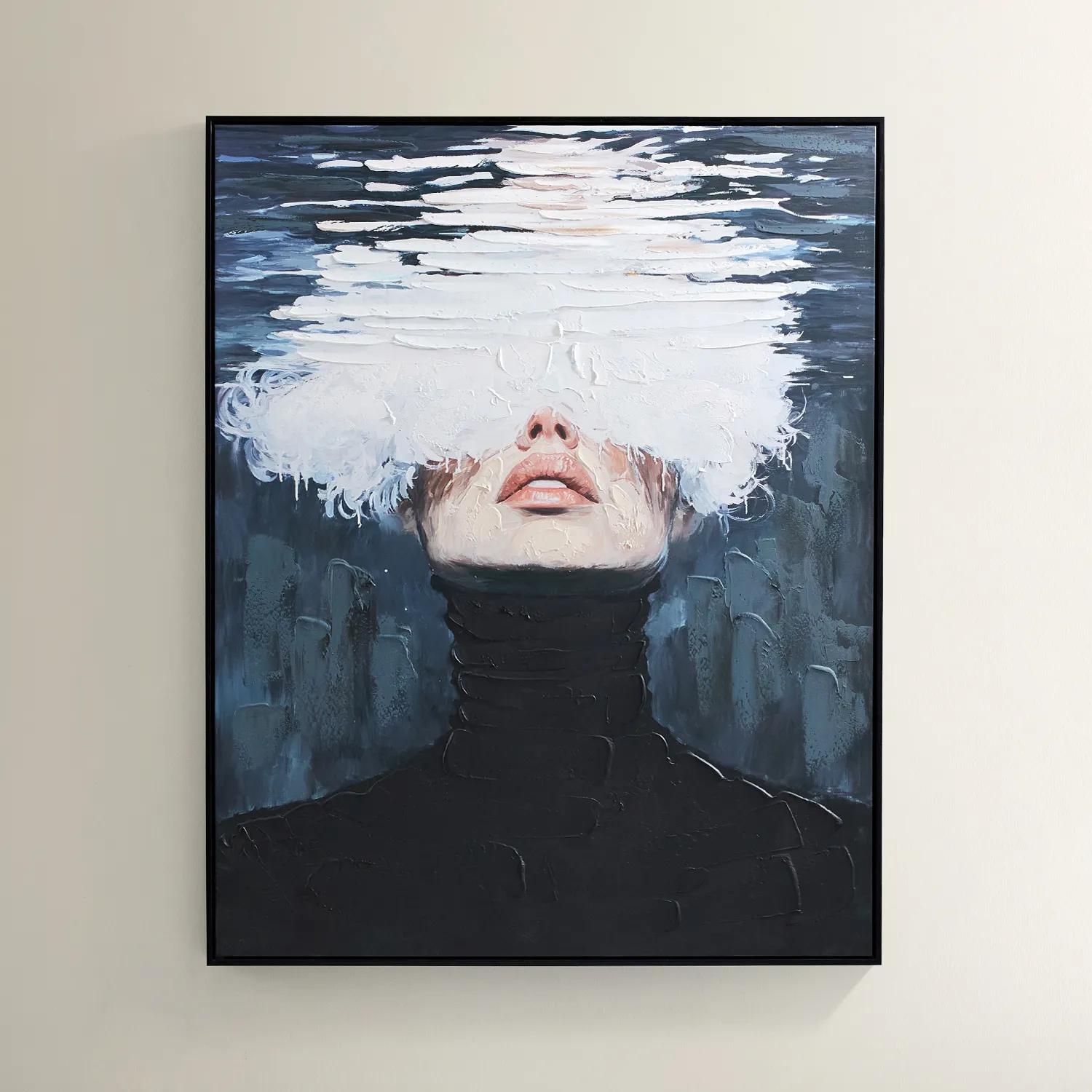
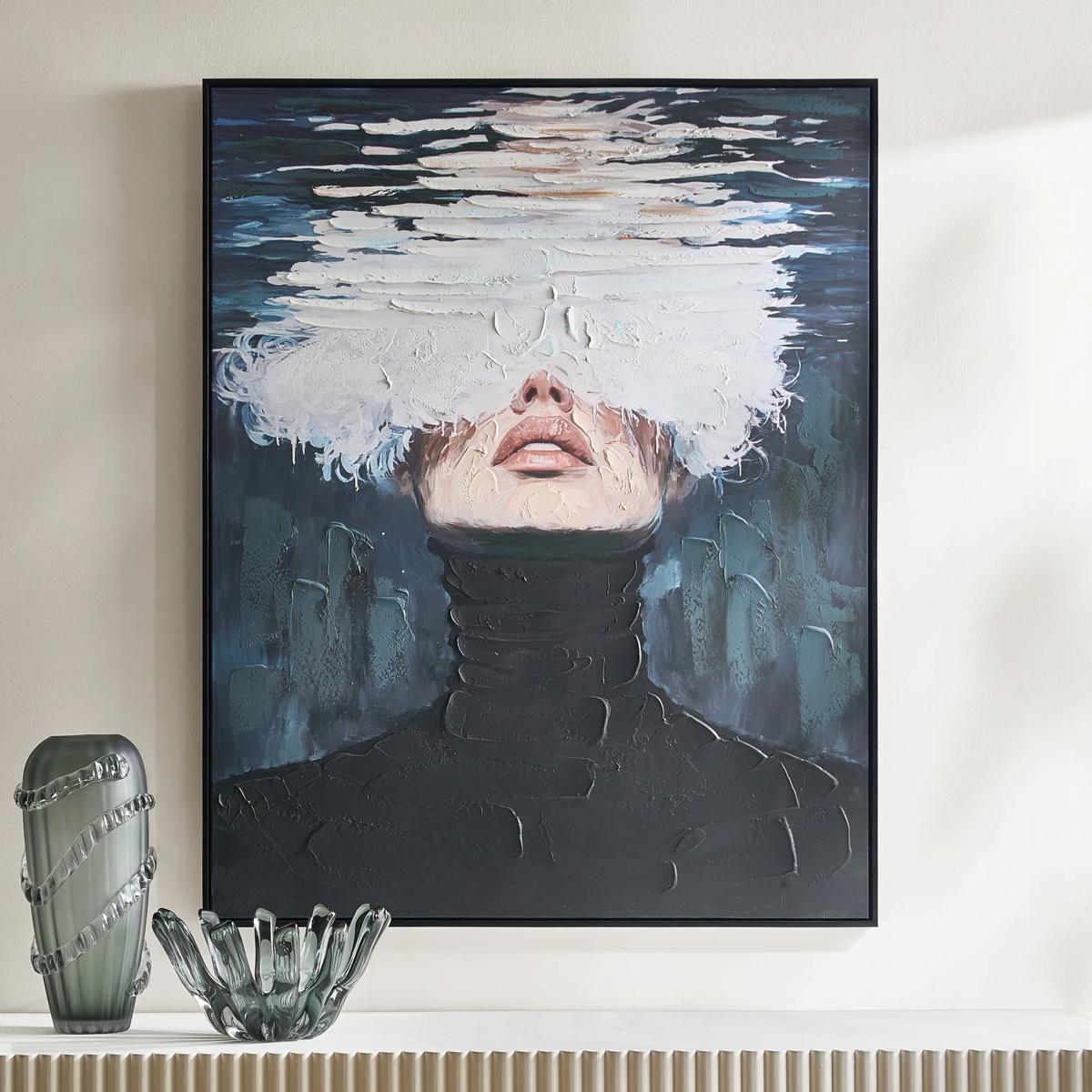 Submerged Framed Painted Wall Art 40" x 50"$599
A hand-painted canvas featuring a surreal portrait in black, blue, and white with a black floater frame.
Add To Cart -
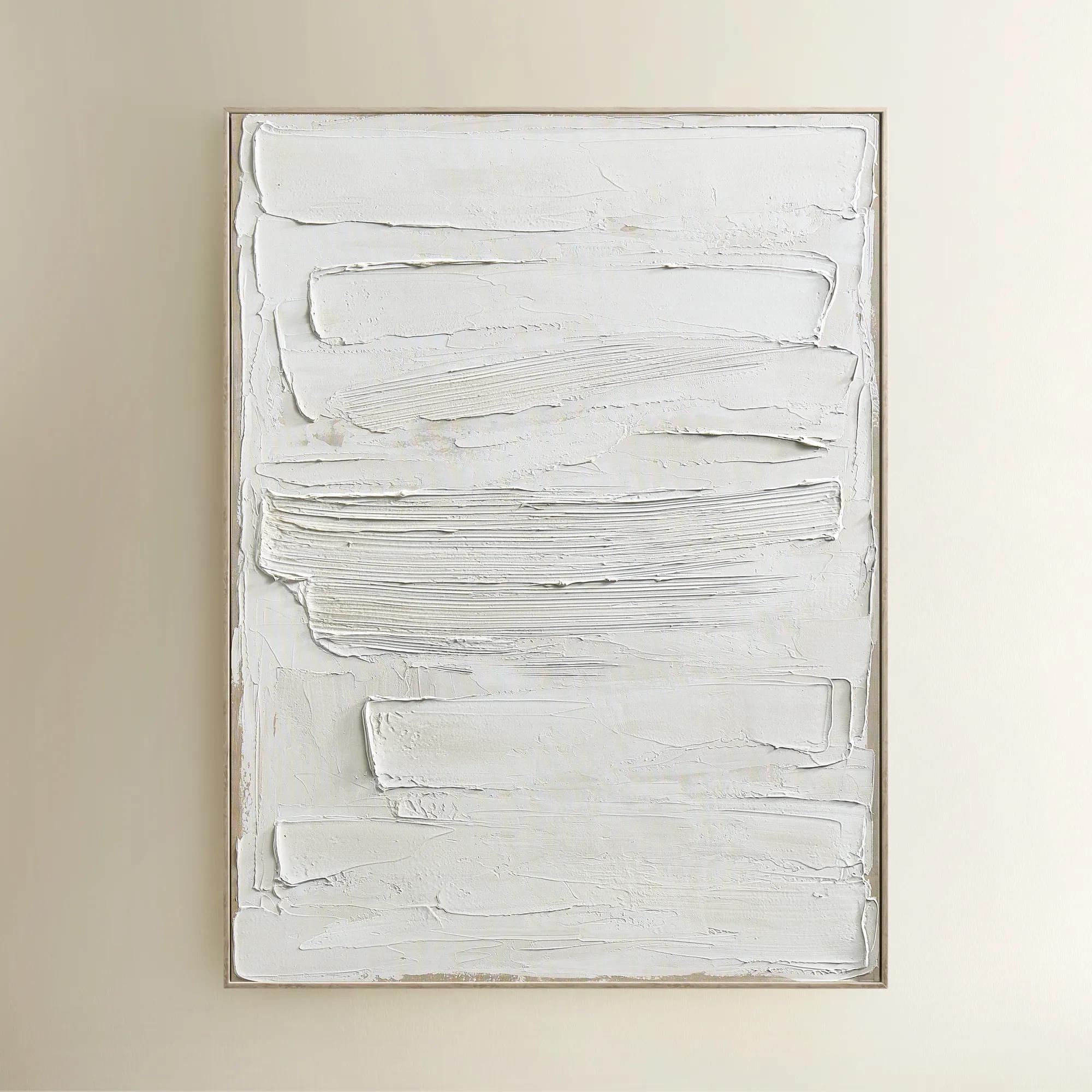
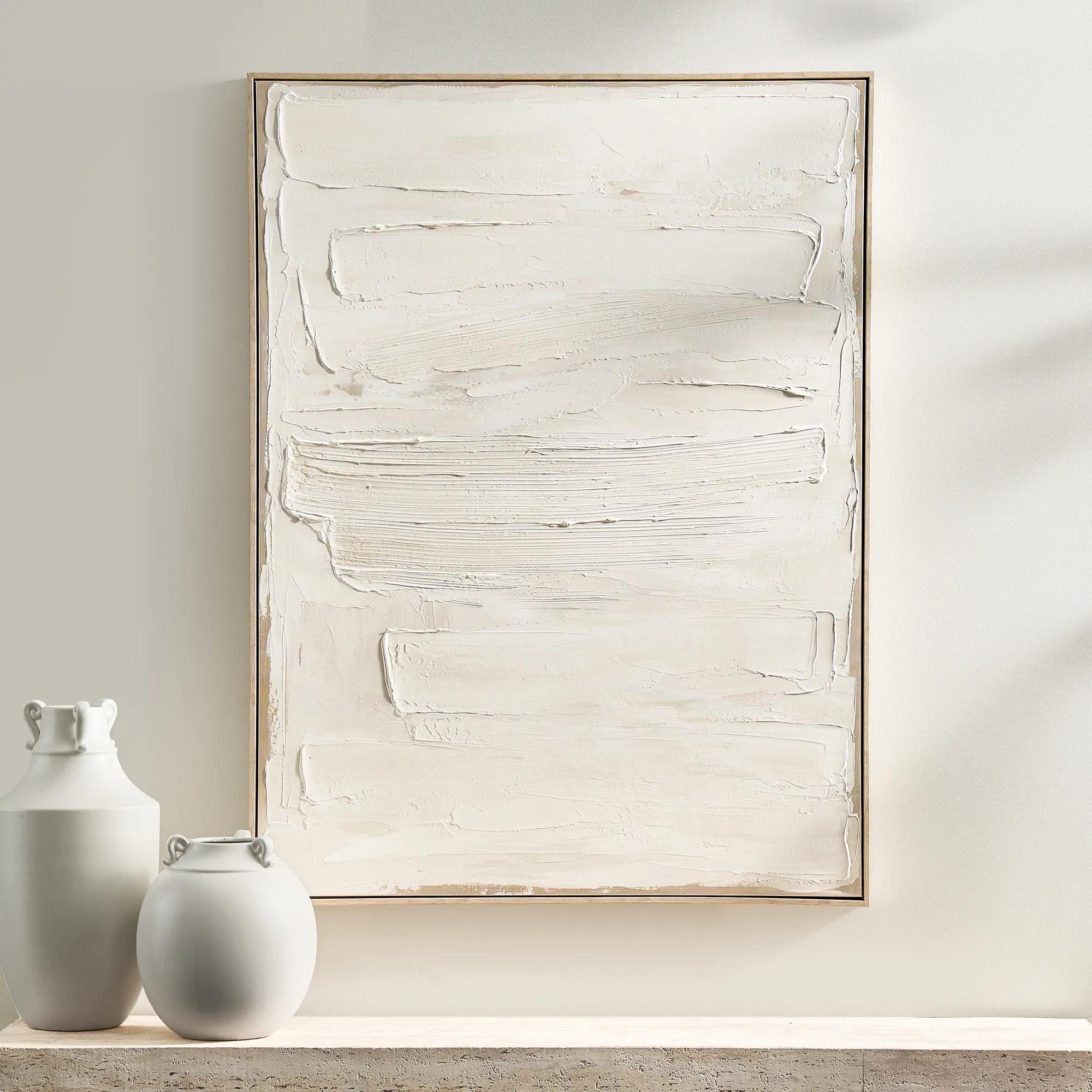 Monotype Canvas 1$399
A hand-painted abstract canvas featuring layered white tones and textured paint in a whitewashed wood frame.
Add To Cart -
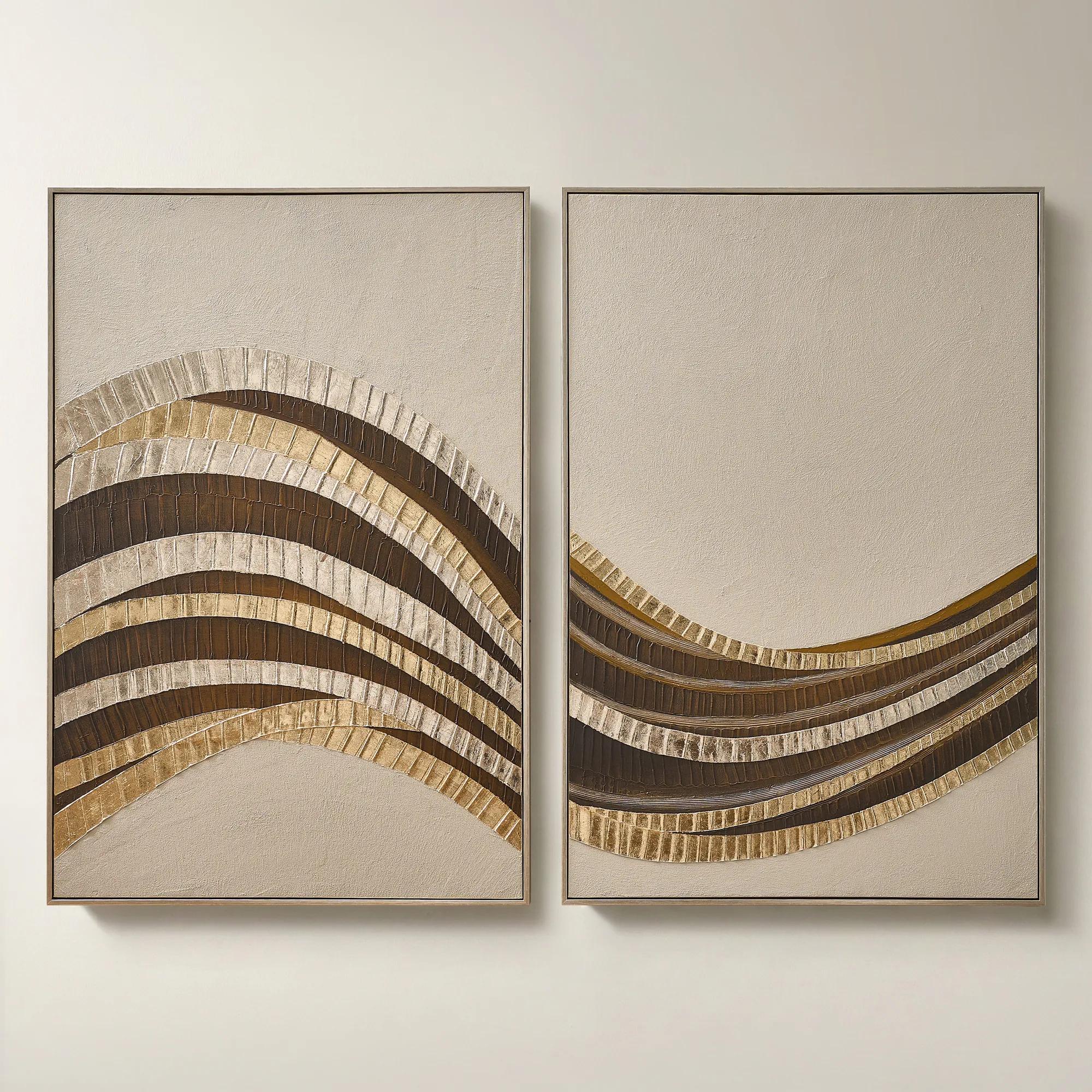 Stillness in Motion Framed Gold Leaf Painted Wall Art 40" x 60" Set of 2$899
A hand-painted abstract diptych with gold leaf accents, textured surface, and brushed champagne frames.
Add To Cart -

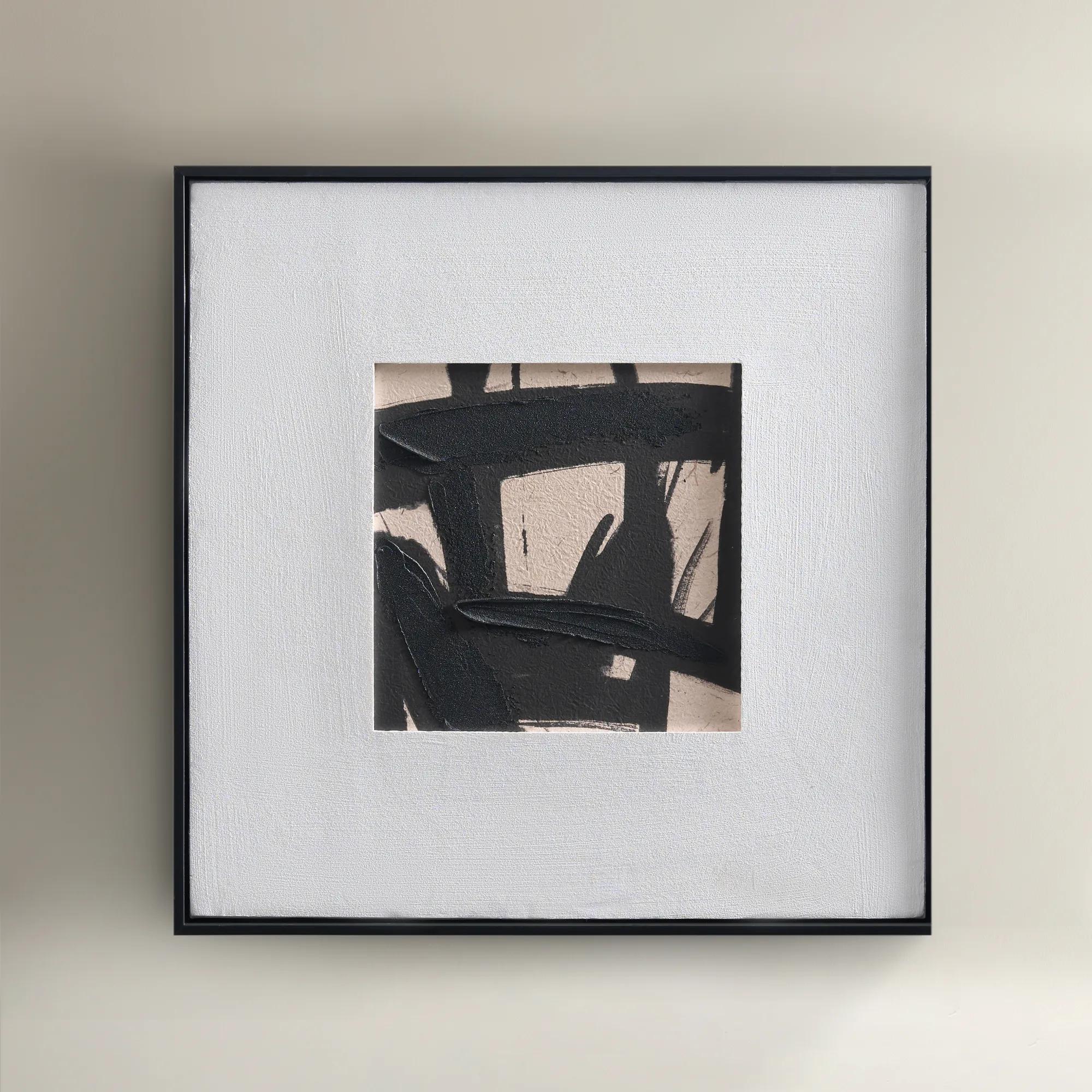
 Shift Framed Painted Wall Art 39.4" x 59"$499
A hand-painted canvas featuring bold black and beige contrasts with textured layers in a sleek black frame.
Add To Cart -
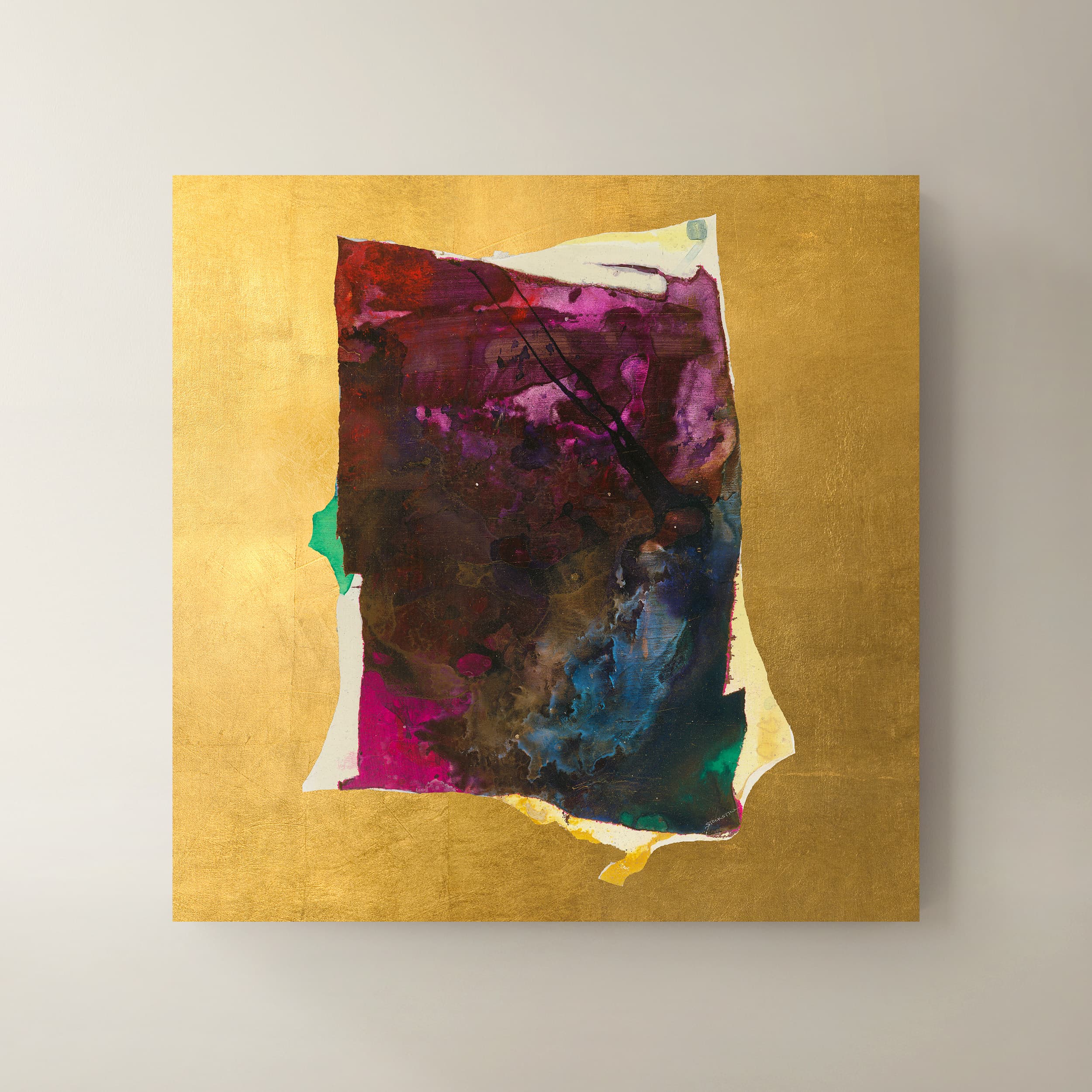 Supremo I Wall Art 40" x 40"$999
A multicolored canvas wall art piece adding contemporary visual interest to your interior.
Add To Cart -
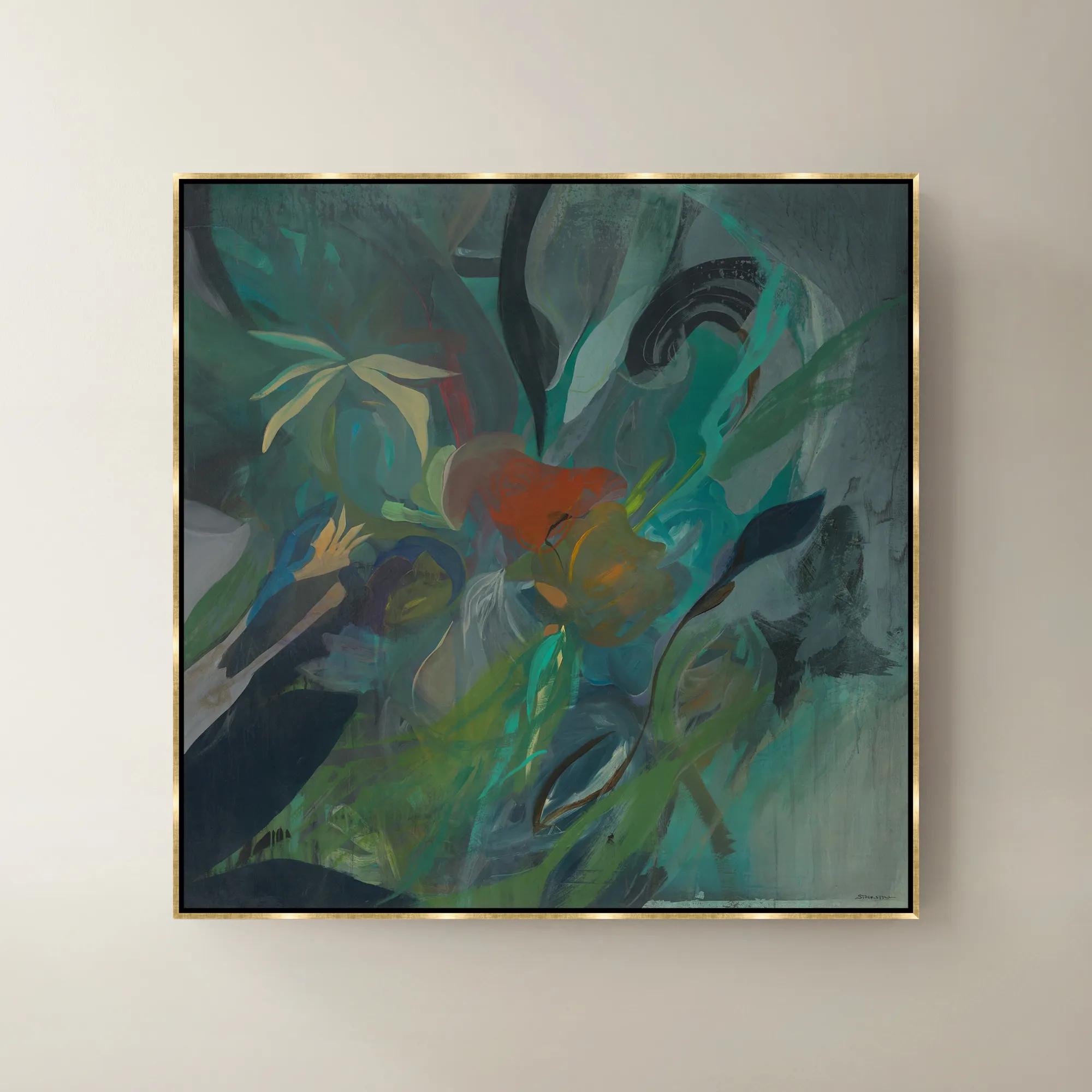
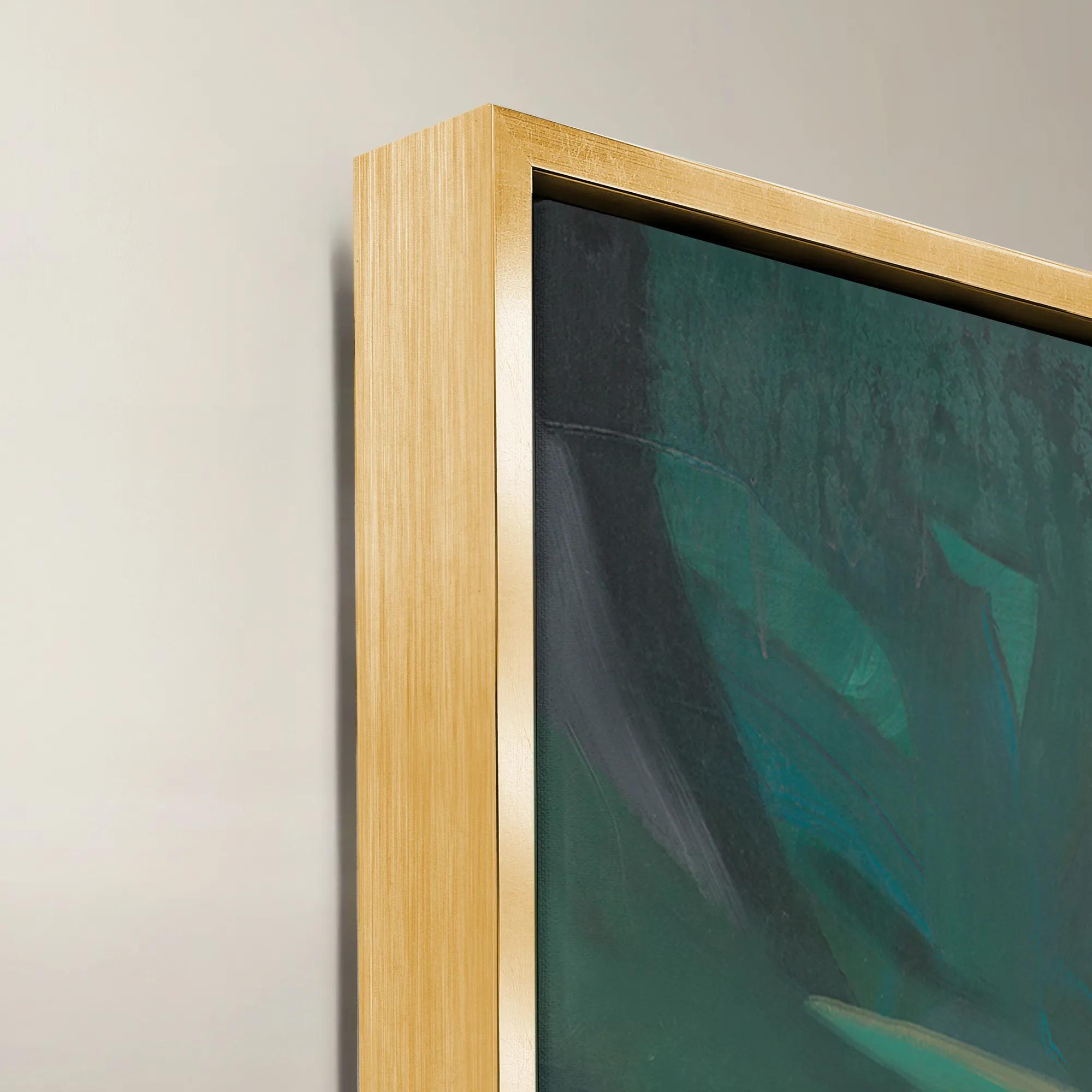 Fresh Places Framed Wall Art 47" x 47"$1199
A vibrant green canvas wall artwork with a sophisticated framed finish, bringing contemporary character to interiors.
Add To Cart -
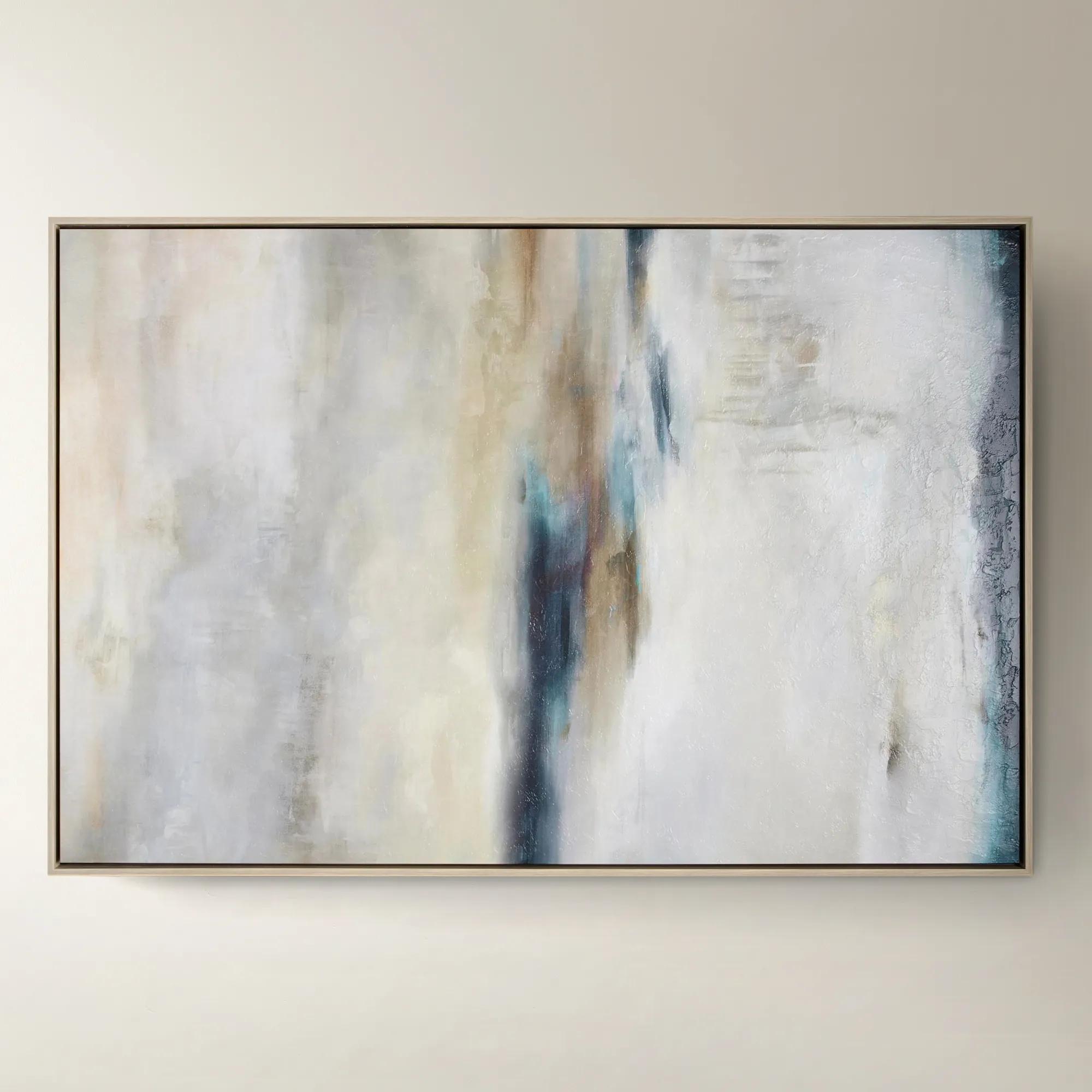
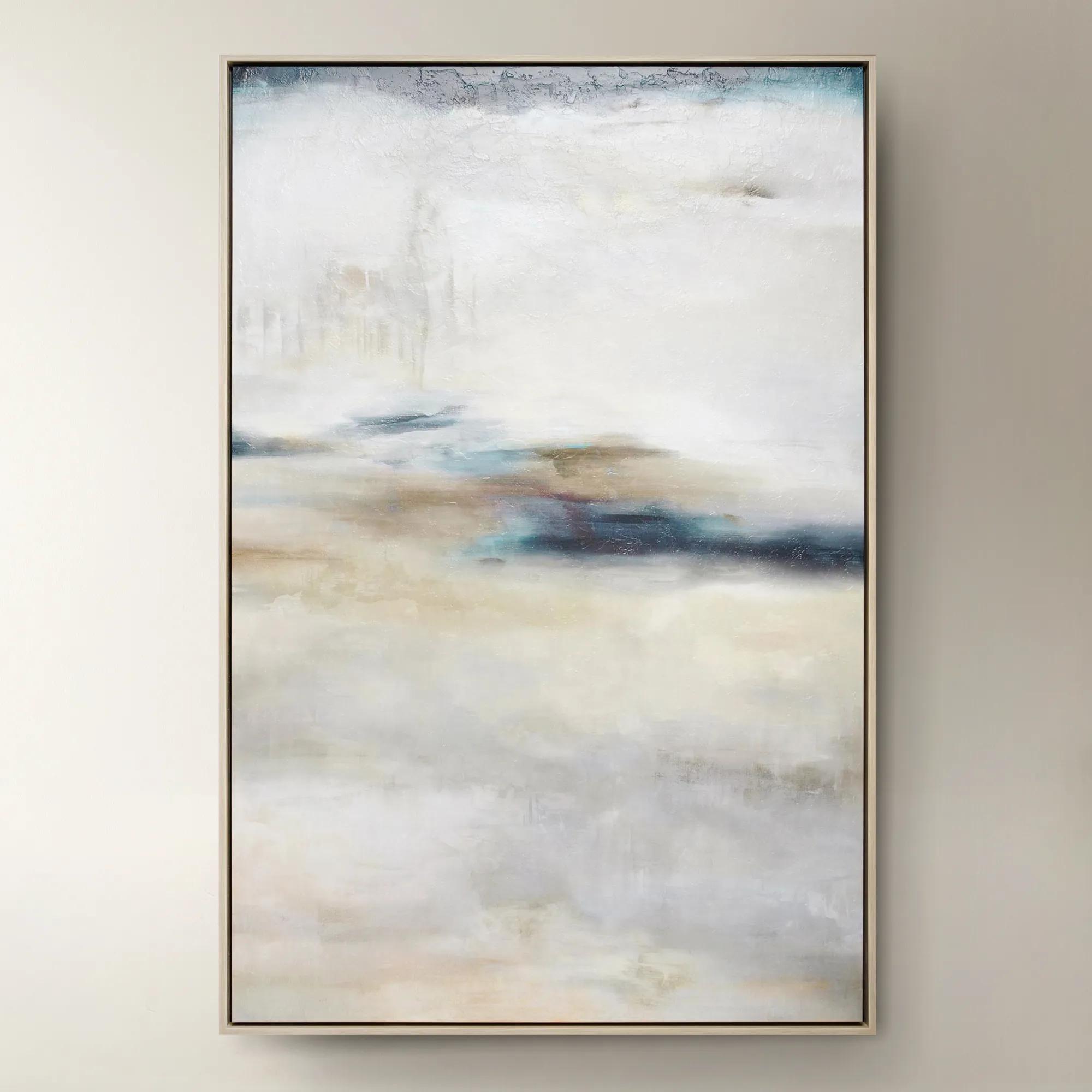 Forward Looking$1299
A softly layered abstract canvas print with a gel finish, set in a natural-hued floater frame.
Add To Cart -
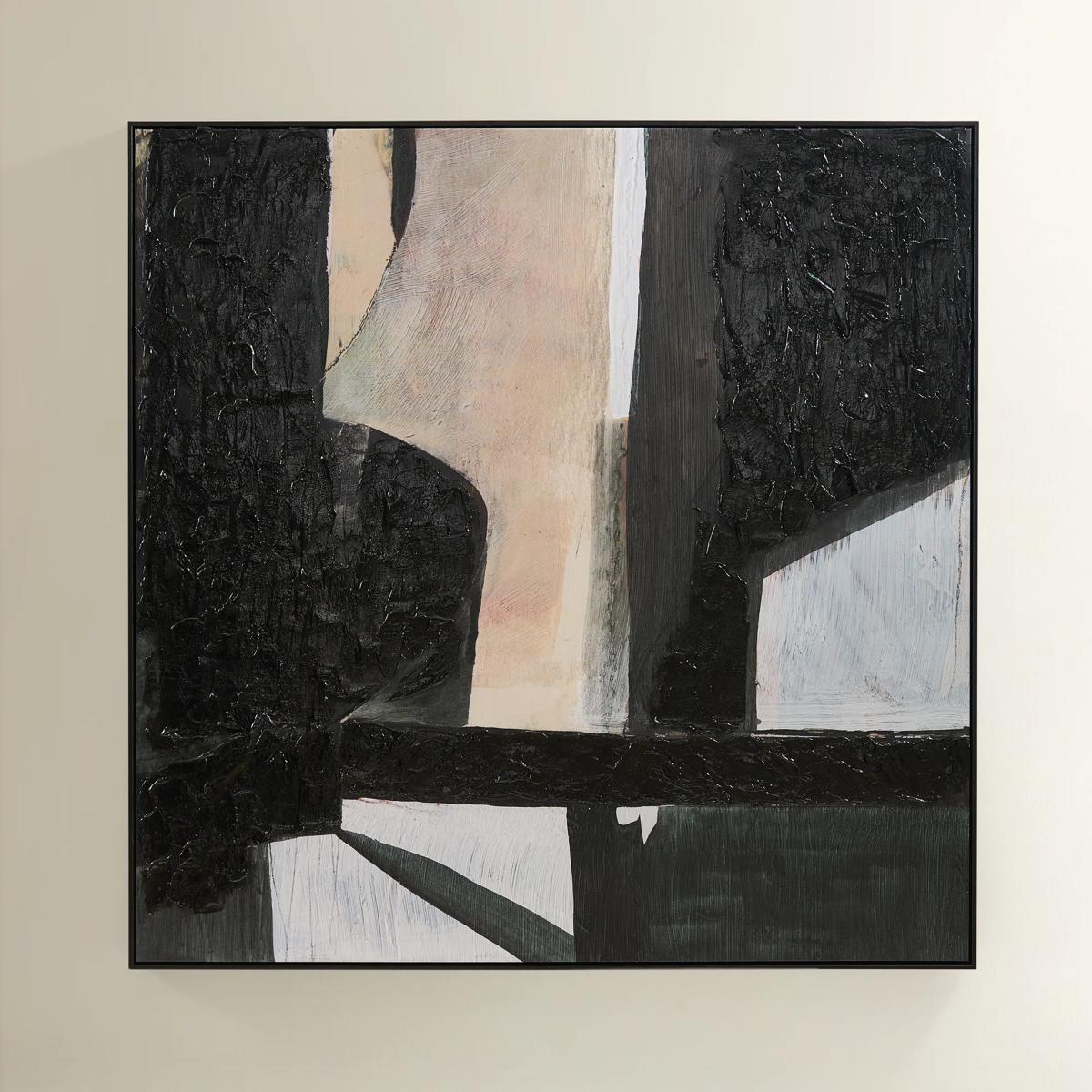 Grounded Painting$699
A hand-painted abstract canvas featuring black, cream, and earth tones in a sleek black floater frame.
Add To Cart -
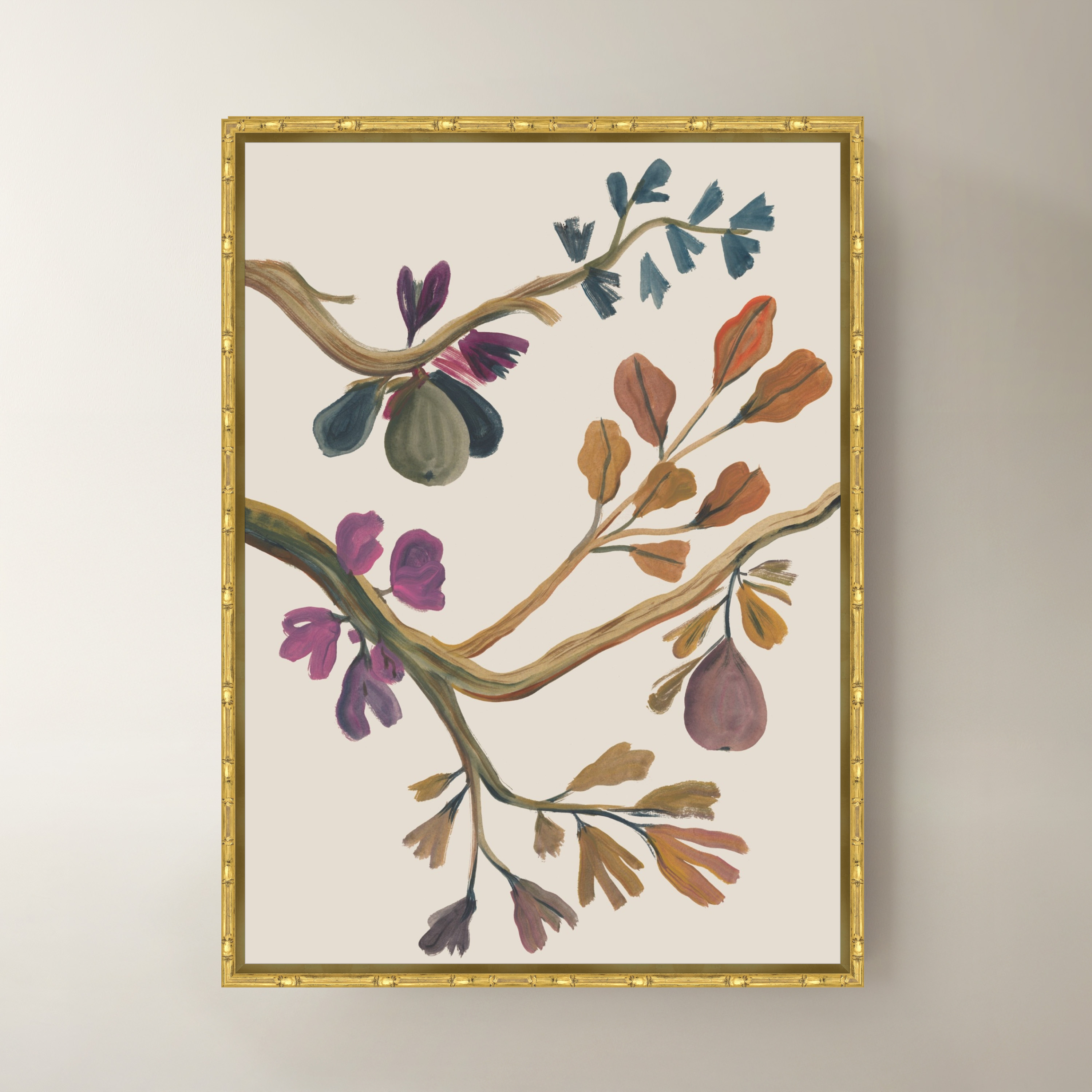
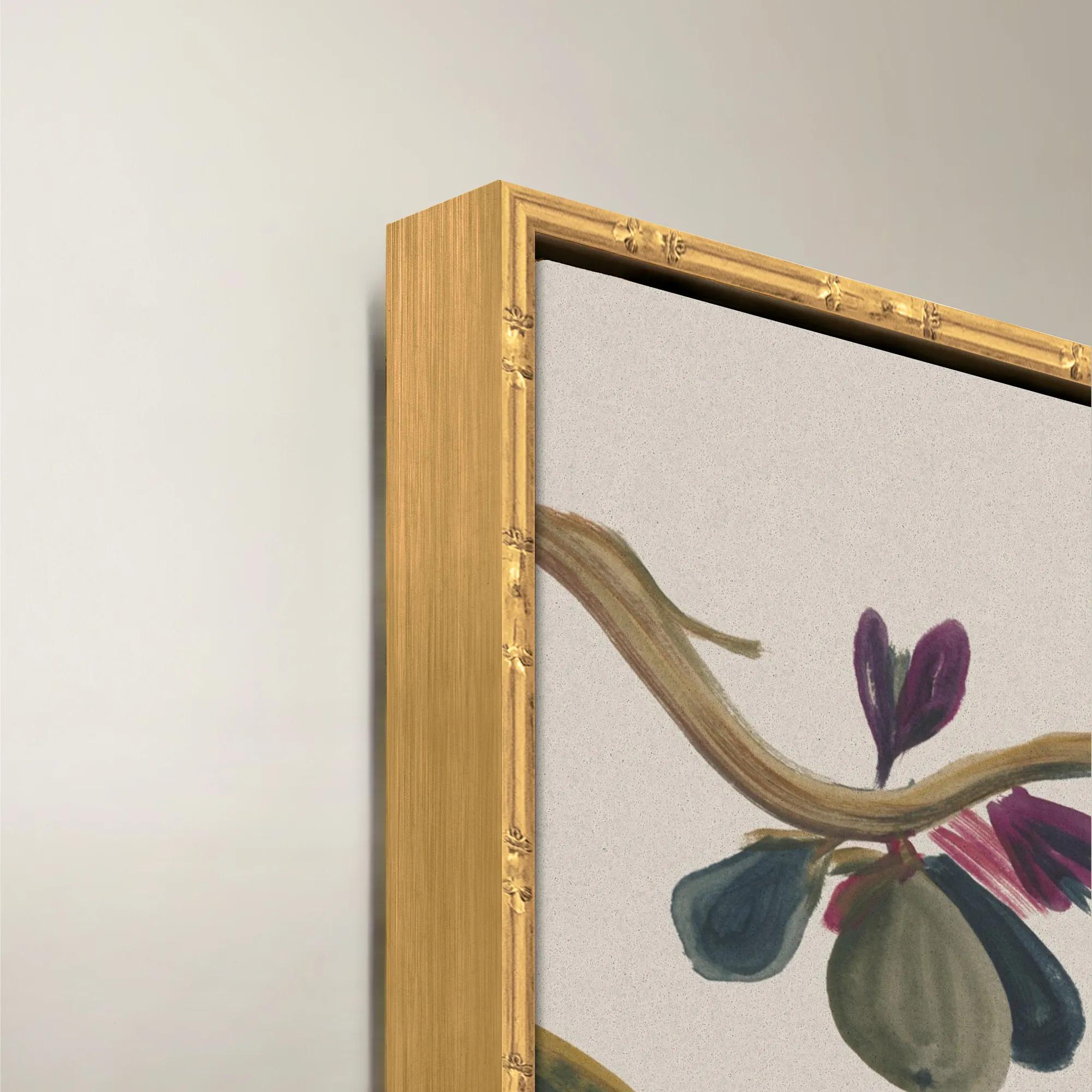 Whispering Orchard II Framed Wall Art 24" x 33"$749
A multicolored canvas wall art piece presented in an elegant frame for contemporary interiors.
Add To Cart -
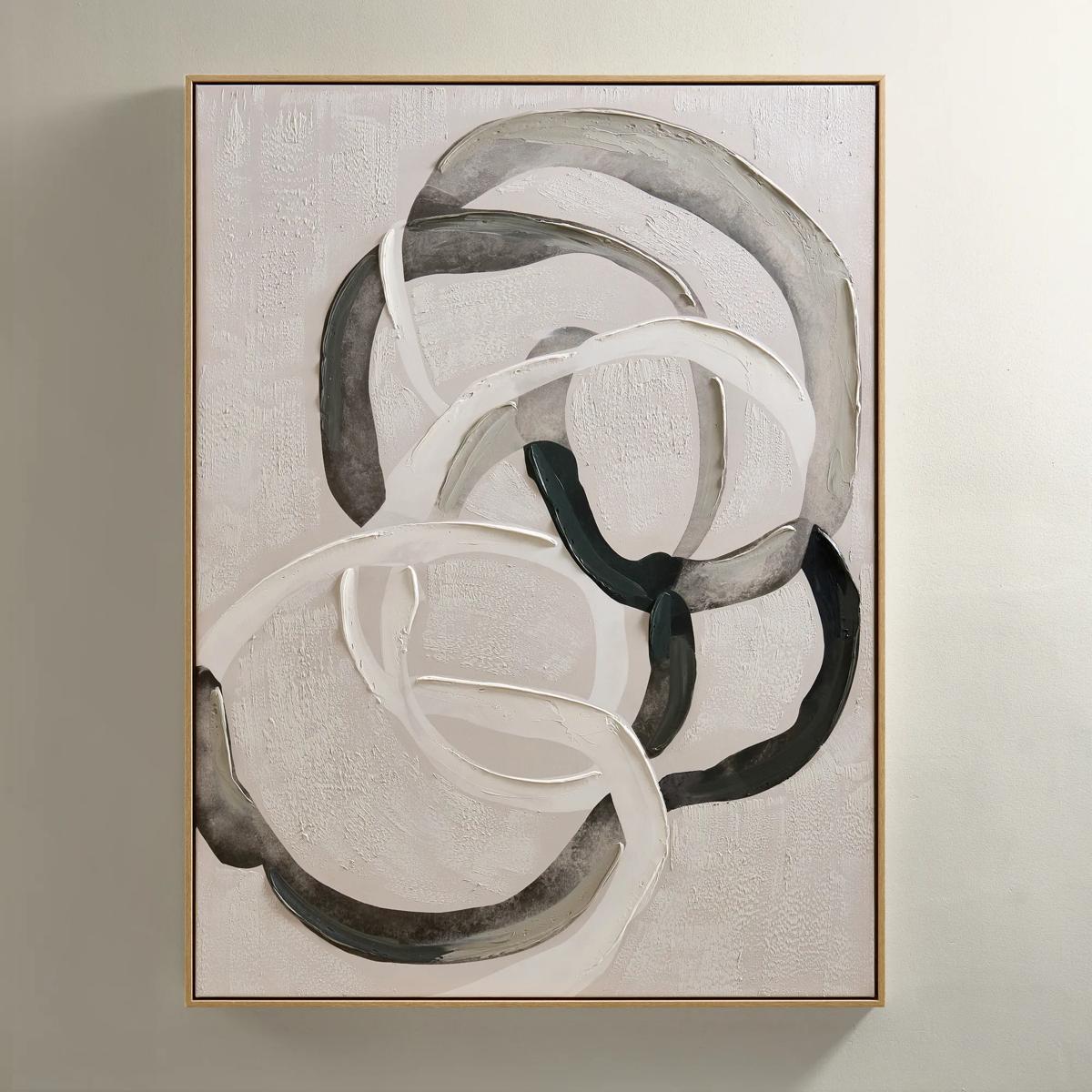
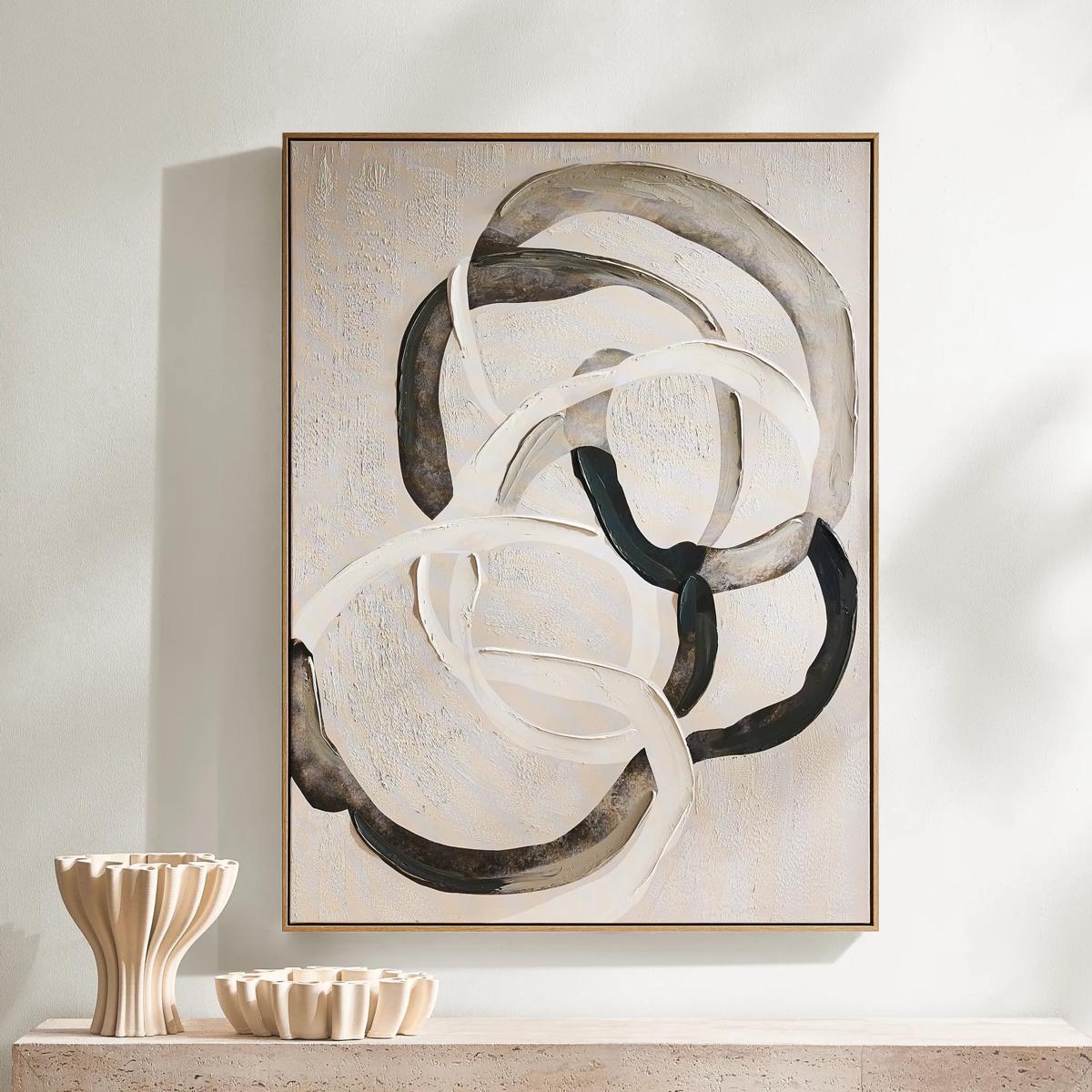 Round About Framed Painted Wall Art 35.25" x 47.25"$349
An abstract hand-painted canvas with tonal whites, charcoals, and taupes in a light wood floater frame.
Add To Cart -
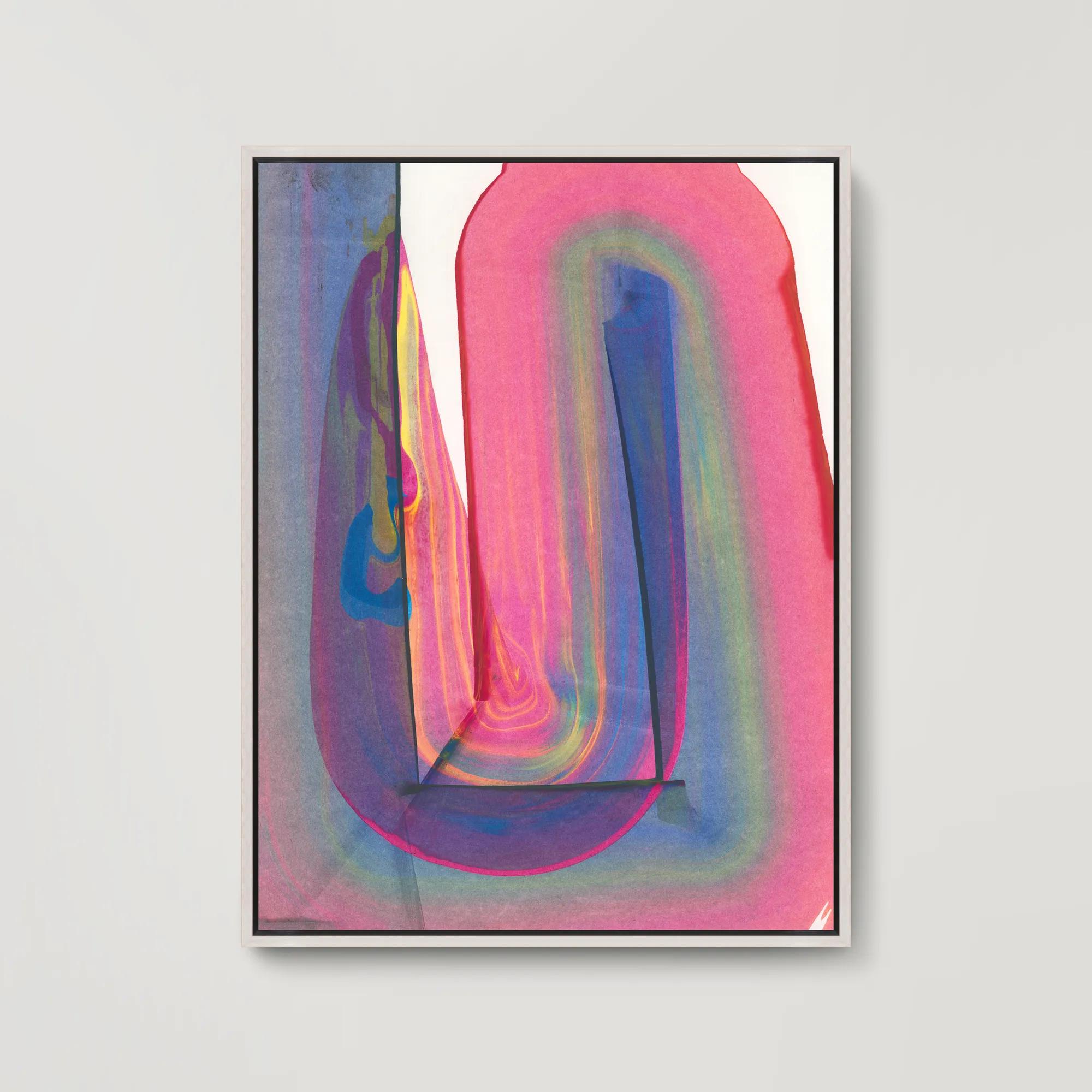
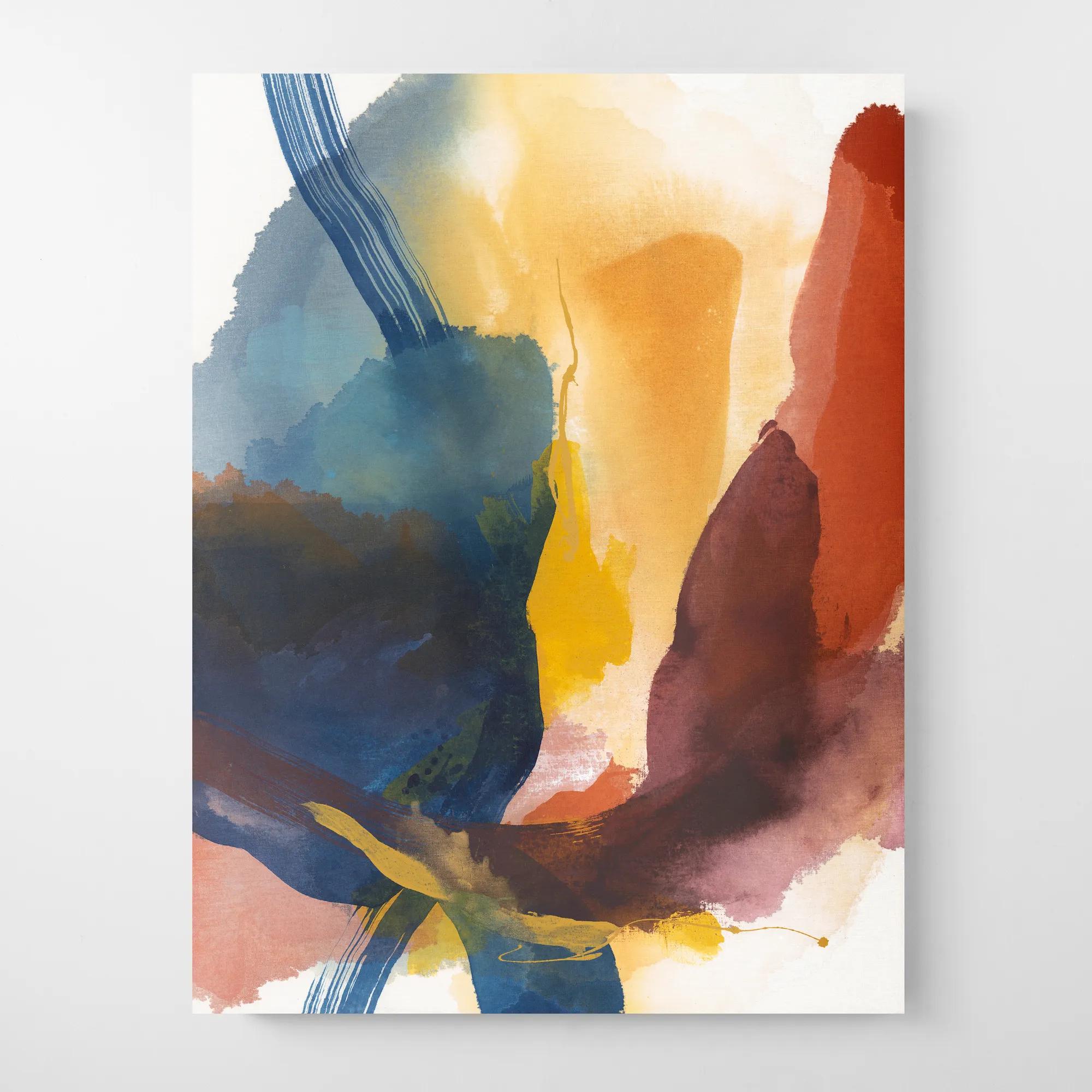
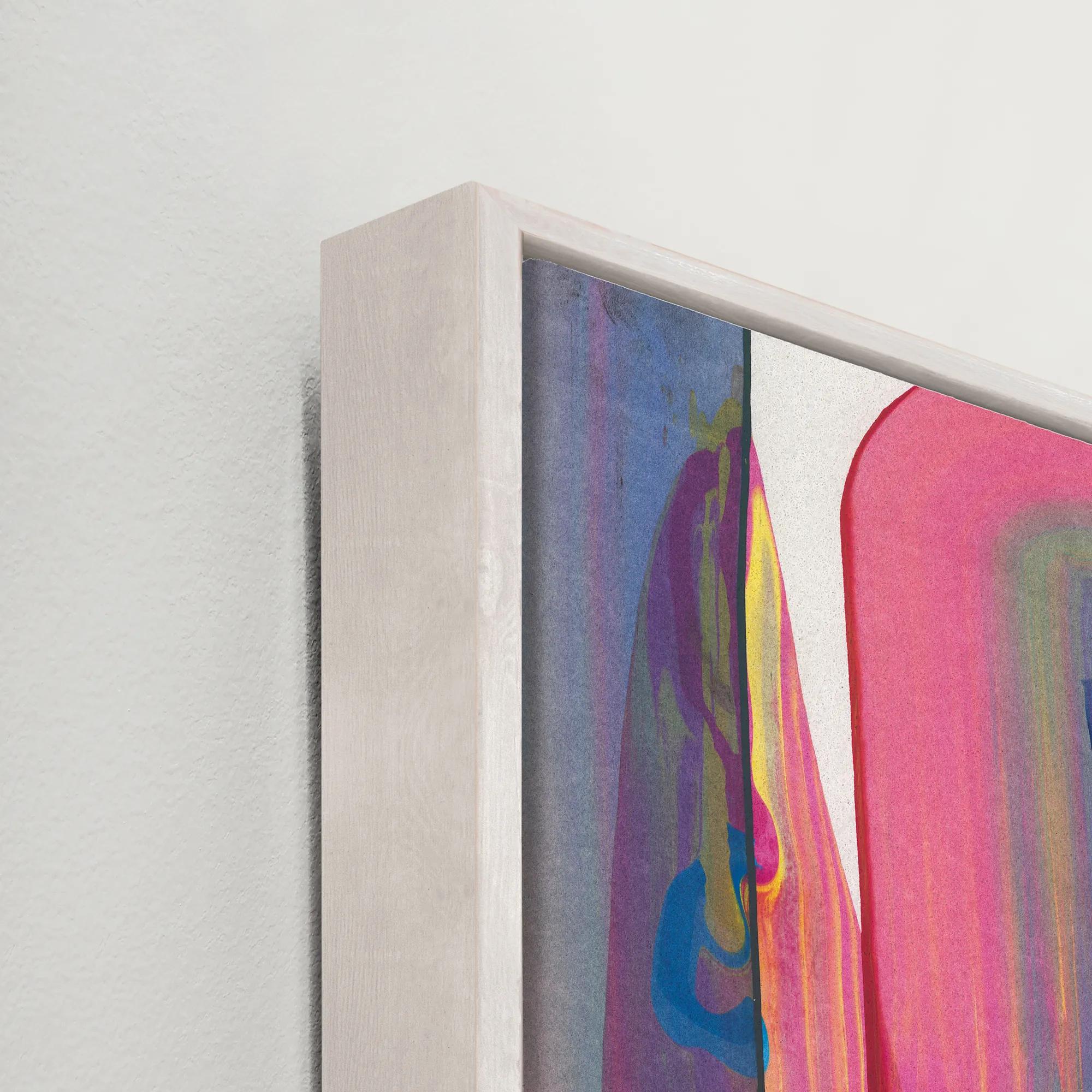 Color In Motion Framed Wall Art 31.5" x 41.5"$699
A gallery-wrapped abstract artwork featuring layered translucent paint and expressive brushstrokes in a white floater frame.
Add To Cart -
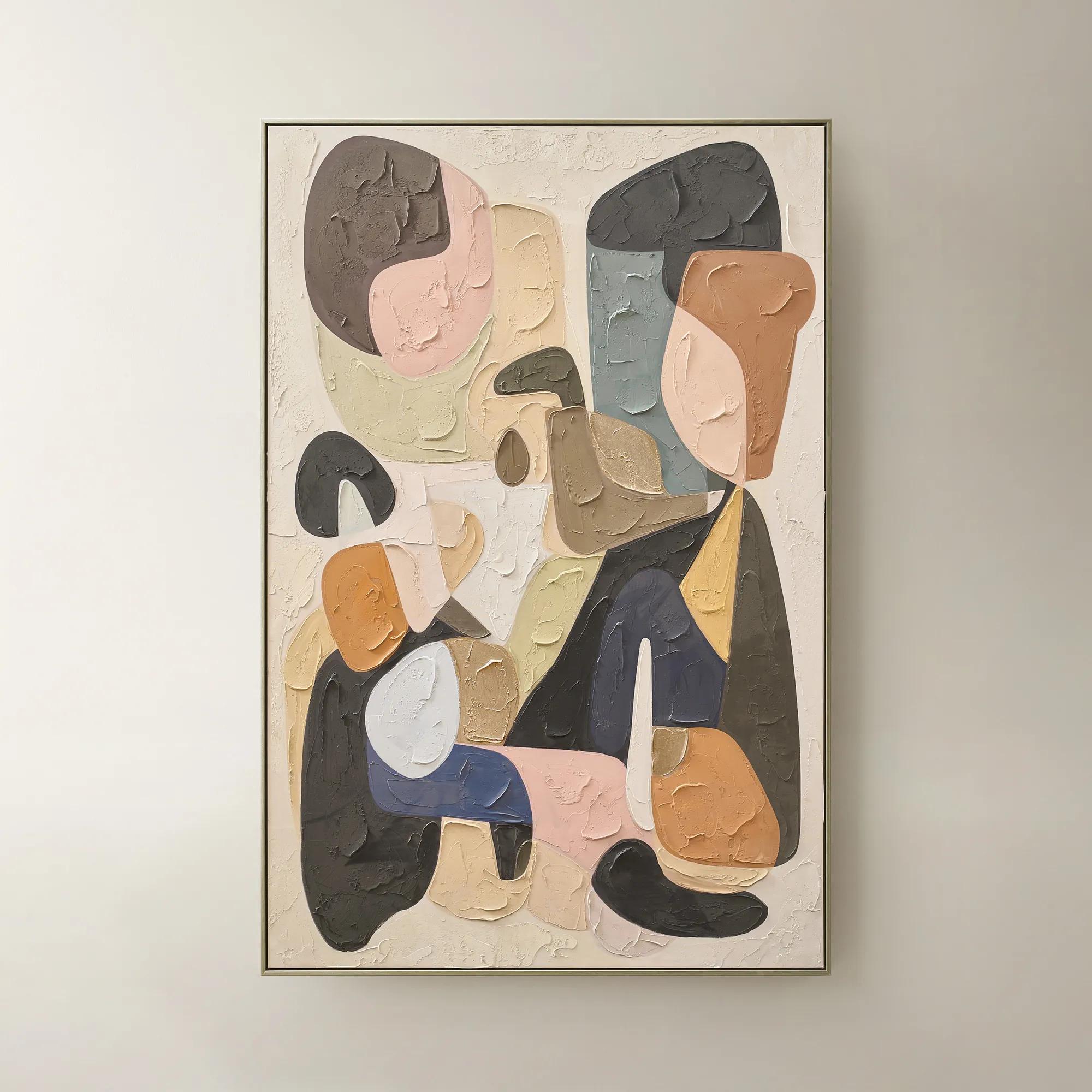 Chromatic Bloom Framed Painted Wall Art 40" x 60"$519
A hand-painted abstract canvas featuring a vibrant multi-color palette and shimmering champagne detailing.
Add To Cart -
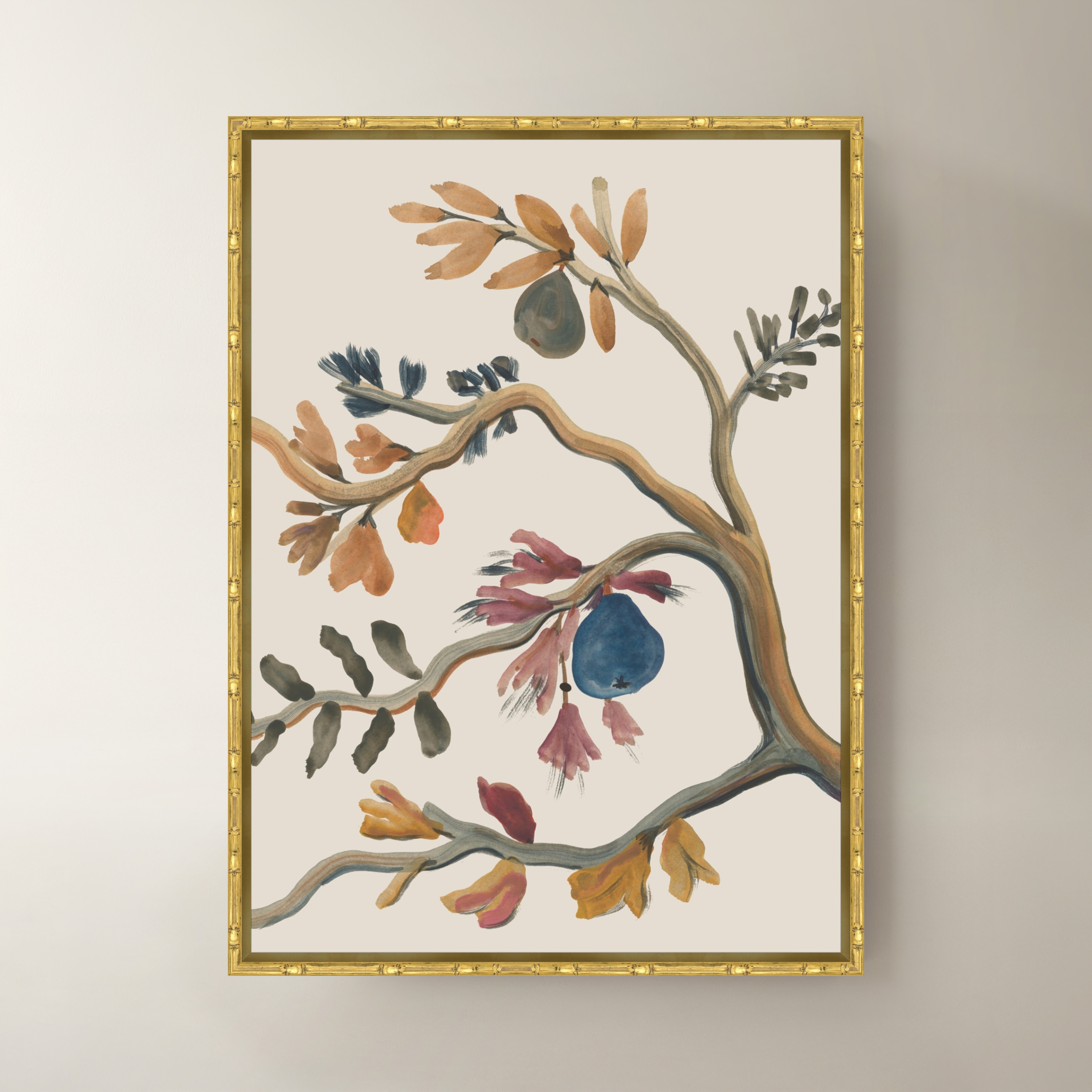
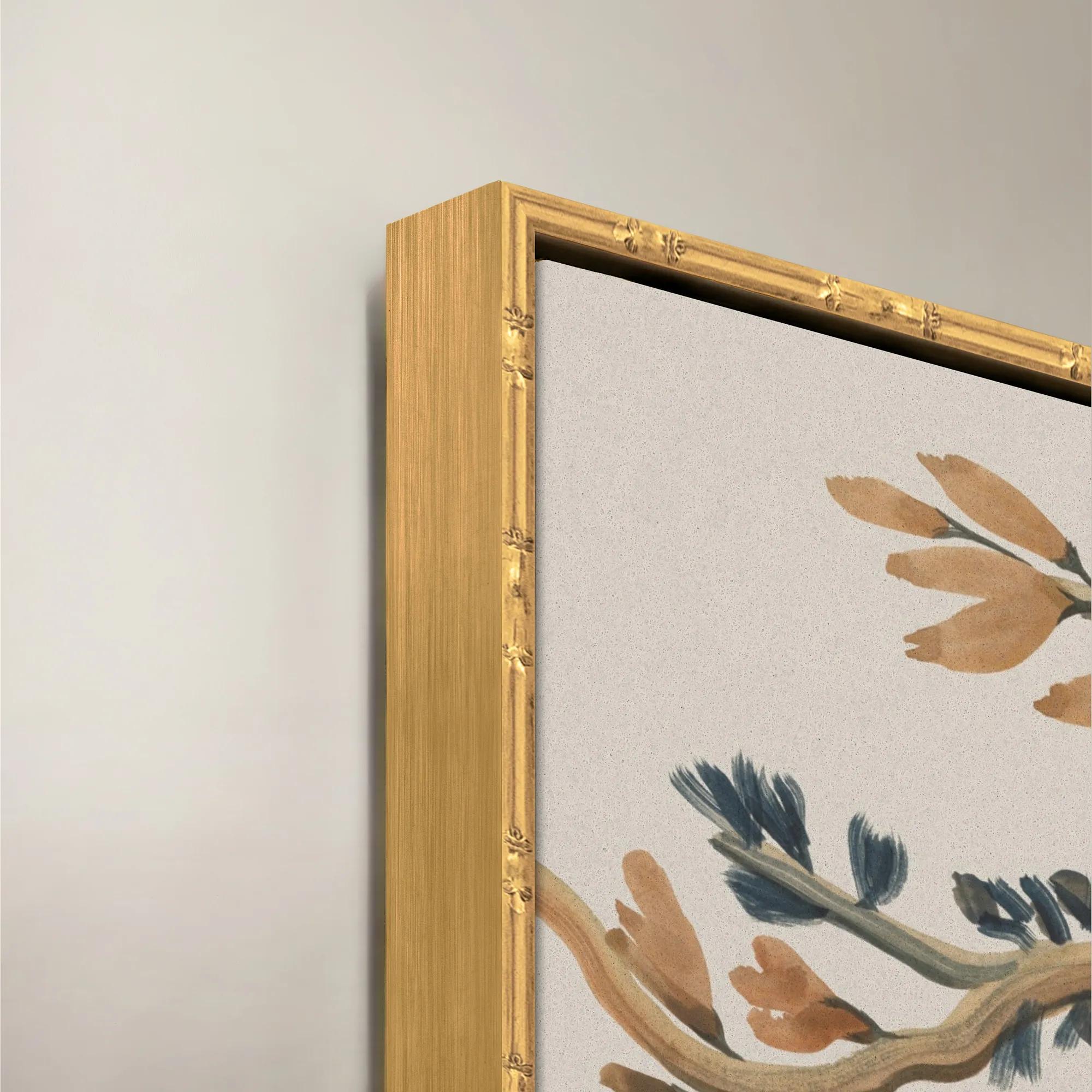 Whispering Orchard I Framed Wall Art 24" x 33"$749
A multicolored canvas wall artwork presented in a refined frame for vibrant, gallery-inspired styling.
Add To Cart -
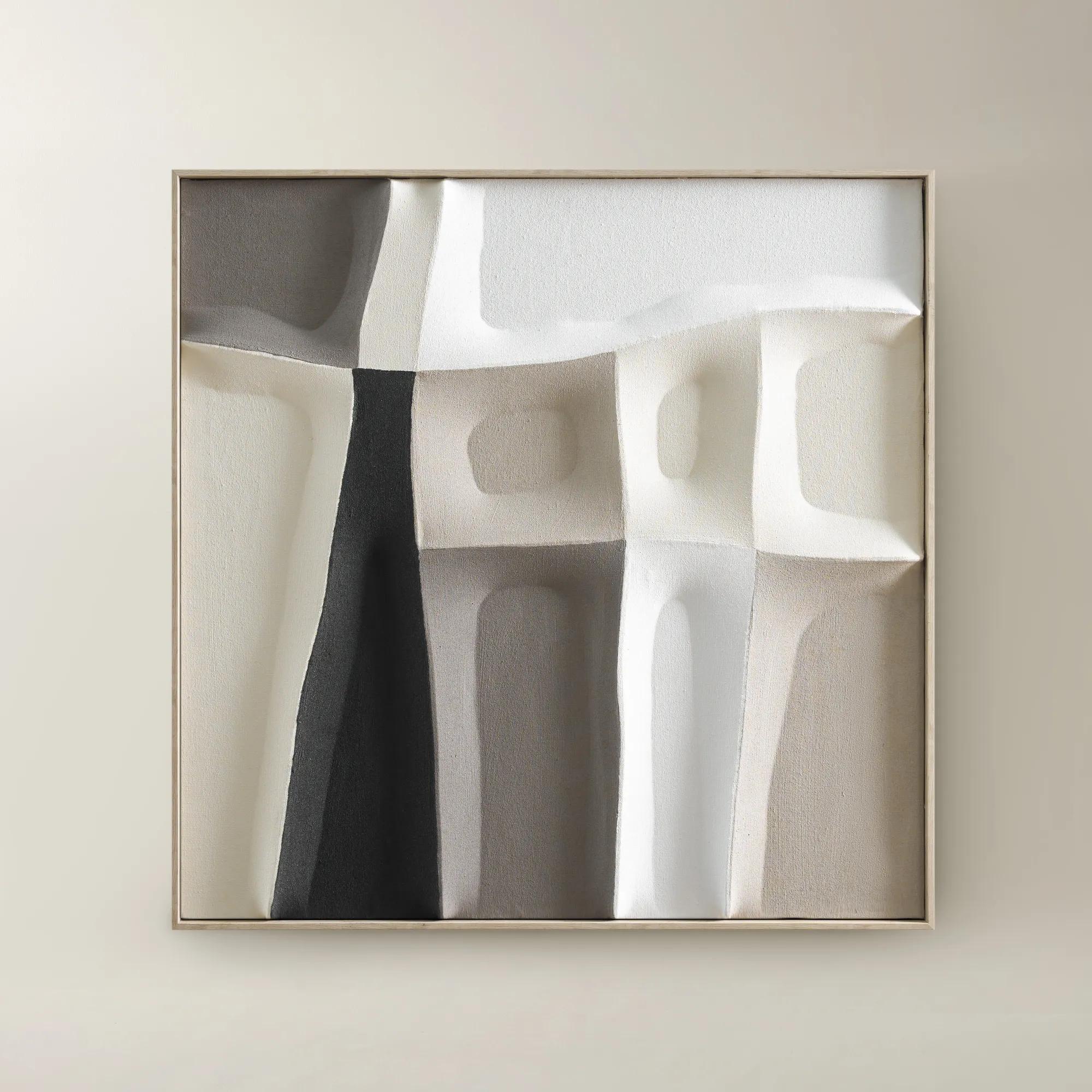 Shadow Painting 1$179
A hand-painted canvas featuring bold colors and sculptural textures in a warm whitewash floater frame.
Add To Cart -
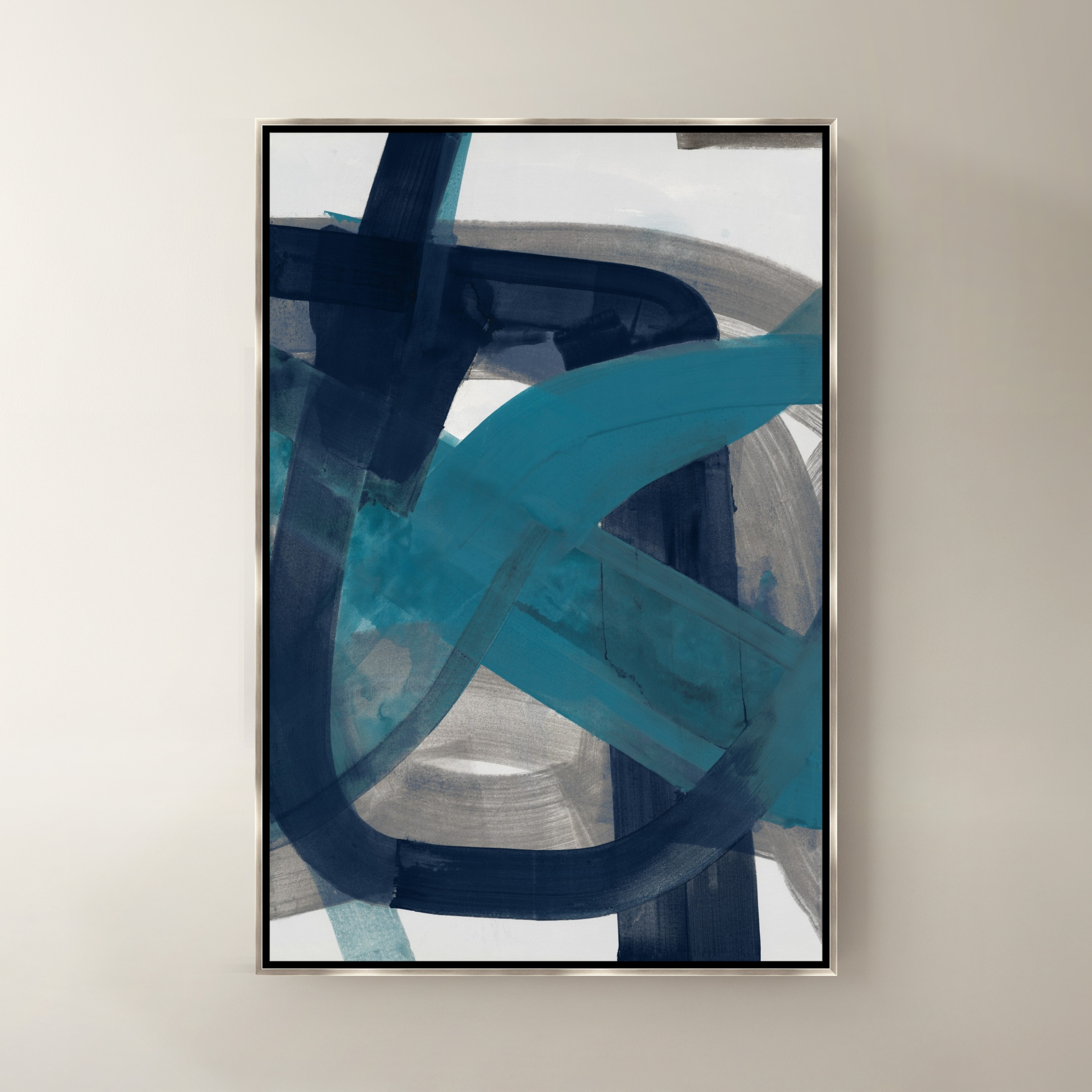
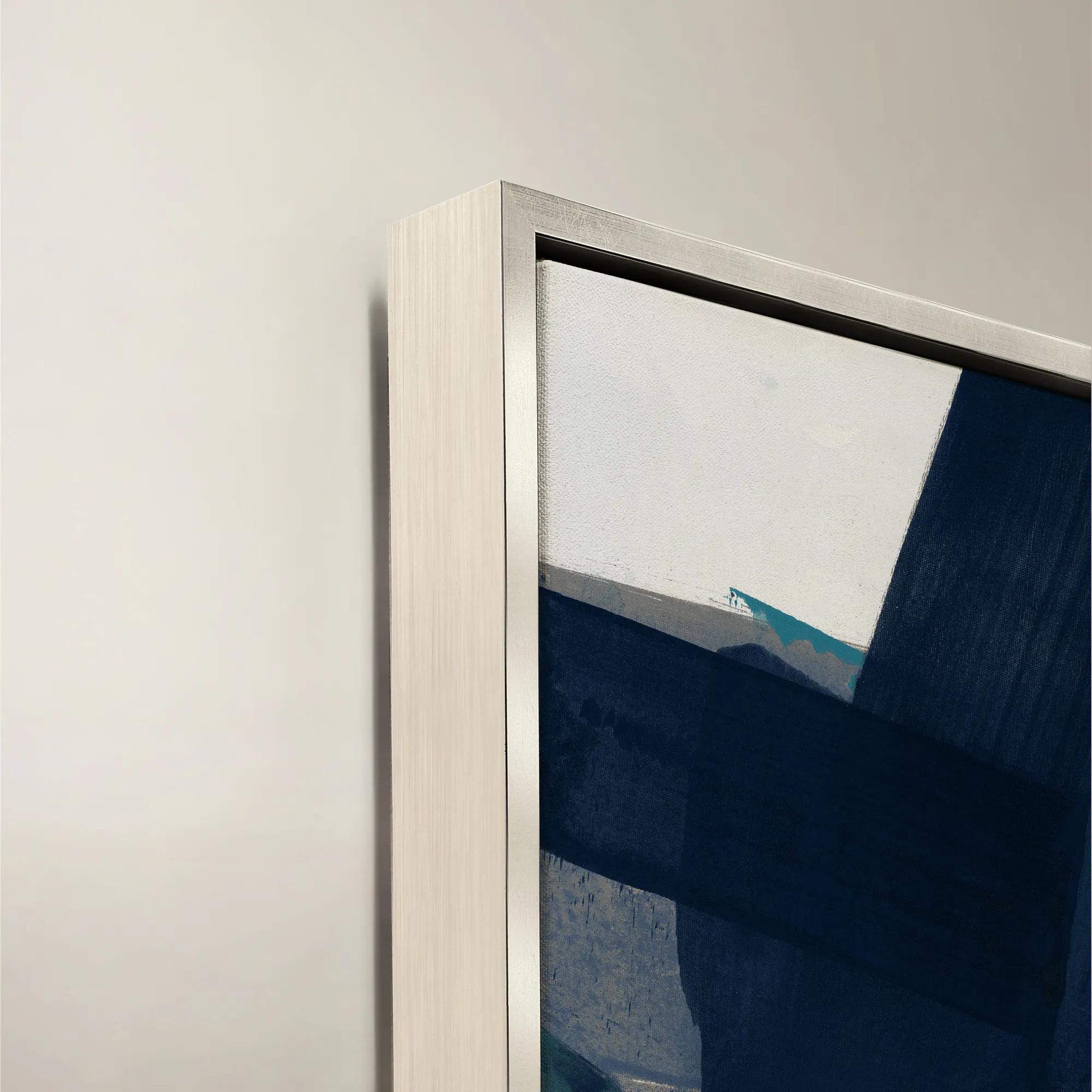 Fractured Currents II Framed Wall Art 24" x 36"$499
A framed canvas wall artwork featuring dynamic blue and purple tones for a modern, expressive accent.
Add To Cart -
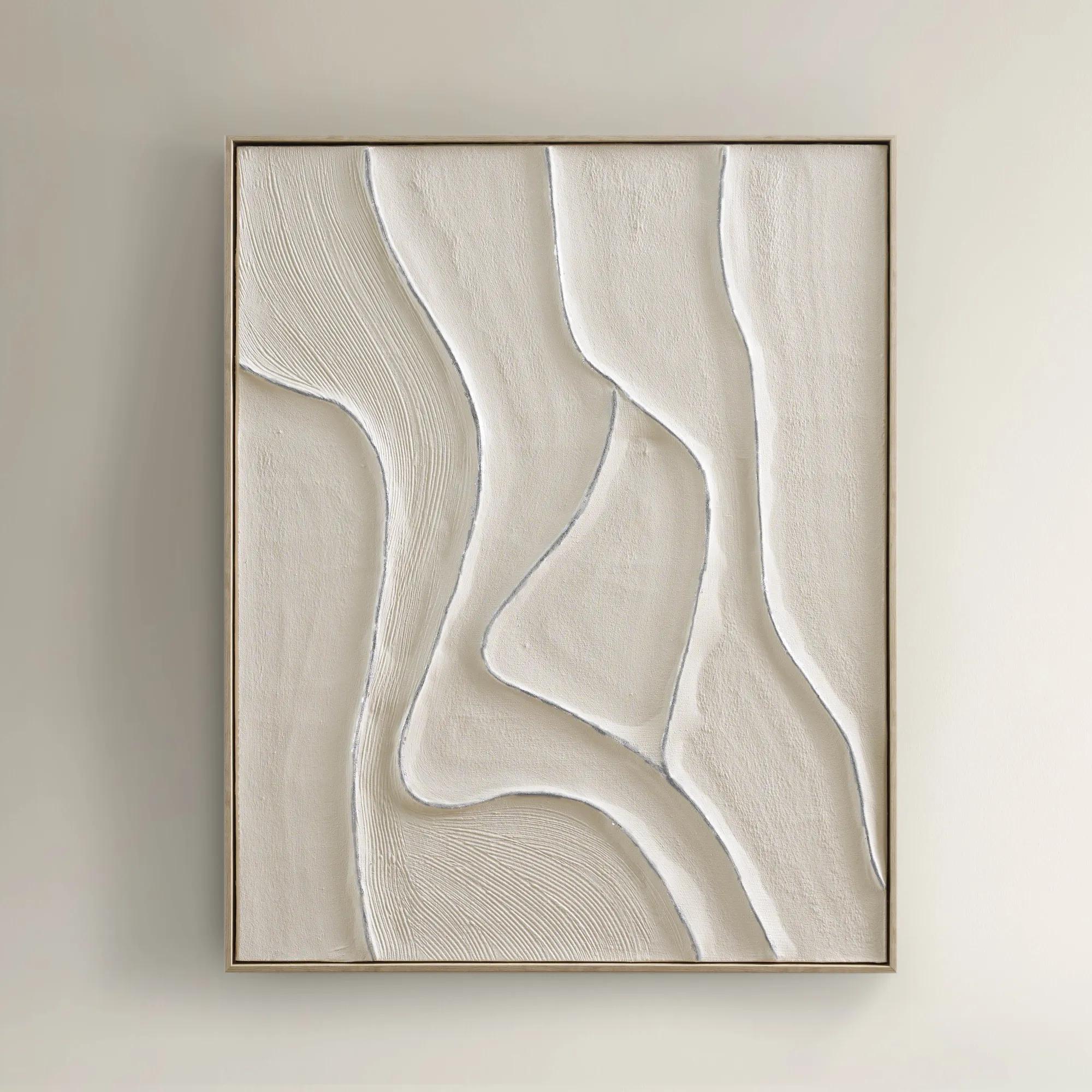
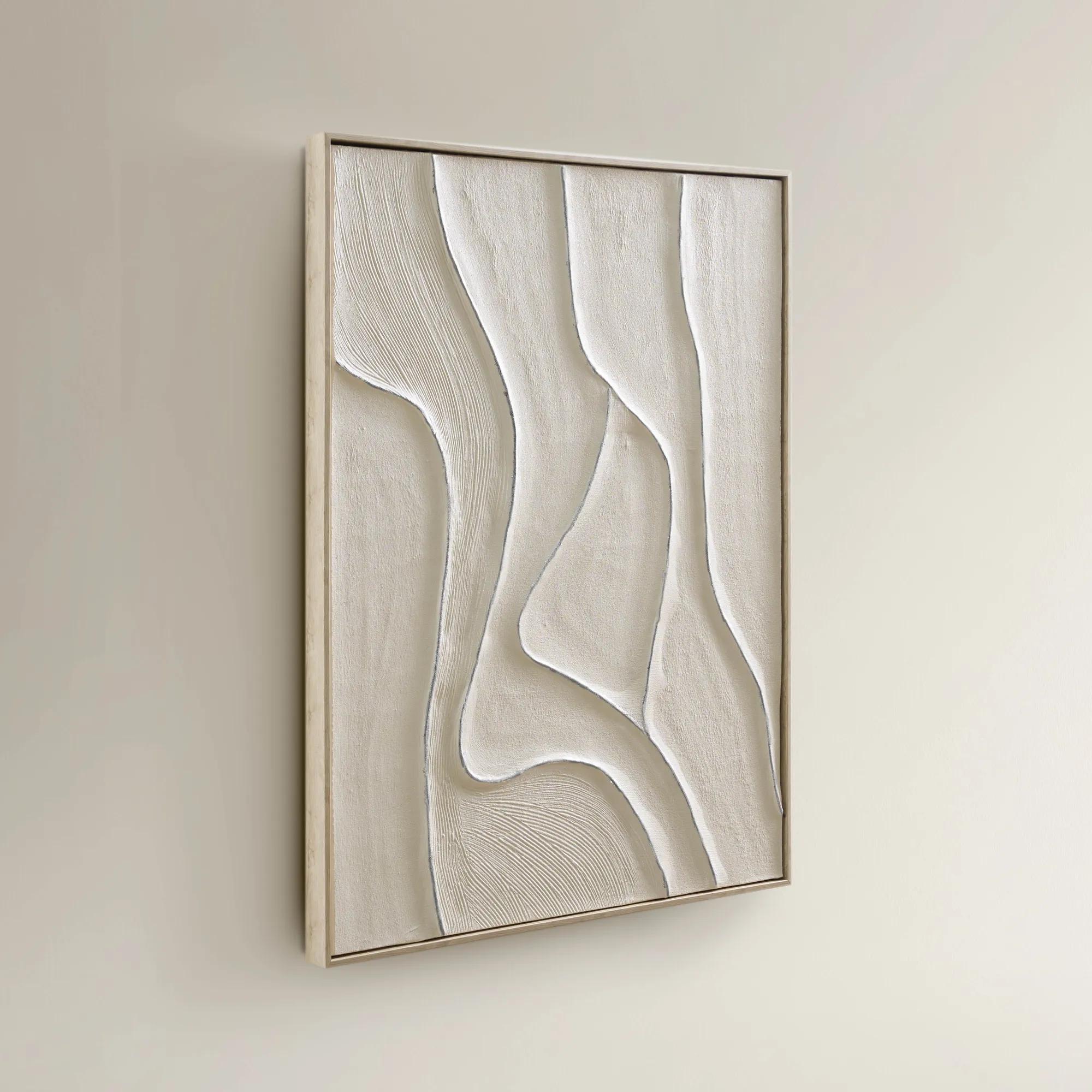 Vivre Framed Painted Wall Art 39.25" x 31.5"$199
A hand-painted canvas featuring tranquil beige hues and flowing lines in a warm whitewash floater frame.
Add To Cart -
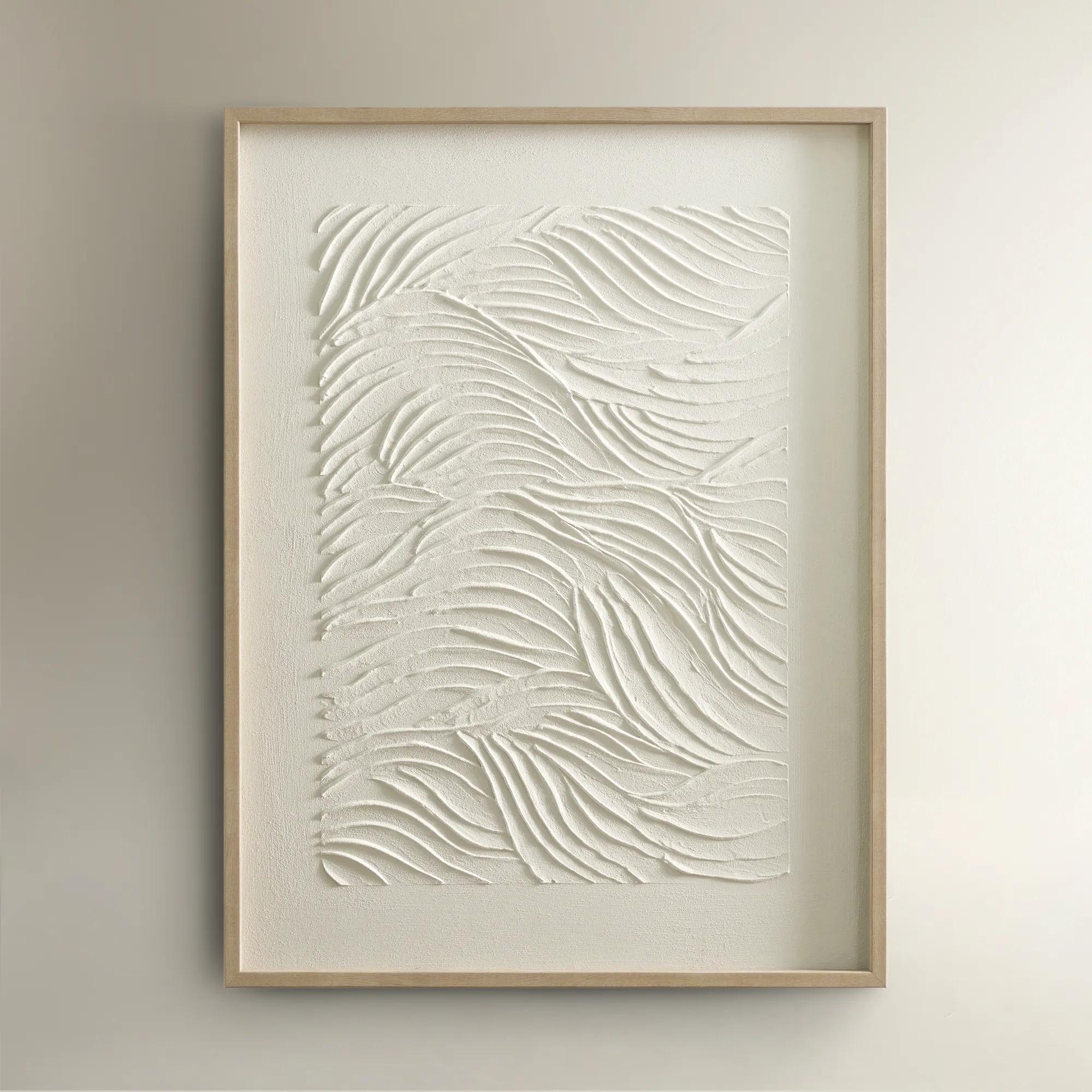
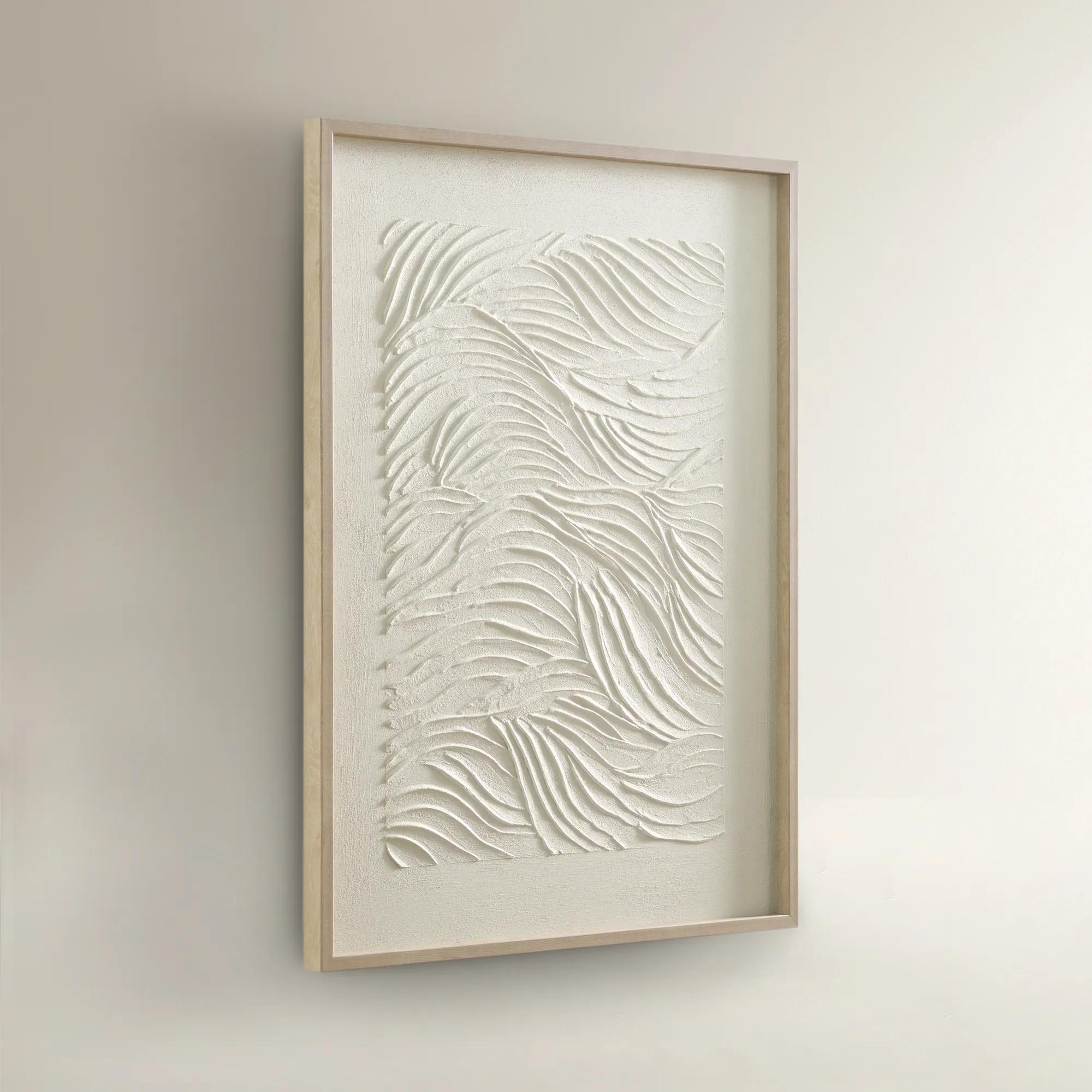 Sonnet Framed Painted Wall Art 23.5" x 31.5"$99
A hand-painted canvas featuring textured white shades and a warm blonde wood frame for elegant depth.
Add To Cart -
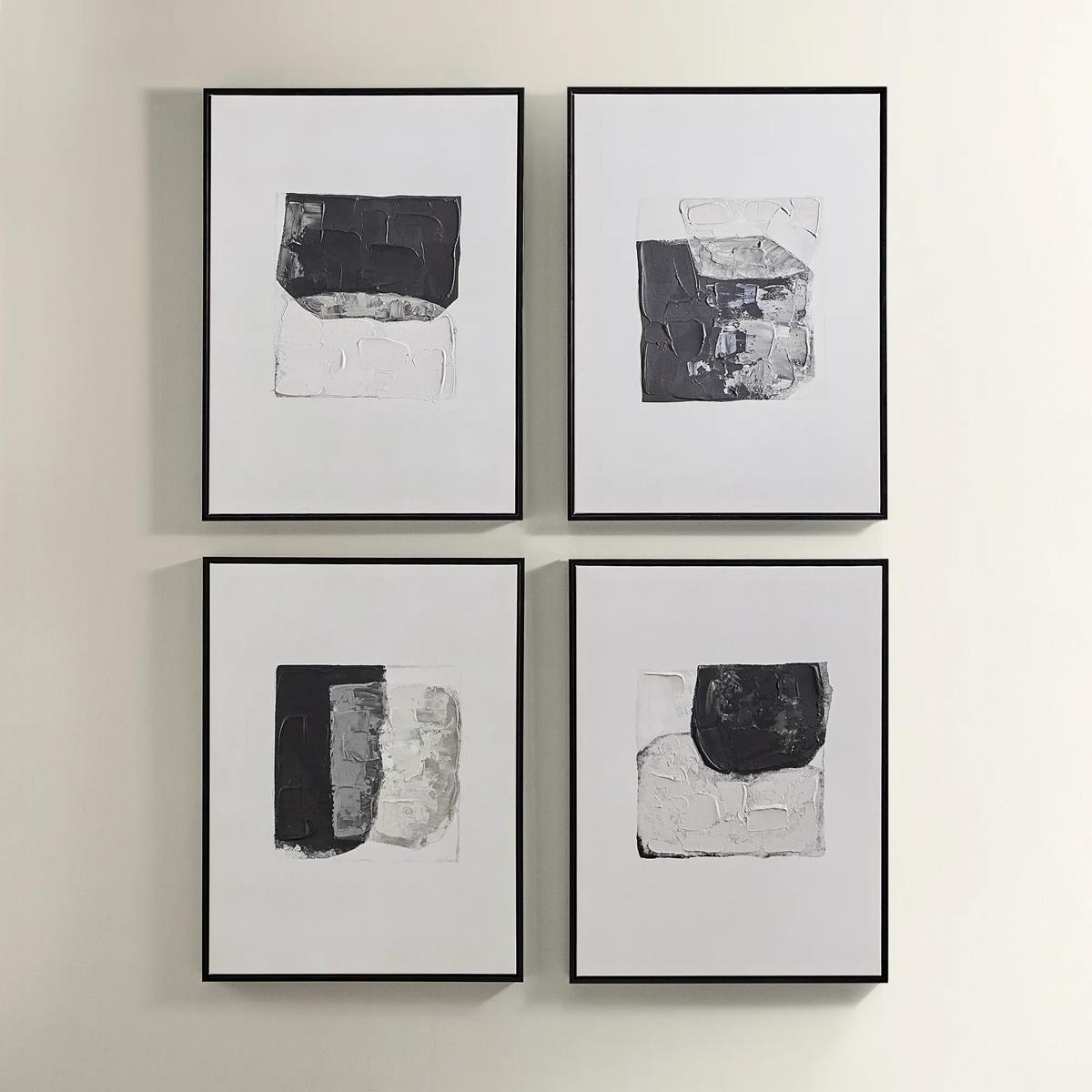
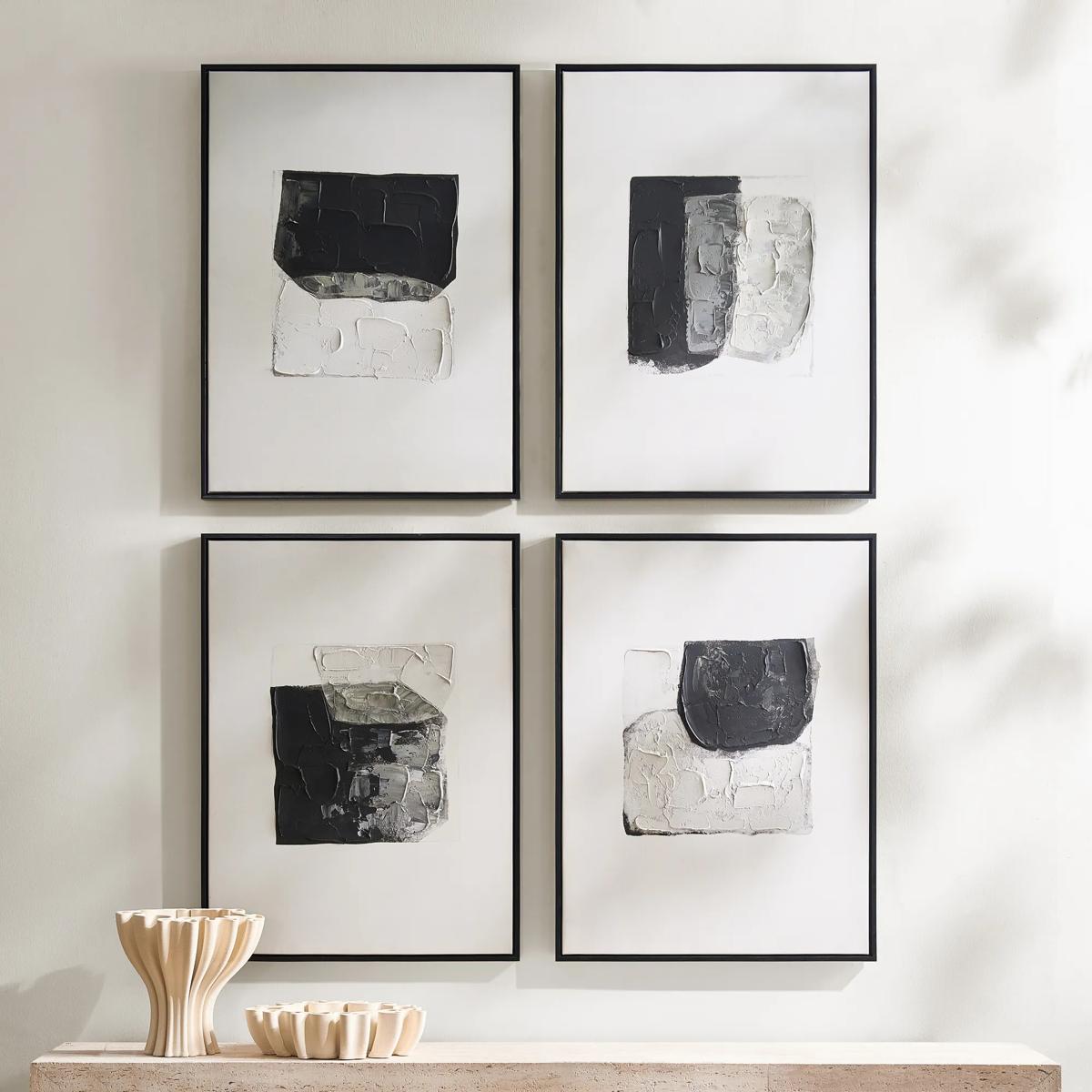 Shadows Framed Painted Wall Art Set of 4$299
A set of four hand-painted abstract canvases featuring black, white, and gold accents in black frames.
Add To Cart -
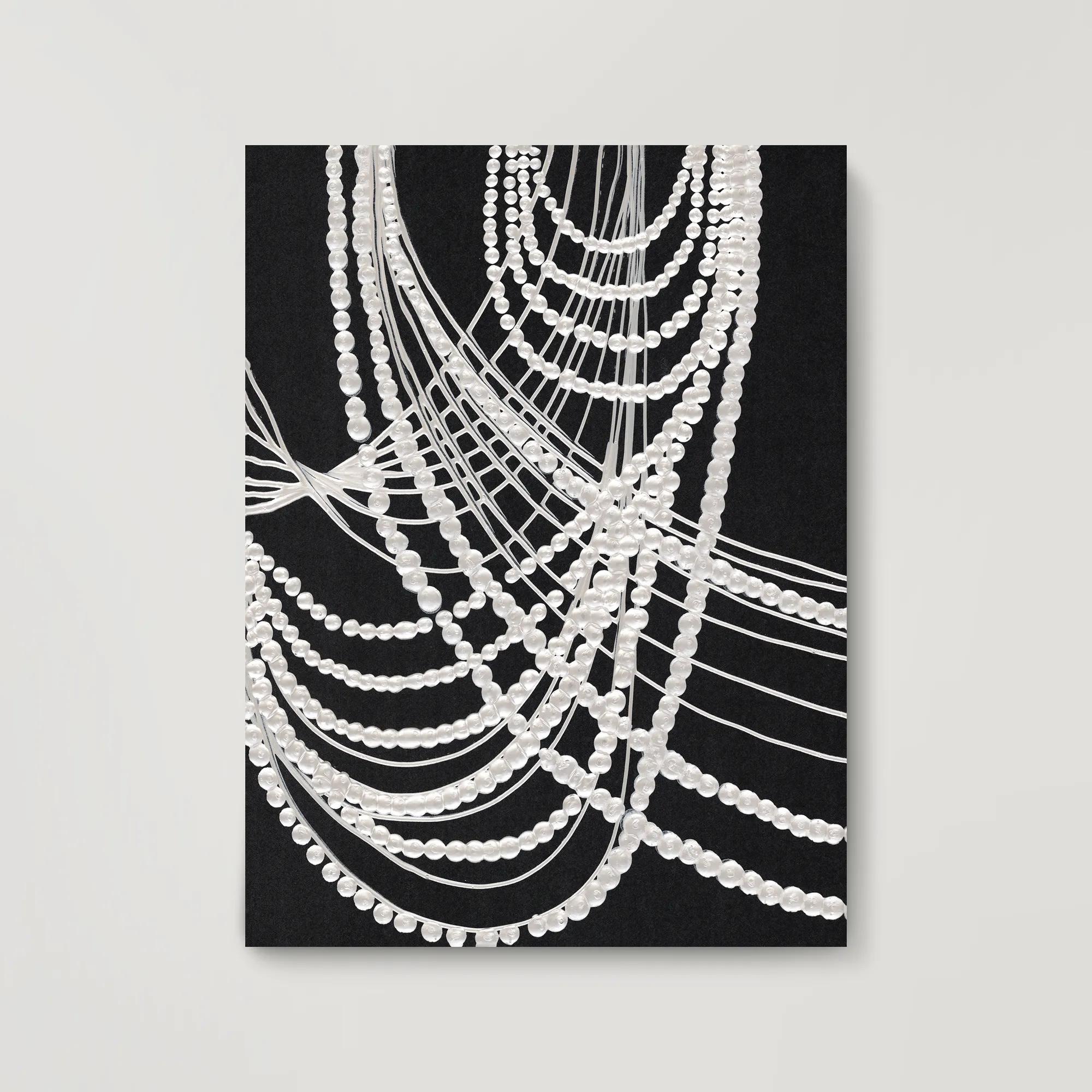 Dripping Pearls Painted Wall Art 36" x 48"$949
A striking hand-painted abstract artwork featuring layered acrylic and watercolor textures in a modern design.
Add To Cart -
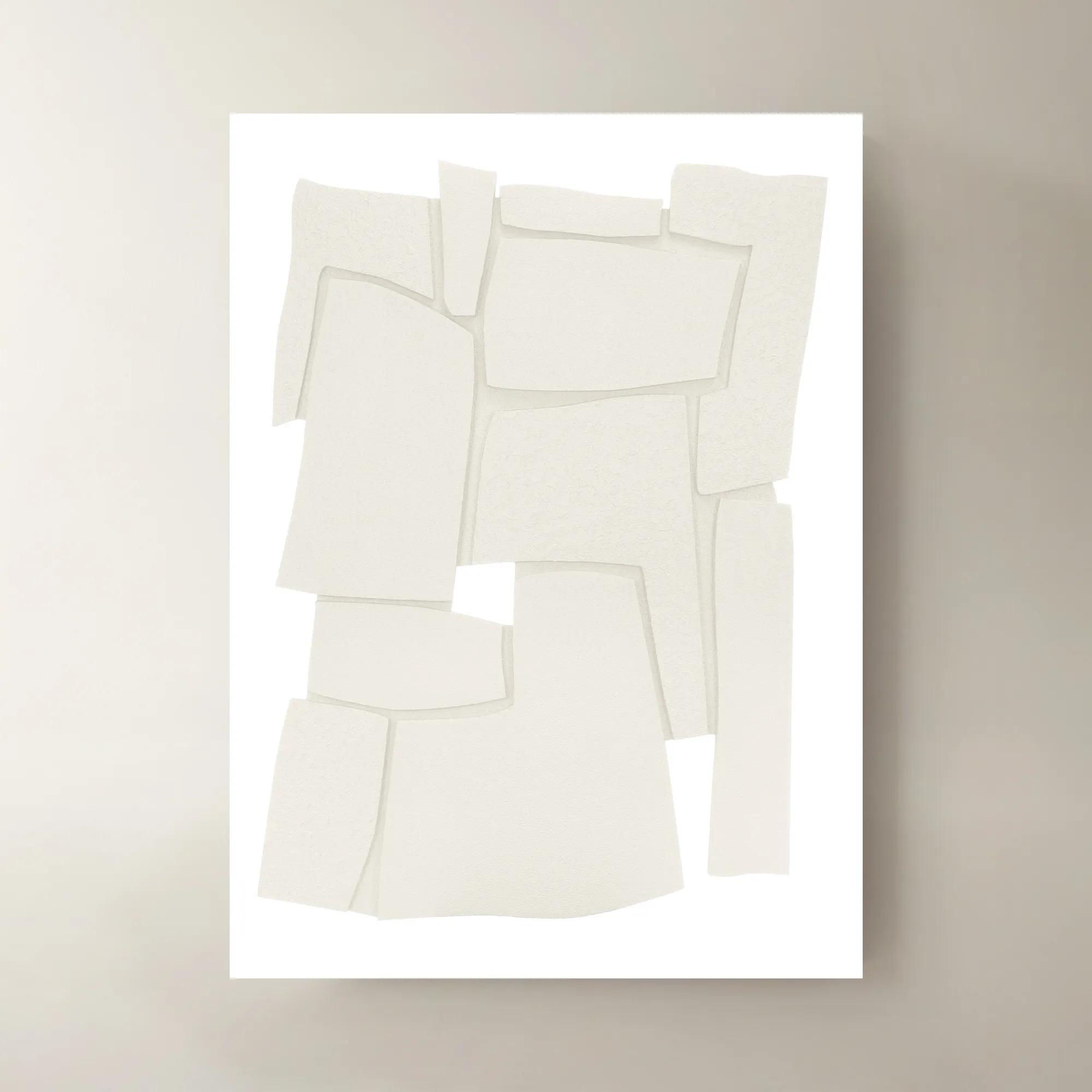
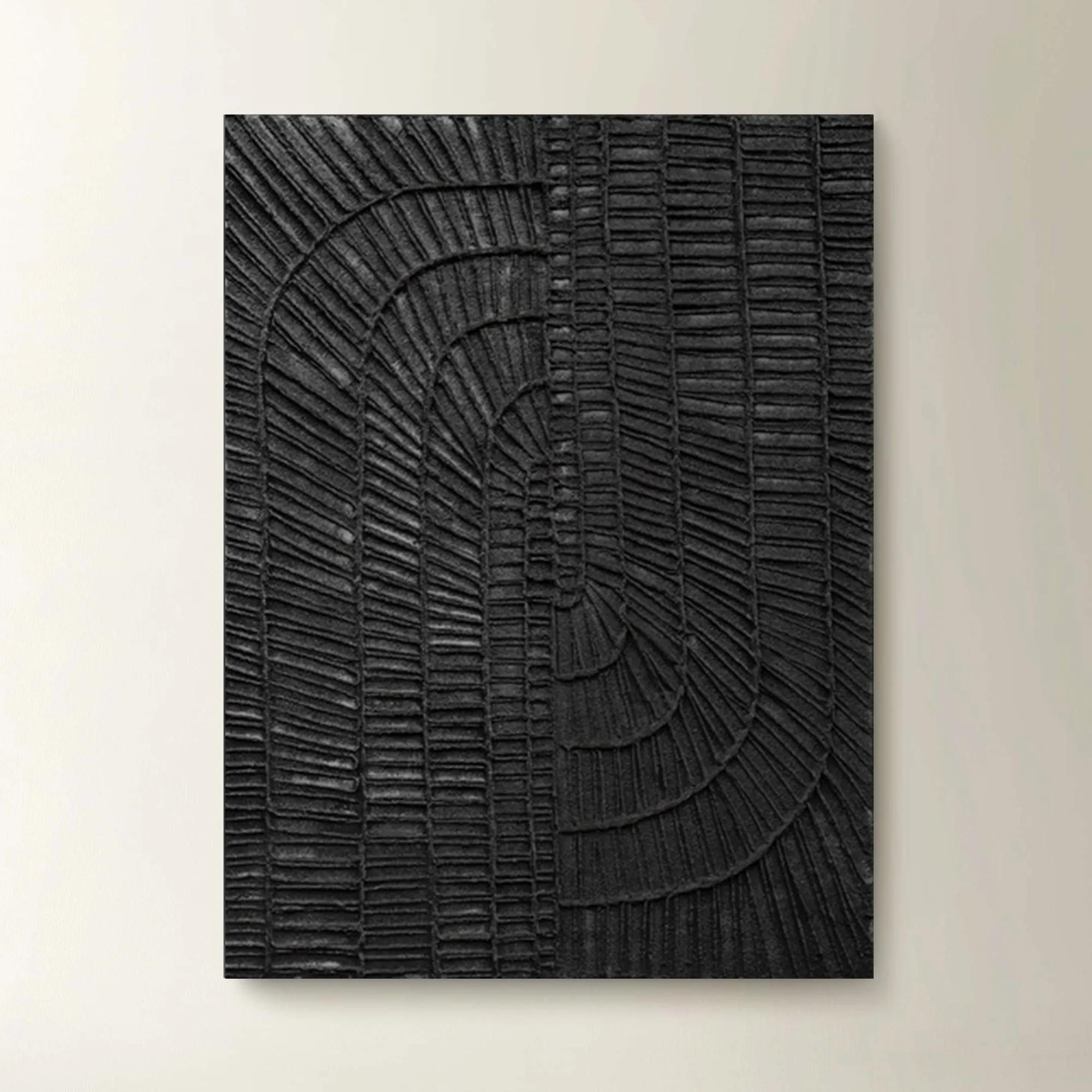
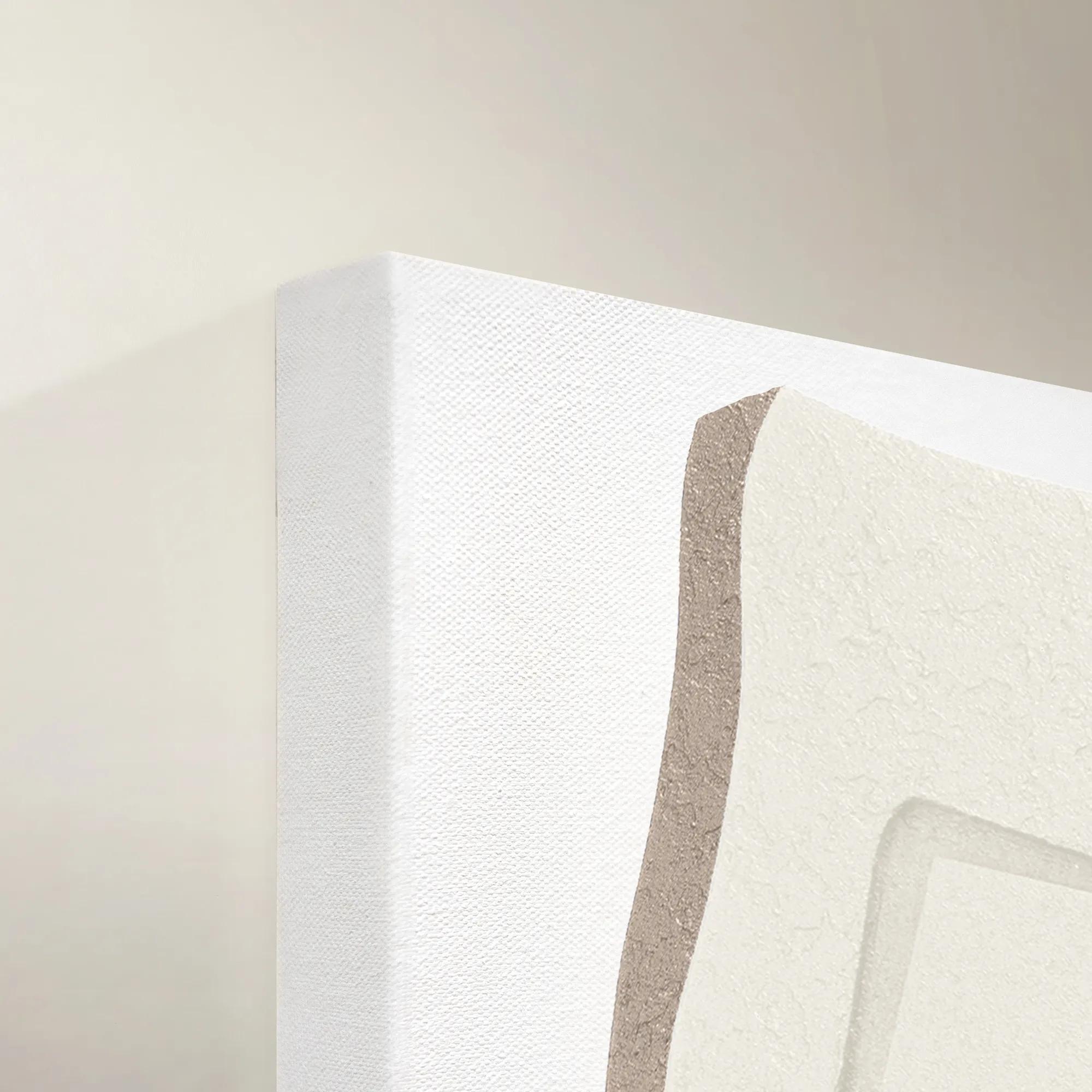 Wonder Maze III Wall Art 40" x 55"$1699
A contemporary canvas wall art piece featuring an intriguing abstract maze-inspired design.
Add To Cart -
 Espresso Framed Painted Wall Art 31.5" x 31.5"$149
A bold abstract artwork featuring rich brown hues on hand-painted canvas in a light wood floater frame.
Add To Cart

Layered Surface Canvas Paintings
Layered Surface Canvas Paintings invite you to experience depth, drama, and dimension in every brushstroke. Each piece is a symphony of texture and artistry, transforming blank walls into captivating focal points that command attention. With their interplay of color, shadow, and tactile richness, these paintings transcend the ordinary—becoming immersive works of art that set the mood for bold, expressive living. Let your space reflect your passion for the extraordinary; Layered Surface Canvas Paintings are the ultimate statement for those who see their home as a gallery of personal style.
Layered surface canvas paintings are artworks that develop depth through successive applications of paint, translucent color, or textured mediums on canvas. Some feature raised ridges and sculptural relief; others create the impression of dimension through overlapping brushwork, visible marks, and subtle tonal shifts. Their appeal lies in the relationship between color and surface: a pale field can feel richly expressive when interrupted by sweeping gestures, while a darker composition gains complexity from luminous accents and shadowed recesses. Artists may use acrylic or oil paint, with gesso preparing the canvas and modeling paste or gel mediums building additional texture. Palette knives can leave broad, architectural strokes, while brushes produce softer transitions and more intricate movement. Glazes—thin, translucent layers of color—can deepen a composition without concealing every detail beneath them. These techniques give the surface a sense of history, with traces of earlier layers remaining visible through later passages. Physically textured artwork also interacts with light differently from a flat image. Raised edges catch illumination, and recessed areas hold delicate shadows, revealing details that may appear understated from across the room. Not every canvas with a layered appearance has a raised finish, however. Printed canvas reproductions can capture the look of textured brushwork, while hand-applied embellishments may add tangible dimension to a printed image. Material and finish descriptions help distinguish visual depth from actual surface relief. That distinction matters when the desired effect is a dramatic, tactile focal point rather than an image with a smooth finish. Both approaches can bring expressive energy to an interior, whether the composition is abstract, atmospheric, or defined by sweeping geometric forms. Viewed at a distance, the artwork establishes a mood; closer inspection reveals the details that sustain its presence. A restrained palette might suggest quiet confidence, while saturated color and assertive marks introduce a more theatrical rhythm. The result is wall art with presence beyond its outline, inviting attention to the space between a gesture, a color, and the surface beneath it.
The most compelling setting for layered canvas wall art gives its texture room to register. Above a generous sofa, a broad horizontal composition can connect the seating arrangement and establish a focal point without adding another object to the floor. A tall canvas brings an elegant vertical counterpoint to a low console, while a substantial square format can hold its own above a fireplace mantel, provided the location is safely removed from heat. Scale is especially important with textured paintings because the surface details should complement the room rather than disappear into an oversized wall or overwhelm a narrow passage. For artwork above furniture, a width of roughly two-thirds to three-quarters of the furniture below often creates a balanced relationship, though the surrounding architecture and frame influence the final effect. A single expansive canvas offers an uninterrupted statement; coordinated panels create rhythm, with the spacing between them becoming part of the composition. In a dining room, gestural brushwork can echo the curves of upholstered chairs or the angular profile of a sculptural table. In a bedroom, softly layered neutrals lend depth without competing with patterned bedding, while a richly colored work can give a tailored home office a distinctive point of view. Texture also brings dimension to tonal interiors: ivory, sand, charcoal, and pearl can feel anything but subdued when their surfaces alternate between smooth passages and pronounced relief. For a more chromatic expression, Contemporary Multi Colored Canvases introduce another direction for rooms shaped by expressive color. Repeating a hue from the artwork in a velvet pillow, ceramic vessel, or upholstered accent creates continuity without making every detail match. Frames contribute their own emphasis. A slim floating frame can define the canvas while preserving its sculptural character, whereas an unframed, finished-edge canvas places greater attention on the painted surface. Gentle side lighting can reveal relief particularly well; direct glare may flatten the image or distract from its subtler passages. The interplay of art, furniture, and illumination gives the painting a considered setting rather than treating it as an isolated decoration.
Materials, construction, and placement influence how layered surface paintings look and how well they retain their character. Cotton and linen are common canvas fibers, and the fabric is typically stretched over a supporting frame or mounted to a rigid surface. A taut canvas and sound support help maintain the artwork’s shape, while the depth of the stretcher affects how far it projects from the wall. Heavily textured works may weigh more than their dimensions suggest, making the listed weight and mounting requirements as important as the image size. Hanging hardware should suit both the artwork and the wall material, particularly for larger canvases or multi-panel arrangements. Acrylic paint and compatible texture mediums can form durable surfaces when properly prepared and cured, but raised details remain vulnerable to bumps, pressure, and abrasion. Oil paintings and mixed-media compositions may require different care, so the finish-specific instructions should take precedence over a general cleaning routine. A stable indoor setting, away from direct sunlight, excess moisture, and heating or cooling vents, helps protect both the canvas and its painted layers. Bathrooms with persistent humidity and busy areas where a bag or chair could repeatedly brush the surface are less suitable for delicate relief. Dust removal should be gentle and appropriate to the finish; liquids, household cleaners, and vigorous rubbing can damage painted or embellished areas. When moving a canvas, holding its supporting frame rather than pressing against the painted face helps preserve its contours. These considerations allow the artistry to remain the focus, whether the piece anchors a formal living room, adds distinction to an entryway, or brings visual richness to a private retreat. Layered canvas art can also be a thoughtful housewarming or wedding gift for someone who values expressive interiors, especially when the palette, dimensions, and framing reflect the recipient’s taste. A well-chosen painting does more than coordinate with furnishings. It introduces a lasting point of expression—a sweep of color, a finely worked edge, a shadow cast by paint—that makes the room feel personal and fully composed.
FAQs
Layered surface canvas paintings stand out for their dimensionality and tactile richness. Artists build up the surface with multiple applications of paint, gels, pastes, and sometimes mixed media, resulting in a visually complex and textured piece that invites closer inspection and interaction. The interplay of thick and thin layers, transparent washes, and sculptural elements creates depth and intrigue, transforming a simple canvas into a dynamic work of art.
Layered surface canvas paintings make thoughtful gifts for art enthusiasts, new homeowners, or anyone with a flair for creative expression. Their intricate textures and multidimensional appeal resonate with individuals who value originality and enjoy curating a space that reflects their personality. These pieces are especially meaningful for milestone occasions, such as weddings, anniversaries, or housewarmings, where a unique work of art can become a cherished centerpiece.
The textured, multi-faceted nature of layered surface canvas paintings brings a sense of movement and vitality to any space. In living rooms, they serve as eye-catching focal points that anchor the décor, while in bedrooms or studies, their intricate surfaces create a sense of intimacy and depth. The way light plays across the raised textures and layered colors can change throughout the day, continuously refreshing the mood of the room.
Layered surface canvas paintings are incredibly versatile and complement a wide range of interior design styles. They add a bold, artistic touch to contemporary and modern spaces, bring warmth and intrigue to minimalist settings, and can even serve as a dramatic counterpoint in traditional or eclectic rooms. Whether your décor is maximalist or understated, the dimensionality and artistry of these works make them a natural fit.
Layered surface canvas paintings shine year-round, but they are particularly impactful during the winter months when natural light is softer and interiors crave warmth and texture. Their ability to reflect and absorb light adds vibrancy to spaces that might otherwise feel subdued. They also make memorable gifts for special occasions, marking moments of transition or celebration with an enduring piece of art.