Kitchen Island Seating Ideas
Kitchen Island Seating Ideas
-
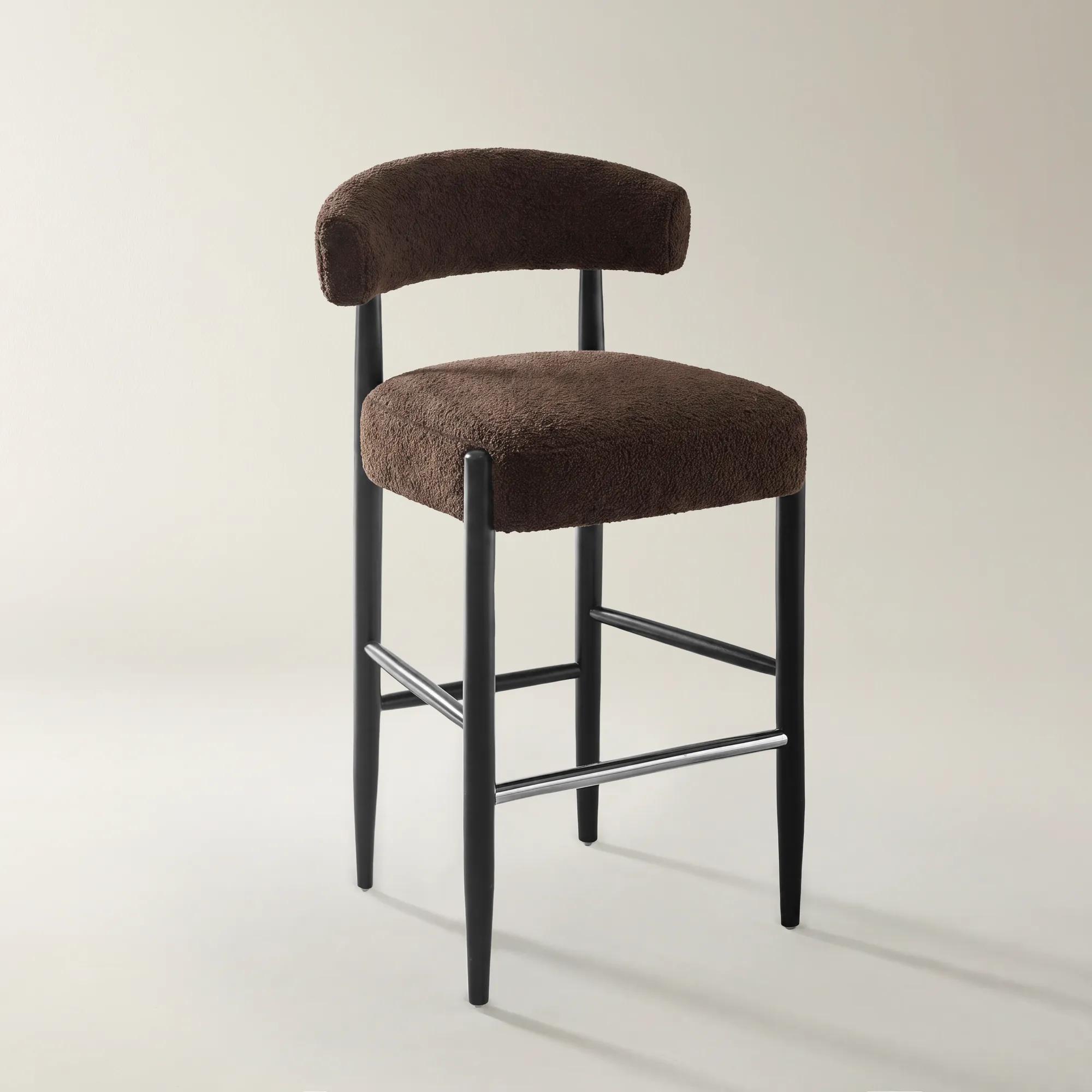 Anna Dark Chocolate Chenille Bar/Counter Stool$449
A dark chocolate chenille counter stool with a sculpted padded seat and solid rubberwood legs.
Add To Cart -
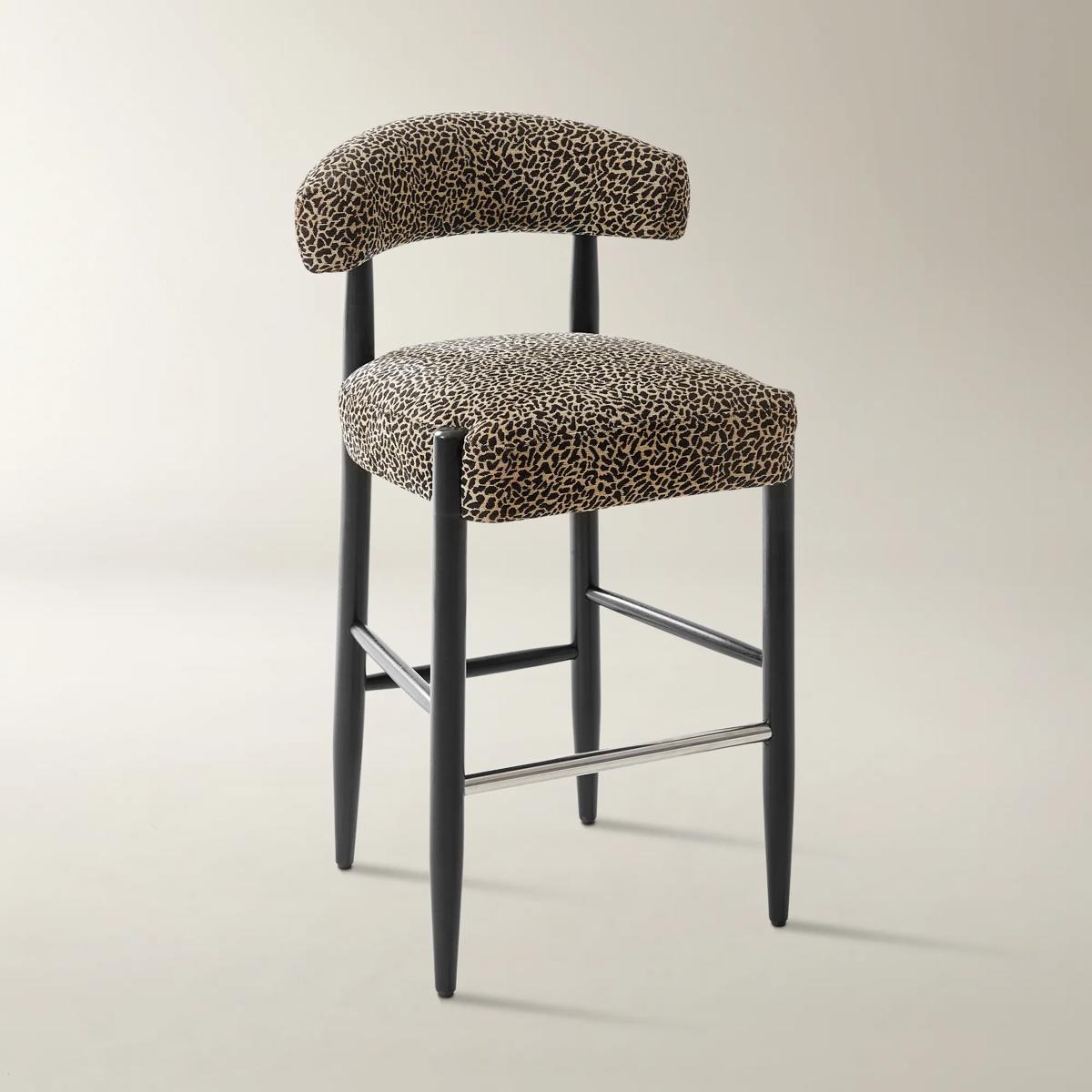
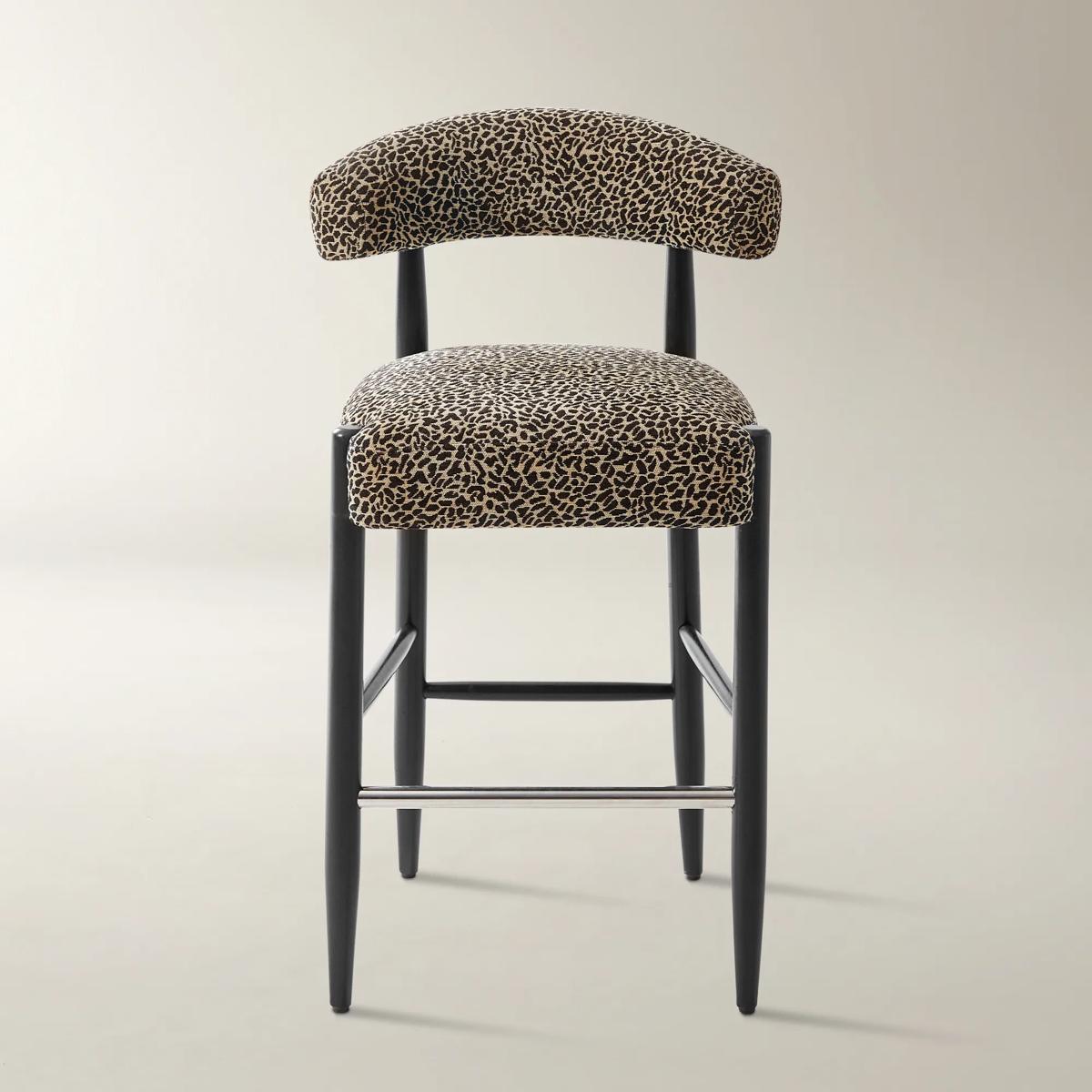 Anna Leopard Chenille Bar/Counter Stool$449
A leopard-patterned chenille bar stool with sculpted padded support and tapered solid rubberwood legs.
Add To Cart -
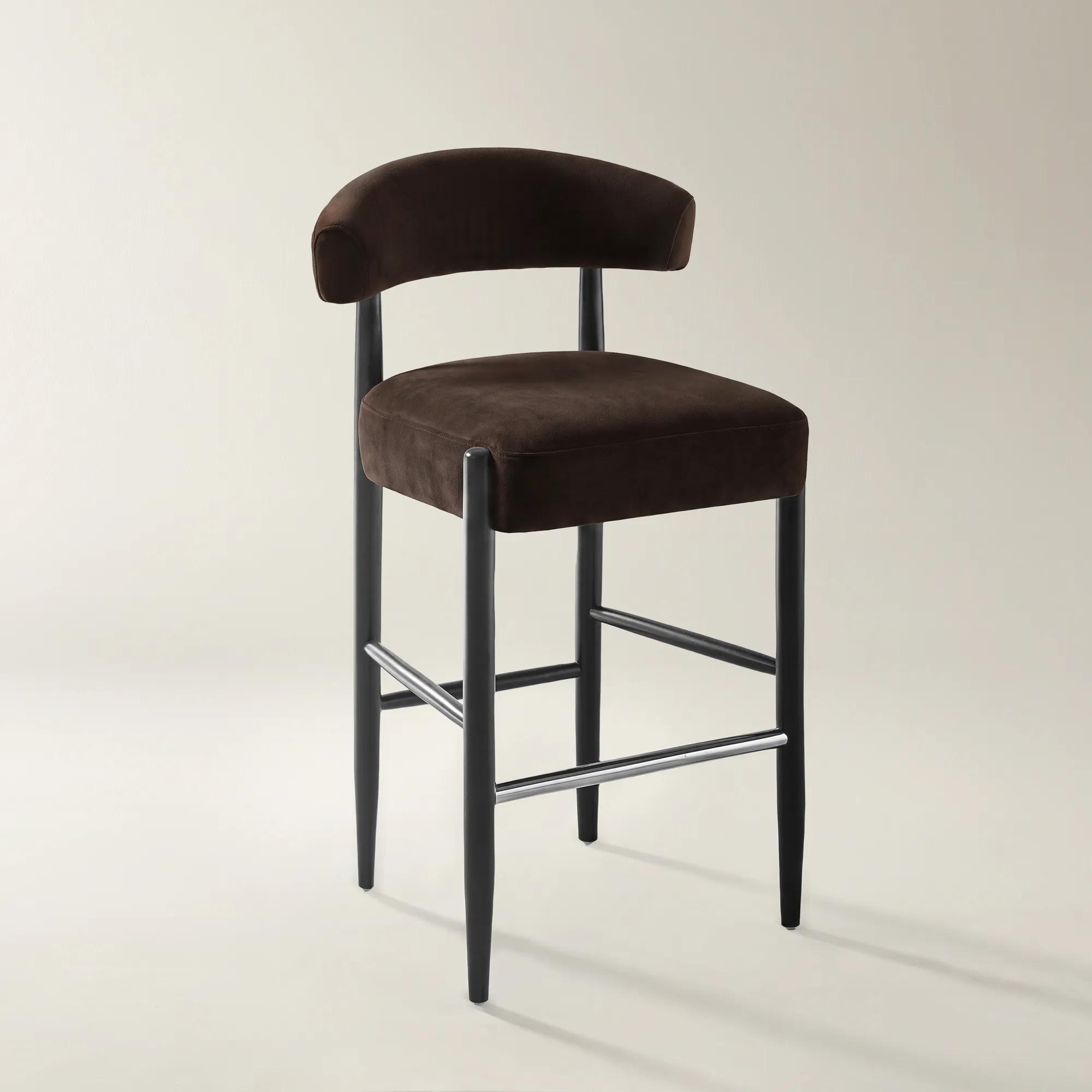 Anna Dark Chocolate Velvet Bar/Counter Stool$449
A dark chocolate velvet counter stool with a sculpted back, padded seat, and tapered solid-rubberwood legs.
Add To Cart -
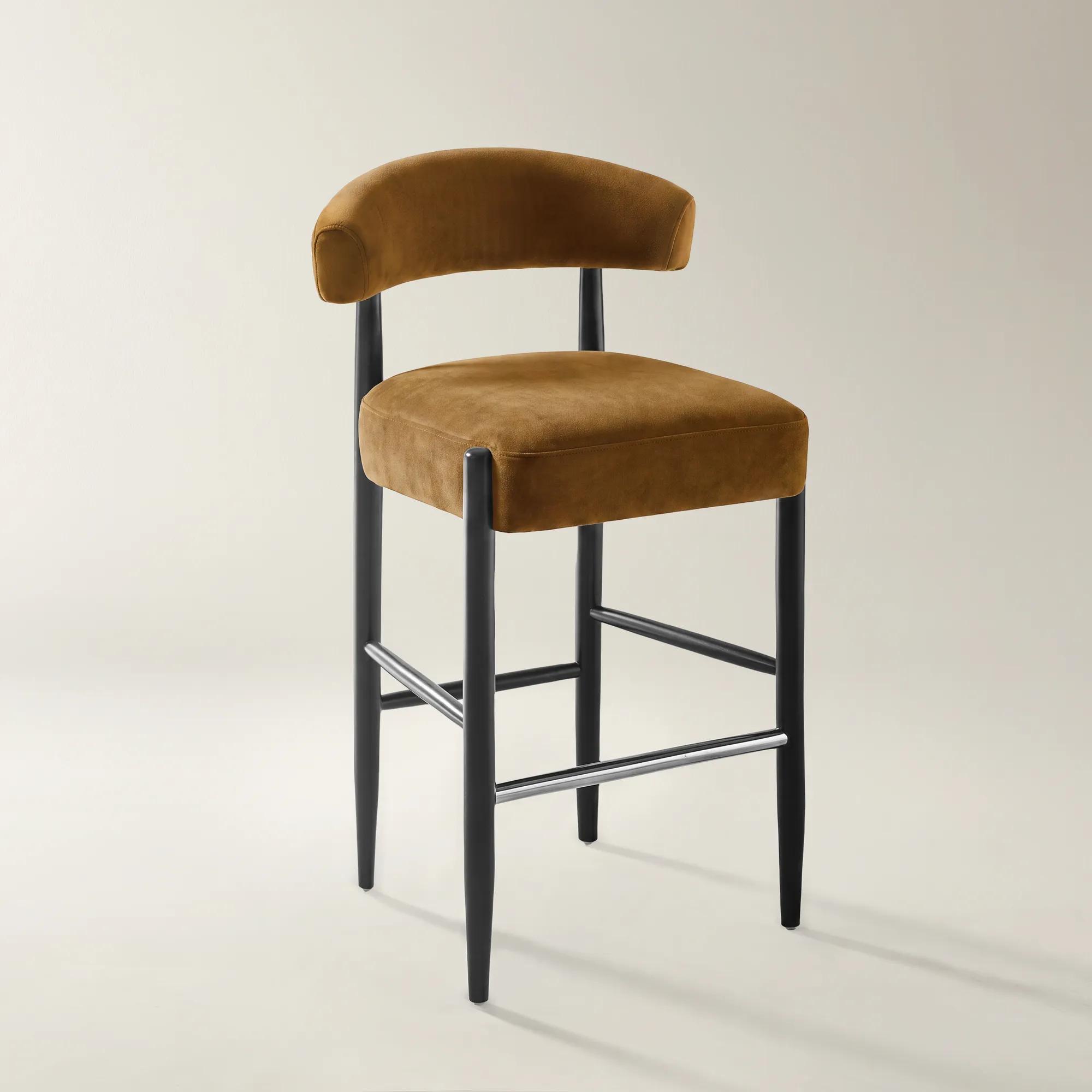 Anna Roasted Pecan Velvet Bar/Counter Stool$449
A roasted pecan velvet bar stool with a sculpted padded back, custom upholstery, and tapered solid-rubberwood legs.
Add To Cart -
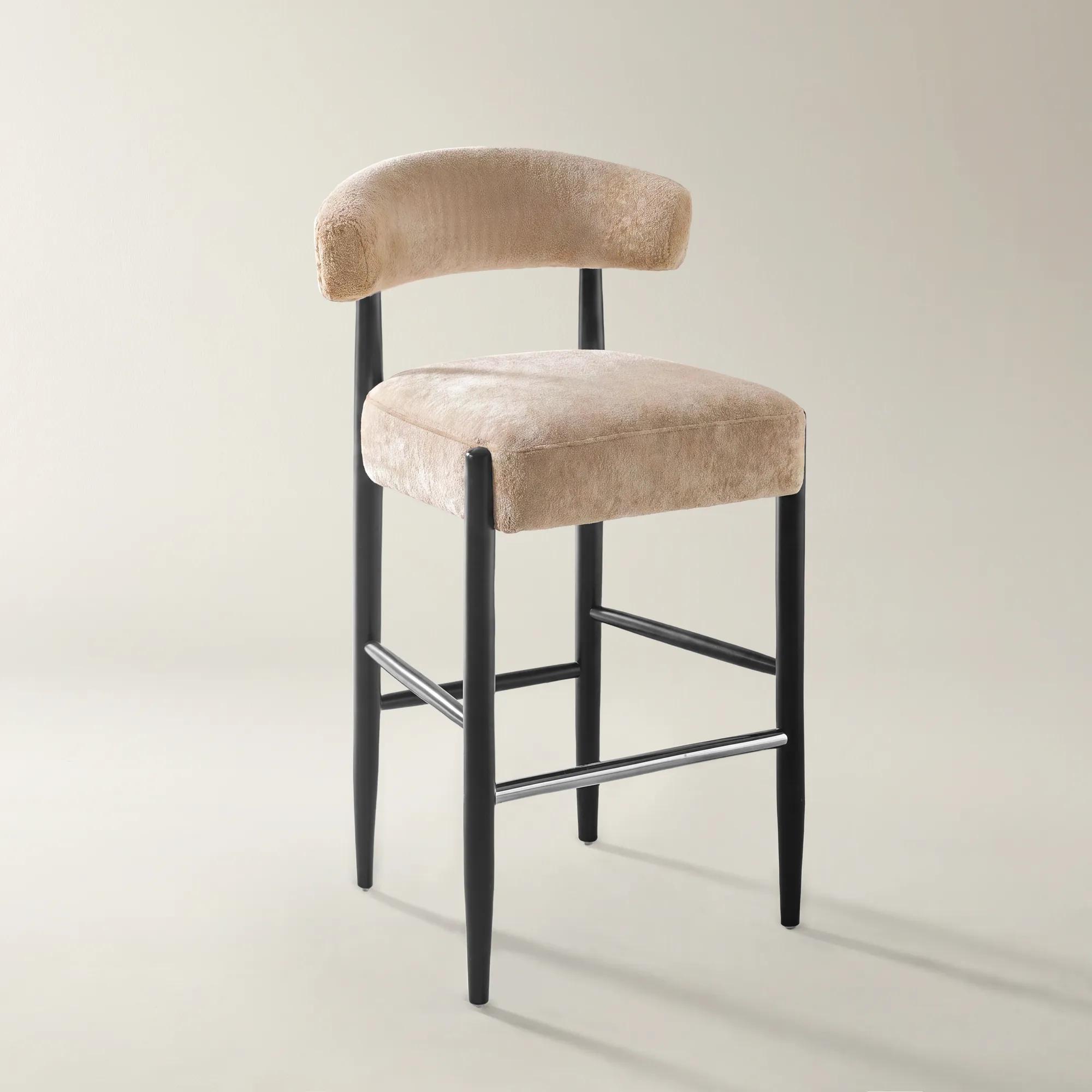 Anna Light Brown Chenille Bar/Counter Stool$449
A brown chenille counter stool with a sculpted back, padded seat, and tapered solid-rubberwood legs.
Add To Cart -
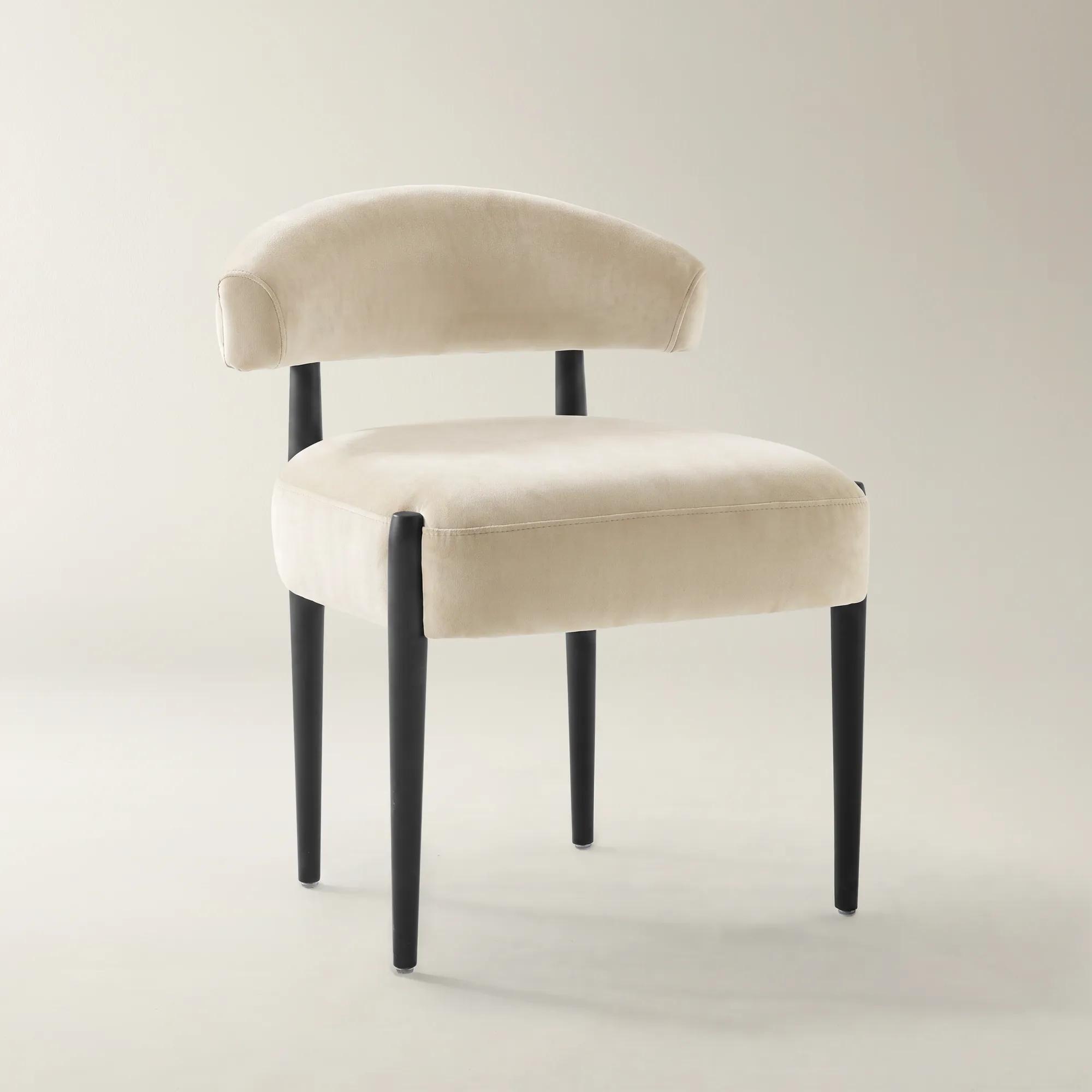
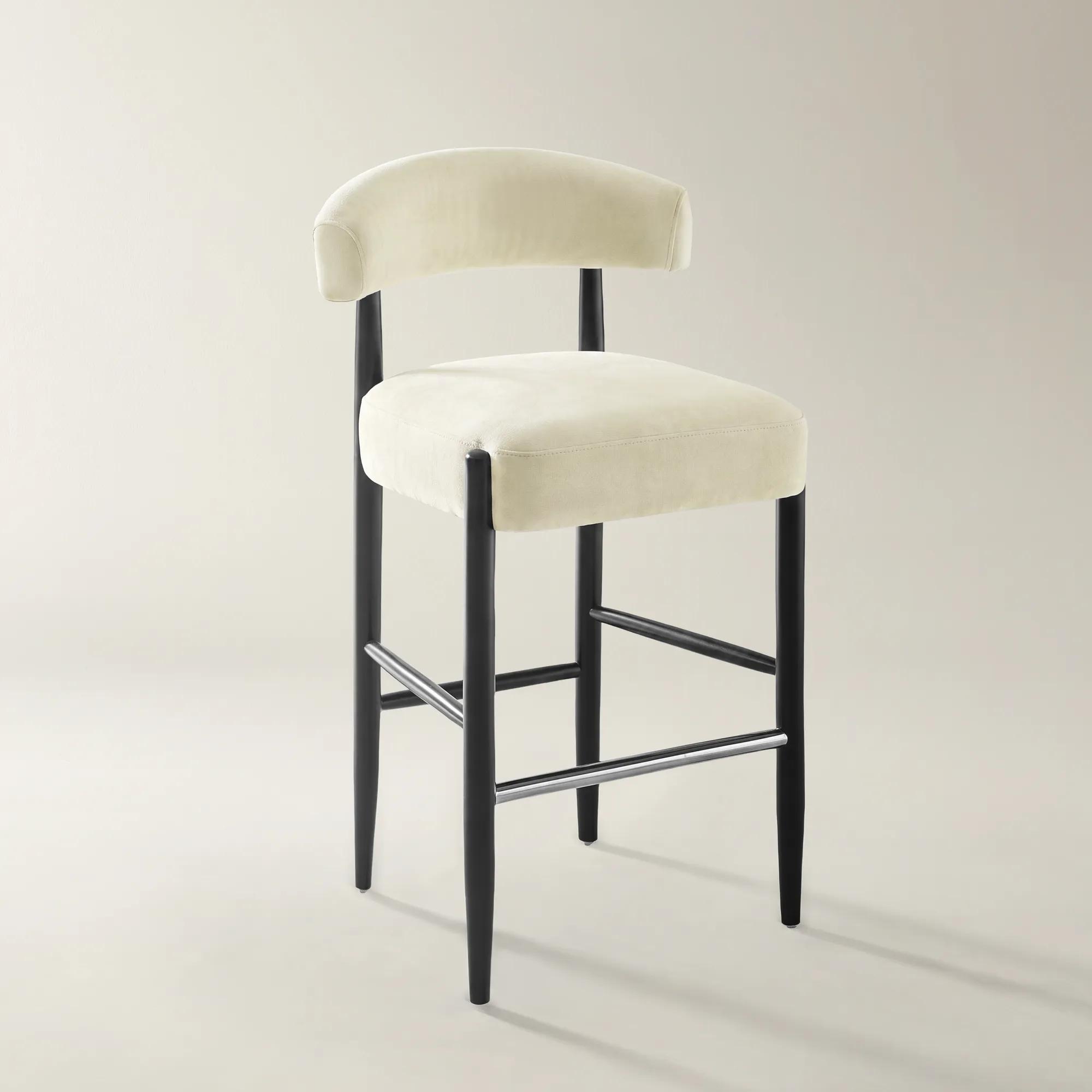 Anna Cloud Velvet Bar/Counter Stool$449
A cloud velvet counter stool with sculpted padded support and tapered solid-rubberwood legs.
Add To Cart -
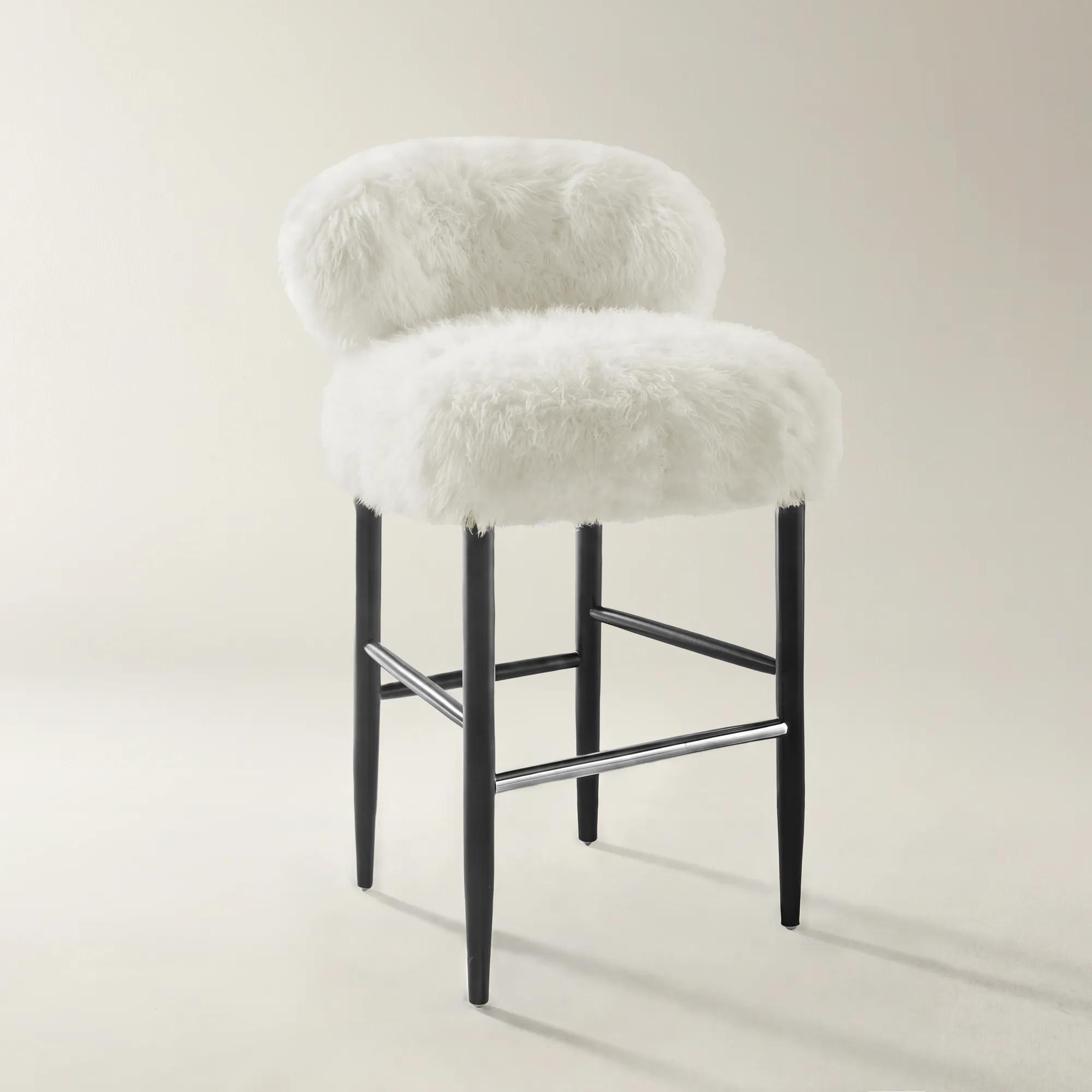 Anna Ivory Faux Fur Bar/Counter Stool$549
An ivory faux-fur counter stool with sculpted support, padded seating, and tapered solid-rubberwood legs.
Add To Cart -
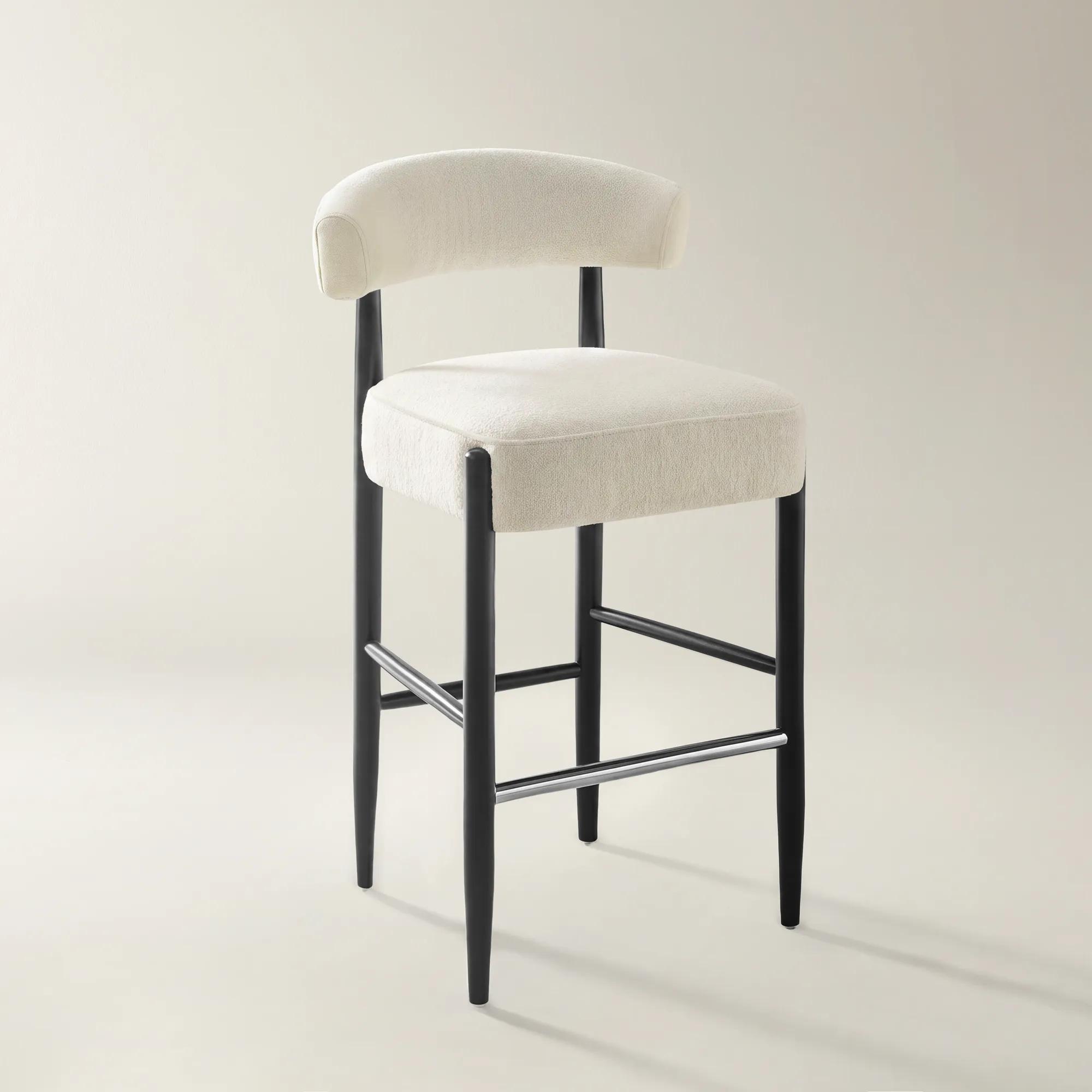 Anna Ivory Performance Chenille Bar/Counter Stool$449
An ivory performance-chenille bar stool with a sculpted back, padded seat, and tapered solid-rubberwood legs.
Add To Cart -
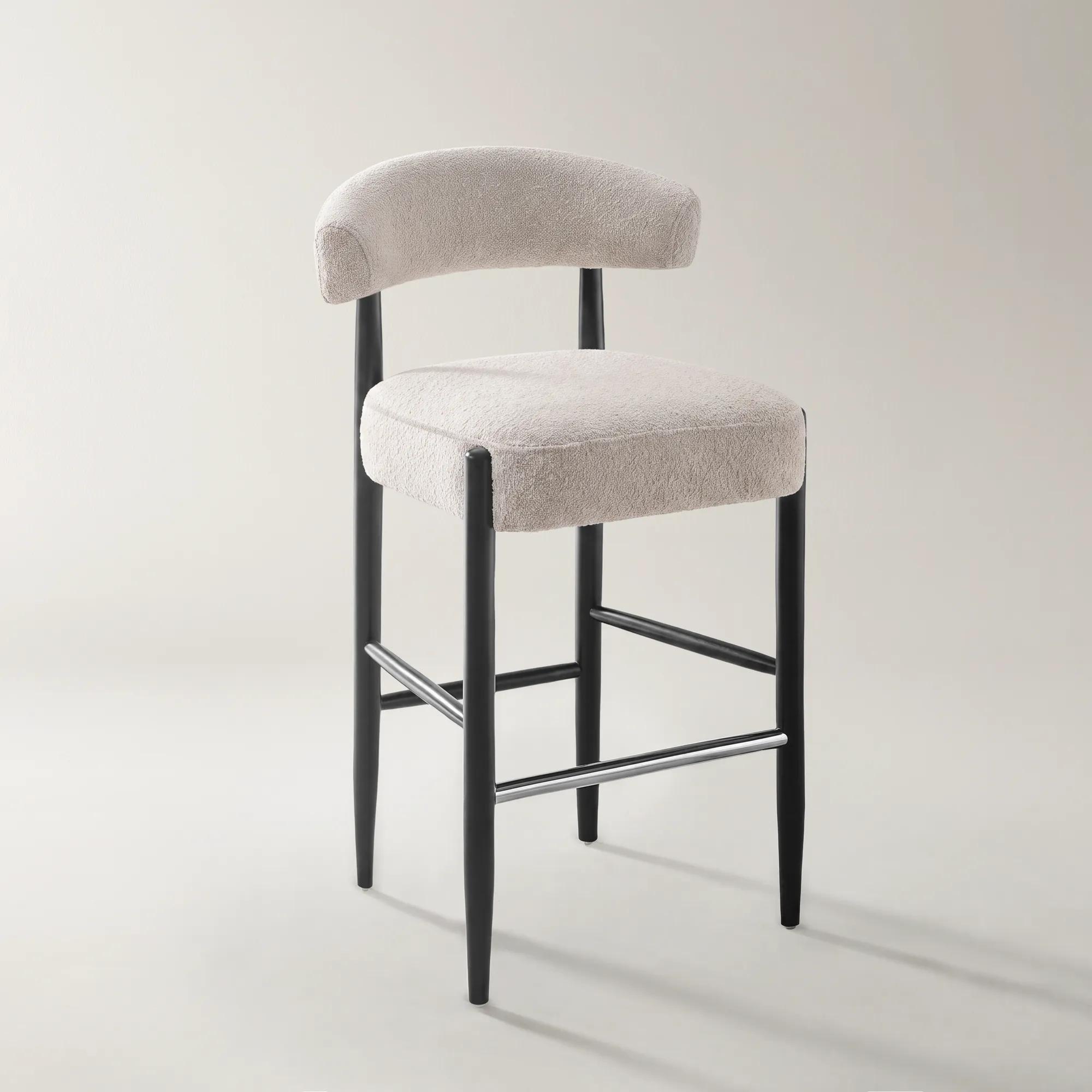 Anna Ivory Performance Boucle Bar/Counter Stool$449
An ivory performance-bouclé bar stool with sculpted padded support and tapered solid-rubberwood legs.
Add To Cart -
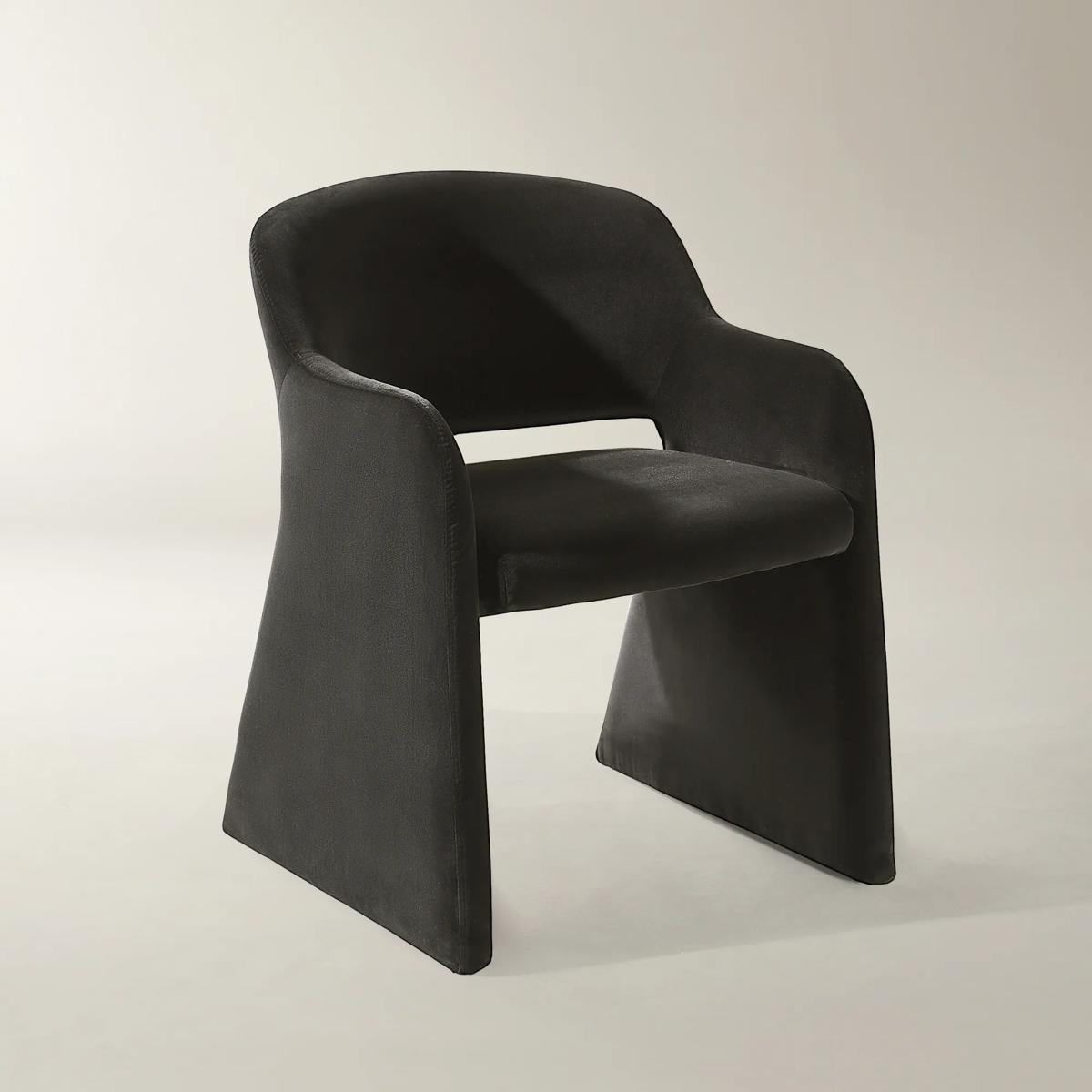
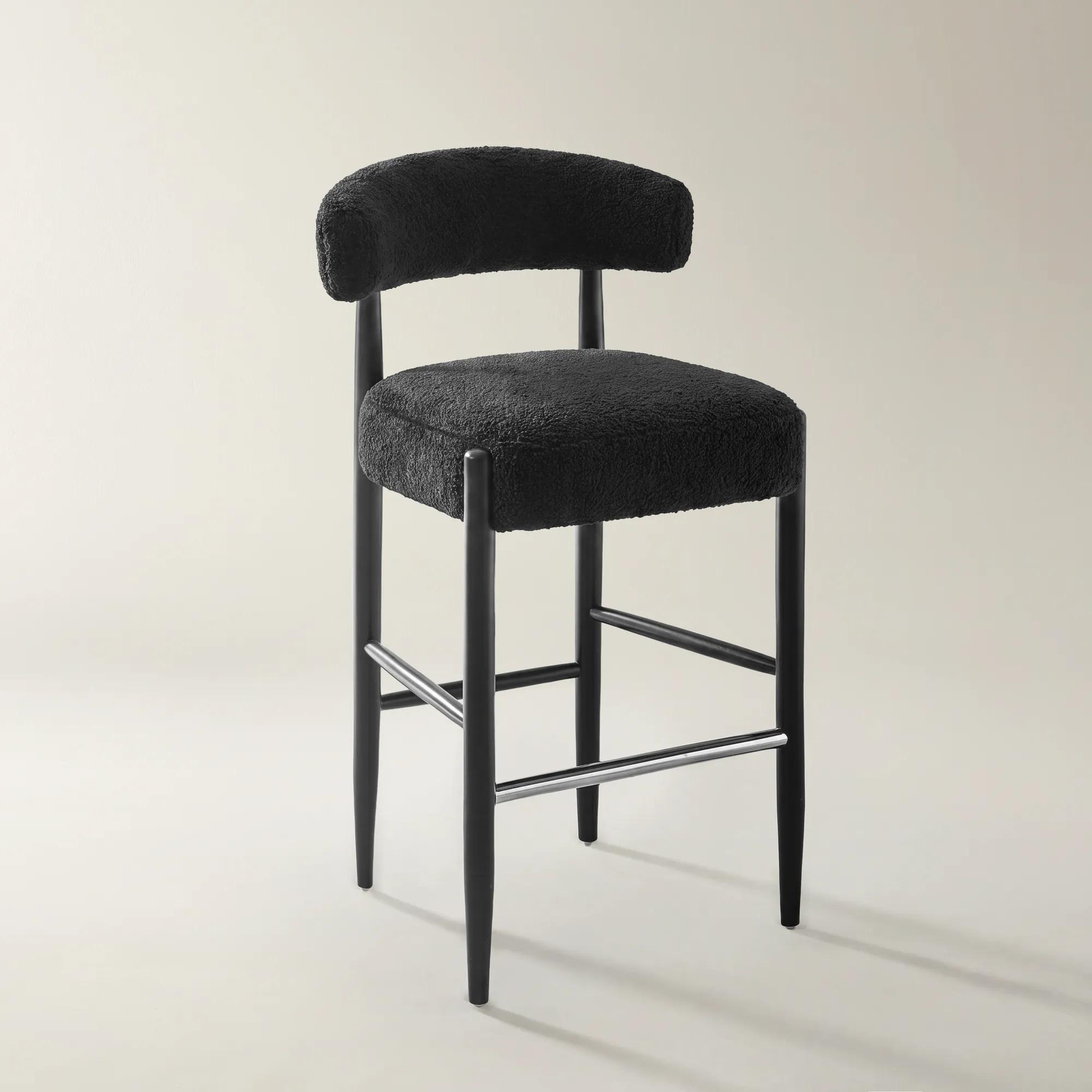 Anna Black Chenille Bar/Counter Stool$449
A black chenille counter stool with a sculpted padded seat and solid rubberwood legs.
Add To Cart -
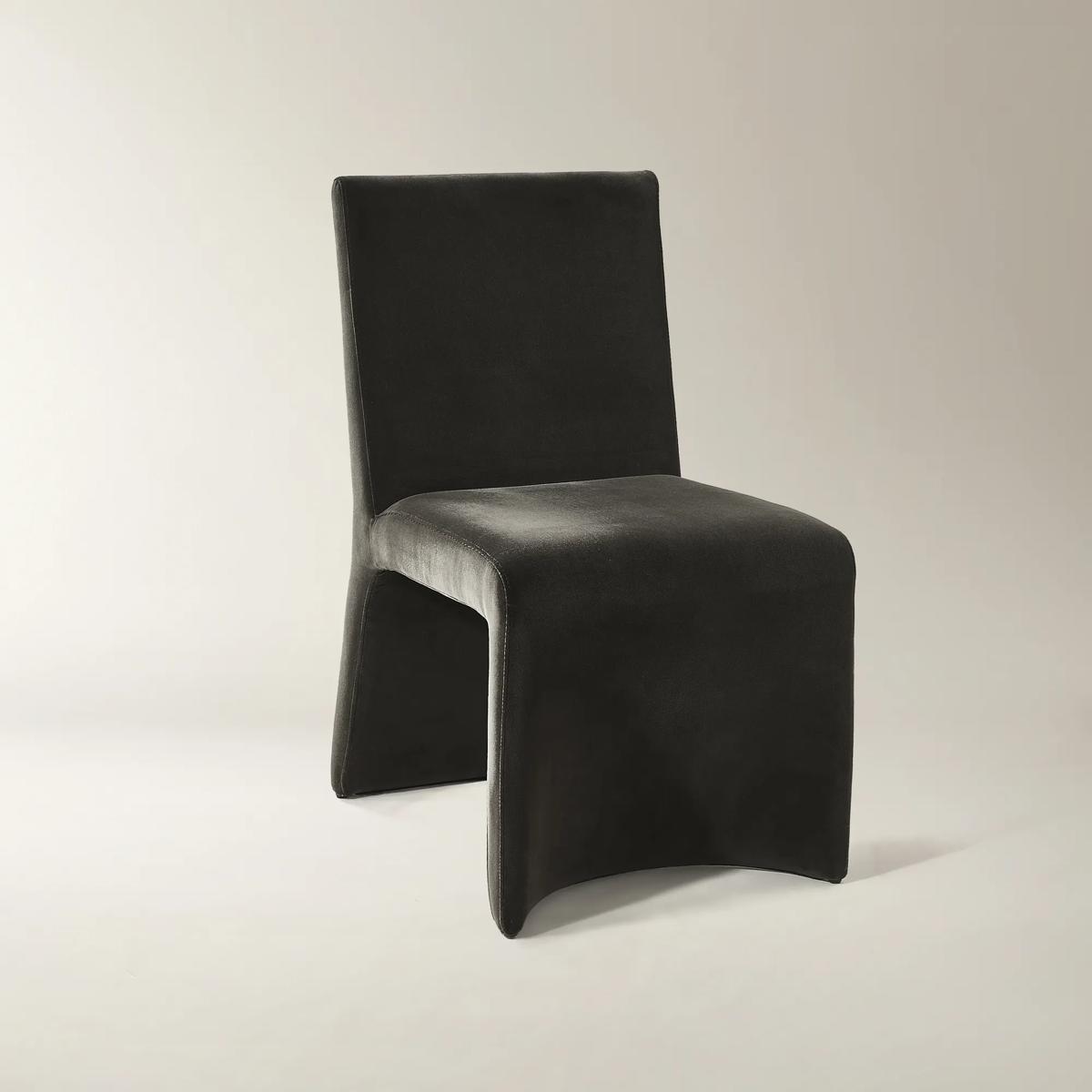
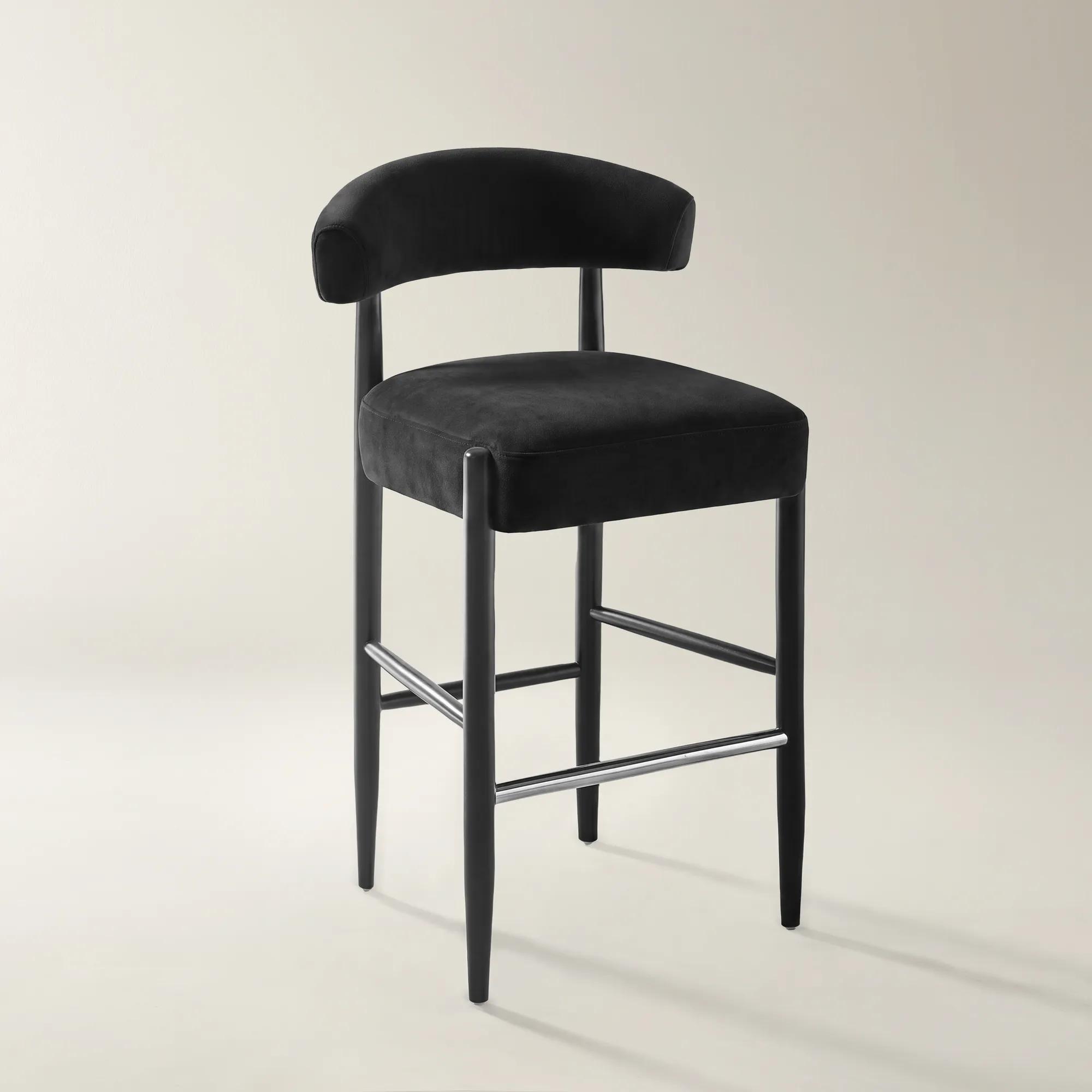 Anna Charcoal Velvet Bar/Counter Stool$449
A charcoal velvet bar stool with a sculpted padded seat and solid rubberwood legs.
Add To Cart -
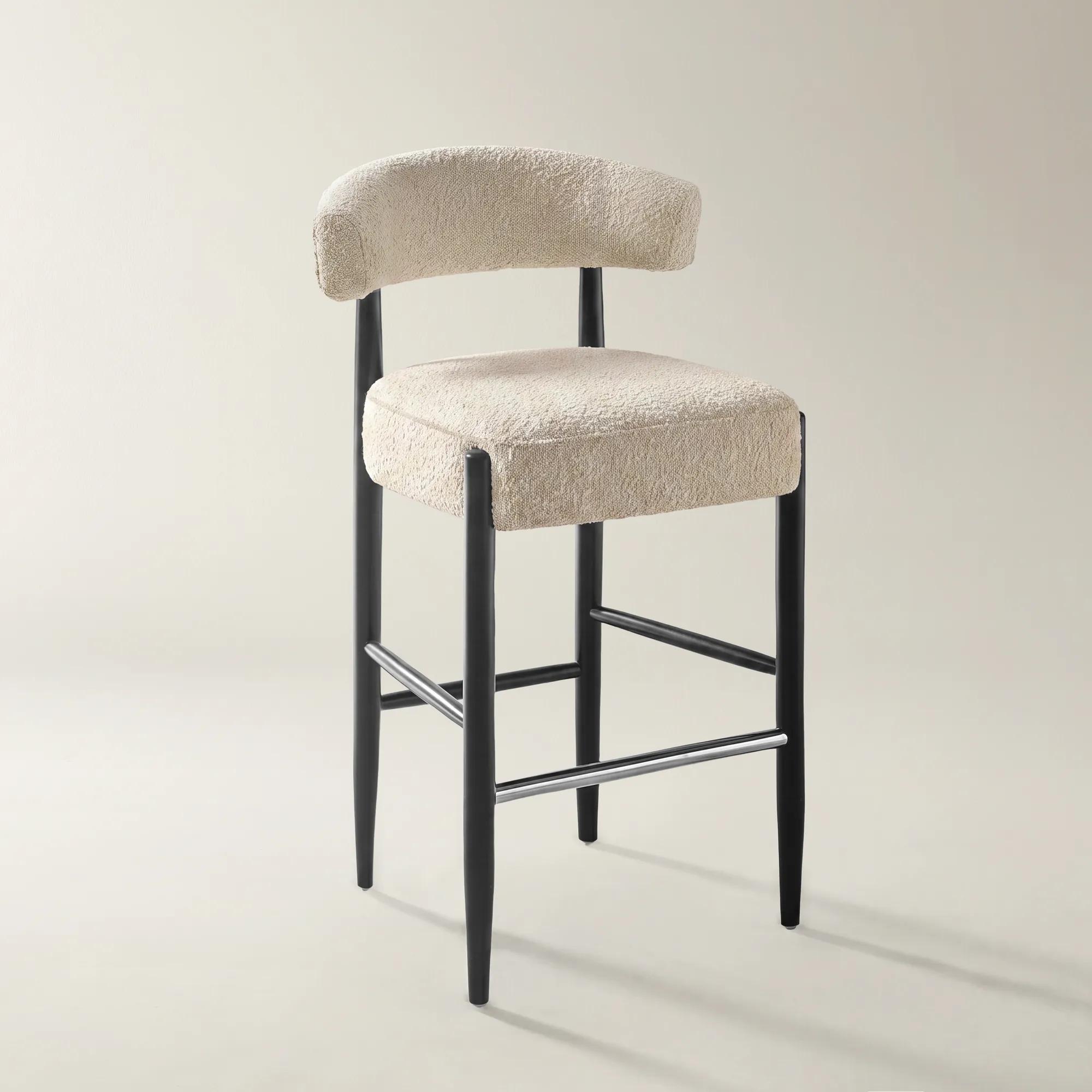 Anna Ivory Performance Boucle Bar/Counter Stool$449
A counter stool with ivory performance boucle upholstery, sculpted support, and tapered solid rubberwood legs.
Add To Cart -
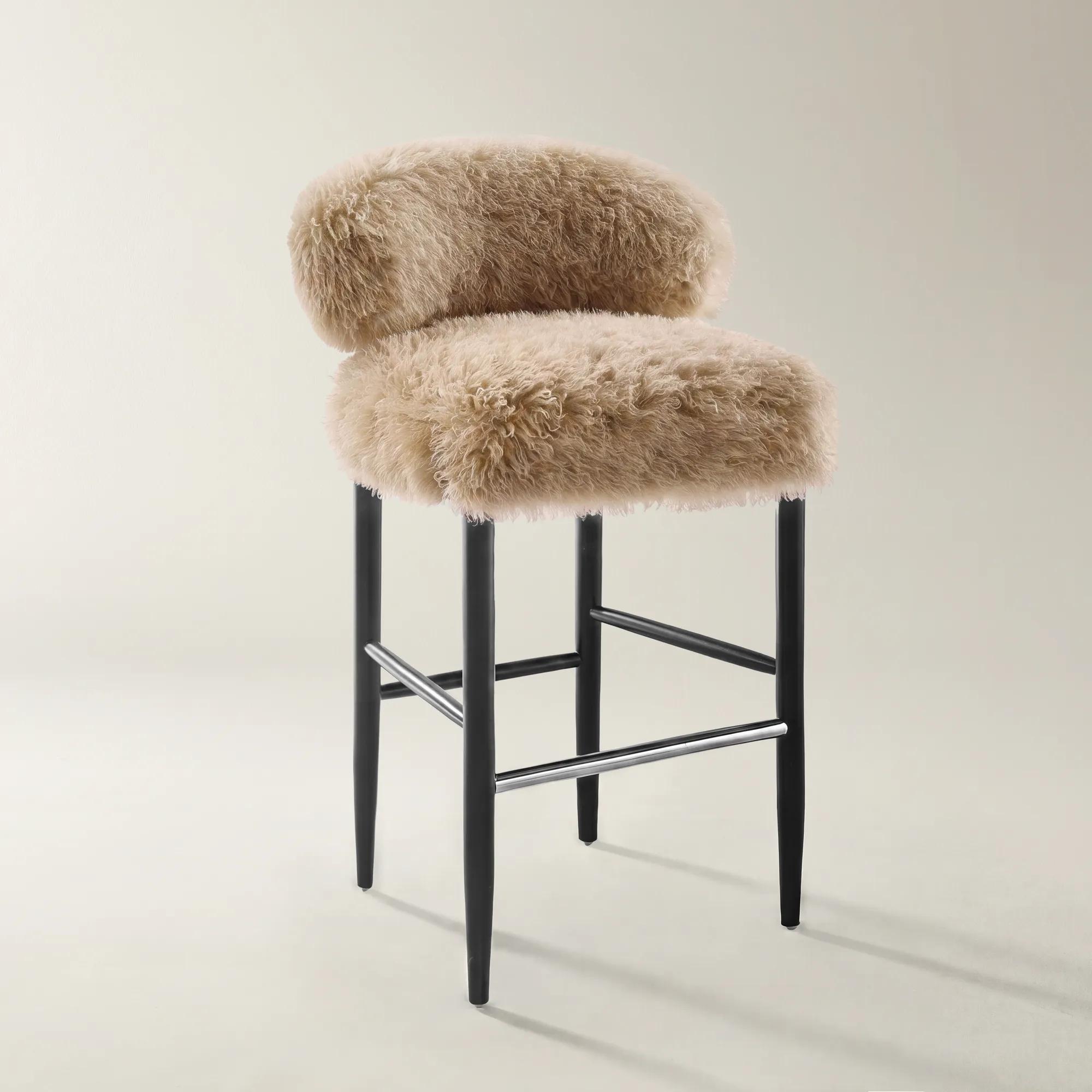 Anna Tan Faux Fur Bar/Counter Stool$549
A tan faux-fur bar stool with a sculpted padded seat and tapered solid-rubberwood legs.
Add To Cart -
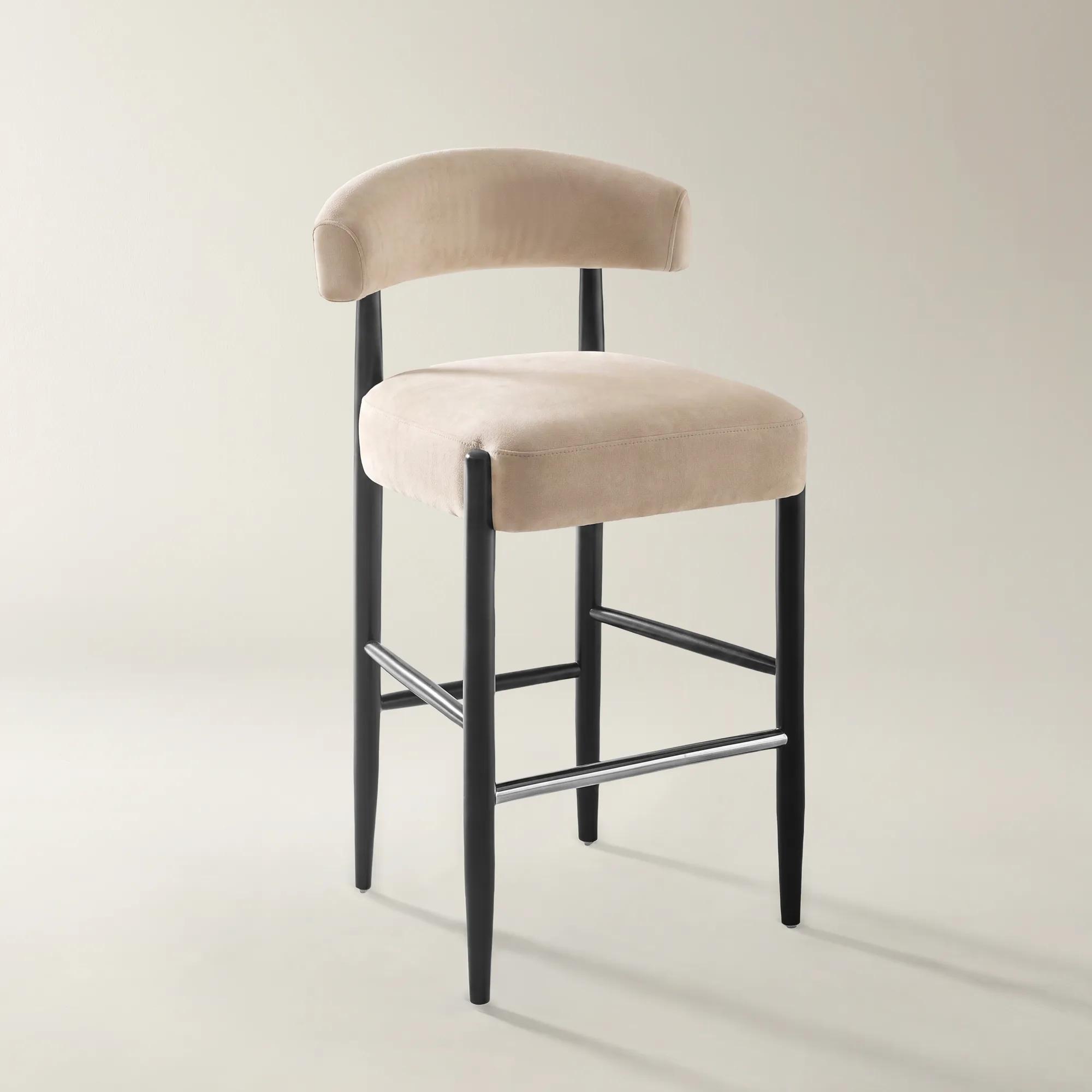 Anna Simply Taupe Velvet Bar/Counter Stool$449
A taupe velvet counter stool with a sculpted back, padded seat, and tapered solid-rubberwood base.
Add To Cart -
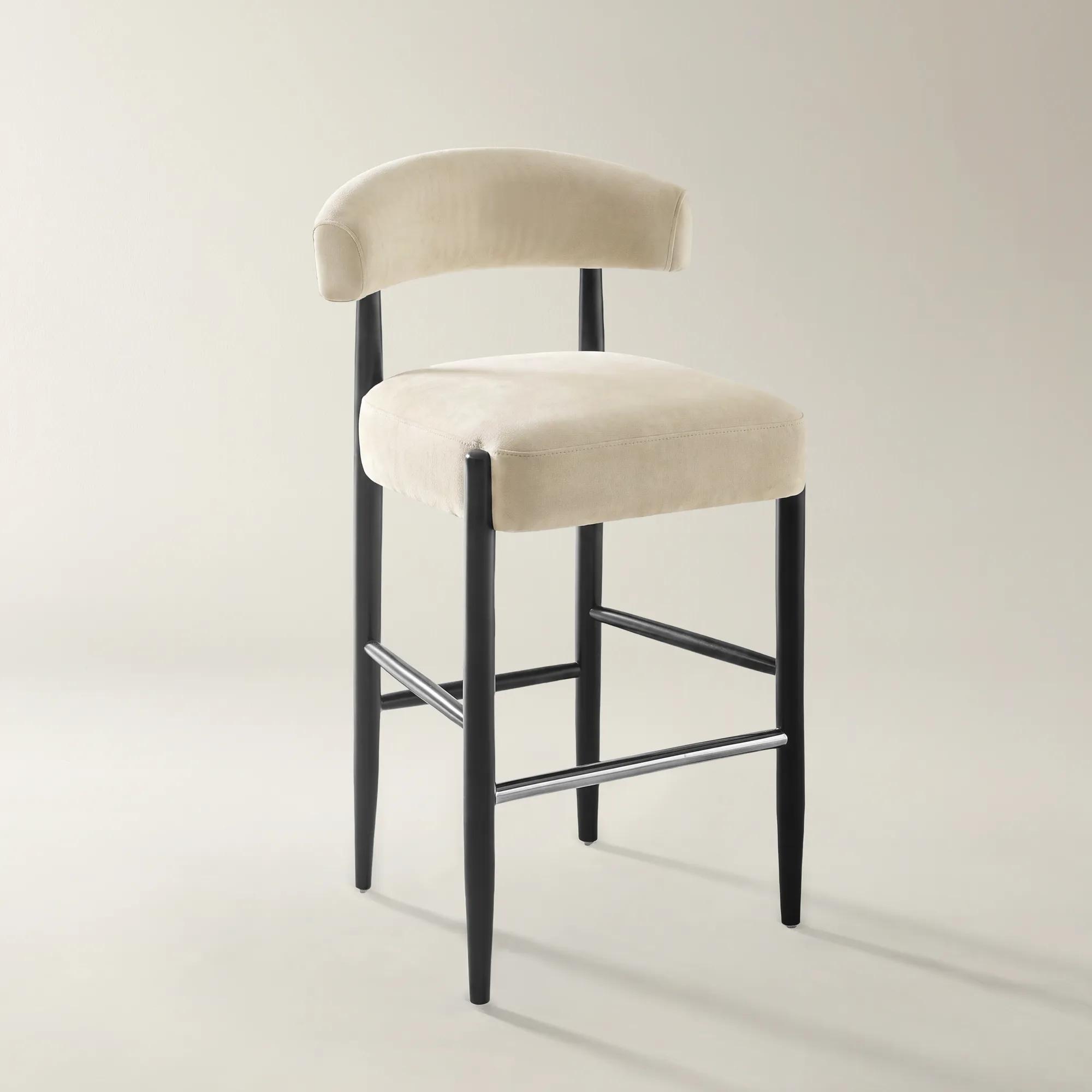 Anna Oatmeal Velvet Bar/Counter Stool$449
A counter stool with oatmeal velvet upholstery, sculpted back, padded seat, and solid rubberwood legs.
Add To Cart -
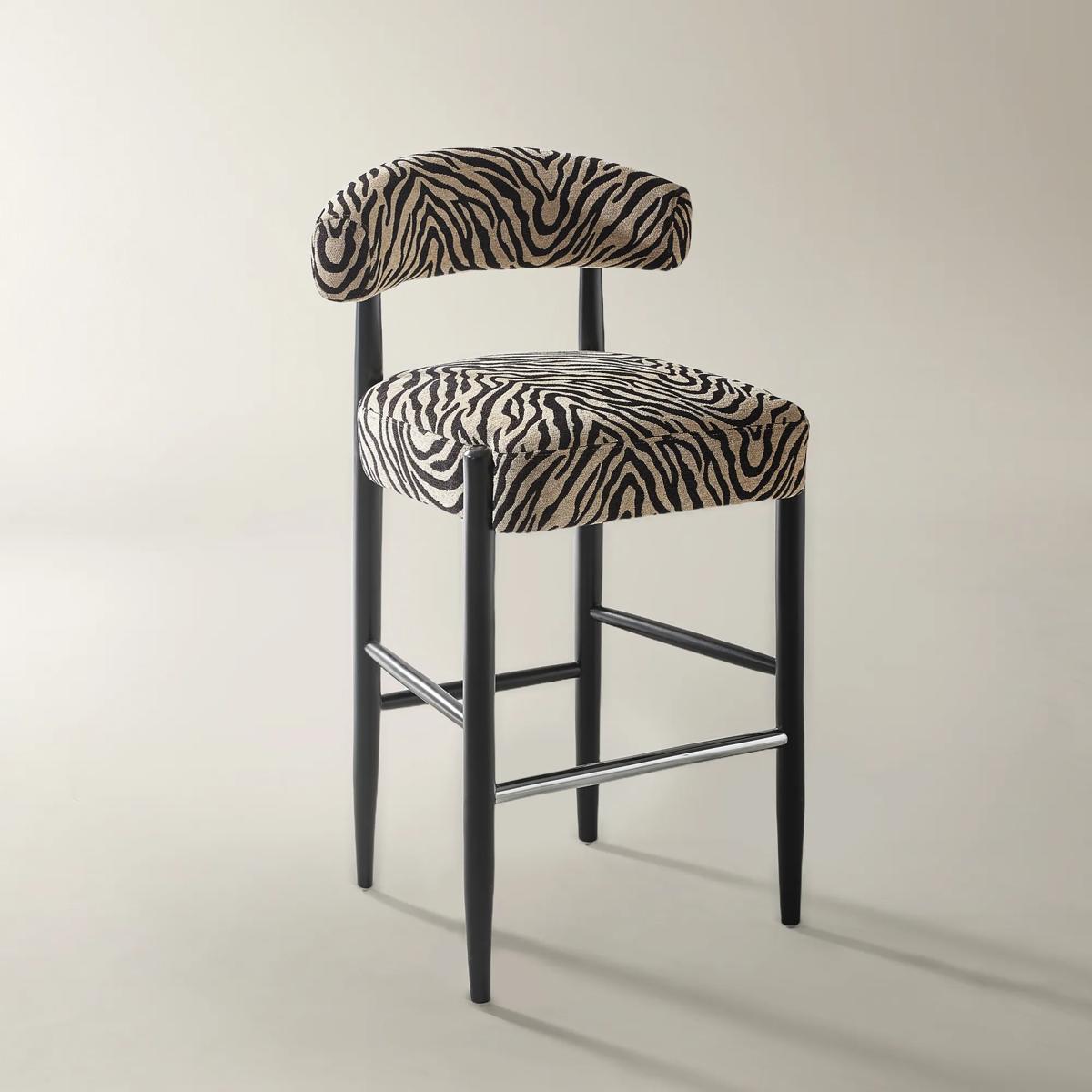
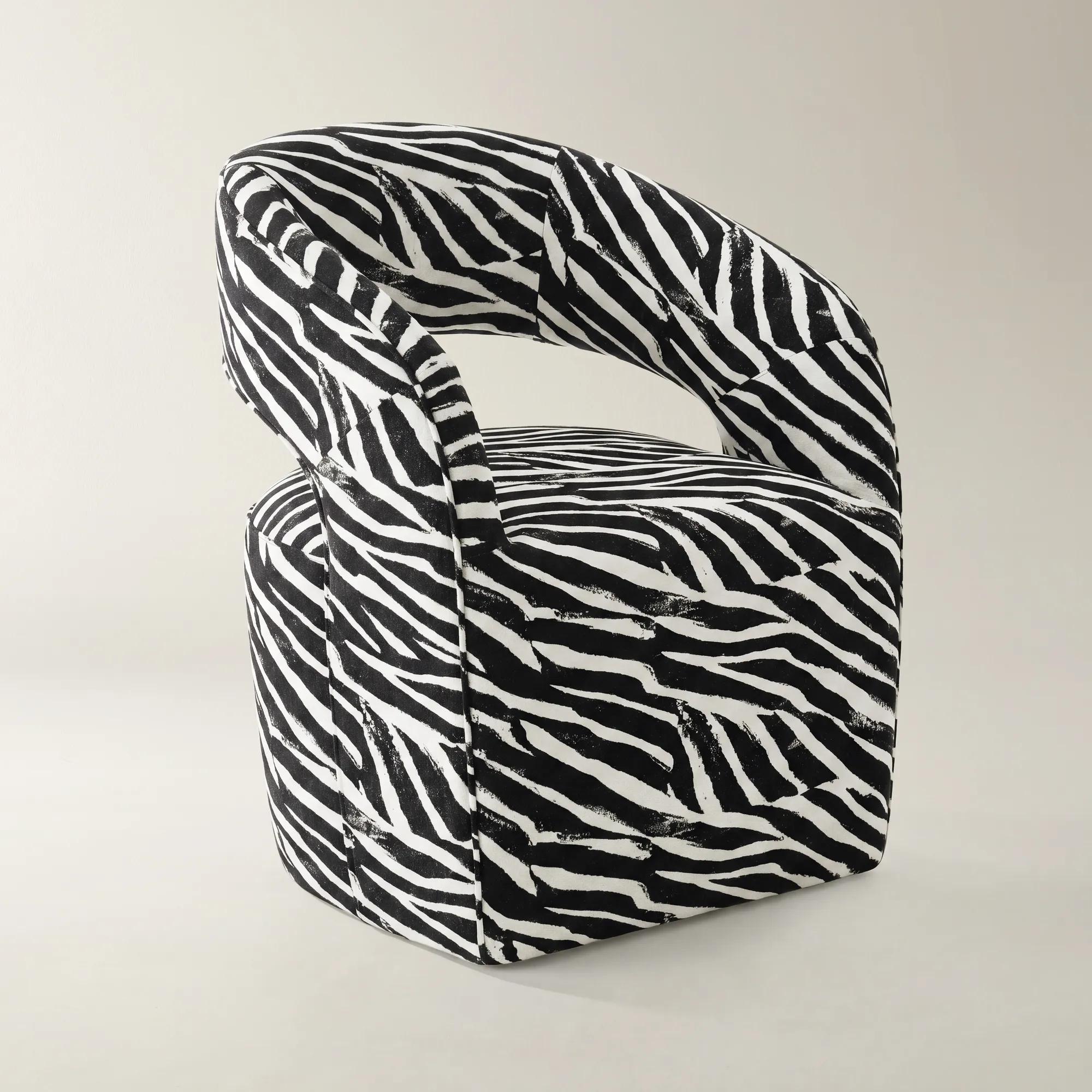
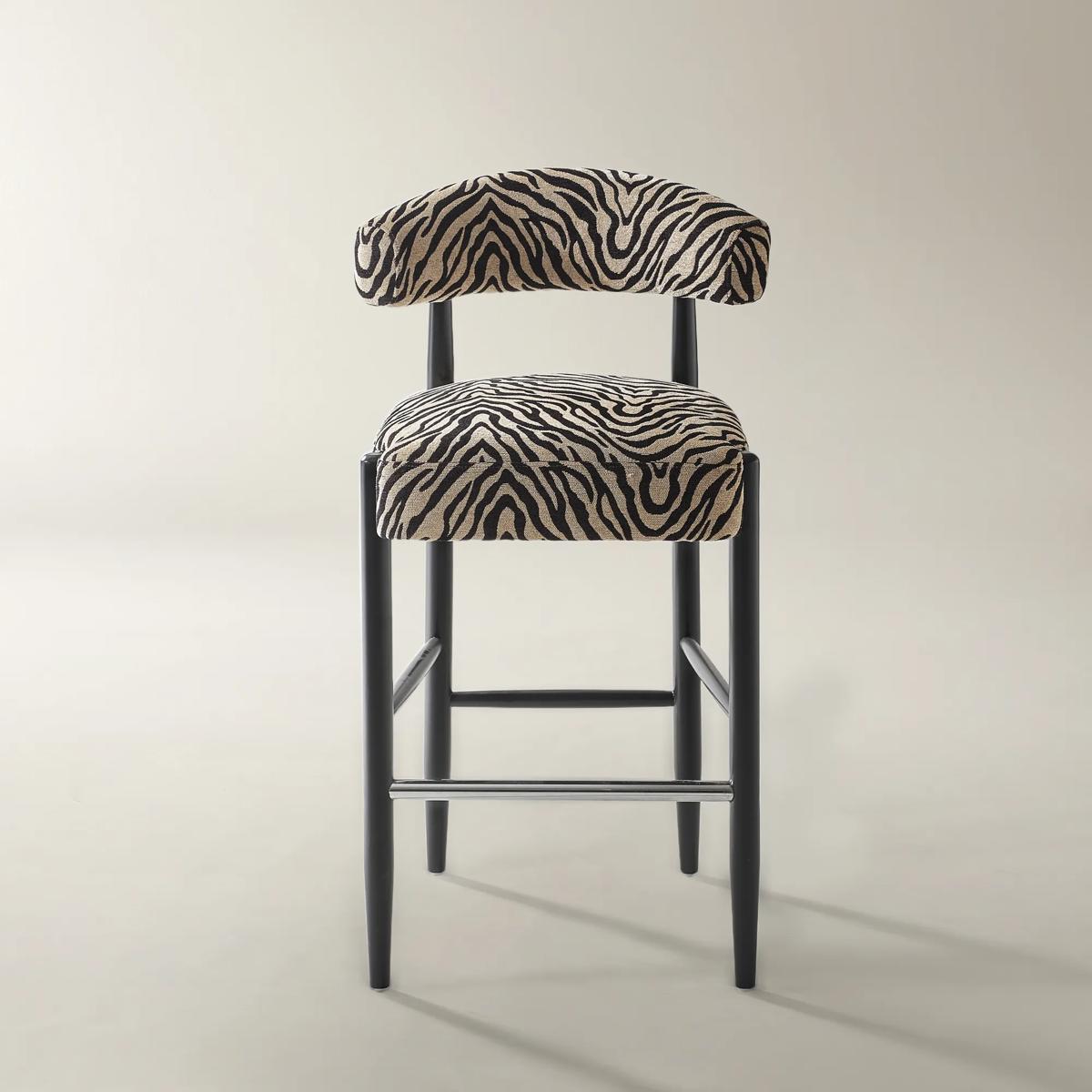 Anna Zebra Chenille Bar/Counter Stool$449
A bar stool with zebra-patterned chenille upholstery, sculpted padding, and tapered solid-rubberwood legs.
Add To Cart -
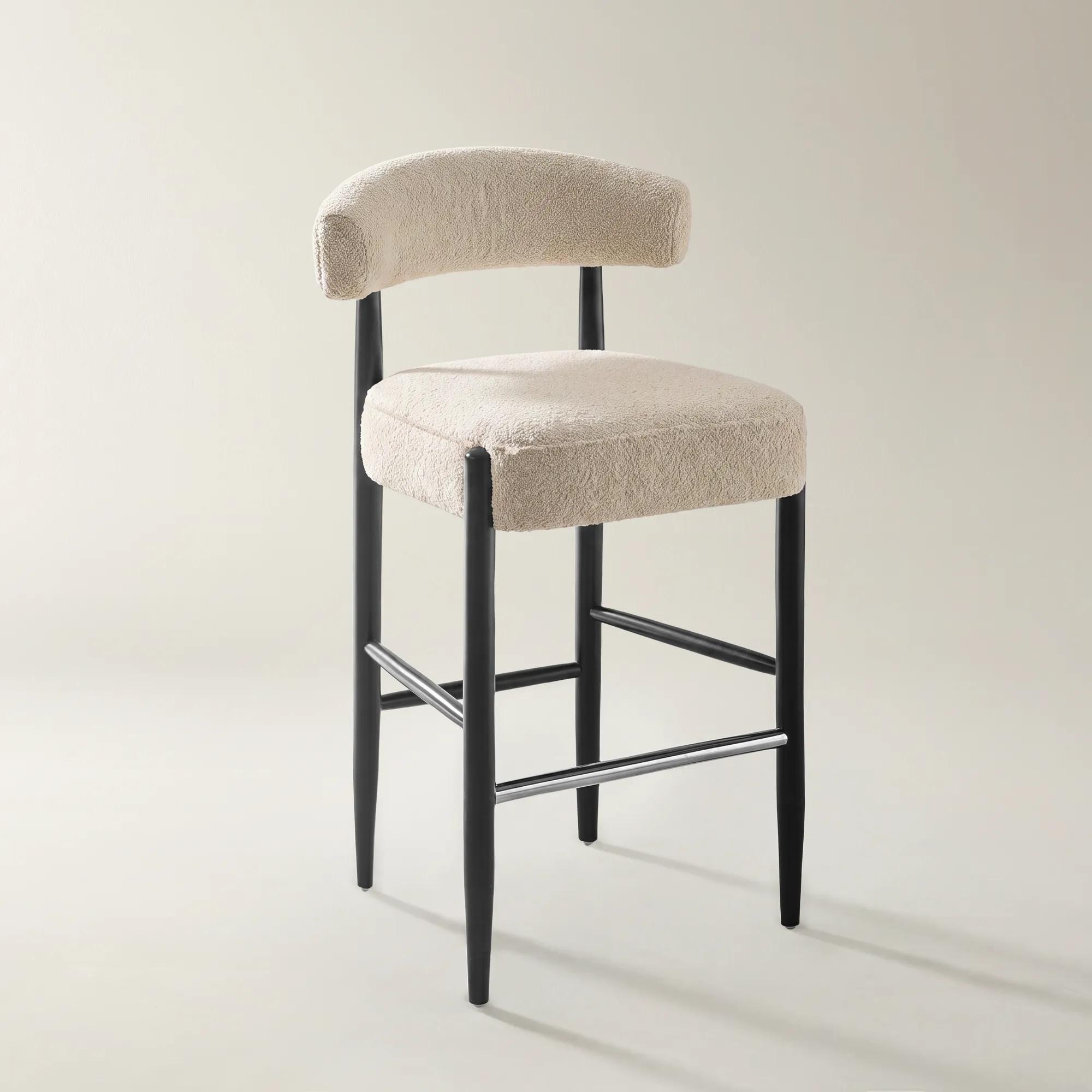 Anna Utopia Sand Chenille Bar/Counter Stool$449
A chenille bar stool with a sculpted padded seat, kiln-dried hardwood frame, and solid rubberwood legs.
Add To Cart -
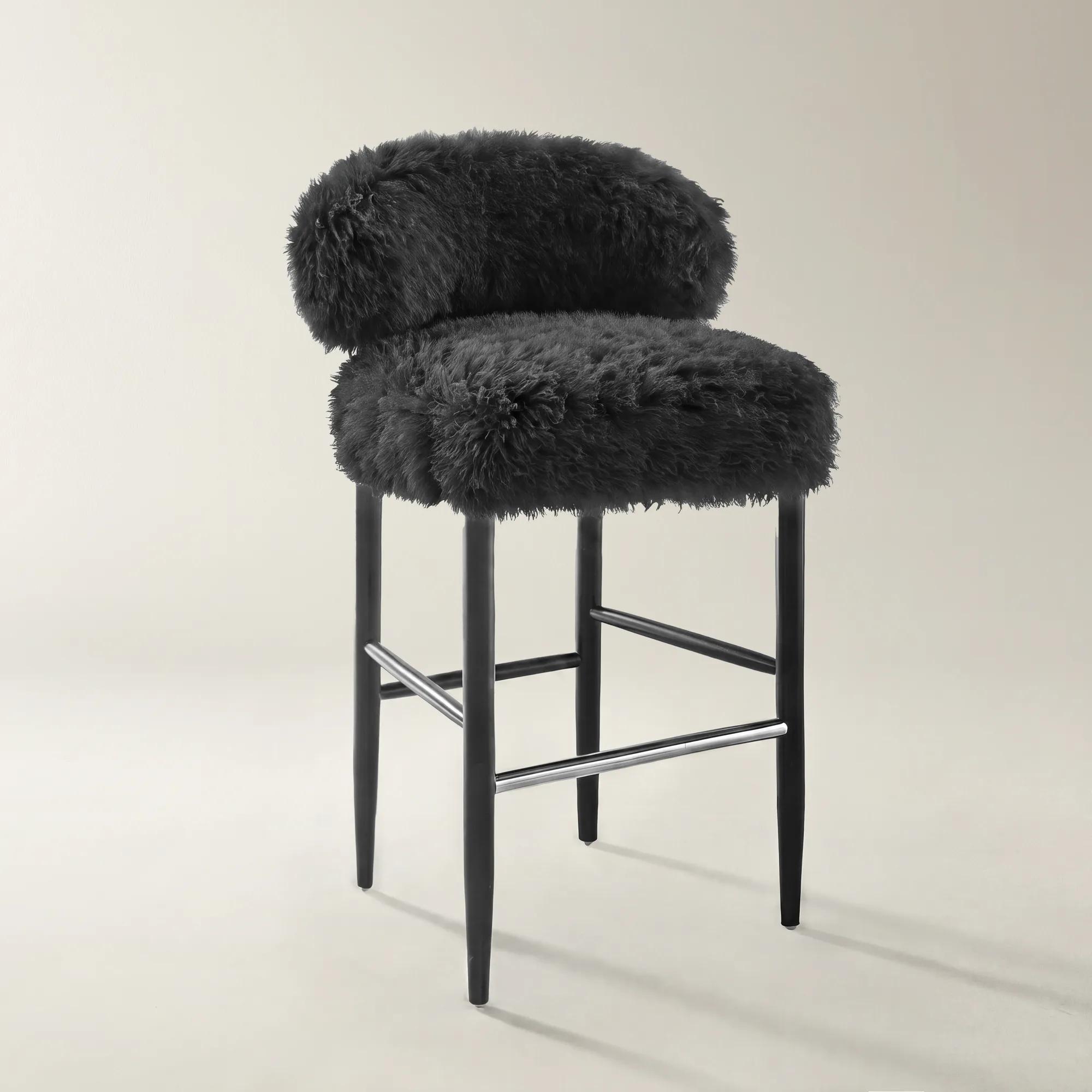 Anna Black Faux Fur Bar/Counter Stool$549
A black faux-fur bar stool with a sculpted back, padded seat, and solid rubberwood legs.
Add To Cart -
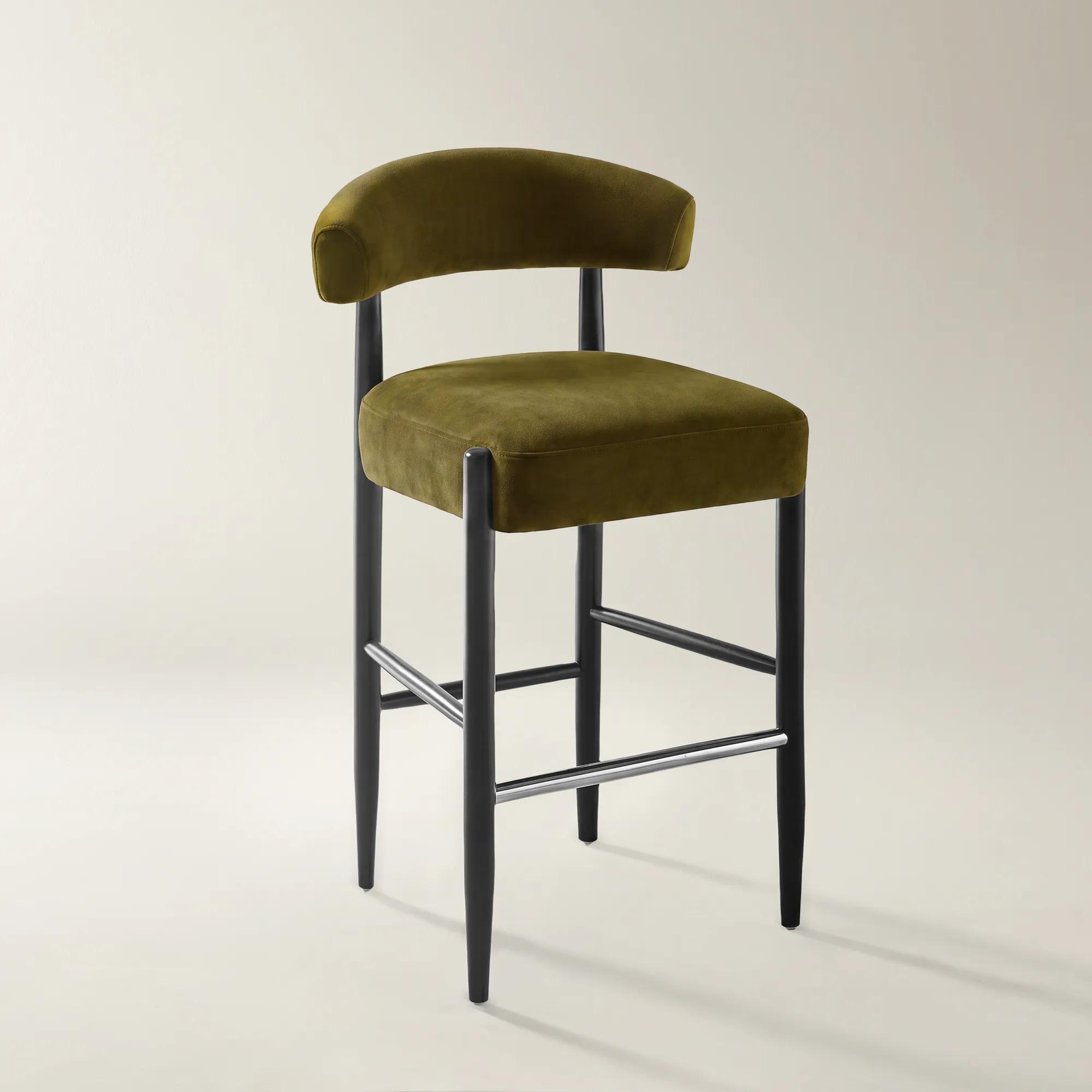 Anna Deep Olive Velvet Bar/Counter Stool$449
A green velvet bar stool with a sculpted padded seat, tailored upholstery, and tapered solid-rubberwood legs.
Add To Cart -
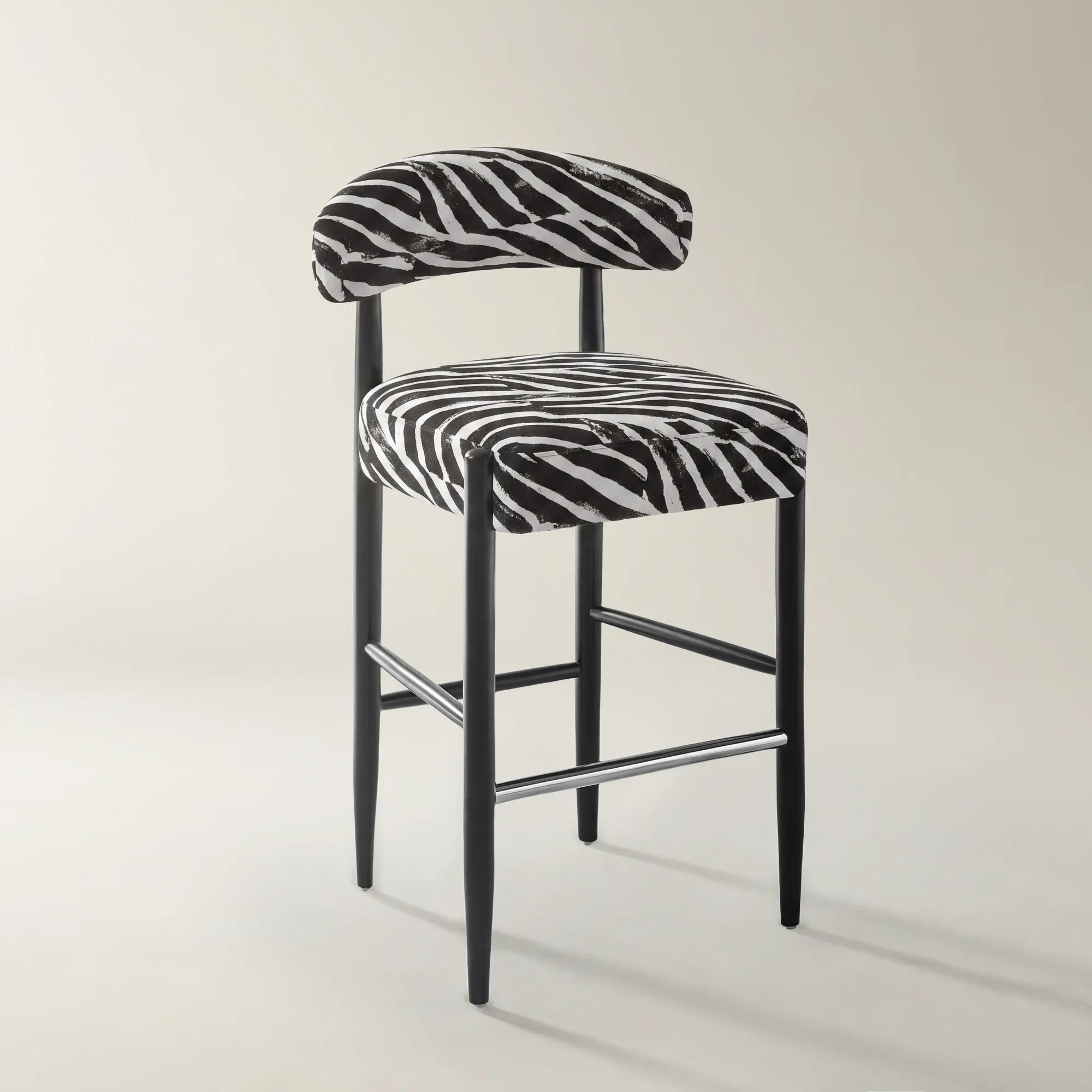 Anna White/Black Performance Chenille Bar/Counter Stool$449
A black-and-white chenille bar stool with a sculpted back, padded seat, and tapered solid rubberwood legs.
Add To Cart -
 Valerie Natural Outdoor Counter Stool$659
A natural-finished outdoor stool offering stylish counter-height seating.
Add To Cart

Kitchen Island Seating Ideas
Explore kitchen island seating ideas that balance statement-making style with a comfortable fit. As you browse seating options, consider seat height, silhouette, and scale in relation to your island and surrounding décor. Leave ample legroom and space between seats to create an inviting gathering spot with a polished, intentional look.
Kitchen island seating ideas center on counter-height or bar-height stools that suit the island’s dimensions, support comfortable everyday use, and give the kitchen a distinct design point of view. An island often connects meal preparation, casual dining, and conversation, so its seating becomes part of the room’s architecture rather than an afterthought. A row of sculptural silhouettes can bring definition to an open floor plan, while sumptuous upholstery softens the contrast of stone countertops, sleek cabinetry, and gleaming appliances. The most compelling combinations balance visual drama with the way the space actually lives: morning coffee at one end, a shared meal in the middle, and guests lingering comfortably while dinner comes together. Upholstered kitchen island stools introduce depth through fabric, tailoring, and color, with velvet offering a light-catching surface and woven textiles adding a more textured expression. Leather brings a rich, tactile finish that can develop character with use, while faux leather offers a different care profile that should be evaluated according to its construction and cleaning instructions. Wood frames lend grain and sculptural substance; metal bases create crisp lines that can echo cabinet hardware or lighting. Transparent acrylic can keep sightlines open around a visually substantial island, allowing a dramatic countertop or statement pendant to remain the focal point. A polished finish feels luminous against matte cabinetry, while a brushed finish creates a quieter contrast without losing sophistication. Color can establish continuity with nearby dining chairs, artwork, or a living room rug, but an exact match is not essential. Repeating a single element, such as a curved back, a dark frame, or a metallic accent, gives the larger space a deliberate rhythm. For a richly layered kitchen, upholstered seats paired with streamlined bases offer softness without overwhelming the room. In a kitchen already defined by bold veining or ornate details, a simpler stool silhouette gives those features room to command attention.
Proportion determines whether beautiful kitchen island seating feels equally inviting in daily use. Counter stools generally have seat heights around 24 to 26 inches and are commonly paired with counters approximately 36 inches high. Bar stools typically have seats around 28 to 30 inches high for taller surfaces, often about 40 to 42 inches. These ranges are starting points rather than guarantees of fit; the actual height of the island, countertop thickness, and any apron or support beneath it all matter. Aim for approximately 10 to 12 inches between the seat and the underside of the counter so knees have comfortable clearance, and check dimensions before choosing a silhouette. Width deserves the same attention. Allow at least about 24 inches of counter frontage per person as a starting point, with additional space for broad seats, arms, or swivel movement. A stool that fits beneath the counter may still feel crowded when someone sits down, turns, or steps away. Countertop overhang and support placement also affect usable knee room, especially at corners and island ends. Backless counter stools can tuck neatly beneath a suitable overhang, preserving the island’s profile and keeping the room visually open. Low-back seating offers a defined silhouette with less visual height, while full backs and supportive contours are often more welcoming for extended meals or conversation. Arms add a lounge-like presence, provided they clear the underside of the counter and leave enough room between seats. Swivel stools make it easier to turn toward the kitchen or an adjoining living area, though their movement needs clearance from nearby cabinetry and neighboring seats. Footrests are particularly important at elevated seat heights, giving feet a supported position rather than leaving them suspended. Cushioned seats can make an island more appealing for longer gatherings, while firm, shaped seats may suit shorter visits and a more tailored aesthetic. Leave practical room behind occupied stools for passing, opening appliances, and moving between work areas; a generous-looking arrangement should function generously, too.
Materials and construction help kitchen island stools retain their presence through repeated use. In a busy household, upholstery deserves attention beyond color alone: fiber content, fabric texture, seams, and the manufacturer’s cleaning guidance all influence how well a seat suits the setting. Performance fabrics may offer helpful stain resistance, but the term does not mean every spill can be removed or every cleaner is appropriate. Velvet can show changes in pile direction, creating the shifting sheen that gives it such dimension; gentle care should follow the fabric’s specific requirements. Leather and faux leather should also be treated according to their individual instructions, since harsh cleaners or unsuitable conditioners can alter a surface. Promptly blotting spills, rather than rubbing them into upholstery, helps protect the finish and keeps everyday mishaps from becoming more noticeable. Wood and metal frames benefit from appropriate cleaning and regular checks of hardware, especially on seating that moves frequently. Protective floor glides can reduce contact marks, but they should suit the flooring and be inspected for trapped grit. Durability depends on the complete construction, including joinery, upholstery attachment, swivel mechanisms, and stated weight limits, not simply the appearance of a substantial frame. Households with children may favor stable bases, manageable seat heights, and surfaces that accommodate frequent cleanup; adults who use the island for reading or working may place greater value on back support and cushioning. For frequent hosts, seating that allows guests to settle in without blocking the cooking area makes entertaining feel more composed. When seating is intended as a housewarming or wedding gift, confirming the recipient’s counter measurements and preferred finishes is essential, since scale and comfort are personal. The Gifts for Kitchen Island Seating collection offers a related place to explore thoughtful possibilities for this gathering space. Whether the desired effect is luminous and sculptural or richly upholstered and enveloping, well-chosen island seating brings beauty into daily rituals, giving an everyday gathering place the presence it deserves.
FAQs
Choose stools with sculptural silhouettes, expressive curves, or tailored upholstery to bring modern glamour to your kitchen island. Gleaming accents add a jewelry-like finish, while a restrained color palette lets distinctive shapes command attention. Echo a detail from your lighting or cabinetry hardware for a composed, artful look.
Decide whether your seating should harmonize with the kitchen or introduce a dramatic contrast. Cream and soft gray create a tonal composition, while black adds definition against lighter cabinetry. For a more expressive approach, draw a rich accent color from nearby artwork and carry it into your seating.
Kitchen island stools and dining chairs can coordinate without matching exactly. Connect them through a shared color, curved profile, or decorative detail, then vary another element to give each area its own identity. This creates a layered interior that feels deliberately collected rather than uniform.
Stools with backs introduce a more pronounced silhouette, turning each seat into a sculptural element. Backless designs create a visually understated arrangement that lets distinctive cabinetry and island details lead. Choose the profile according to where you want the room’s visual drama to unfold.
Use seating to contrast the kitchen’s smooth surfaces with tactile depth. Consider textured upholstery, channel detailing, or dimensional patterns to create an inviting visual rhythm. Repeating one texture across the stools keeps the arrangement cohesive, while contrasting it with the island’s finish adds richness to the overall composition.