Ivory Chenille Dining Chairs
Ivory Chenille Dining Chairs
-
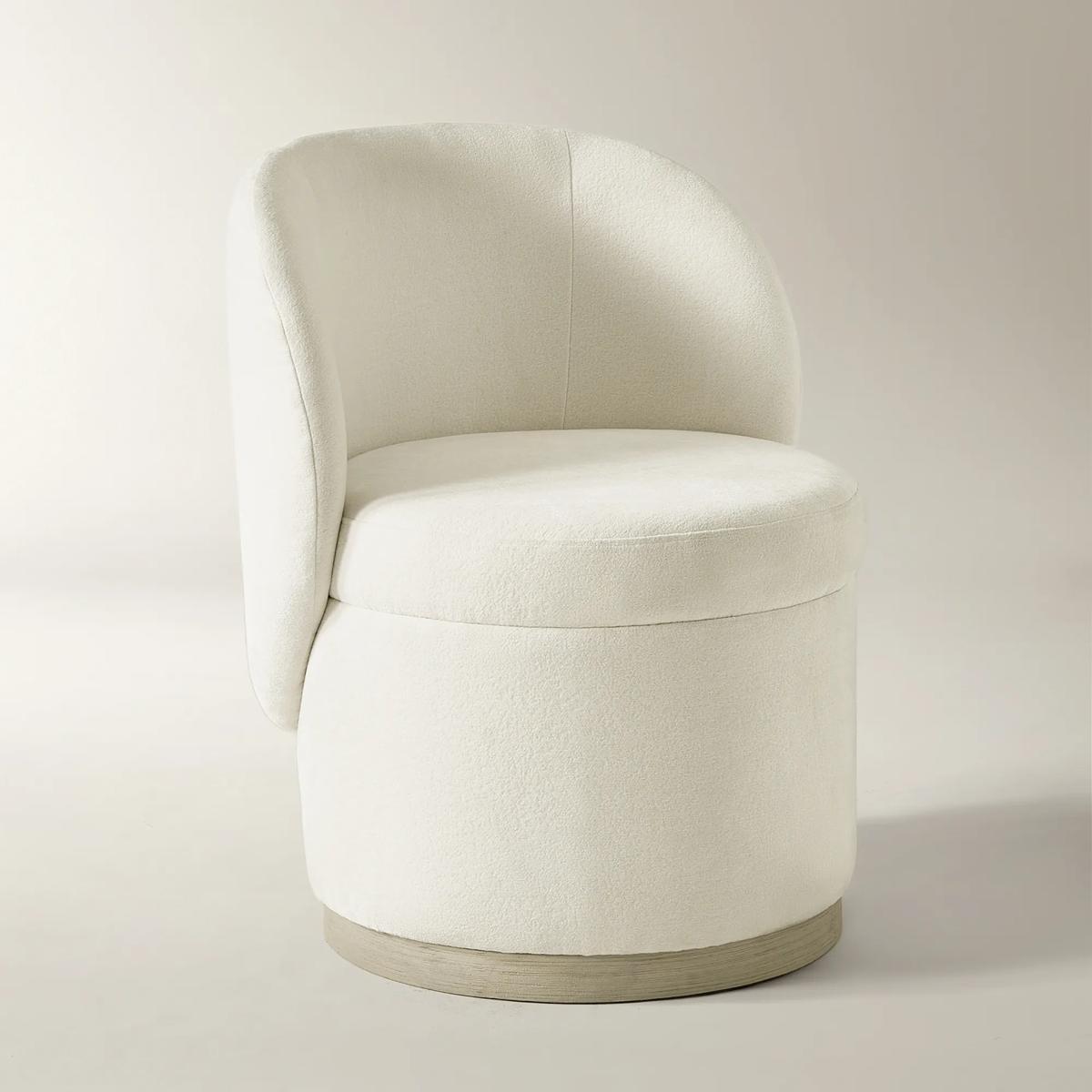 Stria Ivory Chenille Dining Chair With Oak Base$599
An ivory chenille chair featuring a plush, velvet-like finish and a handcrafted solid oak base.
Add To Cart -
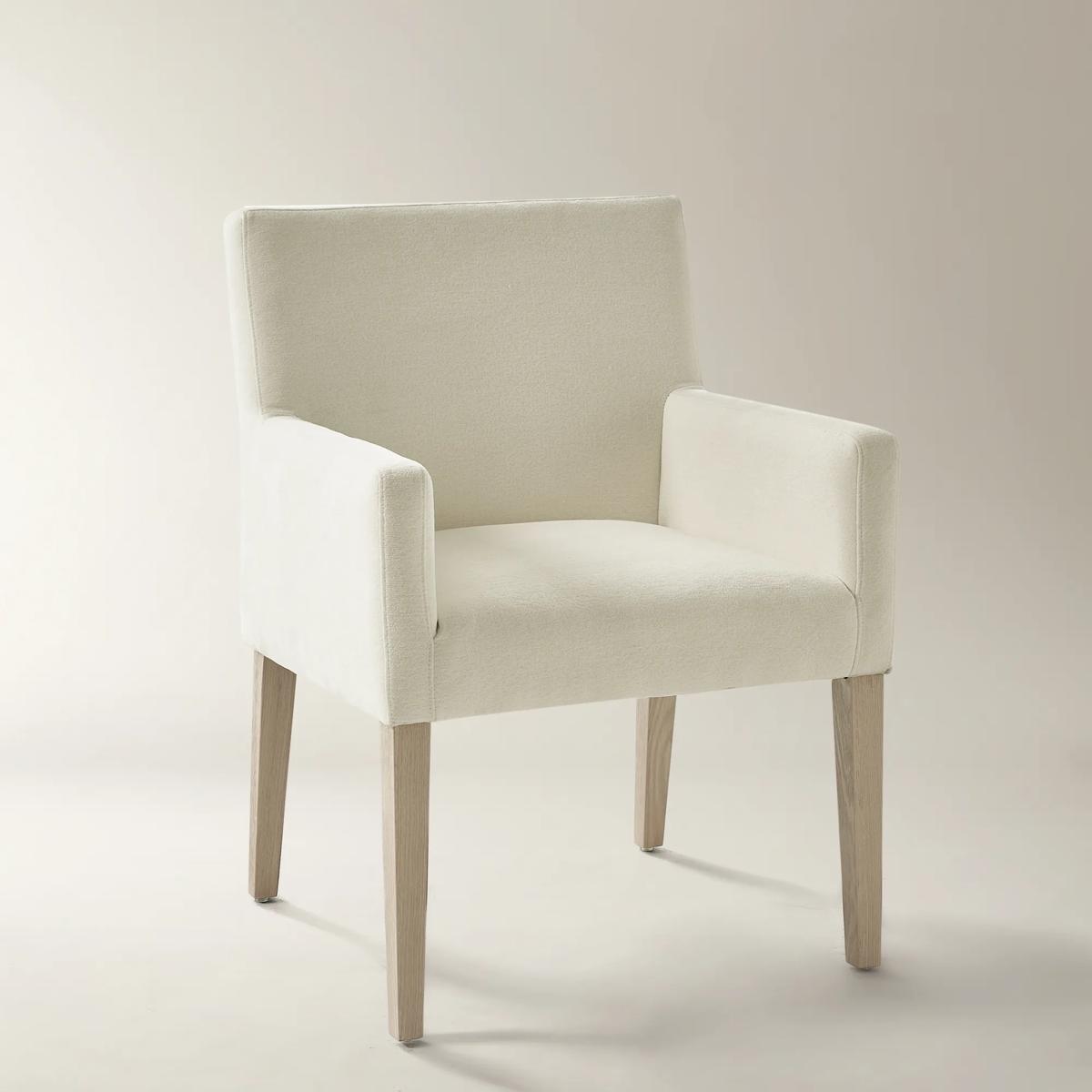
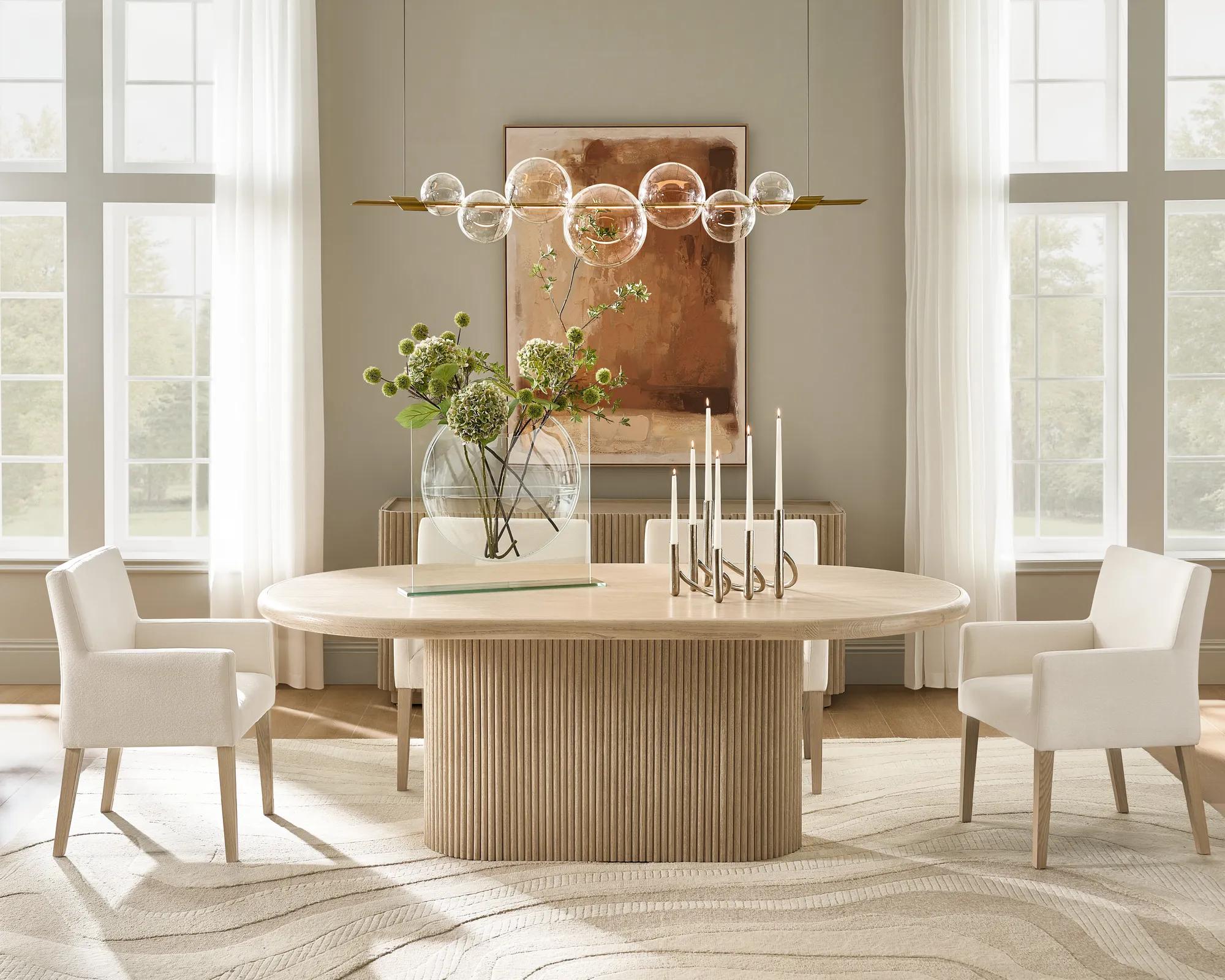 Stria Ivory Chenille Dining Chair Set Of 2$599
A pair of ivory chenille arm chairs with natural oak legs, offering plush comfort and modern elegance.
Add To Cart -
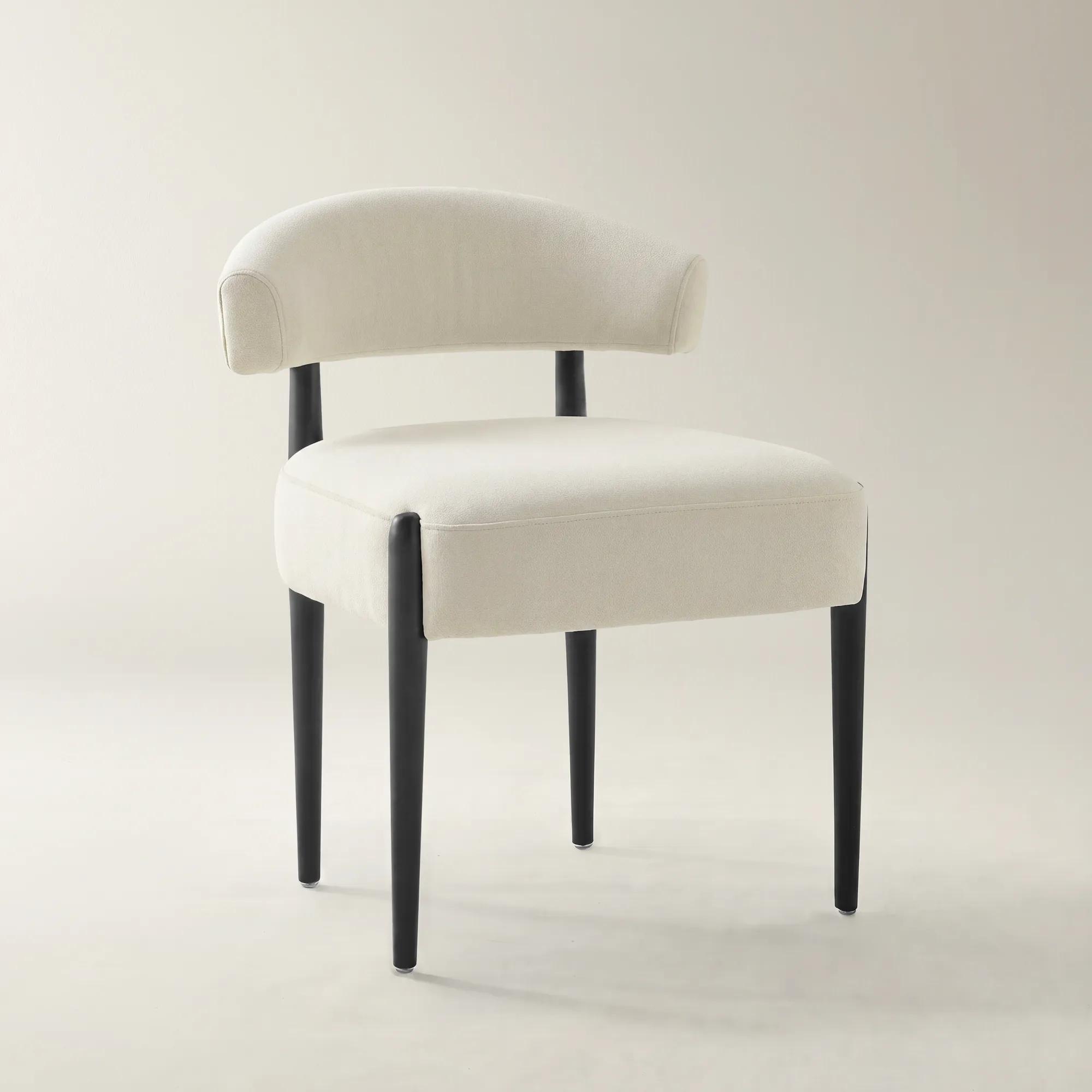
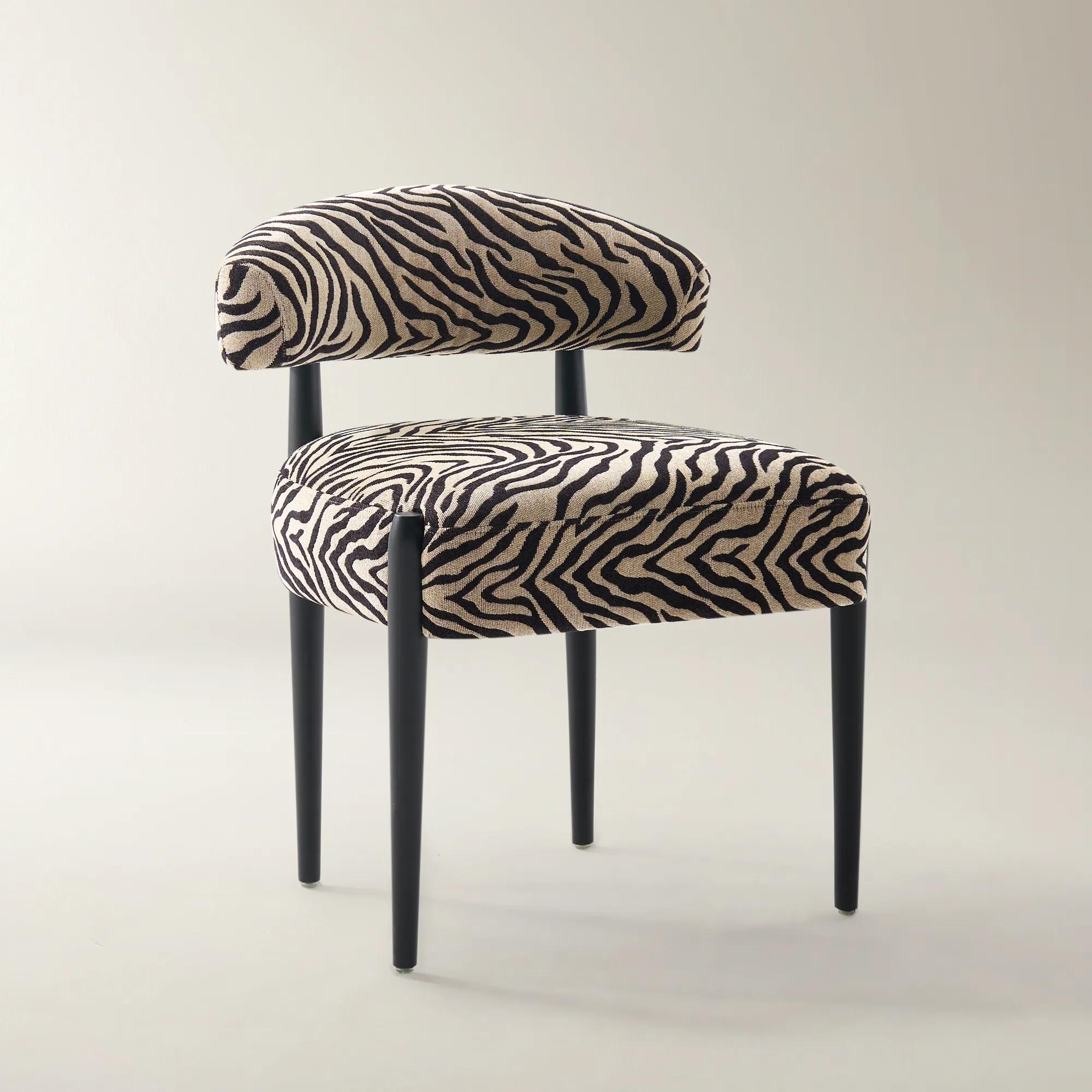 Anna Ivory Performance Chenille Dining Chair Set of 2$699
An ivory performance chenille chair pair featuring curved backs, high-density foam, and solid rubberwood legs.
Add To Cart -
 Stria Ivory Chenille Swivel Dining Chair With Oak Base$699
A sculpted ivory chenille dining chair with a solid oak base and smooth 360-degree swivel.
Add To Cart -
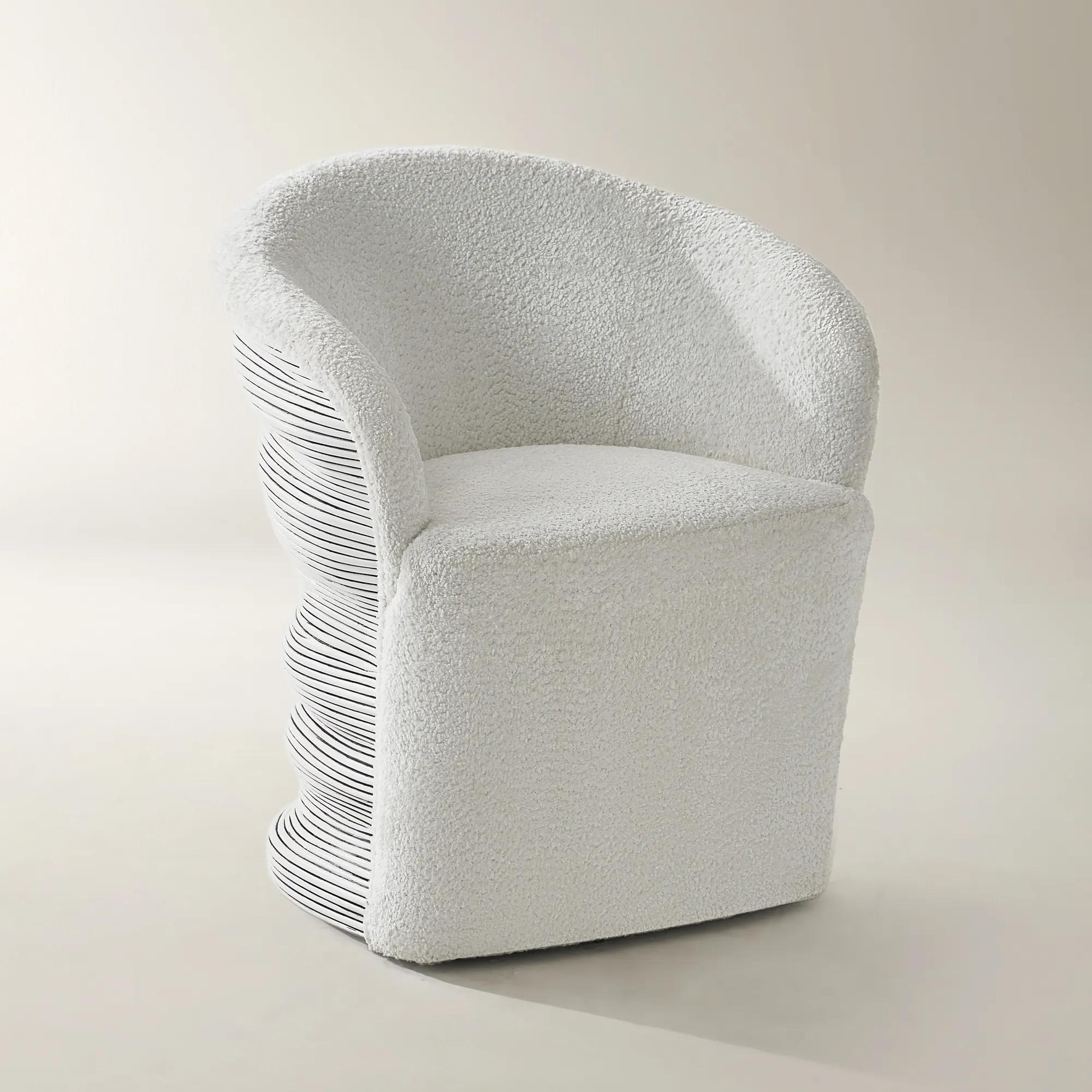
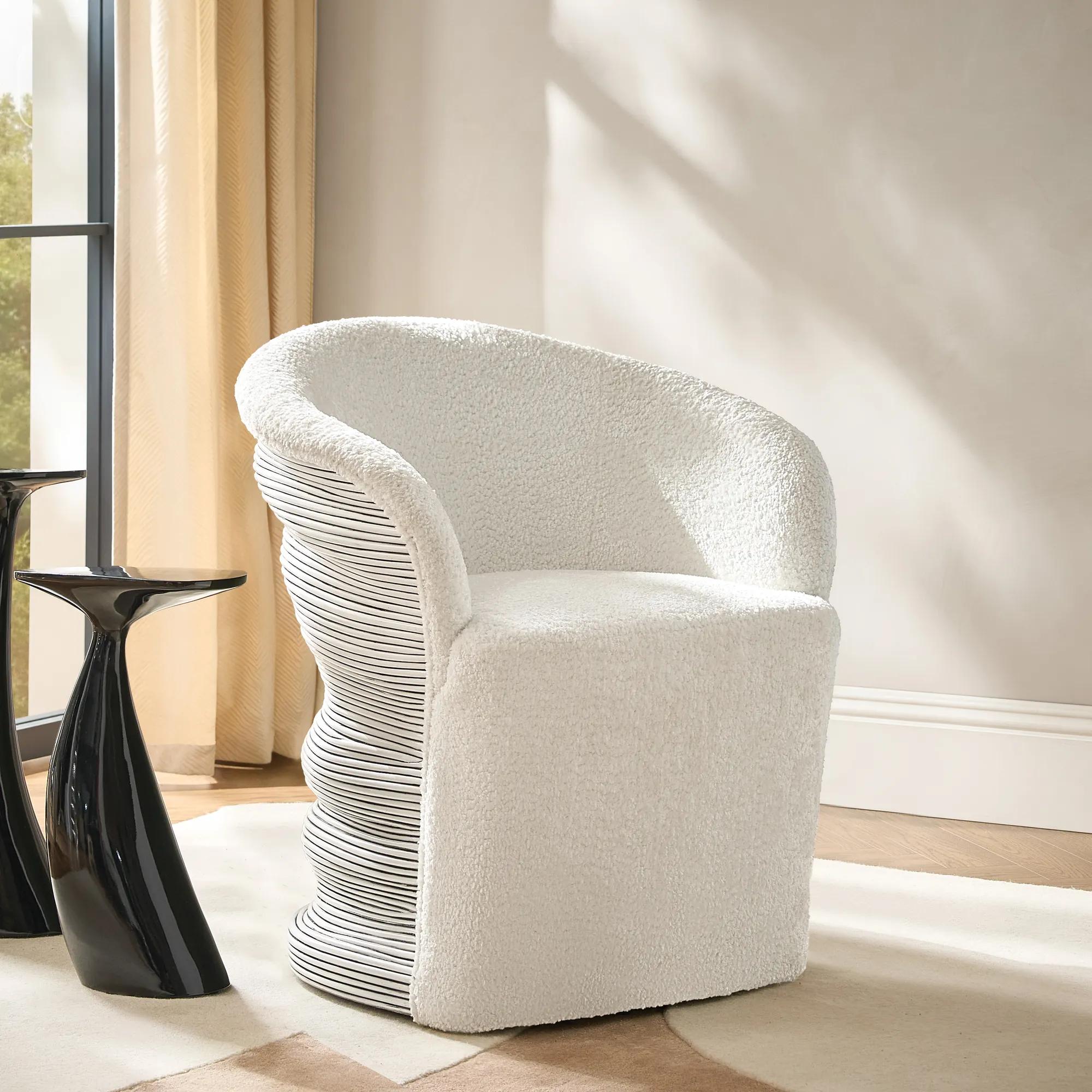 Cairo Rattan Ivory Chenille Dining Chair$999
An artisan-crafted swivel chair featuring handwoven natural rattan and plush ivory chenille upholstery for modern comfort.
Add To Cart -
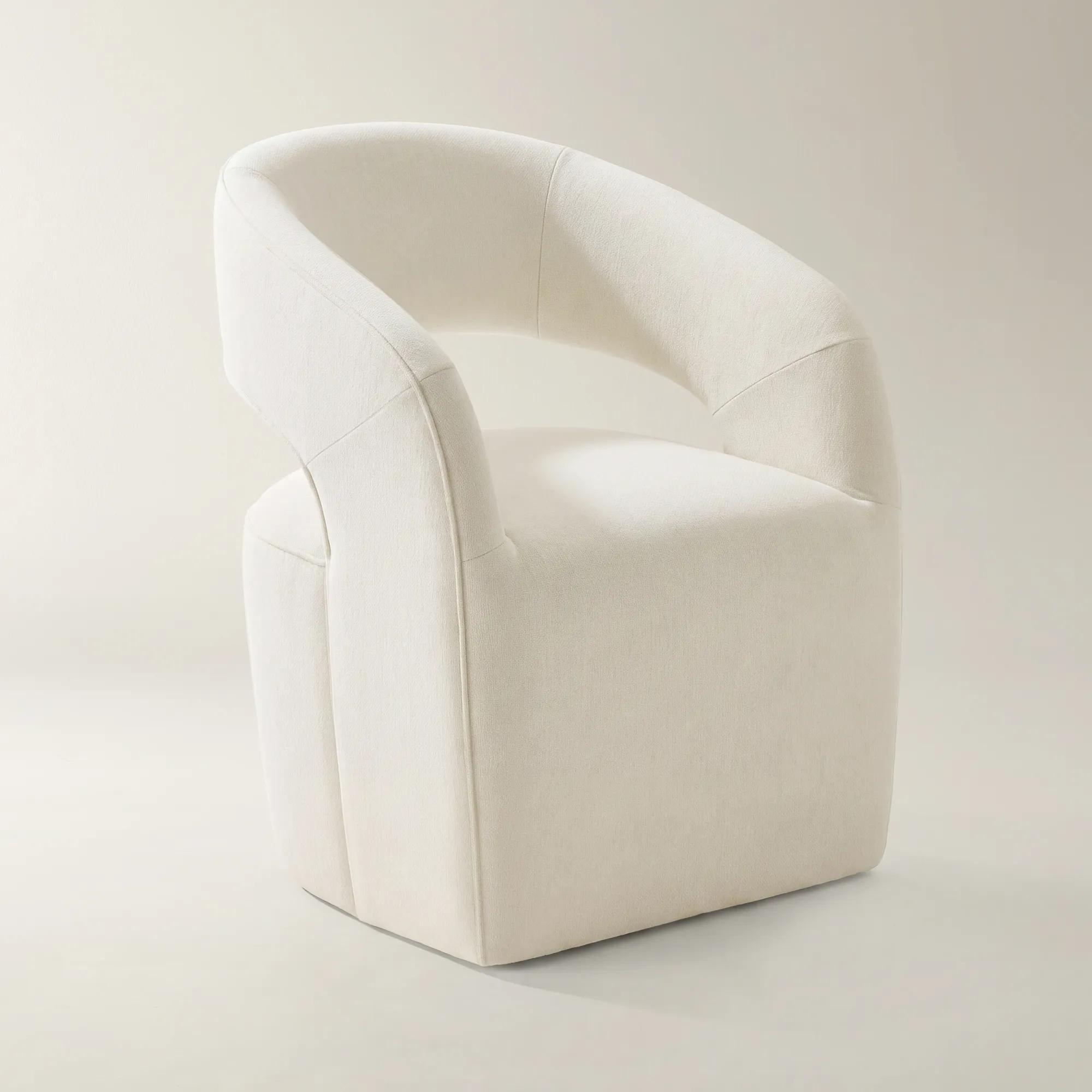
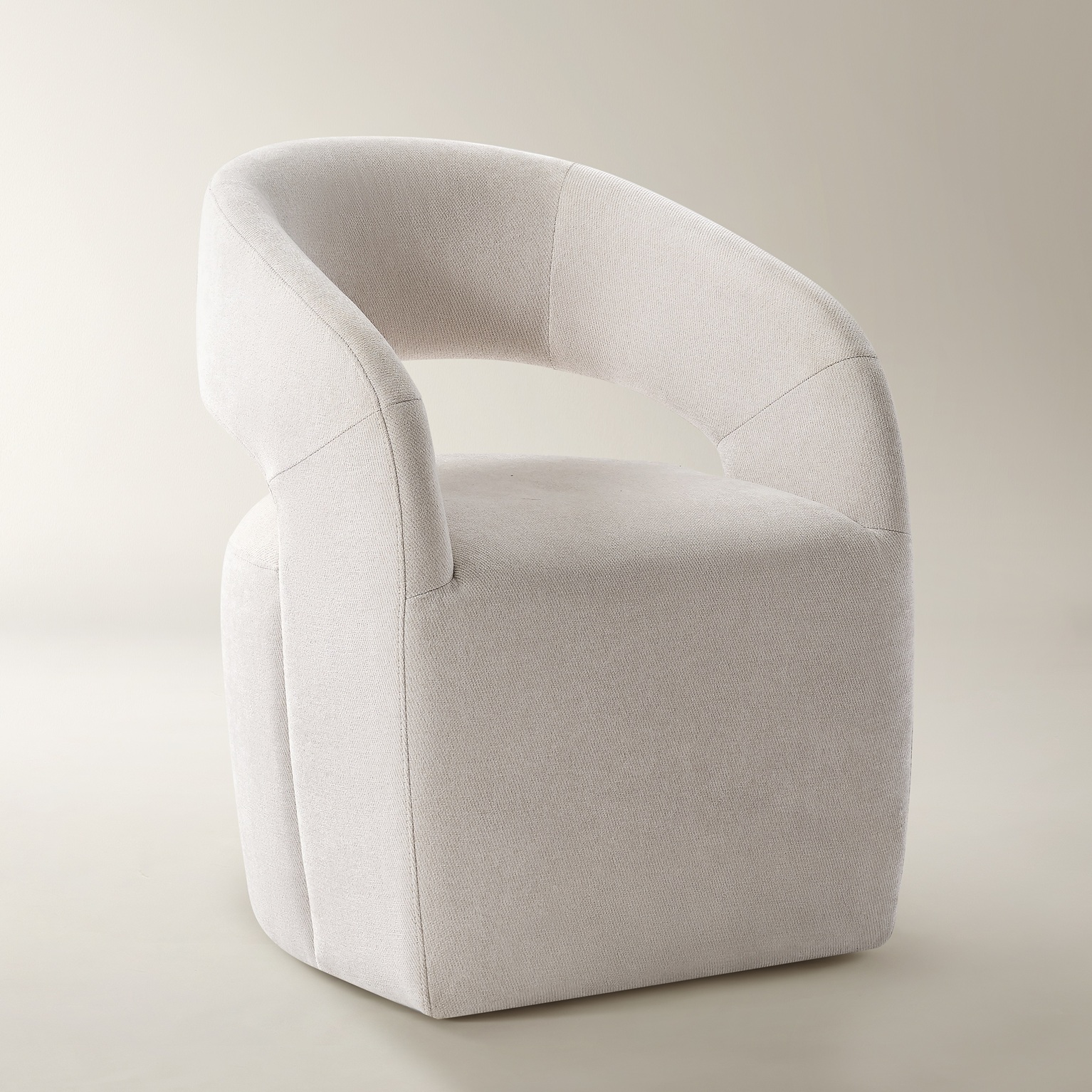 Harrison Ivory Performance Chenille Dining Chair$499
A sculptural ivory chenille chair featuring a continuous curved back, feather-blend comfort, and performance upholstery.
Add To Cart -
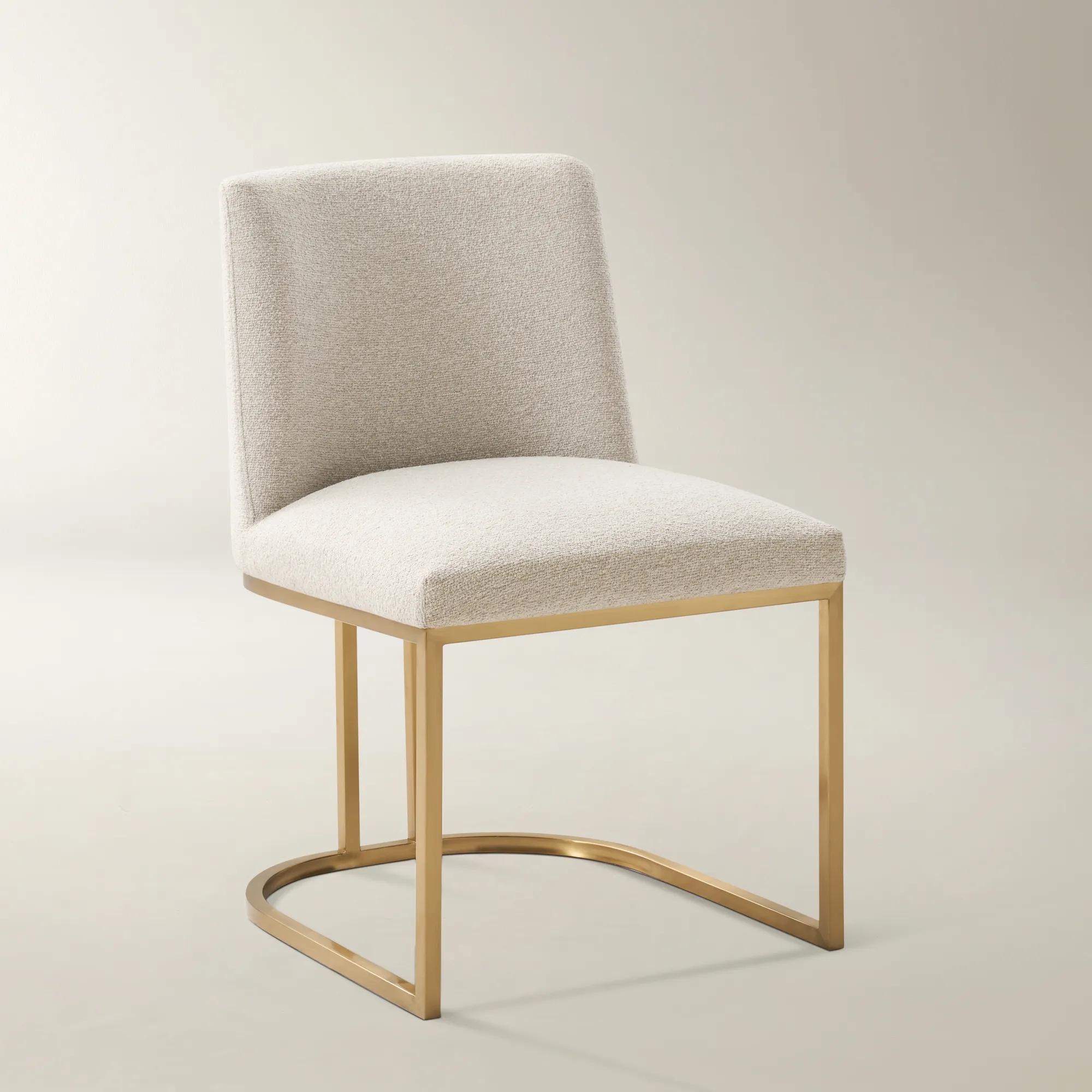 Bergen Ivory Boucle Dining Chair Set Of 2$549
An ivory boucle dining chair set featuring a curved backrest and brushed stainless steel frame for elegance.
Add To Cart -
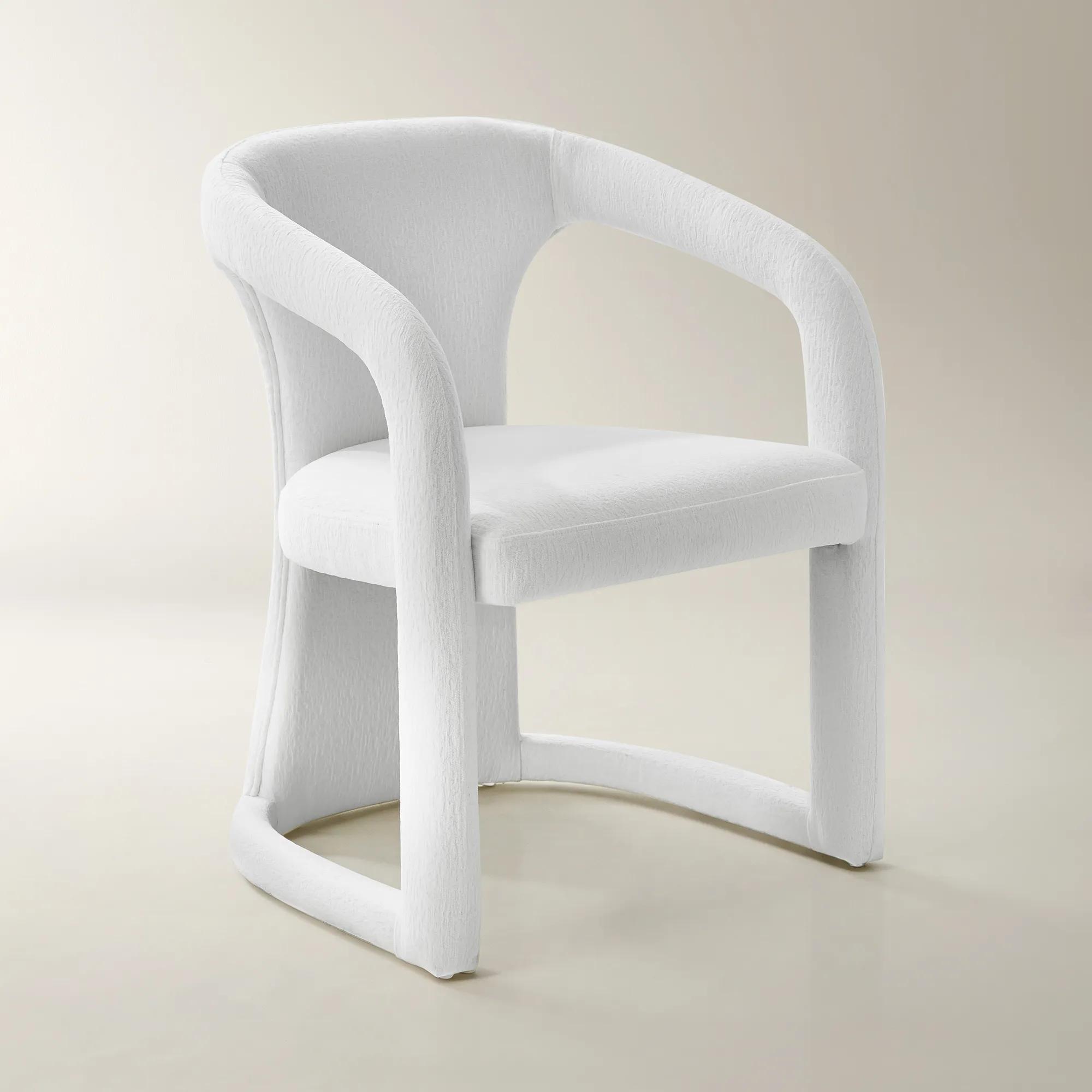
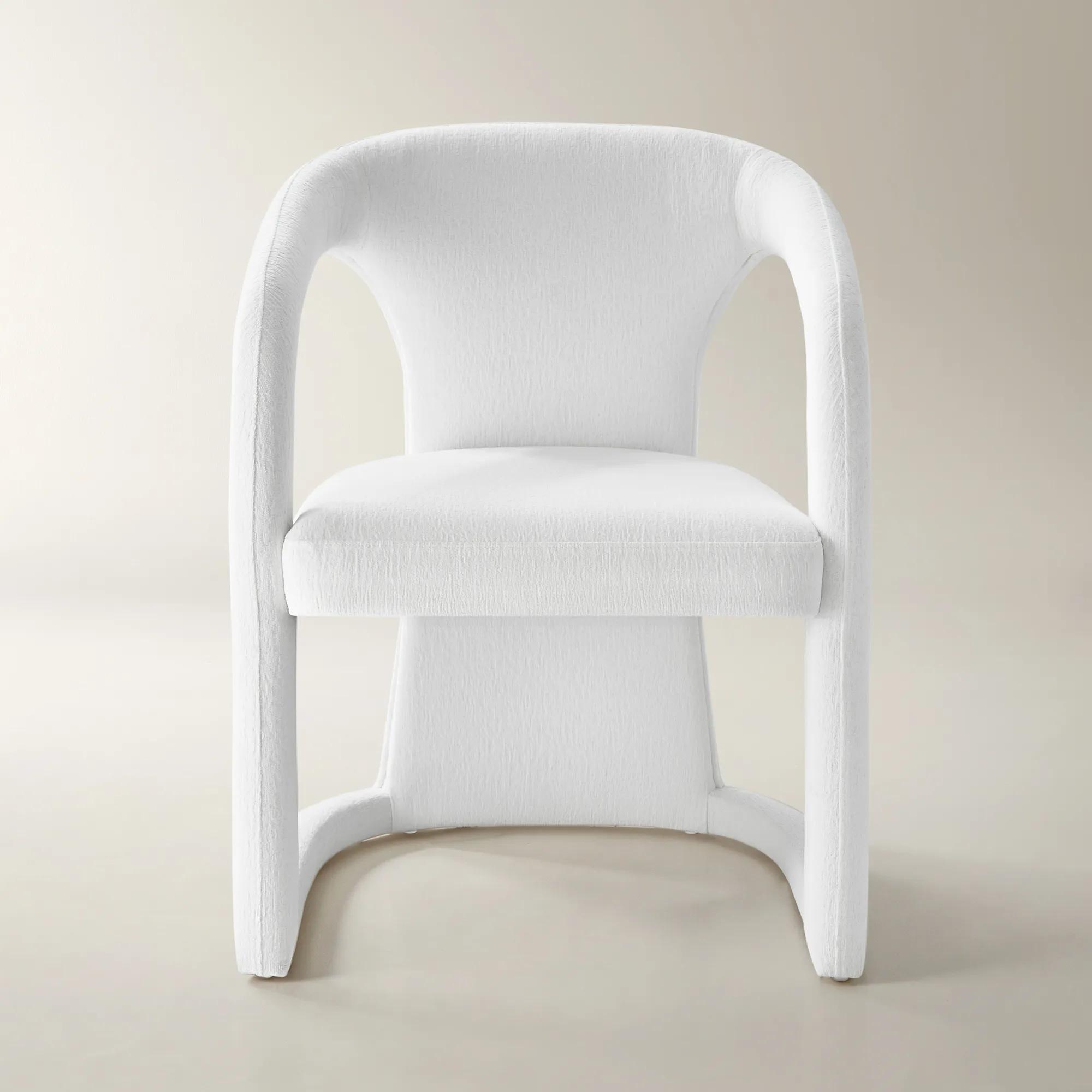 Arco White Performance Chenille Indoor/Outdoor Dining Chair$699
A sculptural white chenille dining chair with plush padding, moisture resistance, and indoor/outdoor versatility.
Add To Cart -
 Harrison Cream Chenille Dining Chair$499
A fully upholstered cream chenille chair with high-density foam cushioning for exceptional comfort and contemporary style.
Add To Cart -
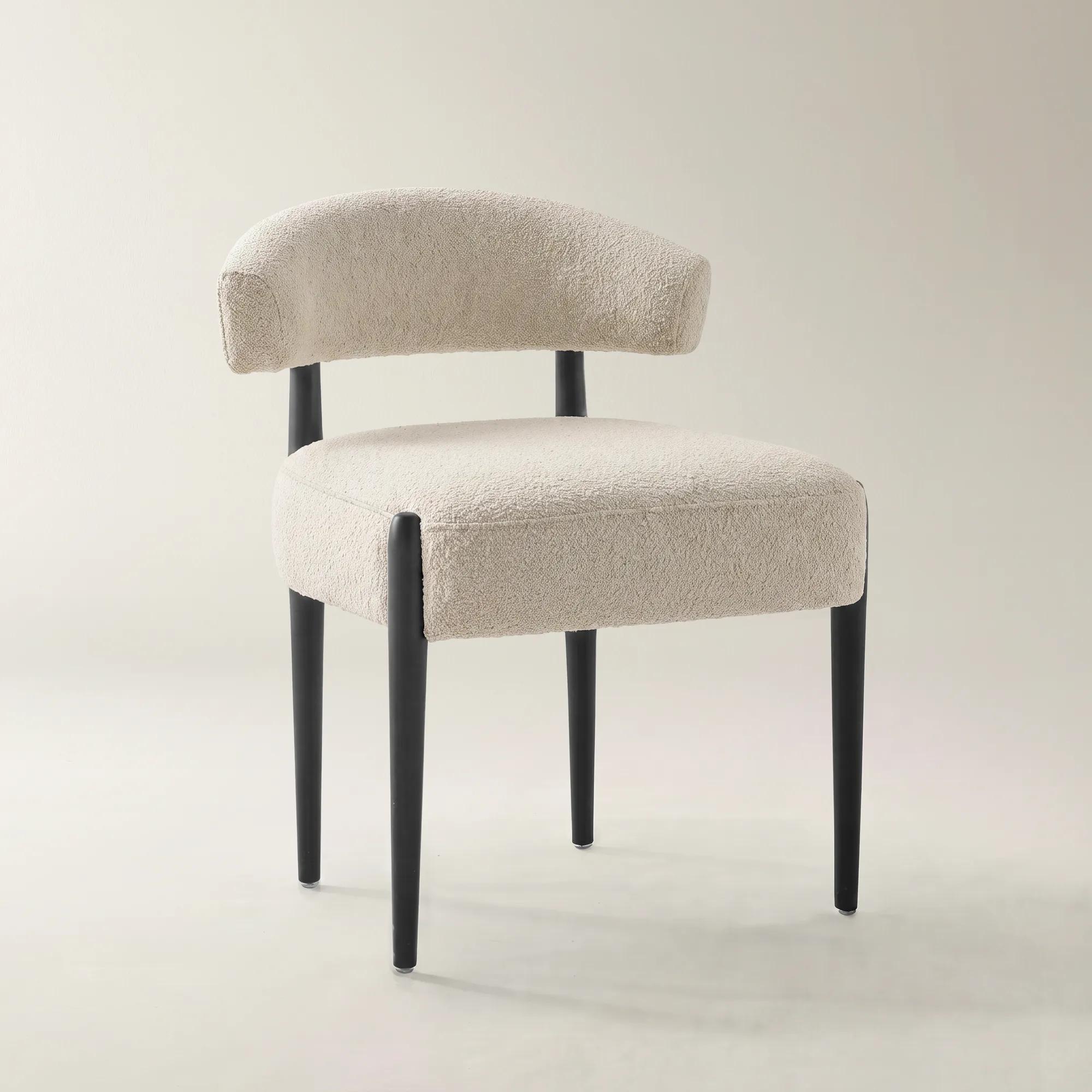 Anna Utopia Sand Chenille Dining Chair Set of 2$699
A sand chenille dining chair set featuring tailored armless curves, high-density cushioning, and solid rubberwood legs.
Add To Cart -
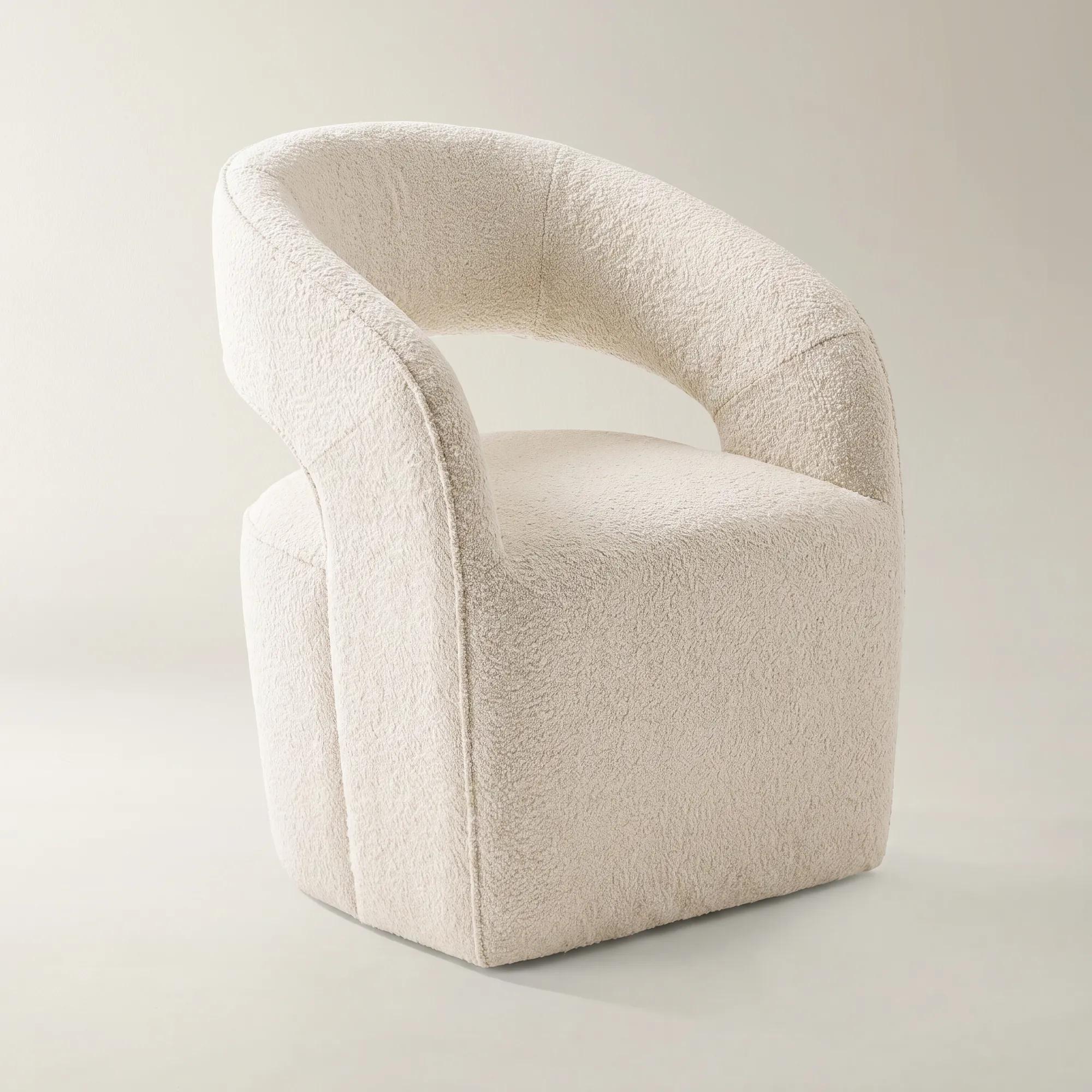 Harrison Utopia Sand Chenille Dining Chair$499
A sculptural dining chair upholstered in sand chenille with a curved back, feather-blend seat, and integrated arms.
Add To Cart -
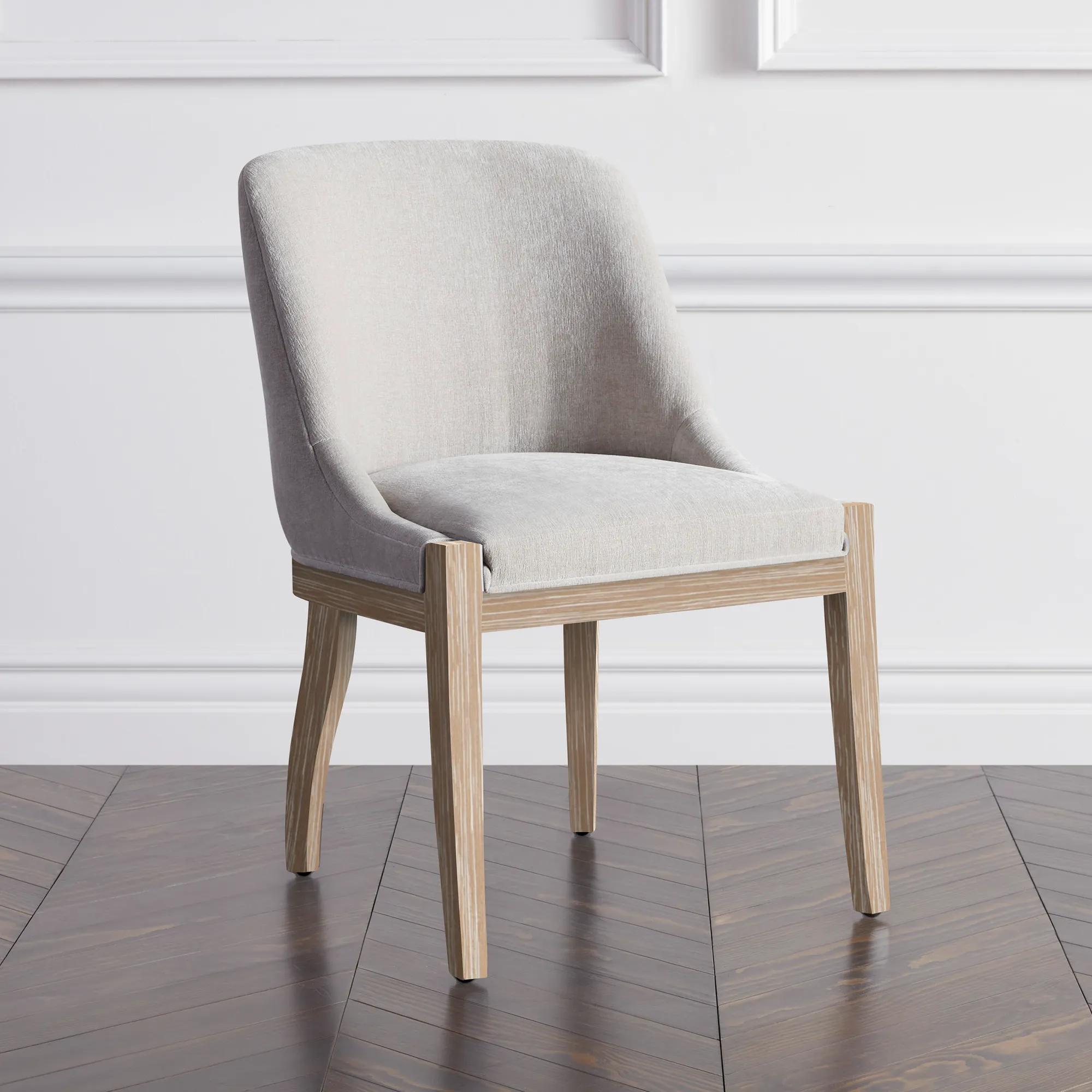
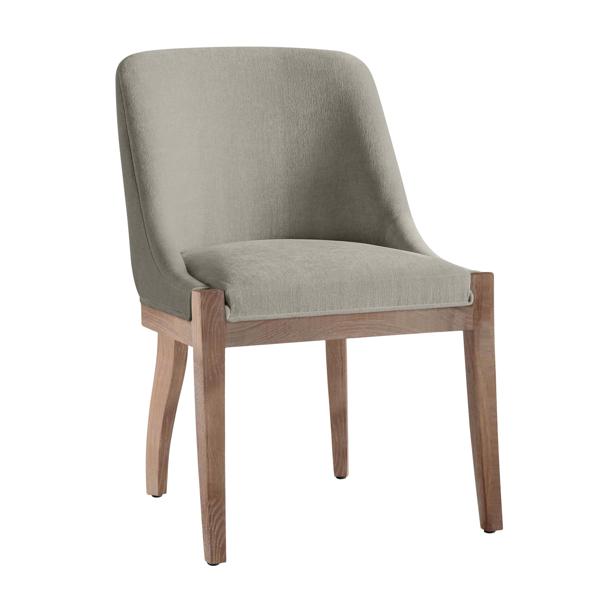 Lily Dining Chair - Wash Oak$649
A modern dining chair featuring a kiln-dried hardwood frame, wash oak legs, and tailored chenille upholstery.
Add To Cart -
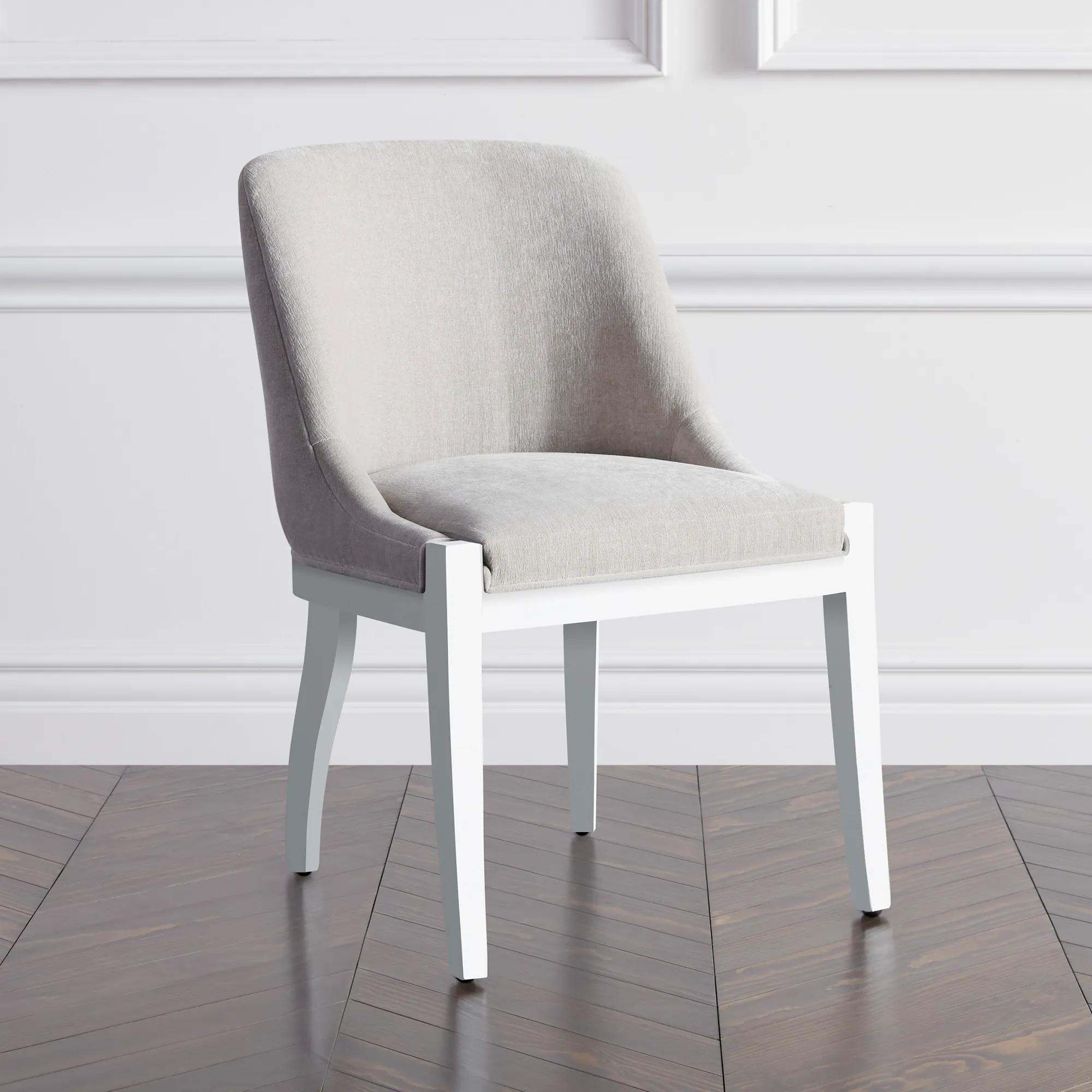
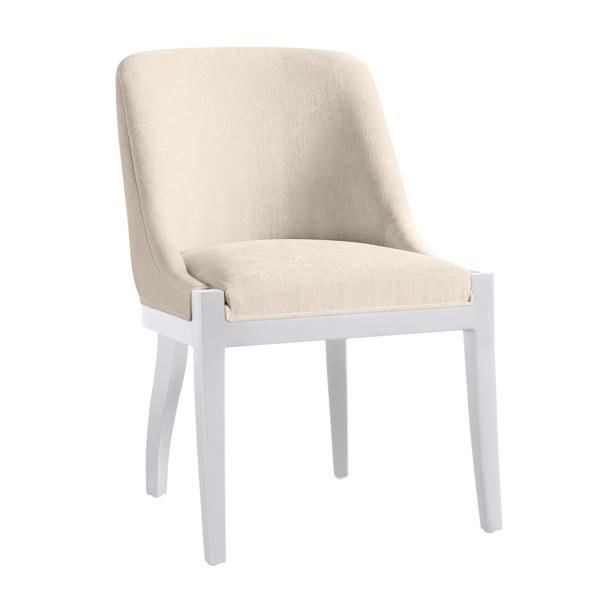 Lily Dining Chair - High Gloss White$649
A modern dining chair with a kiln-dried hardwood frame and high gloss white finish for lasting elegance.
Add To Cart -
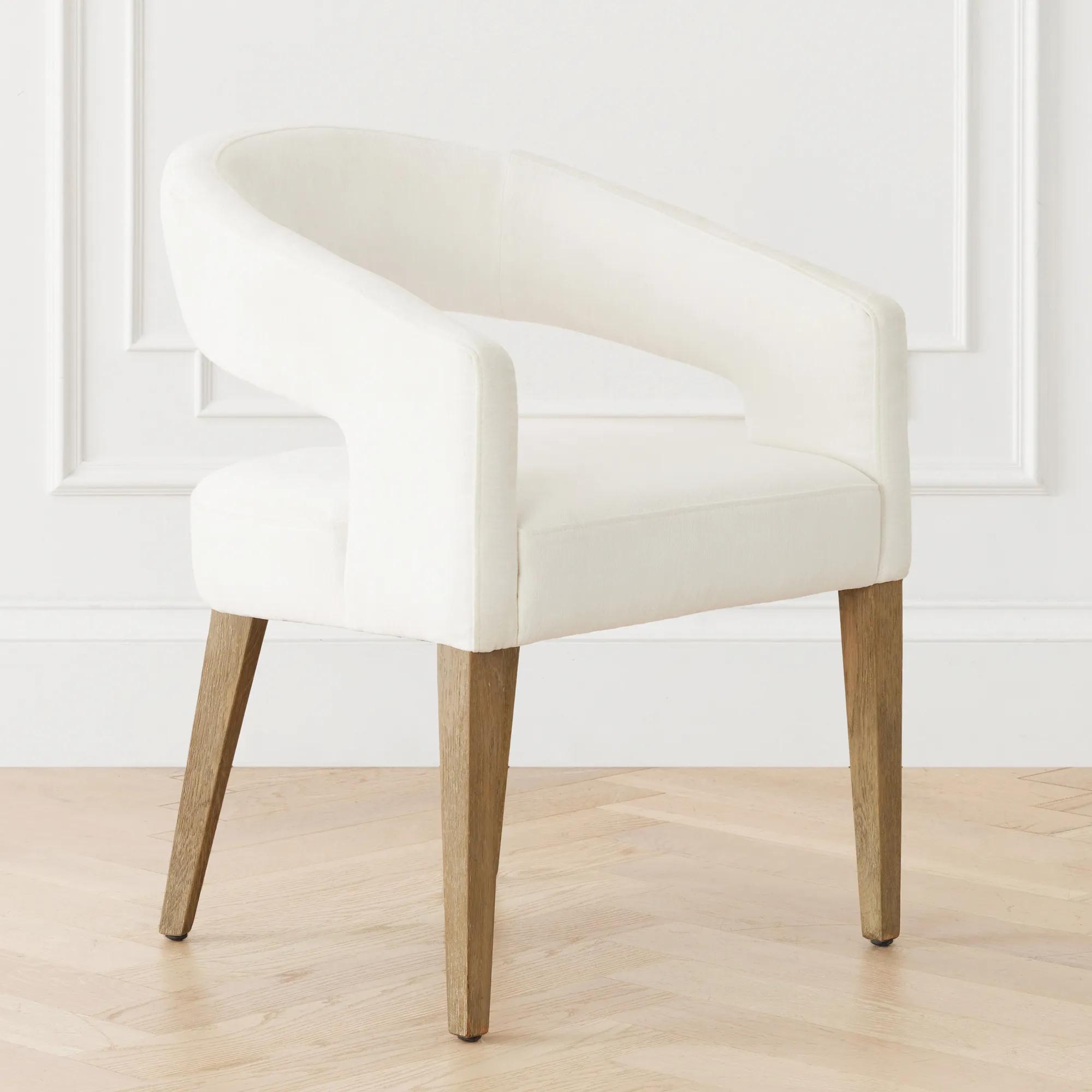 Philippa Dining Chair - Natural Grey$649
A modern dining chair featuring grey upholstery, a curved silhouette, and a kiln-dried hardwood frame.
Add To Cart -
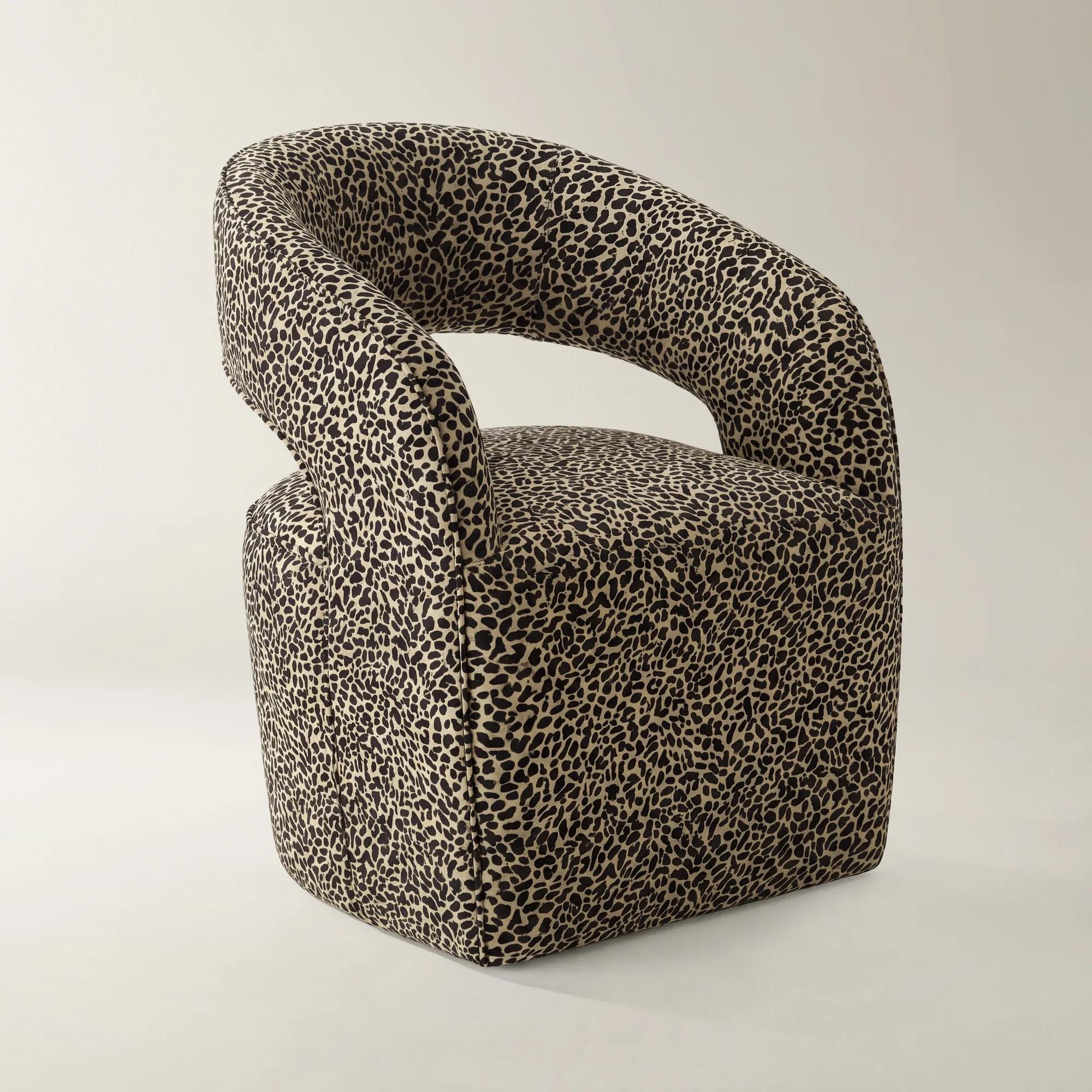 Harrison Leopard Performance Chenille Dining Chair$499
A sculptural dining chair featuring leopard performance chenille upholstery, feather-blend cushioning, and a curved silhouette.
Add To Cart -
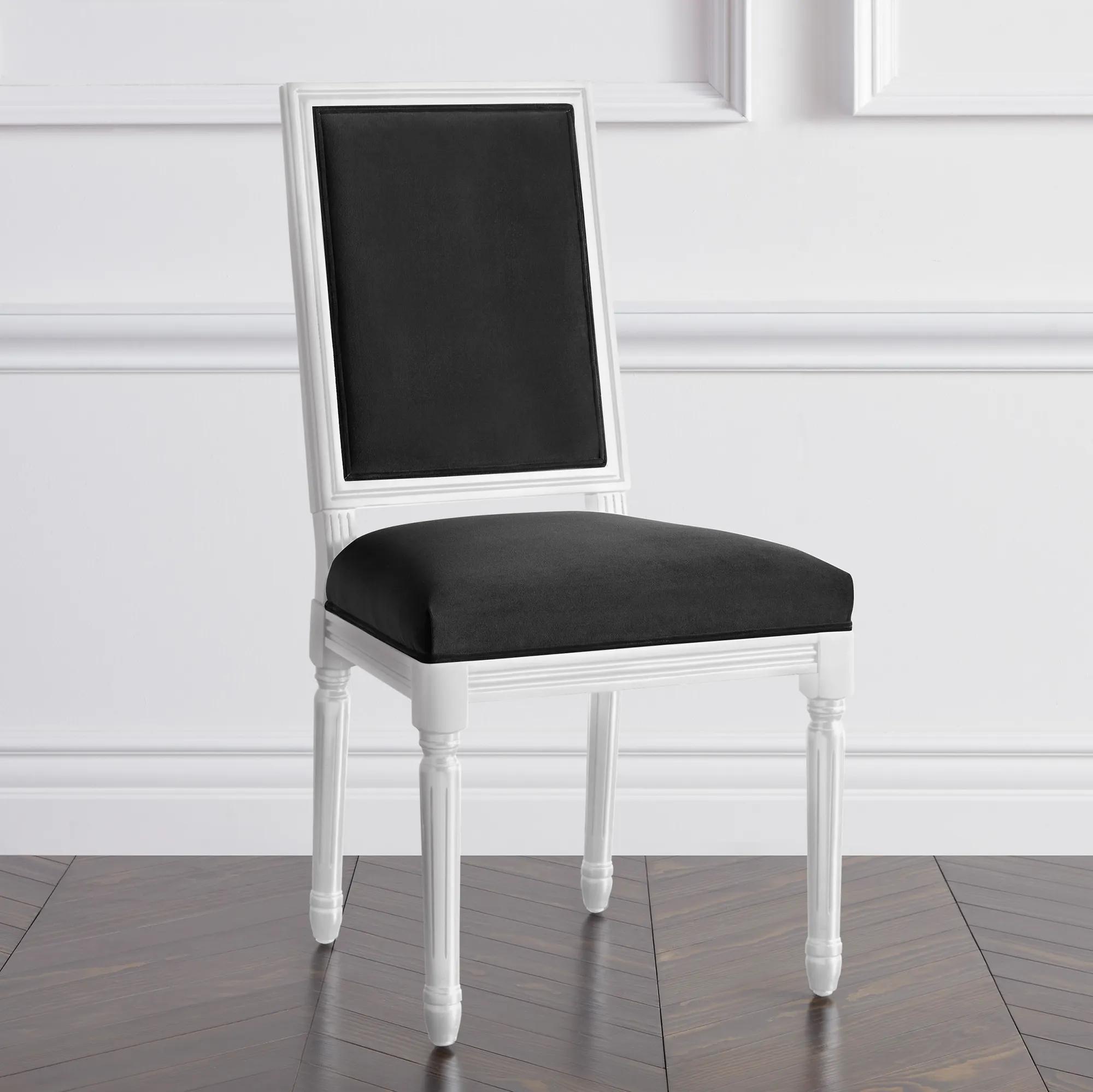
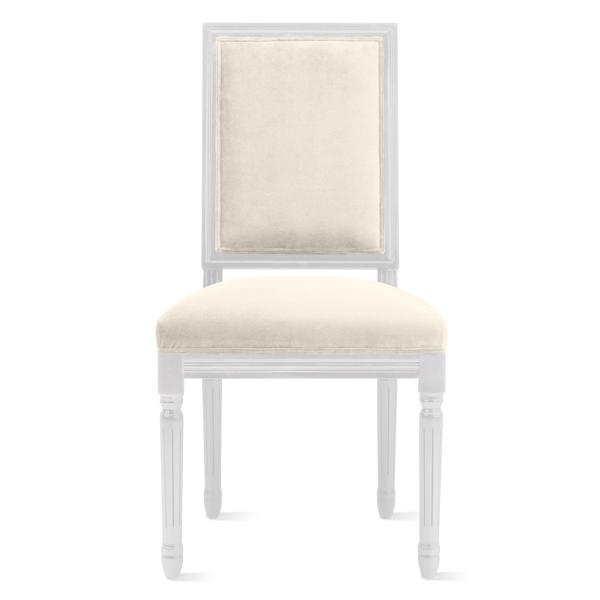 Callan Dining Chair - High Gloss White$599
A handcrafted dining chair featuring high-gloss white finish, kiln-dried hardwood frame, and plush velvet upholstery.
Add To Cart -
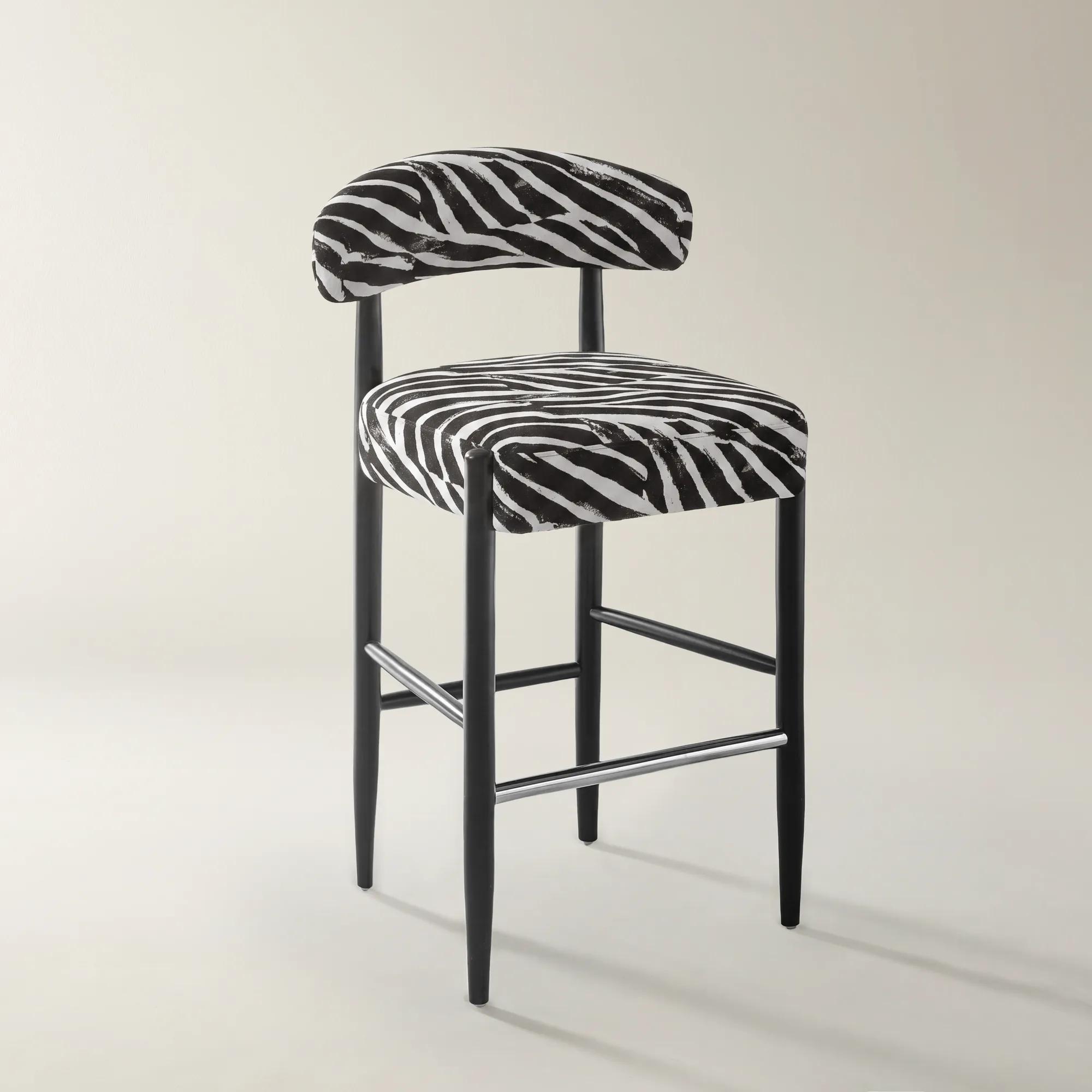
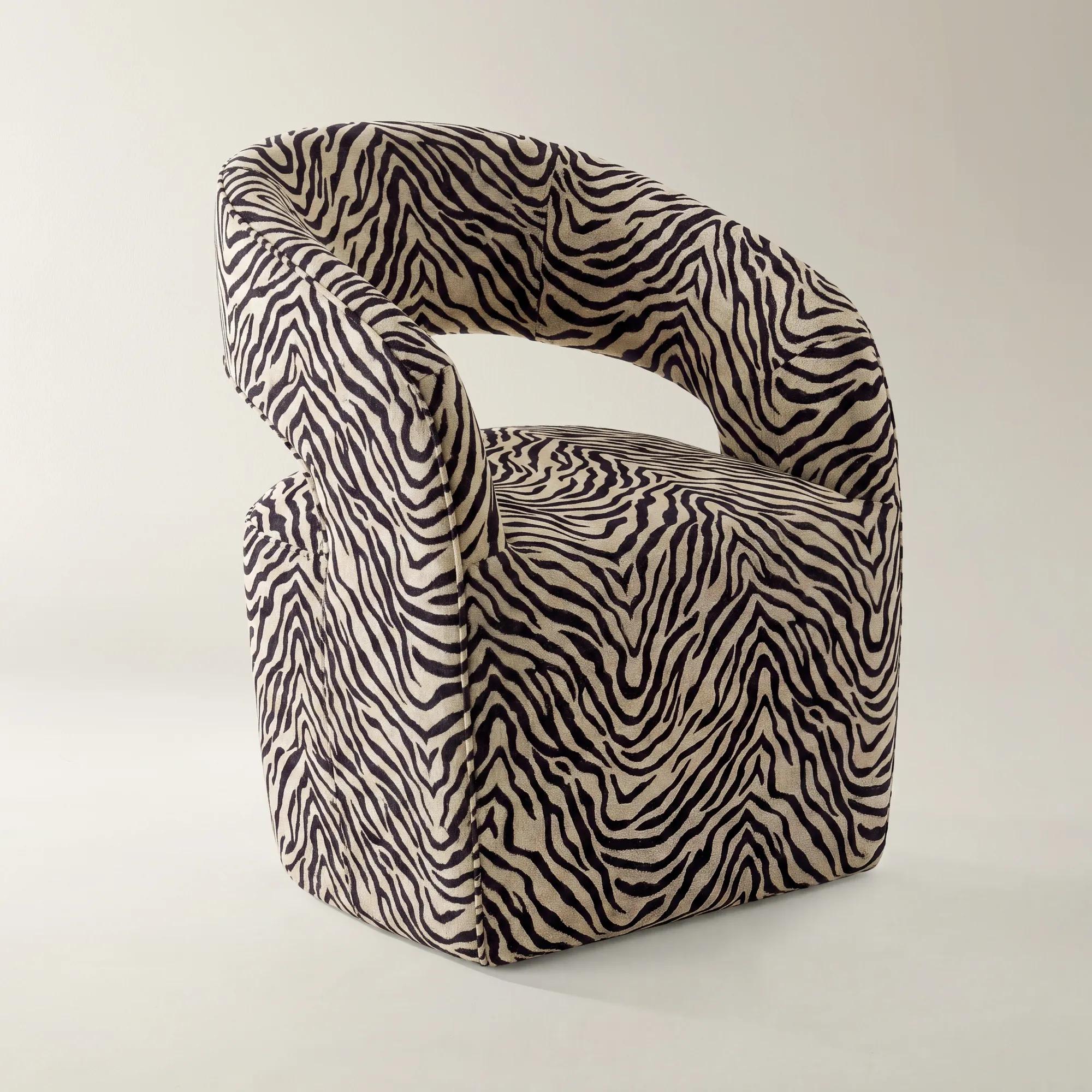 Harrison Zebra Performance Chenille Dining Chair$499
A sculptural dining chair upholstered in zebra performance chenille with a curved back and feather-blend comfort.
Add To Cart -
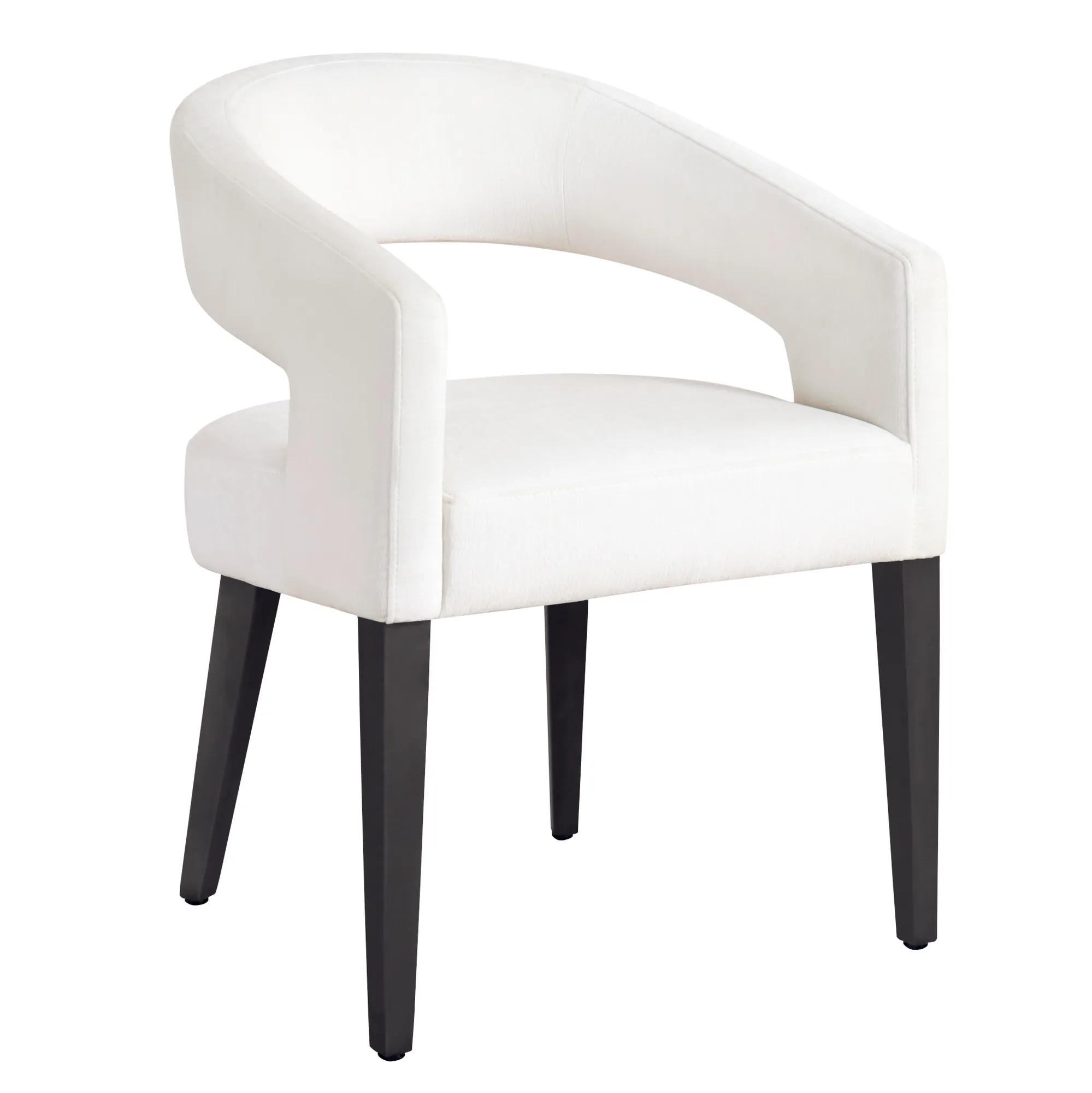
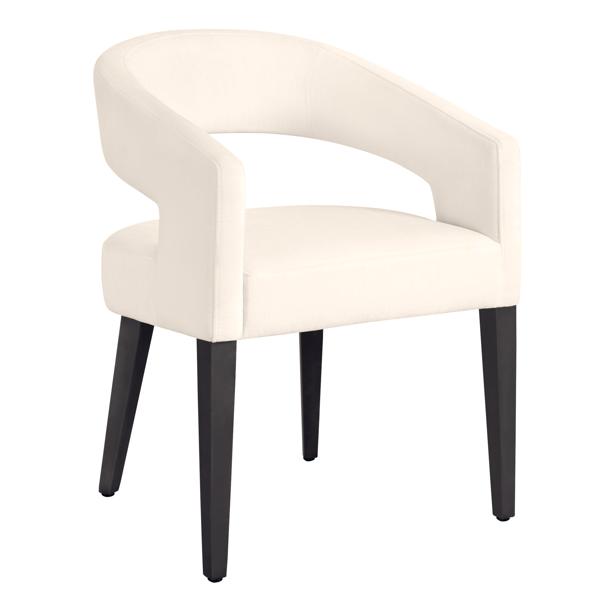 Philippa Dining Chair - Espresso$599
A modern dining chair featuring a curved silhouette, espresso legs, and neatly tailored chenille upholstery.
Add To Cart -
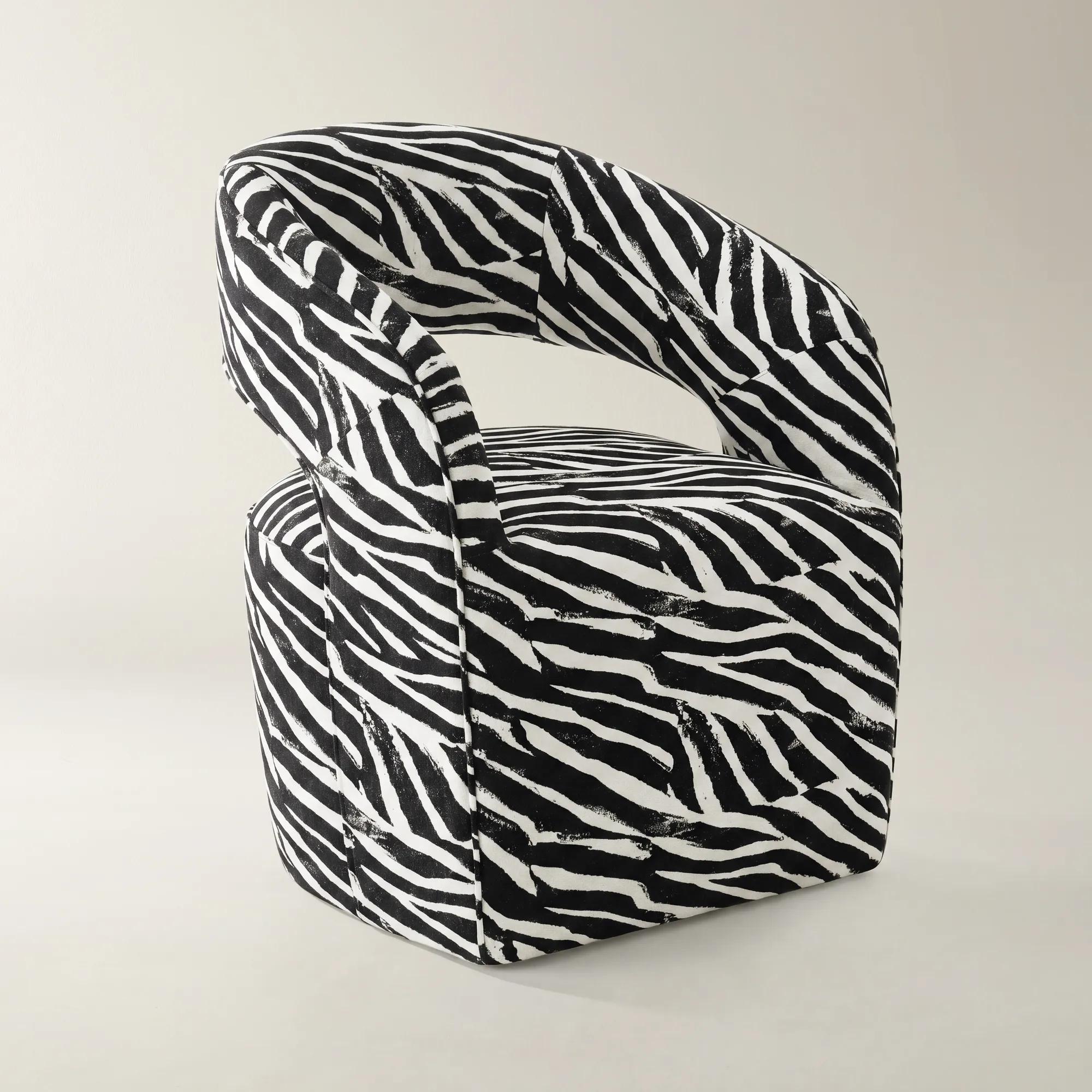 Harrison White/Black Performance Chenille Dining Chair$499
A sculptural dining chair in white and black performance chenille with plush feather-blend cushioning and curved arms.
Add To Cart -
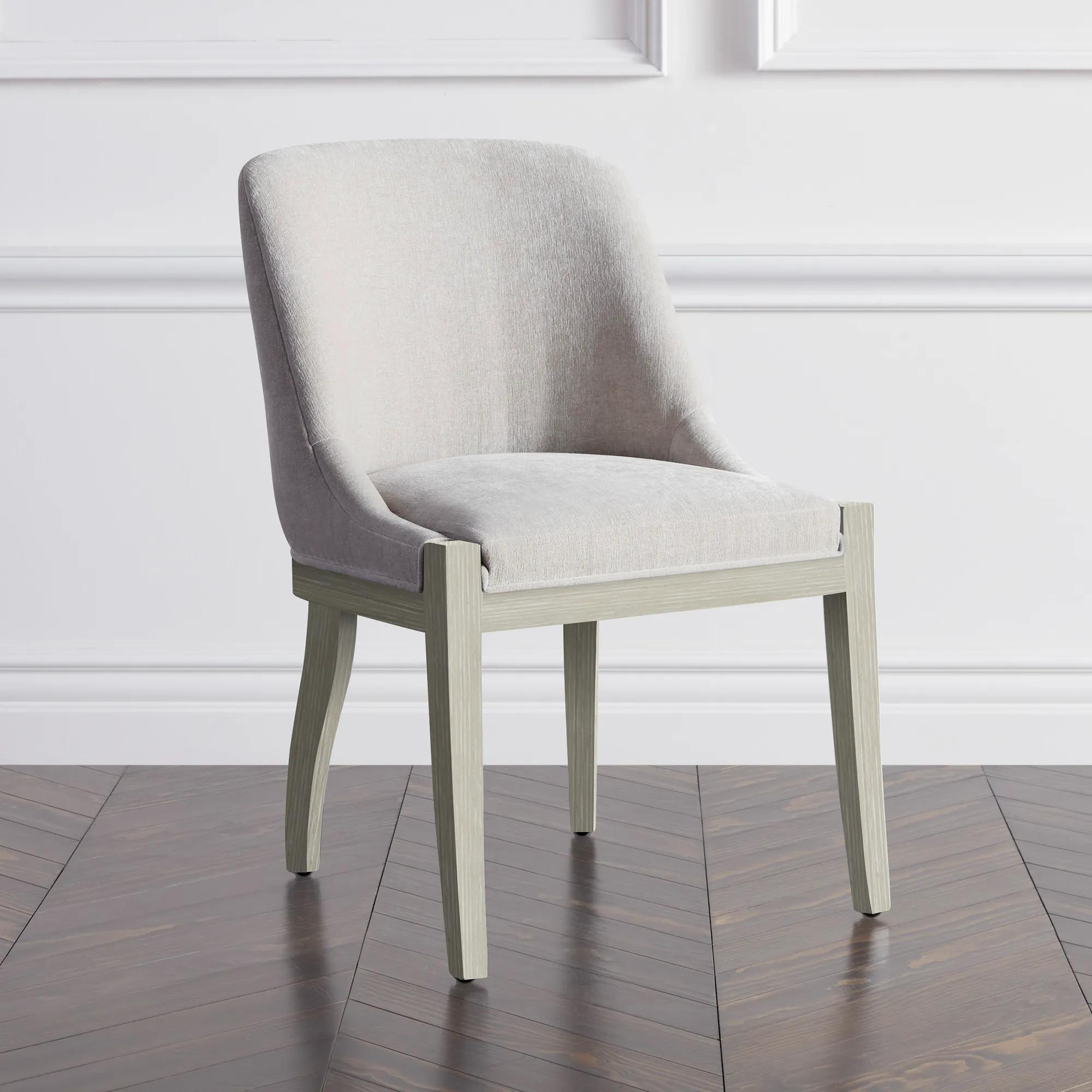 Lily Dining Chair - Natural Grey$649
A modern dining chair featuring kiln-dried hardwood, natural grey upholstery, and cushioned foam-and-fiber comfort.
Add To Cart -
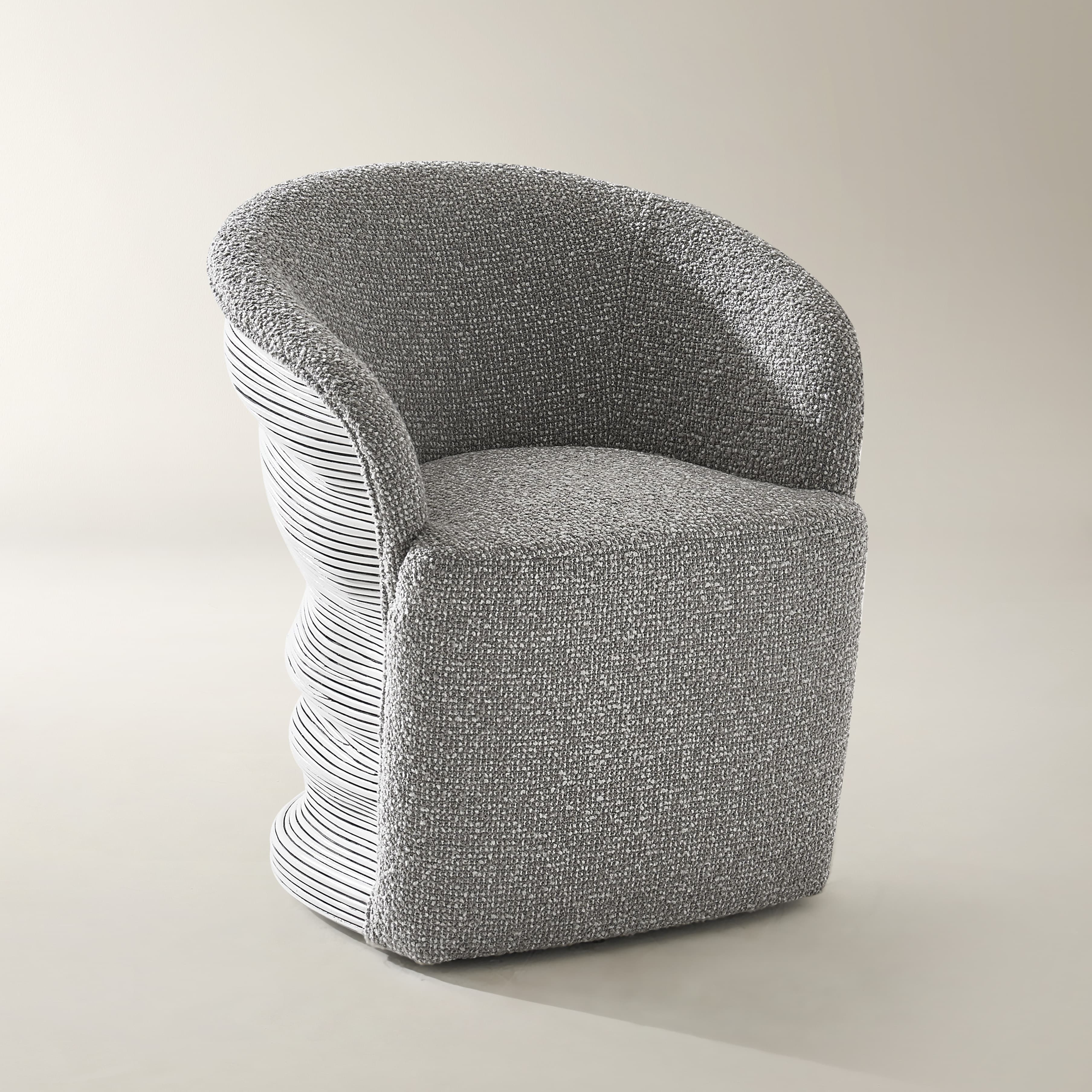
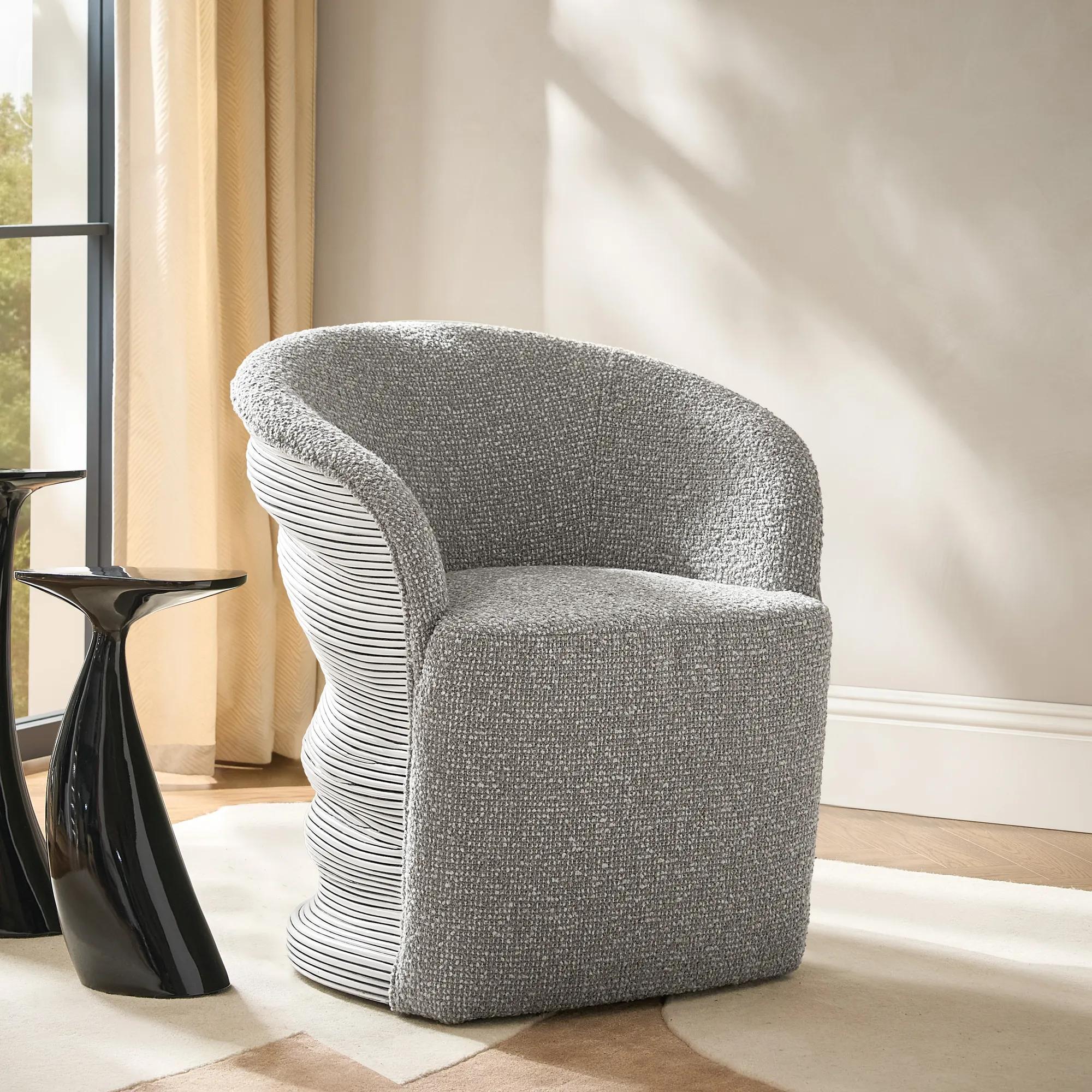 Cairo Rattan Grey Chenille Dining Chair$999
A handwoven natural rattan swivel chair in grey chenille, blending sculptural form with plush comfort.
Add To Cart -

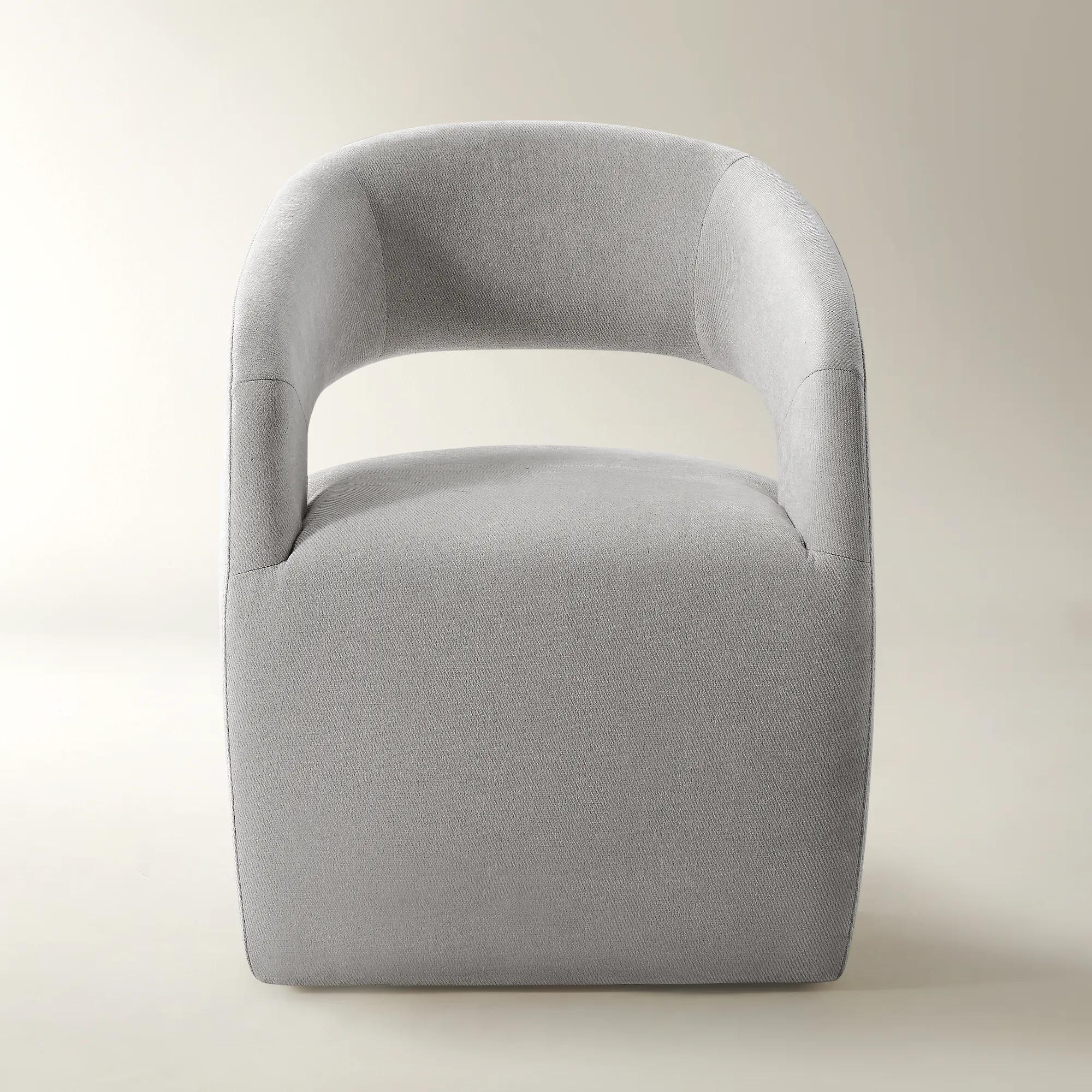 Harrison Flint Chenille Dining Chair$499
A fully upholstered flint chenille dining chair with high-density foam cushioning for superior comfort and style.
Add To Cart -
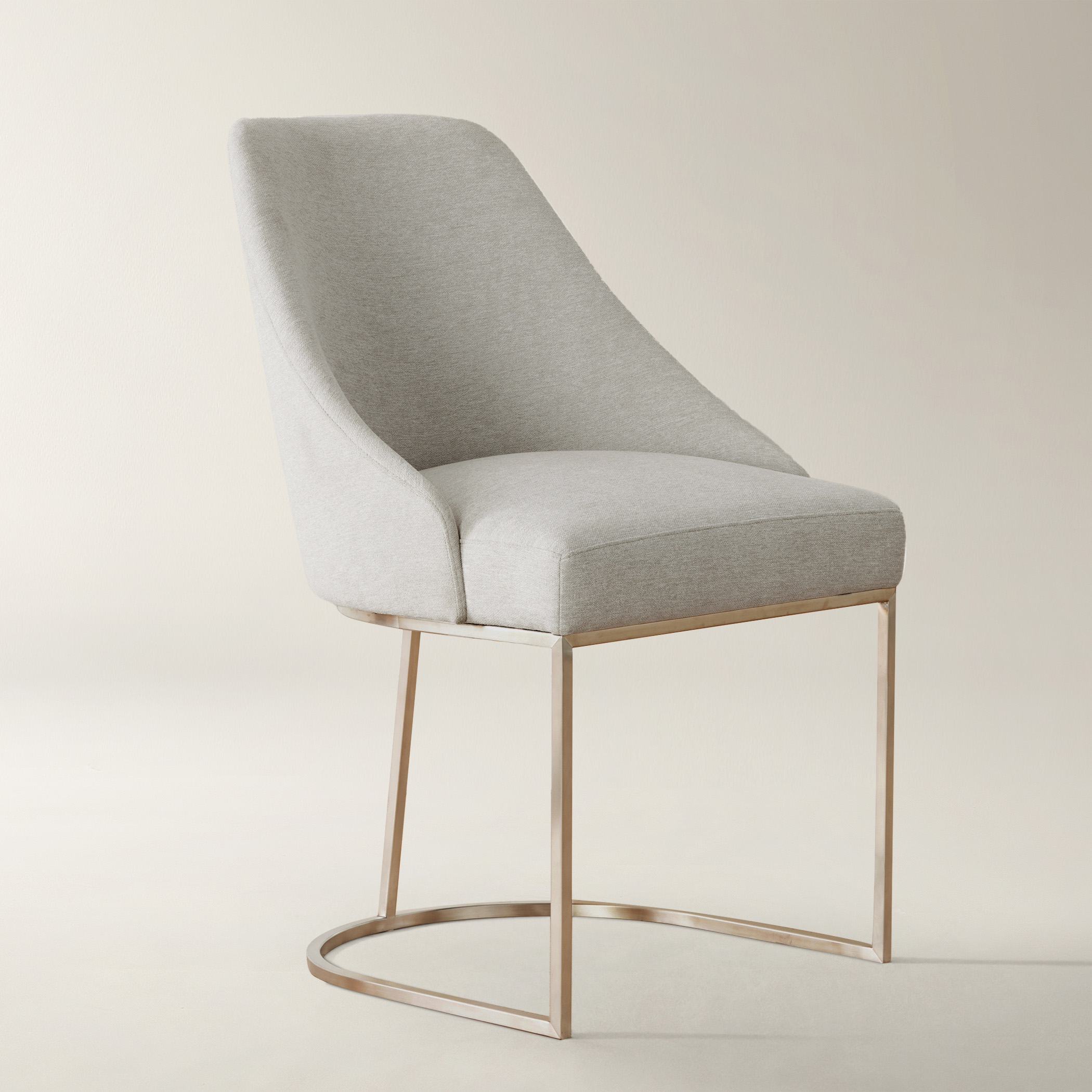
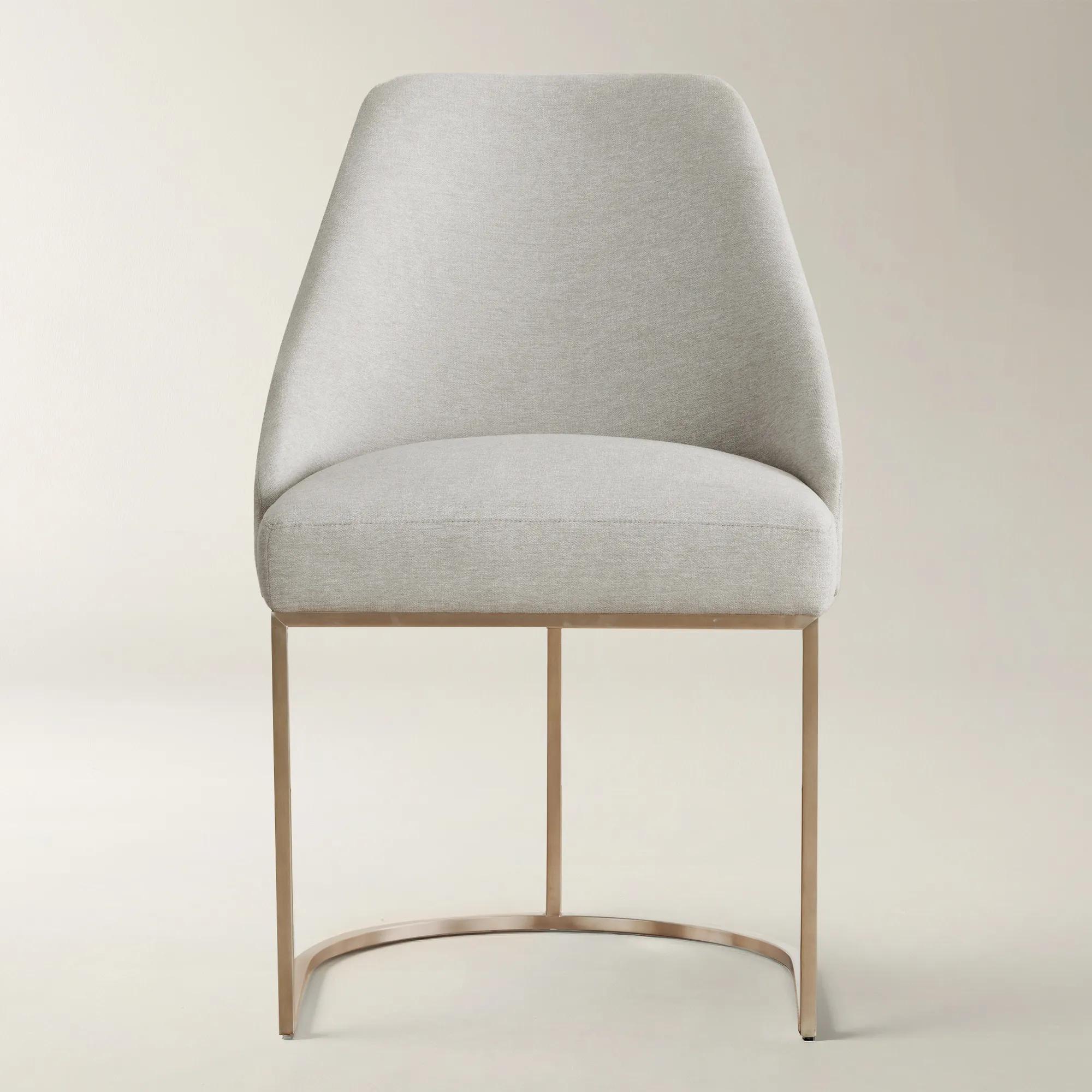 Rowan Ivory Fabric Dining Chair$599
A modern chair featuring brushed stainless steel legs and stain-resistant, water-repellent Roxboro Frost fabric.
Add To Cart -
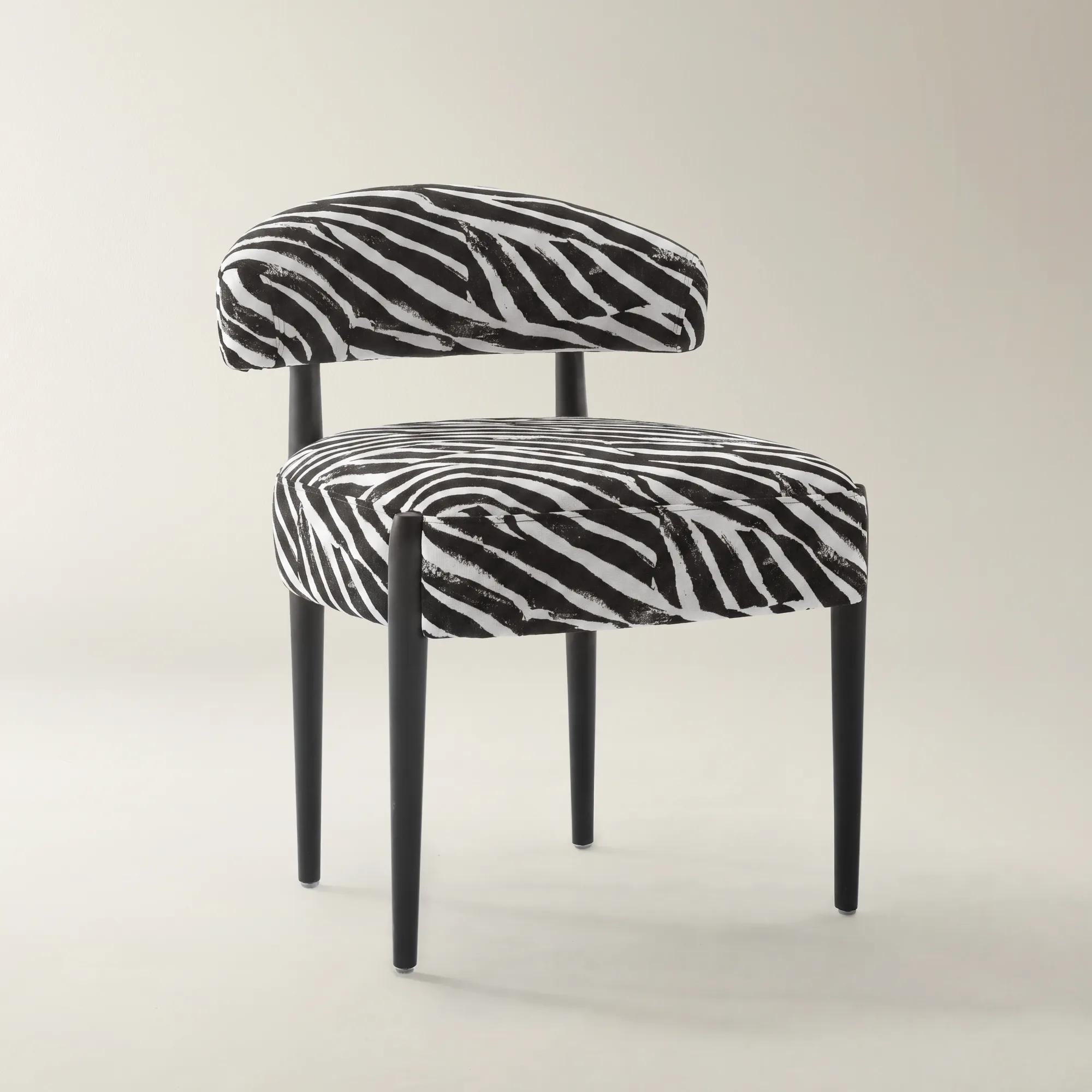 Anna White/Black Performance Chenille Dining Chair Set of 2$699
A black-and-white performance chenille chair set with arched backs, high-density foam, and solid rubberwood legs.
Add To Cart

Ivory Chenille Dining Chairs
Ivory Chenille Dining Chairs invite a sense of refined indulgence to the dining room, transforming every meal into an occasion. Cloaked in creamy softness and radiating quiet opulence, these chairs evoke the allure of a grand soirée—where texture meets tranquility and elegance never whispers. With their luminous palette and plush presence, Ivory Chenille Dining Chairs become more than just seating; they are sculptural statements that elevate gatherings, infusing your space with a serene yet unmistakably dramatic charm. Let each dinner be framed by comfort, artistry, and the unmistakable glow of sophisticated living.
Ivory chenille dining chairs bring plush texture and a warm, luminous neutral to the dining room, pairing the presence of upholstered seating with a surface that invites a closer look. Chenille is distinguished by yarns with a soft, raised pile, creating a dimensional finish that can appear subtly different as light moves across it. The term describes the yarn’s construction rather than a single fiber: upholstery may contain polyester, cotton, rayon, or a blend, with each composition contributing different qualities to its feel and care requirements. In ivory, that tactile character becomes especially expressive. Gentle shadows reveal the curve of a backrest, soften the outline of a generously cushioned seat, and give even a restrained silhouette a sculptural presence. Unlike a crisp, brilliant white, ivory typically carries a warmer undertone, although individual fabrics can lean creamy, sandy, or slightly gray. That distinction matters beside a dining table, where pale stone, golden metal, natural wood, and dark lacquer each bring out a different aspect of the upholstery. Against walnut, ivory chenille creates a rich contrast; beside glass, it introduces softness without interrupting an airy composition. A polished metal base can add a gleaming accent, while wood legs give the same upholstery a more grounded character. Fully upholstered silhouettes offer another expression, allowing texture and proportion to take precedence over exposed framework. The appeal extends beyond a formal dining room. These chairs can lend a breakfast area a more considered finish or make an open dining space feel connected to nearby upholstered living room furniture. For someone who loves an expressive interior but prefers a quieter dining palette, ivory provides room for drama elsewhere: a substantial chandelier, an abstract canvas, or a centerpiece with architectural scale. The chairs become a textural foundation rather than a competing focal point, giving the room richness that feels composed rather than crowded.
The shape of an ivory chenille dining chair influences both its visual impact and the way a meal unfolds. A curved barrel back can create an enveloping outline, while an armless side chair offers a more open profile and may tuck beneath a table more readily. Upholstered arms add presence at the ends of a rectangular table, but their height needs to clear the underside of the tabletop and any apron beneath it. A chair that looks perfectly proportioned in isolation can feel oversized once several are arranged together, especially when a broad back or flared arms extend beyond the seat. Overall width, depth, and back height deserve as much attention as seat height. Standard dining tables are often approximately 28 to 30 inches tall, and many dining chair seats fall around 18 to 20 inches high, but the actual pairing depends on cushion compression, table construction, and the sitter’s proportions. Adequate knee clearance and a seat depth that allows feet to rest comfortably on the floor help turn a striking arrangement into seating suited to lingering conversation. Around 24 inches of table edge per person is a useful starting point for planning, with additional space often needed for wider chairs or more generous elbow room. Space behind the chairs matters, too; roughly 36 inches from the table edge to a wall or other obstruction can allow room to pull out a chair, while circulation routes may require more. Pedestal tables can offer flexibility in chair placement, whereas corner legs may constrain where seats fit. Beneath the upholstery, frame materials, joinery, suspension, and cushioning all influence support and longevity. Foam density alone does not establish comfort or quality, and a sumptuous-looking seat is not necessarily a deep or softly cushioned one. For households that use the dining table for shared meals, conversation, and occasional work, supportive proportions and stable construction are as important as the upholstery’s luxurious hand.
Ivory chenille dining chairs are particularly compelling when their plush finish suits both the room’s aesthetic and its daily rhythms. A pale upholstered seat naturally makes some spills and marks more noticeable than a darker fabric, so fiber content, cleaning instructions, and any documented performance features deserve careful attention. Chenille is not inherently stain-resistant, washable, or suitable for every cleaning method; those qualities depend on the specific upholstery and finish. Where durability information is provided, abrasion testing can help indicate resistance to rubbing, but it does not guarantee protection against spills, snags, fading, or pet claws. The raised texture also means that rough clothing details, sharp accessories, and repeated friction may affect the surface over time. In a frequently used dining area, accessible seat surfaces and fewer deep crevices can make routine upkeep less demanding. Gentle vacuuming with a suitable upholstery attachment helps remove crumbs and loose dust before they settle into the fabric, provided the care instructions permit it. Spills are best addressed promptly by blotting rather than rubbing, followed by the manufacturer’s specified cleaning method; excess moisture, vigorous scrubbing, and unapproved cleaners can alter the pile or leave visible marks. Removable cushions should not be assumed to have washable covers, and professional upholstery care may be appropriate for certain fabrics. Thoughtful placement also helps preserve the overall finish, including limiting prolonged direct sunlight and using floor protectors appropriate to both the chair base and flooring. For interiors exploring different expressions of pale upholstery, Ivory Linen Dining Chairs offer a related aesthetic to consider, with linen typically presenting a more visibly woven surface than chenille’s plush pile; actual texture and maintenance still depend on the fabric’s composition. Chenille’s distinctive appeal remains its ability to give an everyday gathering place a sumptuous, tactile dimension. Set around a dramatic stone table or paired with richly grained wood, ivory upholstery catches the light, frames each place setting, and brings softness to a room defined by hard surfaces. The result is dining furniture with visual presence and an inviting purpose: a considered setting for meals that become conversations and evenings that unfold at their own pace.
FAQs
Ivory chenille dining chairs exude opulence through their plush, tactile fabric and refined hue. The soft, velvety texture of chenille invites guests to linger in comfort, while the ivory shade amplifies natural light and enhances the elegance of any tablescape. These chairs create a sense of occasion, turning every meal into a sophisticated gathering.
Ivory chenille dining chairs are remarkably versatile. For a look that’s modern and dramatic, pair them with a sculptural glass or marble dining table and metallic accents. For a more classic or romantic atmosphere, surround them with dark wood furnishings, crystal lighting, and lush florals. Their neutral tone allows for bold color pops or serene monochromatic palettes, adapting beautifully to your personal taste.
Absolutely. Chenille is not only luxurious but also surprisingly durable. Its dense weave resists everyday wear, making it a practical yet stylish choice for busy homes. Regular gentle brushing and prompt spot cleaning help maintain the fabric’s beauty, ensuring your dining chairs remain inviting and immaculate through years of celebrations and daily use.
Consider the silhouette and detailing that best reflect your style. High backs add architectural drama and support, while rounded or contoured shapes create a softer, more inviting profile. Look for thoughtful accents such as tailored piping or subtle tufting, which elevate the chair’s artistry and enhance its presence in your dining room.
Chenille’s plush, velvety surface brings a tactile richness to the dining room, making every seat feel indulgent. The fabric’s soft sheen catches the light, adding depth and dimension to your space. This sensory appeal encourages guests to relax and linger, transforming everyday meals into memorable, luxurious experiences.