Indoor Accent Chairs With Wood Frame
Indoor Accent Chairs With Wood Frame
-
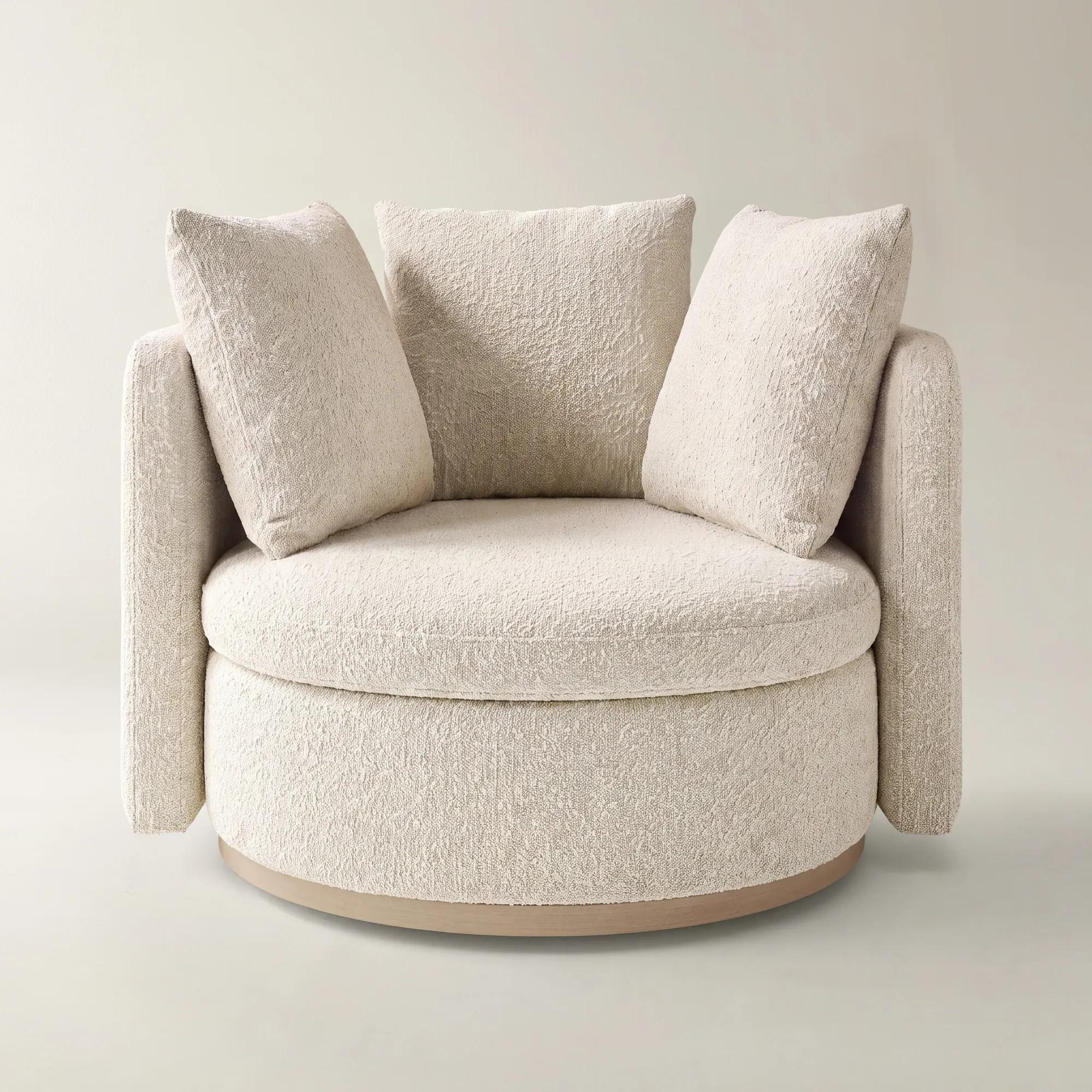
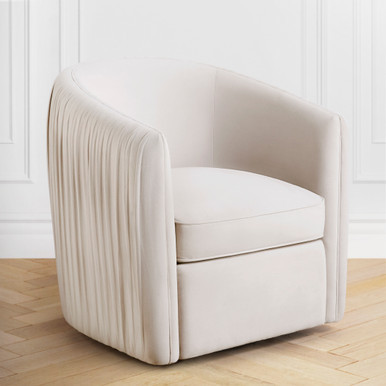
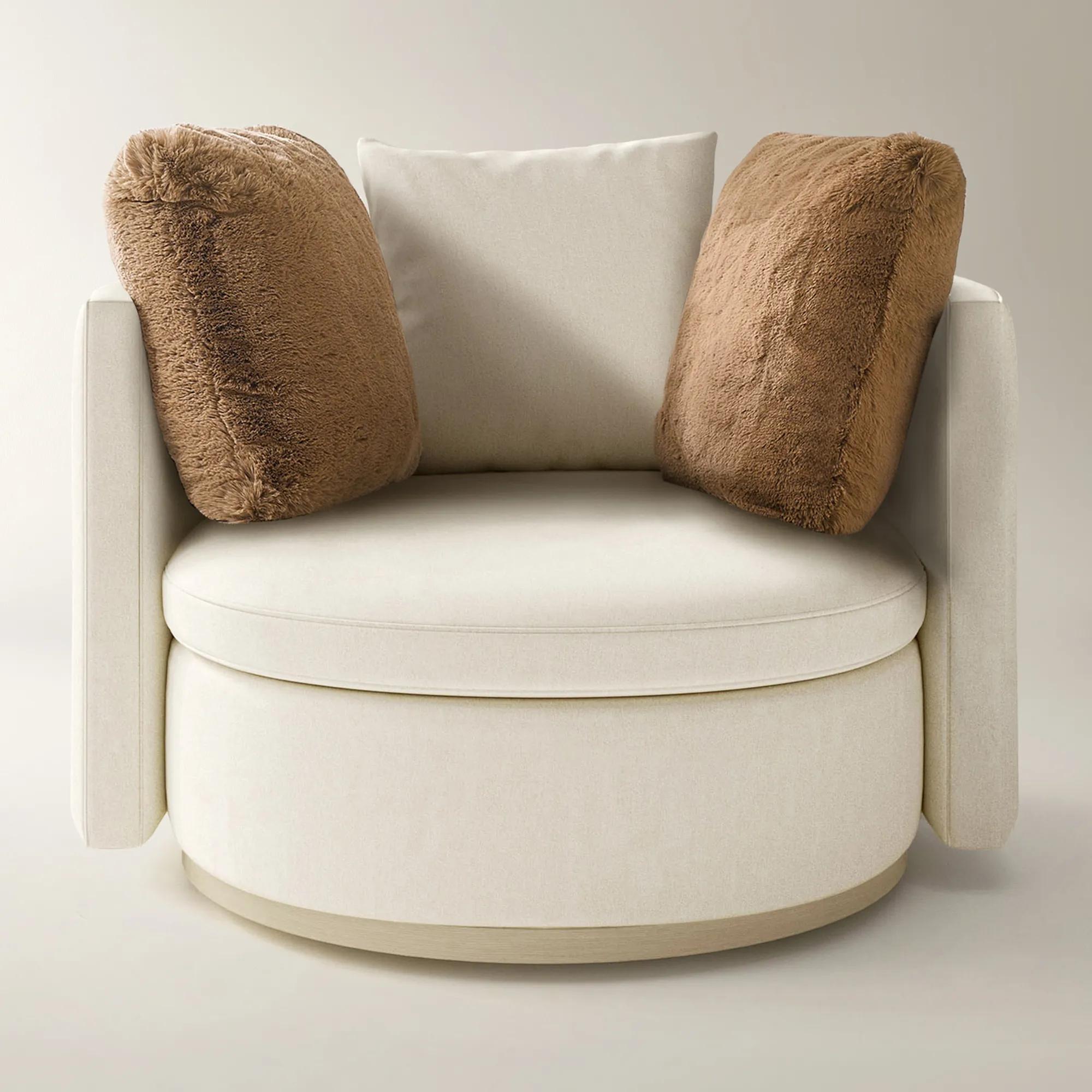 Stria Ivory Performance Boucle Swivel Accent Chair$1399
An ivory performance bouclé accent chair with enveloping curves, layered comfort, and a concealed 360-degree swivel.
Add To Cart -
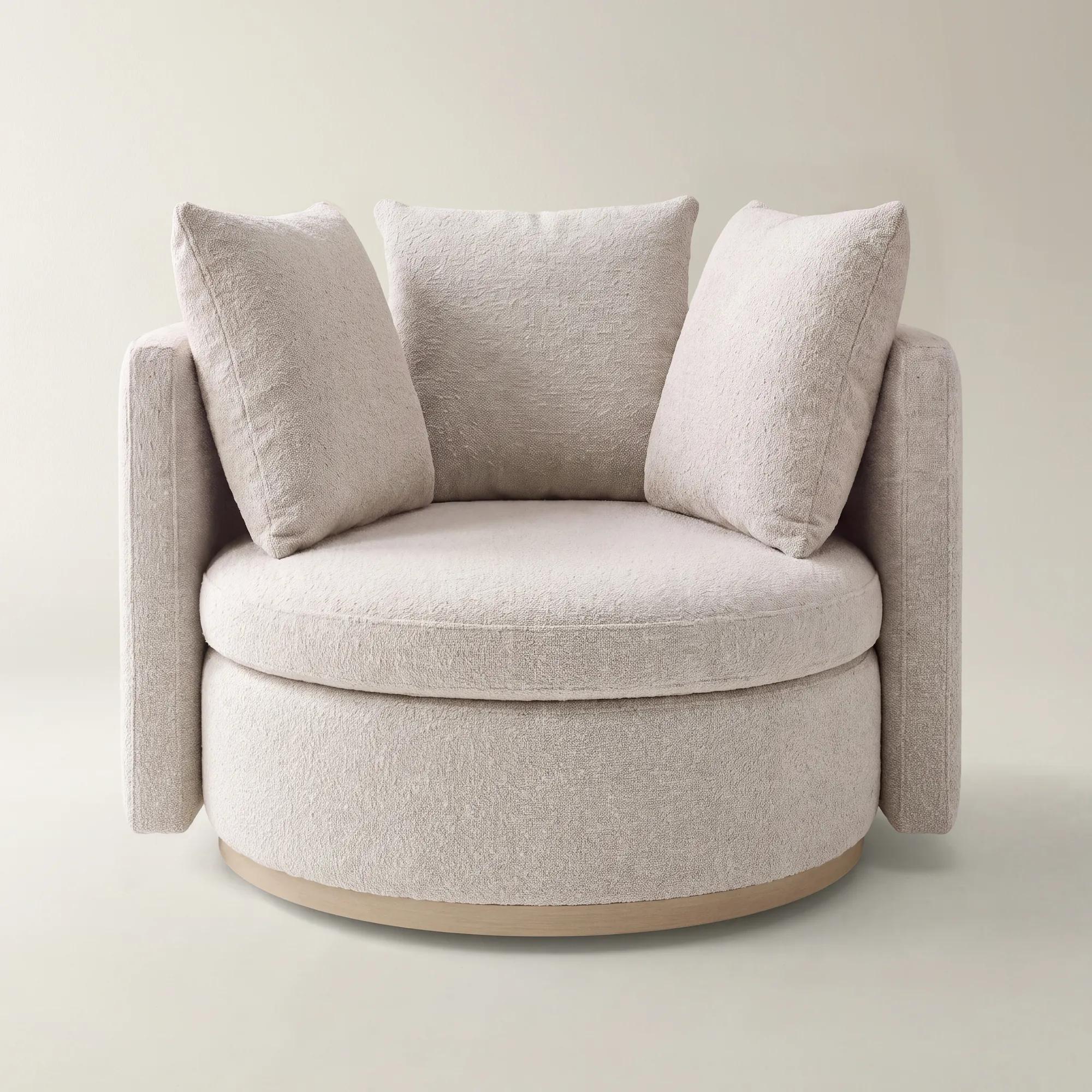
 Stria Ivory Performance Boucle Swivel Accent Chair$1399
An ivory performance bouclé accent chair with enveloping curves, layered comfort, and a concealed 360-degree swivel.
Add To Cart -
Stria Ivory Chenille Swivel Accent Chair$1499
An ivory chenille accent chair with triple-layer cushioning, ergonomic curves, and a smooth 360-degree swivel.
Add To Cart -
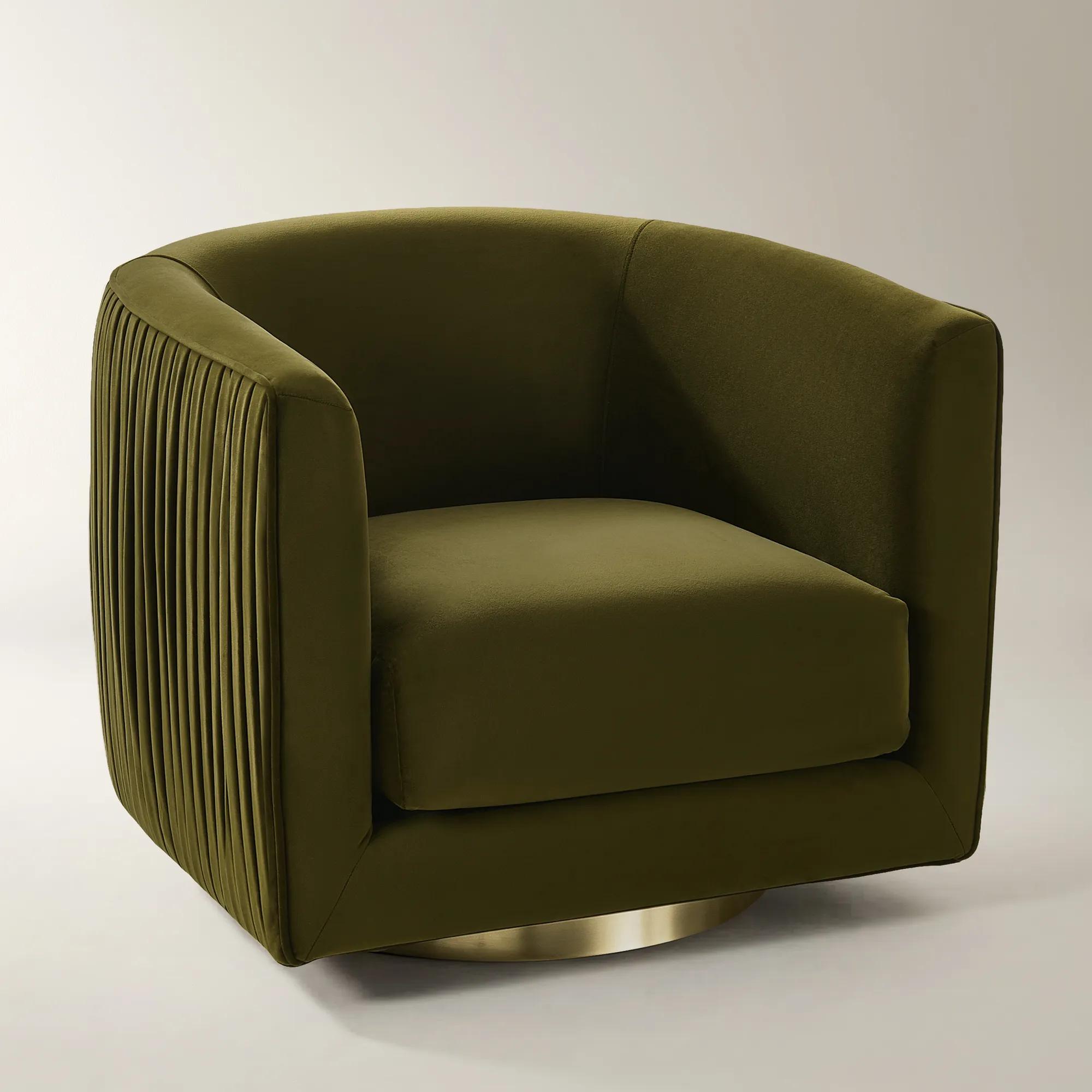
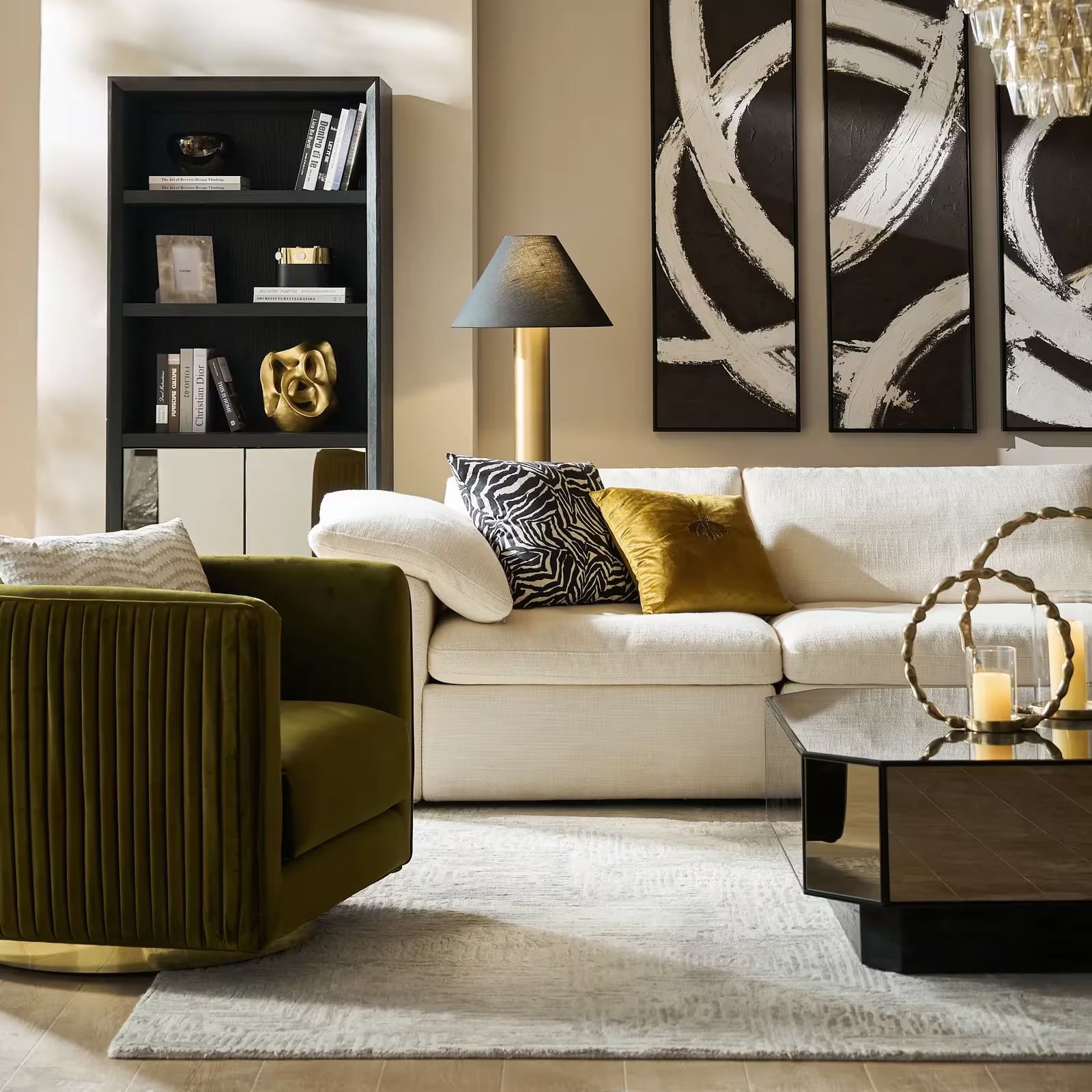 Lyssa Pleated Deep Olive Velvet Swivel Accent Chair$1099
A deep olive green velvet accent chair featuring pleated panels, smooth curves, and a 360-degree swivel base.
Add To Cart -
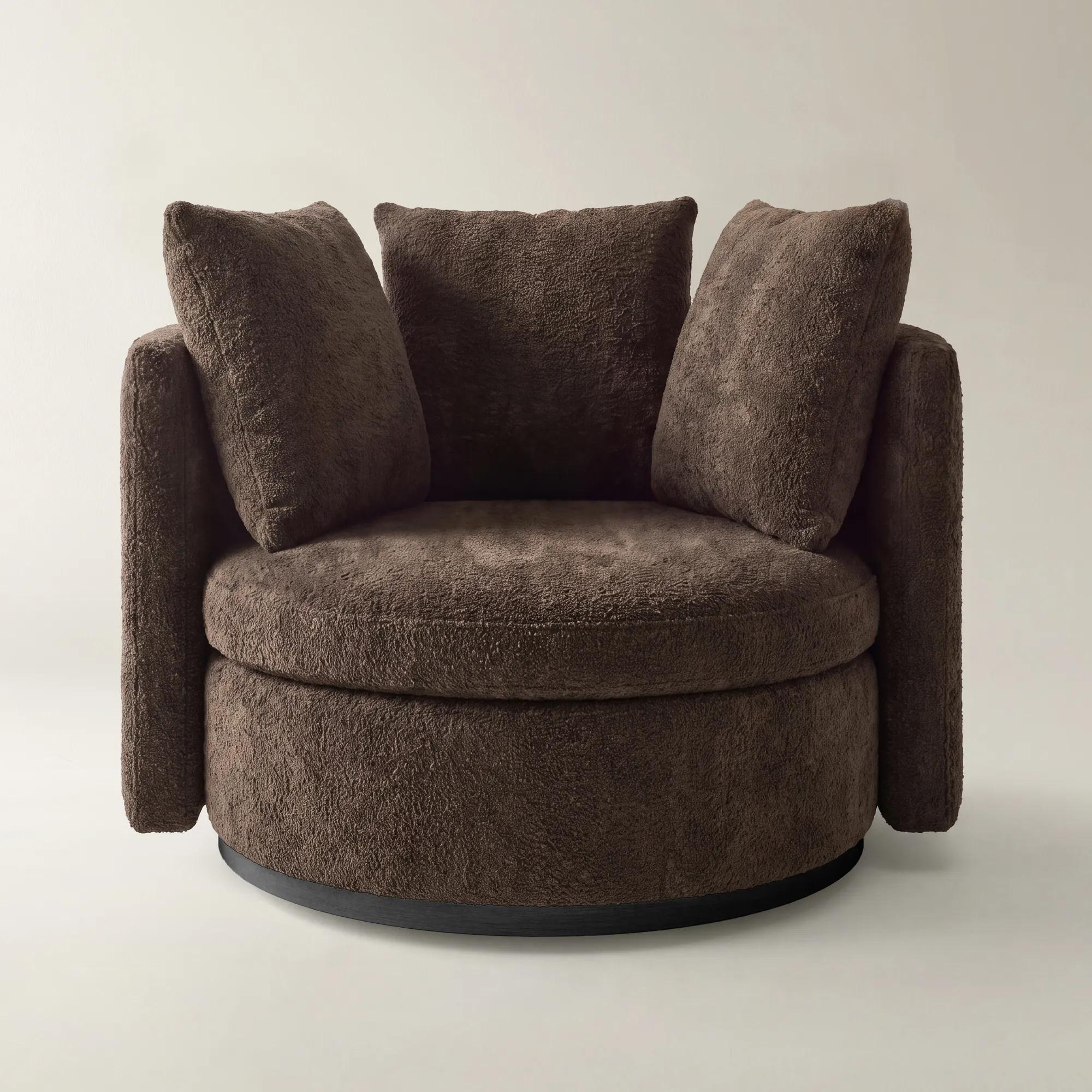 Stria Dark Chocolate Chenille Swivel Accent Chair$1399
A dark chocolate chenille accent chair featuring enveloping curves, layered cushioning, and a concealed 360-degree swivel.
Add To Cart -

 Stria Light Brown Chenille Swivel Accent Chair$1499
A light brown chenille accent chair featuring triple-layer cushioning, a 360° swivel, and a solid oak base.
Add To Cart -
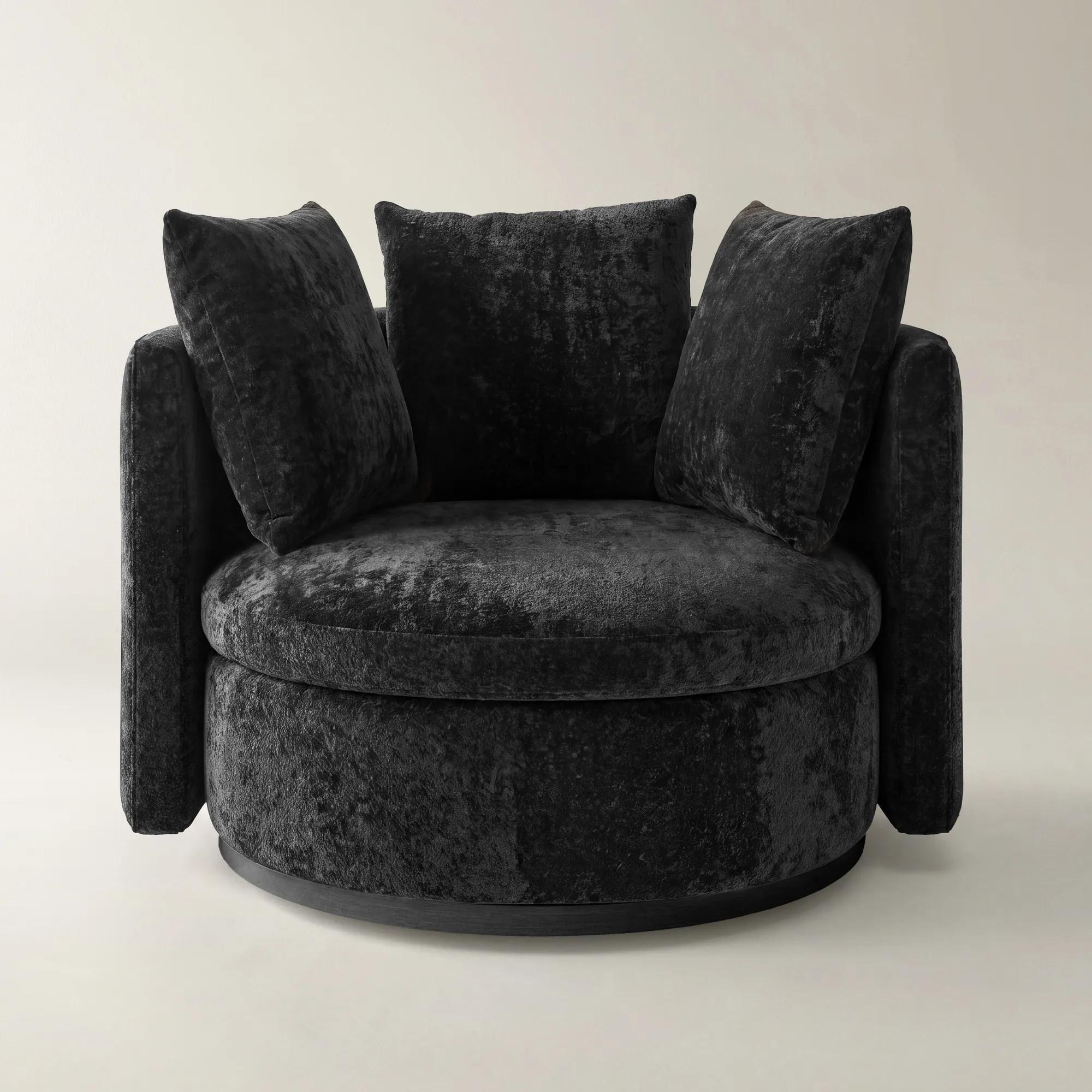 Stria Black Chenille Swivel Accent Chair$1399
A black chenille accent chair with enveloping curves, foam-and-down comfort, and a concealed 360-degree swivel.
Add To Cart -
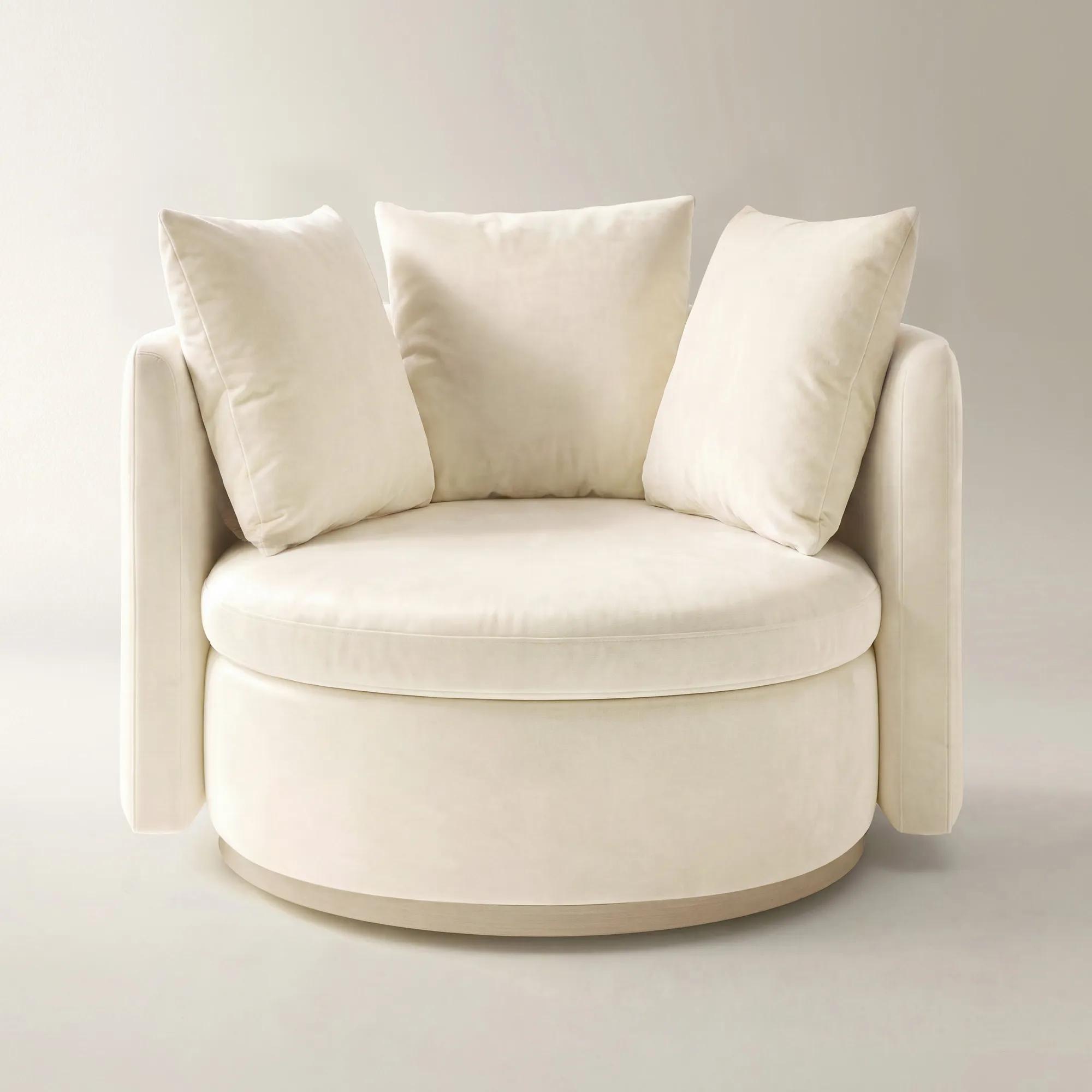 Stria Oatmeal Velvet Swivel Accent Chair$1299
An oatmeal velvet accent chair featuring enveloping curves, layered cushioning, and a concealed 360-degree swivel base.
Add To Cart -
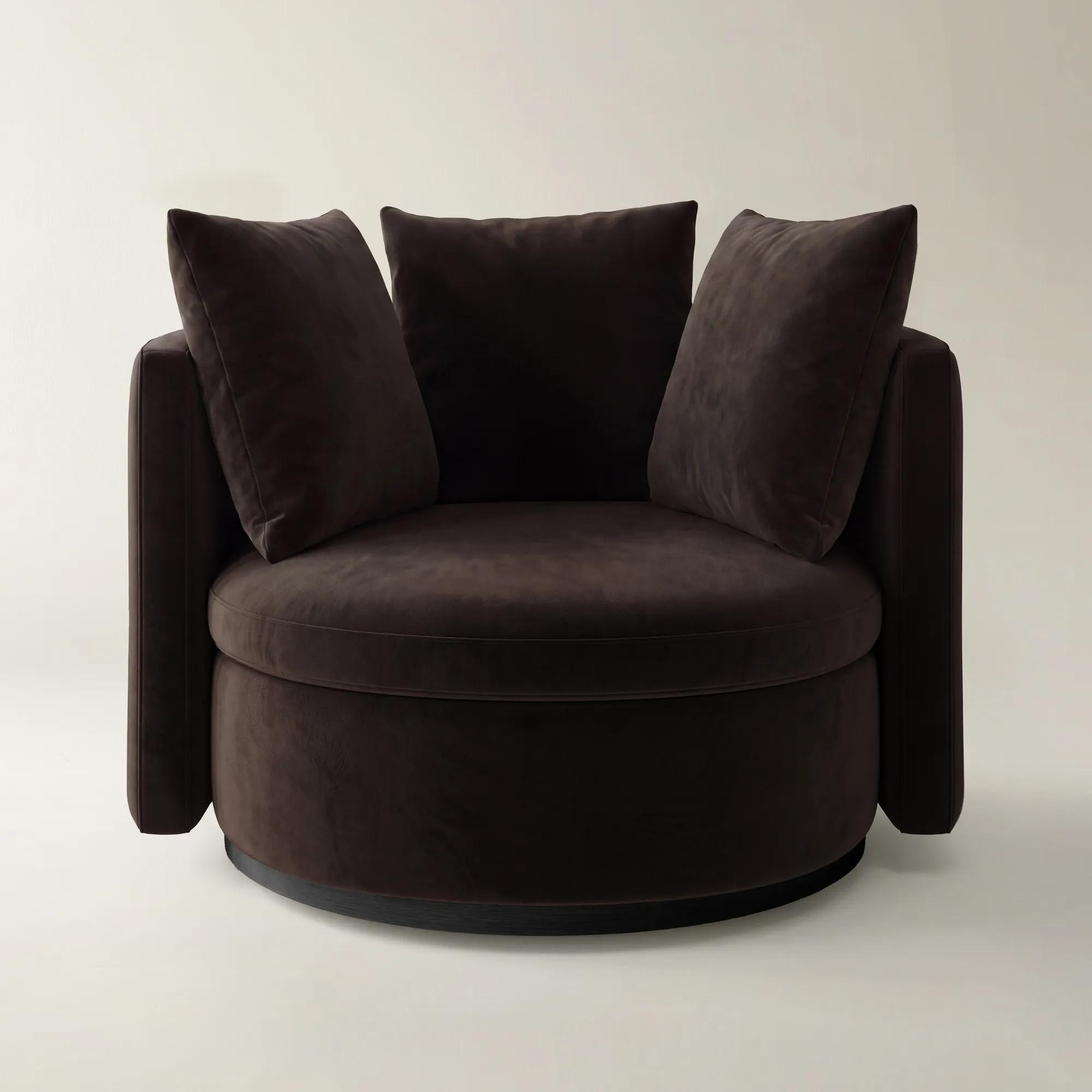 Stria Dark Chocolate Velvet Swivel Accent Chair$1299
A dark chocolate velvet accent chair with enveloping curves, plush cushioning, and a concealed 360-degree swivel.
Add To Cart -
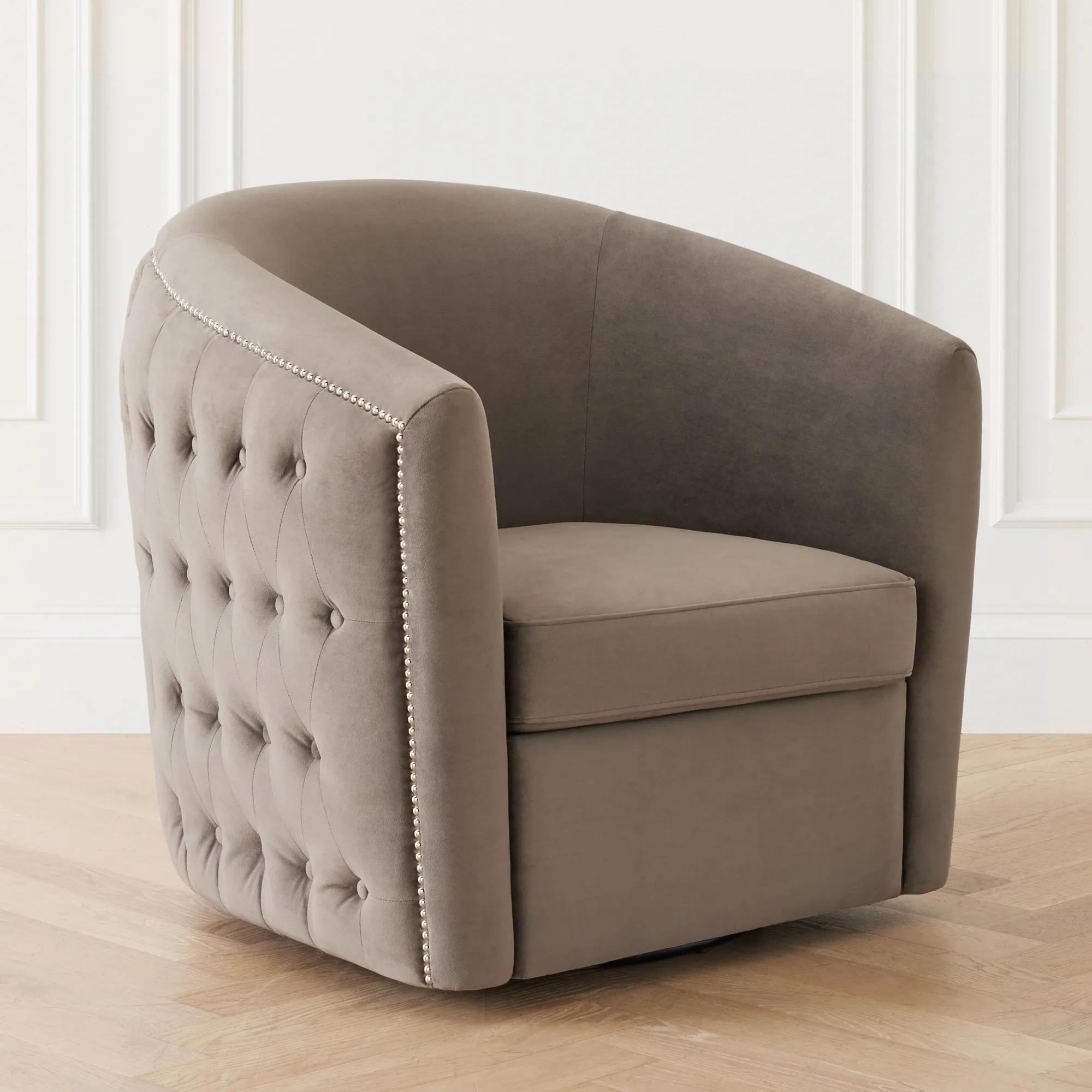
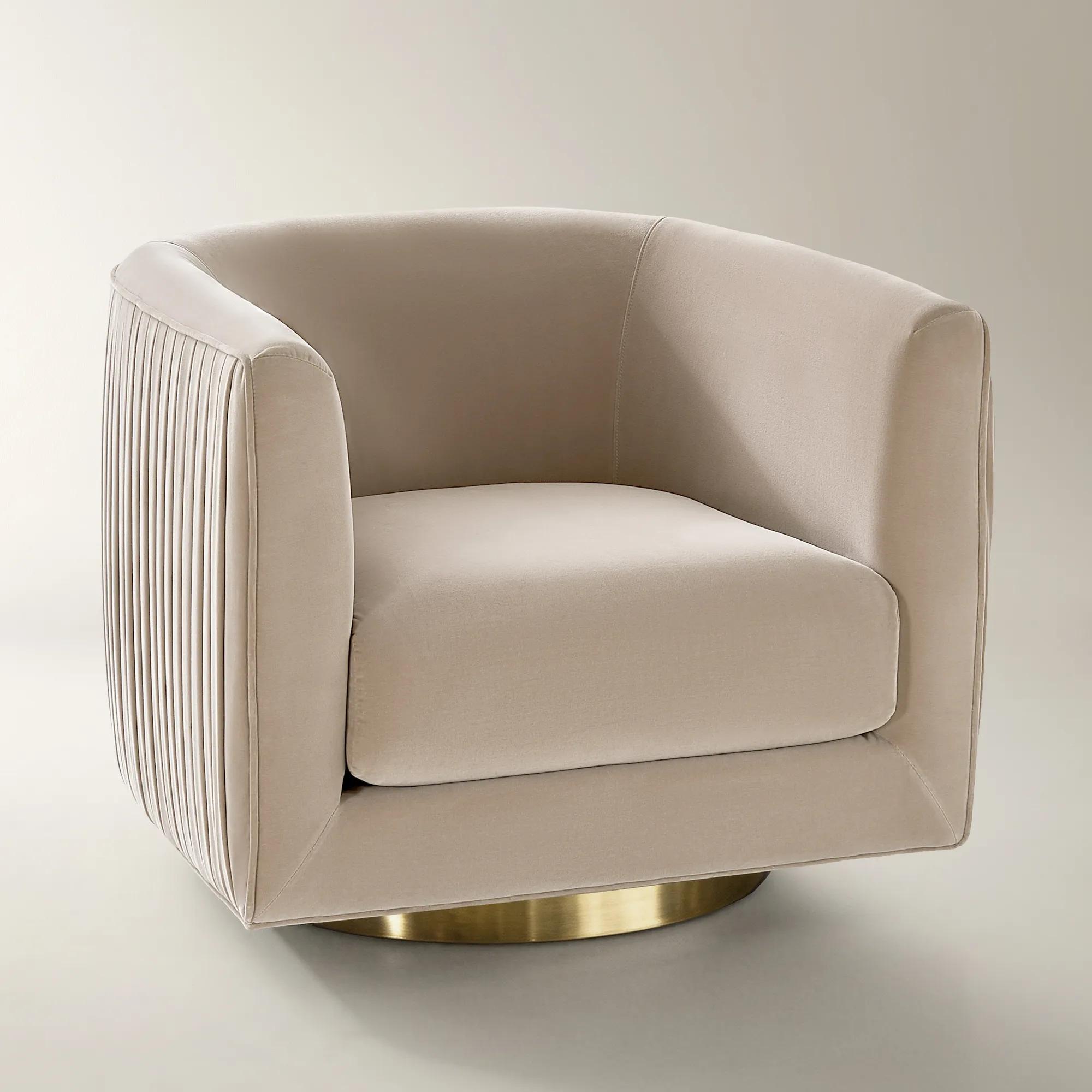 Lyssa Pleated Simply Taupe Velvet Swivel Accent Chair$1099
A softly curved taupe velvet accent chair featuring pleated detailing, 360° swivel, and a gold stainless steel base.
Add To Cart -
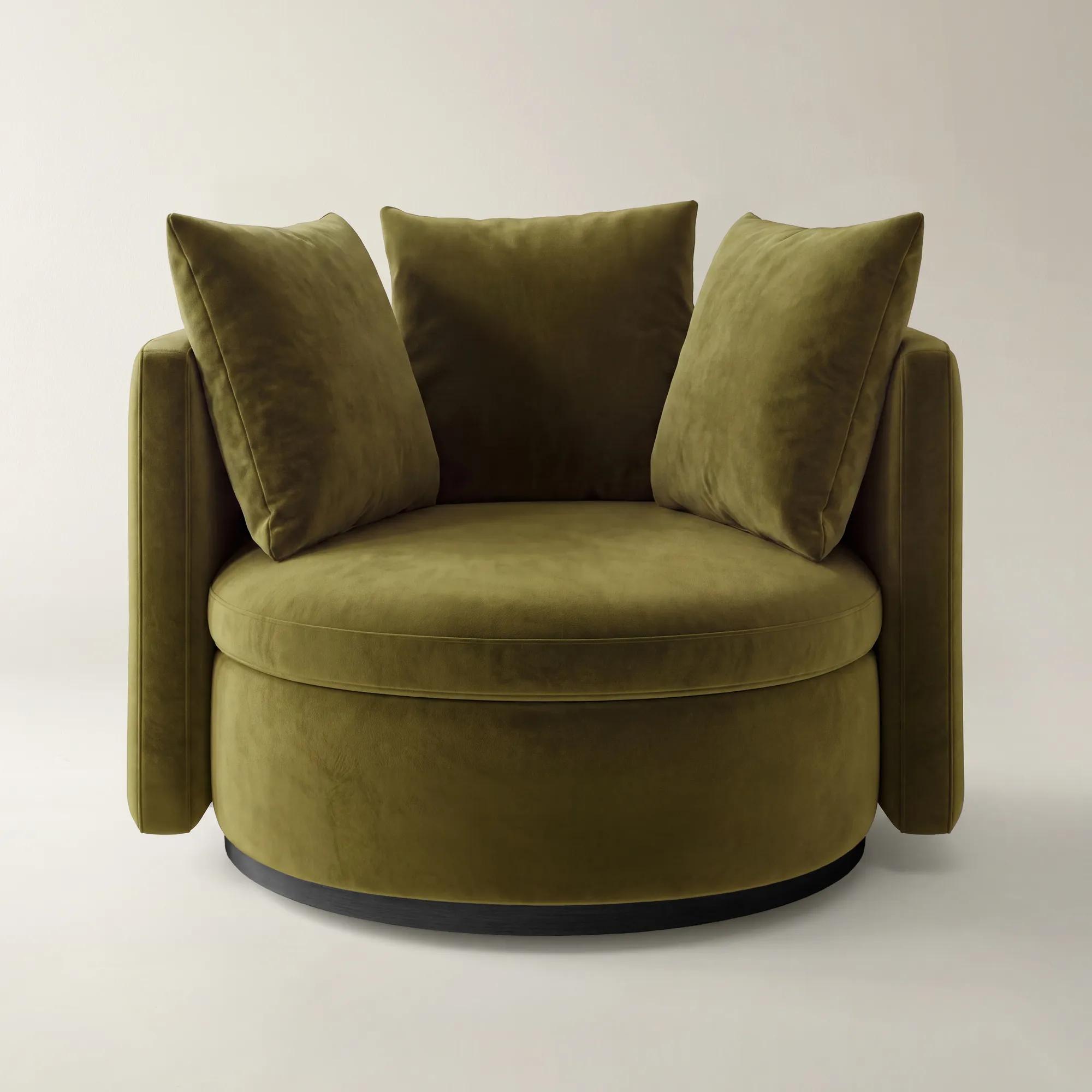 Stria Deep Olive Velvet Swivel Accent Chair$1299
A deep olive velvet accent chair with enveloping curves, layered cushioning, and a concealed 360-degree swivel base.
Add To Cart -
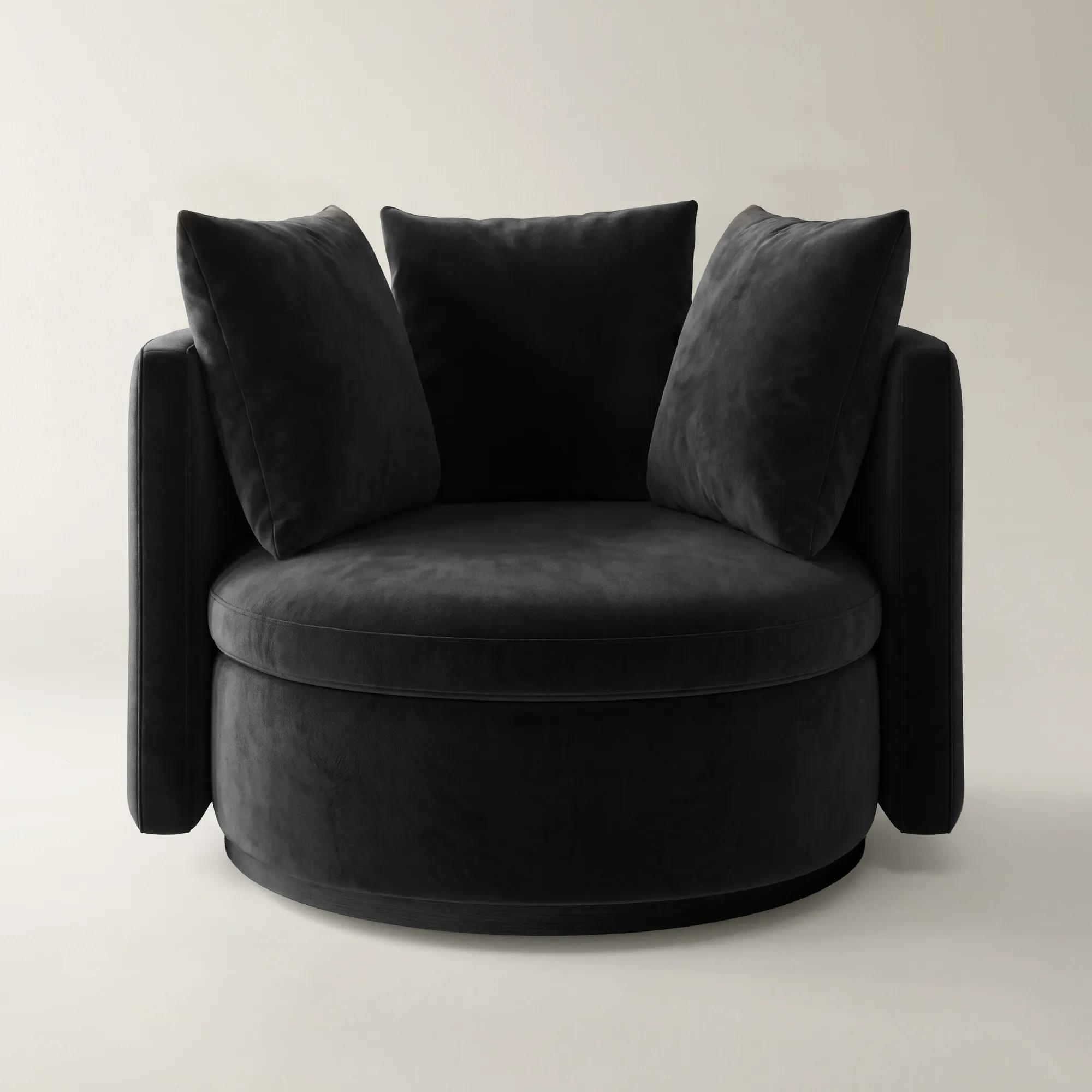 Stria Charcoal Velvet Swivel Accent Chair$1299
A sculptural charcoal velvet accent chair with enveloping curves, layered cushioning, and a concealed 360-degree swivel.
Add To Cart -
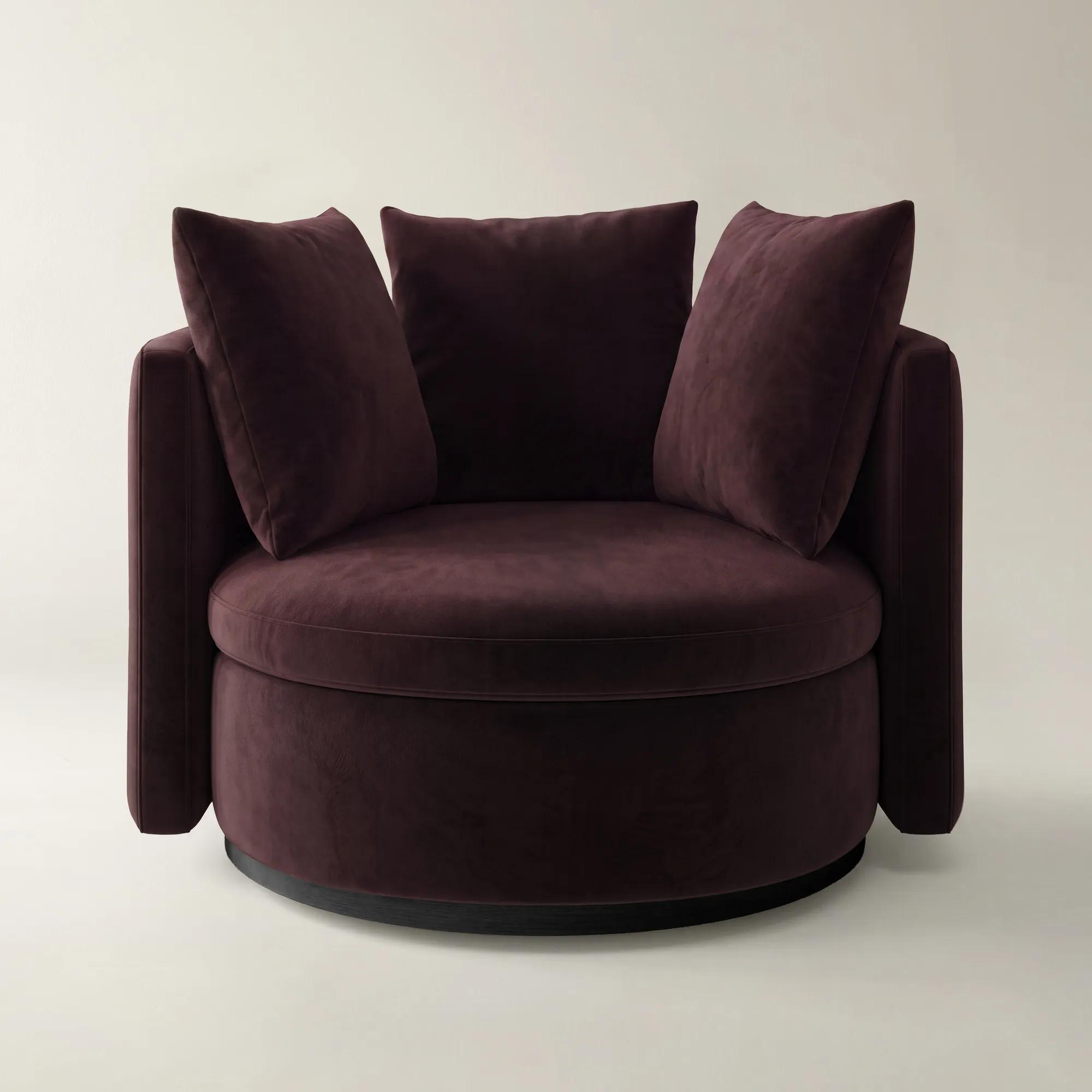 Stria Fig Velvet Swivel Accent Chair$1299
A fig velvet chair with a sculptural wraparound silhouette, layered foam comfort, and concealed 360-degree swivel.
Add To Cart -
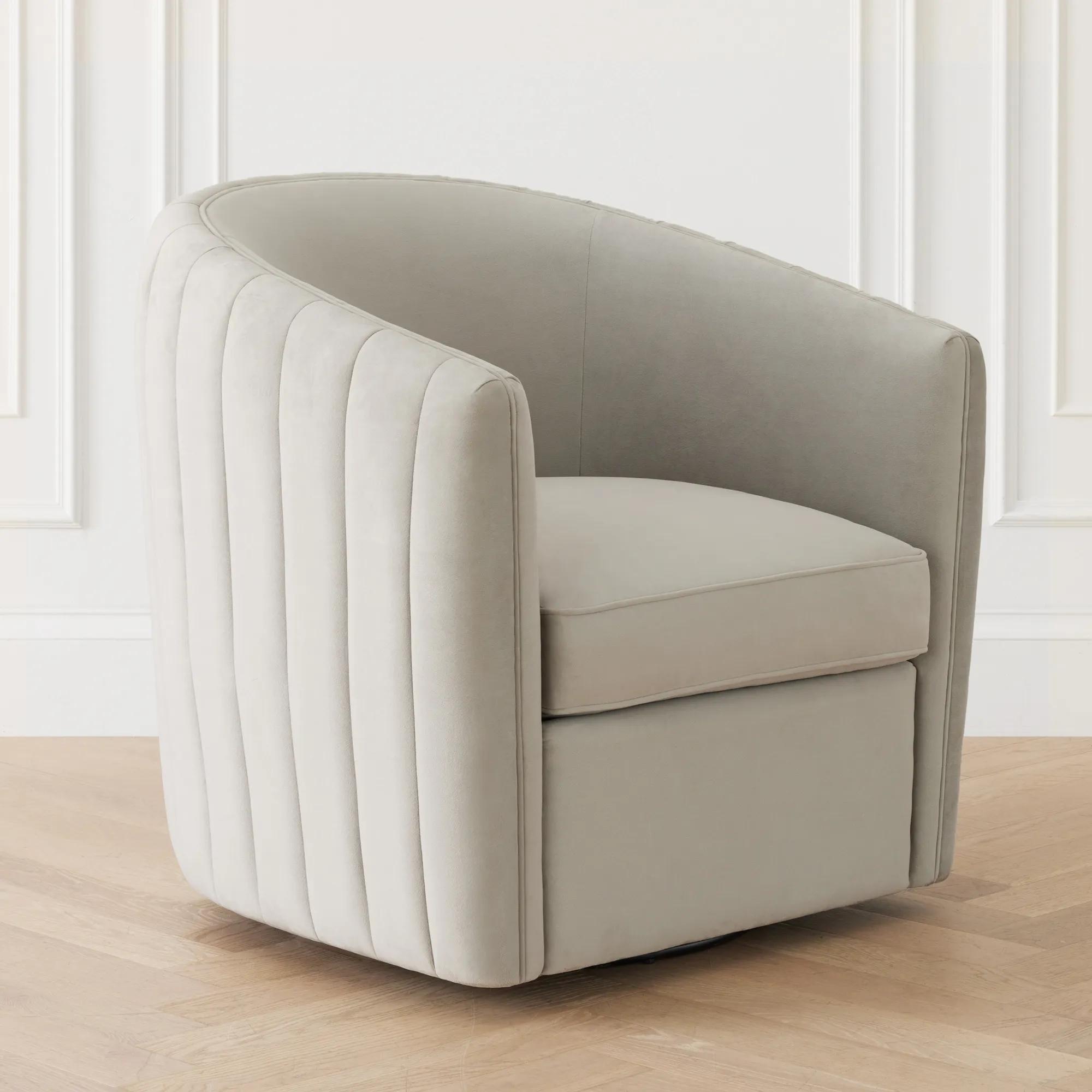
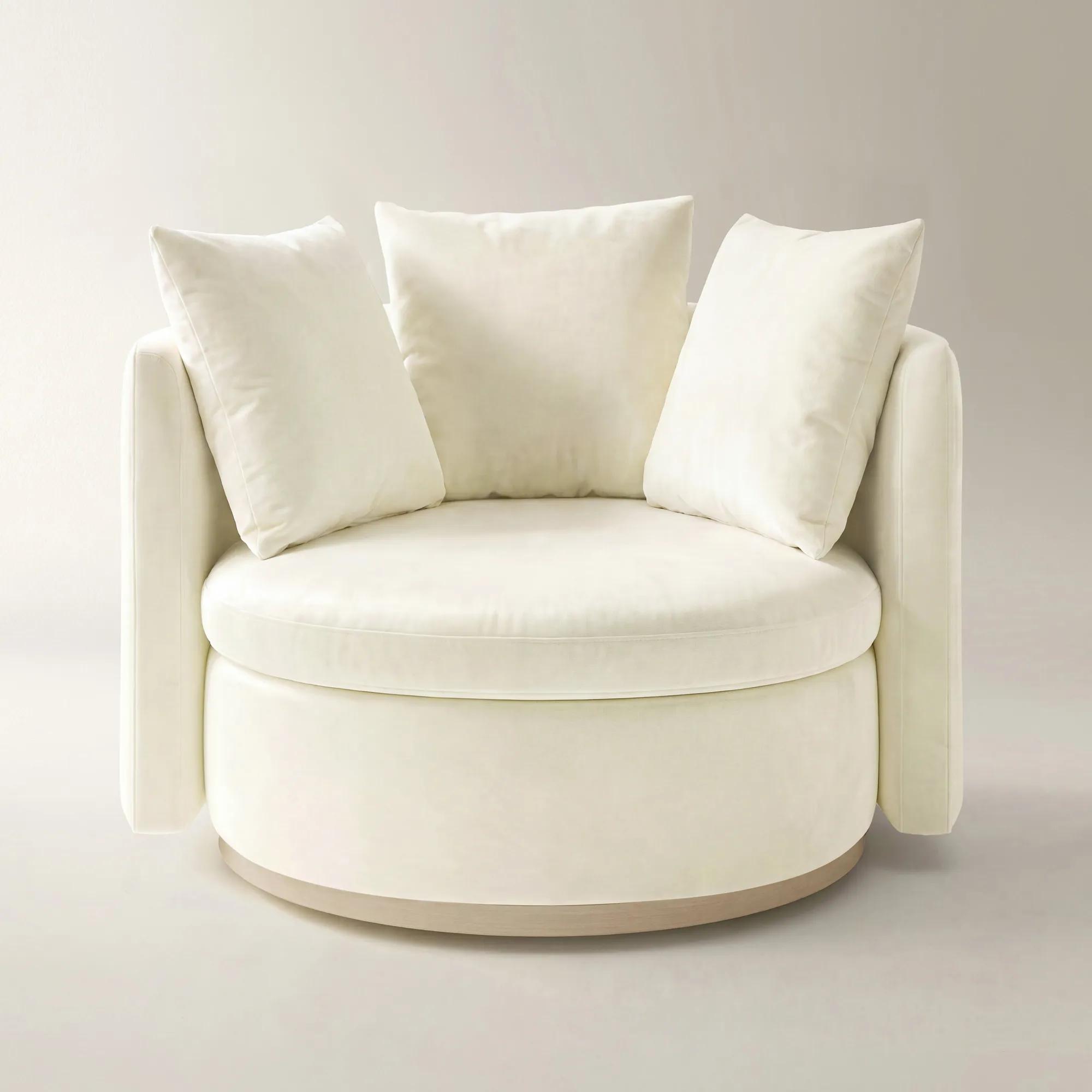 Stria Cloud Velvet Swivel Accent Chair$1299
A sculptural cloud-velvet accent chair with enveloping curves, layered cushioning, and a concealed 360-degree swivel base.
Add To Cart -
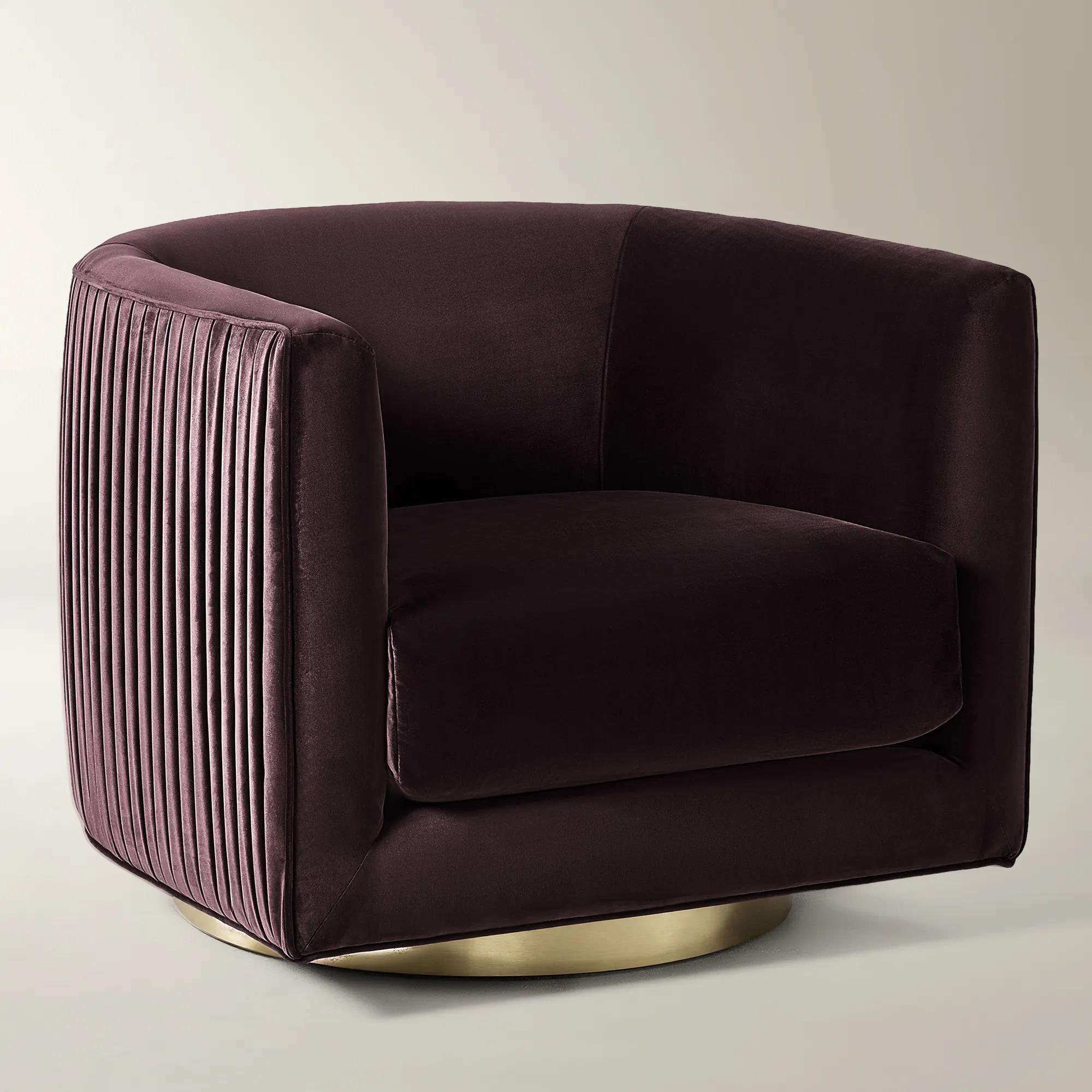 Lyssa Pleated Fig Velvet Swivel Accent Chair$1099
A fig-colored velvet accent chair featuring pleated detailing, a curved silhouette, and a smooth 360° swivel base.
Add To Cart -
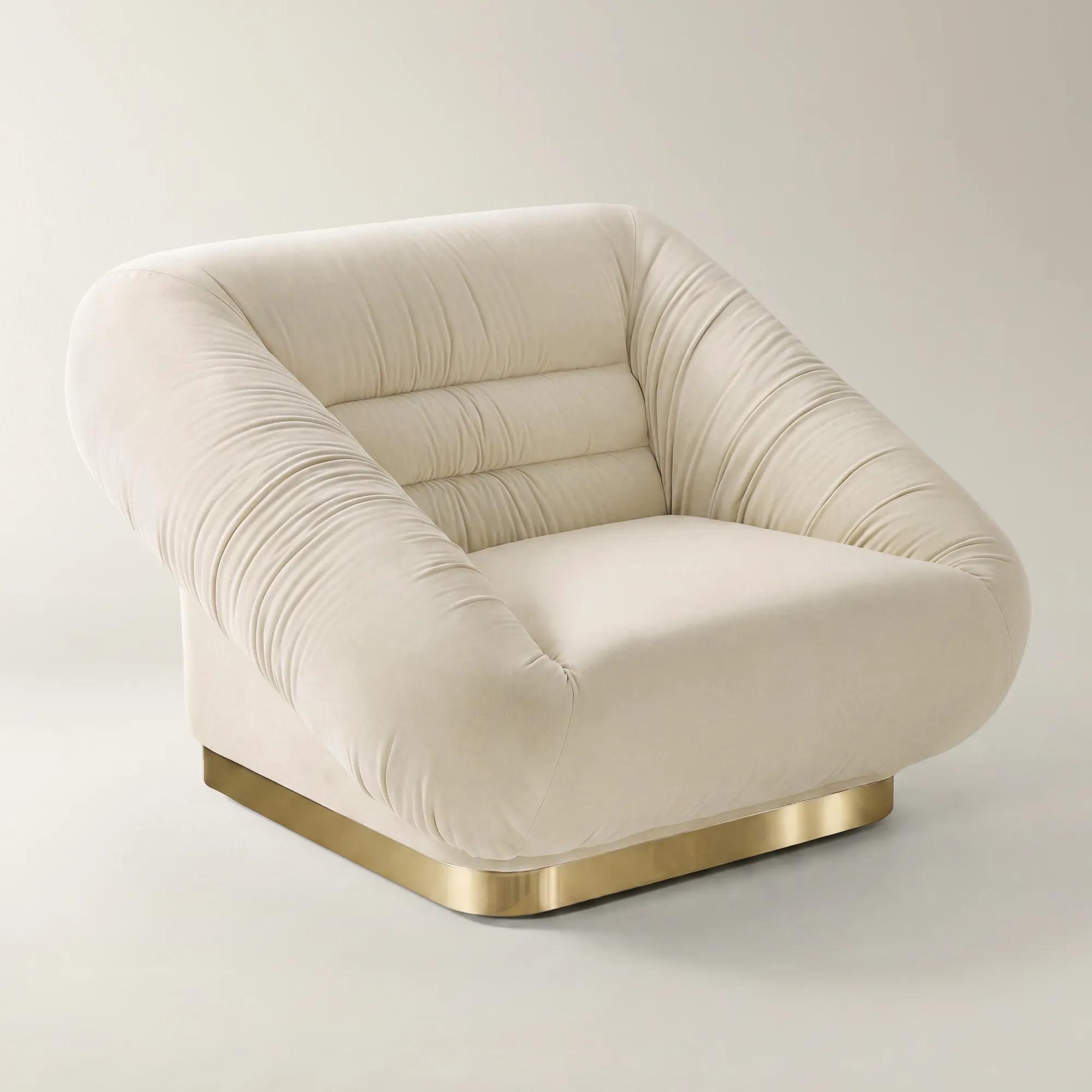
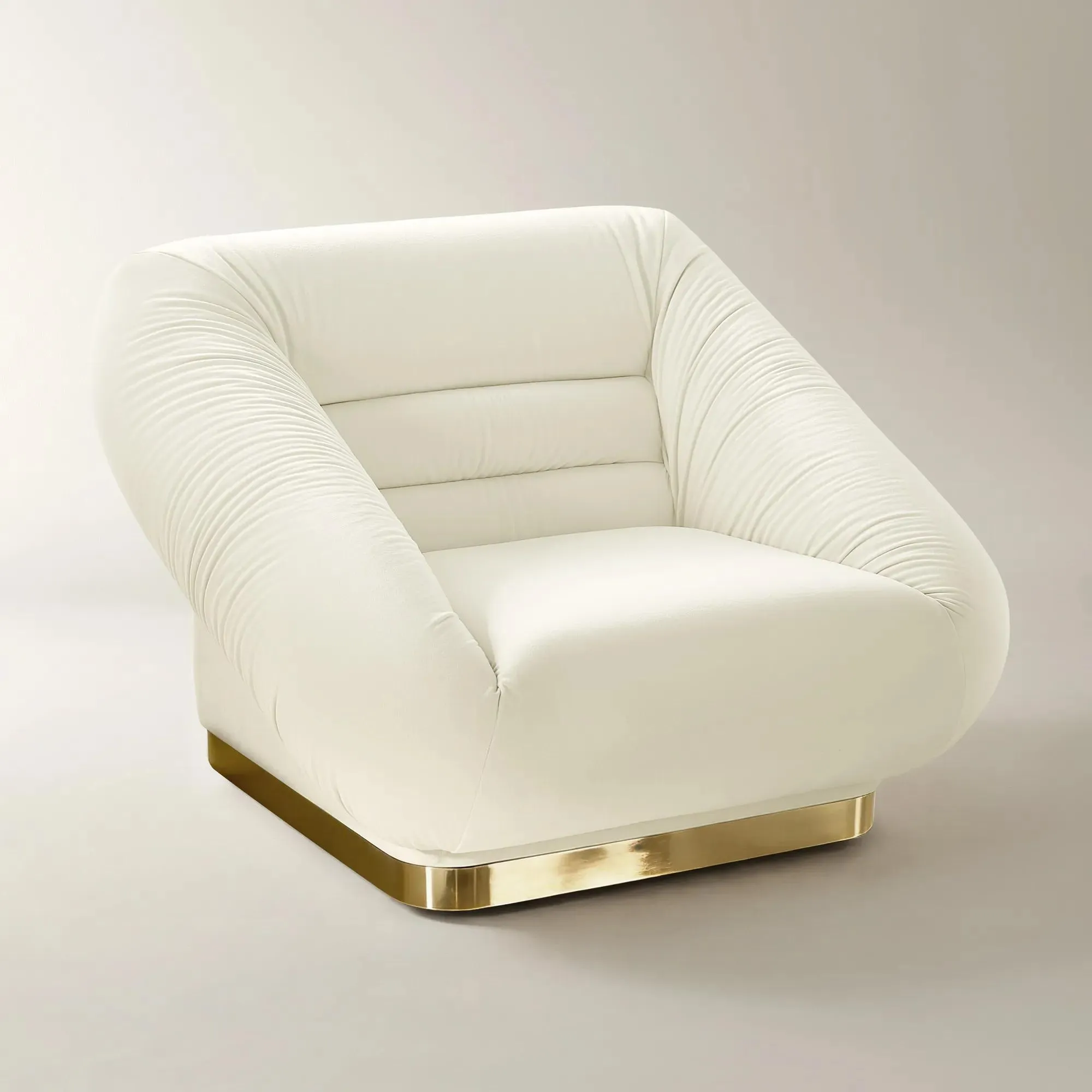 Dover Oatmeal Velvet Swivel Accent Chair$1299
A sculptural oatmeal velvet accent chair with gathered upholstery, a soft gold stainless steel base, and smooth 360-degree swivel functionality.
Add To Cart -
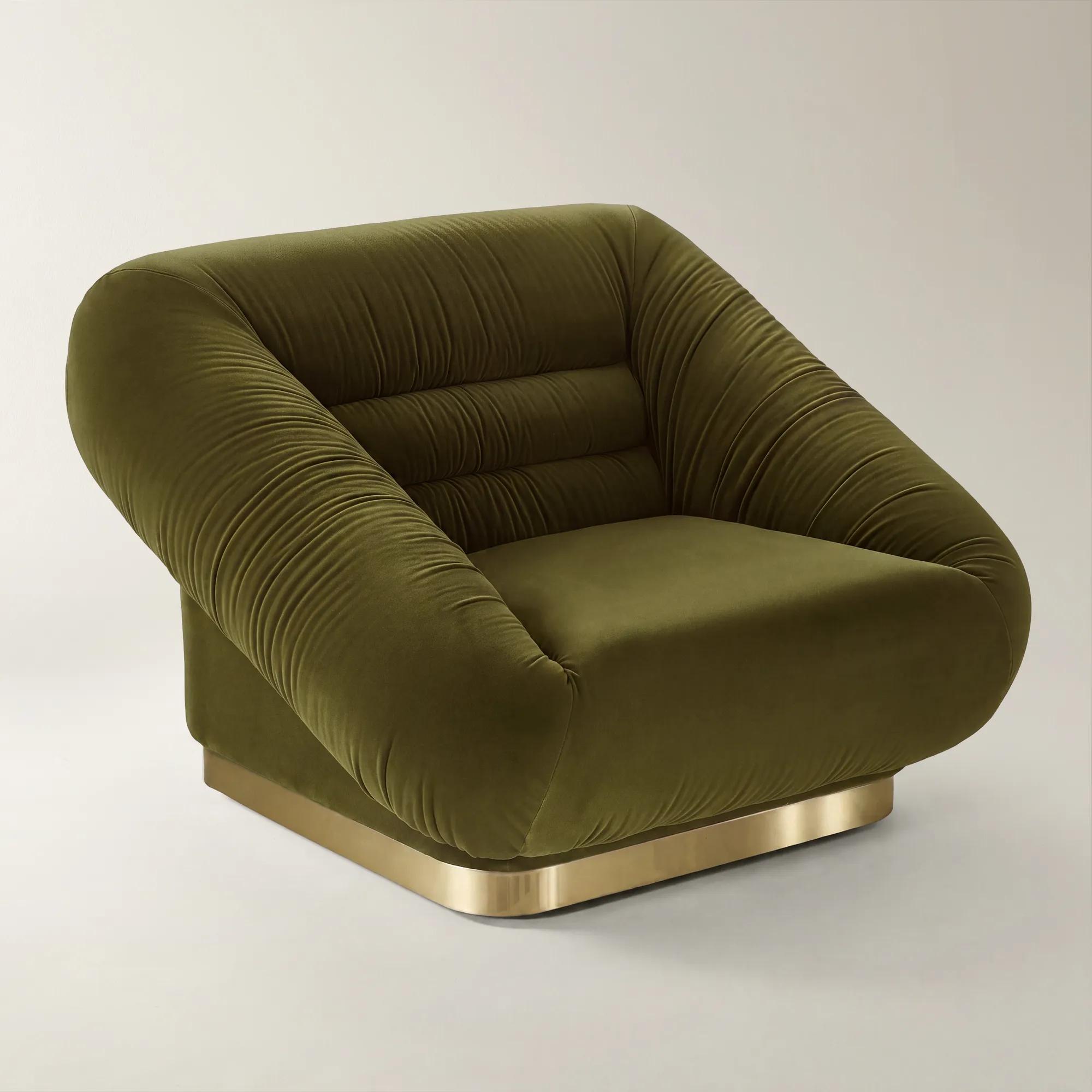 Dover Deep Olive Velvet Swivel Accent Chair$1299
A sculptural deep olive velvet chair with gathered upholstery, soft gold trim, and smooth 360-degree swivel functionality.
Add To Cart -
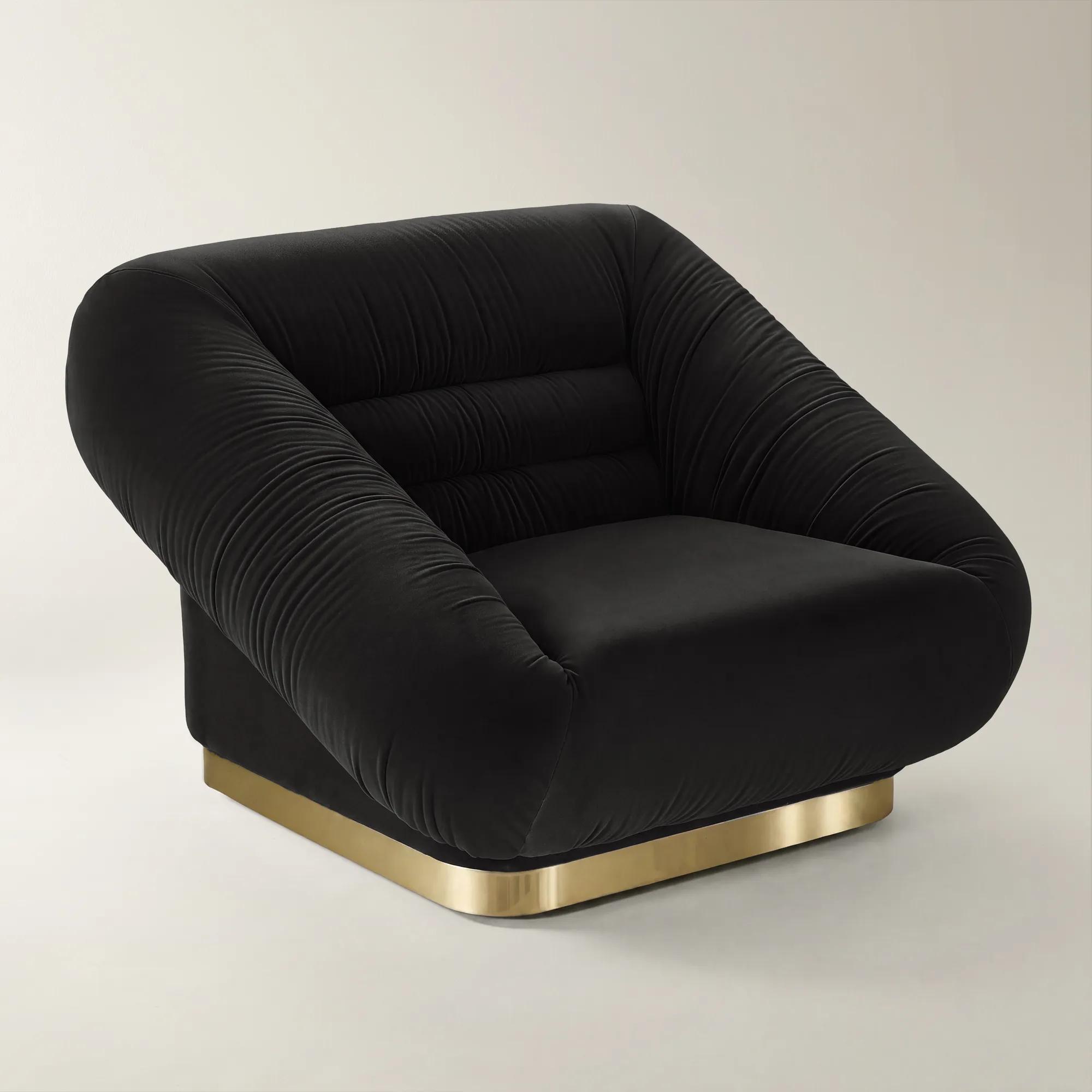
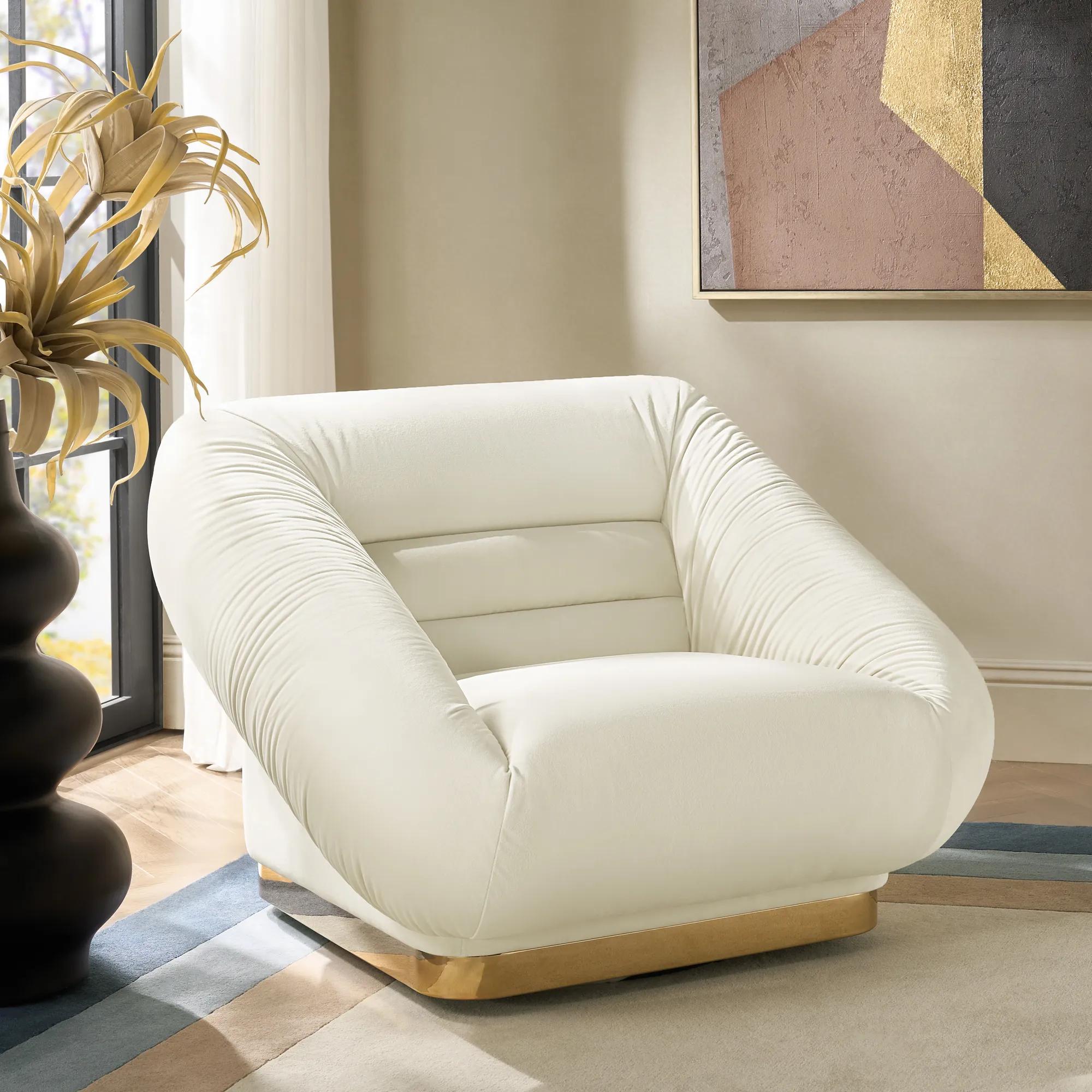 Dover Charcoal Velvet Swivel Accent Chair$1299
A sculptural charcoal velvet accent chair with gathered upholstery, a soft gold–finished stainless steel base, and smooth 360° swivel.
Add To Cart -
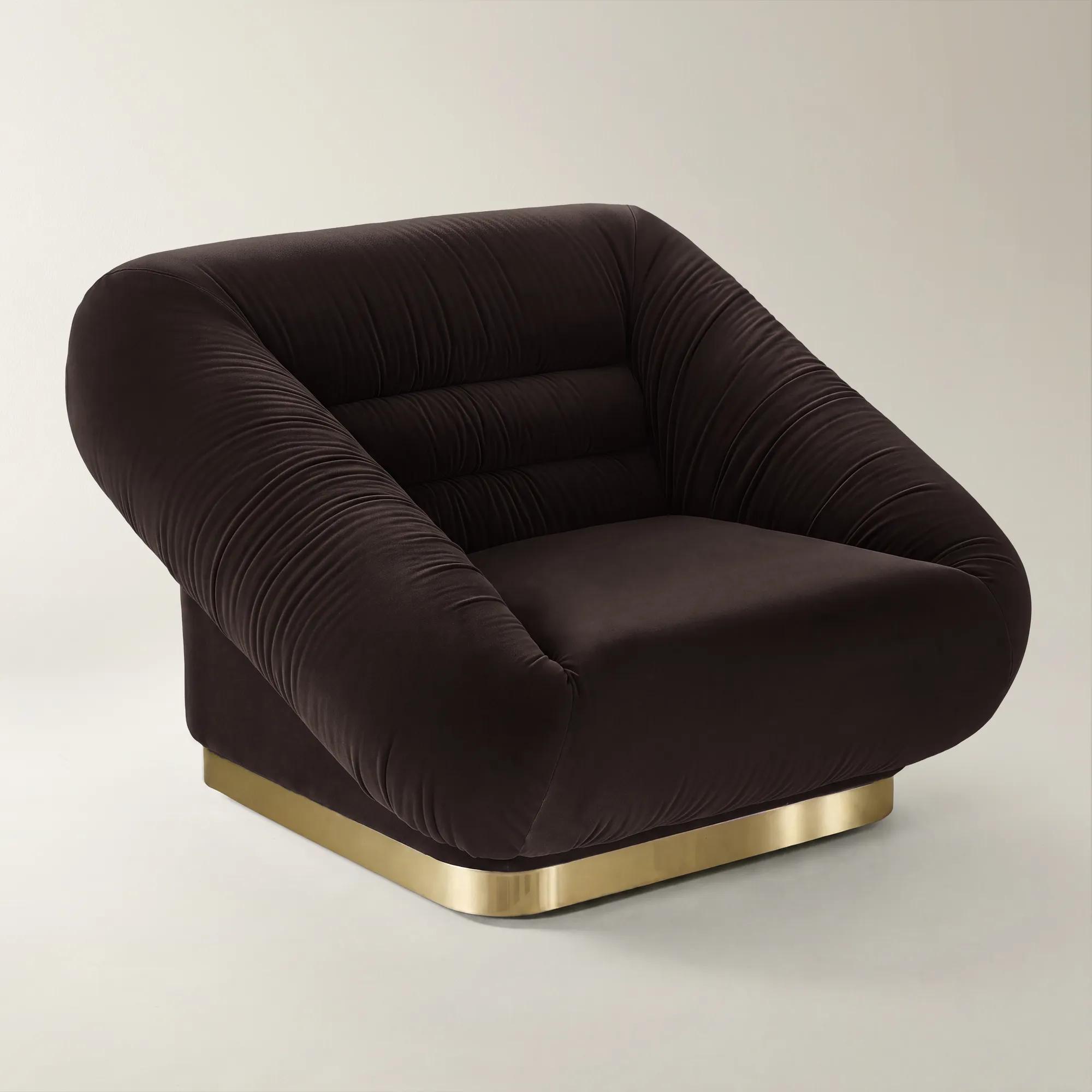 Dover Dark Chocolate Velvet Swivel Accent Chair$1299
A dark chocolate velvet accent chair with a sculptural silhouette, 360° swivel, and soft gold-finished trim.
Add To Cart -
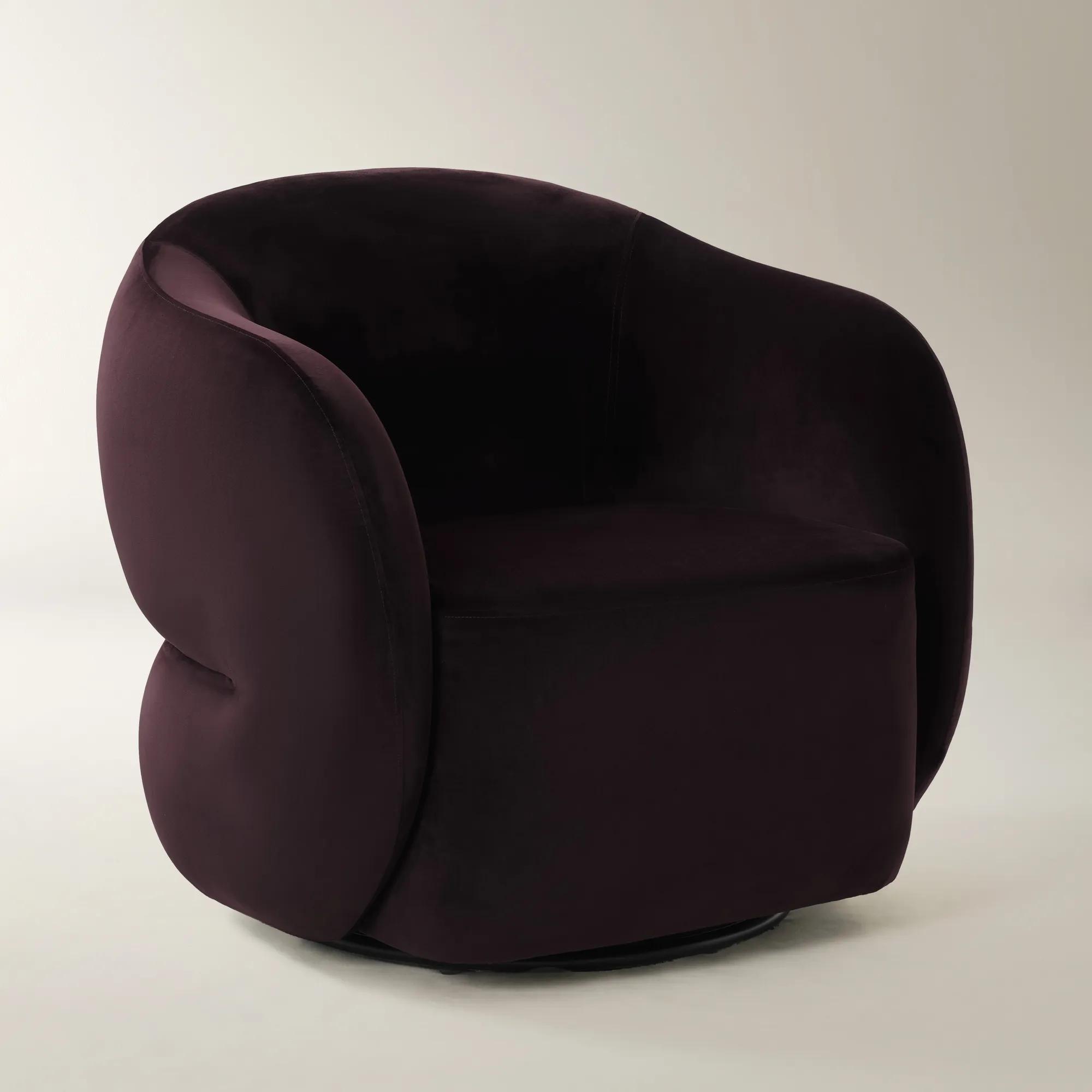 Sierra Fig Velvet Swivel Accent Chair$899
A modern accent chair in plush fig velvet with a wraparound back and smooth 360° swivel base.
Add To Cart -
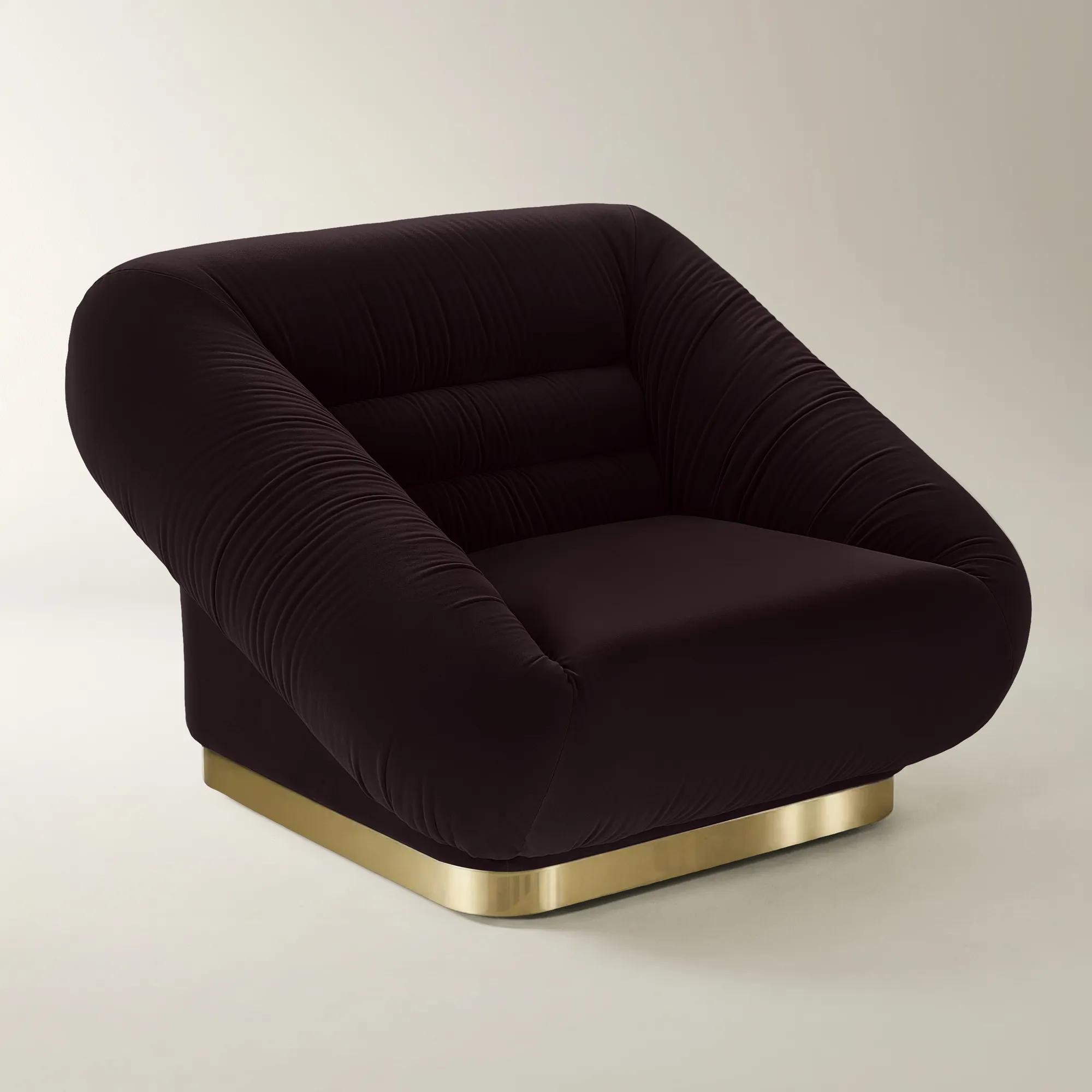 Dover Fig Velvet Swivel Accent Chair$1299
A sculptural fig velvet accent chair featuring soft gathered upholstery, gold-trimmed base, and smooth 360° swivel.
Add To Cart -
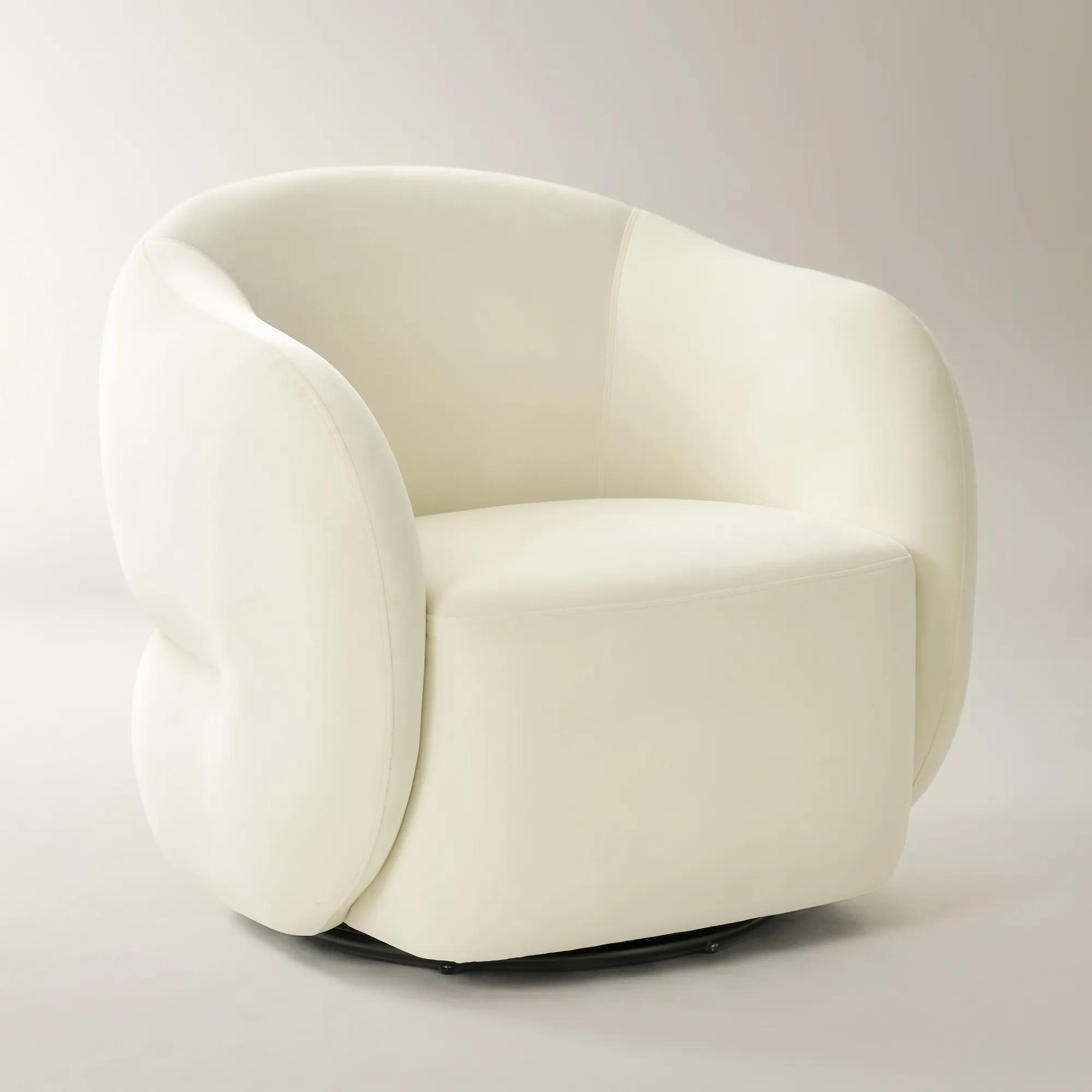
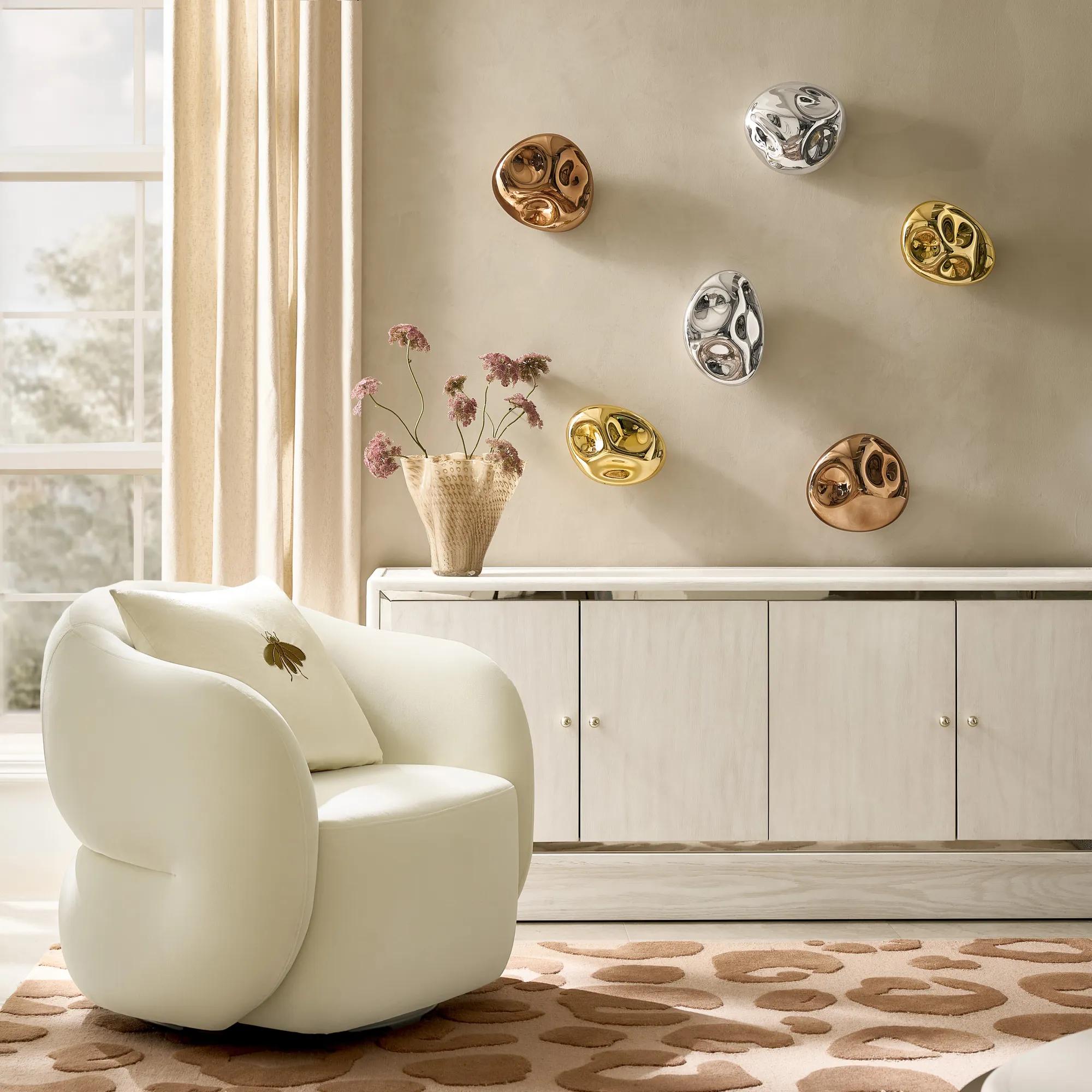 Sierra Cloud Velvet Swivel Accent Chair$899
A plush velvet accent chair featuring a wraparound back, fluid curves, and smooth 360° swivel base.
Add To Cart -
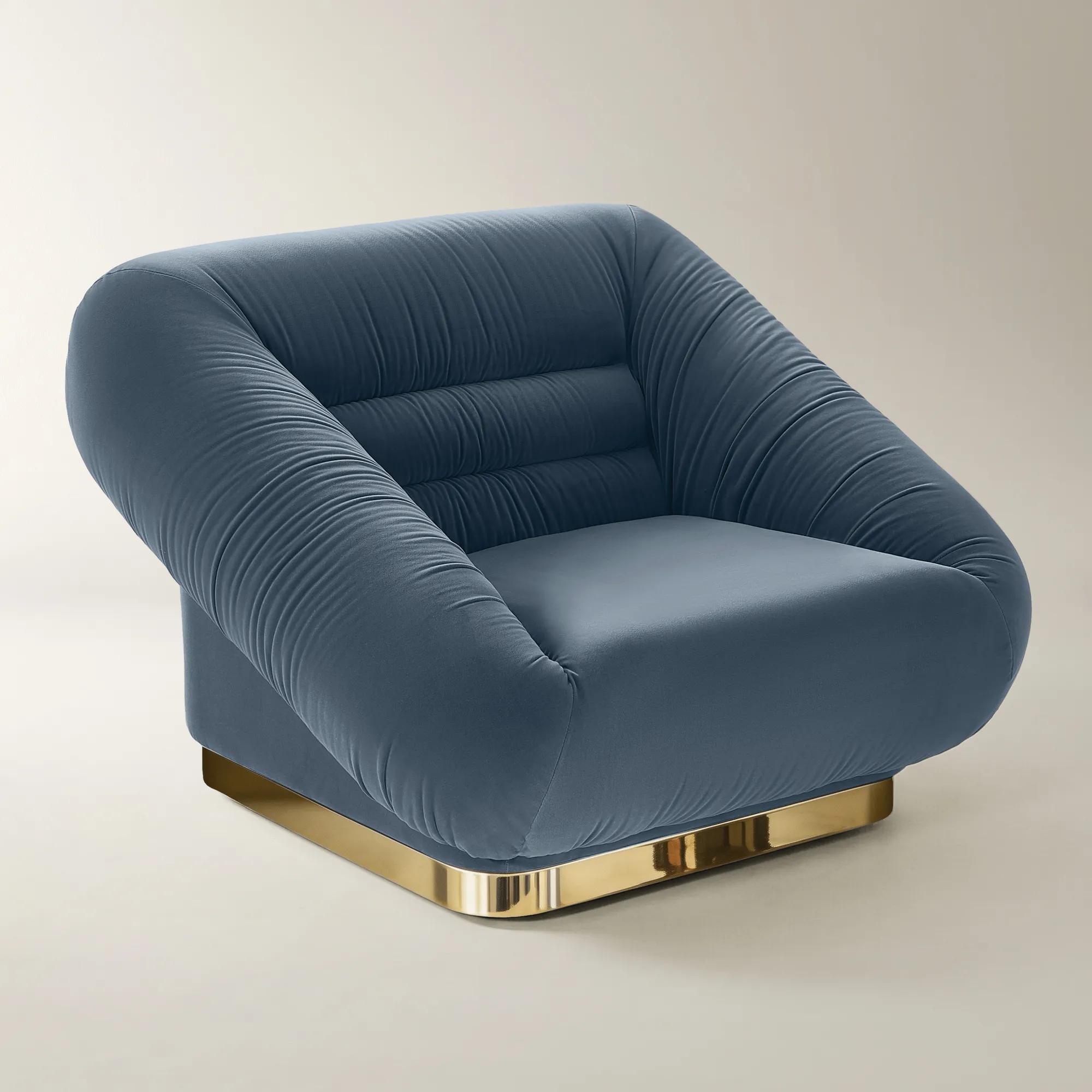 Dover Dusty Blue Velvet Swivel Accent Chair$1299
A sculptural blue velvet accent chair featuring soft gathered upholstery, gold-trimmed base, and smooth 360° swivel.
Add To Cart -
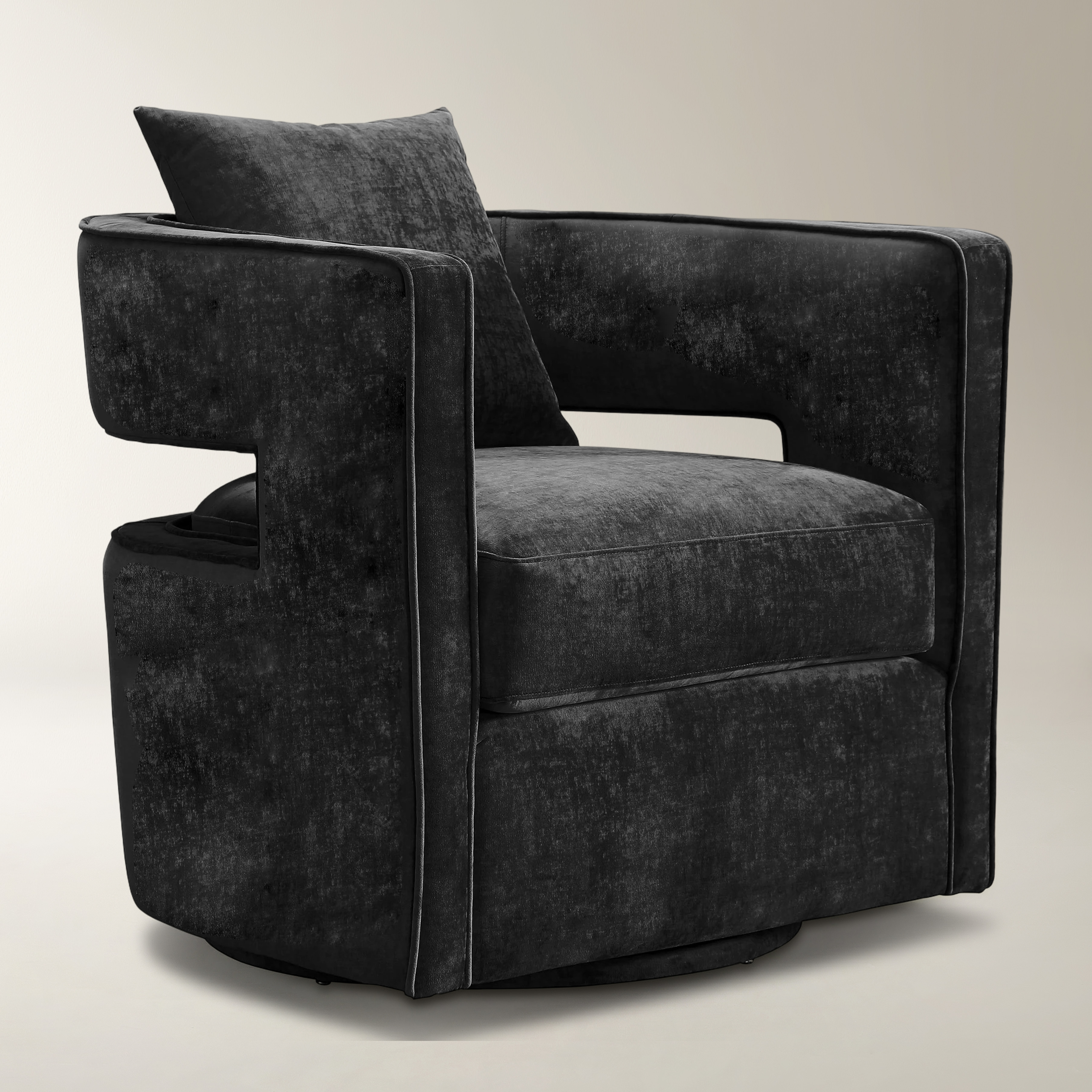 Lottie Black Velvet Swivel Accent Chair$999
A sculpted black velvet swivel chair with rounded barrel styling, supportive cushioning, and smooth movement.
Add To Cart

Indoor Accent Chairs With Wood Frame
Indoor accent chairs with wood frame are the ultimate invitation to indulge in artistry and comfort, transforming any room into a stage for self-expression. Each piece is a celebration of sculptural form and tactile allure, where rich wood frames anchor sumptuous upholstery with undeniable sophistication. Whether poised beside a statement console or commanding attention in a sun-drenched corner, these accent chairs infuse your home with warmth, elegance, and a whisper of drama—effortlessly elevating the everyday into something extraordinary. Paint your space boldly; let every seat become a masterpiece.
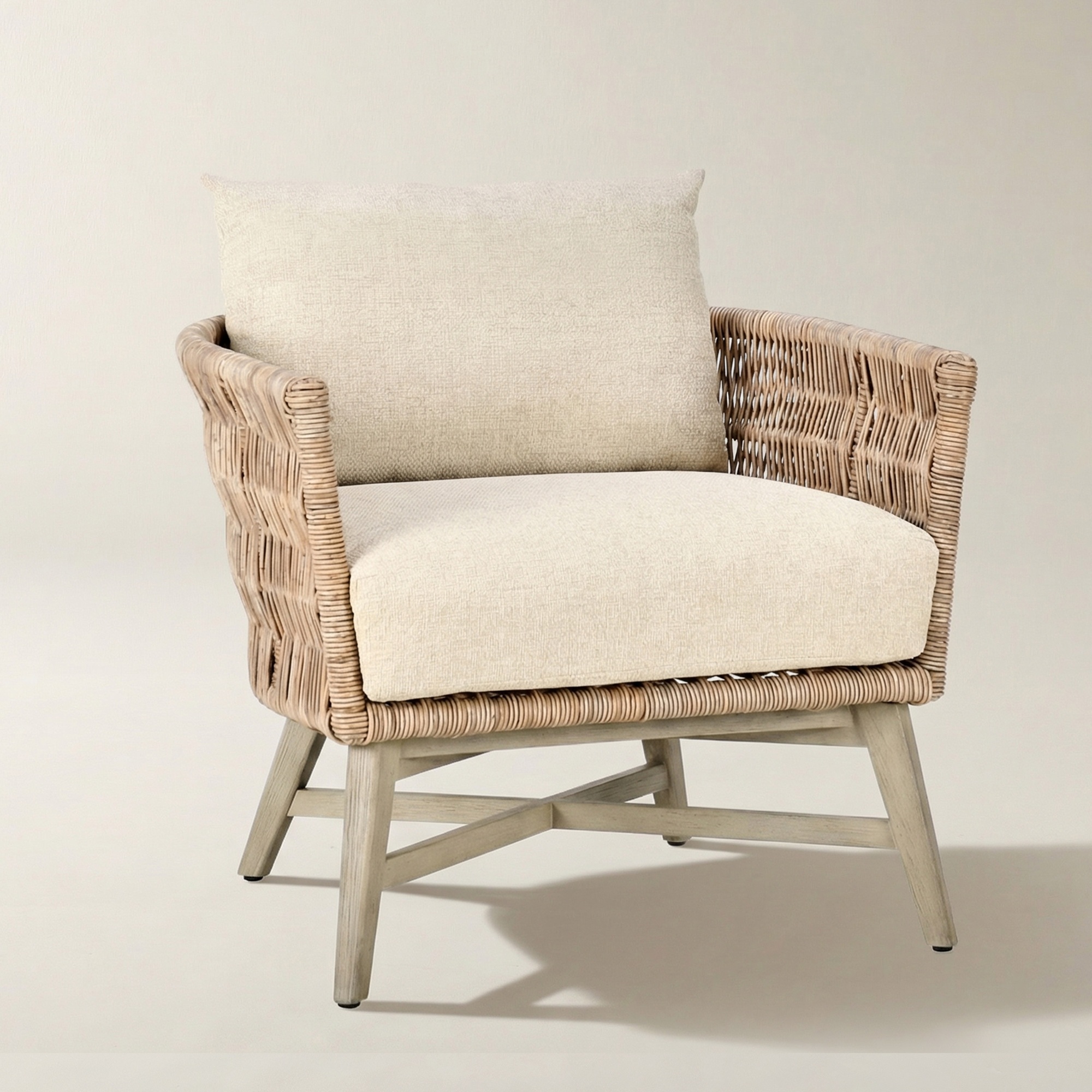
Indoor accent chairs with wood frames bring sculptural definition to a room, pairing the warmth of visible grain with the softness of an upholstered seat. Their appeal lies in that contrast: a sweeping wooden arm can outline plush fabric, while slender legs lift a generous silhouette away from the floor. Unlike a fully upholstered chair, an exposed wood frame makes its lines part of the room’s composition, adding visual rhythm beside a sofa, beneath a painting, or across from a luminous window. Wood may also form the internal structure of an accent chair without being visible, so the distinction between an exposed frame and concealed wood construction matters when considering the overall look. Pale finishes allow grain and contour to take center stage; deeper brown tones create a richer outline against ivory upholstery or a light rug. A painted or opaque finish shifts attention toward shape rather than grain. Mid-century-inspired profiles often feature angled legs and restrained proportions, while curved arms and more substantial frames create a dramatic, enveloping presence. Upholstery adds another layer of expression. Velvet catches light across its pile, lending depth to jewel tones and softly muted neutrals. Linen and linen-blend fabrics introduce a more relaxed texture, although their wrinkle resistance and care needs depend on the complete fiber blend. Bouclé brings a tactile, dimensional surface, and leather offers a distinctive grain that can develop character with use, depending on its finish. Faux leather creates a similar visual effect with different maintenance requirements and aging characteristics. These material choices influence more than appearance: a smooth wooden arm feels different from a padded one, and a tightly woven seat has a different hand than a richly textured covering. The result is seating that can anchor a reading corner, lend character to a bedroom, or introduce a deliberate contrast to a living room filled with upholstered pieces. A wood-framed accent chair need not match every finish nearby; repeating a tone, curve, or fabric color elsewhere can make the arrangement feel composed rather than uniform.
Proportion gives that expressive silhouette a place to belong. For indoor wood frame accent chairs, overall width and depth determine the floor space required, while seat width, seat depth, seat height, and back angle shape the sitting experience. A chair can appear compact because its frame is open yet still extend well into a room, particularly when its back reclines at a pronounced angle. Measuring the full footprint, including projecting arms and legs, helps preserve comfortable passage around a coffee table or between a seating arrangement and a doorway. Delivery access deserves the same attention, especially in apartments with narrow entrances, stair turns, or elevators. Seat depth is measured from the front edge of the seat to the back support and should not be confused with the chair’s overall depth. A shallower seat may suit someone who prefers an upright posture with feet resting on the floor; a deeper seat can feel more inviting for lounging but may require a supportive pillow for a shorter sitter. Cushion softness changes that experience, too, because a yielding cushion can lower the seated position. Arm height matters when the chair will be used for reading, conversation, or rising from the seat, and exposed wood arms generally provide a firmer resting surface than upholstered arms. For a living room used to entertain, two chairs angled toward a sofa can create an intimate conversation area without making every piece face the same direction. In a bedroom, a single accent chair beside a small table offers a place to pause without competing with the bed. A generous lounge-style silhouette can make a library corner feel indulgent, while a narrower, more upright form may fit a dressing area with greater ease. If an ottoman is part of the arrangement, allow room for both the extended seating footprint and nearby circulation. Intended use should guide the choice as much as visual impact: occasional guest seating, sustained reading, and daily lounging can call for different levels of cushioning and support. An accent chair may complement a workspace beautifully, but it should not be assumed to provide the adjustability of a dedicated task chair.
Lasting appeal depends on the relationship between frame construction, upholstery, and everyday care. Wood frames may use solid lumber, engineered wood components, or a combination, and material descriptions are most useful when considered alongside joinery, reinforcement, and the chair’s stated weight capacity. Hardwood refers to wood from broadleaf trees rather than a universal measure of hardness; species vary in density and resistance to dents. The appeal of Hardwood Frame Accent Chairs includes the character of the material, but thoughtful construction remains essential to stability and longevity. Kiln drying reduces moisture in lumber before construction, helping limit movement associated with moisture changes, though it does not make wood immune to environmental conditions. A well-constructed frame should feel steady during normal use, with secure connections and no unexpected shifting. Cushion fill and seat support also influence how a chair holds its shape, so removable cushions, care instructions, and any assembly requirements are worthwhile details to review. For frequently used living spaces, upholstery suited to the household’s routines can preserve the chair’s elegance without demanding impractical upkeep. Performance claims should be checked for the specific fabric rather than inferred from its appearance, and any abrasion rating describes only one aspect of wear resistance. Pet claws can catch looped textures, while pale fabrics may reveal transferred color from clothing. Routine care begins with the manufacturer’s instructions: gently remove dust from wood with an appropriate soft cloth, vacuum upholstery using a suitable attachment, and address spills promptly by blotting rather than rubbing. Cleaning codes and finish recommendations should determine which products are used; a cleaner suitable for one covering may damage another. Direct sunlight can alter wood and fabric color over time, and placement away from heating vents helps avoid concentrated exposure. Felt or other suitable floor protectors can help reduce marks, provided they are compatible with the flooring and kept free of grit. With considered placement and material-appropriate care, a wood-framed accent chair becomes more than an occasional seat. Its grain, texture, and silhouette establish a distinctive presence—a comfortable place to settle and an expressive detail that gives the room its own signature.
FAQs
Indoor accent chairs with wood frames are remarkably versatile and complement a wide array of design styles. Their sculptural lines and natural finishes make them a stunning match for mid-century modern, contemporary, transitional, and even eclectic interiors. Whether you prefer the drama of a high-gloss lacquered finish or the organic warmth of natural wood grain, these chairs effortlessly anchor both bold and understated decor schemes.
A wood accent chair is the ultimate statement piece—use it to introduce contrast, color, or texture to your room. Place a pair opposite your sofa to frame a conversation area, or let a single chair command attention in an entryway or bedroom corner. Layer with a luxe throw or a patterned cushion to amplify its artistic impact, and experiment with placement to highlight the chair’s unique silhouette and craftsmanship.
Absolutely—wood frame accent chairs make exceptional gifts for housewarmings, weddings, or milestone celebrations. Their timeless appeal and enduring craftsmanship ensure they will be cherished for years to come, while the variety of styles and upholstery options allows you to select a piece that reflects the recipient’s personality and taste.
Transform your wood accent chair with the changing seasons by updating its accessories. In winter, drape it with a plush faux fur or velvet throw for added warmth and drama. Come spring or summer, opt for lighter linen or silk cushions in fresh, vibrant hues. This simple shift allows your chair to remain a dynamic focal point year-round.
A wood frame accent chair brings both sophistication and comfort to a home office or study. Its refined design elevates the workspace, while ergonomic support and plush upholstery invite you to linger over creative projects or moments of quiet reflection. The chair’s presence signals intention and artistry, turning even the most functional corner into a destination for inspiration.