Imported Material Window Curtains
Imported Material Window Curtains
-
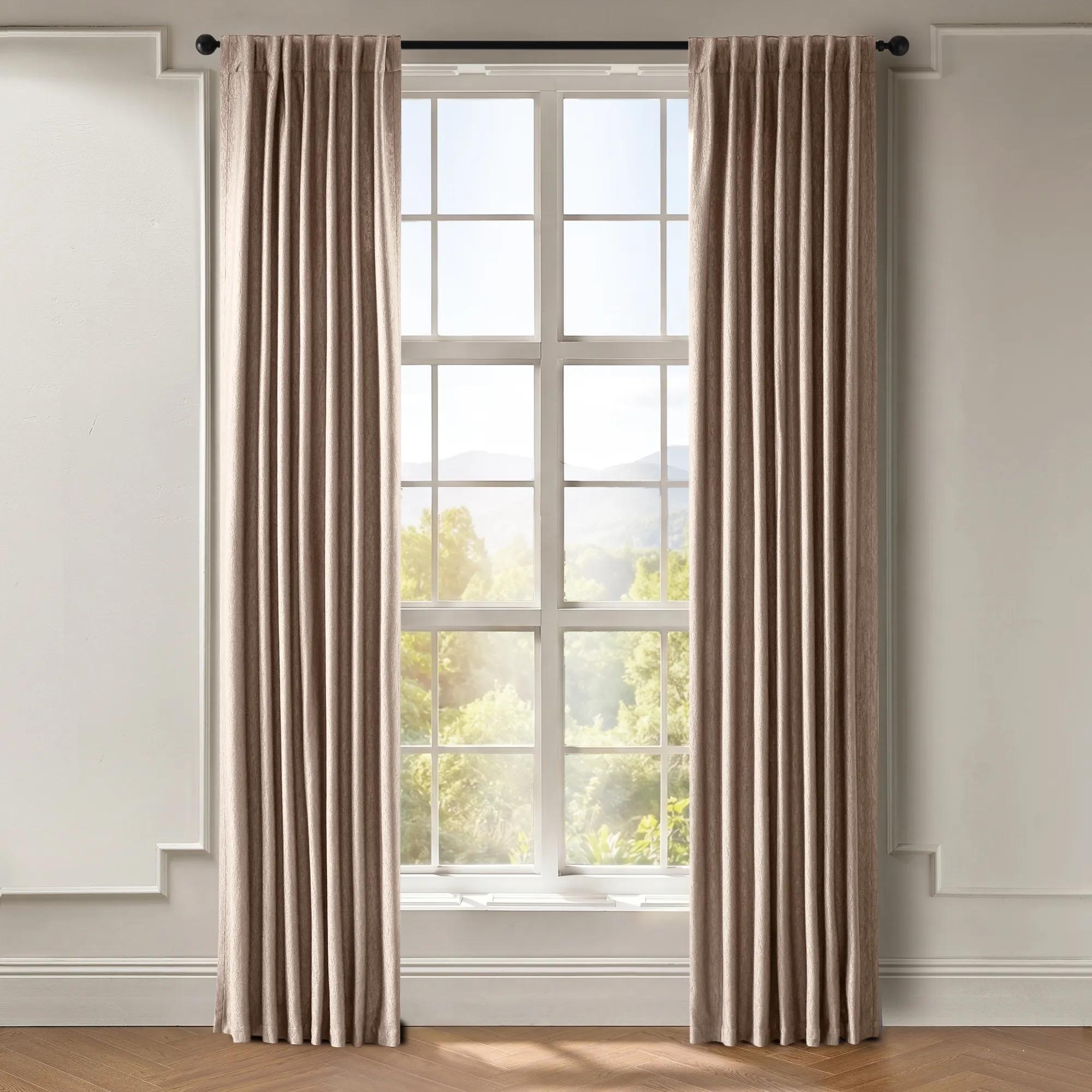
 Anson Mocha Rose Textured Window Curtain Panel$109
A light mocha rose curtain panel with crushed sheen texture and room-darkening, dual hanging design.
Add To Cart -
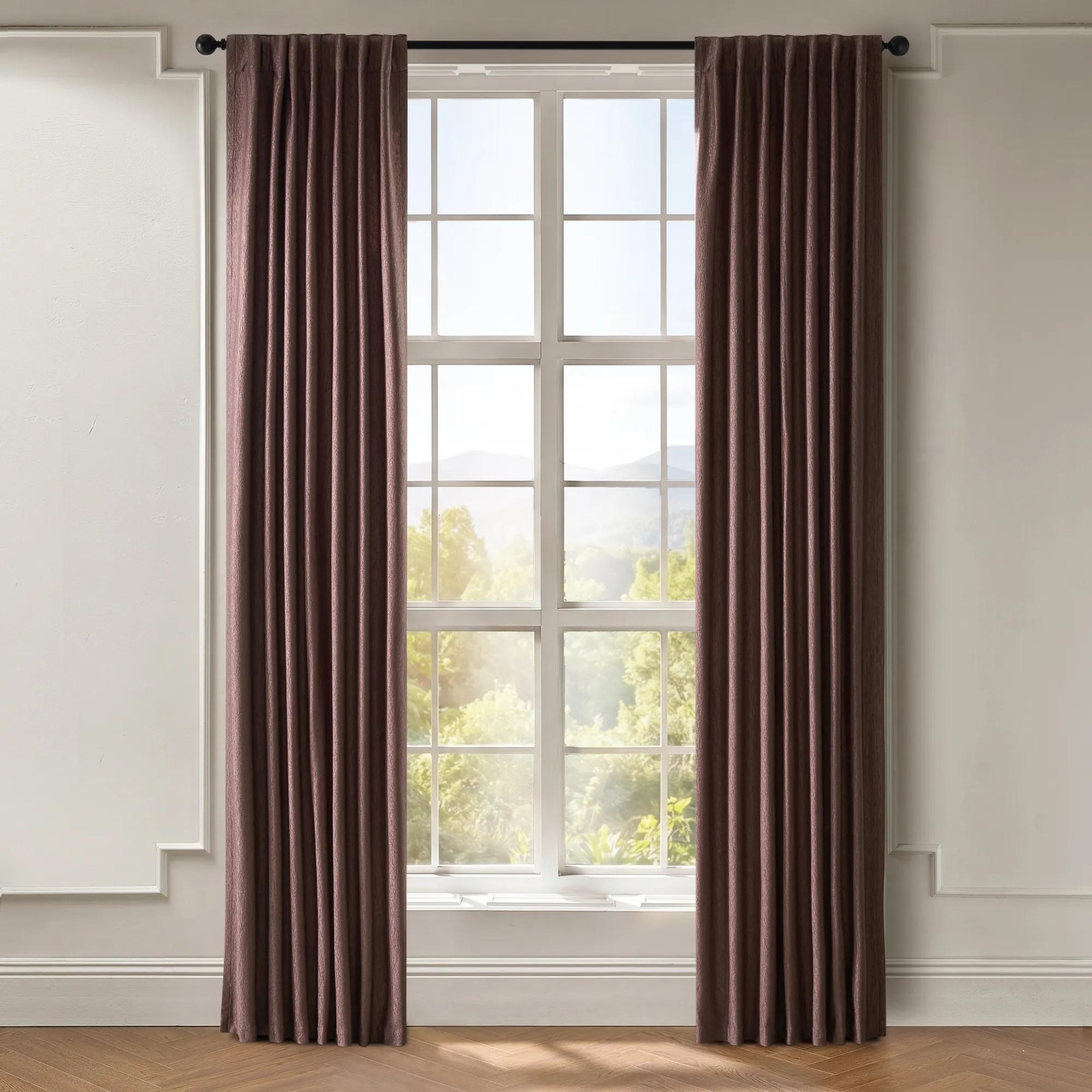
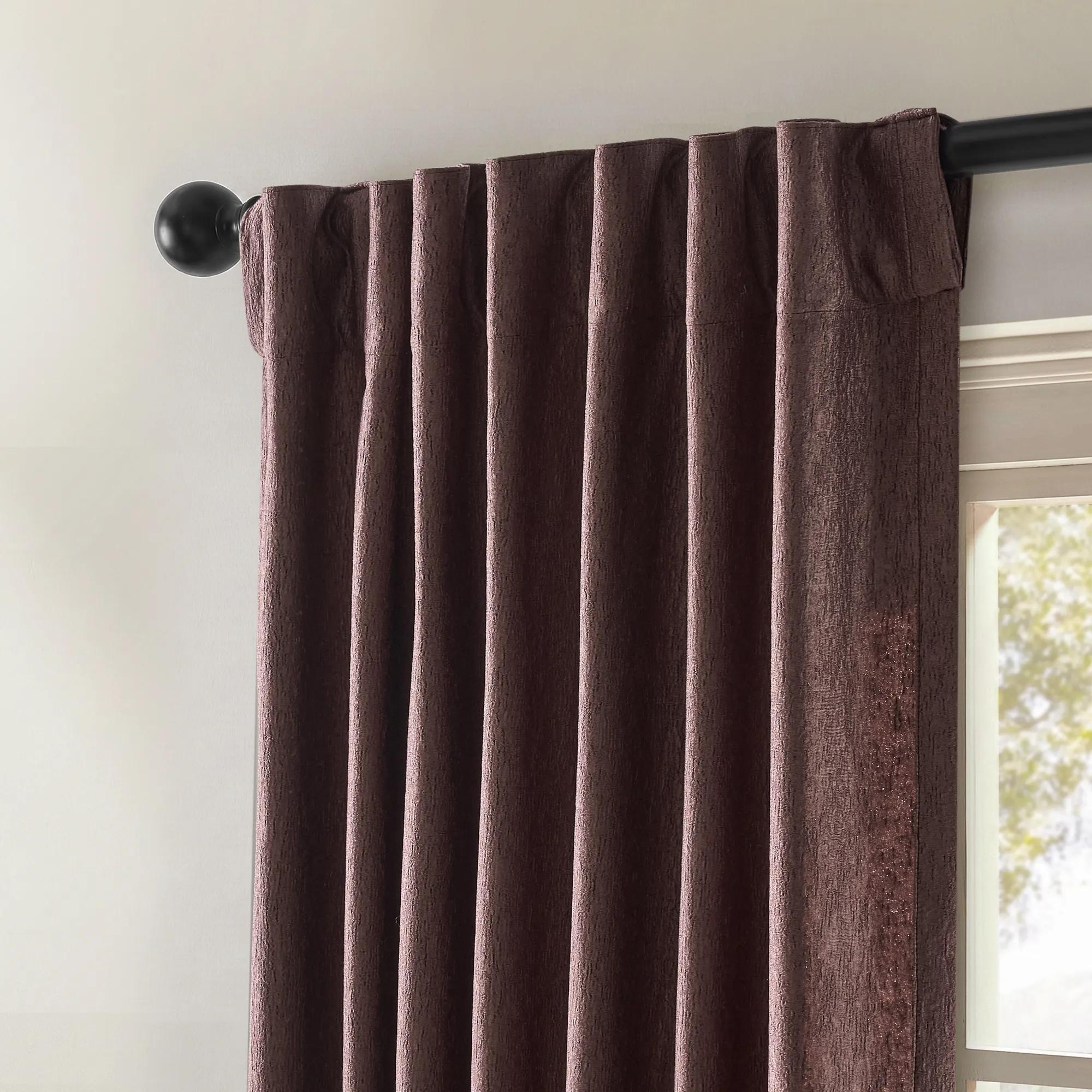 Anson Fig Textured Window Curtain Panel$99
A deep fig curtain panel in crushed, subtly sheened polyester with room-darkening and dual hanging options.
Add To Cart -
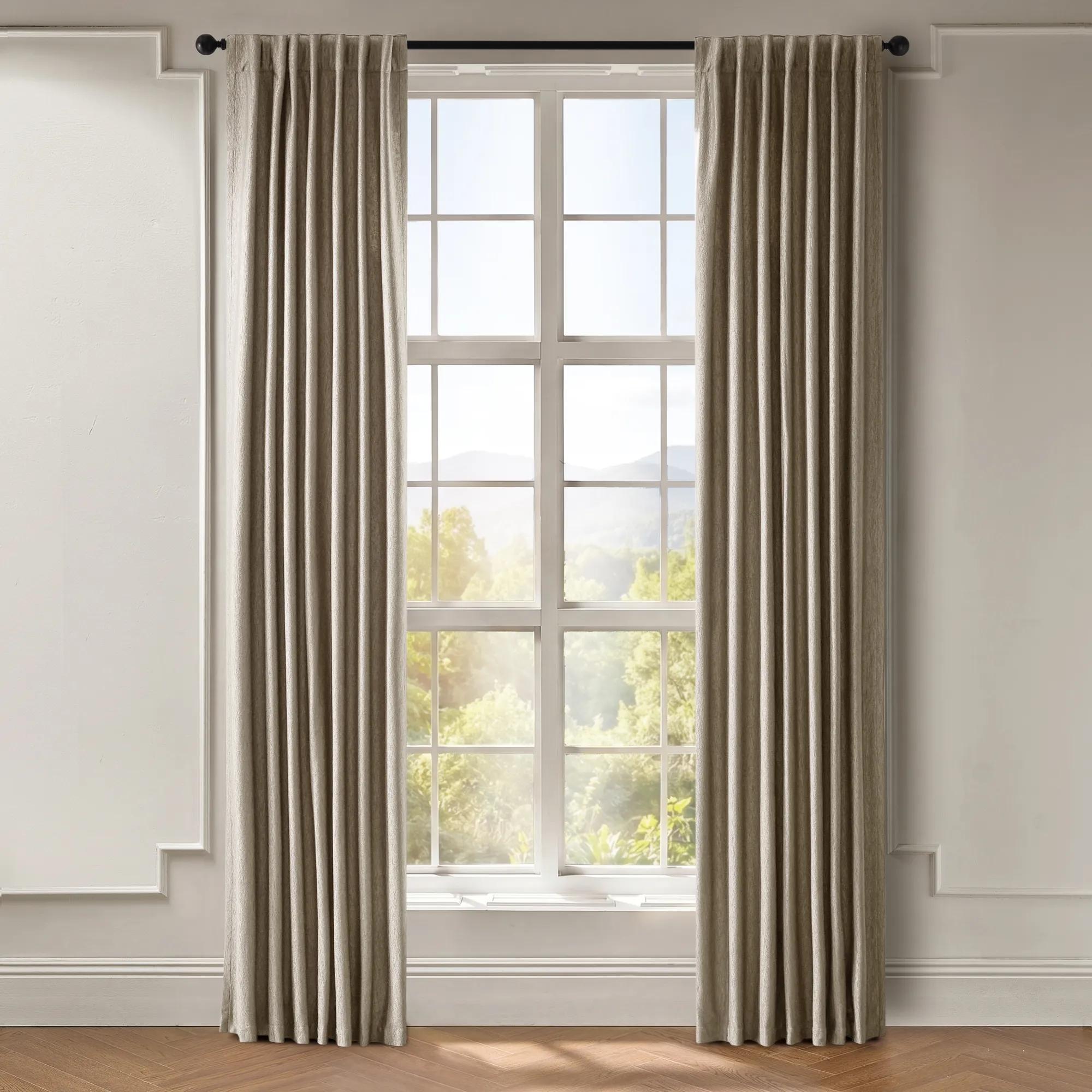
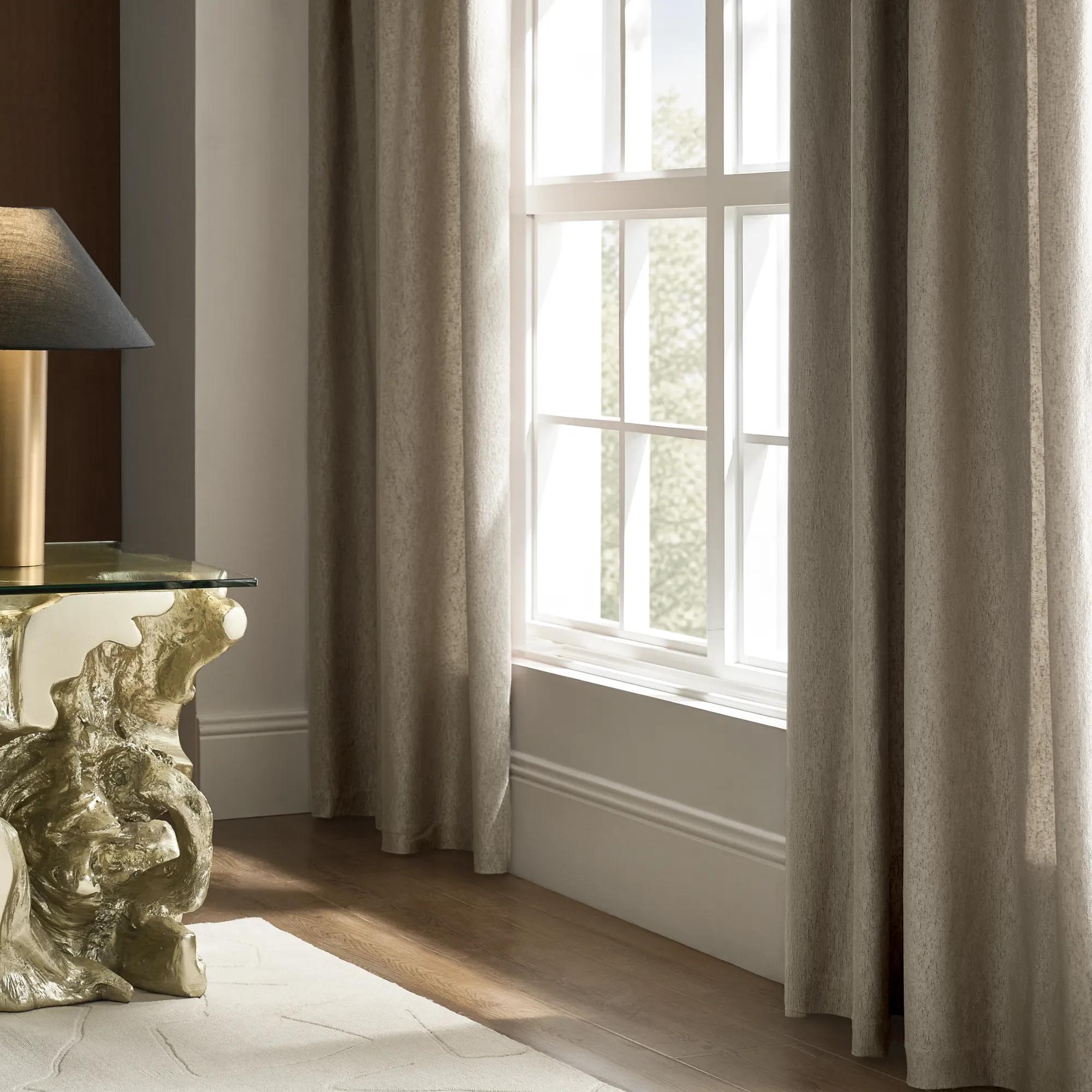 Anson Taupe Textured Window Curtain Panel$99
A taupe polyester curtain panel featuring a crushed sheen texture and versatile room-darkening design.
Add To Cart -
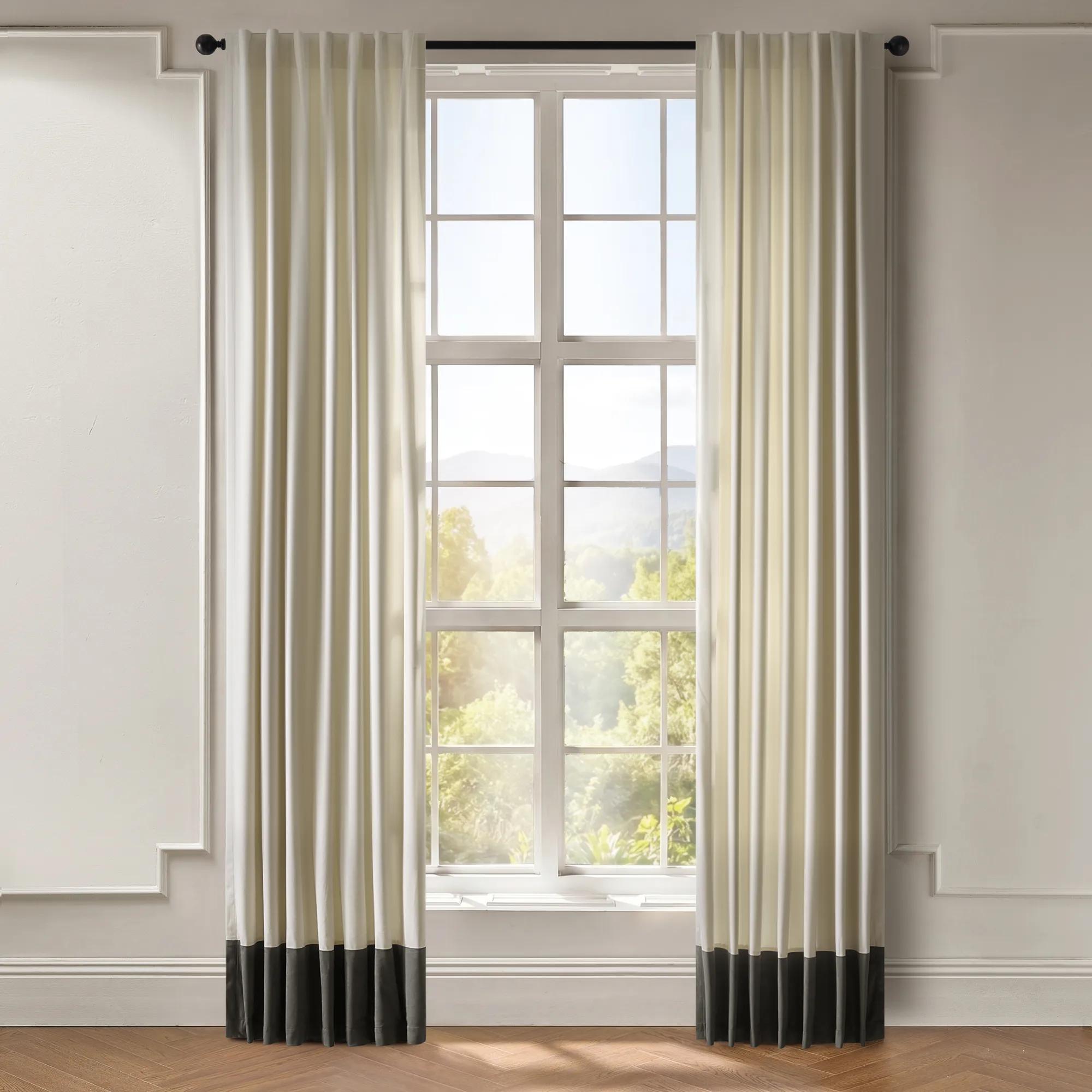
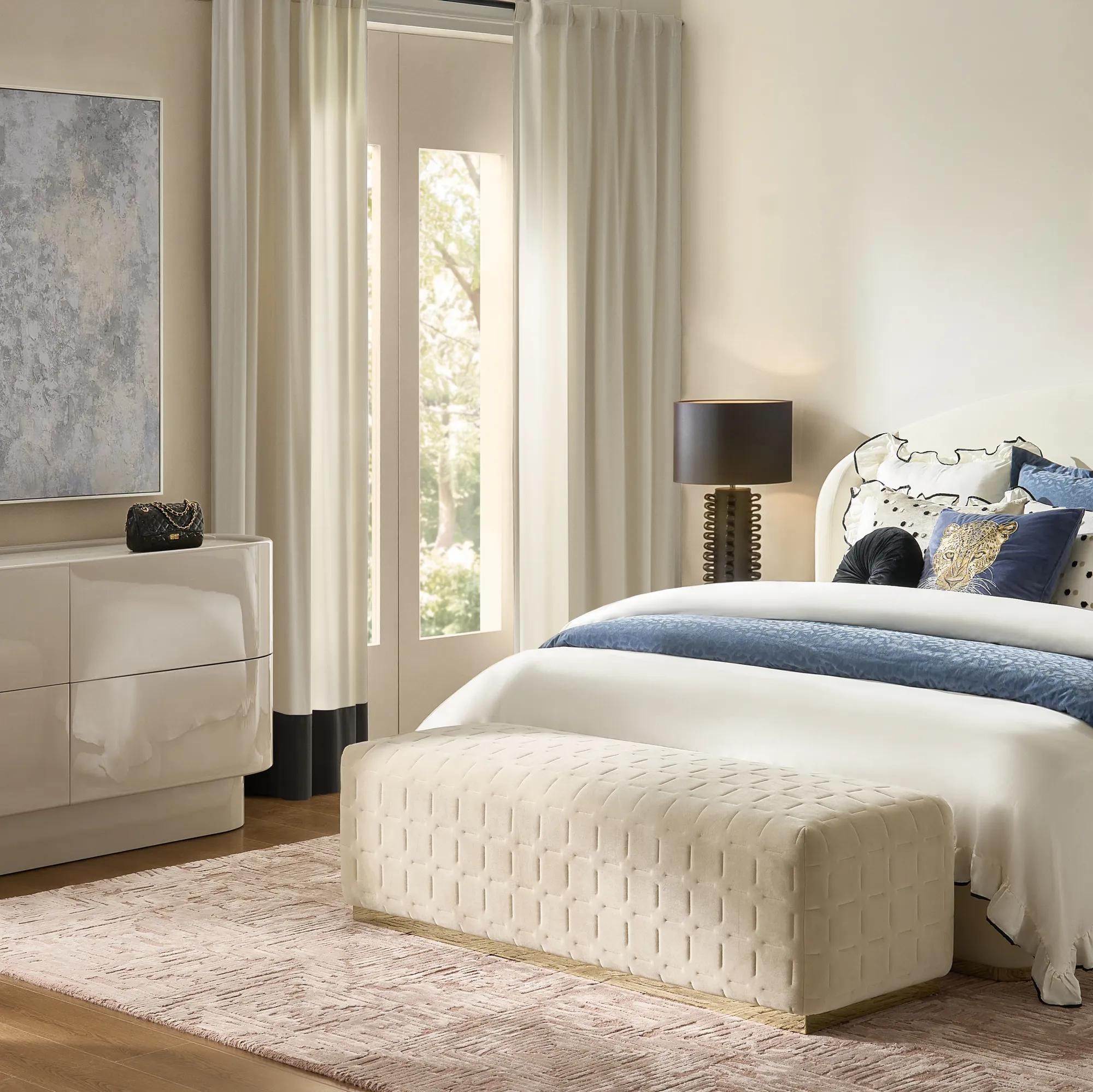 Bastien Ivory/Graphite Velvet Border Window Curtain Panel$99
A two-tone ivory and graphite velvet curtain panel with room-darkening design and versatile hanging options.
Add To Cart -
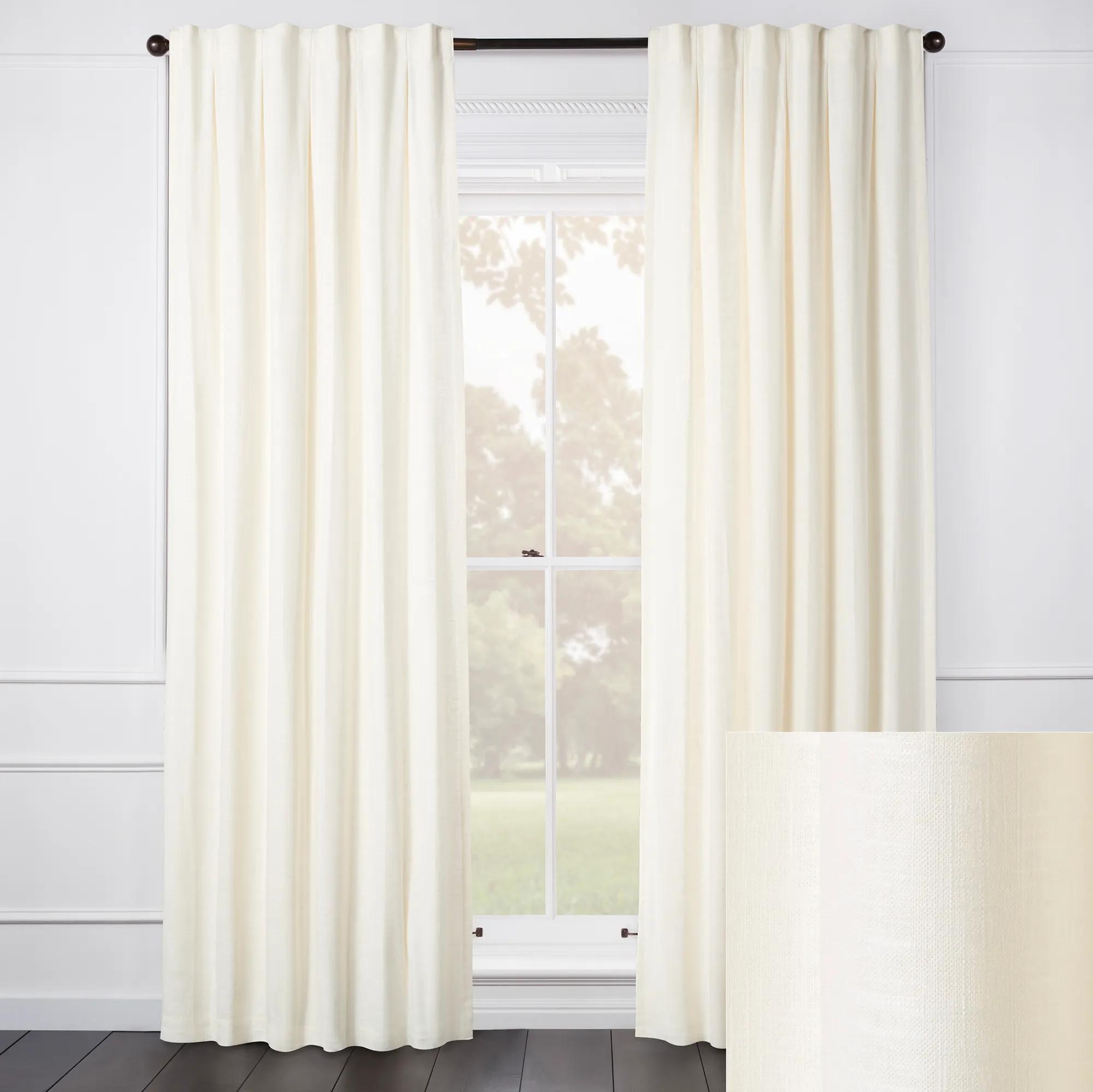
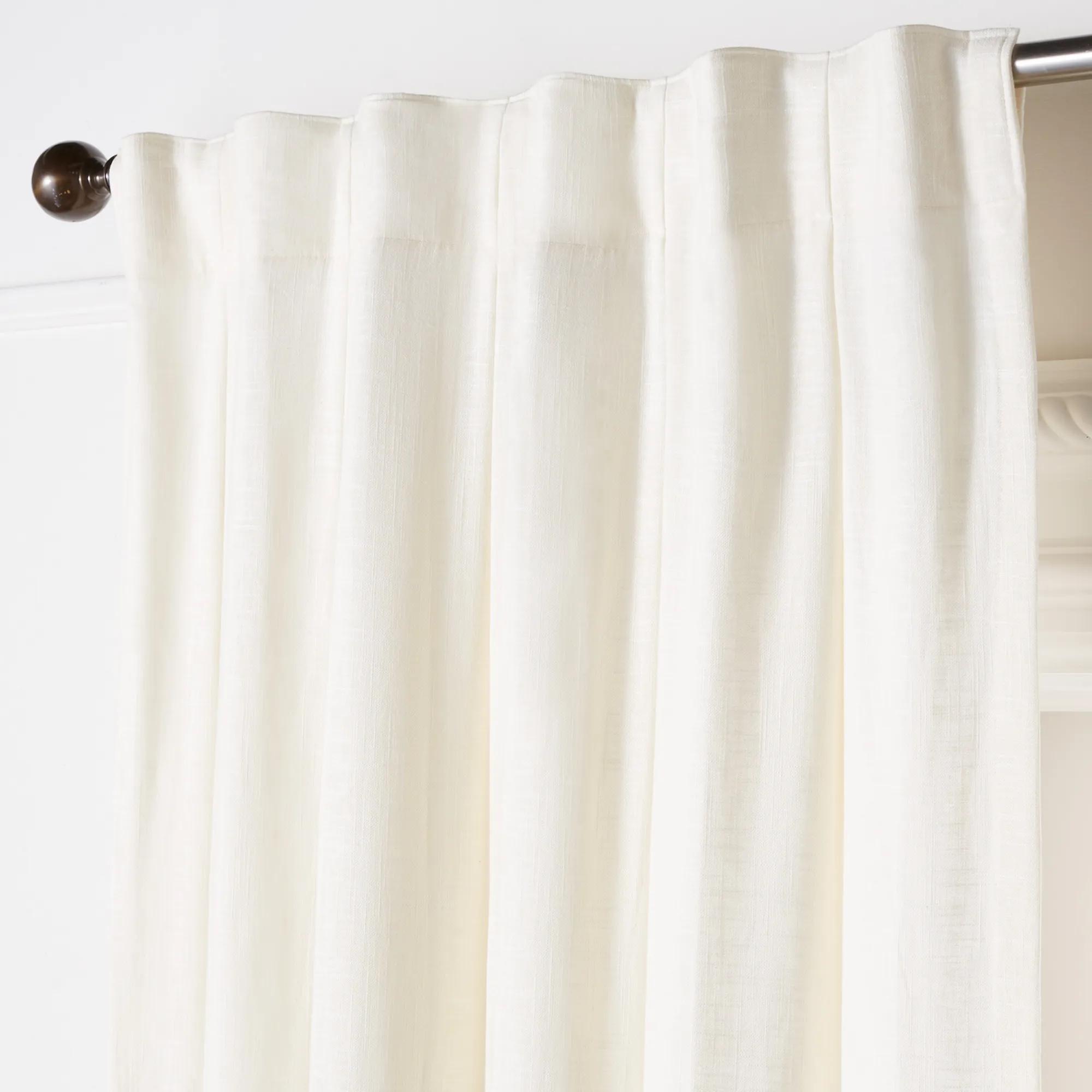 Audrey Linen Ivory Curtain - Custom$269
An ivory linen-blend curtain panel with lining, offering customizable lengths and two elegant header styles.
Add To Cart -
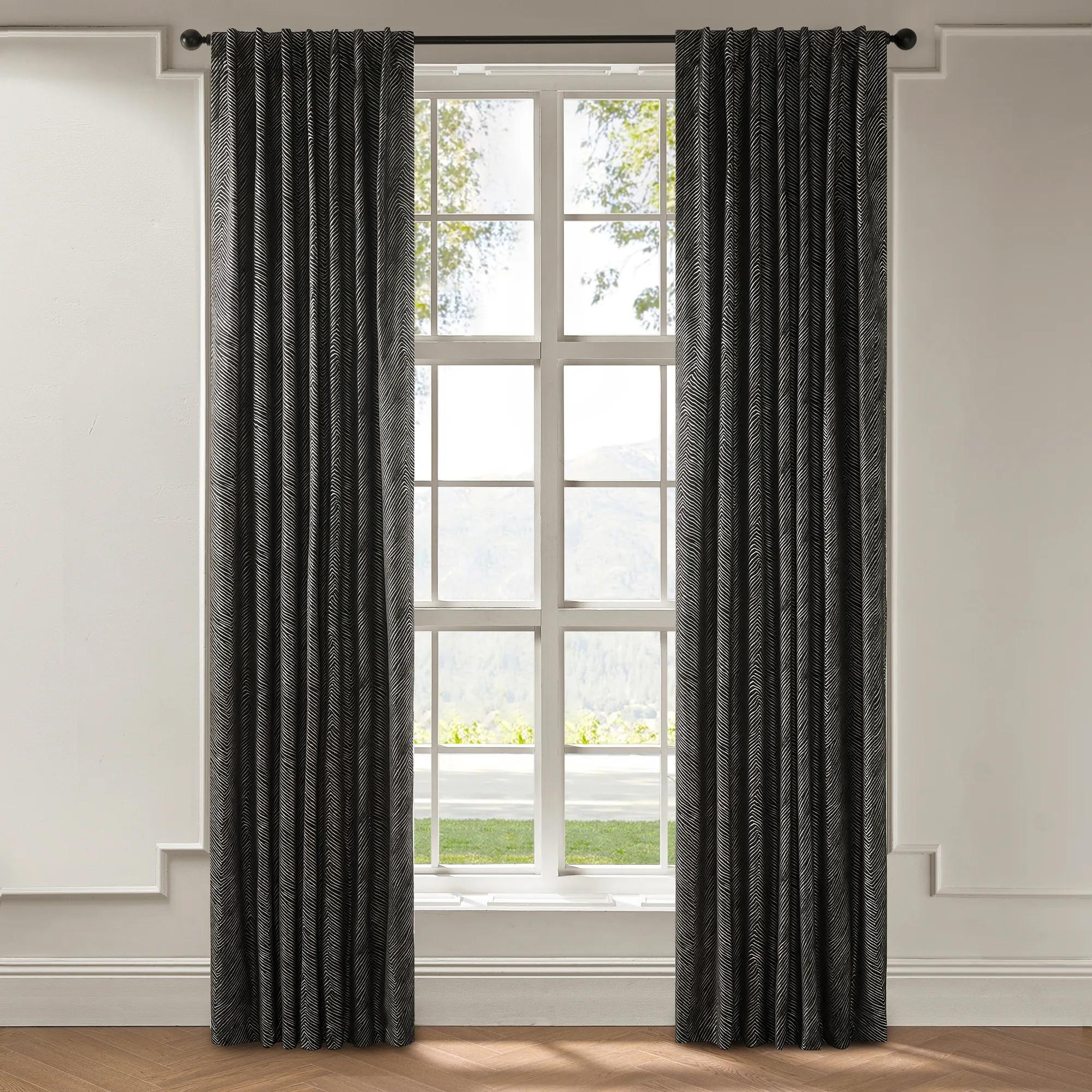
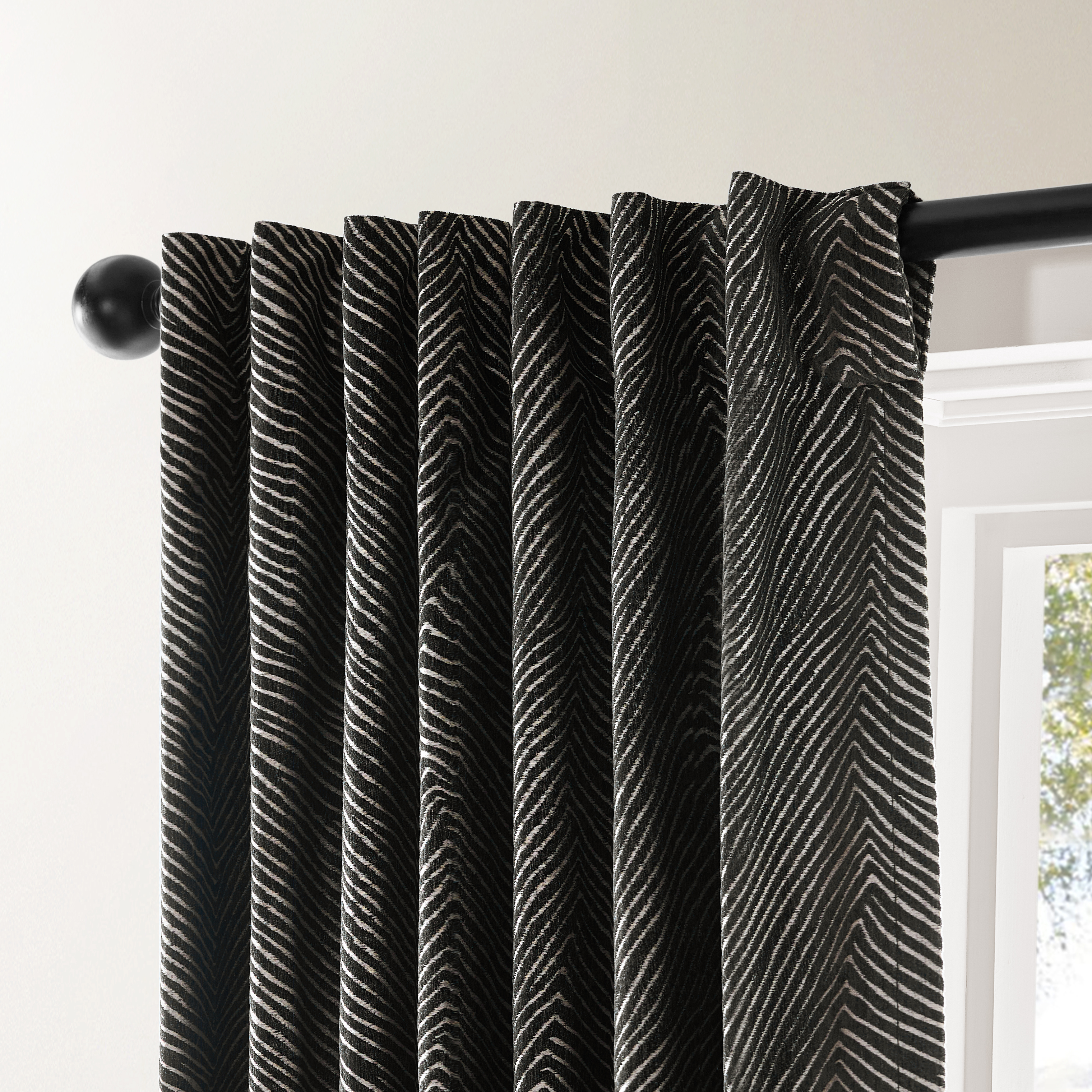 Kenzo Black Chenille Window Curtain Panel$139
A black chenille jacquard curtain with a room-darkening finish and versatile dual hanging options.
Add To Cart -
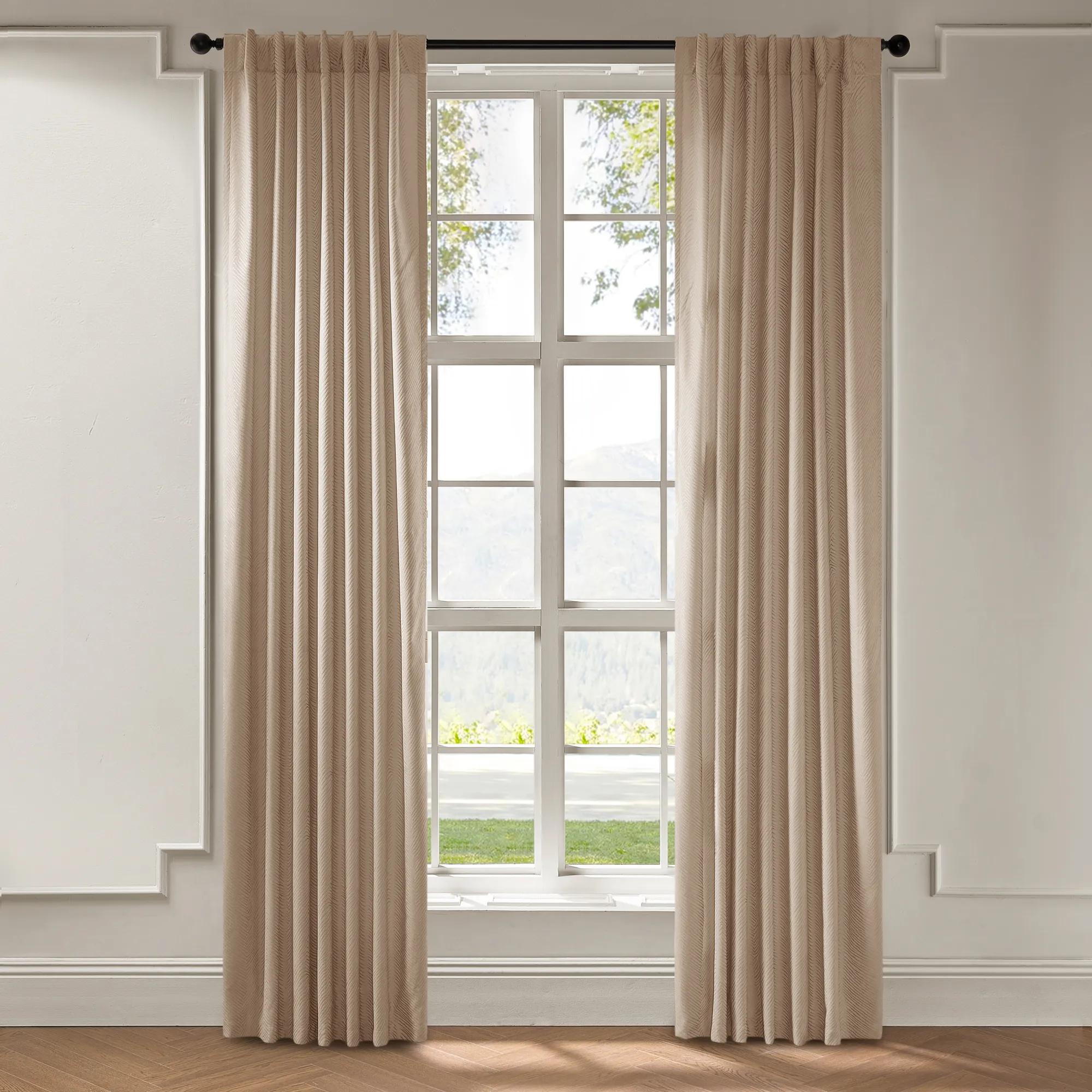 Kenzo Jacquard Beige Chenille Window Curtain Panel$129
A warm beige chenille jacquard curtain with a subtle sheen and versatile rod pocket or back tab hanging.
Add To Cart -

 Adair Sand Solid Velvet Window Curtain Panel$69
A sand-colored velvet curtain offering room-darkening privacy and versatile hanging options for refined interiors.
Add To Cart -

 Adair Midnight Blue Solid Velvet Window Curtain Panel$69
A sumptuous midnight blue velvet curtain that adds elegance, depth, and room-darkening style to any space.
Add To Cart -
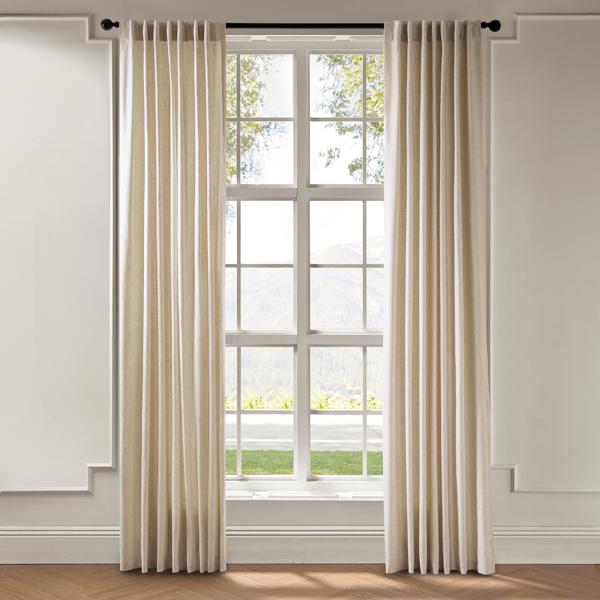
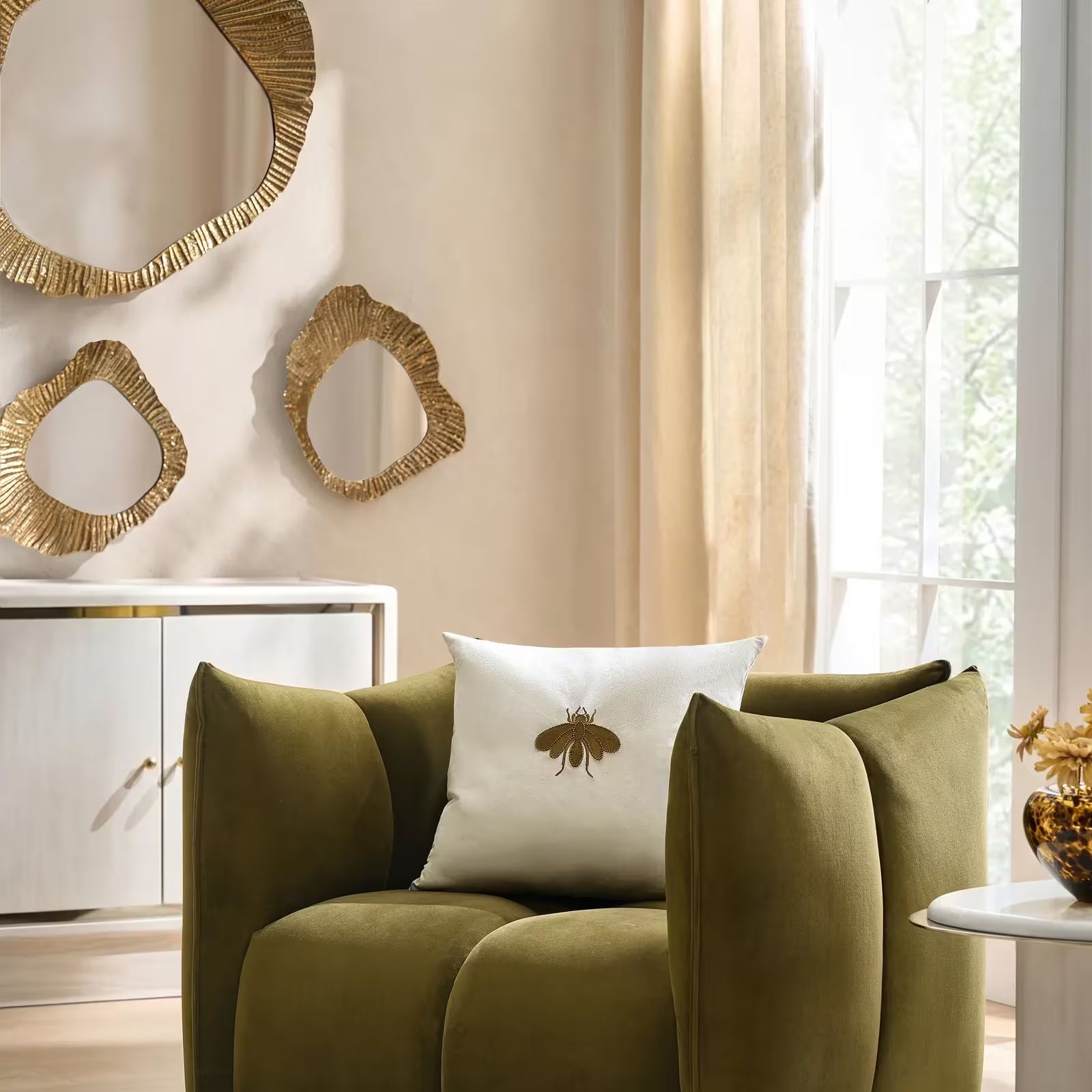 Anson Ivory Textured Window Curtain Panel$109
An elegant ivory curtain with a crushed, light-reflective texture and versatile dual hanging options.
Add To Cart -

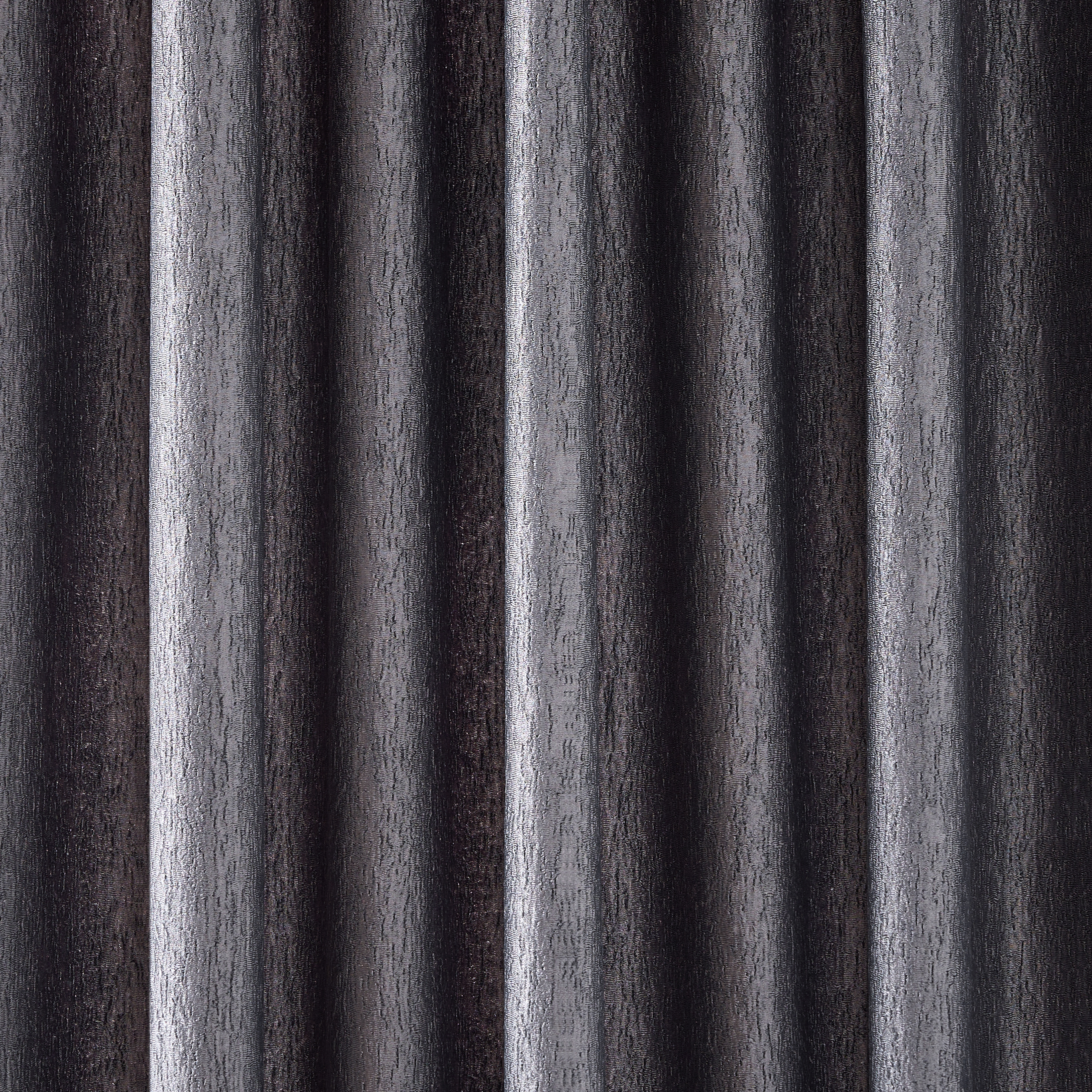 Anson Charcoal Textured Window Curtain Panel$99
A moody charcoal curtain with crushed polyester texture and subtle sheen for stylish, room-darkening appeal.
Add To Cart -
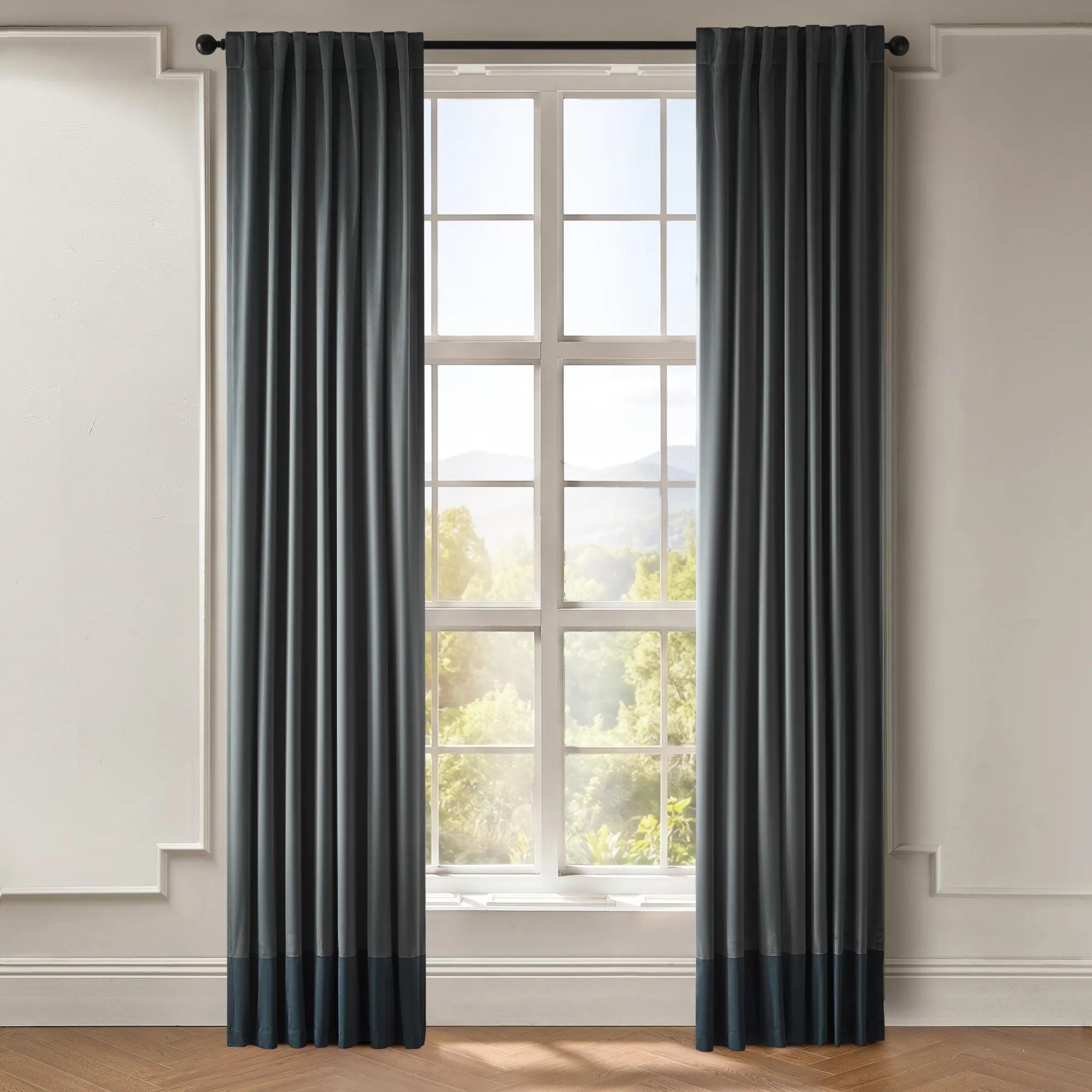
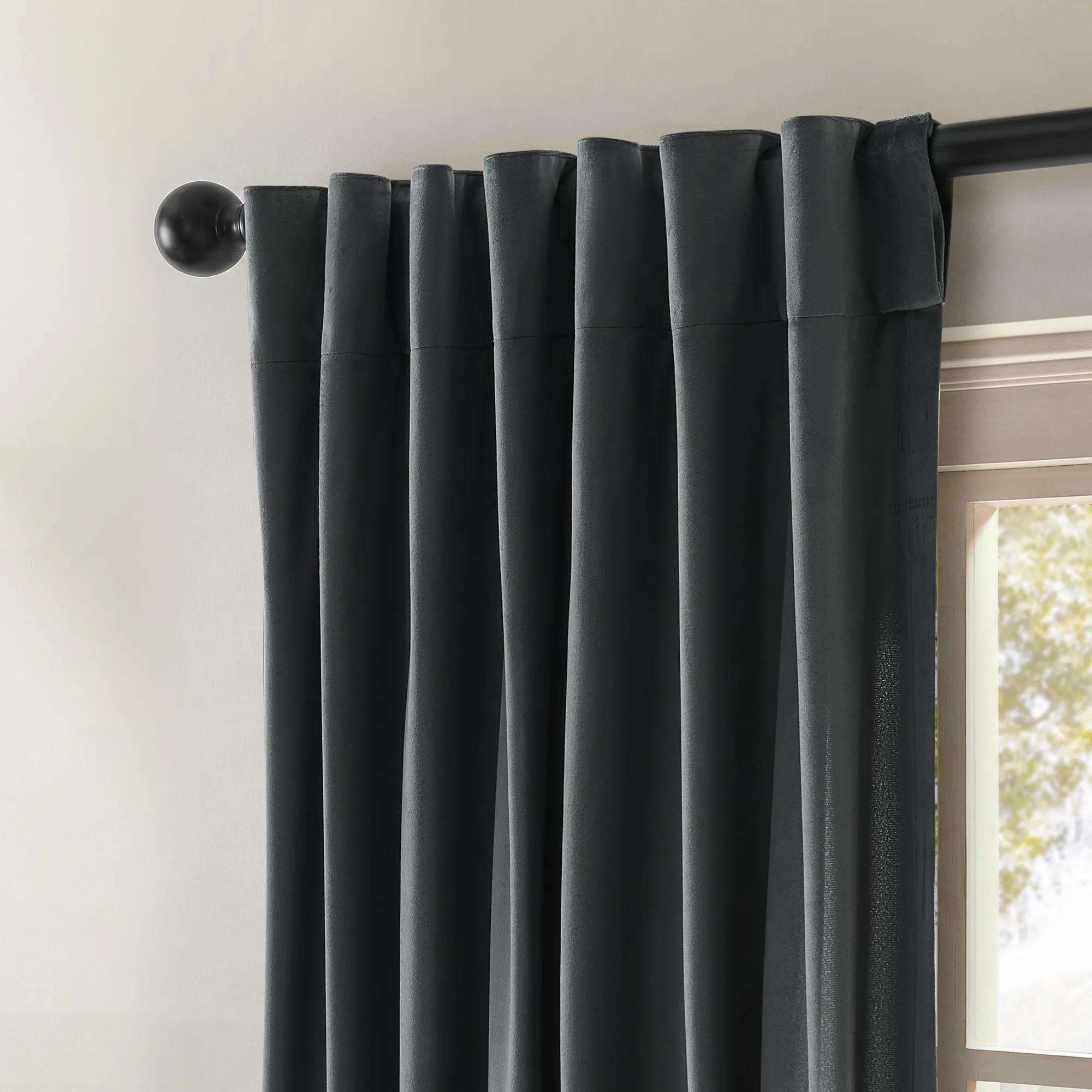 Bastien Blue/Midnight Velvet Border Window Curtain Panel$109
A two-tone dusty blue and midnight blue velvet curtain panel with room-darkening design and dual hanging options.
Add To Cart -
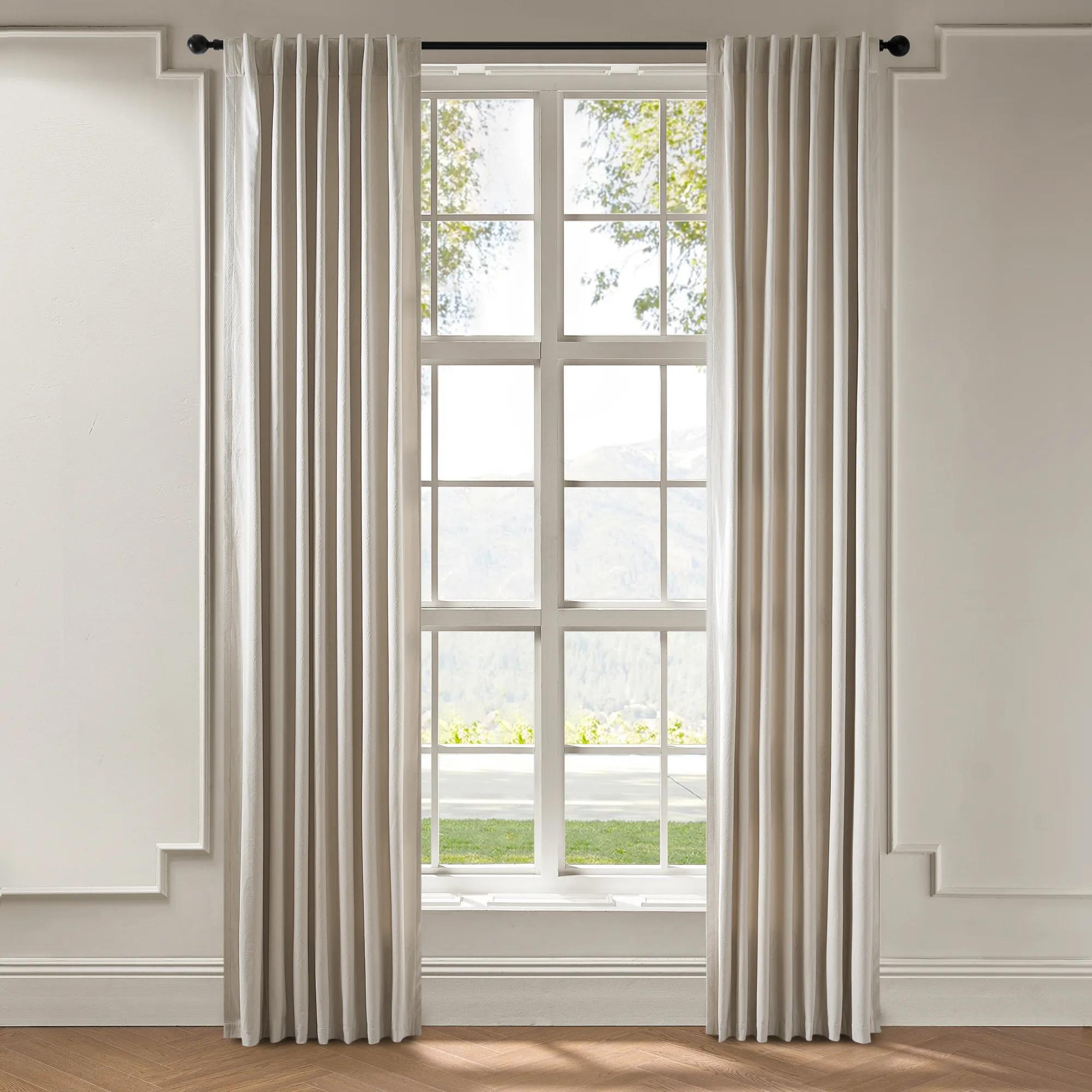
 Mabel White Velvet Swirl Window Curtain Panel$99
A crisp white velvet curtain featuring a tonal swirl texture and versatile dual hanging options.
Add To Cart -

 Mabel Natural Velvet Swirl Window Curtain Panel$99
A warm neutral velvet curtain with a tonal swirl pattern, offering room-darkening privacy and versatile hanging options.
Add To Cart -

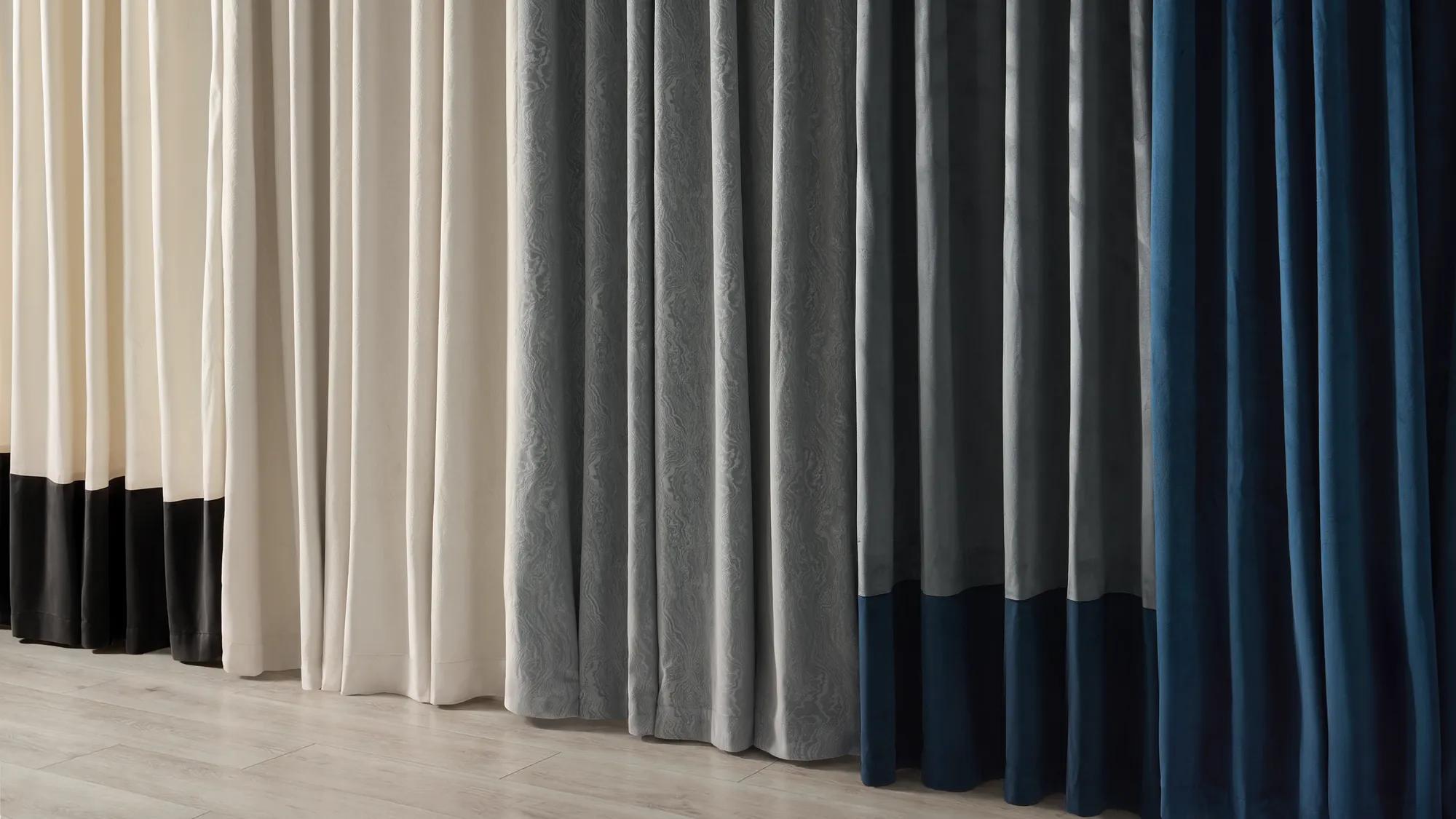 Mabel Velvet Swirl Curtain - Grey Blue$99
A grey blue velvet curtain featuring a tonal swirl pattern and versatile dual hanging options.
Add To Cart -
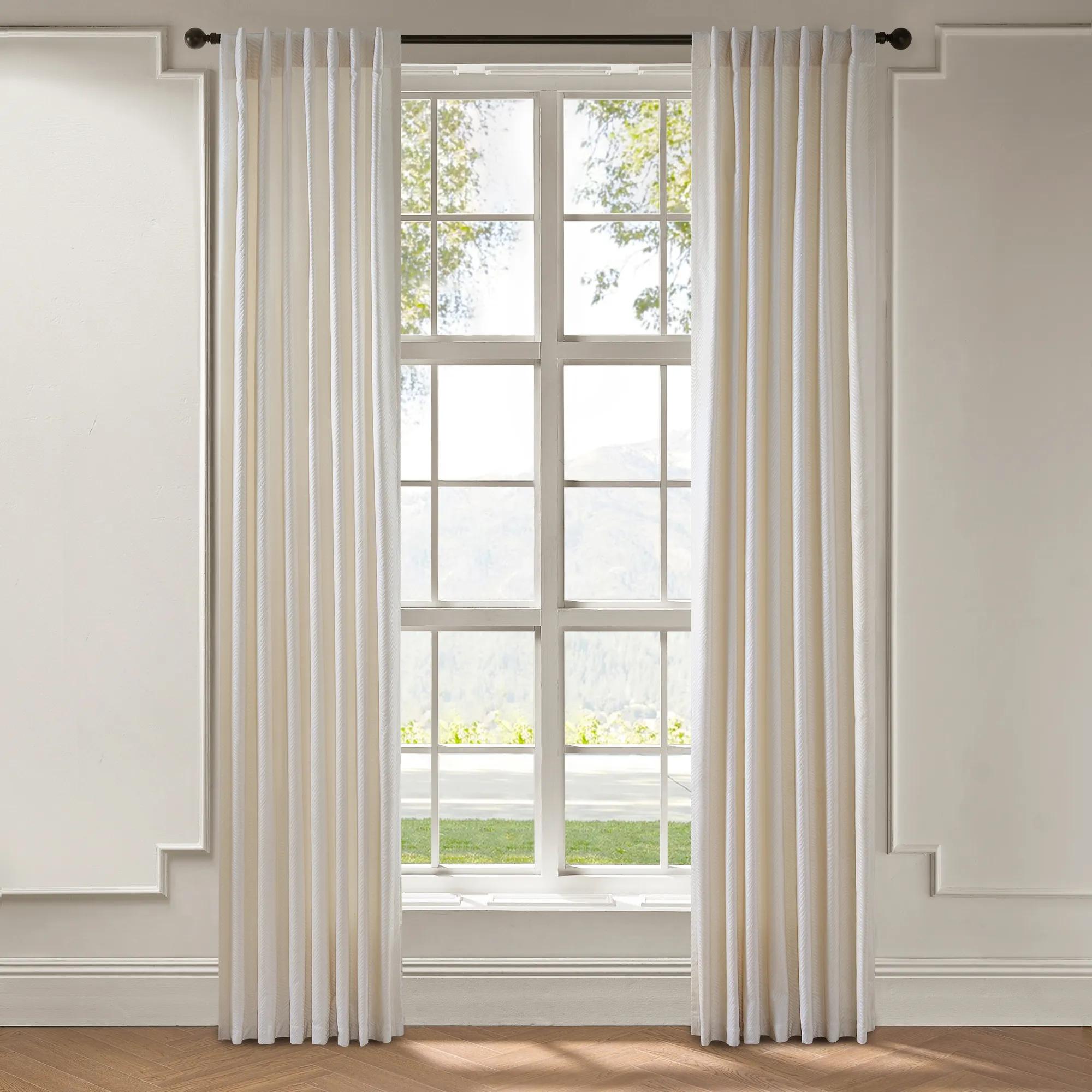
 Kenzo Chenille Curtain - White$139
A luxe white chenille jacquard curtain featuring a subtle high-contrast pattern and versatile dual construction.
Add To Cart -
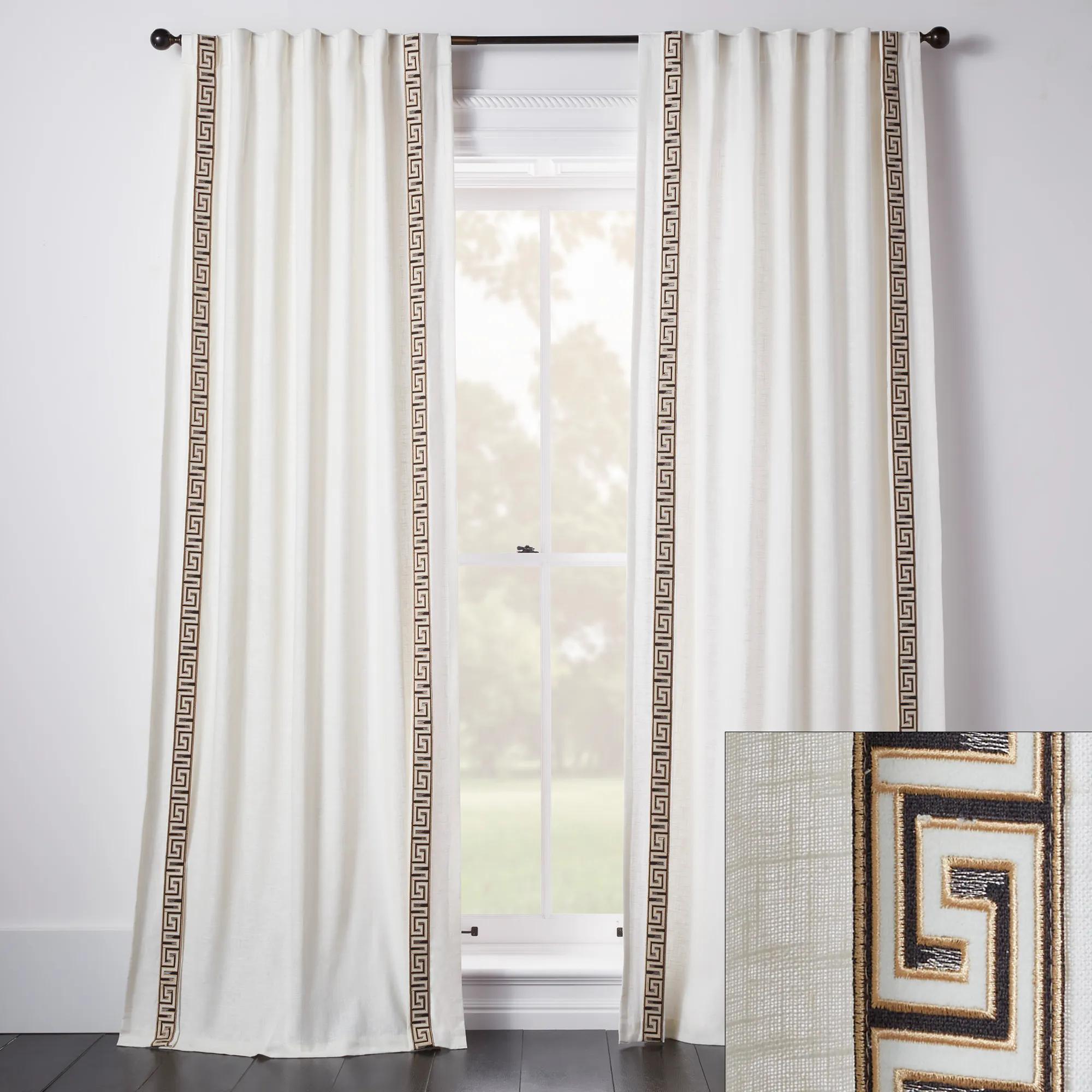 Chole Greek Key Border Velvet Widow Curtain Panels Custom$349
A white linen-blend curtain with black and gold velvet Greek key border and customizable hanging options.
Add To Cart -
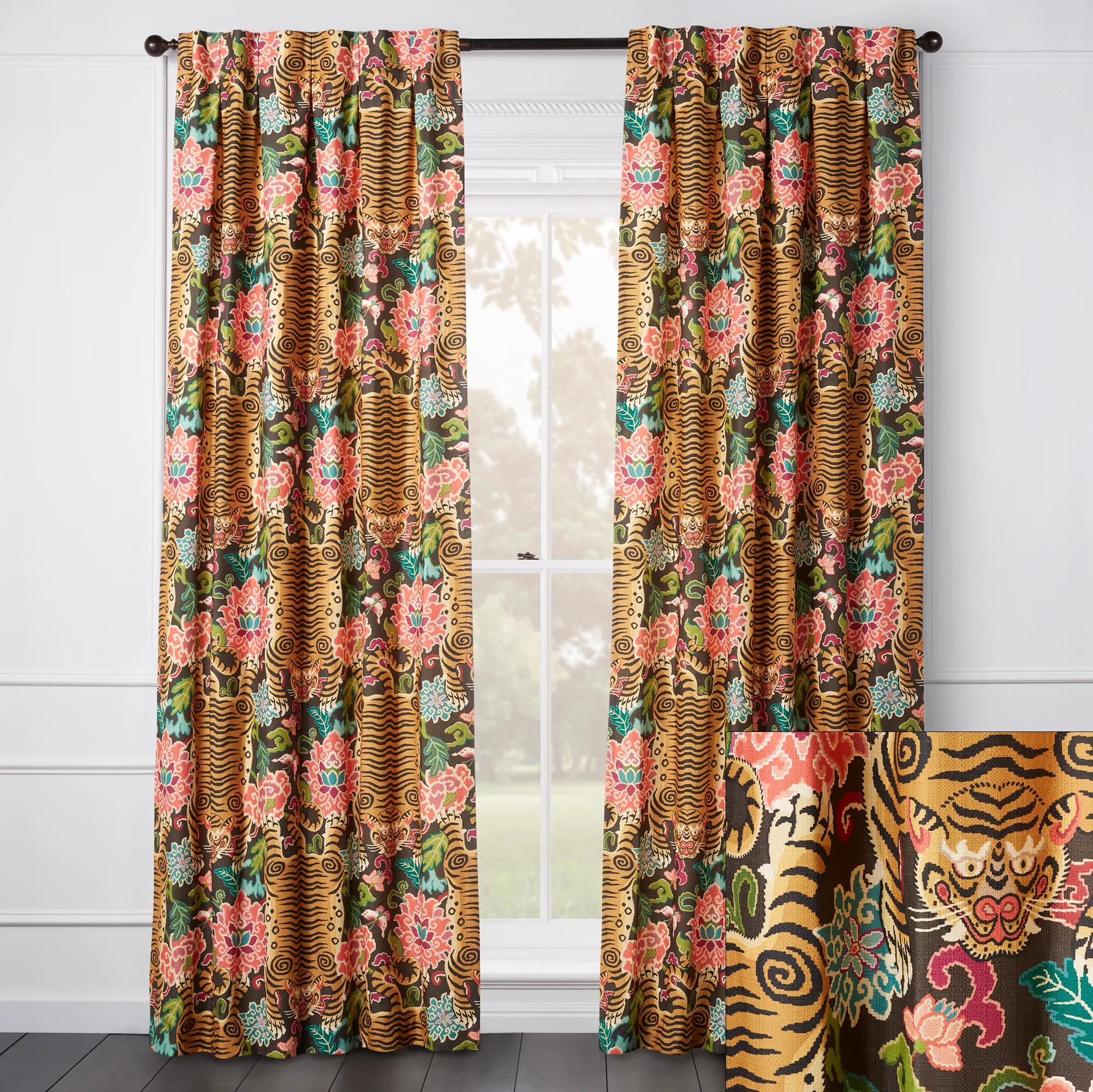
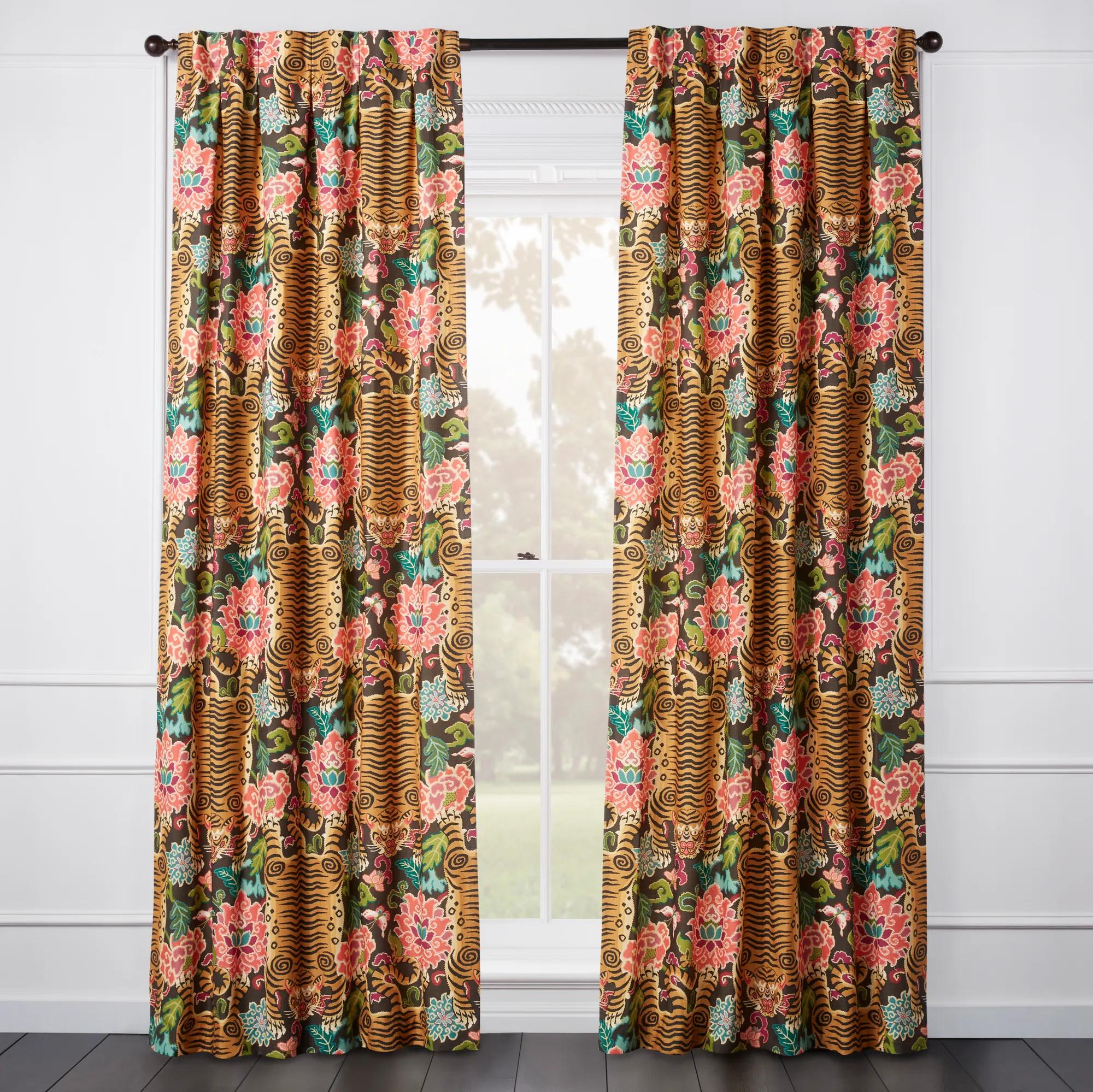 Nimer Gold/Multi Printed Slubbed Cotton Window Curtain Panel$349
A lively gold and multi-colored cotton curtain panel featuring a bold tiger print and customizable options.
Add To Cart -
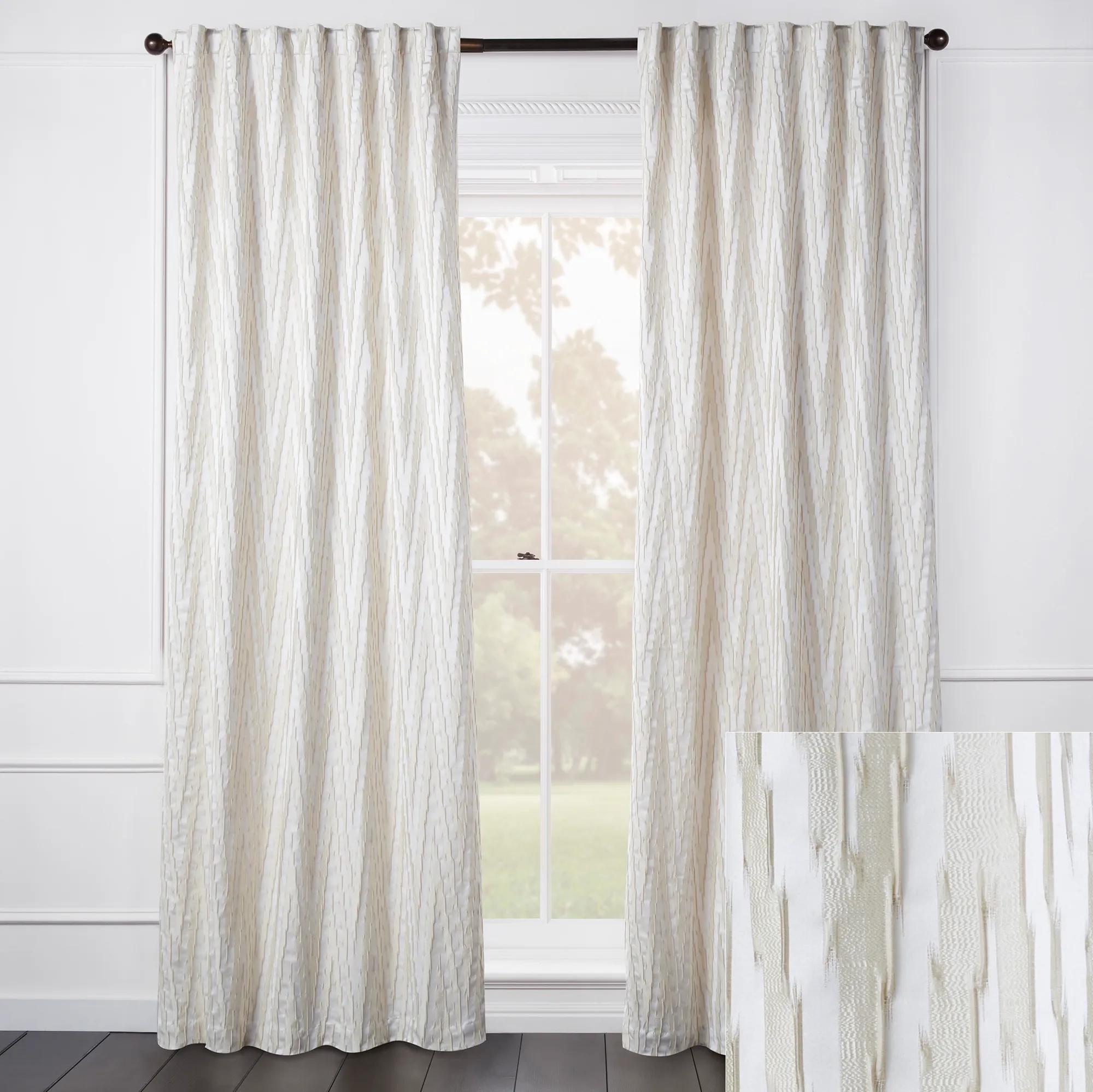
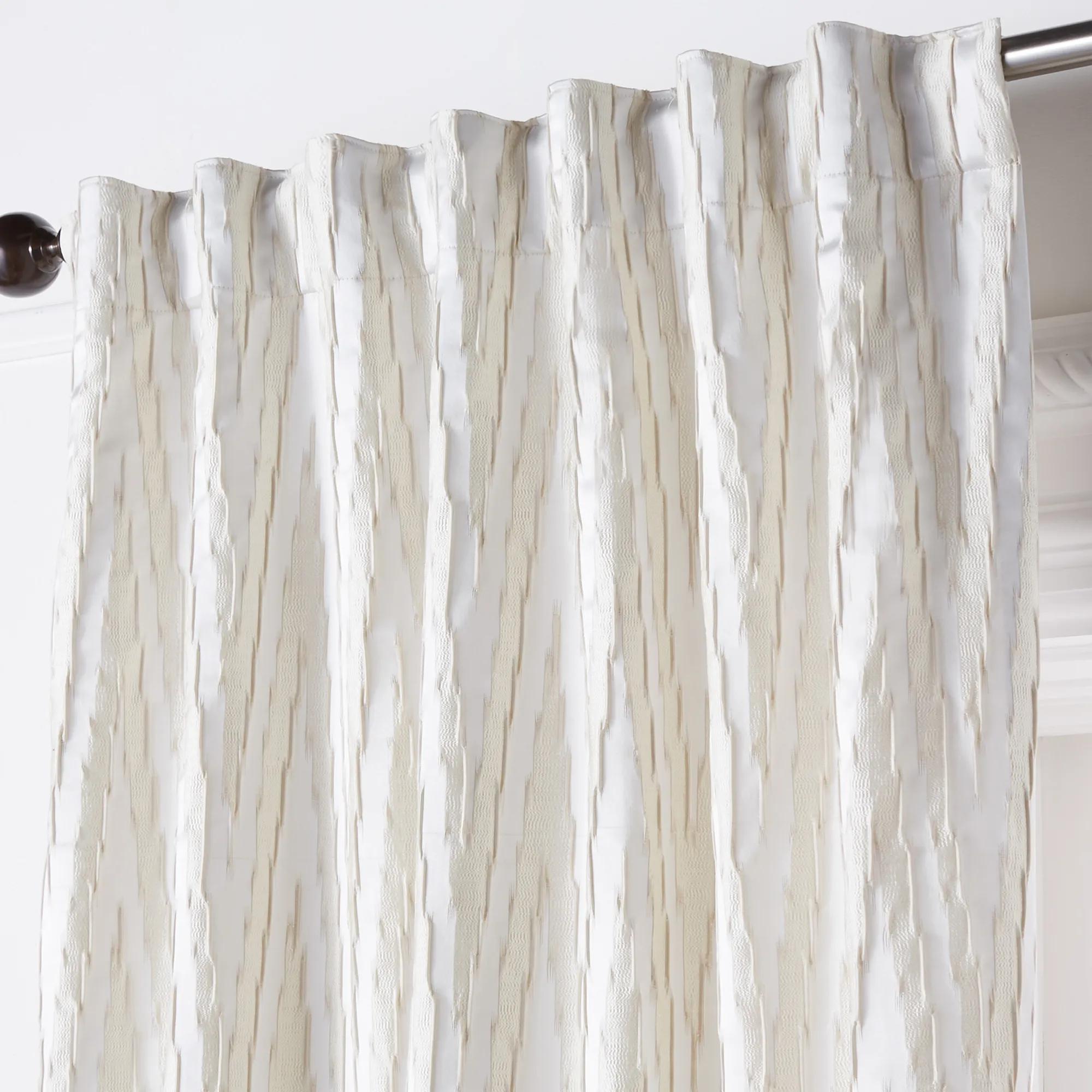 Minka Jacquard Pearl Window Curtain Panel Custom$329
A highly textured chevron curtain panel in pearl, grey, or natural polyester with customizable hanging options.
Add To Cart

Imported Material Window Curtains
Imported material window curtains become more than a finishing touch—they are the essence of dramatic transformation, weaving global artistry into every fold. These sumptuous draperies invite intrigue and allure, cascading with texture and depth that redefine the mood of your space. Whether you crave a grand entrance of natural light or a cocoon of privacy, imported material window curtains offer an exquisite interplay of elegance and expression. Elevate your interiors with textiles that tell a worldly story—each panel poised to frame your windows with undeniable sophistication and flair.
Imported material window curtains are window coverings made with fabric sourced from another country, although the textile’s origin and the location where the finished panels are sewn may differ. Their appeal lies in the possibilities of the fabric itself: the irregular texture of linen, the rich depth of velvet, the fluid sheen of silk, or a carefully balanced blend that falls into sculptural folds. Country of origin alone does not establish quality, so fiber content, weave, lining, and construction offer a more complete picture of how curtains will look and perform. Linen brings visible texture and an airy, relaxed drape, with natural slubs that lend character rather than uniformity. Cotton offers a softer, more matte appearance and can feel crisp or supple depending on its weave and finish. Polyester and blended fabrics can provide dimensional stability and wrinkle resistance, while the balance of fibers determines how much natural texture remains. Velvet describes a pile fabric rather than a single fiber; its composition influences softness, sheen, care requirements, and durability. Silk creates a particularly luminous surface but generally requires more protection from direct sunlight and more specialized care. For fabrics described as French, Belgian, or European linen, stated sourcing information should be considered alongside the actual linen percentage and finished construction. Fabric weight, sometimes expressed in grams per square meter, helps describe density, but it does not independently establish opacity, softness, or quality. An open weave can transmit light even when its yarns feel substantial, while a tightly woven fabric with an appropriate backing can offer greater coverage. Imported curtain fabric becomes most expressive when these practical details support the room’s intended mood: sheer texture for a luminous sitting area, generous woven panels for an elegant dining room, or a lined drape that gives a bedroom a composed, enveloping finish. The distinction is not simply between light and heavy fabric, but between different ways of framing a view and shaping the atmosphere around it.
Proportion gives window curtains their architectural presence. A panel that appears lavish in a close-up photograph can look sparse across a wide window if there is too little fabric to form folds. For many styles, a combined panel width of roughly one and a half to two times the rod width creates useful fullness, although sheer fabrics, deep pleats, and particular heading styles may require different amounts. The intended heading matters as much as width: rod pockets create soft gathering, back tabs produce a more controlled rhythm, rings allow visible movement along the rod, and tailored pleats establish a defined silhouette. Compatibility with the rod, hooks, or track should be confirmed before selecting dimensions. Length is measured from the actual hanging point, which varies with the hardware, rather than automatically from the top of the window frame. A hem that just clears the floor offers a polished line with less contact against dust and foot traffic; a slight break introduces softness, while a deliberate puddle asks for more floor space and maintenance. Extending the rod beyond the frame can let open panels rest beside the glass, preserving more of the view, provided the wall and hardware allow it. In a living room, textured curtains can soften the contrast between a broad window and a glossy console or sculptural seating. In a bedroom, light-filtering, room-darkening, and blackout constructions serve different needs; blackout performance depends on the fabric or backing as well as coverage around the window. Sheer curtains alone generally provide limited privacy after dark when interior lights are on. Layering a decorative panel over a separate shade or lining can balance expressive fabric with more precise light control. Pattern adds another dimension: Luxury Patterned Window Curtains introduce motifs that can echo a rug, contrast with smooth upholstery, or give an otherwise tonal room a distinctive focal point. Large patterns need enough uninterrupted fabric to remain legible, while smaller repeats tend to register as texture from across the room.
Lasting beauty depends on how the fabric is finished, used, and maintained. Even curtains with a sumptuous hand need secure seams, balanced hems, and a heading that supports the weight of the panel without distortion. Lining can add body, conceal the reverse of a decorative weave, and help shield face fabric from direct light, but its presence does not automatically make a curtain blackout or machine washable. Any description of shape retention or memory finishing should be read as a specific construction or treatment claim, not a promise that every fold will remain unchanged through washing and daily use. Natural fibers may relax, crease, or change dimensions, and blended textiles can also respond differently to moisture and heat. The care label should govern cleaning: some curtains tolerate gentle washing, while others require professional cleaning because of their fibers, finishes, lining, or embellishments. Testing a hidden area before spot treatment helps reveal possible color transfer or water marking, and aggressive rubbing can disturb a velvet pile or leave a visible patch on a delicate surface. Gentle vacuuming with an upholstery attachment, when suitable for the fabric, can remove settled dust without repeatedly taking down substantial panels. Steam should be used only when the care instructions permit it, with particular caution around sensitive finishes and layered constructions. For windows opened frequently or rooms shared with children and pets, a floor-clearing length and a stable weave may be more practical than trailing fabric or easily snagged threads. Substantial textiles also need properly rated rods, brackets, and secure mounting; graceful draping starts with reliable support. Color deserves equal attention, since a luminous ivory, smoky gray, or saturated jewel tone can read differently against daylight, painted walls, and evening lighting. A fabric sample, when possible, offers a clearer sense of texture, opacity, and undertone in the intended space. With material, proportion, and maintenance working together, imported fabric curtains become more than a decorative border. They give the window a deliberate silhouette, draw surrounding finishes into conversation, and bring a room’s most expressive details into focus.
FAQs
Imported window curtains are often crafted from luxurious materials such as French linen, silk, cotton, and innovative synthetic blends. Each fabric brings its own unique character—linen offers a relaxed, organic texture; silk is prized for its luminous sheen and elegance; cotton provides versatility and softness; while modern synthetics deliver durability and easy maintenance.
Imported curtains elevate a room by introducing richness in texture, color, and light control. Sheer linen panels can bathe a space in gentle, diffused sunlight, creating an airy, sophisticated mood. Blackout and lined options add a sense of intimacy and drama, perfect for creating cozy retreats or statement-making living areas.
Absolutely. Imported window curtains make thoughtful and memorable gifts for housewarmings, weddings, anniversaries, or anyone embarking on a home redesign. Their luxurious materials and transformative impact on a space offer a daily reminder of your care and impeccable taste.
The choice of hardware can dramatically influence the final look. Grommets lend a modern, streamlined feel and allow for effortless sliding, while rod pockets create a more classic, gathered effect. Finials and rods in metallic finishes or sculptural designs can further enhance the curtain’s presence as a design statement.
Consider both the ambiance you wish to create and the practical demands of your space. Silk and linen are ideal for formal or decorative settings where their beauty can be showcased, while cotton and performance synthetics are well-suited to high-traffic areas or homes where ease of care is essential. Let your personal style, the room’s function, and the desired mood guide your selection.