Hidden Zipper Closure Bedding
Hidden Zipper Closure Bedding
-
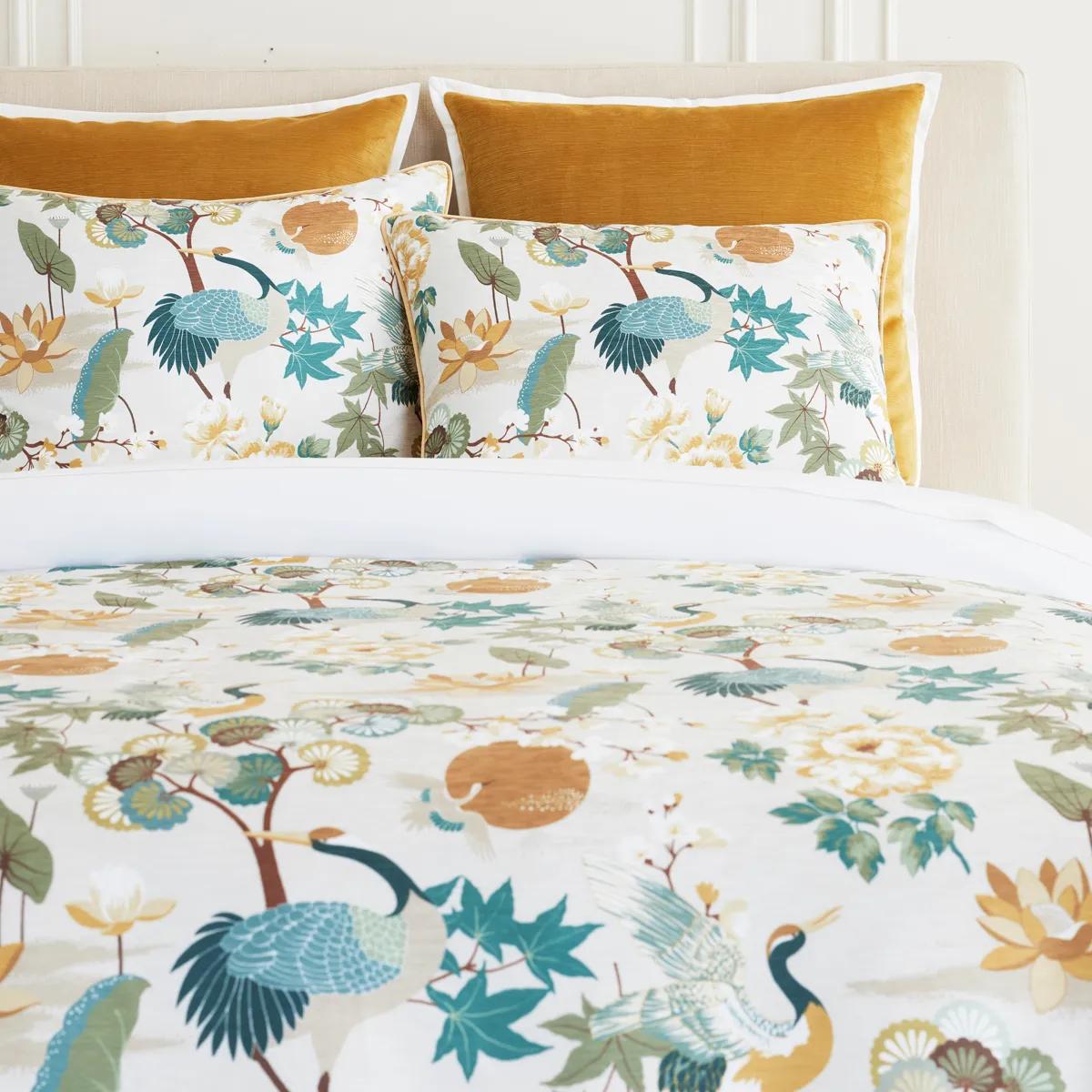
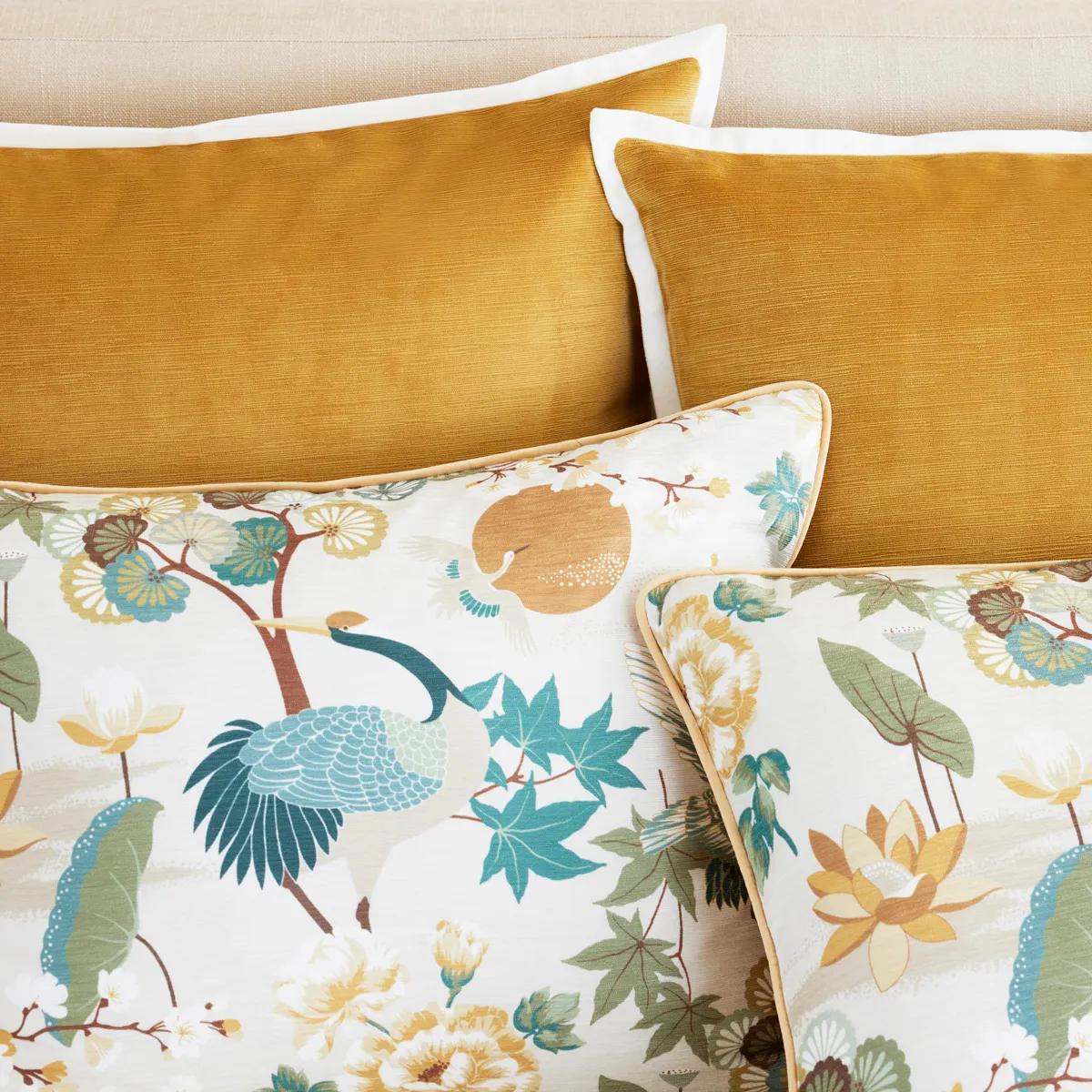 Sandhill Ivory/Multi Color Printed Bedding Set$639
An ivory bedding collection featuring earthy tones, gold velvet accents, and a soft cotton-polyester blend.
Add To Cart -
.jpg?w=1200&h=1200)
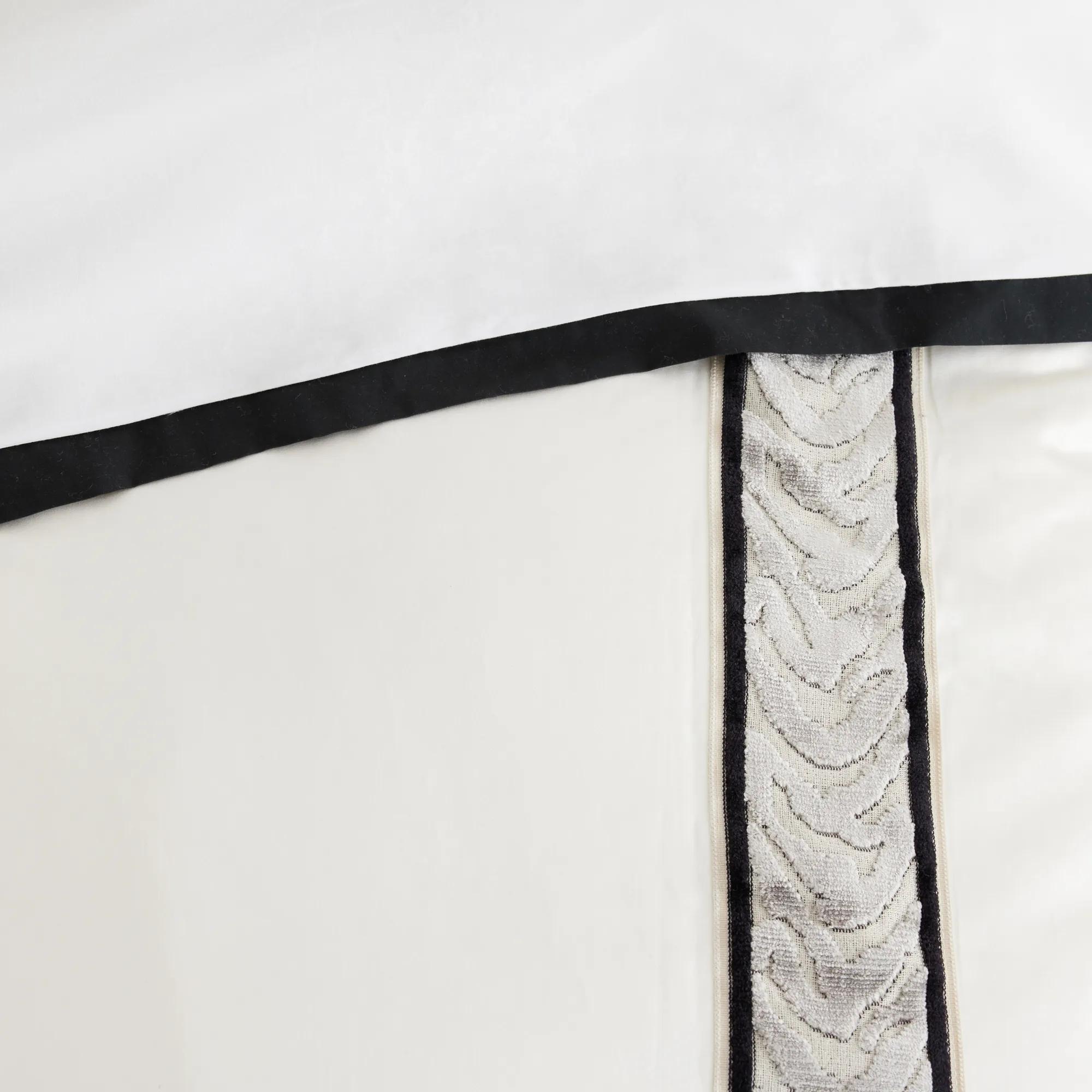 Gianna Grey/Black/White Animal Print Cut Velvet Appliqué Border Bedding Set$199
A luxurious grey and black bedding collection featuring a cut velvet tiger-stripe appliqué border for bold elegance.
Add To Cart -
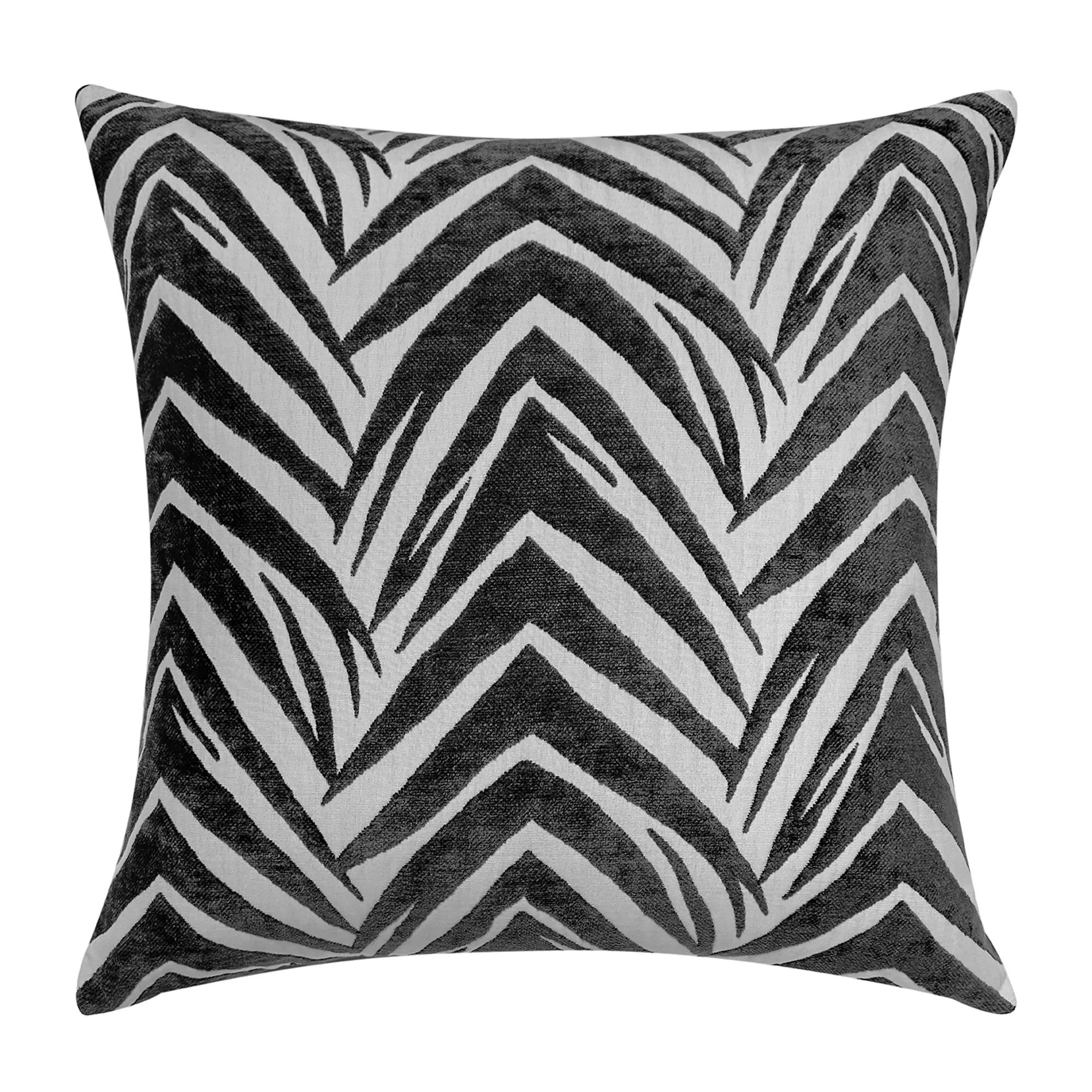
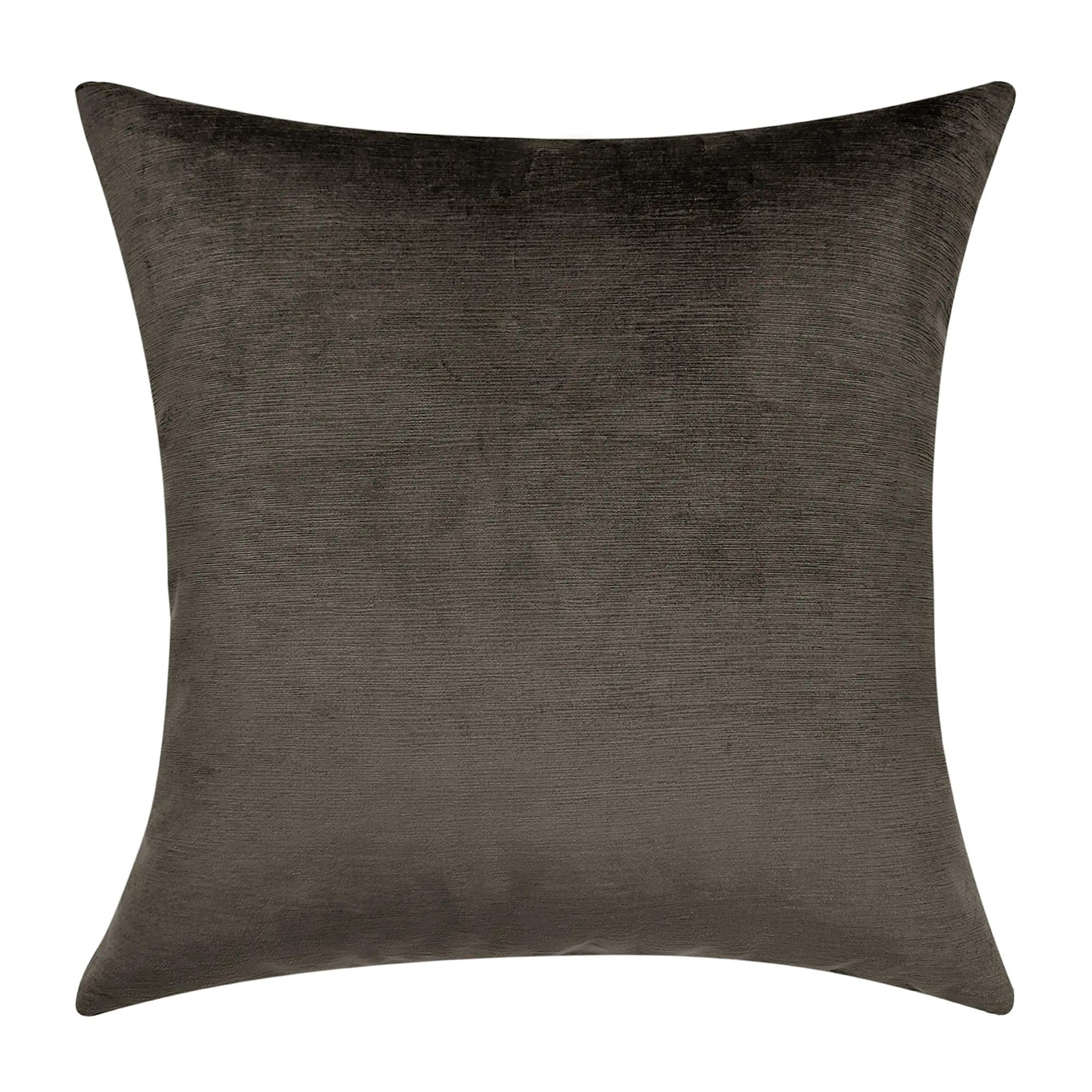 Zebby Black/White Zebra Print Velvet Pillow 22" x 22"$89
A luxurious jacquard chenille pillow featuring a bold black and white tiger print and plush feather down insert.
Add To Cart -
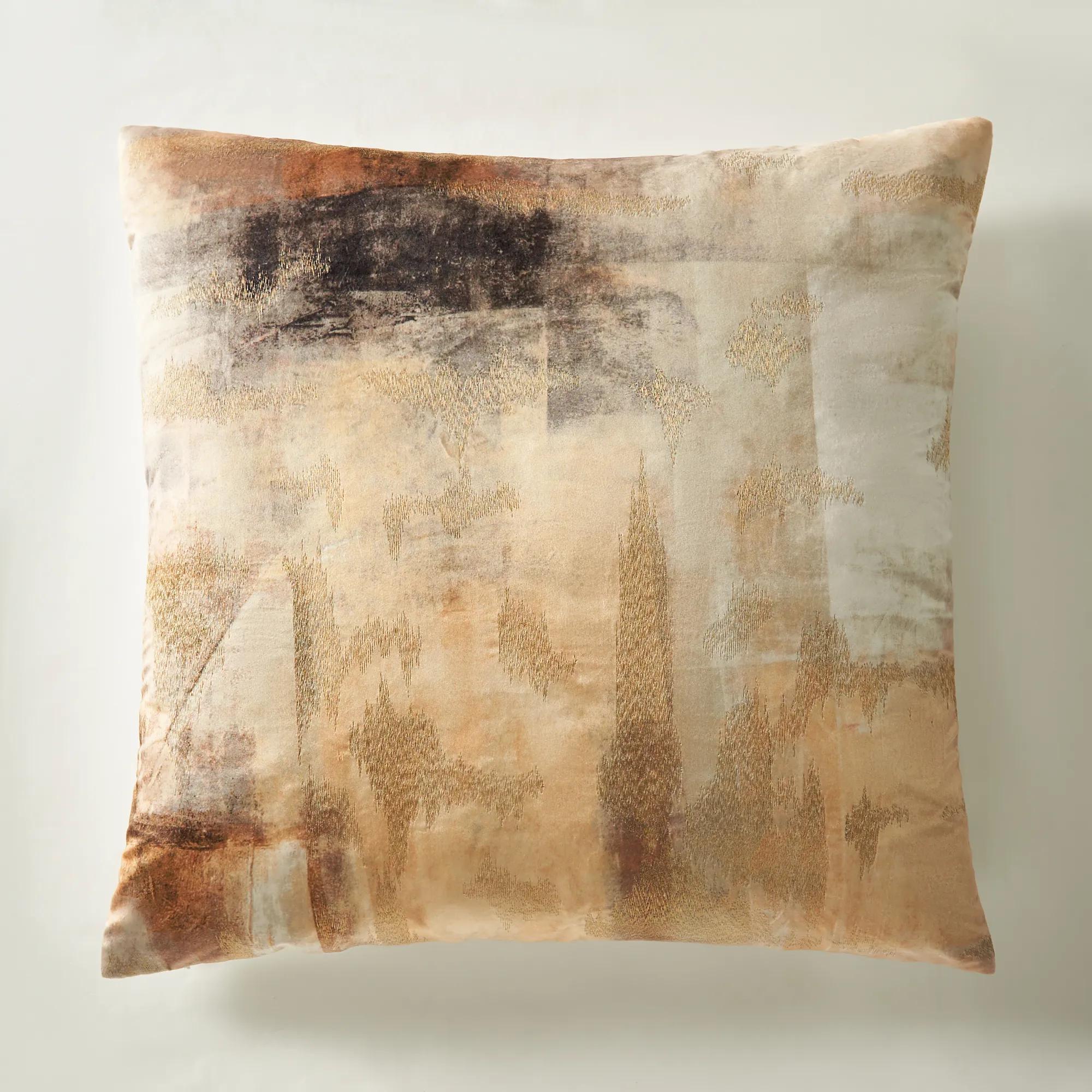
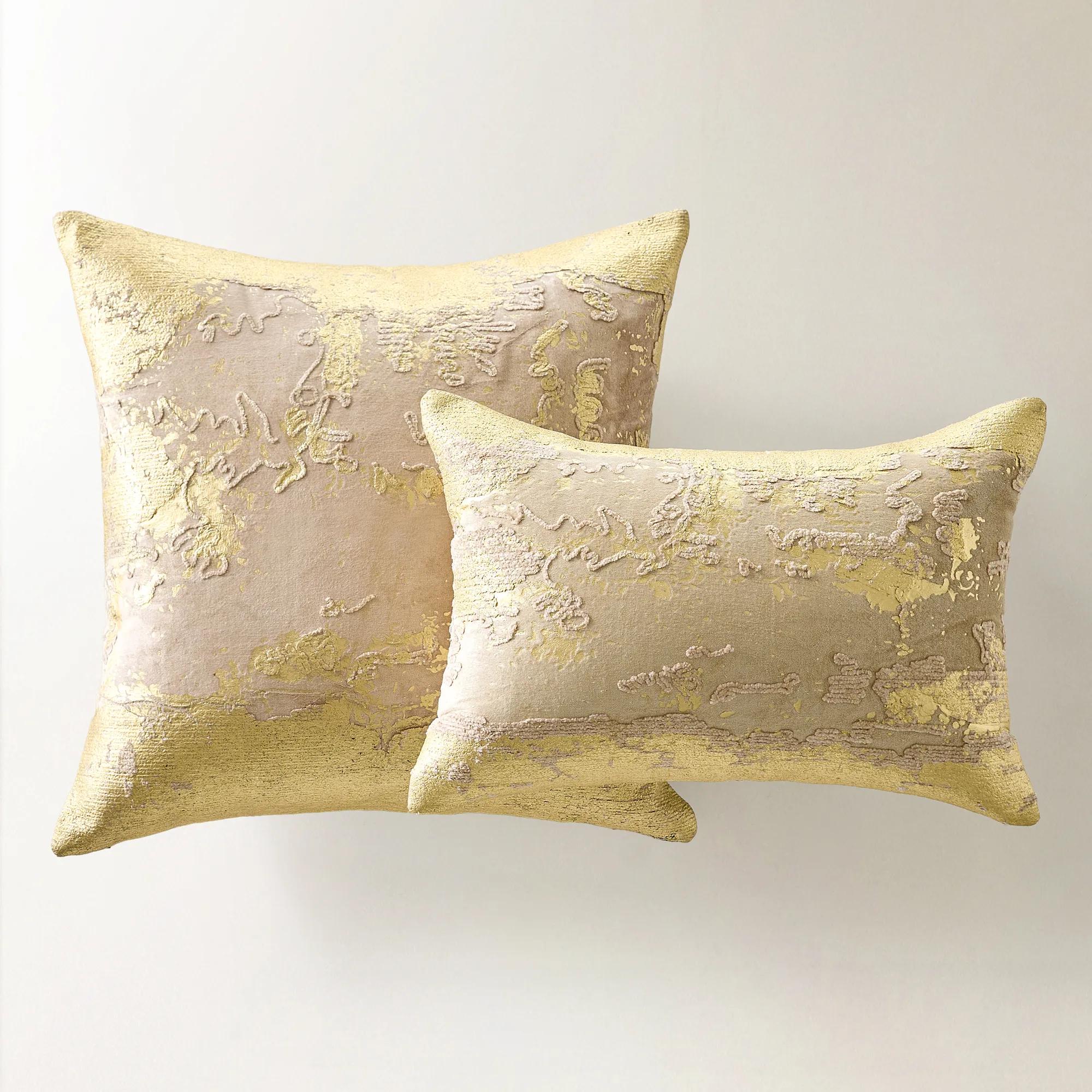
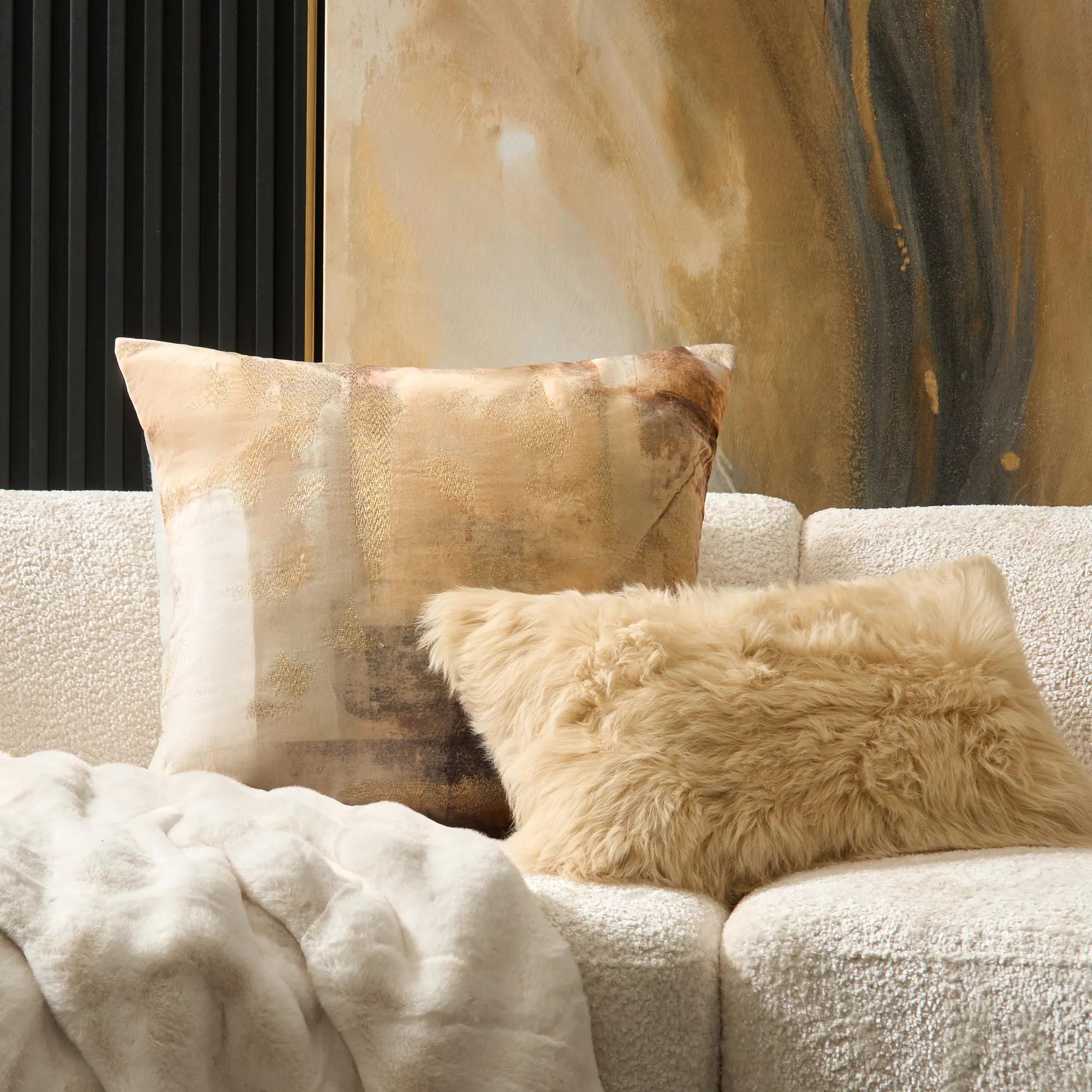 Riya Abstract Gold Embroidered Velvet Pillow 24" x 24"$79
A plush ivory, gold, and grey velvet pillow with metallic embroidery and a feather down insert.
Add To Cart -
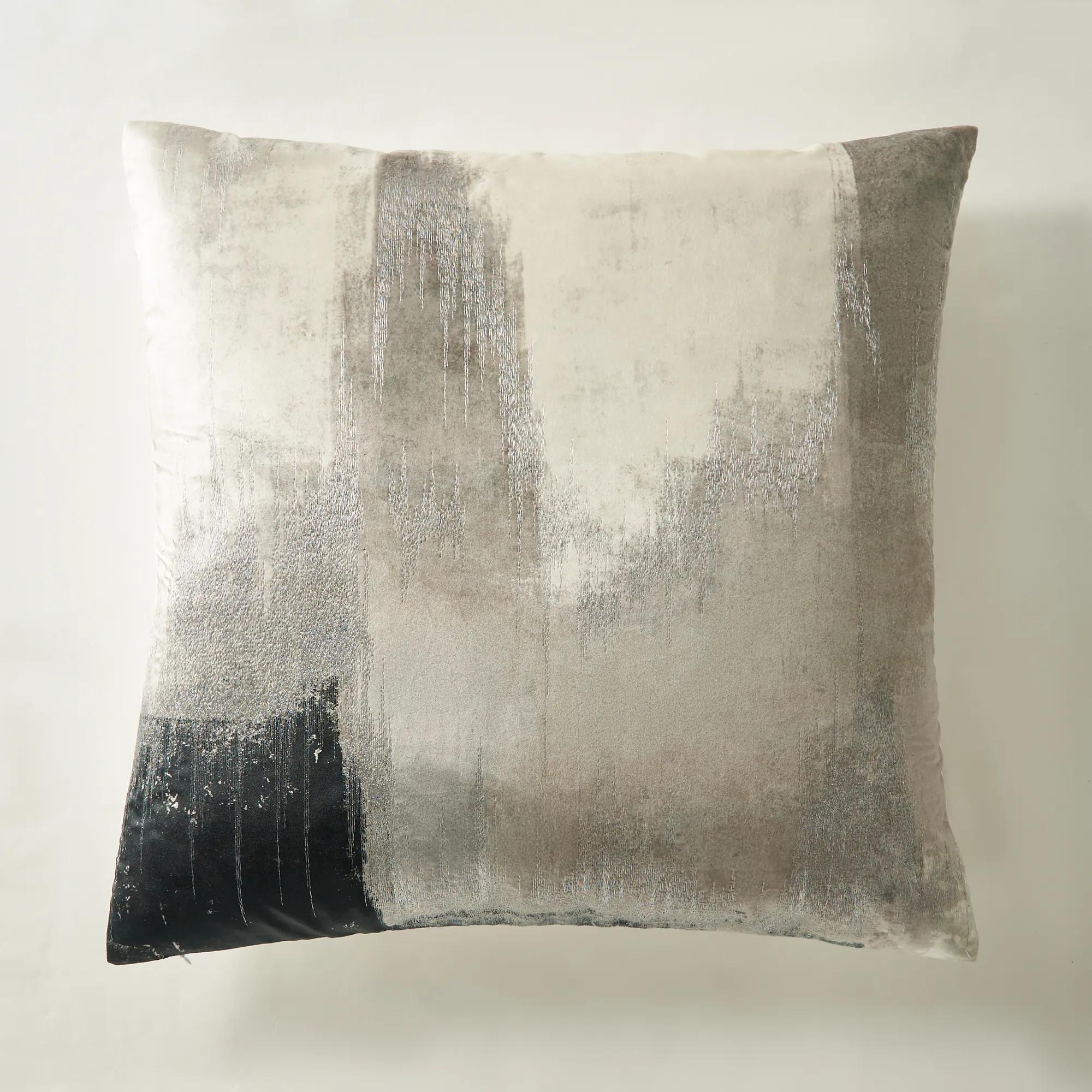
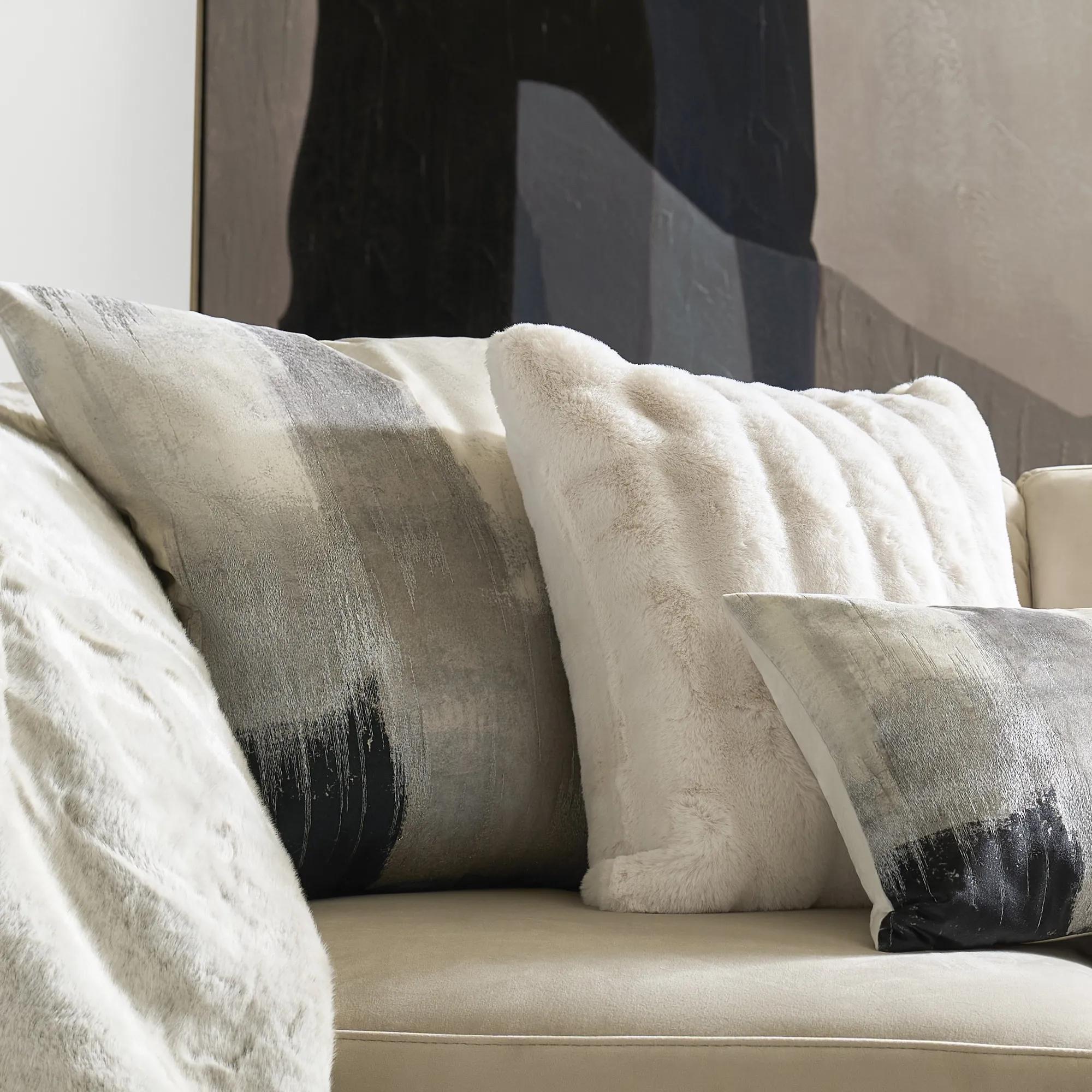 Nya Grey/Black Embroidered Velvet Pillow 24" x 24"$79
A plush black and grey velvet pillow featuring metallic silver embroidery and a feather-down insert.
Add To Cart -
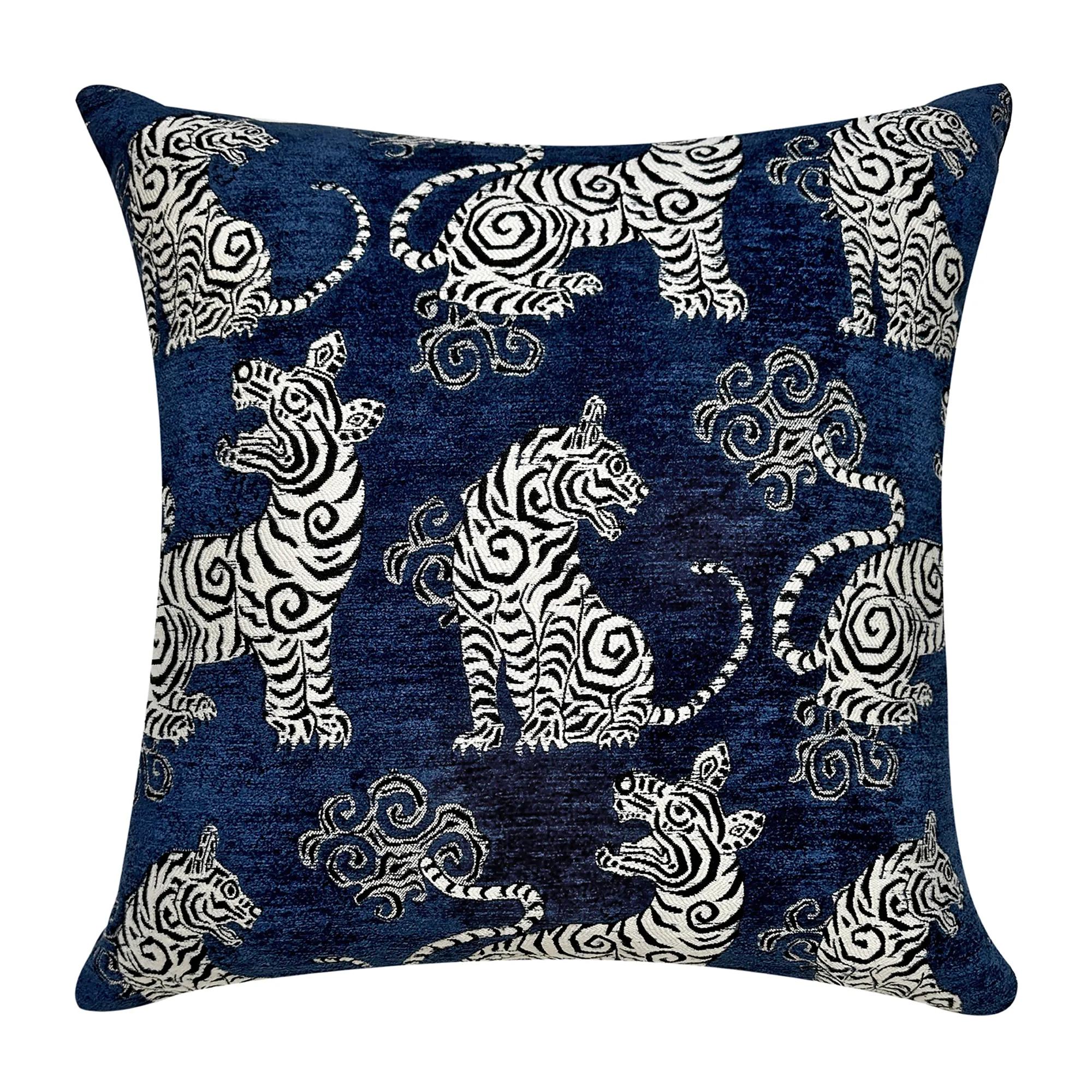
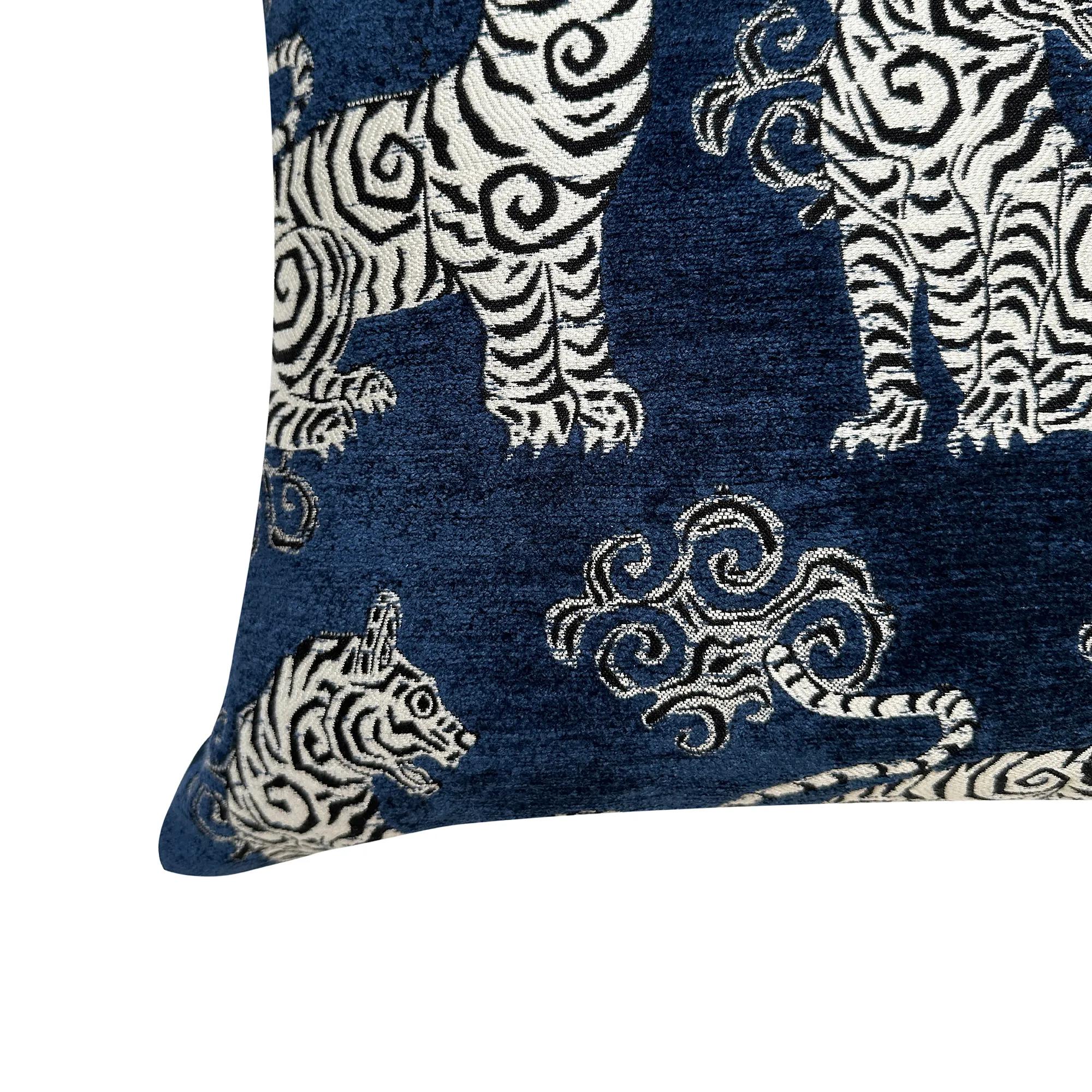 Tigress Navy Blue Jacquard Chenille Velvet Pillow 20" x 20"$119
A luxurious navy jacquard chenille pillow featuring a black and white mini tiger design and feather-down insert.
Add To Cart -
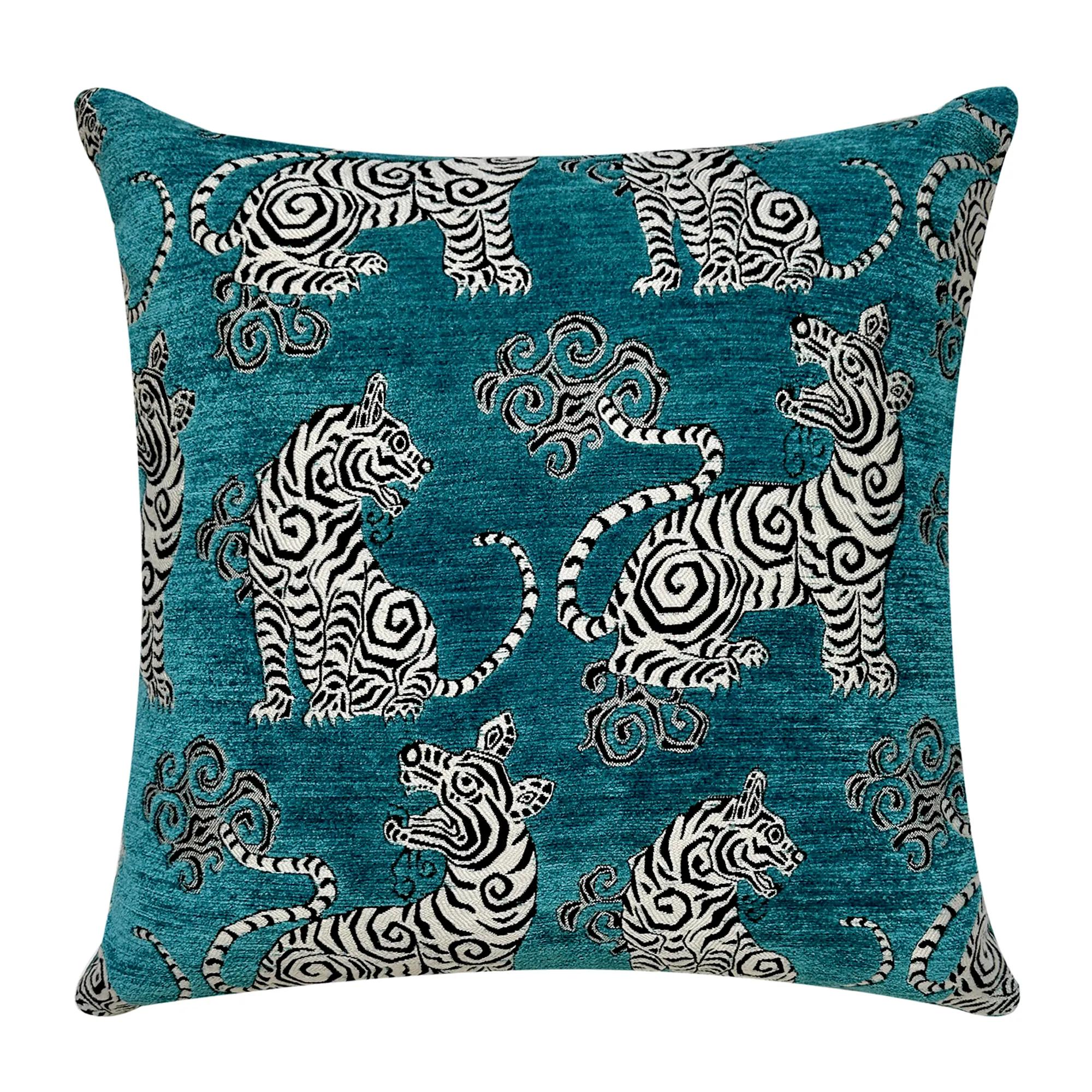
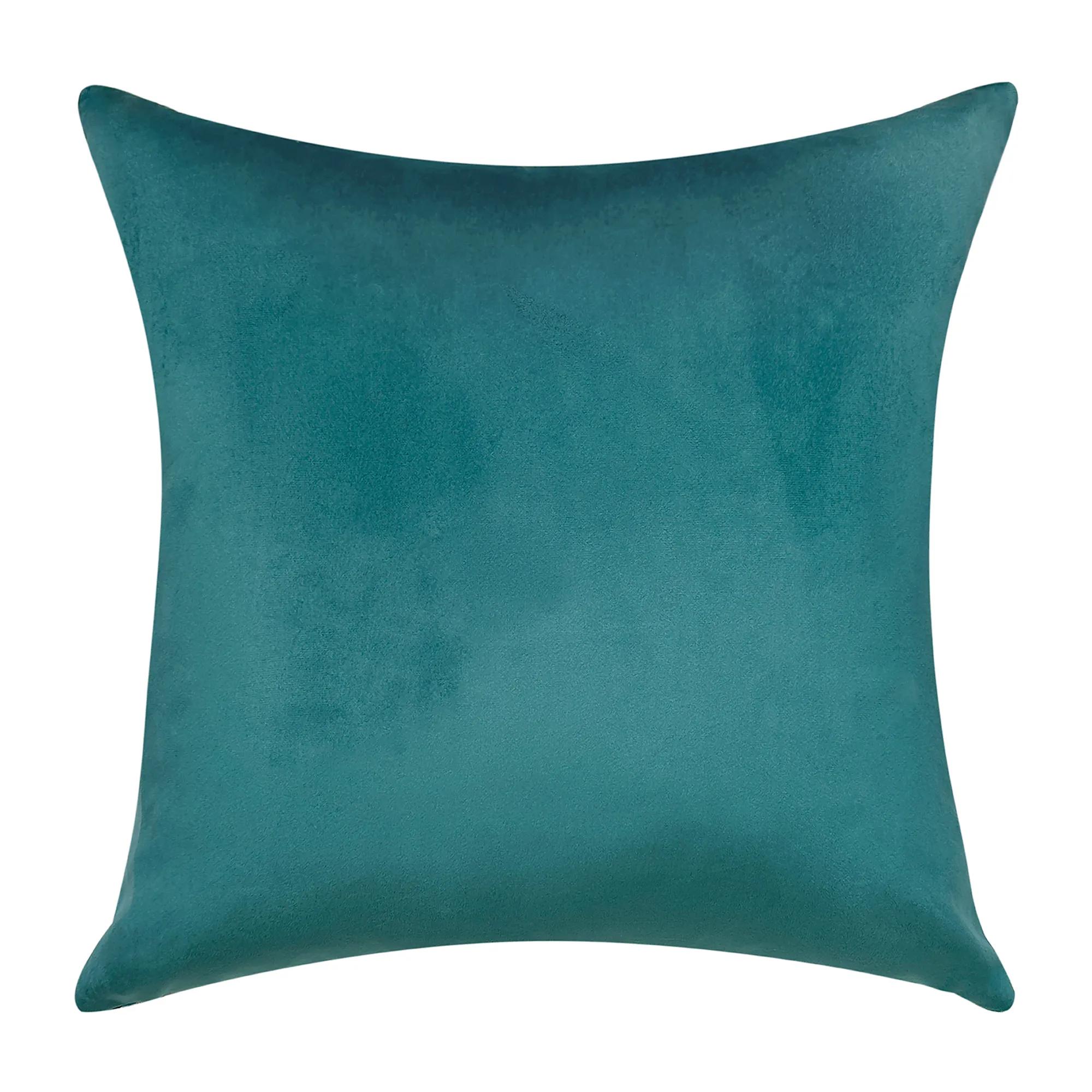 Tigress Teal Jacquard Chenille Velvet Pillow 20" x 20"$119
A teal jacquard chenille pillow featuring a black and white tiger design and plush feather down insert.
Add To Cart -
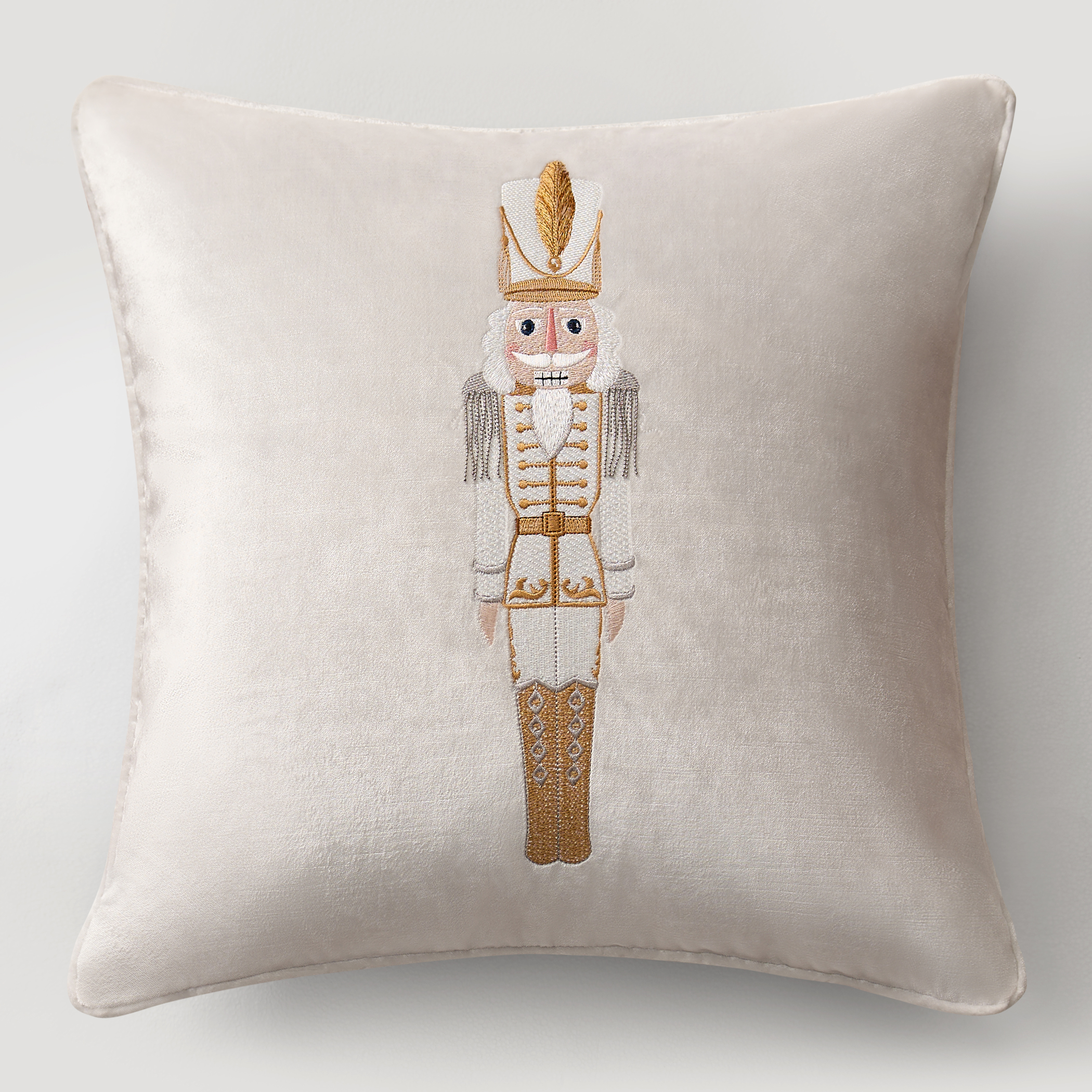
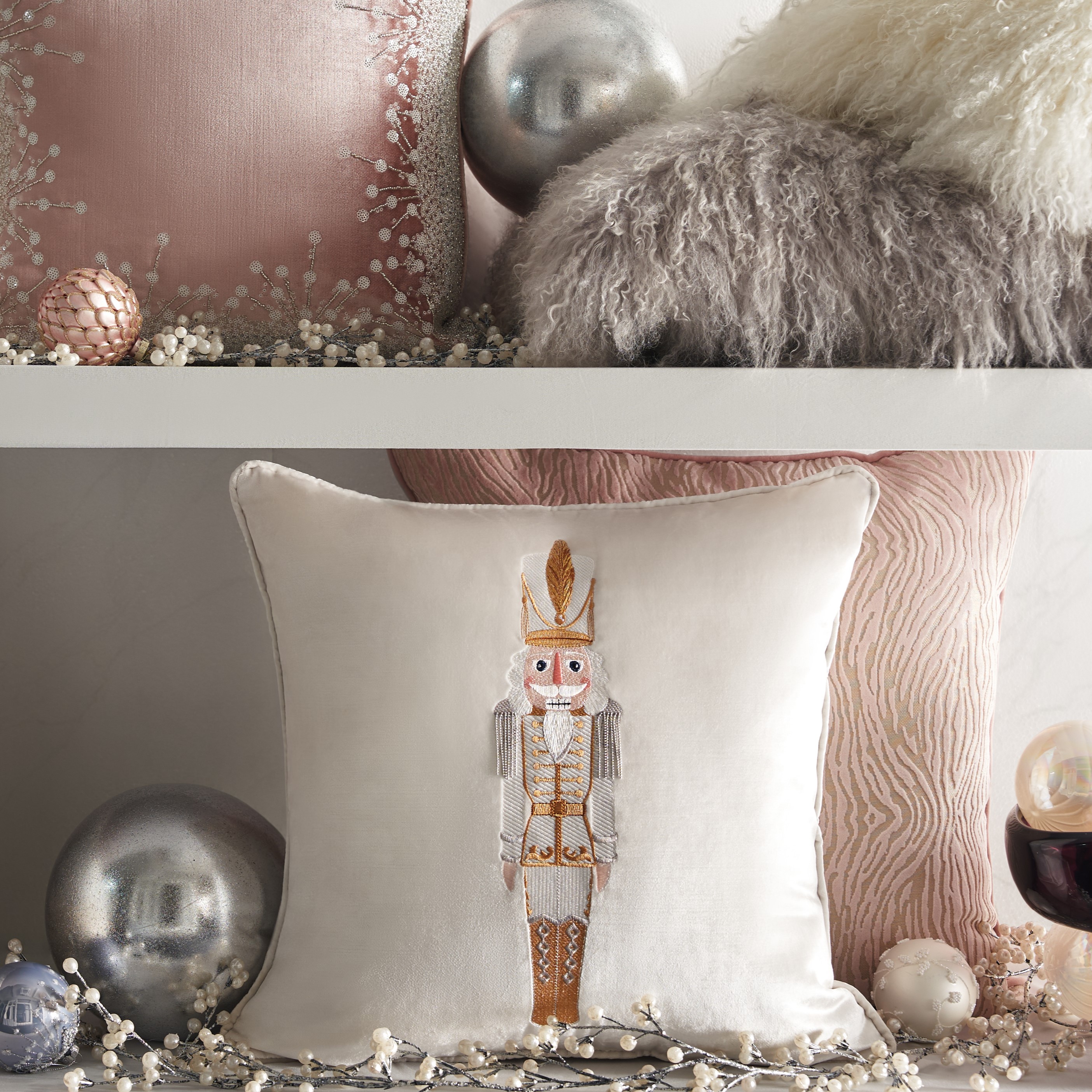 Nutcracker Embroidered Pearl White Velvet Holiday Pillow 20" x 20"$89
A pearl velvet pillow featuring an embroidered nutcracker with metallic details for festive holiday charm.
Add To Cart

Hidden Zipper Closure Bedding
Hidden zipper closure bedding is the secret ingredient for a bedroom that feels as impeccably tailored as it looks. Imagine sumptuous layers of fabric enveloping your space with seamless sophistication—no buttons, no fuss, just pure, uninterrupted elegance. Each piece is designed to transform your bed into a polished sanctuary, where every detail whispers luxury and every finish feels intentional. For those who crave a harmonious blend of artistry and function, hidden zipper closure bedding offers an elevated foundation for creating a sleep space that is as effortlessly chic as it is inviting.
Hidden zipper closure bedding uses a zipper concealed beneath a fabric flap or within a seam to enclose a duvet insert or pillow while preserving a smooth, uninterrupted surface. The effect is subtle but distinctive: a duvet cover falls cleanly across the bed, pillow edges remain tailored, and the fabric’s color, texture, or pattern takes center stage rather than its fastenings. For a bedroom composed around a dramatic headboard, sculptural bedside lighting, or richly layered textiles, that restraint gives the larger design room to shine. A concealed closure is especially appealing on expansive solid colors, where exposed hardware could interrupt the sweep of ivory, charcoal, or jewel-toned fabric. It also complements embroidered borders and dimensional patterns, keeping the functional opening discreet beside the decorative work. Beyond appearance, a zipper offers a continuous closure without the spaces that can occur between buttons. It helps keep an insert enclosed and can make removing a cover for laundering more straightforward than unfastening a row of small buttons. The distinction matters, however: a closed zipper contains the insert, but it does not necessarily prevent it from bunching or shifting inside the cover. Interior corner ties or other attachment points, when included, serve that separate purpose. Together, a well-proportioned cover, compatible insert, and thoughtfully finished opening create bedding that looks composed without demanding constant adjustment. Hidden zipper duvet covers, pillowcases, and shams suit anyone drawn to a polished bed with less visible hardware, whether the setting is an expressive primary suite, a carefully appointed guest room, or a compact bedroom where every visible detail carries weight. The closure itself need not announce its presence. Its contribution is the crisp edge of a pillow, the uninterrupted face of a duvet, and the satisfying impression that even the details closest to the mattress have received the same attention as the room’s statement pieces.
Fabric gives hidden zipper bedding its personality, while the closure quietly supports the finished silhouette. Cotton can offer a familiar, breathable feel, with the weave influencing whether the surface appears matte and crisp or smoother with a gentle luster. Linen brings visible texture and characteristic creasing, creating an artful contrast against a sleek bed frame or gleaming bedside table. Microfiber, typically made from fine synthetic fibers, often has a soft, uniform surface; its feel, breathability, and care requirements depend on the construction and finish. For decorative shams, velvet or raised woven patterns can introduce depth that reads almost like upholstery, framing the sleeping pillows with a more architectural presence. Fiber content alone does not tell the entire story. Fabric weight, weave, backing, embroidery, and finishing all affect how a cover drapes, how it feels against the skin, and how it responds to regular use. Smooth fabrics may appeal for pieces that come into direct contact with the face, while more pronounced textures can provide visual richness on pillows removed before sleep. Scale deserves equal attention. A duvet cover should be selected by its stated dimensions and the dimensions of the intended insert, not by the bed-size name alone, since measurements can vary. An oversized cover may leave unfilled edges; an overly tight pairing can compress the insert and place unnecessary strain on the zipper and seams. Pillowcases and shams likewise benefit from a compatible insert that fills their corners without forcing the closure. The length and placement of the opening also influence ease of use, particularly with a substantial duvet insert or a generously filled pillow. A broad opening gives more room to position the filling, while a concealed zipper placed along an edge leaves the main decorative surface uninterrupted. For a cohesive arrangement beyond the bed, Hidden Zipper Accent Pillows can extend that tailored finish to a bedroom bench or reading chair. Repeating a color or texture creates continuity without requiring every textile in the room to match.
The most enduring appeal of concealed zipper bedding lies in how gracefully it balances presentation with everyday use. In a frequently used bedroom, removable covers make it possible to launder the outer layer separately from the insert, following the care instructions for each component. In a guest room, the same construction supports a freshly dressed bed with a finished appearance from the first glance to the turned-back corner. For someone furnishing a new home or refining a bedroom over time, this type of bedding can also make a thoughtful housewarming or wedding gift when the recipient’s preferred materials and exact bedding dimensions are known. Practical details help preserve its polished character. Even stitching, securely finished seams, and a zipper that moves smoothly without catching the surrounding fabric are useful indicators of careful construction, although no single feature guarantees longevity. A fabric flap should conceal the closure without repeatedly slipping into its path, and the cover should close comfortably once the insert is settled into place. Before fastening a duvet cover, distributing the insert evenly and connecting any compatible interior ties reduces the temptation to pull the zipper against a gathered mass of fabric. With pillow covers, easing the insert into the corners before closing helps protect the opening from unnecessary tension. Care should always follow the sewn-in label: some fabrics tolerate machine washing, while decorative trims, delicate weaves, or particular finishes may require a different approach. Closing the zipper before washing, when consistent with the manufacturer’s directions, can help limit snagging; avoiding force when fabric catches helps protect both the teeth and the seam. Drying and ironing requirements vary, and high heat can affect certain fibers, embellishments, or zipper components. These considerations allow the decorative choices to remain the focus: a luminous neutral duvet beneath deeply textured shams, a tonal arrangement with subtle shifts in sheen, or a saturated cover edged by quieter pillows. Hidden zipper closure bedding gives those compositions a discreet foundation, bringing the pleasure of expressive textiles together with a clean finish that holds its own under close attention.
FAQs
Hidden zipper closure bedding offers a sleek, uninterrupted look that enhances the elegance of any bedroom. The concealed zipper ensures a smooth surface without visible fasteners, while also making it quick and easy to secure your duvet or comforter. This design minimizes shifting and bunching, keeping your bedding looking pristine with minimal effort.
Anyone who appreciates a blend of style and convenience will find hidden zipper closure bedding irresistible. It’s particularly ideal for those with busy lifestyles, families with children, or hosts preparing guest rooms. Its streamlined design also appeals to design enthusiasts who crave a polished, modern aesthetic in their living spaces.
Hidden zipper closures create a visually seamless appearance, allowing the fabric and pattern of your bedding to take center stage. This refined detail complements a wide array of décor styles, from glamorous master suites to chic guest rooms, making the bed a true statement piece within the space.
Absolutely. Hidden zipper closure bedding makes an inspired gift for housewarmings, weddings, or anyone who enjoys a touch of everyday luxury. Its combination of beauty and practicality ensures it will be appreciated by recipients with a discerning eye for detail and a love for refined living.
Hidden zipper closure bedding is often crafted from high-quality materials such as cotton percale, sateen, or linen. These fabrics are chosen for their softness, breathability, and durability, ensuring a comfortable and inviting sleep experience season after season.
.jpg?w=3234&h=3234)