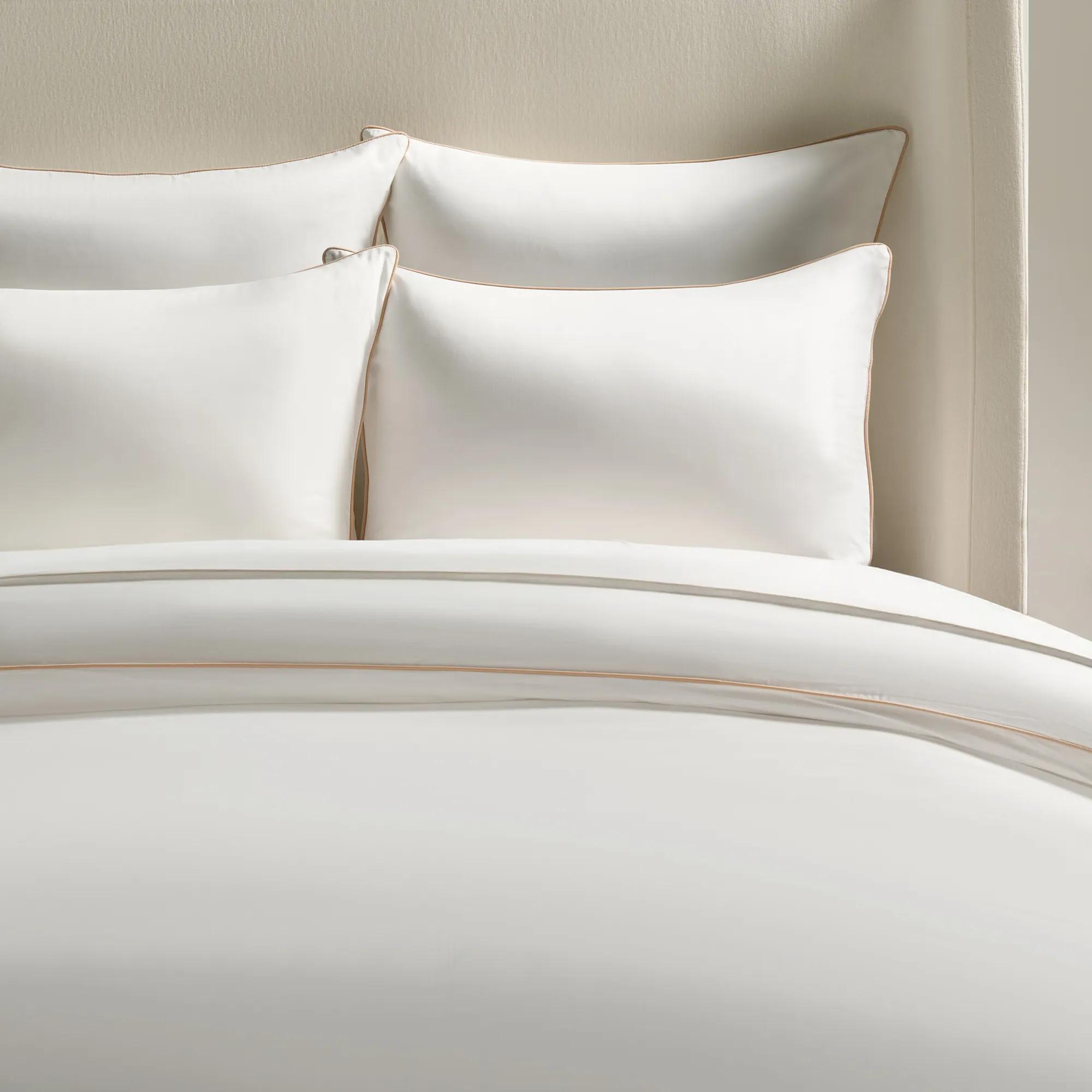
Hidden Button Closure Duvets
Hidden Button Closure Duvets
-
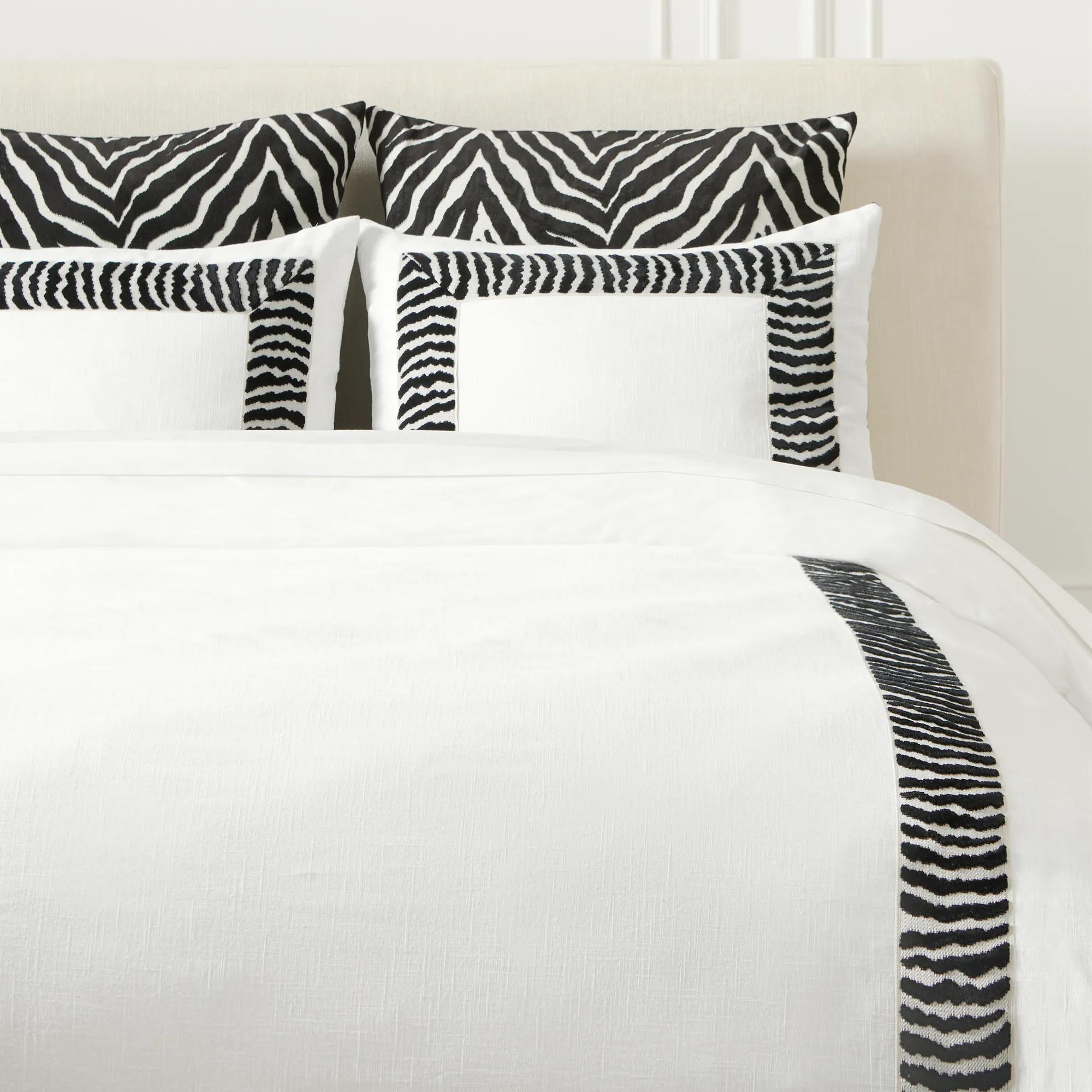
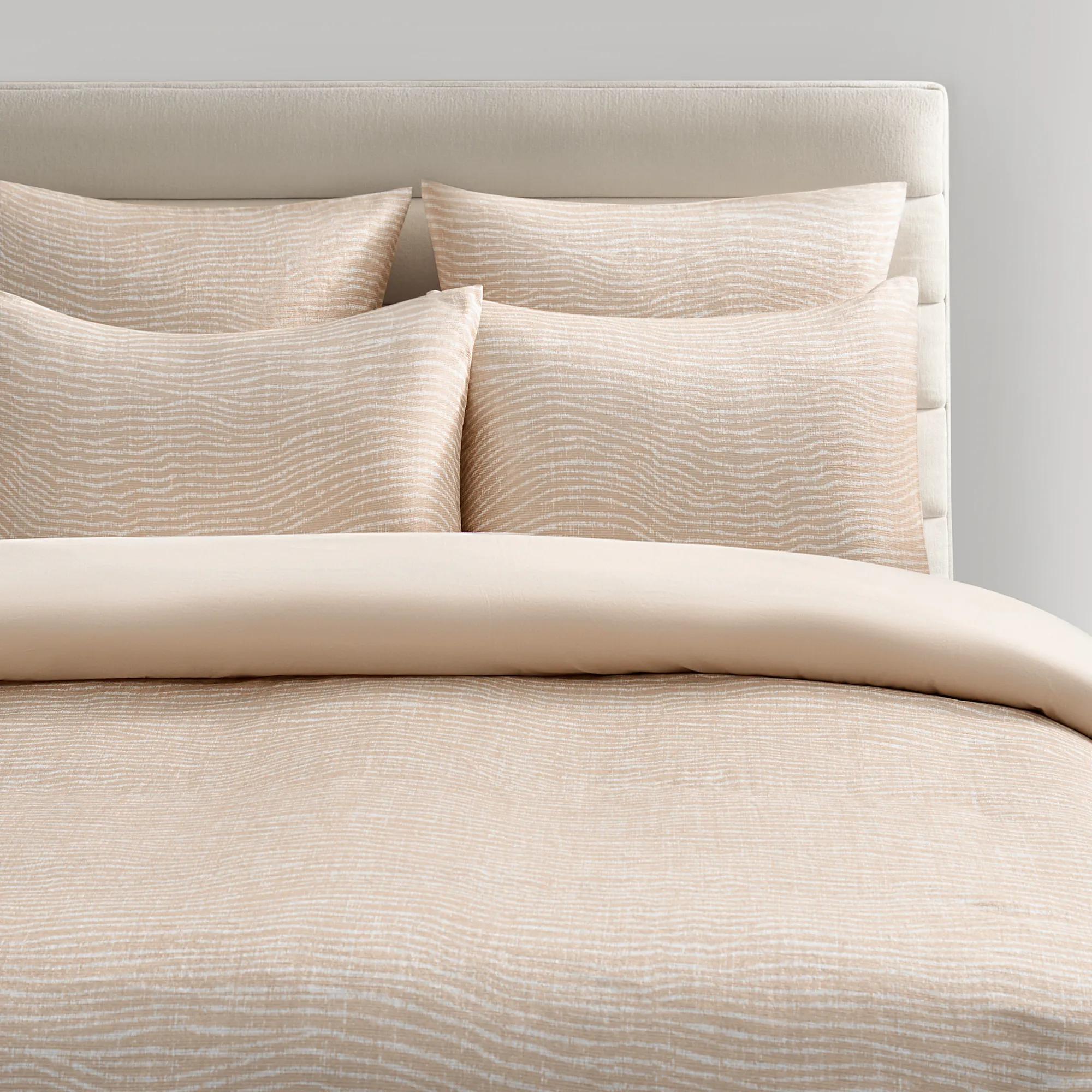 Sahara Bedding Set - Tan/Cream$199
A soft jacquard bedding set in tan and cream with a subtle wave-inspired zebra print and button closure.
Add To Cart -
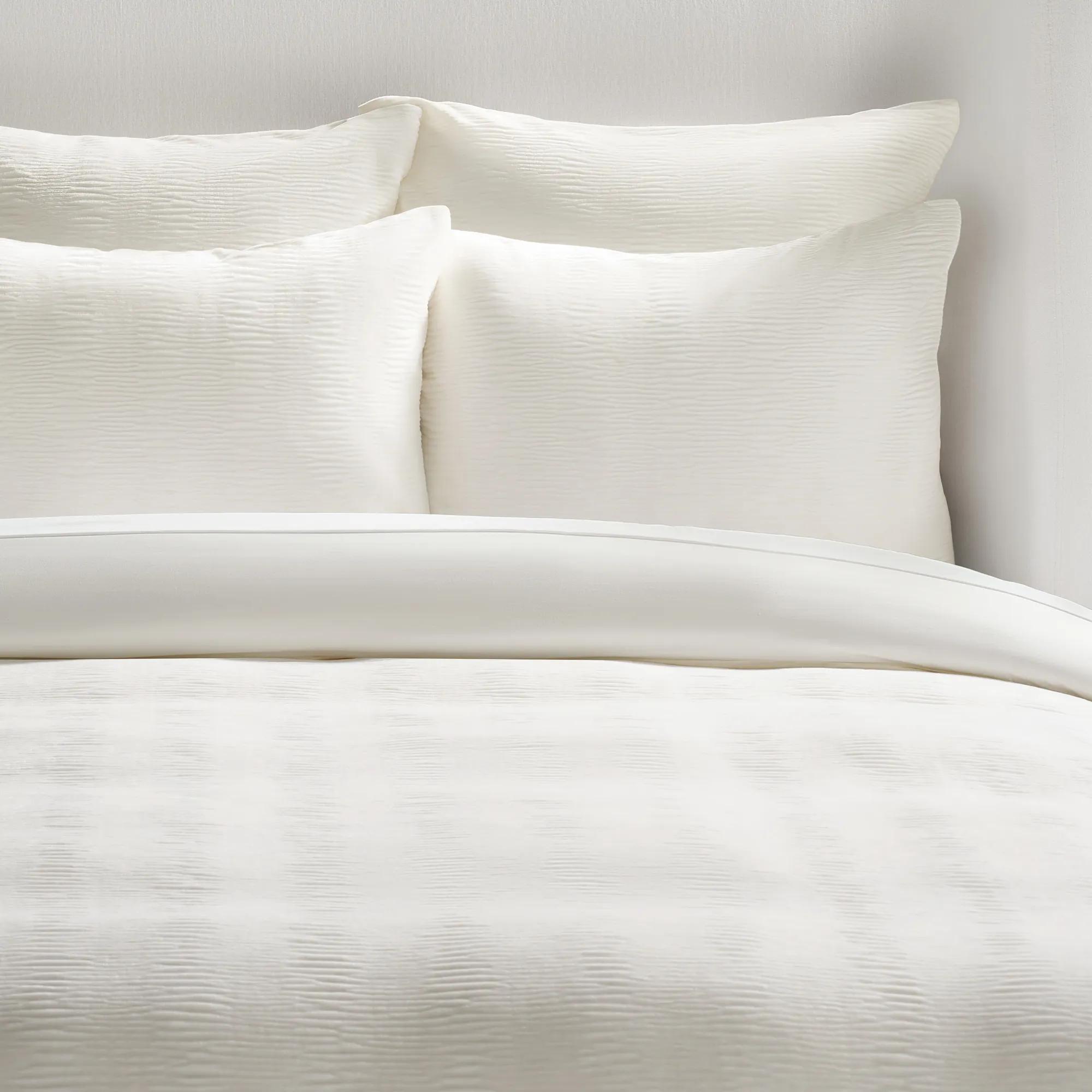 Vera Cloud White Soft Pleated Velvet Bedding Set$249
A cloud-white velvet bedding set featuring soft pleated texture and coordinating duvet and sham covers.
Add To Cart -
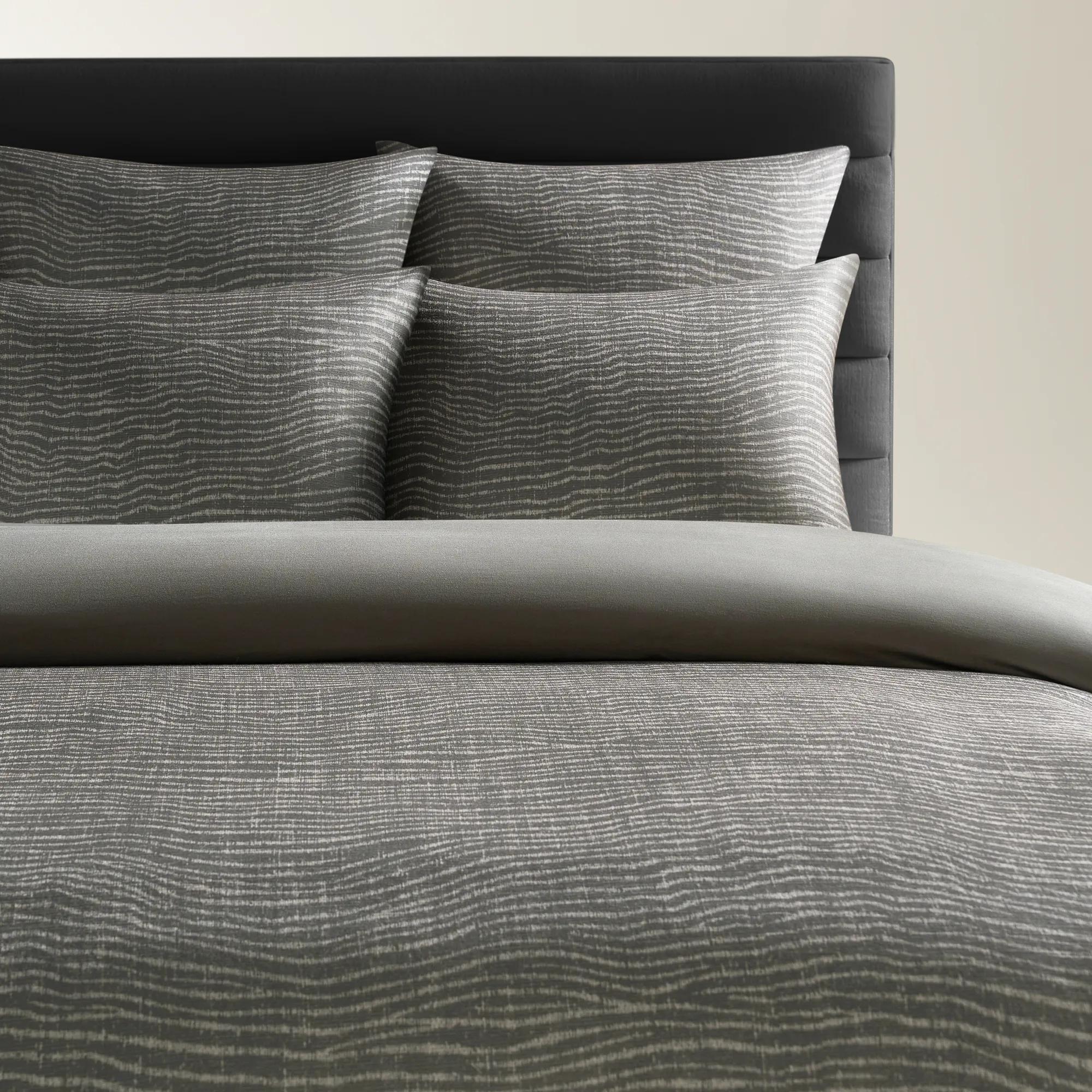 Sahara Bedding Set - Charcoal$229
A soft jacquard bedding set in calming charcoal with a subtle wave-inspired zebra print and refined details.
Add To Cart -
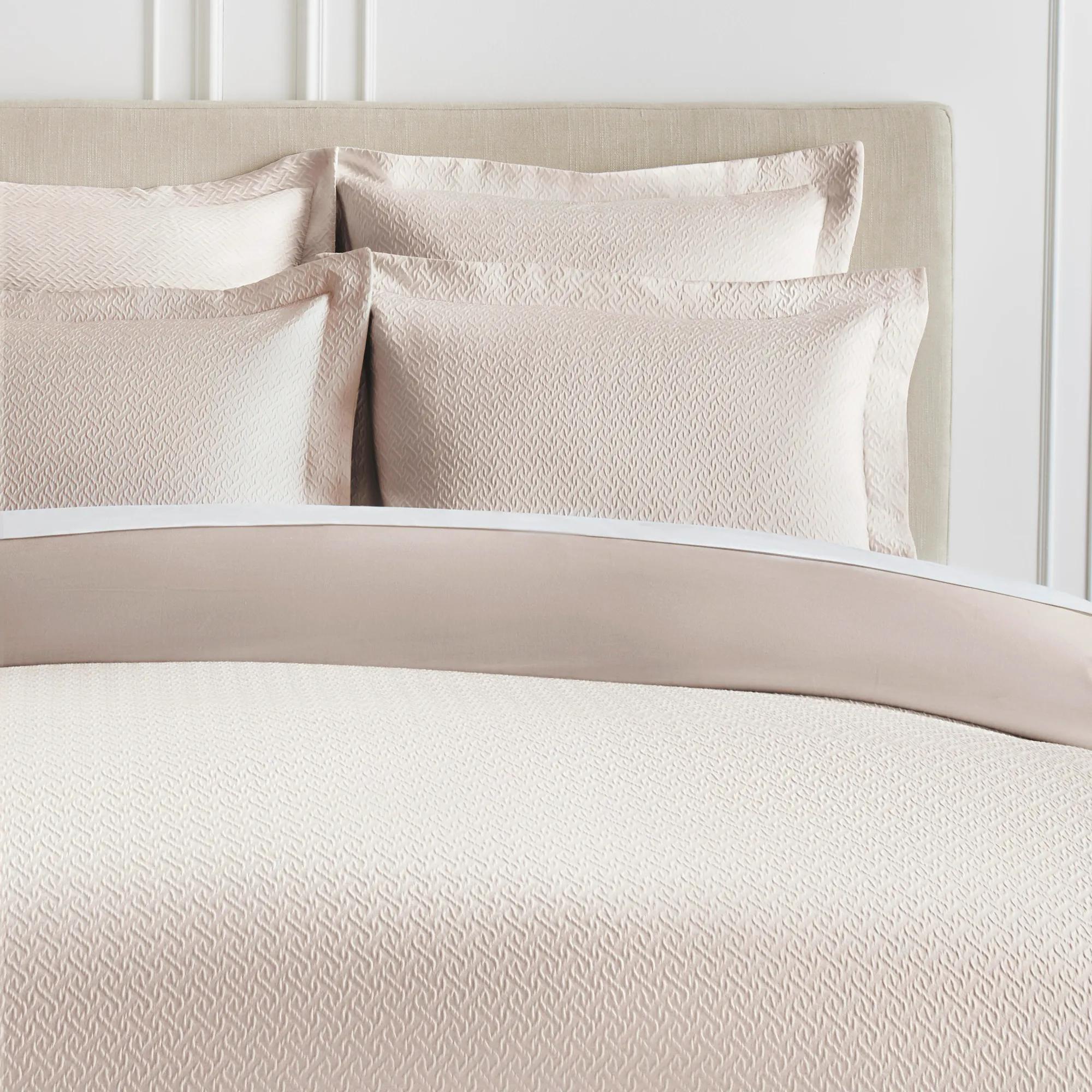
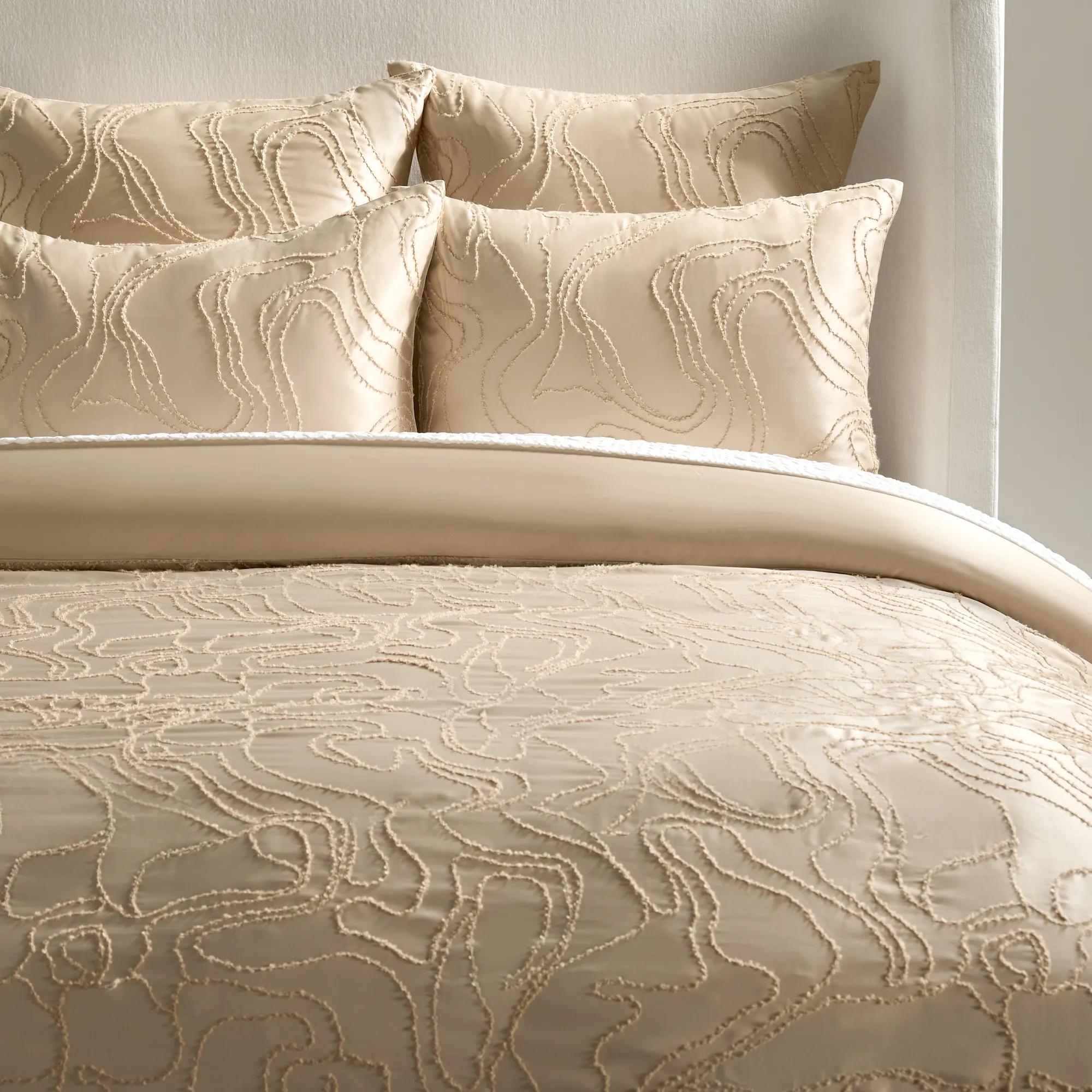 Noa Embroidered Champagne Beige Bedding Set$249
A champagne beige bedding set featuring elegant embroidered detailing for a refined bedroom aesthetic.
Add To Cart -
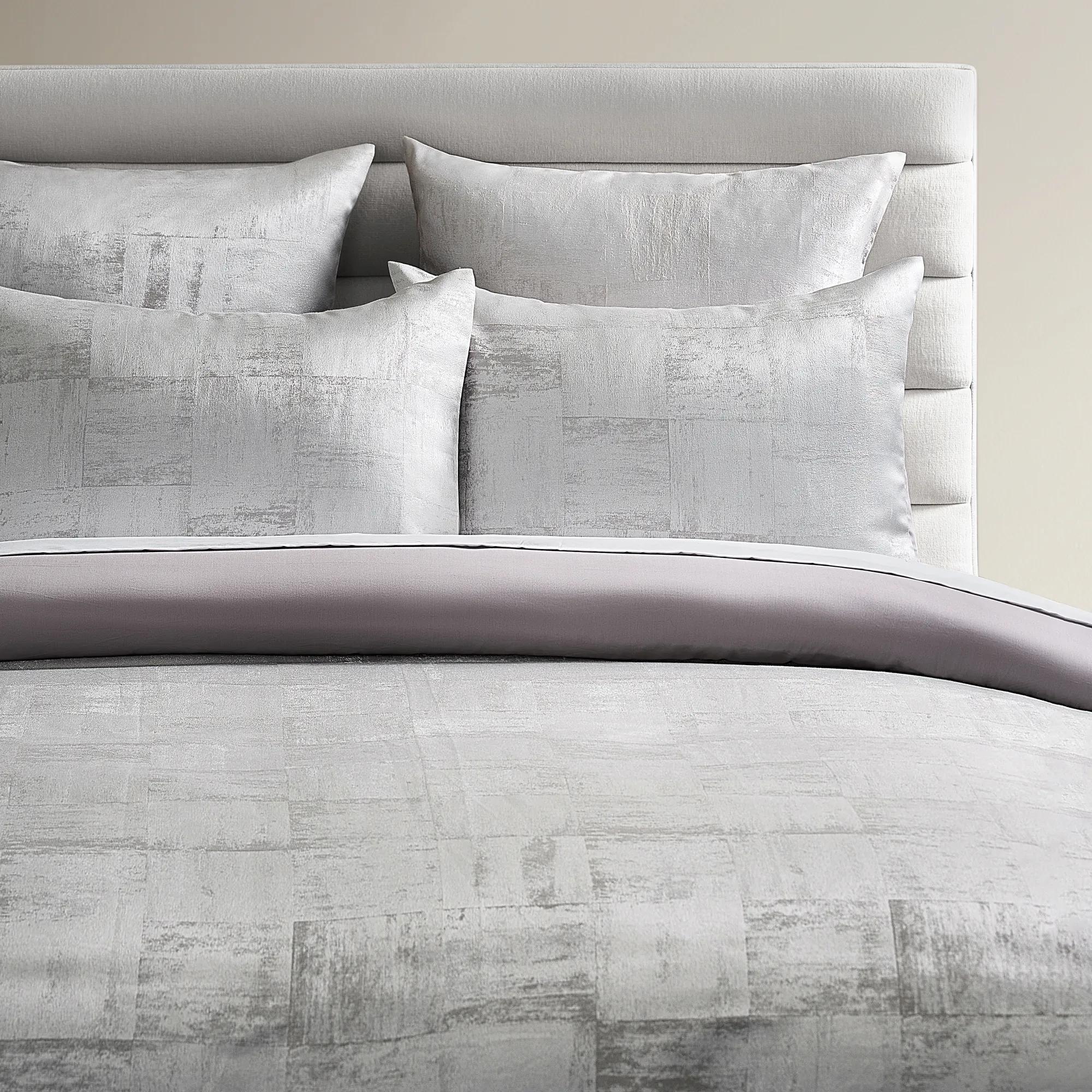 Auden Bedding Set - Platinum$229
A platinum jacquard bedding set featuring a subtle block pattern, knife-edge detail, and polished button closures.
Add To Cart -

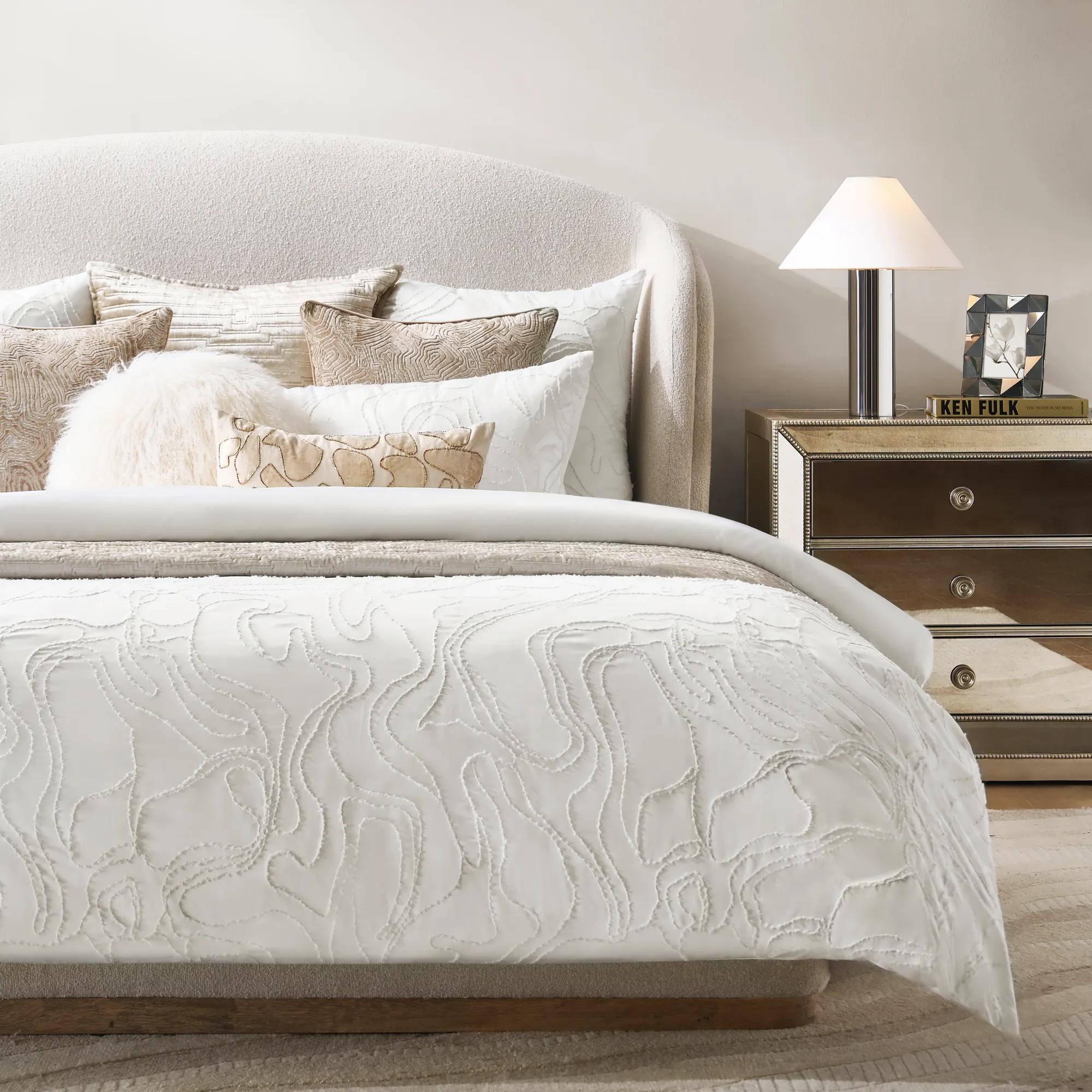 Noa Embroidered Pearl White Bedding Set$249
A luminous pearl satin bedding set featuring an embroidered swirl pattern for a touch of refined luxury.
Add To Cart -

 Jungle Toile Bedding Set - Pale Pink$59
A luxurious satin bedding set featuring a delicate black jungle print on a pale pink background.
Add To Cart -
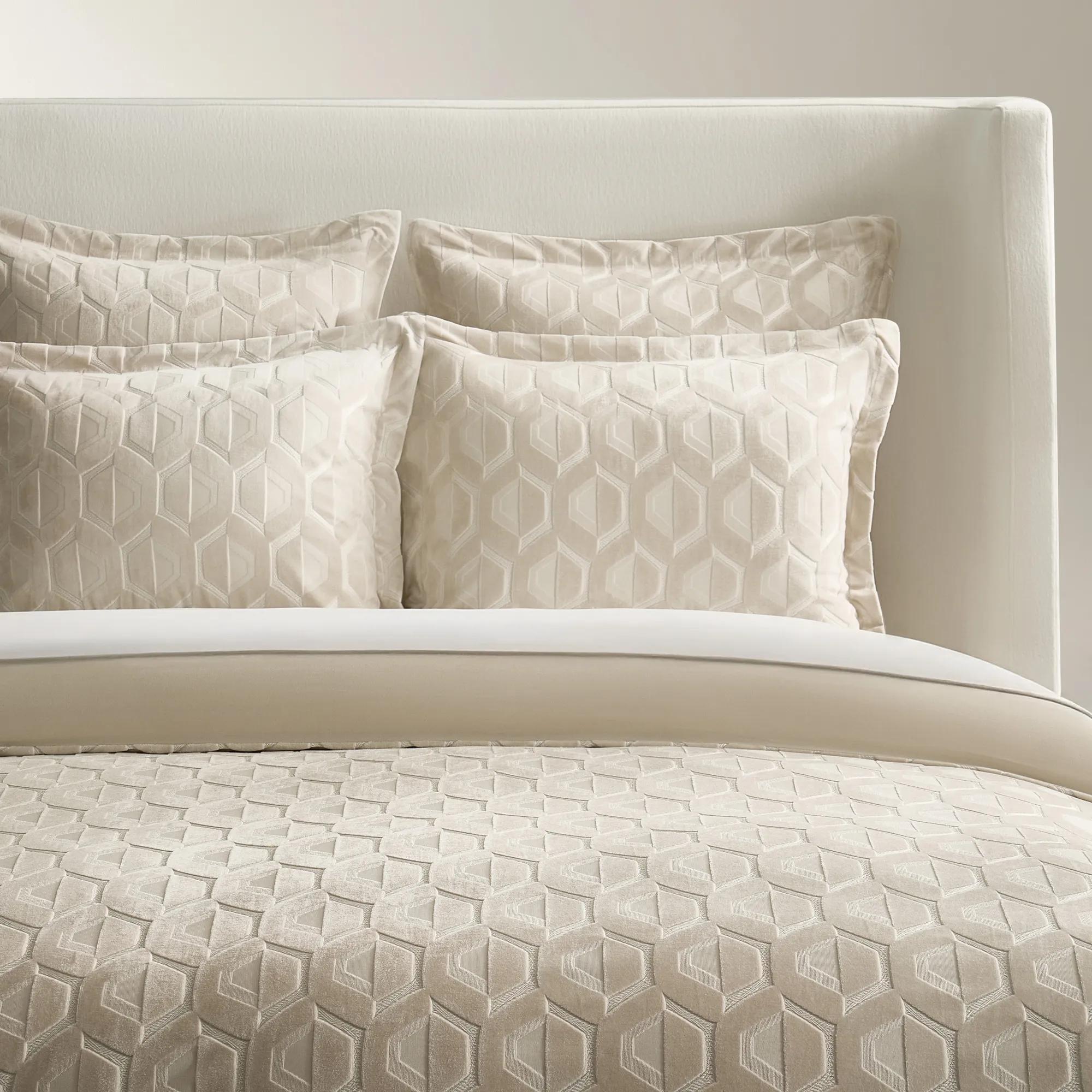 Cielo Alabaster White Geometric Cut Velvet Bedding Set$249
A white cut velvet bedding set with geometric detailing and coordinating duvet and sham covers.
Add To Cart -
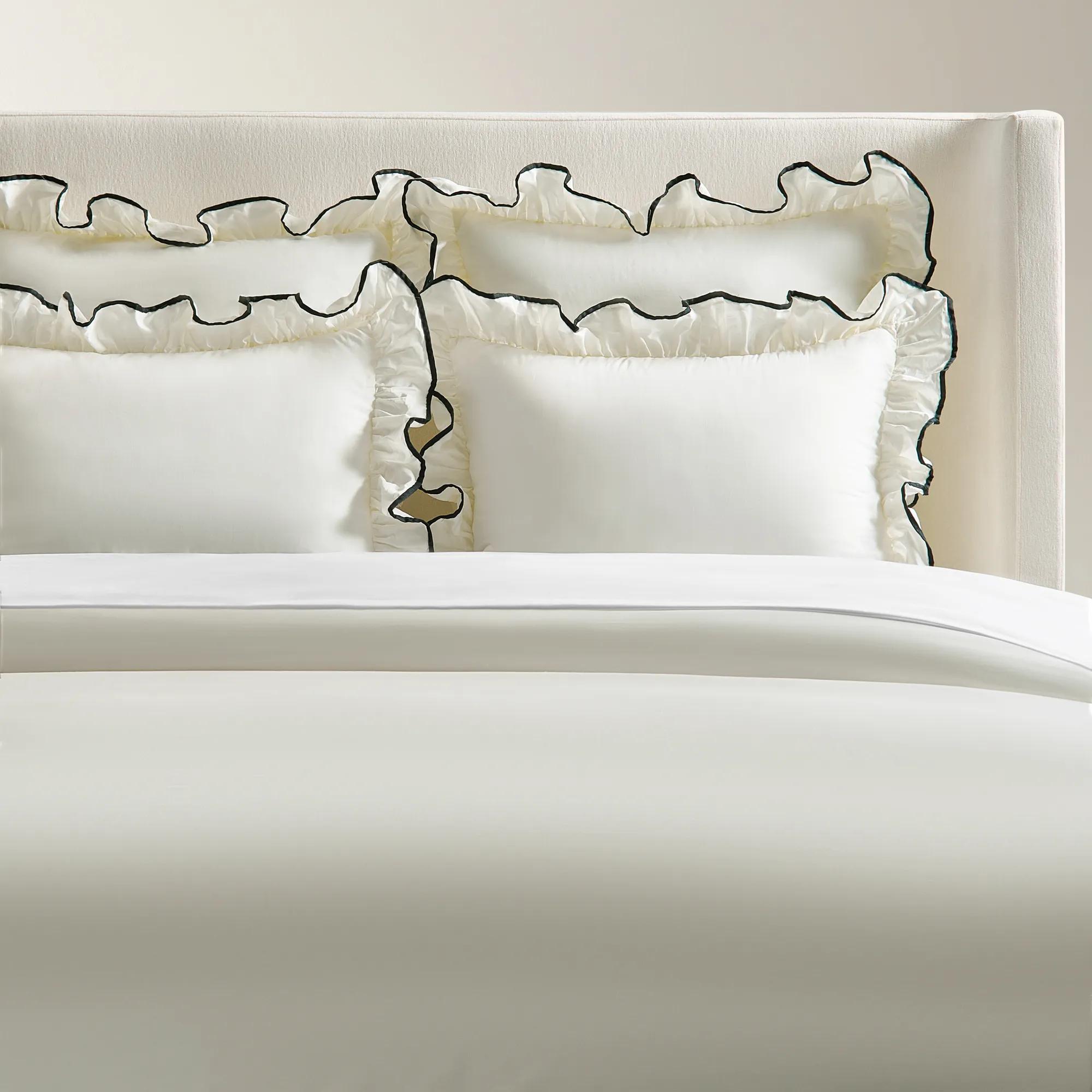
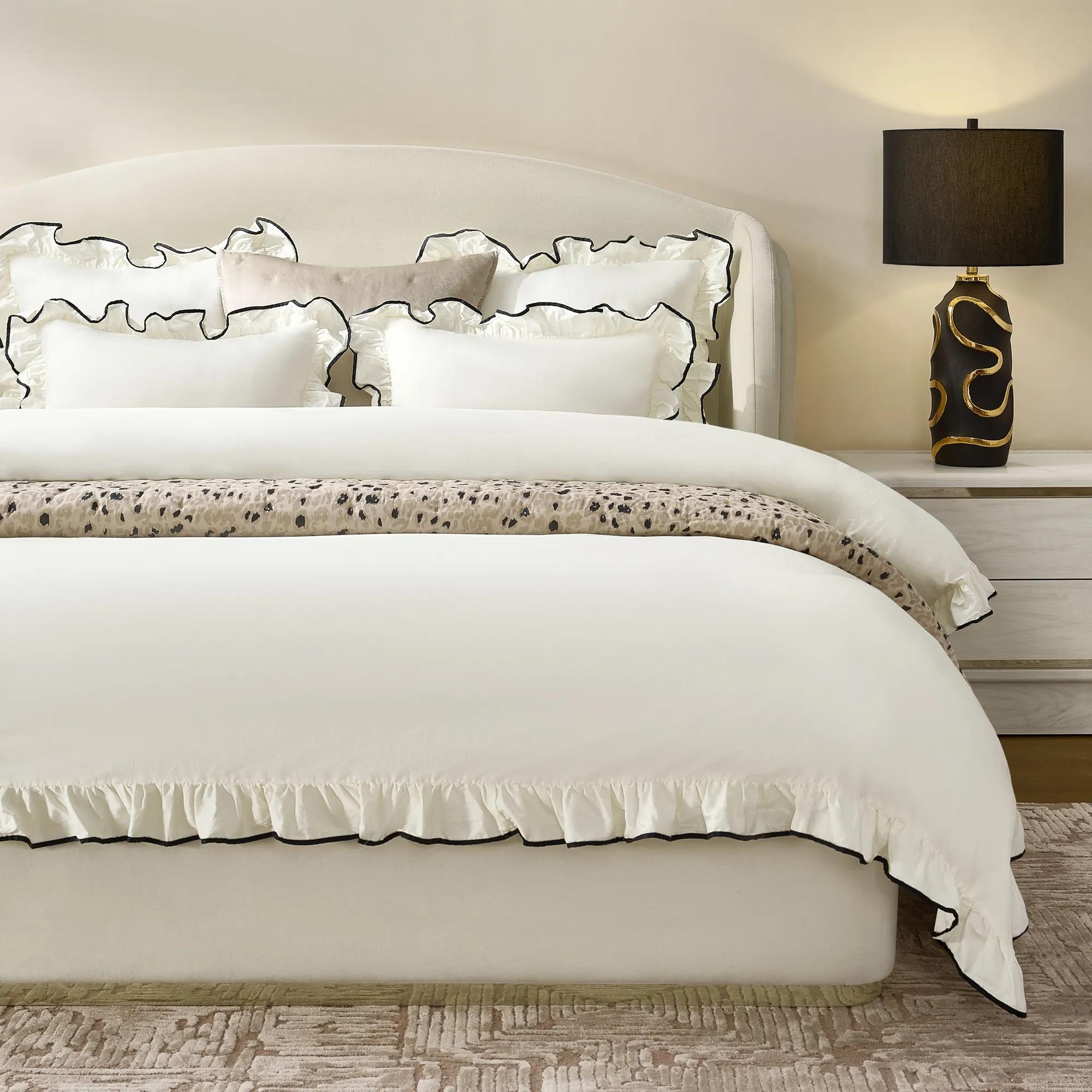 Vittoria Ivory/Black Cotton Percale Ruffle Bedding Set$279
An ivory cotton percale bedding set featuring dramatic black ruffle trim for a timeless, tailored look.
Add To Cart -
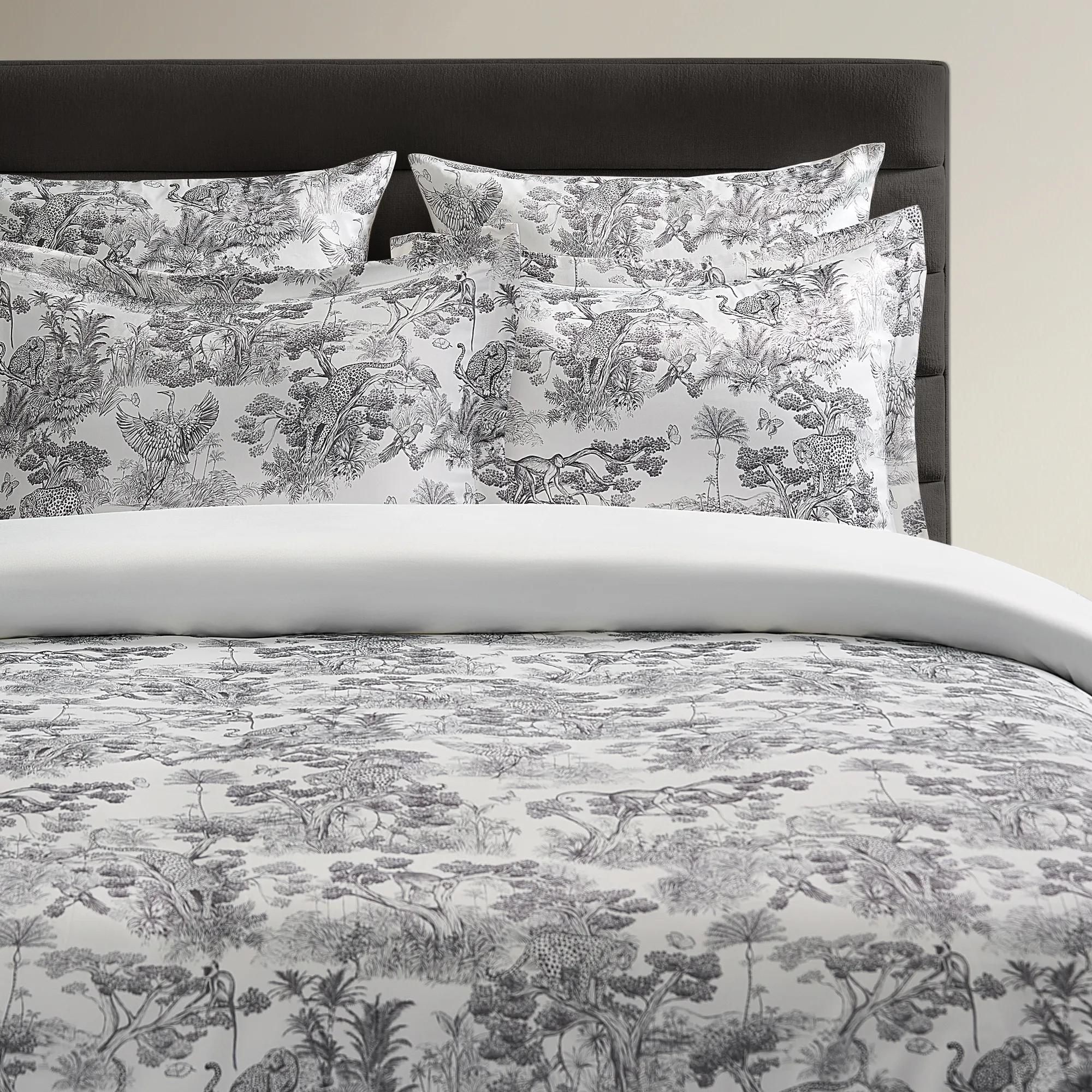
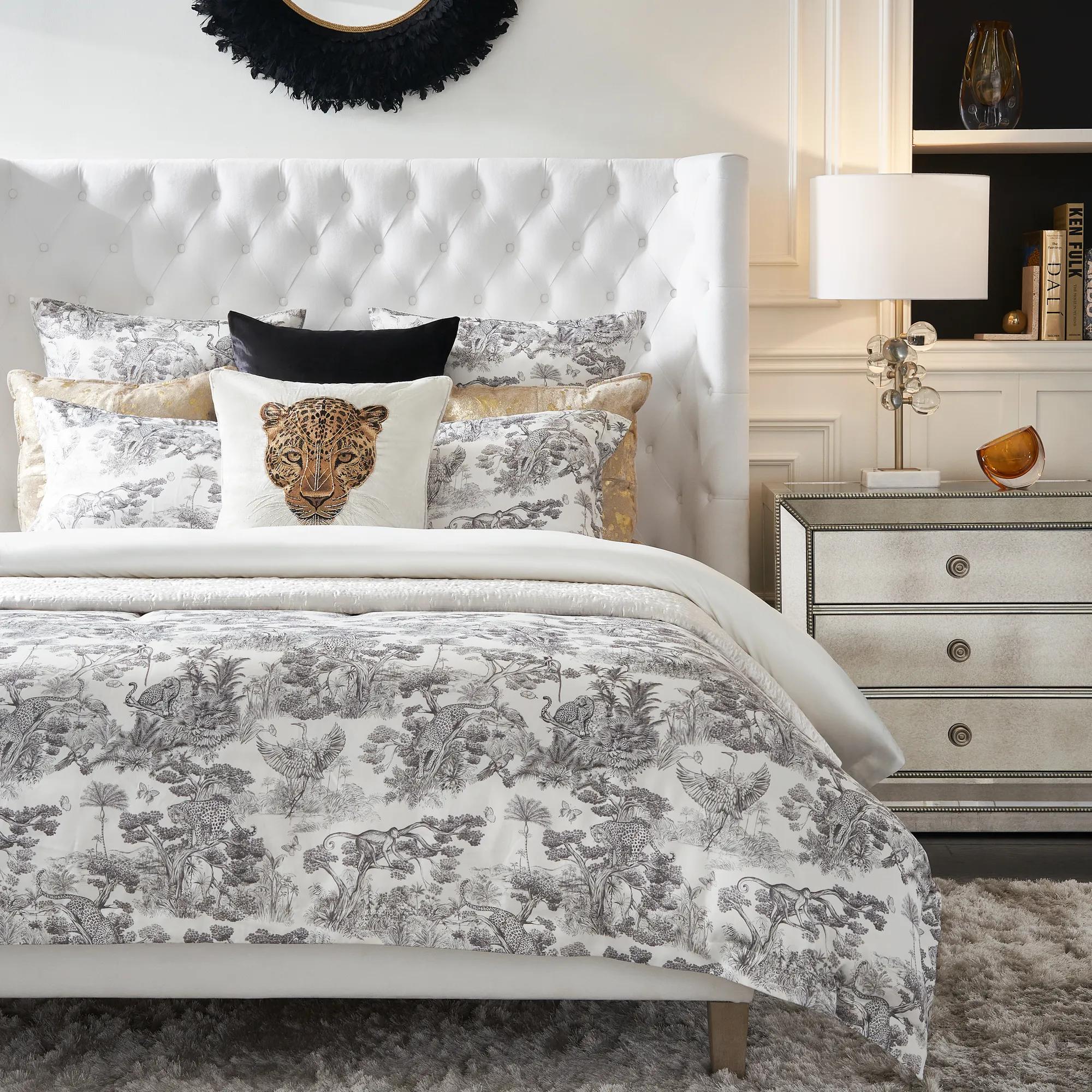 Jungle Toile Bedding Set - Ivory/Black$189
An elegant ivory and black bedding set featuring a luxurious satin jungle print and refined flange edging.
Add To Cart -
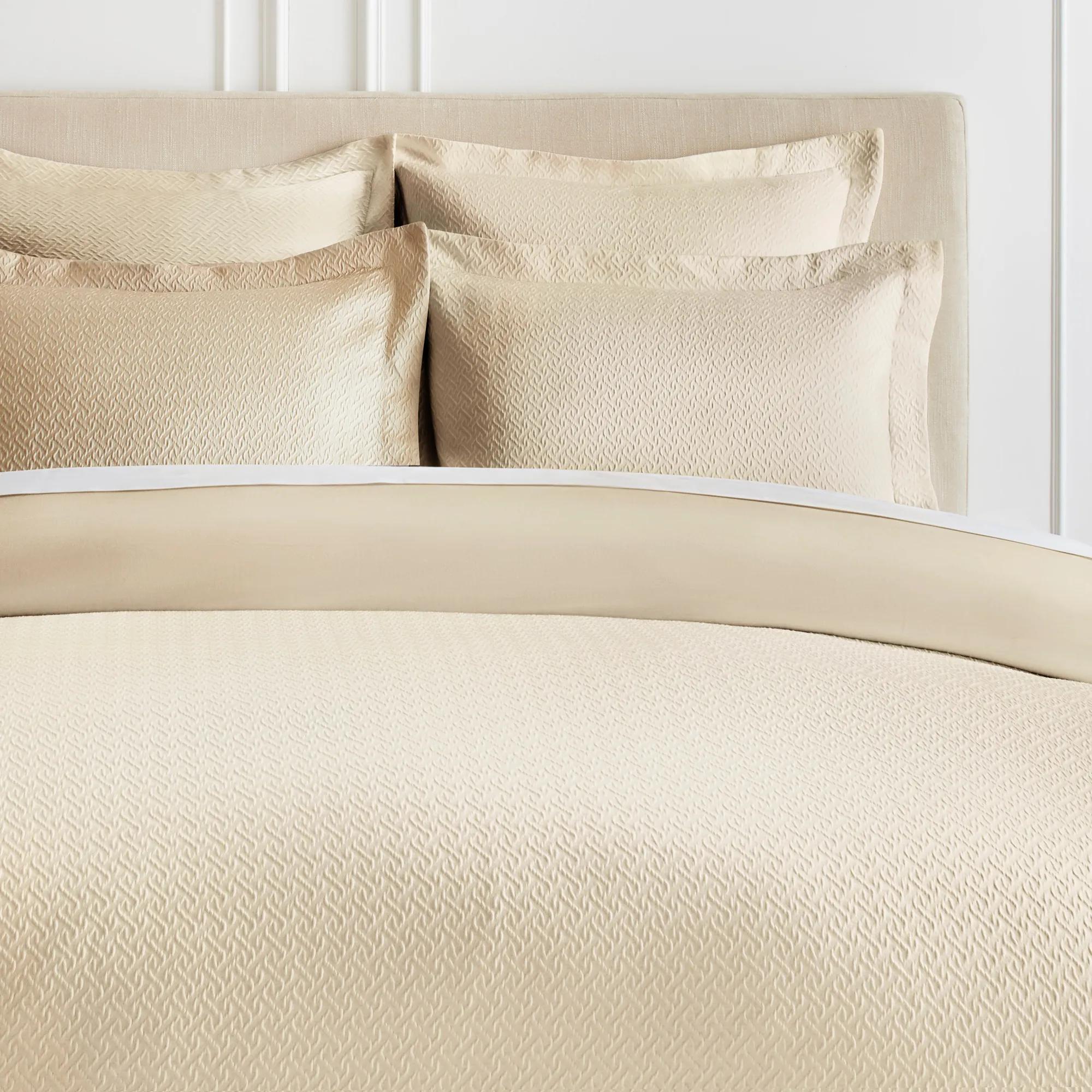
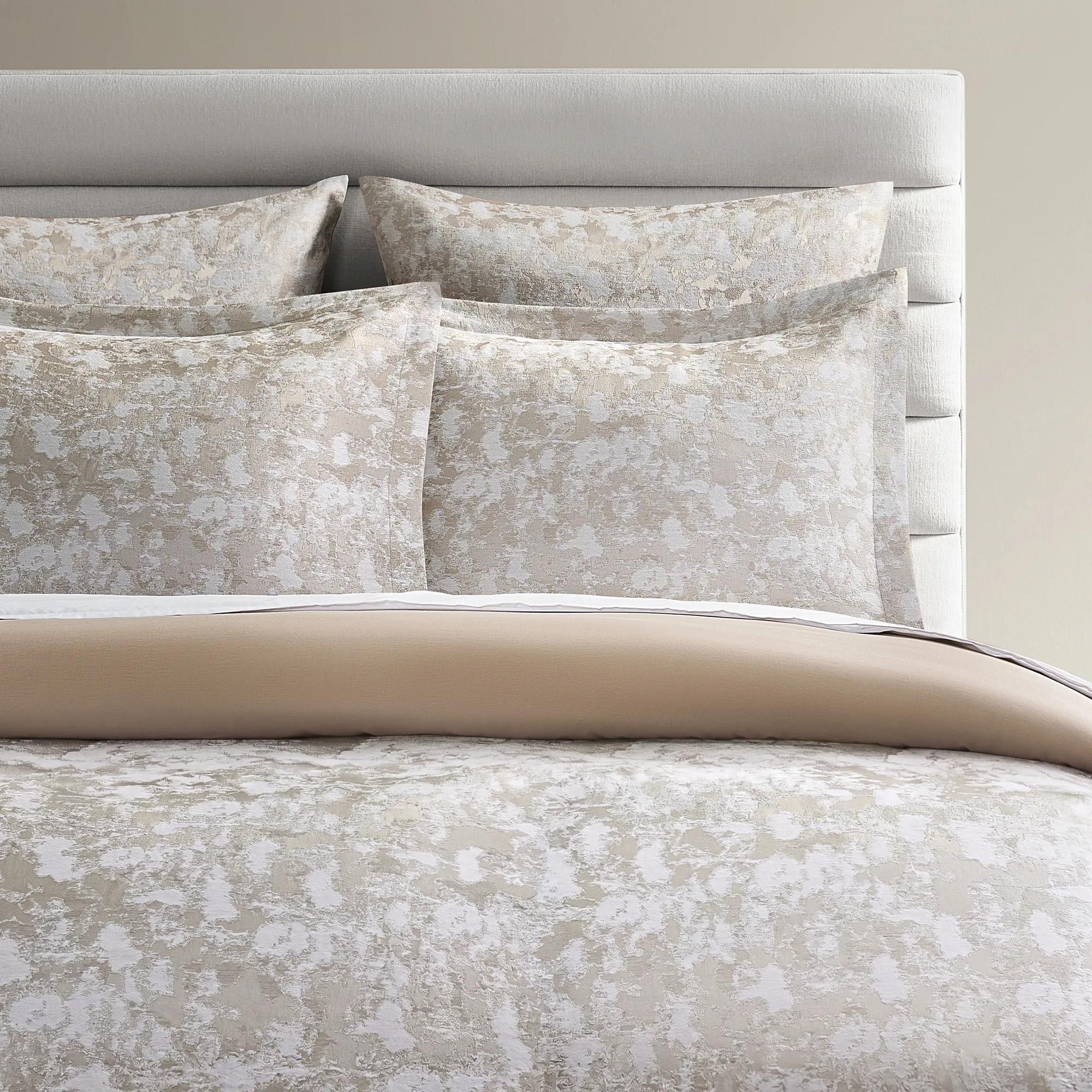 Nimbus Jacquard Metallic Champagne and Silver Bedding Set$229
A cloud-like bedding set in champagne and silver metallic jacquard with a marbled pattern and soft shimmer.
Add To Cart -
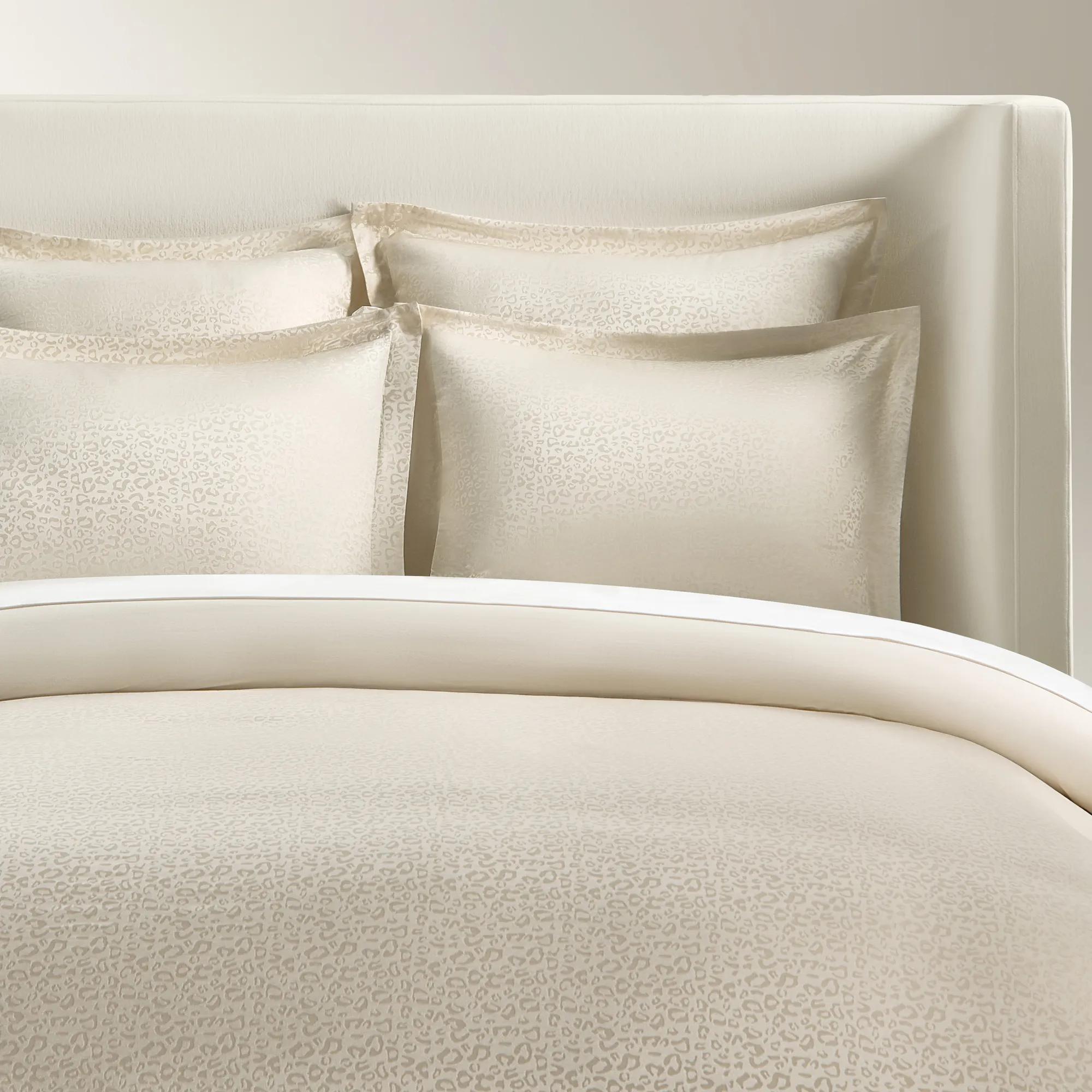 Abi Leopard Soft Nude Tencel Bedding Set$299
A soft nude bedding set featuring a tonal leopard print in a smooth Tencel blend with cotton reverse.
Add To Cart -
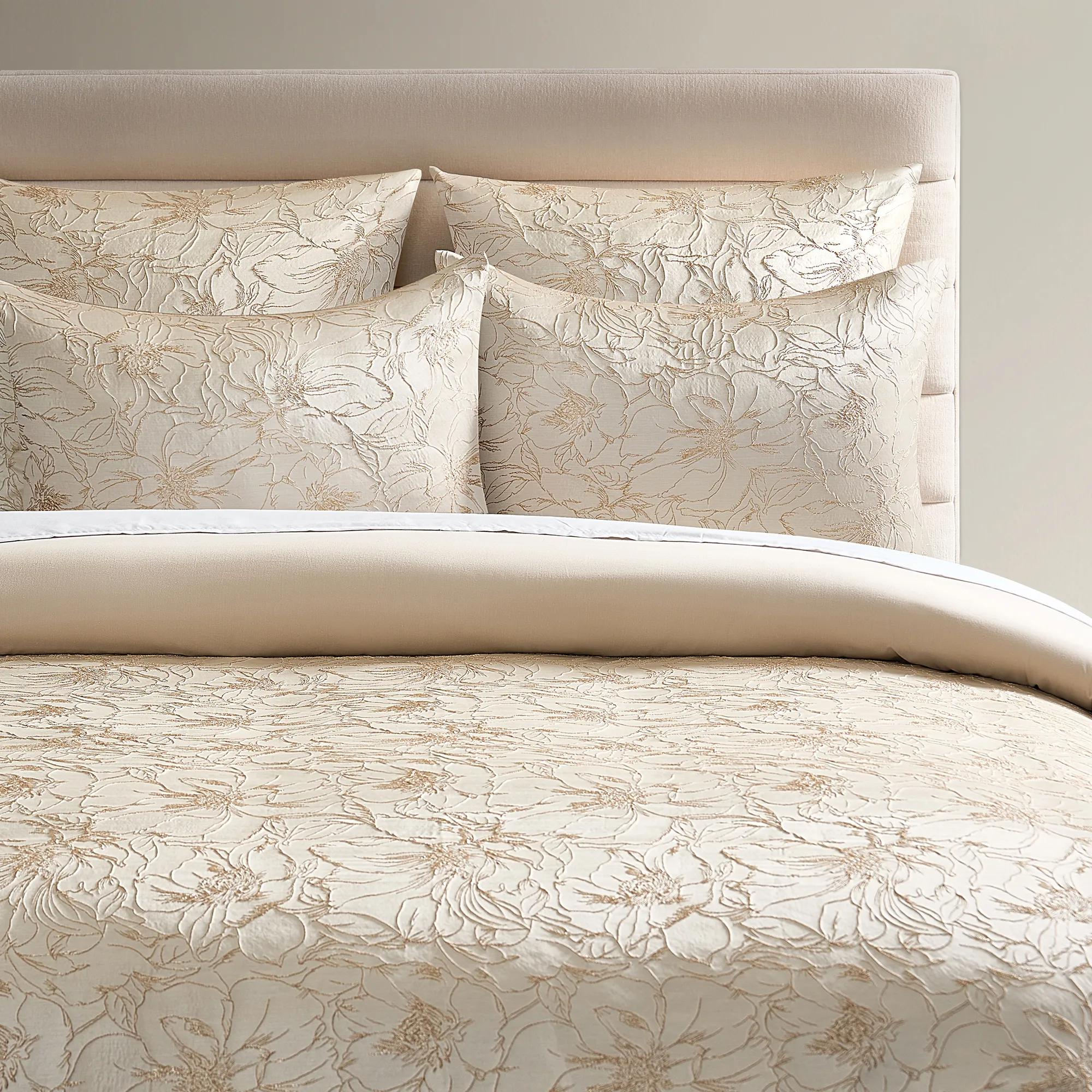 Mimoza Floral Jacquard Champagne Gold Bedding Set$49
A luminous champagne gold jacquard bedding set with delicate floral embroidery and polished knife-edge detailing.
Add To Cart -
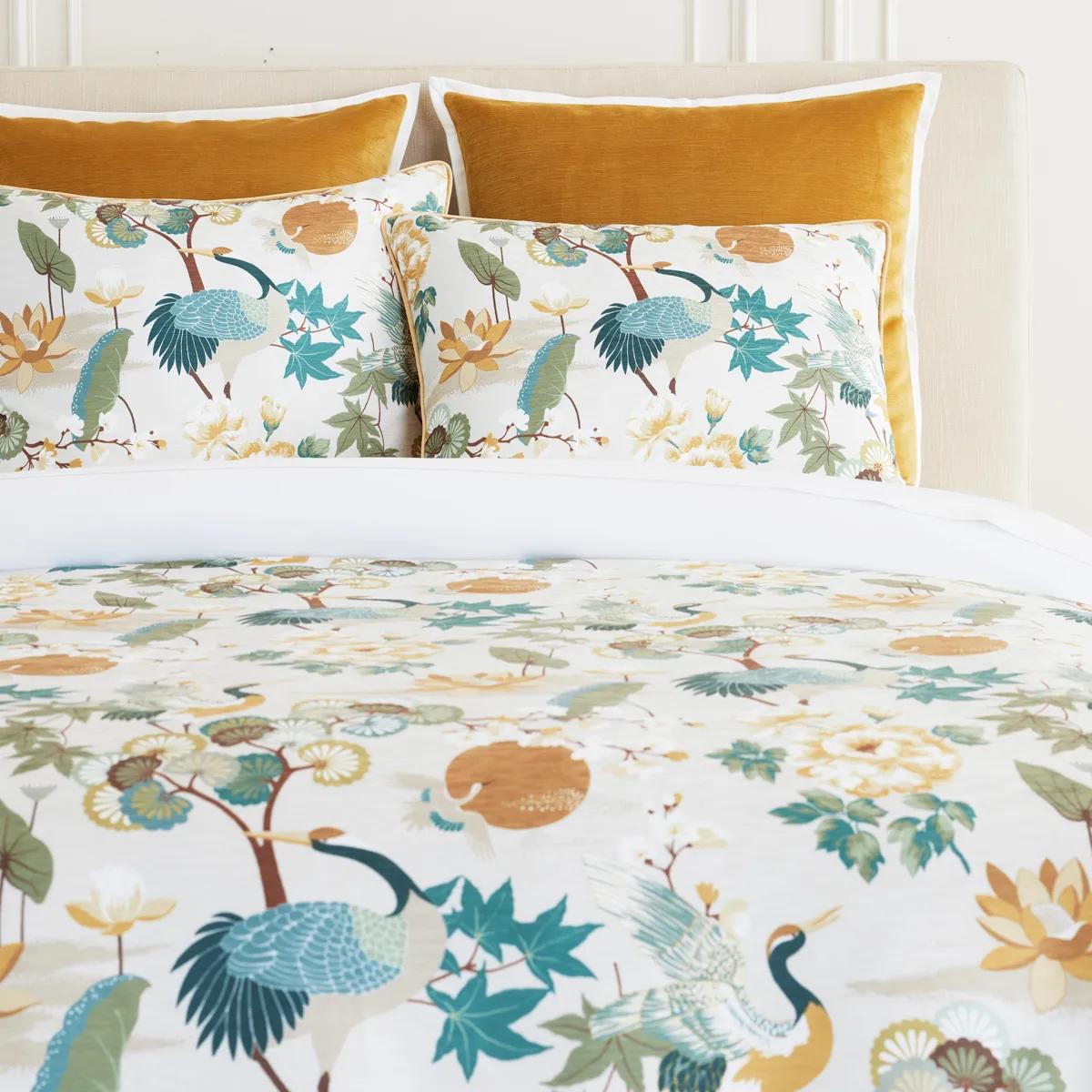
 Cora Crane Multicolor Satin Bedding Set$179
A smooth satin bedding set featuring a whimsical fig, white, and charcoal crane print with tailored flange edges.
Add To Cart -
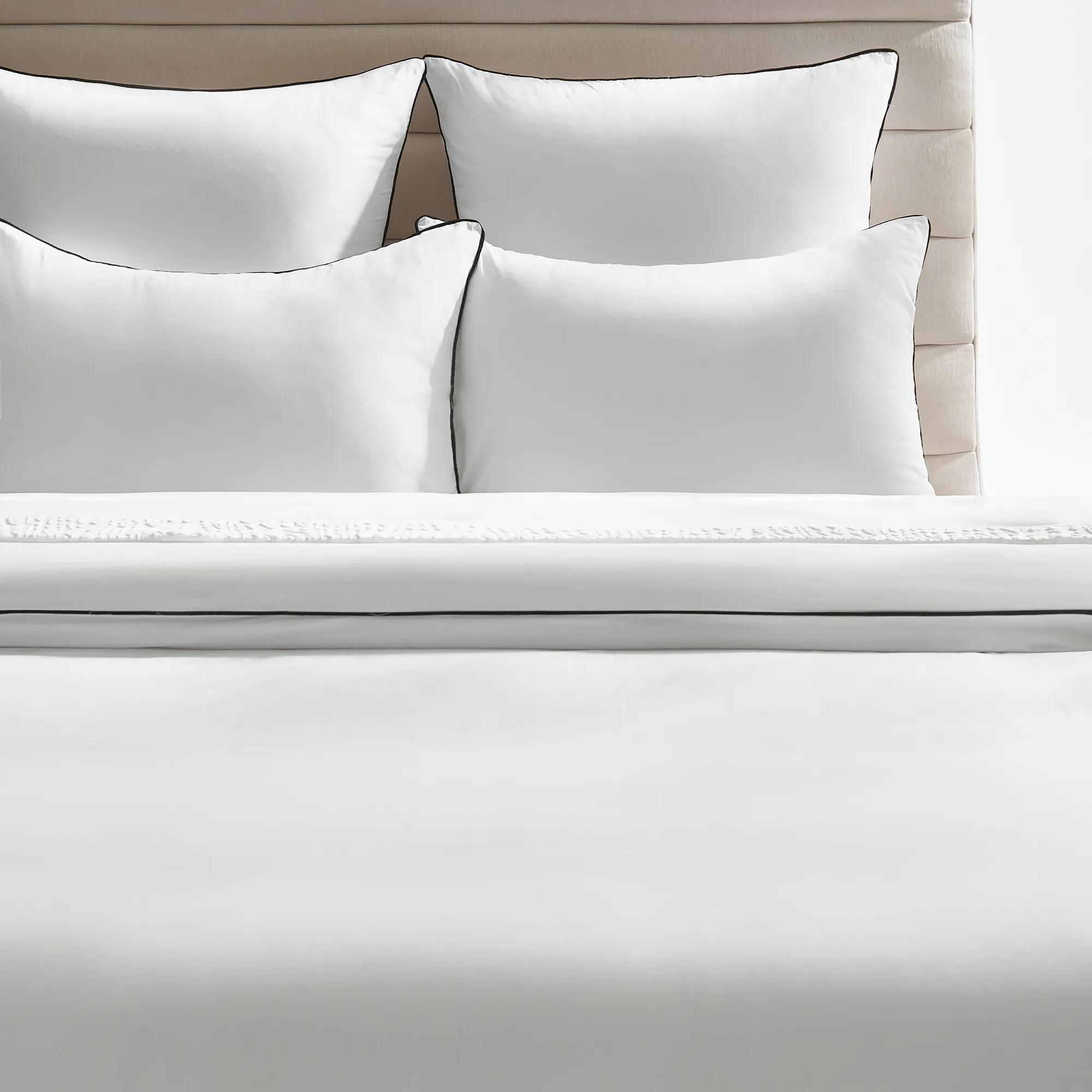 Sarla Contrast Cotton Percale Bedding Set - White/Black$229
A crisp white cotton percale bedding set featuring modern black piping for a refined, graphic contrast.
Add To Cart -
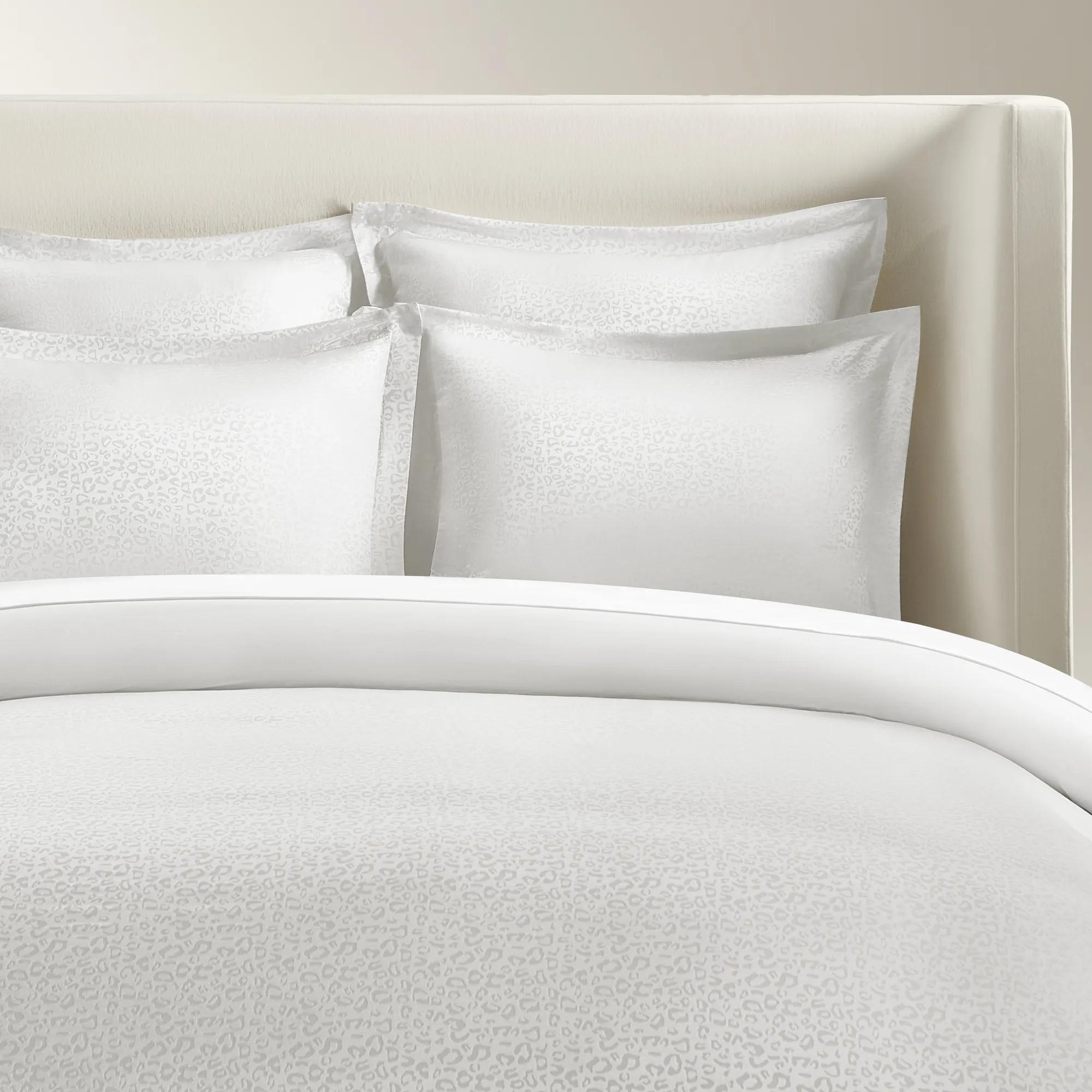
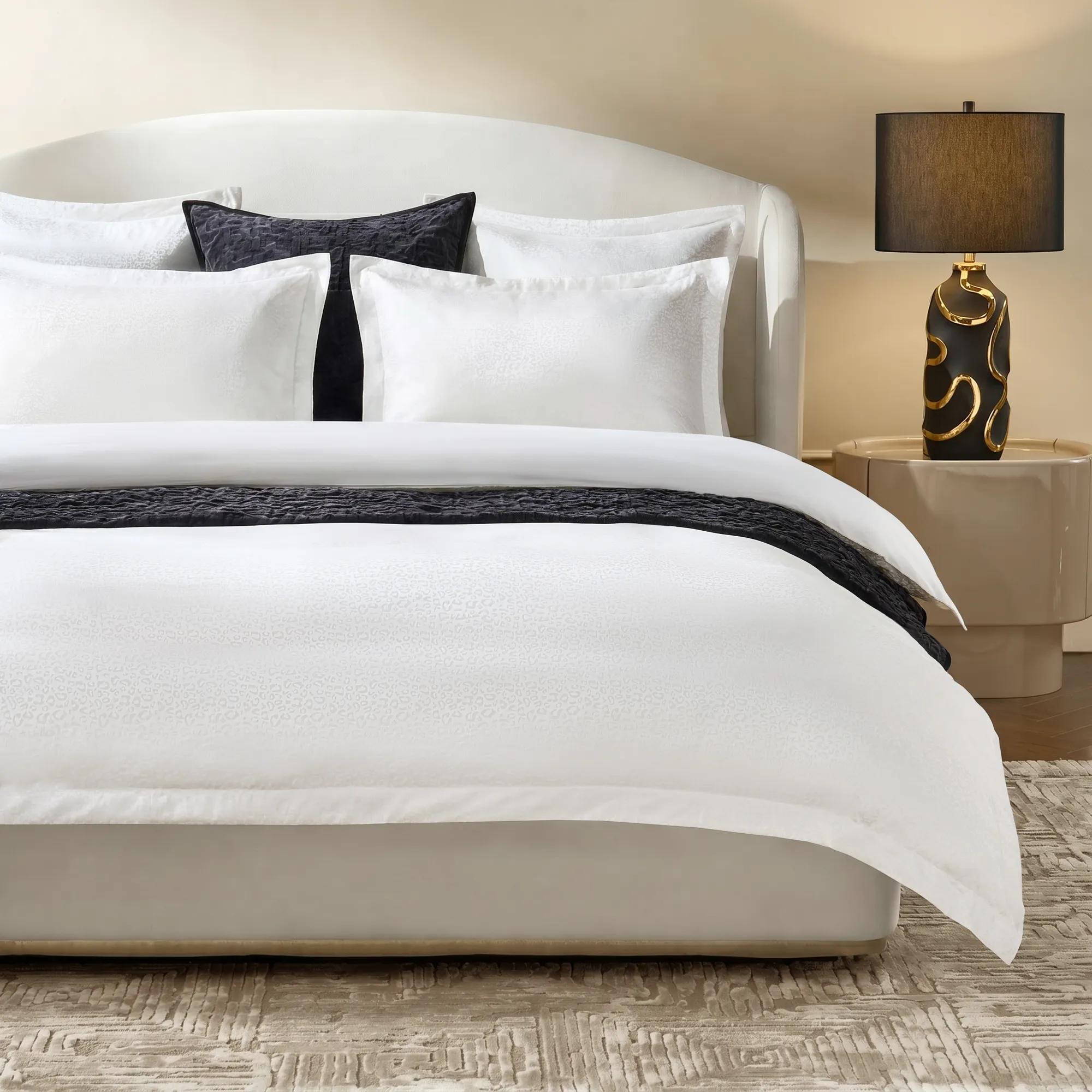 Abi Leopard Cloud White Tencel Bedding Set$249
A cloud white bedding set featuring a tonal leopard print in a smooth Tencel blend with cotton reverse.
Add To Cart -
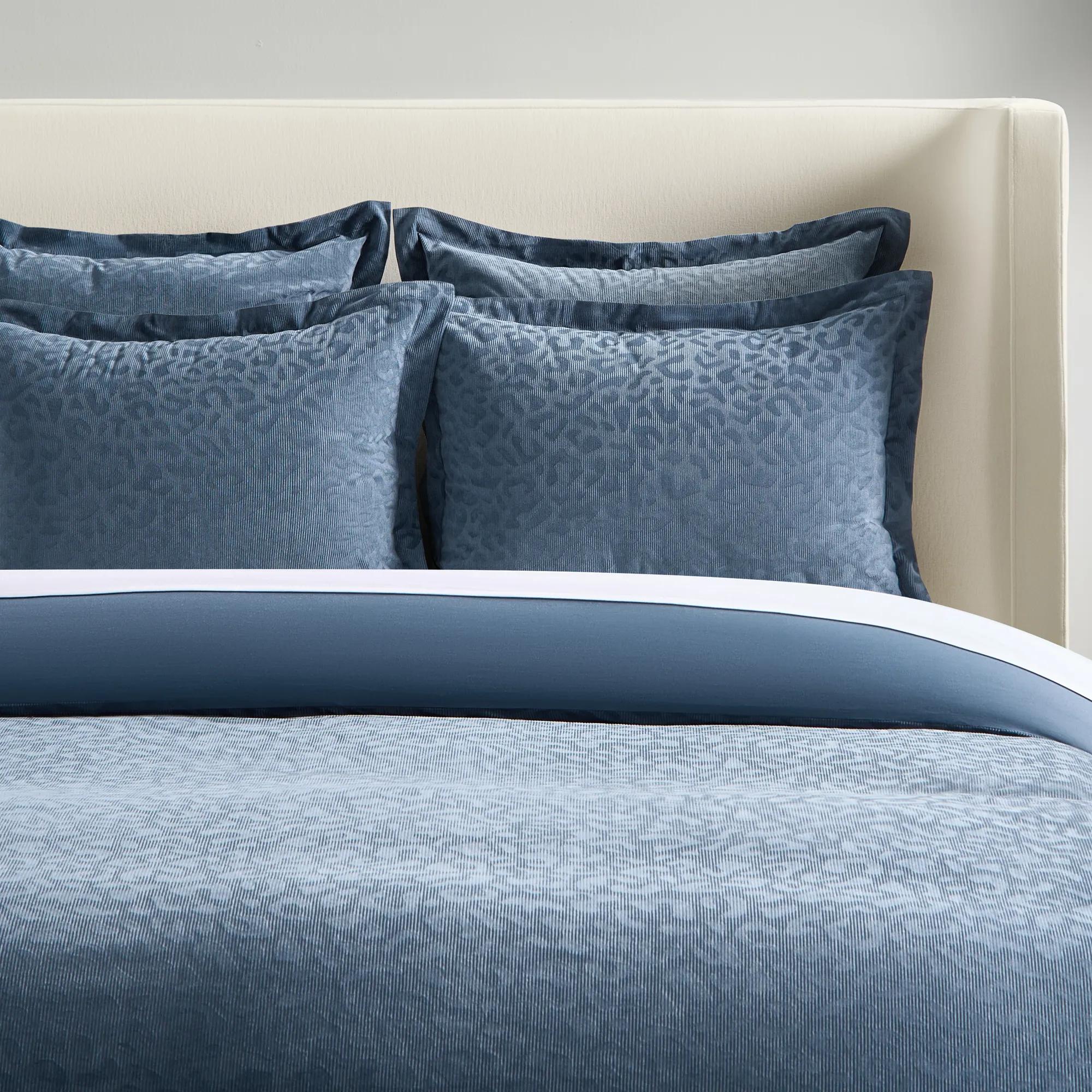
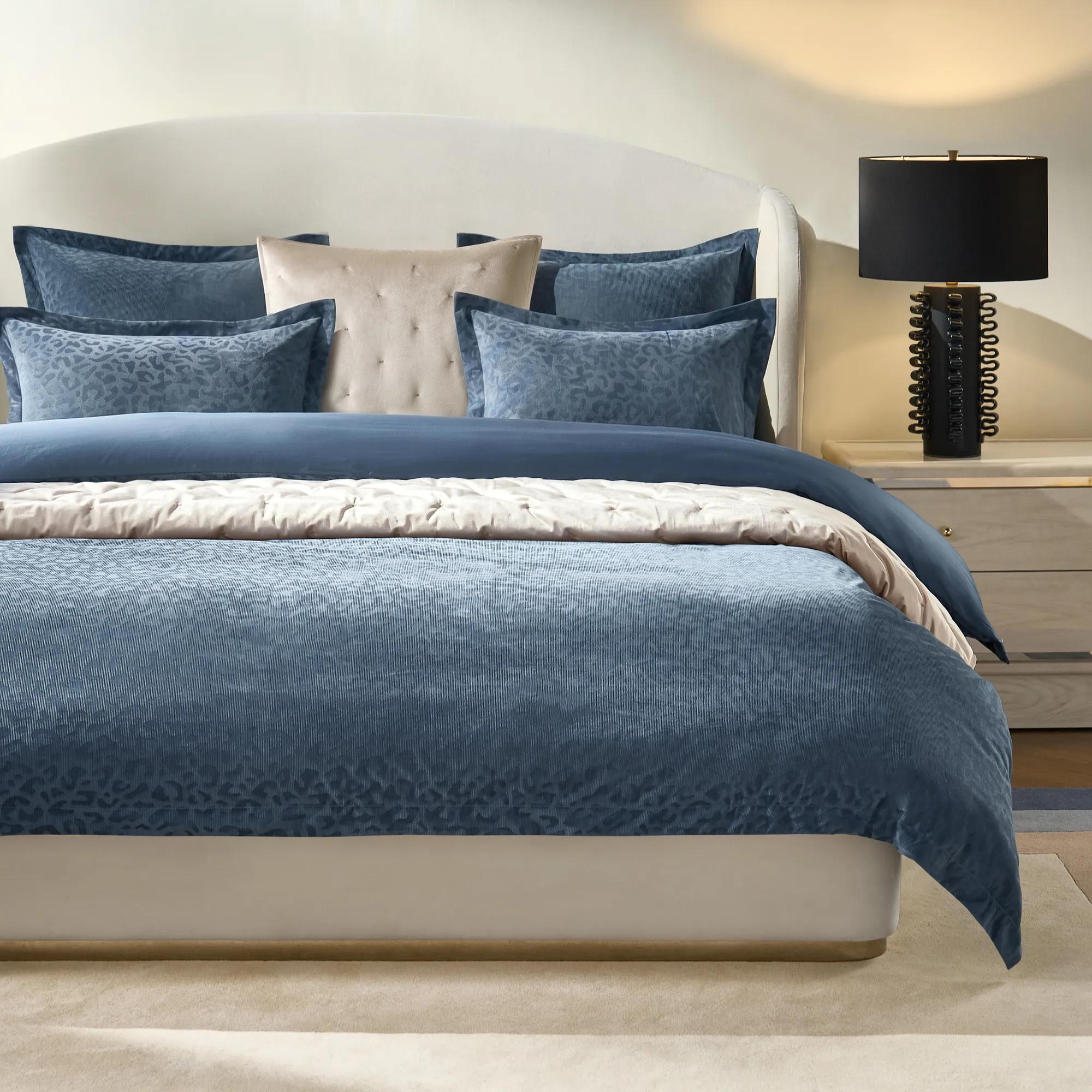 Leopard Dusty Blue Cotton Corduroy Velvet Bedding Set$249
A dusty blue velvet bedding set featuring a tonal leopard print and soft corduroy texture with cotton backing.
Add To Cart -
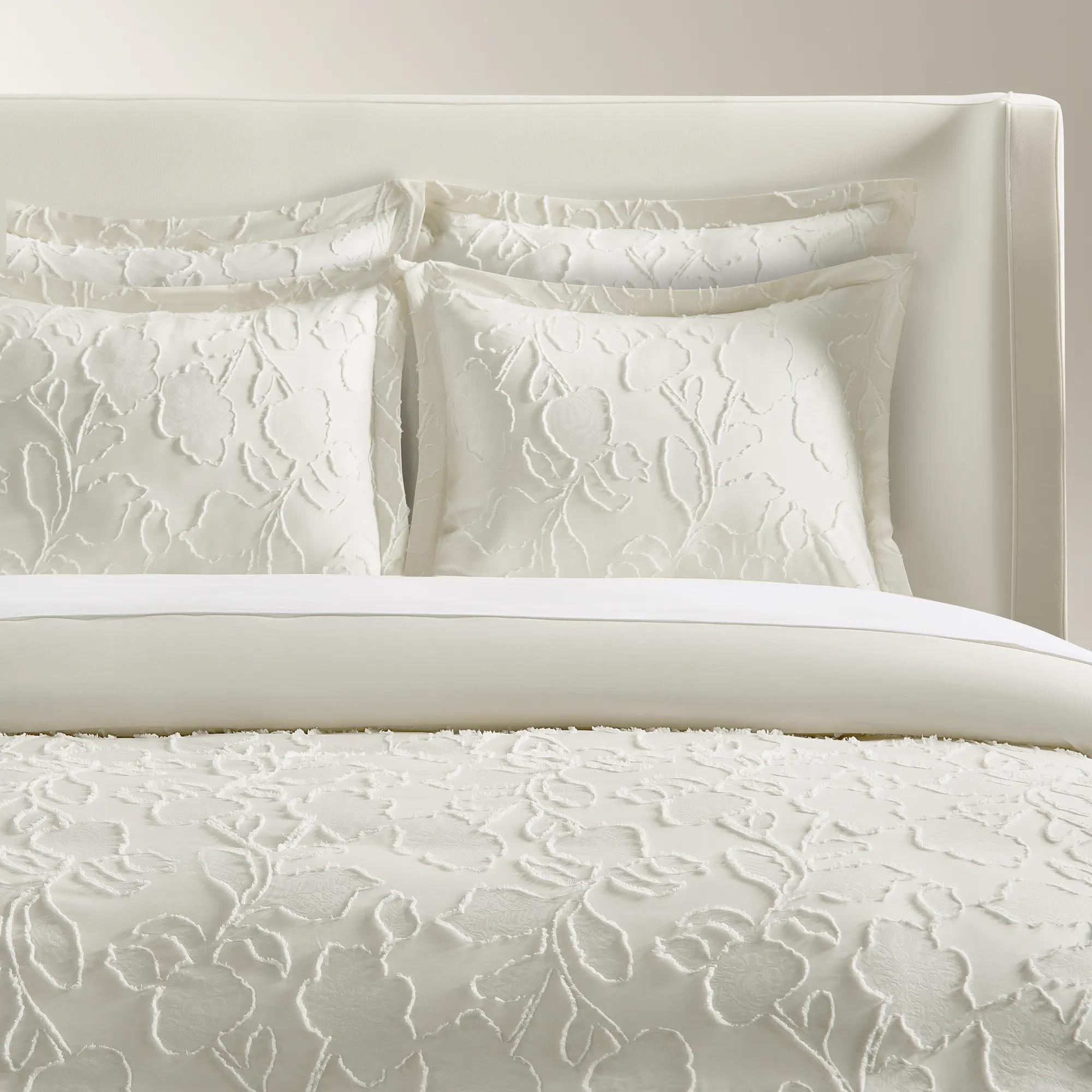
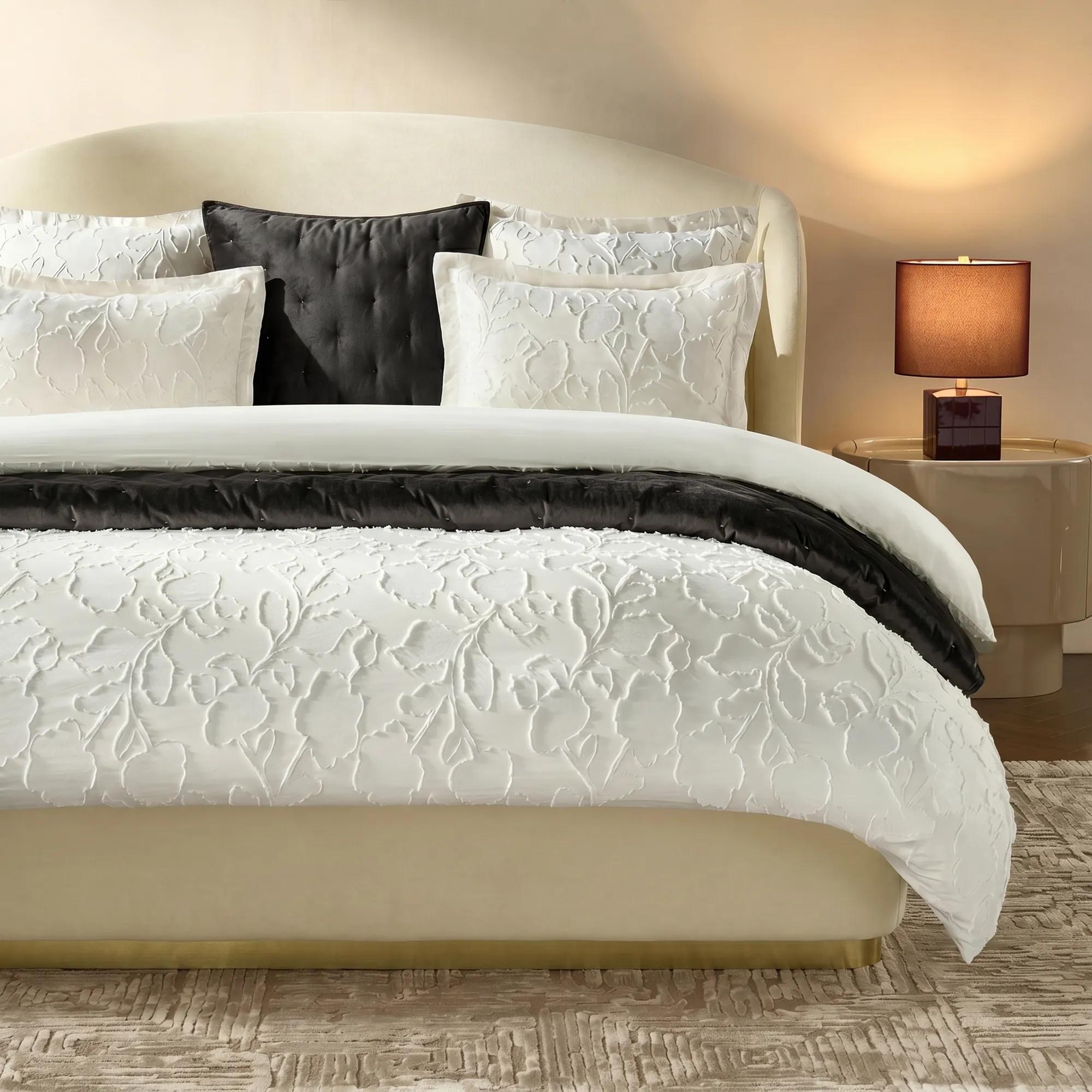 Cosette Ivory Cotton Floral Jacquard Bedding Set$229
A warm ivory bedding set featuring a tonal floral jacquard, eyelash fringe, and soft cotton backing.
Add To Cart -
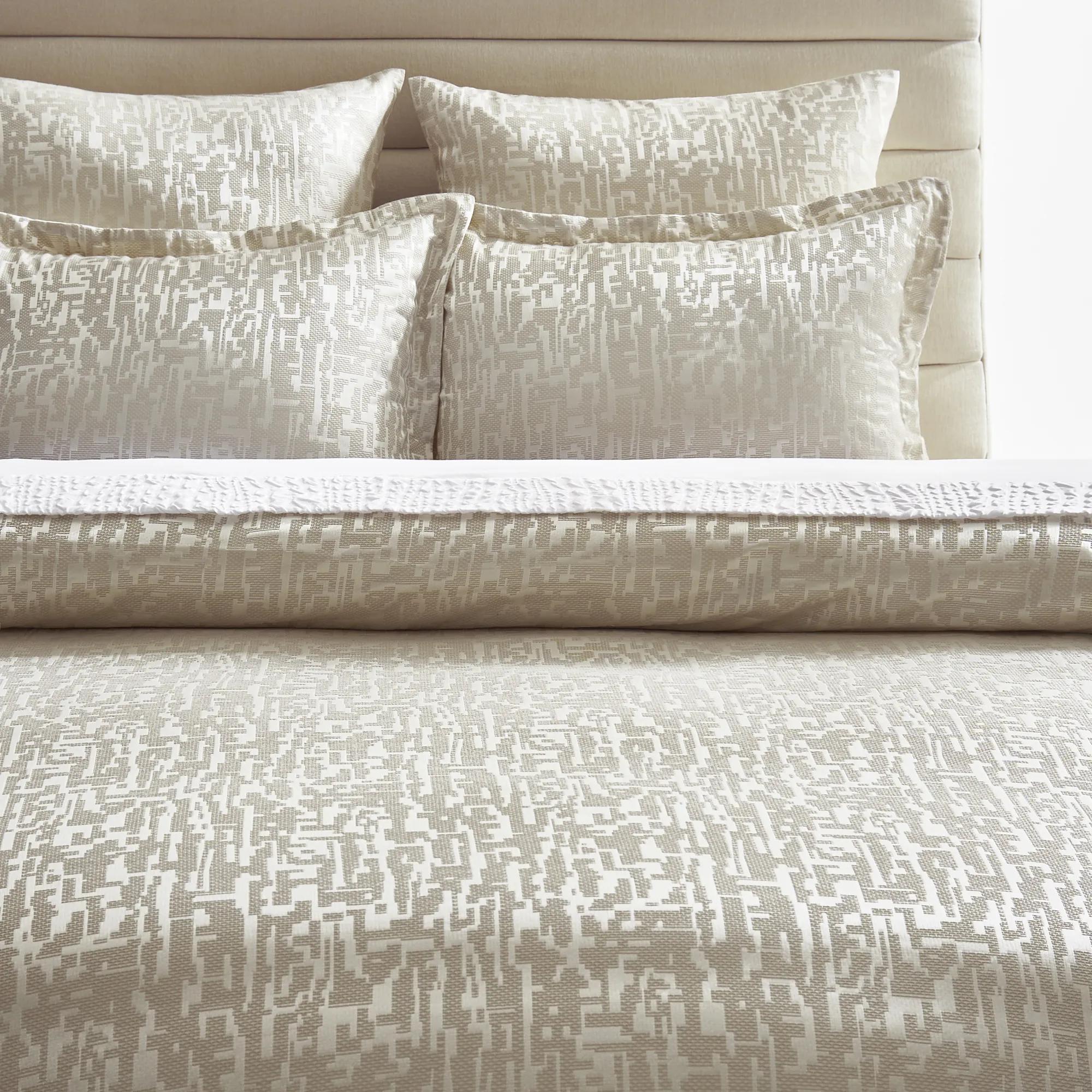
 Podva Embroidered Pearl/Ivory Bedding Set$249
A satin and cotton bedding set in pearl and ivory, featuring modern embroidery and crisp flange edges.
Add To Cart -
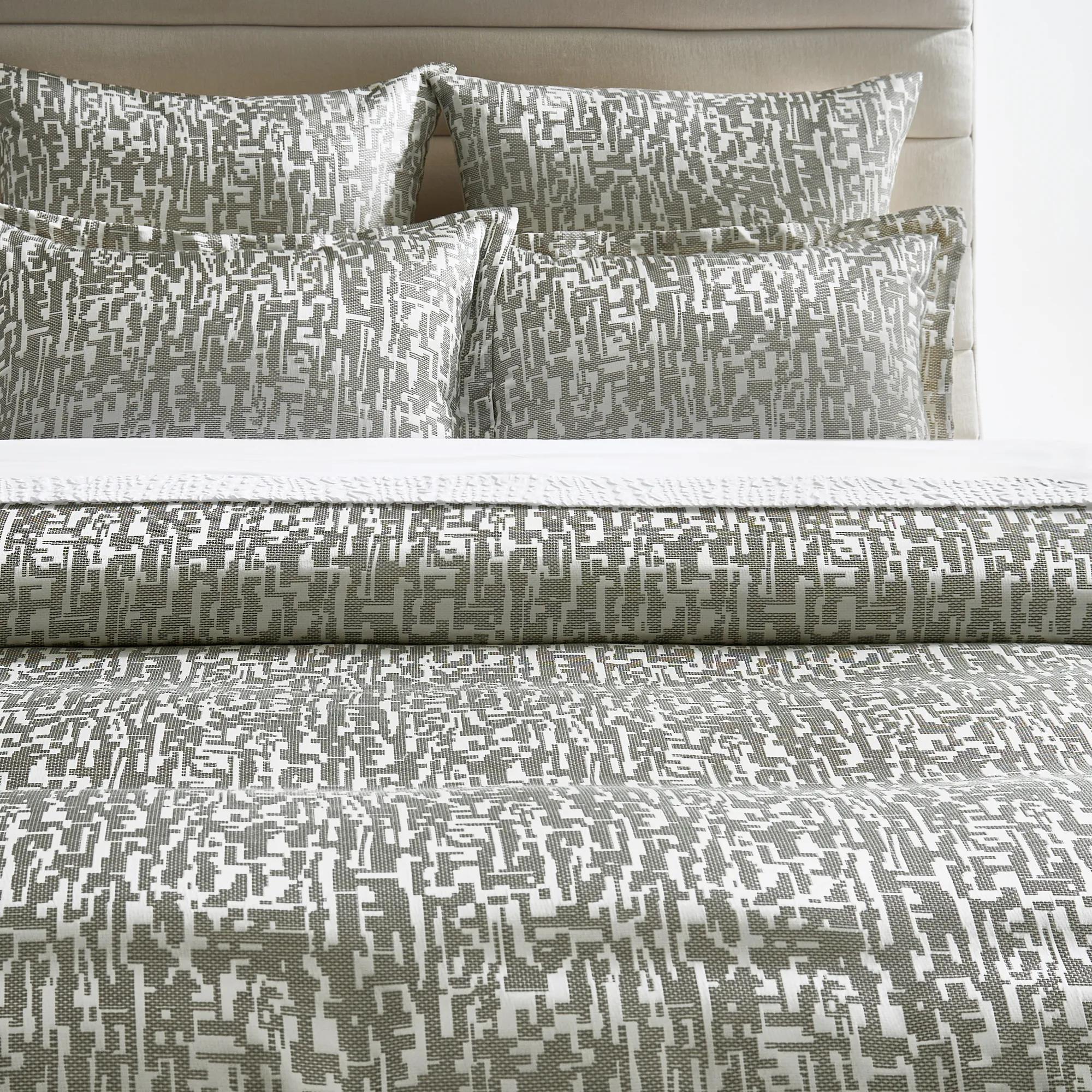
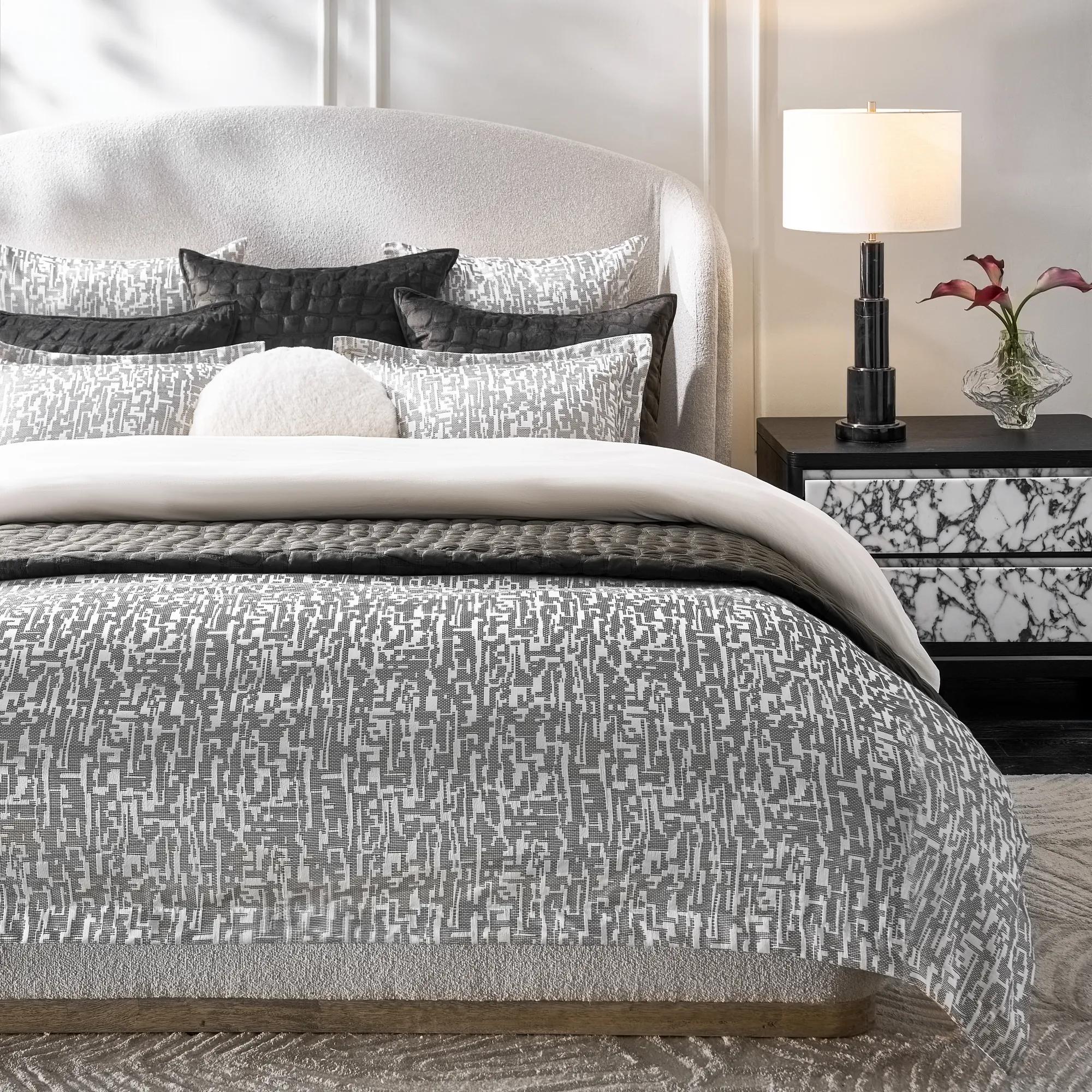 Podva Embroidered Bedding Set - Pearl/ Charcoal$279
A smooth satin bedding set in pearl and charcoal, featuring abstract embroidery and tailored flange edges.
Add To Cart

Hidden Button Closure Duvets
Hidden button closure duvets invite a sense of refined intrigue into the bedroom, blending seamless sophistication with an artful touch. Each duvet becomes more than a cover—it’s a canvas for self-expression, where understated elegance reigns and every detail is meticulously considered. The discreet fastening lends an uninterrupted silhouette, allowing plush fabrics and captivating textures to take center stage. With hidden button closure duvets, the ordinary is transformed into the extraordinary, setting a scene that feels both polished and indulgent—perfect for those who believe the bedroom should be as striking as it is serene.
Hidden button closure duvet covers feature a row of buttons concealed beneath a fabric flap at the opening, giving the bed a tailored edge without exposed fasteners. The buttons secure the duvet insert inside the cover, while the overlapping fabric keeps the closure visually discreet. This construction brings a refined finishing touch to bedding: the eye follows the sweep of the fabric, the richness of its texture, and the composition of the bed rather than a line of hardware. A duvet cover is the removable outer layer, not the filled insert itself, so its role is both decorative and protective. It allows the bedroom’s central statement to change without replacing the entire bedding foundation and provides a washable barrier around the insert. For a primary suite, guest bedroom, or thoughtfully furnished apartment, that combination of visual polish and everyday practicality has enduring appeal. Fabric choice shapes the experience as much as the concealed closure. Cotton percale typically has a crisp, matte finish that lends definition to a carefully made bed, while cotton sateen offers a smoother hand and subtle sheen that complements lustrous accents. Linen brings visible texture and a relaxed drape, creating an intriguing contrast beside sculptural furniture or gleaming decorative details. Microfiber can offer a soft surface and resistance to wrinkling, though its feel and care requirements depend on its construction. Fiber content, weave, and finishing all deserve attention; thread count alone does not describe softness, strength, or quality. A substantial jacquard can introduce dimension through woven pattern, while an understated solid lets decorative pillows and an expressive headboard take prominence. Embroidery or raised detailing adds another layer of artistry, but may also call for more considered care. The hidden button closure supports each of these looks without competing with it, preserving a composed finish whether the bed is dressed in luminous neutrals, saturated color, or an expansive pattern.
A beautiful silhouette begins with the right fit. Hidden button closure duvets are often described by familiar bed sizes, but the cover’s actual width and length should be compared with the insert’s dimensions before choosing. Twin, full, queen, and king labels are useful starting points, not guarantees that every cover and insert will align precisely. An insert that is too small can leave empty fabric along the sides and corners; one that is substantially too large can bunch inside the cover, distort the drape, and place unnecessary tension on the closure. A closely matched cover and insert generally produce a more even surface and a balanced distribution of loft. The desired drop matters, too. On a tall mattress, a cover may reveal more of the bed’s sides than expected, while a lower bed frame can make the same dimensions appear more generous. Consider how much of the mattress, foundation, or upholstered frame should remain visible as part of the room’s composition. Interior corner ties, when included, can help anchor an insert that has corresponding loops, reducing movement within the cover. Hidden buttons and corner ties perform different jobs: the buttons close the opening, while the ties help maintain alignment. Neither feature should be assumed without checking the construction details. When dressing the bed, align the corners first, distribute the insert evenly, and fasten each button without pulling the fabric taut. Smooth the concealing flap afterward so the opening rests neatly beneath it. Durability depends on more than the closure style. Secure button stitching, well-finished buttonholes, reinforced seams, and fabric suited to regular use all contribute to lasting performance. A loose button can often be resewn, and a damaged button may be replaceable with a suitable match. Addressing loosened threads early helps prevent loss and protects the surrounding fabric. For a frequently used bed, sturdy construction and manageable care requirements are as meaningful as the first impression of softness or sheen.
Care should preserve both the fabric’s character and the precision of its details. Follow the cover’s care label for washing, drying, ironing, and any restrictions related to embellishment; instructions can differ substantially between cotton, linen, synthetic blends, and decorative weaves. Wash with compatible colors, avoid crowding the machine, and use laundering methods appropriate to the material rather than assuming every duvet cover can tolerate the same treatment. Prompt attention to stains helps keep the bed’s presentation immaculate, but stain-removal products should be suitable for the fabric and finish. Before laundering, check for loose buttons or weakened stitching and follow any instructions about fastening the closure. After washing, reshape the cover as directed and let it dry completely before placing the insert inside. The insert has its own care requirements, which should be treated separately from those of the cover. Thoughtful handling also includes changing the cover without tugging hard at individual buttons or using the closure to lift the filled duvet. These small habits help retain the clean line that makes concealed fastening so appealing. Once the practical details are settled, the bed becomes a canvas for a more expressive arrangement. A smooth, solid cover can give a patterned lumbar pillow room to command attention; a richly textured cover can carry the composition with only a few restrained accents. Fold the upper edge back to reveal a contrasting sheet, or let a generous expanse of fabric emphasize the bed’s scale. For a coordinated foundation, explore Button Closure Duvet Cover Sets and review which pieces are included, since matching shams and other components vary by set. For overnight guests, a well-fitted cover creates a considered, welcoming bed without requiring an elaborate arrangement. As a housewarming or wedding gift, duvet bedding is most successful when the recipient’s insert dimensions, preferred fabrics, and decorating style are known. The appeal lies in that meeting of personal expression and thoughtful function: sumptuous texture across the bed, a discreet closure beneath the fabric, and a finish that feels deliberate from every angle.
FAQs
Hidden button closure duvets offer a seamless, tailored appearance that enhances the overall elegance of your bedding. The concealed buttons prevent snagging and ensure a smooth, uninterrupted surface, allowing the fabric’s design and texture to take center stage. This closure style is also easy to fasten and unfasten, making it both practical and visually sophisticated.
A hidden button closure duvet creates a refined and polished look, free from the distraction of exposed fasteners or bulky zippers. This subtle detail elevates the visual harmony of your bedding, allowing the duvet cover’s color, pattern, and material to shine. The result is a bedroom that feels thoughtfully curated and effortlessly luxurious.
Yes, hidden button closures can be expertly crafted into a variety of fabric types, including cotton, linen, bamboo viscose, and blends. The closure’s discreet profile complements both lightweight and heavier textiles, ensuring a secure fit while maintaining the integrity and drape of the fabric.
A hidden button closure duvet makes a thoughtful and luxurious gift for newlyweds, new homeowners, or anyone with a passion for interior design. Its blend of practical functionality and elevated style appeals to those who value comfort, craftsmanship, and a touch of everyday indulgence.
Corner ties inside a hidden button closure duvet help secure the insert in place, preventing it from shifting or bunching during use. This feature ensures the duvet maintains a smooth, even appearance and delivers consistent warmth and comfort, night after night.