Grey Rugs For Indoor Gatherings
Grey Rugs For Indoor Gatherings
-
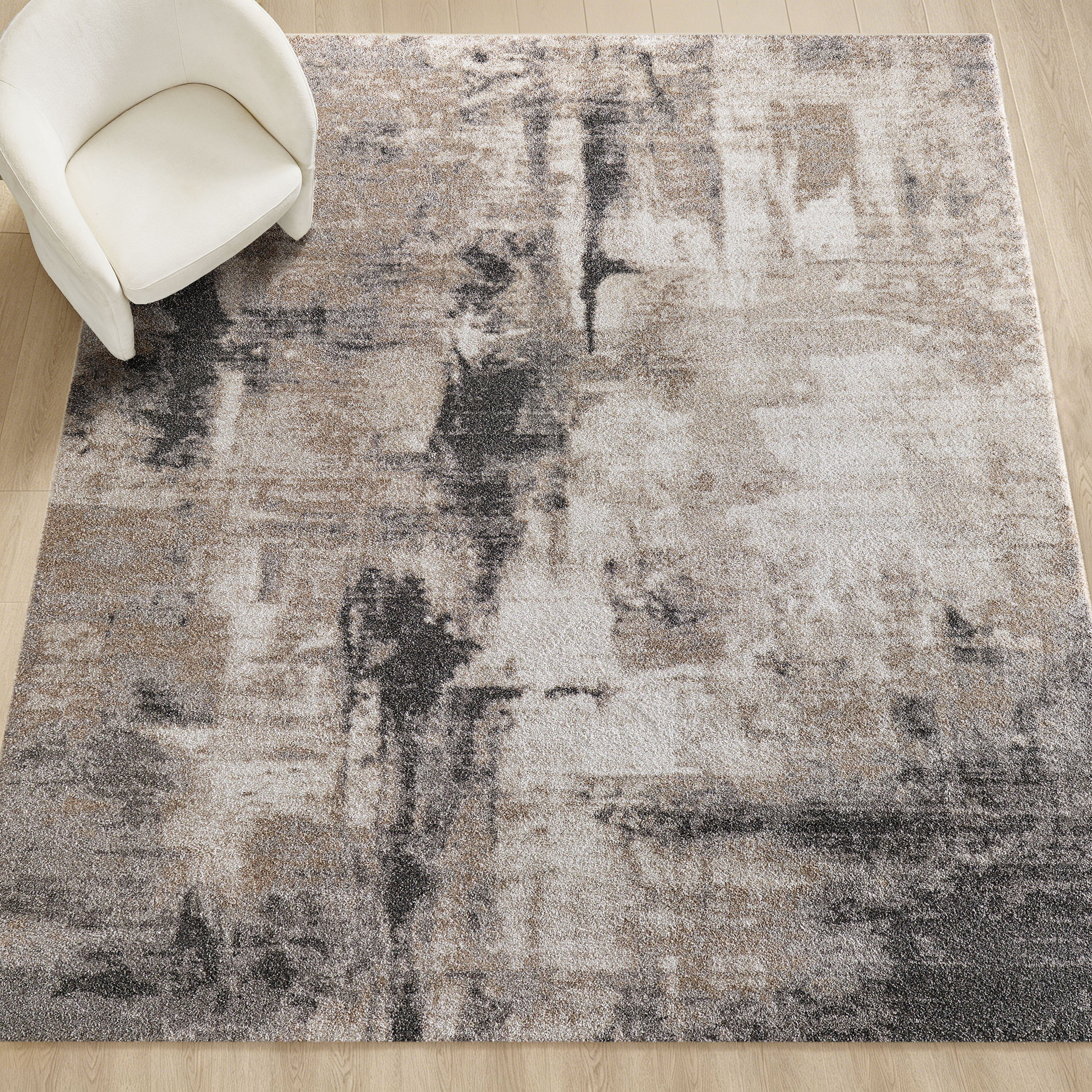
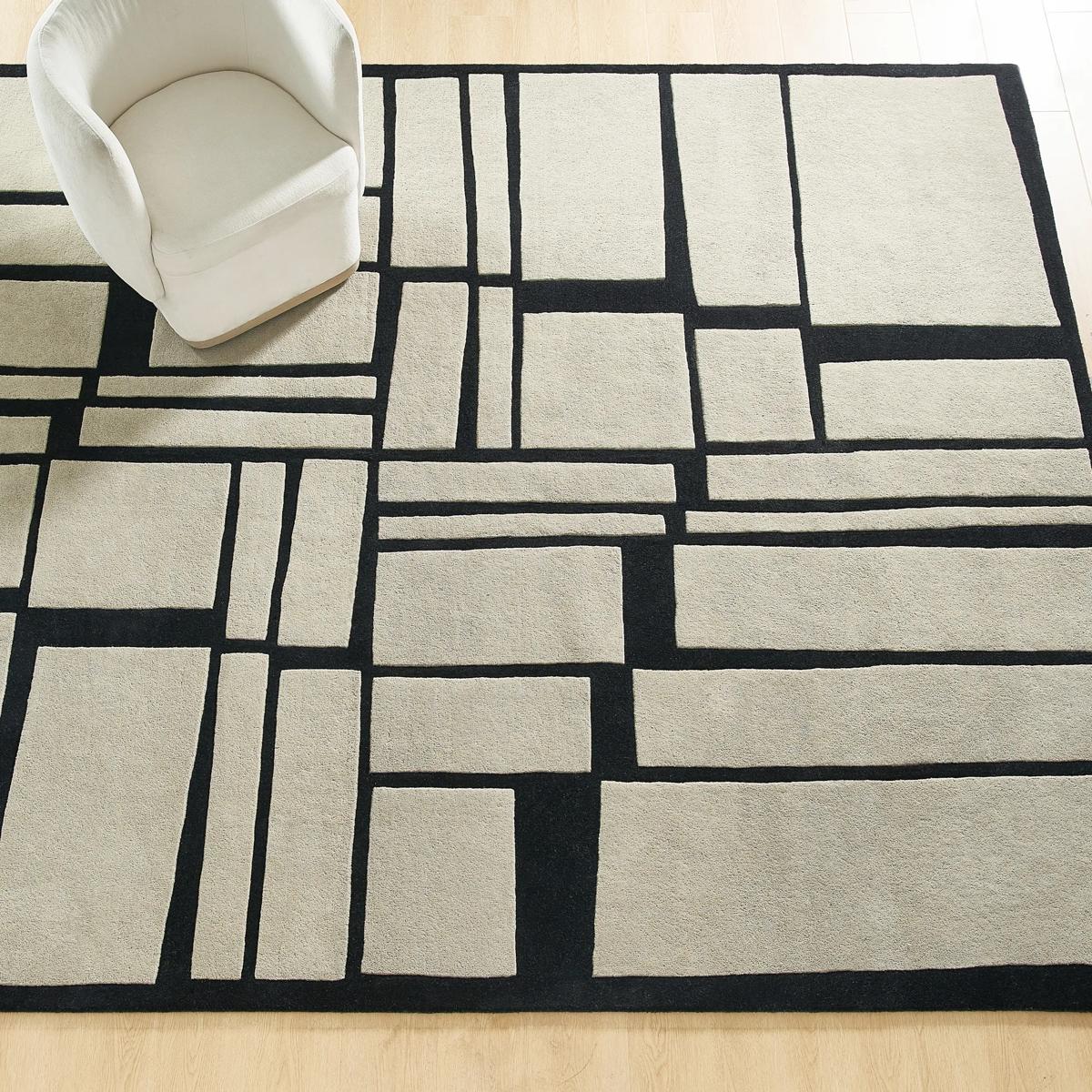
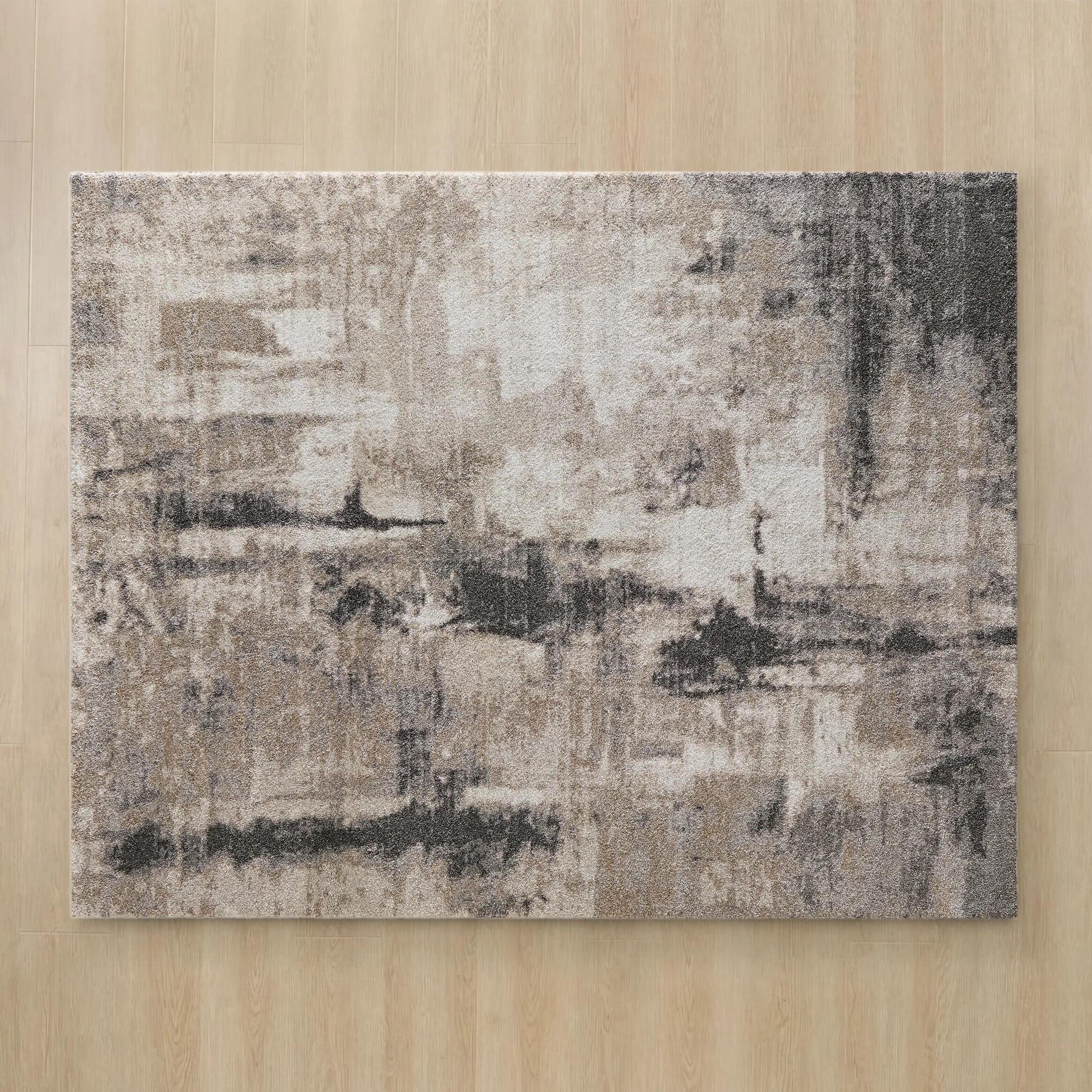 Atlas Abstract Grey/Taupe/Ivory/Charcoal Performance Power Loomed Rug$849
An abstract rug in grey, taupe, ivory, and charcoal with a plush, durable, and easy-care pile.
Add To Cart -
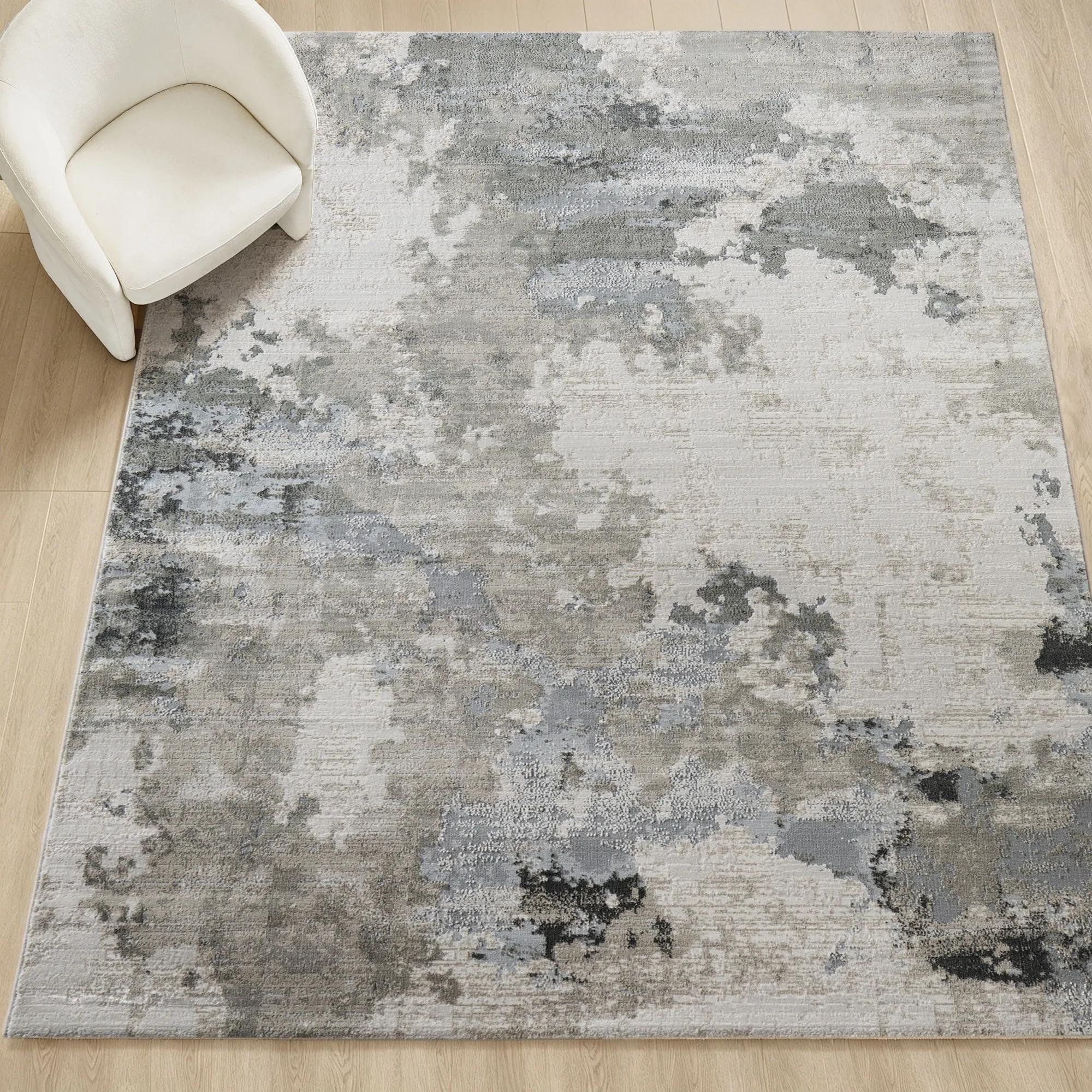 Alarion Abstract Grey/Muted Blue/Ivory Performance Power Loomed Rug$1499
A power-loomed rug featuring a distressed abstract pattern in grey, muted blue, and ivory with stain resistance.
Add To Cart -
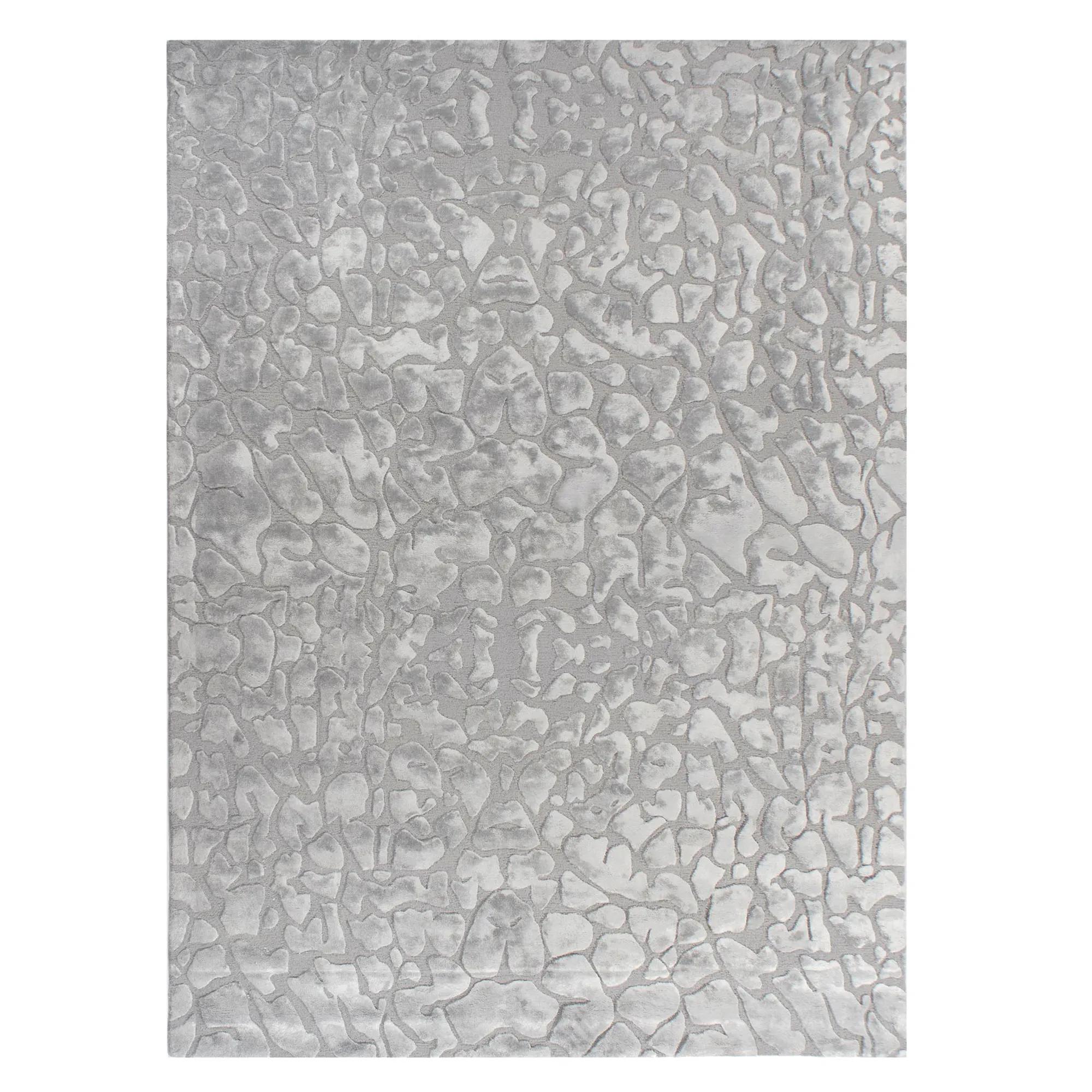
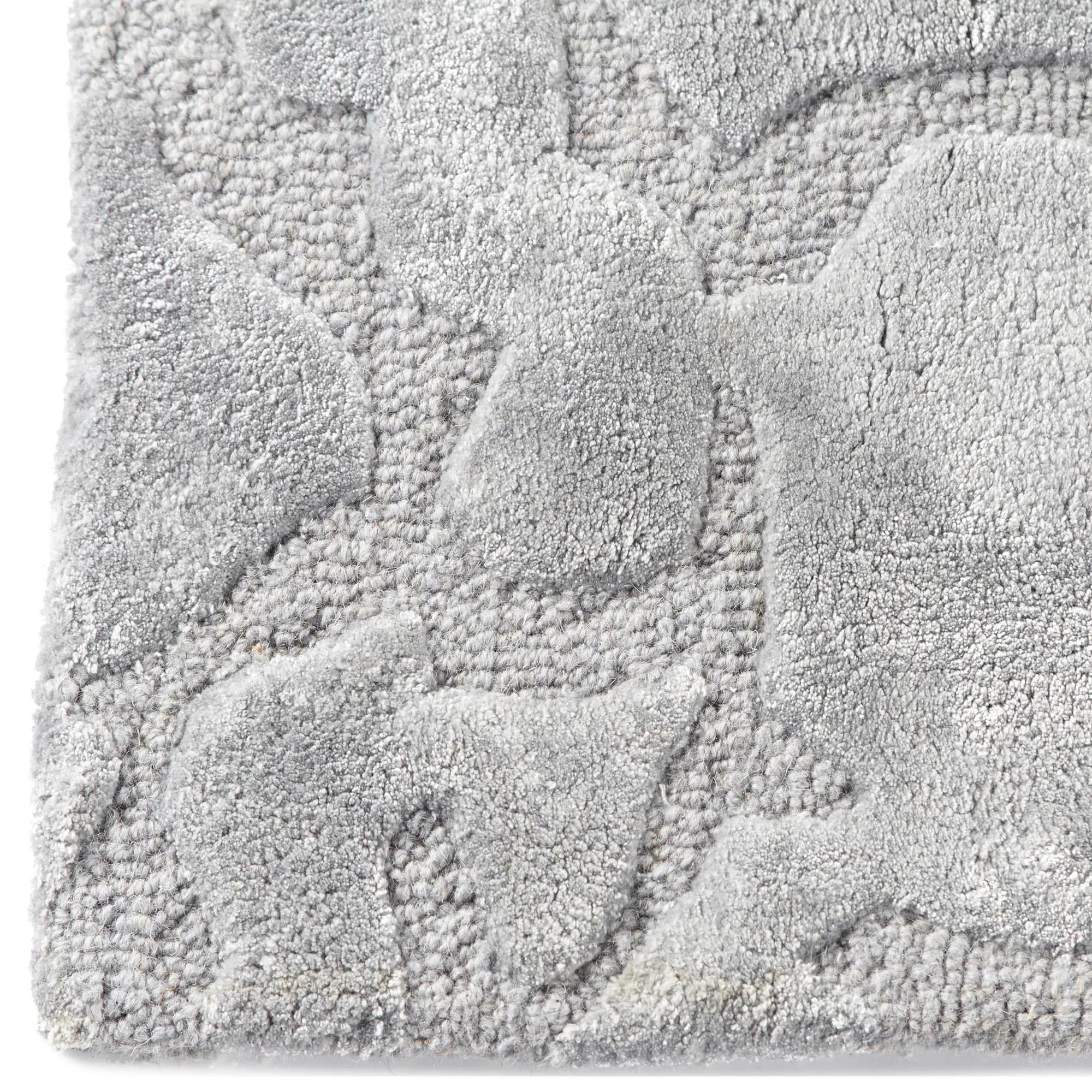 Nola Hand-Tufted Cool Grey Wool Blend Rug$849
A hand-tufted silver rug with contrasting pile heights, crafted from wool and viscose for plush texture.
Add To Cart -
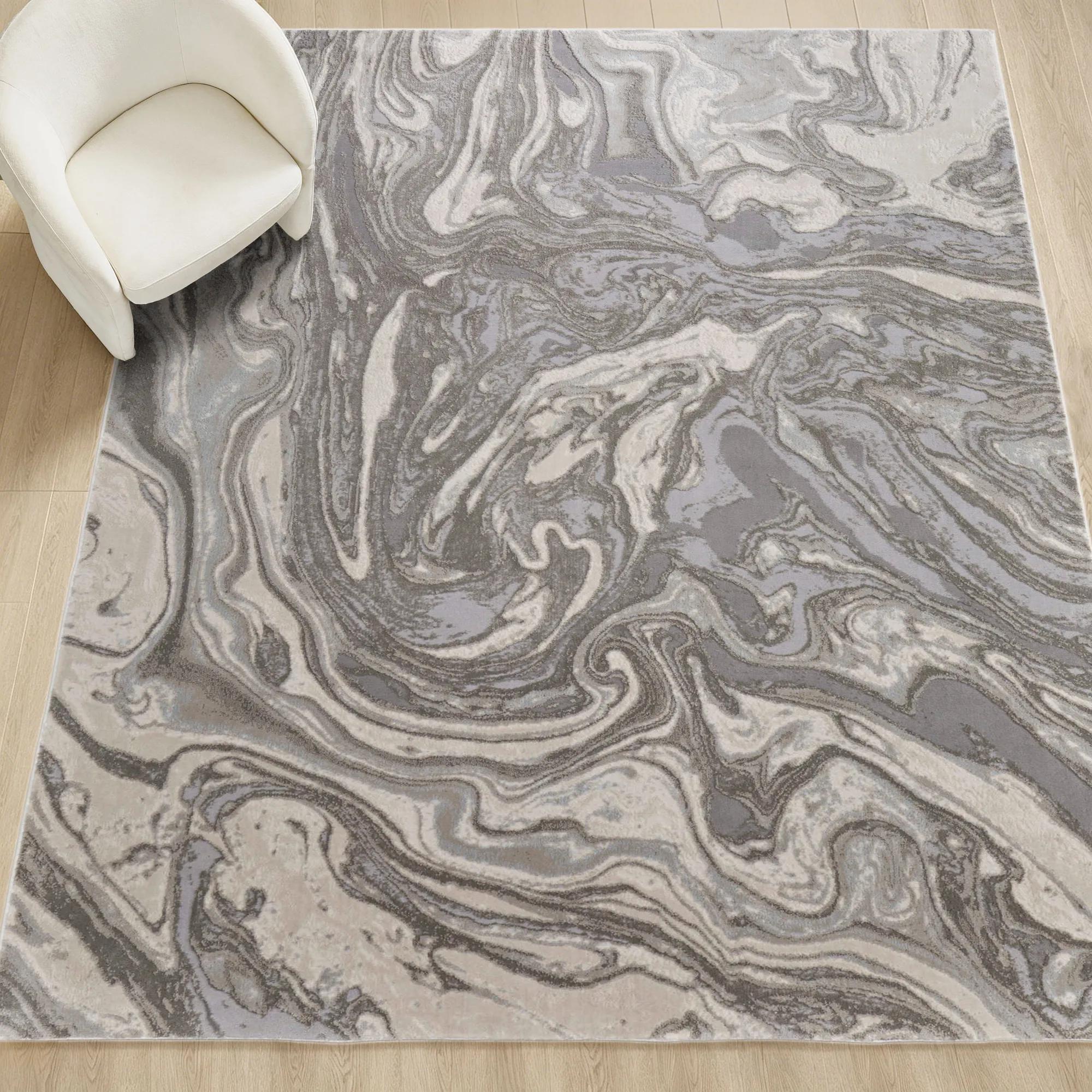
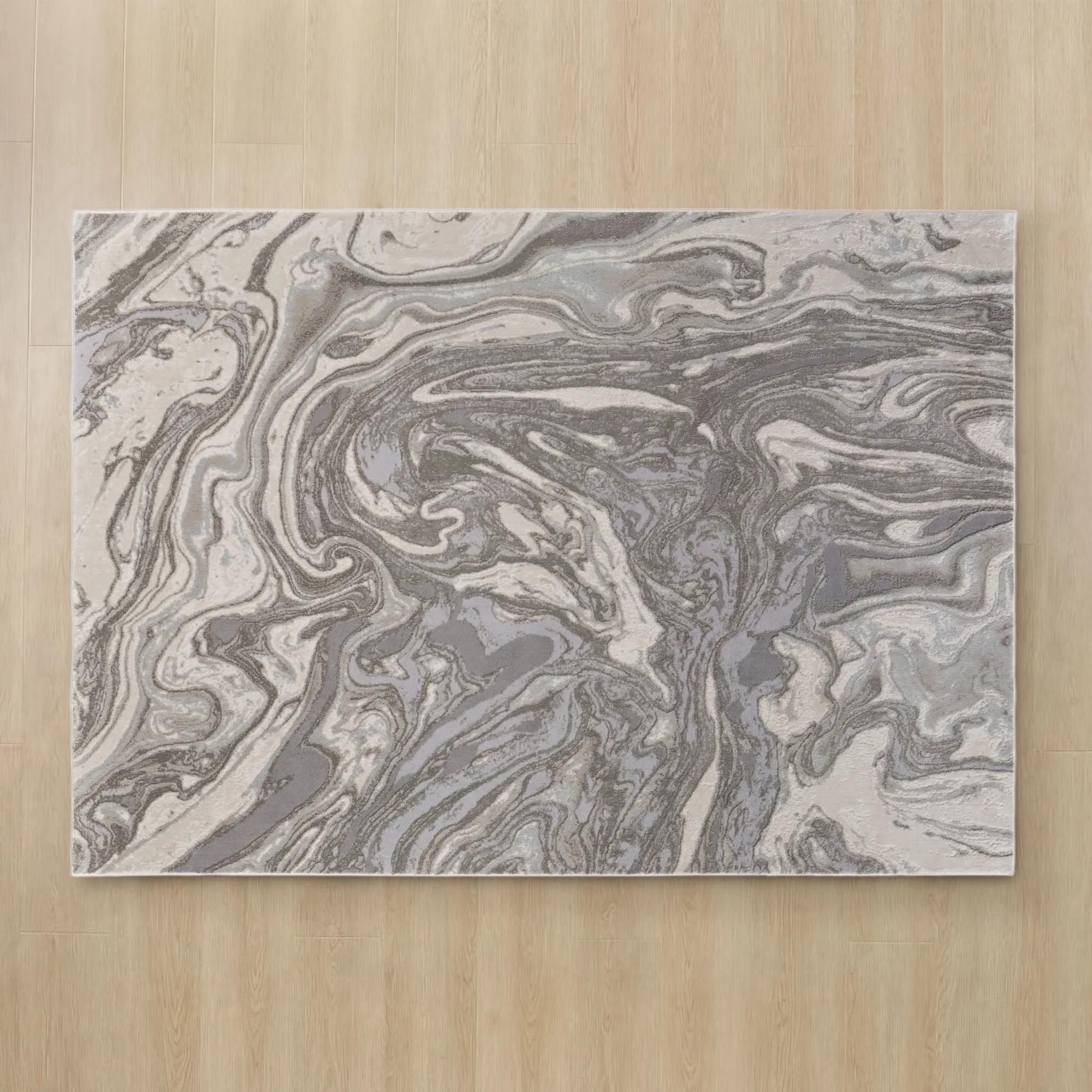 Marbre Marbled Grey/Taupe/Powder Blue Performance Power Loomed Rug$379
A softly marbled rug in grey, taupe, and powder blue with a textured, stain-resistant polypropylene blend.
Add To Cart -
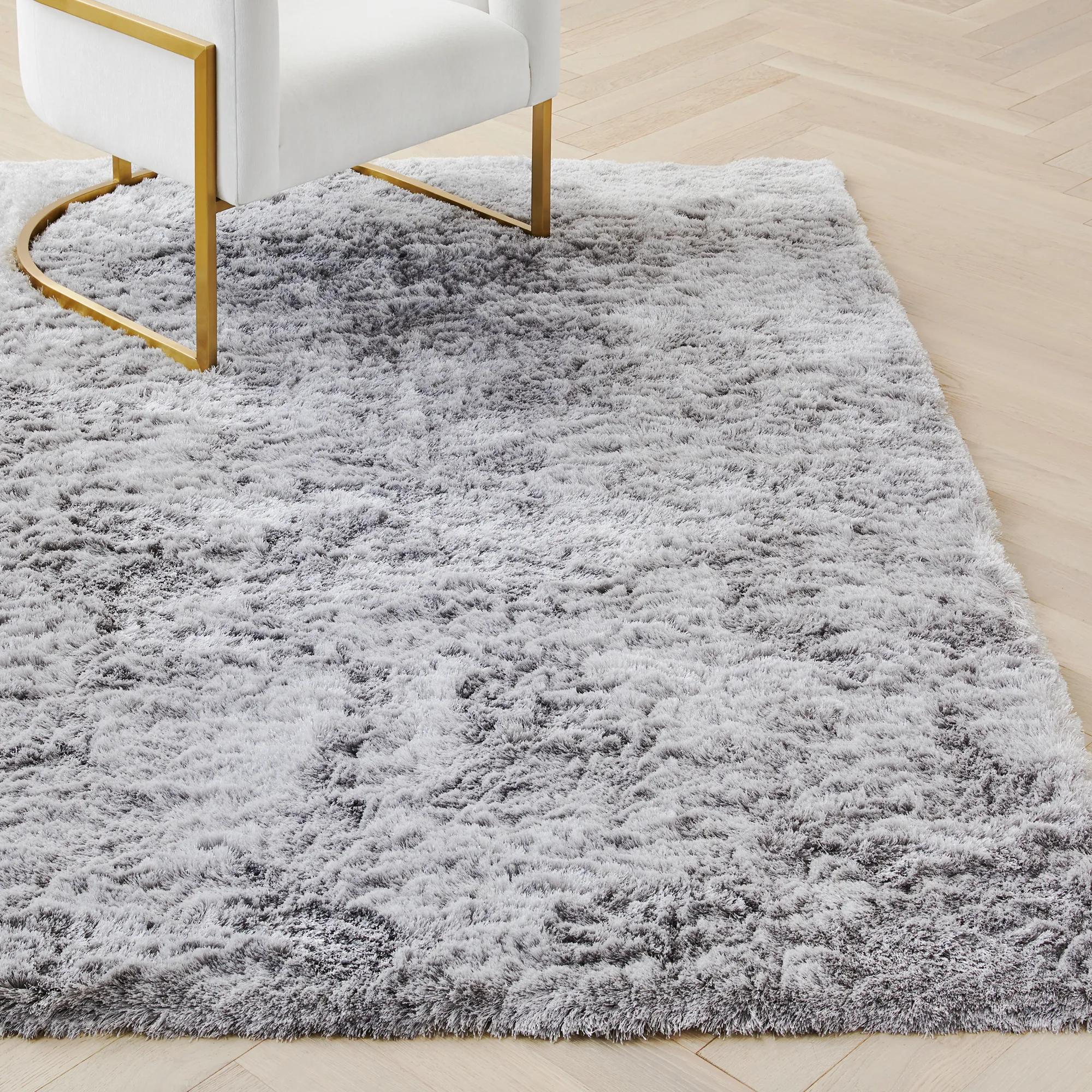 Indochine Shag Platinum Rug$399
A platinum-toned shag rug with a subtle sheen and plush 1.5" polyester pile for luxurious texture.
Add To Cart -
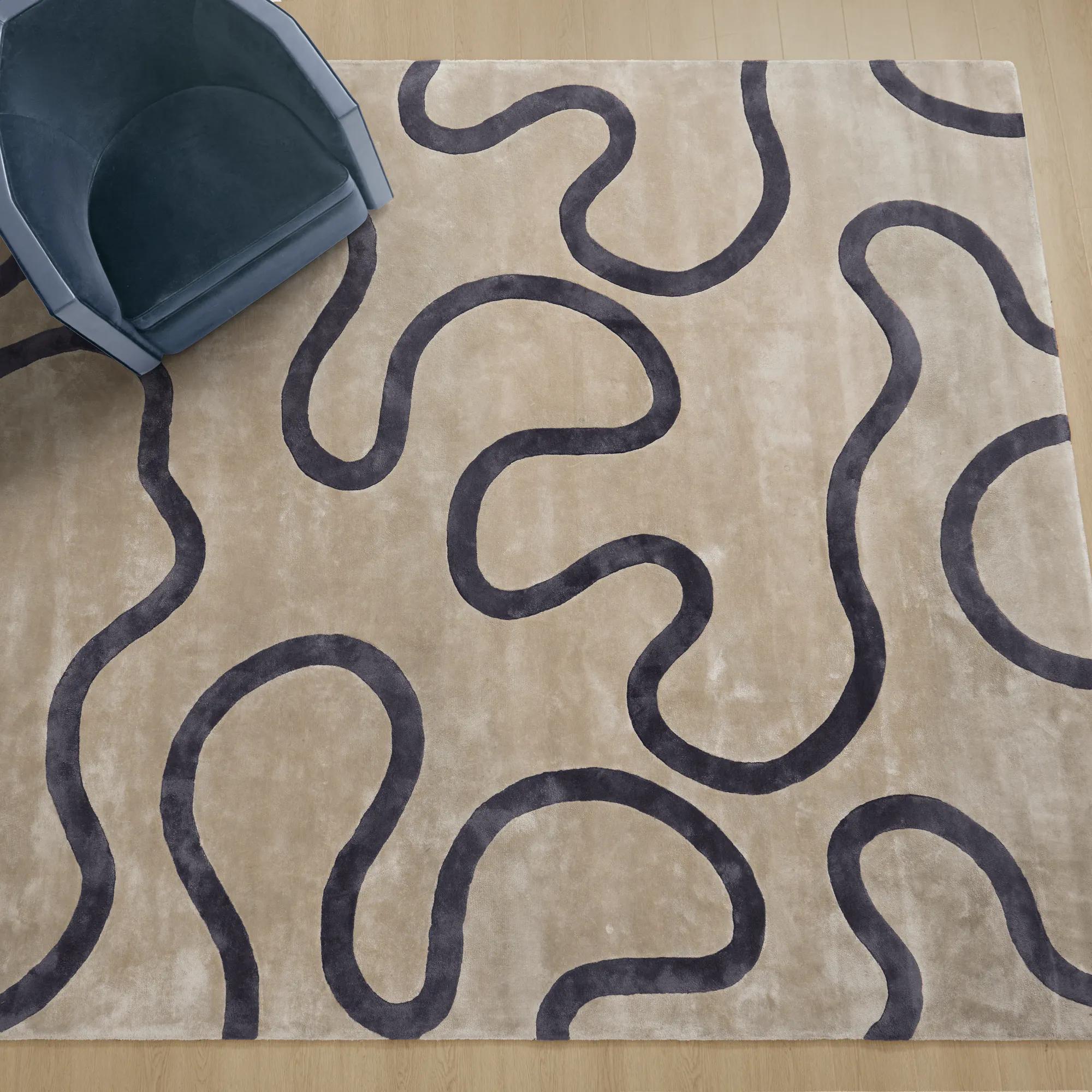 Seraphine Hand-Tufted Smoked Pearl/Taupe Viscose Loop Rugs$1799
A hand-tufted viscose rug in smoked pearl and taupe with bold Deco-inspired loop patterns and subtle sheen.
Add To Cart -
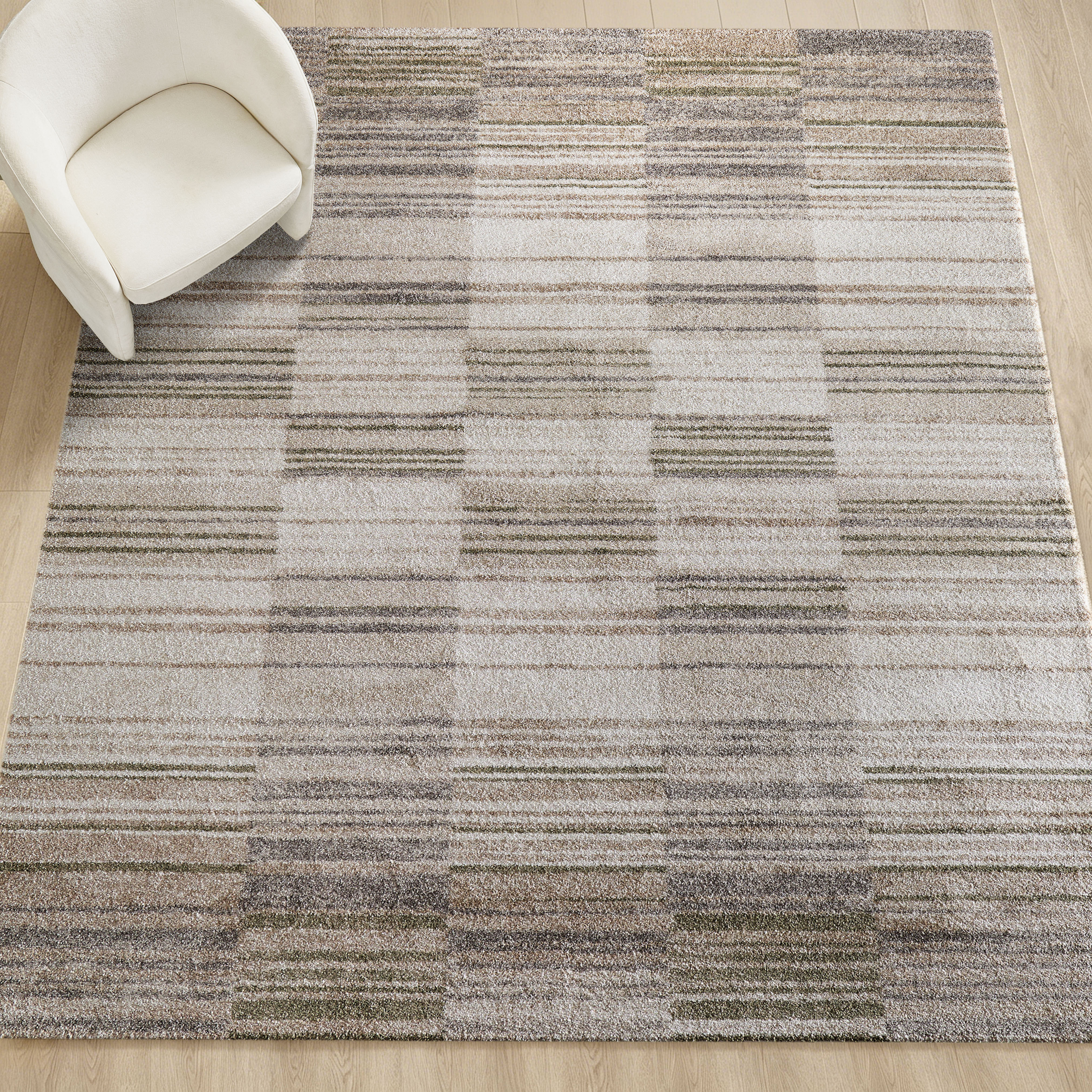
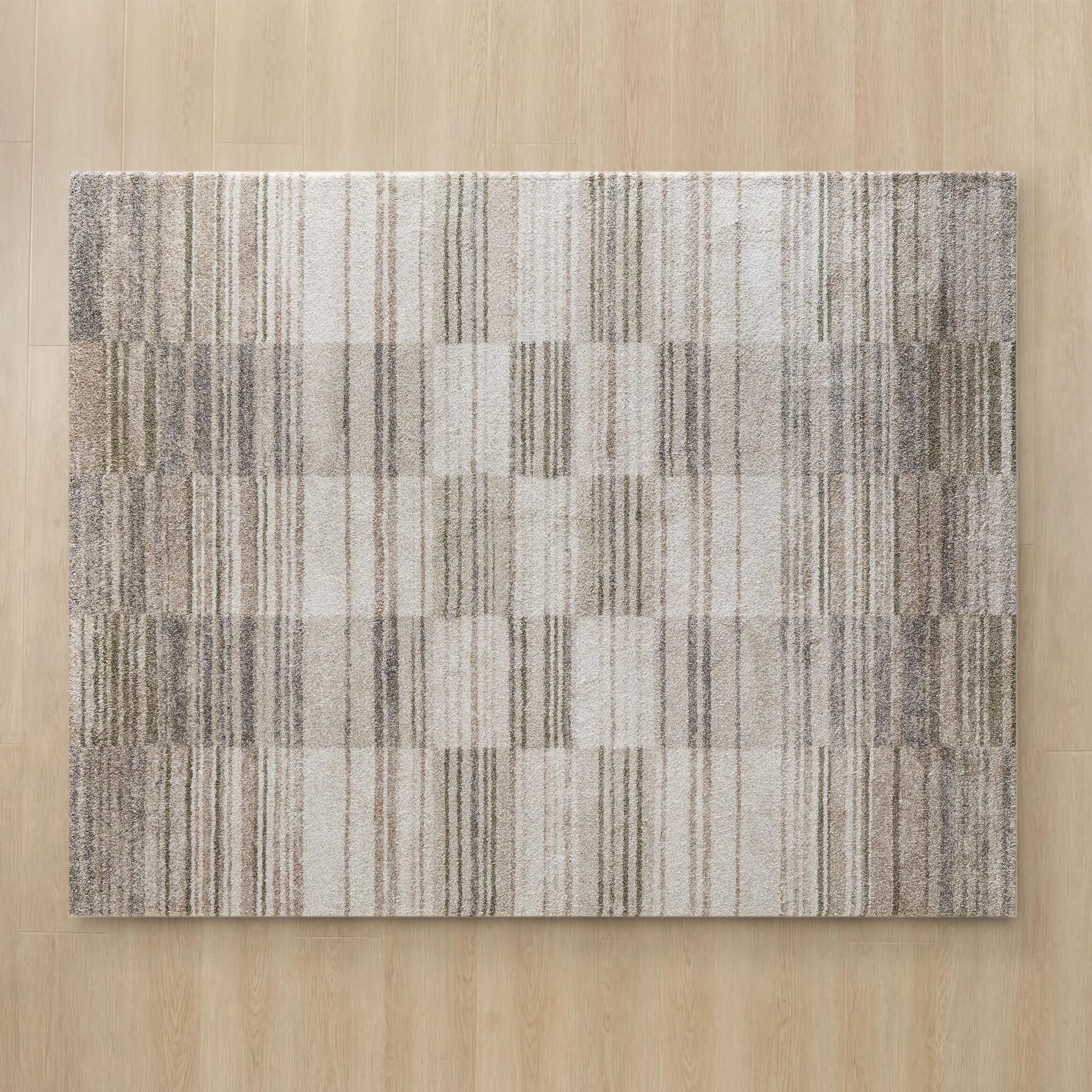 Checka Grey/Tan/Ivory/Soft Green Performance Power Loomed Rug$1649
A plush, power-loomed rug featuring a soft check pattern in grey, tan, ivory, and green.
Add To Cart -
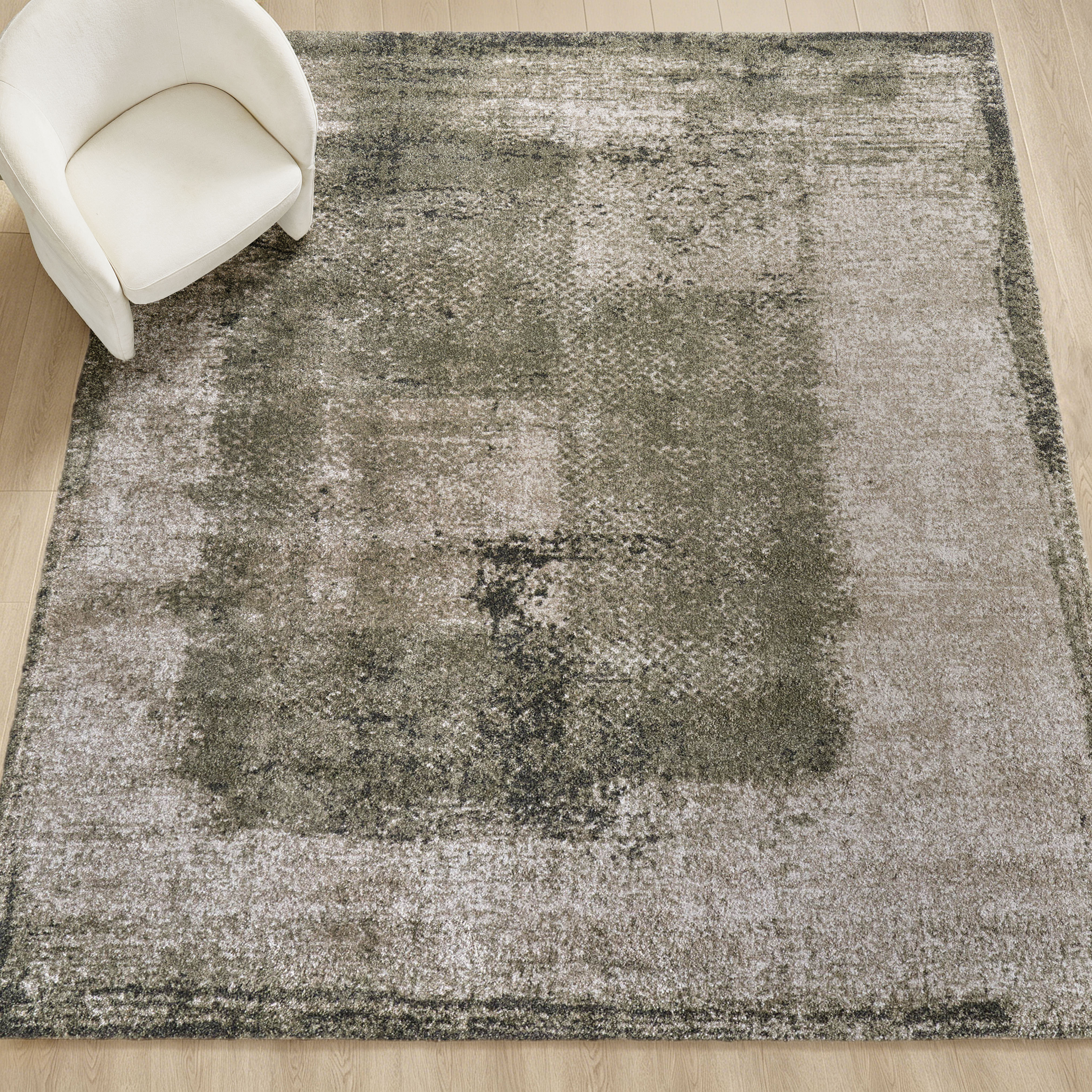
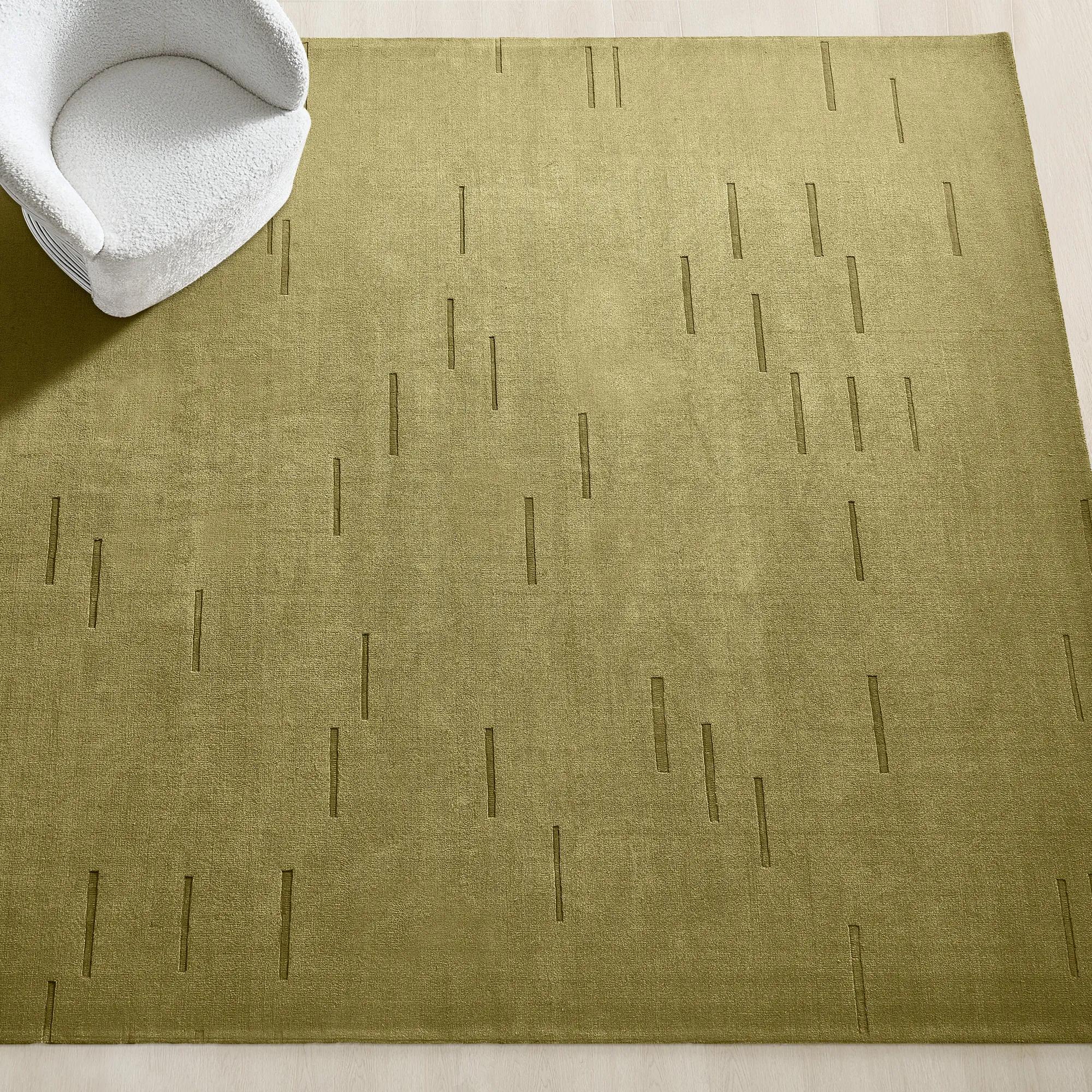
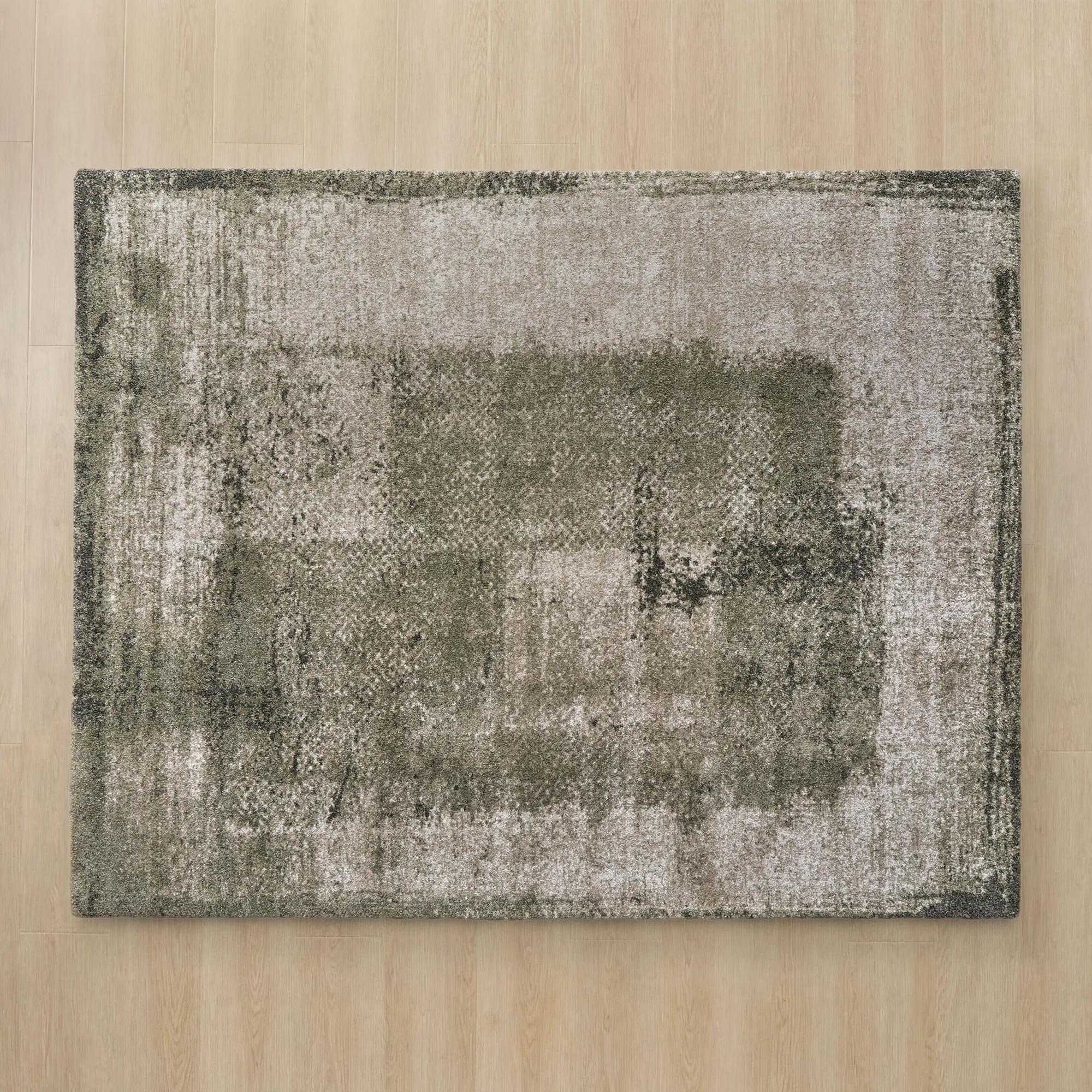 Irving Abstract Moss Green/Beige/Grey Performance Power Loomed Rug$399
An abstract rug in moss green, beige, and grey with plush, durable polypropylene-polyester construction.
Add To Cart -
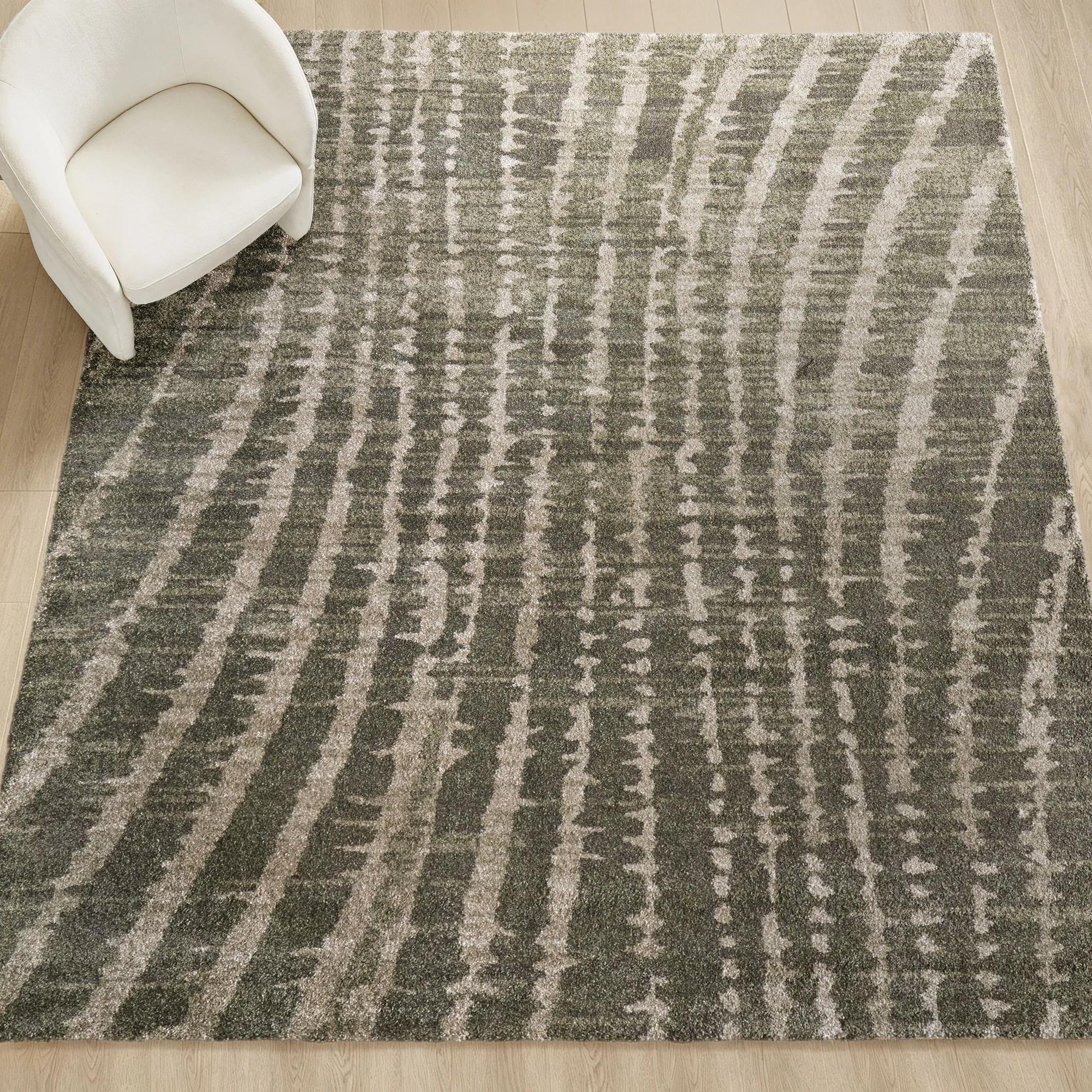
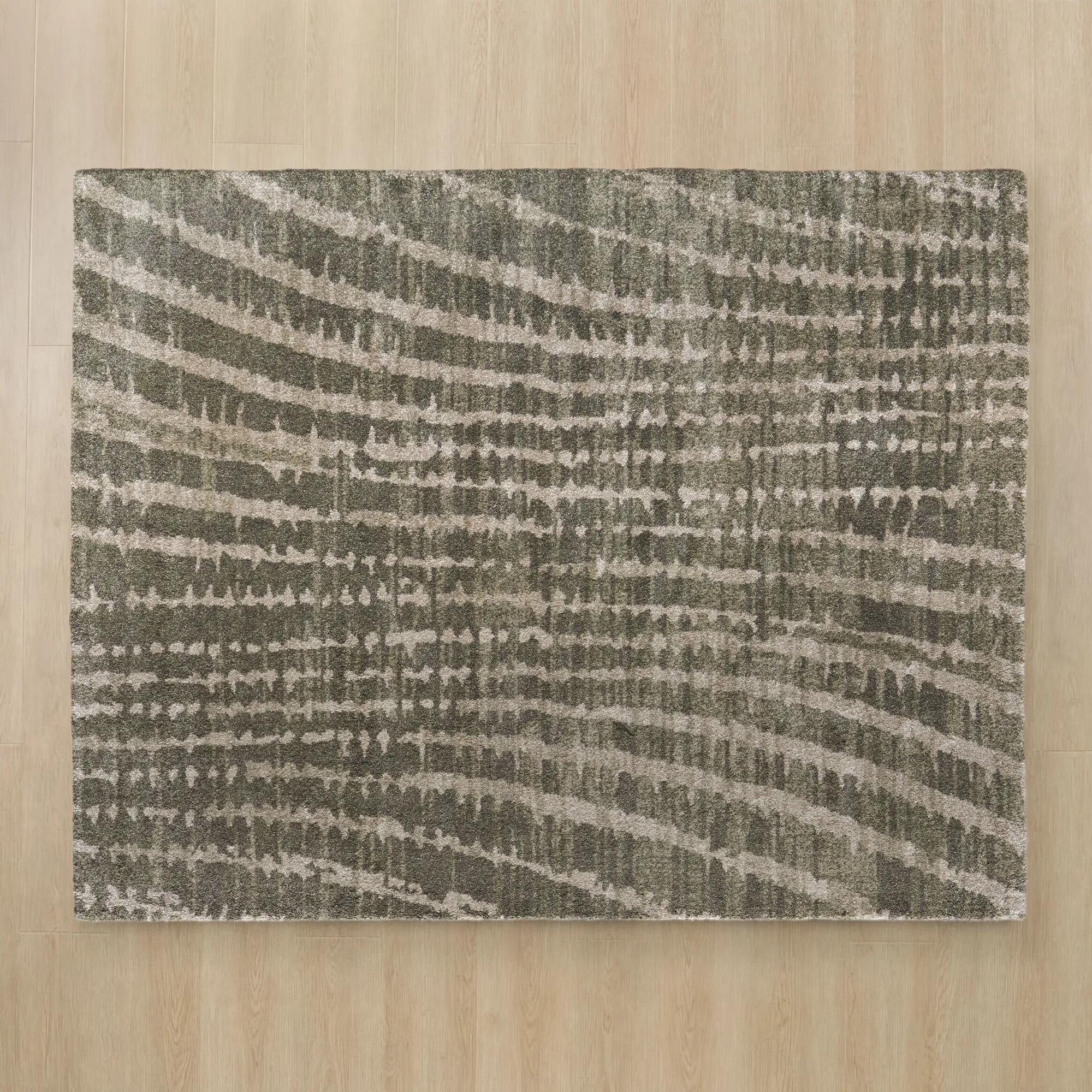 Tempo Green/Grey/Beige Performance Power Loomed Rug$399
An abstract charcoal grey and beige rug with plush cut pile and durable, stain-resistant polypropylene-polyester blend.
Add To Cart -
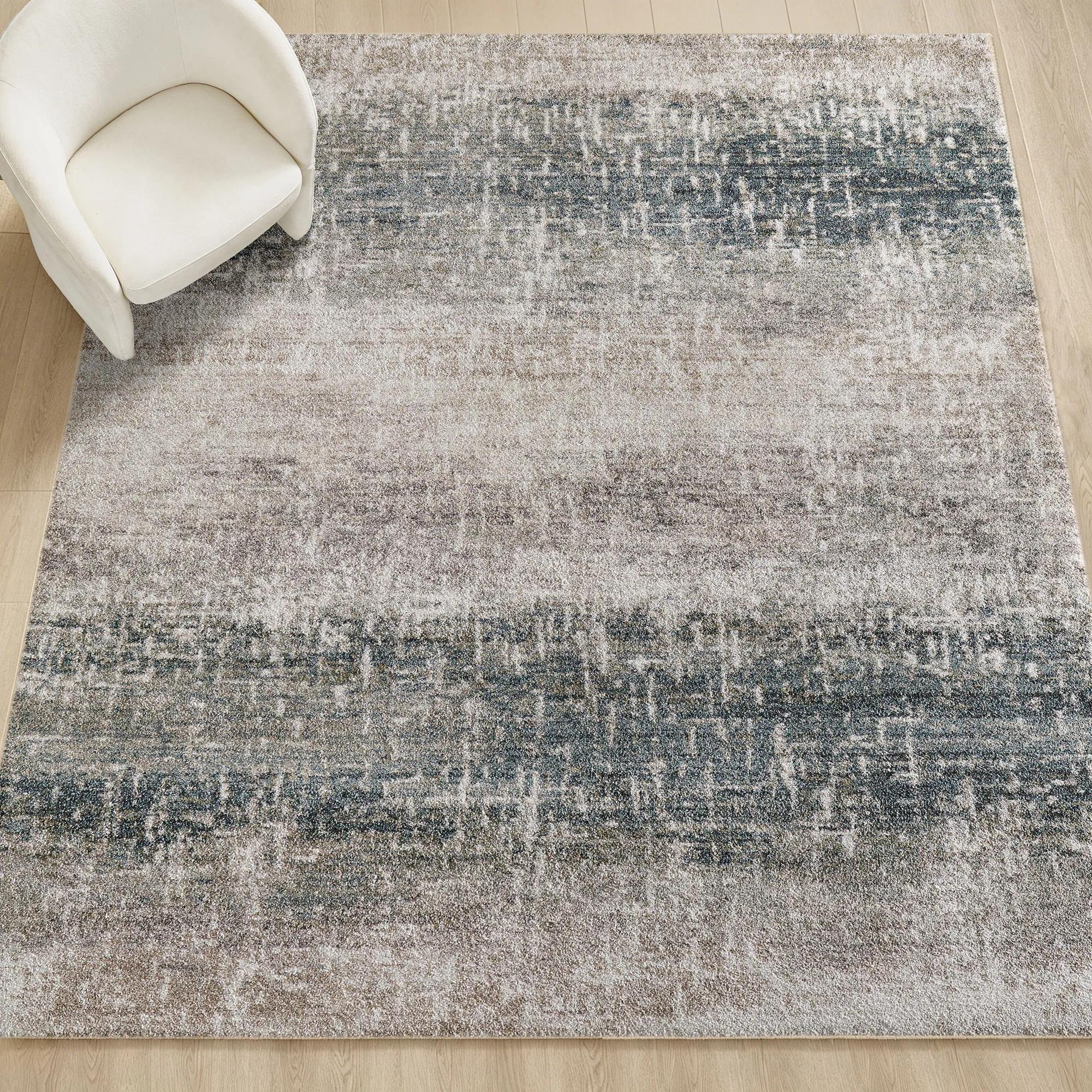
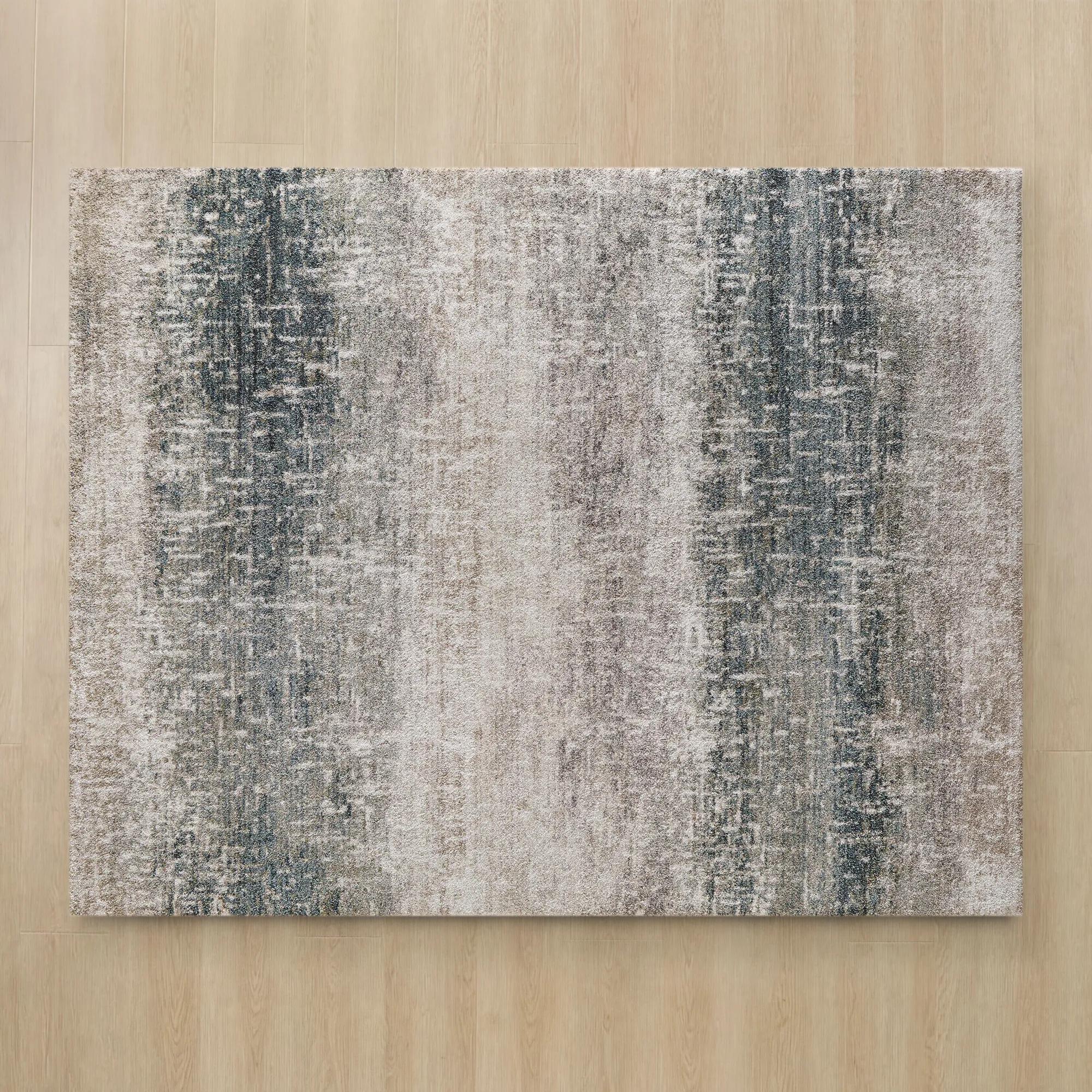 Collier Taupe/Grey/Blue/Green Performance Power Loomed Rug$1649
An abstract rug in taupe, grey, blue, and green with a plush pile and durable, easy-care blend.
Add To Cart -
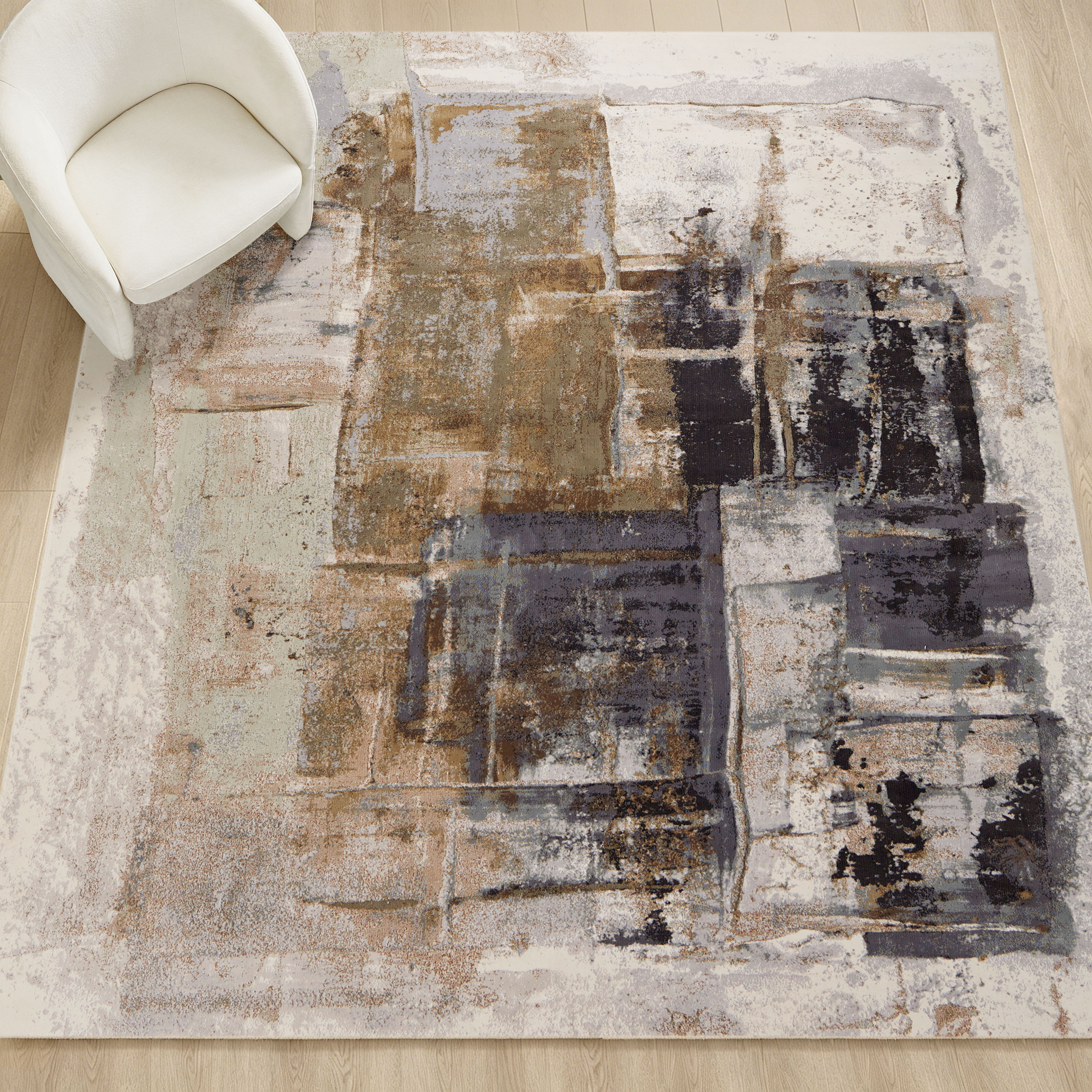
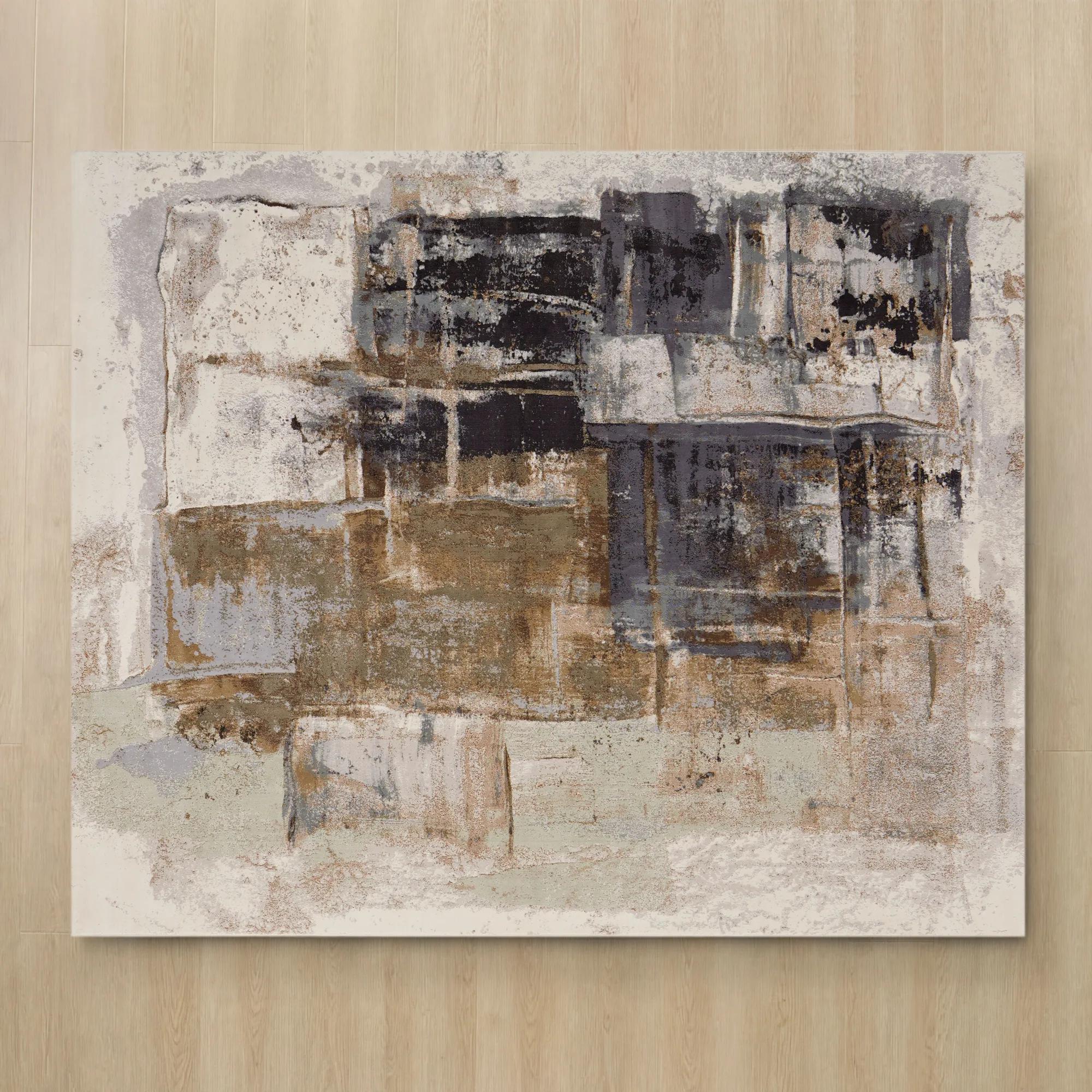 Gaia Abstract Grey/Charcoal/Ivory/Gold/Blue Performance Power Loomed Rug$449
An abstract rug in grey, charcoal, ivory, gold, and blue with a soft, stain-resistant performance blend.
Add To Cart -
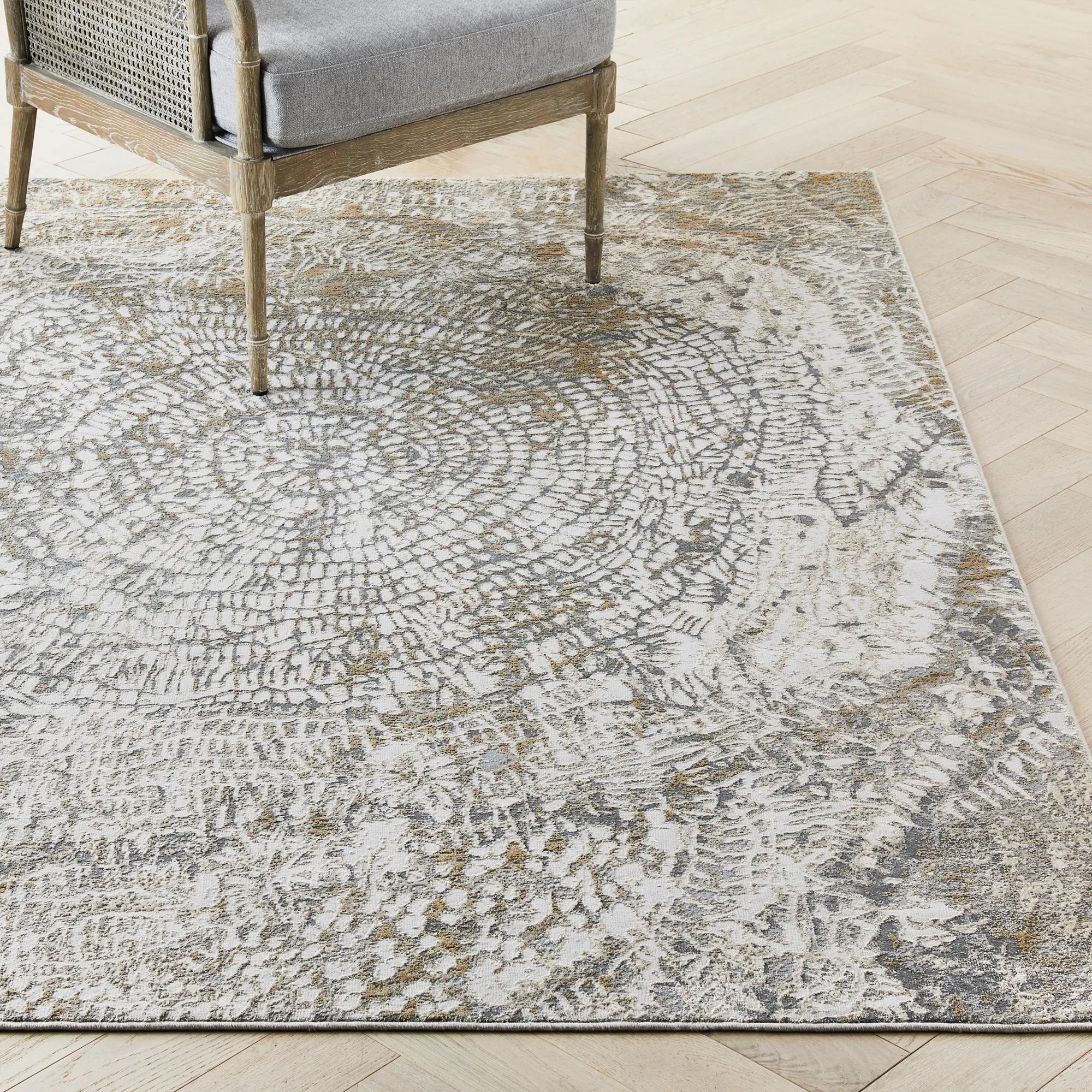 Nautilus Power-Loomed Silver/Grey/Natural Rug$999
A machine-woven ivory rug featuring subtle tonal variations and a durable polypropylene blend construction.
Add To Cart -
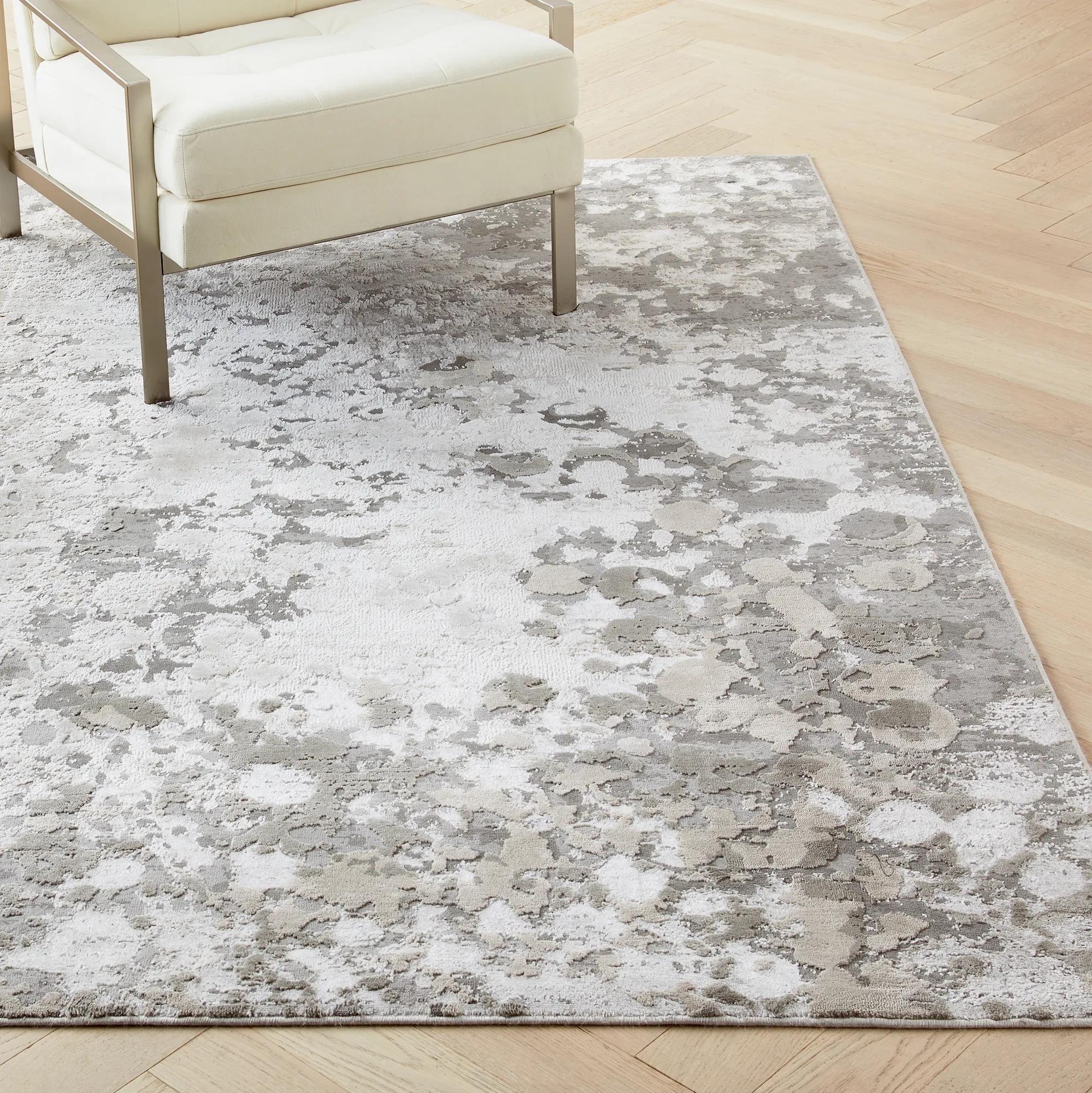 Mercury Power-Loomed Silver/Grey/Beige Rug$249
A neutral floor covering featuring a silver, grey, and beige palette with a textured polyester blend.
Add To Cart -
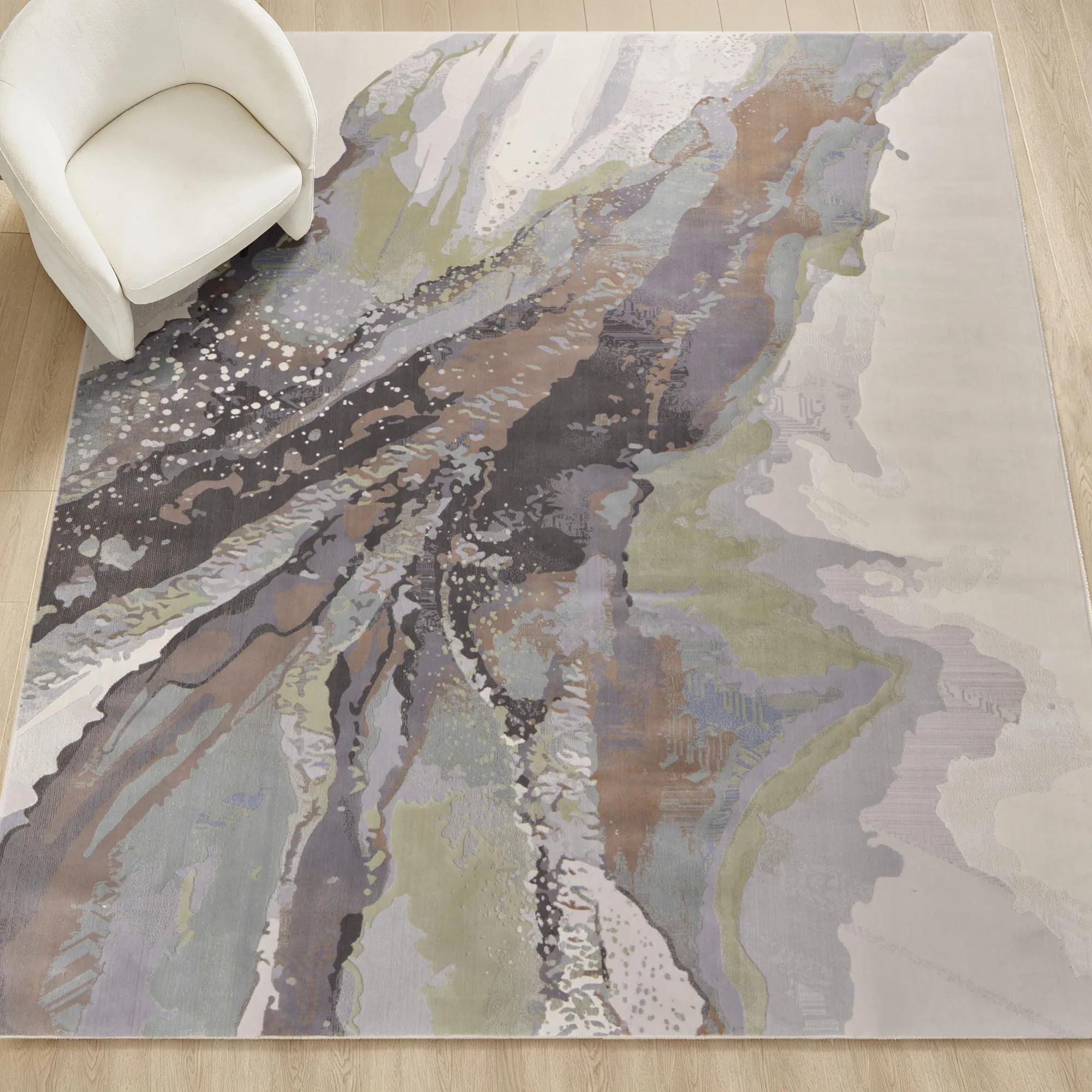
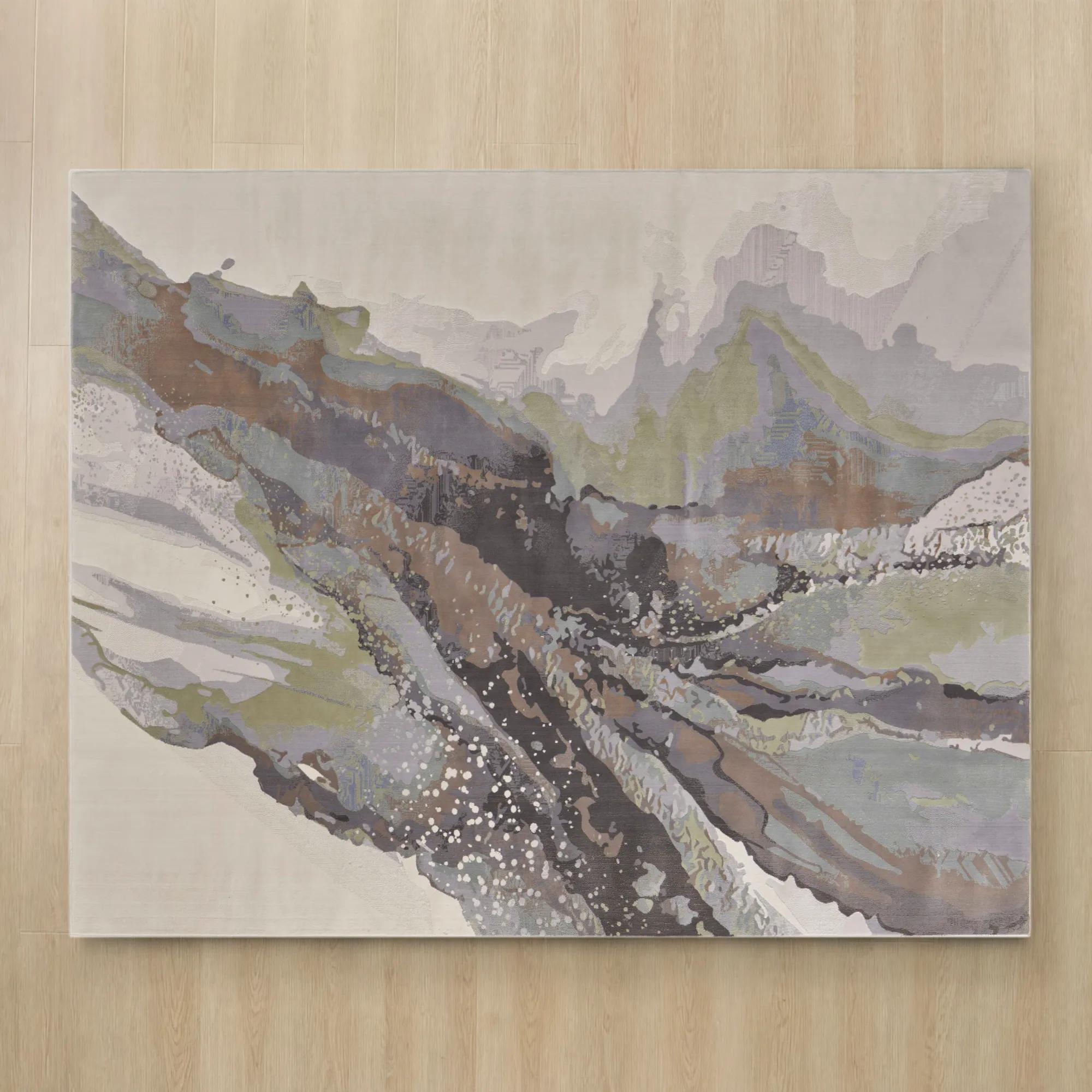 Nerissa Abstract Ivory/Grey/Blue/Green Performance Power Loomed Rug$449
An abstract rug in ivory, grey, blue, and green with a textured, stain-resistant polypropylene-polyester blend.
Add To Cart -
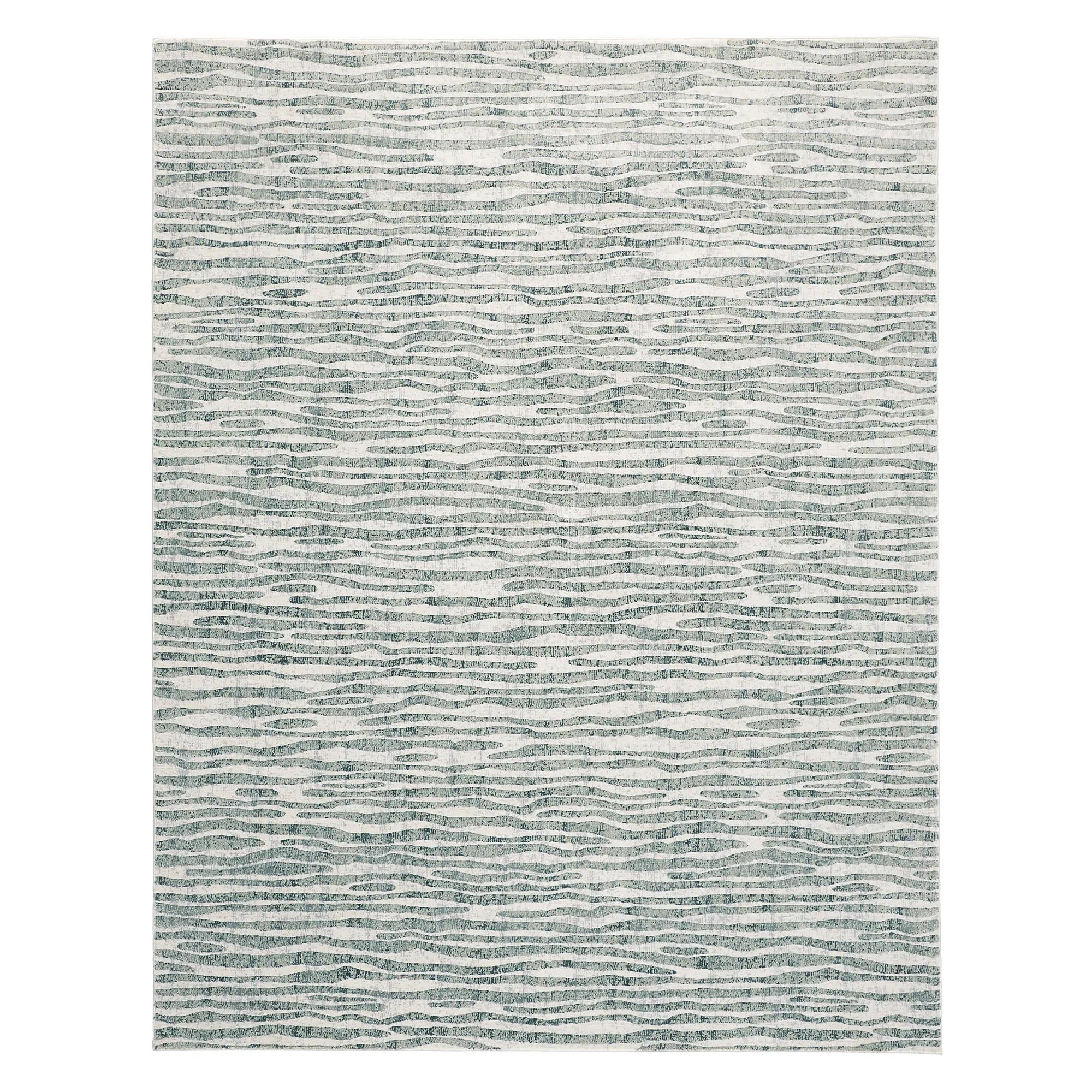 Samantha Power-Loomed Aqua/Grey Rug$719
A machine-woven rug featuring silvery-aqua and green accents on an ivory and grey polypropylene base.
Add To Cart -
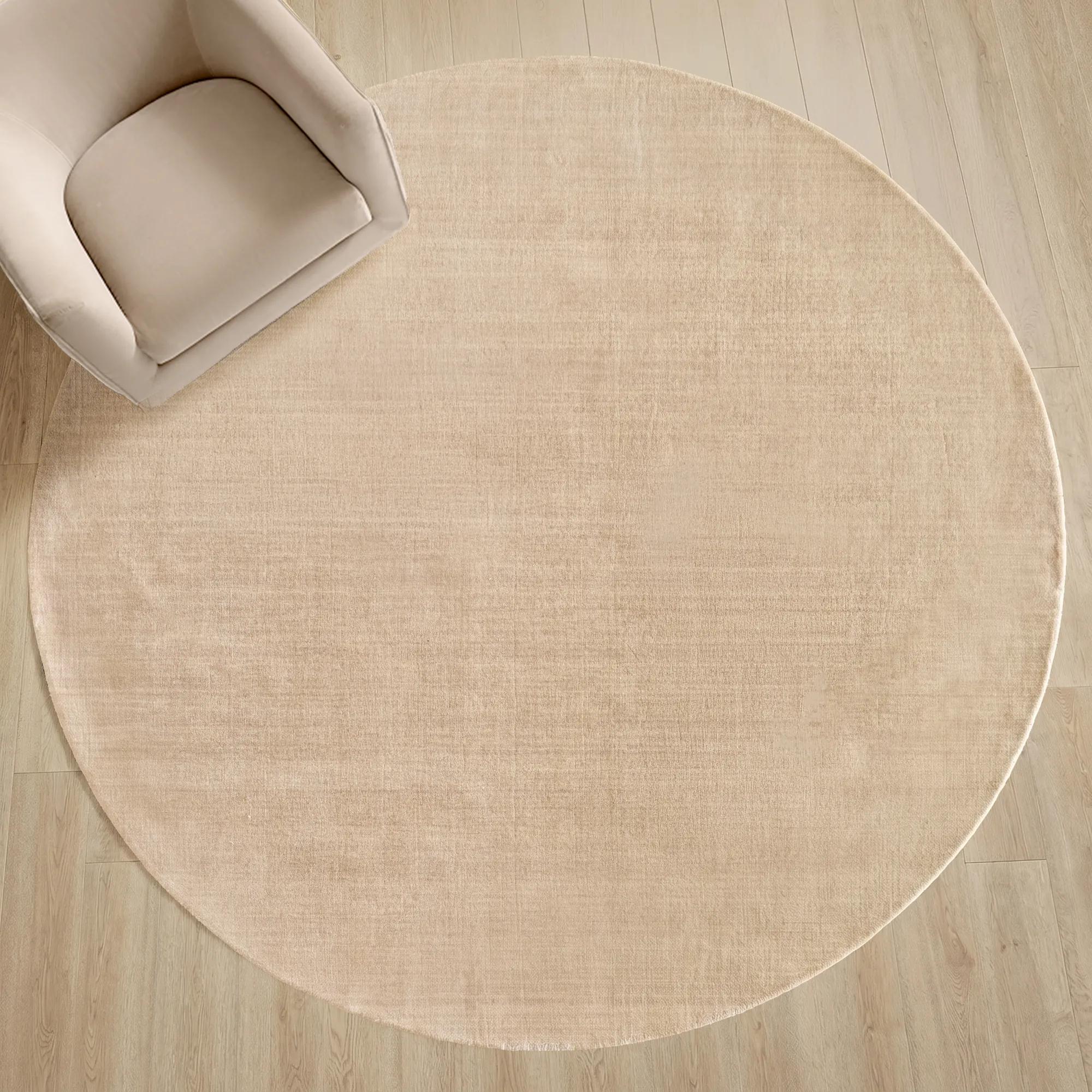 Juni Hand Woven Heathered Warm Beige Round Rug$1399
A handwoven round wool rug in heathered warm beige, offering refined texture and everyday durability.
Add To Cart -
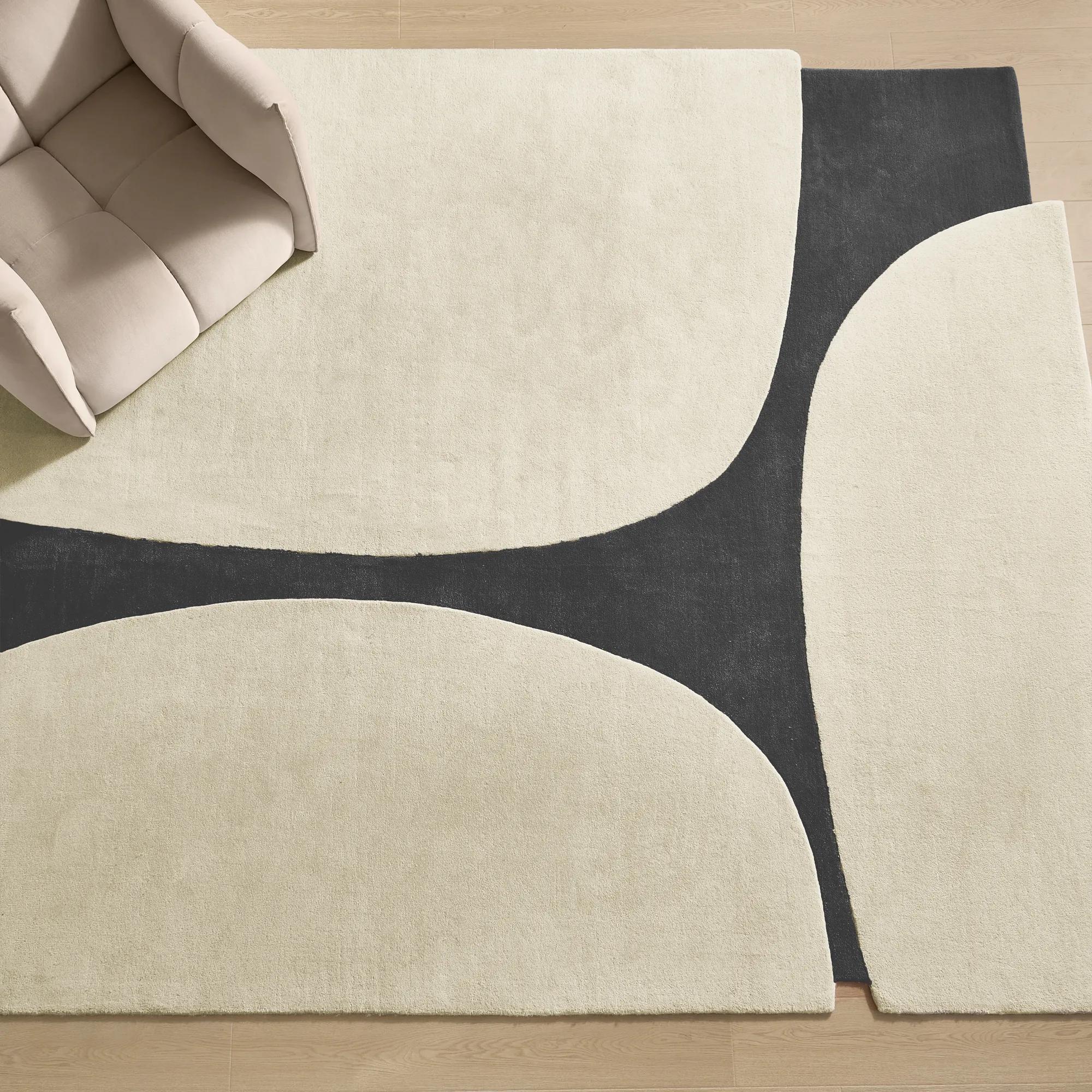 Contour Hand-Tufted Ivory/Charcoal Wool & Viscose Rugs$499
A hand-tufted wool and viscose rug featuring sculptural high-low texture and bold ivory and charcoal tones.
Add To Cart -
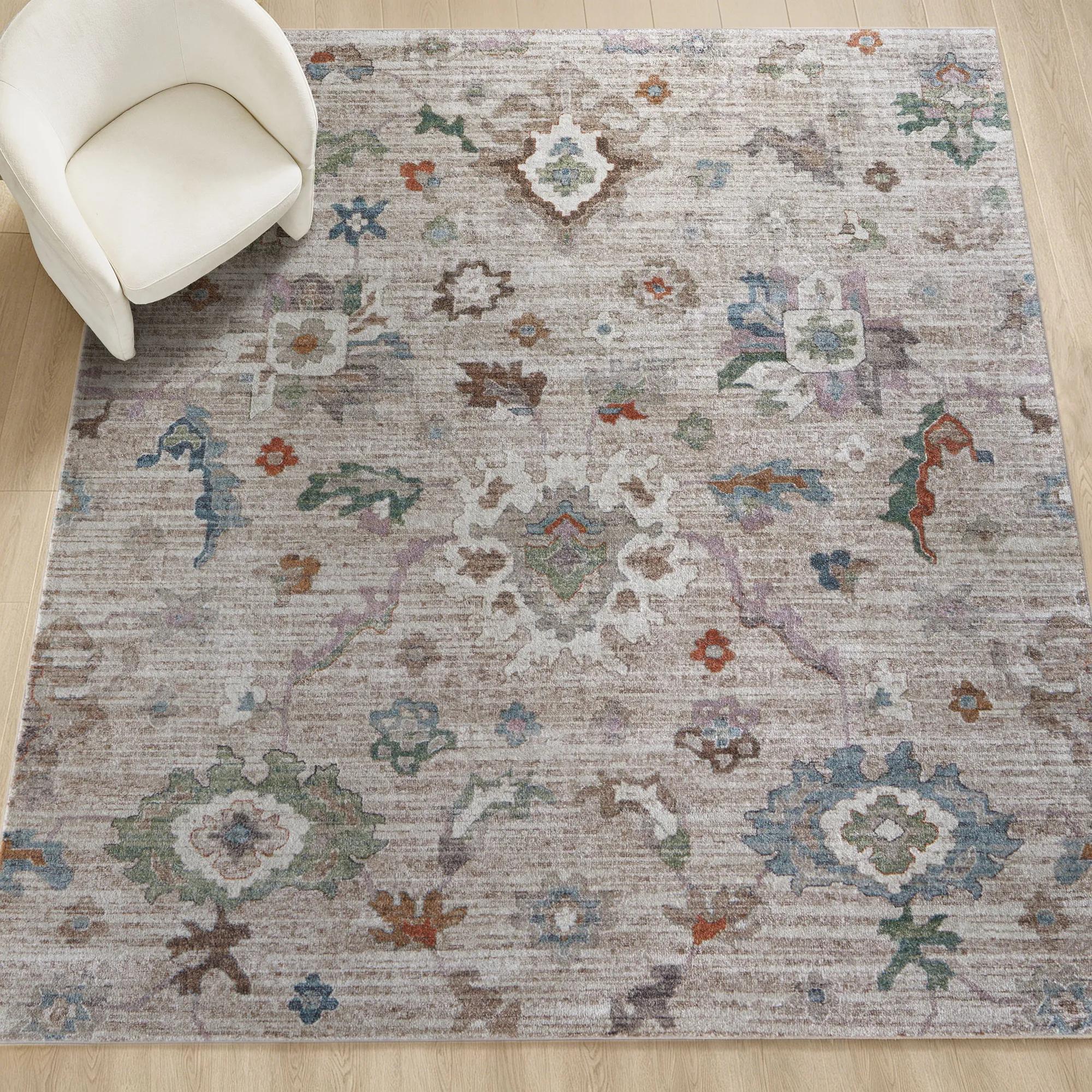
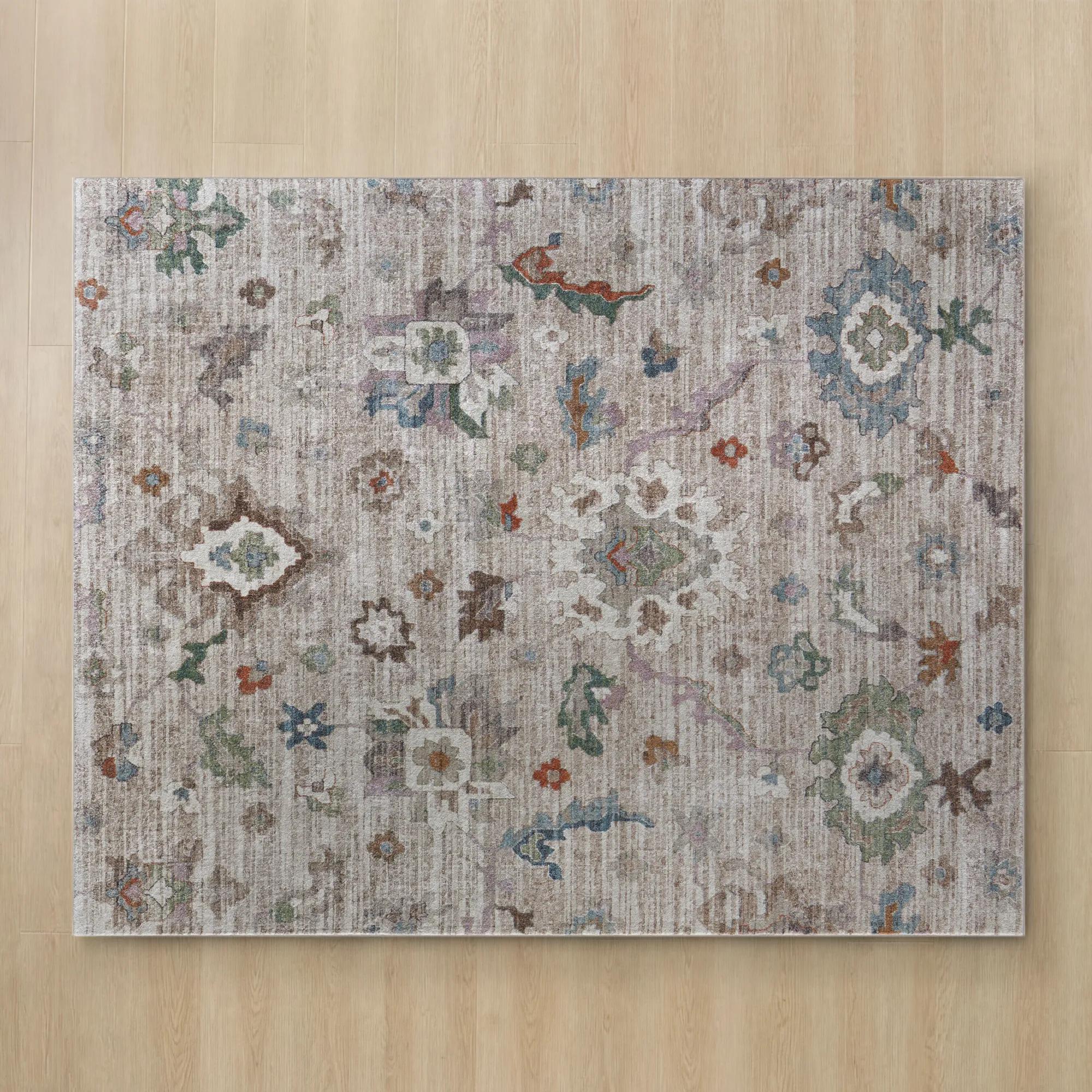 Ariella Floral Taupe/Ivory/Beige/Blue/Green Performance Power Loomed Rug$1399
A Persian-inspired rug in taupe, ivory, beige, blue, and green with a plush, power-loomed polypropylene pile.
Add To Cart -
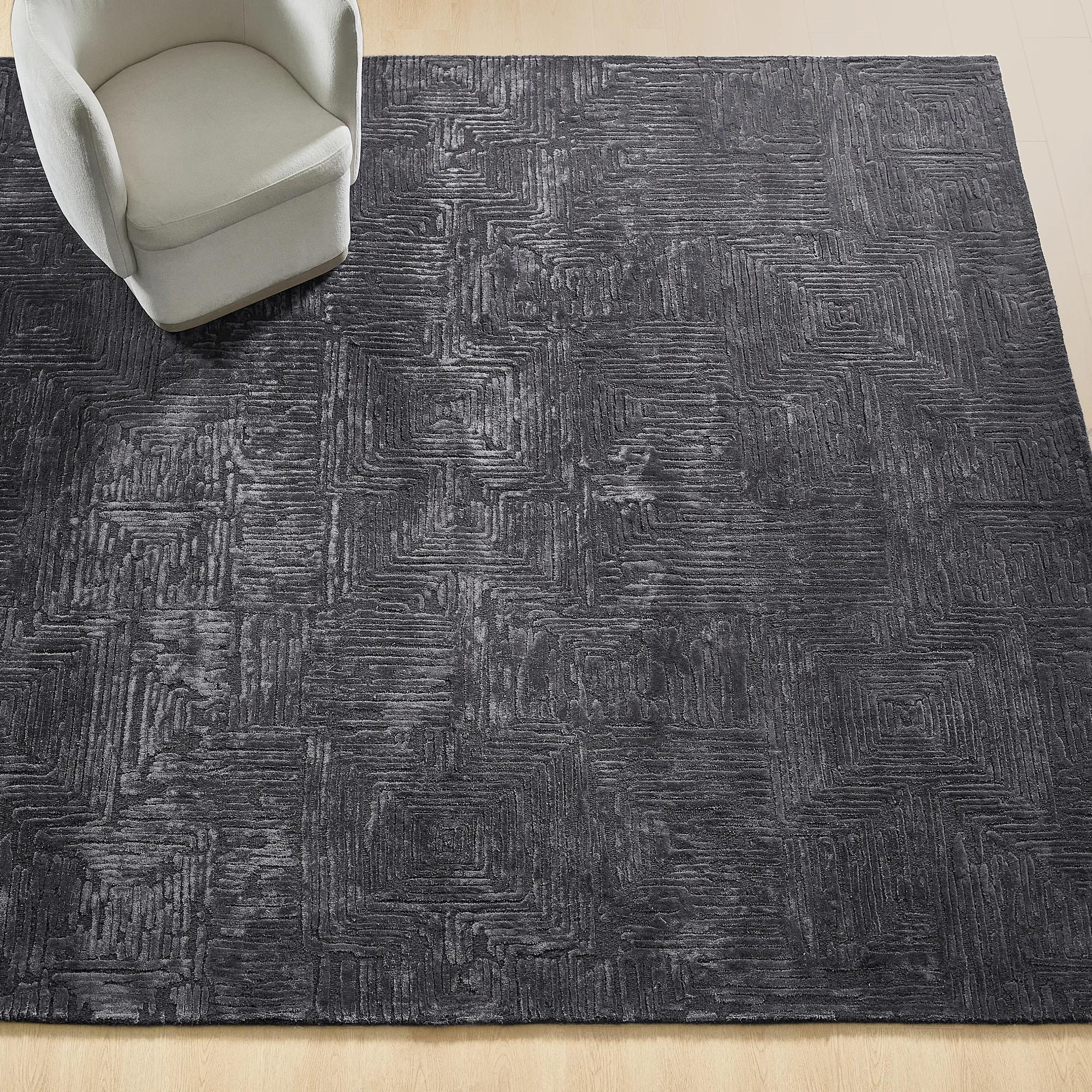
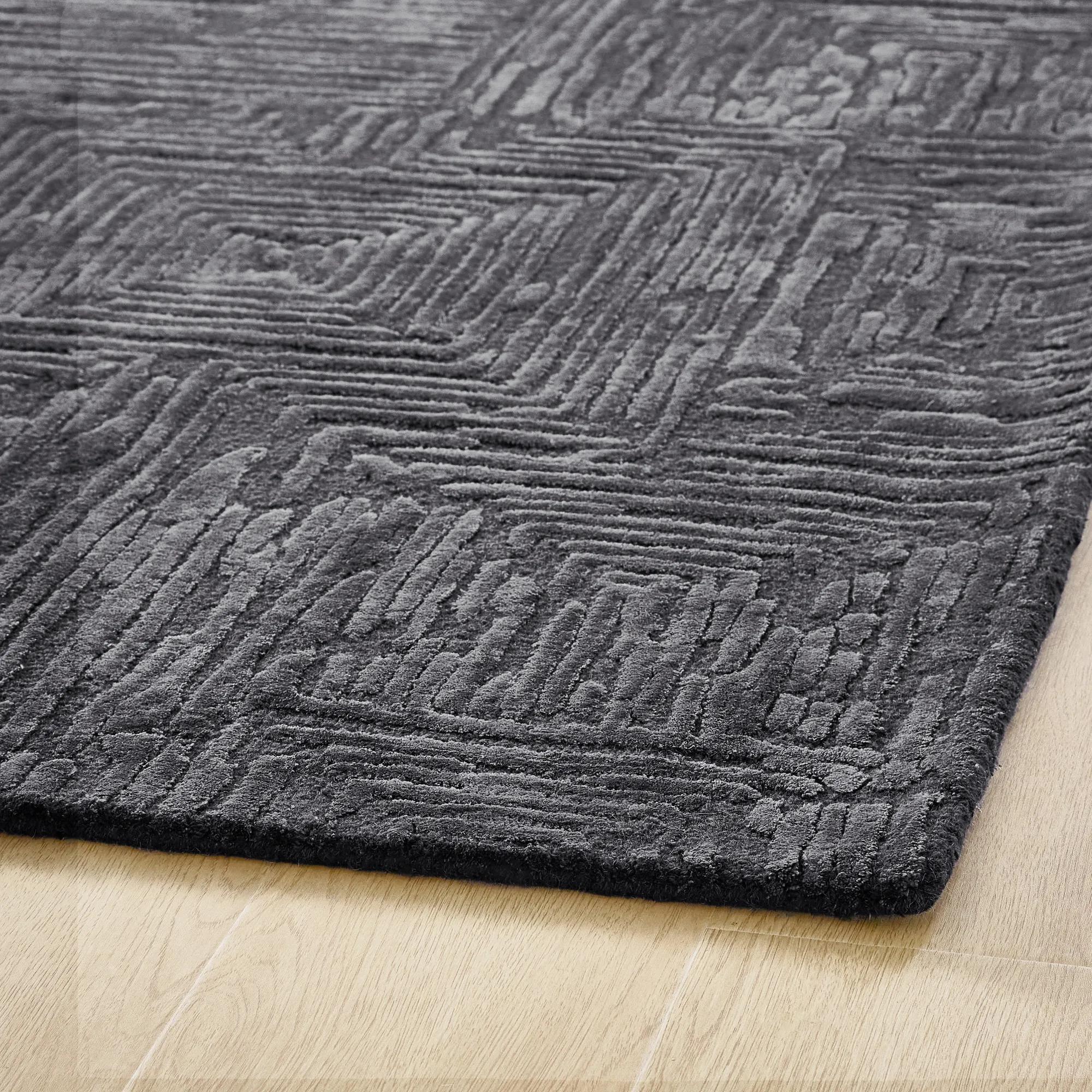 Andra Charcoal Hand-Tufted Wool Blend Dimensional Rug$1499
A hand-tufted viscose-wool rug in rich charcoal with a sculptural, dimensional pattern and plush texture.
Add To Cart -
 Fiona Hand-Tufted Ivory/Beige/Black Border Fringe Rug$1099
A hand-tufted ivory, beige, and black rug featuring a framed border and decorative fringe.
Add To Cart -
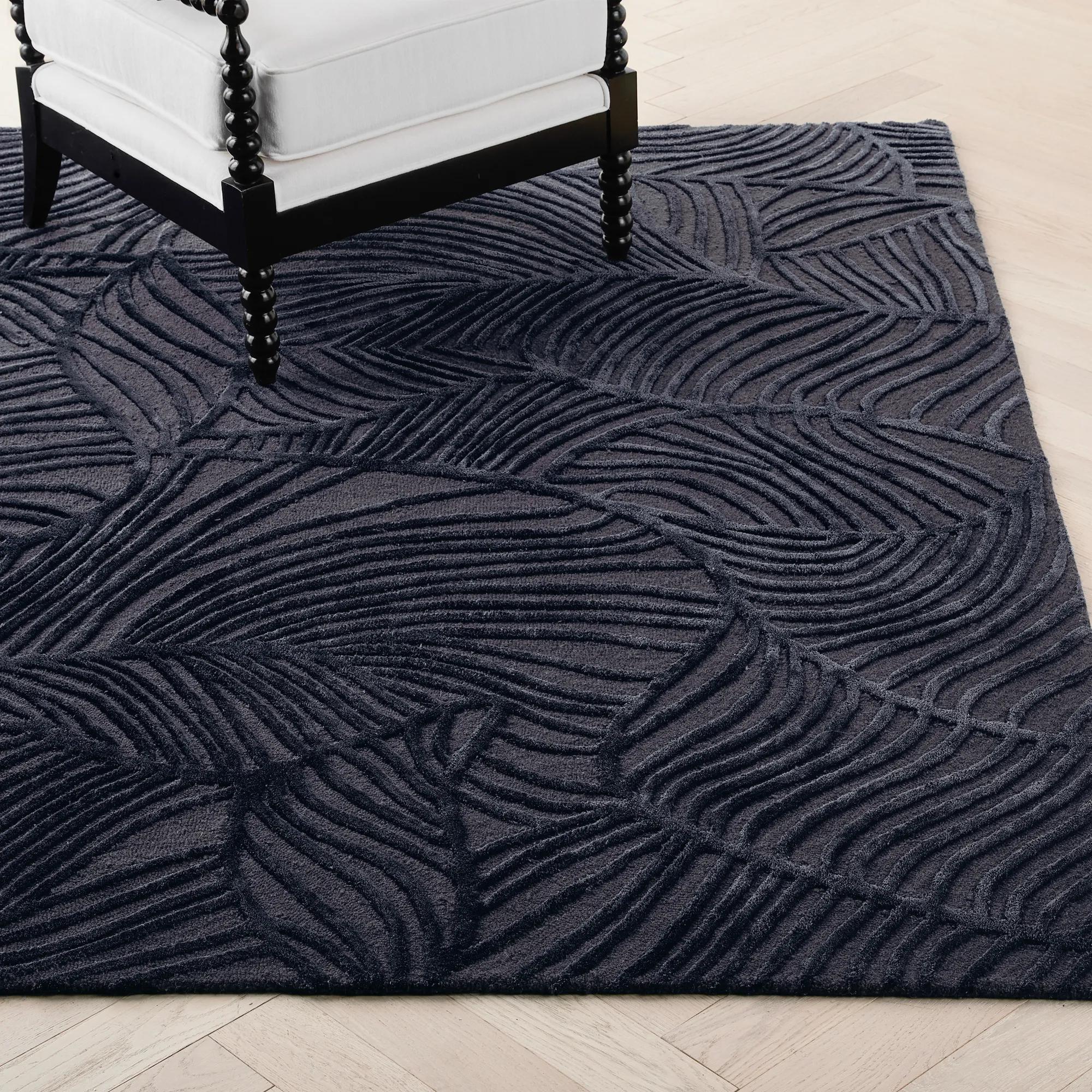
 Palm Rug - Charcoal$1499
A charcoal rug featuring a dynamic palm-leaf design with a textured high-low viscose and wool pile.
Add To Cart -
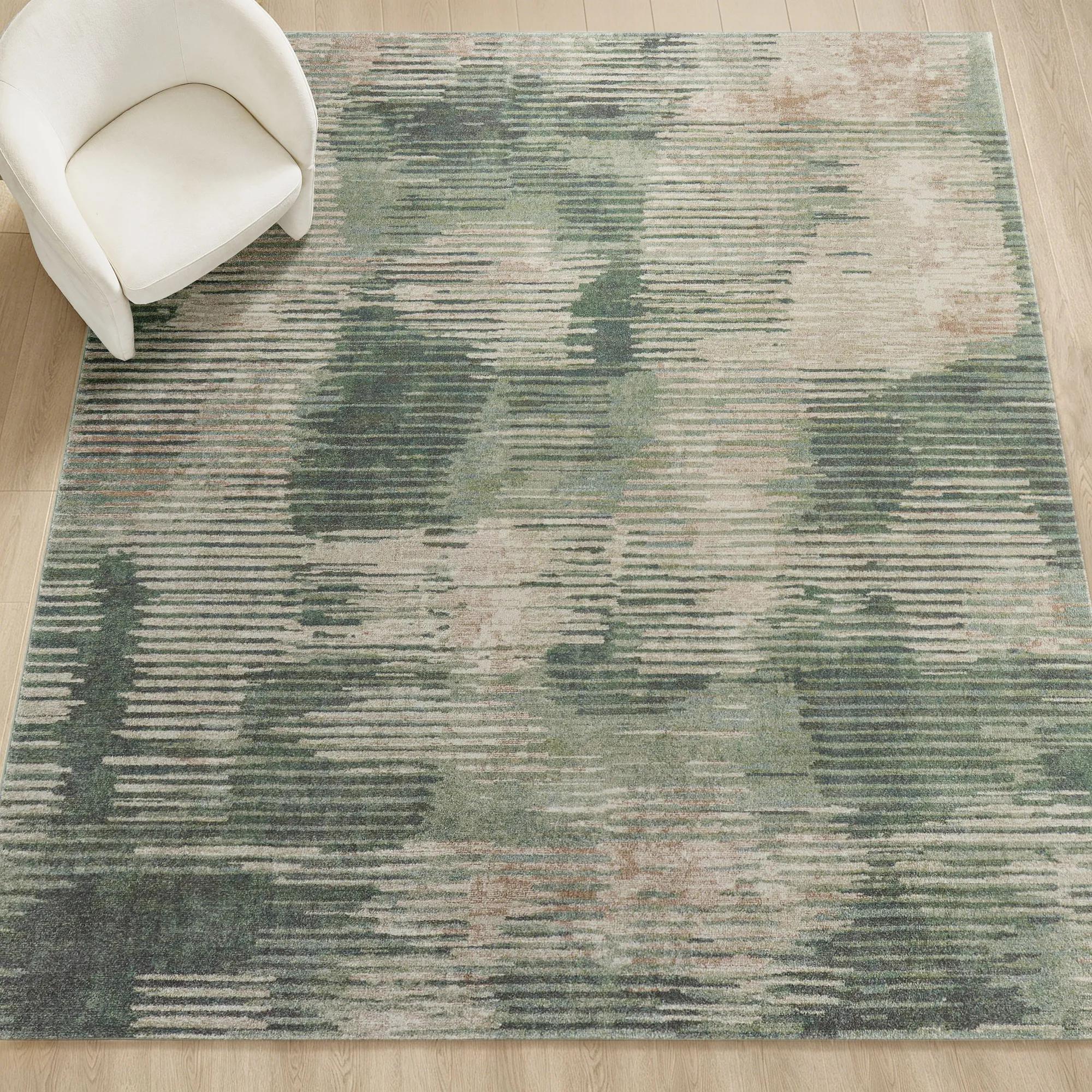
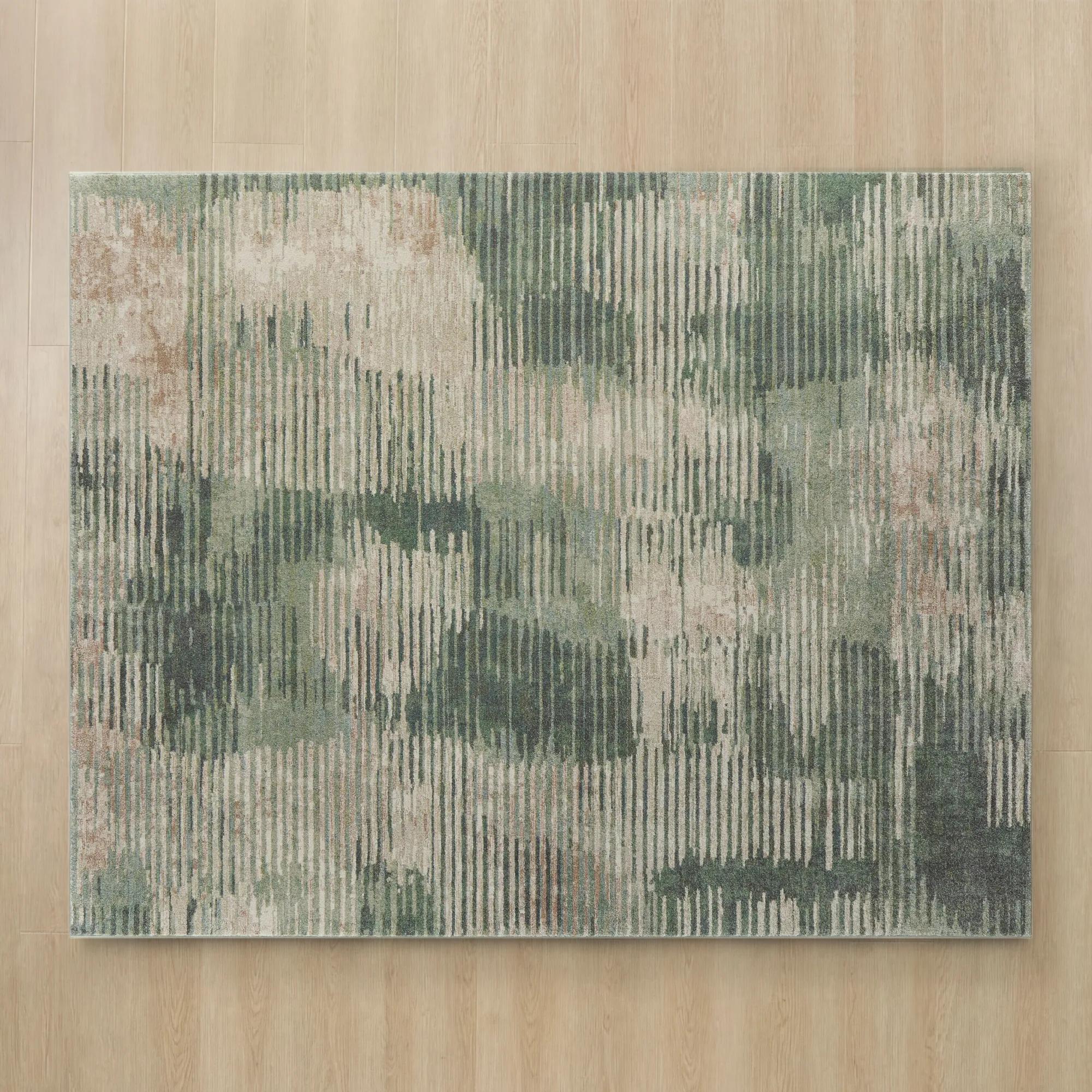 Sylvan Green/Beige Power Loomed Rug$689
A contemporary rug featuring a smoked olive green and beige organic pattern with a soft, power-loomed polypropylene pile.
Add To Cart -
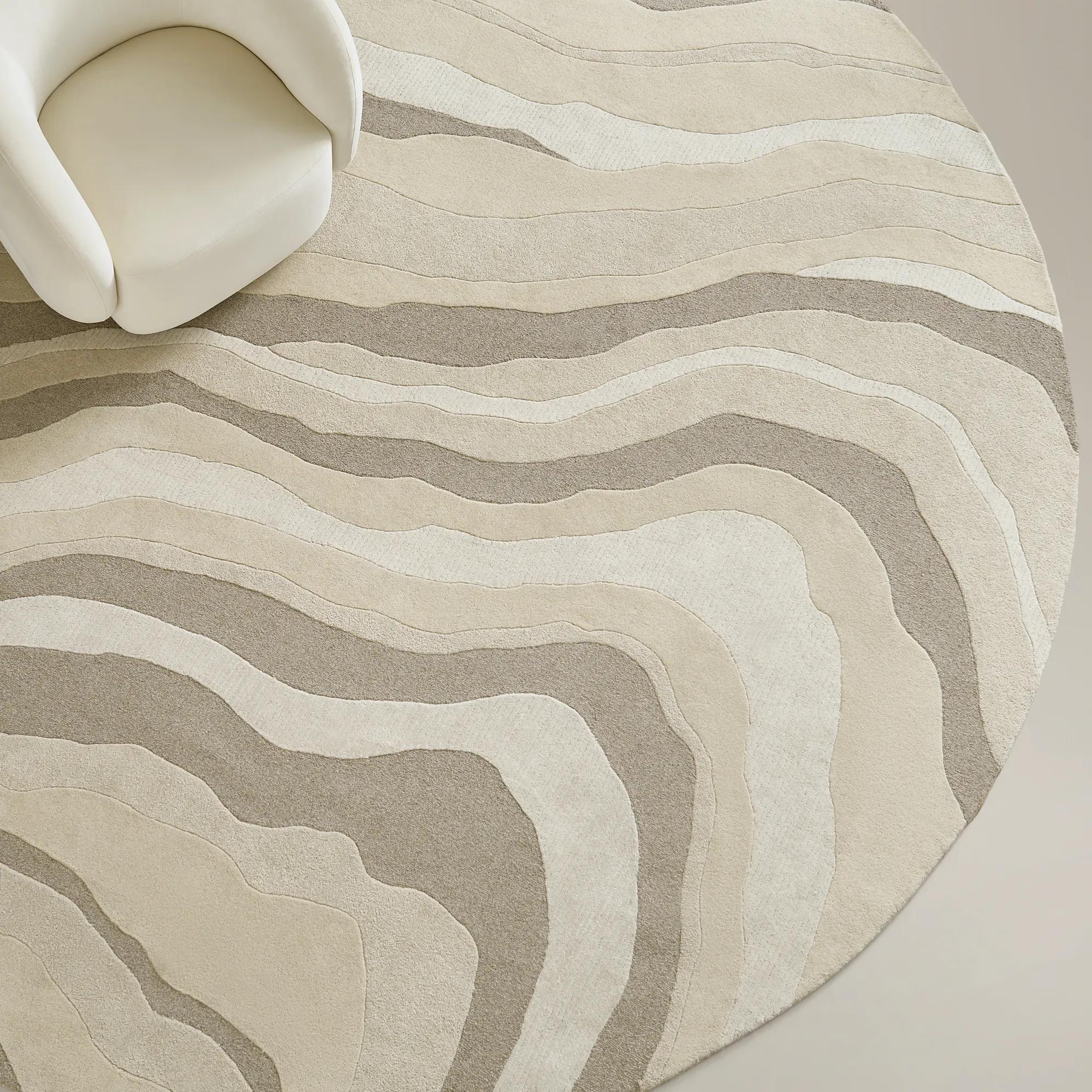 Kadence Hand-Tufted White/Ivory/Tan Wool Round Rug 12"$1799
A hand-tufted round rug in white, ivory, and tan, crafted from 100% wool for natural warmth.
Add To Cart -
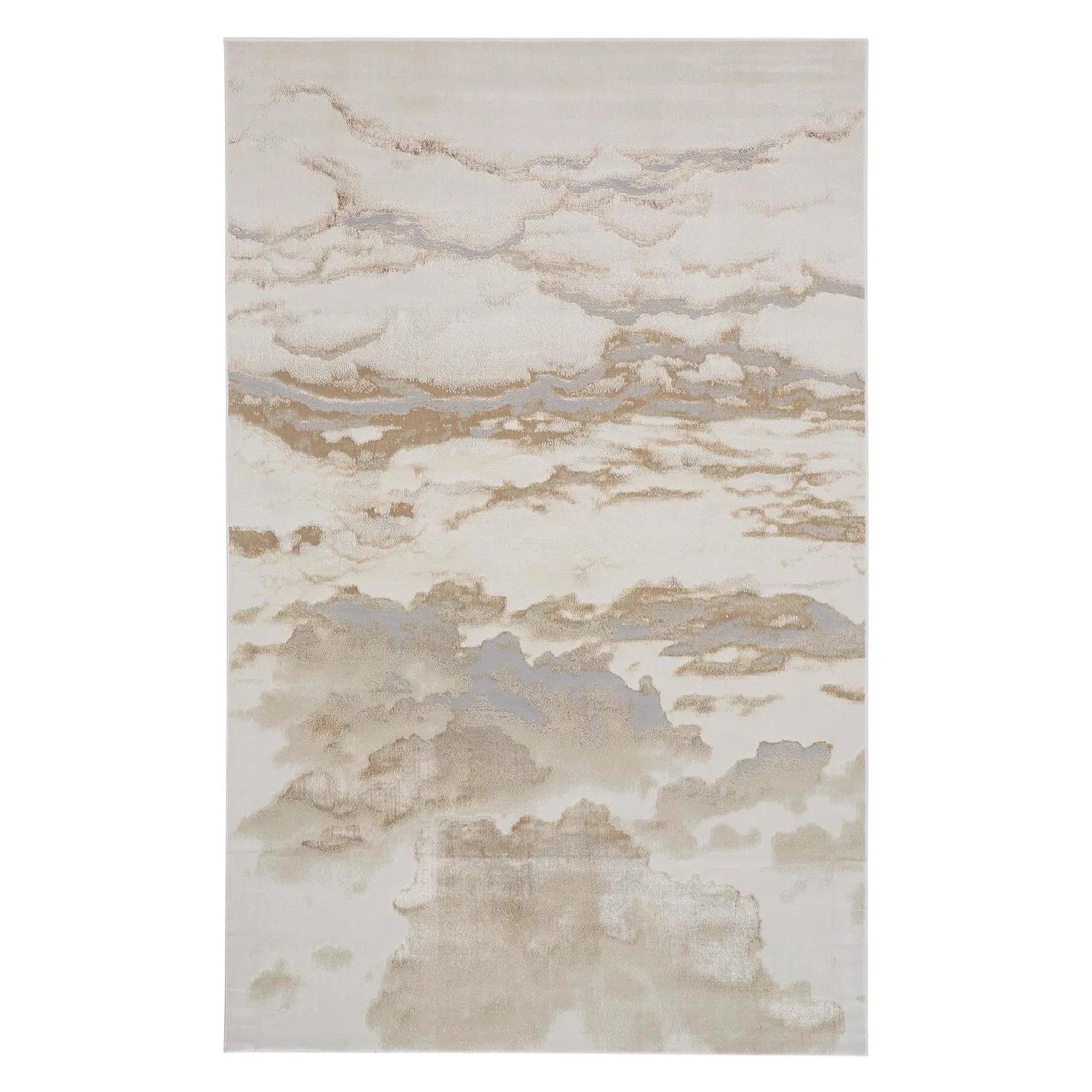
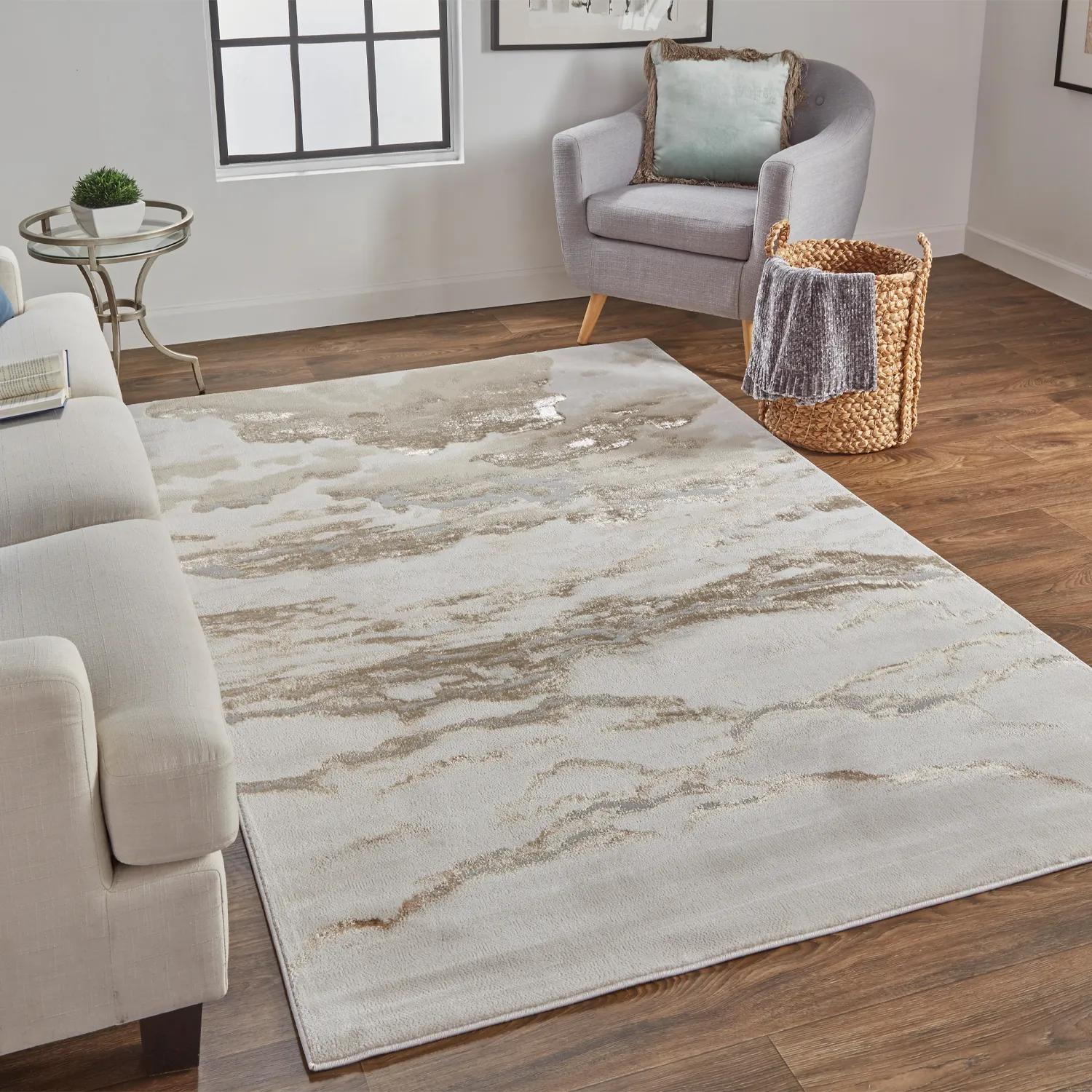 Tide Power-Loomed Beige/Gold/Ivory Rug$899
A machine-made rug in beige and gold, crafted from ultra-soft polyester and polypropylene for elegant spaces.
Add To Cart

Grey Rugs For Indoor Gatherings
Grey rugs for indoor gatherings are the secret ingredient to elevating every soirée and intimate conversation. With their moody sophistication and versatile allure, these rugs transform living spaces into artful backdrops—inviting guests to linger, laugh, and bask in comfort. Whether you’re hosting a lavish dinner or a cozy cocktail hour, each rug grounds your room with subtle drama and tactile beauty, setting the stage for unforgettable moments. Discover how grey rugs for indoor gatherings can infuse your home with a sense of effortless glamour and curated warmth—where every gathering becomes a celebration of style.
Grey rugs for indoor gatherings bring visual depth, softness, and a versatile foundation to rooms designed for conversation. Their appeal is both decorative and practical: grey pairs comfortably with a wide range of furniture colors, while heathered fibers and tonal patterns can help disguise minor marks and everyday signs of foot traffic between cleanings. Color alone does not make a rug stain-resistant, but variation within the weave often makes small imperfections less noticeable than they would be on a uniform, pale surface. From luminous silver to smoky charcoal, the palette gives entertaining spaces a distinct mood without competing with the people, flowers, and table settings that animate them. A pearl-grey rug beneath an ivory sofa creates a polished setting for cocktails and conversation; a deeper graphite shade lends definition to a room layered with jewel-toned upholstery, sculptural lighting, and gleaming metal accents. Warm greys with taupe undertones complement natural wood and creamy textiles, while cooler shades echo chrome, glass, and blue accents. The rug’s appearance also changes with its construction. A softly mottled surface introduces movement, a geometric pattern gives seating arrangements a deliberate rhythm, and a textured weave adds dimension without requiring another strong color. In rooms where the dining area and lounge share one continuous floor, grey rugs can establish distinct gathering zones while preserving a cohesive palette. That balance suits hosts who want an expressive interior that accommodates intimate dinners, birthday celebrations, book clubs, or an evening spent catching up with friends. Pattern scale matters, too: broad motifs can anchor an expansive seating area, while finer tonal details create interest in a smaller room without overwhelming it. Beyond entertaining areas, Grey Rugs For Stylish Homes carry the same layered sensibility into spaces devoted to everyday living. The result is a color story with enough range to support dramatic furnishings, personal collections, and the changing arrangements that make a home feel individual.
Proportion gives a gathering space its sense of composure, and a well-sized rug makes furniture feel connected rather than scattered. In a living room, a rug that accommodates at least the front legs of the sofa and surrounding chairs generally creates a more unified seating arrangement than one that floats beneath the coffee table alone. Larger rooms may allow every furniture leg to rest on the rug, producing an expansive setting with a clear perimeter. The ideal dimensions depend on the layout, so the relationship between seating, walkways, and door openings matters as much as the room’s overall measurements. Guests should be able to move between the conversation area and a nearby dining table without navigating a rug edge positioned awkwardly in their path. Under a dining table, extending the rug approximately 24 to 30 inches beyond each side is a useful starting point, with the actual clearance checked against the chairs when pulled out for sitting. Chairs that remain on the rug are less likely to catch at its edge, helping dinner service feel more fluid. Low-pile and flatwoven constructions are often practical in these settings because chairs can move across them more easily than across a deep, plush pile. A round rug can echo a circular table or soften a seating arrangement with angular furniture; a rectangular shape can reinforce a long dining table or a generous sofa grouping. Nearby thresholds and doors need sufficient clearance, especially when a rug pad adds height. A properly fitted pad suited to both the rug and the flooring helps reduce movement and can add cushioning, though compatibility should always be confirmed with the relevant care instructions. For a smaller apartment where one room hosts both daily meals and occasional guests, these details allow a grey rug to define the space beautifully without compromising its everyday function.
Materials and construction shape how a grey rug feels underfoot, how it responds to frequent use, and how much care it requires after everyone has gone home. Wool offers natural resilience and a substantial, tactile character, making it appealing for living areas where comfort and lasting texture matter. Some wool rugs shed initially, and their cleaning requirements deserve attention before they become the centerpiece of a busy room. Synthetic fibers such as polypropylene, polyester, or nylon can offer practical performance for households with frequent visitors, children, or pets, although stain resistance, softness, and durability vary by fiber, treatment, and construction. Cotton brings a lighter feel to flatwoven designs, but washability should never be assumed without checking the label. Viscose and other lustrous fibers can create a beautiful, light-catching surface; they may also be more sensitive to moisture, making them better suited to spaces where spills are less likely and specialized care is acceptable. In a dining area where red wine, sauces, and dropped crumbs are part of real entertaining, a densely constructed, easy-care rug may be a more suitable match than a delicate surface selected primarily for its sheen. Plush textures offer inviting comfort in a lounge, while shorter piles generally make crumbs and small debris easier to remove. Regular vacuuming according to the manufacturer’s directions helps keep abrasive grit from accumulating, and rotating a rug periodically can distribute wear where the layout allows. Spills call for prompt blotting with a clean, absorbent cloth rather than vigorous rubbing, followed by the recommended treatment for that particular fiber. Fringe, looped textures, and delicate finishes may require gentler vacuum settings, while deeper cleaning should follow the care label or a qualified cleaner’s advice. For a housewarming gift, dimensions and the recipient’s maintenance preferences are worth knowing in advance. Whether selected for a lively family dining room or a richly layered salon, a grey rug earns its place through a considered balance of beauty, comfort, and care.
FAQs
Grey rugs are a masterclass in versatility, seamlessly complementing a range of interior styles. They anchor contemporary spaces with sleek sophistication, add a serene foundation to minimalist rooms, and provide a chic counterpoint to vibrant, eclectic decor. Whether your home leans toward modern glam, classic elegance, or artistic maximalism, a grey rug can unify your vision and infuse the space with understated luxury.
During the winter months, a grey rug brings warmth and depth to your interiors, creating an inviting canvas for cozy gatherings. The subtle tones of grey reflect candlelight and firelight beautifully, while plush textures encourage guests to linger and relax. Layering a grey rug underfoot transforms any room into a sanctuary for intimate conversations and festive celebrations.
Absolutely. Grey rugs make exceptional gifts for housewarmings, weddings, or milestone celebrations. Their timeless appeal and ability to blend with any color scheme ensure that they’ll be cherished for years to come. Gifting a grey rug is a thoughtful gesture that offers both style and comfort, making it a memorable addition to any home.
Luxury grey rugs are often crafted from sumptuous materials such as hand-tufted wool, silky viscose, lustrous blends, or plush synthetics. Each material offers distinct tactile and visual qualities, from the cozy warmth of wool to the elegant sheen of viscose. Choosing the right material allows you to tailor the rug’s feel and appearance to your personal style and the room’s needs.
In open-concept homes, grey rugs act as visual anchors, elegantly delineating different functional areas without disrupting the cohesive flow. Placing a grey rug beneath a seating arrangement or dining table subtly defines each zone, while the neutral hue ensures harmony throughout the space. This approach adds structure and sophistication, making every gathering feel intentional and beautifully curated.