Gold And Silver Christmas Ornaments | Z Gallerie
Gold And Silver Christmas Ornaments | Z Gallerie
-
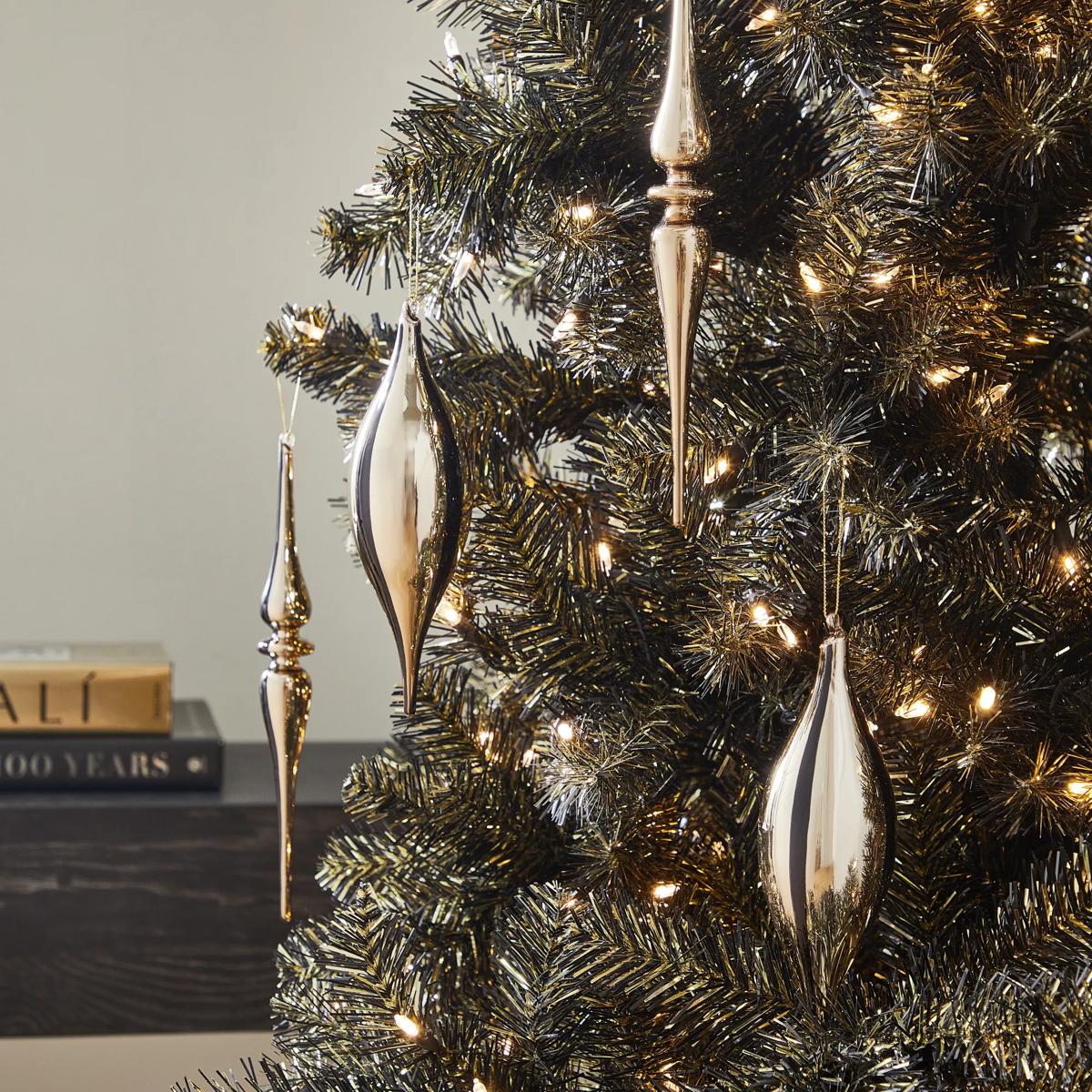 Gold Stripe Finial Ornament - Set of 4$69
A set of four gold and black glass finial ornaments with a sleek, high-contrast metallic finish.
Add To Cart -

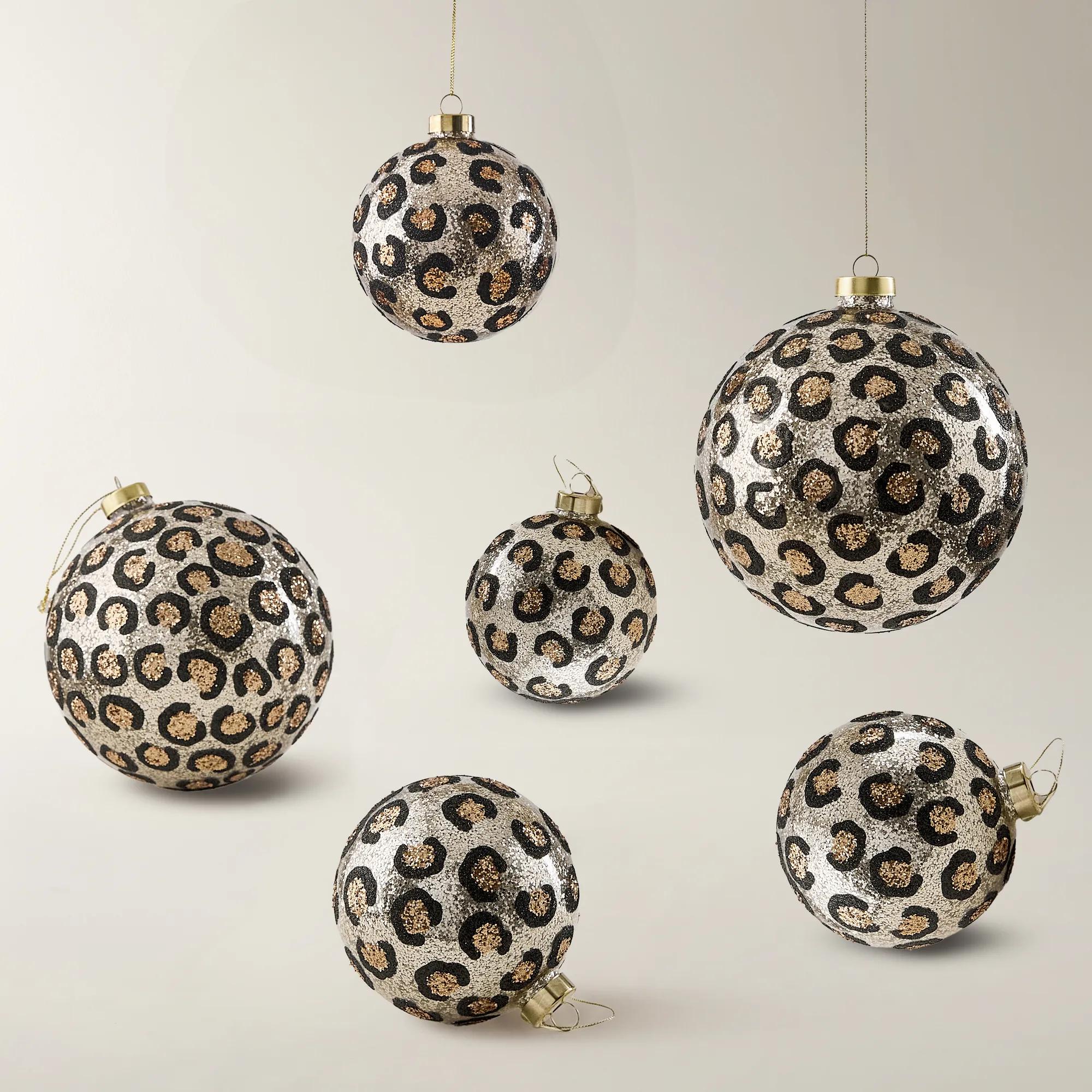 Leopard Print Glitter Glass Ornaments Sets$59
A set of glass ornaments featuring champagne, gold, and black leopard print with sparkling glitter accents.
Add To Cart -
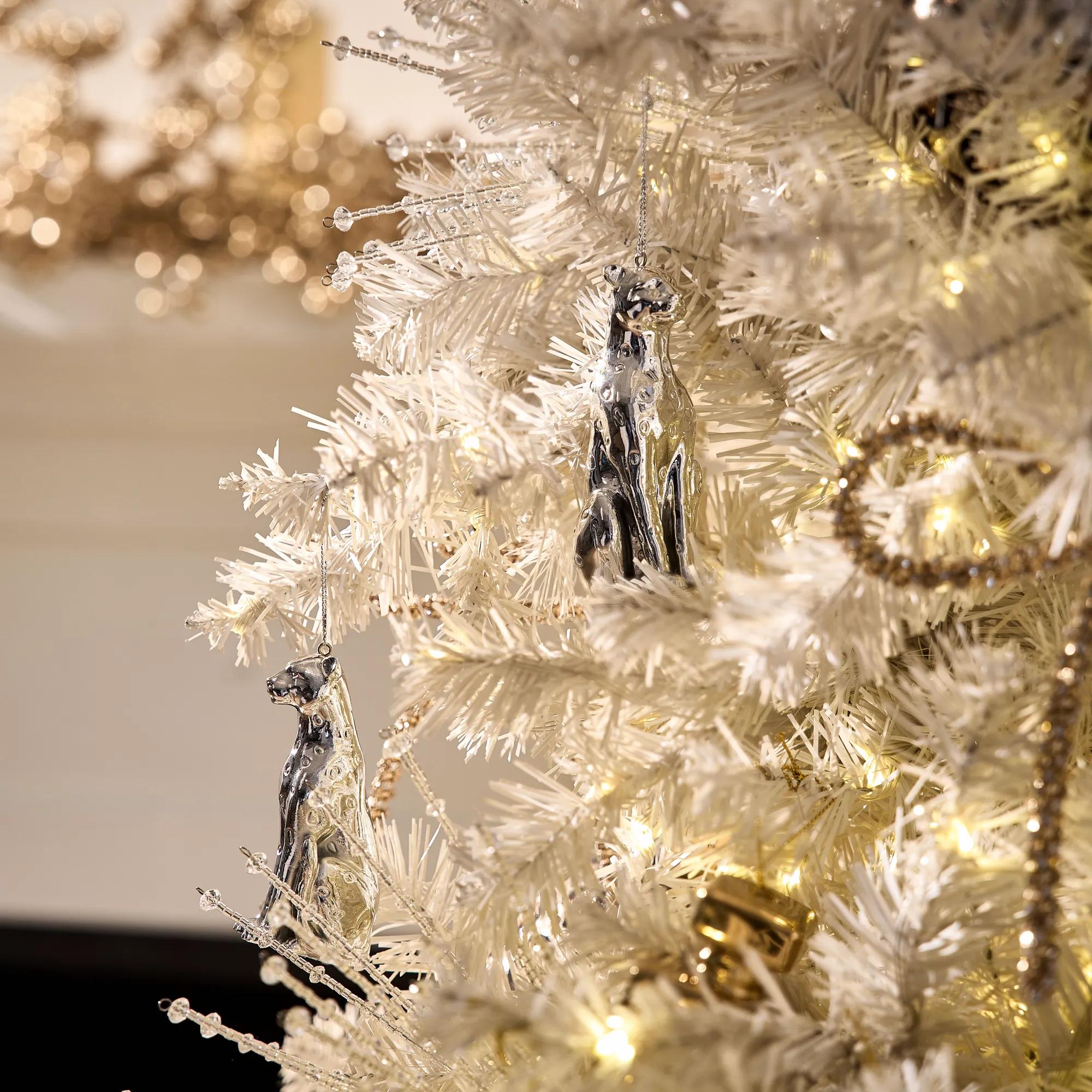
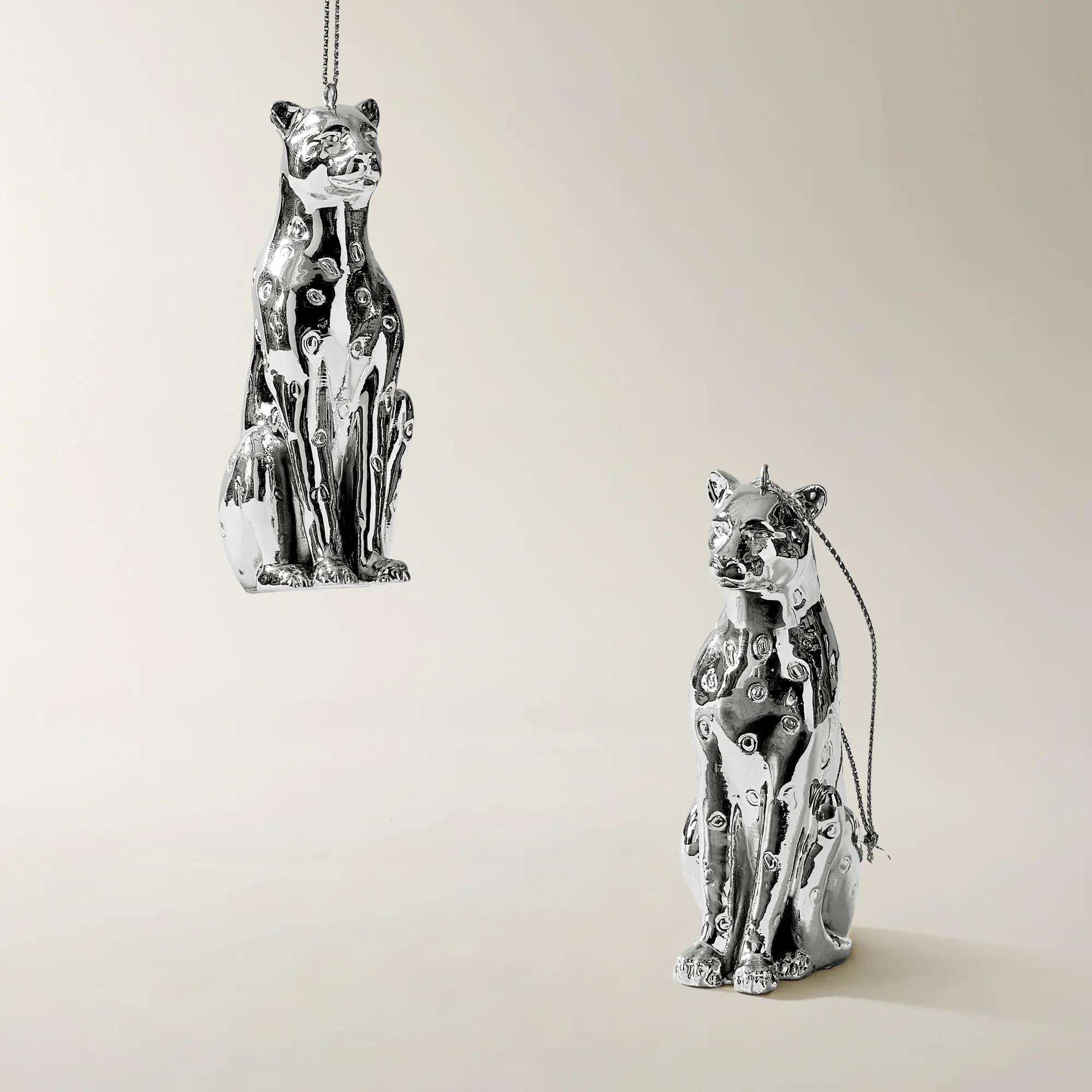 Leopardo Metallic Silver Resin Ornament Set of 2$39
A set of two metallic silver resin leopard ornaments adds sleek, sculptural glamour to holiday décor.
Add To Cart -

 Parfum Bottle & Handbag Metallic Gold Ceramic Ornaments Set of 4$39
A set of four metallic gold ceramic ornaments featuring playful parfum bottle and handbag designs for festive glamour.
Add To Cart -

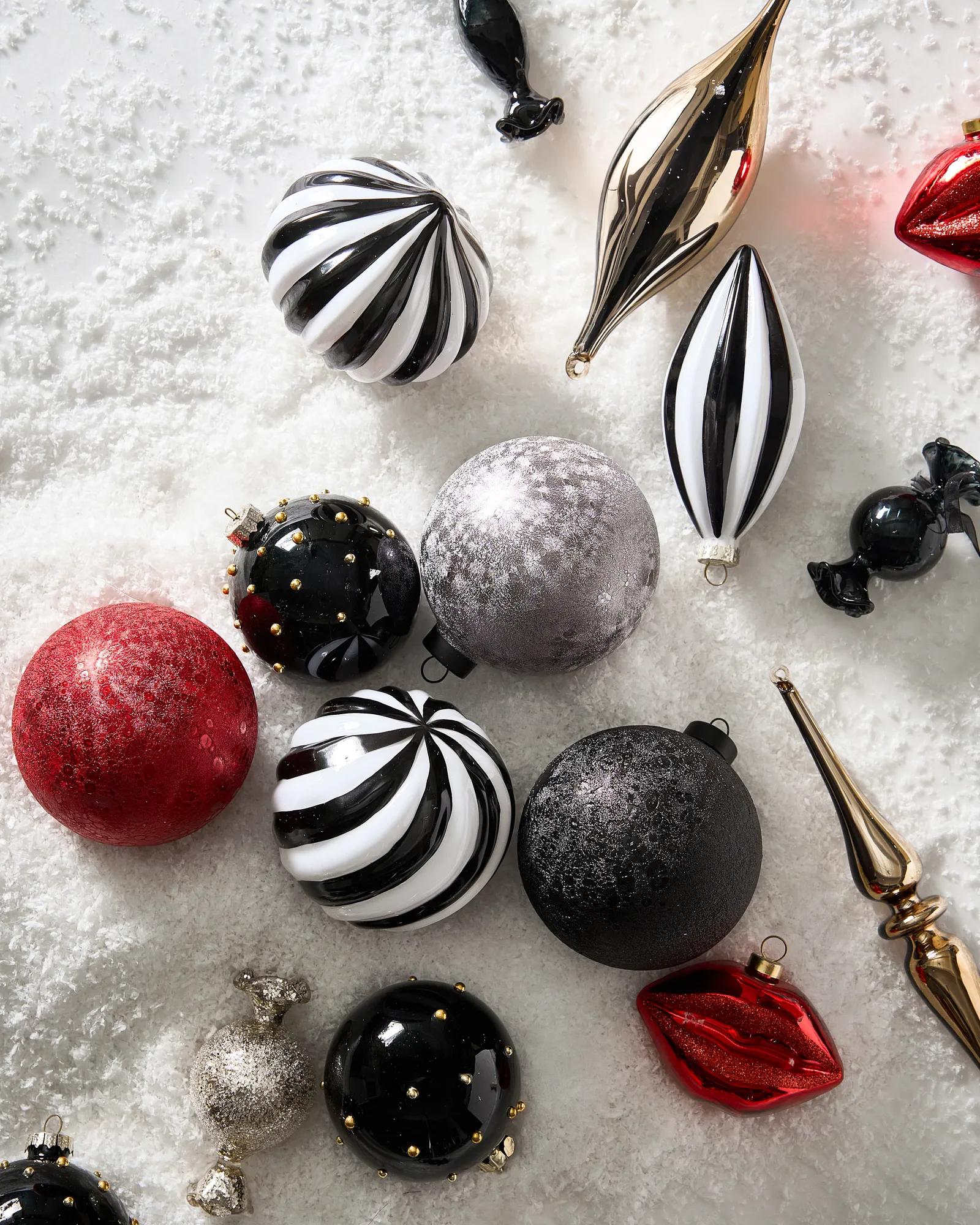 Silver Textured Glass Ornament - Set of 4$49
A set of four silver glass ornaments featuring a frosted, cratered texture for celestial elegance.
Add To Cart

Gold And Silver Christmas Ornaments | Z Gallerie
Gold and silver Christmas ornaments bring warm radiance and cool shimmer to a tree with unmistakable presence. Explore metallic holiday accents with an eye for contrasting textures, expressive silhouettes, and personal details. Let one finish lead, then layer in the other; a touch of leopard print gives the luminous palette a daring twist.
Gold and silver Christmas ornaments turn a tree into a study in light: warm reflections tucked among deep green branches, cool flashes at the tips, and luminous details that reveal themselves as the room comes into view. The appeal of these metallic tones lies in their range. Gold can feel rich and enveloping beside ivory ribbon, velvet upholstery, and dark wood, while silver brings a crisp, reflective quality to glass, pale textiles, and polished surfaces. Together, they create a layered Christmas palette with depth rather than a single uninterrupted shine. A brushed gold finish beside a gleaming silver sphere gives the eye somewhere to pause; a textured ornament catches the glow differently from a smooth, mirrored surface. Clear glass introduces another dimension, allowing tree lights and surrounding colors to remain part of the composition. For interiors with sculptural furniture or expressive artwork, metallic ornaments can echo those elements without competing with them. In a quieter room, their reflective surfaces become the focal point, lending a familiar corner the presence of a carefully composed display. Shapes contribute just as much as color. Rounded silhouettes establish a generous, rhythmic foundation, while elongated drops, faceted forms, and dimensional stars bring movement between the branches. A mix of finishes keeps the arrangement from feeling rigidly matched, especially when one metal serves as the dominant note and the other appears in deliberate accents. Those drawn to the warmth and transparency of glass and gold ornaments can carry that feeling into a mixed-metal tree, using silver details to sharpen the contrast. The result can be lavish without becoming visually crowded, with each surface contributing something distinct. Against white branches, the pairing takes on a bright, jewel-like character; against natural green, it feels richer and more grounded. Even the spacing matters: glimpses of foliage between ornaments allow the metallic details to register individually rather than merging into one reflective mass.
Material, scale, and construction shape how gold and silver Christmas ornaments look and how comfortably they suit a particular display. Glass has a distinctive delicacy, with transparent, translucent, or reflective surfaces that can appear almost weightless among the needles. It deserves careful handling, particularly when a design includes slender points or applied decoration. Acrylic and other shatter-resistant materials can offer a lighter, more resilient alternative for busy households, though their finishes and decorative details still benefit from gentle treatment. Metal ornaments introduce a different sense of substance, and their weight varies with size and construction; a small, solid form may need a sturdier branch than a larger hollow ornament. Dimensions are especially useful when imagining the finished tree. Oversized shapes create emphasis on a full tree or in a spacious entryway, while smaller ornaments give narrow trees and tabletop displays definition without overwhelming the greenery. A balanced arrangement often includes several scales, with substantial pieces supported closer to the trunk and lighter accents placed where the branches taper. Hanging loops, caps, and attachment points deserve attention as well. A beautiful ornament should hang securely, with enough clearance to show its shape rather than rest awkwardly against the branch below. Hooks or ties need to suit both the ornament’s weight and the thickness of the branch. Beyond the tree, metallic ornaments can lend dimension to an indoor wreath, dress a garland along a mantel, or create a reflective centerpiece in a shallow decorative bowl. These settings call for the same consideration of weight and stability. Fragile pieces belong where they are unlikely to be knocked by a passing sleeve, a curious pet, or small hands. Unless specifically labeled for outdoor use, ornaments are best treated as indoor decorations, protected from moisture and direct heat. On a dining table, a low arrangement preserves conversation across the place settings while bringing gold and silver into the candlelit scene, with decorations kept safely away from open flames.
The most personal Christmas displays often develop through thoughtful additions rather than a complete change of direction. Gold and silver ornaments make that evolution especially graceful because they can connect pieces collected over time, from treasured family decorations to a newly chosen shape or finish. A warm gold accent can draw out the richness of burgundy ribbon, while silver introduces contrast beside midnight blue or deep emerald. Paired with ivory, both metals feel luminous and composed; beside black ribbon, they become more graphic and theatrical. Repeating a few finishes throughout a room helps the tree feel connected to its surroundings, whether that means a silver note near a mirrored console or gold details that echo a picture frame. For gifting, ornaments offer an intimate scale with lasting decorative potential. A carefully chosen metallic ornament can mark a first Christmas in a new home, acknowledge a host’s love of entertaining, or become part of a family’s annual decorating tradition. The most considerate choice reflects the recipient’s space as well as their taste: lighter pieces for a petite tree, restrained sparkle for an already colorful collection, or a sculptural silhouette for someone who favors dramatic design. Protective packaging matters for both presentation and safekeeping, particularly with glass or delicate embellishments. After the celebrations, careful storage helps preserve the finish for future displays. Dusting with a soft, dry cloth is a gentle starting point for many smooth surfaces, but care instructions should always take precedence; glittered, painted, beaded, or otherwise embellished areas may require a lighter touch. Abrasive cleaners and vigorous rubbing can damage decorative finishes. Individual compartments or soft wrapping help keep ornaments from striking one another, while a sturdy container stored away from dampness and extreme heat offers further protection. With that attention, gold and silver Christmas ornaments can return to the tree year after year, carrying familiar memories while leaving room for a different ribbon, a new color accent, or a more daring composition. Their beauty lies in that combination of continuity and possibility: cherished details, arranged with intention, ready to make the room feel extraordinary again.
FAQs
Yes. Choose one metal as the dominant tone and repeat the other throughout the tree as an accent. A consistent ribbon color helps unite the warm gold and cool silver into one deliberate composition.
Ivory and champagne create a soft, luminous backdrop, while black introduces graphic contrast. Deep green or burgundy lends a richer holiday mood. Choose one supporting color to let the metallic palette remain the focal point.
Treat leopard print as the expressive accent rather than the entire theme. Place it among quieter gold and silver ornaments, and echo one of its tones in your ribbon for a cohesive, fashion-inspired tree.
Matching finishes create a more uniform look, while contrasting finishes add dimension. Pair gleaming surfaces with frosted, matte, or textured effects, keeping the gold-and-silver palette consistent so the contrast feels intentional.
Arrange them in a decorative bowl as a tabletop focal point, or incorporate them into an indoor garland along the mantel. Repeat a metallic finish from the tree to connect the displays while giving each its own composition.