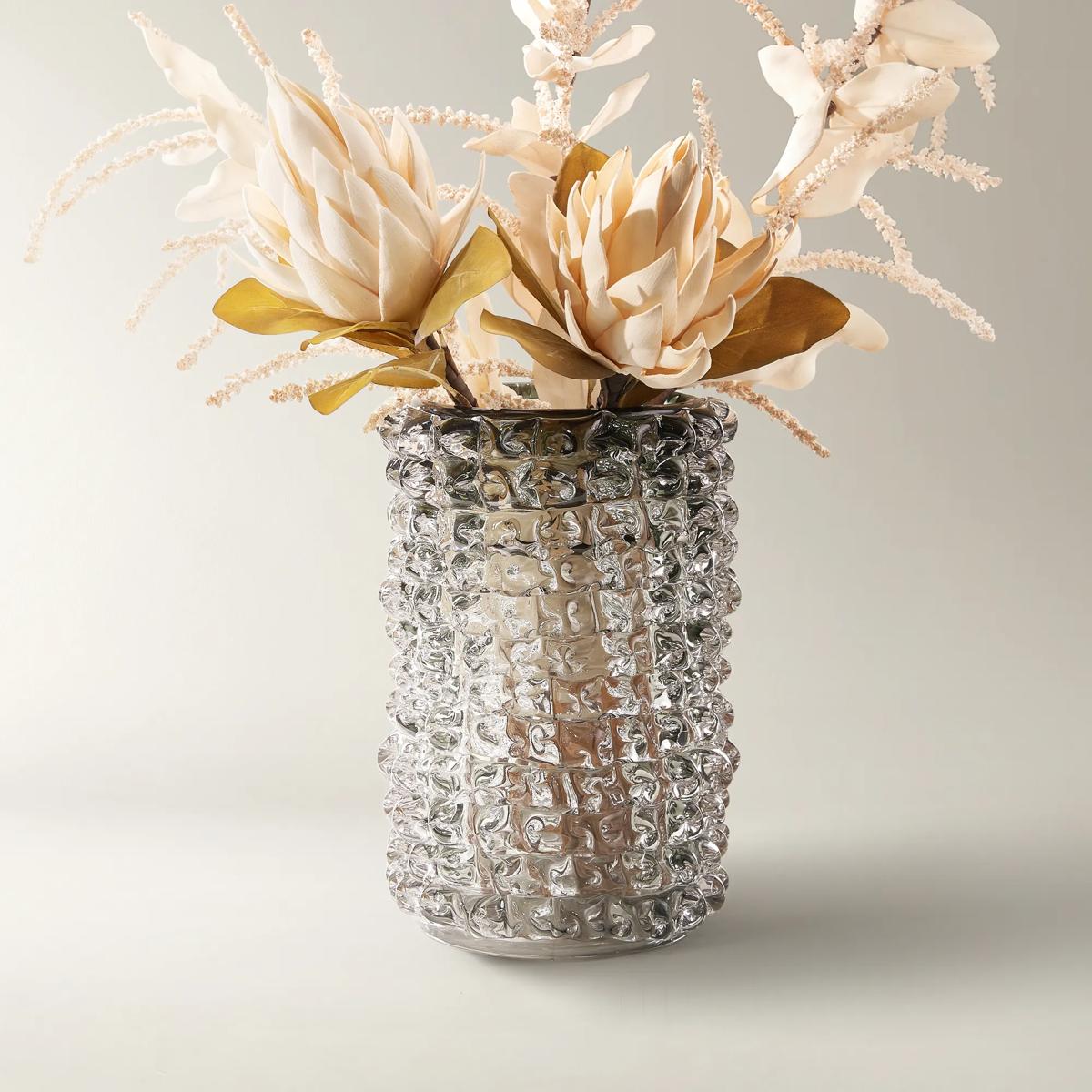
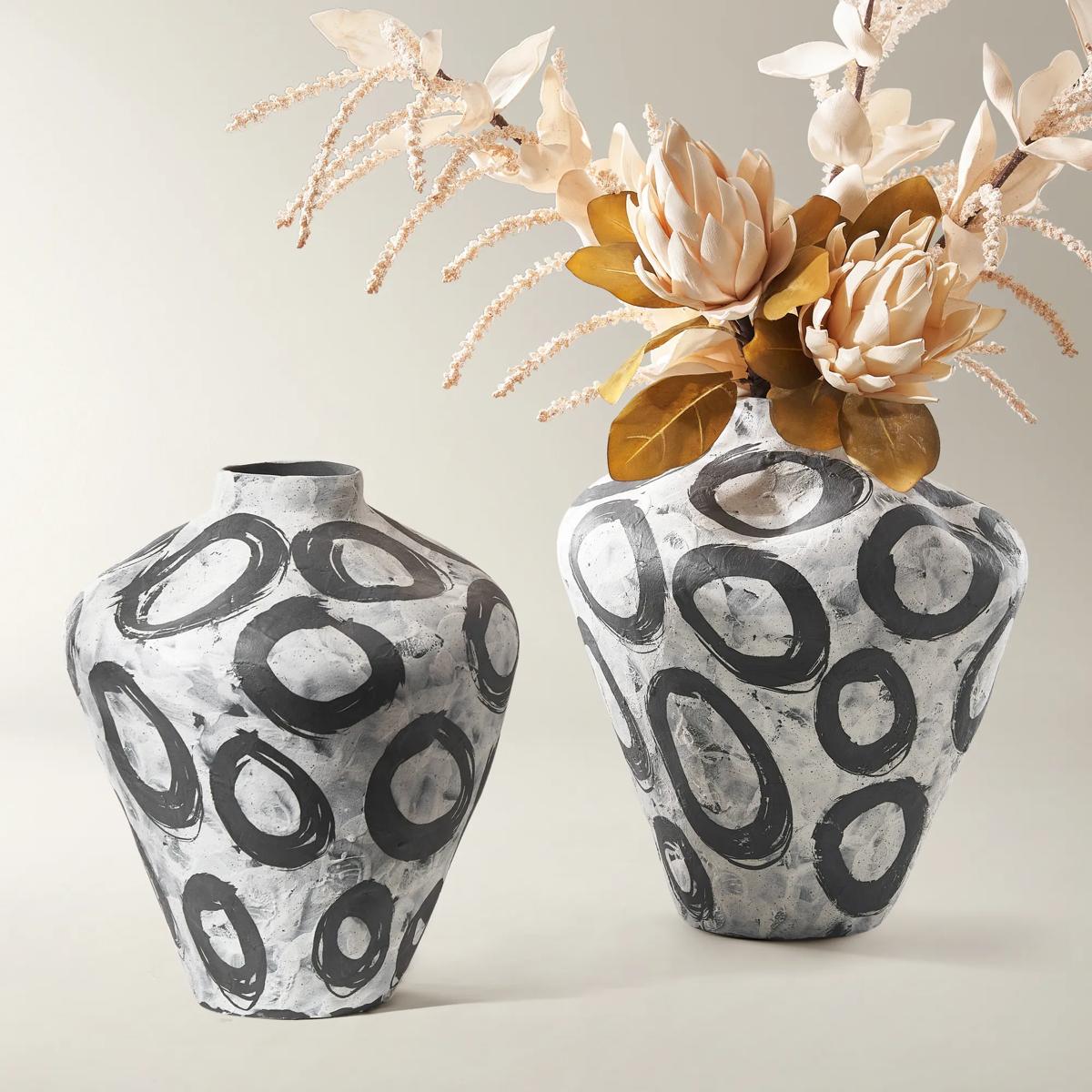
Glass Vases For Indoor Plants
Glass Vases For Indoor Plants
-
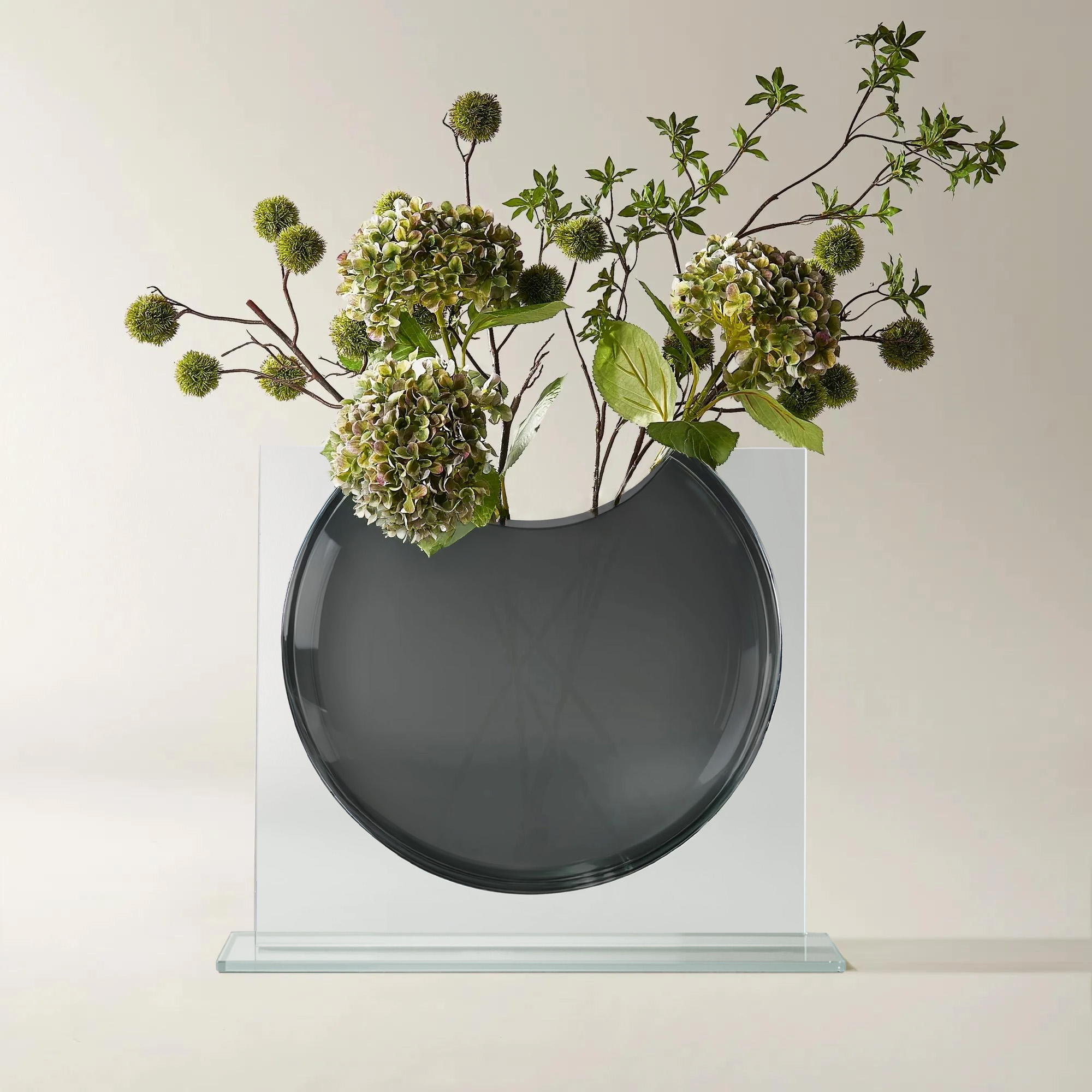
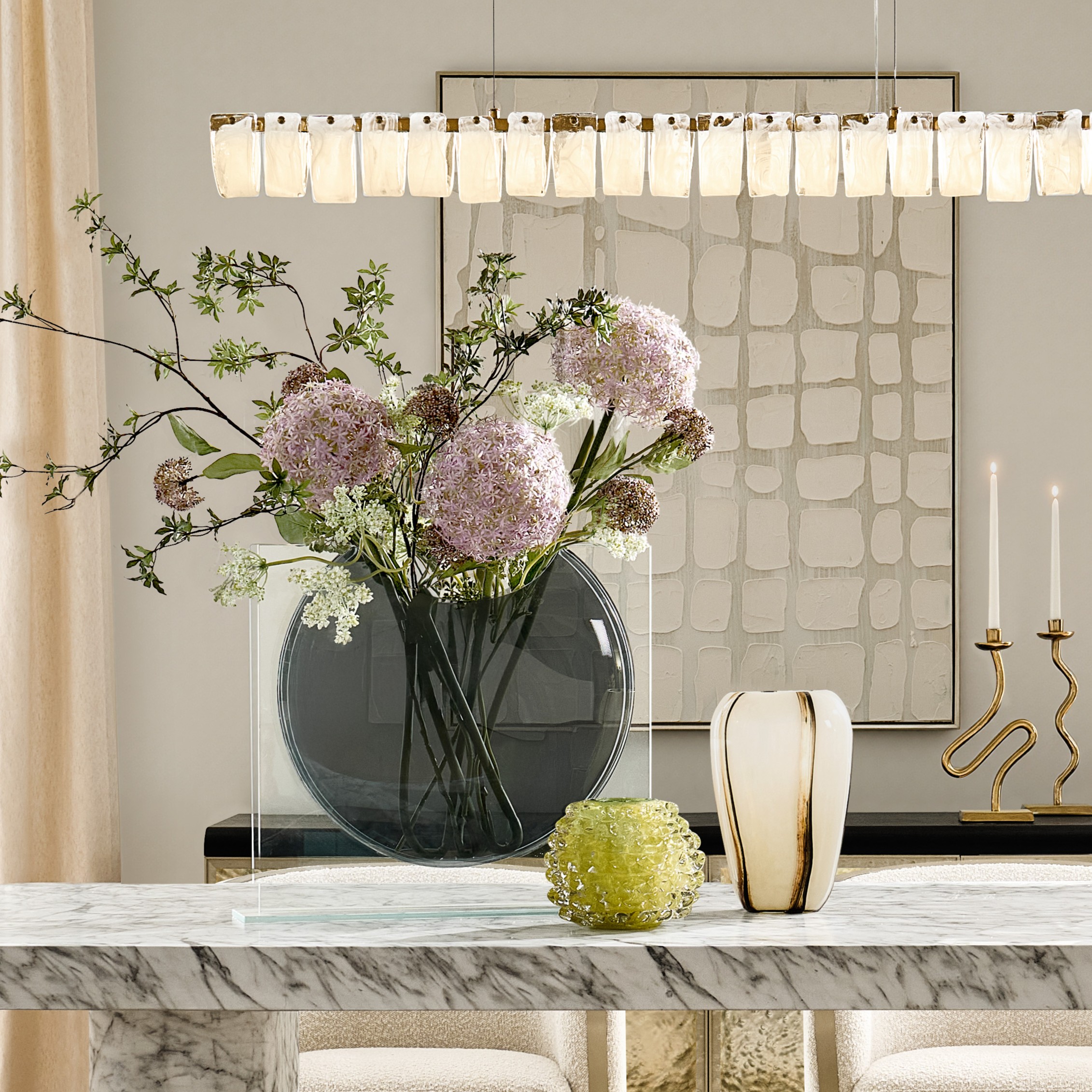 Ellipse Charcoal Glass Vase 20"$299
A sleek elliptical glass vase in clear and charcoal, perfect for displaying fresh flowers in modern spaces.
Add To Cart -
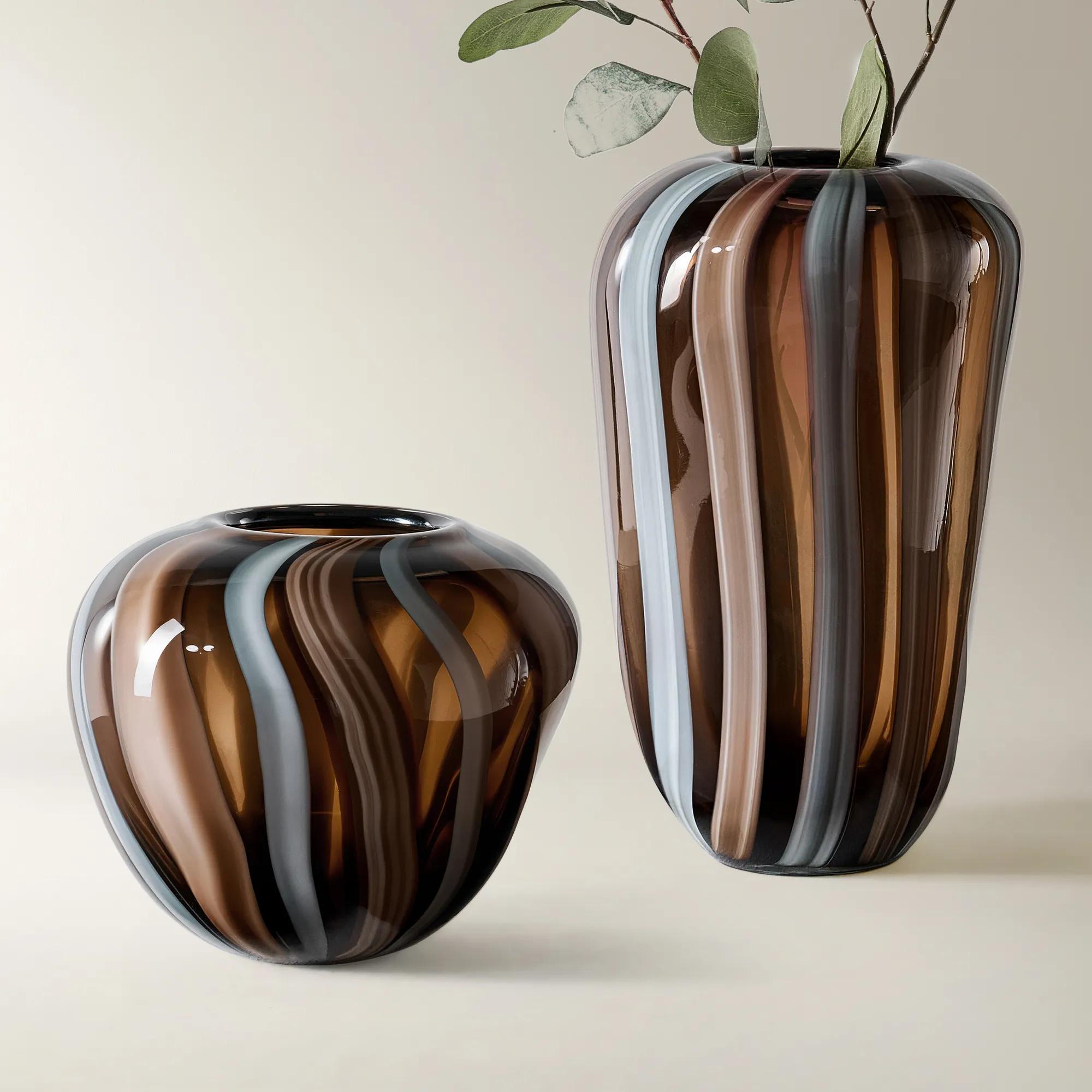
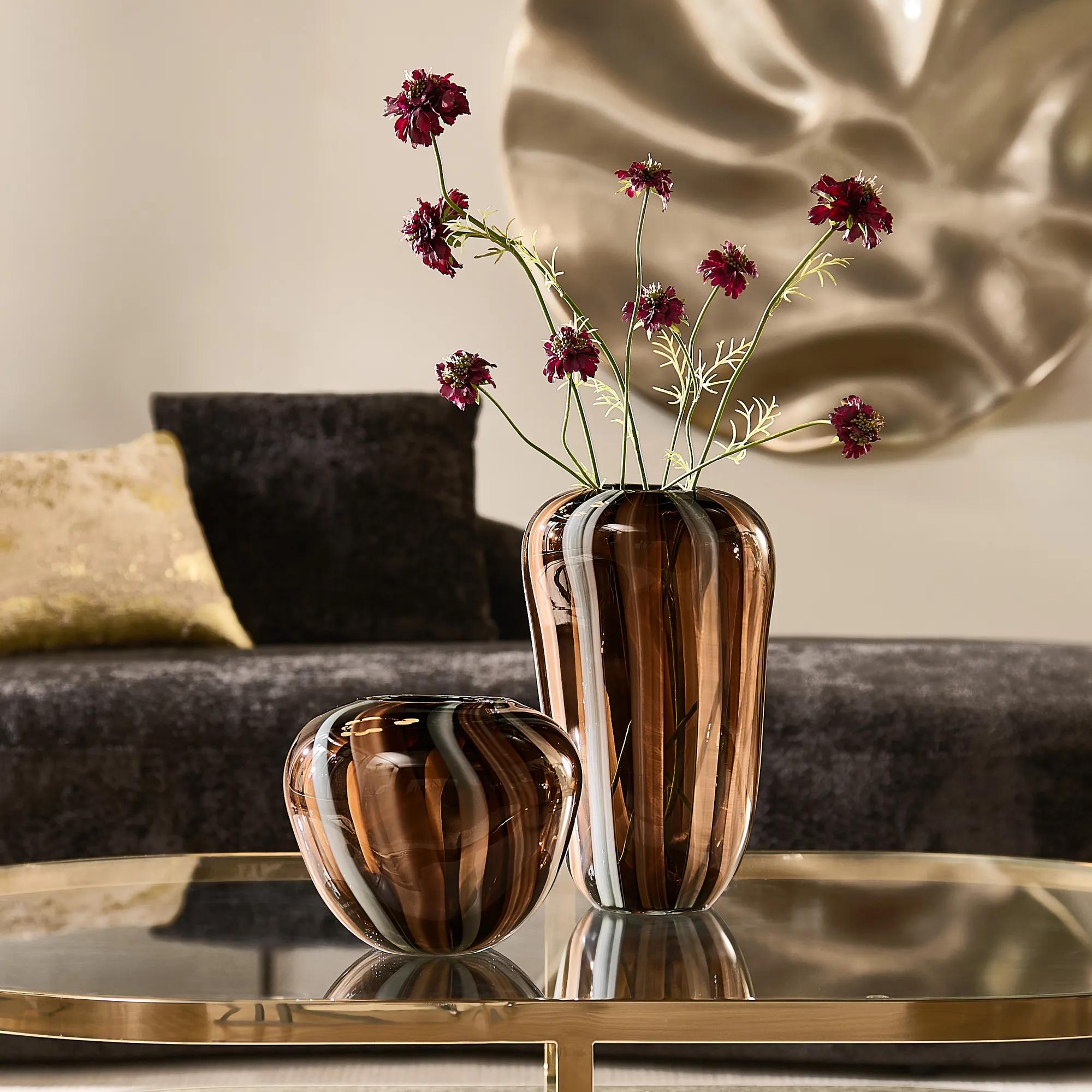 Billow Mouth Blown Brown Striped Glass Vases$89
A sculptural glass vase adding modern elegance to any décor.
Add To Cart -
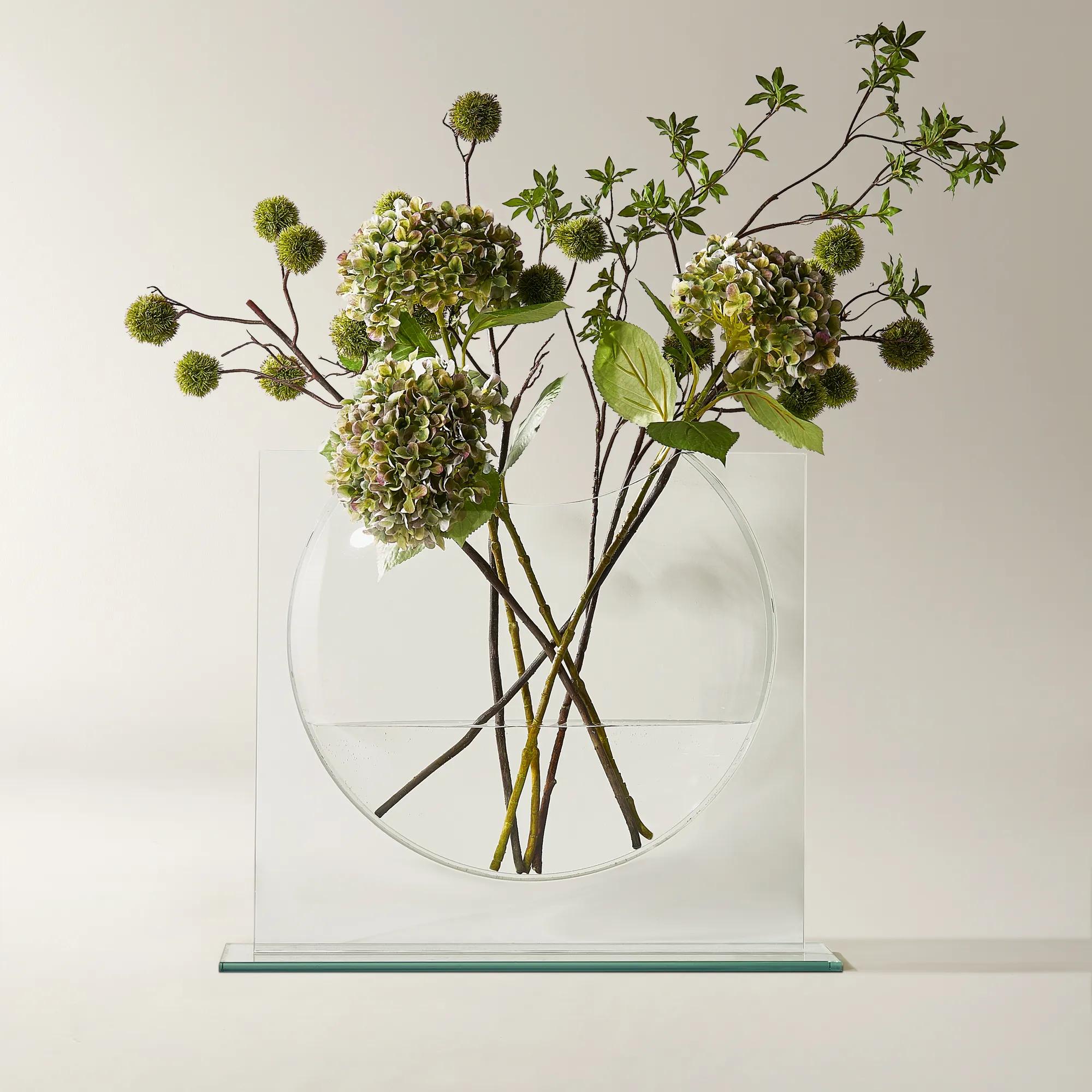
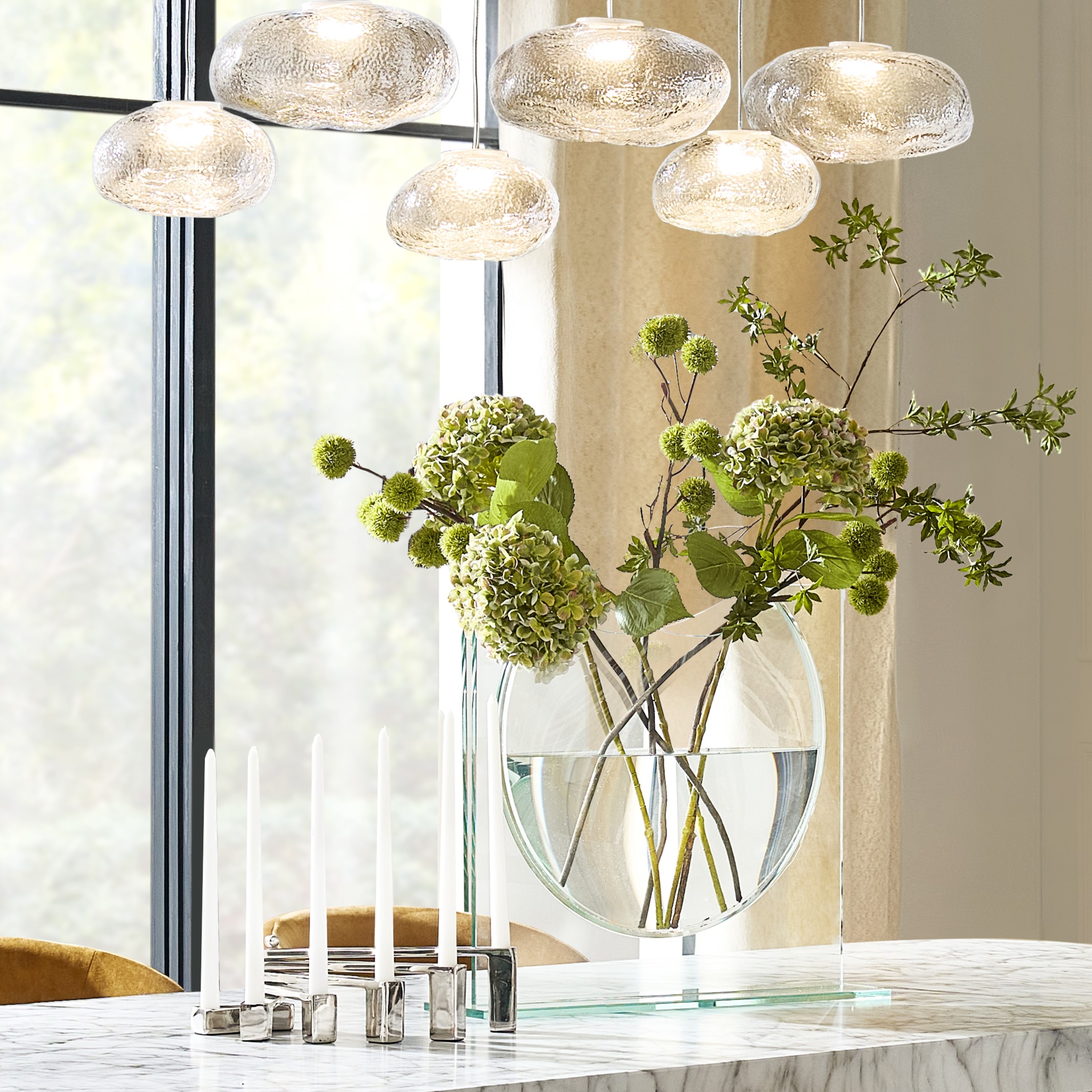 Ellipse Clear Glass Vase 20"$259
A sleek elliptical glass vase offering a modern, functional accent for fresh floral arrangements.
Add To Cart -
 Bree Brown Black Glass Vase 15.75"$129
A smoky brown-black sodalime glass vase featuring a dramatic tortoise pattern and flared neck.
Add To Cart -
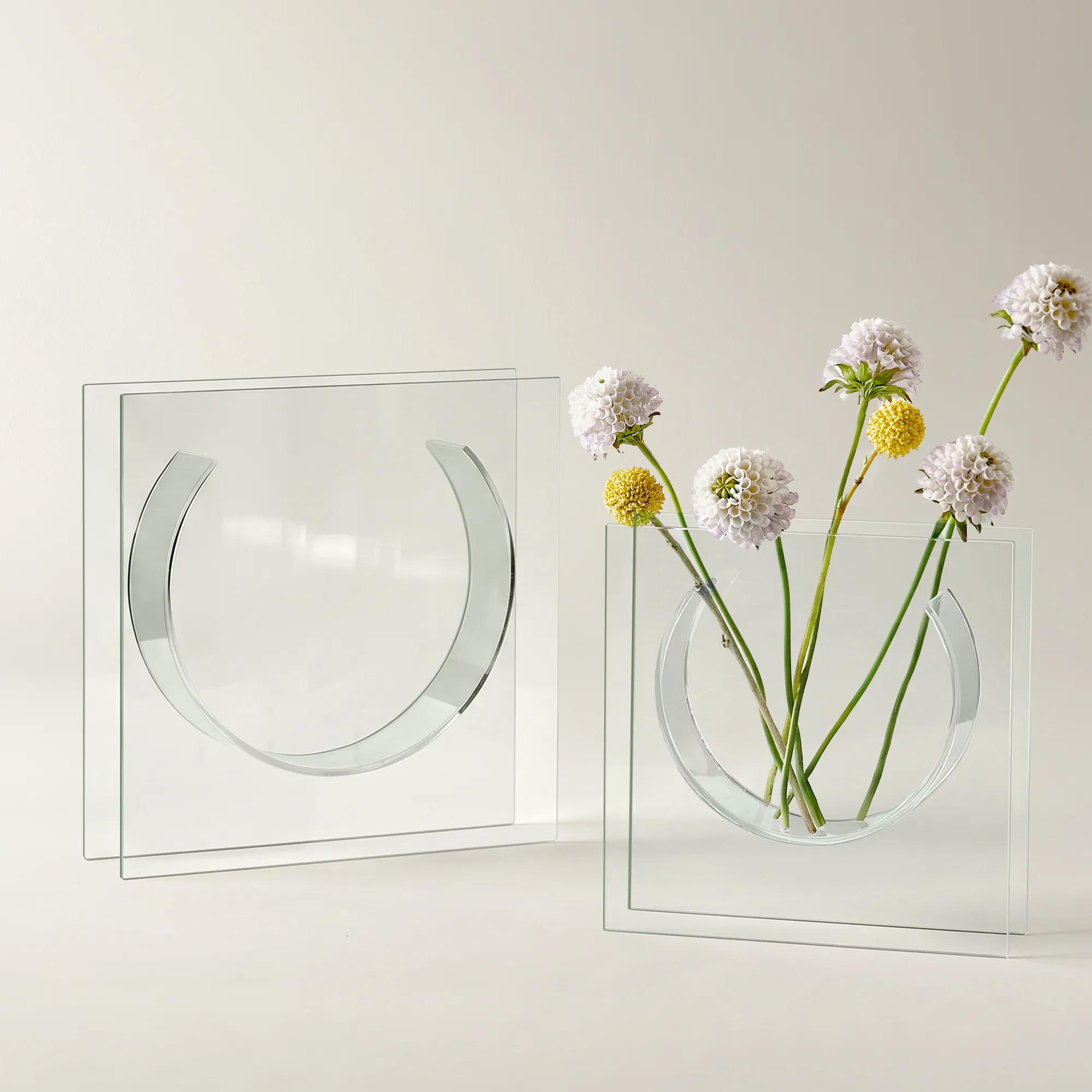
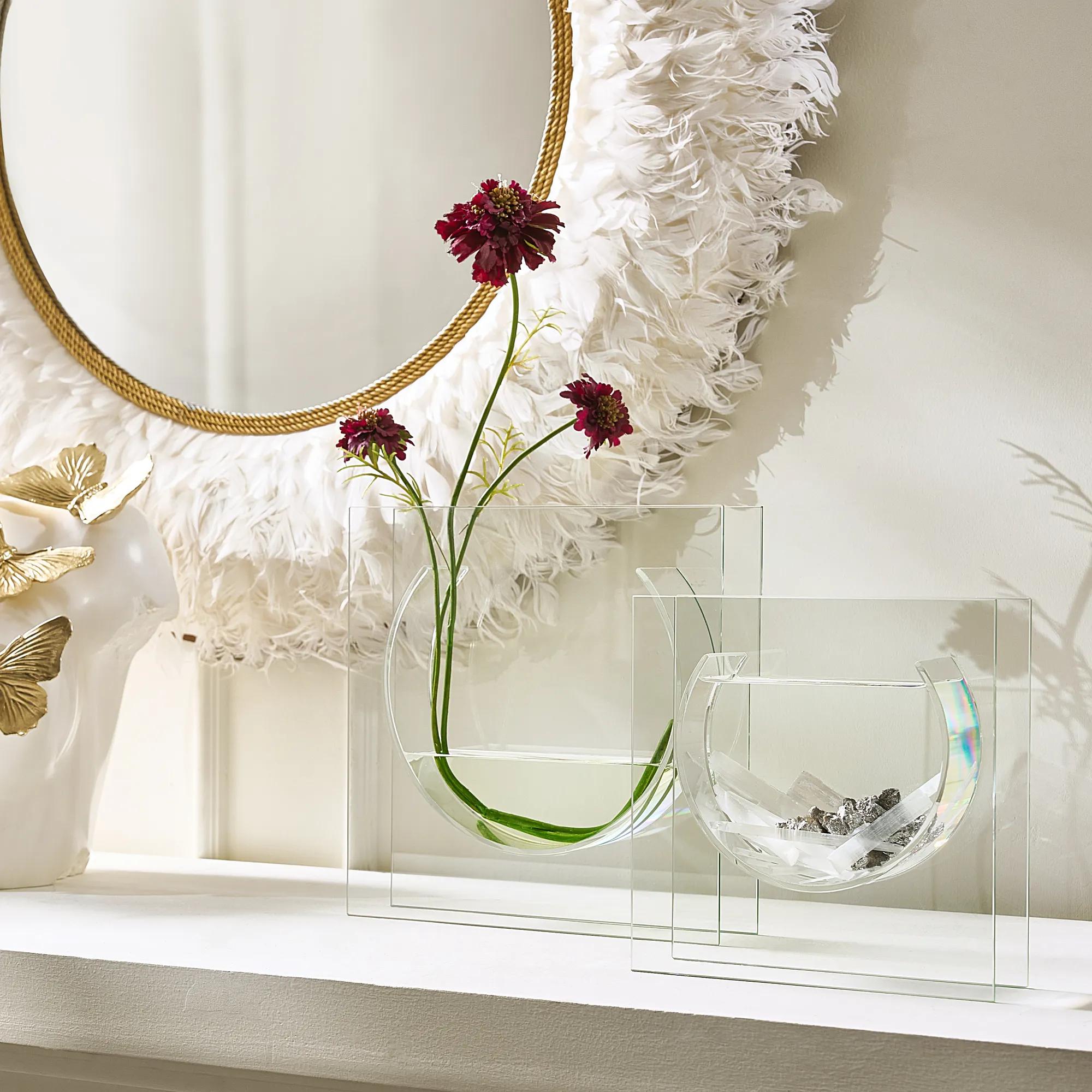 Solaris Clear Glass Vases$29
A clear glass vase with an elliptical bowl and bold modern design between two glass panels.
Add To Cart -
 Glow Mouth Blown Brown Glass Vase 10.75"$59
A luminous glass vase adding modern elegance to any décor.
Add To Cart -
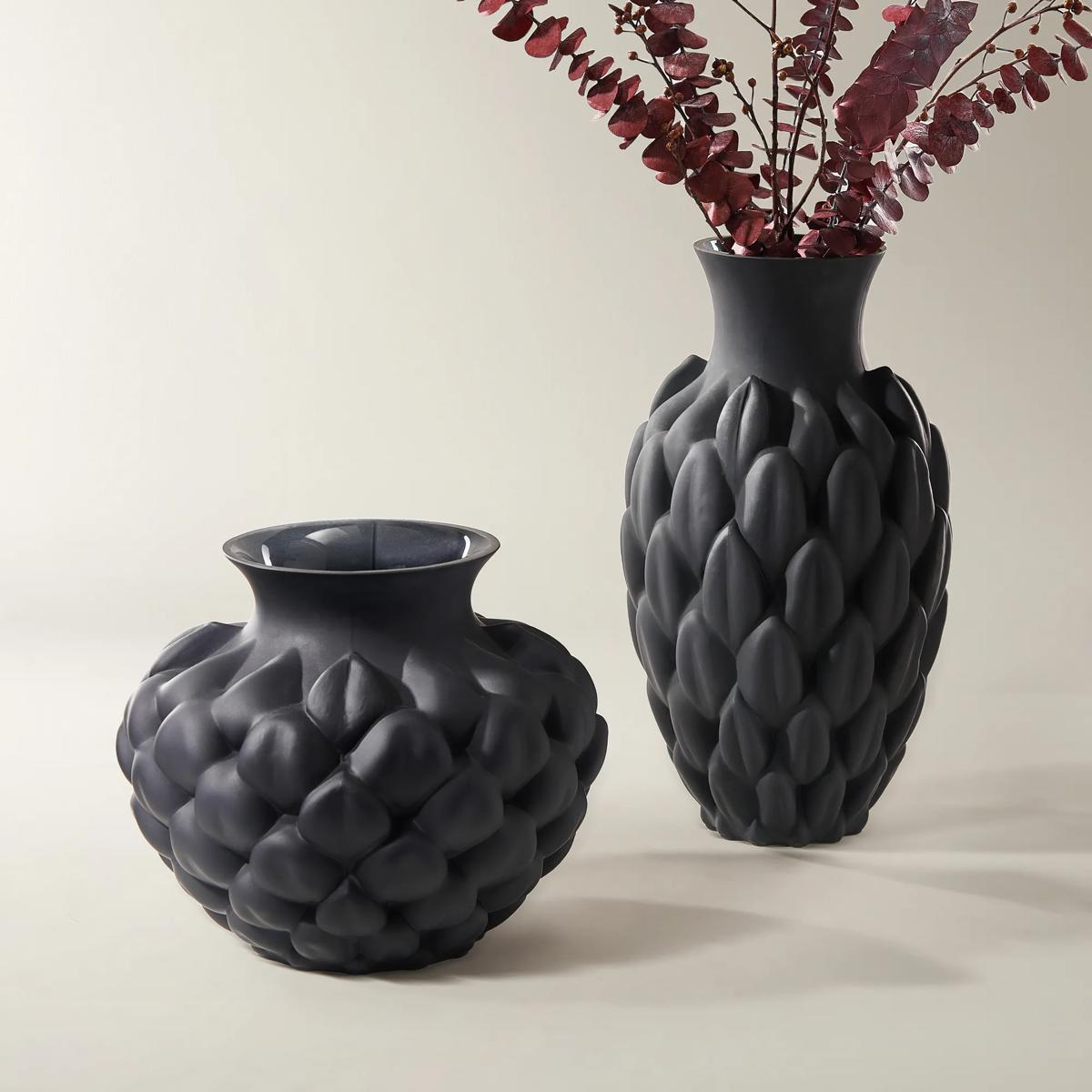
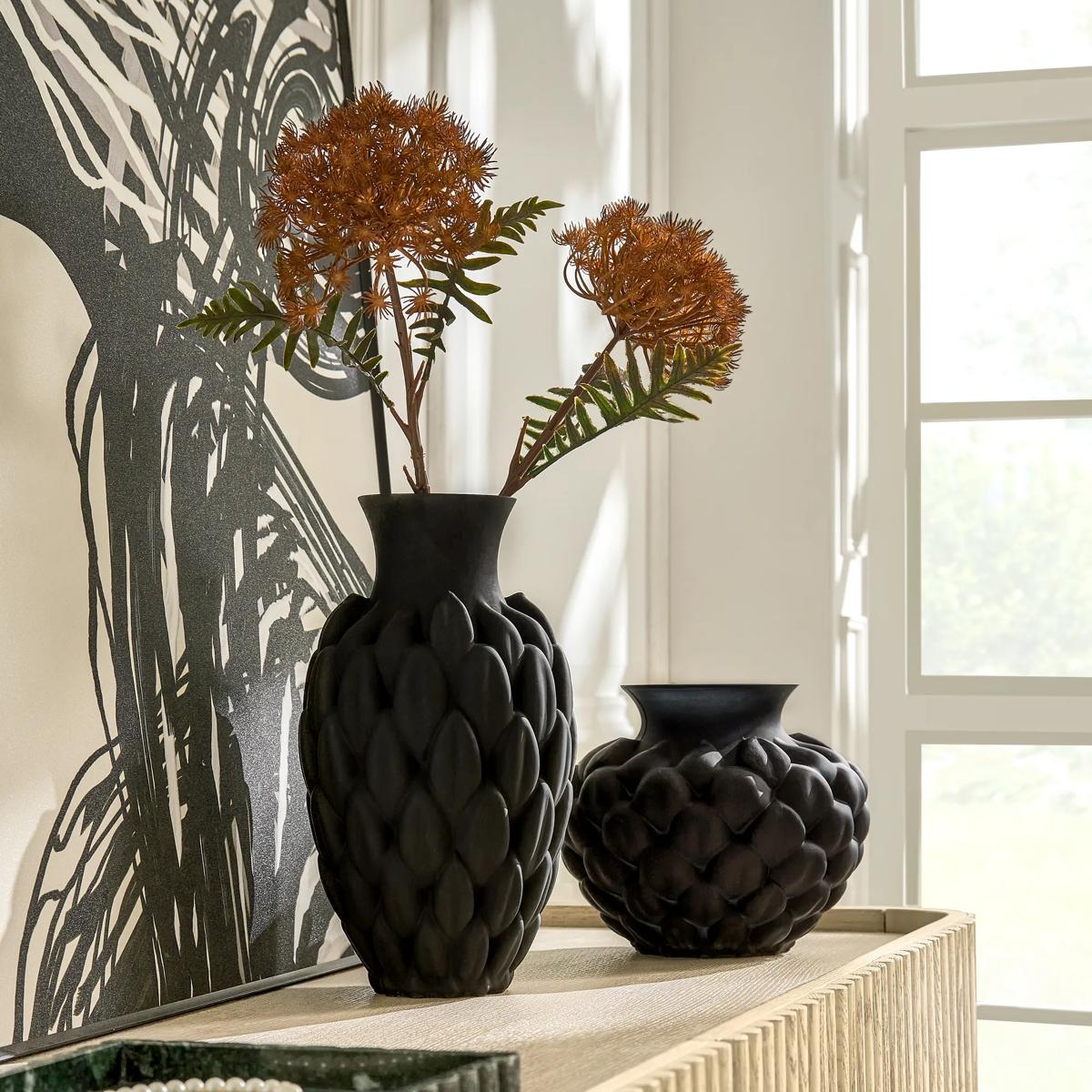 Sabine Glass Vase$69
A sculptural matte black glass vase featuring a dimensional, petal-inspired texture for bold visual impact.
Add To Cart -
 Ripple Eggshell Blue Handblown Glass Vase 10.25"$89
A handblown eggshell blue glass vase adding sculptural elegance to modern decor.
Add To Cart -
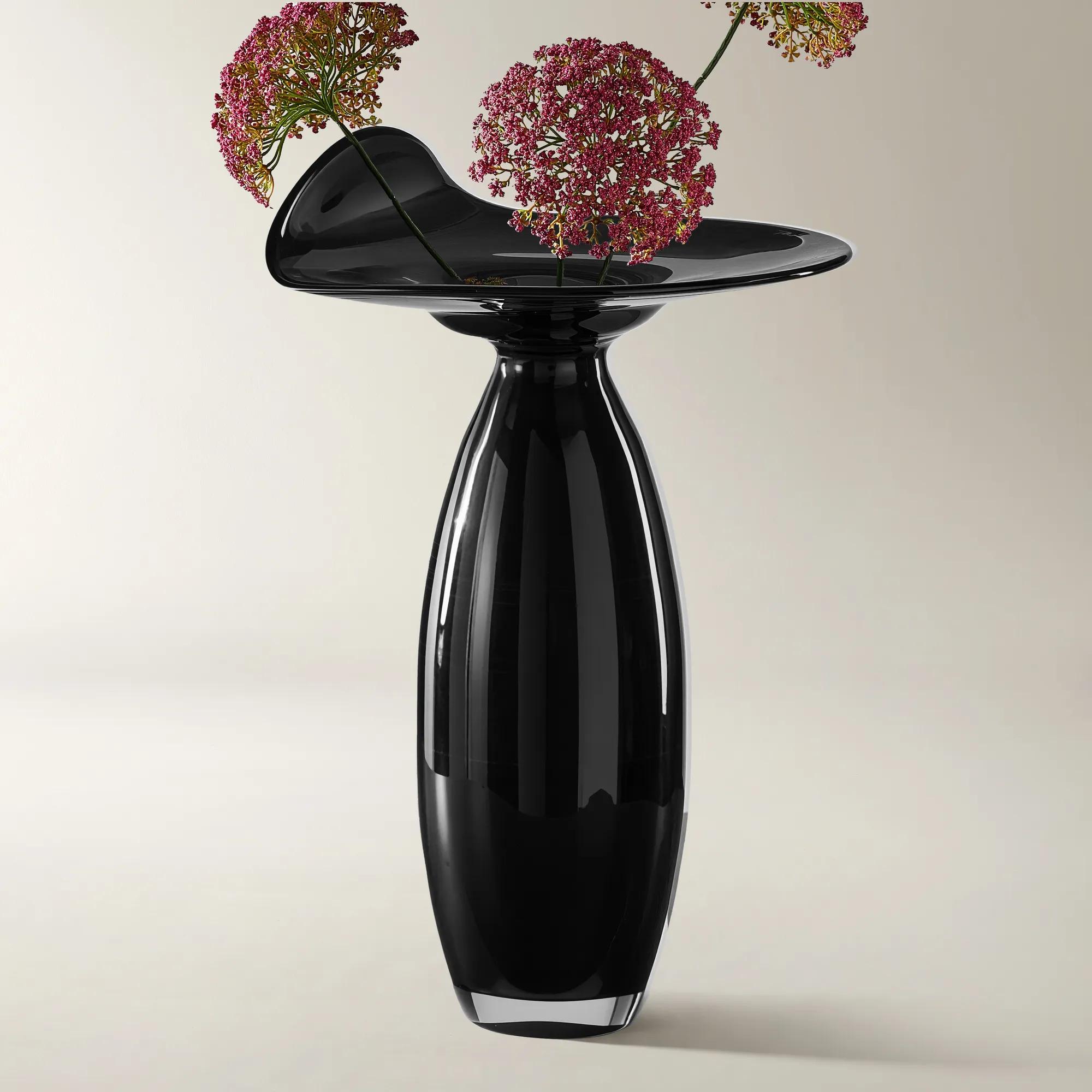 Folia Mouth Blown Glossy Black Glass Vase 22"$199
A handblown glass vase with a glossy black finish and organic sculptural silhouette for modern decor.
Add To Cart -
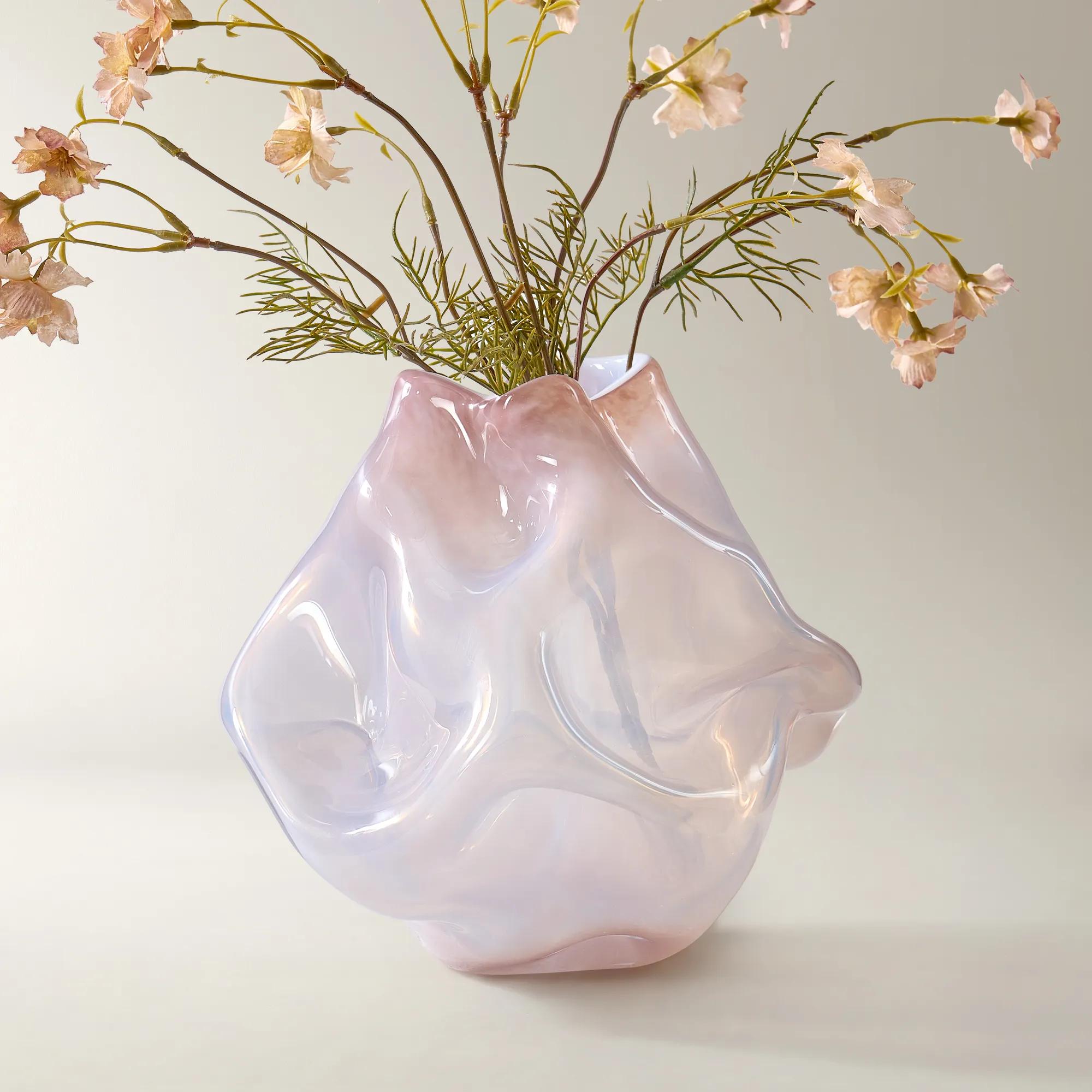 Melt Mocha Rose Handblown Glass Vase 8"$99
A handblown glass vase in a warm mocha rose hue, bringing sculptural elegance to modern spaces.
Add To Cart -

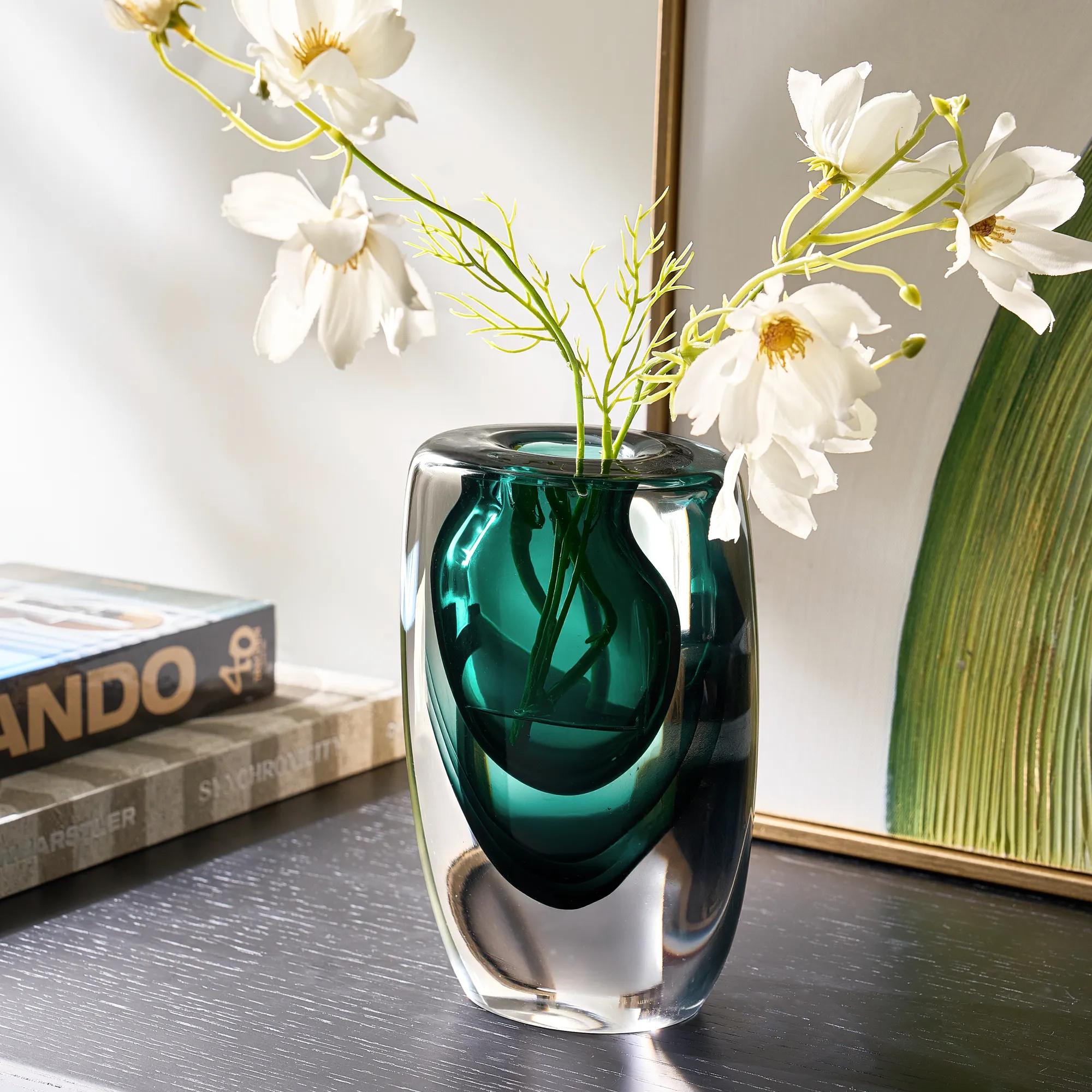 Monro Green Handblown Glass Vase 7.75"$149
A green handblown glass vase adding artisanal texture and modern elegance to curated interiors.
Add To Cart -
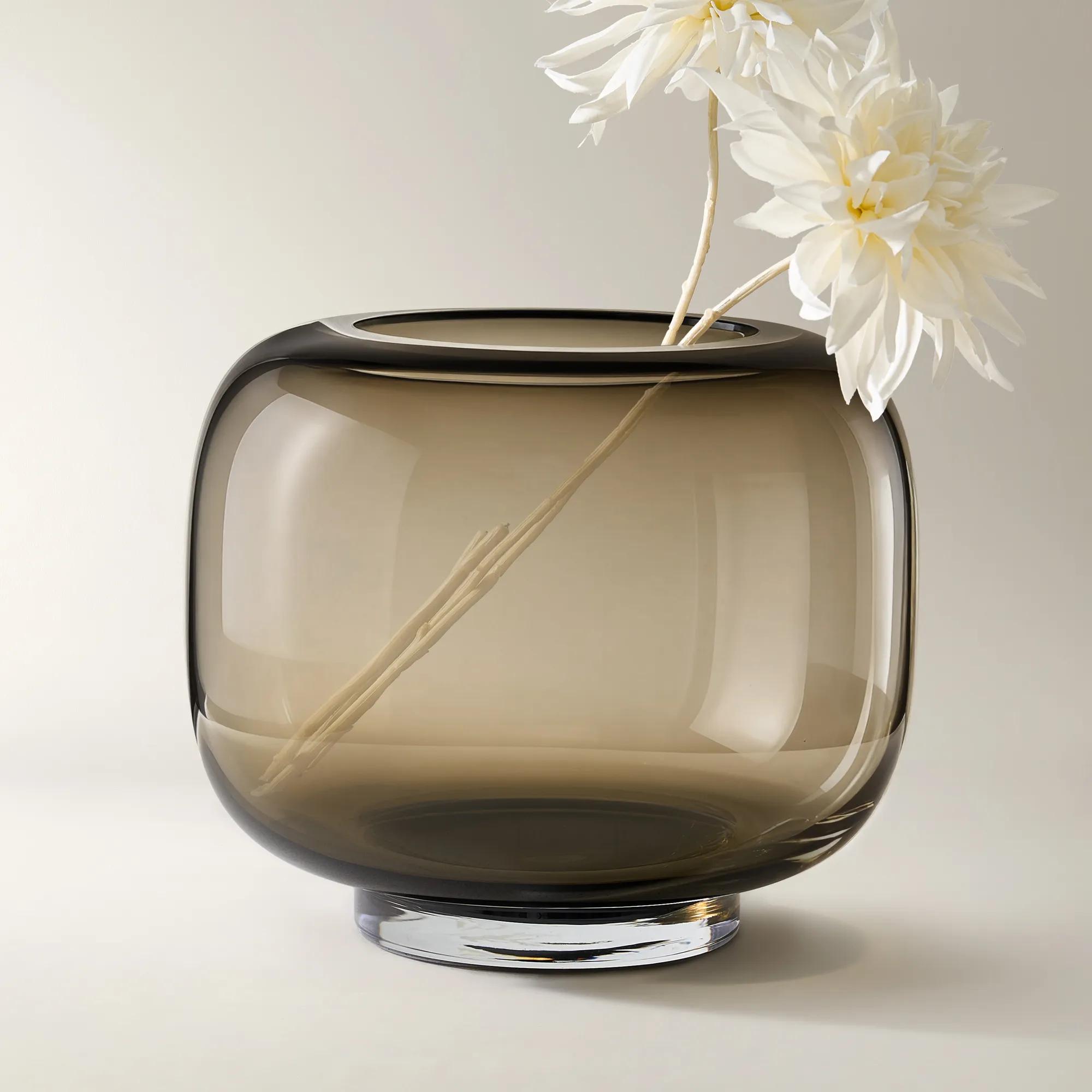 Mateo Smoke Handblown Glass Vase 9.75"$89
A smoke-toned handblown glass vase adding sculptural elegance to modern interiors.
Add To Cart -
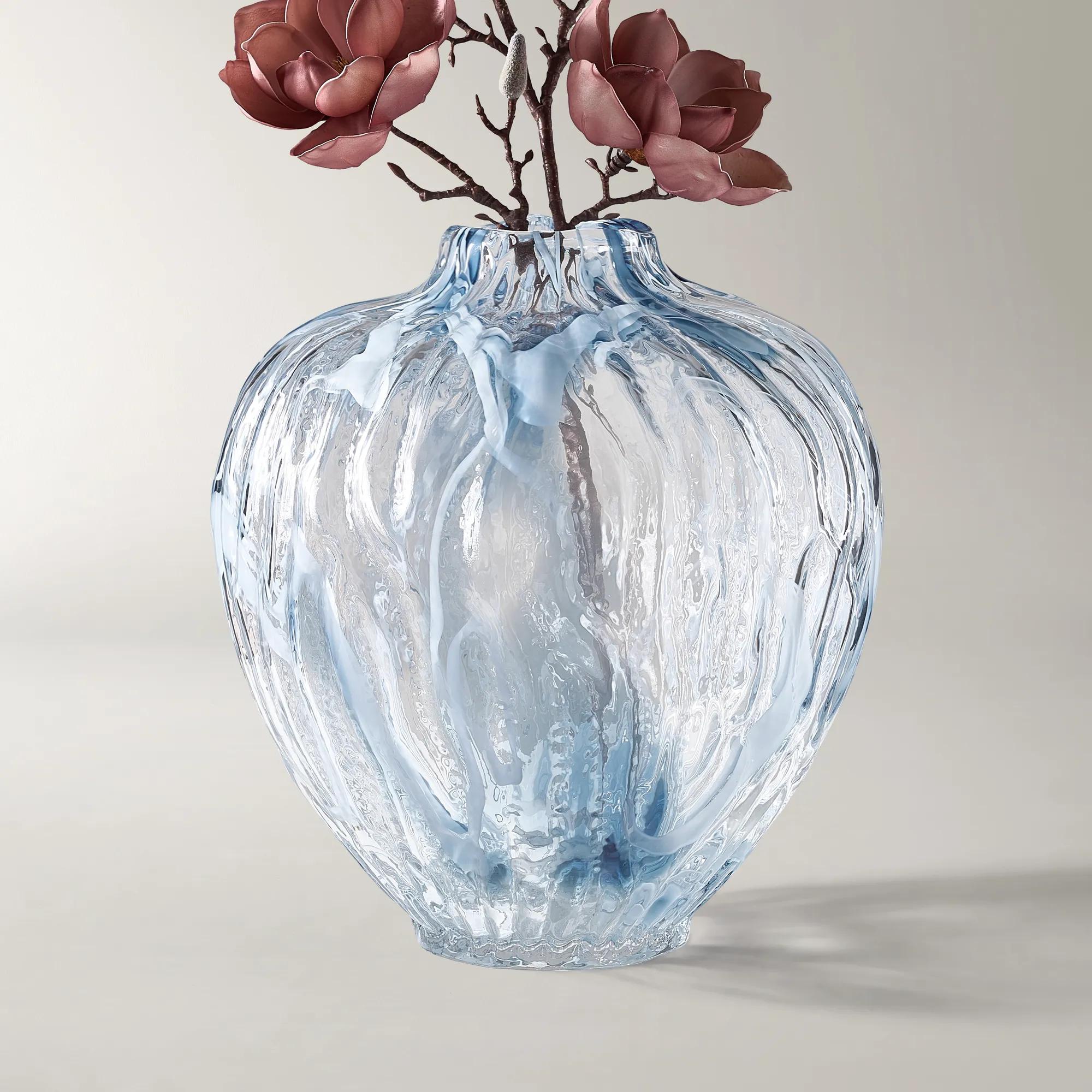 Cruz Mouth Blown Powder Blue Glass Vase 15.75"$169
A handblown glass vase in powder blue with a sculptural, light-catching surface for modern decor.
Add To Cart -
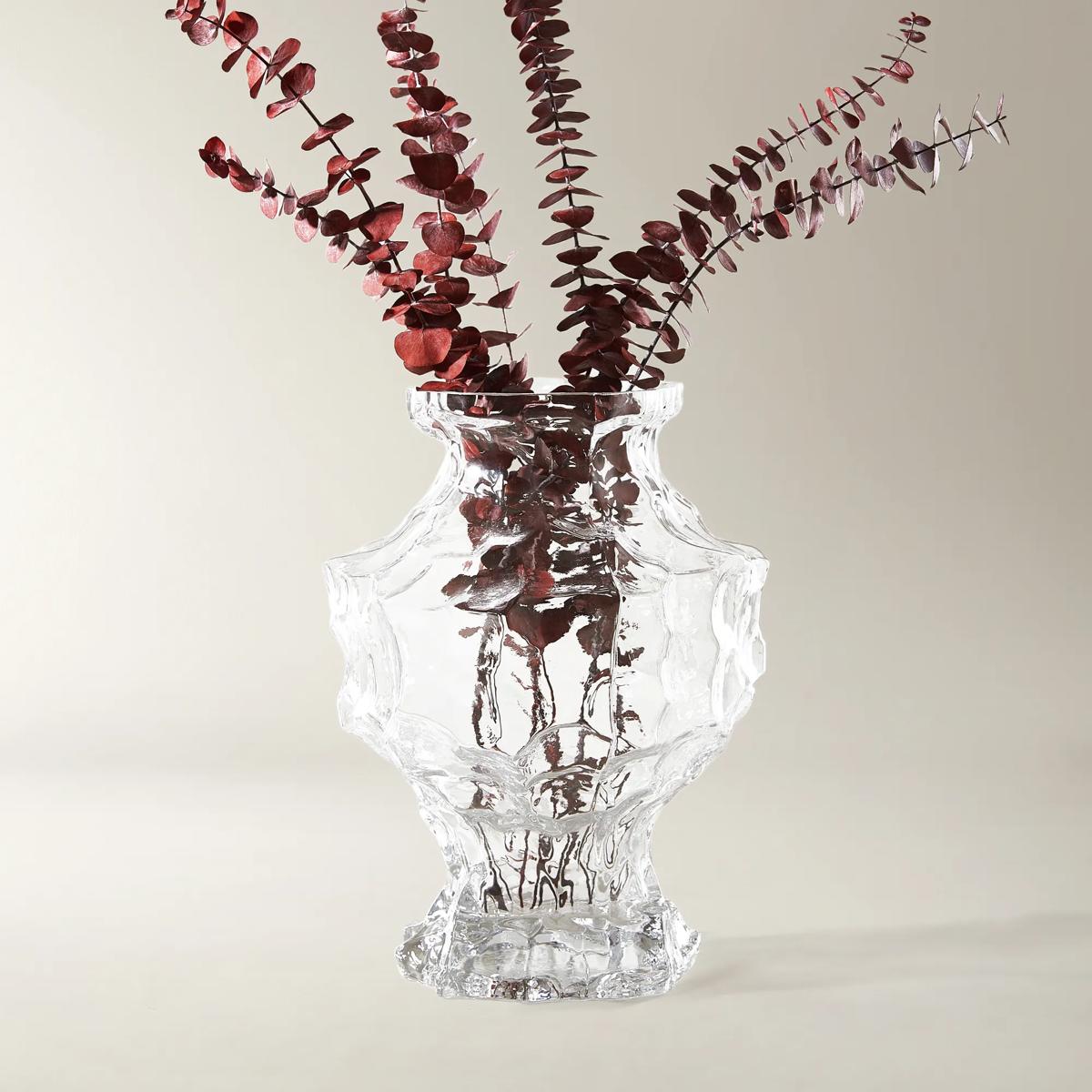
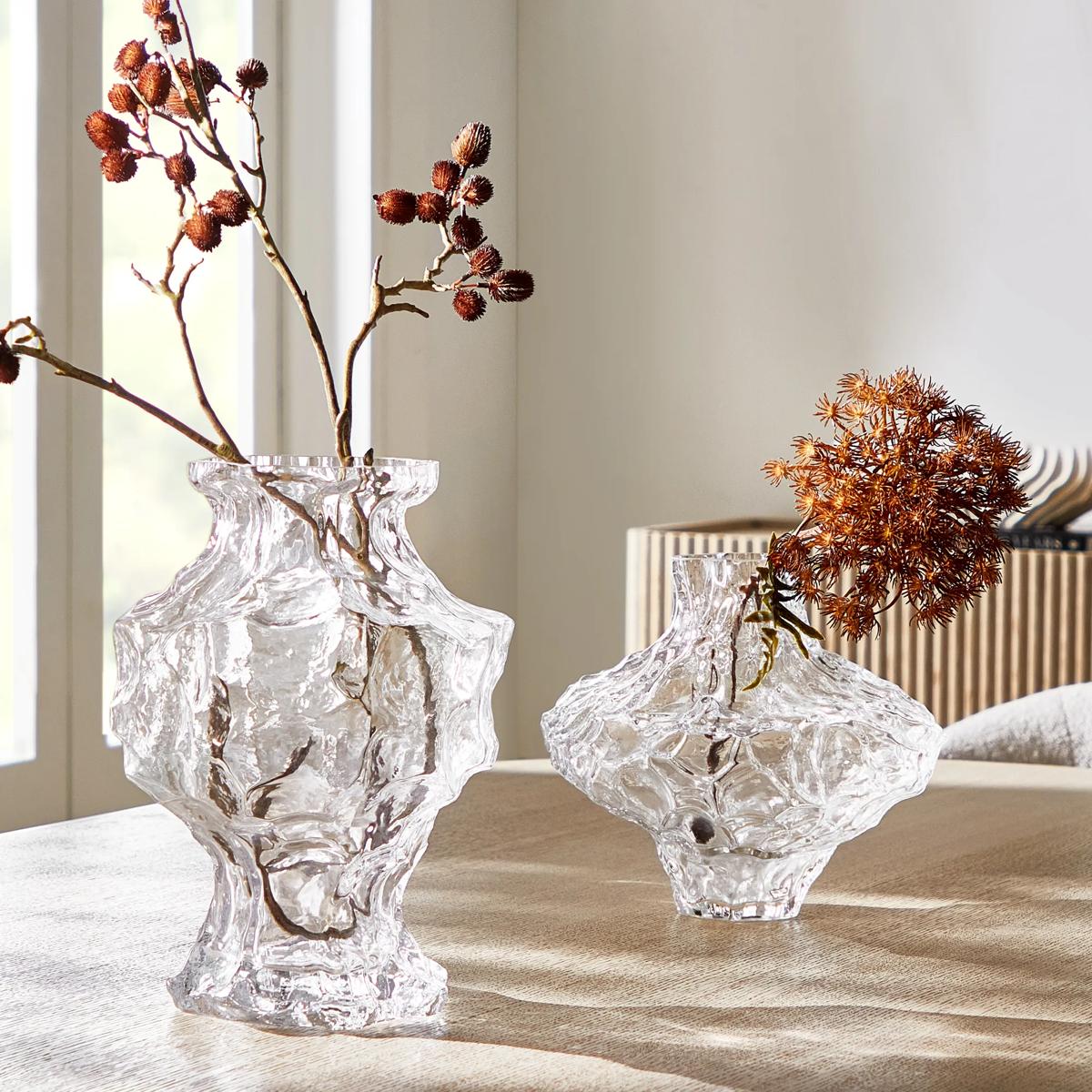 Mari Glass Vase$99
A hand-blown clear glass vase featuring rippling texture and modern, elegant curves.
Add To Cart -
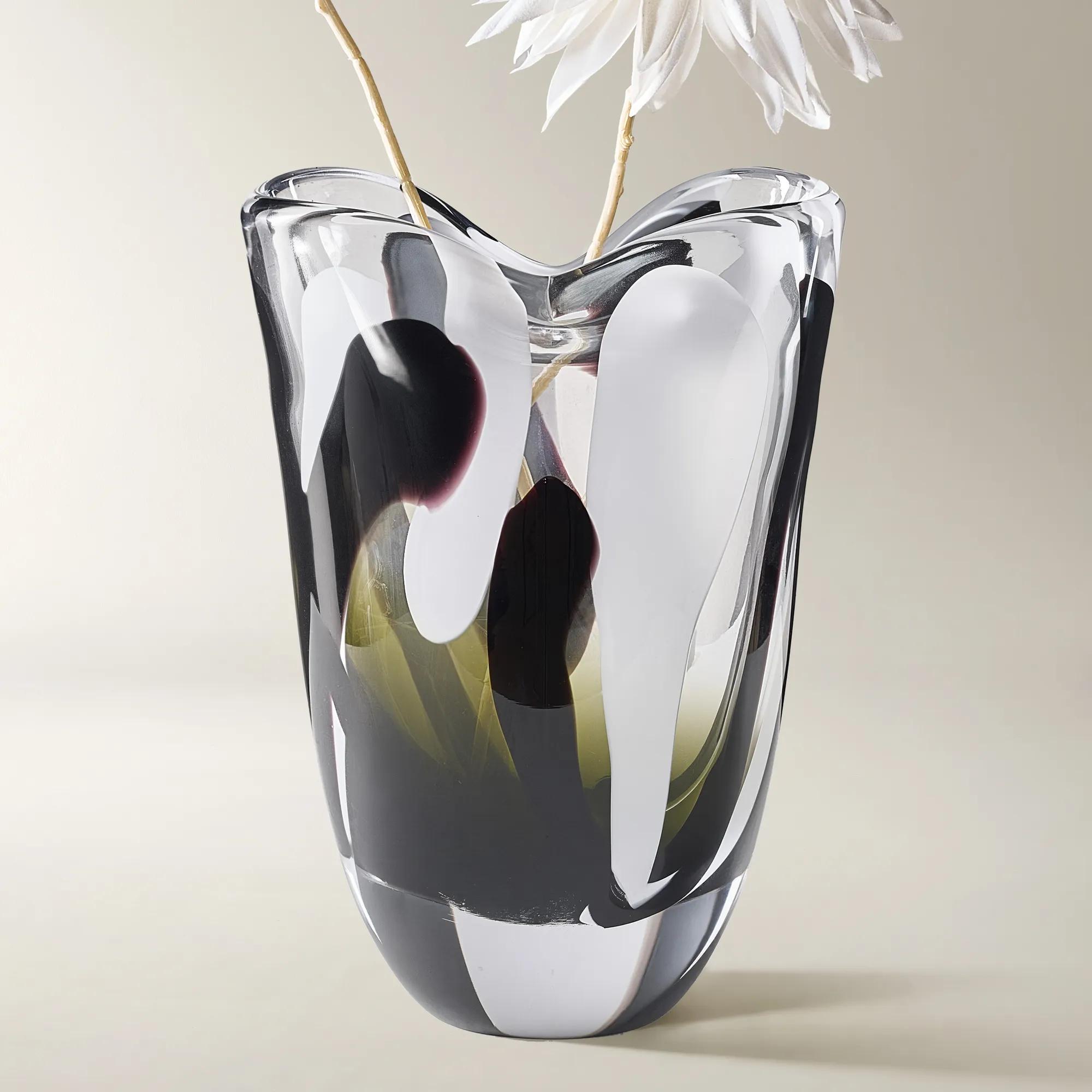 Melrose Mouth Blown Black White Glass Vase 11.25"$109
A handblown glass vase featuring a bold black and white abstract animal pattern for modern appeal.
Add To Cart -
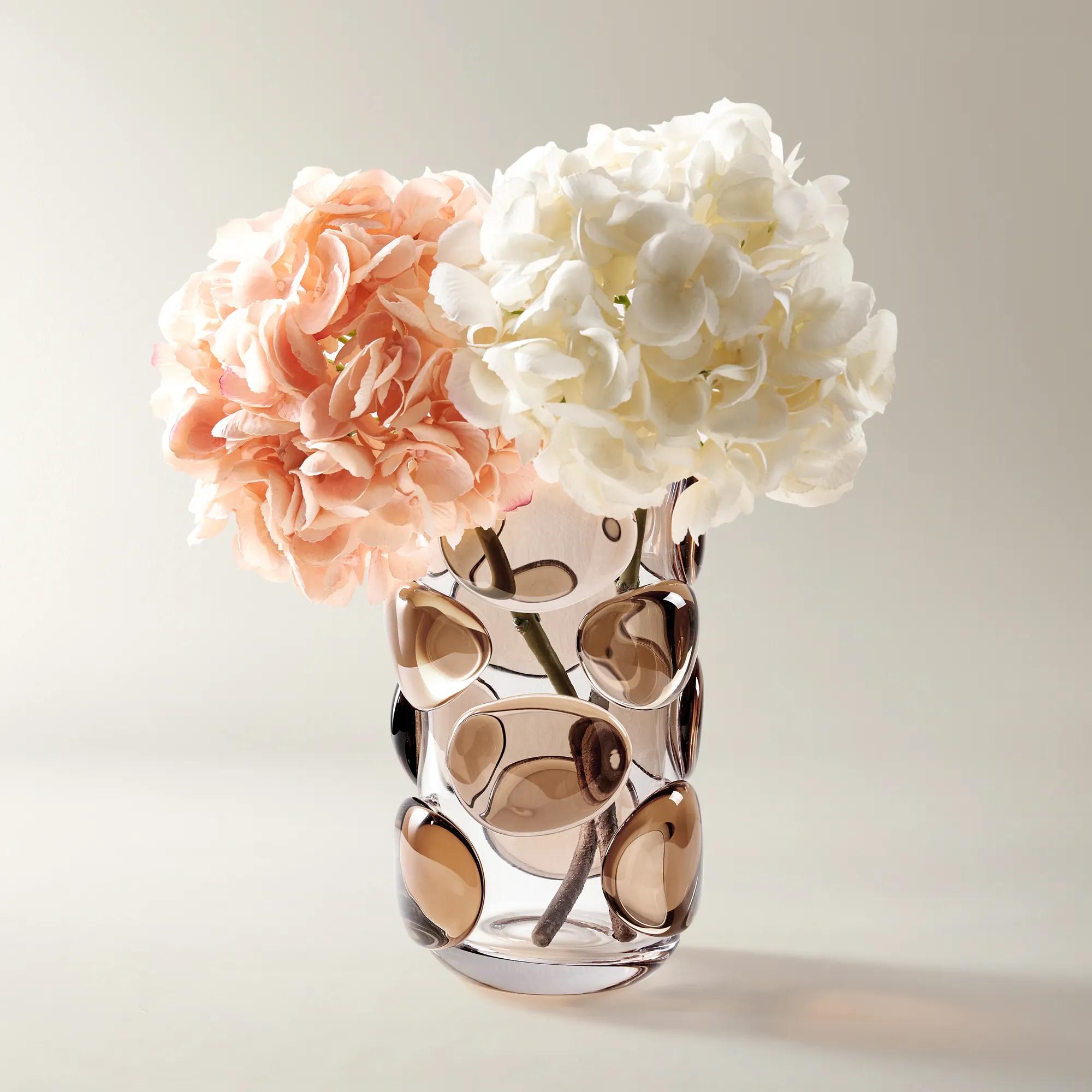
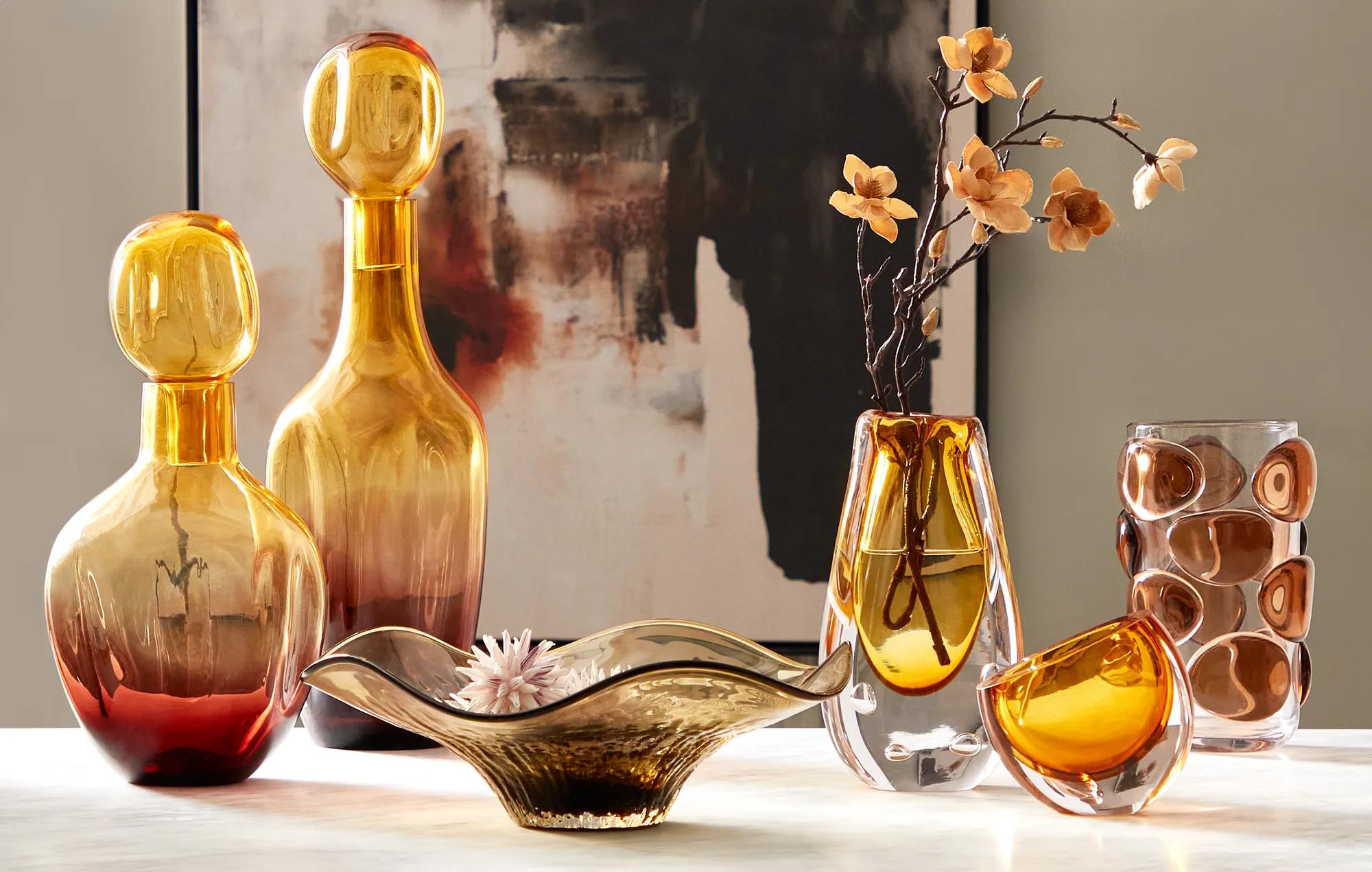 Nova Glass Vase - Small$149
An amber-toned, hand-blown glass vase featuring a sculptural bubble design for striking visual texture.
Add To Cart -
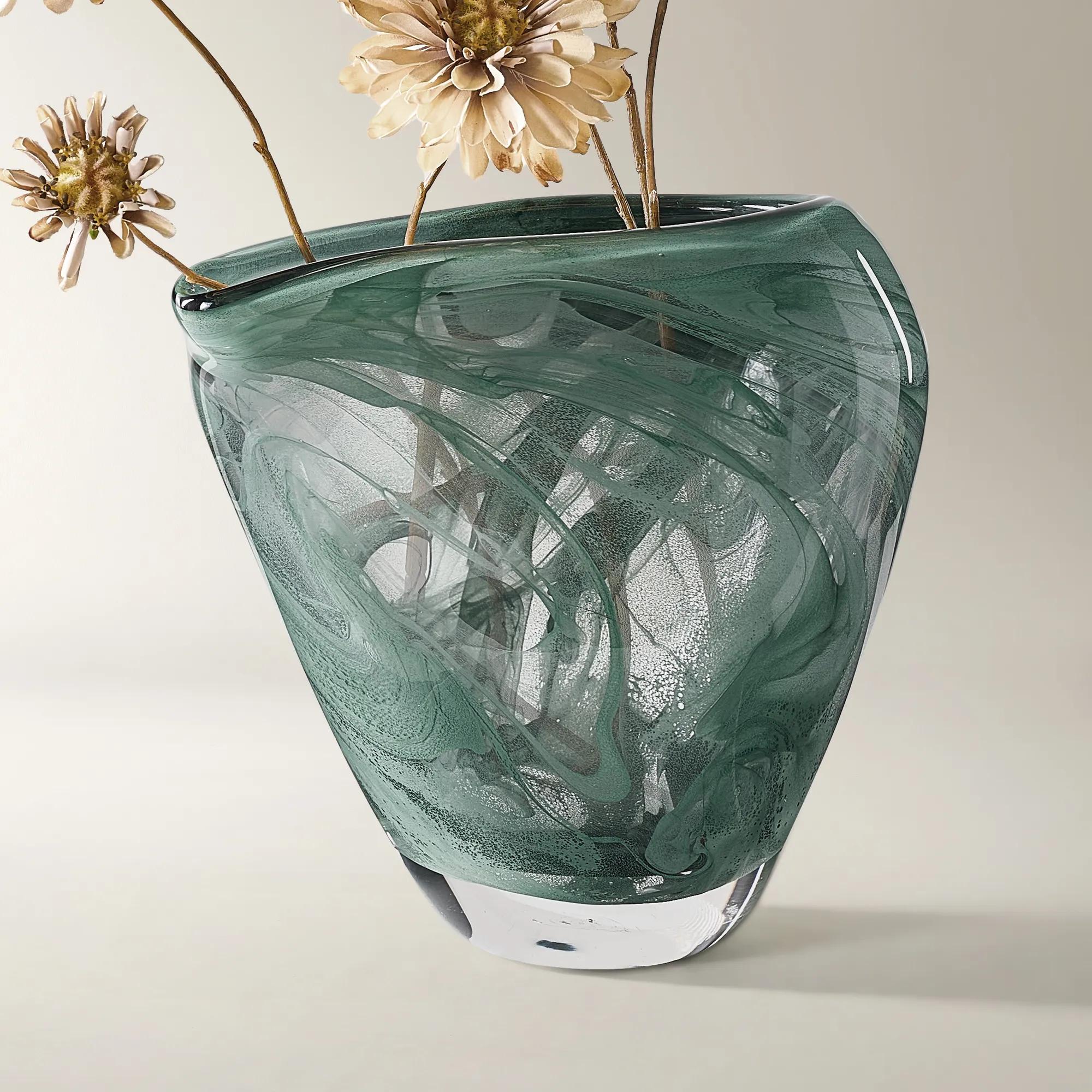 Flow Mouth Blown Sage Green Glass Vase 12.25"$199
A handblown glass vase in calming sage green with an organic, sculptural silhouette for modern decor.
Add To Cart -
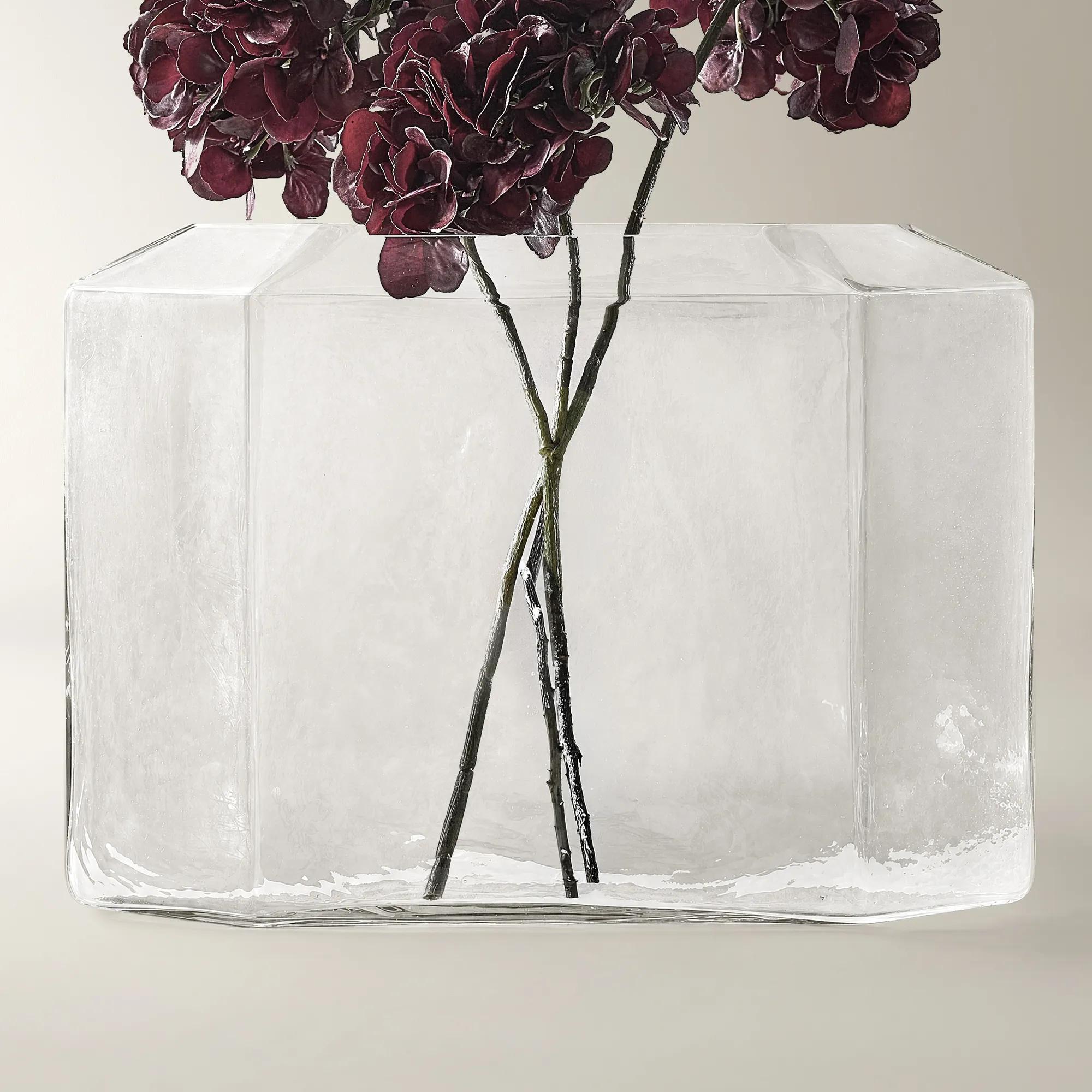 Studio Mouth Blown Clear Glass Vase 13.75"$199
A handblown clear glass vase with faceted detailing that beautifully reflects light for modern elegance.
Add To Cart -
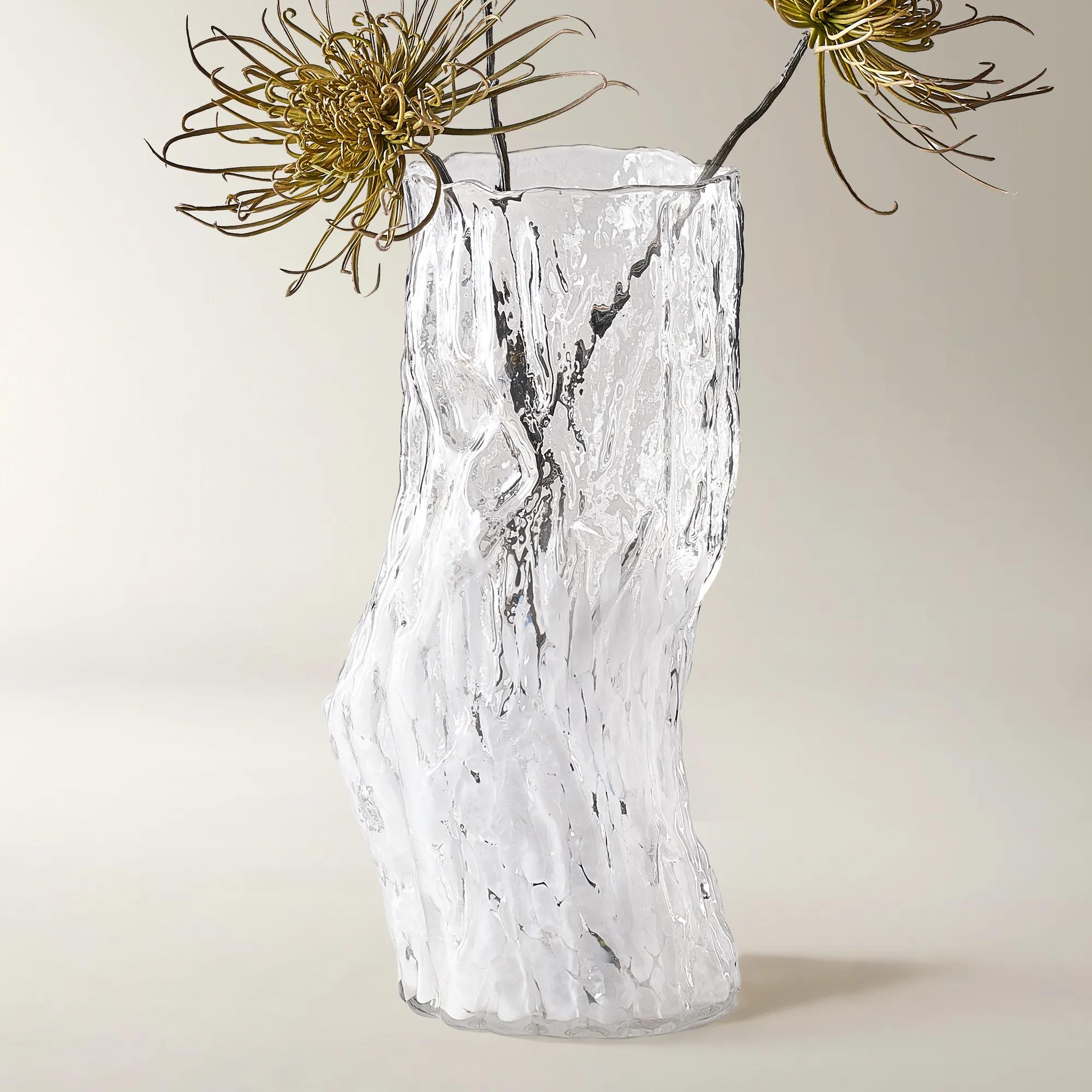 Vanish Mouth Blown Frosted White Glass Vase 18.5"$159
A handblown frosted white glass vase with an ethereal, translucent finish and sculptural silhouette.
Add To Cart -
 Desi Mouth Blown Spruce Green Glass Vase 10.25"D x 5.5"H$79
A handblown glass vase in spruce green with a chunky, rounded silhouette for modern organic appeal.
Add To Cart -
 Speckled Mouth Blown Brown And White Glass Vase 14.75"$129
A handblown glass vase featuring a brown and white speckled pattern for modern, artful appeal.
Add To Cart -
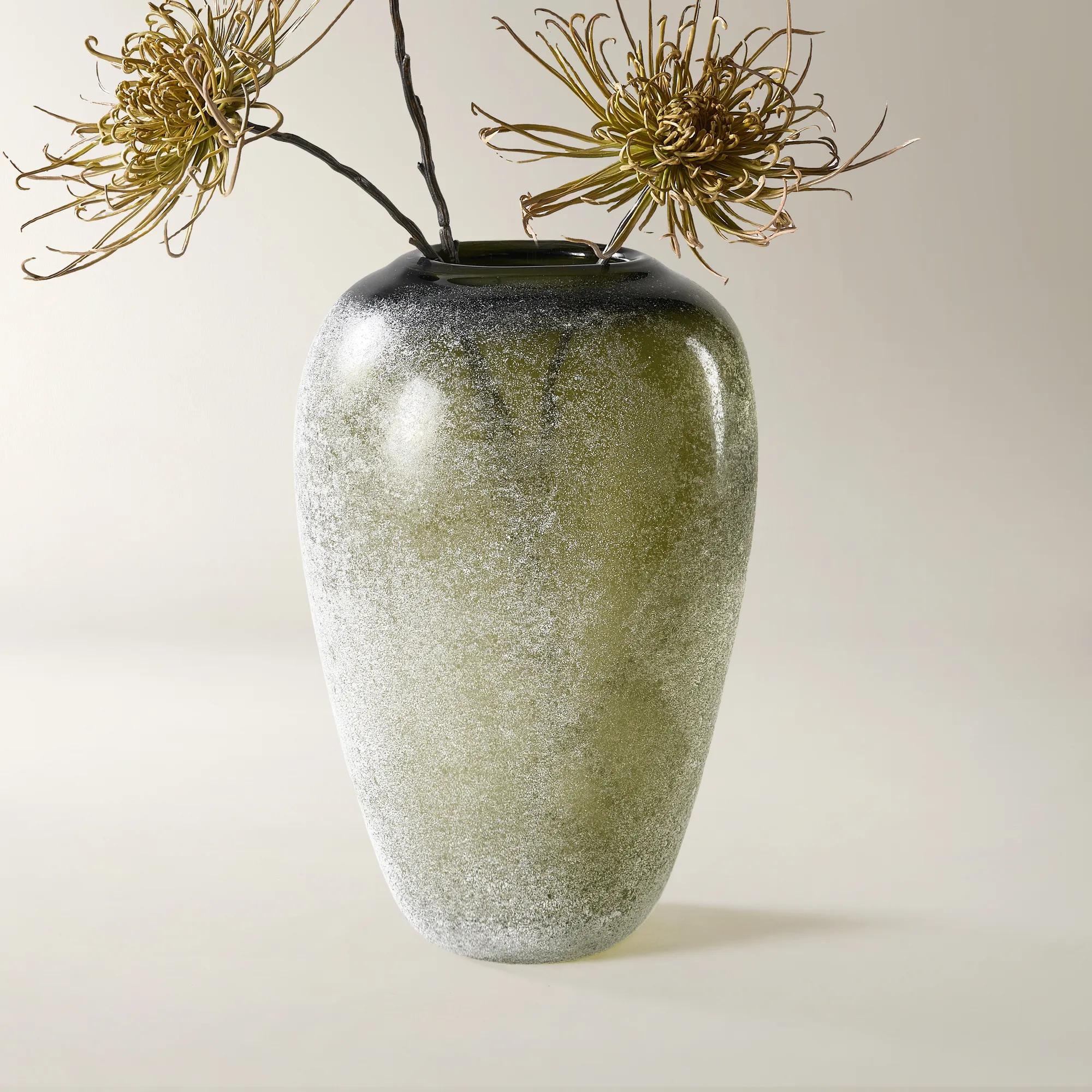 Linden Mouth Blown Pistachio Green Glass Vase 13.75"$129
A handblown glass vase in pistachio green adds a fresh, artful accent to any space.
Add To Cart -
 Tangle Charcoal Glass Vase 16.25"$149
A sculptural charcoal glass vase adding modern elegance to any space.
Add To Cart -
 Dylan Muted Olive Handblown Glass Vase 6.5"$129
A muted olive green handblown glass vase adding artisanal elegance to modern décor.
Add To Cart

Glass Vases For Indoor Plants
Glass Vases for Indoor Plants invite a sense of refined artistry into your home, transforming greenery into living sculpture. Each vessel becomes a stage for vibrant foliage and delicate roots, casting luminous reflections that dance across your space. Whether displayed as a single statement or curated in dramatic clusters, these vases capture the interplay of light and nature, infusing every room with an air of cultivated elegance. Elevate your indoor garden with pieces that celebrate both organic beauty and sculptural design, allowing your plants to flourish in style worthy of admiration.
Glass vases for indoor plants give greenery a distinctive presence, turning trailing stems, intricate roots, and sculptural leaves into part of a room’s design. They can serve as vessels for rooting plant cuttings, growing suitable plants in water, or displaying air plants in open arrangements without standing water. The right form depends on the plant and how it will be displayed: a narrow-necked vase can support a few delicate cuttings, while a wider opening offers room for fuller root growth and easier access for cleaning. Clear glass makes the entire composition visible, from the curve of a stem above the rim to the fine network of roots below. Tinted glass introduces another layer of color, creating a rich counterpoint to glossy green leaves, while ribbed or subtly textured surfaces lend depth without overwhelming the planting. On a console, a tall vessel with an upright cutting can echo the vertical lines of framed artwork; beside a stack of books, a rounded silhouette brings a softer note. A group of vessels in varied heights creates movement across a credenza, especially when the glass shares a common tone or finish. Scale matters as much as silhouette. A substantial vase needs enough surface area to sit securely, while a smaller vessel can bring a precise touch of greenery to a desk or bedside table. The opening should accommodate the stems without crowding them, and the base should remain stable as foliage extends outward. For a dining table, lower arrangements preserve conversation and sightlines while letting the play of glass, water, and leaves carry the visual interest. These are decorative objects with a living dimension: their appeal comes not only from their shape, but also from the way a plant changes the composition over time. A single trailing stem can feel restrained and architectural; several generously spaced cuttings can create a more exuberant display.
For water-based displays, glass offers the practical advantage of making roots and water conditions easy to observe. Pothos and many vining philodendrons are familiar choices for rooting cuttings in water, although suitability varies by species, and not every indoor plant thrives in a vase. A healthy cutting generally needs a node below the waterline, with leaves kept above the water to reduce decay. The vessel’s proportions should allow that placement without forcing foliage against the rim or bending the stem sharply. Propagation and long-term water culture are different uses: a cutting may develop roots in plain water before moving to potting mix, while an established plant grown in water typically needs appropriate nutrients and ongoing care. Water alone is not a complete, permanent growing medium for every plant. Fresh water and a clean interior help keep the display appealing; water is commonly refreshed about weekly, or sooner if it becomes cloudy or develops an odor, with frequency adjusted to the plant and growing conditions. Bright, indirect light suits many popular propagation plants, but the plant’s individual needs take priority over the most dramatic location in the room. Direct sun on a clear vessel can encourage algae, making placement and cleaning especially relevant. Air plants require a different arrangement altogether. An open glass vessel can frame their curling leaves beautifully, but it should provide ventilation, and plants need to dry fully after watering rather than sit in pooled water. For plants grown in soil, a decorative vase without drainage is usually better used as an outer vessel around a removable nursery pot than as a container filled directly with potting mix. Enough room to lift the inner pot out makes watering more manageable, and any collected water should be emptied before the pot is returned. A generous opening also makes it easier to remove a growing root system without damage. These distinctions let the glass complement the plant rather than dictate unsuitable growing conditions.
Material, finish, and everyday care determine how well a glass vase fits into a lived-in space. A vessel intended to hold water should be confirmed as watertight; decorative glass is not automatically suitable for continuous water use. A broad, well-balanced base is particularly valuable for top-heavy foliage, and a smooth, accessible opening simplifies routine cleaning. Thickness can contribute to a substantial feel, but even weighty glass remains vulnerable to impact, chipped rims, and sudden temperature changes. Gentle washing with mild soap and a soft cloth is generally appropriate for plain glass, followed by thorough rinsing before plants return. Painted, metallic, or otherwise embellished finishes may require different care, so the maker’s instructions should guide cleaning, soaking, and dishwasher use. Mineral deposits are easier to address before they become a pronounced ring, while textured interiors and very narrow necks may require a soft bottle brush. Drying the exterior before placing the vase on wood, stone, or a lacquered surface helps prevent lingering moisture beneath the base; a discreet waterproof protector adds another layer of reassurance. Beyond practical considerations, glass brings continuity to a thoughtfully layered interior. Plant displays can sit comfortably alongside glass vases for home decor, repeating a curve, a tint, or a luminous finish without making every arrangement identical. One vessel might hold a leafy cutting while another remains an expressive silhouette, giving the grouping room to breathe. For a housewarming, a host gift, or someone who enjoys tending indoor greenery, a vase chosen for both visual character and easy maintenance feels personal without requiring an elaborate planting setup. A recipient who loves propagation may appreciate clear walls and room for roots, while a design enthusiast may gravitate toward an unusual profile. The enduring appeal lies in that balance: glass provides the polished framework, and the plant supplies movement, individuality, and life.
FAQs
To create a dramatic focal point, choose glass vases with bold silhouettes or unique textures. Pair them with lush, sculptural plants such as monstera or fiddle leaf fig for height and visual impact. Group vases of varying heights and shapes on a console or dining table, and consider layering with metallic accents or mirrored trays to amplify the light and create a sense of opulent depth.
Plants with interesting root systems or vibrant foliage, such as philodendrons, pothos, and lucky bamboo, look especially striking in clear glass vases. The transparency of the glass allows you to showcase the intricate roots and water, turning the entire arrangement into a living work of art.
Absolutely. Glass vases are timeless pieces that transcend decor styles. In modern interiors, their clean lines and reflective surfaces add a touch of minimal glamour, while in traditional spaces, they bring a sense of lightness and sophistication. The versatility of a z gallerie glass vase allows it to complement ornate detailing or sleek contemporary furnishings with equal ease.
Glass vases make exquisite gifts for a variety of occasions, from housewarmings and birthdays to weddings and anniversaries. Their enduring beauty and versatility mean they will be cherished and used in countless ways, whether as a vessel for fresh blooms, a showcase for indoor plants, or even as a standalone decorative statement.
Strategic placement of glass vases can dramatically influence a room's atmosphere. Positioning a vase near a window bathes the arrangement in natural light, creating a luminous, airy effect. Placing vases on a mantel or entryway table draws the eye and sets an inviting, curated tone. Wherever they are displayed, glass vases add a sense of artistry and luxury, elevating the everyday with their presence.