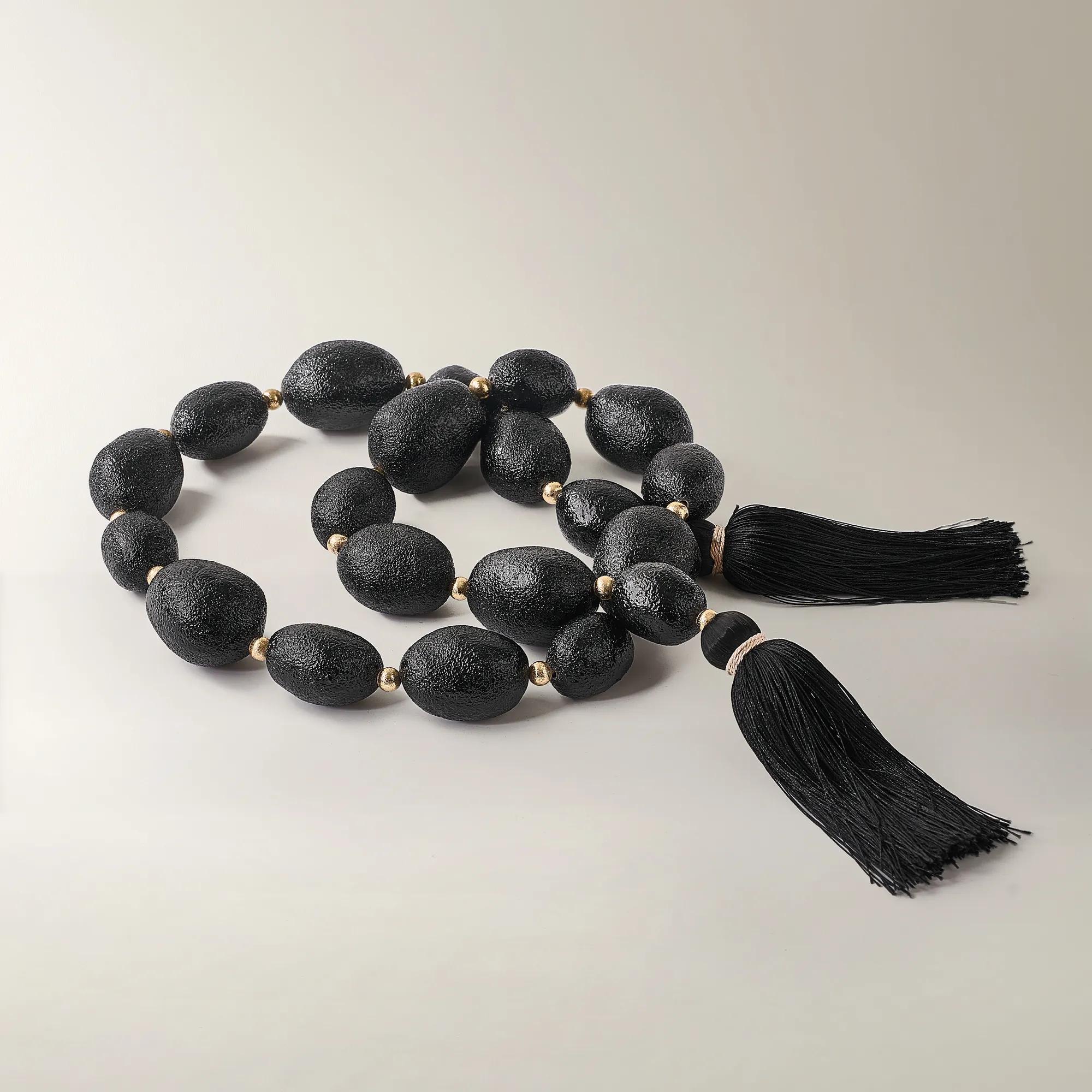
Gifts For Those Who Love Unique Sculptures
Gifts For Those Who Love Unique Sculptures
-
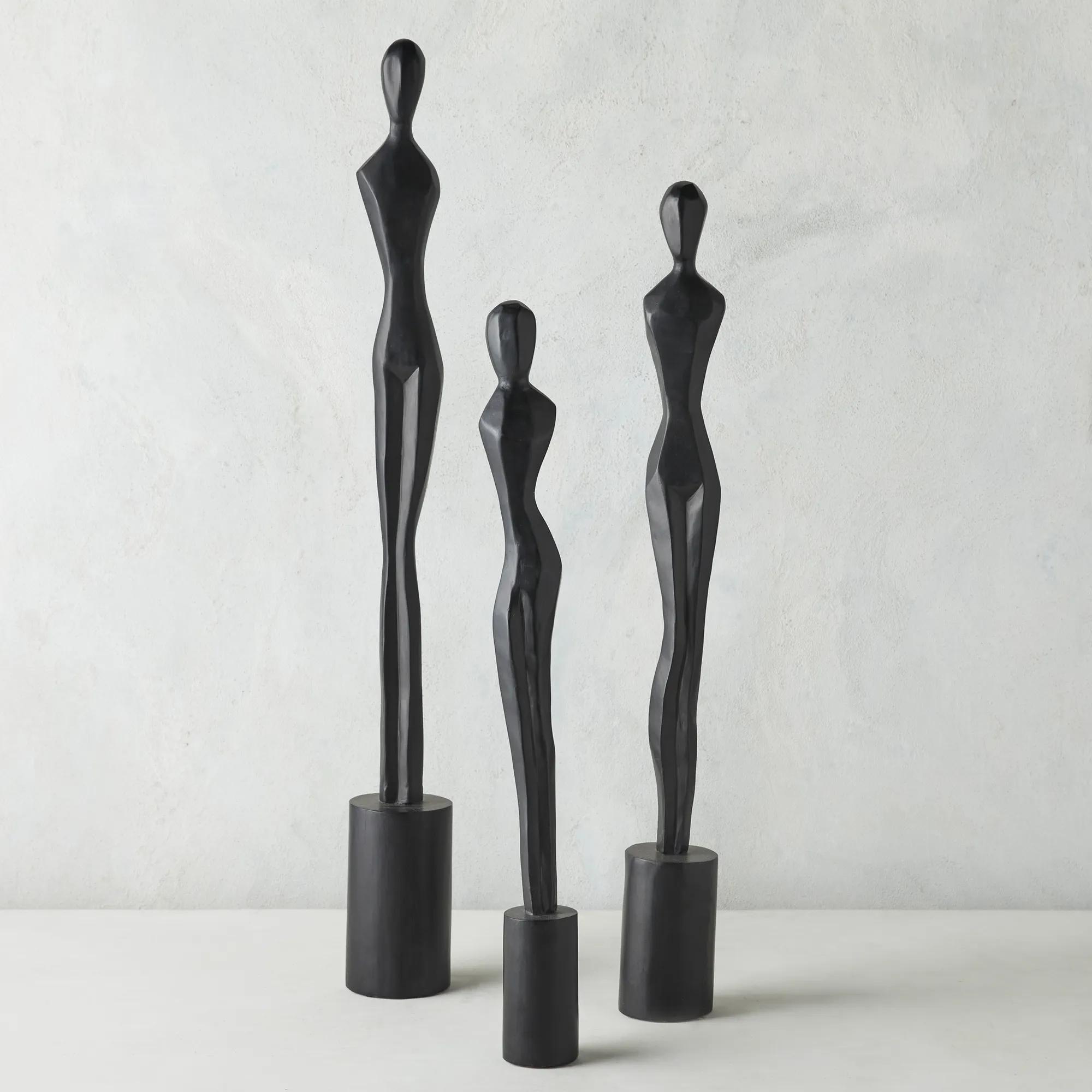
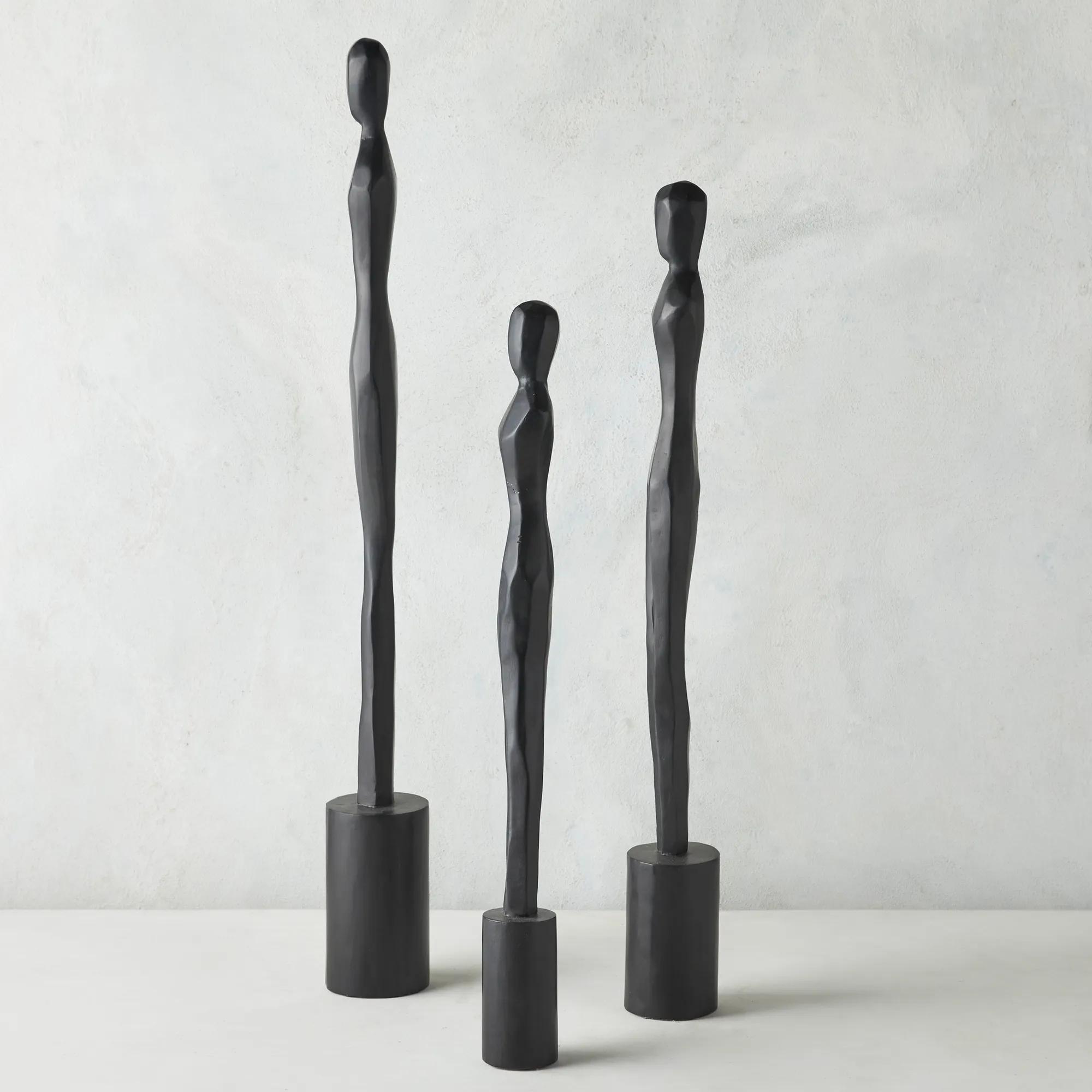 Nikki Chu Female Figure Black Wood Decorative Object Set of 3$129
A striking set of three black mango wood sculptures featuring graceful, elegant female silhouettes.
Add To Cart -
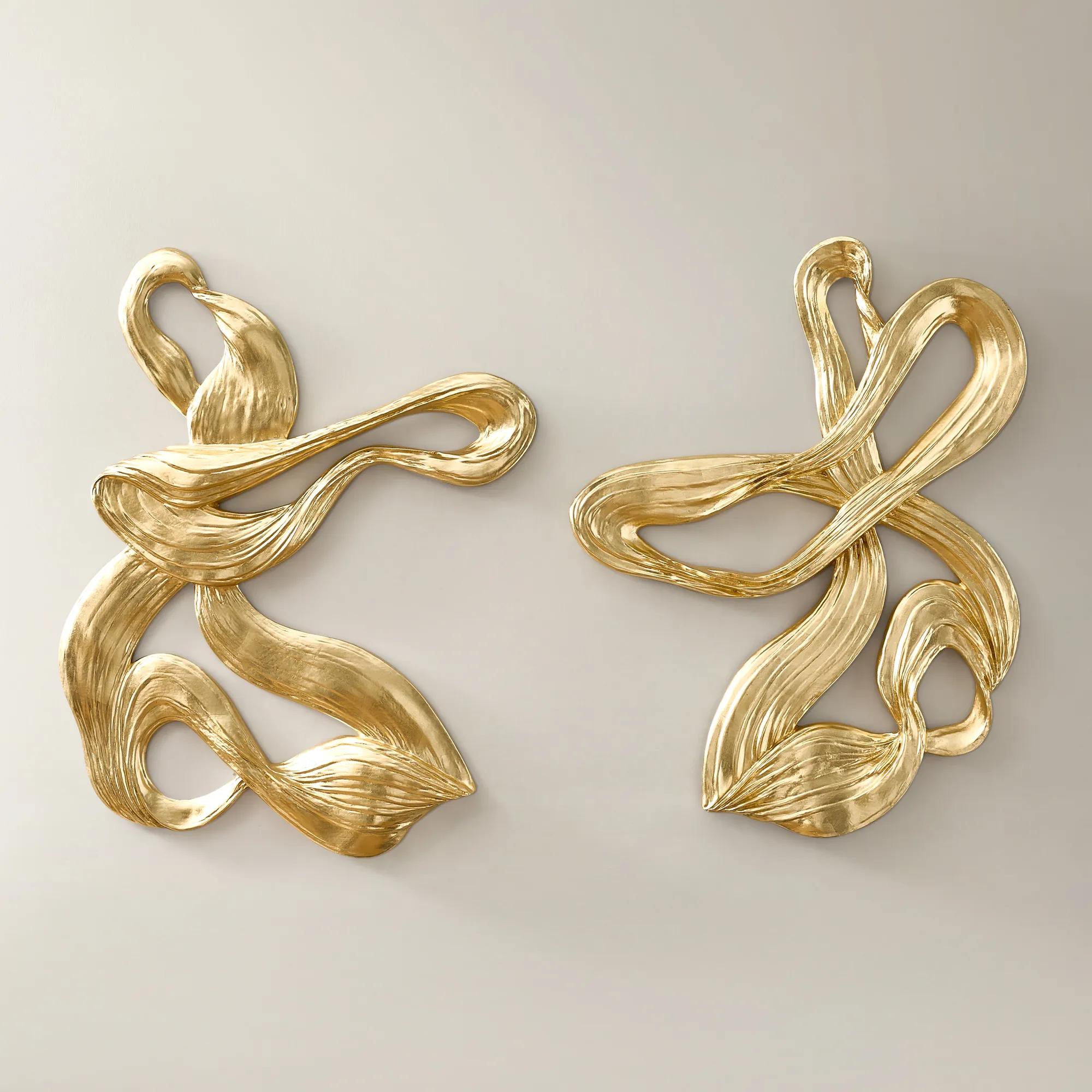
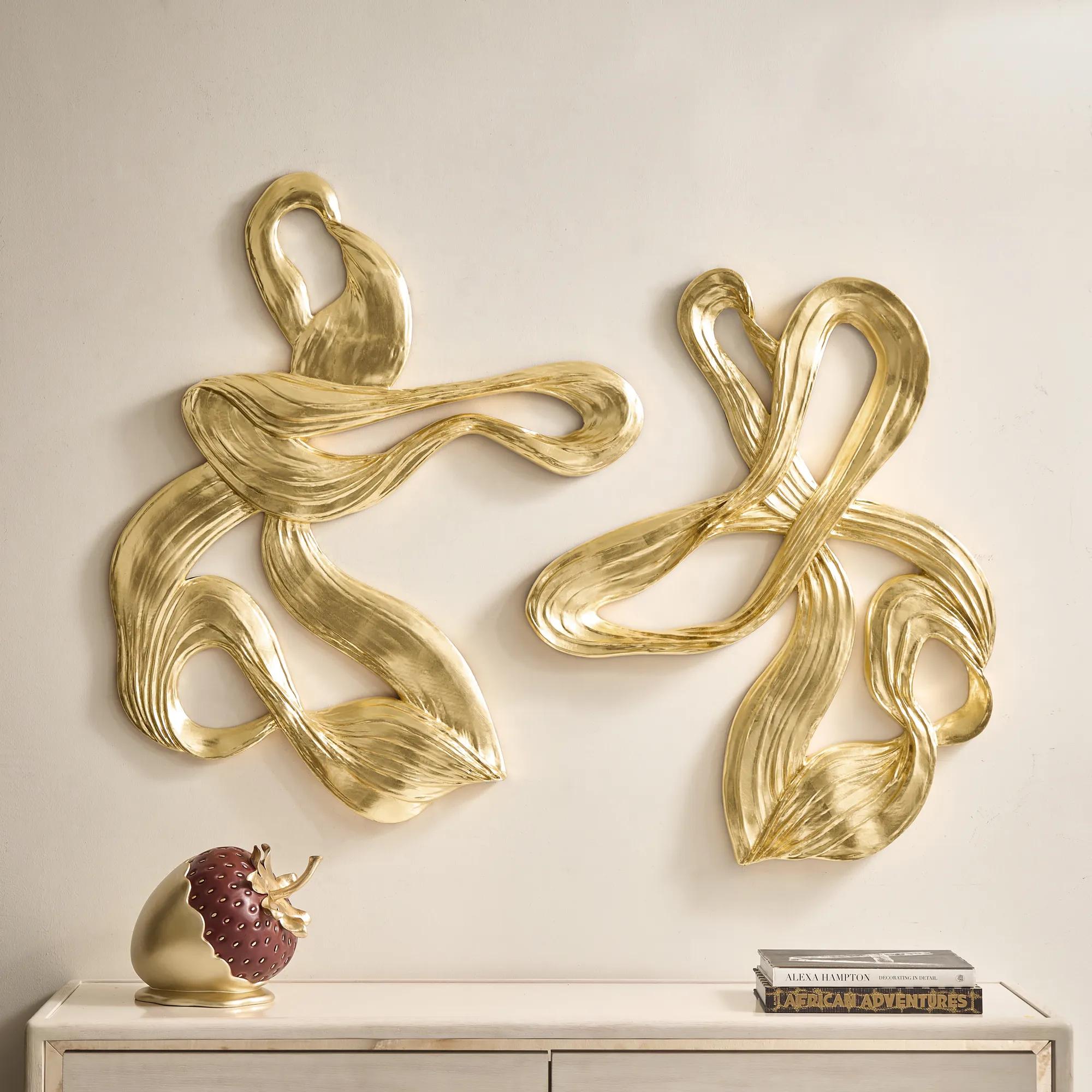 Vela Gold Leaf Sculpted Resin Wall Decor 30.5" x 39.25" Set of 2$699
A set of two resin wall sculptures featuring abstract loop designs and soft gold leafing for modern elegance.
Add To Cart -
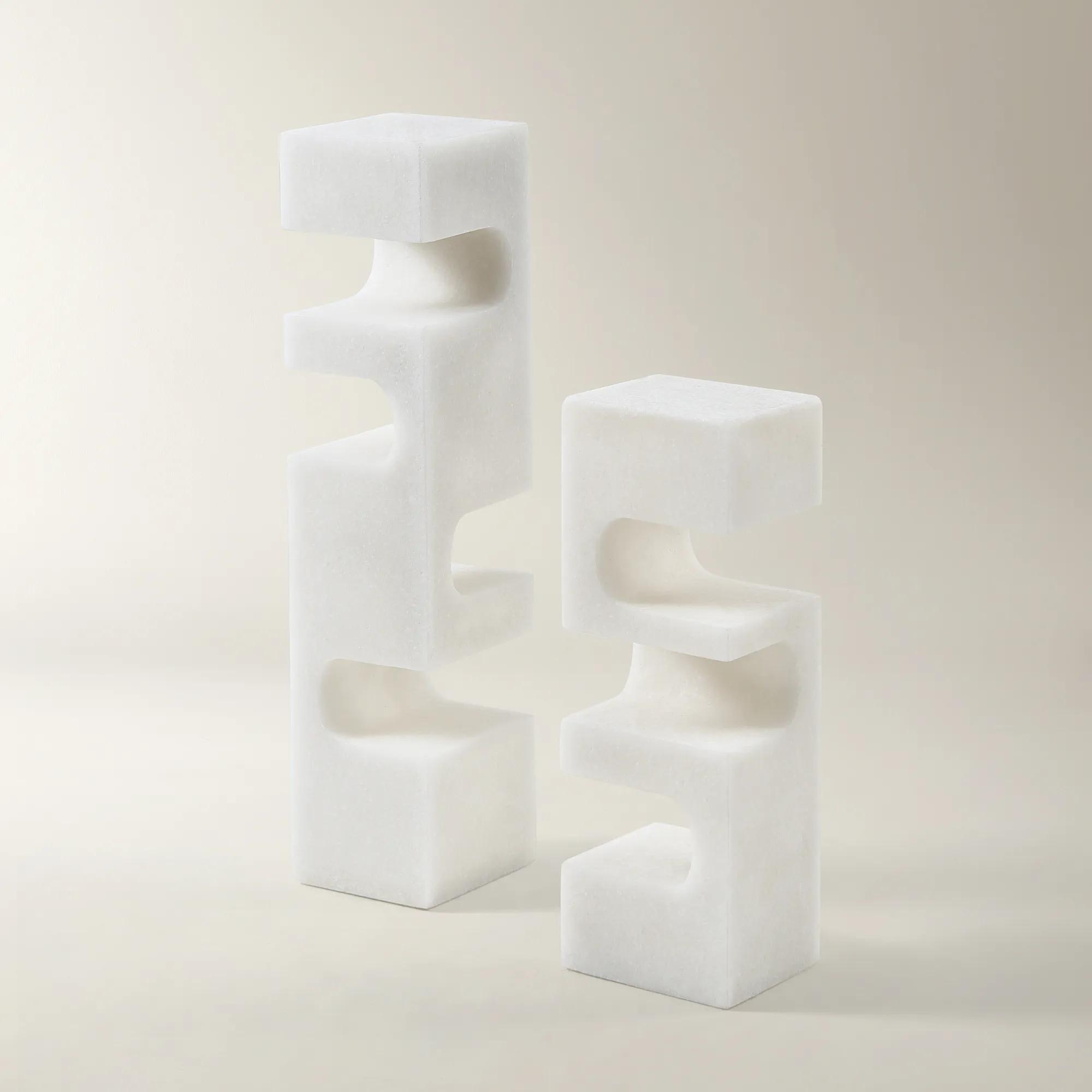
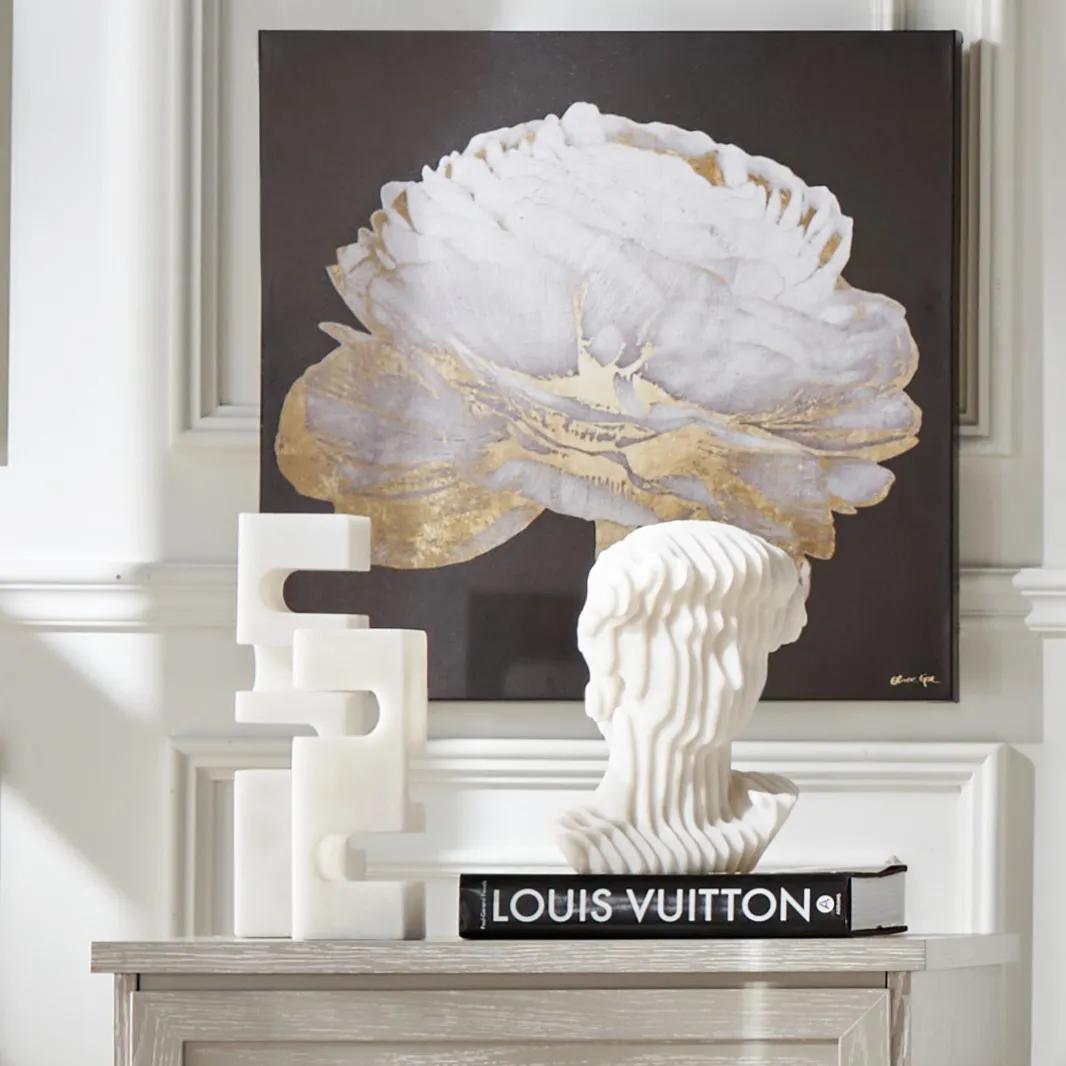 Enna Sculpture$39
A modern Cubist-inspired sculpture crafted from resin and stone powder with a textured white finish.
Add To Cart -
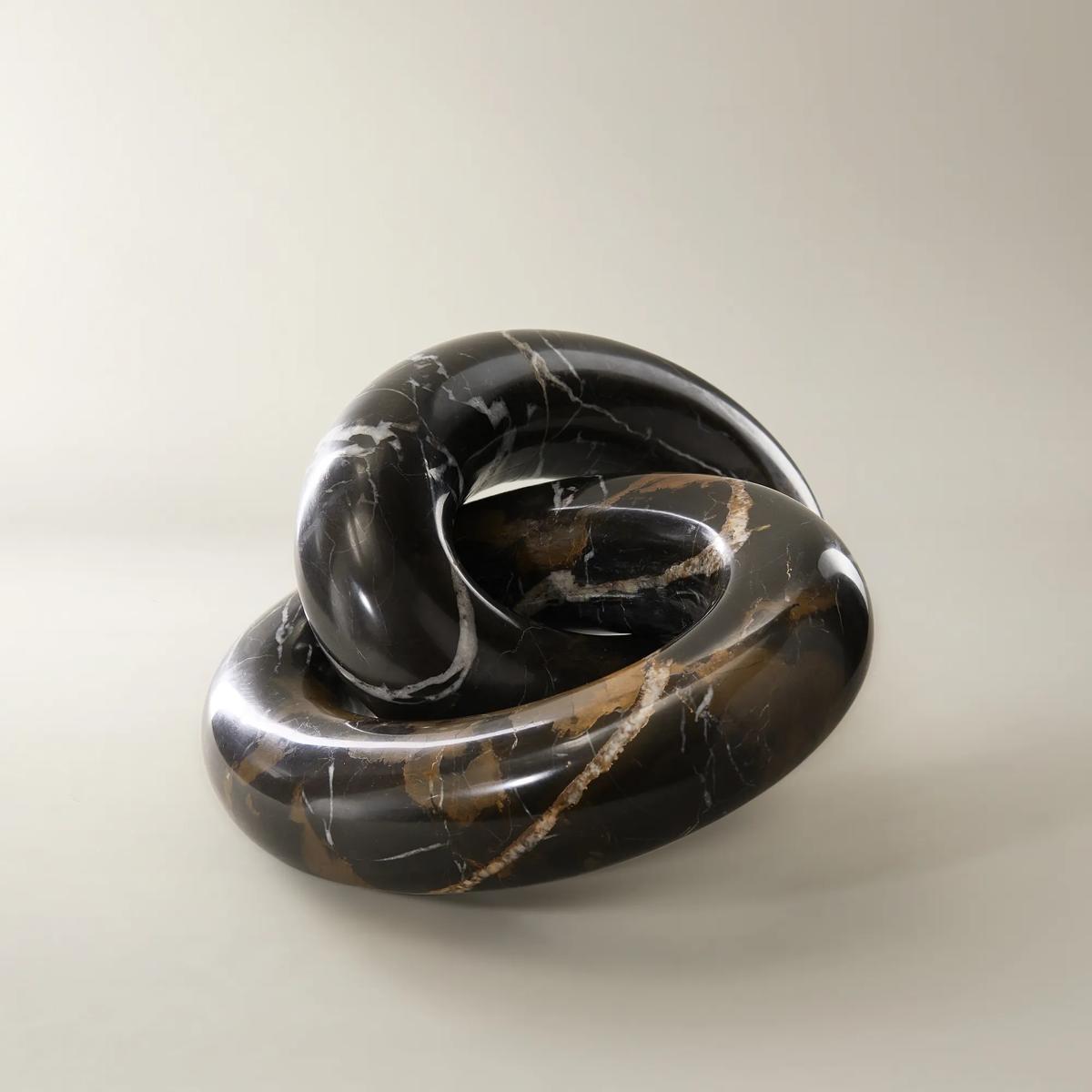 Marble Links Object - Brown$179
A sculptural accent featuring interlocking ovals carved from richly veined, one-of-a-kind brown marble.
Add To Cart -
 Modern David Bust White Resin Decorative Object 12"$99
A white resin and stone powder bust featuring a Cubist-inspired, contemporary take on a classic icon.
Add To Cart -
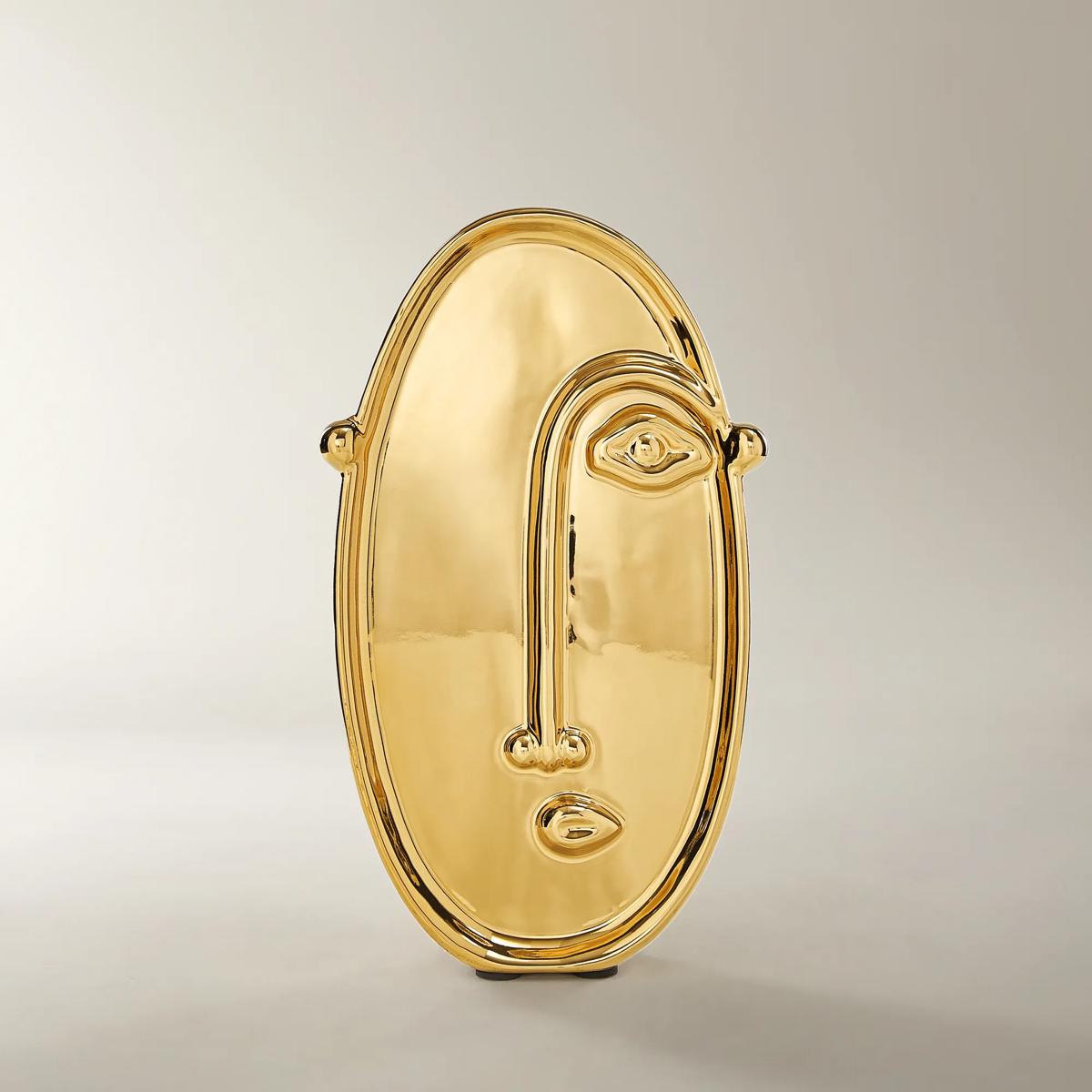
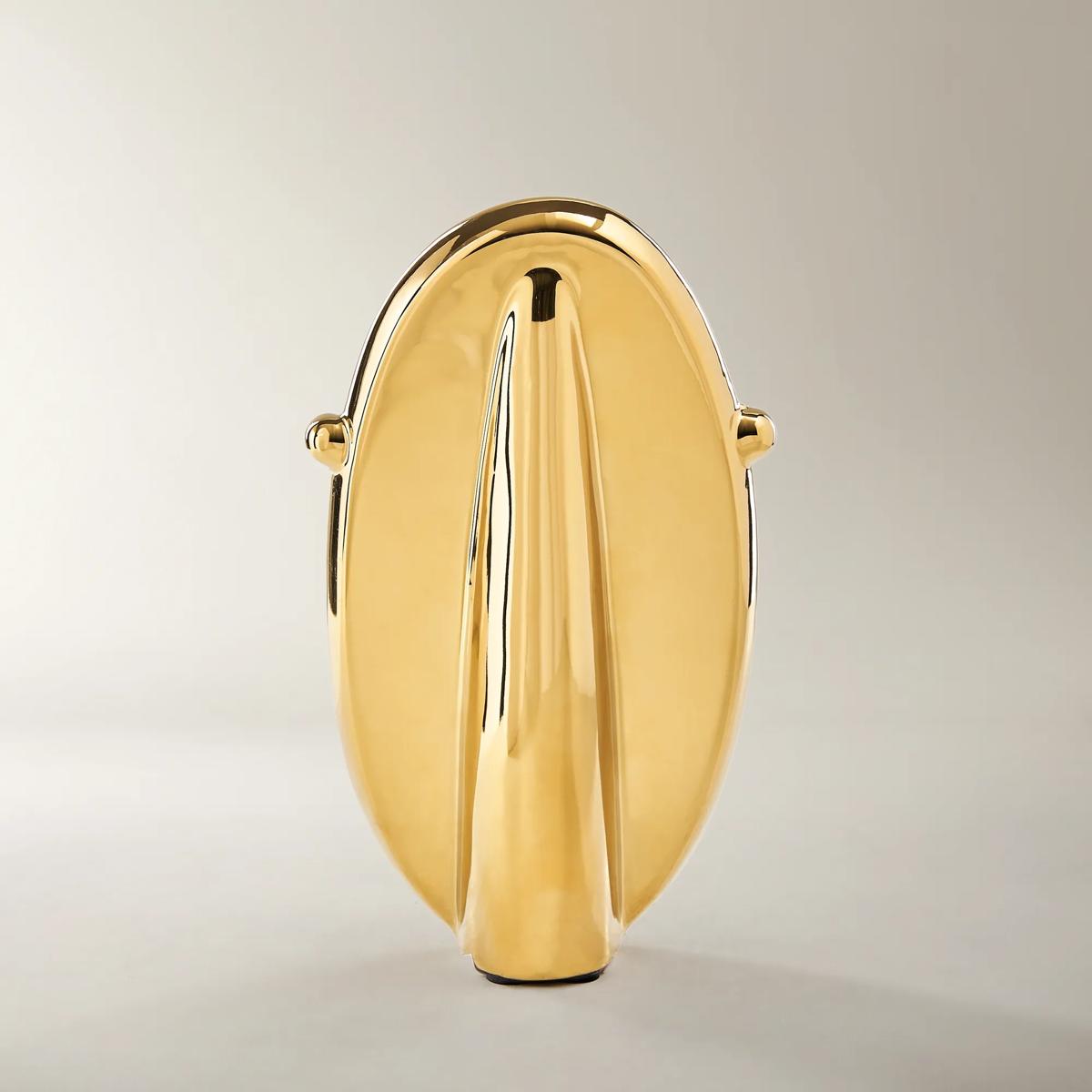 Golden Eye Ceramic Decorative Object 8"$39
A radiant gold ceramic sculpture featuring abstract, elongated facial details for a bold, modern accent.
Add To Cart -
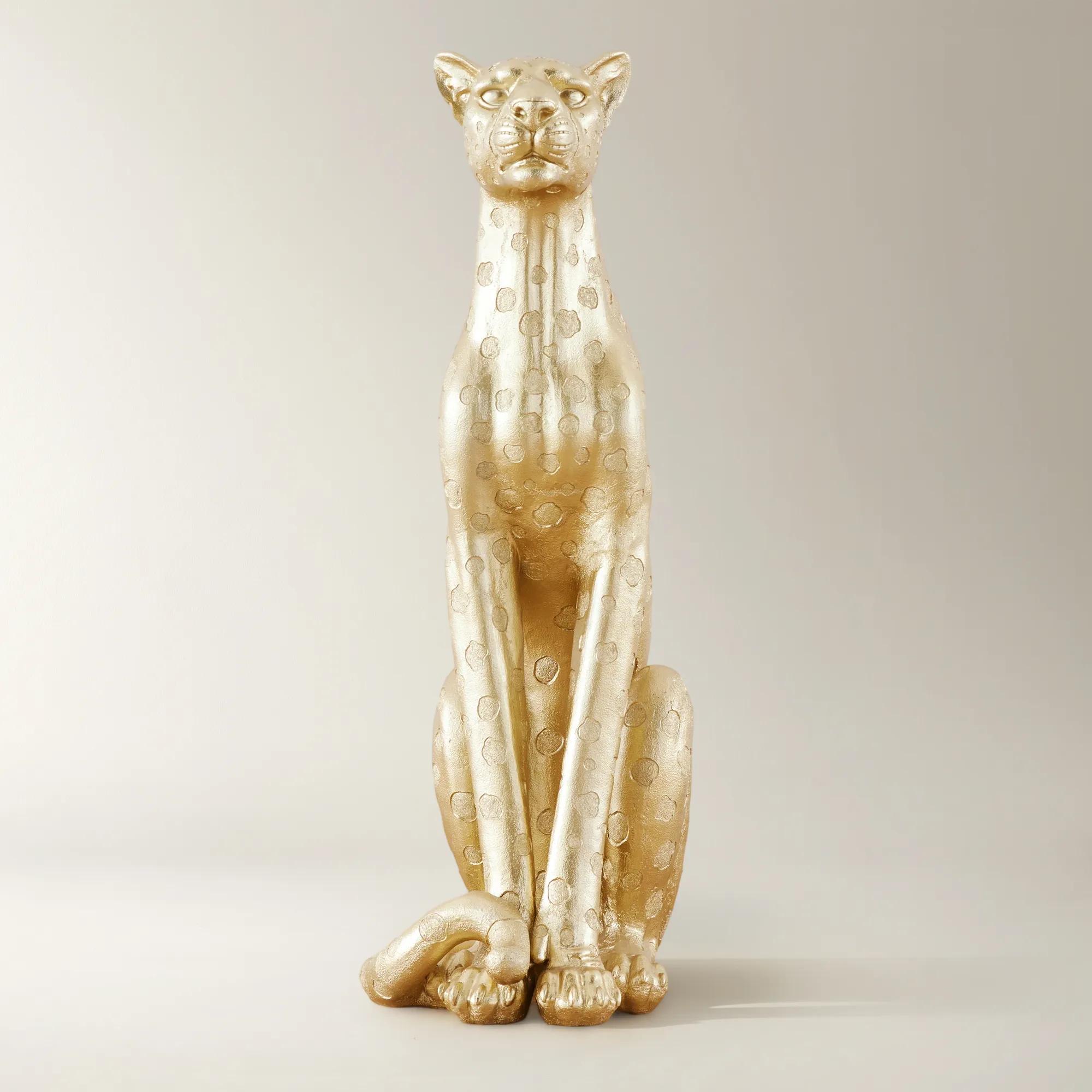 Leopardo Gold Resin Decorative Object 35"$329
A striking gold resin leopard statue that adds a touch of regal elegance to any space.
Add To Cart -
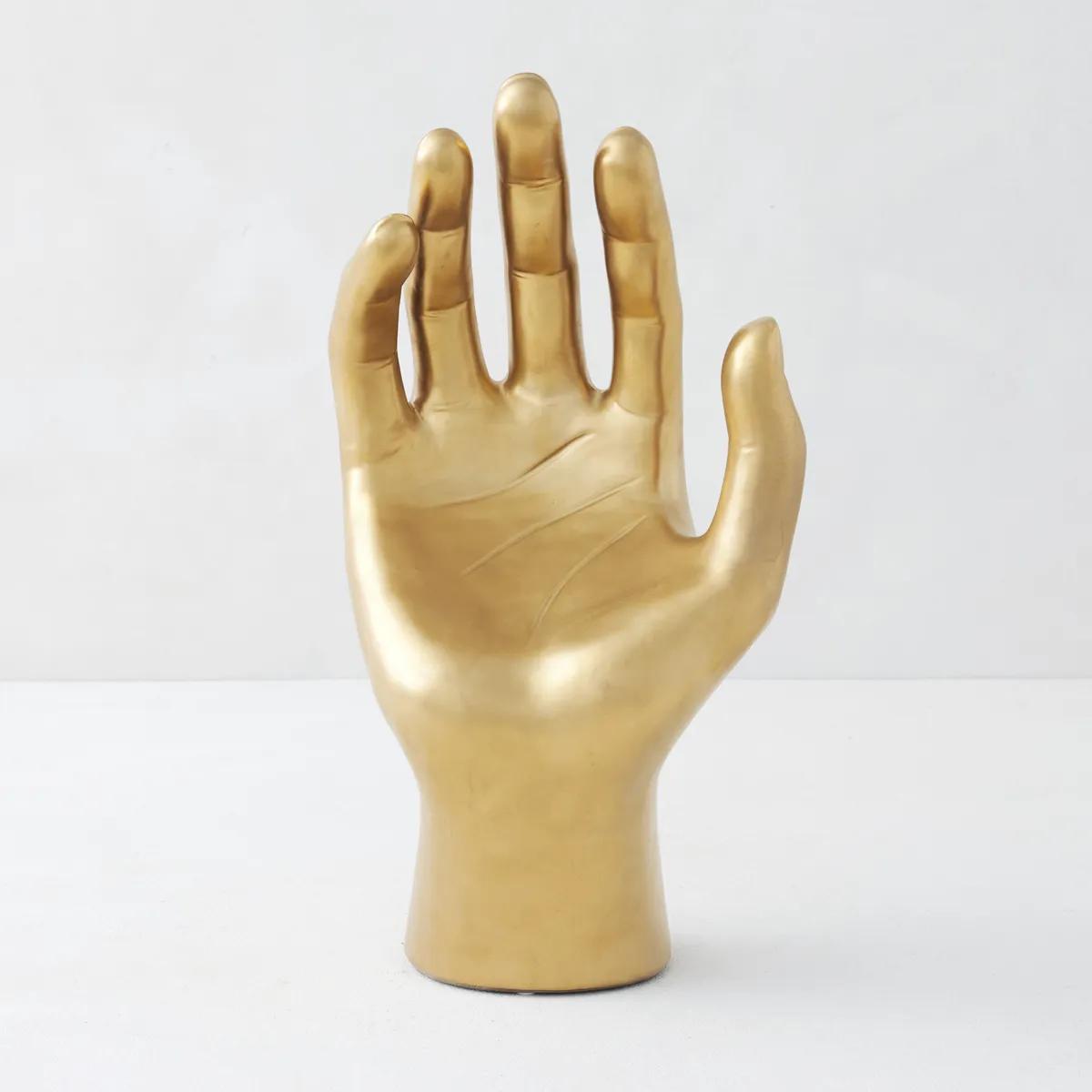
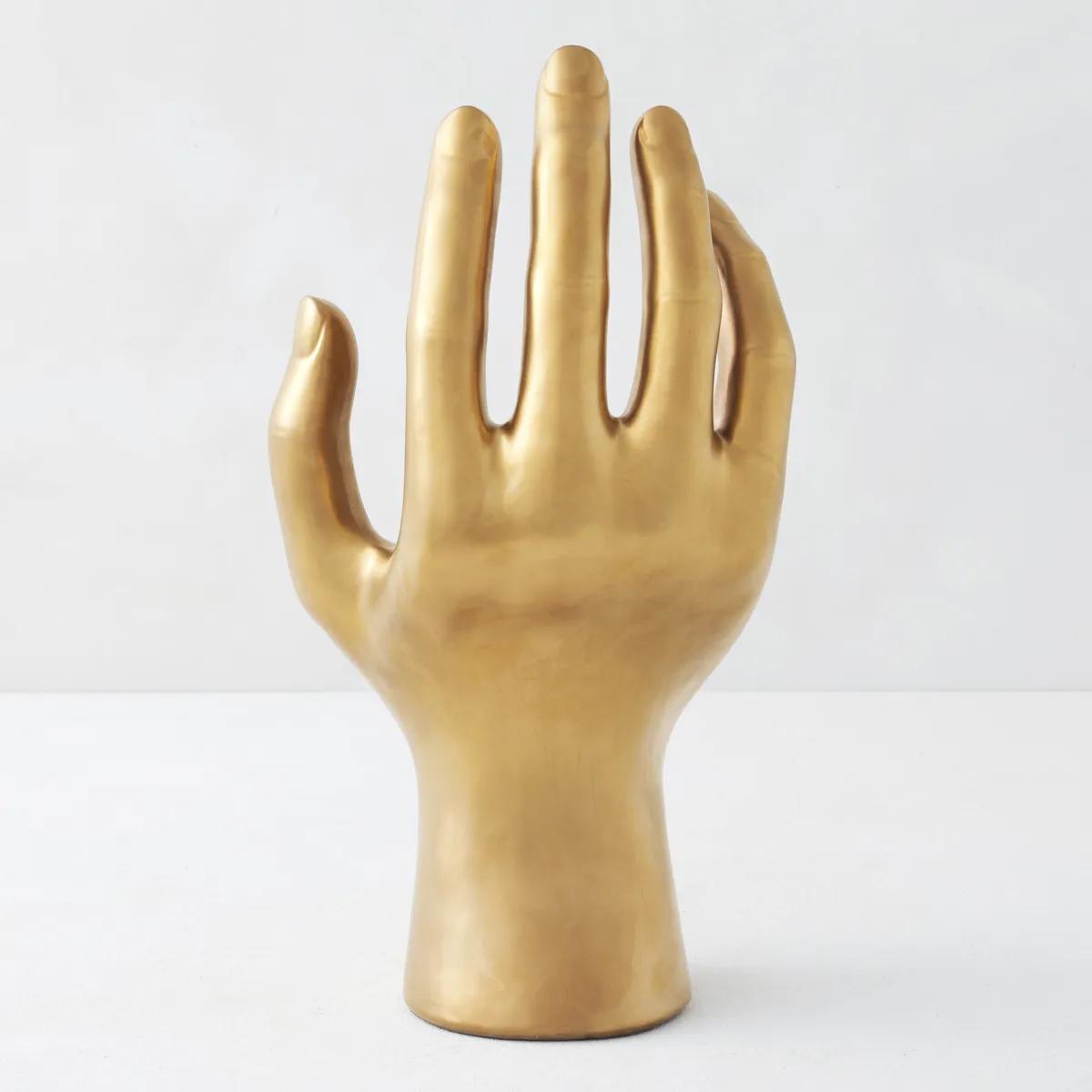 Ceramic Hand Metallic Gold Decorative Object 17.75"$69
A striking ceramic sculpture with a metallic gold finish, perfect for displaying jewelry or as decor.
Add To Cart -
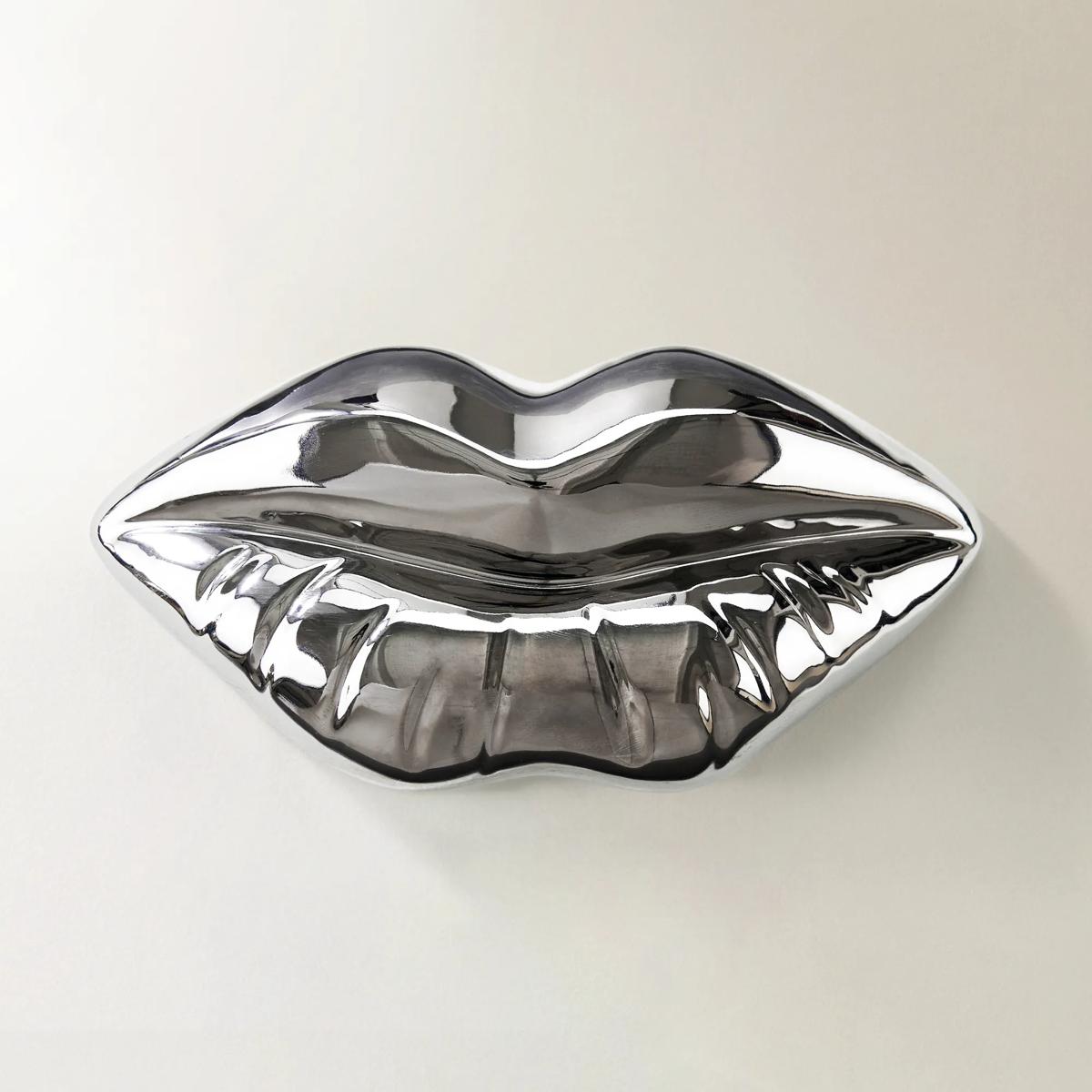 Chrome Lips Ceramic Decorative Object 5.25"$29
A high-shine silver ceramic sculpture that adds modern pop art flair and playful sophistication to any space.
Add To Cart -
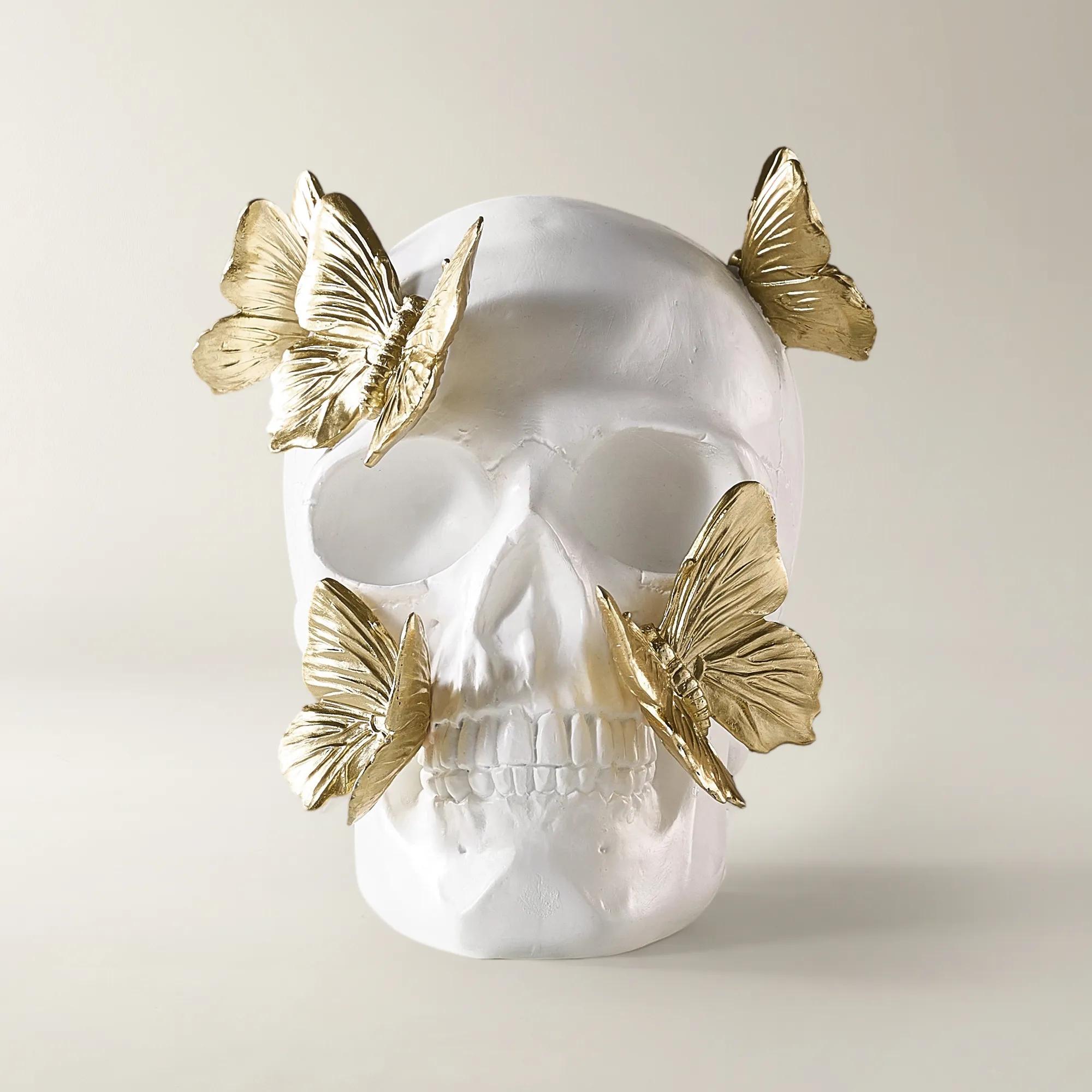 Butterfly Skull White/Gold Resin Decor 7.75"$59
A sculptural resin skull with butterfly detail, finished in white and gold for elegant, artistic flair.
Add To Cart -

 Hourglass Marble Object - Brown$139
A sculptural hourglass accent hand-carved from deep espresso brown marble with unique natural veining.
Add To Cart -
 Cubism Black Resin Floor Totem 65"$329
A sculptural black resin totem with stacked geometric forms and brushed gold accents creates drama.
Add To Cart -
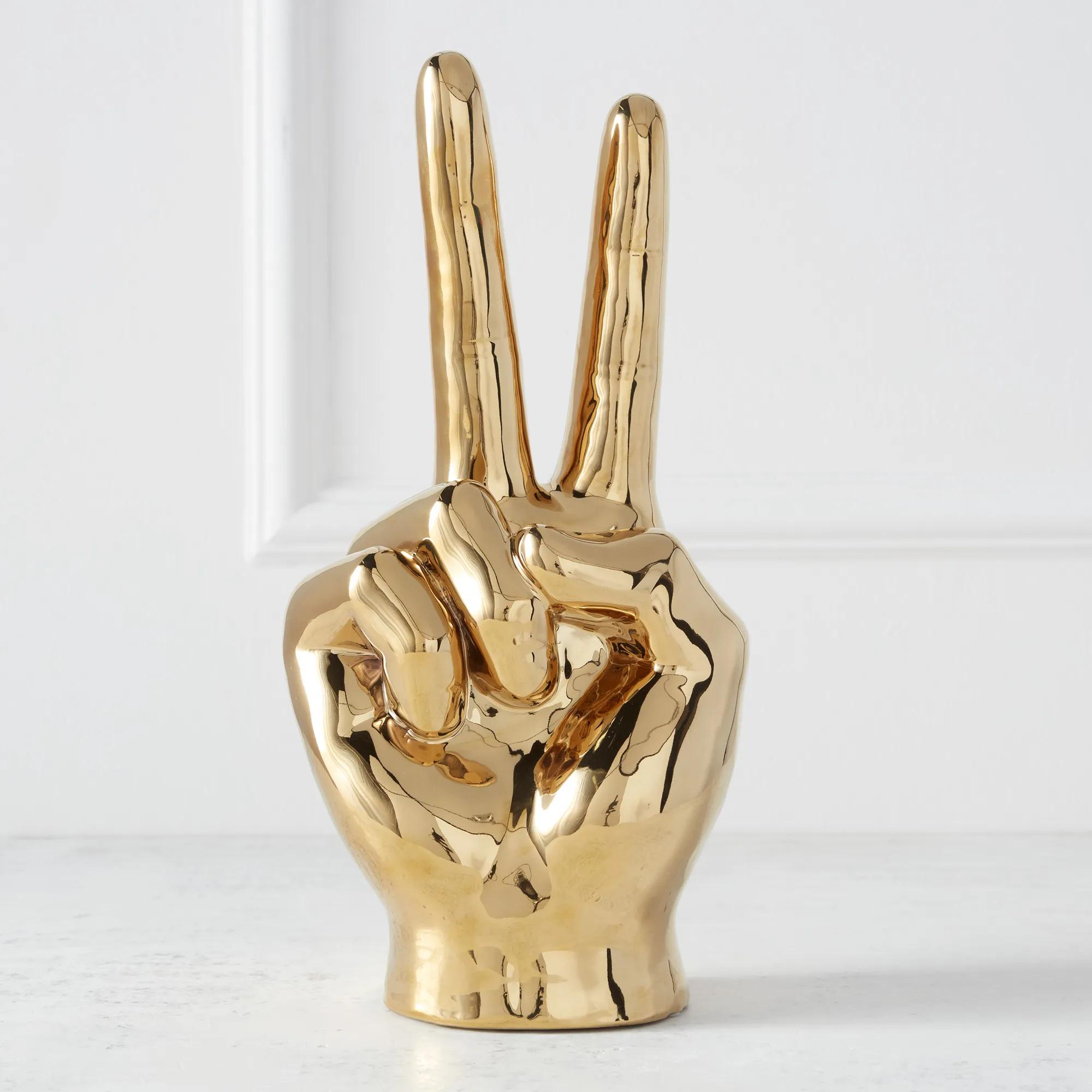 Peace Sign Gold Hand Ceramic Decorative Object 14"$49
A metallic gold ceramic hand sculpture perfect for displaying jewelry or as a decorative accent.
Add To Cart -

 Stone Heart Black Marquino Marble Decorative Object 8"$199
A sculptural heart-shaped decorative object crafted from luxurious black Marquina marble.
Add To Cart -
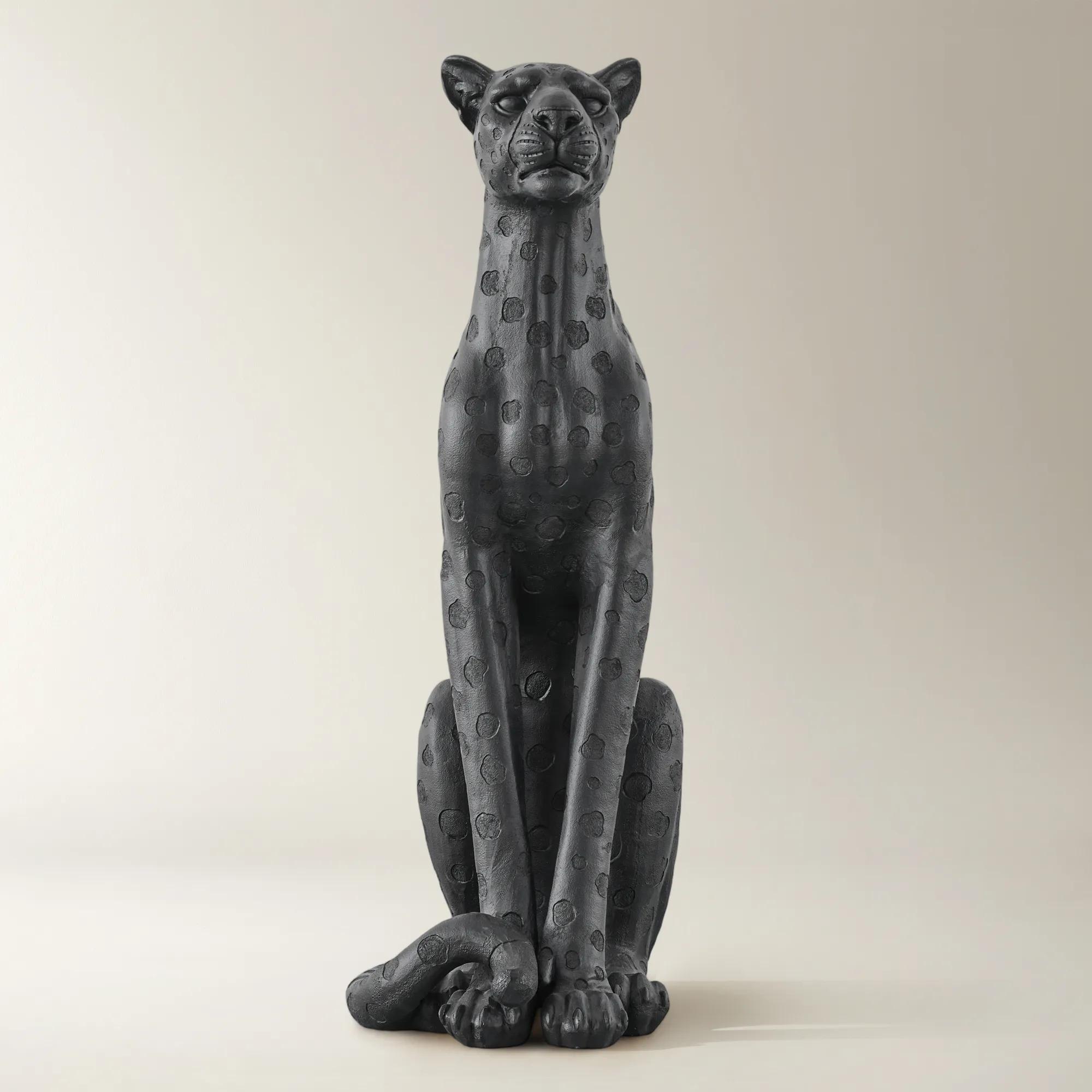
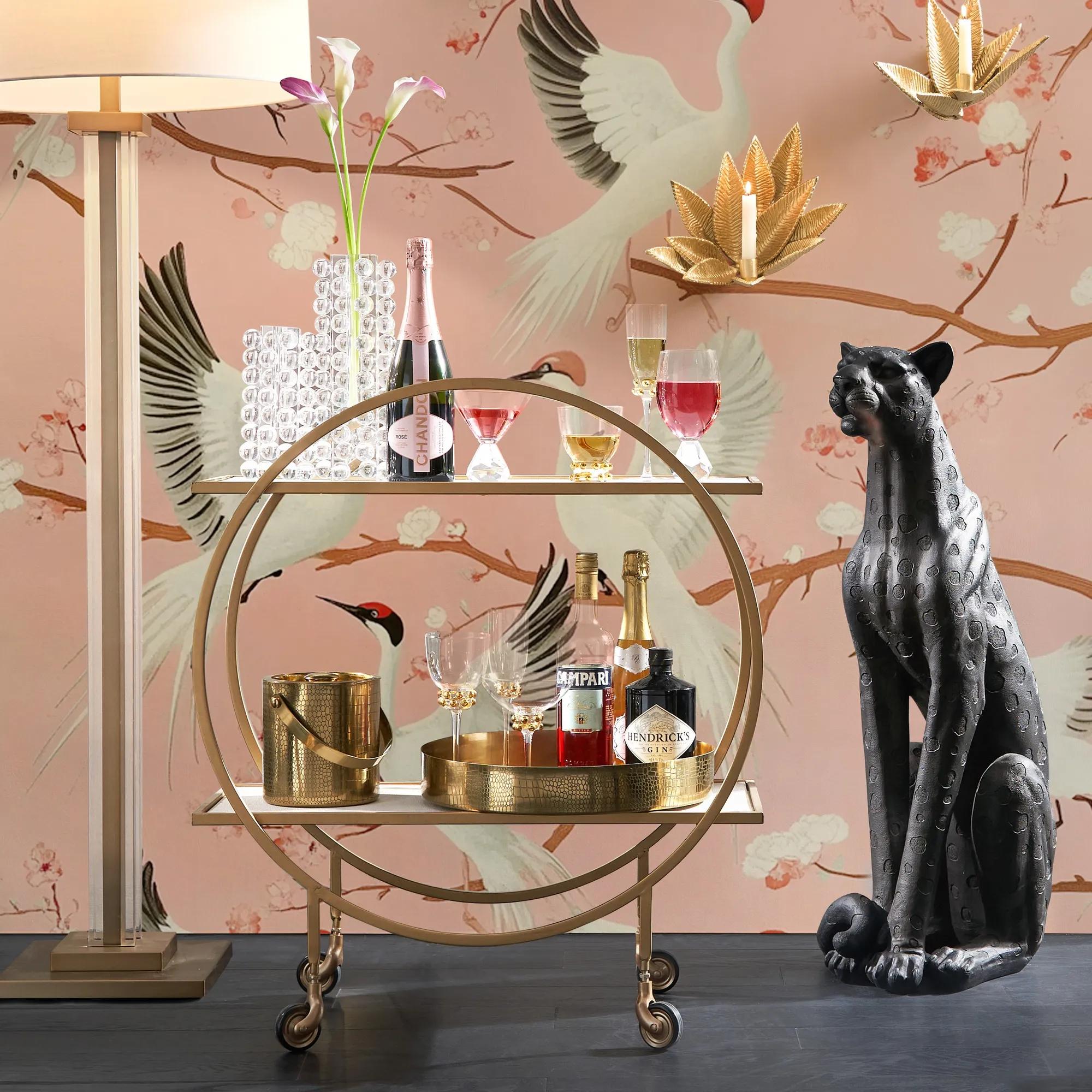 Leopardo Black Resin Decorative Object 35"$329
A striking black resin leopard statue finished in gold, perfect for adding a touch of elegance.
Add To Cart -
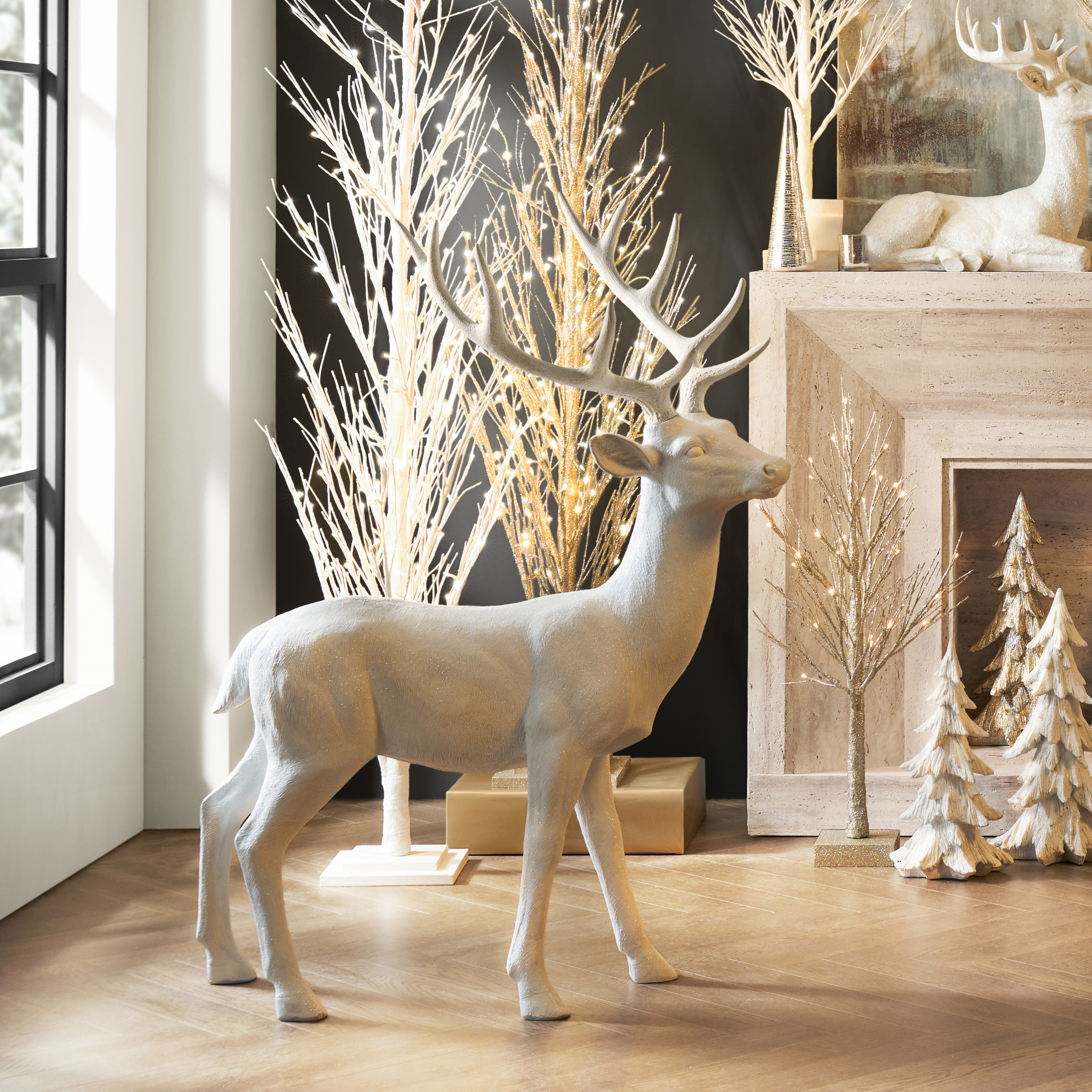
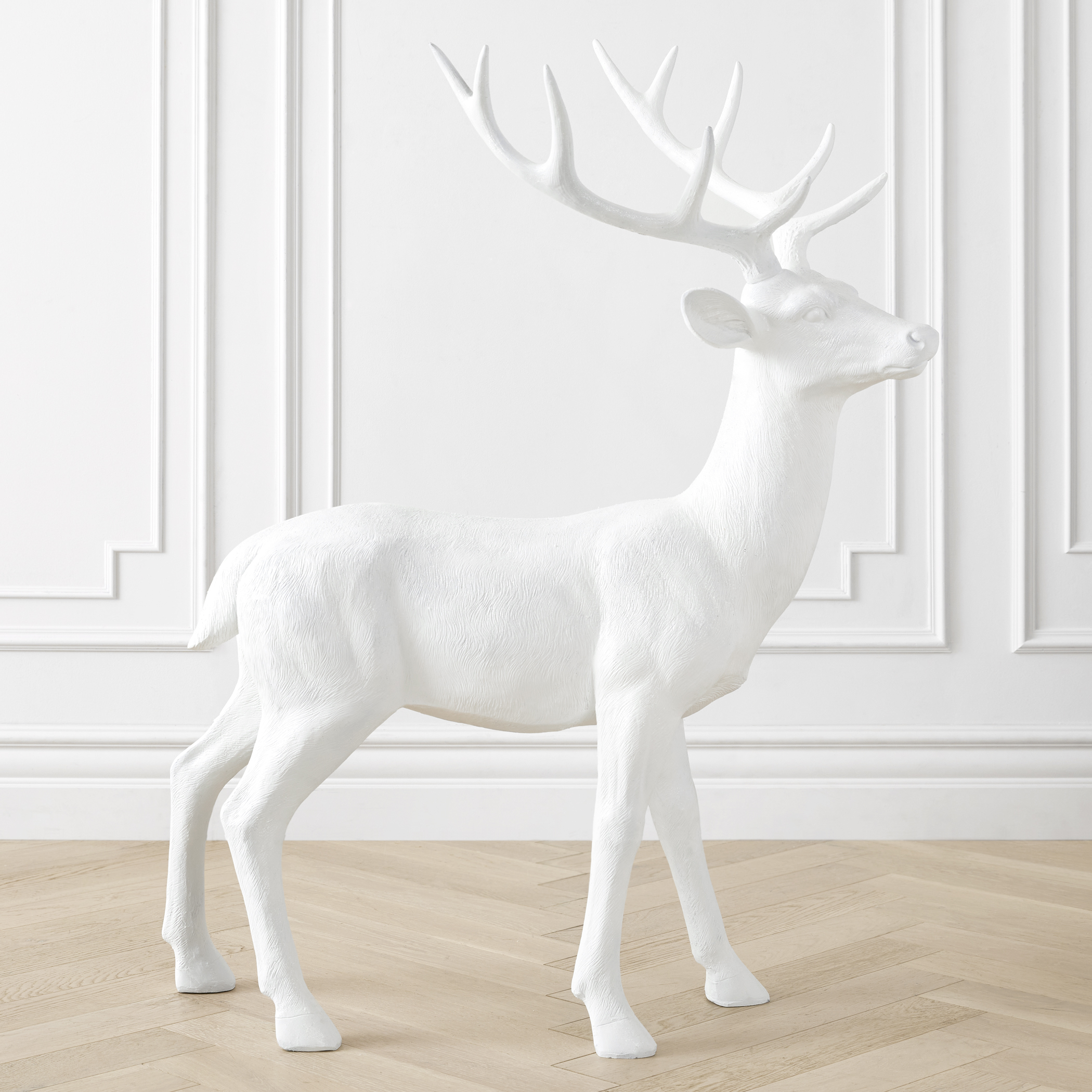 Majestic Deer White Resin 48.75"$799
A modern white polyresin deer statue that adds festive elegance to your holiday décor.
Add To Cart -
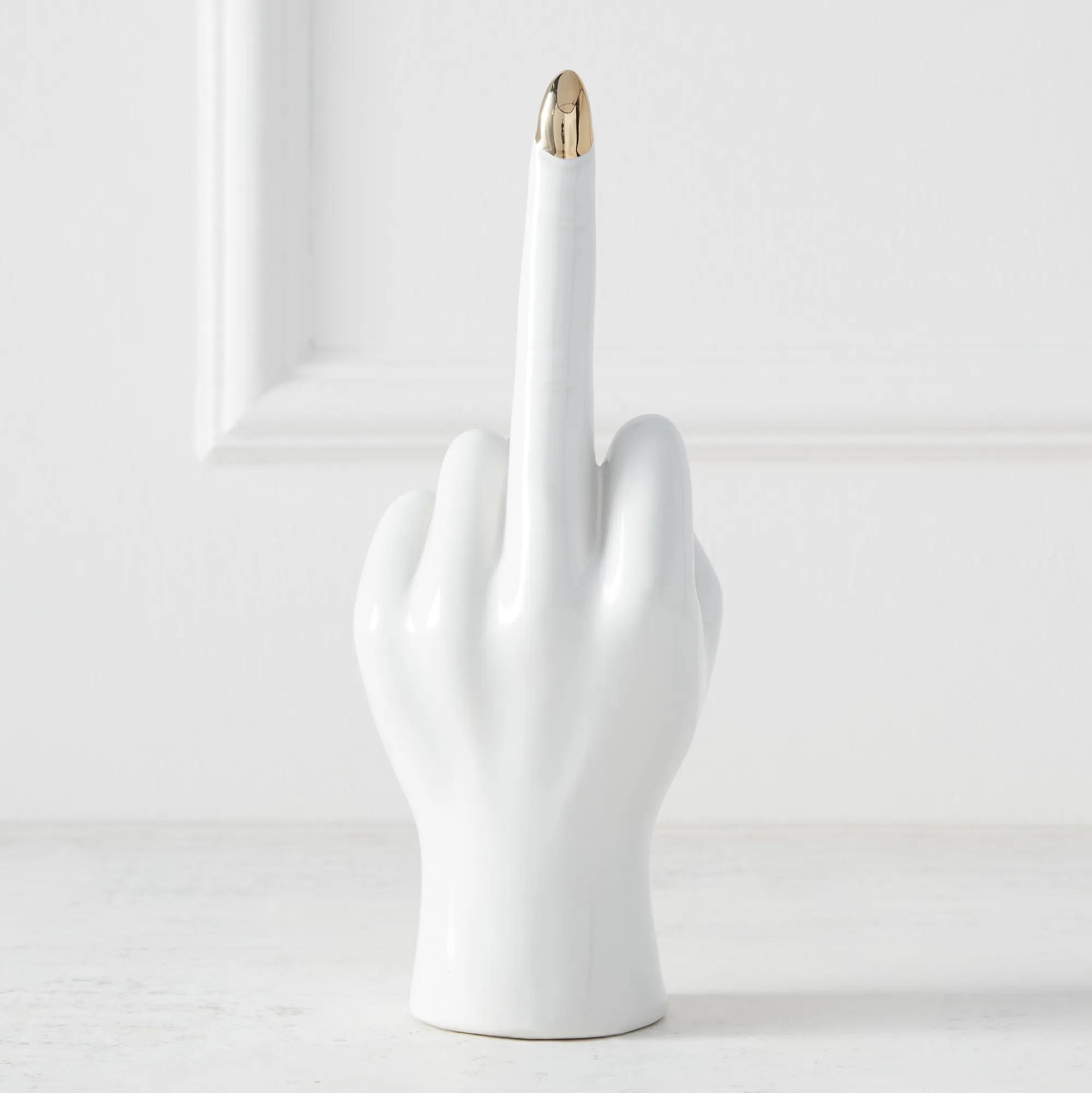
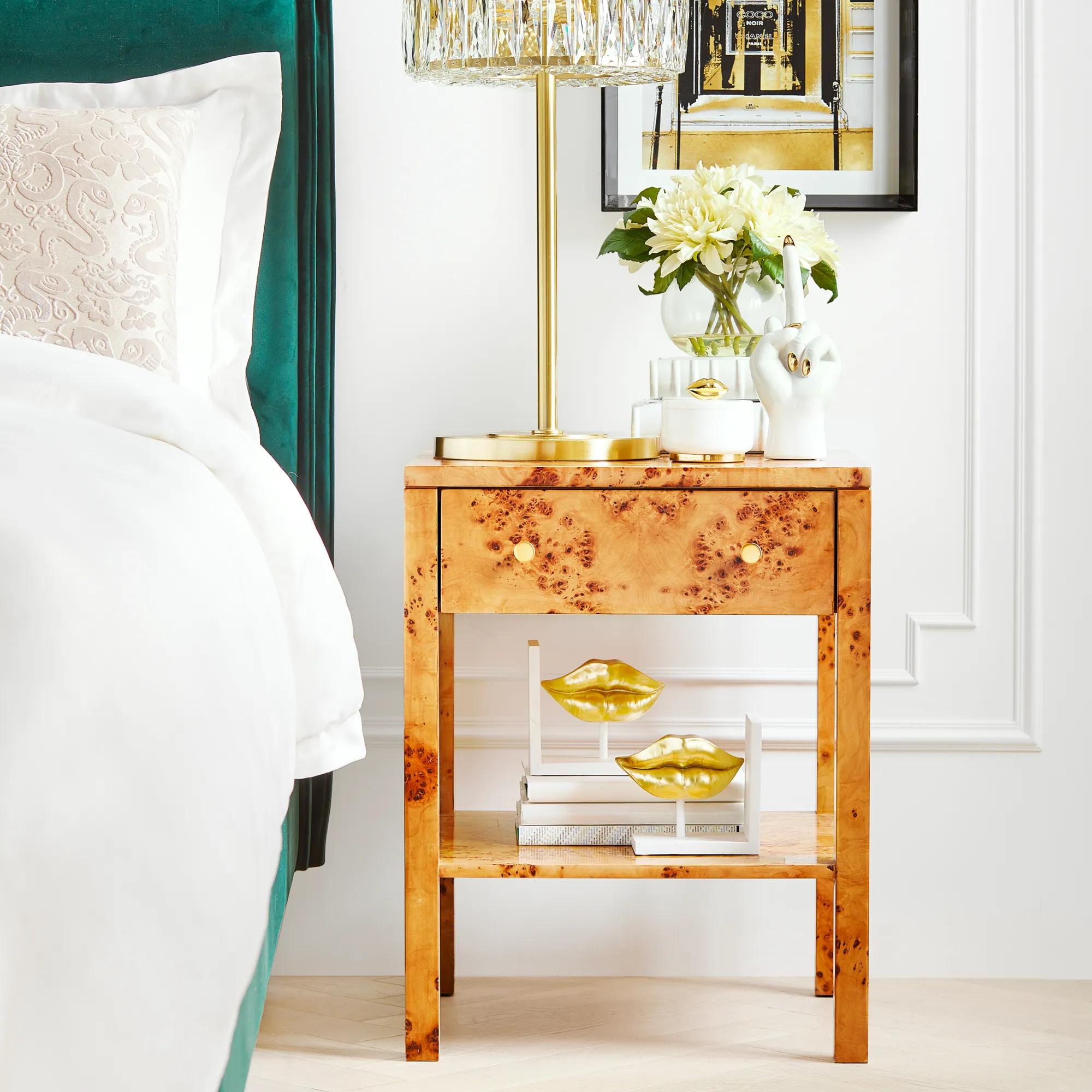 The Finger Hand$39
A glossy white and gold ceramic hand sculpture perfect for displaying jewelry or as a playful accent.
Add To Cart -
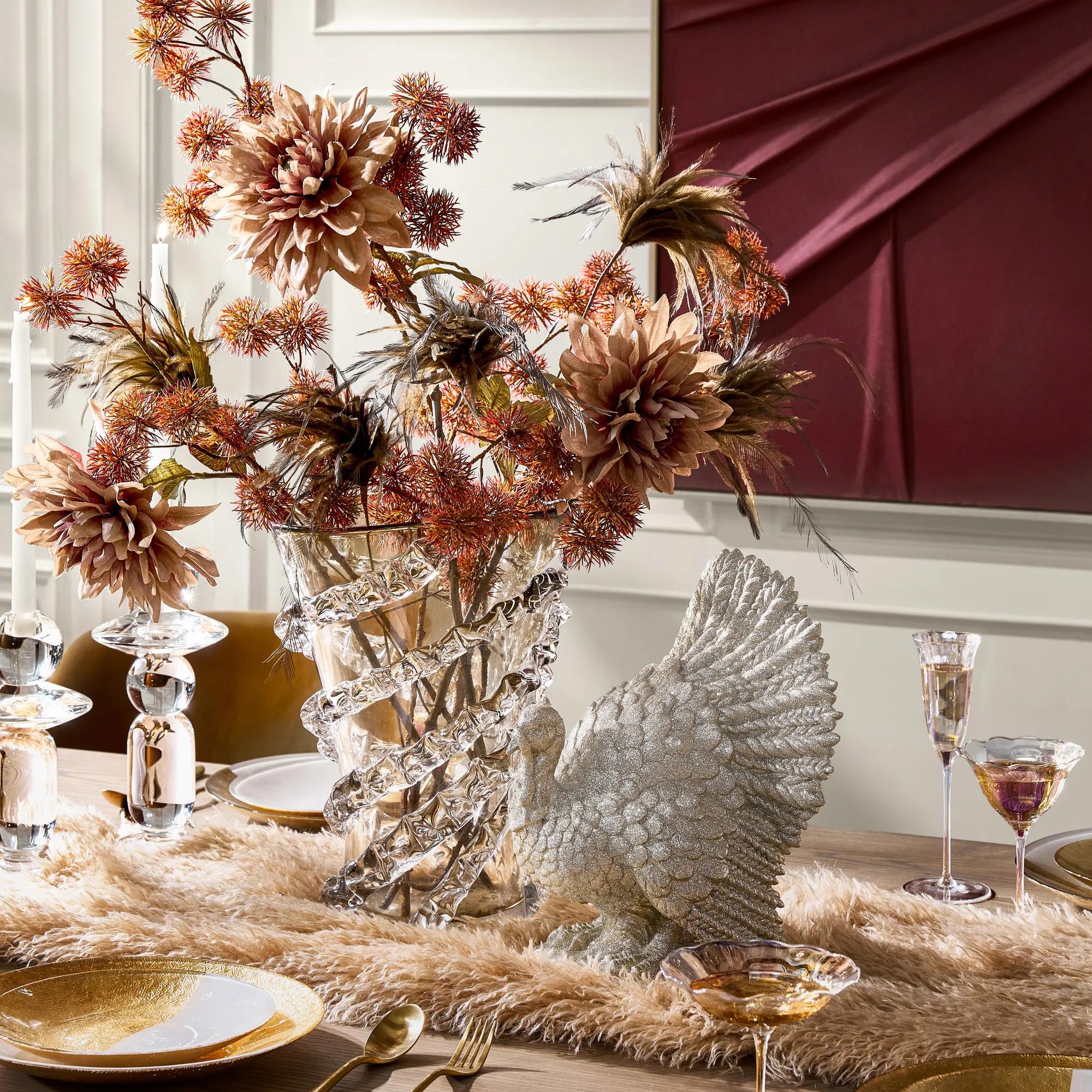
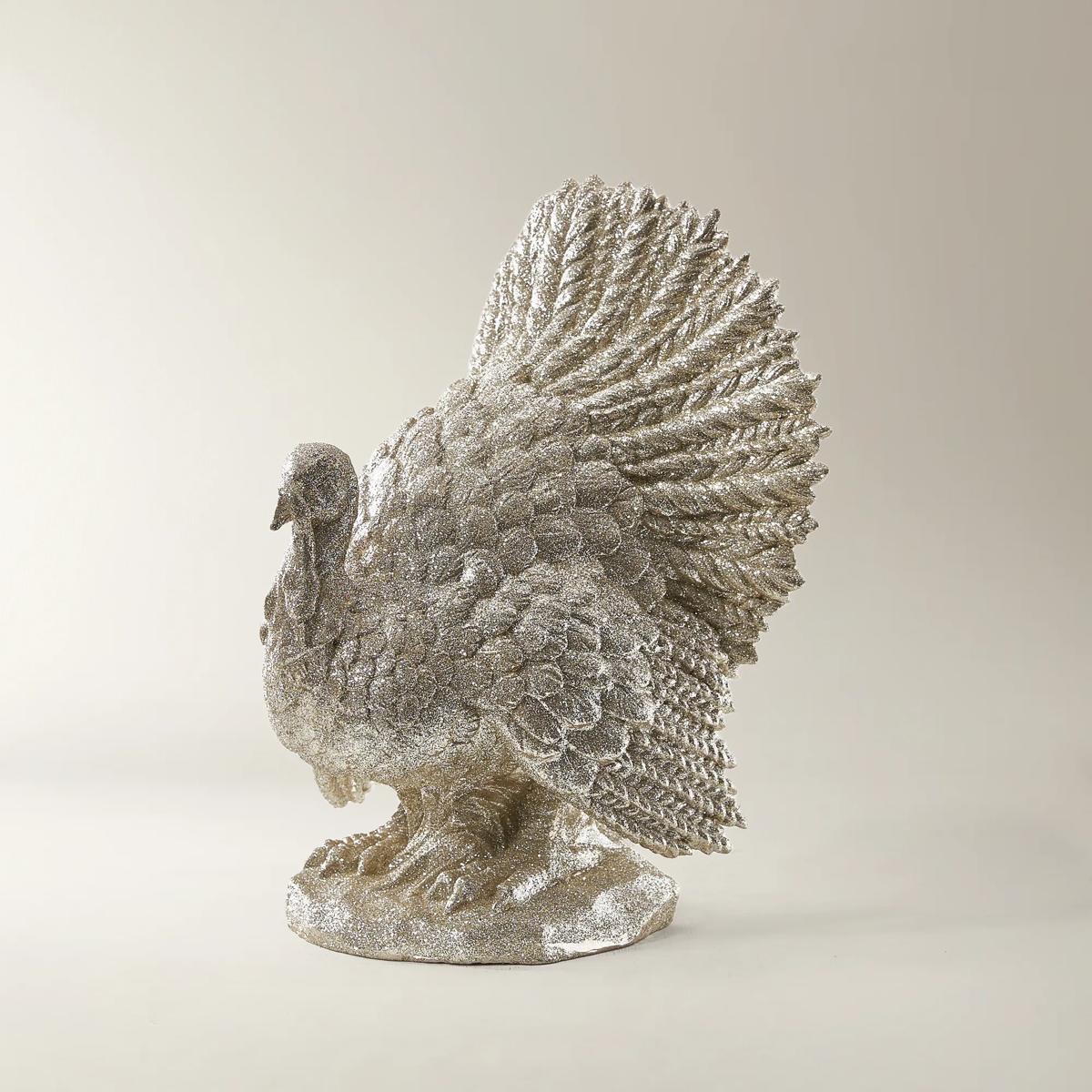 Turkey Champagne Glitter Resin Decorative Object 13"$69
A shimmering resin and stone powder turkey sculpture in champagne, perfect for elegant autumn or holiday décor.
Add To Cart -
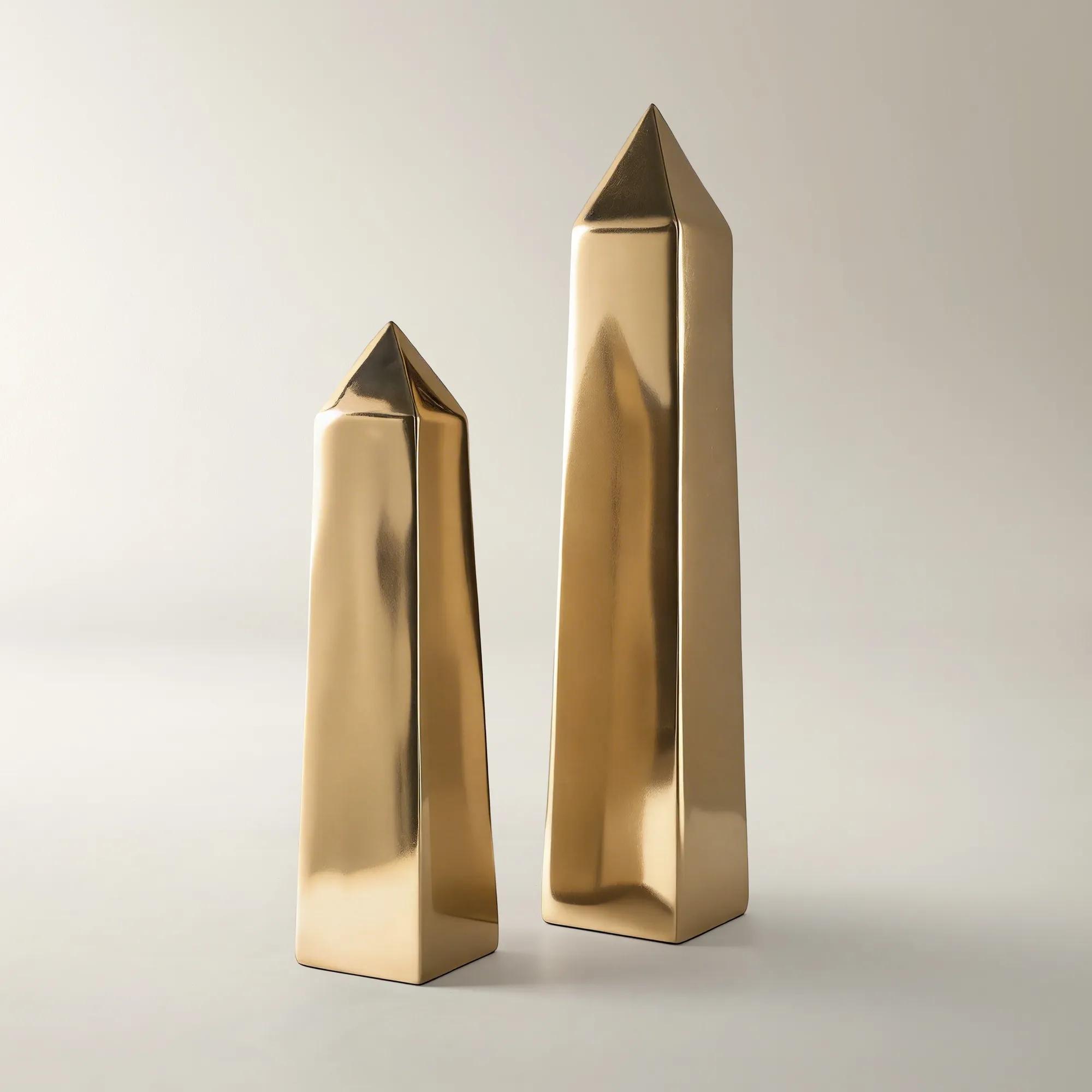
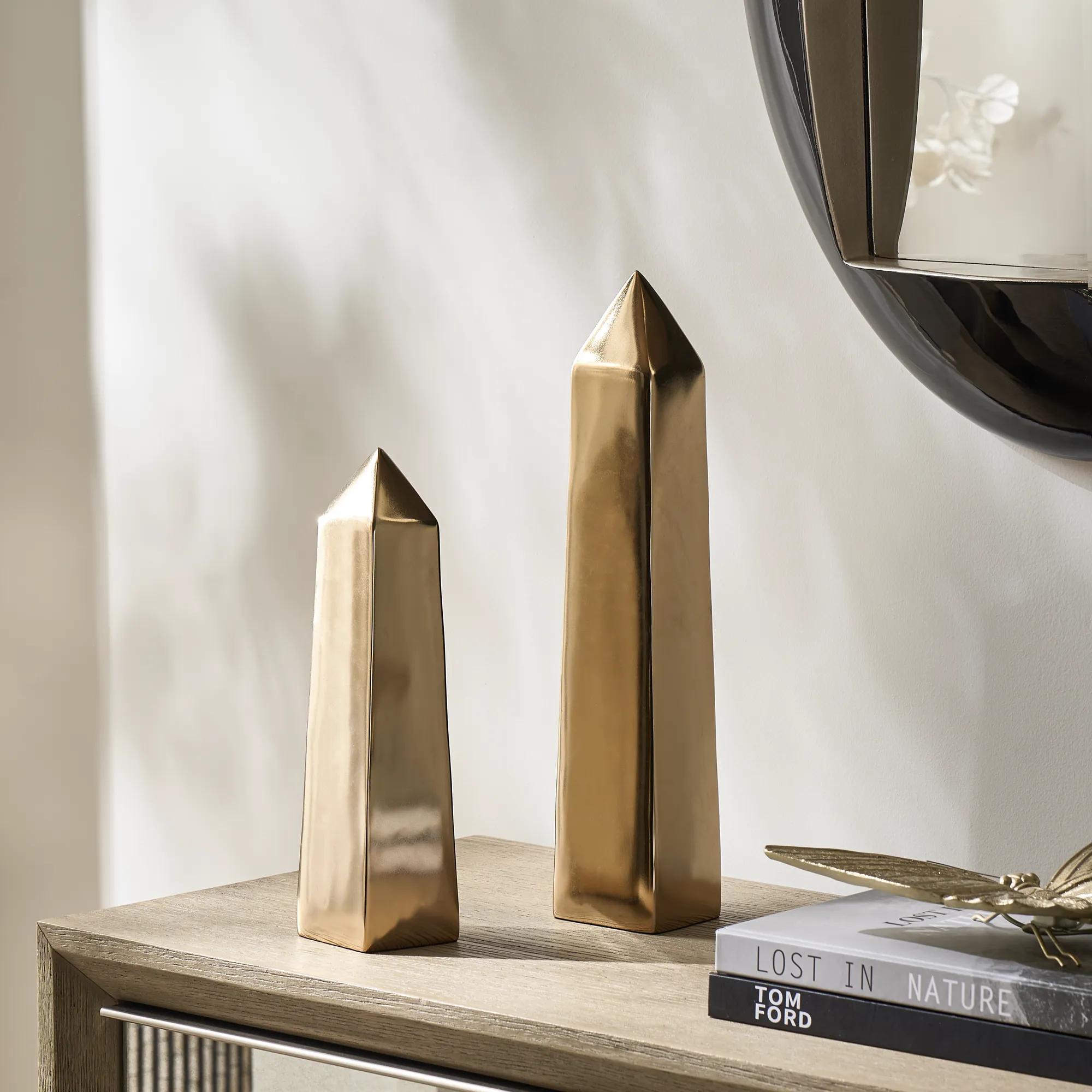 Golden Aluminum Obelisks$59
A sculptural aluminum accent in a soft gold finish that adds modern glamour and architectural drama.
Add To Cart -
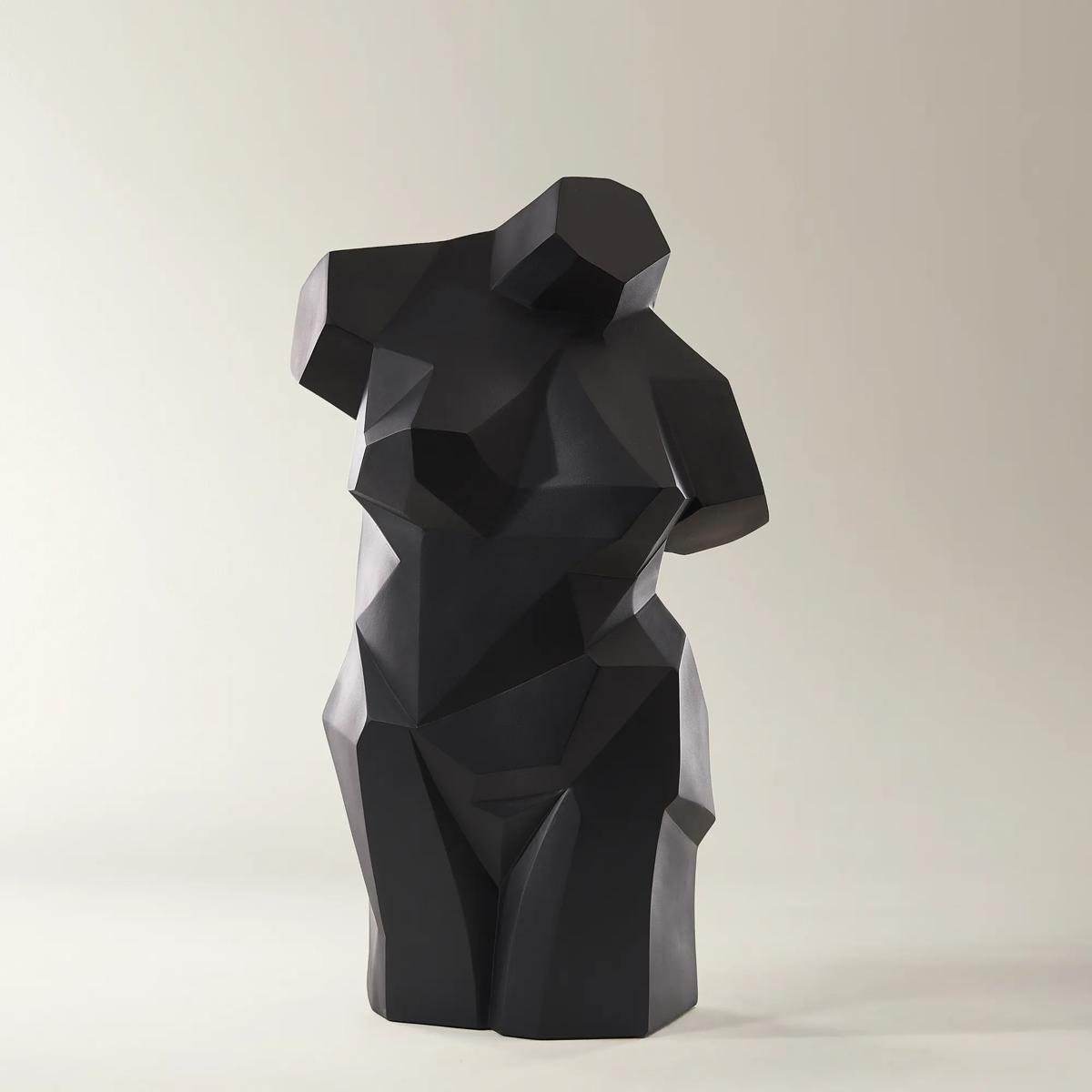
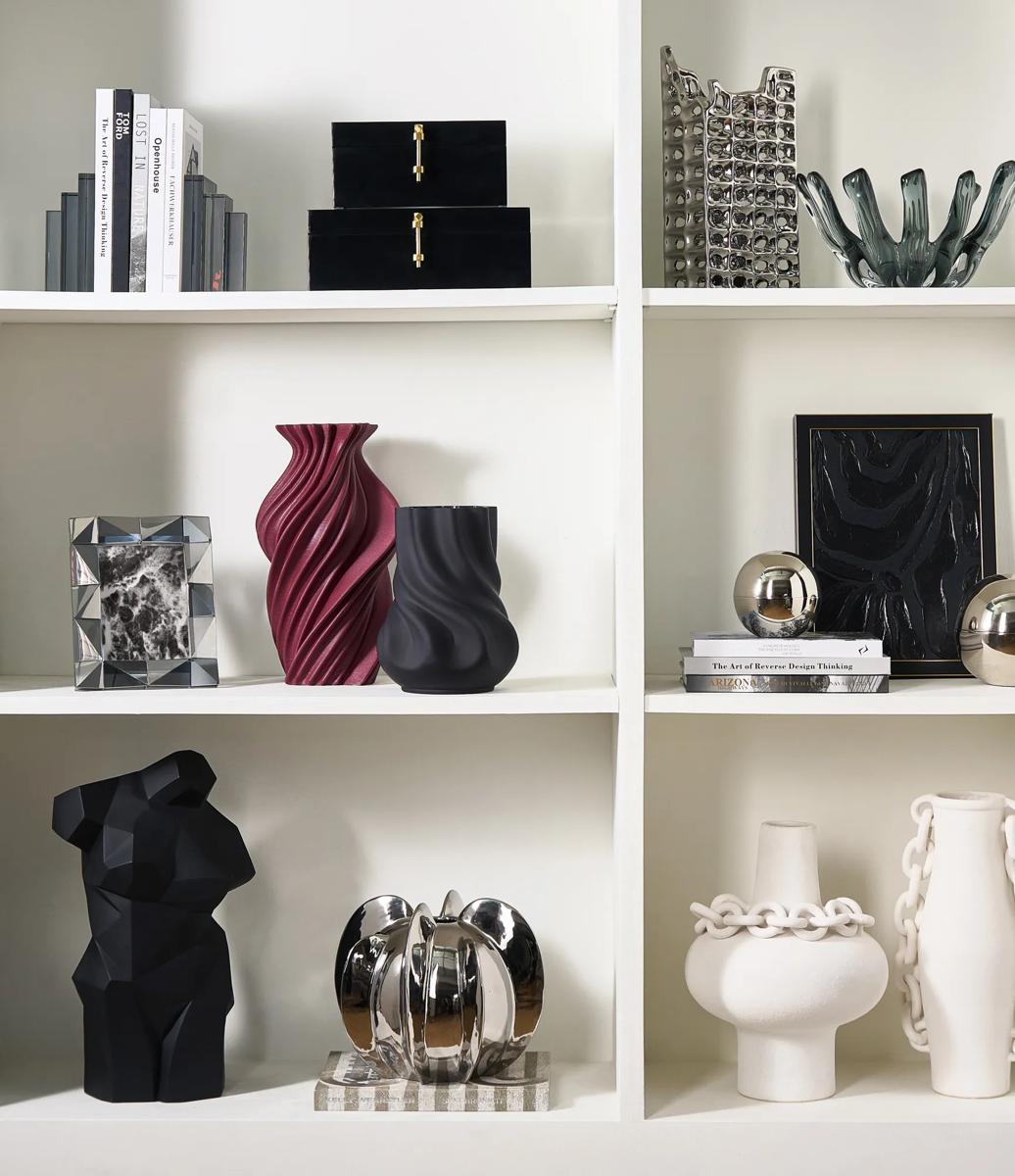 Pose Black Resin Decorative Object 19.75"$99
A sculptural matte black resin accent featuring a faceted geometric design and modern artistic appeal.
Add To Cart -
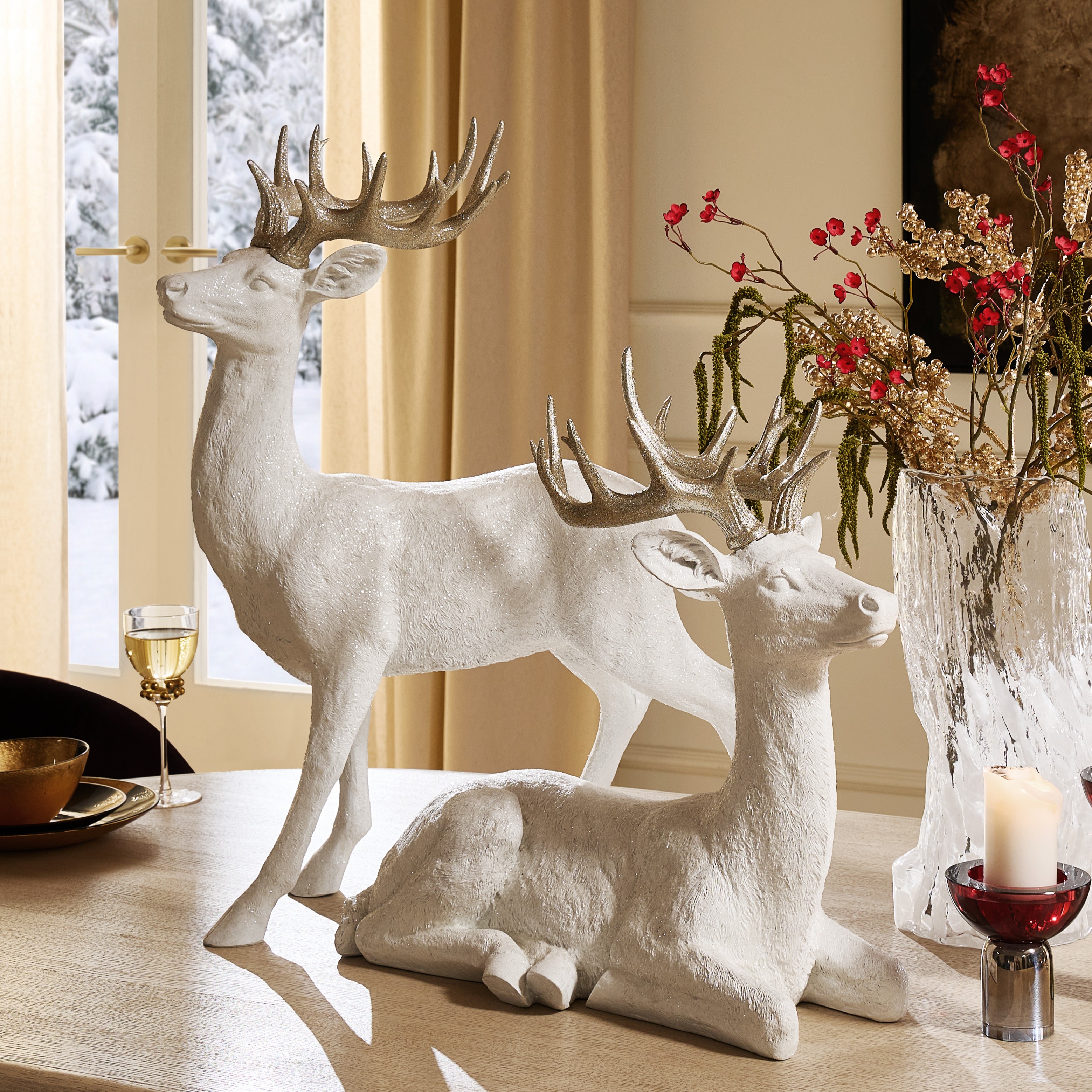
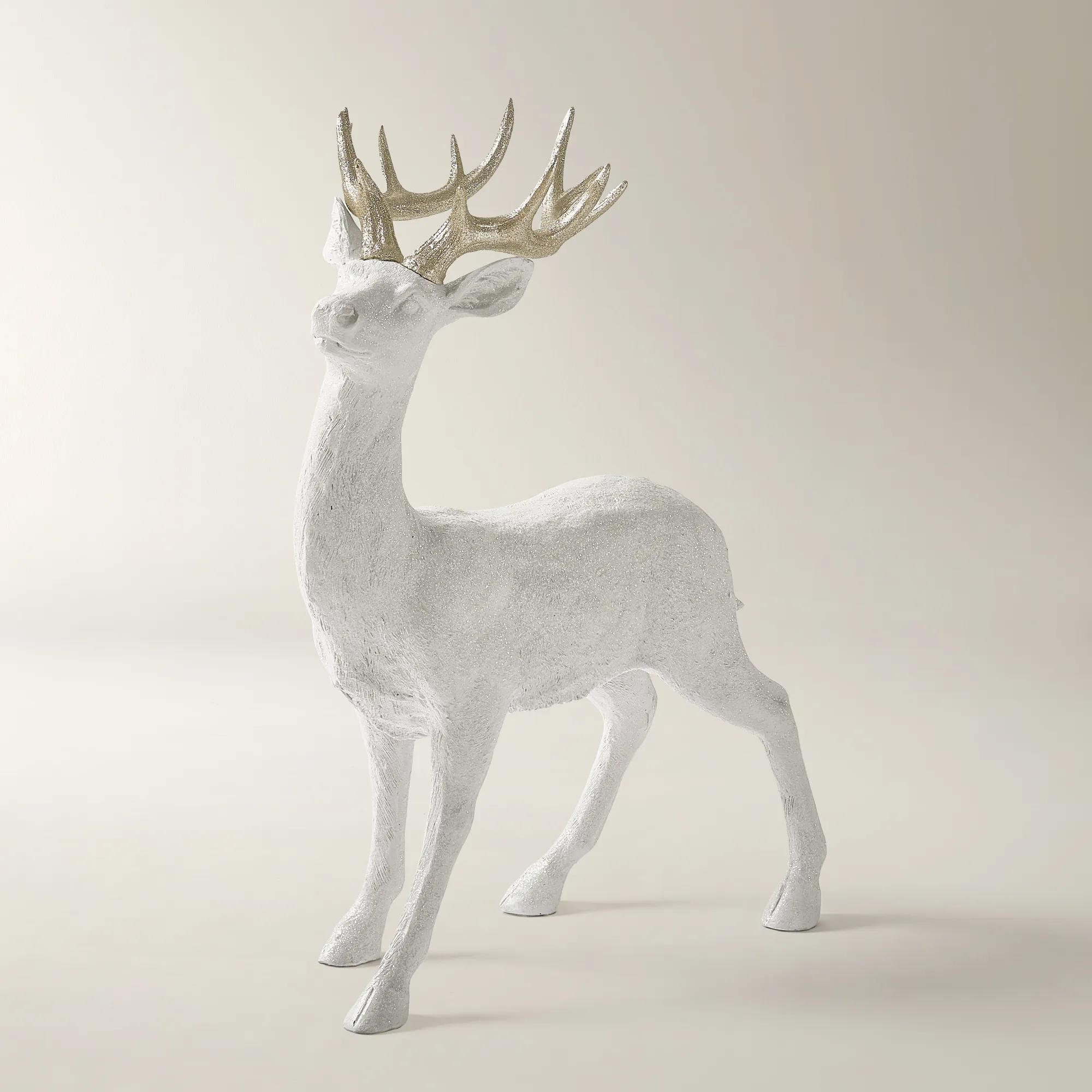 Majestic Glitter Deer White/Champagne Resin 32"$239
A sculptural resin deer with white glitter and champagne accents adds luminous, glamorous flair to holiday décor.
Add To Cart -
 Grand Lips Gold Poly Resin Wall Decor 27.5" x 12.5"$99
A playful resin sculpture in radiant gold, perfect for adding bold artistic flair to any space.
Add To Cart -
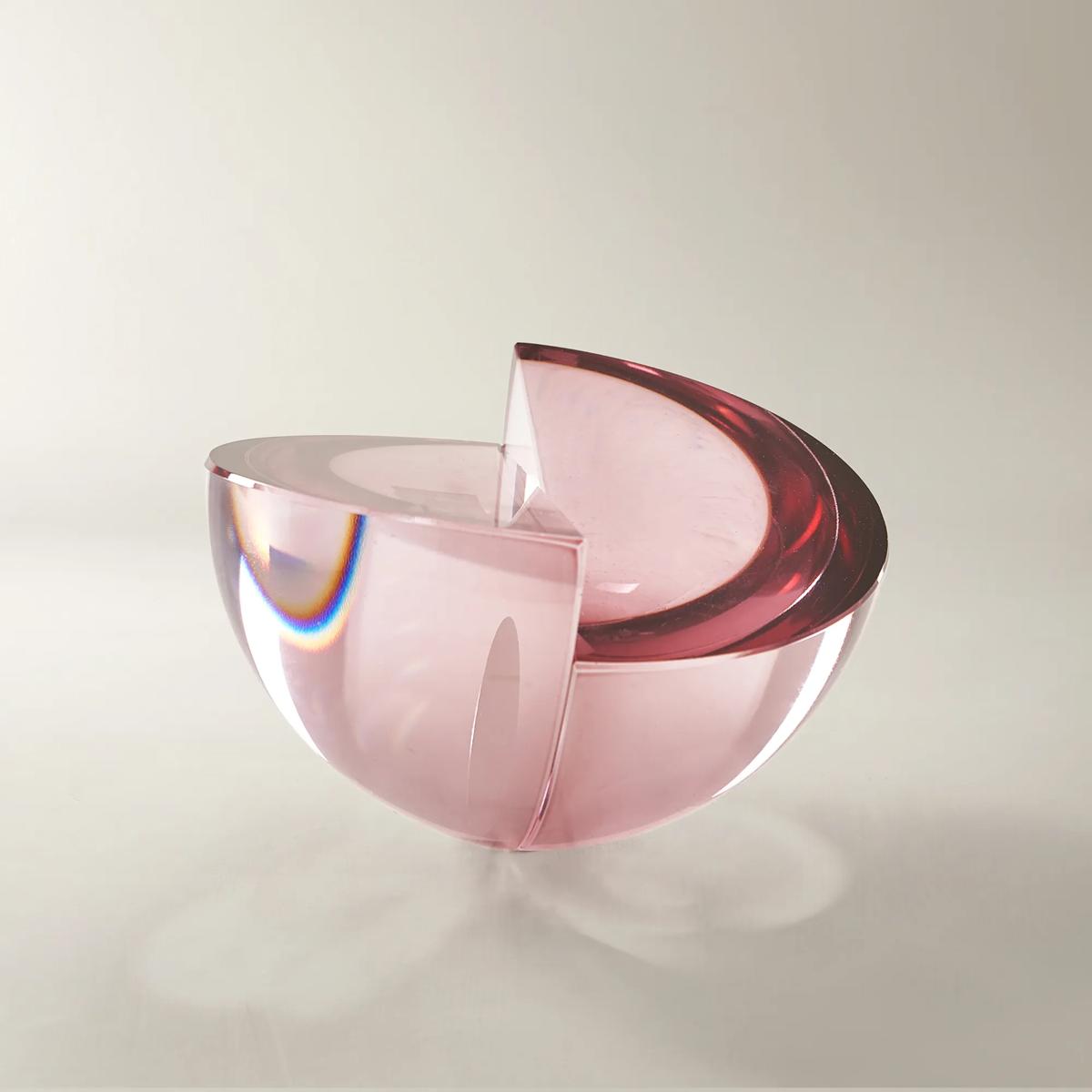 Rose' Crystal Glass Decorative Object 3.25"$79
A sculptural accent crafted from rich purple crystal glass, reflecting light with modern elegance and intrigue.
Add To Cart -
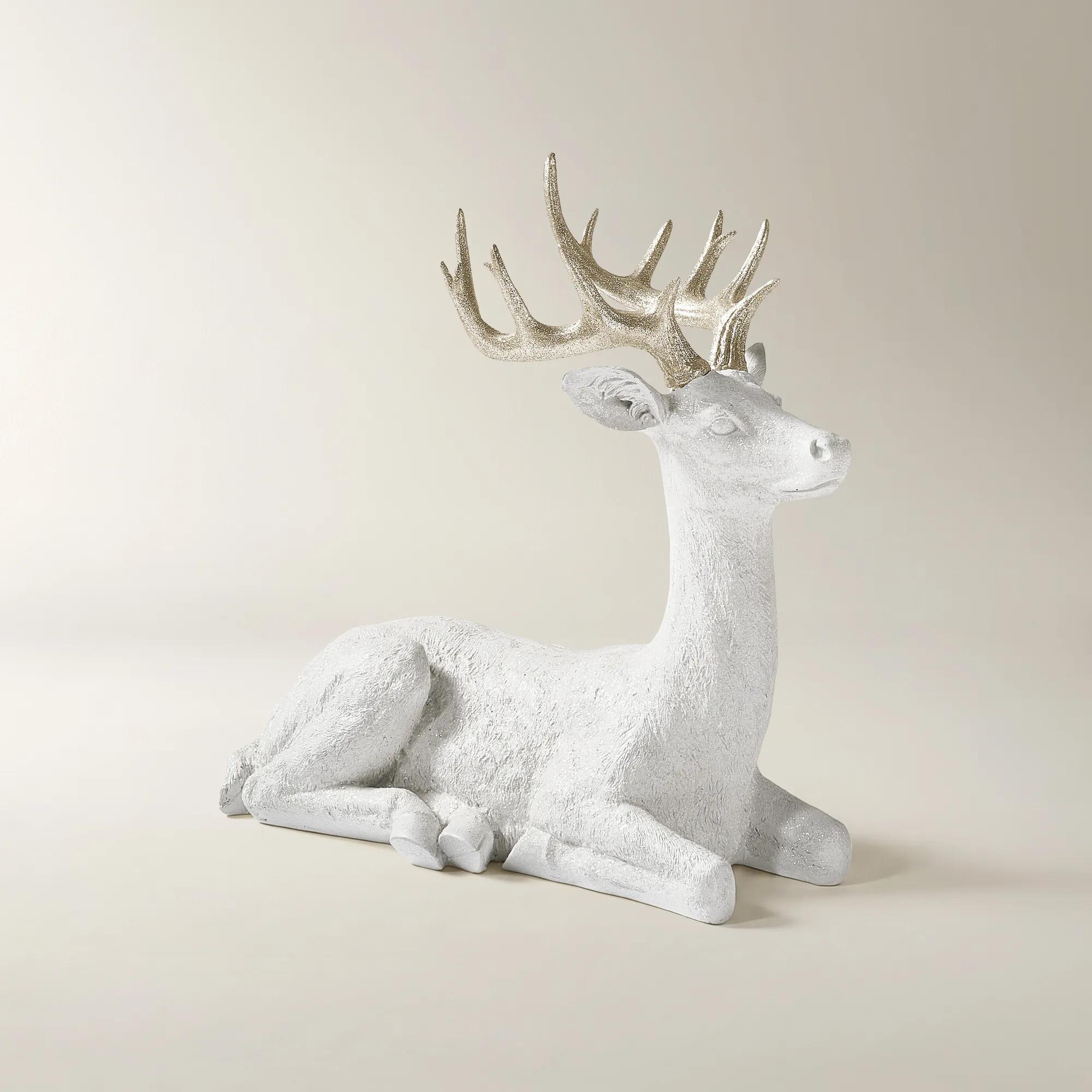 Majestic Glitter Deer White/Champagne Resin 22"$199
A sculptural resin deer with white glitter and champagne accents adds luminous, festive elegance to holiday décor.
Add To Cart

Gifts For Those Who Love Unique Sculptures
Gifts for Those Who Love Unique Sculptures are more than presents—they’re declarations of style, imagination, and artistic spirit. For the collector who craves conversation pieces and the aesthete drawn to striking silhouettes, each sculpture becomes a signature flourish in their curated world. From fluid forms that capture movement to avant-garde designs that spark intrigue, these treasures transform any surface into a gallery-worthy display. Celebrate their passion for the extraordinary with artful accents that invite admiration and ignite inspiration at every glance.
Gifts for those who love unique sculptures celebrate a distinctive way of seeing: an appreciation for unexpected silhouettes, expressive materials, and objects that make a room feel deeply personal. Decorative sculptures bring three-dimensional artistry to a home, creating interest through shape, texture, proportion, and the open space around them. For an admirer of bold interiors, an abstract form can lend a console the presence of a gallery display; for someone drawn to quieter compositions, a fluid curve in a single rich tone can be equally arresting. The most thoughtful sculpture gifts reflect the recipient’s taste without simply repeating everything they already own. Notice whether their surroundings favor gleaming finishes or tactile surfaces, sweeping organic lines or crisp geometry, figurative art or forms that invite interpretation. A person who collects photography may appreciate a sculptural accent that introduces depth beside framed images, while a devoted host might enjoy a conversation piece positioned where guests naturally gather. Animal-inspired silhouettes can convey personality without relying on literal realism, and architectural shapes appeal to those who notice the rhythm of arches, columns, and dramatic buildings. Distinctive does not have to mean oversized or visually elaborate. A compact object with an unusual profile can command attention on a desk, especially when its outline remains clear against the wall behind it. Exploring Unique Modern Home Sculptures offers a way to consider how contemporary forms can complement different rooms and sensibilities. Sculptural gifts are particularly meaningful for housewarmings, weddings, anniversaries, and personal milestones because they become part of the recipient’s daily surroundings. Unlike decor chosen only to fill an empty spot, a well-considered sculpture carries a sense of recognition: its shape, mood, or subject feels connected to the person receiving it. The aim is an object they will enjoy encountering from different angles, whether it greets them in an entryway or brings a moment of visual intrigue to a favorite reading space.
Material gives a sculpture much of its character, influencing not only its appearance but also its weight, durability, and care. Glass can feel luminous and fluid, allowing light to travel through color or gather along a polished edge. Handblown glass may display variations in contour, bubbles, or color distribution associated with its making, though craftsmanship and individual characteristics should always be confirmed in the product details. Glass is especially compelling against a restrained backdrop, where its transparency and reflections have room to register. Ceramic and porcelain offer a different expression, ranging from smooth, reflective glazes to matte surfaces that emphasize the purity of a silhouette. Their visual delicacy deserves practical consideration: slender projections and exposed edges are vulnerable to knocks, making protected shelves more suitable than crowded work surfaces. Metal sculptures can introduce a brilliant flash or a softly weathered depth, depending on the alloy and finish. Open metalwork creates drama without the visual density of a solid form, while a substantial metal object may require a stronger supporting surface than its dimensions suggest. Natural stone provides rich variation in veining and tone, along with a sense of permanence, but its weight and potential sensitivity to staining or acidic cleaners warrant attention. Wood brings grain, warmth, and carved definition; changes in humidity and prolonged direct sunlight can affect its condition or color. Resin allows intricate detailing and expressive shapes, though weight, finish quality, and impact resistance vary considerably. No material alone guarantees that a sculpture will withstand frequent handling, outdoor exposure, or a busy household. Construction, balance, delicate components, and surface treatments matter just as much. For a recipient with children or pets, a stable silhouette displayed beyond easy reach is generally more practical than a top-heavy form on a low table. Material selection is therefore both an aesthetic decision and a gesture of consideration, matching the gift’s visual allure to the way its recipient actually lives.
Scale and placement determine how beautifully a sculpture settles into a home. Before choosing a tabletop sculpture, consider its full height, width, and depth, including any extended elements, rather than relying on a photograph alone. A bookshelf accent needs enough clearance to slide into place safely and enough breathing room for its outline to remain legible. On a console, an off-center arrangement beside a lower stack of books can create an assured composition without competing with art above it. A substantial floor sculpture needs a secure, level position away from door swings and walking paths; it should never feel like an obstacle disguised as decoration. For dining or conversation areas, consider sightlines so that an expressive form does not interrupt the exchange across a table. Lighting also changes the experience. Side light can reveal ridges and cast sculptural shadows, while a reflective finish may pick up surrounding colors or create glare beneath a concentrated beam. A gift intended for a home office might benefit from a compact footprint and a silhouette that looks compelling from a seated position. When the eventual display location is uncertain, moderate dimensions and a stable base often offer greater flexibility than exceptional height or weight. Thoughtful care helps preserve the effect. Follow the maker’s instructions, dust gently with a clean, soft cloth or an appropriate soft brush, and avoid assuming that water, glass cleaner, or metal polish is safe for every finish. Abrasives can dull polished surfaces, and soaking can damage porous materials, applied decoration, or joined components. Lift a sculpture by its strongest supporting section rather than a delicate extension, and confirm that any protective pads are suitable for both the base and the furniture beneath it. Indoor decorative sculptures should remain indoors unless specifically designated for outdoor use. Including the care information with the gift makes ownership more comfortable without diminishing the artistry. Ultimately, an exceptional sculpture gift balances presence with personal relevance: distinctive enough to invite a second look, thoughtfully proportioned for its setting, and expressive enough to become part of the recipient’s own visual story.
FAQs
A sculpture is a distinctive gift because it embodies artistic expression and personal meaning. Unlike mass-produced decor, a unique sculpture brings character, sophistication, and a sense of story to any space. It’s a memorable way to celebrate someone’s individuality, making it ideal for marking milestones, expressing appreciation, or simply delighting a loved one who appreciates creativity and artistry.
Consider the recipient’s style—do they prefer bold, modern statements or subtle, organic forms? Take note of their favorite materials, such as gleaming metals, textured ceramics, or natural stone. Reflect on the color palette and ambiance of their home; a well-chosen sculpture should enhance and harmonize with their space, whether as a dramatic focal point or an accent that adds intrigue and depth.
Unique sculptures make exceptional gifts for art lovers, design enthusiasts, collectors, and anyone who enjoys surrounding themselves with expressive, meaningful objects. They’re also perfect for those who are starting a new chapter—moving into a new home, celebrating a promotion, or commemorating a special occasion—offering a lasting reminder of the giver’s thoughtfulness.
Sculptures are incredibly versatile and can be displayed in entryways to make a dramatic first impression, on mantels or consoles to create layered vignettes, or even on bookshelves and desks for a touch of inspiration. Whether placed in living rooms, bedrooms, or offices, a unique sculpture can define a space, anchor a design scheme, and invite conversation.
Absolutely. A thoughtfully chosen sculpture often becomes the centerpiece of a room, drawing the eye and inviting curiosity. Its form, materials, and craftsmanship can inspire creative thinking and serve as a catalyst for meaningful conversations, making it more than just decor—it’s a source of daily inspiration and connection.