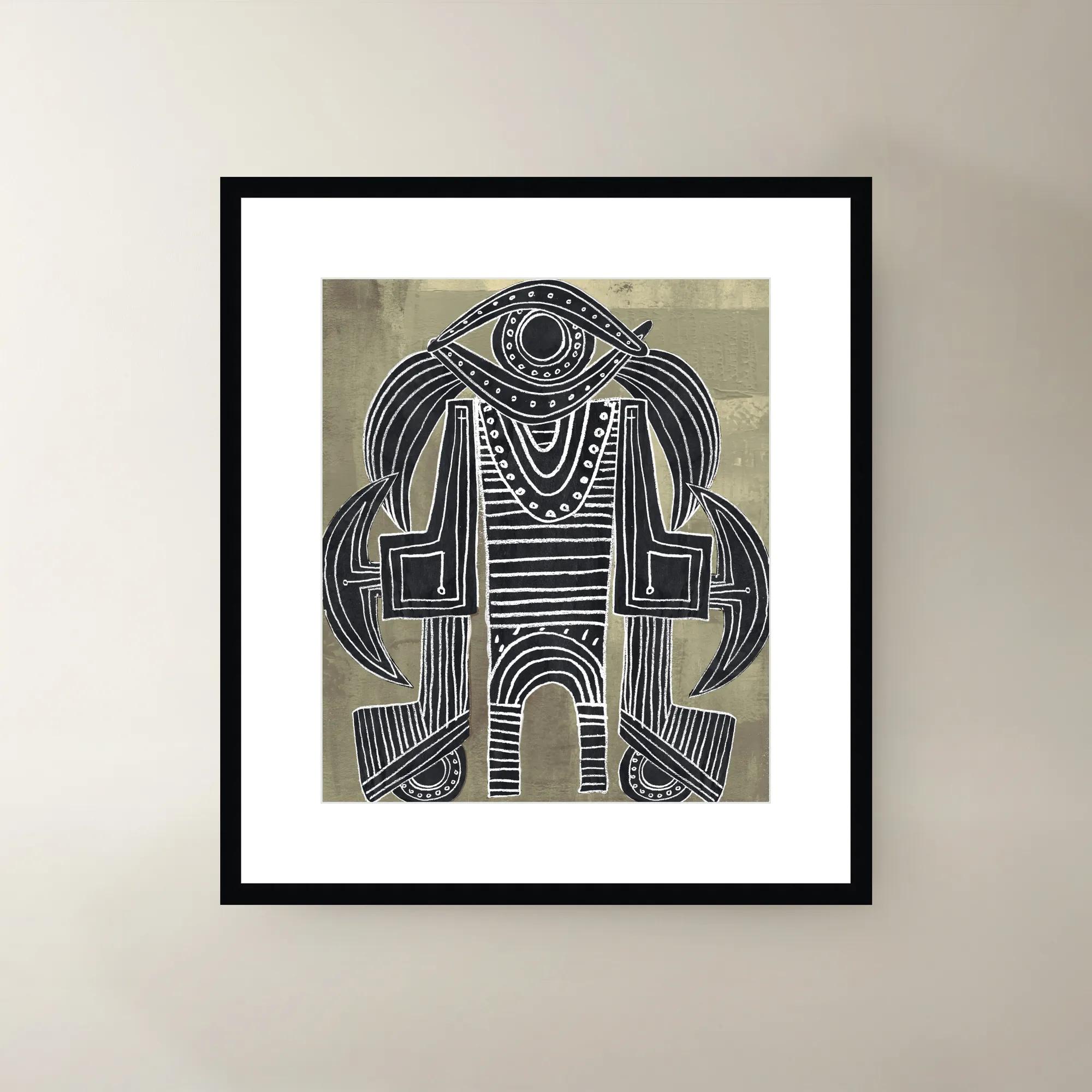
Gifts For People Who Love Wall Art
Gifts For People Who Love Wall Art
-
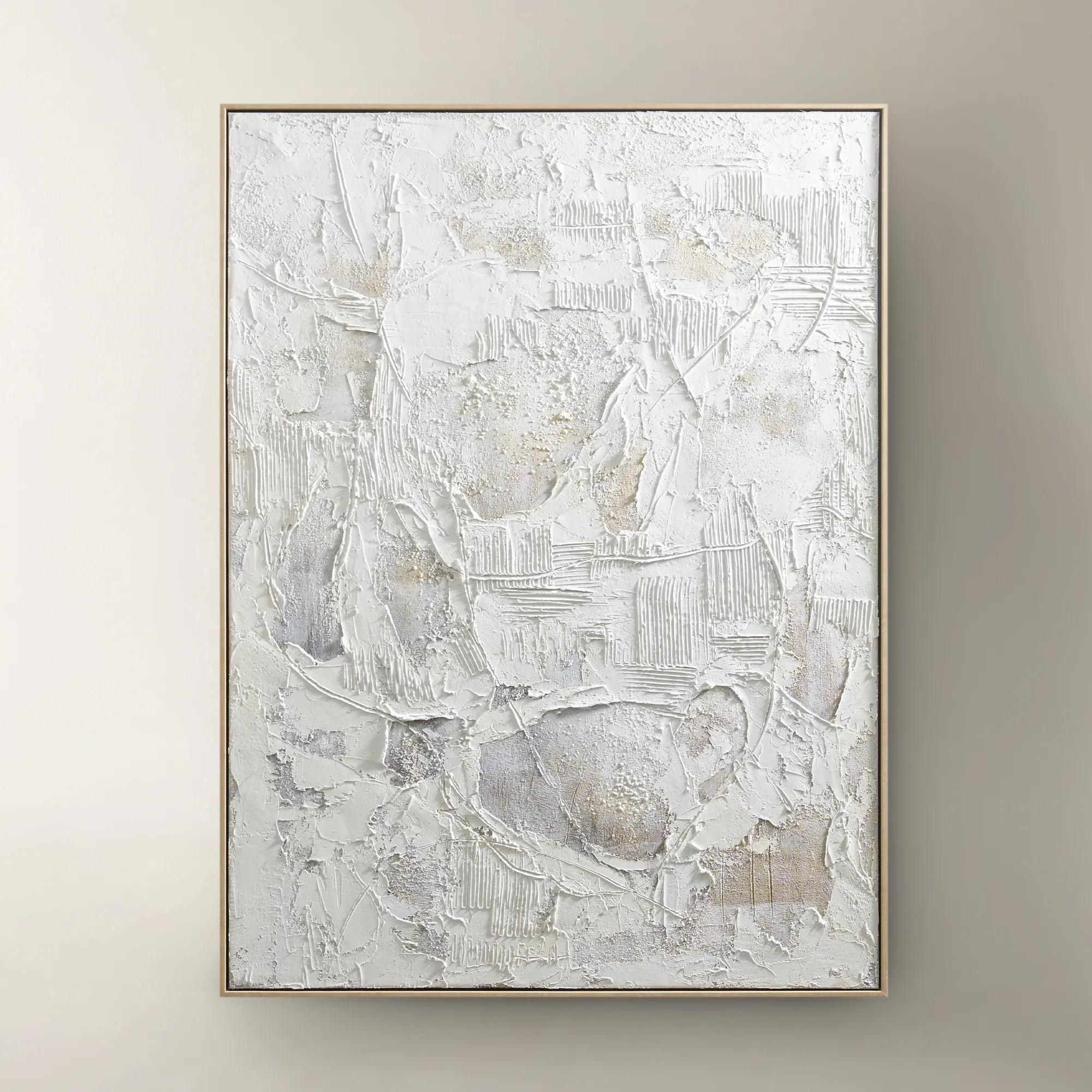
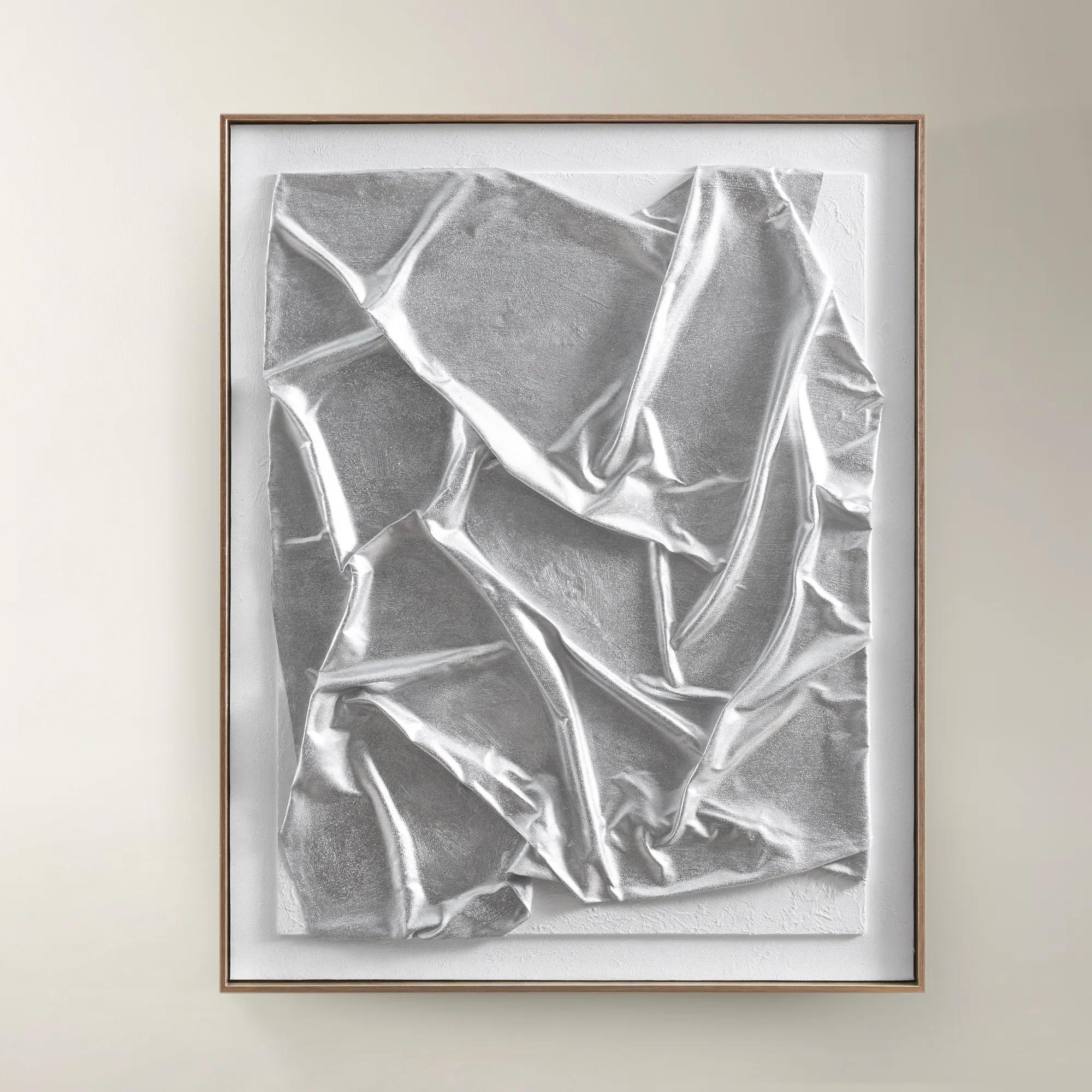 In the Mood Framed Painted Wall Art 31.5" x 39.5"$199
A hand-painted abstract canvas in shimmering silver tones, set in a warm champagne floater frame.
Add To Cart -
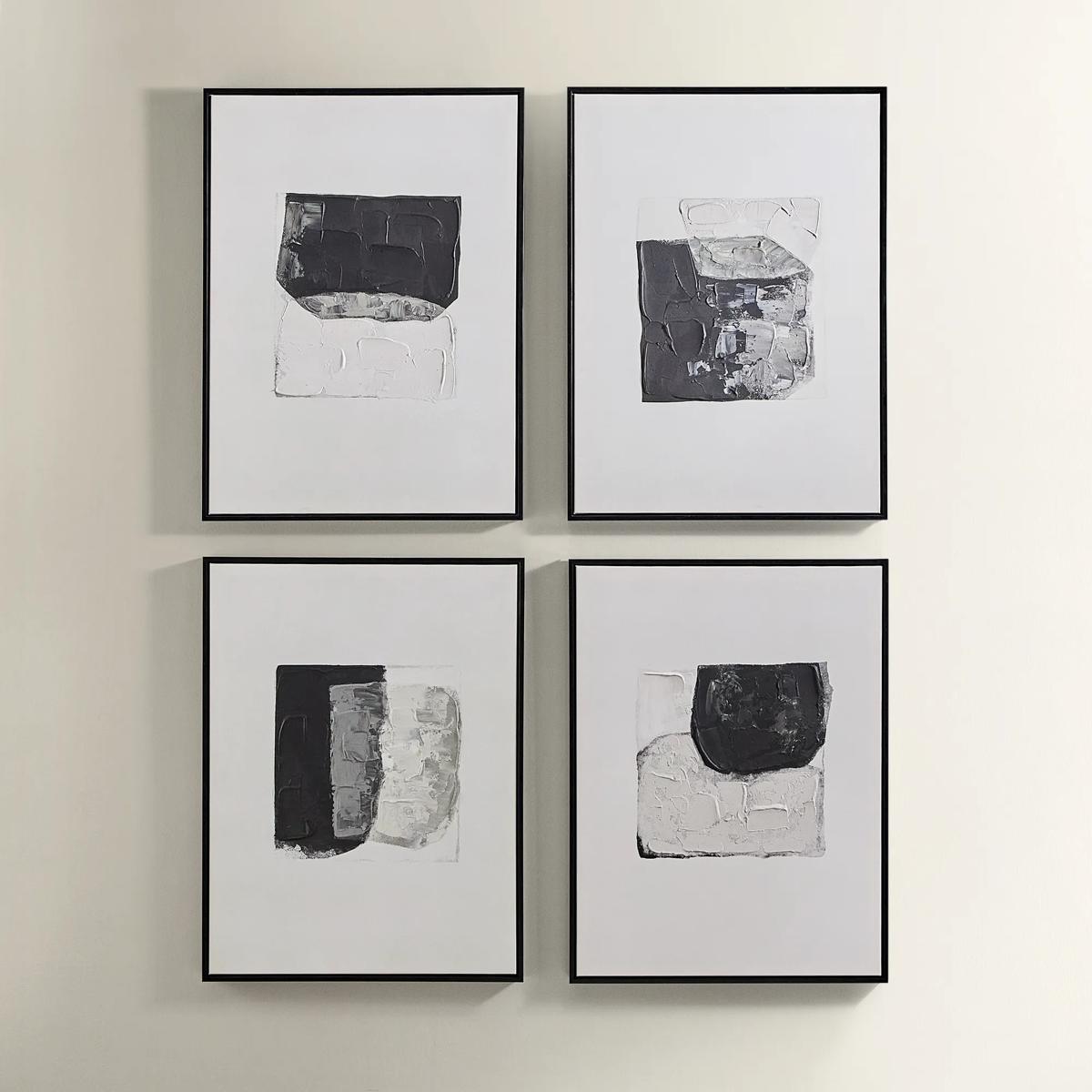
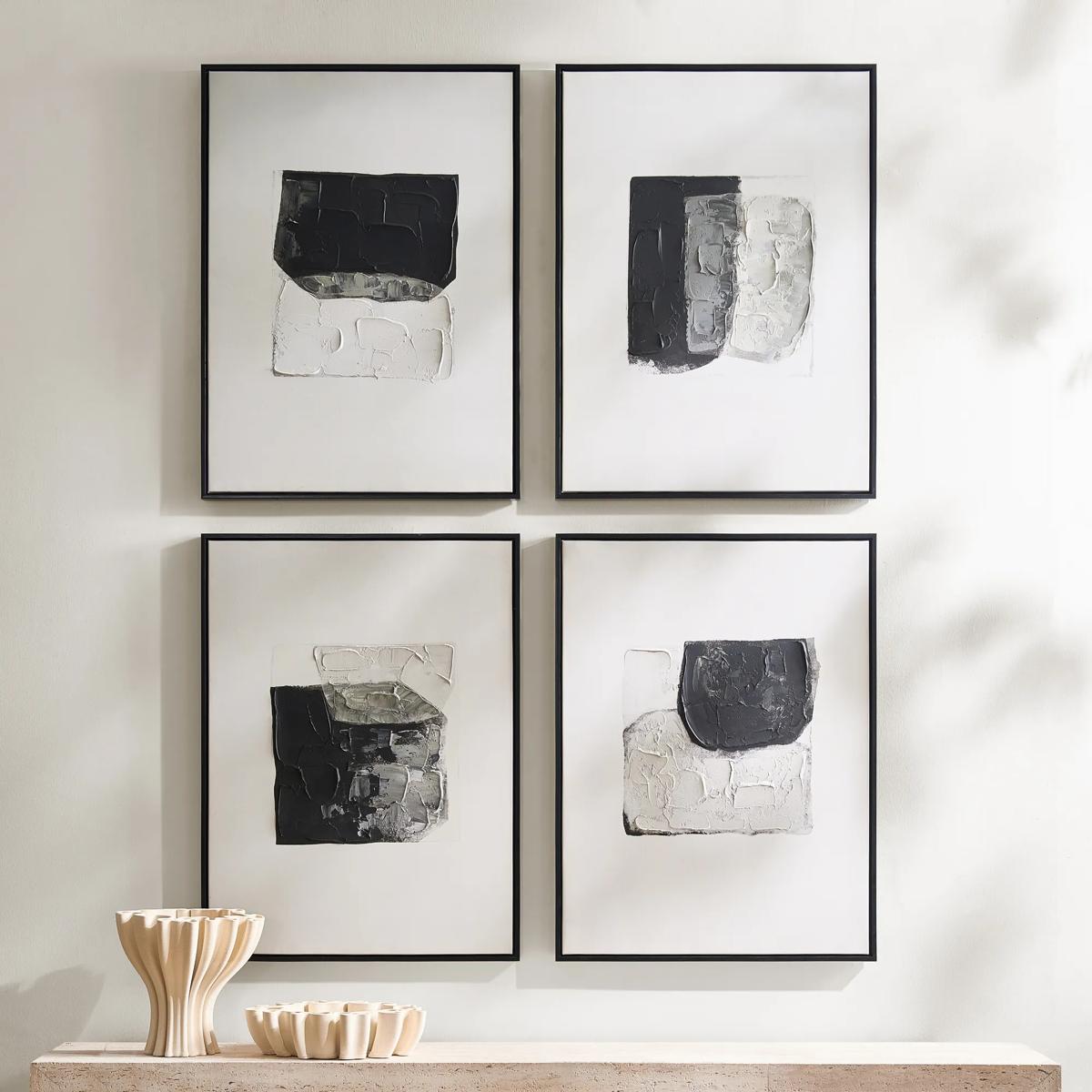 Shadows Framed Painted Wall Art Set of 4$299
A set of four hand-painted abstract canvases featuring black, white, and gold accents in black frames.
Add To Cart -
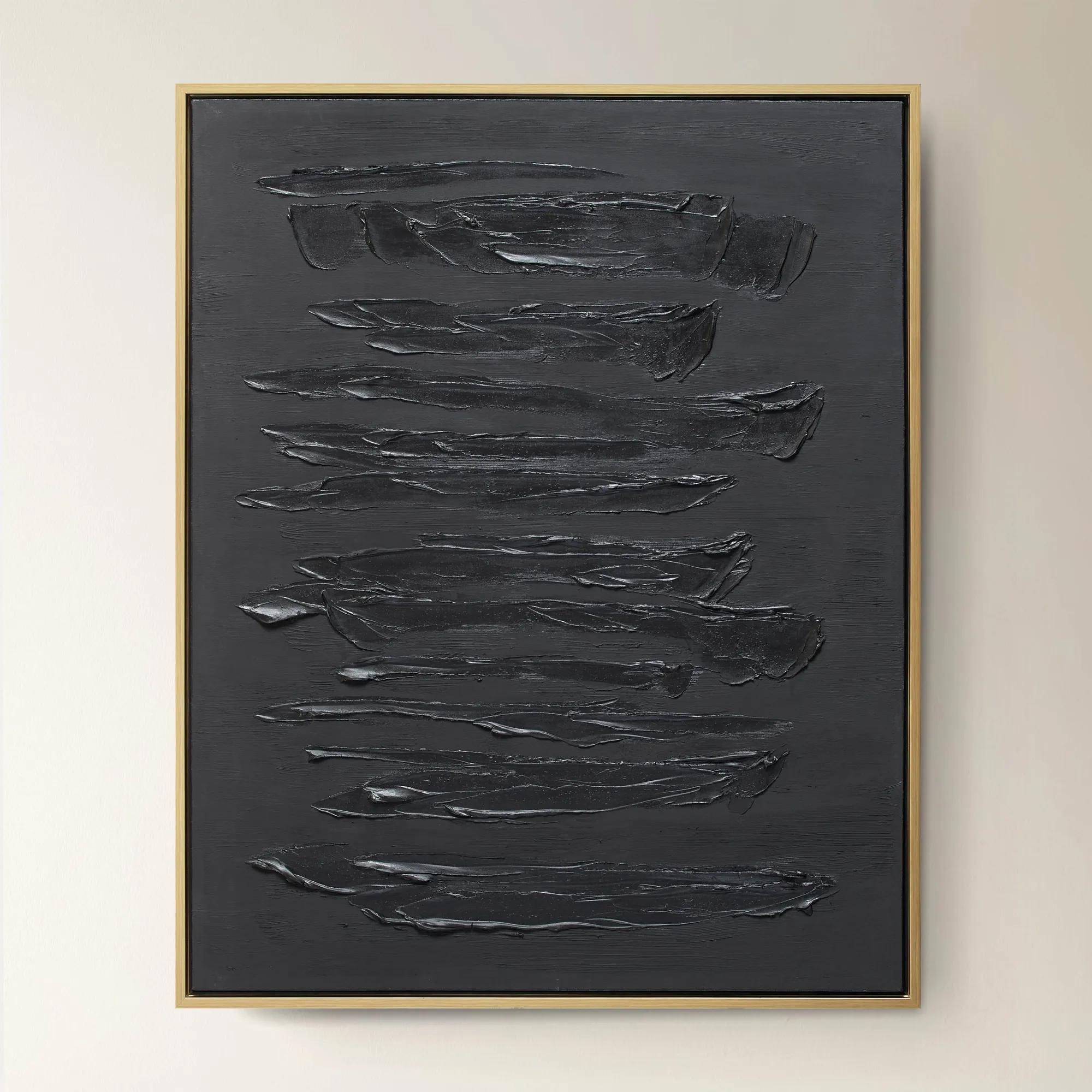
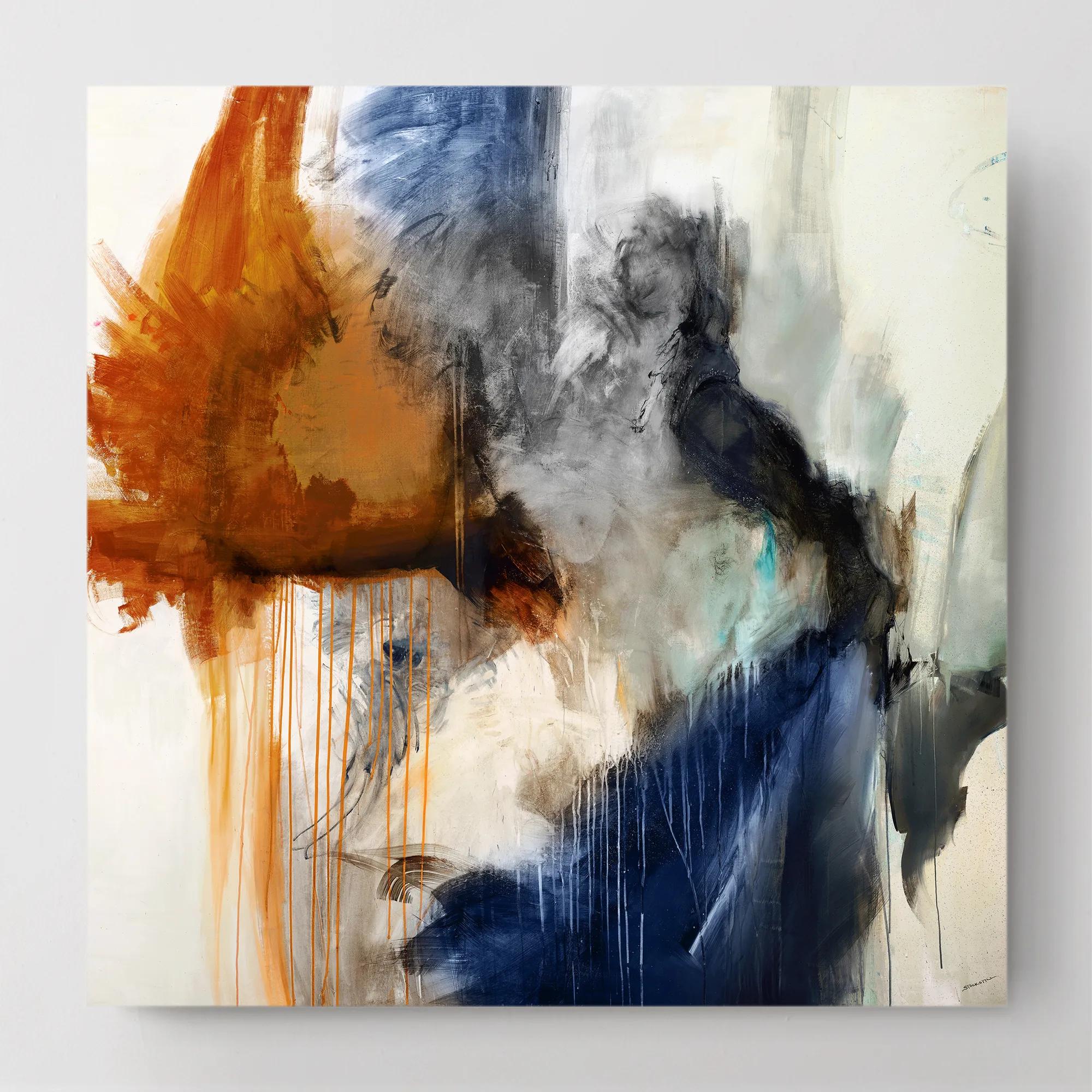
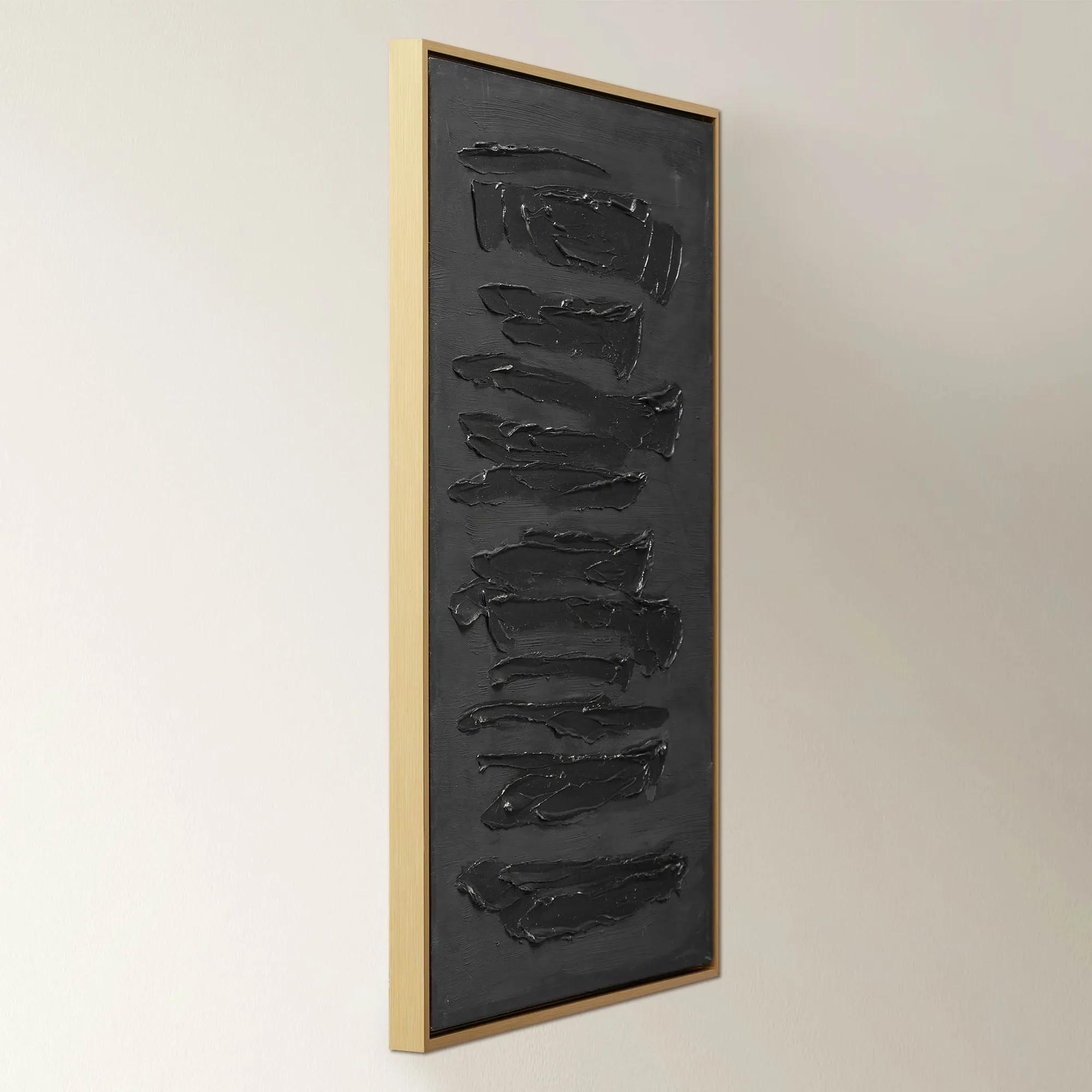 Nocturne$599.95
A dramatic abstract artwork featuring bold, dark brushstrokes on hand-painted canvas in a gold floater frame.
Add To Cart -
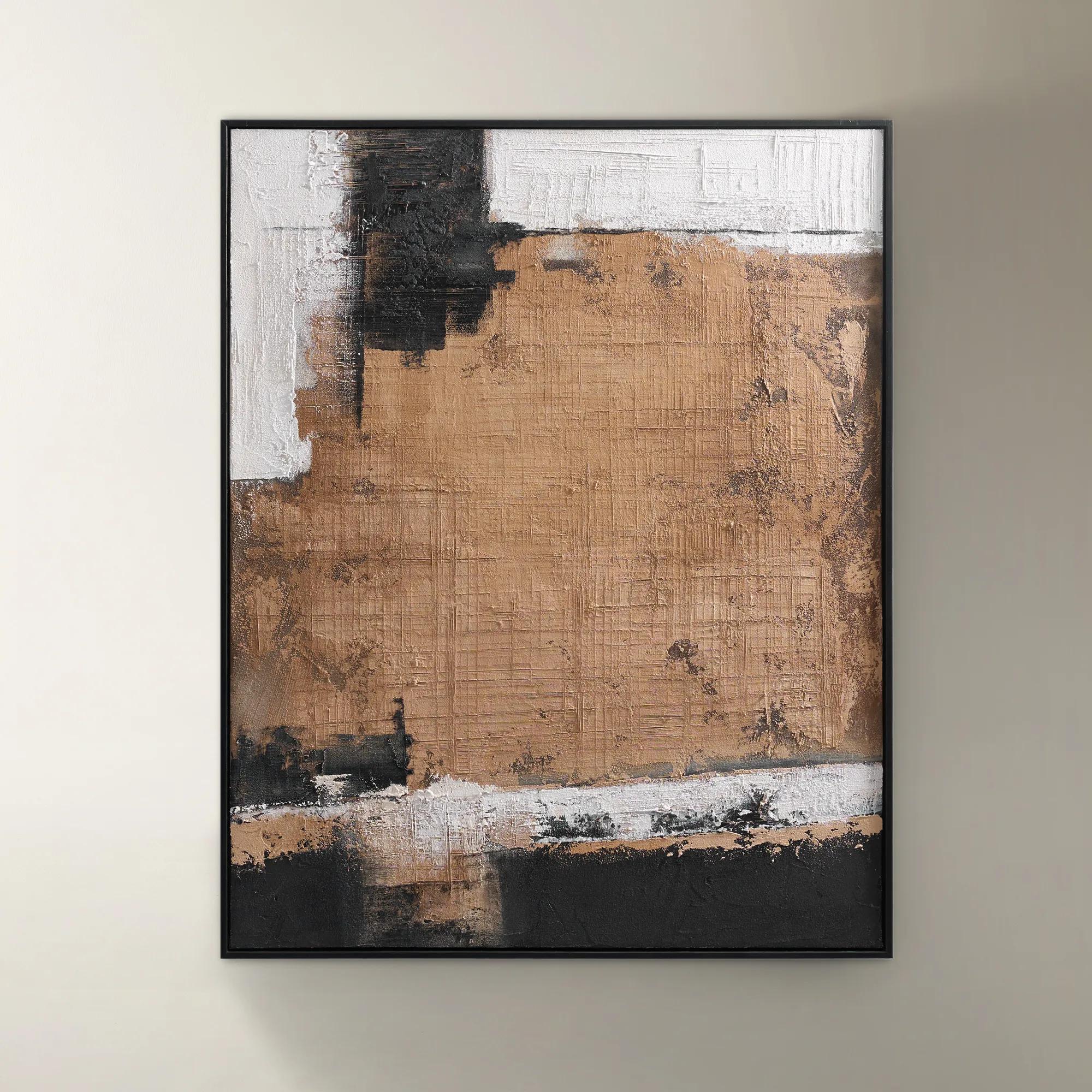
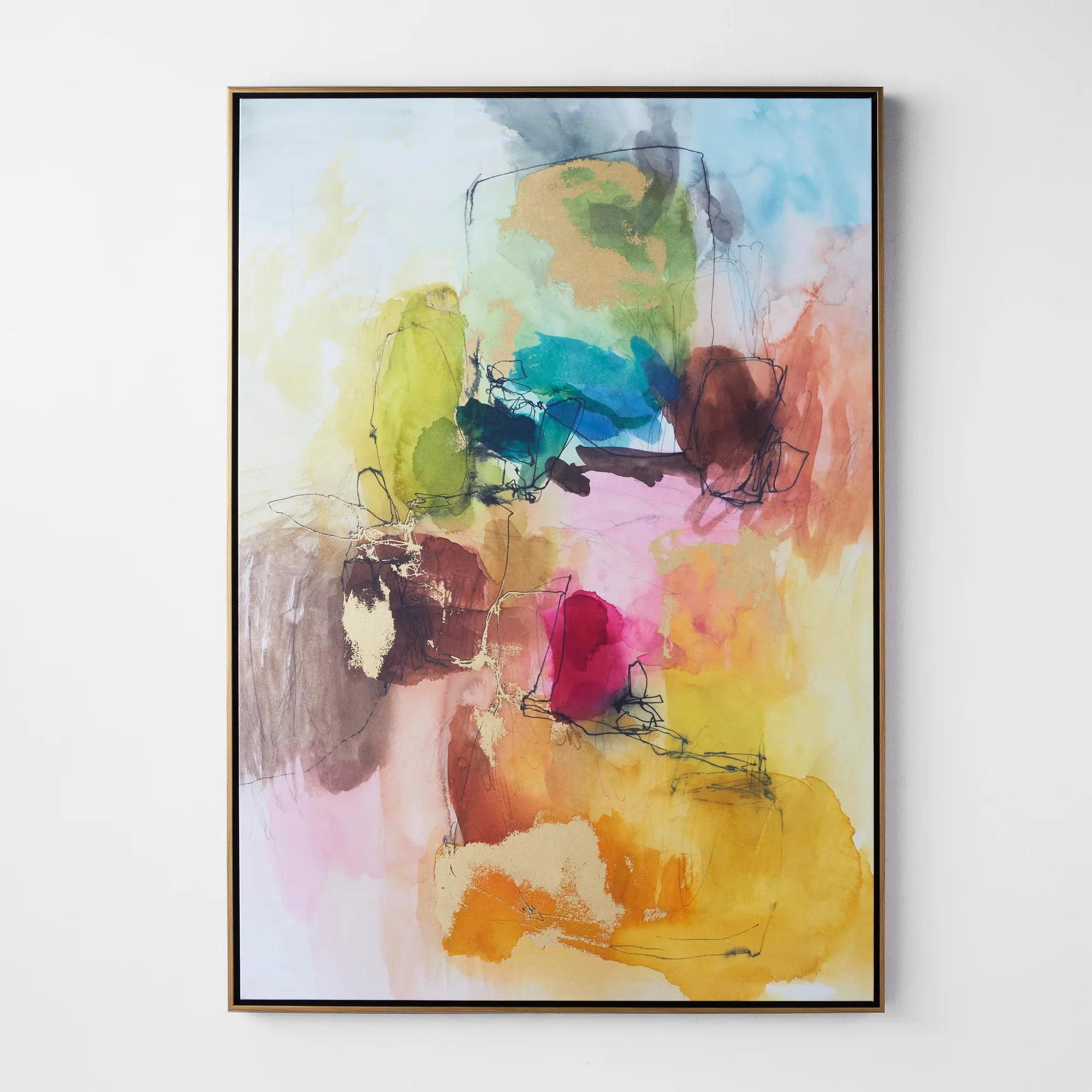
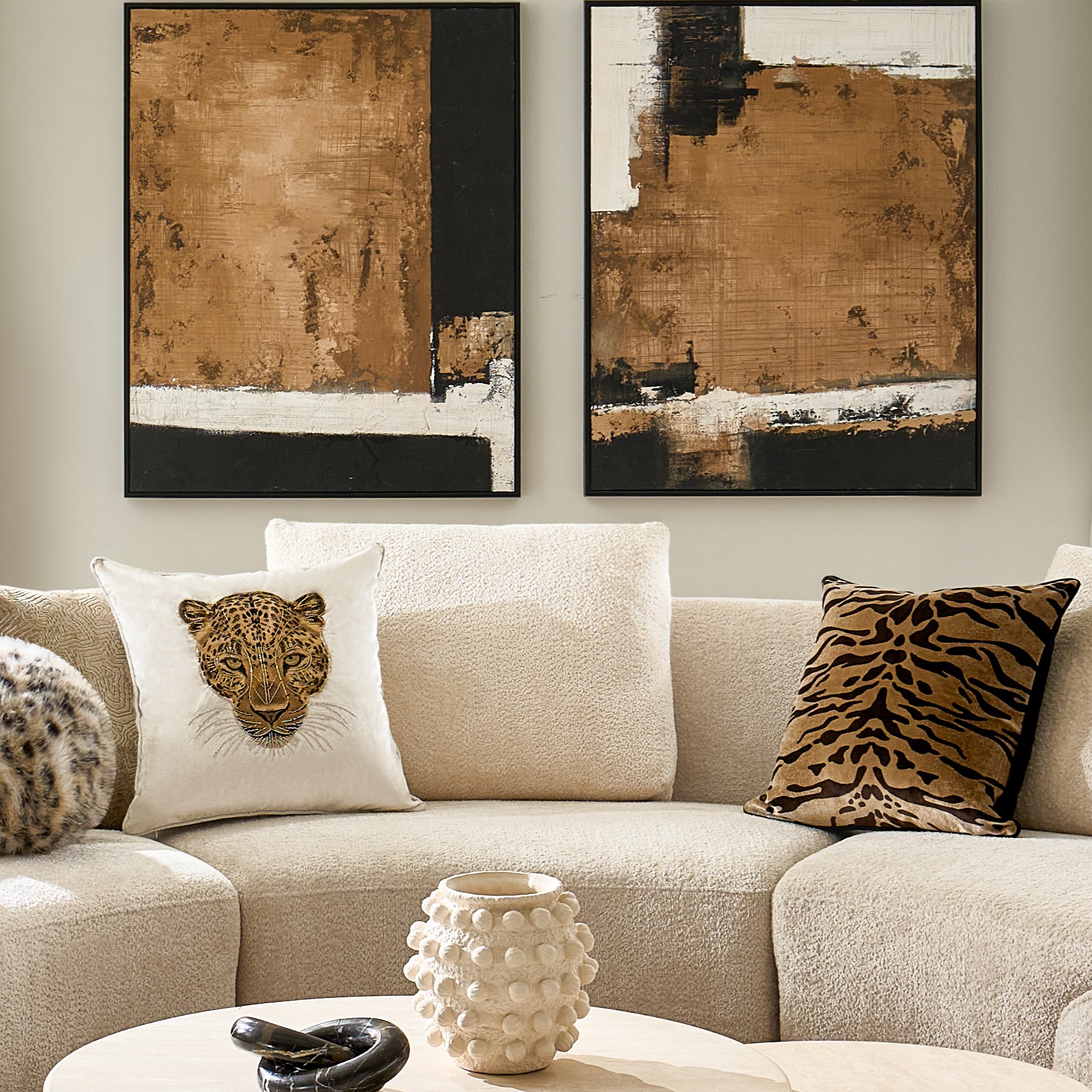 Drift Framed Painted Wall Art II 39.4" x 31.5"$299
A hand-painted canvas in brown, featuring bold texture and color interplay within a sleek black floater frame.
Add To Cart -
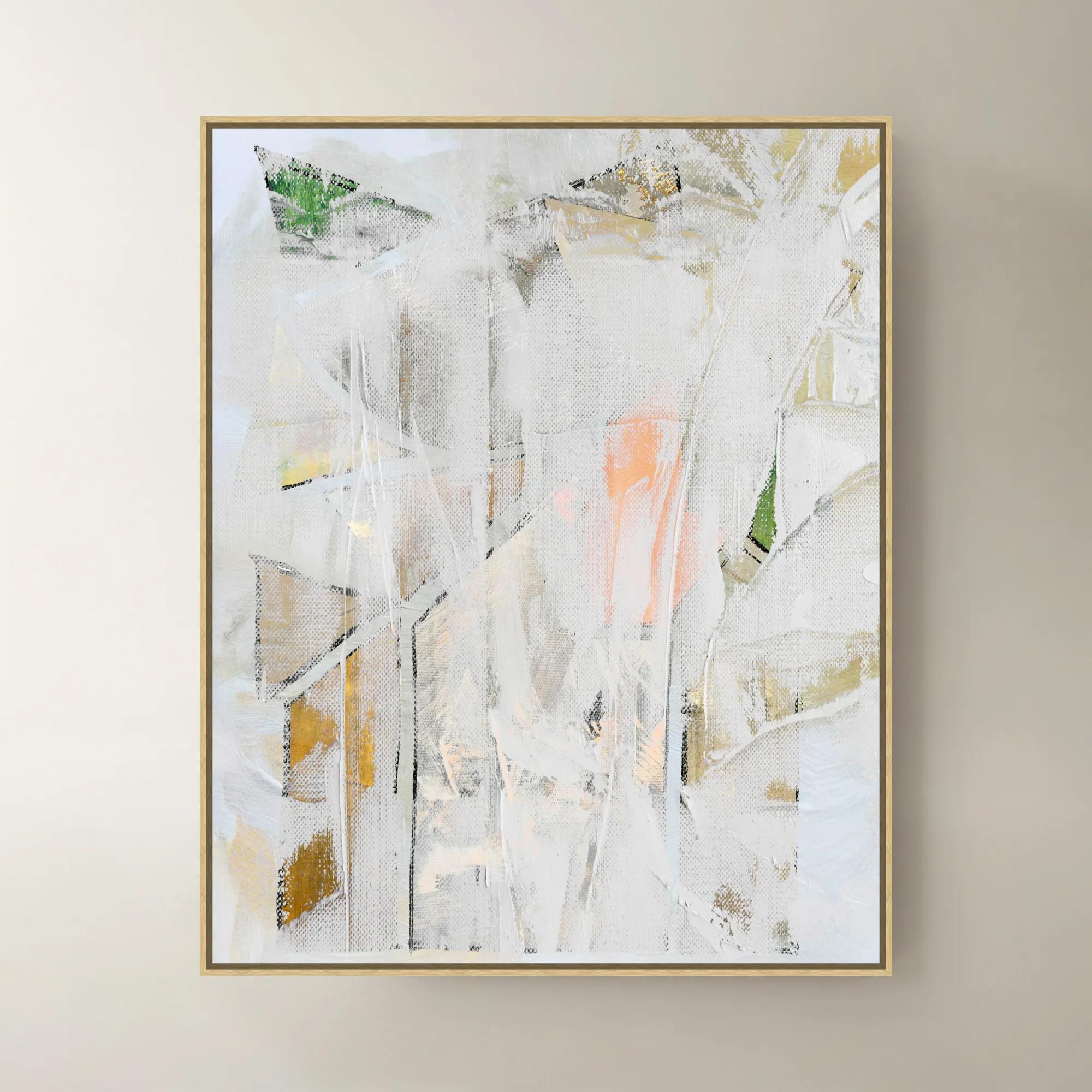
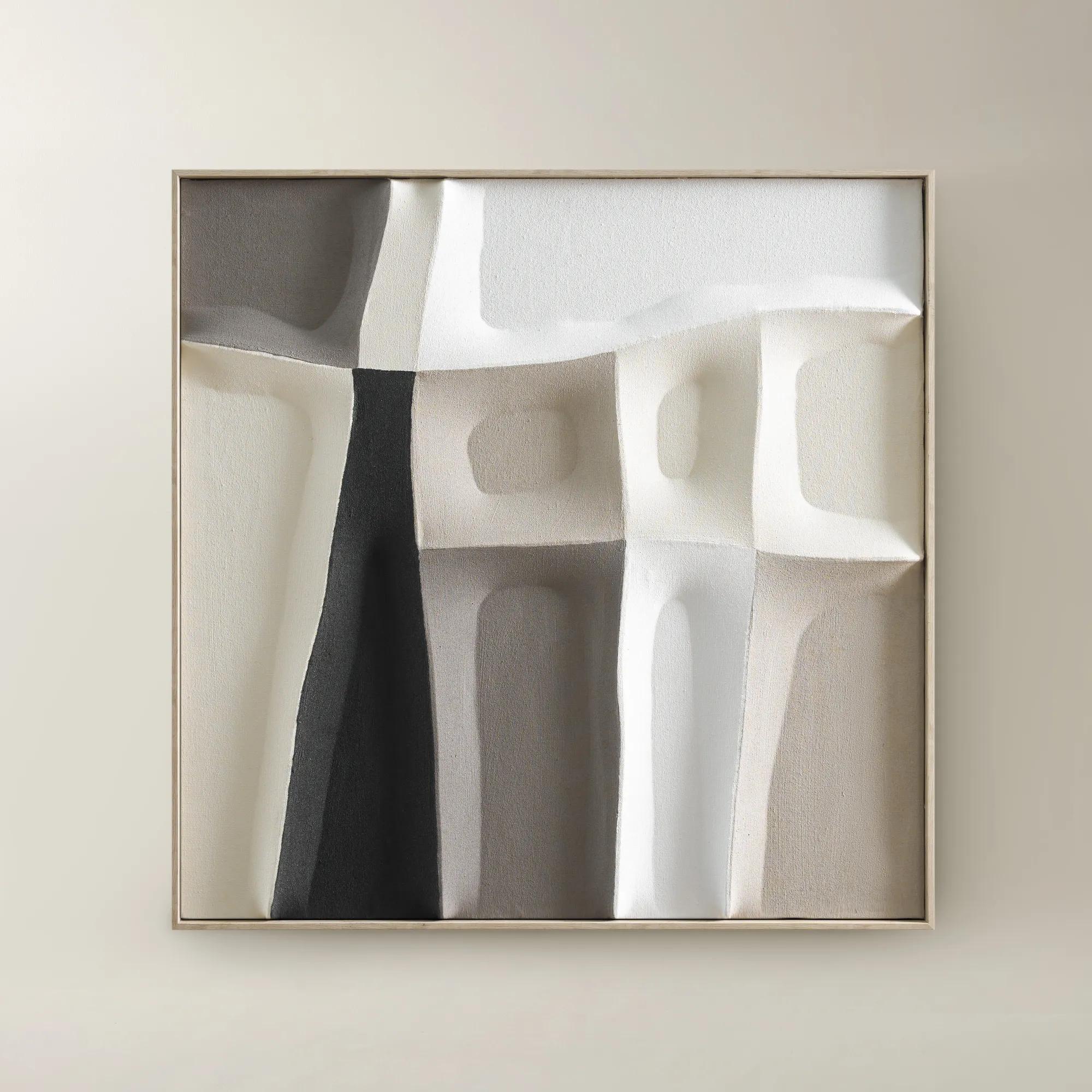 Shadow Painting 1$179
A hand-painted canvas featuring bold colors and sculptural textures in a warm whitewash floater frame.
Add To Cart -
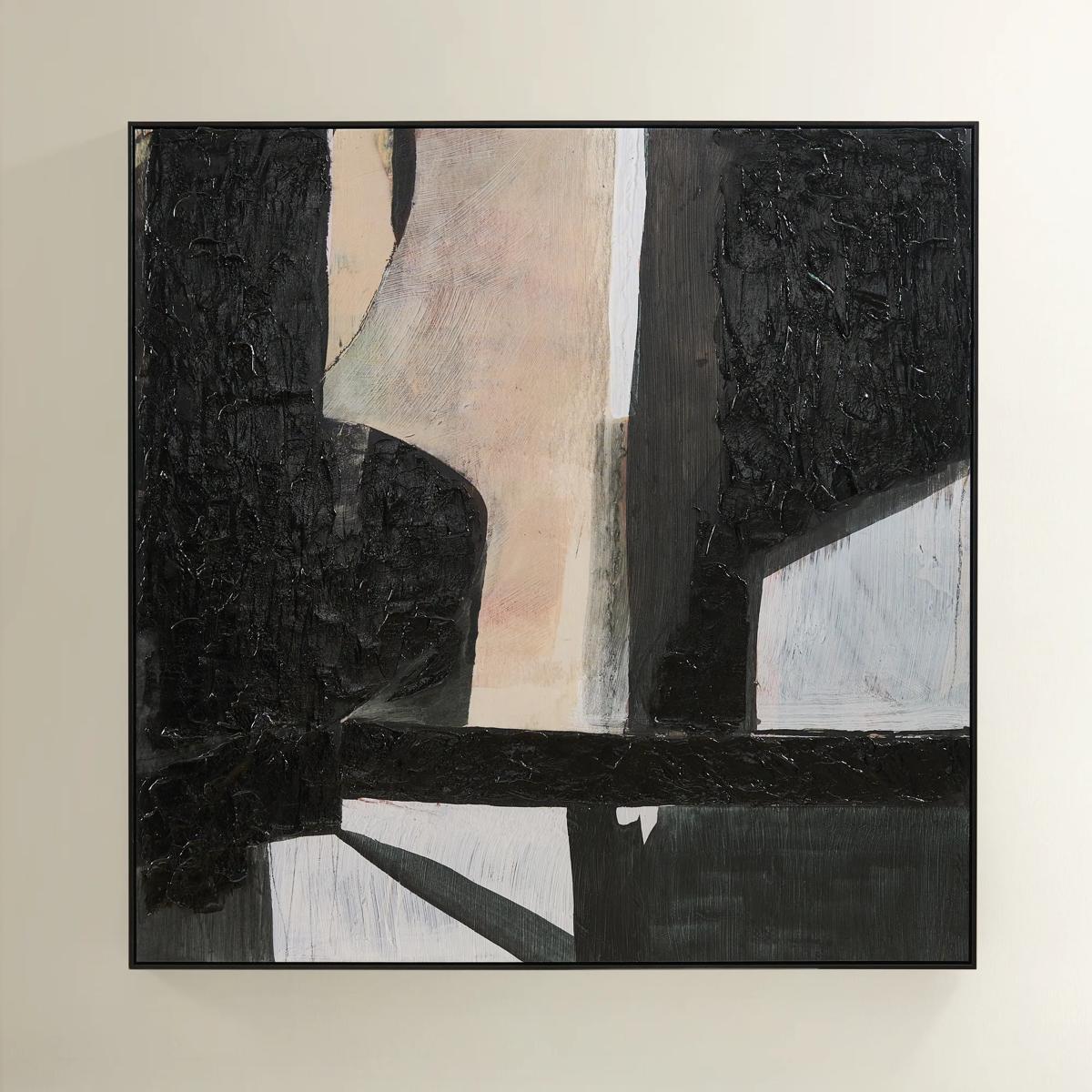 Grounded Painting$699
A hand-painted abstract canvas featuring black, cream, and earth tones in a sleek black floater frame.
Add To Cart -
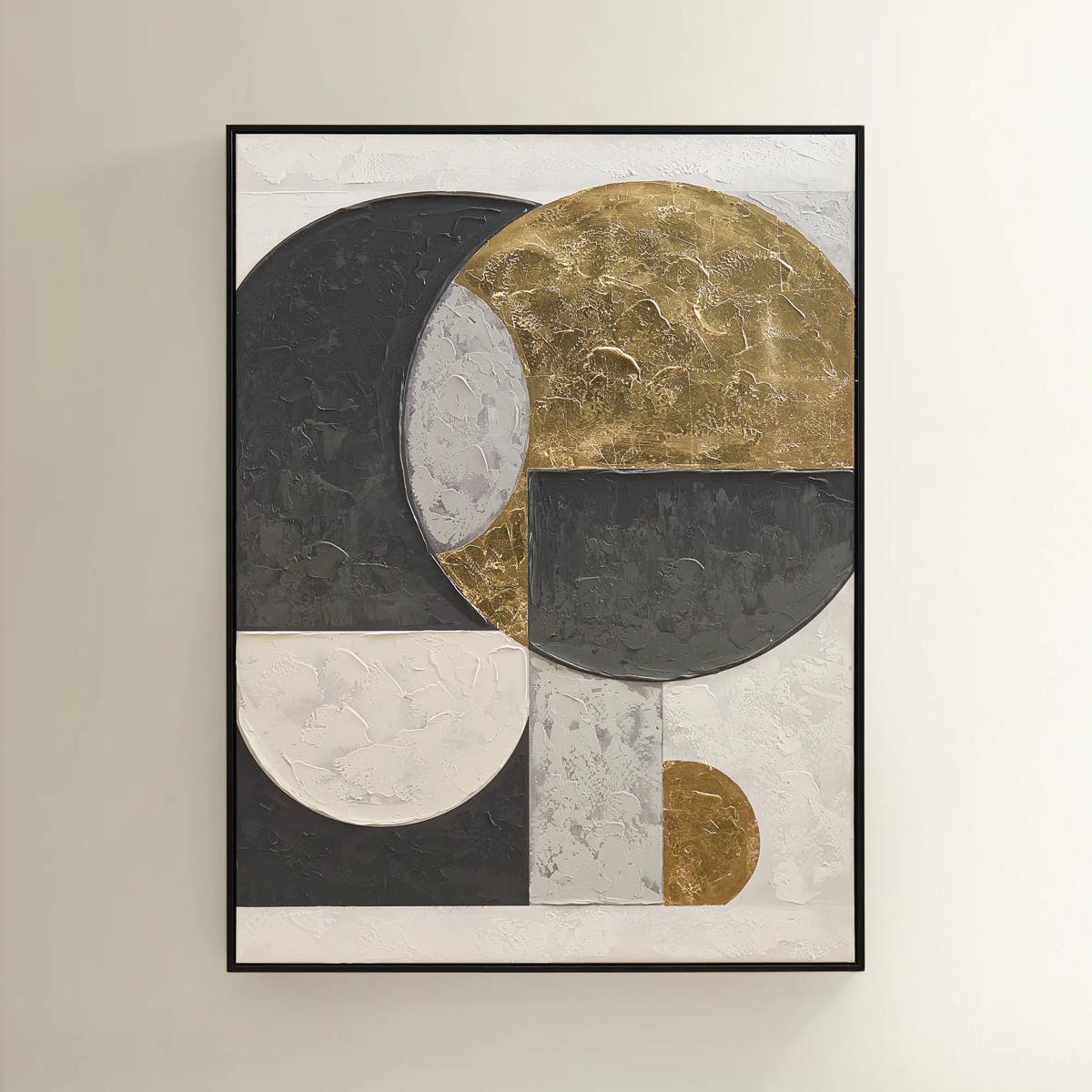
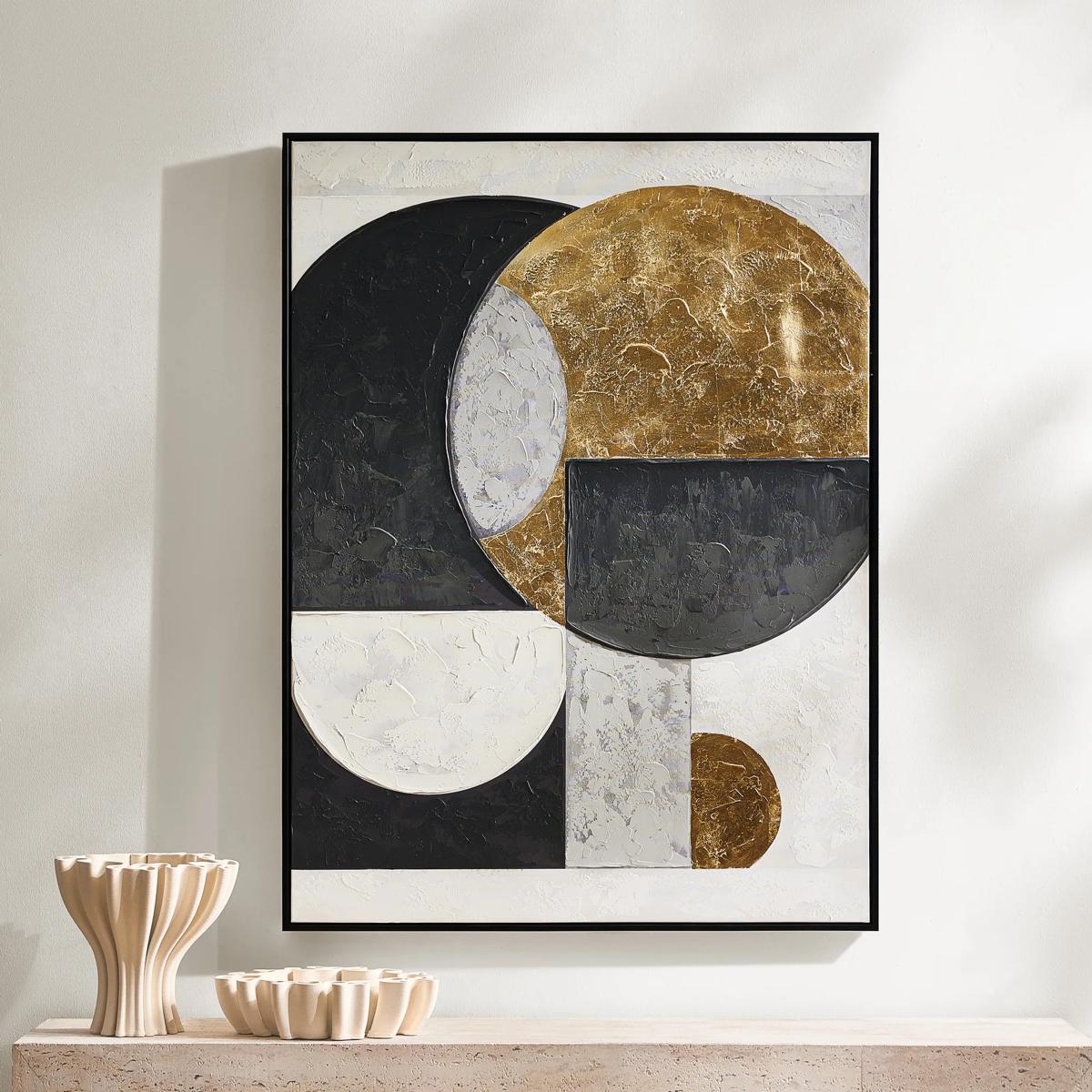 Eclipse Framed Gold Leaf Painted Wall Art 35.25" x 47.25"$449
A hand-painted canvas featuring bold black, grey, and gold geometric shapes with shimmering gold leaf accents.
Add To Cart -
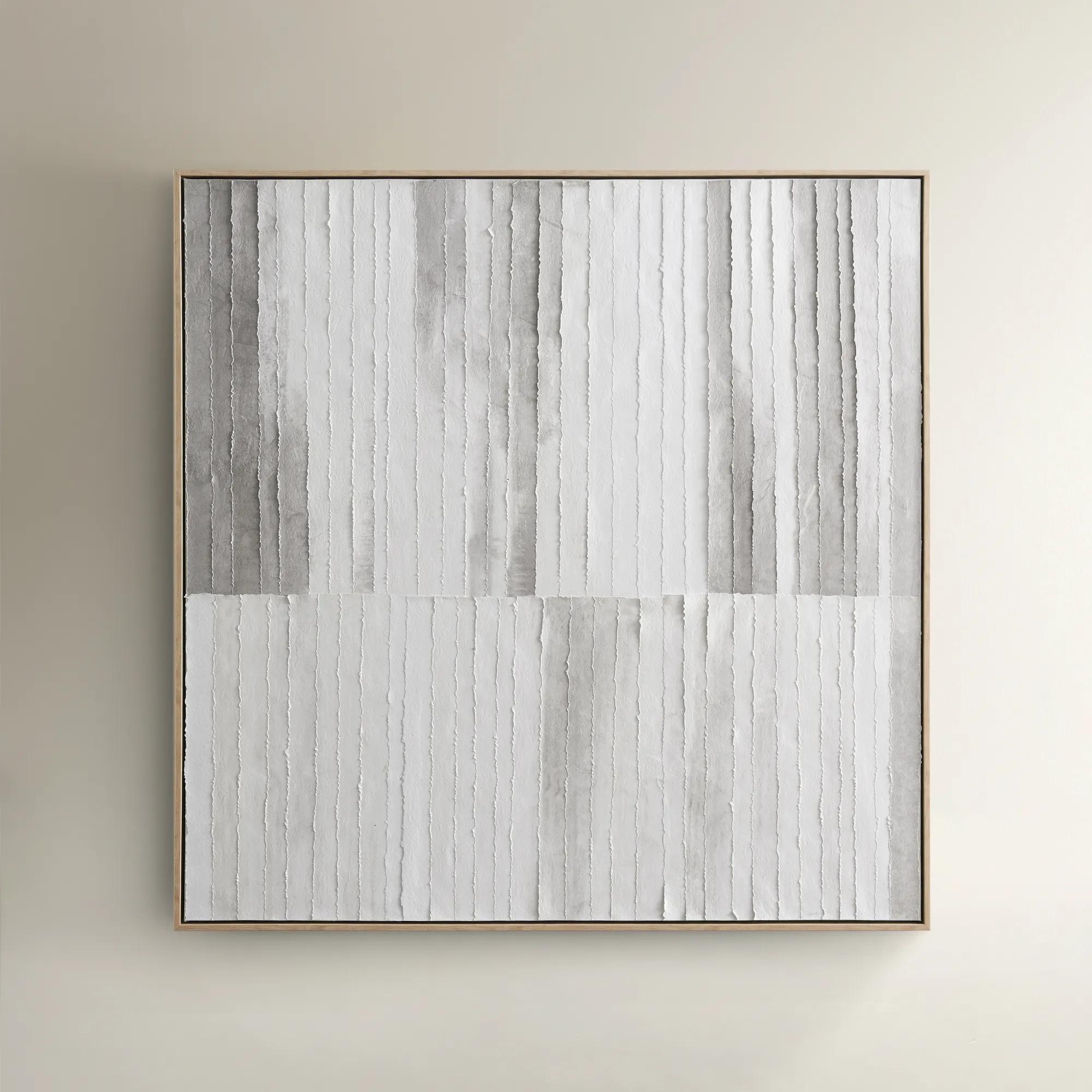
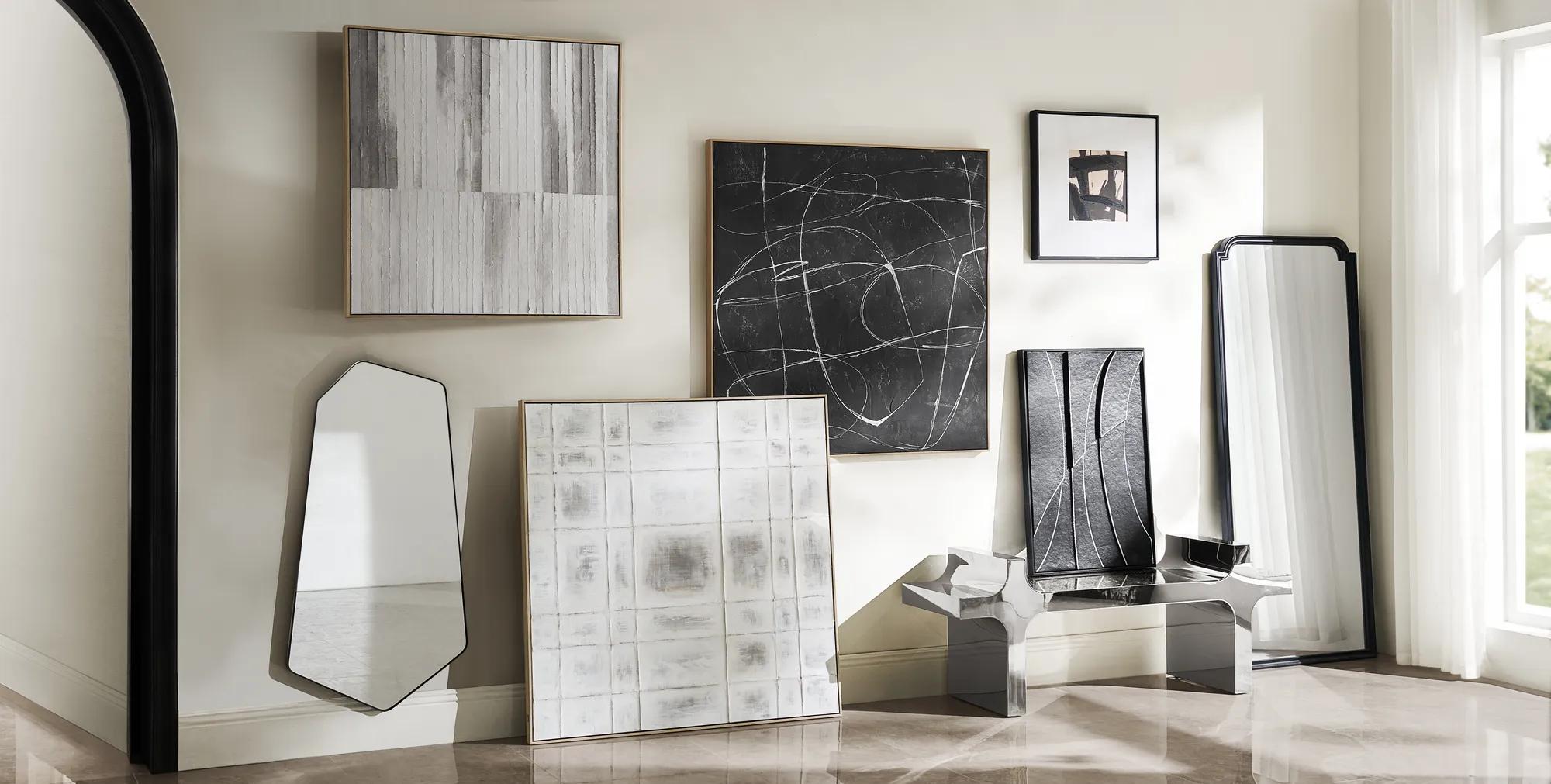 Morning Mist Paper Art$329
A hand-painted canvas featuring rhythmic grey lines in a textured, whitewashed floater frame for serene style.
Add To Cart -
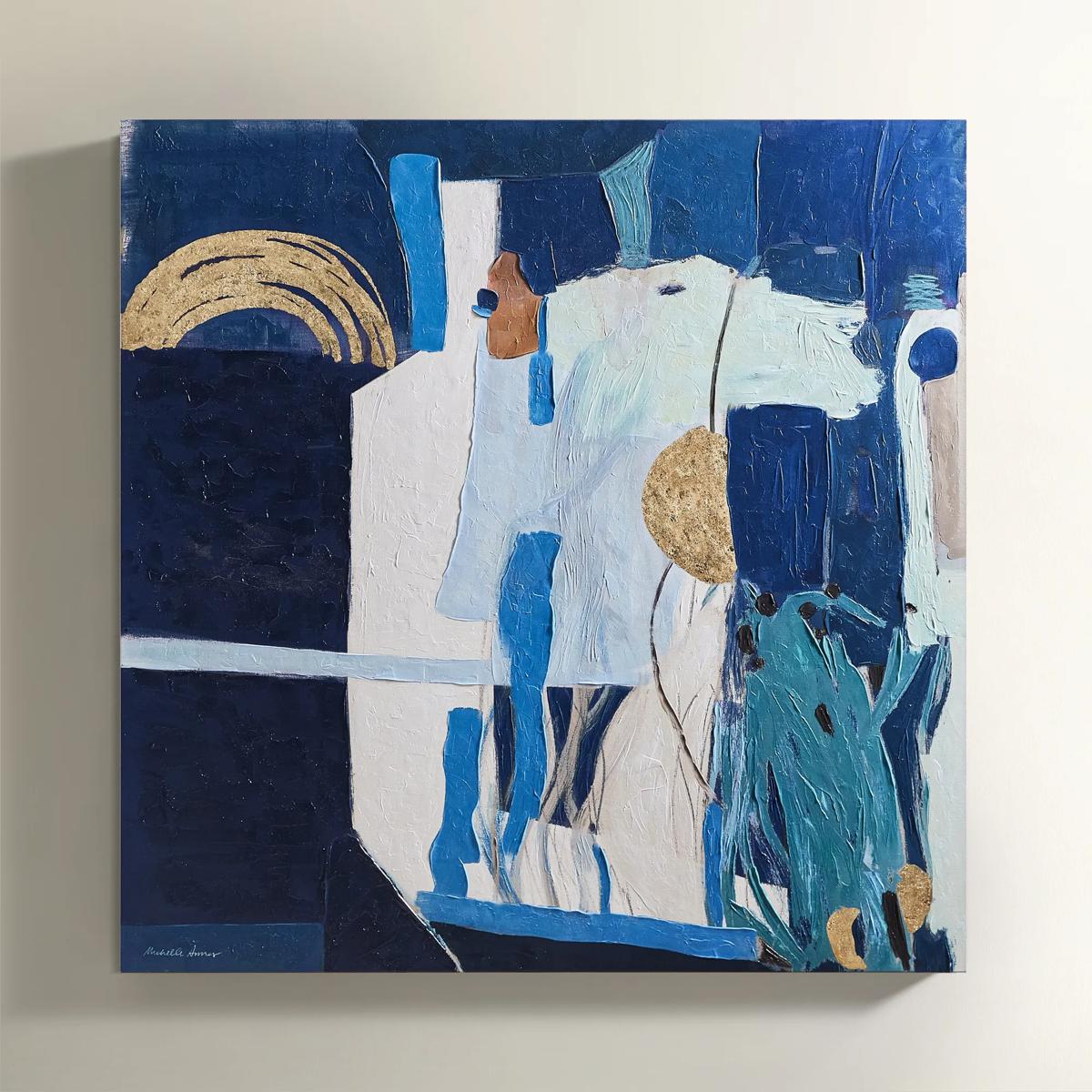
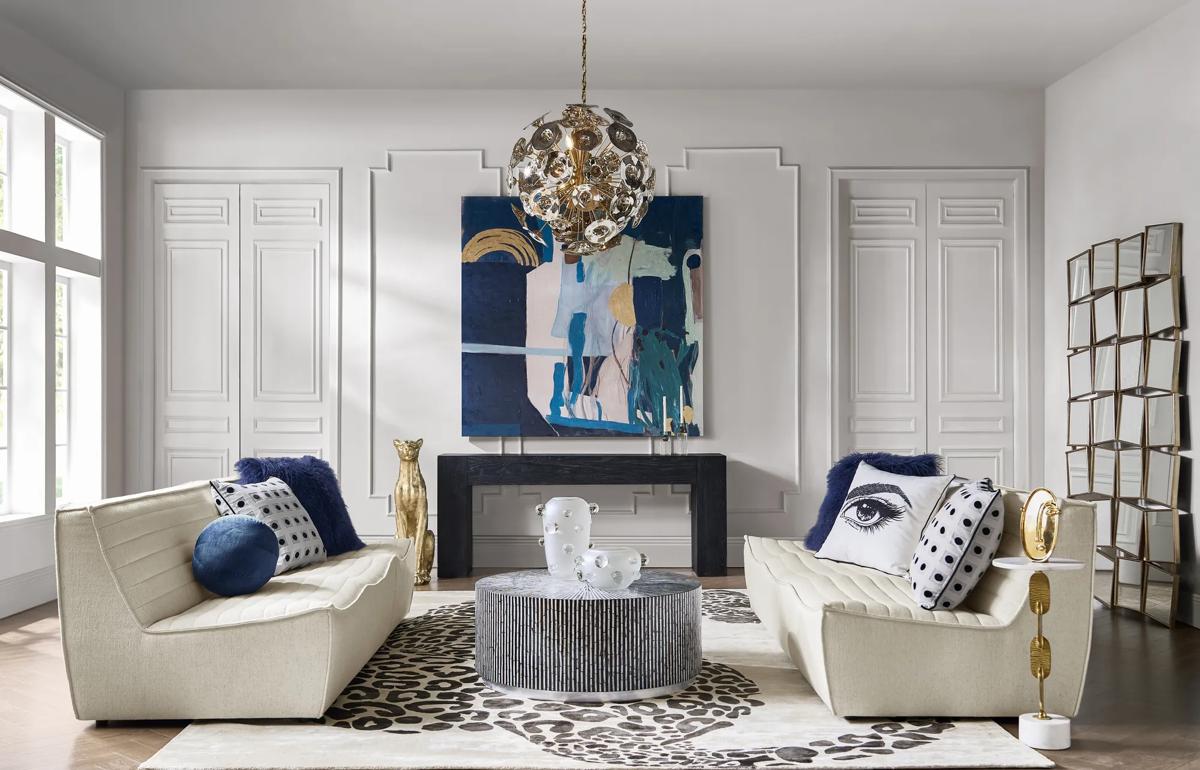 In Flux Painting$699
A hand-embellished canvas artwork featuring deep teal, green, ivory, and gold in a black Art Deco frame.
Add To Cart -
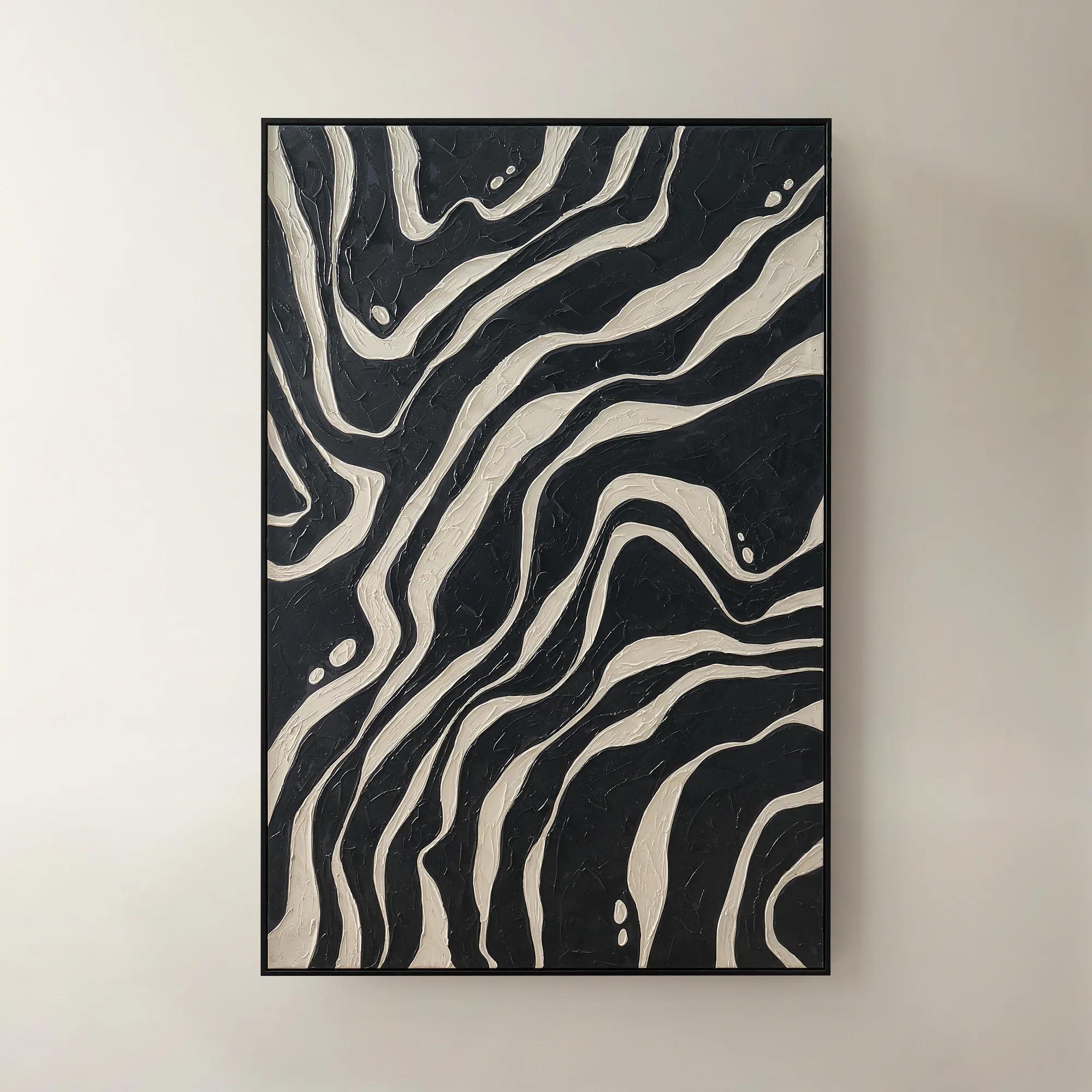
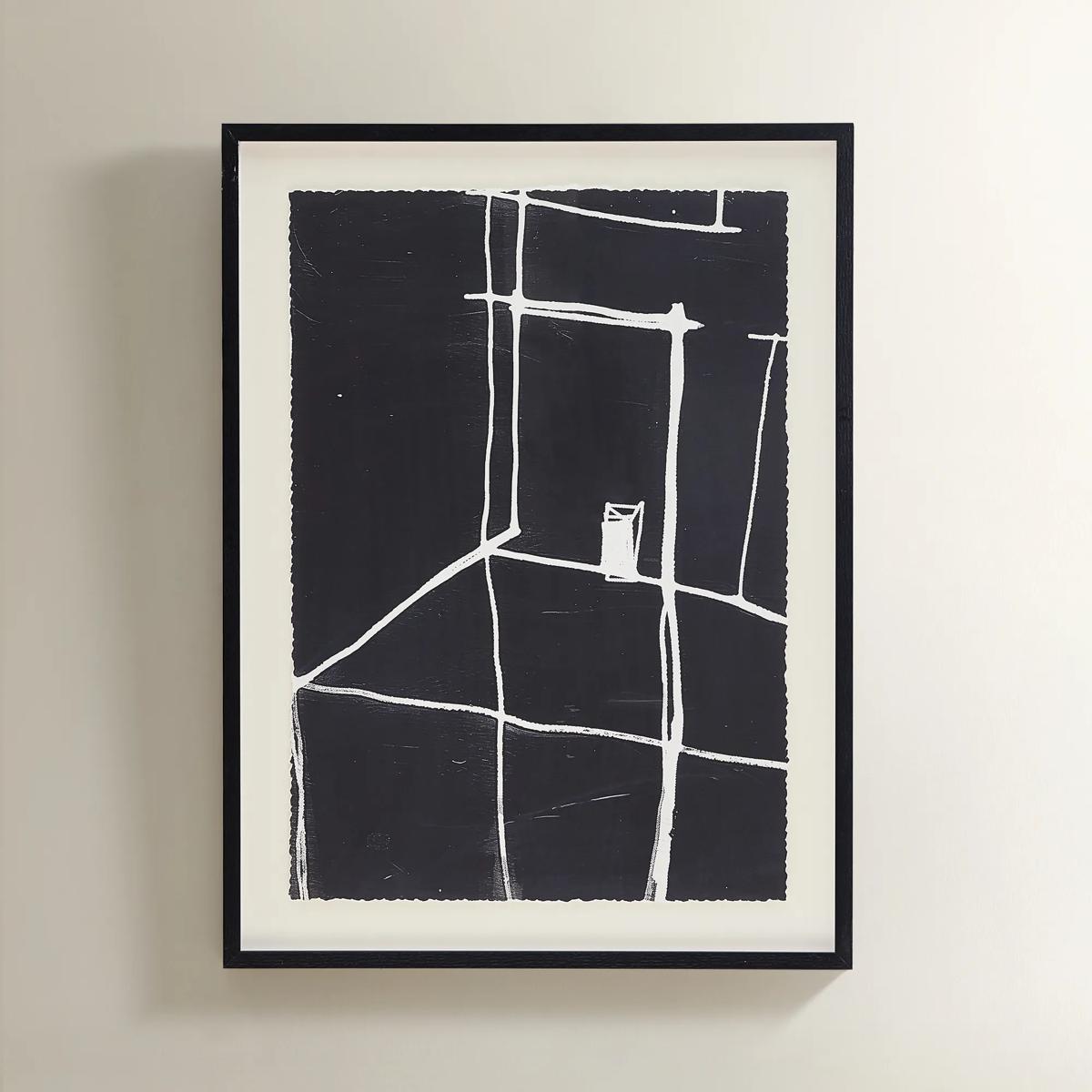 Solitude Art$269
A minimalist black-and-white abstract print featuring bold white lines in a sleek black polyresin frame.
Add To Cart -
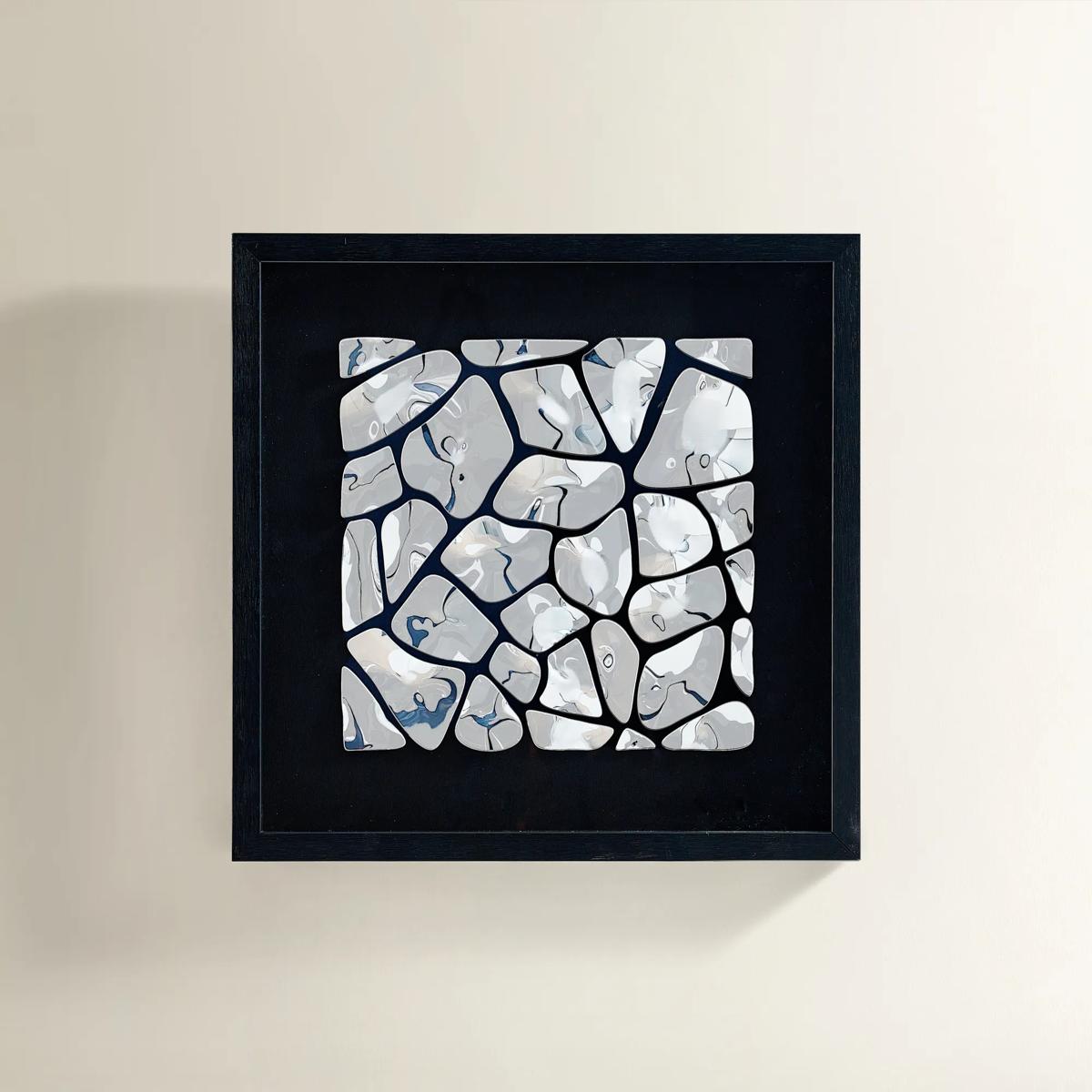 Reflect Silver And Black Shadowbox Art I$189
A dimensional metal wall art piece featuring polished silver and black forms in a sleek black frame.
Add To Cart -
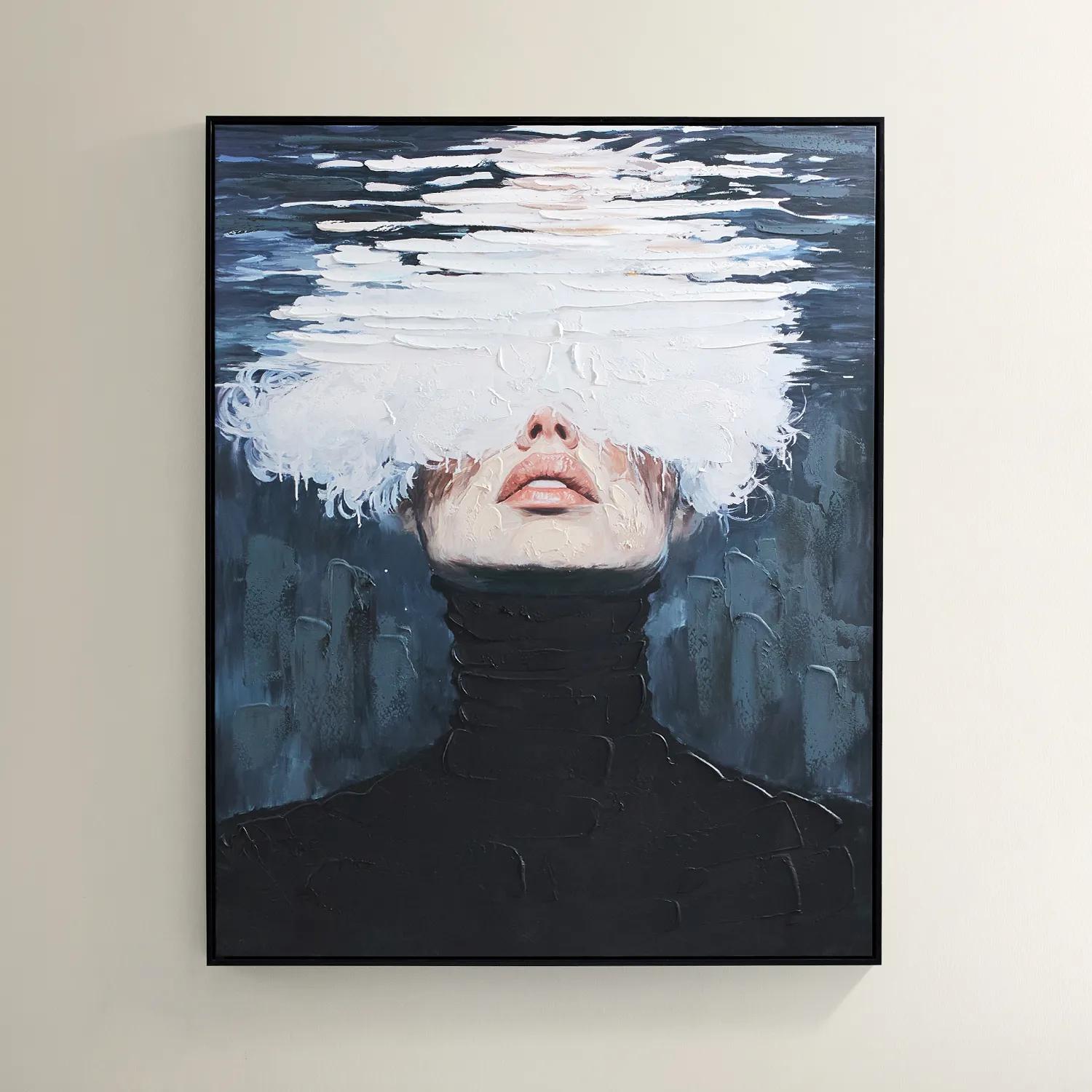
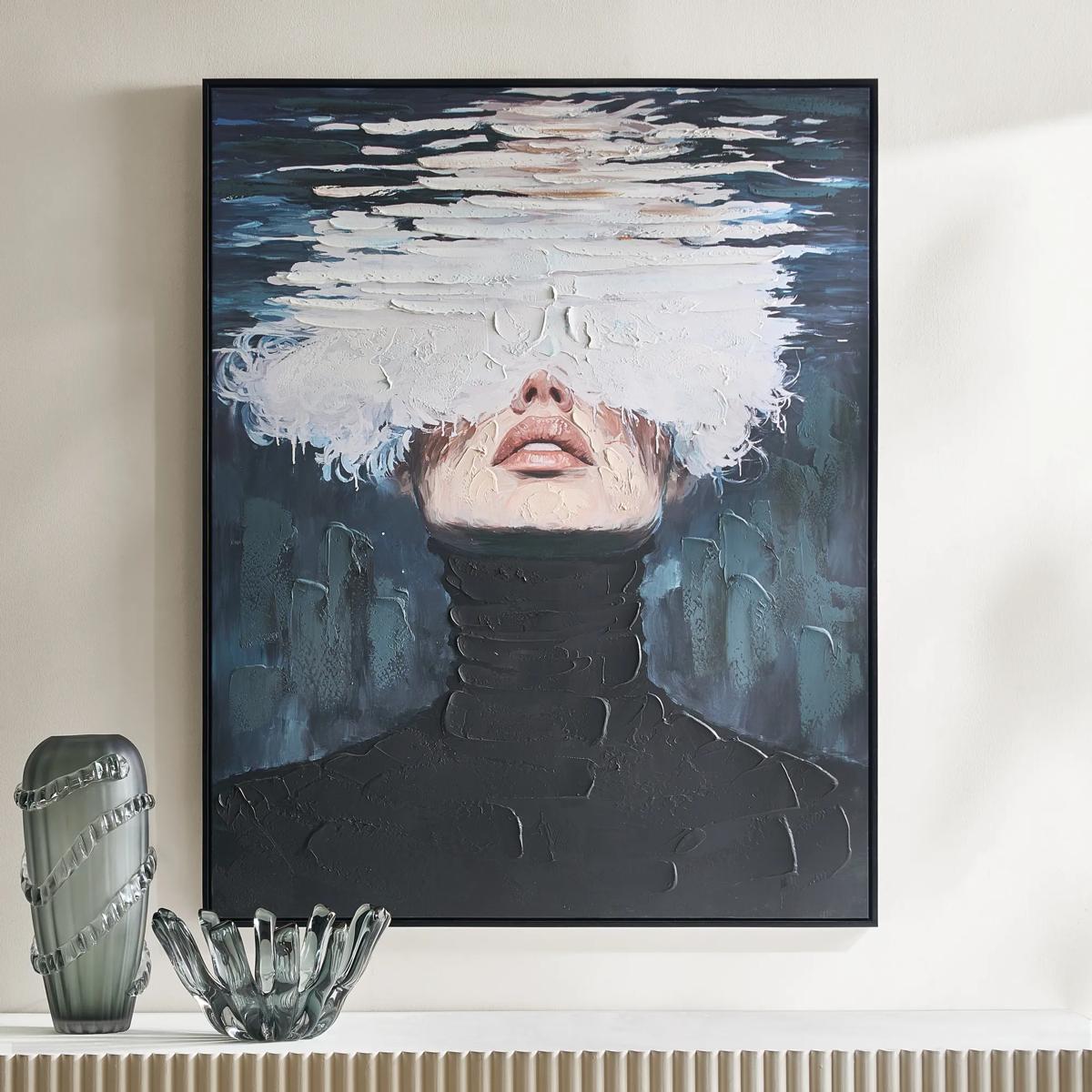 Submerged Framed Painted Wall Art 40" x 50"$599
A hand-painted canvas featuring a surreal portrait in black, blue, and white with a black floater frame.
Add To Cart -
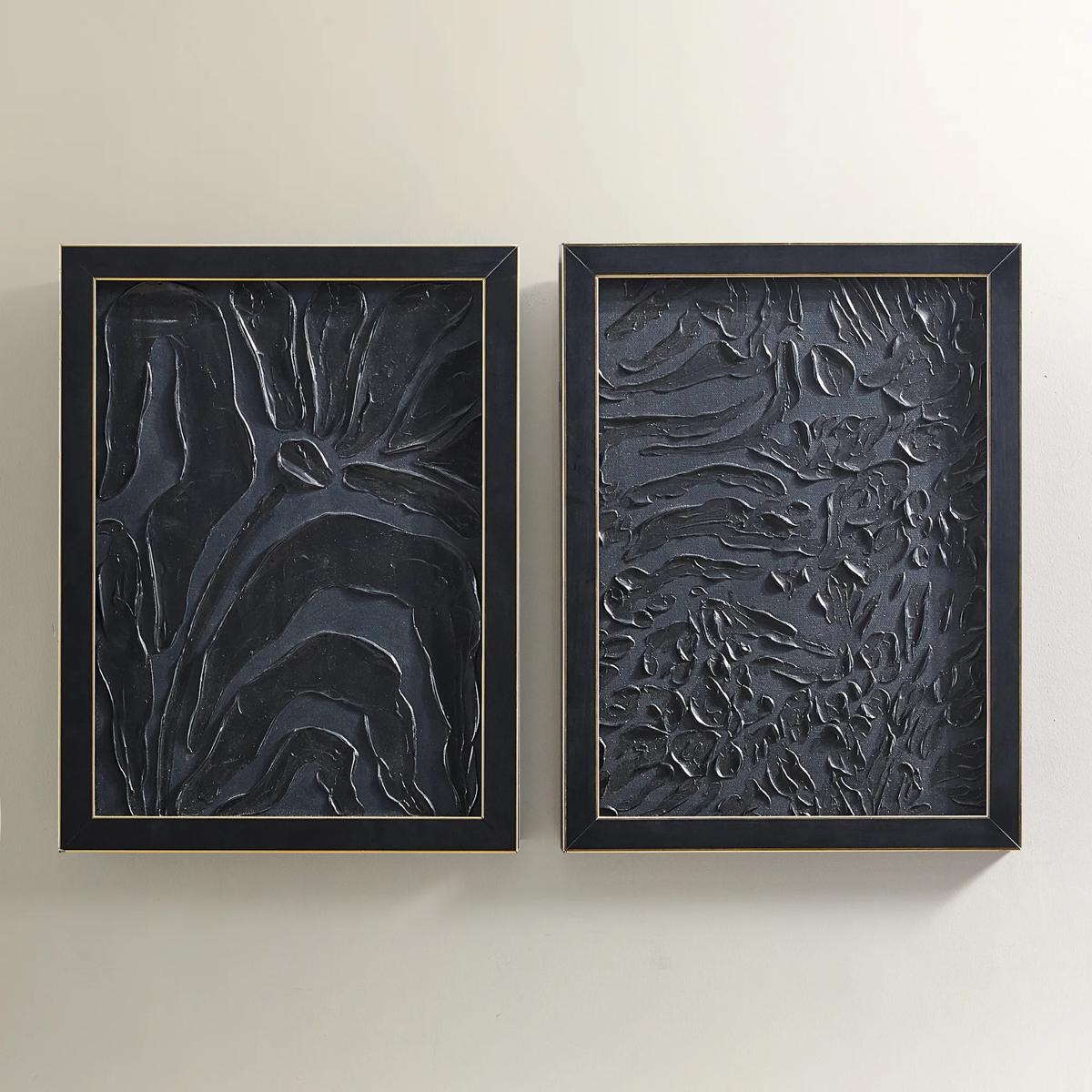
 Midnight Animal Painting - Set of 2$119
A set of hand-embellished canvas artworks in black and gold frames, adding depth and warmth to interiors.
Add To Cart -
-0.jpeg?w=1200&h=1200)
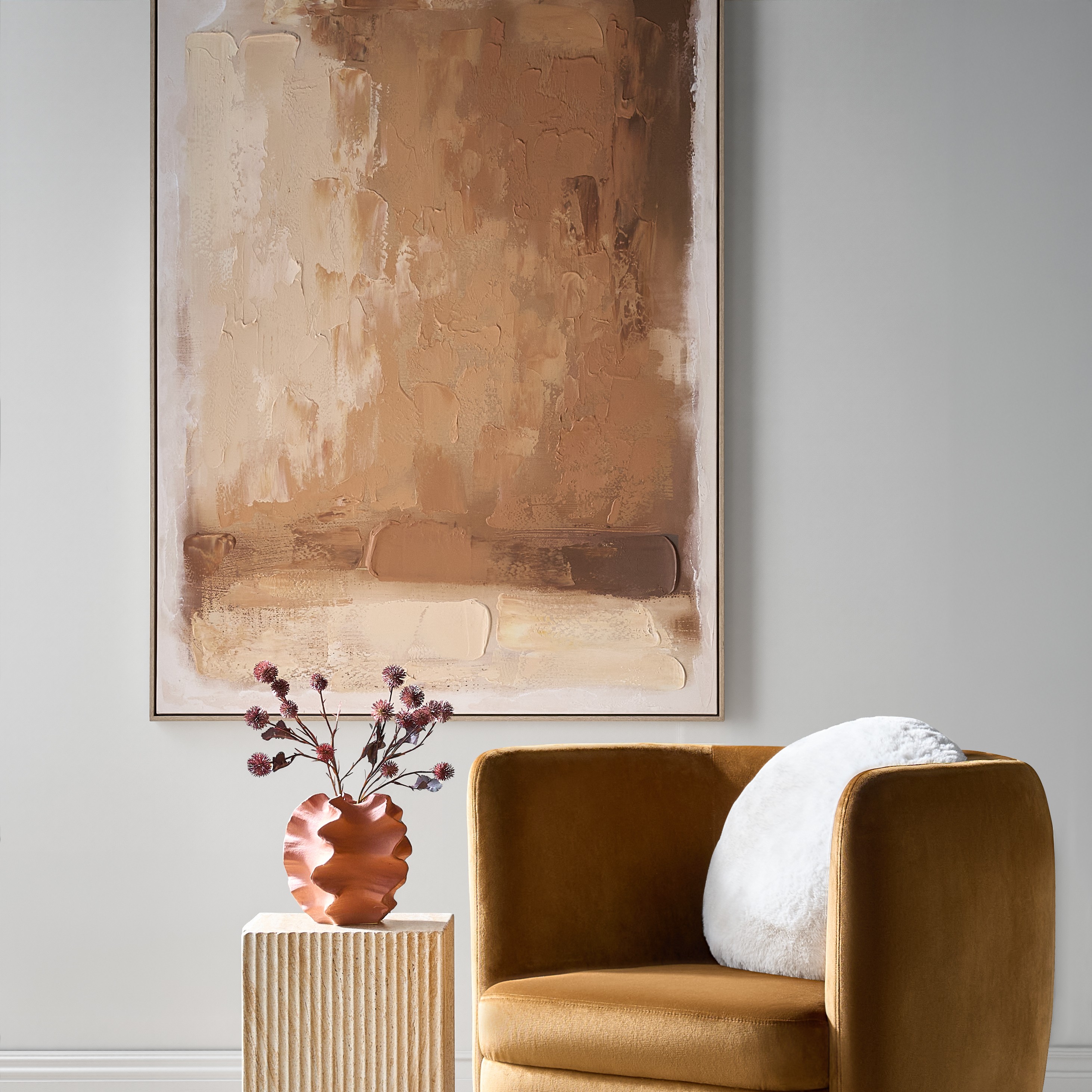 Ember Glow Framed Painted Wall Art 39.25" x 55"$499
A hand-painted abstract canvas blending ochre, terracotta, and golden clay hues in a light natural frame.
Add To Cart -
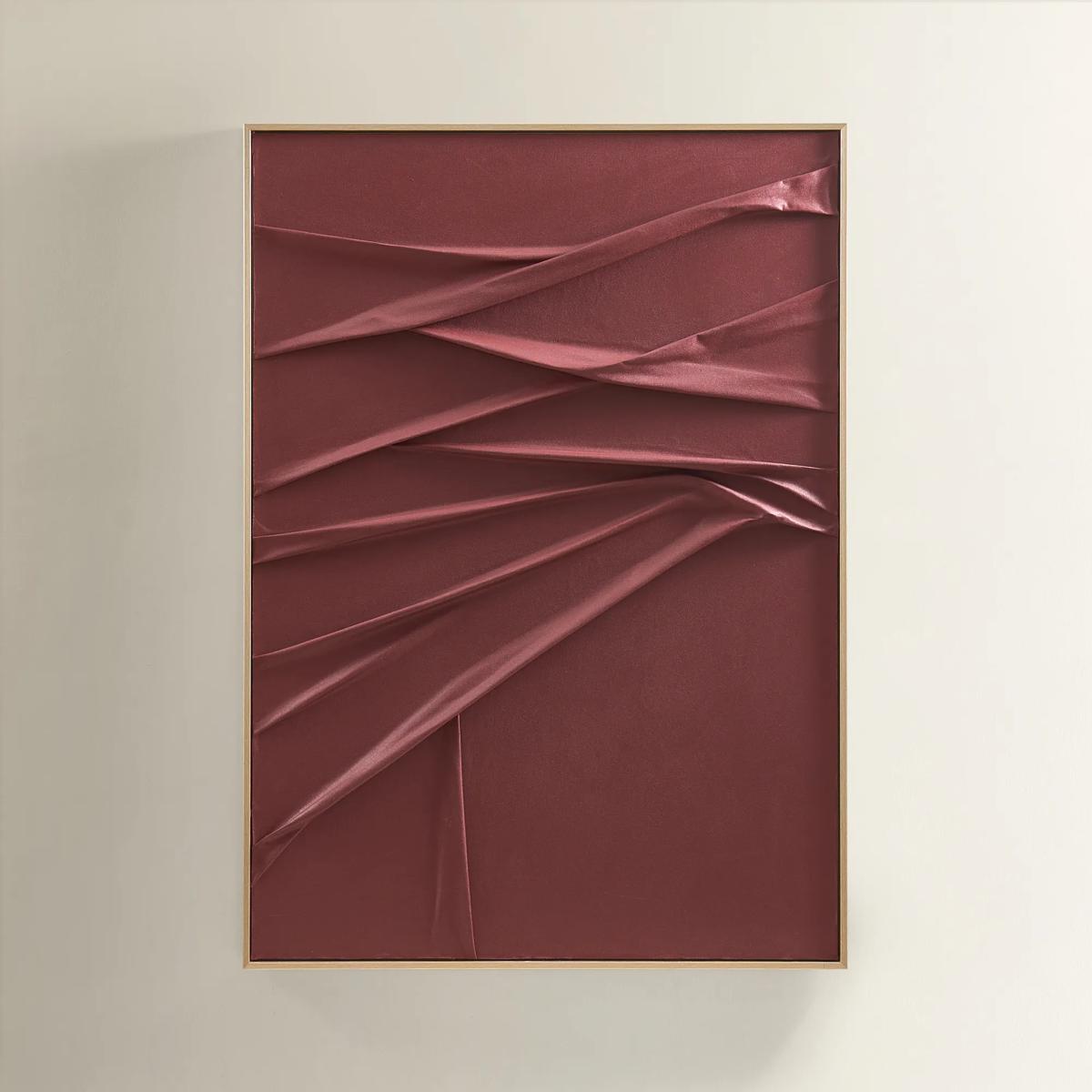
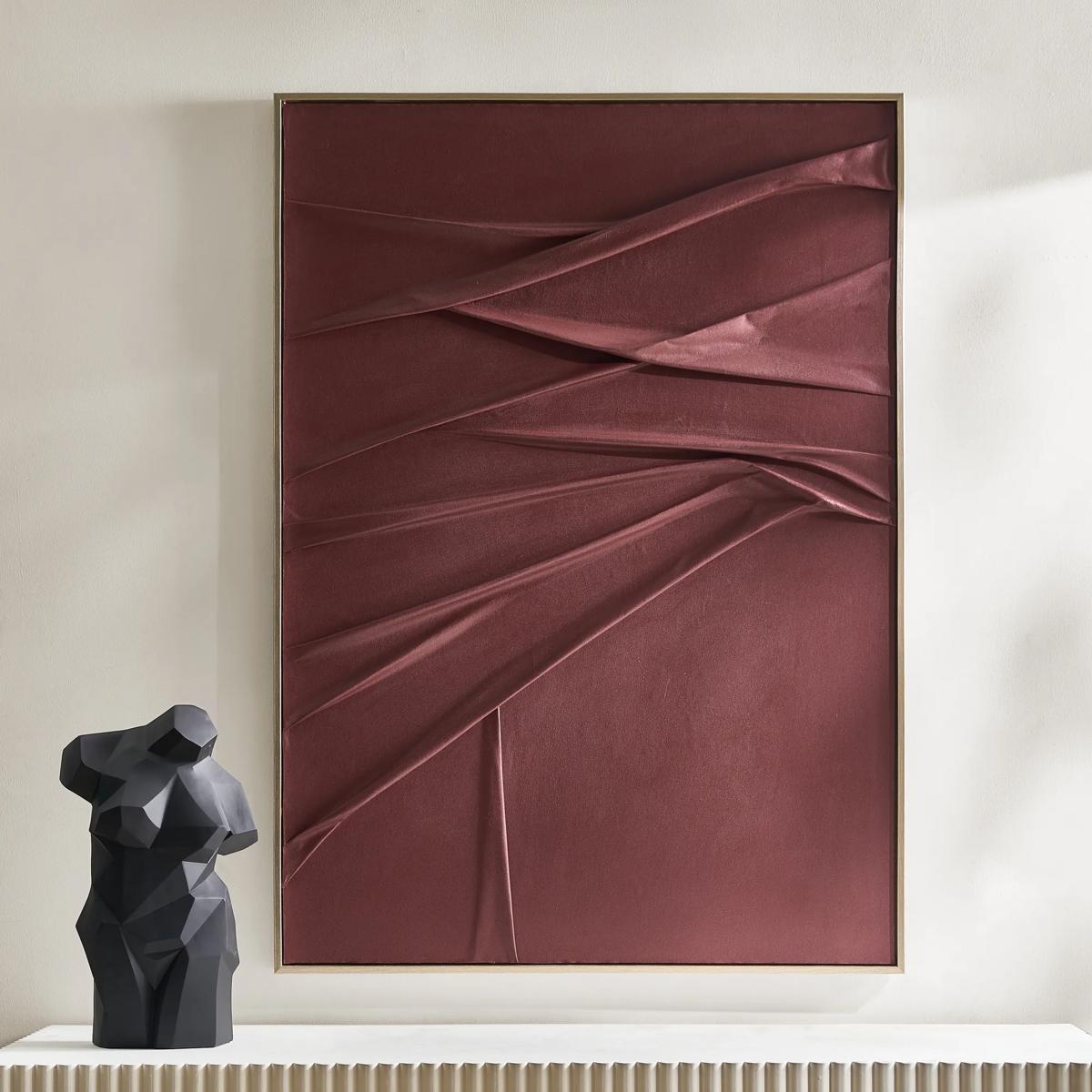 Crimson Painting$599
A handcrafted burgundy canvas artwork with sculptural folds, framed in champagne for a dramatic, textured effect.
Add To Cart -
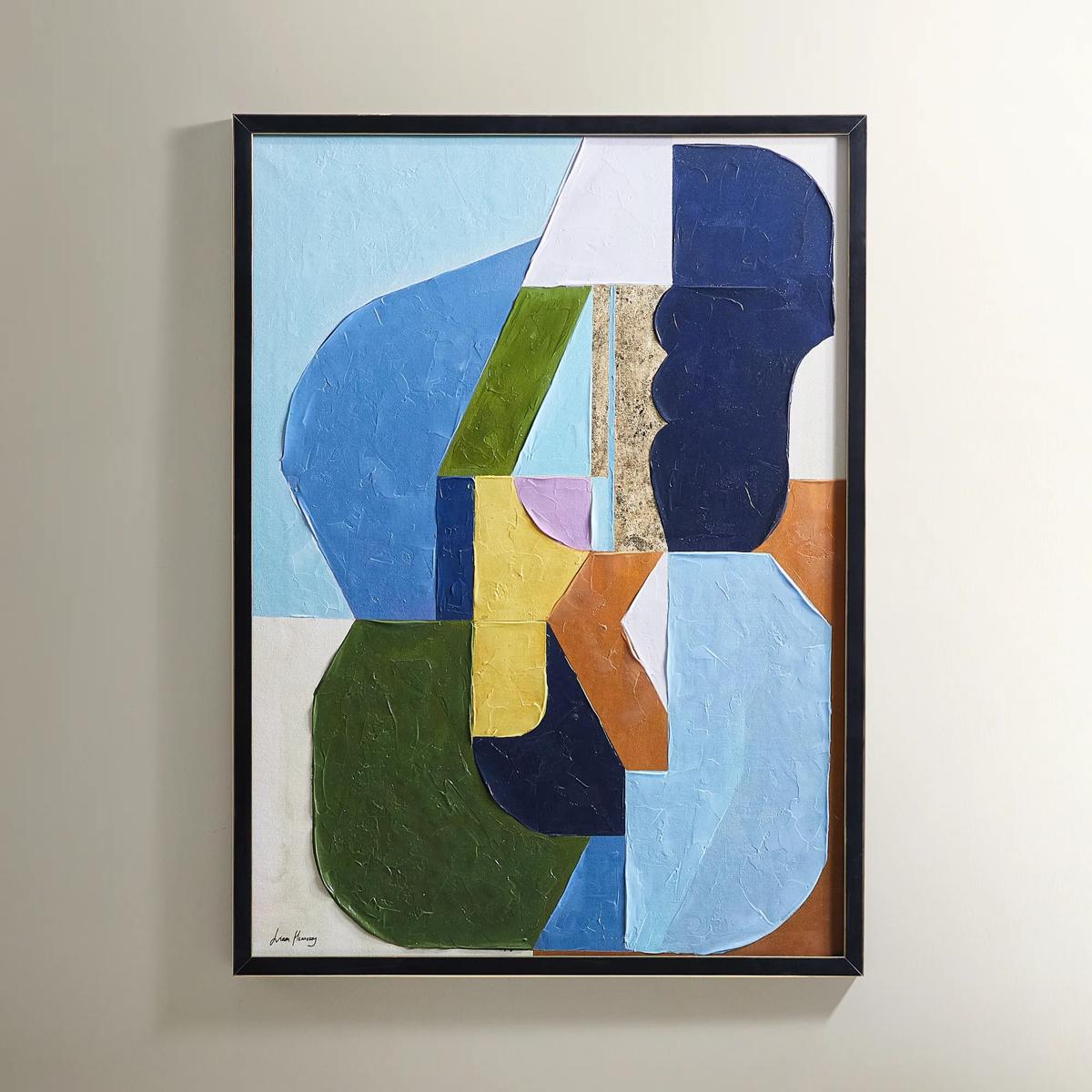
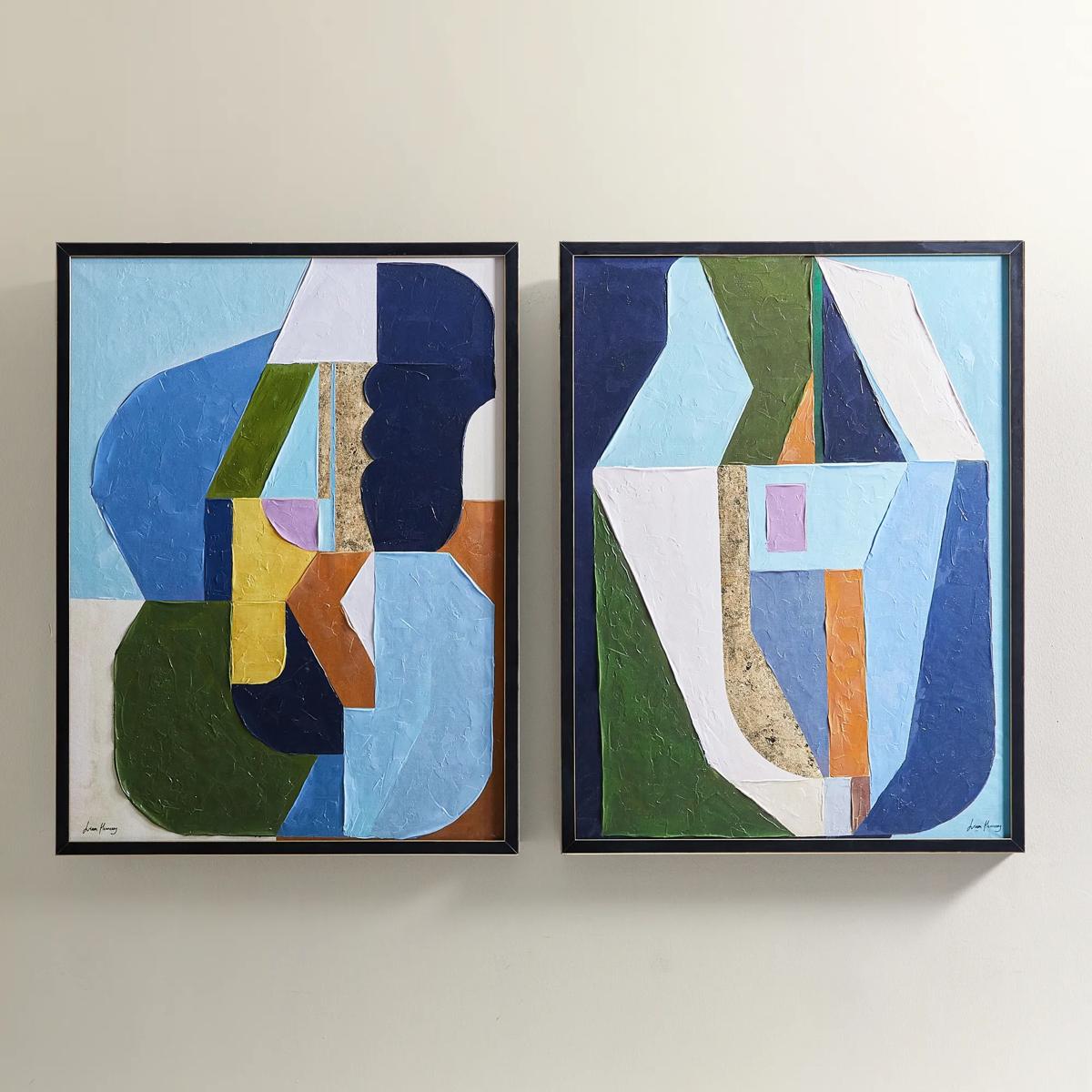 Thought Provoking Painting 1$249
A hand-embellished canvas artwork featuring textured strokes in deep blue, olive green, and gold accents.
Add To Cart -
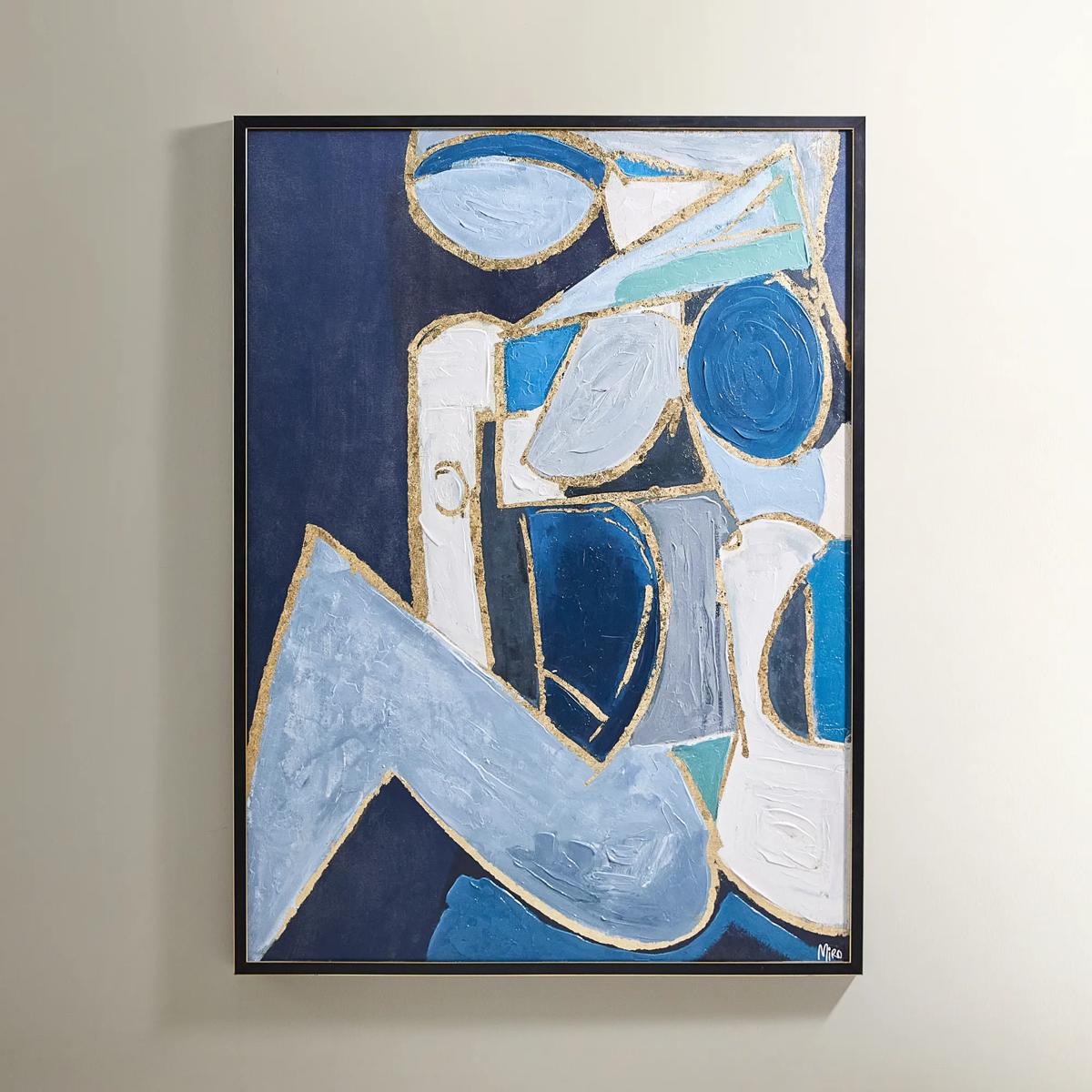
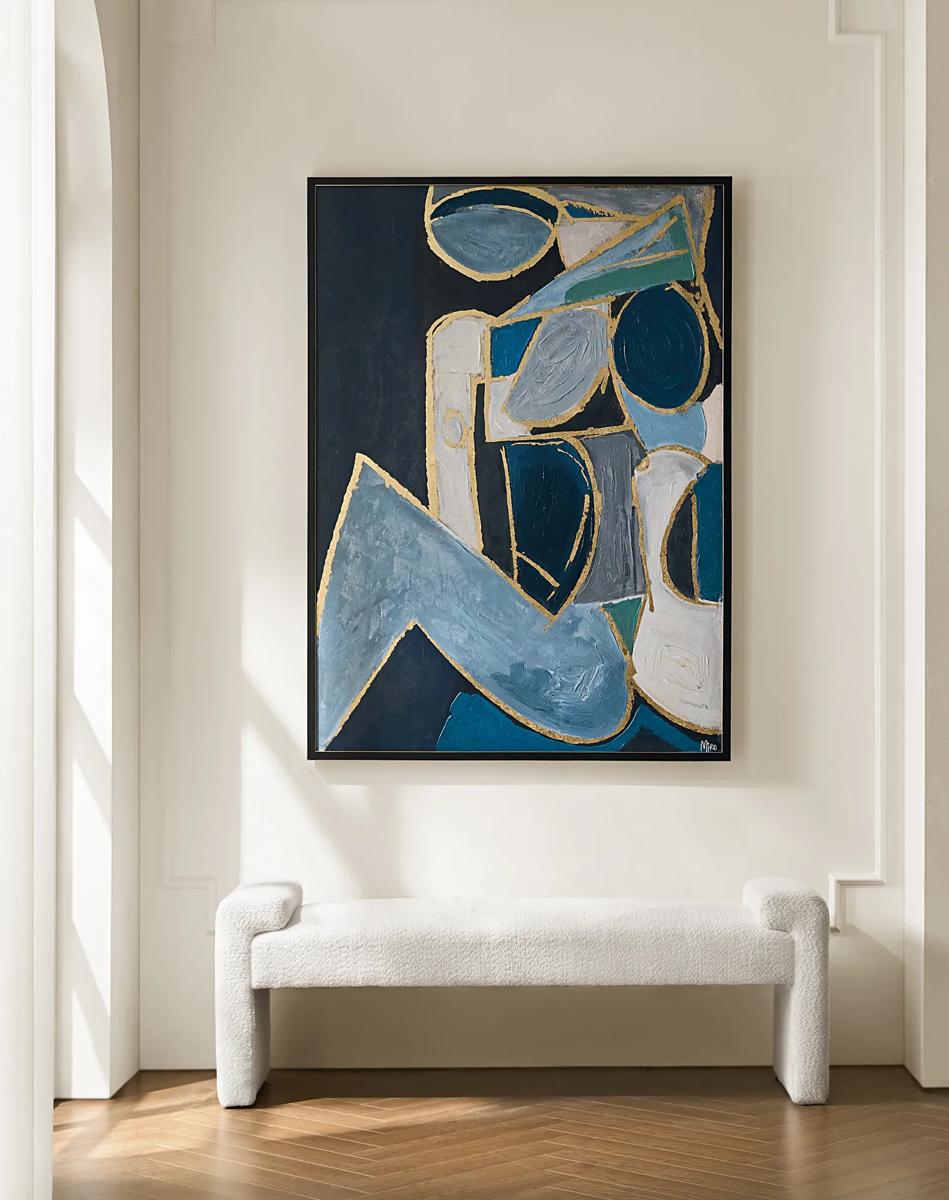 Figure in Cubism Painting$599
A hand-embellished canvas artwork featuring blue, gold, and white hues with elegant silver foil accents.
Add To Cart -
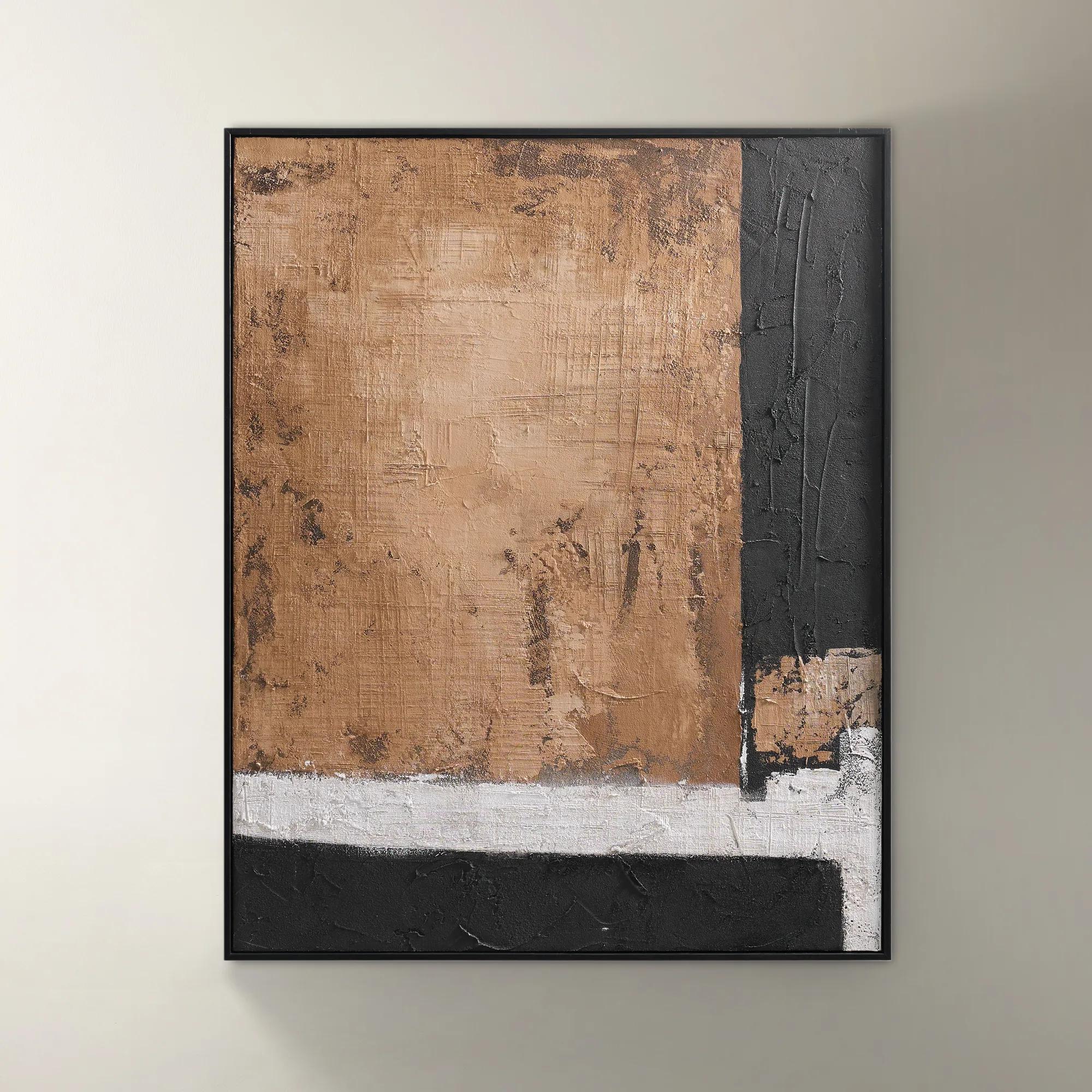 Drift Framed Painted Wall Art I 39.4" x 31.5"$299
A bold hand-painted abstract artwork featuring layered brown tones in a sleek black floater frame.
Add To Cart -
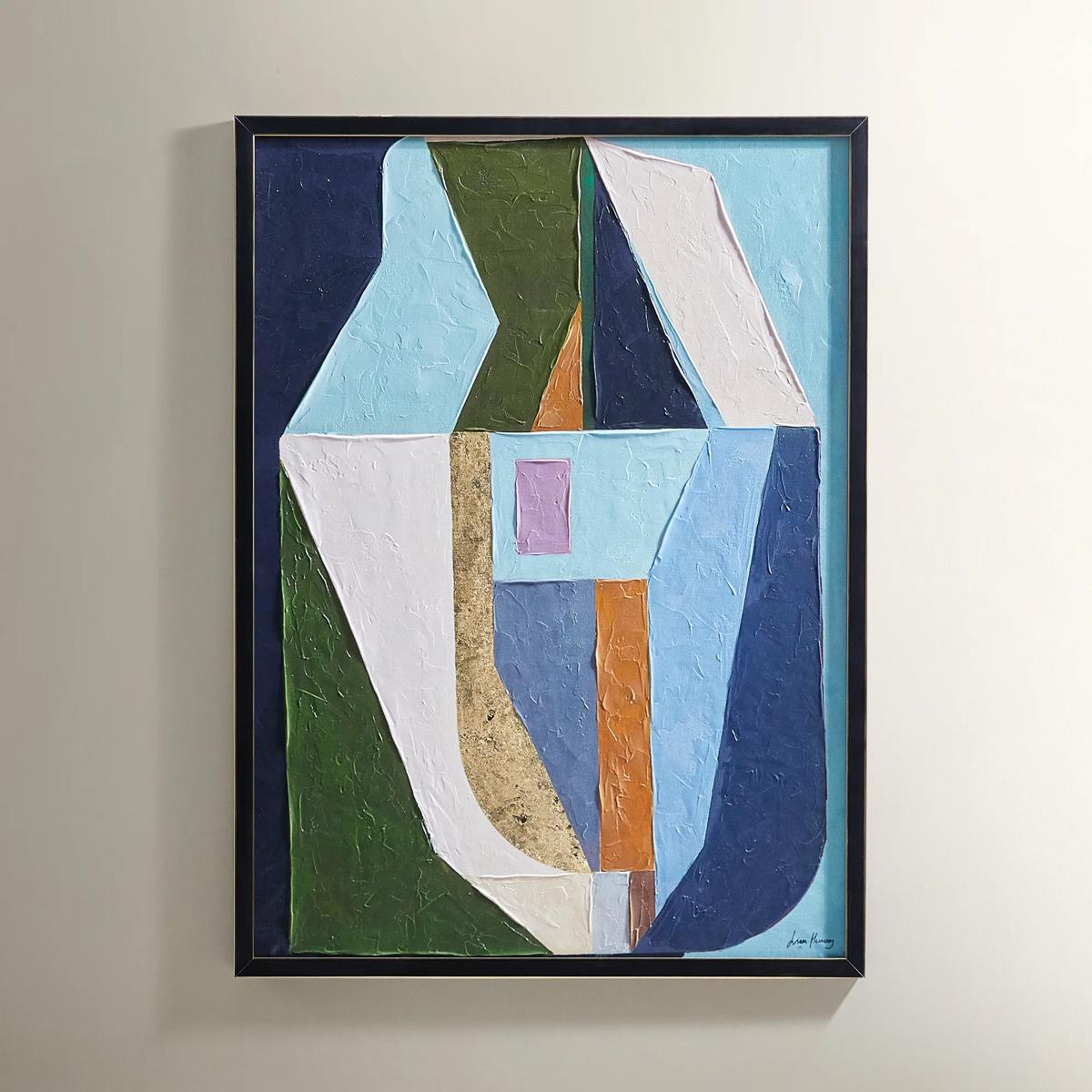 Thought Provoking Painting 2$249
A hand-embellished canvas artwork featuring textured strokes in deep blue, olive green, and gold accents.
Add To Cart -
 Infinity Gold Leaf Wood Wall Decor I 31.5" x 31.5"$299
A swirling wooden wall sculpture featuring a striking metallic gold finish for a bold decorative statement.
Add To Cart -
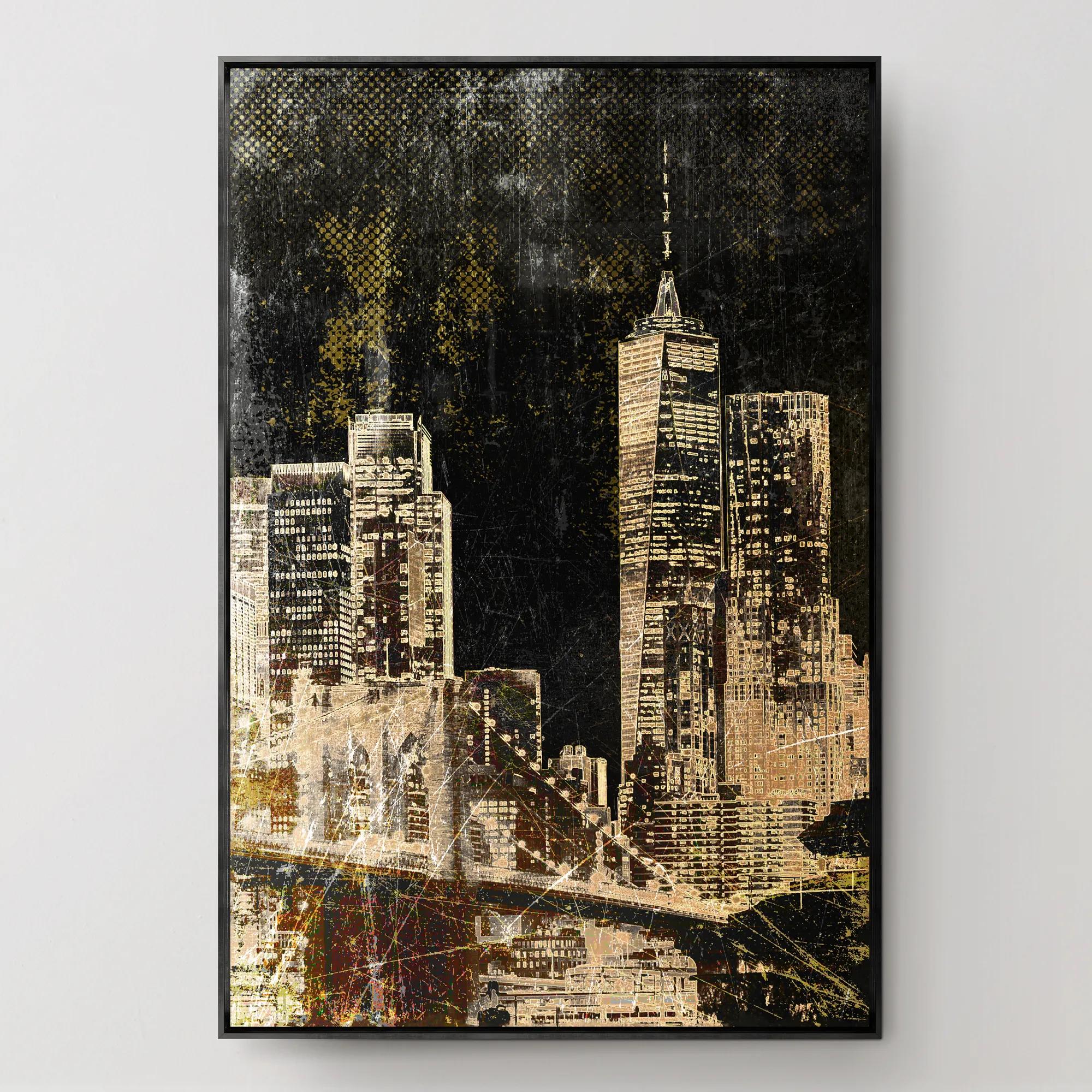
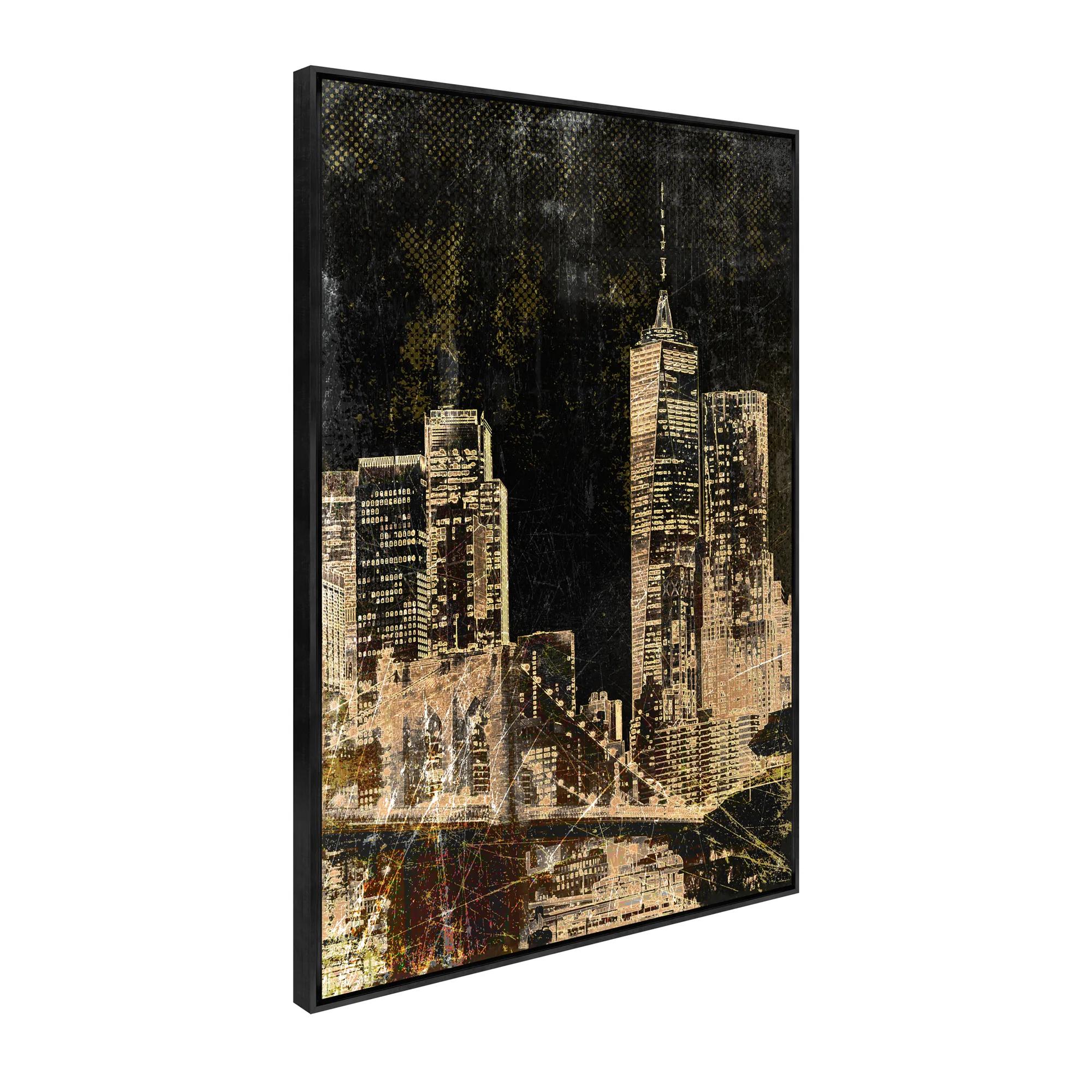 New York Lights Framed Wall Art 30" x 45"$649
A gallery-wrapped canvas artwork featuring a hand-applied gel finish and sleek black floater frame.
Add To Cart -
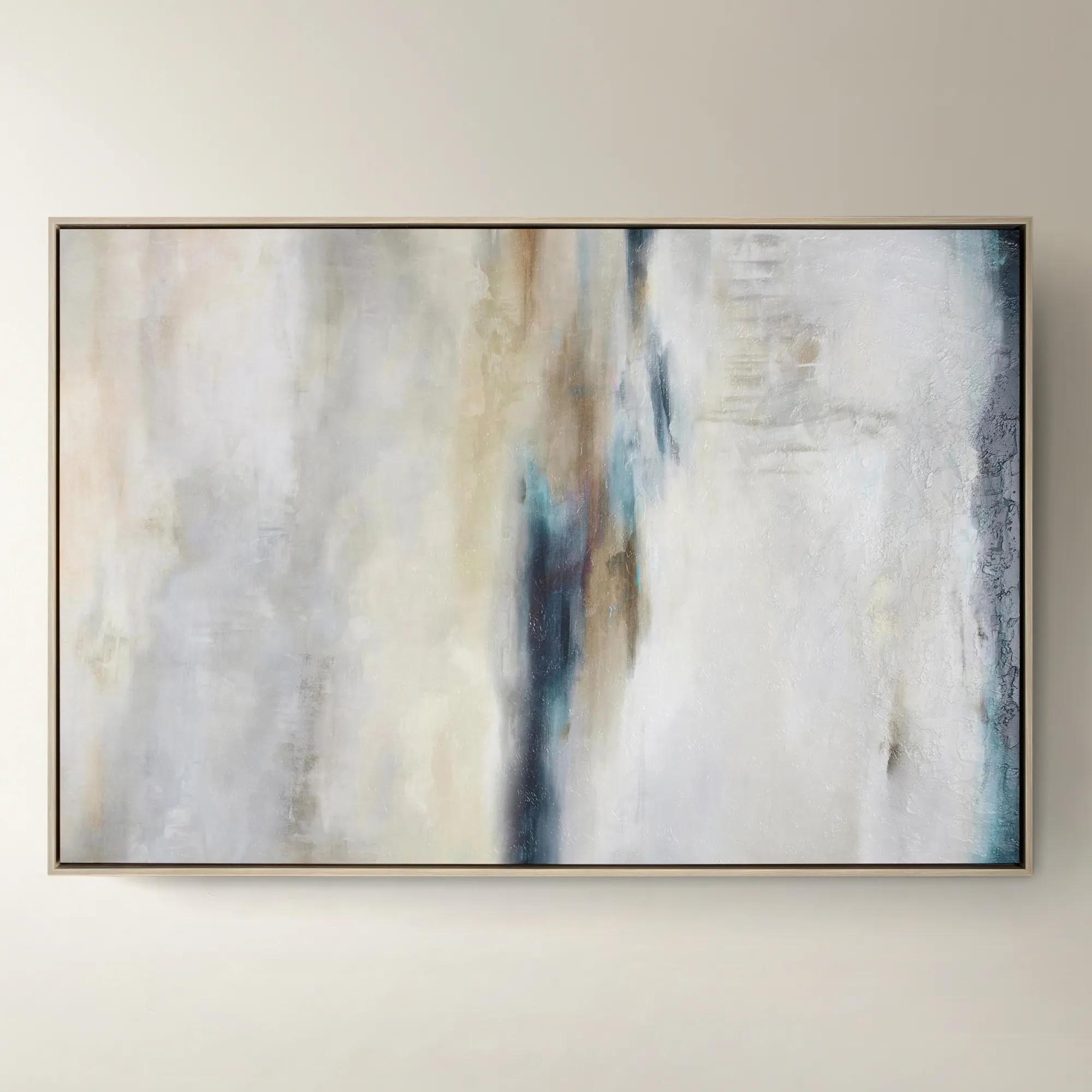
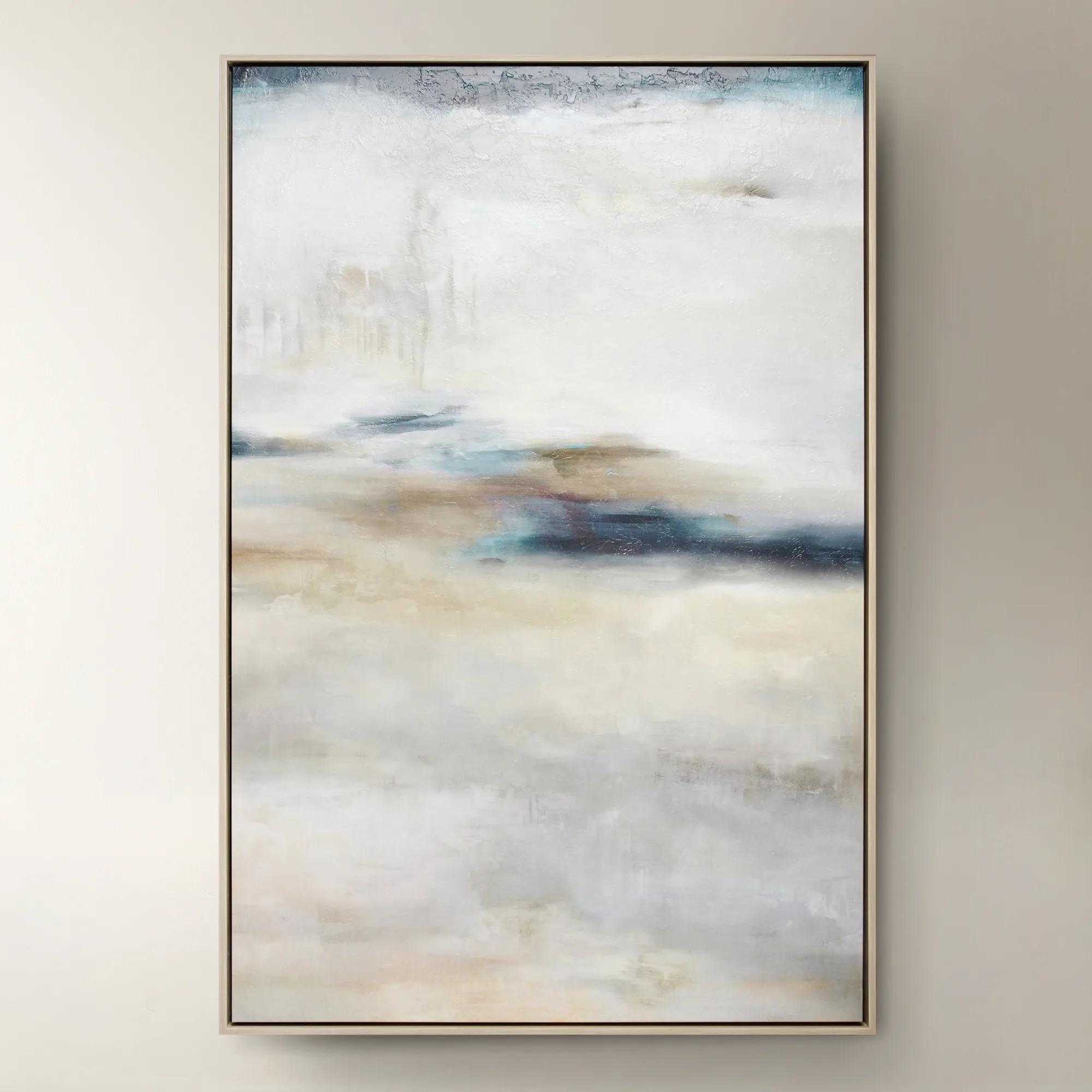 Forward Looking$1299
A softly layered abstract canvas print with a gel finish, set in a natural-hued floater frame.
Add To Cart -
 Infinity Silver Leaf Wood Wall Decor I 31.5" x 31.5"$299
A swirling wooden wall sculpture featuring a striking metallic silver finish for modern visual impact.
Add To Cart -
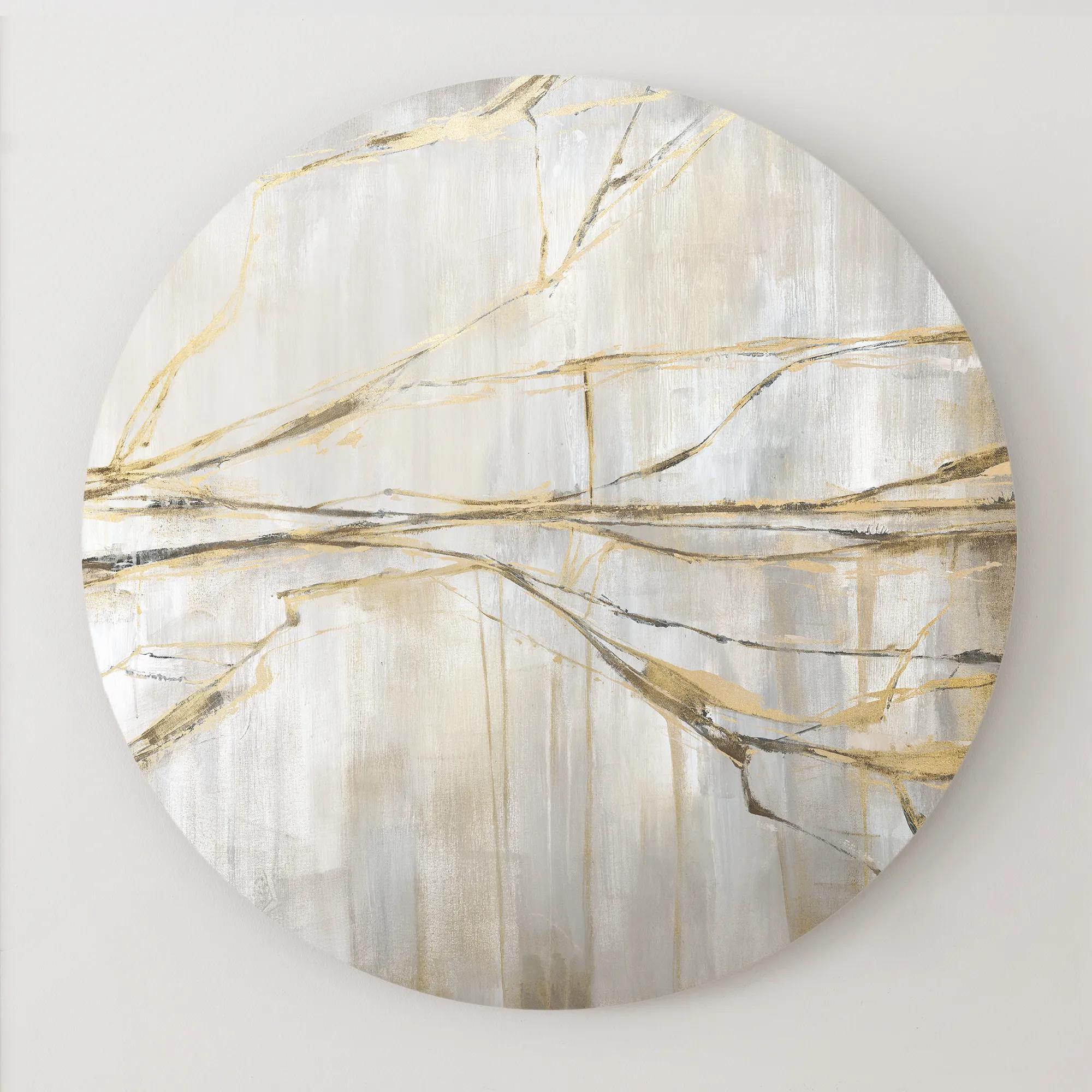
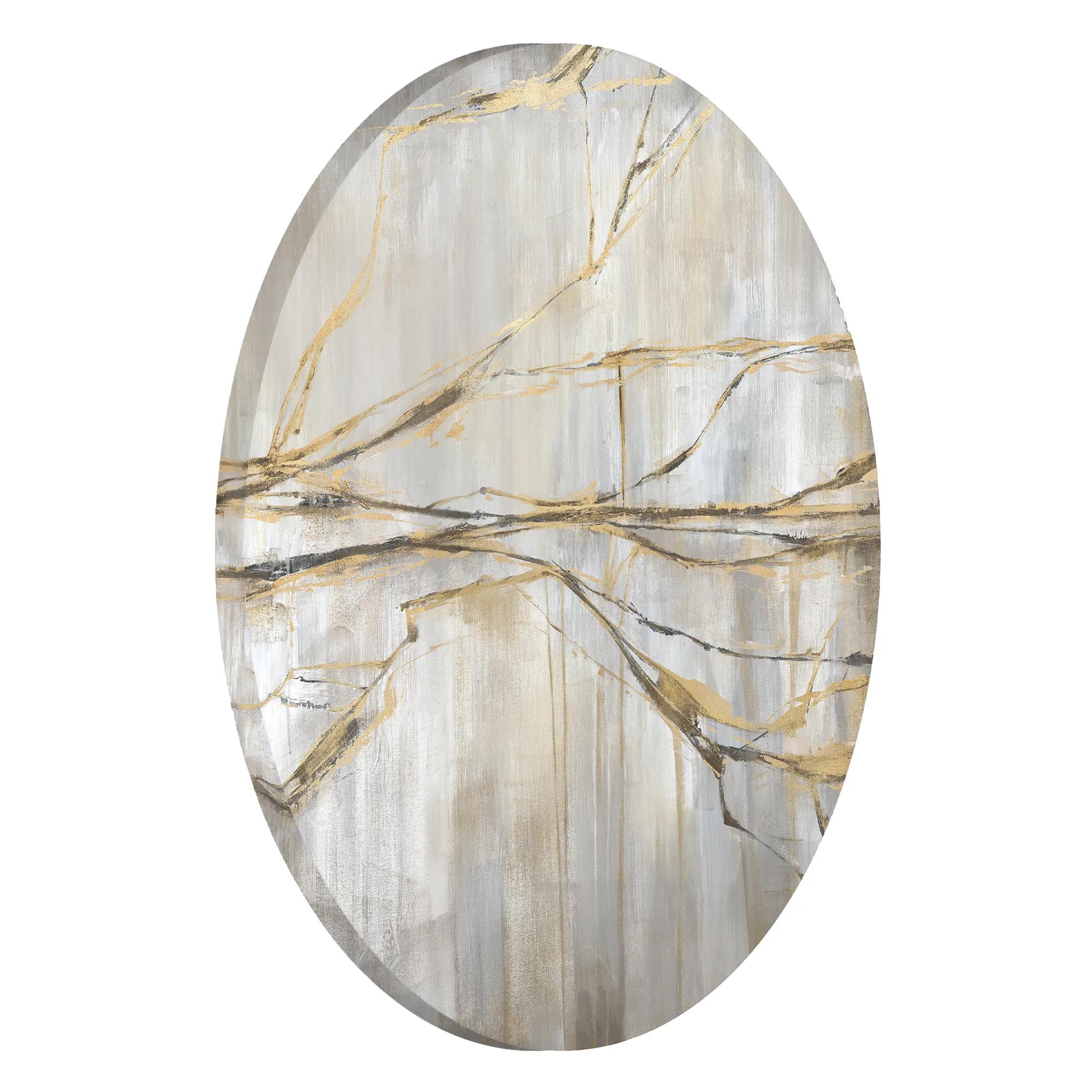 Lightening Crashes Round Wall Art 30"$899
A hand-textured circular linen canvas featuring a gallery-wrapped design for versatile wall display.
Add To Cart

Gifts For People Who Love Wall Art
Gifts for People Who Love Wall Art are more than presents—they’re invitations to transform blank canvases into captivating masterpieces. For those who revel in expressive interiors, each piece is a passport to artistry and imagination, turning everyday walls into bold declarations of personal style. Whether you’re seeking to dazzle a maximalist or delight a creative soul, discover gifts that promise to elevate every room with drama, intrigue, and undeniable flair. Because for the true connoisseur, art isn’t just on the wall—it’s in the air.
The most thoughtful gifts for people who love wall art reflect the recipient’s visual world: the colors they return to, the subjects that hold their attention, and the atmosphere they want to create at home. Framed prints, canvas artwork, sculptural wall accents, and textile hangings offer distinct ways to translate that sensibility into a gift with lasting presence. For someone drawn to expressive interiors, an expansive abstract composition can introduce sweeping movement and saturated color. For a photography enthusiast, a monochromatic image in a sharply defined frame brings depth without competing with the surrounding furnishings. Botanical studies, architectural imagery, and atmospheric landscapes suit different interests, but the strongest connection often comes from something personal—a favorite destination, a fascination with natural forms, or a color already woven through the recipient’s rooms. Notice what they display rather than assuming every art lover wants another dramatic centerpiece. Someone with a densely arranged gallery wall may appreciate a smaller work that adds an unexpected note, while a friend furnishing a new home may welcome a substantial piece that gives an unfinished room its direction. Wall art gifts can mark a housewarming, wedding, anniversary, or birthday with a sense of permanence, becoming part of the backdrop to everyday life. A composition seen across the dining table or beside a favorite reading chair offers a quieter, more enduring pleasure than its first unveiling suggests. The subject need not be literal to feel meaningful: rippling forms can recall a beloved coastline, while warm metallic accents might echo a recipient’s taste for jewelry and luminous finishes. For recipients whose interest in art extends to highly individual interiors, Gifts for People Who Love Custom Decor offers a related gifting direction. Whether the recipient is a longtime collector, a design enthusiast, or someone discovering the pleasure of an art-filled home, a considered piece should feel like an extension of their perspective, not an attempt to replace it.
Materials and presentation shape how wall art looks, feels, and lives in a room. Canvas has a visible weave that can lend printed imagery a tactile quality, while stretched formats introduce depth and may be displayed with or without an outer frame, depending on their construction. A floating frame leaves a narrow visual gap around the canvas, creating a shadow line that emphasizes the artwork’s edges. Paper prints offer a different character, from crisp photographic detail on smooth surfaces to softer effects on textured sheets. For paper-based work intended for long-term display, acid-free mats and backing are useful considerations because unsuitable materials can contribute to discoloration over time. A mat also gives an image breathing room and, when properly assembled, helps keep the artwork from resting directly against the glazing. Glass and acrylic each have advantages: glass generally resists everyday scratching better, while acrylic is typically lighter and more resistant to shattering, though it requires careful cleaning to avoid marks. Neither material should be assumed to provide ultraviolet protection unless that feature is specified. Frame finishes deserve equal attention. Dark wood can give a pale composition a decisive boundary; gleaming metallic finishes catch available light; a restrained frame can allow a richly layered image to command the view. Sculptural metal wall decor introduces actual relief, casting shadows that change with the direction of the light. Woven hangings bring softness and visible fiber texture, making them appealing to recipients who enjoy dimension without the reflective surface of glazing. These differences matter when imagining the gift in use. Across from a large window, glazing may produce distracting reflections; in a narrow passage, deeply projecting wall sculpture can feel intrusive. A textile with an intricate weave rewards close viewing, while a broad, gestural canvas may read most clearly from across the room. Durability depends on construction as well as material, so look for secure frame joints, properly supported artwork, finished edges, and hanging hardware suited to the piece’s weight. Descriptions such as archival or fade-resistant are most useful when supported by clear information about the paper, inks, glazing, or other components involved.
Scale is often the difference between artwork that merely fits and artwork that feels beautifully placed. Consider the full framed dimensions, not just the image size, along with the width of the furniture or open wall beneath it. Above a sofa or console, artwork spanning roughly two-thirds to three-quarters of the furniture’s width can be a useful starting point, though ceiling height, surrounding objects, and the composition itself may call for another proportion. A generously matted print can have more presence than its image dimensions suggest, and a pair or grouping needs enough room for the spaces between the pieces. When the recipient’s wall measurements are unknown, a modestly scaled work often offers more placement flexibility than an oversized statement. It might become the finishing note above a bedside table, join an existing arrangement, or bring focus to a compact entry. Color offers another way to make a gift feel at home without requiring an exact match: repeating one accent from a rug or upholstery fabric can establish a connection while leaving room for contrast. Practical details also contribute to a gracious gift. Confirm whether hanging hardware is included, and remember that wall anchors and fasteners must suit both the artwork’s weight and the wall construction. For leaning displays, use appropriate securing methods rather than relying on balance, especially where children or pets could disturb the piece. Most decorative wall art is intended for indoor display; outdoor spaces and moisture-prone rooms require materials specifically suited to those conditions. Keep artwork away from prolonged direct sunlight, excessive humidity, and concentrated heat, all of which can affect its appearance or structure. Follow the maker’s care directions, dust gently with a soft, dry cloth when appropriate, and avoid spraying cleaner directly onto framed artwork. Glazing, textured surfaces, painted finishes, and textiles may each need different treatment. With these details considered, an art gift can deliver both visual pleasure and comfortable everyday ownership—a flash of brilliance in an entryway, a meditative focal point in a bedroom, or a daring composition that gives a gathering space its unmistakable personality.
FAQs
Wall art is a deeply personal gift that reflects both the giver’s thoughtfulness and the recipient’s unique sense of style. Each piece becomes a lasting statement in their home, transforming blank walls into an expression of personality and artistry. Whether it’s a dramatic abstract or a textured metallic piece, wall art invites inspiration and conversation, making it a truly memorable gesture.
Begin by considering the recipient’s existing décor and color palette. Notice whether they prefer bold, vibrant pieces or more subtle, neutral tones. Think about their favorite themes—such as nature, architecture, or modern abstracts—and select art that echoes their passions. A curated z gallerie art collection often offers a range of styles to suit every personality, ensuring your gift feels both intentional and inspired.
Absolutely. Wall art has the power to transform the emotional atmosphere of any space. A luminous print can infuse a room with energy and warmth, while a serene landscape or minimalist piece can create a calming retreat. The right artwork acts as both a focal point and a mood-setter, elevating the entire room with its presence.
Gifted wall art can be showcased as a striking solo statement above a sofa or bed, incorporated into a dynamic gallery wall, or even layered on a mantel for added dimension. Mixing different mediums—such as pairing canvases with mirrored pieces or metallic sculptures—adds visual intrigue and allows the recipient to curate a display that feels uniquely their own.
Yes, pairing wall art with an art-inspired experience can make your gift even more meaningful. Consider including tickets to a museum exhibit, an art class, or a local festival where the recipient can discover new artists and expand their creative horizons. This approach transforms your gift into an immersive celebration of artistry and self-expression.