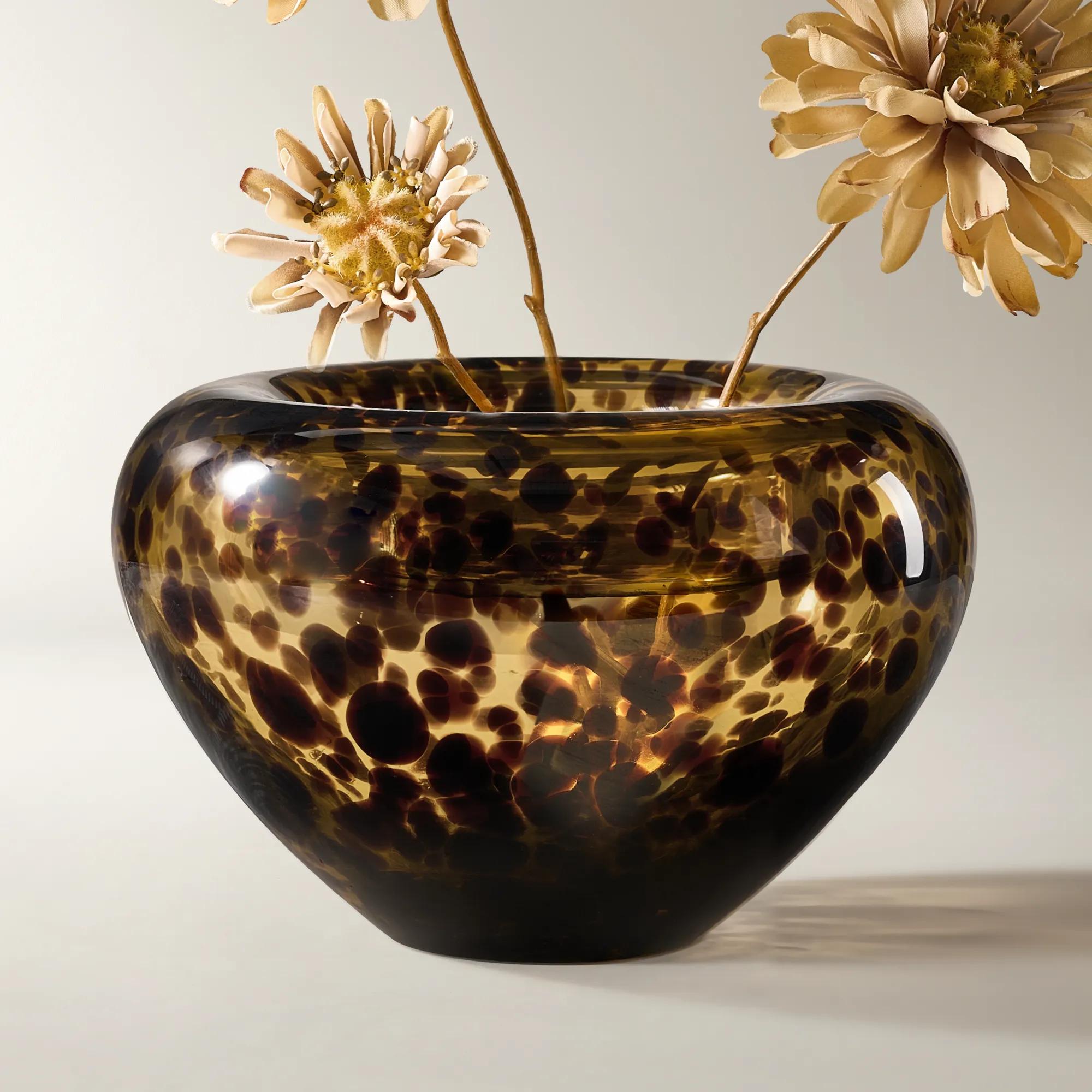
Gifts For Minimalists
Gifts For Minimalists
-
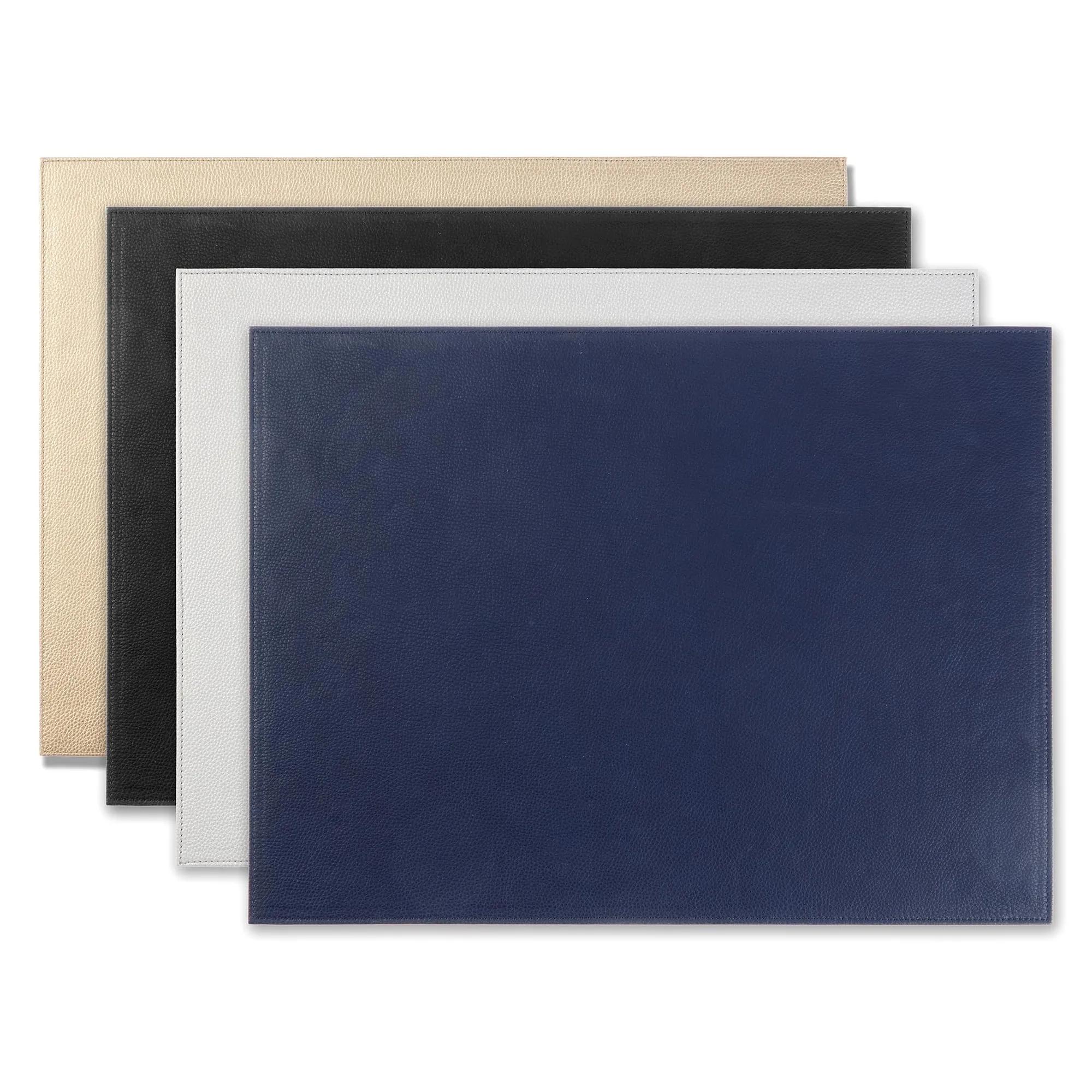 Viceroy Placemat Sets$89
A set of four faux leather placemats featuring clean lines and classic hues for stylish entertaining.
Add To Cart -
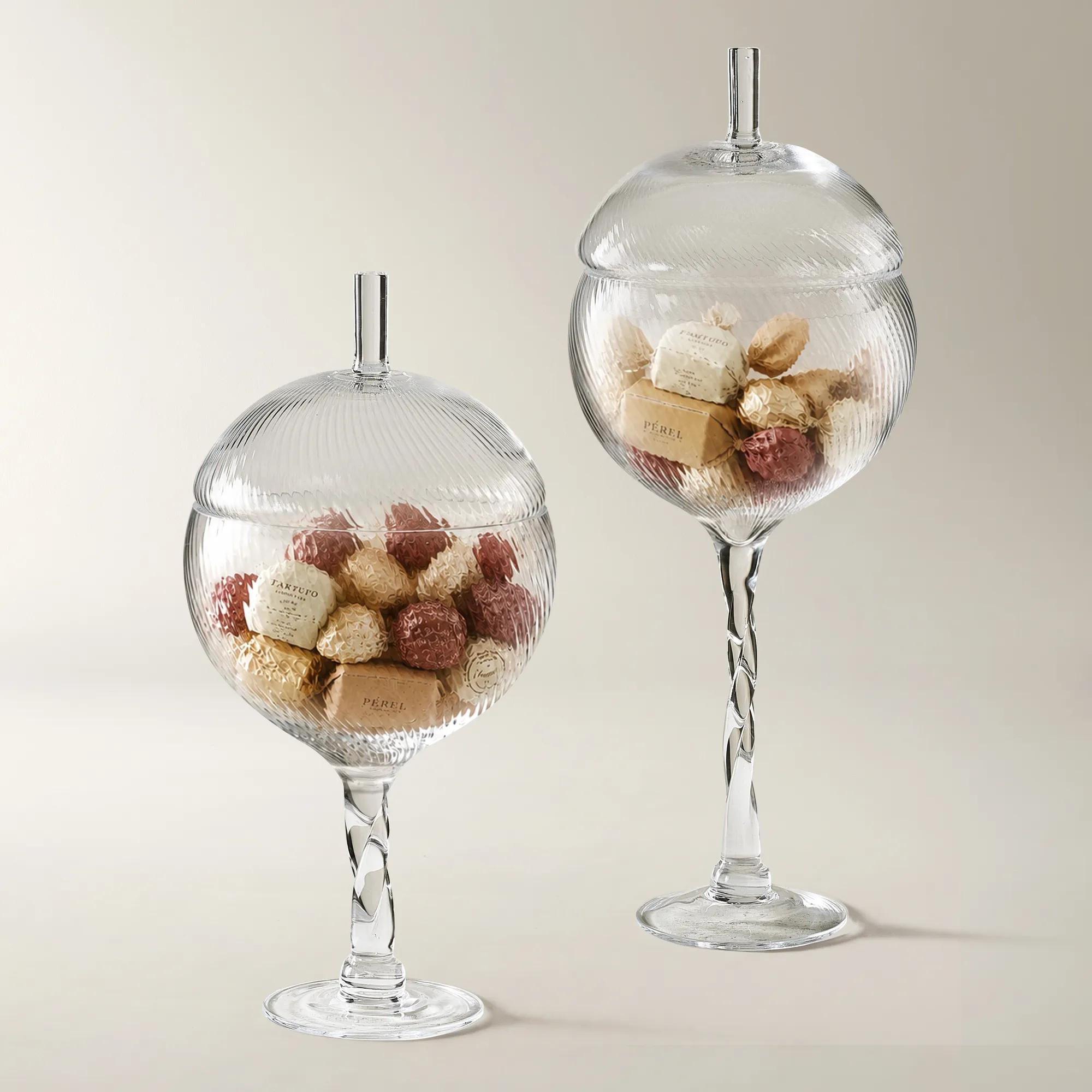
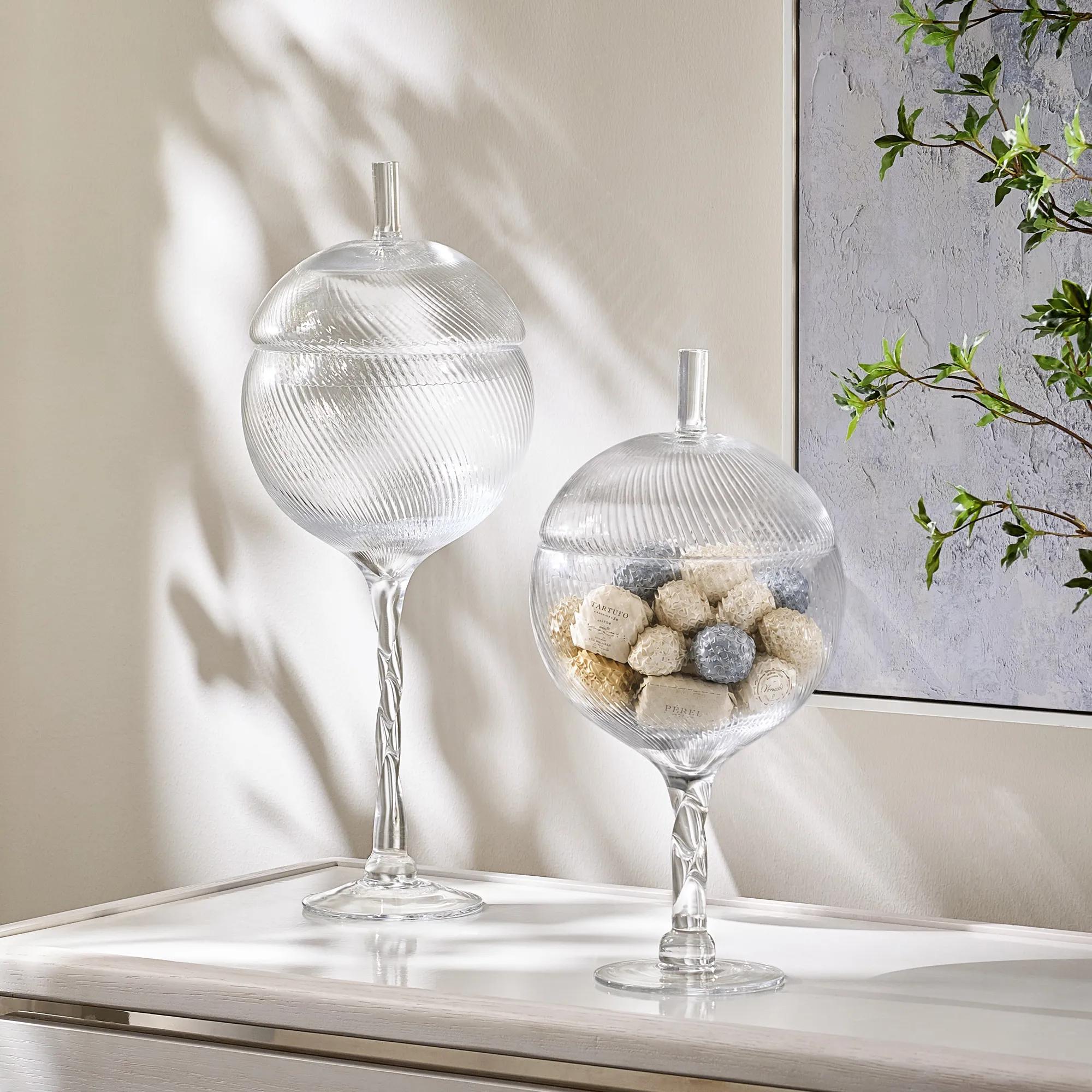 Opal Mouth Blown Clear Glass Canisters$99
A clear handblown glass canister featuring a sculptural twisted design for artful, food-safe storage.
Add To Cart -
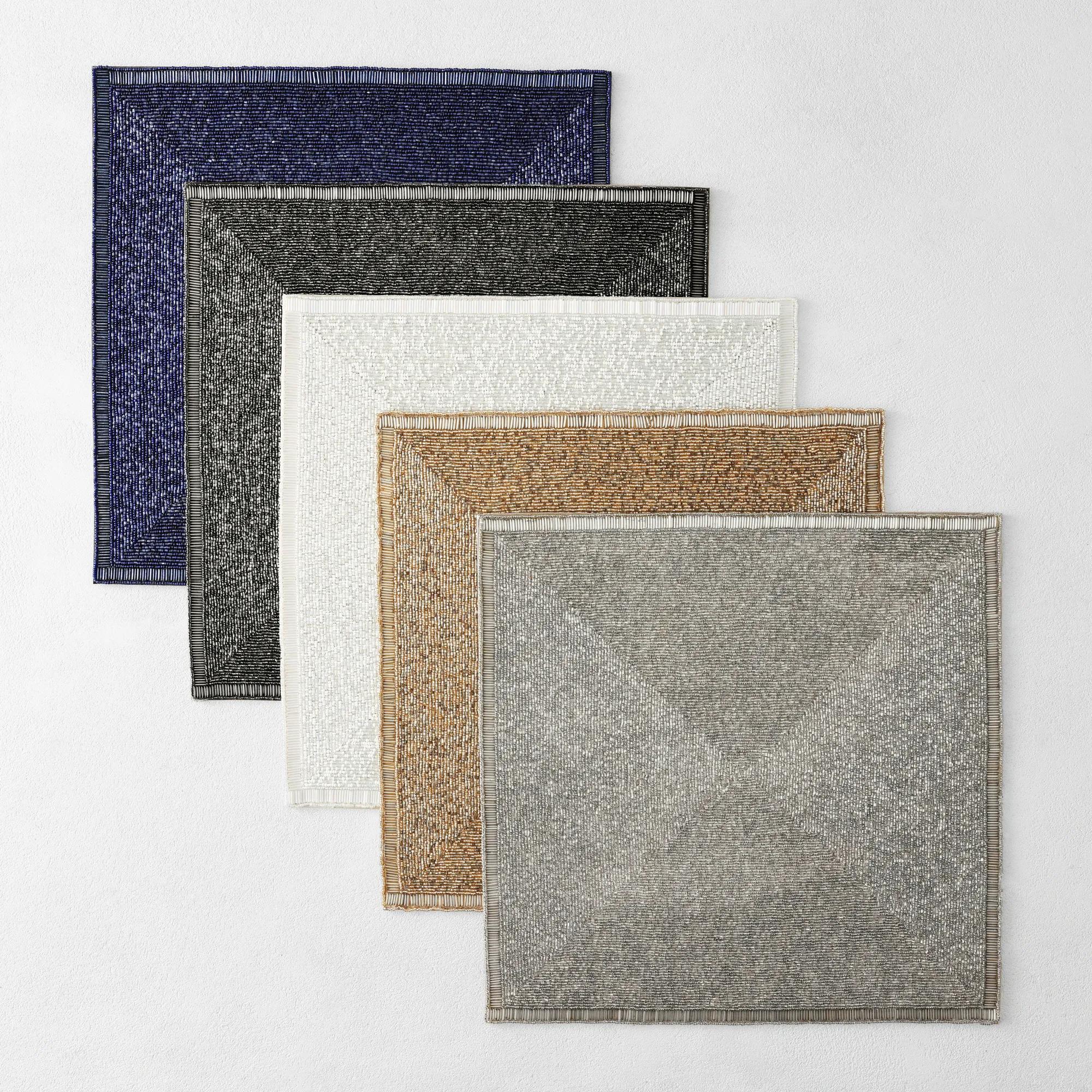
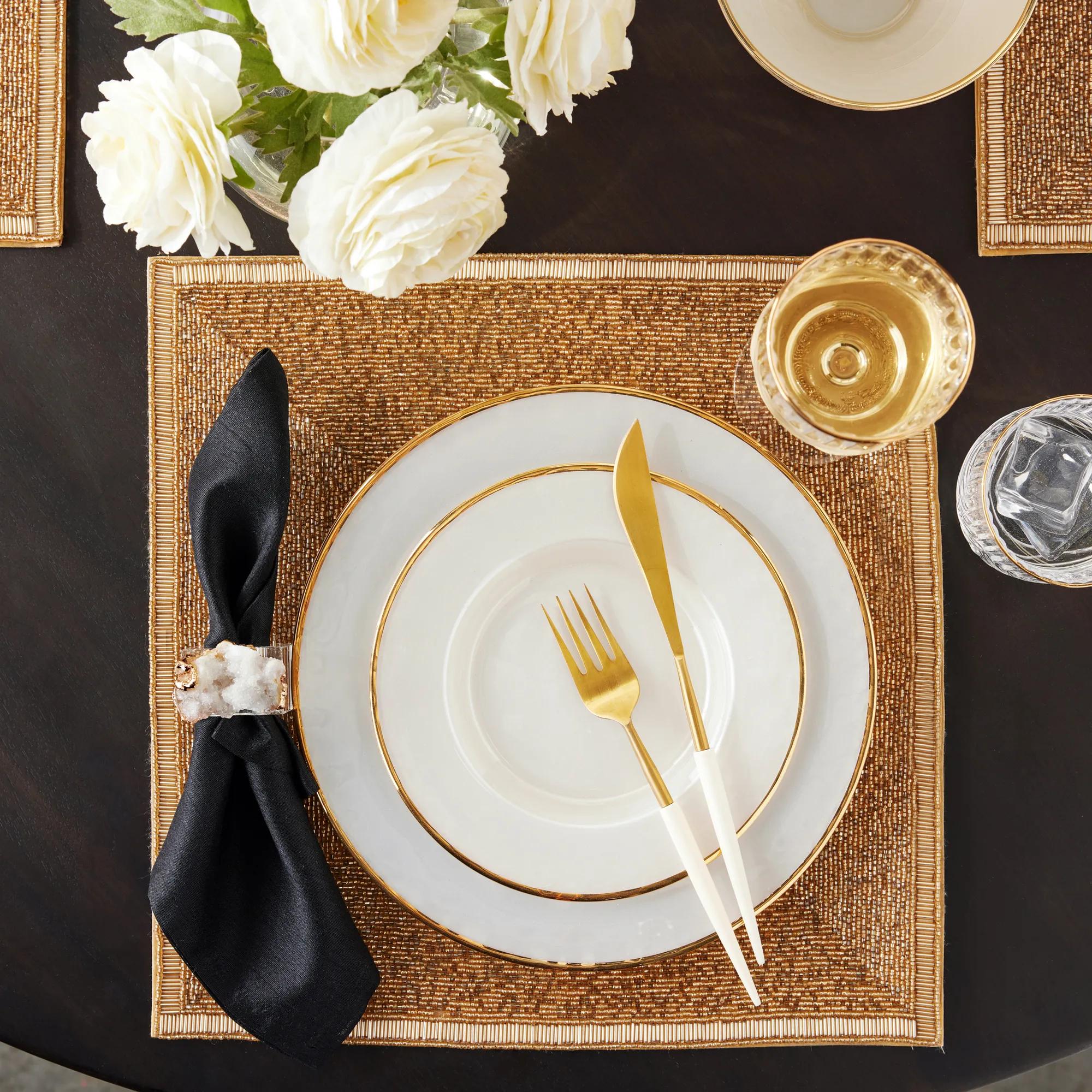 Beaded Placemat 15"$49
A sophisticated placemat featuring rich metallic beads and a silky polyester satin backing for elegant dining.
Add To Cart -
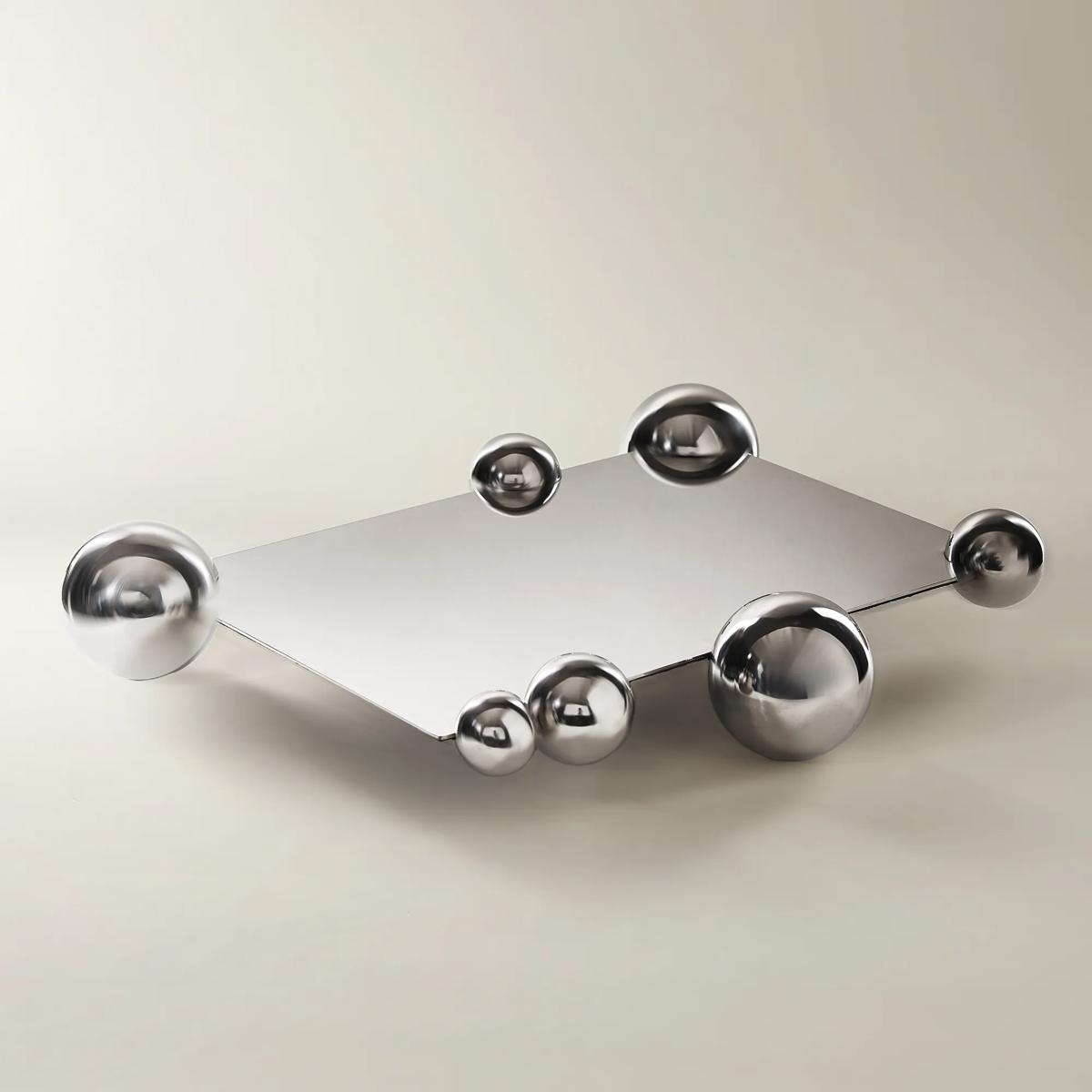 Chrome Bubble Silver Stainless Steel Serving Tray 13.25" x 3.25"$139
A polished stainless steel tray with sculptural bubble accents for a playful, modern entertaining statement.
Add To Cart -
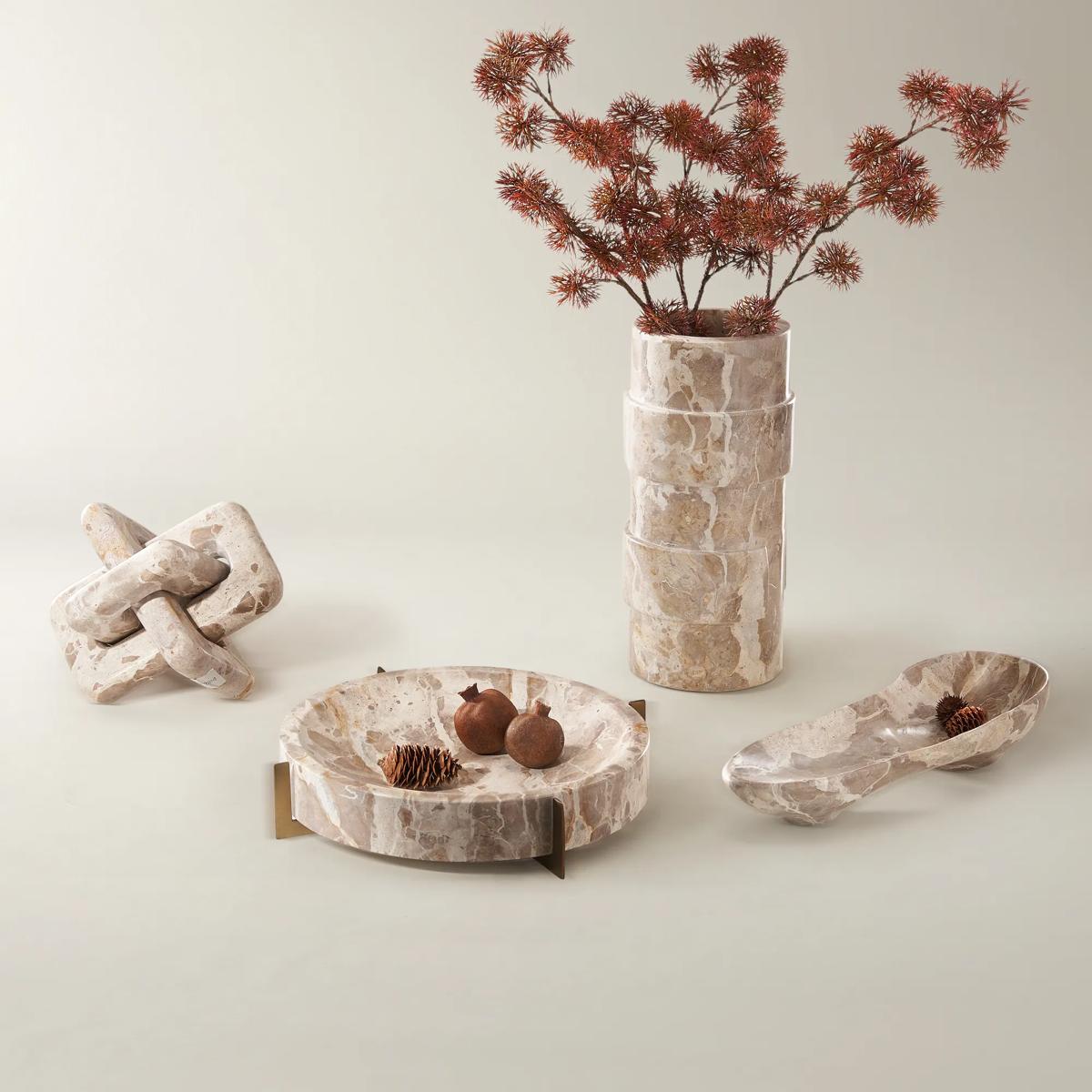
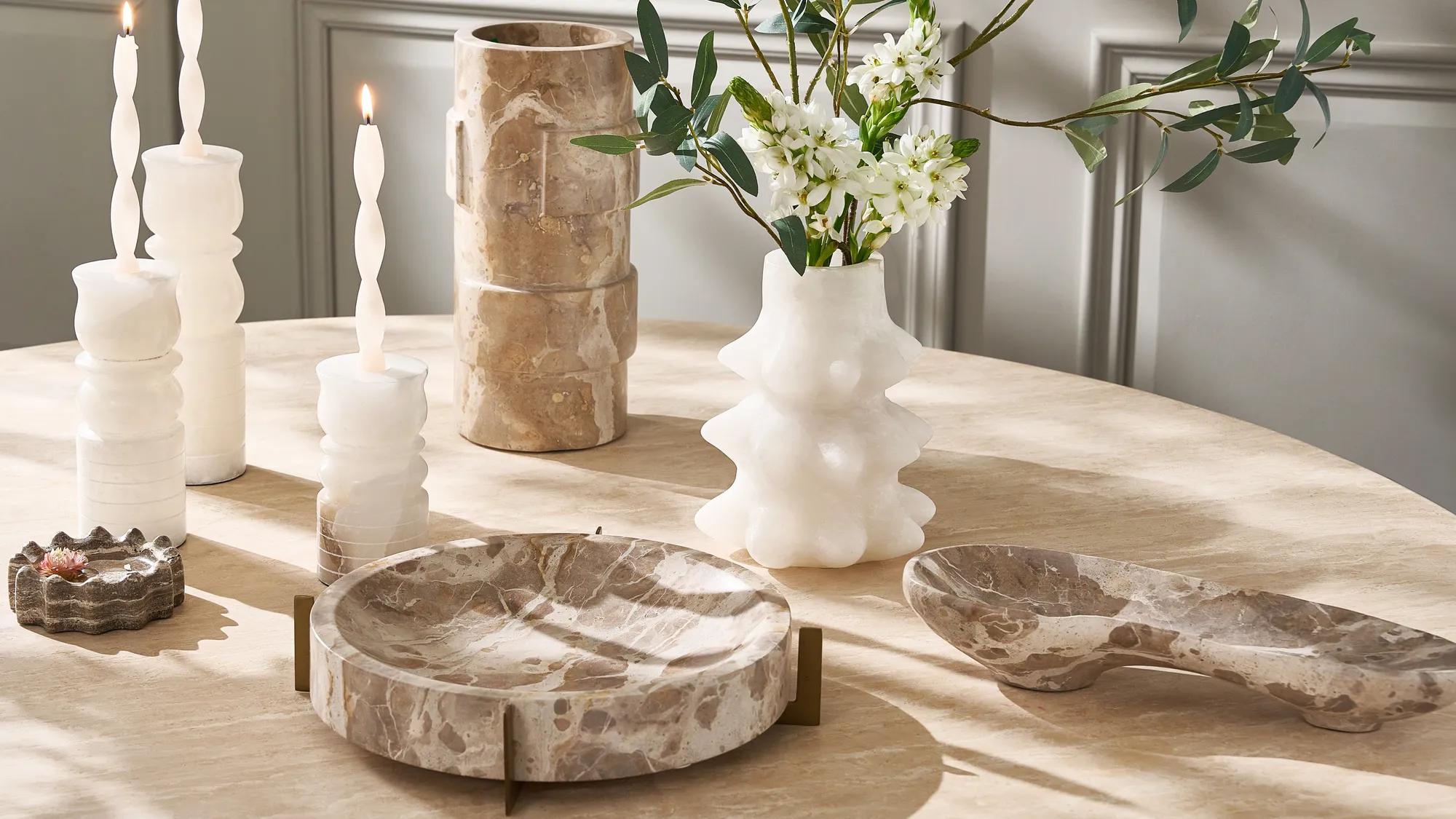 Neutral Marble Collection$129
A handcrafted marble decor collection featuring unique veining, natural neutral tones, and elegant metal accents.
Add To Cart -
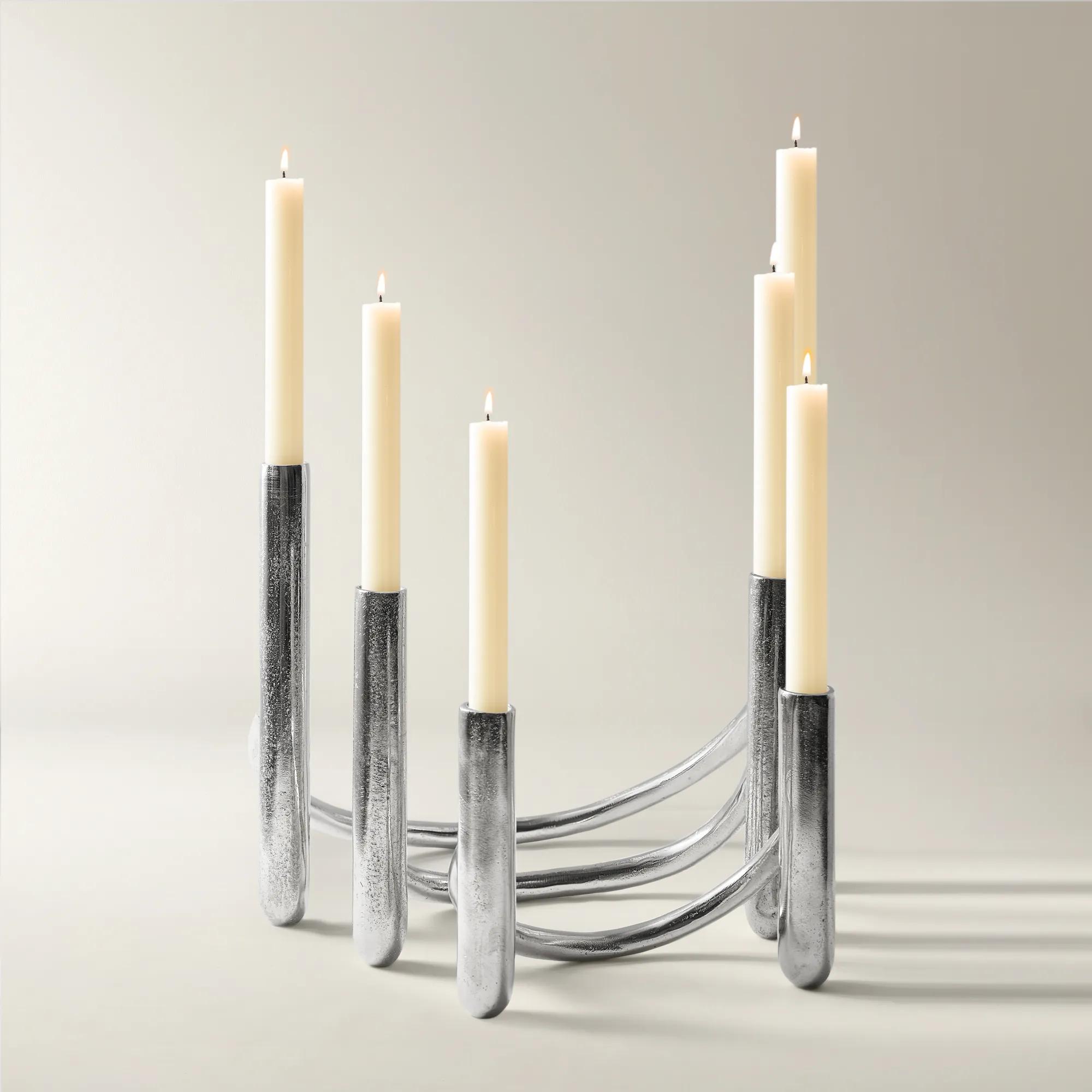 Pillaro Taper Holder - Set of 3$99
A set of three aluminum candleholders featuring sleek two-arm designs and a gleaming silver finish.
Add To Cart -
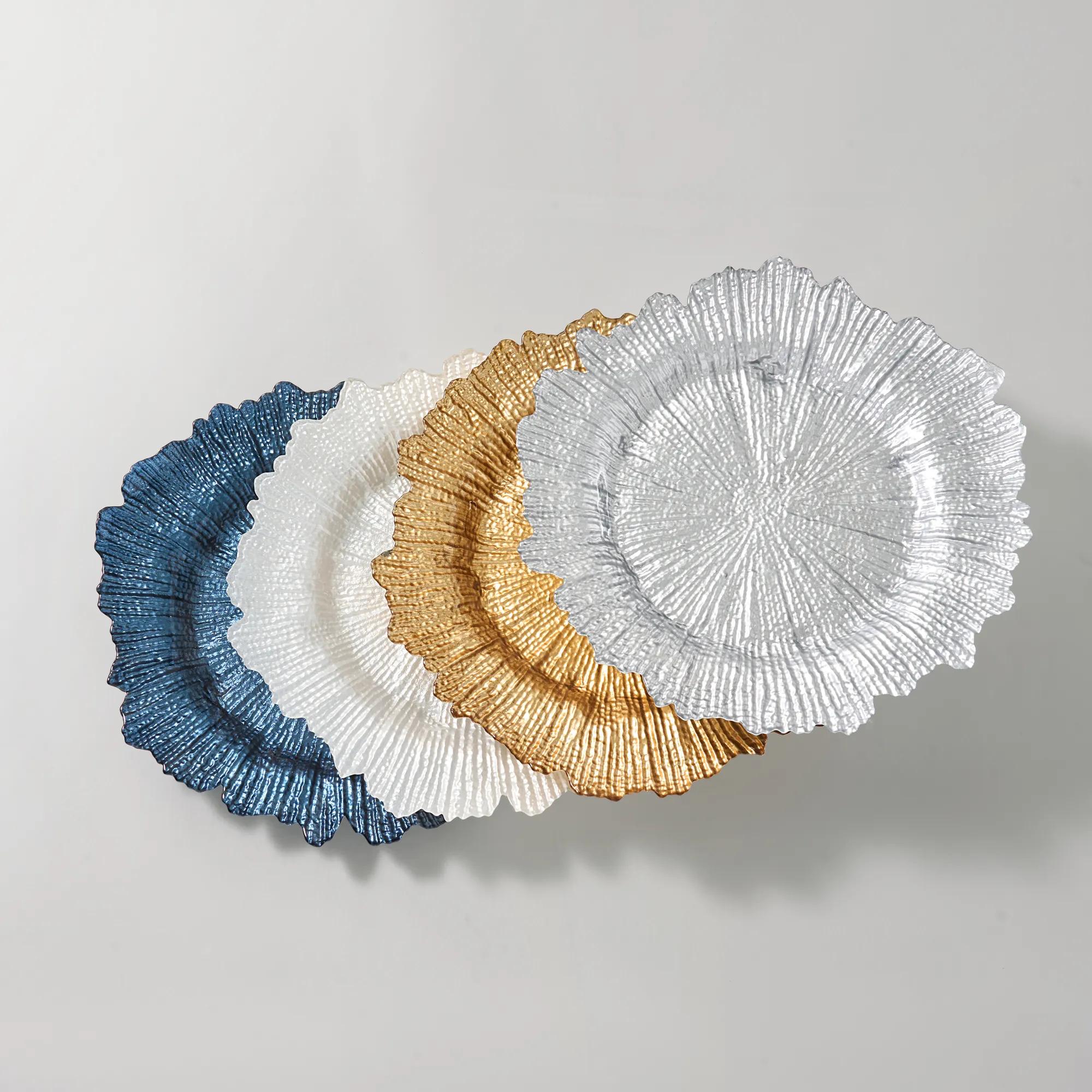
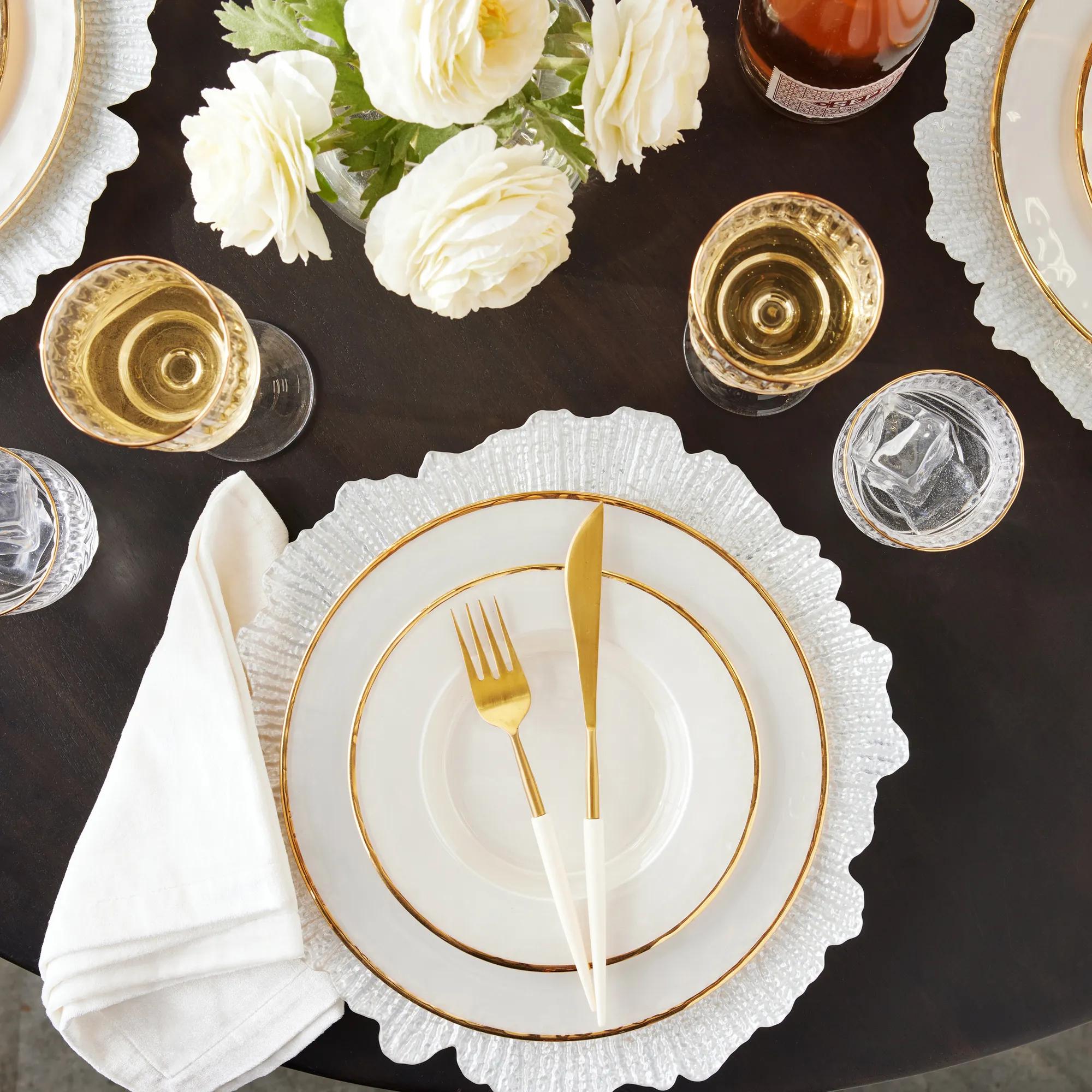 Spruzzo Glass Charger Sets 13"$109
A clear glass charger with an irregular leaf edge and metallic backing for a sparkling table accent.
Add To Cart -
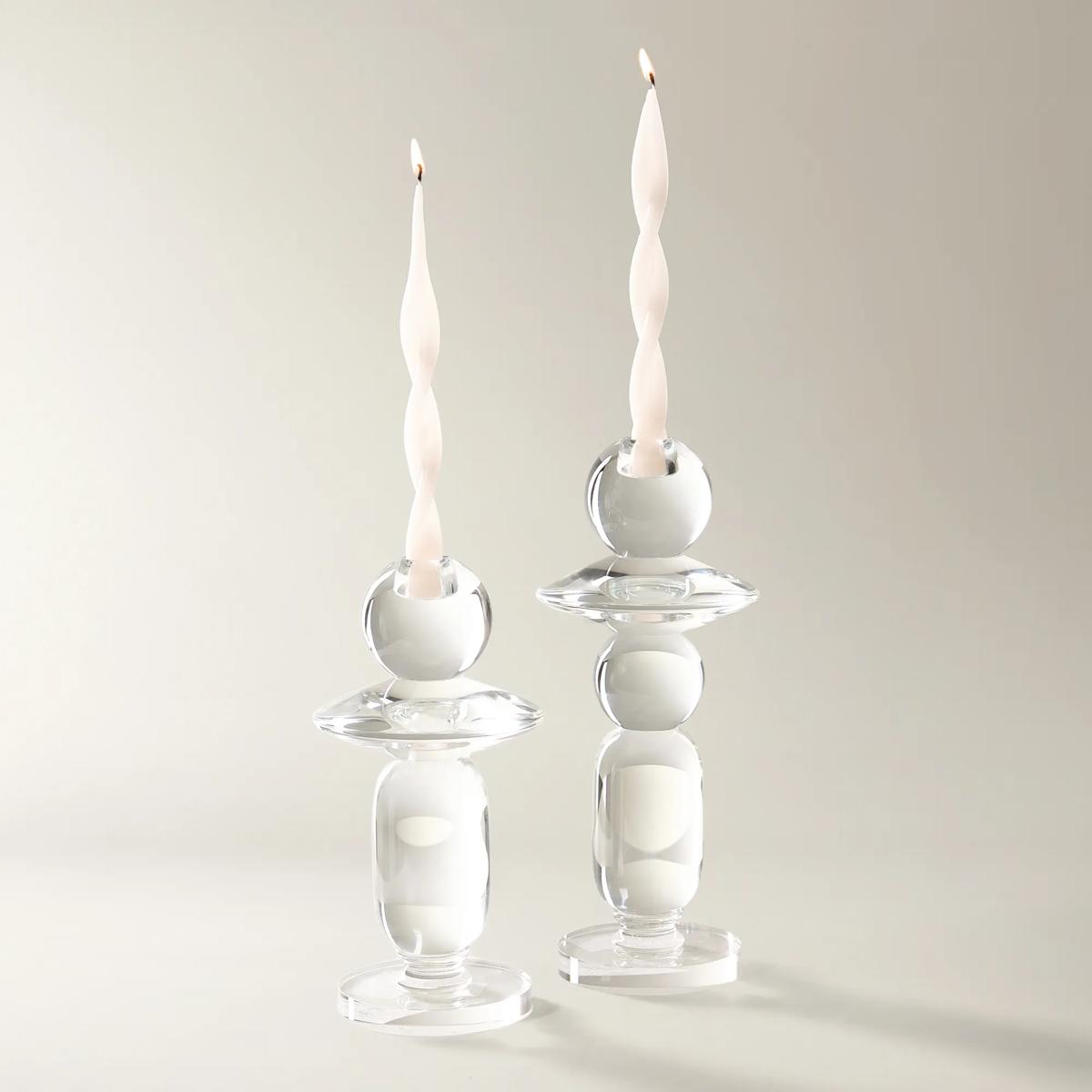
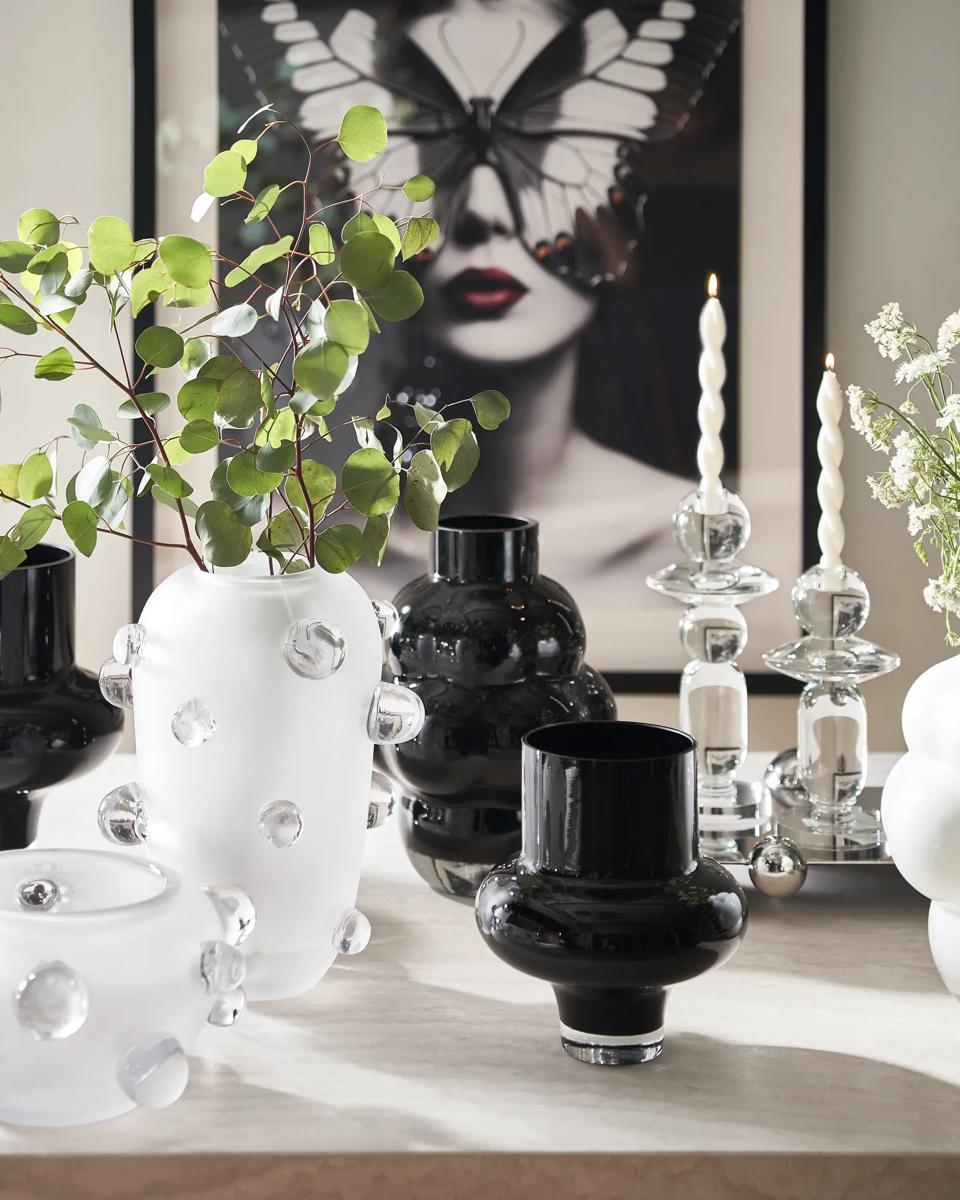 Pela Taper Holder$99
A sculptural taper holder crafted from clear crystal glass, adding luminous modern elegance to any décor.
Add To Cart -
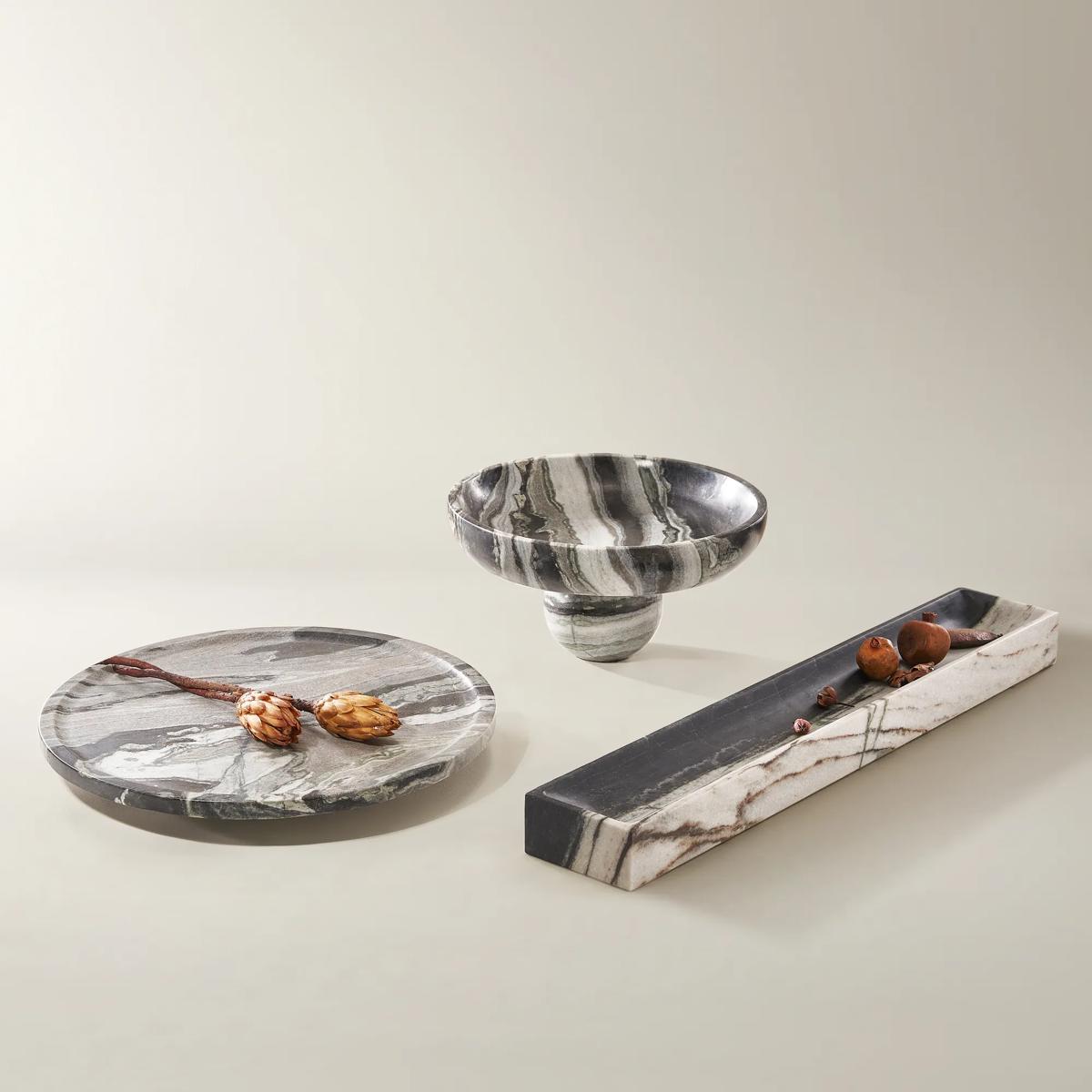
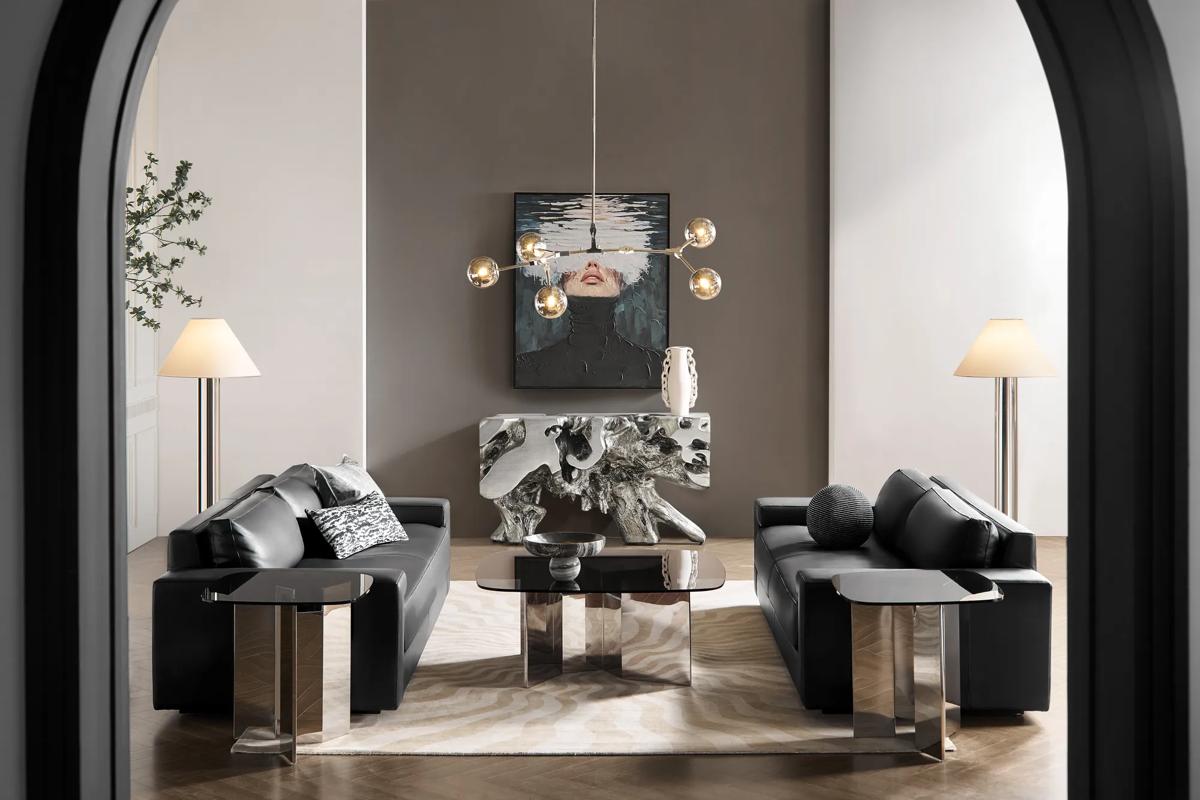 Luxe Marble Collection$149
A striking black marble decor collection featuring unique veining and elegant footed bowl, tray, and riser.
Add To Cart -
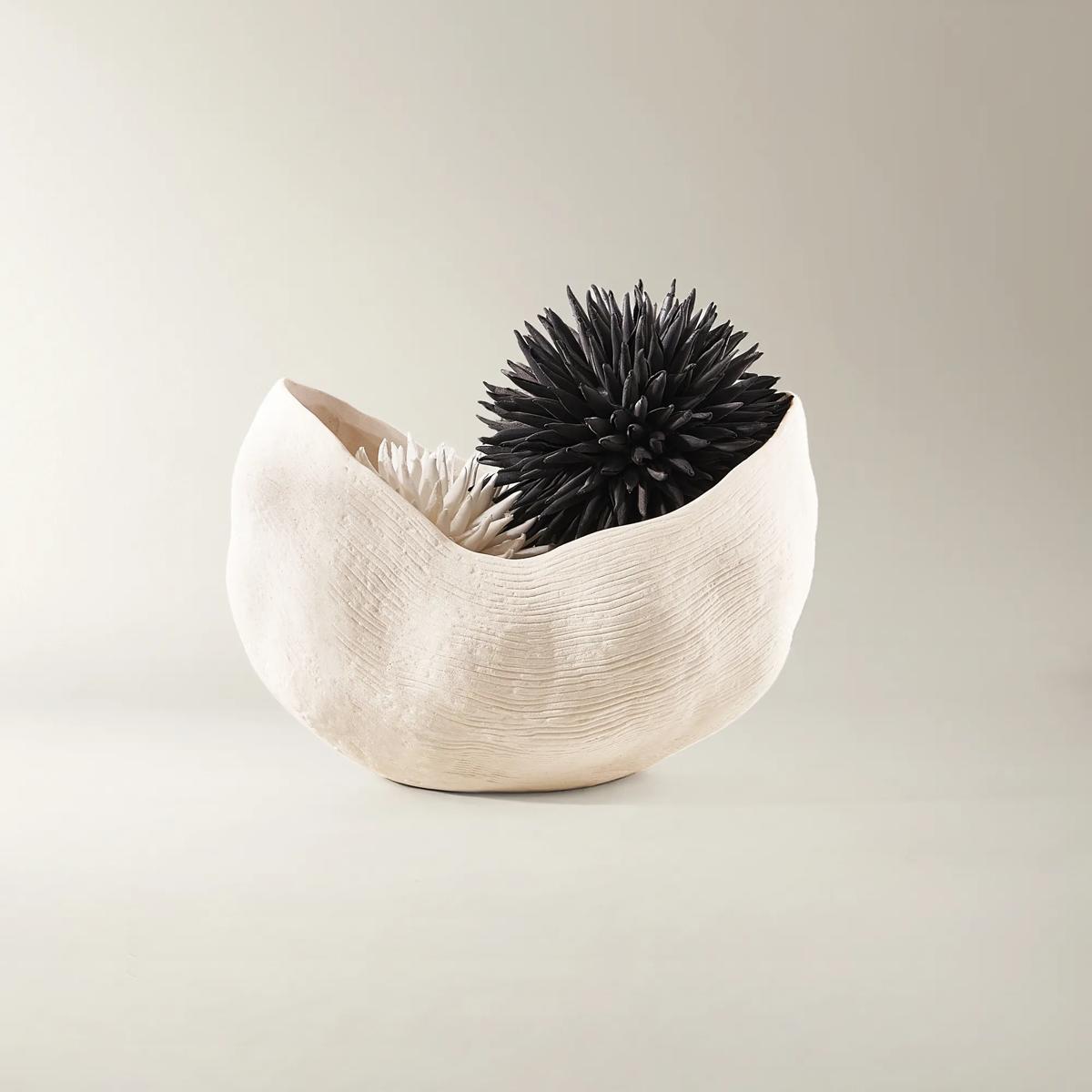 Baz Ivory Porcelain Bowl$119
A sculptural ivory porcelain bowl with a matte, textured finish and organic, free-flowing silhouette.
Add To Cart -
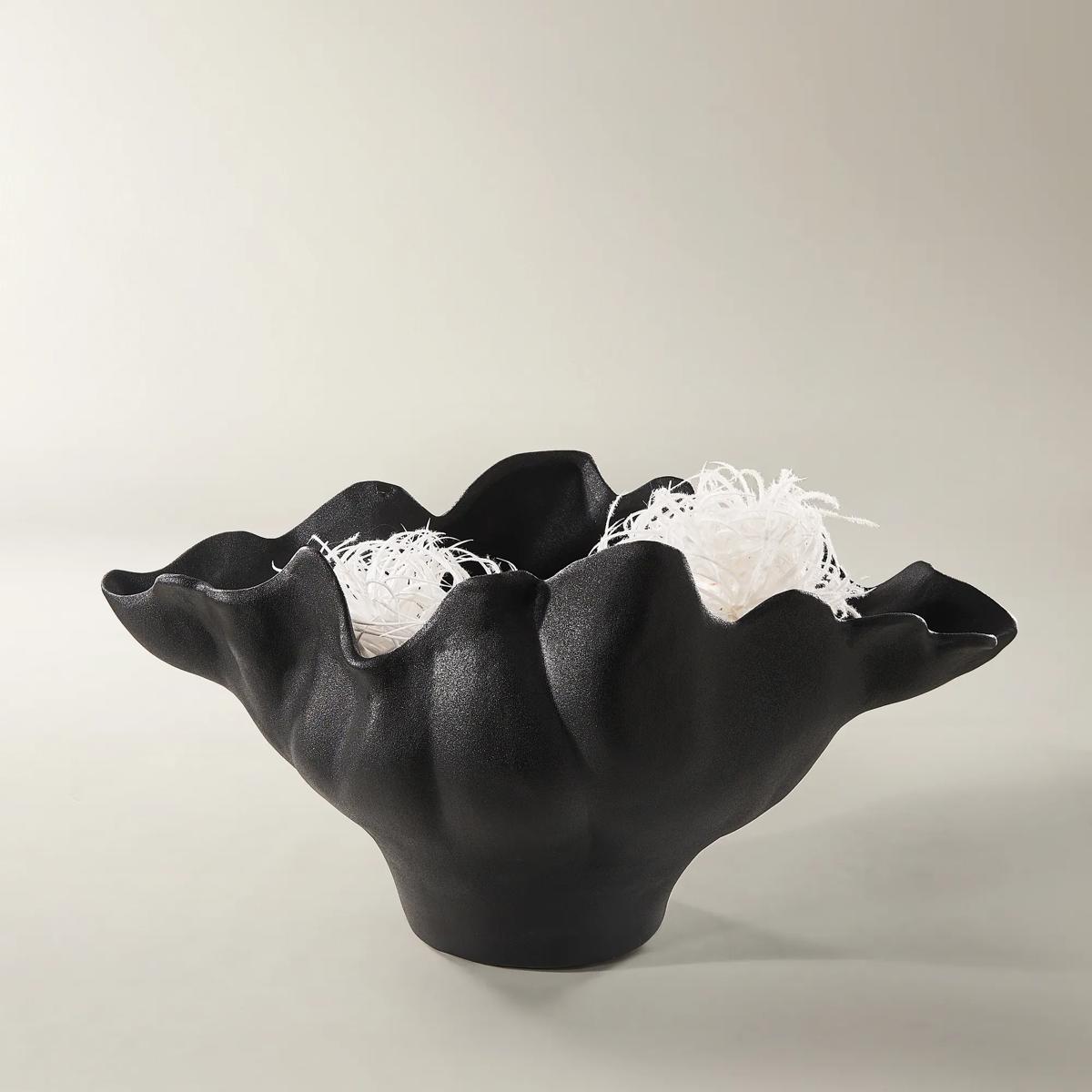
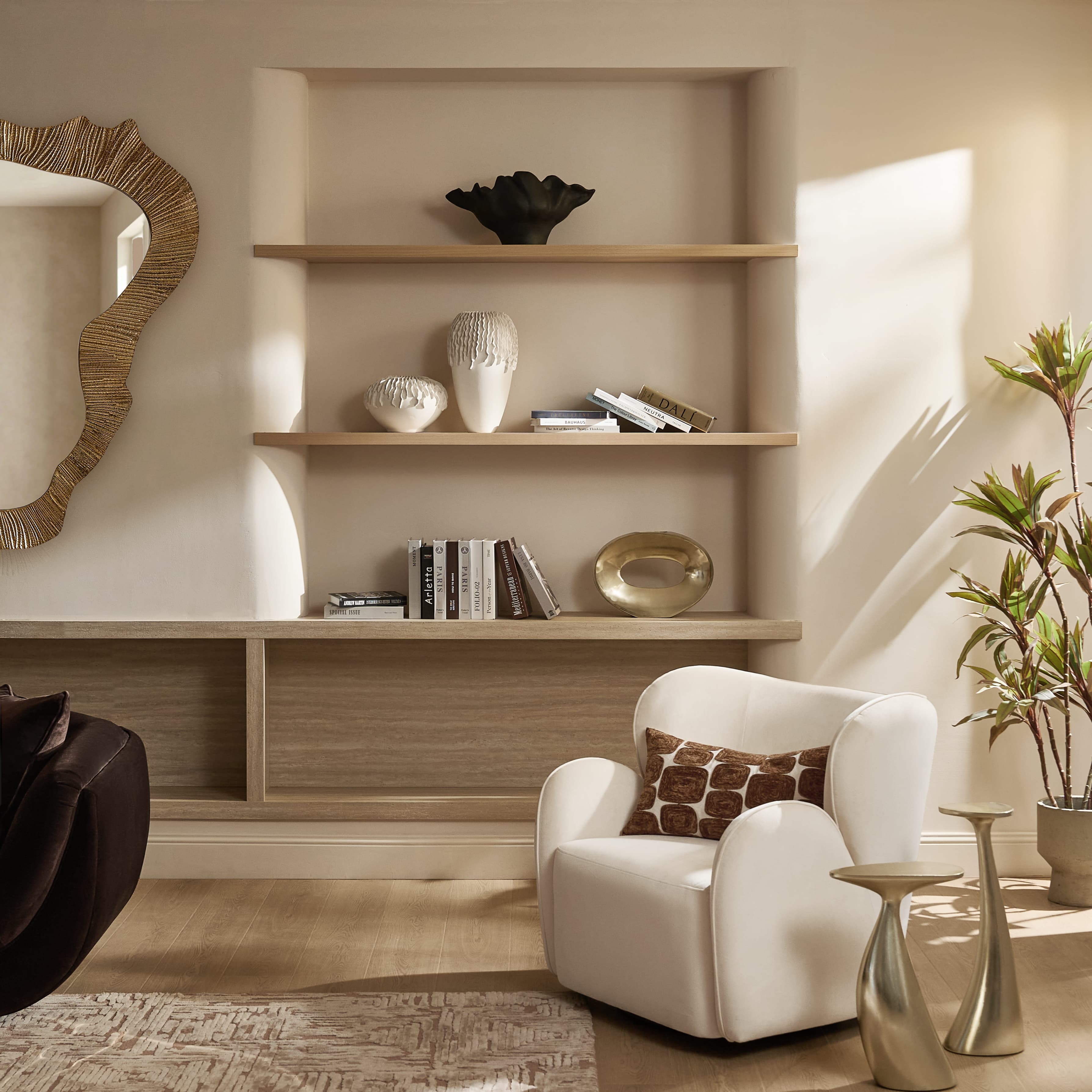 Ebba Black Porcelain Decorative Bowl 20.25" x 10.25"$199
A sculptural matte black porcelain bowl with undulating petal-like edges for bold, artistic elegance.
Add To Cart -
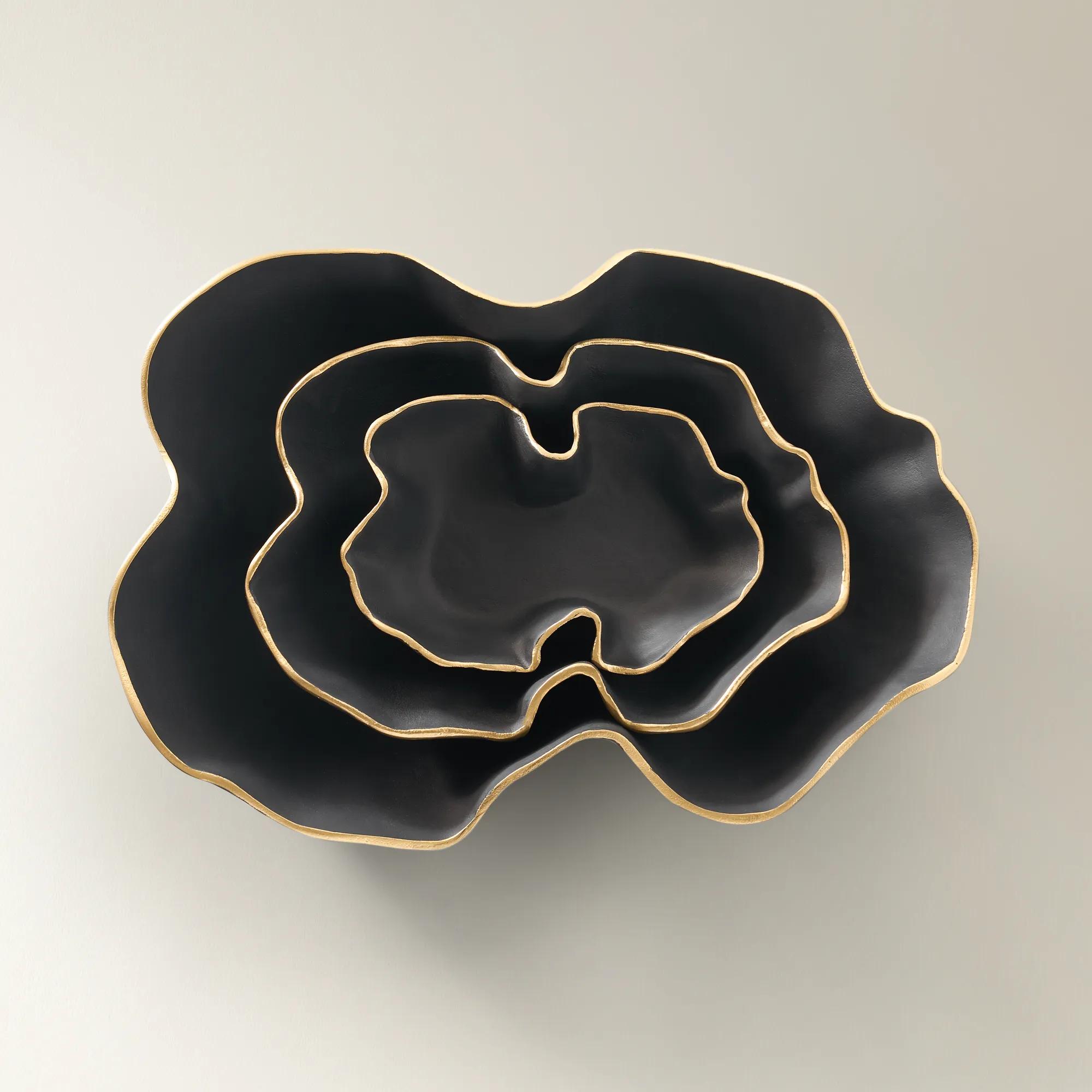 Lava Black Gold Aluminum Decorative Nesting Bowls$49
A deep black aluminum bowl with golden edges, featuring an organic, volcanic rock-inspired design.
Add To Cart -
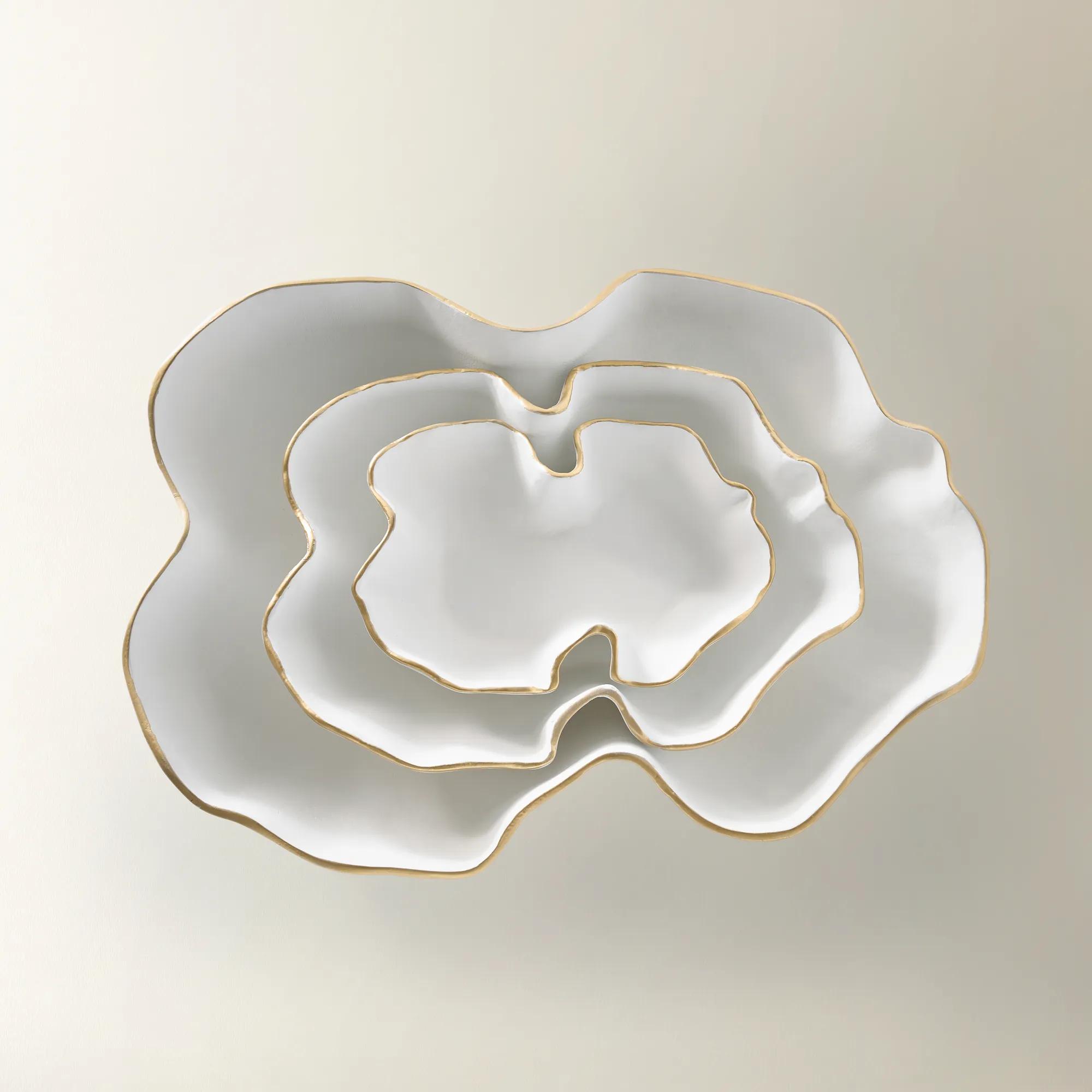 Lava White Gold Aluminum Decorative Nesting Bowls$49
A glossy white aluminum bowl with a golden rim, offering modern elegance for decorative display.
Add To Cart -
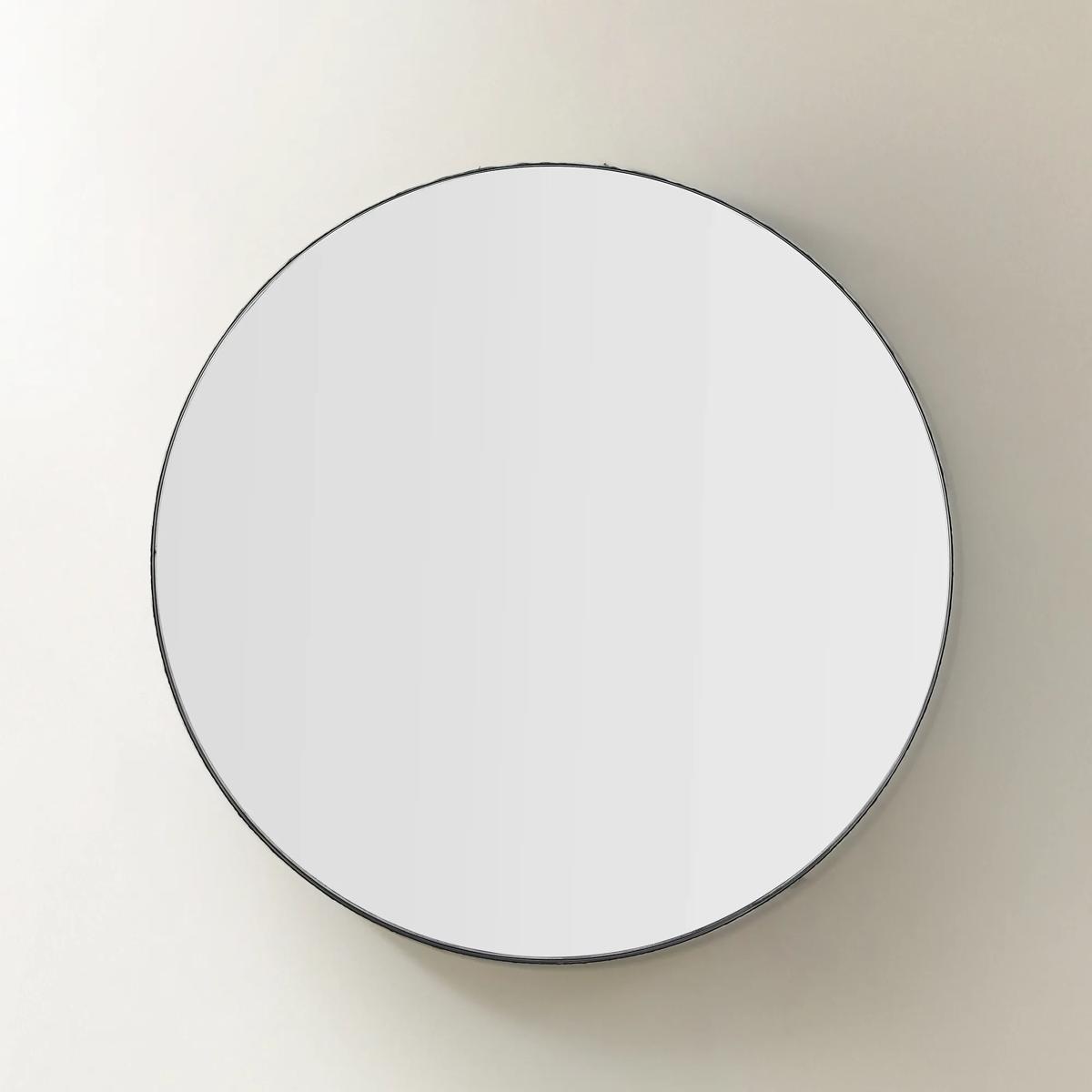
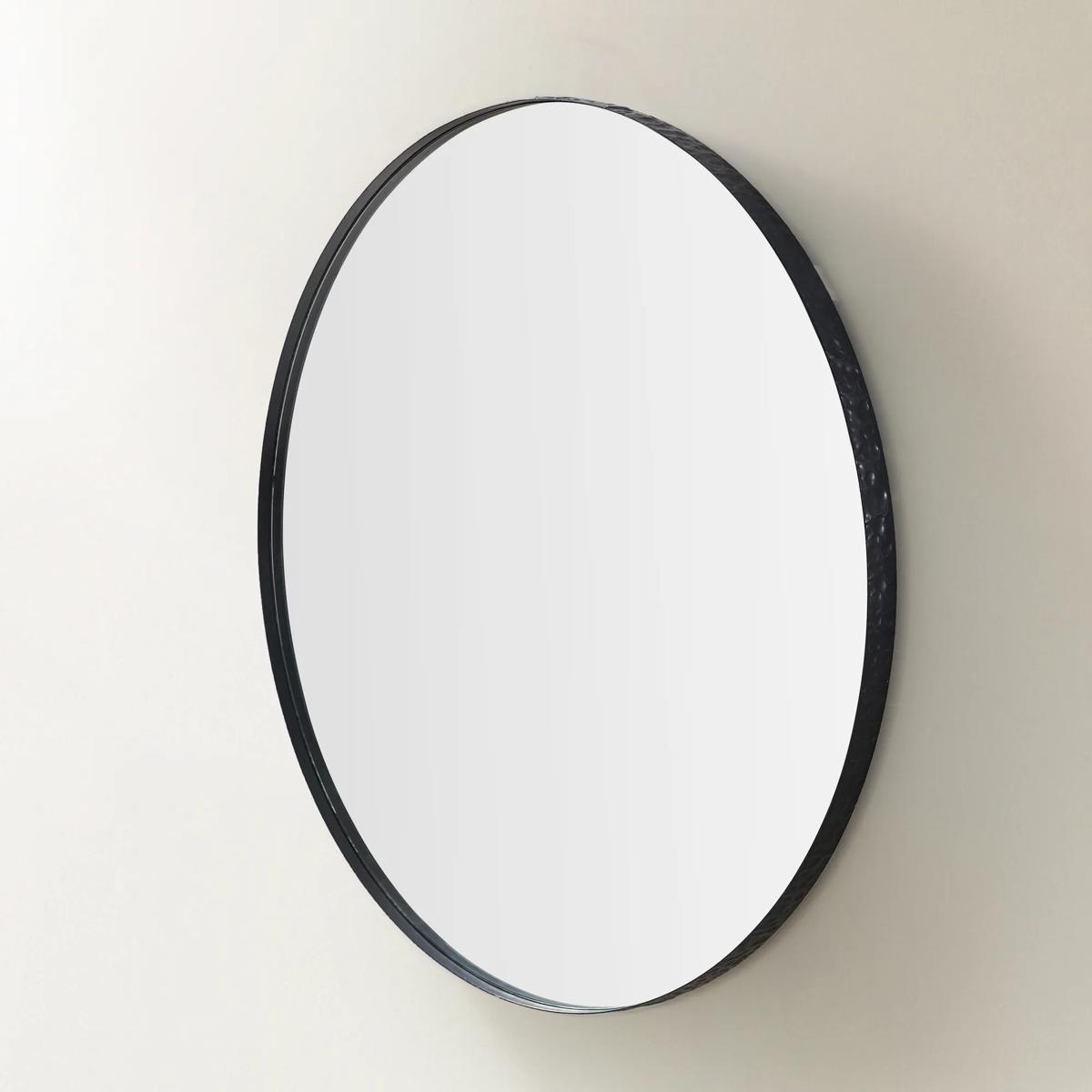 Cade Wall Mirror - Black$749
A round wall mirror featuring a hand-hammered black iron frame for a sleek, modern accent.
Add To Cart -
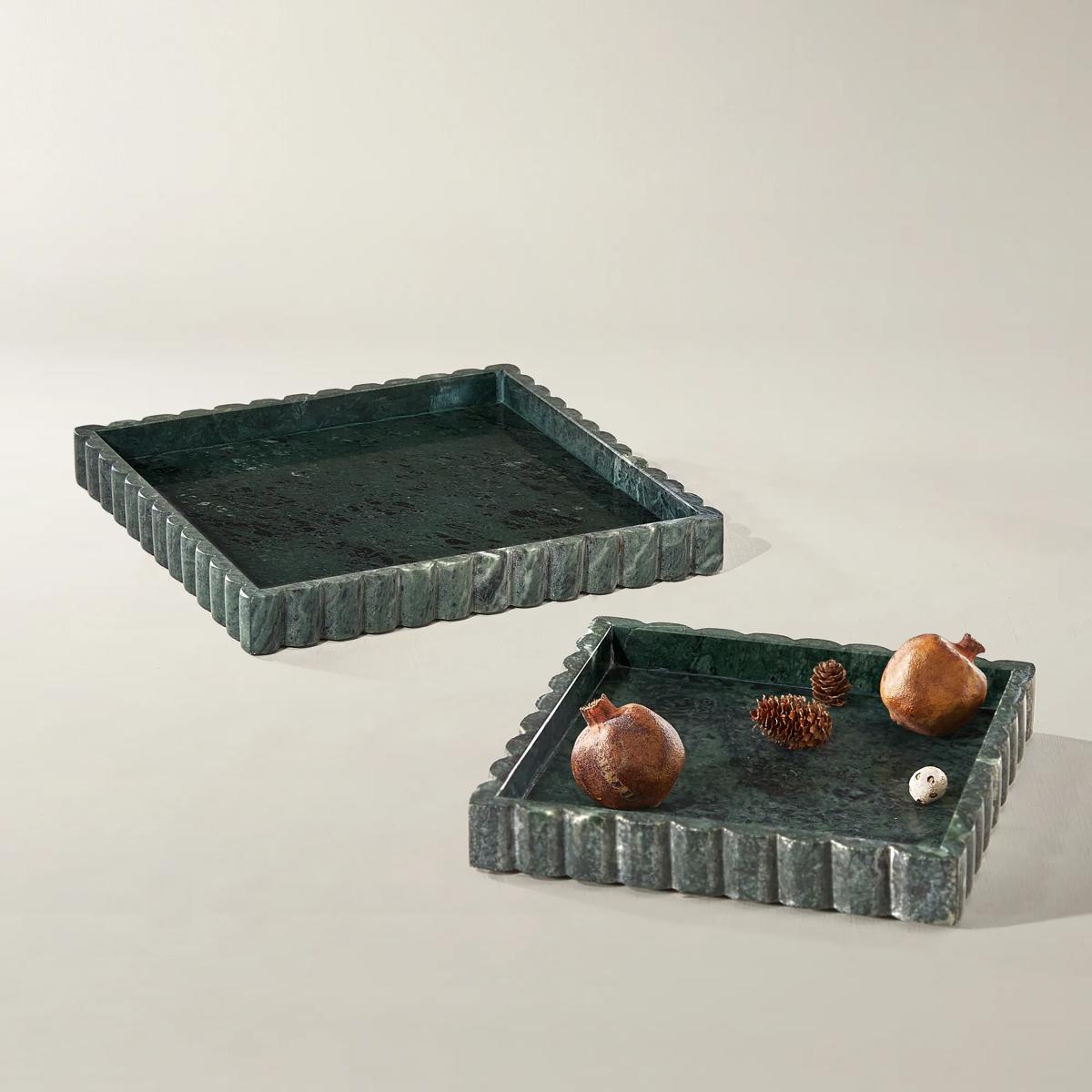
 Scallop Tray - Emerald Marble$69
A handcrafted Baroda green marble tray featuring unique veining and elegant scalloped edges for decorative display.
Add To Cart -
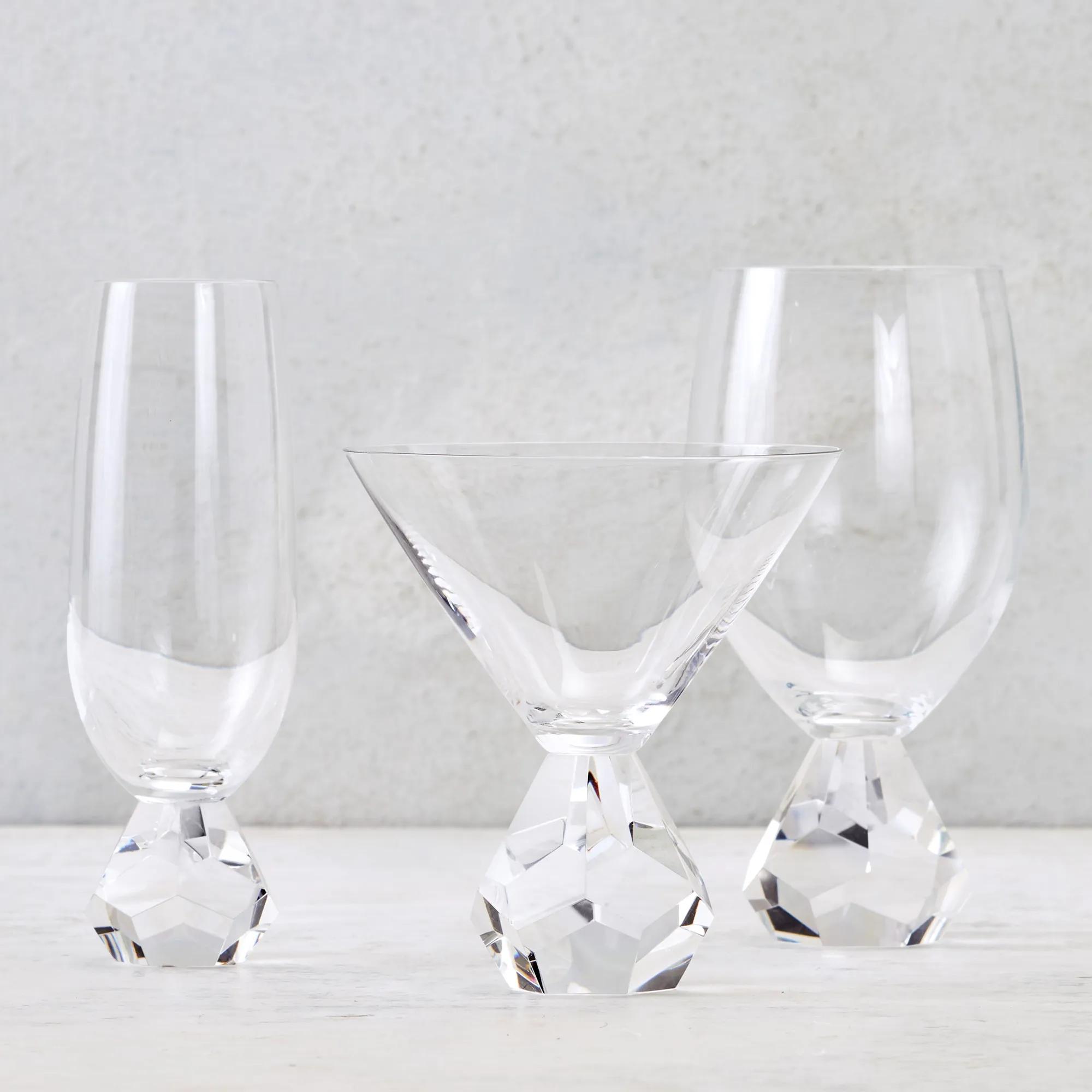 Dioptre Mouthblown Clear Glass Stemware Sets$79
An elegant mouthblown glass set featuring a prism base for a sophisticated, light-catching tablescape.
Add To Cart -
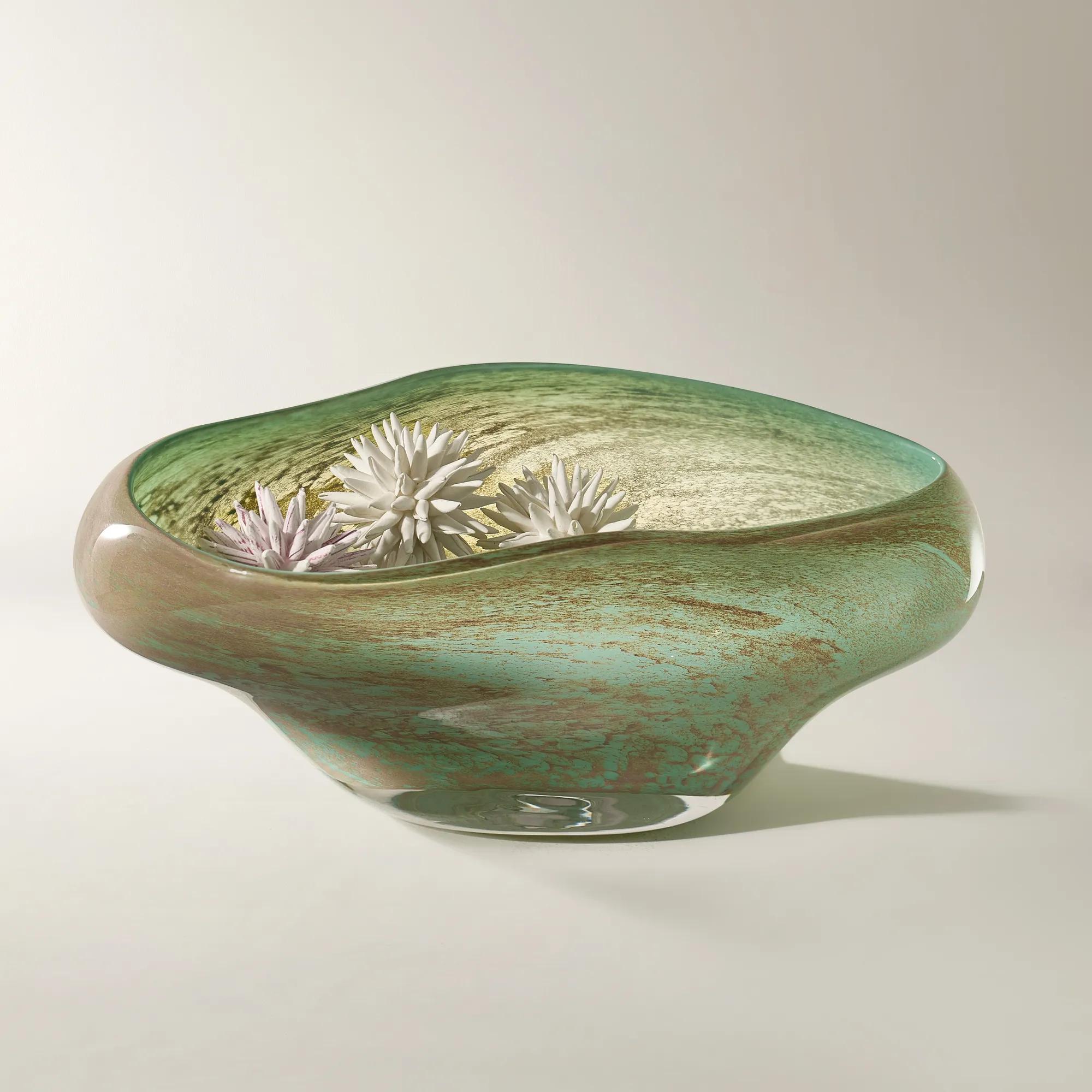
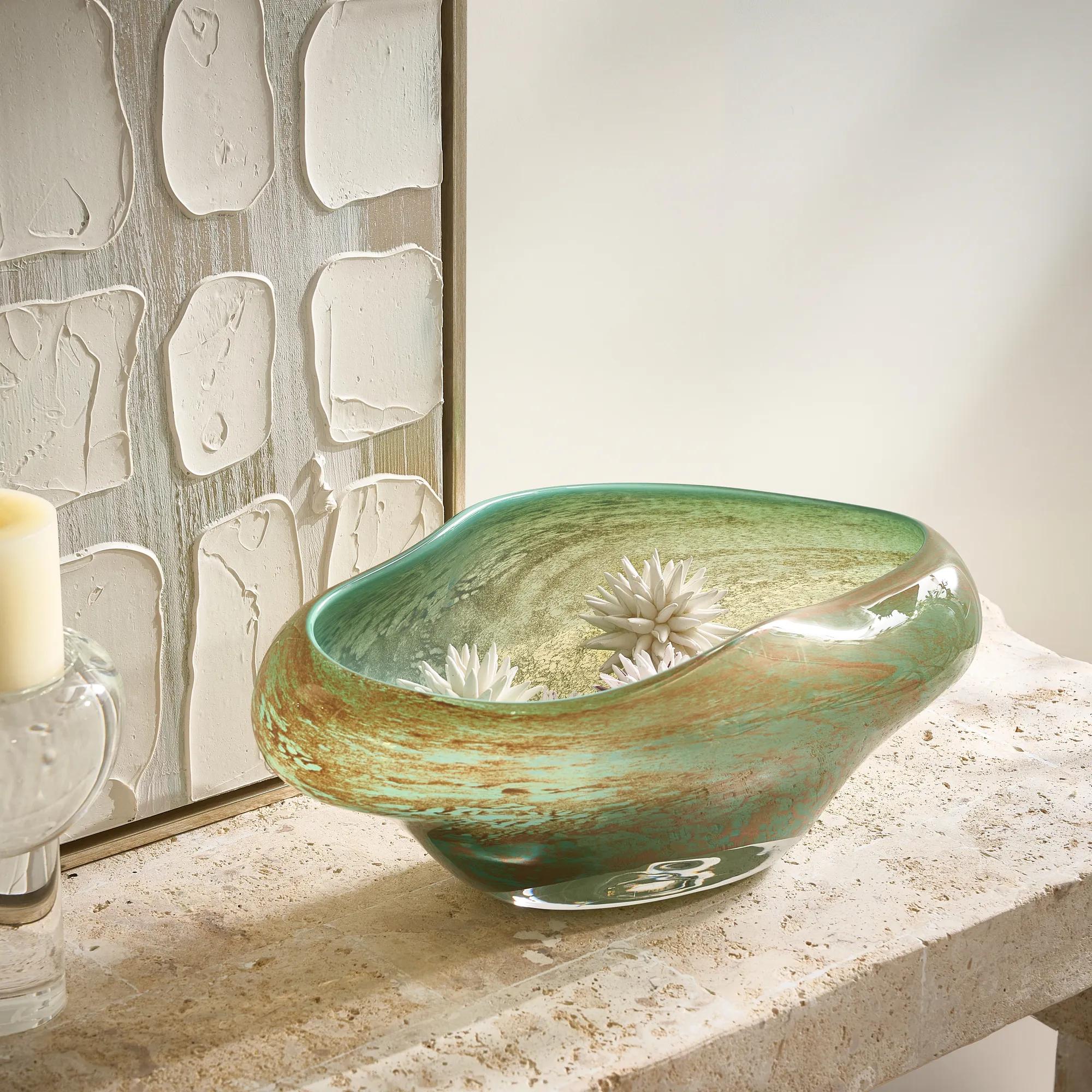 Green Mist Glass Bowl$179
A green glass bowl adding modern elegance to decorative displays.
Add To Cart -

 Angelica Soft Nude Handblown Glass Canister 9.25"$59
A soft nude handblown glass canister adding artisanal elegance to modern décor.
Add To Cart -
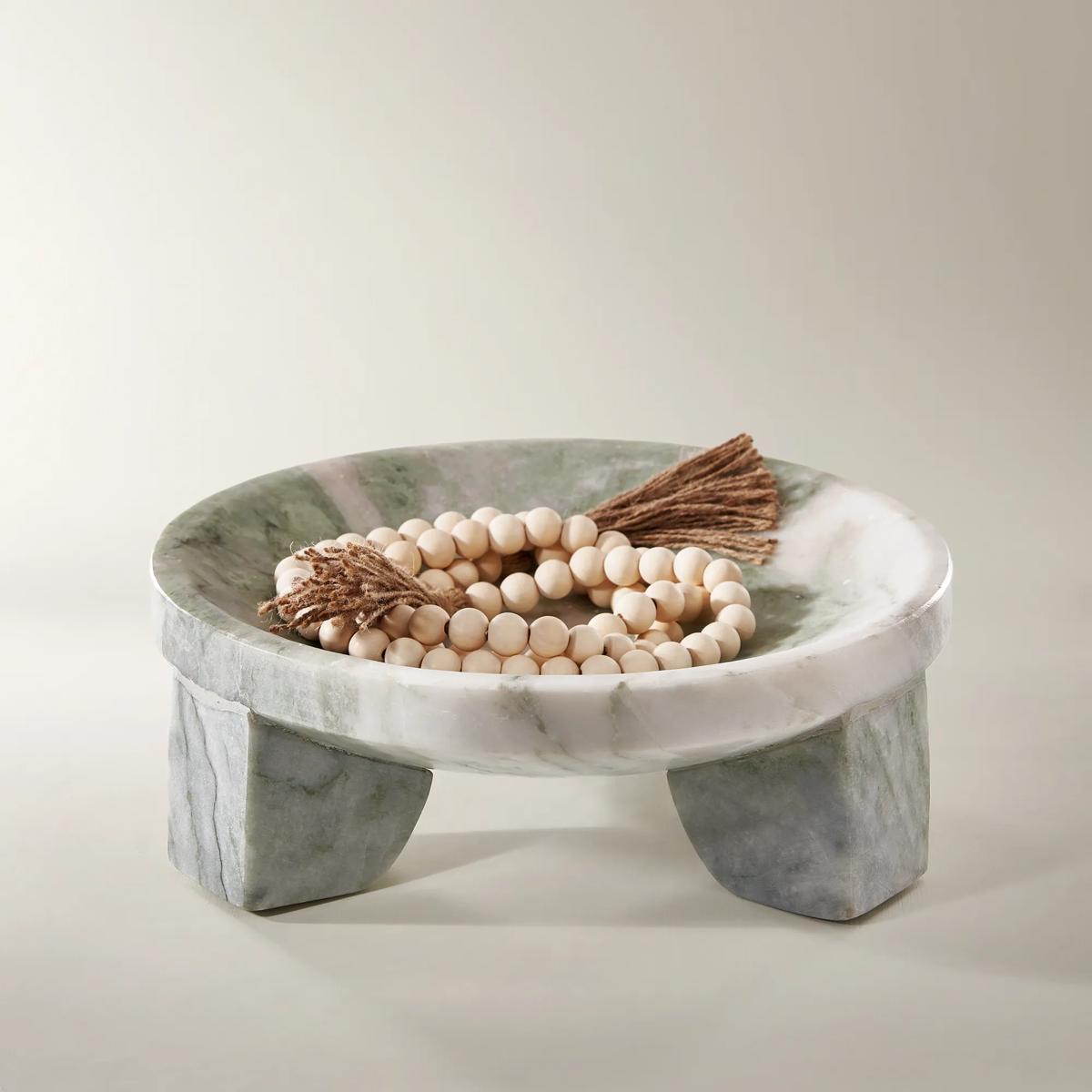
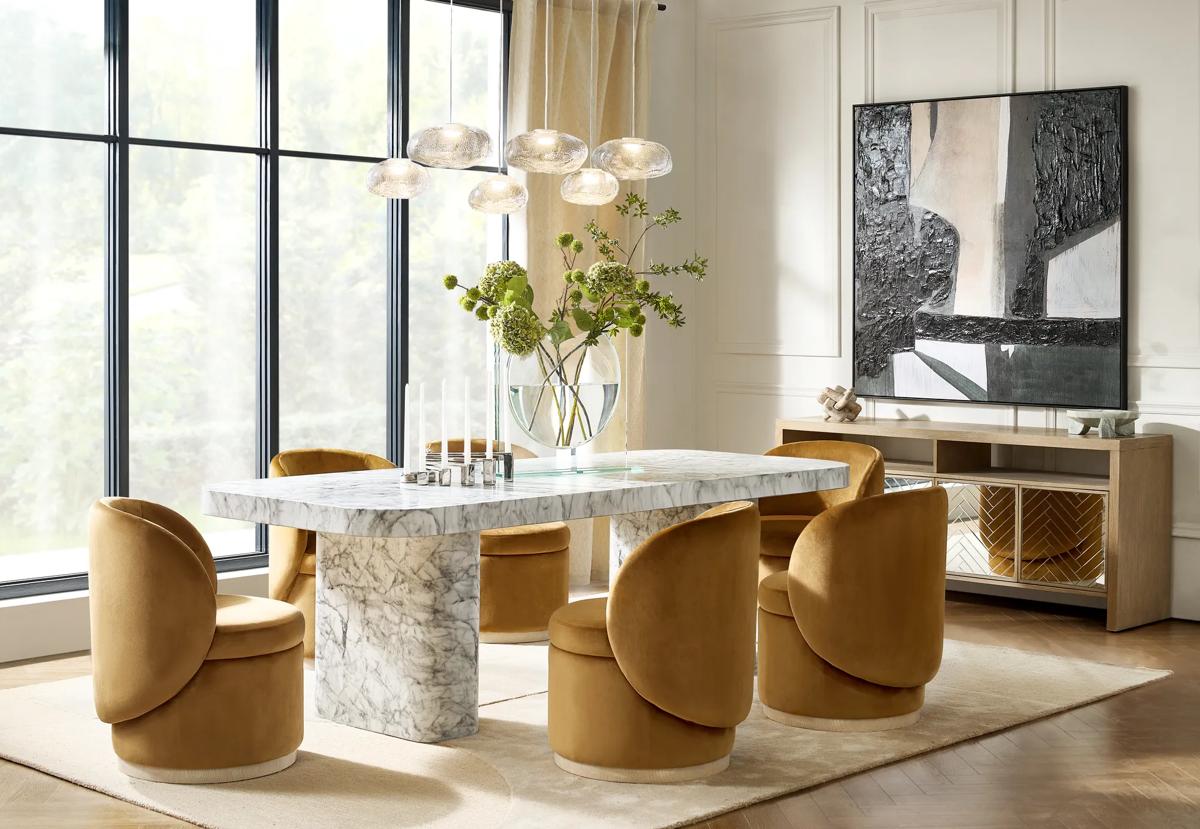 Light Green Marble Footed Bowl$199
A hand-carved onyx bowl featuring soft green marbling and sculptural feet for organic elegance.
Add To Cart -
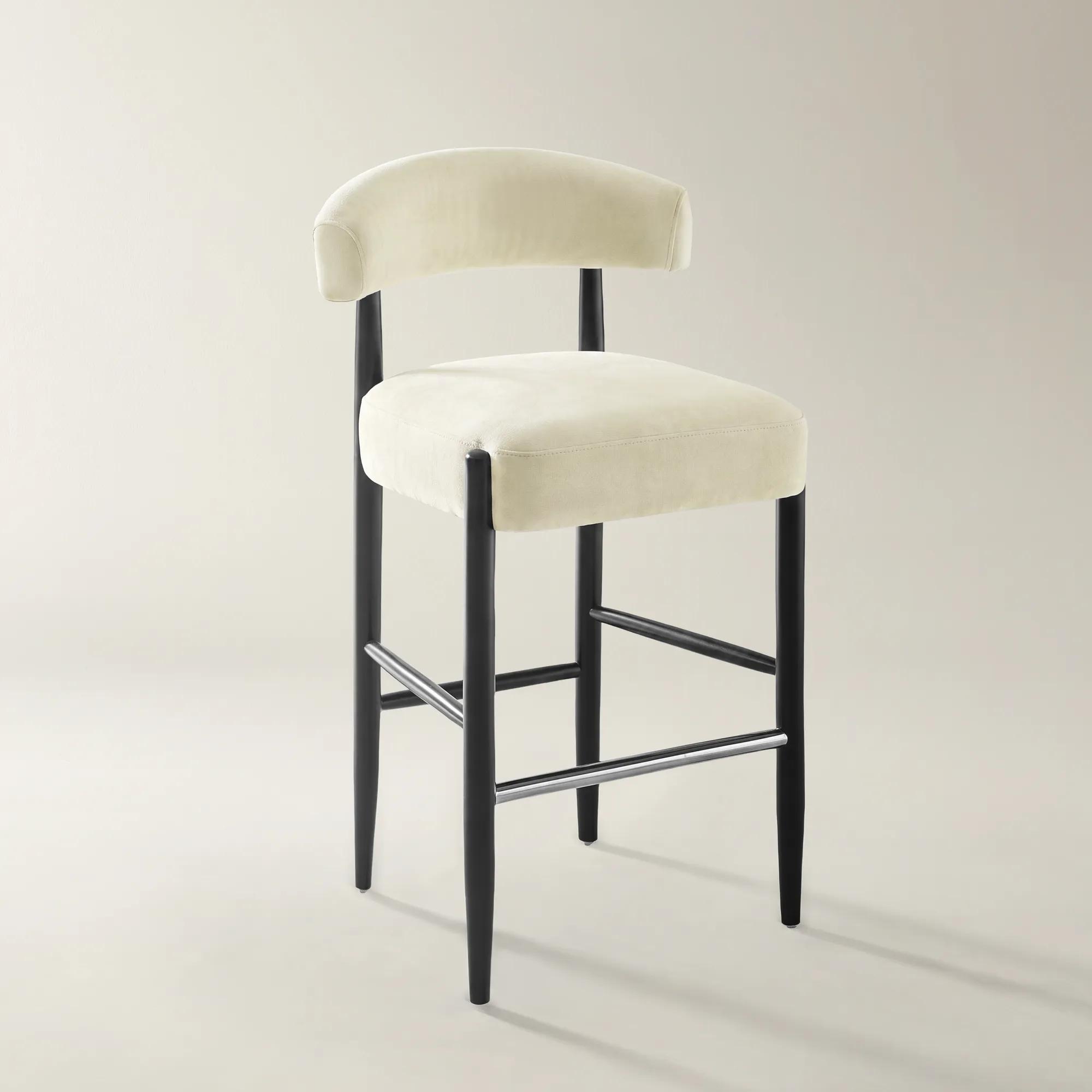 Anna Cloud Velvet Bar/Counter Stool$449
A cloud velvet counter stool with sculpted padded support and tapered solid-rubberwood legs.
Add To Cart -
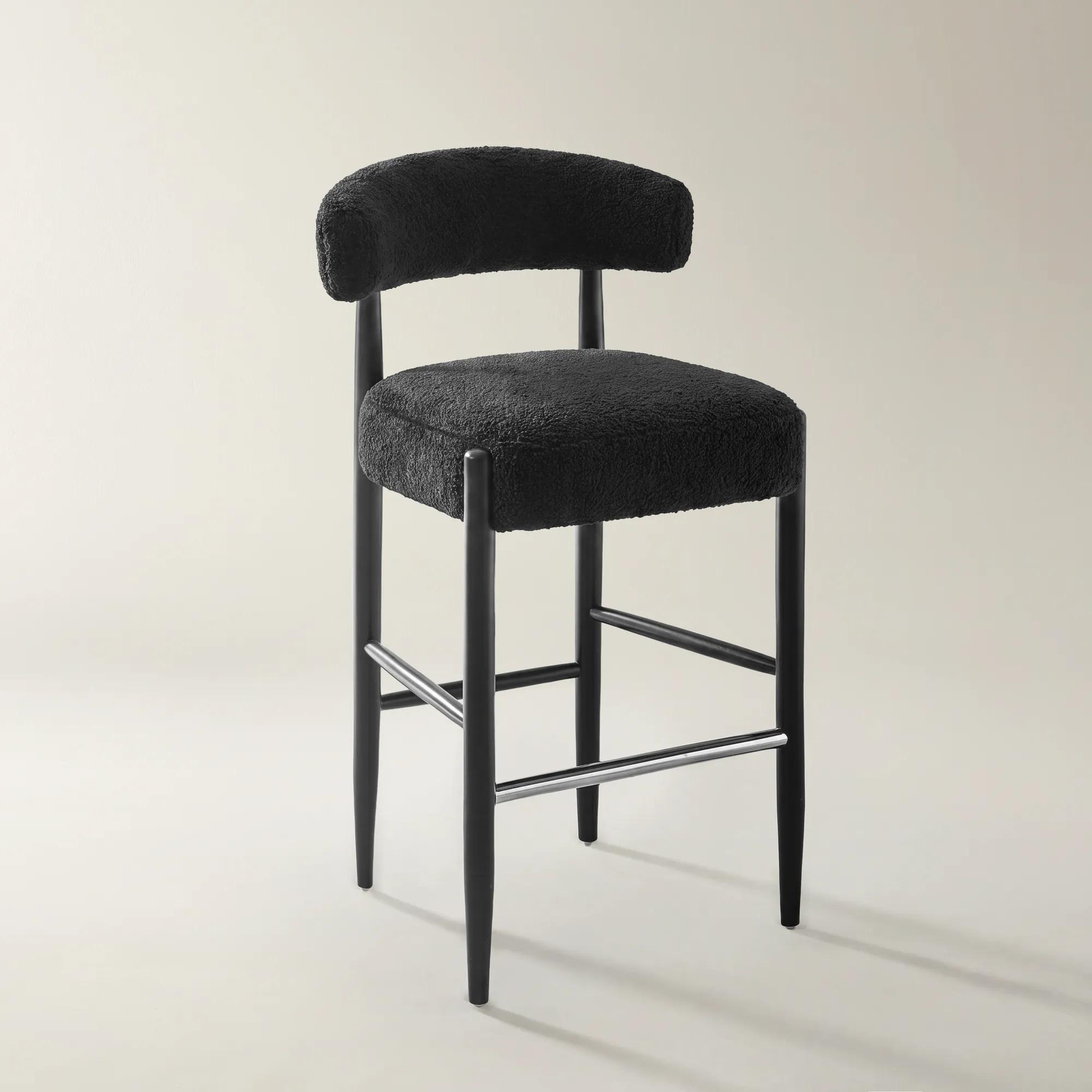 Anna Black Chenille Bar/Counter Stool$449
A black chenille counter stool with a sculpted padded seat and solid rubberwood legs.
Add To Cart -
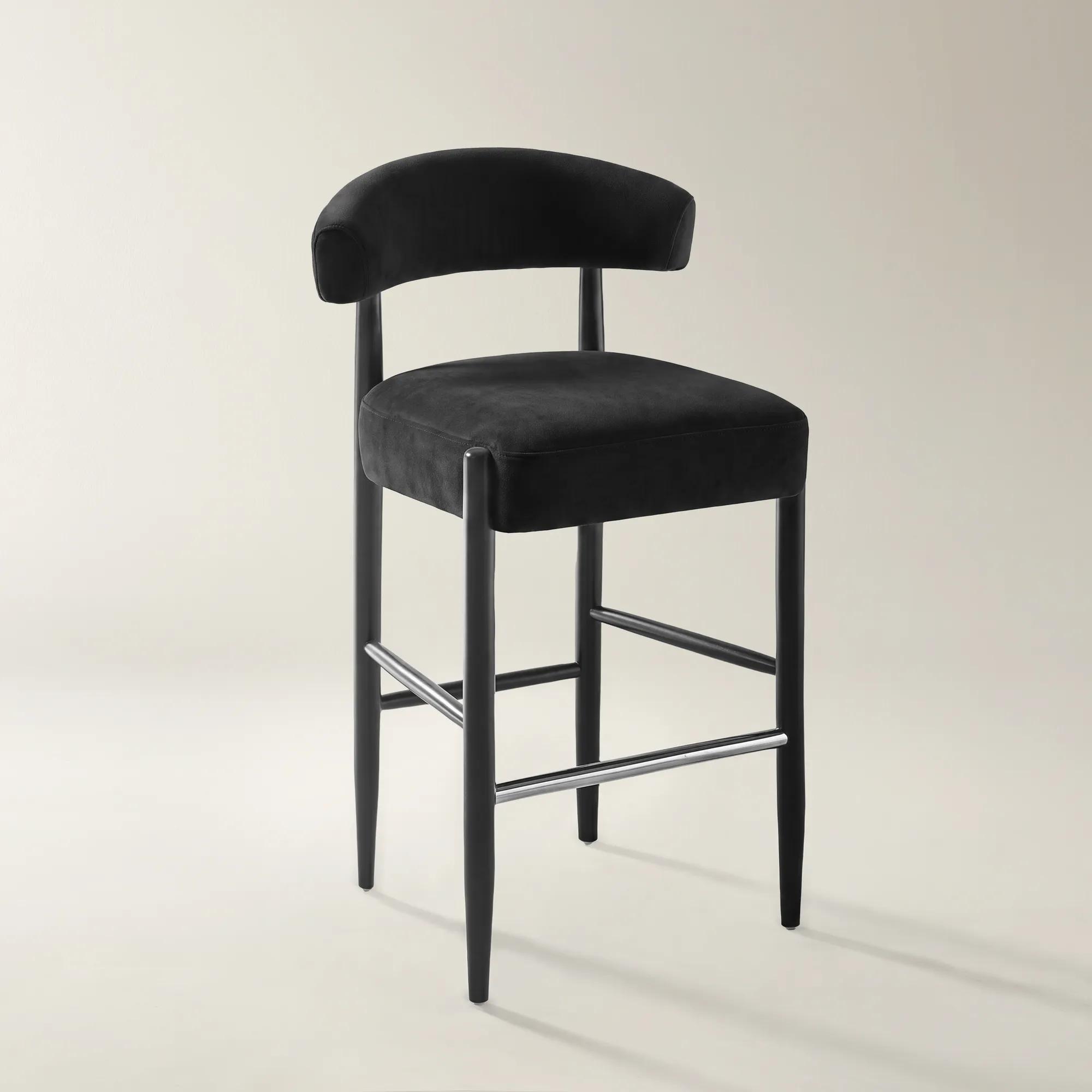 Anna Charcoal Velvet Bar/Counter Stool$449
A charcoal velvet bar stool with a sculpted padded seat and solid rubberwood legs.
Add To Cart -
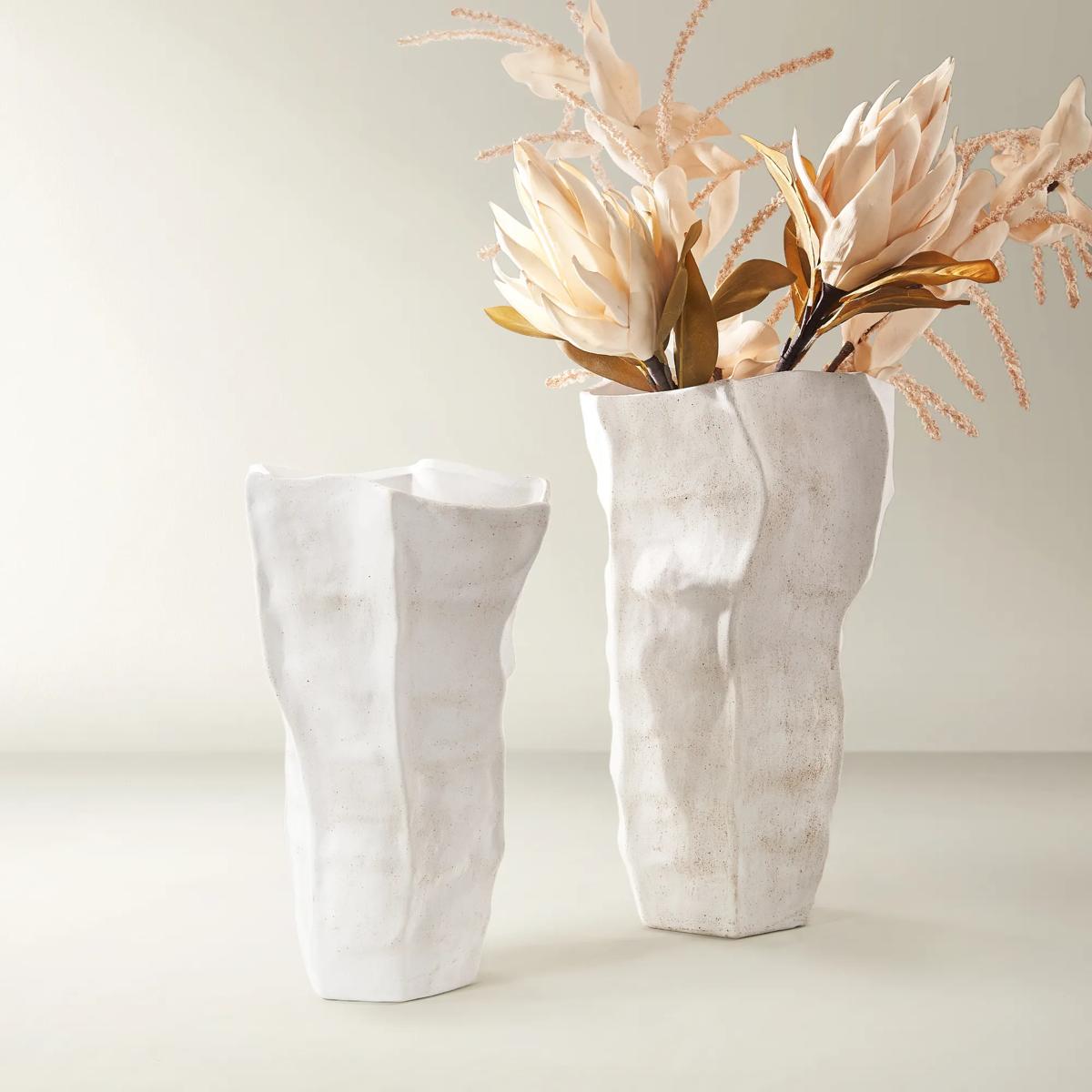 Kira Porcelain Vase$139
A sculptural matte white porcelain vase with fluid, faceted curves and a soft, textured finish.
Add To Cart -
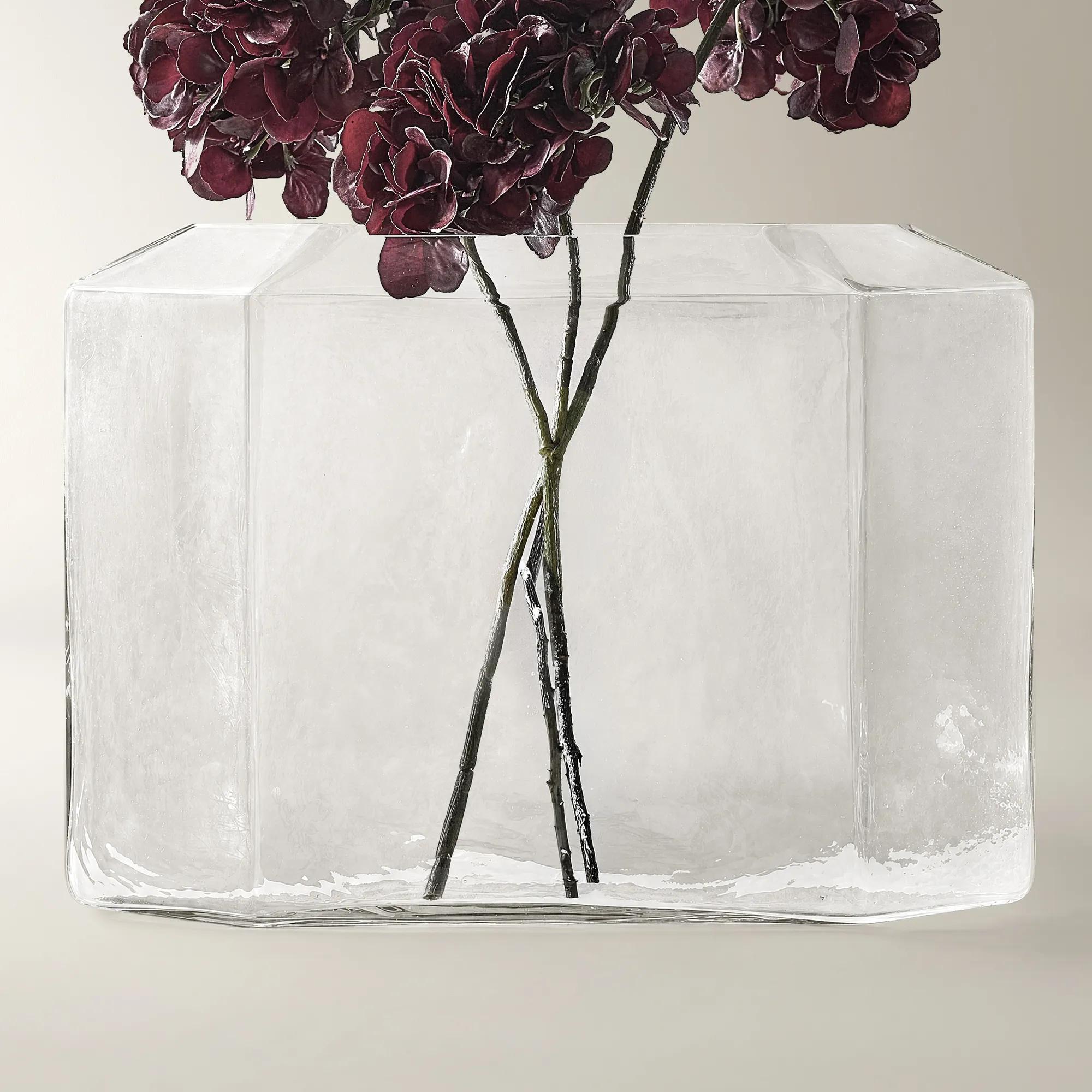 Studio Mouth Blown Clear Glass Vase 13.75"$199
A handblown clear glass vase with faceted detailing that beautifully reflects light for modern elegance.
Add To Cart

Gifts For Minimalists
Gifts for minimalists are an invitation to celebrate the art of less—where every object is chosen with intention and every silhouette speaks volumes. These curated treasures distill beauty to its purest form, transforming simplicity into a statement. Clean lines, subtle textures, and refined palettes create an atmosphere where tranquility reigns and elegance whispers from every corner. For those who find luxury in restraint and sophistication in understatement, gifts for minimalists offer the promise of serene spaces elevated by thoughtful design.
Gifts for minimalists are thoughtfully designed pieces that bring lasting usefulness, beauty, or personal meaning to everyday life without adding unnecessary clutter. In the home, that can mean an expressive accent with a clear purpose: a sculptural vessel that holds flowers beautifully, a tray that gathers daily essentials, or a sumptuous textile that makes a favorite chair more inviting. The appeal lies in giving something that belongs, rather than something that simply occupies space. Minimalist interiors are not necessarily bare, colorless, or without drama. A room with fewer objects gives each silhouette, surface, and proportion greater presence, allowing luminous glass, richly textured fabric, or a bold architectural shape to become a focal point. A restrained palette can feel deeply luxurious when the materials have depth and the details reward a closer look. For recipients who are selective about what enters their home, the most meaningful gifts often reflect a familiar routine or an established preference. Someone who arranges fresh stems may appreciate a versatile vessel with enough visual presence to stand alone between arrangements. A friend who loves a composed entryway may gravitate toward a beautifully finished catchall that keeps keys and small essentials together. Someone who treasures quiet evenings may value softness and texture over another purely decorative object. These gifts respect the recipient’s space while adding a distinctive note of pleasure to it. Neutral shades can offer flexibility, but thoughtful restraint does not demand an exclusively neutral palette; a single saturated accent can feel entirely at home when it echoes artwork or a favorite fabric. The common thread is intention. Clean outlines, balanced proportions, and considered finishes allow a gift to complement an existing room rather than compete with it. For a person who prefers fewer possessions, one well-chosen piece with a useful role and a memorable material can feel more generous than a collection of smaller objects with nowhere to belong.
Materials give minimalist home gifts much of their character, particularly when ornament is limited and the finish remains fully visible. Glass brings lightness to a tabletop and lets surrounding colors remain part of the composition, while textured or gently tinted surfaces introduce depth without demanding an elaborate arrangement. Ceramic can offer a softer, more tactile presence, with smooth glazes or subtle surface variation lending distinction to an otherwise simple form. Natural stone contributes visual weight and individual markings, making even a restrained shape feel expressive. Metal finishes create another kind of impact: a polished surface catches the light with precision, while a brushed finish offers a quieter sheen. In textiles, fiber content, weave, and construction influence how a piece feels, drapes, and holds up to its intended use. A decorative layer for an occasional chair has different demands from one used daily in a busy living room, especially in a household with children or pets. Durability is therefore less about a material’s appearance than its suitability for the setting and the care it requires. A substantial-looking piece is not automatically resistant to scratches, moisture, or staining. Porous stone may need protection from spills and acidic substances, delicate glass can require careful handwashing, and coated metals may be damaged by abrasive cleaners. Manufacturer care directions should govern cleaning, including whether a textile can be machine washed or requires professional care. For someone who values uncomplicated routines, straightforward upkeep can be as important as an elegant silhouette. Smooth, accessible surfaces are generally easier to dust than deeply detailed forms, and washable fabrics may suit frequent use when their care labels permit it. Gifts intended for serving also need to be specifically designated for food contact; decorative vessels should not be assumed to serve the same purpose. These practical distinctions preserve the pleasure of the gift, allowing its beauty to become part of daily life rather than an object that feels too demanding to use.
Scale and placement matter just as much as material when a recipient has carefully edited their surroundings. A gift can have striking presence without occupying a large footprint, especially when its height, shape, or reflective finish draws the eye. On a narrow console, a compact accent leaves room for the practical necessities of coming and going; on a generous coffee table, a single substantial form may feel more composed than several scattered accessories. The right fit also leaves surrounding surfaces usable and preserves the breathing room that gives a considered interior its character. For apartment dwellers, recipients who have recently downsized, or anyone who prefers open tabletops, an object that serves an established habit is often more welcome than a new category of decoration. A piece that can move naturally between a bedroom, living area, and entryway offers flexibility, provided its proportions and intended use suit each setting. Personal taste remains essential: warm metallic tones, cool silvery finishes, organic textures, and crisp geometric lines each create a different mood. Echoing a finish or shape already present in the recipient’s home can make the gift feel perceptive without requiring an exact match. For someone whose preference for restraint includes architectural silhouettes and a more expressive focal point, Gifts for Modern Decorators offers a closely related design perspective. Birthdays, anniversaries, weddings, and housewarmings all invite gifts that acknowledge how a person actually lives, whether that means a gracious setting for shared meals or a tactile detail for a private retreat. A wedding gift may need to reflect two people’s tastes, while a housewarming gift benefits from sensitivity to the dimensions and finishes of a new space. The strongest connection comes from that attention, not from the number of pieces presented. A meaningful minimalist gift leaves room for the recipient’s own expression while bringing something unmistakably beautiful to an everyday moment: light moving across a polished surface, flowers framed by a sculptural curve, or a soft layer waiting at the end of a long day.
FAQs
A gift for a minimalist should embody simplicity, functionality, and timeless design. Look for pieces that serve a clear purpose, feature clean lines, and are crafted from quality materials. Minimalists appreciate items that enhance their space without creating clutter, so choose thoughtfully and prioritize enduring style over fleeting trends.
To make a minimalist gift feel personal, consider the recipient’s daily rituals, favorite colors, or the mood they wish to create in their home. Opt for versatile pieces that blend seamlessly with their existing décor, or select something that supports their lifestyle—like a beautifully designed journal for a creative, or a sculptural vase for someone who loves fresh flowers.
Minimalist gifts are perfect for special occasions because they offer lasting value and thoughtful design. Whether it’s a milestone birthday, housewarming, or anniversary, a well-chosen minimalist piece becomes a cherished part of the recipient’s everyday life, serving as a reminder of the occasion and your consideration.
Minimalist gifts often feature materials such as marble, glass, brushed metal, natural wood, and high-quality ceramics. These materials lend a sense of sophistication and purity, allowing the beauty of form and texture to shine without distraction.
Minimalist gifts enhance a home by introducing elements that create a sense of calm, order, and visual harmony. Whether it’s a sleek tray, a tactile throw, or a refined accent piece, these items anchor the space with elegance and intention, allowing the recipient’s personality and style to shine through without overwhelming their environment.