Gifts For Architecture Lovers
Gifts For Architecture Lovers
-
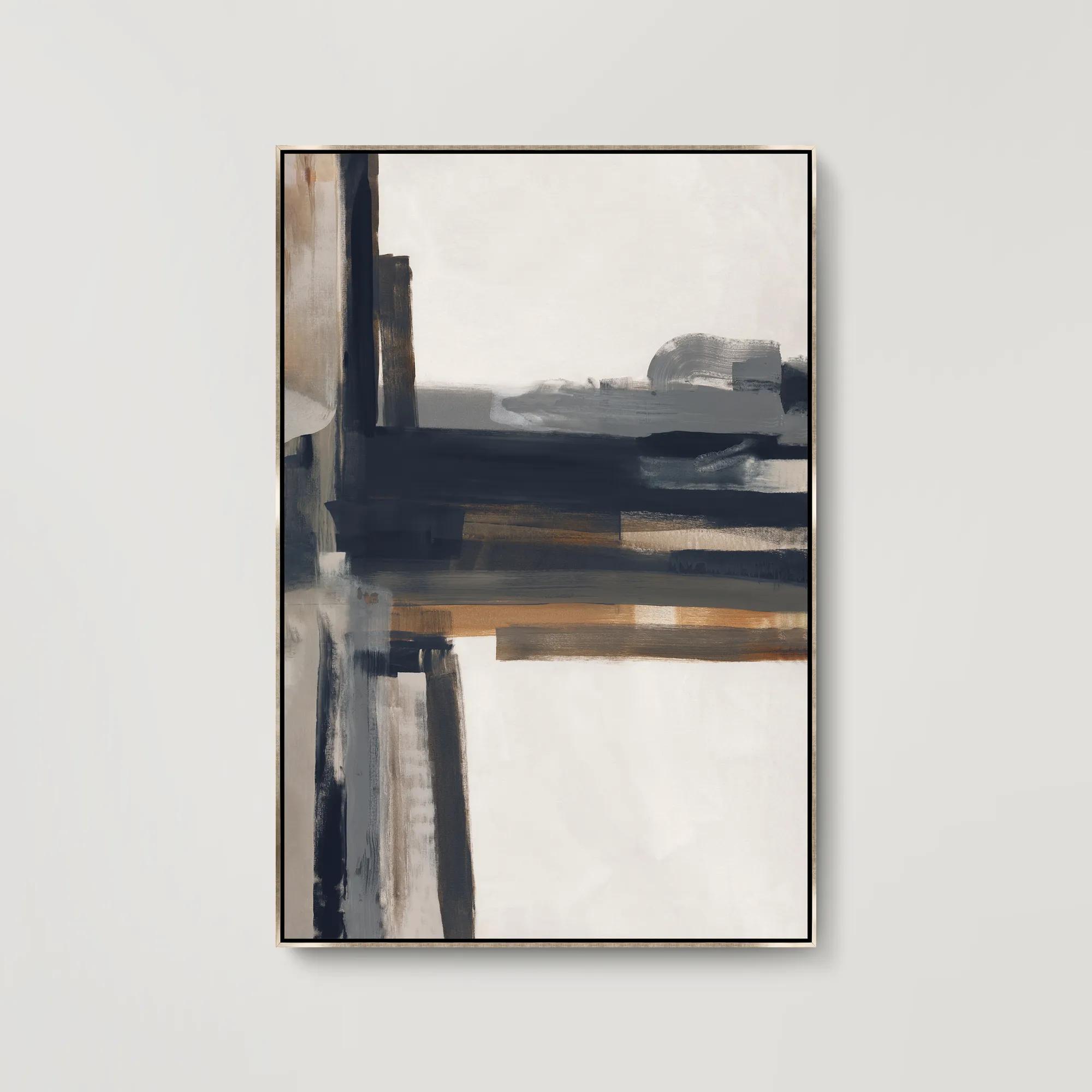
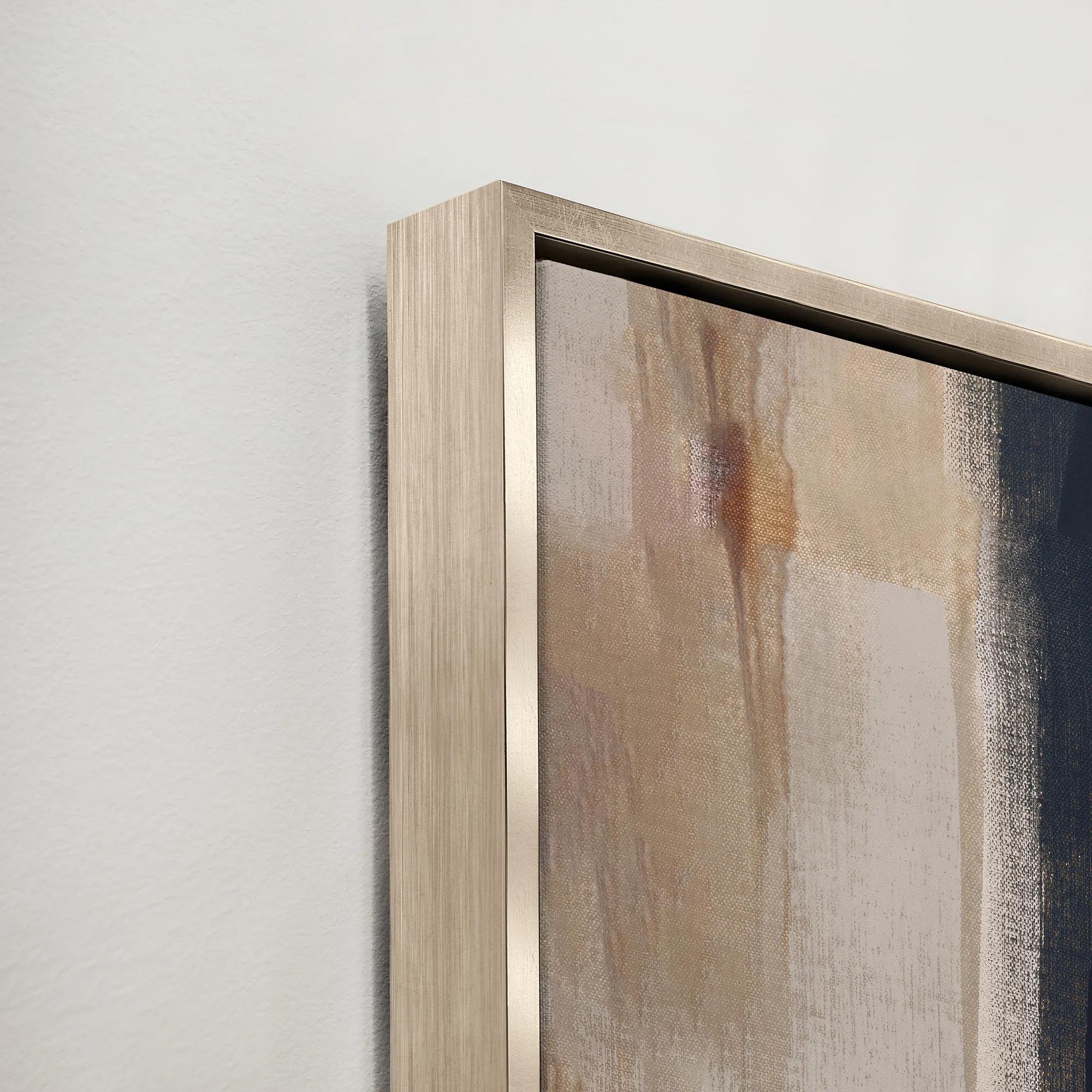 Imposing Construct I Framed Wall Art 41.5" x 61.5"$949
A gallery-wrapped abstract canvas featuring hand-applied brush gel and set in a sleek silver floater frame.
Add To Cart -
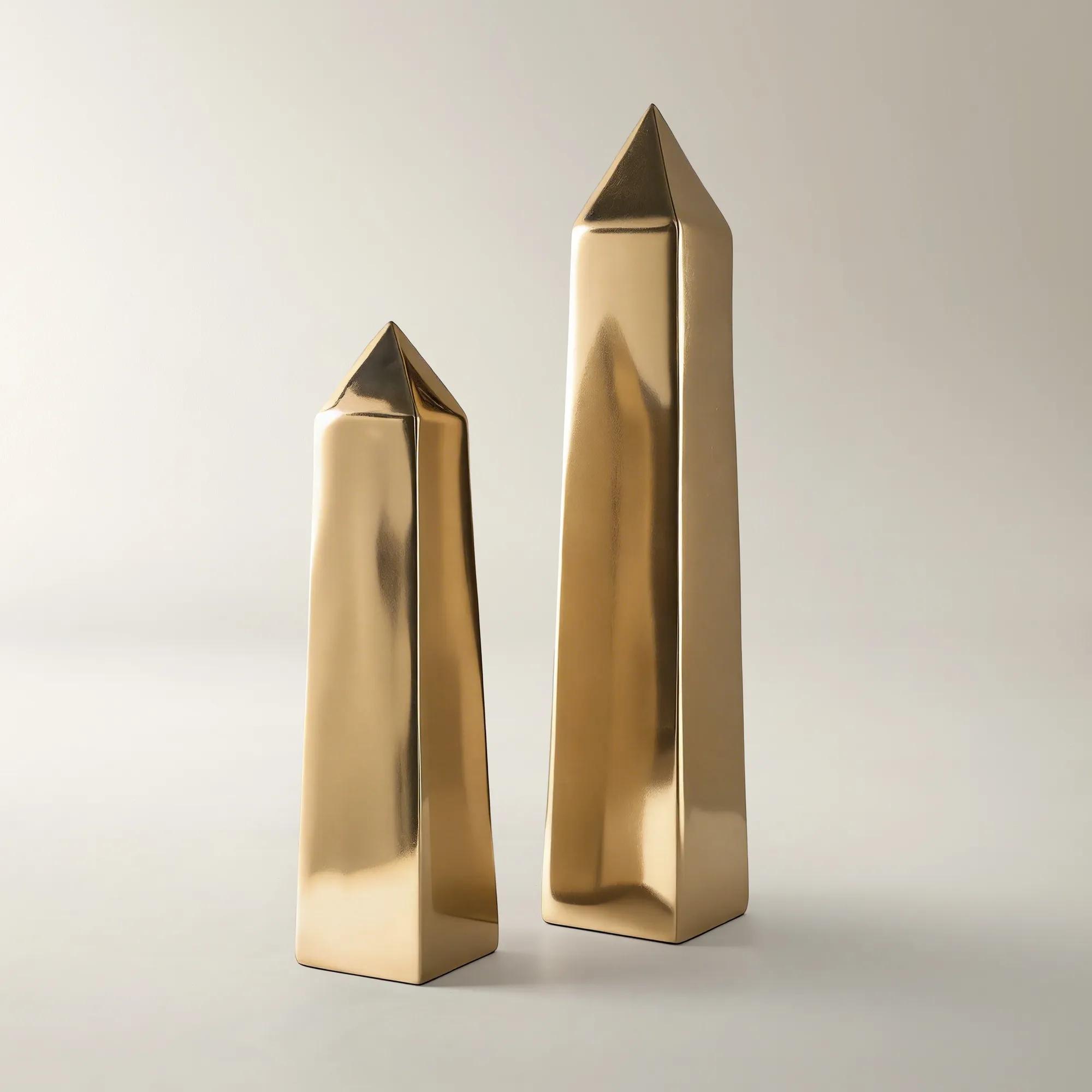
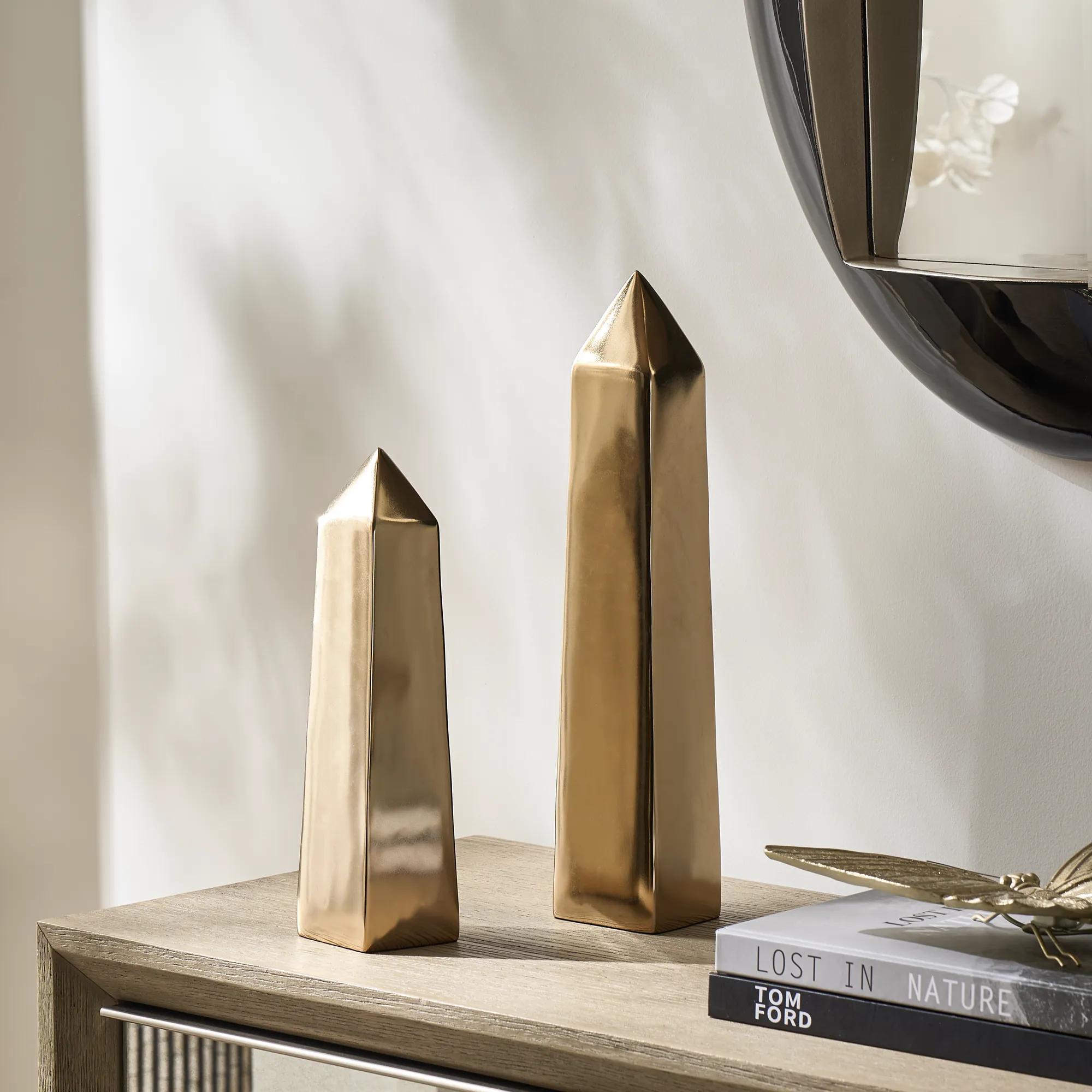 Golden Aluminum Obelisks$59
A sculptural aluminum accent in a soft gold finish that adds modern glamour and architectural drama.
Add To Cart -
 Cubism Black Resin Floor Totem 65"$329
A sculptural black resin totem with stacked geometric forms and brushed gold accents creates drama.
Add To Cart -
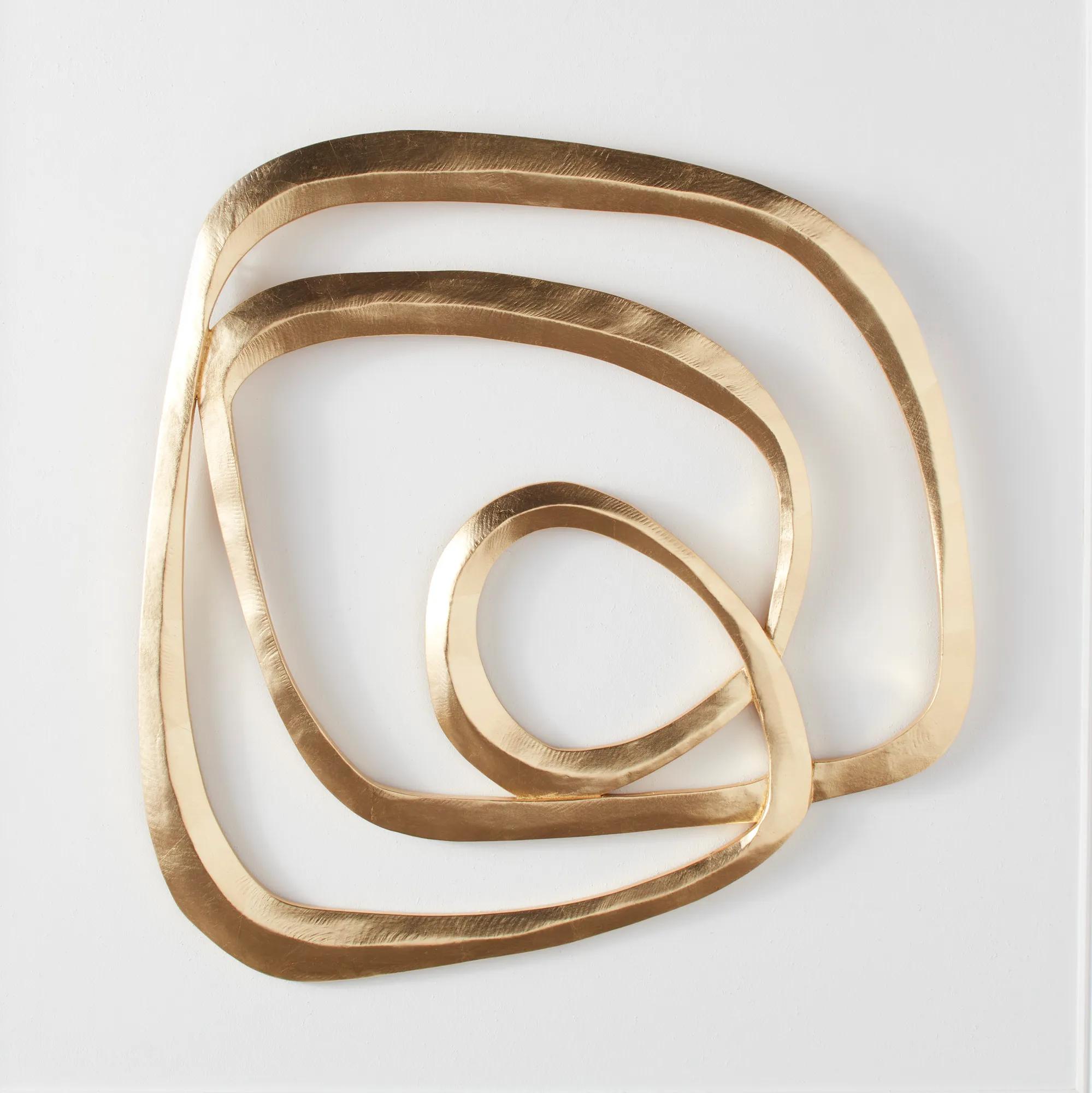 Infinity Gold Leaf Wood Wall Decor I 31.5" x 31.5"$299
A swirling wooden wall sculpture featuring a striking metallic gold finish for a bold decorative statement.
Add To Cart -
 Gilt Collage Gold Hand Crafted Wood Dimensional Wall Panel 30" x 60"$799
A glamorous gilt-finished collage wall panel bringing sculptural dimension and contemporary elegance to your decor.
Add To Cart -
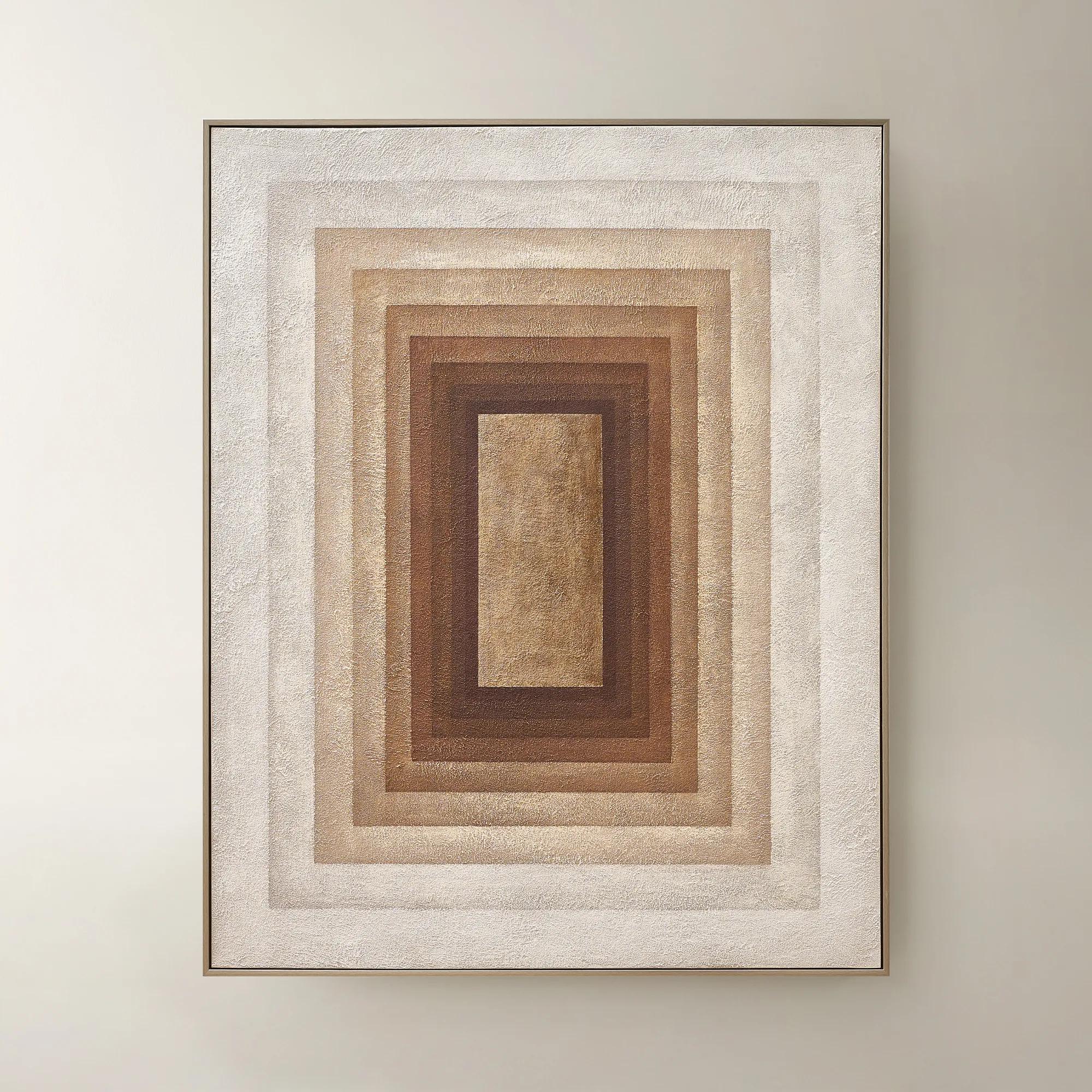 Monochrome Drift Framed Painted Wall Art 60" x 48"$699
A hand-painted abstract canvas with champagne leafing, featuring cocoa and gold tones in modern geometric design.
Add To Cart -
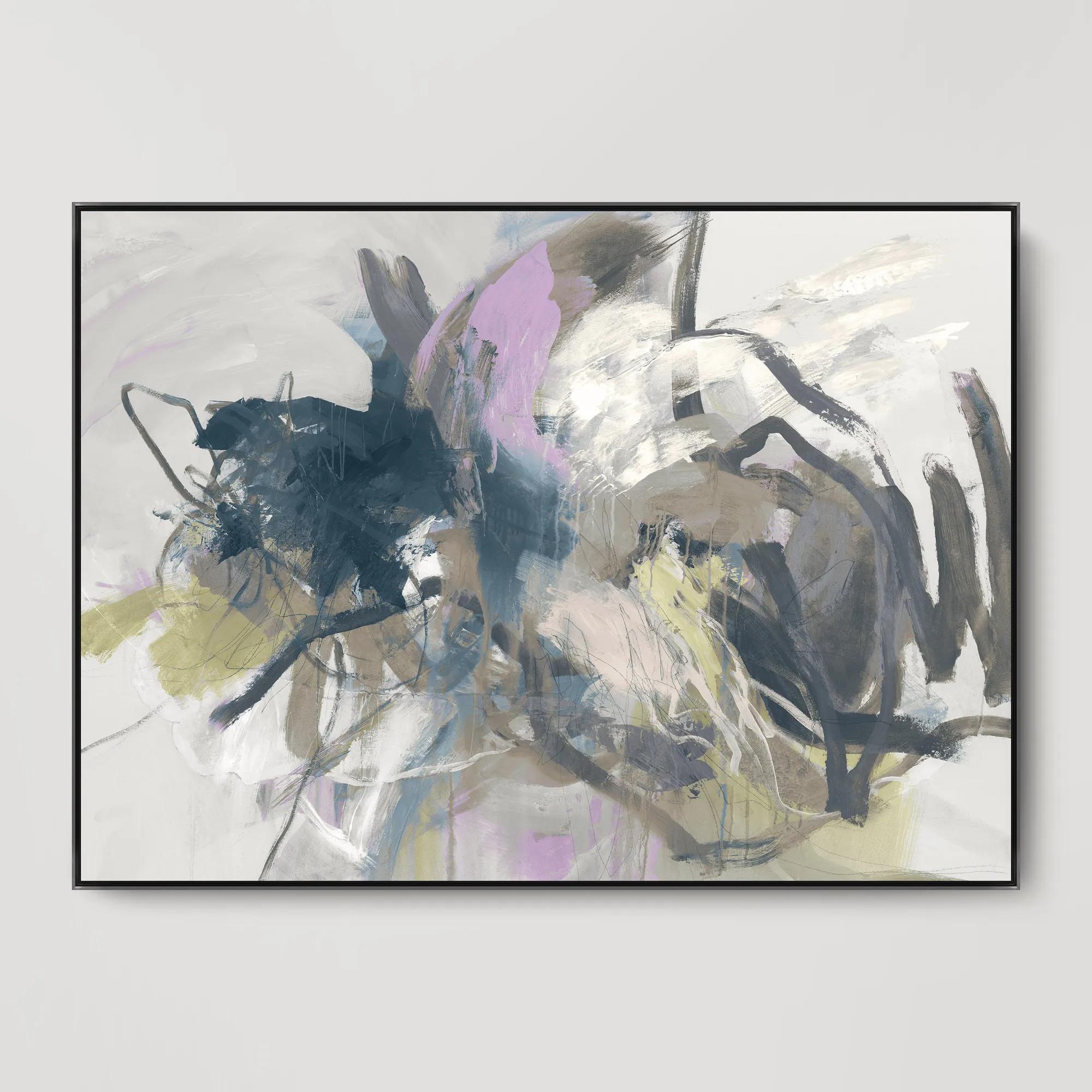
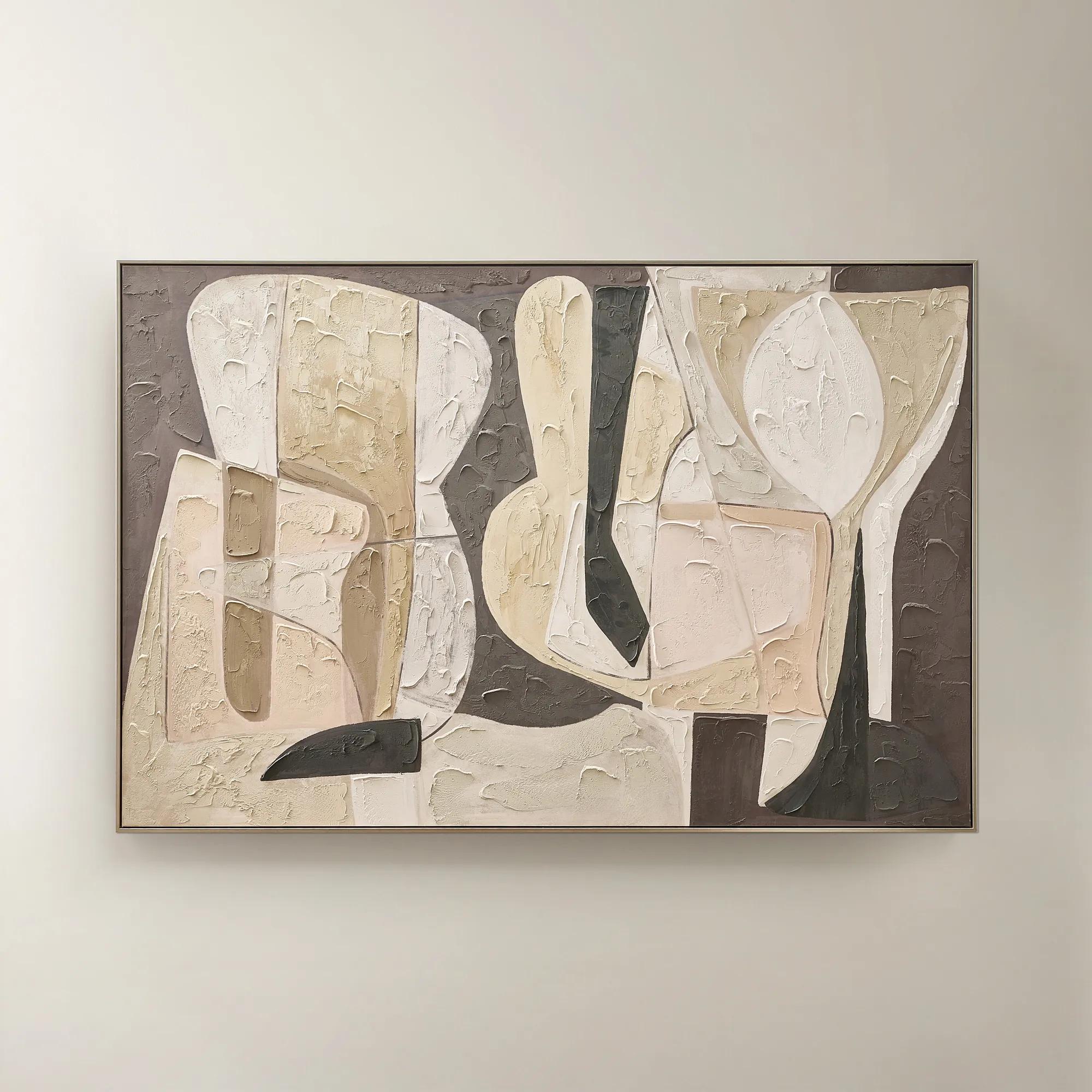 Wishful Thinking Framed Painted Wall Art 72" x 48"$599
A hand-painted abstract canvas featuring bold geometric forms and warm smoked plum, apricot, and tawny hues.
Add To Cart -
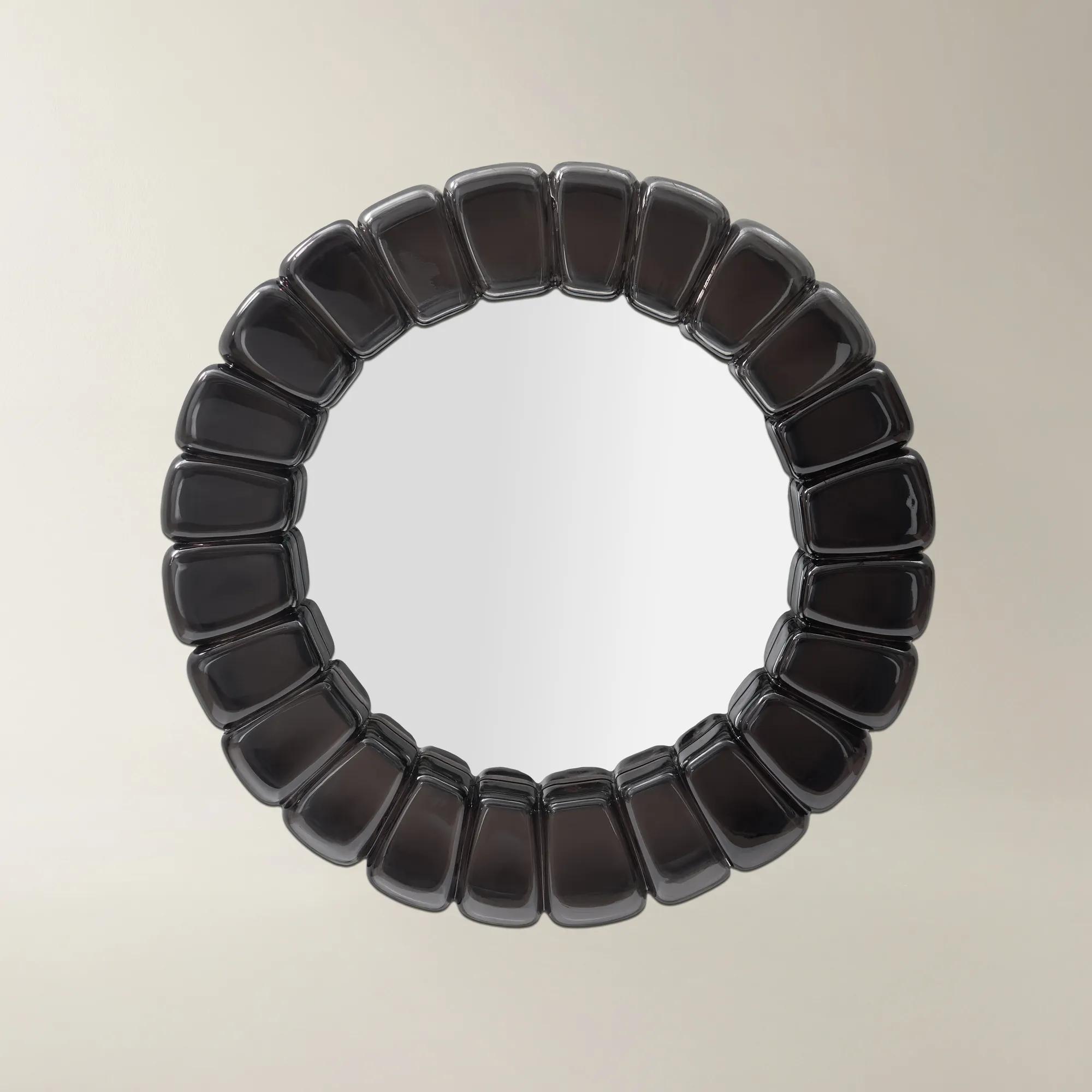
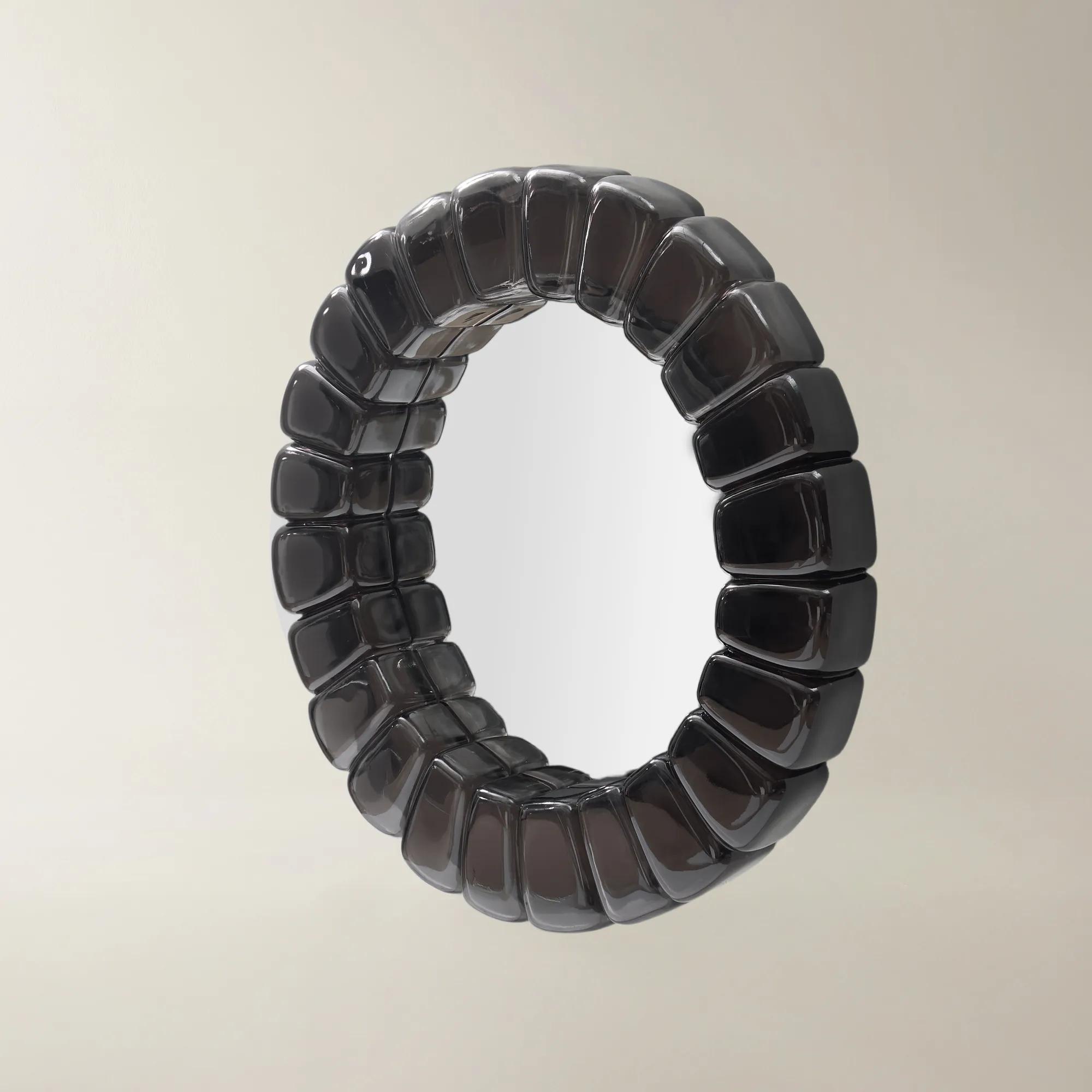 Lumino Graphite Resin Round Wall Mirror 38.5"$899
A round wall mirror with a sculptural translucent charcoal resin frame, graphite finish, and vertical display.
Add To Cart -
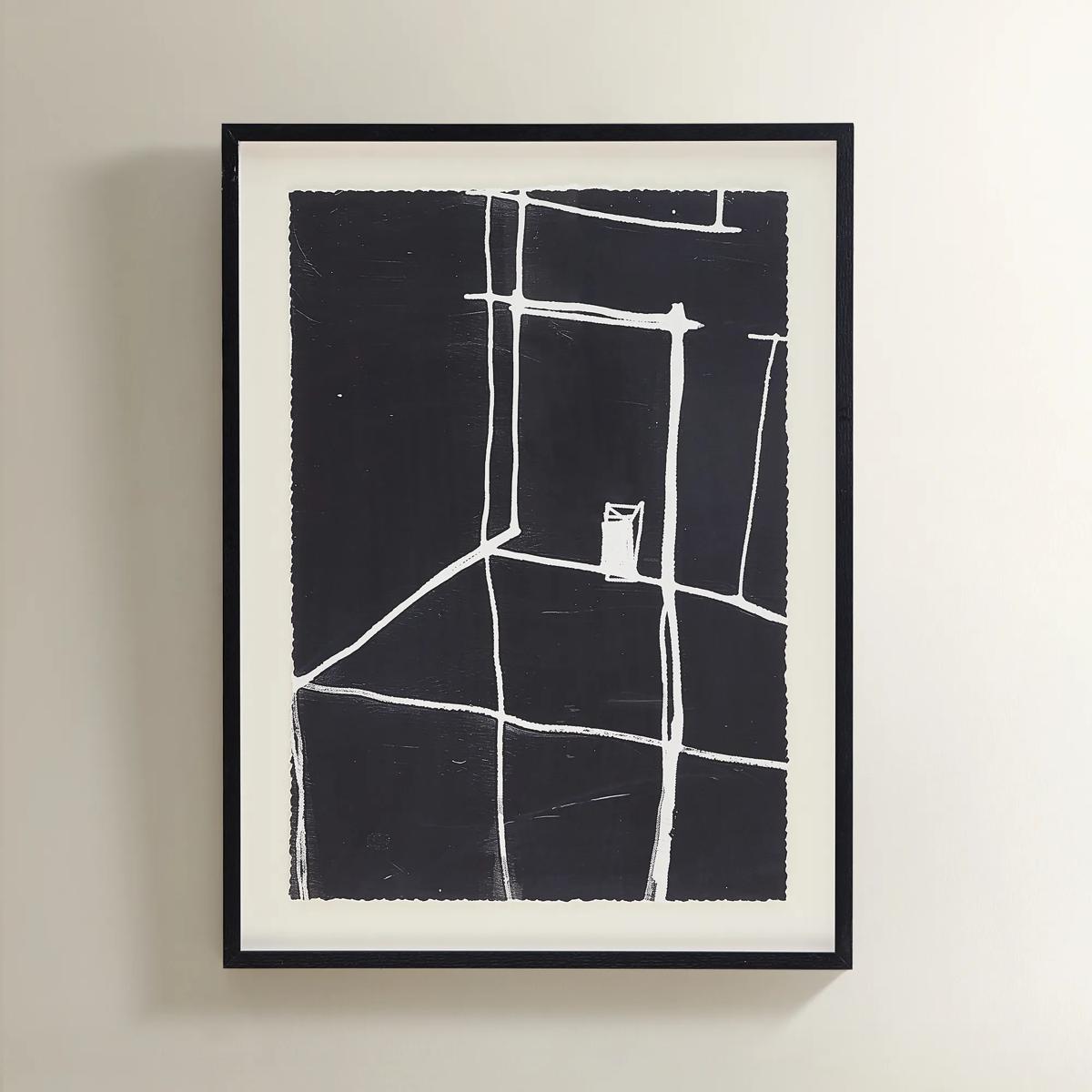 Solitude Art$269
A minimalist black-and-white abstract print featuring bold white lines in a sleek black polyresin frame.
Add To Cart -

 Transformation Framed Wall Art 47" x 47"$1099
A sophisticated brown canvas wall artwork in a striking framed design for modern interiors.
Add To Cart -
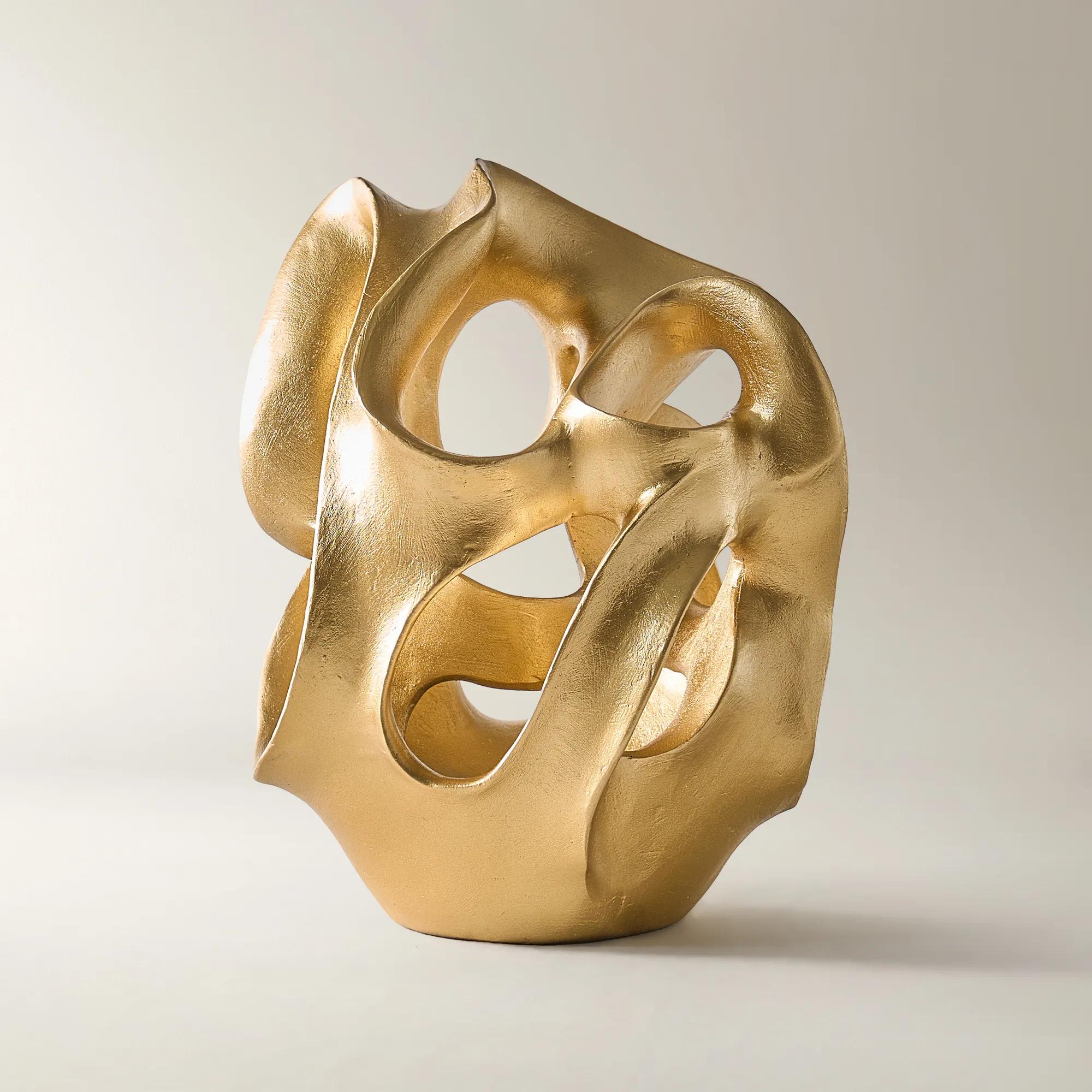
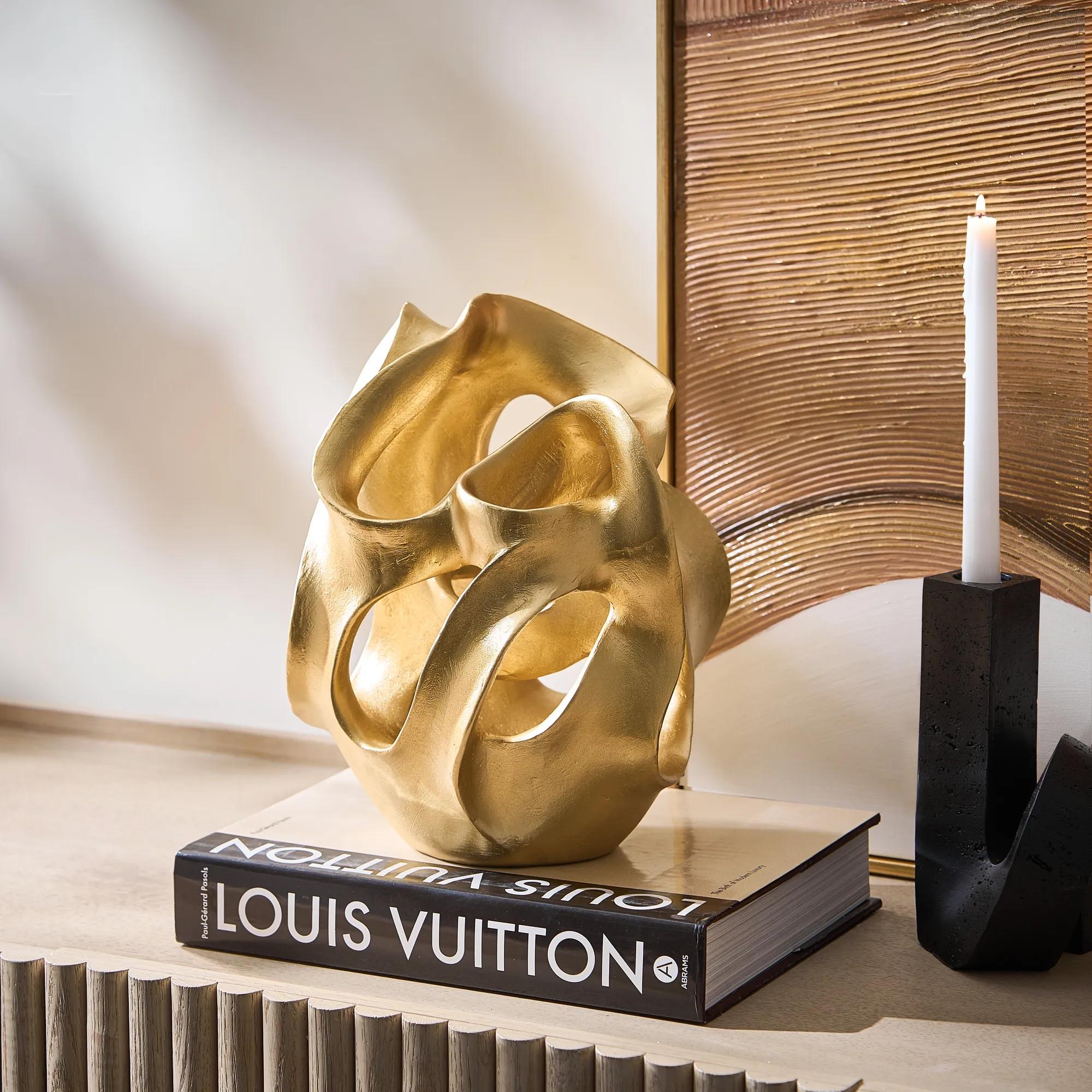 Payal Gold Resin Decorative Object 12"$99
A gold-finished resin sculpture with a fluid open silhouette adds architectural elegance and organic movement.
Add To Cart -
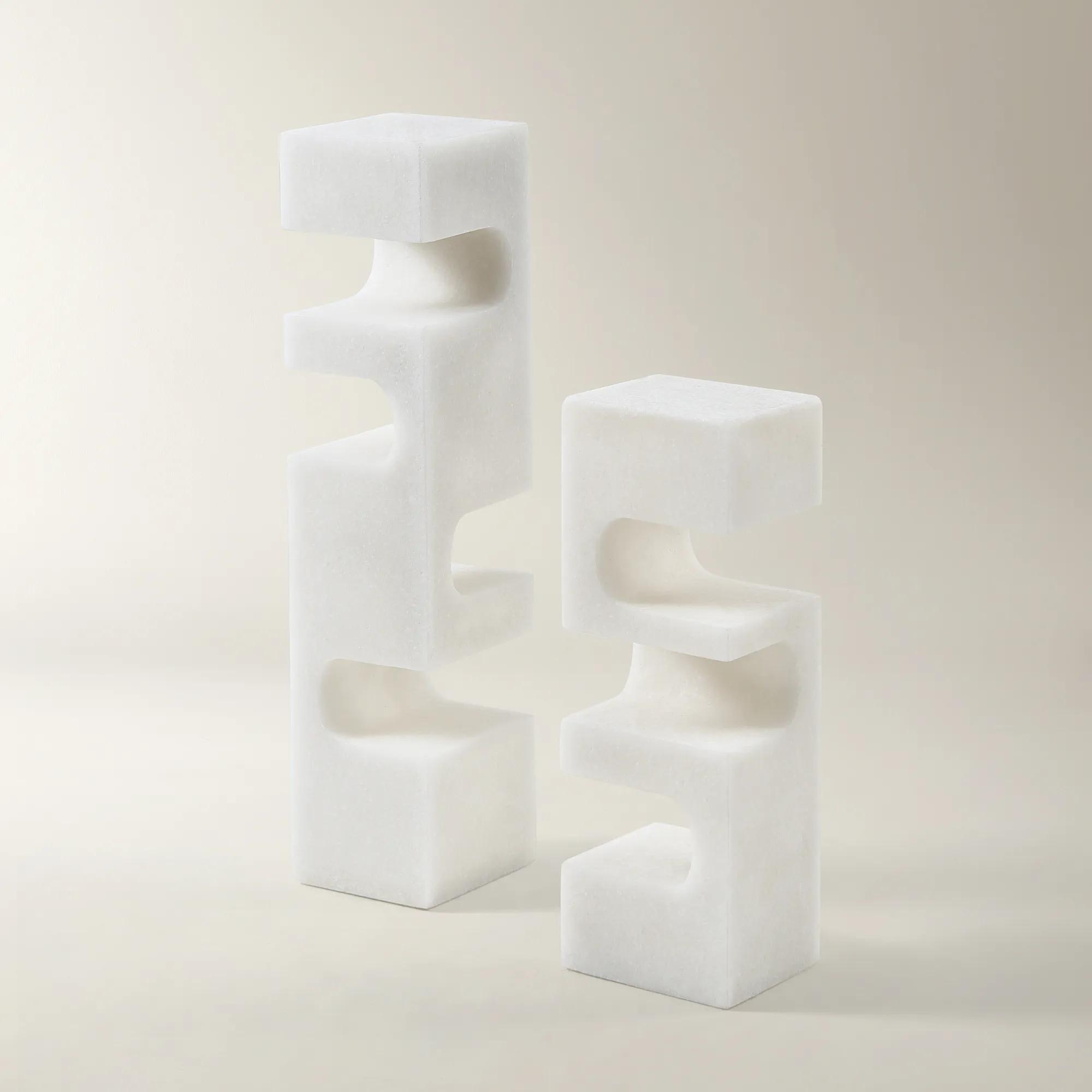
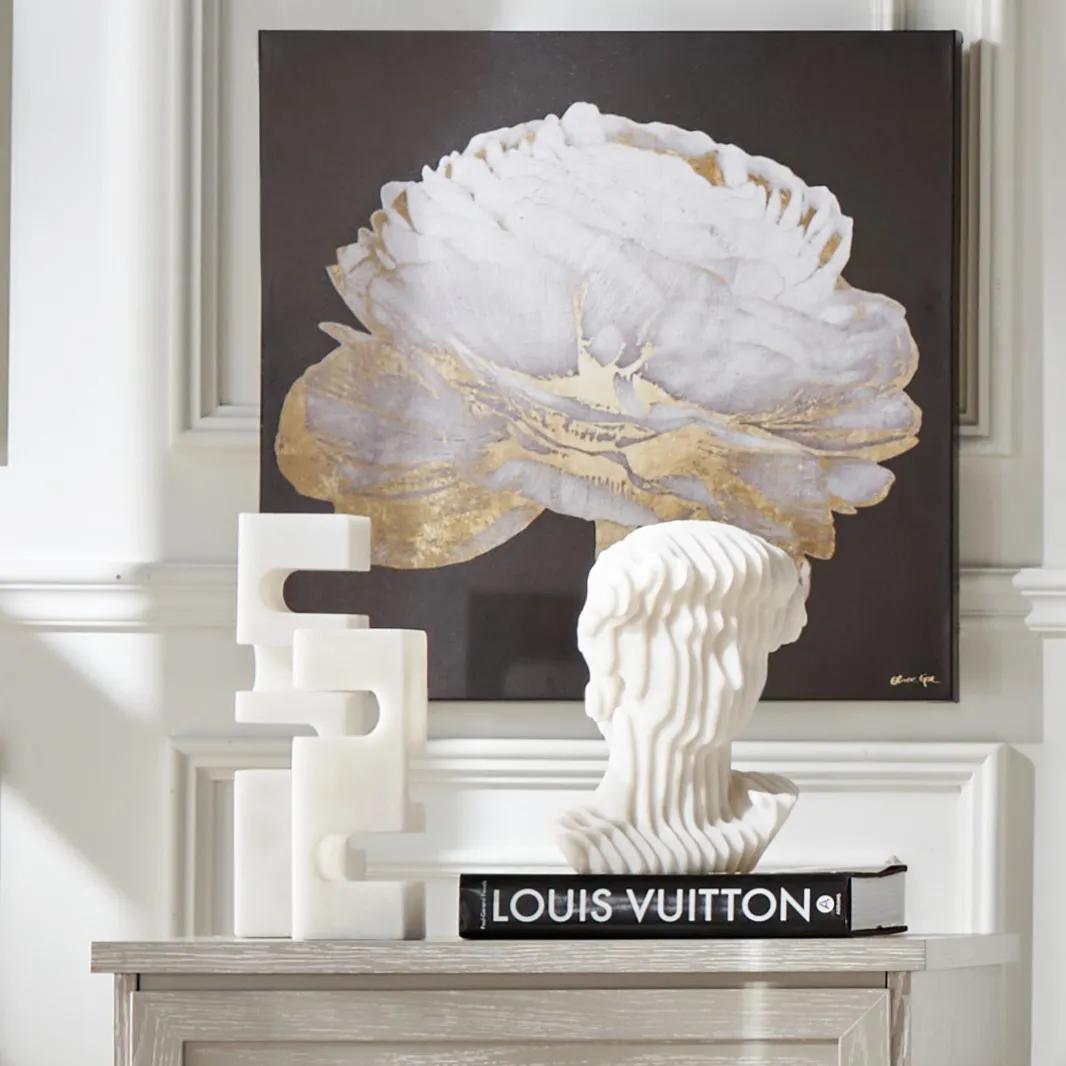 Enna Sculpture$39
A modern Cubist-inspired sculpture crafted from resin and stone powder with a textured white finish.
Add To Cart -

 Marble Chess Set$349
A hand-carved sandstone and faux marble chess set featuring a unique Crema Marfil marble board.
Add To Cart -
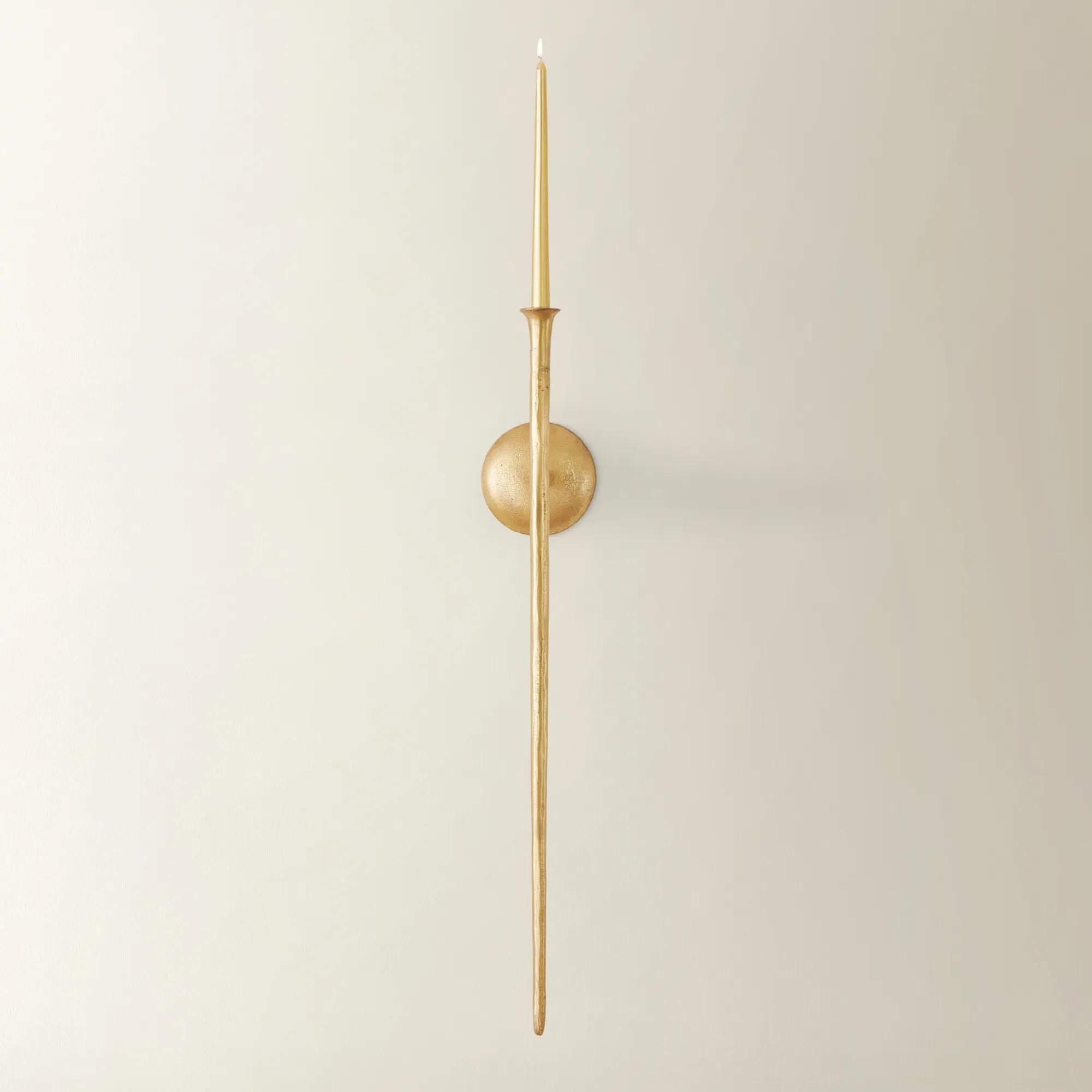 Aspar Gold Aluminum Candle Wall Sconce Large 33"$59
A slender metal wall sconce available in silver, gold, or black, perfect for displaying taper candles.
Add To Cart -
 Grounded Painting$699
A hand-painted abstract canvas featuring black, cream, and earth tones in a sleek black floater frame.
Add To Cart -
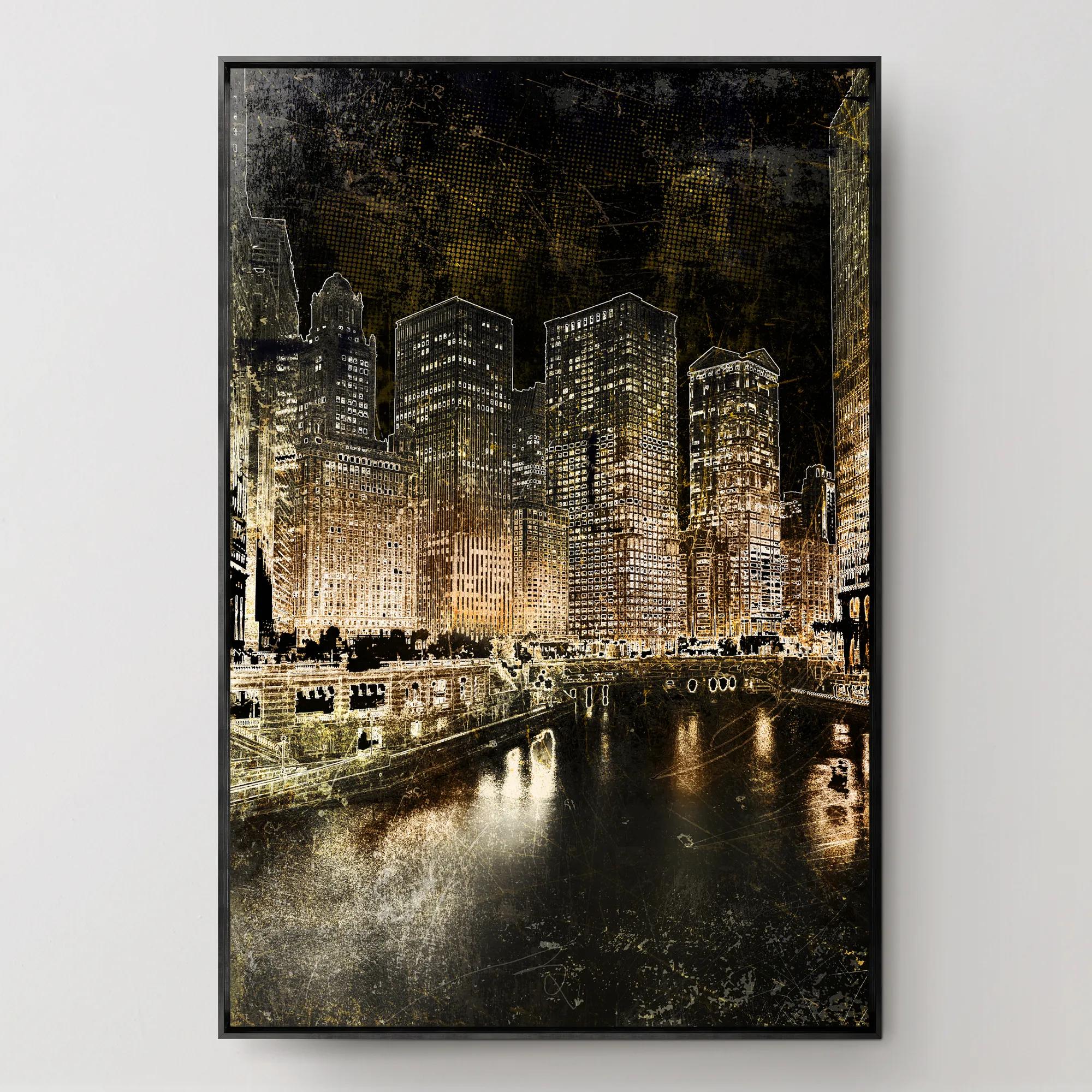
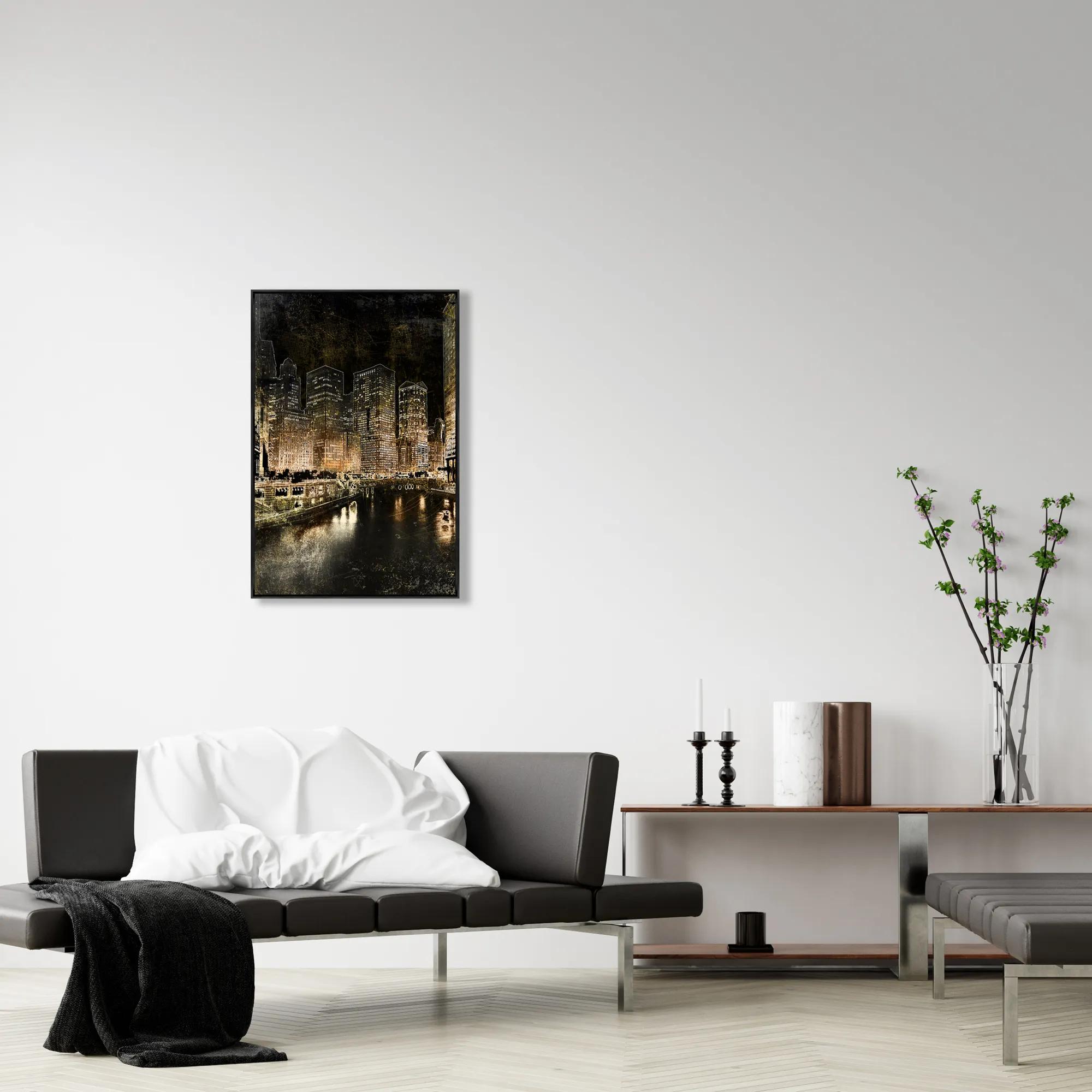 Chicago Lights Framed Wall Art 30" x 45"$649
A gallery-wrapped canvas artwork featuring a hand-applied gel finish in a sleek black floater frame.
Add To Cart -
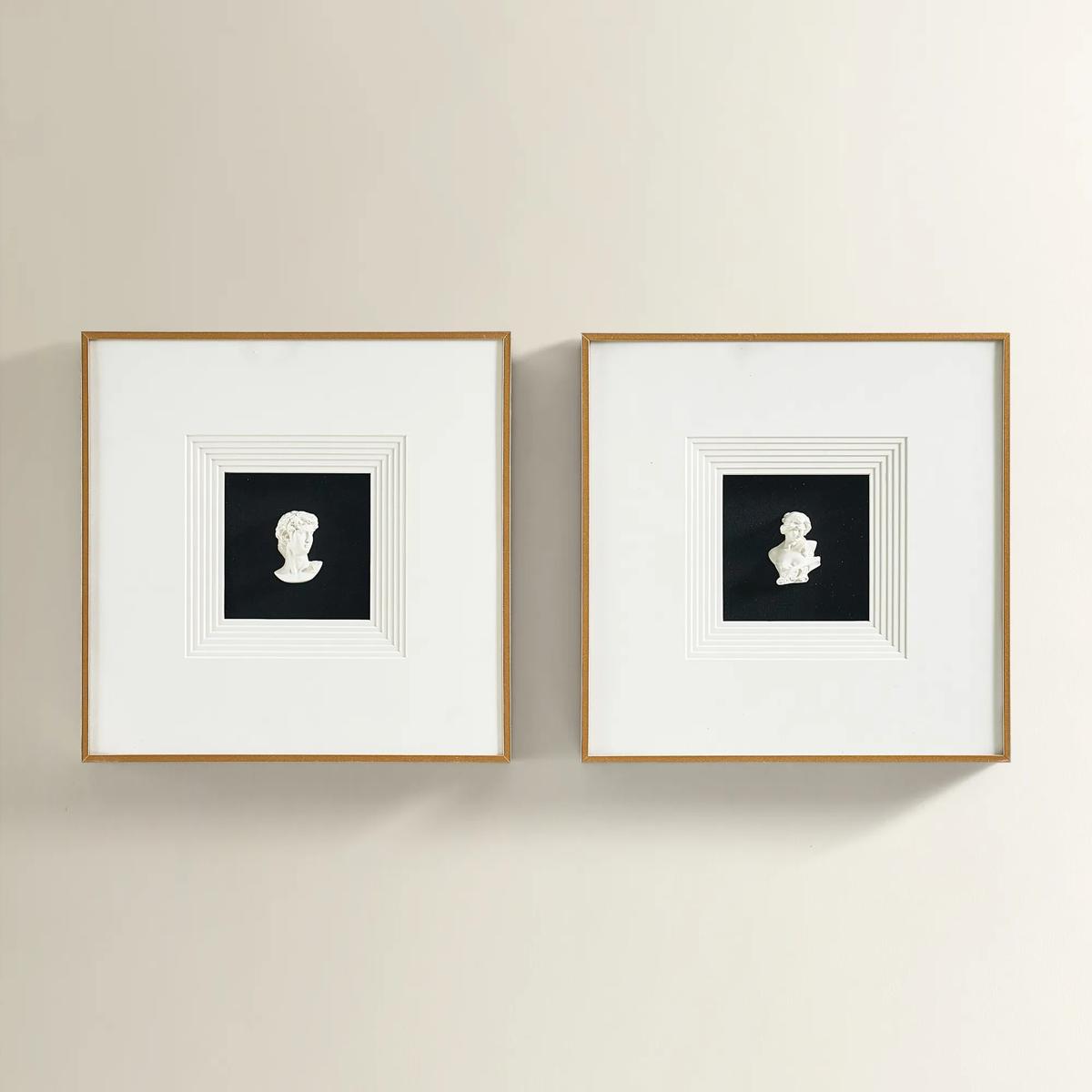
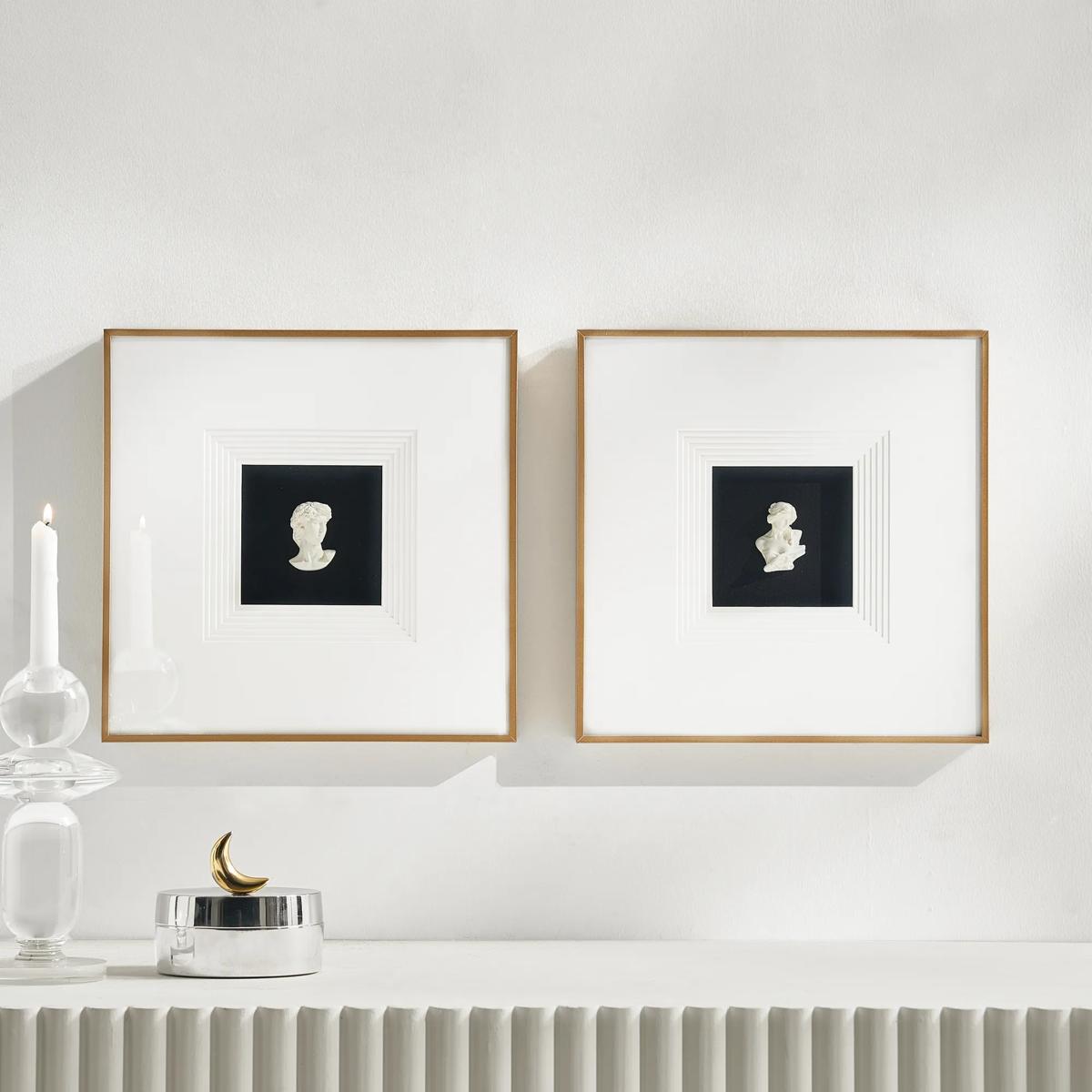 Classics Framed Plaster Wall Decor Set of 2$149
A set of two plaster portrait wall art pieces in black and ivory with sleek aluminum frames.
Add To Cart -
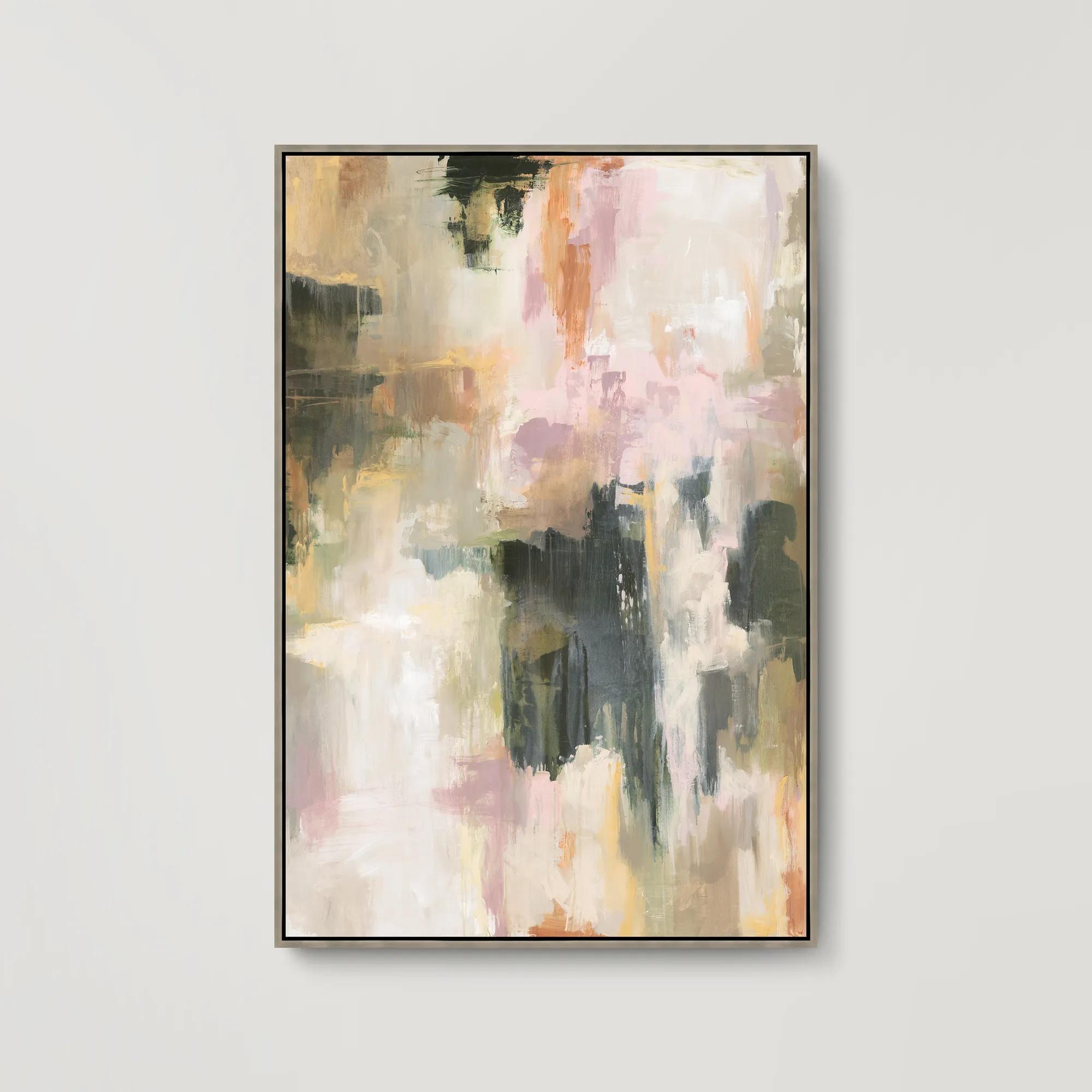
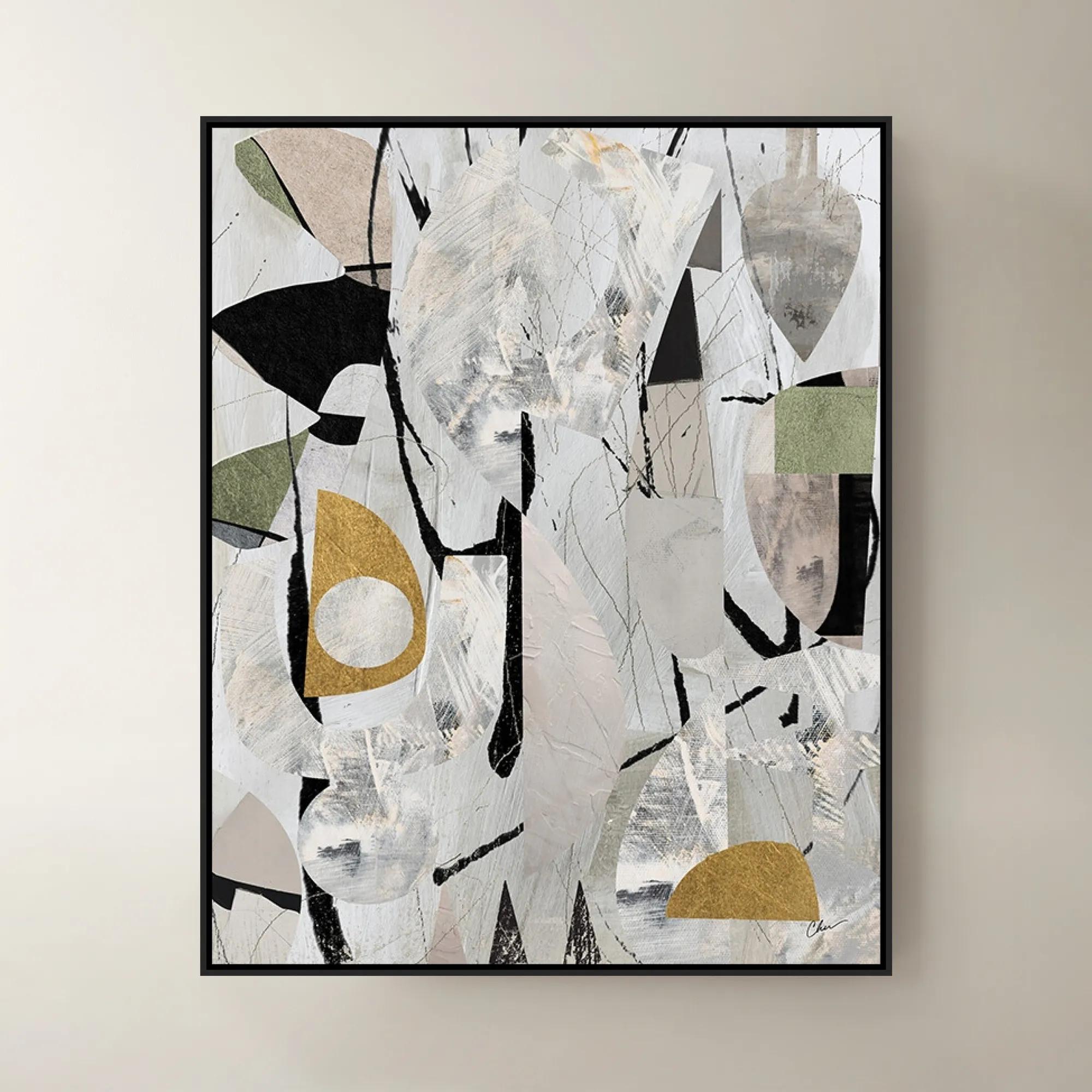
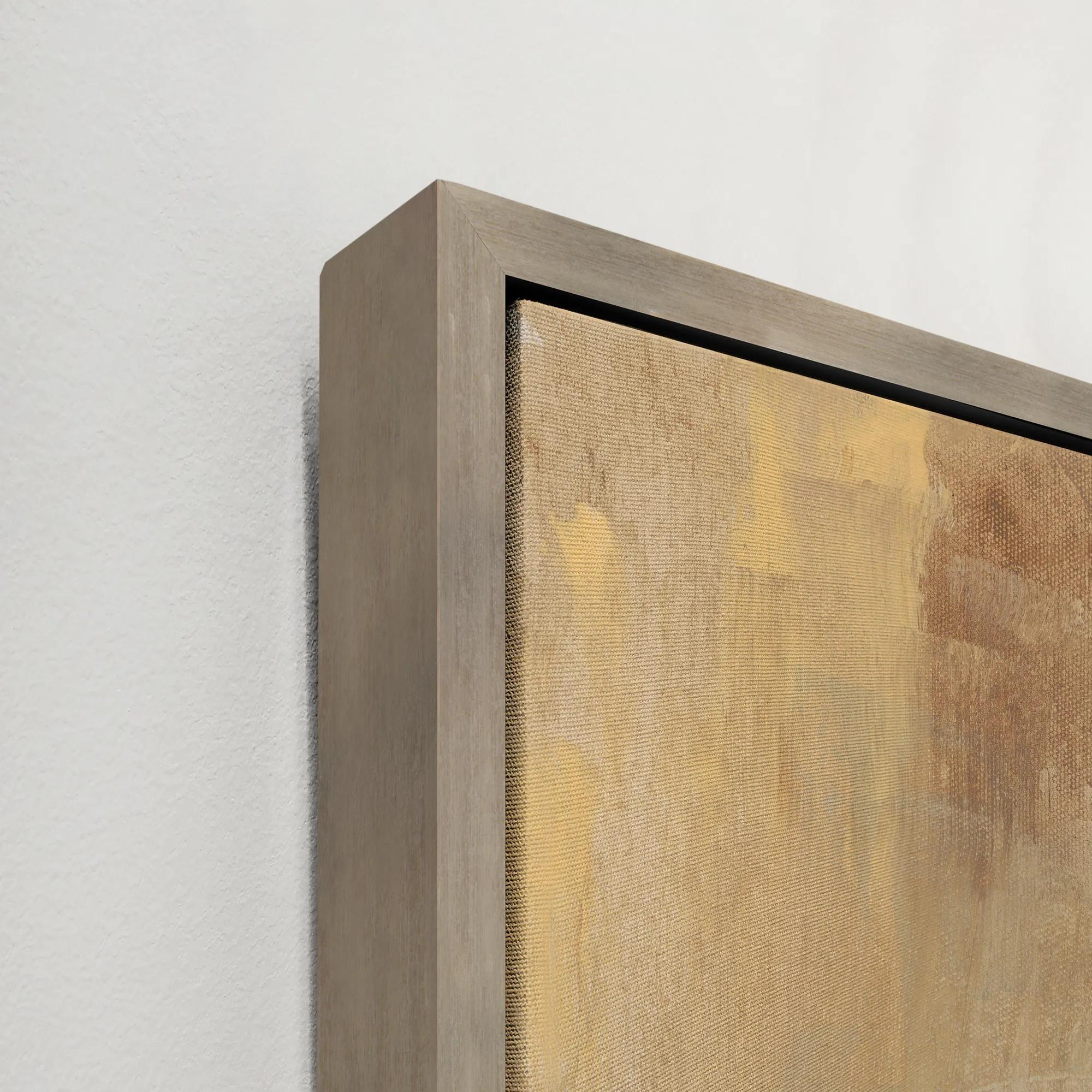 Sculpted Dreamscape Framed Wall Art 41.5" x 61.5"$999
A gallery-wrapped canvas artwork featuring a hand-applied gel finish and a sleek silver floater frame.
Add To Cart -
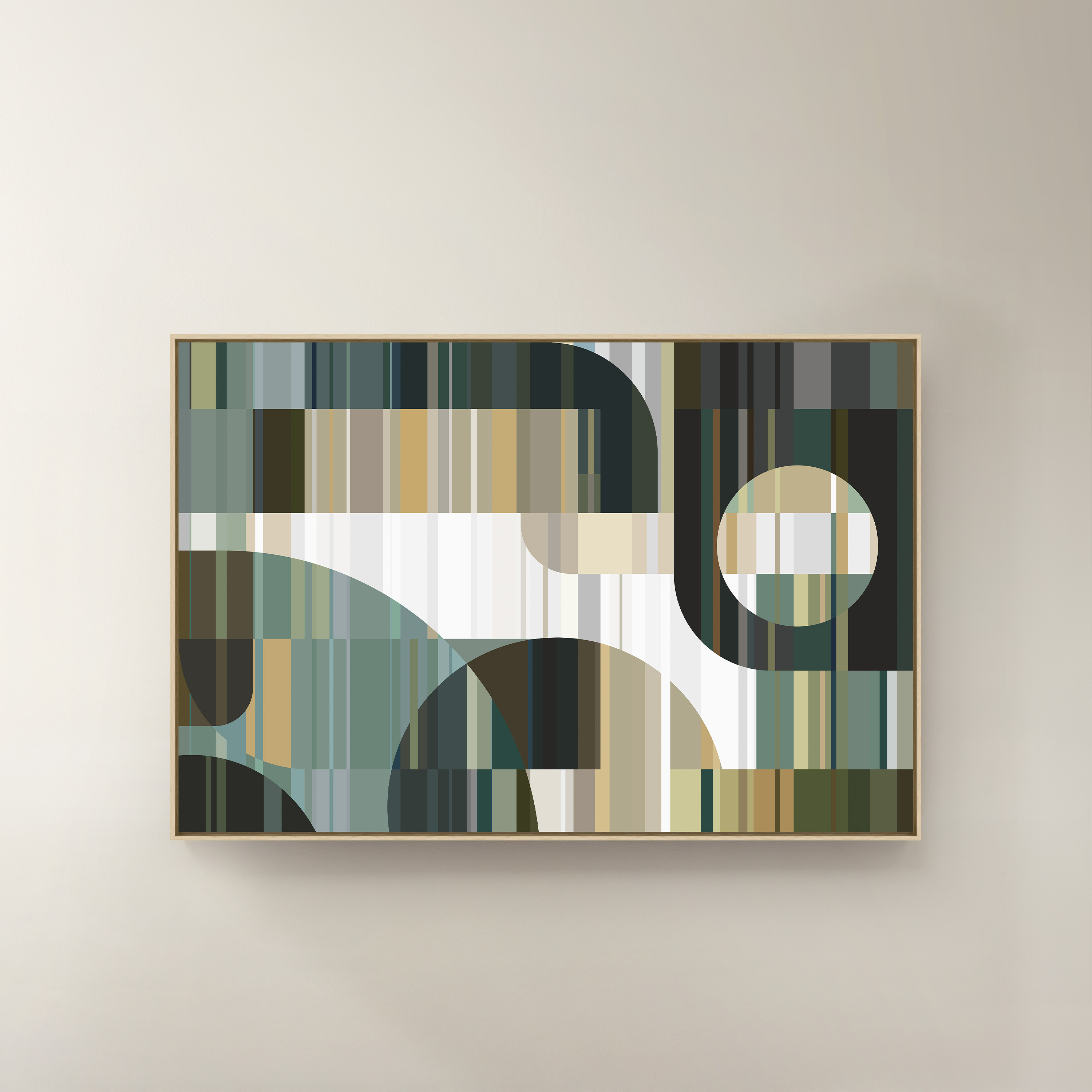
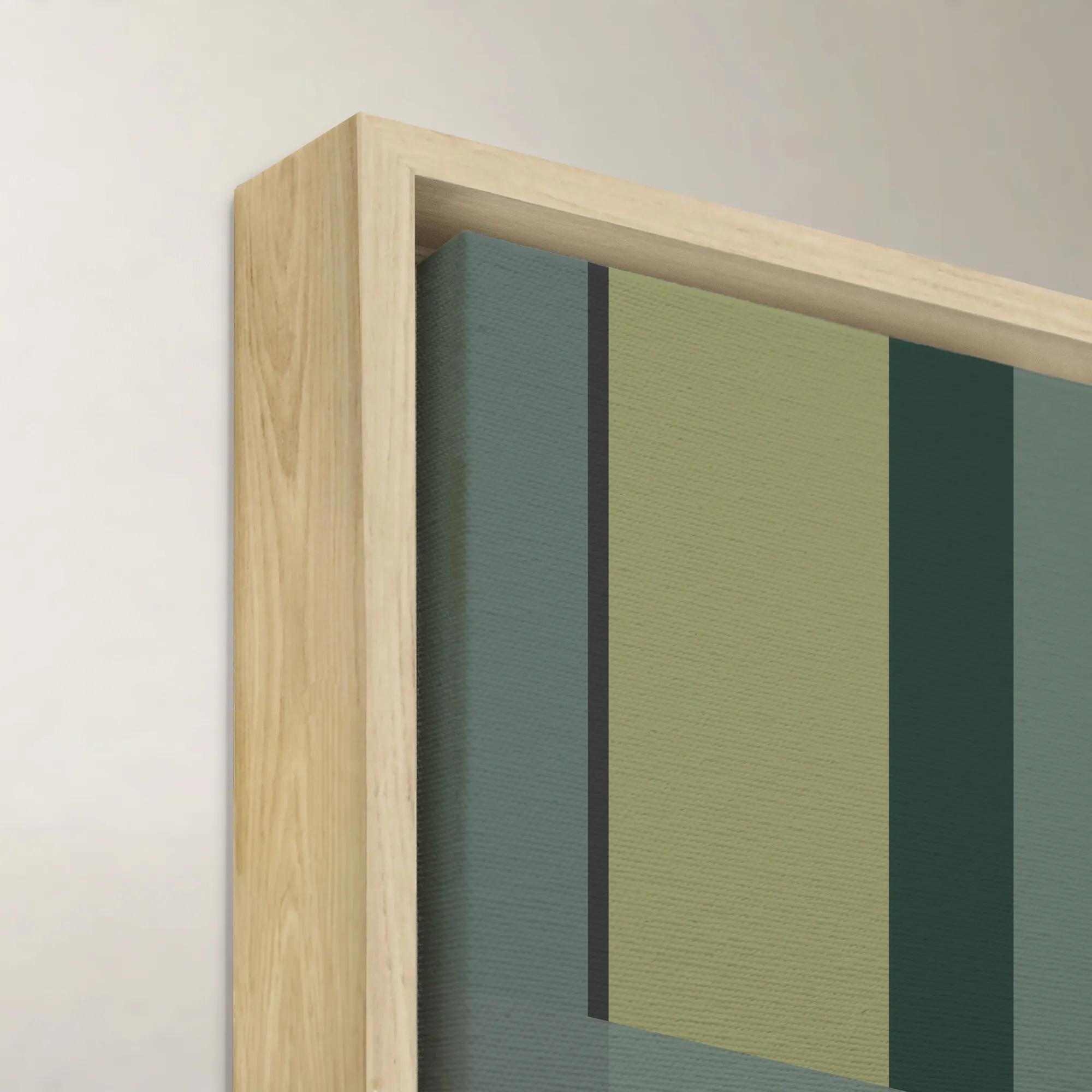 Cool Intersecting Forms II Framed Wall Art 60" x 40"$1099
A framed canvas wall artwork featuring cool-toned intersecting forms in a multicolored abstract composition.
Add To Cart -
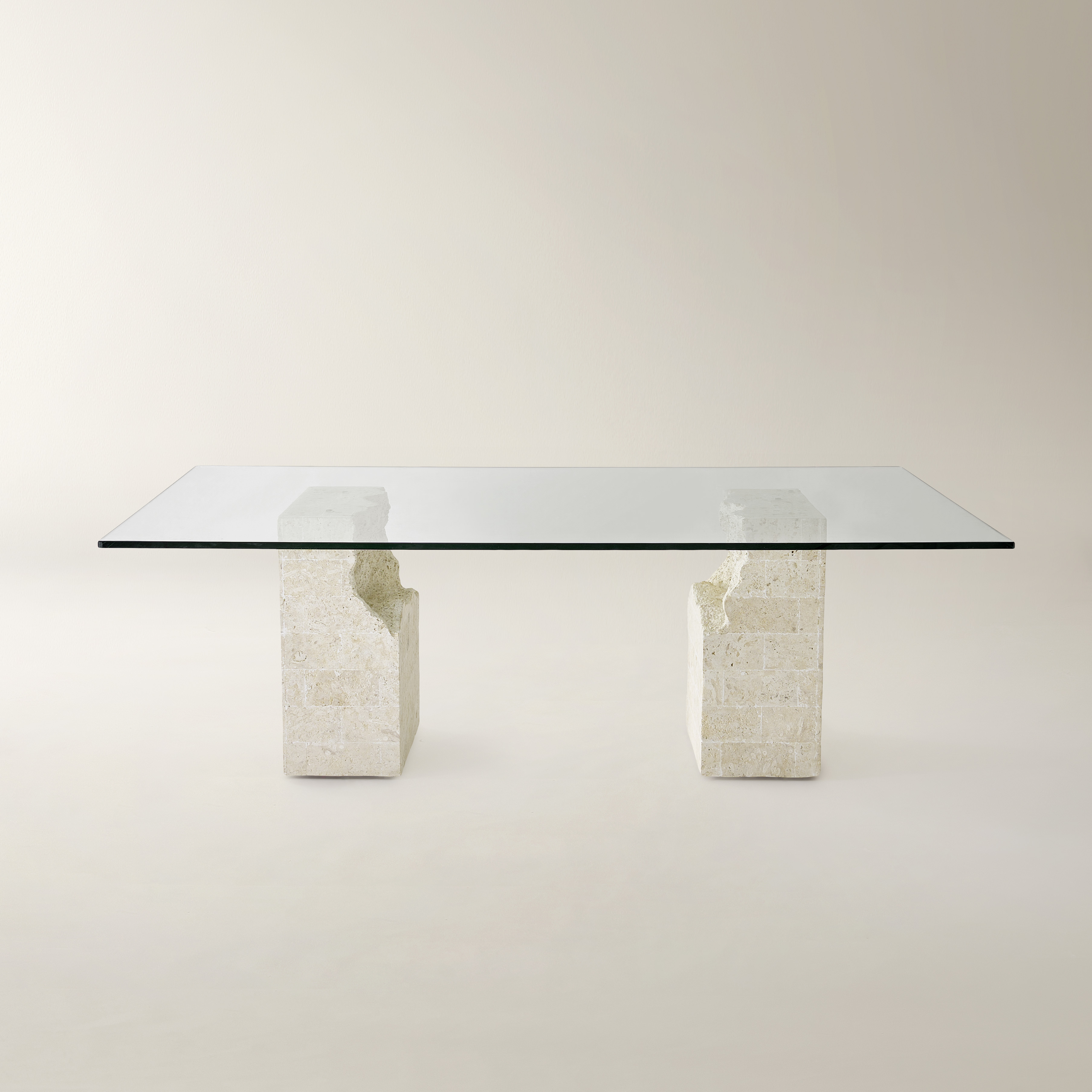 Cairo Rectangular Mactan Stone Dining Table With Glass Top (86.6")$2399
A contemporary dining table featuring a clear tempered glass top over hand-carved Mactan stone bases.
Add To Cart -
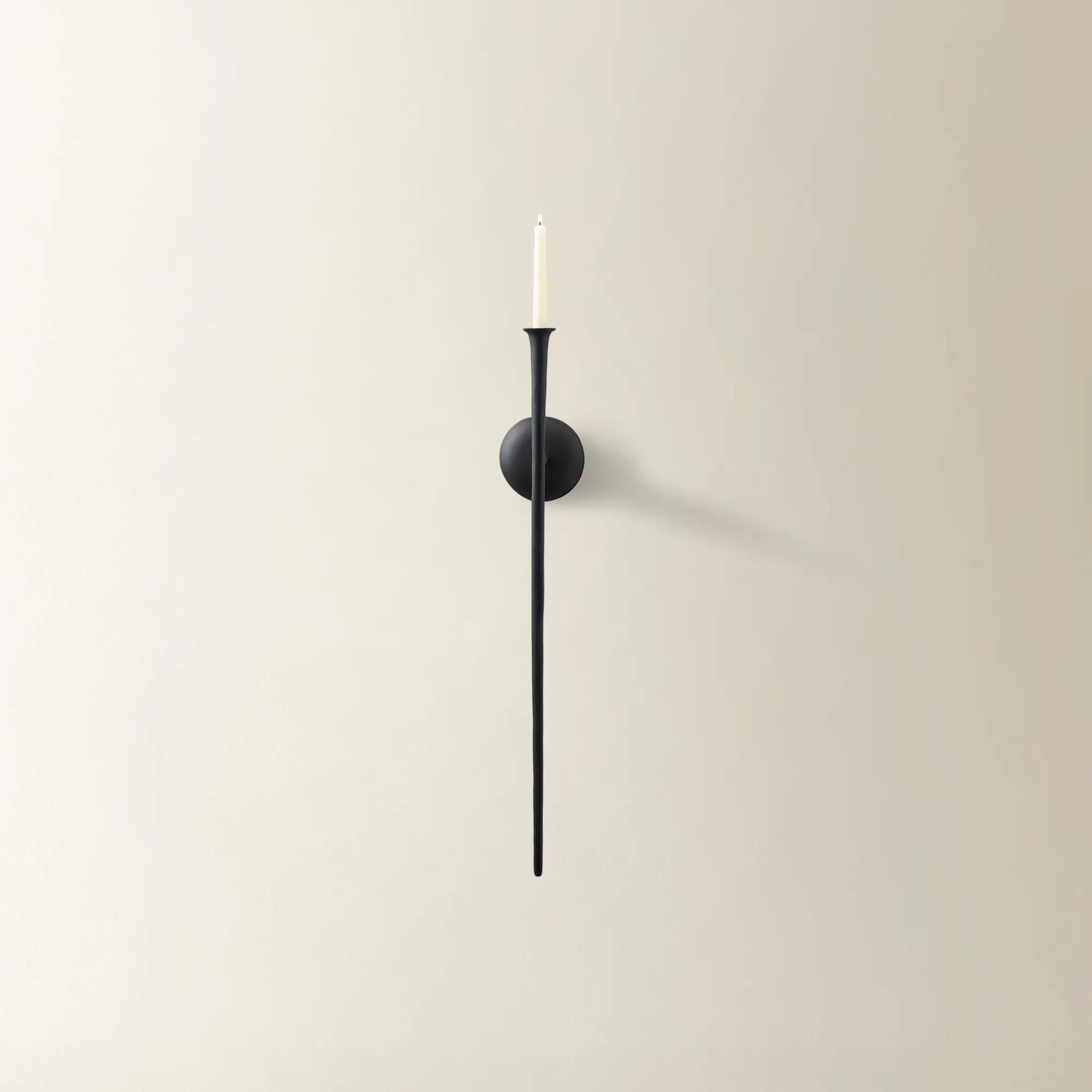
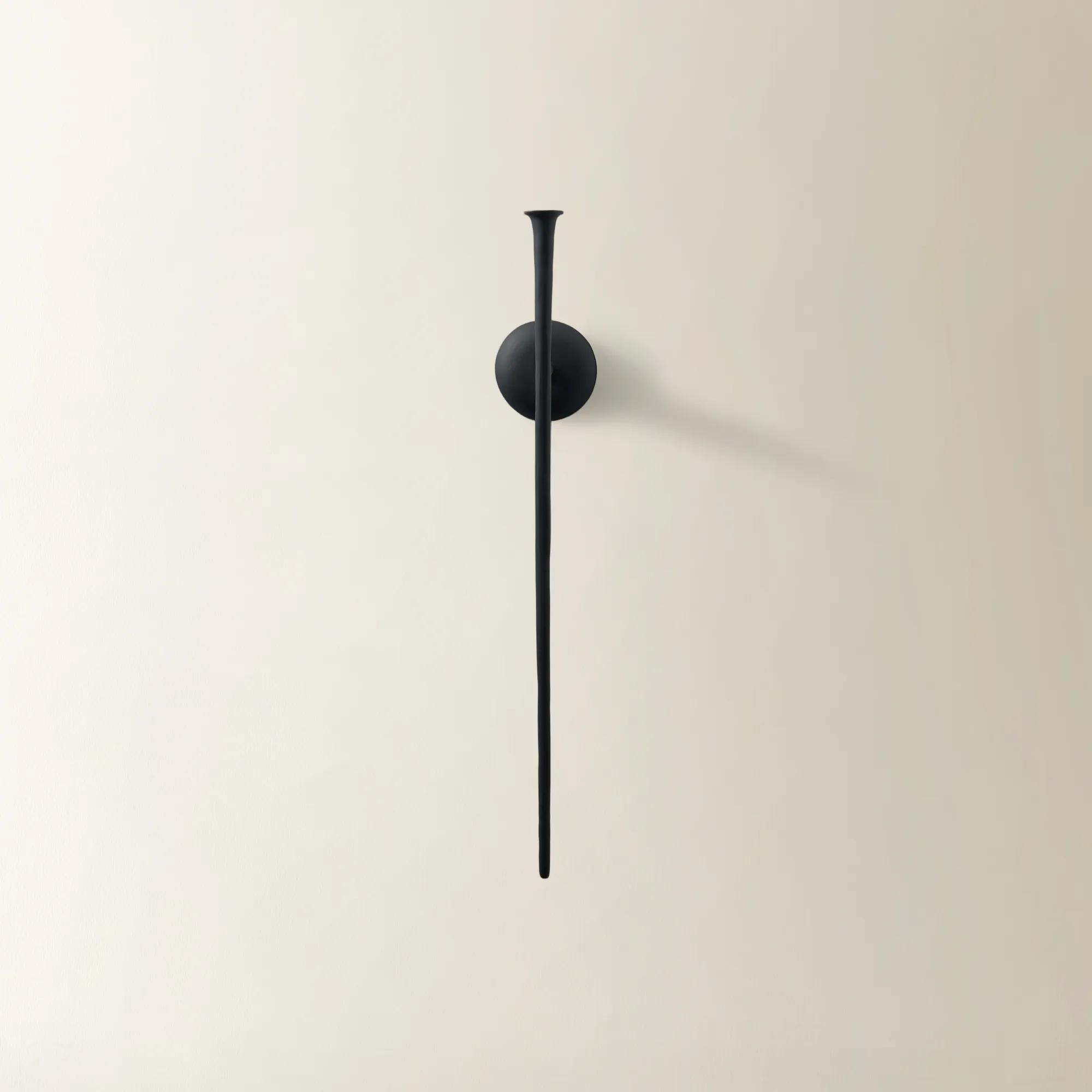 Aspar Black Aluminum Candle Wall Sconce Small 20"$39
A sleek black aluminum wall sconce designed to hold a standard taper candle for modern elegance.
Add To Cart -
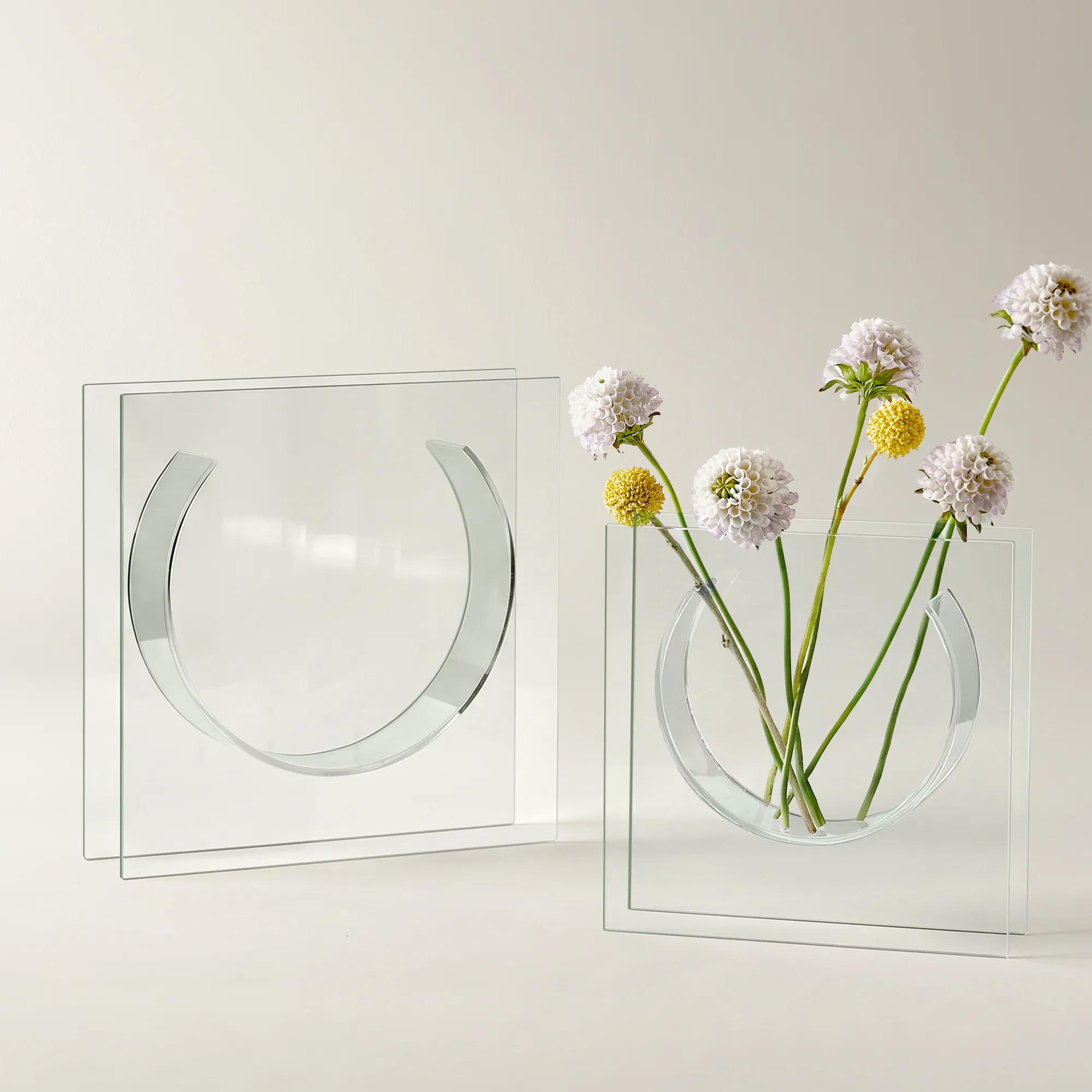
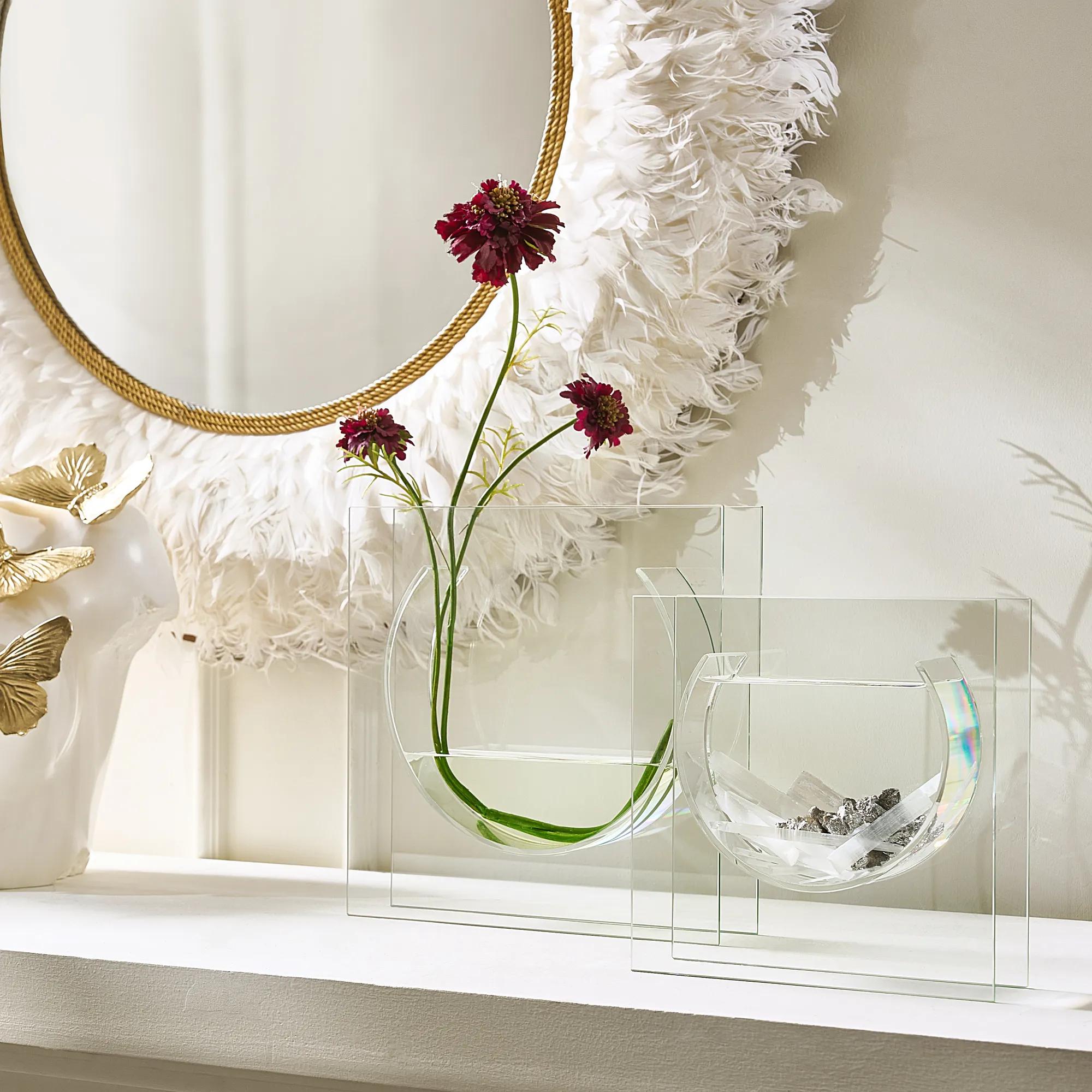 Solaris Clear Glass Vases$29
A clear glass vase with an elliptical bowl and bold modern design between two glass panels.
Add To Cart -

 Cairo Mactan Stone Console Table (63")$1799
A hand-carved Mactan stone console table featuring a raw chiseled edge and natural tonal variations.
Add To Cart -
 Modern David Bust White Resin Decorative Object 12"$99
A white resin and stone powder bust featuring a Cubist-inspired, contemporary take on a classic icon.
Add To Cart

Gifts For Architecture Lovers
Gifts for Architecture Lovers are more than mere objects—they’re an invitation to indulge in artistry, structure, and the sublime beauty of form. Each piece is thoughtfully curated to delight those who see the world through a designer’s lens, where every curve and silhouette tells a story. Elevate their space with treasures that celebrate bold lines, sculptural intrigue, and creative vision—because for the architecture aficionado, home is not just a place; it’s a masterpiece in progress.
Gifts for architecture lovers bring the pleasure of exceptional buildings into everyday spaces through sculptural forms, expressive materials, and beautifully considered proportions. Geometric decorative objects, architectural wall art, substantial bookends, design-focused coffee table books, and statement lighting all speak to an appreciation for how things are imagined and made. Their appeal lies in more than a recognizable skyline: a graceful arch, a deeply textured surface, or the precise intersection of two planes can capture the same fascination as a remarkable facade. For a practicing architect, these details offer a welcome connection between professional interests and personal surroundings. For a design student, an admirer of historic buildings, or someone whose travel photographs linger on staircases and vaulted ceilings, they make that fascination tangible. The most personal architectural gifts reflect the recipient’s visual instincts rather than simply referencing the profession. Someone drawn to monumental concrete structures may appreciate weight, rough texture, and strong silhouettes, while a lover of Art Deco often responds to stepped profiles, radiant geometry, and gleaming metallic accents. An admirer of contemporary architecture might favor transparent glass, unexpected angles, or a form that appears to balance against gravity. These preferences can translate into home decor without turning a room into a themed display. A sculptural accent on a console creates a deliberate pause between larger furnishings; a framed architectural composition brings depth and perspective to a wall; a beautifully bound volume invites a closer look from the comfort of a sumptuous chair. Gifts for architects and architecture enthusiasts can be both intellectually engaging and deeply atmospheric, rewarding attention with a new detail each time they are seen. Birthdays, housewarmings, graduations, and professional milestones lend themselves to this kind of lasting gesture. In a newly established office or a thoughtfully layered living room, an architectural gift becomes part of the recipient’s own composition, giving a familiar corner a more distinctive silhouette and a stronger sense of identity.
Materials give architecture-inspired decor much of its character, and their differences matter as much at tabletop scale as they do across a building. Marble and other natural stones introduce veining, cool surfaces, and visual weight, with variations that make each piece feel individual. Concrete conveys a more elemental presence through subtle pores and tonal shifts, while ceramic can move between an earthy matte finish and a lustrous glaze. Glass adds transparency and reflection, allowing a substantial shape to feel lighter within a vignette. Metal offers another kind of drama: polished finishes catch surrounding light, while brushed or textured surfaces create a quieter shimmer. Wood contributes warmth through grain and color, particularly alongside stone, glass, or metallic details. These contrasts are especially compelling for recipients who notice material transitions, such as where a handrail meets a stair or a timber ceiling meets a plaster wall. Construction and finish influence how comfortably a gift fits into daily life. A substantial base helps a decorative object sit securely, but weight alone does not establish durability; slender projections, delicate edges, and applied finishes still deserve thoughtful placement. Functional bookends need enough stability and support for the books they will hold, particularly when those books are oversized design volumes. A vessel intended to hold fresh stems should be identified as watertight, since decorative construction does not always accommodate water. Felt pads or a suitable protective layer can help prevent hard bases from marking furniture. Care should follow the material and the maker’s directions: gentle dusting with a soft cloth is appropriate for many decorative surfaces, while abrasive cleaners can damage polished or coated finishes. Natural stone may be vulnerable to acidic spills, and porous materials can absorb moisture or develop marks. Glass and glossy metal tend to show fingerprints more readily, a consideration for frequently handled pieces. Such practical details preserve the pleasure of the design, allowing a gift to remain a striking presence rather than becoming something too delicate to enjoy.
Scale determines whether an architectural gift feels assured in its setting. A broad console can carry a generous sculptural form with open space around it, while a shallow bookcase calls for a smaller footprint and enough clearance to keep edges safely within the shelf. Height, width, depth, and weight all deserve attention, especially for gifts destined for an apartment, a shared workspace, or a compact home office. On a working desk, a concentrated gesture often has more impact than a sprawling arrangement: one distinctive silhouette can offer visual relief without competing with drawings, a monitor, or the space needed to work. Wall art introduces different considerations, including the proportions of the available wall, the weight of the frame, and appropriate hanging hardware for the surface. Its imagery can also establish the mood. A dramatic upward view emphasizes verticality, a measured facade study brings order, and an abstract composition of intersecting planes echoes architectural thinking without depicting a particular building. Lighting gives these forms another dimension, revealing texture through shadow or drawing a crisp highlight along an edge. When lighting is the gift, its intended role matters: an ambient glow creates atmosphere, while a reading or working area requires illumination suited to the task. Dimensions, cord placement, bulb compatibility, and care instructions help determine how naturally it will become part of the room. For recipients whose interests extend from buildings to the spaces within them, Unique Gifts For Interior Designers offers a related perspective on gifts that celebrate composition, texture, and expressive surroundings. The connection is intuitive: architecture establishes a room’s framework, while furnishings and decorative details shape the experience of inhabiting it. During the cooler months, when evenings often draw people toward reading chairs and softly lit living spaces, those details become particularly resonant. A gift with architectural presence can reward solitary study, spark conversation among guests, or simply make the view across a room more compelling. Its lasting appeal comes from the meeting of form and personal affinity—a material the recipient loves, a proportion that feels instinctively right, and enough artistry to keep the eye returning.
FAQs
An ideal gift for architecture lovers celebrates their passion for design, craftsmanship, and structure. Look for pieces that feature bold lines, geometric forms, or unique materials—items that evoke architectural movements or iconic buildings. Gifts that blend artistry with functionality, such as sculptural decor or statement lighting, often resonate with those who appreciate the intersection of beauty and purpose.
Consider the recipient’s aesthetic preferences: do they gravitate toward modern minimalism, classic grandeur, or eclectic artistry? Observe the shapes, colors, and materials they incorporate into their own spaces. Selecting a gift that echoes their favorite architectural era or design motif ensures your present feels thoughtful and deeply personal.
Absolutely. Architectural-inspired gifts are perfect for a variety of occasions—housewarmings, graduations, professional milestones, or as tokens of appreciation for creative collaborators. Their timeless appeal and sophisticated presence make them memorable gestures year-round.
Architectural decor pieces serve as focal points, infusing a room with character and narrative. Whether it’s a sculptural accent that commands attention or a textured vase that introduces depth, these elements create visual interest and spark conversation, transforming everyday spaces into curated environments.
Yes, many pieces that captivate architecture enthusiasts also inspire interior designers. If you’re seeking truly distinctive options, our curated collection of <a href="https://zgallerie.com/o/unique-gifts-for-interior-designers">Unique Gifts For Interior Designers</a> offers a wealth of artistic, conversation-starting selections that appeal to anyone passionate about creative spaces.