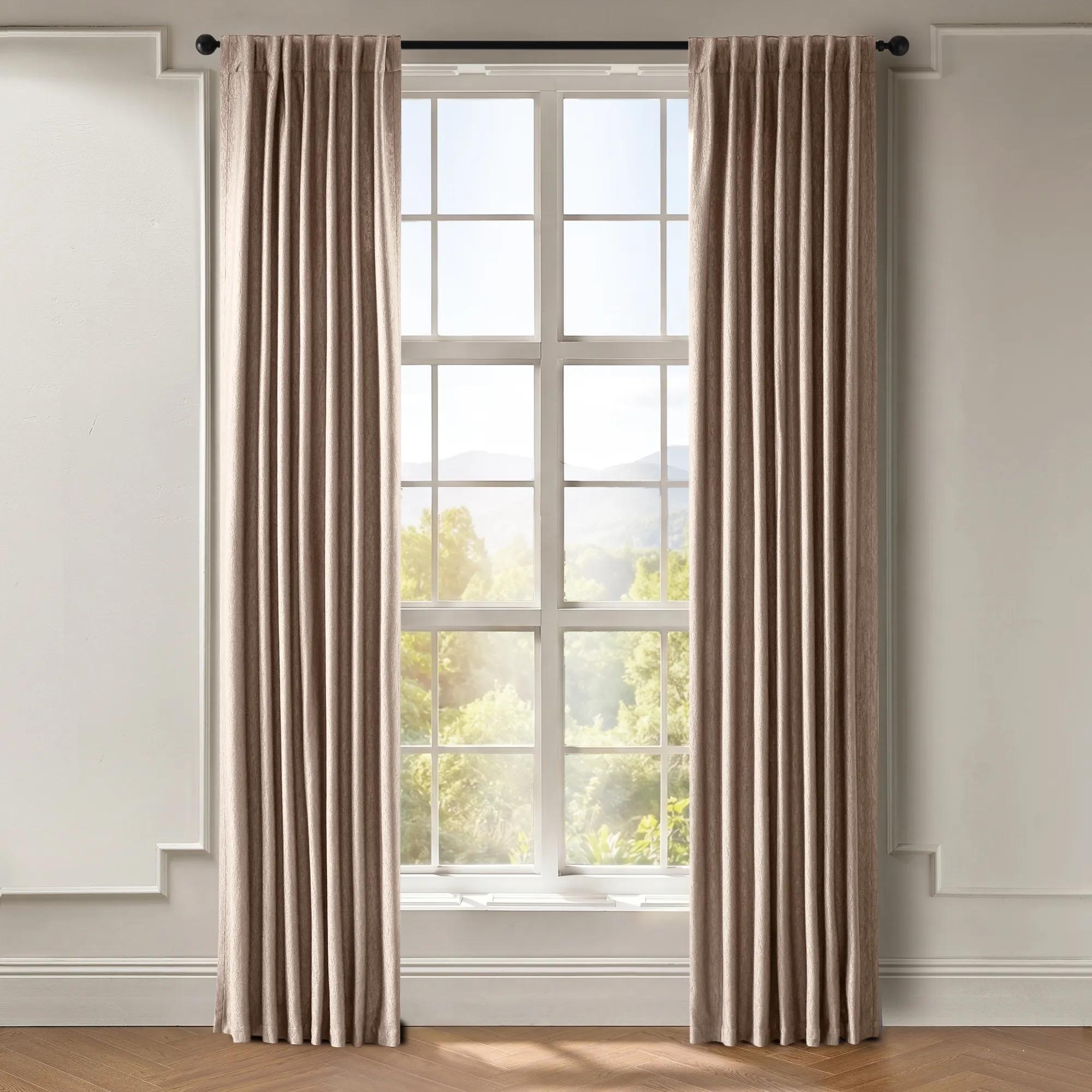
Geometric Pattern Curtain Panels
Geometric Pattern Curtain Panels
-
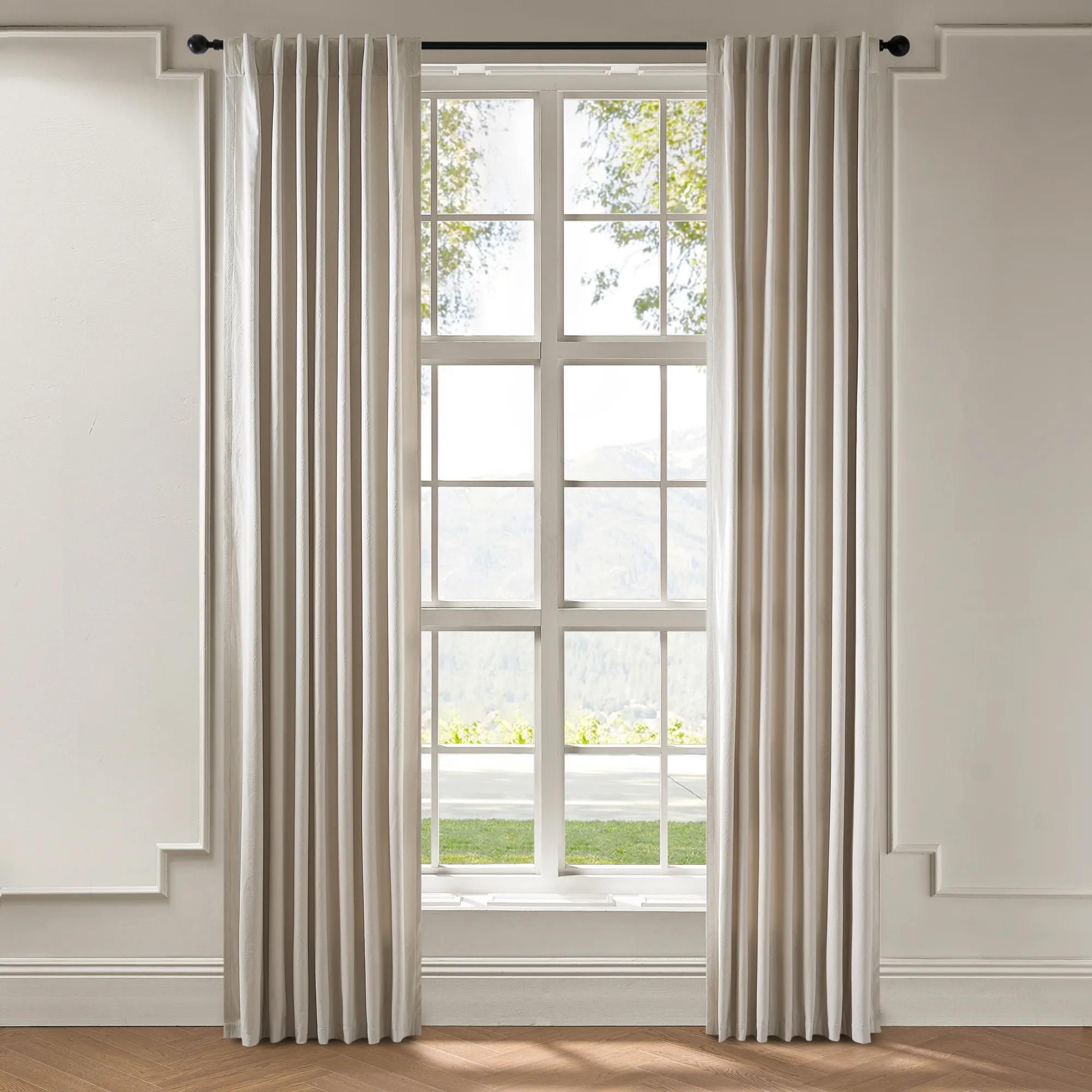
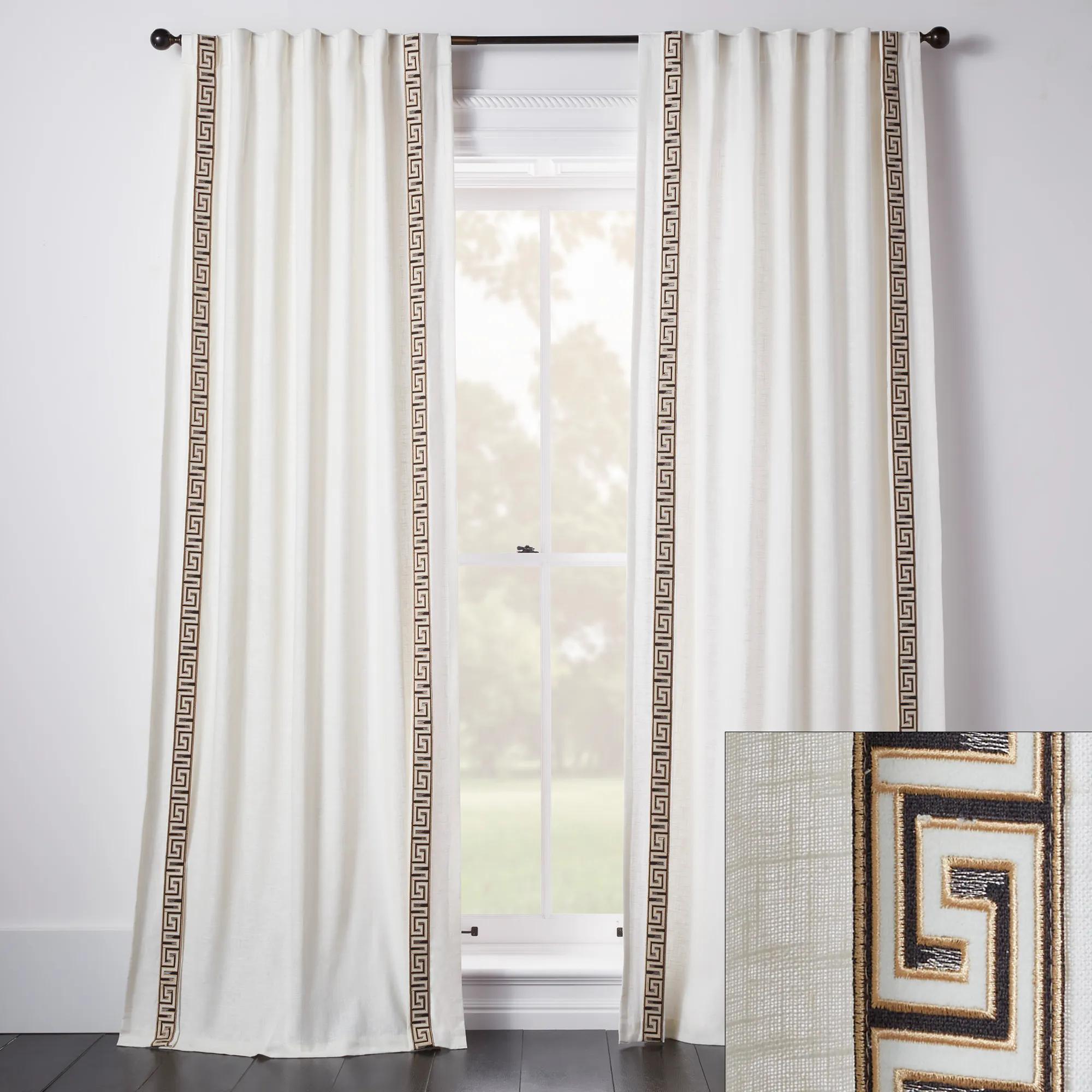 Chole Greek Key Border Velvet Widow Curtain Panels Custom$369
A white linen-blend curtain featuring a black and gold embroidered velvet Greek key border for modern elegance.
Add To Cart -
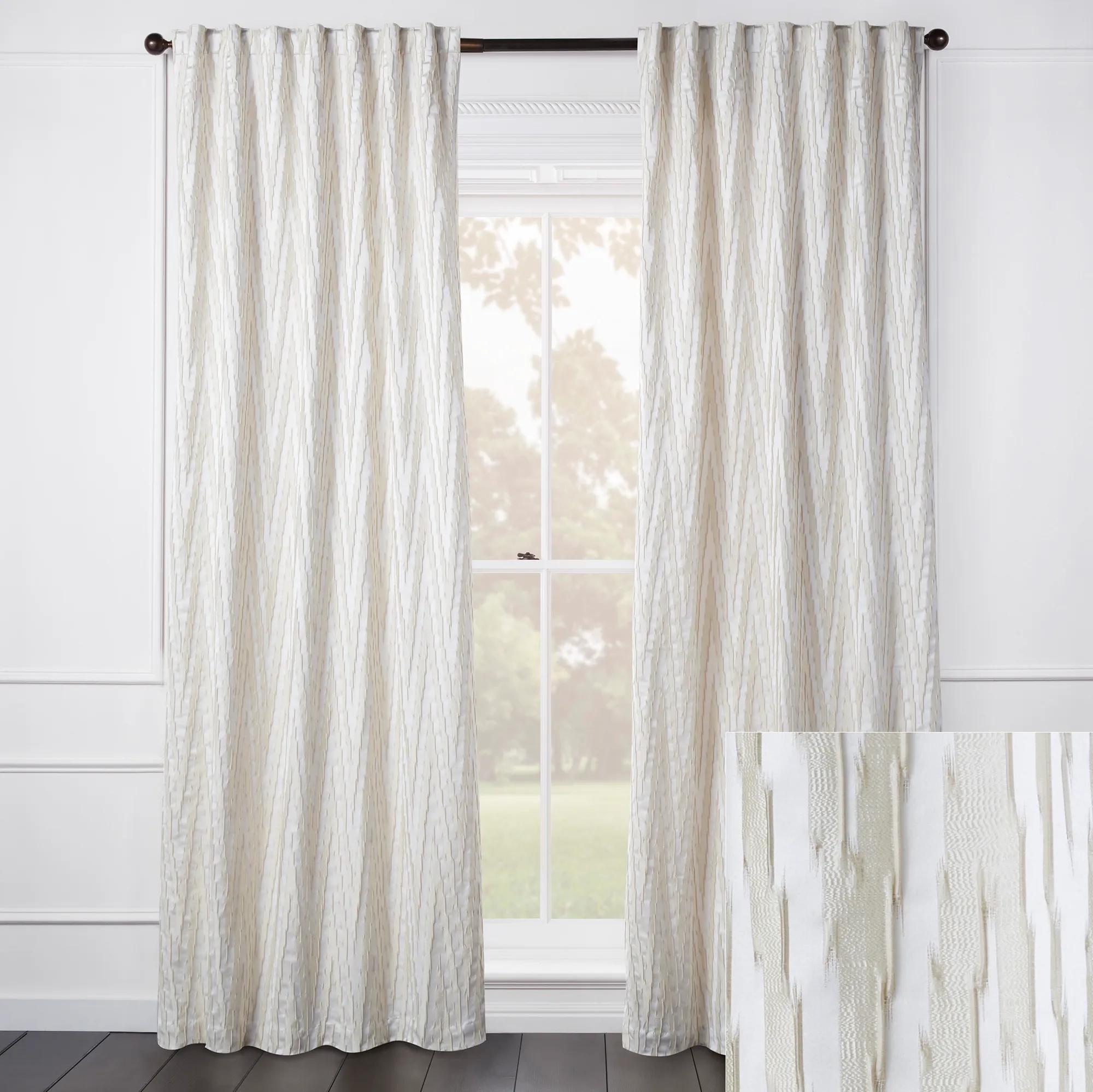
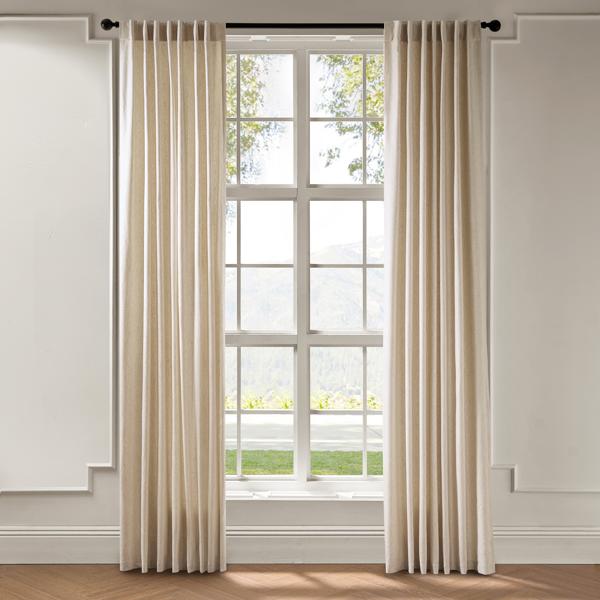
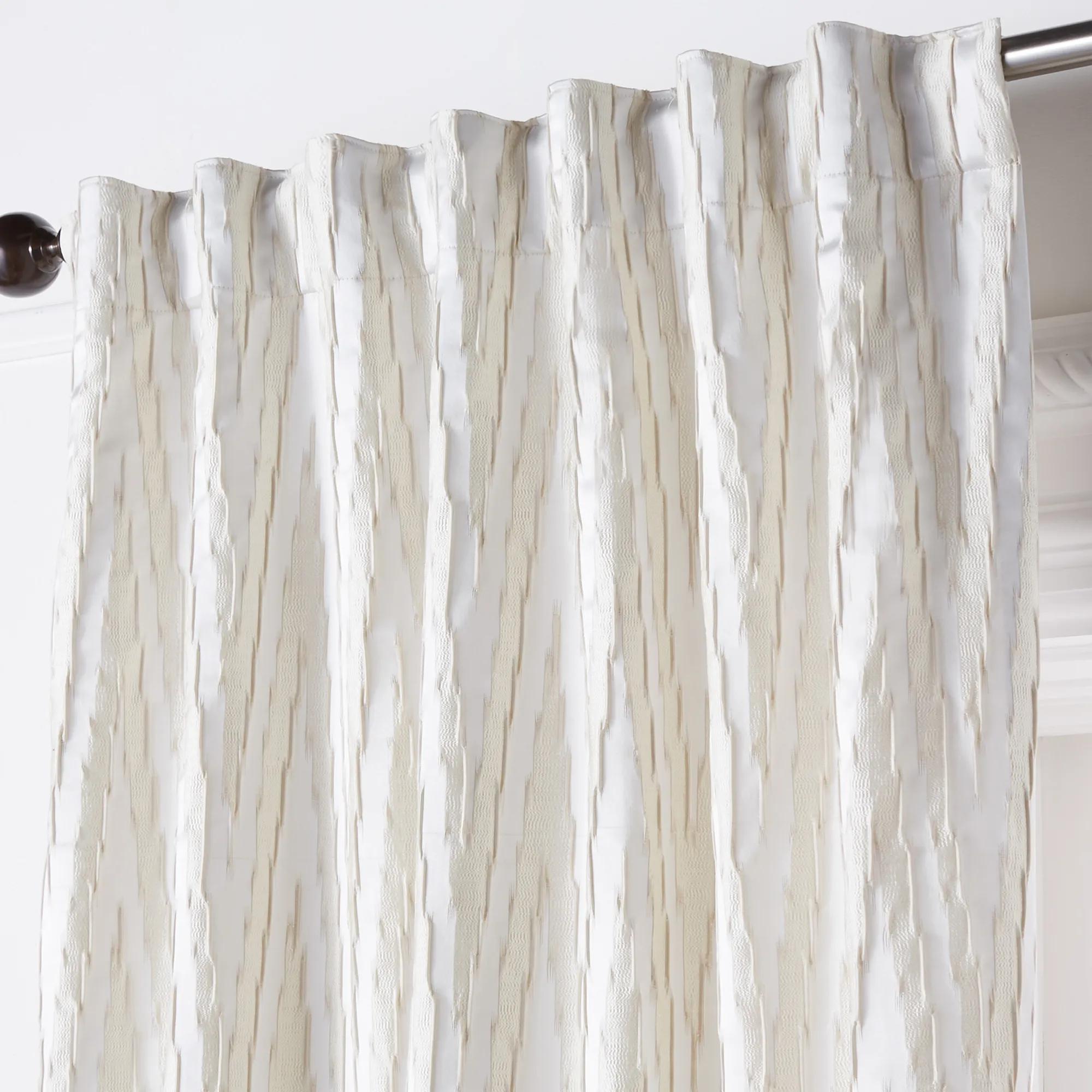 Minka Jacquard Pearl Window Curtain Panel Custom$249
A highly textured chevron curtain panel in pearl, grey, or natural polyester with customizable hanging options.
Add To Cart -
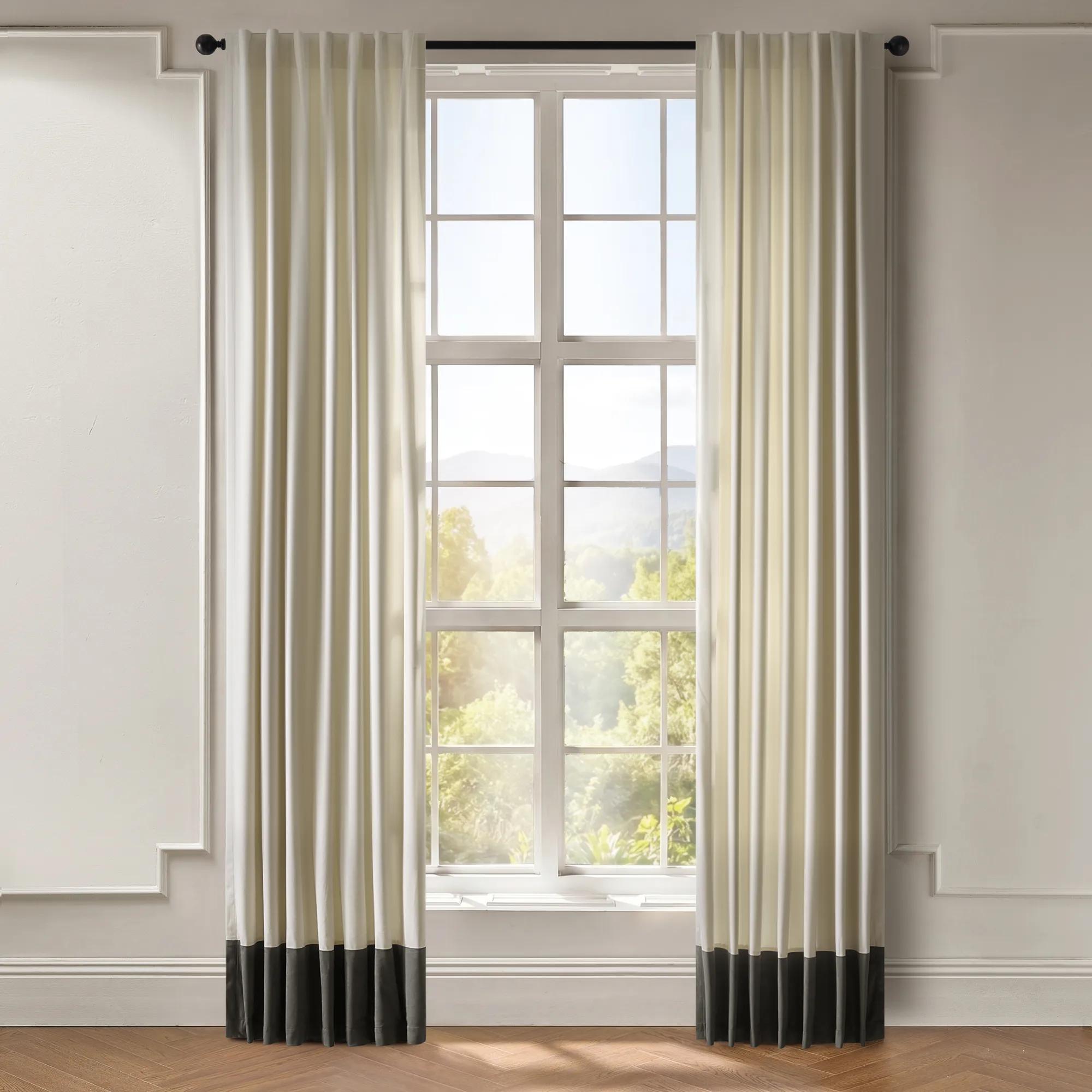
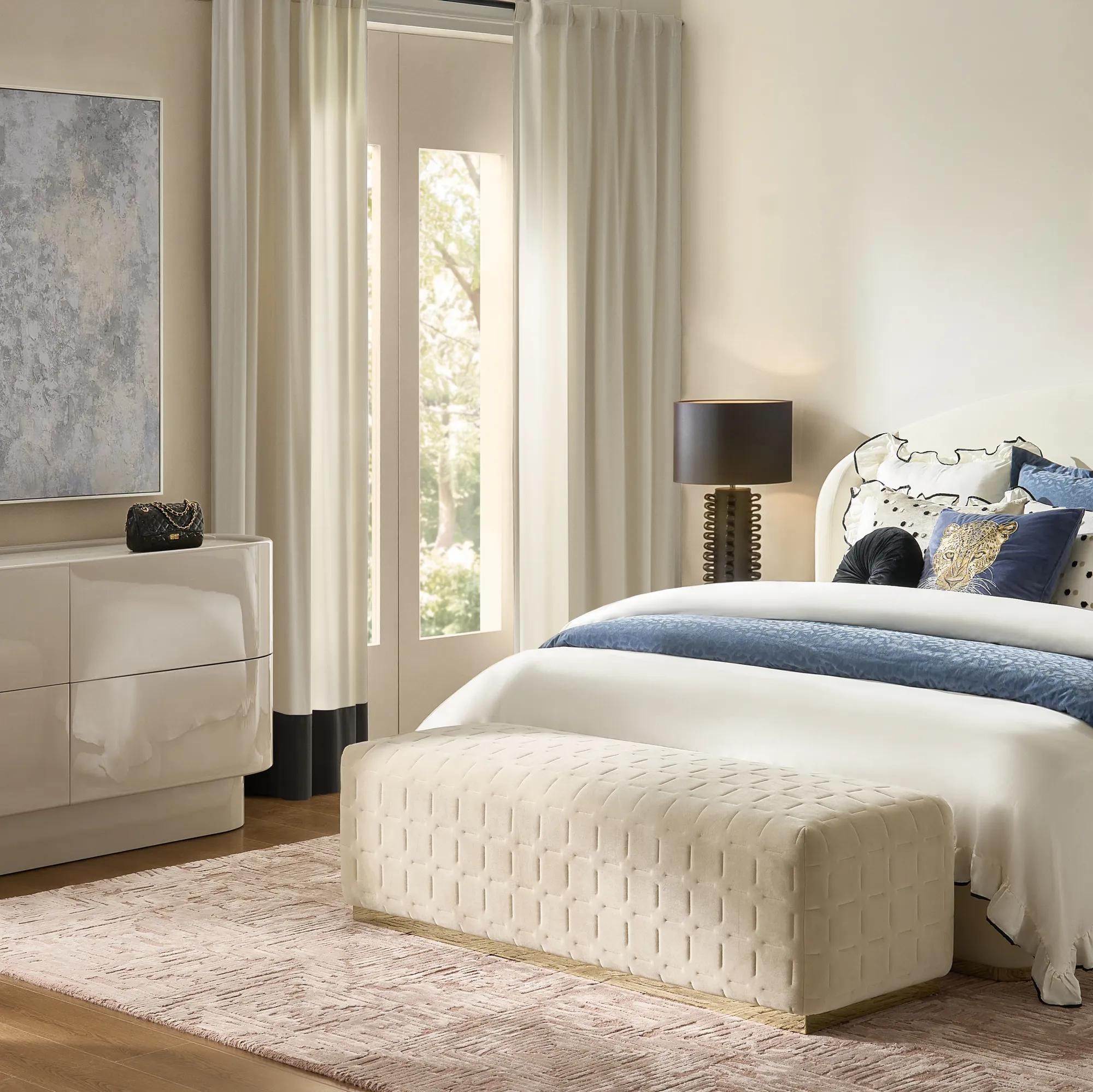 Bastien Ivory/Graphite Velvet Border Window Curtain Panel$99
A two-tone ivory and graphite velvet curtain panel with room-darkening design and versatile hanging options.
Add To Cart -
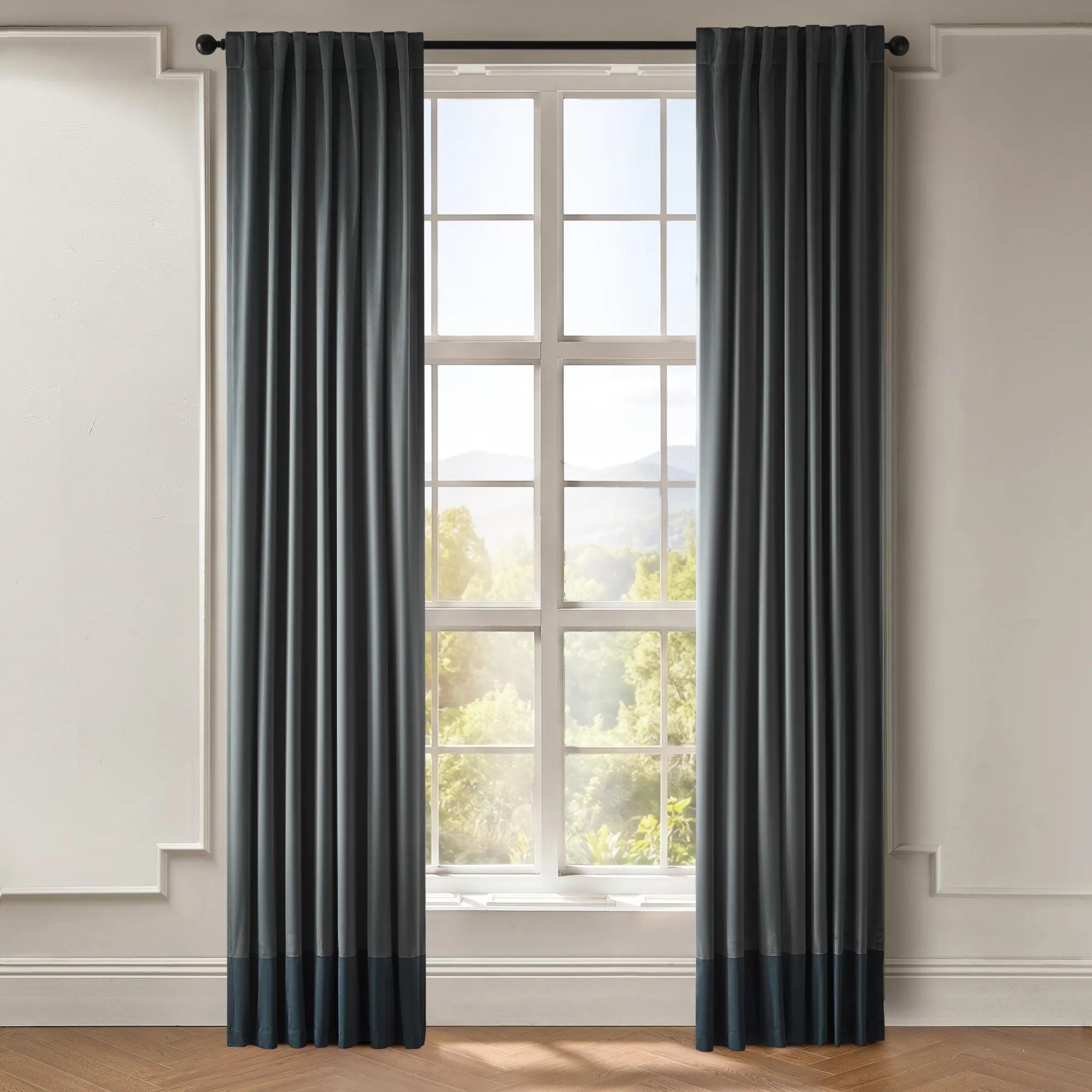
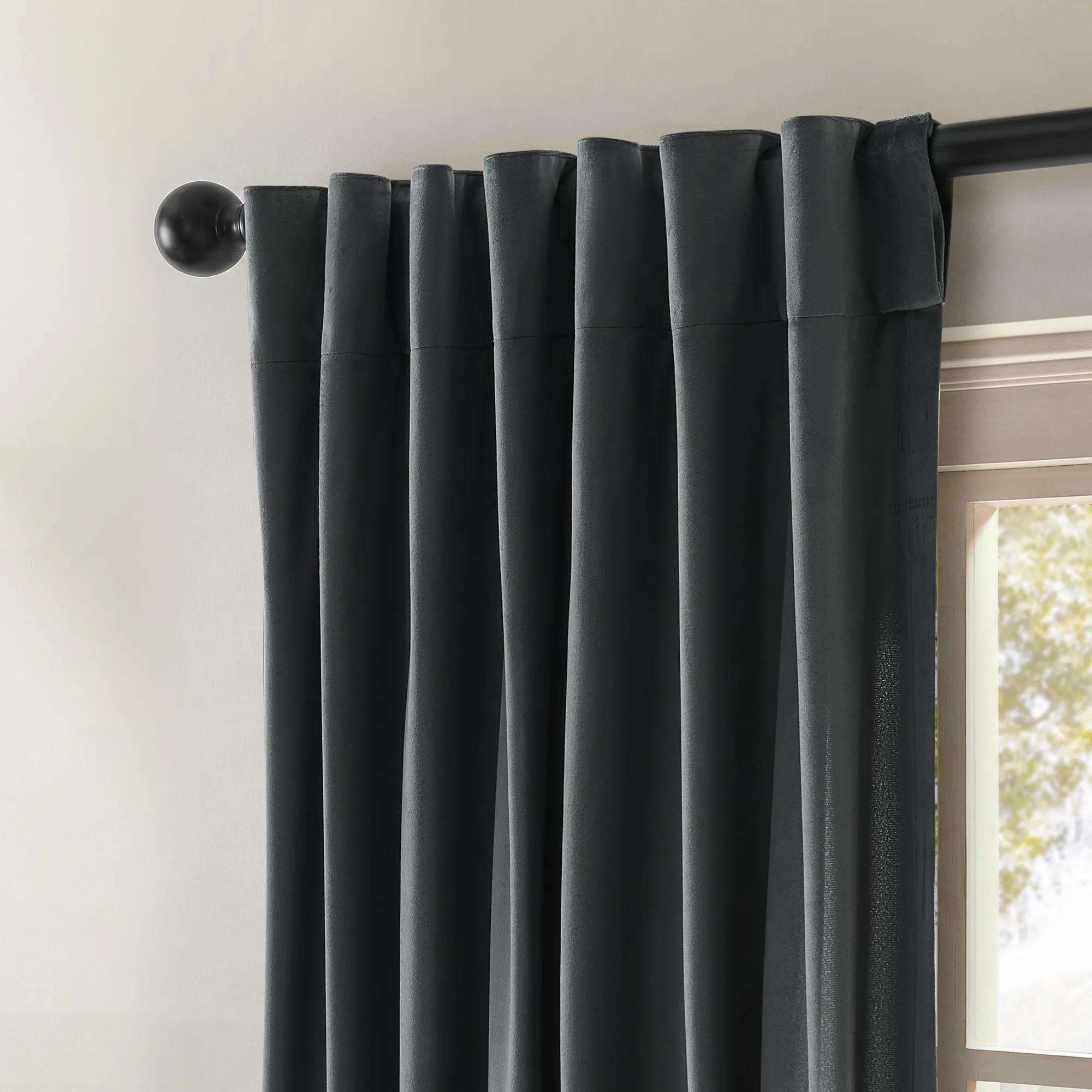 Bastien Blue/Midnight Velvet Border Window Curtain Panel$99
A two-tone dusty and midnight blue velvet curtain panel with a Deco-inspired border and room-darkening design.
Add To Cart -
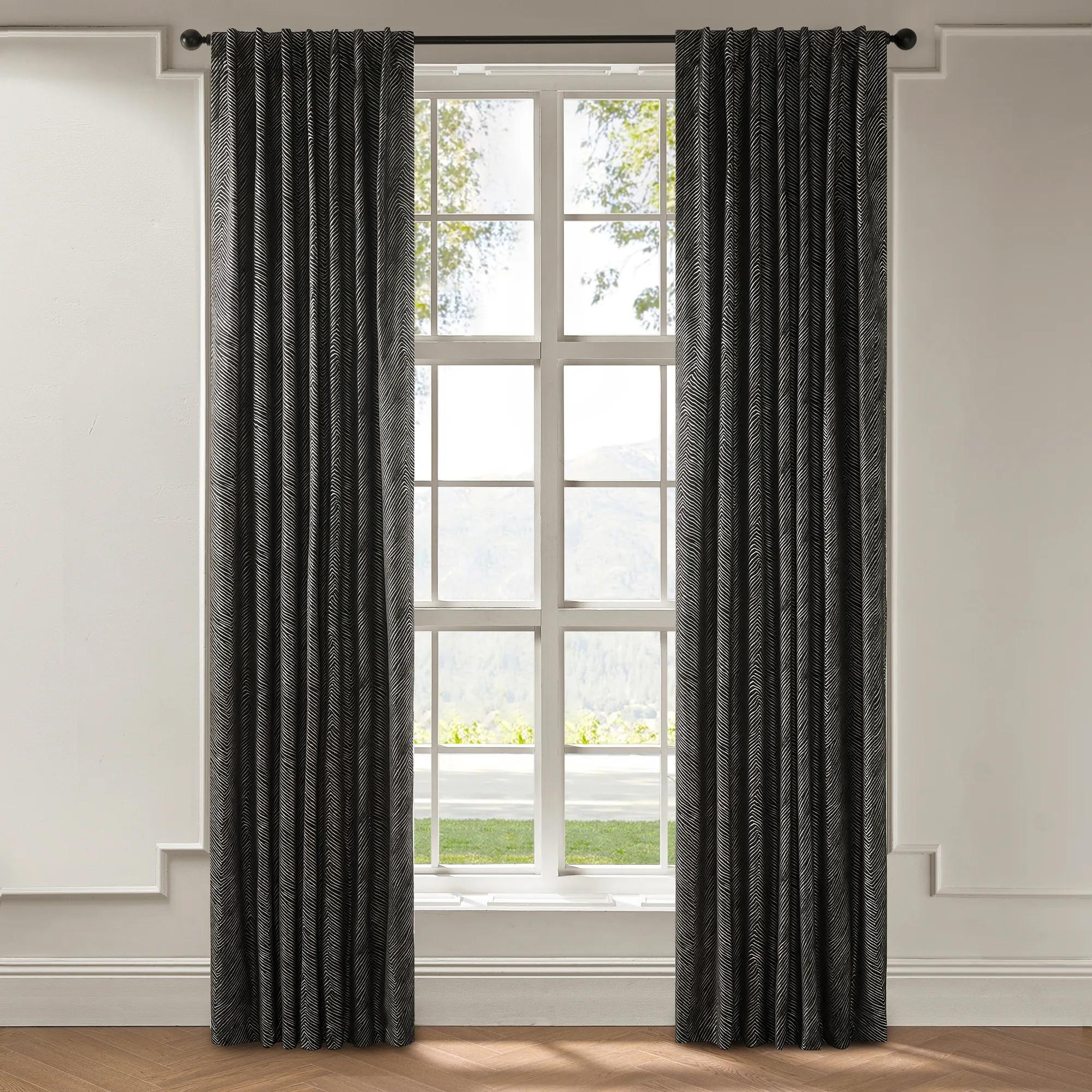
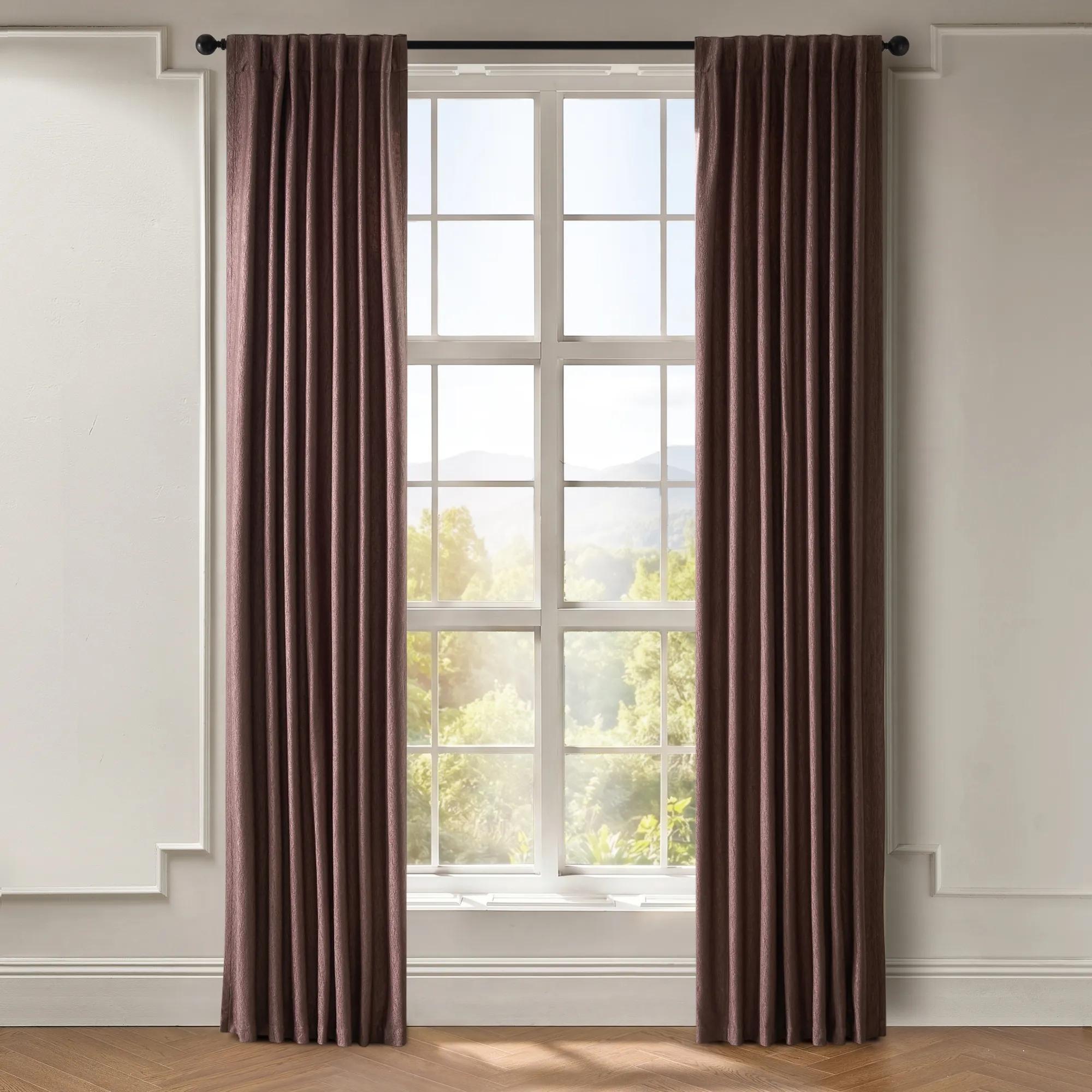
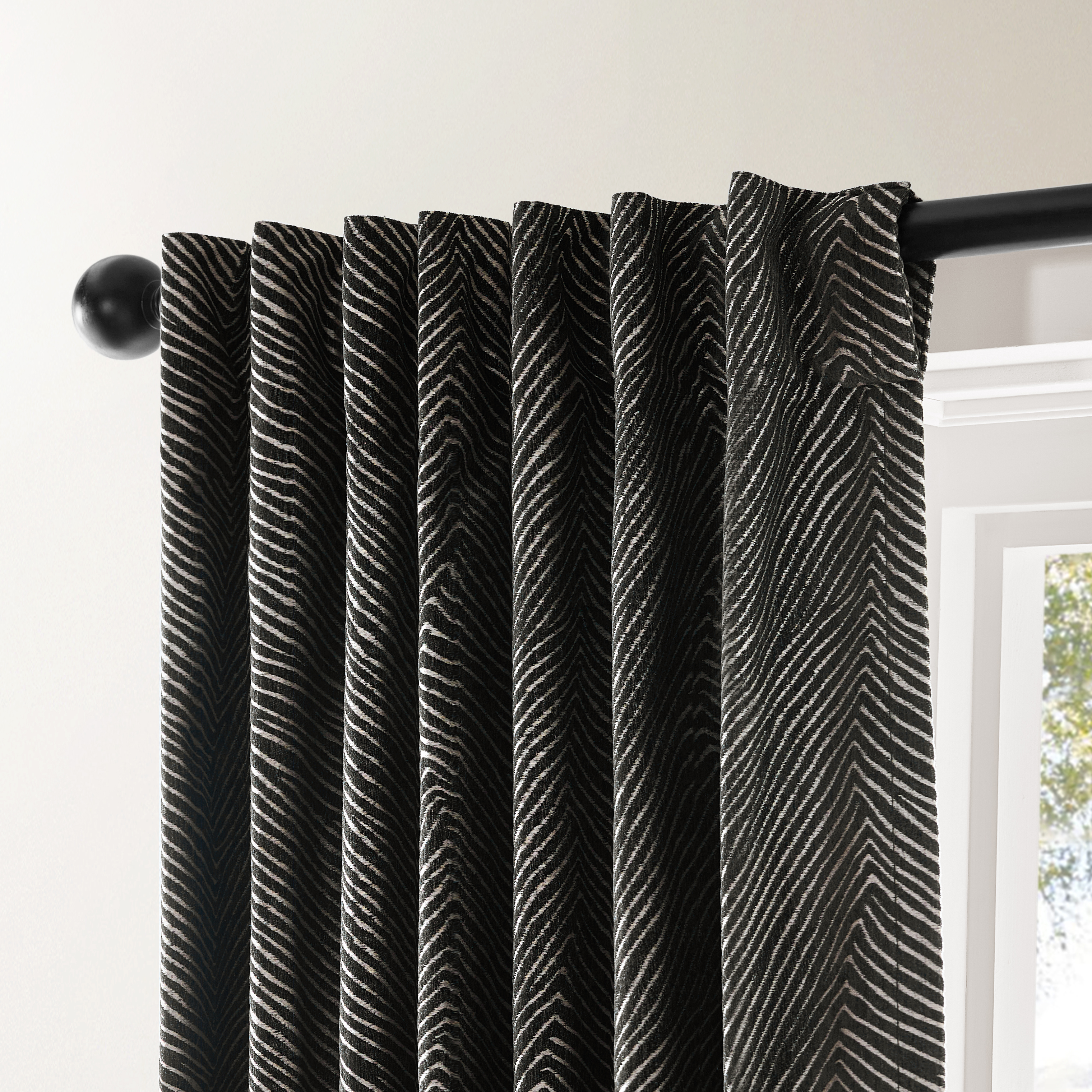 Kenzo Black Chenille Window Curtain Panel$139
A black chenille jacquard curtain with a room-darkening finish and versatile dual hanging options.
Add To Cart -
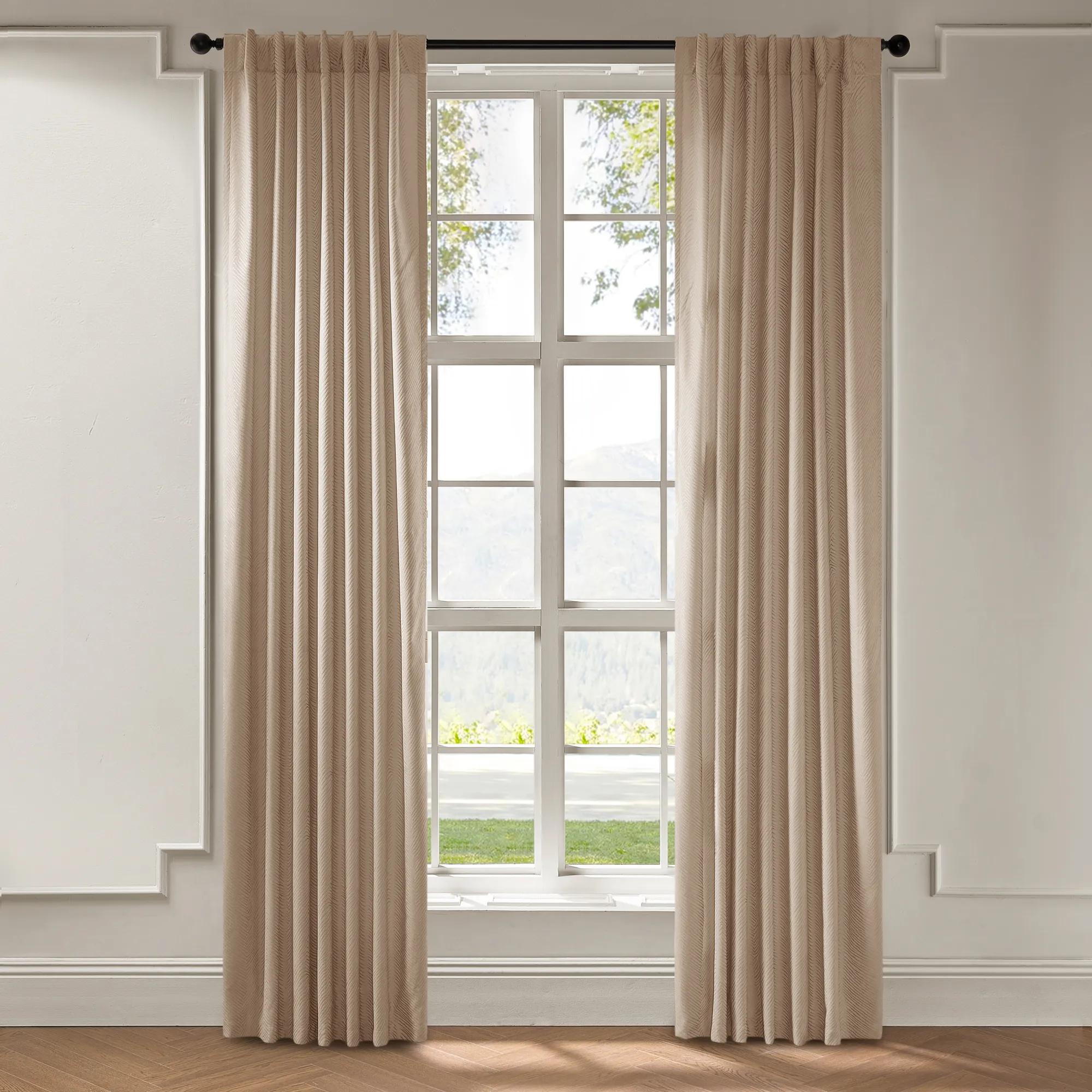 Kenzo Jacquard Beige Chenille Window Curtain Panel$129
A warm beige chenille jacquard curtain with a subtle sheen and versatile rod pocket or back tab hanging.
Add To Cart -
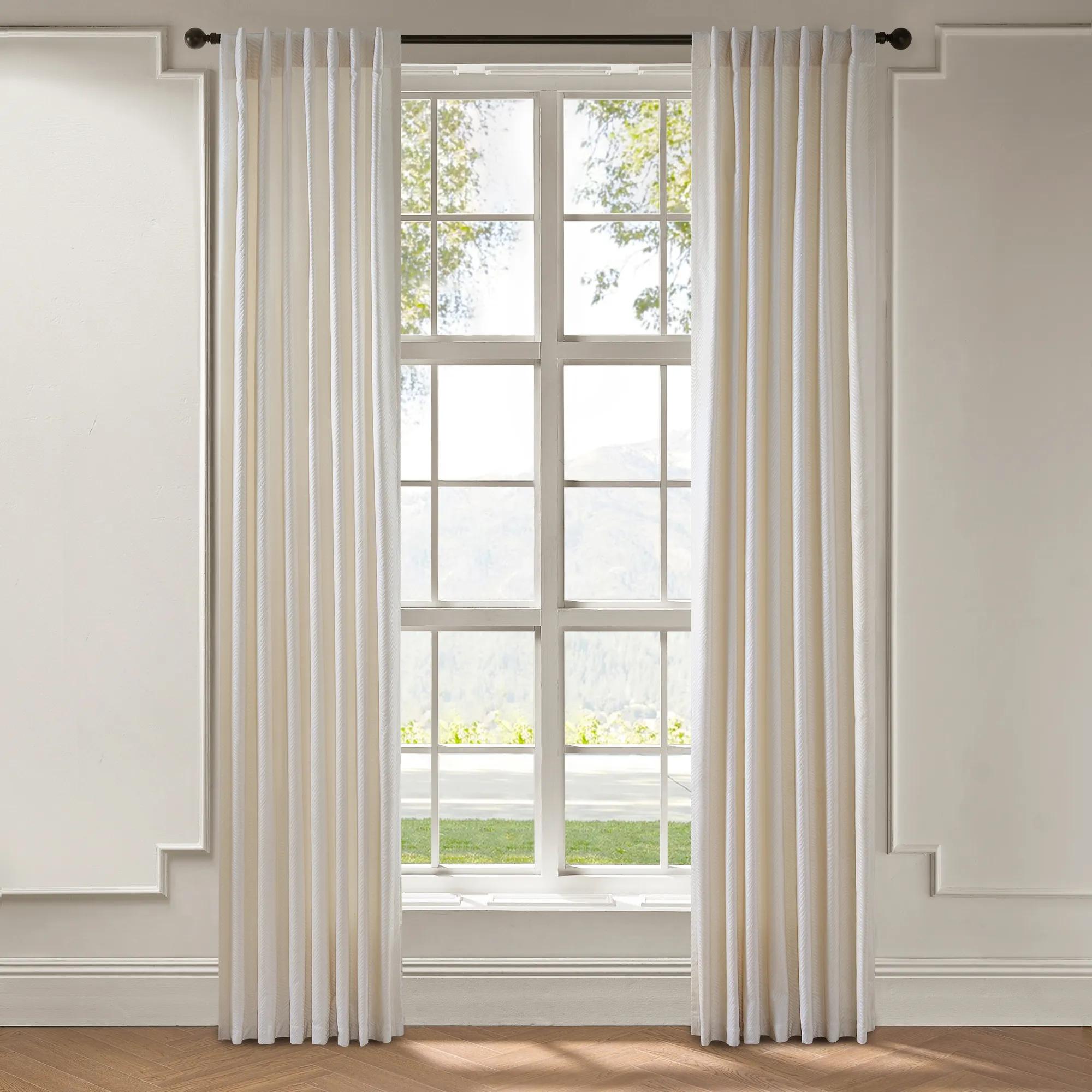
 Kenzo Chenille Curtain - White$139
A luxe white chenille jacquard curtain featuring a subtle high-contrast pattern and versatile dual construction.
Add To Cart

Geometric Pattern Curtain Panels
Explore geometric pattern curtain panels that frame your windows with graphic lines, repeating shapes, and a polished sense of drama. These patterned window treatments bring visual structure to a room; consider motif scale and contrast to choose a design that complements your furnishings or makes your windows the focal point.
Geometric pattern curtain panels bring repeating shapes—diamonds, chevrons, hexagons, interlocking lines, and architectural lattices—to the soft sweep of fabric, giving windows a distinctly composed presence. Their appeal lies in that contrast: precise motifs meet fluid folds, creating structure without the severity of a hard surface. A generous diamond repeat can give a living room the confidence of an oversized artwork, while a fine, tone-on-tone grid adds dimension that becomes more apparent as light moves across the fabric. The result can feel quietly tailored or richly theatrical, depending on the size of the pattern, the contrast between its colors, and the fullness of the panels. Ivory against charcoal creates a crisp outline around a window; closely related shades offer a more restrained expression, allowing texture and drape to carry the drama. In a room with a curved sofa or rounded accent chairs, angular motifs introduce a compelling counterpoint. Alongside linear furniture, those same shapes reinforce an architectural rhythm. Scale matters beyond the window itself: a bold repeat needs enough visible fabric to reveal its character, whereas a compact motif can remain legible across narrower panels. Open folds also change how a design reads, breaking broad shapes into glimpses of color and line. Picture a pair of patterned panels framing a pale upholstered sofa, their geometry repeated just once in a sculptural table base. The connection feels deliberate without turning every surface into a matching set. Bedrooms, dining rooms, and home offices can benefit from the same approach, with the pattern’s intensity suited to the room’s purpose. A low-contrast lattice lends composure behind a desk, while a dramatic trellis gives a dining space a more expressive backdrop. Geometric curtains are especially effective when the surrounding room offers breathing room: solid upholstery, an understated wall color, or a rug with a different pattern scale lets the window treatment contribute character without competing for attention.
Material determines how geometric curtain panels hang, how clearly their motifs appear, and how much light they allow into a room. Cotton can offer a crisp, approachable texture, while linen and linen blends introduce natural variation and a more relaxed fold. Polyester and blended fabrics may provide shape retention and wrinkle resistance, although performance depends on the weave, finish, and care requirements. Velvet adds depth and a sumptuous surface, giving a geometric design a more dramatic presence; woven jacquard creates its pattern through the fabric’s construction rather than relying solely on a surface print. Printed motifs can deliver sharp outlines or painterly edges, while raised stitching and embroidery add tactile definition. Neither a dark color nor a substantial-looking fabric guarantees room-darkening performance. Light-filtering panels soften incoming light but may not provide dependable privacy after dark, particularly when interior lights are on. For bedrooms or media spaces, a lining or construction specifically described as room-darkening or blackout is the more relevant consideration. Even then, light can enter around the top, sides, and bottom, so coverage and installation matter alongside the fabric. Fit begins with the curtain rod and the intended finished length, not simply the window glass. Measure width across the span the panels need to cover, including any extension beyond the frame. A combined fabric width of roughly one and a half to two times that span is a common starting point for soft fullness, though heading style, fabric weight, and the desired effect can call for a different proportion. Grommets create broad, regular folds; rod pockets gather fabric more closely; back tabs can offer a cleaner view of the panel face. Each heading also changes where the fabric sits relative to the rod, making its specific measurement instructions important. Panels that skim just above the floor create a polished line without collecting a generous pool of fabric underfoot. Longer, pooled lengths introduce theatrical volume but are less practical beside frequently used doors, dining chairs, or active walkways. Extending the rod beyond the window frame, where wall space permits, gives open panels somewhere to rest without covering as much glass.
The most convincing geometric window treatments feel connected to the room without repeating every detail. Pulling one color from an artwork, rug, or accent pillow gives the panels a place in the composition, while varying the scale of nearby patterns keeps the space layered rather than uniform. A broad curtain lattice can sit comfortably beside a smaller patterned cushion, especially when a shared neutral brings the two together. For a related approach to the room’s overall palette, explore Patterned Living Room Window Panels with the same attention to proportion and visual balance. Hardware deserves equal consideration: a slender rod can complement a delicate motif, while a more substantial rod gives weightier fabric an appropriately confident frame. Confirm that the rod, brackets, and wall fasteners can support the combined weight of the panels and any lining, particularly across wider windows. Durability depends on construction and daily use as much as fiber content. Secure hems, reinforced headings, and neatly finished seams help panels withstand regular opening and closing; rings, grommets, or other compatible hardware should move without repeated tugging on the fabric. In sunny windows, consider any stated lightfastness information, since prolonged direct sunlight can affect color over time. Care should always follow the sewn-in label, especially for lined, embroidered, or embellished fabrics. Some panels permit gentle machine washing, while others require professional cleaning; washable fabric alone does not mean every component can be washed. Routine dust removal with an appropriate vacuum attachment can help maintain the surface, provided the fabric and embellishments allow it. Before steaming or pressing, check the recommended method and temperature, since heat and moisture can affect fibers, finishes, and decorative details differently. Thoughtful sizing, dependable support, and suitable care preserve the beauty of the full composition: a graphic motif that remains expressive in motion, fabric that falls gracefully, and a window that holds its own among the room’s most distinctive features.
FAQs
Geometric pattern curtain panels feature structured motifs such as diamonds, chevrons, interlocking lines, or repeating curves. Unlike free-form abstract prints, these designs create a deliberate visual rhythm. Their graphic character turns windows into an expressive part of the room’s composition.
Let the pattern anchor your palette, then echo one of its colors in accent pillows, artwork, or decorative objects. Sculptural lighting and reflective accents bring a glamorous counterpoint to crisp geometry. Keep nearby upholstery understated if you want the curtains to command attention.
Yes—geometric curtains can create a striking dialogue with florals, abstract artwork, or subtly patterned upholstery. Connect the elements through a shared color, and vary the visual density so each design has room to stand apart. A few solid-colored accents give the layered composition a deliberate finish.
Begin with the mood you want to express. Tonal neutrals offer a nuanced take on geometry, while contrasting hues give the pattern a more dramatic presence. Draw a color from an existing rug or artwork for continuity, or introduce a contrasting shade for a daring focal point.
Geometric curtain panels can bring a fresh graphic note to traditional interiors. Pair an orderly motif with curved furnishings, ornate mirrors, or collected artwork to create contrast. A palette that echoes the room’s existing colors helps unite classic details with the curtains’ modern energy.