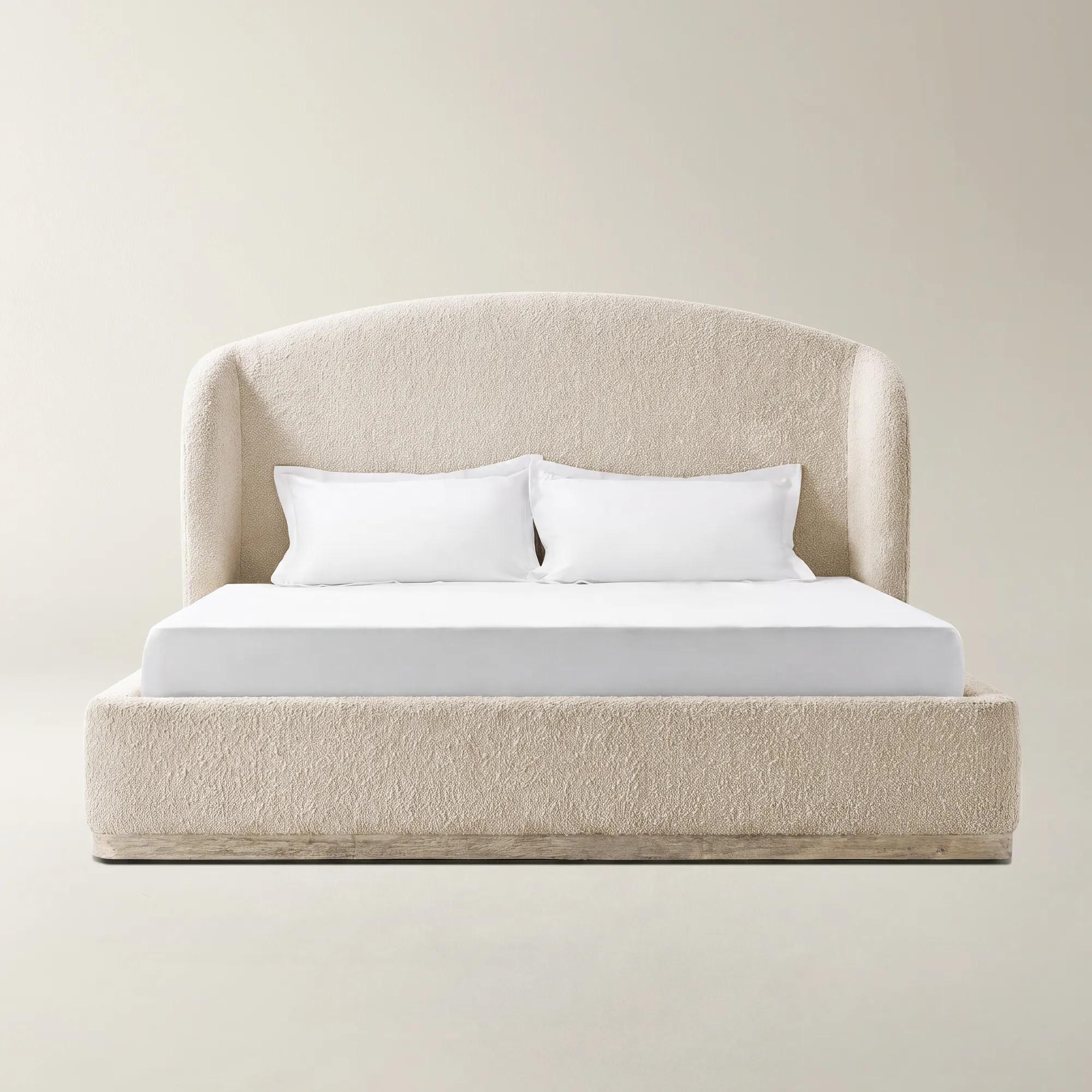
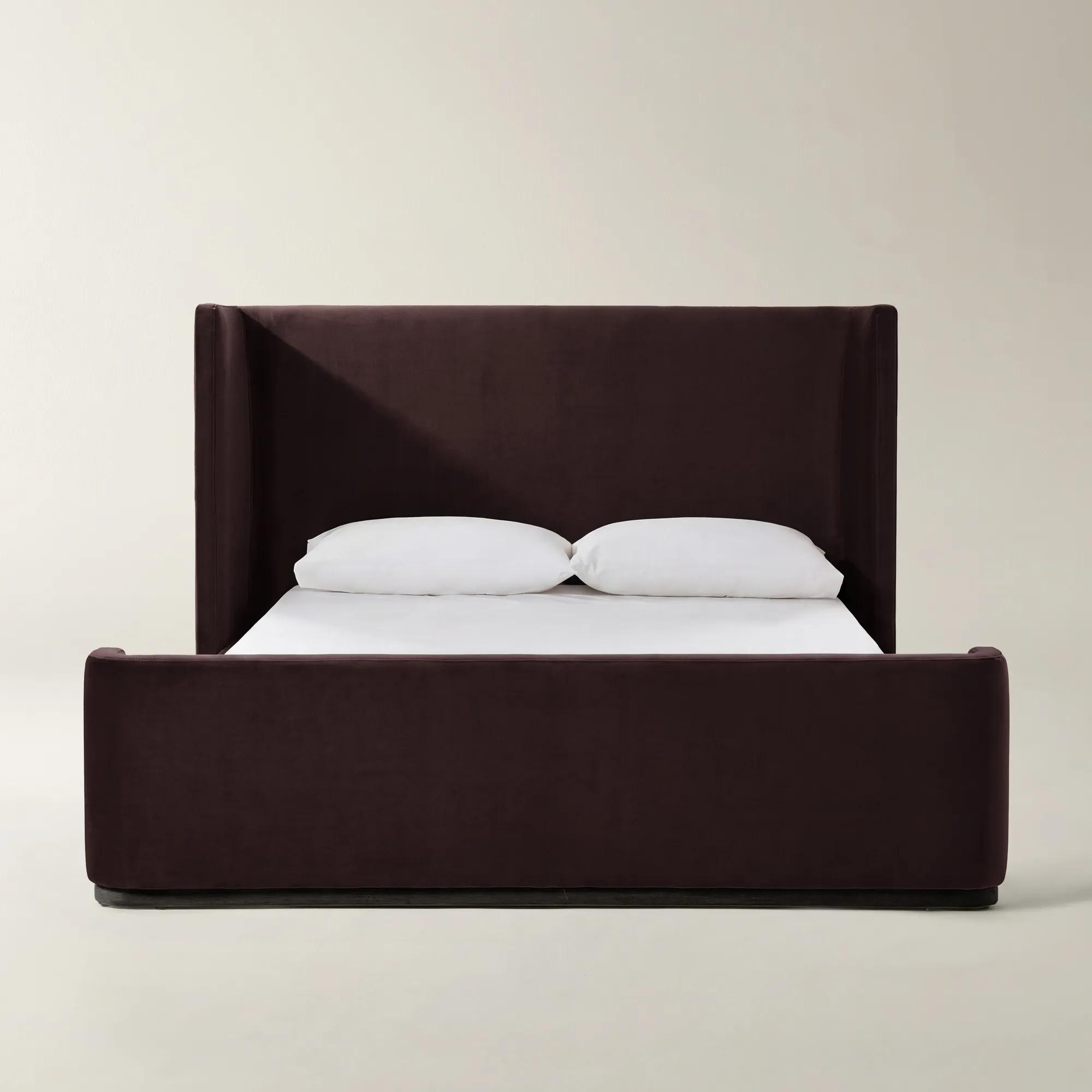
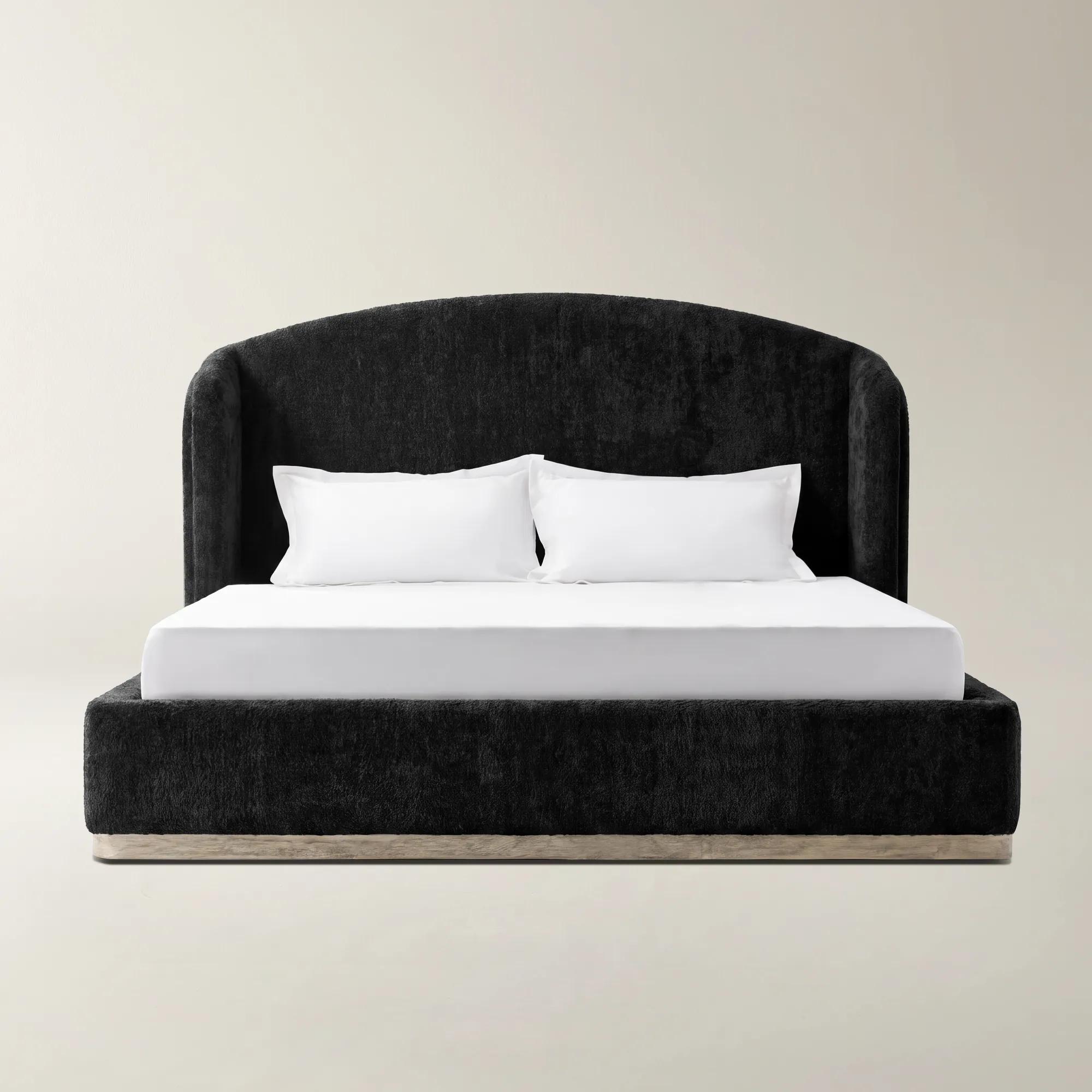
Furniture For Chic Bedrooms
Furniture For Chic Bedrooms
-
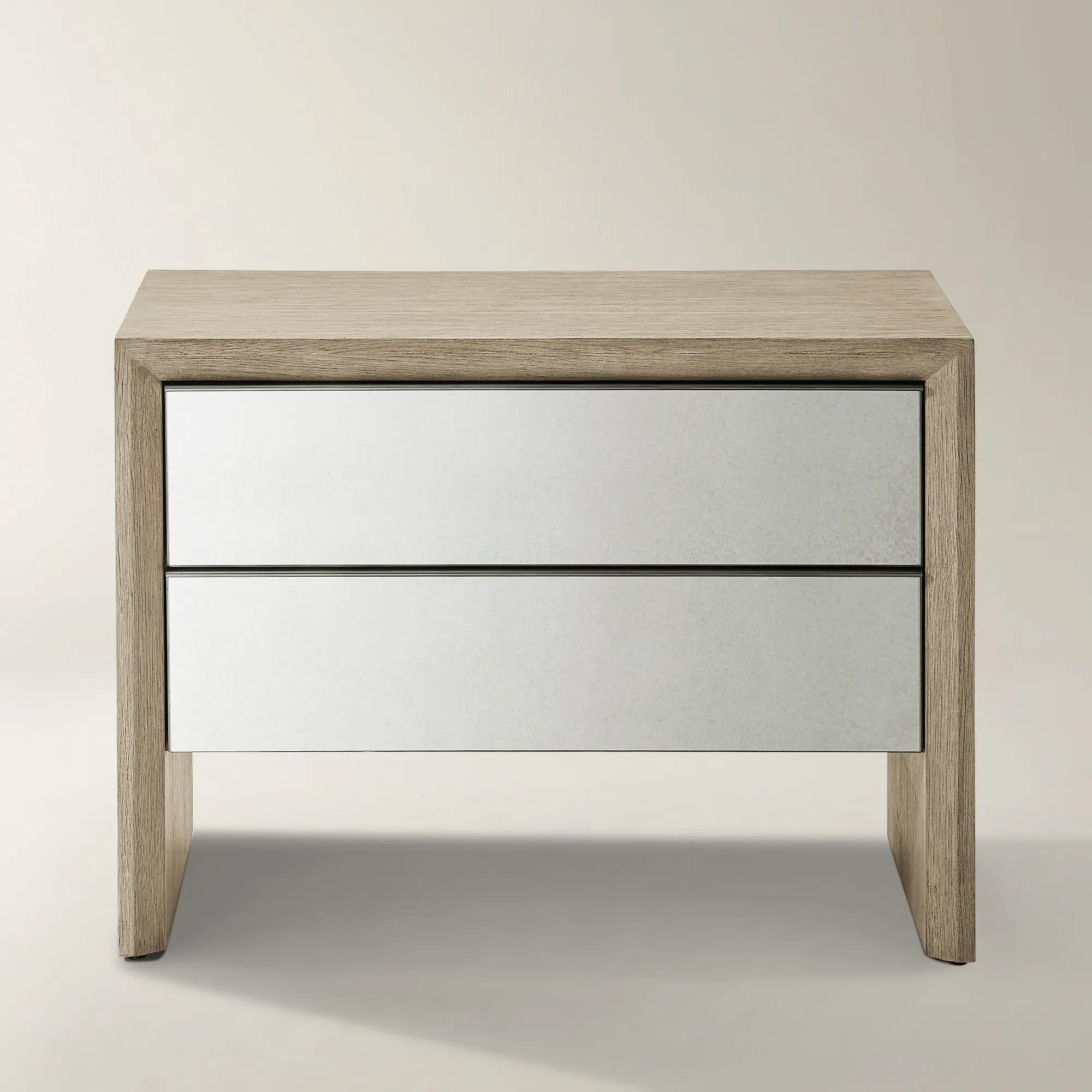
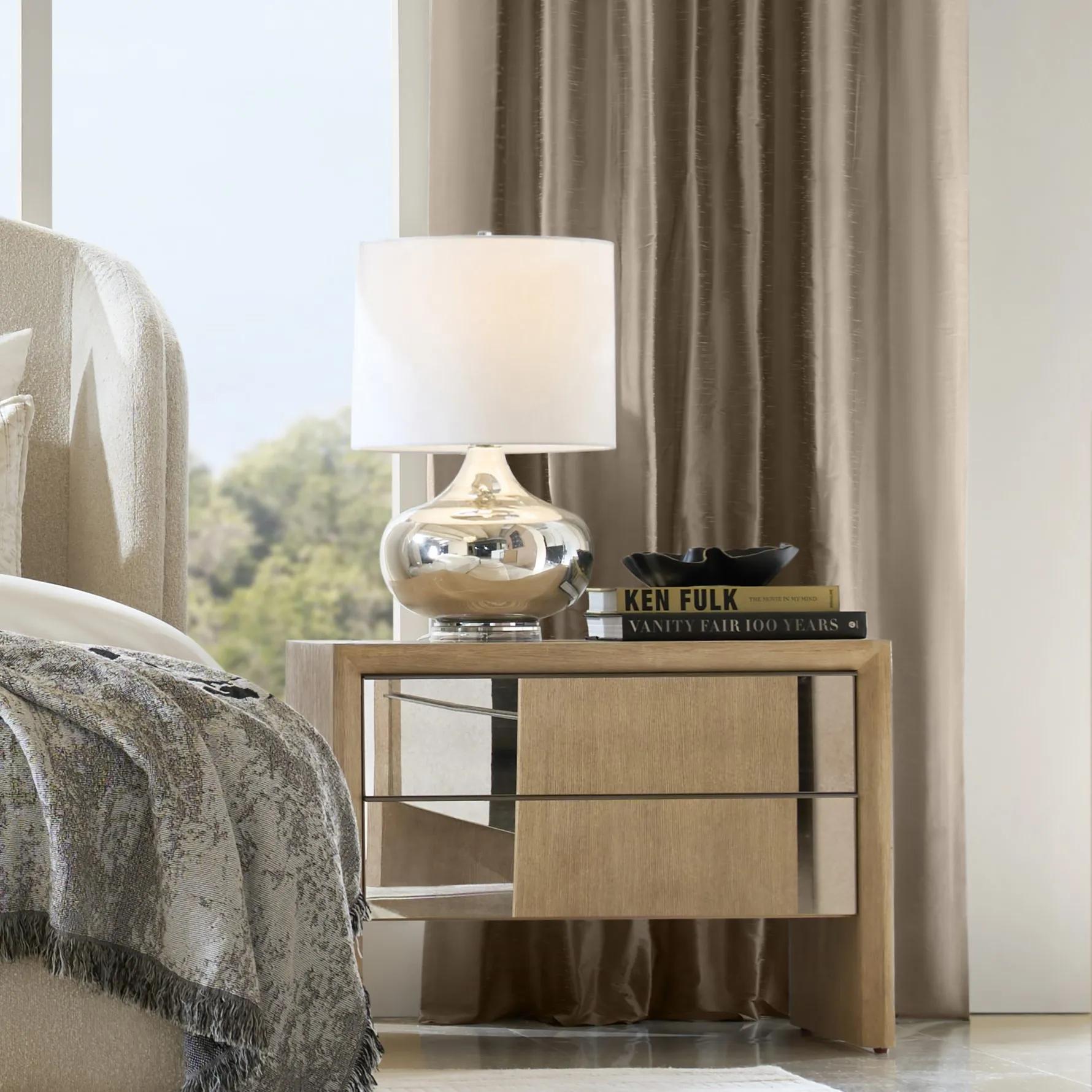 Glimmer Mirrored Seadrift Oak 2-Drawer Nightstand (32")$799
A glamorous nightstand featuring sea drift oak veneer, antique mirrored drawers, and soft-close storage.
Add To Cart -
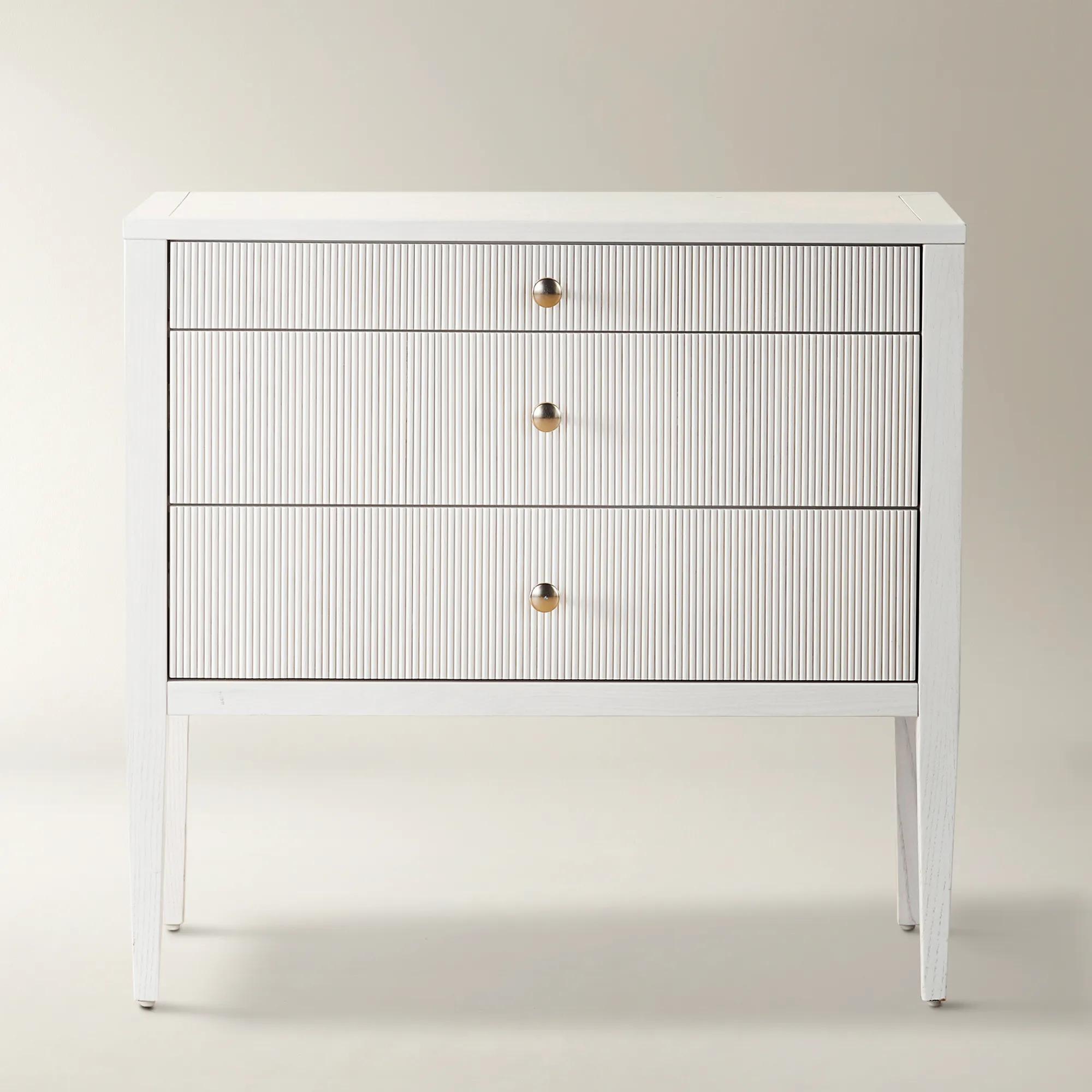 Viola Reeded White Ash Wood 3-Drawer Nightstand (31")$899
A modern nightstand in bone white ash wood with reeded drawers and brass hardware for a luxe touch.
Add To Cart -
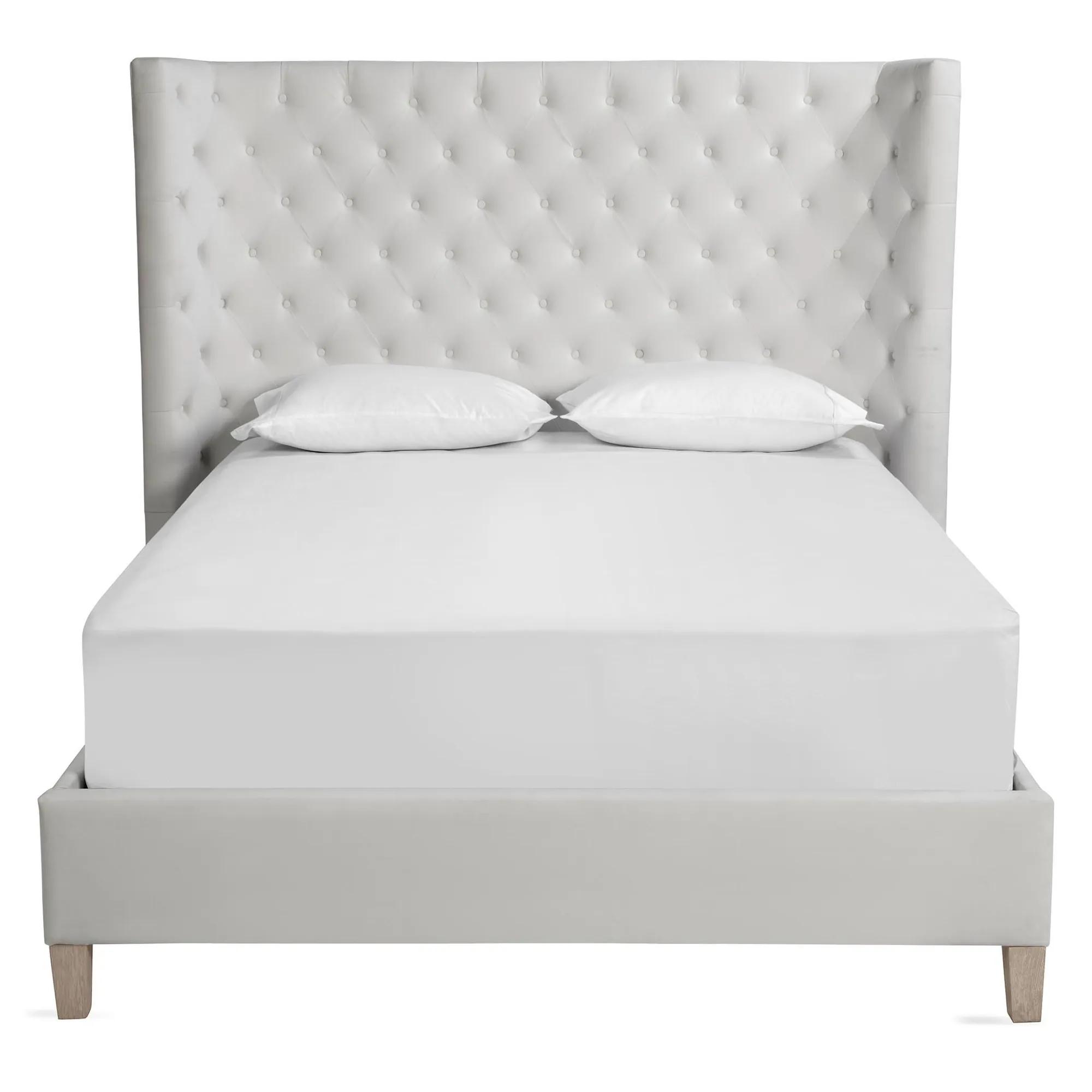
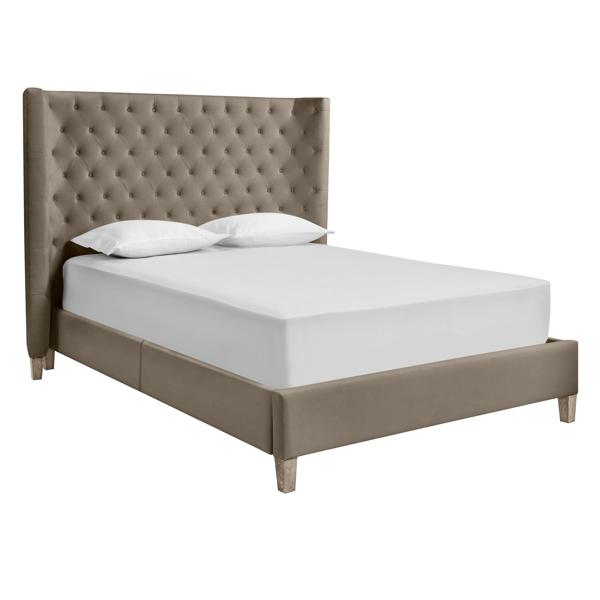 Jen Storage Bed$4599
A glamorous platform bed with a curved wingback headboard, hand-applied diamond tufting, and velvet upholstery.
Add To Cart -
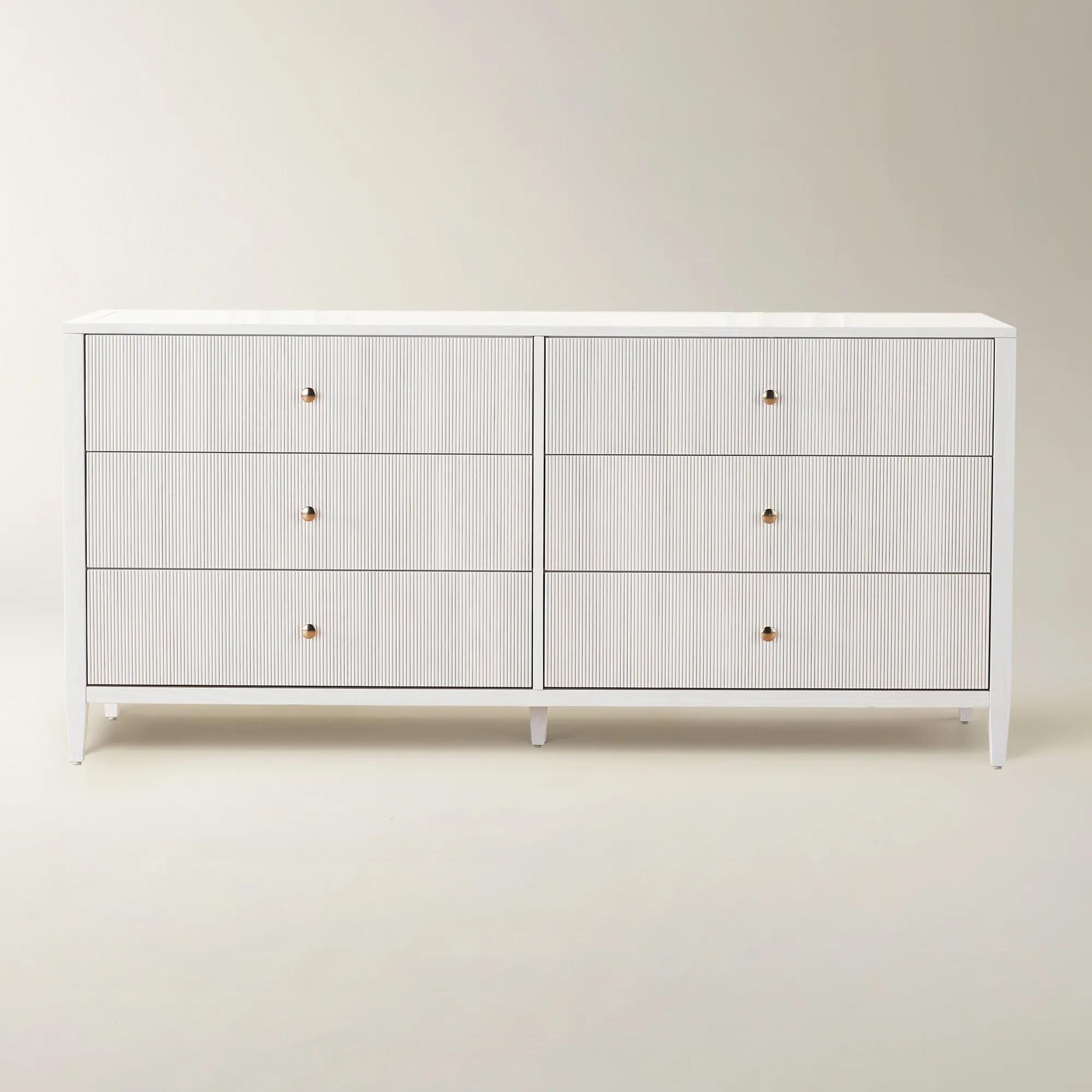
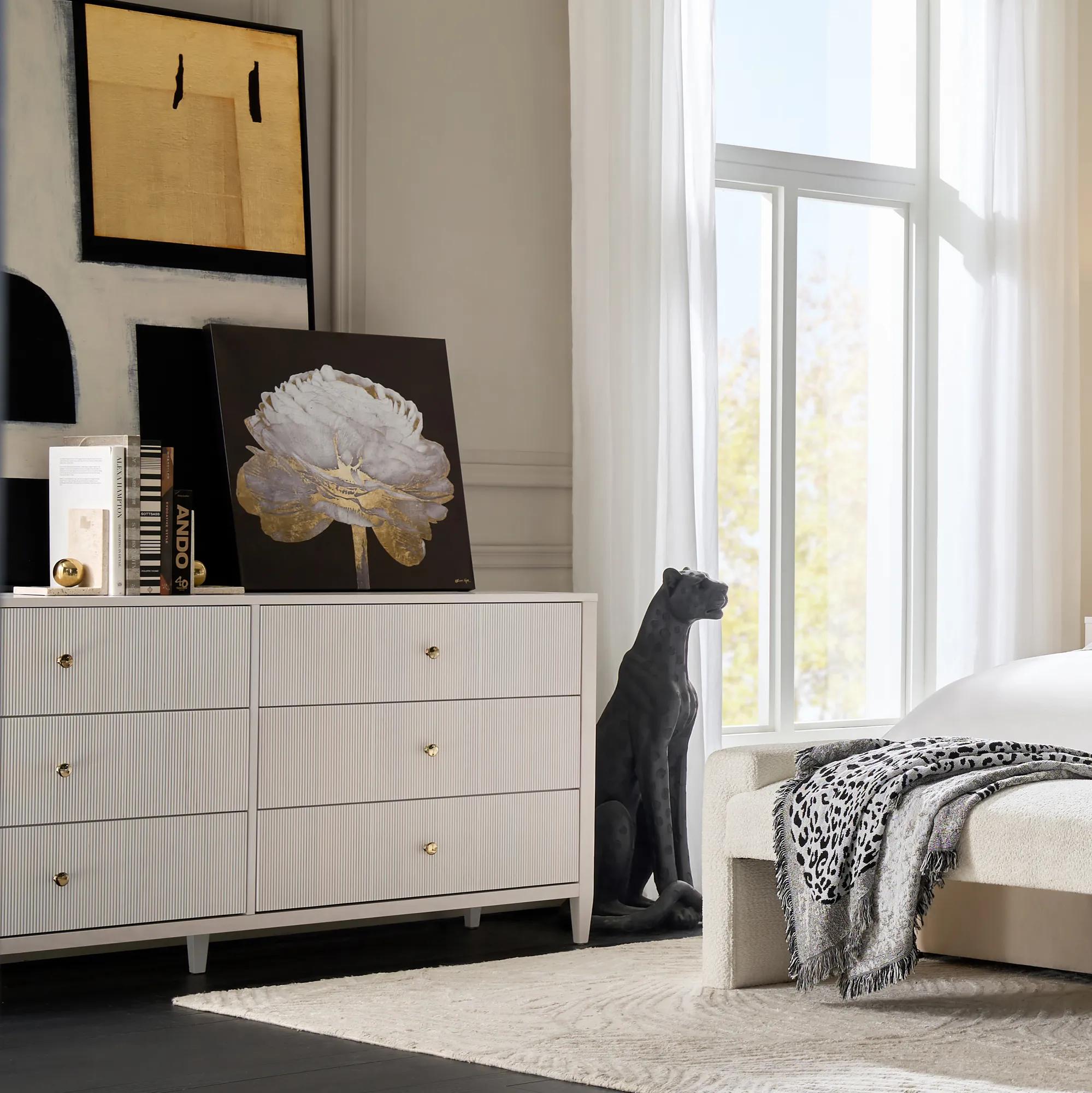 Viola Reeded White Ash Wood 6-Drawer Dresser (70")$1899
A modern dresser in bone white ash wood with reeded fronts and brass hardware for a luxe touch.
Add To Cart -
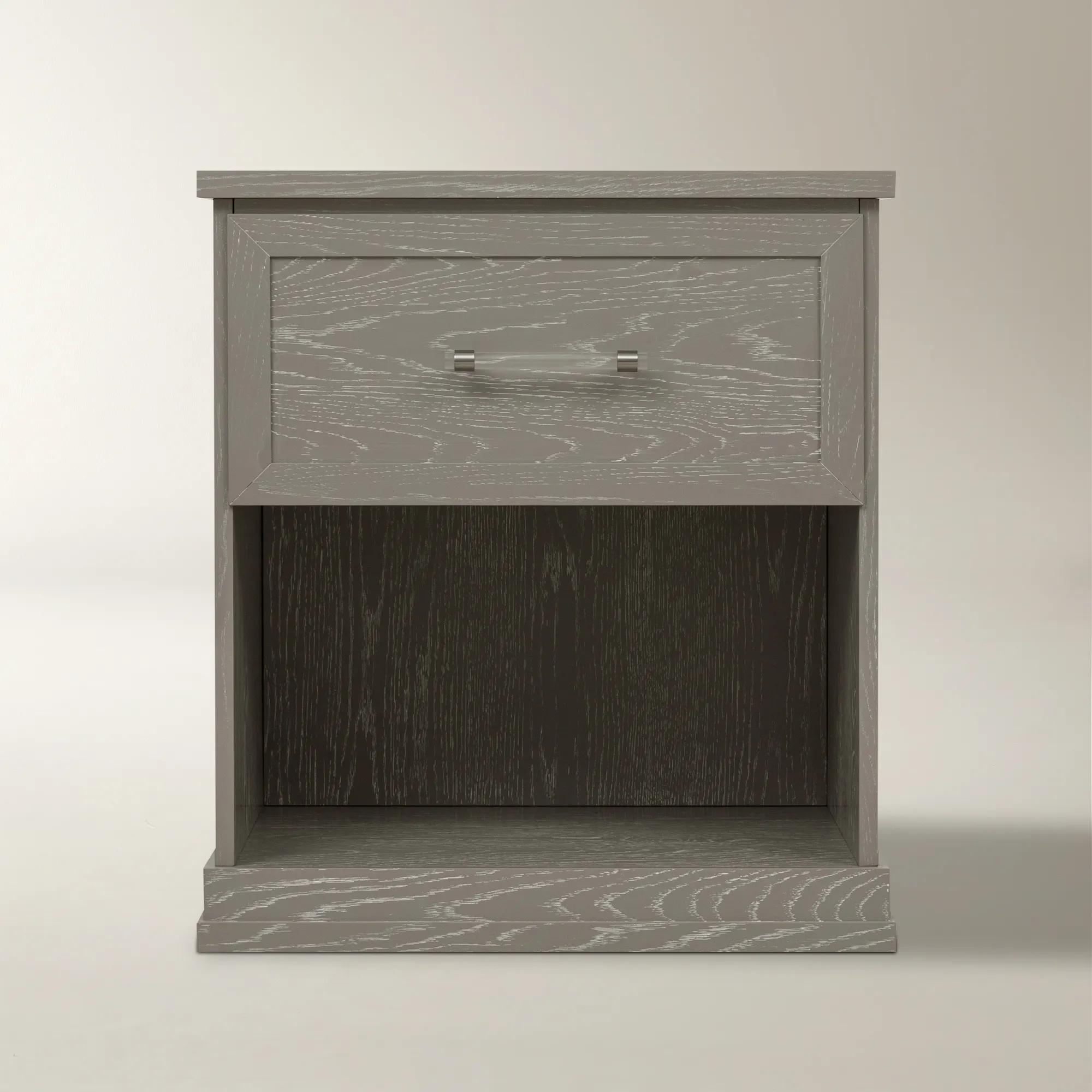
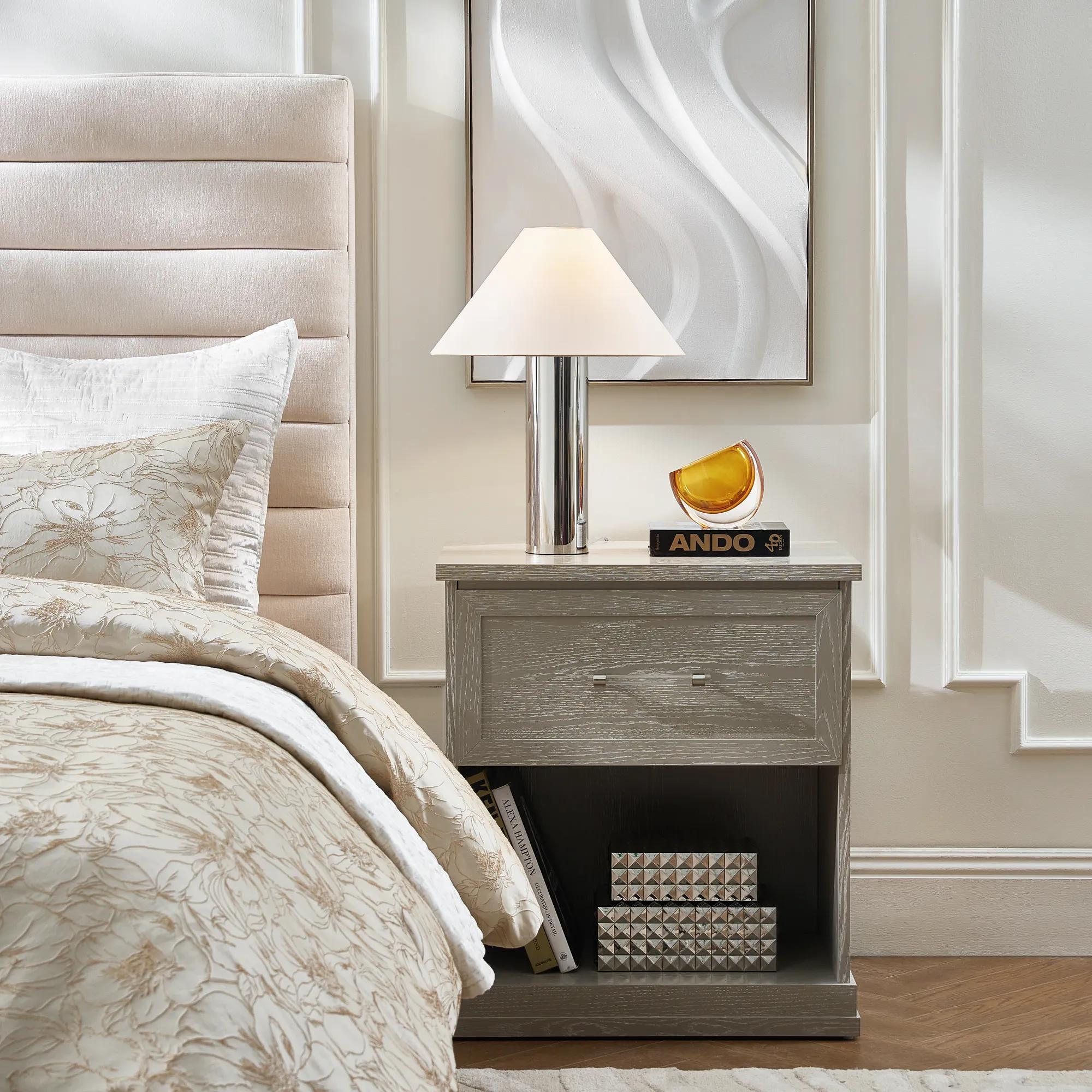 Arwin Grey Oak 1-Drawer Nightstand (26")$699
A contemporary grey hardwood veneer nightstand featuring acrylic and brushed silver handles with soft-closing drawers.
Add To Cart -
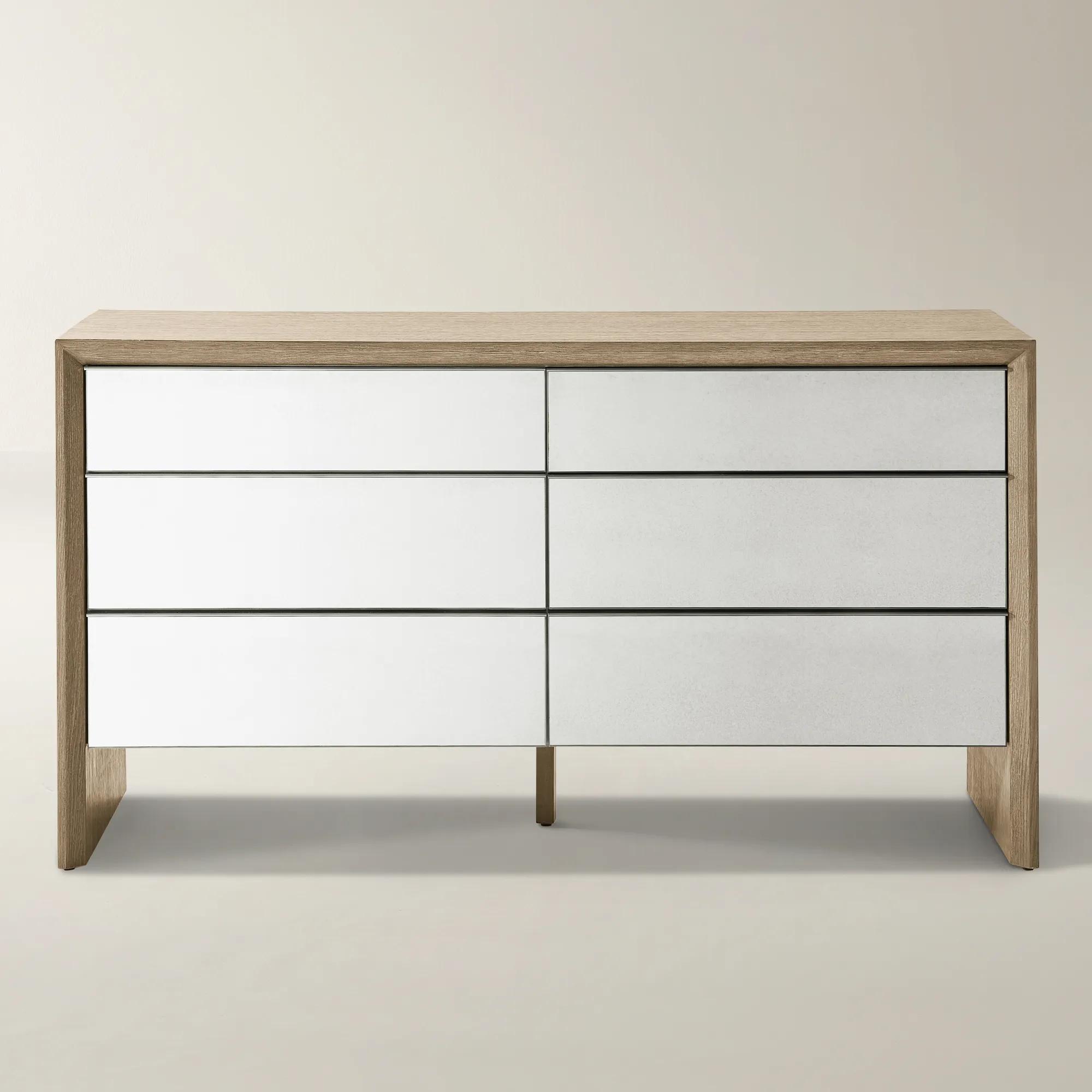 Glimmer Mirrored Seadrift Oak 6-Drawer Dresser (65")$2099
A sophisticated dresser featuring sea drift oak veneer and antique mirrored drawer fronts with soft-close drawers.
Add To Cart -
 Glimmer Set of 4 Bedroom$5296
A sophisticated bedroom set featuring an ivory or grey bed with coordinating nightstands and dresser.
Add To Cart -
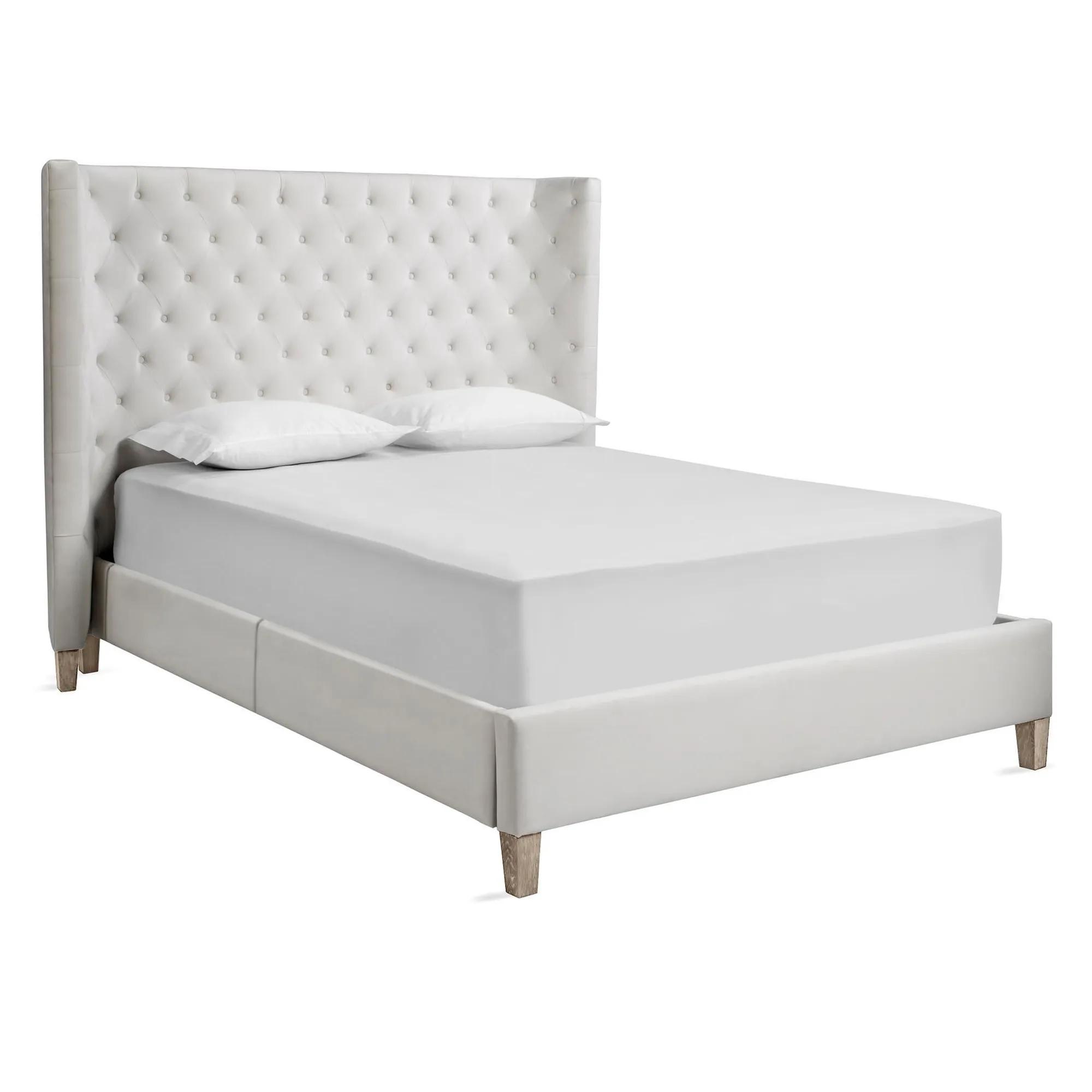 Jen Storage Bed$3399
A glamorous platform bed with a curved wingback headboard, hand-tufted velvet upholstery, and four storage drawers.
Add To Cart -
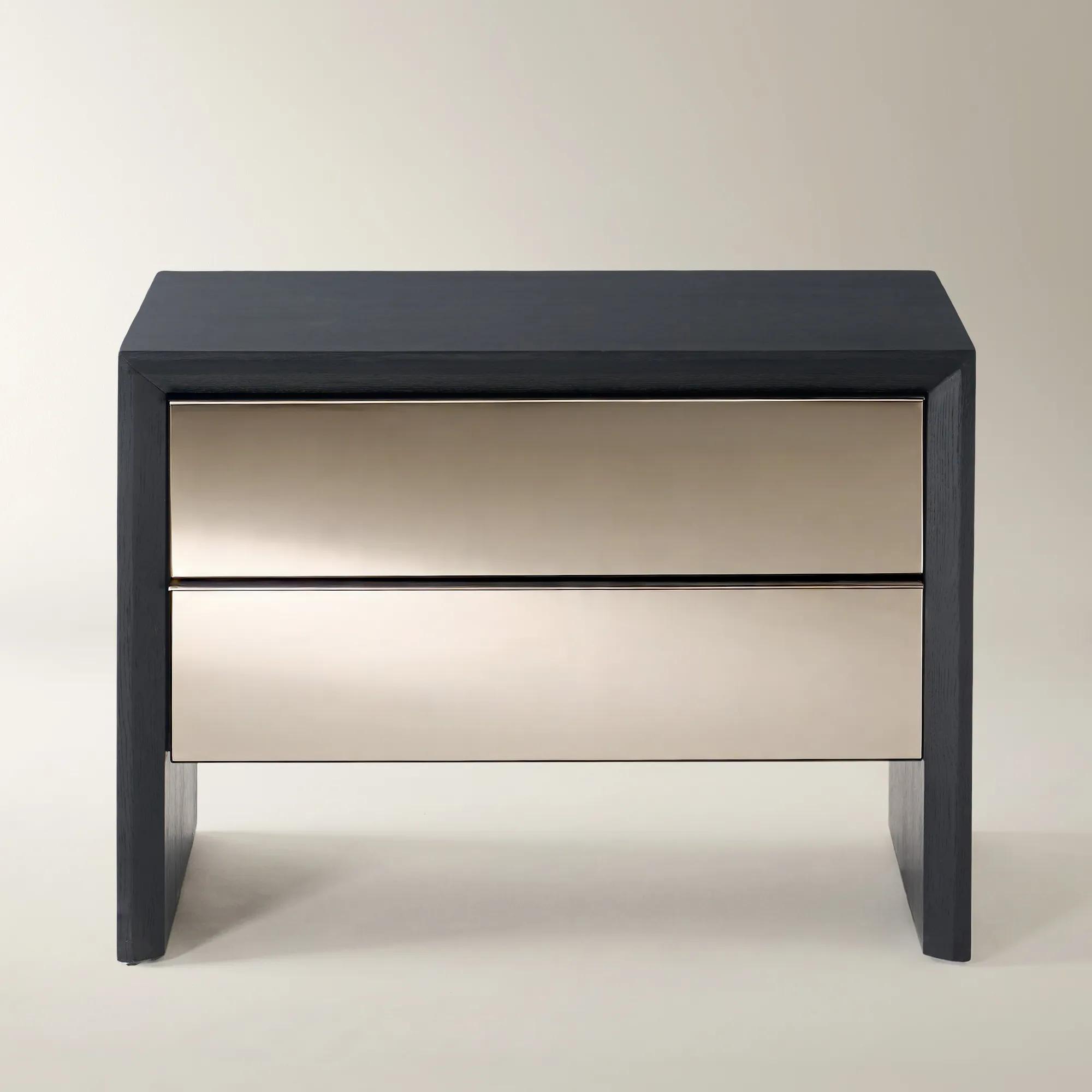
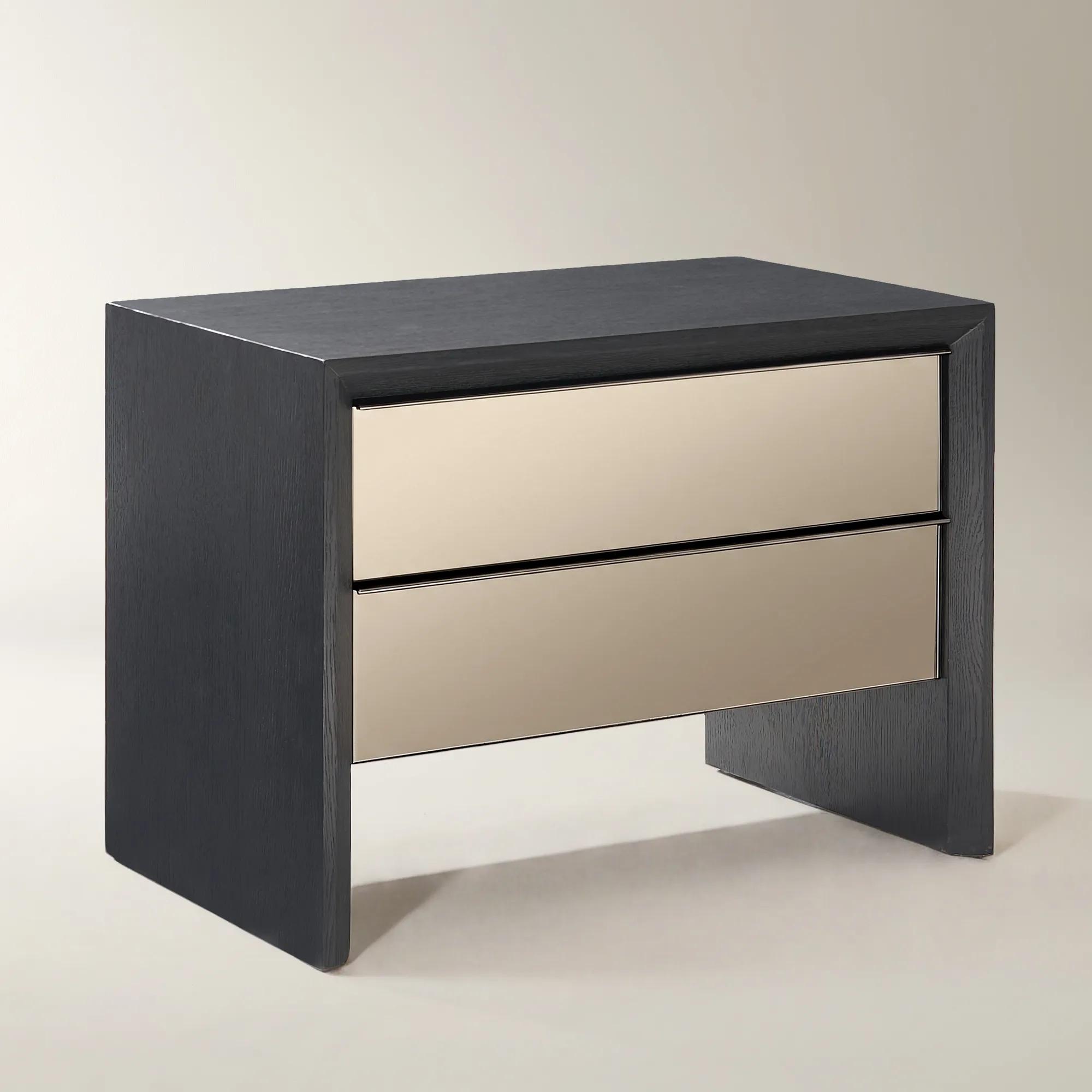 Glimmer Mirrored Black Oak 2-Drawer Nightstand (32")$799
A modern nightstand featuring black oak veneer, bronze mirrored drawer fronts, and soft-close velvet-lined drawers.
Add To Cart -
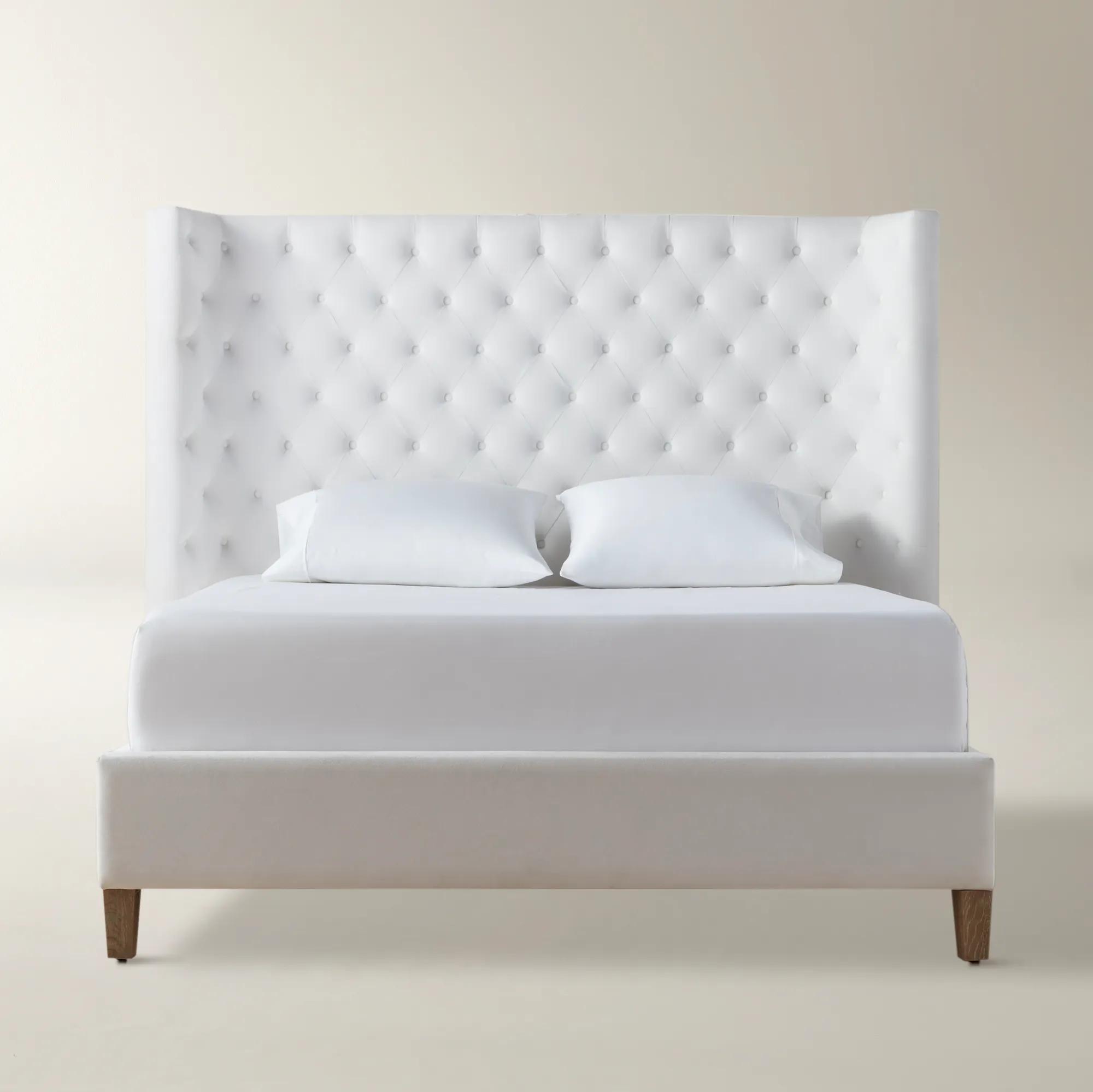 Jen Bed$2649
A glamorous wingback bed with hand-tufted diamond upholstery and a kiln-dried hardwood frame.
Add To Cart -
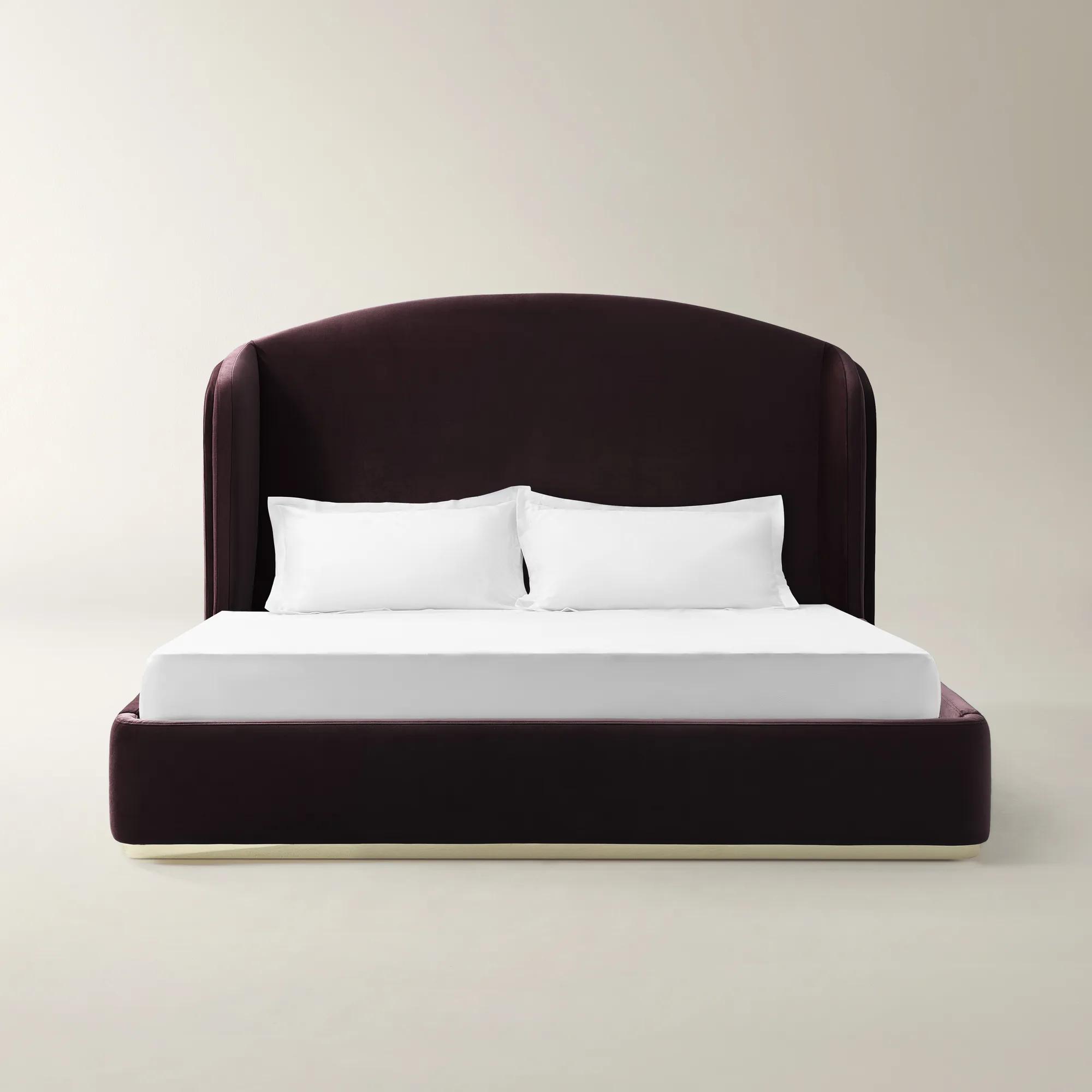
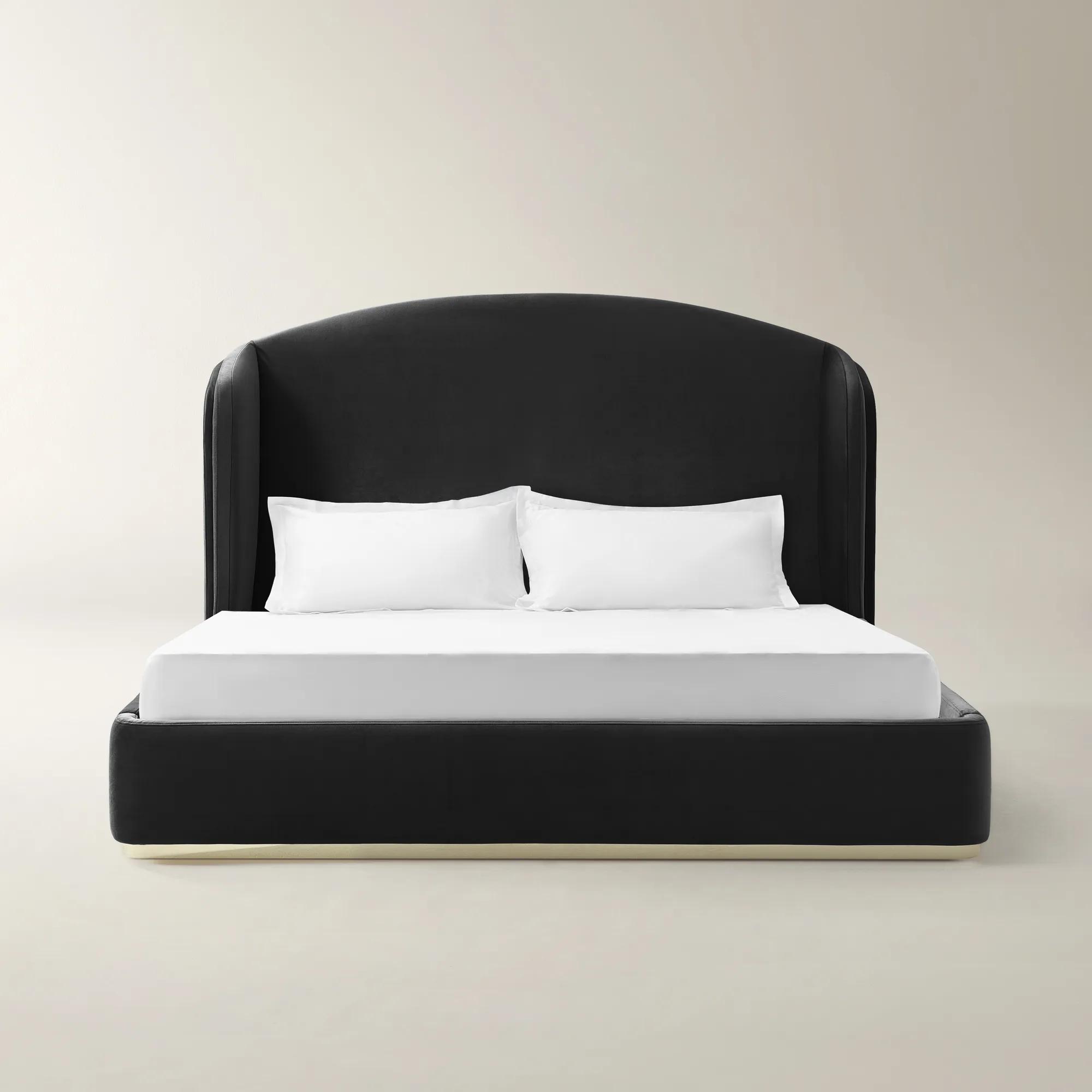
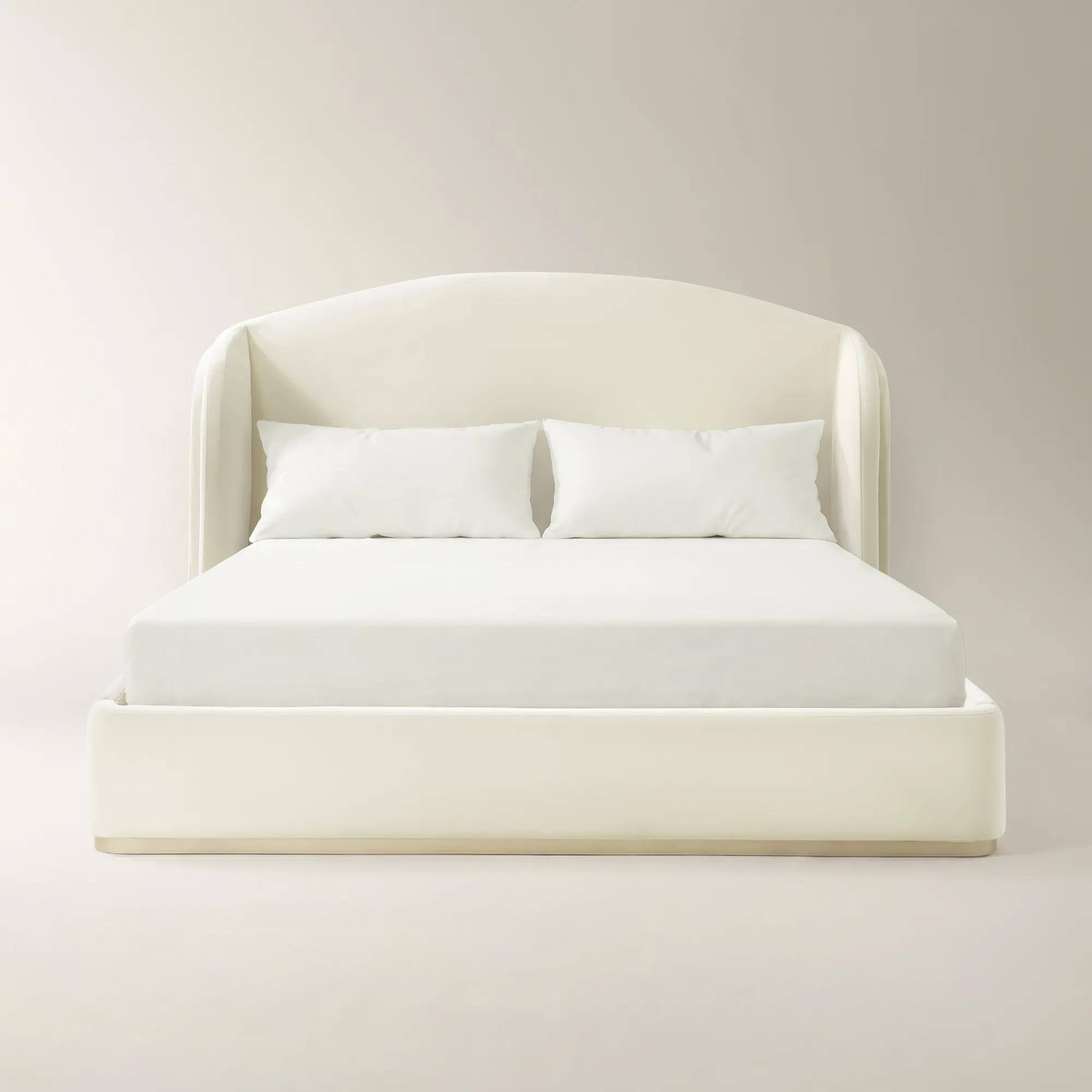 Glimmer Cloud Velvet Upholstered King Platform Bed$2299
A luxurious king platform bed featuring plush velvet upholstery, a sculpted headboard, and a gold metallic base.
Add To Cart -
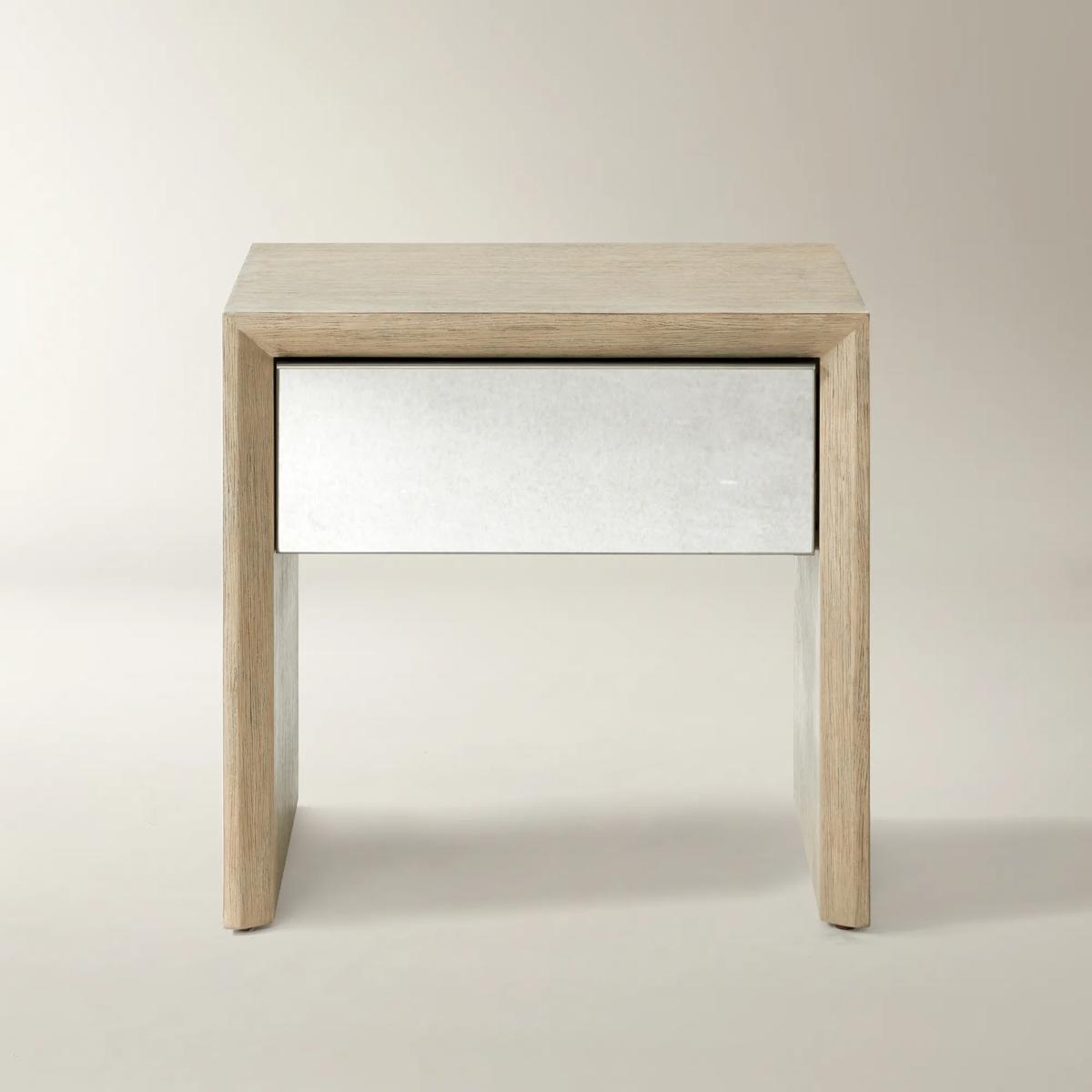 Glimmer Mirrored Seadrift Oak 1-Drawer Nightstand (23")$549
A sophisticated nightstand featuring a sea drift oak veneer frame and antique mirror-faced soft-close drawers.
Add To Cart -
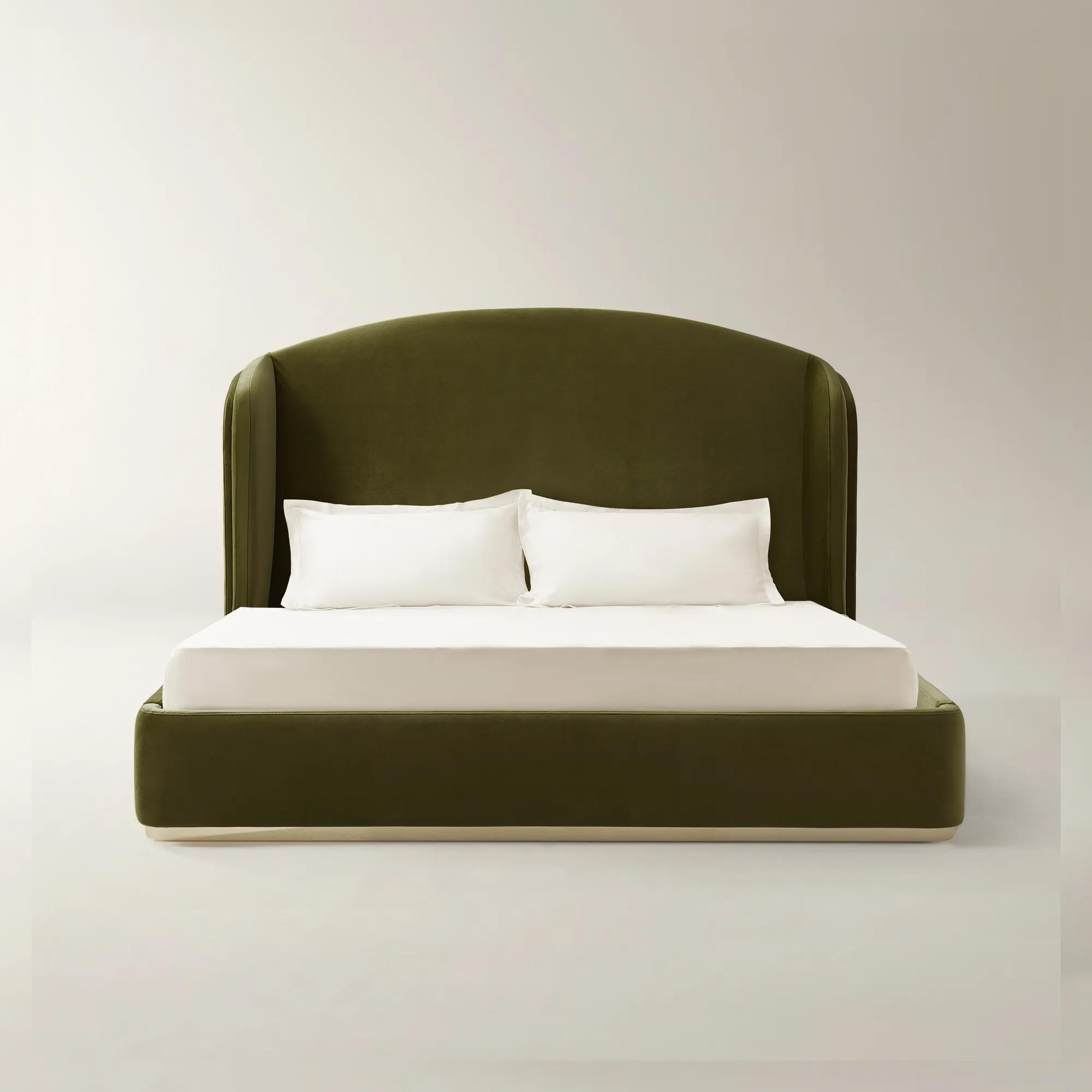
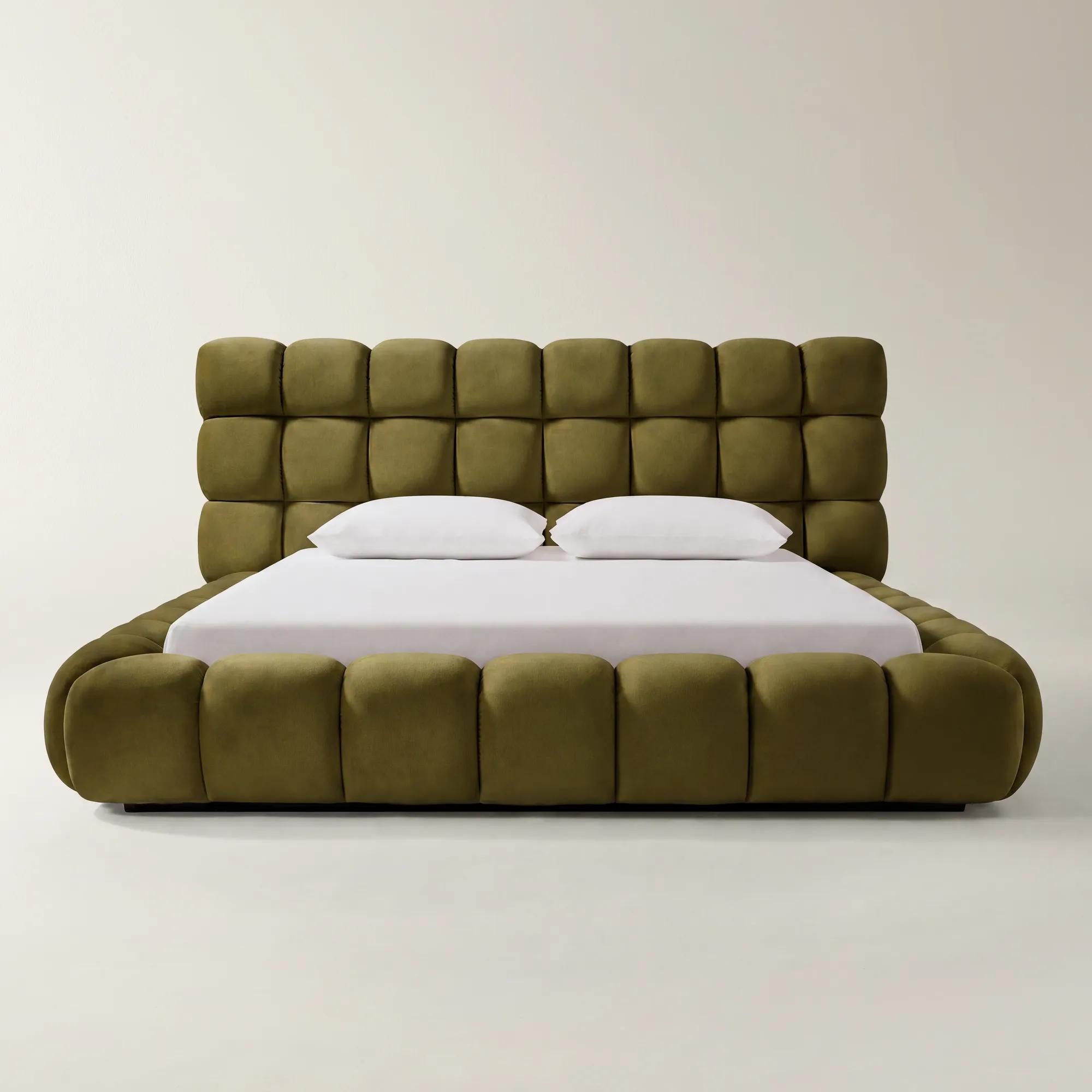
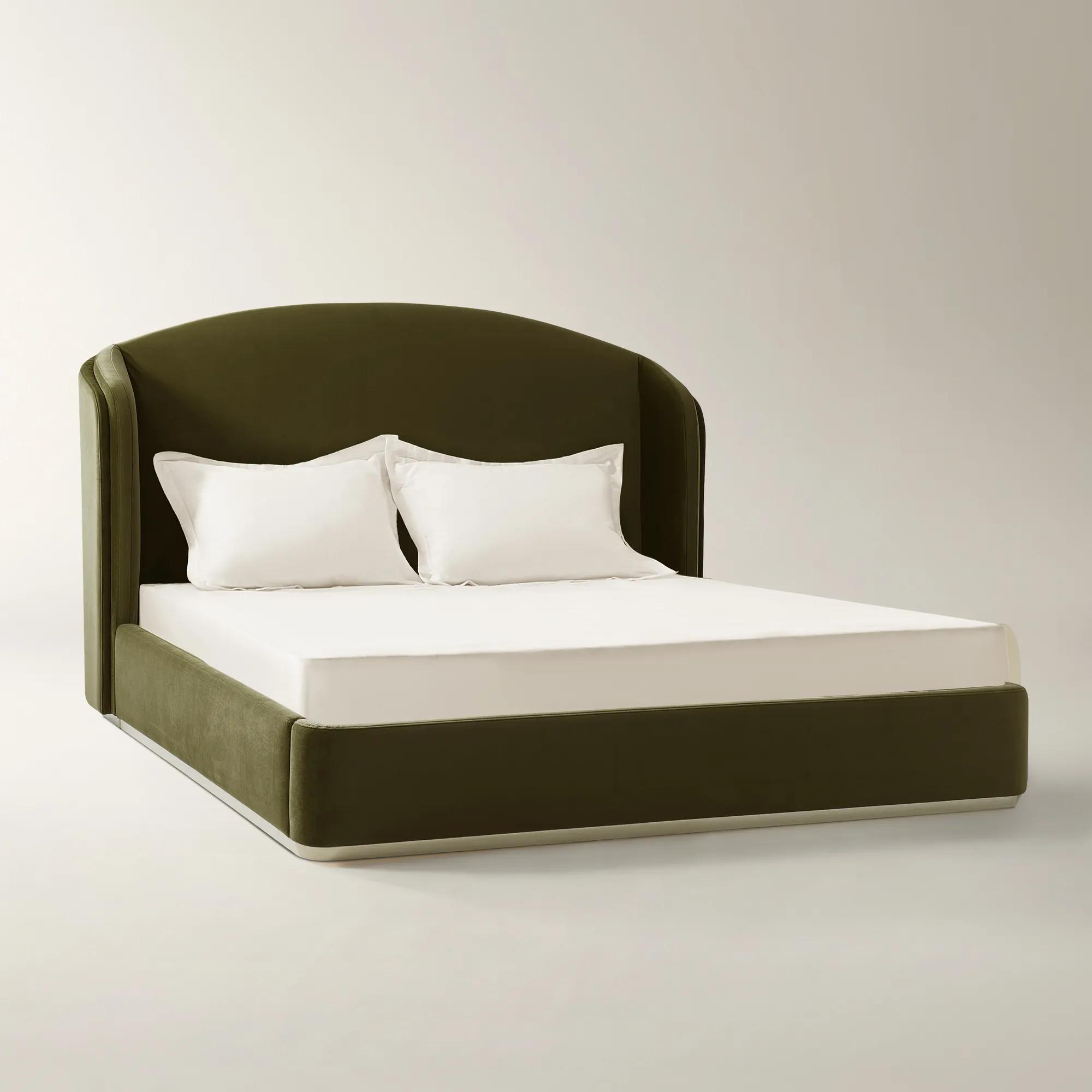 Glimmer Deep Olive Velvet Upholstered King Platform Bed$2299
A deep olive velvet platform bed featuring a sculpted headboard and gold-toned metallic base for modern elegance.
Add To Cart -
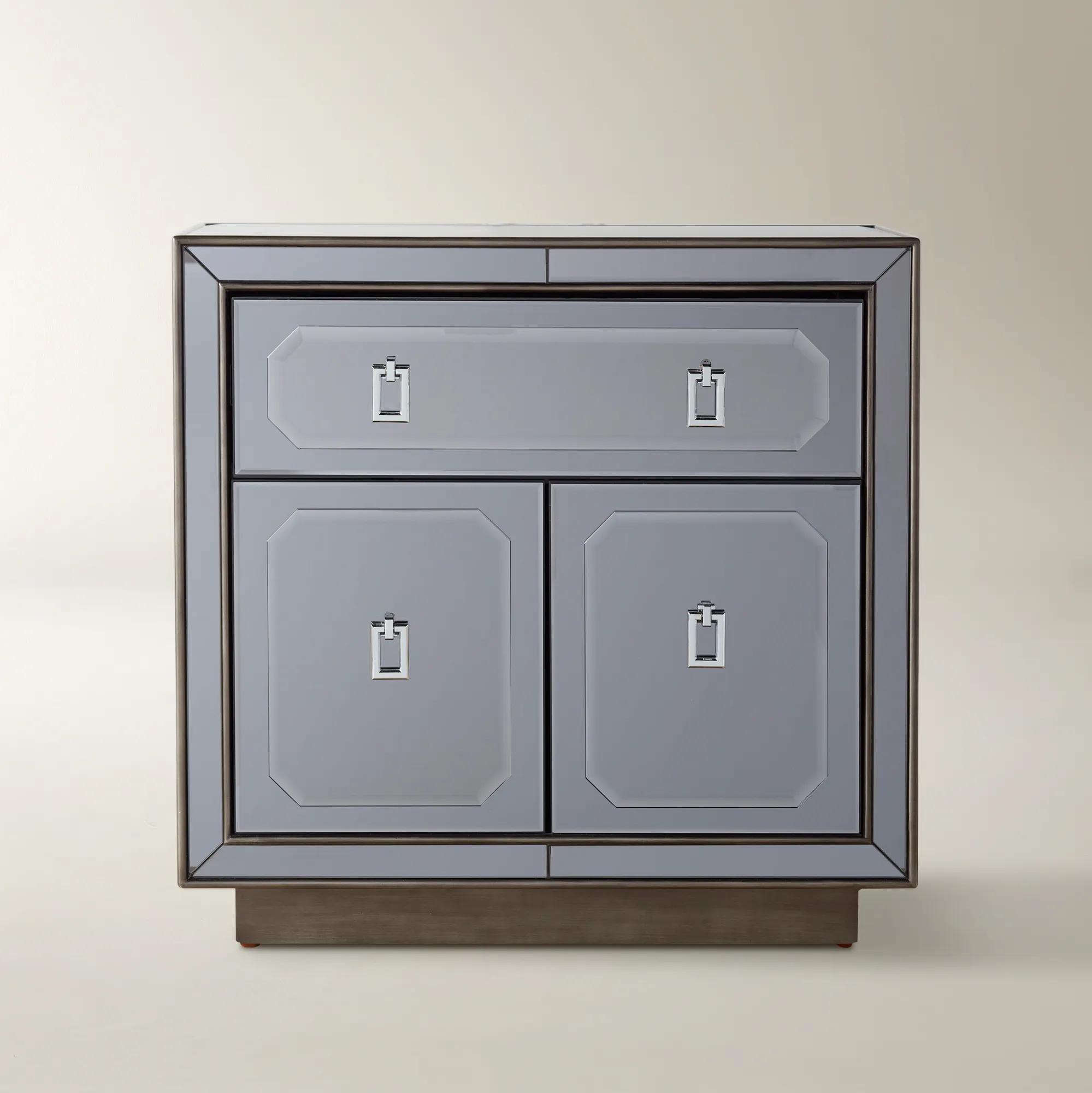
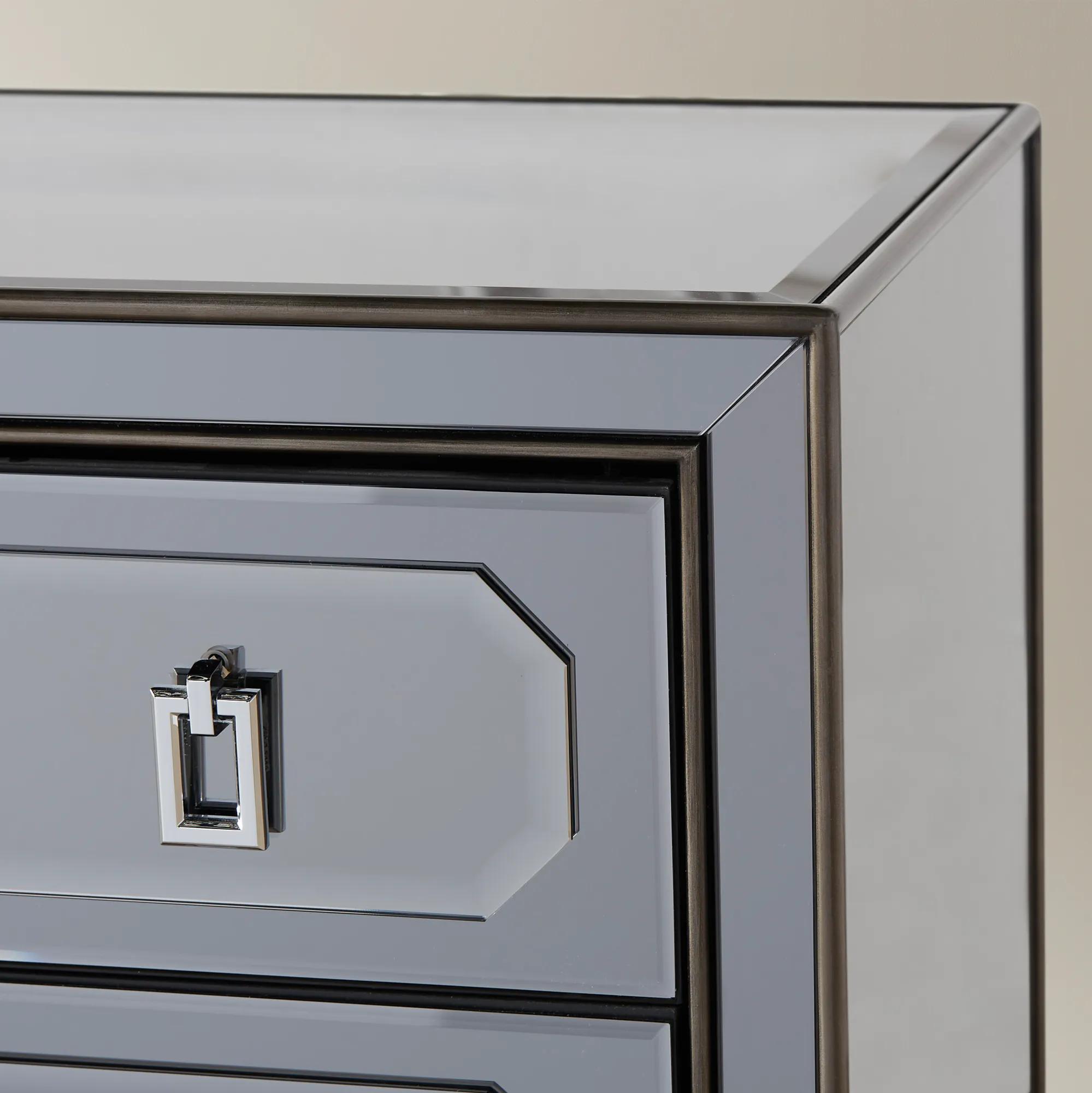 Maddox Mirrored Grey 1-Drawer Nightstand (30")$1099
A modern nightstand featuring beveled mirror paneling, graphite finish, and polished nickel hardware for a luxe touch.
Add To Cart -
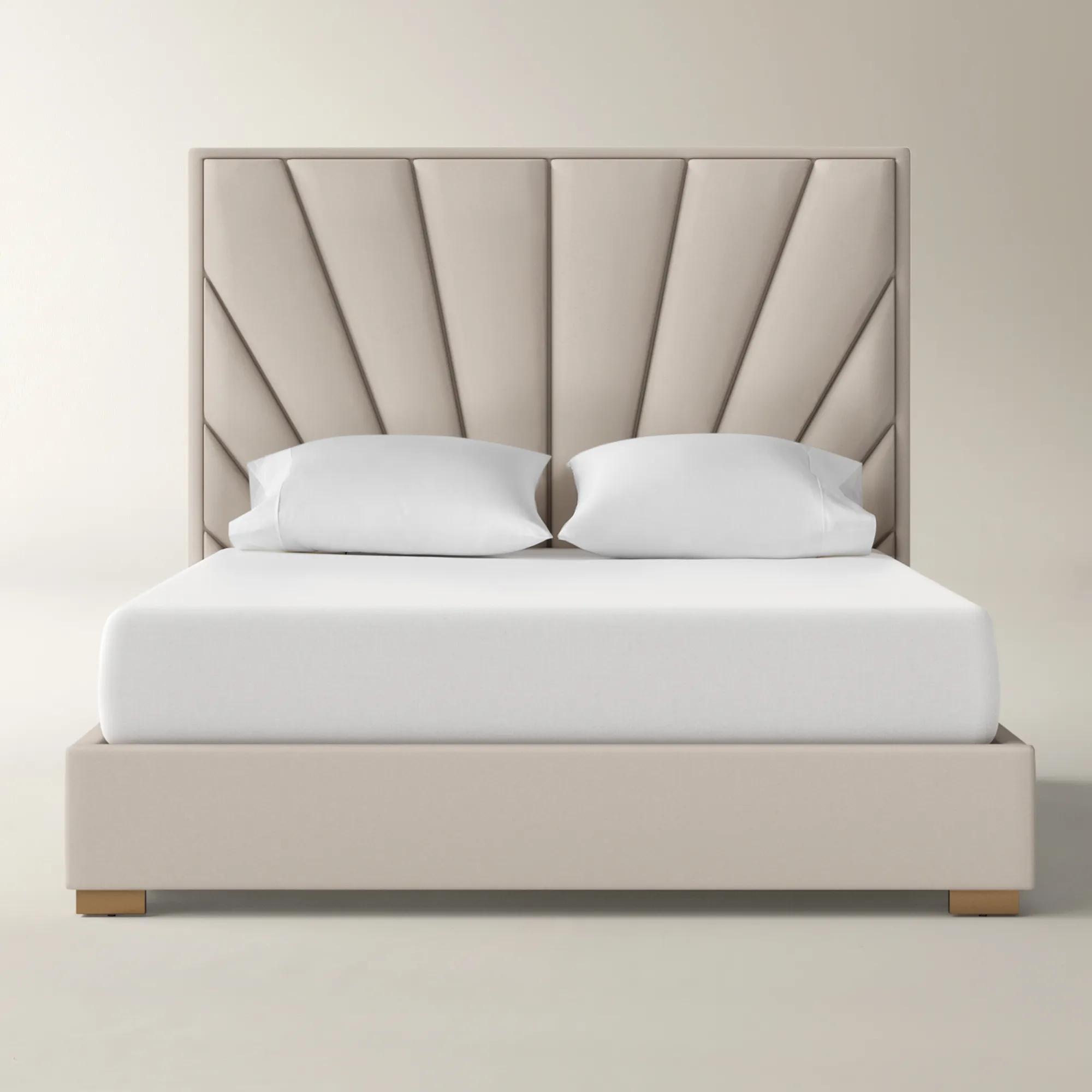 Adriana Platform Bed - 68"H$2899
A hand-crafted platform bed featuring a fan-patterned, upholstered headboard in plush velvet or chenille fabric.
Add To Cart -
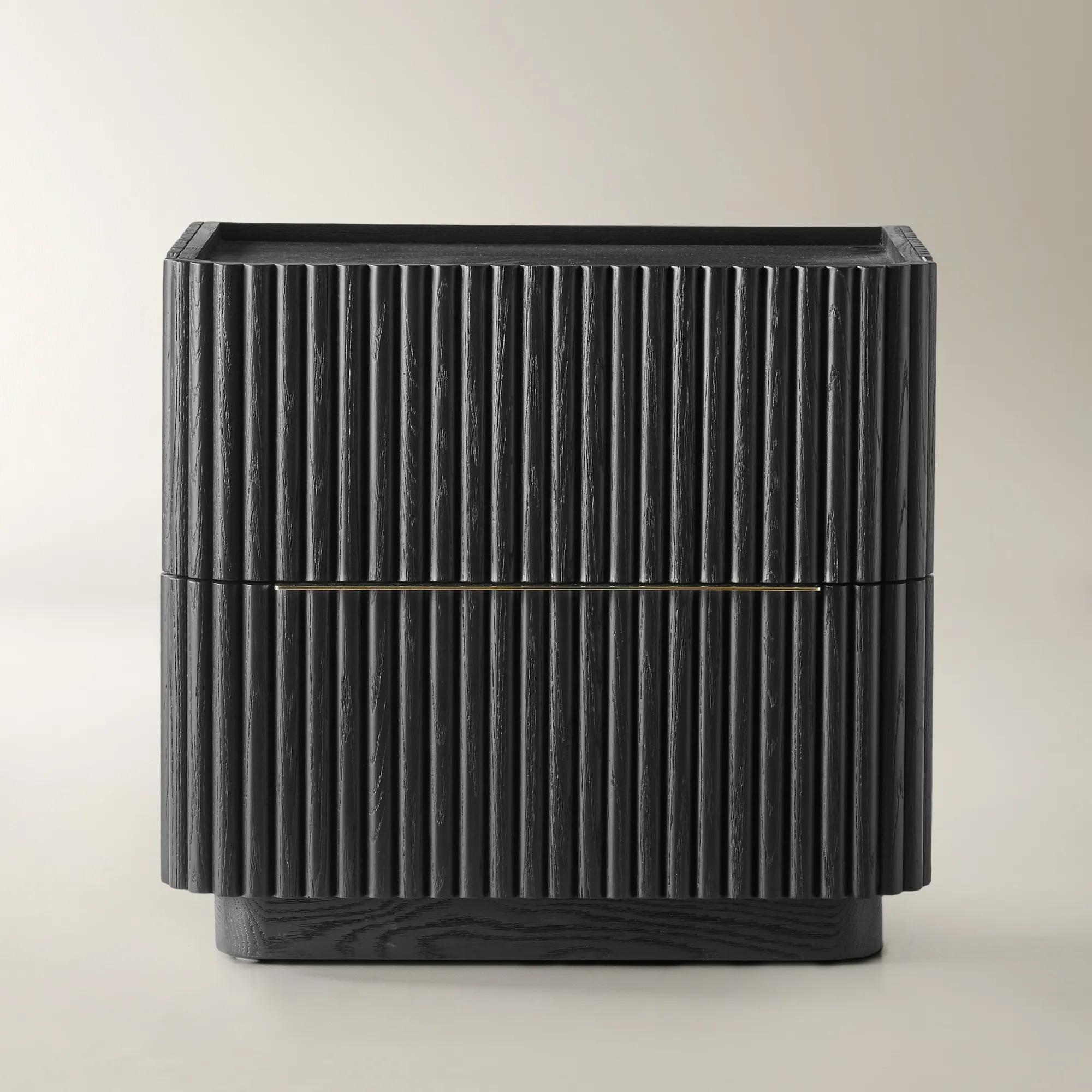 Stria Reeded Black Oak 2-Drawer Nightstand (26")$999
A black oak nightstand featuring vertical reeded texture, soft gold accents, and soft-close velvet-lined drawers.
Add To Cart -
Glimmer Cloud Velvet Upholstered Queen Platform Bed$2099
A sculptural queen platform bed hand-upholstered in soft cloud velvet with a gold-toned metallic base.
Add To Cart -
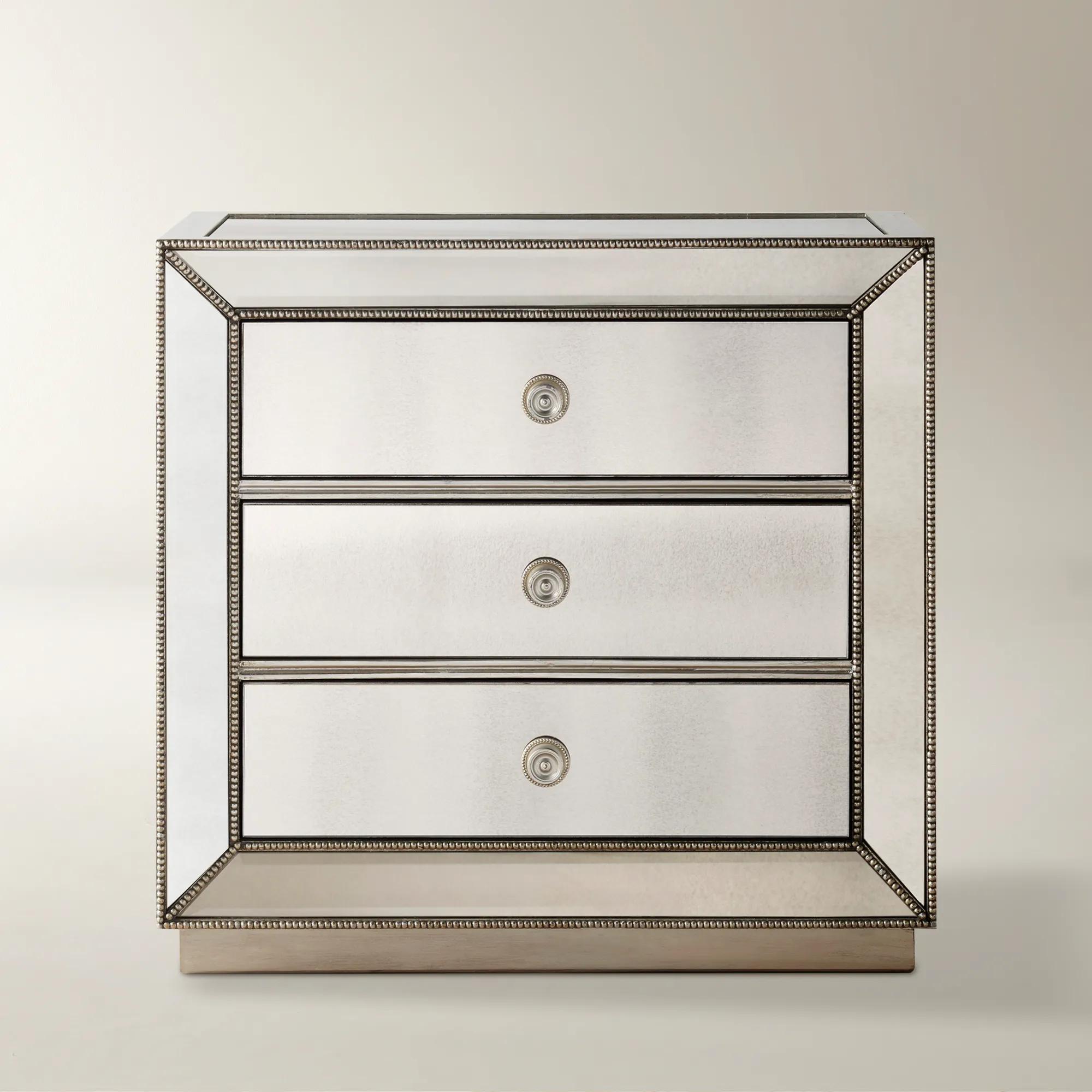
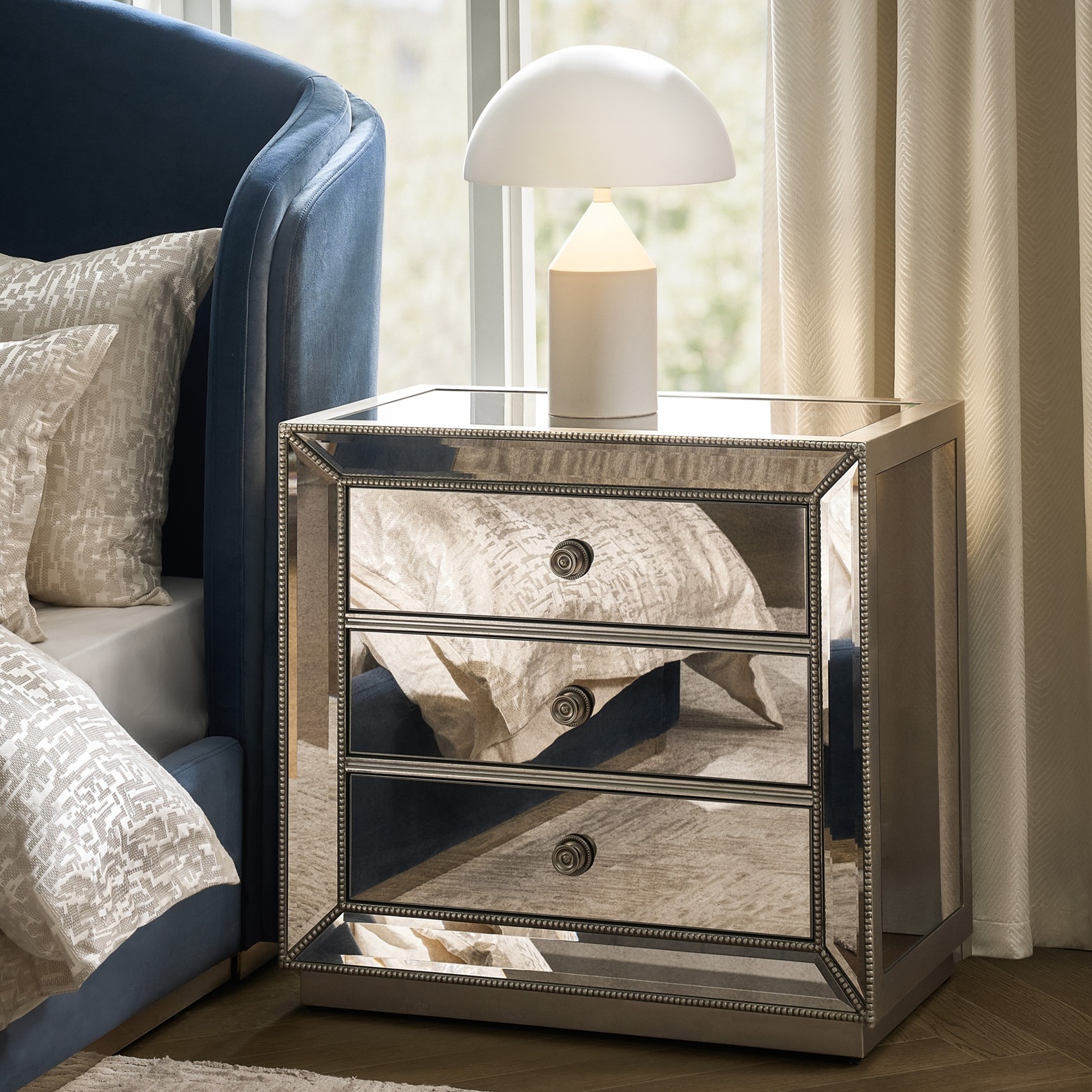 Omni Mirrored Silver 3-Drawer Nightstand (32")$1299
A glamorous chest featuring antiqued mirrored panels, hand-applied silver-leaf finish, and beaded trim.
Add To Cart -
 Glimmer Set of 3 Bedroom$3197
A coordinated bedroom set featuring a bed and two nightstands in elegant ivory or grey finishes.
Add To Cart -
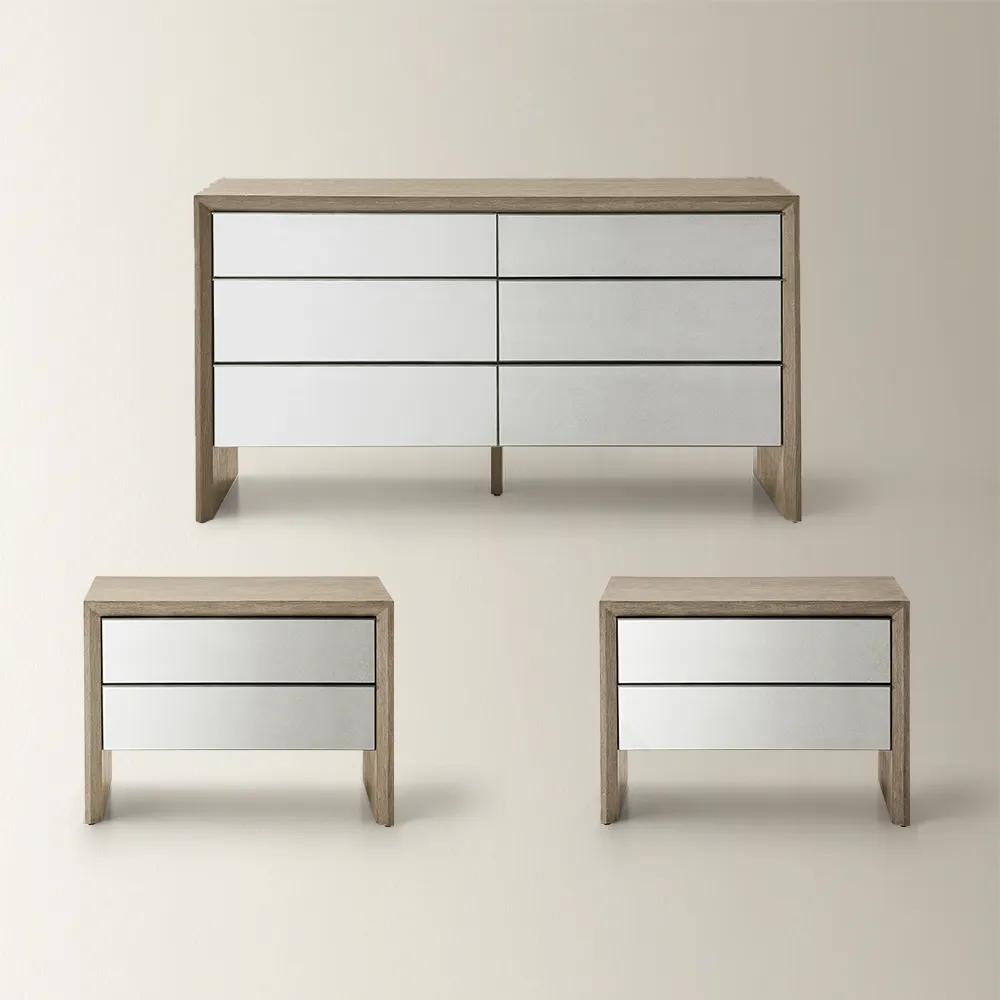 Glimmer Set of 3 Bedroom$3697
A coordinated bedroom furniture set featuring one dresser and two nightstands for a polished, cohesive space.
Add To Cart -
Glimmer Deep Olive Velvet Upholstered Queen Platform Bed$2099
A deep olive velvet platform bed featuring a sculpted headboard and gold-toned metallic base for modern elegance.
Add To Cart -
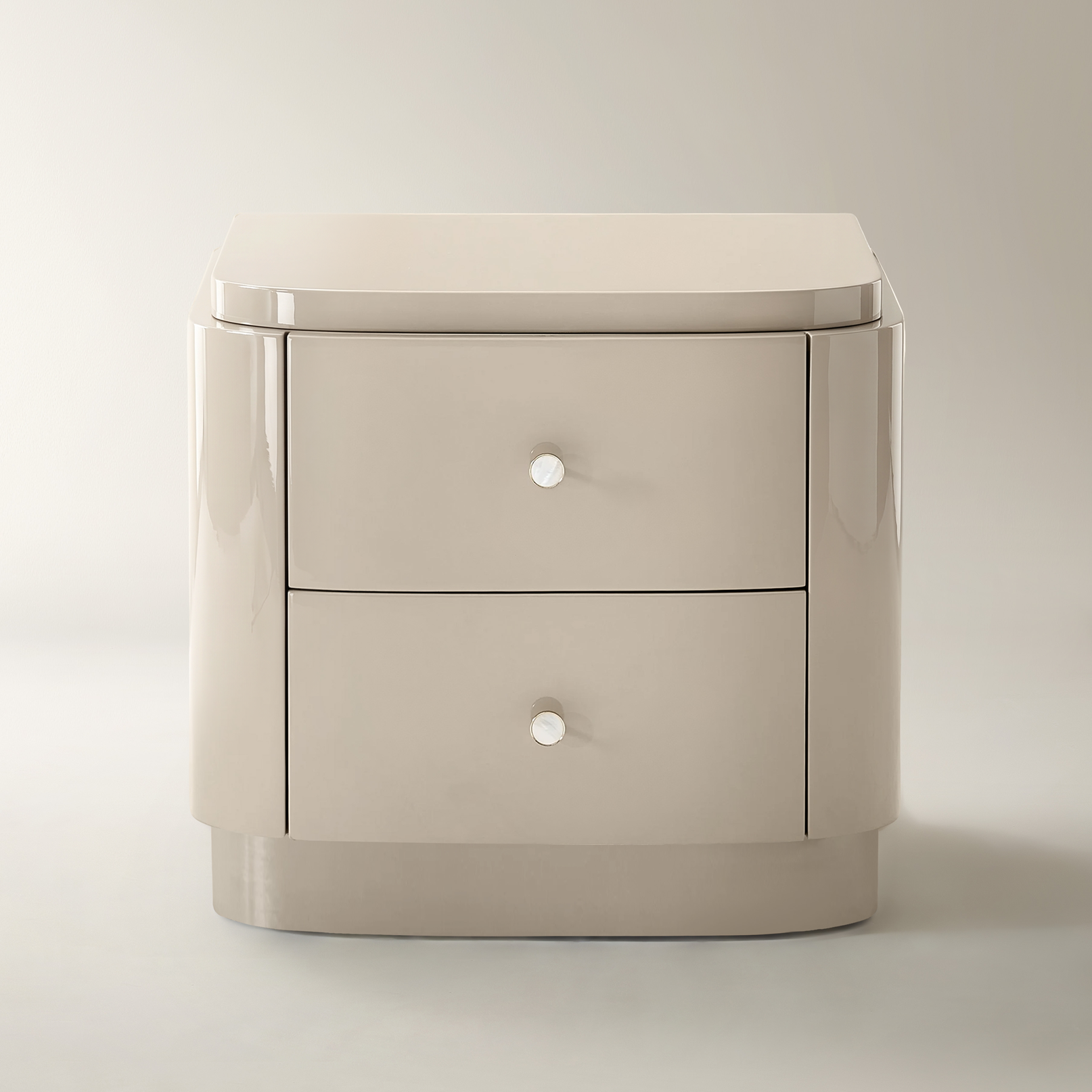
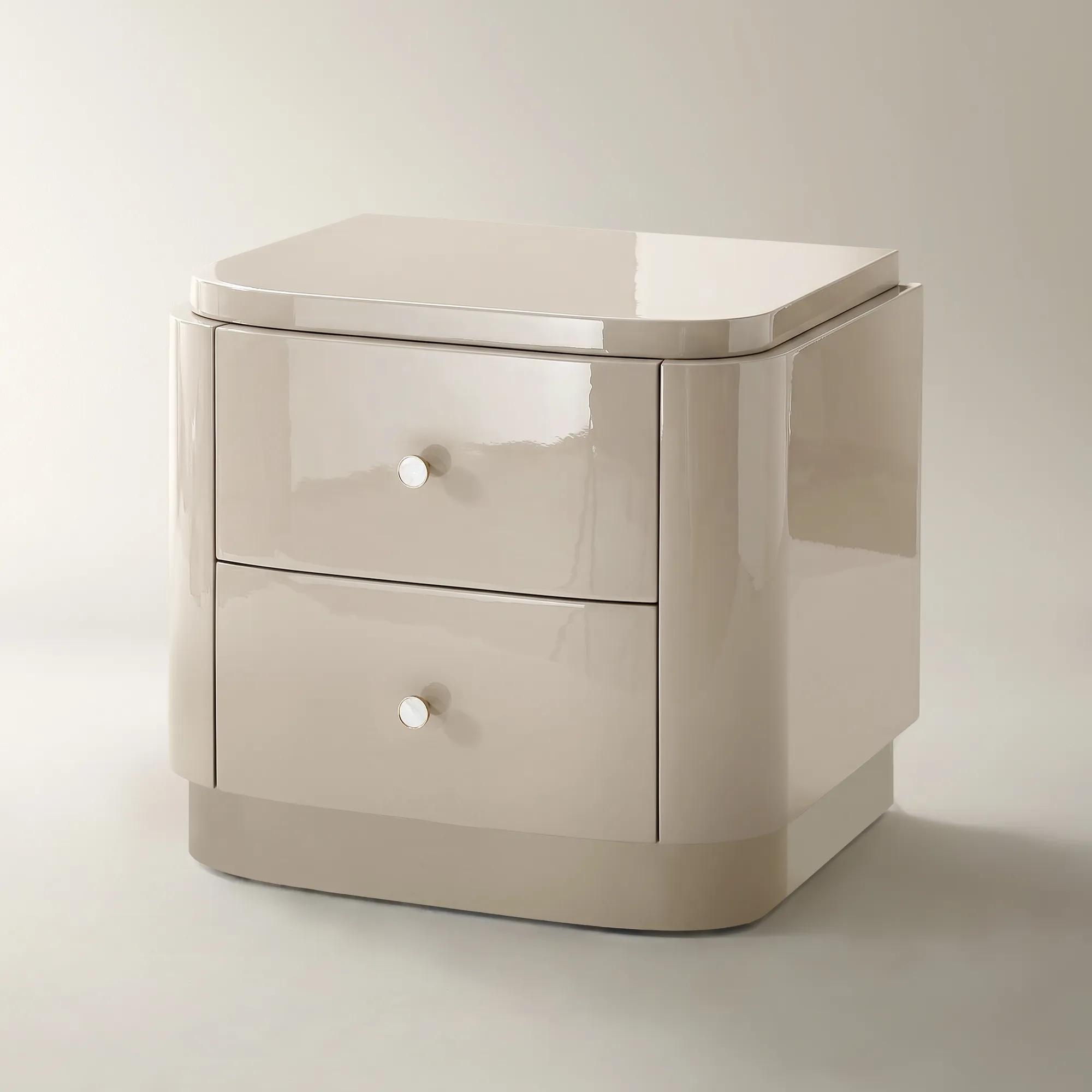 Nia Lacquered Turtle Dove 2-Drawer Nightstand (26")$599
A softly sculpted nightstand in turtle dove lacquer with pearlescent handles and two soft-close drawers.
Add To Cart -
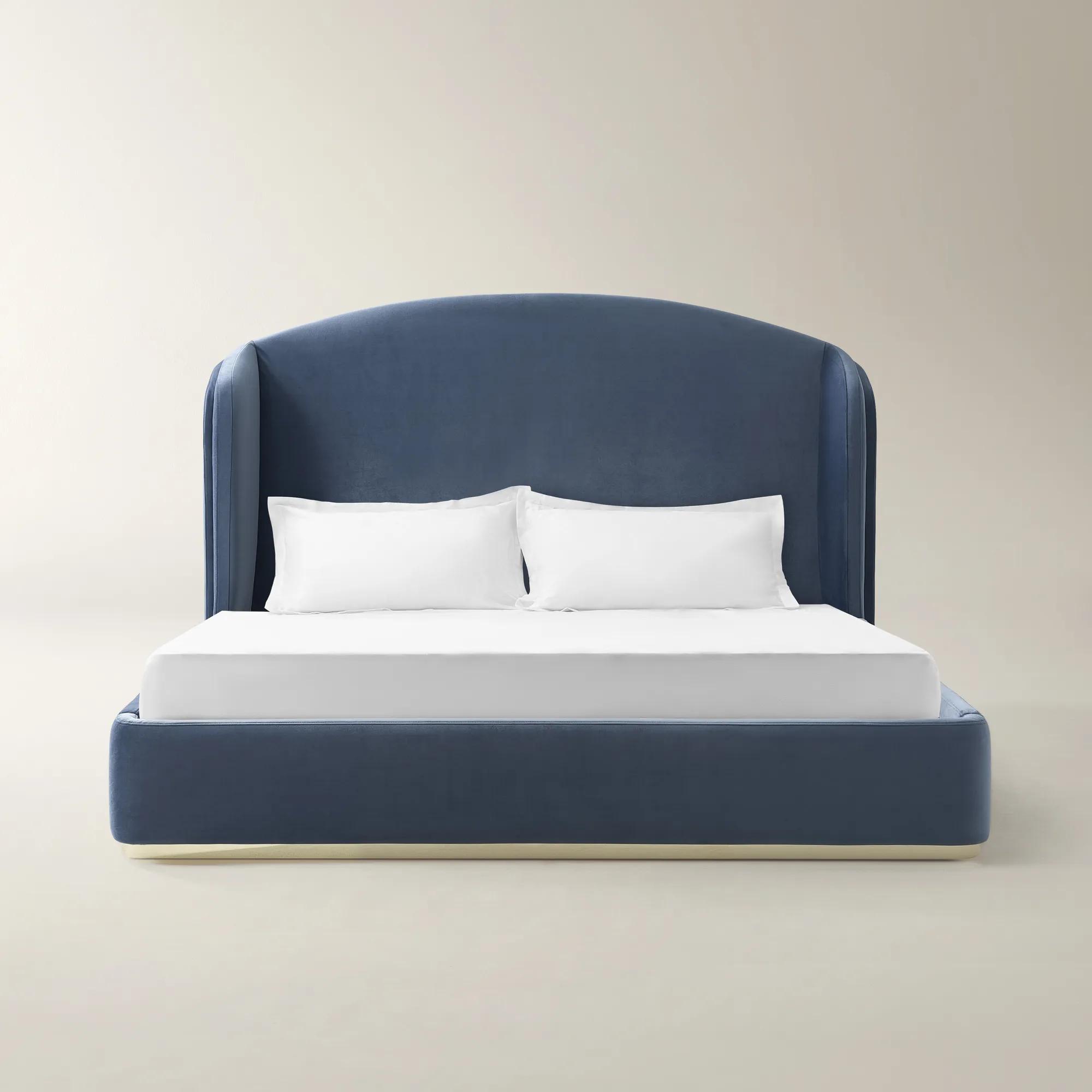
 Glimmer Dusty Blue Velvet Upholstered King Platform Bed$2299
A sculpted double-layer headboard and gold-finished base elevate this hand-upholstered dusty blue velvet bed.
Add To Cart -
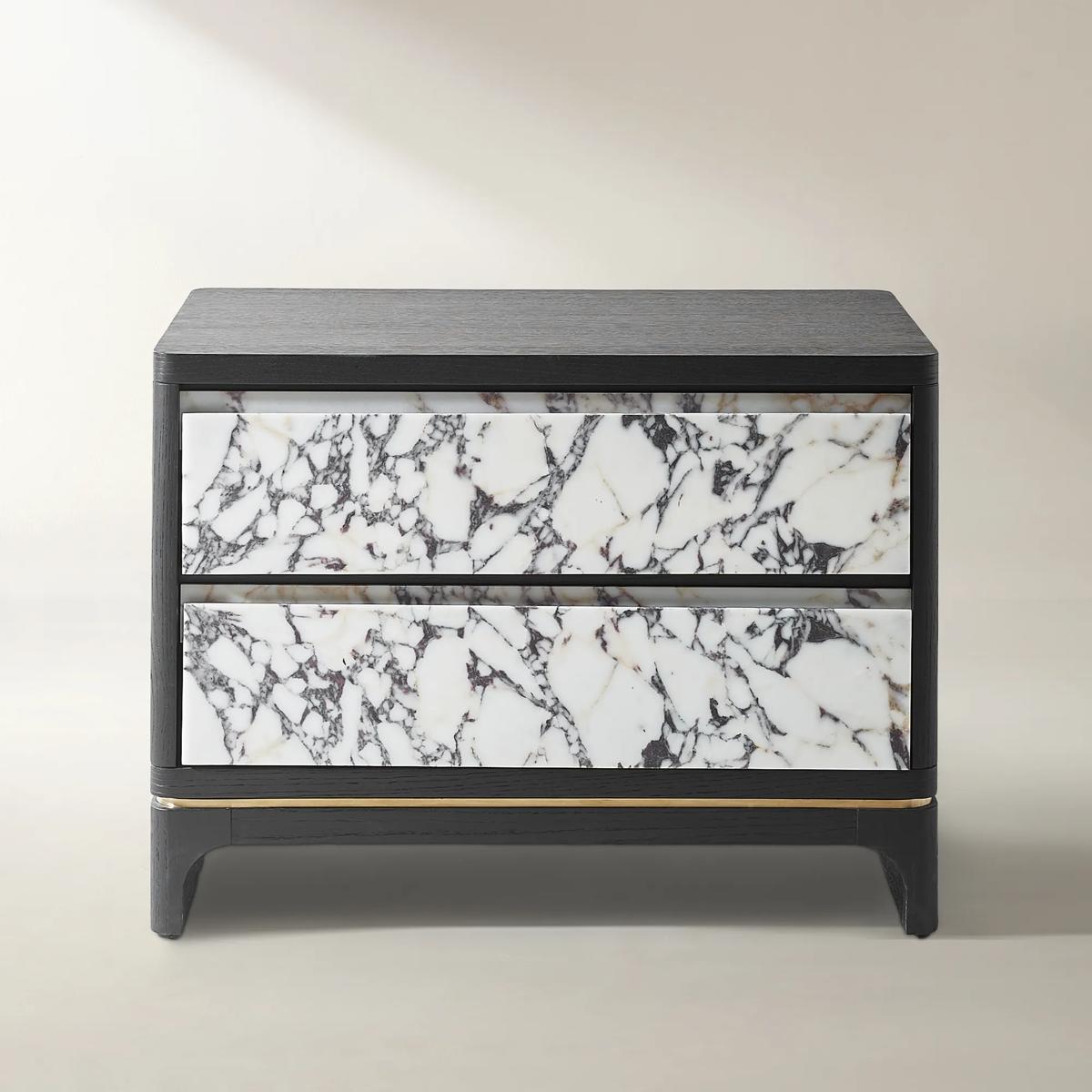 Vanta Black Oak And Calacatta Marble 2-Drawer Nightstand (32")$1099
A striking nightstand featuring genuine Calacatta Viola marble fronts and matte black oak veneer for bold elegance.
Add To Cart

Furniture For Chic Bedrooms
Furniture For Chic Bedrooms transforms the ordinary into the extraordinary, turning every sleep space into a symphony of style and sophistication. Here, daring silhouettes and sumptuous textures invite you to indulge in the art of self-expression, layering drama and elegance with every piece. Imagine a sanctuary where glamour reigns—where sculptural forms, gleaming finishes, and thoughtfully curated accents create an atmosphere as captivating as it is restful. Elevate your retreat with furniture that celebrates bold design choices, making your bedroom not just a place to rest, but a canvas for your most inspired dreams.
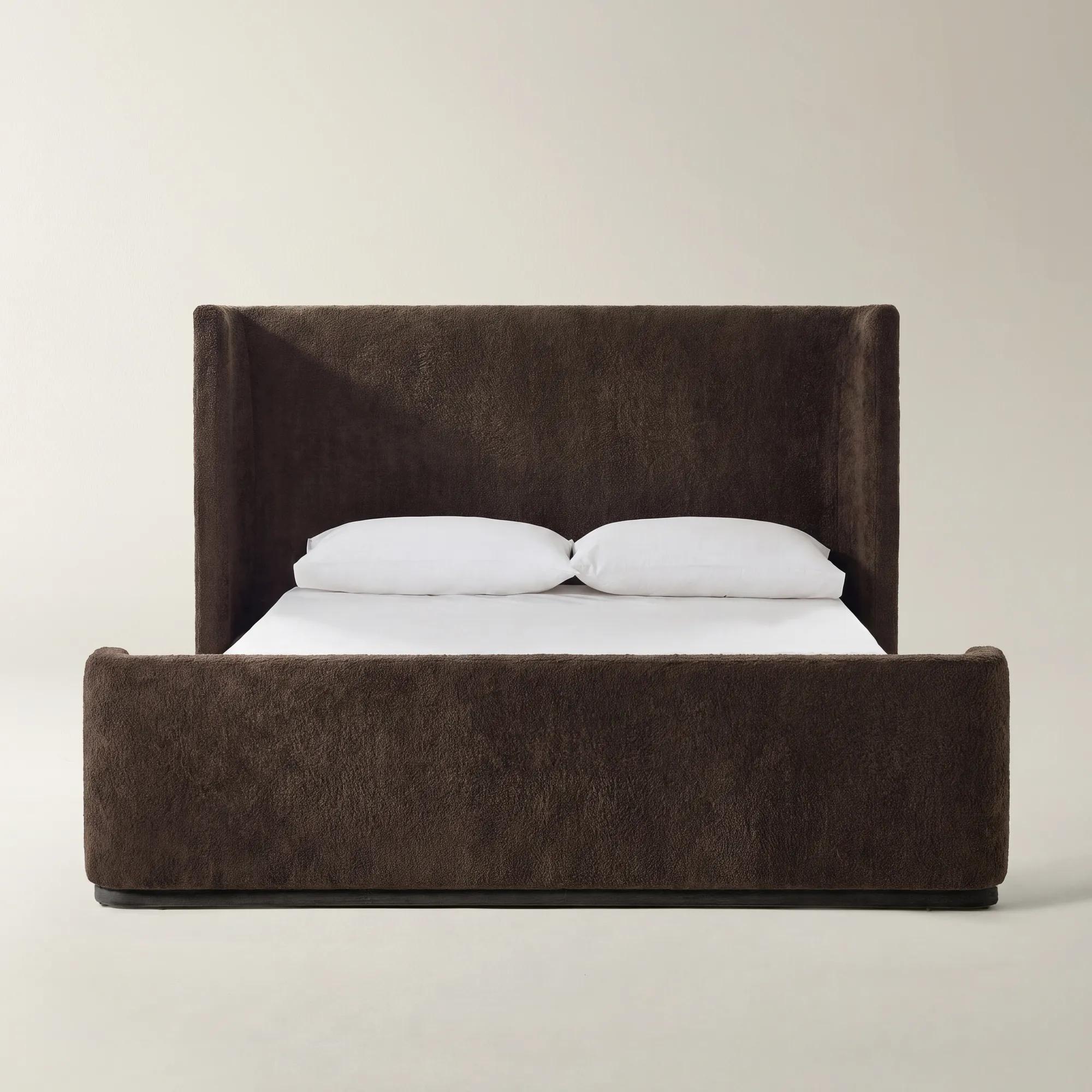
Furniture for chic bedrooms gives a private retreat its own expressive identity, combining a commanding bed, thoughtfully proportioned storage, and tactile finishes that make the room feel composed rather than simply furnished. An upholstered bed creates an inviting focal point, whether its headboard rises in sculptural wings, reveals tailored channel stitching, or introduces the depth of button tufting. Velvet lends a rich, light-catching surface; linen and linen-look upholstery bring a more textural, tailored character. Against either backdrop, wood, metal, and mirrored accents establish contrast without competing for attention. A pale upholstered bed beside dark wood nightstands feels crisp and deliberate, while a deeper fabric paired with gleaming metal introduces a more dramatic mood. Chic bedroom furniture does not require every piece to share the same finish. Coordination can come from repeated shapes, complementary undertones, or a consistent level of visual detail: curved bedside tables can echo an arched headboard, and slender metal legs can connect a dresser to an upholstered bench. Matching furniture can also feel sophisticated when varied textures keep the arrangement from becoming overly uniform. The visual language of furniture for designer bedrooms belongs naturally in this setting, with distinctive silhouettes and considered proportions giving everyday furnishings a stronger presence. Color provides another point of connection. Ivory, charcoal, taupe, and warm wood tones form an elegant foundation, while jewel-toned upholstery or a lustrous finish adds a concentrated moment of drama. In a primary bedroom, these pieces support both restful evenings and the rituals of getting dressed; in a guest bedroom, they create a welcoming sense of occasion without sacrificing useful storage. Even a compact apartment bedroom can carry this aesthetic through a beautifully shaped headboard and a pair of narrow nightstands. The distinction comes from how the pieces relate to one another, not how many occupy the room. A generous bed feels more intentional when the surrounding furniture leaves its silhouette visible, and a sculptural dresser earns its place when it contributes both character and everyday function.
Scale and fit give bedroom furniture the ease that makes a luxurious setting enjoyable to live in. Bed dimensions include more than mattress size: upholstered rails, projecting wings, and substantial footboards can increase the overall footprint considerably. The right fit accounts for those outer measurements, the room’s walking paths, and the space needed to open doors and drawers. Mattress compatibility matters just as much, since platform construction, foundation requirements, and adjustable-base compatibility vary by frame. A tall headboard makes a striking architectural statement, but its relationship to windows, ceiling height, and wall-mounted artwork determines whether that statement feels balanced. Nightstands work most comfortably when their tops sit near the mattress surface, keeping a reading lamp, water glass, or phone within easy reach. Their width should suit both the bed and the available wall space; generous bedside chests can anchor a spacious room, while narrower designs preserve breathing room beside a larger mattress. Storage deserves the same attention to proportion. A broad dresser offers room for folded clothing and a surface for a restrained decorative arrangement, whereas a taller chest brings storage upward when floor space is limited. Drawer interiors, rather than exterior dimensions alone, indicate how well a piece will accommodate sweaters, sleepwear, or accessories. Smooth drawer operation, sturdy hardware, stable construction, and well-finished edges contribute to everyday durability, especially in furniture used morning and evening. An upholstered bench at the foot of the bed introduces another layer of texture and provides a place to sit while dressing, provided its intended use and weight capacity suit that role. In a bedroom that also serves as a dressing space, a compact vanity or writing desk can give jewelry, grooming essentials, or correspondence a dedicated home. Delivery access is part of fit, too: doorways, stair turns, elevators, and assembly requirements affect whether a substantial piece can reach its intended room. Dressers and chests should be secured with the recommended anti-tip hardware according to the manufacturer’s instructions. These practical details preserve the room’s visual elegance by allowing its furniture to function comfortably, without crowded corners or awkward daily workarounds.
Materials give chic bedroom furniture its sensory appeal, and understanding their character helps preserve that appeal over time. Velvet upholstery offers a sumptuous surface whose color can appear lighter or darker as the pile changes direction; those variations are part of its distinctive depth. Woven fabrics create a different effect, with visible texture softening a bold frame and making tailored forms feel more inviting. For frequently touched headboards or benches used every day, upholstery specifications, abrasion information when provided, and cleaning guidance are more useful indicators of suitability than appearance alone. A performance designation can signal particular fabric properties, but it does not mean every spill can be treated the same way. Wood introduces grain and tonal variation, while wood veneers can provide a decorative surface over a supporting core; solid wood, veneer, and engineered wood each depend on sound construction and an appropriate finish for lasting use. Mirrored fronts reflect light and surrounding colors, bringing visual depth to bedside storage or a dresser, while metal accents lend a crisp outline or a gleaming counterpoint to soft upholstery. These surfaces also have distinct care needs. Gentle vacuuming with an appropriate upholstery attachment can help remove dust from fabric, and spills should be addressed promptly according to the specified cleaning method. Wood benefits from a soft cloth and protection against standing moisture, excessive heat, and abrasive cleaners. Mirrored surfaces call for suitable cleaning products and careful application that keeps excess liquid away from edges and adjoining materials. Metal finishes should be maintained as directed rather than treated with a universal polish, which may damage a coating. Care is most effective when it reflects the actual material and finish, not a general assumption about how furniture should be cleaned. For a bedroom shared by two people, separate bedside storage can accommodate different routines while preserving a unified composition. For an occasional guest, an accessible drawer and a clear bedside surface can feel more welcoming than an elaborate arrangement with little usable space. The most enduring expression of chic is furniture that supports these lived-in details while retaining its visual power: a headboard with sculptural presence, storage with satisfying proportions, and surfaces that reward a closer look. Together, they give the bedroom an atmosphere that feels personal, polished, and richly layered.
FAQs
Chic bedroom furniture is characterized by sophisticated silhouettes, luxurious materials, and a harmonious balance between form and function. Look for pieces with sculptural lines, rich textures like velvet or bouclé, and refined finishes such as lacquer, mirrored glass, or polished wood. The effect is a bedroom that feels thoughtfully curated, visually captivating, and undeniably inviting.
To achieve a layered, luxurious look, start with foundational pieces—such as a statement bed and coordinated nightstands—then build depth with tactile accents. Incorporate plush rugs, textured throws, and an array of pillows in complementary tones. Mix materials like linen, velvet, and wood, and use lighting to create ambiance, from sculptural table lamps to a dramatic chandelier. The result is a space that feels both sumptuous and deeply personal.
Essential furniture pieces for a chic bedroom include a striking bed frame, functional yet elegant nightstands, and a dresser or wardrobe that offers both storage and style. Consider adding a bench or accent chair to introduce additional seating and visual interest. Each element should contribute to a cohesive, elevated atmosphere while serving a practical purpose.
Neutral palettes—such as soft whites, creams, grays, and muted earth tones—create a serene and timeless foundation for a chic bedroom. Layer in depth with tone-on-tone variations, and introduce subtle metallics or mirrored surfaces for a touch of glamour. These shades allow textures and sculptural forms to take center stage, resulting in a space that feels both tranquil and visually engaging.
Personalize your chic bedroom by incorporating unique art, statement mirrors, or decorative objects that reflect your individual style. Select furniture with distinctive details, such as an upholstered headboard or a dresser with sculptural hardware. Thoughtful layering of textiles and curated accessories will infuse the space with character while preserving its polished, cohesive appeal.