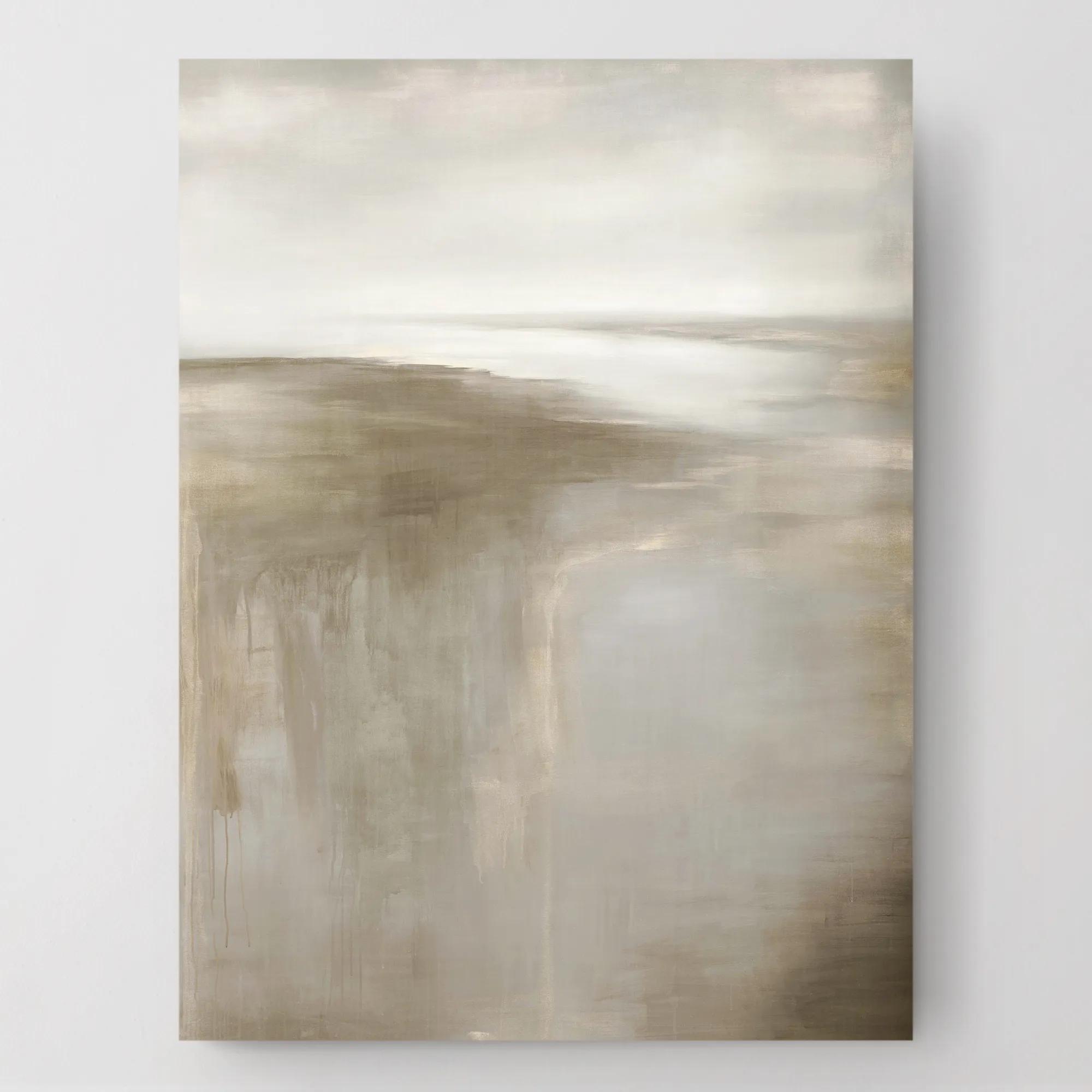
Fine Art Silver Frame Arts
Fine Art Silver Frame Arts
-
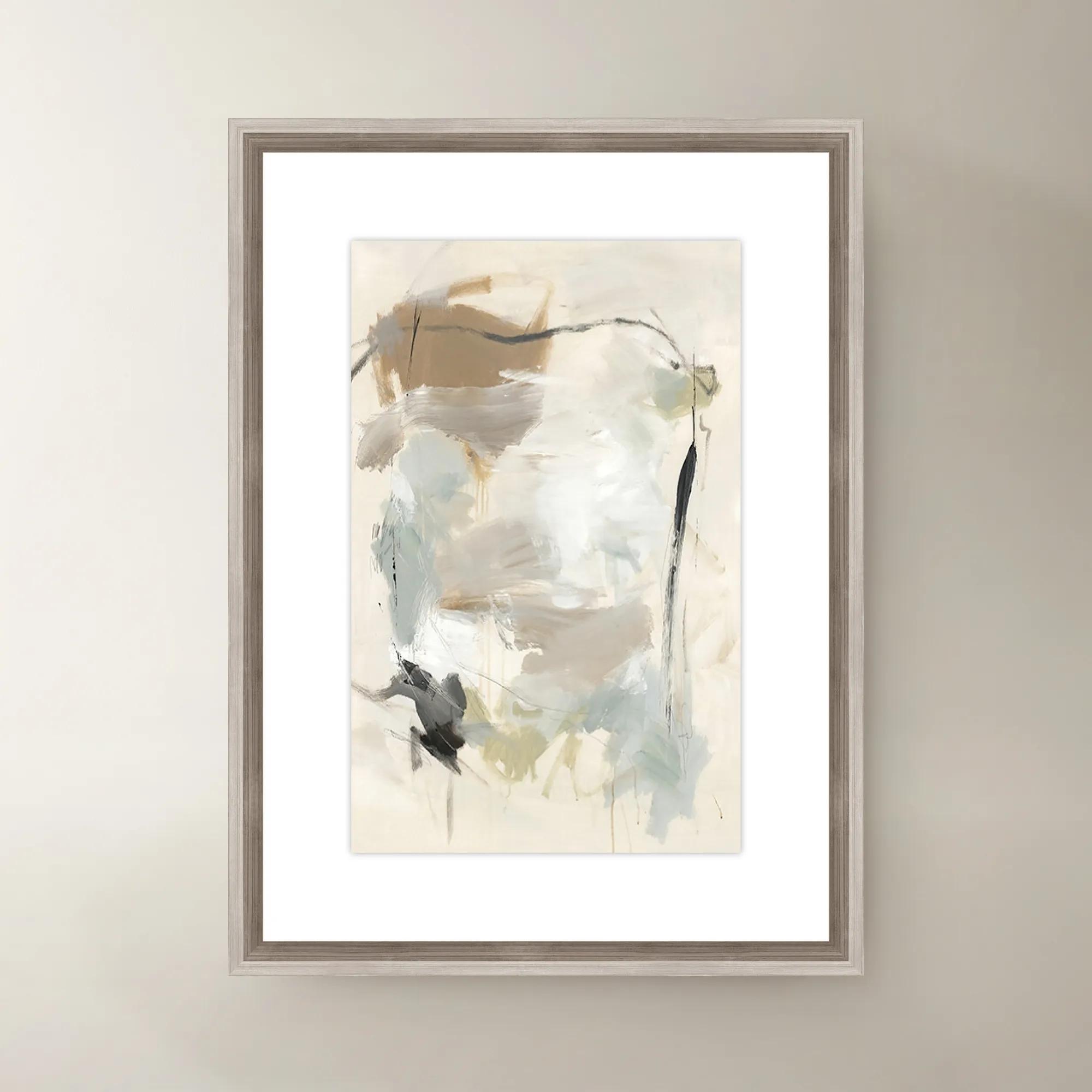
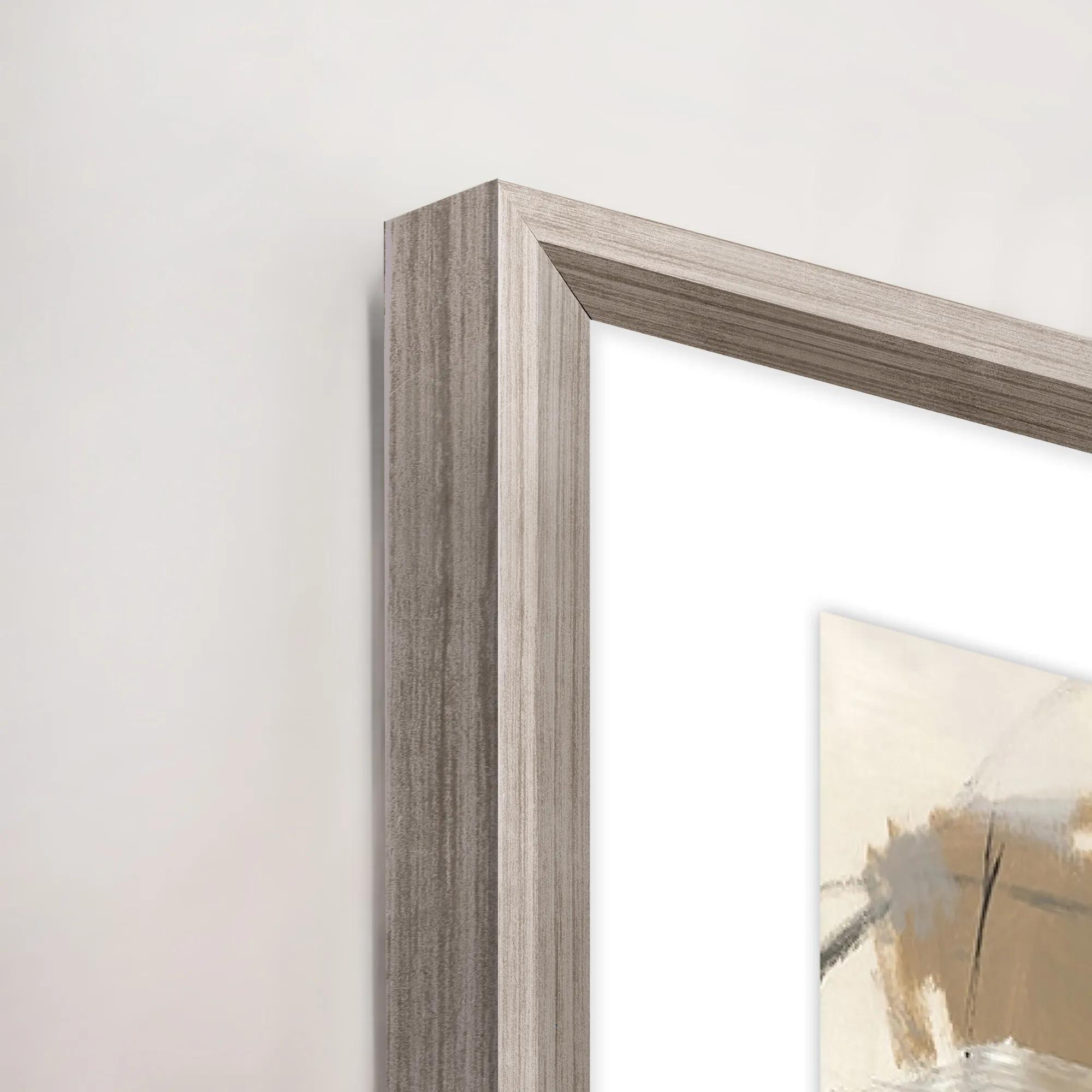 French Bakery I Framed Wall Art 20" x 30"$419
A multi-colored canvas wall artwork in a framed presentation, inspired by a charming French bakery.
Add To Cart -
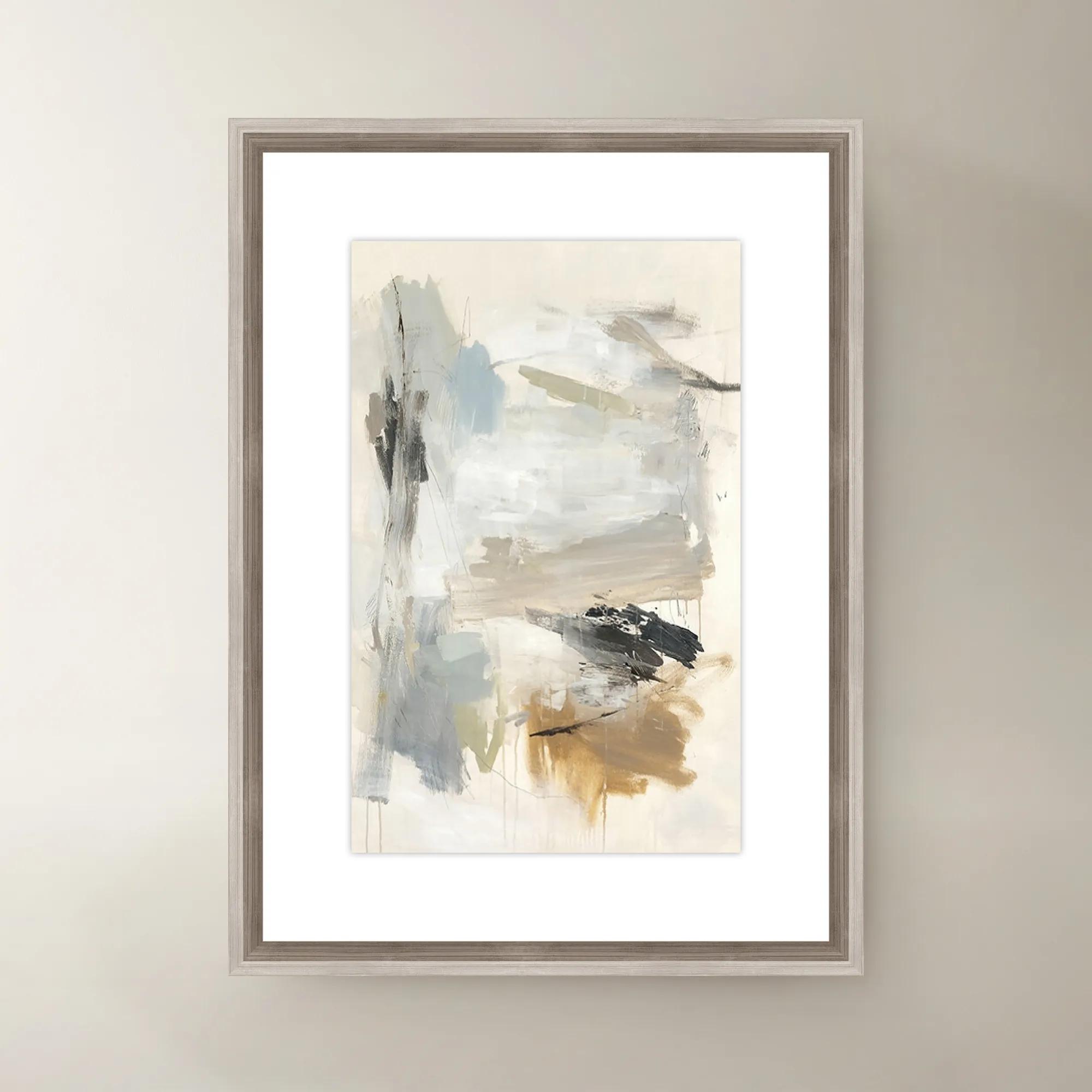
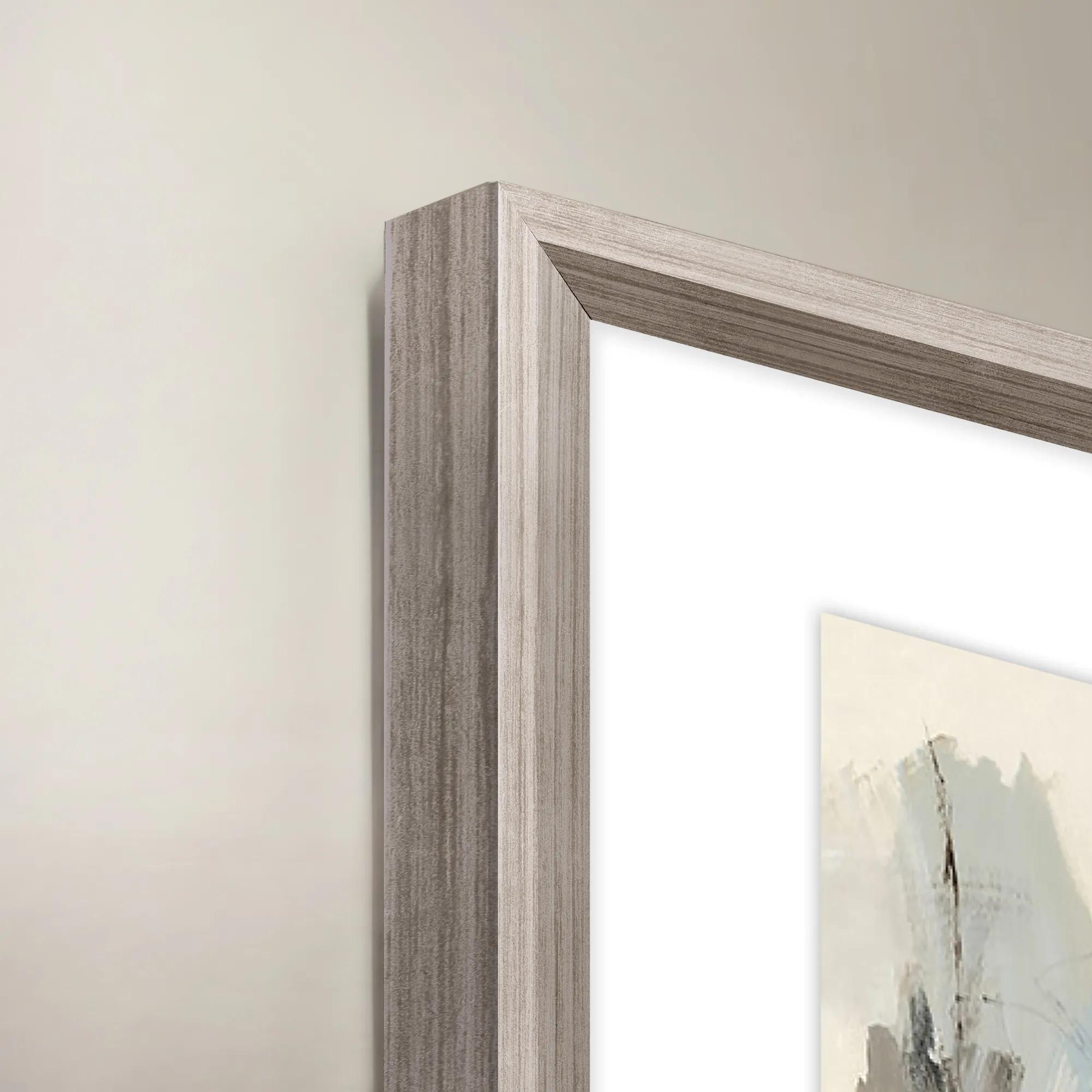 French Bakery II Framed Wall Art 20" x 30"$419
A colorful canvas wall art piece featuring a charming French bakery scene in a decorative frame.
Add To Cart -
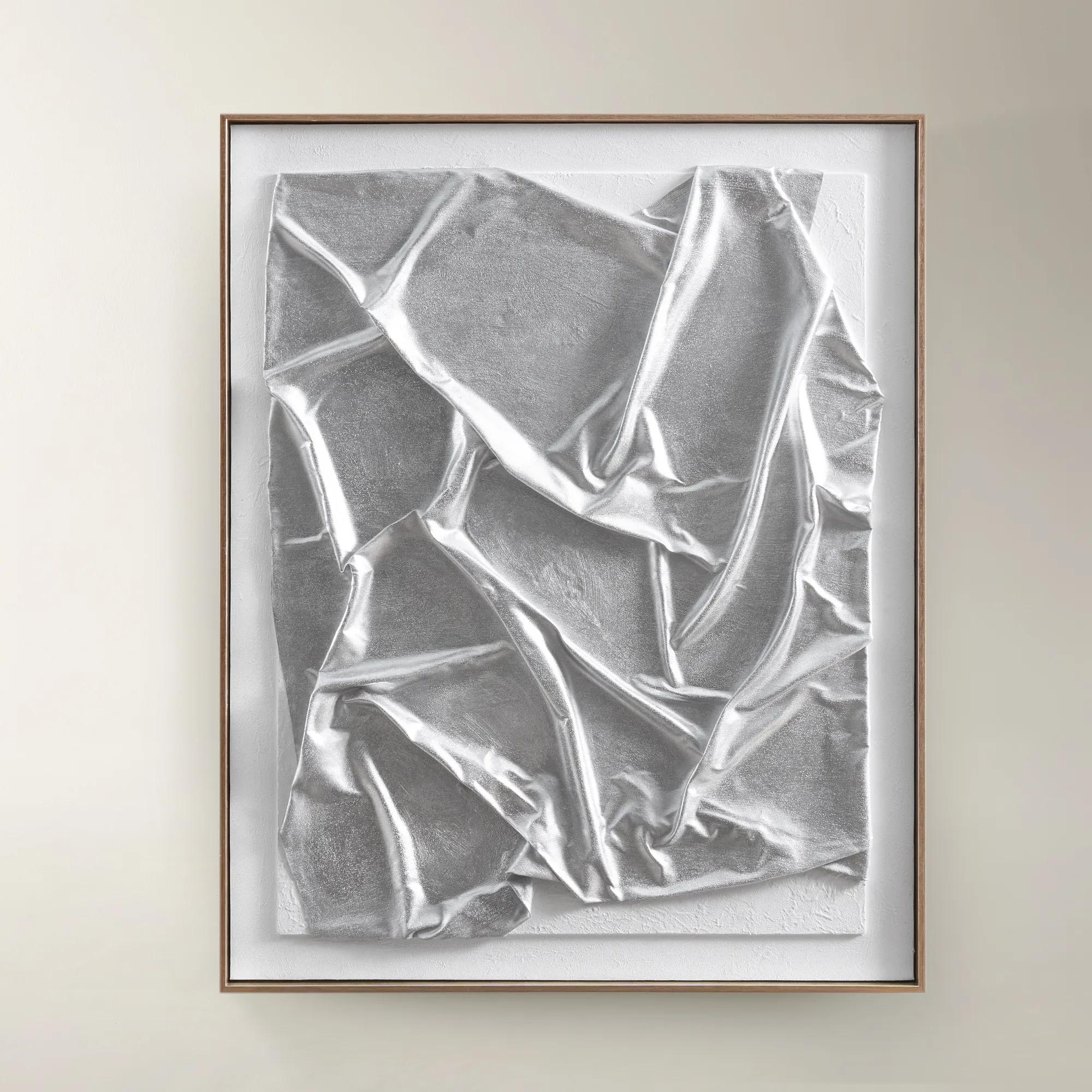
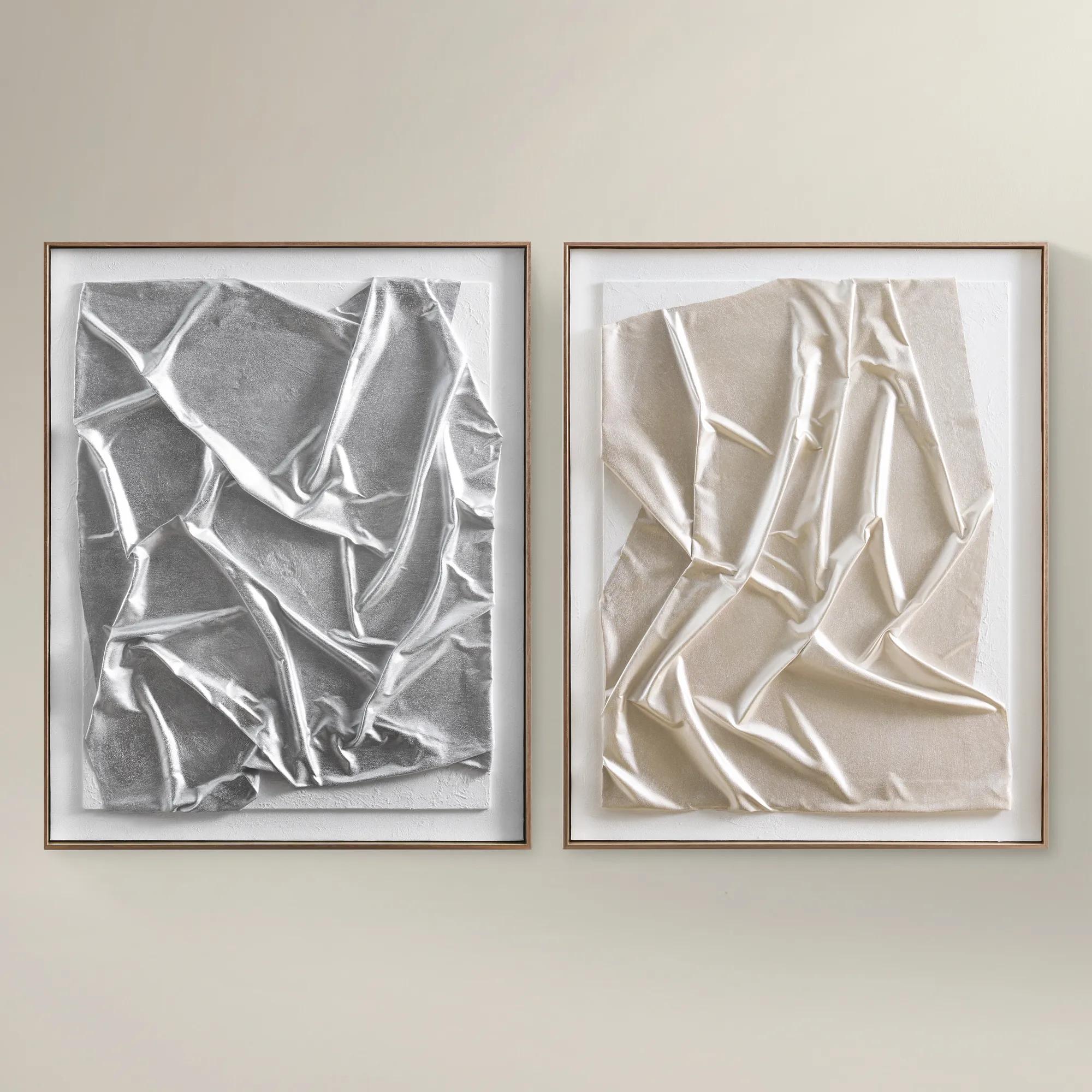 In the Mood Framed Painted Wall Art 31.5" x 39.5"$199
A hand-painted abstract canvas in shimmering silver tones, set in a warm champagne floater frame.
Add To Cart -

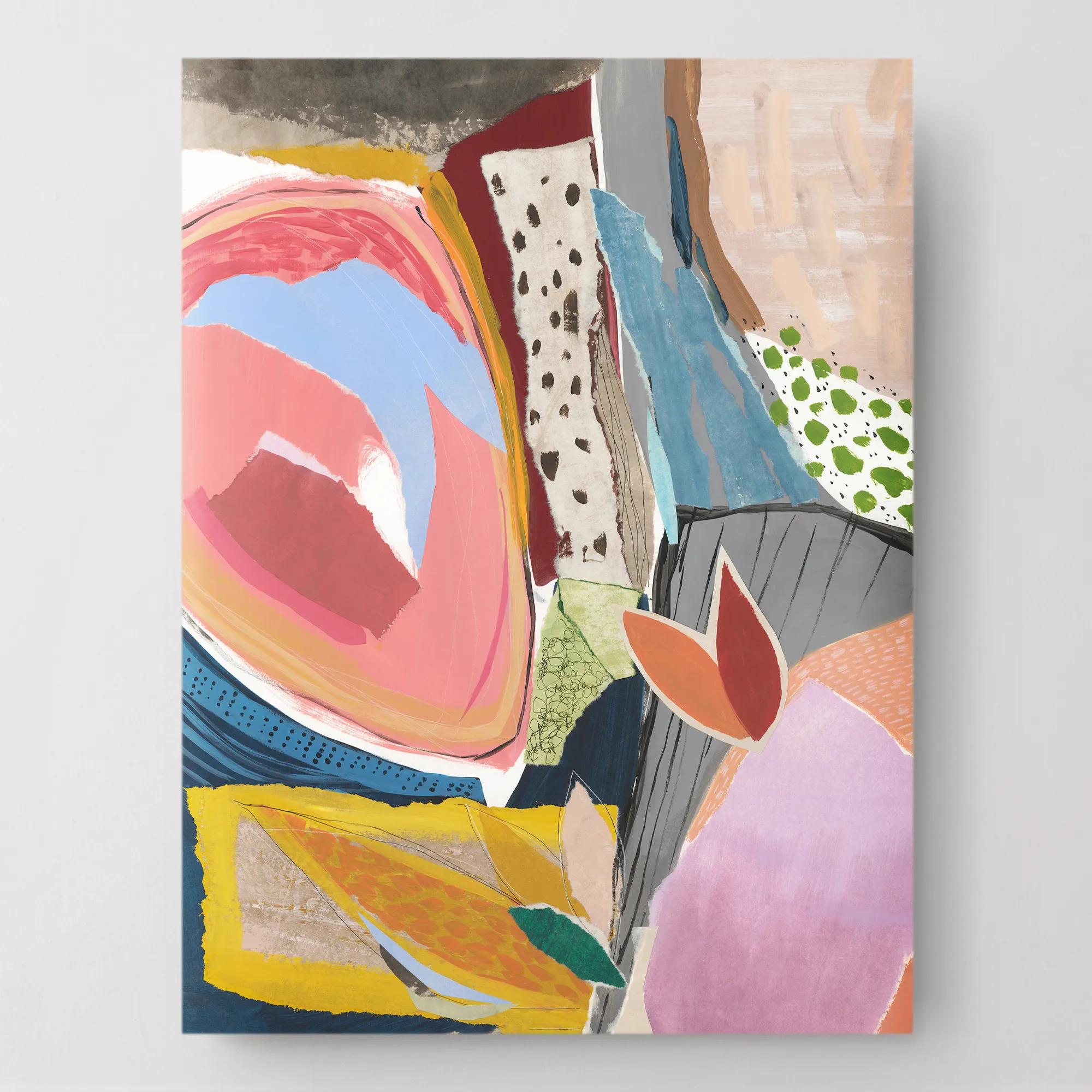
 Blooming in Her Own Time Framed Wall Art 40" x 50"$1029
A vibrant multicolored canvas wall artwork featuring an expressive botanical-inspired design in a framed presentation.
Add To Cart -
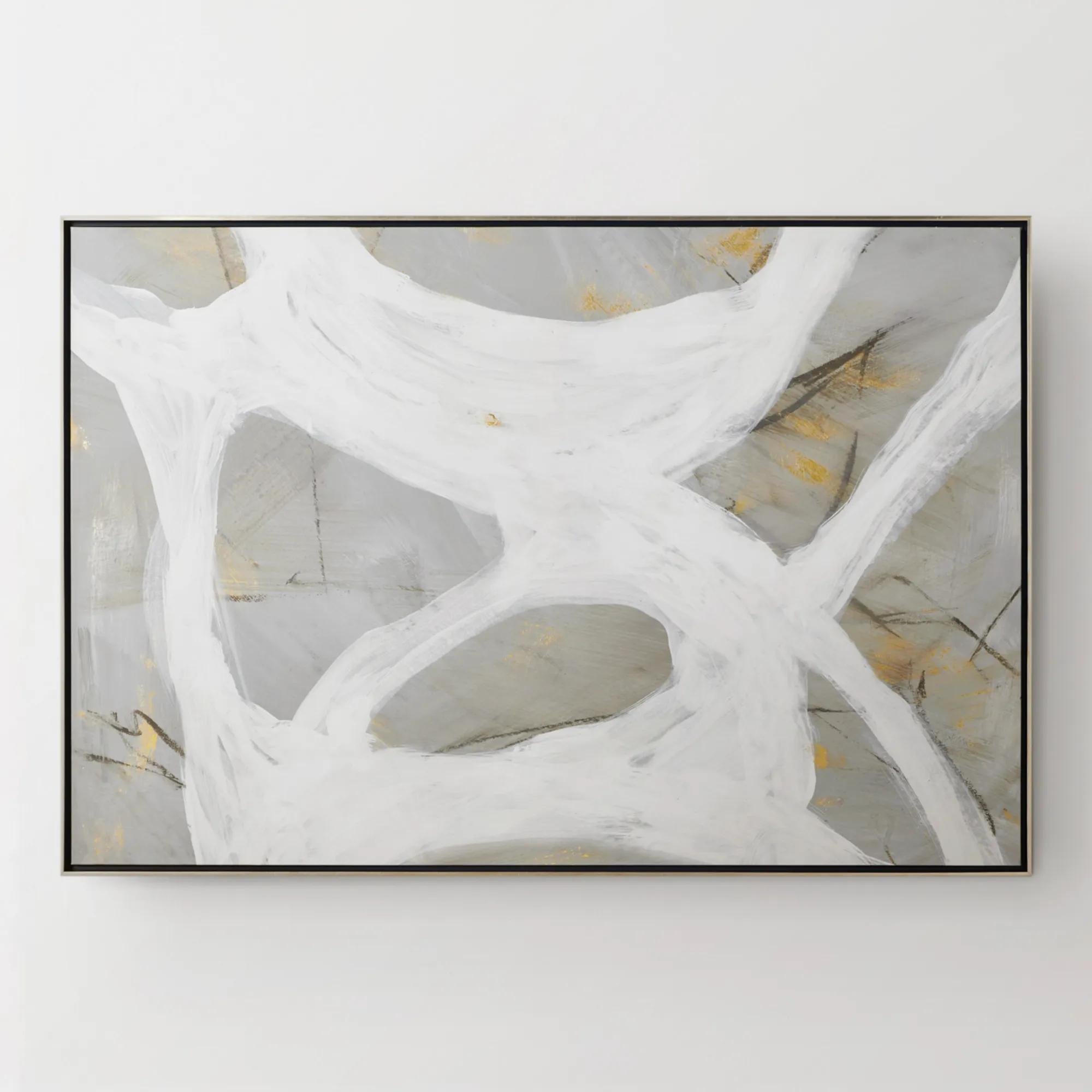
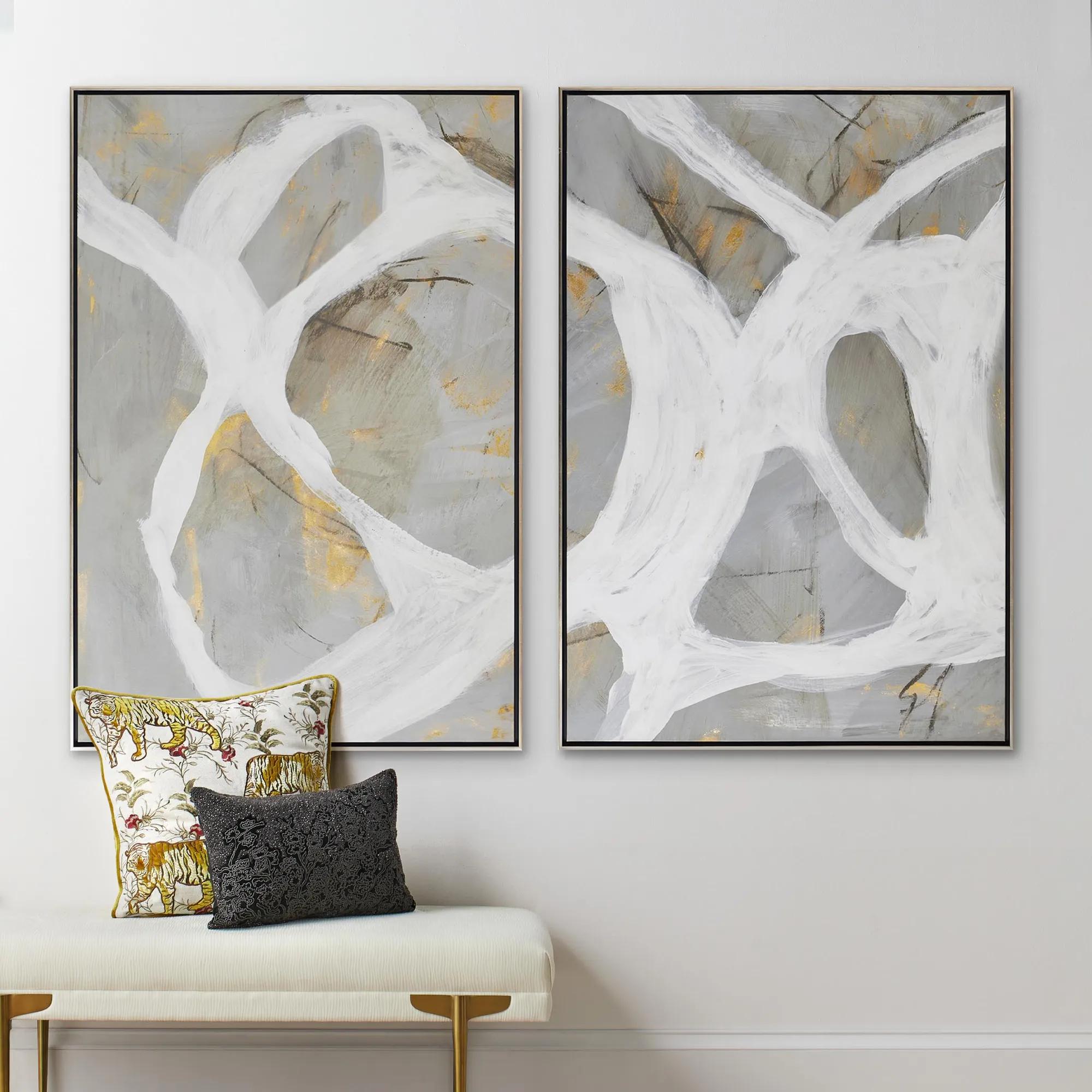 Les Series Framed Painted Wall Art II 61" x 41"$1099
An abstract canvas artwork featuring bold brushstrokes, hand-applied gold accents, and a silver floater frame.
Add To Cart -
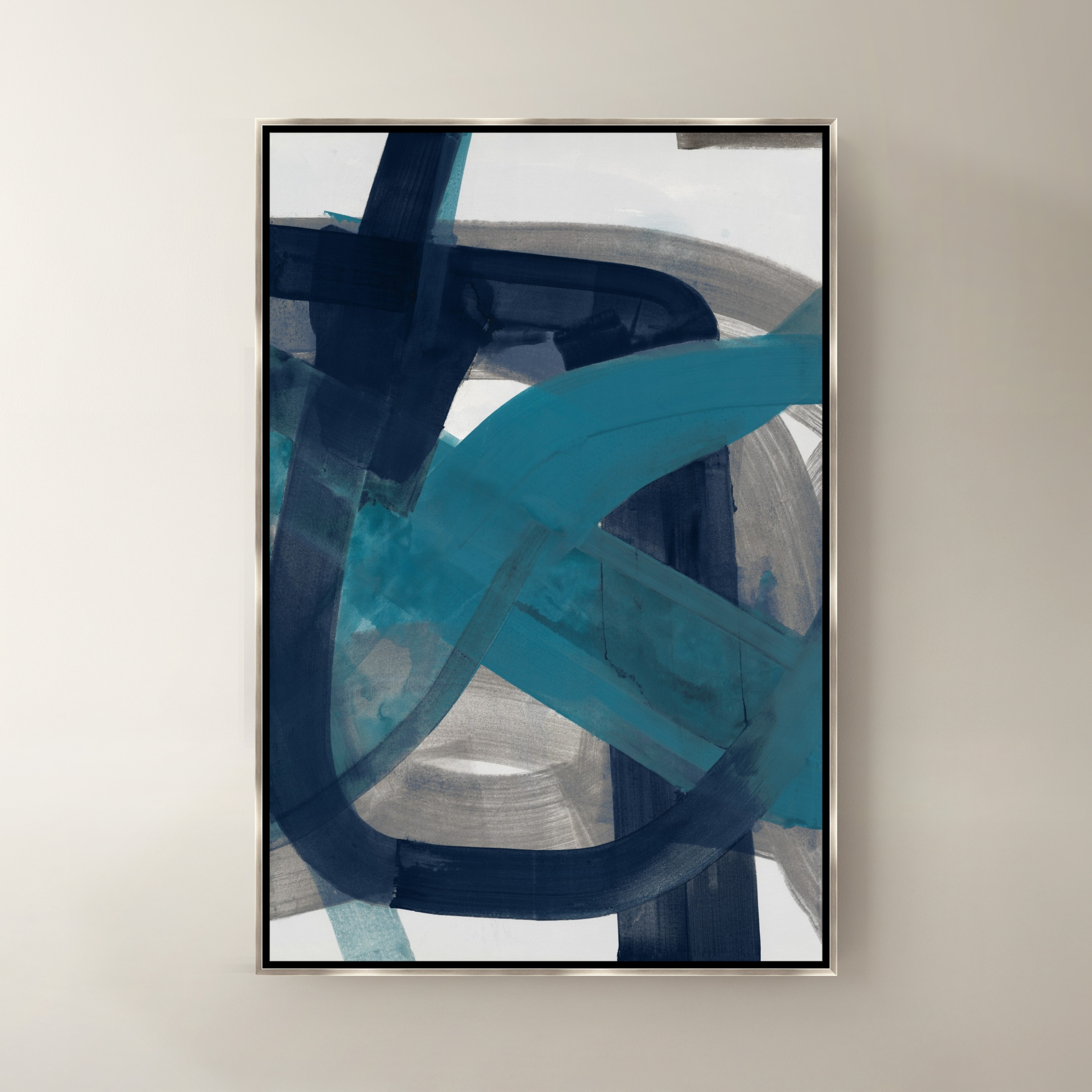
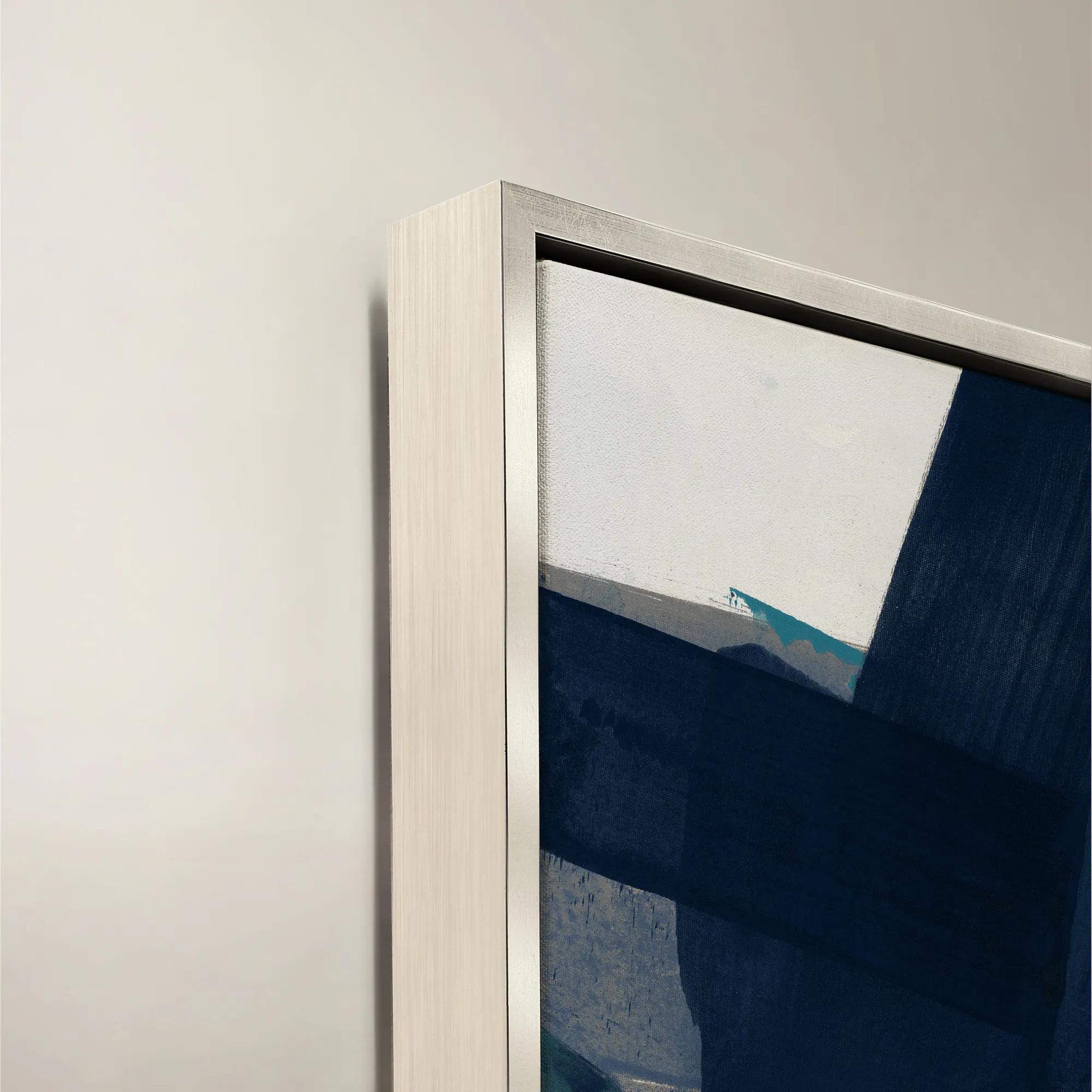 Fractured Currents II Framed Wall Art 24" x 36"$499
A framed canvas wall artwork featuring dynamic blue and purple tones for a modern, expressive accent.
Add To Cart -
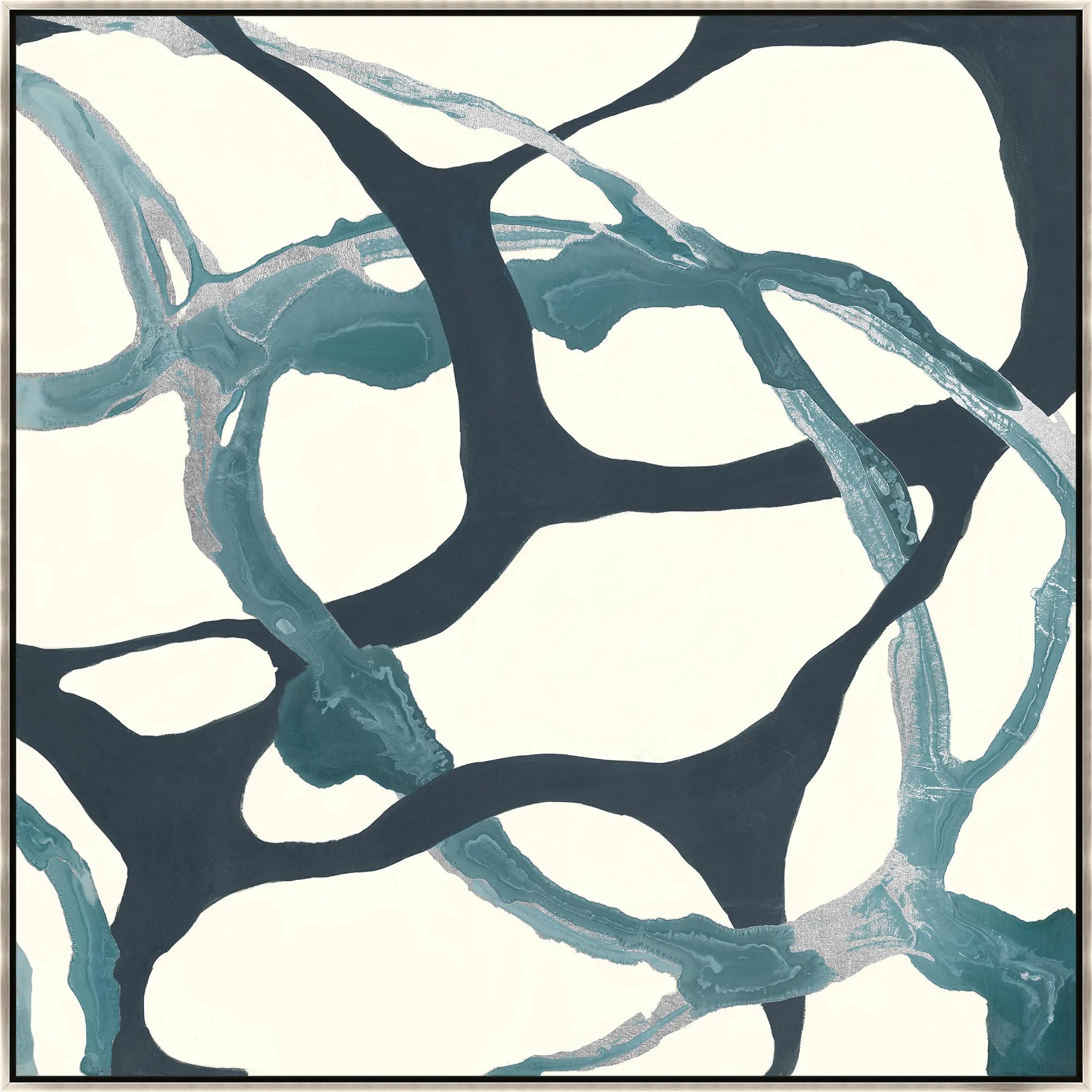
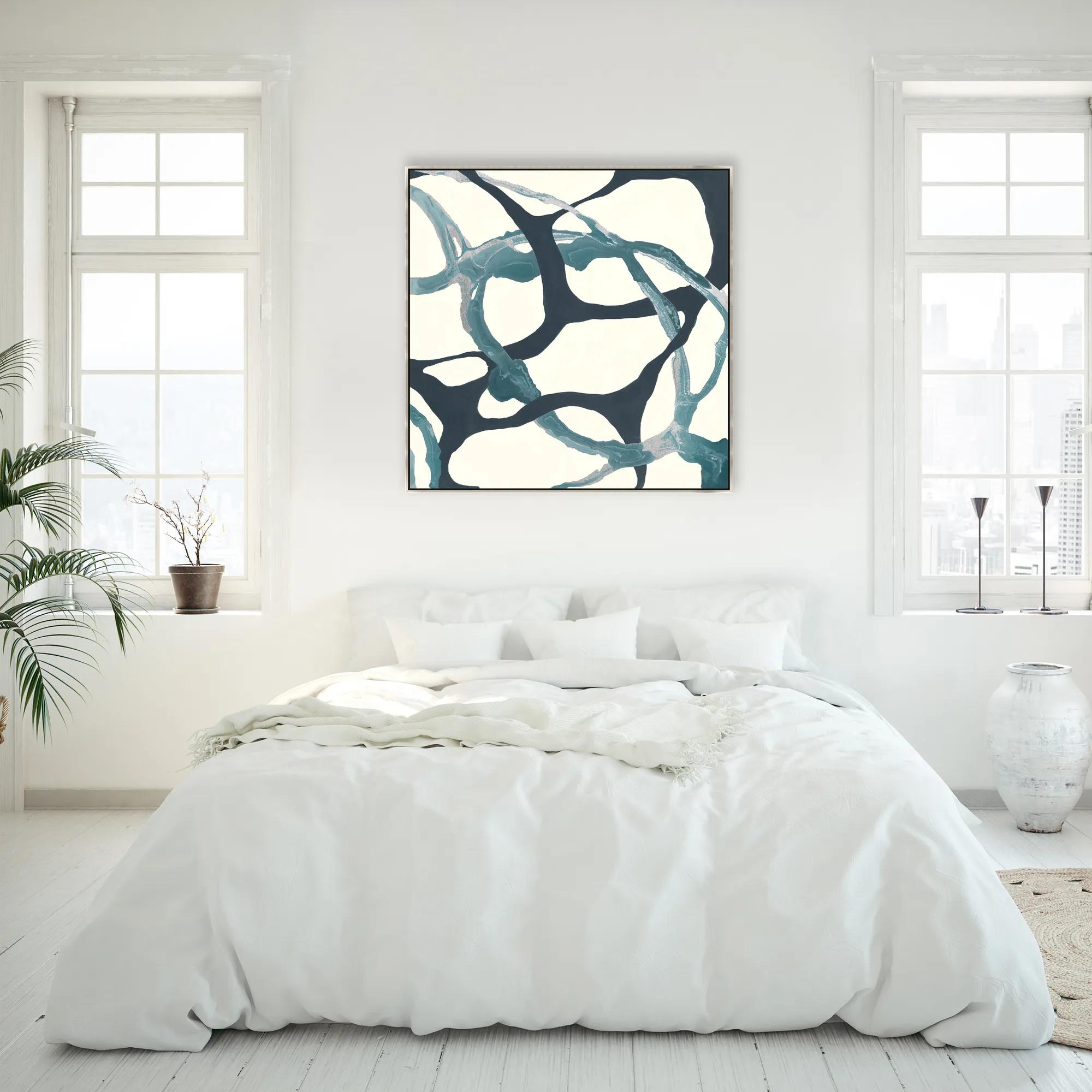 Alignments II Framed Wall Art 40" x 40"$899
A gallery-wrapped canvas featuring gilded silver accents and hand-applied brush gel in a silver floater frame.
Add To Cart -
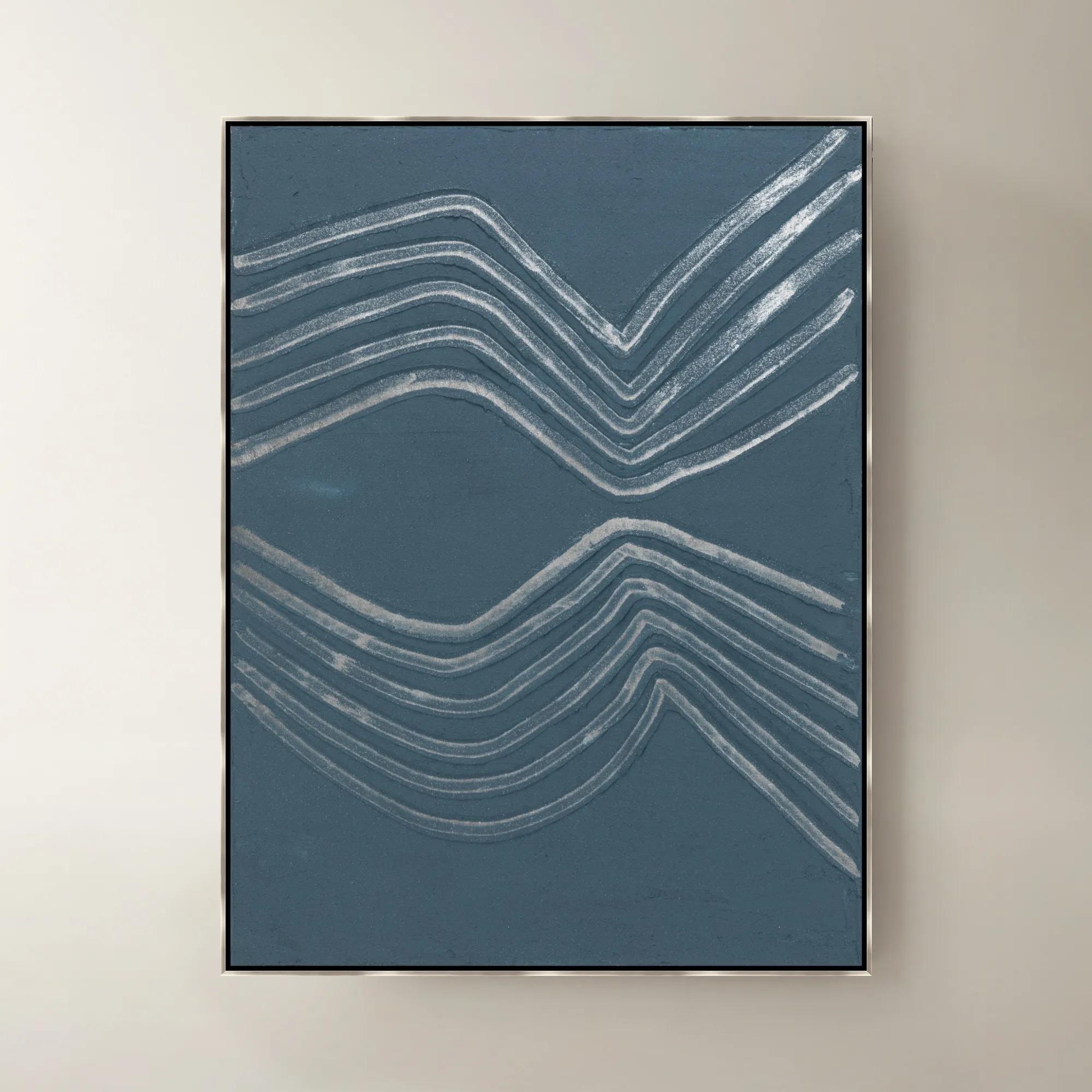
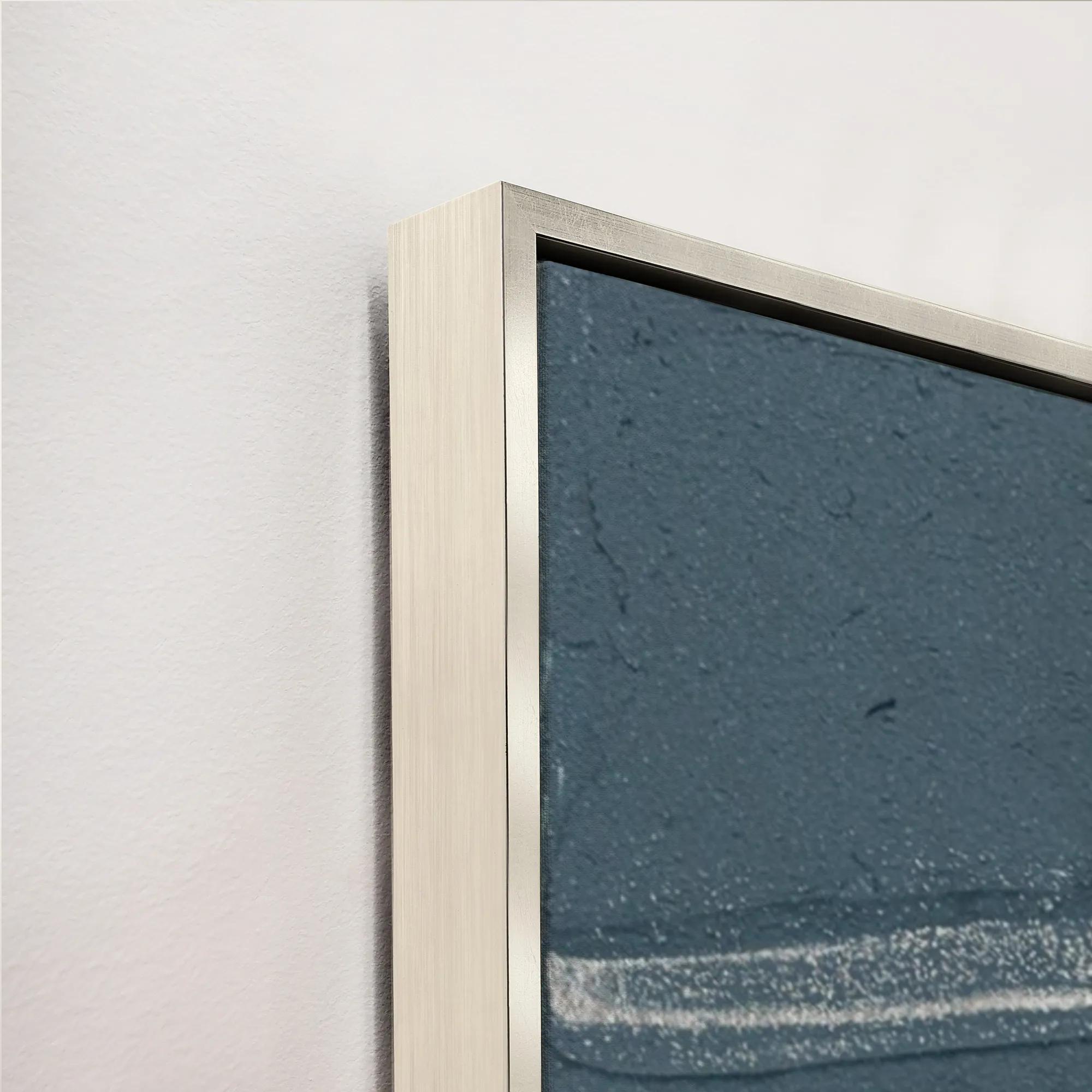 Gilded Waves VI Framed Painted Wall Art 40" x 53"$1399
A framed painted canvas artwork featuring sweeping gilded waves in rich blue and purple tones.
Add To Cart -
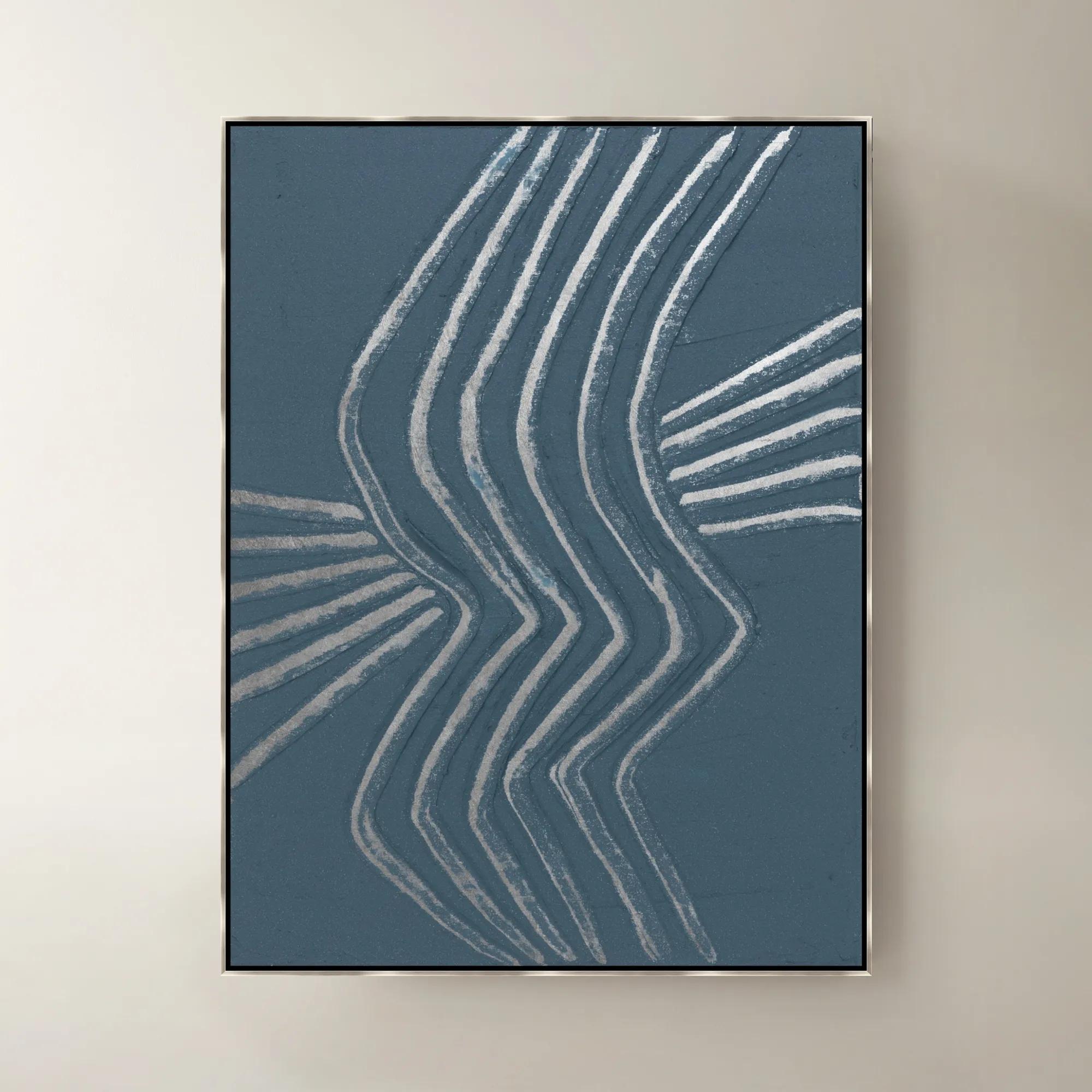
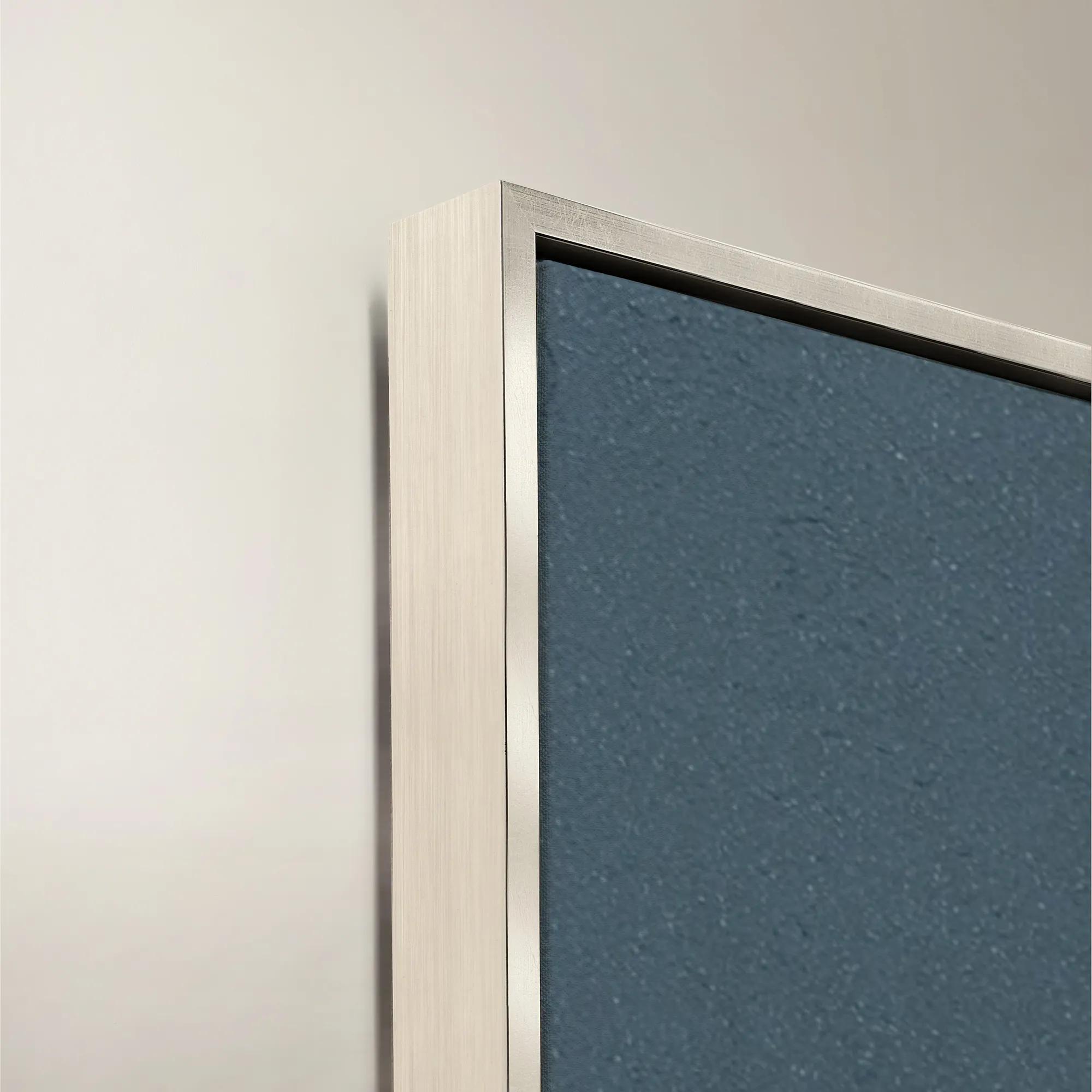 Gilded Waves IV Framed Painted Wall Art 40" x 53"$1399
A framed painted canvas artwork featuring flowing gilded waves in soothing blue and purple tones.
Add To Cart -
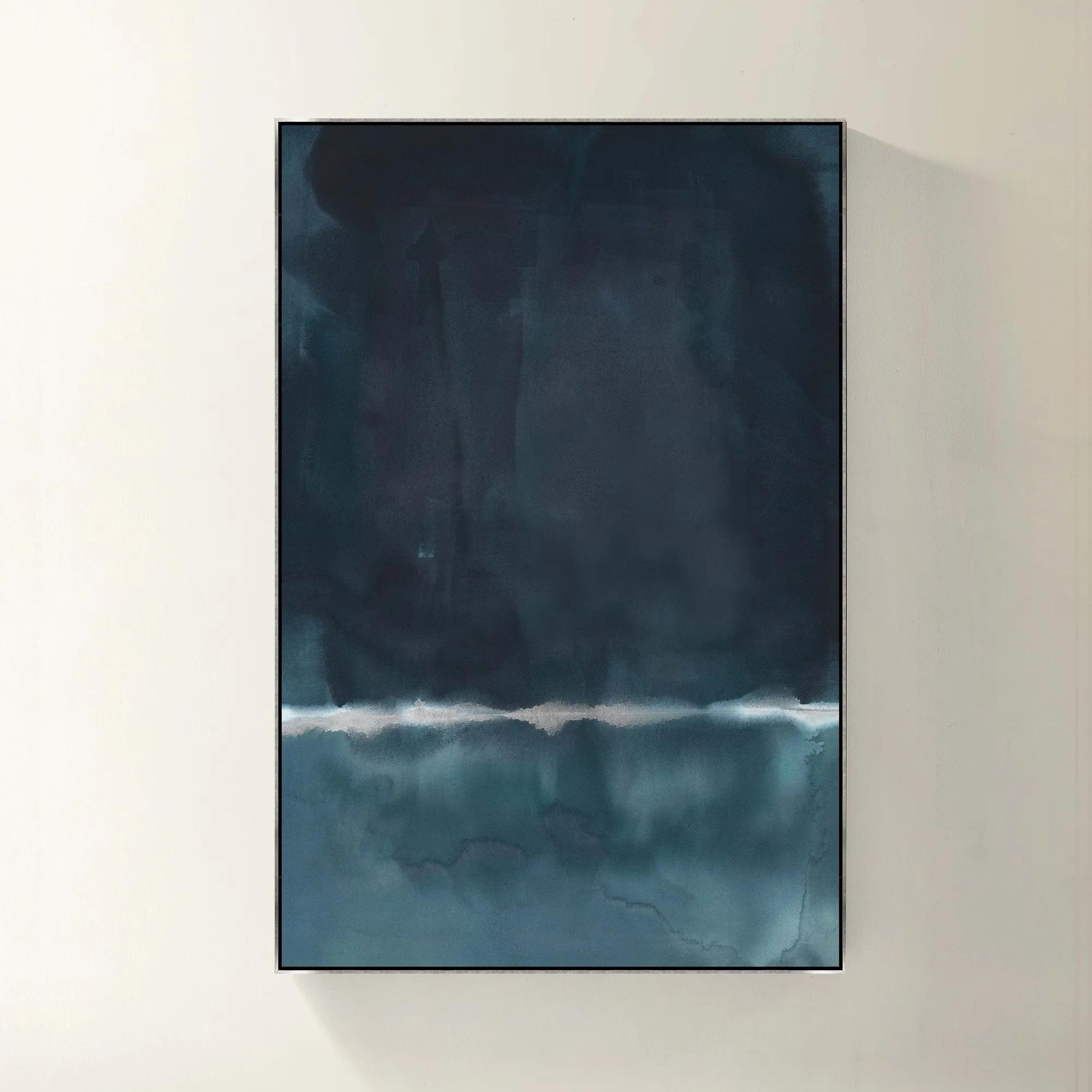 Blue Monday Framed Wall Art 40" x 60"$1119
A gallery-wrapped blue canvas with hand-embellished silver accents in a sleek silver floater frame.
Add To Cart -
 Royal Waves I Framed Wall Art 31.5" x 46.5"$699
A gallery-wrapped abstract canvas featuring hand-applied brush gel and set in a sleek silver floater frame.
Add To Cart -

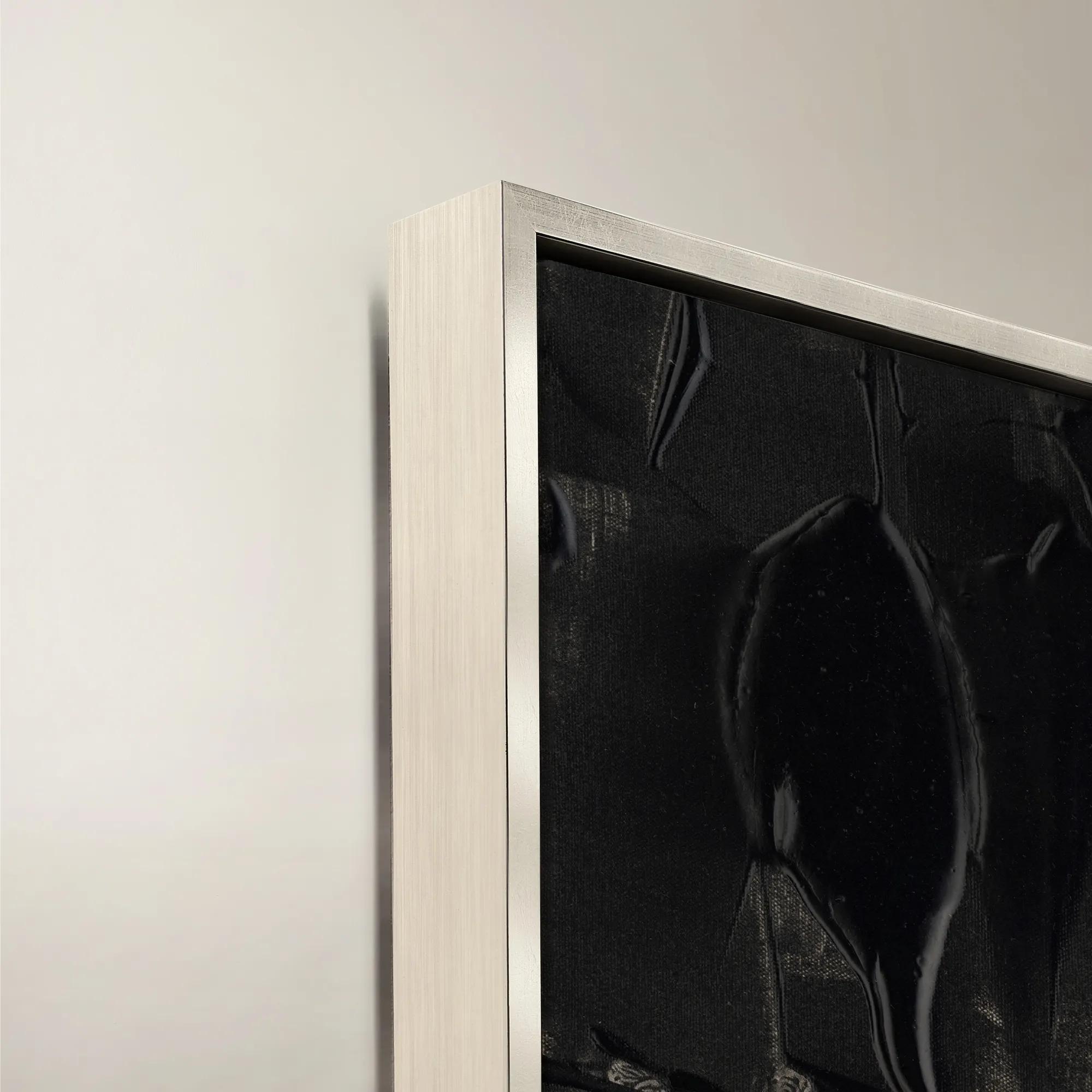 Blanc de Blancs II Framed Wall Art 24" x 30"$519
A sophisticated black canvas artwork presented in a refined frame, bringing modern elegance to your walls.
Add To Cart -
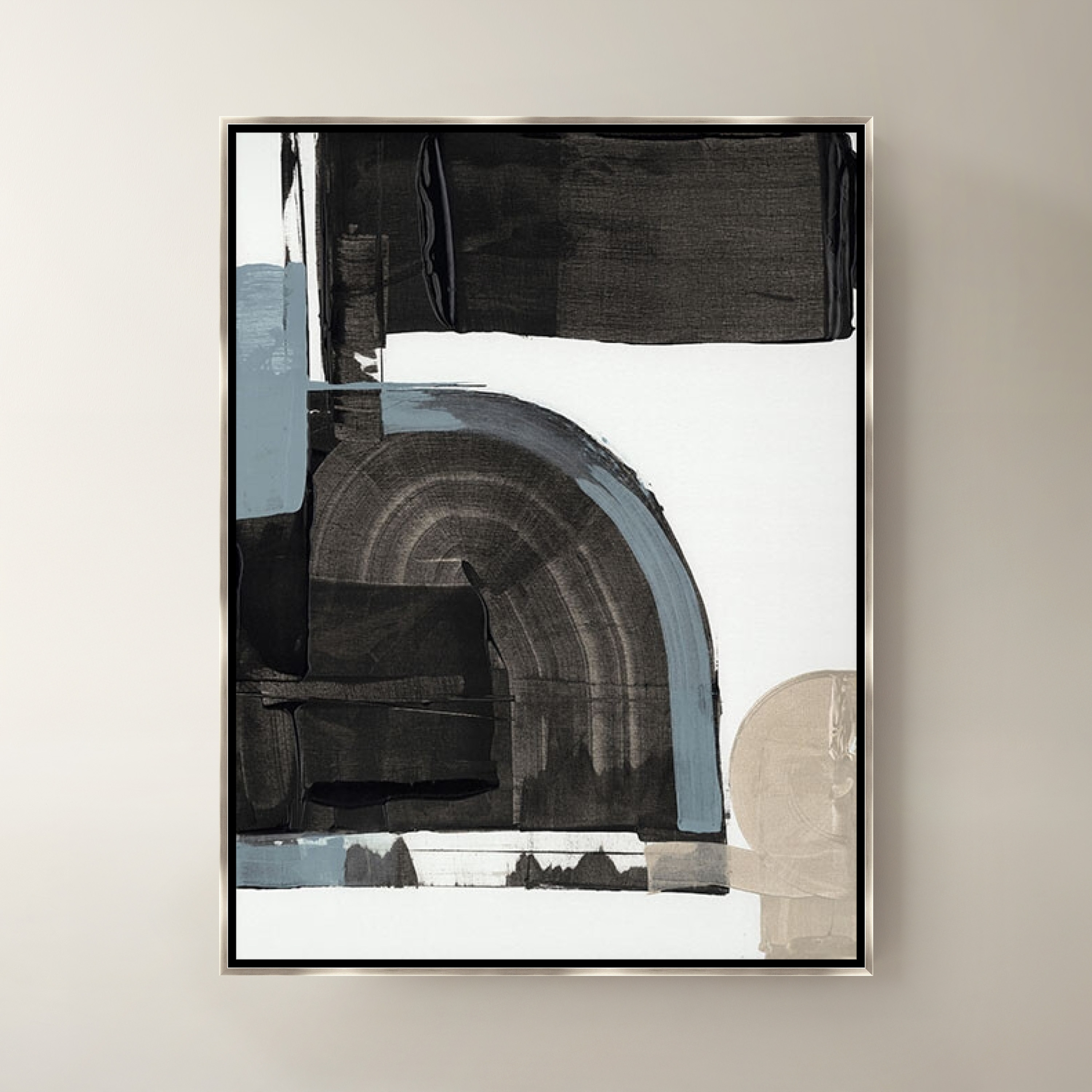
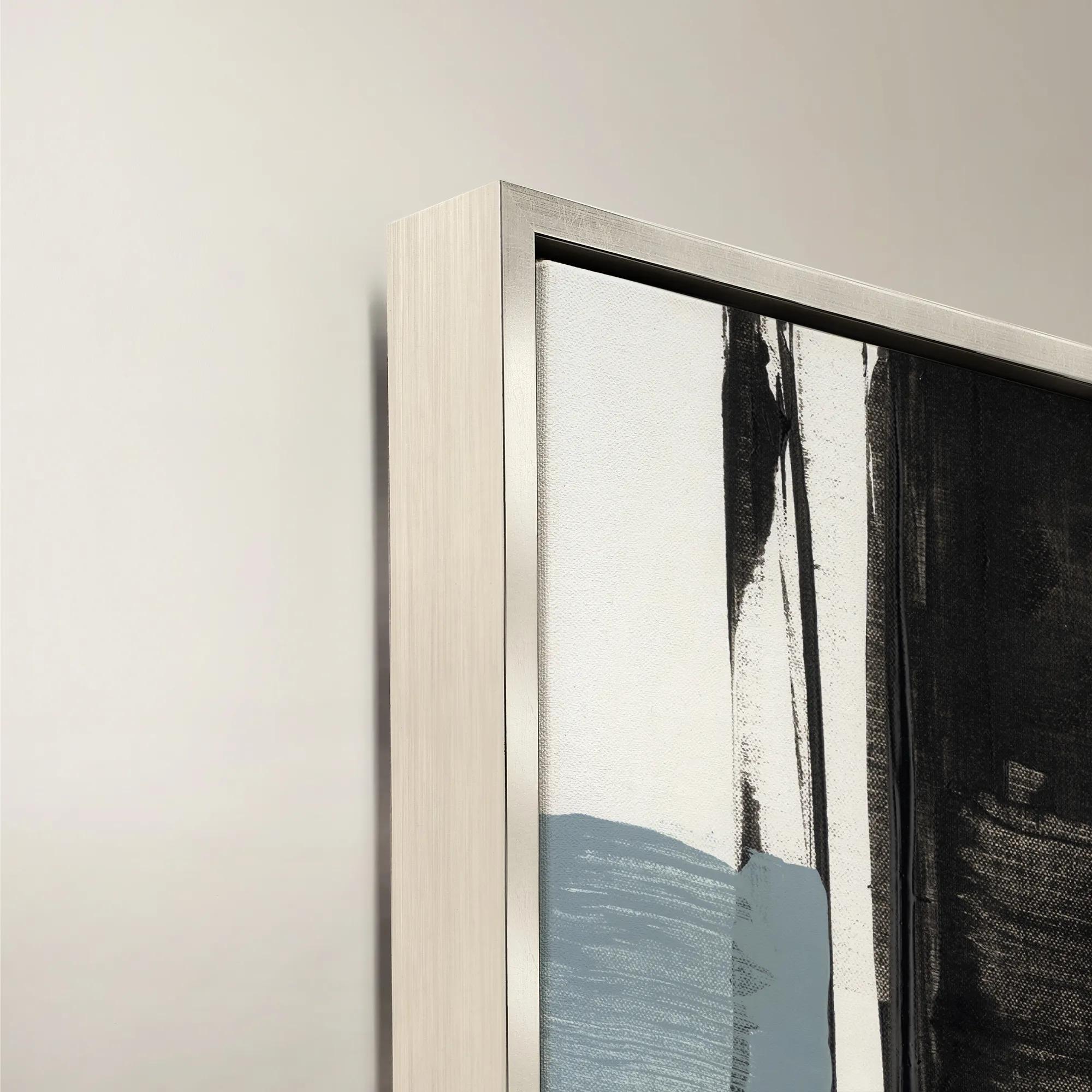 Blanc de Blancs III Framed Wall Art 24" x 30"$519
A sophisticated black canvas artwork presented in a refined frame for modern wall styling.
Add To Cart -
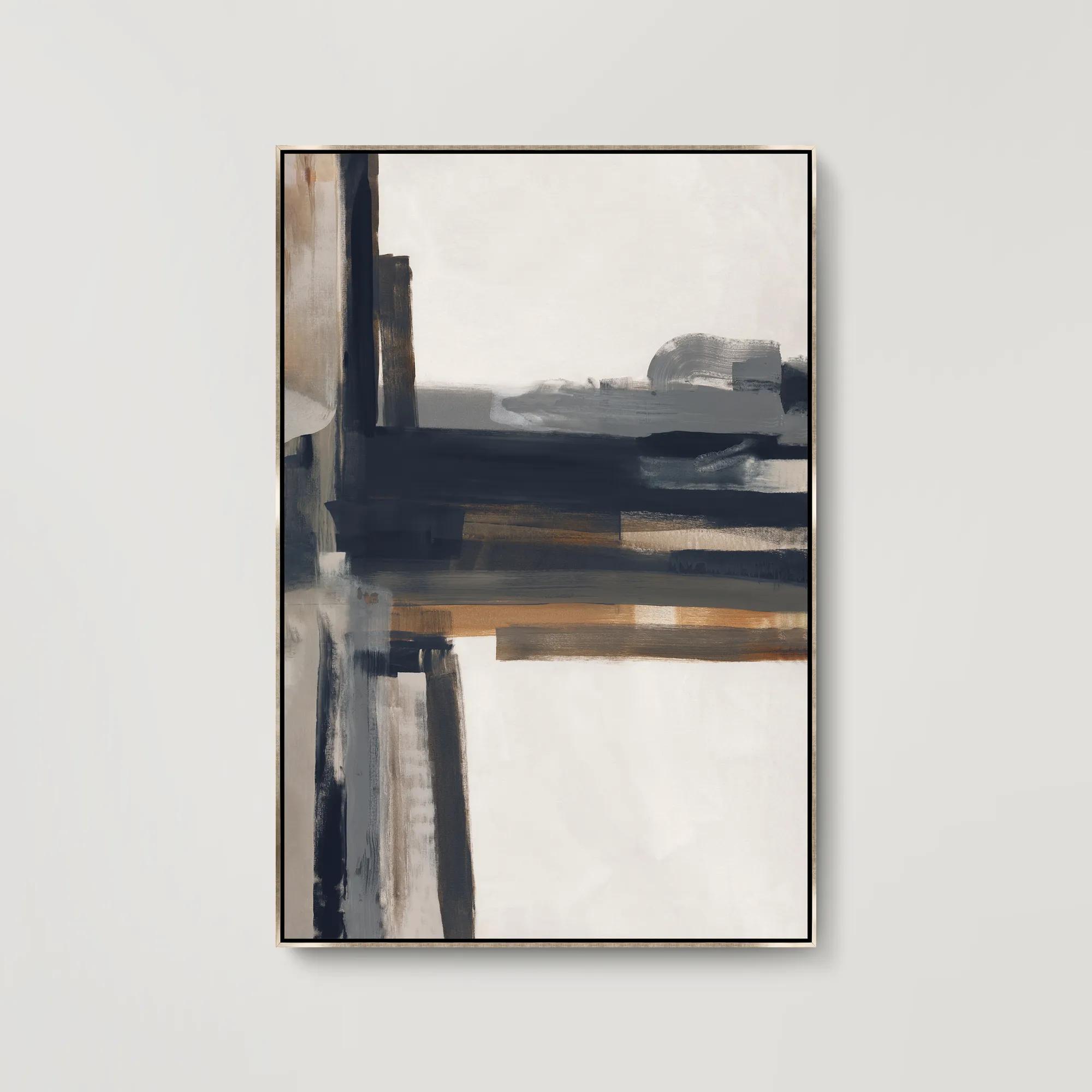
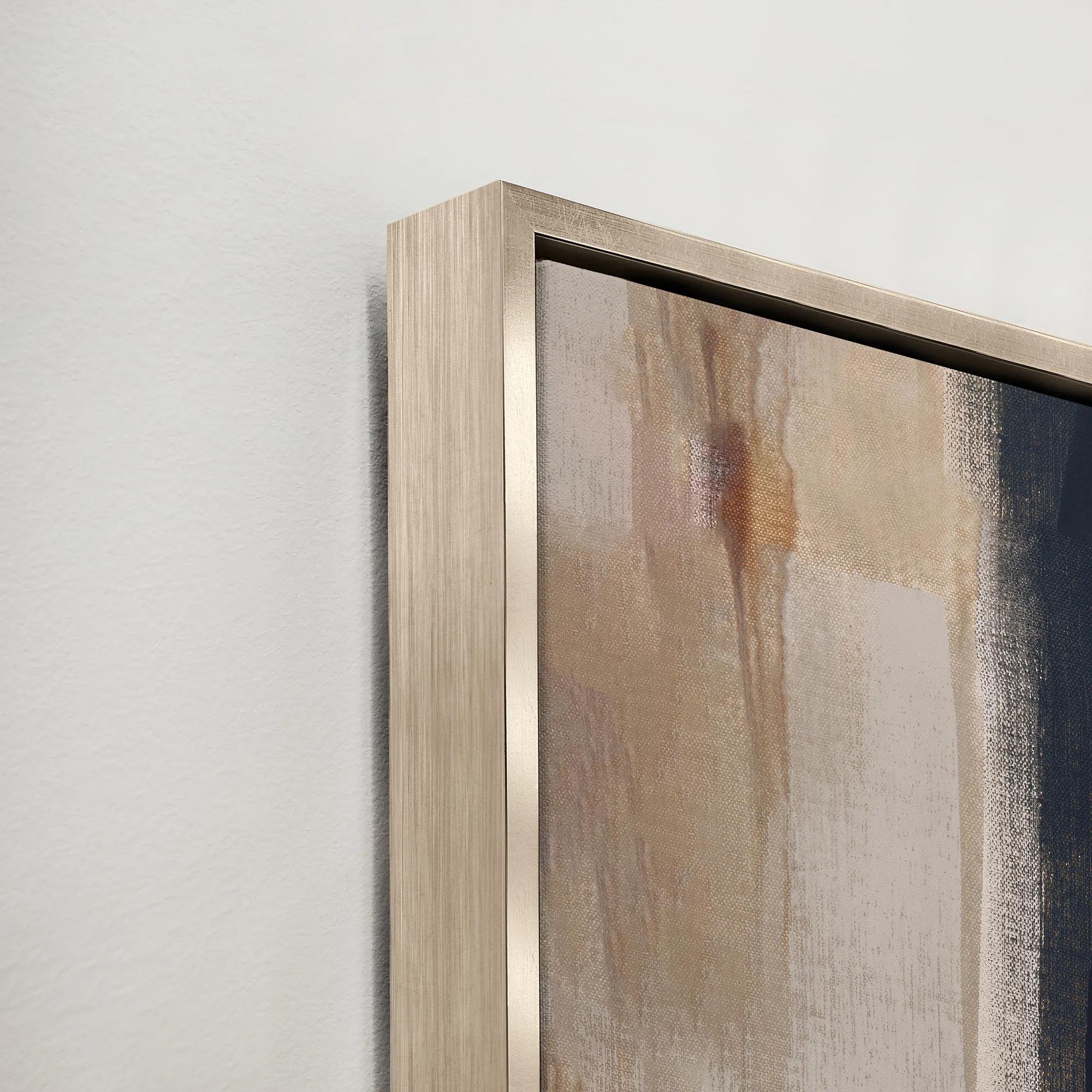 Imposing Construct I Framed Wall Art 41.5" x 61.5"$949
A gallery-wrapped abstract canvas featuring hand-applied brush gel and set in a sleek silver floater frame.
Add To Cart -
 The Fight Between Two Creatures Framed Wall Art 30" x 40"$699
A dramatic blue and purple canvas artwork presented in an elegant frame.
Add To Cart -
 Sugar Wings Framed Wall Art 49.5" x 37.5"$799
A vibrant gallery-wrapped canvas artwork with hand-applied brush gel finish in a sleek silver floater frame.
Add To Cart -
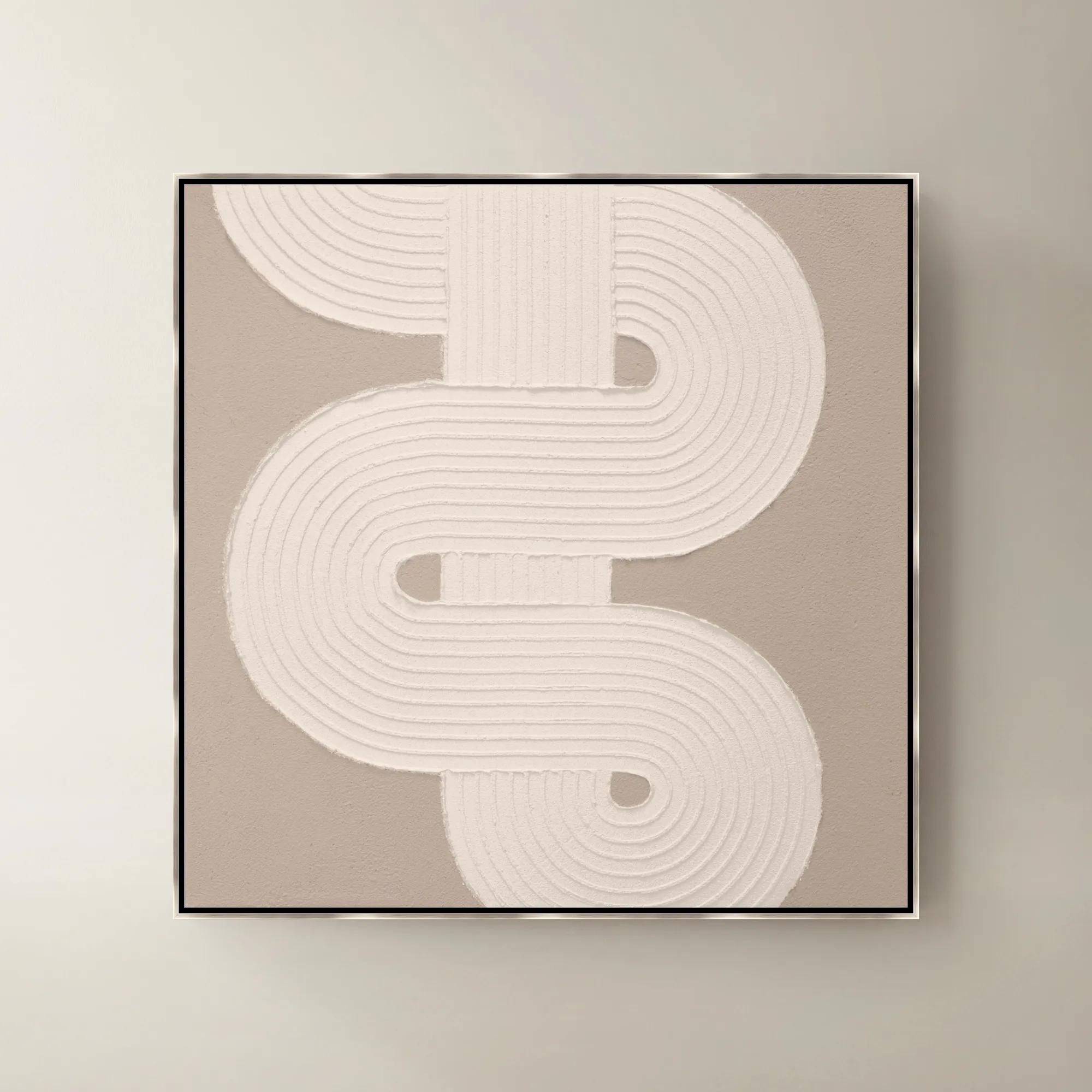
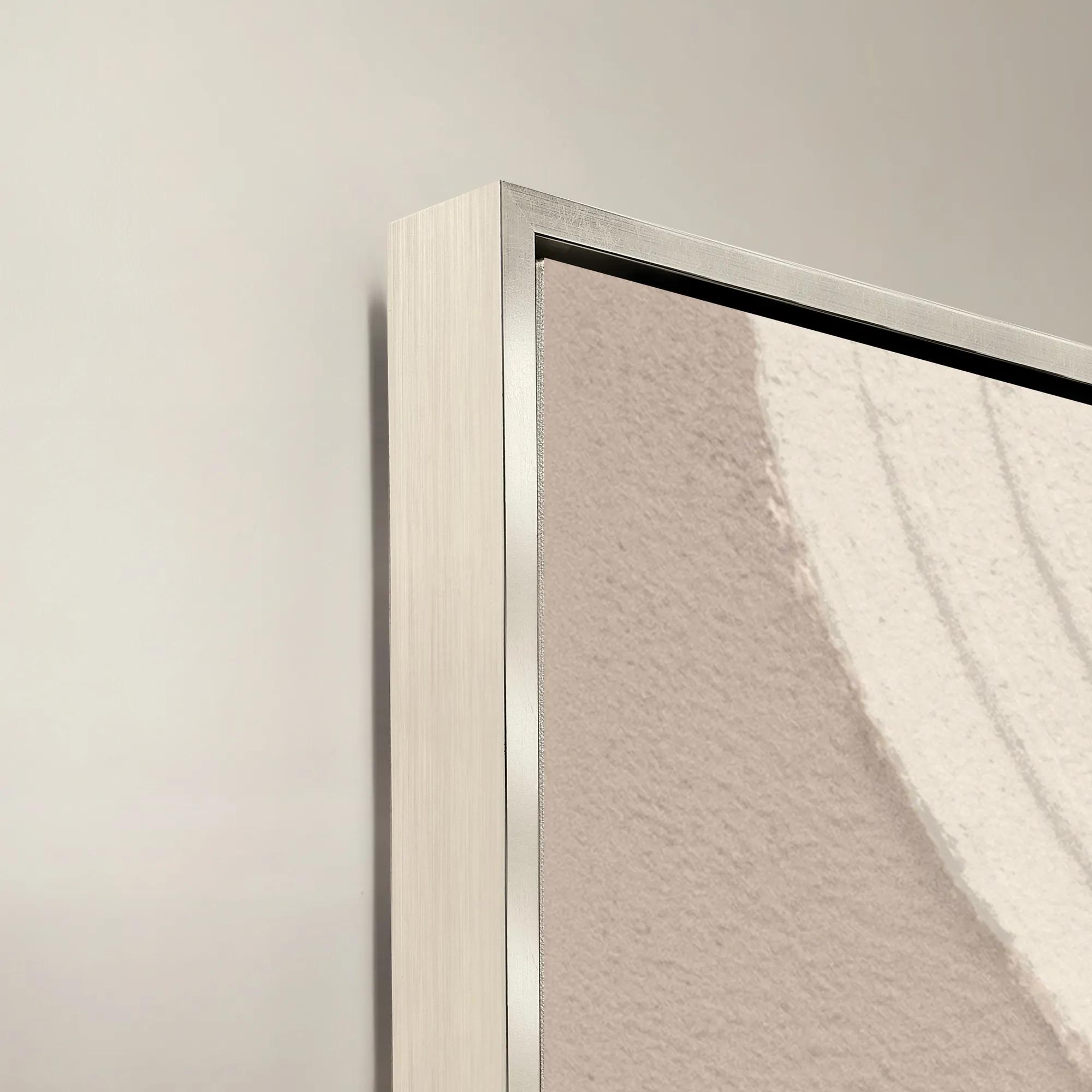 Sacred Geometry V Framed Painted Wall Art 40" x 40"$1099
A striking abstract art piece featuring bold geometric patterns for a modern, sophisticated touch.
Add To Cart -
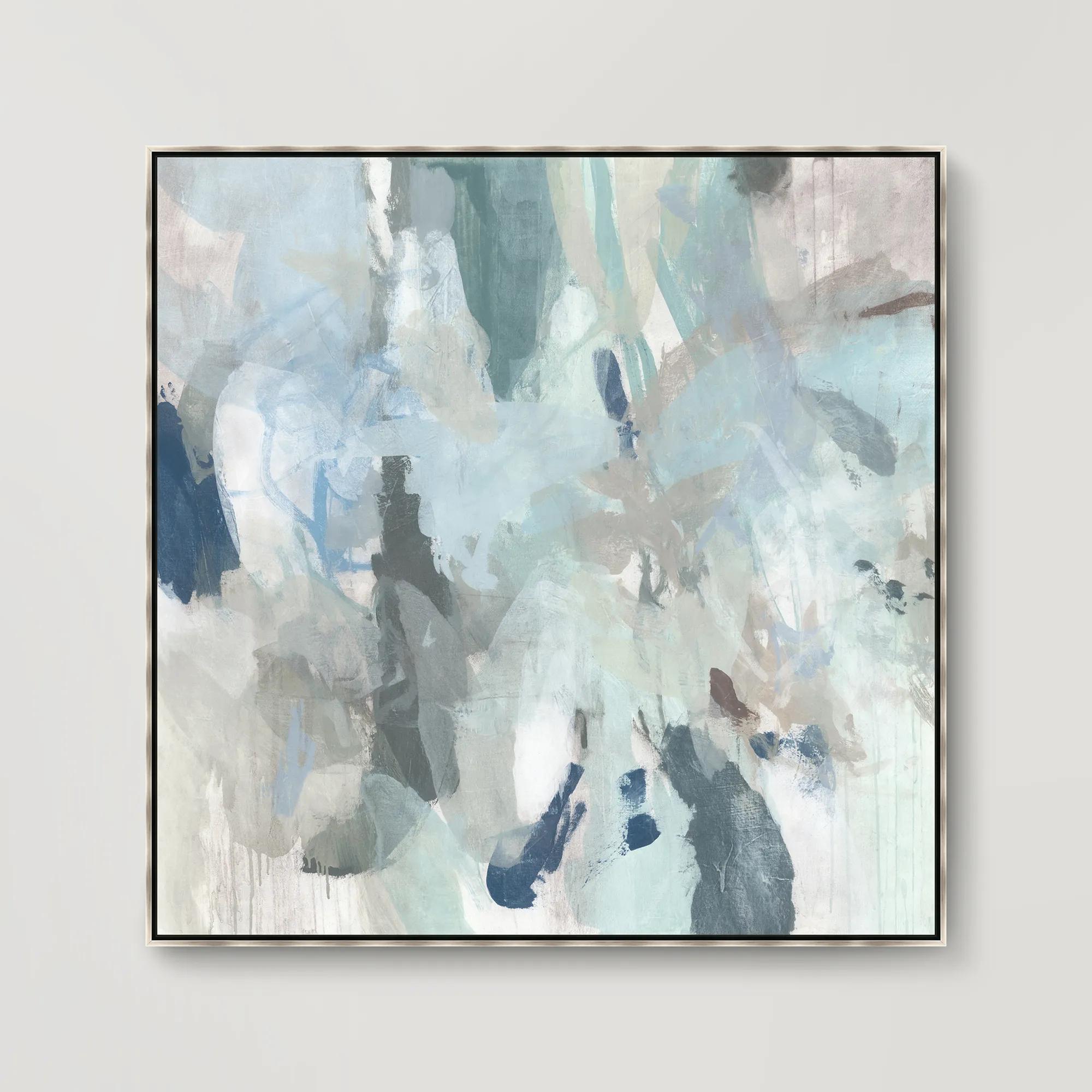
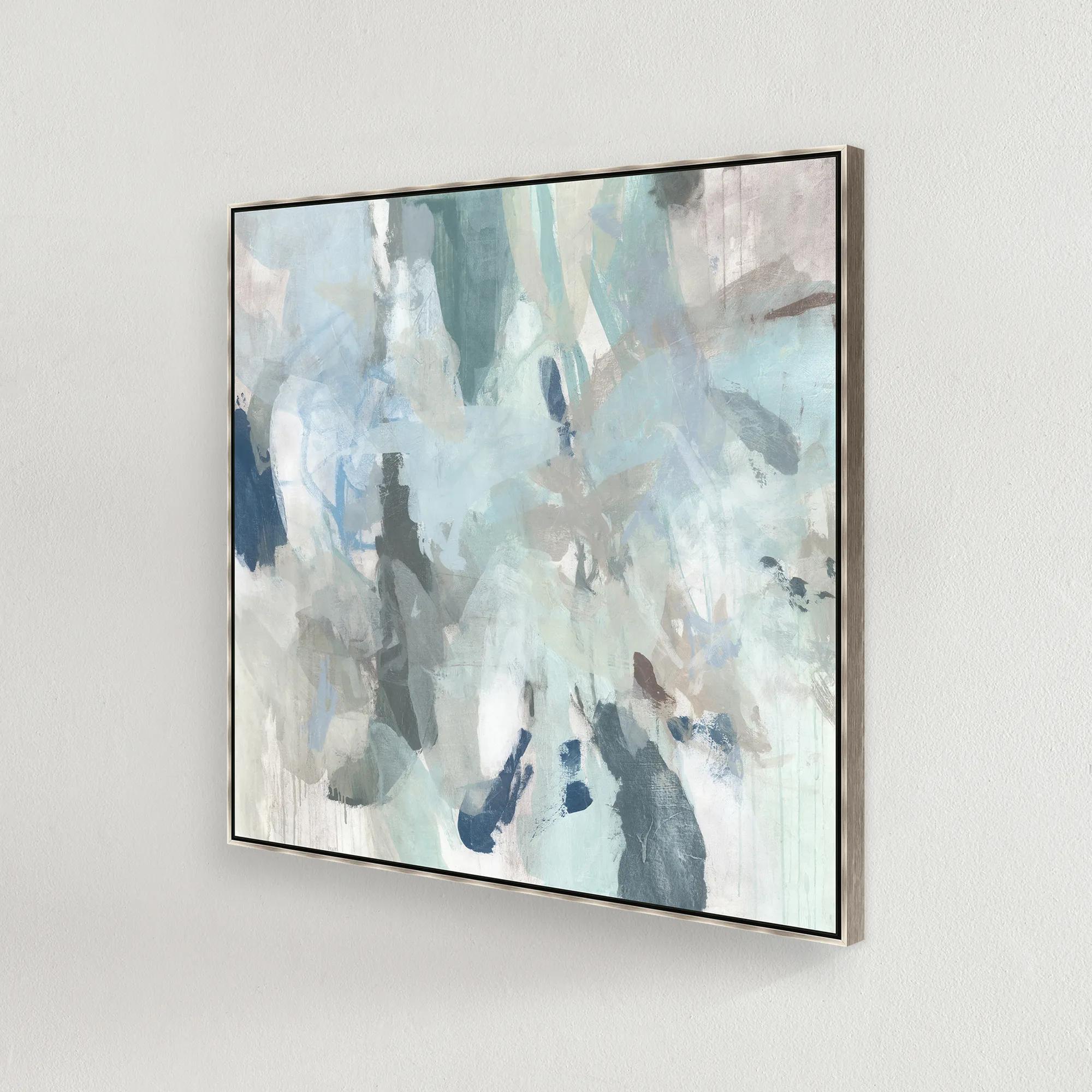 Sage Honey Dew I Framed Wall Art 41.5" x 41.5"$749
A gallery-wrapped abstract canvas featuring hand-applied gel finish in a silver floater frame.
Add To Cart -
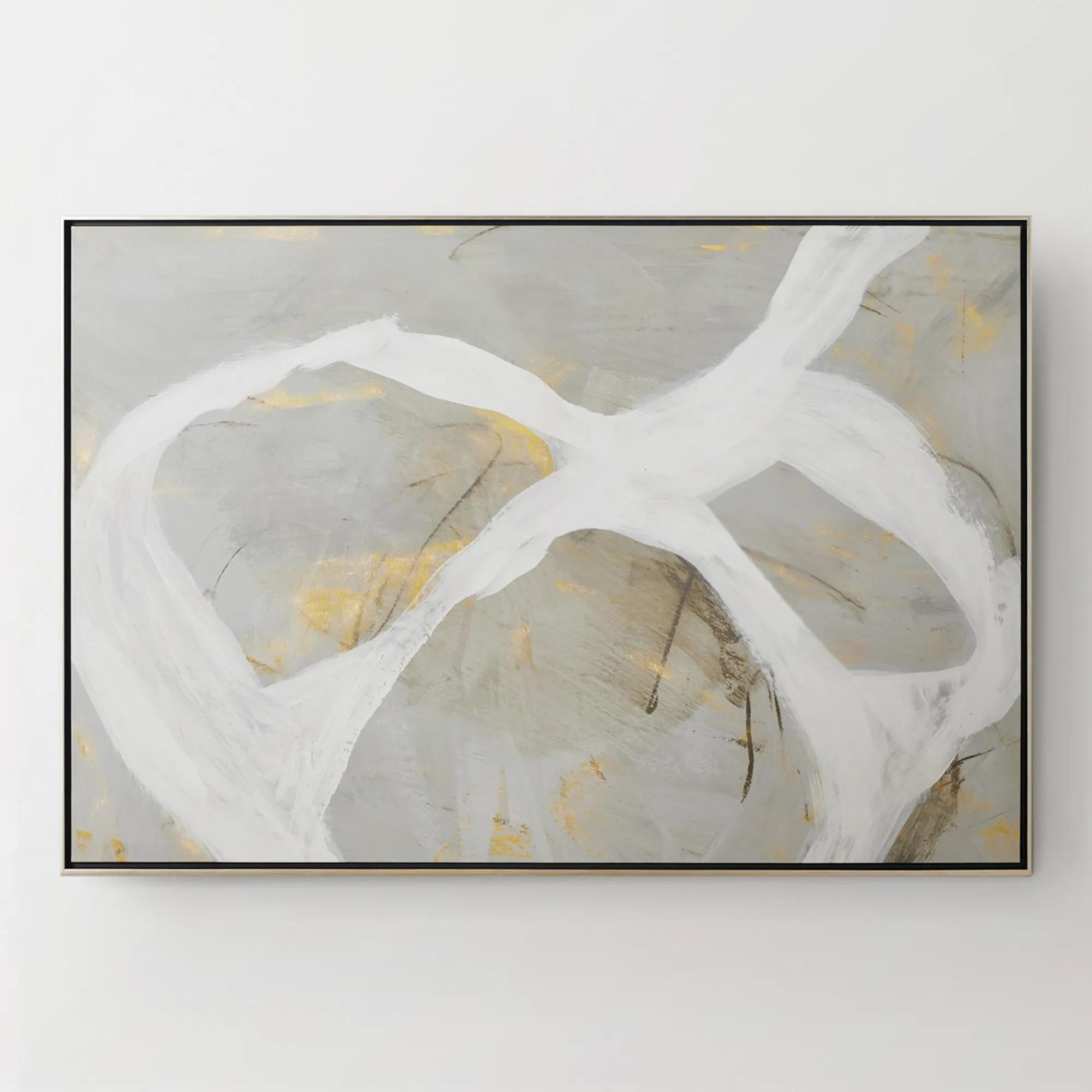
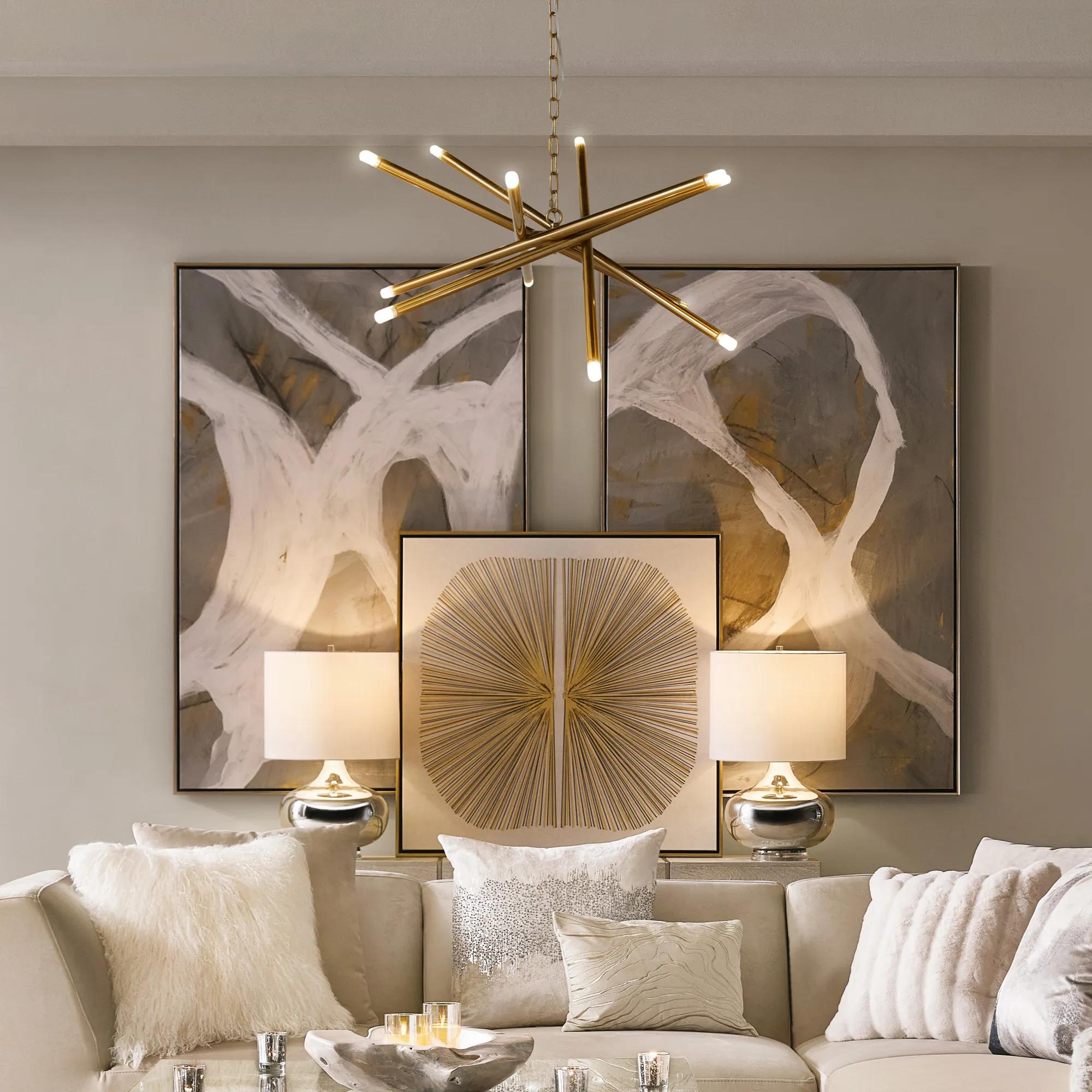 Les Series Framed Painted Wall Art I 61" x 41"$1099
An abstract canvas artwork featuring bold brushstrokes, hand-applied gold accents, and a silver floater frame.
Add To Cart -
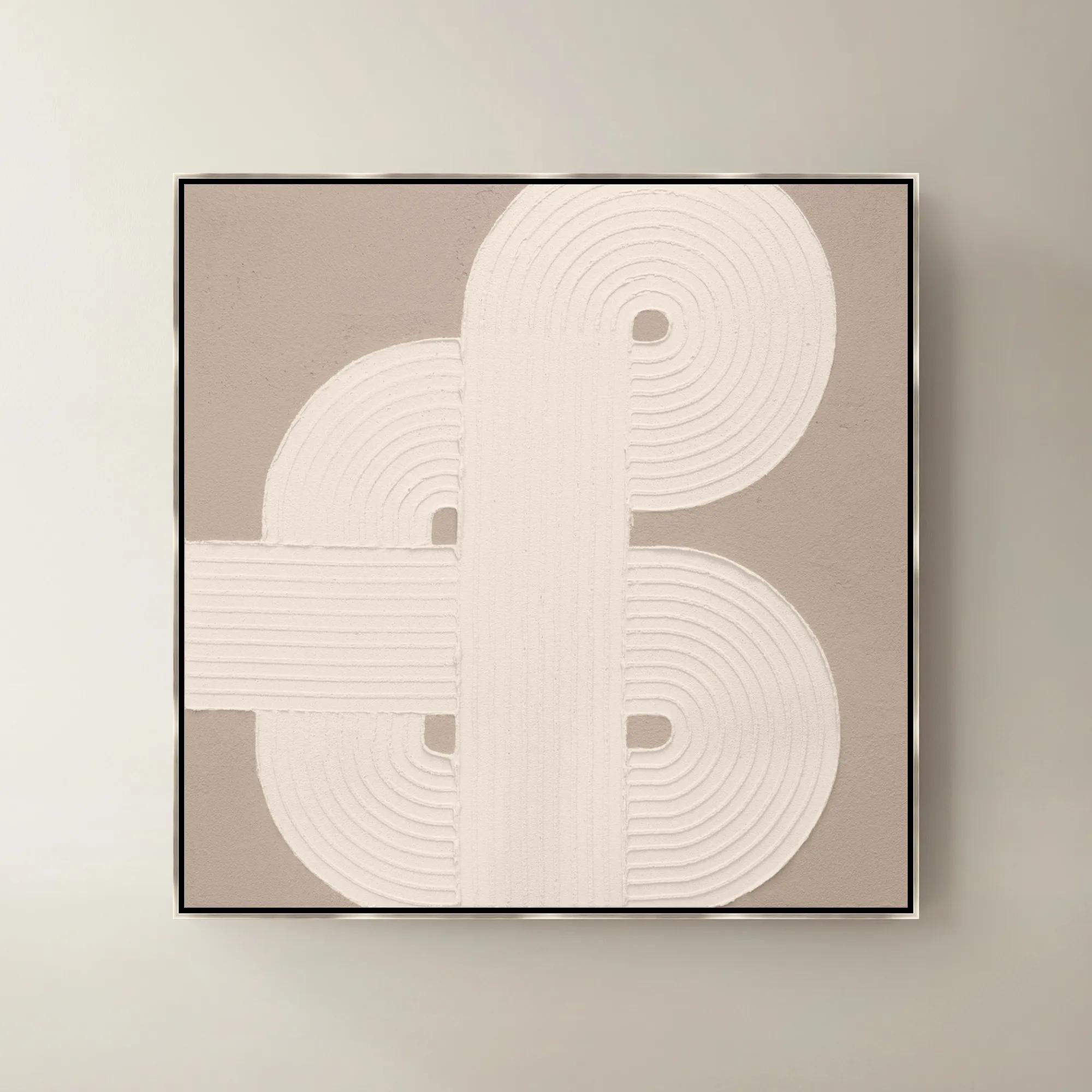
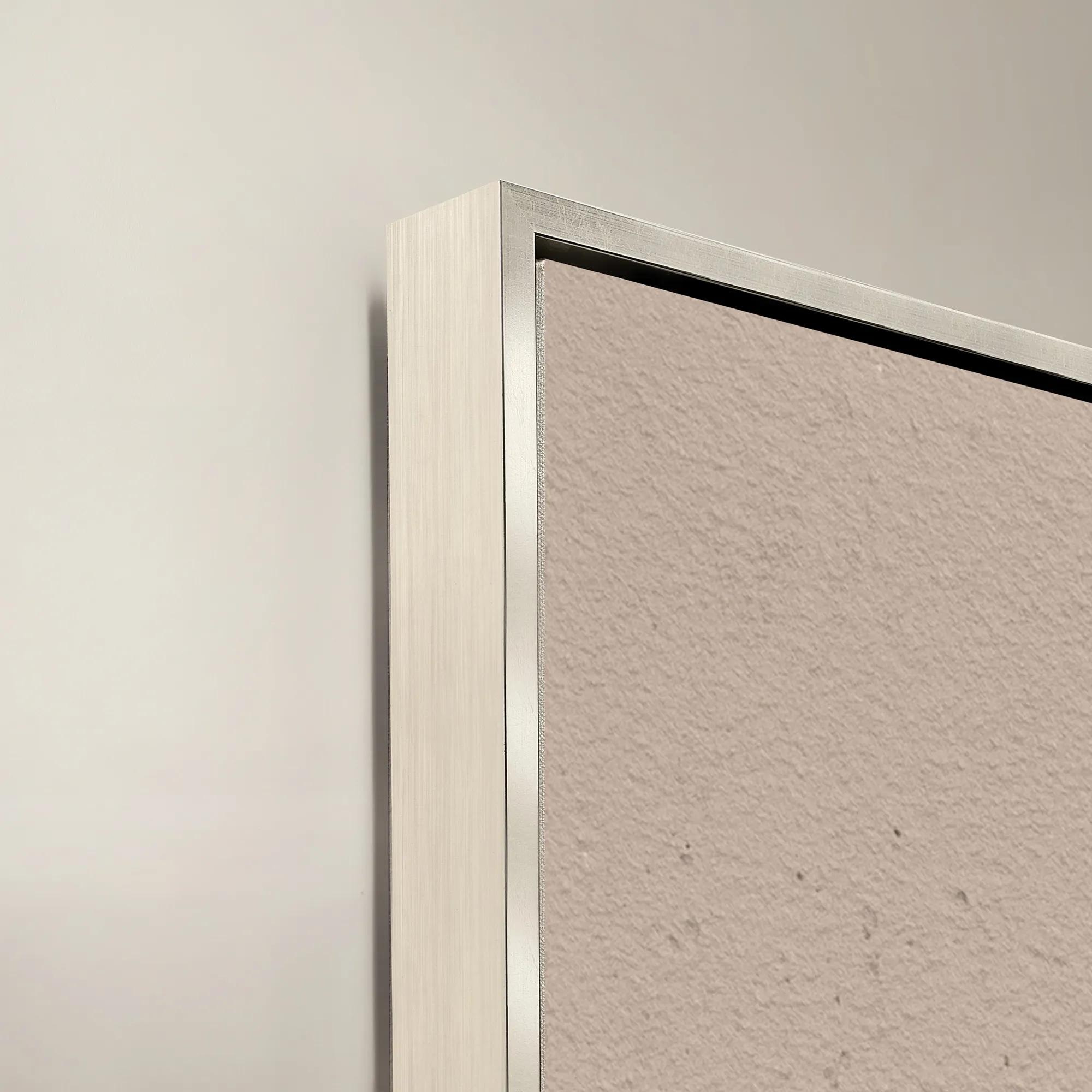 Sacred Geometry IV Framed Painted Wall Art 40" x 40"$1099
A striking abstract art piece featuring bold geometric patterns for a modern, sophisticated touch.
Add To Cart -
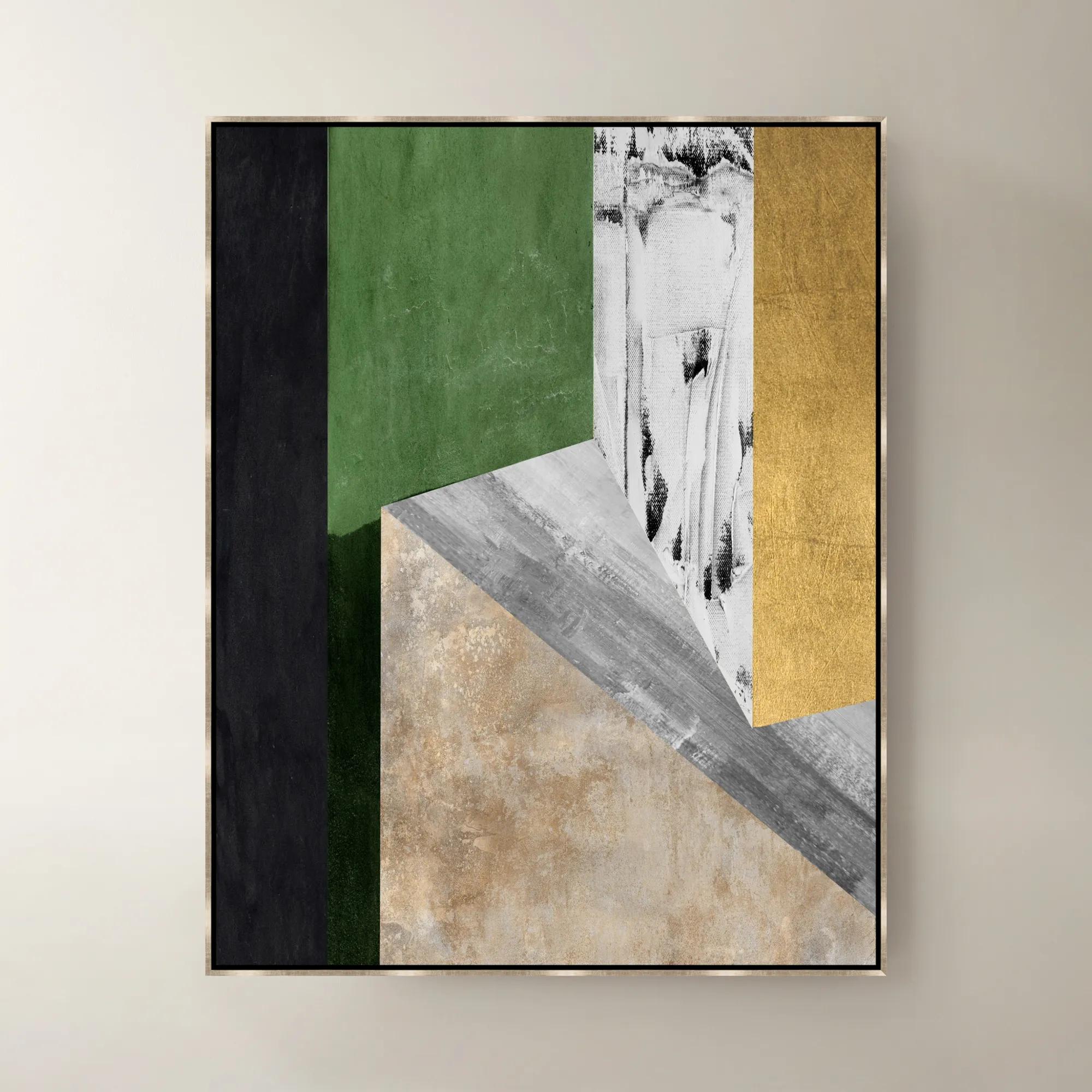
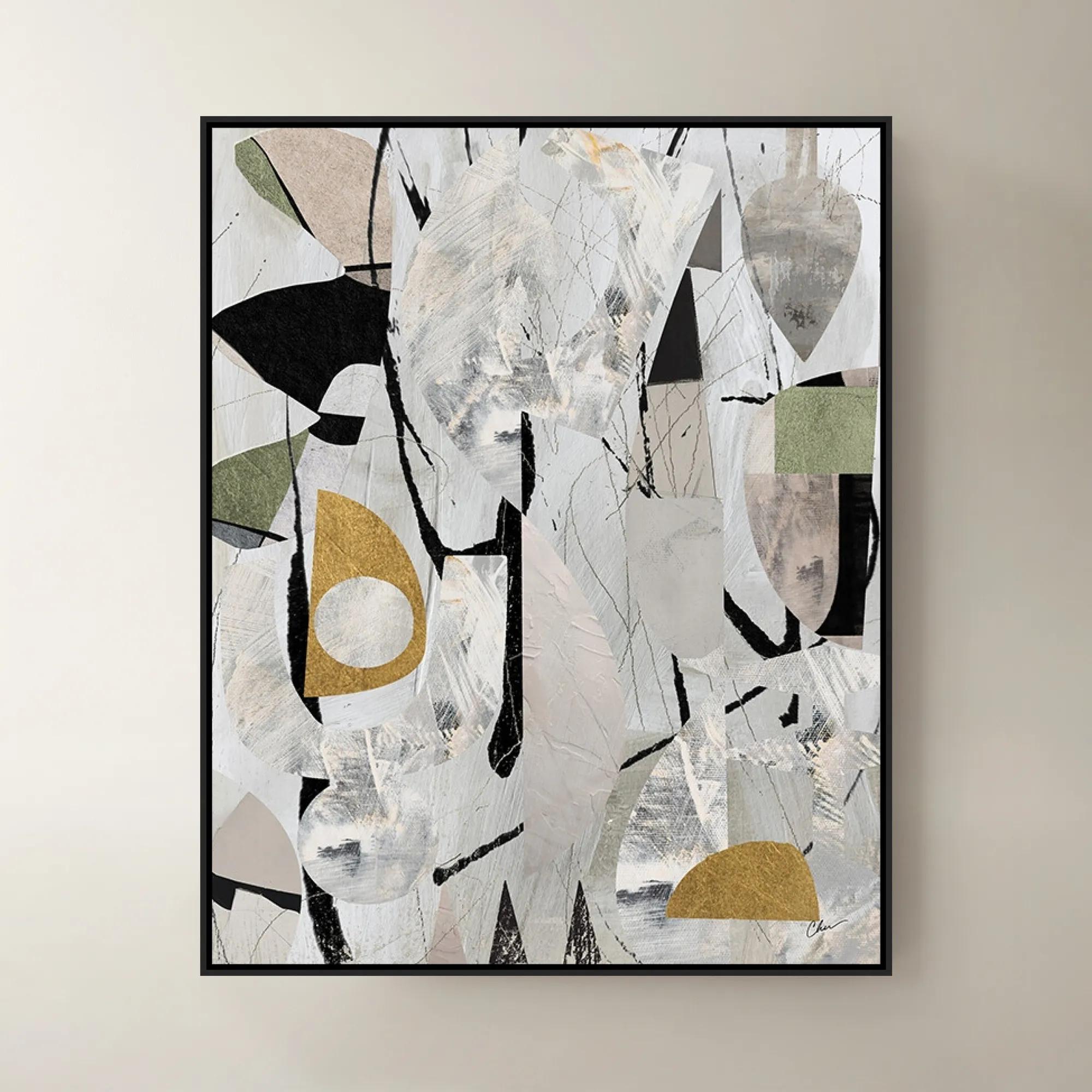
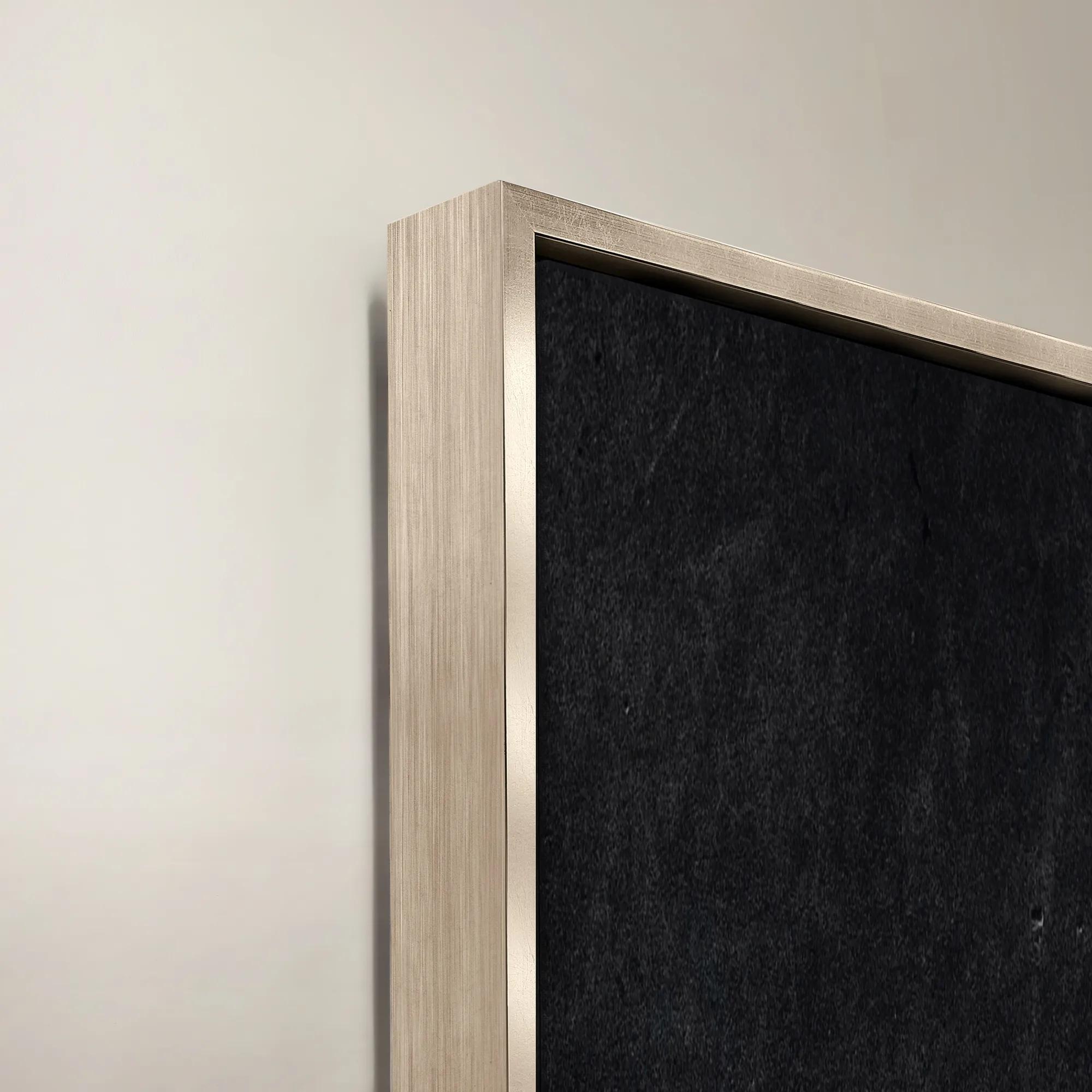 Blocked III Framed Wall Art 42" x 50"$1199
A striking abstract art piece featuring bold geometric shapes and modern design by Nikki Chu.
Add To Cart -
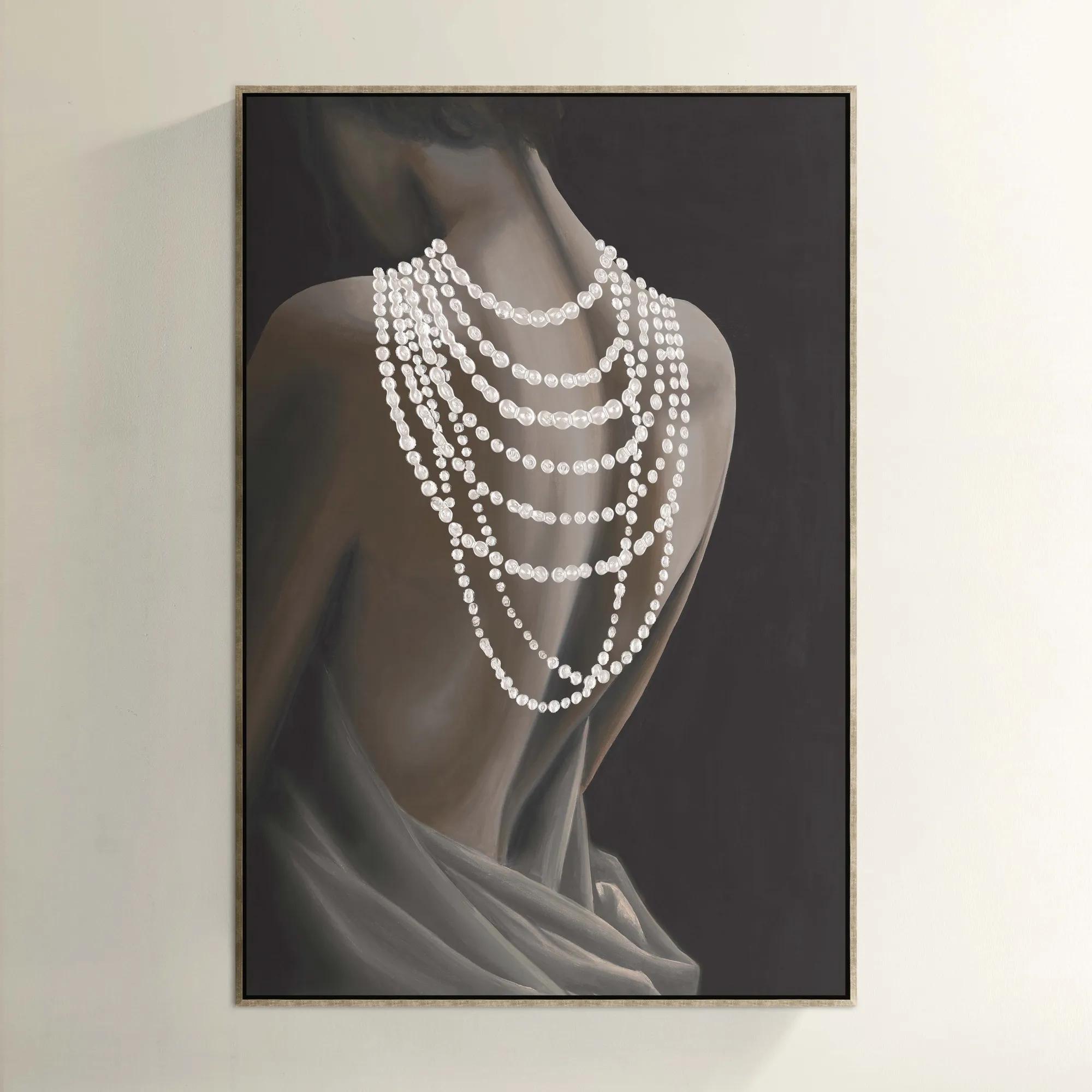 Luminescent Pearls Framed Wall Art 40" x 60"$1119
A hand-embellished canvas artwork featuring textured brush gel, set in a sleek silver floater frame.
Add To Cart -
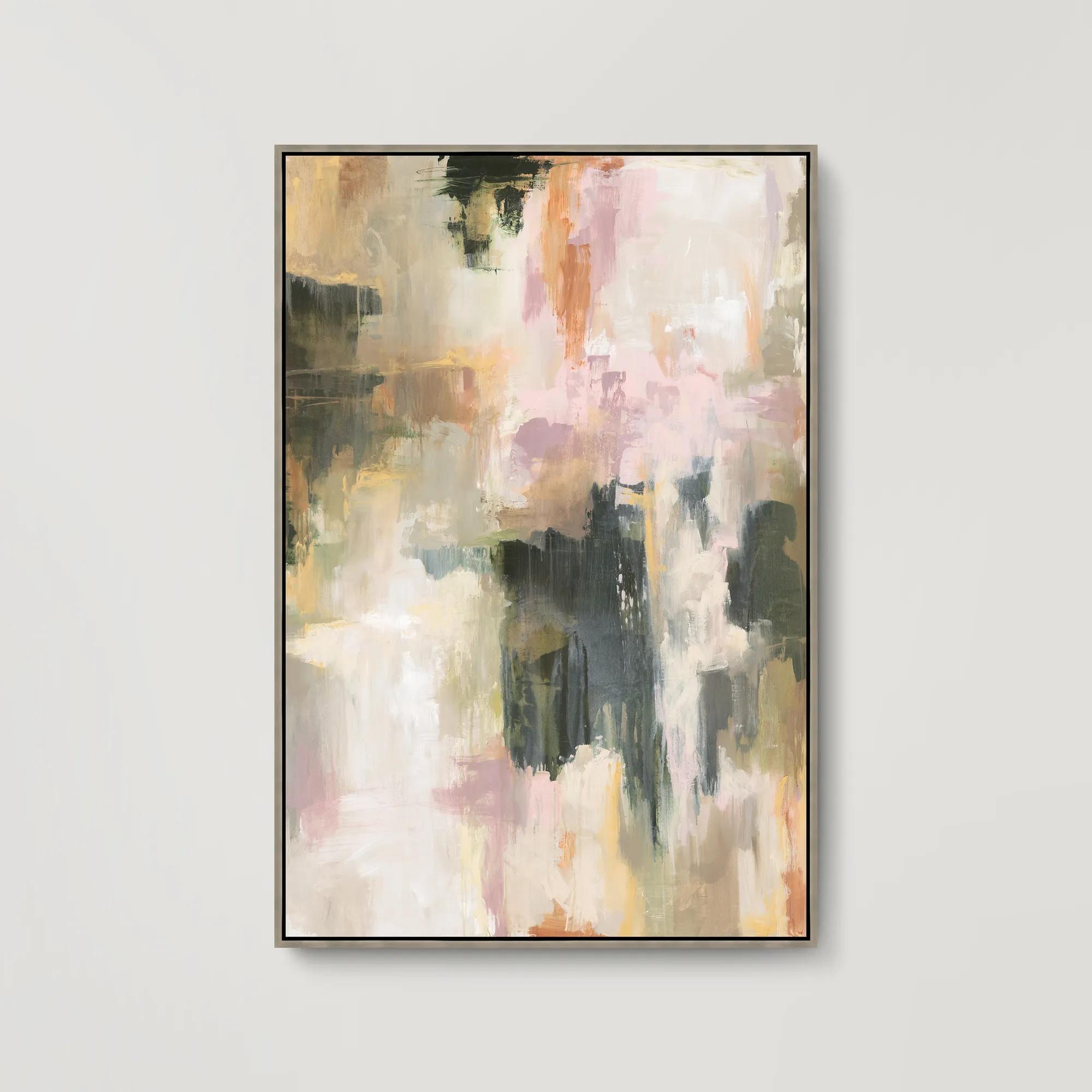
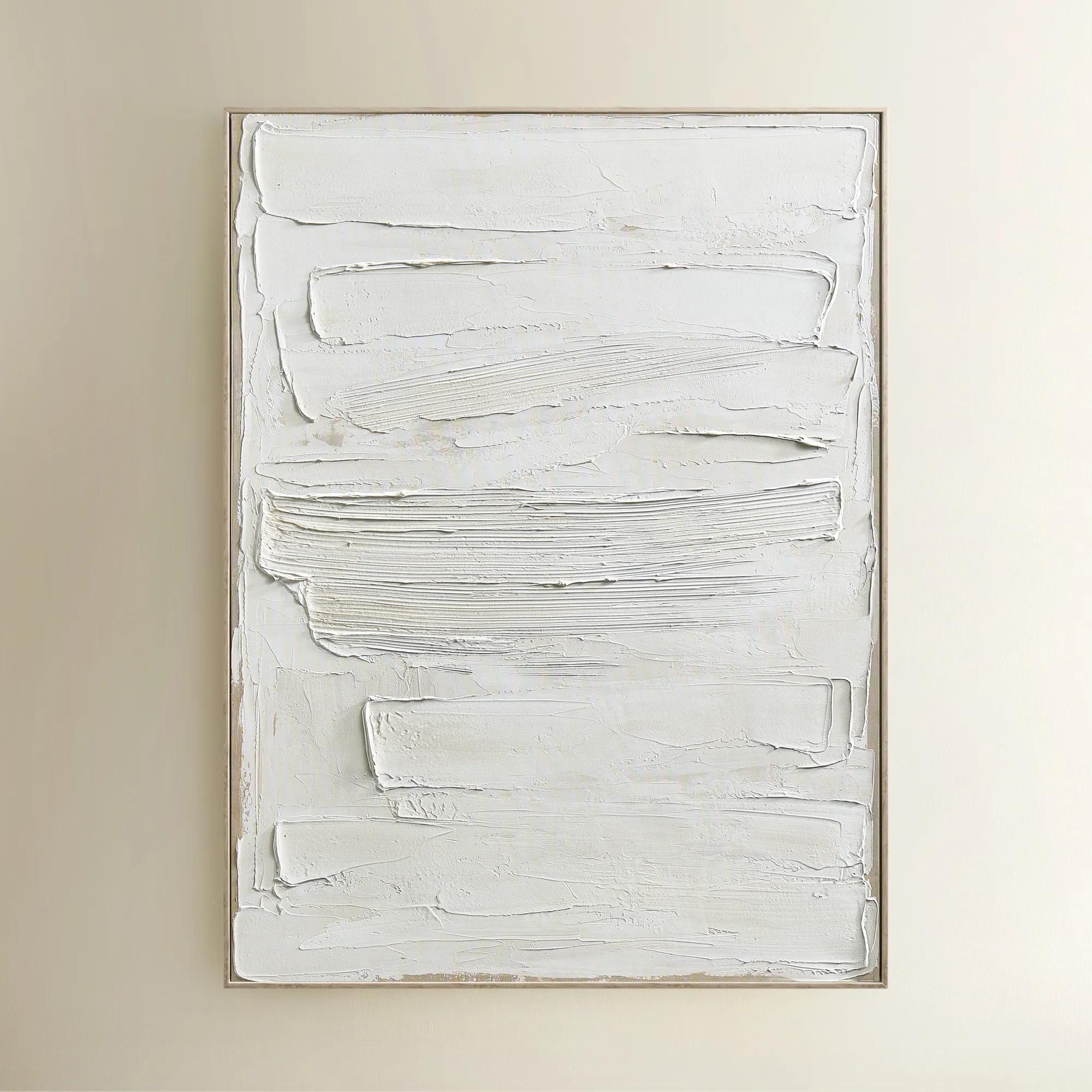
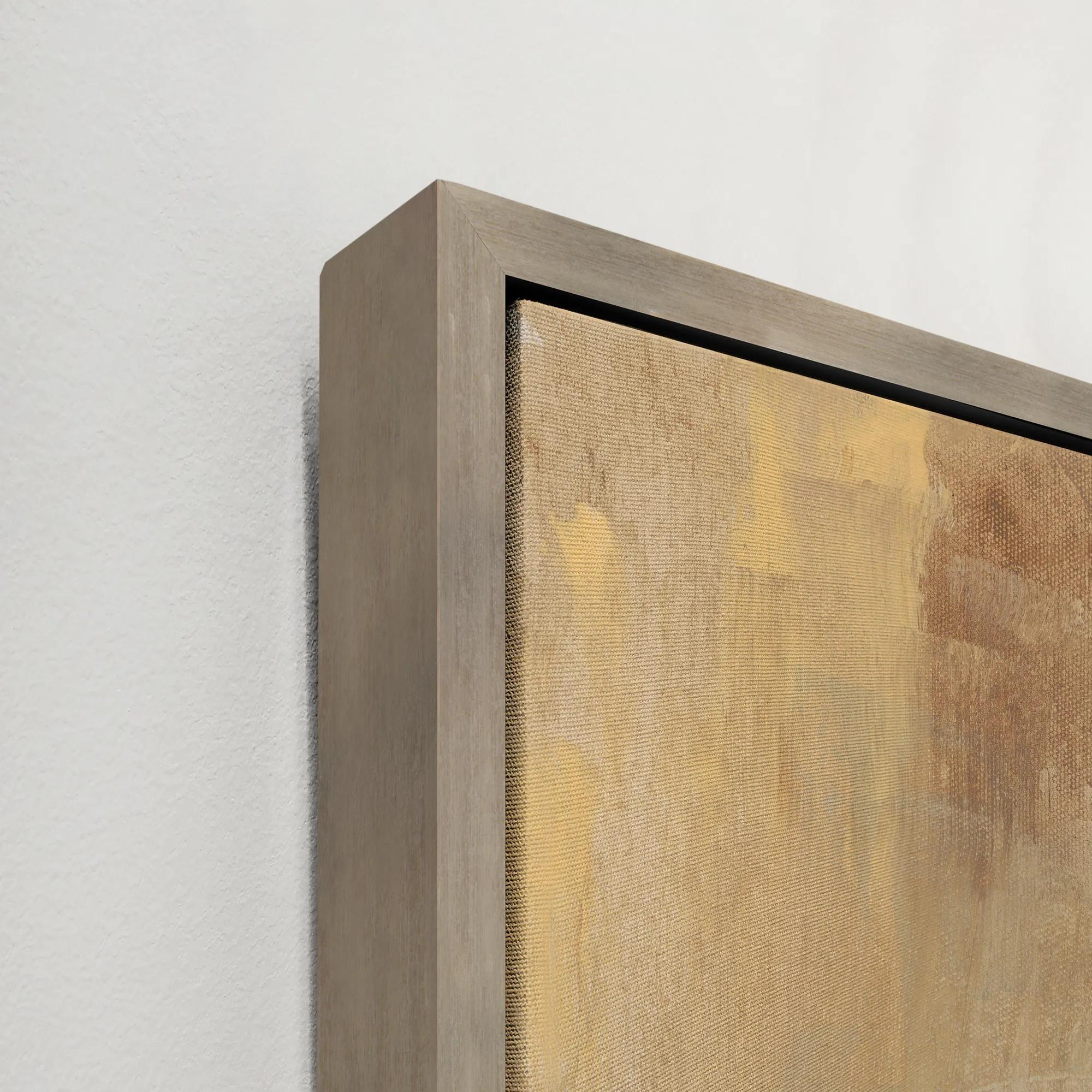 Sculpted Dreamscape Framed Wall Art 41.5" x 61.5"$999
A gallery-wrapped canvas artwork featuring a hand-applied gel finish and a sleek silver floater frame.
Add To Cart -

 Patina Horizon III Framed Painted Wall Art 40" x 40"$1199
A framed, multicolored painted canvas artwork featuring a captivating horizon-inspired composition.
Add To Cart

Fine Art Silver Frame Arts
Fine art silver frame arts transform any room into a gallery of curated brilliance, where every brushstroke and glimmering edge invites admiration. Exuding an air of sophistication and luminous charm, these pieces capture the essence of modern glamour—reflecting light, amplifying artistry, and elevating your space with undeniable drama. Each silver frame is more than a boundary; it’s a statement of refinement, inviting you to celebrate your passion for expressive design and bold self-expression. Let your walls shimmer with the allure of metallic elegance and discover how fine art silver frame arts become the crowning jewels of your home’s story.
Fine art in silver frames pairs an expressive image with a metallic border that catches light and gives the composition a distinct architectural presence. The category can include framed art prints, photographs, works on paper, and paintings, while silver-accented wall art may carry metallic detail within the artwork itself. The distinction matters: a silver frame outlines the image, while silver leaf, metallic pigment, or reflective accents become part of its visual story. Together, they can create an arresting interplay of texture, shadow, and sheen. Silver describes a color or finish rather than necessarily indicating solid silver or sterling silver construction; frames may be made from metal, wood, or engineered wood with a painted, leafed, or plated surface. Each approach lends a different character. A slender brushed-metal profile draws a precise line around a photograph, allowing tonal detail to command attention. A broad, sculptural molding gives a restrained abstract greater presence, while an antiqued silver finish introduces depth through darker recesses and softly illuminated edges. Polished finishes feel crisp and reflective; satin finishes offer a quieter luster without losing their sense of refinement. The artwork within the frame sets the emotional register. Sweeping abstracts suggest movement, architectural studies bring structure, and monochromatic photography delivers cinematic contrast. Pale washes and atmospheric landscapes can temper a richly layered room without disappearing into it. Matting also influences the effect: a generous pale border creates visual breathing room around an intricate image, while a closely framed composition feels more immediate. Glass or acrylic glazing may protect works on paper, whereas some canvas presentations remain unglazed to preserve the visibility of surface texture. Details such as glazing type, mat composition, and backing materials deserve attention because they affect both presentation and protection. The most compelling result is not simply a silver edge around an image, but a deliberate relationship between the artwork, its frame, and the room it inhabits.
Scale gives silver-framed art its authority. Above a sofa, a substantial horizontal composition can establish a visual anchor, while two coordinating vertical pieces lend height and rhythm to a narrow wall. The dimensions that matter are the overall framed measurements, not just the image size: a wide molding or generous mat can add considerable presence. As a starting point, artwork spanning roughly two-thirds to three-quarters of the furniture beneath it often feels balanced, though surrounding architecture and the weight of the composition may call for a different proportion. Leaving approximately six to ten inches between the bottom of a frame and a console or sofa back can help the arrangement feel connected rather than suspended in isolation. These are useful reference points, not rigid rules; a tall ceiling, a low-profile sectional, or an especially dramatic image may reward a more individual approach. A composition built around Artistic Silver Frame Wall Art can bring definition to a living room, polish to a dining space, or a poised backdrop to a home office. Silver need not match every metal in the room. Against warm wood, its cooler gleam creates contrast; beside chrome, mirrored surfaces, or clear glass, it reinforces a luminous palette. With brass accents, it feels intentional when the finishes recur elsewhere rather than competing as isolated statements. Color within the artwork can tie the arrangement together more subtly than matching the frame alone. A trace of charcoal might echo a velvet chair, while an ivory ground can relate to upholstery or a textured rug. Consider the view from the doorway as well as the view from a seat: art should reward both the first impression and a closer look. In a dining room, a reflective frame can enliven the wall, but its position should avoid catching an uncomfortable glare from a chandelier. In an entryway, a bold image with a clean silver border establishes a memorable introduction without relying on a crowded arrangement.
Lasting beauty depends on construction, placement, and care as much as the initial visual impact. Frame corners should meet neatly, the backing should be secure, and hanging hardware should suit the finished piece’s weight. Larger glazed artwork can be surprisingly heavy, making appropriate wall anchors or attachment to a stud important for a secure installation; the right method depends on the wall material and the manufacturer’s directions. Glass offers a firm, clear surface but adds weight and can break, while acrylic is lighter and more resistant to shattering, though it generally scratches more easily. Neither material should be assumed to provide ultraviolet protection unless that feature is specified, and even protective glazing does not make artwork immune to fading. Positioning art away from direct sunlight, persistent moisture, and heat sources helps preserve paper, pigments, adhesives, and framing materials. A powder room may accommodate framed art more comfortably than a bathroom exposed to frequent steam, and a kitchen wall away from splashes and cooking residue is a more considered setting than the area beside a range. Routine care should be gentle: dust the frame with a soft, dry cloth, follow the stated instructions for the glazing, and never spray cleaning liquid directly onto the framed piece. Moisture can seep beneath edges, while abrasive cleaners or metal polish may damage a silver-colored finish that is not solid metal. Fine art in silver frames is especially appealing to collectors drawn to reflective detail, design enthusiasts who enjoy layering materials, and anyone seeking a focal point with both artistic expression and a finished presentation. It can also make a thoughtful housewarming or wedding gift when the recipient’s taste and wall space are understood. An abstract composition in a familiar palette may suit an expressive interior, while an architectural photograph can feel personal to someone with a connection to a particular place. Chosen with that level of attention, silver-framed art becomes more than an accent: it gives a room a distinct point of view.
FAQs
Fine art wall frames with silver finishes are remarkably versatile, enhancing a range of interior styles from contemporary and modern to transitional and even art deco. Their cool, reflective surface brings a touch of glamour to minimalist spaces, while also providing a sophisticated contrast in eclectic or maximalist rooms. The shimmering edge of a silver gallery frame highlights both vibrant and neutral palettes, making it a favorite among those who appreciate bold artistic expression.
A silver gallery frame acts as a luminous border, reflecting light and drawing the eye toward the artwork’s details. Its neutral yet striking finish intensifies color saturation and makes subtle textures more noticeable. Whether paired with abstract compositions or classic photography, silver frames amplify the drama and depth of each piece, turning any wall into an elegant focal point.
Absolutely. Fine art silver frame arts make exceptional gifts for housewarmings, weddings, anniversaries, or milestone celebrations. Their timeless elegance and universal appeal ensure they resonate with a variety of tastes, while the personal touch of curated art creates a memorable, lasting impression for recipients.
Curating a gallery wall with z gallerie framed art in silver frames is all about balancing scale, color, and subject matter. Start by selecting a mix of pieces that share a common thread—whether it’s a color palette, artistic style, or thematic motif. Arrange them in a visually pleasing layout, mixing horizontal and vertical orientations, and allow the silver frames to create a cohesive, gallery-inspired look that feels both curated and personal.
Fream arts latest trends in silver frame designs include sculptural profiles, brushed or antiqued finishes, and mixed-material accents that add depth and intrigue. Artisans are experimenting with unique textures and subtle embellishments, allowing silver frames to become artistic statements in their own right. These innovative touches ensure that each piece not only showcases the art but also becomes an integral part of your home’s narrative.