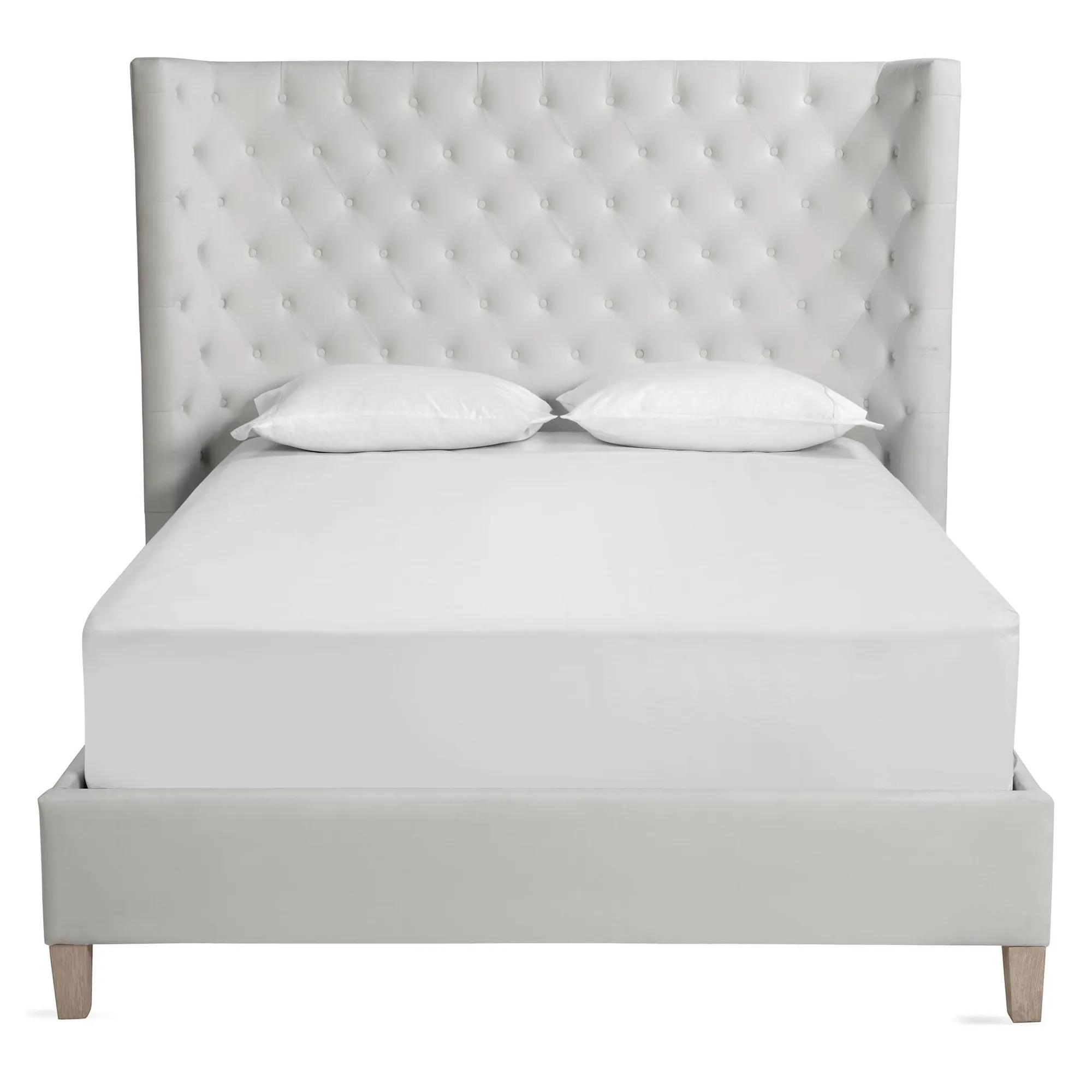
Fall Bedroom Furniture Deals
Fall Bedroom Furniture Deals
-
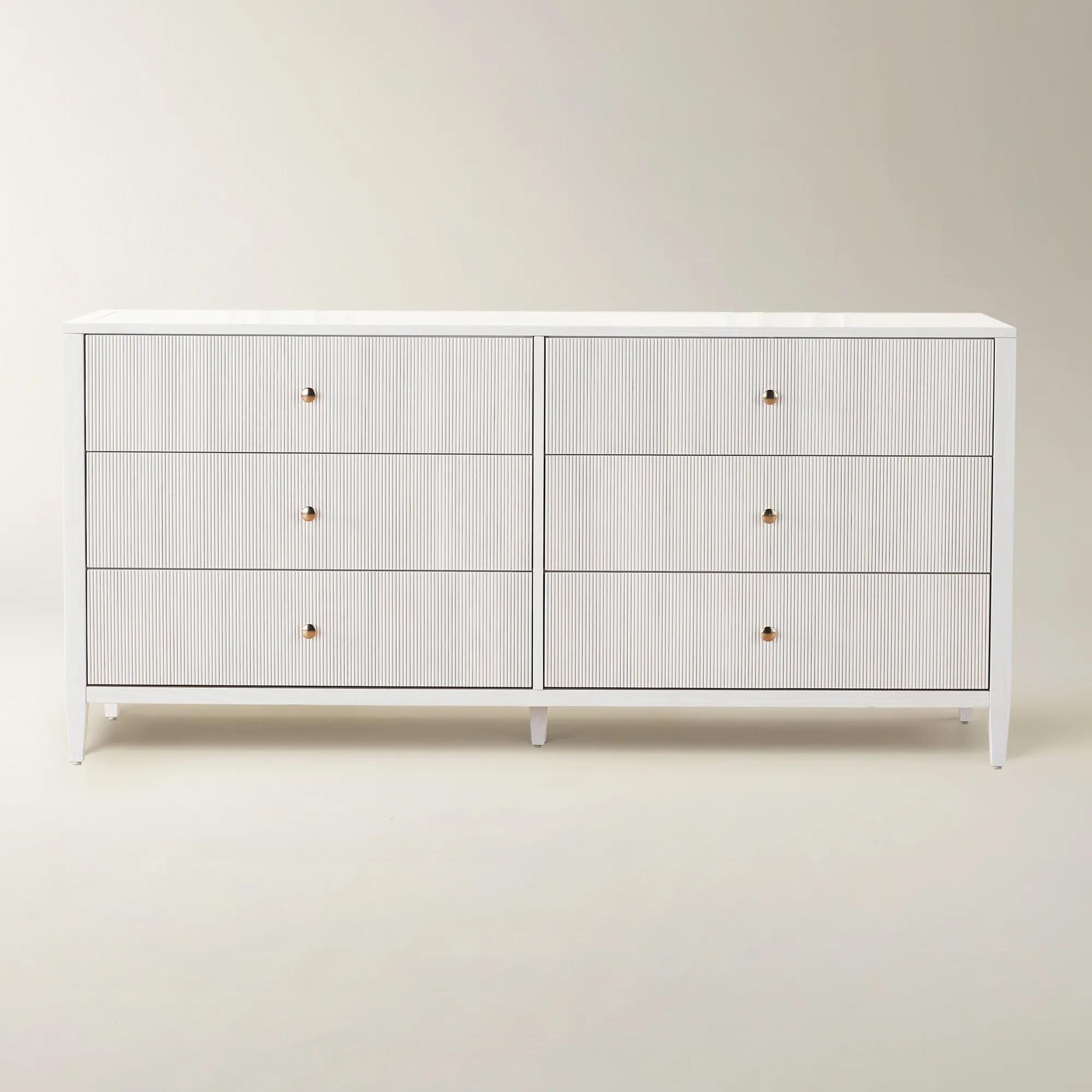
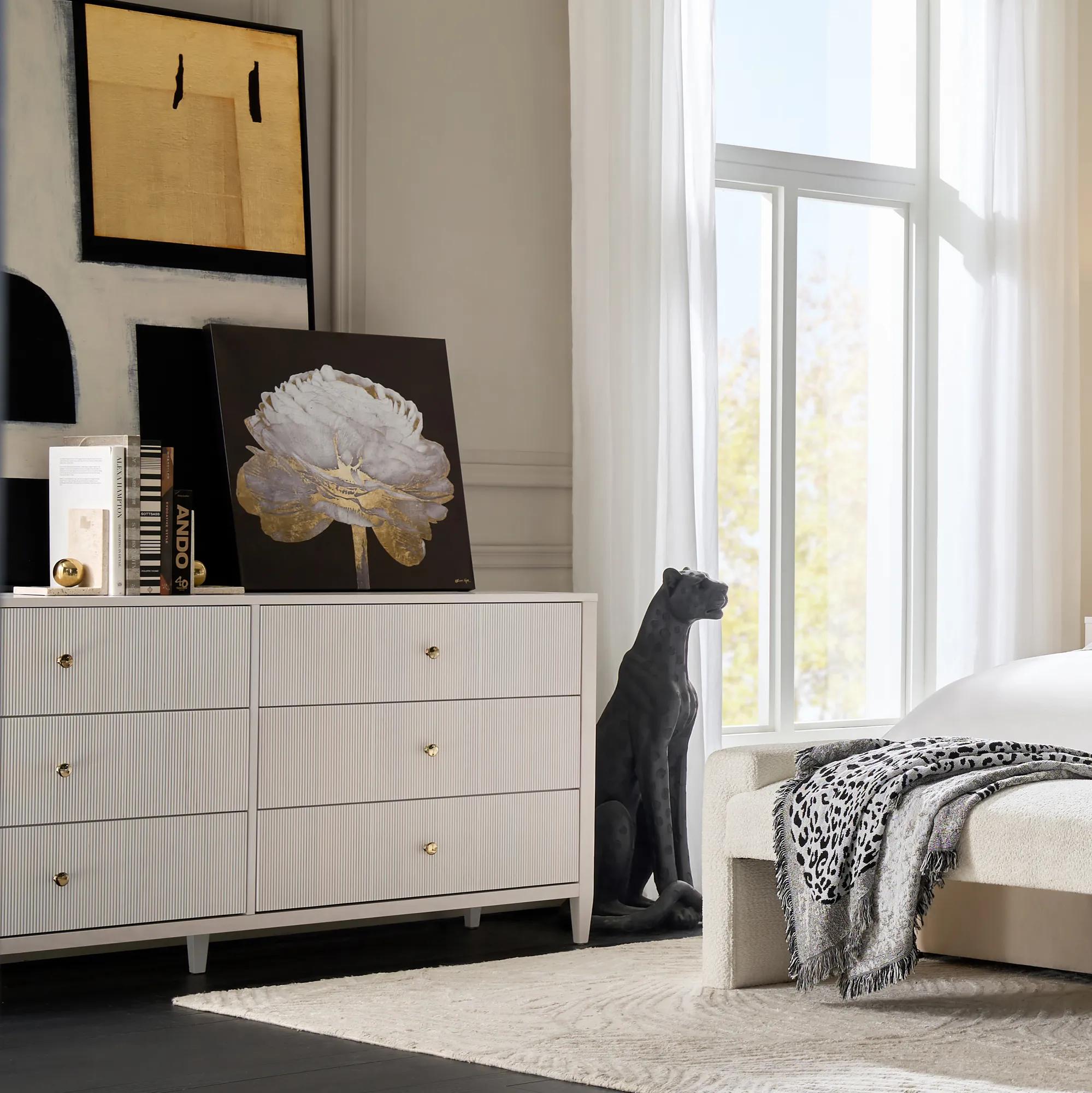 Viola Reeded White Ash Wood 6-Drawer Dresser (70")$1899
A modern dresser in bone white ash wood with reeded fronts and brass hardware for a luxe touch.
Add To Cart -
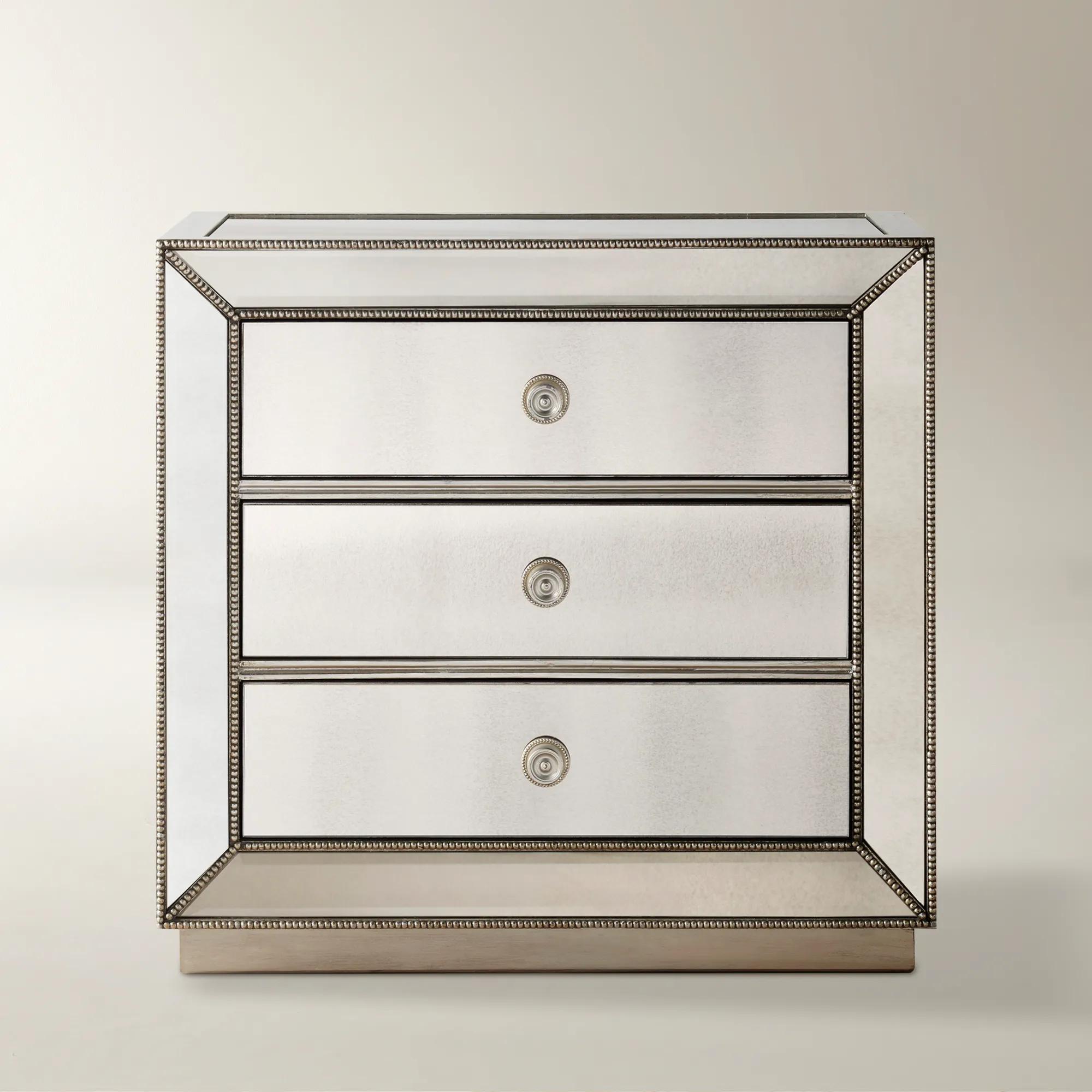
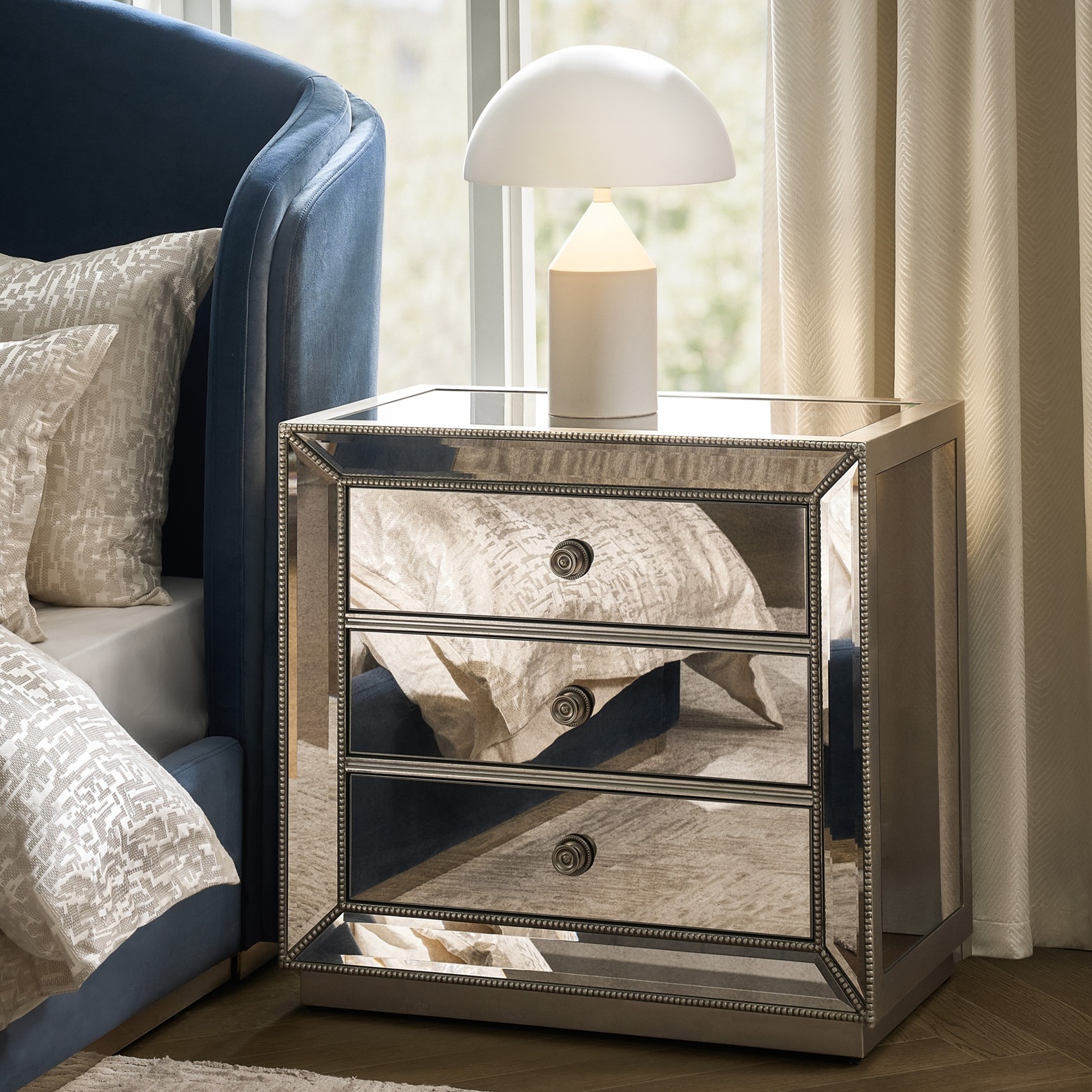 Omni Mirrored Silver 3-Drawer Nightstand (32")$1299
A glamorous chest featuring antiqued mirrored panels, hand-applied silver-leaf finish, and beaded trim.
Add To Cart -
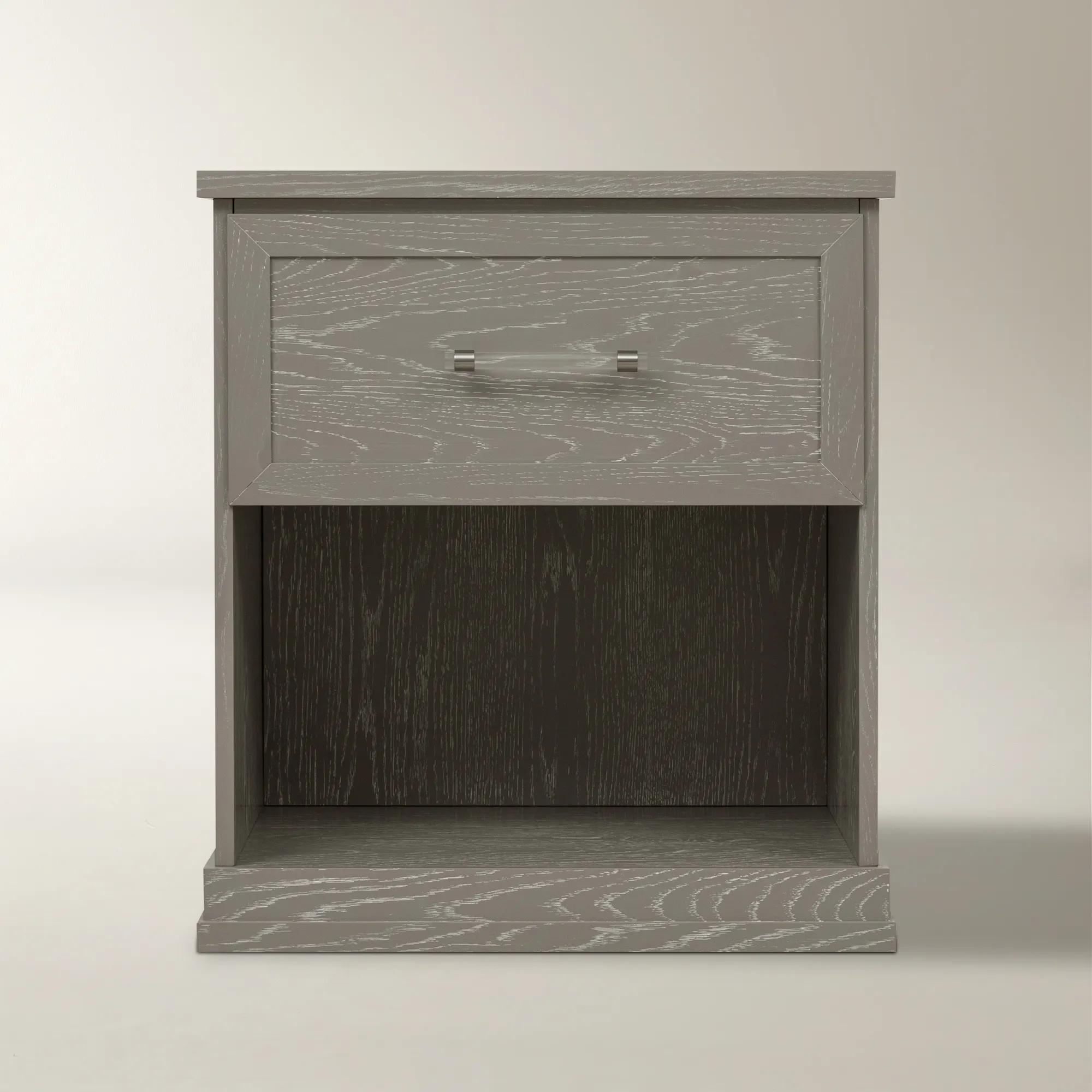
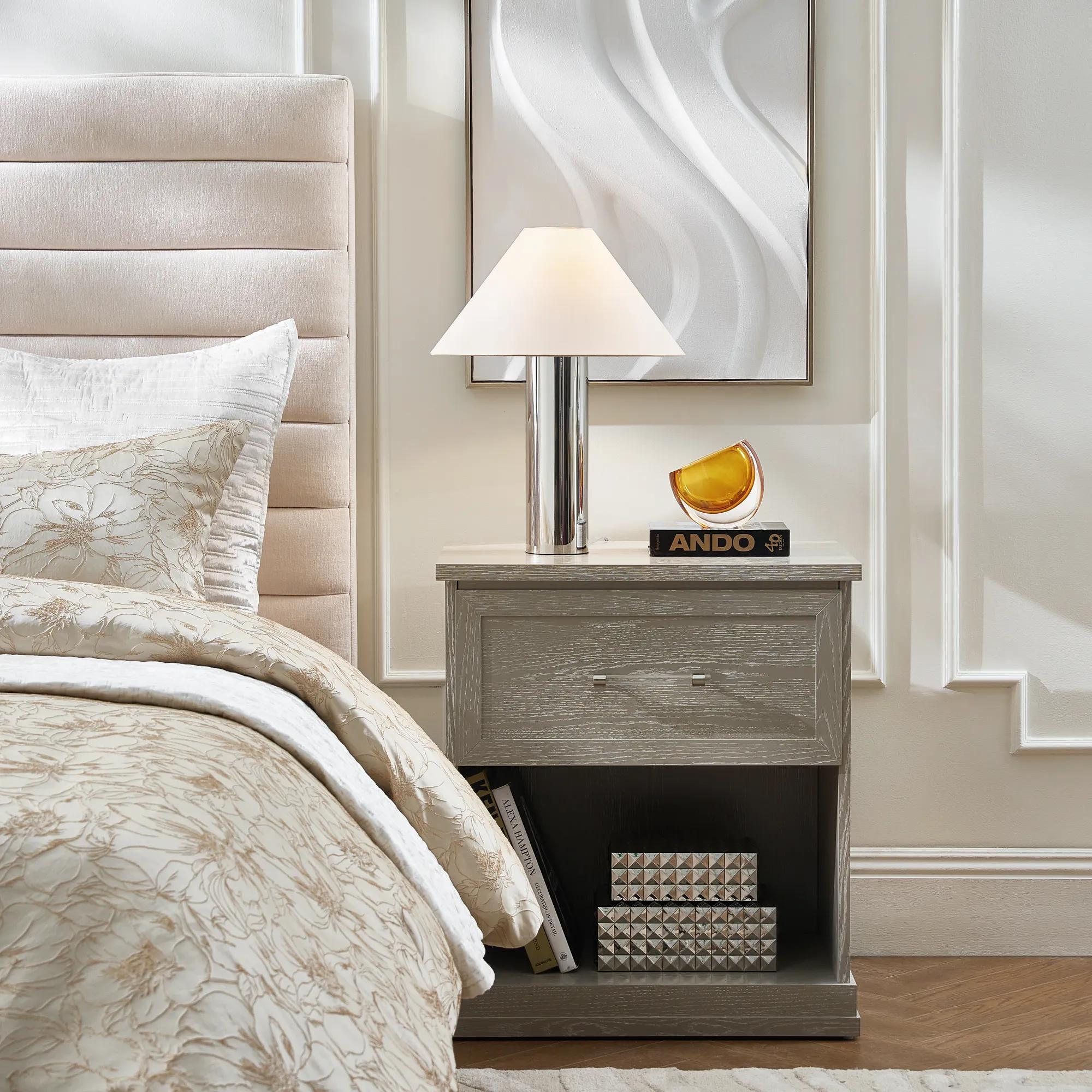 Arwin Grey Oak 1-Drawer Nightstand (26")$699
A contemporary grey hardwood veneer nightstand featuring acrylic and brushed silver handles with soft-closing drawers.
Add To Cart -
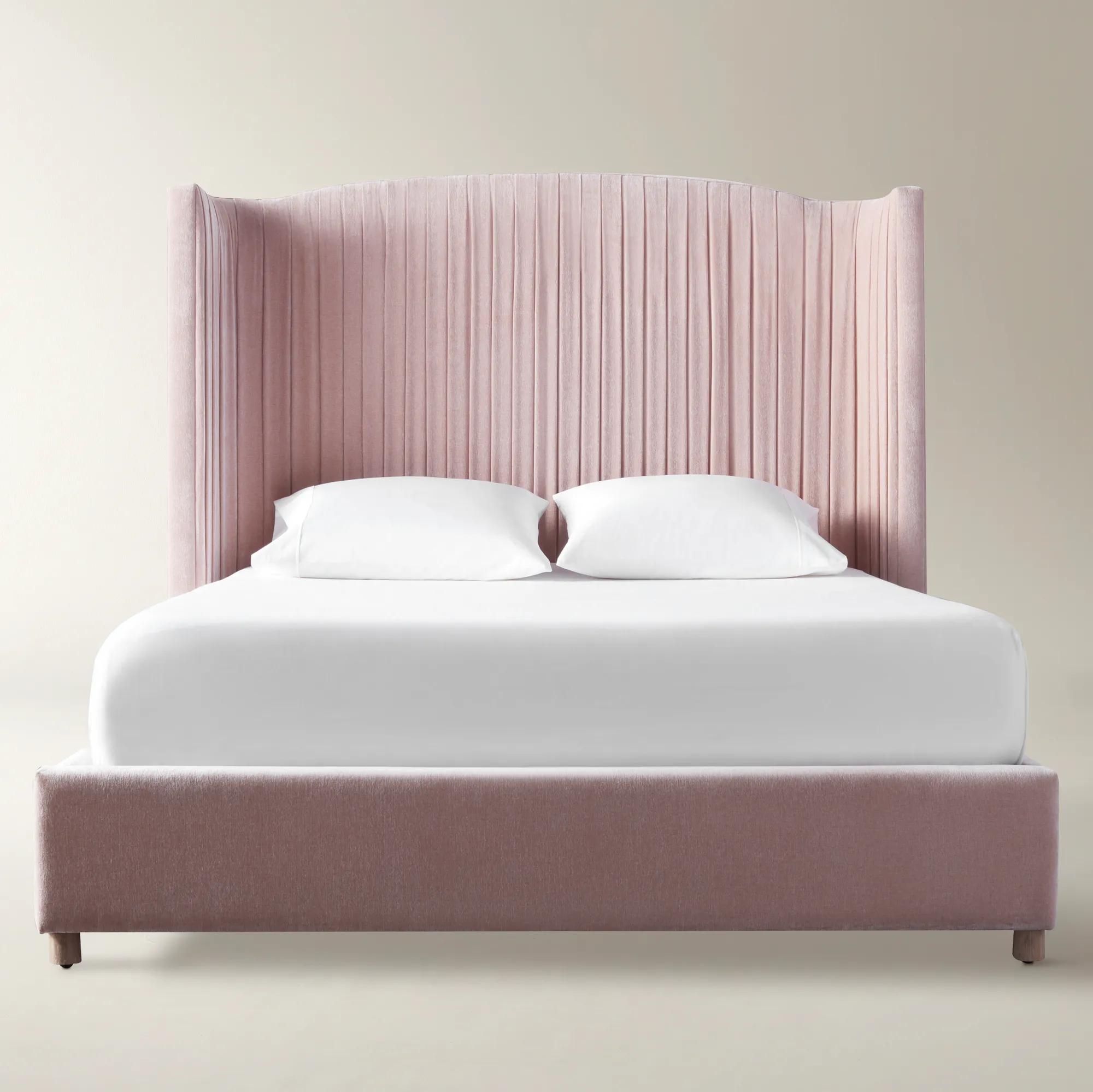
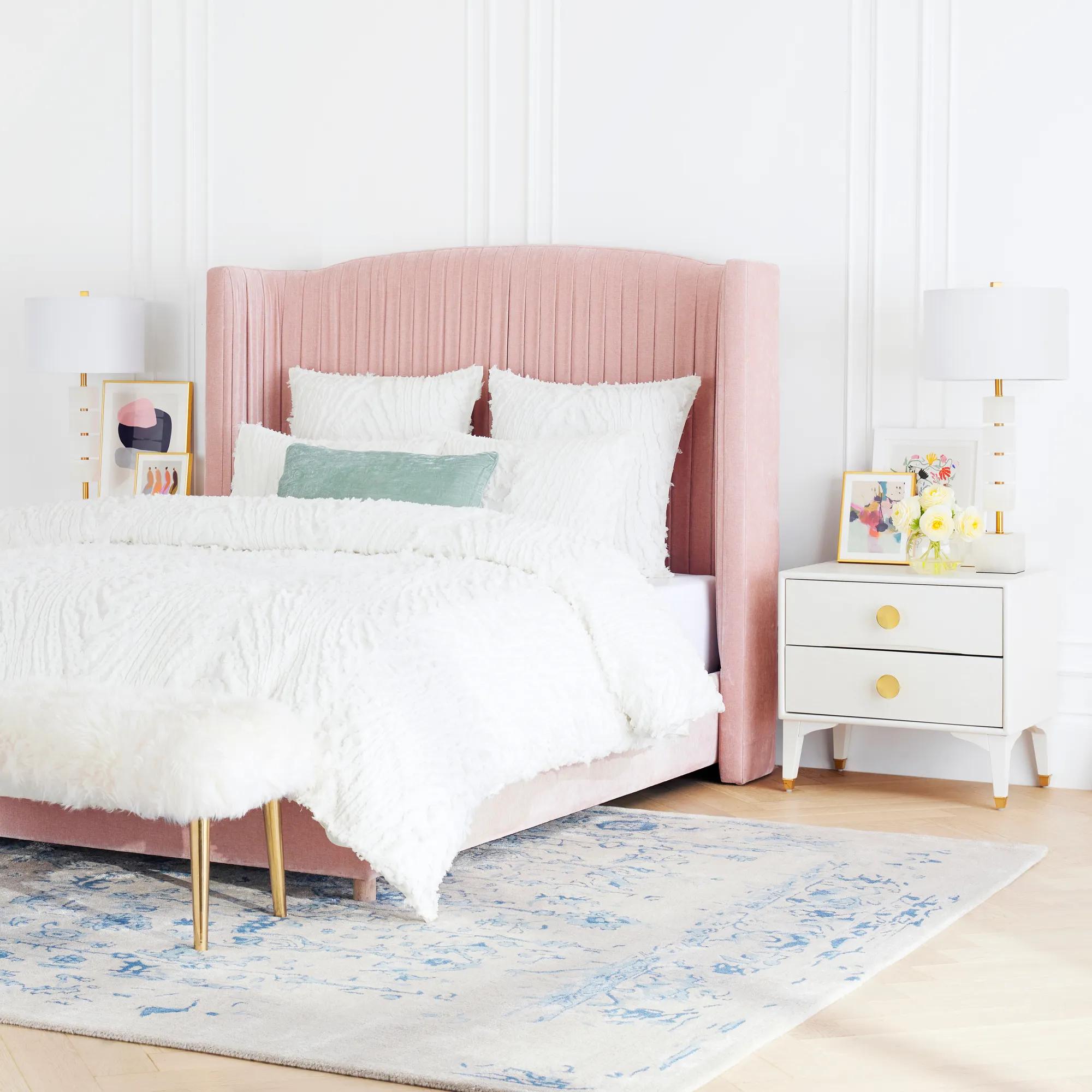 Larissa Platform Bed$2549
An elegantly curved wingback bed with hand-pleated chenille upholstery and a kiln-dried hardwood frame.
Add To Cart -
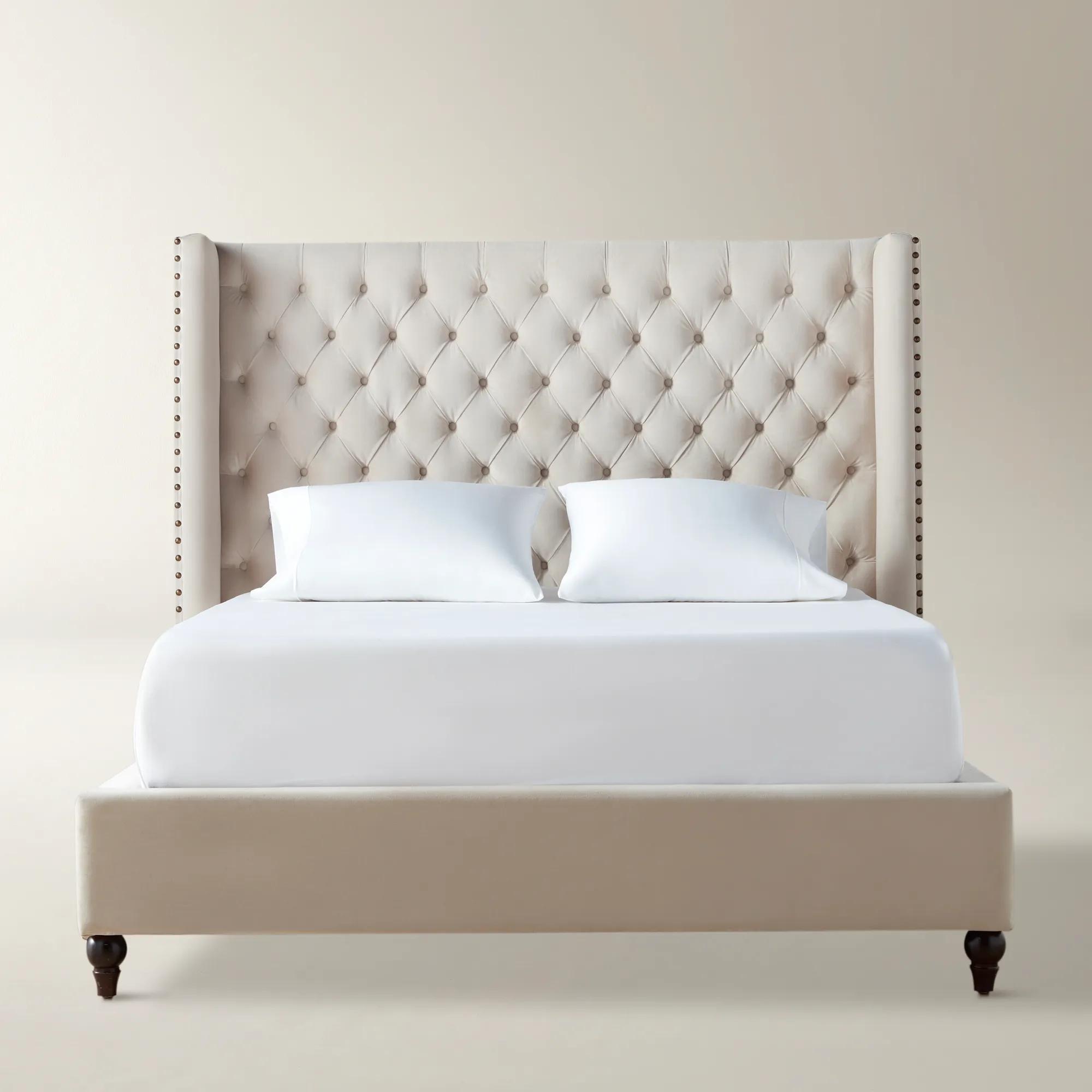
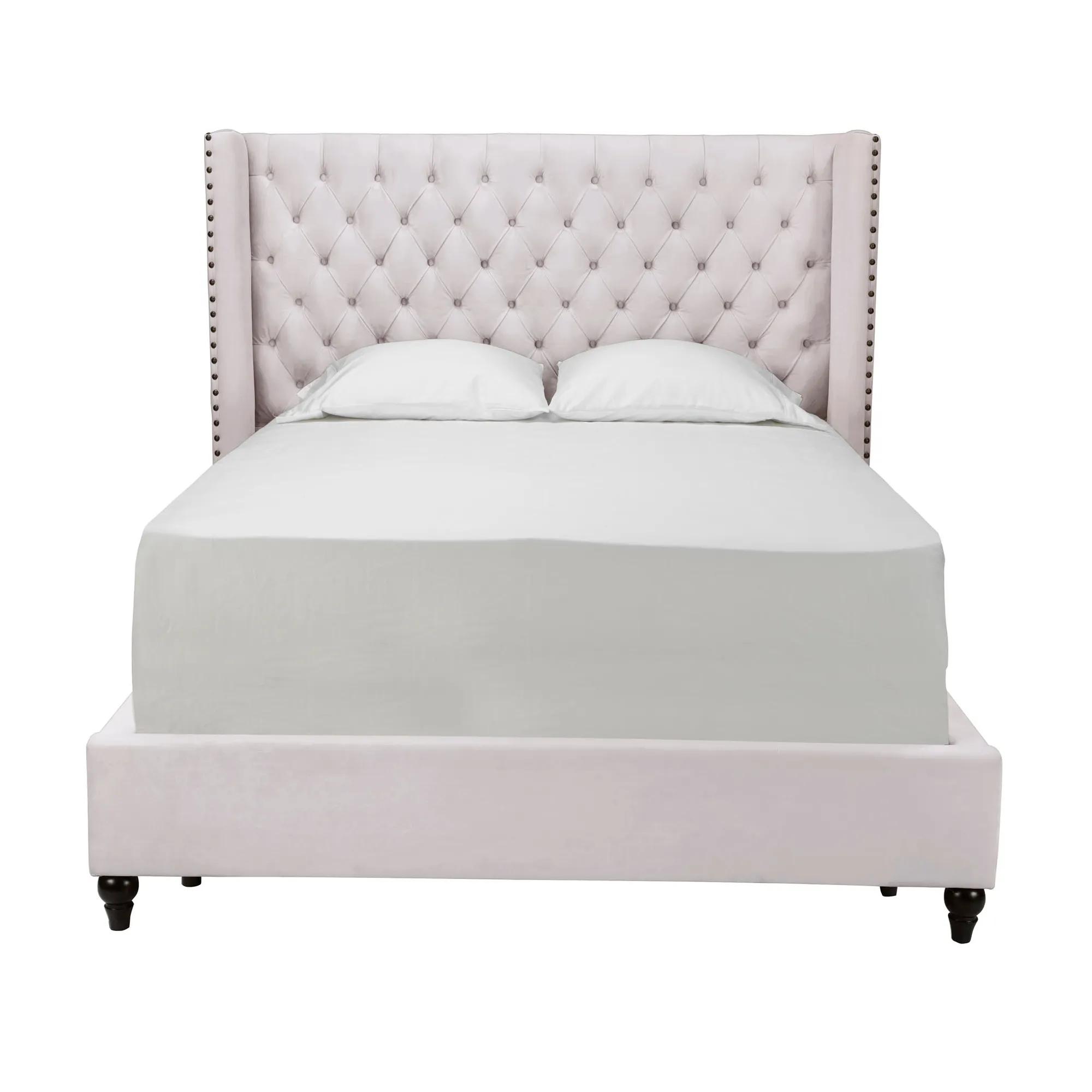
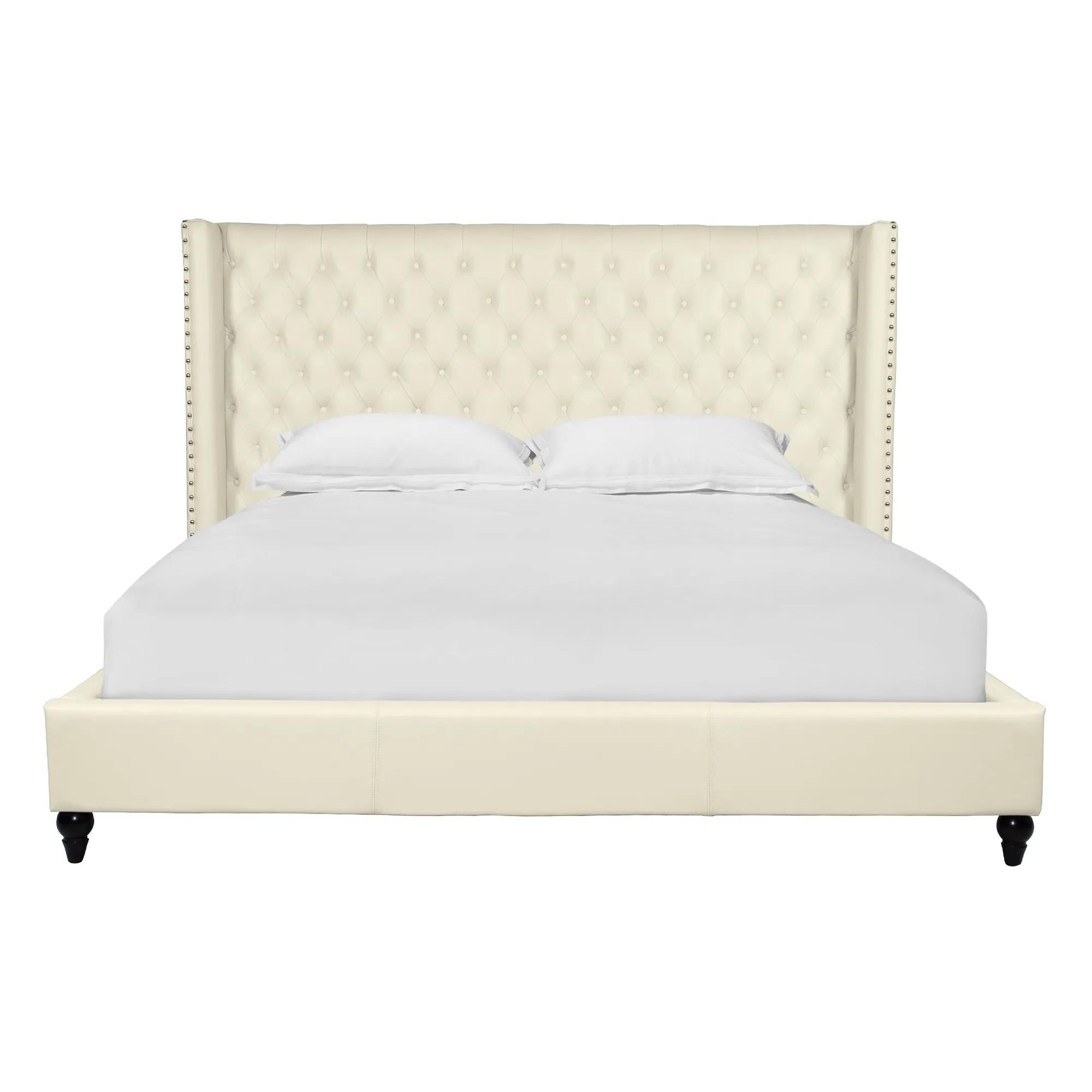
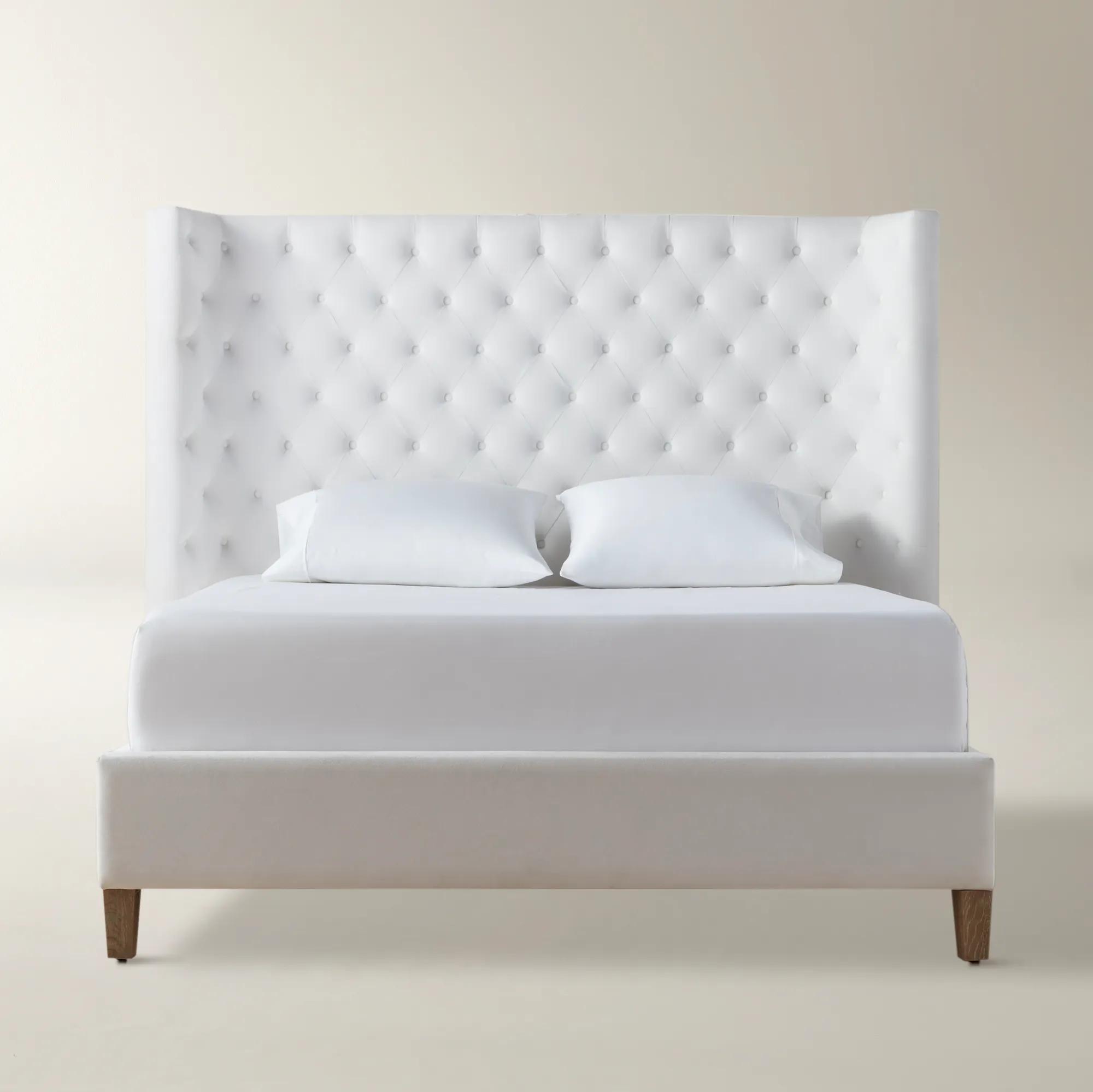 Jen Bed$3099
A glamorous wingback bed with hand-applied diamond button tufting and plush Bella Velvet White upholstery.
Add To Cart -
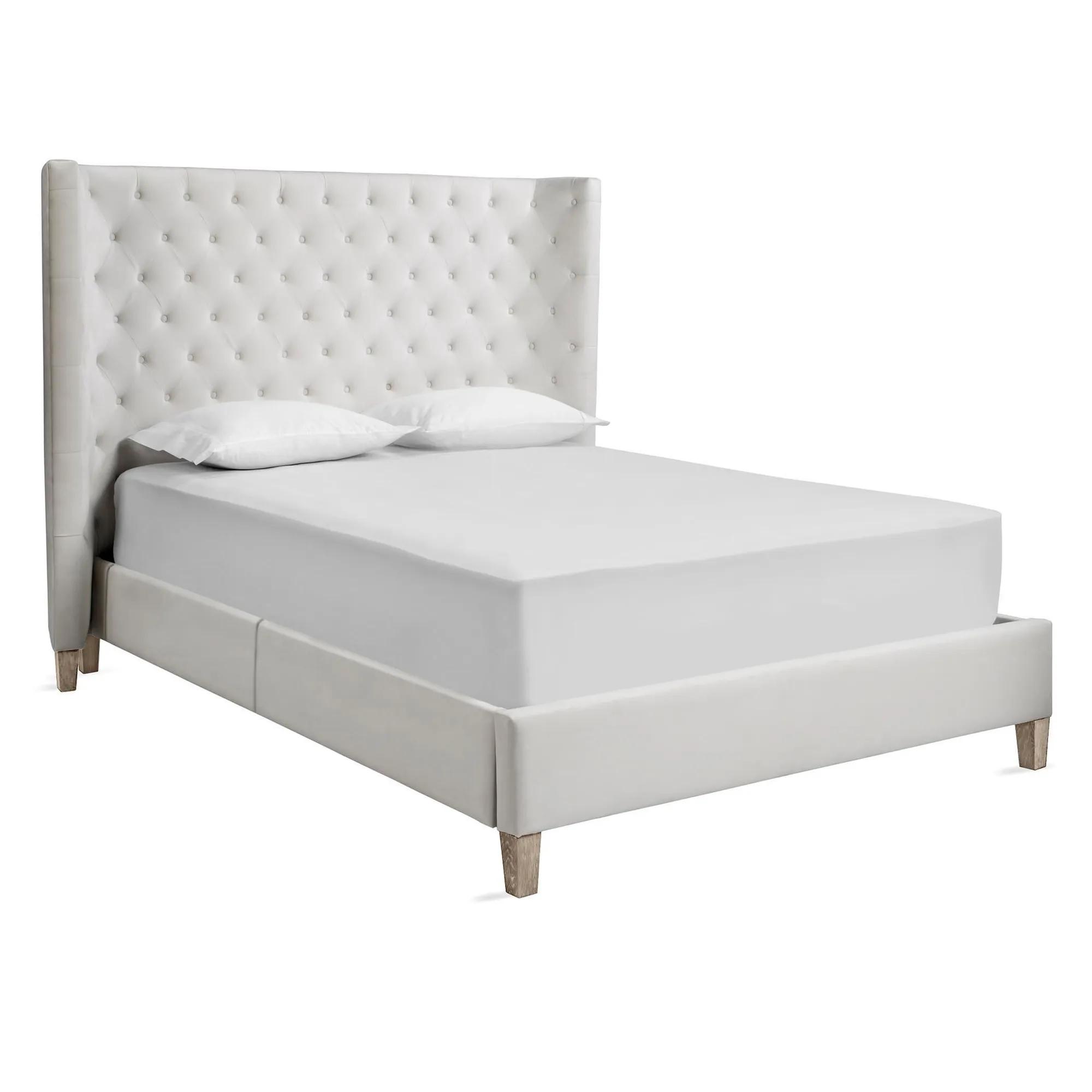 Jen Storage Bed$3399
A glamorous platform bed with a curved wingback headboard, hand-tufted velvet upholstery, and four storage drawers.
Add To Cart -

 Tenley Bed$2299
A modern bed with a kiln-dried hardwood frame and plush, high-density foam headboard in oyster linen.
Add To Cart -
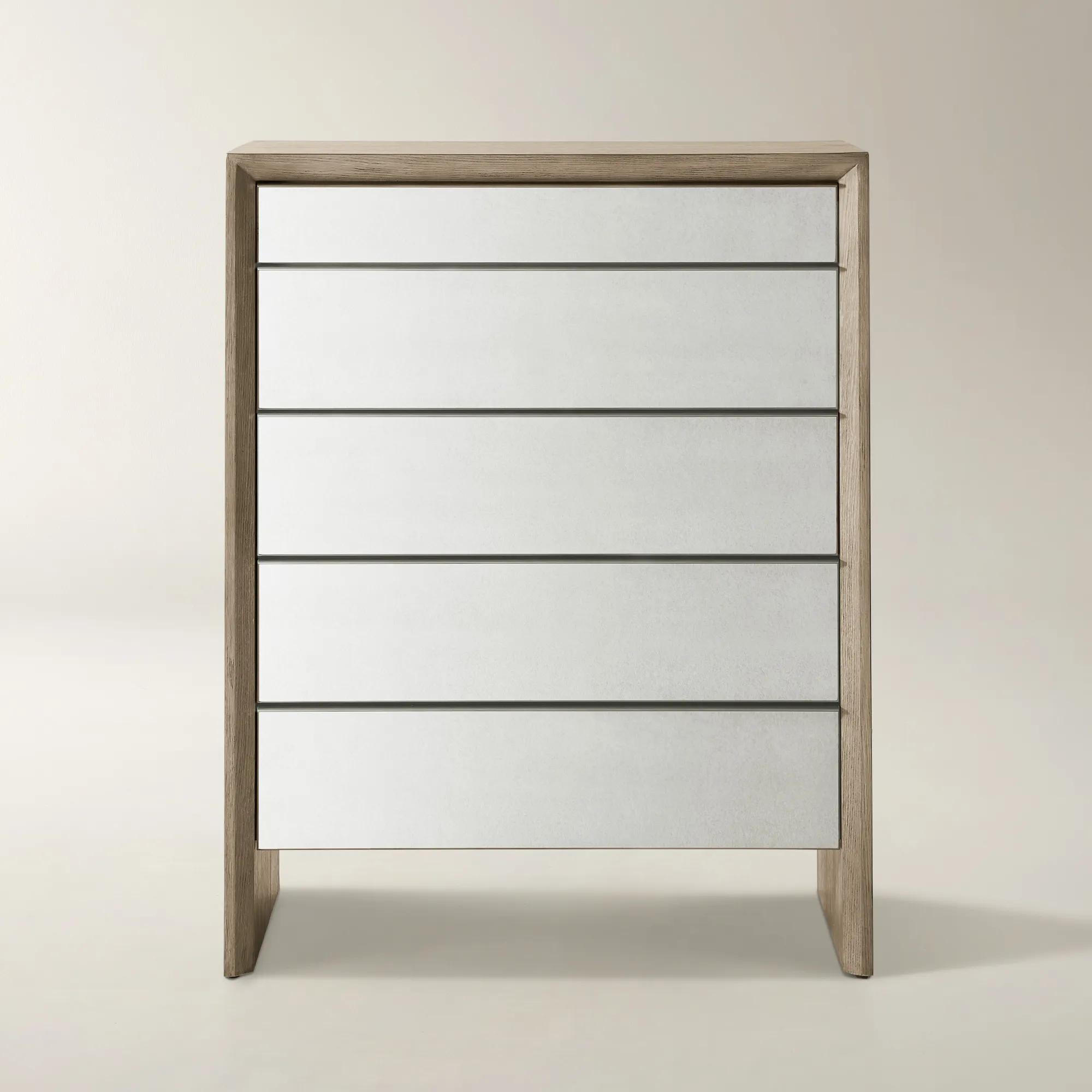
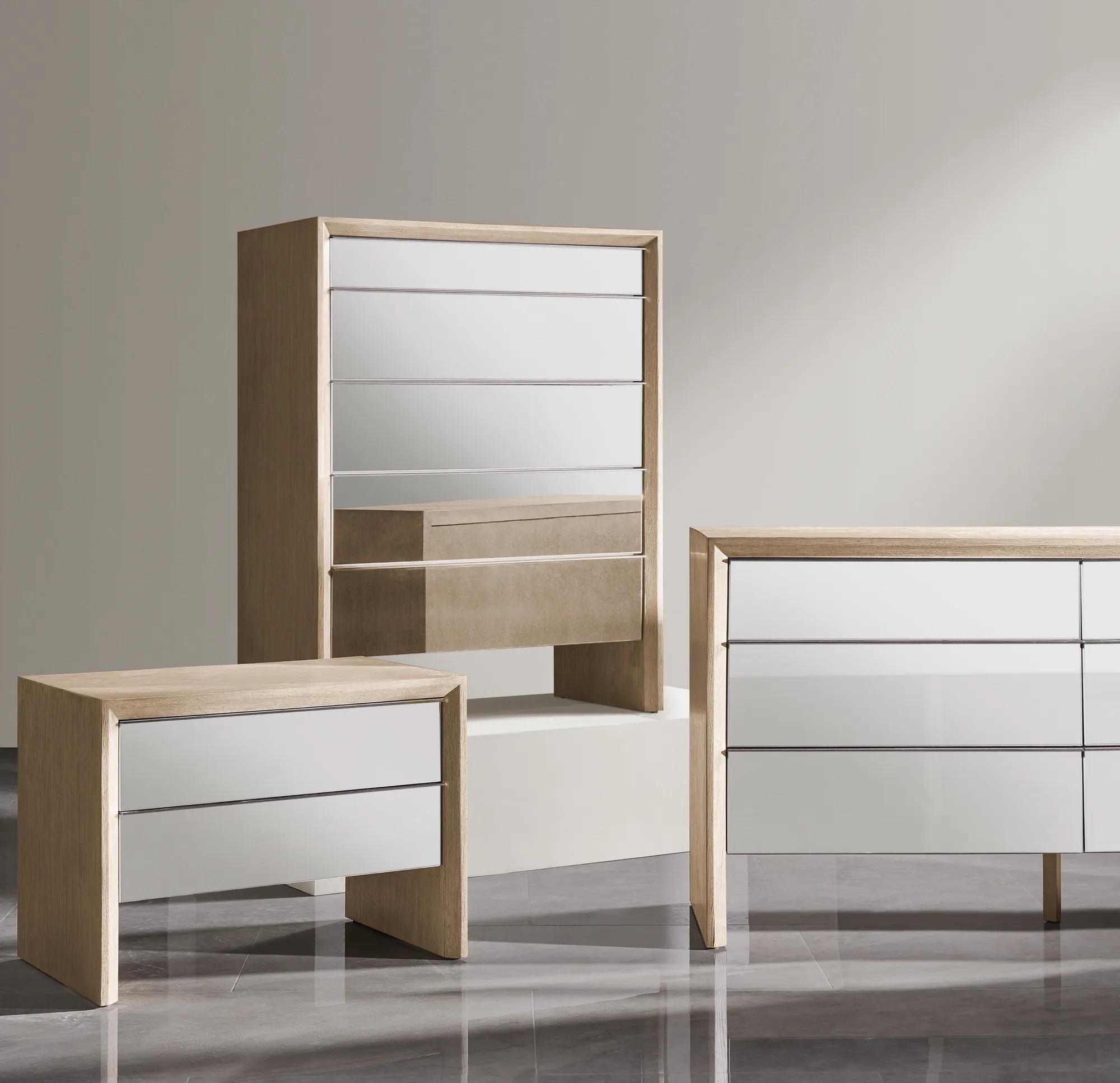 Glimmer Mirrored Seadrift Oak 5-Drawer Tall Dresser (40")$2099
A versatile chest featuring sea drift oak veneer, antique mirrored drawer fronts, and soft-close drawers for elegant storage.
Add To Cart -
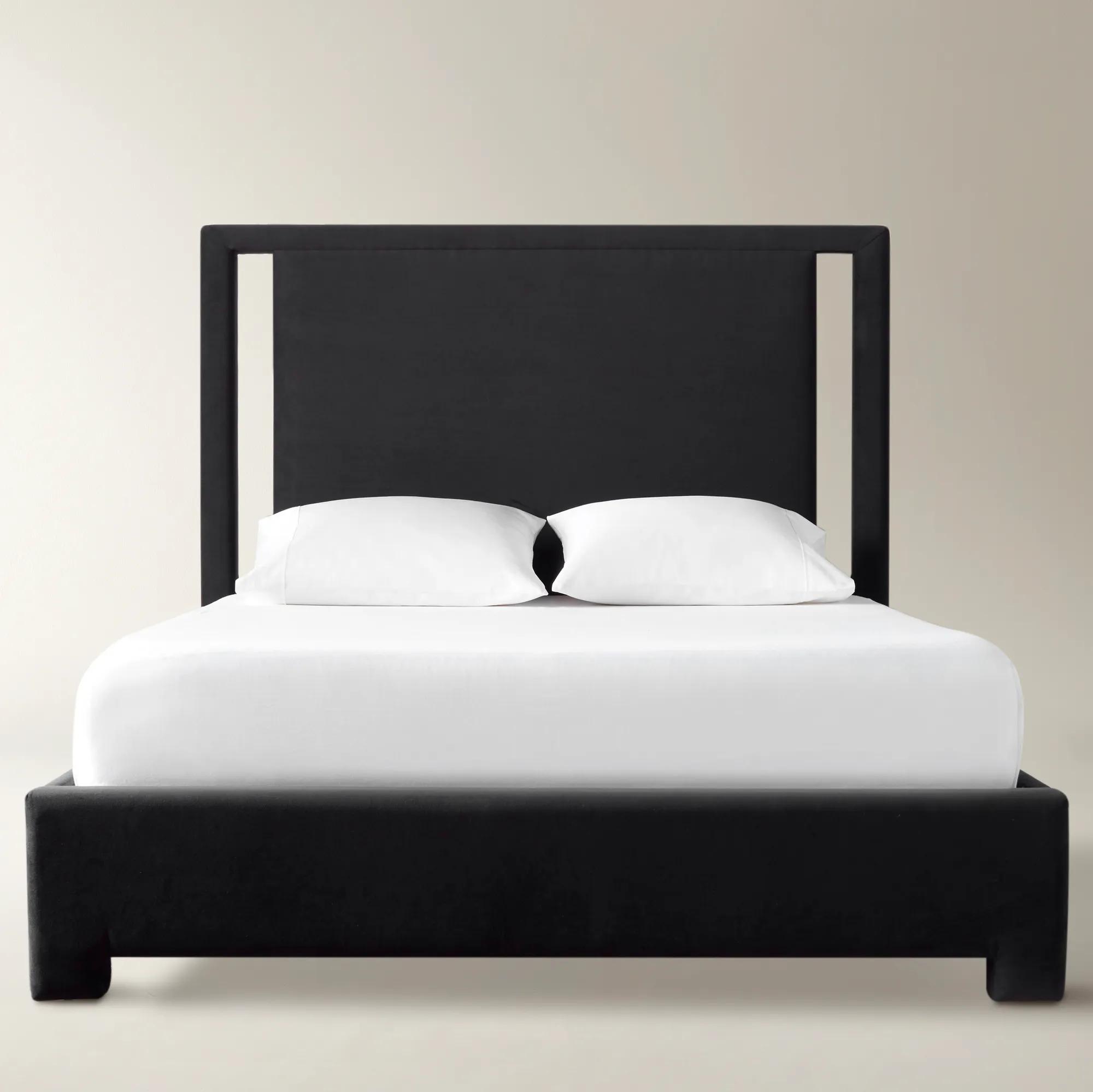
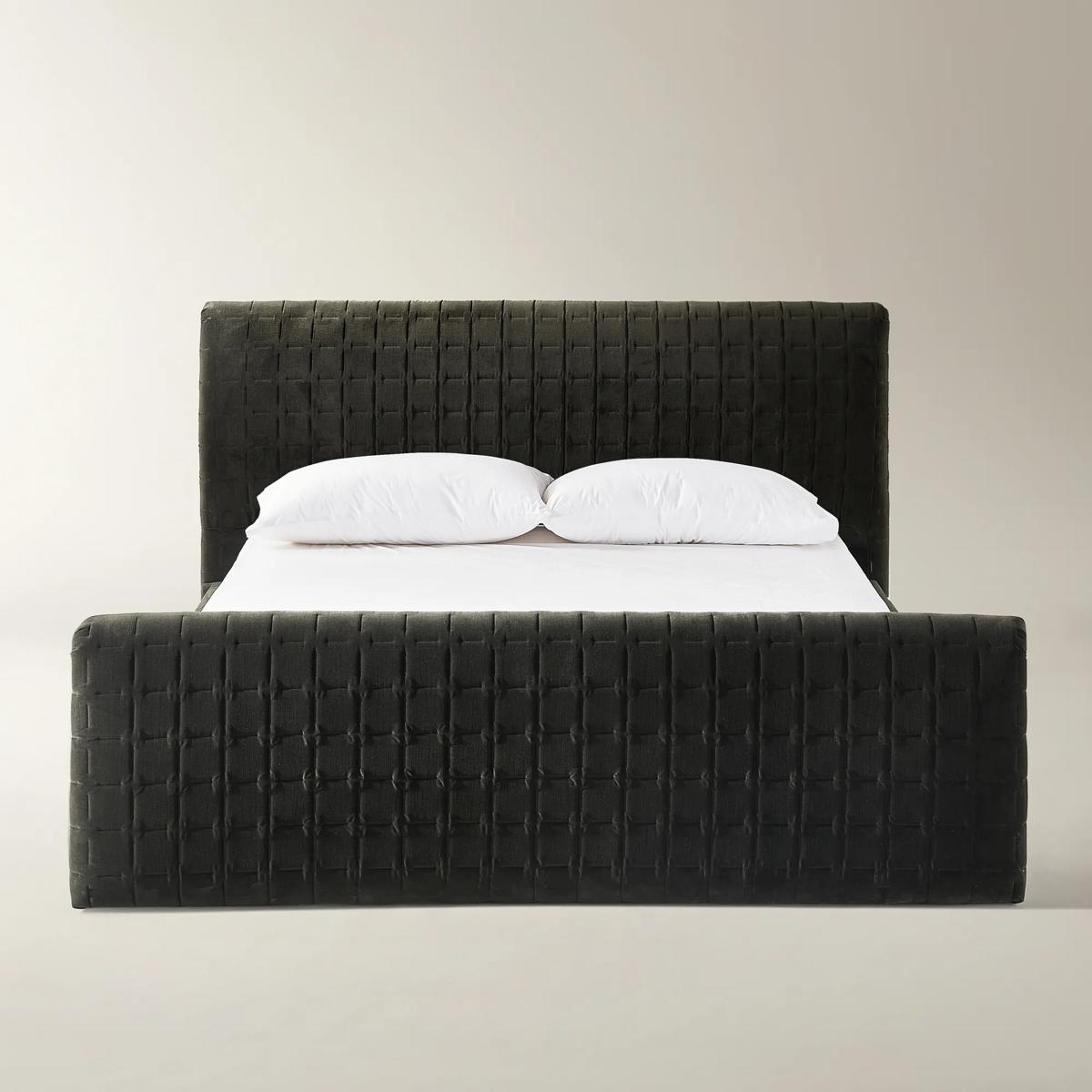 Vanta Charcoal Velvet Upholstered Queen Platform Bed$2299
A sculptural bed featuring charcoal velvet upholstery, three-dimensional checker quilting, and sleek stainless steel inlays.
Add To Cart -
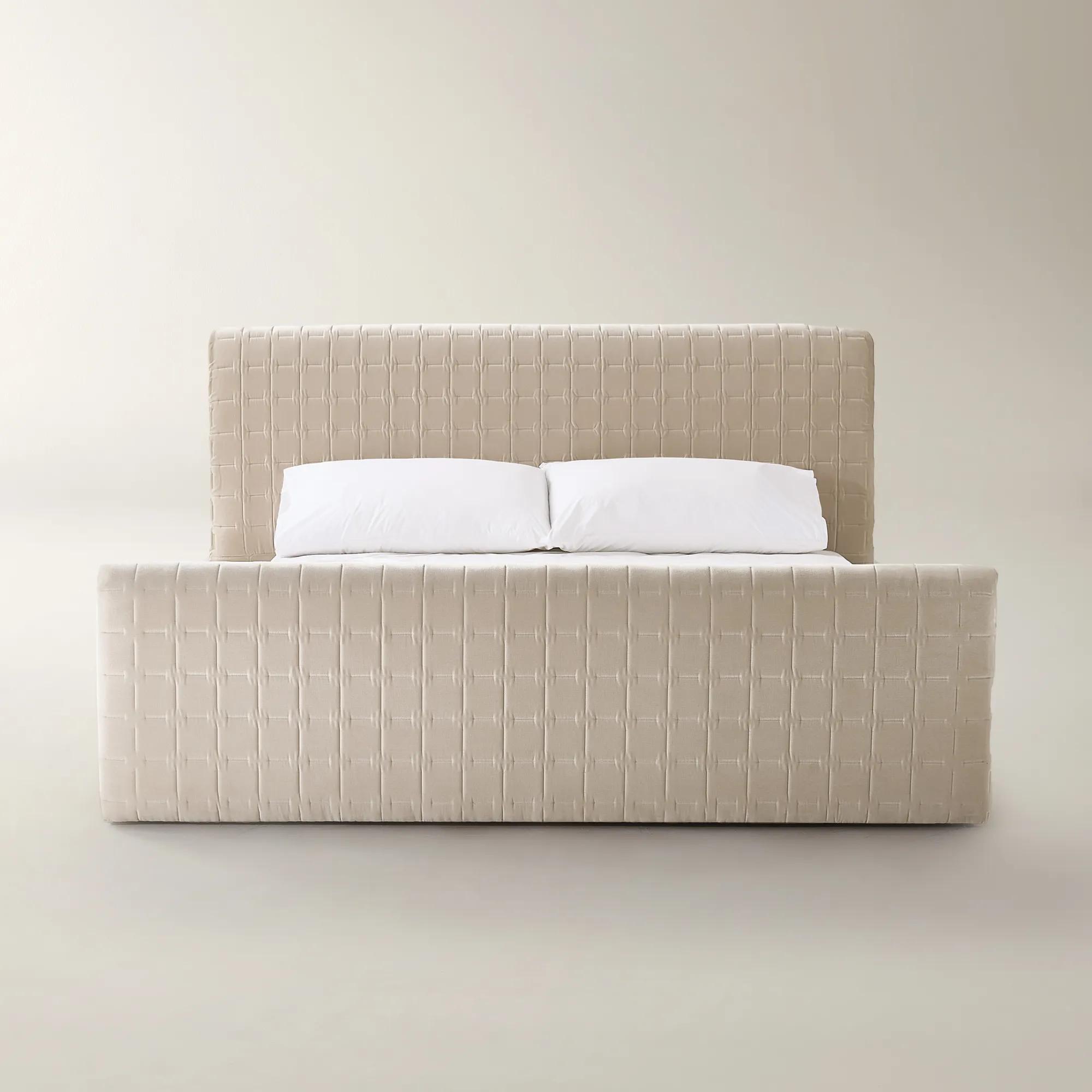
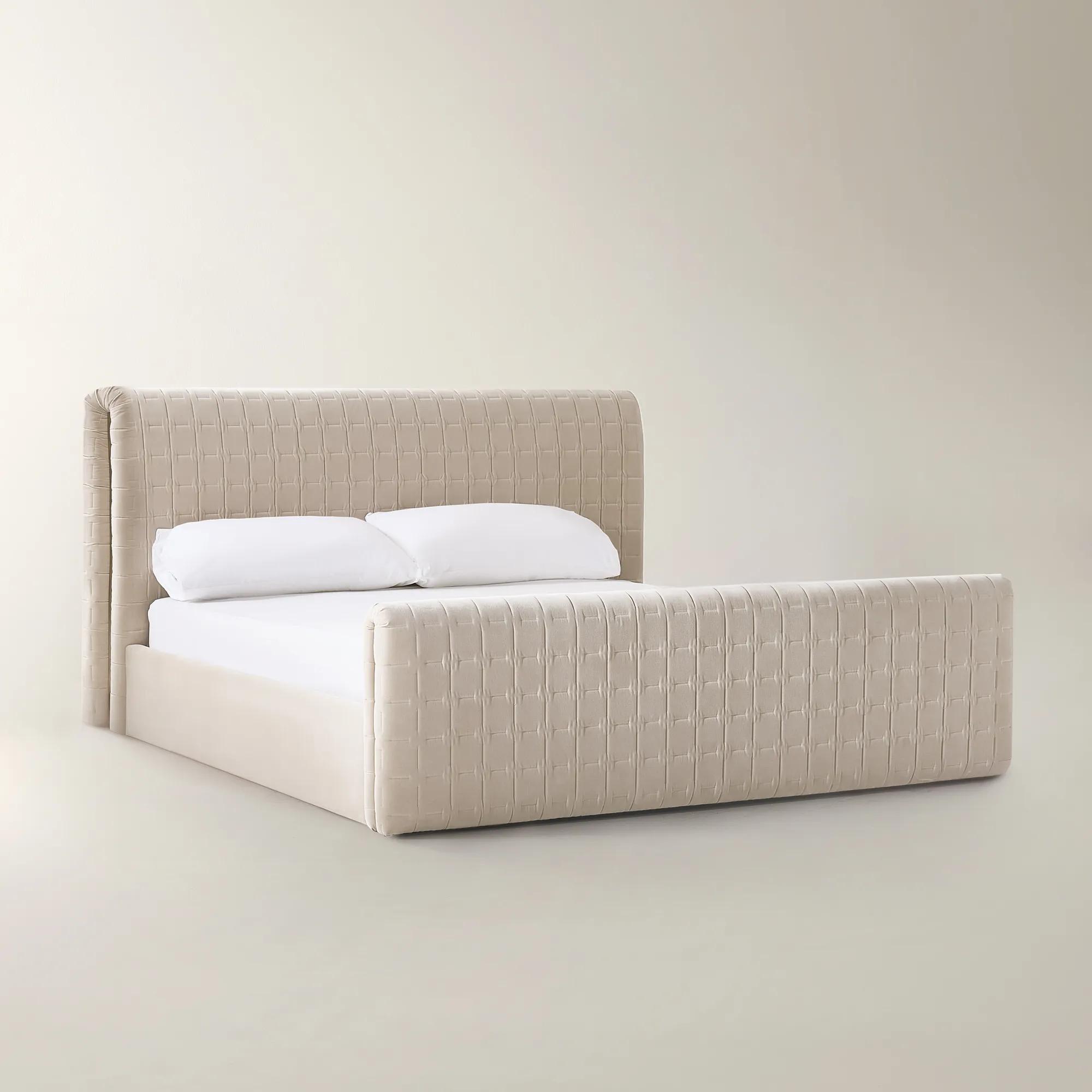 Vanta Oatmeal Velvet Upholstered King Platform Bed$2499
An oatmeal velvet-upholstered bed featuring a checker-quilted headboard and elegant gold-toned metal inlays.
Add To Cart -
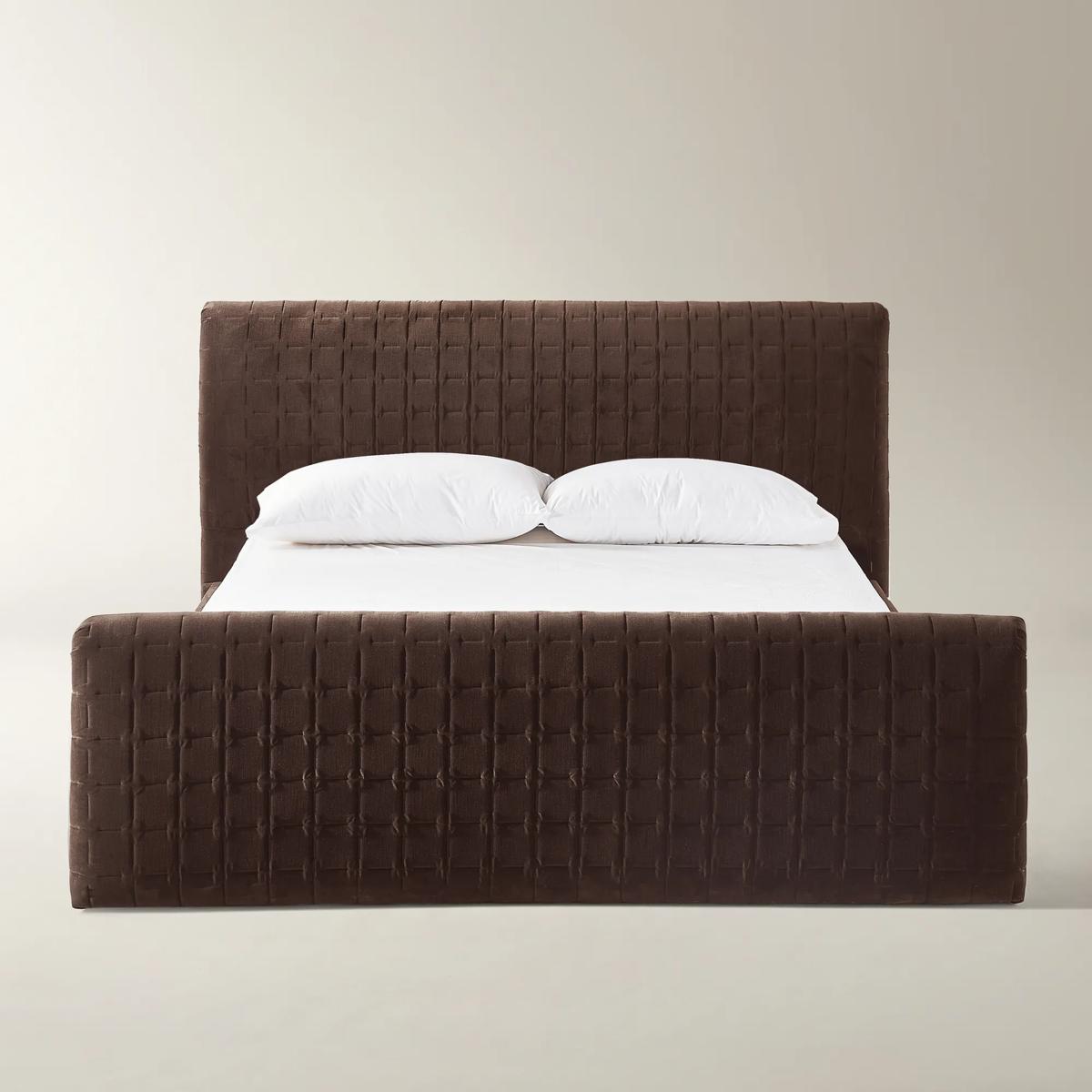
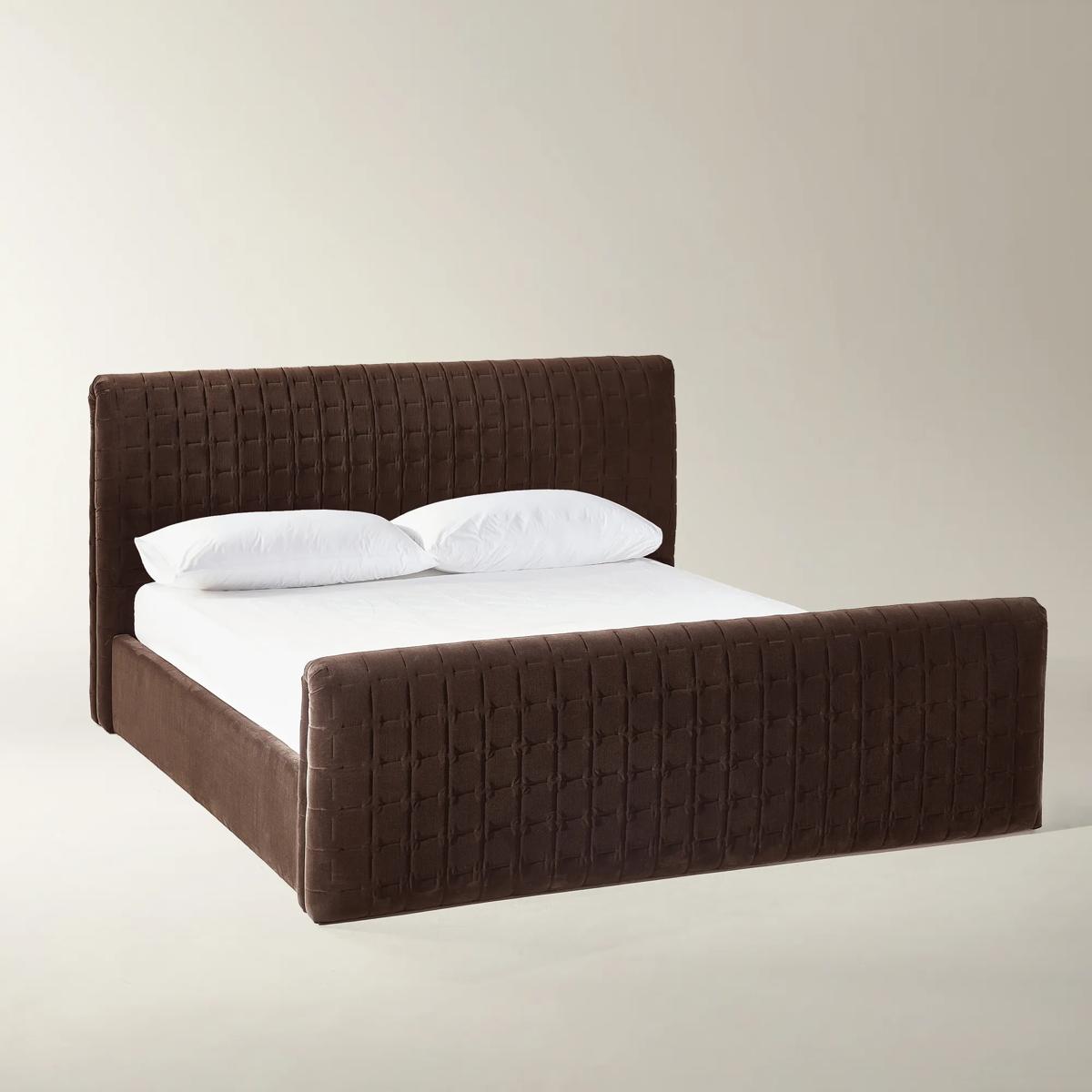 Vanta Burnt Umber Velvet Upholstered California King Platform Bed$2499
A chocolate velvet bed with hand-tufted checker quilting and brushed stainless steel inlays for modern elegance.
Add To Cart -
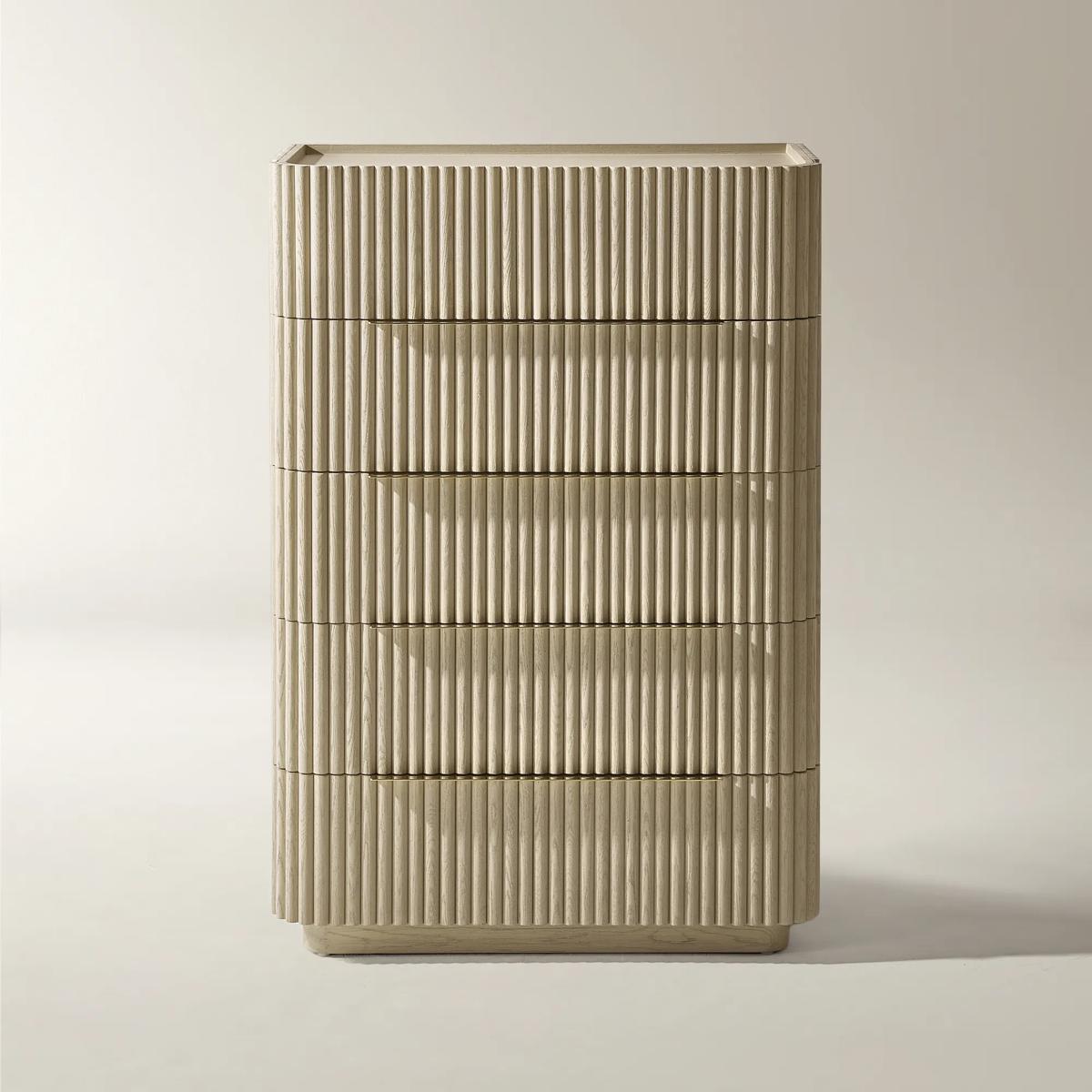 Stria Reeded White Oak 5-Drawer Tall Dresser (36.1")$1999
A sculptural oak chest with reeded detailing, gold-plated trim, and five soft-close, felt-lined drawers.
Add To Cart -
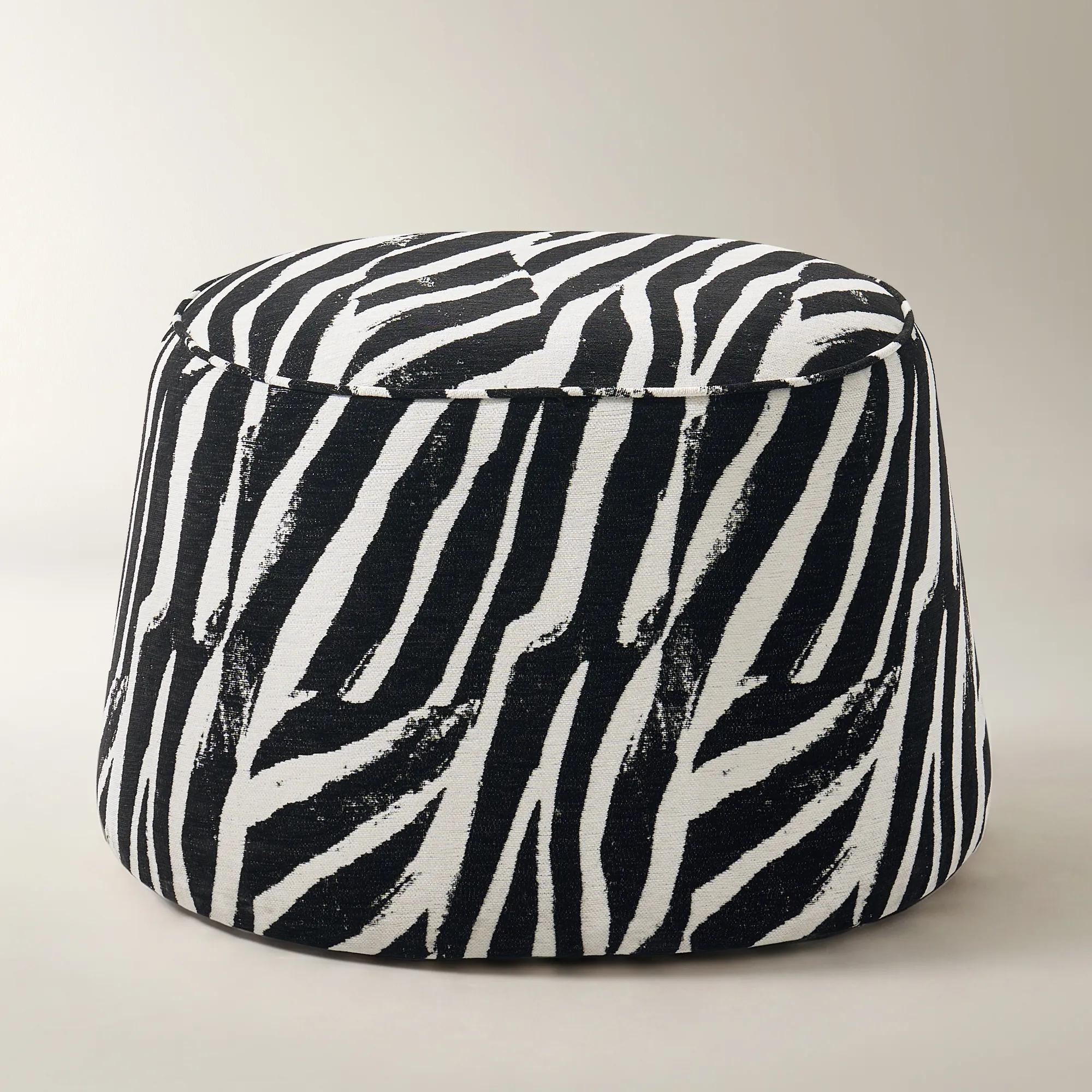 Avery White/Black Performance Chenille Stool$399
A sculpted drum accent stool in black and white performance chenille with an animal-inspired pattern.
Add To Cart -
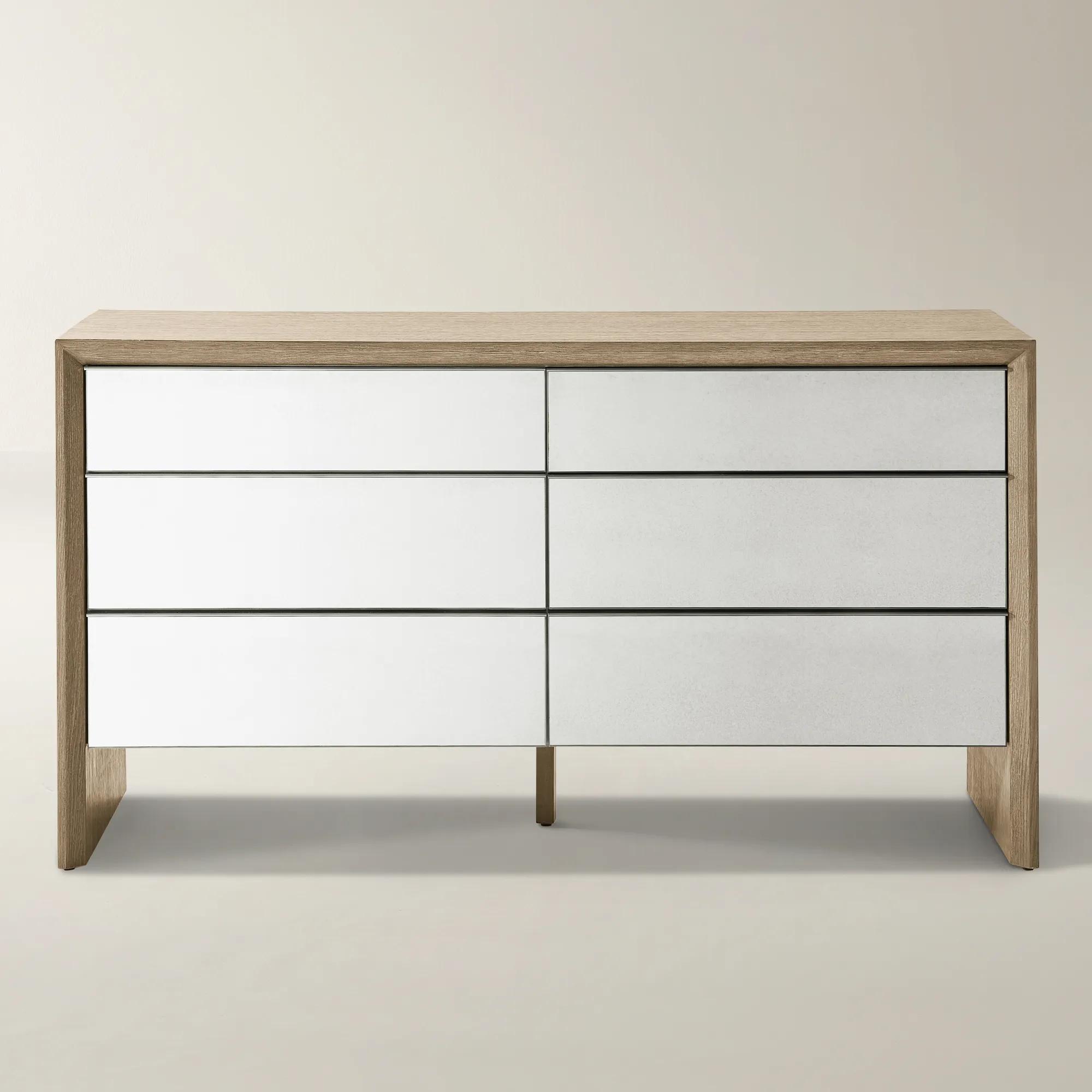 Glimmer Mirrored Seadrift Oak 6-Drawer Dresser (65")$2099
A sophisticated dresser featuring sea drift oak veneer and antique mirrored drawer fronts with soft-close drawers.
Add To Cart -
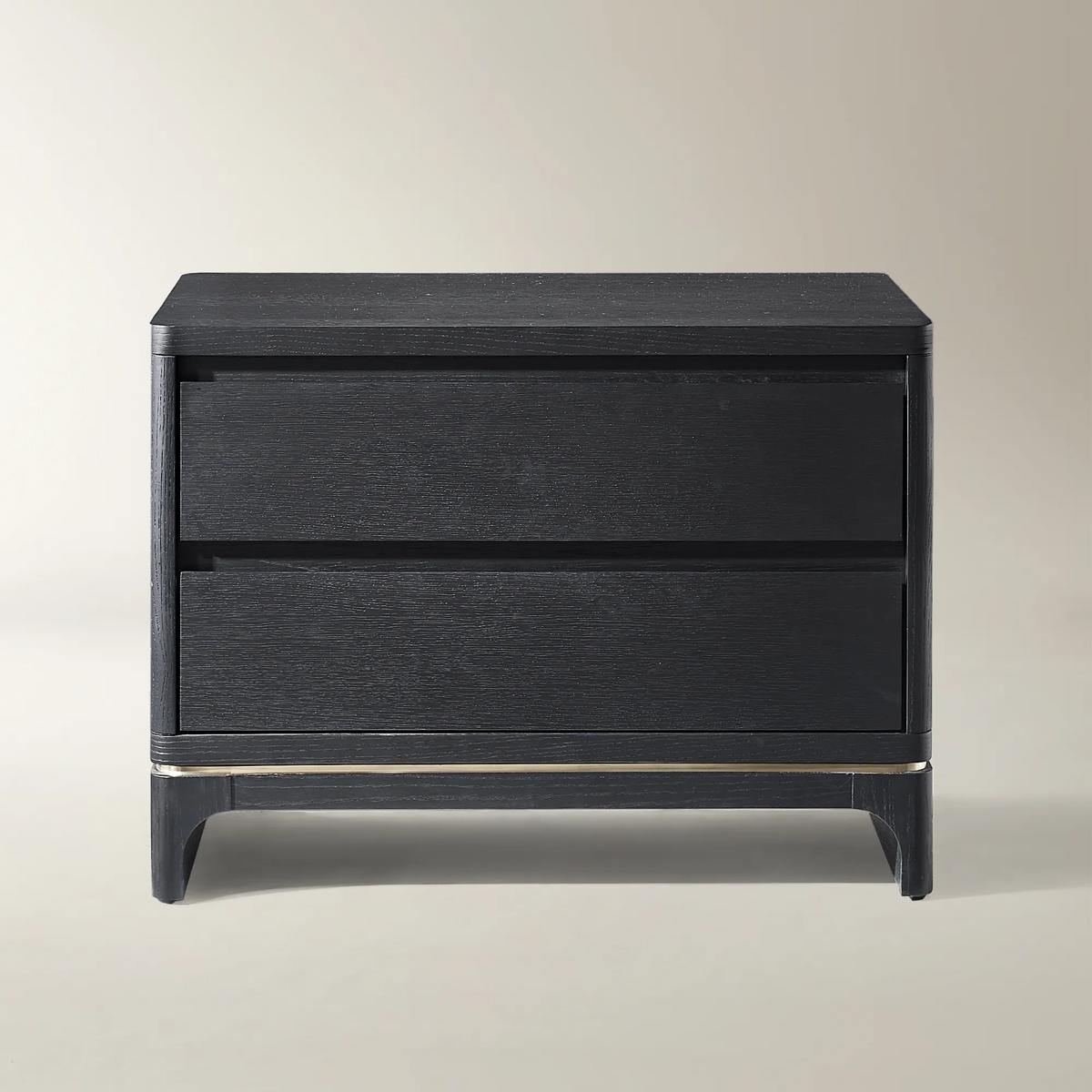
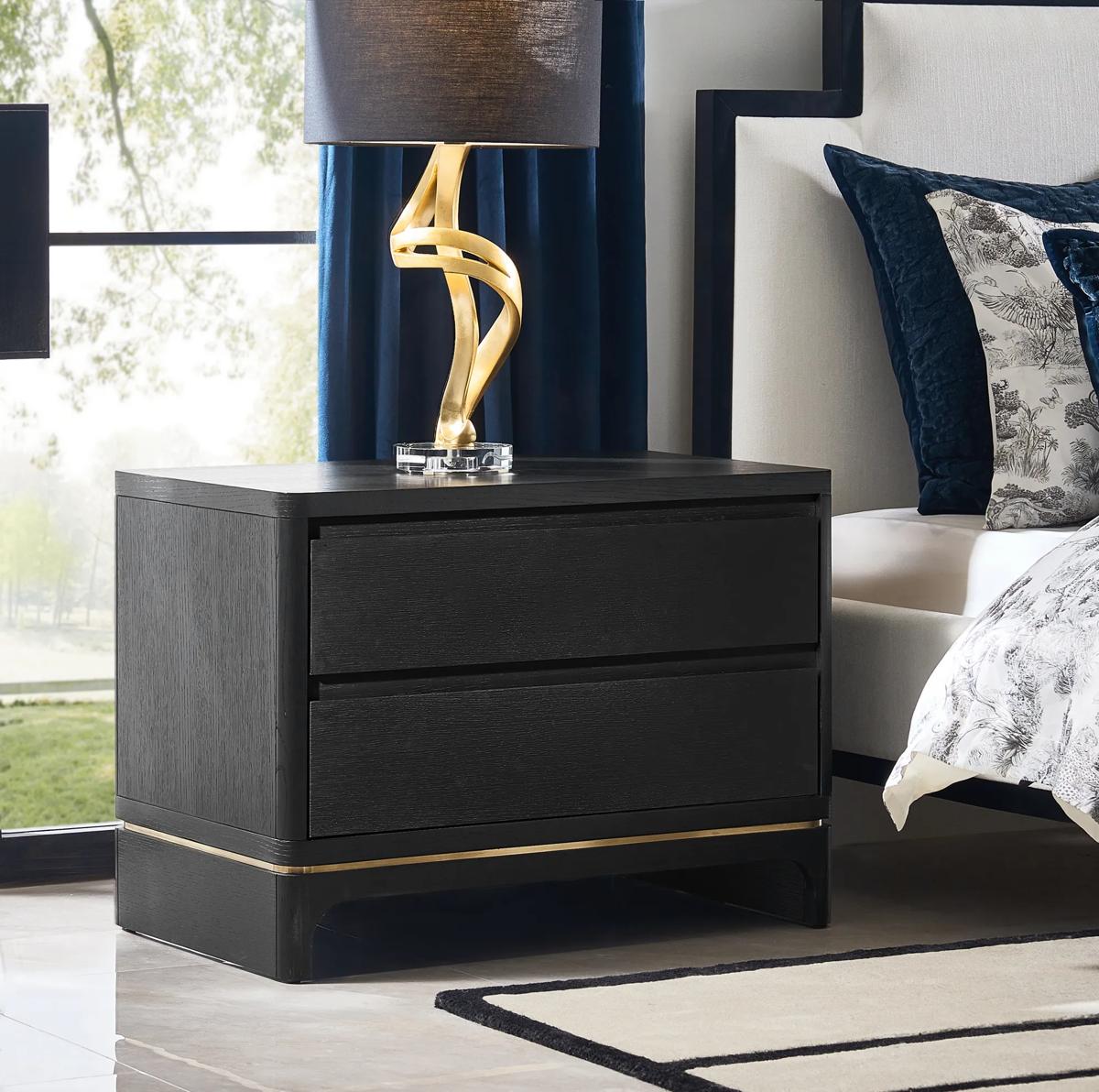 Vanta Black Oak 2-Drawer Nightstand (32")$899
A matte black oak nightstand accented with gold stainless steel trim and soft-close, felt-lined drawers.
Add To Cart -
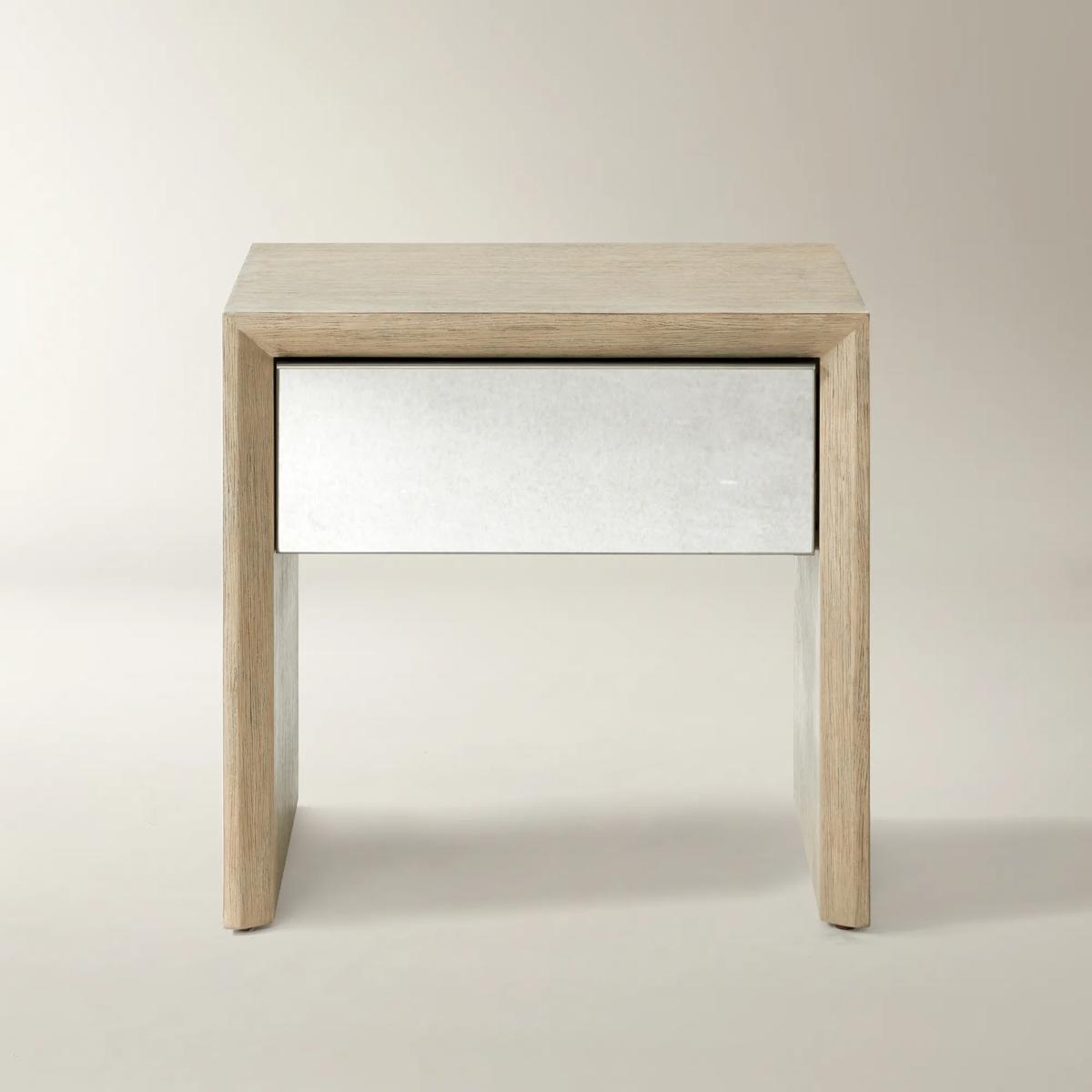 Glimmer Mirrored Seadrift Oak 1-Drawer Nightstand (23")$549
A sophisticated nightstand featuring a sea drift oak veneer frame and antique mirror-faced soft-close drawers.
Add To Cart -
Vanta Burnt Umber Velvet Upholstered King Platform Bed$2499
A hand-tufted chocolate velvet bed with brushed stainless steel inlays for a plush, sculptural statement.
Add To Cart -
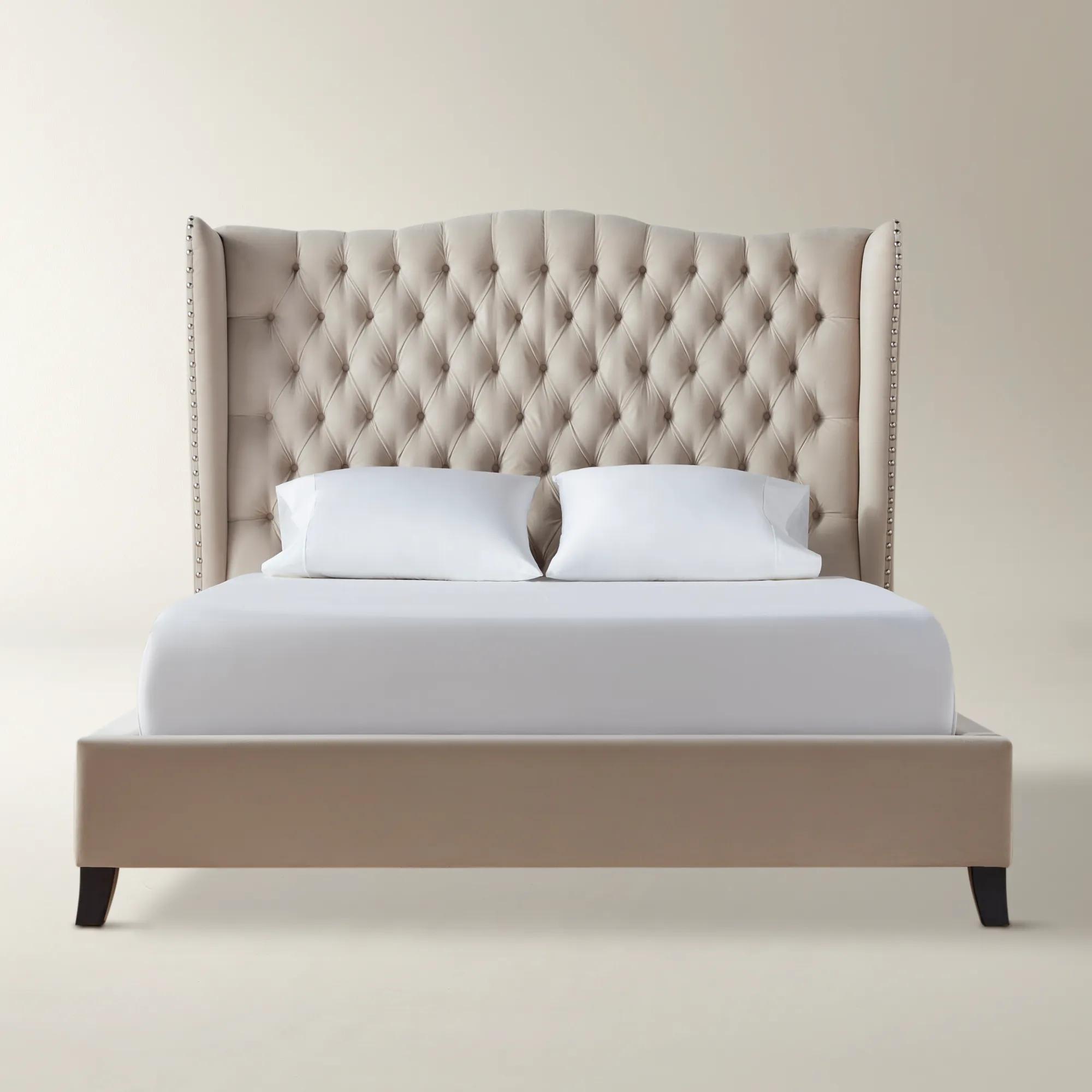
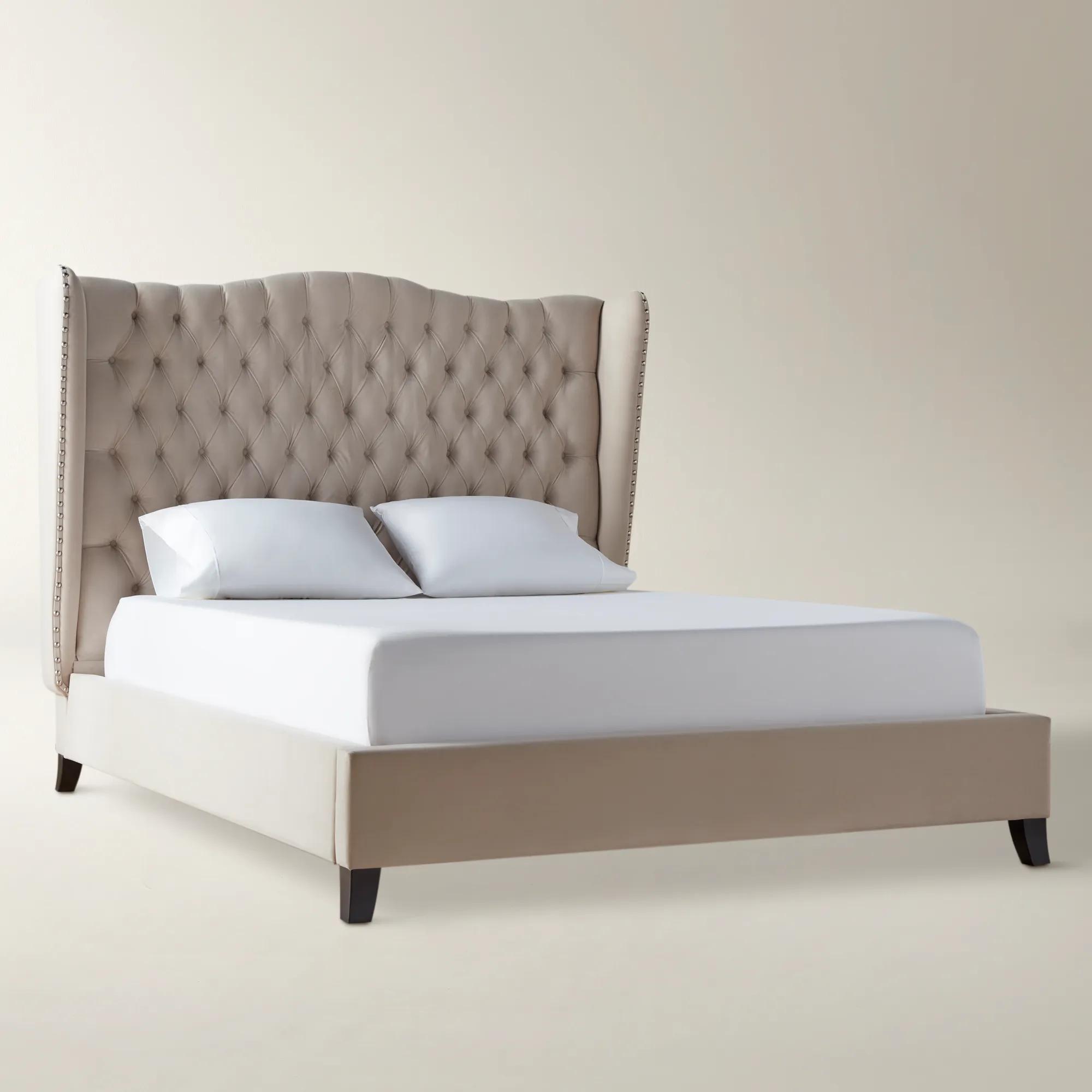 Jameson Bed$2049
A plush velvet bed with a camelback silhouette, hand-applied button tufting, and decorative nailhead trim.
Add To Cart -
Vanta Burnt Umber Velvet Upholstered Queen Platform Bed$2299
A chocolate velvet bed with hand-tufted checker quilting and brushed stainless steel inlays for modern elegance.
Add To Cart -

 Glimmer Black Chenille Upholstered King Platform Bed$2299
A charcoal chenille upholstered platform bed featuring a sculpted headboard, solid rubberwood base, and tailored craftsmanship.
Add To Cart -
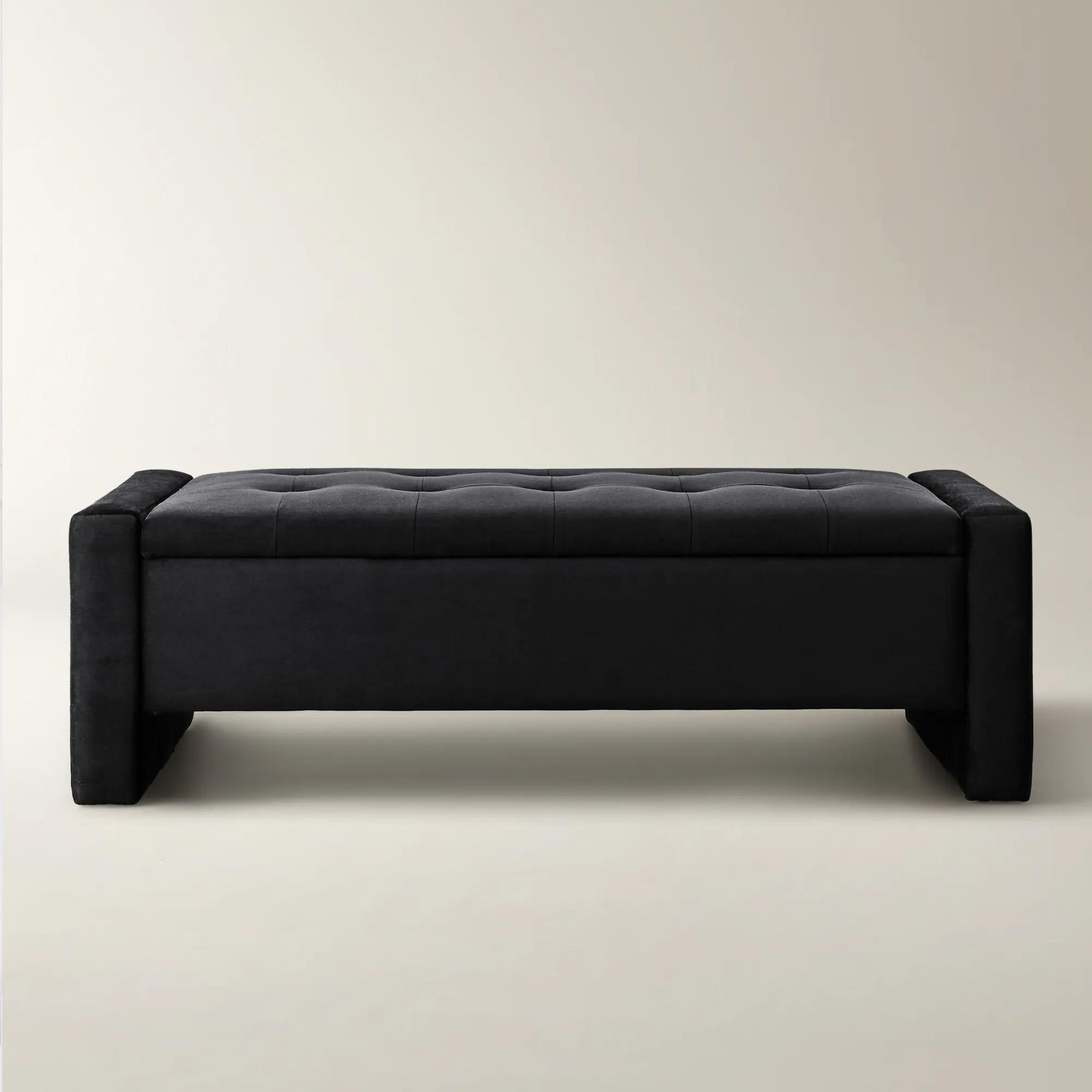
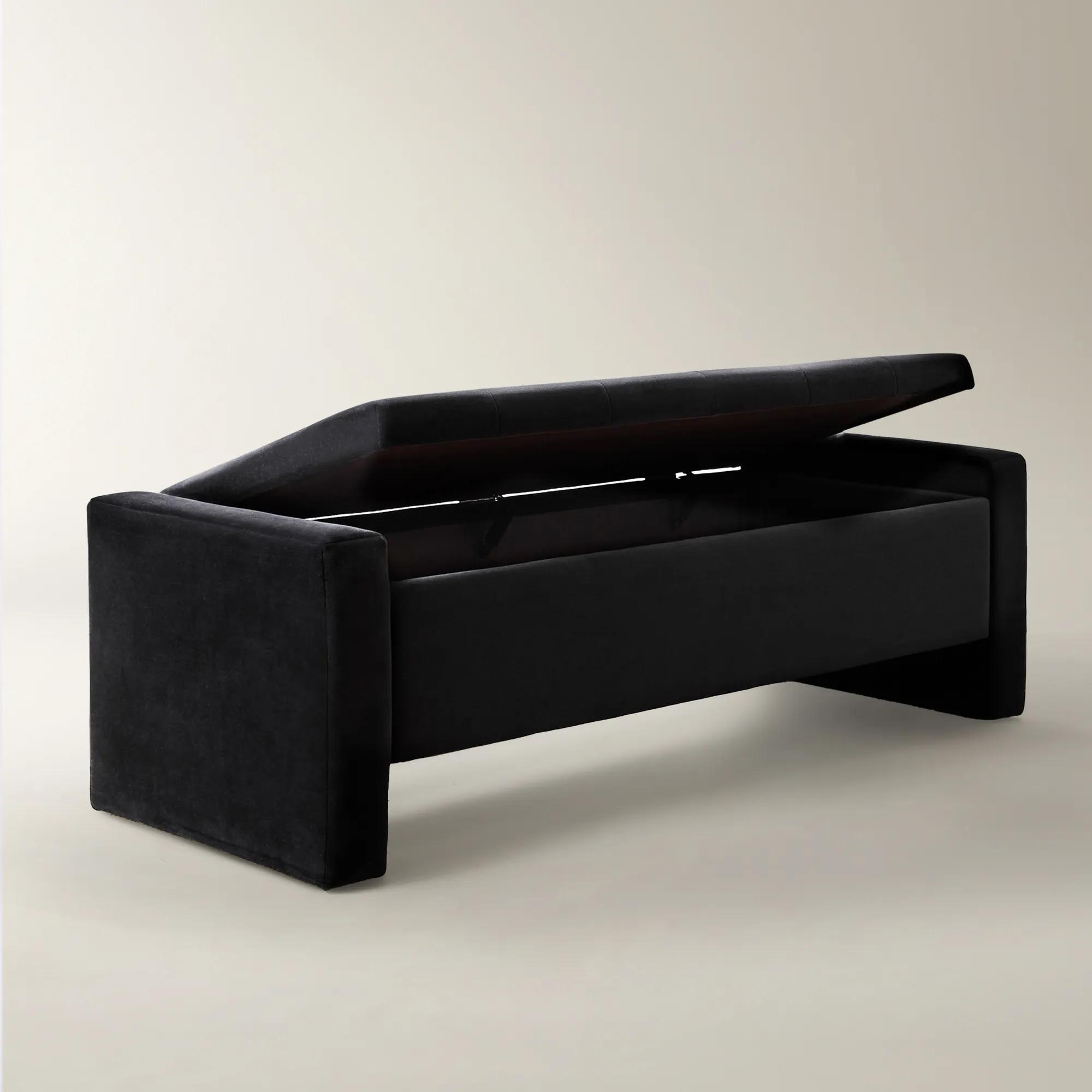 Maeve Storage Bench$849
A modern velvet-upholstered bench with hidden storage, kiln-dried hardwood frame, and soft-closing glides.
Add To Cart -
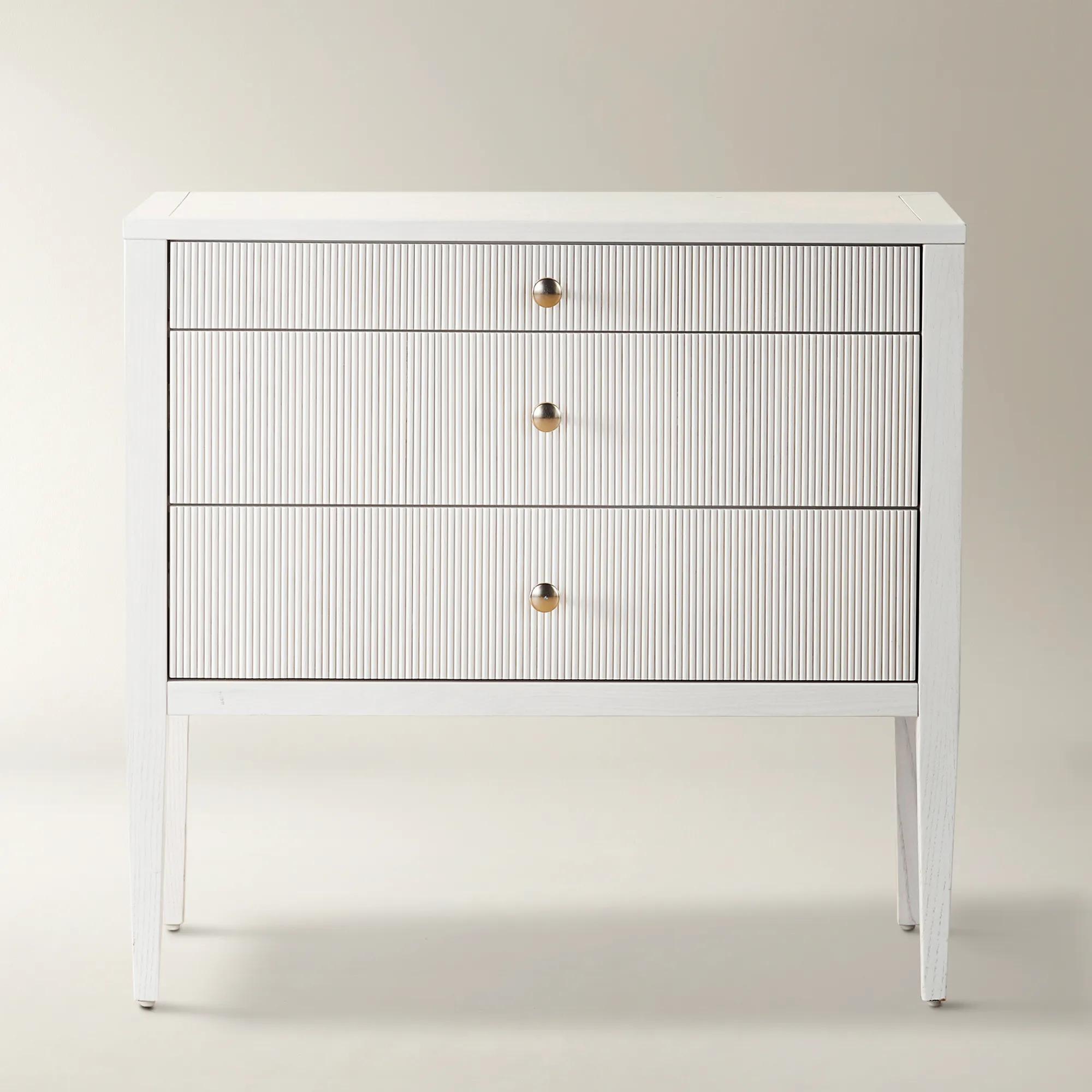 Viola Reeded White Ash Wood 3-Drawer Nightstand (31")$899
A modern nightstand in bone white ash wood with reeded drawers and brass hardware for a luxe touch.
Add To Cart -
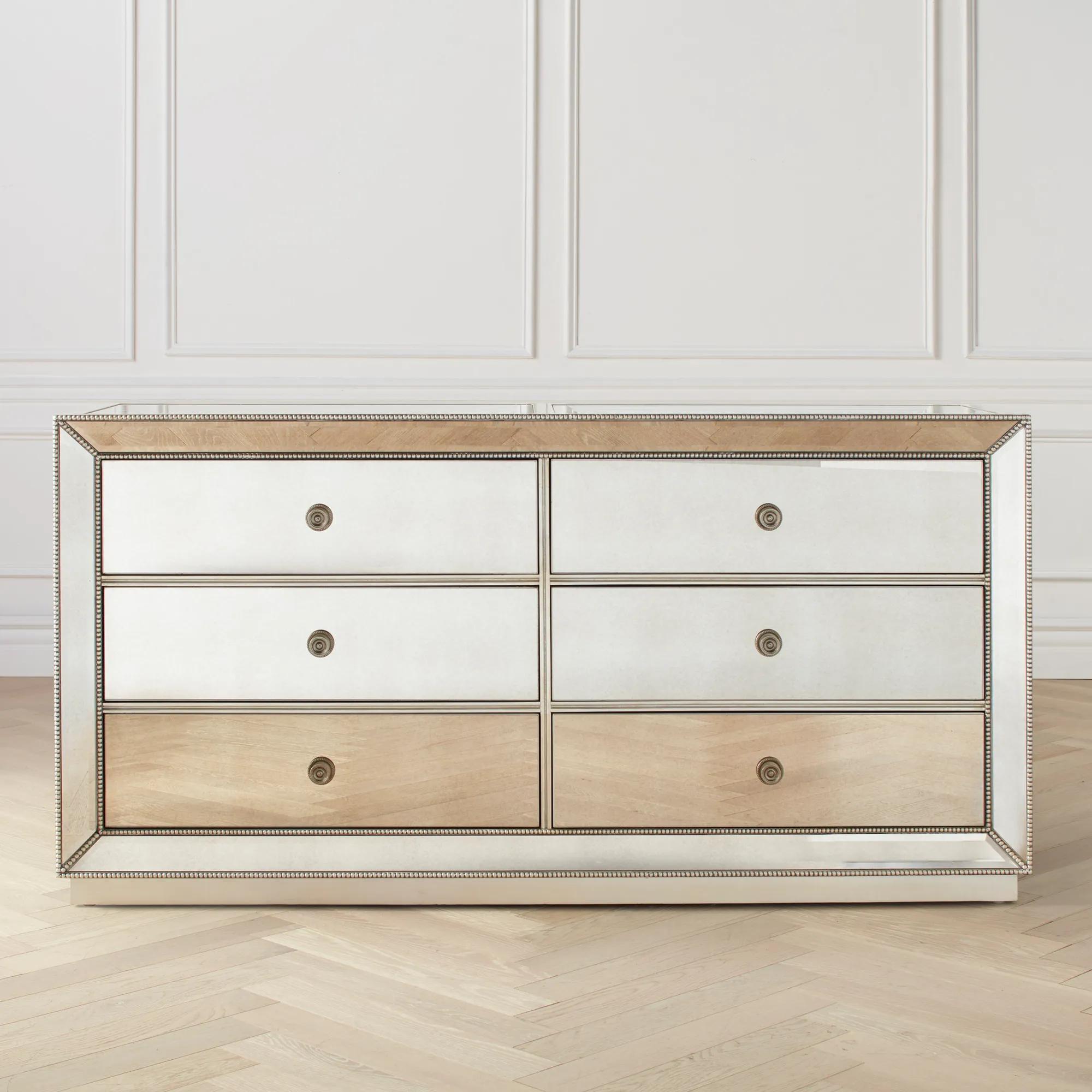 Omni Mirrored Silver 6-Drawer Dresser (72")$2599
A hand-applied silver-leaf chest with antiqued mirrored panels and beaded trim for dramatic bedroom shine.
Add To Cart -
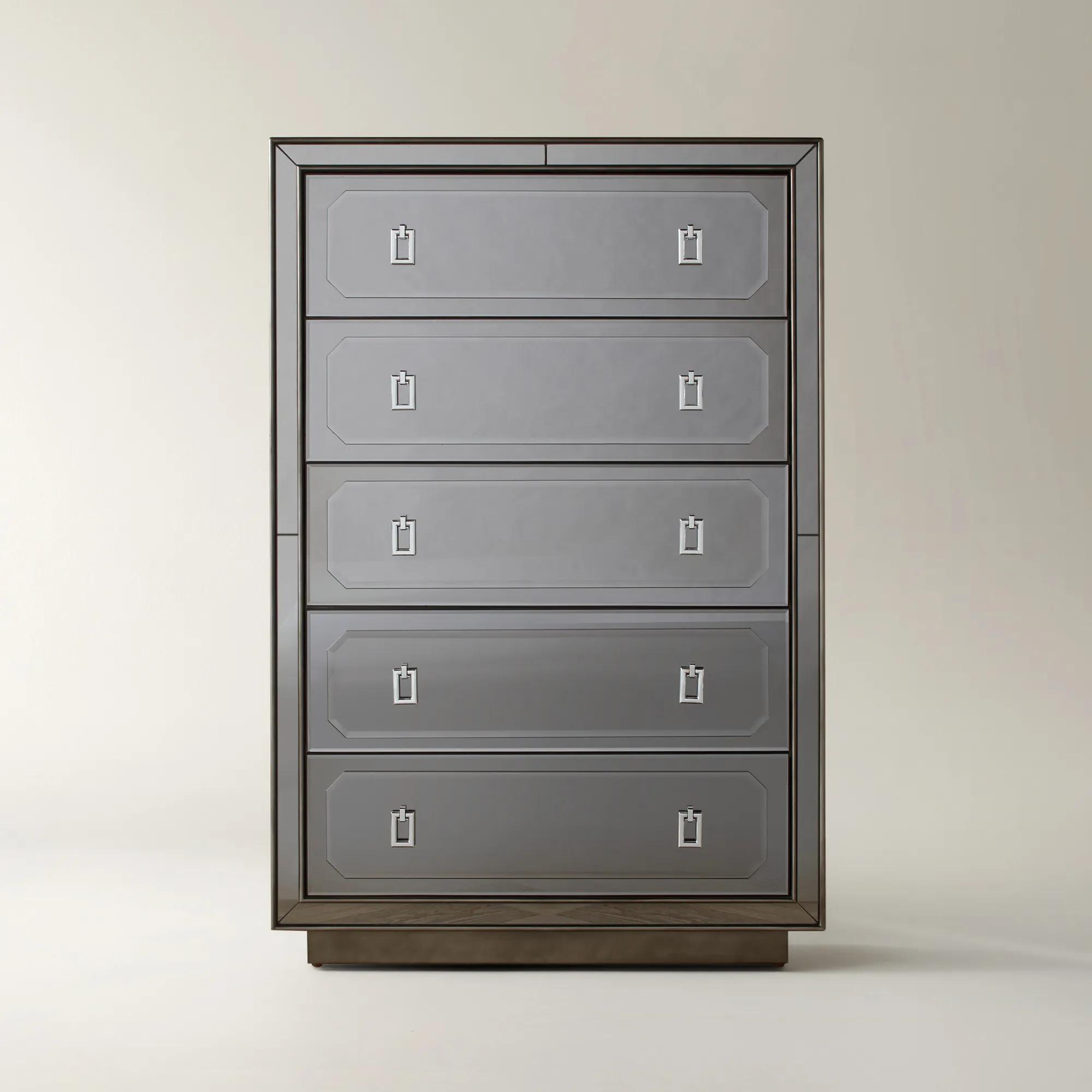 Maddox Mirrored Grey 5-Drawer Tall Dresser (36")$2099
A modern chest featuring beveled mirror panels, graphite finish, and polished nickel hardware for sleek sophistication.
Add To Cart

Fall Bedroom Furniture Deals
Explore fall bedroom furniture deals to create a richly layered retreat while keeping your budget in focus. Browse bedroom furnishings on sale, looking for silhouettes and finishes that complement your decor. Consider each piece’s dimensions and function to choose furniture that brings both everyday comfort and expressive style to your space.
Fall bedroom furniture draws its appeal from contrast: sumptuous textures against sculptural lines, deep color beside luminous finishes, and substantial silhouettes softened by layers of bedding. The mood is intimate without being subdued, creating a bedroom that feels composed for quiet evenings and expressive enough to hold its own with the rest of the home. An upholstered bed can establish that atmosphere through a sweeping headboard, tailored seams, or richly textured fabric, while a wood bed frame introduces depth through its grain and finish. Velvet lends a distinctive sheen that changes with the light; woven upholstery offers a more textural effect. Neither requires an entirely dark palette to feel suited to fall. Ivory, warm taupe, smoky gray, and chocolate can provide a sophisticated foundation, with aubergine or deep blue bringing greater drama to bedding and accents. A gleaming metal detail or reflective furniture finish adds contrast, especially when balanced with matte surfaces and plush textiles. The strongest bedroom arrangements give each material room to be noticed rather than repeating the same finish everywhere. A bed with an expansive upholstered headboard might pair beautifully with more restrained bedside furniture, while a clean-lined wood frame can support a dresser with a bolder profile. This interplay suits primary bedrooms designed as personal retreats, guest rooms meant to feel welcoming, and apartments where a single room needs a strong sense of identity. Fall-inspired furniture does not have to belong to a brief decorative moment. A well-proportioned bed, useful storage, and finishes that complement existing pieces can remain compelling when bedding and accessories change. For someone furnishing a first home or reconsidering a bedroom that has accumulated mismatched pieces, the bed often provides the clearest starting point: its height, shape, and material establish the visual rhythm for everything around it. The result can be richly layered without feeling crowded, with furniture that gives everyday rituals—from reading before sleep to getting dressed in the morning—a more considered setting.
Scale is what allows that visual drama to feel comfortable in daily use. A generous headboard needs enough wall space to show its outline, and a substantial bed frame requires attention to its overall dimensions, not simply the mattress size. Upholstered borders, projecting corners, and a footboard can all increase the footprint. In a compact bedroom, a frame with a lighter profile may leave more room for movement while still delivering a confident focal point. A platform bed can introduce a lower, architectural silhouette, a direction reflected in Platform Beds for Fall Furniture Sales. Mattress compatibility remains essential: the support system, slat spacing, weight limits, and any requirement for an additional foundation should align with the mattress manufacturer’s recommendations and the frame’s specifications. The finished sleeping height also matters, particularly for anyone who prefers an easier transition into and out of bed. Bedside furniture works best when its surface sits within comfortable reach of the mattress and leaves space for the objects used every evening. A reading lamp, water glass, and book need a usable surface rather than a precarious arrangement along the edge. Drawers can keep charging cords and personal essentials out of sight, while an open shelf creates an opportunity for a deliberately arranged stack of books. Dressers and chests bring another layer of proportion and purpose. A wide dresser can anchor a broad wall; a taller chest may make better use of a narrow area, provided its placement and anchoring follow the manufacturer’s safety instructions. Drawer depth and internal dimensions deserve as much attention as the exterior silhouette, especially when storage needs include folded sweaters, extra linens, or larger garments. Doors, closets, and drawers should open fully without colliding, and delivery access needs to accommodate the furniture’s dimensions. In a shared bedroom, practical symmetry can be more valuable than identical pieces: two bedside surfaces with comparable reach and useful storage can support different routines while preserving a balanced composition. A bench at the foot of the bed adds a place to dress or set down a folded throw when the room has sufficient clearance, bringing a sense of occasion to a genuinely useful piece.
Materials and construction determine how gracefully bedroom furniture carries those routines over time. Solid wood, wood veneers, engineered wood, metal, and upholstery each have different characteristics, and a beautiful appearance alone does not explain how a piece will perform. Wood veneer can showcase distinctive grain across a stable substrate, while solid wood may respond more noticeably to changes in indoor humidity; construction quality and the suitability of the finish matter with either approach. Drawer alignment, smooth movement, secure joinery, and stable support help distinguish furniture that feels reassuring in regular use. Upholstery brings softness to a bedroom, but its texture should suit the household as well as the desired mood. A tightly woven fabric may be preferable where a headboard receives frequent contact, while velvet rewards those who appreciate its shifting nap and are comfortable with the care it requires. Homes with pets or young children benefit from close attention to cleaning instructions and any documented fabric performance characteristics rather than assumptions about stain resistance. Routine care should remain specific to the material: a soft cloth is appropriate for many finished surfaces, but cleaners, polishes, and moisture should be used only as directed. Upholstered furniture may call for gentle vacuuming with a suitable attachment, and spills should be addressed according to the fabric’s care guidance. Protecting surfaces from hot objects, standing water, and abrasive accessories helps preserve their finish; limiting prolonged direct sunlight can also reduce uneven fading. These considerations are especially relevant in guest bedrooms, where furniture needs to feel inviting without demanding elaborate upkeep between visits. They also matter when bedroom furniture is chosen as a housewarming or wedding gift, since room measurements, preferred finishes, and mattress requirements are personal enough to warrant coordination with the recipient. Fall’s affinity for tactile richness can inspire the look, but lasting satisfaction comes from the relationship between beauty and use. A softly illuminated headboard, a dresser that keeps clothing beautifully organized, and bedside storage that makes the evening routine effortless create a room with presence beyond its decorative layers—a private space where bold design feels entirely at home.
FAQs
Fall bedroom furniture feels especially inviting when sculptural silhouettes meet rich textures. An upholstered bed creates a sumptuous focal point, while dark wood dressers and metallic-accented nightstands bring depth and a gleaming contrast. Layer in jewel-toned bedding for a retreat with unmistakable presence.
Begin with the piece that defines your room’s character: a dramatic bed, an artful dresser, or a pair of distinctive nightstands. Look for details such as channel tufting, fluted drawer fronts, or luminous hardware to give the room a fresh point of view. Echo those details in your existing decor for a composed, expressive look.
Walnut-toned and espresso finishes provide a rich backdrop for autumn’s layered palette, while warm metallic accents introduce a jewelry-like gleam. Mirrored or lacquered furniture offers a luminous counterpoint to plush textiles. Pair contrasting finishes with a shared undertone to keep the room visually harmonious.
Choose one recurring detail—such as curved lines, warm wood tones, or brushed metal—to connect distinct pieces. Pair a softly upholstered bed with angular nightstands, or place a sculptural accent chair beside a streamlined dresser. The contrast gives your fall bedroom a collected character rather than a strictly matched appearance.
Burgundy, aubergine, and forest green lend fall bedrooms a saturated, enveloping mood. Camel and ivory offer a softer contrast against dark furniture, while bronze accents enrich warm wood finishes. Introduce seasonal color through bedding, pillows, and art so your furniture remains the foundation of an evolving room.