Fabric-Shade Table Lamps Under $200
Fabric-Shade Table Lamps Under $200
-

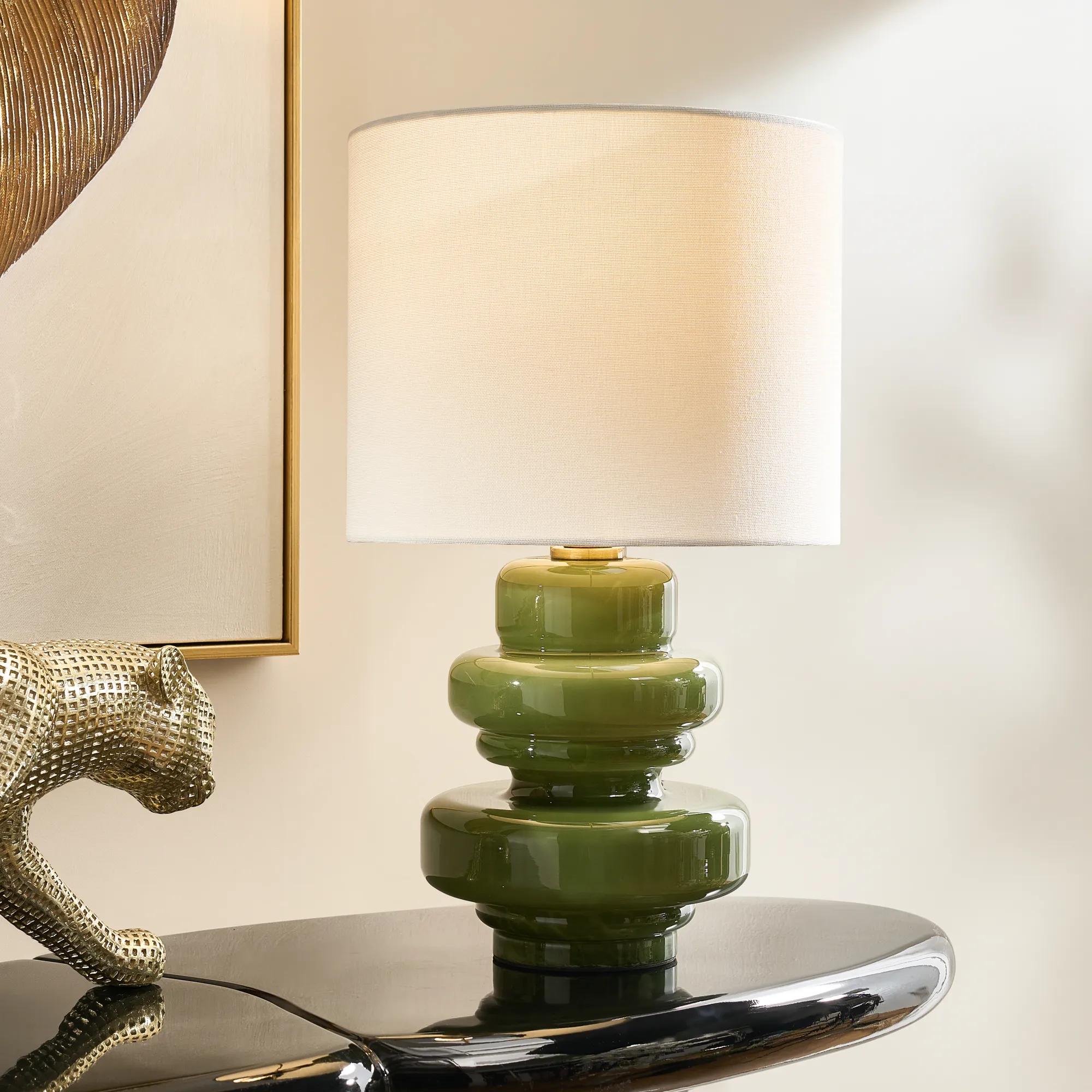 Edin Mouth Blown Pistachio Green Glass Table Lamp 17.5"$99
A sculptural table lamp featuring mouth-blown pistachio green glass and brushed nickel accents with an ivory linen shade.
Add To Cart -
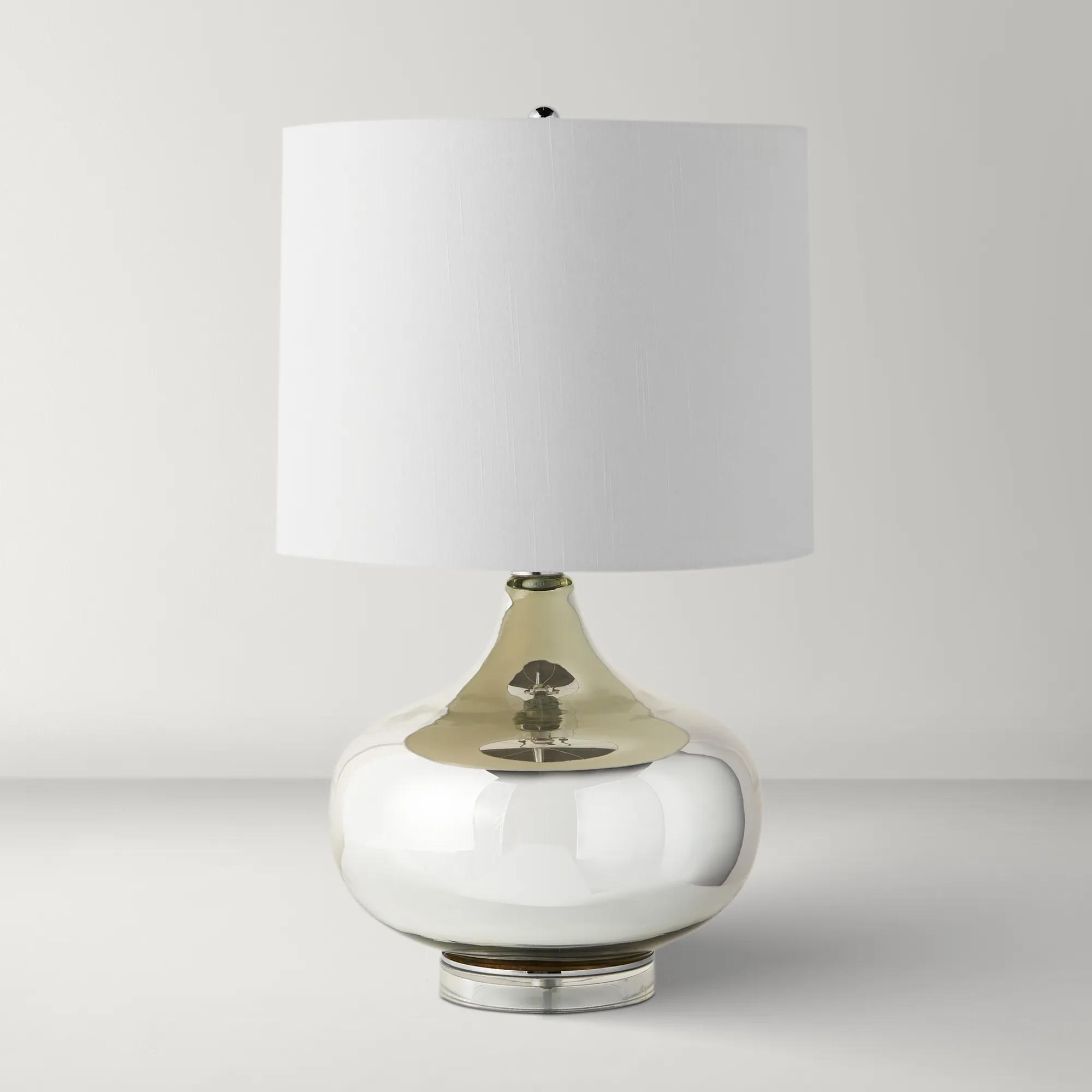 Sabrina Mirrored Silver Glass Table Lamp 27.5"$199
A contemporary lamp featuring a silver mirrored glass base, clear acrylic accents, and a white fabric shade.
Add To Cart -
 Edin Mouth Blown Slate Blue Glass Table Lamp 17.5"$99
A sculptural slate blue mouth-blown glass lamp with brushed nickel accents and an ivory linen shade.
Add To Cart

Fabric-Shade Table Lamps Under $200
Discover table lamps under $200 with fabric shades that balance inviting texture and sculptural presence. Choose a silhouette that complements your nightstand, console, or side table, then let color and finish set the mood—from a subtle accent to a gleaming focal point.
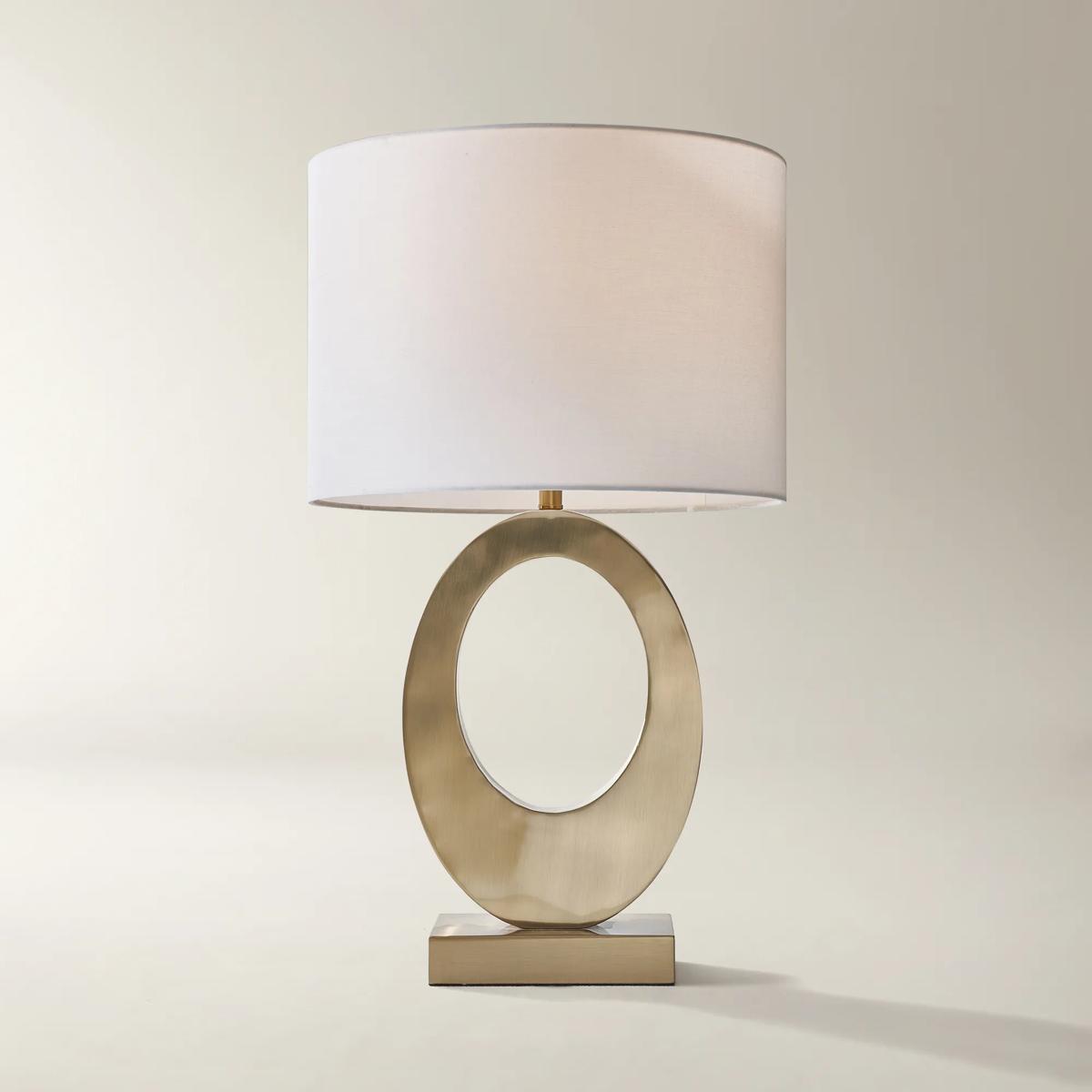
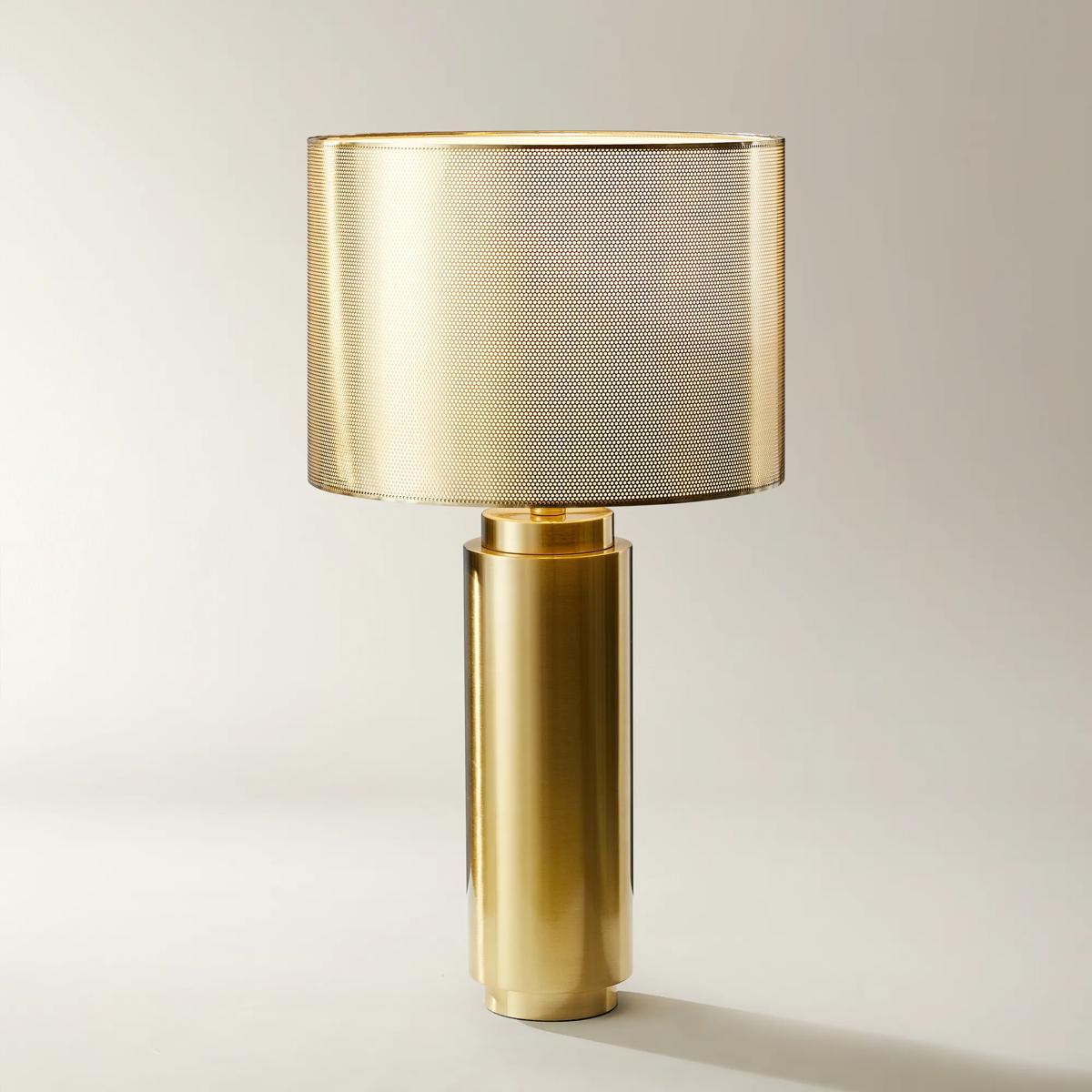
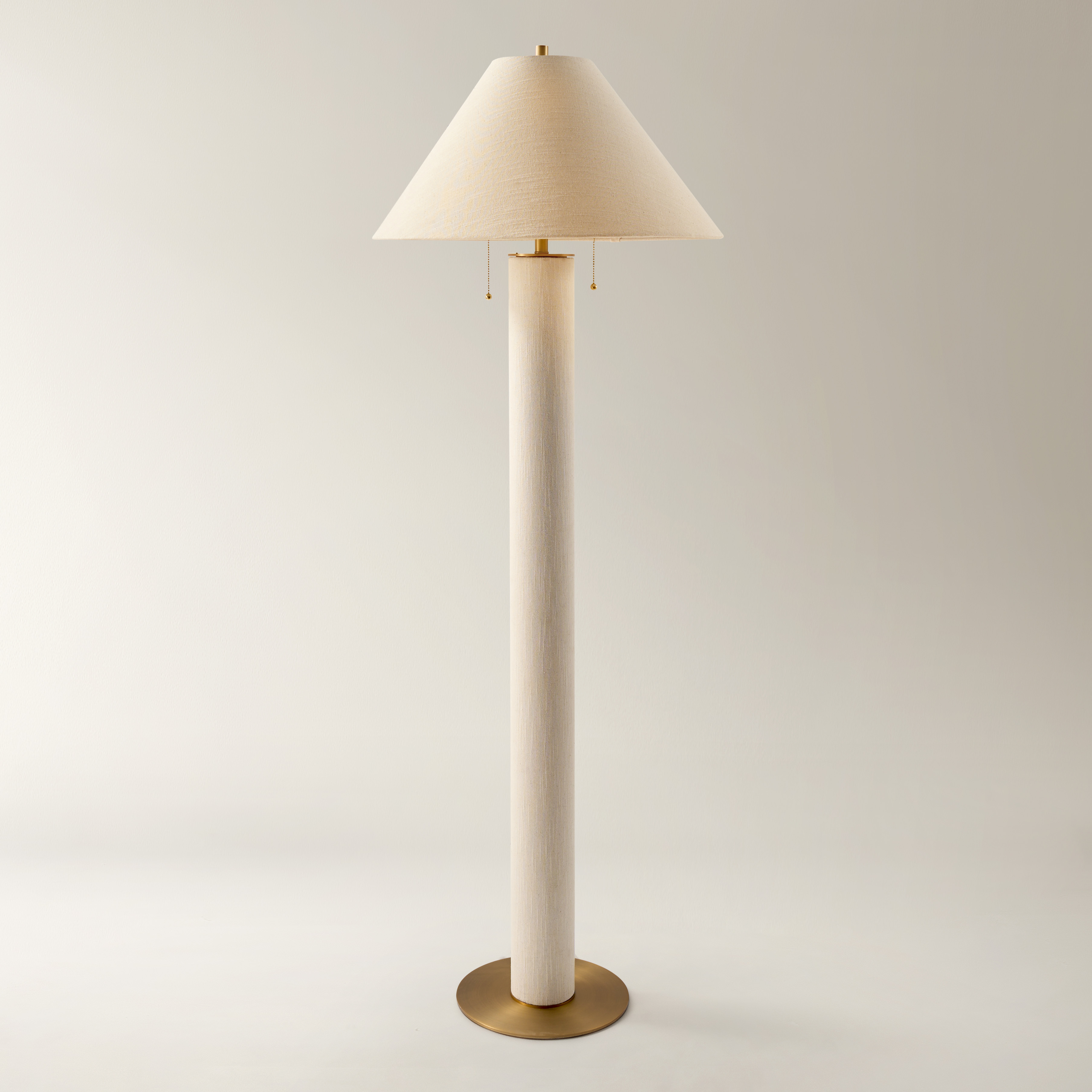
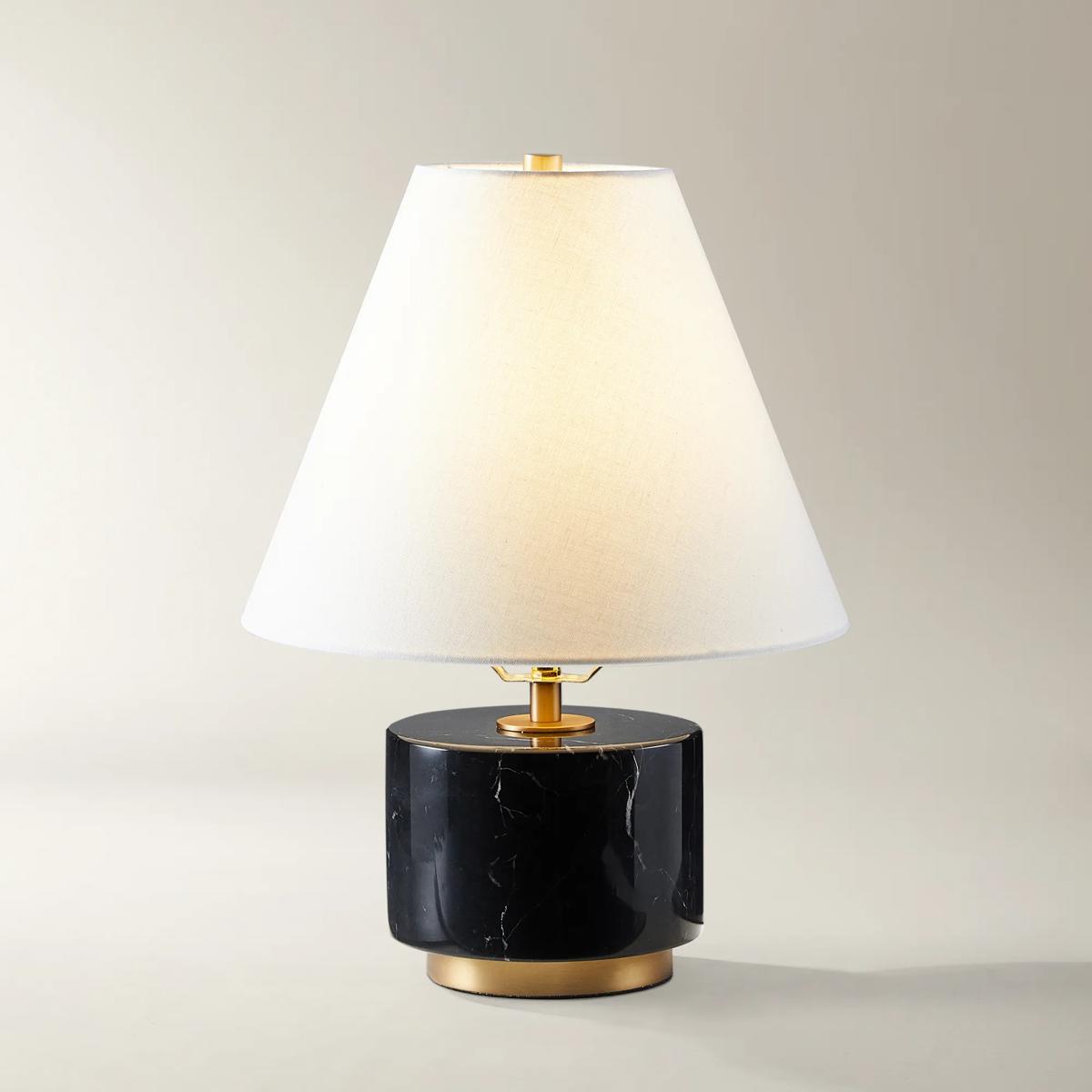
Fabric-shade table lamps bring a softer dimension to expressive interiors, pairing sculptural silhouettes with light that feels composed rather than exposed. The shade becomes part of the design: its weave, shape, and color influence both the lamp’s presence and the atmosphere around it. A pale linen-style fabric can reveal subtle texture when illuminated, while a closely woven shade lends a more tailored appearance. Ivory and cream create a gentle transition between a luminous shade and a richly finished base; deeper tones introduce contrast and can direct more of the light above and below the shade, depending on their lining and opacity. Drum shades have an architectural simplicity that lets an expressive base command attention. Tapered shades draw the eye upward, creating a graceful outline above rounded ceramic, faceted glass, or slender metal forms. Each combination brings a different character to a room. Glazed ceramic can introduce depth through color and surface variation, clear glass gives a substantial silhouette a visually lighter presence, and metallic finishes catch surrounding light with a polished gleam. Against velvet upholstery, a fabric shade adds another layer of softness; beside a lacquered console, its texture offers a deliberate contrast to the glossy surface. These lamps belong wherever illumination should feel personal: beside a favorite reading chair, on a bedroom nightstand, or atop a living room cabinet displaying art and collected objects. Their appeal extends beyond the moment they are switched on. In daylight, the balance of base and shade acts as a decorative composition, lending height and definition to furniture arrangements. After dark, the shade helps temper the visible brightness of the bulb, with the final effect shaped by the fabric, lining, bulb, and surrounding finishes. The result can be intimate without feeling dim, dramatic without overwhelming the room, and beautifully suited to spaces where comfort and self-expression share equal importance.
Proportion gives a table lamp its sense of belonging. On a generous console, a substantial base and broad shade can hold their own beneath oversized artwork, while a narrower profile leaves more usable surface on a compact nightstand. The shade’s widest point deserves as much attention as the footprint of the base, especially near a wall, along a walkway, or beside a bed where an overhanging edge could be bumped. Height matters just as much. For seated reading, a shade positioned to conceal the bare bulb from the reader’s usual eye level can make the light more comfortable, provided the lamp also delivers enough illumination to the page. Beside a bed, an accessible switch can be the difference between a beautiful accent and a lamp that feels effortless to use. A pair of matching lamps creates a poised frame for an upholstered headboard or a long sideboard, but symmetry is not the only route to a considered room. Different silhouettes can feel connected through related shade colors, complementary finishes, or a shared sense of scale. A rounded base might echo the curve of an accent chair, while a crisp shade repeats the geometry of framed artwork. For a living room with several seating areas, fabric-shade table lamps can share the composition with luxury accent lamps, wall lighting, and an overhead fixture, giving each part of the room a distinct role. A lamp beside the sofa supports conversation and reading; another on a distant console draws attention to the room’s depth. Bulb selection refines that arrangement. Light appearance, measured in Kelvin, affects whether whites read creamy or crisp, while lumen output helps determine brightness. Dimming offers another layer of control when the lamp, bulb, and dimmer are compatible. For rooms used for both quiet evenings and detailed tasks, that flexibility allows the same decorative piece to support more than one mood without asking a single lamp to illuminate the entire space.
The most satisfying fabric-shade table lamps balance visual presence with details that suit everyday life. A stable base is especially valuable on frequently used side tables, and a shade that sits securely and level preserves the clean outline of the design. Ceramic and glass bring distinctive surface character but deserve careful placement where they are less likely to be knocked; metal bases offer their own range of finishes, from softly brushed to highly reflective, each with different care requirements. Fabric shades also vary in their construction and maintenance needs, so the manufacturer’s instructions should guide cleaning. For many shades, occasional gentle dusting with a clean, soft brush helps keep the weave looking fresh without saturating the material. Decorative trims, delicate fibers, and bonded linings may require particular care. Liquid cleaners can leave marks or affect adhesives, making spot-cleaning something to attempt only when the care directions permit it. Bases should be cleaned according to their finish, with the lamp unplugged and fully cool; abrasive products can dull polished surfaces or damage protective coatings. Keeping a lamp away from splashes, excessive humidity, and prolonged direct sunlight helps protect both the shade and the base. Bulbs should match the socket type and remain within the fixture’s stated limits, and the shade should maintain the clearances specified by the manufacturer. An LED bulb can be a practical choice when compatible, though fit and brightness still matter. These considerations are particularly useful for lamps intended for daily bedside use, apartment living, or a home office where attractive ambient light accompanies a separate task light. They also make fabric-shade table lamps thoughtful housewarming or wedding gifts when the recipient’s room dimensions and design preferences are known. A restrained shade color paired with an expressive base can offer versatility without sacrificing personality. Whether chosen for a first thoughtfully furnished home or a richly layered interior, a fabric-shade table lamp brings texture, light, and sculptural interest into one beautifully contained gesture.
FAQs
Fabric shade is a broad description that can include linen, cotton, polyester, and blends. Linen names a particular fiber and often brings a visibly textured weave. Check the listed shade composition rather than assuming every fabric shade is linen.
Matching lamps create symmetry and a deliberate, polished rhythm. Different lamps can be equally compelling when they share a design thread, such as shade color, base shape, or metal finish. Let one element repeat while another introduces contrast.
Take cues from the room’s existing accents. Echoing a finish found in picture frames or decorative objects creates continuity; introducing a contrasting finish gives the lamp a more distinct presence. Consider whether you want the base to anchor the composition quietly or become its reflective focal point.
Look for a relationship in undertone or texture rather than an exact textile match. A neutral shade can provide a tailored pause beside richly patterned upholstery, while a textured shade adds dimension alongside smoother fabrics. Repeating a subtle color elsewhere in the room helps the layers feel intentional.
Give the lamp a clear role in the arrangement, then balance it with a small grouping of books, a decorative box, or a sculptural object. Vary the forms instead of repeating the same silhouette, and leave some surface visible so each detail has presence. A restrained arrangement allows an expressive lamp base to command attention.