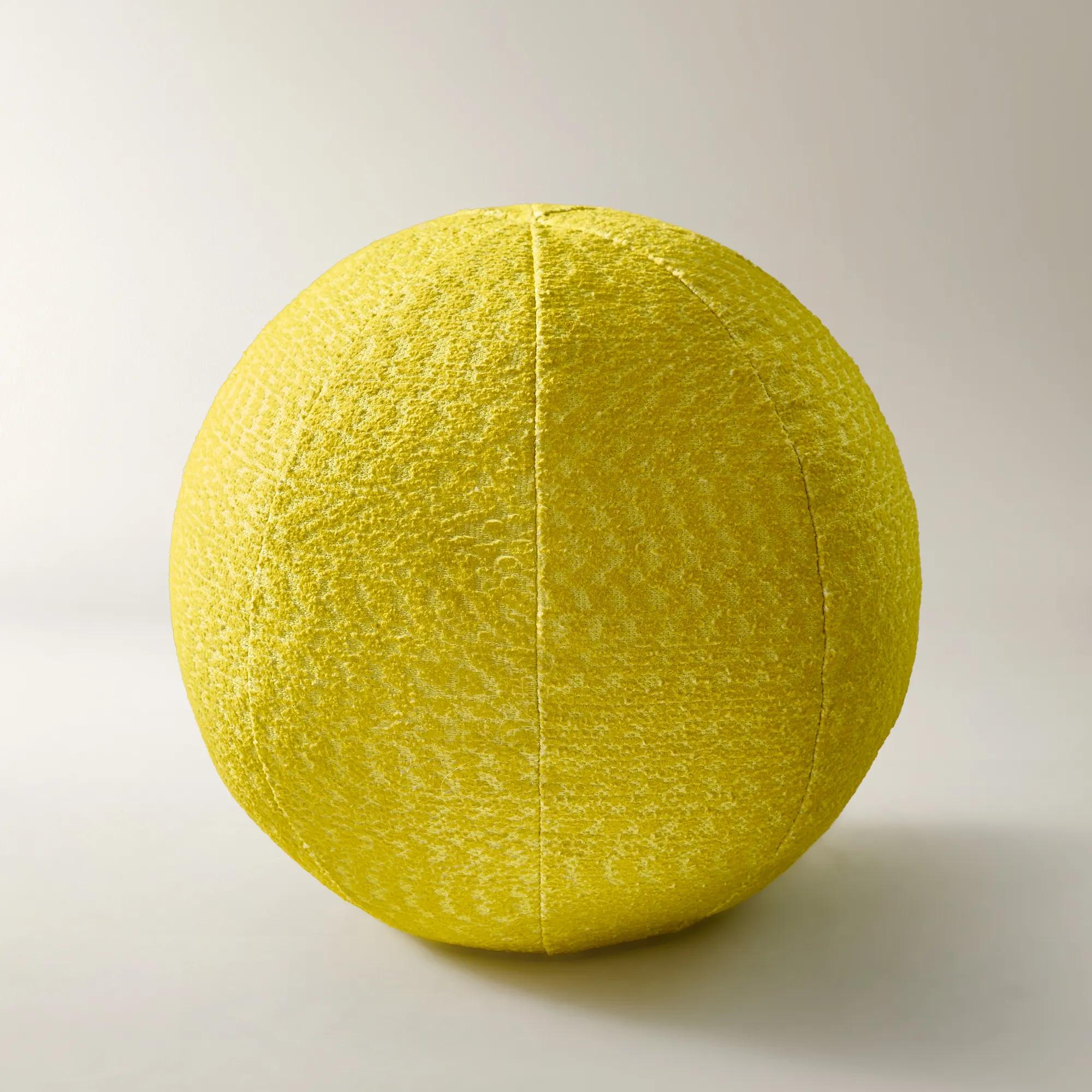
Embroidered Pillows For Beds
Embroidered Pillows For Beds
-
 Moiré Embroidered Sea Glass Satin Pillow 22" x 22"$99
A sea glass satin pillow featuring tonal moiré embroidery and a plush feather-down insert for comfort.
Add To Cart -
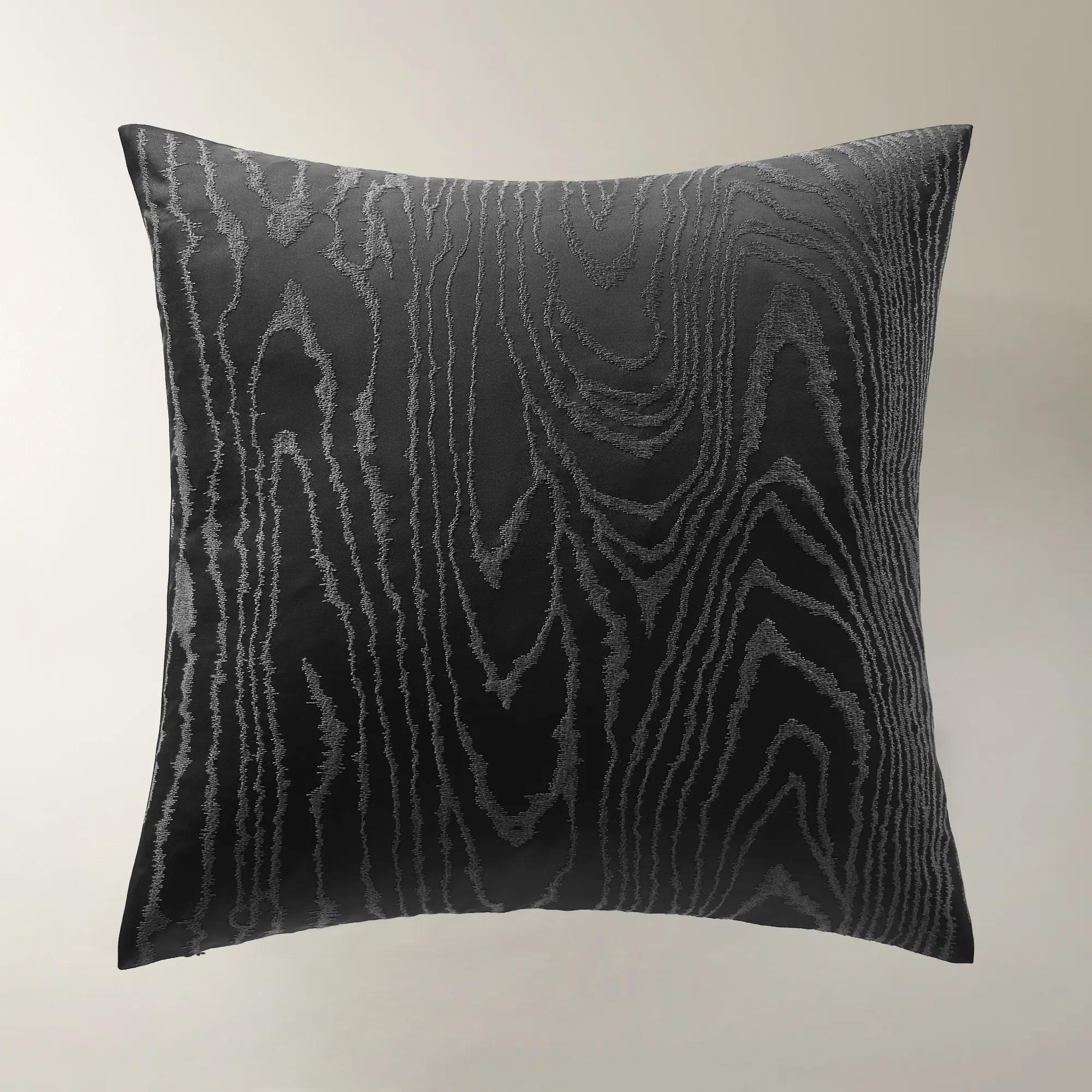
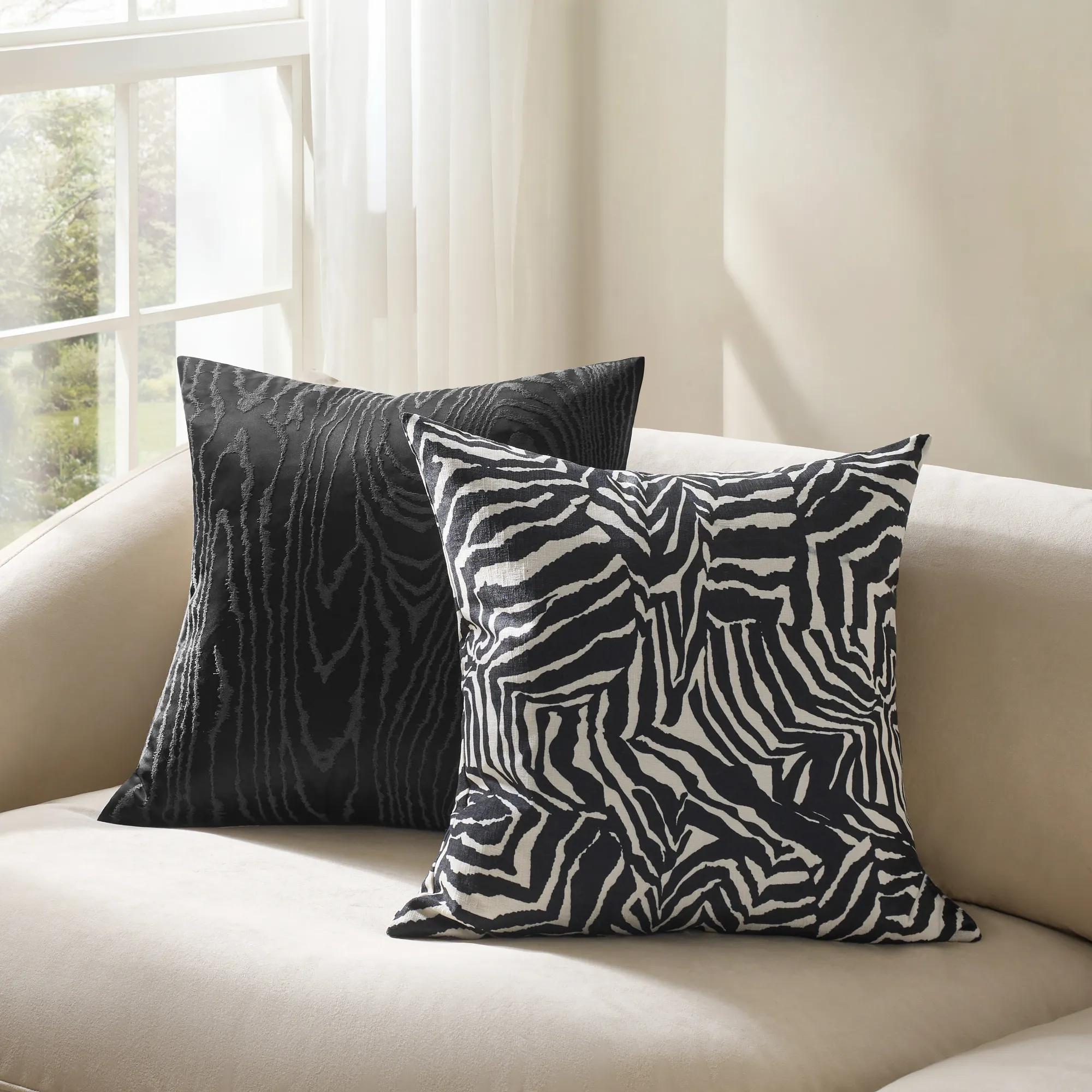 Moiré Embroidered Black Satin Pillow 22" x 22"$99
A black satin pillow featuring tonal moiré embroidery and a plush feather-down insert for refined comfort.
Add To Cart -
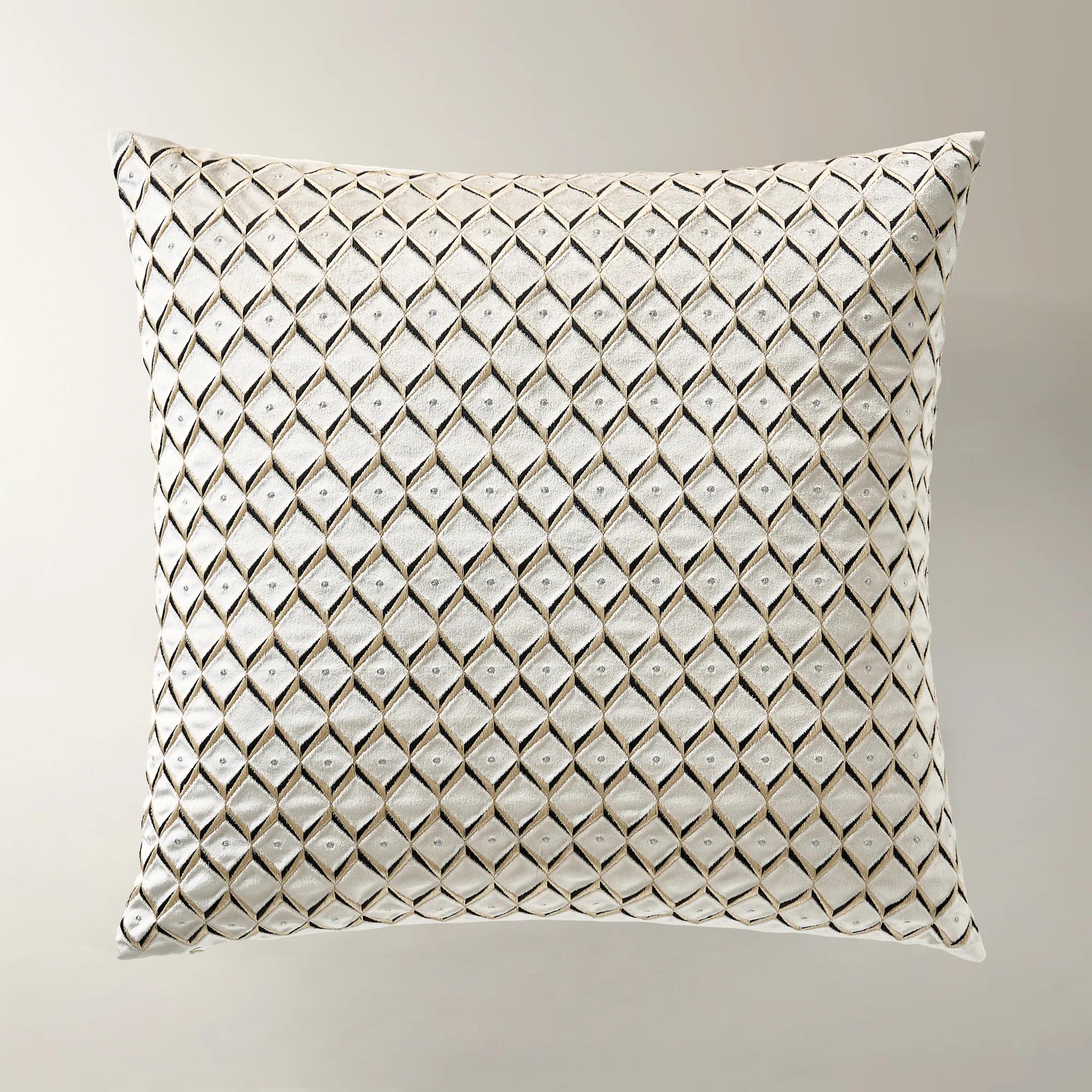 Boucard Diamond Check Embroidered Alabaster Pillow 22" x 22"$119
A luminous alabaster velvet pillow featuring metallic champagne and black diamond embroidery with a feather-down insert.
Add To Cart -
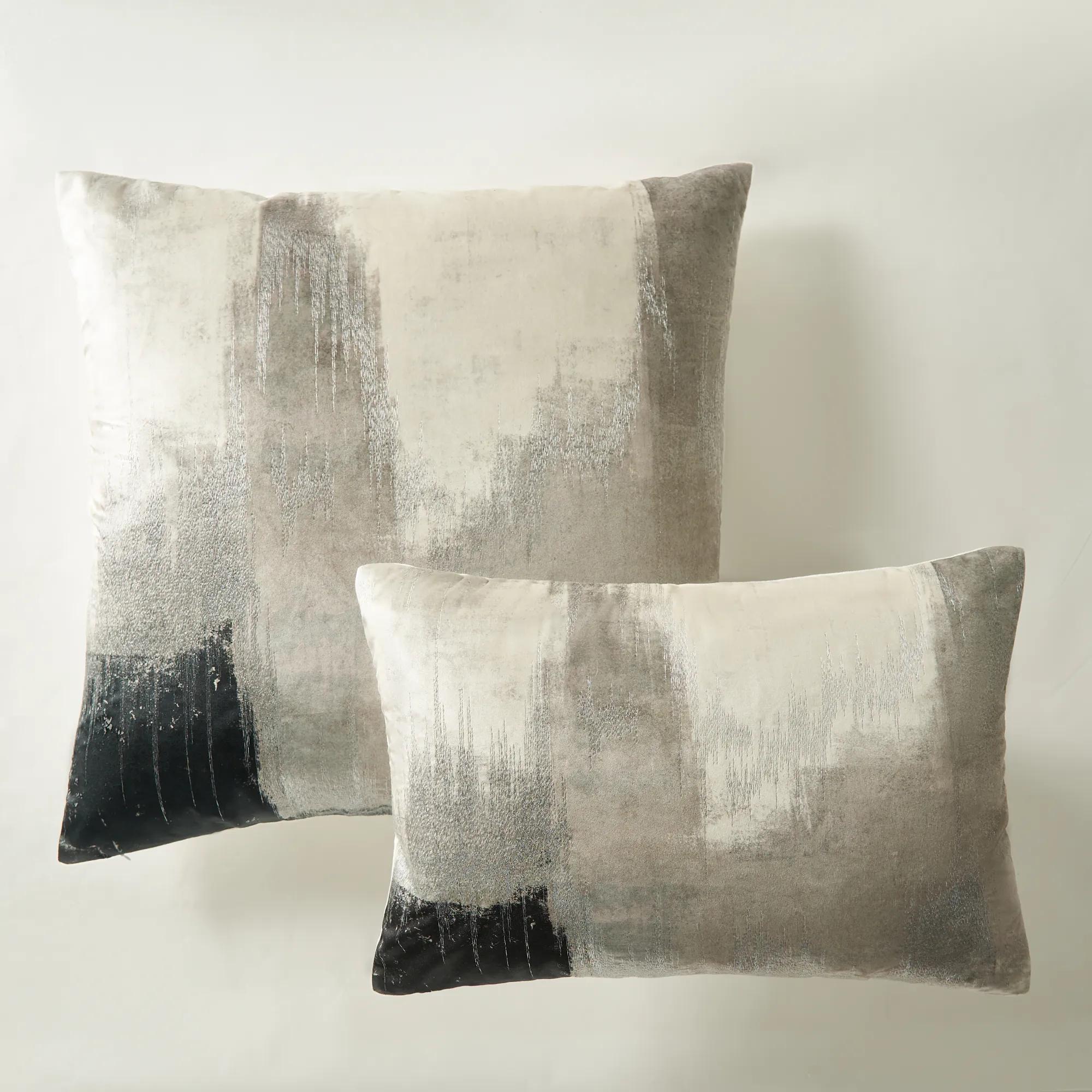
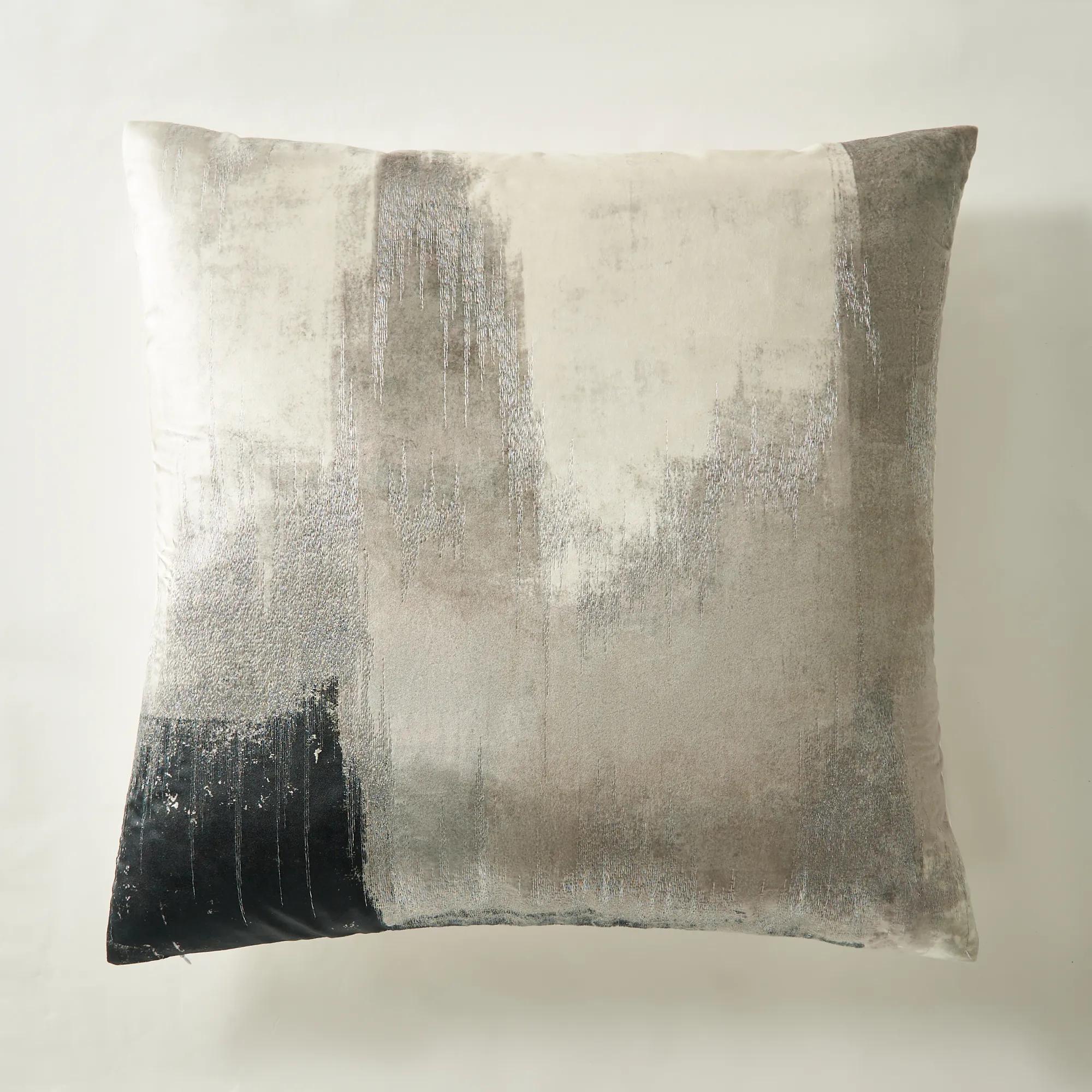 Nya Grey/Black Embroidered Velvet Pillow 24" x 24"$79
A plush black and grey velvet pillow featuring metallic silver embroidery and a feather-down insert.
Add To Cart -
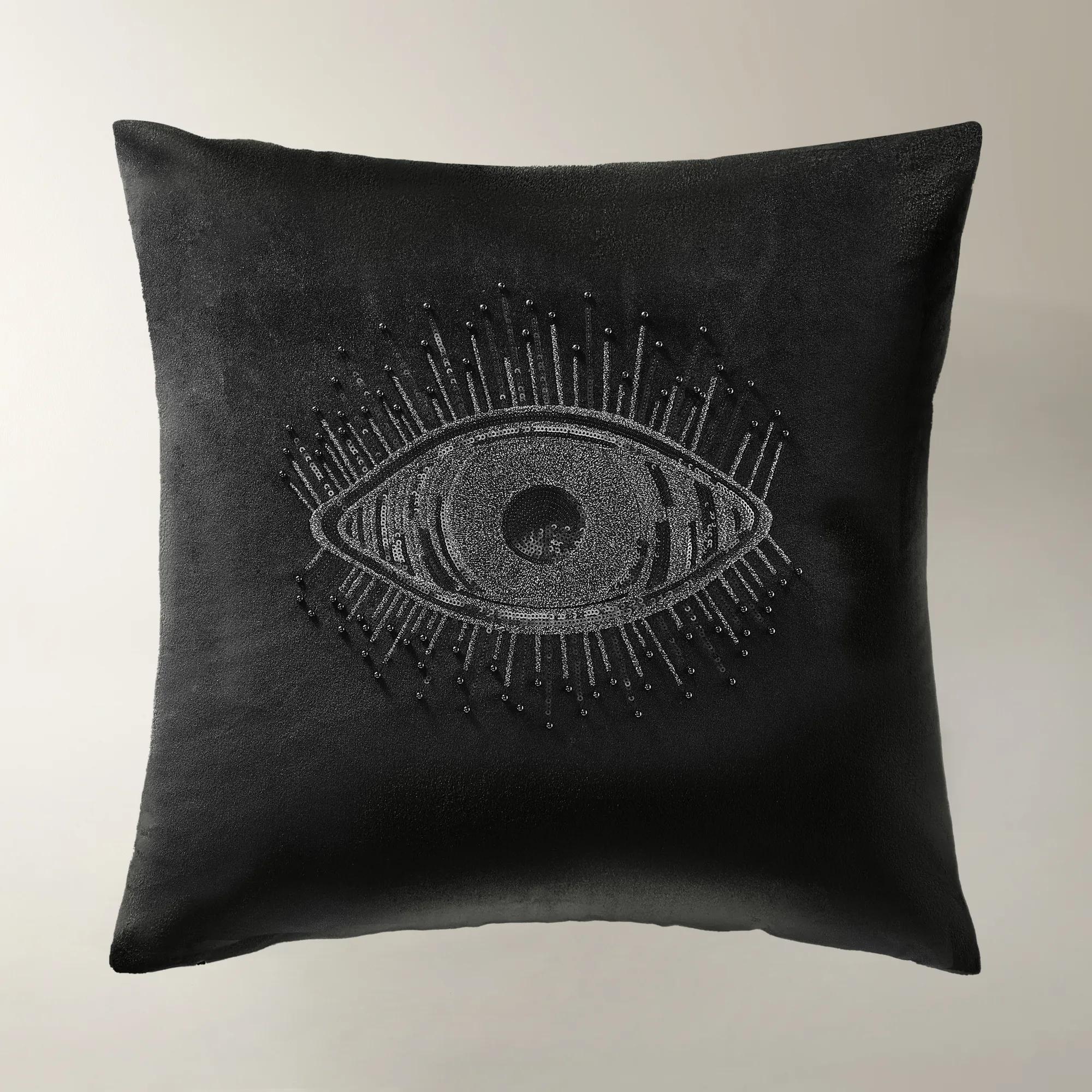
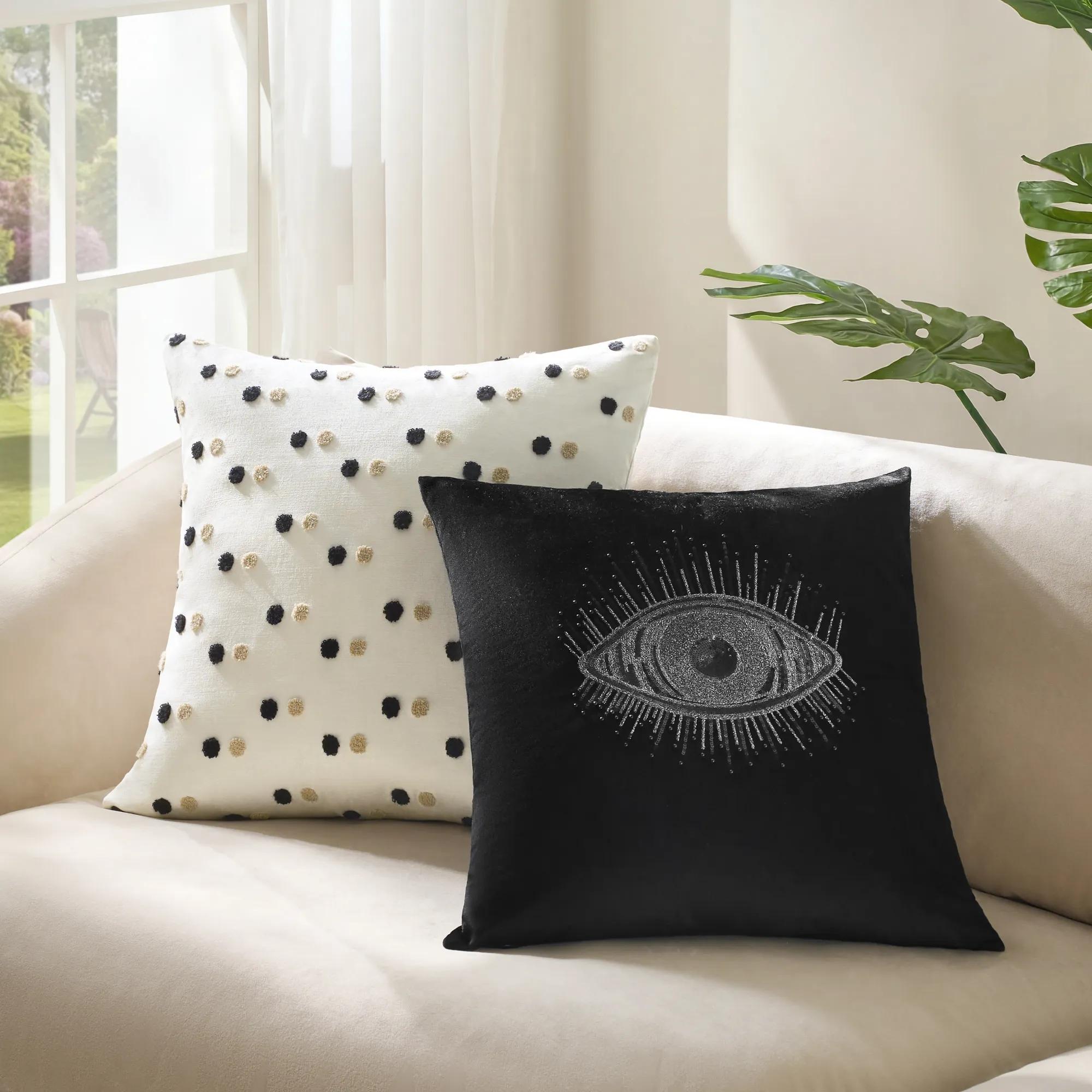 Glam Eye Beaded Embroidered Black Velvet Pillow 20" x 20"$119
A black velvet pillow featuring a beaded and sequin eye icon with a plush feather-down insert.
Add To Cart -
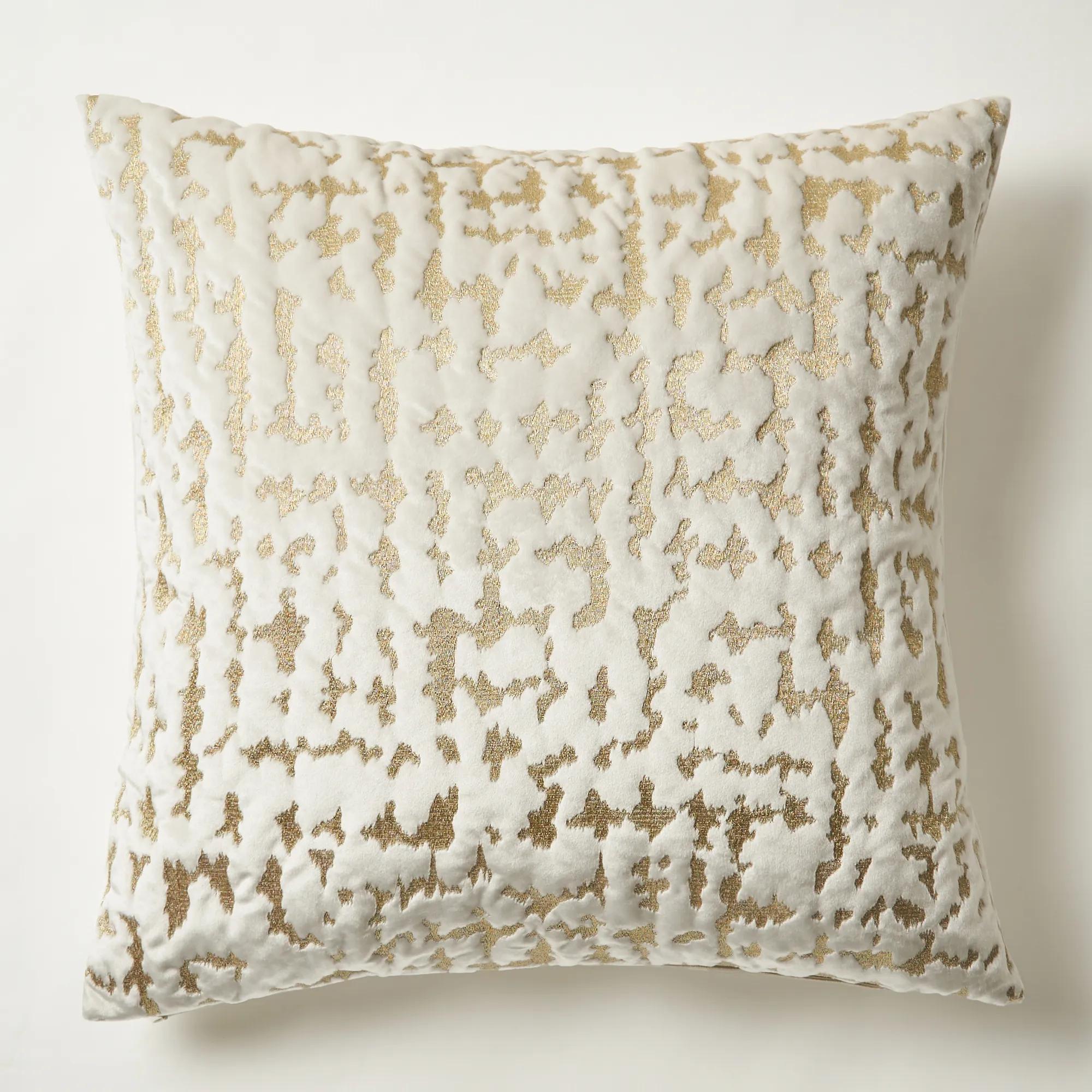
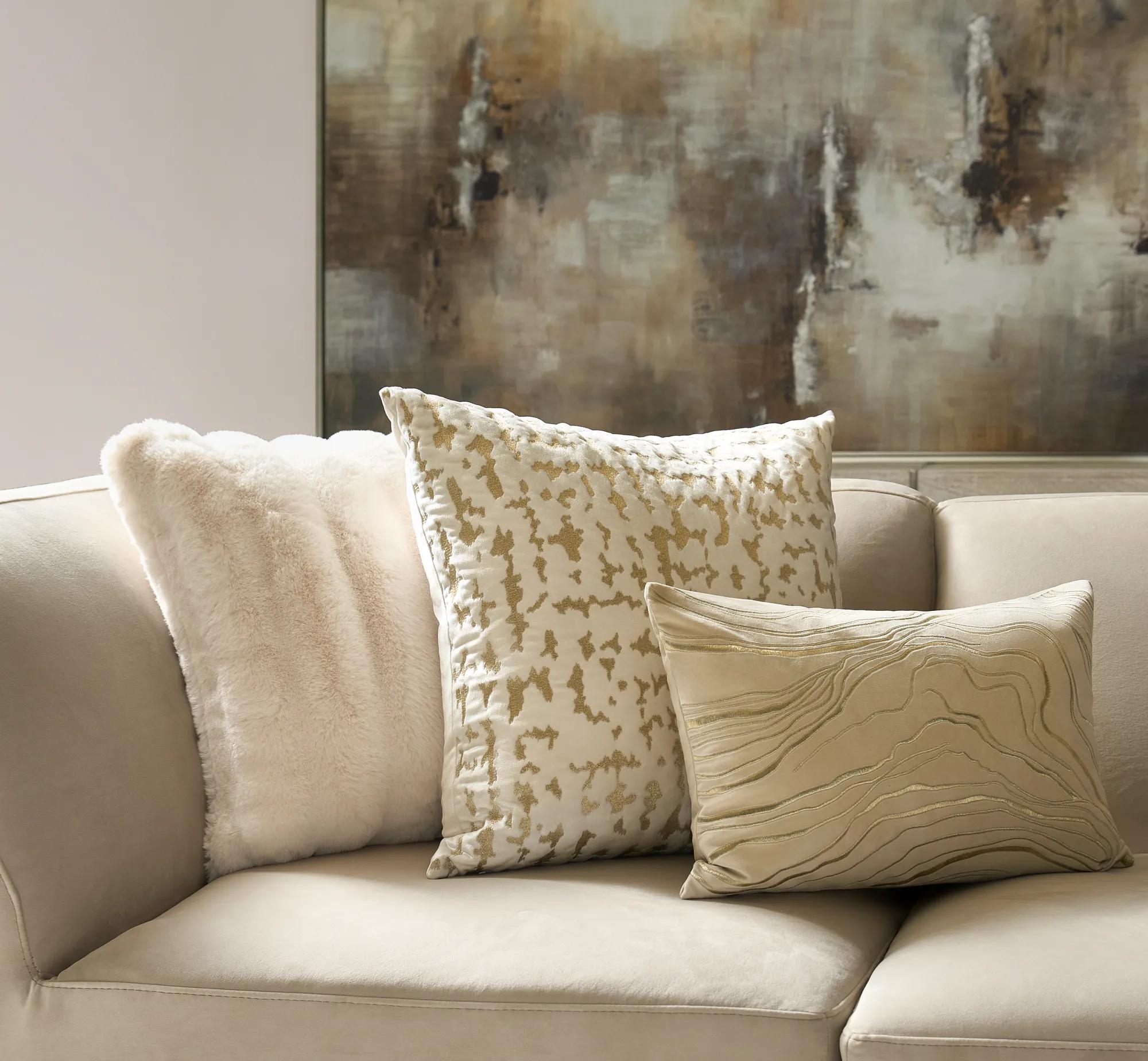 Solenne Embroidered Gold/Ivory Velvet Pillow 22" x 22"$89
An ivory velvet pillow with gold metallic 3D quilting and a plush feather down insert.
Add To Cart -
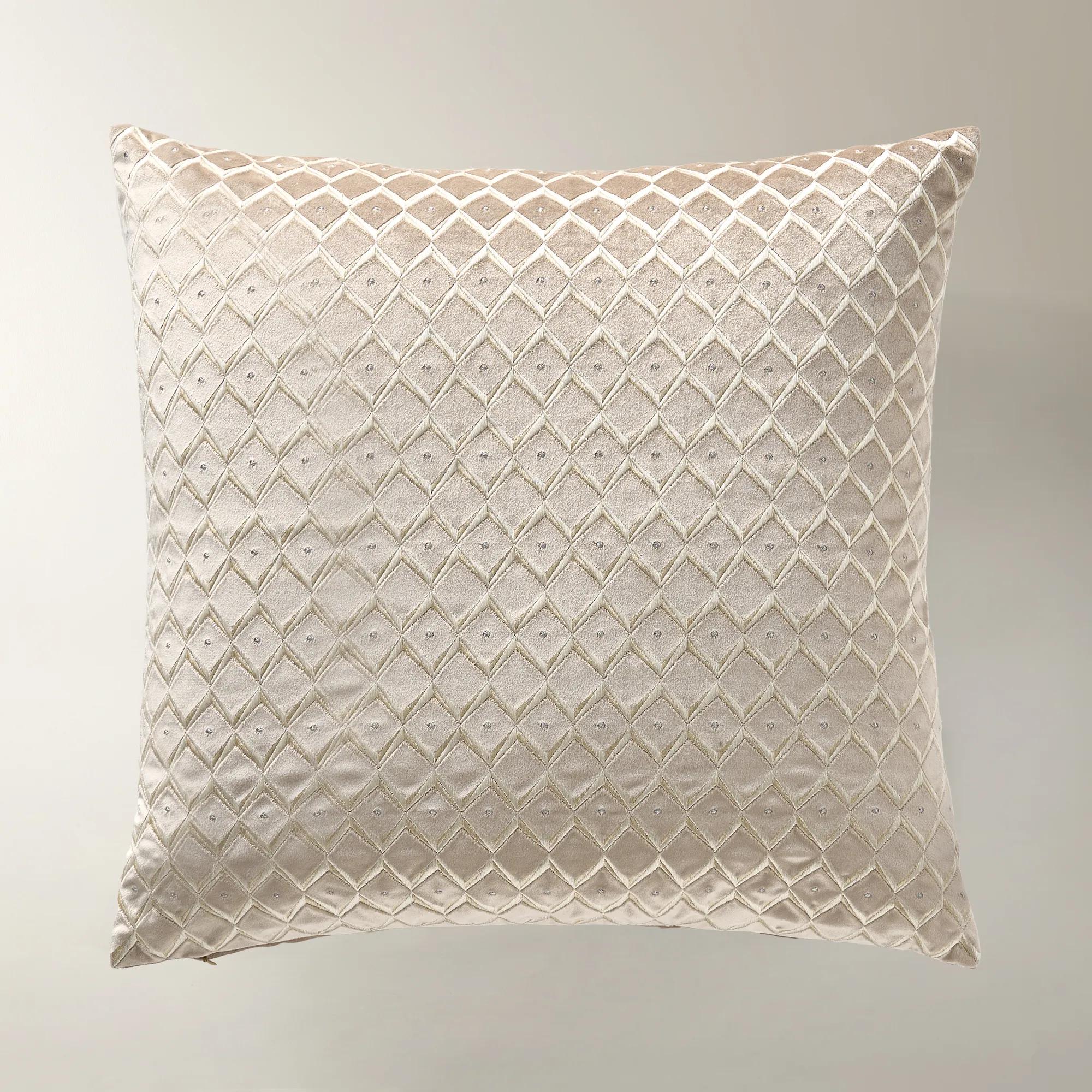
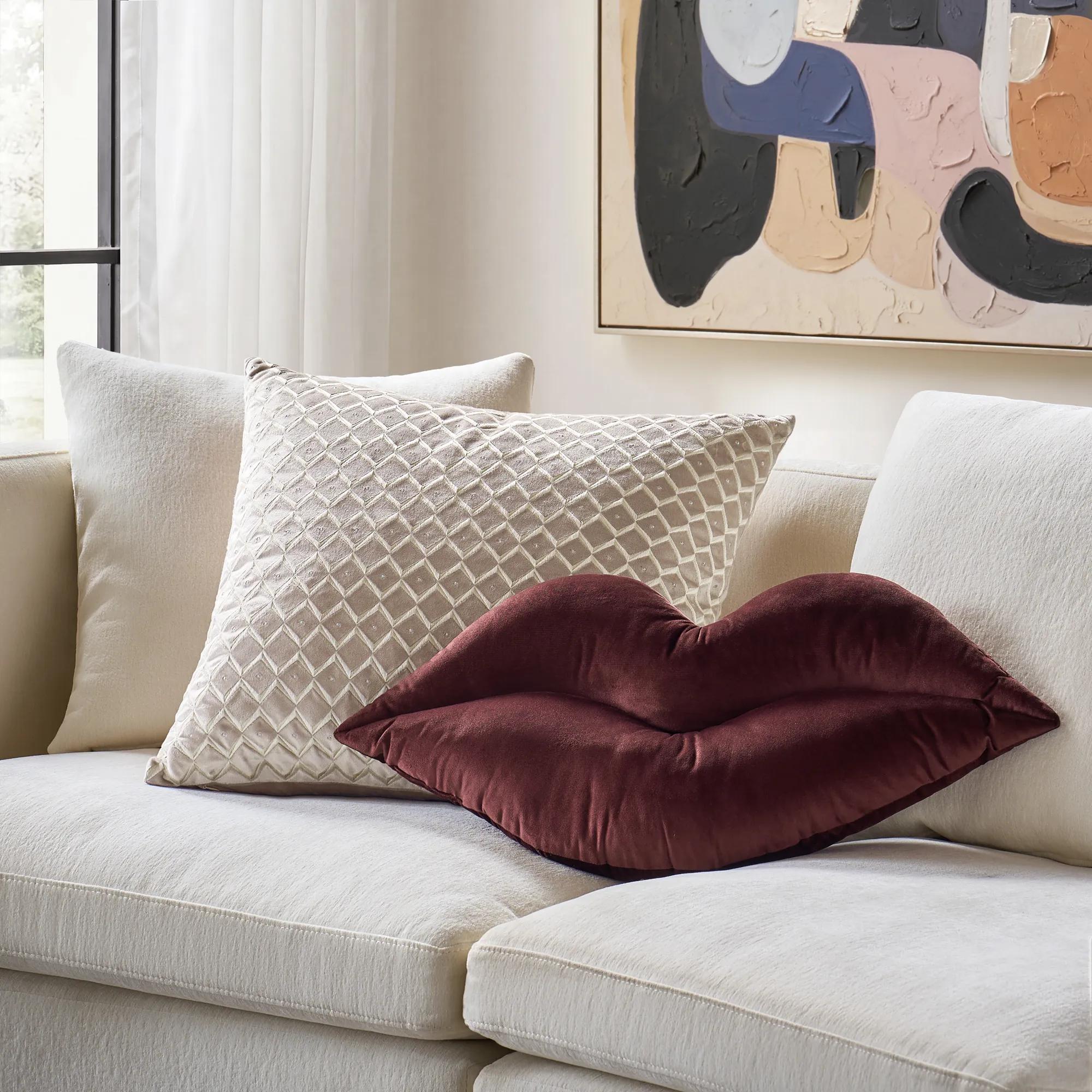 Boucard Diamond Check Embroidered Taupe Pillow 22" x 22"$119
A taupe velvet pillow featuring champagne and ivory metallic diamond embroidery with a feather-down insert.
Add To Cart -
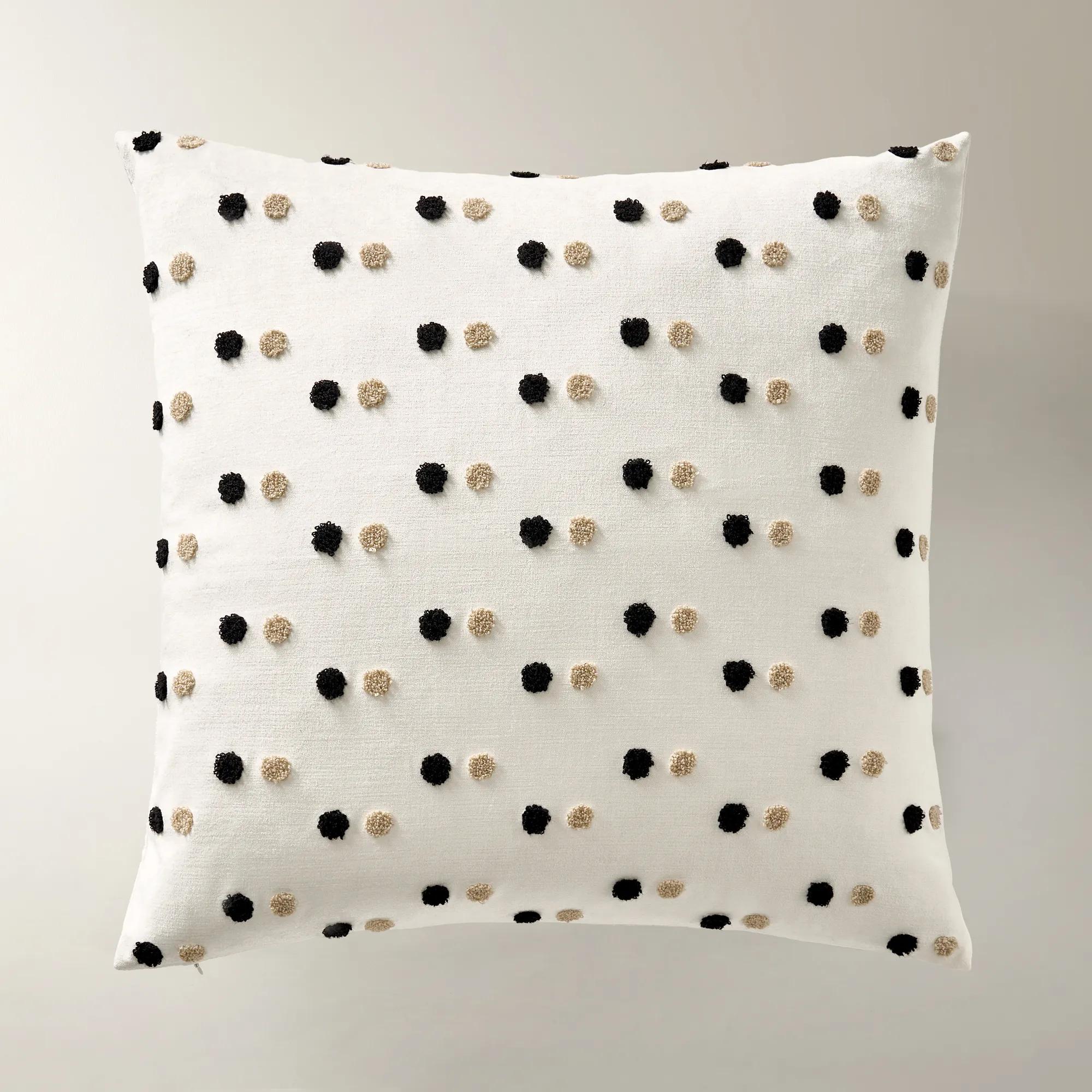 Dionne Polka Dot Embroidered Cloud White Velvet Pillow 22" x 22"$99
A cloud velvet pillow featuring embroidered taupe and black polka dots with a plush feather-down insert.
Add To Cart -

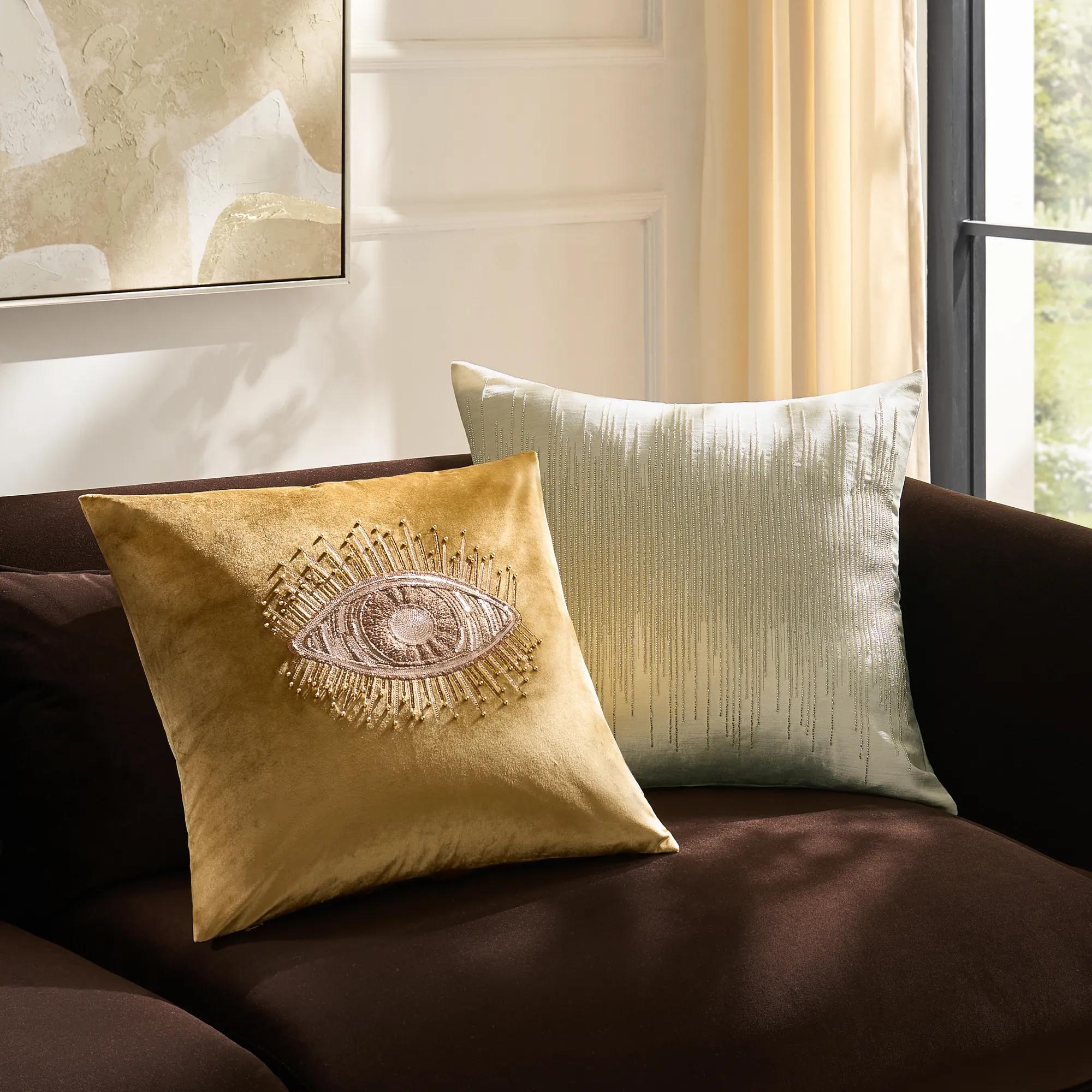 Glam Eye Beaded Embroidered Gold Velvet Pillow 20" x 20"$119
A gold velvet pillow featuring a beaded and sequin eye motif with a plush feather-down insert.
Add To Cart -
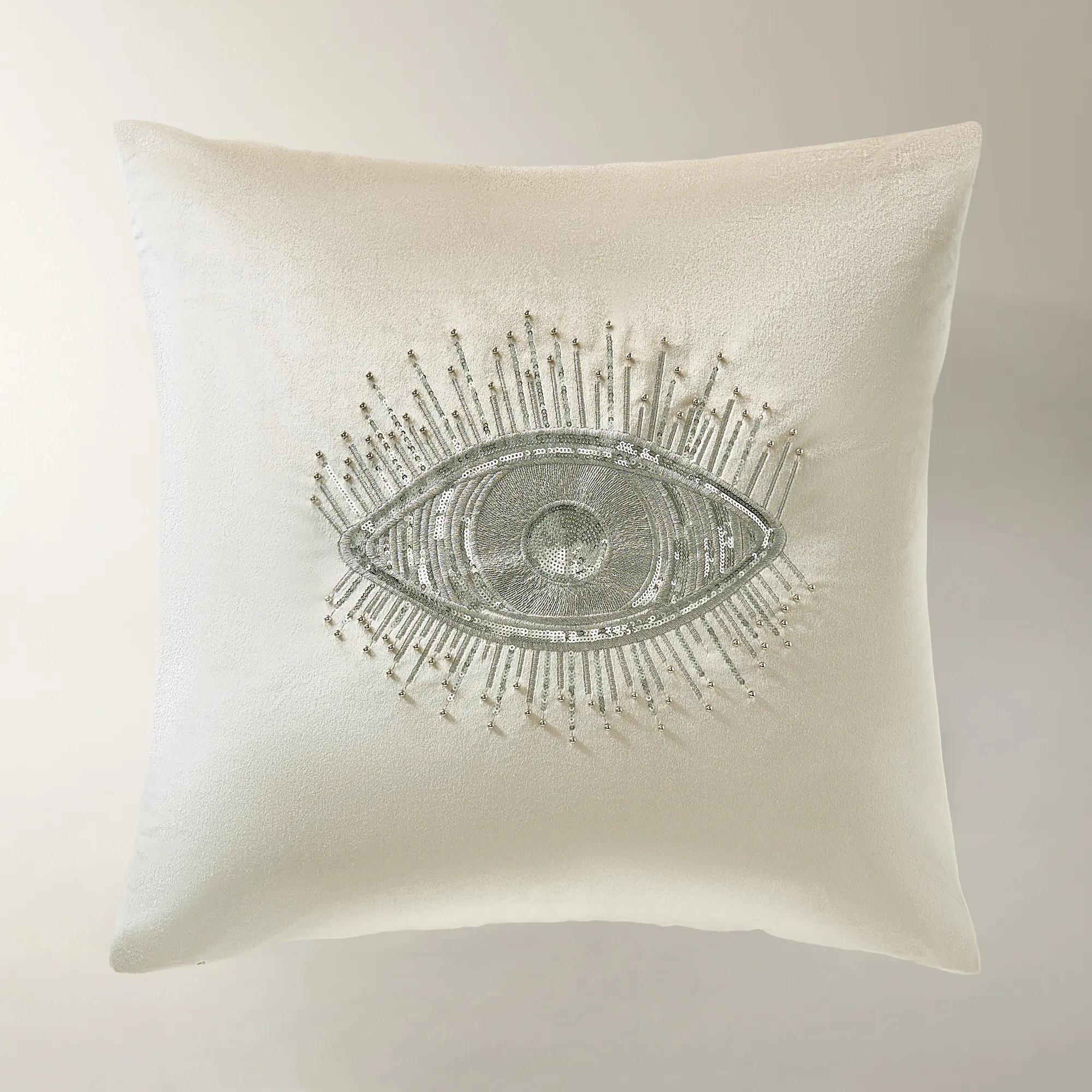 Glam Eye Beaded Embroidered Alabaster Velvet Pillow 20" x 20"$119
An alabaster velvet pillow featuring tonal beaded eye embroidery and a plush feather-down insert.
Add To Cart -
 Namir Leopard Beaded Embroidered Dusty Blue/Gold Velvet Pillow 22" x 22"$129
A soft dusty blue velvet pillow featuring an embroidered beaded leopard face and feather-down insert.
Add To Cart -
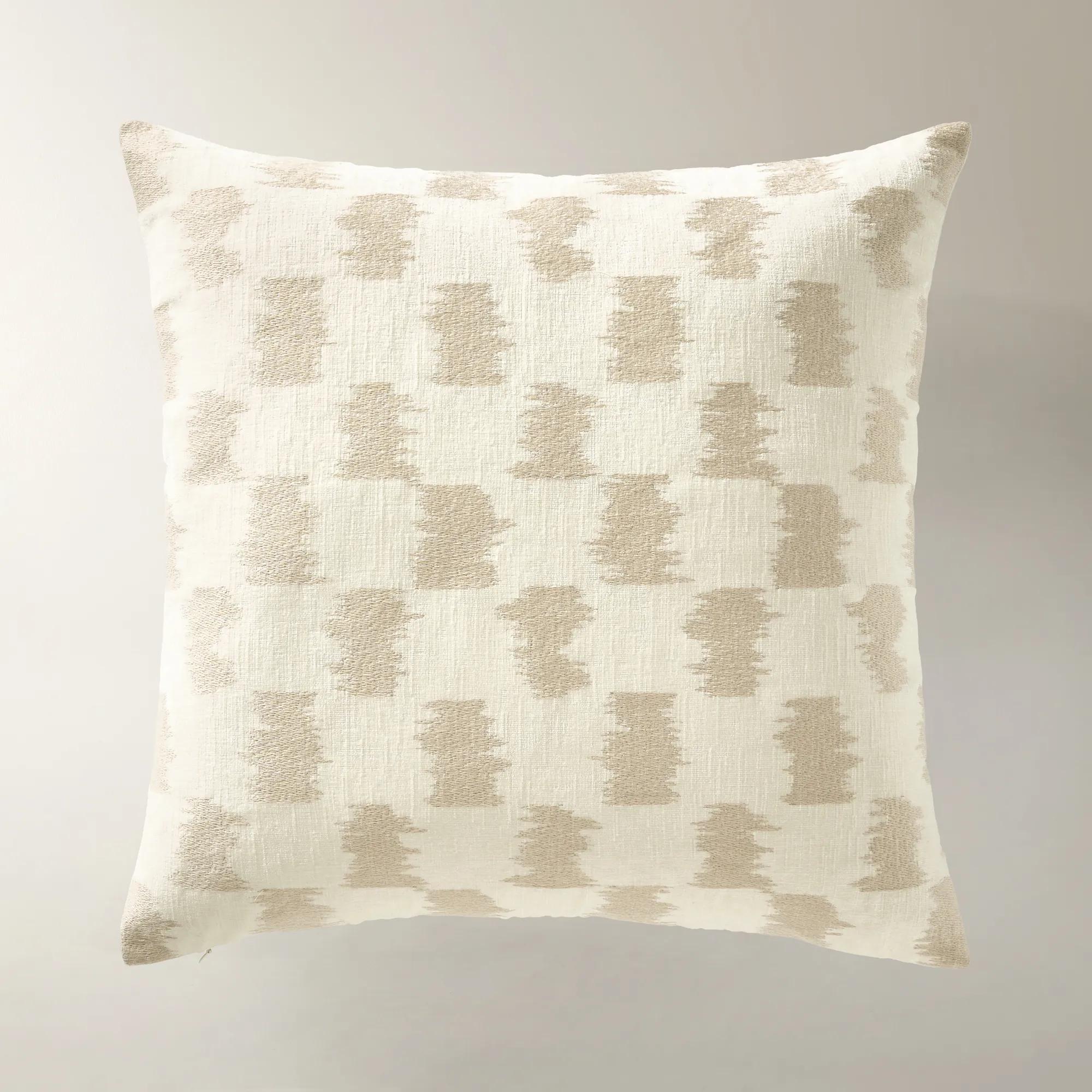
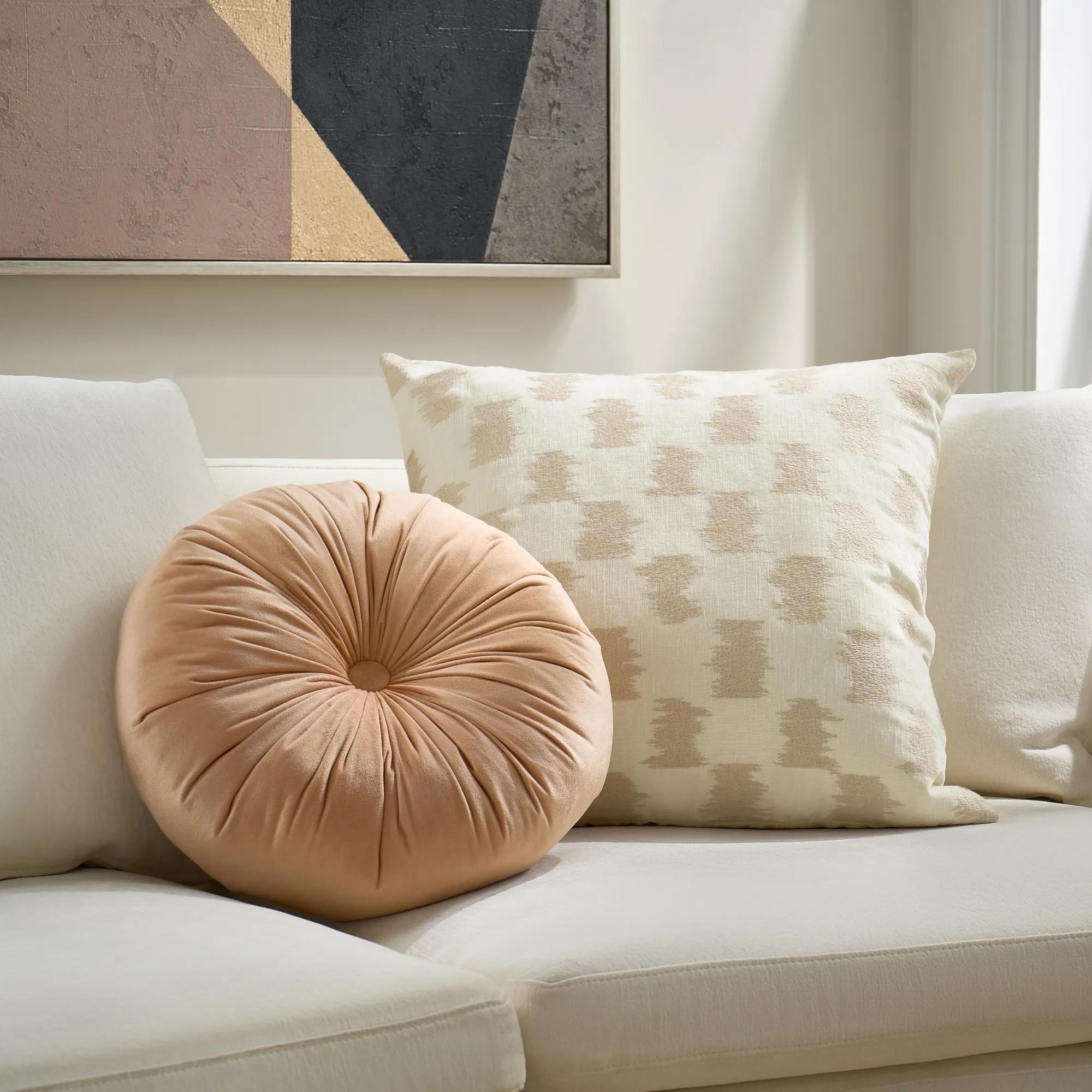 Scacco Check Embroidered Taupe/Ivory Pillow 22" x 22"$89
A taupe and ivory velvet pillow featuring an embroidered geometric checker pattern and feather-down insert.
Add To Cart -
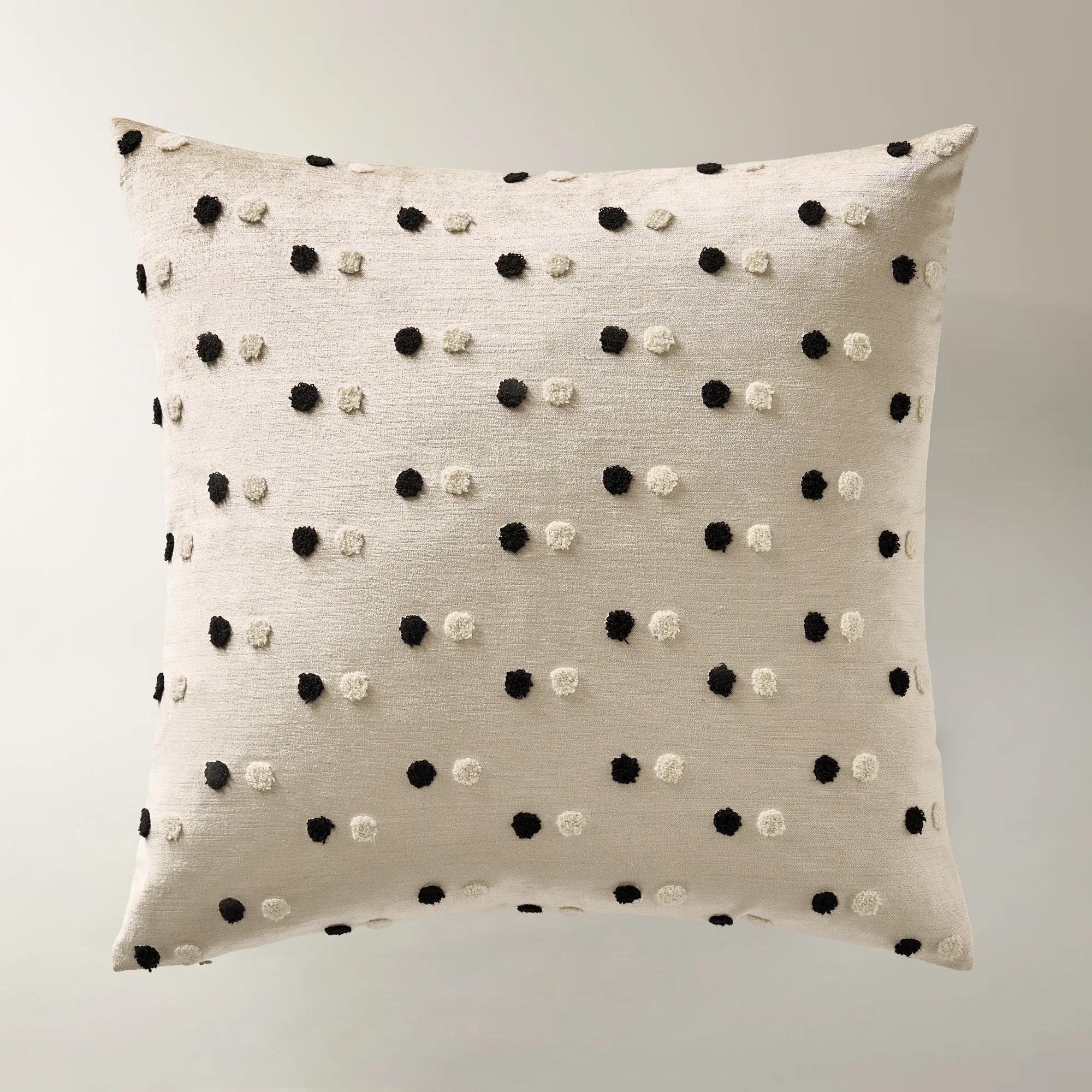
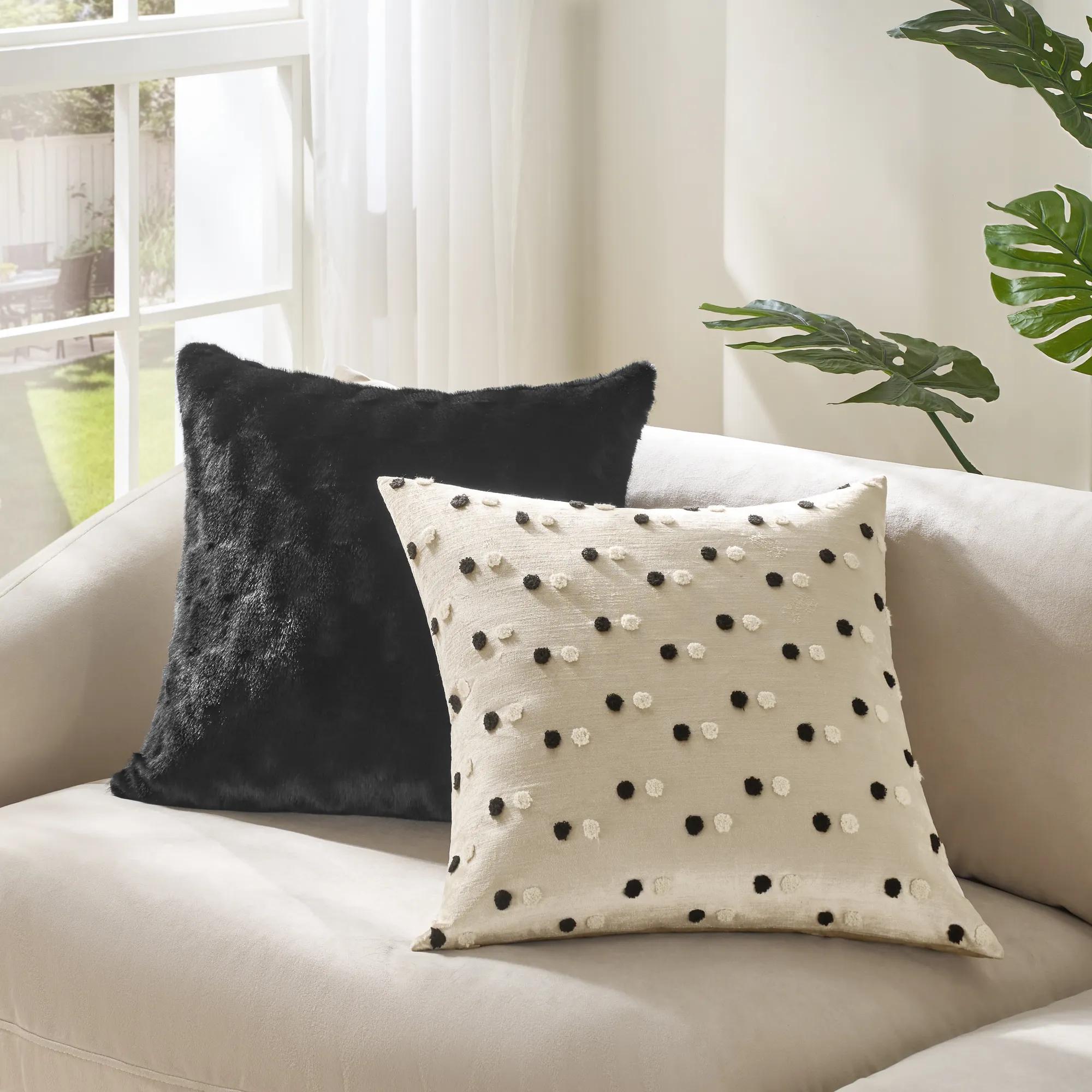 Dionne Polka Dot Embroidered Platinum Taupe Velvet Pillow 22" x 22"$99
A platinum taupe velvet pillow featuring embroidered ivory and black polka dots with a feather-down insert.
Add To Cart -
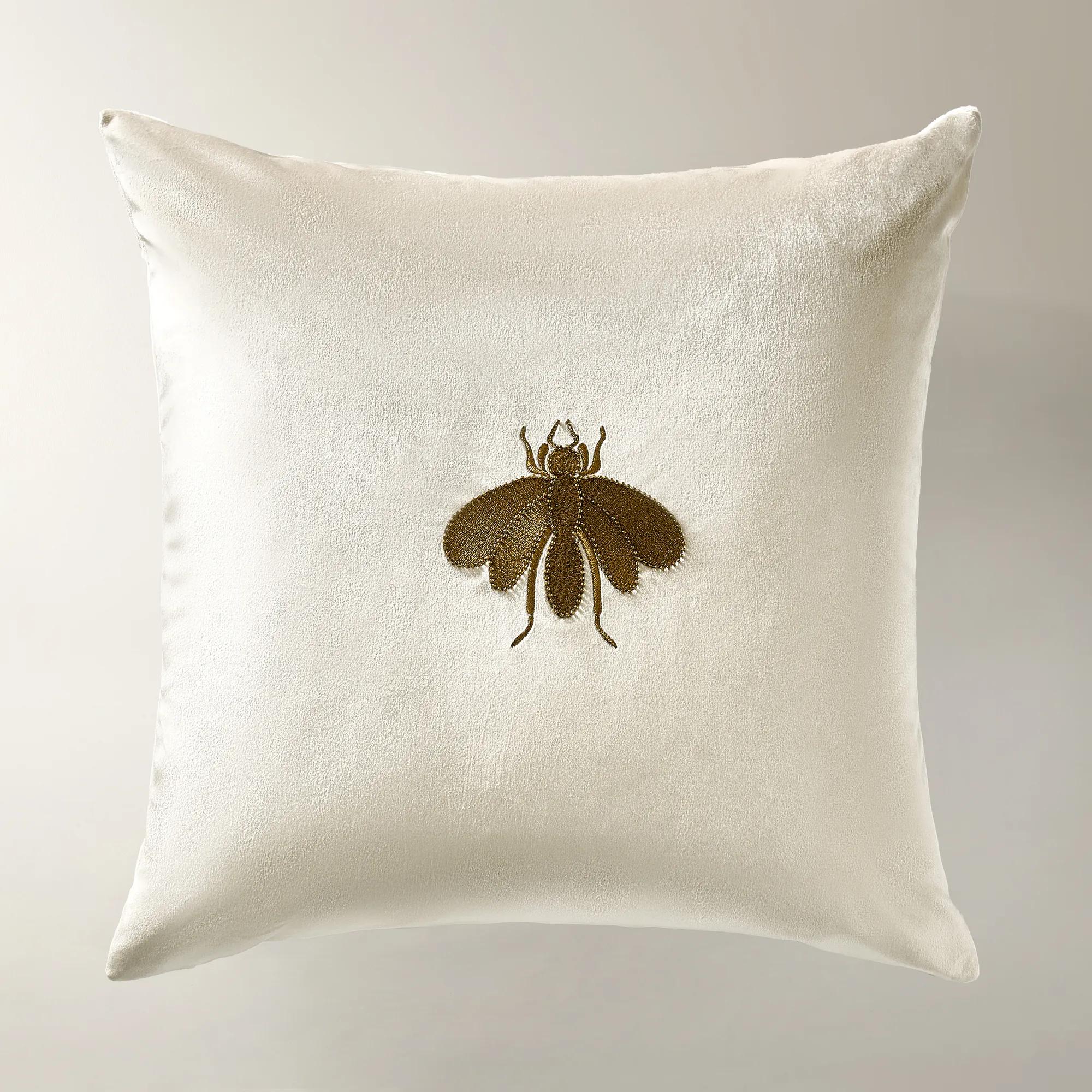
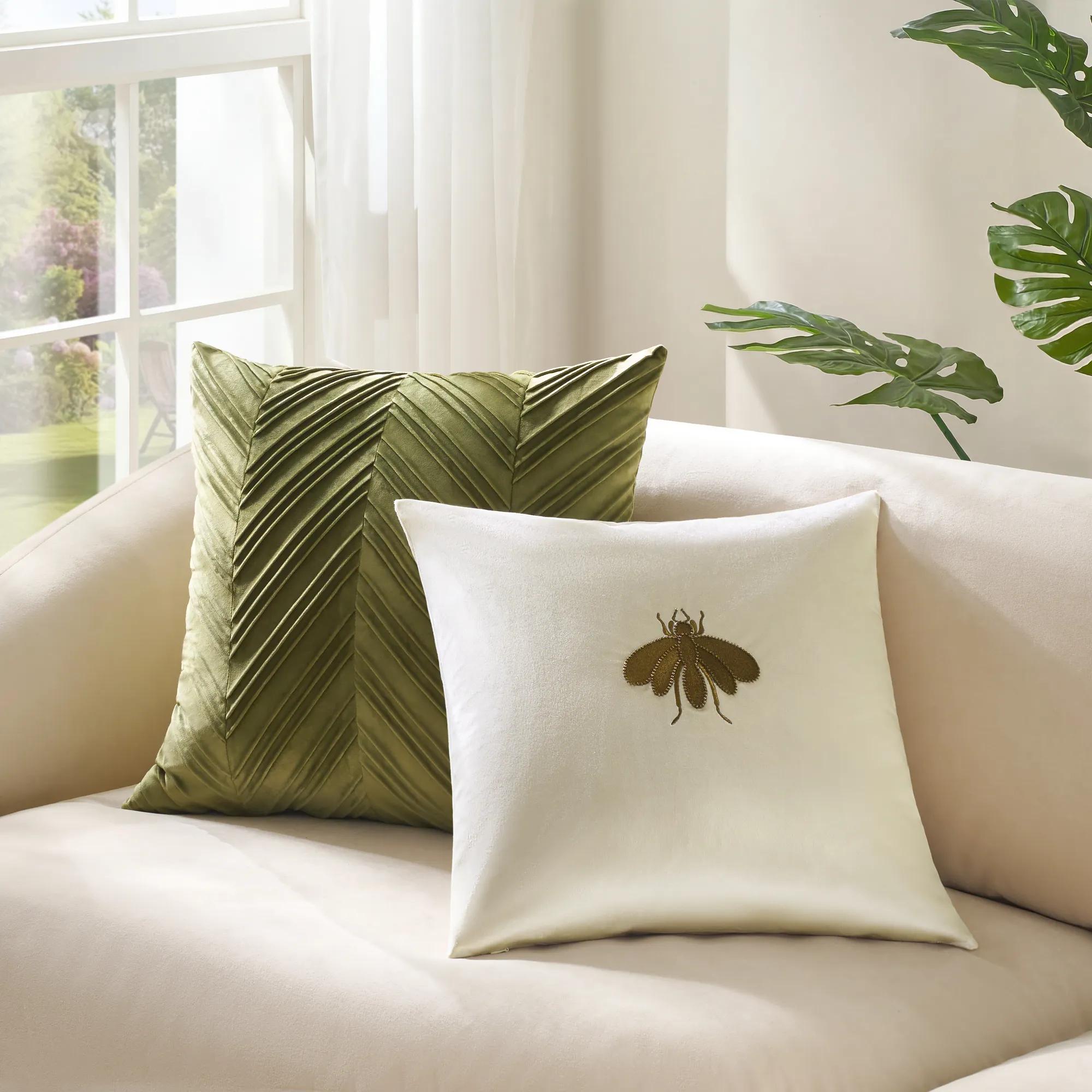 Bee Embroidered Cloud White/Bronze Velvet Pillow 20" x 20"$99
A cloud white velvet pillow featuring bronze metallic bee embroidery and a plush feather-down insert.
Add To Cart -
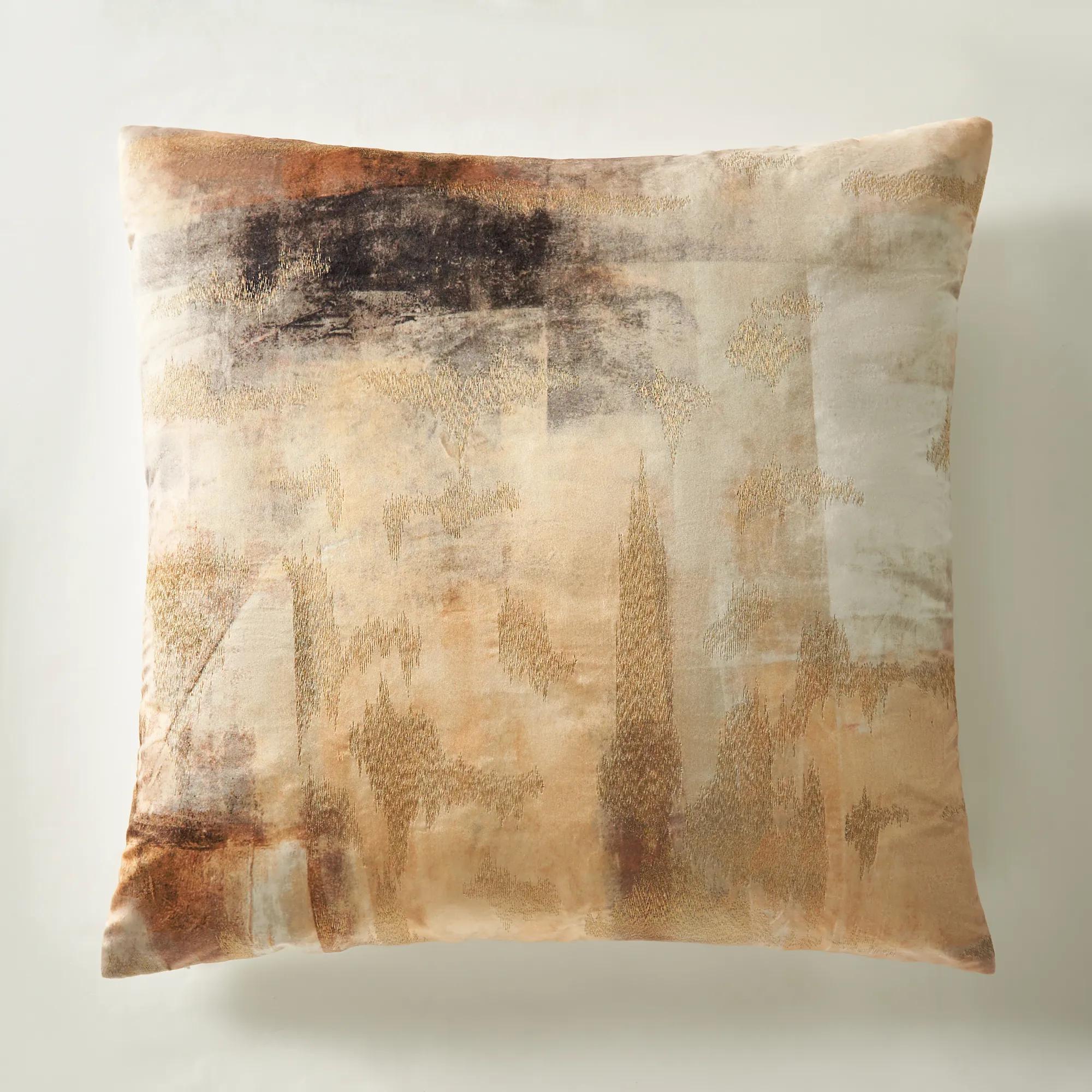
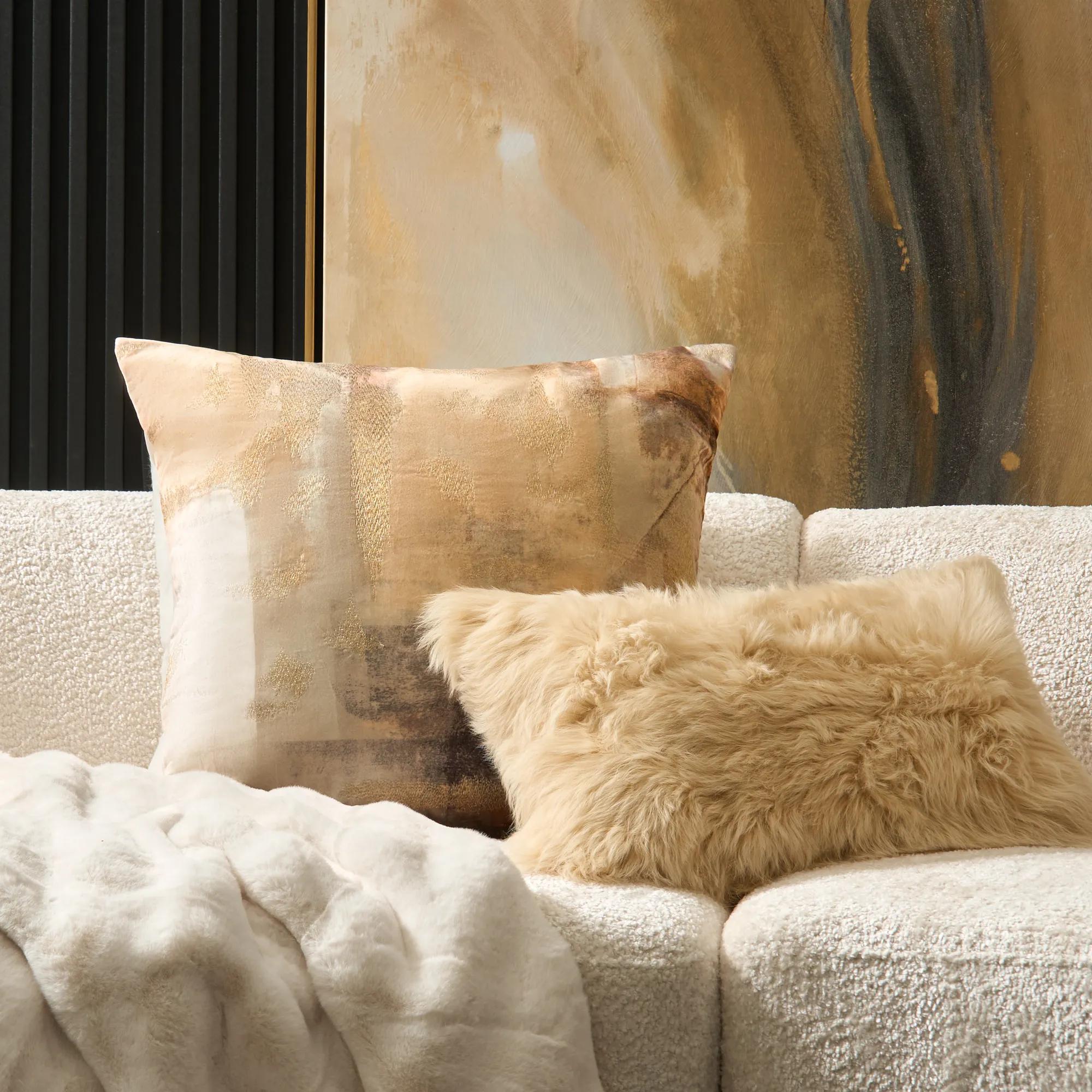 Riya Abstract Gold Embroidered Velvet Pillow 24" x 24"$79
A plush ivory, gold, and grey velvet pillow with metallic embroidery and a feather down insert.
Add To Cart -
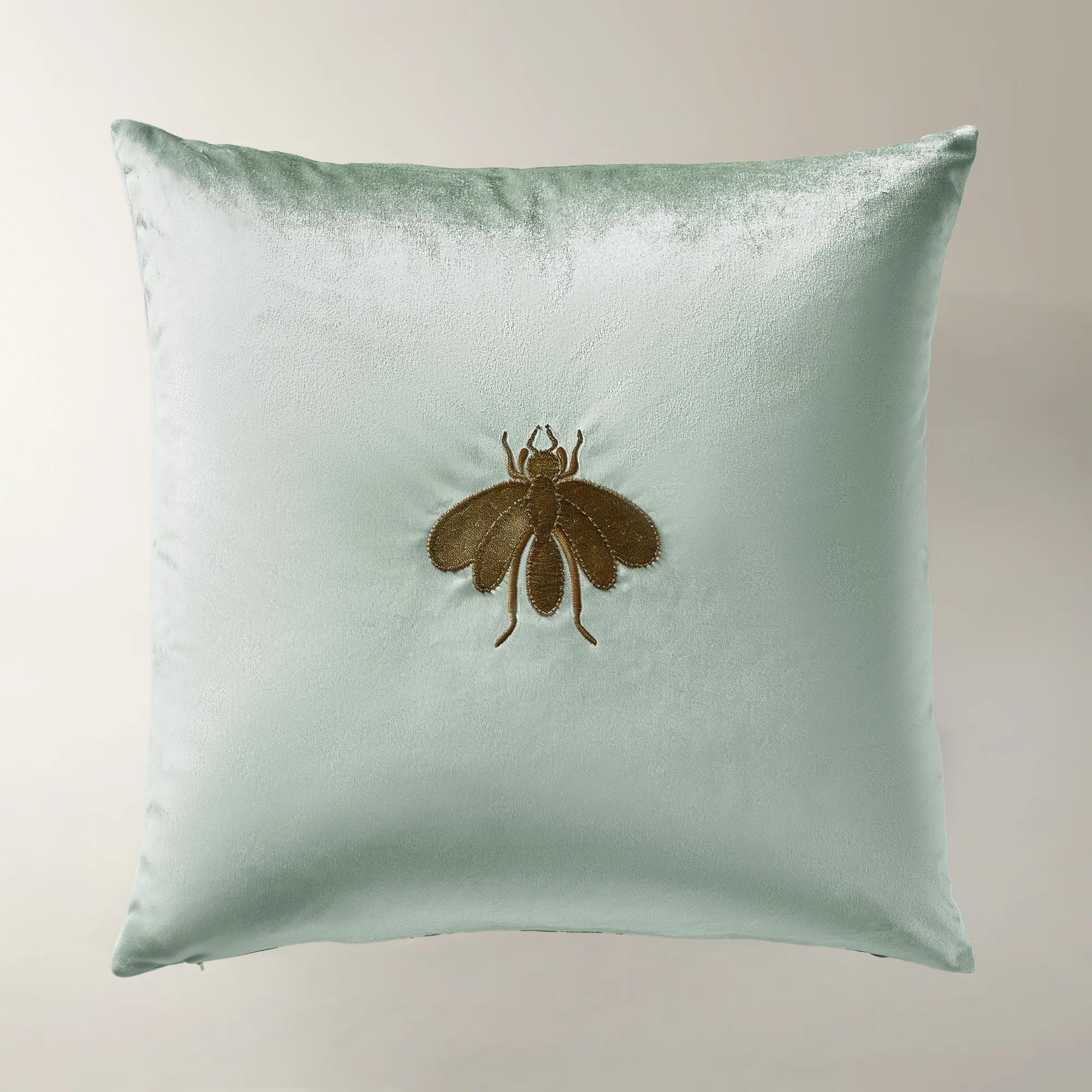 Bee Embroidered Sea Glass/Bronze Velvet Pillow 20" x 20"$99
A sea glass velvet pillow featuring bronze metallic bee embroidery and a plush feather-down insert.
Add To Cart -
 Dragonfly Green/Ivory Beaded Embroidered Velvet Pillow 20" x 20"$119
A hand-embroidered velvet pillow featuring beaded dragonflies in green and ivory for whimsical elegance.
Add To Cart -
 Bee Embroidered Honey Gold/Bronze Velvet Pillow 20" x 20"$99
A honey gold velvet pillow featuring bronze bee embroidery and a plush feather-down insert for comfort.
Add To Cart -
 Namir Leopard Beaded Embroidered Ivory/Gold Velvet Pillow 22" x 22"$129
An ivory velvet pillow featuring an embroidered leopard face and a plush feather-down insert.
Add To Cart -
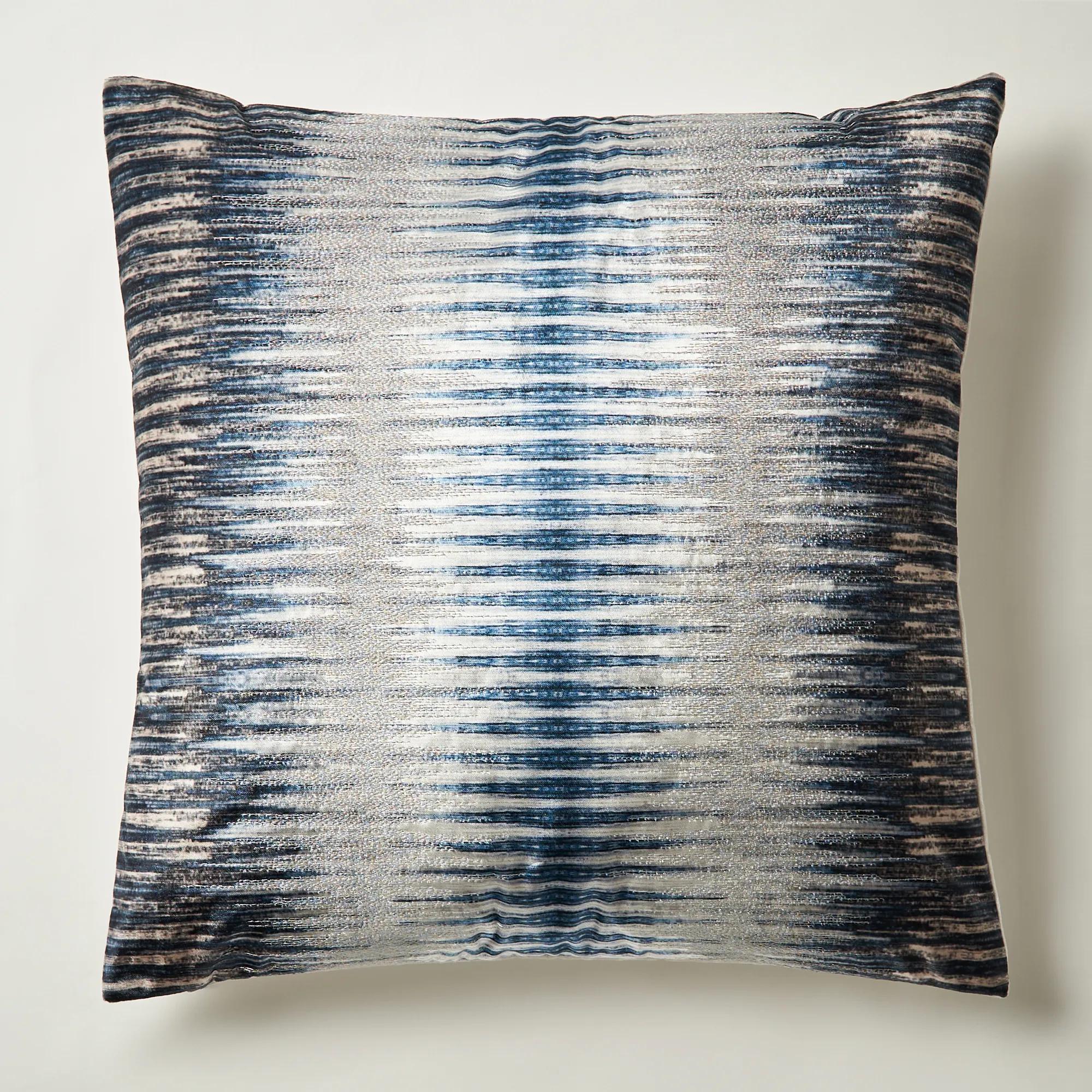 Zaid Embroidered Metallic Blue Velvet Pillow 22" x 22"$89
A plush velvet pillow in grey, blue, and silver with gradient metallic embroidery and feather-down insert.
Add To Cart -

 Namir Leopard Beaded Embroidered Black/Gold Velvet Pillow 22" x 22"$129
A luxurious black velvet pillow featuring an embroidered leopard face and a plush feather-down insert.
Add To Cart -
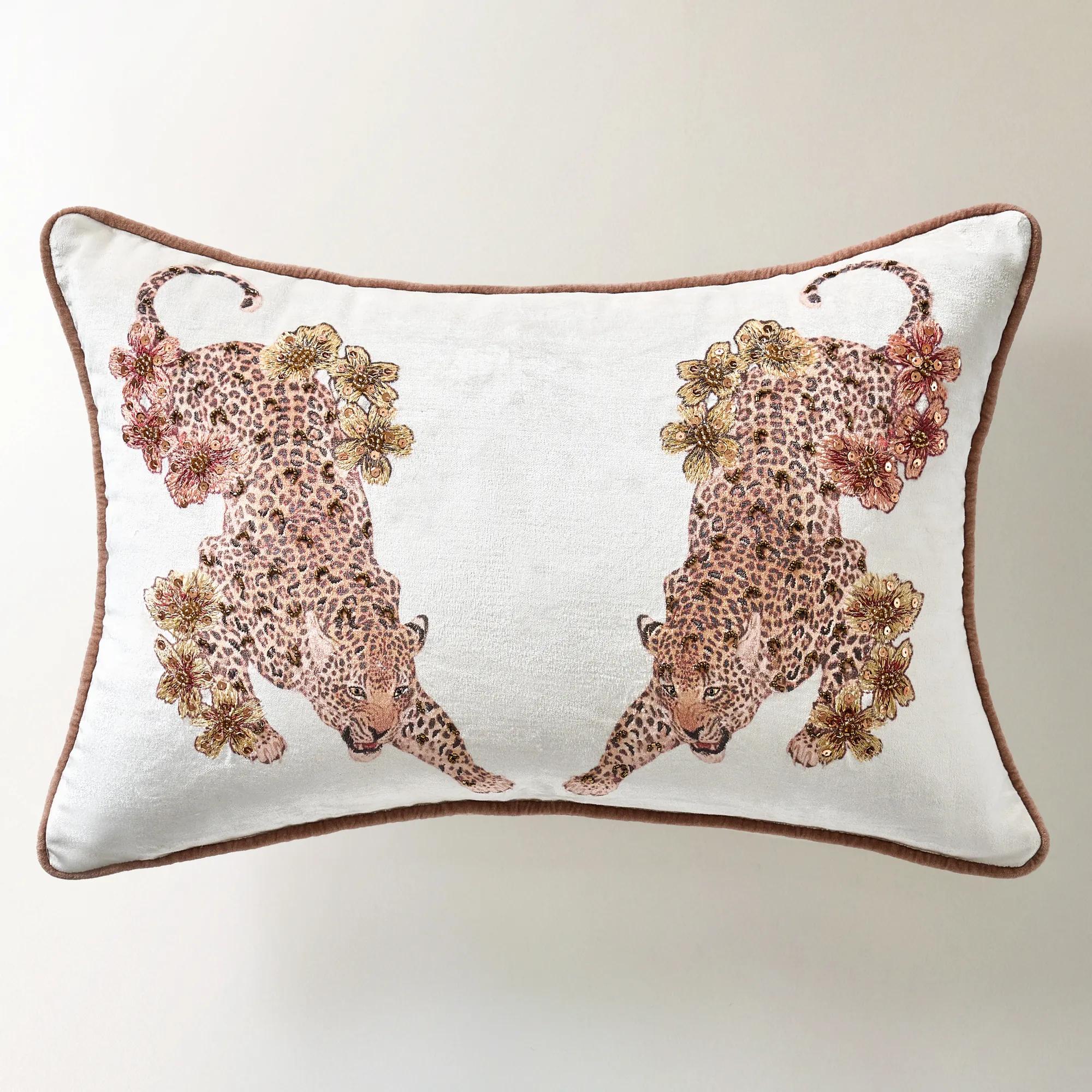
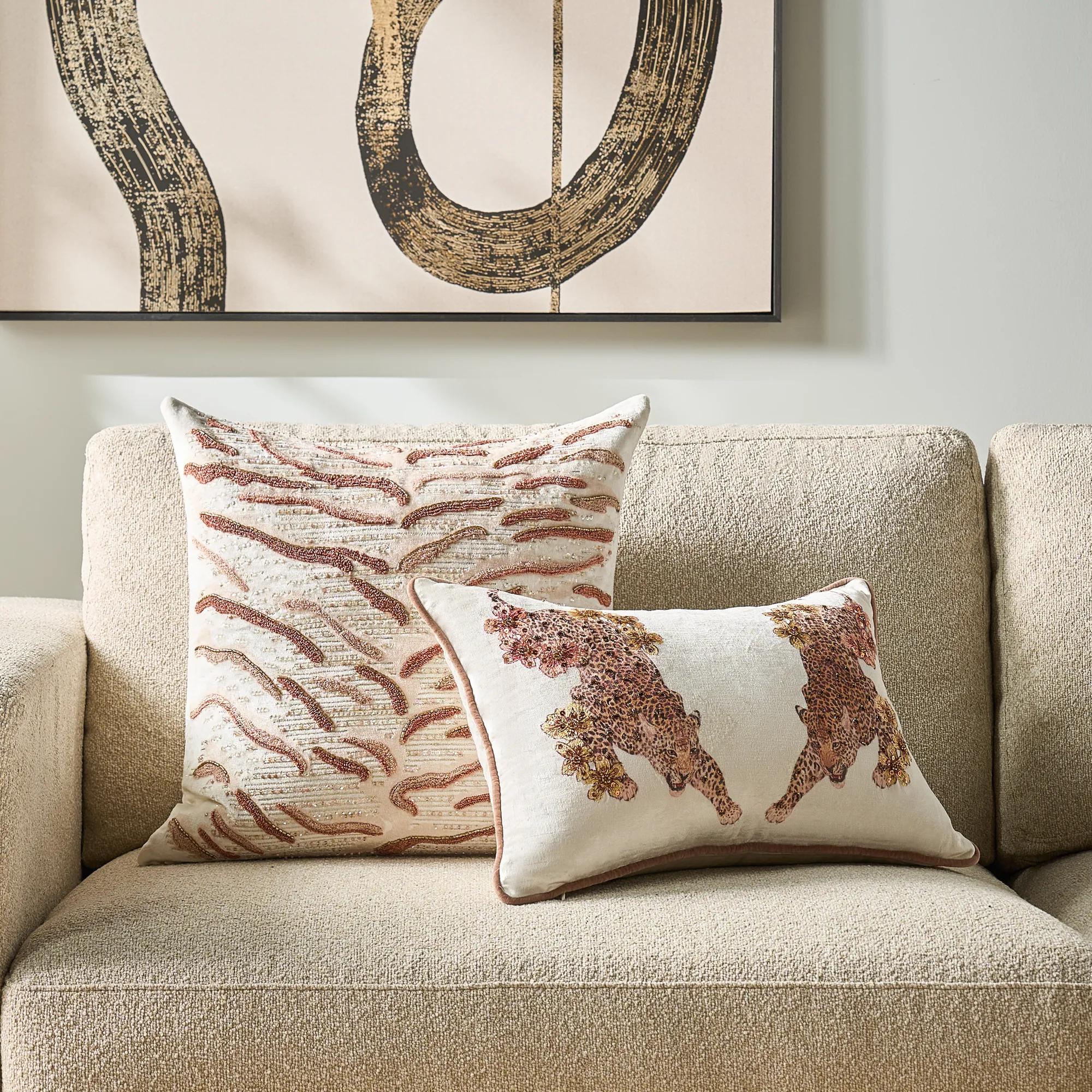 Jaya Embroidered Bead Lumbar 20" x 14"$119
A velvet lumbar pillow featuring hand-applied embroidery, bead accents, and contrast piping in soft neutral tones.
Add To Cart -
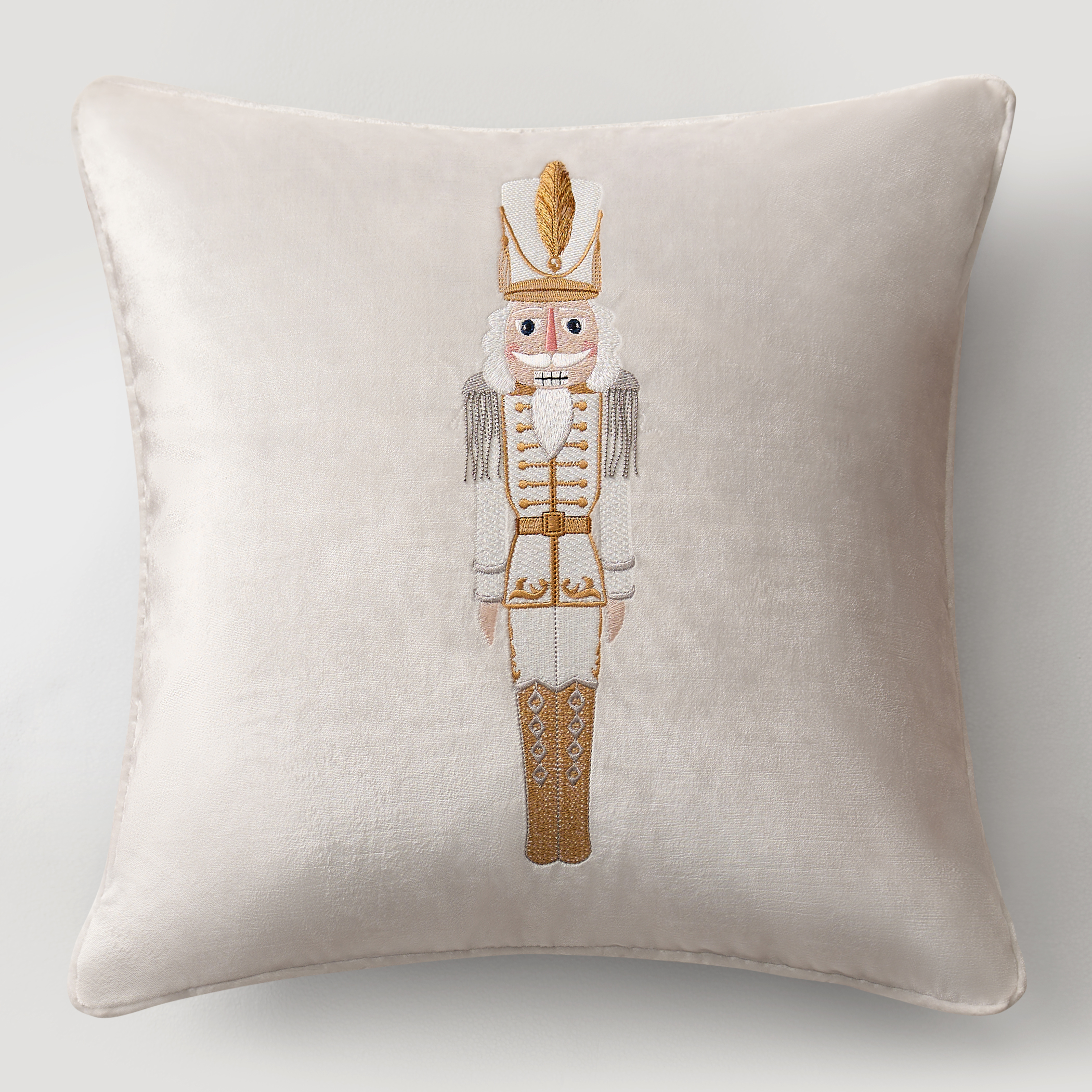
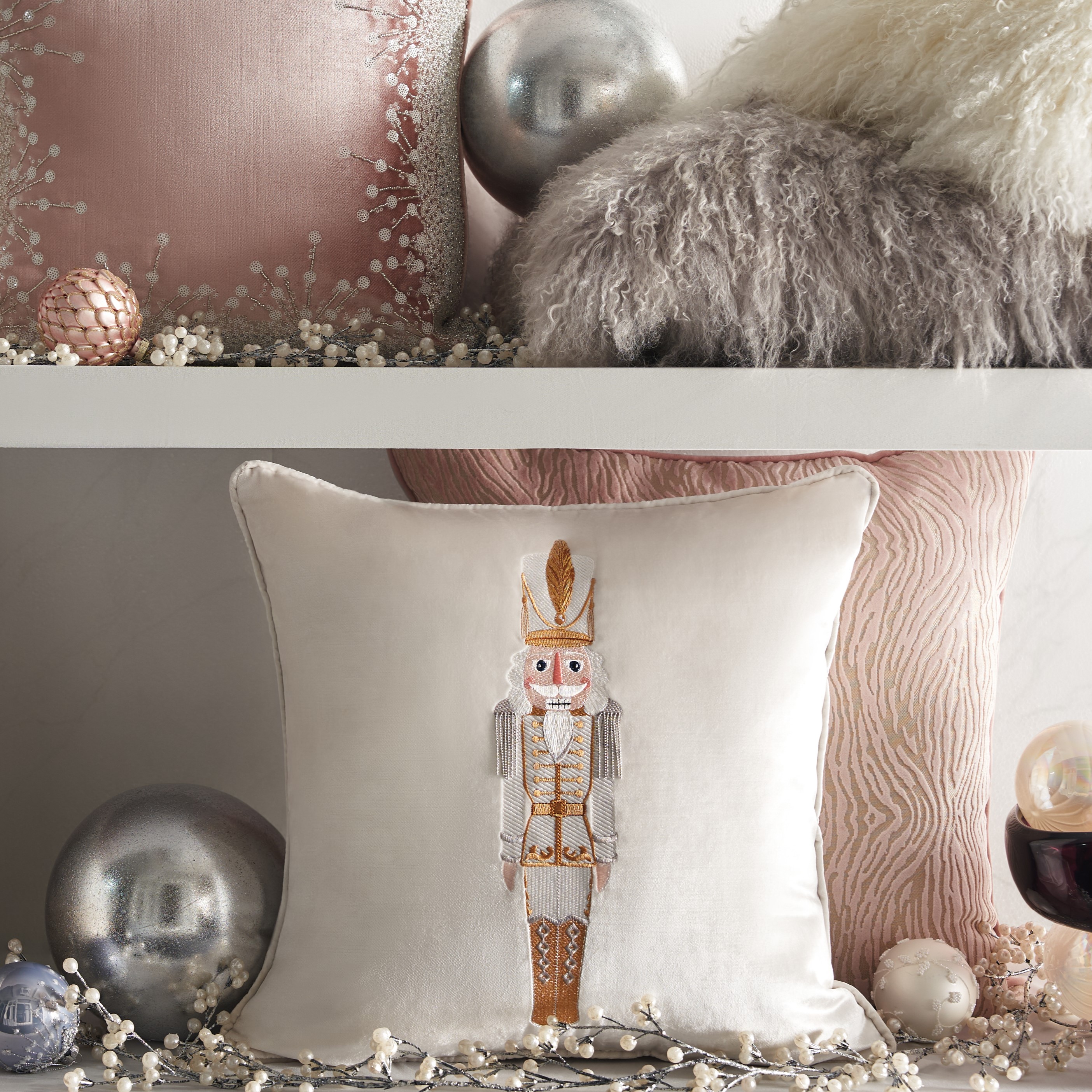 Nutcracker Embroidered Pearl White Velvet Holiday Pillow 20" x 20"$89
A pearl velvet pillow featuring an embroidered nutcracker with metallic details for festive holiday charm.
Add To Cart -

 Bea White/Black Embroidered Velvet Ball Pillow 12"D$69
A black and white embroidered velvet ball pillow adding sculptural texture and modern contrast to seating.
Add To Cart

Embroidered Pillows For Beds
Embroidered pillows for beds transform the ordinary into the extraordinary, inviting artistry and allure into your most personal sanctuary. Each pillow is a celebration of texture and detail—a tapestry of color and pattern that elevates the simple act of rest to a moment of pure indulgence. Whether you crave an opulent flourish or a subtle hint of sophistication, embroidered pillows for beds set the stage for self-expression, layering your space with dimension, warmth, and undeniable drama. Let your bed become a curated masterpiece, where every stitch tells a story and every night feels exquisitely styled.
Embroidered pillows for beds bring dimension, pattern, and a distinctly personal finish to the bedroom. Unlike a printed design, embroidery builds its motif with thread, creating a surface that catches light and invites a closer look. A sweeping botanical can soften the geometry of an upholstered headboard, while a sharply defined geometric pattern gives a quiet duvet a more architectural presence. Tone-on-tone stitching offers drama through texture rather than contrast; richly colored threads can introduce a deliberate accent that connects bedding with artwork, drapery, or a bedside vignette. These decorative bed pillows are generally intended as finishing layers rather than replacements for sleeping pillows, allowing intricate surfaces to take center stage while everyday bedding handles nightly use. Common cover materials include cotton, linen, velvet, and blended fabrics, each lending a different character to the embroidery. Cotton can provide a smooth backdrop that lets fine stitching stand out, while linen’s natural variation adds depth to organic patterns. Velvet brings a plush surface and shifting sheen, giving even a restrained palette a sumptuous quality. Blended fabrics may balance texture with easier maintenance, although care requirements depend on the complete construction, not the fiber name alone. Thread choice matters, too: matte stitching produces a softer effect, while lustrous or metallic accents can trace a design in light. Dense embroidery feels more sculptural than a lightly stitched outline, and a smooth reverse can make an embellished pillow more comfortable to lean against. The most compelling combinations give each surface room to be appreciated. Against crisp white bedding, an ivory embroidered pillow can look richly layered without introducing another color; against charcoal or deep blue, pale stitching creates a striking focal point. A restrained color story does not have to feel restrained in expression. Raised petals, interlocking lines, and sweeping curves can give a bed its signature detail while preserving a restful atmosphere.
Scale determines whether an embroidered accent feels intentional or disappears into the bedding. The relevant measurements are the pillow’s finished width and height, the visible space beneath the headboard, and the depth of the arrangement once sleeping pillows and shams are in place. A compact square can provide a jewel-like detail on a smaller bed, while a broader square or elongated lumbar can hold its own against a larger headboard. Common decorative square sizes include 18, 20, and 22 inches, but the right proportions depend on the entire bed rather than mattress size alone. On a queen bed with generously sized shams, a single rectangular accent can create a confident focal point without concealing the layers behind it. A king bed may accommodate a wider arrangement, although a single substantial lumbar can be just as expressive as several smaller pillows. Embroidery also changes the visual weight: a densely stitched design can command attention even when its dimensions are modest. For a composed arrangement, larger pillows typically sit behind smaller accents, leaving the most intricate stitching visible at the front. Repeating one shade from the coverlet or duvet helps a bold motif feel connected, while mixing patterns works best when their scale differs enough to keep individual designs legible. Cover dimensions and insert dimensions deserve equal attention. Some decorative pillows include filling, while others are covers only, so the description should clarify what is included. An insert matched to the cover’s recommended size supports the intended shape; a slightly fuller insert may create a plumper silhouette when the maker permits it, but excessive filling can strain seams, distort embroidery, or stress a zipper. Feather-and-down fills often have a yielding feel that can be reshaped, while polyester fills offer a down-free alternative with varying levels of firmness. A concealed zipper can preserve the clean outline while allowing insert removal, and a neatly finished closure helps the pillow look considered from every angle. Comfort preferences, sensitivities, and the cover’s construction should guide the final pairing.
Thoughtful care protects the raised texture that makes embroidered bedding accents so distinctive. The care label remains the best authority because the base fabric, embroidery thread, lining, trim, and filling may require different treatment. A cotton cover is not automatically machine washable when its stitching or embellishments need gentler handling. Some covers allow careful laundering, others call for spot cleaning, and elaborate constructions may require professional cleaning. Rubbing a spill can catch or roughen threads, so blotting gently with a clean cloth is a better initial response, followed by the labeled care method. Any permitted cleaning solution should be tested on an inconspicuous area, particularly where contrasting thread colors meet a pale ground. Strong heat and vigorous agitation can affect fabric, embroidery, or decorative trim; drying and ironing instructions matter as much as washing instructions. For everyday upkeep, gentle handling and regular reshaping help preserve the presentation. Decorative pillows are best moved to a clean bench, chair, or storage basket before sleep rather than dropped on the floor, especially when the design includes raised loops, fringe, or delicate accents. Jewelry, pet claws, and rough surfaces can snag exposed stitching, making a flatter embroidered motif a practical choice for a bedroom where pillows receive frequent handling. Closely finished seams, secure stitching, and a well-sewn closure are useful construction details to examine, though no decorative textile is immune to wear. Prolonged direct sunlight may also fade fabric or thread, so placement deserves consideration in a bright room. Coordinating these bedroom accents with Embroidered Throw Pillows elsewhere in the home can establish a shared palette without repeating an identical arrangement. For a gift, the recipient’s bedding colors, preferred textures, and willingness to follow specialized care instructions matter more than sheer ornament. Whether chosen for a serene guest room or an expressive primary bedroom, an embroidered pillow offers an intimate form of decoration: artistry close enough to touch, with every stitched detail contributing to the room’s character.
FAQs
Embroidered pillows for beds stand out for their artisanal craftsmanship and intricate detailing, transforming a simple bedding arrangement into a statement of personal style. The embroidery adds texture, depth, and a sense of artistry, elevating the atmosphere of the bedroom with patterns and motifs that range from classic florals to bold geometrics. These pillows are not just decorative—they are expressive accents that reflect your unique taste and create a sense of curated luxury.
To create a layered and inviting bedscape, start with foundational pillows in solid hues and then introduce embroidered pillows for a pop of pattern and texture. Mix shapes and sizes—such as placing square embroidered pillows behind a lumbar design—to achieve dimension and visual interest. Choose embroidery that complements your bedding’s color palette or introduces a striking contrast for added drama, ensuring each layer contributes to a cohesive and sophisticated look.
Embroidered bed pillows make exceptional gifts, especially when personalized with monograms or motifs that hold special meaning for the recipient. Their luxurious materials and artistic designs convey thoughtfulness and sophistication, making them ideal for housewarmings, weddings, birthdays, or as a gesture of appreciation. A beautifully embroidered pillow is a keepsake that adds elegance and comfort to any bedroom.
Embroidered pillows are often crafted from premium materials such as cotton, linen, or velvet. Cotton and linen offer a crisp, breathable feel and showcase embroidery with a refined, matte finish, while velvet provides a plush, sumptuous backdrop that enhances the richness of the stitching. The choice of material influences both the tactile experience and the overall aesthetic, allowing you to tailor your selection to the mood and style of your bedroom.
Absolutely—embroidered pillows are versatile decorative accents that add character and charm to living rooms, reading nooks, and even entryway benches. Their intricate designs and luxurious textures make them a striking addition to sofas, armchairs, or window seats, allowing you to infuse artistry and comfort into any corner of your home.