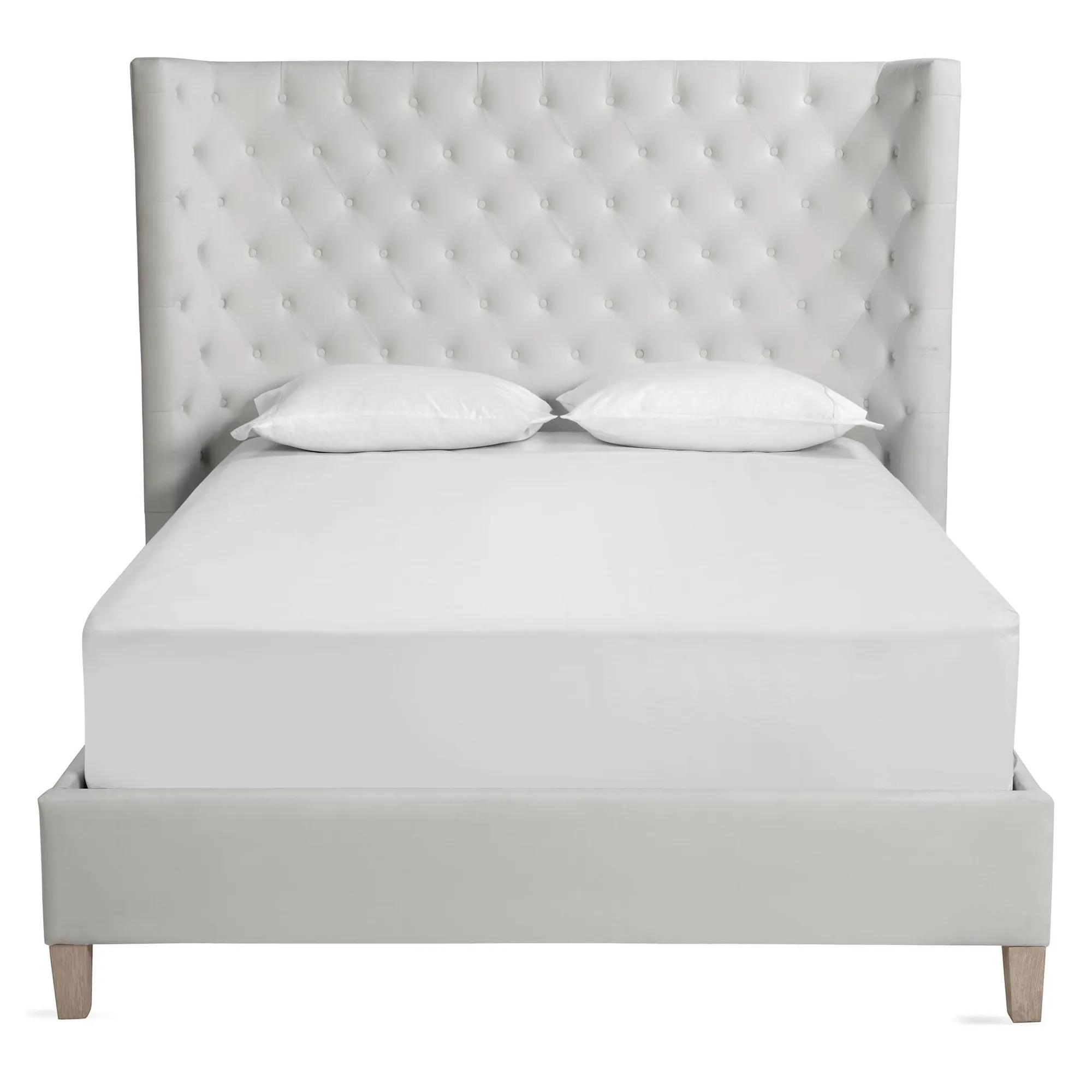
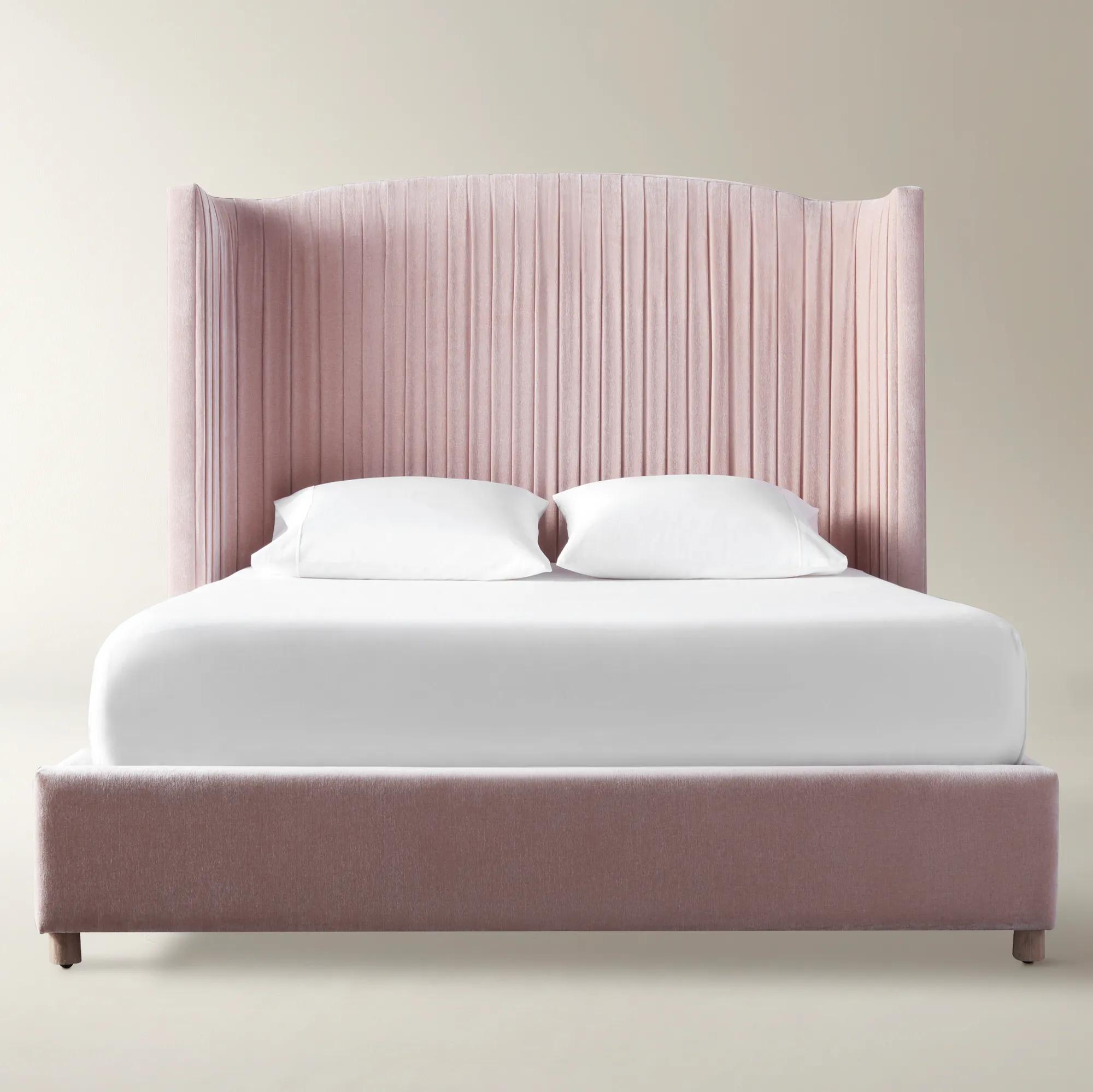
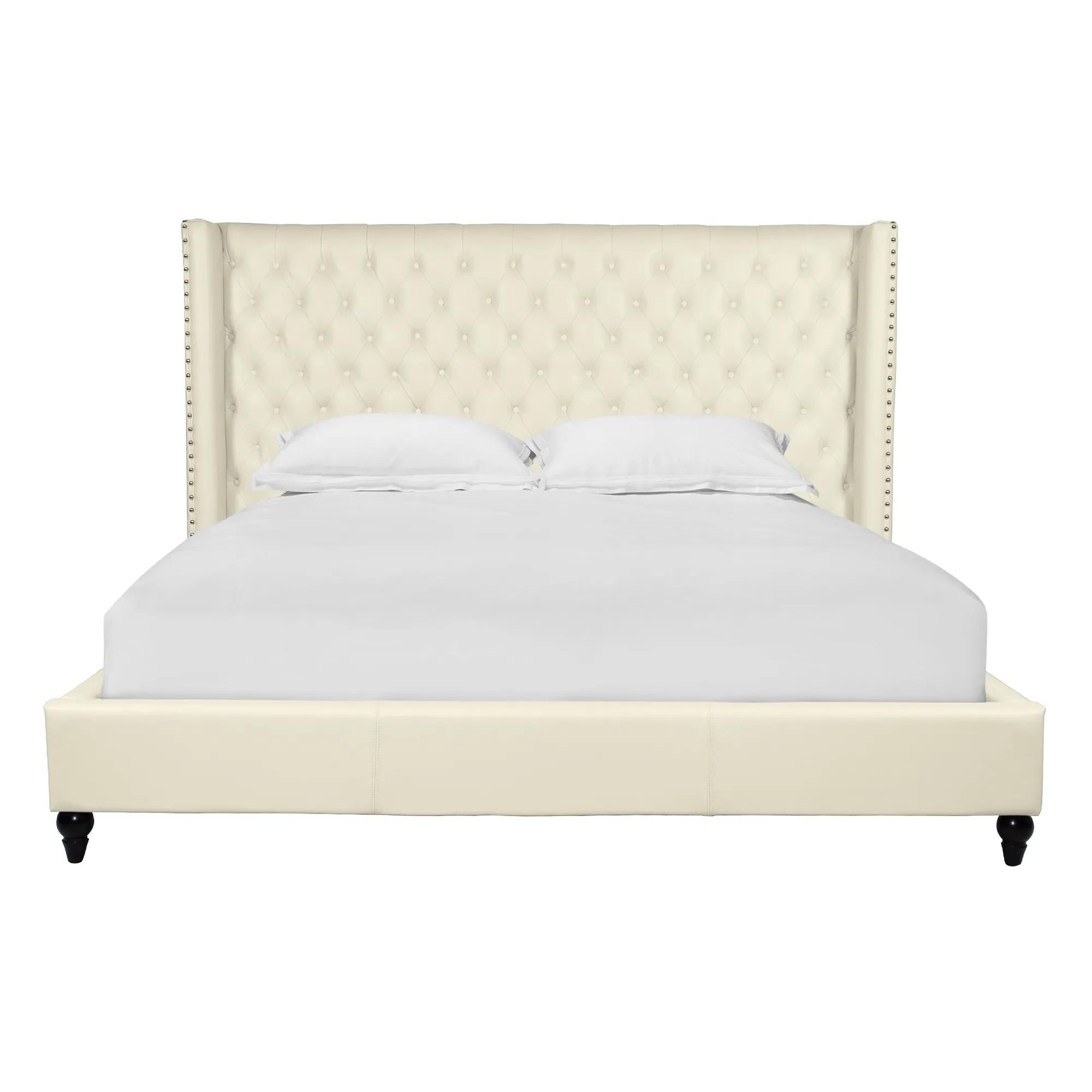
Elegant Winged Headboard Beds
Elegant Winged Headboard Beds
-
 Stria Ivory Performance Chenille Upholstered King Platform Bed$2499
A white chenille platform bed with a tall wingback headboard and FSC-certified solid oak base.
Add To Cart -
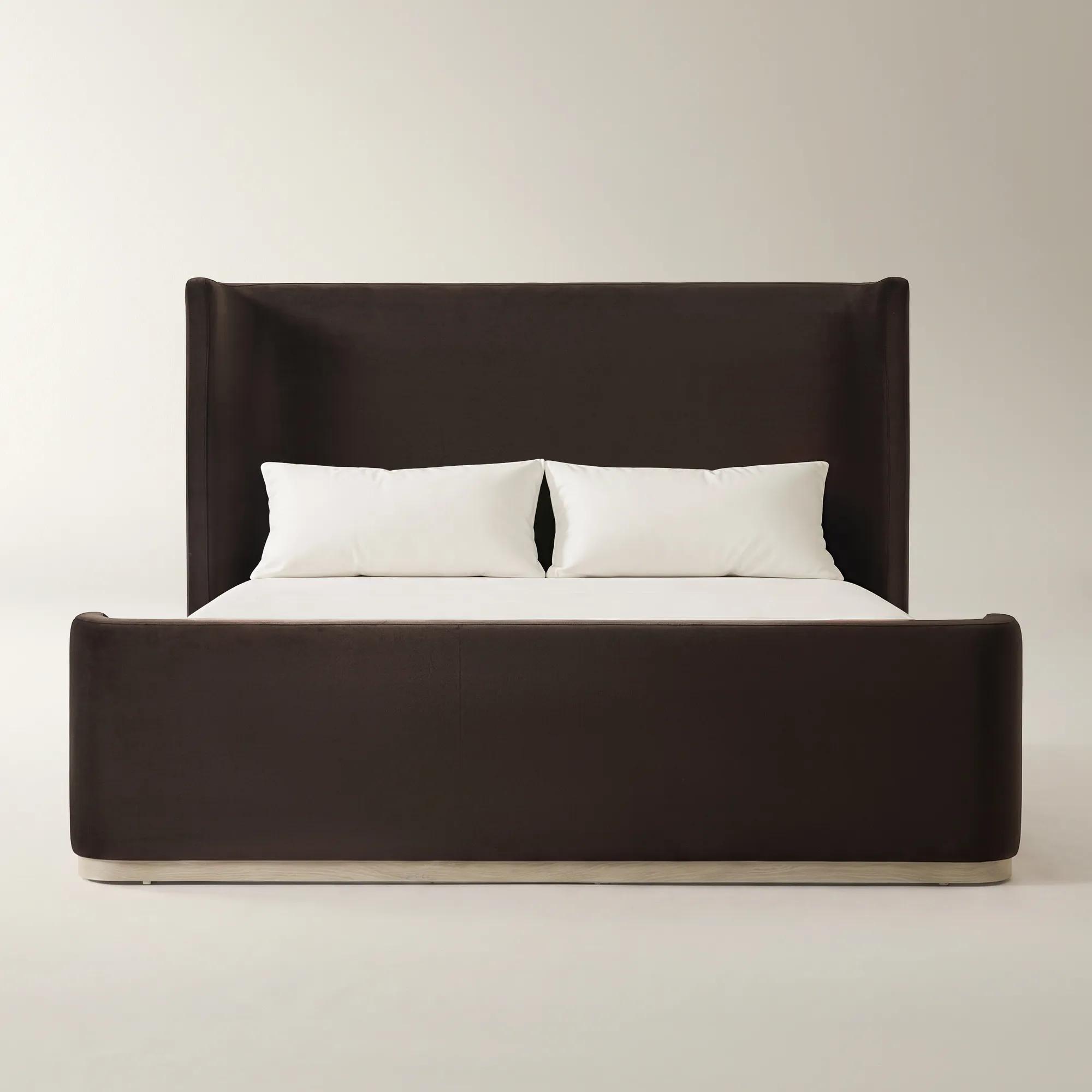 Stria Dark Chocolate Velvet Upholstered King Platform Bed$2499
A velvet platform bed with a tall wingback headboard and FSC-certified oak base in dark chocolate.
Add To Cart -
Stria Dark Chocolate Velvet Upholstered Queen Platform Bed$2299
A dark chocolate velvet platform bed with a tall wingback headboard and FSC-certified solid oak base.
Add To Cart -
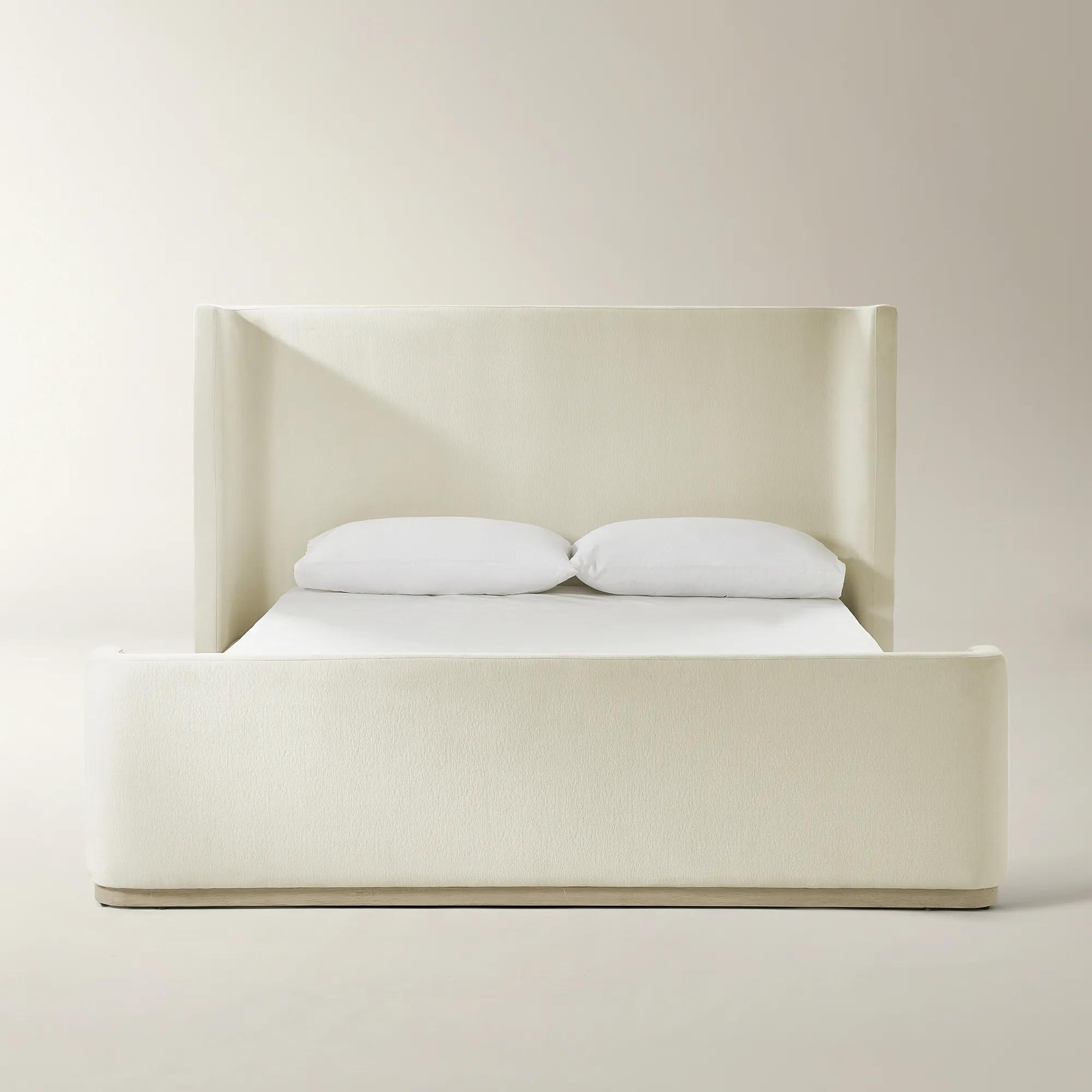 Stria Cloud Velvet Upholstered King Platform Bed$2499
A white velvet platform bed with a tall wingback headboard and FSC-certified solid oak base.
Add To Cart -
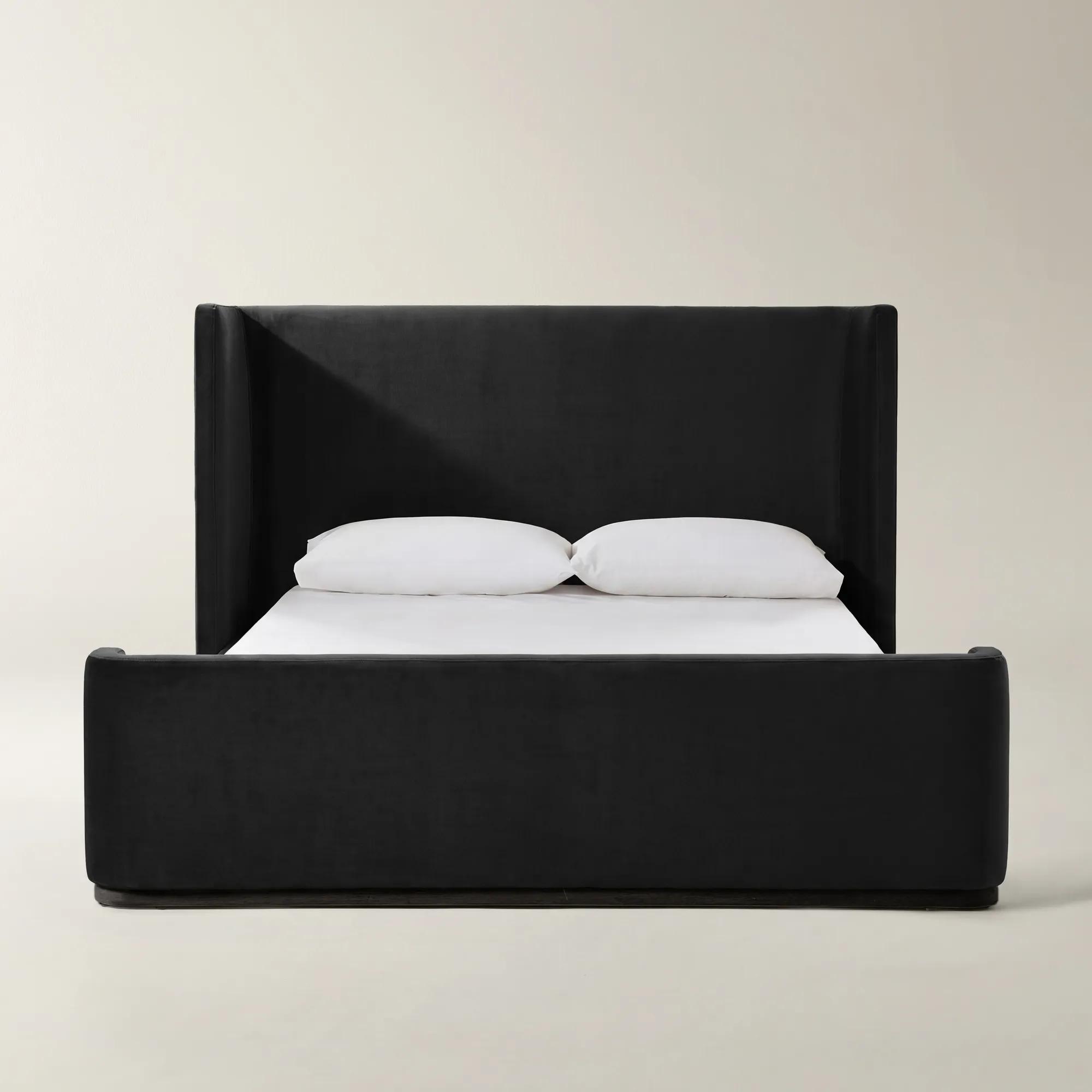 Stria Charcoal Velvet Upholstered King Platform Bed$2499
A charcoal velvet platform bed with a sculptural wingback headboard and FSC-certified solid oak base.
Add To Cart -
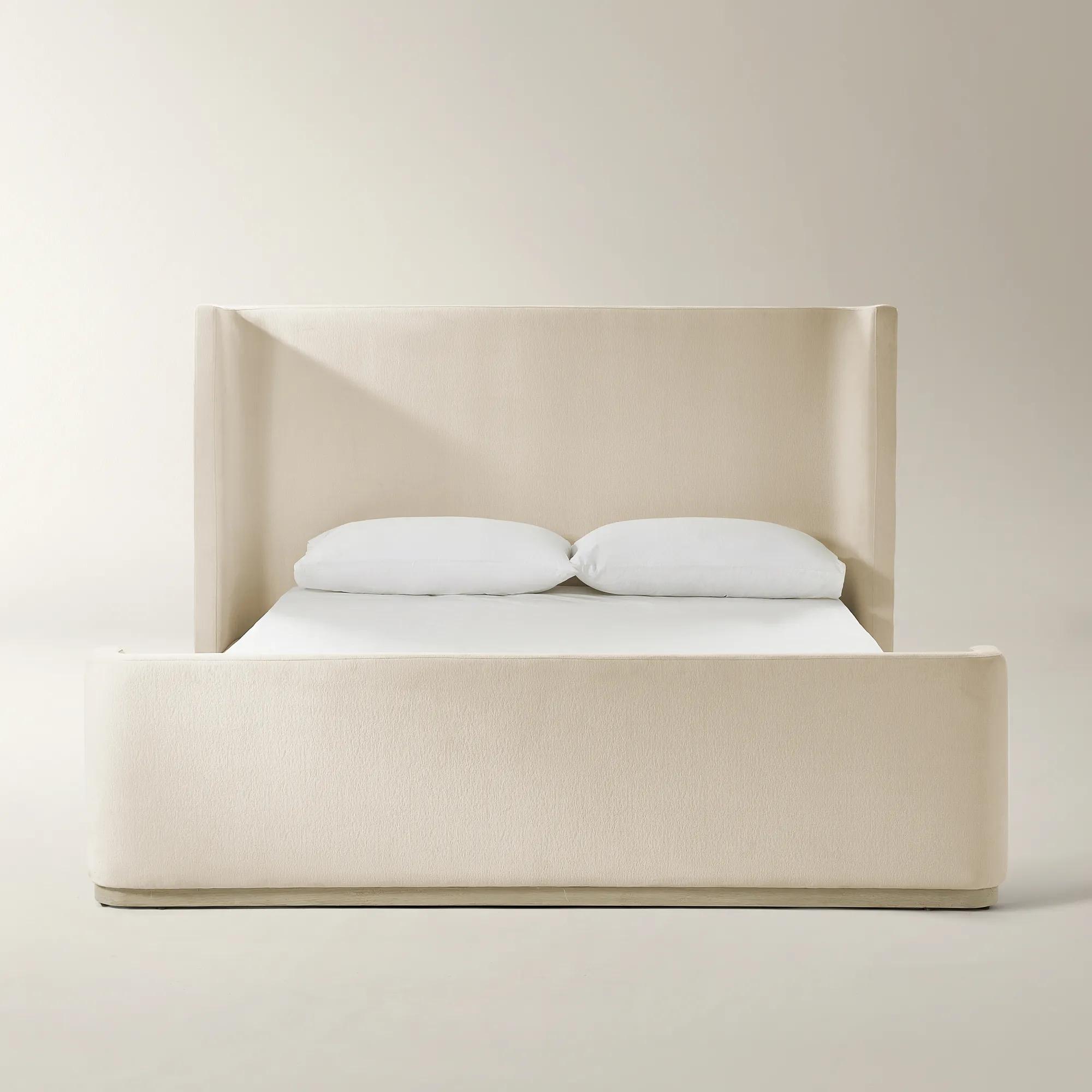 Stria Oatmeal Velvet Upholstered King Platform Bed$2499
A beige velvet platform bed with a tall wingback headboard and FSC-certified oak base.
Add To Cart -
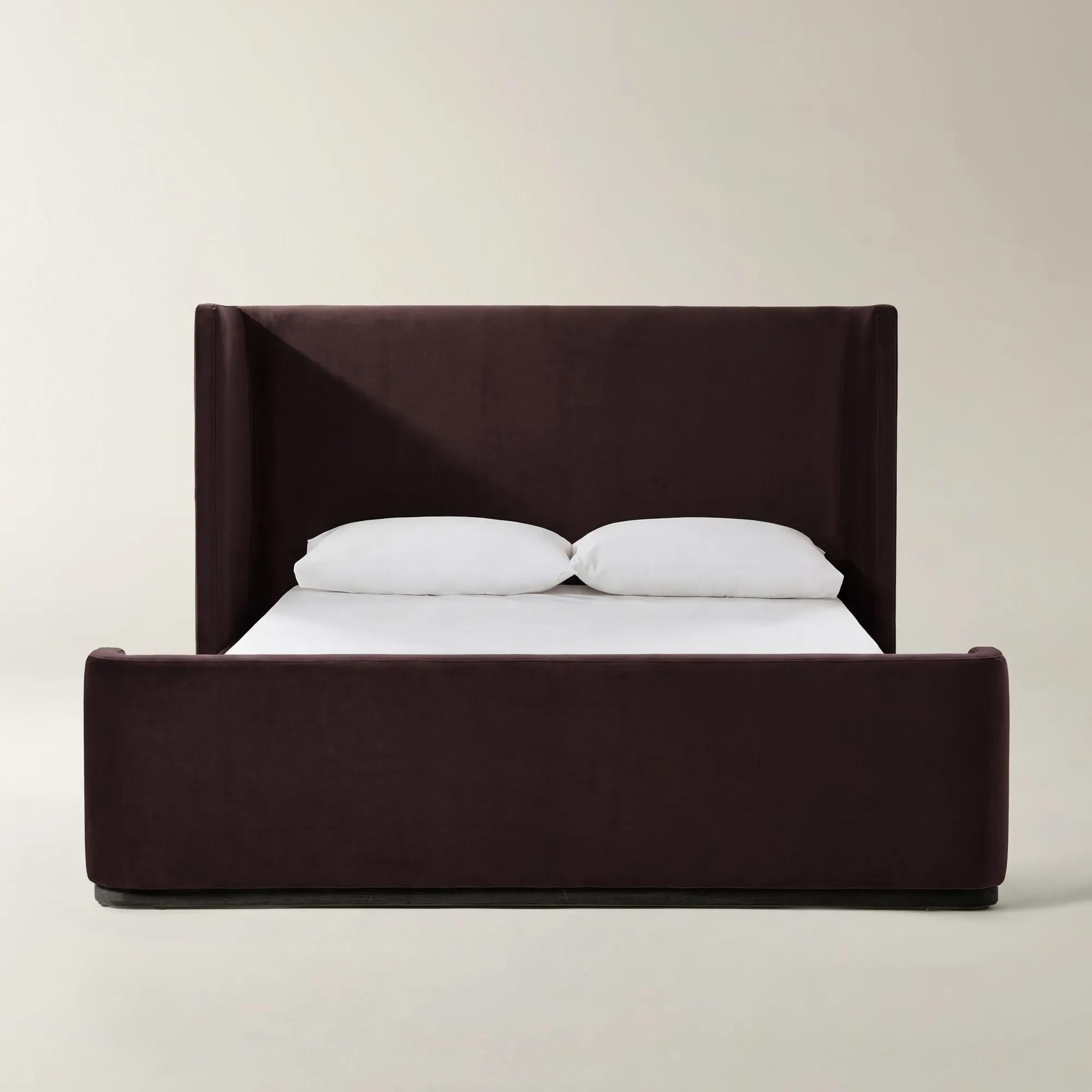 Stria Fig Velvet Upholstered King Platform Bed$2499
A red velvet platform bed with a tall wingback headboard and FSC-certified oak base.
Add To Cart -
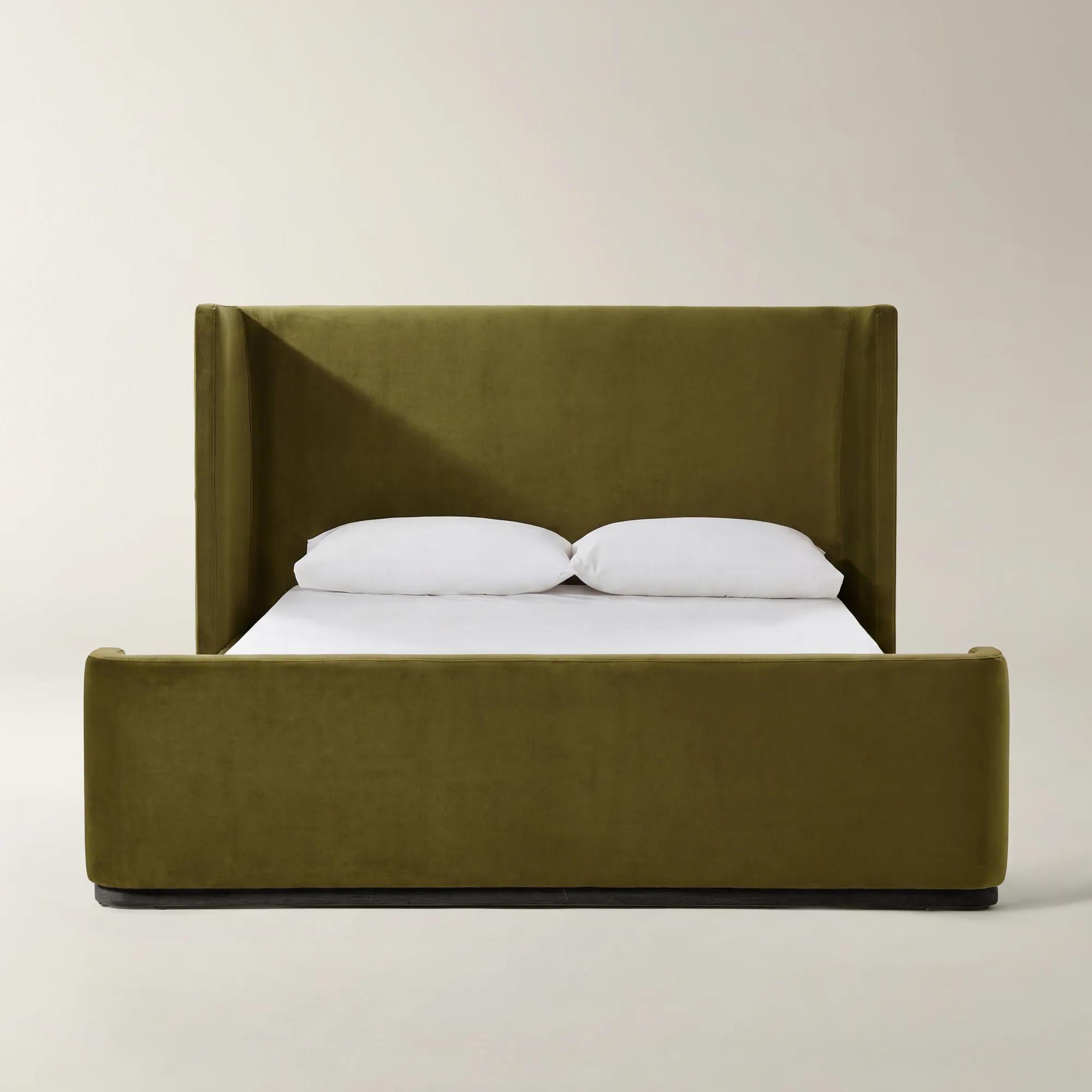
 Stria Deep Olive Velvet Upholstered King Platform Bed$2499
A green velvet platform bed featuring a tall wingback headboard, FSC-certified oak base, and supportive slat construction.
Add To Cart -
Stria Fig Velvet Upholstered Queen Platform Bed$2299
A red velvet platform bed with a tall wingback headboard and FSC-certified solid oak base.
Add To Cart -
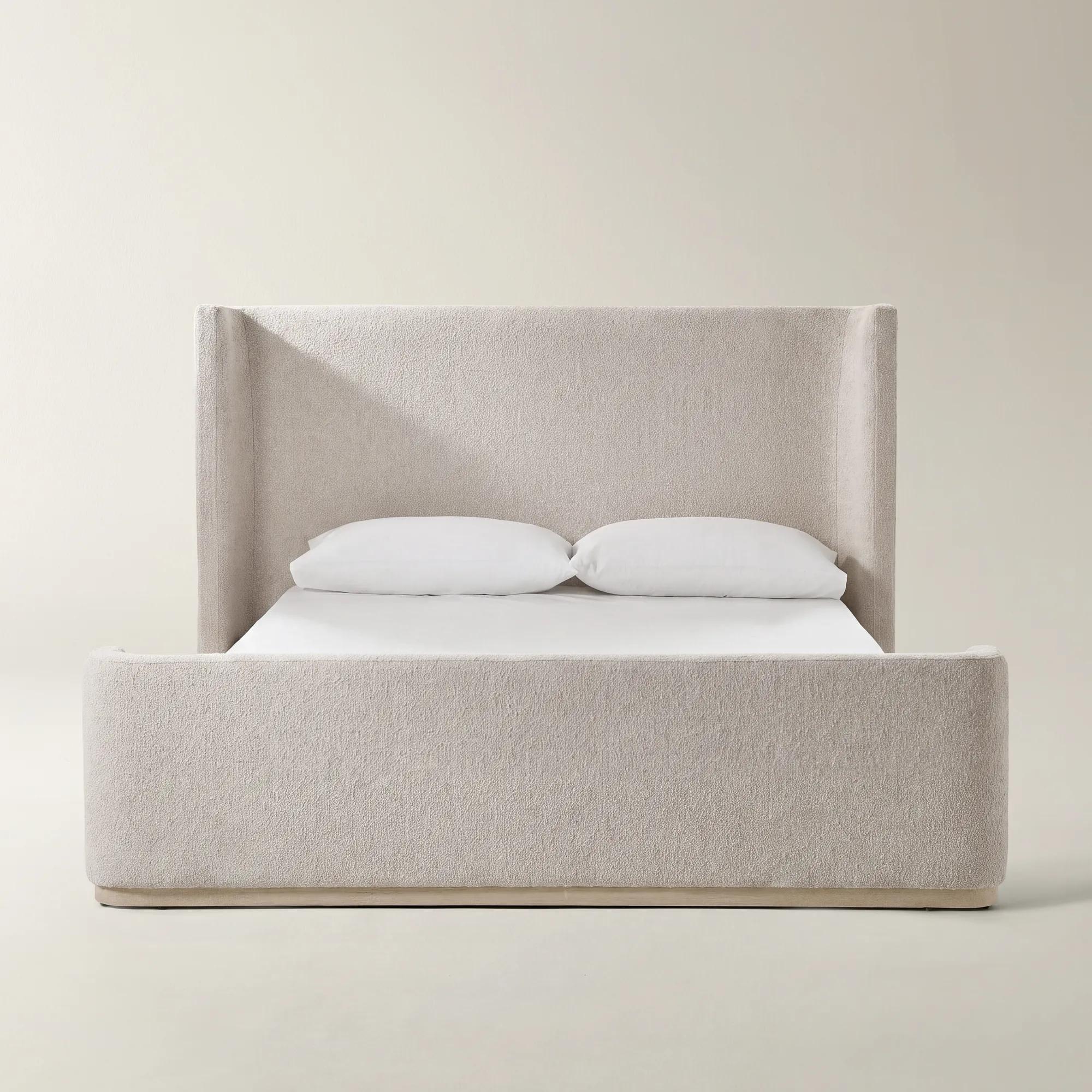 Stria Ivory Performance Boucle Upholstered King Platform Bed$2599
An upholstered platform bed in ivory performance boucle with a wingback headboard and FSC-certified oak base.
Add To Cart -
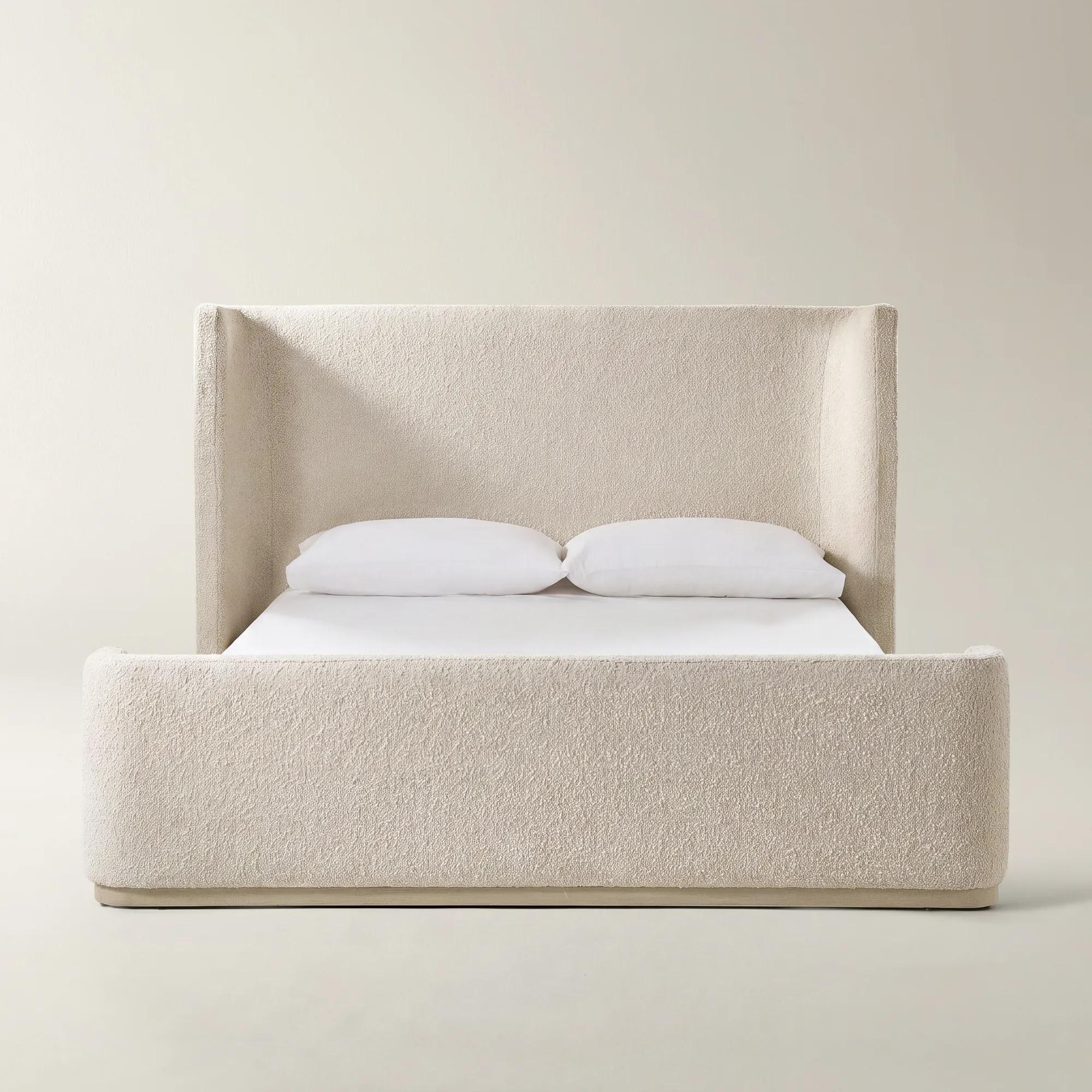 Stria Ivory Performance Boucle Upholstered King Platform Bed$2599
An ivory boucle platform bed with a tall wingback headboard and FSC-certified solid oak base.
Add To Cart -
Stria Cloud Velvet Upholstered Queen Platform Bed$2299
A white velvet platform bed with a tall wingback headboard and FSC-certified oak base.
Add To Cart -
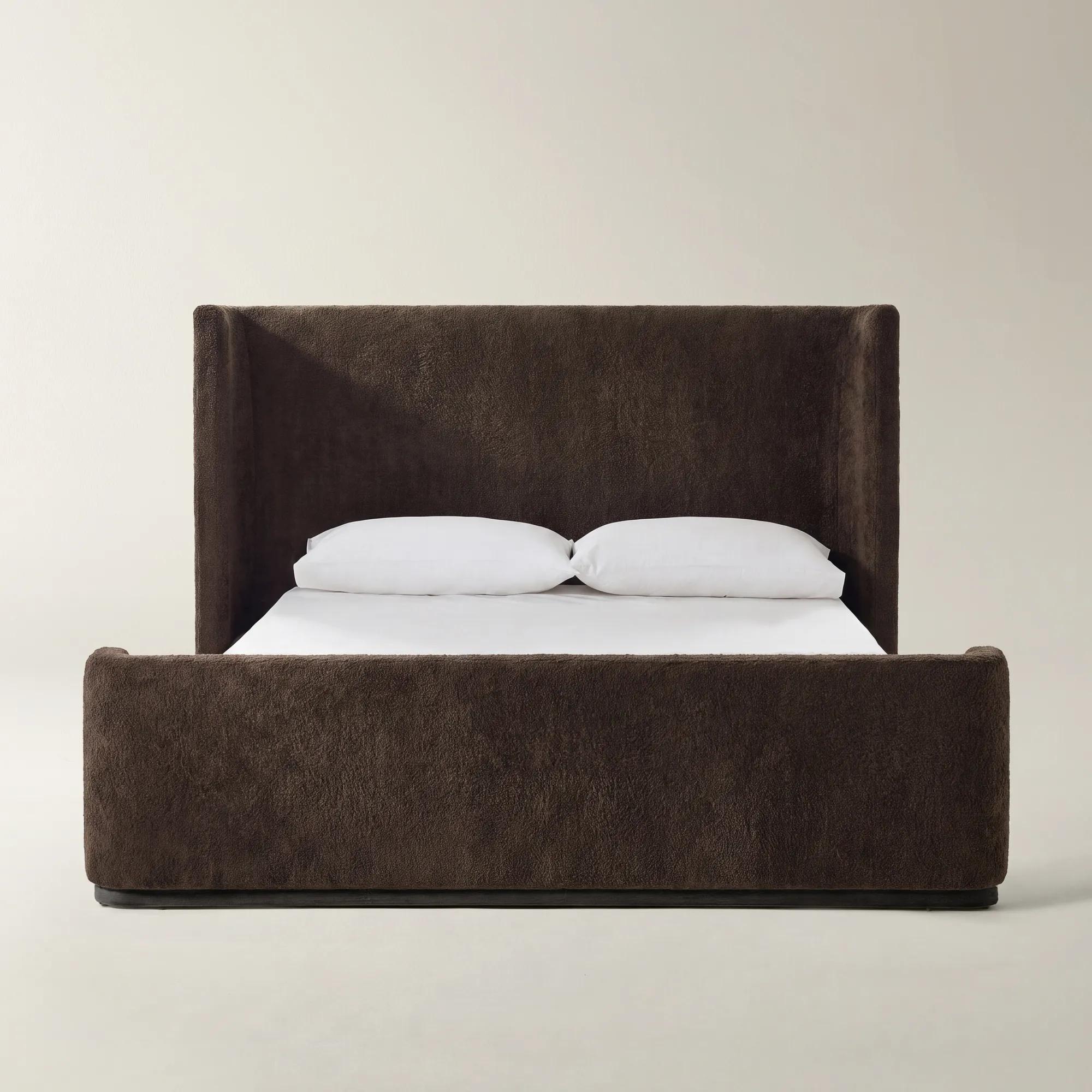 Stria Dark Chocolate Chenille Upholstered King Platform Bed$2499
A dark chocolate chenille platform bed with a tall wingback headboard and FSC-certified oak base.
Add To Cart -
Stria Oatmeal Velvet Upholstered Queen Platform Bed$2299
A beige velvet platform bed with a sculptural wingback headboard and FSC-certified solid oak base.
Add To Cart -
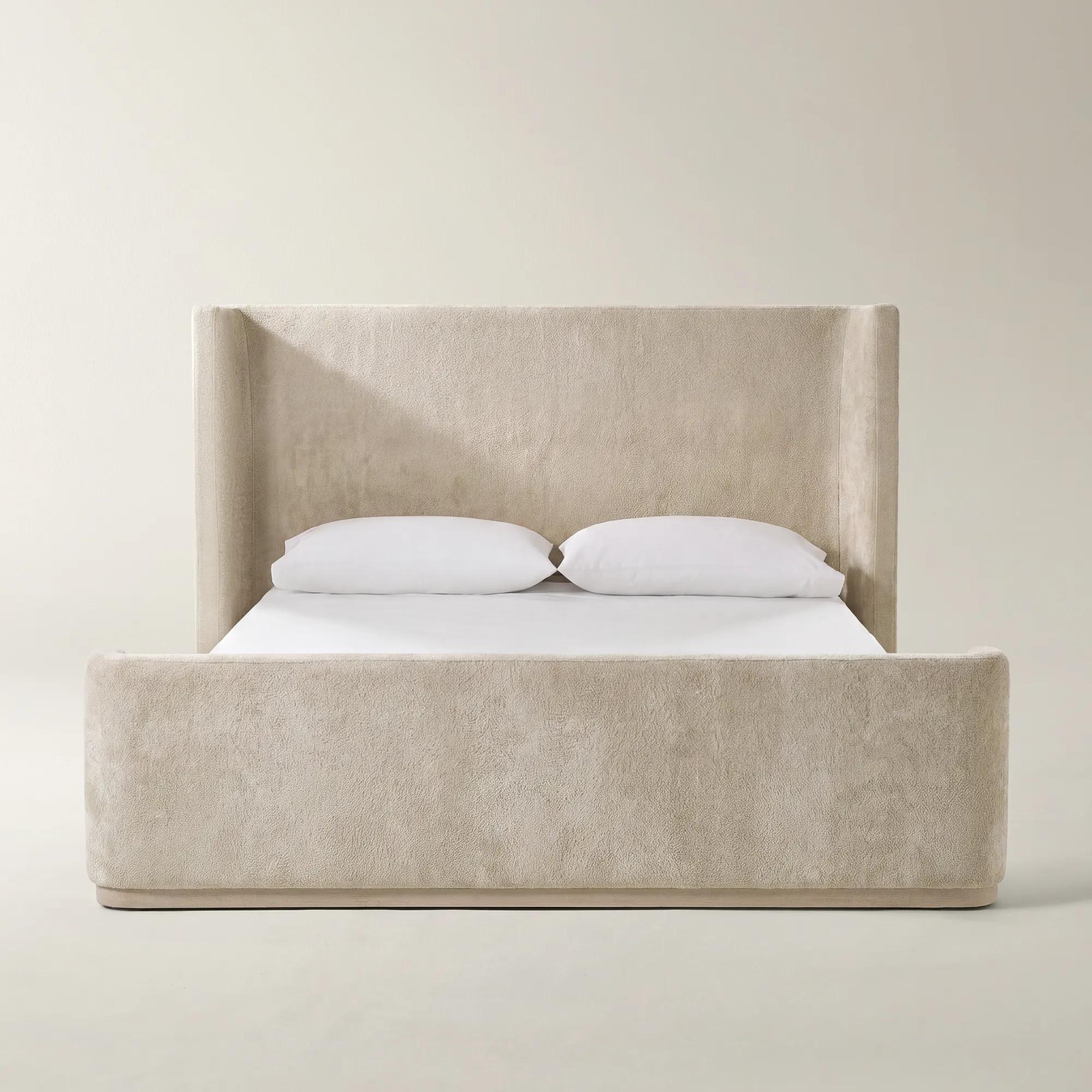 Stria Light Brown Chenille Upholstered King Platform Bed$2499
A brown chenille platform bed with a tall wingback headboard and FSC-certified solid oak base.
Add To Cart -
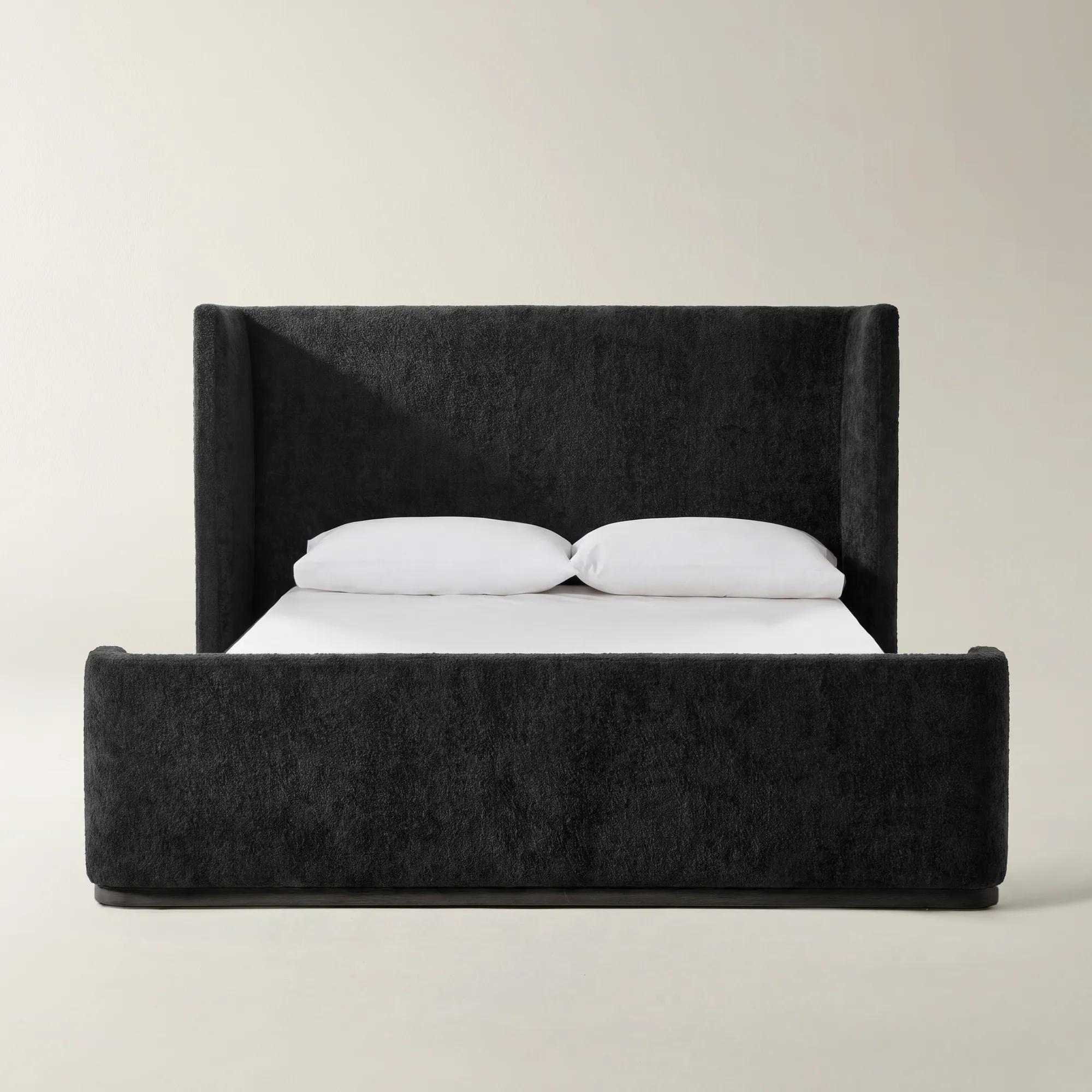 Stria Black Chenille Upholstered Queen Platform Bed$2299
A black chenille upholstered platform bed with a sculptural wingback headboard and FSC-certified oak base.
Add To Cart -
Stria Black Chenille Upholstered King Platform Bed$2499
A black chenille platform bed with a tall wingback headboard and FSC-certified solid oak base.
Add To Cart -
Stria Ivory Performance Boucle Upholstered Queen Platform Bed$2399
A white boucle platform bed with a tall wingback headboard and FSC-certified oak base.
Add To Cart -
Stria Ivory Performance Boucle Upholstered Queen Platform Bed$2399
An upholstered platform bed with a sculptural wingback headboard, ivory boucle fabric, and FSC-certified oak base.
Add To Cart -
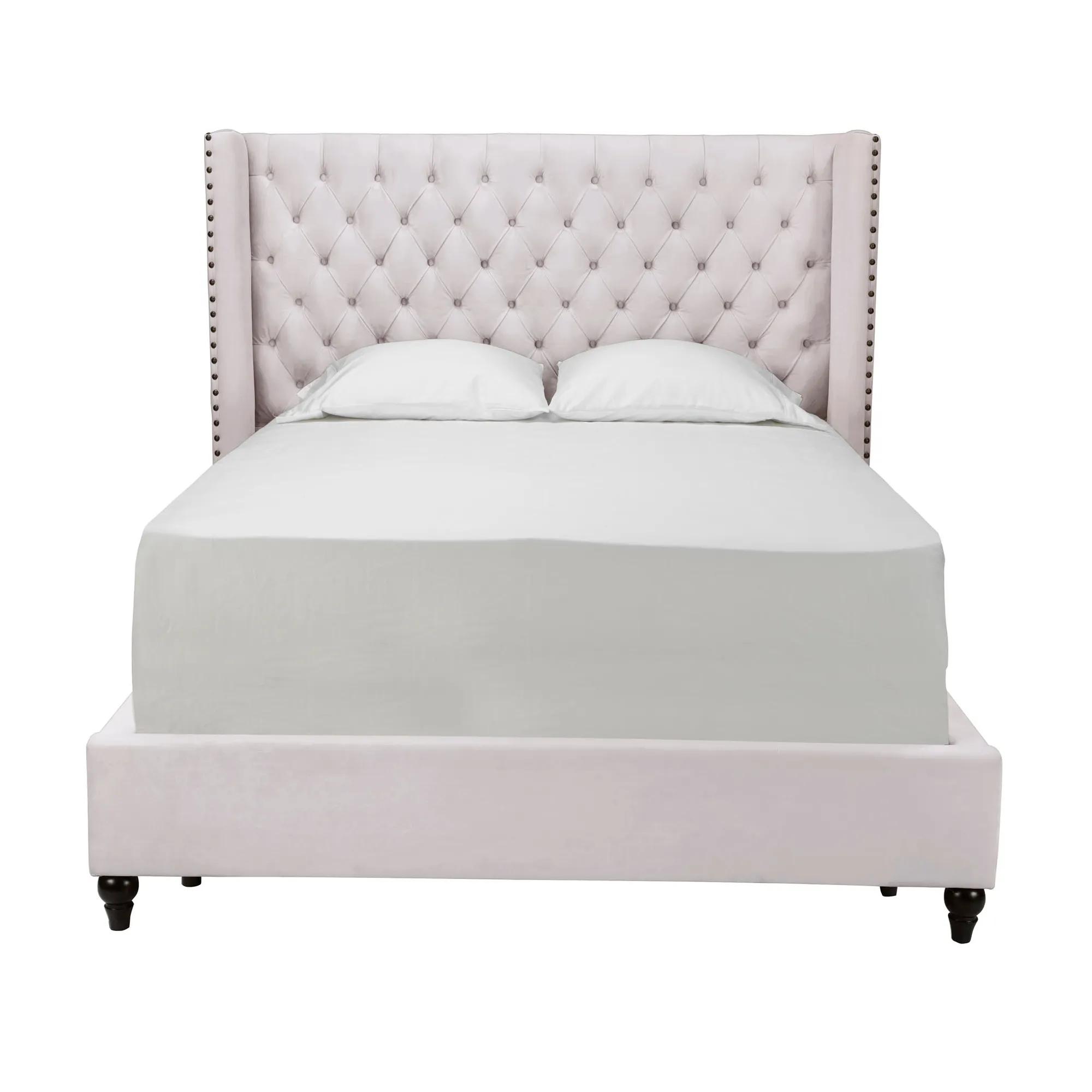
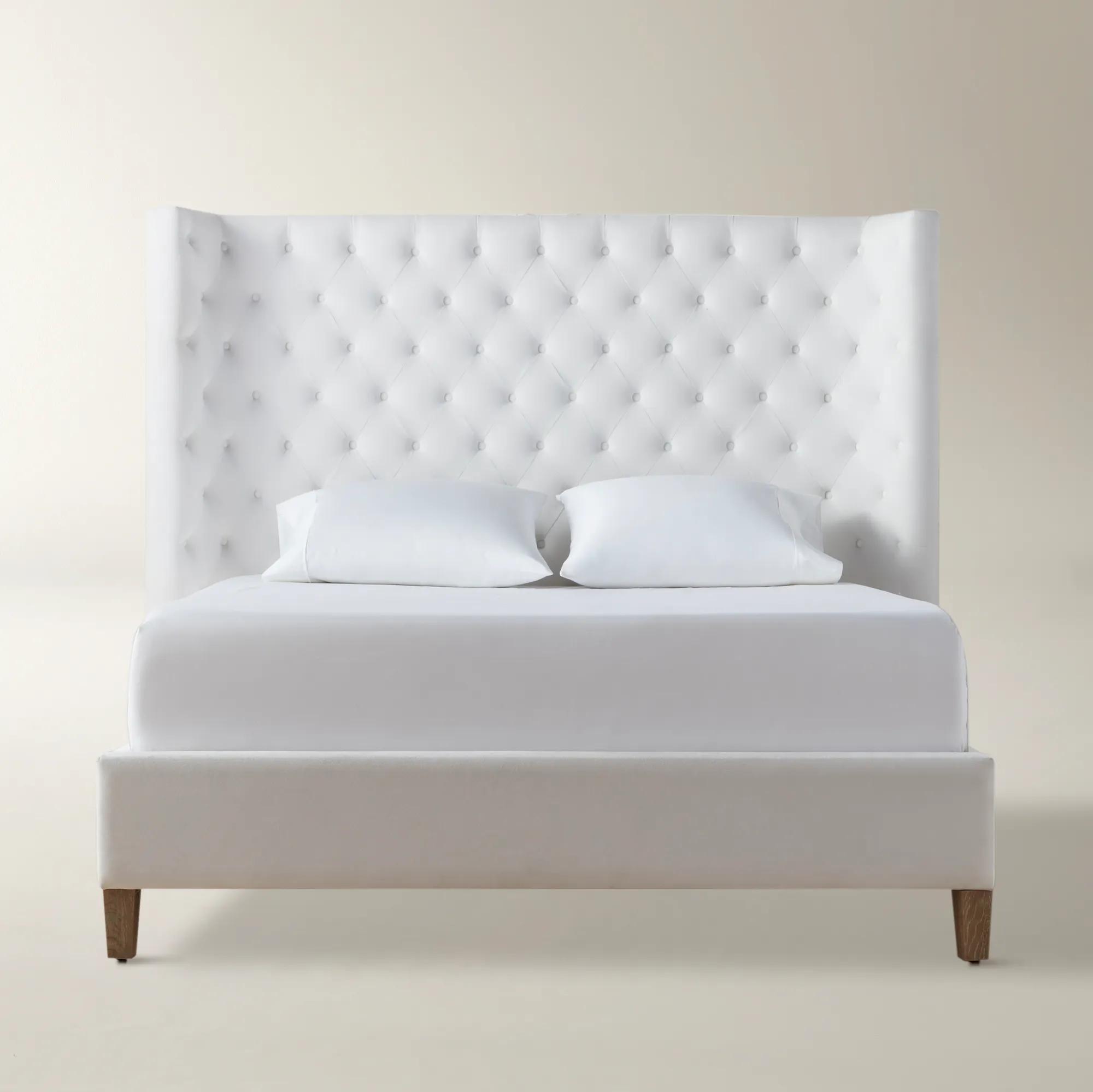 Jen Bed$3099
A glamorous wingback bed with hand-applied diamond button tufting and plush Bella Velvet White upholstery.
Add To Cart -
Stria Deep Olive Velvet Upholstered Queen Platform Bed$2299
A green velvet platform bed with a tall wingback headboard, FSC-certified oak base, and supportive slatted construction.
Add To Cart -
Stria Charcoal Velvet Upholstered Queen Platform Bed$2299
A charcoal velvet platform bed with a tall wingback headboard and FSC-certified oak base.
Add To Cart -
Stria Dark Chocolate Chenille Upholstered Queen Platform Bed$2299
A dark chocolate chenille upholstered platform bed featuring a sculptural wingback headboard and FSC-certified oak base.
Add To Cart -
Stria Ivory Performance Chenille Upholstered Queen Platform Bed$2299
A white chenille platform bed with a tall wingback headboard and FSC-certified solid oak base.
Add To Cart

Elegant Winged Headboard Beds
Elevate your sanctuary with elegant winged headboard beds—a symphony of sculptural lines and refined grandeur. These statement pieces transform the ordinary into the extraordinary, framing your dreams with sweeping silhouettes that evoke timeless glamour and contemporary artistry. Each bed becomes a dramatic focal point, inviting you to indulge in layers of plush comfort while enveloping your space in an air of opulent sophistication. For those who believe the bedroom should be as striking as it is serene, elegant winged headboard beds offer a bold canvas for self-expression, setting the stage for unforgettable moments and lavish repose.
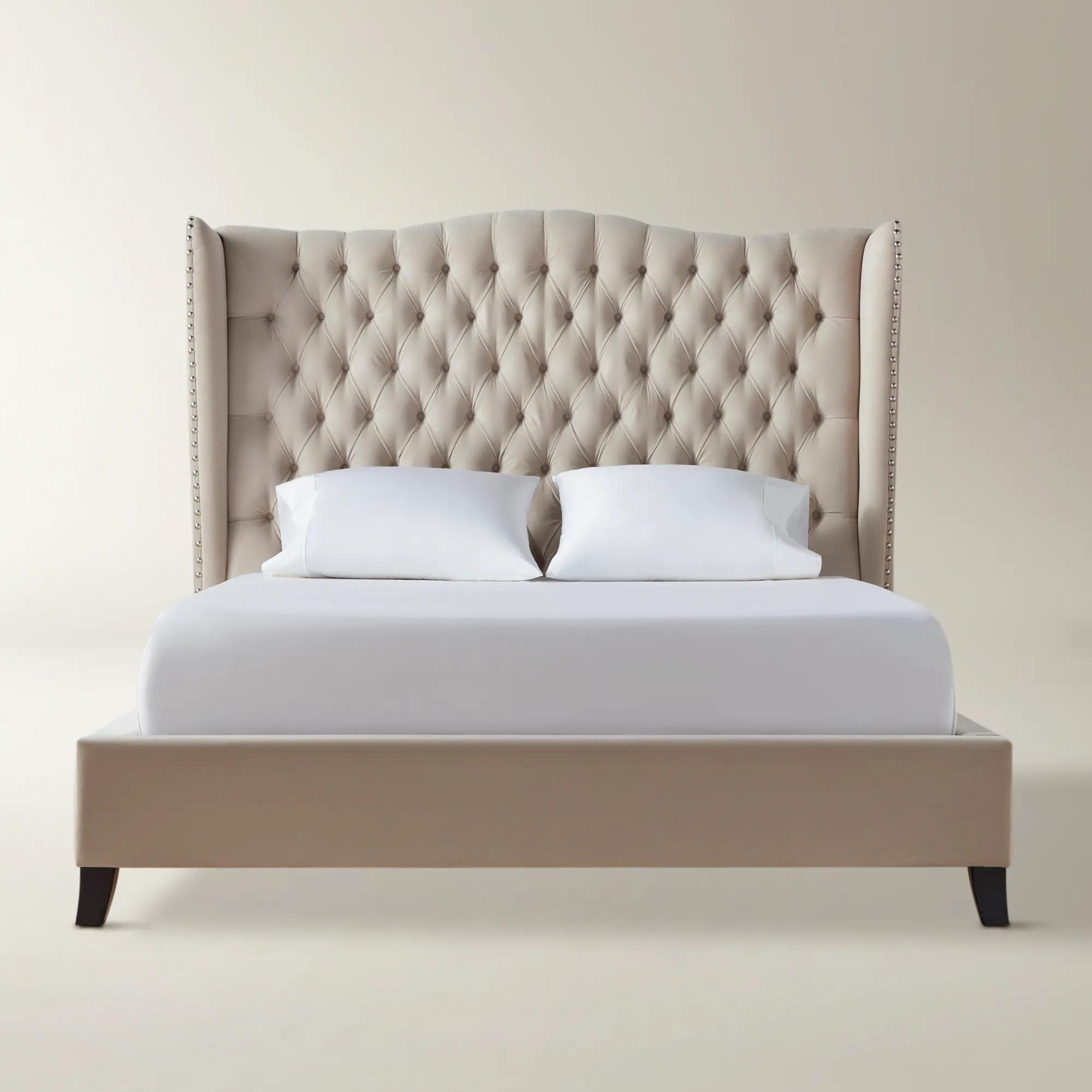
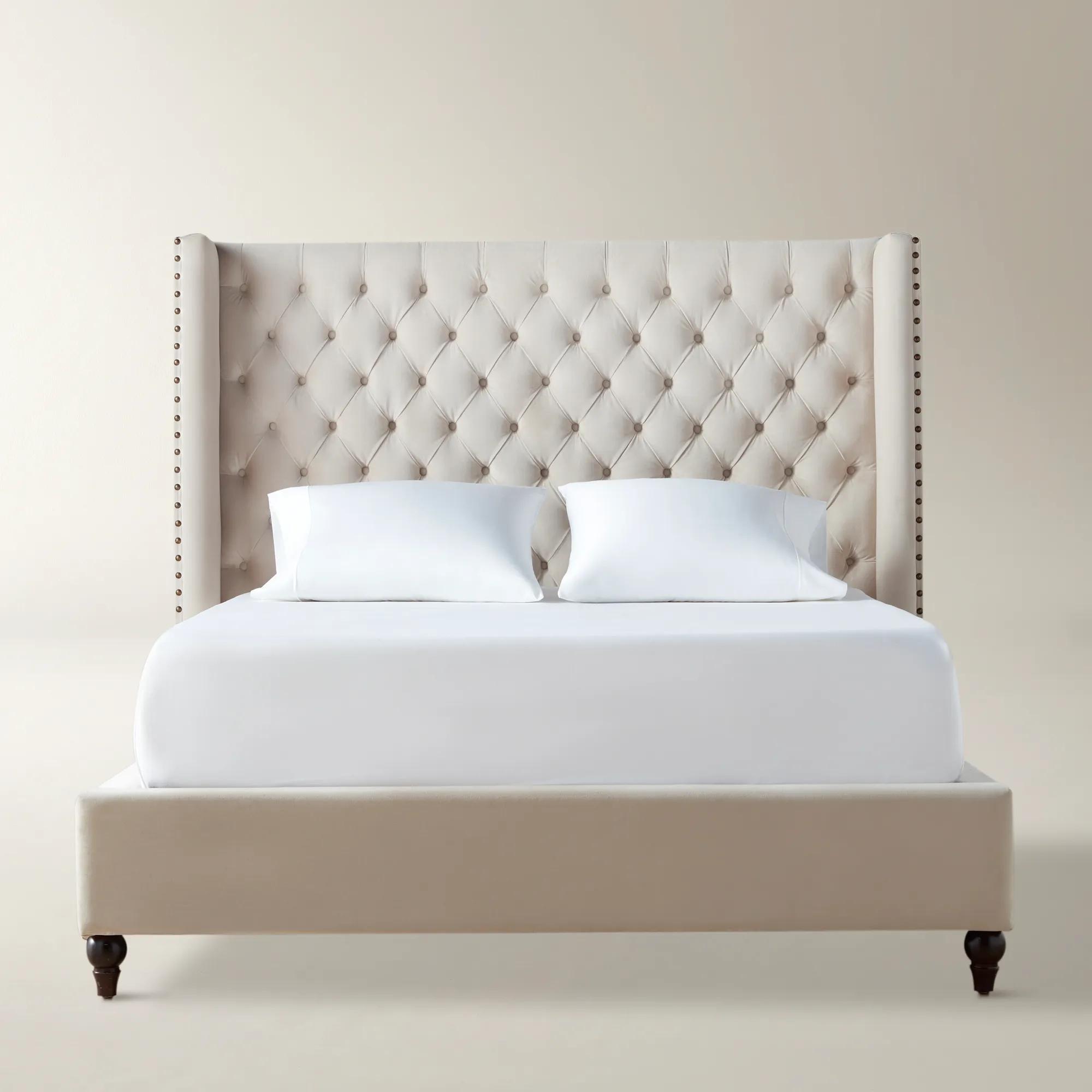
Elegant winged headboard beds, also known as wingback beds, pair an upholstered headboard with side panels that extend forward, creating a framed, enveloping silhouette. Their appeal lies in that balance of architectural presence and softness: the wings lend definition, while the upholstery brings texture and a sense of intimacy to the bedroom. Inspired by the embracing shape of traditional wingback seating, these beds translate a classic detail into a glamorous focal point for contemporary interiors. A tall, straight-lined headboard can establish a crisp backdrop for layered pillows, while gently curved wings soften the composition without sacrificing drama. Deep button tufting introduces dimension and a tailored rhythm; channel detailing draws the eye along clean lines; smooth upholstery allows the shape and fabric to take the lead. Each treatment creates a different mood, from the richness of a private suite to a more restrained expression of luxury. Velvet gives the silhouette particular depth, catching light differently across its pile and making even a neutral shade feel expressive. Textured woven upholstery offers a more tactile, understated contrast, while linen-look fabrics bring visual softness to an otherwise structured form. Pale ivory, warm taupe, and soft gray create a luminous foundation for sculptural lighting and richly patterned bedding. Deeper charcoal, saturated blue, or other jewel-inspired tones make the bed feel more commanding, especially against walls with subtle texture or a contrasting finish. Where present, nailhead trim or welted edges sharpen the outline and emphasize the craftsmanship of the upholstery. The most compelling effect comes from allowing these details room to register: a winged headboard does not need an abundance of surrounding ornament to feel sumptuous. For someone drawn to expressive interiors, it offers a substantial design gesture that remains closely connected to everyday comfort. In a primary bedroom, it can anchor the entire furniture arrangement; in a guest bedroom, it gives the space a deliberate, gracious character that feels considered rather than incidental.
The proportions of a wingback bed shape both its visual impact and its relationship to the room. Mattress size is only part of that equation, because upholstered side rails, projecting wings, and a substantial footboard can make the overall frame noticeably larger than the sleep surface. A queen-size design may provide a generous focal point without overwhelming a more compact bedroom, while a king-size silhouette can hold its own against broad walls and larger bedside furnishings. Exact exterior dimensions matter more than size labels when considering the space beside a dresser, the path to a closet, or the clearance needed to open a bedroom door. Wing depth deserves particular attention: a pronounced return creates a beautifully enclosed profile, but it also affects where a nightstand sits and how easily bedside drawers can open. A nightstand positioned slightly beyond the wing can keep a lamp, reading glasses, and a glass of water within comfortable reach without visually crowding the upholstery. Headboard height changes the composition just as significantly. A soaring back creates vertical drama beneath a high ceiling, whereas a lower profile may sit more naturally below artwork or near a window. The height of the mattress and foundation also determines how much upholstery remains visible above the pillows. An especially thick mattress can conceal tufting or channel details that give the headboard its character. Beyond appearance, the support system must suit the intended mattress: some beds use platform construction, while others require a separate foundation, and compatibility with an adjustable base depends on the individual frame. Construction details such as secure connections, suitable center support, and the specified slat arrangement contribute to dependable everyday use. Wood, engineered wood, and metal may serve different roles within upholstered frames, so the visible fabric alone does not describe the bed’s structure. A padded headboard can also create a welcoming backdrop for reading or a leisurely morning, with supportive pillows adding comfort while helping protect the upholstery from repeated direct contact.
Upholstery gives elegant winged headboard beds much of their personality, and its care requirements deserve the same consideration as its color and texture. Fabric composition, weave, finish, and the manufacturer’s cleaning instructions all influence how a bed will live in a particular household. A tightly woven textile may suit frequent use, while a richly textured surface offers a different visual effect and may require more attention where lint or pet hair collects. Velvet’s changing light and dark shading is part of its distinctive appearance; brushing or cleaning methods should follow the fabric guidance rather than a universal routine. Where a fabric is described as performance upholstery, its stated properties and care directions remain important, since stain resistance does not make every spill or cleaning product harmless. Gentle vacuuming with an appropriate upholstery attachment can help remove surface dust, particularly along seams, tufting, and the inside edges of the wings. Spills generally call for prompt blotting rather than rubbing, followed by the recommended treatment for that material. Removable bedding and washable pillow covers can take on much of the daily contact, preserving the headboard as the room’s richly upholstered backdrop. Placement matters, too: prolonged direct sunlight may alter certain fabrics, and sharp accessories or repeated friction can leave marks on upholstery and trim. Thoughtful styling allows the bed’s sculptural qualities to remain visible while making the room feel deeply personal. Crisp sheets, a generously scaled coverlet, and a few contrasting pillows bring dimension without hiding the headboard behind a wall of cushions. A smooth bedside chest can offset tactile fabric; a softly reflective lamp introduces light without competing with intricate tufting. For a more assertive interpretation of the silhouette, Dramatic Winged Headboard Beds explore the expressive presence of this distinctive form. Whether the surrounding palette is tonal and luminous or layered with saturated color, the appeal remains the same: an upholstered bed with architectural definition, inviting texture, and enough presence to make the bedroom feel beautifully composed.
FAQs
Elegant winged headboard beds harmonize beautifully with a variety of design styles, from glamorous Hollywood Regency and Art Deco to transitional and modern classic interiors. Their dramatic silhouette and luxurious upholstery make them a natural focal point in rooms that embrace bold patterns, metallic accents, and curated statement pieces.
To highlight the opulence of a luxury winged headboard, layer your bed with sumptuous bedding, textured throws, and decorative pillows in rich fabrics. Flank the bed with mirrored or lacquered nightstands, add sculptural lighting, and incorporate art or accessories that echo the headboard’s color or material for a cohesive, gallery-inspired look.
Absolutely. Winged headboard beds instantly elevate guest rooms, creating a welcoming, boutique-hotel atmosphere. The enveloping wings offer a sense of privacy and comfort, making guests feel pampered and indulged during their stay.
Elegant winged headboard beds are often upholstered in luxe materials such as velvet, linen, or leather, and may feature details like deep tufting, nailhead trim, or metallic accents. These elements combine to create a tactile and visually striking centerpiece for any bedroom.
Yes, the enveloping design of a winged headboard bed naturally creates a cocooning effect, making the bedroom feel warmer and more inviting—especially during the colder months. Pairing the bed with plush textiles and layered bedding enhances this sense of comfort and seasonal luxury.