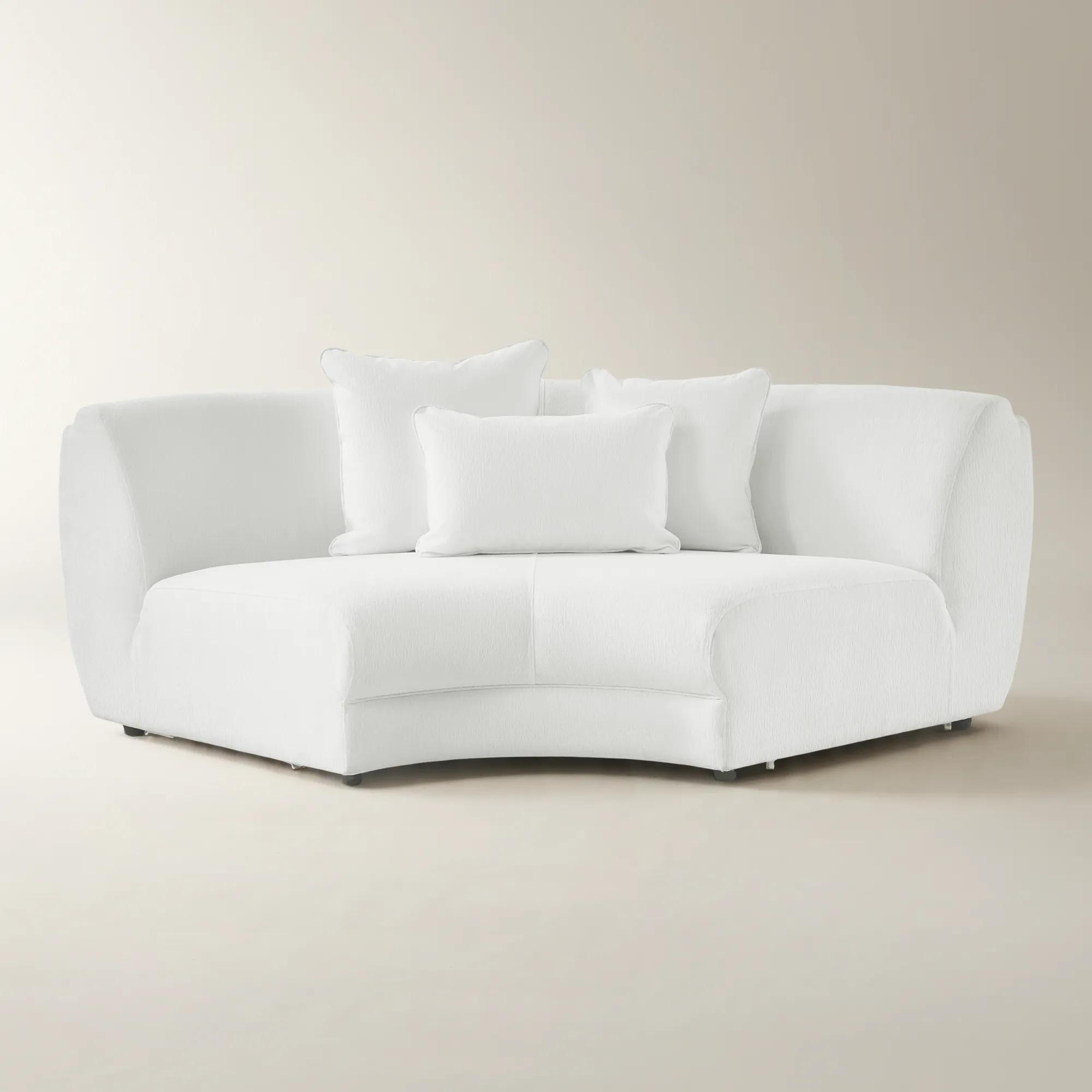
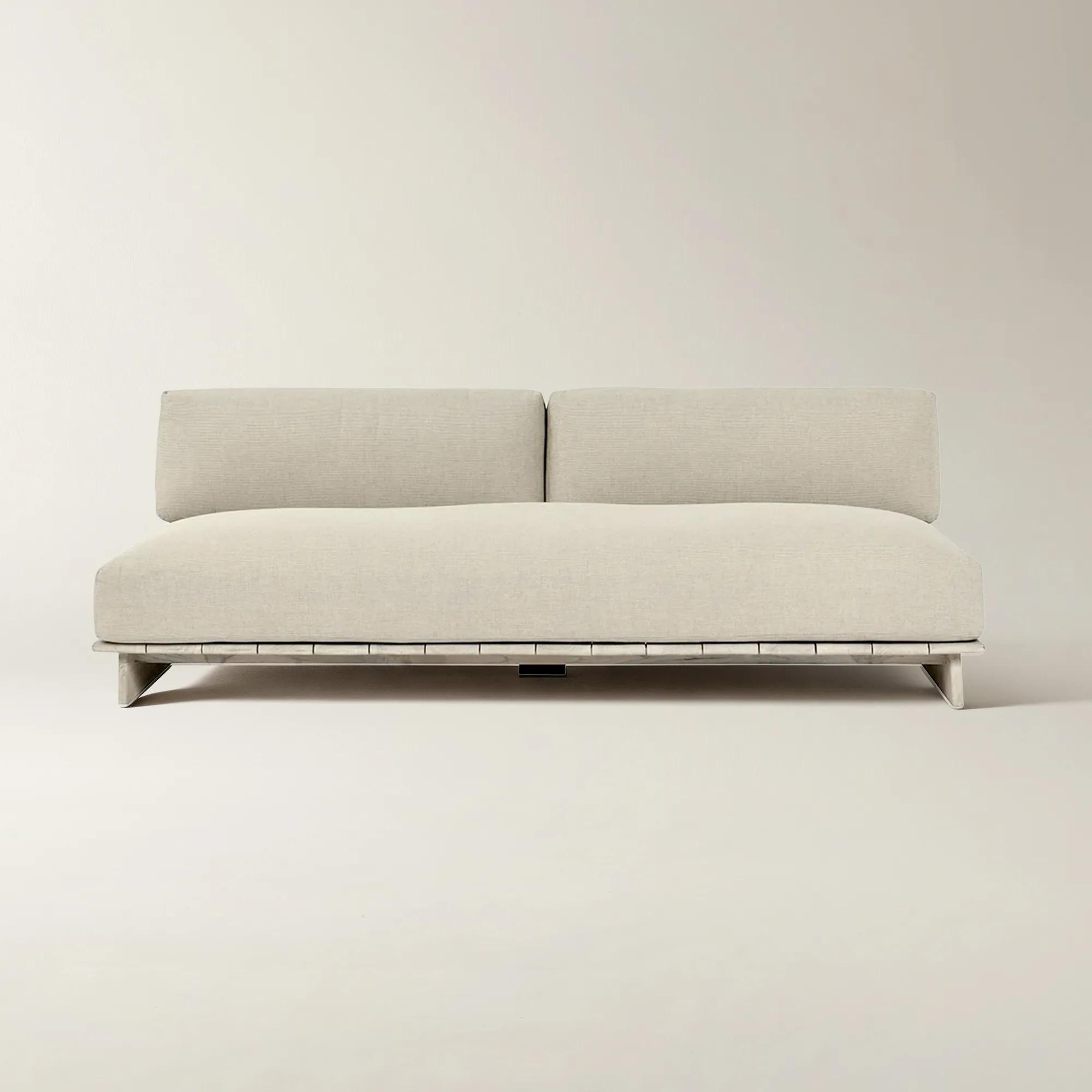
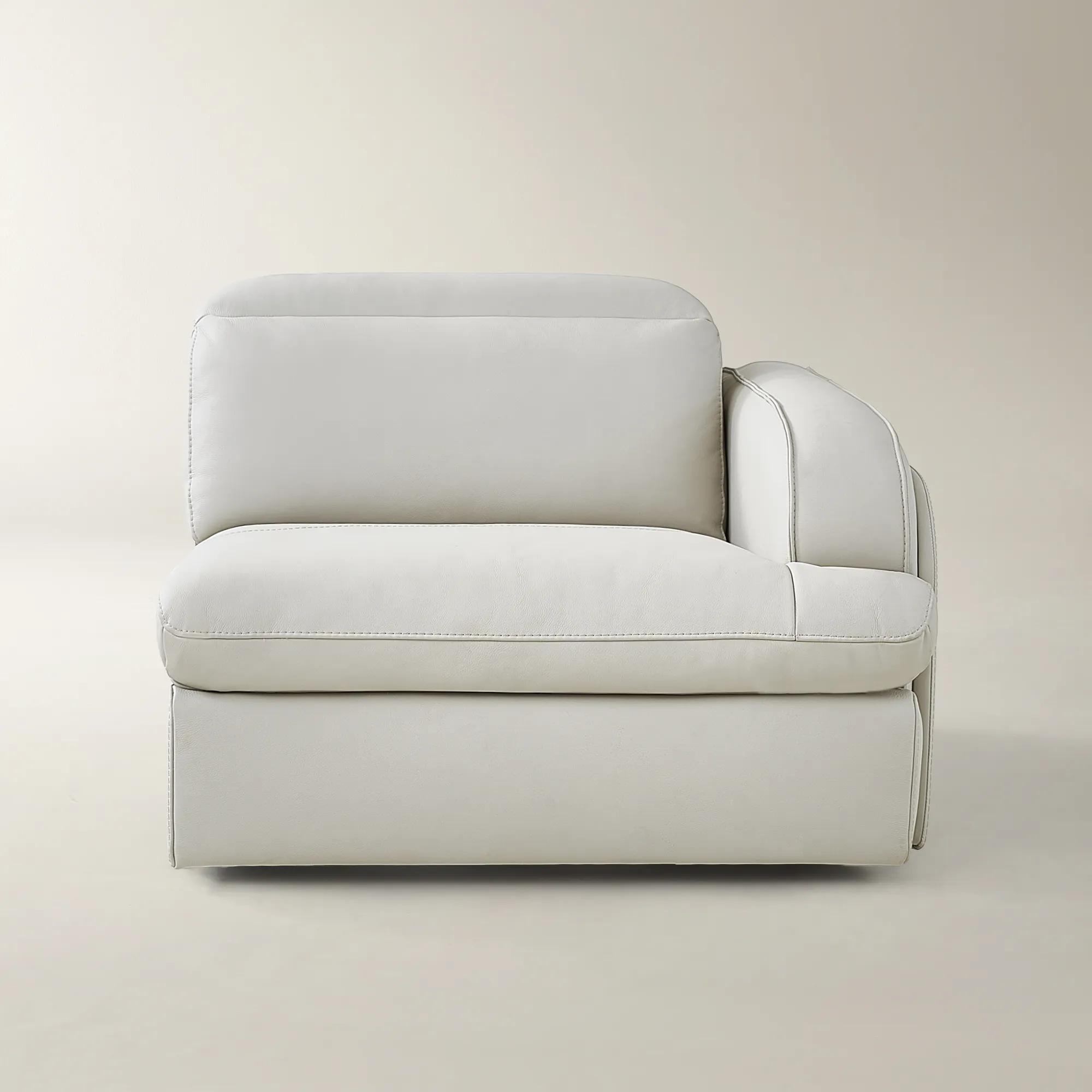
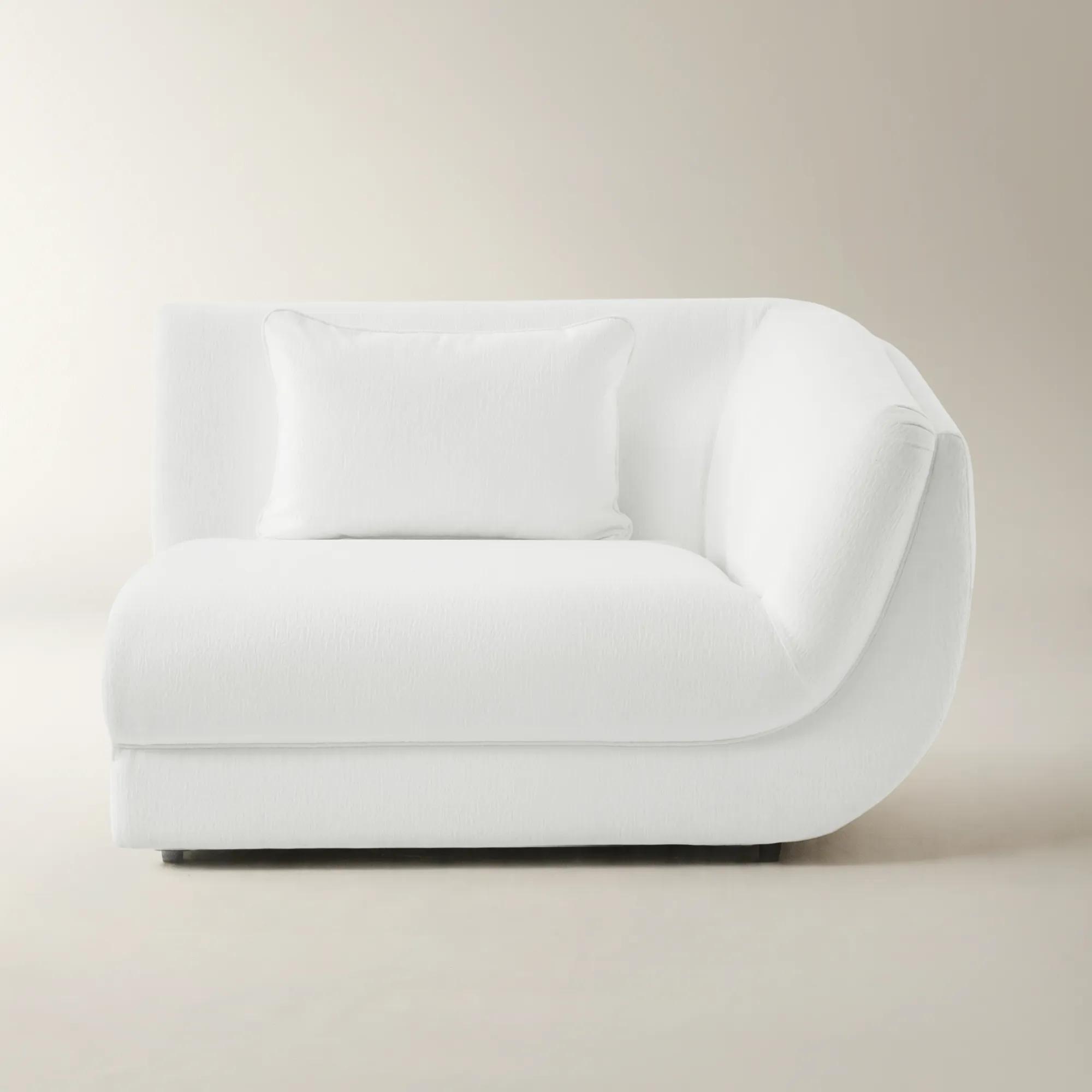
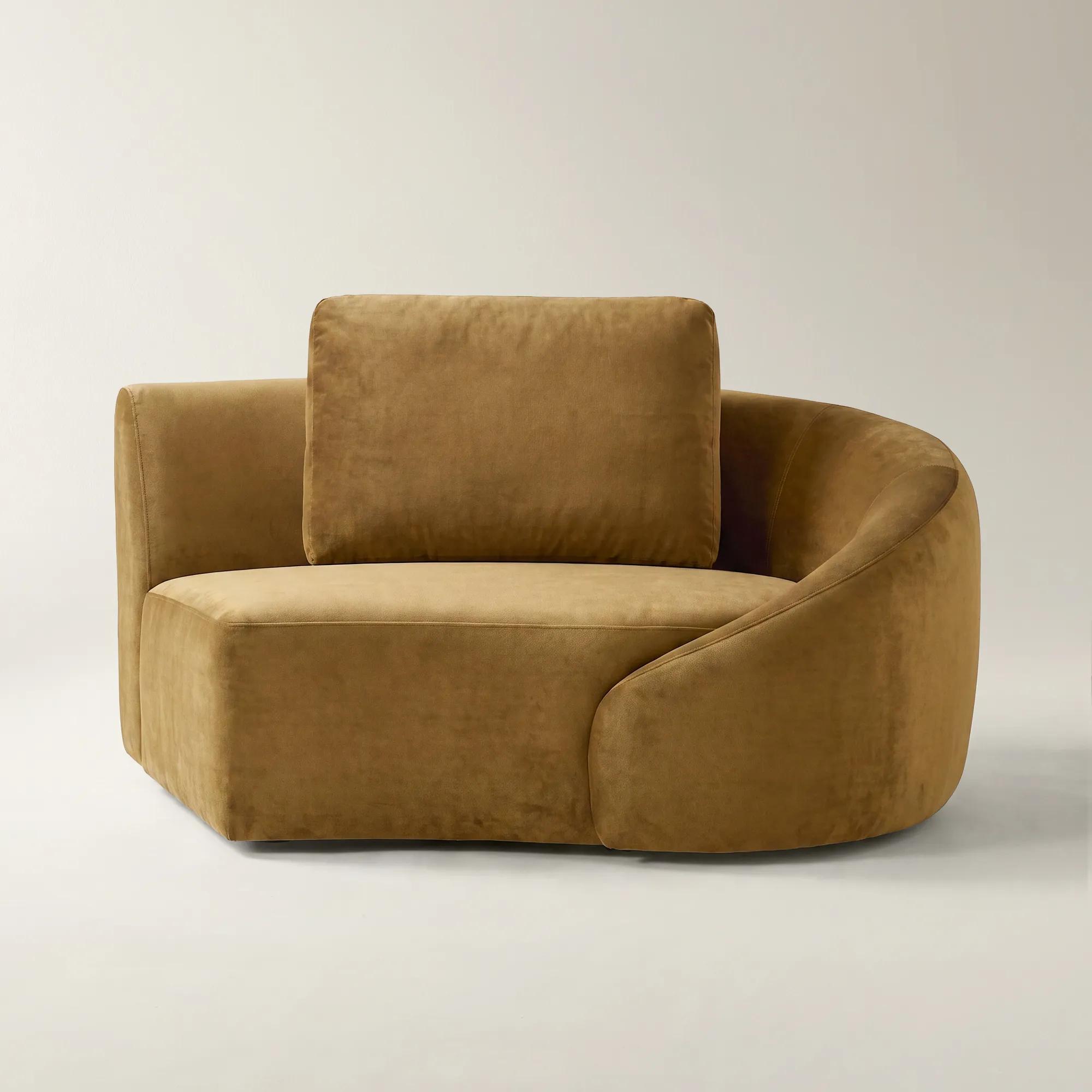
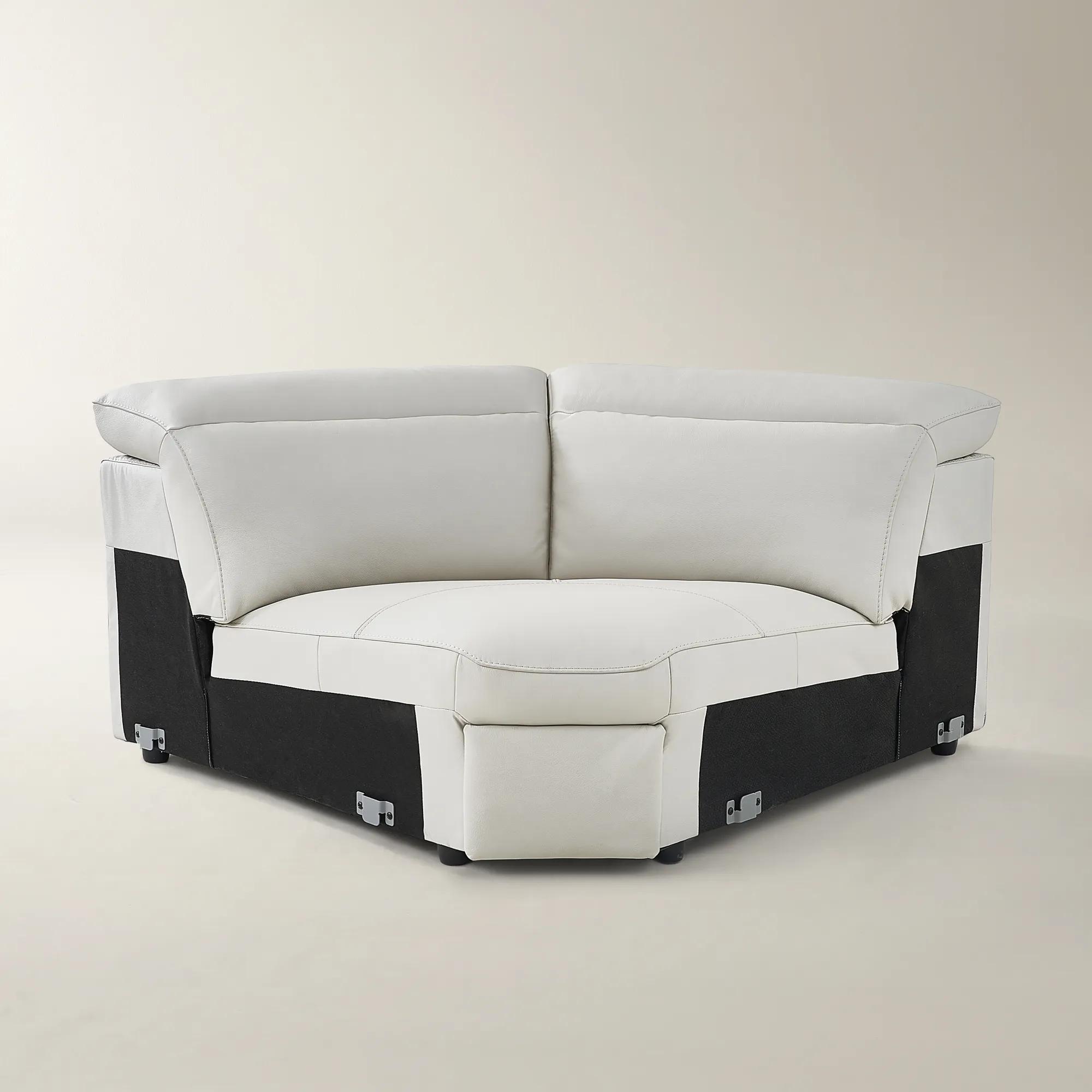
Elegant Hand Tufted Armchairs
Elegant Hand Tufted Armchairs
-
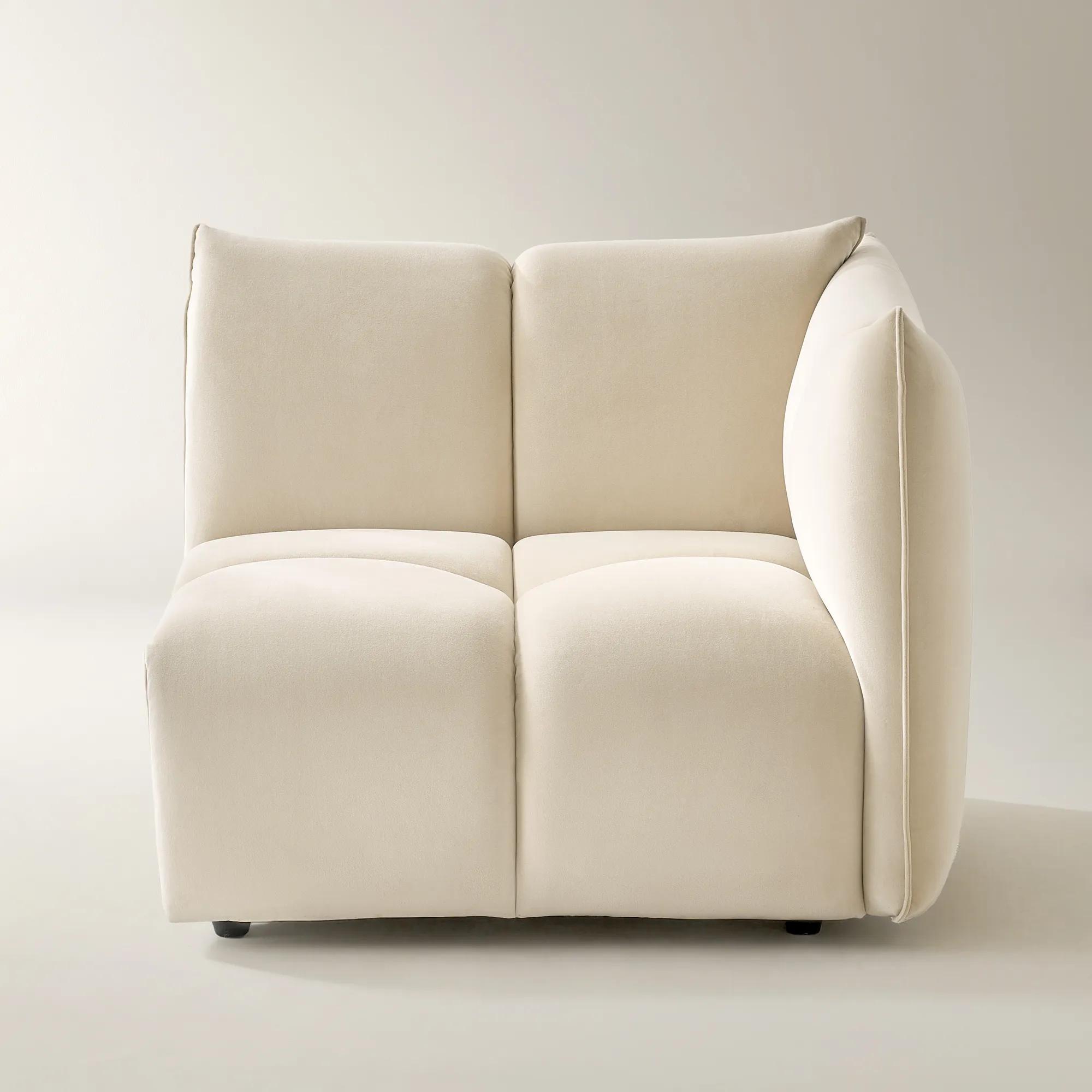
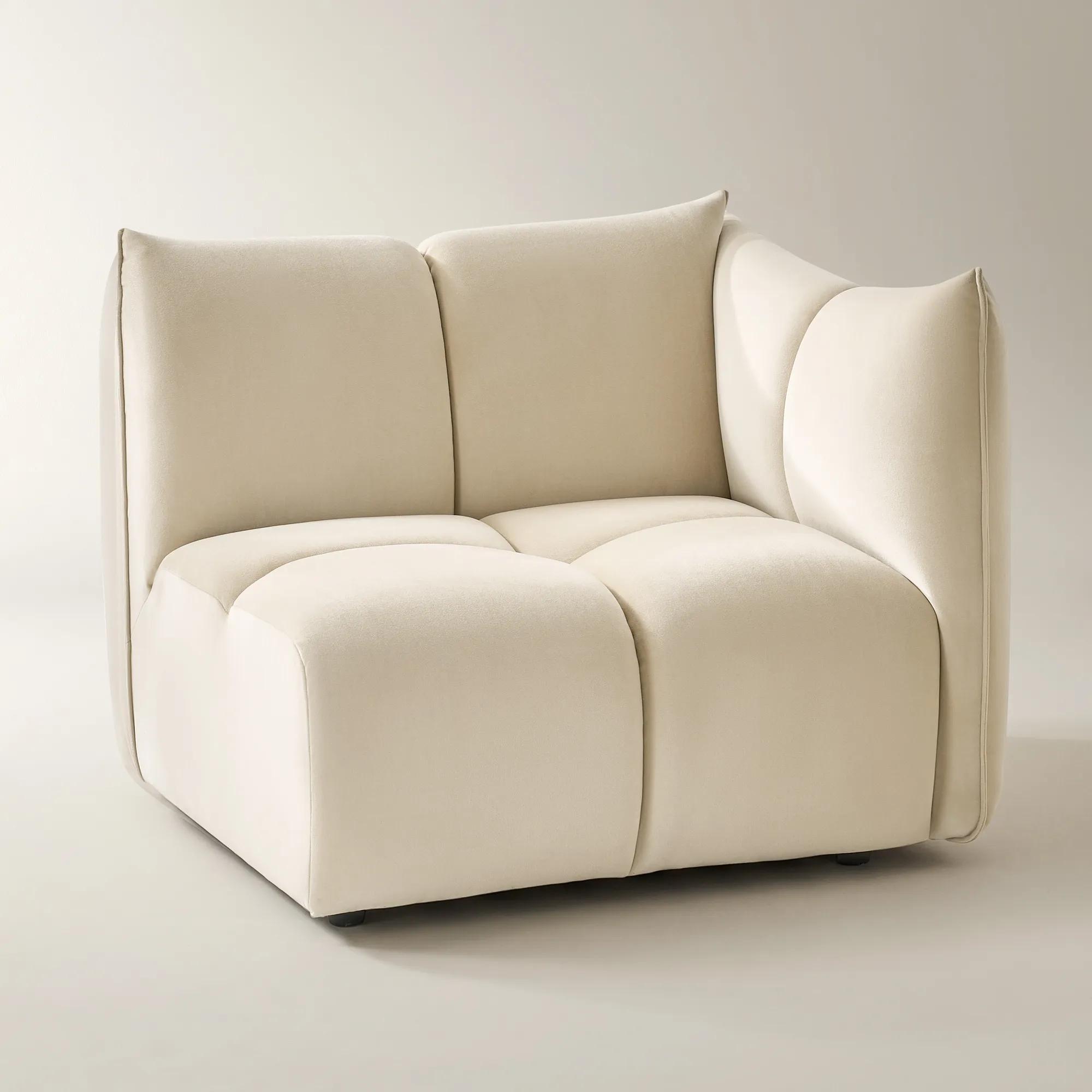 Reina Tufted Oatmeal Velvet Right-Arm Chair$899
A right-arm chair in oatmeal velvet featuring channel tufting, winged sides, and deep, plush seating.
Add To Cart -
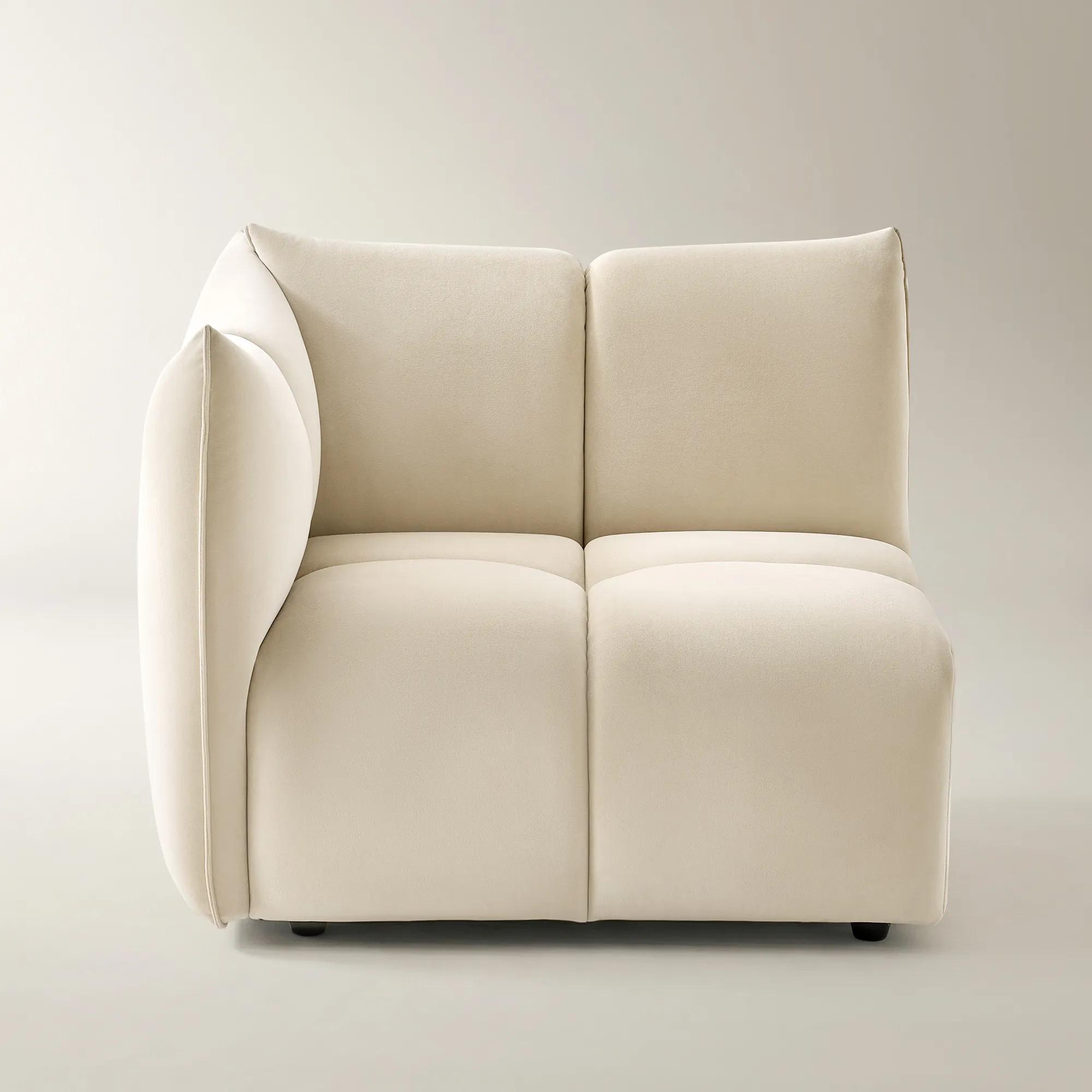 Reina Tufted Oatmeal Velvet Left-Arm Chair$899
A left-arm chair in oatmeal velvet featuring channel tufting, deep seating, and an architectural winged profile.
Add To Cart -
 Reina Tufted Simply Taupe Velvet Swivel Chair$1099
A taupe velvet swivel chair with channel tufting, an architectural winged profile, and plush, sculpted comfort.
Add To Cart -
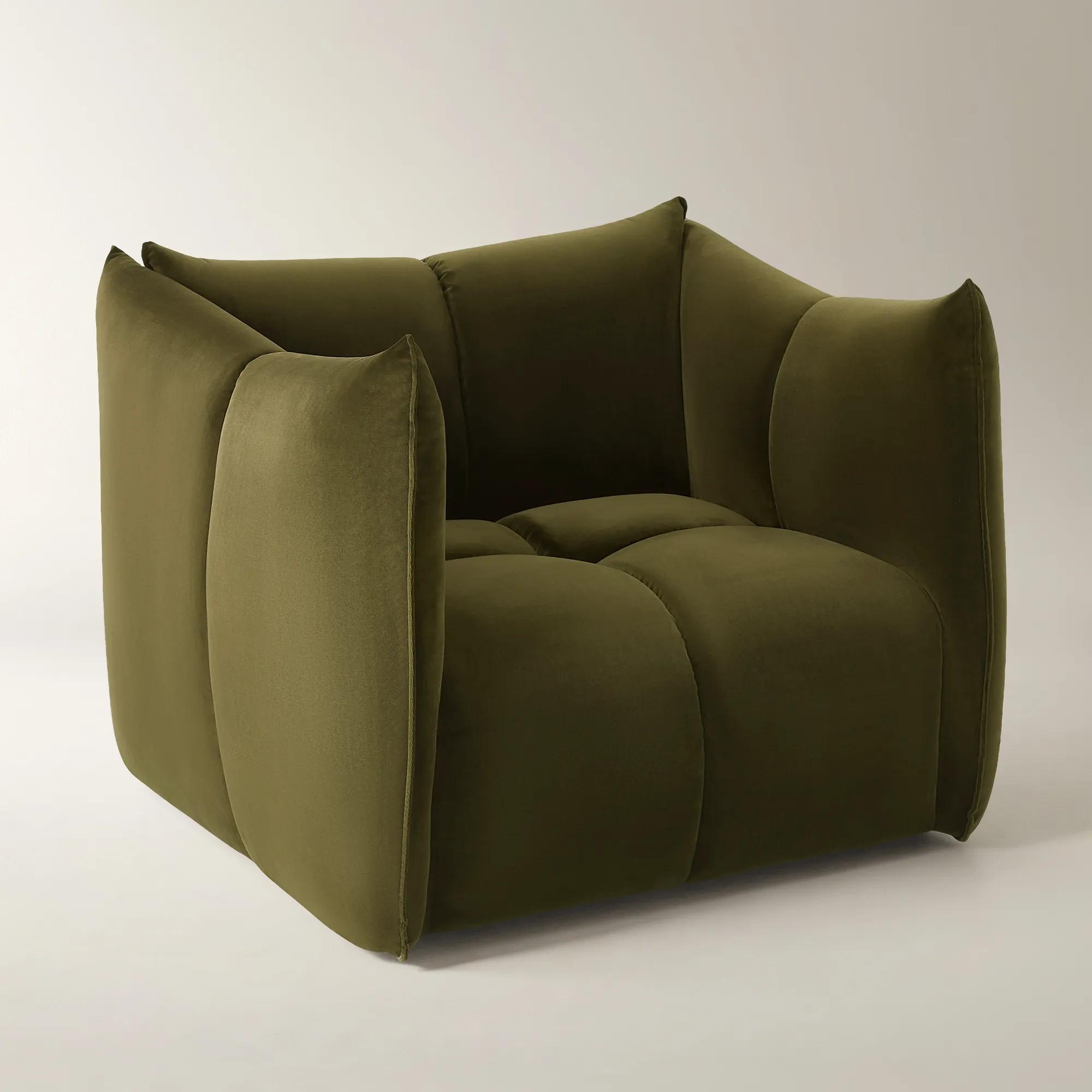 Reina Tufted Deep Olive Velvet Swivel Chair$1099
A green velvet swivel chair with channel tufting, winged architecture, and plush high-density foam comfort.
Add To Cart -
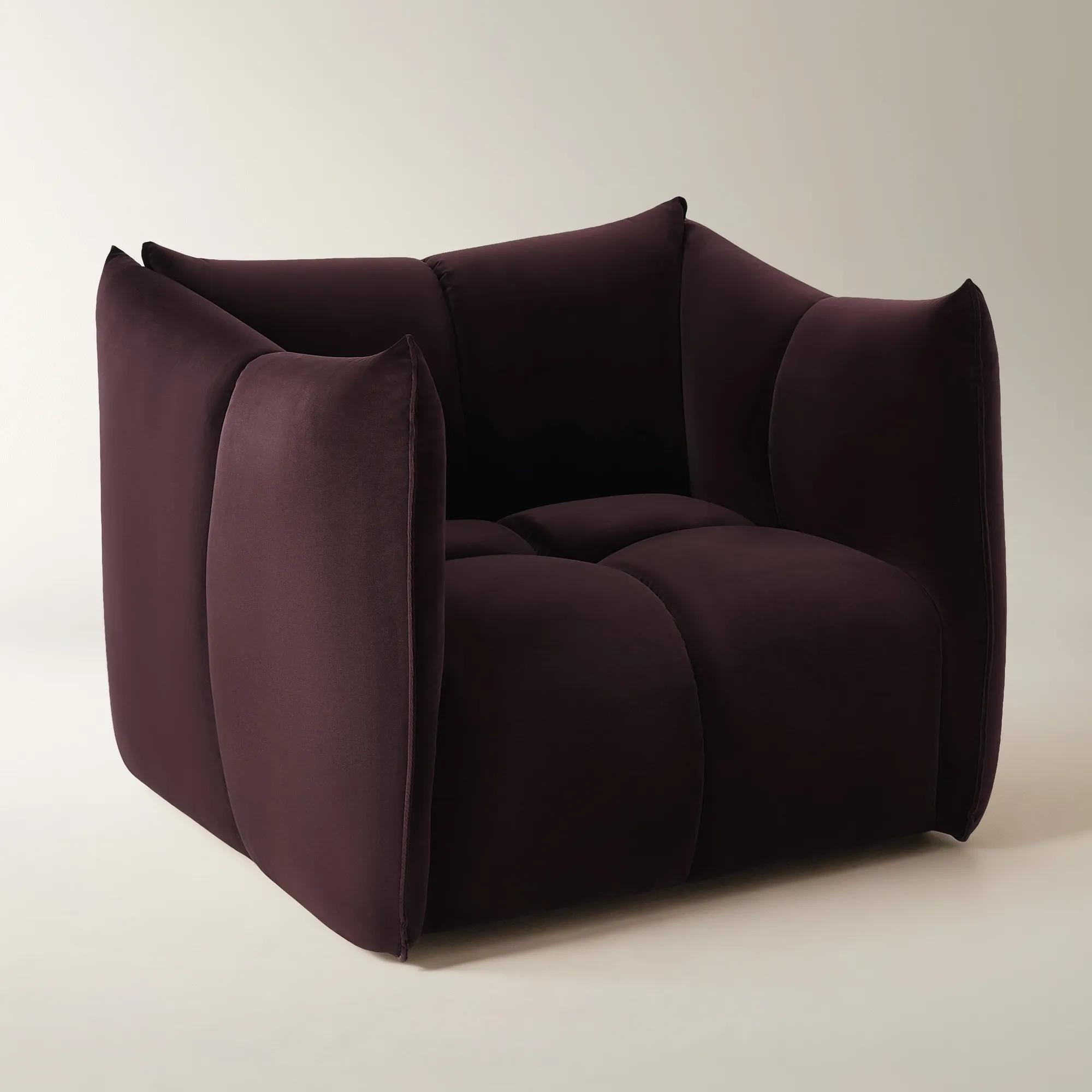 Reina Tufted Fig Velvet Swivel Chair$1099
A fig velvet swivel chair with channel tufting, a sculptural wingback profile, and plush foam cushioning.
Add To Cart -
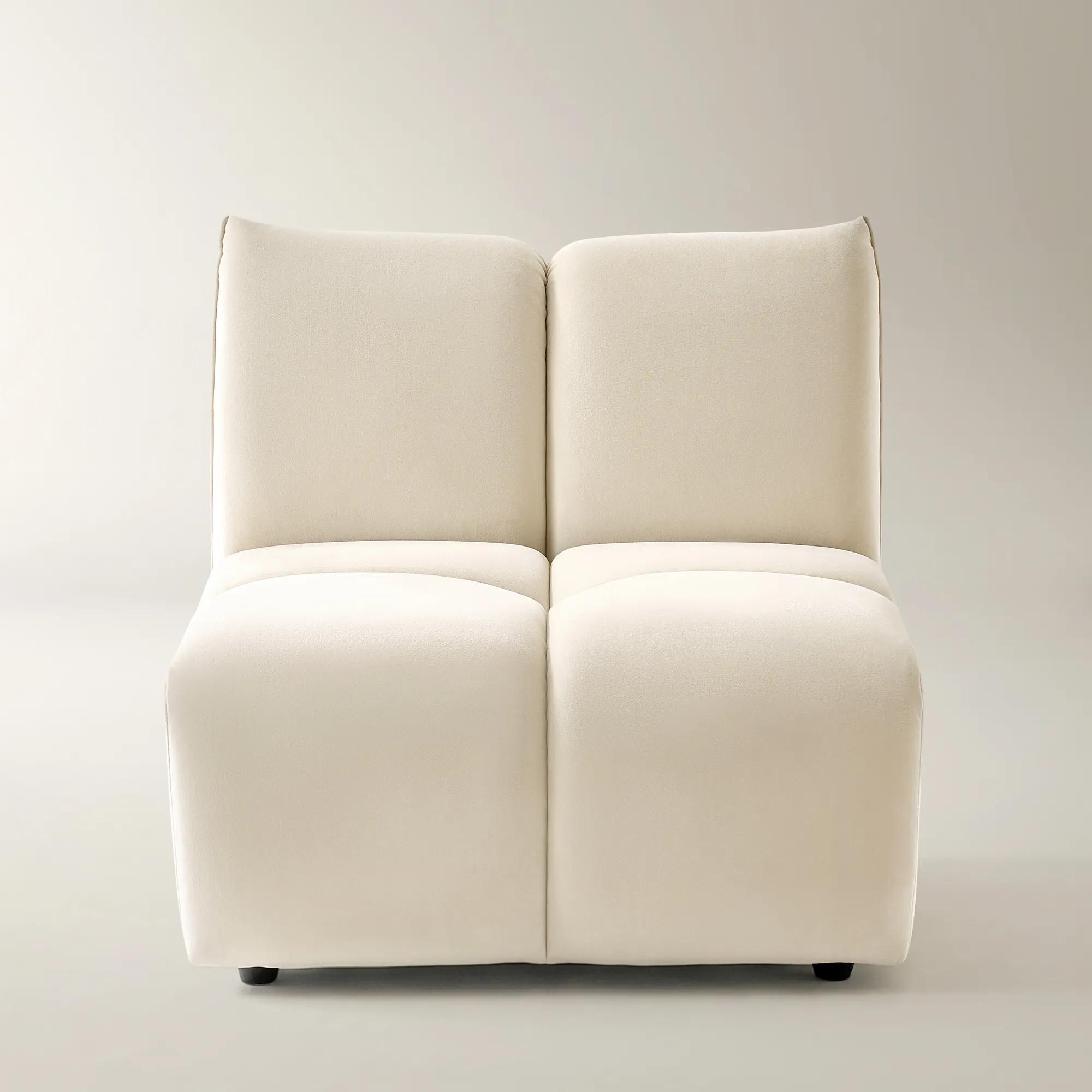
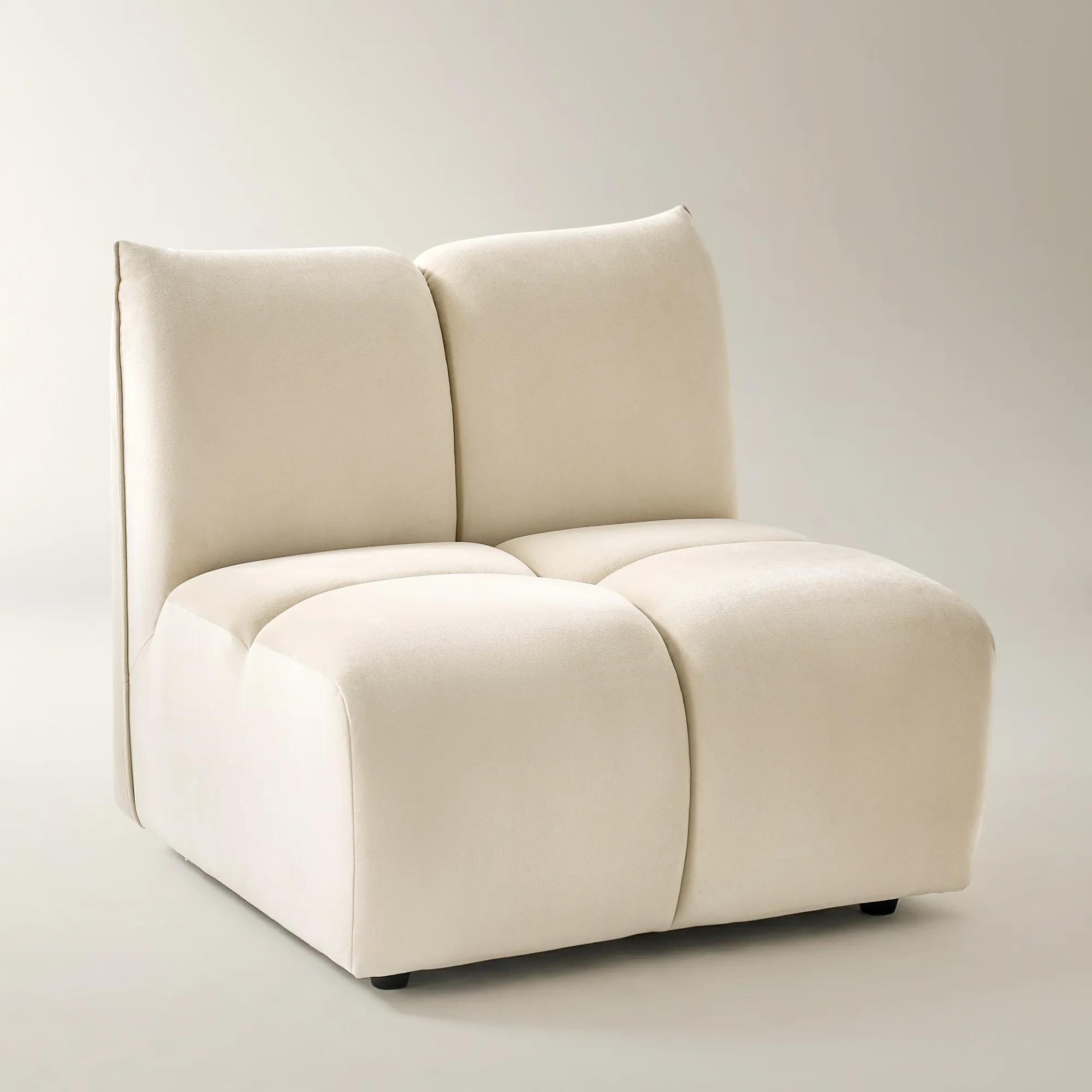 Reina Tufted Oatmeal Velvet Armless Chair$799
A plush oatmeal velvet armless chair featuring channel tufting, deep seating, and an architectural winged profile.
Add To Cart -
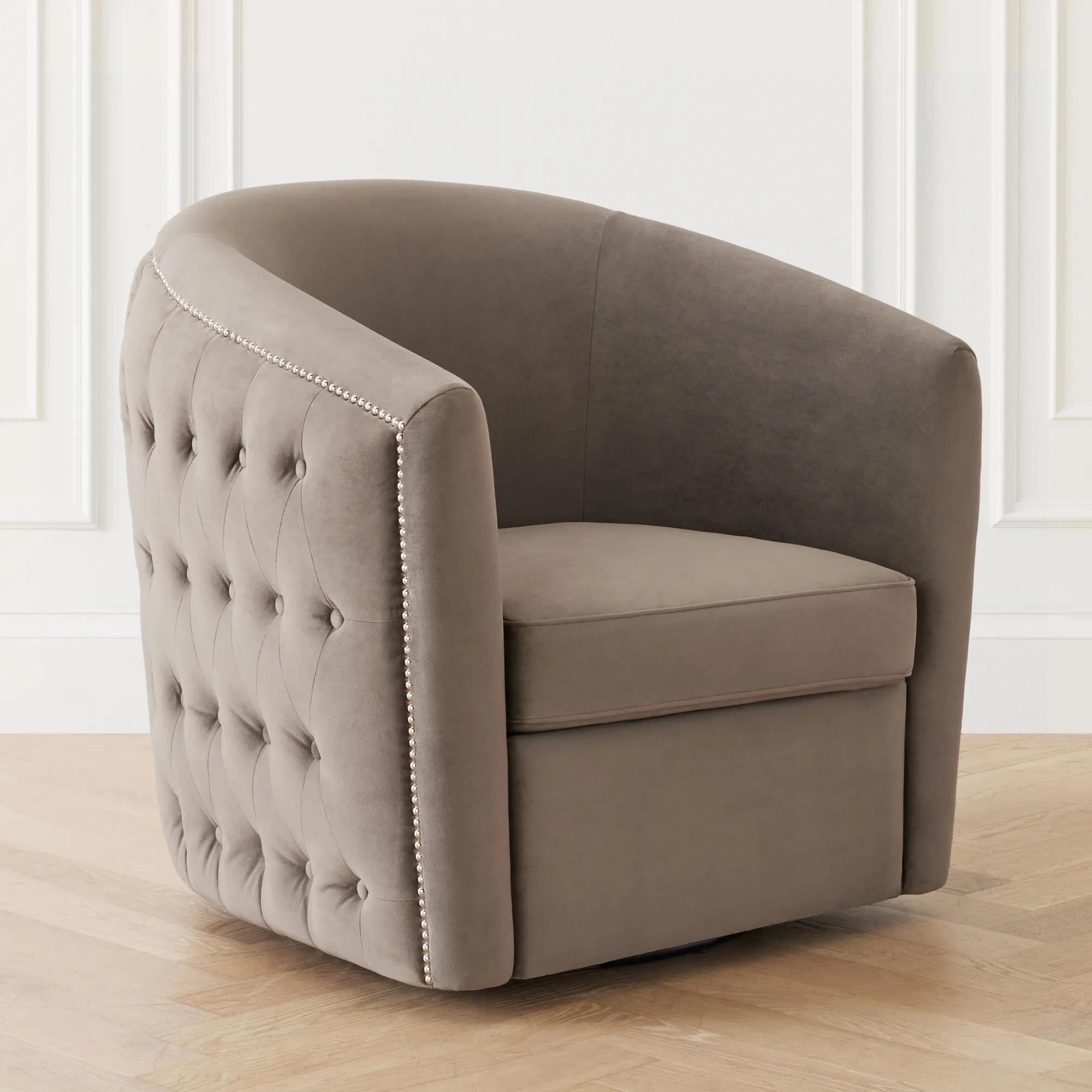
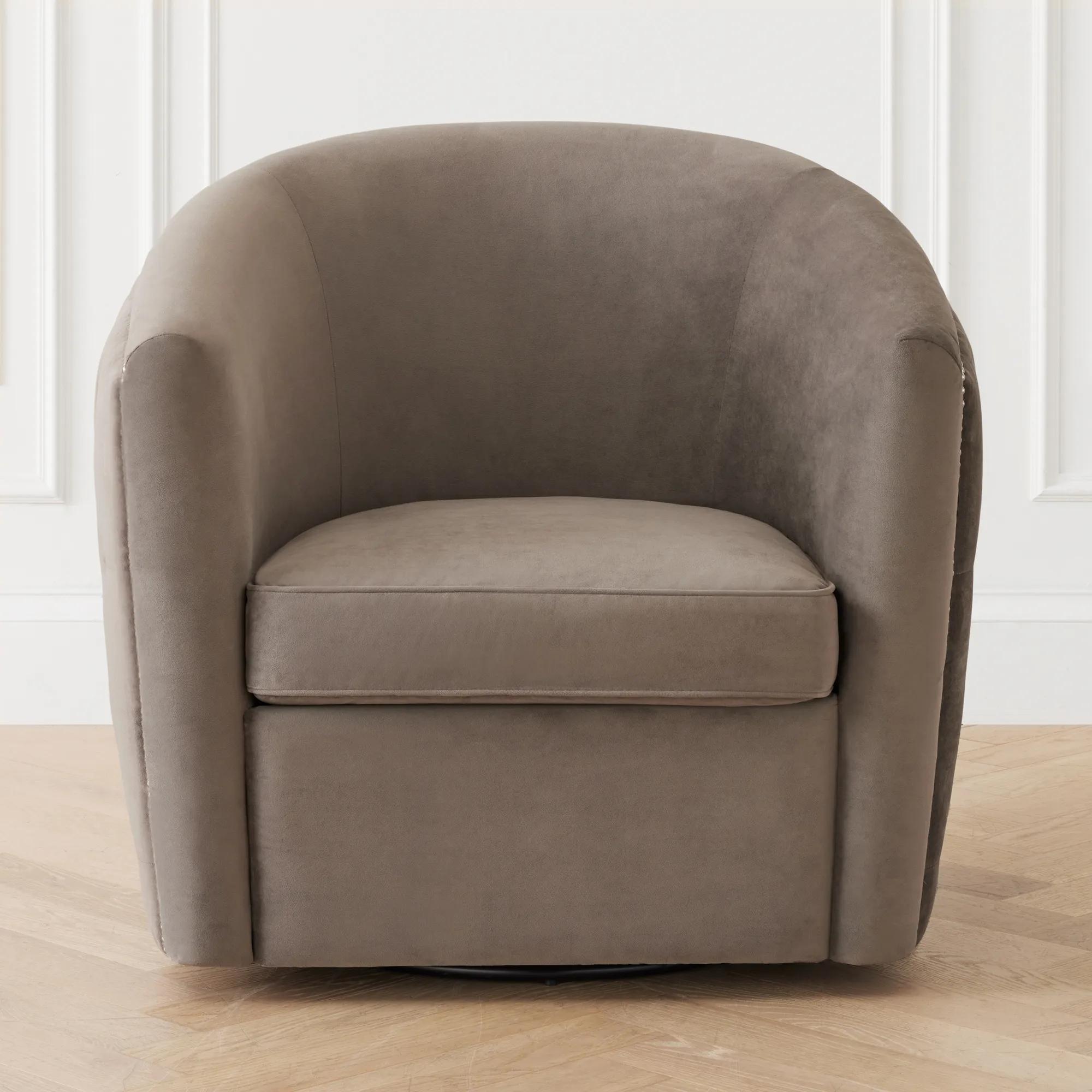 Aria Tufted Swivel Chair$1899
A barrel-silhouette swivel chair in kiln-dried hardwood, shown in Bella Velvet Otter with bright nickel nailheads.
Add To Cart -
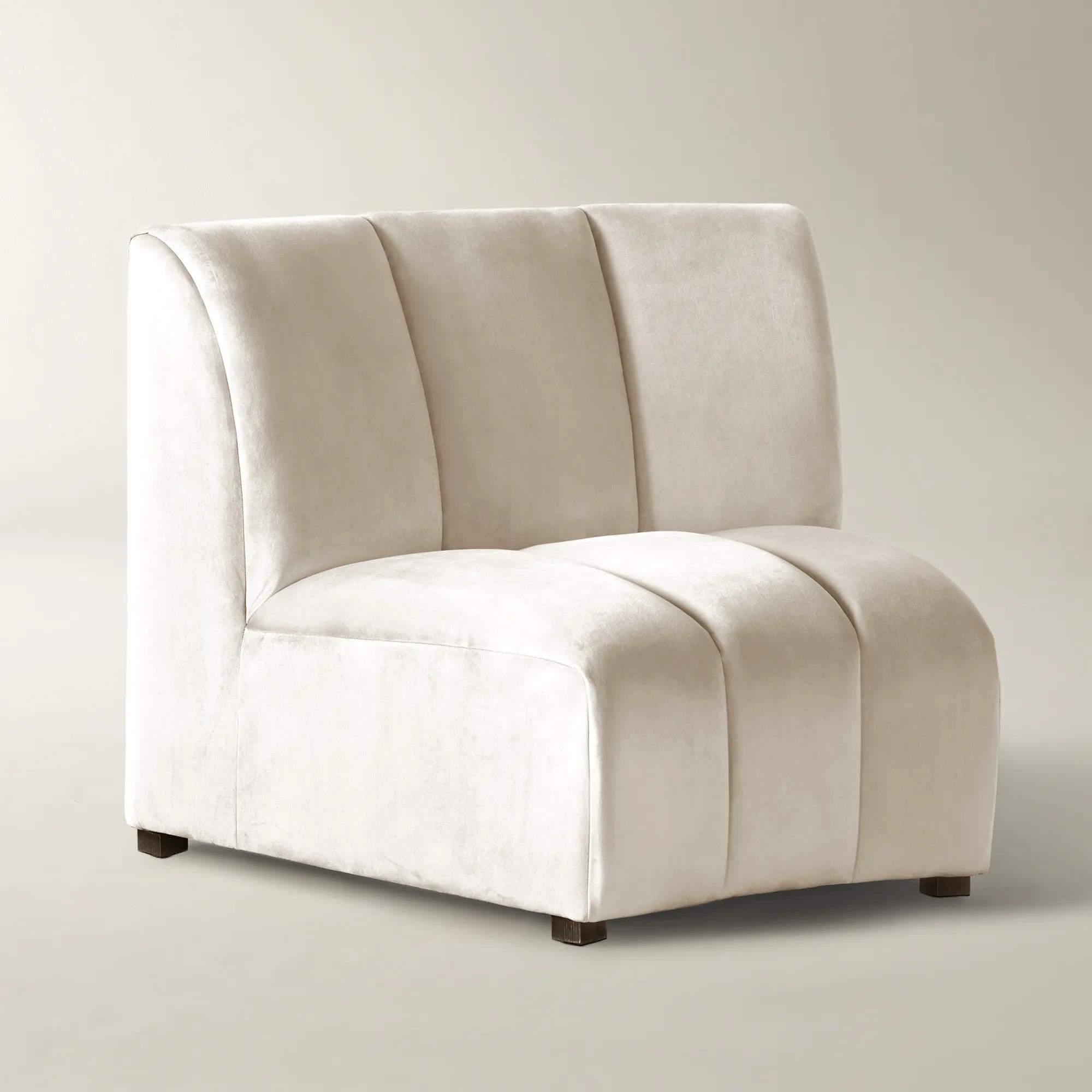 Jayce Channel-Tufted Ivory Velvet Armless Chair$949
A modern armless chair in water-repellent, stain-resistant Velvet Ivory with deep channel tufting and plush padding.
Add To Cart -
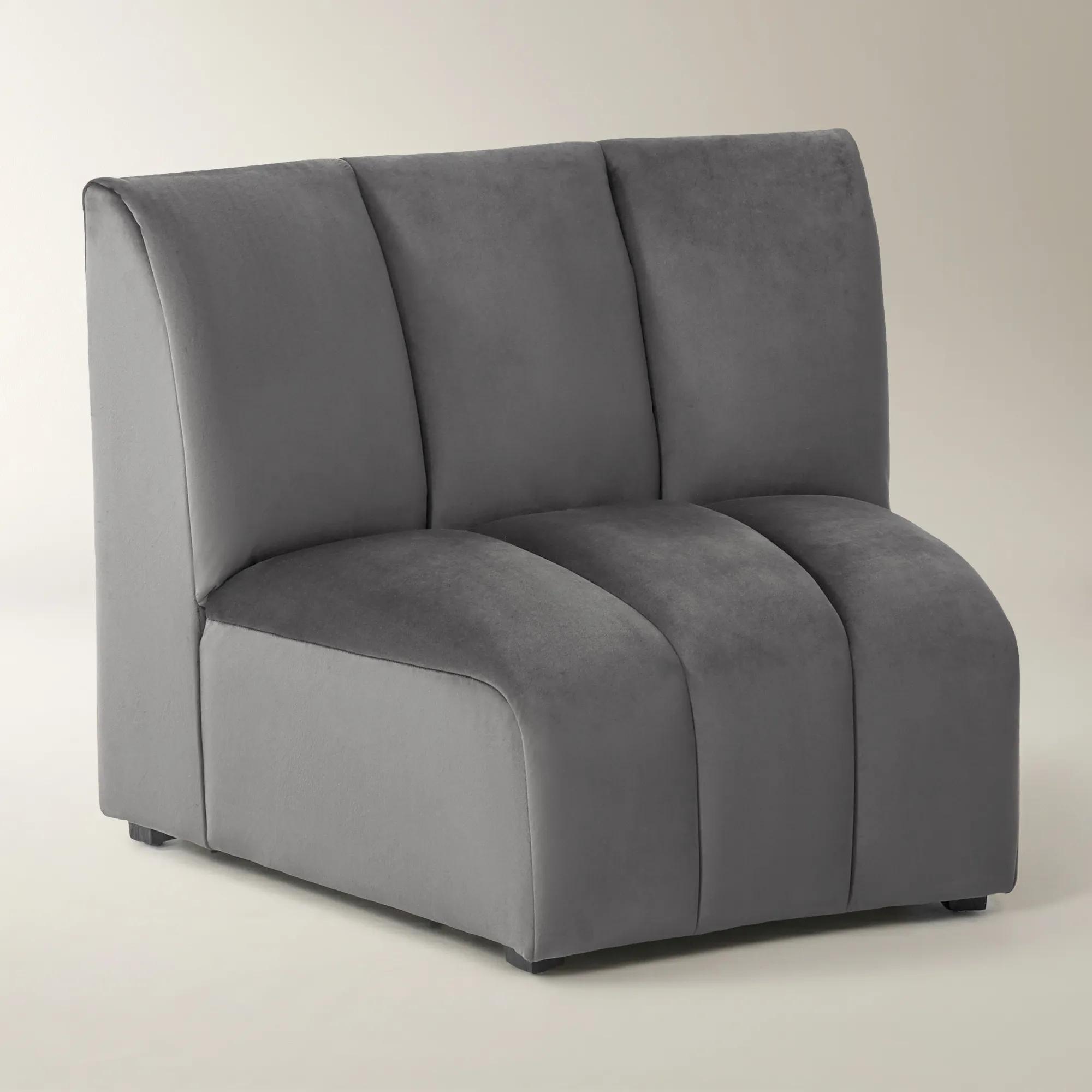
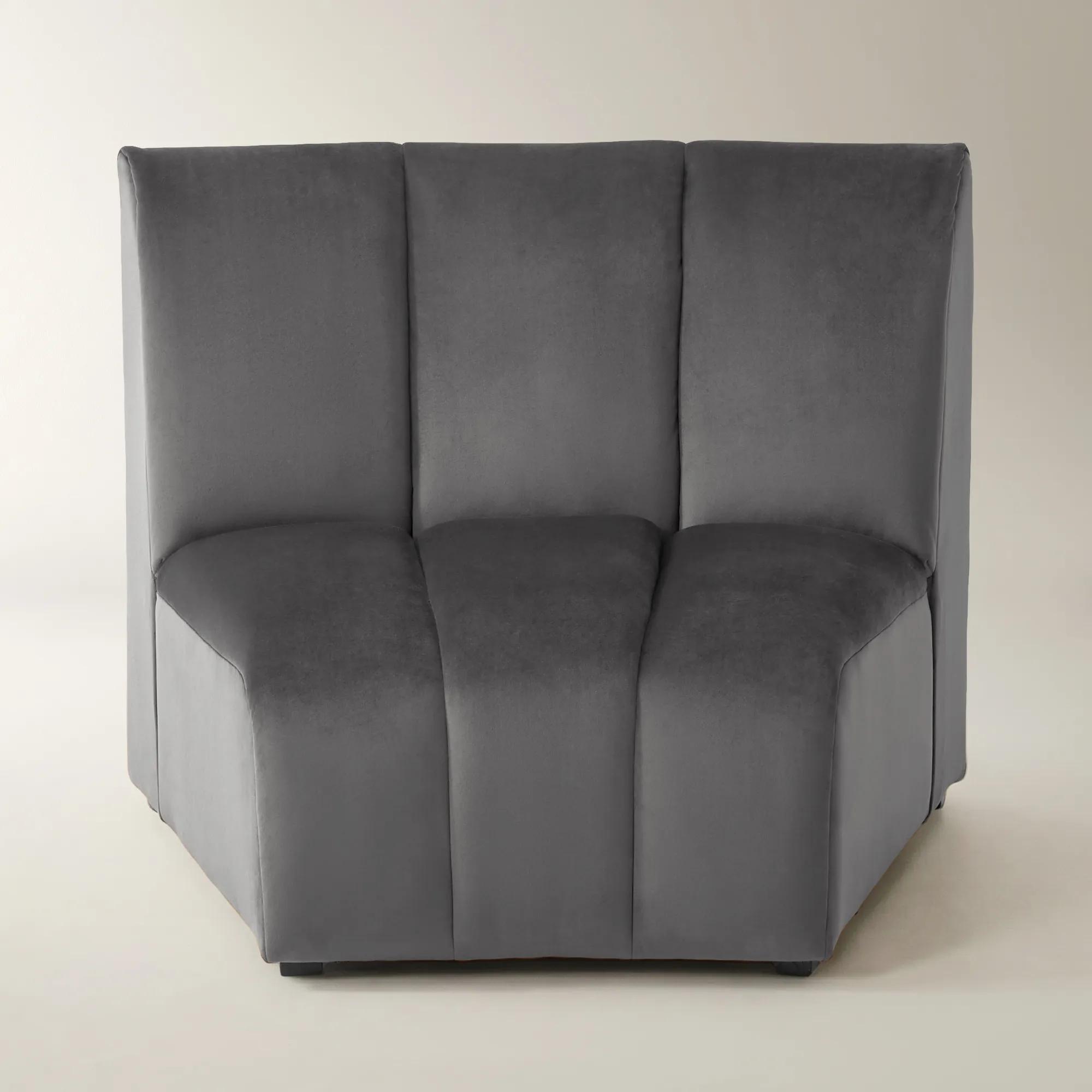 Jayce Channel-Tufted Smoked Pearl Velvet Armless Chair$949
A modern armless chair in silver grey velvet with deep channel tufting and plush, structured cushioning.
Add To Cart -
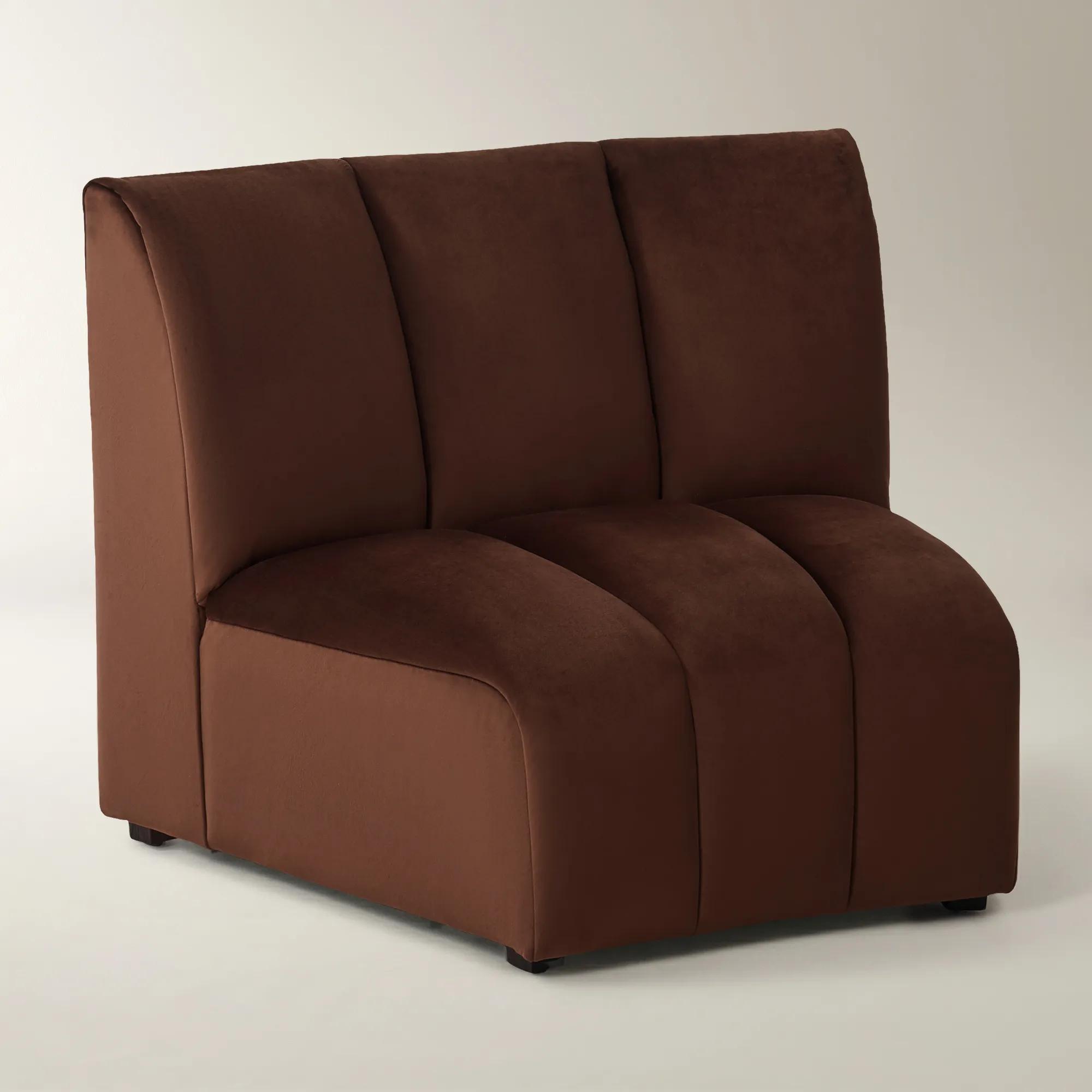
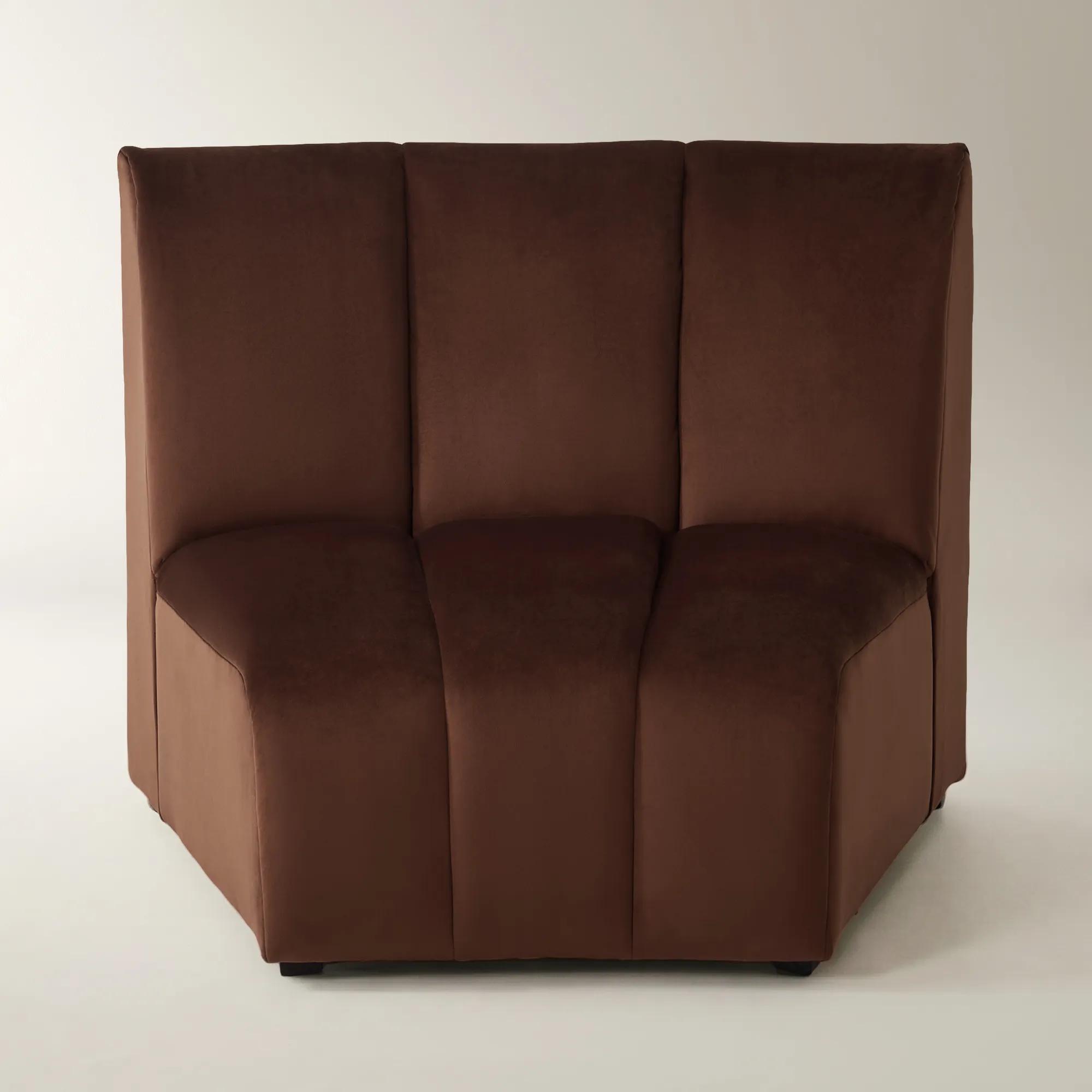 Jayce Channel-Tufted Burnt Umber Velvet Armless Chair$949
A modern armless chair in silver grey velvet with deep channel tufting and plush, high-density foam cushions.
Add To Cart -
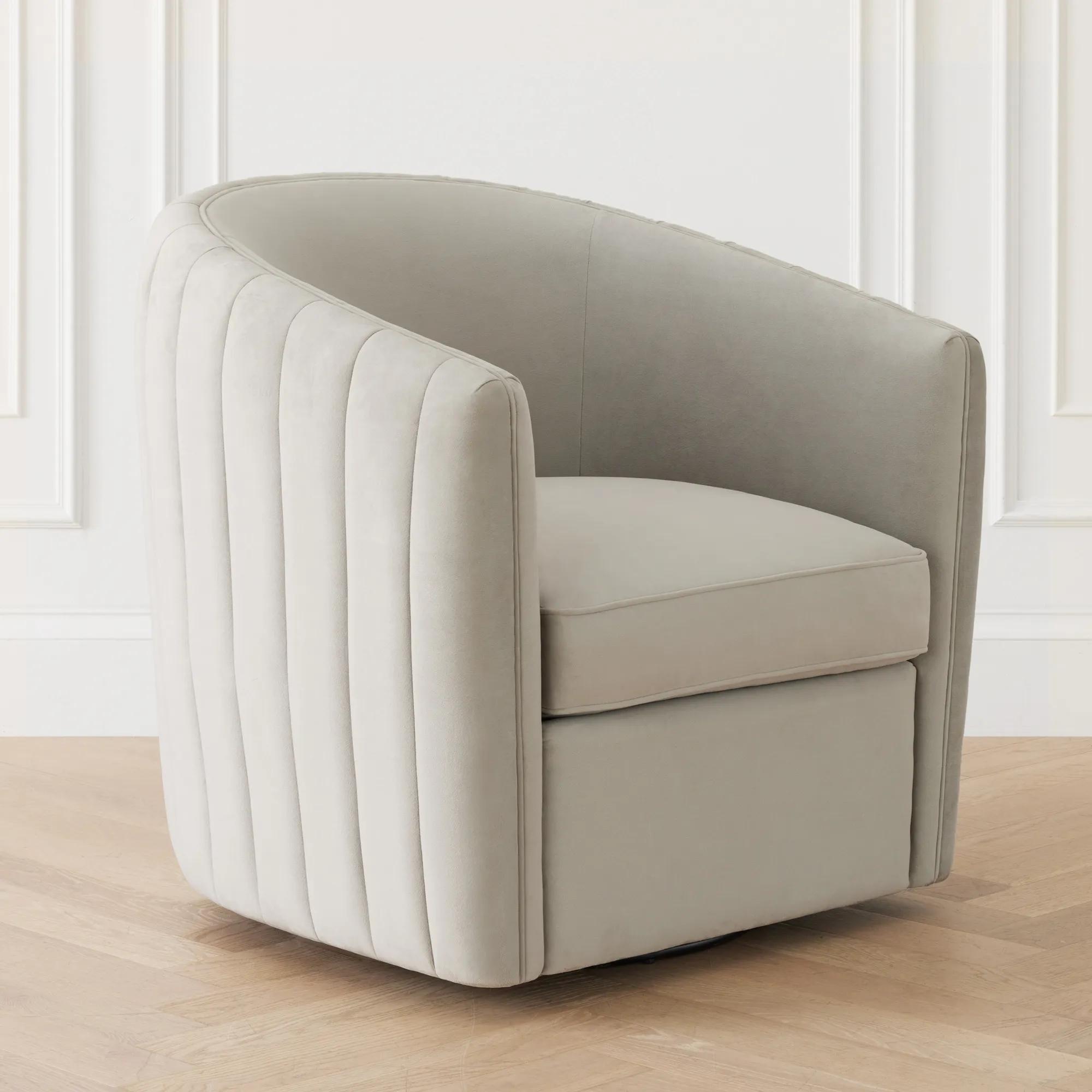
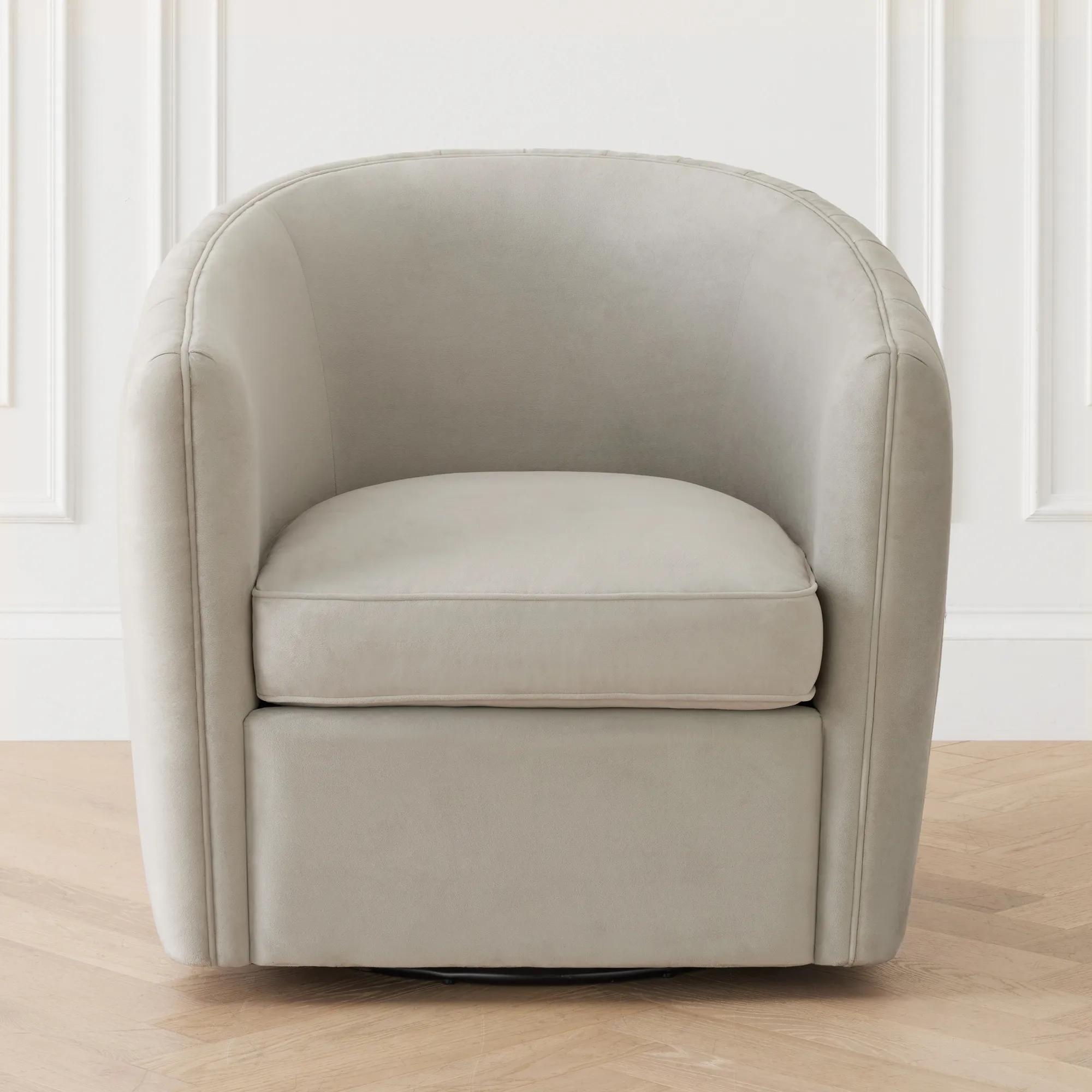 Aria Channeled Swivel Chair$1299
A modern barrel chair in kiln-dried hardwood with channeled velvet upholstery and a smooth swivel base.
Add To Cart -

 Aria Pleated Swivel Chair$1249
A barrel-style swivel chair in kiln-dried hardwood, shown in pearl velvet with elegant pleated detailing.
Add To Cart -
 Curvia Dusty Blue Velvet Left-Arm Chair$1399
A sculptural left-arm chair wrapped in plush dusty blue velvet with deep, lounge-worthy comfort and modular design.
Add To Cart -
 Curvia Dusty Blue Velvet Right-Arm Chair$1399
A sculptural right-arm chair wrapped in plush dusty blue velvet with deep, lounge-worthy comfort.
Add To Cart -

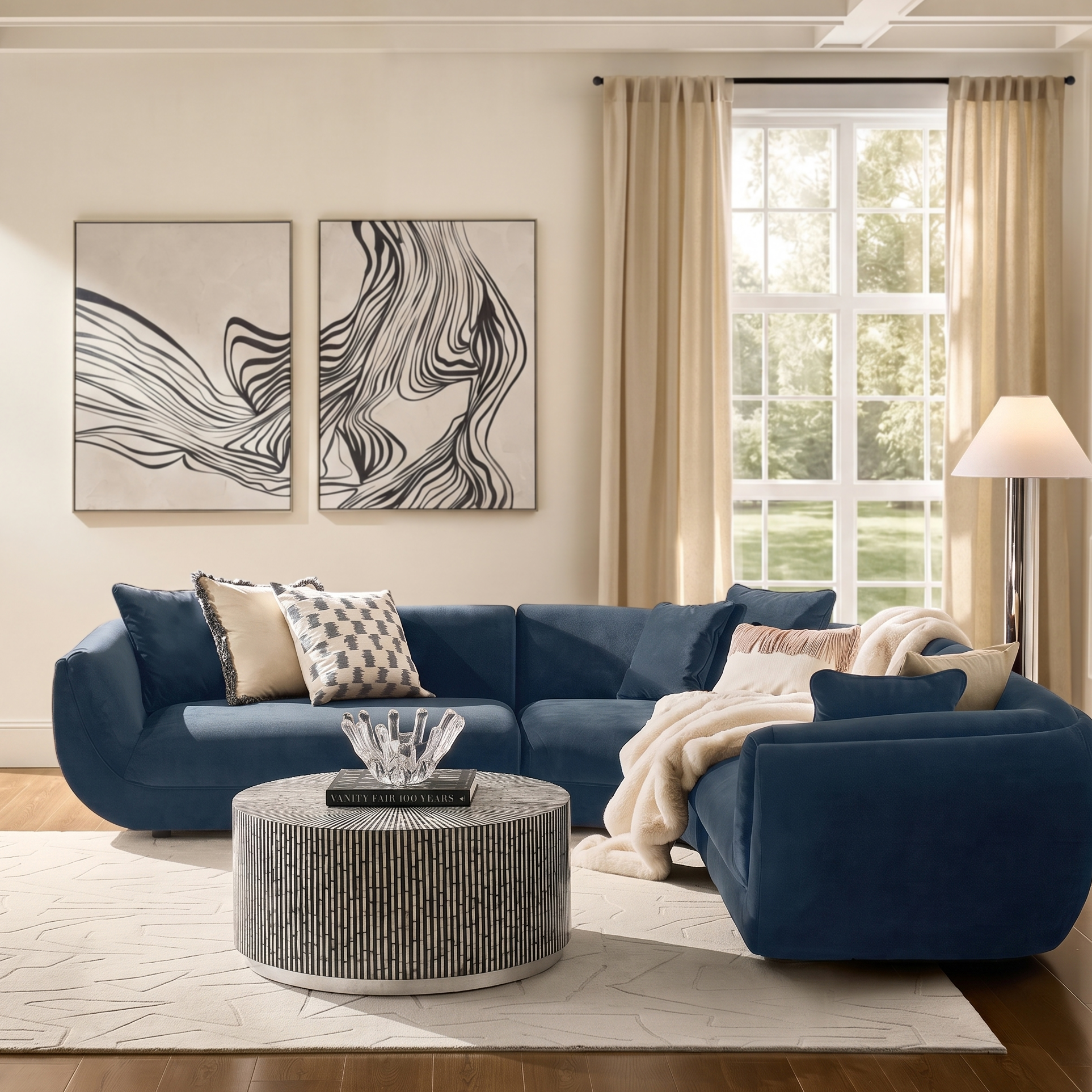 Curvia Dusty Blue Velvet Grand Right-Arm Chair$1499
A sculptural right-arm chair in plush dusty blue velvet with deep lounge comfort and modular versatility.
Add To Cart -
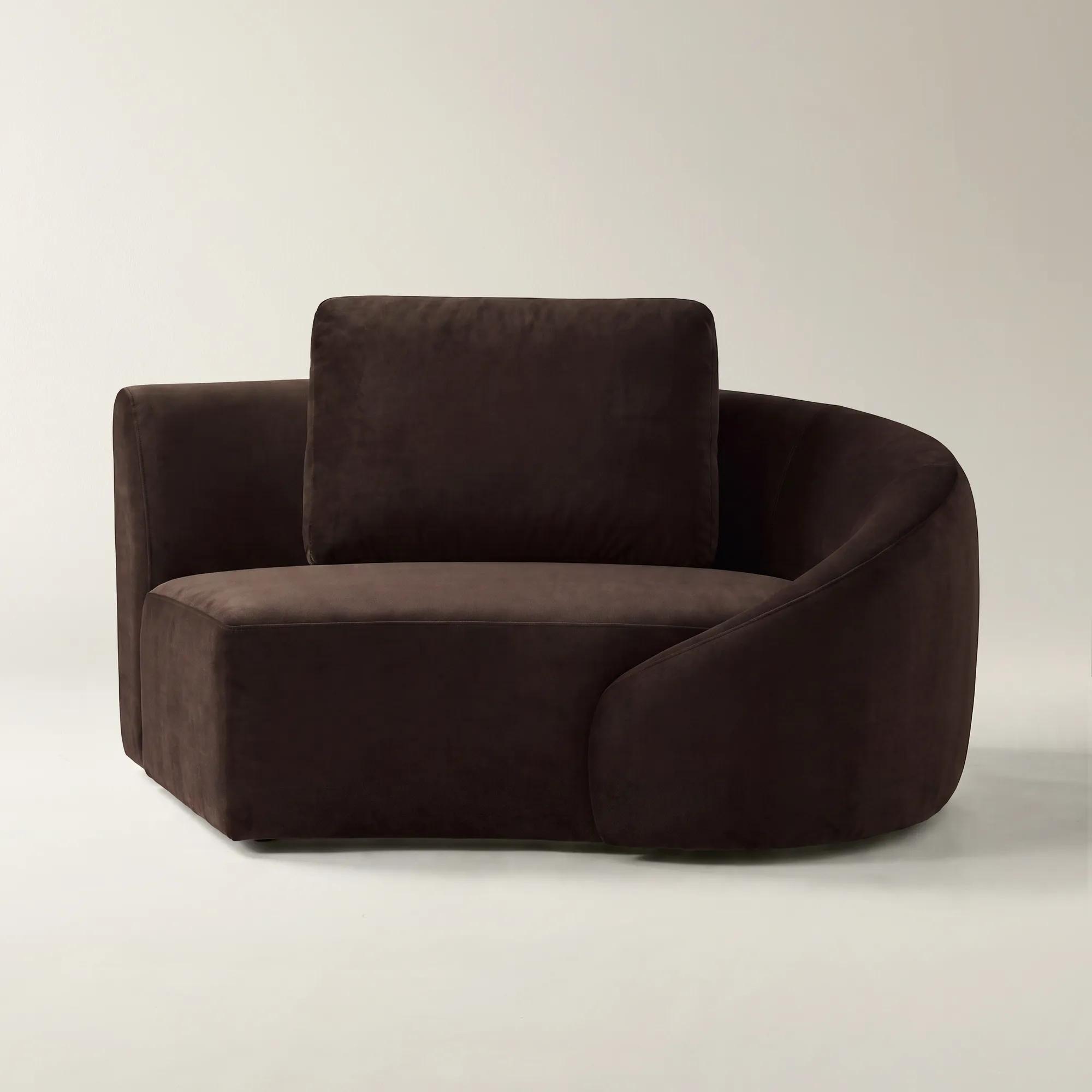
 Curvia Dark Chocolate Velvet Grand Right-Arm Chair$1499
A sculptural right-arm chair in dark chocolate velvet with plush cushioning and modular, wraparound design.
Add To Cart -

 Curvia Dark Chocolate Velvet Grand Left-Arm Chair$1499
A sculptural left-arm chair wrapped in dark chocolate velvet with plush cushioning and modular design.
Add To Cart -

 Curvia Dusty Blue Velvet Grand Left-Arm Chair$1499
A sculptural left-arm chair in plush dusty blue velvet with deep cushioning and modular versatility.
Add To Cart -
 Curvia Dark Chocolate Velvet Right-Arm Chair$1399
A sculptural right-arm chair wrapped in dark chocolate velvet with plush cushioning and modular design.
Add To Cart -
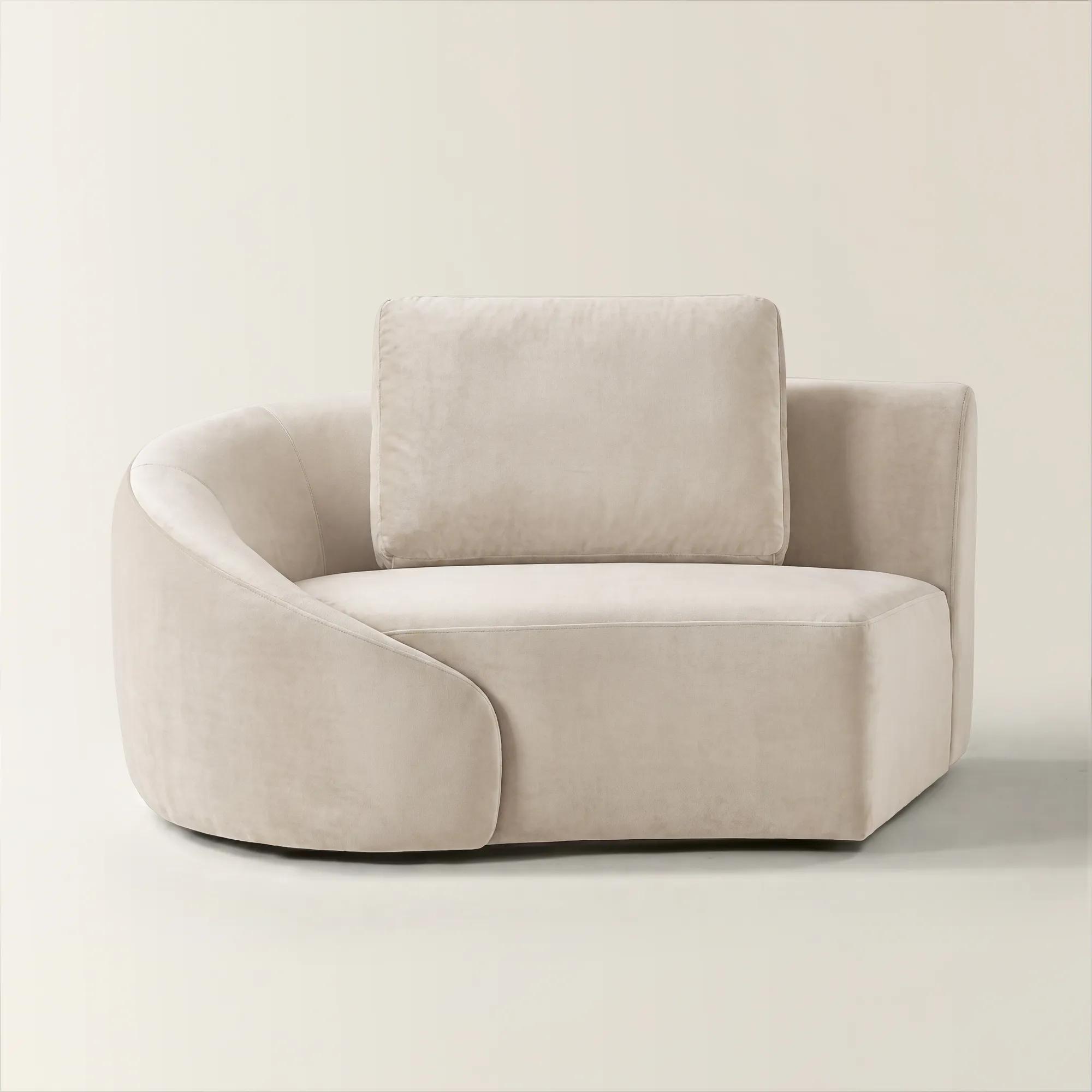
 Irene Oatmeal Velvet Left-Arm Chair$1399
An oatmeal velvet left-arm chair featuring sculptural curves, high-resiliency foam, and artisan hand-finished upholstery.
Add To Cart -
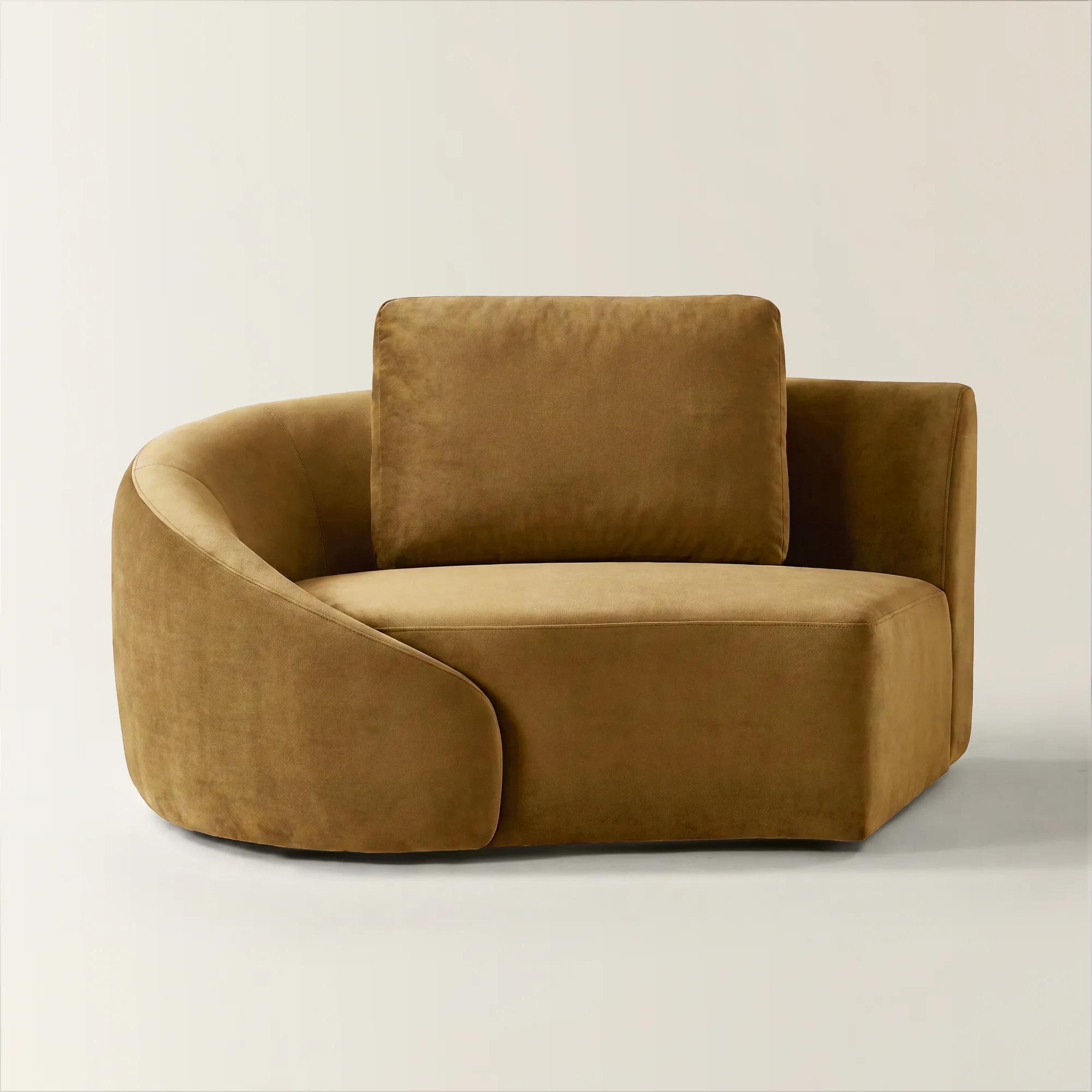 Irene Roasted Pecan Velvet Left-Arm Chair$1399
A sculptural left-arm chair in roasted pecan velvet with high-resiliency foam cushions and artisan detailing.
Add To Cart -

 Curvia Dark Chocolate Velvet Left-Arm Chair$1399
A sculptural left-arm chair wrapped in dark chocolate velvet with plush cushioning and modular design.
Add To Cart -
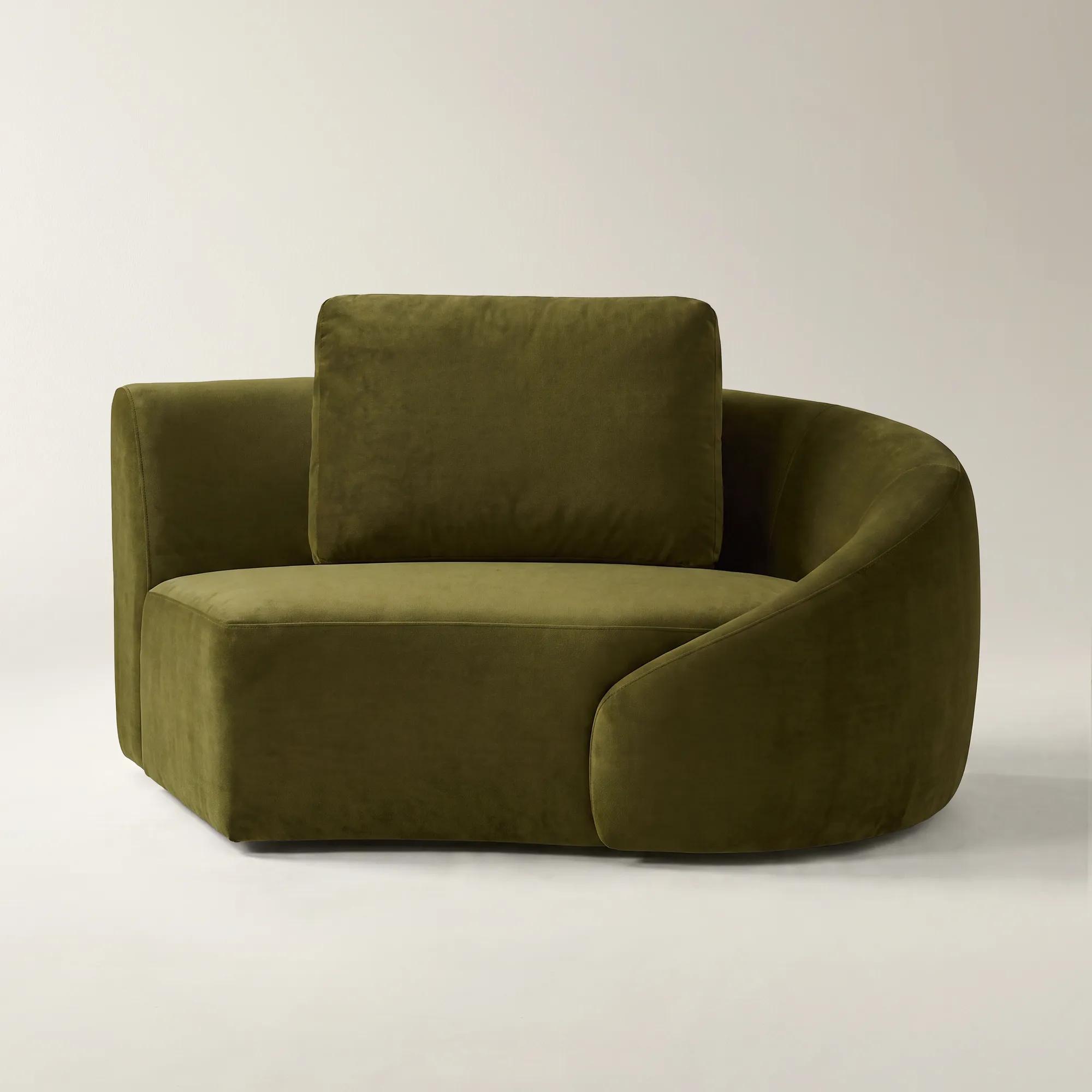
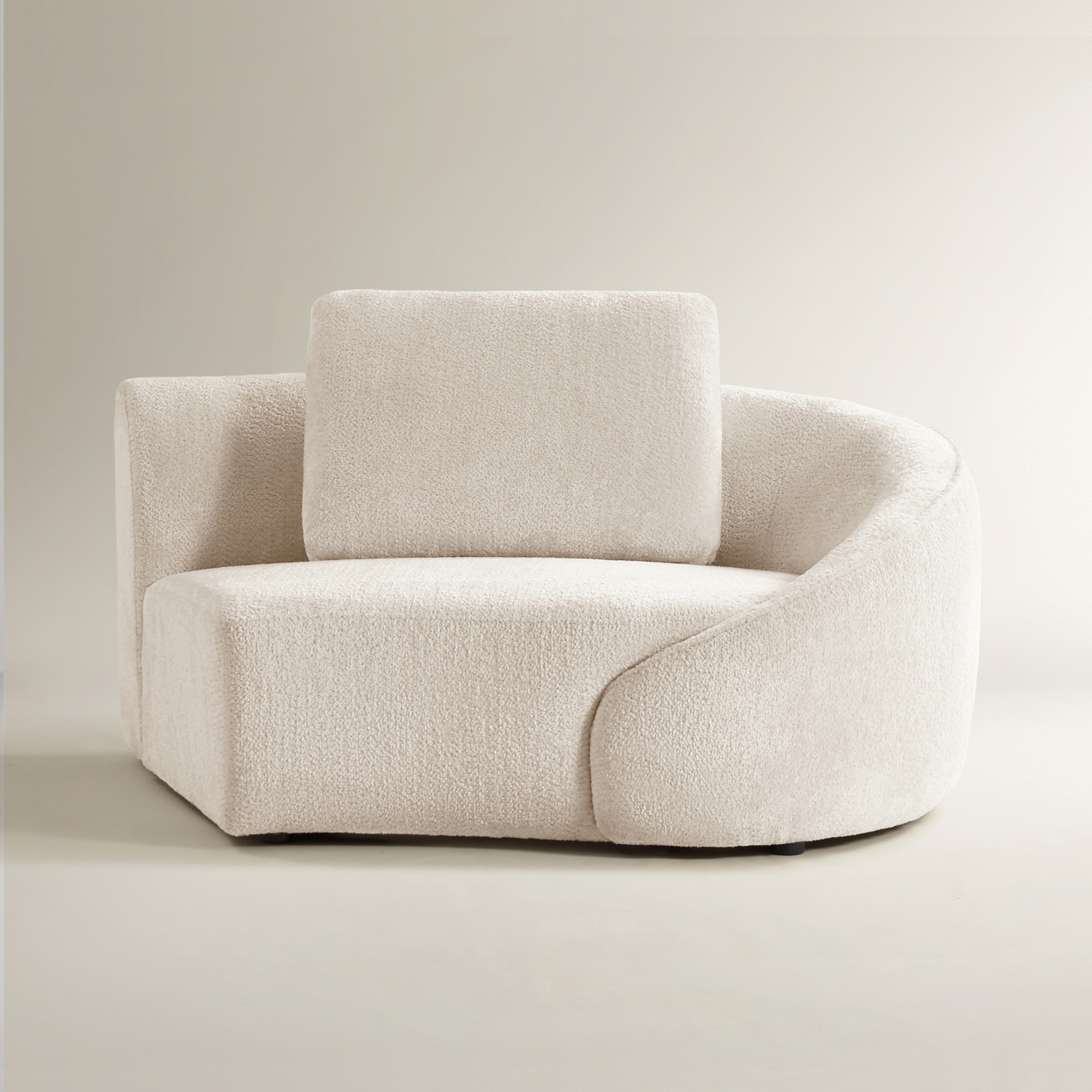 Irene Deep Olive Velvet Right-Arm Chair$1399
A sculptural right-arm chair in deep olive velvet with high-resiliency foam cushions and artisan detailing.
Add To Cart -
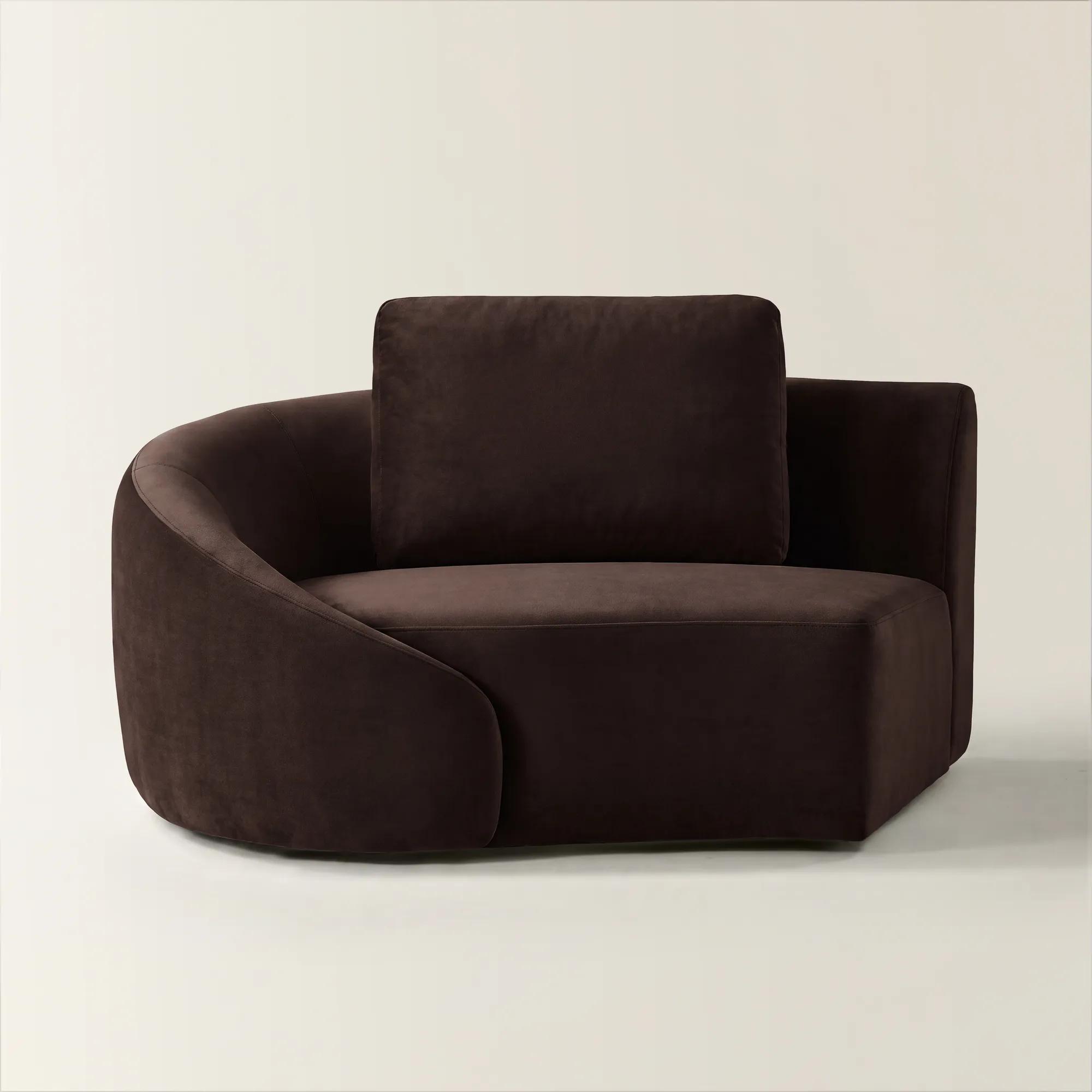 Irene Dark Chocolate Velvet Left-Arm Chair$1399
A sculptural left-arm chair in dark chocolate velvet with high-resiliency foam cushions and artisan detailing.
Add To Cart

Elegant Hand Tufted Armchairs
Elevate your living space with elegant hand tufted armchairs—where artistry meets indulgence in every meticulously crafted curve. These sculptural seats invite you to linger, each one a celebration of texture and tailored sophistication. With their sumptuous silhouettes and exquisite detailing, elegant hand tufted armchairs transform any room into a sanctuary of style, offering not just comfort but a striking moment of design drama. Let your home become a gallery of self-expression, where every chair is both an invitation and a statement.
Elegant hand tufted armchairs bring depth, dimension, and a distinctly tailored presence to a room. Hand tufting draws upholstery and cushioning inward at carefully placed points, creating recessed details that give the surface its sculptural character. Diamond patterns and button-set backs are among the most recognizable expressions of the technique, turning an upholstered chair into a composition of highlights and shadows. The effect can be sumptuous without feeling formal: a velvet armchair beside a low bookcase creates an intimate reading corner, while two tufted chairs facing a sofa lend a living room the balance of a thoughtfully composed salon. Their appeal lies in that interplay between ornament and purpose. A generous back frames the sitter, upholstered arms offer a comfortable resting place, and the patterned surface makes even a quiet corner feel considered. Traditional silhouettes often pair deep tufting with rolled arms, curved legs, or nailhead accents. Transitional designs retain the richness of the upholstery while simplifying the outline with gently sloped arms and restrained bases. More contemporary interpretations use squared profiles, exposed metal details, or a crisp contrast between a tufted back and a smooth seat. Each approach sets a different mood. A jewel-toned chair can become the room’s most expressive accent, while ivory, taupe, or charcoal allows the workmanship to take prominence within a layered palette. Scale changes the impression, too: a broad, low armchair has a lounge-like presence, whereas an upright design with visible legs feels more architectural. Against a sleek sofa or a glass-topped table, tufting introduces tactile contrast; alongside a patterned rug, it supplies depth without necessarily adding another print. These are seats for conversation, reading, and lingering over a favorite album, but their decorative contribution continues long after the room is empty. The most compelling arrangements give their distinctive contours enough space to be appreciated.
Upholstery and internal construction shape how a tufted armchair feels, wears, and fits into daily life. Velvet emphasizes the folds around each tuft, with a directional pile that can appear lighter or darker as the fabric catches the light. Cotton, synthetic, and blended velvets have different care requirements, so fiber content matters as much as appearance. Woven fabrics with a linen-like texture give the same tailored silhouette a softer visual rhythm, while leather brings its own grain, character, and response to use. Aniline leather generally displays more natural variation and develops patina; pigmented finishes typically offer a more uniform surface and greater protection against everyday marks. Neither look substitutes for reviewing the upholstery’s specific maintenance requirements. For a frequently used living room chair, fabric abrasion information, seam quality, and the security of tufting details deserve attention alongside color. Performance claims should be supported by the stated fabric specifications rather than assumed from the material’s appearance. Beneath the upholstery, a well-constructed frame and supportive suspension help the chair retain its shape. Kiln-dried hardwood and quality engineered wood can both play useful roles in furniture construction, depending on how the frame is designed and joined. Foam density, cushion layering, and suspension influence support; density alone does not tell how firm a seat will feel. Hand tufting describes an upholstery technique, not the seat suspension, and should not be confused with eight-way hand-tied construction. The two features serve different purposes. Fit is equally important to lasting comfort. Overall width includes the arms, so a dramatic rolled-arm profile may occupy substantial floor space without providing an equally wide seat. Seat depth, seat height, back angle, and arm height determine whether a chair feels upright and conversational or better suited to reclining with an ottoman. Comparing those measurements with a comfortable chair already in the home provides a useful reference. A deeper seat may welcome a taller sitter but leave someone with a shorter leg length needing a supportive back cushion.
Within an expressive interior, luxury hand tufted armchairs can establish a focal point without requiring every surrounding piece to compete. A single chair angled toward a sofa creates an inviting place to join a conversation; a matched pair gives a sitting area a deliberate symmetry. For a bedroom retreat, a compact armchair beside a small table offers a place to read away from the bed. In a study, tufted upholstery softens the visual weight of cabinetry and introduces a more personal alternative to strictly task-oriented seating. Placement should account for the chair’s full footprint, including its back and any accompanying ottoman, with comfortable passage around nearby tables and doorways. Delivery access matters as well: narrow halls, stair turns, and door openings can determine whether a generously proportioned chair will reach its intended room. Once in place, thoughtful care preserves the details that make tufting so distinctive. Dust and crumbs can collect in recessed folds, making gentle vacuuming with an appropriate upholstery attachment especially useful. Follow the manufacturer’s cleaning instructions and upholstery care code, and test any permitted treatment in an inconspicuous area before broader use. Blot spills promptly rather than rubbing them into the fabric. Velvet may develop pressure marks or changes in pile direction that are not necessarily stains; brushing or other treatments should be used only when recommended for that particular textile. Leather requires care suited to its finish, not a general fabric cleaner. Where cushions are removable and designed to be rotated, regular rotation can help distribute wear. Buttons, decorative trim, and tufting threads should never be pulled during cleaning or moving. Direct sunlight can fade upholstery, while repeated contact with sharp jewelry or pet claws may catch delicate surfaces. With materials suited to the household and care matched to the upholstery, a hand tufted armchair can remain both a practical daily seat and a richly detailed expression of personal style.
FAQs
Hand-tufted armchairs are distinguished by their intricate tufting technique, where skilled artisans meticulously pull and secure the fabric or leather with buttons or stitches, creating a luxurious pattern of deep folds and texture. This craftsmanship not only adds visual drama and depth but also results in a uniquely plush, tailored finish that stands apart from standard upholstery.
Elegant hand-tufted armchairs are remarkably versatile and complement a variety of interior styles. They bring a touch of grandeur to traditional and transitional spaces, while their bold lines and rich fabrics can create striking focal points in contemporary or eclectic settings. Their timeless silhouette ensures they harmonize beautifully with both classic and modern décor.
To amplify the beauty of a hand-tufted armchair, consider its placement as a statement piece—perhaps beside a window, in a reading nook, or as a dramatic accent in your living room. Layer the chair with a sumptuous throw or decorative cushions in complementary or contrasting textures. Incorporate metallic or mirrored side tables and ambient lighting to further elevate the chair’s luxurious presence.
A hand-tufted armchair is an extraordinary gift, perfect for commemorating milestones such as weddings, anniversaries, or housewarmings. Its timeless design and exceptional craftsmanship make it a cherished addition to any home, offering both comfort and a lasting reminder of the occasion.
Hand-tufted armchairs are frequently upholstered in luxurious materials such as velvet, leather, or linen. Velvet exudes a rich, glamorous allure, leather offers a sleek and sophisticated edge, while linen brings a refined, understated elegance. The choice of fabric not only influences the tactile experience but also sets the tone for the room’s overall ambiance.