Dual Header Style Curtains
Dual Header Style Curtains
-
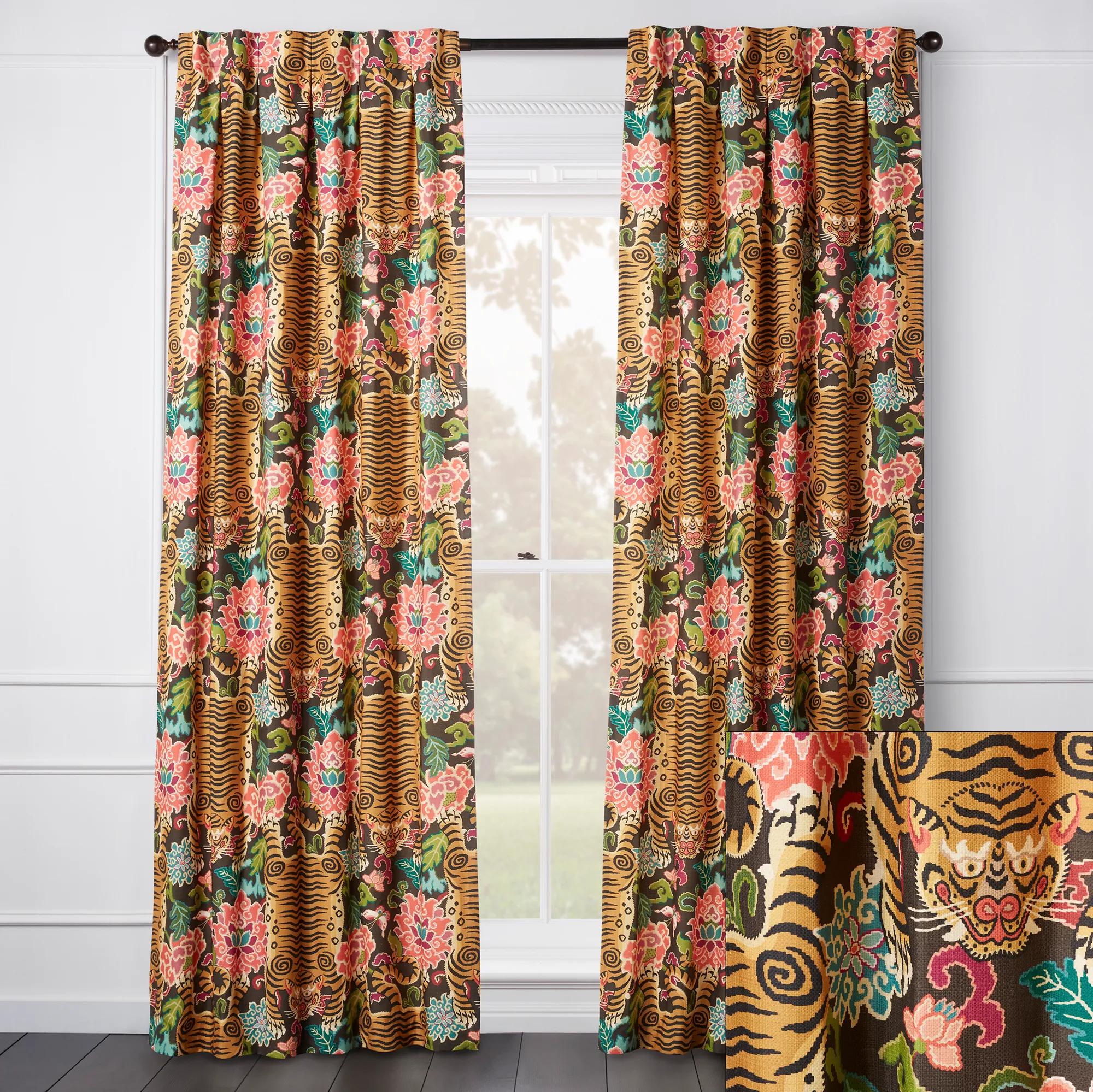
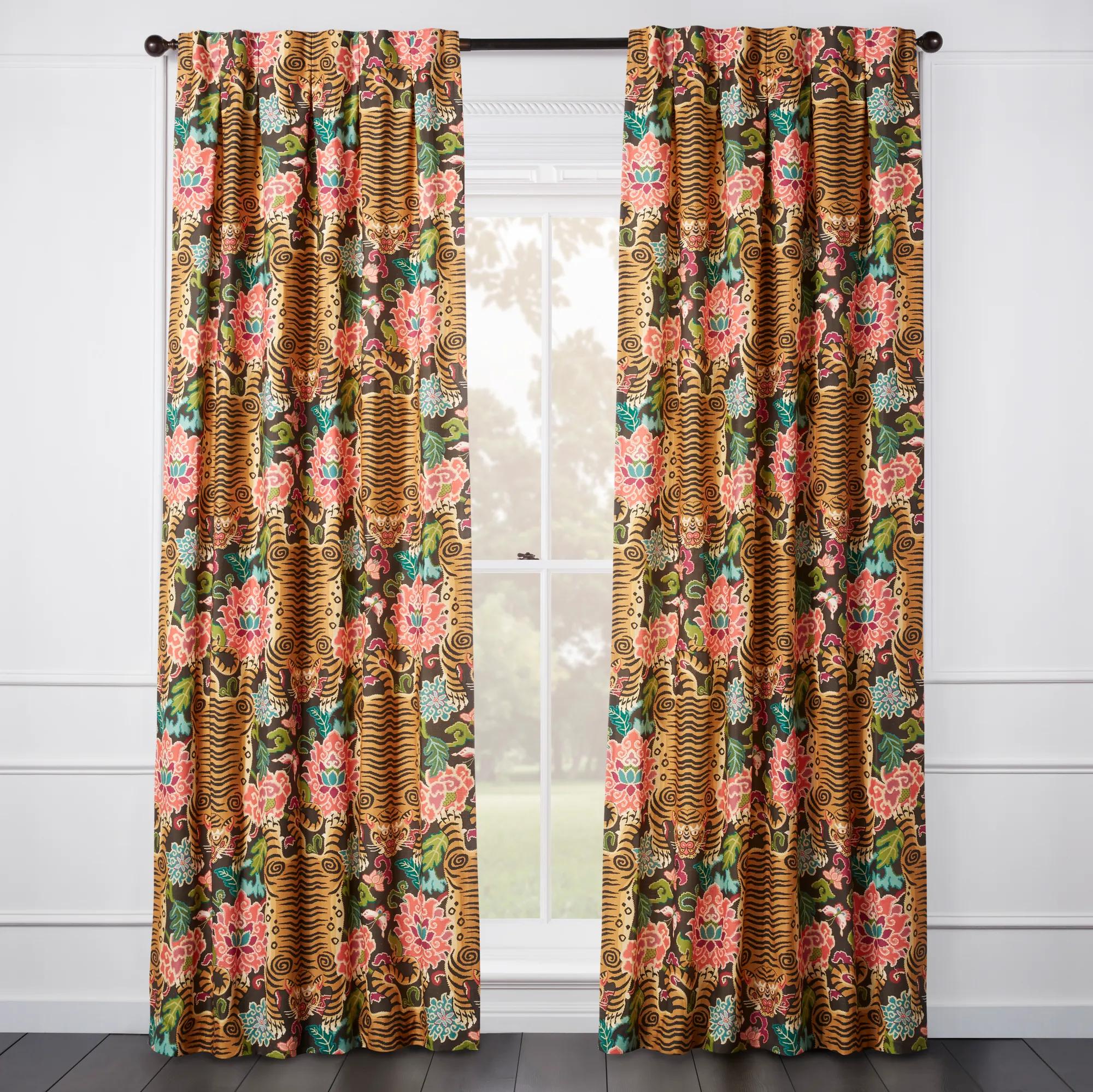 Nimer Gold/Multi Printed Slubbed Cotton Window Curtain Panel$309
A bold gold and multi-colored cotton curtain panel featuring a lively tiger print and customizable options.
Add To Cart -
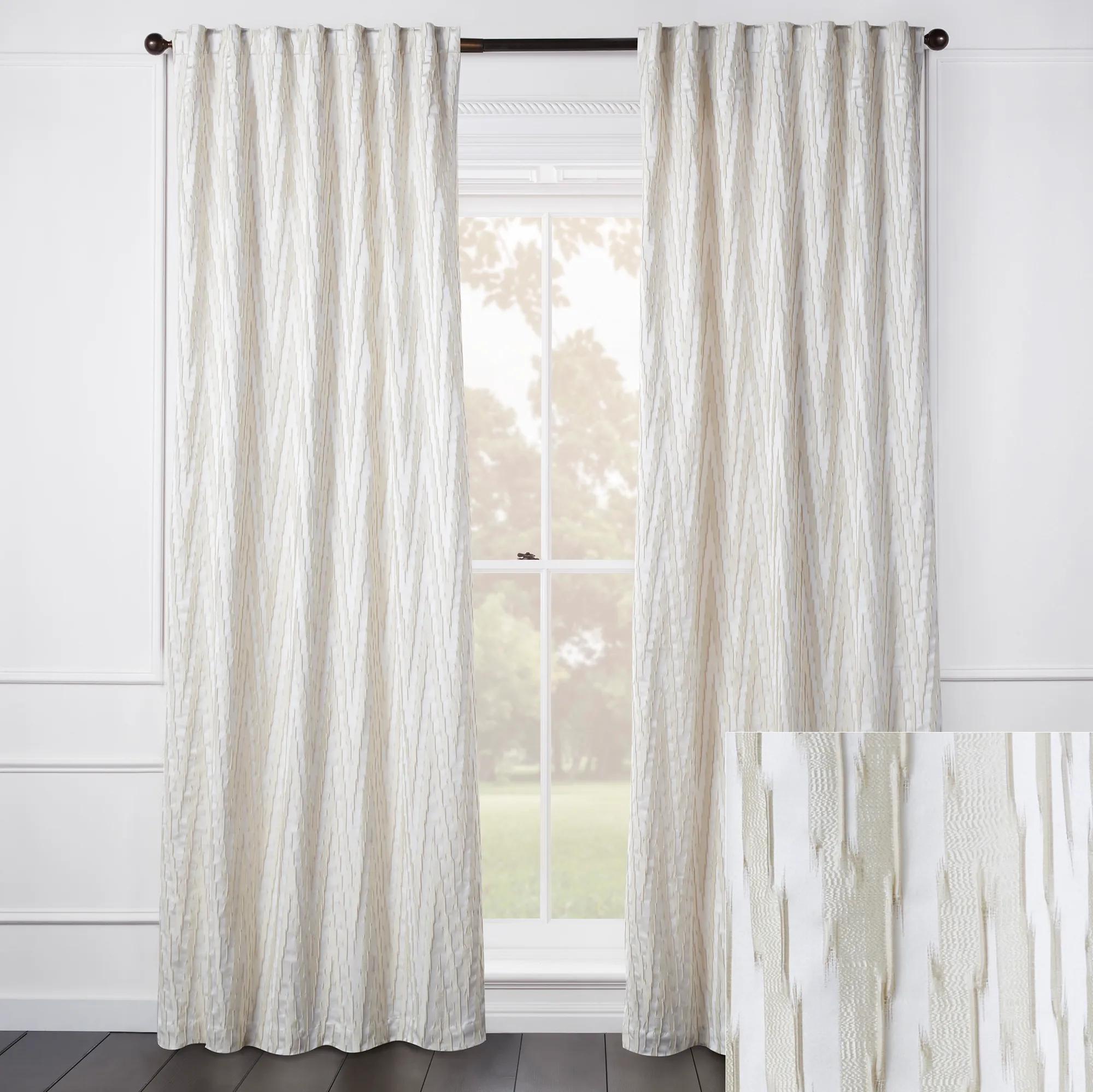
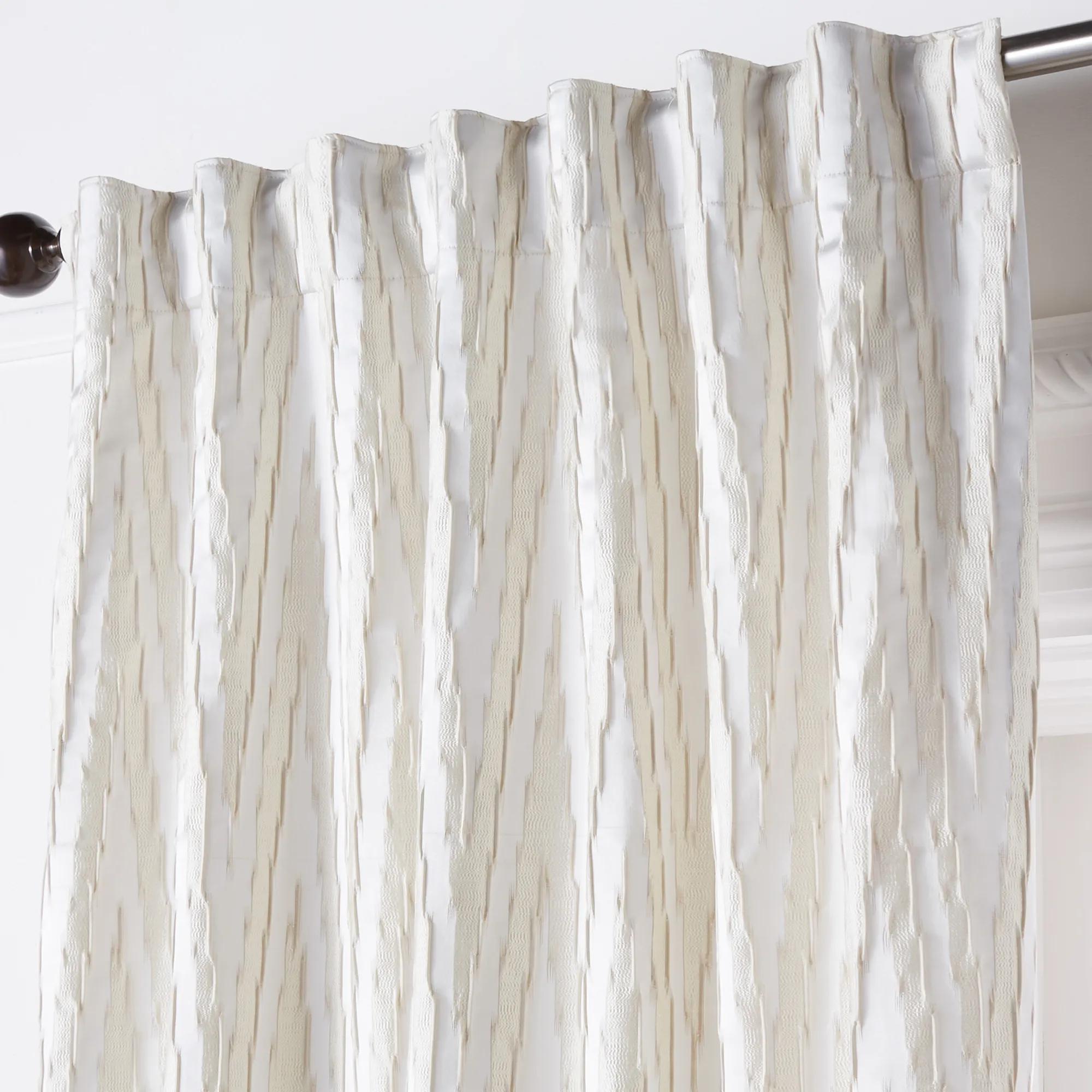 Minka Jacquard Pearl Window Curtain Panel Custom$299
A highly textured chevron curtain panel in pearl, crafted from polyester with customizable hanging options.
Add To Cart -
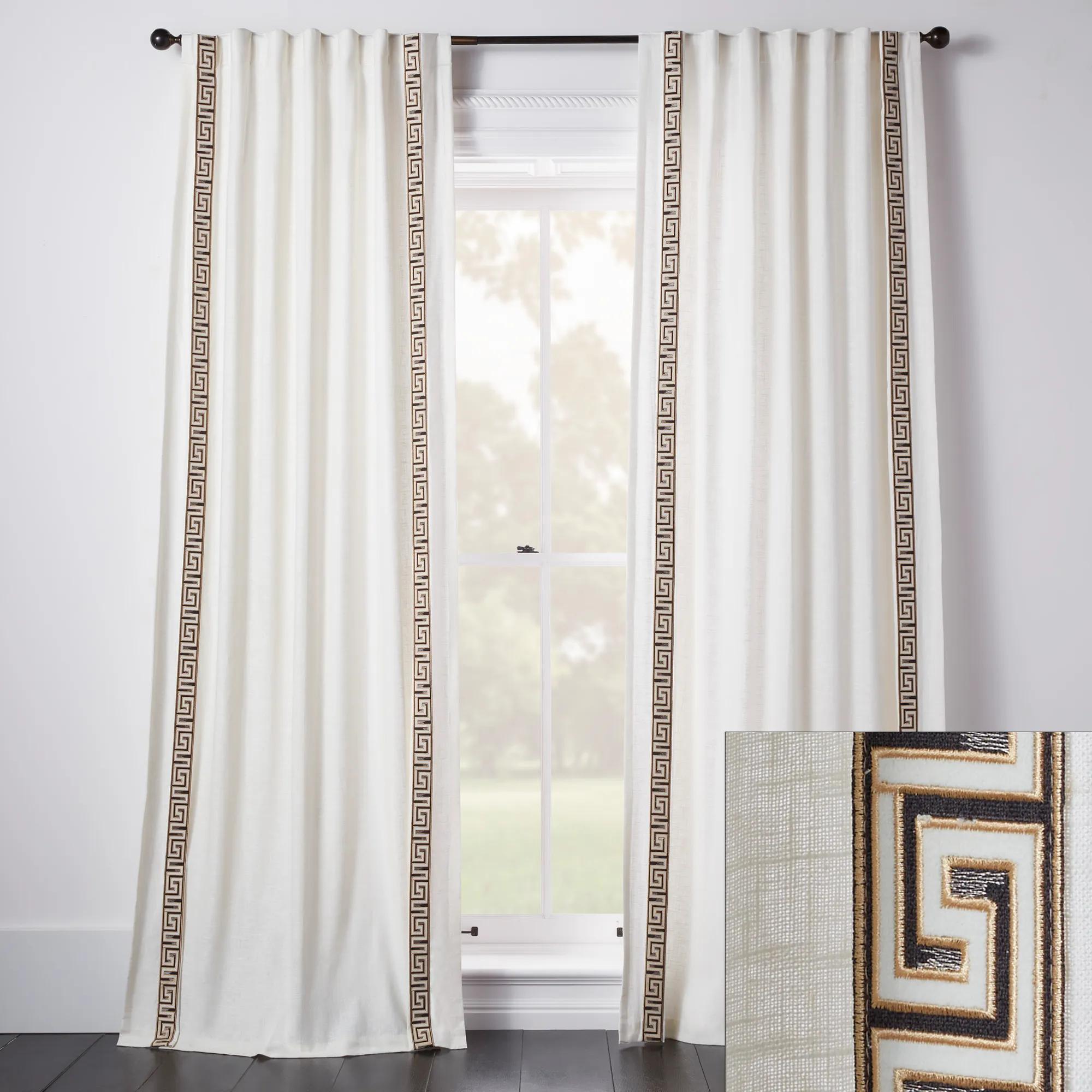 Chole Greek Key Border Velvet Widow Curtain Panels Custom$399
A linen-blend curtain panel with black and gold velvet Greek key border and customizable header options.
Add To Cart -
.jpeg?w=1200&h=1200)
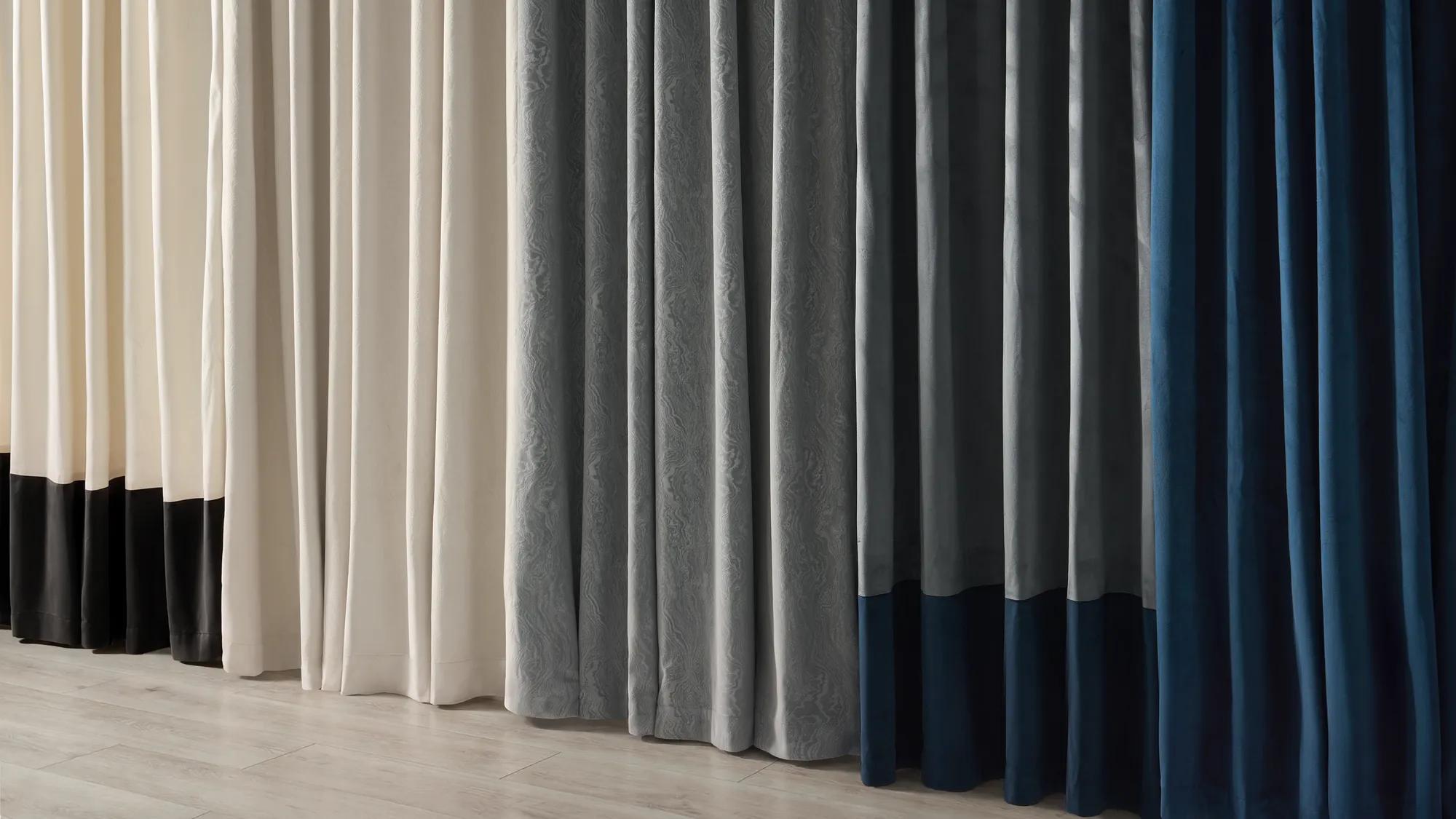 Mabel Velvet Swirl Curtain - Grey Blue$99
A grey blue velvet curtain featuring a tonal swirl pattern and versatile dual hanging options.
Add To Cart -
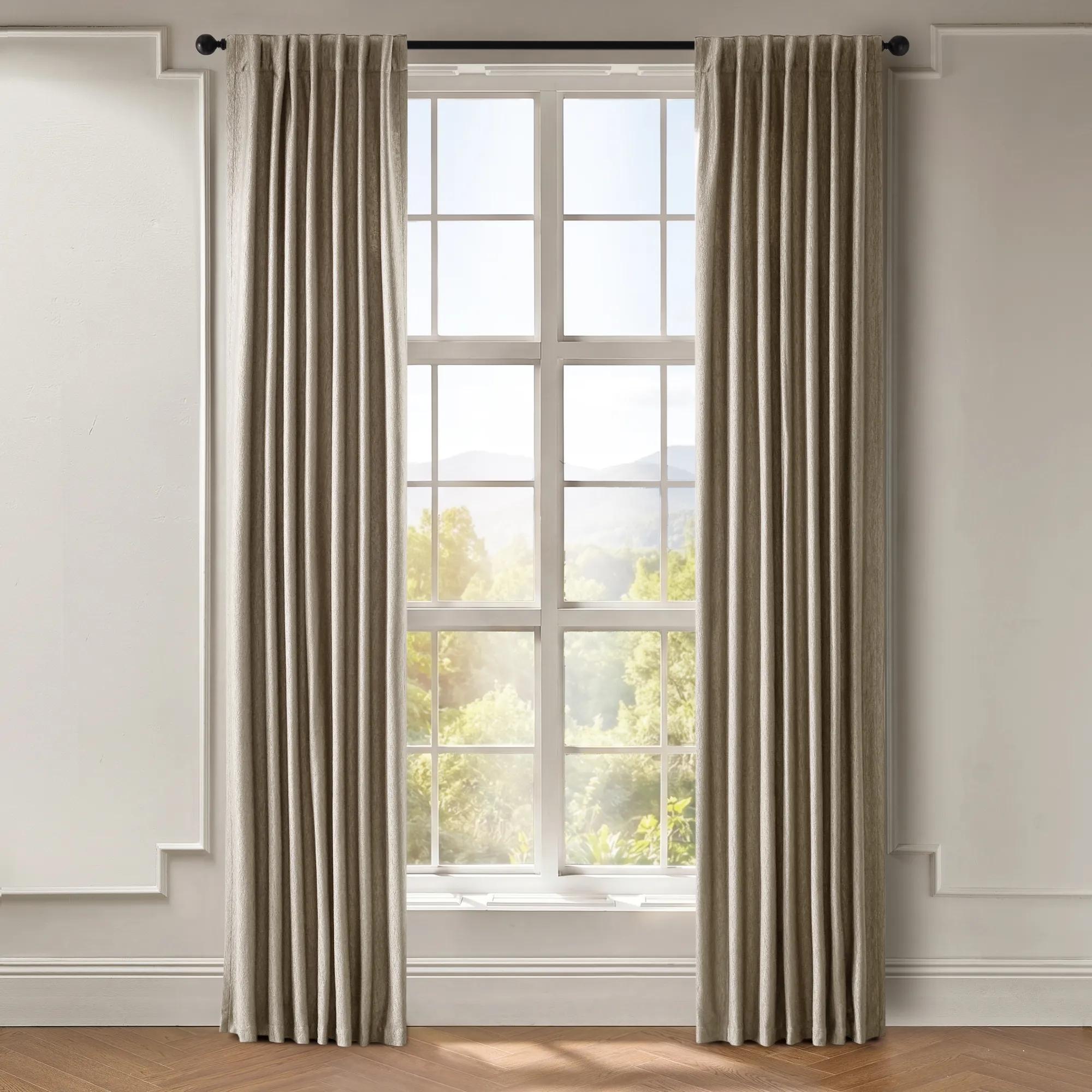
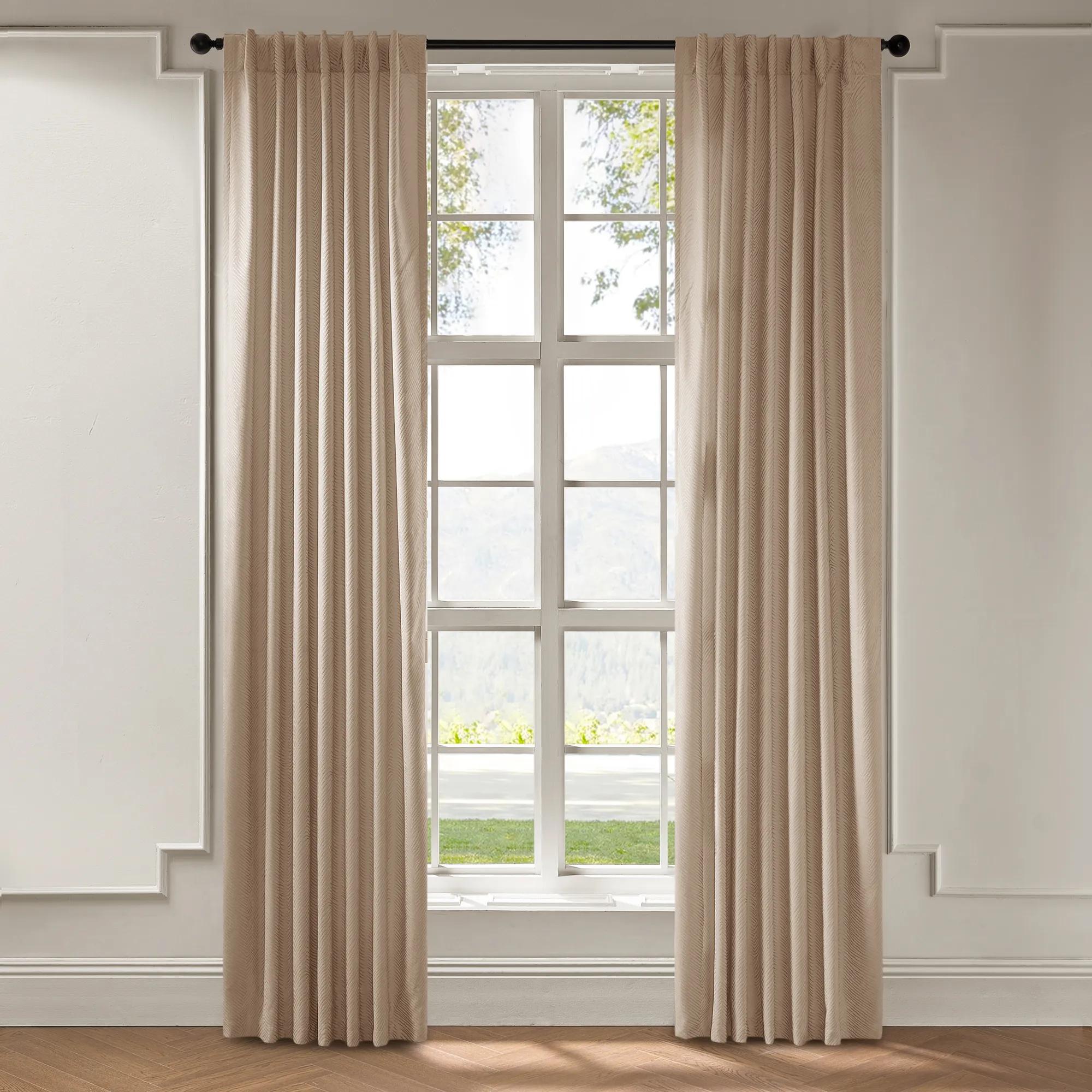
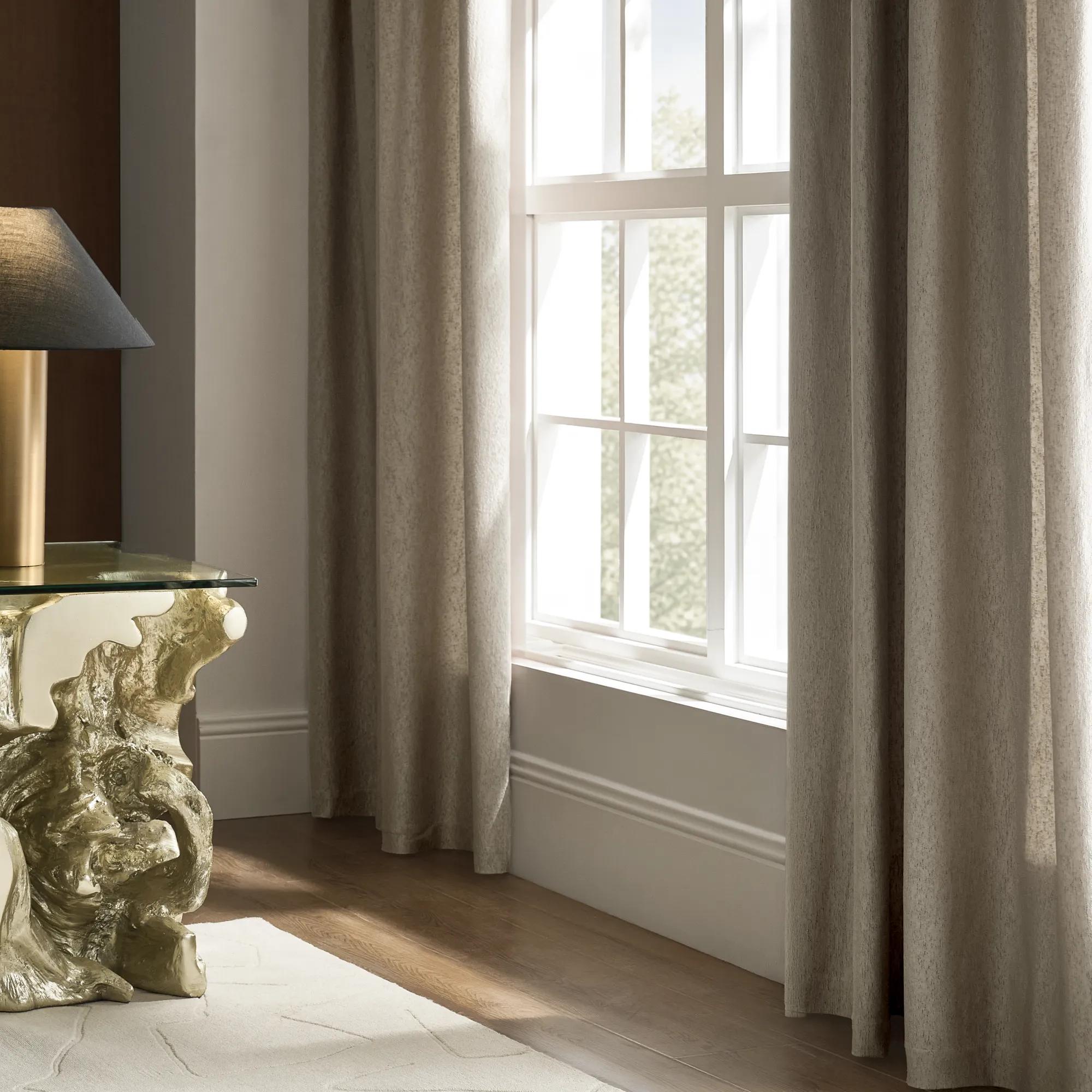 Anson Taupe Textured Window Curtain Panel$109
A taupe curtain panel featuring a crushed sheen texture and room-darkening, dual hanging design in 100% polyester.
Add To Cart -
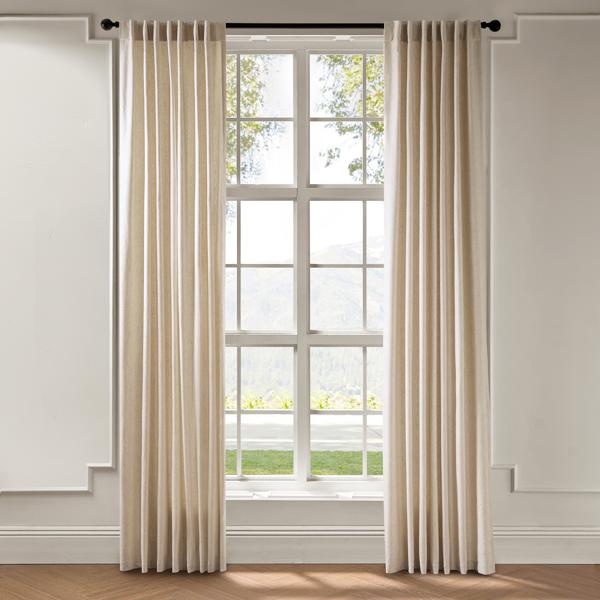
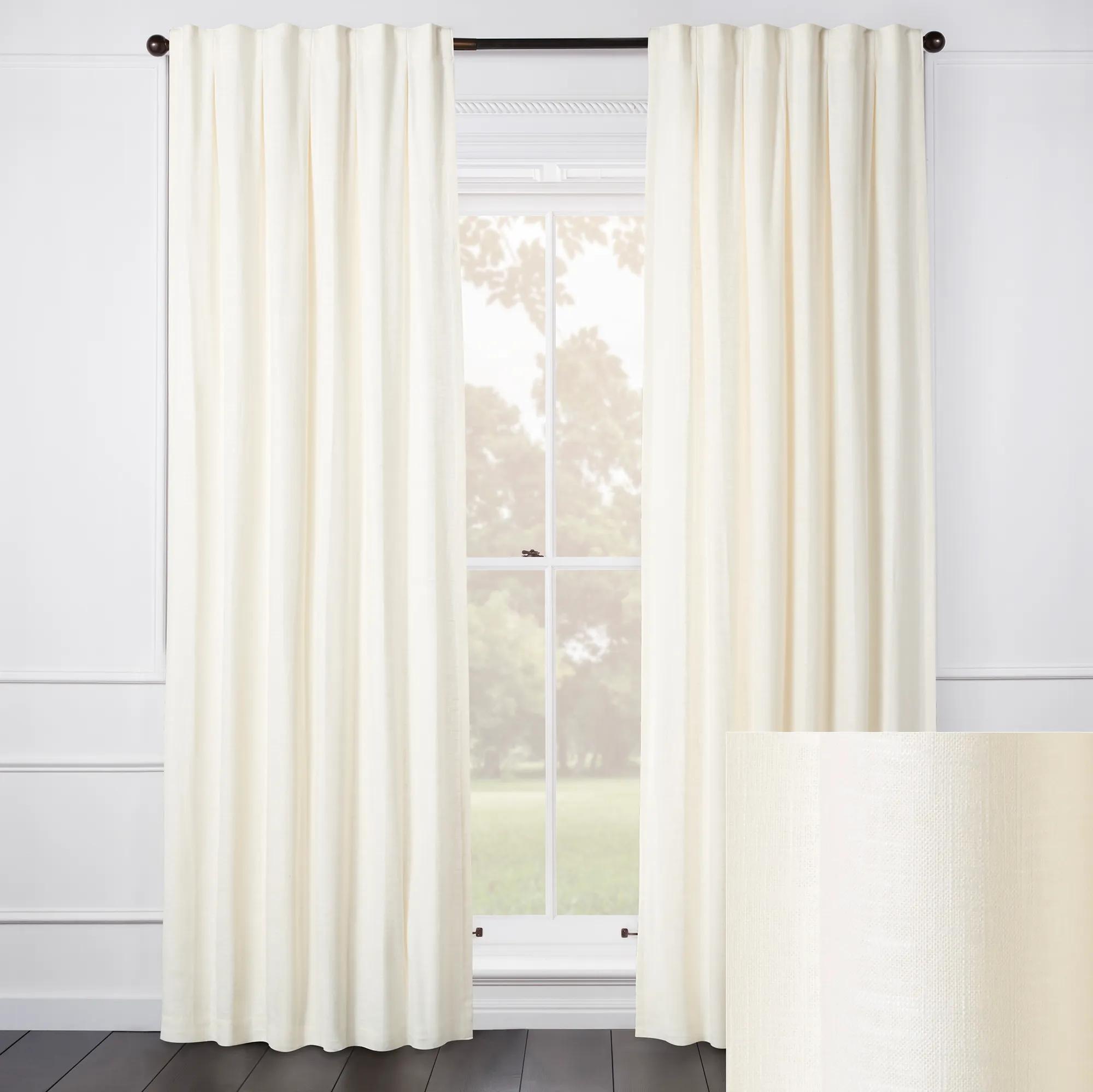
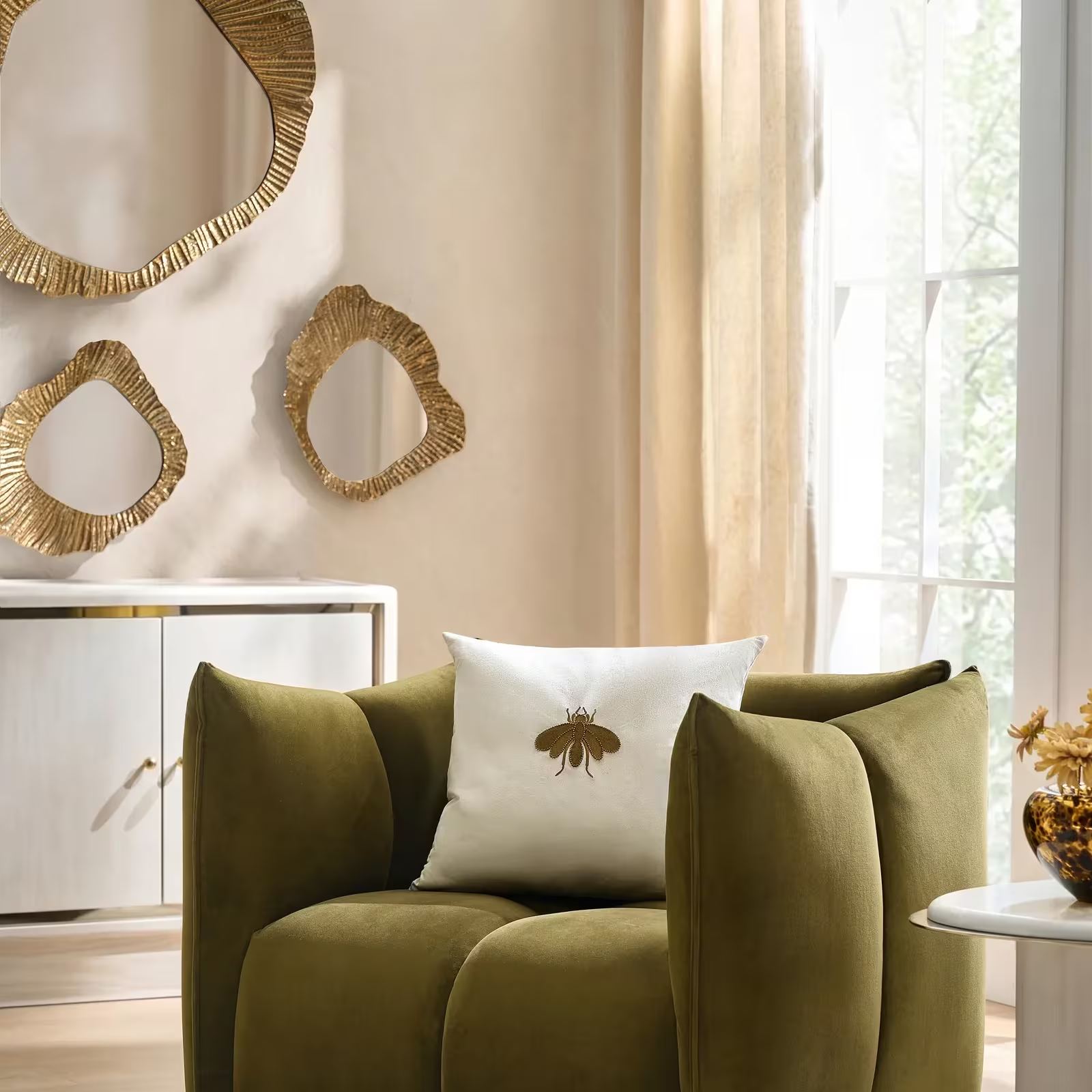 Anson Ivory Textured Window Curtain Panel$109
An elegant ivory curtain with a crushed, light-reflective texture and versatile dual hanging options.
Add To Cart -
.jpeg?w=1200&h=1200) Adair Midnight Blue Solid Velvet Window Curtain Panel$69
Adair Midnight Blue Solid Velvet Window Curtain Panel$69A sumptuous midnight blue velvet curtain that adds elegance, depth, and room-darkening style to any space.
Add To Cart -
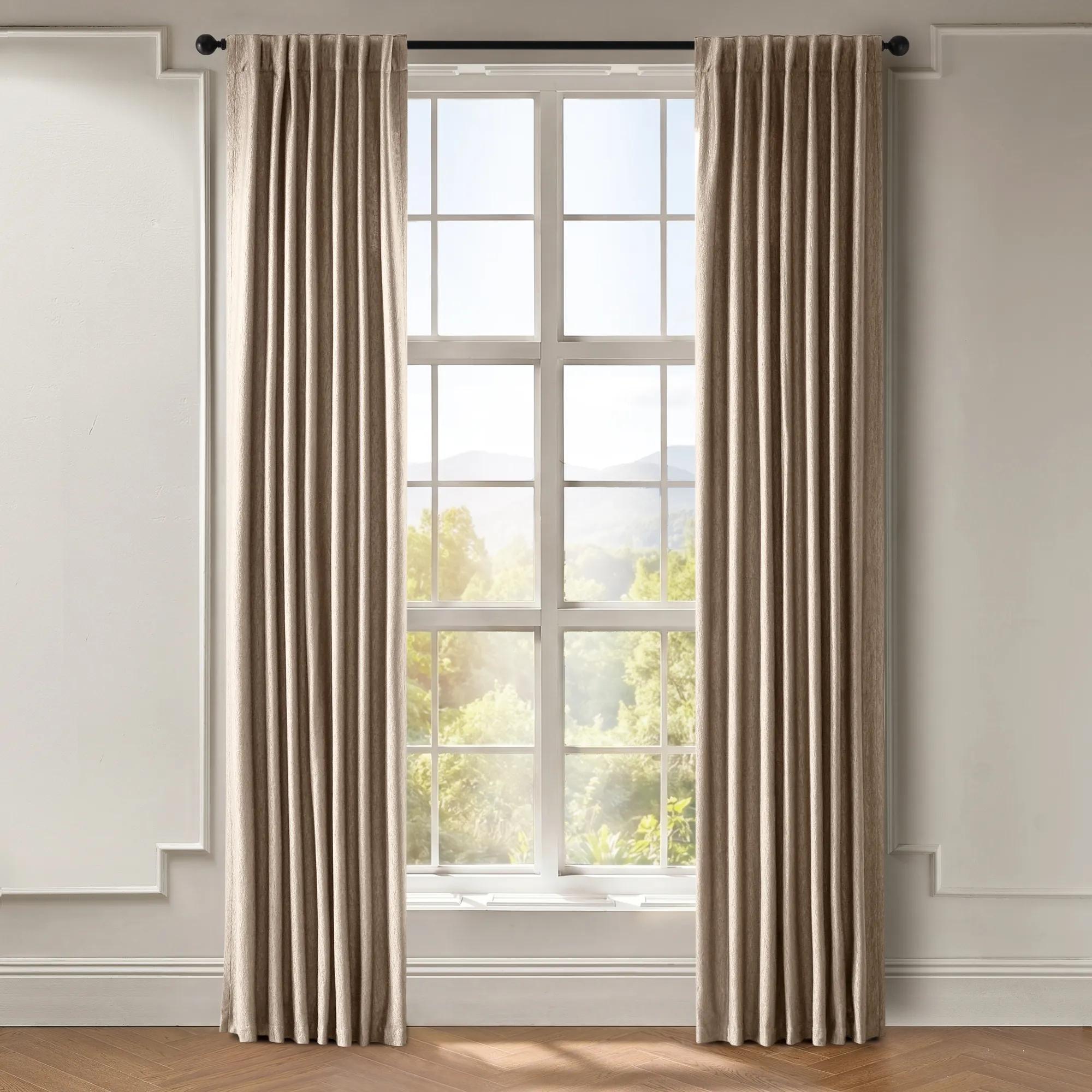 Anson Mocha Rose Textured Window Curtain Panel$99
A light mocha rose curtain panel with crushed sheen texture and room-darkening, dual hanging design.
Add To Cart -
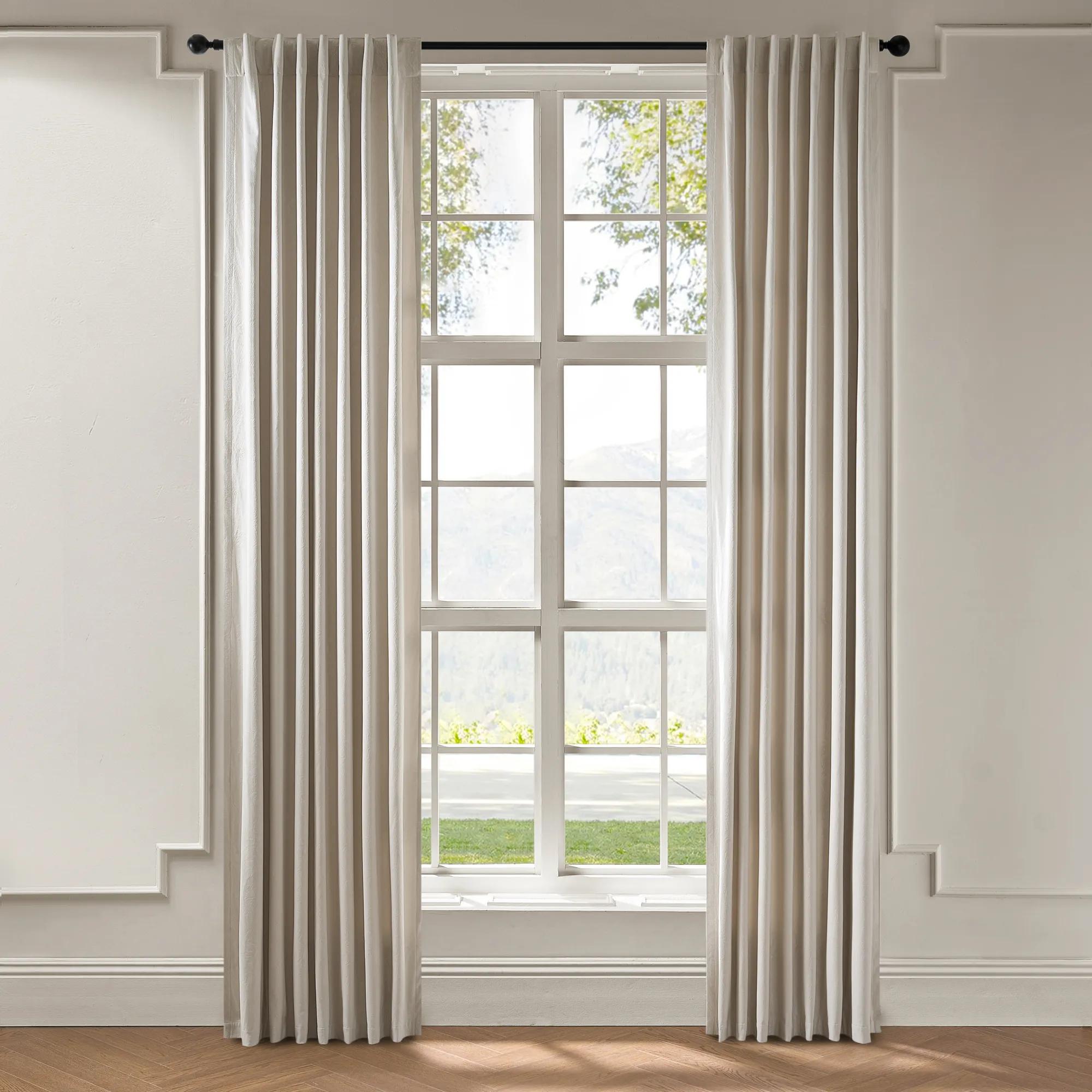
.jpeg?w=1200&h=1200) Mabel White Velvet Swirl Window Curtain Panel$99
Mabel White Velvet Swirl Window Curtain Panel$99A crisp white velvet curtain featuring a tonal swirl texture and versatile dual hanging options.
Add To Cart -
.jpeg?w=1200&h=1200)
 Adair Sand Solid Velvet Window Curtain Panel$79
Adair Sand Solid Velvet Window Curtain Panel$79A room-darkening sand velvet curtain with dual hanging options for a soft, tailored finish.
Add To Cart -
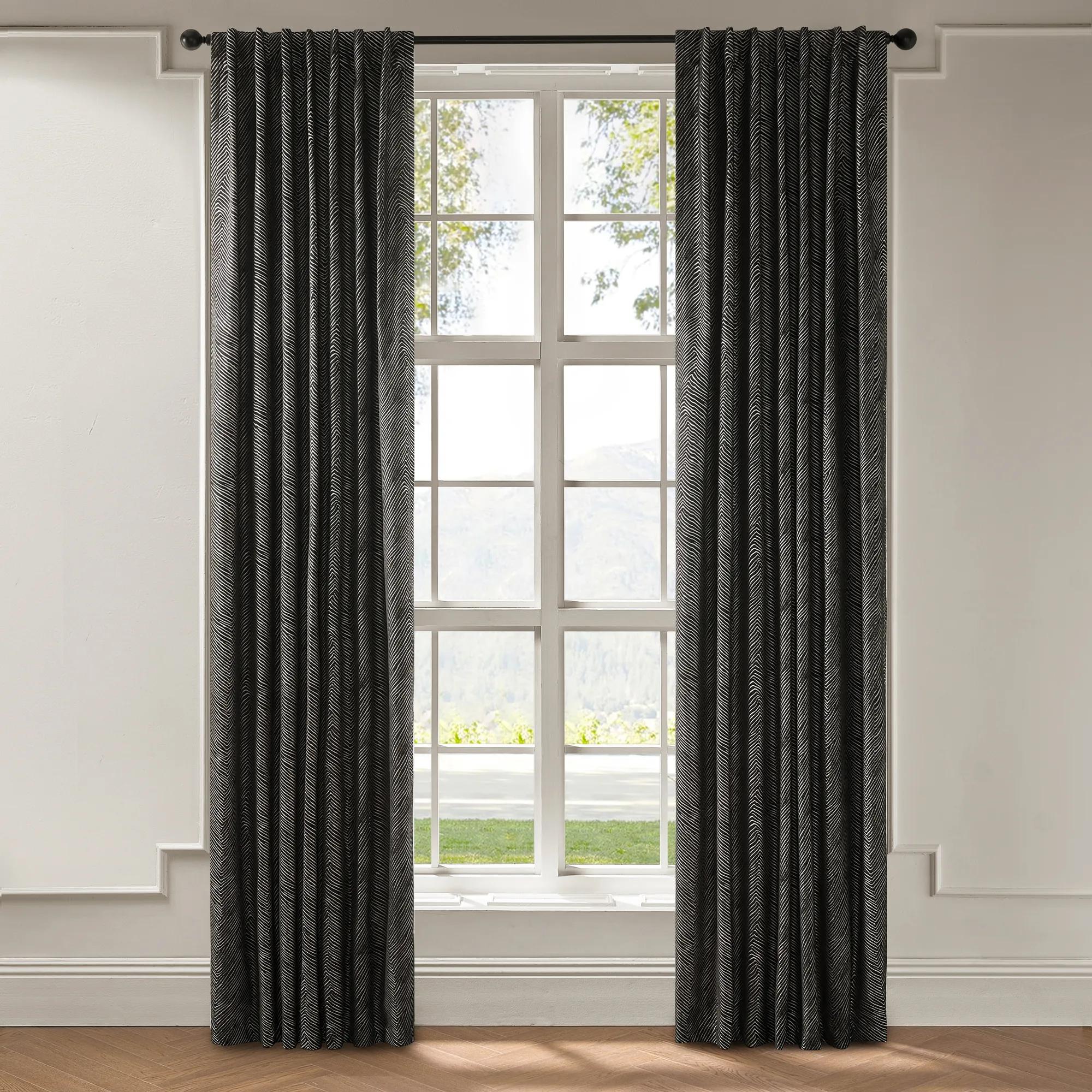
.jpeg?w=1200&h=1200) Kenzo Black Chenille Window Curtain Panel$139
Kenzo Black Chenille Window Curtain Panel$139A black chenille jacquard curtain with a room-darkening finish and versatile dual hanging options.
Add To Cart -
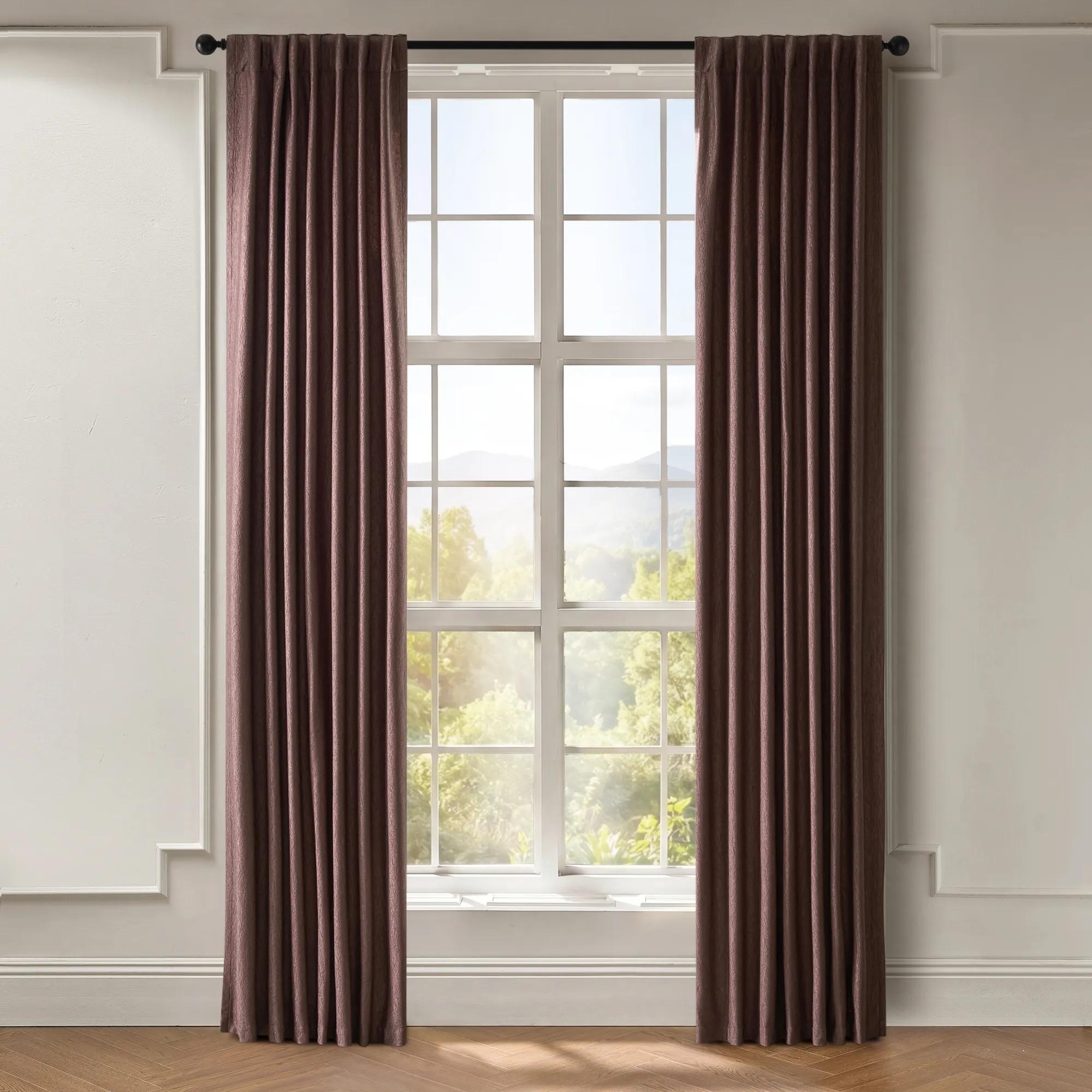
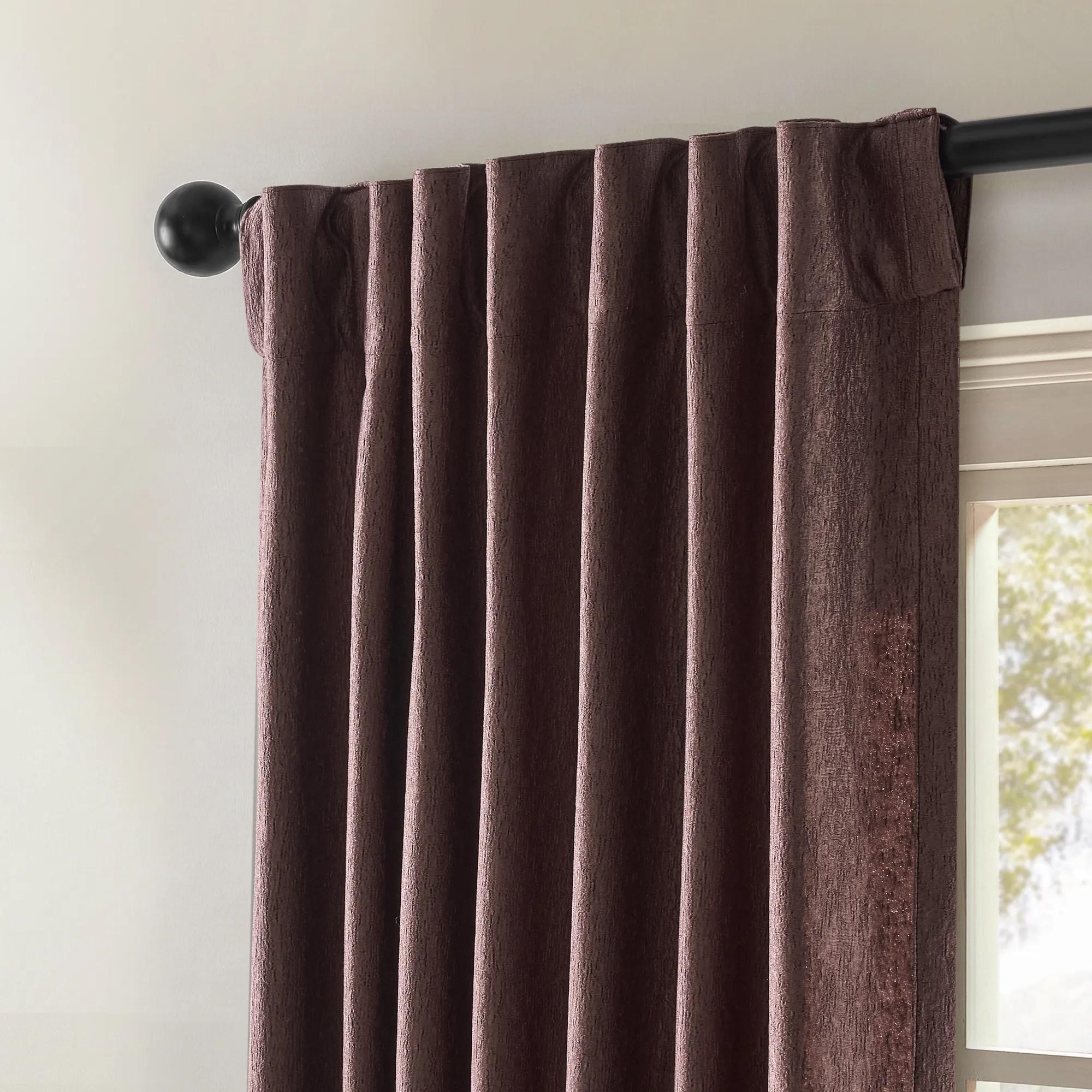 Anson Fig Textured Window Curtain Panel$99
A deep fig curtain panel in crushed, subtly sheened polyester with room-darkening and dual hanging options.
Add To Cart -
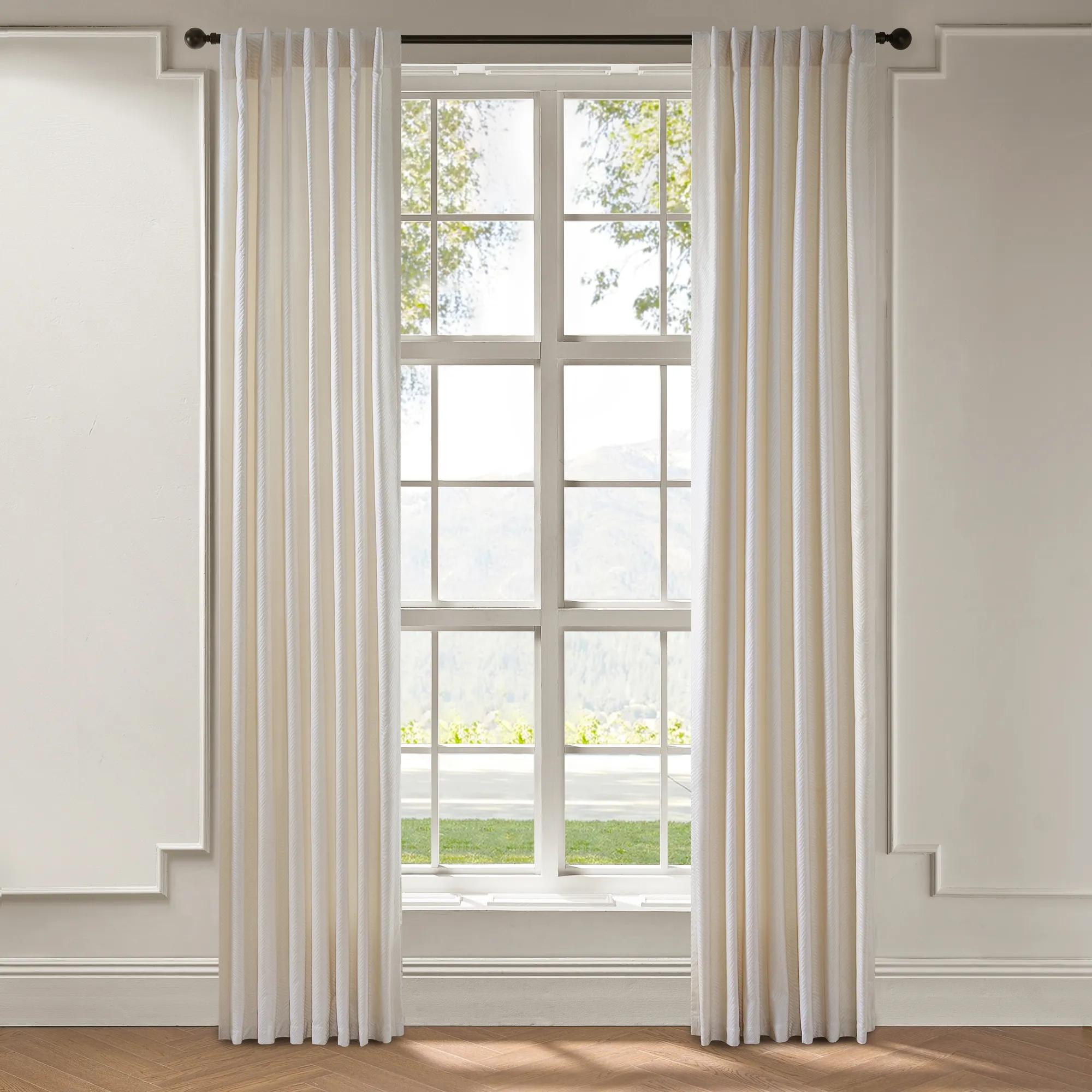
.jpeg?w=1200&h=1200) Kenzo Chenille Curtain - White$139
Kenzo Chenille Curtain - White$139A luxe white chenille jacquard curtain featuring a subtle high-contrast pattern and versatile dual construction.
Add To Cart

Dual Header Style Curtains
Dual Header Style Curtains invite you to reimagine your windows as a stage for high drama and refined artistry. With a silhouette that effortlessly balances tailored sophistication and expressive flair, these curtains transform any room into a gallery of light, texture, and movement. Whether framing a sun-drenched living space or adding intrigue to an intimate retreat, Dual Header Style Curtains create an ambiance that is both elevated and endlessly versatile—an invitation to showcase your signature style with every fold and drape. Indulge in the luxury of choice, and let your windows become the ultimate statement piece in your home’s unfolding story.
Dual header style curtains are curtain panels with two hanging options built into the top, typically a rod pocket and concealed back tabs. A rod pocket is a sewn channel that slips directly over the curtain rod, gathering the fabric into soft, closely spaced ripples. Back tabs are loops attached to the reverse of the panel; threading the rod through these loops creates broader, more defined folds while keeping the attachment points hidden from the front. Both treatments let the fabric take center stage, but each gives a window a distinct expression. The rod pocket feels fluid and richly gathered, especially when generous panel widths frame the glass. Back tabs lend a more architectural rhythm, with vertical folds that bring order to sumptuous fabric or a dramatic pattern. This versatility makes dual header curtains an expressive choice for living rooms, dining rooms, bedrooms, and home offices, offering two presentations without changing the panels themselves. In a living room with sculptural furniture and gleaming accents, back tabs can provide a composed backdrop that allows the furnishings to command attention. Around a bedroom window, rod pocket gathers can create a softer frame beside an upholstered headboard. The difference lies in how the fabric falls, rather than in the amount of light it blocks: header construction determines the hanging style, while fabric, lining, and coverage determine light control. Dual headers also differ from a double curtain rod, which supports two separate layers, such as sheer panels behind heavier drapery. For a related look at channel-top construction, dual rod pocket curtains offer another point of comparison; individual header descriptions clarify whether a panel has two rod channels or a rod pocket paired with back tabs. That distinction matters when choosing the silhouette and finished height of a window treatment. With the right proportions, either dual header configuration turns the window into a deliberate part of the room’s composition, framing artwork, upholstery, and architectural details rather than receding into the background.
Material gives dual header curtain panels their character, influencing everything from the depth of each fold to the way daylight moves through the room. Velvet brings a plush surface and saturated color, creating shifting highlights along the drape that feel especially striking against polished metal or lacquered furnishings. Linen and linen blends introduce visible texture and a more relaxed fall, balancing glamorous finishes with an organic touch. Cotton can offer a softer, matte presence, while polyester and blended fabrics may provide crease resistance and a consistent drape, depending on their weave and finish. Sheer fabrics create a luminous veil; more substantial woven materials give the window greater visual weight. A lustrous surface can make even a restrained color feel theatrical, while a matte fabric allows a bold hue or oversized motif to carry the composition. Because fabric names alone do not establish opacity, light-filtering, room-darkening, and blackout descriptions deserve separate attention. Light-filtering curtains soften incoming daylight but do not necessarily provide complete privacy, particularly after dark when interior lights are on. Room-darkening panels reduce light more substantially, while blackout panels are designed to block light through the fabric; light can still enter around the edges unless the installation provides sufficient coverage. For a bedroom used by a daytime sleeper or a media room where screen glare interrupts viewing, lining and edge coverage may matter more than the header’s appearance. In a dining space, filtered light can illuminate textured walls and reflective table accents without the visual heaviness of a dense treatment. Lining can also lend body to folds and help shield the face fabric from direct sunlight, although performance varies by construction. Color has its own role in the setting: ivory can soften a high-contrast interior, smoky gray can anchor metallic details, and deep jewel tones can give a neutral room a richly expressive focal point. Pattern placement matters, too, since gathers compress motifs and deeper folds conceal portions of a design. The most compelling choice balances the fabric’s beauty when spread flat with its appearance when hanging.
Fit gives dual header curtains their finished presence, and the dimensions of the glass are only the beginning. Panel width should relate to the span of the curtain rod and the desired fullness, not simply match the window opening. A combined fabric width of roughly one and a half to two times the rod span is a common starting point, although lightweight sheers may need more fullness and substantial fabrics may need less. Too little width can flatten the folds; excessive fabric can crowd the window when the panels are open. Space beyond each side of the frame gives drawn-back curtains somewhere to rest, revealing more glass and creating a generous visual border. Length requires equal attention because the rod pocket and back tabs can position the same panel differently relative to the rod. Checking how the stated panel length is measured, along with the location of both hanging options, helps establish the intended hemline before hardware is installed. Panels that nearly meet the floor create a tailored finish; a slight break introduces softness, while a deliberate puddle feels lavish but collects more dust and is less practical near busy walkways. Rod diameter must fit the pocket or tabs comfortably, and heavier fabrics require securely mounted hardware suited to their weight. Both hanging methods place fabric directly against the rod, so neither should be assumed to glide as freely as a ring-mounted treatment; ease of movement matters when curtains will be opened and closed daily. Durability depends on the fabric, stitching, lining, and handling, especially at the header where the panel’s weight is supported. Evenly sewn tabs and a well-finished pocket help distribute that weight. Care instructions should guide cleaning: some fabrics tolerate machine washing, while lined, embellished, or delicate panels may require professional care. Gentle vacuuming with an appropriate upholstery attachment can help control surface dust when permitted, and steaming should follow the fabric’s care guidance. Keeping hems clear of pets’ resting spots and frequently traveled paths can also preserve their finish. These practical details protect the larger effect: confident folds, an intentional length, and fabric that brings depth and artistry to the room.
FAQs
Dual header style curtains are distinguished by their innovative design, featuring both a rod pocket and back tab construction. This dual functionality allows you to choose between a gathered, romantic look or a more tailored, pleated effect, simply by how you hang them. The versatility makes them ideal for those who love to refresh their décor with the seasons or for special occasions.
Dual header style curtains make a luxurious and practical gift for new homeowners, newlyweds, or anyone embarking on a home refresh. Their adaptability suits a variety of tastes and décor styles, making them especially meaningful for recipients who value artistic expression and enjoy personalizing their living spaces.
Dual header curtains offer a transformative touch, allowing you to tailor the mood of a space with ease. Opt for dramatic, floor-pooling panels for a sense of grandeur, or create a casual, inviting ambiance with softly gathered folds. Their flexibility lets you play with light, texture, and silhouette, making every room feel curated and complete.
Absolutely. Dual header curtains are a designer favorite for layering, thanks to their adaptable header styles. Pair them with sheers for a dimensional, light-filtering effect, or combine with bold valances and decorative rods to craft a window treatment that’s both functional and visually striking.
Dual header style curtains shine in spaces where creativity and statement-making design are celebrated. They complement everything from glamorous living rooms with mirrored accents to serene bedrooms layered in plush textiles. Their chameleon-like quality allows them to enhance both modern and classic interiors, making them a versatile choice for expressive, detail-driven homes.
.jpeg?w=4130&h=4130)
.jpeg?w=4130&h=4130)