Dimmable LED Glass Chandeliers
Dimmable LED Glass Chandeliers
-
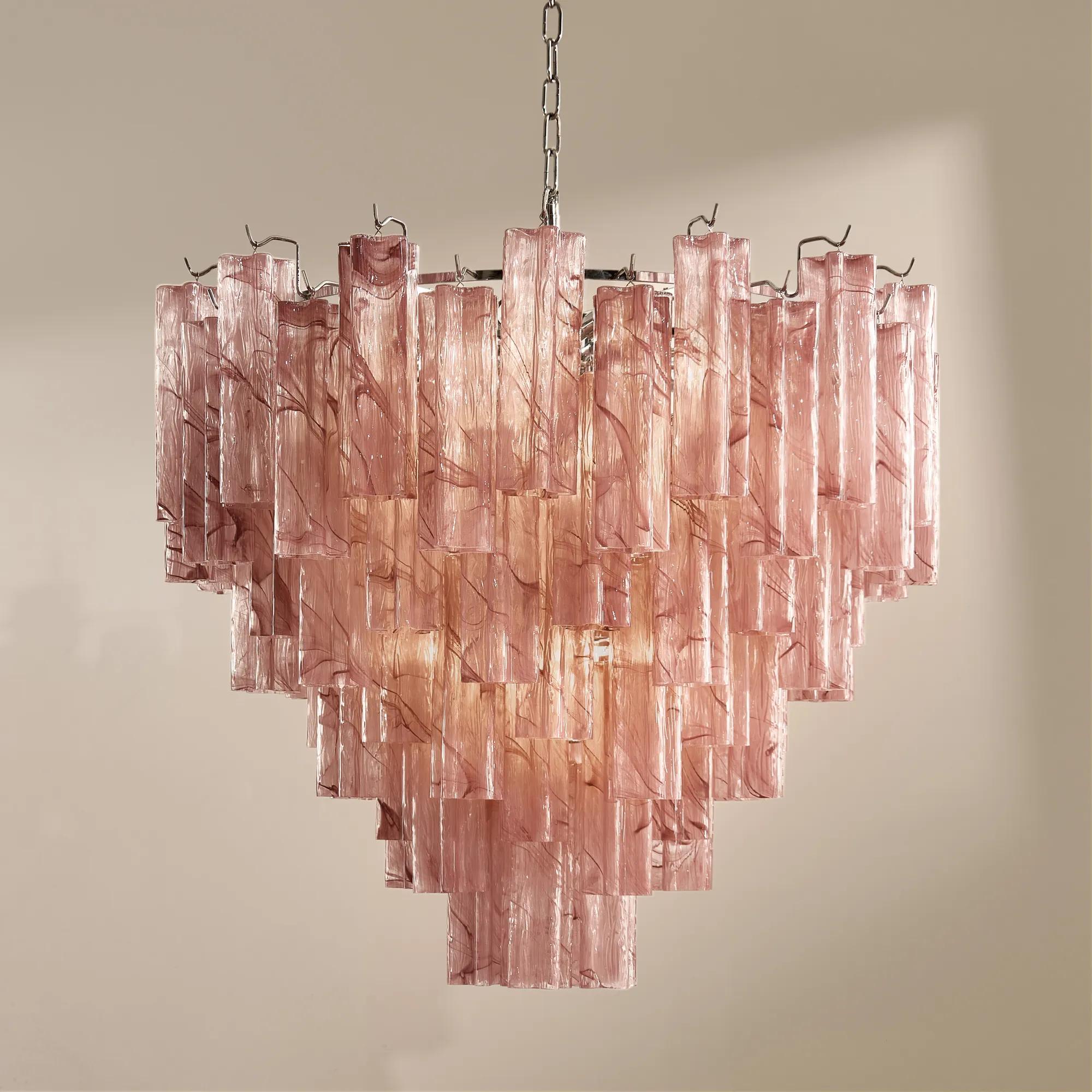 Elodie Rose Glass Chandelier 31.5"$1299
A handcrafted chandelier featuring rose-colored swirled glass and a polished chrome frame for modern elegance.
Add To Cart -
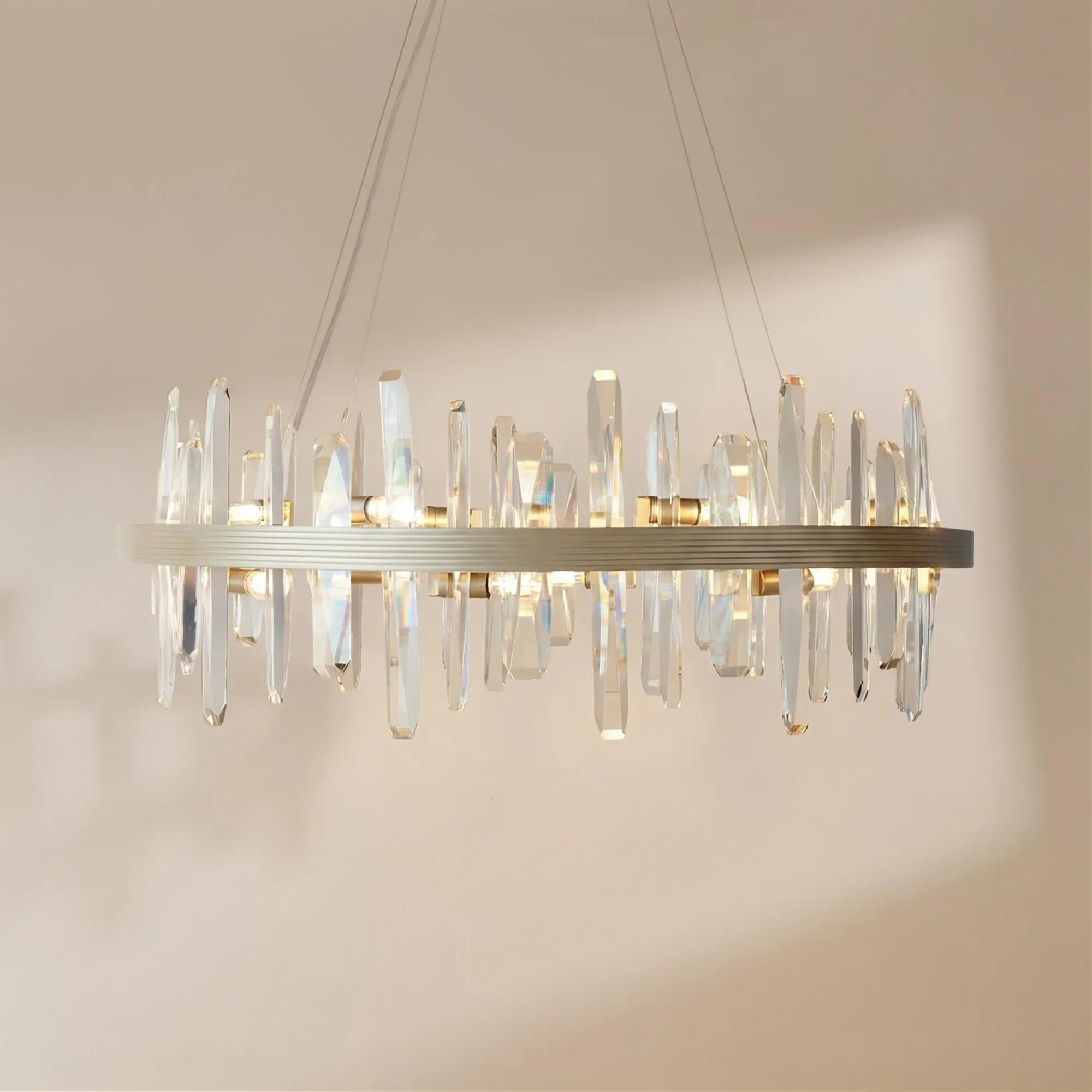
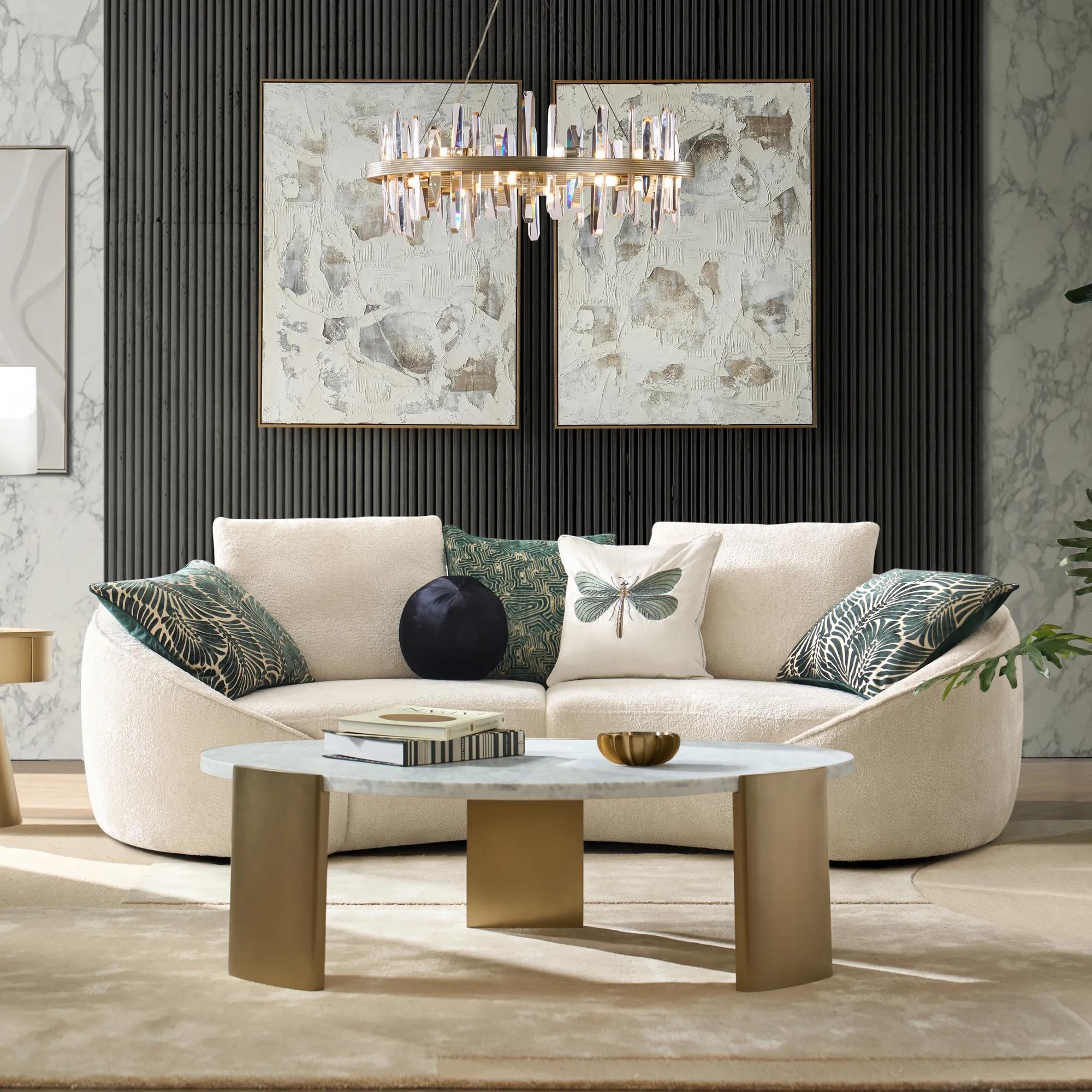 Lumi Clear Beveled Glass Chandelier 31.5"W$929
A deco-inspired chandelier with beveled glass daggers and a champagne-finished iron frame for radiant illumination.
Add To Cart -
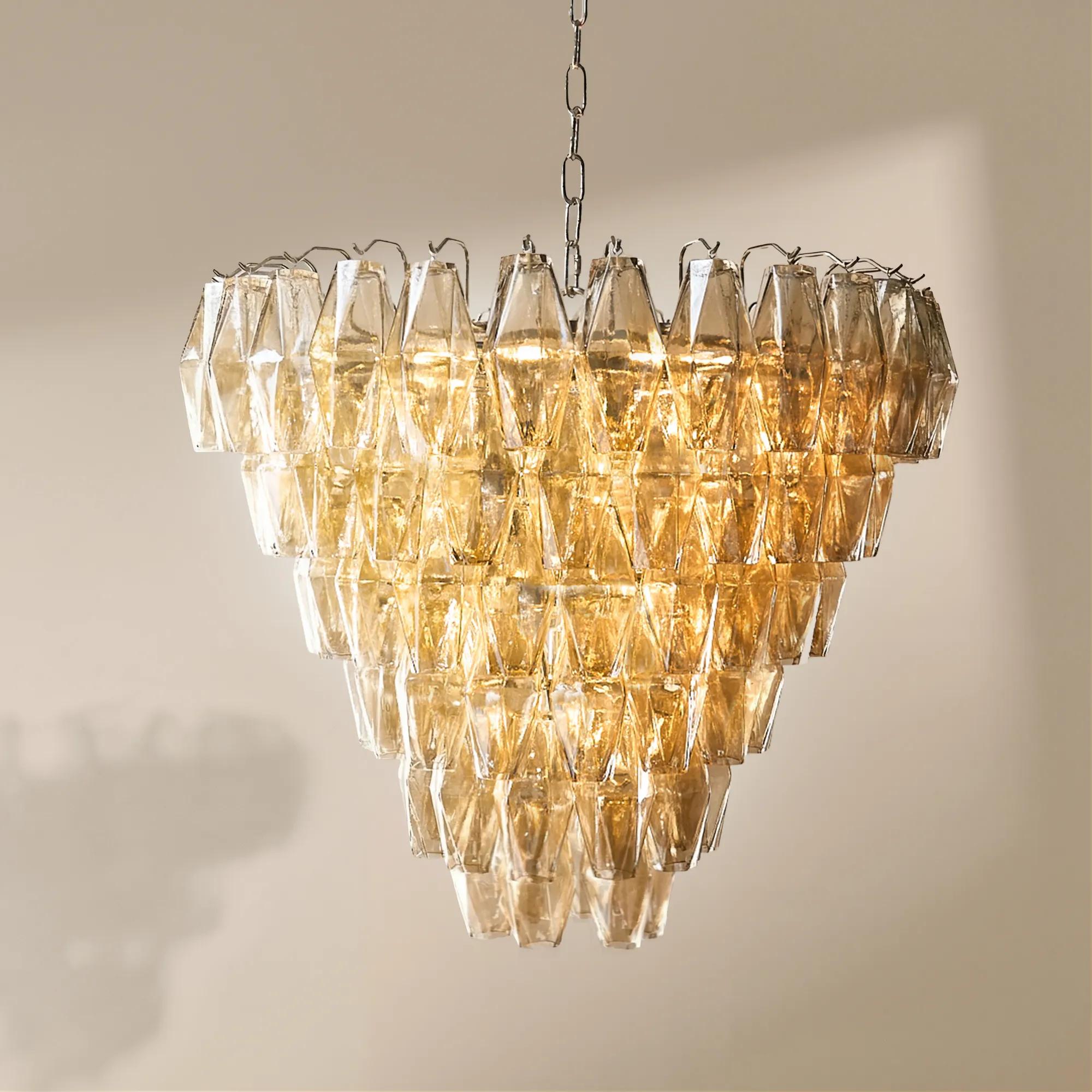
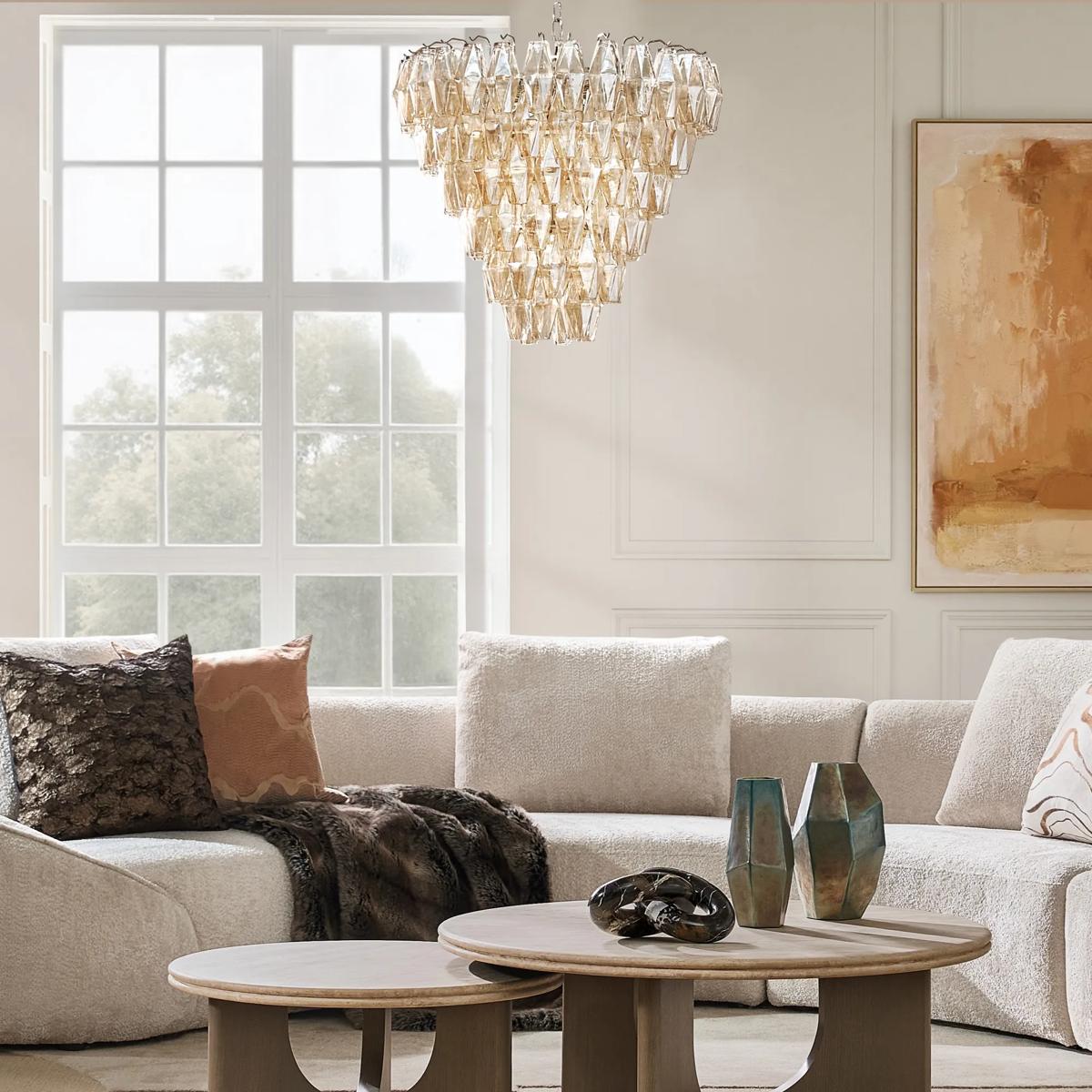 Cosima Champagne Blown Glass Chandelier 25.5"D x 23"H$1299
A sculptural chandelier featuring hand-blown champagne glass and a polished nickel frame for radiant, modern elegance.
Add To Cart -
 Glacier Clear and Frosted Glass Chandelier 24"$899
A modern chandelier crafted from clear and frosted glass creates an elegant, luminous centerpiece.
Add To Cart -

 Radiante LED Globe Chandelier 36" - Polished Gold$899
A polished gold LED globe chandelier bringing sculptural illumination and modern glamour to contemporary interiors.
Add To Cart -

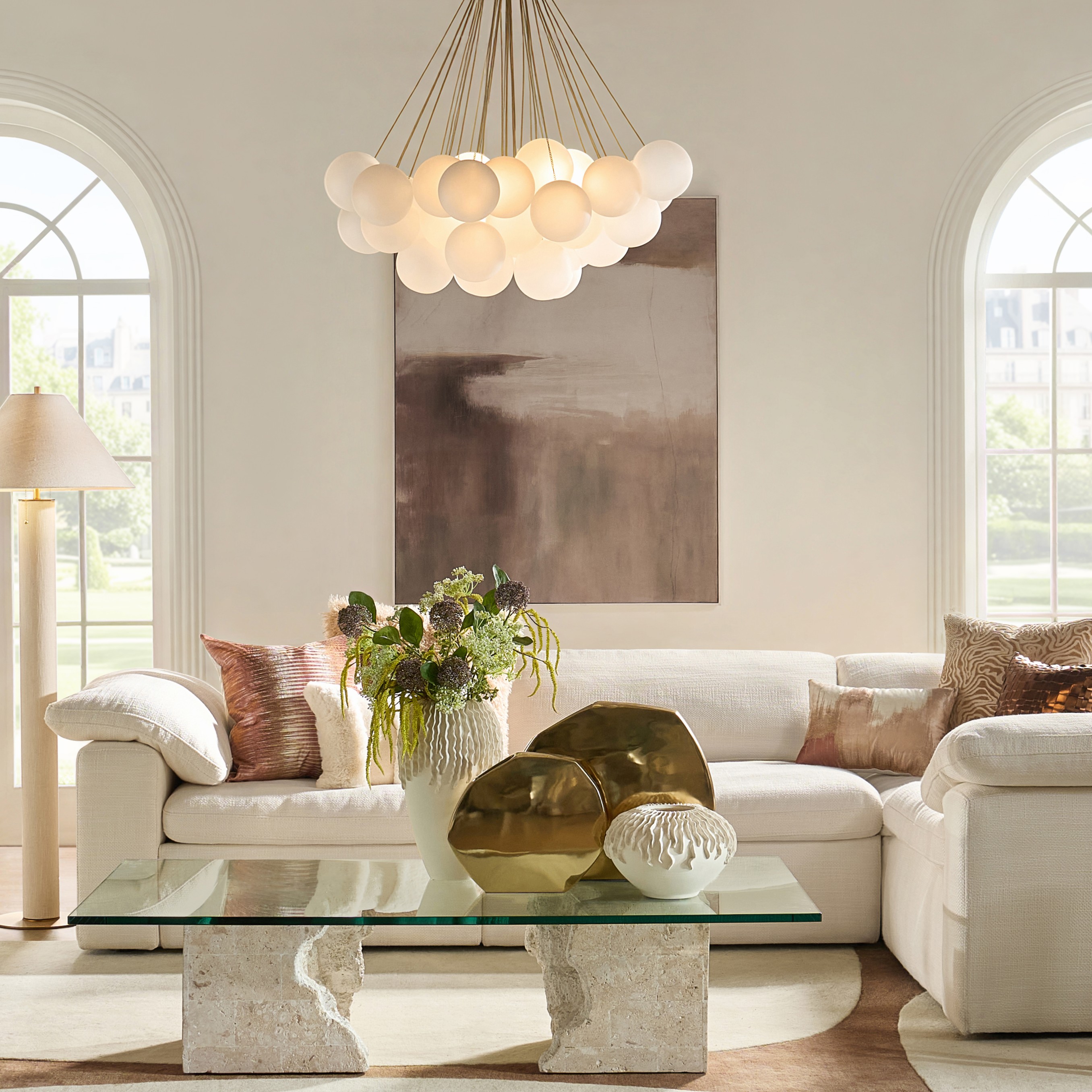 Sanela Frosted Glass Globe Chandelier 39.5"$899
A sculptural chandelier featuring frosted glass globes and an antique brass iron frame for diffused illumination.
Add To Cart -
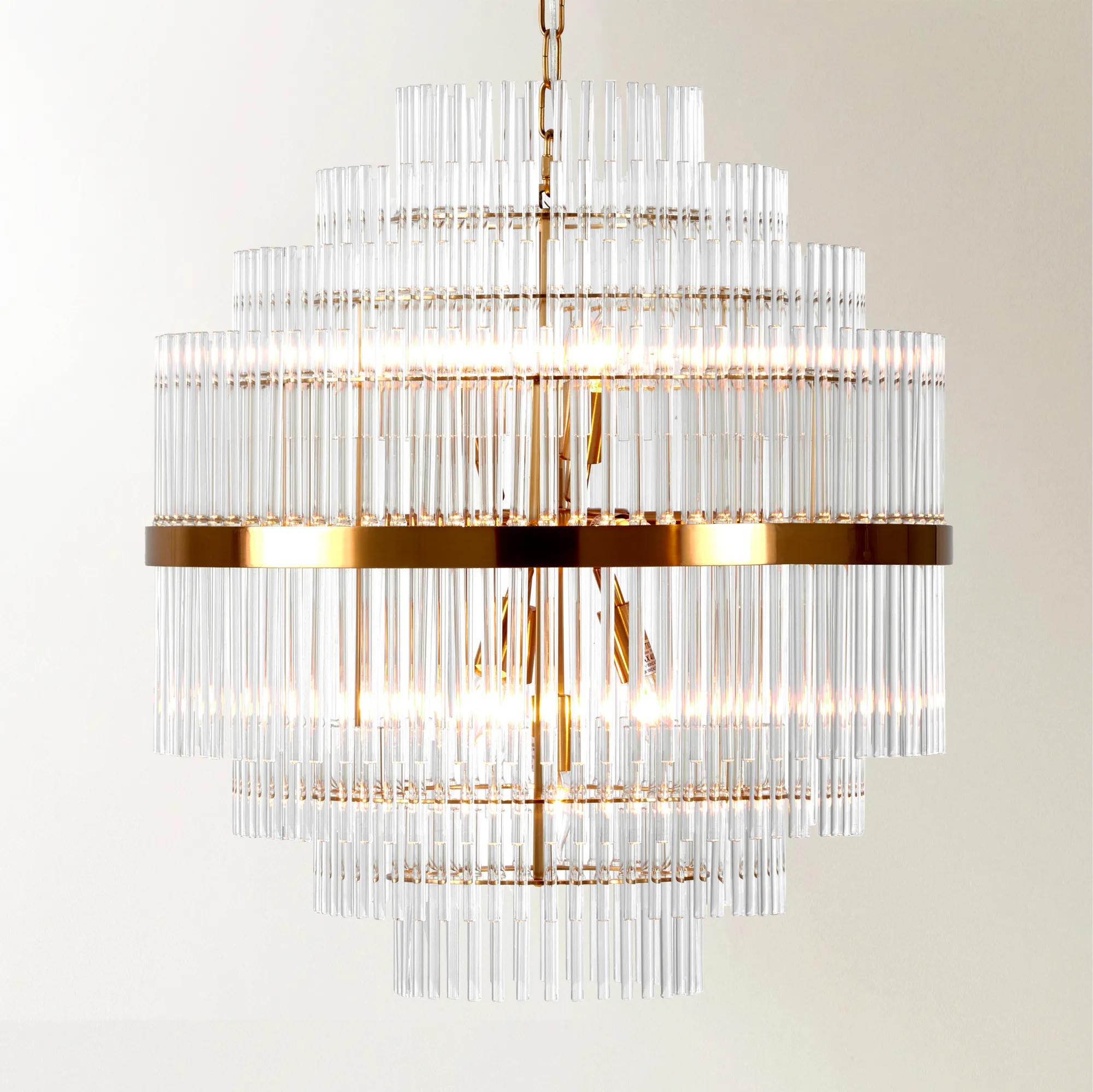
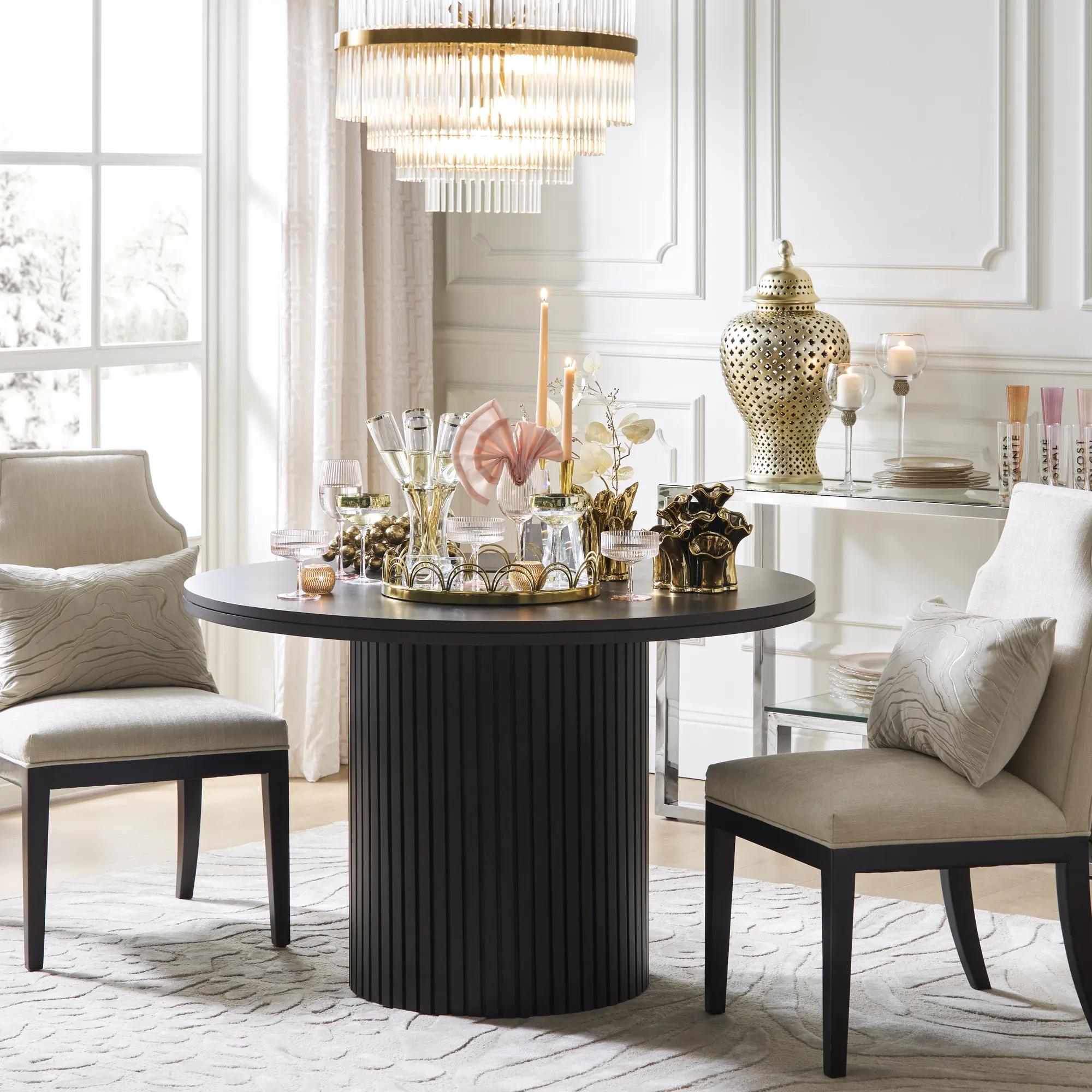 Renata Clear Glass Rod Grand Chandelier 23.6"D x 26.3"H$999
A dramatic chandelier featuring dozens of glass rods and a polished gold iron frame for sophisticated elegance.
Add To Cart -
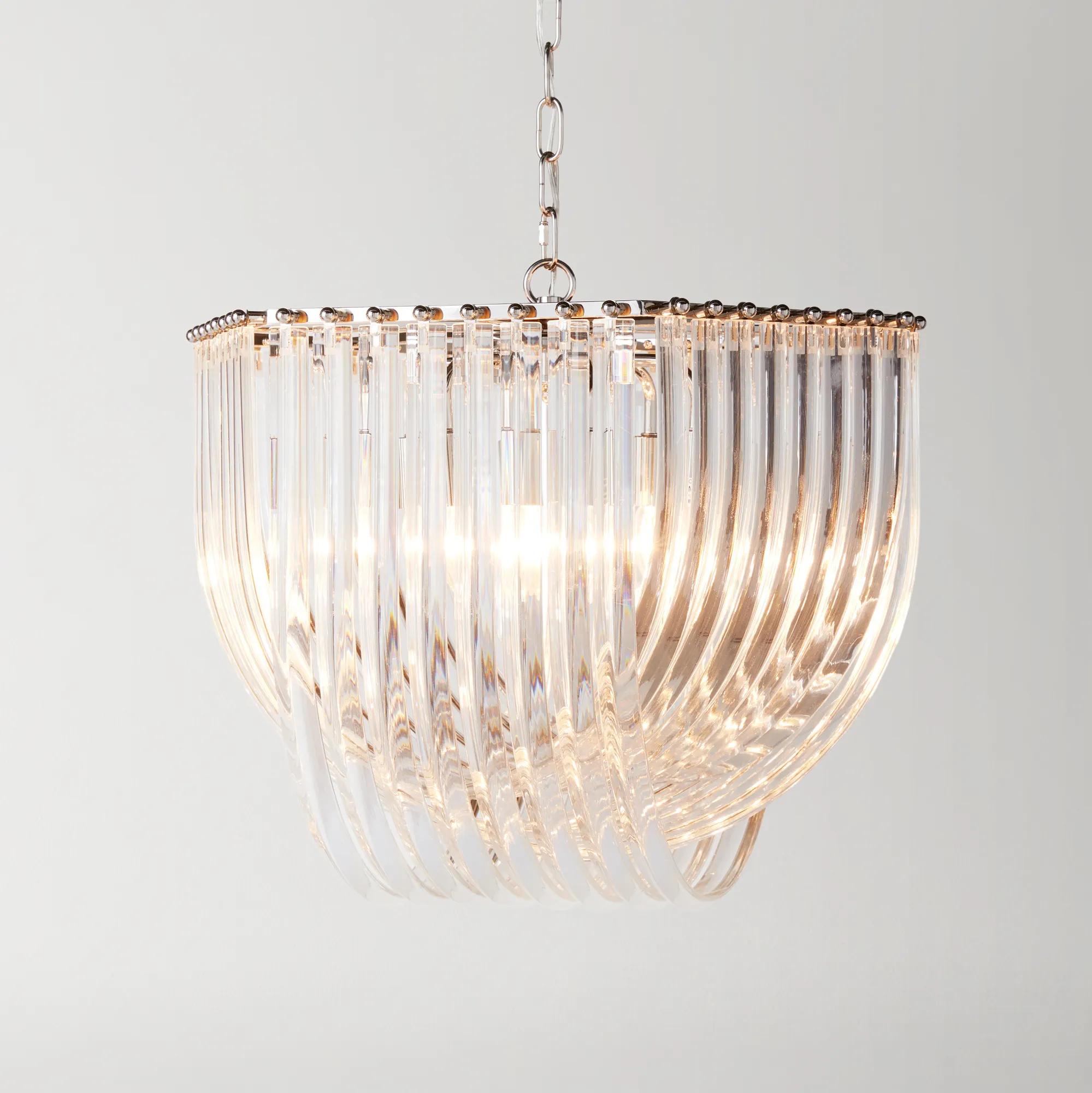 Laval Clear Curved Glass Chandelier 21"D x 18"H$799
A deco-inspired chandelier with crystal-clear curved glass and a polished nickel frame for ambient lighting.
Add To Cart -
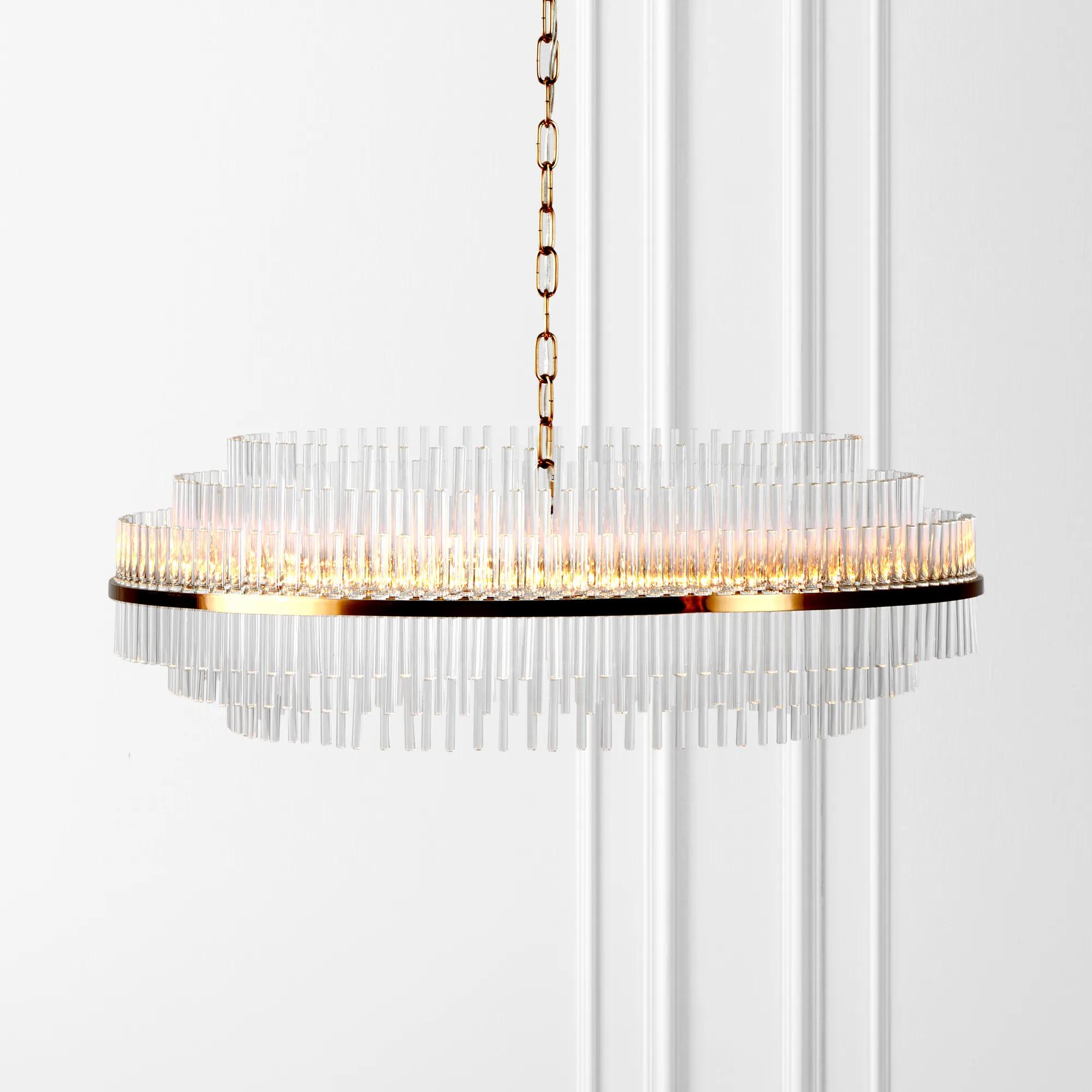
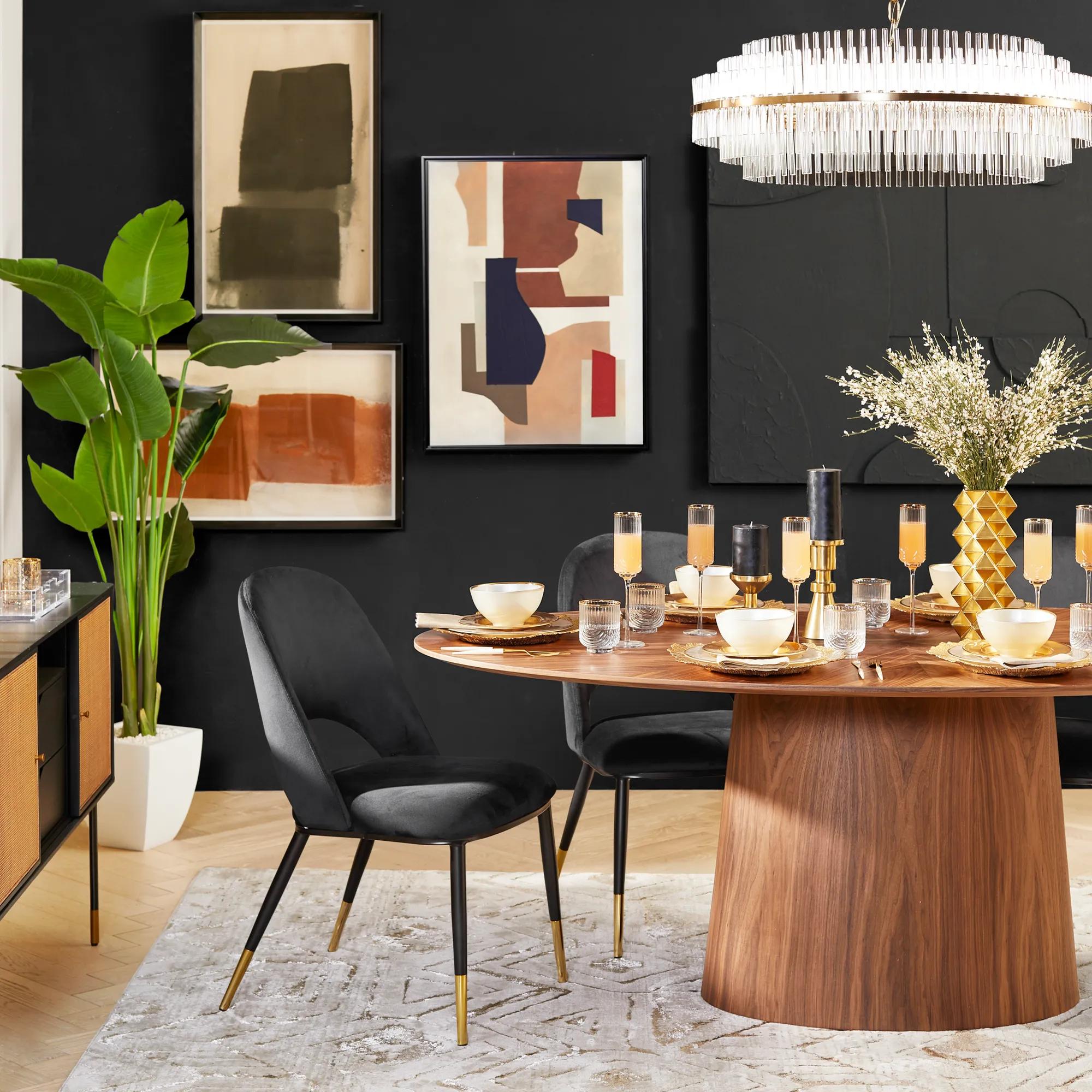 Renata Clear Glass Rod Chandelier 31"W x 10"H$799
A glamorous chandelier featuring glass rods and a brushed brass iron frame for a striking modern look.
Add To Cart -
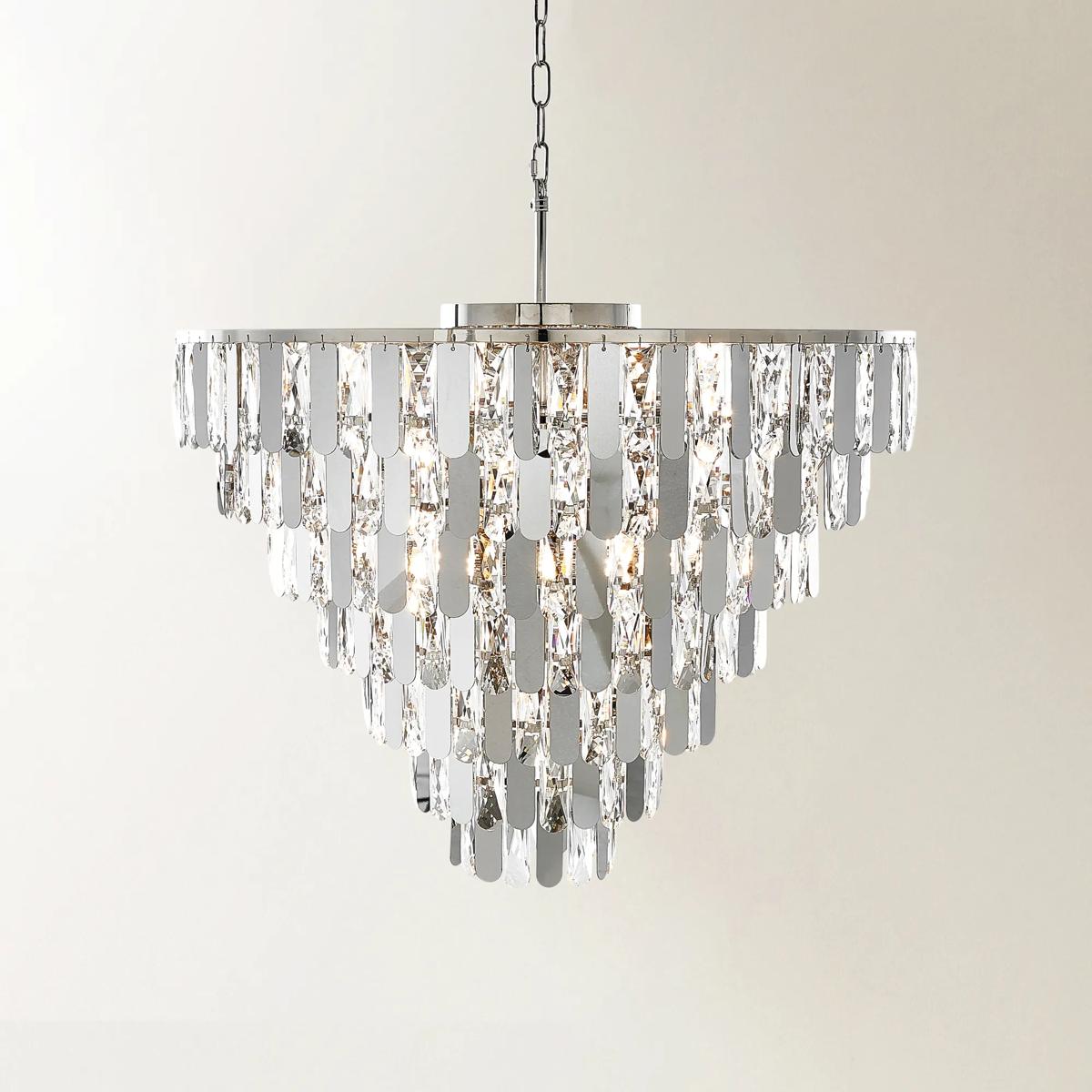
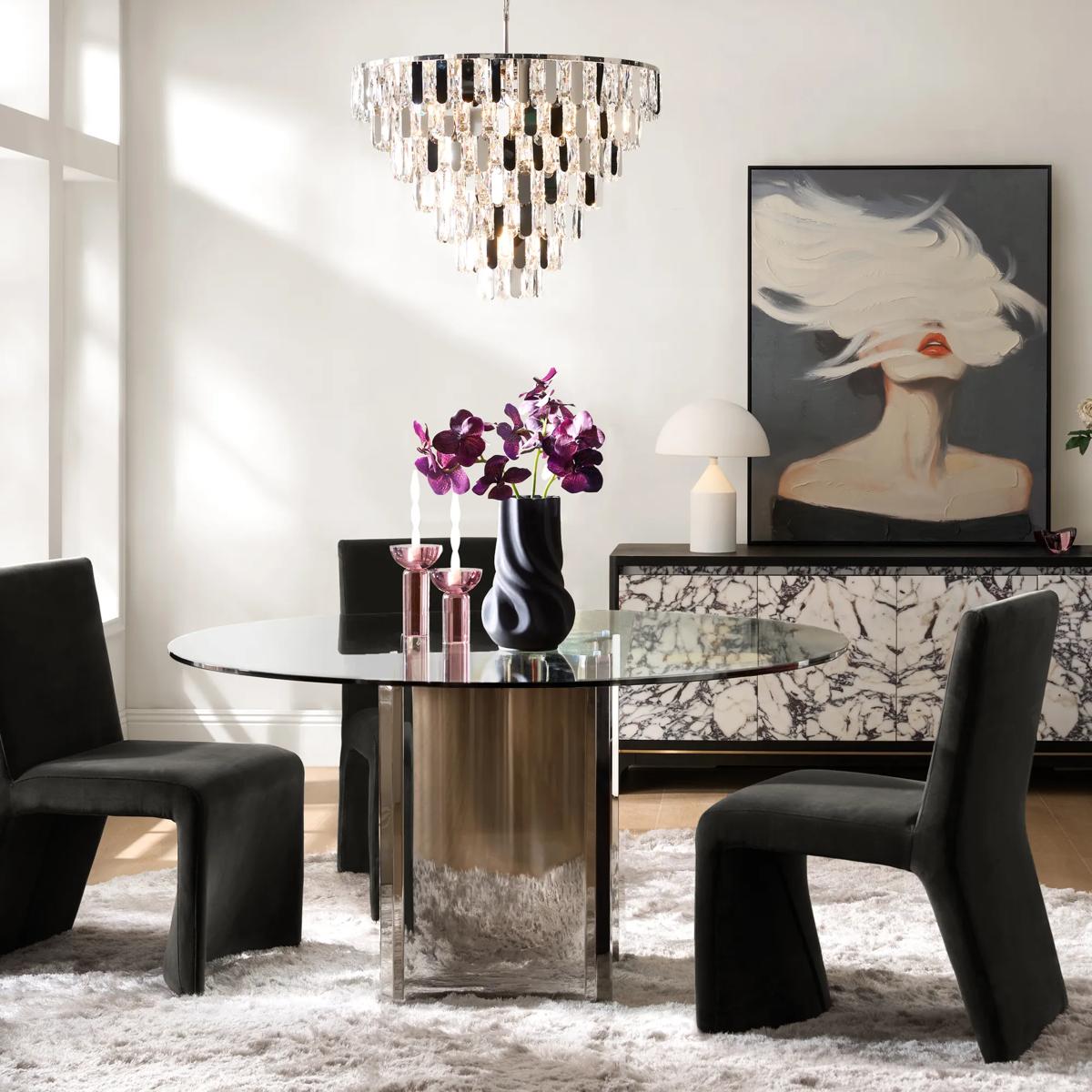 Avenue Crystal Chandelier 28.5"$999
A tiered chandelier crafted from eco-friendly K9 crystal and polished nickel for radiant, modern elegance.
Add To Cart -

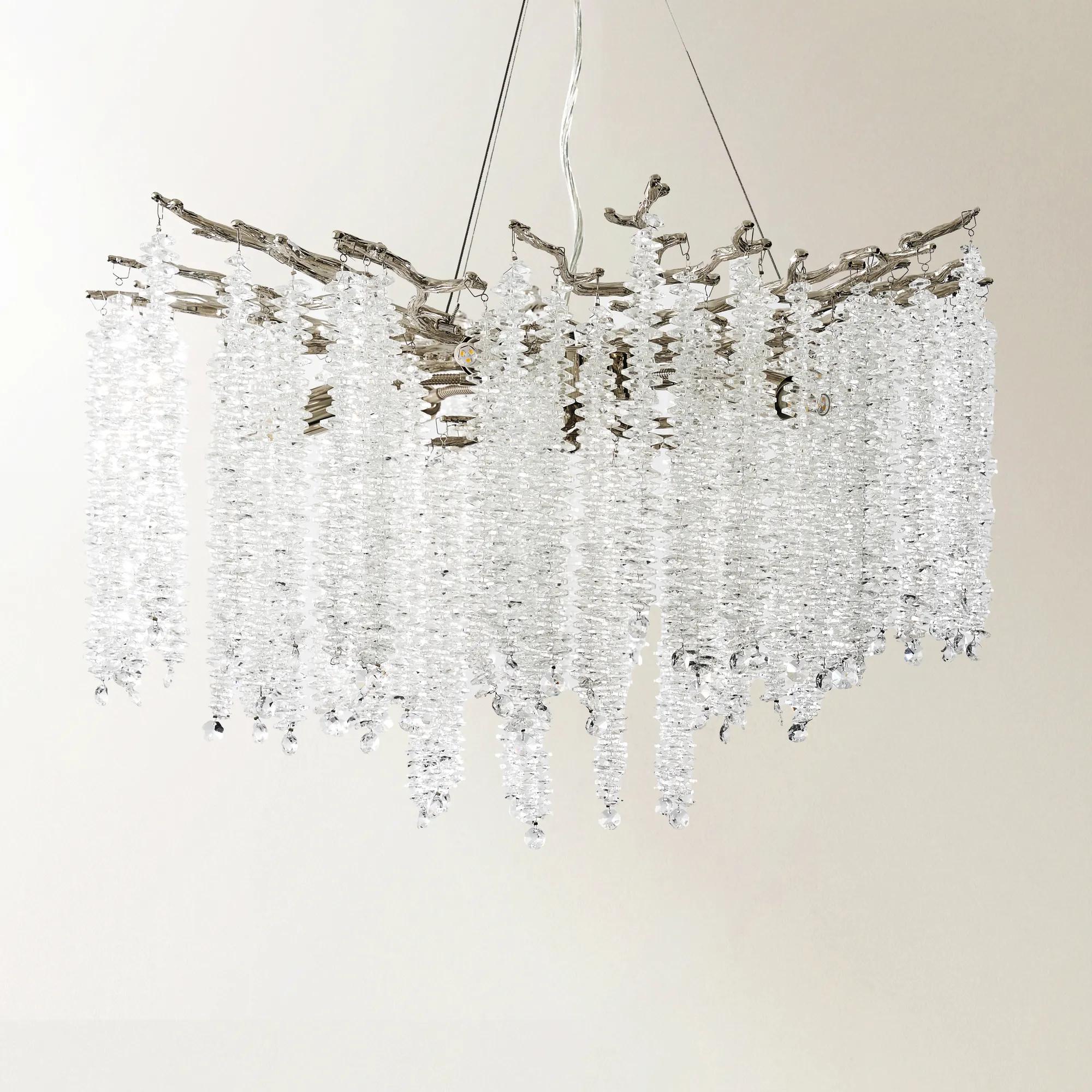 Cassia Clear Cut Crystal Chandelier 23.75"W x 13.75"H$599
A cascading waterfall of clear crystal beads and a nickel frame create a dazzling, contemporary lighting statement.
Add To Cart -

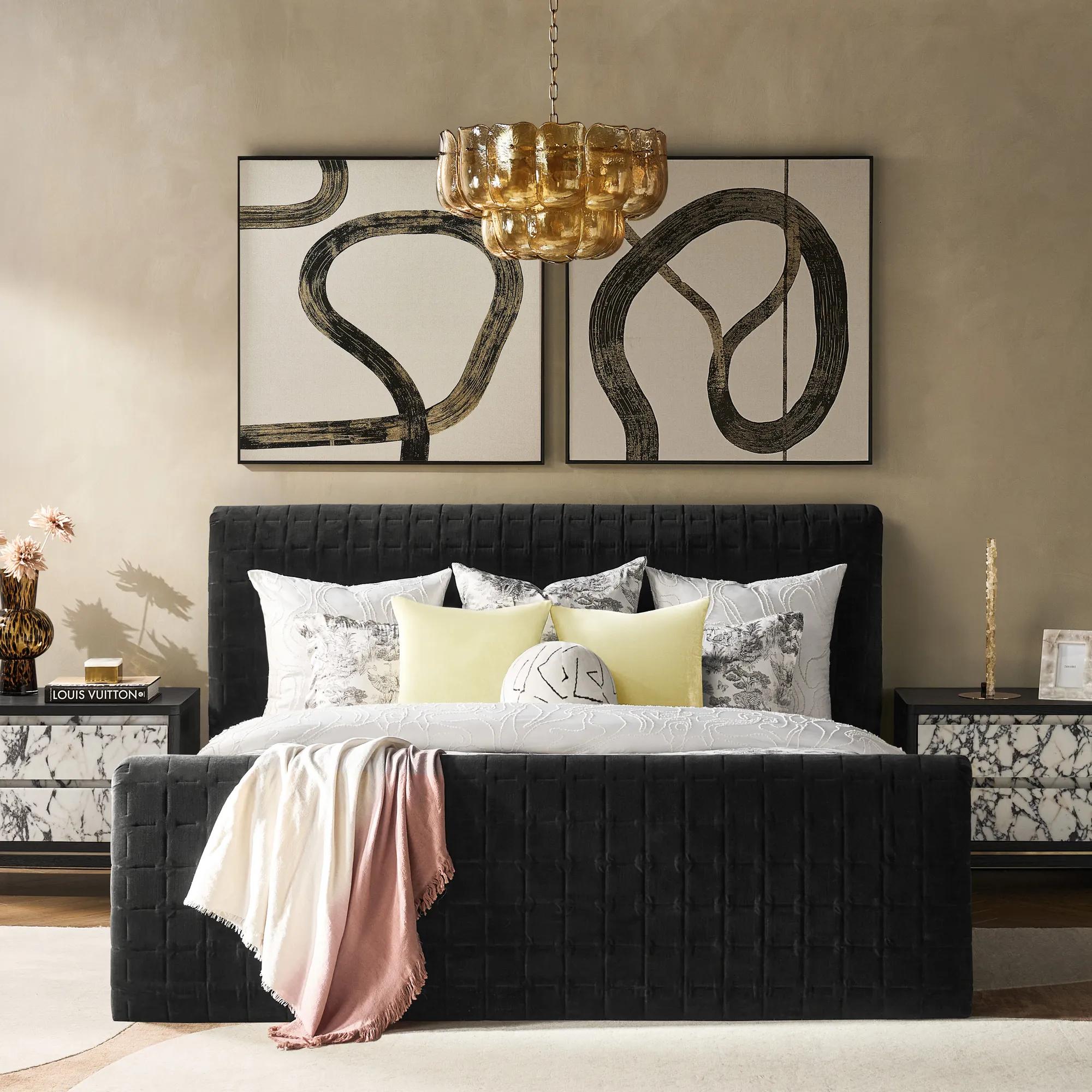 Ember Glow Amber Textured Glass Chandelier 24"$799
A sculptural chandelier with textured amber glass, brushed brass iron, and nine candelabra lights.
Add To Cart -
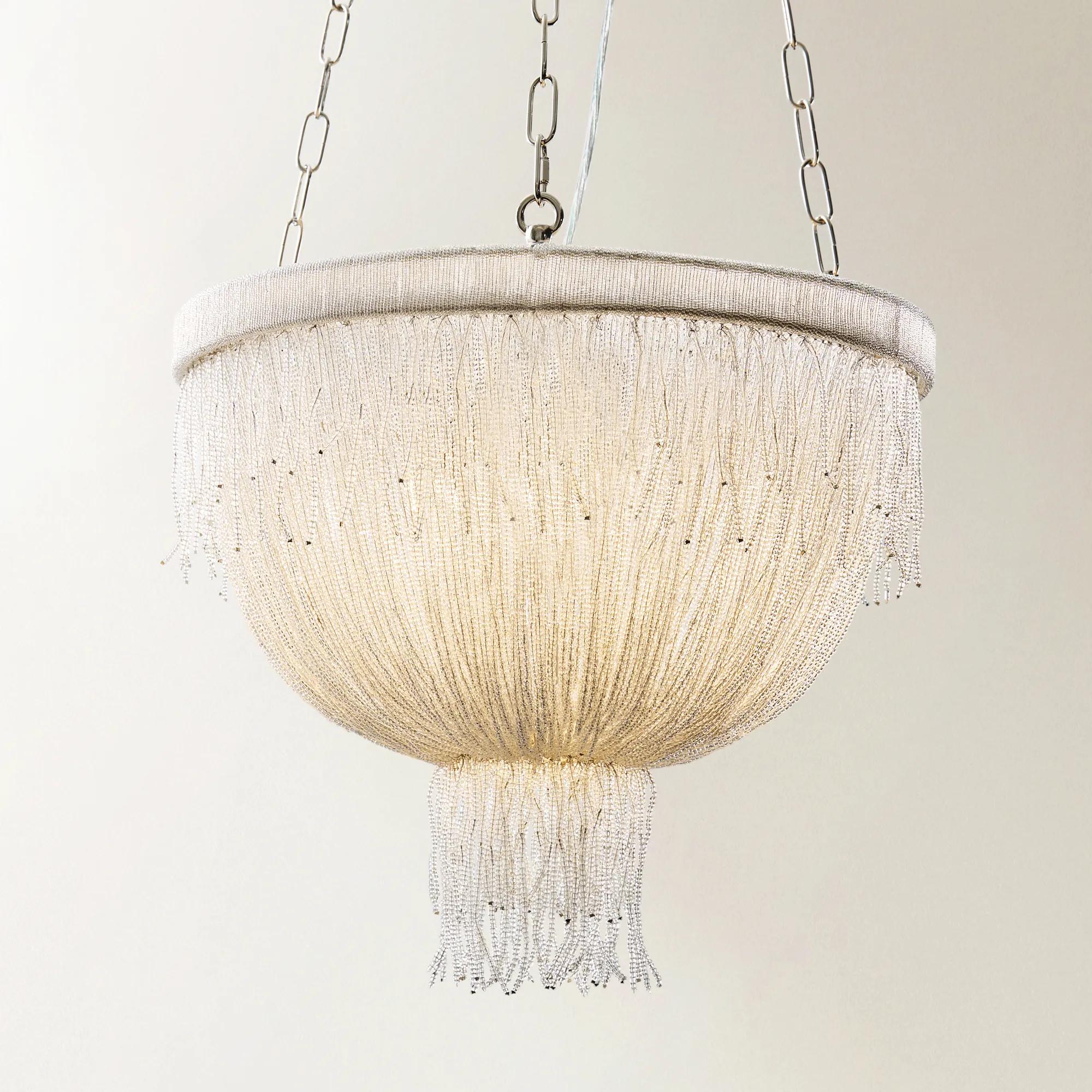 Selene Chandelier$899
A dazzling chandelier featuring cascading clear glass beads and a sleek nickel-finished iron frame.
Add To Cart -
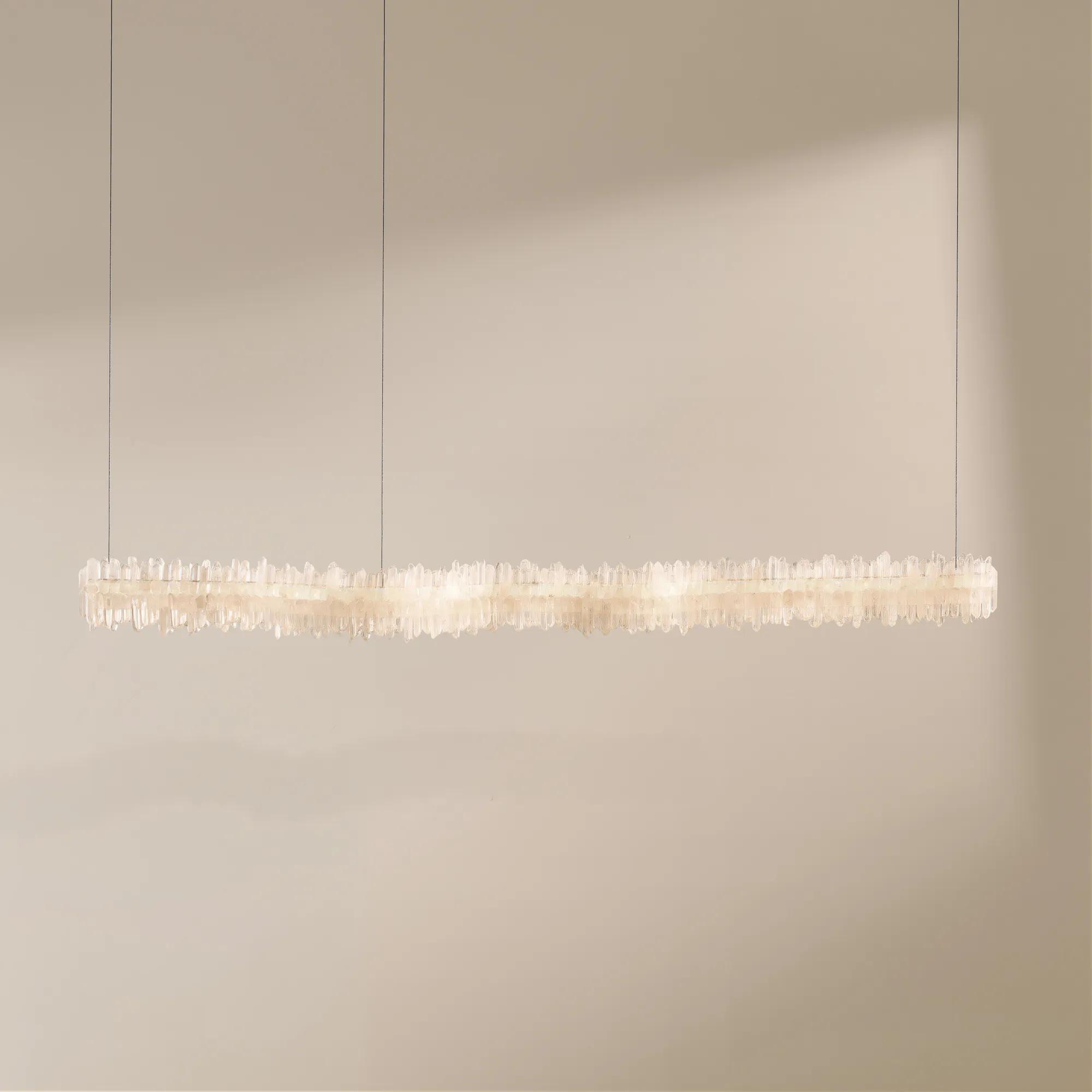 Stella Quartz Crystal LED Chandelier 47.25"$1899
A linear chandelier featuring raw quartz crystals and a rose gold frame with integrated warm LED lighting.
Add To Cart -
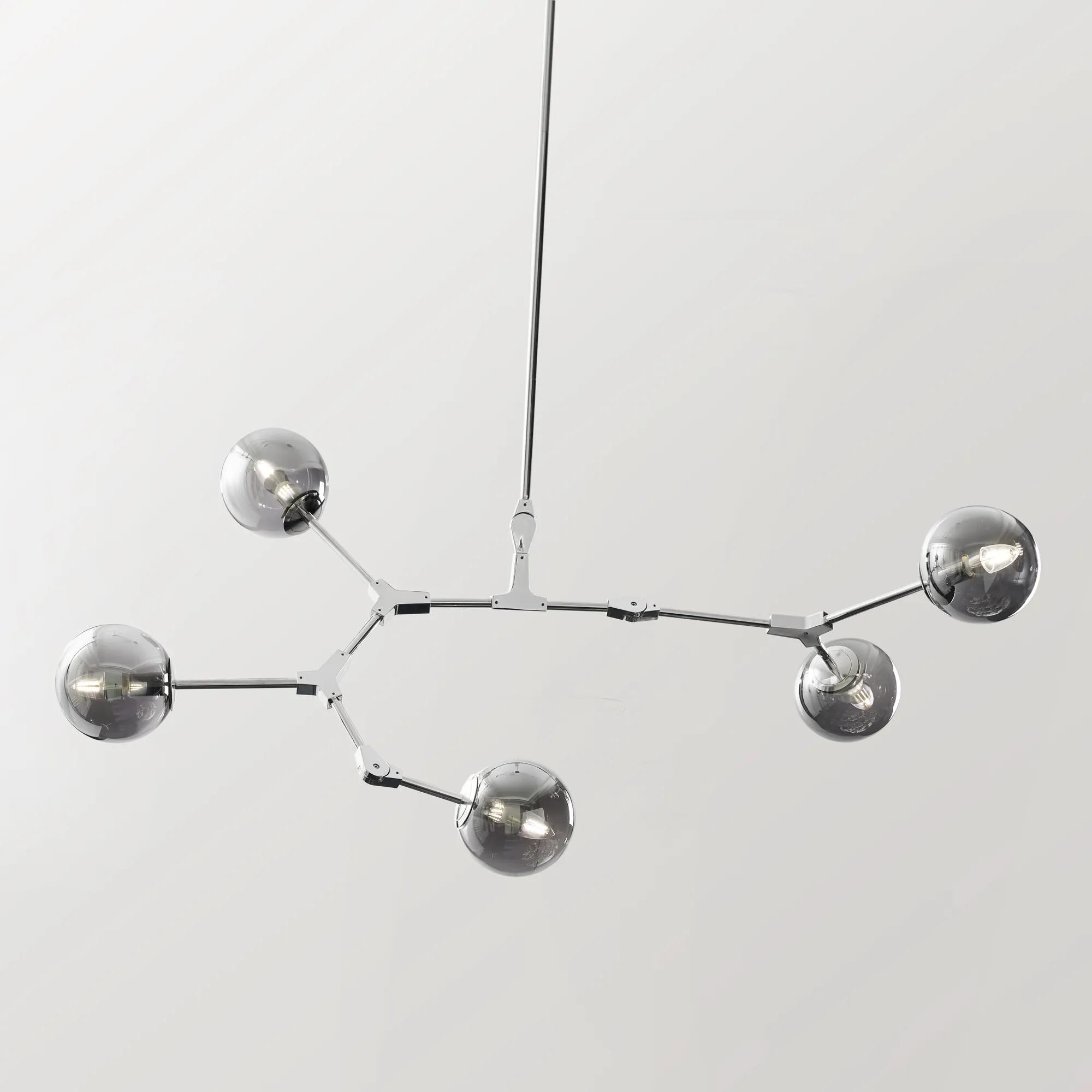
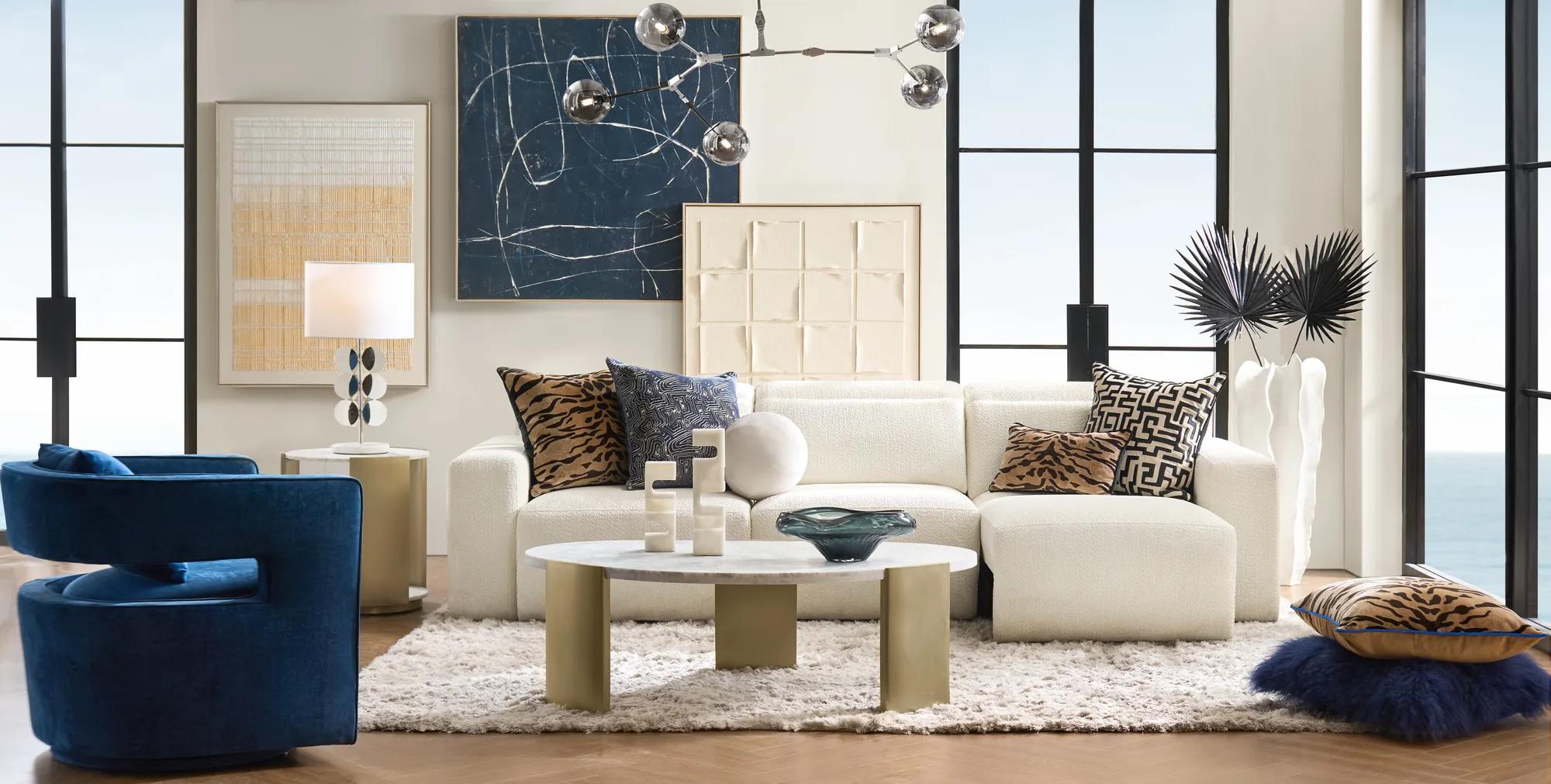 Axel Chandelier$499
A modern chandelier featuring polished nickel arms and smoked glass bulbs for striking, contemporary illumination.
Add To Cart -
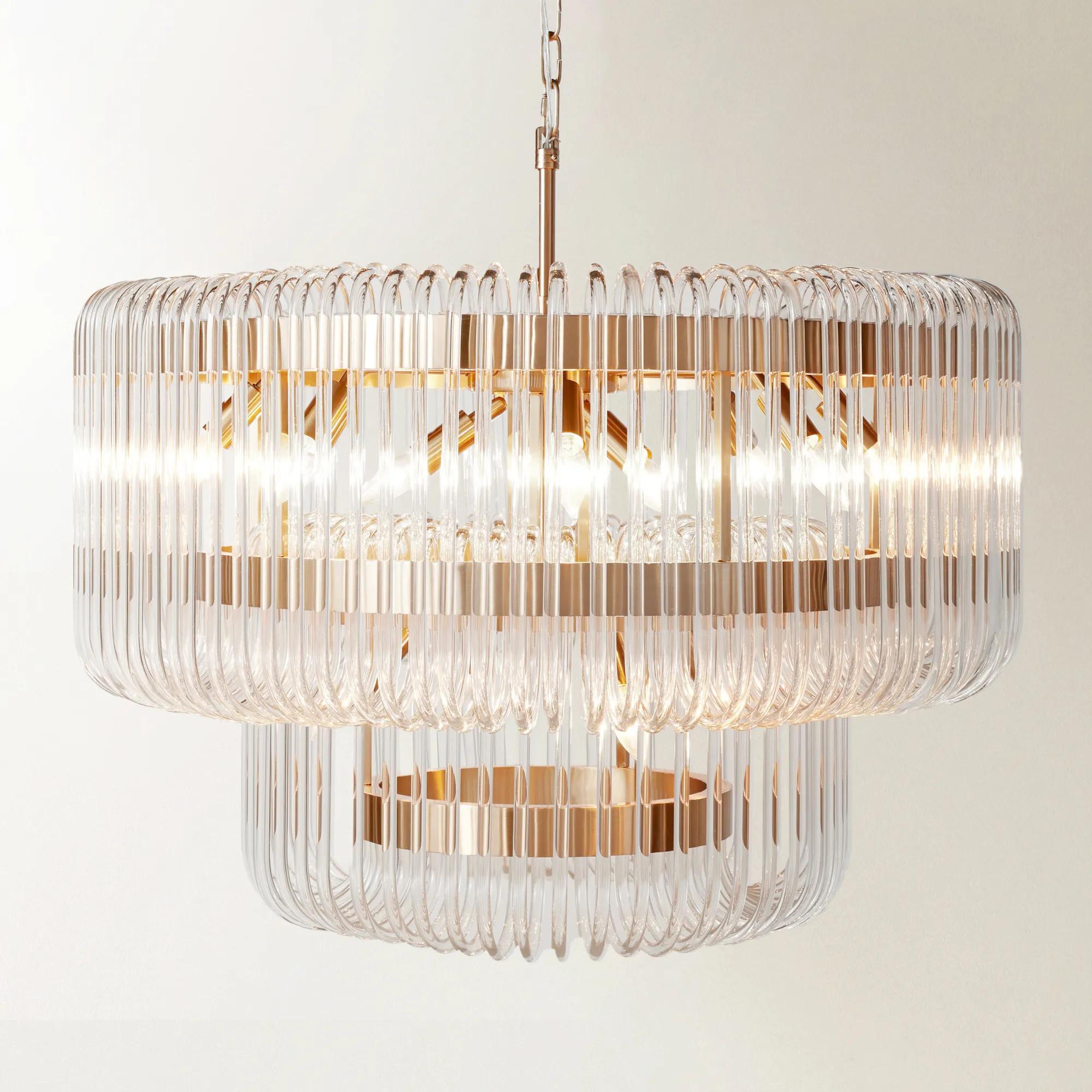 Allure Clear Curved Glass Chandelier 31.5"D x 27.75"H$1499
A dramatic chandelier featuring over 150 clear blown glass rods and brushed brass-finished iron rings.
Add To Cart -
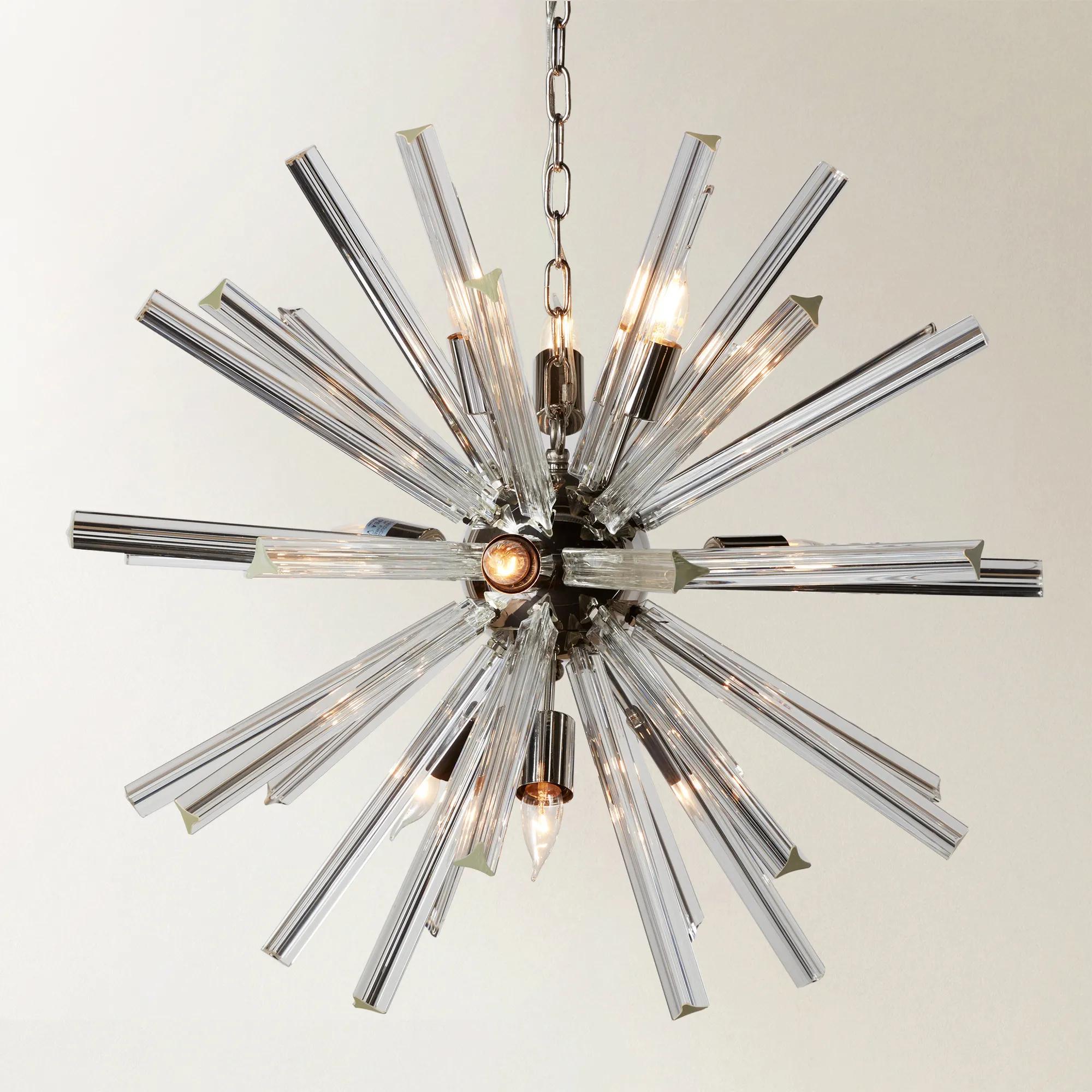
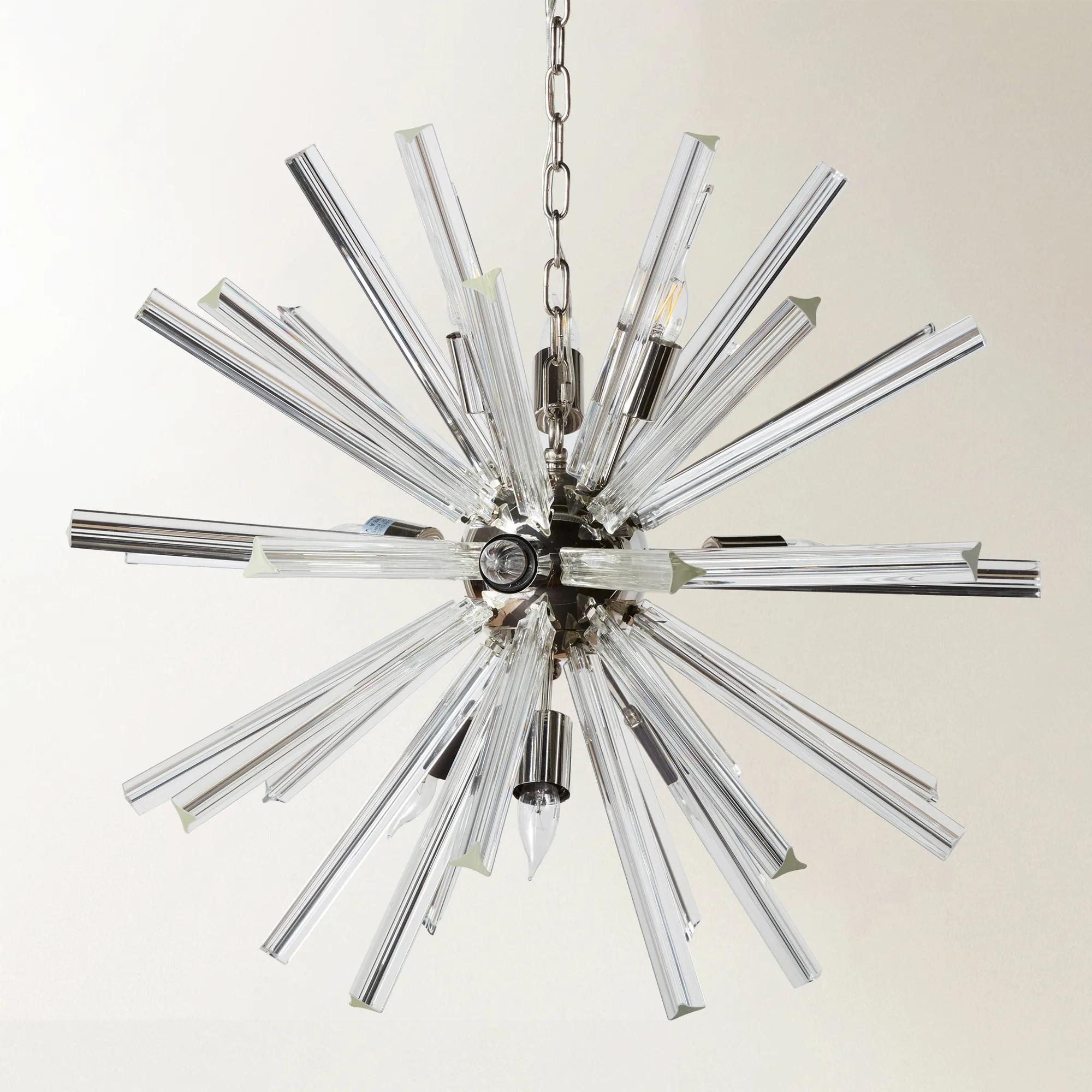 Axis Sputnik Clear Faceted Glass Chandelier 29.5"D$599
A modern chandelier featuring solid triangular glass spokes and iron accents for striking light reflection.
Add To Cart -
 Joliet LED Linear Hand Painted Swirl Glass Chandelier 47"$499
A contemporary LED linear chandelier featuring hand-painted swirl glass for sculptural, ambient illumination.
Add To Cart -
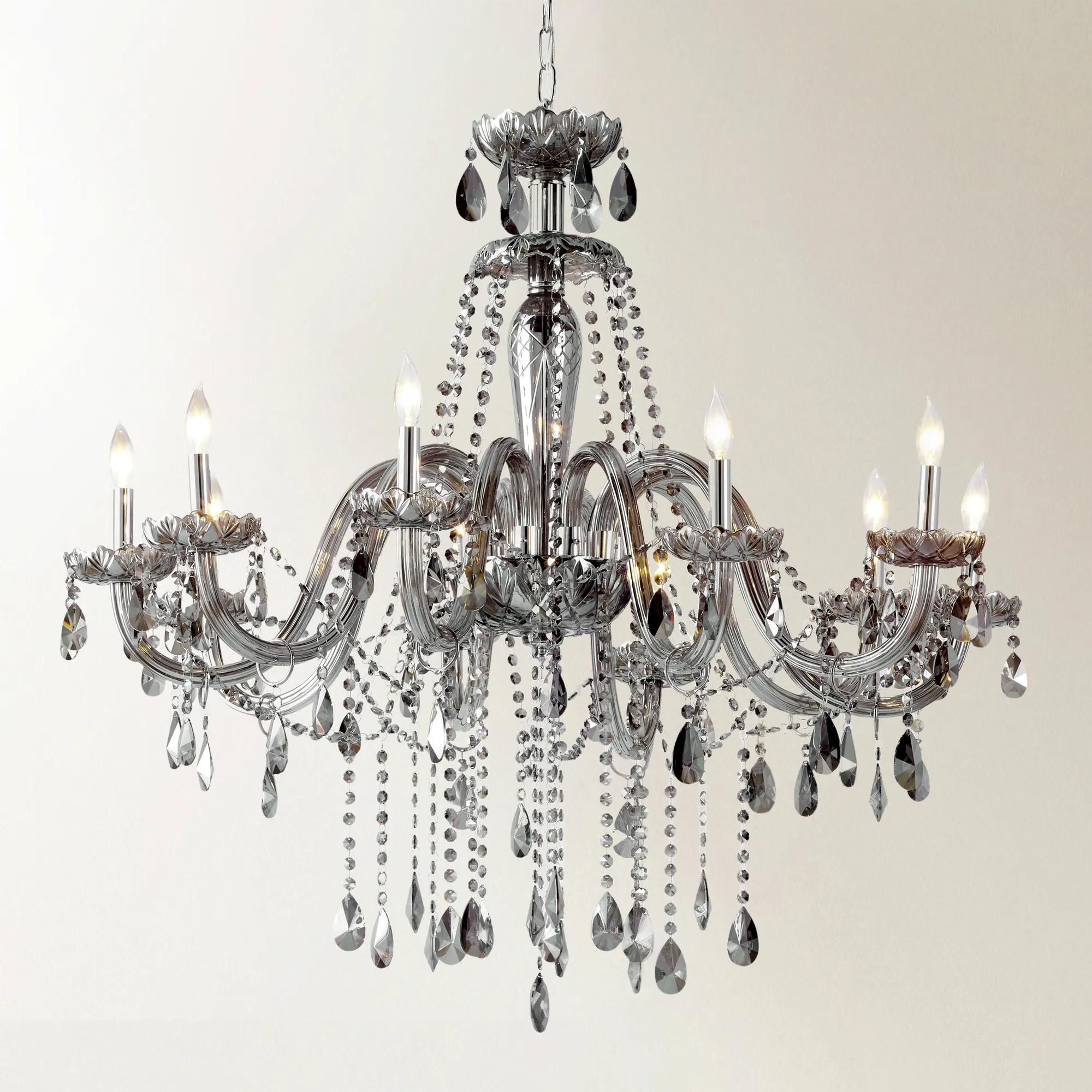
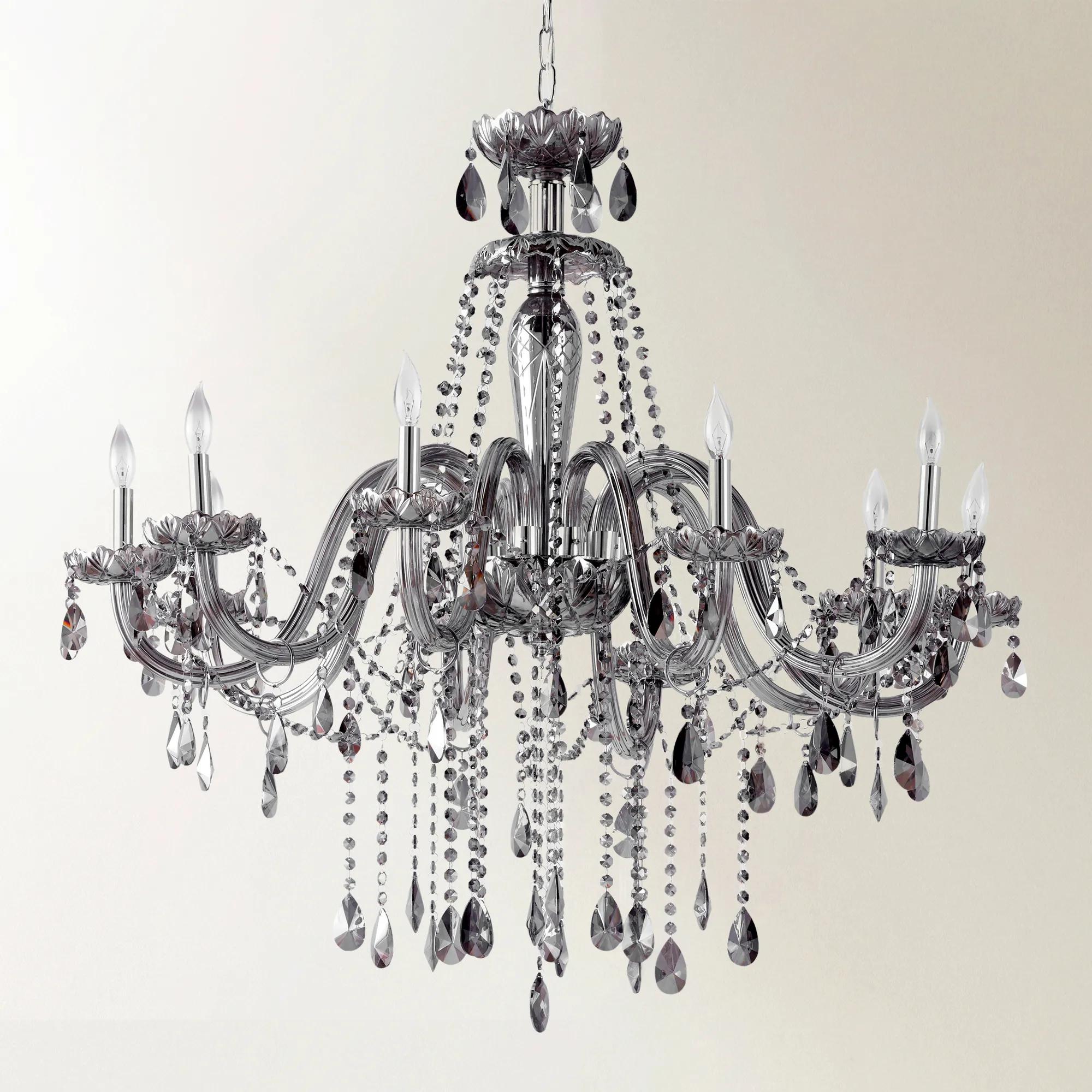 Omni Chandelier 38.5" - Graphite$999
A dazzling chandelier featuring graphite faceted crystals and ten fluted glass arms with nickel hardware.
Add To Cart -
 Bolla LED Hand-Blown Glass Bubble Chandelier 60.25"$499
A linear chandelier featuring clear sculptural glass orbs and a matte gold steel frame for modern elegance.
Add To Cart -
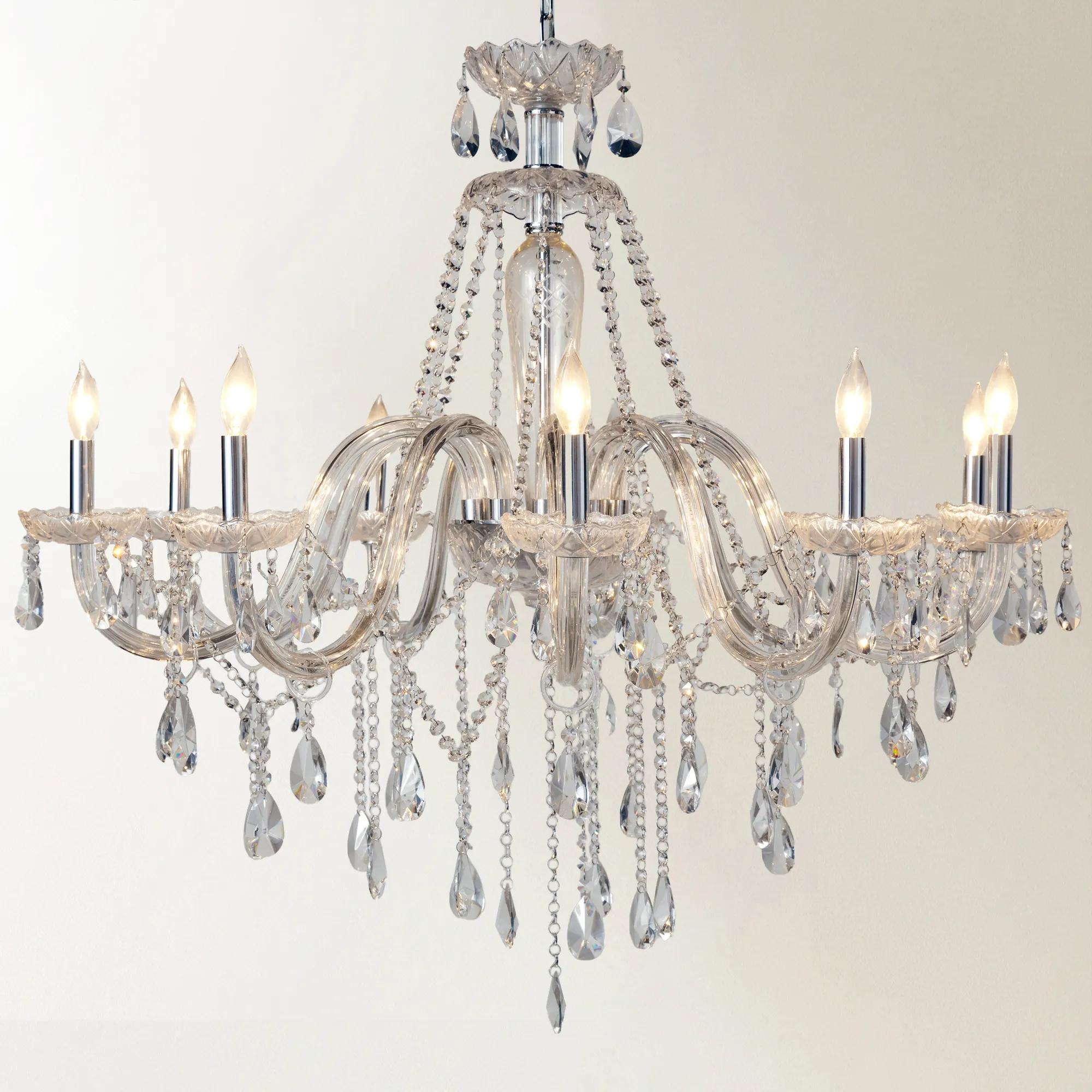
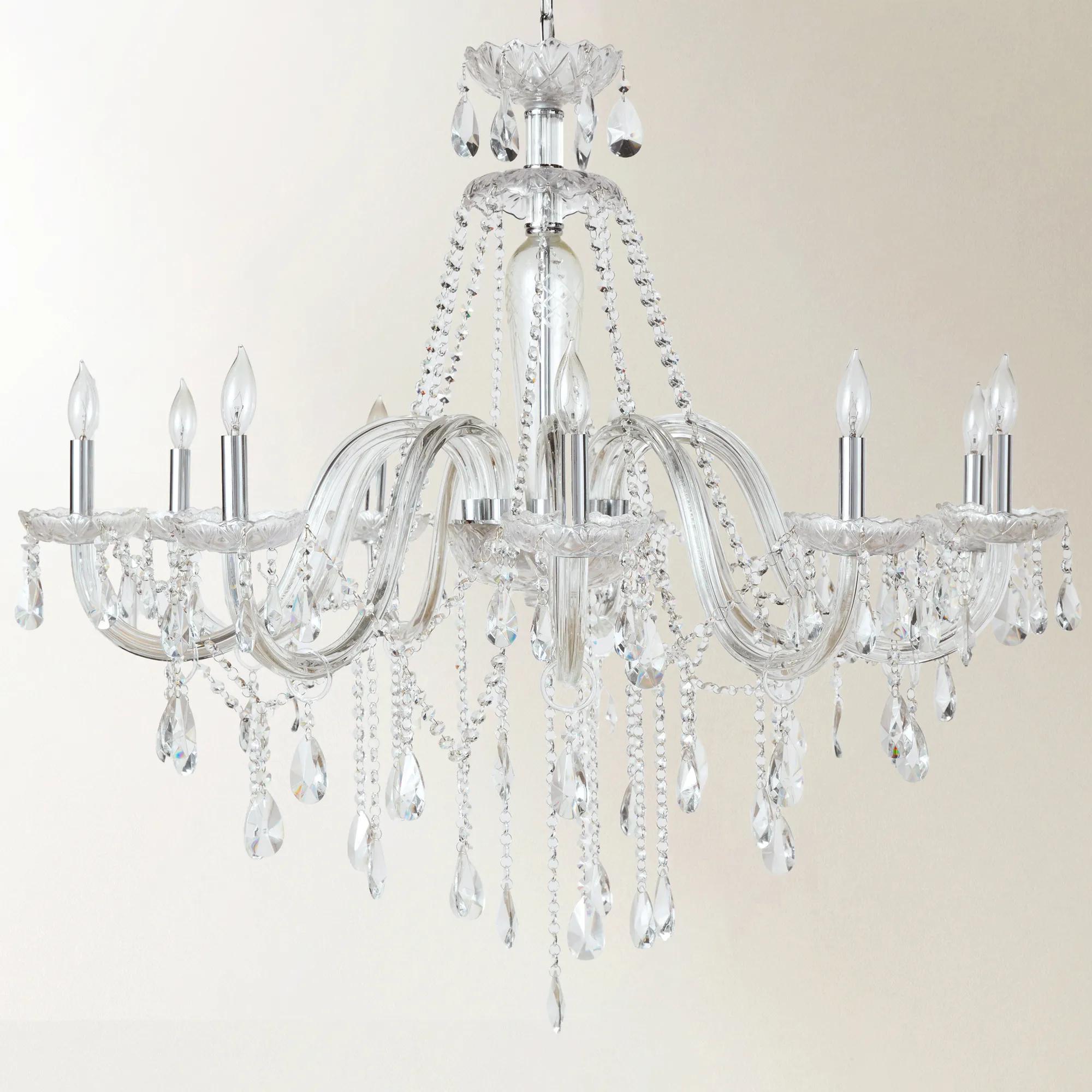 Omni Chandelier 38.5" - Clear$999
A dazzling chandelier featuring hundreds of clear faceted crystals and ten fluted glass arms with nickel hardware.
Add To Cart -

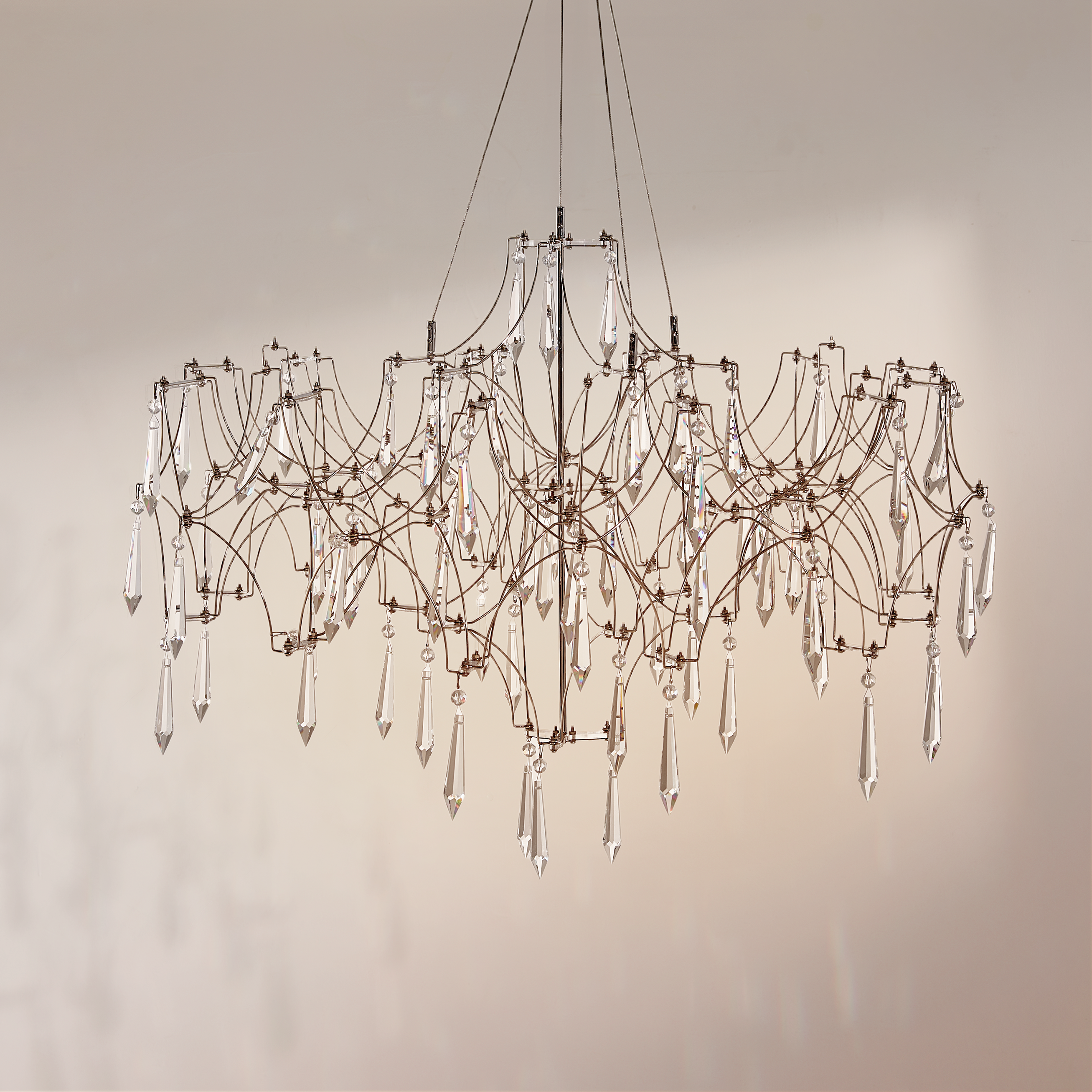 Moderne LED Clear Crystal Chandelier 24.5"W x 19.75"H$899
A faceted clear K9 crystal chandelier with polished nickel wiring and integrated warm LED illumination.
Add To Cart -

 Luxe Spiral Chandelier - Nickel/Clear$999
A dazzling spiral chandelier featuring clear K9 crystal and a polished nickel frame for timeless glamour.
Add To Cart -
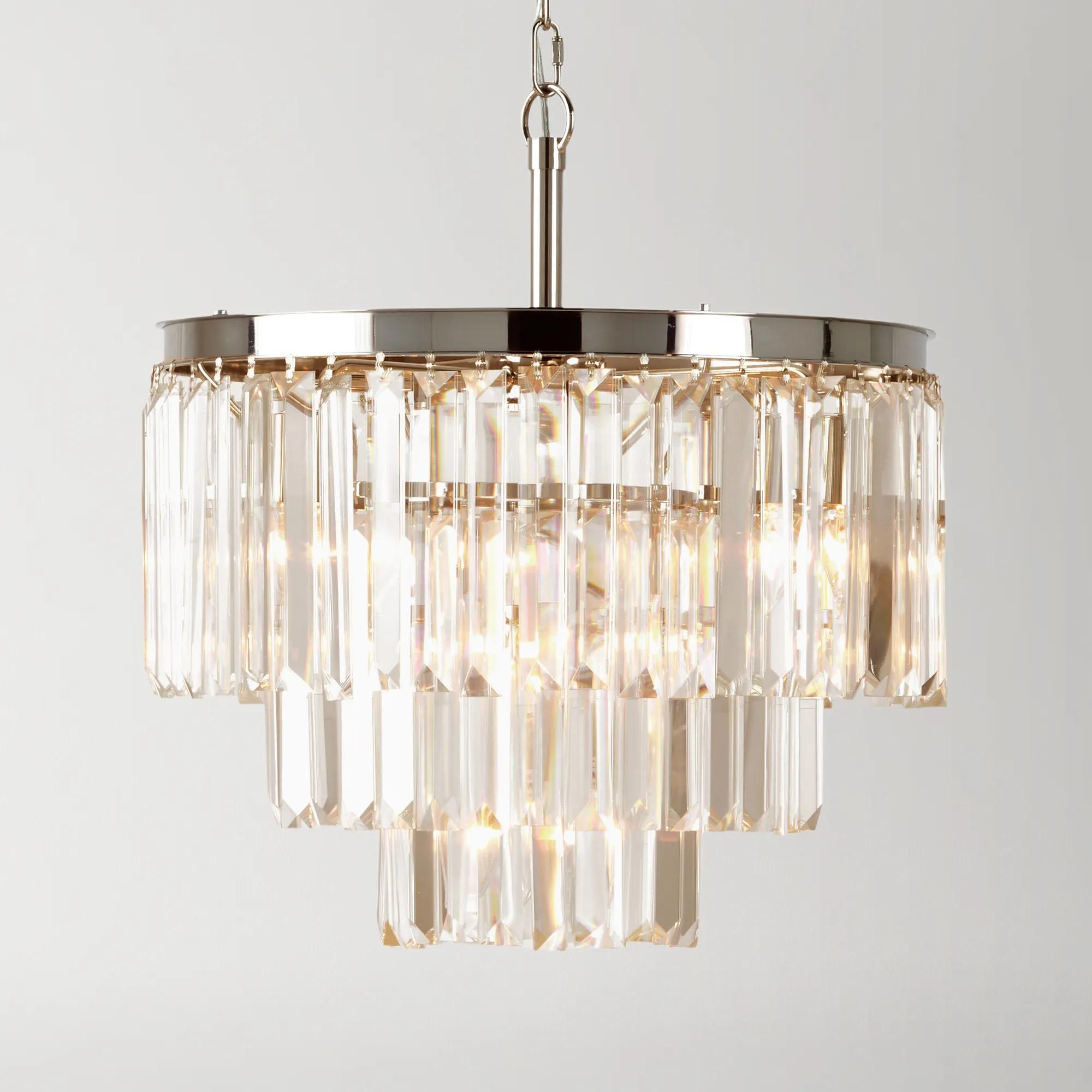 Luxe Chandelier$799
A glamorous chandelier featuring a nickel-plated iron frame and three tiers of faceted crystal accents.
Add To Cart

Dimmable LED Glass Chandeliers
Dimmable LED glass chandeliers are the ultimate expression of modern grandeur—where sculptural artistry meets luminous innovation. Each piece transforms light into a living element, refracting brilliance across every surface and casting a spell of sophisticated ambiance. Designed for those who crave drama and desire to curate their own atmosphere, these chandeliers invite you to command the mood with a simple touch. Whether suspended above a lavish dining table or gracing an entryway with celestial allure, dimmable LED glass chandeliers promise to elevate your space into a gallery of gleaming opulence. Paint your home in light—boldly, beautifully, and entirely your own.
Dimmable LED glass chandeliers combine glass shades or decorative glass elements with integrated LED light sources or replaceable dimmable LED bulbs, bringing adjustable illumination and sculptural presence to a room. Their appeal lies in that balance: a statement overhead, with light that can move from brilliant and welcoming to intimate and atmospheric. Above a dining table, glass catches the glow and carries it across place settings; in a living room, a suspended arrangement of luminous globes can give even a quiet evening a sense of occasion. The character of the glass makes a meaningful difference. Clear glass reveals the silhouette of the light source and creates crisp reflections, while frosted or opal glass softens its appearance for a more diffused effect. Ribbed glass adds architectural rhythm, hammered surfaces introduce irregular texture, and smoked glass brings depth and a more restrained shimmer. Petal-like forms feel expressive and organic; spheres, cylinders, and angular arrangements establish a more geometric composition. These distinctions help a chandelier belong to its surroundings without disappearing into them. A sweeping arrangement can echo the curves of an upholstered dining chair, while a linear fixture can reinforce the length of a substantial table. Metal framing adds another layer of expression, with warm metallic finishes lending richness and polished silver tones creating a sharper, mirrorlike contrast. Dark frames draw the eye toward the outline of the fixture and give translucent glass a striking backdrop. For modern, contemporary, and transitional interiors alike, the most compelling choice relates to the room’s proportions, finishes, and furniture rather than matching every detail exactly. The result is illumination with a distinct point of view: glass that feels airy despite its visual presence, metalwork that anchors the composition, and adjustable light that lets the same space support lively conversation, a celebratory meal, or an unhurried evening at home.
Scale determines whether that presence feels commanding or crowded. A broad chandelier can hold its own above a generous dining table, while a narrow linear design may suit a long surface without overwhelming the chairs or nearby cabinetry. Compact arrangements bring dimension to smaller dining areas and bedrooms, where the fixture should complement the furniture rather than dominate every sightline. Over a dining table, approximately 30 to 36 inches between the tabletop and the bottom of the chandelier is a common starting point, with adjustments for ceiling height, fixture size, and views across the table. In an open circulation area, clearance beneath the fixture becomes the priority; at least 7 feet above the floor is a common baseline, though the room, occupants, and applicable requirements may call for more. Adjustable suspension can help establish the right relationship between the chandelier and the space, but minimum and maximum hanging lengths still matter. Sloped ceilings also require compatible mounting hardware. Beyond dimensions, useful illumination depends on more than the fixture’s shape. Lumens describe light output, while color temperature influences whether the glow feels warm and intimate or more neutral and crisp. Warm white light around 2700K to 3000K often complements dining and lounge settings, particularly alongside rich upholstery, reflective accents, and natural wood. Glass tint and opacity can affect how that light appears, so a smoked or heavily textured shade may create a different impression from clear glass around a similar source. Dimming lowers brightness, but it does not automatically make light warmer; that effect requires a compatible dim-to-warm light source. Reliable adjustment also depends on the complete electrical pairing. Integrated LED chandeliers need a dimmer compatible with their driver, while bulb-based fixtures need dimmable LED bulbs and an appropriate LED-rated dimmer. Manufacturer specifications, supported dimming methods, and load requirements help determine compatibility. A well-matched setup supports smooth control and helps avoid flickering, buzzing, or abrupt changes at lower settings, allowing the chandelier to contribute atmosphere without becoming a distraction.
Glass and metal offer enduring visual appeal, but construction and care shape how beautifully a chandelier ages. Secure glass attachments, sound suspension hardware, and a mounting system suited to the fixture’s weight are essential, especially for larger arrangements with numerous shades or pendants. Professional installation is particularly valuable when the electrical box, ceiling support, or dimmer needs assessment. Most indoor chandeliers belong in dry interior spaces unless specifically rated otherwise; a dramatic bathroom installation requires appropriate suitability, clearances, and compliance with local electrical requirements rather than appearance alone. For everyday care, turning off the power and allowing the fixture to cool comes first. Gentle dusting with a soft microfiber cloth helps preserve clarity, while occasional cleaning should follow the manufacturer’s directions for the particular glass and metal finish. Spraying cleaner directly onto an assembled chandelier can expose sockets, wiring, and decorative finishes to moisture. Abrasive pads and aggressive cleaners can scratch glass or damage coatings, and individual glass elements deserve careful handling during removal or reassembly. LED technology can reduce energy use compared with incandescent lighting at similar light output, although performance and service life depend on the light source, driver, heat management, and use. With integrated designs, the serviceability of the LED module and driver is worth considering; with replaceable-bulb designs, the specified bulb base, dimensions, and wattage limits determine suitable replacements. These practical details protect the pleasure of living with a statement piece. For interiors seeking a more prismatic effect, Dimmable Crystal Chandeliers offer a related expression of adjustable brilliance, while glass-centered designs can emphasize translucency, texture, and sculptural form. Whether illuminating a dining room designed for entertaining or lending a bedroom a luminous focal point, a thoughtfully chosen dimmable LED glass chandelier gives the room both definition and flexibility. Its beauty is not confined to the moment it is switched on: the composition remains part of the architecture, catching daylight, framing furniture, and making the space feel deliberately composed.
FAQs
Dimmable LED glass chandeliers offer unparalleled versatility for entertaining, allowing you to tailor the ambiance to suit any occasion. Whether you’re hosting a lively cocktail party or an intimate dinner, the ability to adjust brightness and, in some cases, even color, lets you create the perfect mood with a touch of artistry and drama.
Absolutely. These chandeliers are designed to transcend style boundaries, with sleek silhouettes and customizable features that complement both modern and classic décor. Their sculptural glass forms and innovative lighting technology make them a sophisticated focal point in any setting, from a contemporary loft to a timeless dining room.
Yes, custom glass chandeliers with LED color-changing features are ideal for special events, including grand-scale celebrations like weddings or milestone parties. Their dynamic lighting options allow you to shift the atmosphere throughout the event, ensuring each moment feels unique and unforgettable.
Glass chandeliers serve as luminous works of art, drawing the eye upward and adding architectural interest to any space. Their reflective surfaces and cascading forms enhance the interplay of light and shadow, while their presence alone can ground a room’s design with a sense of luxury and intention.
Glass chandeliers can bring drama and elegance to unexpected spaces such as entryways, bedrooms, or even grand-scale bathrooms. Consider layering them with other lighting, like wall sconces or <a href="https://zgallerie.com/o/dimmable-crystal-pendant-lights">Dimmable Crystal Pendant Lights</a>, to create depth and visual intrigue throughout your home.