
Designer Stone Table Lamps
Designer Stone Table Lamps
-
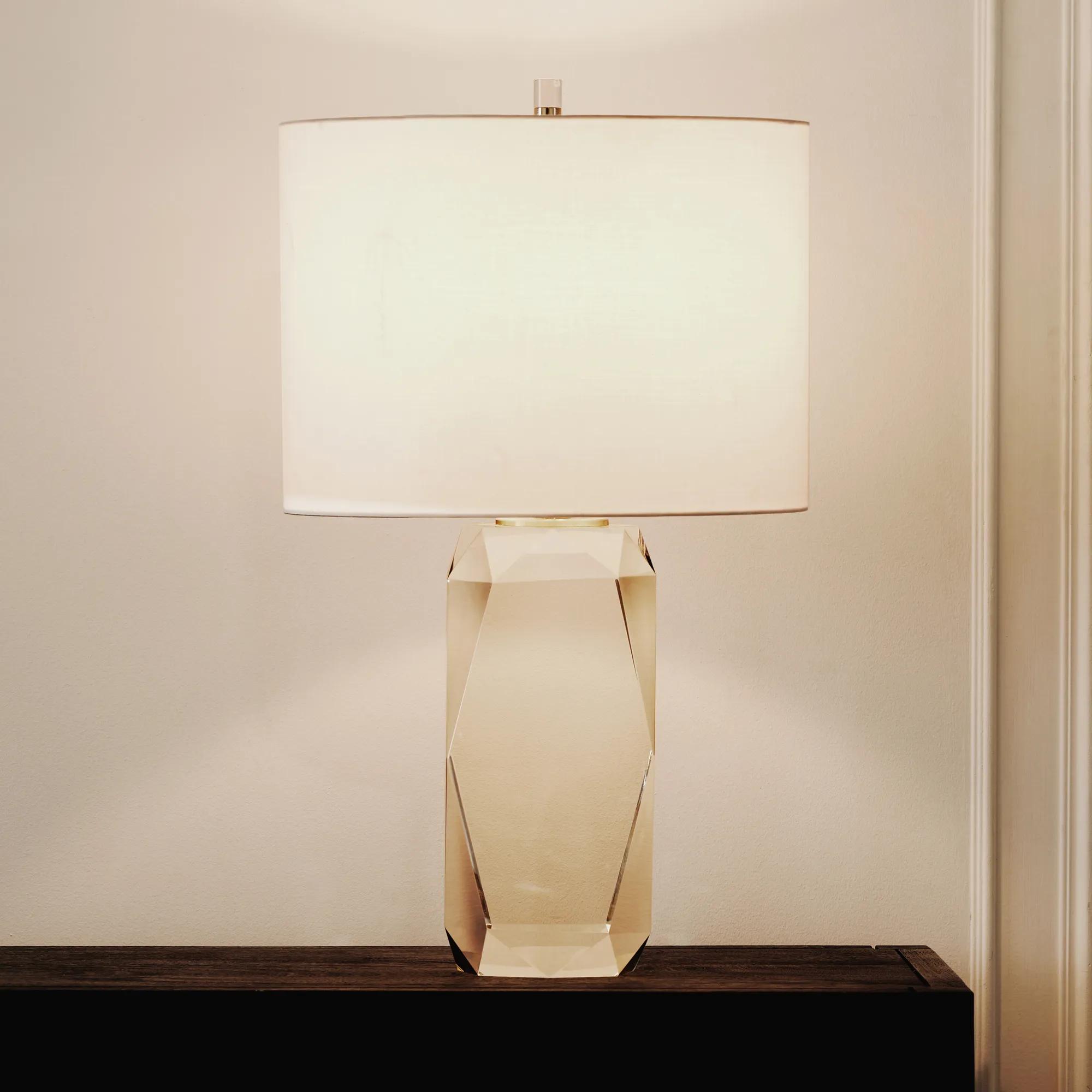 Bianca Faceted Clear K9 Crystal Table Lamp 24"H$499
A clear crystal table lamp with a white drum shade and soft brass hardware for elegant illumination.
Add To Cart -
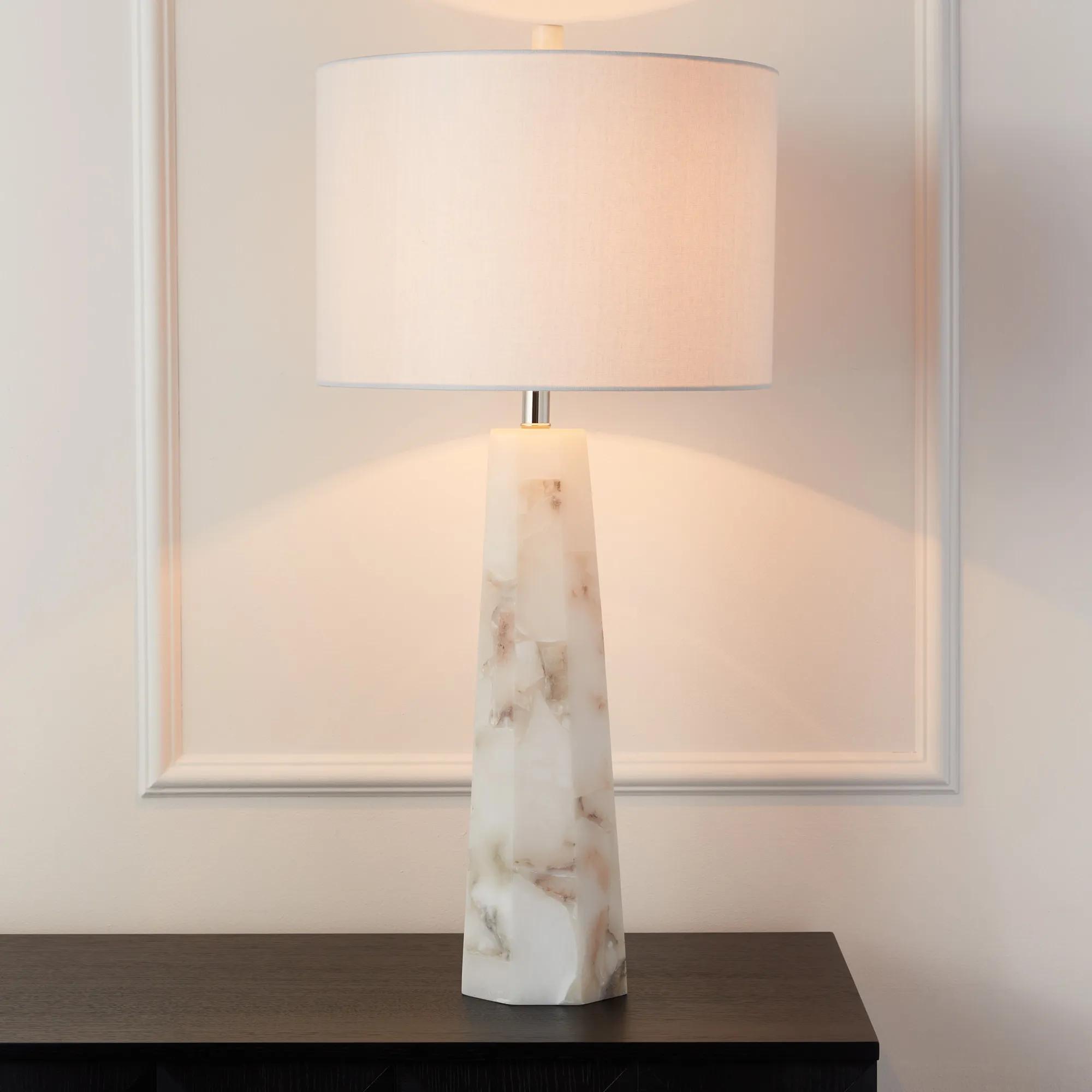 Aurora Alabaster Table Lamp 34"$499
An alabaster stone lamp with a tapered silhouette, white linen shade, and matching alabaster finial.
Add To Cart -
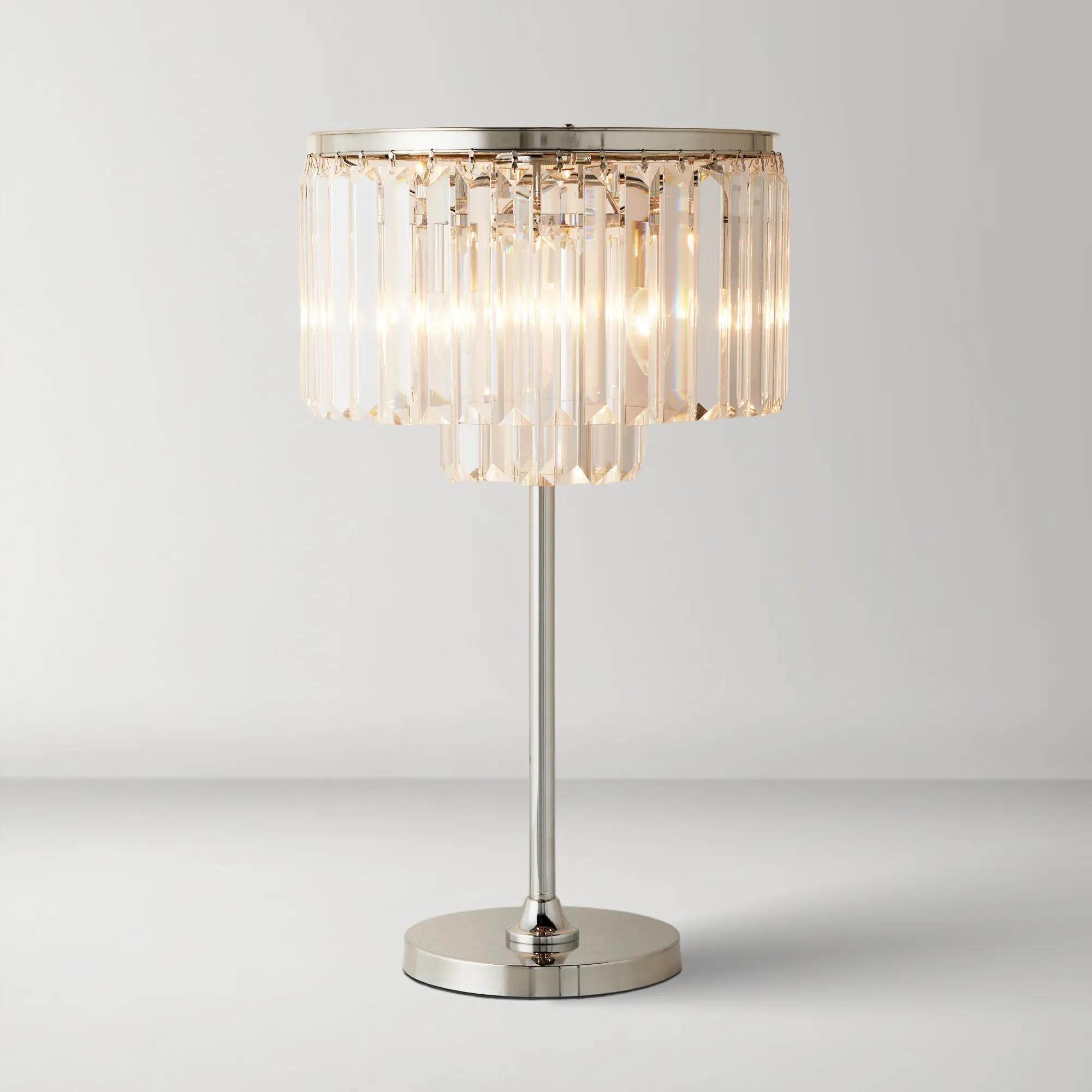
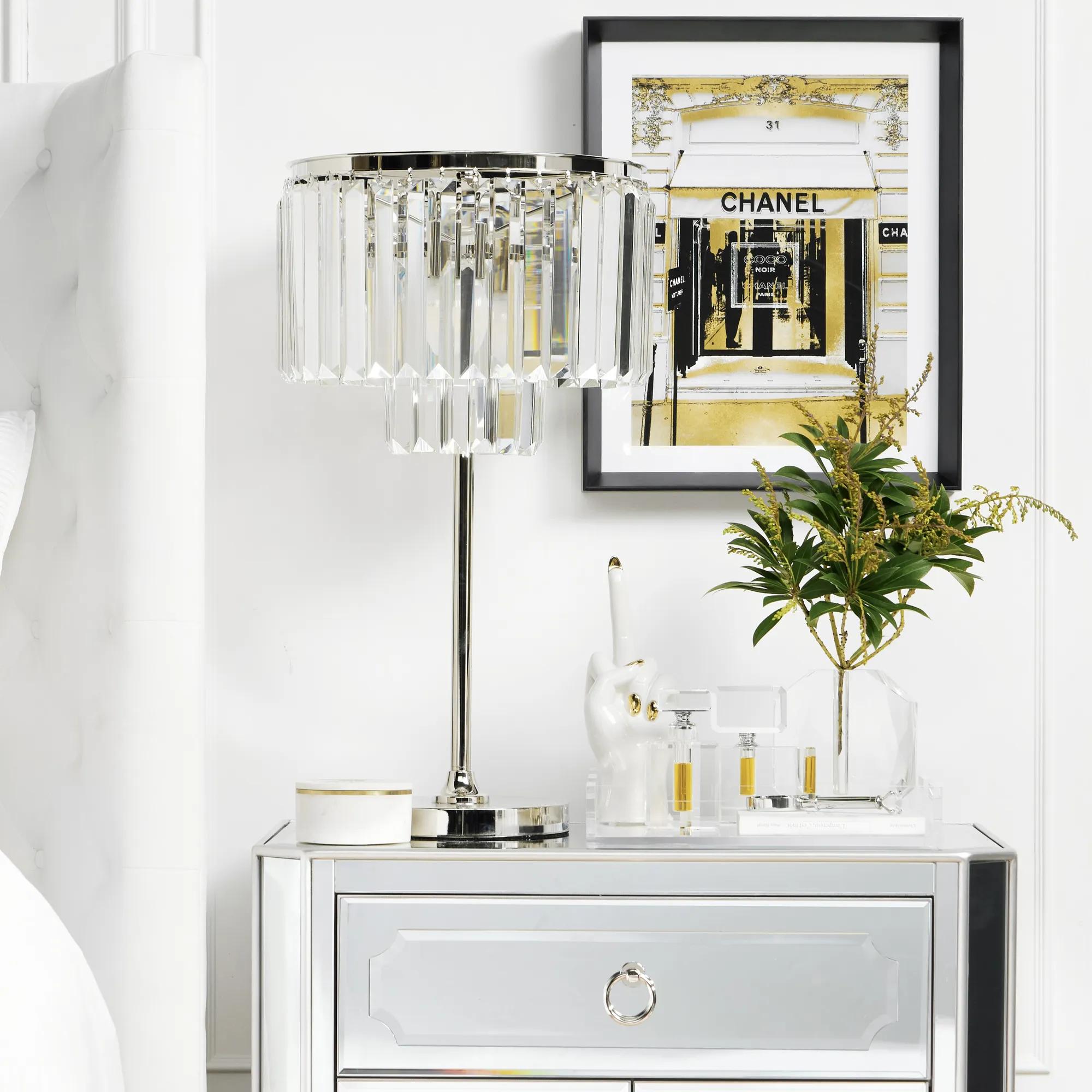 Luxe Table Lamp$499
A sophisticated table lamp featuring faceted ocular glass prisms and a nickel-plated iron frame.
Add To Cart -
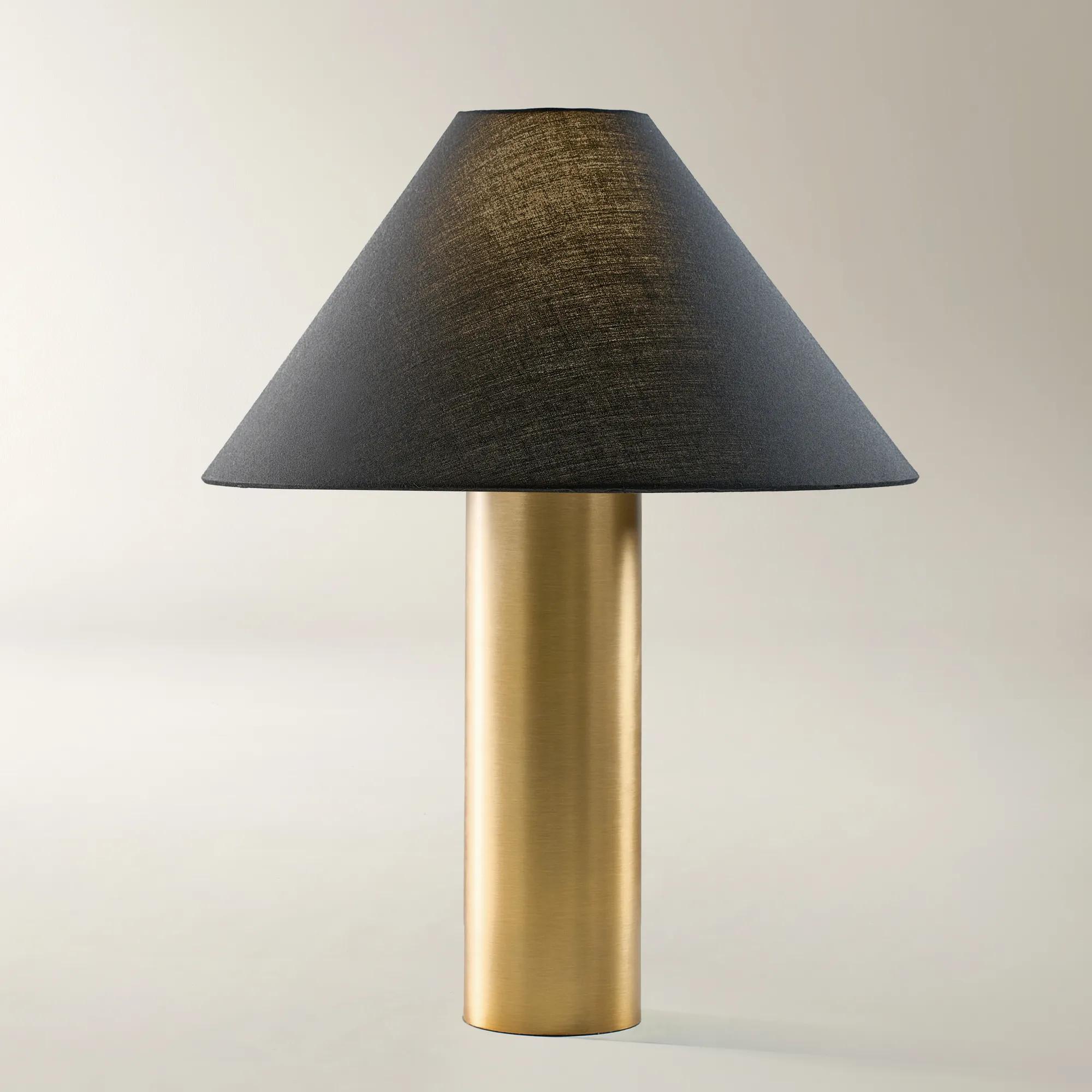 Tova Brushed Brass/Black Table Lamp 20.5"$299
A sculptural brushed brass iron base pairs with a tailored black cotton shade for bold, modern contrast.
Add To Cart -
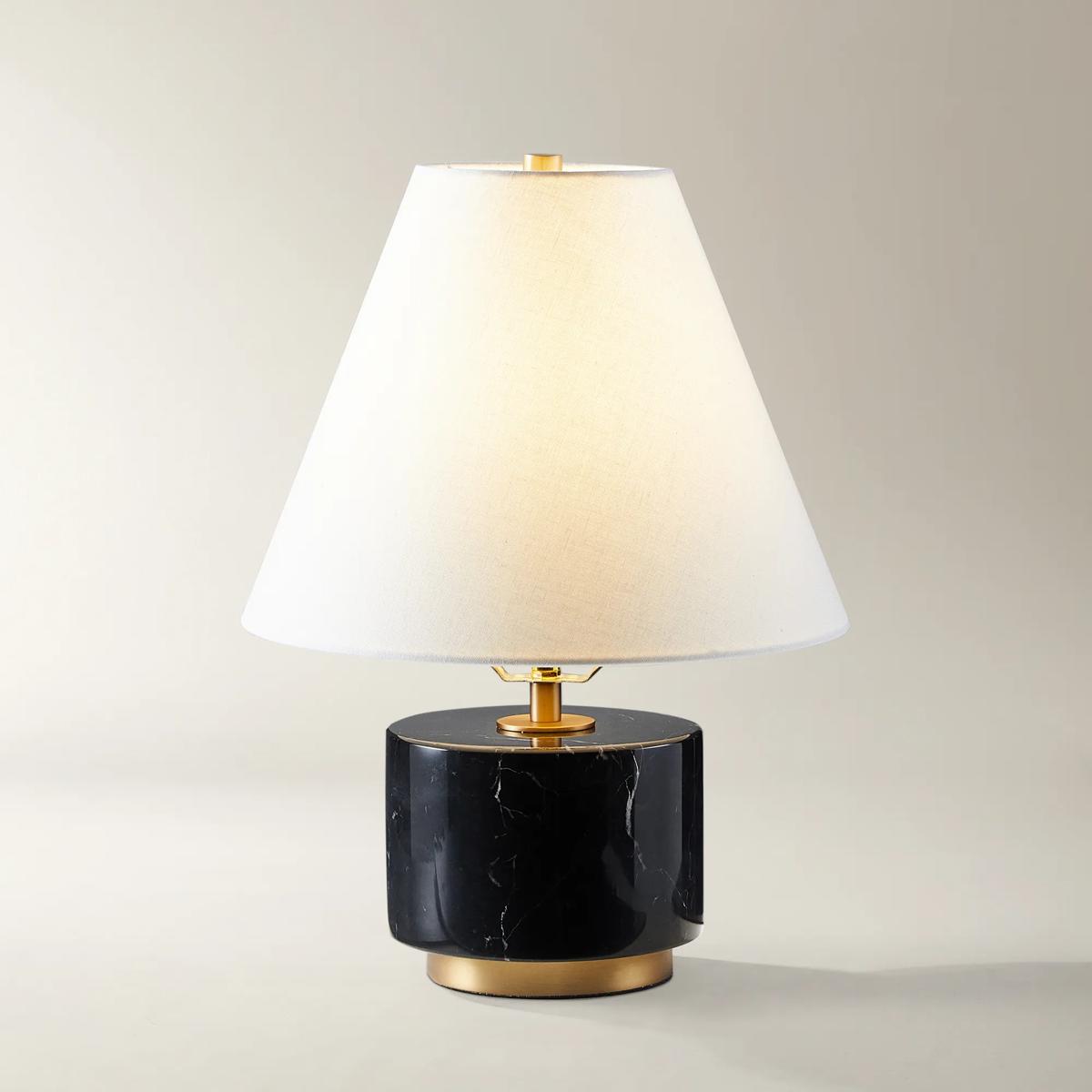
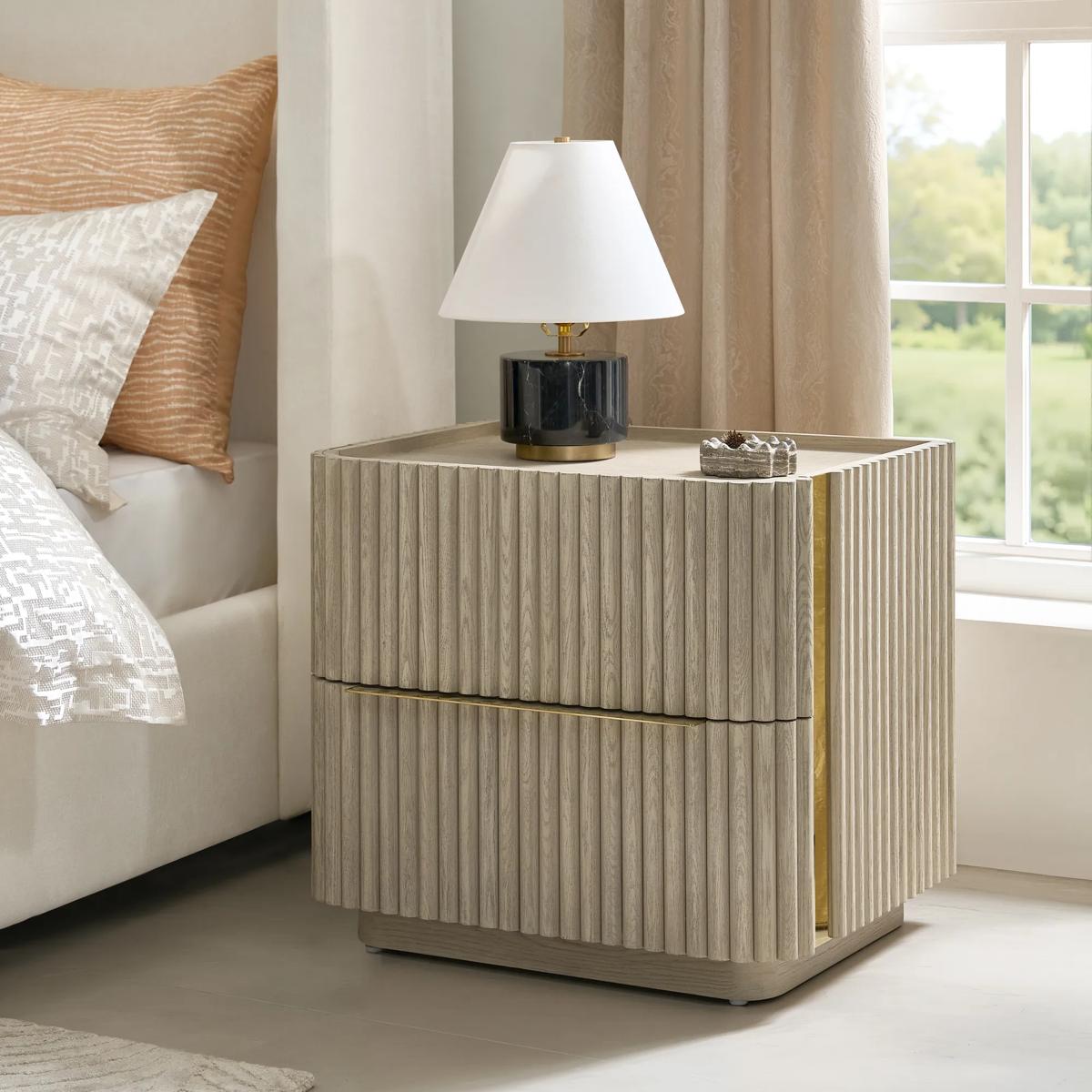 Arden Black Marble Table Lamp 14"$249
A sculptural black marble lamp with brushed brass accents and a warm white linen tapered shade.
Add To Cart -
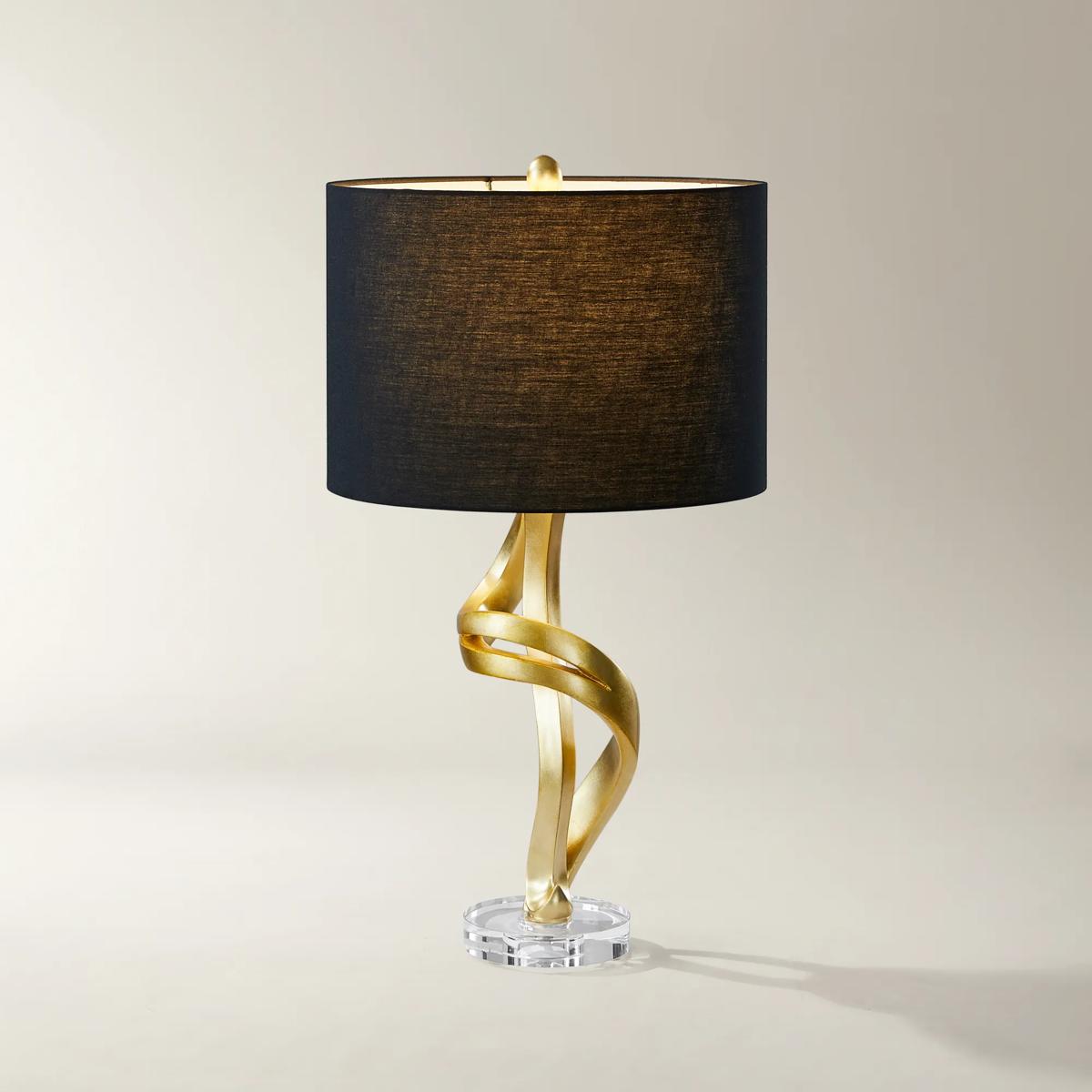
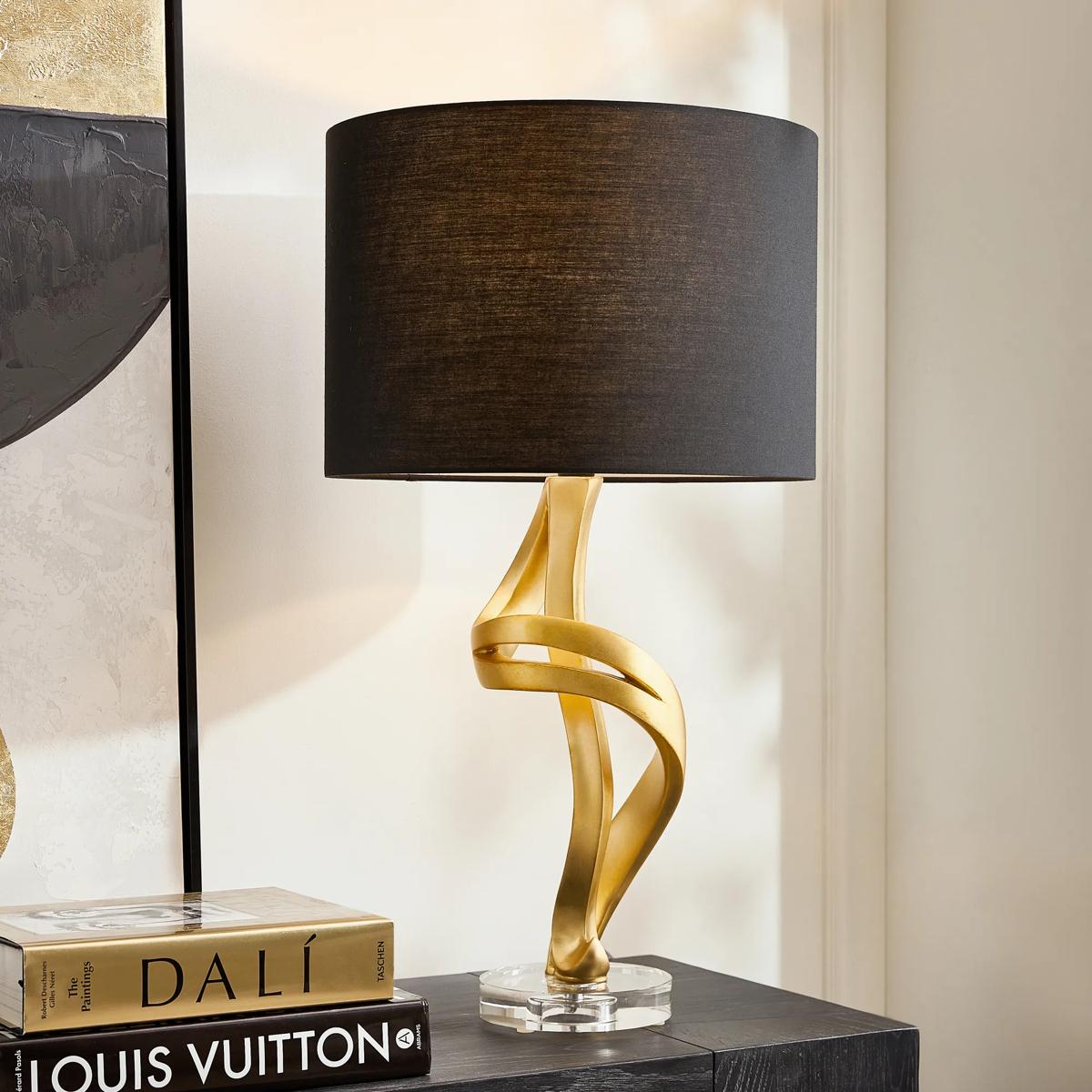 Nisa Sculptural Champagne Resin Table Lamp 28.25"$399
A sculptural resin lamp in champagne gold with a black cotton drum shade and clear acrylic base.
Add To Cart -
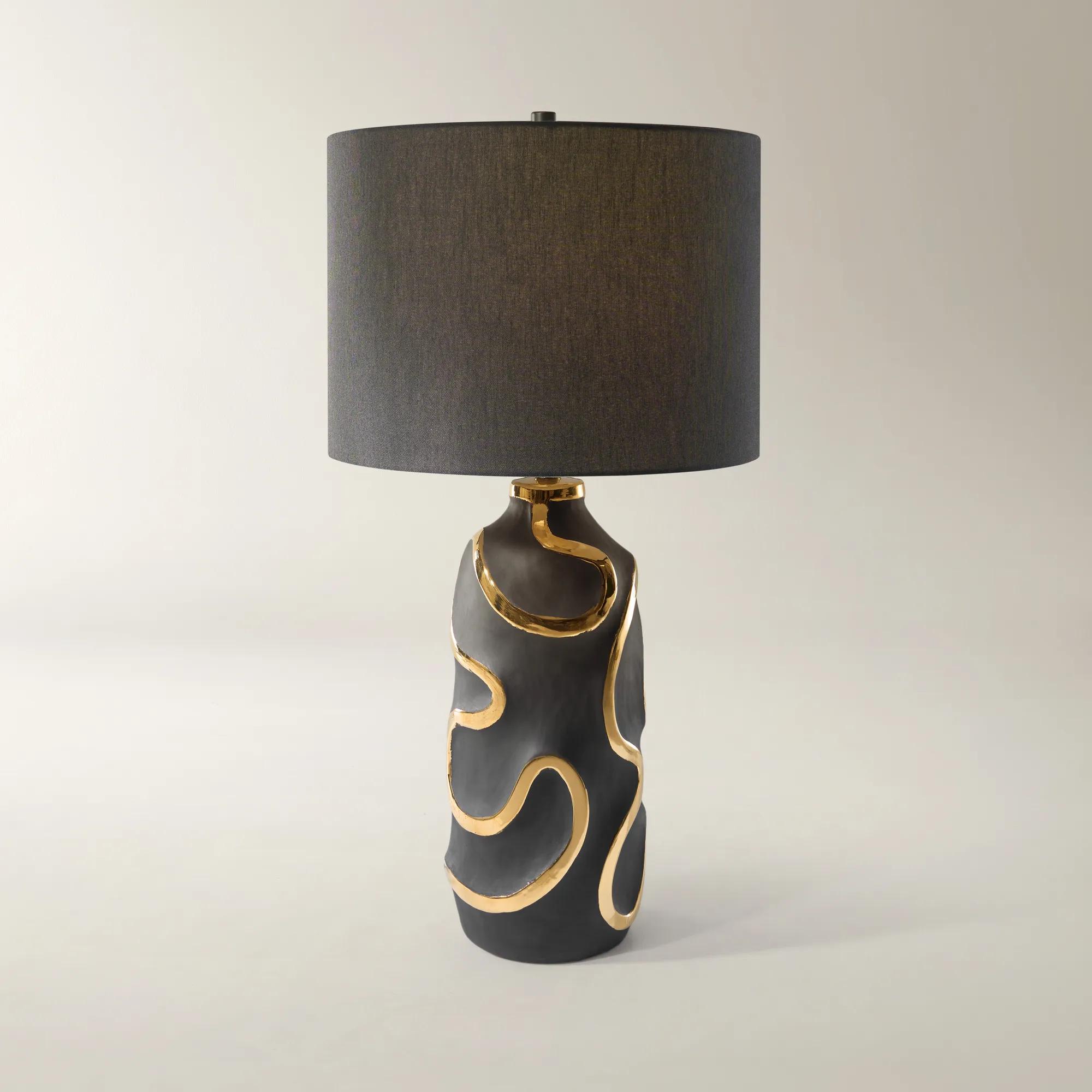 Seraphina Black/Gold Ceramic Table Lamp 32"$249
A matte black ceramic lamp with electroplated gold loops and adjustable three-level lighting.
Add To Cart -
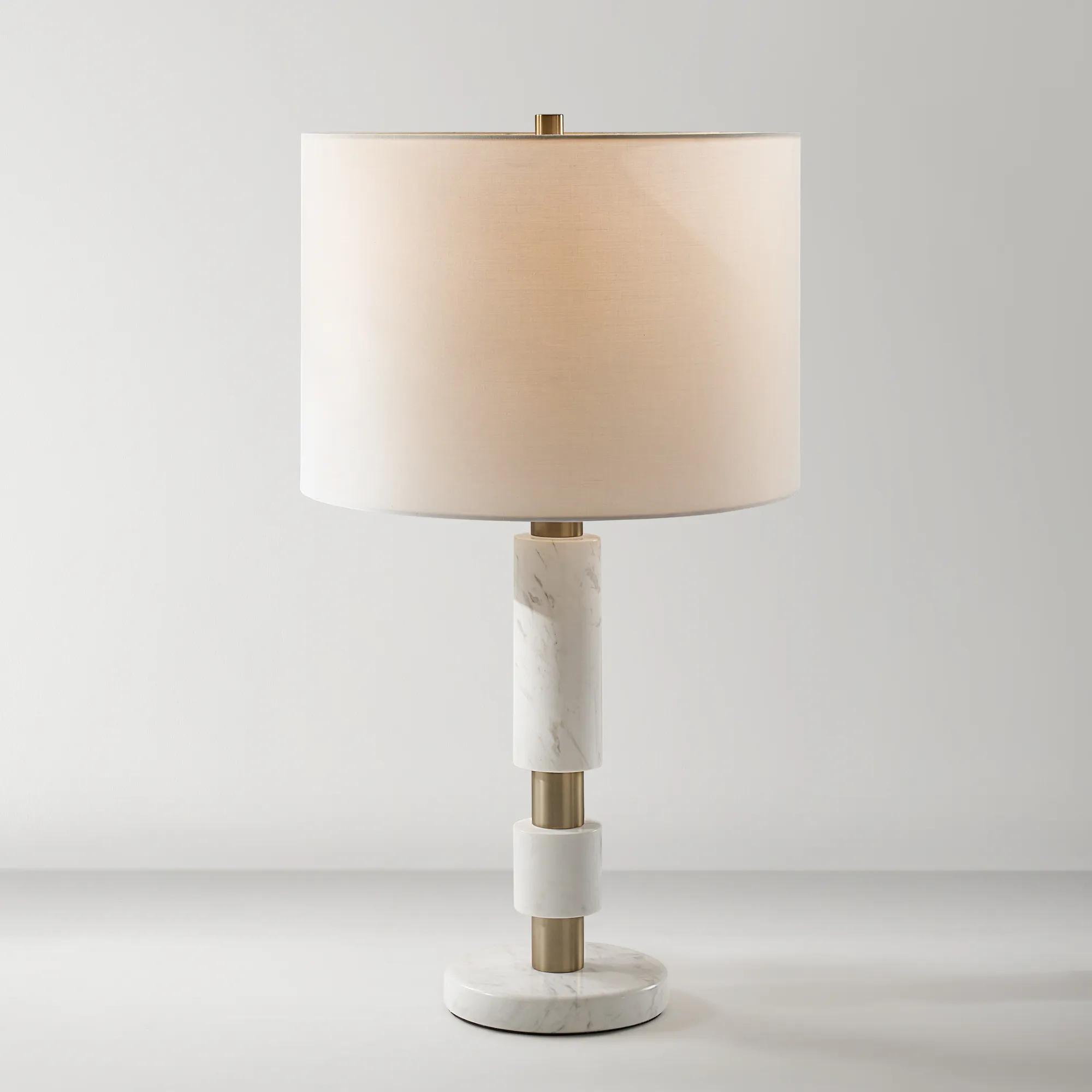 Thea Table Lamp$379
A luxurious table lamp featuring a white marble base, champagne metal accents, and a crisp cotton drum shade.
Add To Cart -
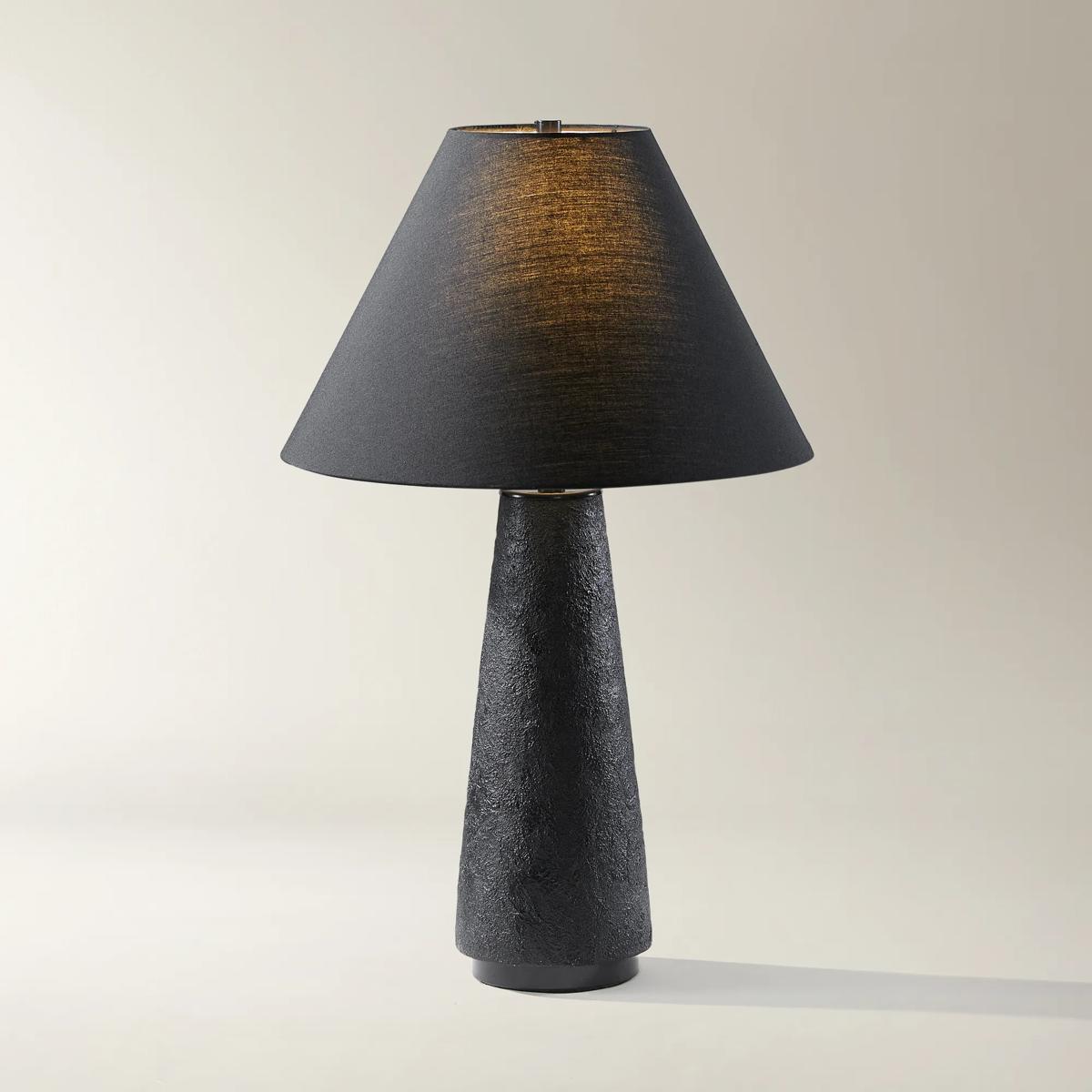 Beton Black Textured Concrete Table Lamp 25"$299
A sculptural table lamp featuring textured black concrete, matte black metal accents, and a black cotton shade.
Add To Cart -
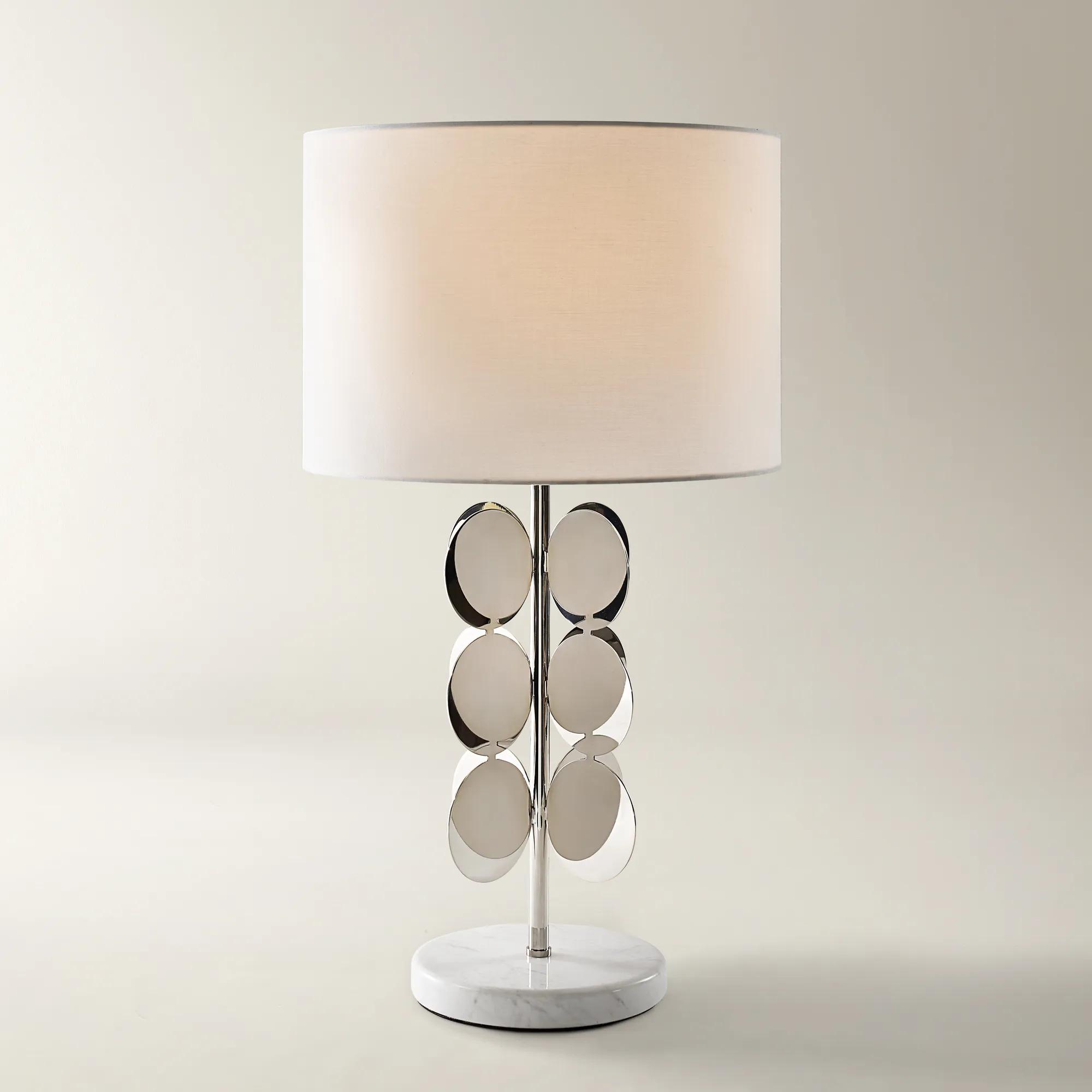 Orion Table Lamp$329
A polished nickel iron lamp with a white marble base and crisp white cotton drum shade.
Add To Cart -
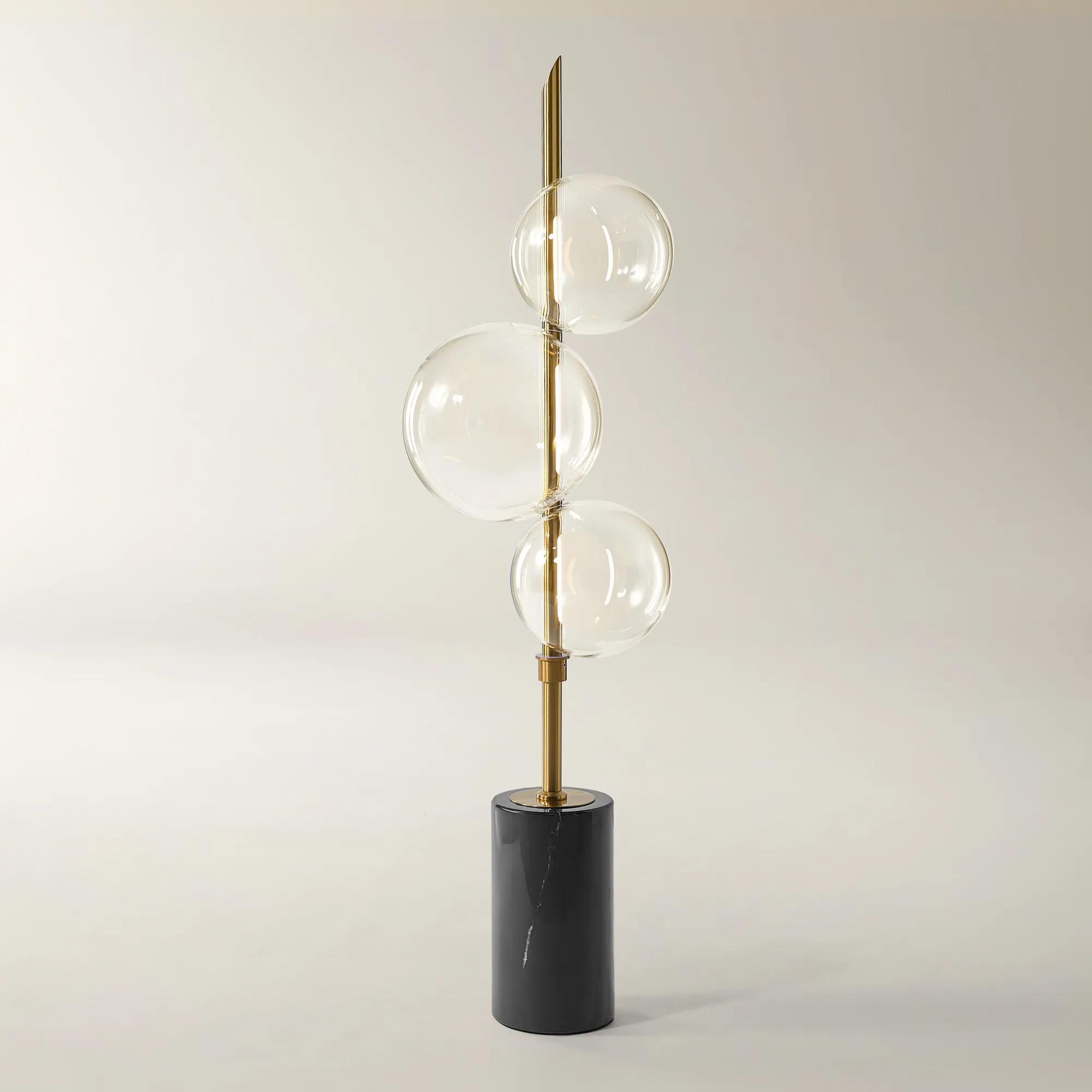
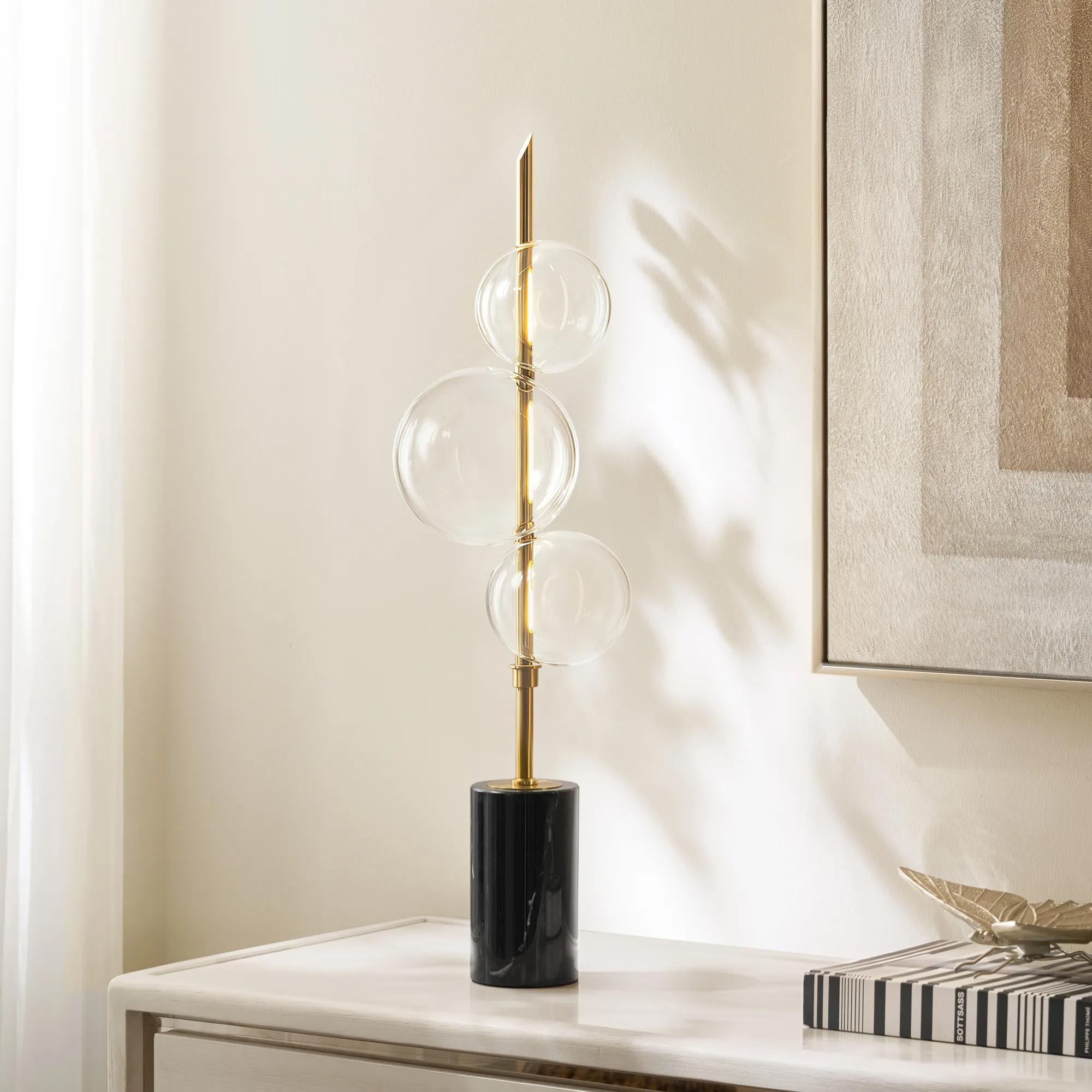 Bolla LED Hand-Blown Glass Bubble And Stone Table Lamp 31.5"$249
A sculptural table lamp featuring clear hand-blown glass bubbles, brass and stone accents, and integrated LED lighting.
Add To Cart -
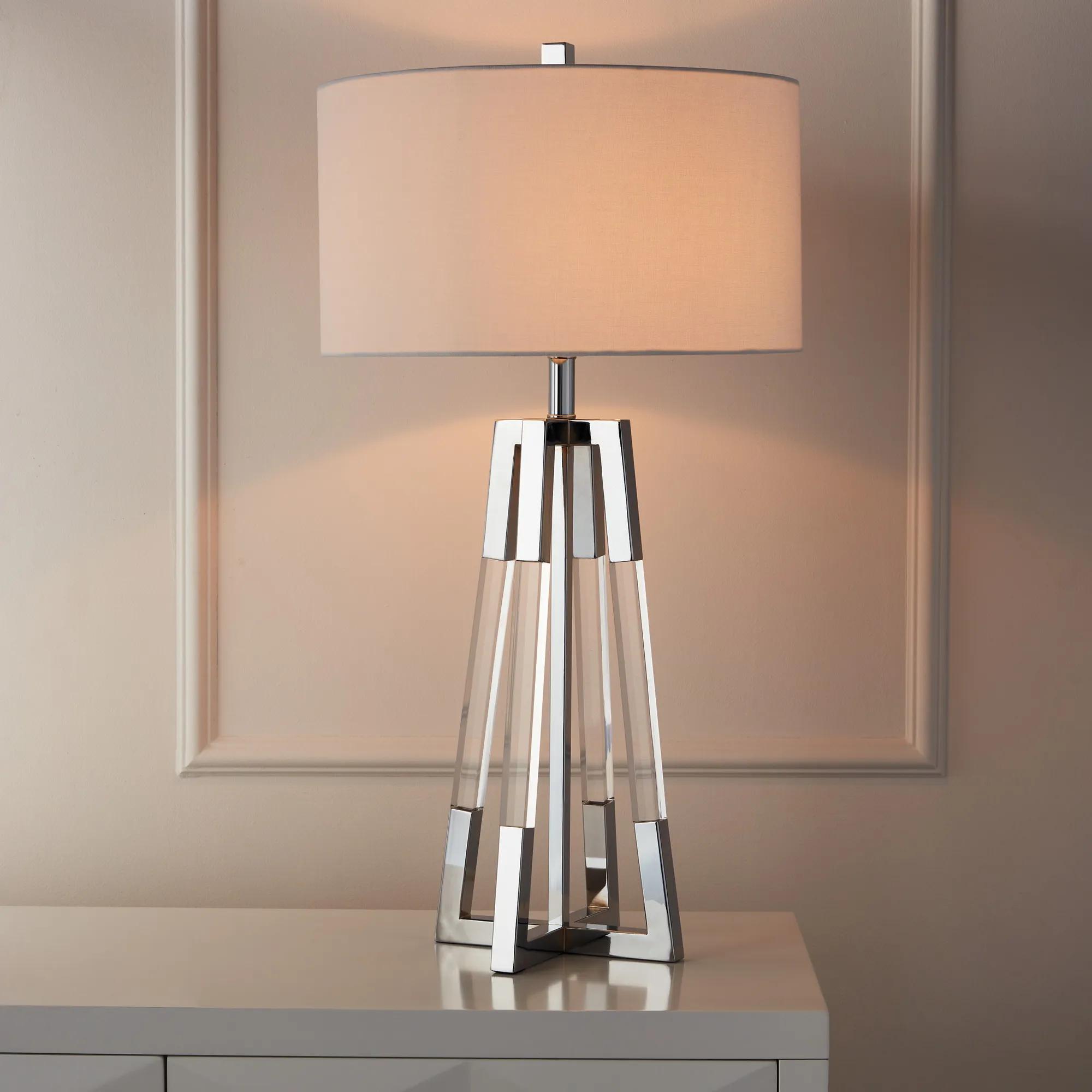 Rollins Table Lamp$439
A sophisticated table lamp featuring clear acrylic and polished nickel accents with a crisp white shade.
Add To Cart -
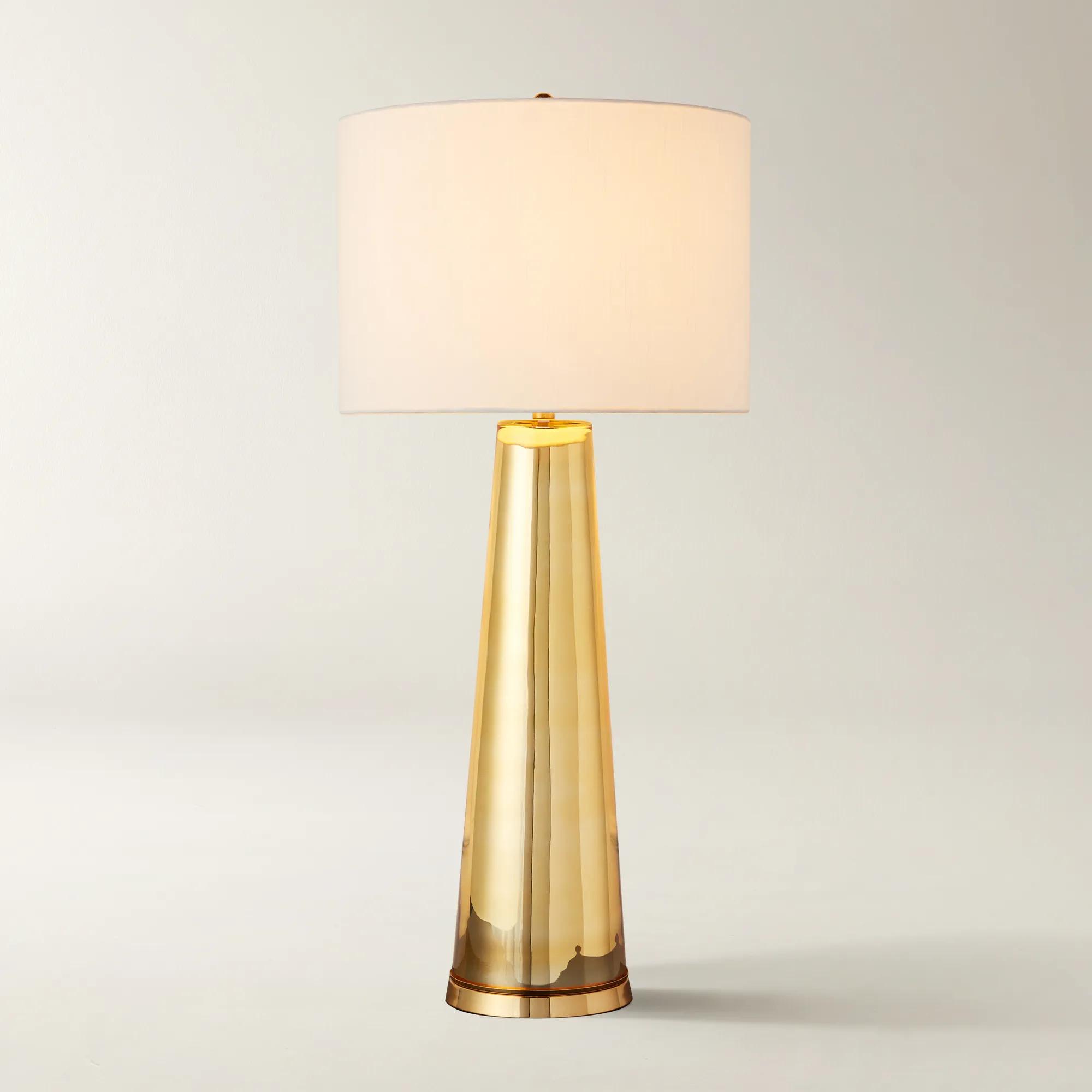
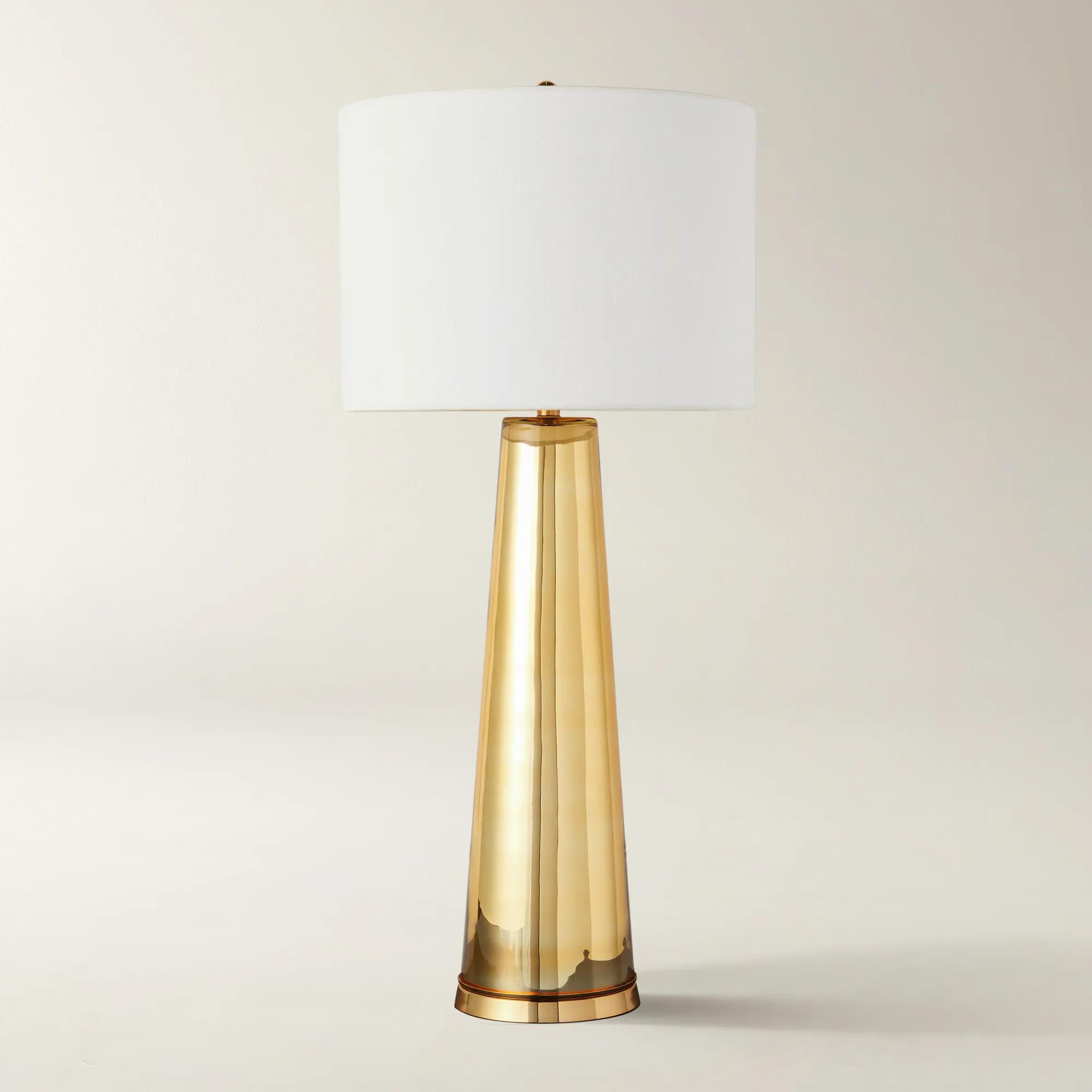 Century Gold Mirrored Glass Table Lamp 40"$299
A modern lamp featuring a mirrored glass base and white drum shade, accented with gold or silver details.
Add To Cart -
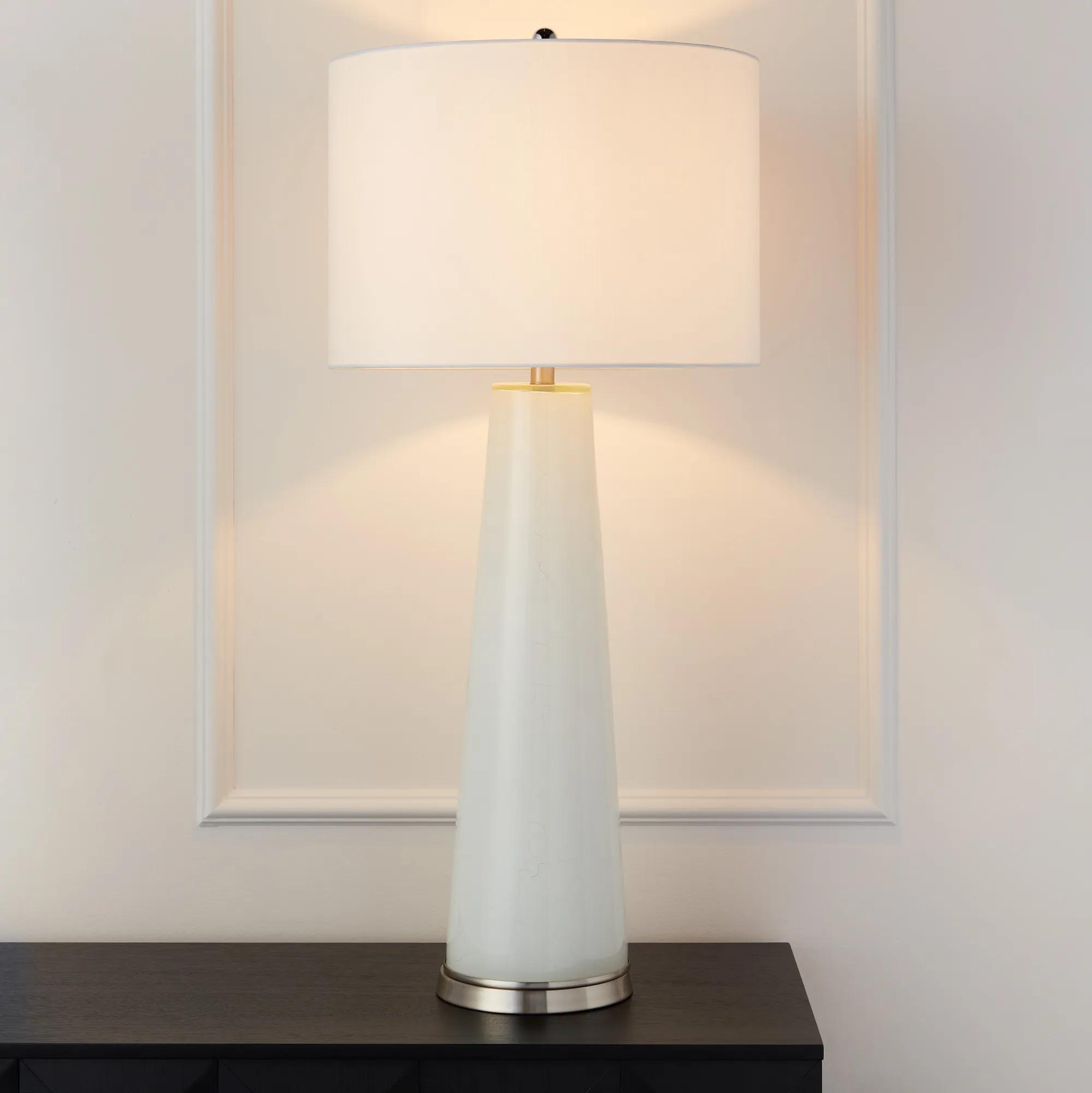 Century White Glass High Gloss Table Lamp 40"$299
A modern glass lamp with a high-gloss white interior and a crisp white drum shade.
Add To Cart -
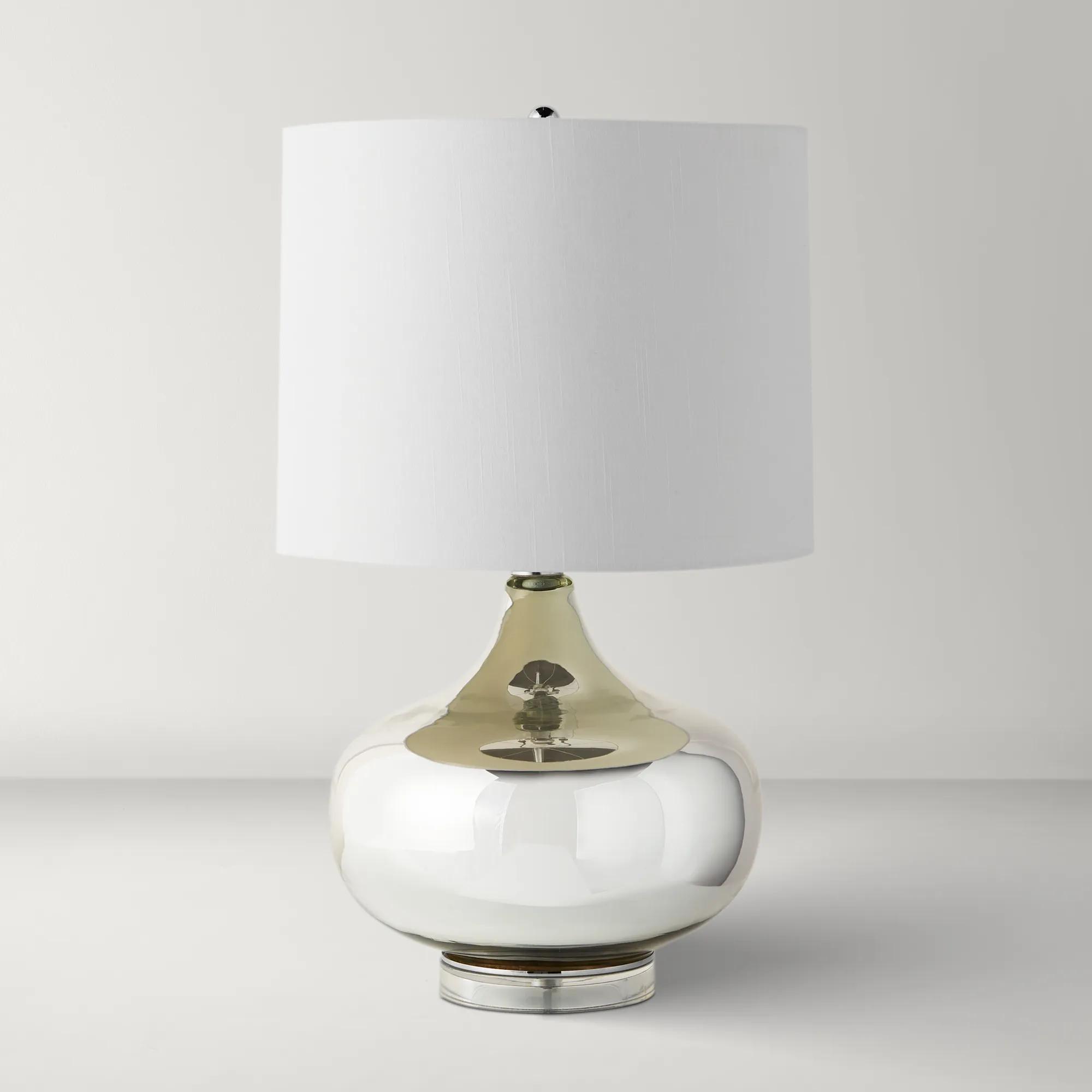 Sabrina Mirrored Silver Glass Table Lamp 27.5"$199
A contemporary lamp featuring a silver mirrored glass base, clear acrylic accents, and a white fabric shade.
Add To Cart -
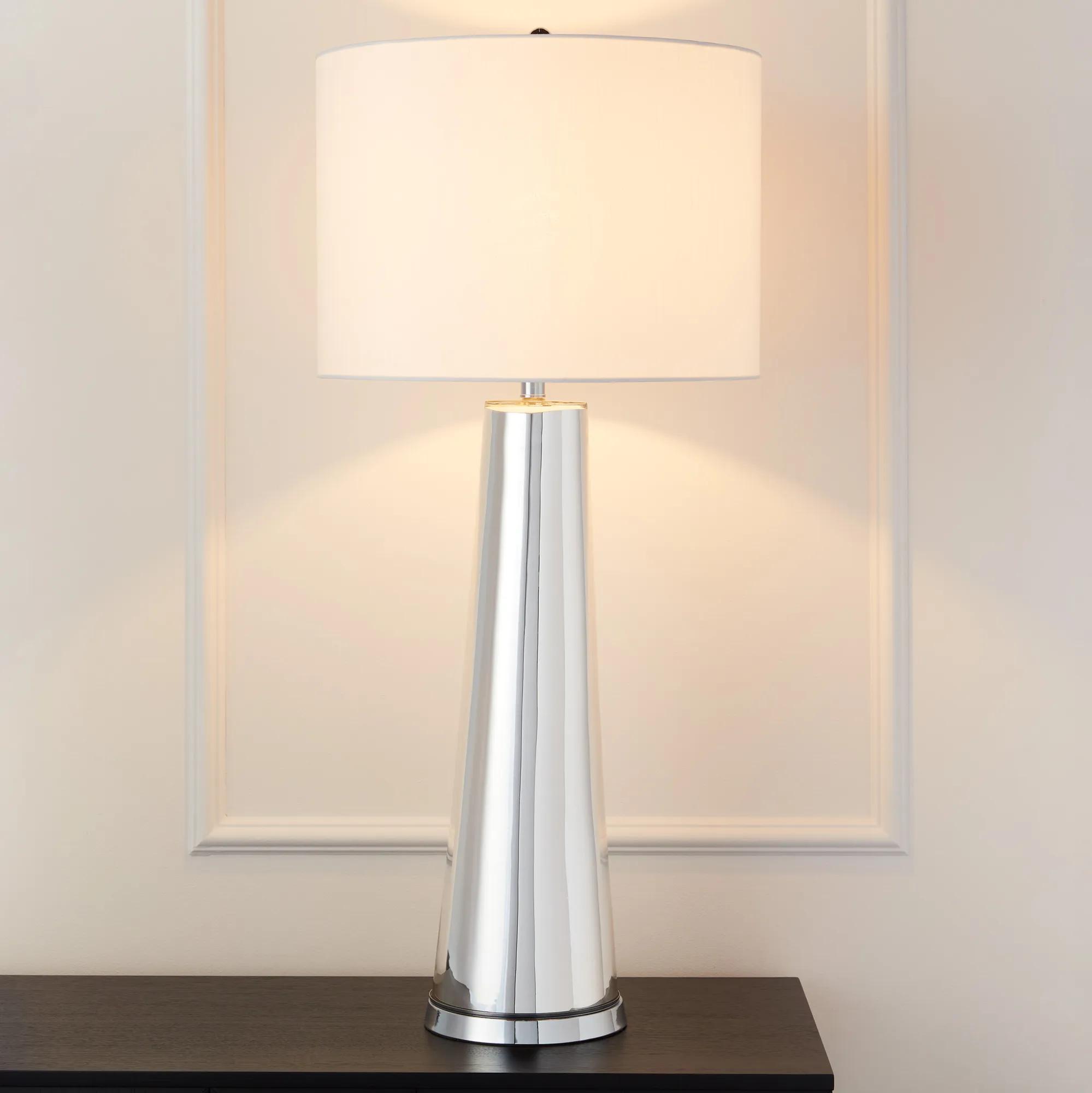 Century Silver Mirrored Glass Table Lamp 40"$299
A modern table lamp featuring a mirrored glass base and white drum shade with brushed chrome accents.
Add To Cart -
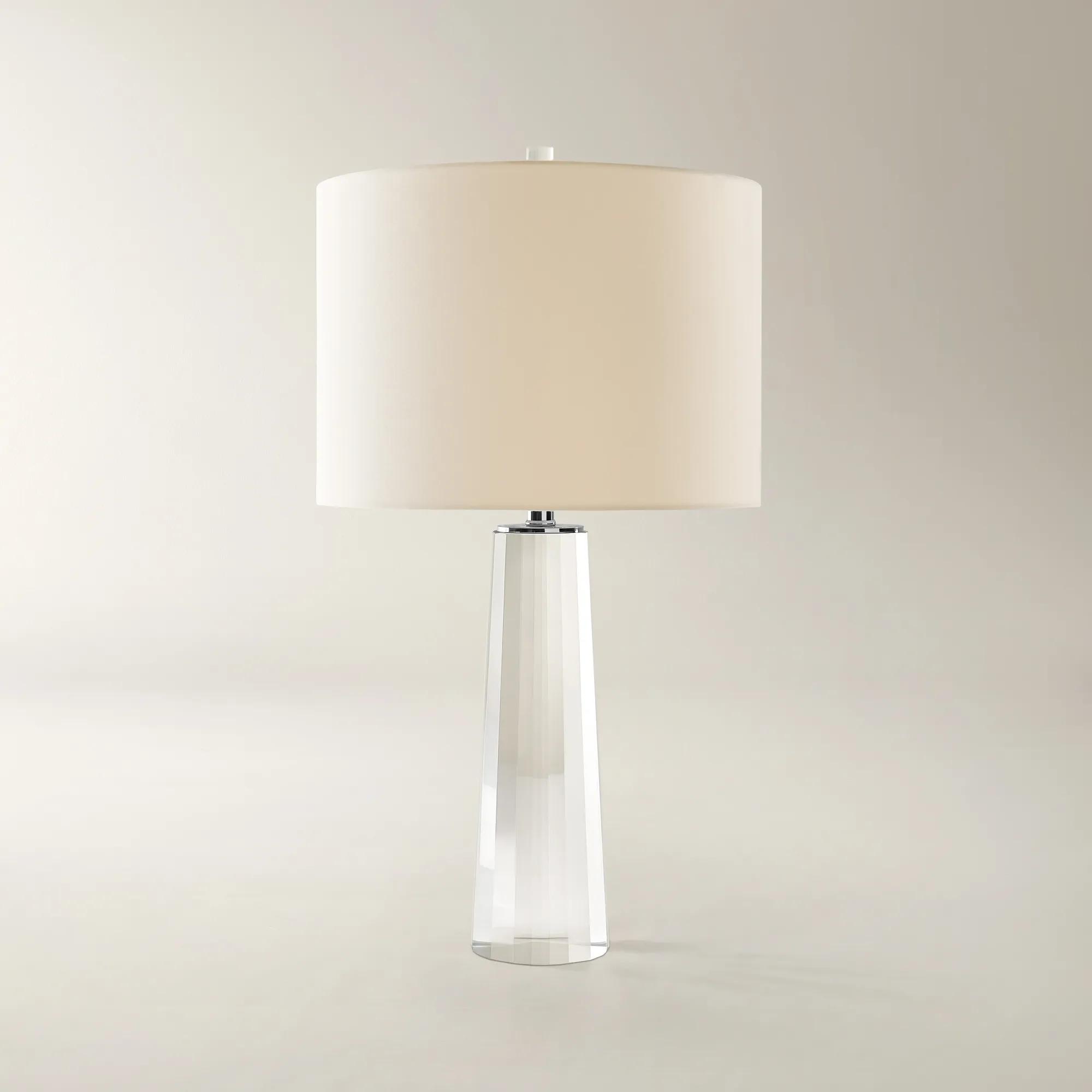
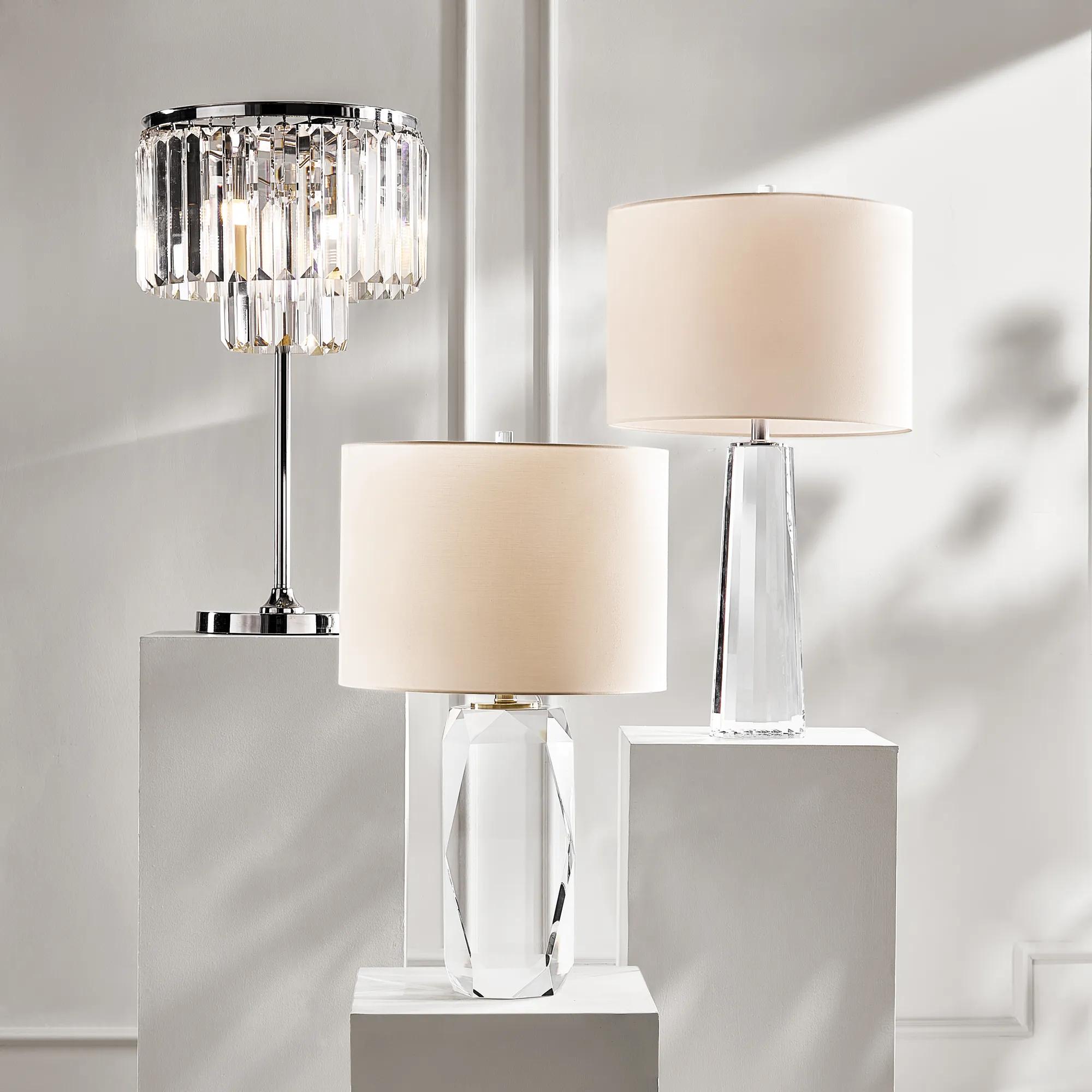 Sasha Faceted Clear K9 Crystal Table Lamp 28"$499
A refined table lamp featuring a clear crystal base, white drum shade, and polished nickel accents.
Add To Cart -
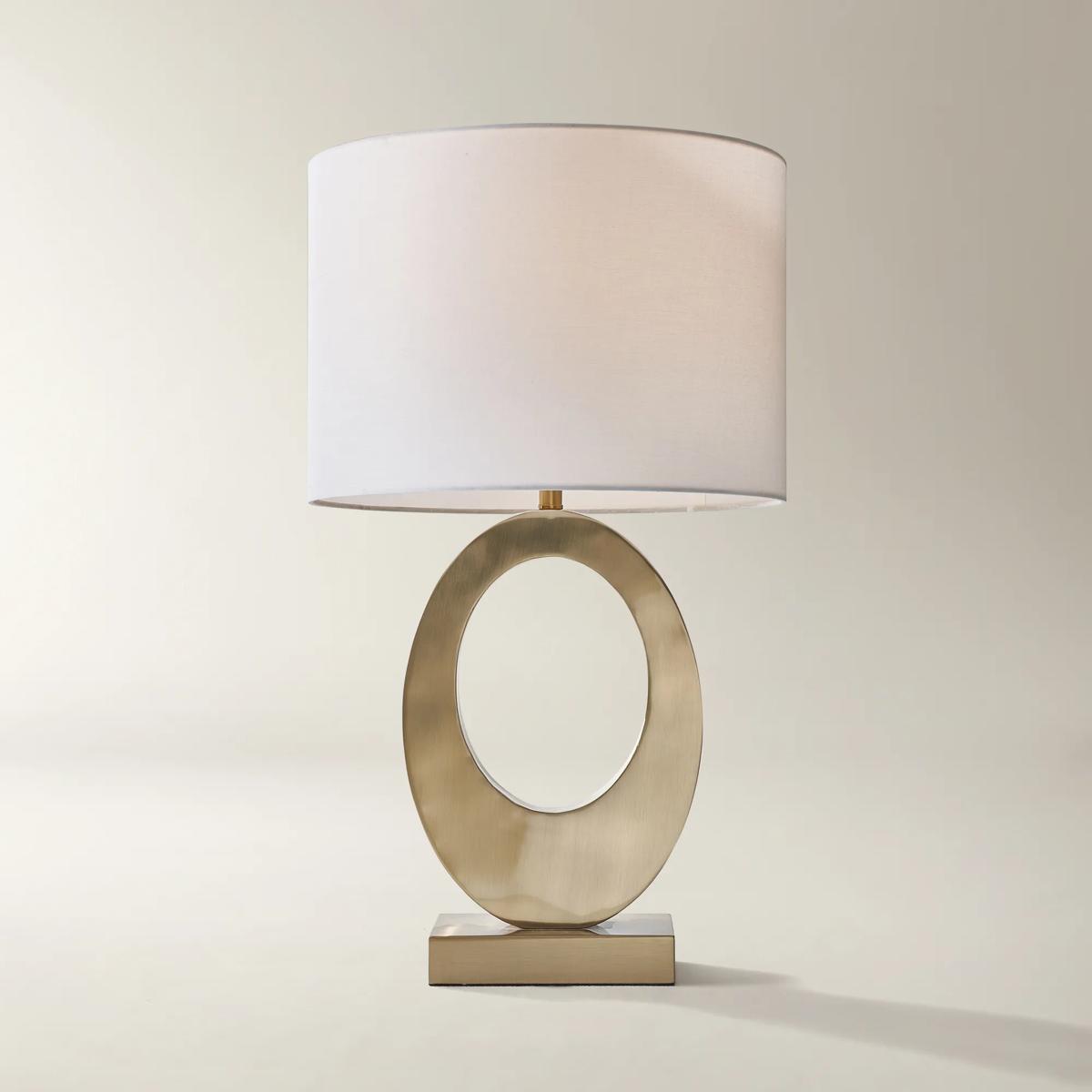 Loop Champagne Gold Metal Table Lamp 26.25"$399
A sculptural iron lamp in champagne gold with a beige cotton drum shade for warm, diffused lighting.
Add To Cart -
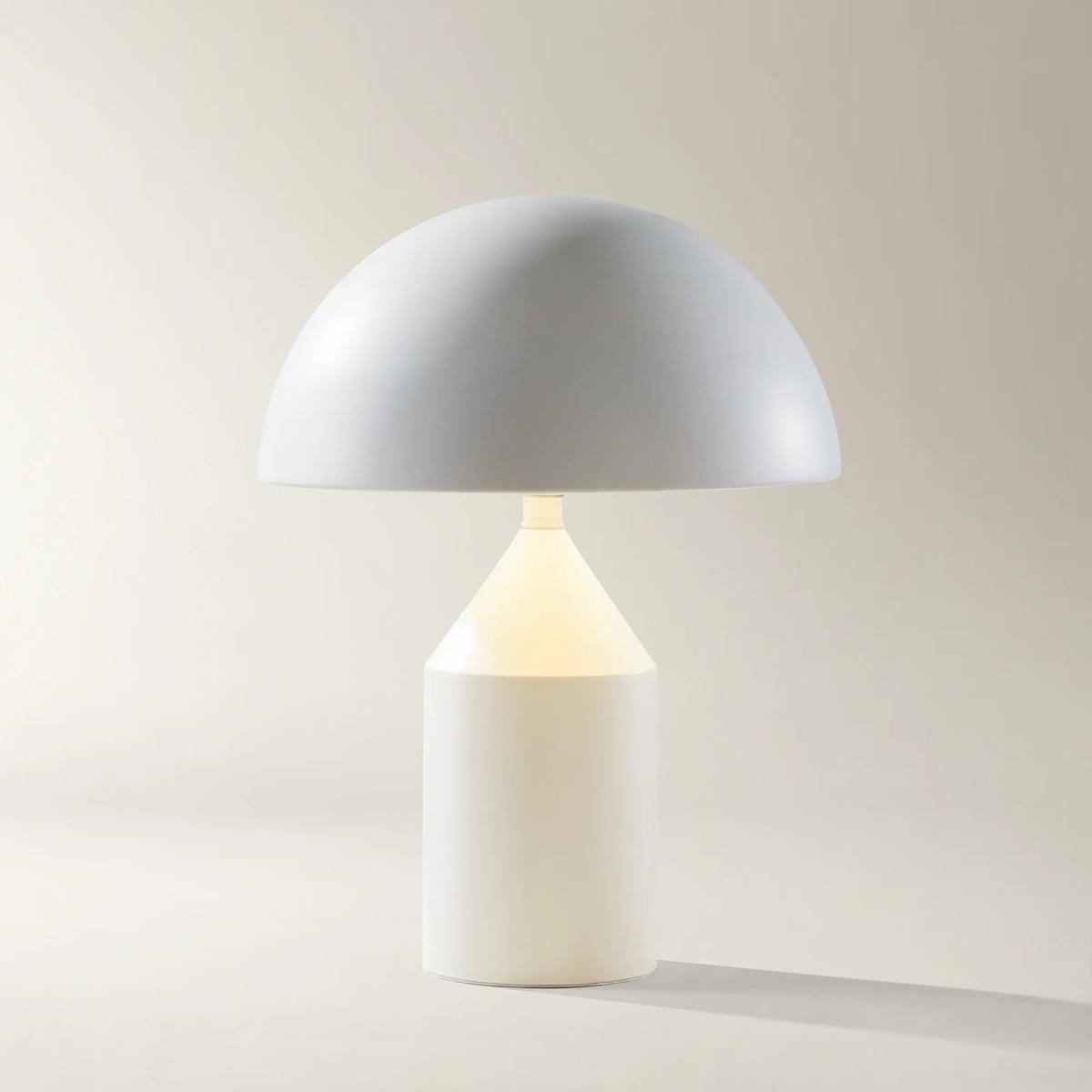
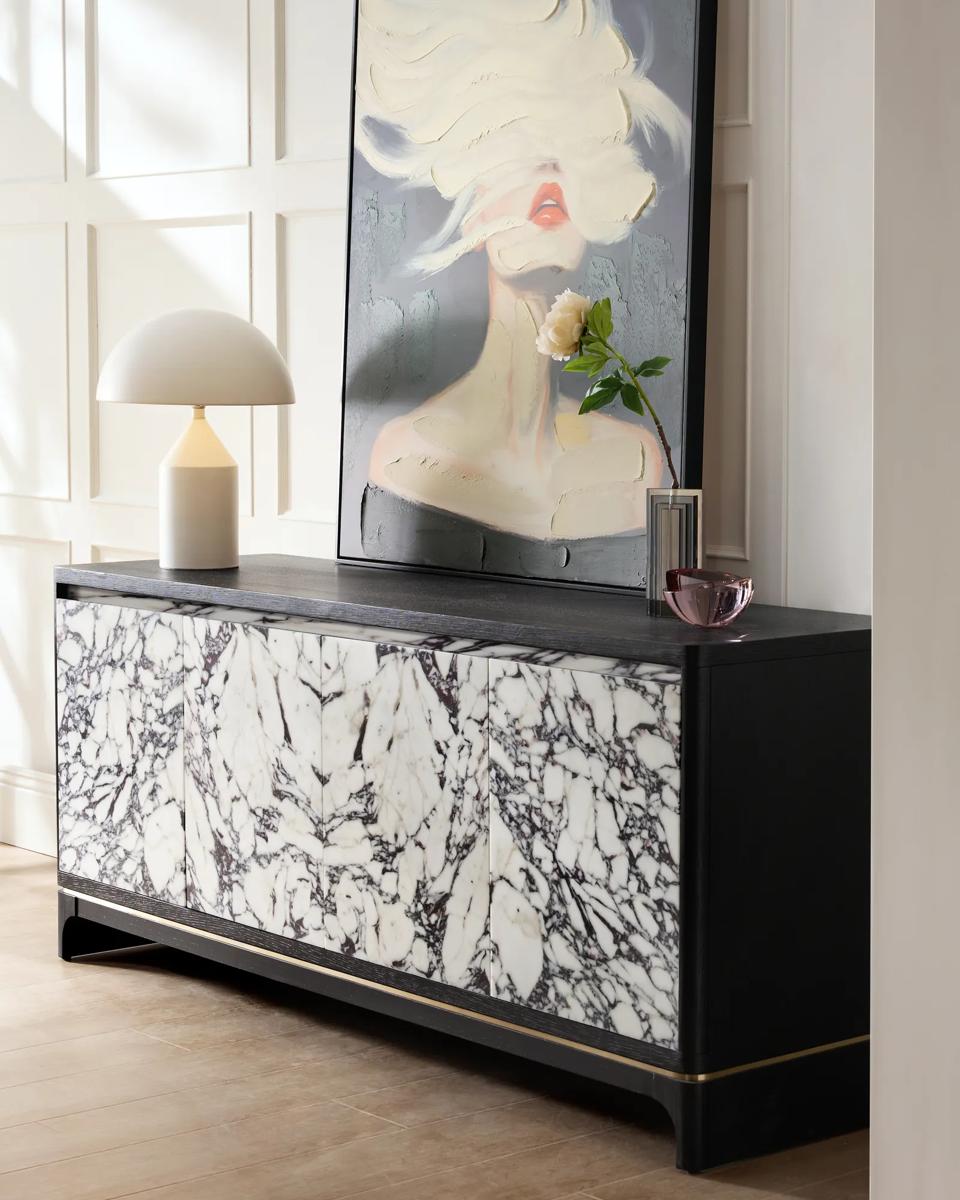 Arlen Metal Table Lamp - White$249
A satin white iron lamp with clean lines and a dome shade for modern, minimalist interiors.
Add To Cart -
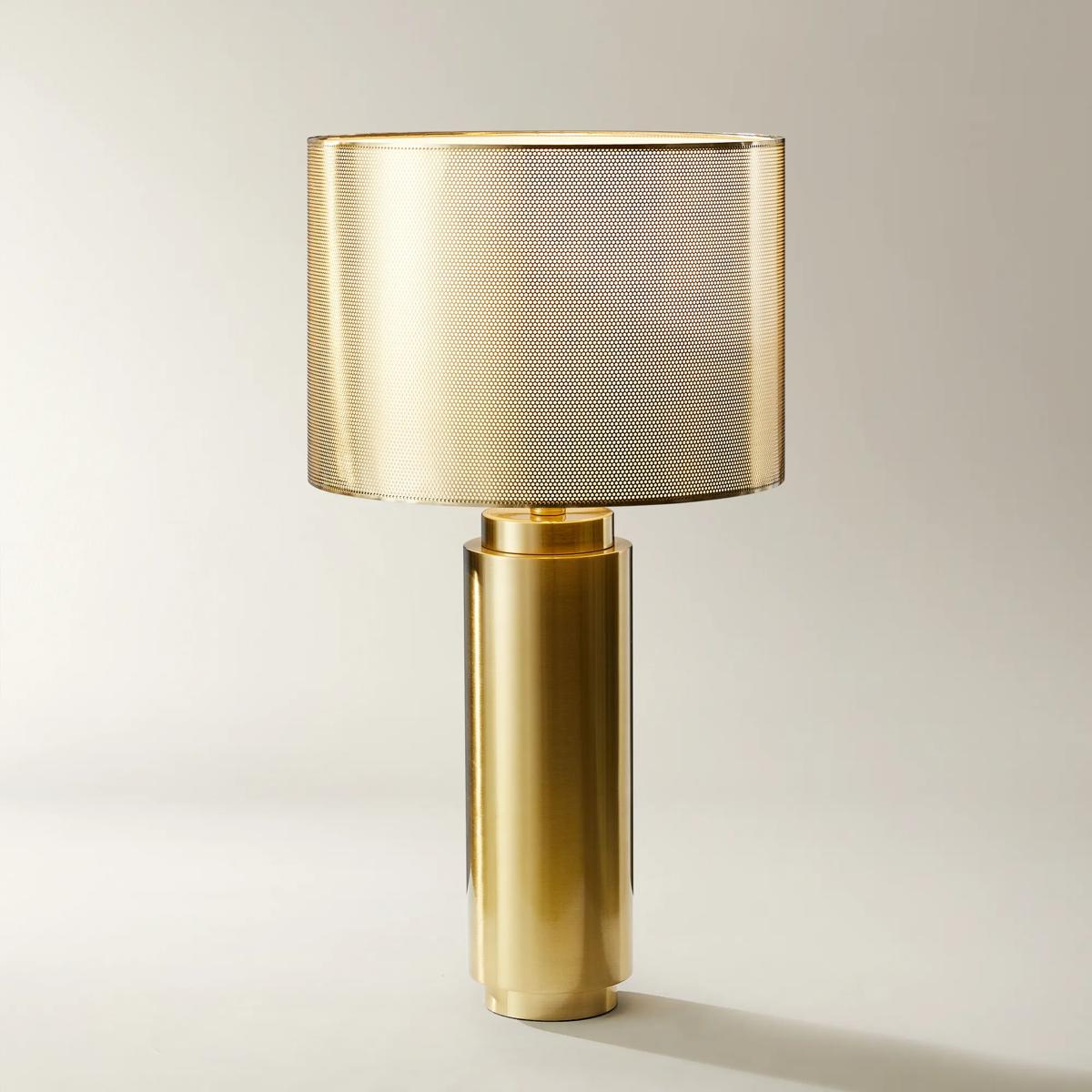
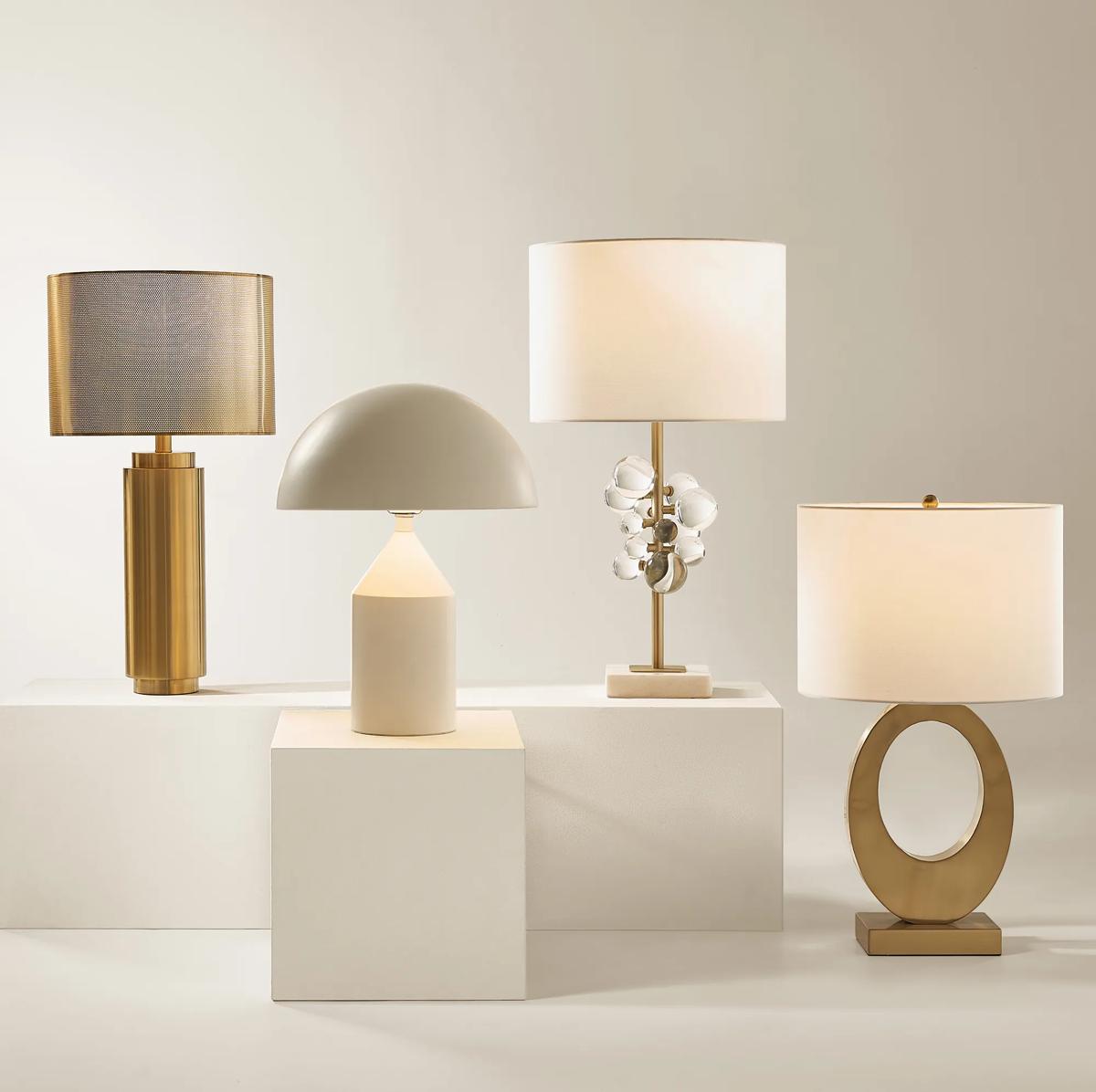 Sibyl Metal Aged Brass Finish Table Lamp 26"$399
A modern table lamp featuring an aged brass iron base and a perforated metal-over-cotton shade.
Add To Cart -
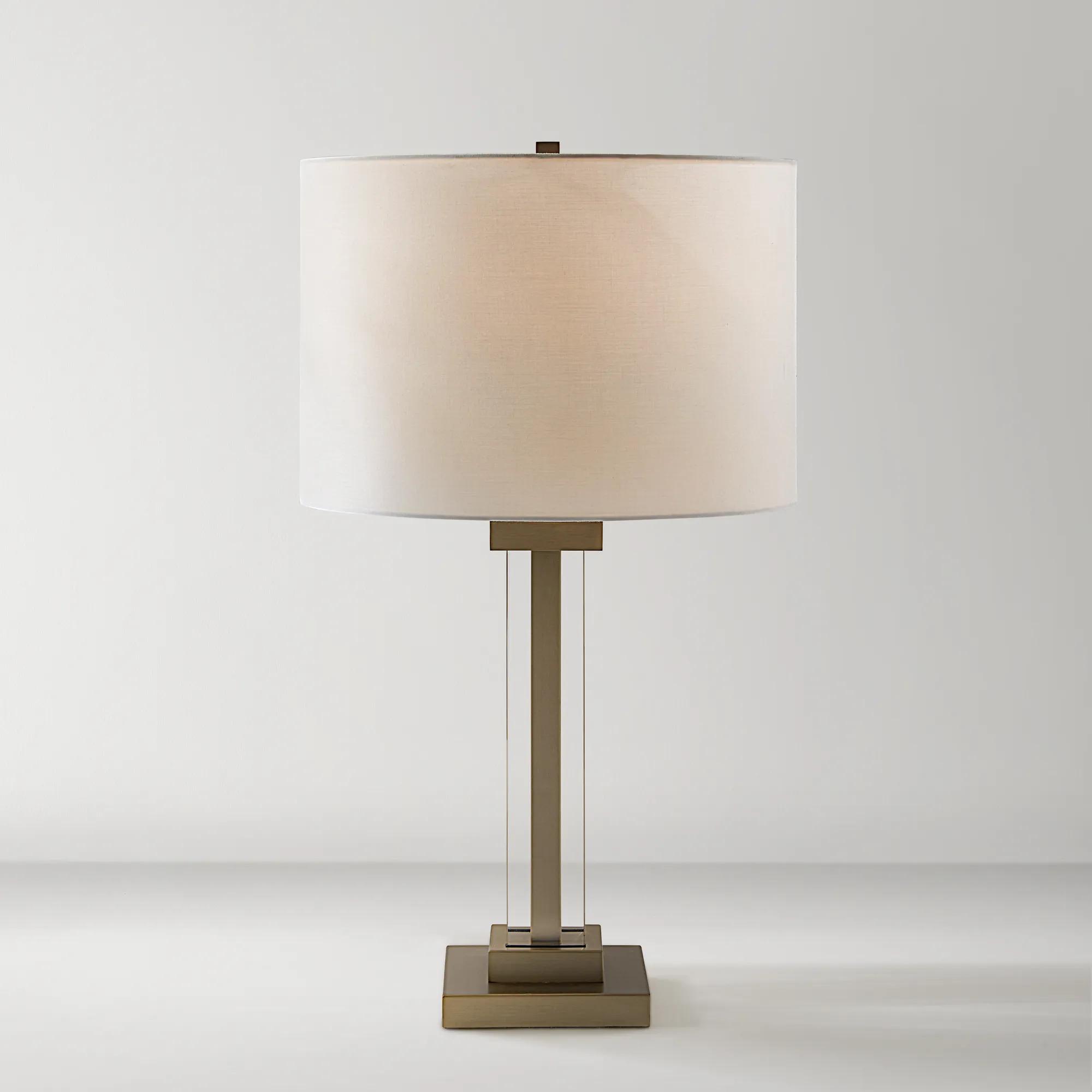
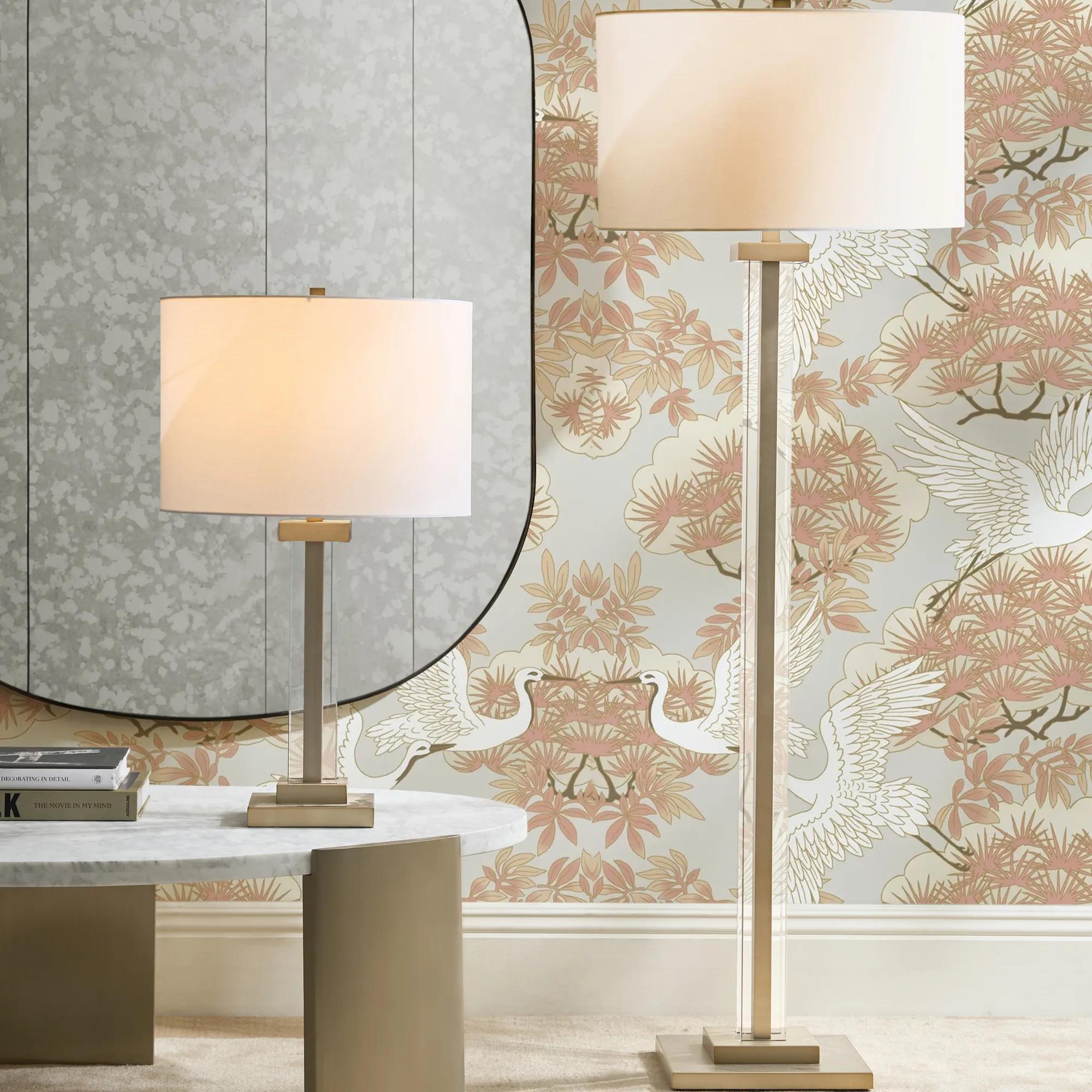 Soren Table Lamp$349
A clear glass and champagne metal lamp with a white cotton drum shade for elegant illumination.
Add To Cart -
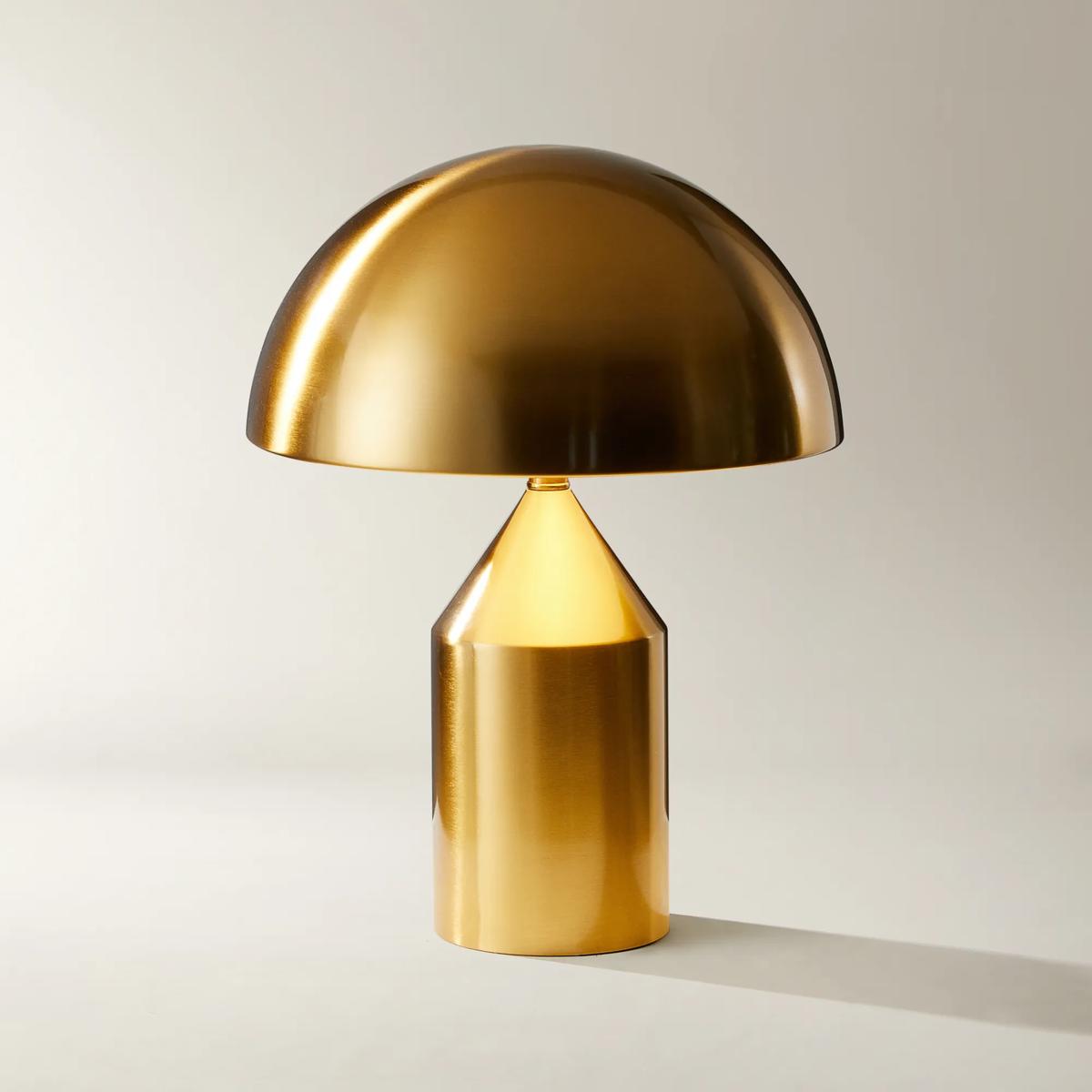 Arlen Gold Metal Table Lamp 19"$249
A modern iron table lamp in brushed gold with a bold dome shade and clean cylindrical base.
Add To Cart -
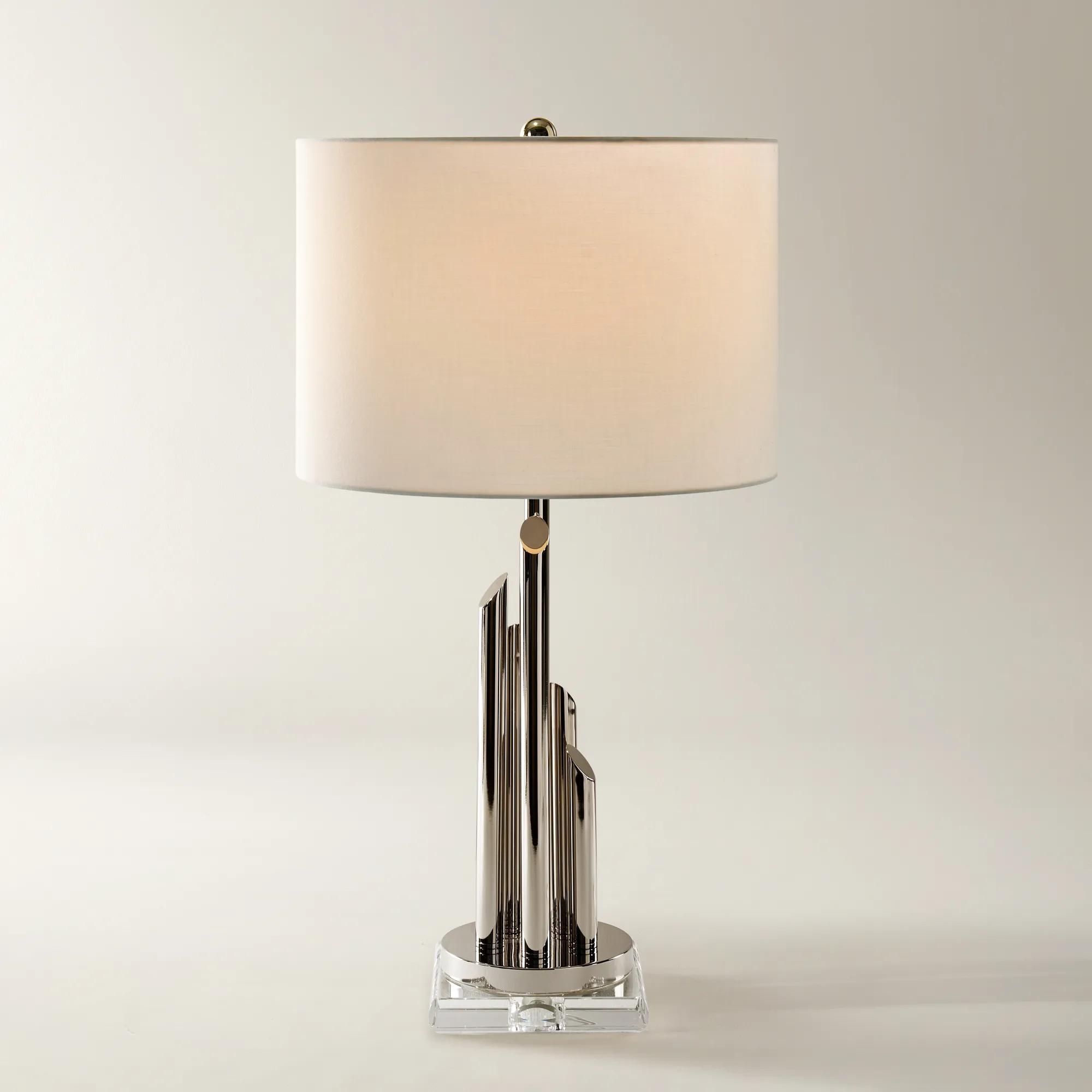
 Jagger Table Lamp$329
A modern table lamp featuring a polished nickel iron frame, clear crystal base, and white cotton drum shade.
Add To Cart -
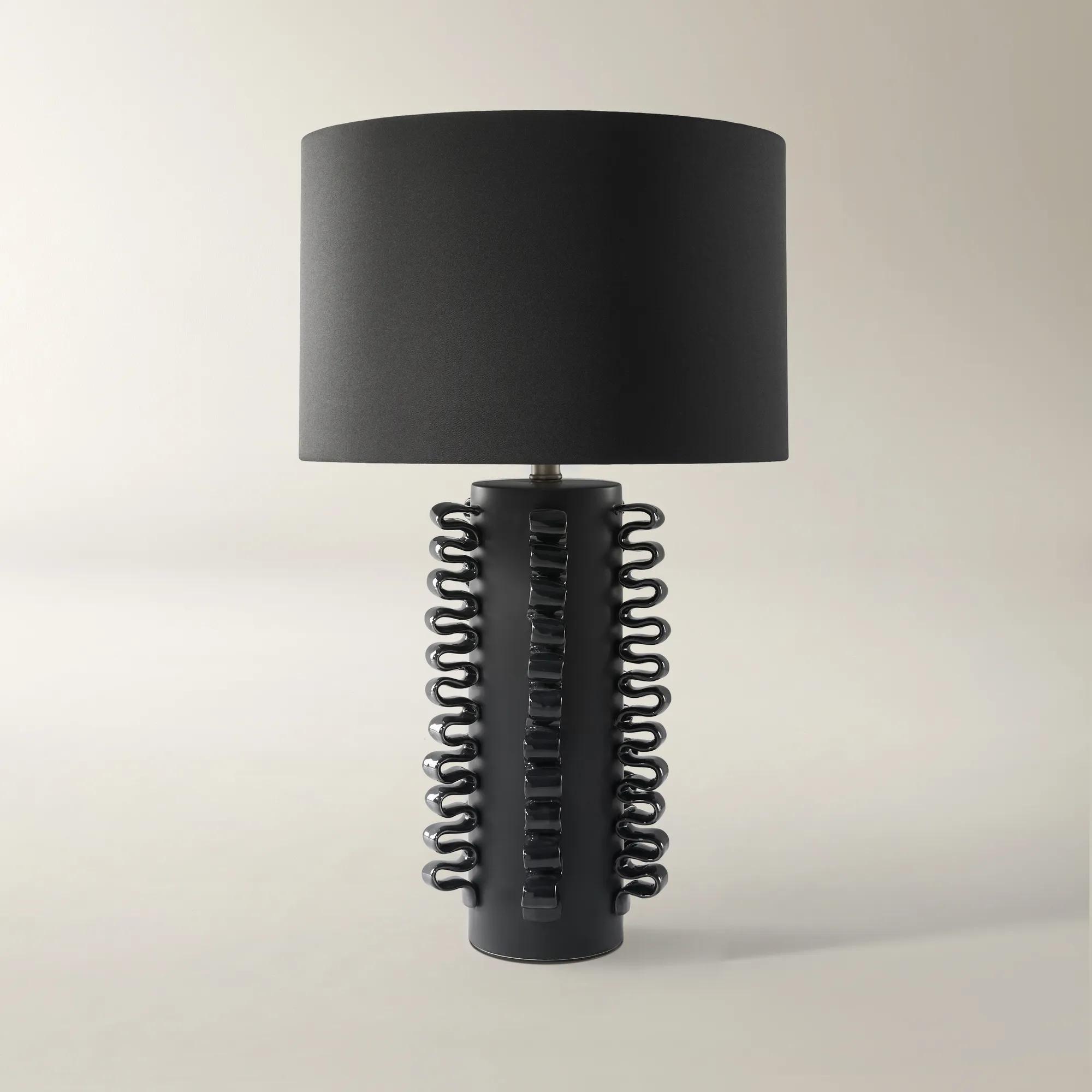
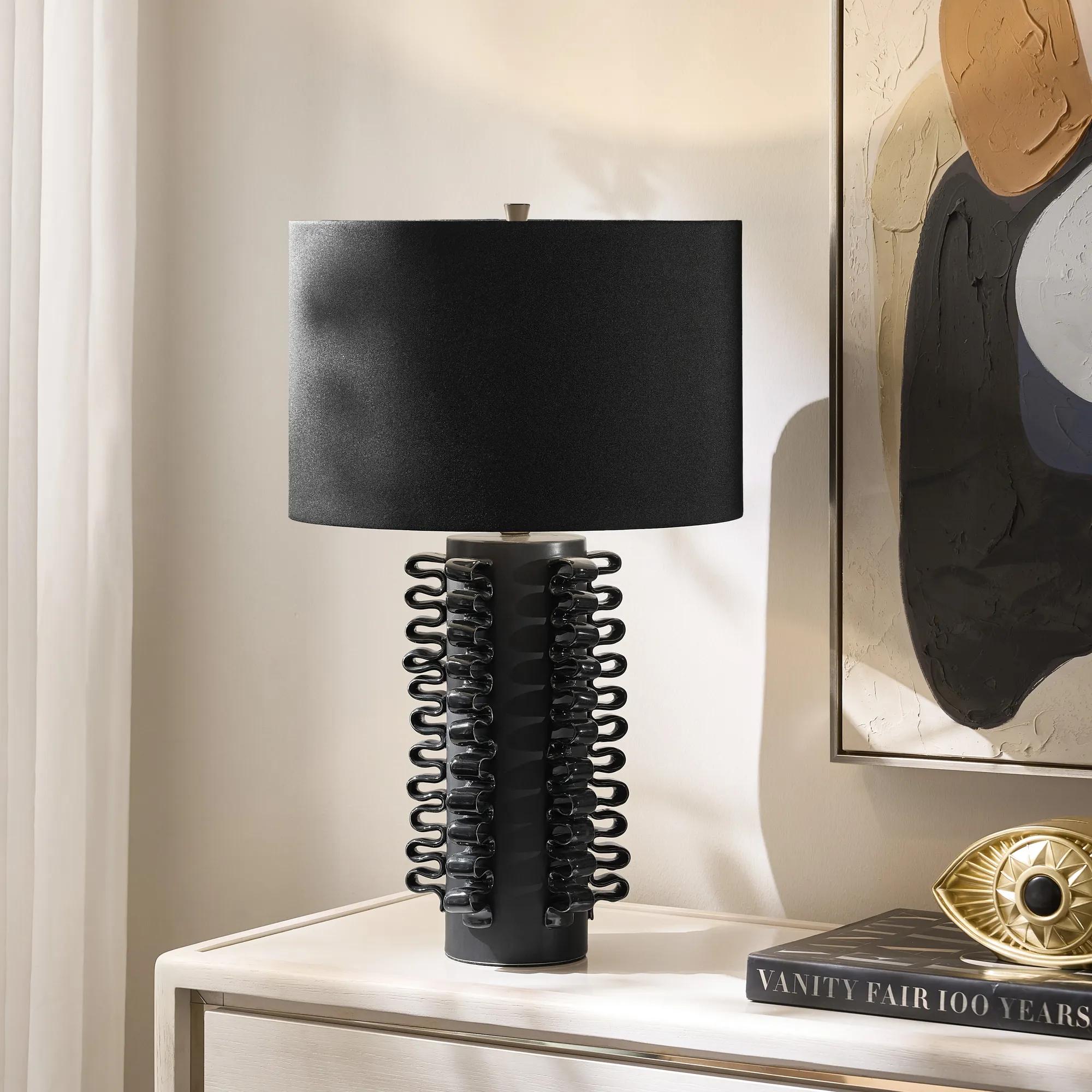 Anello Ruffle Black Ceramic Table Lamp 27"$249
A sculptural matte black ceramic lamp with glazed ribbon accents and a matching black cotton shade.
Add To Cart

Designer Stone Table Lamps
Designer Stone Table Lamps are more than illumination—they are sculptural statements, poised to transform every surface into a curated work of art. Each lamp evokes the allure of natural stone, blending sumptuous textures and refined silhouettes for a look that’s both timeless and daringly modern. Whether casting a soft, ambient glow or commanding attention with bold form, these radiant accents invite you to reimagine your space as a gallery of light and luxury. Elevate your décor with the captivating drama and artistry only Designer Stone Table Lamps can inspire—because every room deserves its own moment in the spotlight.
Designer stone table lamps bring sculptural presence and layered illumination to a room, pairing the visual weight of stone with the softness of shaded light. Defined by their expressive materials and considered proportions, these lamps can feel as compelling unlit as they do after dark. Marble, travertine, and alabaster each create a distinct impression. Marble is known for its veining, which can range from fine, delicate lines to sweeping ribbons of contrast; a polished finish emphasizes its depth, while a honed surface offers a quieter, velvety appearance. Travertine introduces earthy color and characteristic pores, giving clean geometric forms a tactile richness. Depending on how the stone is finished, those pores may remain visible or be filled for a smoother surface. Alabaster has a more delicate, often translucent character, and when a design illuminates the stone itself, it can produce a softly diffused glow. An alabaster base beneath a conventional shade, however, does not necessarily glow from within. These distinctions make the material more than a decorative detail: it influences the lamp’s texture, mood, and relationship to surrounding furniture. A pale stone column against dark wood creates crisp contrast; richly veined marble beside plush upholstery adds movement without introducing another pattern in fabric. Stone also offers a striking counterpoint to gleaming metal, mirrored surfaces, and lacquered finishes, bringing natural variation into a highly polished interior. No two pieces of natural stone have precisely the same markings, so differences in veining, mineral color, and surface character are part of their appeal. For an interior centered on those distinctive qualities, Natural Stone Table Lamps offer a related expression of material-led design. Whether the silhouette is a slender cylinder, a substantial sphere, or an architectural block, the most persuasive composition gives both the stone and the light room to command attention. The result is functional illumination with the presence of an art object, equally suited to a tailored bedroom or an expressive living space.
Scale determines how confidently a stone table lamp belongs in its setting. On a generous living room end table, a broad base and substantial shade can hold their own beside a deep sofa with rolled arms or sumptuous cushions. On a narrow bedside table, a more compact footprint leaves space for a book, glasses, and a water carafe without sacrificing visual drama. Overall height matters, but so do shade width, base diameter, and the position of the socket. A shade that extends beyond a tabletop may be easily bumped, particularly near a walkway, while a lamp that sits too low can disappear behind an upholstered headboard. For reading beside a chair, the shade should help shield the bulb from a seated line of sight while allowing light to reach the page. At the bedside, consider the lamp’s height together with the mattress and nightstand rather than judging it in isolation. Switch placement is another small detail with an outsized effect: an accessible socket switch or inline control should be easy to reach without leaning across a heavy base. Shade material and shape further influence intended use. A light-colored fabric shade generally softens and spreads illumination, making it well suited to conversation areas and bedrooms; an opaque shade directs more light through its openings and creates a more concentrated effect. Bulb output, color temperature, and dimmer compatibility should follow the fixture’s specifications. Warm-white light can bring out creamy stone tones and create an intimate atmosphere, while sufficient brightness remains important for reading or detailed tasks. On a console, paired lamps create architectural rhythm and frame artwork with symmetry. A single lamp can be just as commanding beside a low bowl or a stack of oversized books, especially when the neighboring objects leave its silhouette clear. Stone table lamps work best as part of a layered lighting scheme, complementing overhead fixtures and other accent lights rather than being expected to illuminate an entire room alone.
The appeal of a designer stone table lamp also rests in how its construction supports everyday life. Solid stone, stone veneer, and stone-composite components are not interchangeable, and the material description is worth considering alongside the finish and dimensions. A substantial base may lend reassuring weight, but weight alone does not guarantee stability; the balance of the complete lamp and the sturdiness of the supporting furniture matter just as much. Larger stone lamps deserve a level surface with adequate load capacity, and protective pads can help prevent abrasion on delicate tabletops. In homes with children or pets, placement away from edges and well-managed cords are especially important. Natural stone is durable in many decorative applications, yet it is not impervious to damage. Marble and travertine are sensitive to acidic substances, and porous surfaces may absorb spills or oils. Alabaster is comparatively soft and calls for particularly gentle handling. Routine care generally begins with unplugging the lamp and removing dust with a soft, dry cloth; any damp cleaning, stone treatment, or stain removal should follow the manufacturer’s instructions for that material and finish. Avoid abrasive scrubbers, acidic household cleaners, and spraying liquids directly onto the lamp. Shades and metal fittings may require different care from the stone, so treating the entire piece with one cleaning product can damage an otherwise beautiful finish. When repositioning a heavy lamp, support its base rather than lifting it by the shade, socket, or decorative finial. These practical considerations preserve the detail that makes stone so captivating: the edge of a carved form, the subtle sheen of a honed surface, the uninterrupted sweep of a mineral vein. For someone furnishing a first home, refining a reading corner, or celebrating a housewarming, a stone table lamp can be a thoughtful gift when the recipient’s space and style are understood. Its lasting attraction is the meeting of utility and expression—a source of light that gives an ordinary surface a deliberate, beautifully composed identity.
FAQs
Designer stone table lamps stand out for their sculptural presence and the natural artistry of their materials. Each lamp showcases unique veining, color variations, and textures that bring organic elegance and a sense of permanence to any room. These pieces serve as both functional lighting and statement-making works of art, enhancing the atmosphere with their tactile beauty and refined craftsmanship.
Stone table lamps are remarkably versatile, complementing a wide range of design aesthetics. In contemporary spaces, their clean lines and bold materials offer a striking focal point. In more traditional or eclectic settings, they add depth and contrast, grounding the décor with their natural textures. Whether paired with metallic accents for a glamorous look or layered with plush textiles in a cozy reading nook, these lamps adapt beautifully to your personal style.
Absolutely. Designer stone table lamps make thoughtful and enduring gifts for housewarmings, anniversaries, milestone birthdays, or any occasion that calls for a meaningful gesture. Their timeless appeal and practical elegance ensure they’ll be treasured for years, adding a touch of luxury and artistry to the recipient’s home.
Designer table lamps are often crafted from luxurious materials such as marble, alabaster, onyx, travertine, and quartz. Each stone offers its own distinct character—marble is known for its dramatic veining, alabaster for its luminous translucence, and onyx for its rich, moody tones. The choice of stone influences both the lamp’s aesthetic and the ambiance it creates.
Natural stone is celebrated for its one-of-a-kind patterns, veining, and color shifts, ensuring that no two lamps are exactly alike. This inherent variation adds depth and personality to each piece, making your lamp a truly unique addition to your home. The organic differences in the stone’s surface create visual interest and highlight the artistry of nature in every detail.
-compressed.jpg?w=3614&h=3614)
.jpg?w=3614&h=3614)


