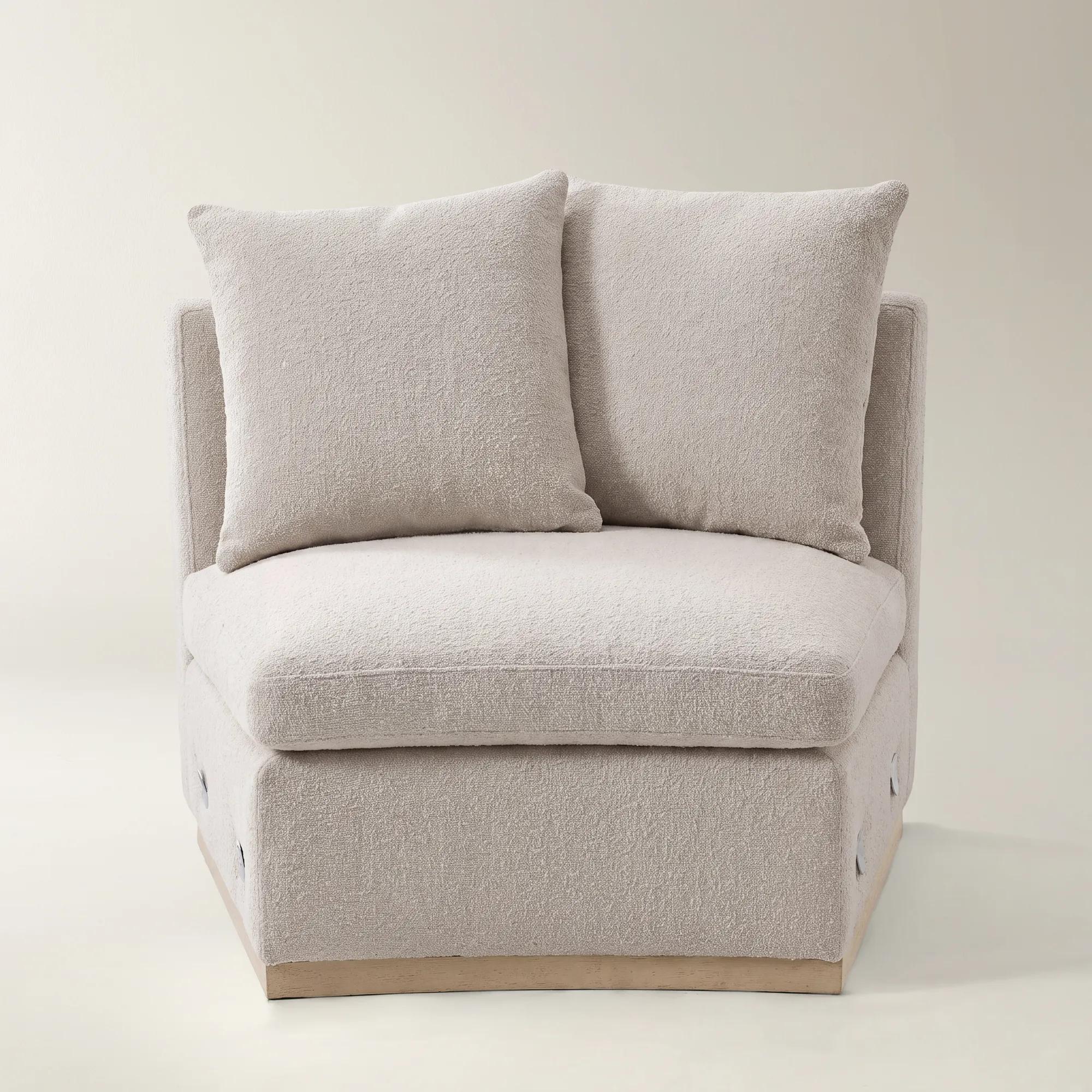
Designer Hand Tufted Chairs
Designer Hand Tufted Chairs
-
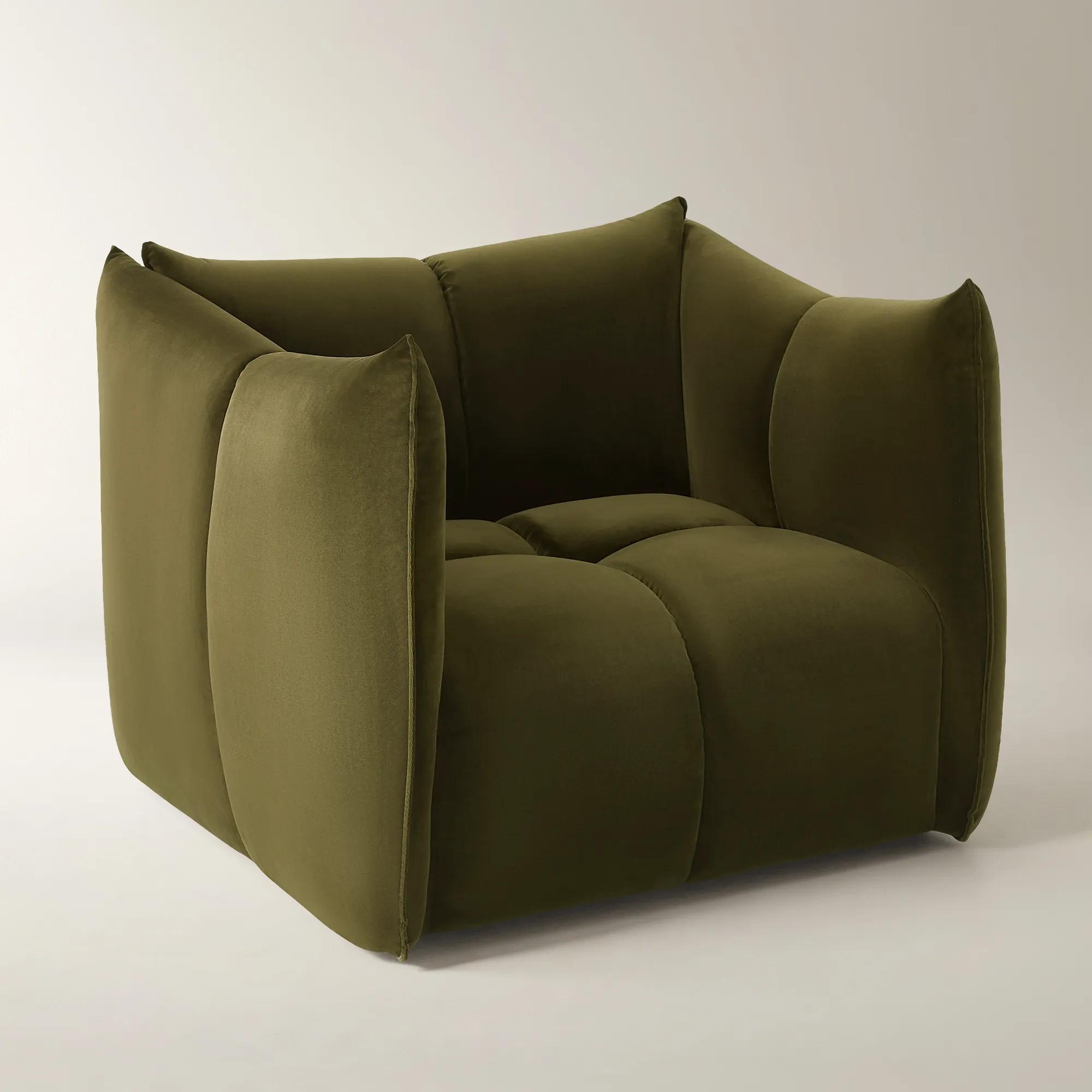 Reina Tufted Deep Olive Velvet Swivel Chair$1099
A deep olive green velvet swivel chair featuring blocked channel tufting and an architectural winged profile.
Add To Cart -
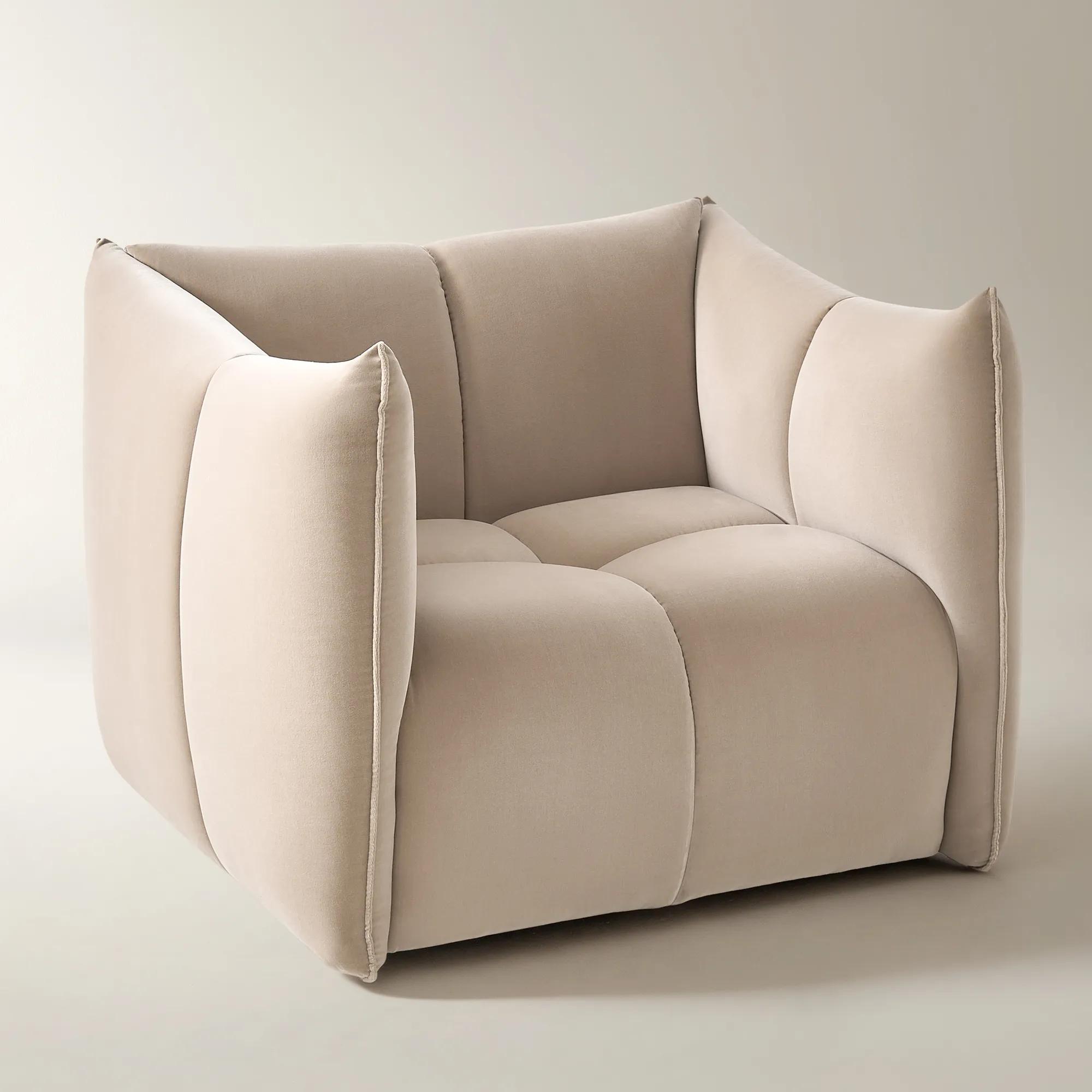 Reina Tufted Simply Taupe Velvet Swivel Chair$1099
A plush taupe velvet swivel chair featuring blocked channel tufting and an architectural winged silhouette.
Add To Cart -
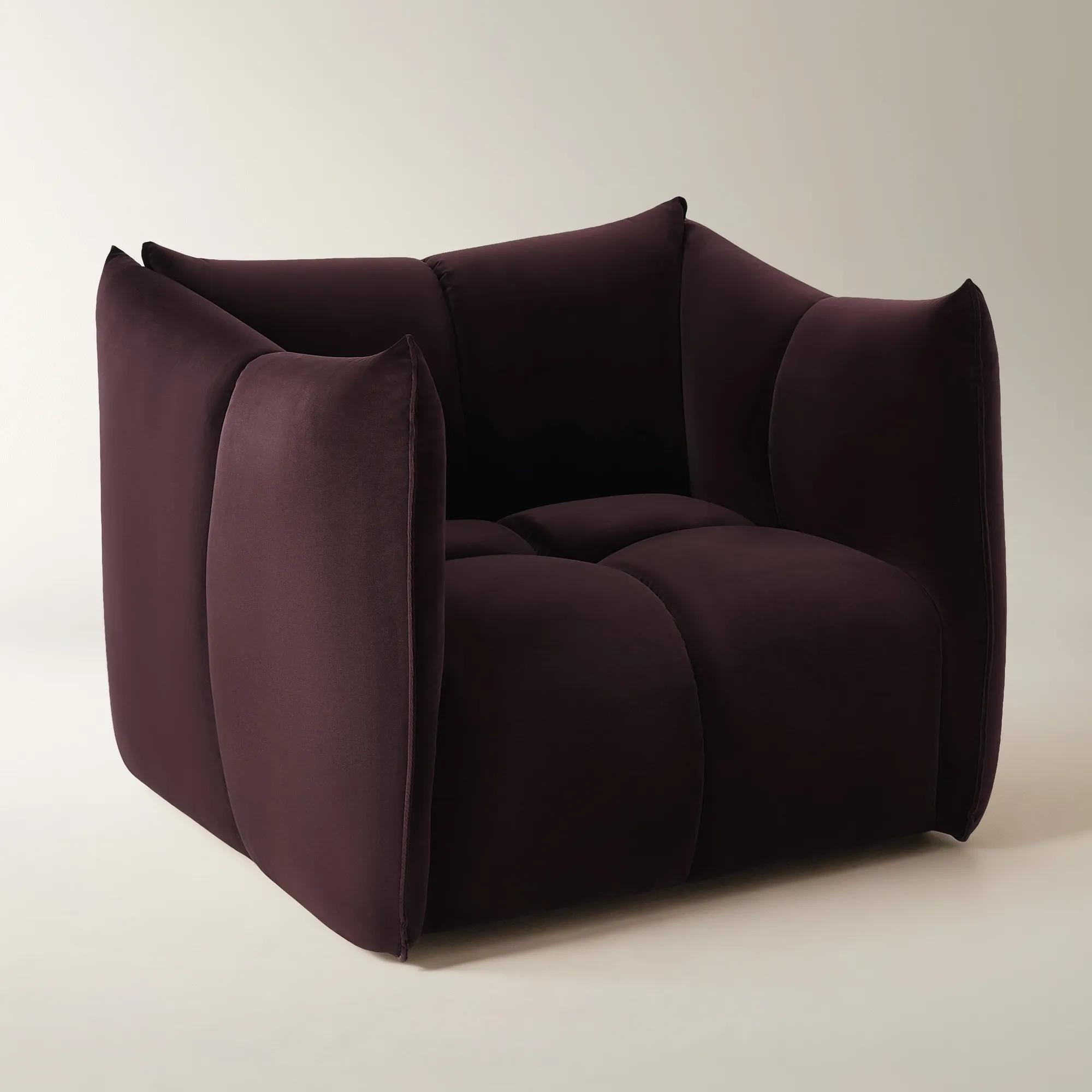 Reina Tufted Fig Velvet Swivel Chair$1099
A plush fig velvet swivel chair featuring blocked channel tufting and an architectural winged profile.
Add To Cart -
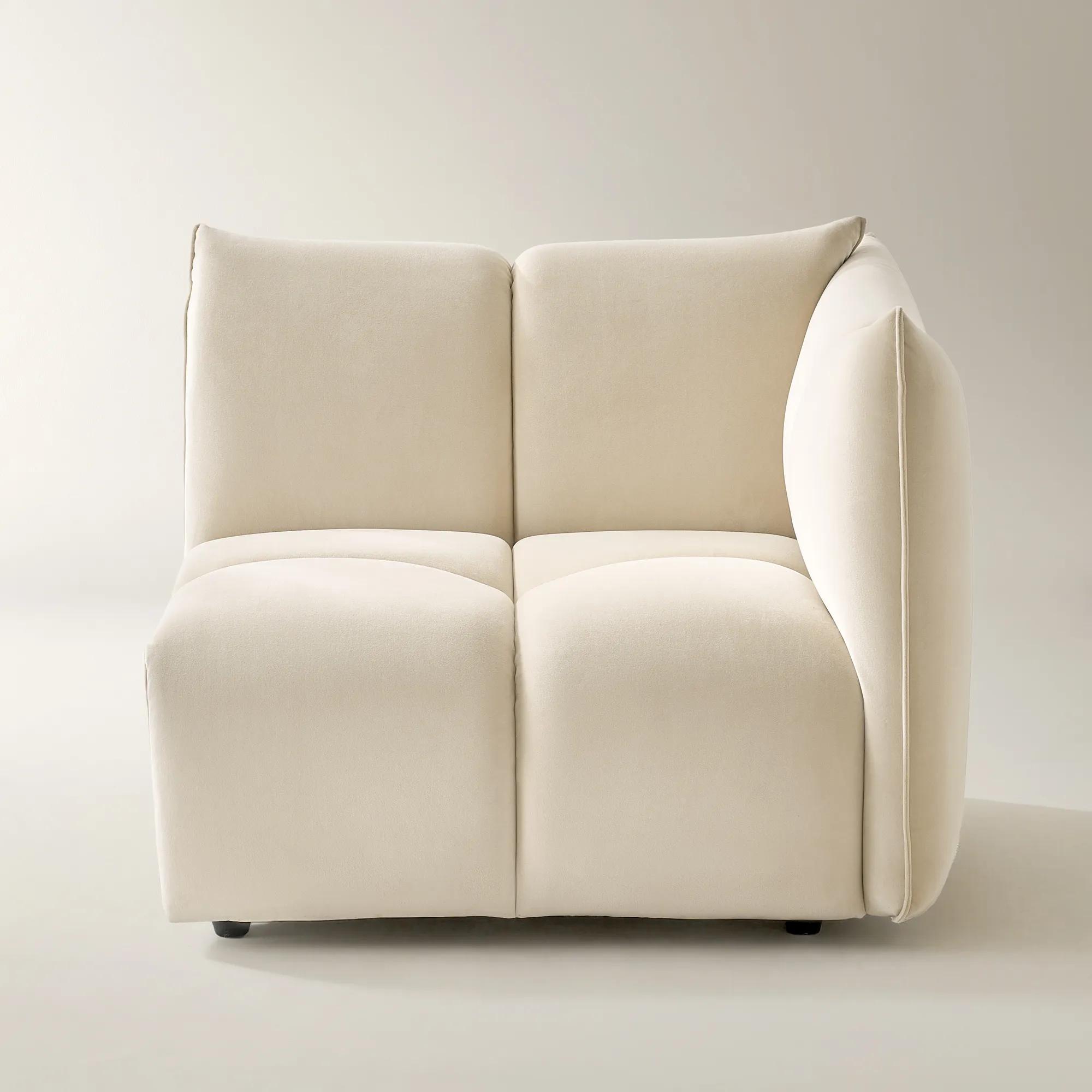
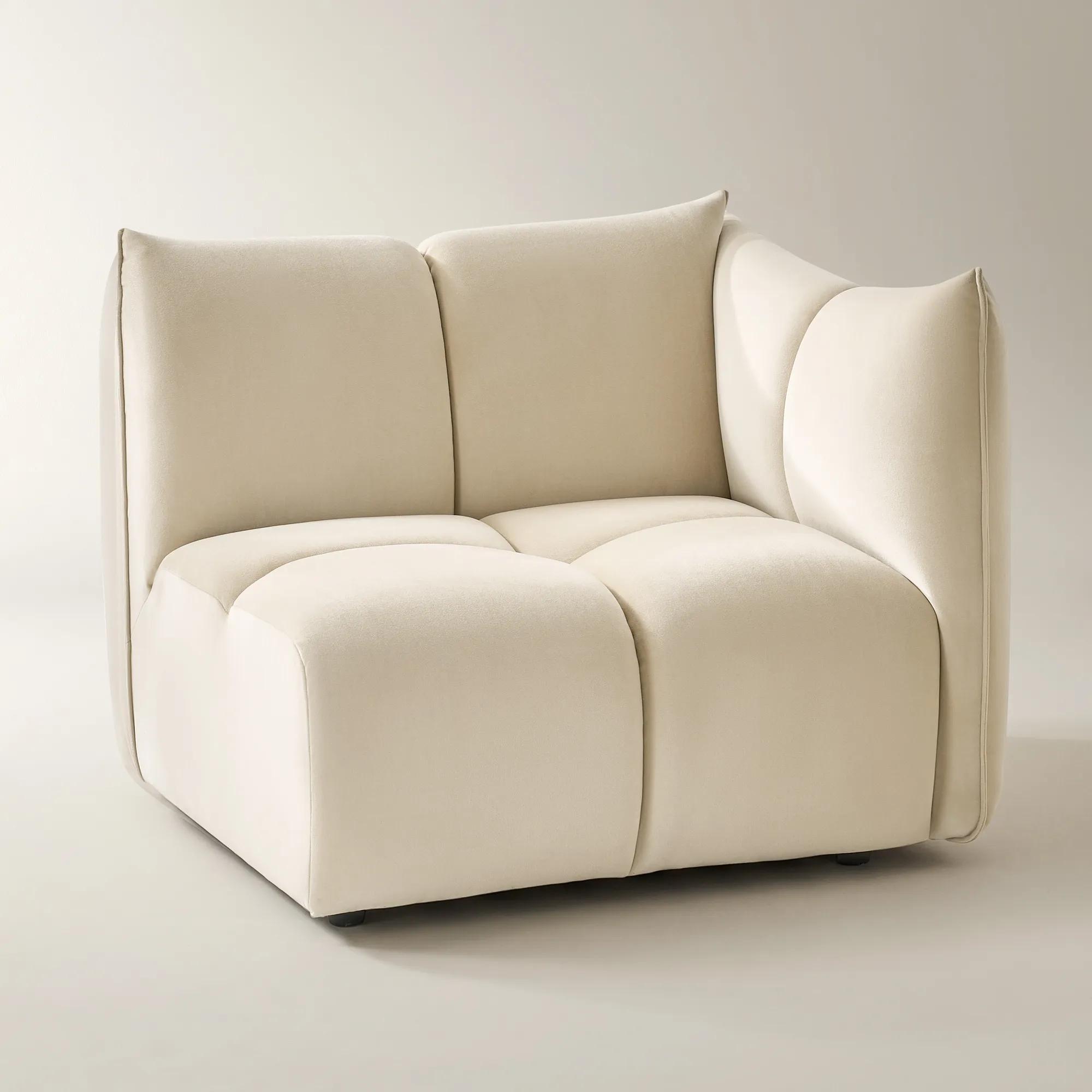 Reina Tufted Oatmeal Velvet Right-Arm Chair$899
A right-arm chair in oatmeal velvet featuring channel tufting, winged sides, and deep, plush seating.
Add To Cart -
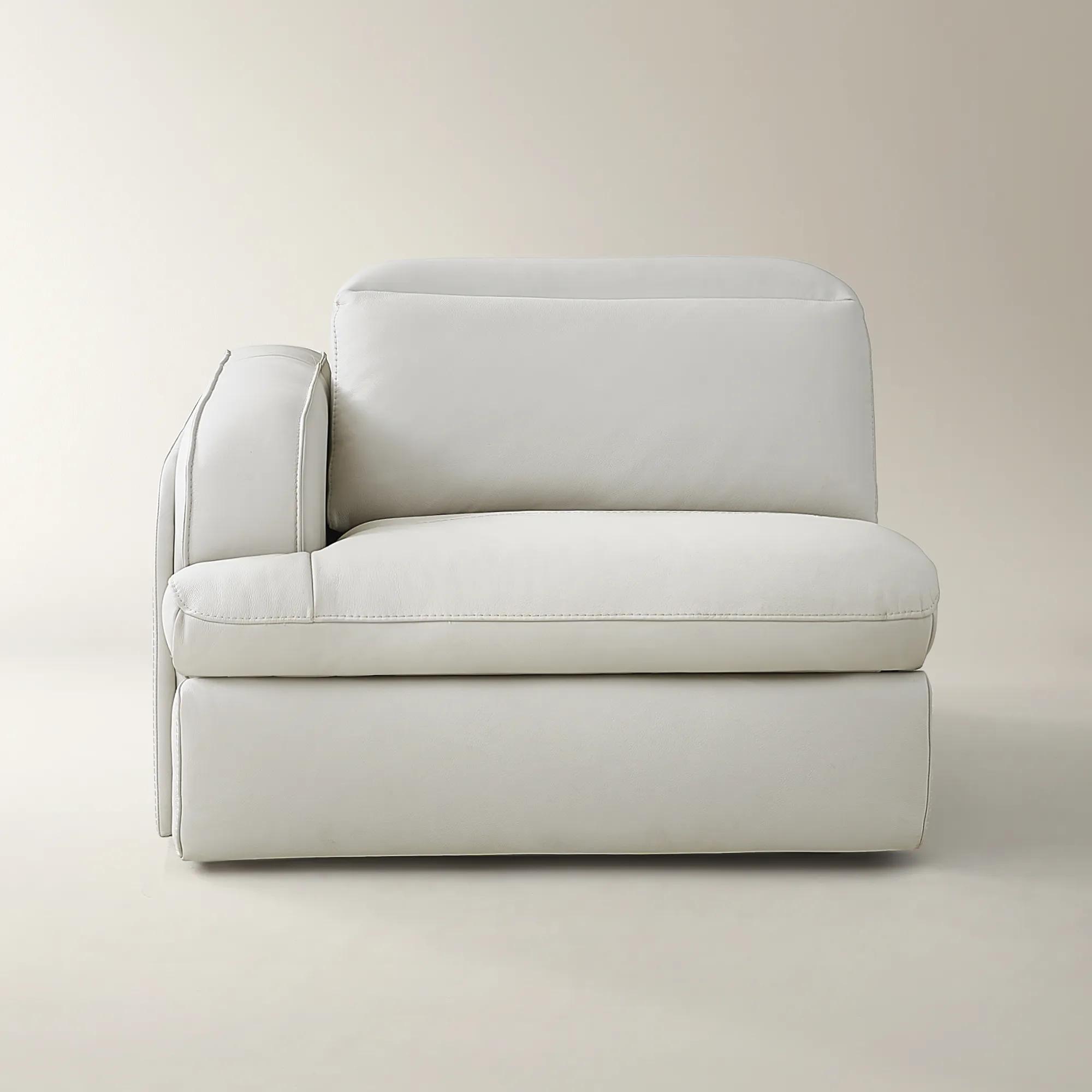
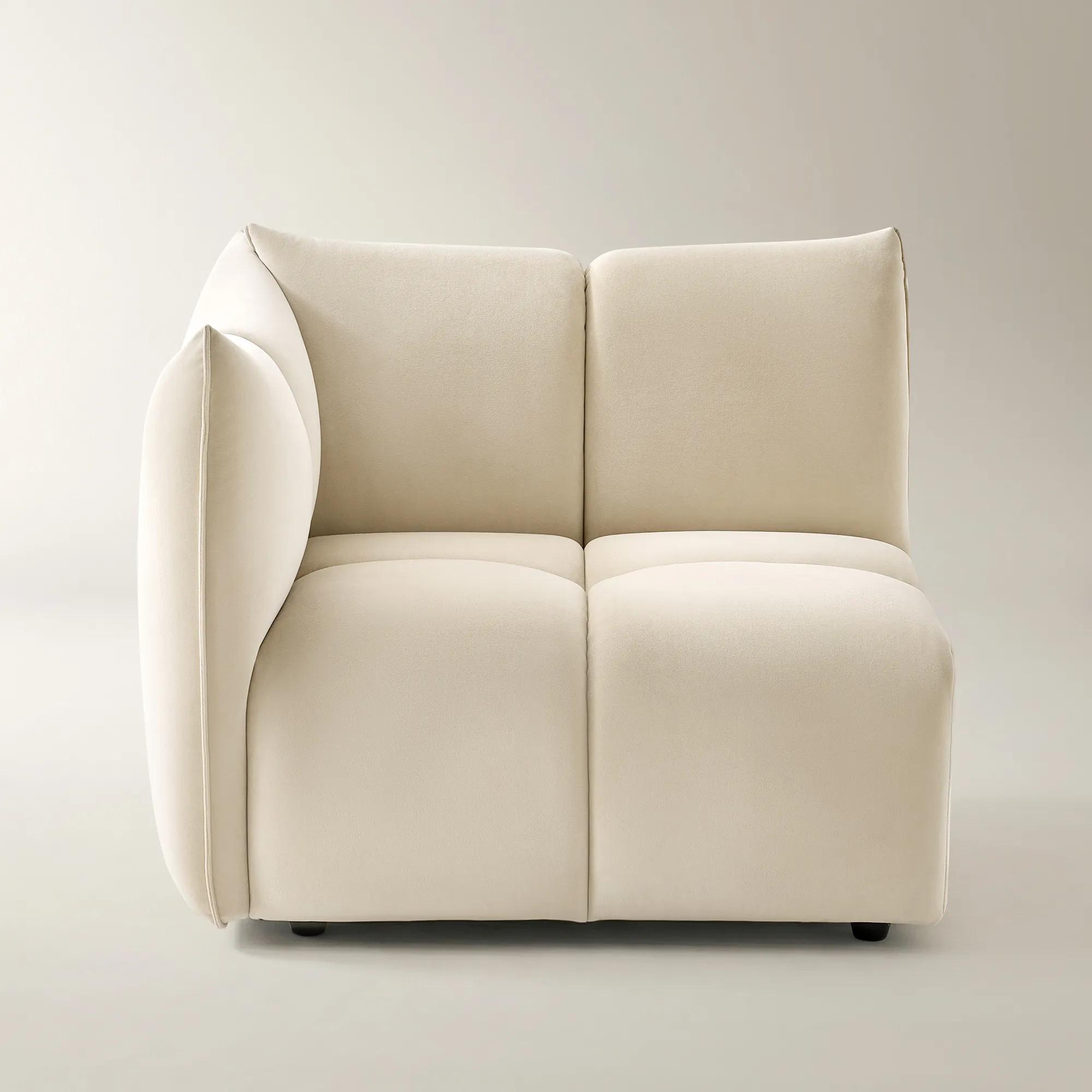 Reina Tufted Oatmeal Velvet Left-Arm Chair$899
A left-arm chair in oatmeal velvet featuring channel tufting, deep seating, and an architectural winged profile.
Add To Cart -
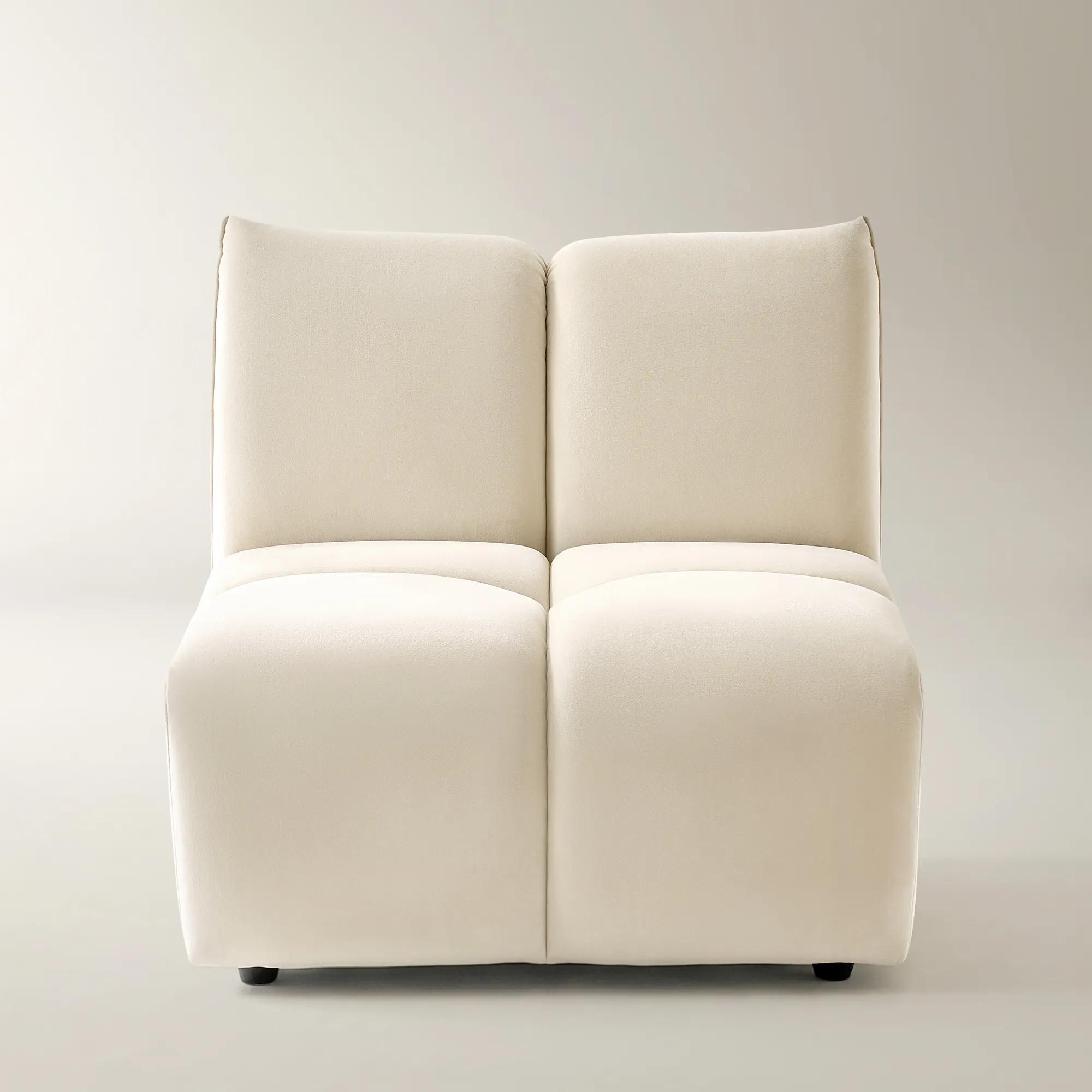
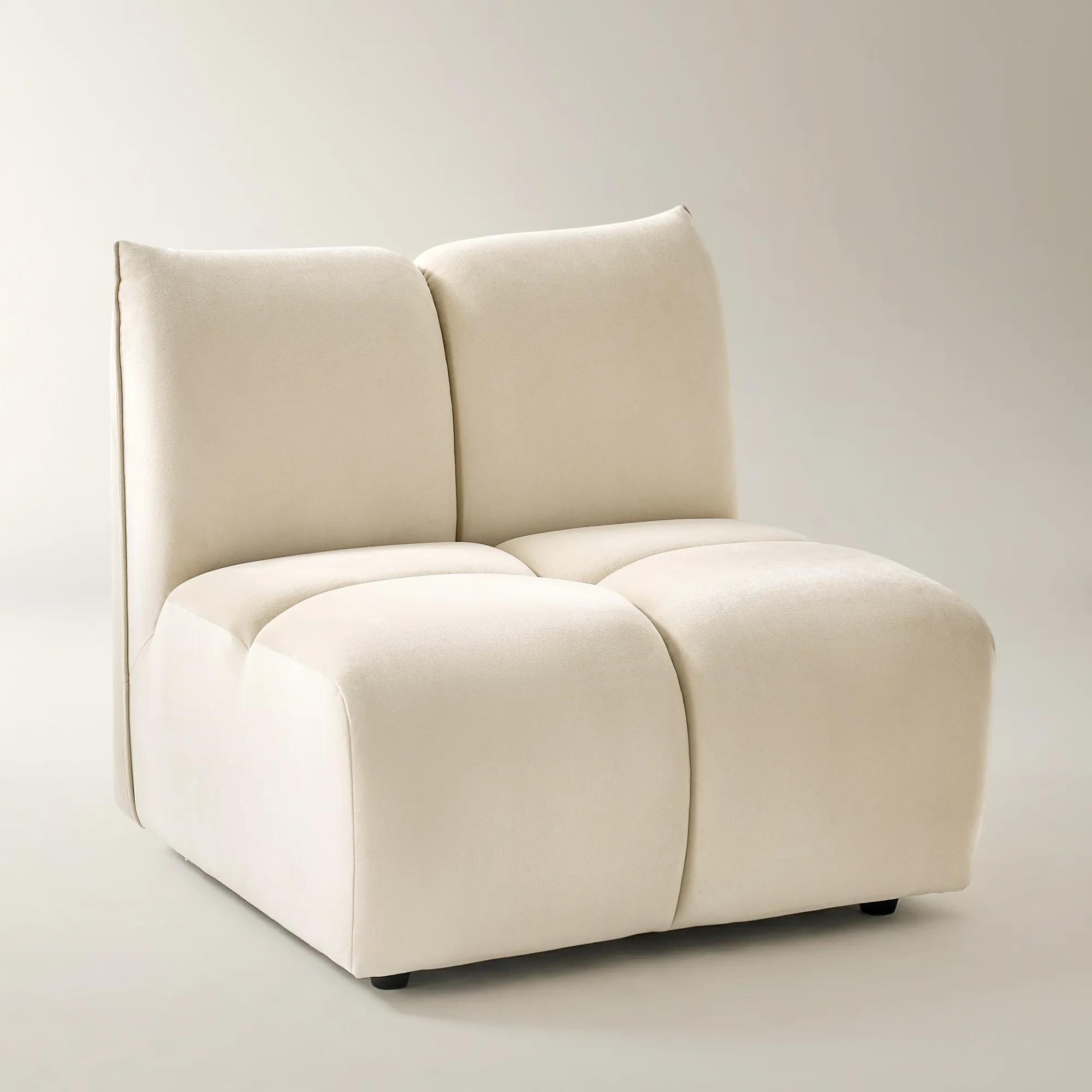 Reina Tufted Oatmeal Velvet Armless Chair$799
A plush oatmeal velvet armless chair featuring channel tufting, deep seating, and an architectural winged profile.
Add To Cart -
 Jocelyn Channel-Tufted Oatmeal Velvet Armless Chair$1399
An armless chair upholstered in oatmeal velvet with deep channel tufting and a flowing, curved silhouette.
Add To Cart -
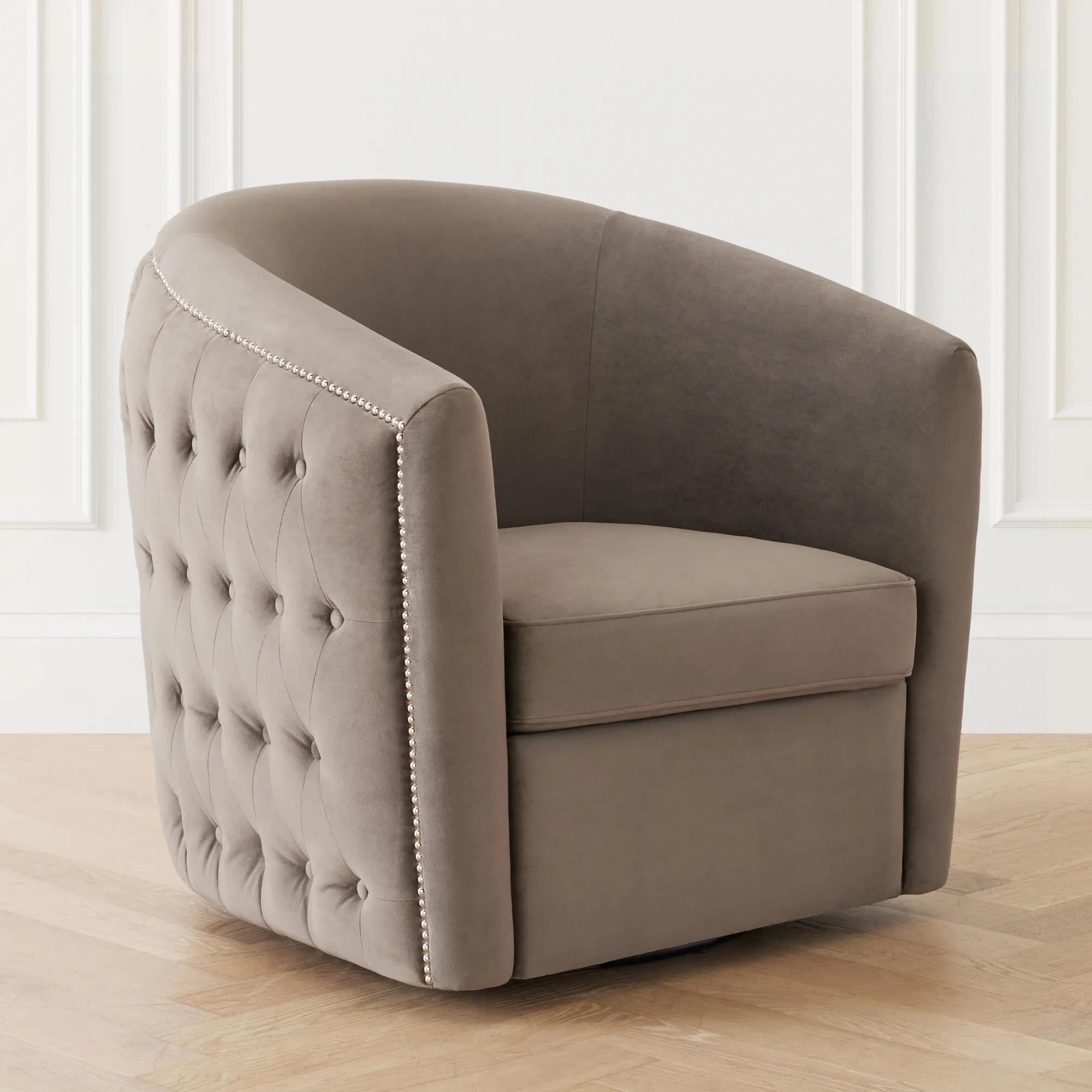
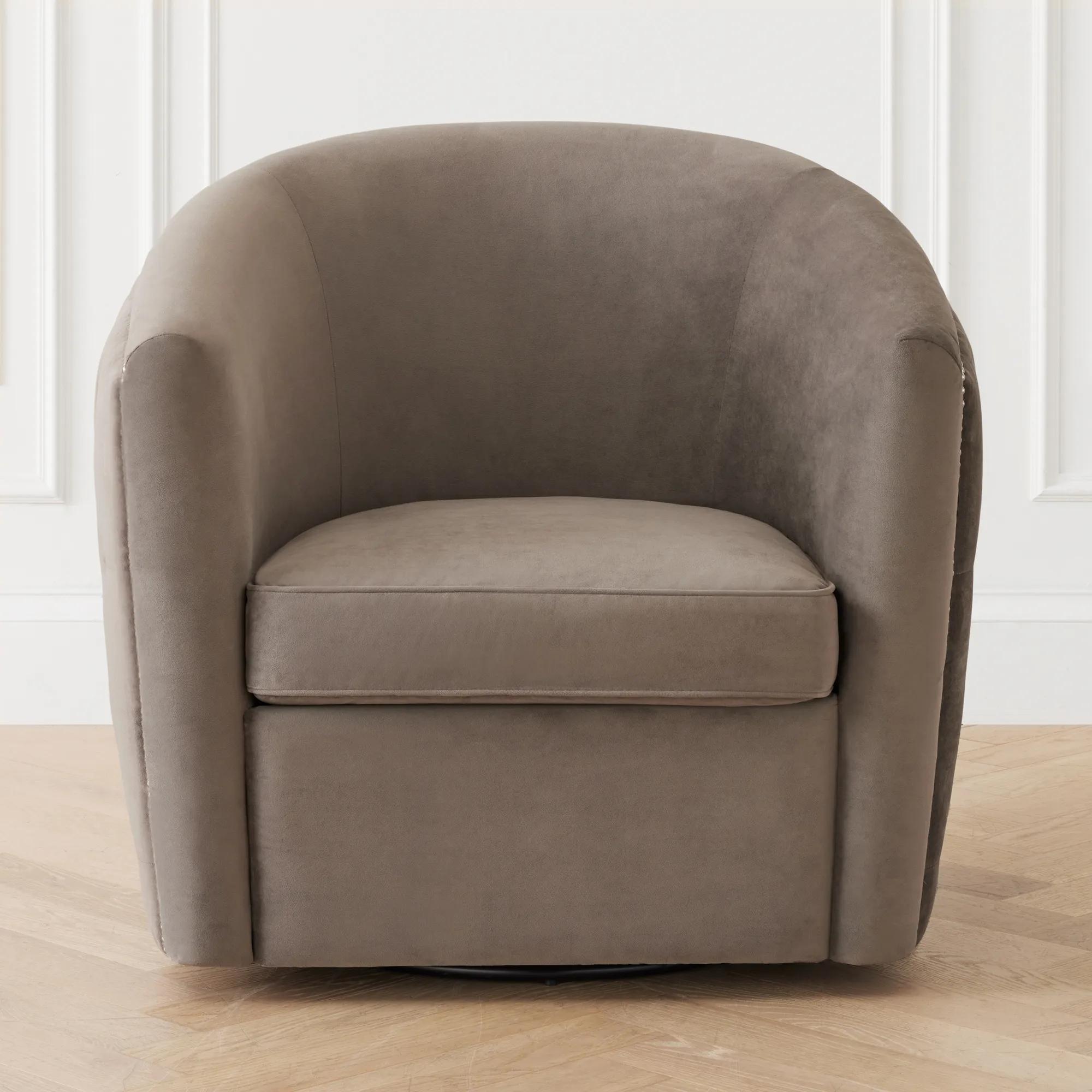 Aria Tufted Swivel Chair$1399
A barrel silhouette chair in Bella Velvet Otter with tufted detailing, kiln-dried hardwood frame, and swivel base.
Add To Cart -
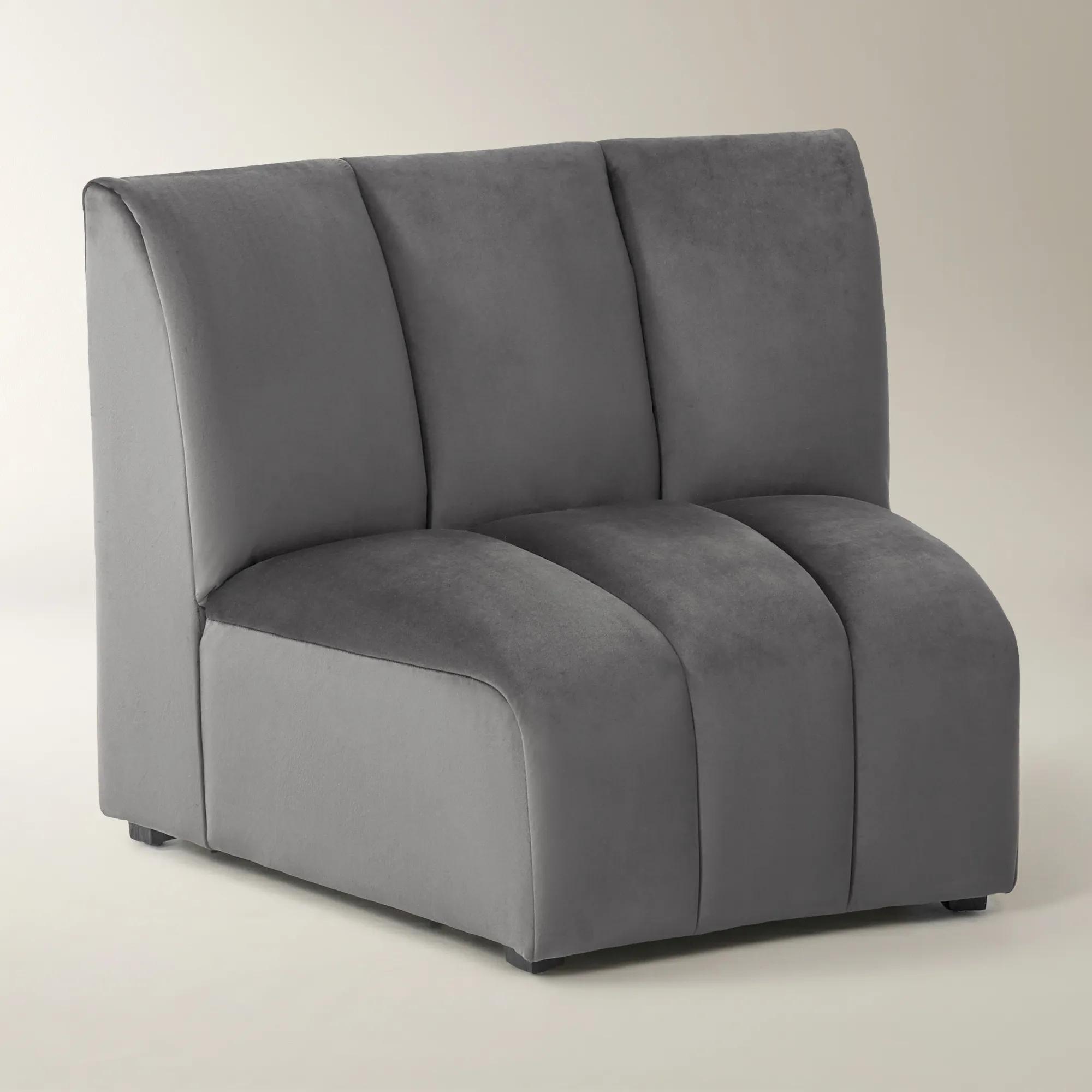
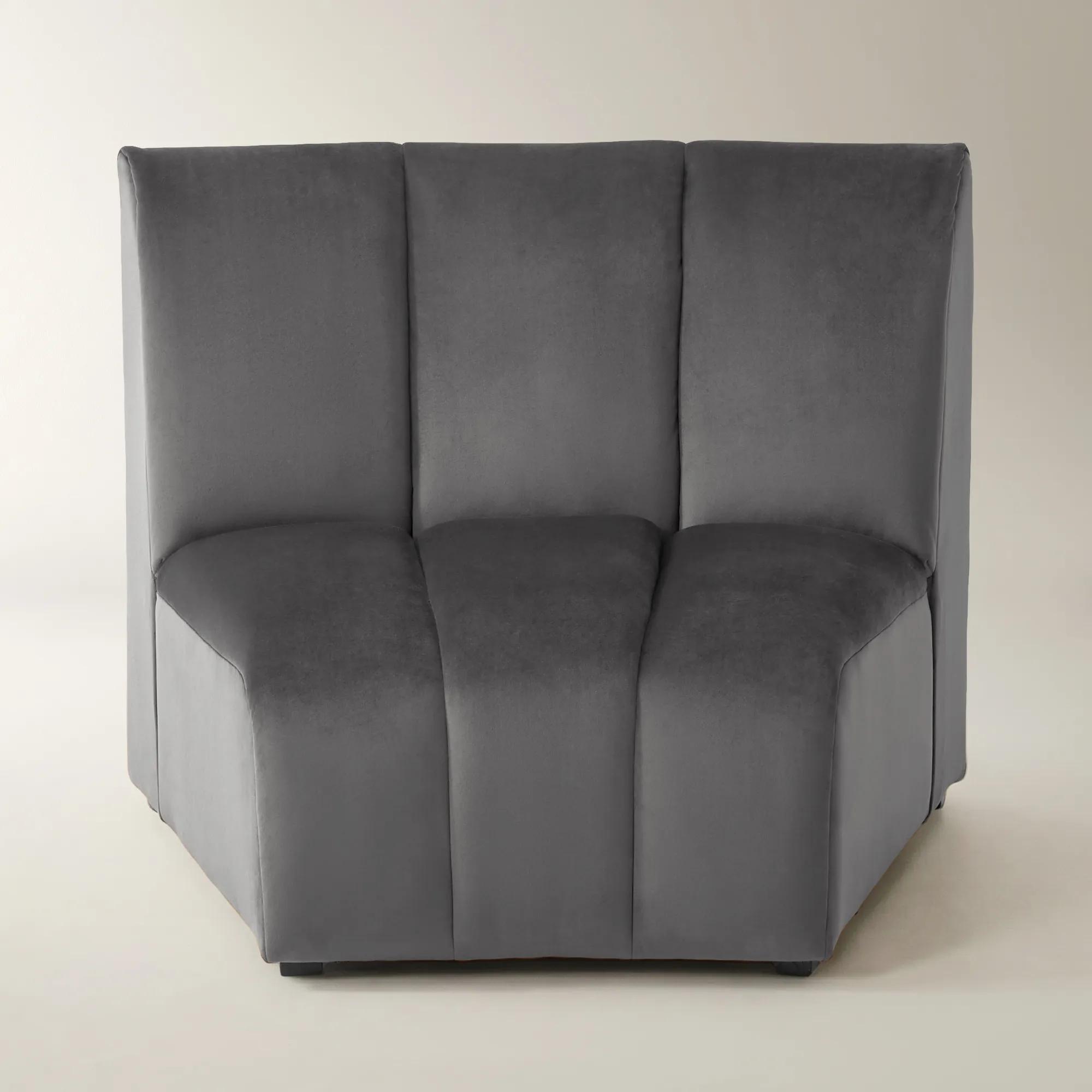 Jayce Channel-Tufted Smoked Pearl Velvet Armless Chair$949
A modern armless chair in silver grey velvet with deep channel tufting and plush, structured cushioning.
Add To Cart -
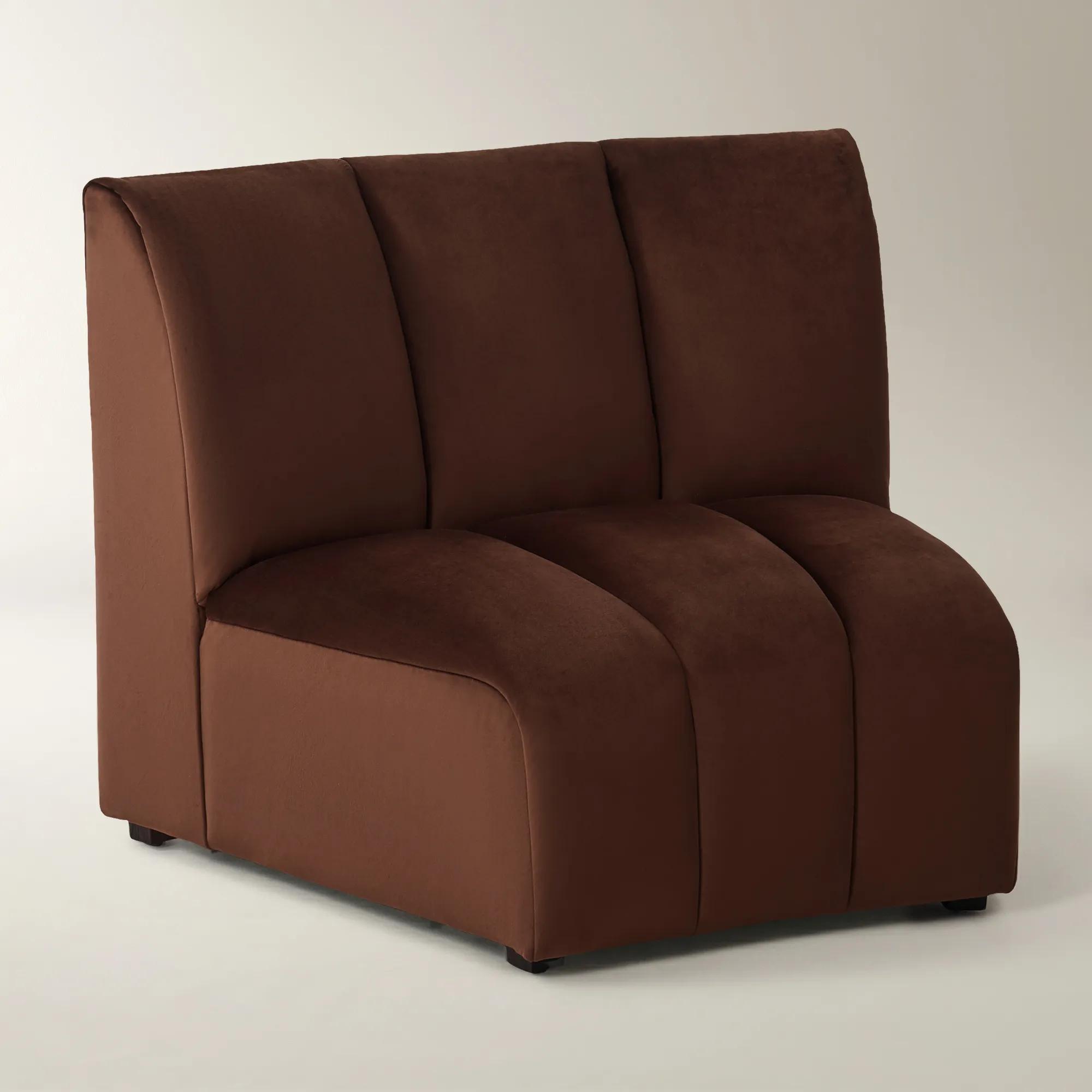
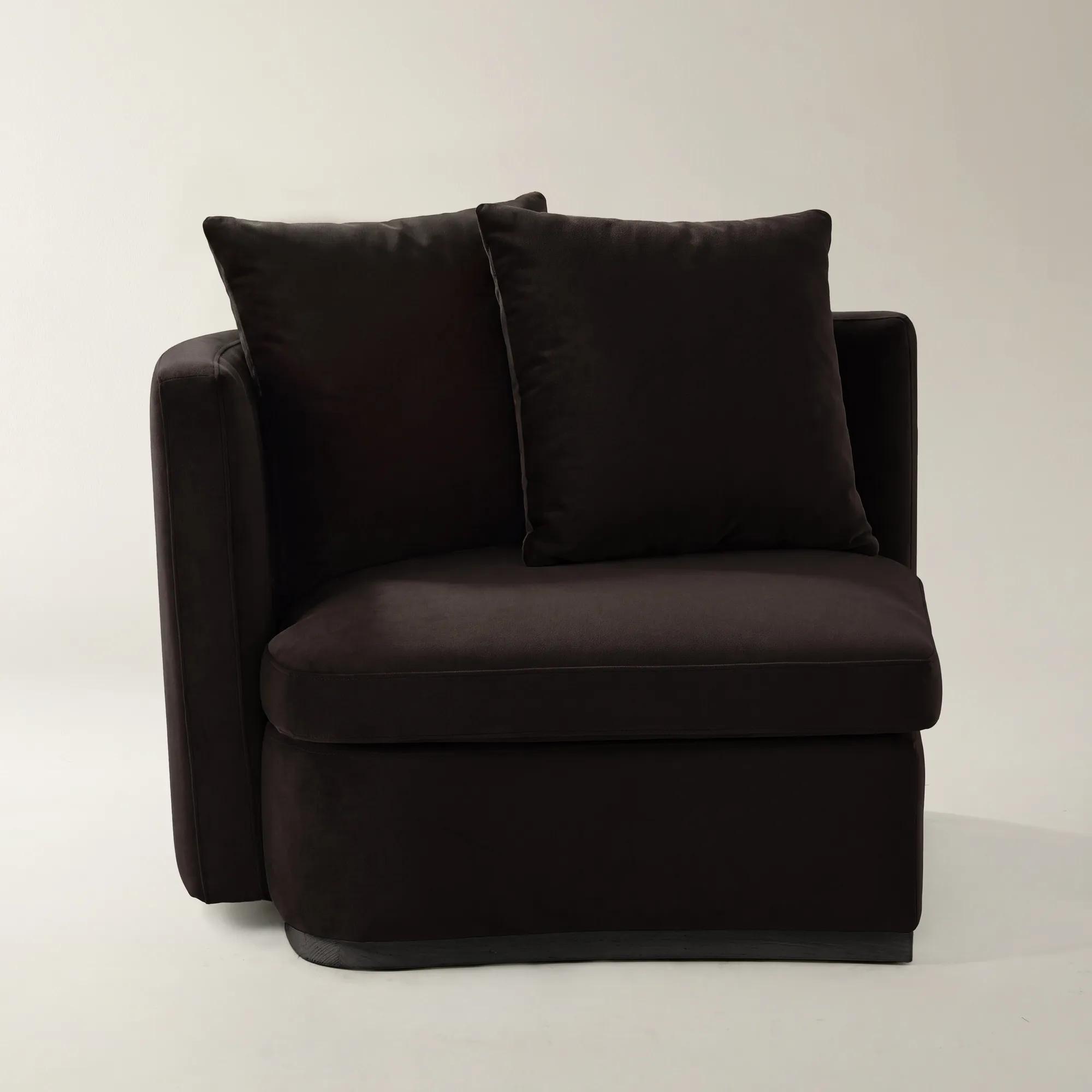
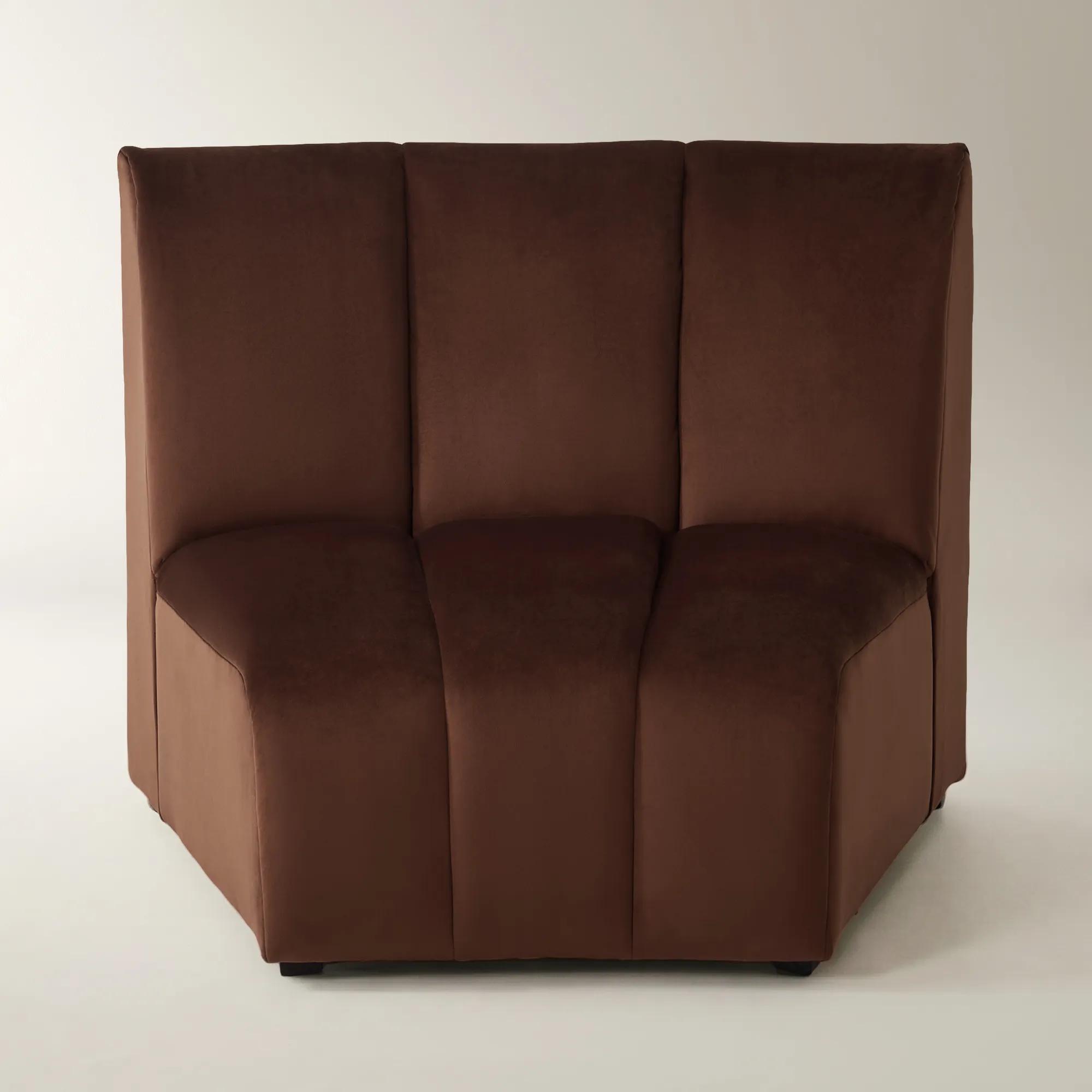 Jayce Channel-Tufted Burnt Umber Velvet Armless Chair$949
A modern armless chair in silver grey velvet with deep channel tufting and plush, high-density foam cushions.
Add To Cart -
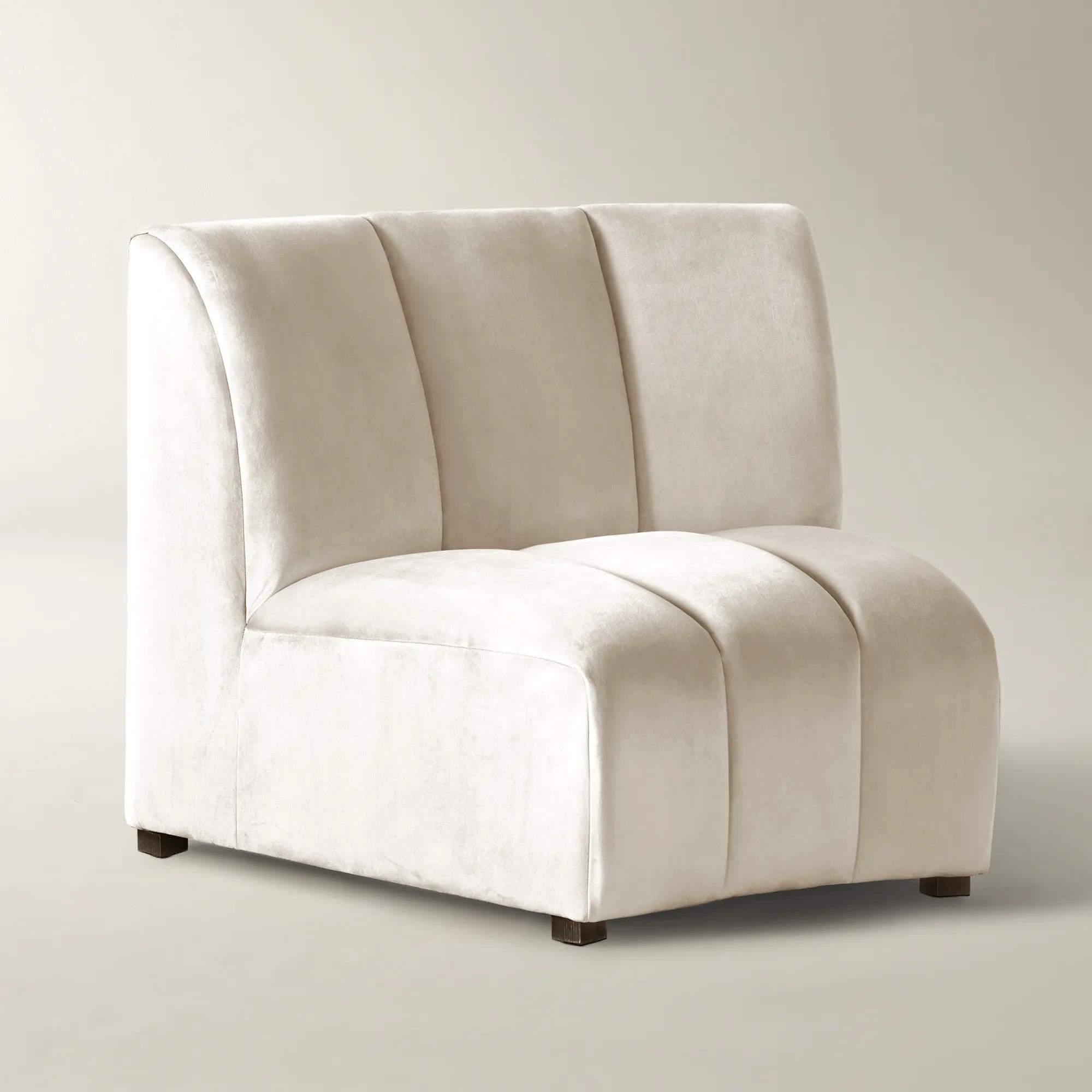 Jayce Channel-Tufted Ivory Velvet Armless Chair$949
A modern armless chair in water-repellent, stain-resistant Velvet Ivory with deep channel tufting and plush padding.
Add To Cart -
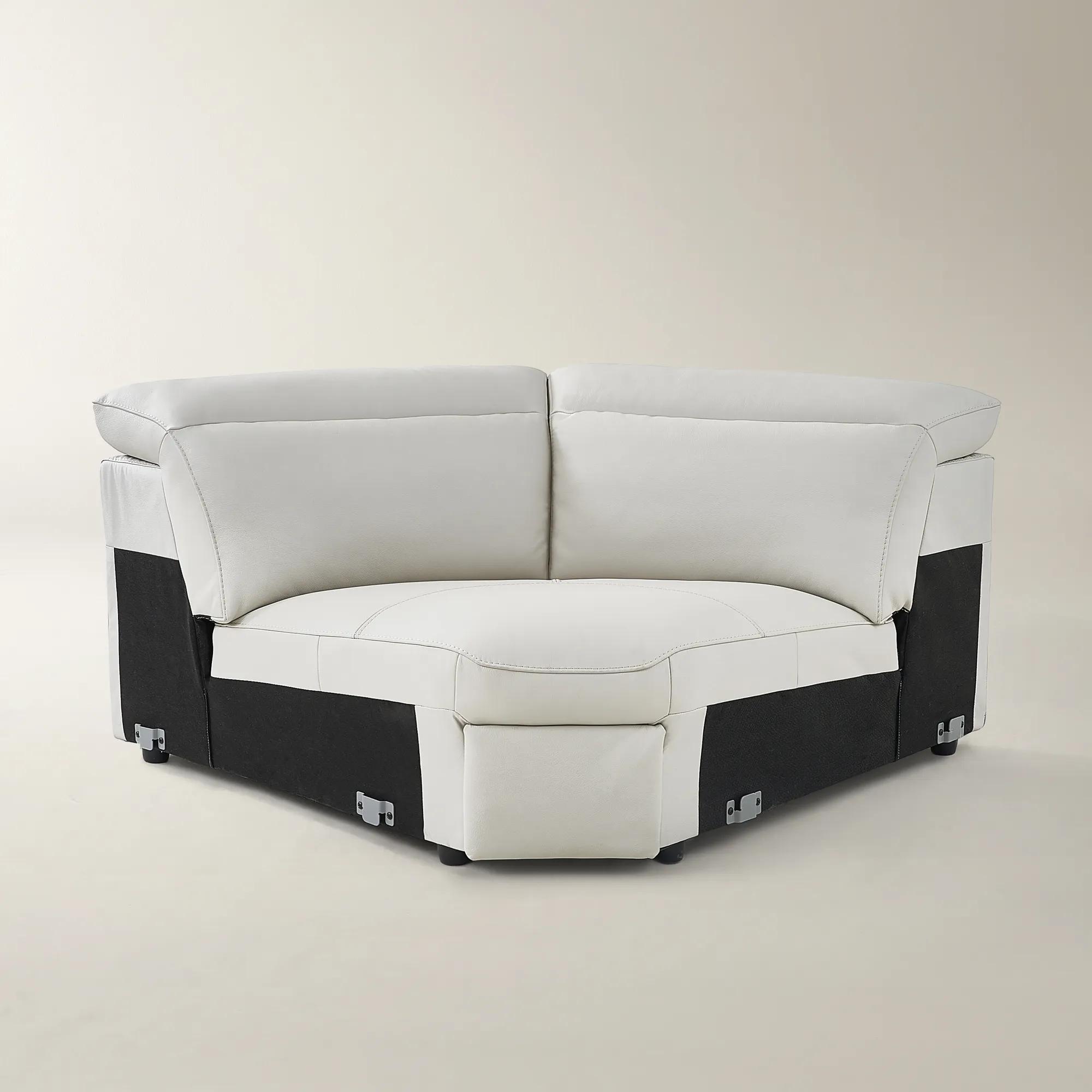
 Convo White Leather Corner Chair$1399
A modular sectional featuring kiln-dried hardwood frames and charcoal semi-aniline leather upholstery for modern versatility.
Add To Cart -
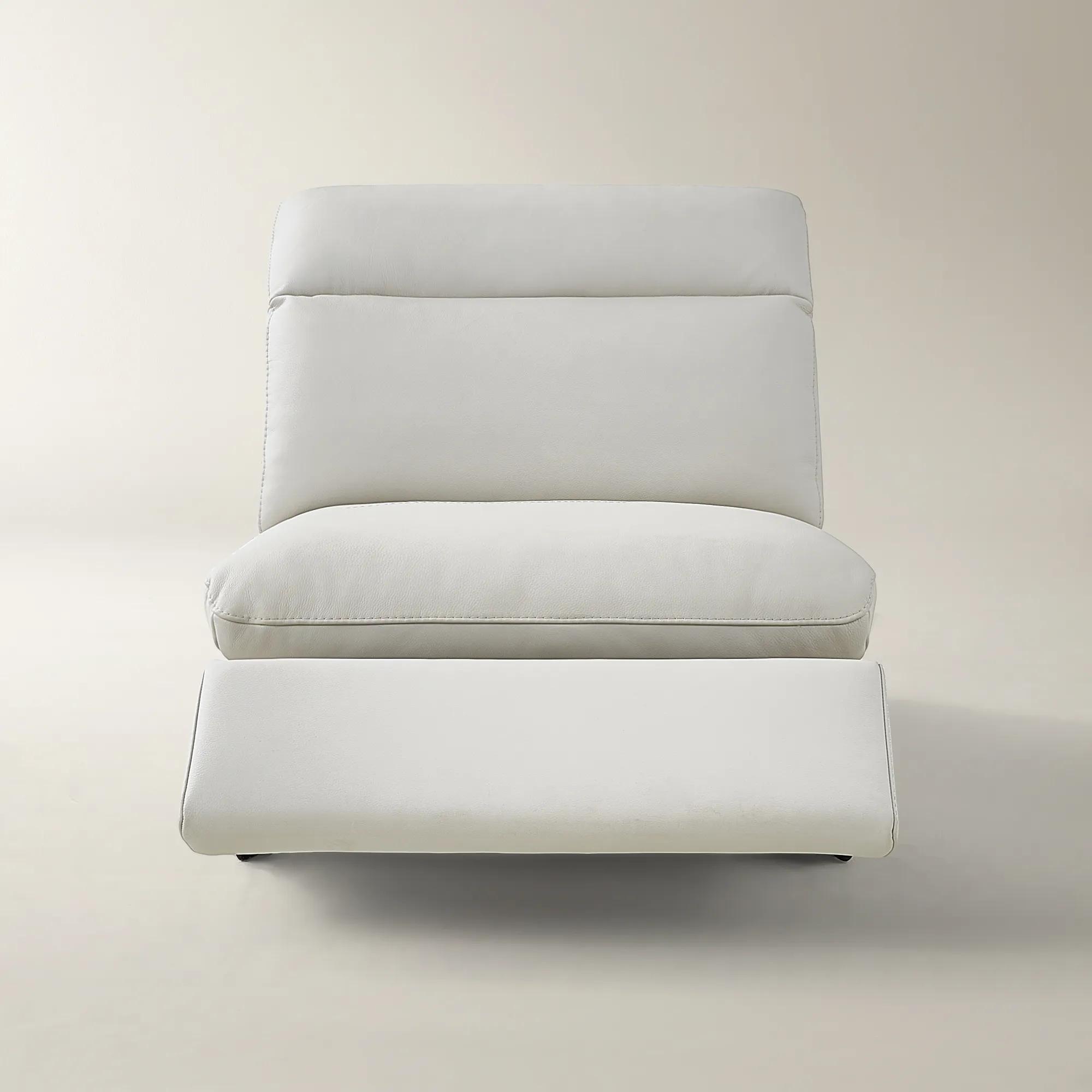
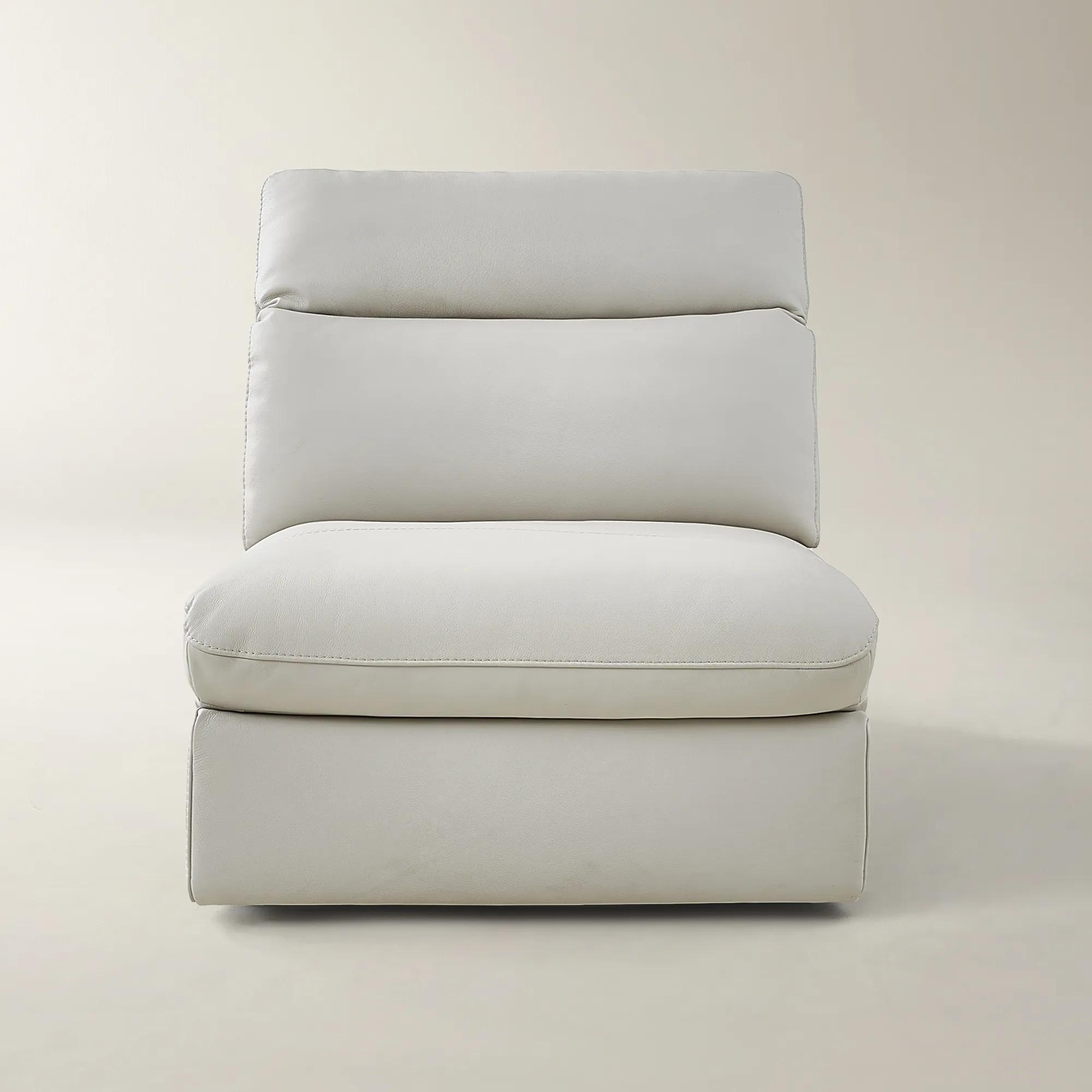
 Convo White Leather Armless Chair$1199
A modular sectional in charcoal semi-aniline leather with kiln-dried hardwood frames and gently curved seats.
Add To Cart -
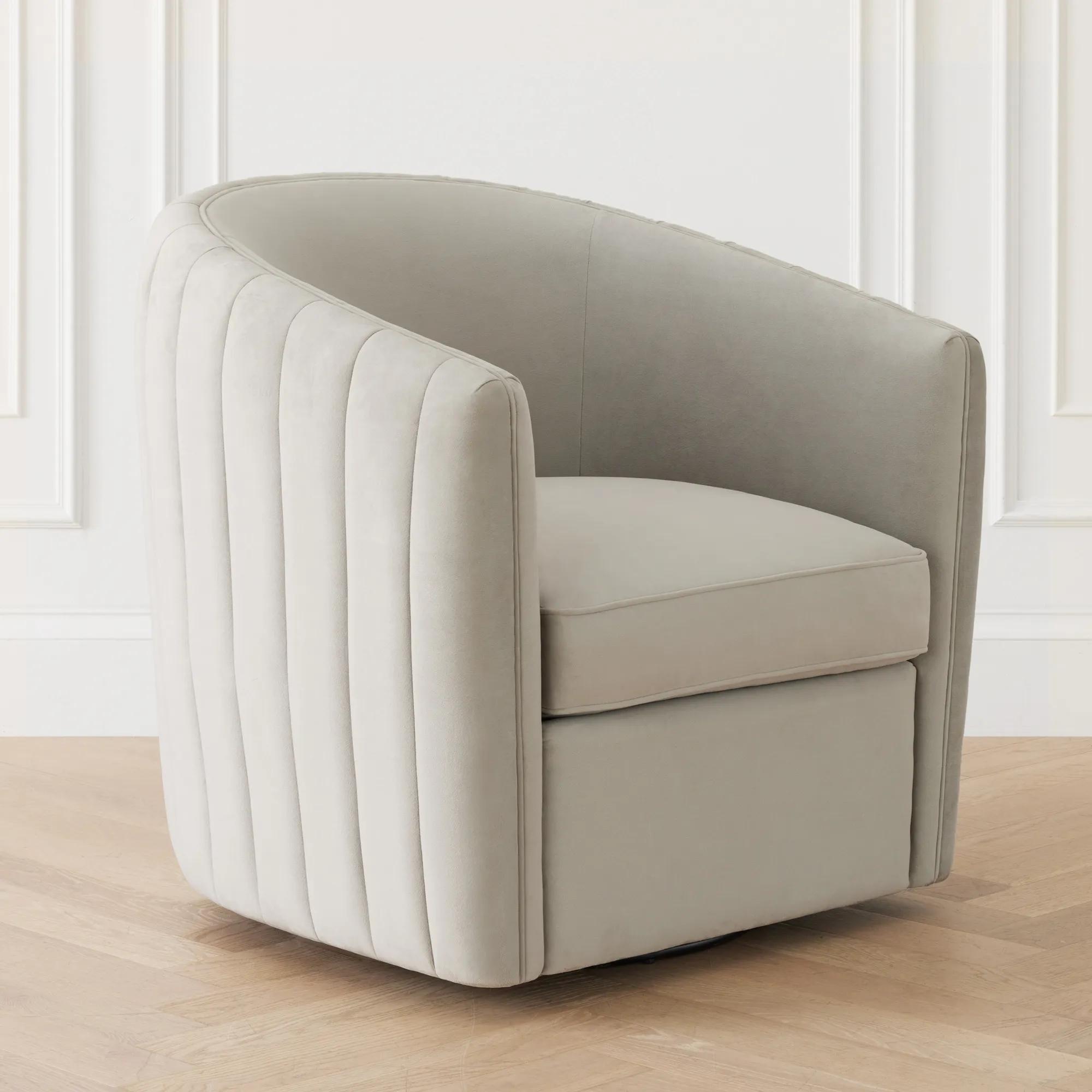
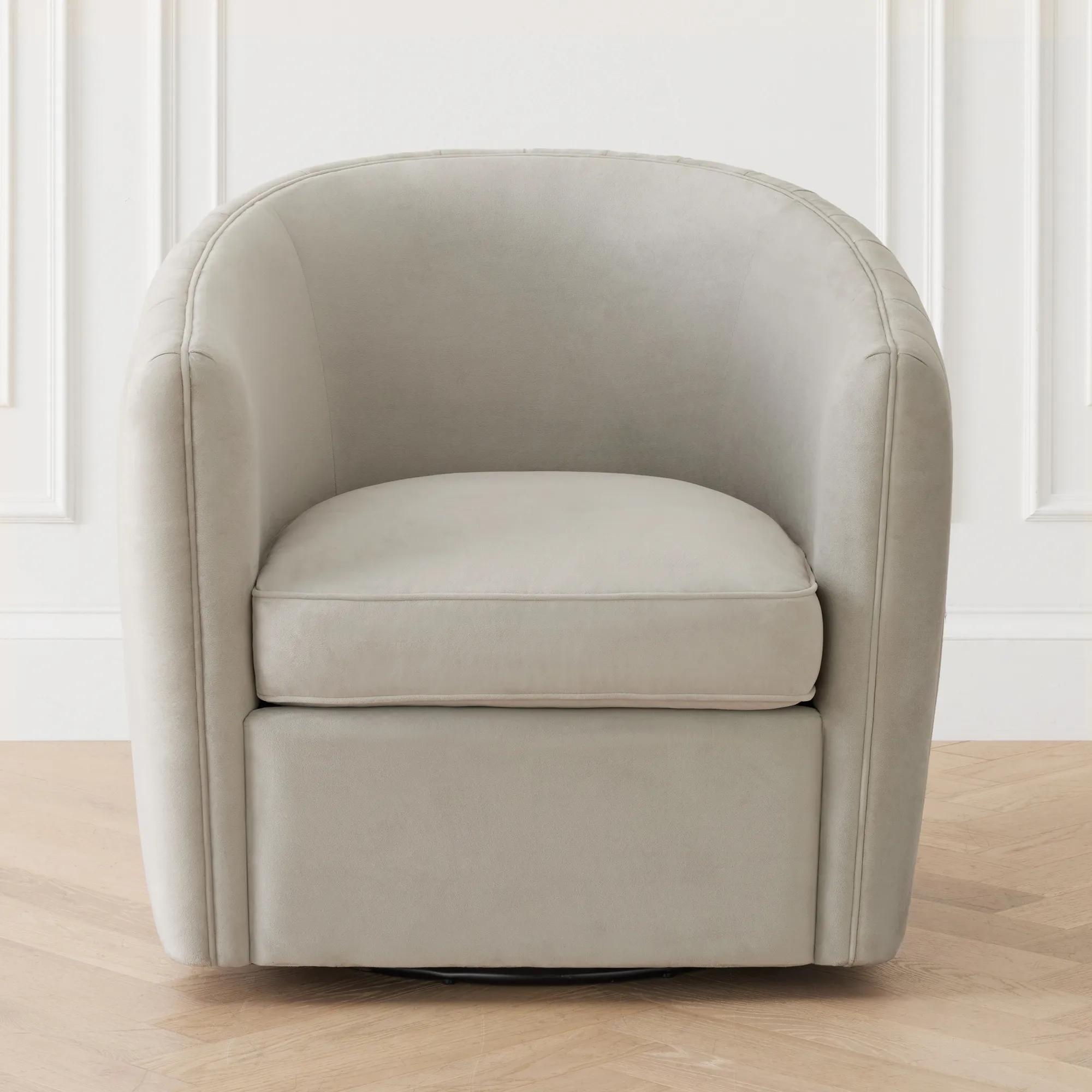 Aria Channeled Swivel Chair$1599
A modern barrel chair in kiln-dried hardwood with channeled velvet upholstery and a smooth swivel base.
Add To Cart -

 Aria Pleated Swivel Chair$1299
A modern barrel chair in kiln-dried hardwood with pleated velvet upholstery and a smooth swivel base.
Add To Cart -
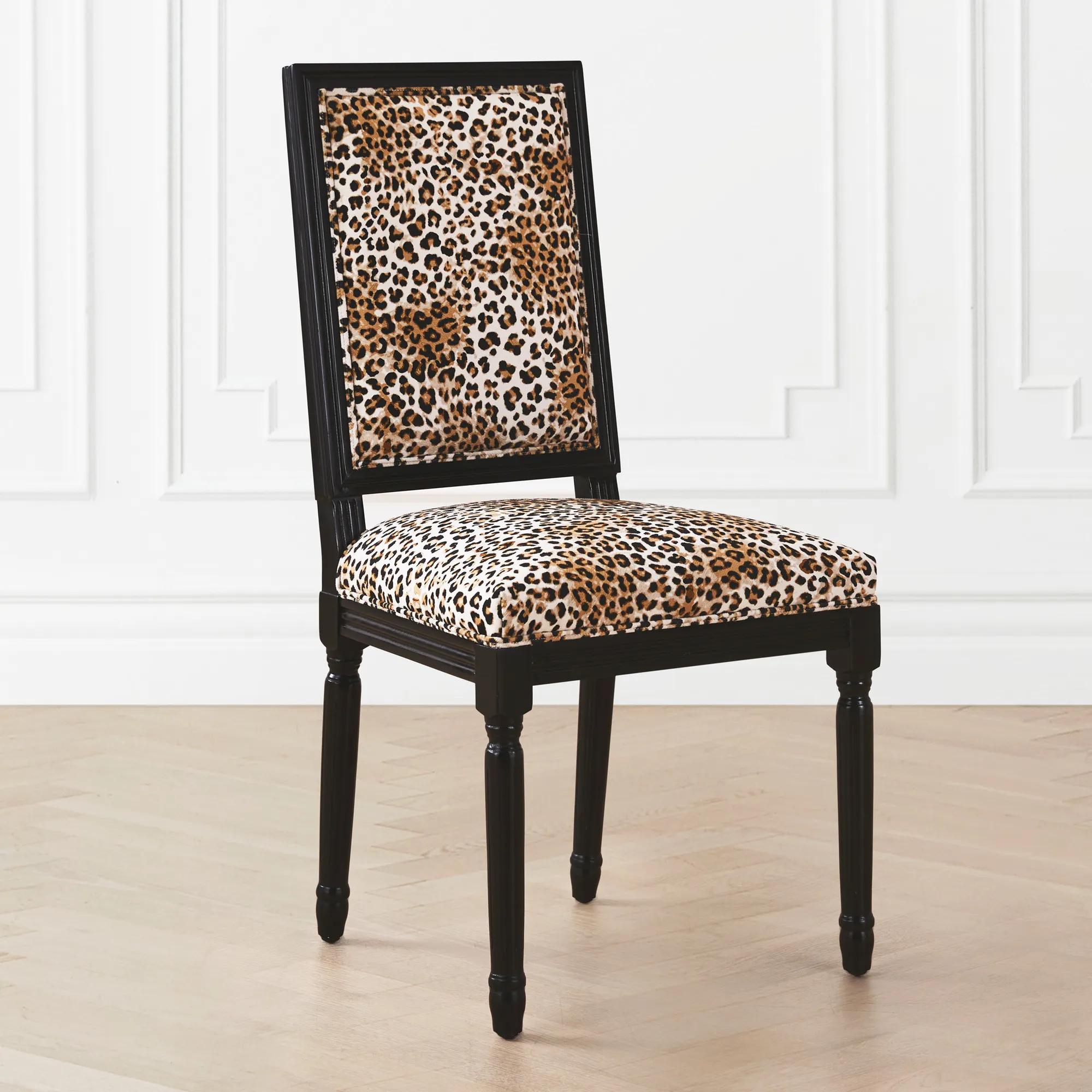
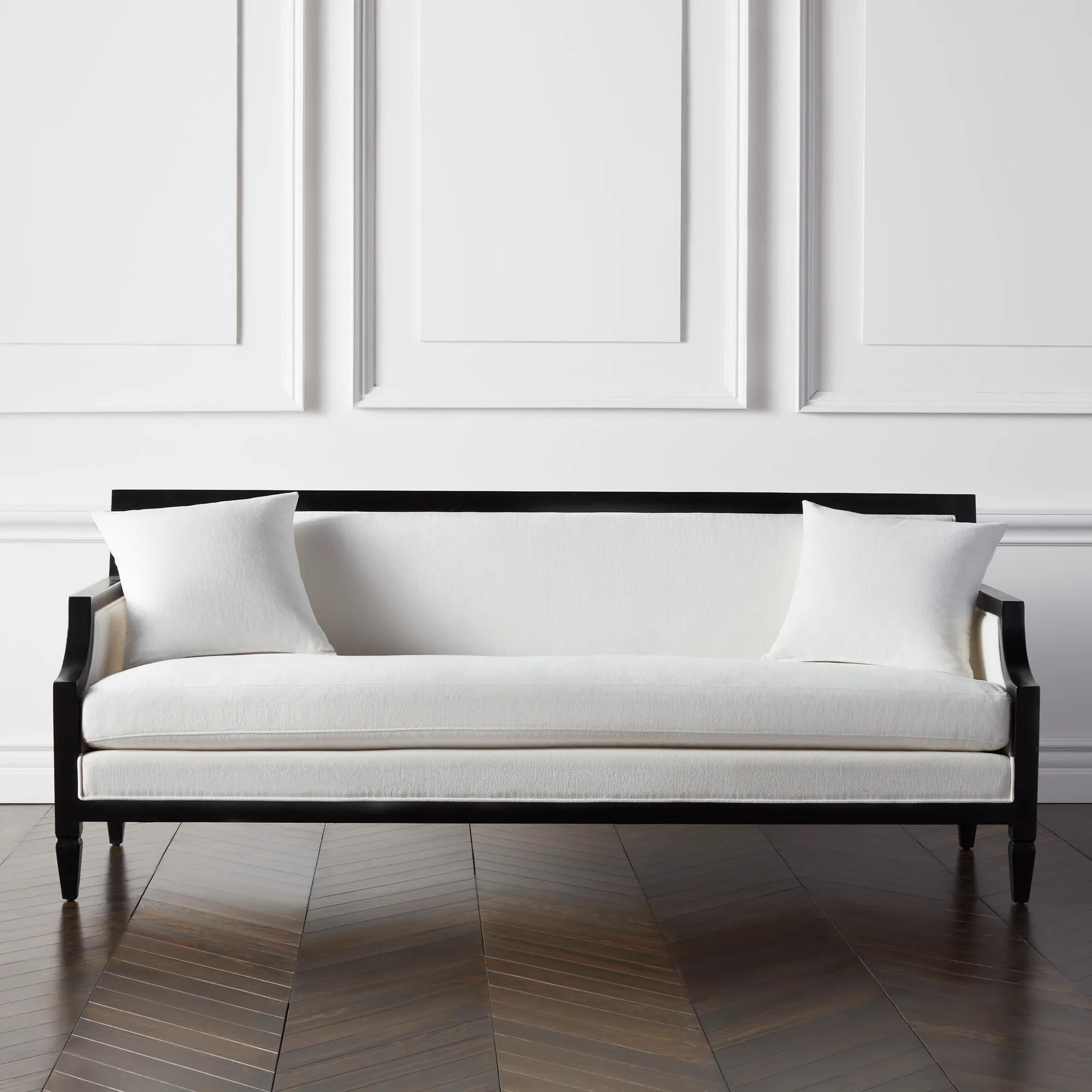
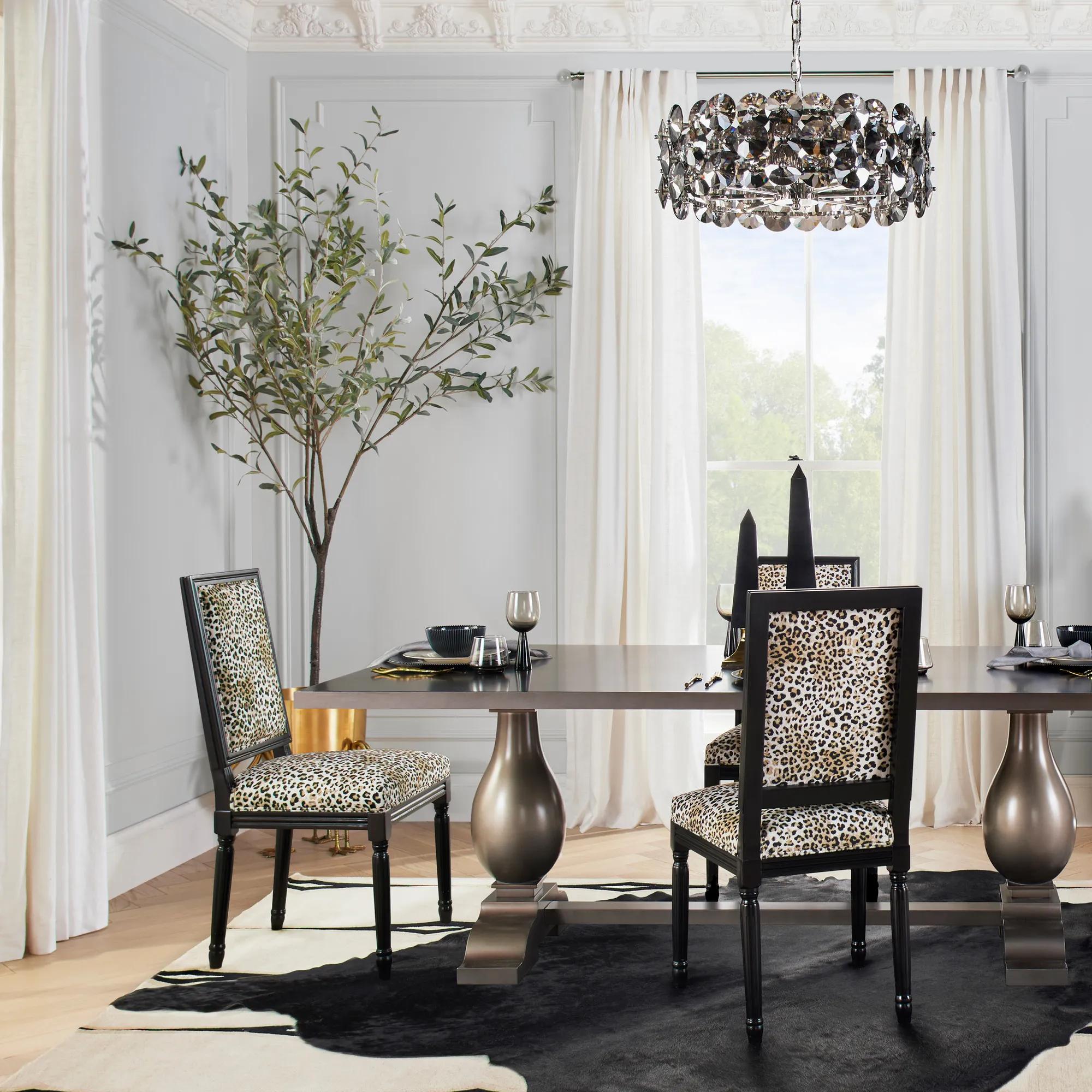 Callan Dining Chair$599
A handcrafted modern chair featuring classic upholstery, squared back, fluted legs, and high-gloss finish.
Add To Cart -
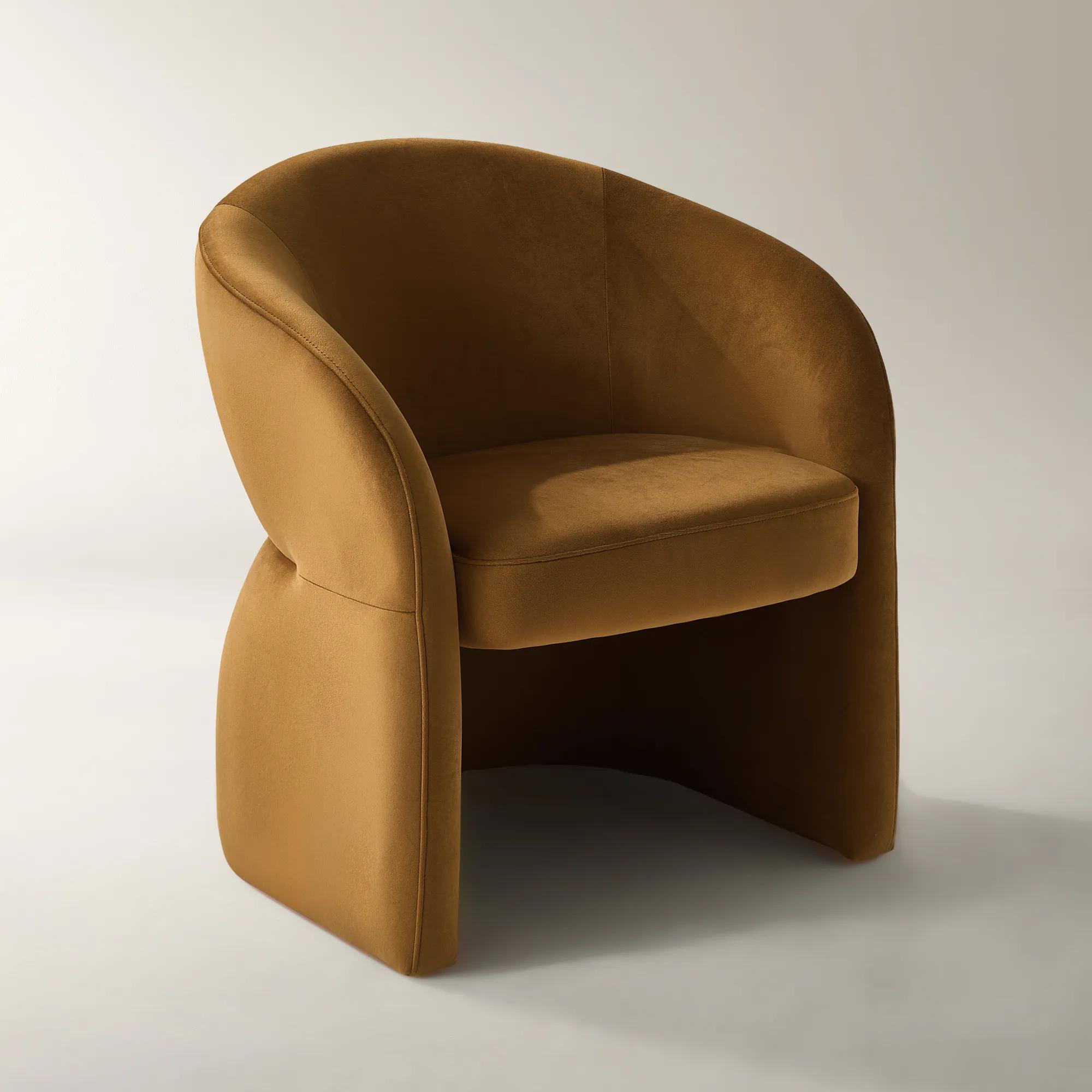
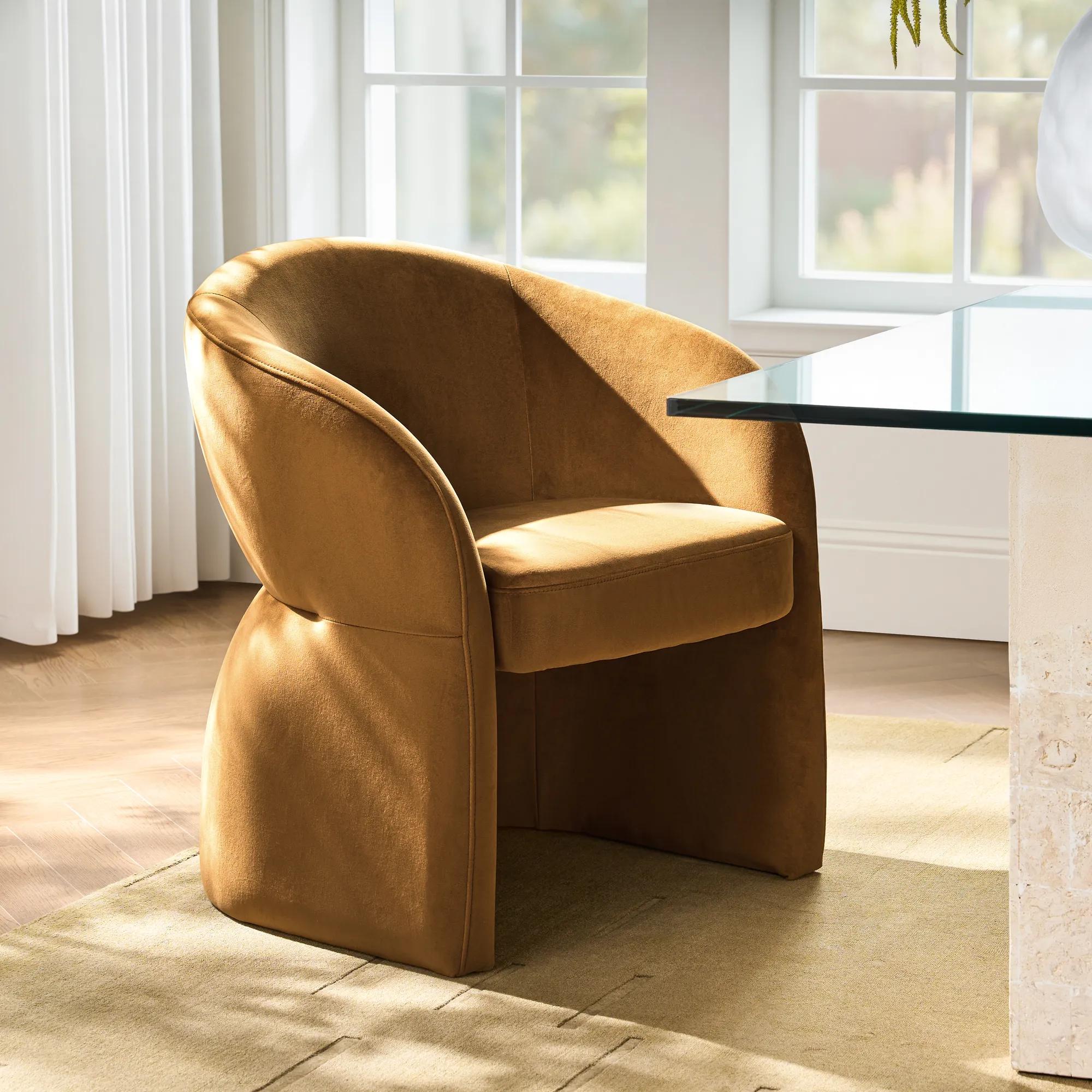 Sierra Roasted Pecan Velvet Dining Chair$599
A sculptural accent chair in roasted pecan velvet with arched arms, curved back, and plush cushioning.
Add To Cart -
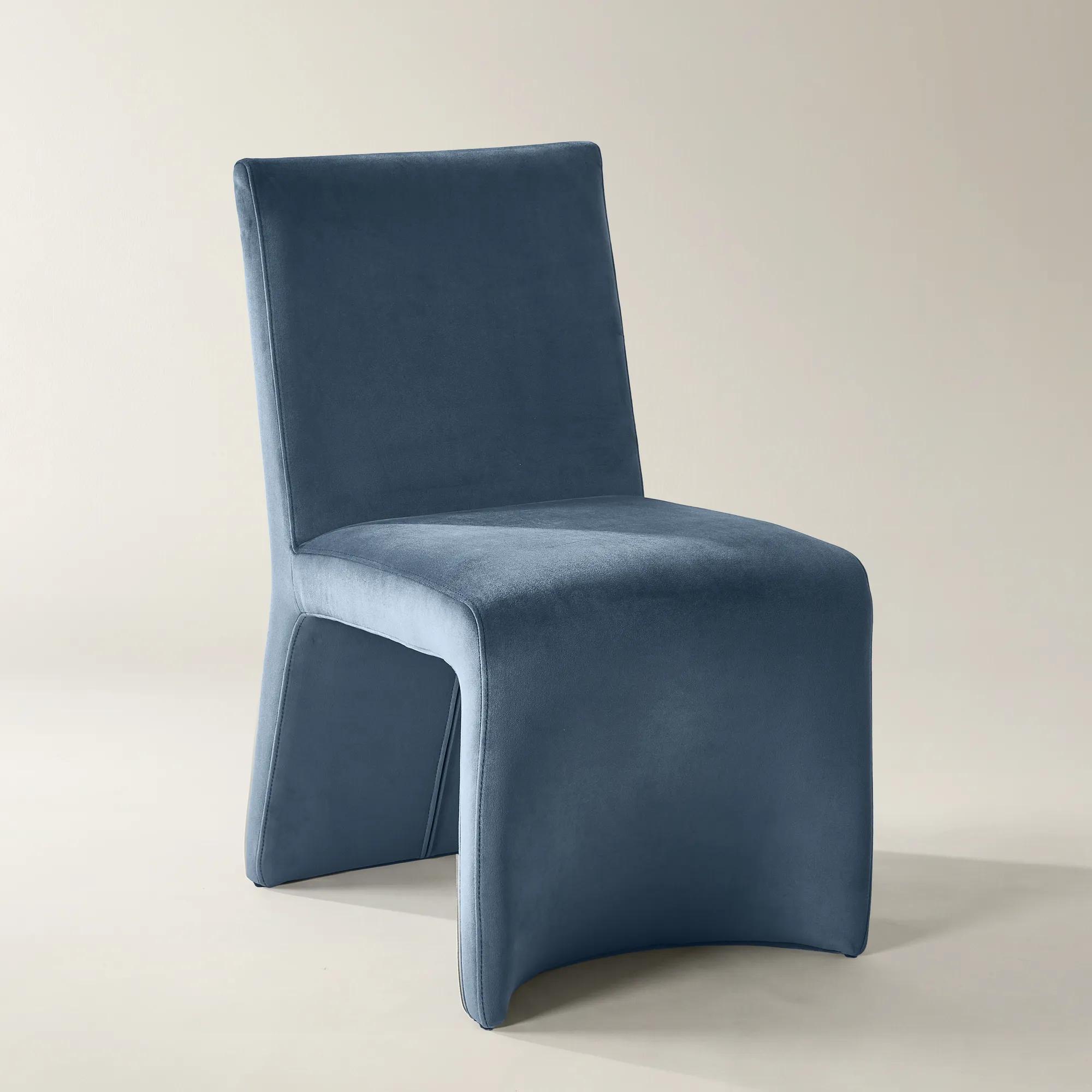 Elara Dusty Blue Velvet Dining Chair Set Of 2$799
A set of two dining chairs featuring plush dusty blue velvet upholstery and a seamless, artful silhouette.
Add To Cart -
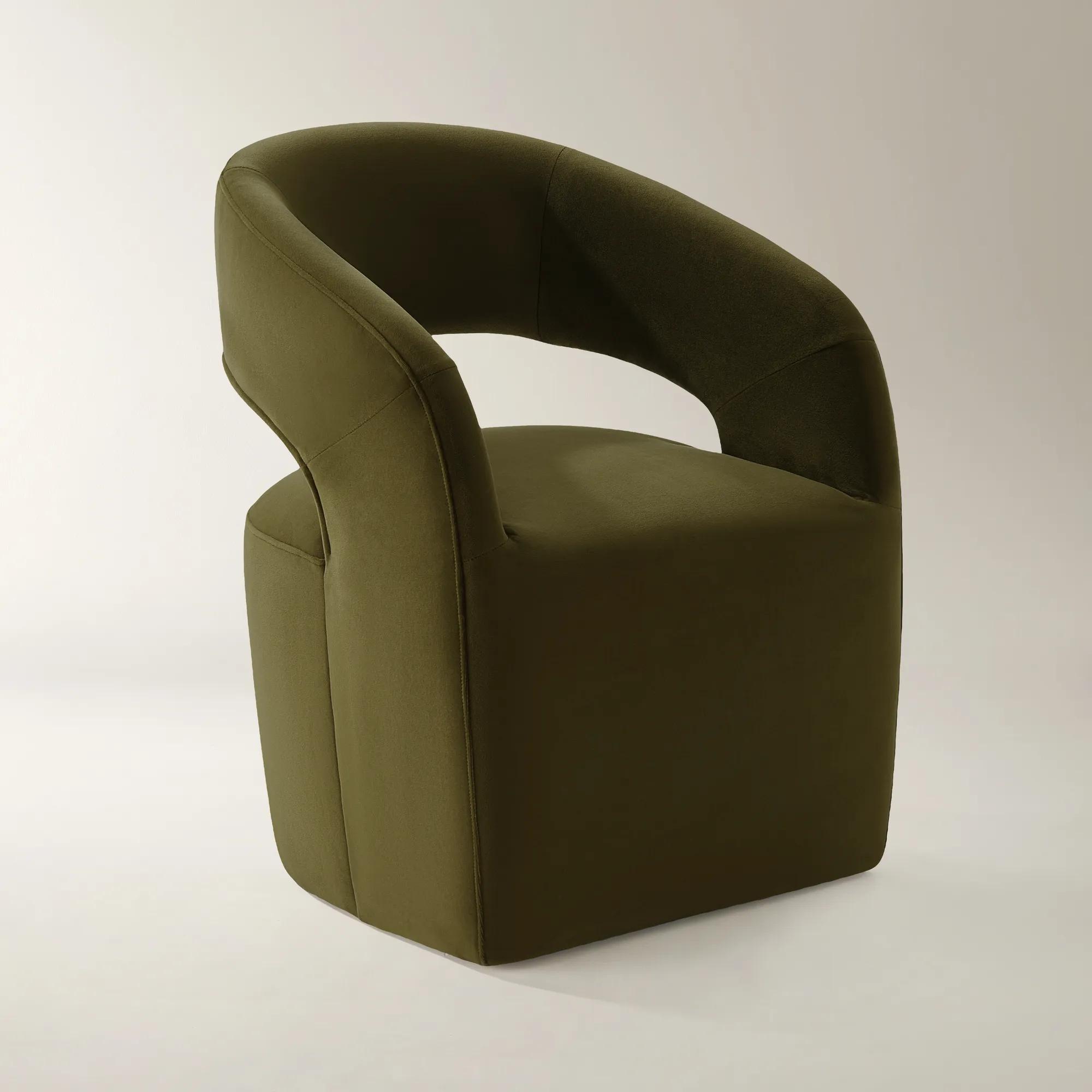 Harrison Deep Olive Velvet Dining Chair$499
A sculptural dining chair in deep olive velvet with a curved back, integrated arms, and plush feather-blend comfort.
Add To Cart -
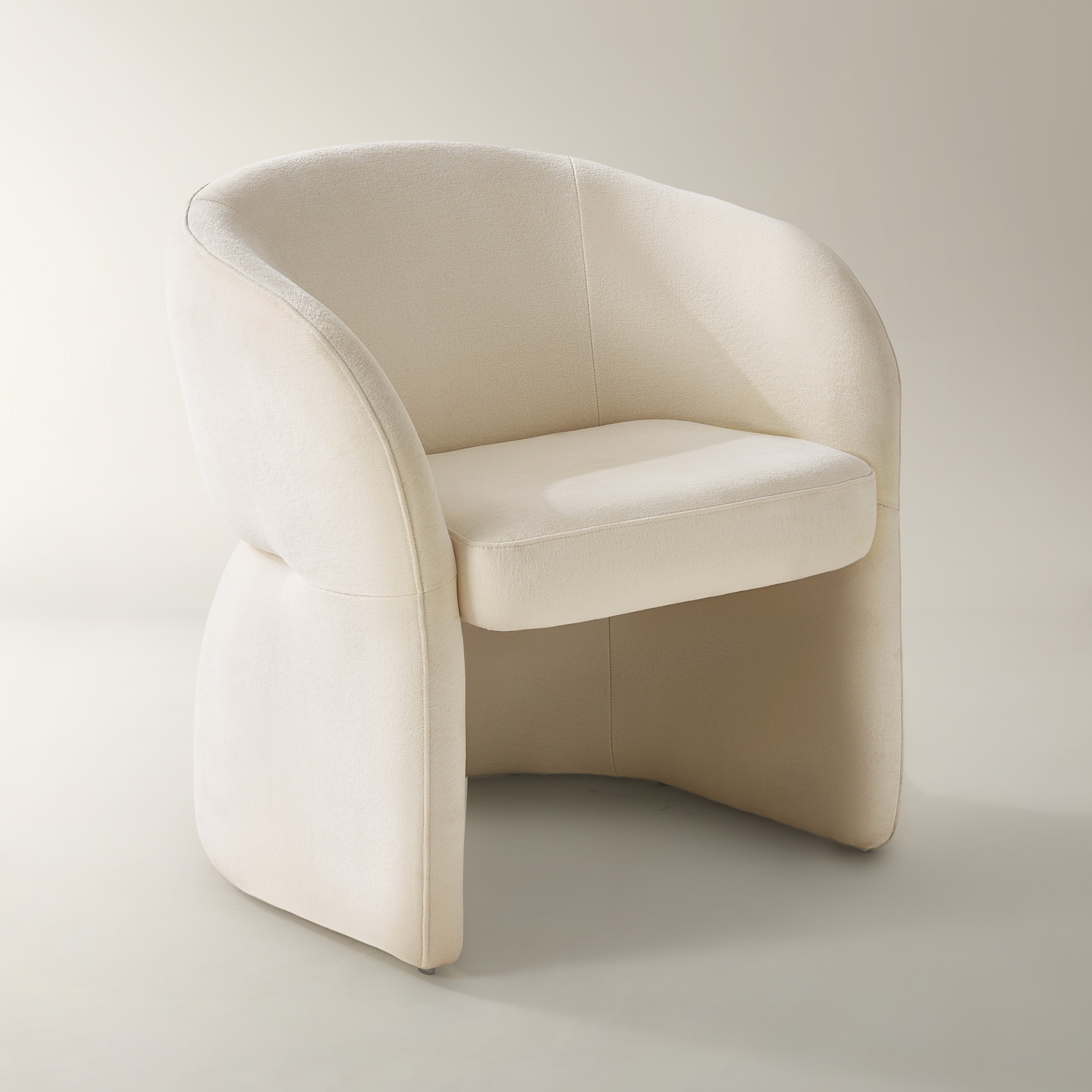
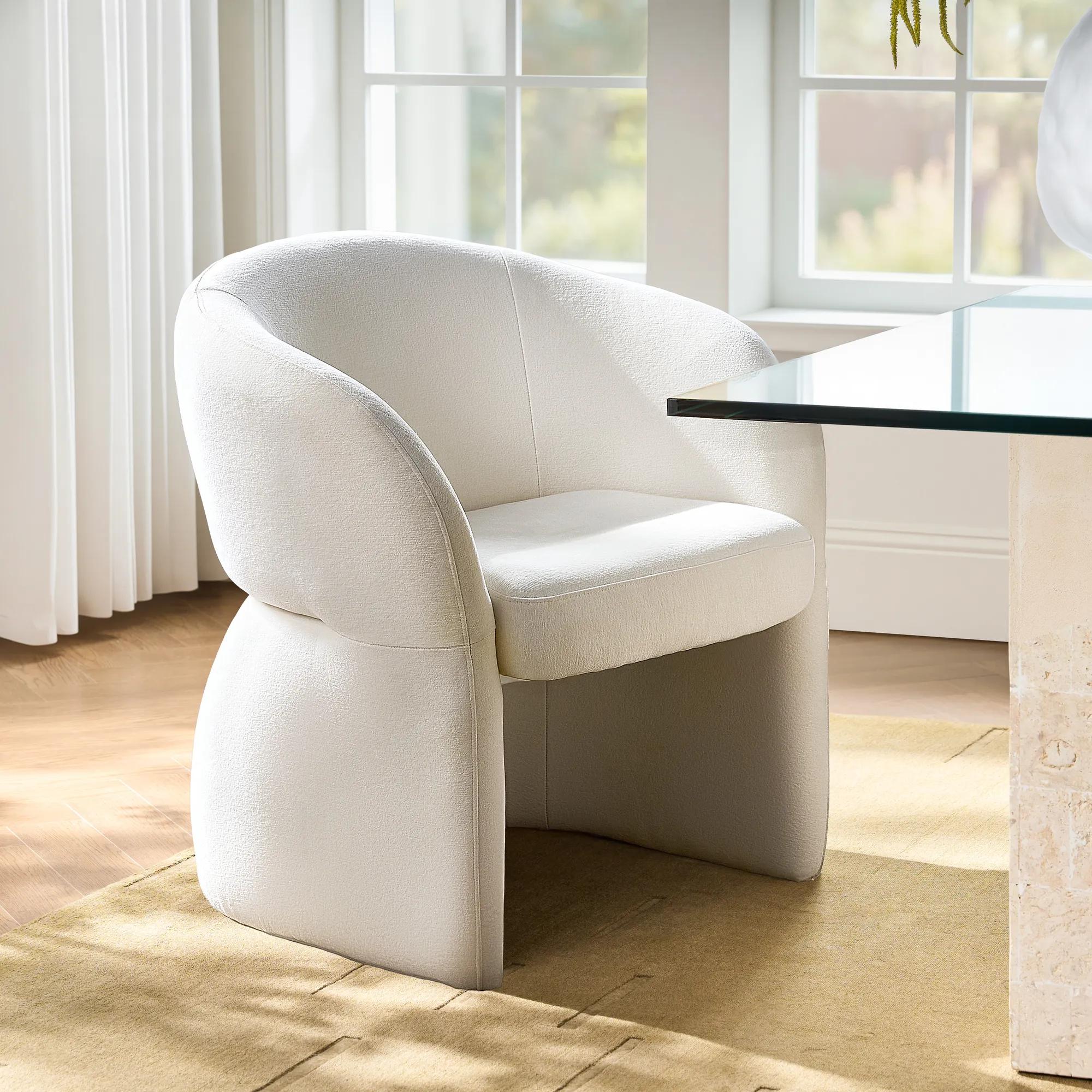 Sierra Oatmeal Velvet Dining Chair$599
An elegant accent chair in oatmeal velvet with gracefully arched arms, curved back, and plush cushioning.
Add To Cart -
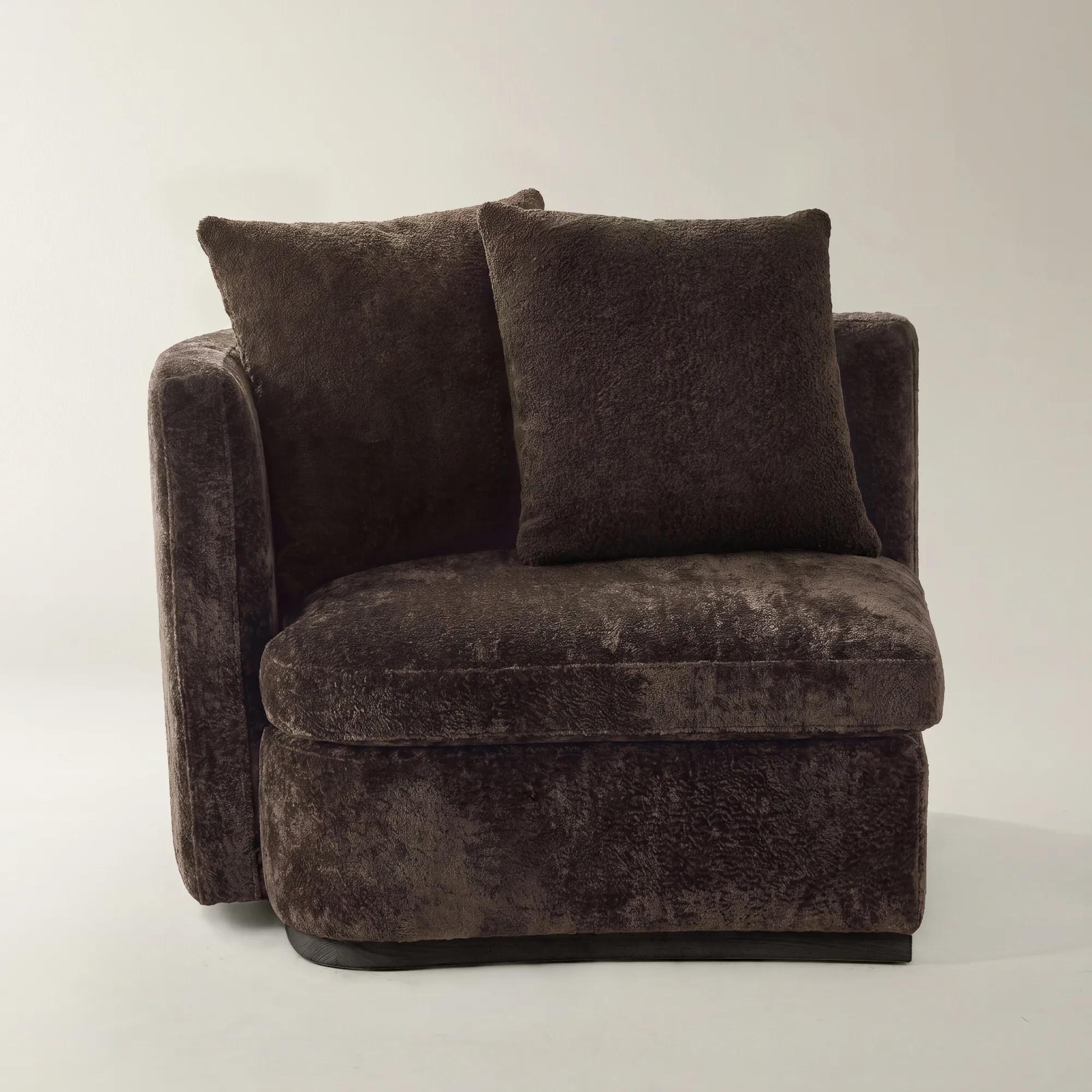
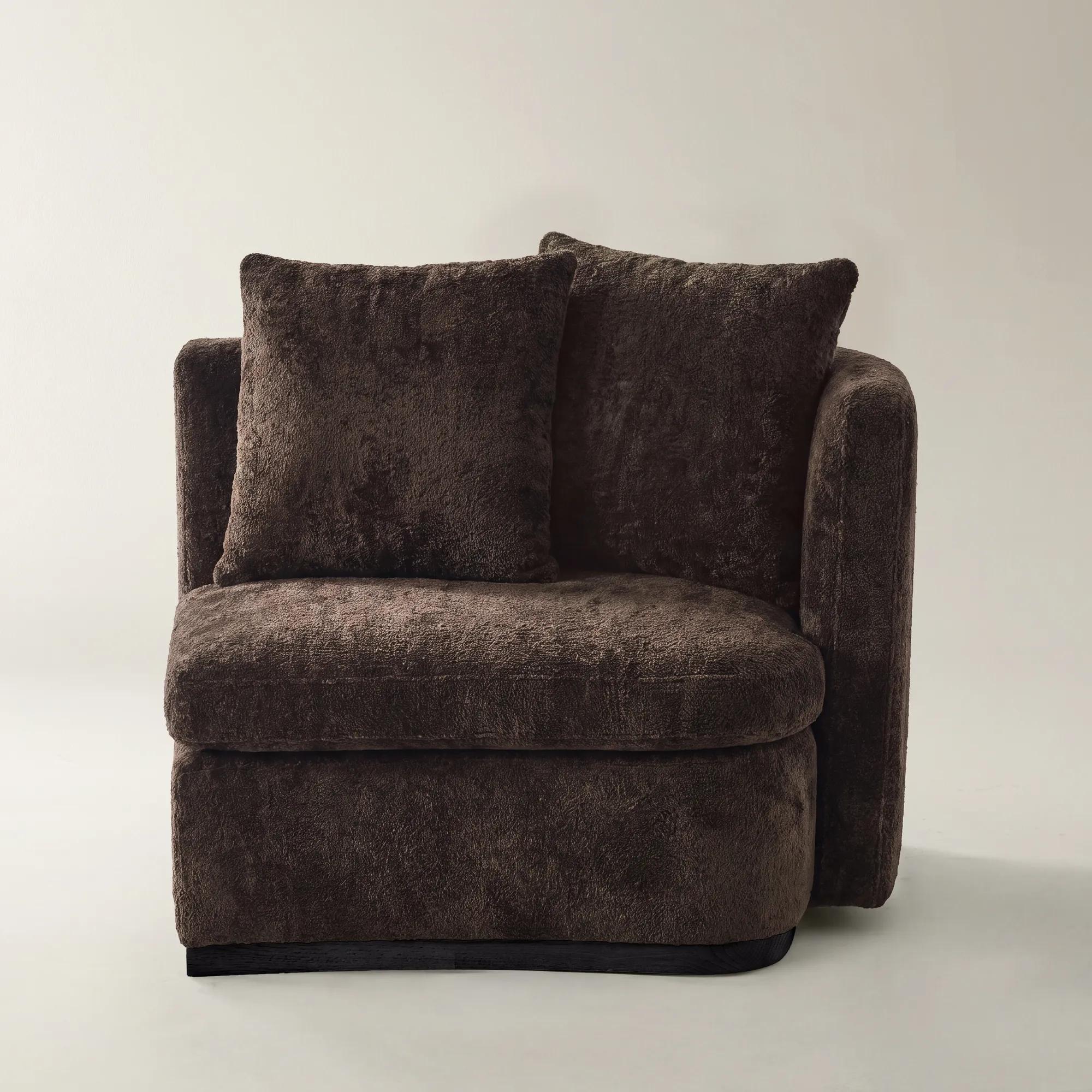
 Elara Burnt Umber Velvet Dining Chair Set Of 2$799
A pair of brown velvet chairs with sinuous curves, ergonomic support, and hand-crafted, sculptural design.
Add To Cart -
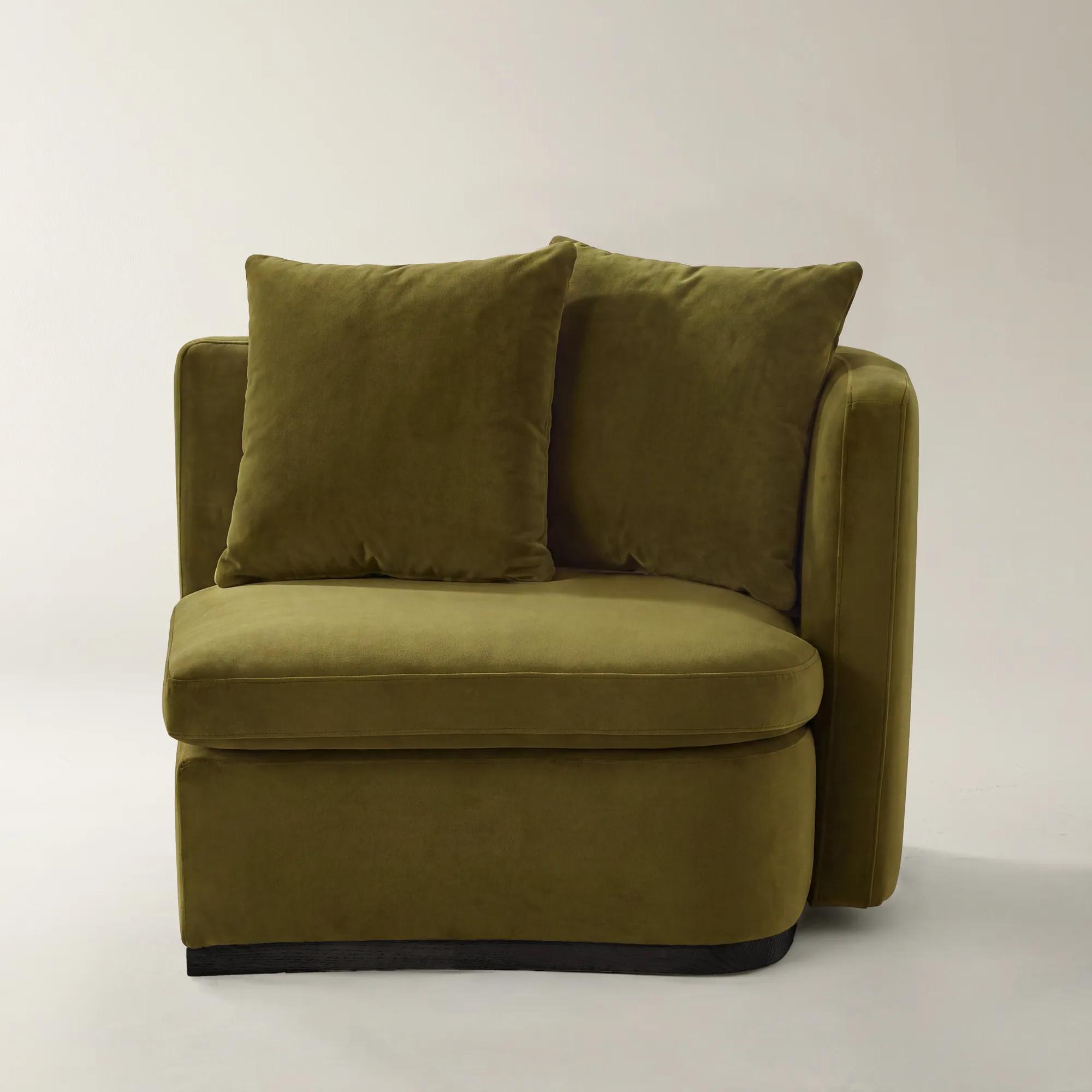 Stria Deep Olive Velvet Right-Arm Chair$1099
A sculptural deep olive velvet chair with curved styling, layered cushioning, and a kiln-dried wood frame.
Add To Cart -
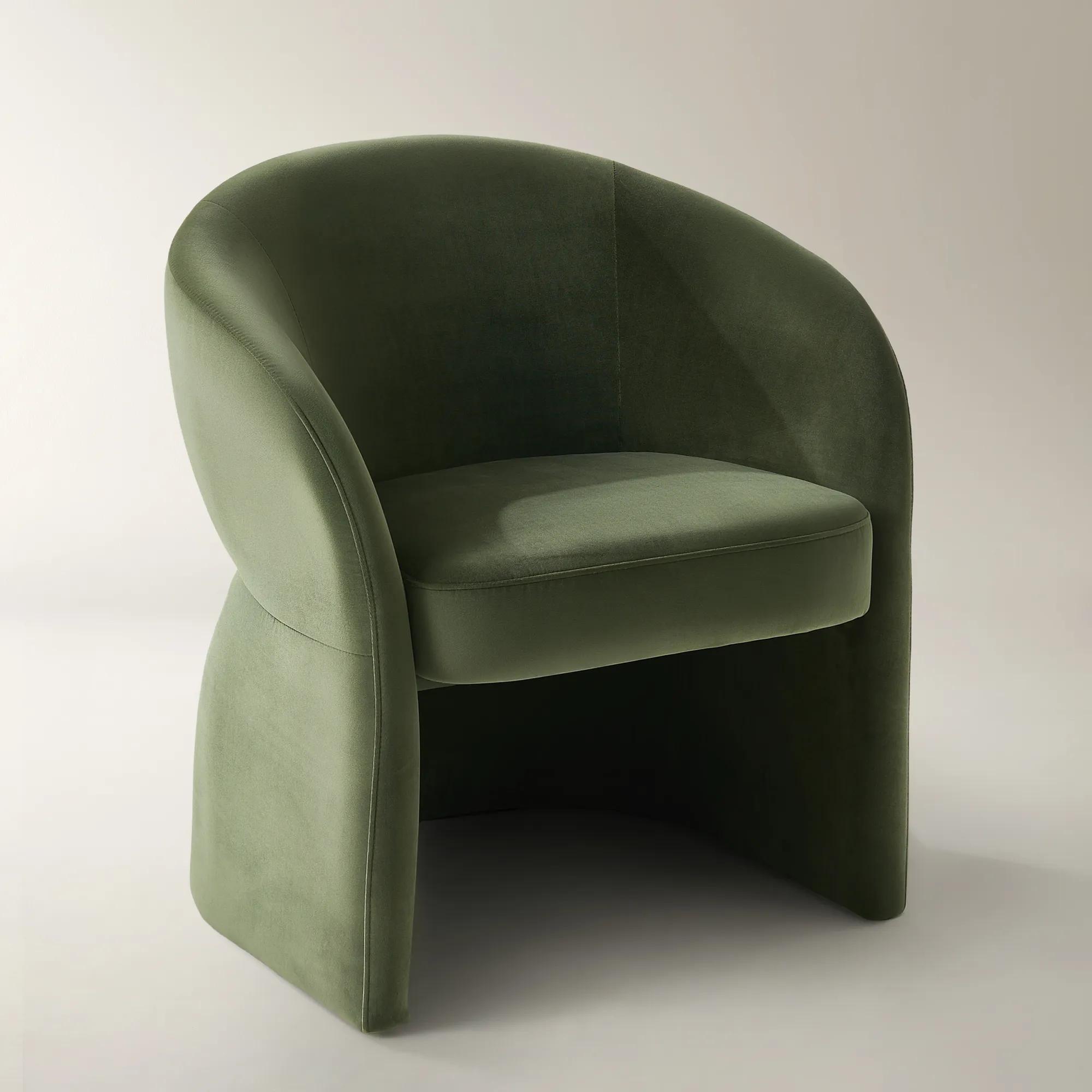
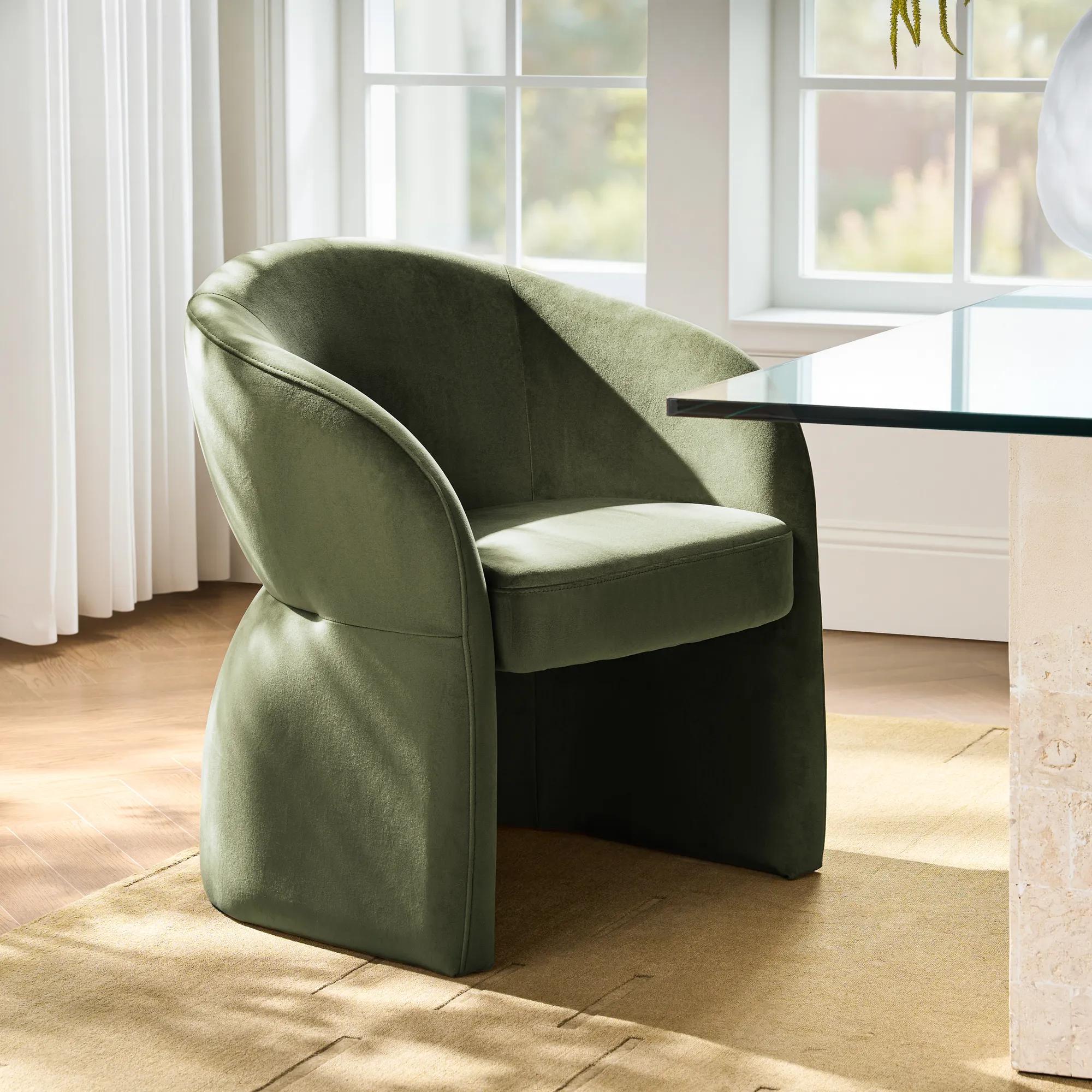 Sierra Jade Green Velvet Dining Chair$599
A sculptural accent chair in jade green velvet with gracefully arched arms and plush, supportive cushioning.
Add To Cart -
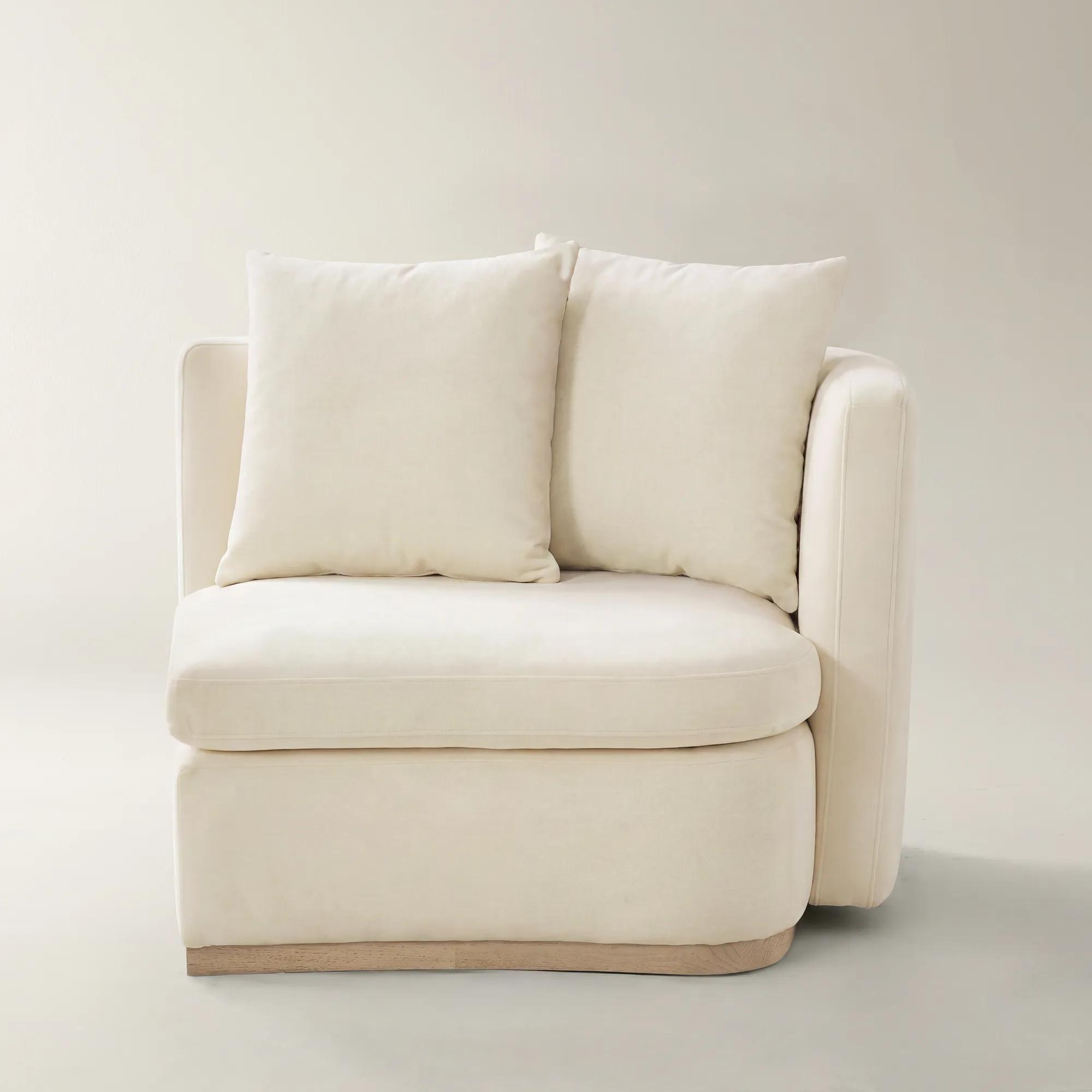 Stria Oatmeal Velvet Right-Arm Chair$1099
A sculptural oatmeal velvet chair with a curved silhouette, oak base, and layered foam-and-down cushioning.
Add To Cart

Designer Hand Tufted Chairs
Designer hand tufted chairs invite you to indulge in artistry that transcends the everyday—each silhouette a celebration of craftsmanship, each detail an ode to bold self-expression. These sculptural masterpieces transform any room into a gallery of texture and form, where sumptuous fabrics and intricate tufting create an atmosphere of curated luxury. Whether anchoring a dramatic living space or elevating an intimate corner, designer hand tufted chairs promise to enchant with their tactile allure and unmistakable presence. Paint your home with confidence; let every seat become a statement.
Designer hand-tufted chairs give upholstery a sculptural quality, turning the sweep of a backrest or the curve of an arm into a study in depth, shadow, and touch. Hand tufting is an upholstery technique in which stitches are drawn through padding and secured to form recessed points, often accented with buttons. The resulting contours create a richly dimensional surface rather than a flat expanse of fabric or leather. Diamond tufting arranges those recesses in an intersecting pattern with a distinctly formal presence, while biscuit tufting forms square or rectangular sections for a more architectural effect. Neither pattern belongs exclusively to traditional interiors. A deeply tufted chair with a streamlined frame can bring expressive detail to a contemporary living room, just as a tailored silhouette can sharpen a space layered with antiques and collected art. The character comes from the relationship between the upholstery, the proportions, and the surrounding furnishings. Jewel-toned velvet gives each fold a luminous edge; pale woven upholstery lets the pattern register as subtle relief; leather emphasizes the tension between smooth surfaces and gathered creases. Against a restrained sofa, a tufted accent chair can become the room’s visual signature. In a more elaborate setting, its repeated geometry offers structure among expressive patterns, metallic finishes, and sculptural accessories. A pair facing a sofa creates an inviting conversation area without requiring every piece to match. A single chair angled beside a bookcase gives a reading corner an intentional, finished presence. Bedrooms, dressing spaces, and private offices also benefit from seating that feels considered from every angle, especially when the back remains visible from a doorway. Exposed legs introduce lightness beneath substantial upholstery, while a lower, fuller profile gives a seating arrangement a grounded, intimate mood. For a more enveloping shape, Luxury Hand Tufted Armchairs offer a related direction, pairing the dimensional appeal of tufting with arms that frame the seat and support a relaxed posture. The strongest choice feels expressive in the room and comfortable for the person who will use it.
Upholstery determines much of that experience, from the way a chair catches the light to how it responds to daily use. Velvet has a directional pile that can appear lighter or darker as the viewing angle changes, giving tufted folds especially dramatic definition. Its fiber content and construction matter as much as its luxurious appearance, so performance information and care instructions deserve attention when a chair will serve as a favorite everyday seat. Woven fabrics can create a quieter interplay of texture and contour, with tighter constructions generally presenting fewer opportunities for snagging than loose, open weaves. Bouclé adds another layer of dimension, although its looped surface calls for particular consideration in homes with pets that scratch or catch upholstery with their claws. Leather offers a different sensibility: smooth expanses contrast with the deeper recesses of tufting, and natural markings can lend individual character. Full-grain and top-grain leather describe different surface treatments, but neither term alone establishes how a finished chair will wear; the protective finish, construction, and care requirements also matter. For households with children, frequent guests, or lively gathering spaces, stain resistance, abrasion-test information, and permitted cleaning methods can be more useful than an upholstery label alone. Underneath the surface, frame construction, joinery, suspension, and cushioning work together to determine stability and comfort. A hardwood or engineered-wood frame should be assessed by its construction rather than its material name alone. Foam, fiber, and other cushion fills also create different sitting experiences: some hold a crisp outline, while others settle more softly around the body. Tufting contributes shape and helps secure upholstery layers, but it does not independently guarantee firm support or lasting durability. Consistent recesses, securely attached buttons, balanced seams, and neatly finished edges are meaningful details to examine. A chair intended for occasional conversation can prioritize a dramatic profile, while one destined for hours of reading needs a seat depth, back angle, and cushion feel that remain welcoming well beyond the first impression.
Scale is where a beautiful chair becomes a successful part of daily life. Overall width and depth establish its footprint, but usable seat dimensions reveal more about how it will feel. Thick upholstered arms can make a chair look generous while leaving a relatively narrow sitting area; a deep seat may suit someone who enjoys curling up but feel less supportive to a person who prefers both feet firmly on the floor. Seat height affects how easily someone can sit down and stand, while back height determines whether the chair offers lower-back support or a taller resting surface. In a living room, a tufted chair feels connected to the seating group when conversation is comfortable and nearby tables are within easy reach. In a bedroom, enough clearance around the chair preserves access to drawers, closets, and walkways. Delivery measurements matter, too: door openings, stair turns, and elevator dimensions can determine whether a substantial silhouette reaches its intended setting. Once in place, thoughtful care protects both the upholstery and the definition of its detailing. Dust and crumbs tend to gather in tufted recesses, where gentle vacuuming with an appropriate upholstery attachment can help prevent buildup. Buttons and decorative accents should not be pulled or used as handles when moving the chair. Fabric cleaning codes distinguish between water-based cleaning, solvent-based cleaning, and methods requiring professional attention; the manufacturer’s instructions take precedence over a general upholstery remedy. Spills are best addressed promptly by blotting rather than rubbing, without saturating the padding or introducing an unapproved cleaner. Leather requires products compatible with its particular finish, and velvet may need pile-specific care to preserve its appearance. Prolonged direct sunlight can affect color, while repeated contact with sharp accessories or abrasive clothing can stress raised areas and seams. With suitable proportions, upholstery matched to household routines, and attentive maintenance, a designer hand-tufted chair can bring enduring visual richness to a room—a place to settle comfortably, distinguished by the small folds and precise contours that reward a closer look.
FAQs
Hand-tufted chairs are distinguished by their meticulous construction process, where skilled artisans individually pull threads through the upholstery and secure them with precision. This technique creates intricate patterns of tufting, resulting in a sculptural, plush surface that enhances both comfort and visual drama. The artistry involved ensures each chair is unique, with subtle variations that speak to the hand-crafted quality and attention to detail.
A hand-tufted chair serves as both a statement piece and a functional work of art. Its rich textures, bold silhouettes, and luxurious materials instantly elevate the ambiance, adding a layer of sophistication and warmth. Whether placed in a grand living room, an intimate reading nook, or a chic bedroom corner, the chair draws the eye and invites guests to linger, transforming everyday moments into elegant experiences.
Designer hand-tufted chairs are often upholstered in sumptuous materials such as velvet, linen, and bouclé. Velvet offers a soft, luminous sheen and a sense of opulence, while linen provides a crisp, tailored look with a touch of natural texture. Bouclé brings a cozy, tactile dimension, perfect for adding depth and interest to any setting. Each fabric offers its own unique character, allowing you to tailor the mood of your space.
Absolutely. Hand-tufted chairs transcend design eras, making them a versatile choice for both modern and traditional spaces. Their classic tufting details can evoke timeless elegance in a traditional setting, while bold silhouettes and contemporary fabrics can make them a striking addition to a modern home. The adaptability of these chairs allows them to harmonize with a variety of décor styles, from glamorous to eclectic.
A hand-tufted chair shines when used as a focal point in a room—think of it anchoring a reading nook with a dramatic floor lamp, or flanking a fireplace to create a cozy conversation area. Pairing with a sculptural side table or a gleaming metallic accent can amplify its luxurious presence. For a touch of seasonal flair, drape a plush throw or add a decorative pillow that complements the chair’s color and texture, creating a layered, inviting look.