Designer Button Tufted Chairs
Designer Button Tufted Chairs
-
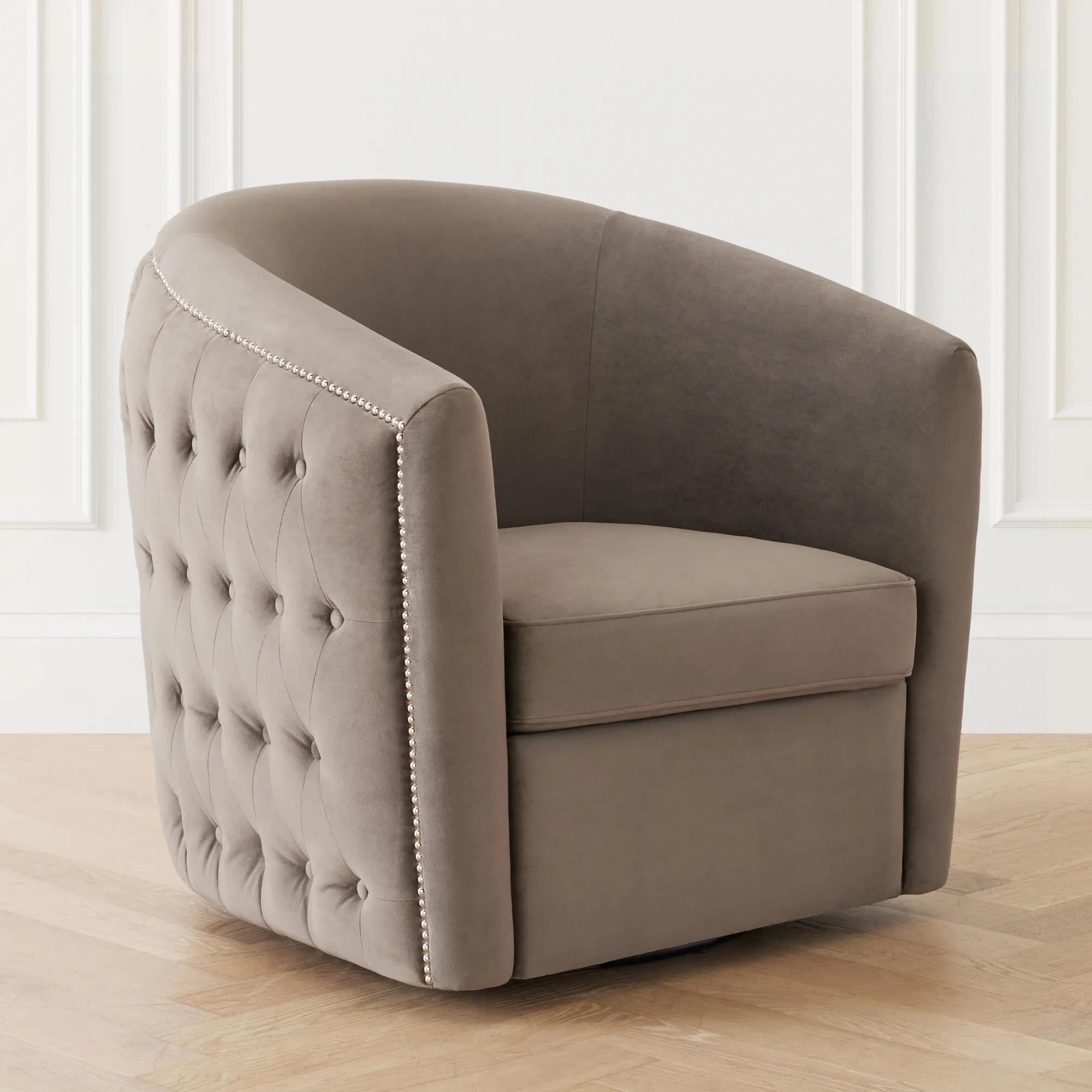
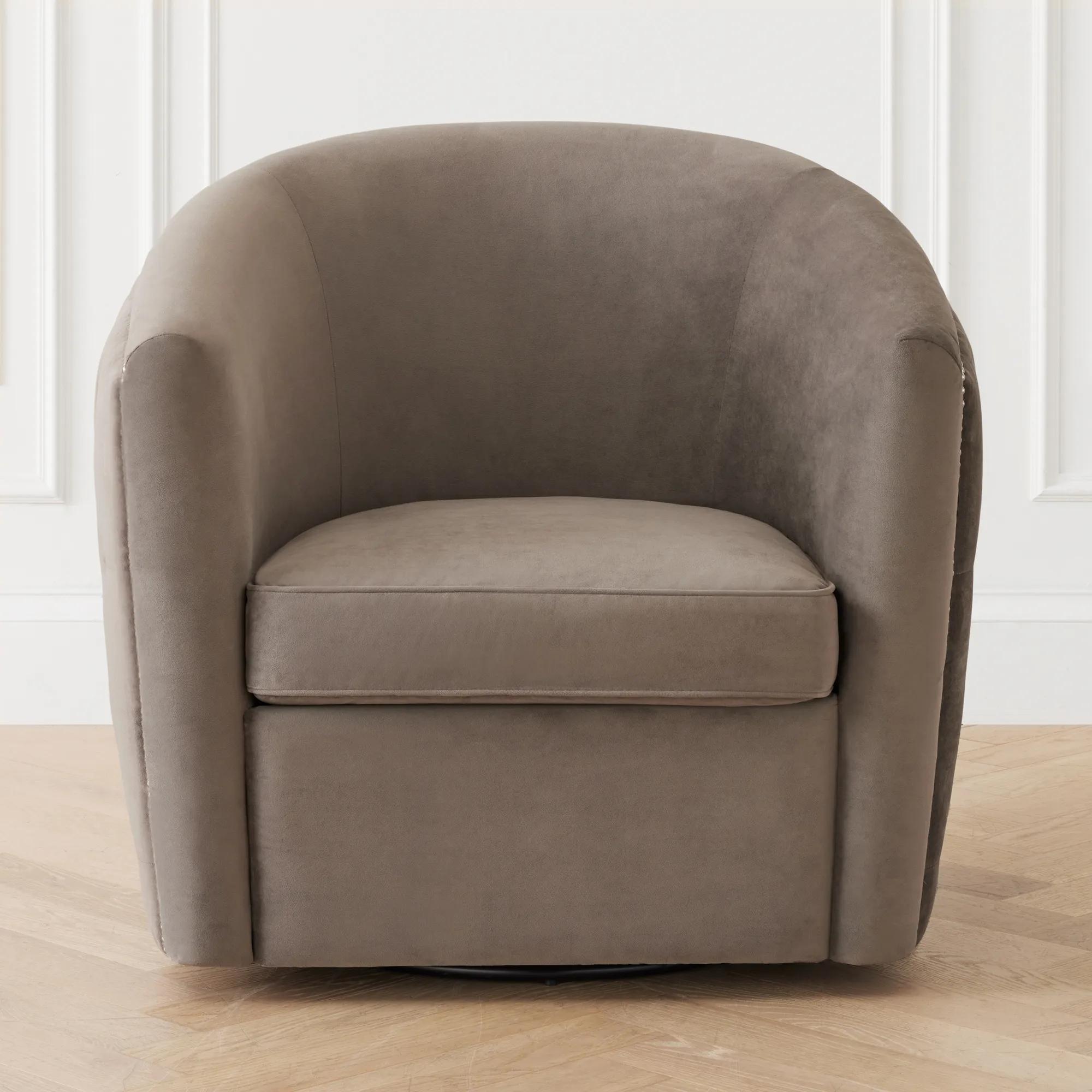 Aria Tufted Swivel Chair$1449
A modern barrel chair in Bella Velvet Otter with tufted detailing and a smooth swivel mechanism.
Add To Cart -
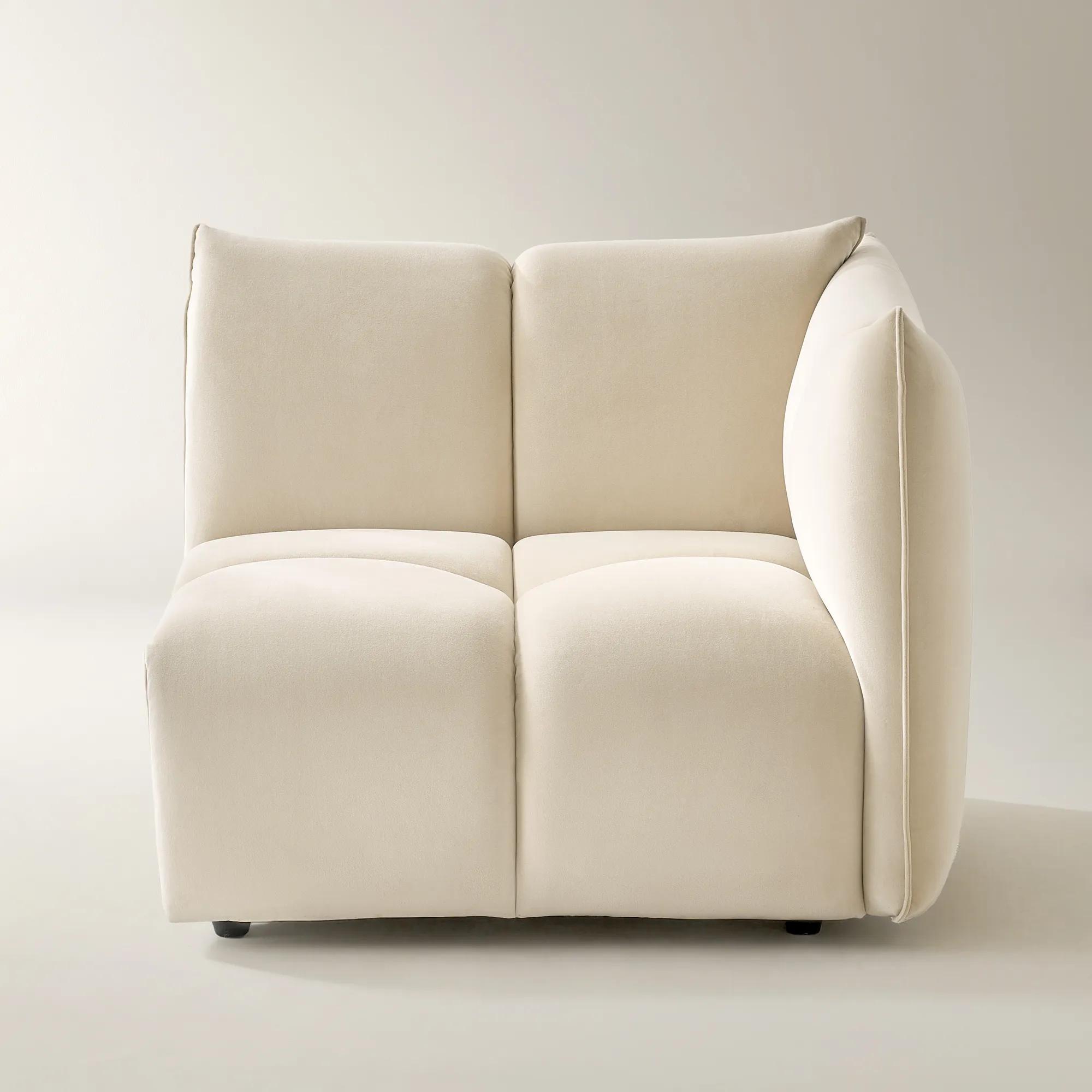
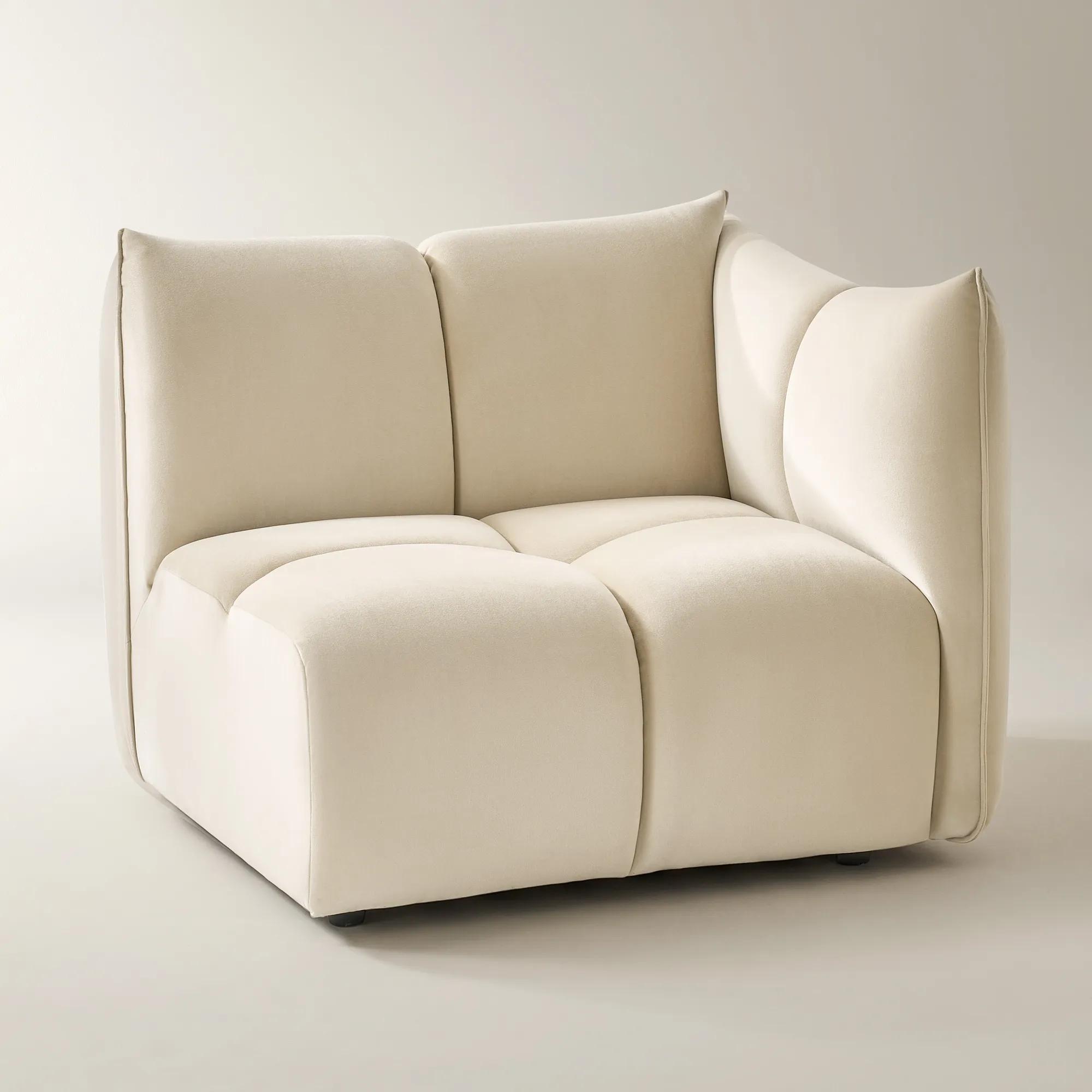 Reina Tufted Oatmeal Velvet Right-Arm Chair$899
A right-arm chair in oatmeal velvet featuring channel tufting, winged sides, and deep, plush seating.
Add To Cart -
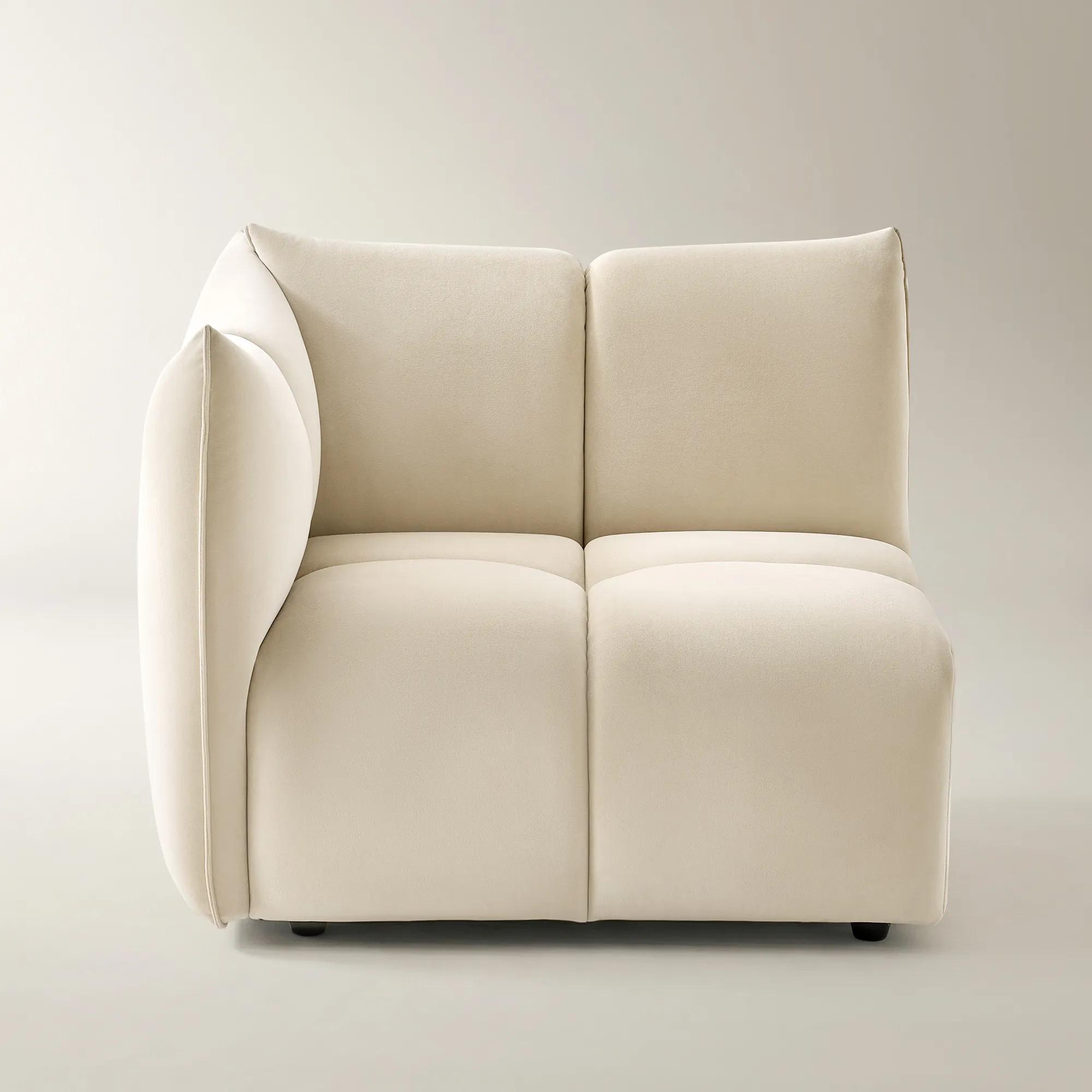 Reina Tufted Oatmeal Velvet Left-Arm Chair$899
A left-arm chair in oatmeal velvet featuring channel tufting, deep seating, and an architectural winged profile.
Add To Cart -
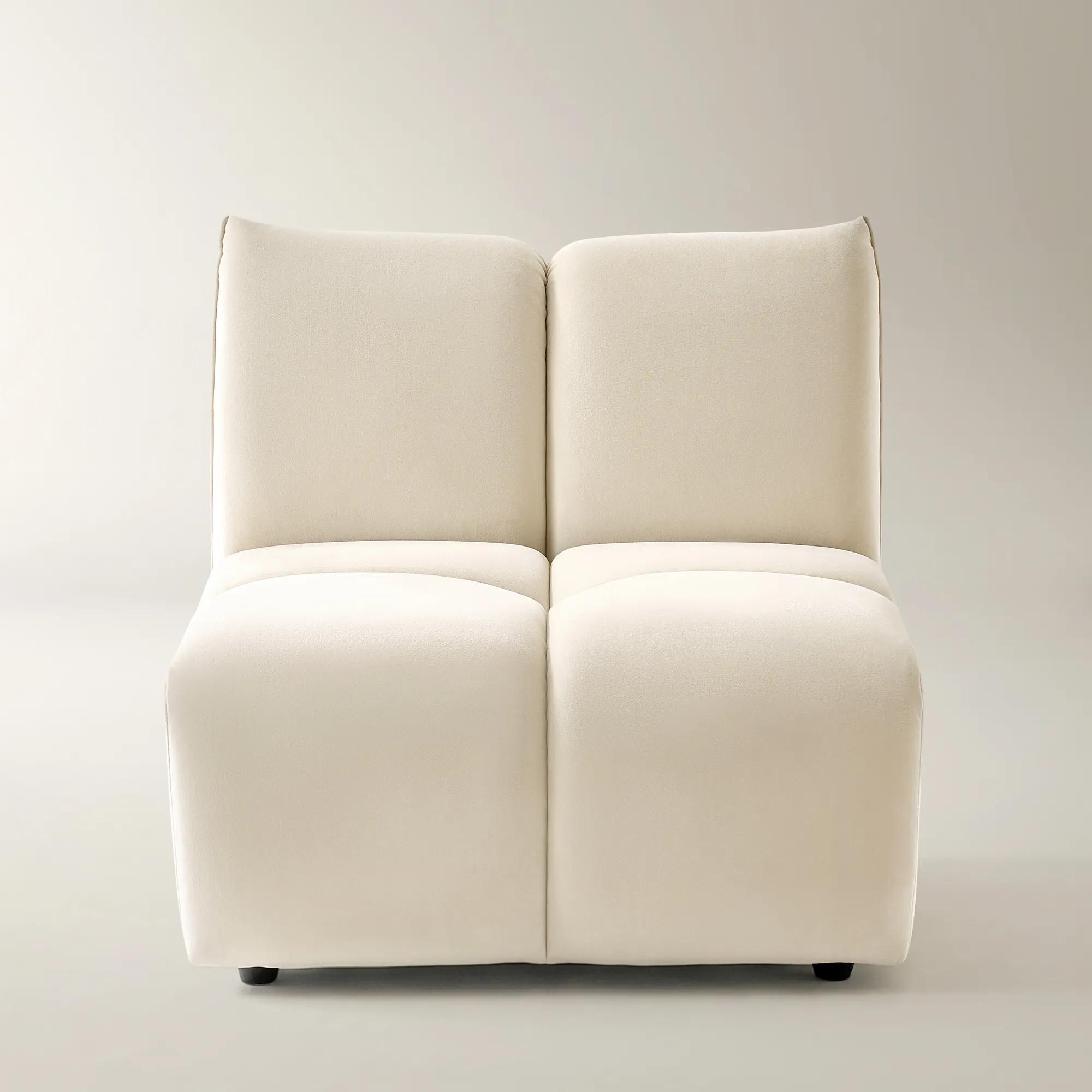
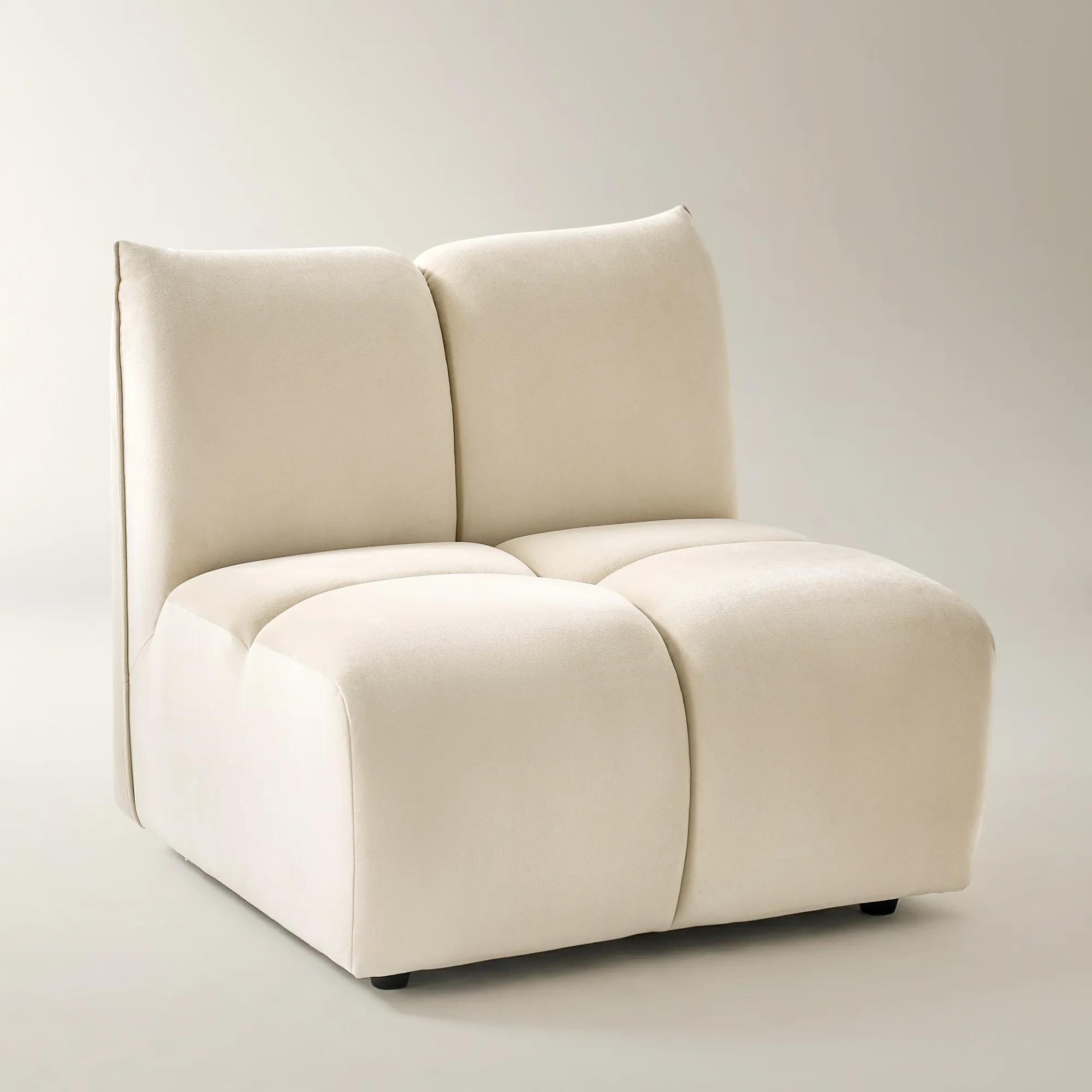 Reina Tufted Oatmeal Velvet Armless Chair$799
A plush oatmeal velvet armless chair featuring channel tufting, deep seating, and an architectural winged profile.
Add To Cart -
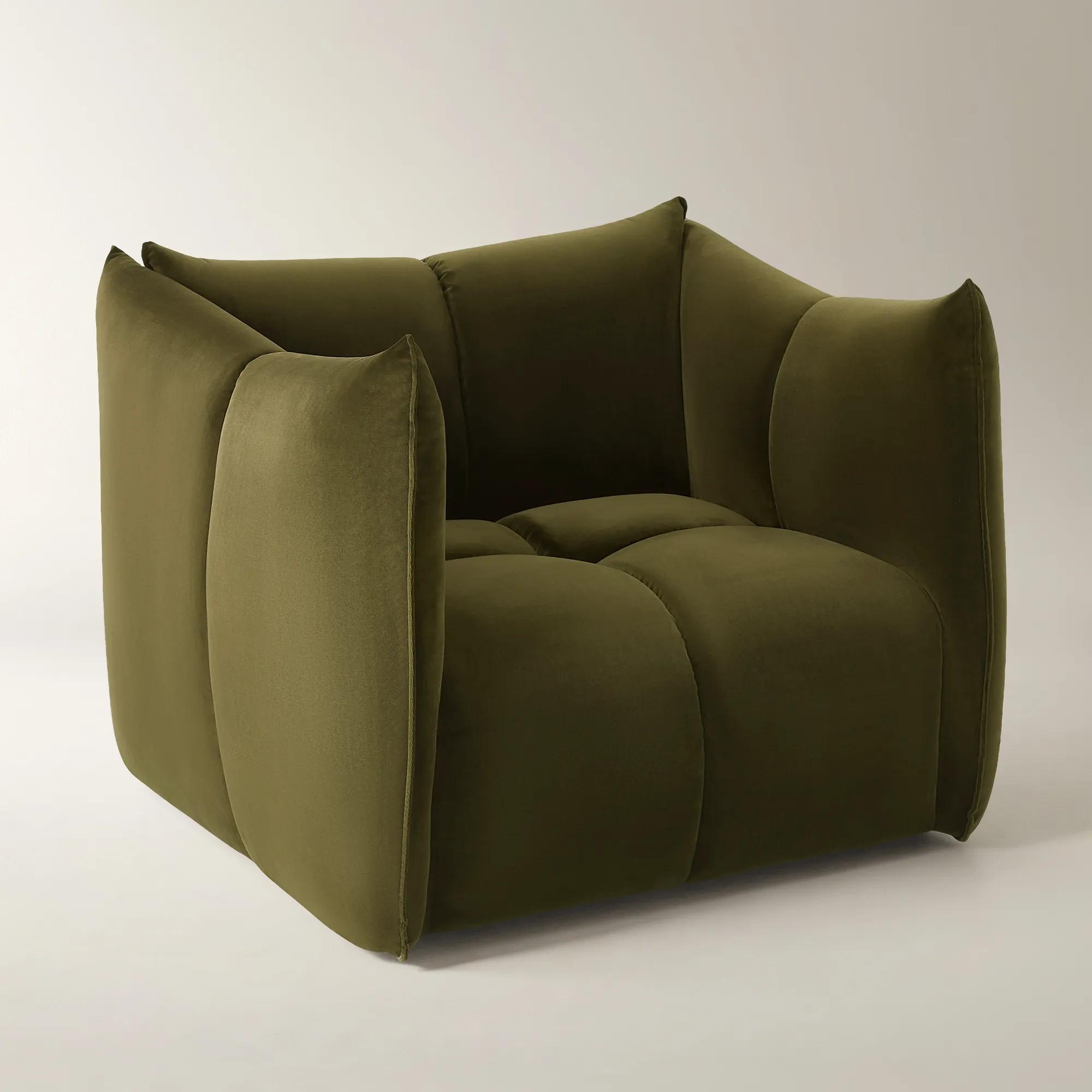 Reina Tufted Deep Olive Velvet Swivel Chair$1099
A green velvet swivel chair with channel tufting, winged architecture, and plush high-density foam comfort.
Add To Cart -
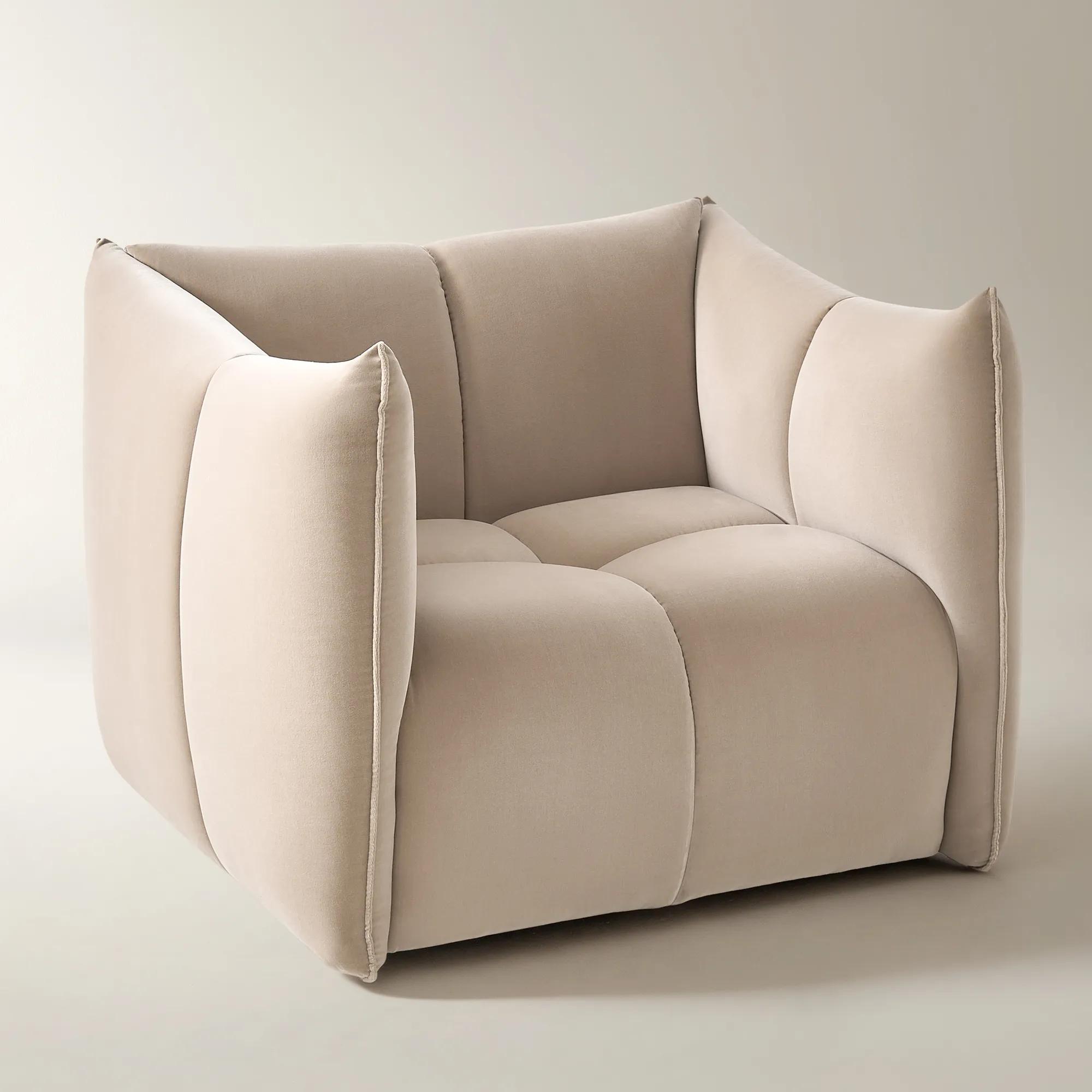 Reina Tufted Simply Taupe Velvet Swivel Chair$1099
A taupe velvet swivel chair with channel tufting, an architectural winged profile, and plush, sculpted comfort.
Add To Cart -
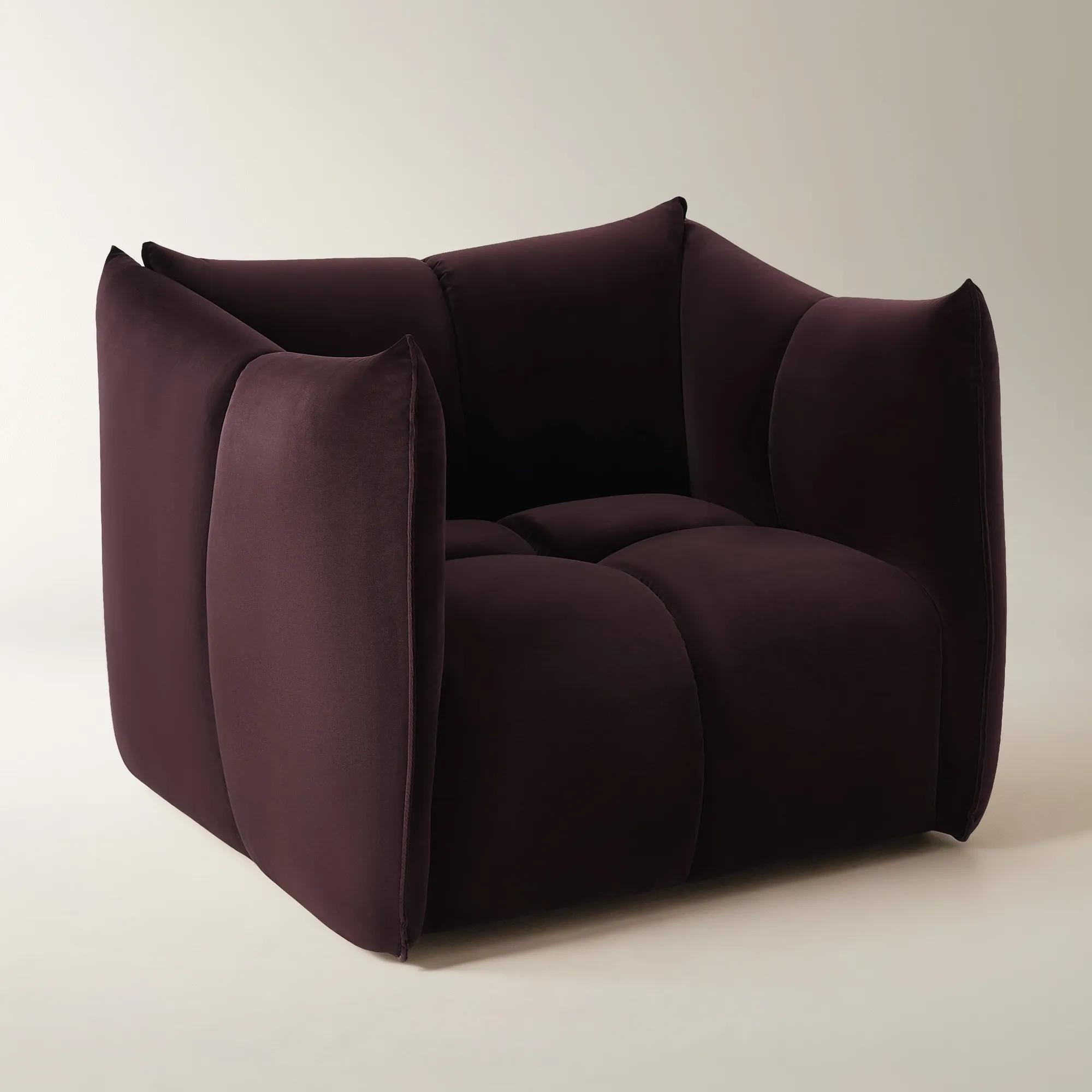 Reina Tufted Fig Velvet Swivel Chair$1099
A fig velvet swivel chair with channel tufting, a sculptural wingback profile, and plush foam cushioning.
Add To Cart -
 Jocelyn Channel-Tufted Oatmeal Velvet Armless Chair$1399
An armless chair upholstered in oatmeal velvet with deep channel tufting and a flowing, curved silhouette.
Add To Cart -
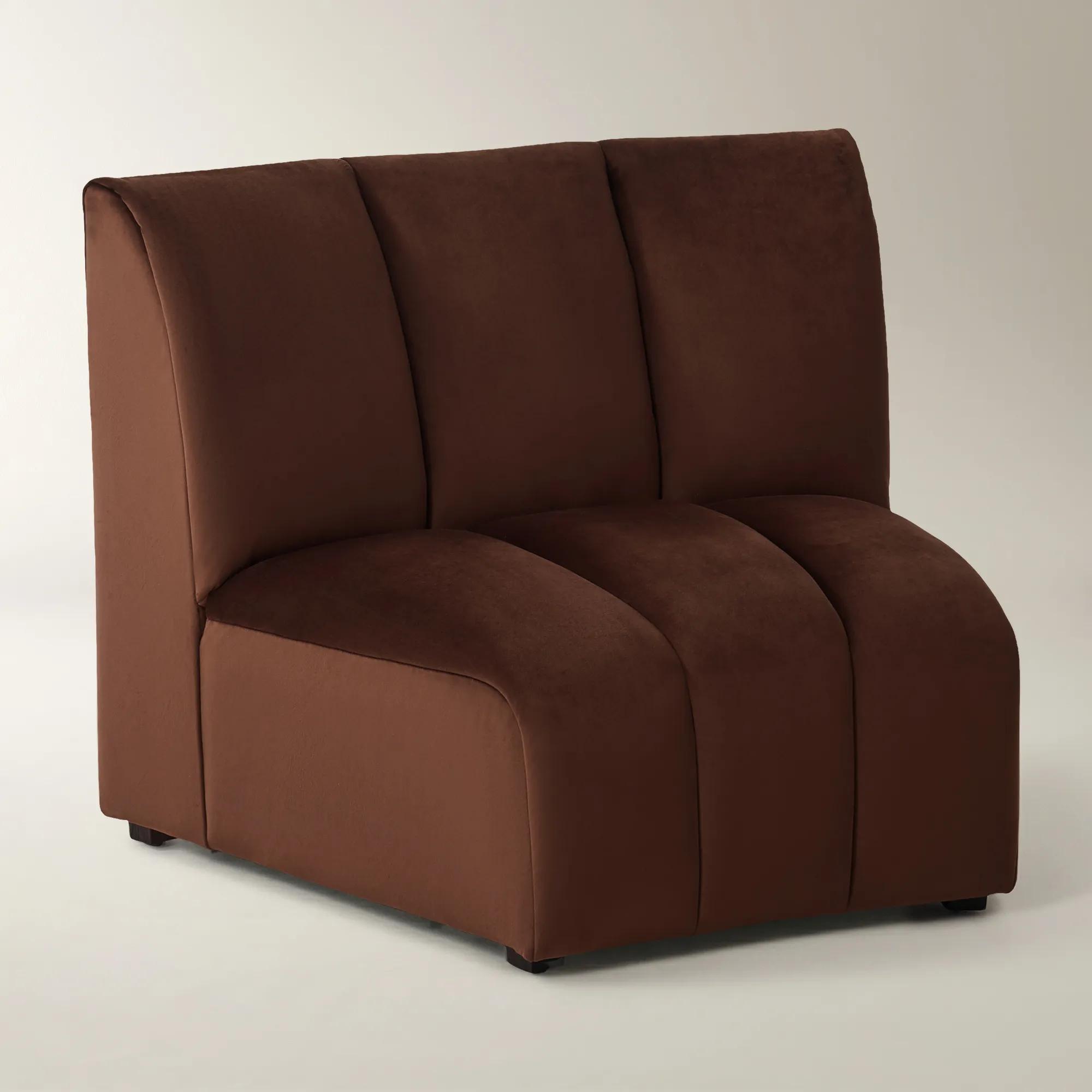
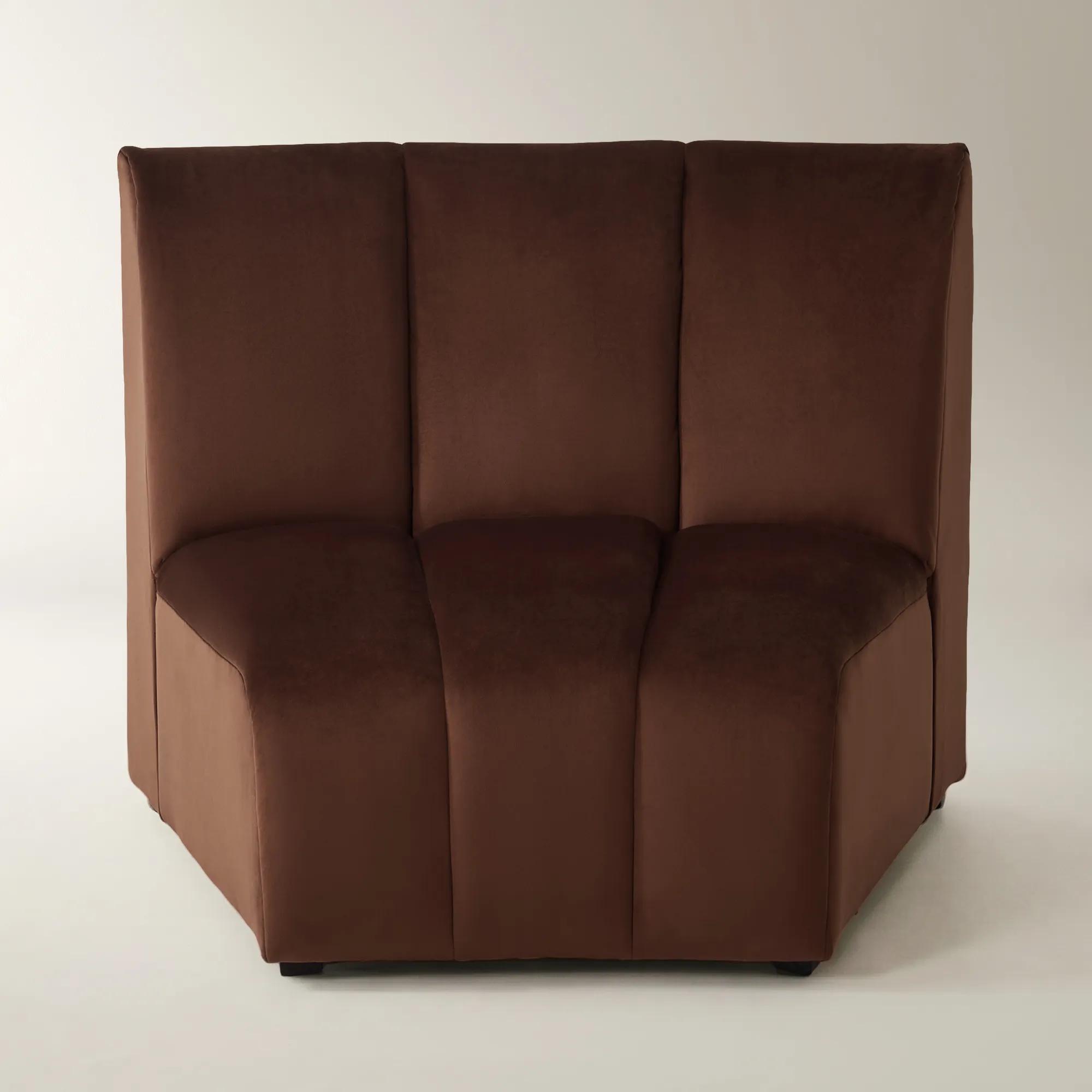 Jayce Channel-Tufted Burnt Umber Velvet Armless Chair$949
A modern armless chair in silver grey velvet with deep channel tufting and plush, high-density foam cushions.
Add To Cart -
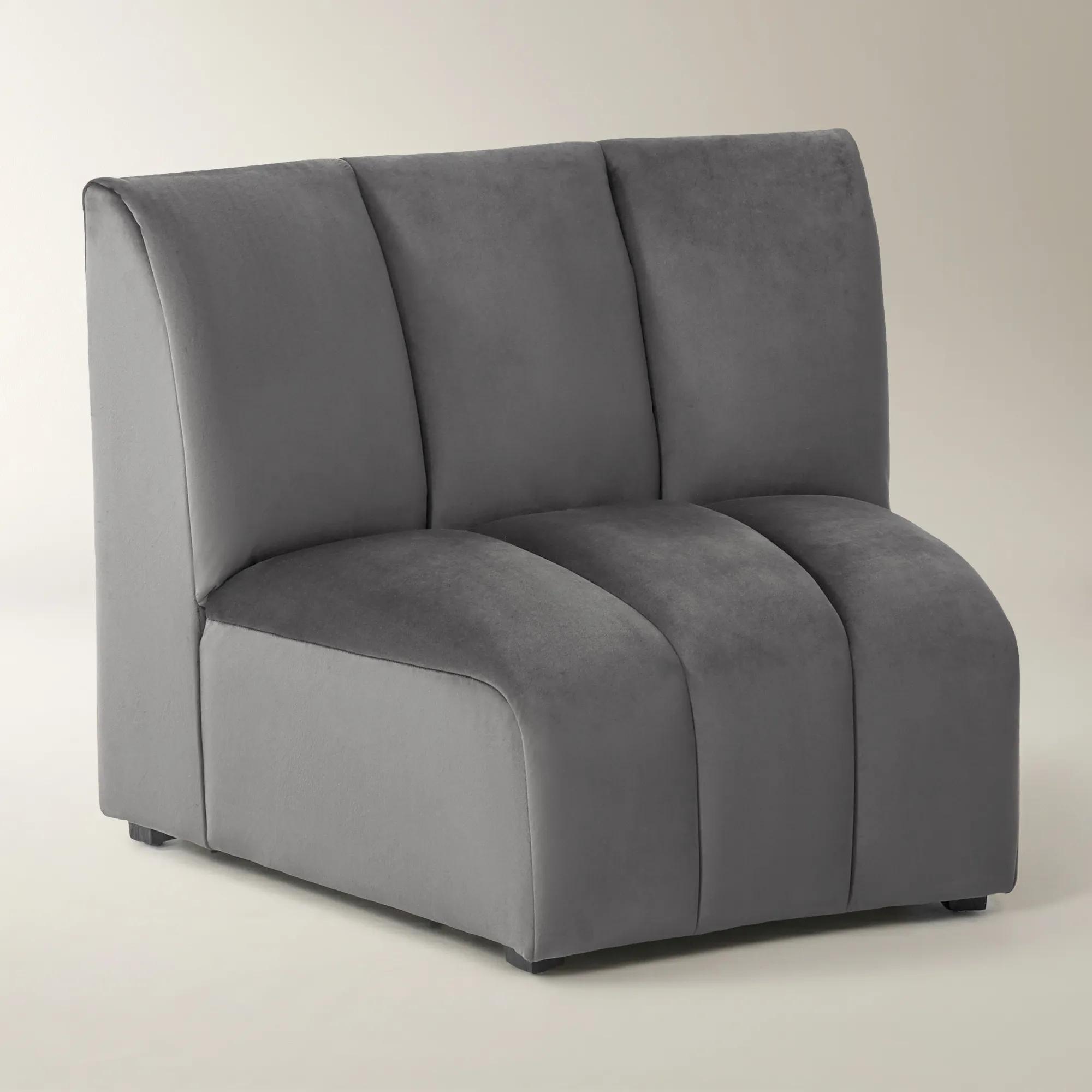
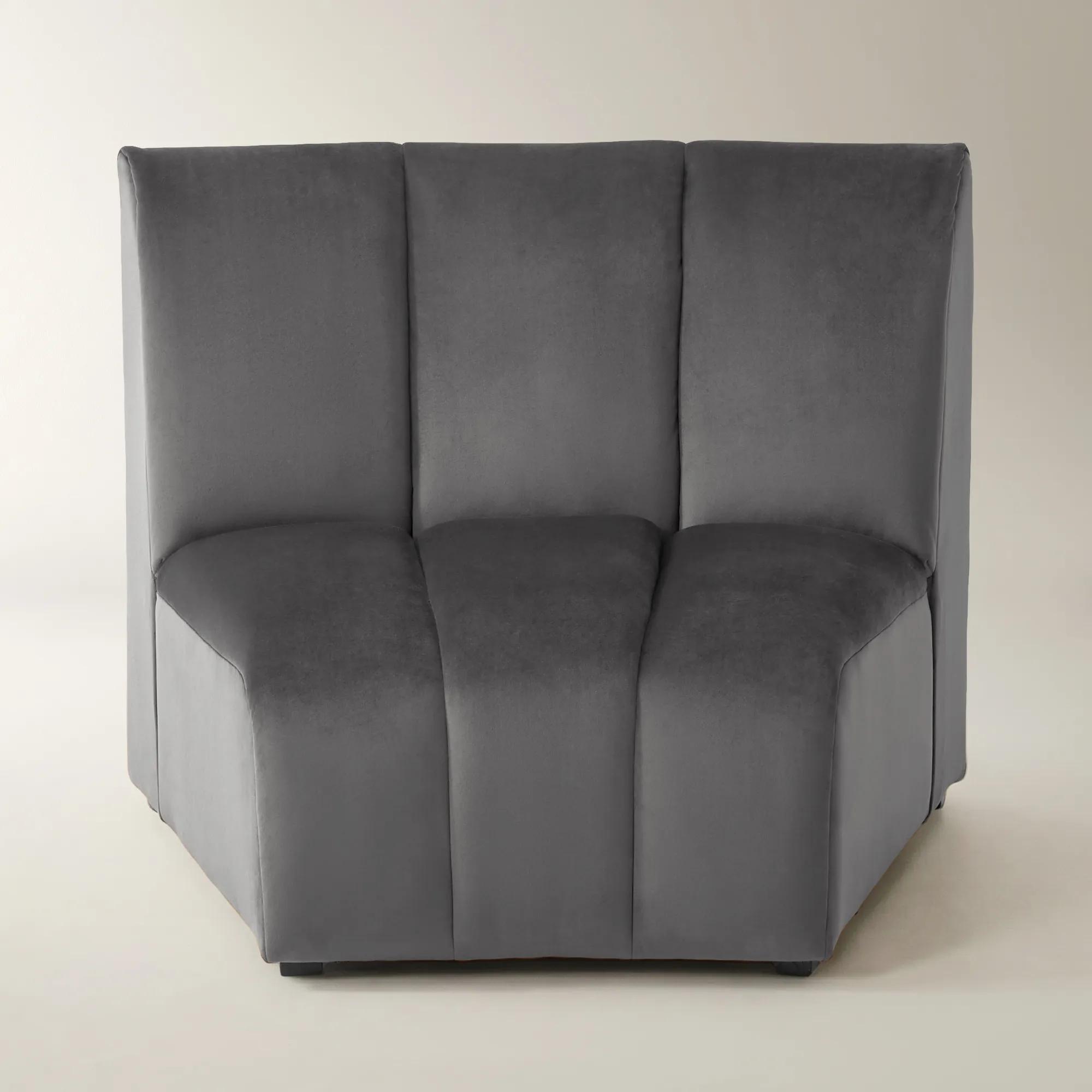 Jayce Channel-Tufted Smoked Pearl Velvet Armless Chair$949
A modern armless chair in silver grey velvet with deep channel tufting and plush, structured cushioning.
Add To Cart -
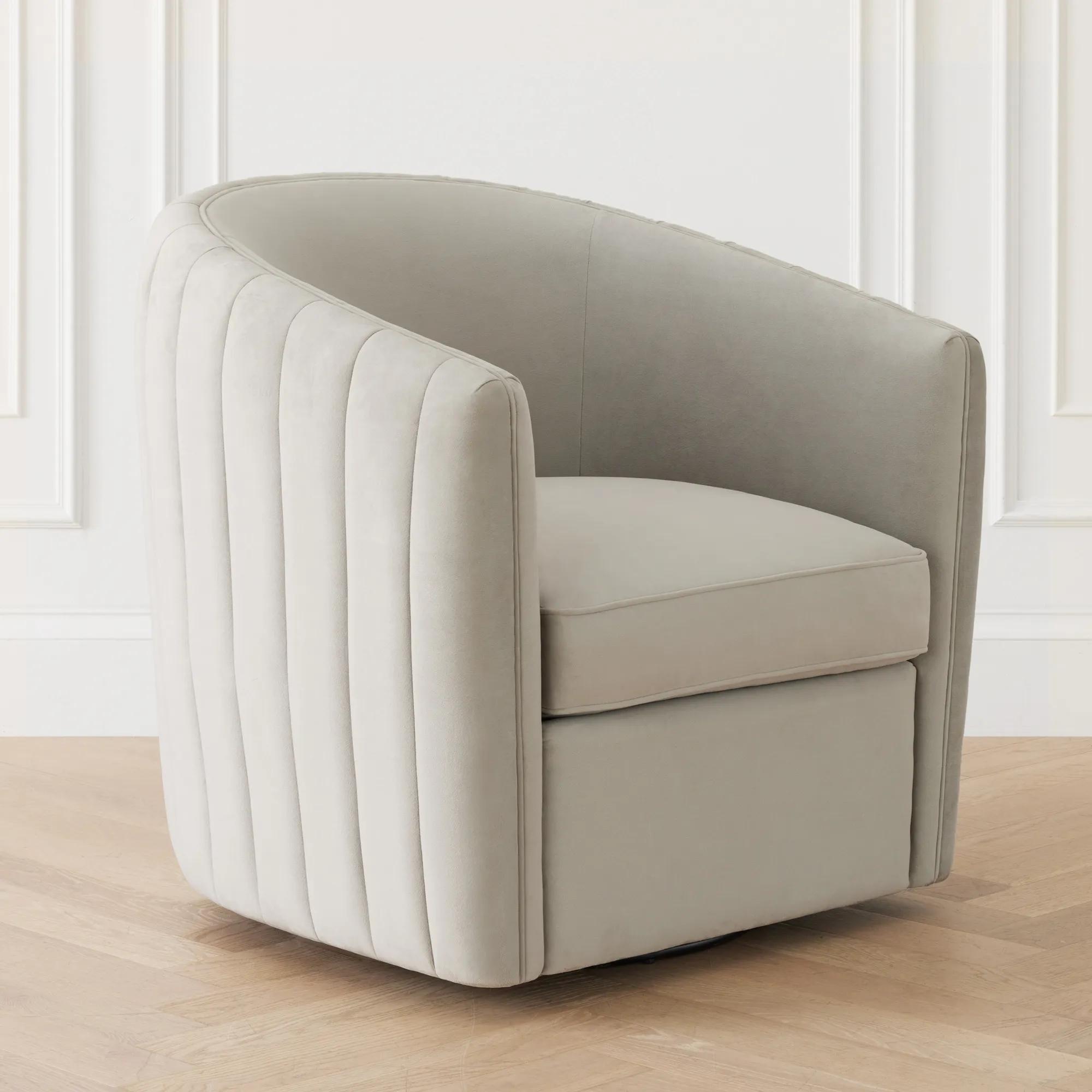
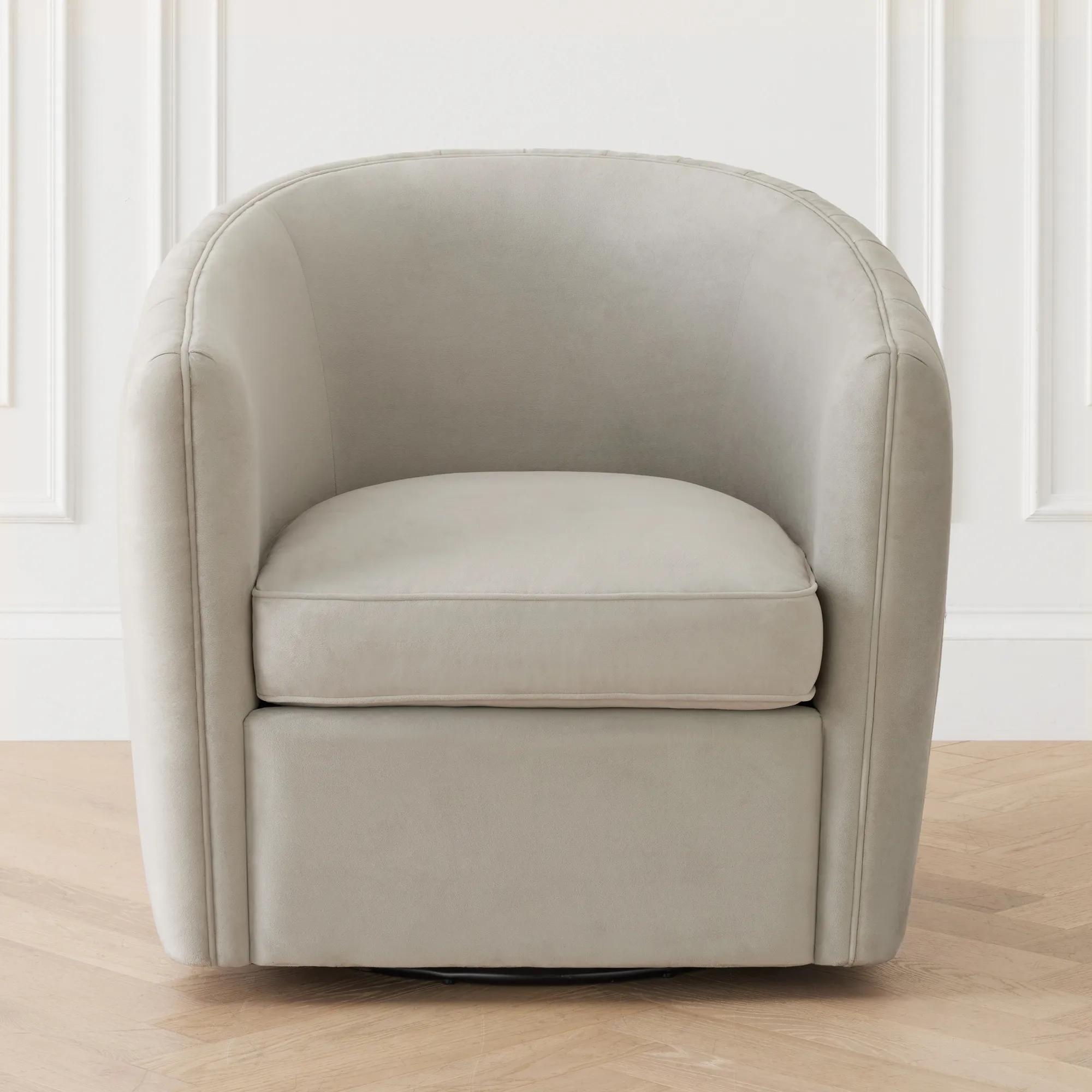 Aria Channeled Swivel Chair$1599
A modern barrel chair in kiln-dried hardwood with channeled velvet upholstery and a smooth swivel base.
Add To Cart -

 Aria Pleated Swivel Chair$1249
A barrel-style swivel chair in kiln-dried hardwood, shown in Bella Velvet Pearl with pleated tailoring.
Add To Cart -
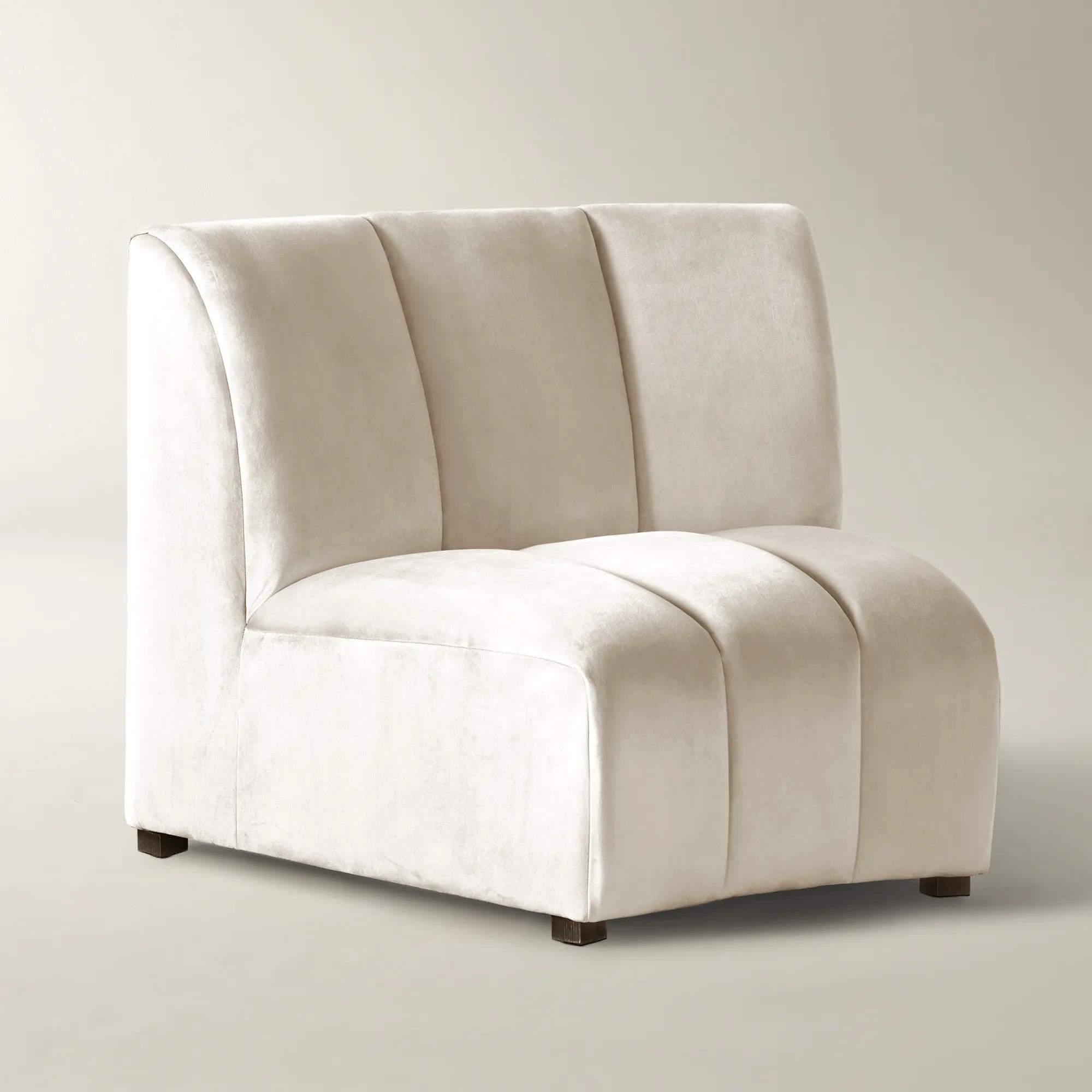 Jayce Channel-Tufted Ivory Velvet Armless Chair$949
A modern armless chair in water-repellent, stain-resistant Velvet Ivory with deep channel tufting and plush padding.
Add To Cart -
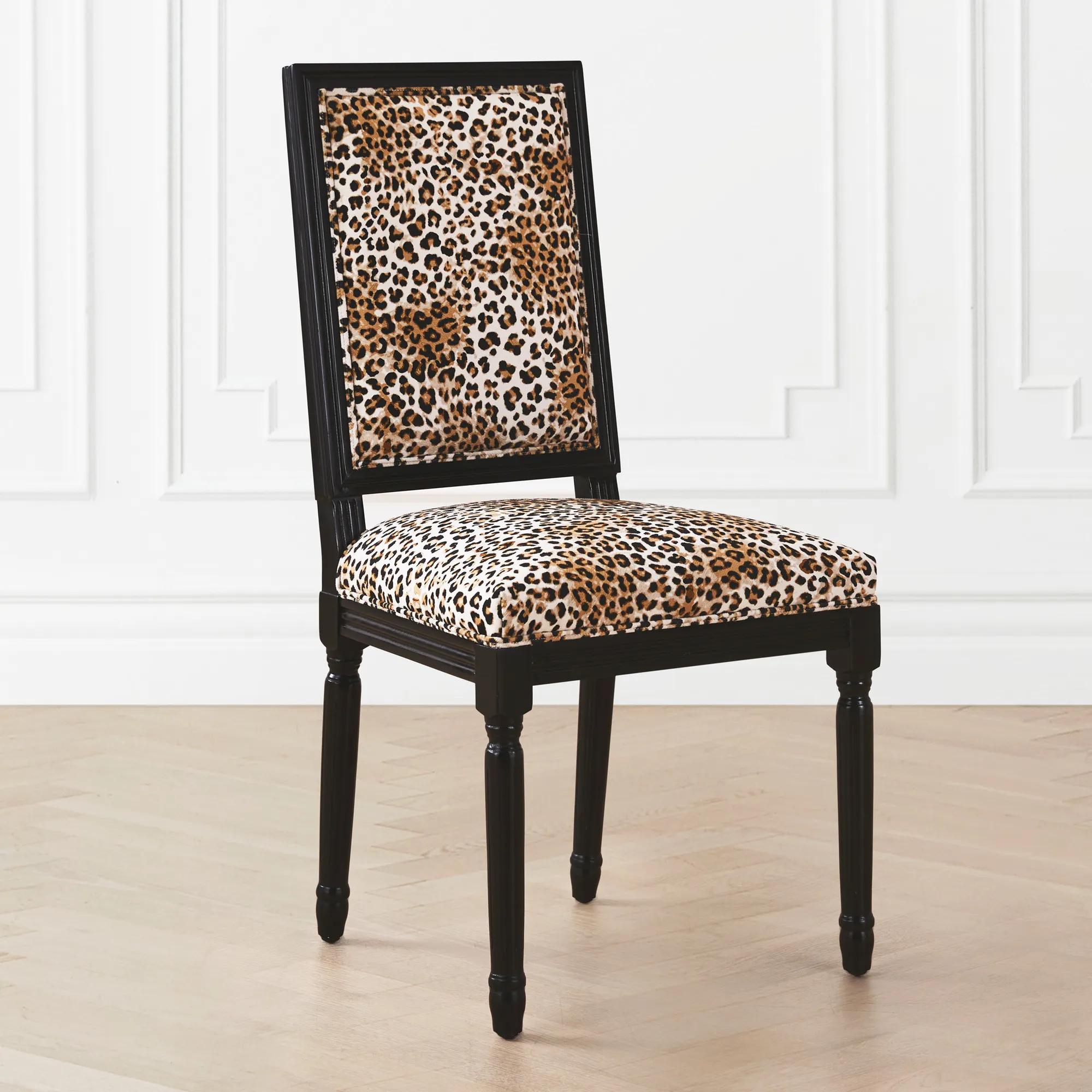
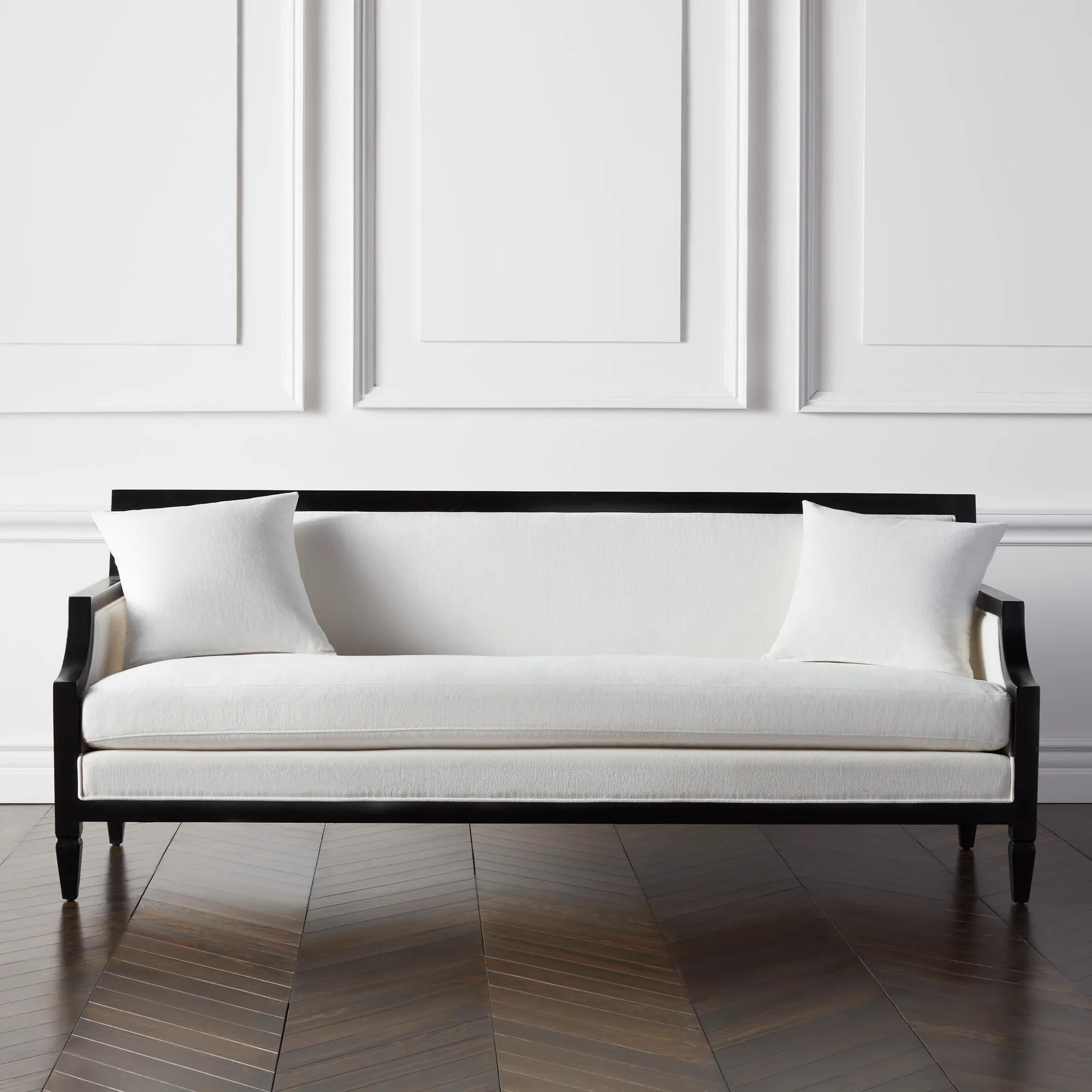
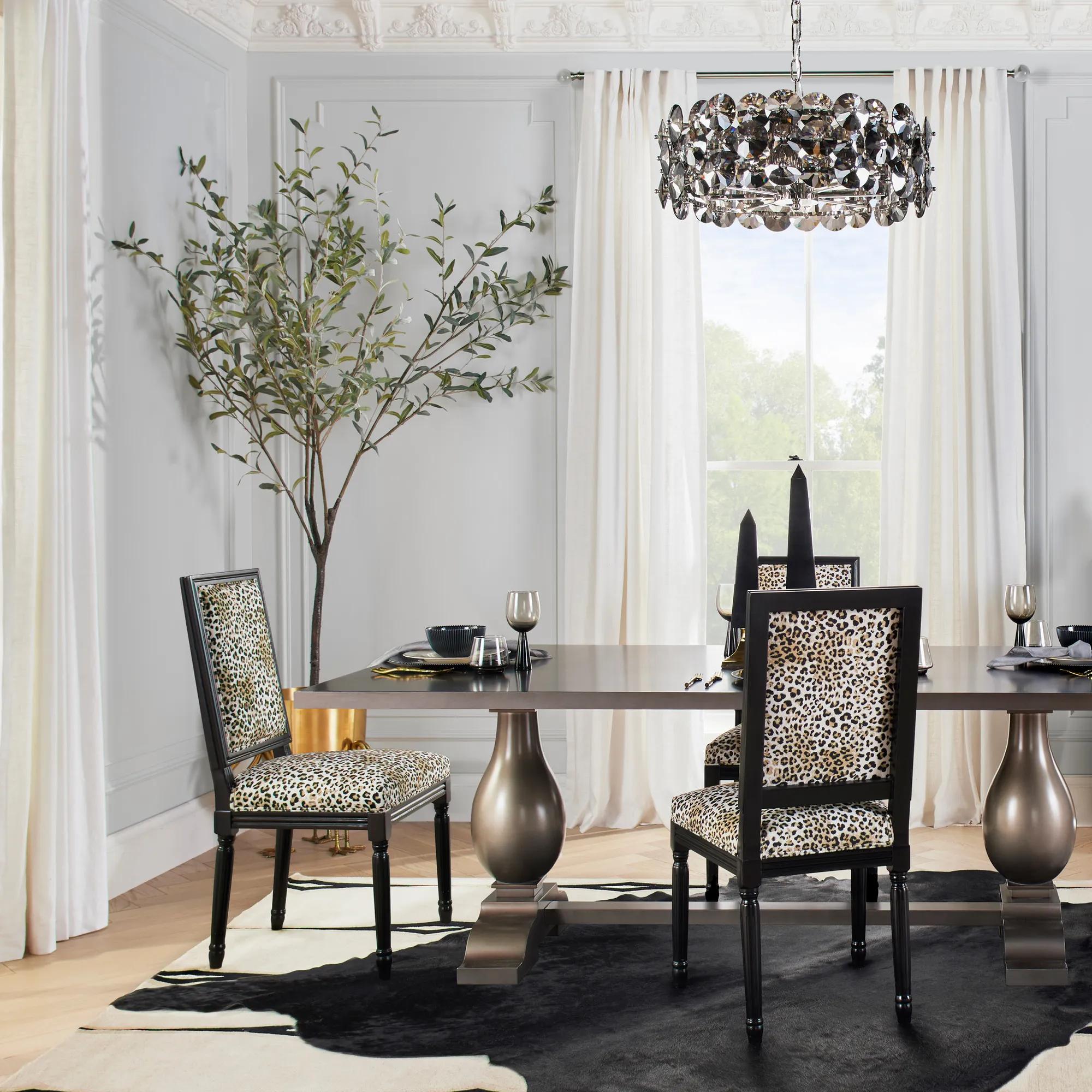 Callan Dining Chair$599
A handcrafted modern chair featuring classic upholstery, squared back, fluted legs, and high-gloss finish.
Add To Cart -
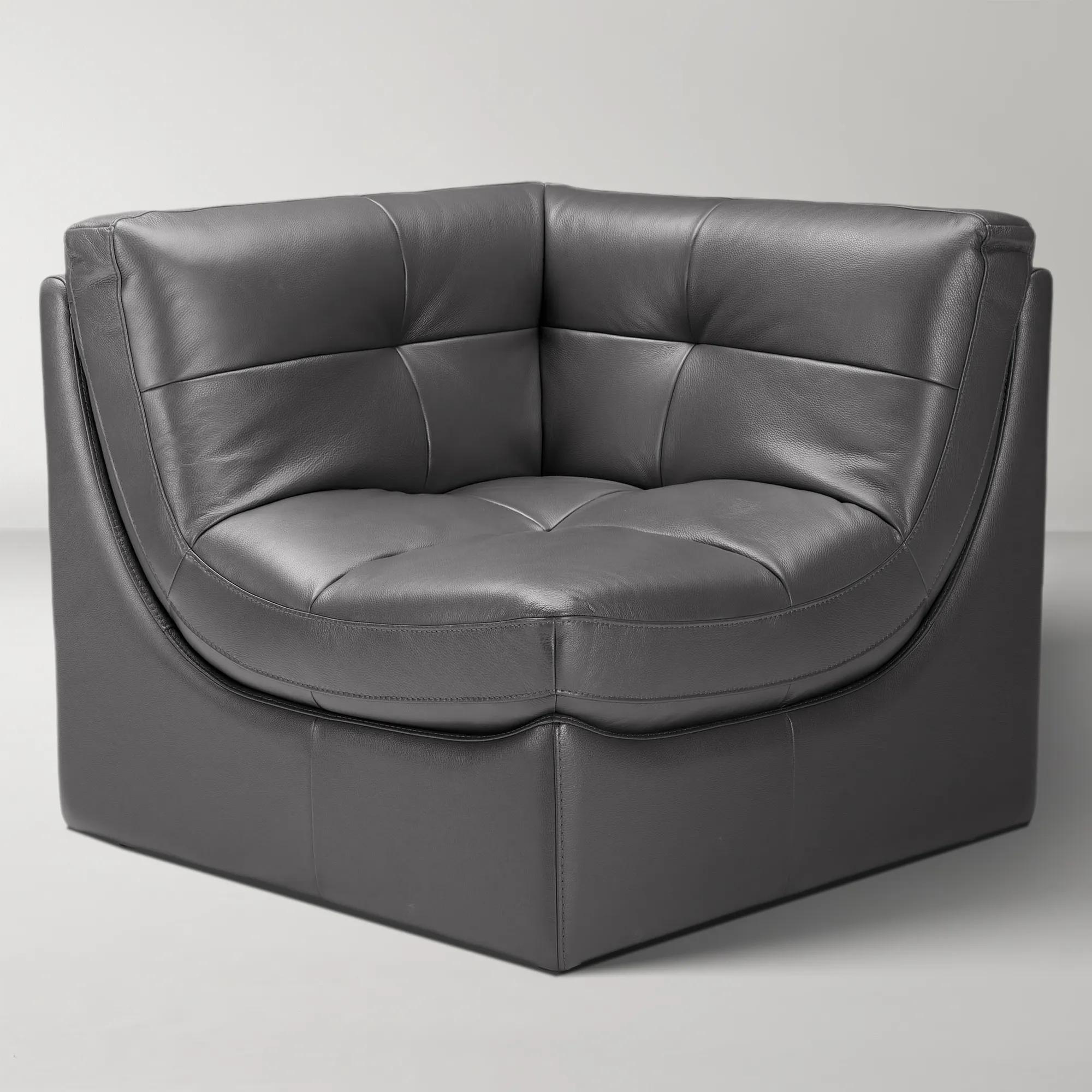
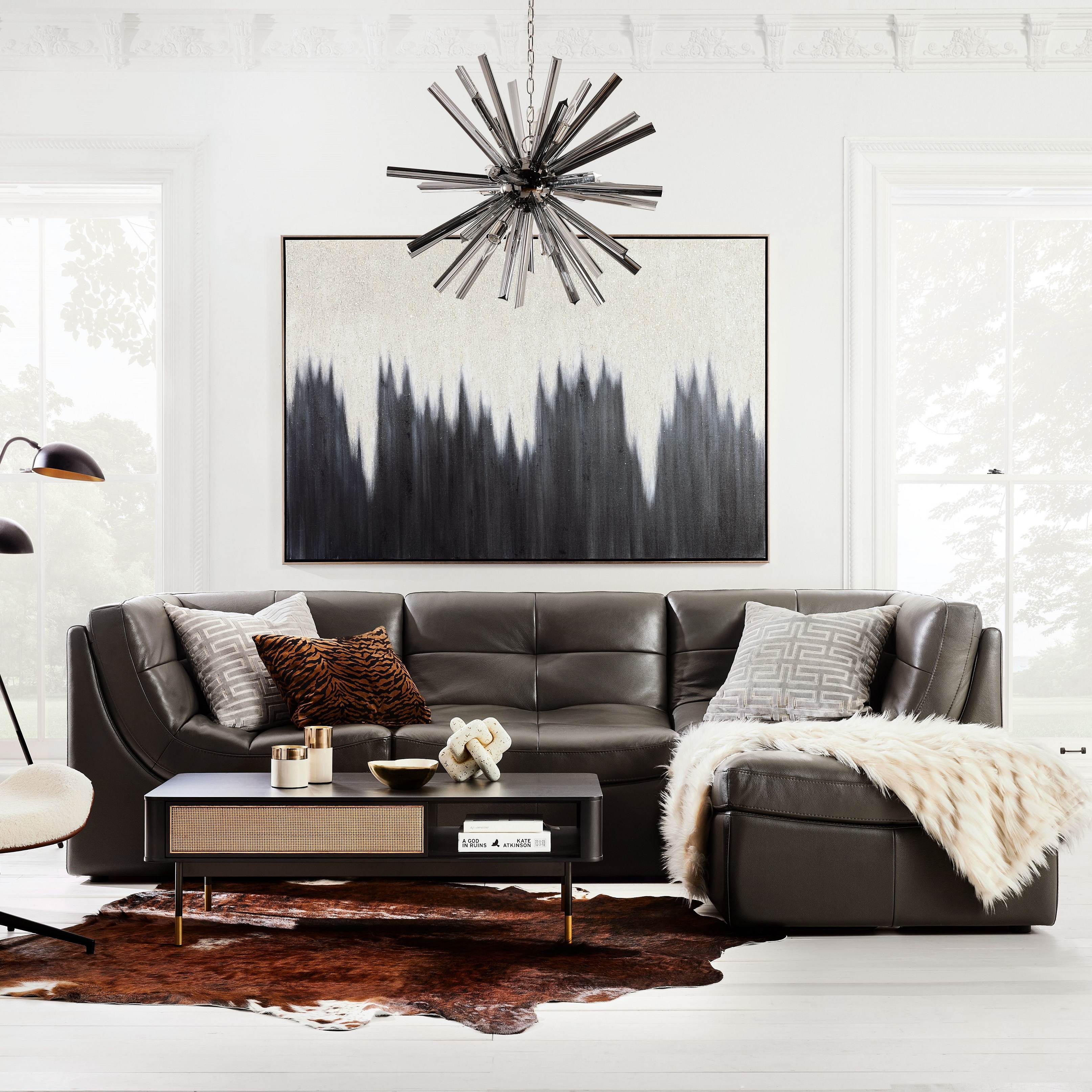 Convo Charcoal Leather Corner Chair$1399
A modular sectional featuring kiln-dried hardwood frames and charcoal semi-aniline leather upholstery for modern versatility.
Add To Cart -
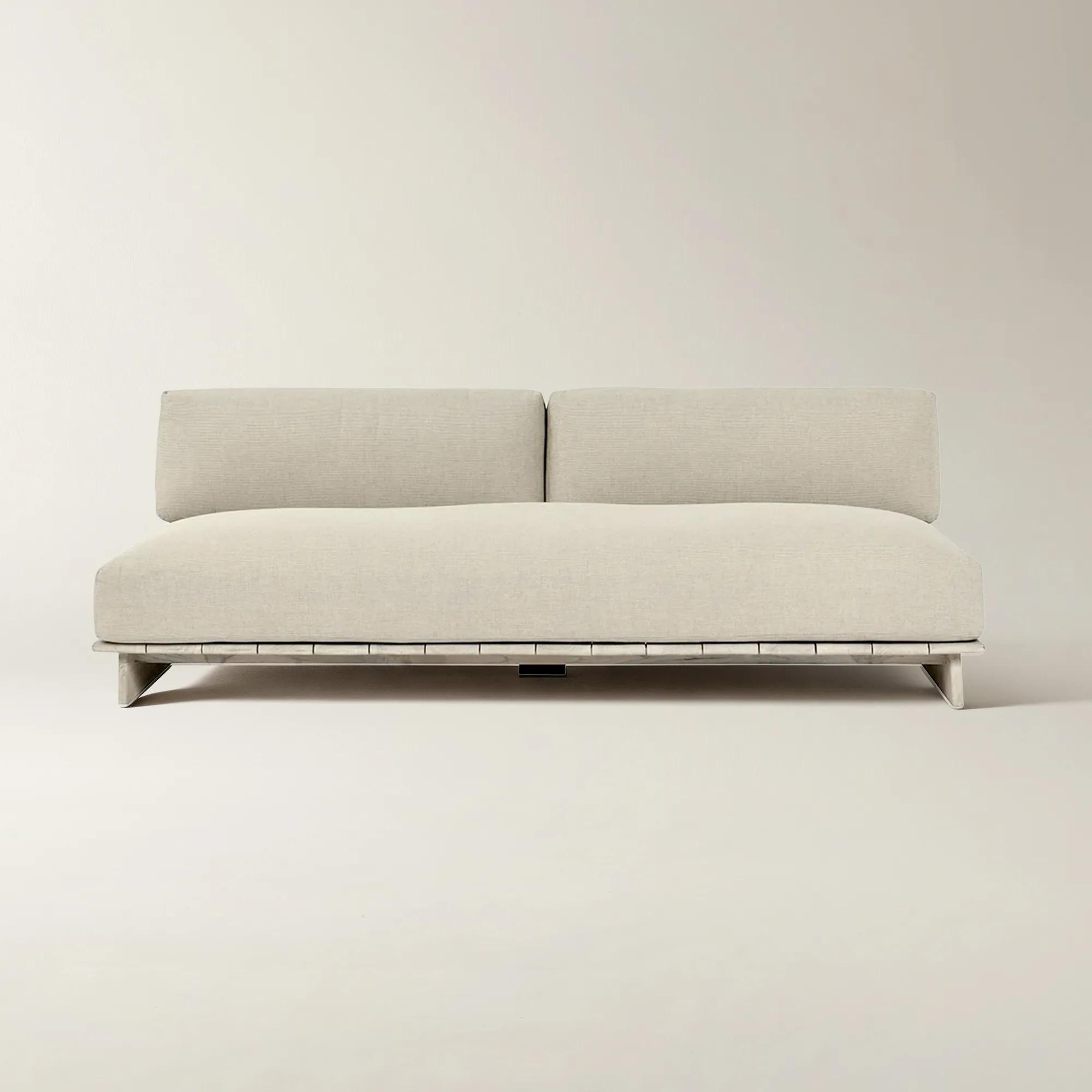
 Convo White Leather Corner Chair$1399
A modular sectional featuring kiln-dried hardwood frames and charcoal semi-aniline leather upholstery for modern versatility.
Add To Cart -
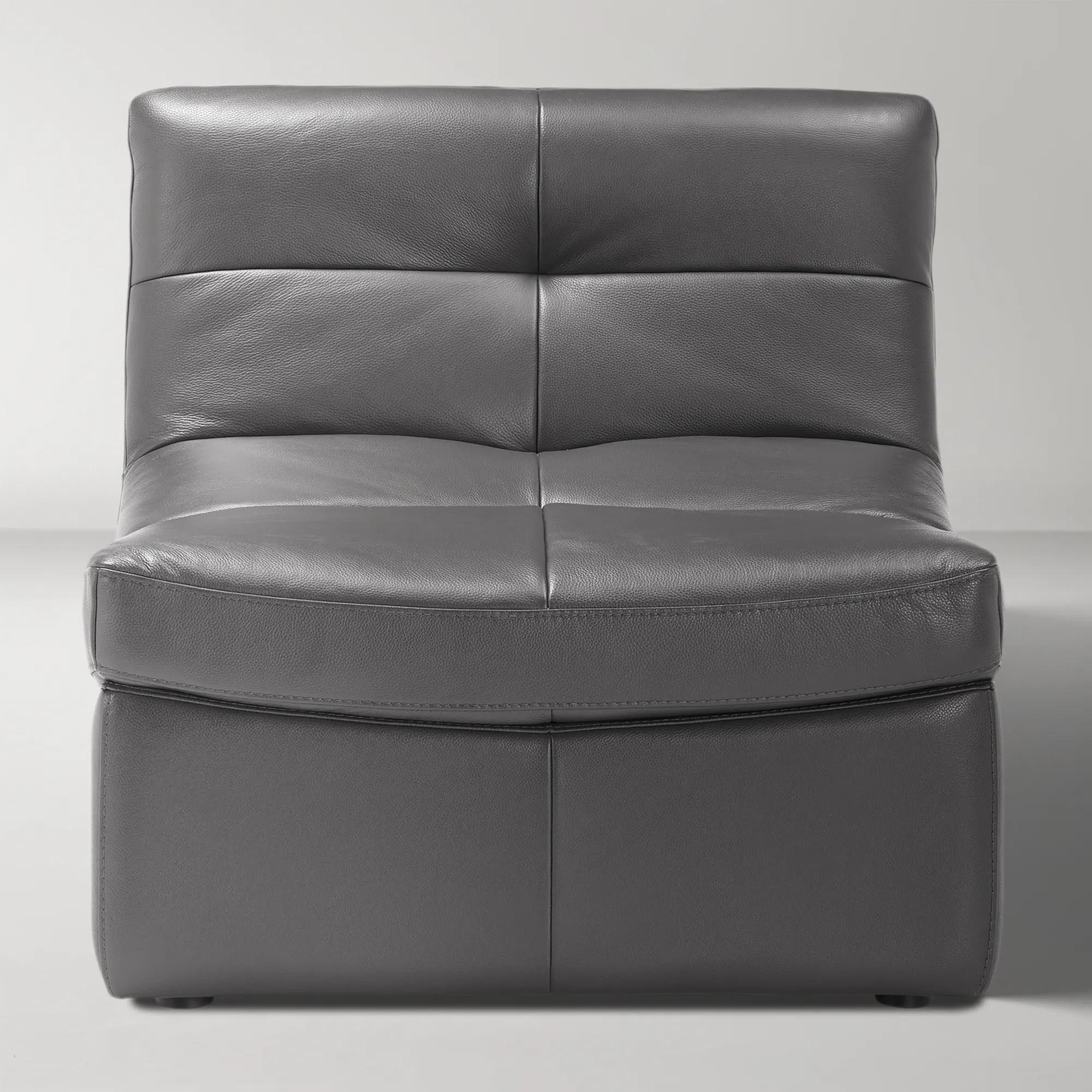
 Convo Charcoal Leather Armless Chair$1199
A modular sectional with kiln-dried hardwood frame and charcoal semi-aniline leather upholstery for modern versatility.
Add To Cart -
 Convo White Leather Armless Chair$1199
A modular sectional in charcoal semi-aniline leather with kiln-dried hardwood frames and gently curved seats.
Add To Cart -
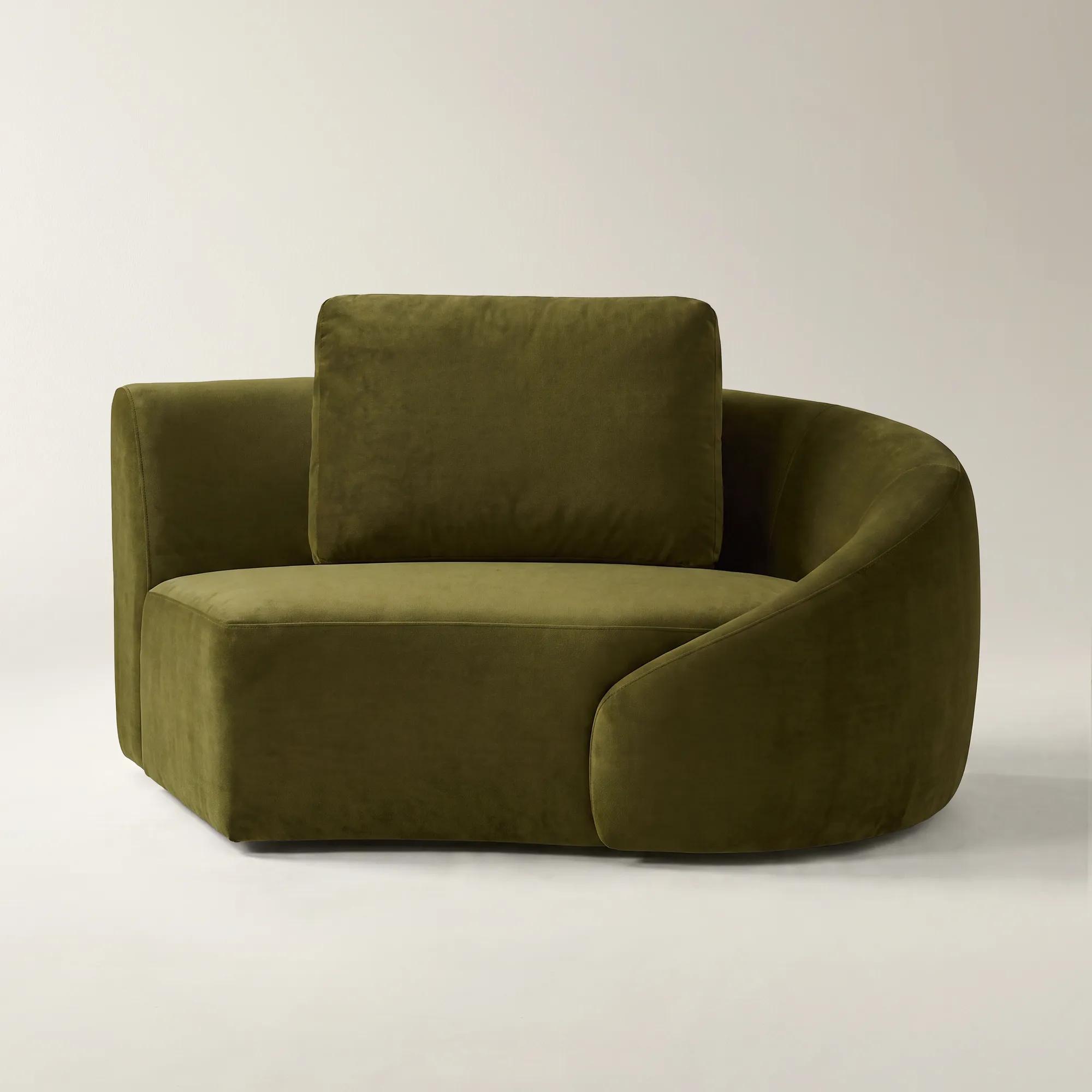
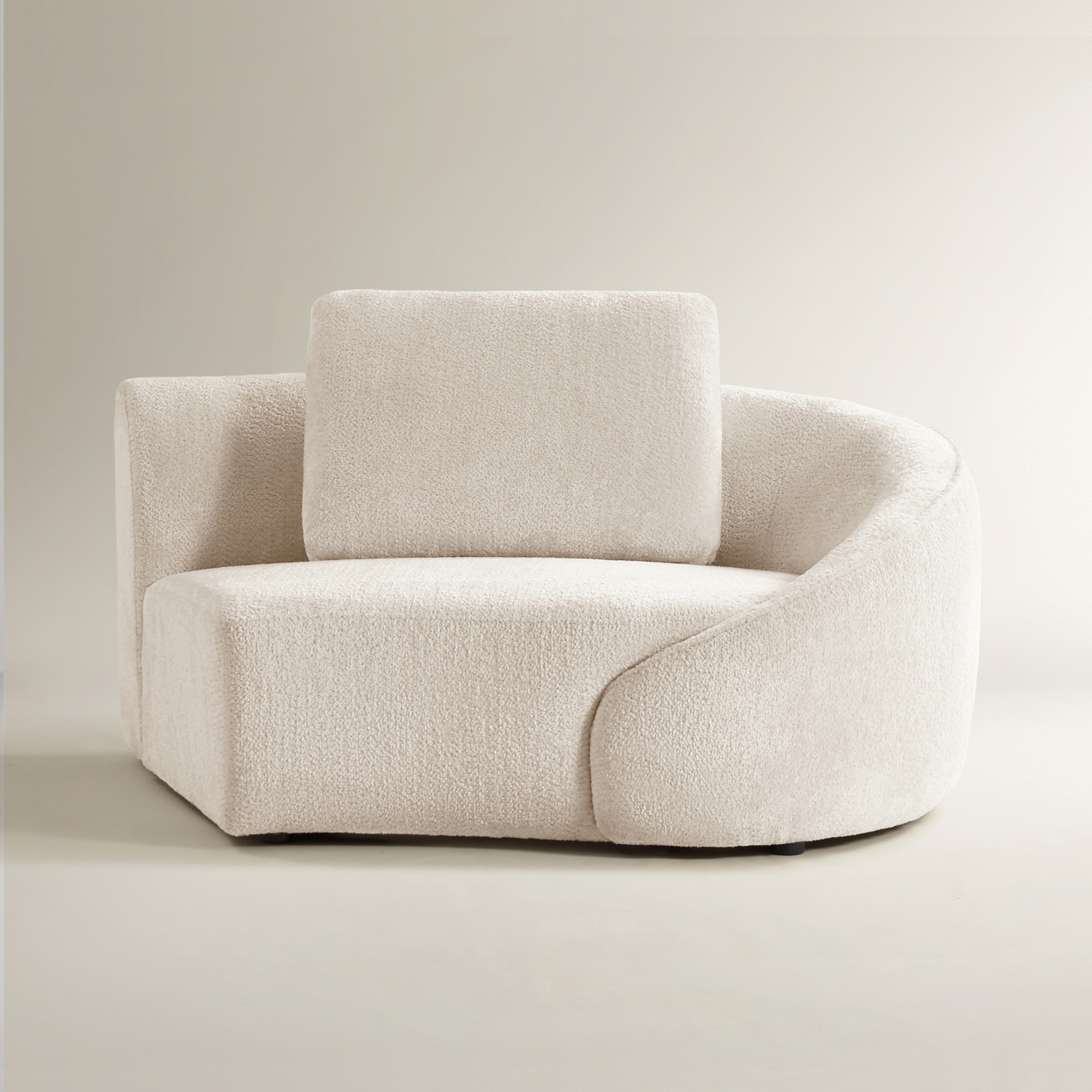 Irene Deep Olive Velvet Right-Arm Chair$1399
A sculptural right-arm chair in deep olive velvet with high-resiliency foam cushions and artisan detailing.
Add To Cart -
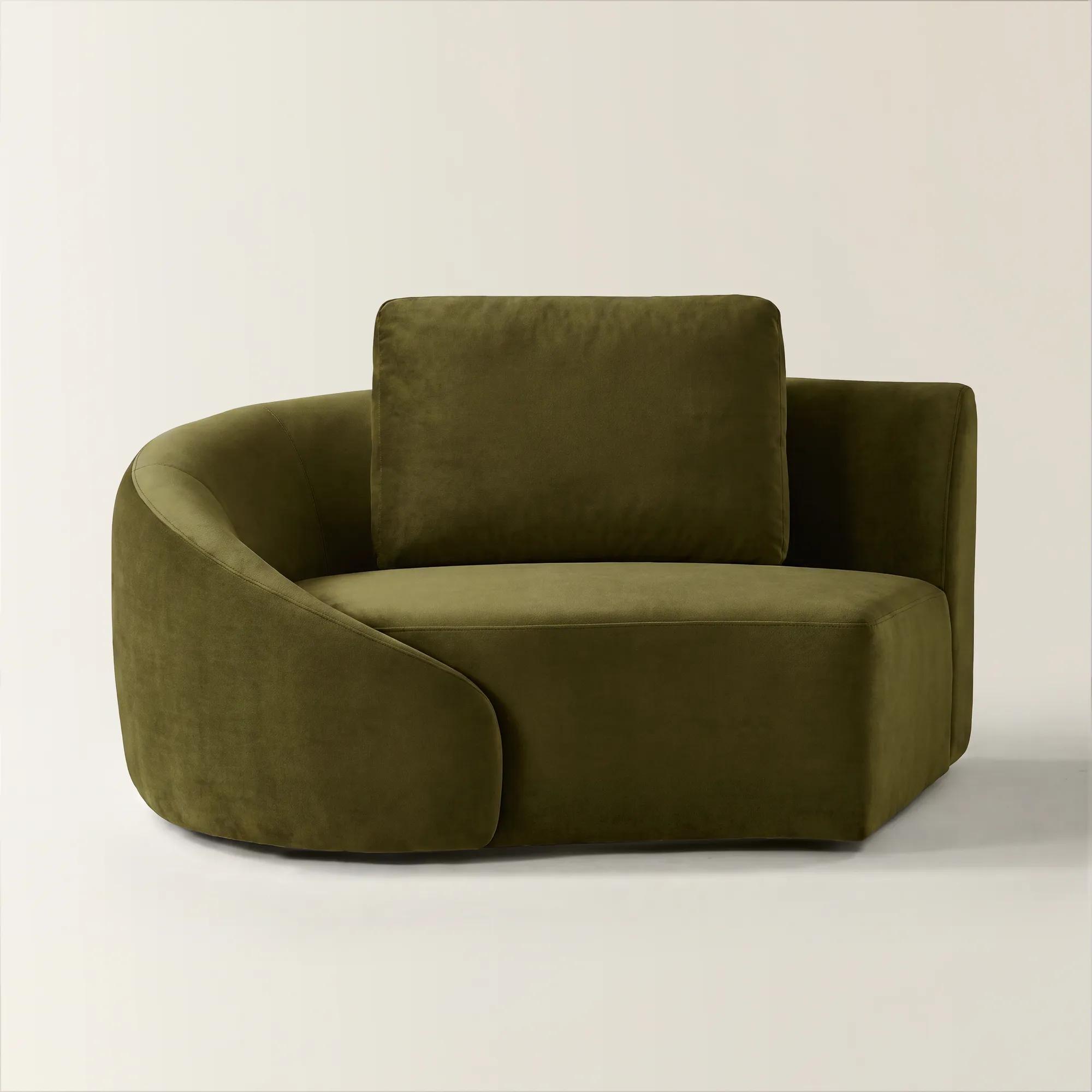
 Irene Deep Olive Velvet Left-Arm Chair$1399
A sculptural left-arm chair in deep olive velvet with high-resiliency foam cushions and artisan detailing.
Add To Cart -
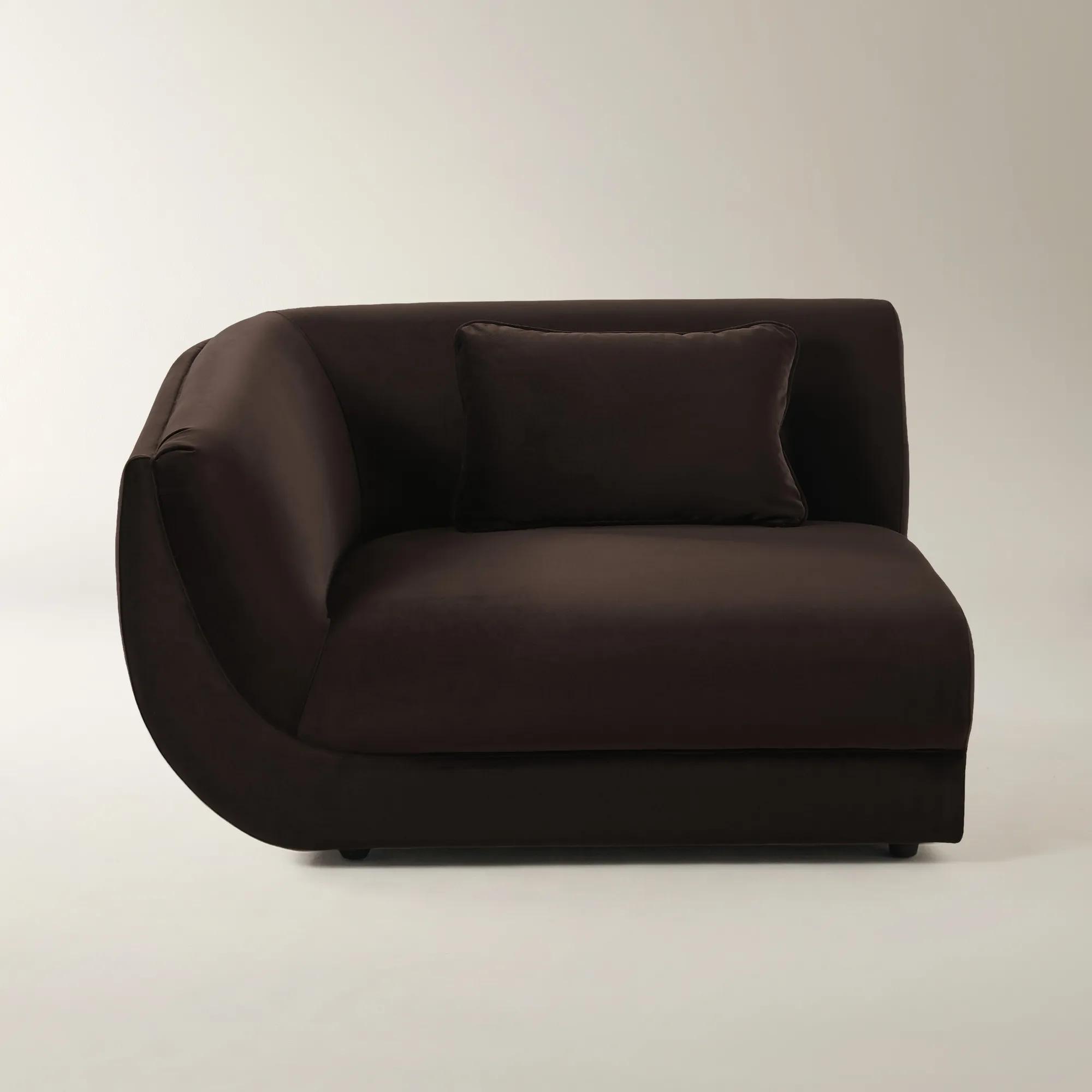
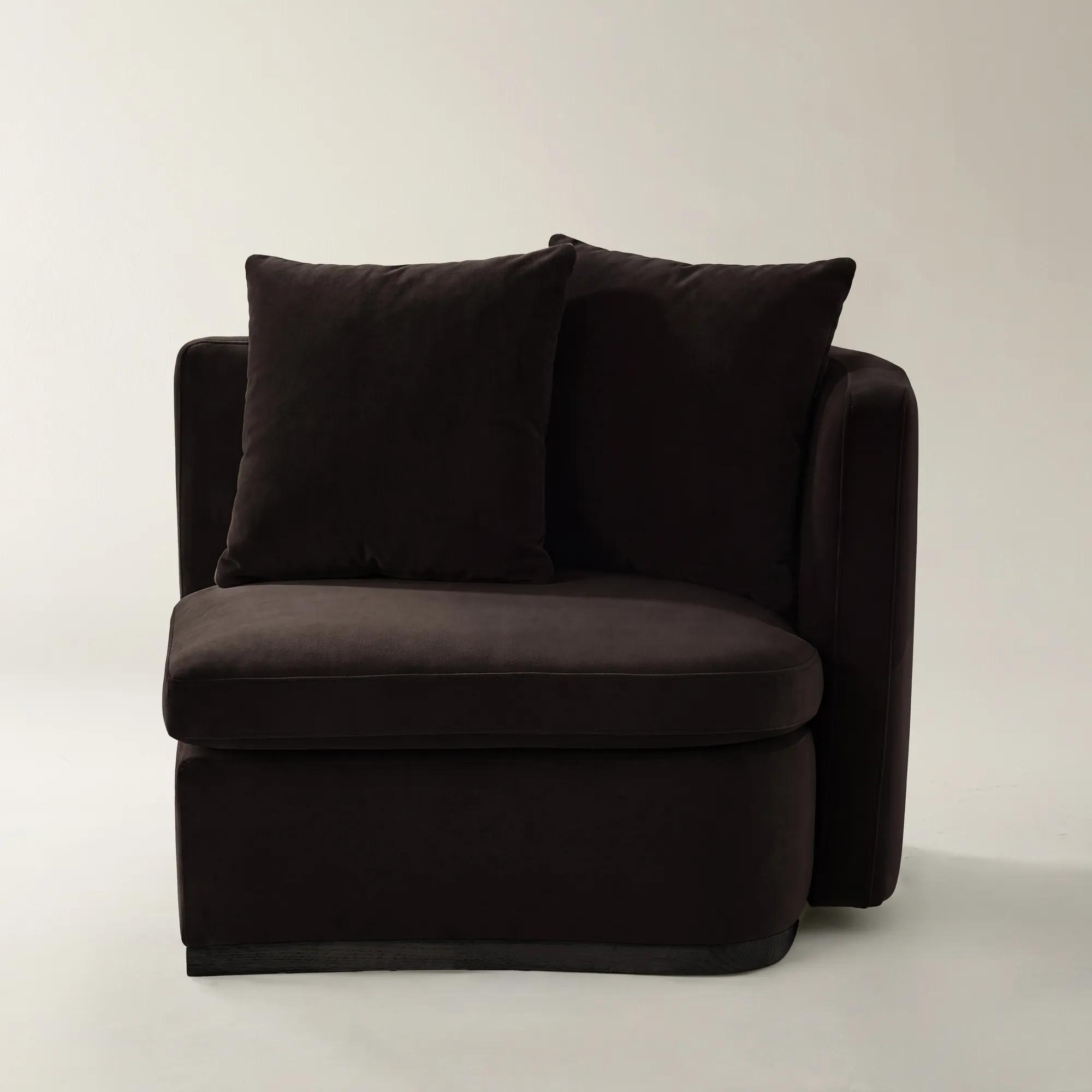
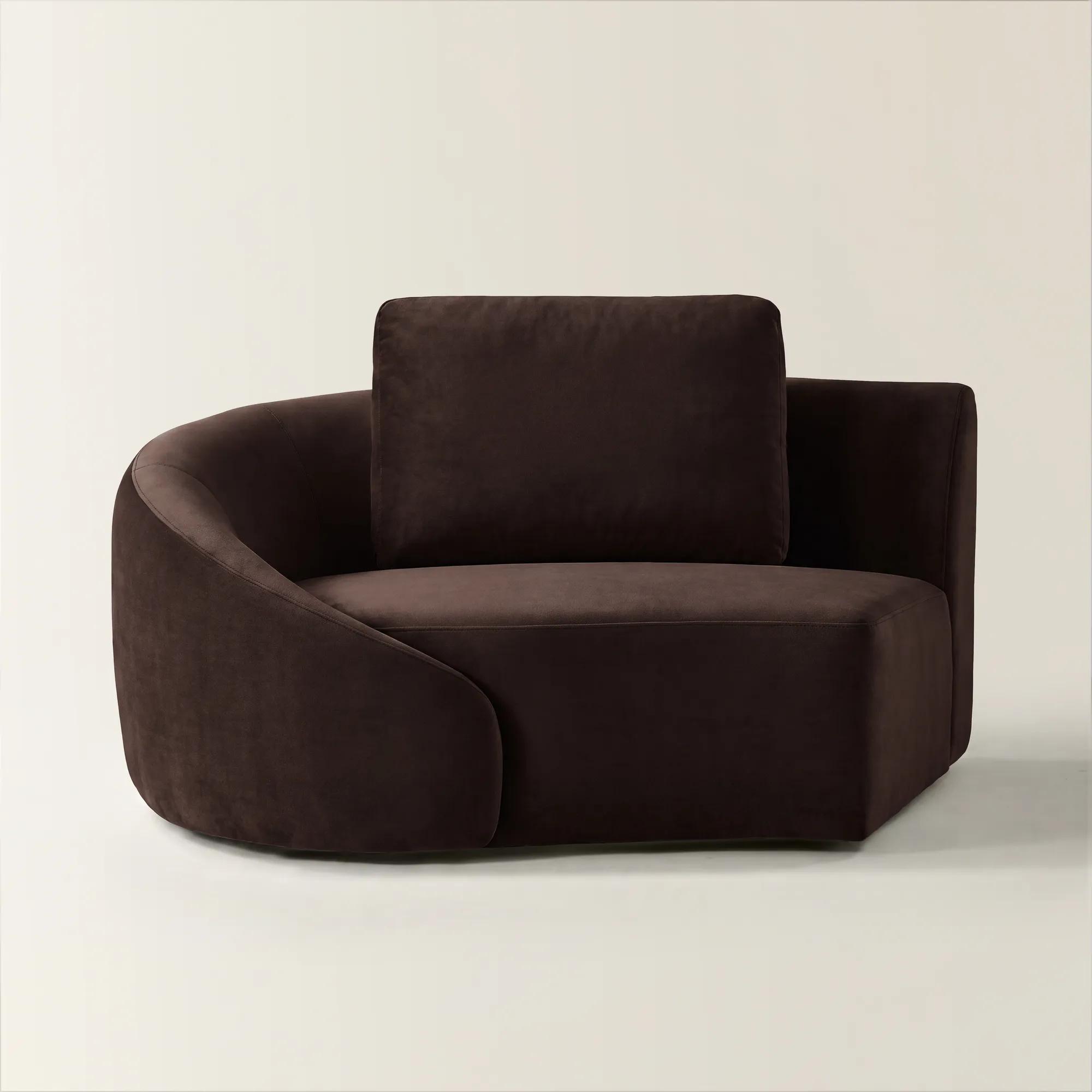 Irene Dark Chocolate Velvet Left-Arm Chair$1399
A sculptural left-arm chair in dark chocolate velvet with high-resiliency foam cushions and artisan detailing.
Add To Cart -
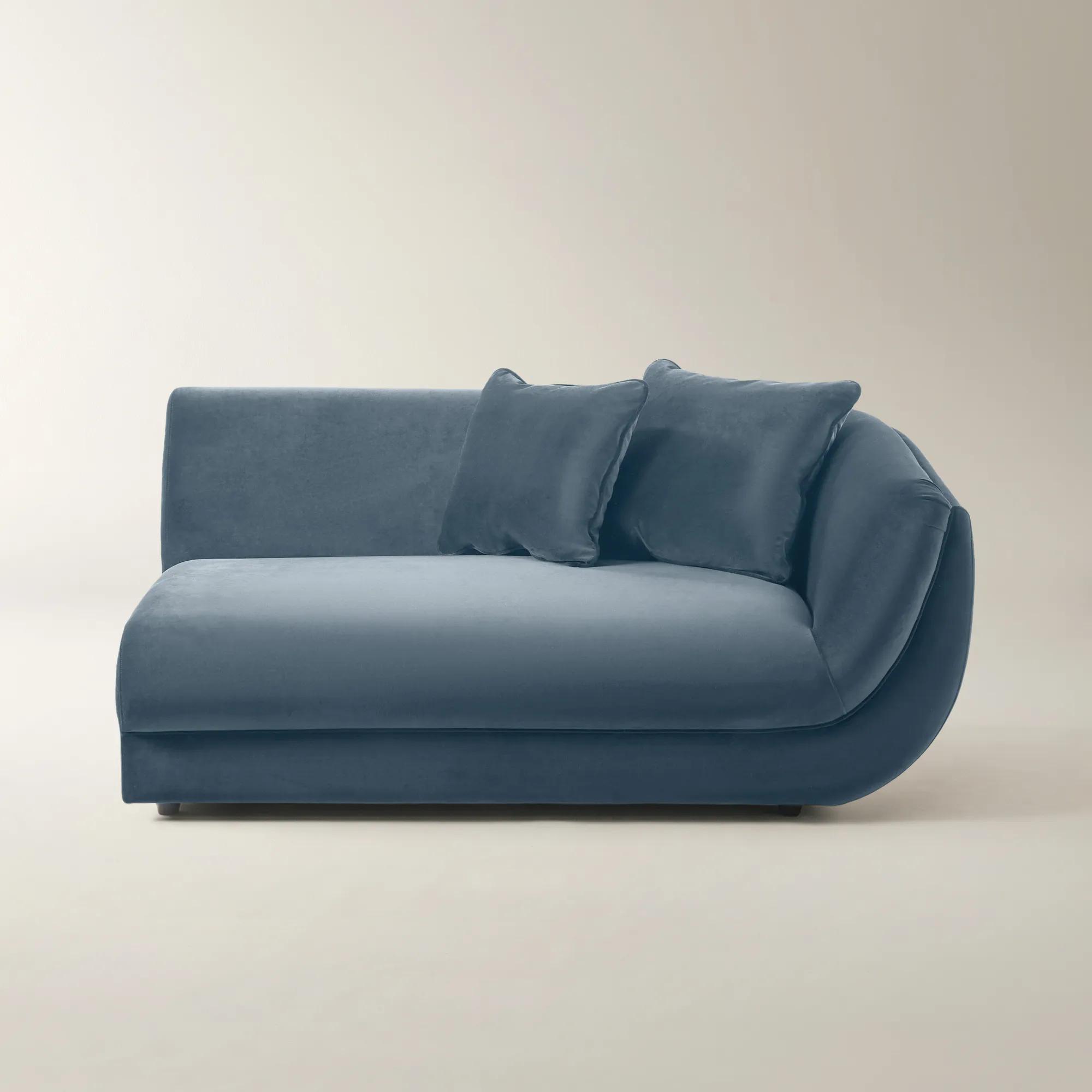
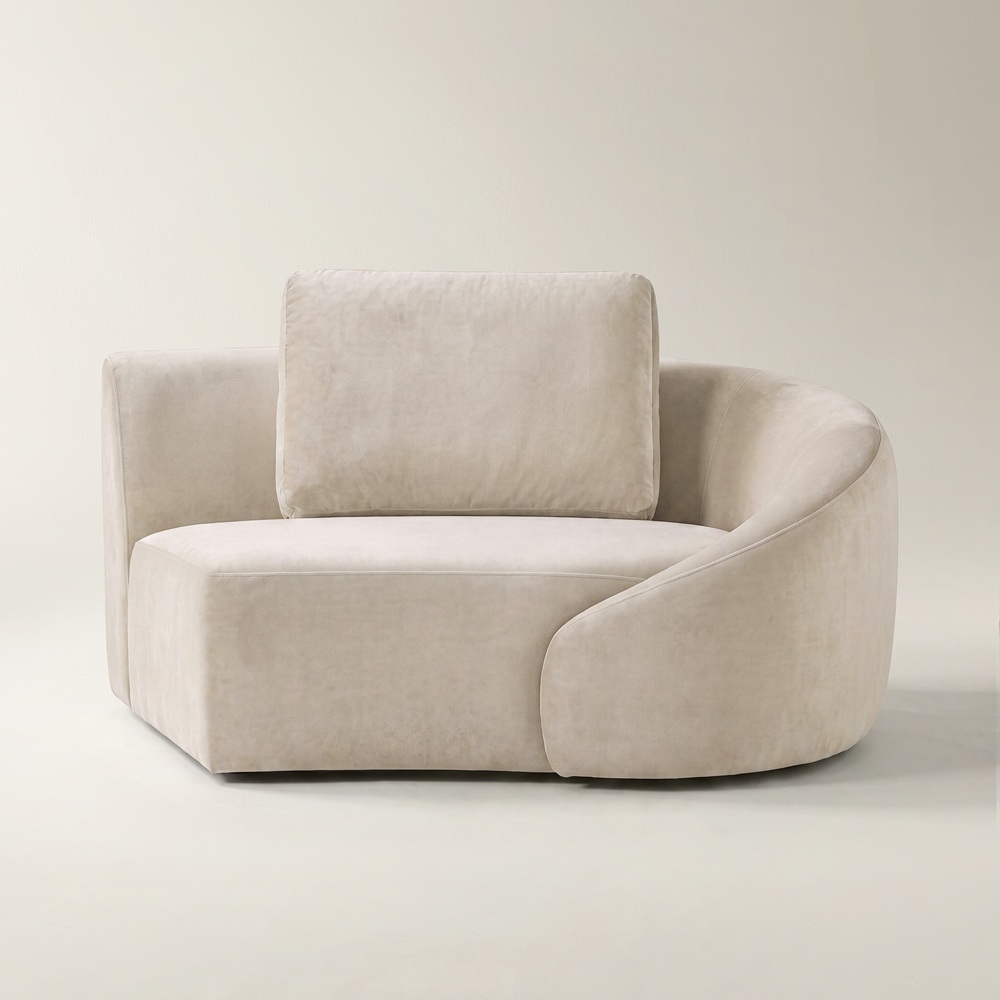 Irene Oatmeal Velvet Right-Arm Chair$1399
An oatmeal velvet right-arm chair featuring sculptural curves, high-resiliency foam, and artisan hand-finished upholstery.
Add To Cart

Designer Button Tufted Chairs
Designer button tufted chairs command attention with their sculptural silhouettes and timeless allure, transforming any room into a stage set for sophisticated living. Each chair is an invitation to indulge in luxury—where plush upholstery meets artful detailing, and every tuft whispers of meticulous craftsmanship. Whether you crave a touch of vintage glamour or a bold modern statement, designer button tufted chairs bring dimension, drama, and undeniable elegance to your space. Let your seating become the exclamation point in your décor story—sumptuous, striking, and unapologetically expressive.
Designer button tufted chairs bring sculptural depth to upholstered seating, pairing a distinctive silhouette with the rhythm of recessed buttons and carefully formed folds. Button tufting draws the upholstery inward at selected points, creating a dimensional pattern across the back, seat, or both. Diamond arrangements lend a richly traditional character, while evenly spaced rows can feel more architectural and contemporary. The result is a chair with presence even before anyone takes a seat: light catches the raised fabric, shadows settle into the recesses, and the upholstery becomes part of the room’s visual composition. Rooted in traditional furniture making, this technique takes on a fresh identity through streamlined arms, expressive color, and contrasting leg finishes. A high-backed chair in jewel-toned velvet can introduce the drama of a private dressing salon; a low-profile design in a neutral woven fabric offers a quieter interpretation without losing its tailored character. Deep tufting creates pronounced texture, while shallower button detailing delivers a cleaner, more restrained surface. Winged backs frame the sitter and give a seating area a sense of enclosure, curved arms soften an angular room, and slim track arms keep the outline crisp. In a living room, two tufted accent chairs can establish an intimate conversation area opposite a sofa. A single chair beside a bedroom window creates a deliberate retreat, especially when paired with a small table and thoughtfully positioned lighting. These designs suit interiors that welcome expressive detail, from polished contemporary spaces to rooms layered with antiques and art. The most compelling arrangements let the tufting remain visible rather than hiding it behind oversized pillows. For another interpretation of this dimensional upholstery, luxury button tufted chairs offer a related perspective on statement seating. Whether the surrounding palette is saturated or subdued, button tufting gives the eye somewhere to linger and turns an everyday place to sit into an intentional design choice.
Upholstery determines much of a button tufted chair’s character, influencing its sheen, texture, maintenance needs, and suitability for daily use. Velvet emphasizes the contours beautifully because its pile reflects light differently across the folds; brushing against the surface can change its appearance, giving a single color surprising tonal complexity. Linen and linen-blend fabrics highlight the tailoring with a more matte finish and visible weave, while leather brings a distinctive interplay of smooth surfaces and deep creases. Leather characteristics vary by finish: some develop patina and reveal natural markings, while more protective finishes may be better suited to frequent handling. Performance fabrics can be practical for busy living areas, but stain resistance, cleaning methods, and durability depend on the specific textile rather than the label alone. In homes with children or pets, a tightly woven upholstery and clear care instructions deserve particular attention. Loose weaves may be vulnerable to snagging, and the folds around buttons can collect crumbs or pet hair. Beneath the surface, a well-constructed frame, secure joints, and an appropriate suspension system help a chair withstand repeated use. Kiln-dried hardwood is one frame material worth considering, although overall durability also depends on construction quality and how the chair is used. Cushion fill matters just as much to the sitting experience. Firmer foam can provide a more structured feel, while softer or layered fills may offer a gentler initial cushion; neither tufting nor generous padding alone guarantees comfort. Button placement, back angle, seat depth, and arm height all affect how a chair feels to an individual sitter. Someone who prefers an upright position for conversation may favor a supportive back and shallower seat, while a reader who likes to settle in may appreciate greater depth and room for a coordinating ottoman. Decorative details should complement that comfort rather than compete with it. Nailhead trim can sharpen the outline, exposed wood legs can add warmth, and polished metal bases can introduce a gleaming contrast. Each detail changes the chair’s mood, but the strongest designs maintain a clear relationship between proportion, upholstery, and finish.
Scale is especially important with designer button tufted chairs because a dramatic back or broad rolled arm can occupy more visual and physical space than expected. Overall width and depth establish the footprint, but usable seat dimensions reveal how much room remains within the arms. A compact chair may look substantial because of its tufted back, while a larger design may provide less sitting space than its outer measurements suggest. In a bedroom, leave enough clearance for drawers, closet doors, and a comfortable route around the bed. In a living room, position the chair so guests can reach a side table without stretching and move through the seating area without turning sideways. A pair can create satisfying symmetry, but they need not crowd the sofa or compete with the room’s main artwork. Chairs intended for dining require attention to table clearance and seat height; a lounge-style accent chair is not automatically suitable for a dining arrangement. For a home office, tufted seating can make an elegant place for visitors or reading, though an accent chair should not be mistaken for an ergonomic task chair designed for extended desk work. Care helps preserve the crisp detailing that makes these pieces distinctive. Follow the upholstery manufacturer’s cleaning instructions, vacuum folds and seams gently with an appropriate attachment, and blot spills promptly rather than rubbing them deeper into the fabric. Avoid soaking tufted areas, where moisture can reach the underlying padding, and keep upholstery away from prolonged direct sunlight that may cause fading. Removable cushions, when present, should be rotated or turned only as directed. Lift a chair by its structural frame rather than pulling on buttons, arms, or decorative trim when rearranging the room. For a housewarming or significant personal milestone, a tufted chair can be a memorable gift when the recipient’s taste, available space, and seating preferences are already understood. Its lasting appeal comes from that personal fit: the right proportions for the room, the right texture for daily life, and enough expressive detail to make the space feel distinctly theirs.
FAQs
Button tufted chairs are remarkably versatile and complement a wide range of interior styles. Their classic detailing enhances traditional, glam, and transitional spaces, while bold fabrics or unexpected colors can make them a stunning focal point in modern or eclectic rooms. Whether you’re curating a vintage-inspired study or a contemporary living area, the sculptural elegance of button tufting adds depth and character to any setting.
To preserve the beauty of your button tufted chair, regularly vacuum the upholstery using a soft brush attachment to remove dust from the tufts. For fabric chairs, spot clean any spills immediately with a gentle upholstery cleaner. Leather or faux leather options benefit from occasional conditioning. Always keep your chair away from direct sunlight to prevent fading and maintain its rich, vibrant appearance.
Absolutely. Button tufted dining chairs are designed with both style and comfort in mind. The plush padding and ergonomic contouring provided by the tufting make them ideal for lingering over meals, engaging conversations, or festive celebrations. Their supportive structure ensures that guests remain comfortable, even during extended dinner parties.
Yes, button tufted chairs make striking accent pieces beyond the dining room or living area. Place one in a bedroom corner for a touch of boutique hotel luxury, use a pair to flank a hallway console, or position a bold-hued chair in a home office for a dash of personality. Their dramatic presence instantly elevates any space, turning the ordinary into the extraordinary.
Button tufted chairs are crafted from a variety of luxurious materials, including velvet, linen, leather, and high-quality performance fabrics. Frames are typically constructed from solid hardwood for durability and strength, while details like nailhead trim or sculpted legs add to their refined allure. The choice of material can dramatically influence the mood, from sumptuous and regal to crisp and tailored.