Designer Gifts For Luxury Interior Enthusiasts
Designer Gifts For Luxury Interior Enthusiasts
-
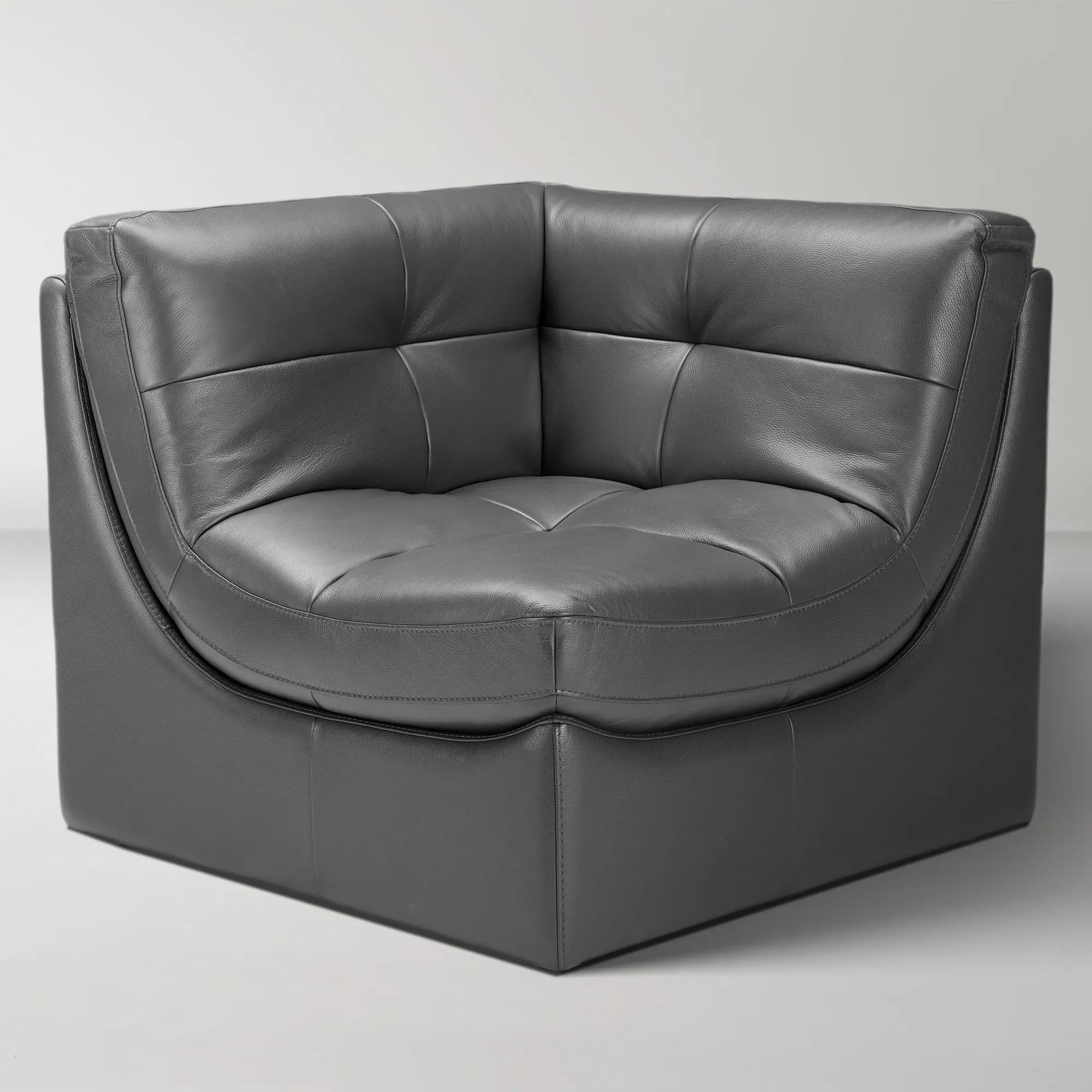
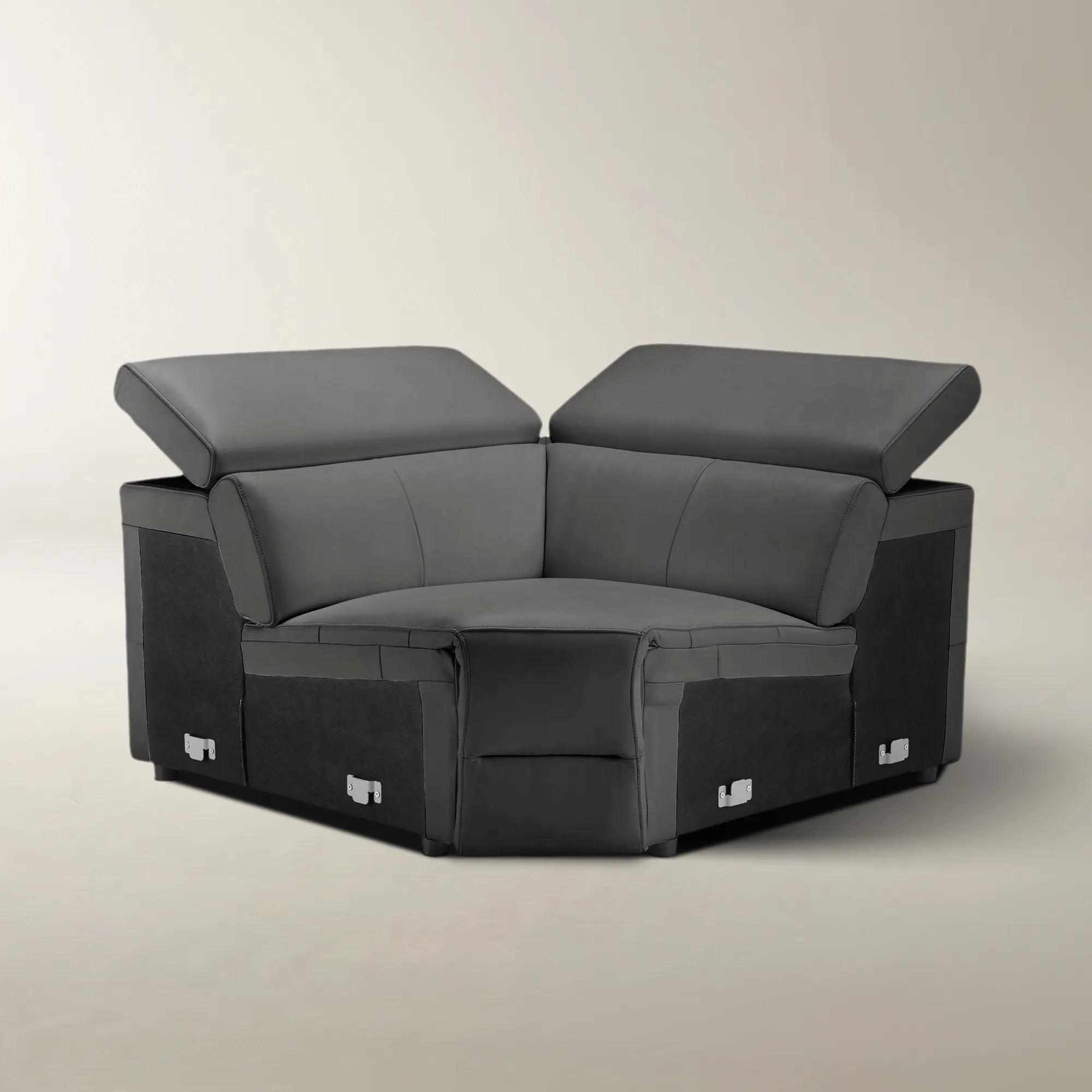
 Convo Charcoal Leather Corner Chair$1399
A modular sectional featuring kiln-dried hardwood frames and charcoal semi-aniline leather upholstery for modern versatility.
Add To Cart -
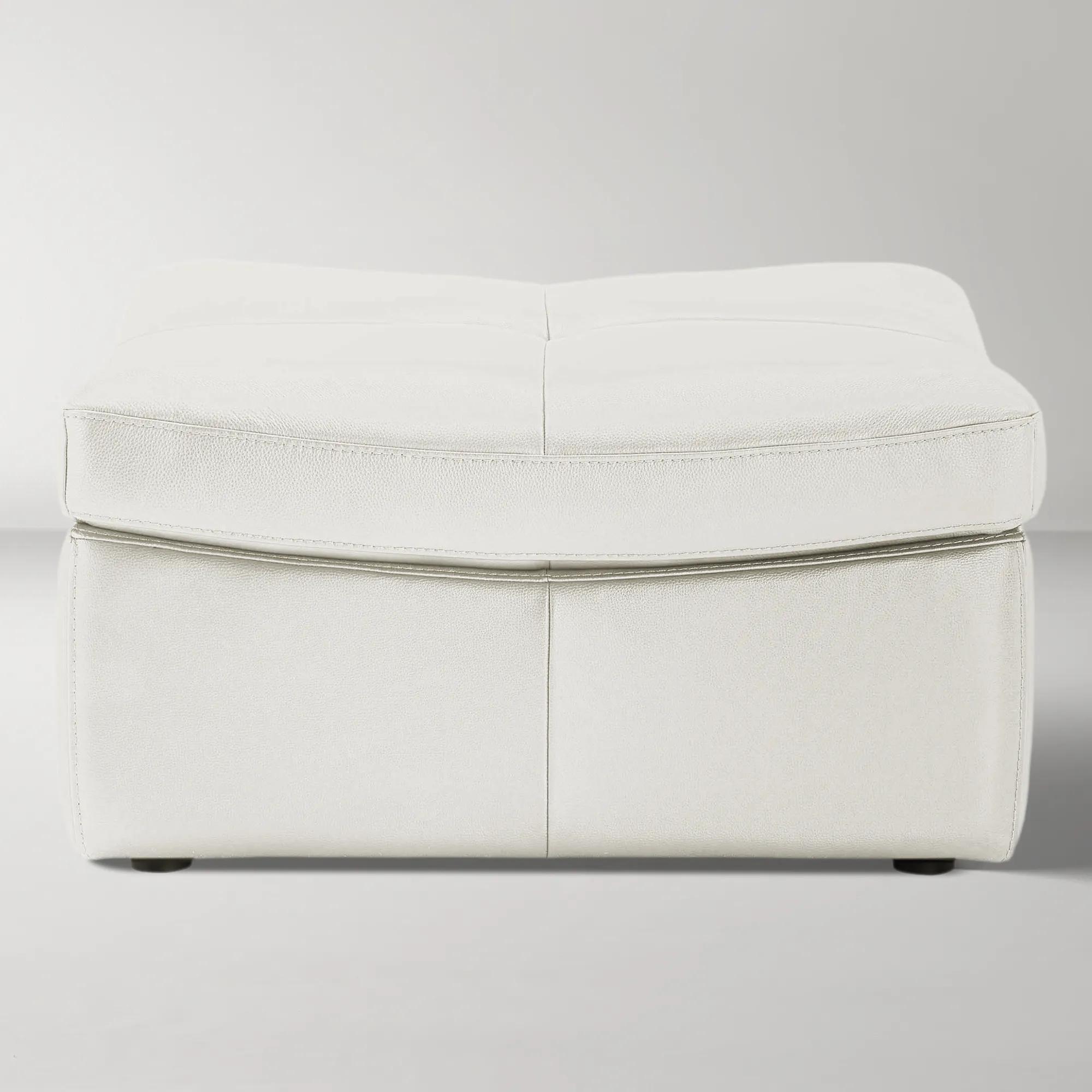 Convo White Leather Ottoman$849
A modular sectional with kiln-dried hardwood frame and charcoal semi-aniline leather upholstery for modern versatility.
Add To Cart -
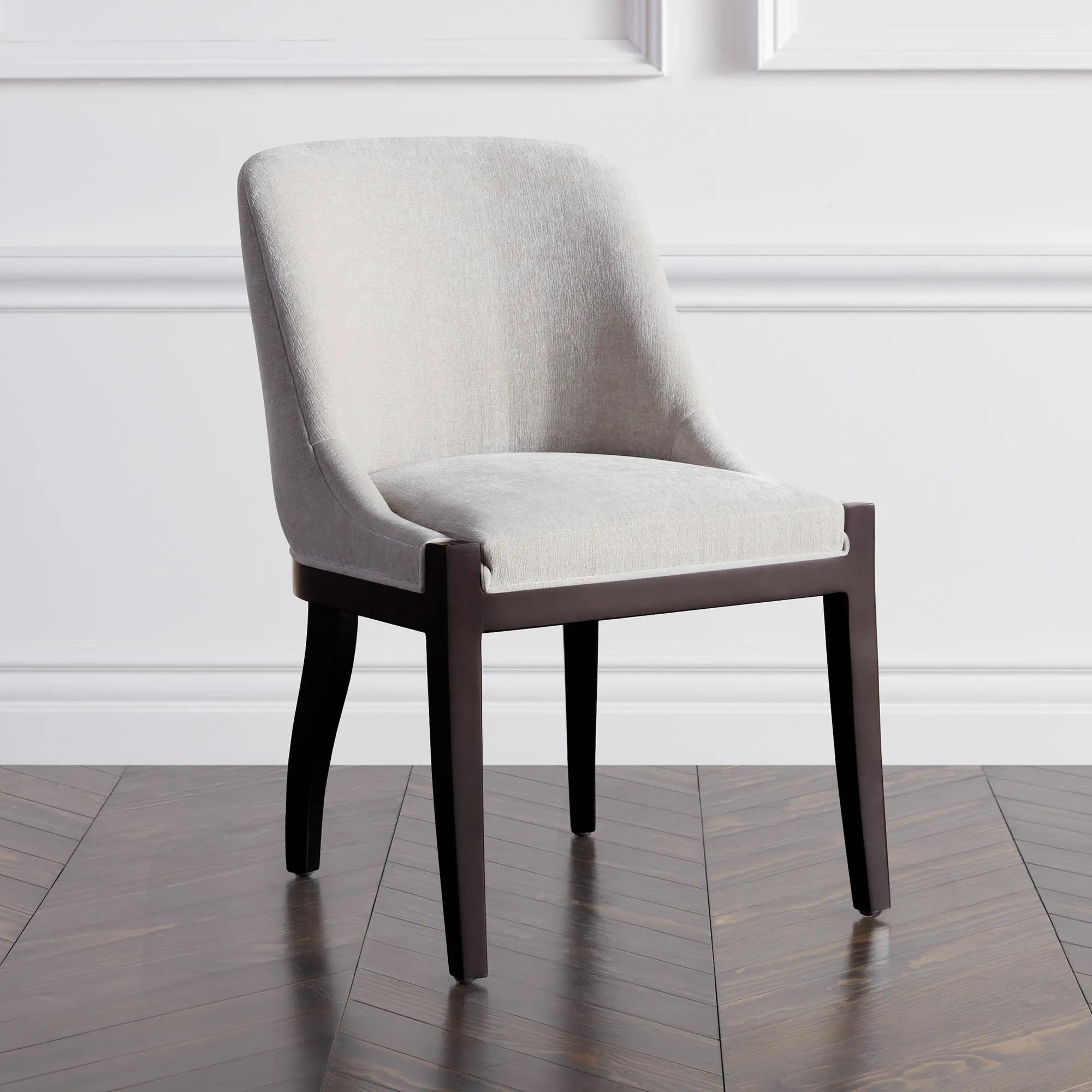
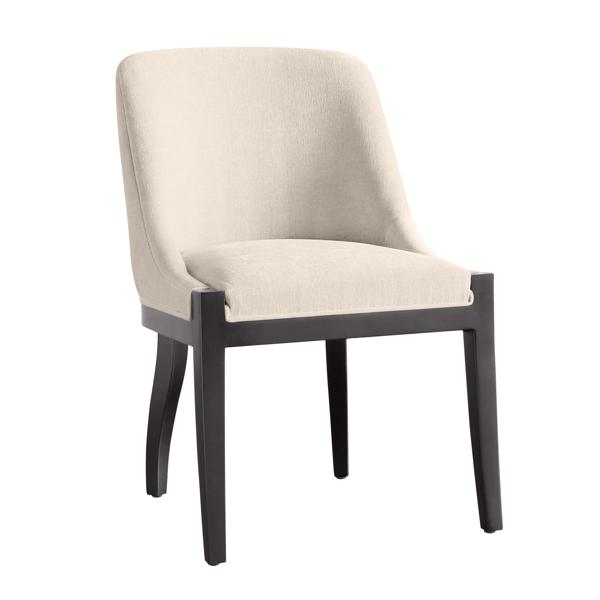 Lily Dining Chair - Espresso$649
A modern dining chair with espresso-finished hardwood frame and plush, tailored upholstery for lasting comfort.
Add To Cart -
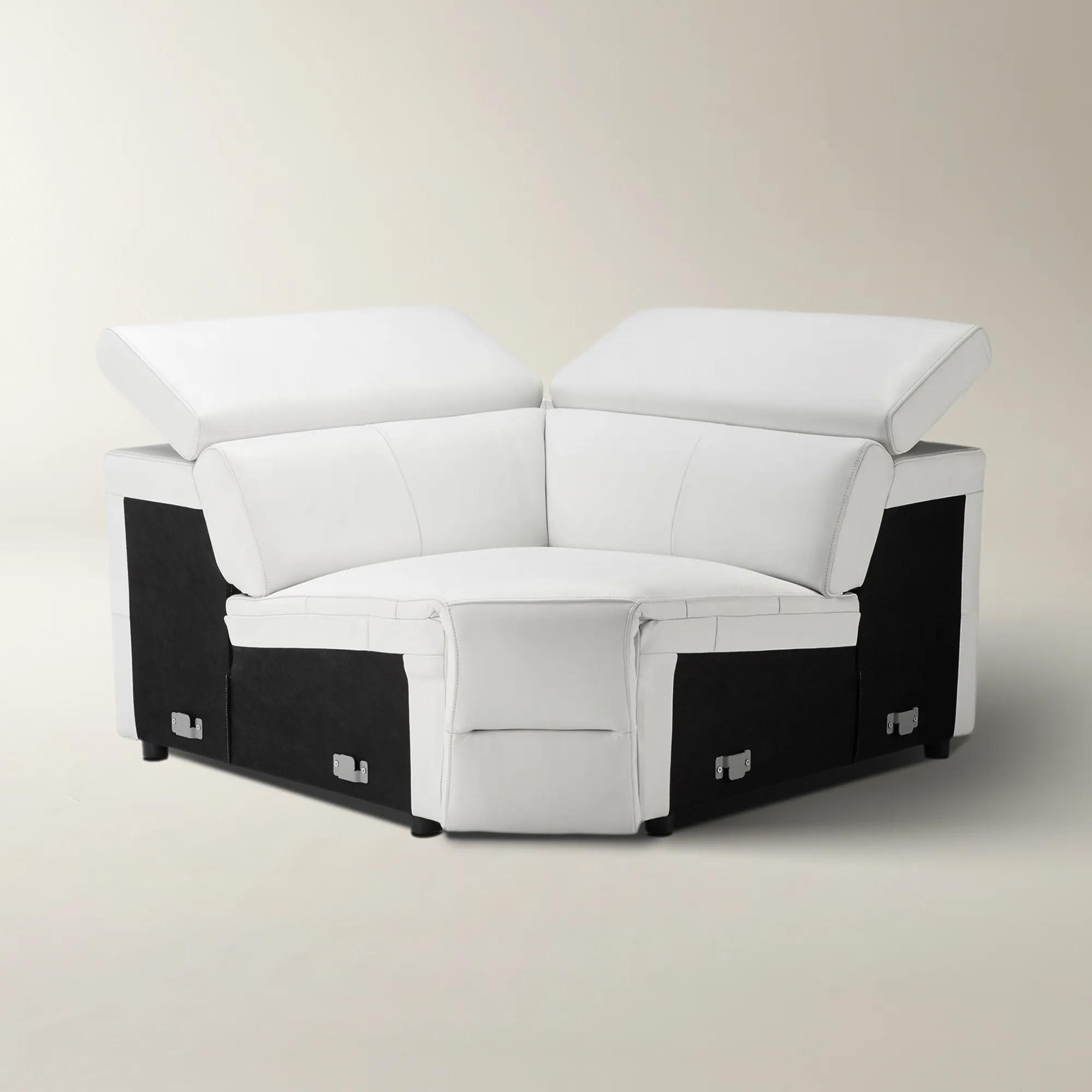
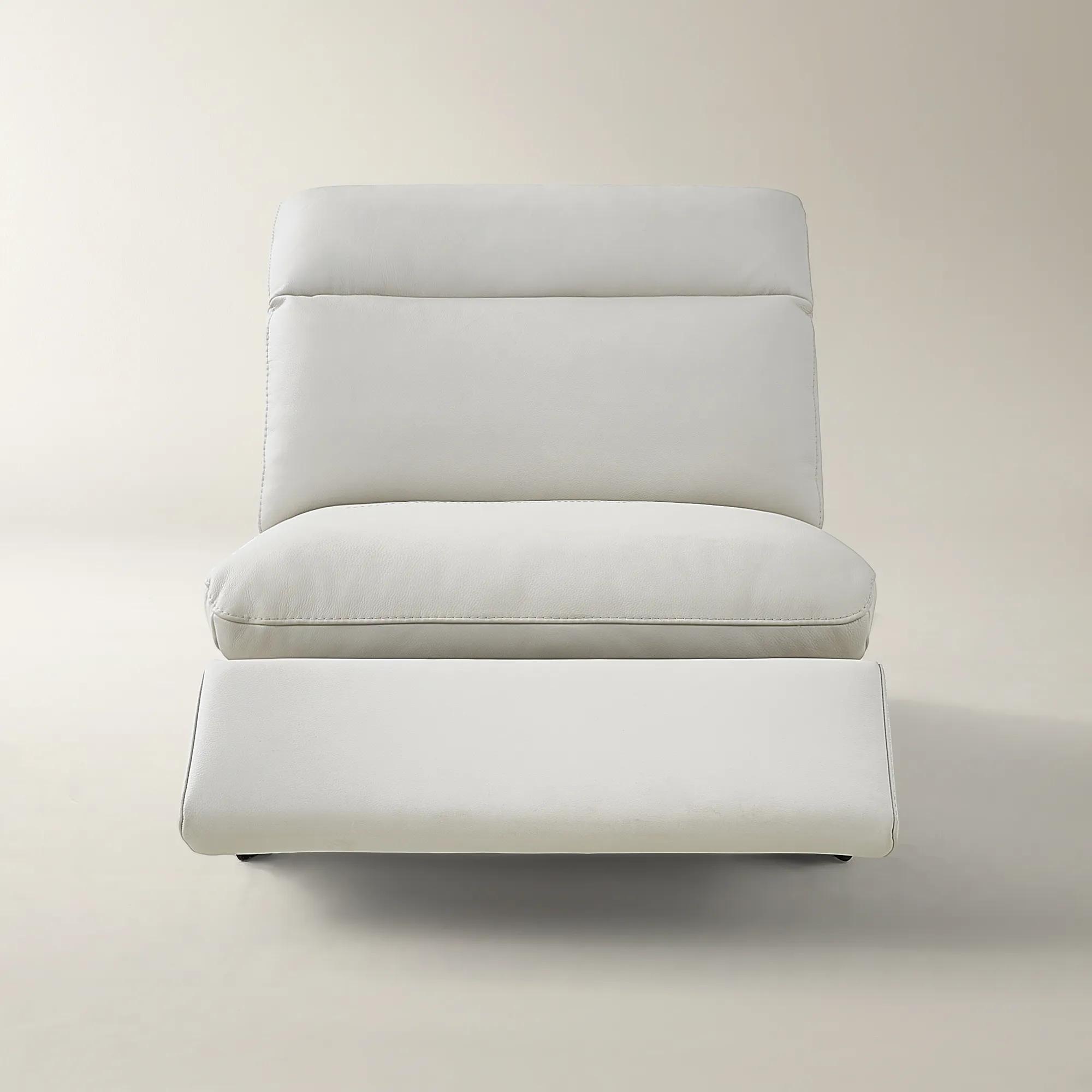
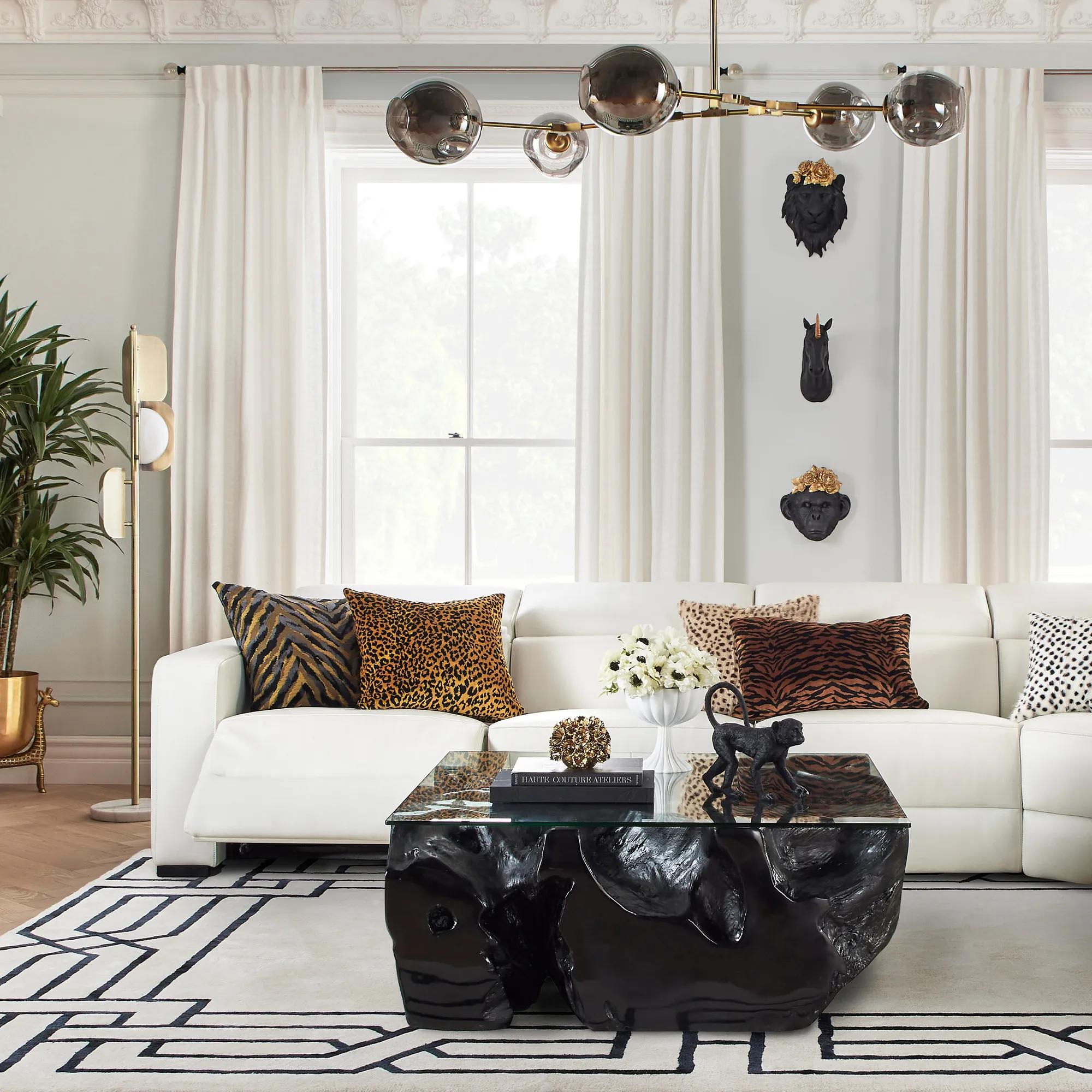 Verona White Leather Corner Chair With Power$1499
A modern sectional upholstered in supple white semi-aniline leather with adjustable headrests and power-reclining seats.
Add To Cart -
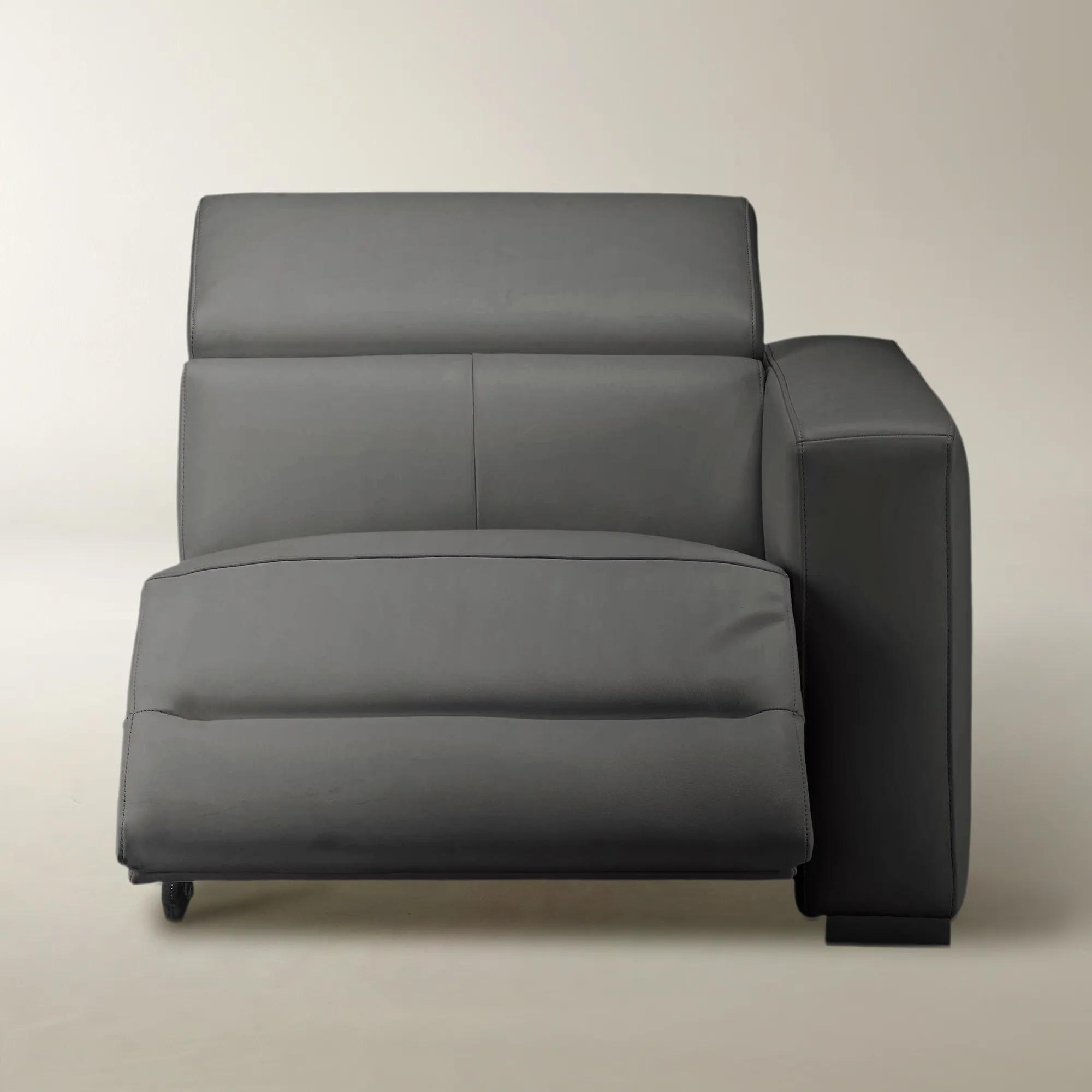
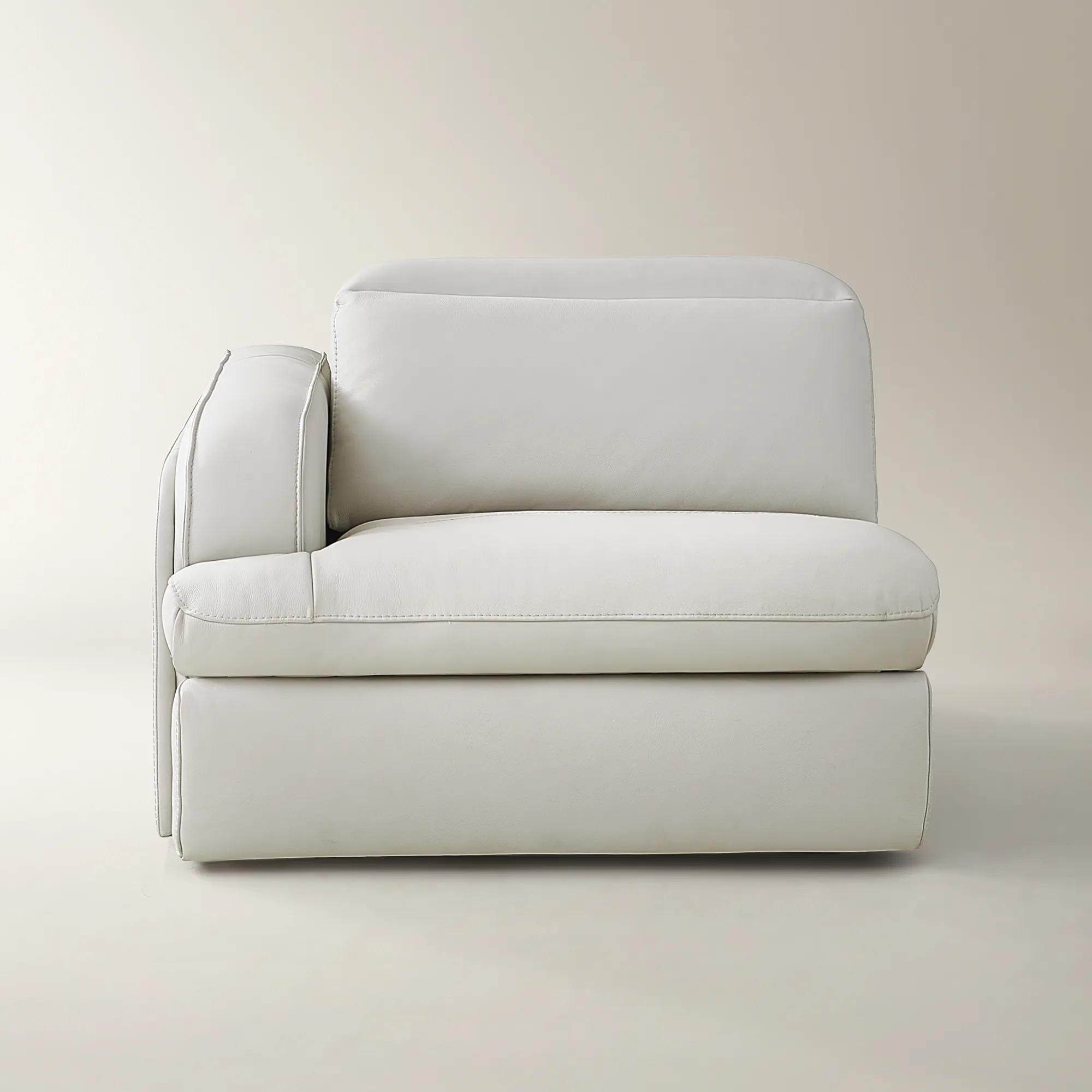
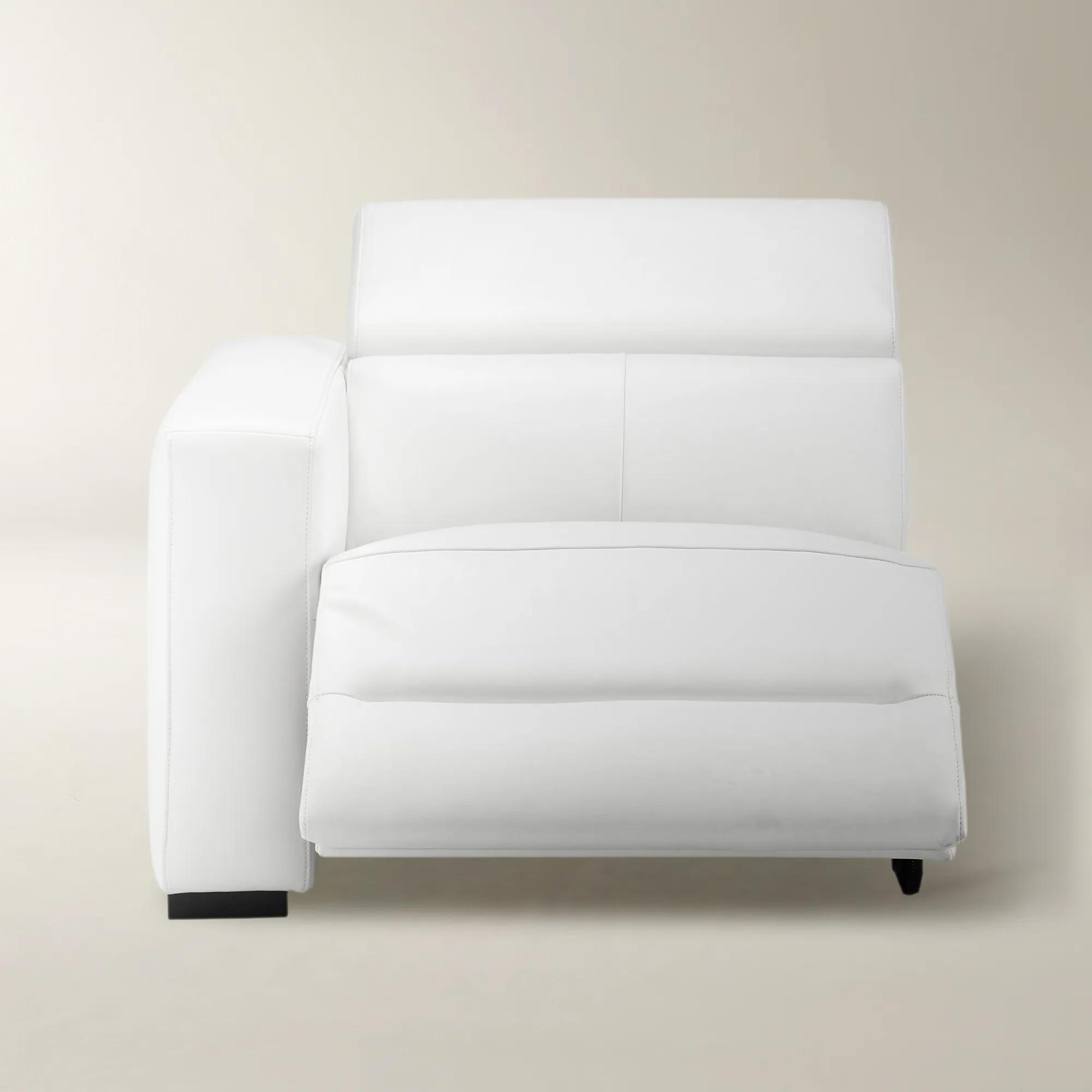 Verona Reclining White Leather Left Arm Chair With Power$1499
A modern white sectional upholstered in supple semi-aniline leather with adjustable headrests and power-reclining seats.
Add To Cart -
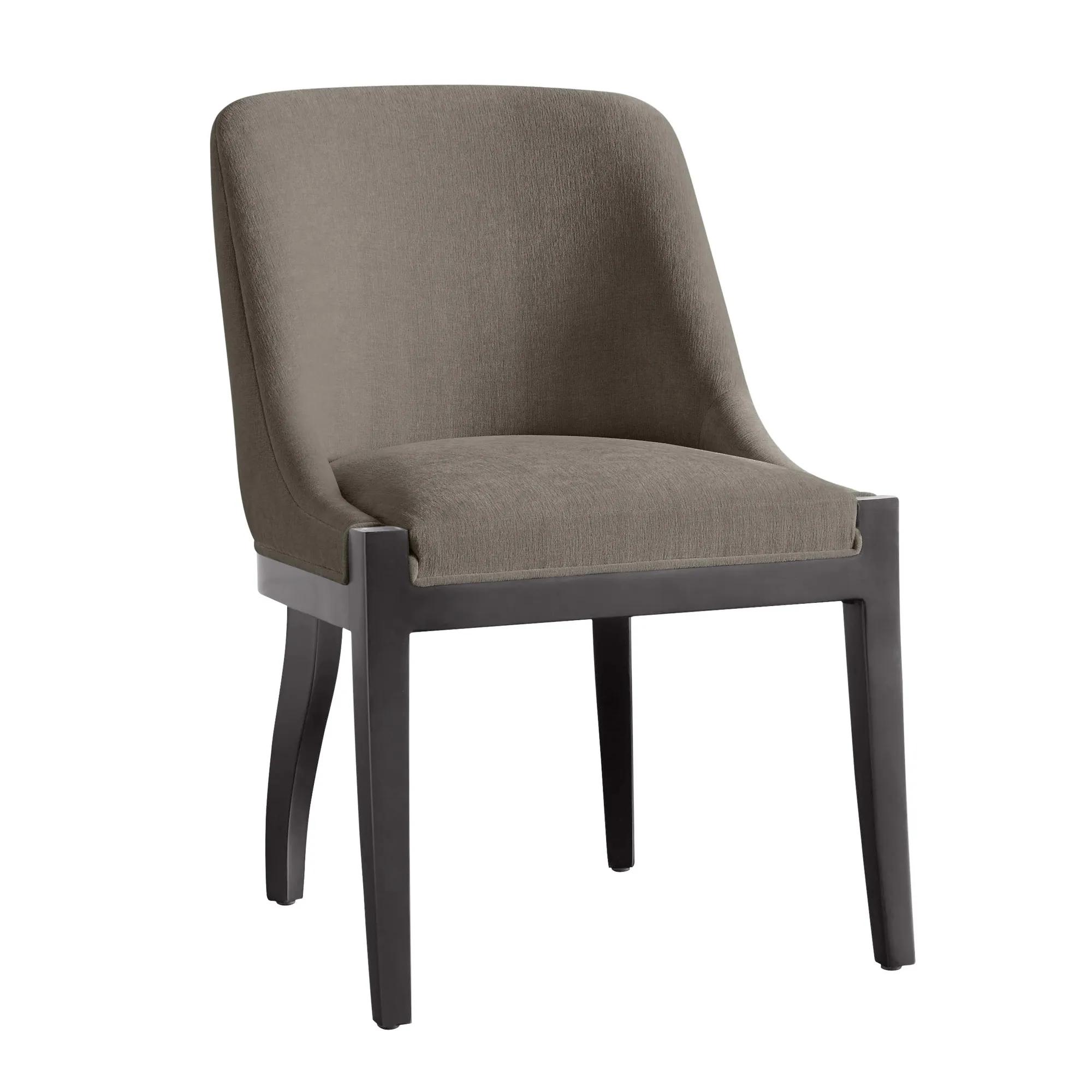 Lily Dining Chair - Espresso$649
A modern dining chair featuring espresso-finished hardwood, curvaceous silhouette, and plush tailored upholstery.
Add To Cart -
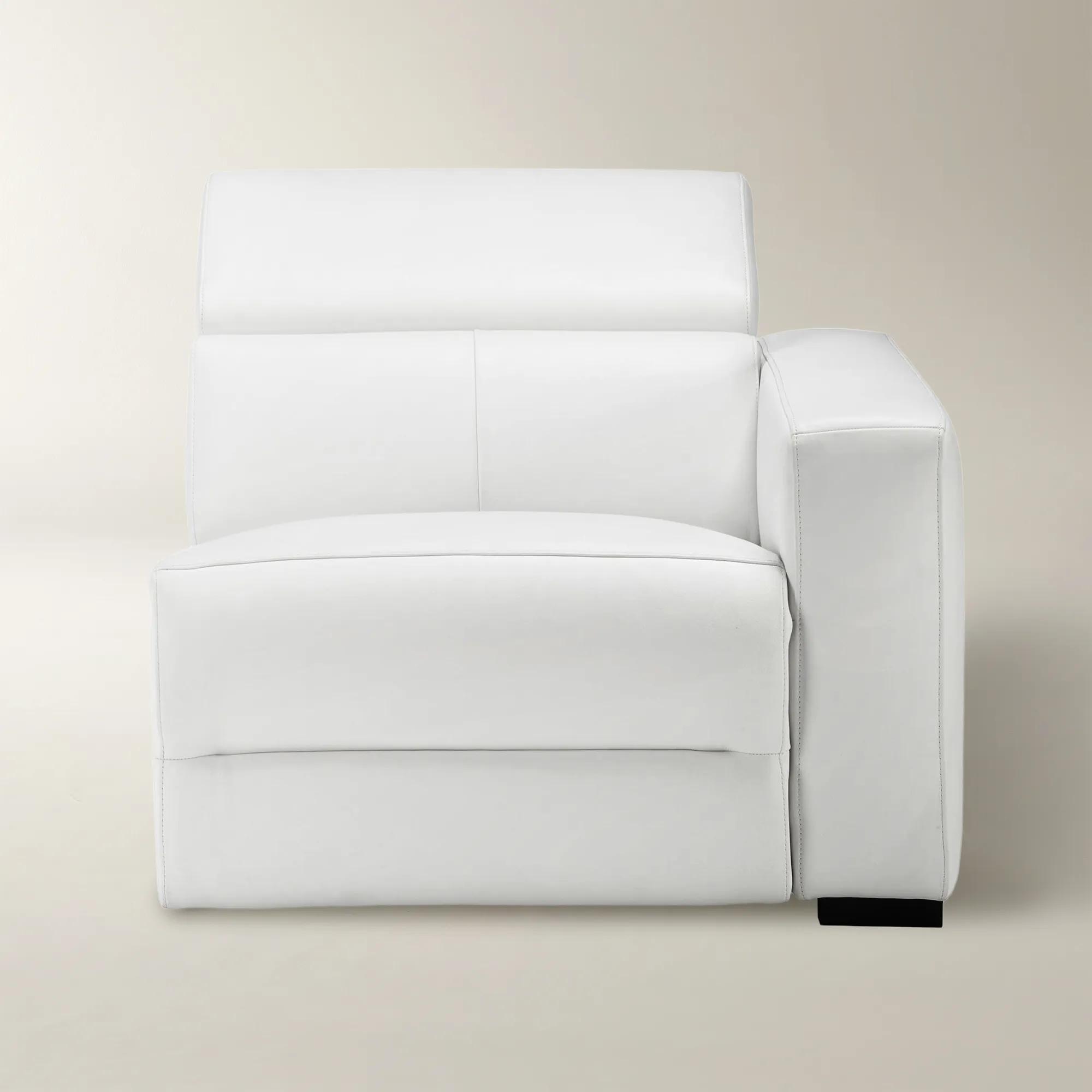
 Convo White Leather Corner Chair$1399
A modular sectional featuring kiln-dried hardwood frames and charcoal semi-aniline leather upholstery for modern versatility.
Add To Cart -
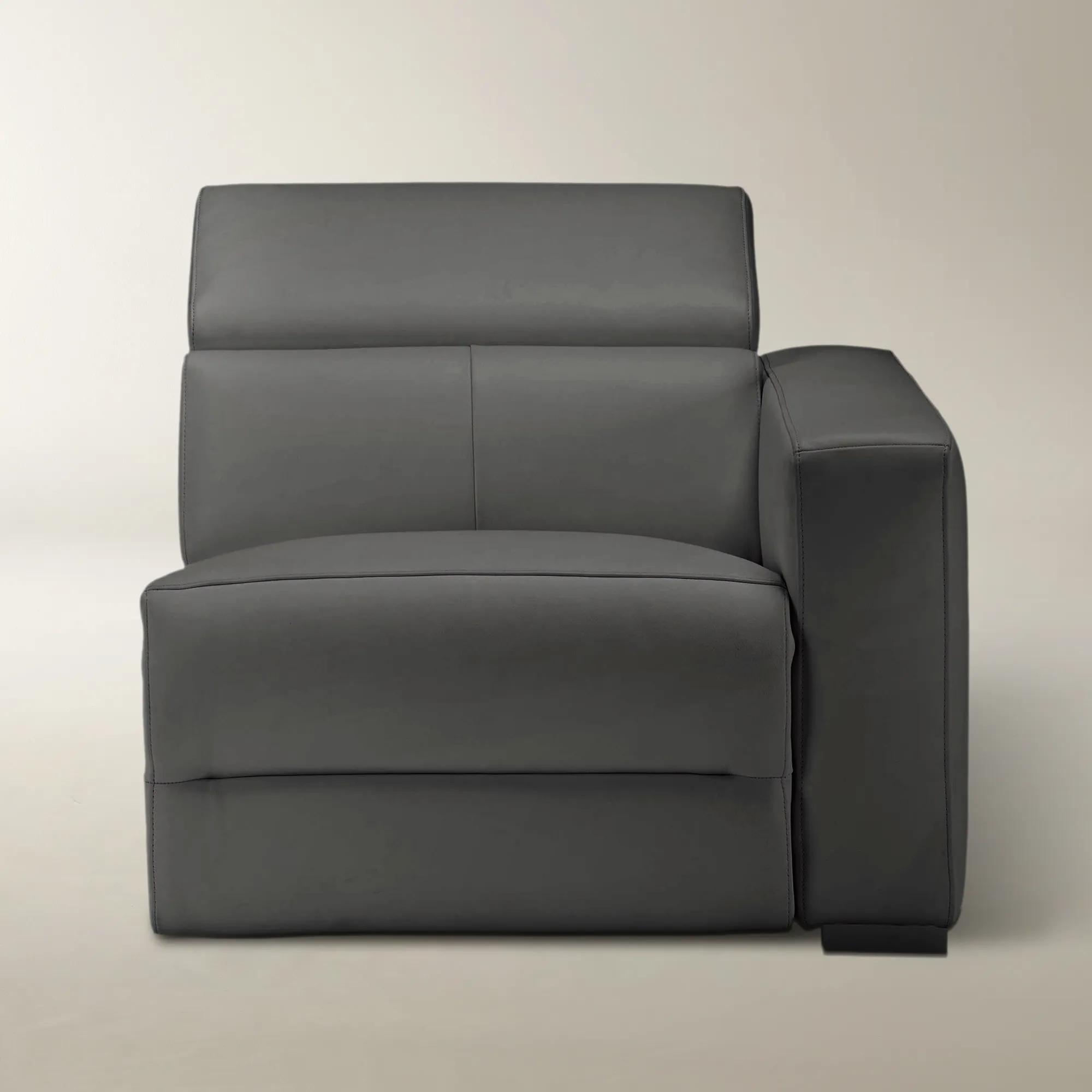
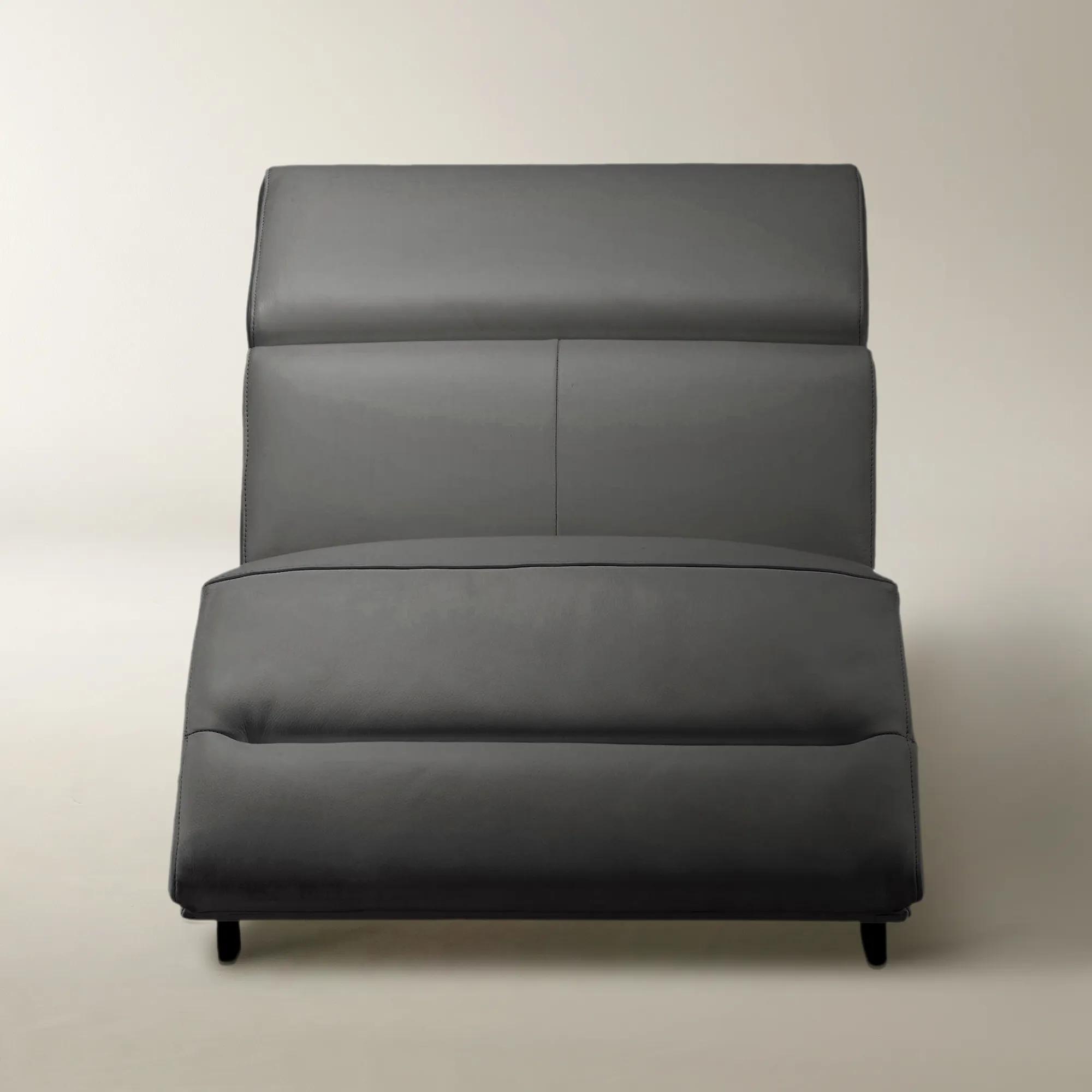
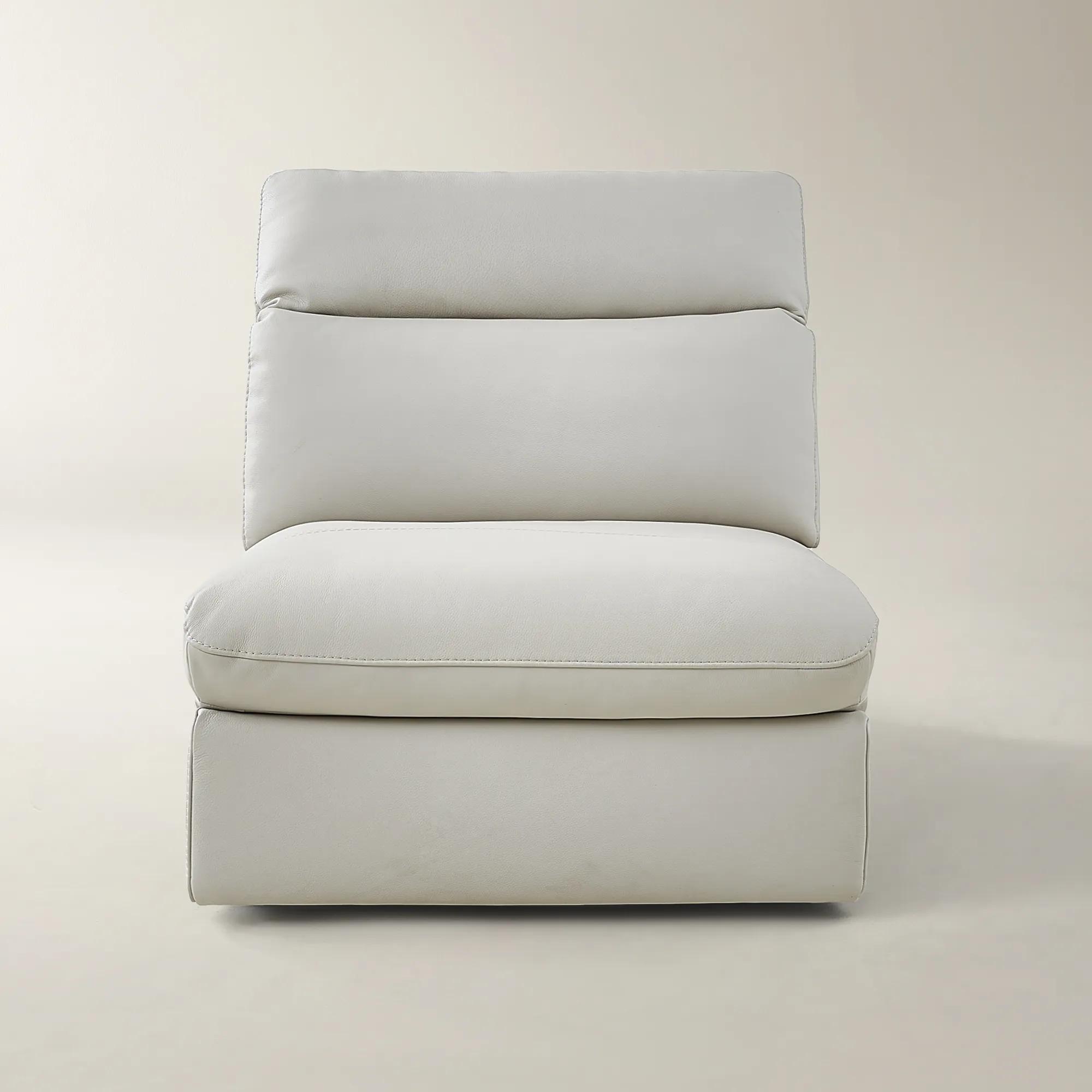
 Convo White Leather Armless Chair$1199
A modular sectional in charcoal semi-aniline leather with kiln-dried hardwood frames and gently curved seats.
Add To Cart -
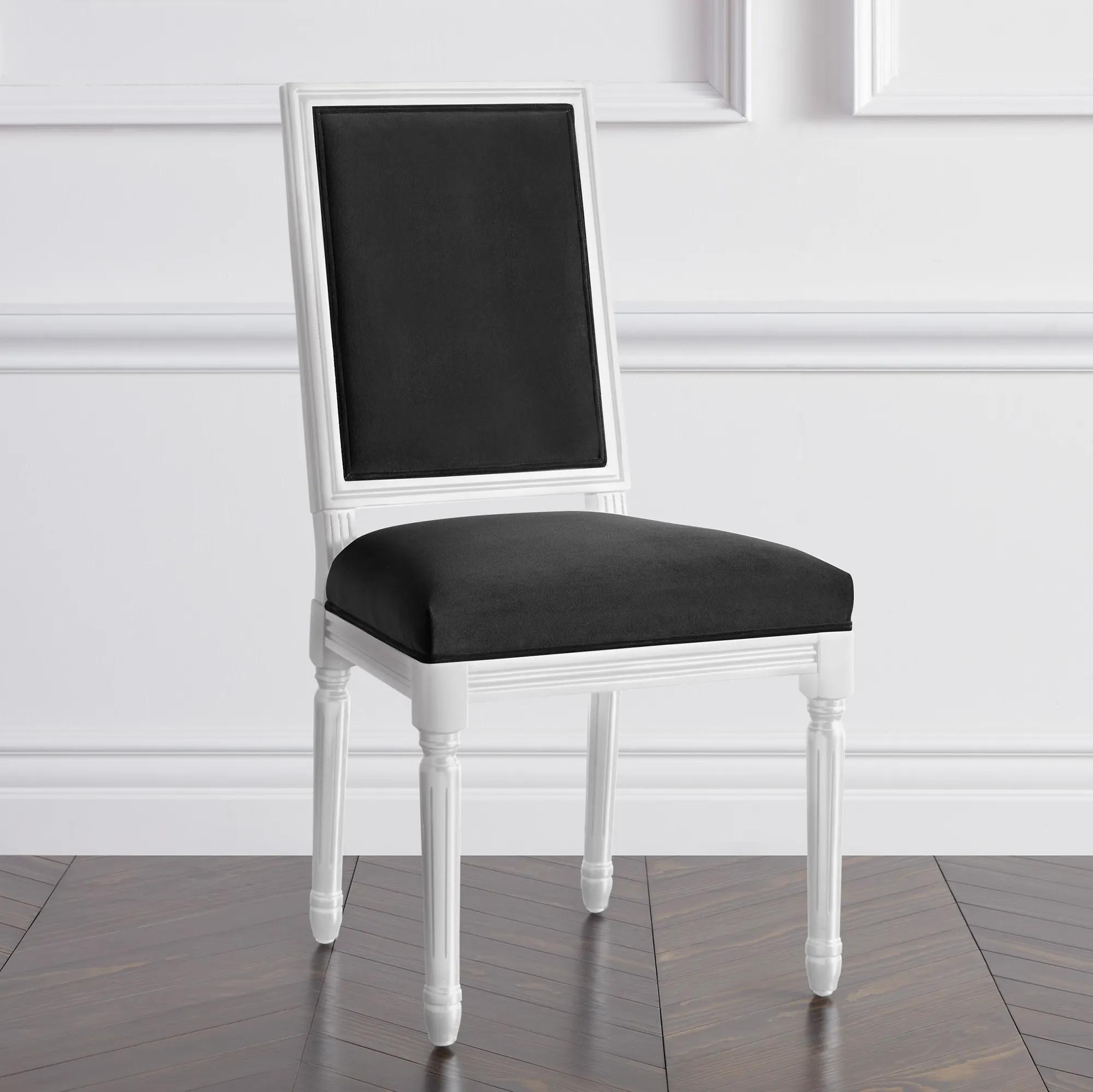
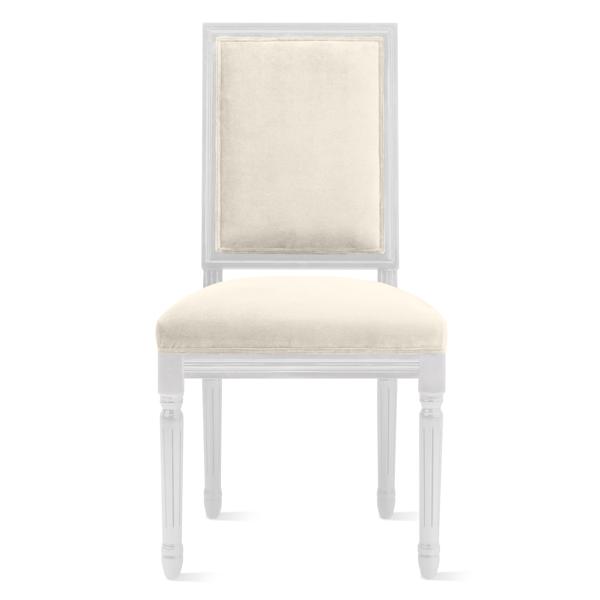 Callan Dining Chair - High Gloss White$549
A handcrafted dining chair featuring a high-gloss white finish, squared back, and plush velvet upholstery.
Add To Cart -
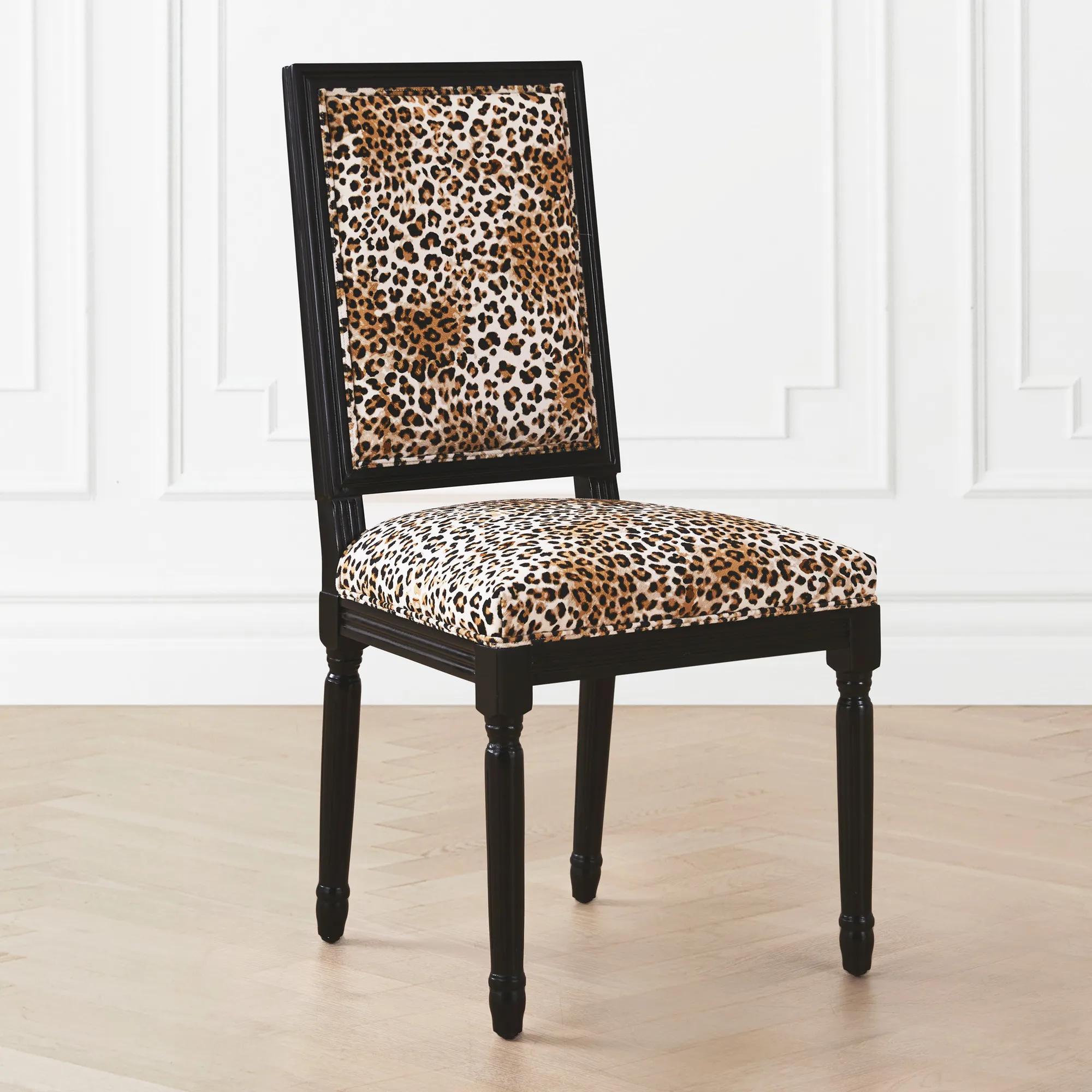
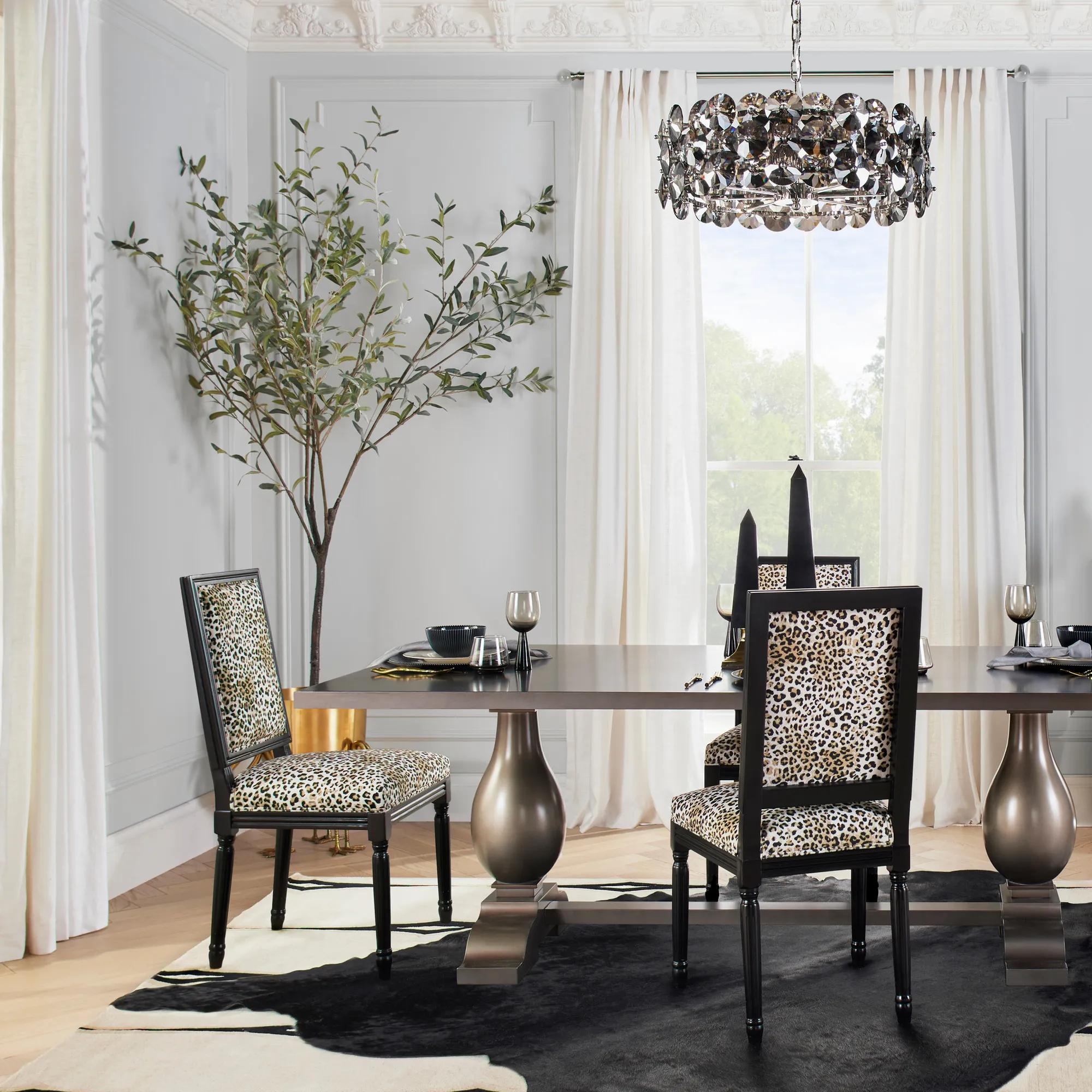 Callan Dining Chair$599
A handcrafted modern chair featuring classic upholstery, squared back, fluted legs, and high-gloss finish.
Add To Cart -
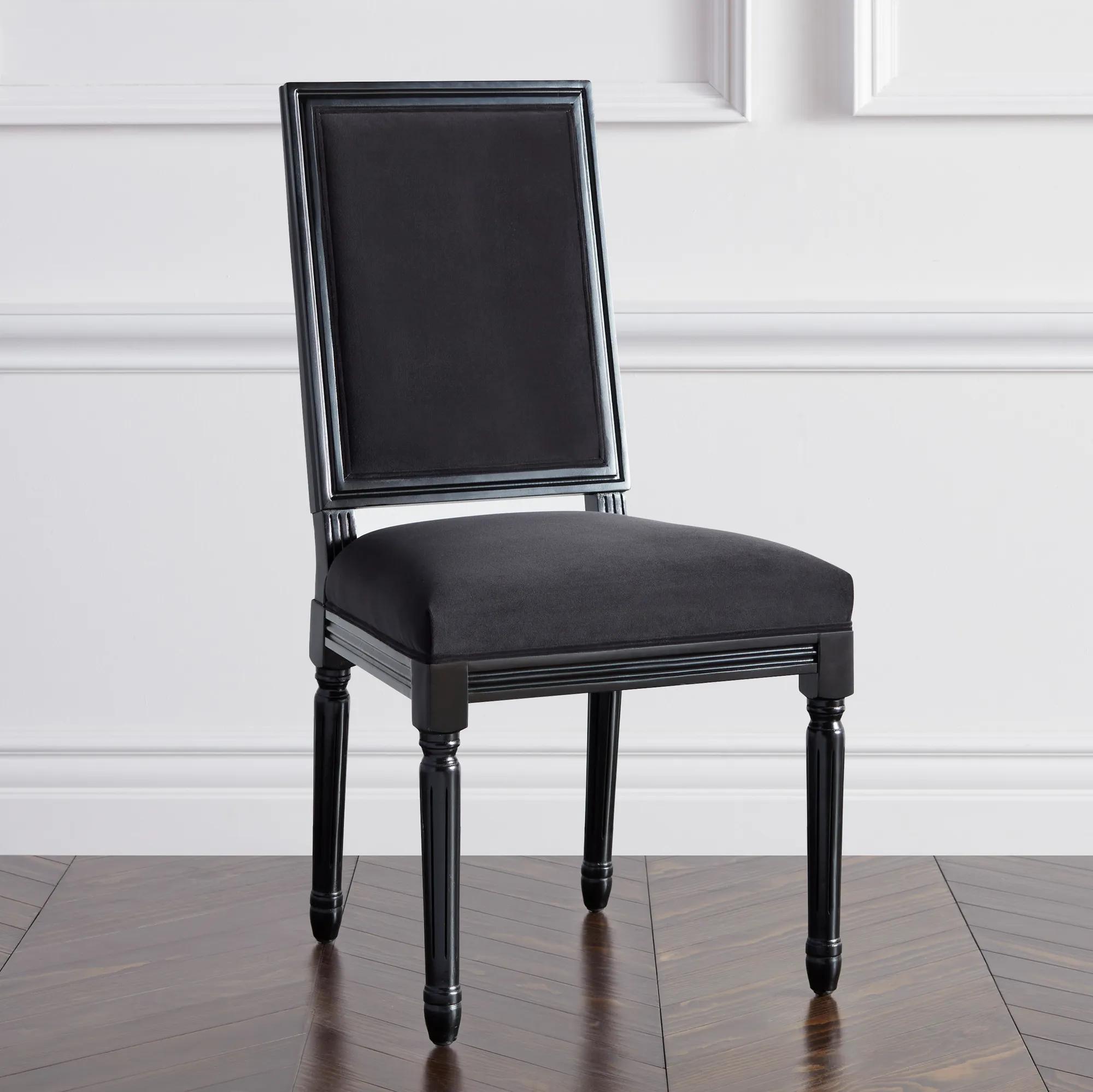
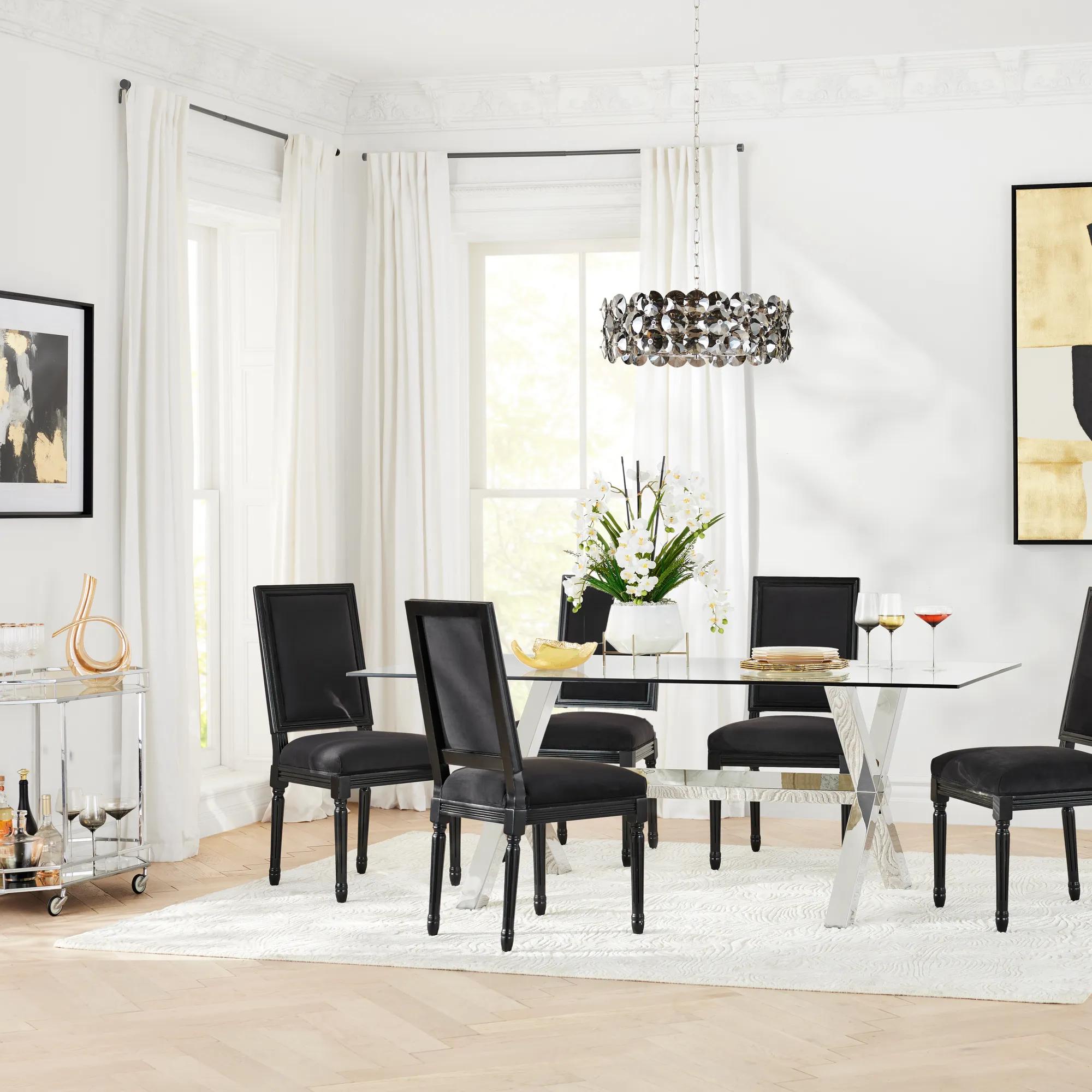 Callan Dining Chair - High Gloss Black$549
A handcrafted dining chair featuring high-gloss black Bella Velvet upholstery, fluted legs, and a squared back.
Add To Cart -
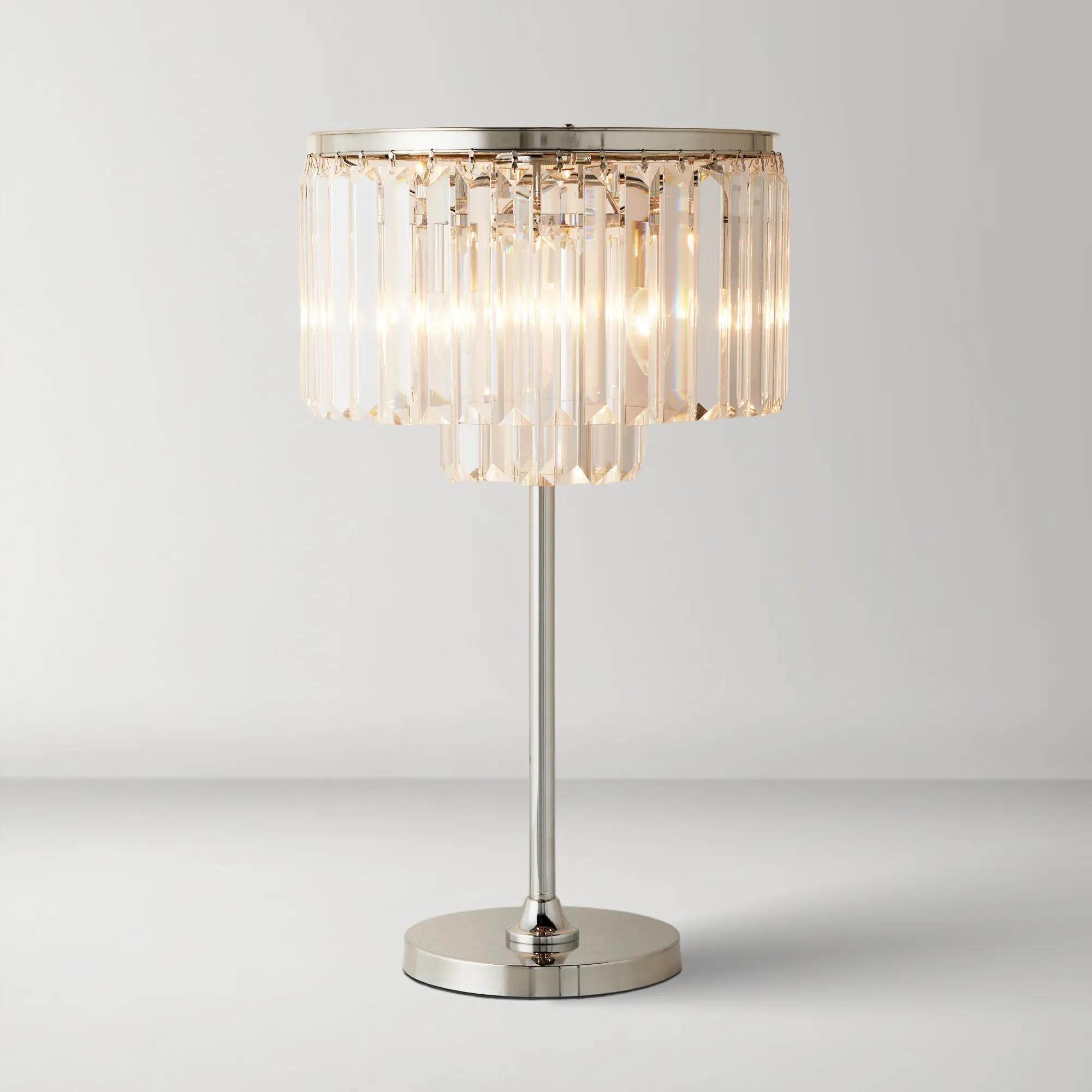
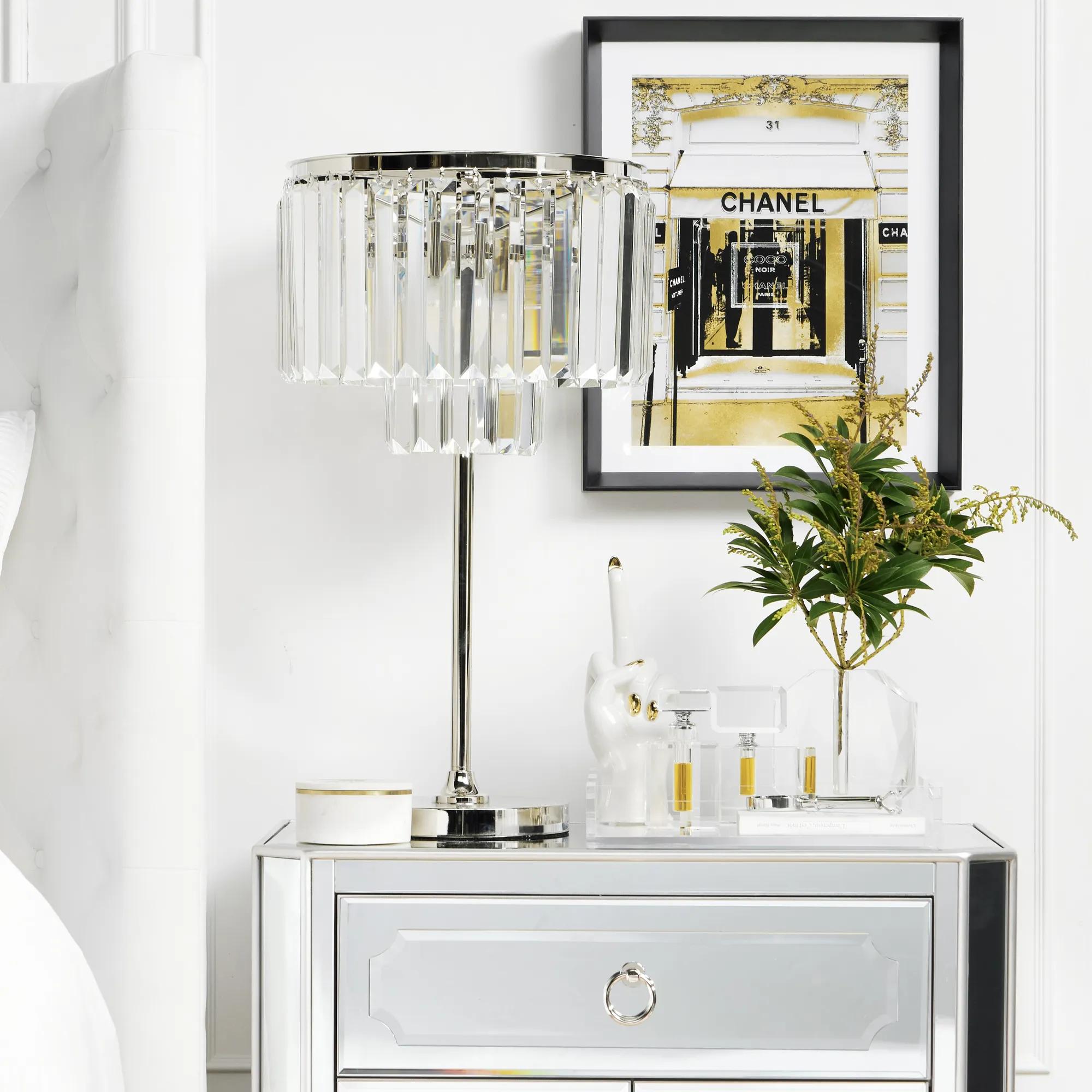 Luxe Table Lamp$499
A sophisticated table lamp featuring faceted ocular glass prisms and a nickel-plated iron frame.
Add To Cart -
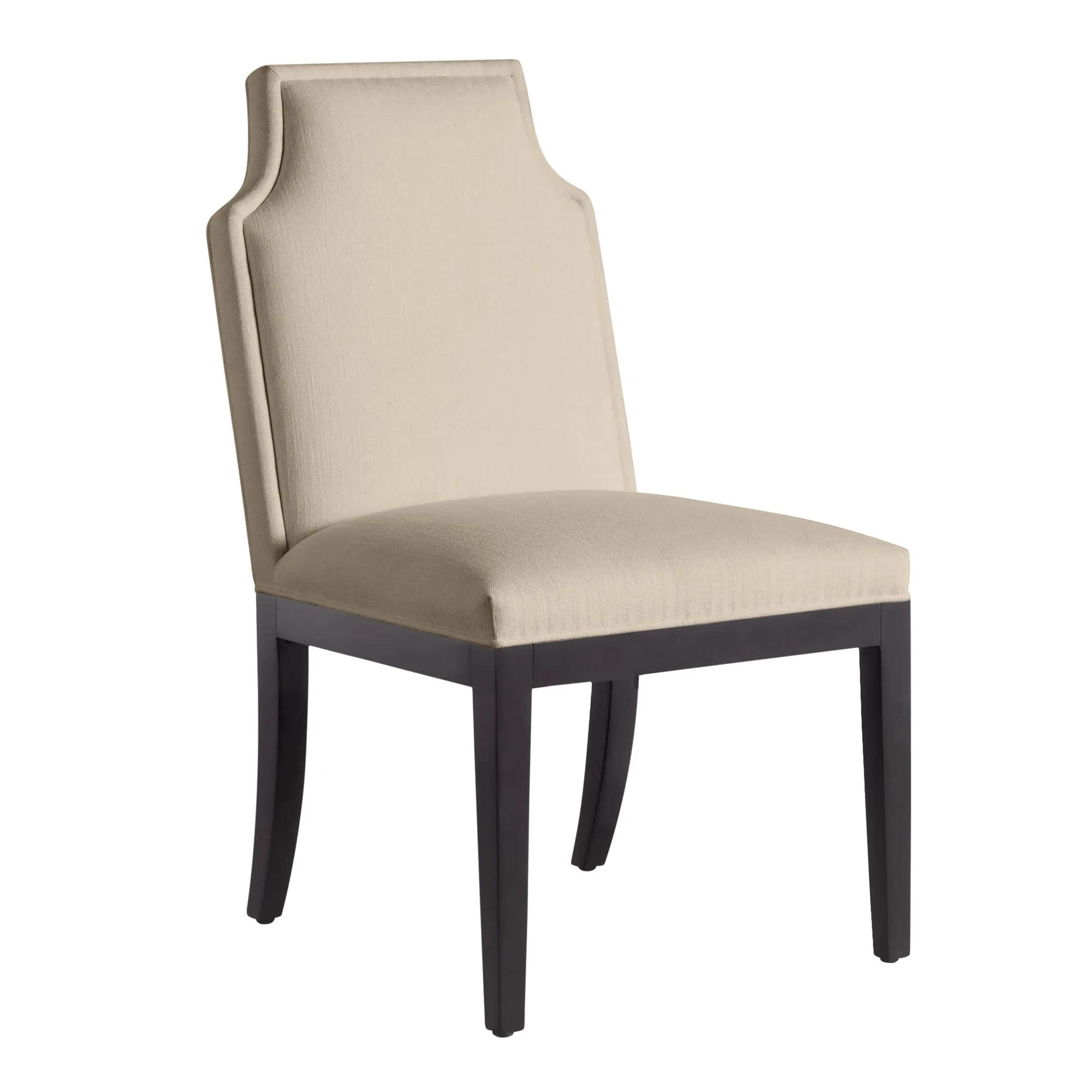
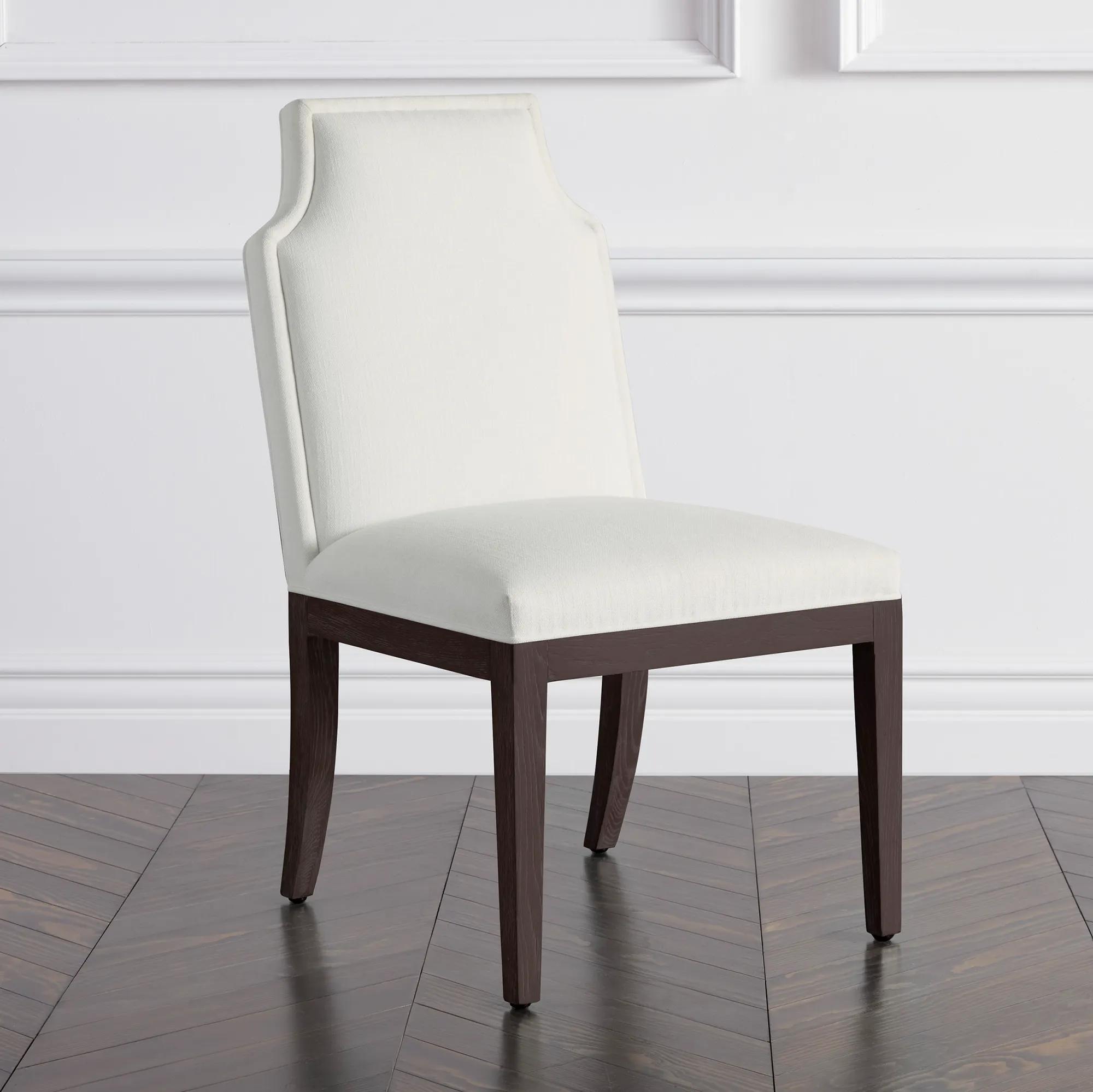 Jasmine Dining Chair - Espresso$649
A chic dining chair featuring a notched back, espresso legs, and plush upholstery for lasting comfort.
Add To Cart -
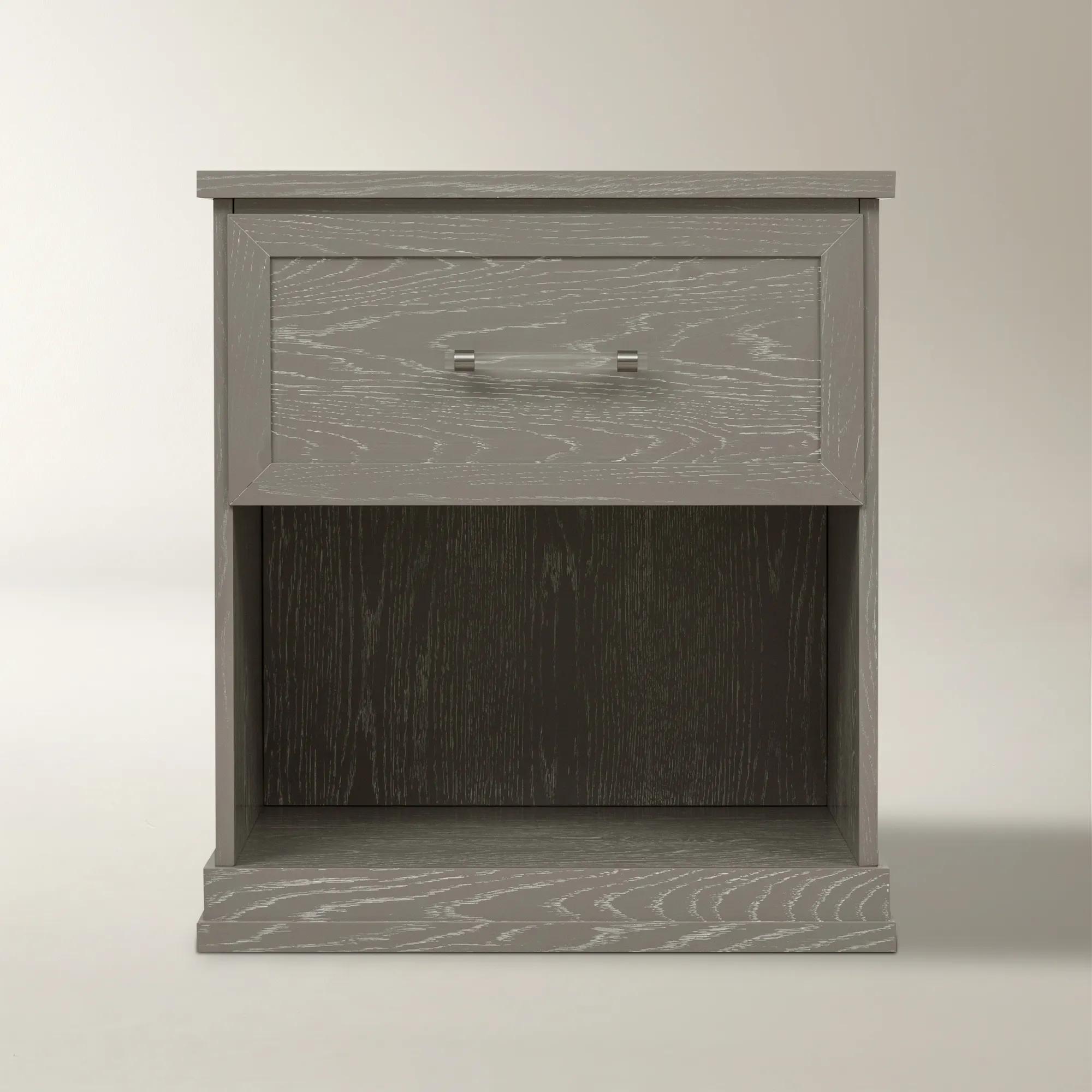
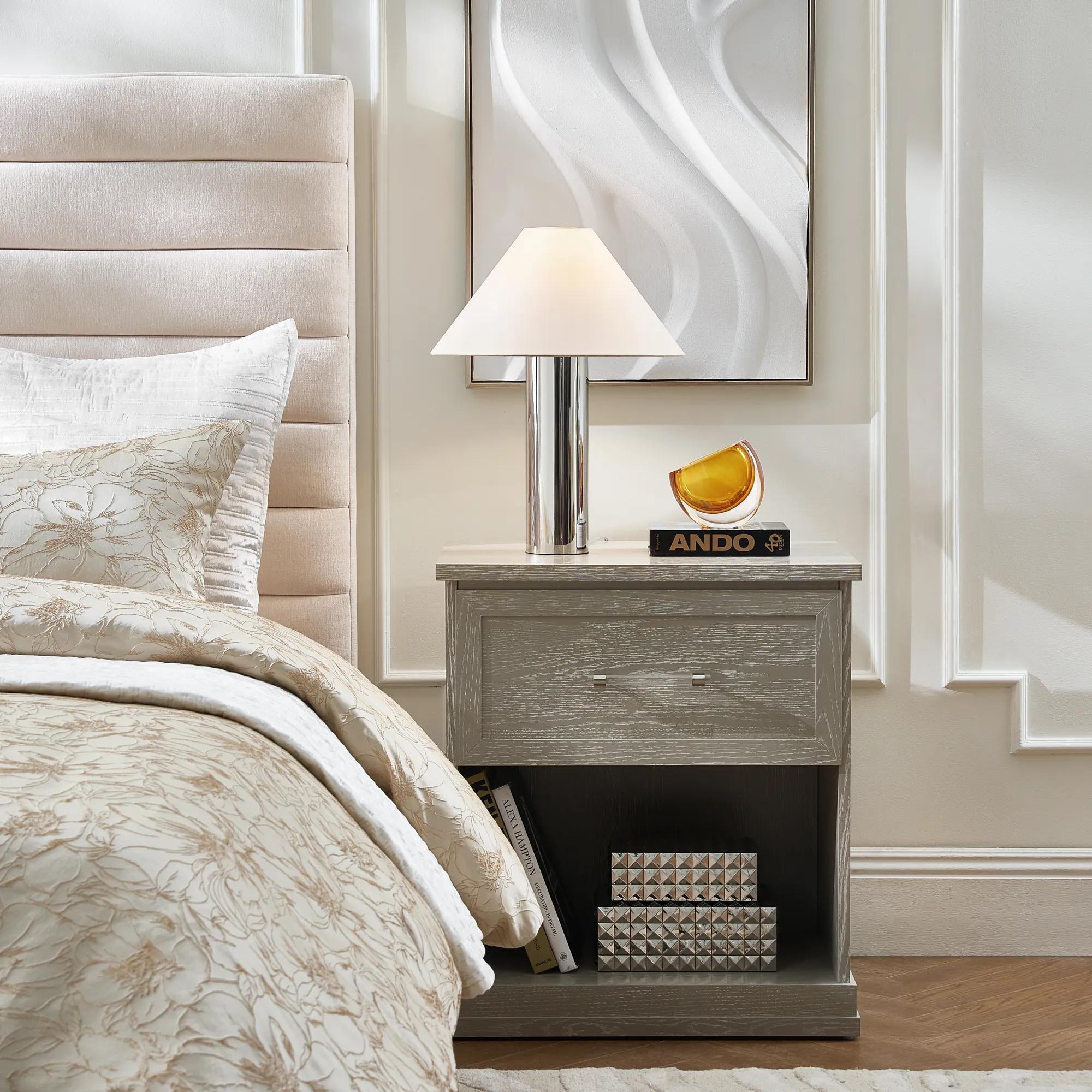 Arwin Grey Oak 1-Drawer Nightstand (26")$699
A contemporary grey hardwood veneer nightstand featuring acrylic and brushed silver handles with soft-closing drawers.
Add To Cart -
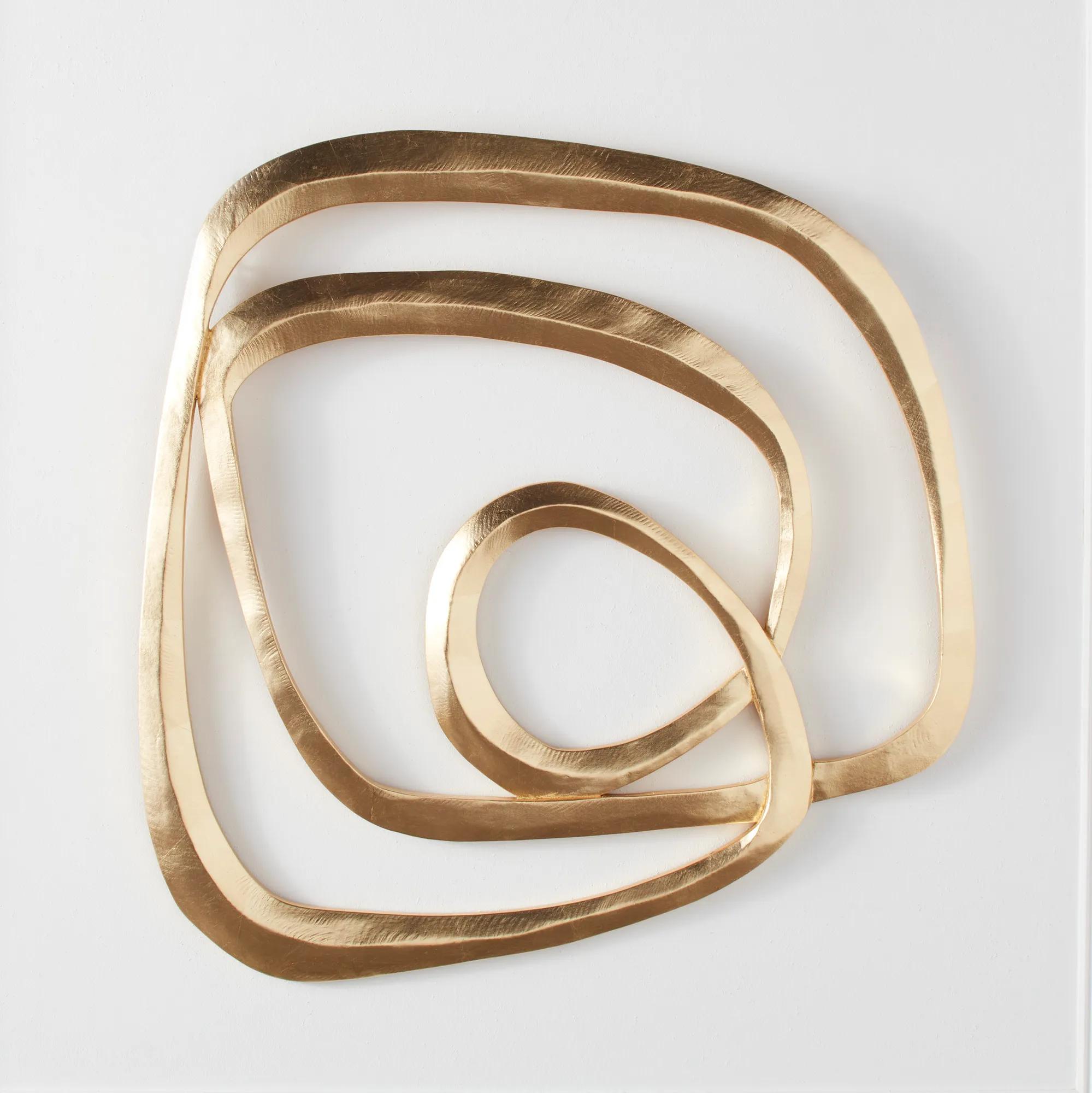 Infinity Gold Leaf Wood Wall Decor I 31.5" x 31.5"$299
A swirling wooden wall sculpture featuring a striking metallic gold finish for a bold decorative statement.
Add To Cart -
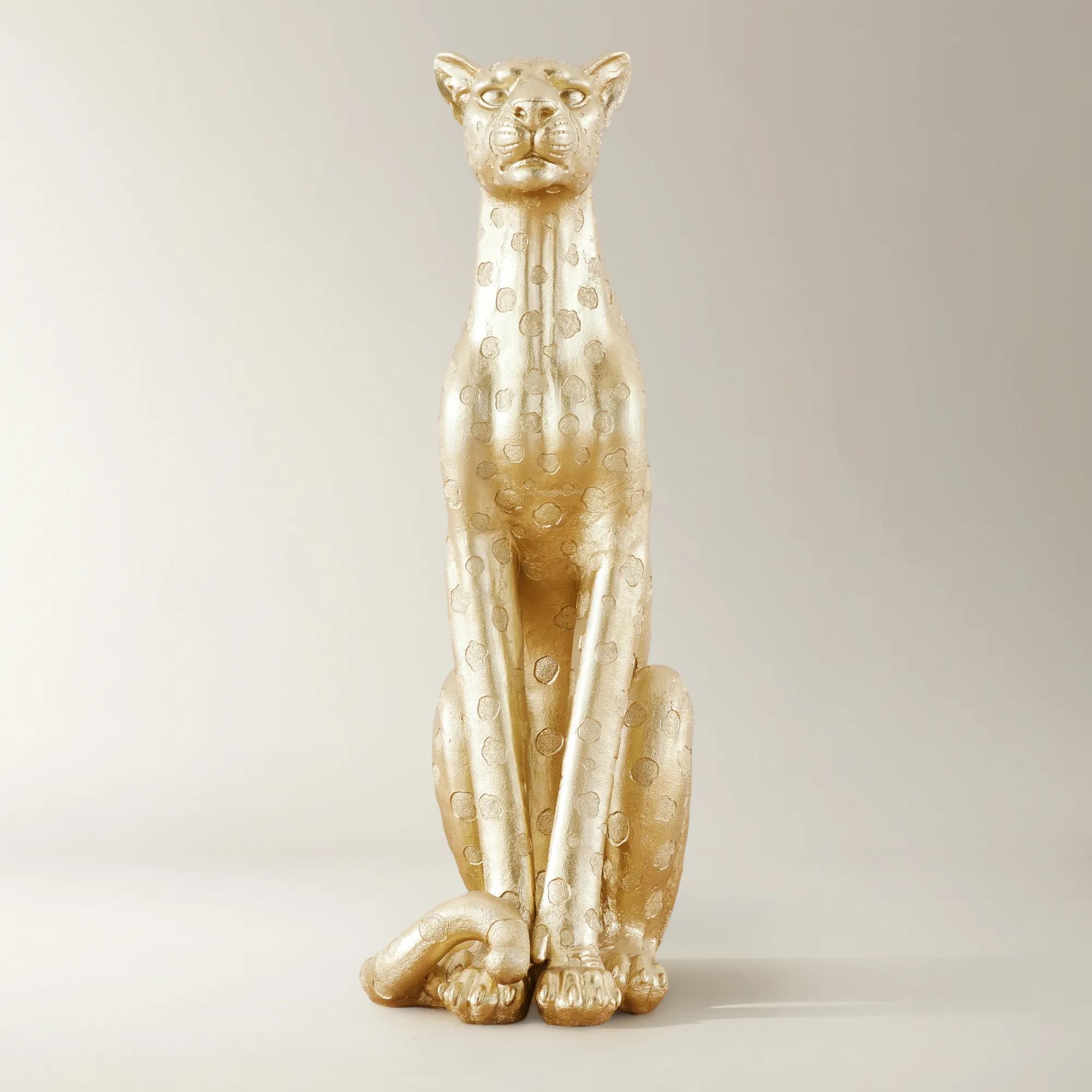 Leopardo Gold Resin Decorative Object 35"$329
A striking gold resin leopard statue that adds a touch of regal elegance to any space.
Add To Cart -
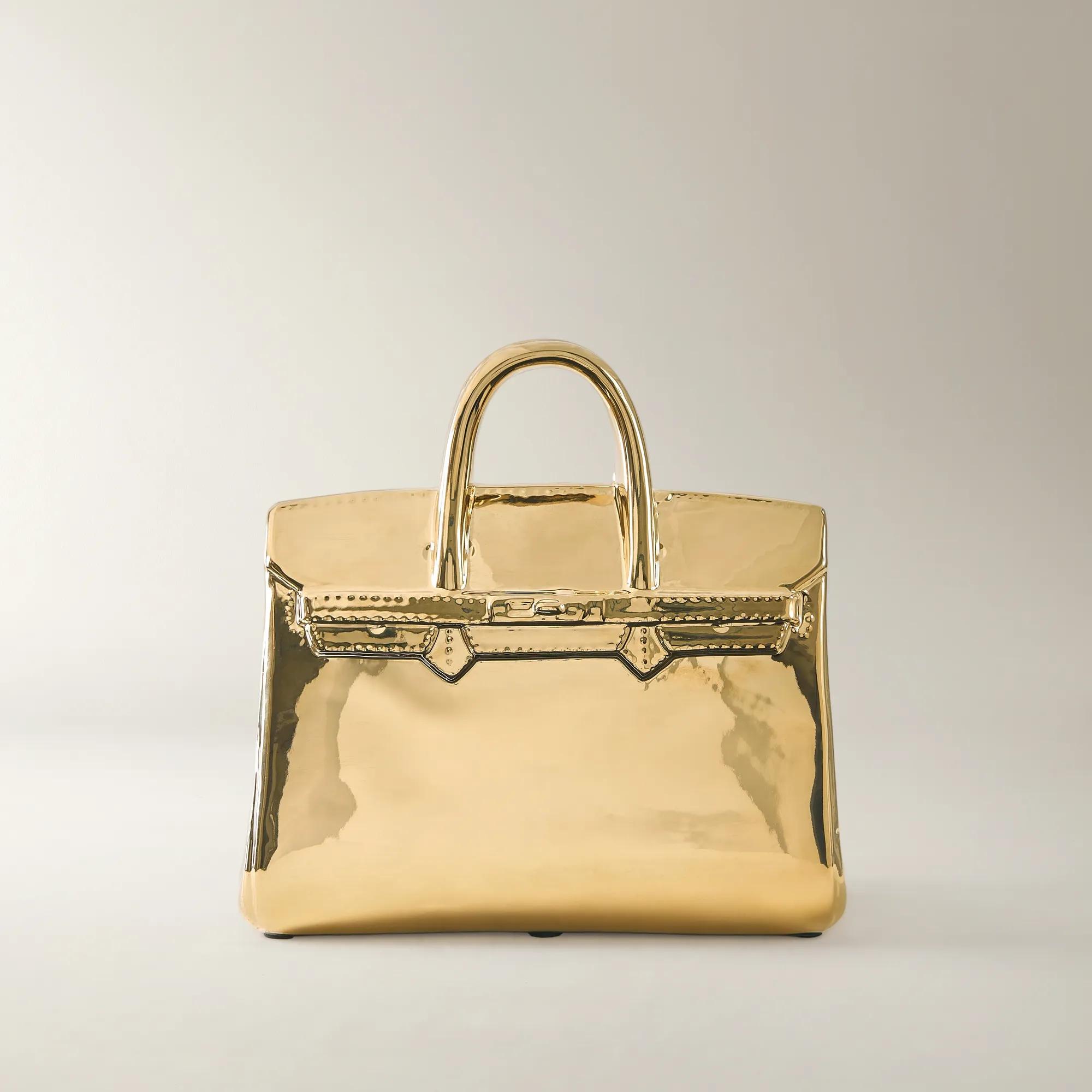
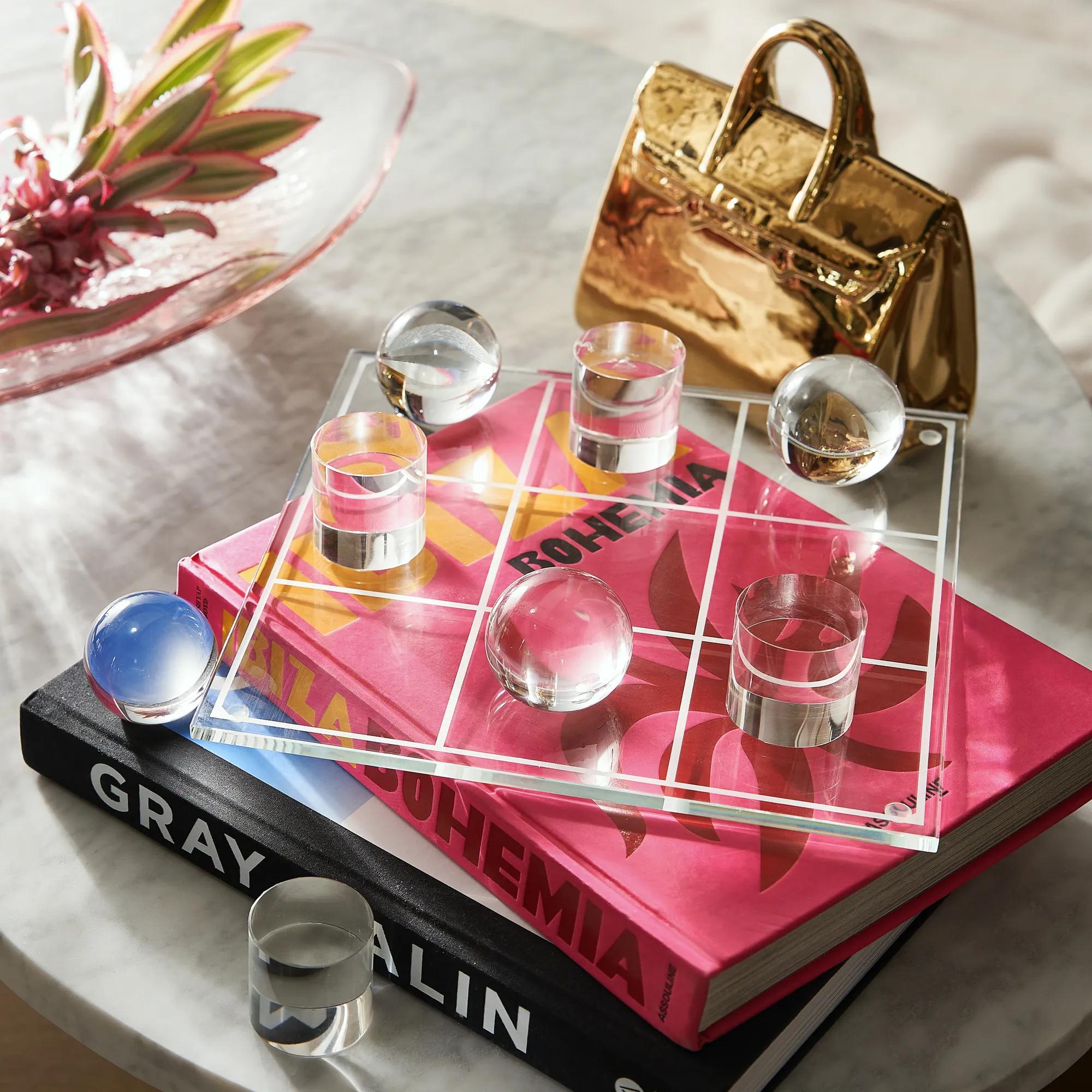 Handbag Gold Ceramic High Gloss Coin Bank Small$39
A stylish gold ceramic coin bank designed to resemble a chic handbag for decorative savings.
Add To Cart -
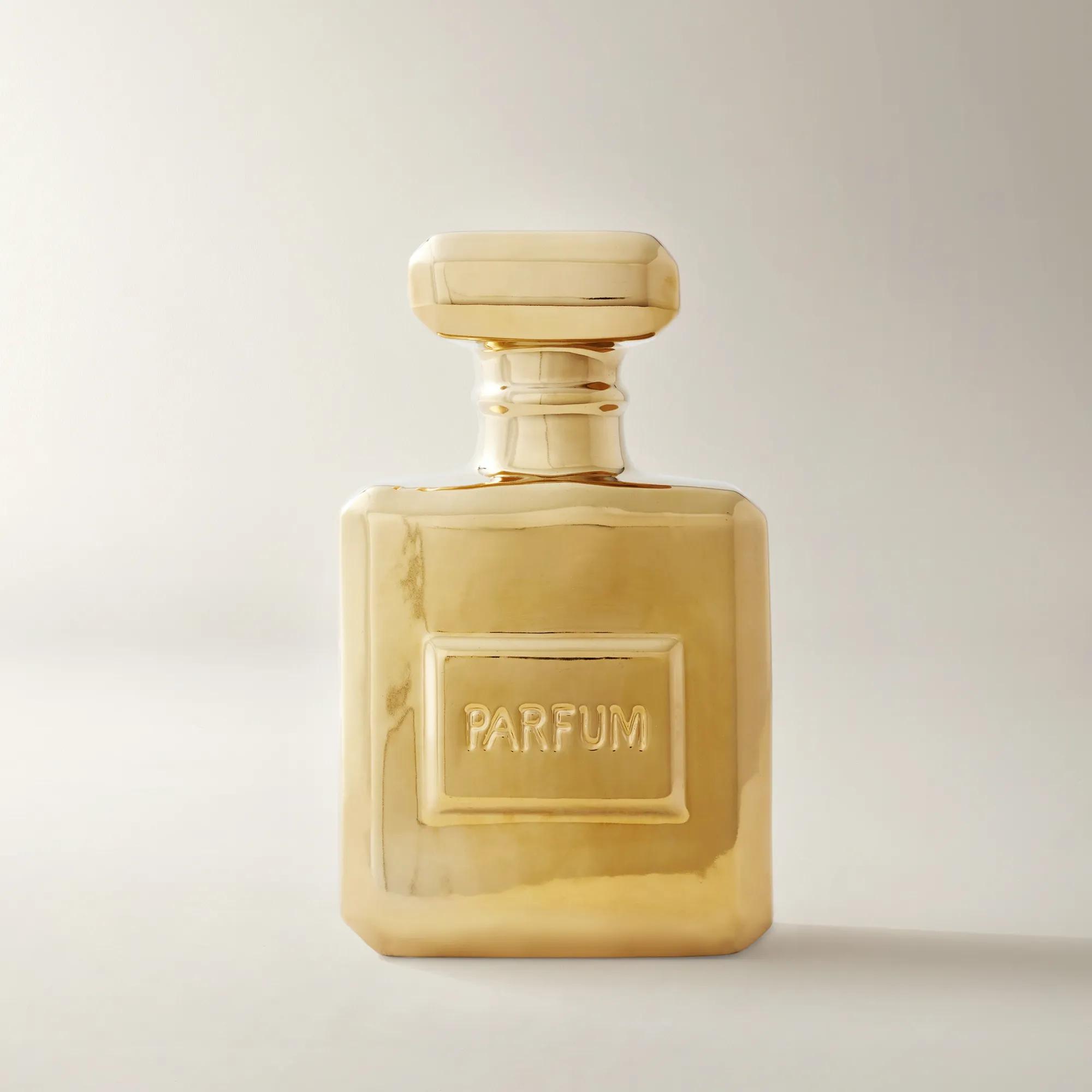 Parfum Bottle Gold Ceramic High Gloss Coin Bank$39
A chic ceramic coin bank in a metallic gold finish, styled like an elegant perfume bottle.
Add To Cart -
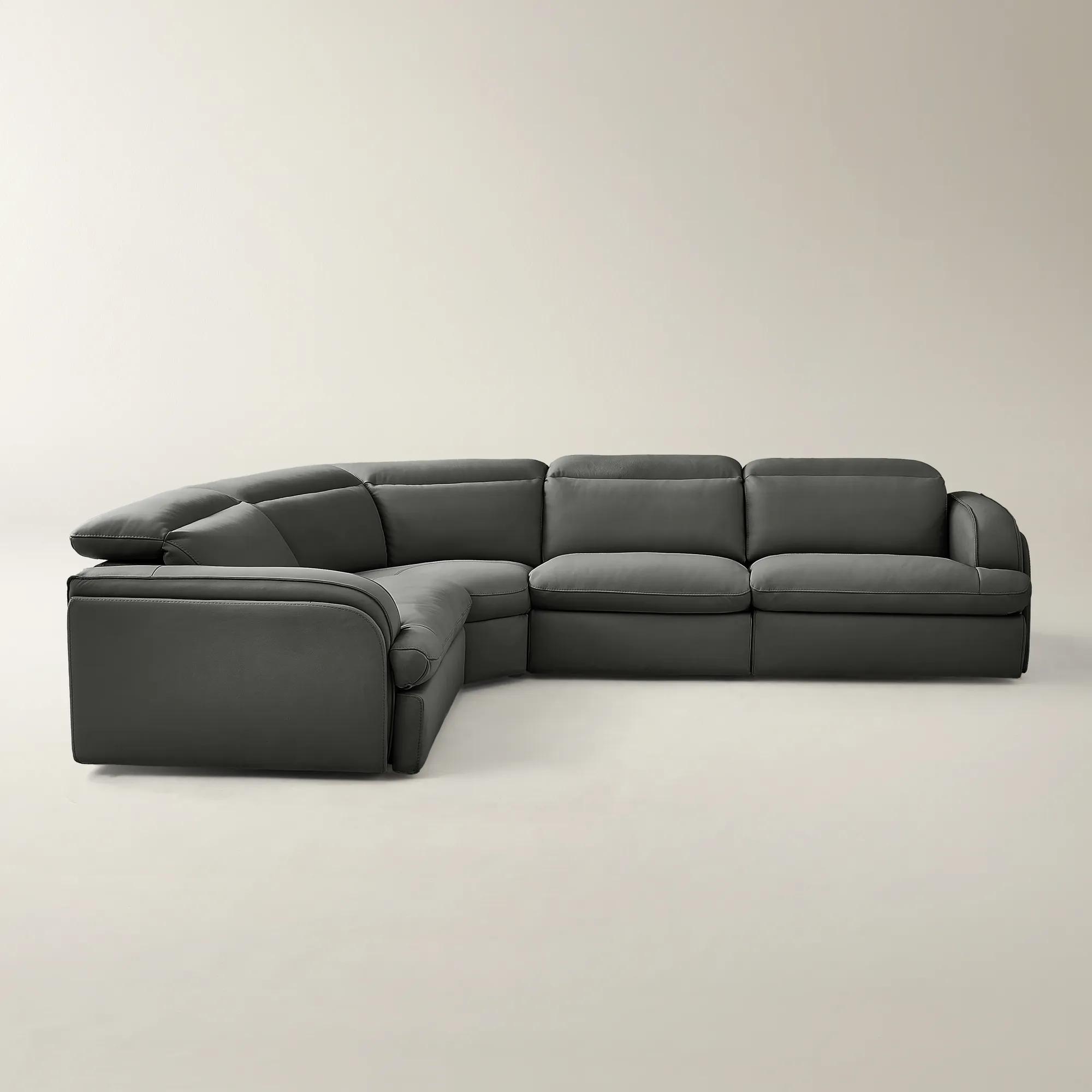
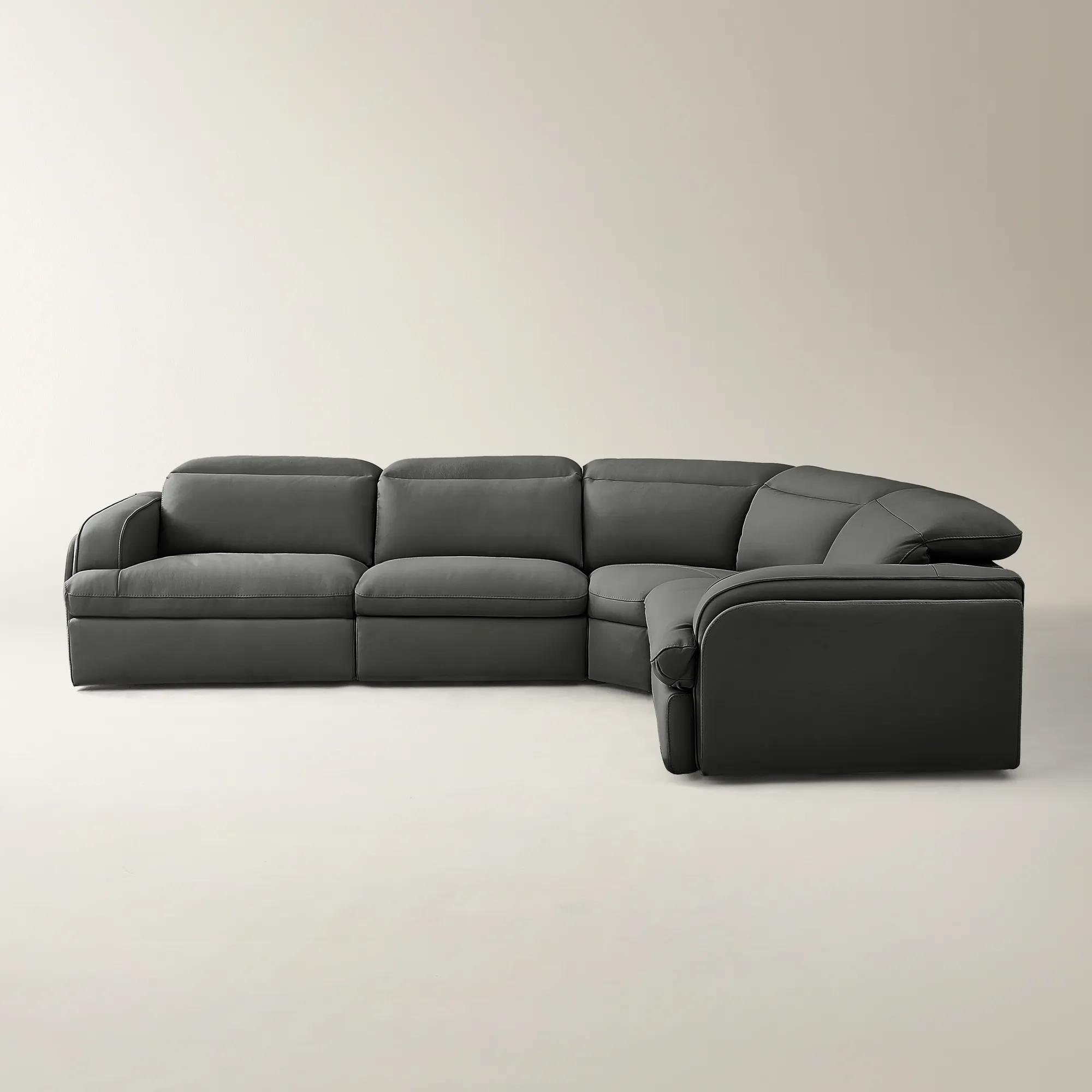
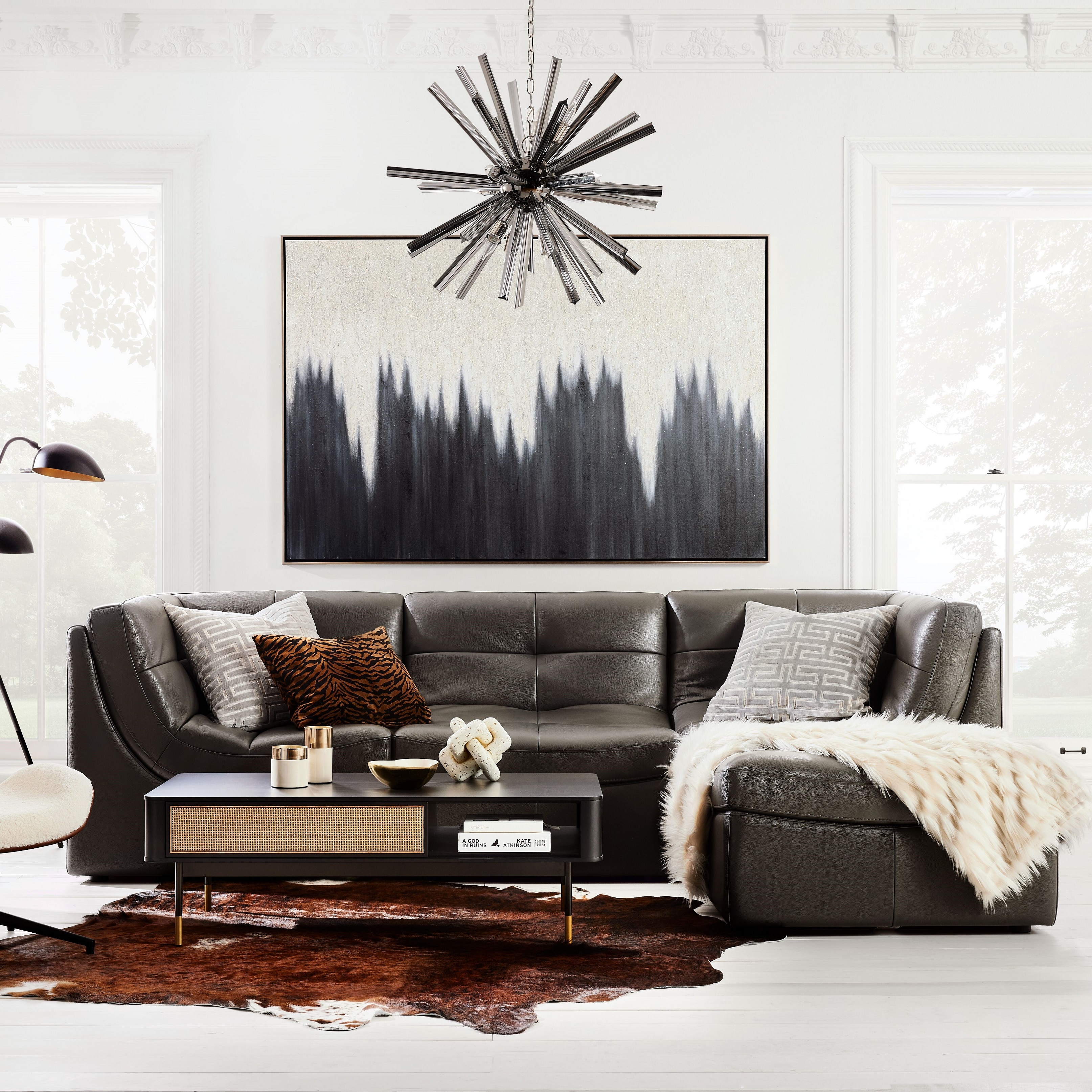
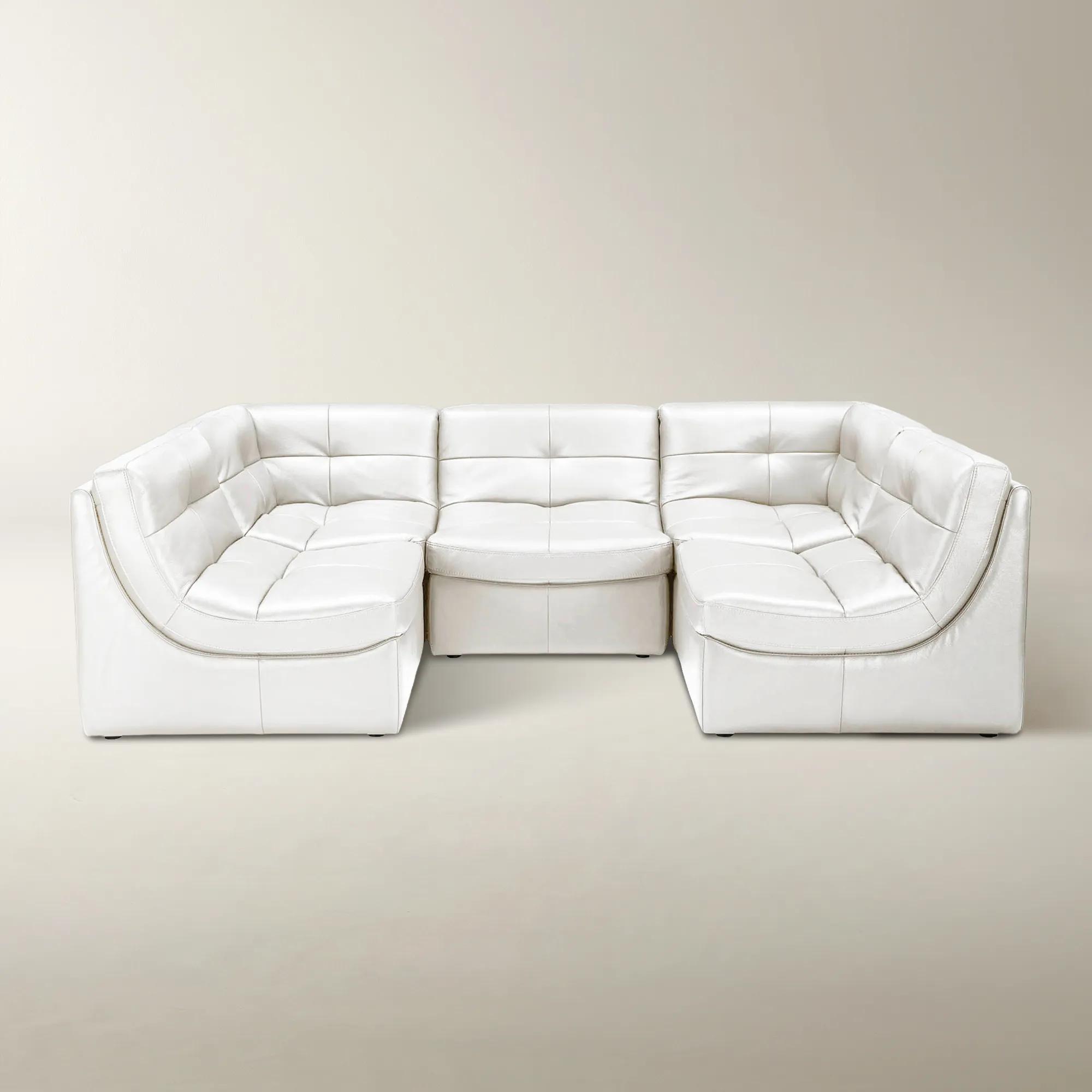 Convo 5-Piece U- Shaped White Leather Sectional Sofa$6399
A modular sectional featuring gently curved seats and charcoal semi-aniline leather upholstery for modern versatility.
Add To Cart -
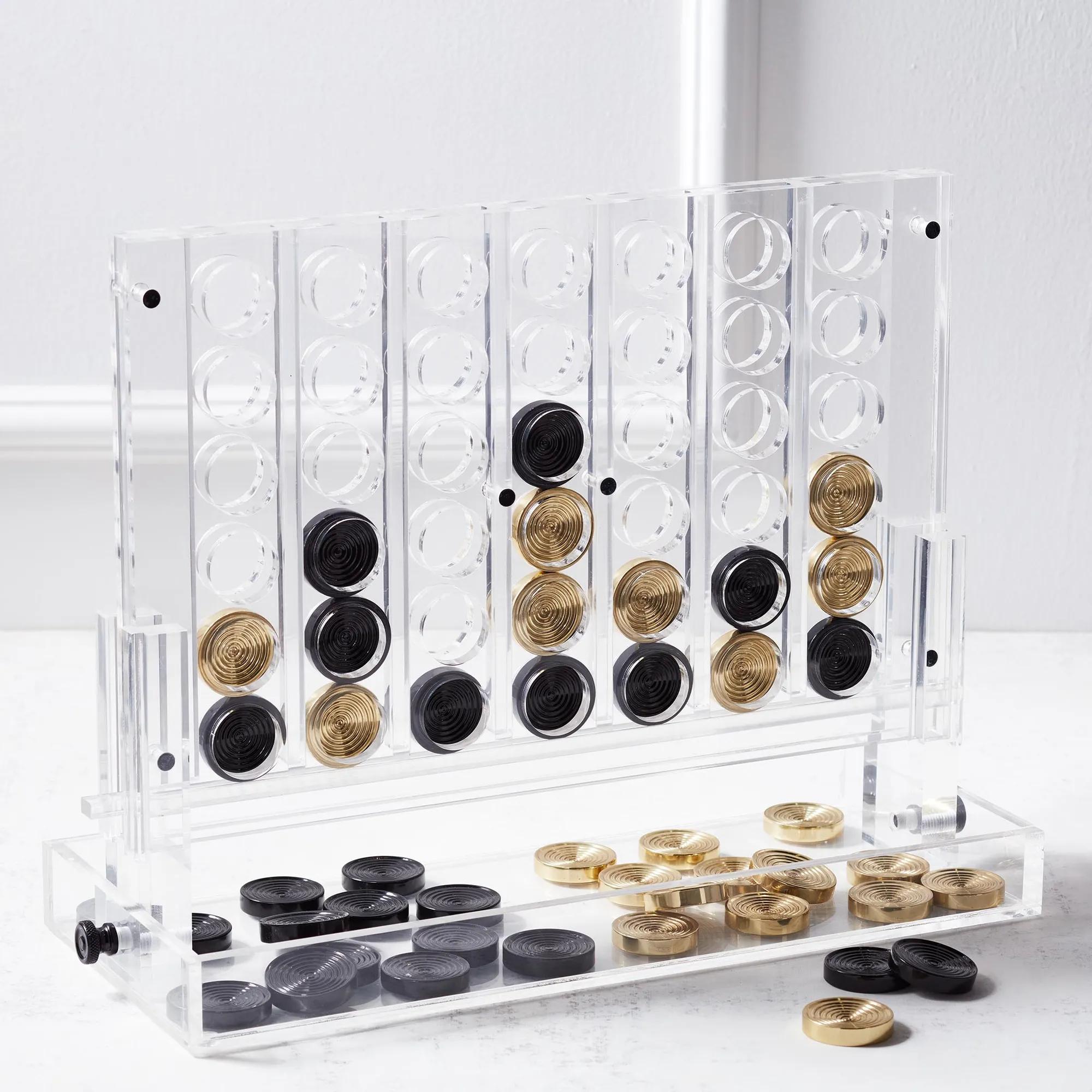
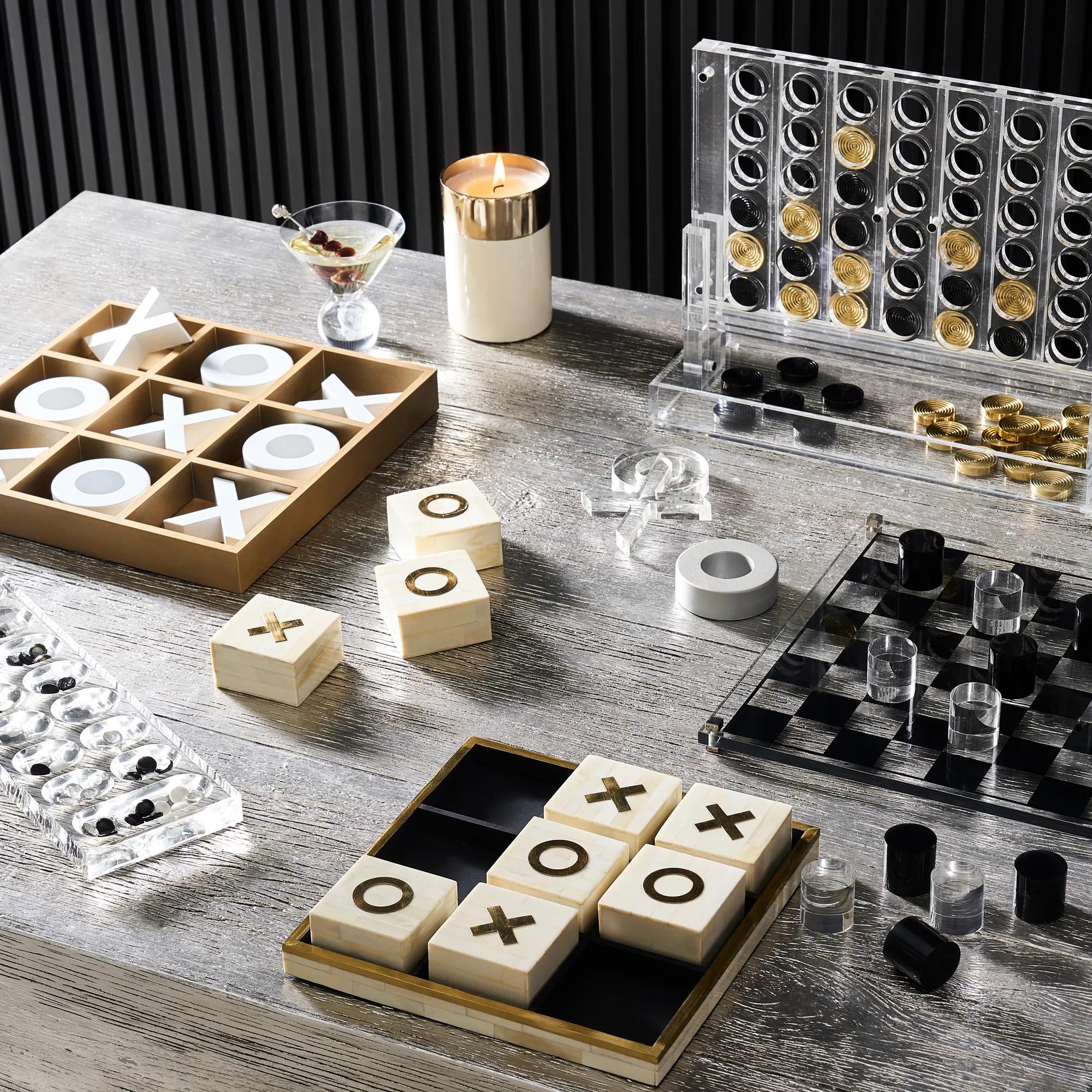 Four In A Row$359
A sleek black and gold acrylic and aluminum game set that doubles as a modern decorative accent.
Add To Cart -
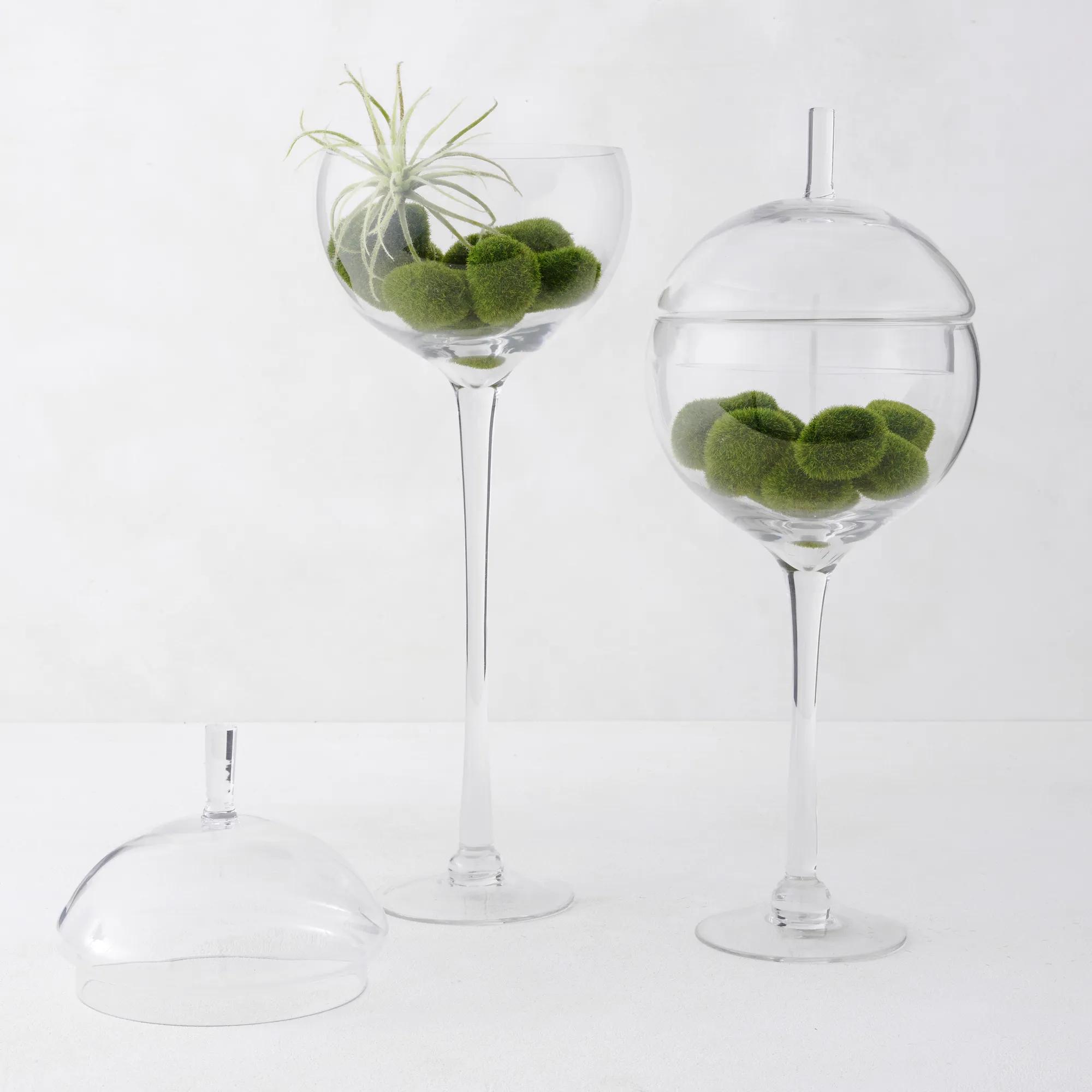 Jules Glass Decorative Canisters$89
A mouthblown glass terrarium perfect for showcasing decorative objects or cherished keepsakes.
Add To Cart -
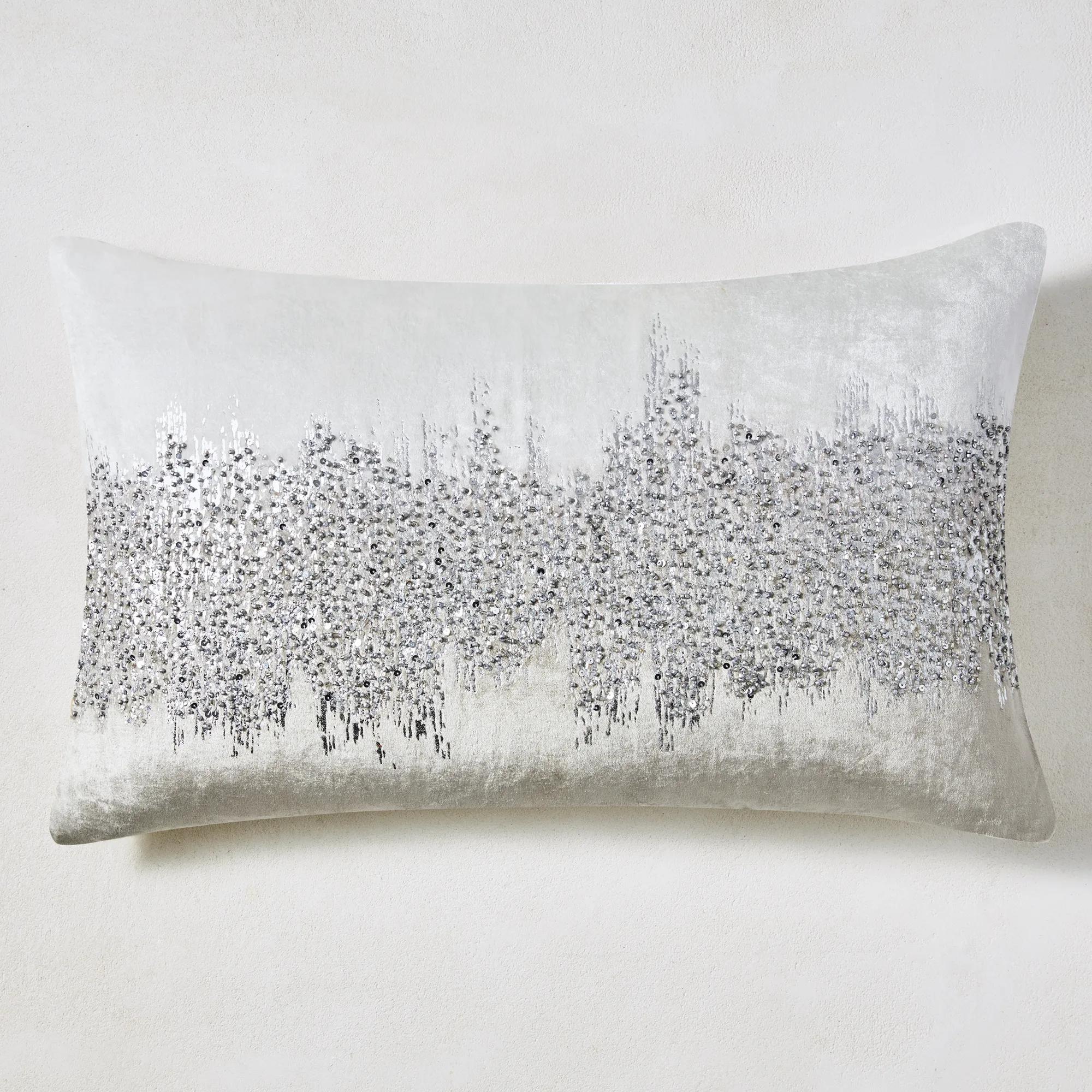 Joie De Vivre Lumbar Pillow 16" x 26" - Grey$99
A hand-dyed grey velvet lumbar pillow featuring metallic foil print and shimmering hand-beaded glass accents.
Add To Cart -
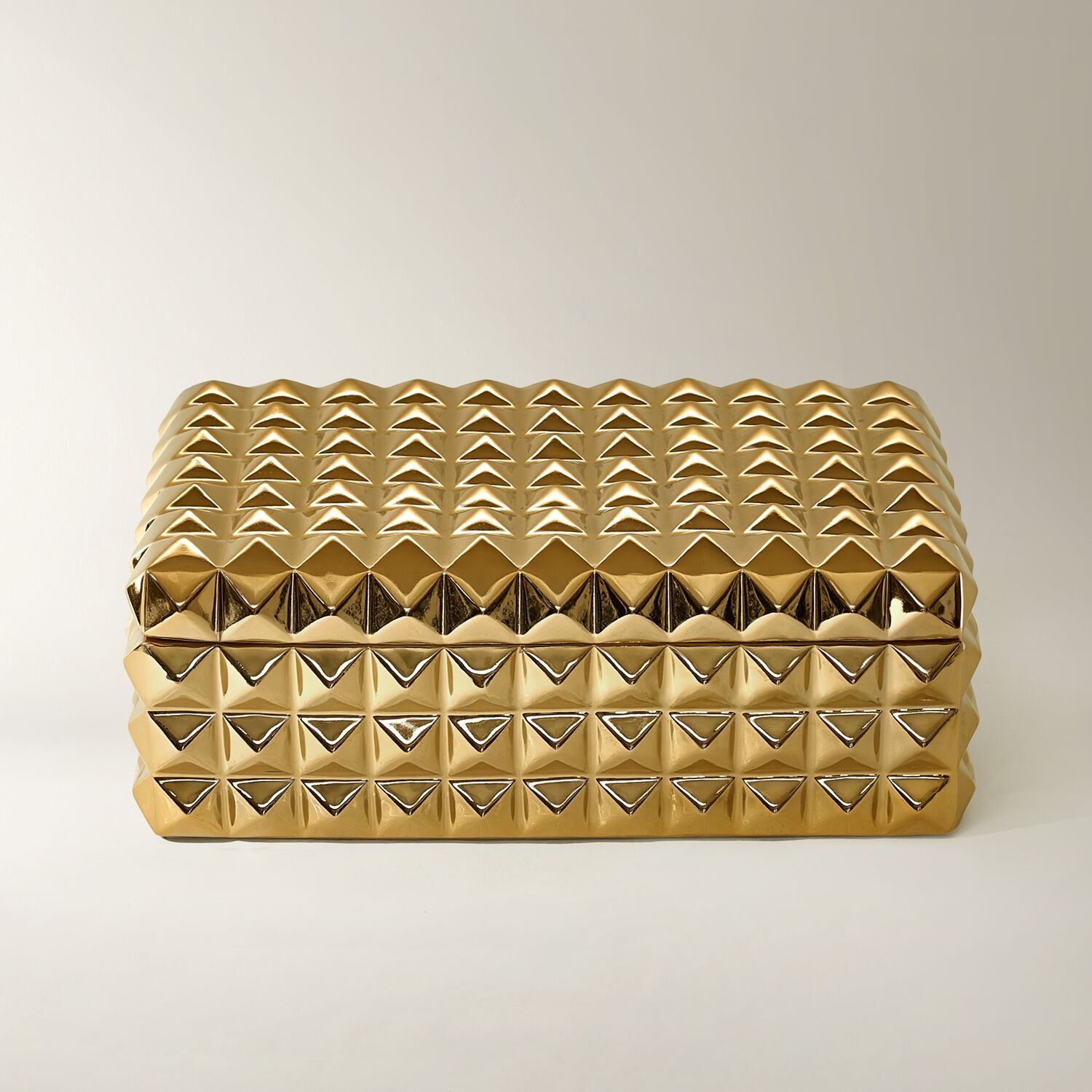
-0.jpeg?w=1200&h=1200) Studded Gold Ceramic Box Large$79
Studded Gold Ceramic Box Large$79A chic gold-finished box with a studded design, perfect for dressers, vanities, or consoles.
Add To Cart -
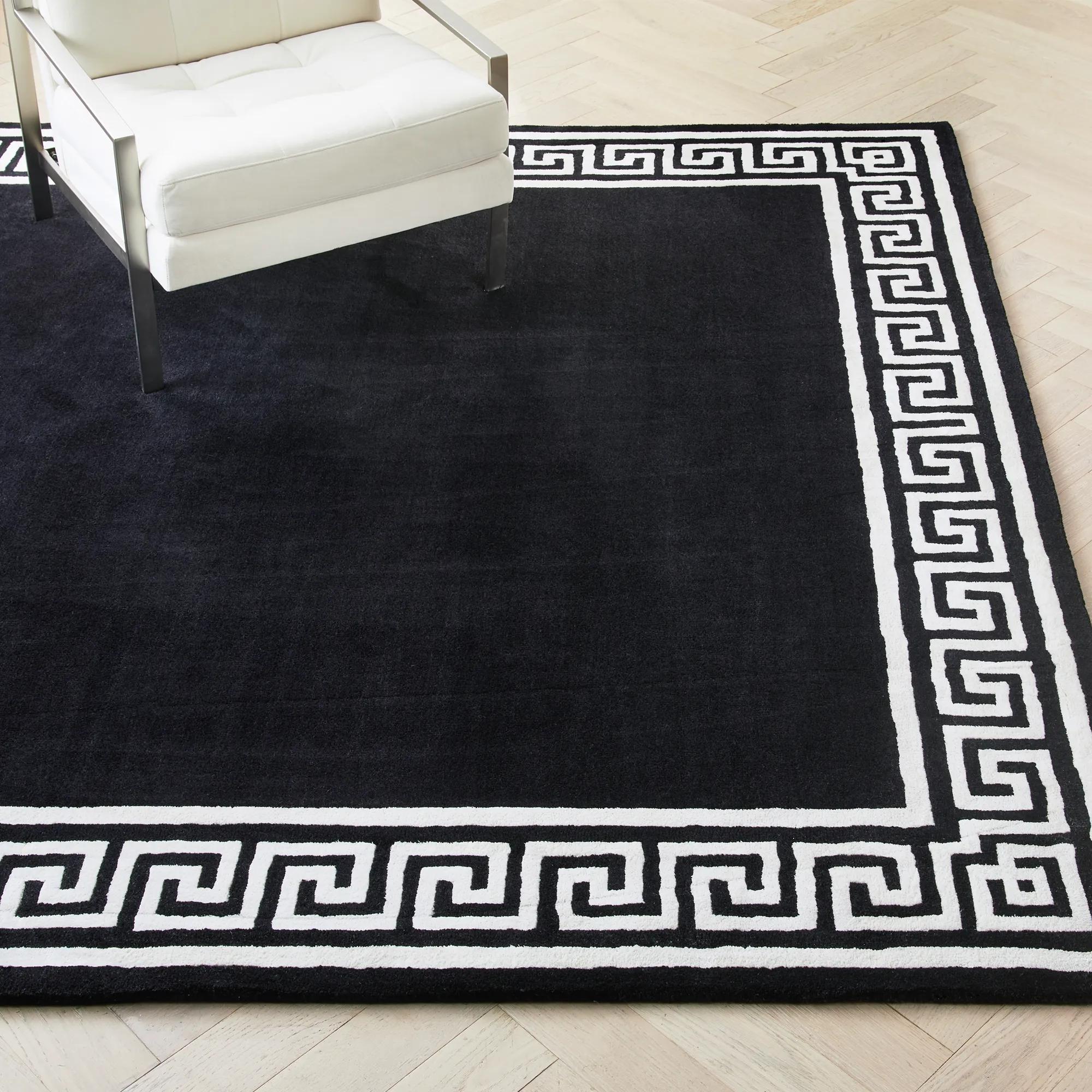
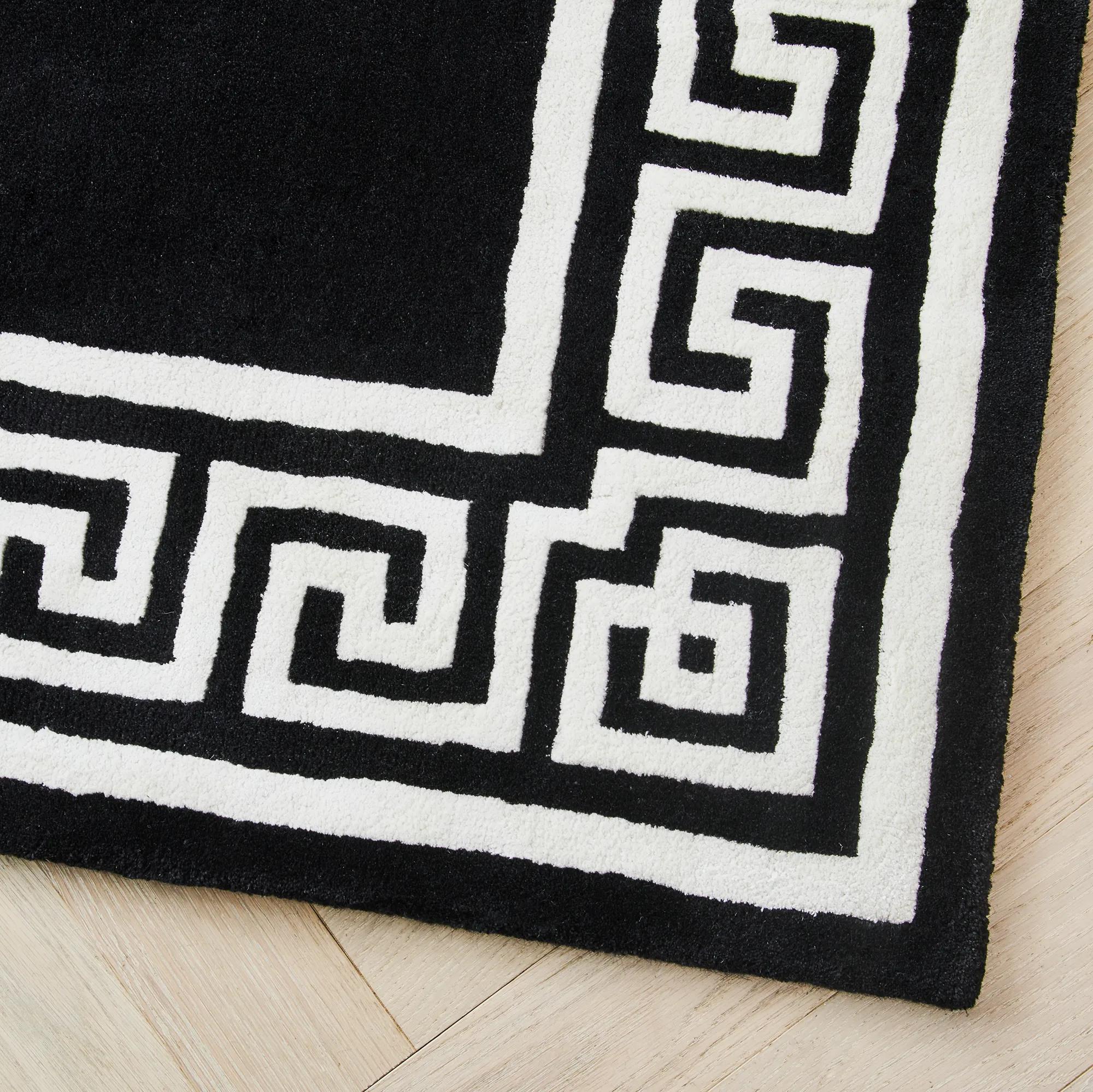 Greek Key Rug - Black/Ivory$1199
A hand-tufted black and ivory rug featuring a classic Greek key pattern in wool and viscose.
Add To Cart

Designer Gifts For Luxury Interior Enthusiasts
Designer gifts for luxury interior enthusiasts bring a sense of artistry and distinction to every occasion. Explore a curated selection of modern home décor and expressive accents designed for those who appreciate sculptural forms, refined materials, and interiors with a little drama. From striking finishing touches to statement-making pieces, find a gift that complements their personal style and transforms the everyday at home.
Designer gifts for luxury interior enthusiasts are decorative and functional home accents chosen for their distinctive form, expressive materials, and ability to enrich a thoughtfully composed room. Sculptural objects, artful vessels, sumptuous textiles, decorative trays, and elegant entertaining accessories all belong to this category, bringing a sense of occasion to spaces used every day. Their appeal lies in the relationship between beauty and personal taste: a luminous glass accent can echo a collector’s fascination with light, while a richly textured throw can speak to someone who loves rooms that feel as indulgent as they look. For a recipient with an established interior, a memorable gift often builds on a detail already present rather than introducing an entirely new direction. The gleam of warm metal might connect with picture frames across a living room; a smoky, translucent finish might draw out the deeper tones of an abstract painting. Someone drawn to theatrical interiors may welcome generous proportions and striking contrasts, while a decorator with a tightly edited palette may appreciate an unexpected silhouette in a familiar color. Luxury home decor gifts need not dominate a space to command attention. A small, beautifully balanced accent on a bedside table can feel just as intentional as a substantial centerpiece on a dining table. These pieces make particularly personal gifts for housewarmings, weddings, anniversaries, and hosts whose gatherings reveal a genuine love of interiors. They also suit design collectors, enthusiastic entertainers, and anyone refining a favorite room over time. During the cooler months, tactile layers and light-catching finishes bring added richness to evenings spent indoors without tying a gift to a single celebration. The strongest connection comes from recognizing how the recipient lives: a frequent host may treasure an accessory that lends ceremony to serving, while an art lover may prefer an object whose contours reward attention from every angle. In either case, the gift becomes part of the home’s visual language, offering pleasure long after the wrapping is gone.
Materials give designer home accessories much of their character, shaping not only their appearance but also their weight, texture, and everyday care. Glass can introduce transparency, saturated color, or a reflective surface that changes with the light; ceramic and porcelain can offer anything from a smooth, glazed sheen to a more tactile finish. Marble and other natural stones lend visual depth through veining and tonal variation, making those differences part of their appeal rather than something to conceal. Metal accents bring a different kind of presence, with polished surfaces reflecting their surroundings and brushed finishes offering a softer gleam. In textiles, velvet creates shifting highlights across its pile, while woven fabrics add dimension through the interplay of threads. Material alone, however, does not determine durability. Construction, finish, placement, and intended use all matter, particularly for pieces that will be handled frequently. An entertaining accessory should be identified as suitable for food contact before it touches anything being served, and a decorative vessel should be confirmed watertight before holding fresh stems and water. A tray intended for display may not be designed to carry heavy glassware. These distinctions preserve both the pleasure of the gift and its usefulness. Care should suit the recipient’s habits as naturally as the design suits the room. Soft cloths and gentle handling are sensible starting points for many decorative surfaces, but cleaning should always follow the individual care instructions. Abrasive cleaners can mar delicate finishes, acidic spills can etch some natural stones, and prolonged direct sunlight may affect certain colors and fabrics. Textile gifts deserve attention to fiber content, removable covers, and cleaning requirements, especially in homes shared with children or pets. Felt or other suitable protective pads can help keep weighty accents from scratching furniture, while a stable base matters on a frequently used console or side table. A gift that feels luxurious in daily life combines compelling design with a level of maintenance the recipient will comfortably embrace.
Scale and placement bring these material qualities into focus. A sculptural accent needs enough surrounding space for its outline to remain legible, rather than disappearing among objects of similar height. On a narrow entry console, a piece with a modest footprint can establish a dramatic arrival without interfering with keys, mail, or the passage through the room. Across a dining table, lower decorative forms preserve conversation and sight lines, while taller arrangements can create a more commanding effect on a sideboard. For someone who enjoys rearranging a room, a versatile accent that moves easily between a bookshelf, mantel, and cocktail table offers lasting creative freedom. Textile proportions matter just as much: a throw should drape comfortably over its intended chair or sofa, and decorative pillows should complement the depth of the seating rather than crowd it. Color can make a gift feel immediately at home, but a precise match is not always necessary. Repeating an undertone, balancing a glossy surface with a matte one, or introducing a deeper shade from an existing palette can create a more layered result. A jewel-toned accent against pale upholstery, for example, gives the eye a deliberate place to rest; a clear glass form beside dark wood allows the grain and silhouette to remain visible. Related collections such as Designer Gifts for Home Decorators reflect this connection between thoughtful giving and the pleasure of composing a room. For shared households, gifts for communal spaces often feel most considered when they acknowledge both the aesthetic and the routines of the people who live there. Scented accents call for familiarity with personal preferences and sensitivities, while substantial decorative pieces benefit from knowing the recipient has a suitable surface and room to display them. The lasting appeal of a designer gift is not simply its initial impact. It is the way light catches its edges at dusk, how its texture invites a closer look, and how naturally it earns a place among possessions gathered with care.
FAQs
The best designer gifts combine artistic impact with everyday beauty. Consider sculptural decor, gleaming trays, statement vases, luxe candleholders, decorative objects, and plush textiles that transform a room into a more expressive, layered retreat.
Begin with their signature design language. For a lover of glamour, choose mirror-finish accents or metallic details; for a collector of modern forms, look for sculptural silhouettes; for someone drawn to rich texture, select velvet, faux fur, marble, or lustrous glass. The most memorable gift should feel like an artful extension of their home.
Glamorous gifts often feature reflective finishes, dramatic silhouettes, and sumptuous materials. Crystal-inspired accents, polished metallic decor, ornate boxes, sculptural lighting, and jewel-toned accessories can bathe a space in visual richness while adding a confident touch of drama.
Absolutely. Decorative objects offer an intimate way to express personal style, whether displayed on a mantel, console, bookshelf, or coffee table. Choose pieces with intriguing form, elevated materials, or artistic detail to create a striking focal point that feels curated rather than ordinary.
Yes. The right designer gift can enhance nearly any aesthetic. Look for clean sculptural forms in contemporary spaces, richly detailed accents in glamorous rooms, organic textures in transitional interiors, and bold color or contrast for eclectic settings. A considered piece adds polish while allowing the room’s larger story to shine.