Decorative Tables For Entryways
Decorative Tables For Entryways
-

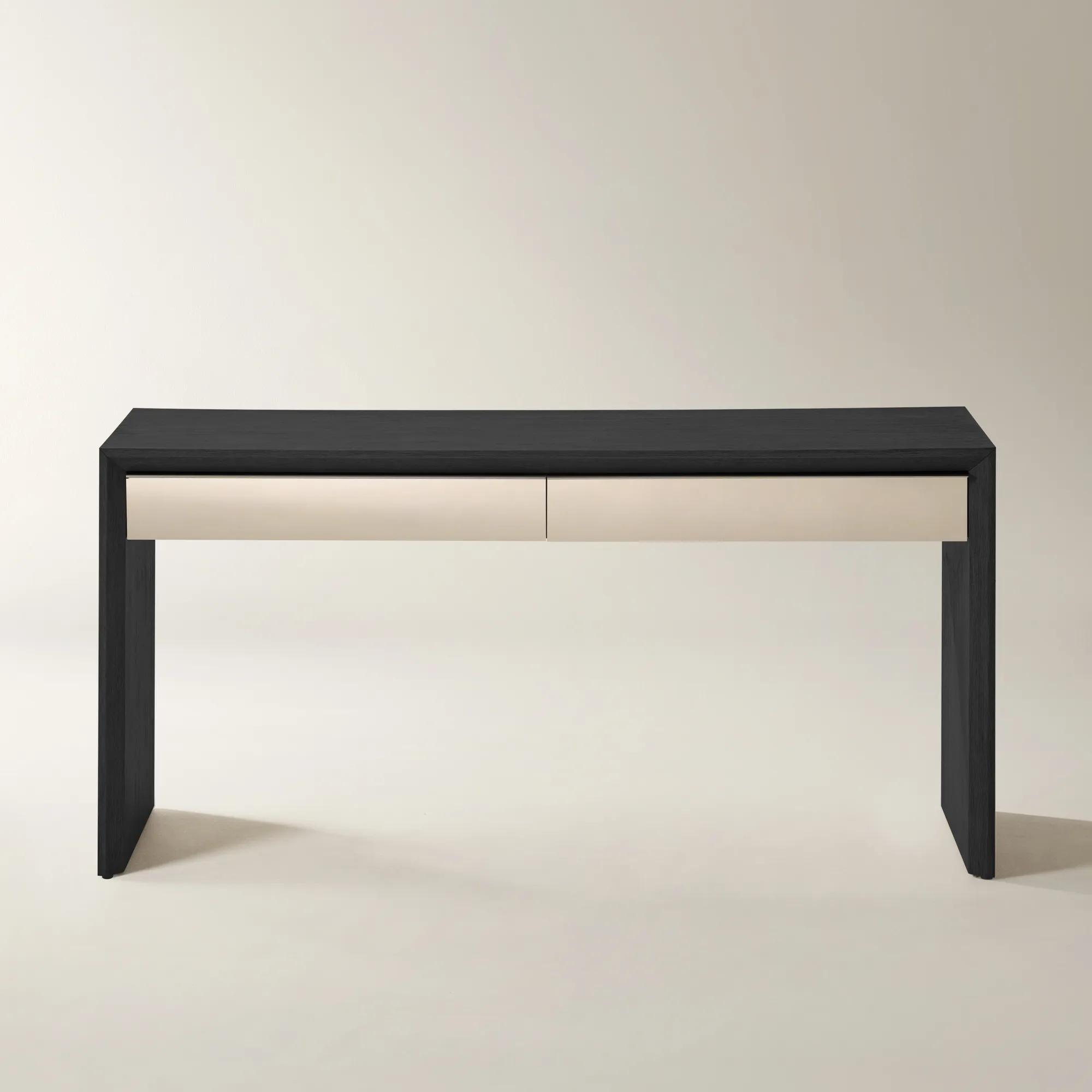
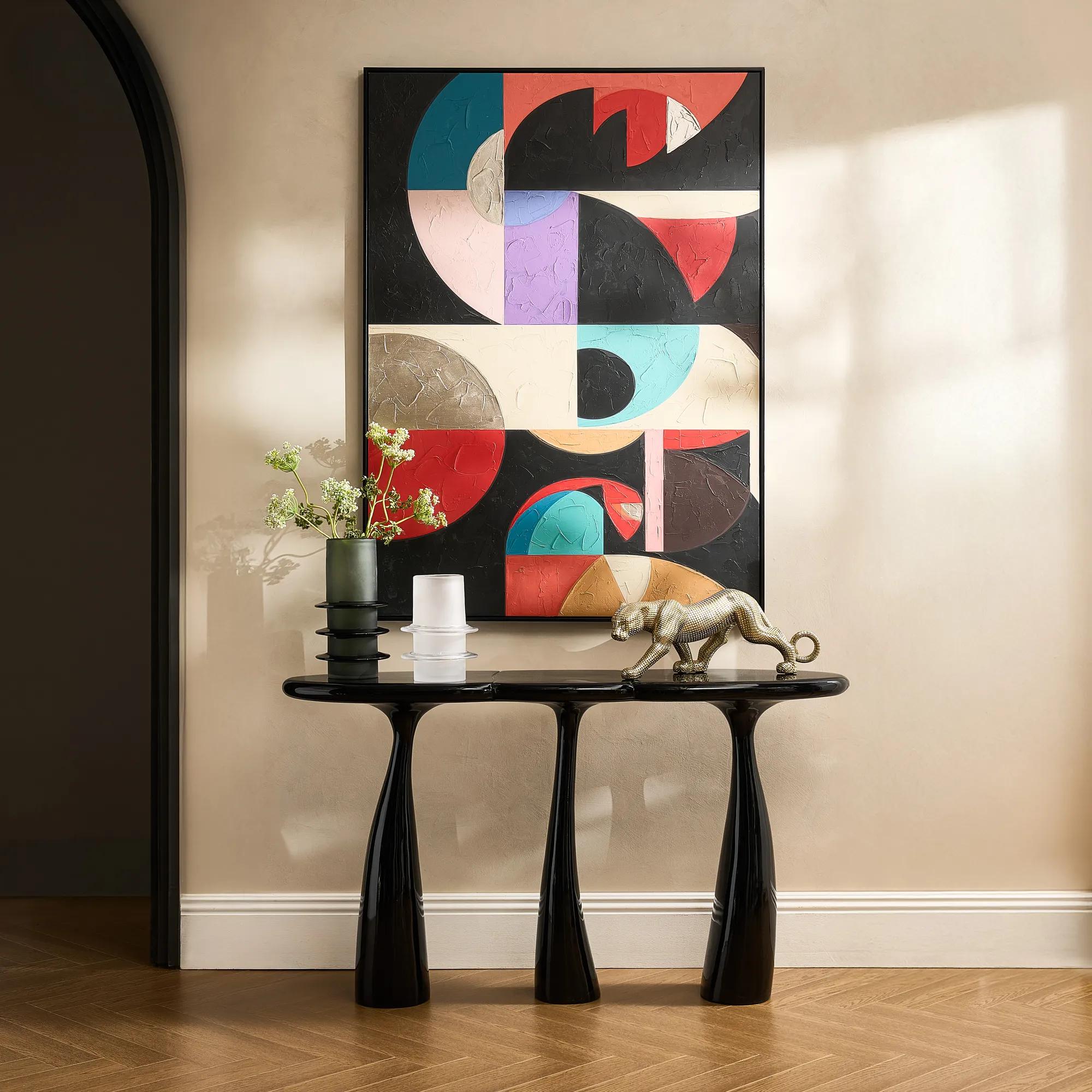 Thalia Glossy Black Console Table (52.4")$999
A sculptural console table crafted from glossy black fiberglass with seamless curves and a mirror-like finish.
Add To Cart -

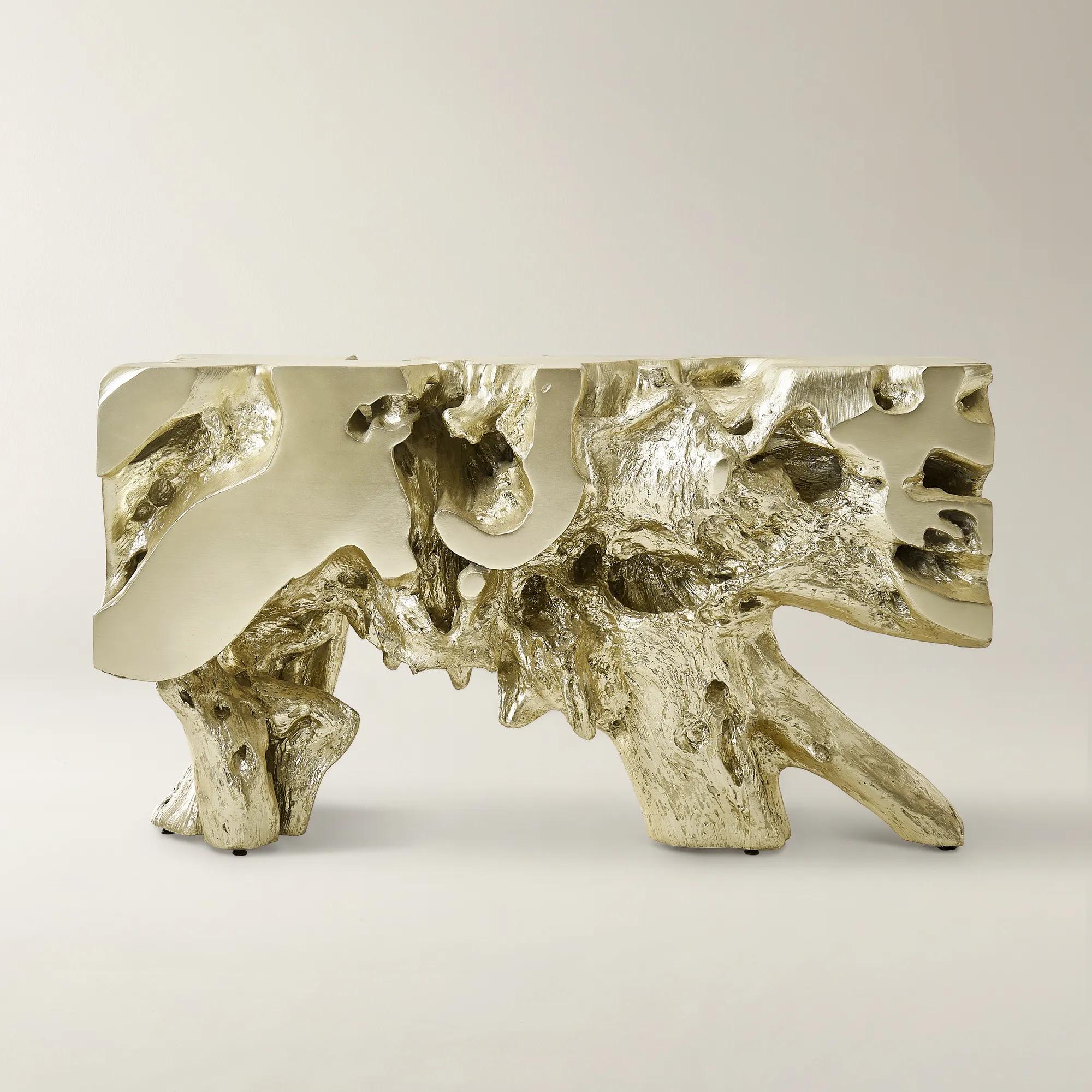
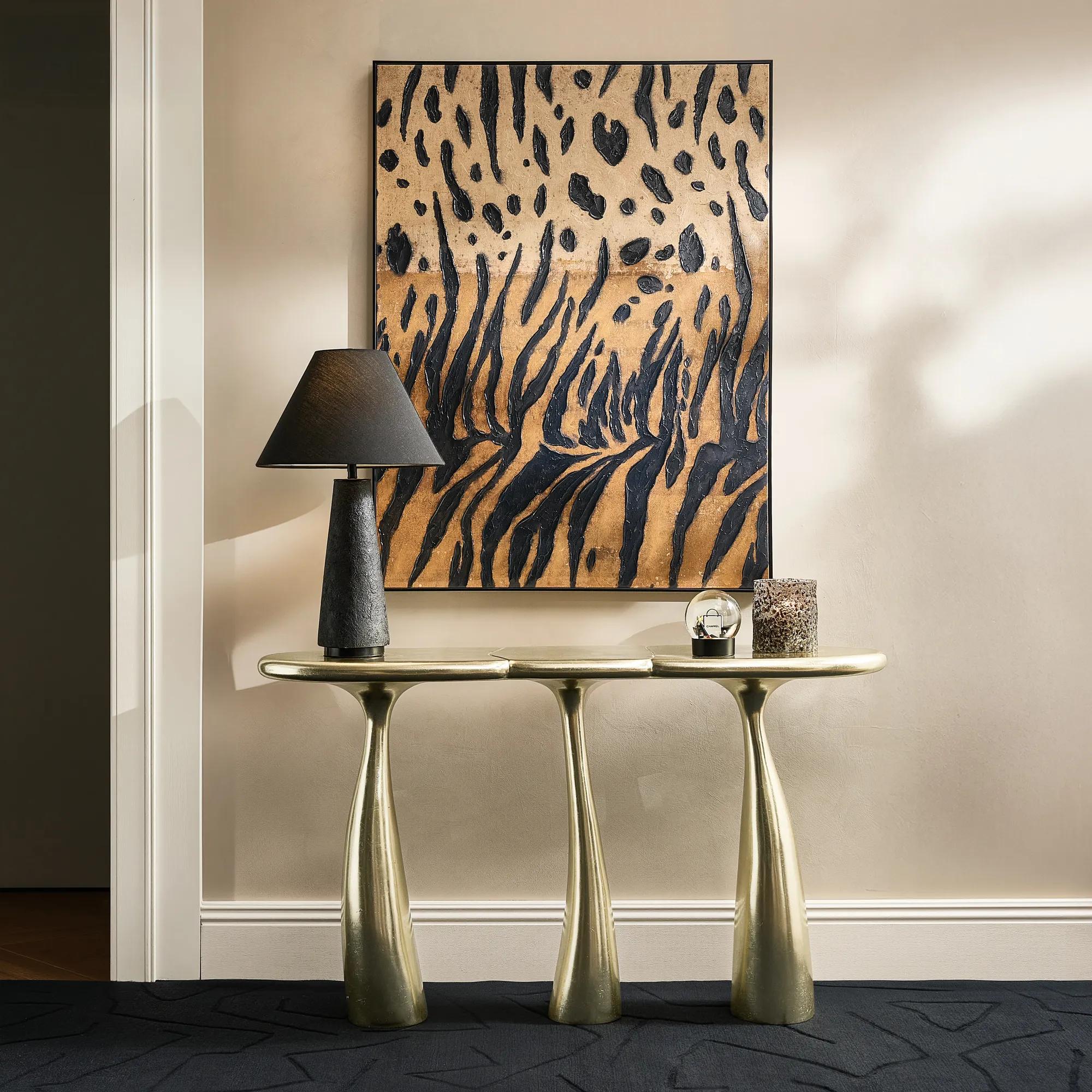 Thalia Soft Gold Console Table (52.4")$999
A sculptural console table hand-molded from fiberglass with a luminous, hand-applied gold leaf finish.
Add To Cart -
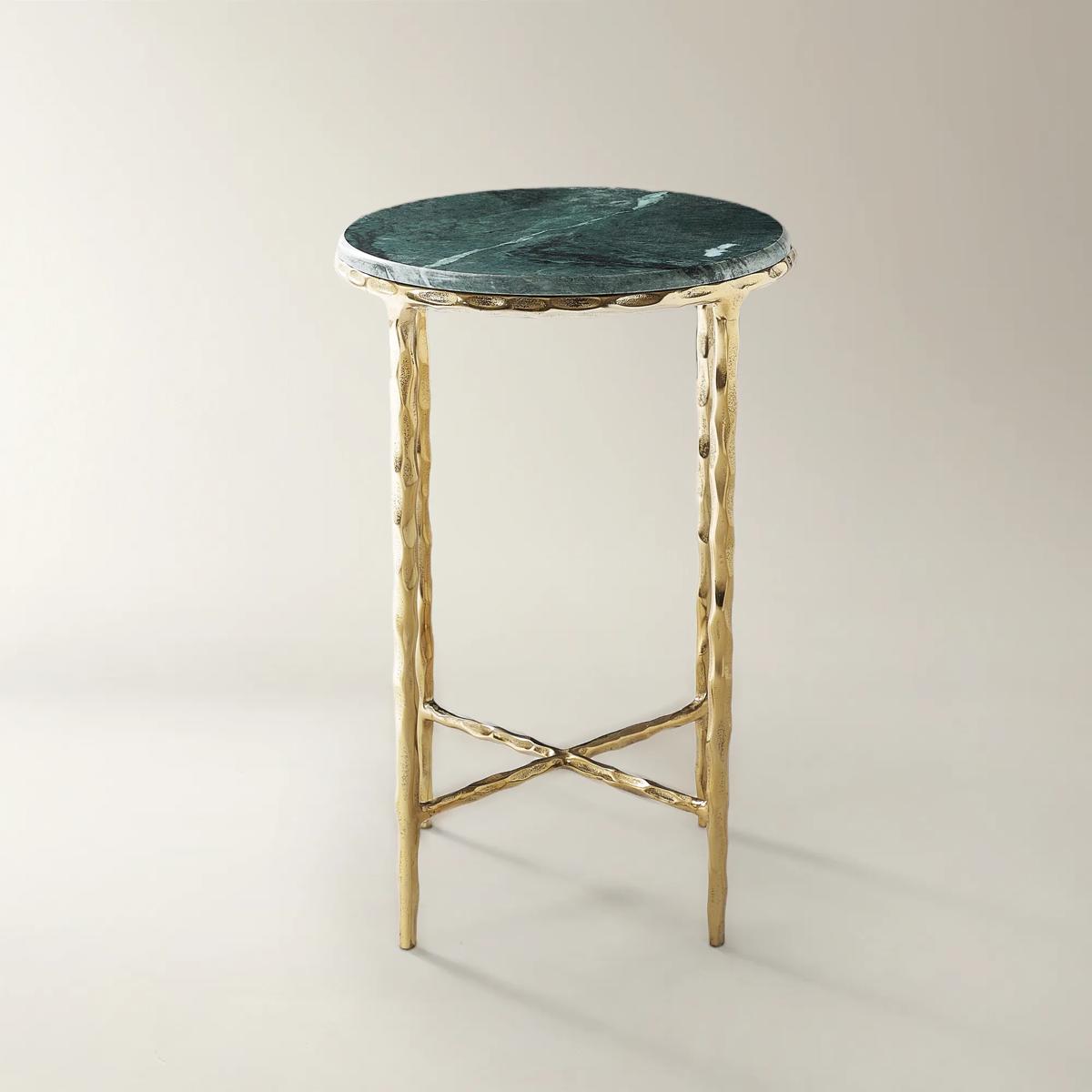
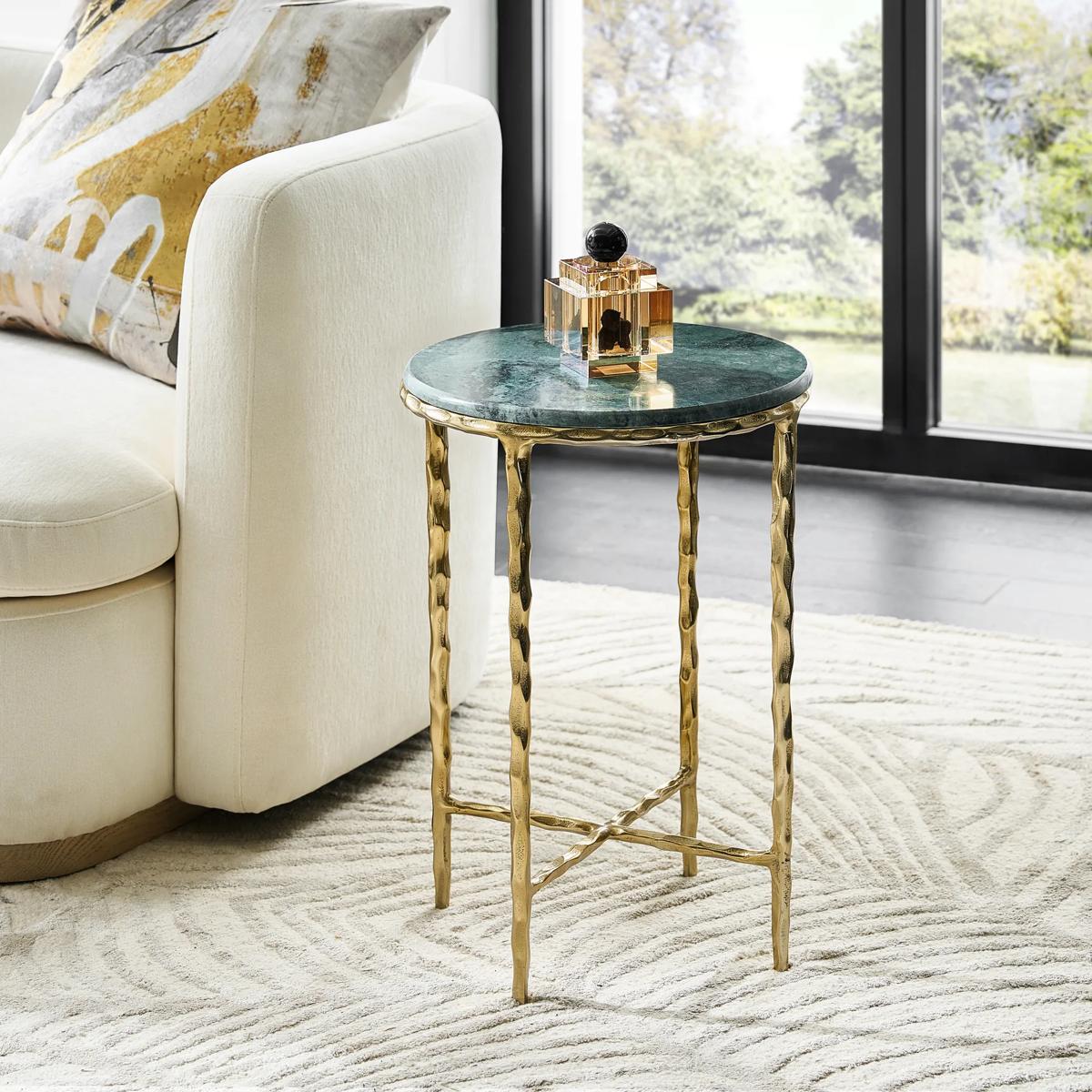 Juliet Round Green Marble Side Table (15")$269
A striking side table featuring a deep green Indian marble top and a hand-hammered metal base.
Add To Cart -
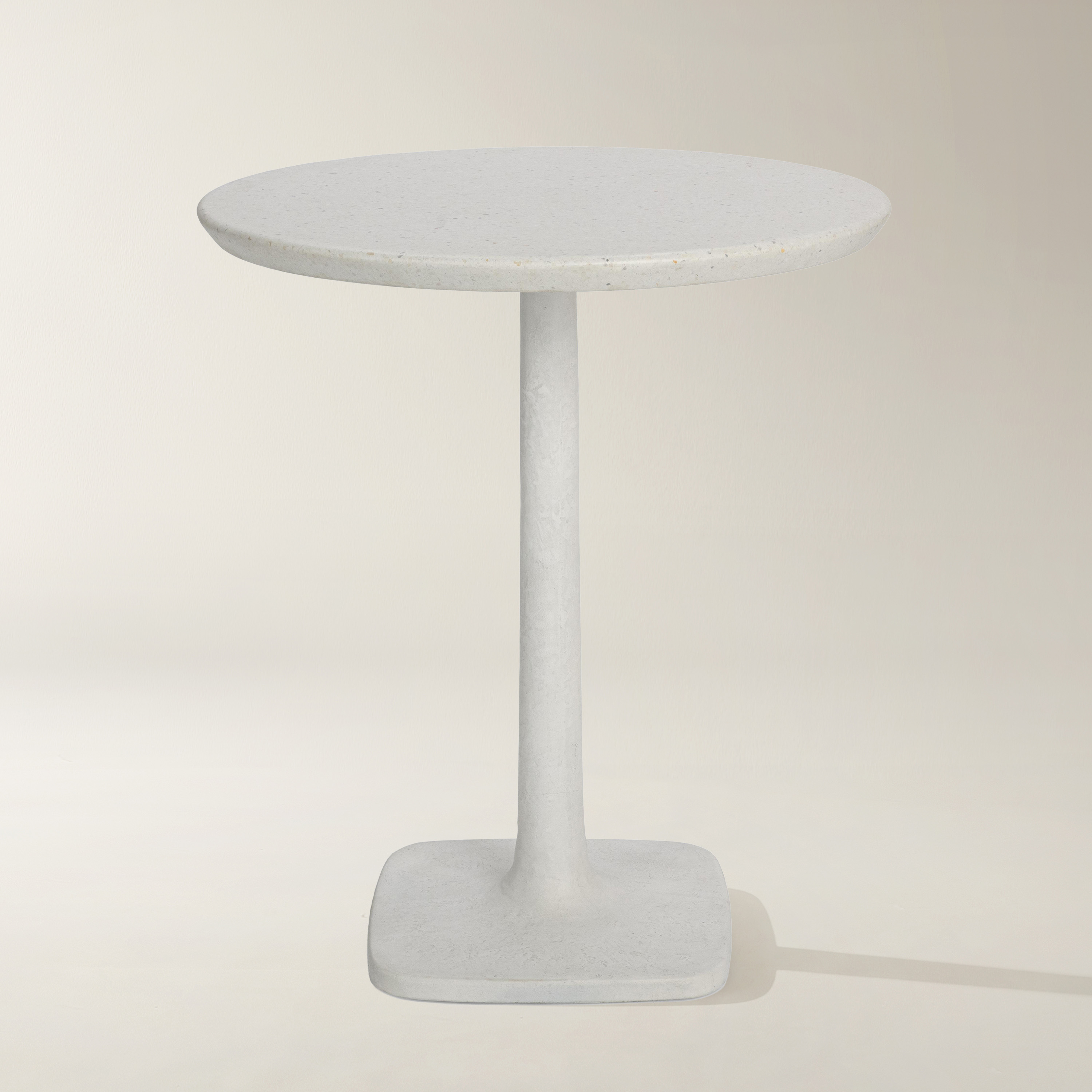
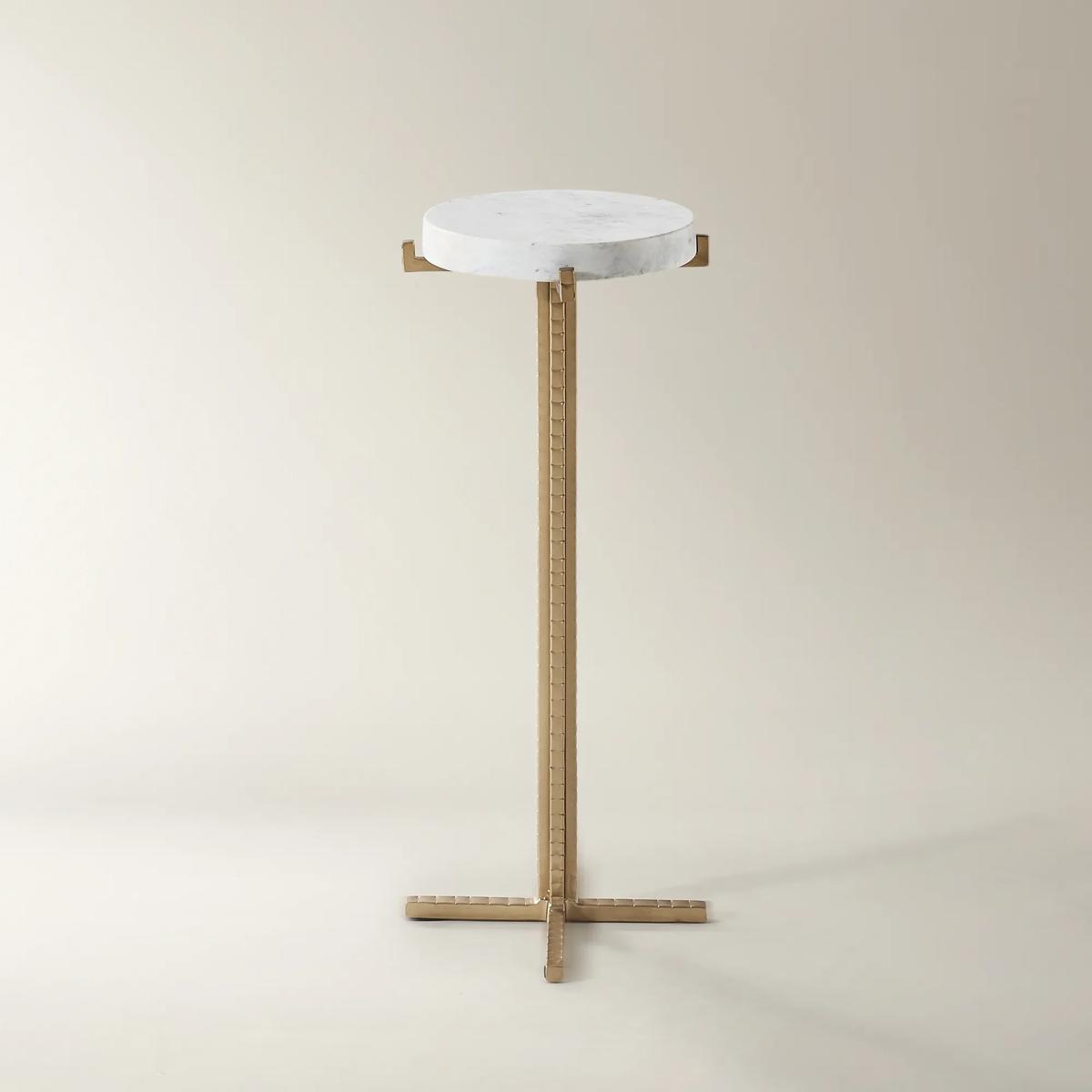 Anya Round White Marble Side Table (10")$199
A sculptural side table featuring a genuine white marble top and gold-finished metal pedestal base.
Add To Cart -
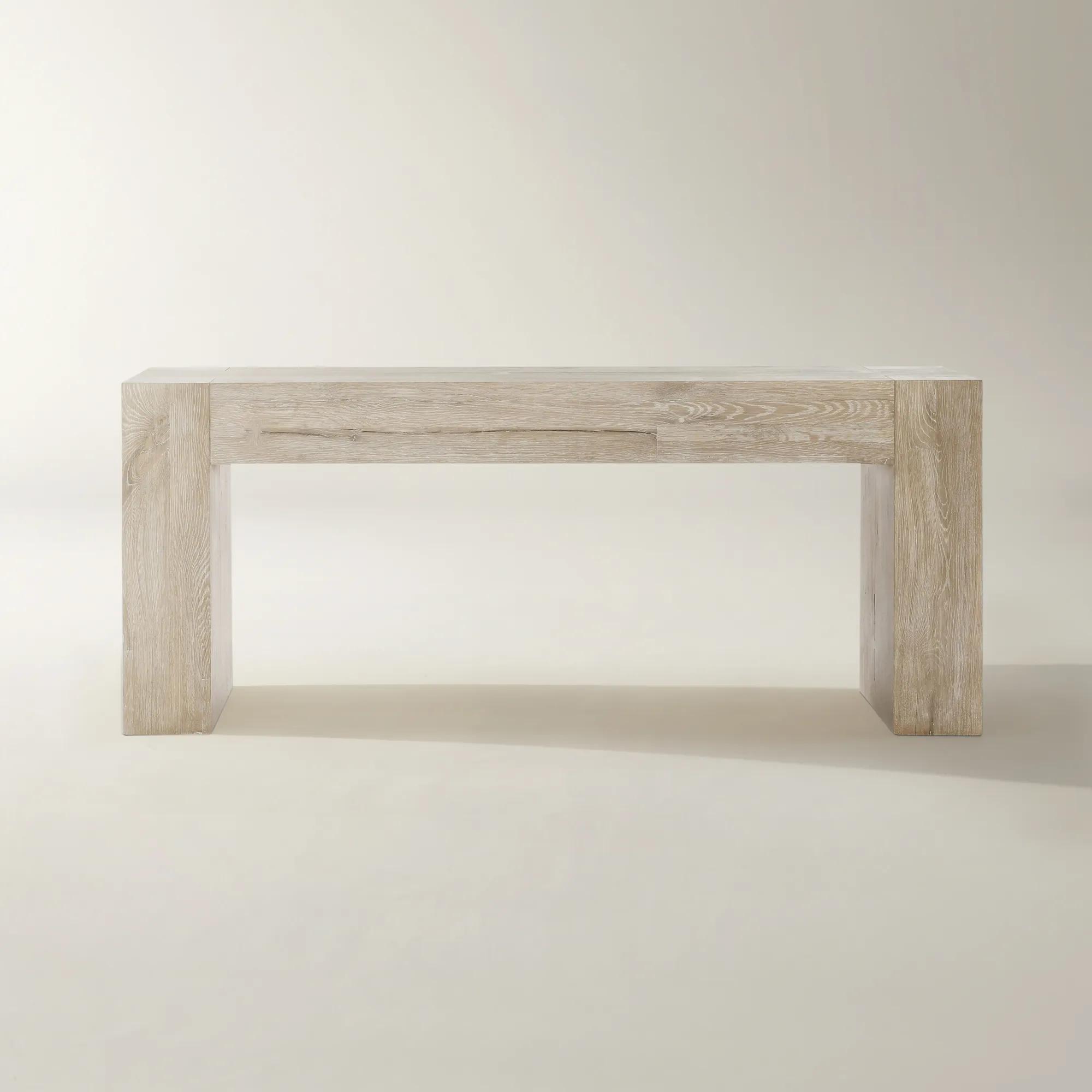
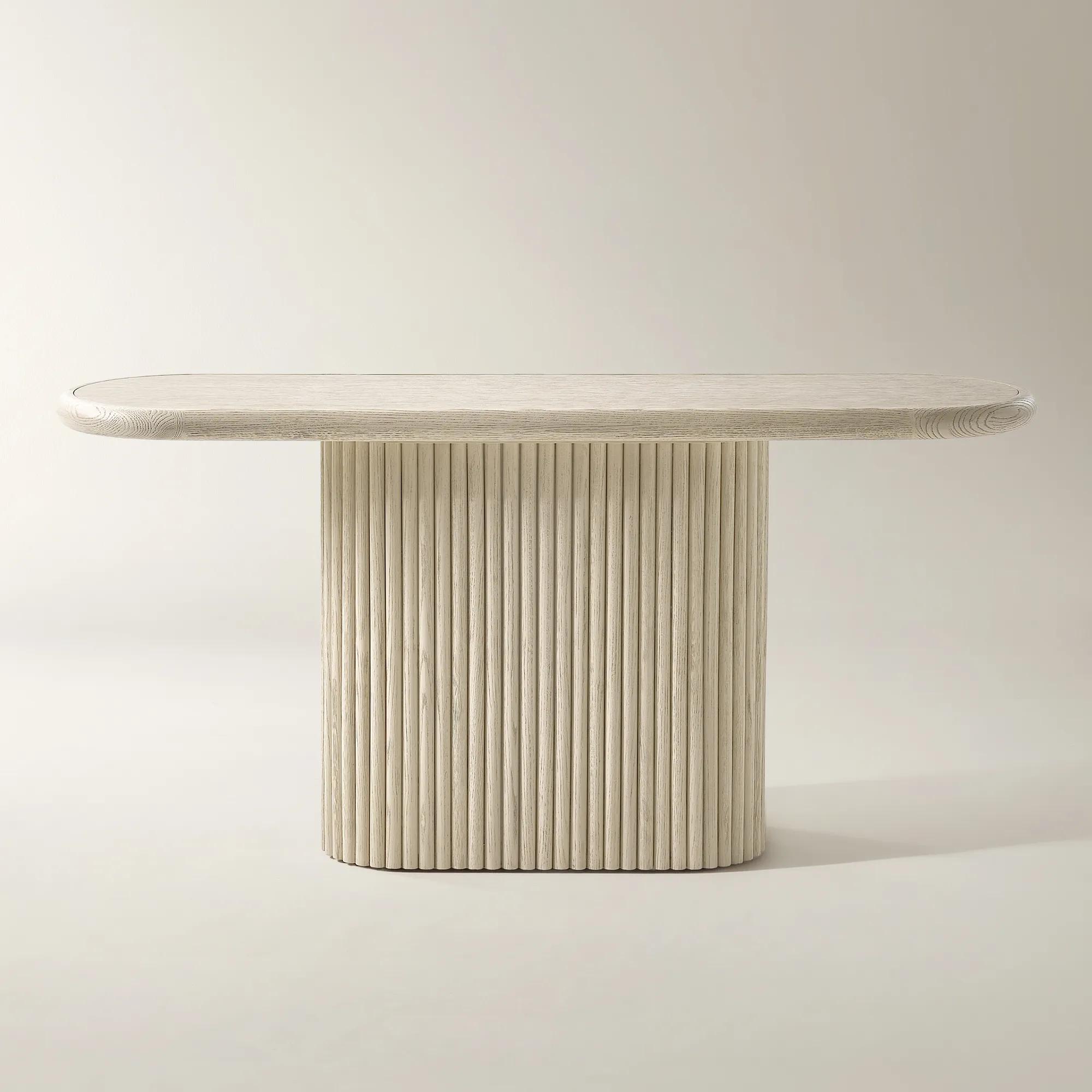
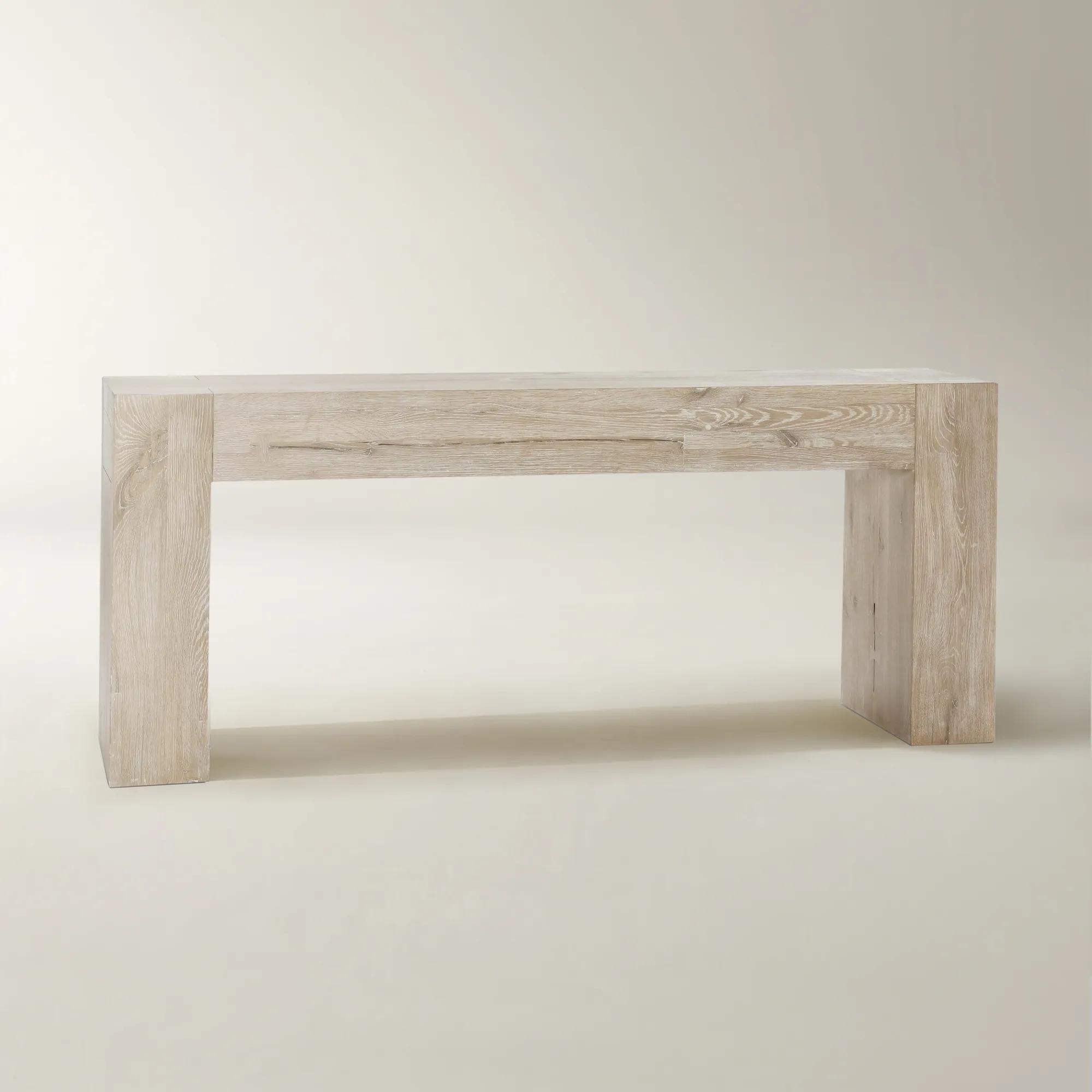 Bristol Rectangular Cream Oak Console Table (72")$2099
A handcrafted console table in aged cream cracked oak with modern dovetail detailing and artisanal character.
Add To Cart -

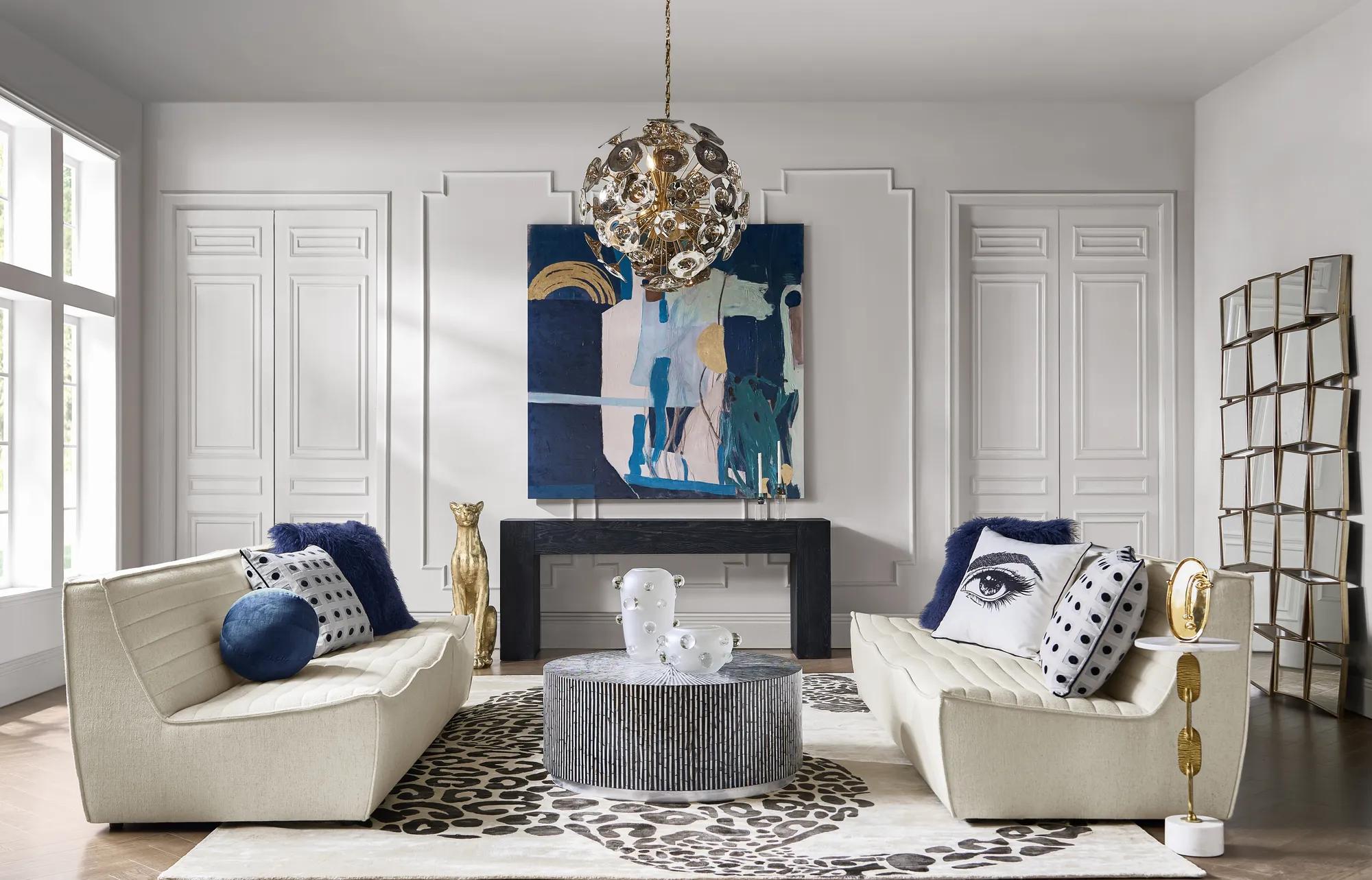 Bristol Rectangular Black Oak Console Table (72")$2099
A handcrafted black reclaimed oak console table featuring natural wood cracks and sturdy dovetail joints.
Add To Cart -
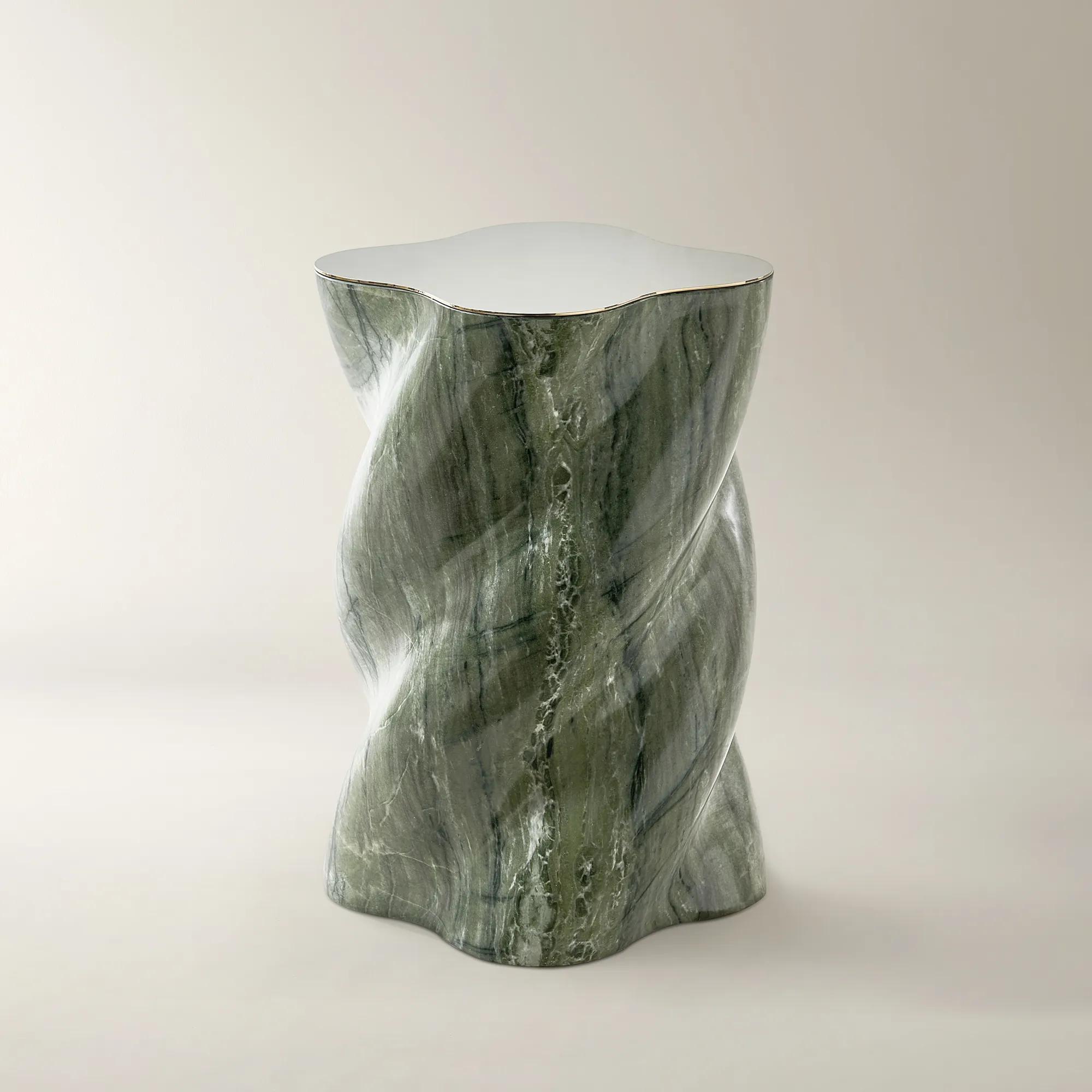 Vega Malachite Green Concrete Indoor/Outdoor Side Table With Stainless Steel Top (13.8")$459
A green concrete side table with a sculptural pedestal, marble-inspired finish, and removable stainless-steel top.
Add To Cart -
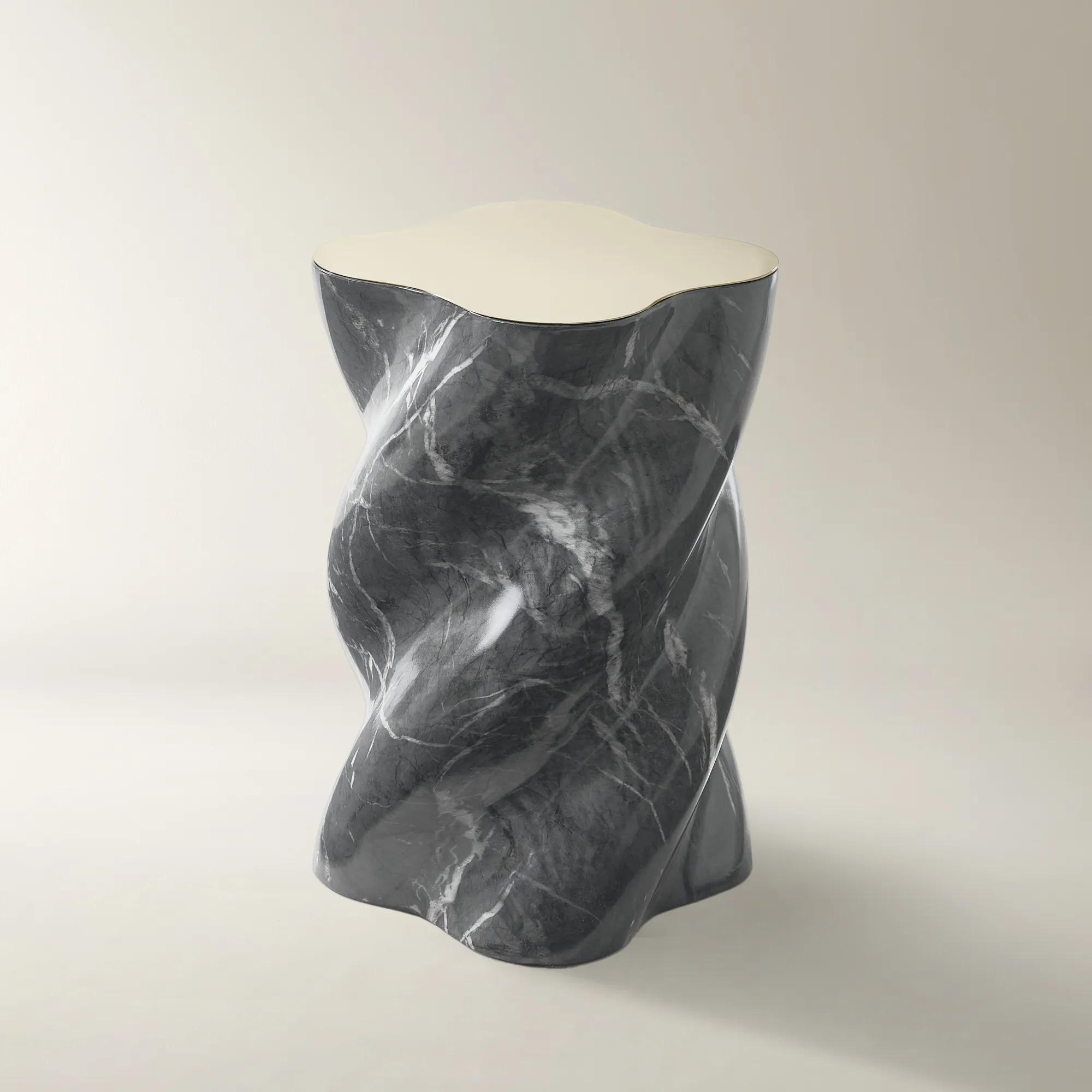 Vega Bvlgary Black Concrete Indoor/Outdoor Side Table With Stainless Steel Top (13.8")$459
A black concrete side table with a sculptural pedestal, removable stainless-steel top, and marble-inspired finish.
Add To Cart -
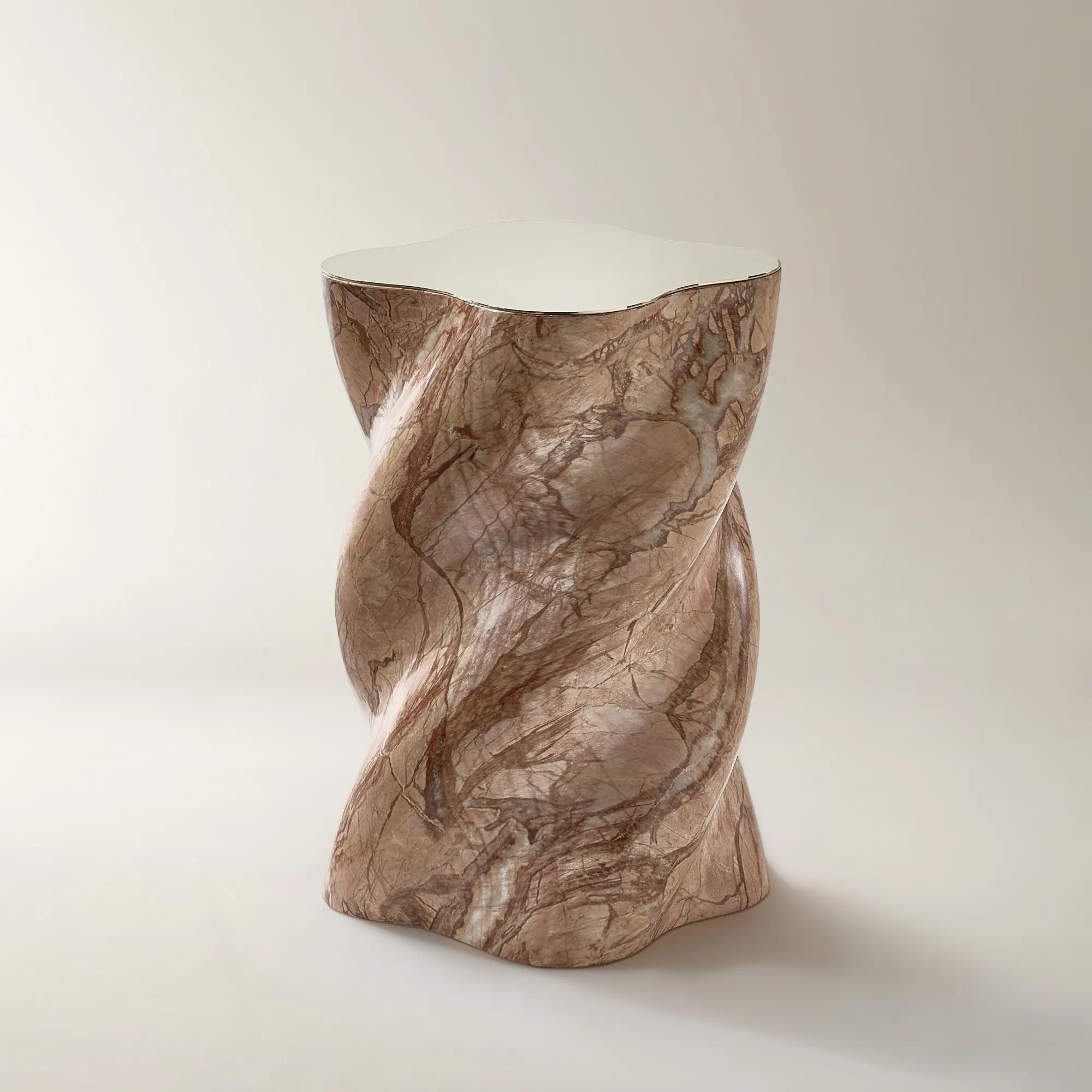
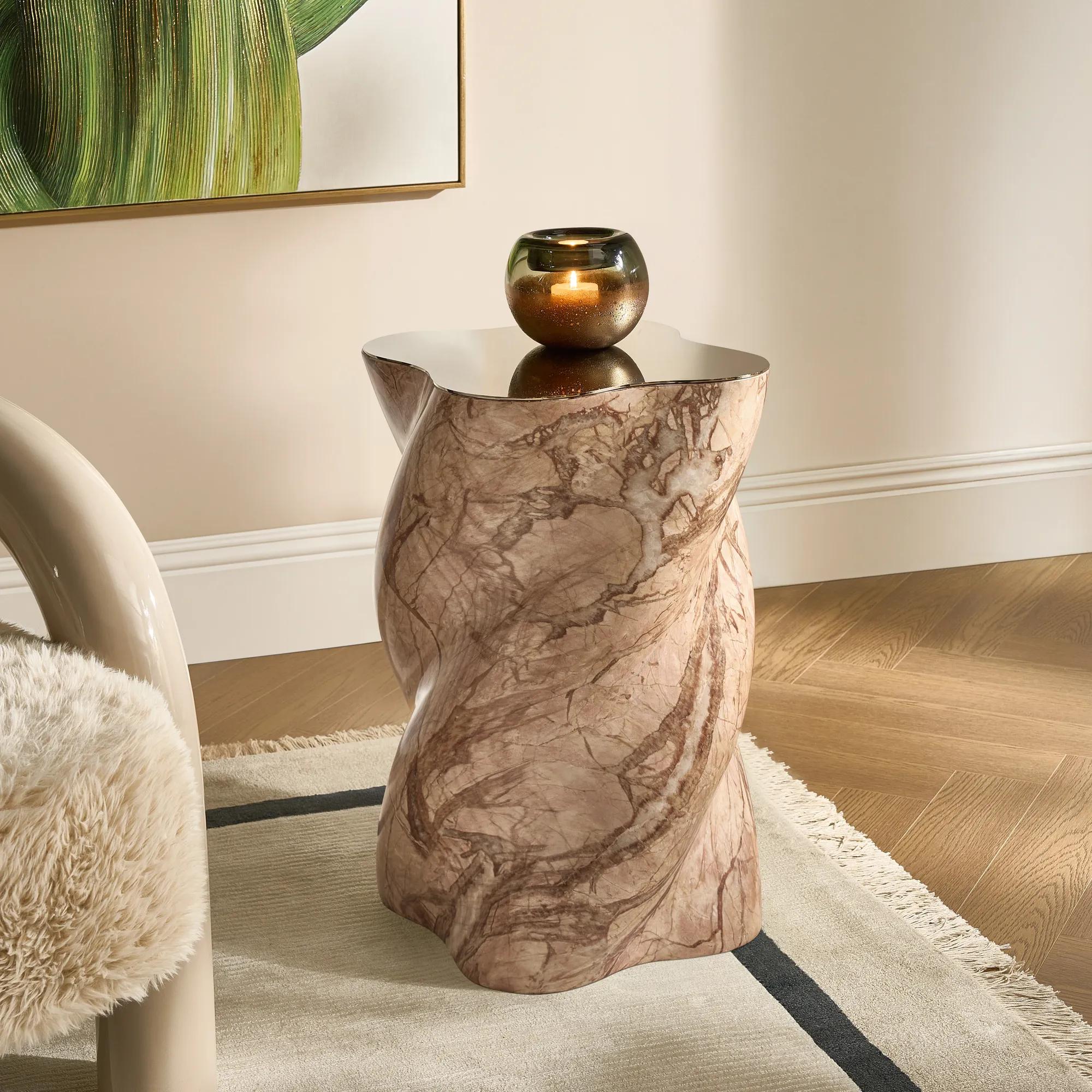 Vega Concrete Indoor/Outdoor Side Table With Stainless Steel Top (13.8")$459
A black, orange, or green concrete side table with removable stainless-steel top and marble-inspired veining.
Add To Cart -
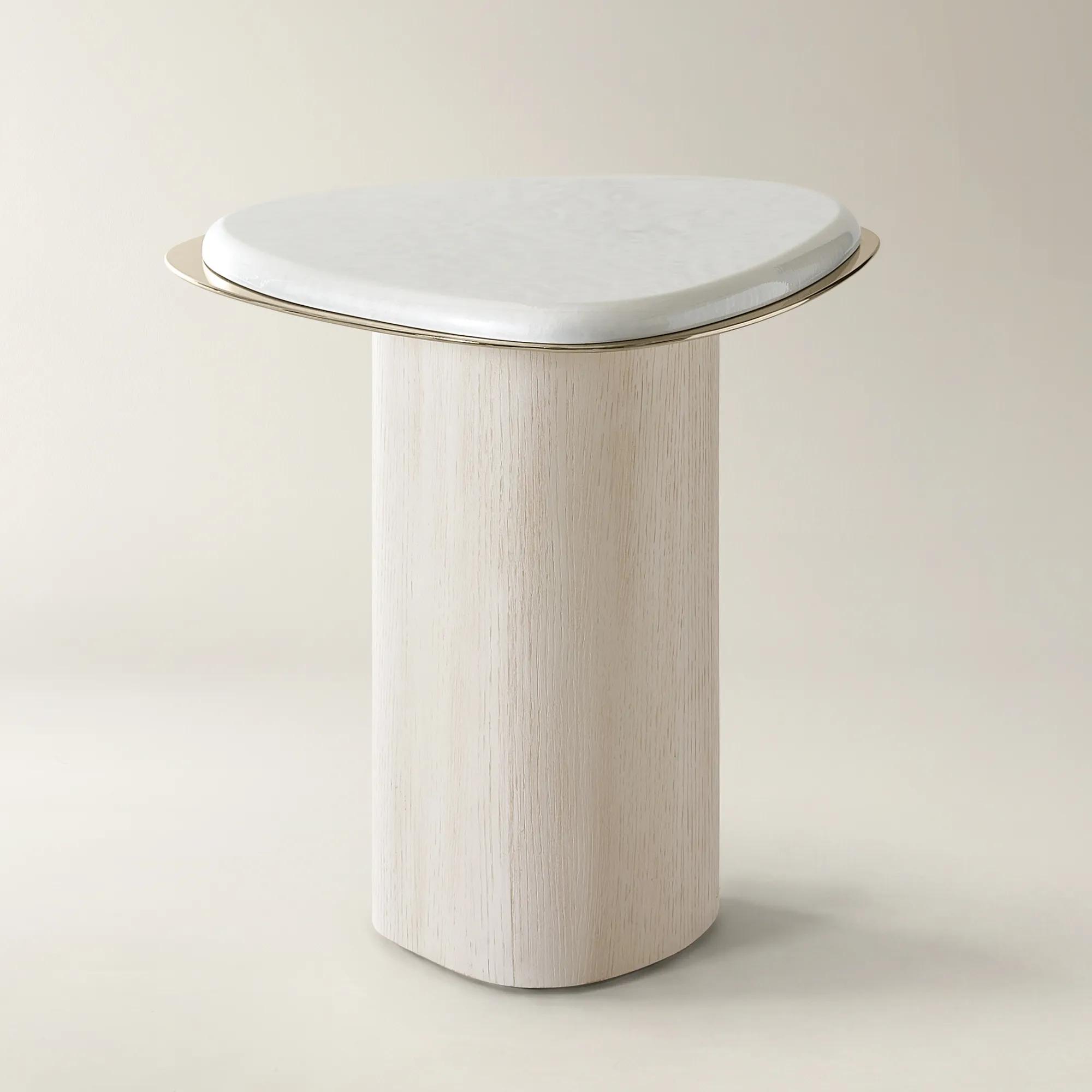
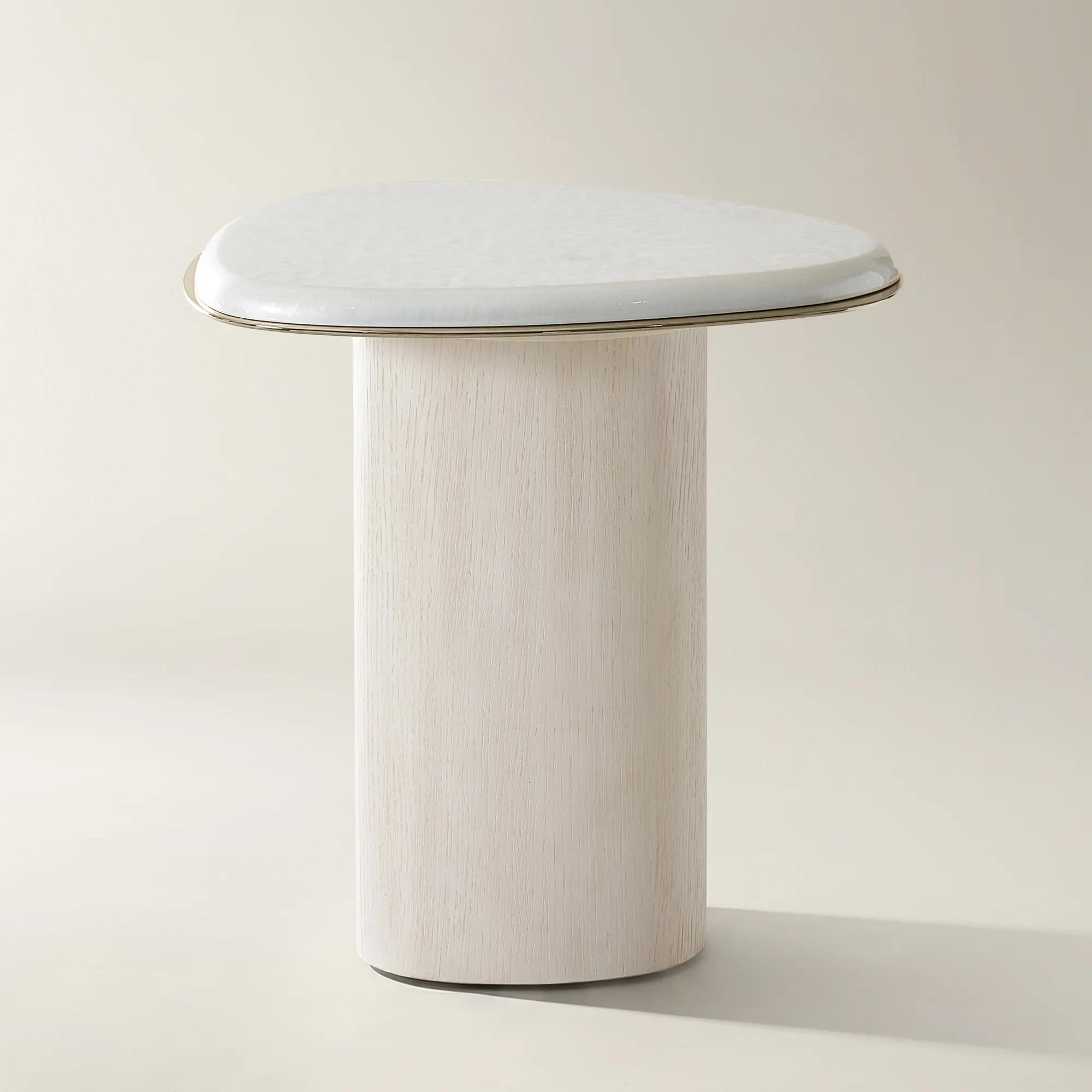 Lumina Bleached Oak End Table With Pearl Lacquered Top (18")$499
A sculptural end table featuring a pearl lacquered top, bleached oak base, and champagne gold trim.
Add To Cart -
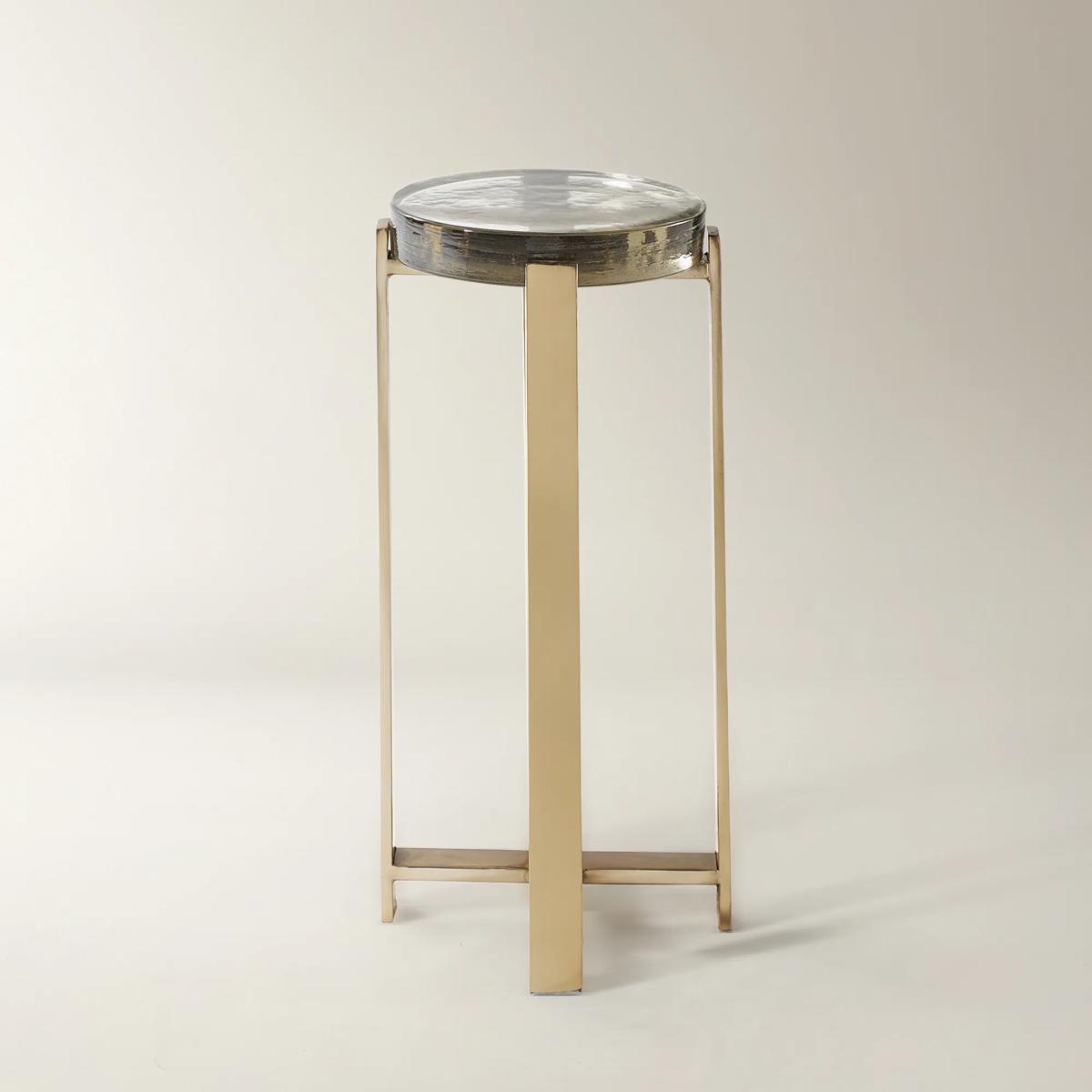
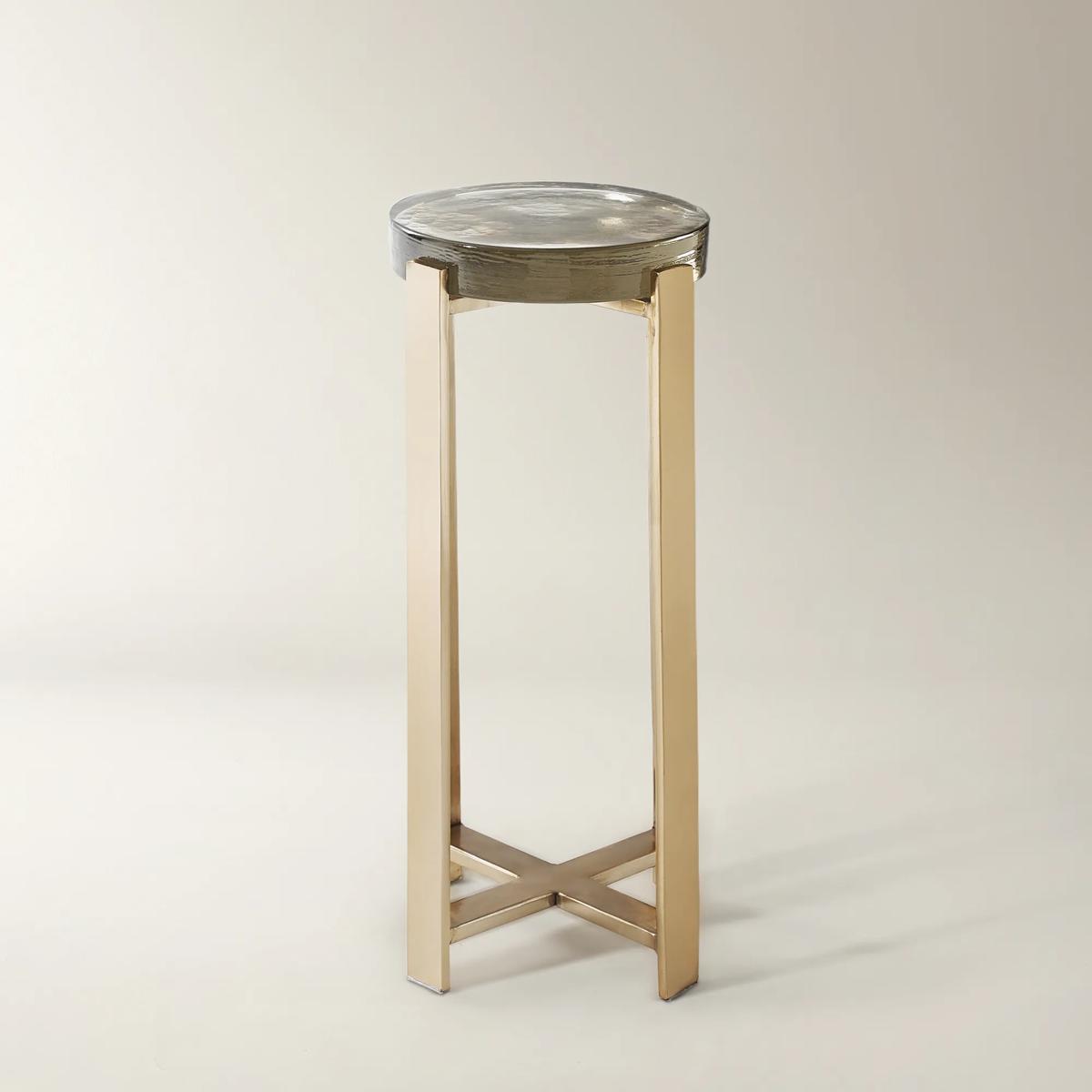 Lyra Round Brass Metal Side Table With Glass Top (10.75")$259
A sculptural side table featuring a thick cast glass top and lustrous brass-finished metal base.
Add To Cart -
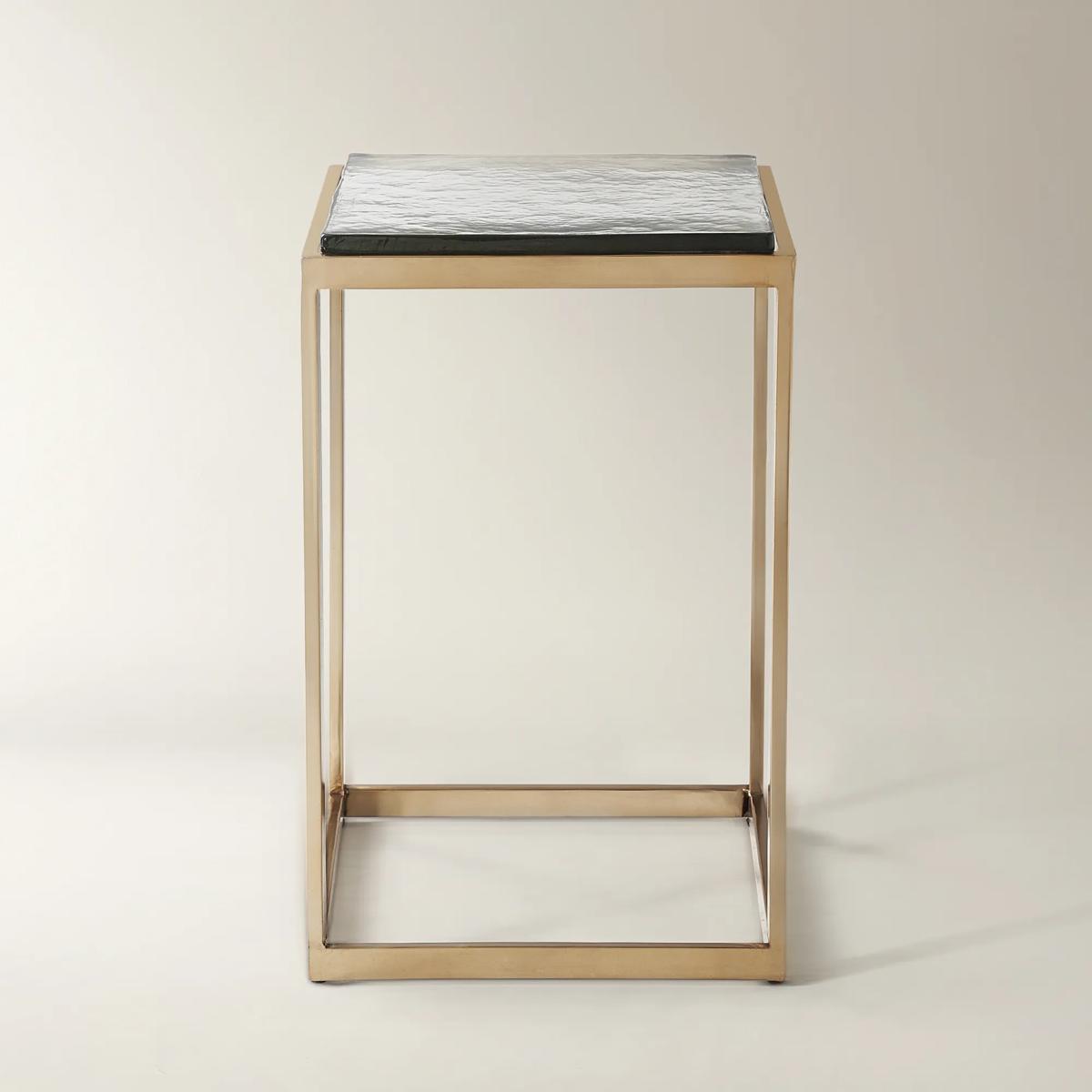
 Lyra Square Brass Metal Side Table With Glass Top (13.8")$239
A sculptural side table featuring a thick cast glass top and a lustrous brass-finished metal base.
Add To Cart -
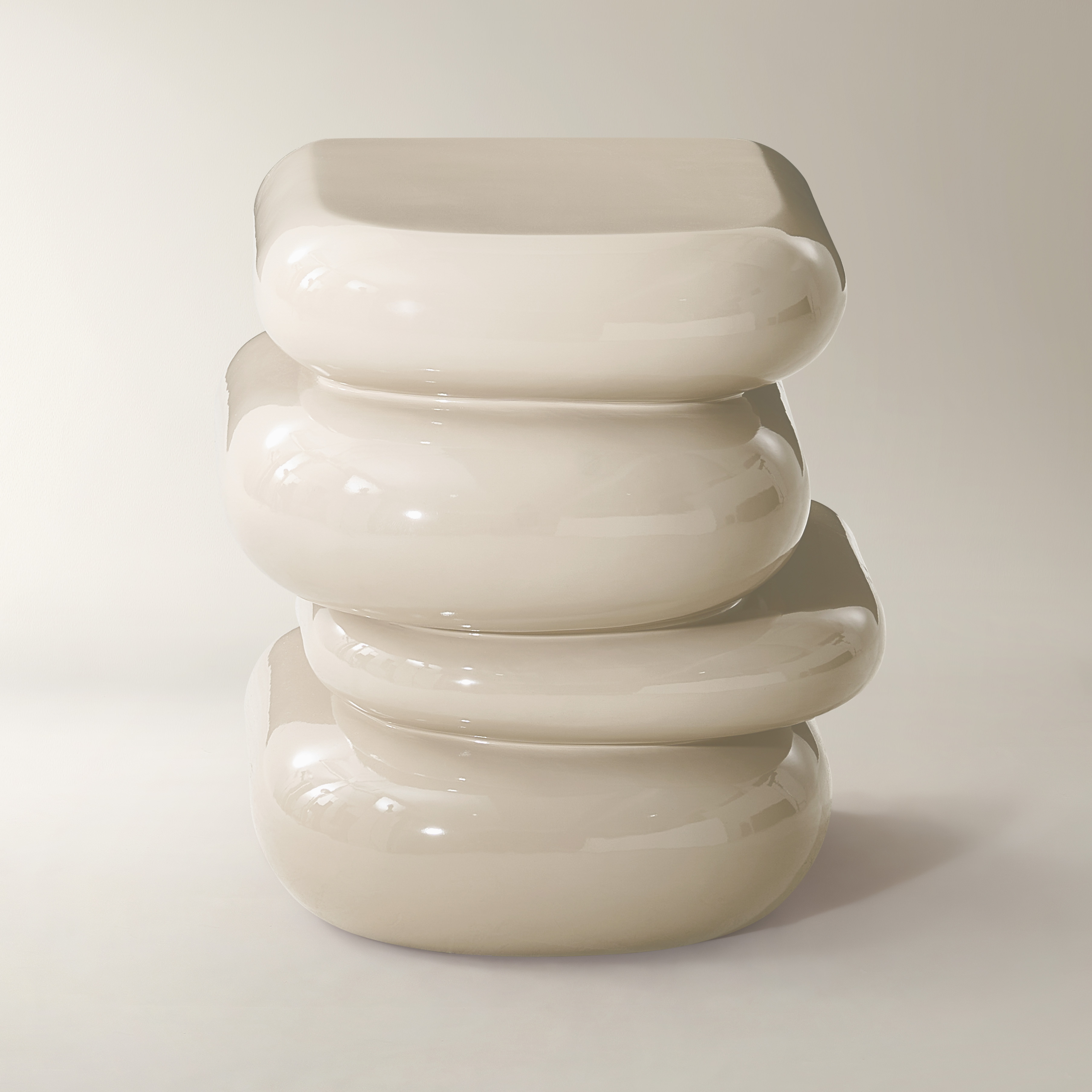
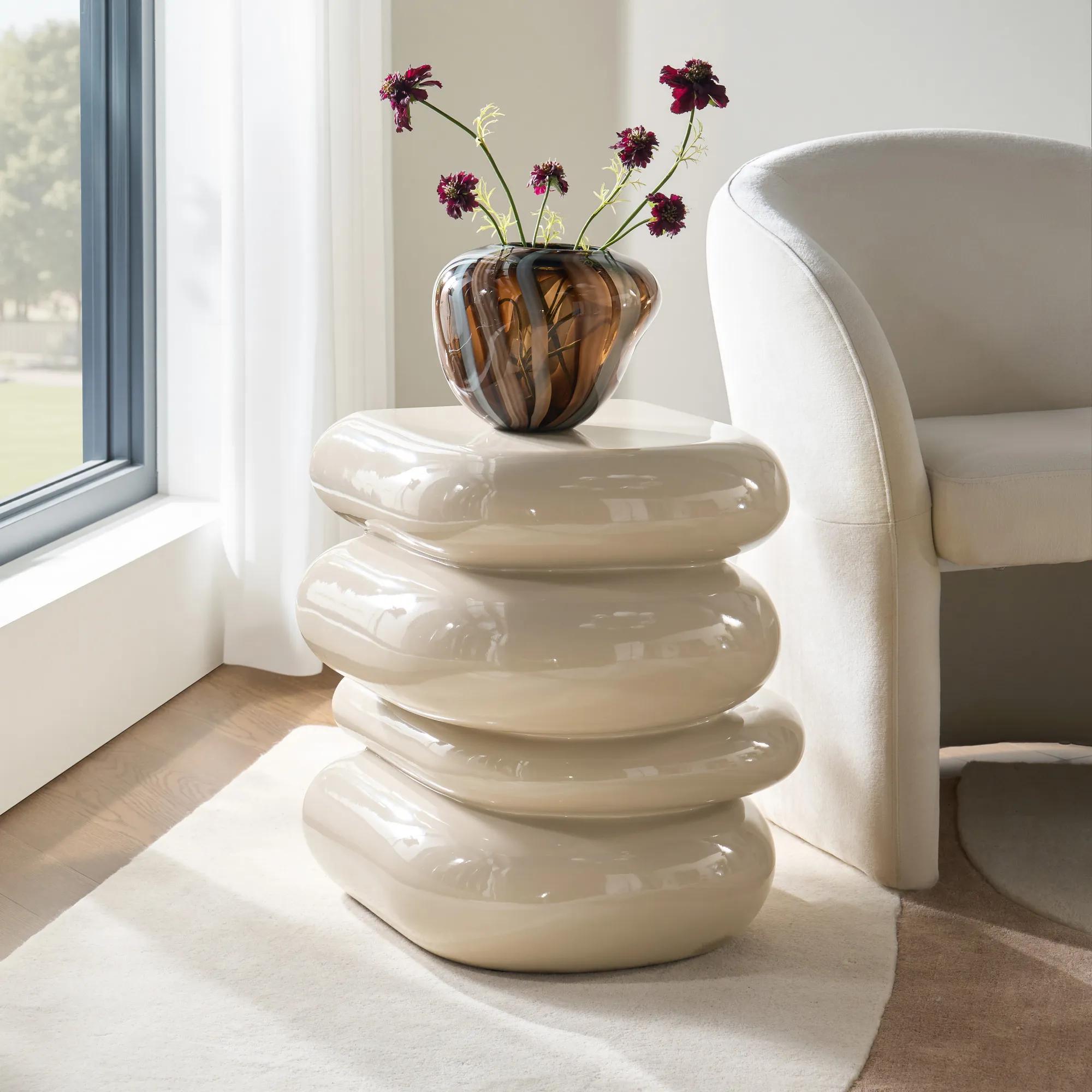 Forma Stacked Turtle Dove Side Table (19.9")$499
A sculptural accent table crafted from high-gloss turtle dove fiberglass with softly stacked, rounded tiers.
Add To Cart -
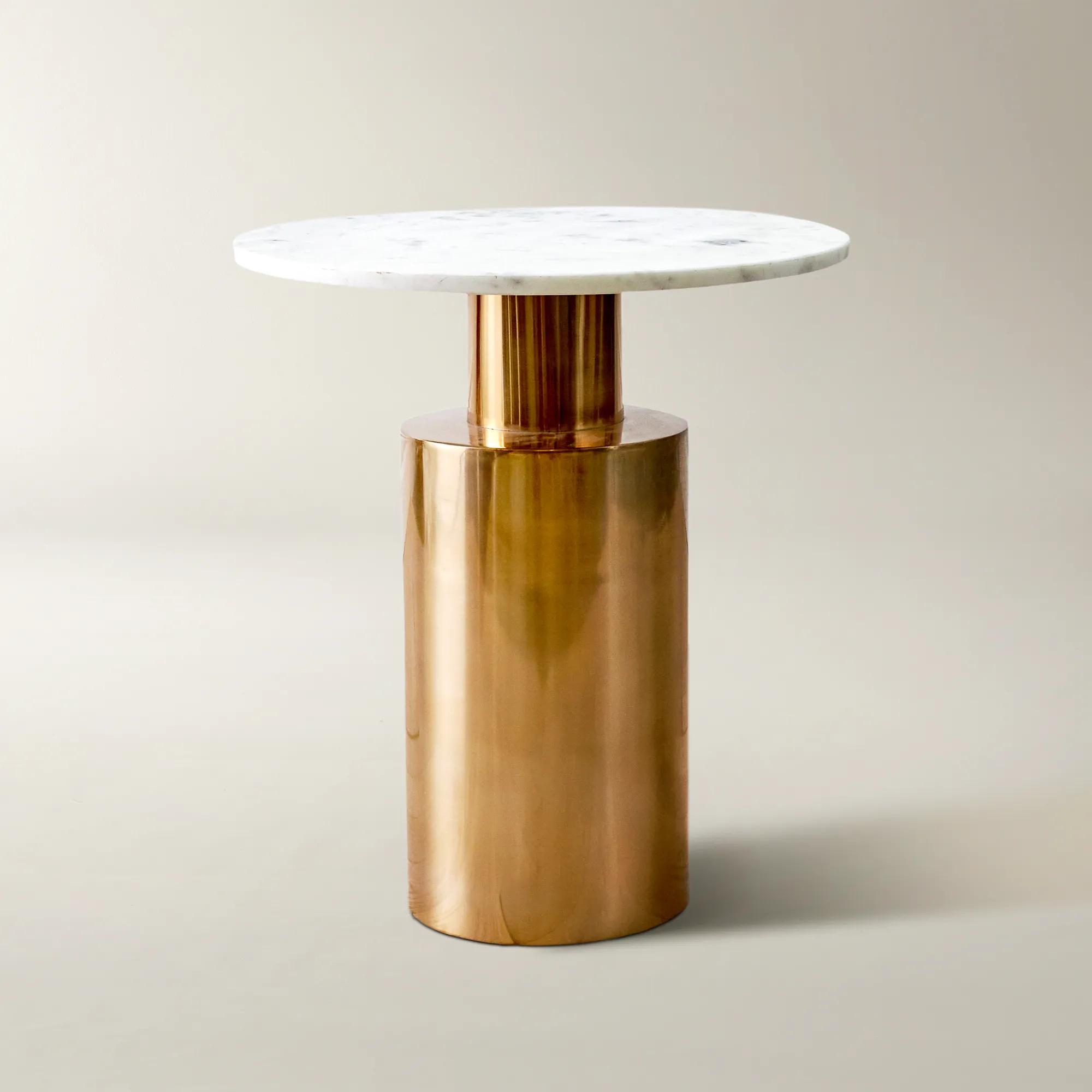 Capri Round White Marble Accent Table (16")$299
A striking accent table featuring a white marble top and gold-finished stainless steel base.
Add To Cart -
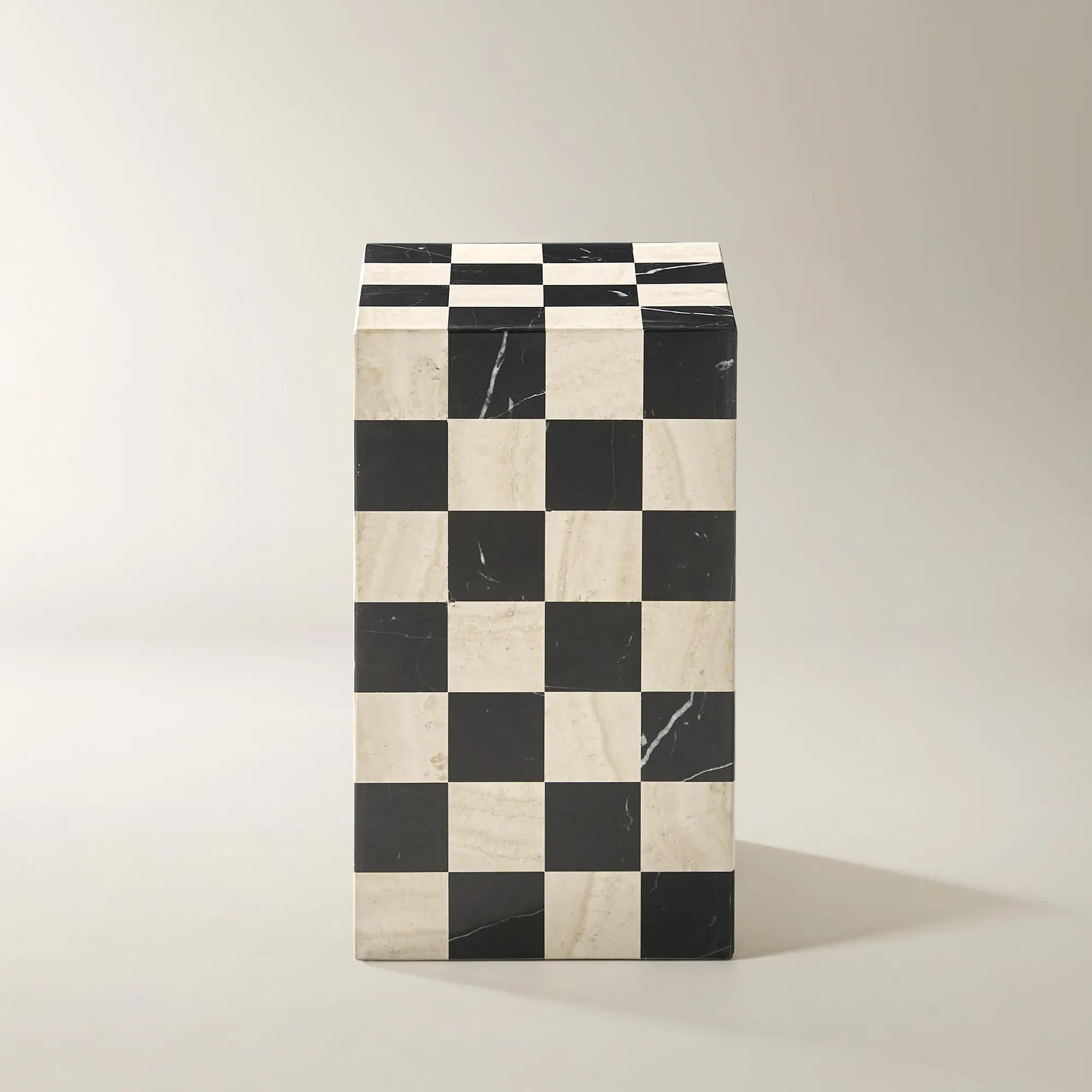 Chessa Square Chequered Marble End Table (12")$999
A sculptural end table featuring a bold black marble and travertine checkerboard mosaic design.
Add To Cart -
 Thalia Glossy Black Side Table Set Of 2 (8"-12.5")$599
A sculptural duo of glossy black fiberglass tables with fluid lines and mirror-like lacquered finish.
Add To Cart -
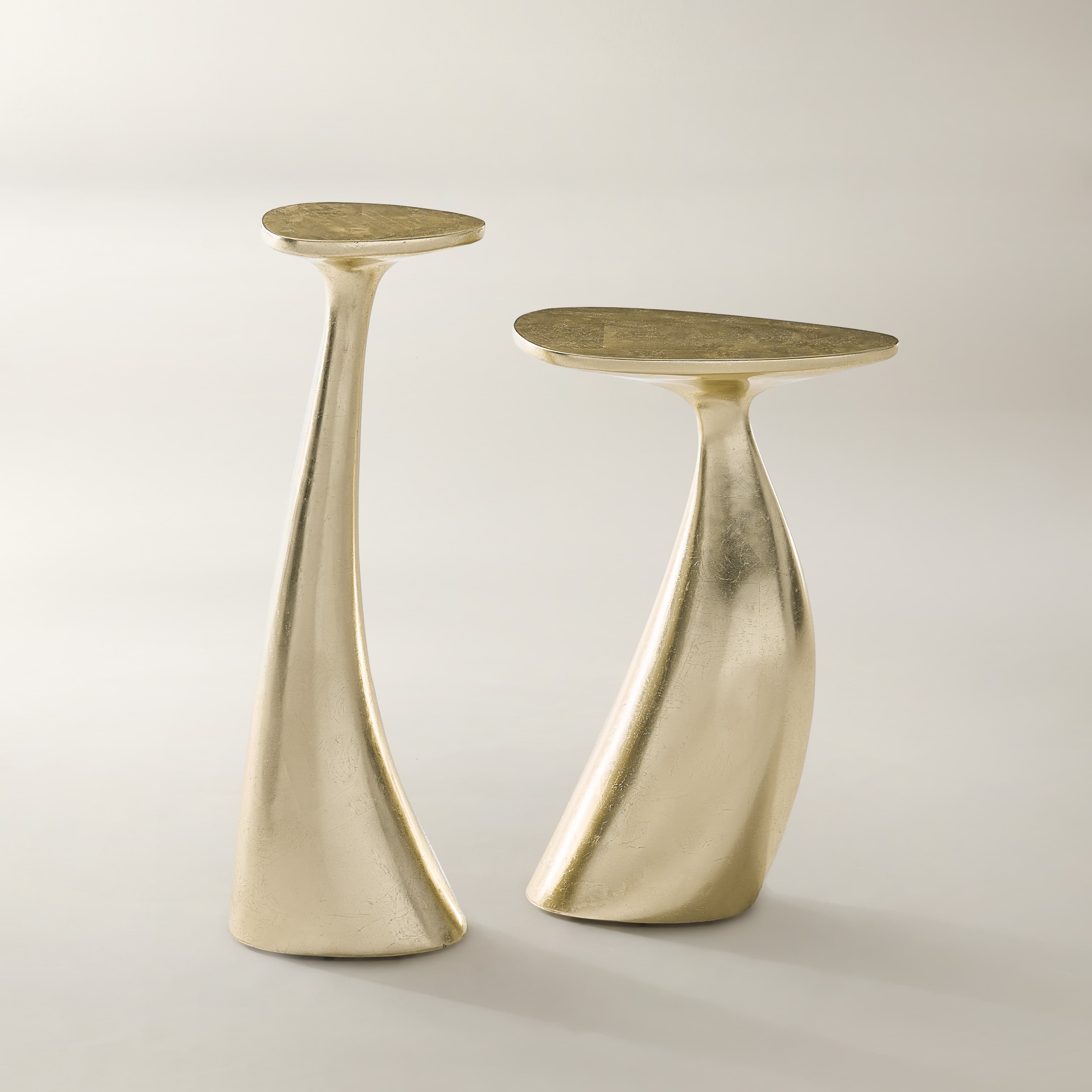 Thalia Soft Gold Side Table Set Of 2 (8"-12.5")$699
A sculptural duo of gold leaf fiberglass tables with fluid lines and a warm, luminous finish.
Add To Cart -
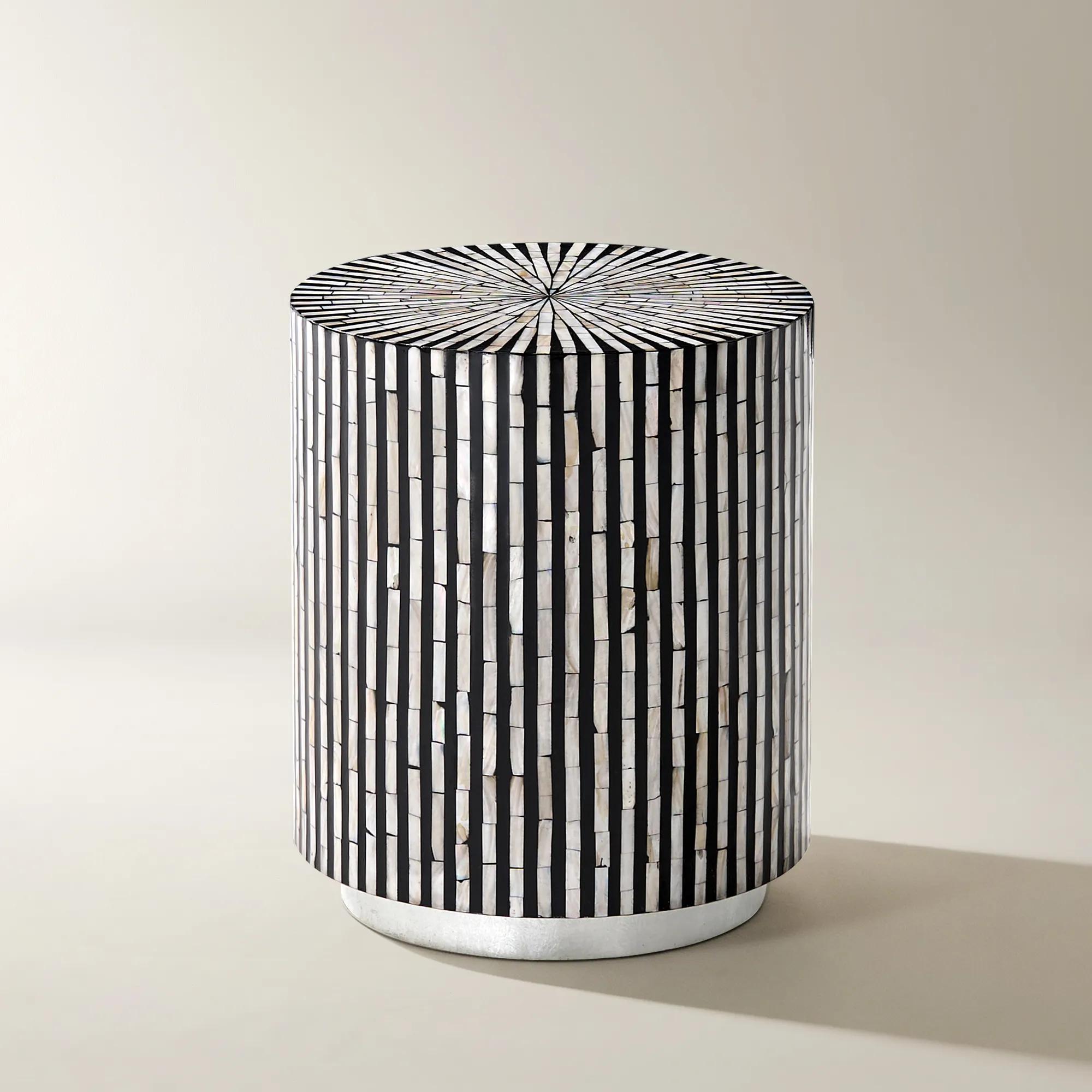
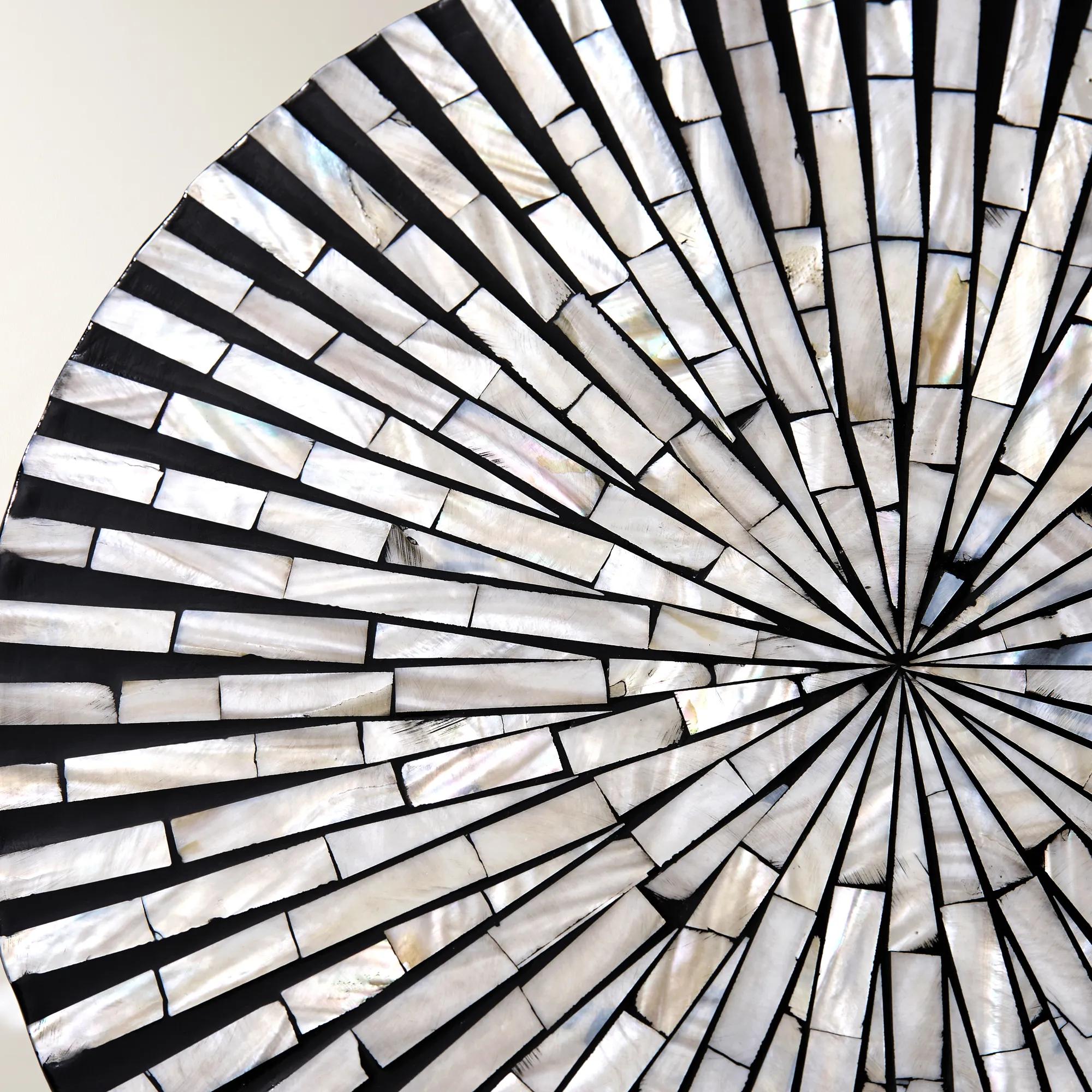 Marina Round Mosaic Black End Table (13.75")$299
A sculptural black end table featuring hand-applied mother-of-pearl mosaic and a silver leaf–accented base.
Add To Cart -
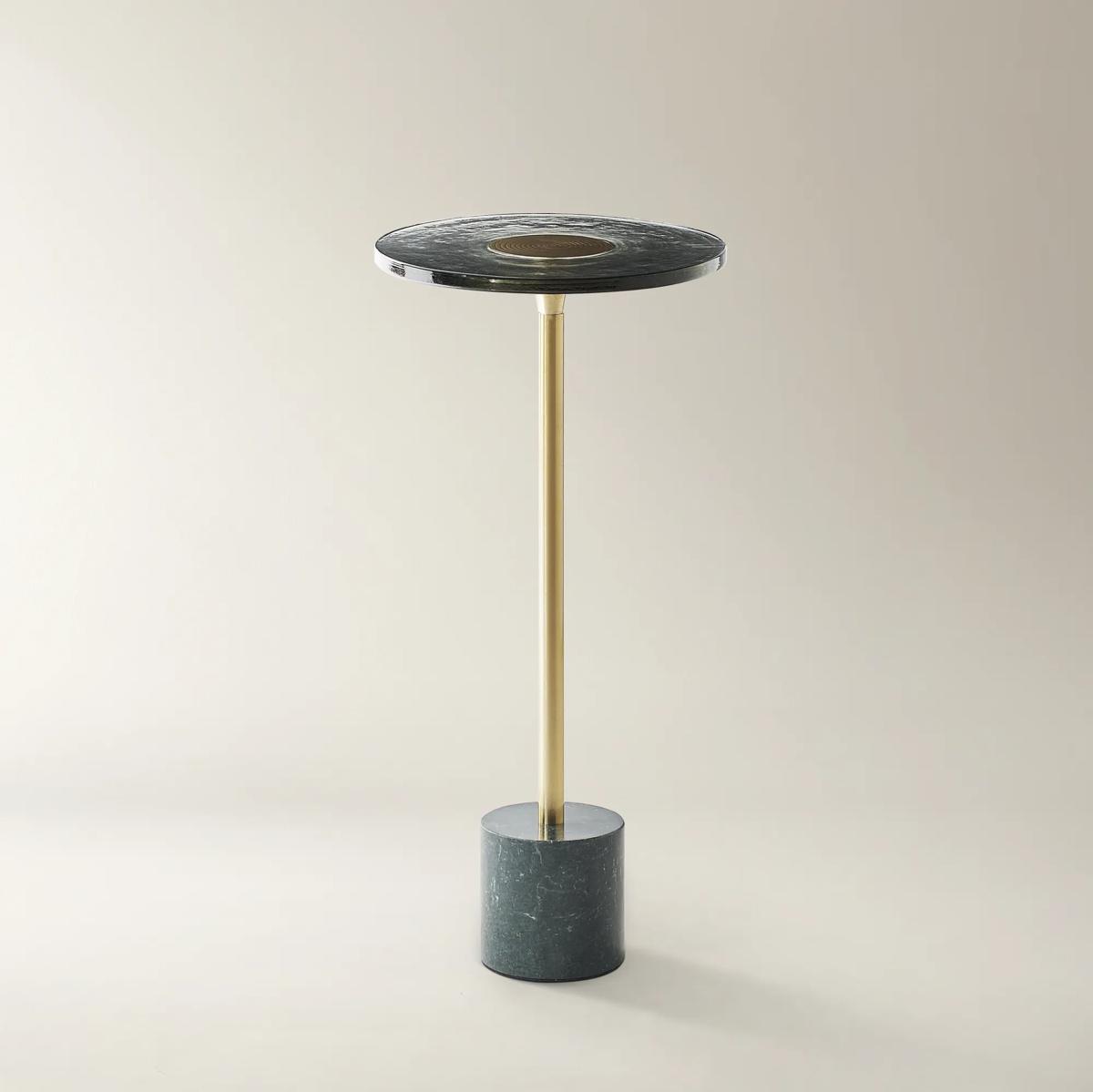
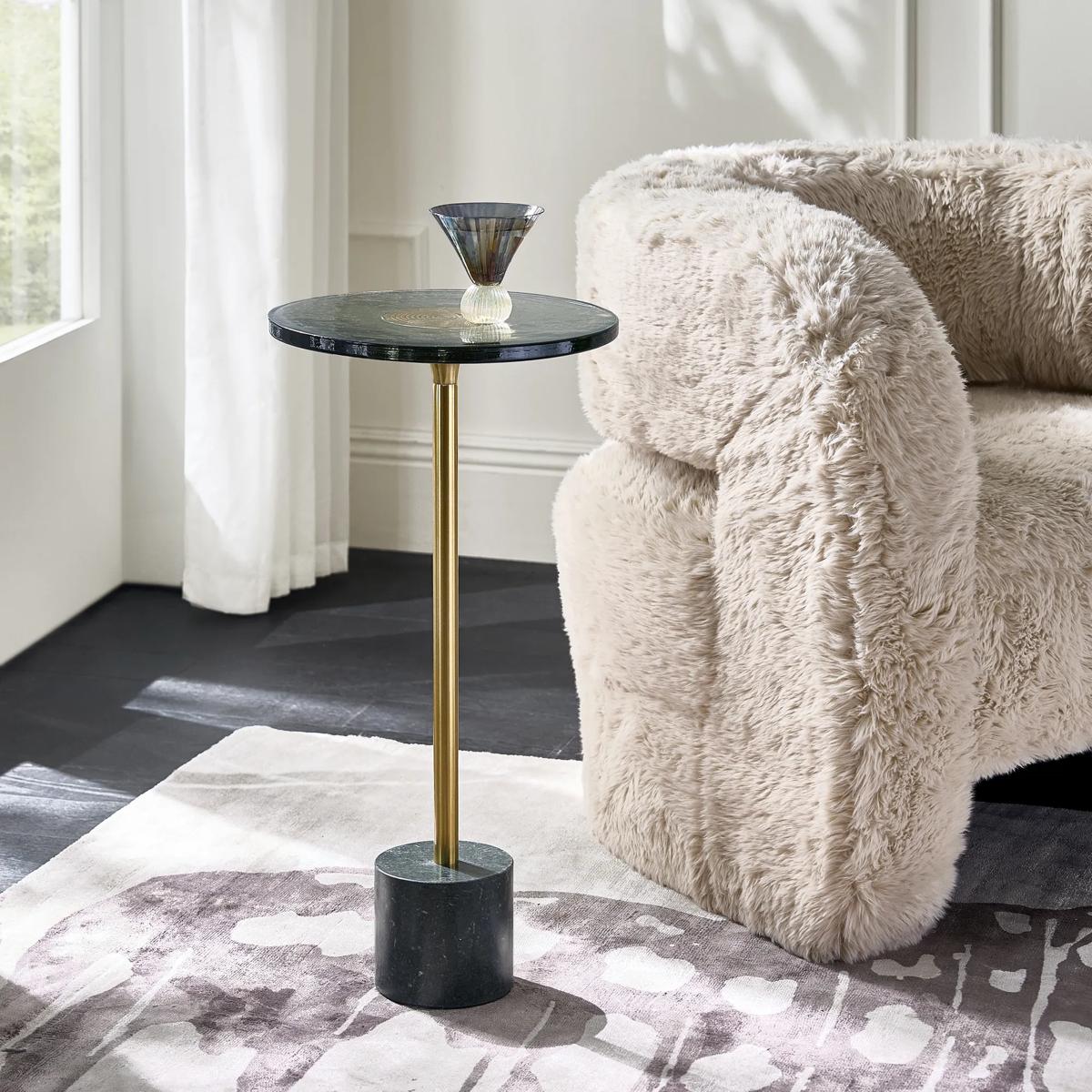 Seraphy Round Green Metal Side Table With Glass Top (13.75")$179
A modern side table featuring a green cast glass top, brass-finished post, and Indian green marble base.
Add To Cart -
 Strata Round Green Concrete Indoor/Outdoor Side Table (15")$349
A green concrete side table with rounded geometry and a marble-look finish for indoor-outdoor use.
Add To Cart -
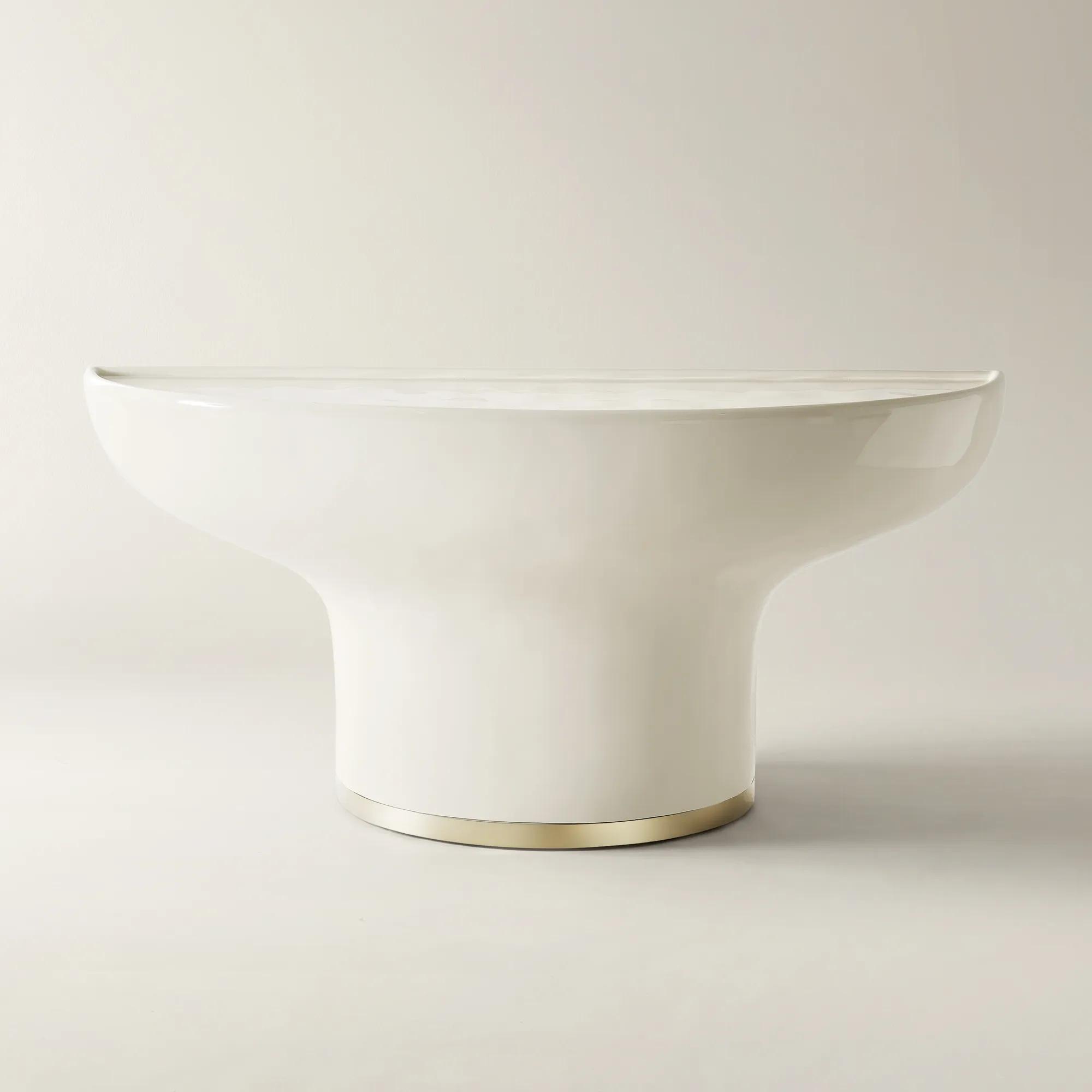 Celia Lacquered Cloud Resin Indoor/Outdoor Console Table (63")$1499
A sculptural one-piece resin console table with a warm high-gloss finish and gold stainless steel base.
Add To Cart -
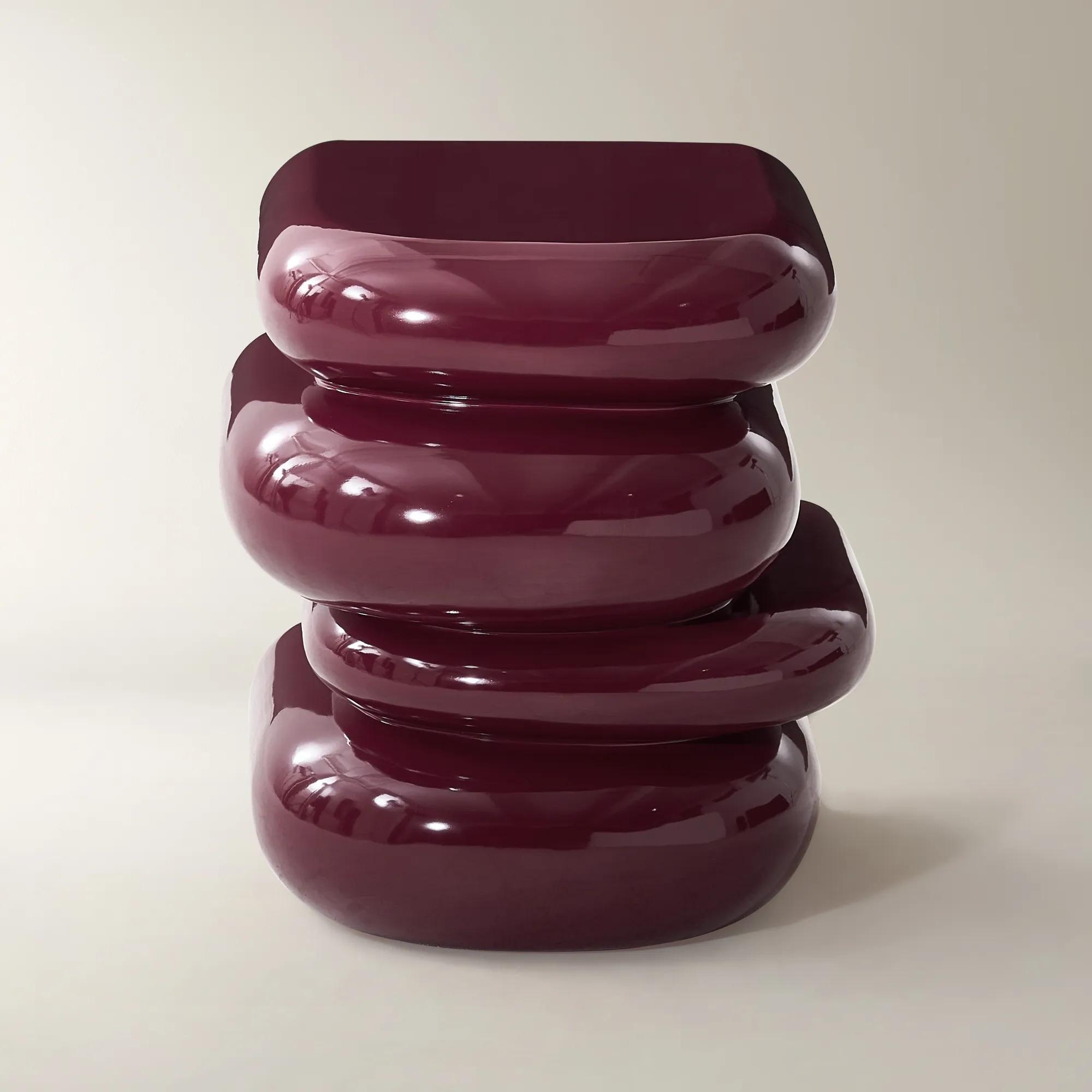 Forma Stacked Ox Blood Side Table (19.9")$499
A sculptural accent table crafted from high-gloss ox blood fiberglass with softly stacked, rounded tiers.
Add To Cart -
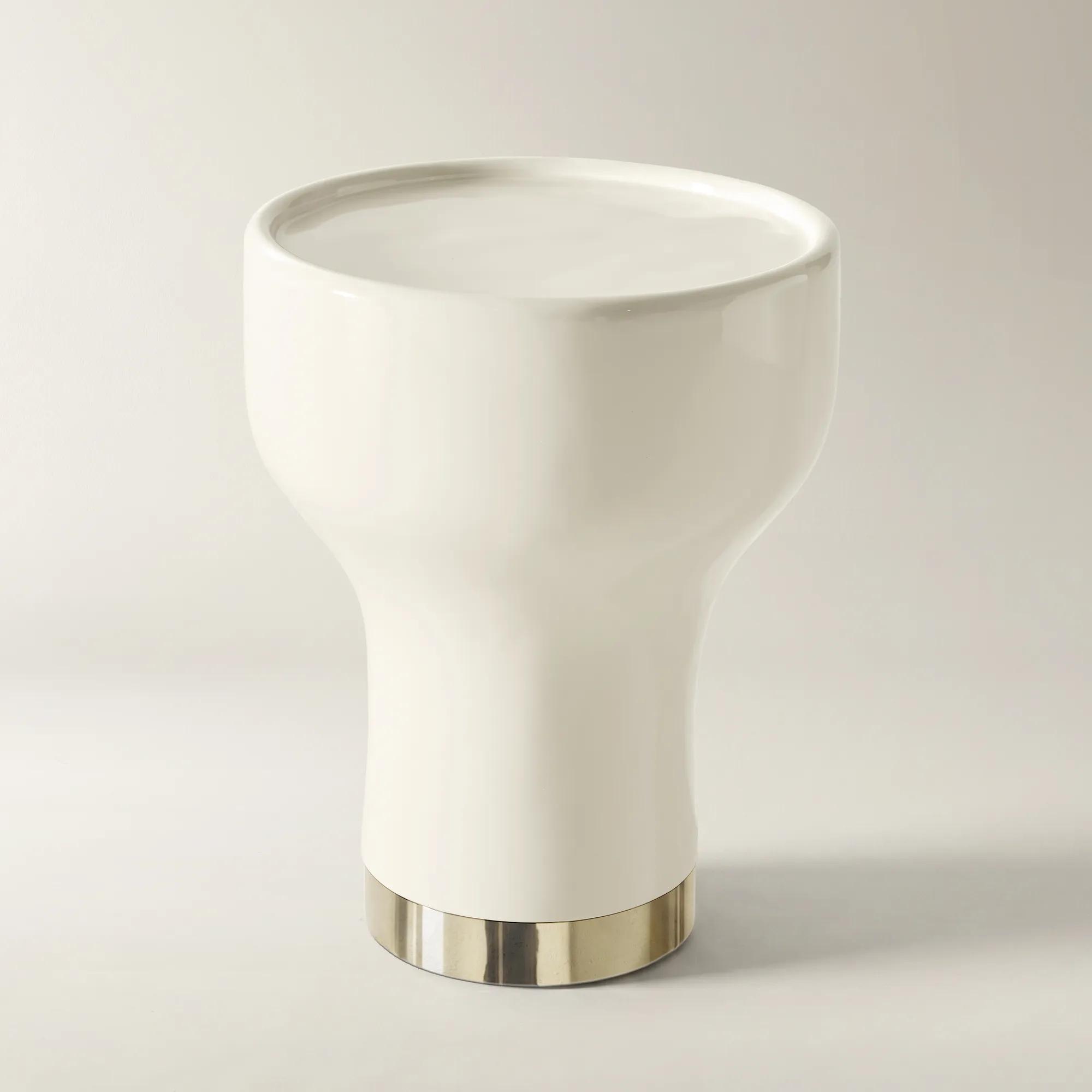
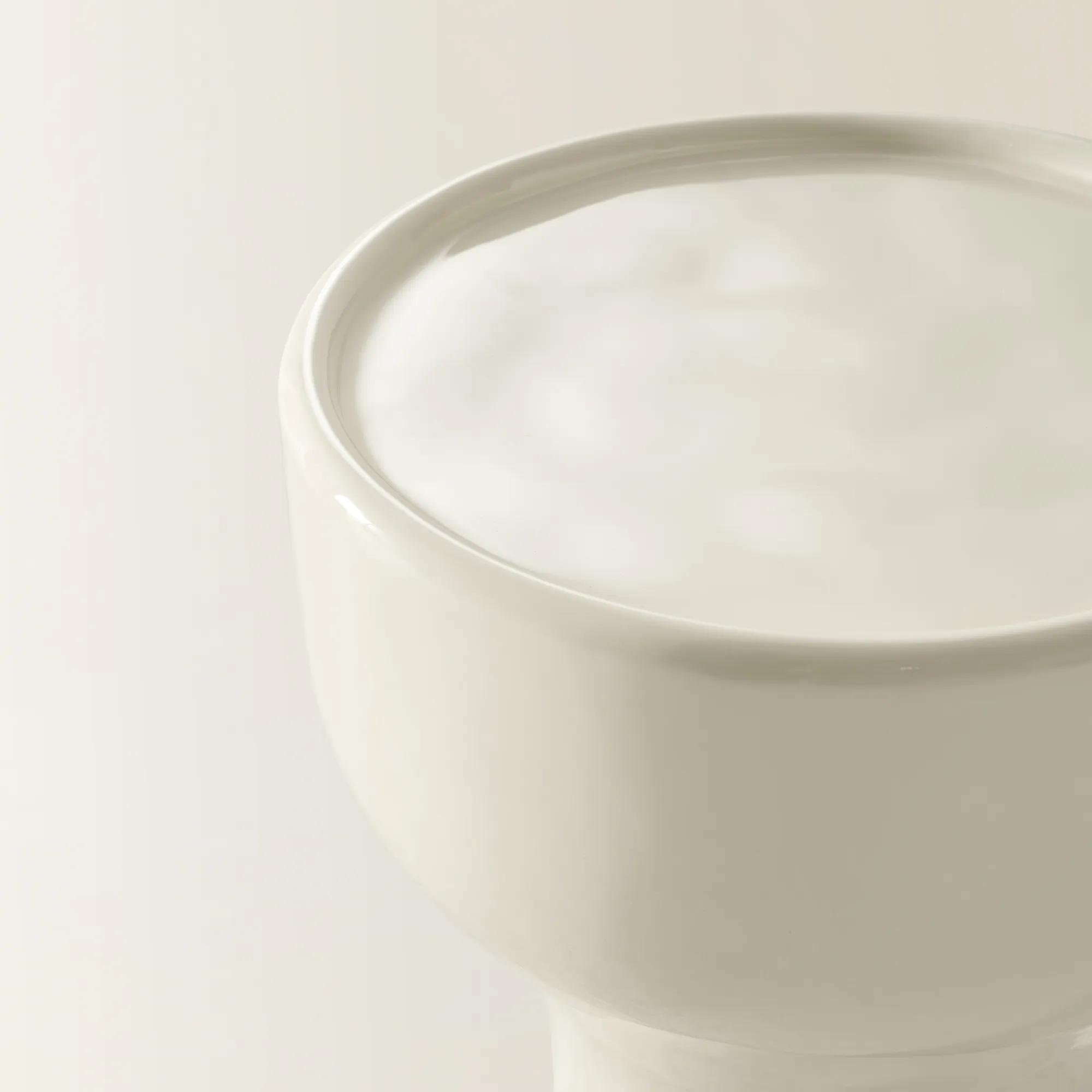 Celia Lacquered Cloud Resin Indoor/Outdoor End Table (16")$399
A sculptural one-piece resin end table with a warm high-gloss finish and gold stainless steel base.
Add To Cart -
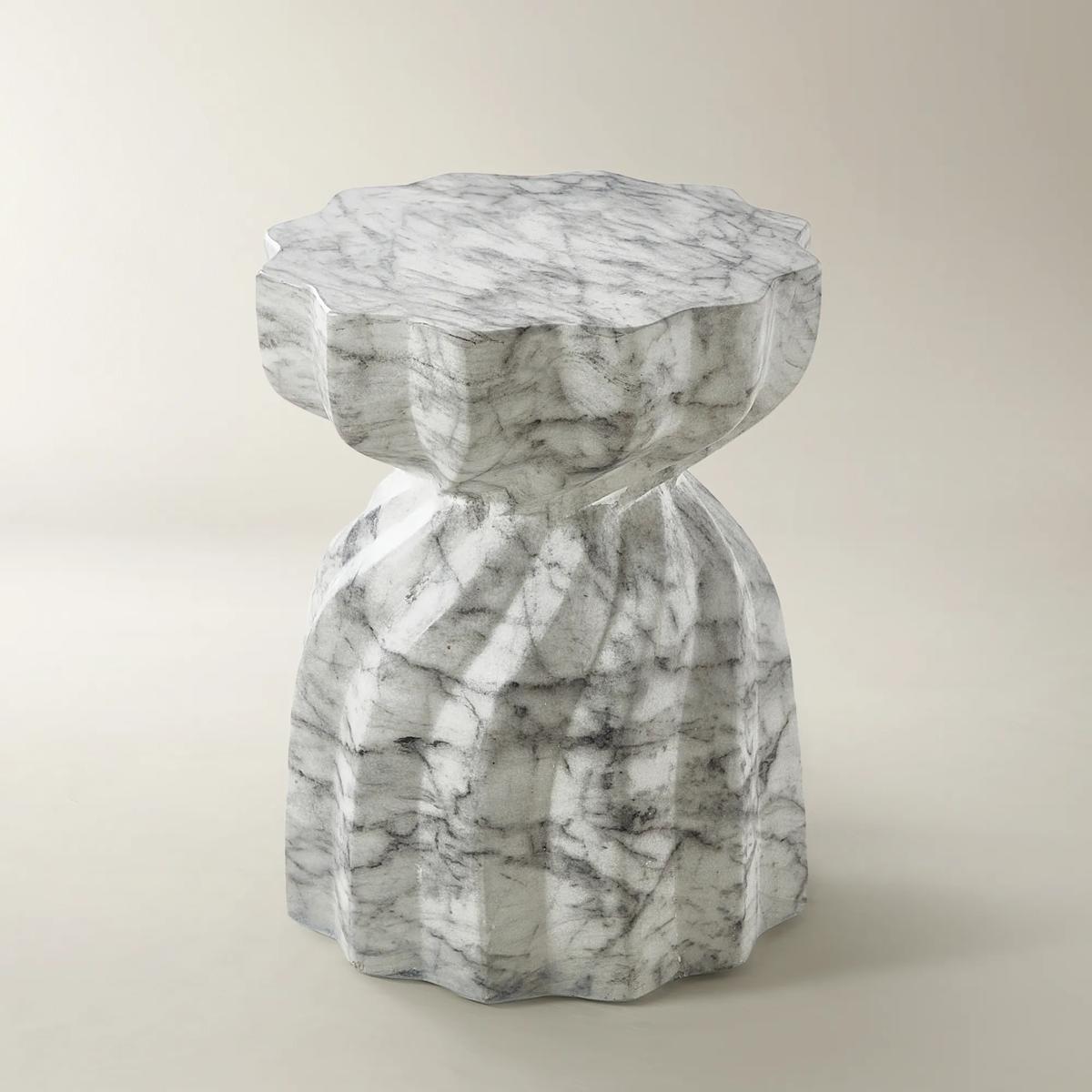
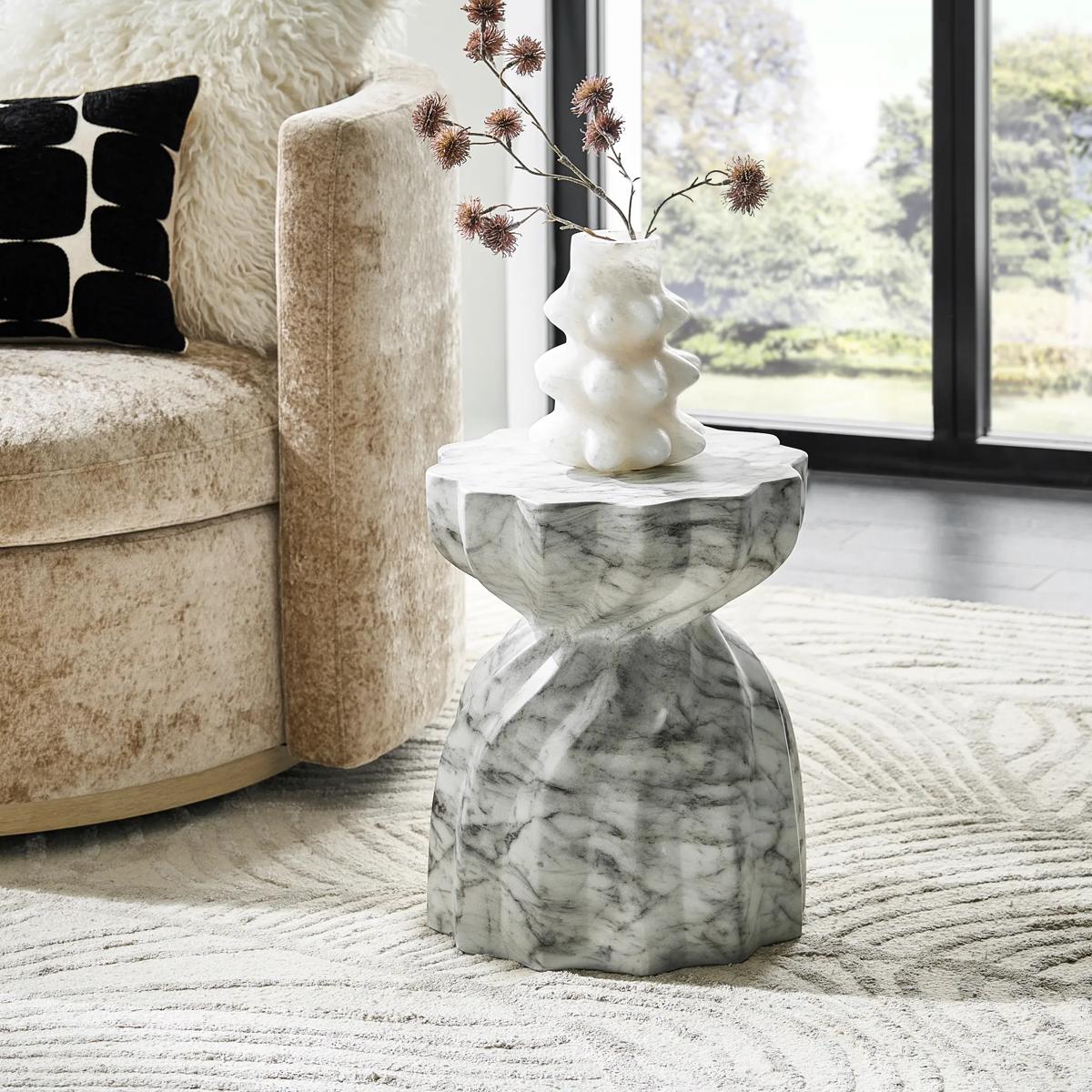 Lithia Scalloped White Concrete Indoor/Outdoor Side Table (15")$349
A white concrete side table with a scalloped silhouette and marble-look finish for indoor-outdoor living.
Add To Cart

Decorative Tables For Entryways
Decorative Tables for Entryways set the stage for grand entrances and unforgettable first impressions. These sculptural masterpieces invite artistry into your foyer, transforming mere passageways into curated moments of style and intrigue. With every curve, finish, and flourish, they elevate the everyday ritual of coming home into an experience drenched in sophistication. Whether you crave a touch of drama or a whisper of glamour, each piece is designed to capture attention and anchor your entry with undeniable presence. Let your entryway become a canvas for self-expression, where every detail tells your story in bold, beautiful strokes.
Decorative tables for entryways bring a deliberate sense of arrival to the space just inside the door, combining a display surface with an architectural focal point. Often called console tables, entryway tables, or foyer tables, these pieces create a place for lighting, artwork, and everyday essentials without requiring the footprint of a larger cabinet. A sculptural base beneath a polished top can give a narrow passage unexpected presence; a richly grained wood console can introduce warmth against crisp walls and gleaming accents. Many entryway consoles measure approximately 12 to 18 inches deep and 32 to 63 inches wide, although dimensions vary considerably by design. Height commonly falls around 28 to 36 inches, placing the surface at a comfortable level for setting down keys or arranging a welcoming vignette. These measurements offer a useful starting point, but the right proportions depend on the room, the doorway, and the way people move through the home. A shallow console suits an apartment entrance where every inch matters, while a substantial foyer can carry a longer silhouette or a round accent table positioned away from the wall. About 36 inches of clear walking space is a useful planning target, with additional room desirable along busy routes; door swings, mobility needs, and nearby furniture may require more. Baseboards and projecting drawer pulls also affect how comfortably a table sits within that footprint. Visual weight matters as much as dimensions. Open metal frames reveal more of the wall and floor, while pedestal bases and enclosed forms establish a stronger, more grounded presence. A console beneath an oversized mirror can frame the entrance with luminous drama, while a curved silhouette softens the geometry of a straight hallway. For households with children or pets, stable construction, thoughtfully placed accessories, and wall anchoring where specified by the manufacturer are important considerations. The most compelling entryway table feels expressive without making the entrance difficult to navigate, giving the room a distinct point of view from the first step inside.
Materials shape both the character of an entryway table and the attention it needs over time. Wood offers natural variation, from pronounced grain that lends a topographic richness to smoother surfaces that let an unusual silhouette command attention. Solid wood may develop subtle changes with use and humidity, while wood veneers bring genuine wood grain to a supporting core; durability depends on the underlying construction, finish, and quality of the joinery rather than the material name alone. Painted and lacquered surfaces create a more uniform field of color, especially striking when paired with sculpted legs or metallic detailing. Glass introduces transparency and light, allowing a dramatic rug or patterned wall to remain visible through the composition. Tempered glass, when specified, is stronger than ordinary glass, but edges still deserve protection from impact. Mirrored finishes offer a different effect, catching movement and reflecting nearby light with jewel-like brilliance. Both glass and mirror tend to reveal fingerprints, making them well suited to anyone comfortable with regular surface cleaning. Marble and other natural stones contribute distinctive veining and substantial visual weight; their porosity and sensitivity vary, and some require sealing according to the maker’s recommendations. Marble can etch when exposed to acidic liquids, so a protected resting place for drinks or fresh arrangements is especially valuable. Metal frames can appear slender and airy or bold and sculptural, with polished, brushed, and textured finishes each changing how the piece catches light. Those finishes need care appropriate to their coatings, not an abrasive polish chosen solely because the base is metal. Across materials, coasters, felt pads beneath decorative objects, and prompt attention to spills help preserve the surface. Routine cleaning should follow the manufacturer’s instructions, generally favoring a soft cloth and avoiding excess moisture or harsh chemicals unless expressly permitted. Direct sunlight, nearby heating vents, and repeated contact from bags or shoes can also affect a finish. A table intended for daily arrivals benefits from a surface and construction suited to frequent use, while a primarily decorative console can place greater emphasis on intricate detailing and reflective effects.
The distinction between an entryway console and an ordinary landing surface often comes down to the relationship between display and daily ritual. A household that arrives with mail, sunglasses, and several sets of keys may appreciate discreet drawers or a carefully proportioned tray that keeps smaller objects contained. An open lower shelf can accommodate baskets, provided their dimensions leave room for easy access and do not crowd the walkway. For an entrance used mainly to welcome guests, an uninterrupted tabletop may be more appealing, allowing a single vessel or sculptural arrangement to hold the eye. Storage should support the setting rather than overwhelm it: a drawer that cannot open fully beside a door casing adds less convenience than its measurements suggest. Tabletop depth also influences what can be displayed comfortably. A lamp needs a base that sits securely within the surface, with its cord routed away from foot traffic; a large decorative bowl should not project into the path through the room. Thoughtfully selected Entryway Table Decor brings these practical decisions into a cohesive visual composition, connecting the table with the mirror, artwork, or lighting above it. Contrast gives that arrangement energy. A matte ceramic form against a gleaming console feels deliberate, while translucent glass beside richly figured wood introduces a lighter note. Varying heights can create rhythm without filling every inch: a taller element establishes the composition, a lower object adds balance, and an open stretch of surface gives both room to be appreciated. Wall art and mirrors should relate to the table’s width without making the surrounding wall feel compressed, and their placement should account for the height of anything displayed below. In an open-plan home, an entry table can also define the arrival area where no separate foyer exists, creating a visual boundary without enclosing the space. Whether the setting is a compact city apartment or a generous front hall, decorative entryway tables turn a brief passage into a considered introduction to the home, expressive enough to set the mood and practical enough to belong to everyday life.
FAQs
To create a dramatic first impression, layer your decorative entry table with bold, sculptural accents such as a statement vase, a striking piece of art, or a luminous lamp. Incorporate varying heights and textures—think gleaming metallic trays, lush greenery, or a stack of art books—to evoke depth and intrigue. A curated arrangement of personal mementos or seasonal décor completes the look, transforming your entryway into a captivating prelude to your home.
Decorative wall tables for entryways often feature luxurious materials like polished glass, marble, rich woods, and gleaming metals. Each material brings its own unique allure—glass and mirror finishes amplify light and space, while wood adds warmth and grounding. Metallic accents, such as gold or silver leaf, infuse a sense of glamour and artistry, making the entryway feel both inviting and opulent.
Absolutely. In more intimate spaces, a slender decorative entry table or a floating wall-mounted design can provide both function and flair without overwhelming the area. Choose a table with open legs or a mirrored surface to create an airy, expansive feel. Even in a compact entry, thoughtful styling with a few select accessories can make a striking impact and set the tone for the rest of your home.
Decorative wall tables are versatile and can elevate nearly any space. Use one as a chic vanity in a bedroom, a sophisticated bar in the living room, or a display surface in a hallway. Their elegant profiles and artistic details make them perfect for showcasing treasured objects, floral arrangements, or curated collections throughout your home.
A decorative entry table is a truly memorable gift, ideal for housewarmings, weddings, or milestone celebrations. It’s a statement piece that blends beauty with utility—offering the recipient a daily reminder of your thoughtfulness and taste. With endless styling possibilities, it becomes a cherished foundation for their own creative expression and personal story.