Decorative Mirrors Above Dressers
Decorative Mirrors Above Dressers
-
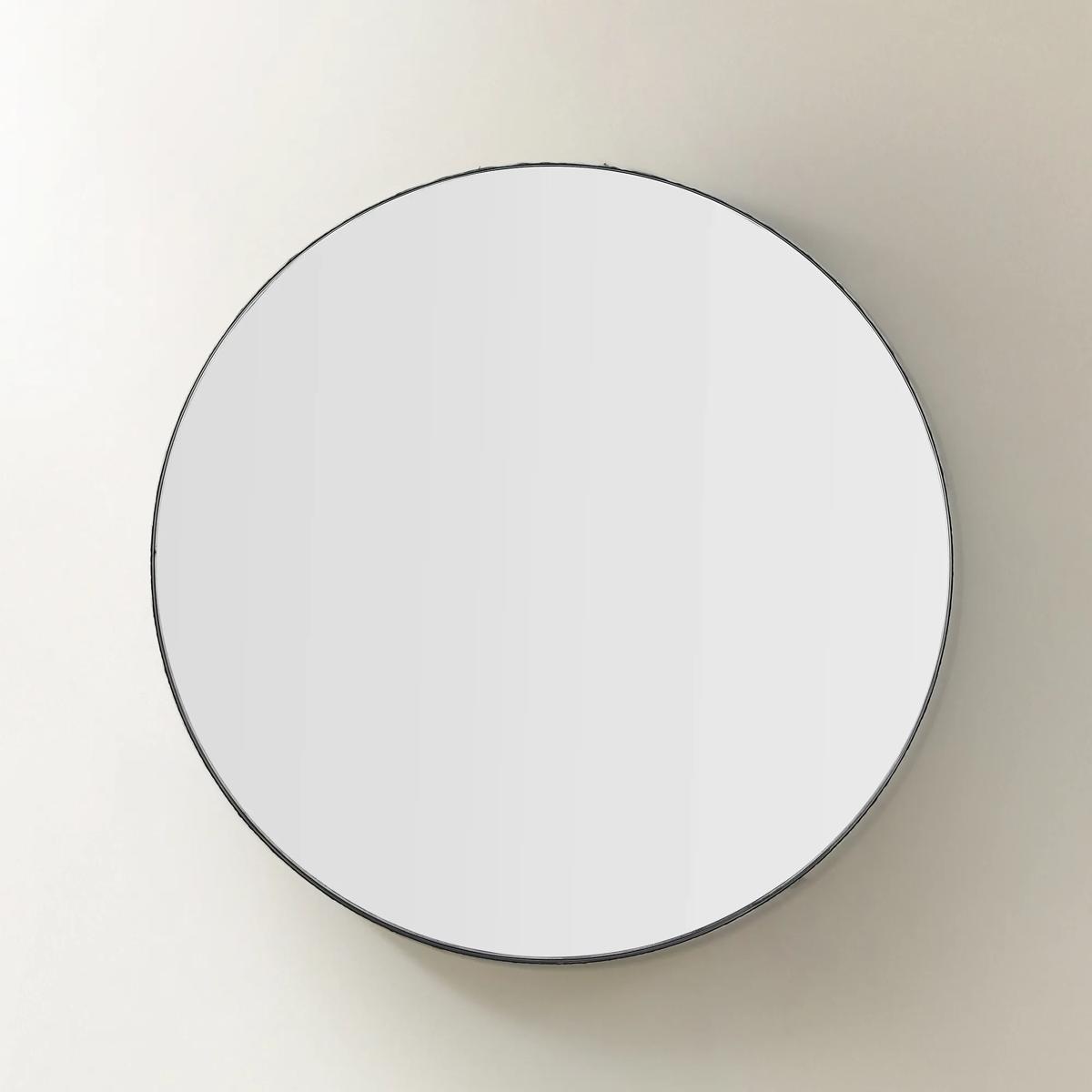
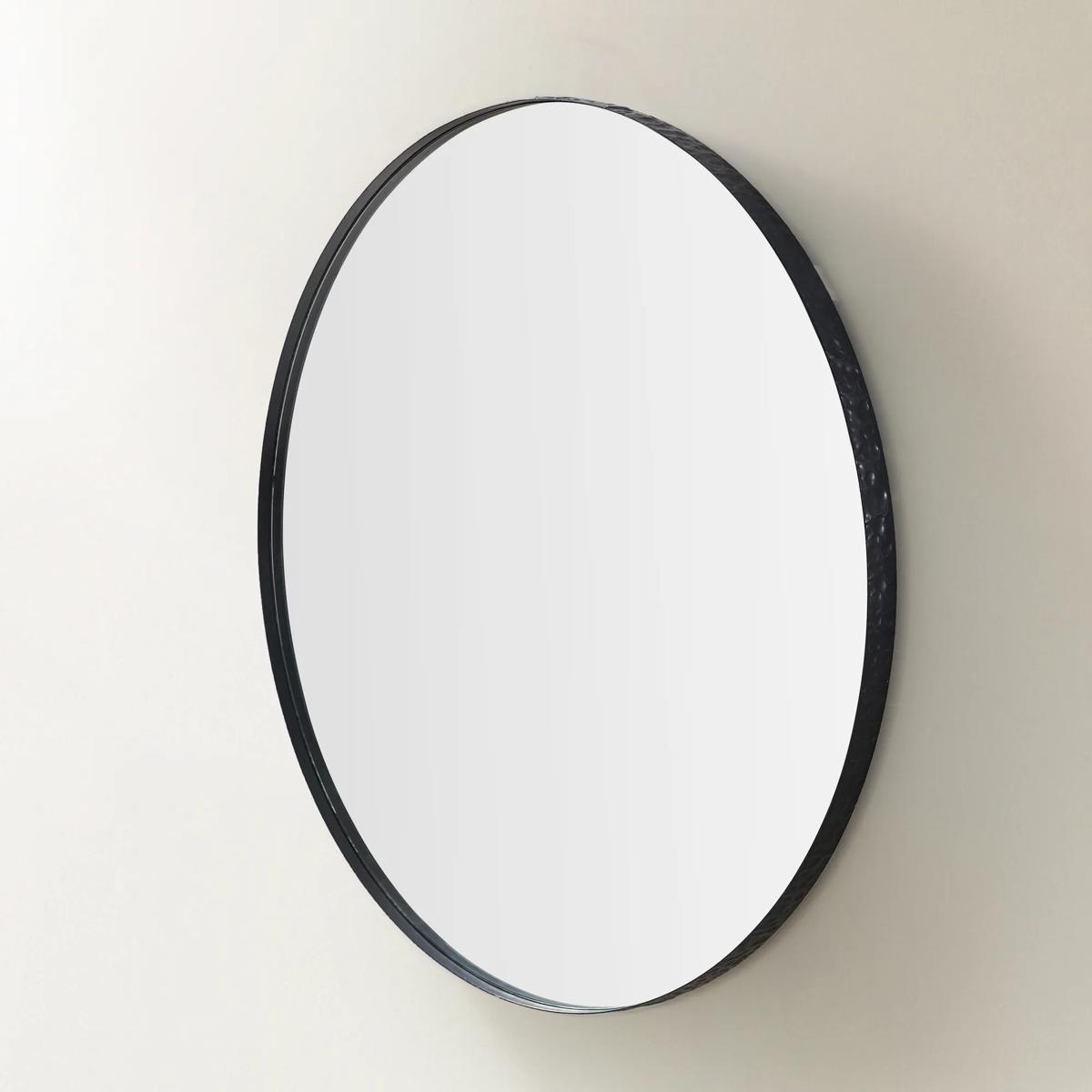 Cade Wall Mirror - Black$749
A round wall mirror featuring a hand-hammered black iron frame for a sleek, modern accent.
Add To Cart -
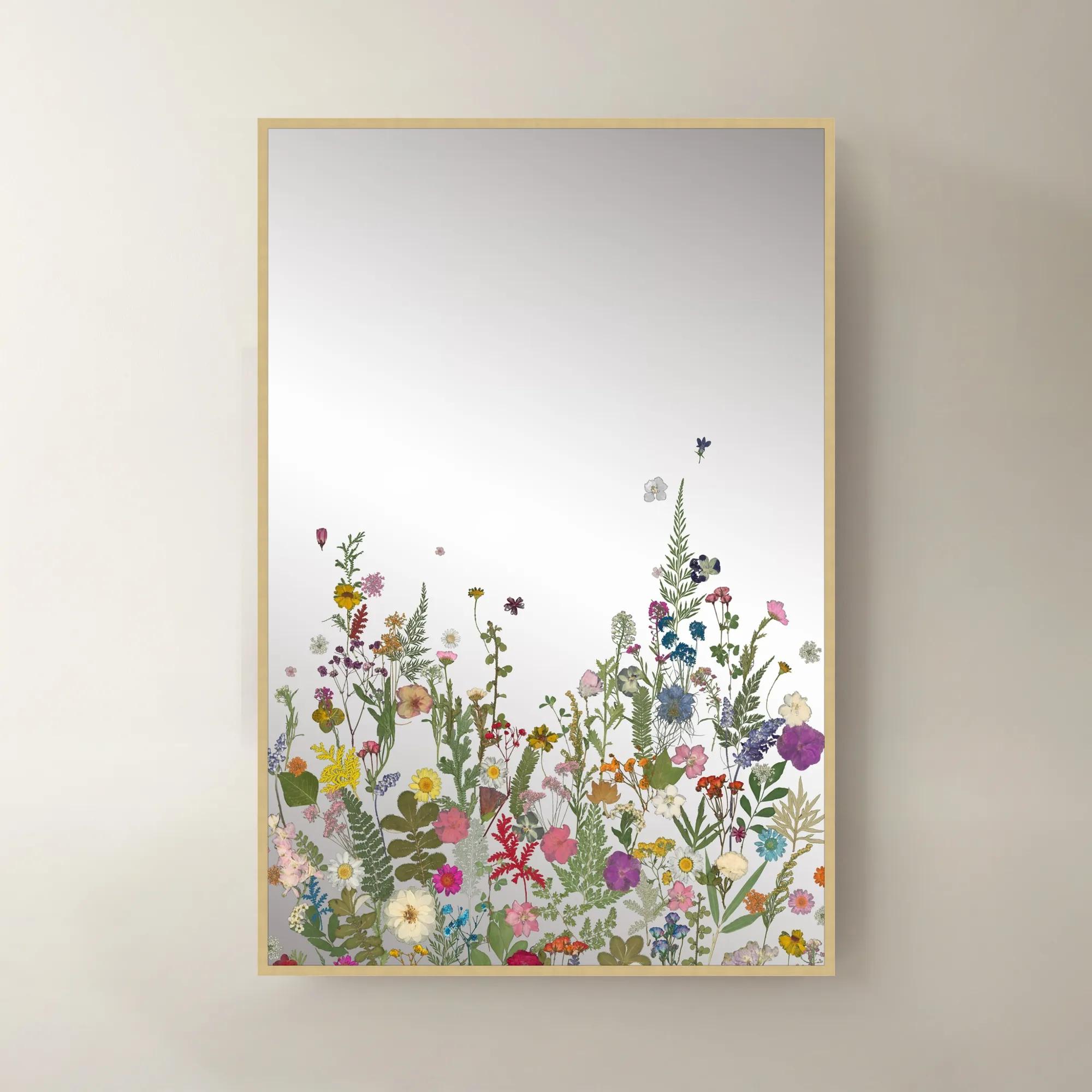
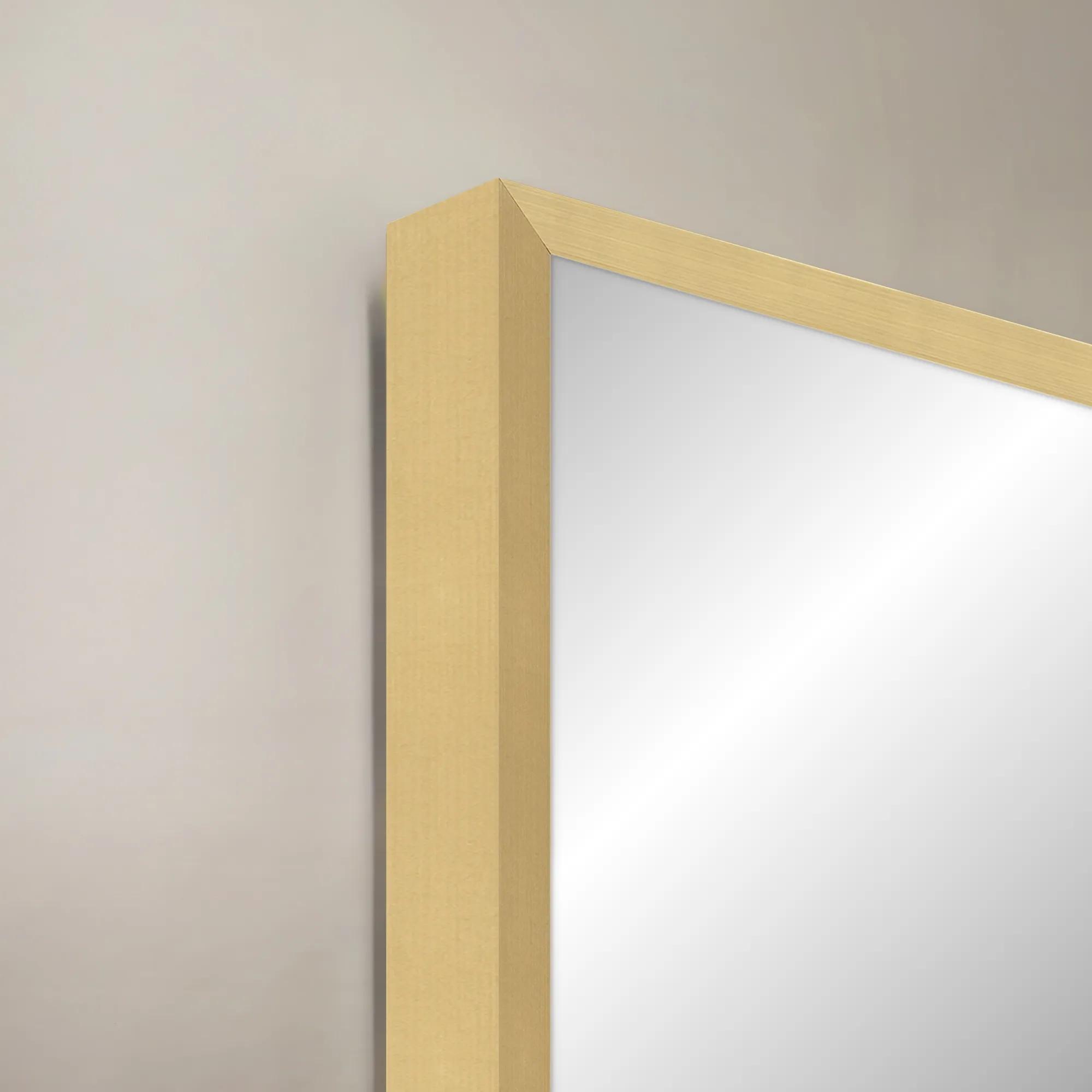 Night Scent III Framed Printed Wall Mirror 40" x 60"$1499
A framed printed wall mirror offering artistic dimension and contemporary style.
Add To Cart -
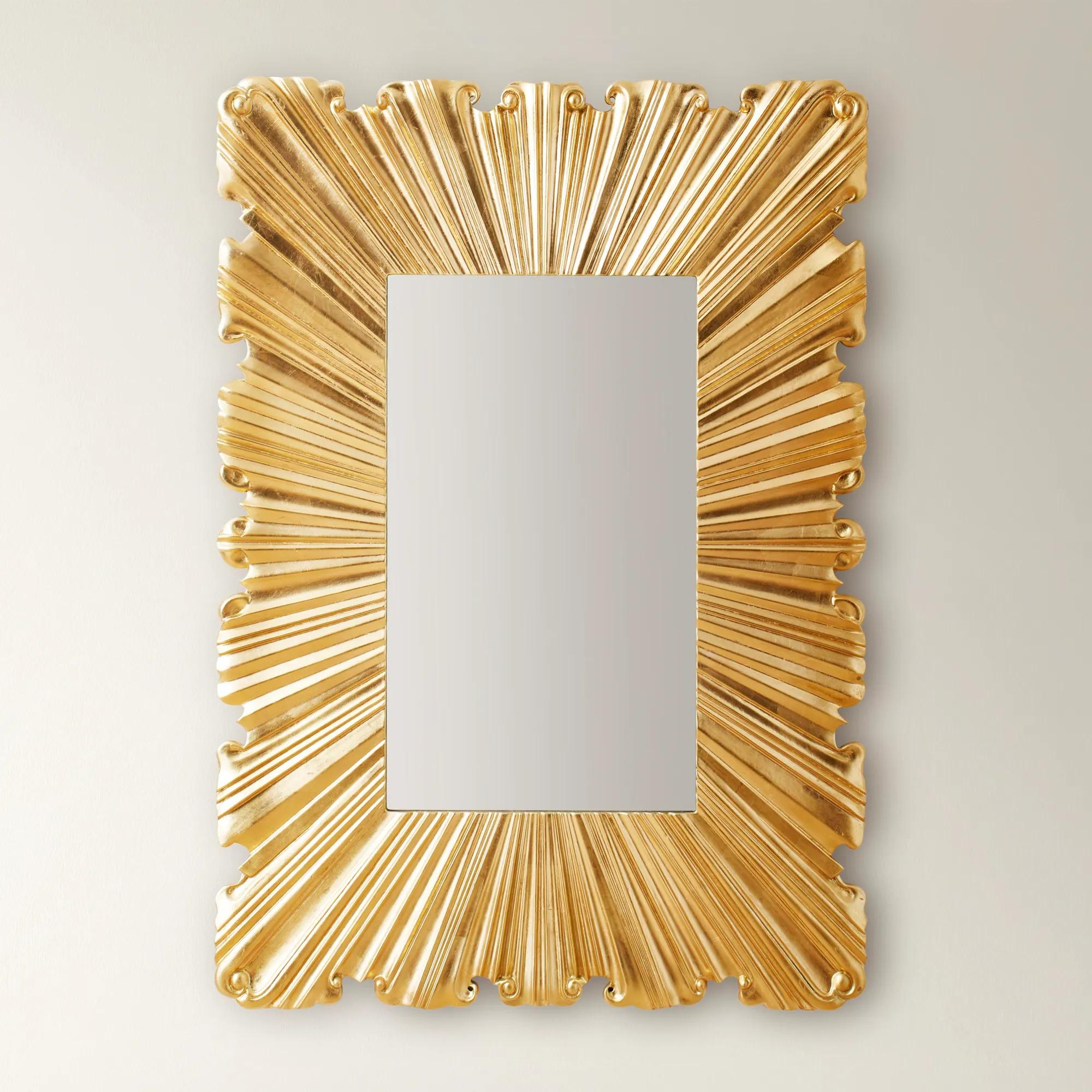 Metropolitan Gold Leaf Resin Rectangular Wall Mirror 27.5" x 39.5"$459
A sculptural wall mirror featuring a gold-finished polyurethane frame for a modern, elegant accent.
Add To Cart -
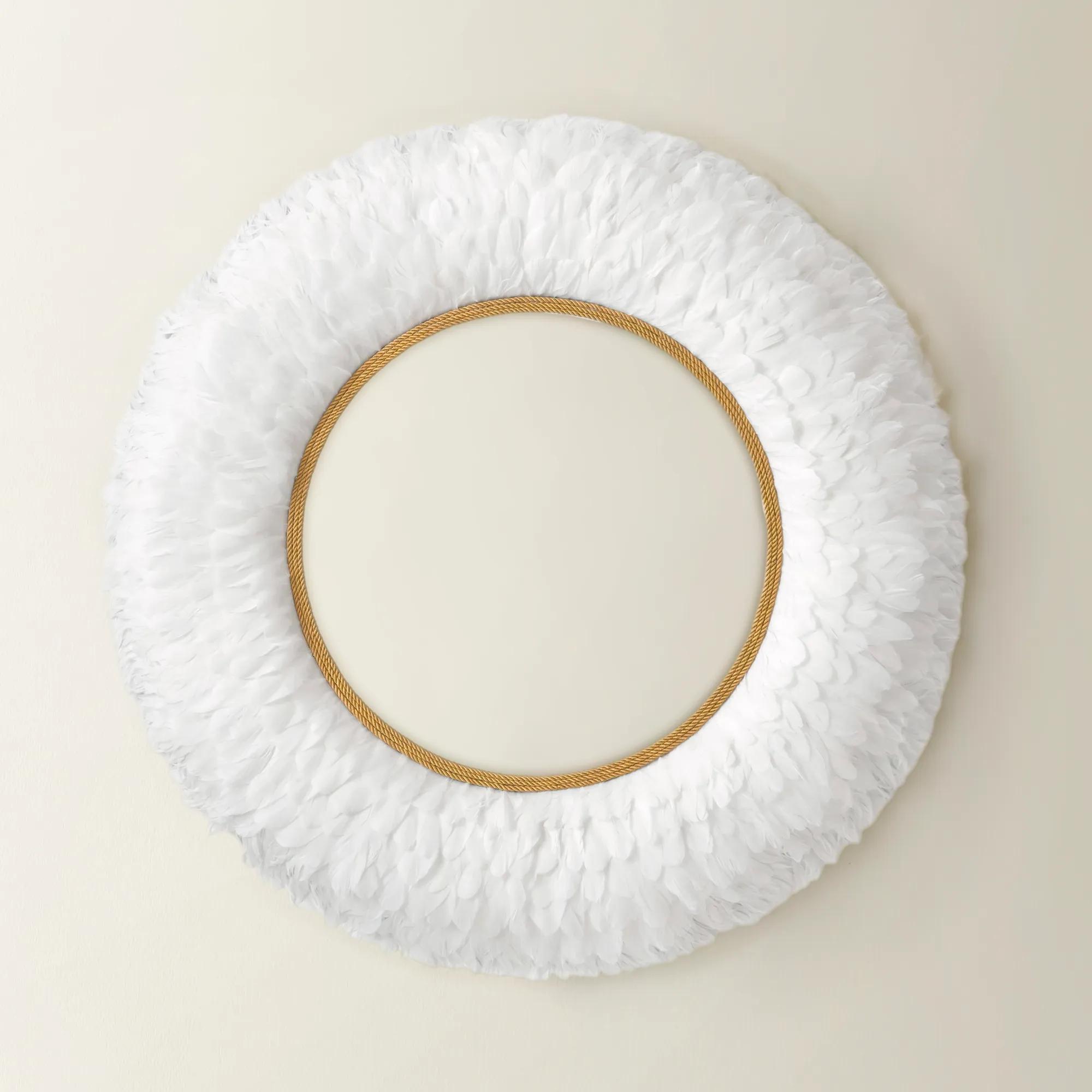
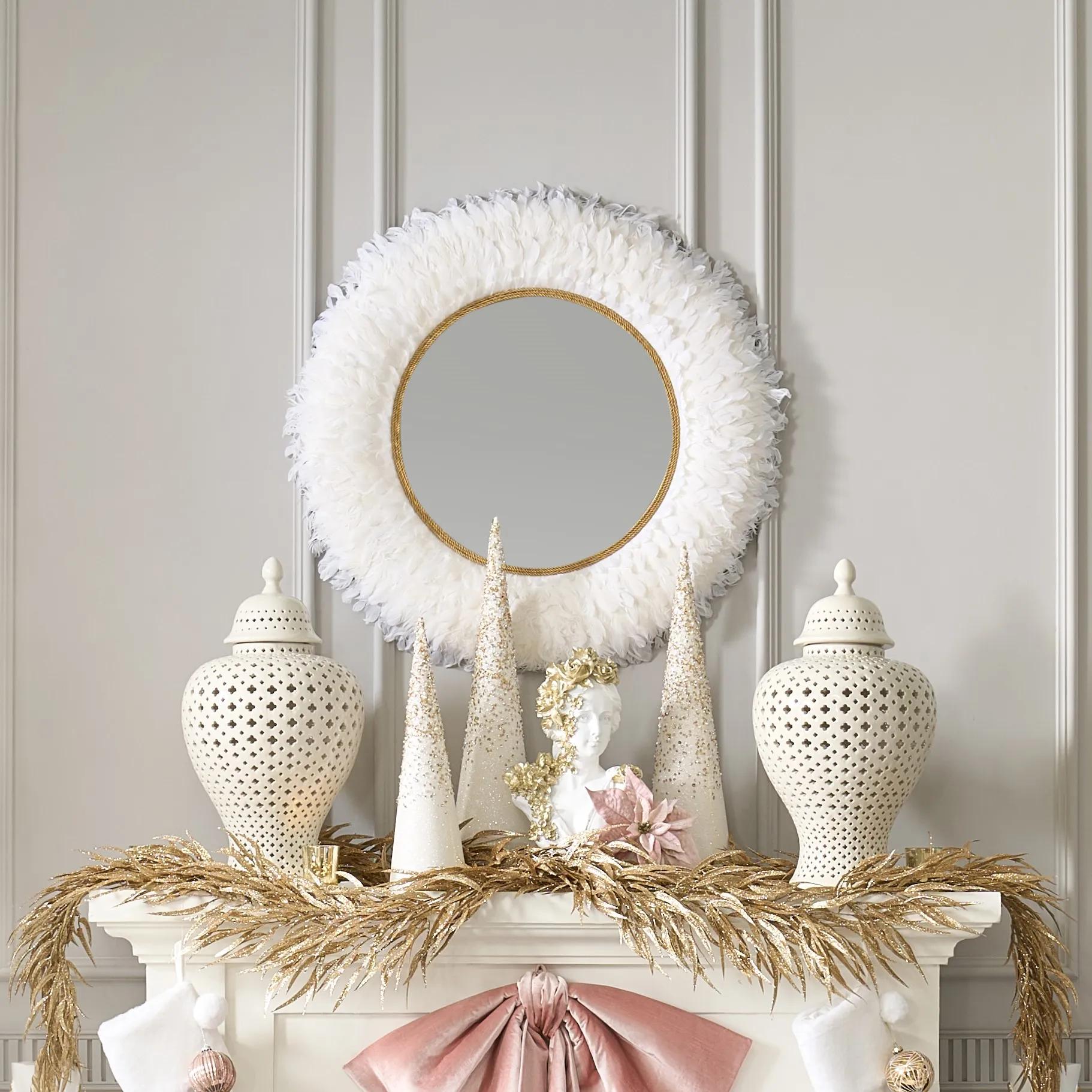 Nikki Chu - Daybreak Feather Mirror$499
A dramatic white feather-framed mirror accented with a gleaming gold inner border for added texture.
Add To Cart -
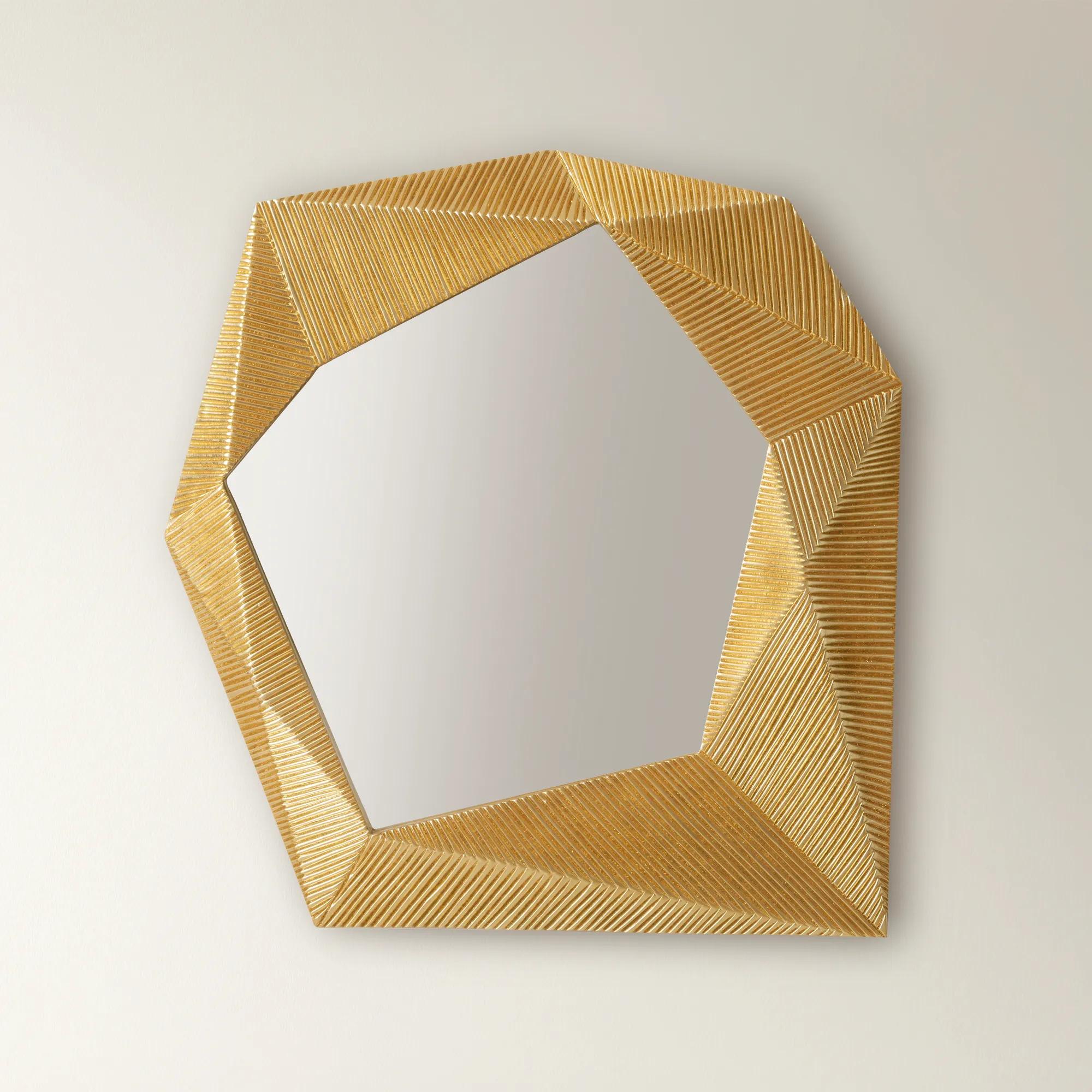
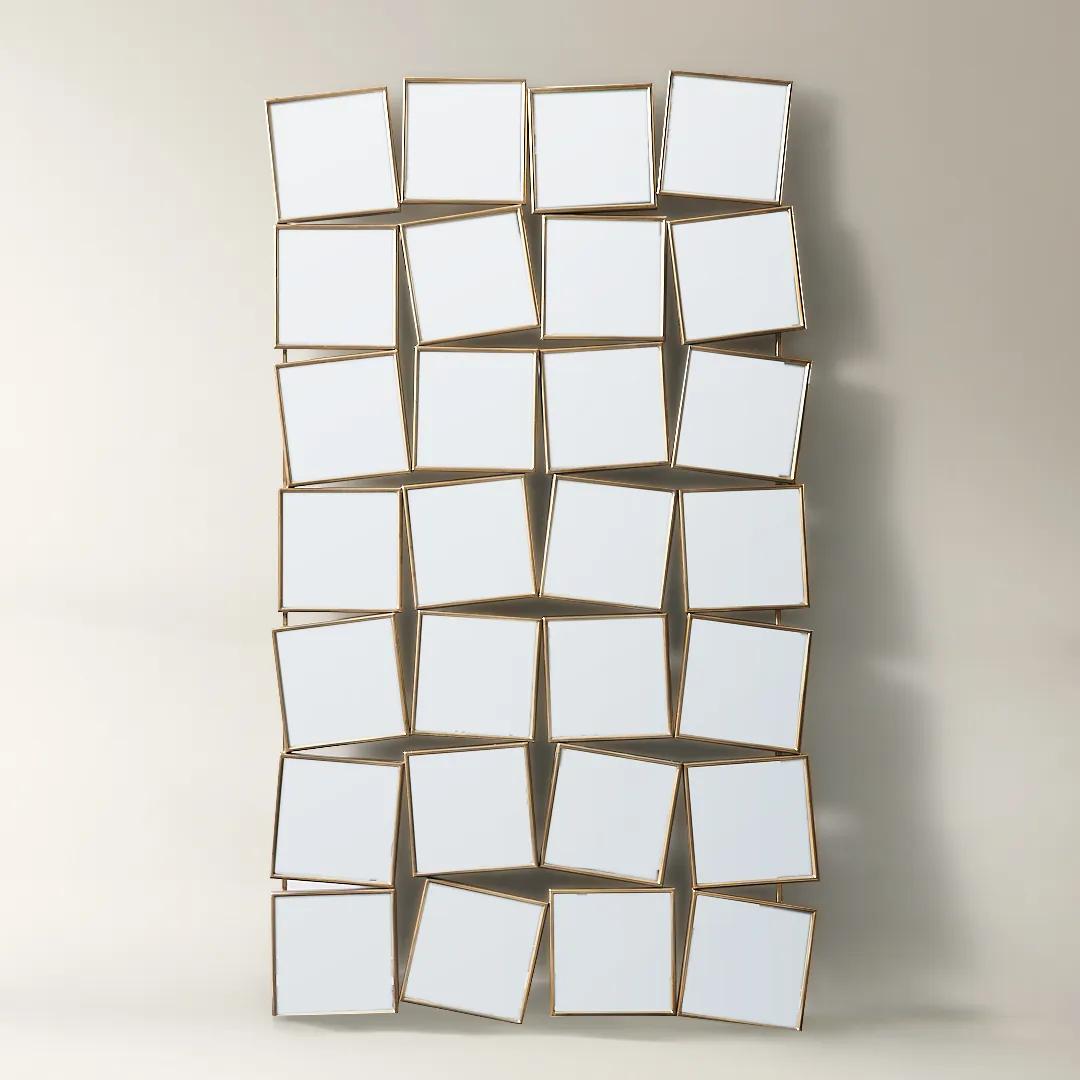
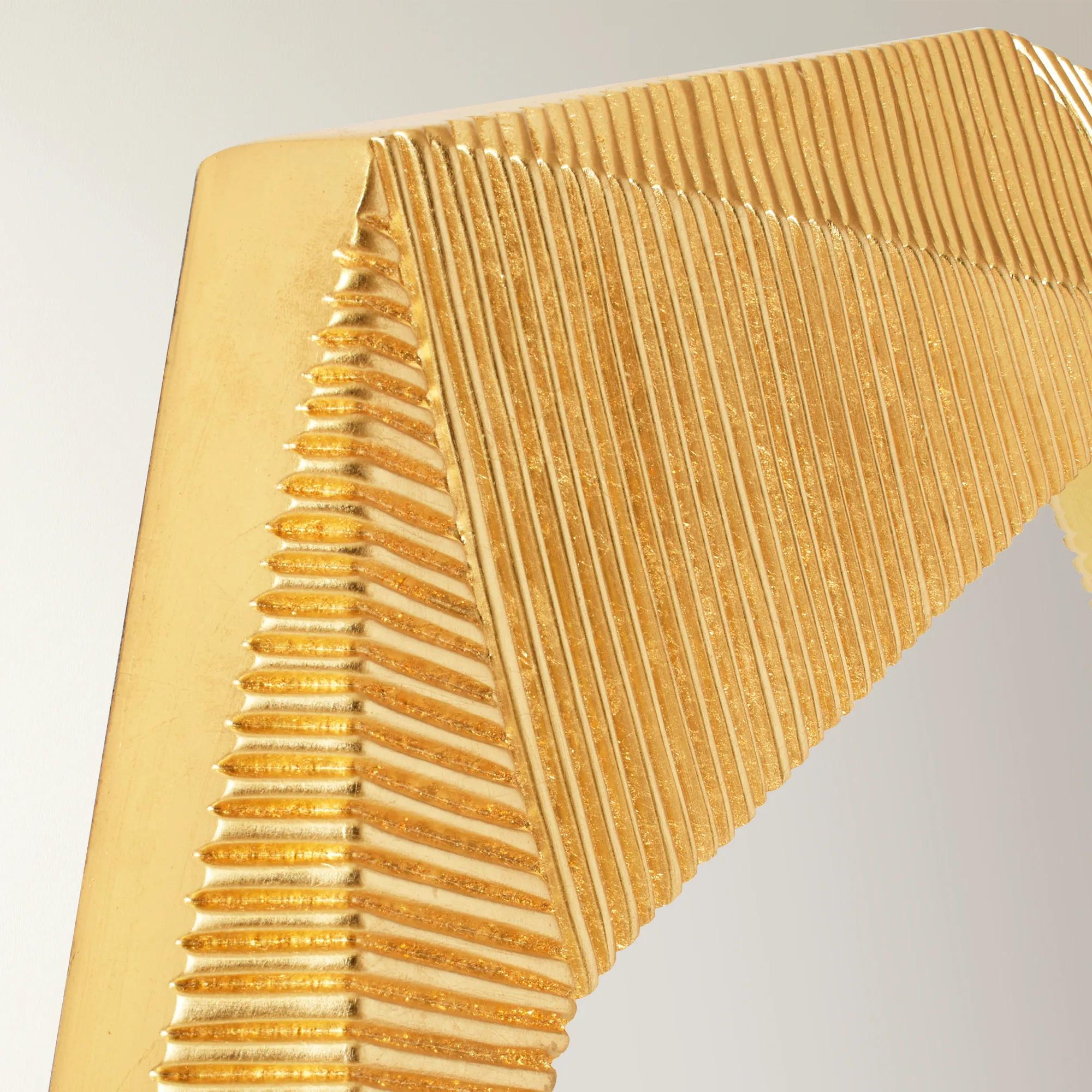 Nikki Chu Gold Steel Faceted Wall Mirror 31.5" x 35.5"$349
A modern mirror featuring a textured, faceted steel frame in a striking metallic gold finish.
Add To Cart -
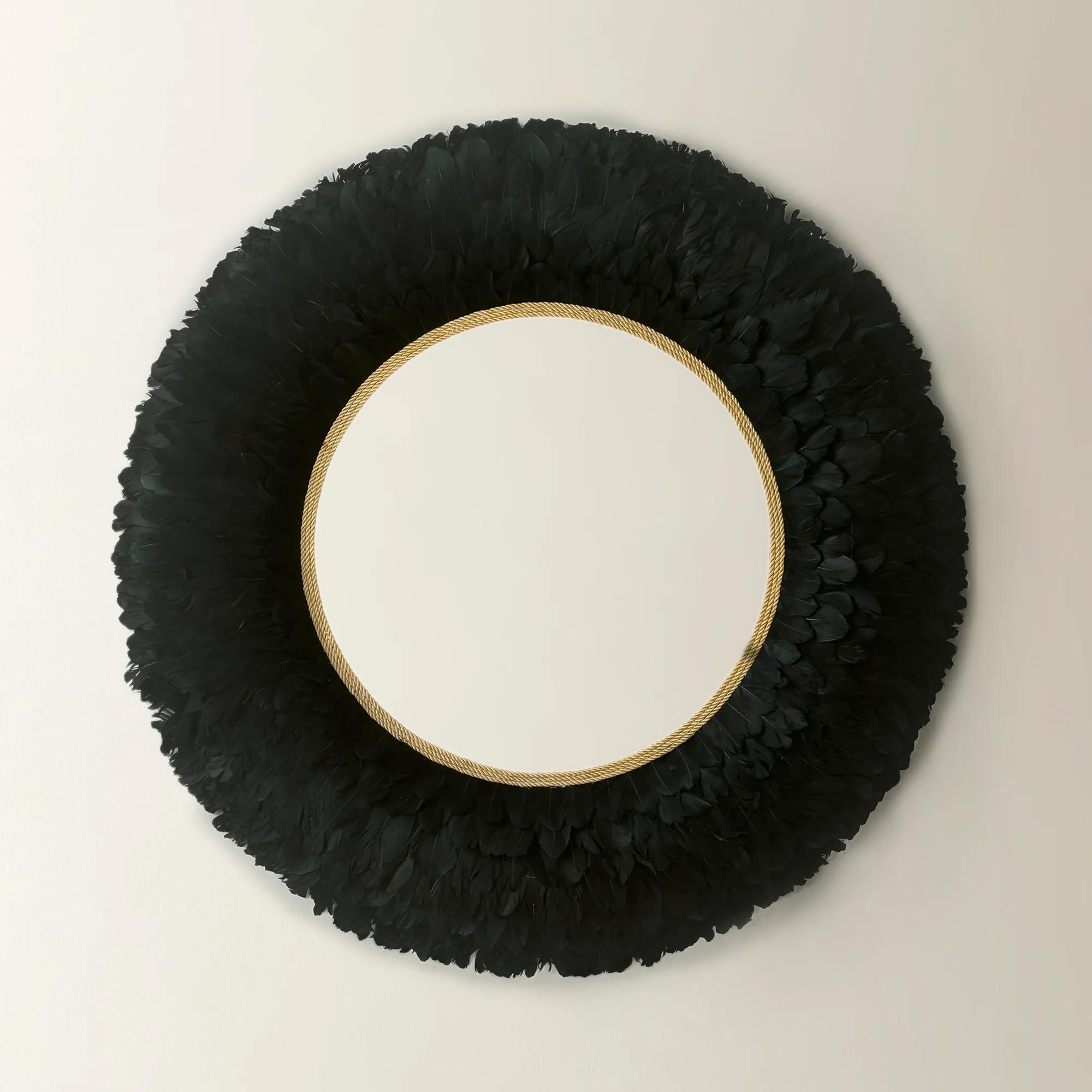
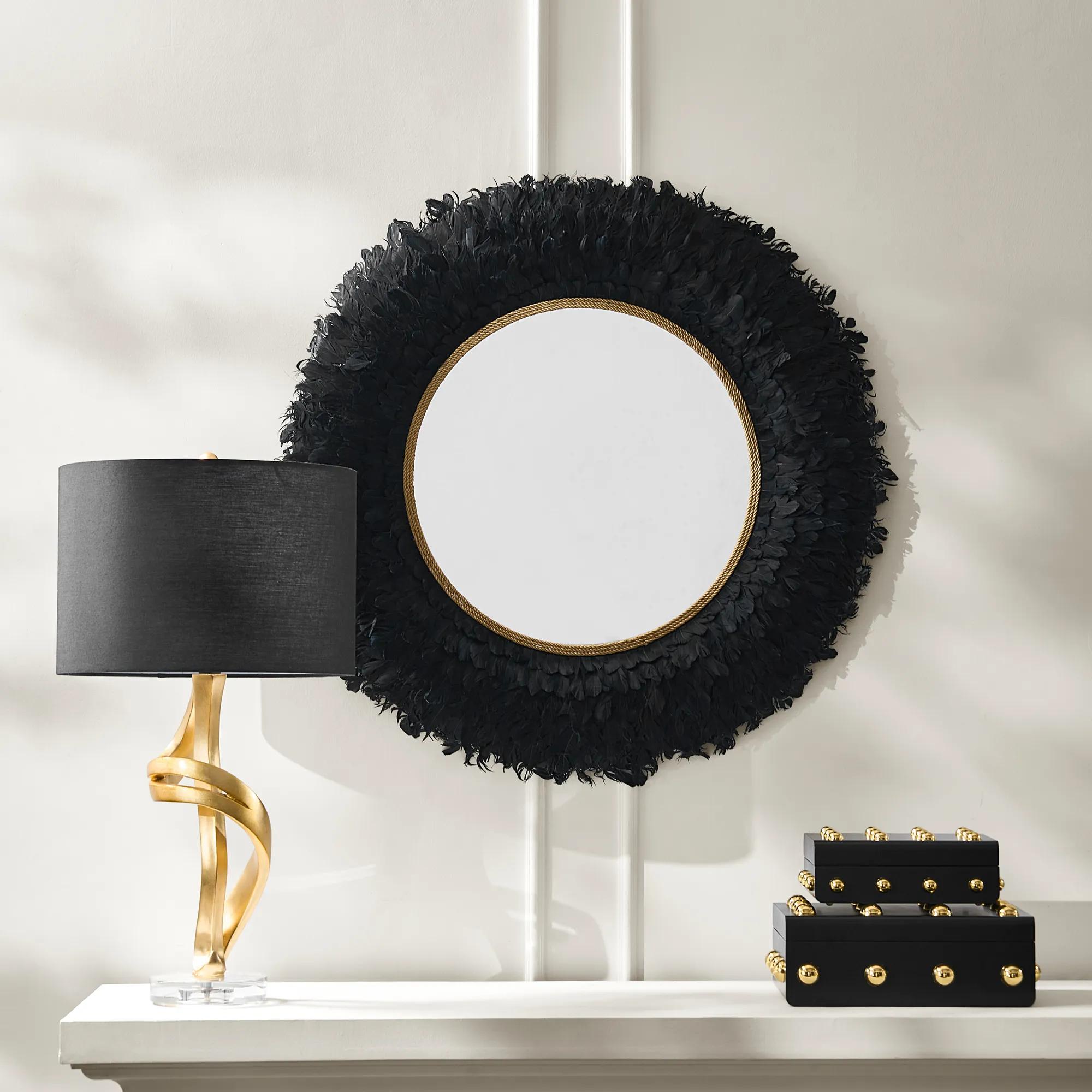 Nikki Chu Midnight Black Feather Round Wall Mirror 35.5"$499
A dramatic black feather-framed mirror accented with a gleaming gold inner border for striking wall texture.
Add To Cart -
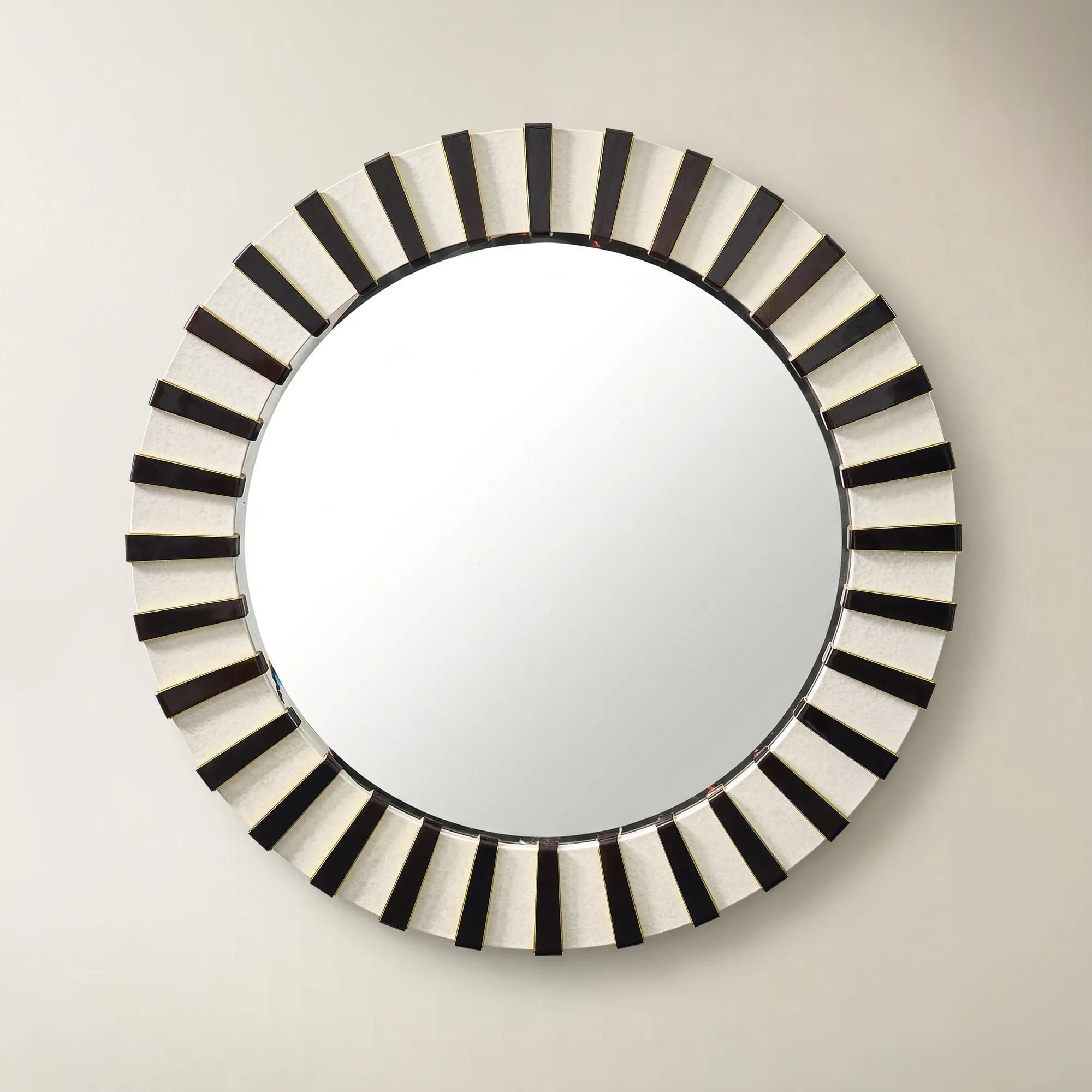 Regatta Opaline Pearl Black Gold Dimensional Round Wall Mirror 45"$849
A luminous wall mirror featuring an opaline pearl lacquered wood frame with black, gold, and raised resin accents.
Add To Cart -
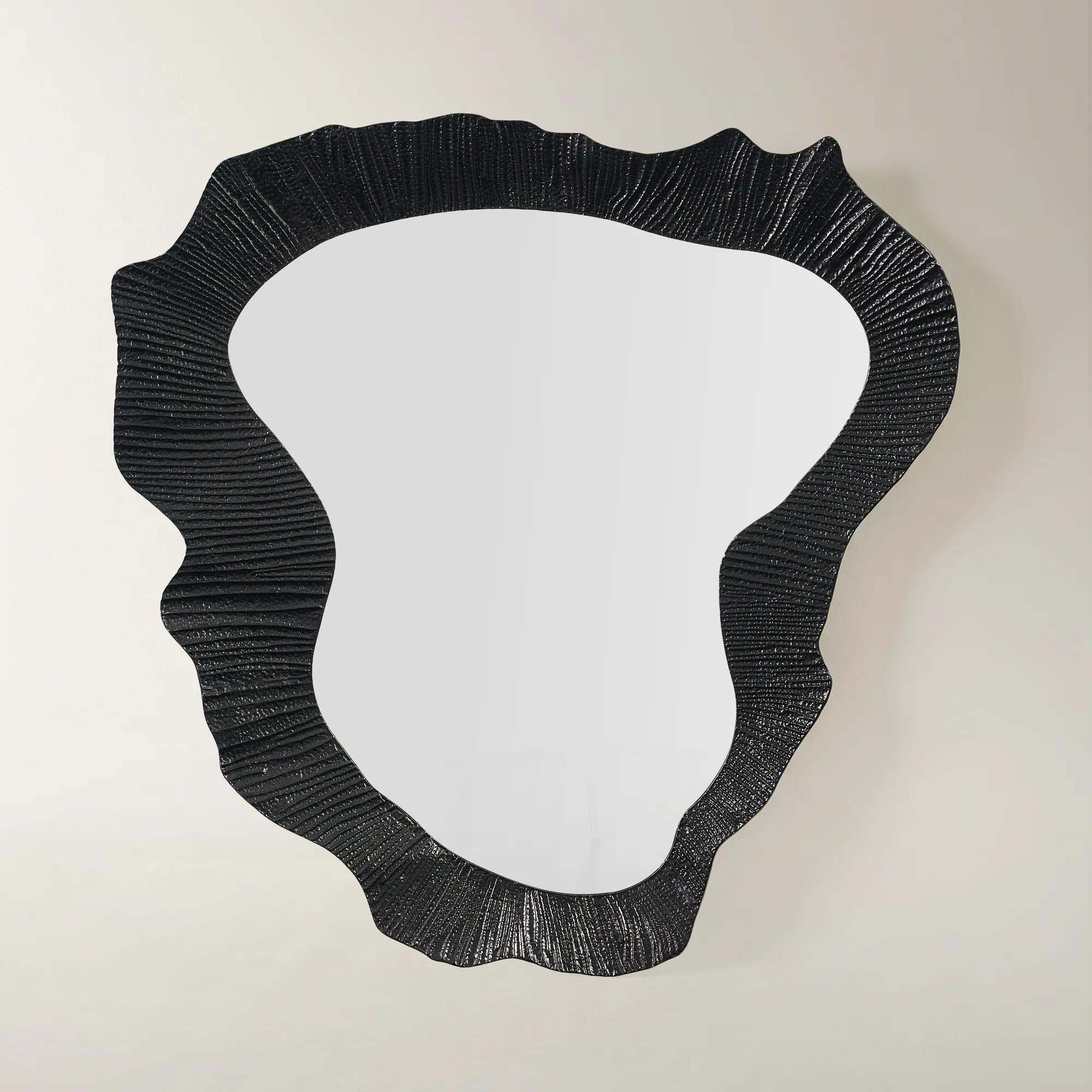 Cara Black Hand-Forged Iron Organic Shaped Wall Mirror 52.5" x 53"$1199
A hand-forged black iron frame and organic silhouette create a bold, sculptural statement for any room.
Add To Cart -

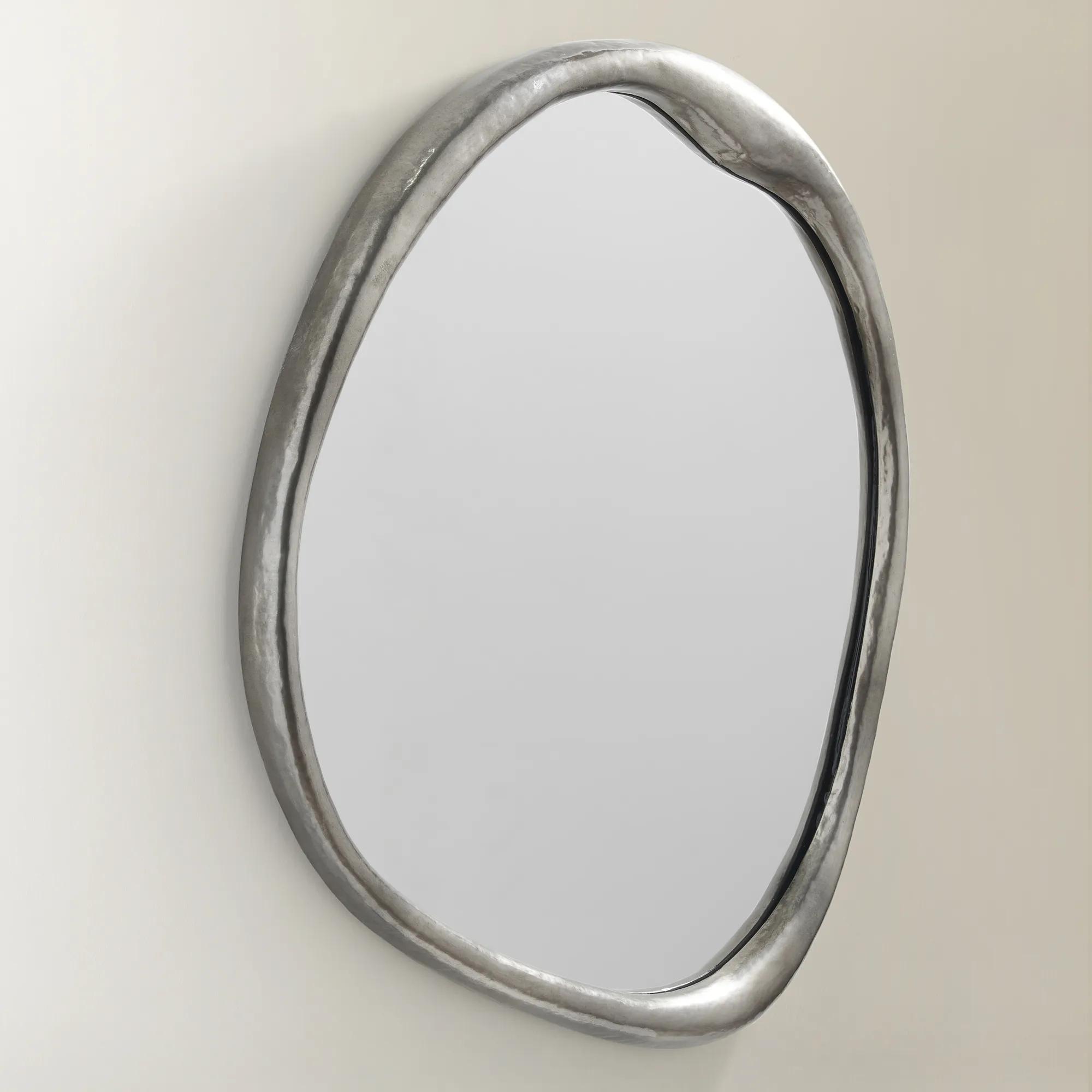 Organa Wall Mirror$599
An irregular silver iron-framed mirror that brings modern organic style and reflective depth to any room.
Add To Cart -
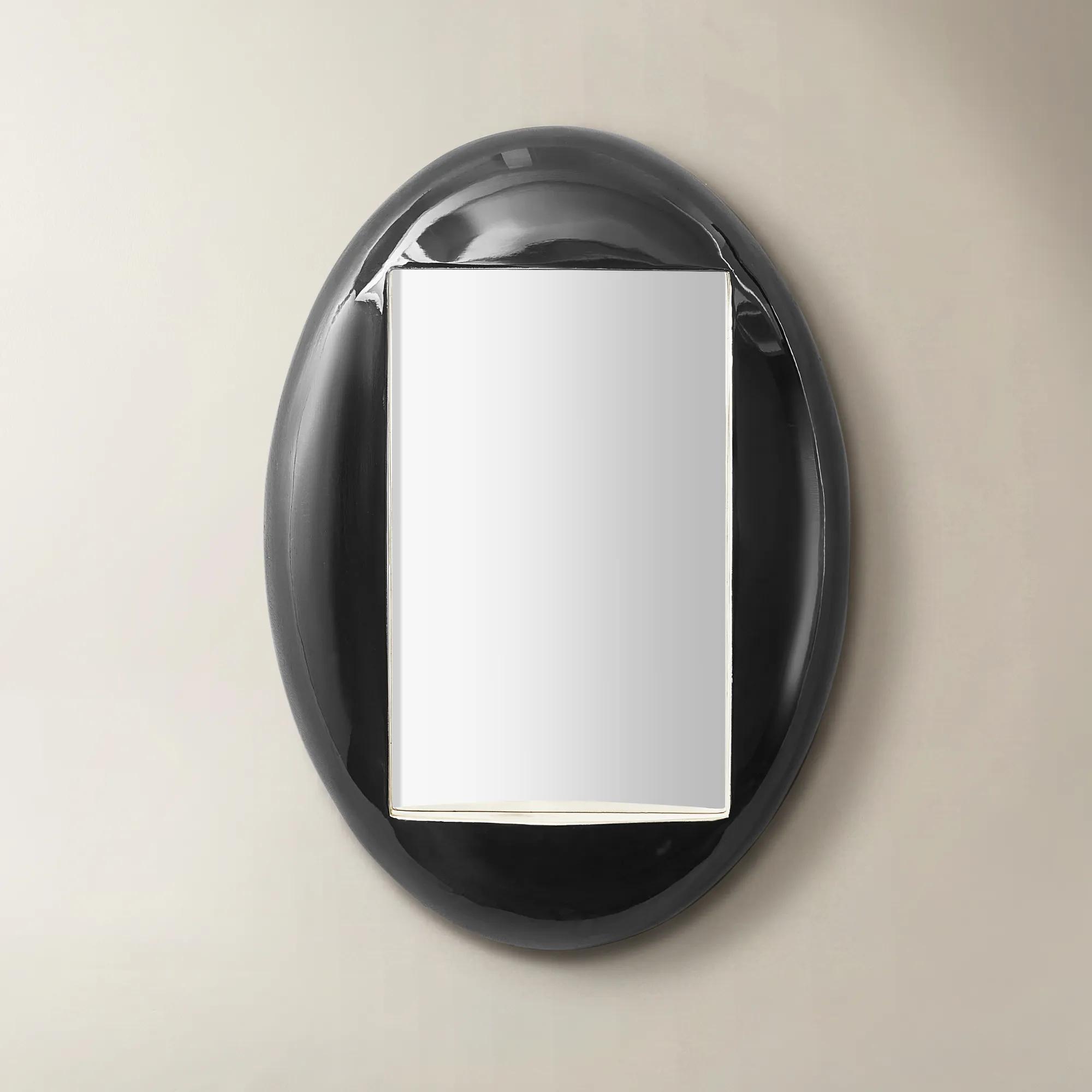 Tuxedo Black And Champagne High Gloss Resin Geometric Wall Mirror 28" x 20"$299
A geometric wall mirror with a black and champagne resin frame for bold, modern sophistication.
Add To Cart -
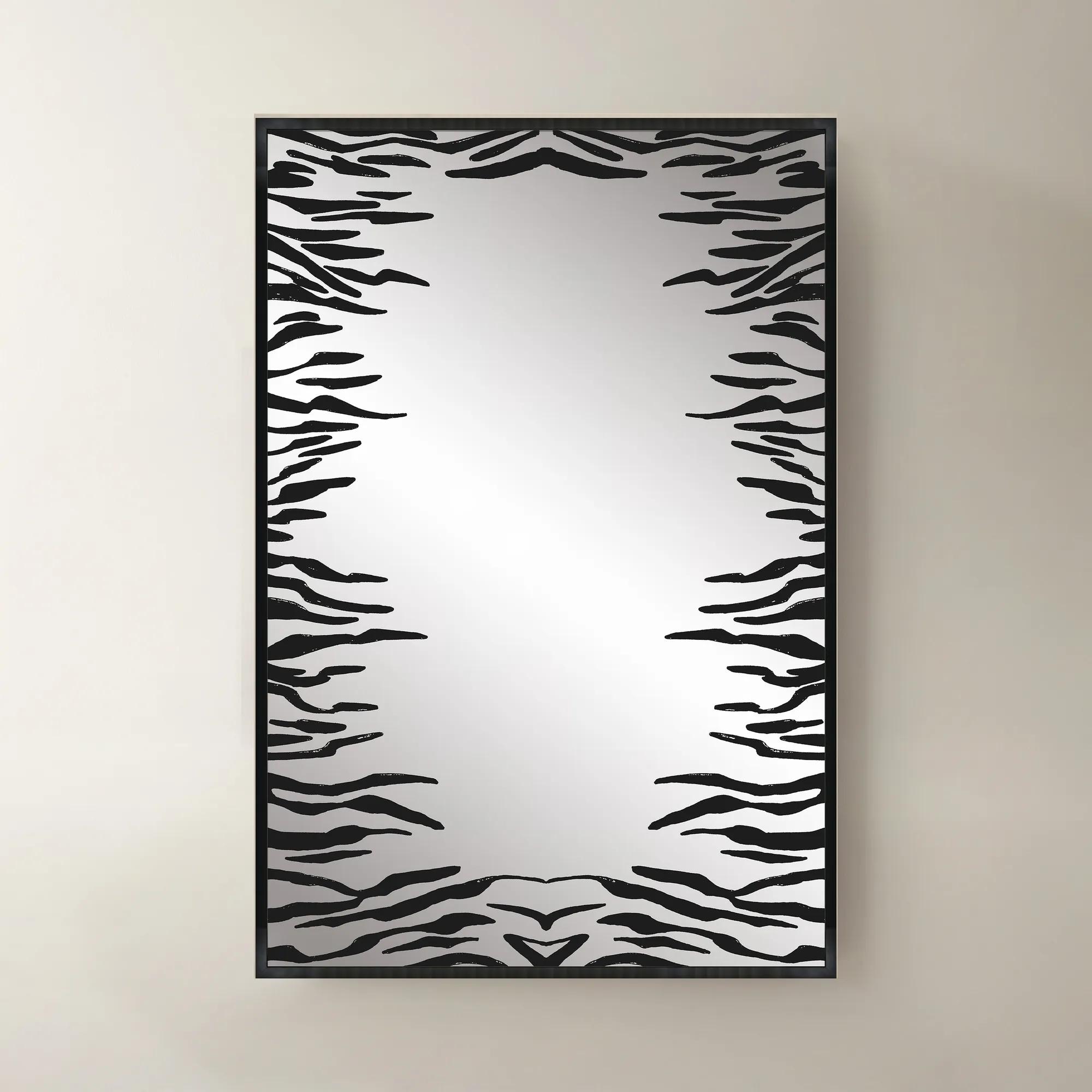
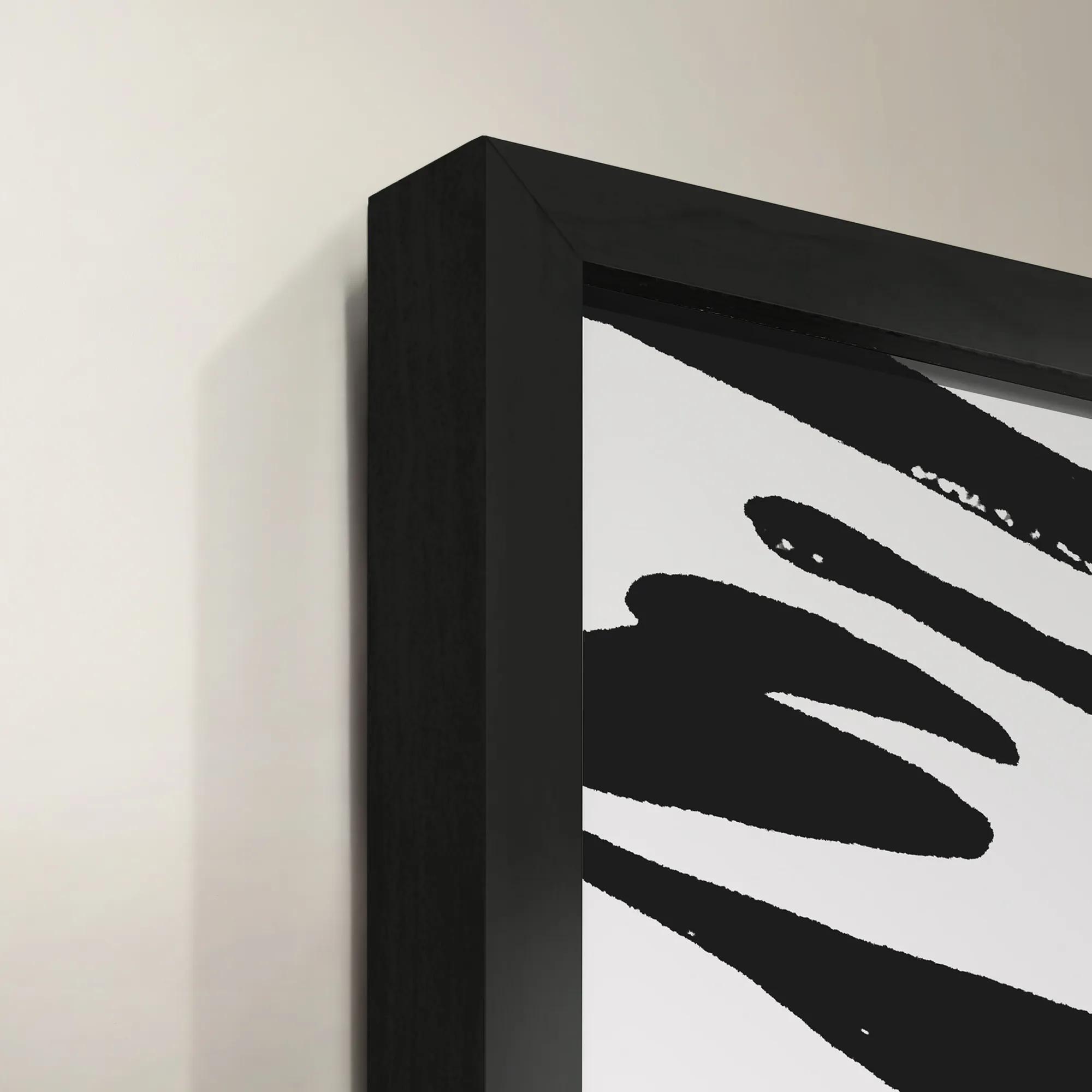 Savanna Veil Framed Printed Wall Mirror 40" x 60"$1499
A black framed printed wall mirror offering artistic dimension and modern sophistication.
Add To Cart -
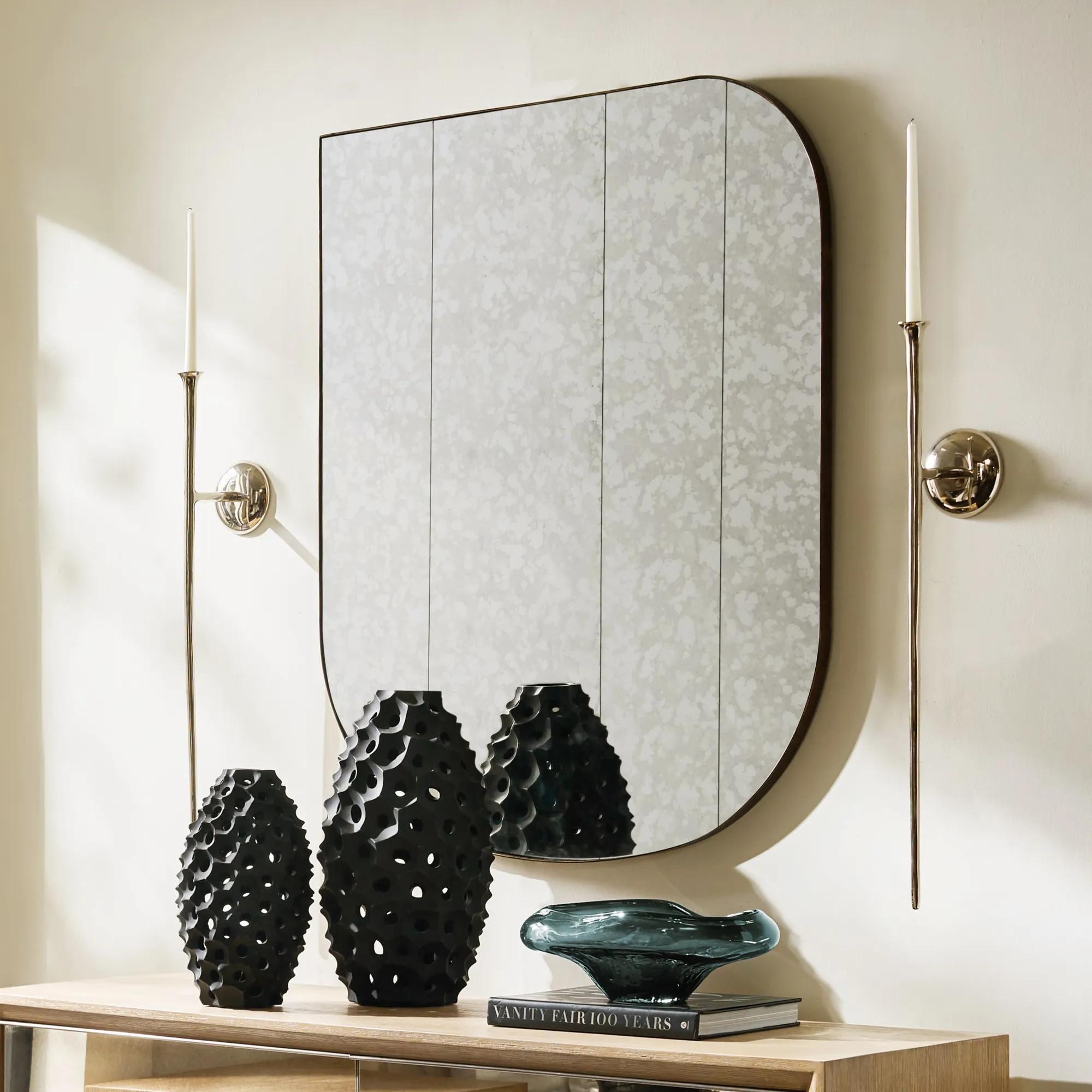
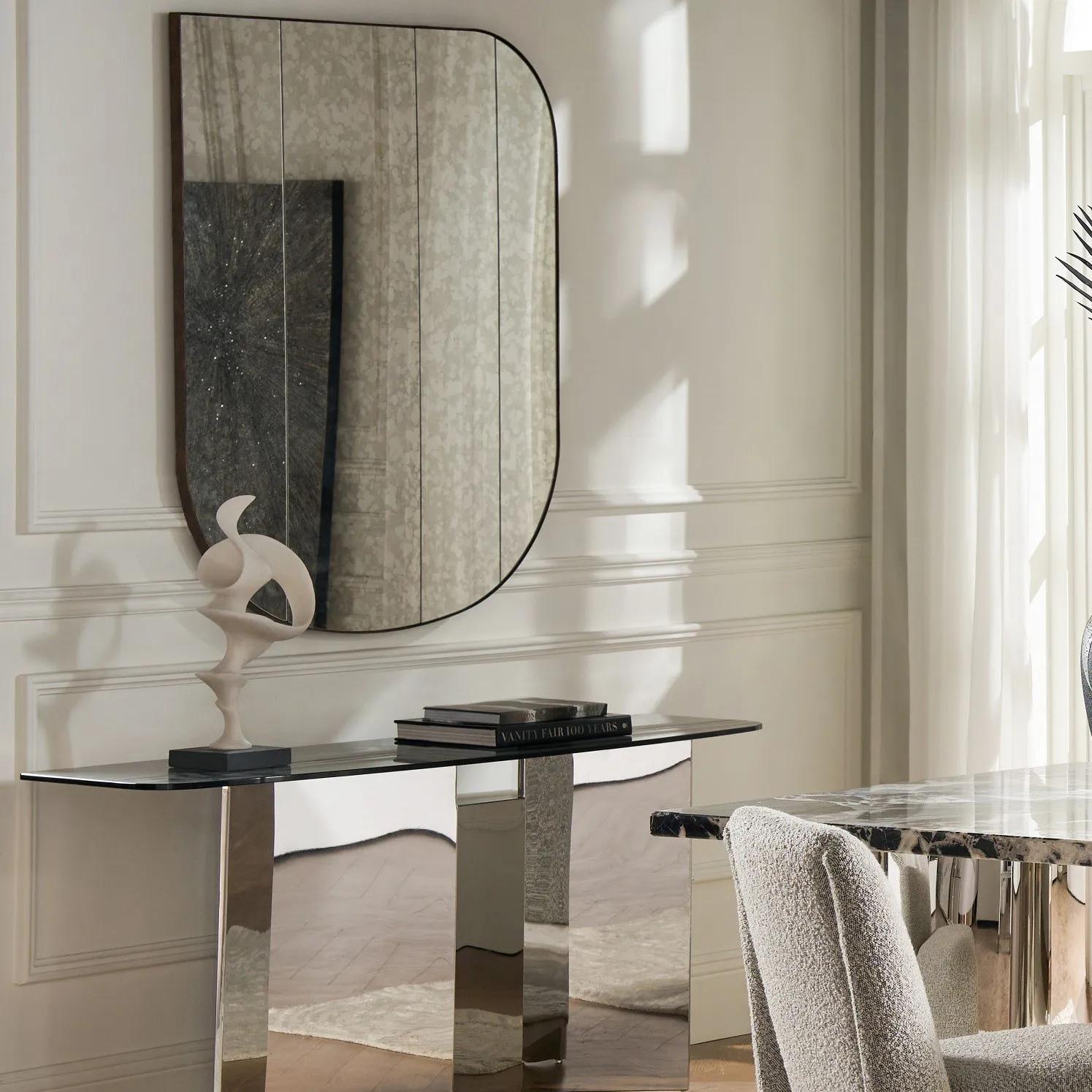 Angolo Wall Mirror$799
An antique-inspired wall mirror featuring a softly irregular shape and shimmering patina on iron and MDF.
Add To Cart -
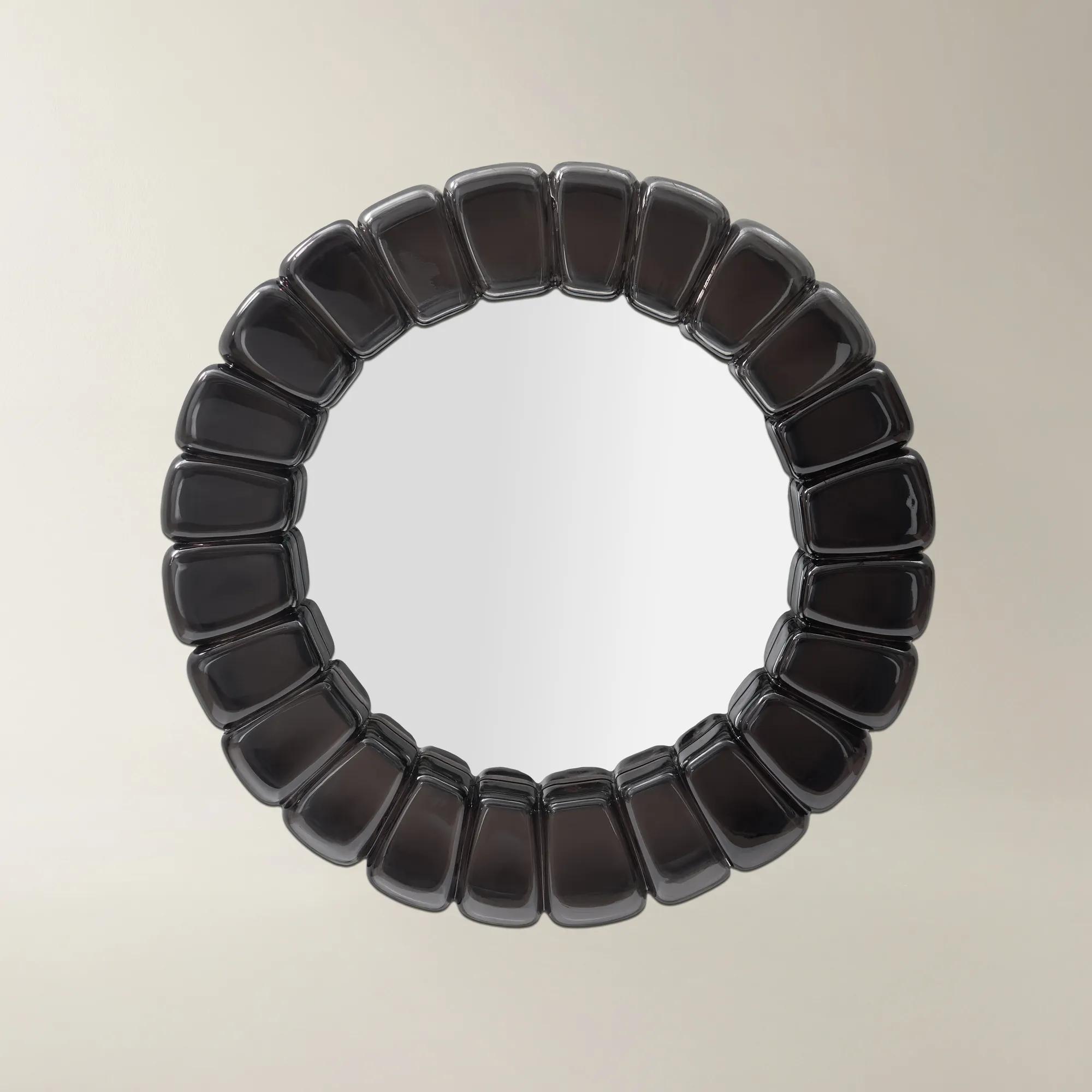
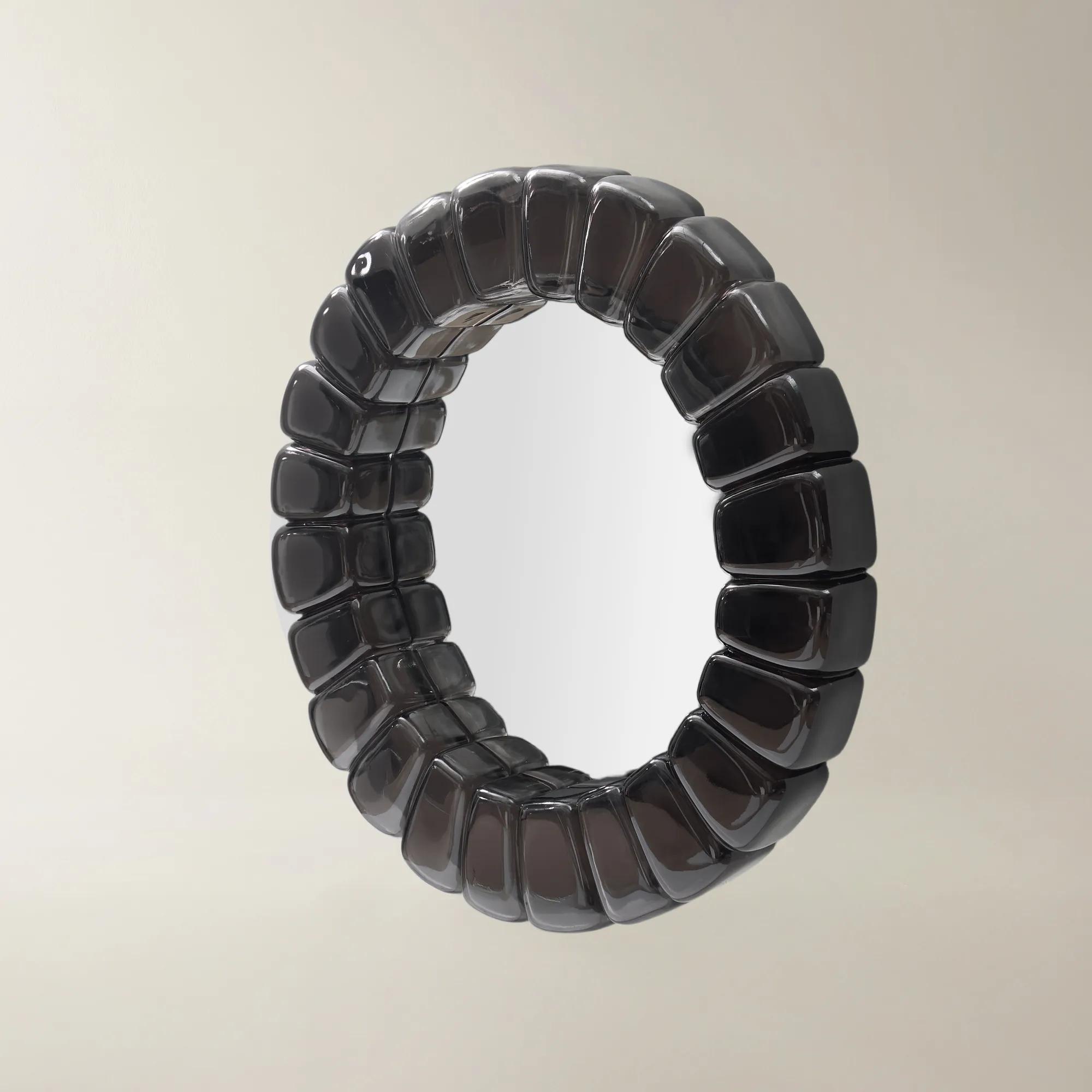 Lumino Graphite Resin Round Wall Mirror 38.5"$899
A round wall mirror with a sculptural translucent charcoal resin frame, graphite finish, and vertical display.
Add To Cart -
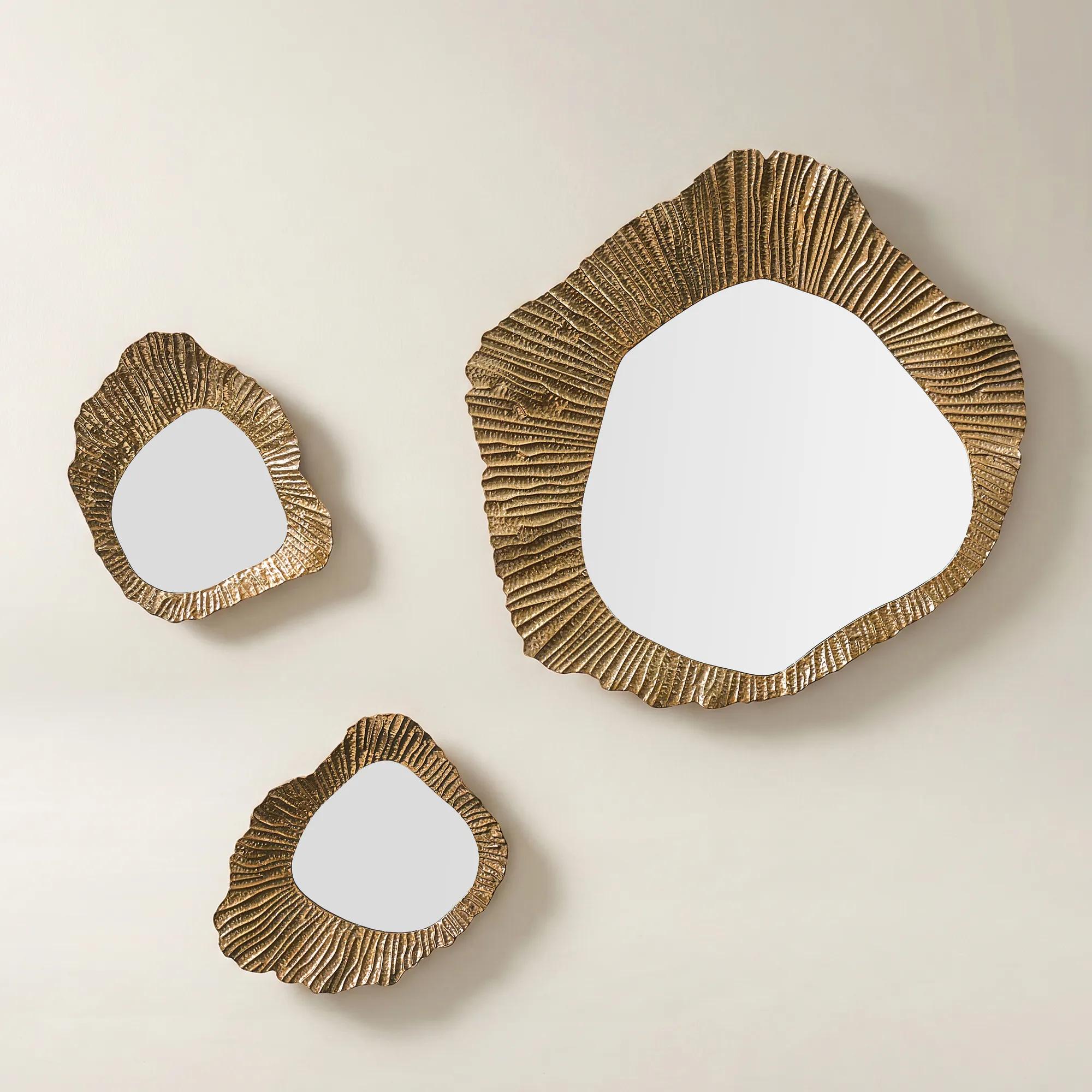 Cara Antique Gold Hand-Forged Iron Organic Shaped Wall Mirror Cluster Trio$1099
A set of three hand-forged iron mirrors in antiqued gold, featuring an organic, sculptural cluster design.
Add To Cart -
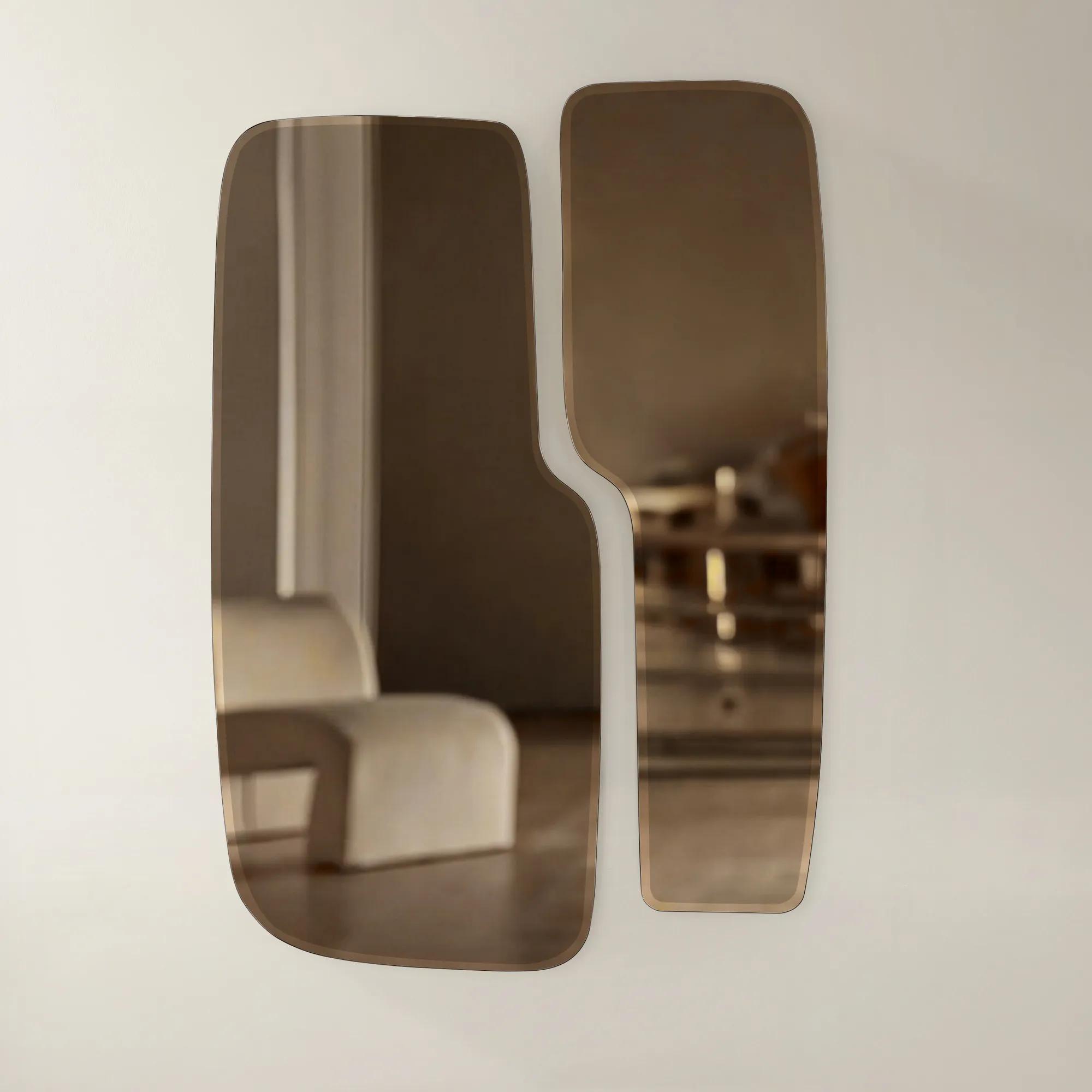 Puzzle 2-Piece Bronze Organic Shaped Wall Mirror 30" x 45"$499
A two-piece bronze wall mirror set featuring organic shapes for an artful, sculptural accent.
Add To Cart -
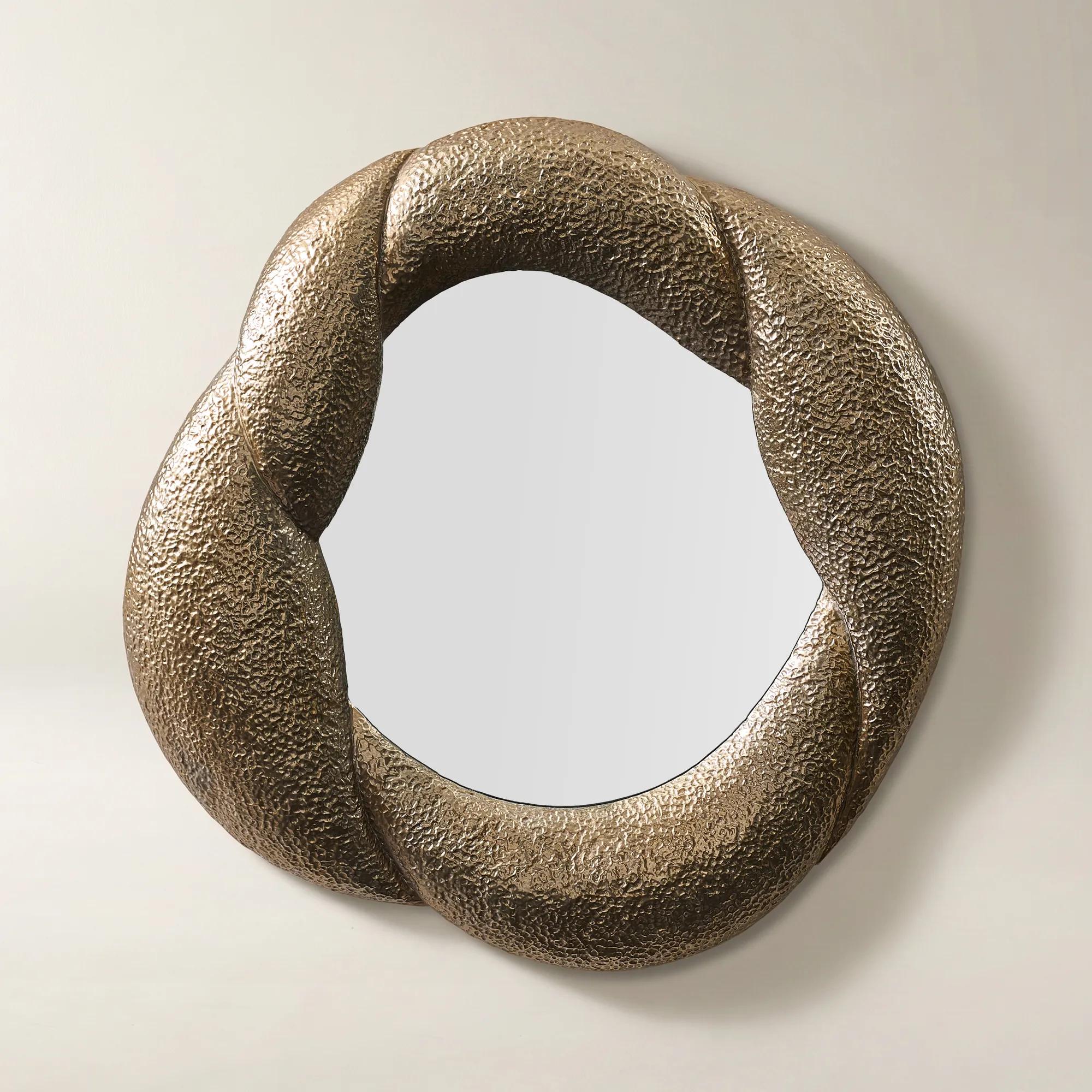 Bronze Age Hammered Texture Resin Organic Round Wall Mirror 34"$599
A round wall mirror featuring a chunky resin frame with hammered bronze texture for sculptural, modern appeal.
Add To Cart -
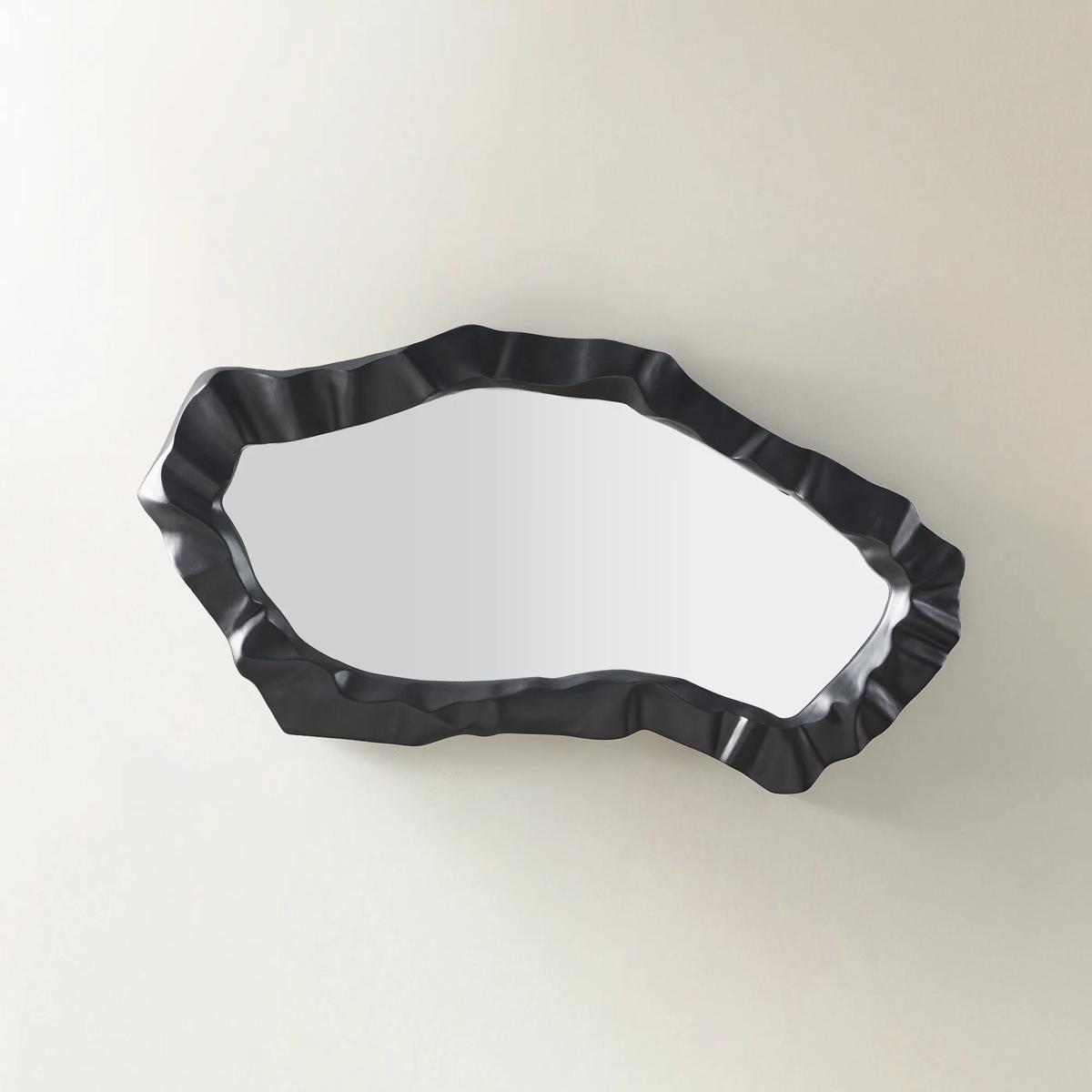
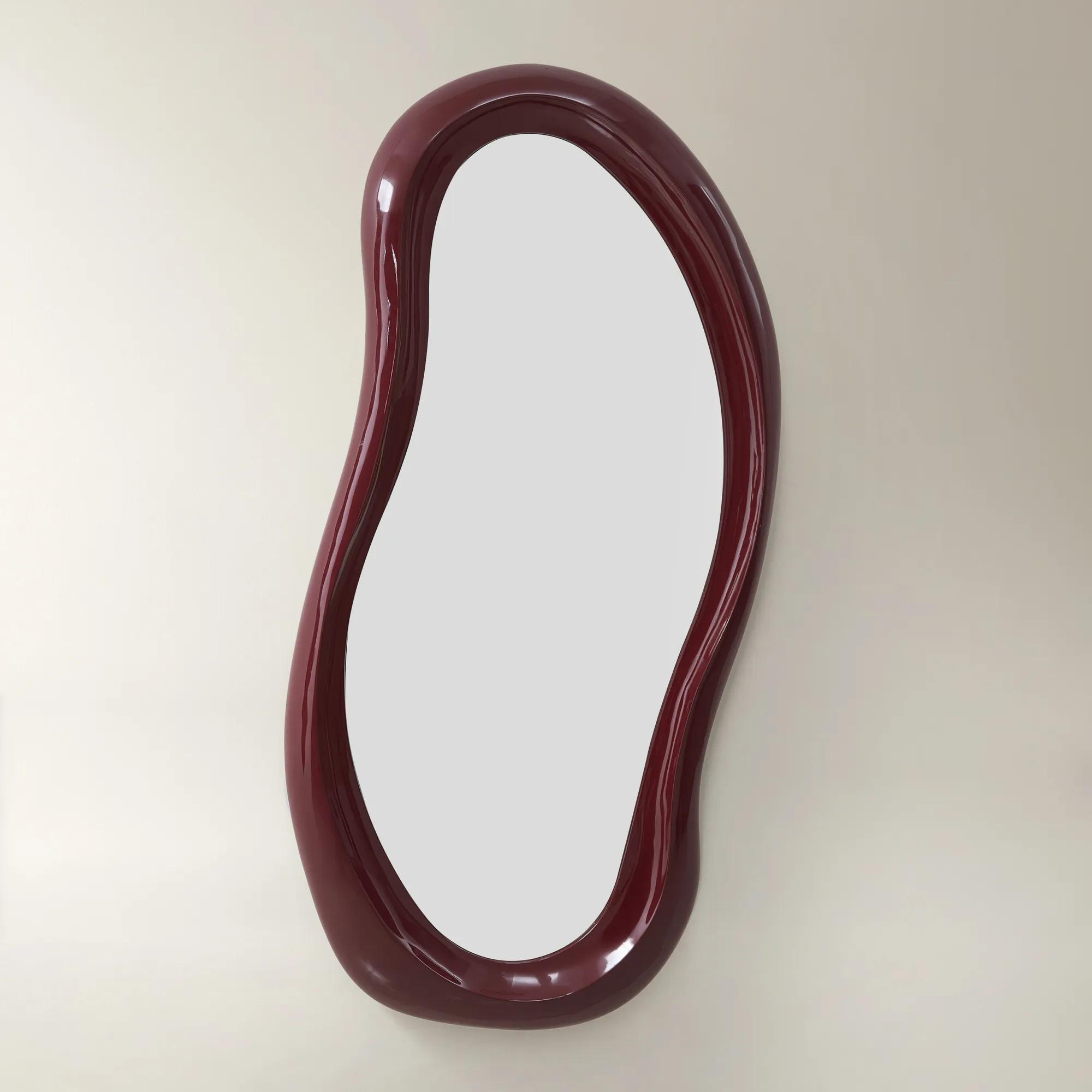
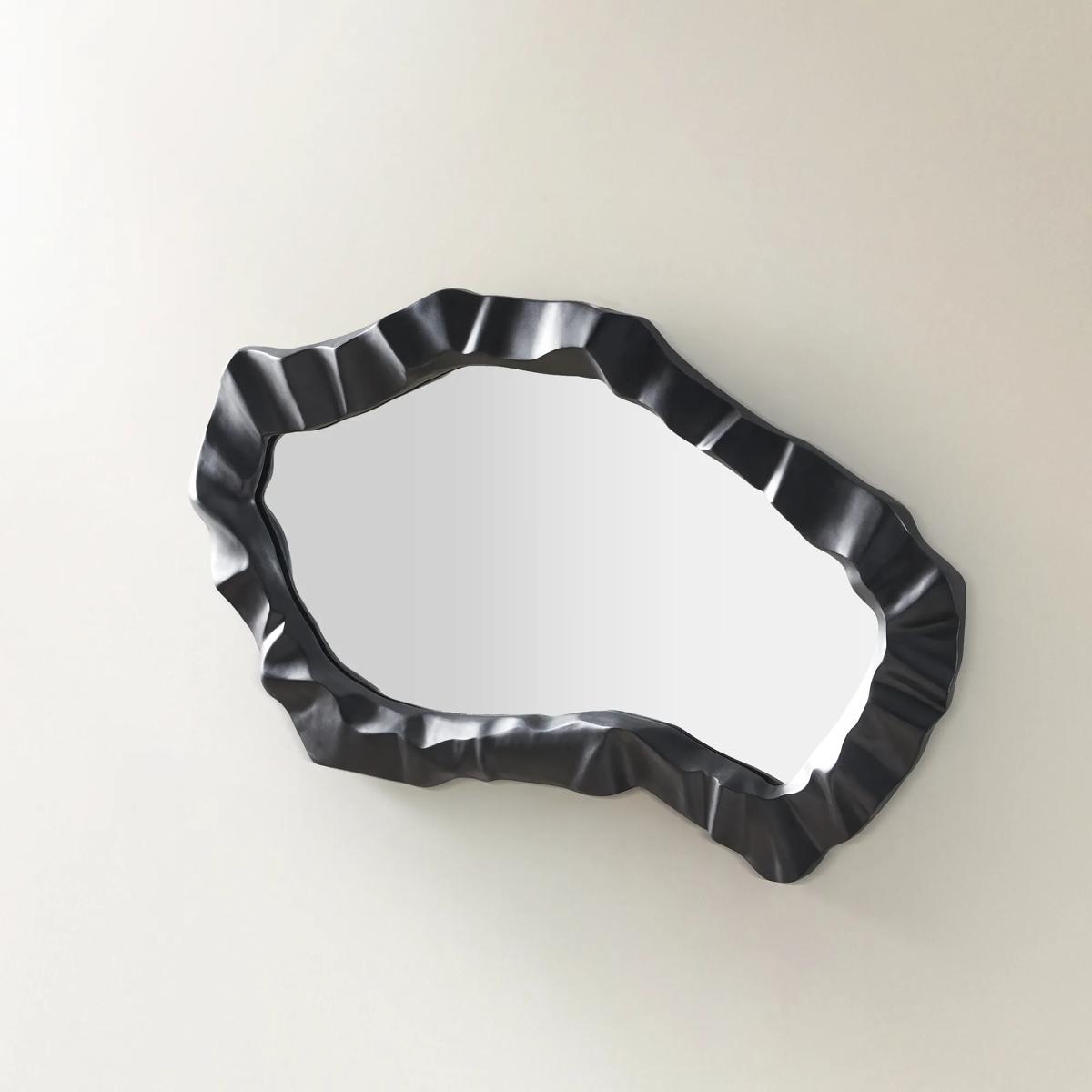 Islay Black Resin Organic Shaped Wall Mirror 44.75" x 23.75"$599
A sculptural black resin mirror featuring bold, asymmetrical curves and versatile vertical or horizontal hanging.
Add To Cart -

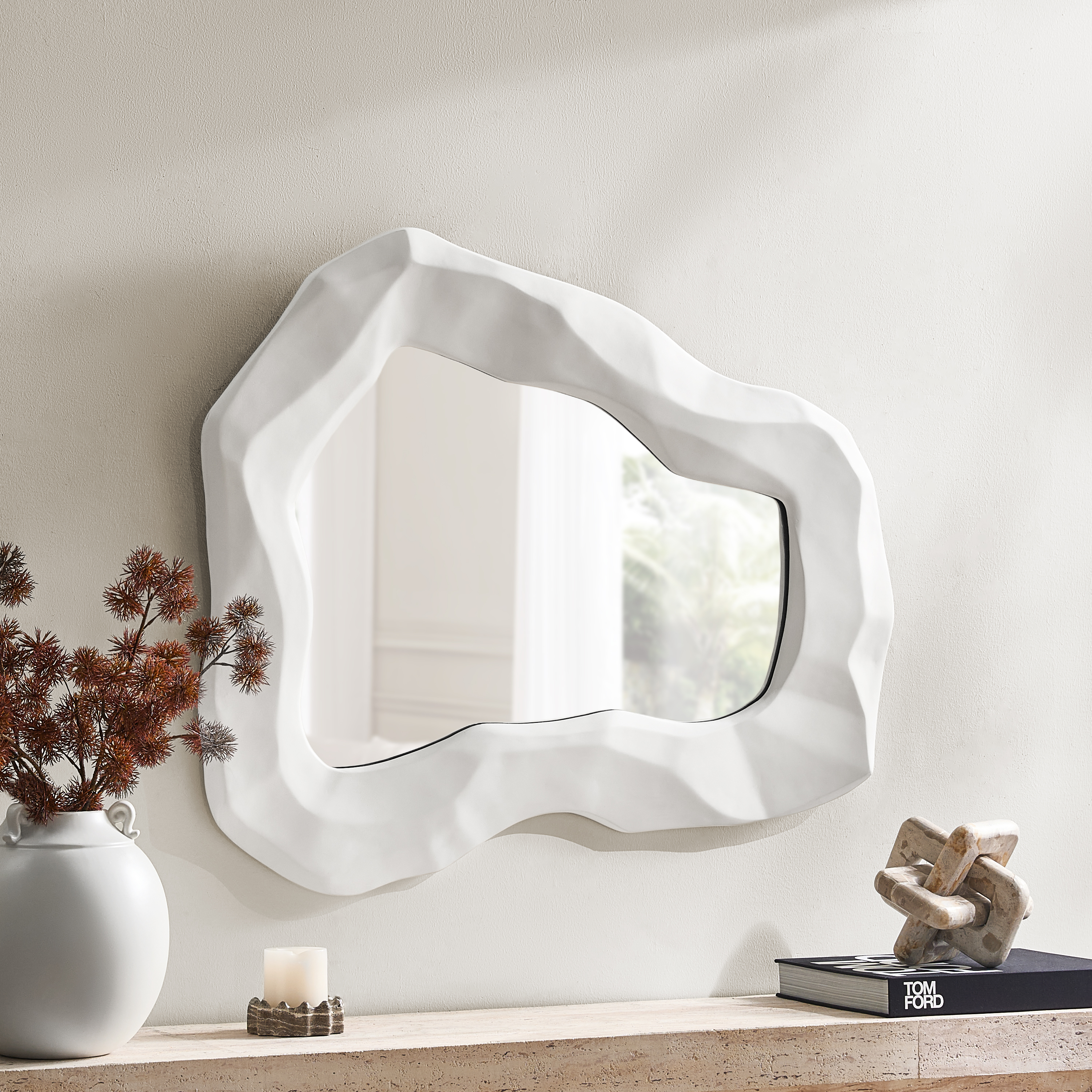 Islay Wall Mirror - White$549
A sculpted resin-framed mirror in matte white with an organic, asymmetrical silhouette for modern interiors.
Add To Cart -
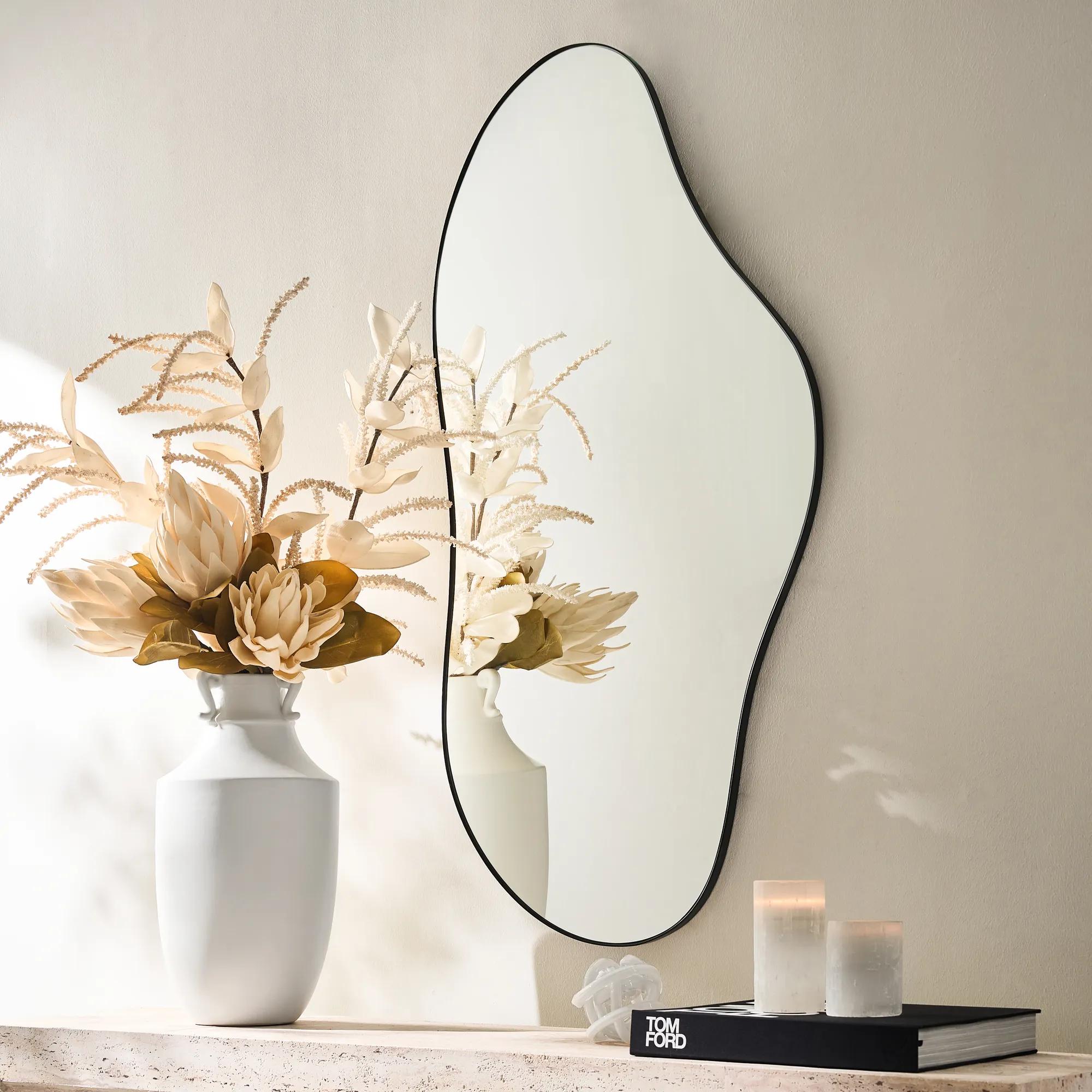
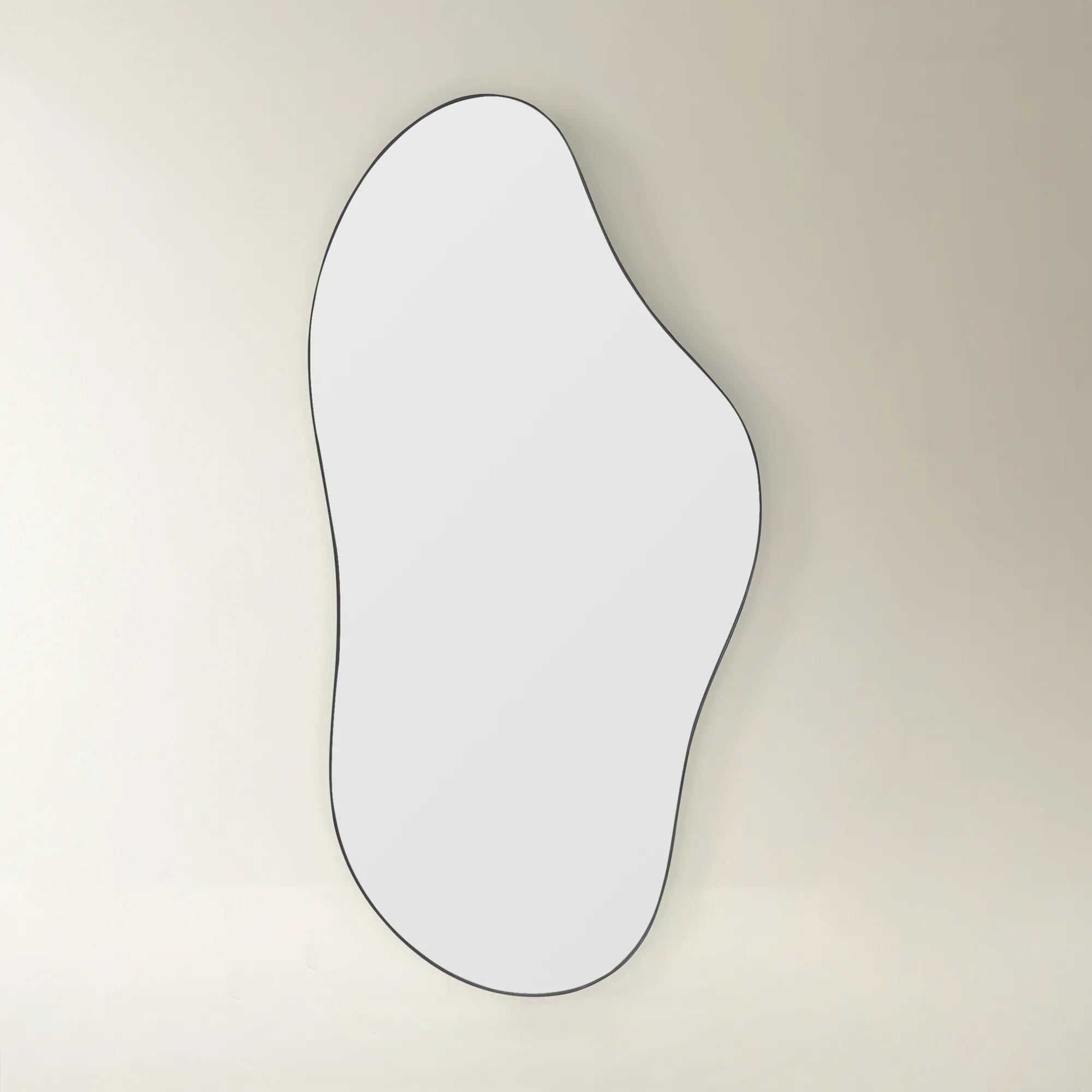 Puddle Wall Mirror$299
A freeform glass mirror with a black frame that adds playful sophistication to modern interiors.
Add To Cart -
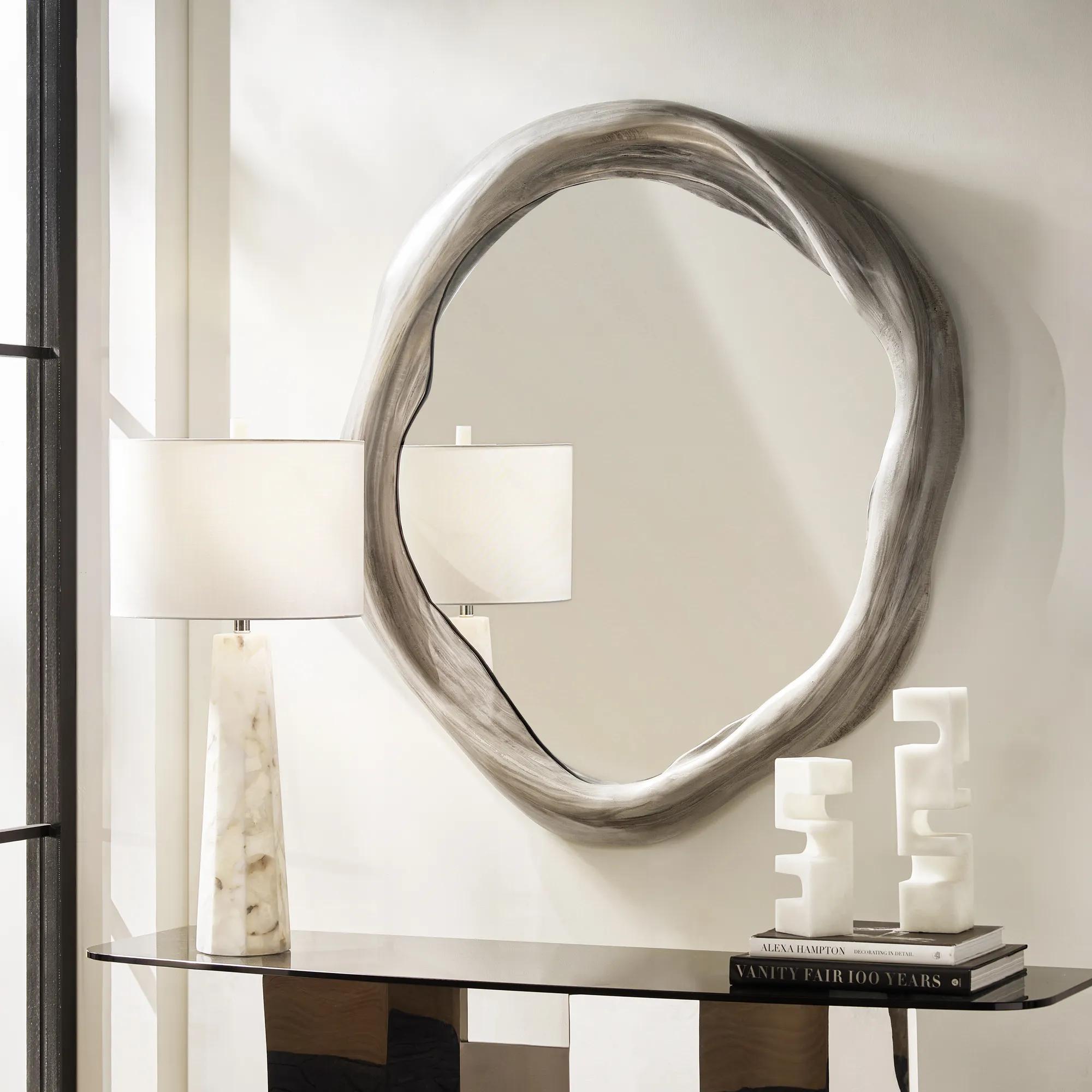
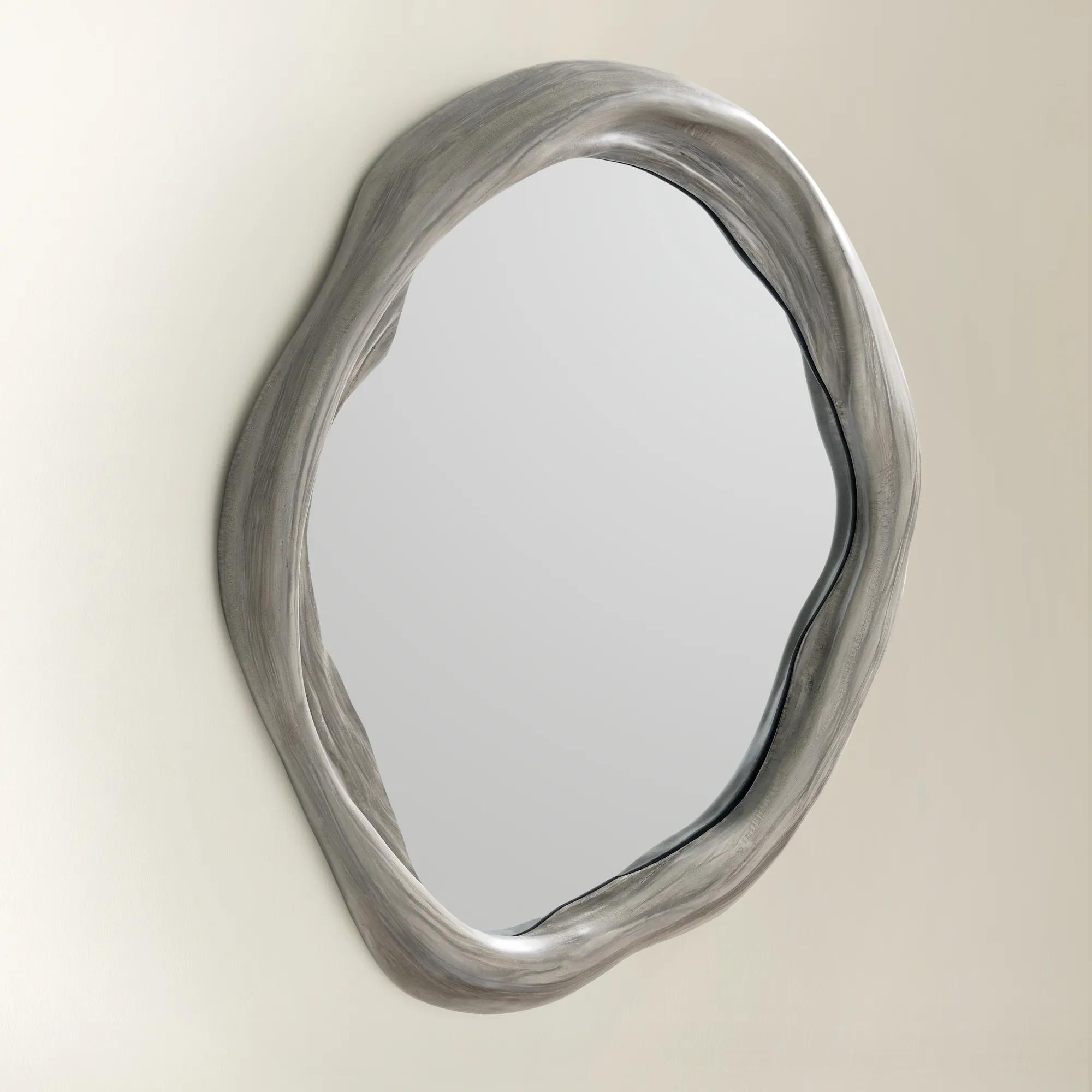 Dunes Wall Mirror$899
An organically shaped wall mirror with an artfully irregular gray frame, perfect for modern or minimalist spaces.
Add To Cart -
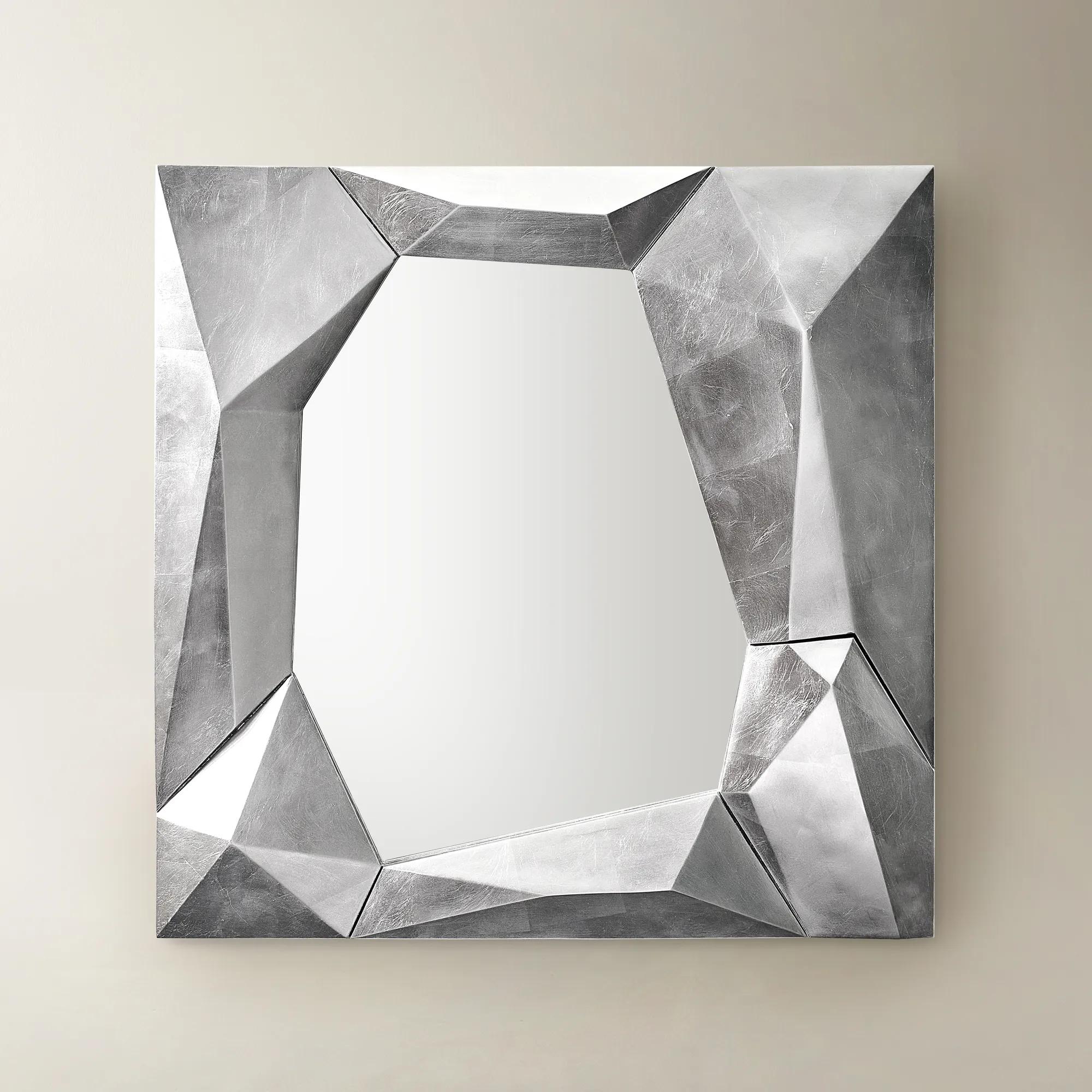 Aeris Satin Silver Faceted Resin Square Wall Mirror 35" x 35"$499
A satin silver fiberglass resin frame and faceted silhouette create a modern, sculptural wall mirror.
Add To Cart -
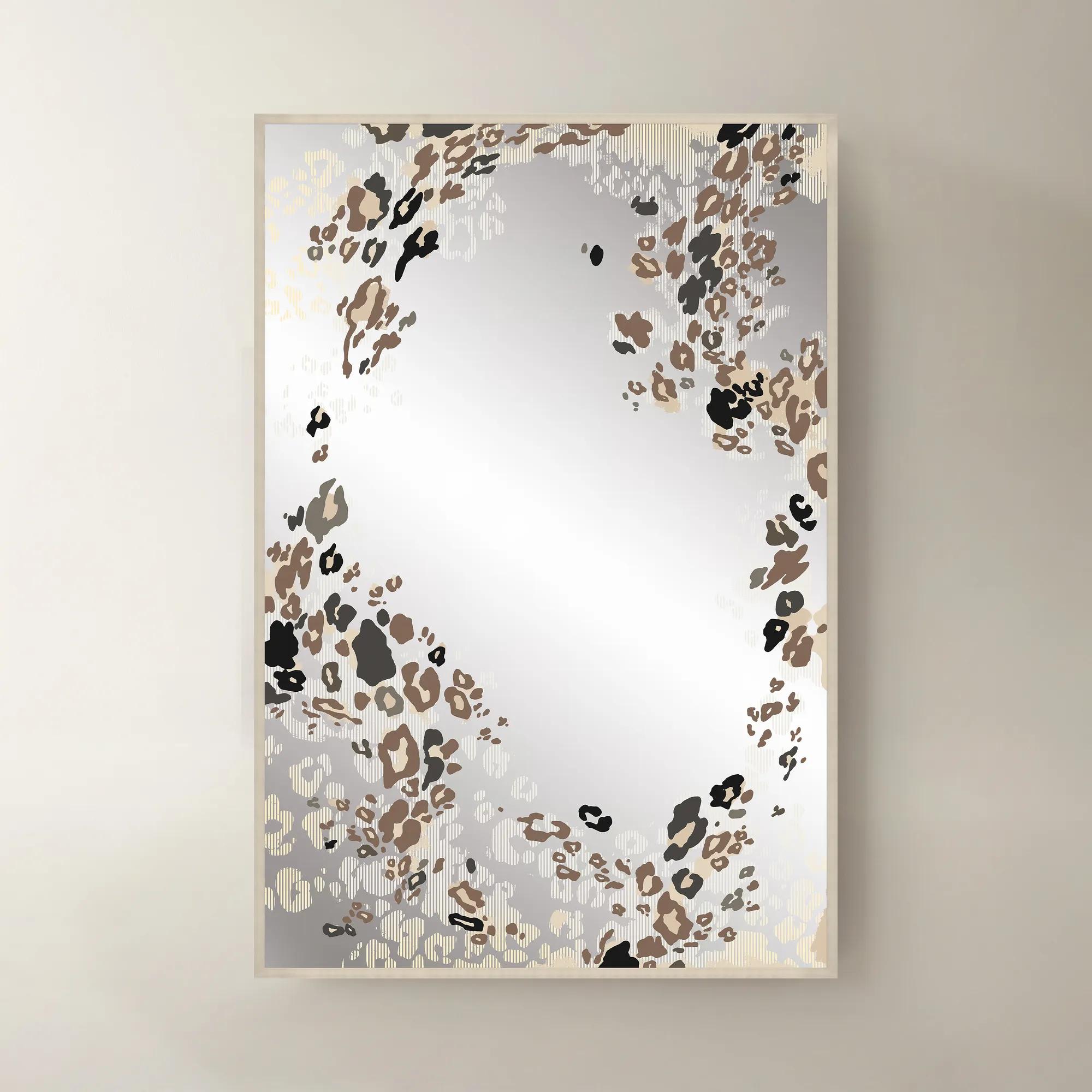
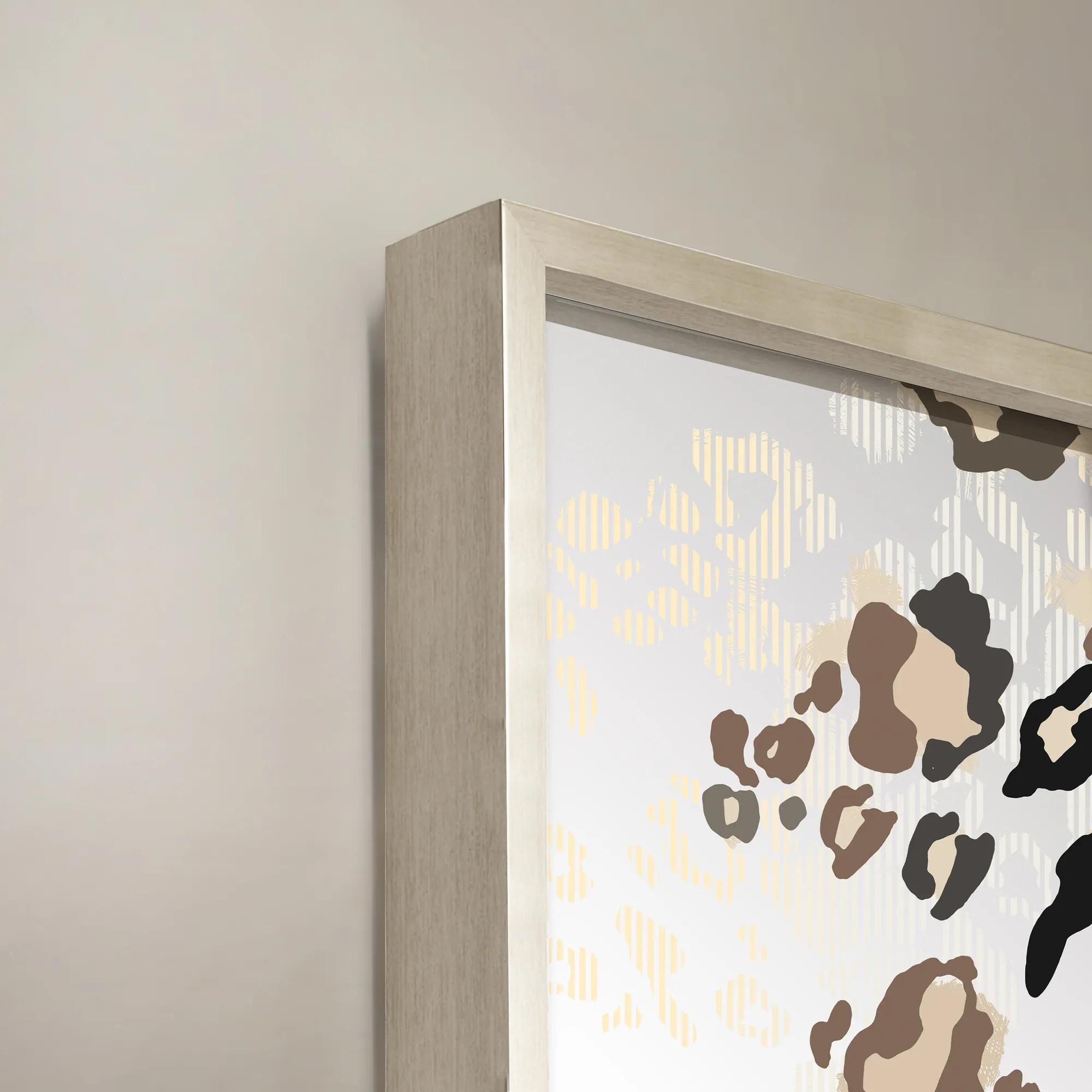 Leopard Luxe Framed Printed Wall Mirror 40" x 60"$1499
A printed mirror featuring Art Deco-inspired leopard artwork, set in a wood silver frame with brown and black tones.
Add To Cart -
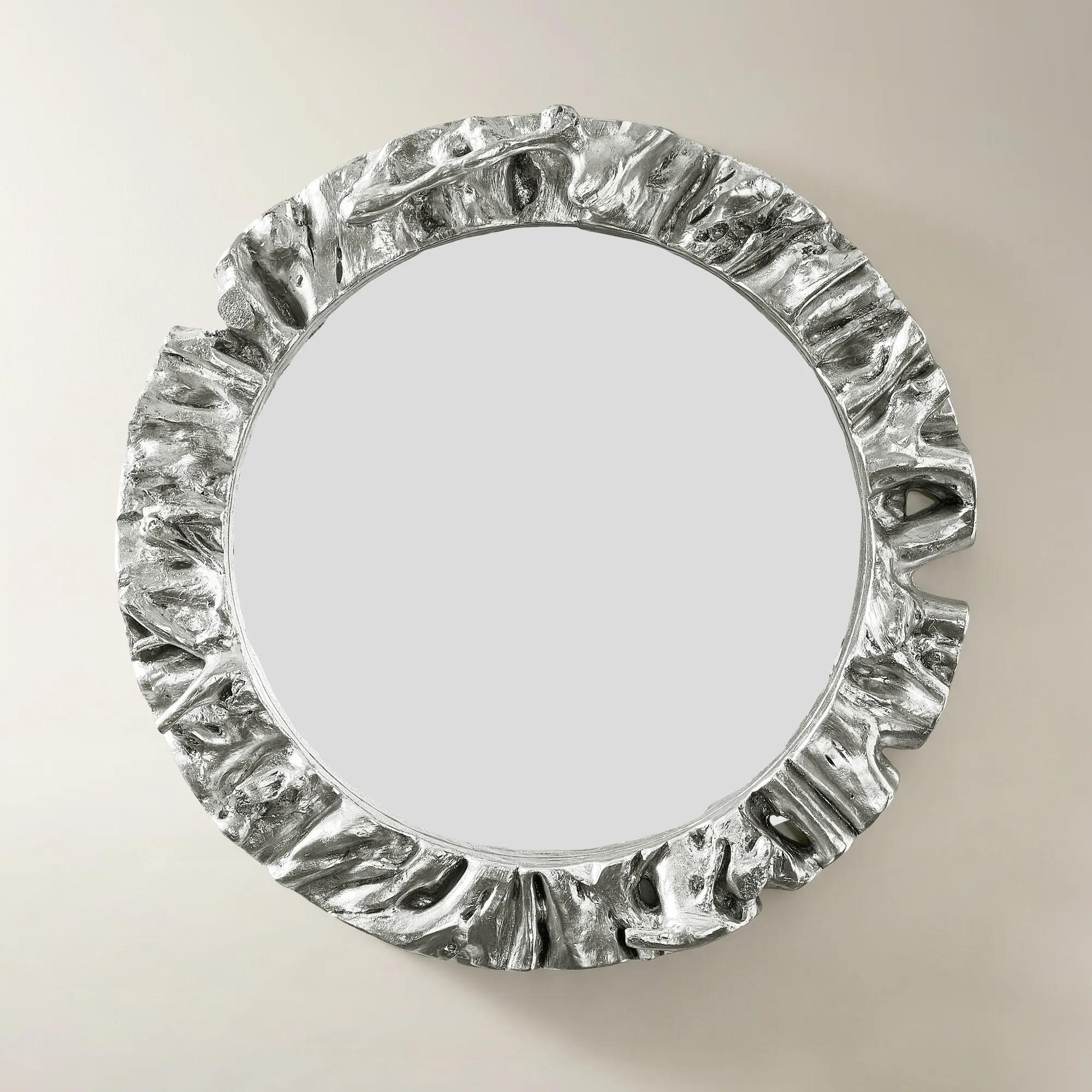
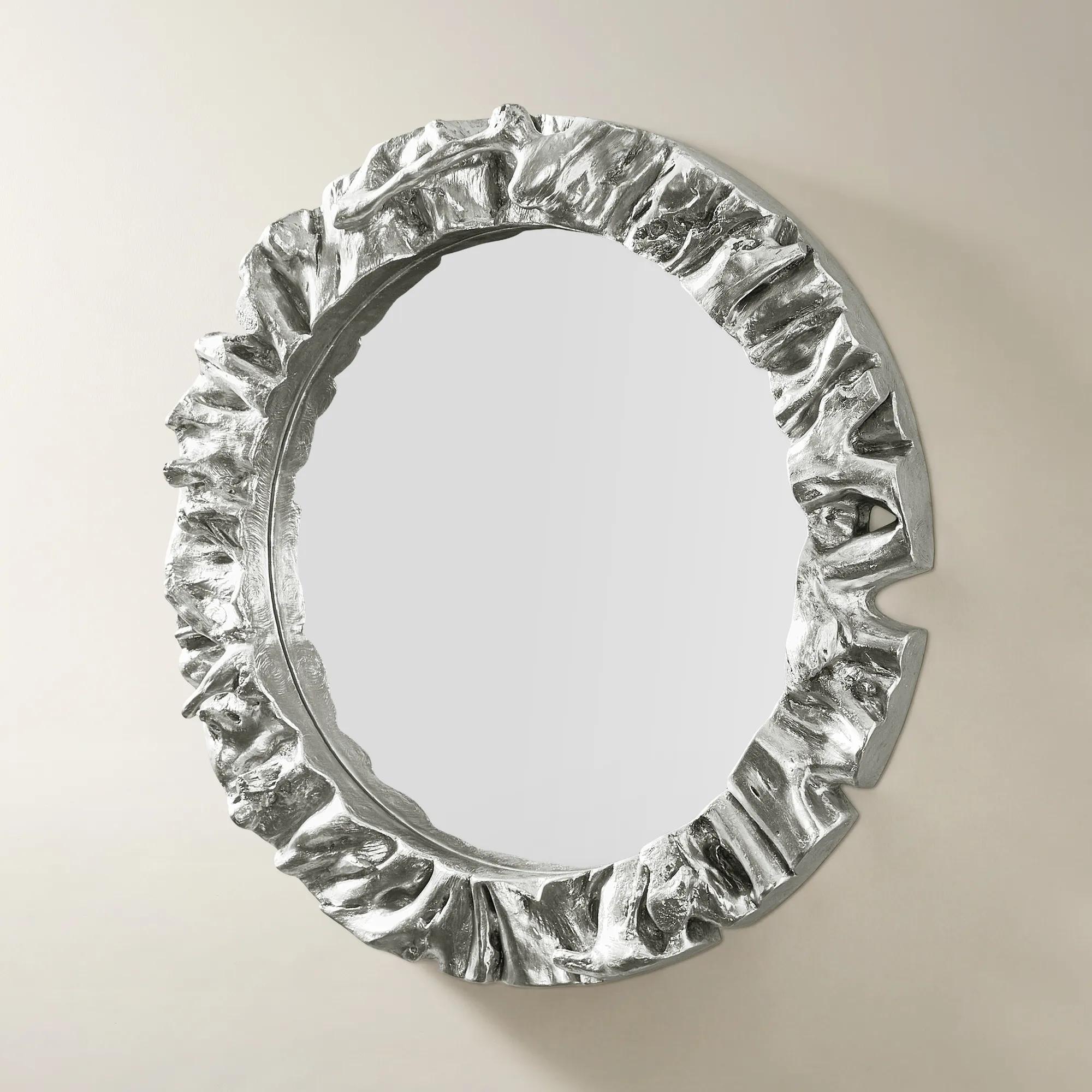 Sequoia Silver Resin Round Wall Mirror 48.25"$1199
A sculptural silver fiberglass resin frame mirror that adds modern polish and reflective brightness to any room.
Add To Cart -
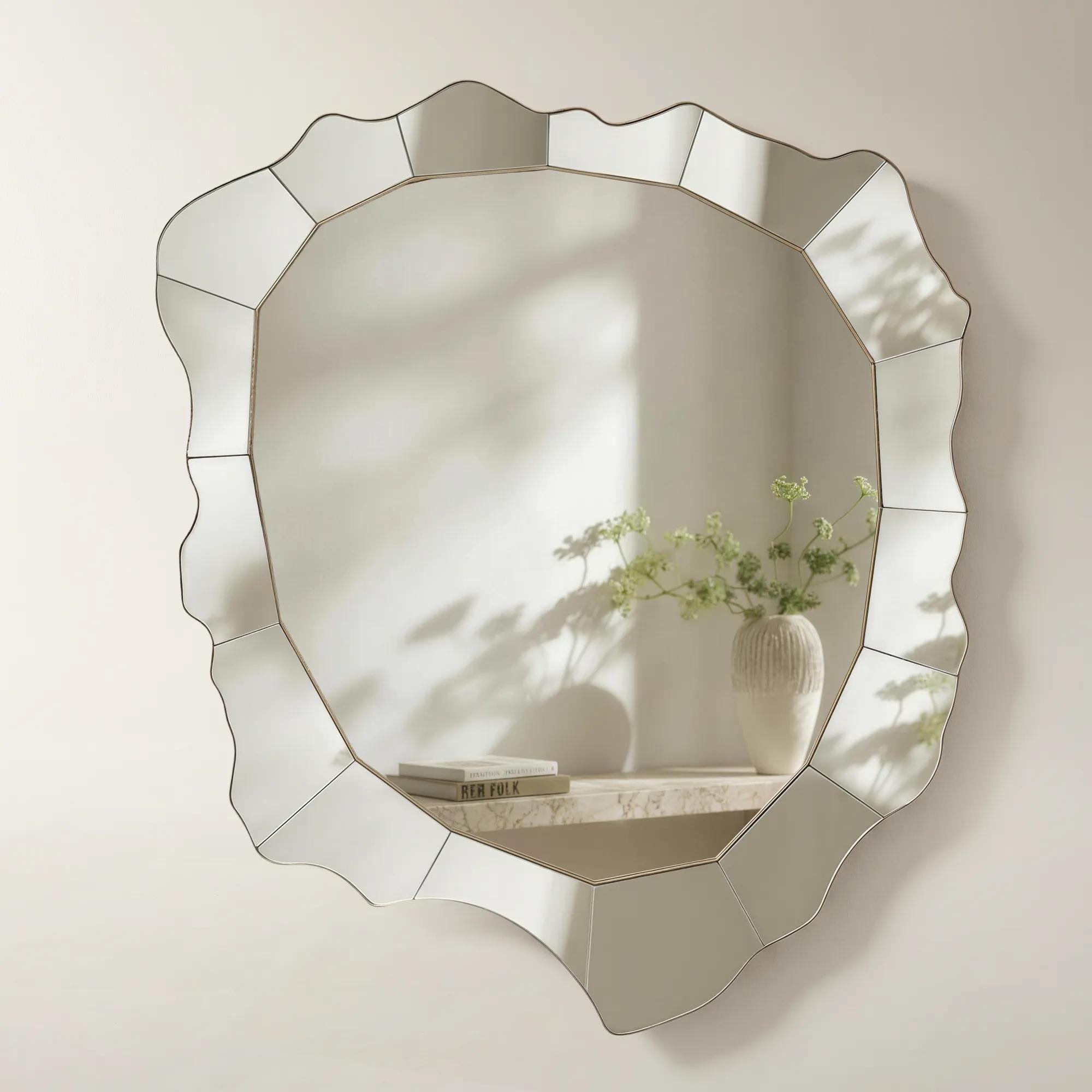 Gala Gold Trim Organic Shaped Wall Mirror 45" x 54"$999
An organic faceted mirror with soft gold iron trim adds sculptural movement and refined glamour to any room.
Add To Cart

Decorative Mirrors Above Dressers
Find a decorative mirror to hang above your dresser and create a bedroom focal point with light, dimension, and drama. Compare mirror sizes, silhouettes, and frame details with your dresser’s width and finish to choose a design that complements your furniture while giving the space its own expressive character.
Decorative mirrors above dressers bring light, depth, and a focal point to the bedroom while providing a convenient place for checking jewelry, adjusting a collar, or finishing a look. Unlike a purely ornamental wall accent, a mirror connects the room’s design to its daily rituals: a gleaming frame catches the glow of a bedside lamp, an arched silhouette softens a substantial chest, and a broad expanse of glass reflects the room beyond the dresser. The effect depends as much on what the mirror reflects as on the frame itself. A view of artwork, drapery, or a beautifully dressed bed adds another layer to the composition; a reflection of an overcrowded surface can make the same room feel busier. Shapes establish distinctly different moods. Round mirrors introduce fluidity above the straight lines of drawers, rectangular mirrors create architectural definition, and oval designs lend an elongated, graceful presence to narrower arrangements. An arched mirror brings height and a suggestion of architectural grandeur without requiring elaborate millwork. For a balanced composition, a mirror approximately two-thirds to three-quarters the width of the dresser is a useful starting point, although the frame’s visual weight, ceiling height, and surrounding furnishings can shift that relationship. A slender metal border feels lighter than a deeply carved frame of the same dimensions. Leaving visible wall space between the mirror and dresser gives both pieces room to register, while positioning the reflective area at a useful height keeps the arrangement practical. In a compact bedroom, a generous mirror can make the space feel more open without adding another furniture footprint. Above a wider dresser, it provides a central focus for lamps, sculptural vessels, or a carefully edited grouping of personal objects. The most compelling arrangements allow the mirror to command attention without obscuring the surface below, preserving space for the belongings that make a bedroom feel personal.
Frame materials and finishes give decorative dresser mirrors their individual character, from the warmth of wood to the precision of polished metal. Wood frames can feel sculptural and substantial, with carved details, stepped profiles, or visible grain lending depth to the wall. Painted finishes offer a different expression: ivory can soften a richly layered bedroom, while black draws a confident outline against pale walls. Metallic frames introduce a more luminous note. Silver-tone finishes sit beautifully alongside cool neutrals and clear glass, while gold-tone finishes bring warmth to deep upholstery colors and dark wood furniture. A brushed surface offers a quieter shimmer than a highly polished one, making finish as important as color when coordinating nearby hardware and lighting. Mirrored frames and beveled glass add dimension through reflection rather than ornament, creating crisp edges that catch light as the viewing angle changes. Beveling is a decorative treatment, not a guarantee of glass quality, so overall construction, secure backing, and properly fitted mounting hardware remain important considerations. Antiqued mirror treatments create a deliberately mottled reflection and an atmospheric, collected appearance; clear mirror glass is generally more useful when an unobstructed view is the priority. These differences make it possible to choose between a mirror that primarily serves daily dressing and one that functions more like reflective wall art. Pairings do not need to match exactly to feel considered. A curved mirror over a linear dresser creates contrast, while repeated metallic details can connect the frame with drawer pulls, lamp bases, and decorative trays. For a luminous furniture foundation, Mirrored Dressers With Silver Accents carry that interplay of reflective surfaces below the wall, where a restrained mirror frame can keep the composition from feeling visually crowded. A dresser with richly figured wood may instead welcome a sleek border that leaves the grain in focus. The relationship between surfaces gives the room its depth: matte beside gleaming, curved beside angular, and richly textured beside smooth. Repeating one finish thoughtfully often feels more cohesive than asking every detail to shine with equal intensity.
A decorative mirror above a dresser should feel as comfortable in everyday use as it looks in the finished room. In a primary bedroom, clear reflective glass and a useful viewing height support dressing routines; in a guest room, the same arrangement gives visitors a place to prepare without competing for a bathroom mirror. Taller mirrors can accommodate a broader upper-body view, though the dresser’s depth and the viewer’s distance affect what is visible. Mirrors do not provide their own illumination, so nearby lighting still matters, particularly when the surface is used for grooming. Low trays and compact accessories preserve the reflection, while taller accents work best where they do not interrupt the main sightline. Fit also includes the wall itself: the mirror’s weight, mounting configuration, and wall construction determine the appropriate installation method. Manufacturer instructions and hardware rated for the load take precedence over appearance, and heavy mirrors may warrant professional installation. A mirror resting on a dresser still needs an approved securing method; leaning it against the wall is not a substitute for support. The dresser should also be anchored as directed by its manufacturer. Thoughtful care protects both the reflection and the frame. A soft, lint-free cloth removes surface dust, and applying an appropriate glass cleaner to the cloth rather than directly onto the mirror helps prevent liquid from collecting at the edges or reaching the backing. Abrasive cleaners can damage glass or decorative finishes, while wood, plated metal, and painted frames may each require different cleaning methods. Following the specified care instructions helps preserve the details that give a mirror its distinction. For someone furnishing a first home, reimagining a bedroom, or selecting a meaningful housewarming gift, dimensions and preferred finishes matter more than ornament alone. With those practical details resolved, decorative mirrors above dressers become lasting elements of a room’s identity—reflecting its artistry, supporting its routines, and giving everyday objects a more expressive setting.
FAQs
Decorative mirrors with sculptural frames, geometric detailing, or clean silhouettes create a compelling pairing with modern dressers. Choose an ornate frame to introduce expressive contrast, or echo the dresser’s lines for a more tailored composition. Let one element command attention while the other lends quiet polish.
Look to your dresser’s hardware and surrounding accents for a starting point. A mirror with a similar finish creates continuity, while a contrasting finish introduces a more collected feel. Warm metallic tones bring richness to dark furniture; cooler tones create a crisp counterpoint to warm wood finishes.
Round and oval mirrors introduce fluid curves above a dresser’s angular silhouette. Rectangular mirrors offer a tailored, architectural look, while arched designs add a graceful focal point. For a more expressive bedroom, consider an irregular or geometric shape that gives the arrangement an artful edge.
Build a deliberate vignette with a few distinctive accents: a sculptural vase, a decorative tray, and a stack of art books. Vary their profiles and leave open space so each detail feels intentional. If the mirror has an elaborate frame, keep the accessories restrained enough to let its artistry lead.
Yes—a decorative mirror and artwork can create a richly layered bedroom. Connect them through a shared finish, color, or design motif rather than matching every detail. Pair a dramatic mirror with quieter artwork, or balance a simple mirror with expressive pieces for a composition with a clear focal point.