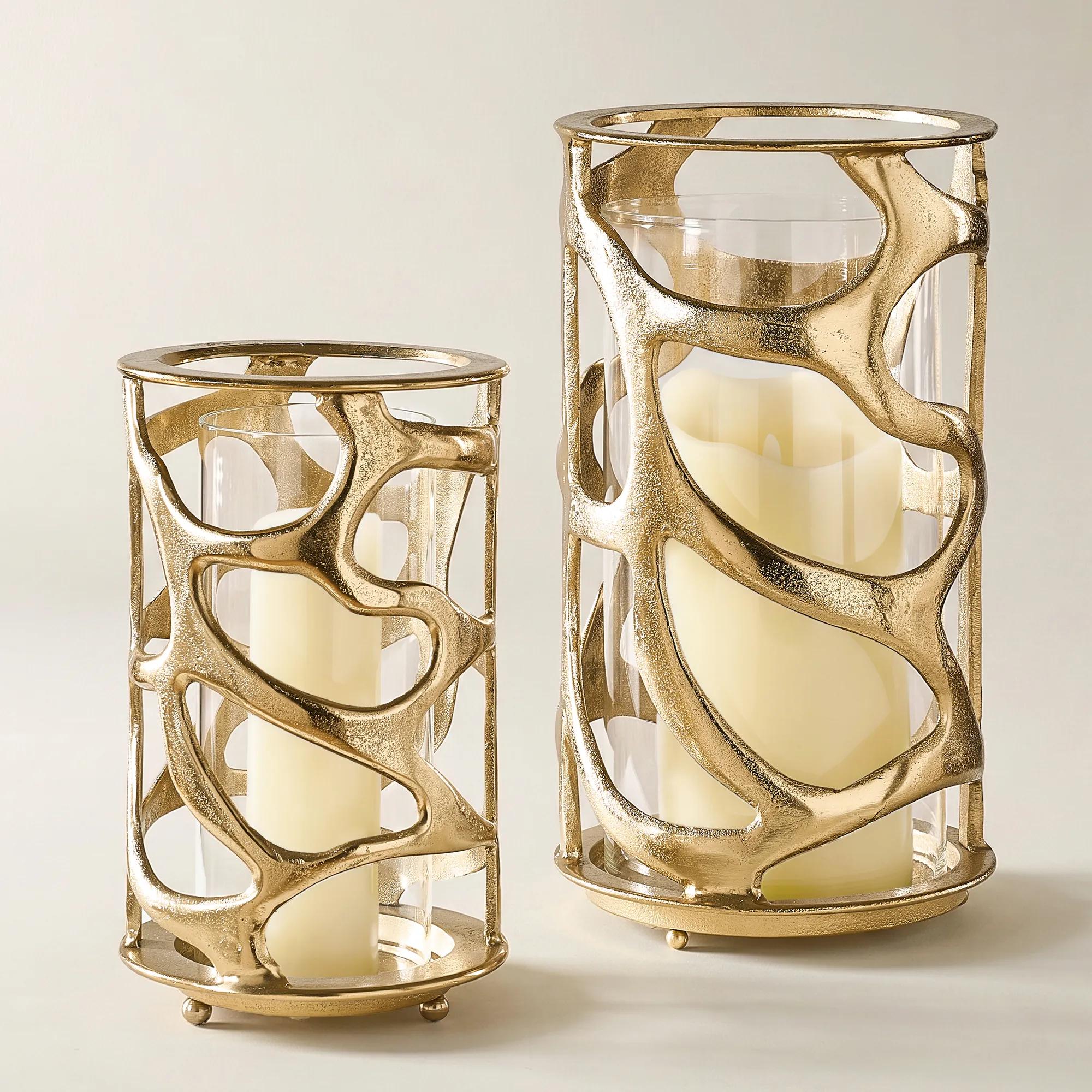
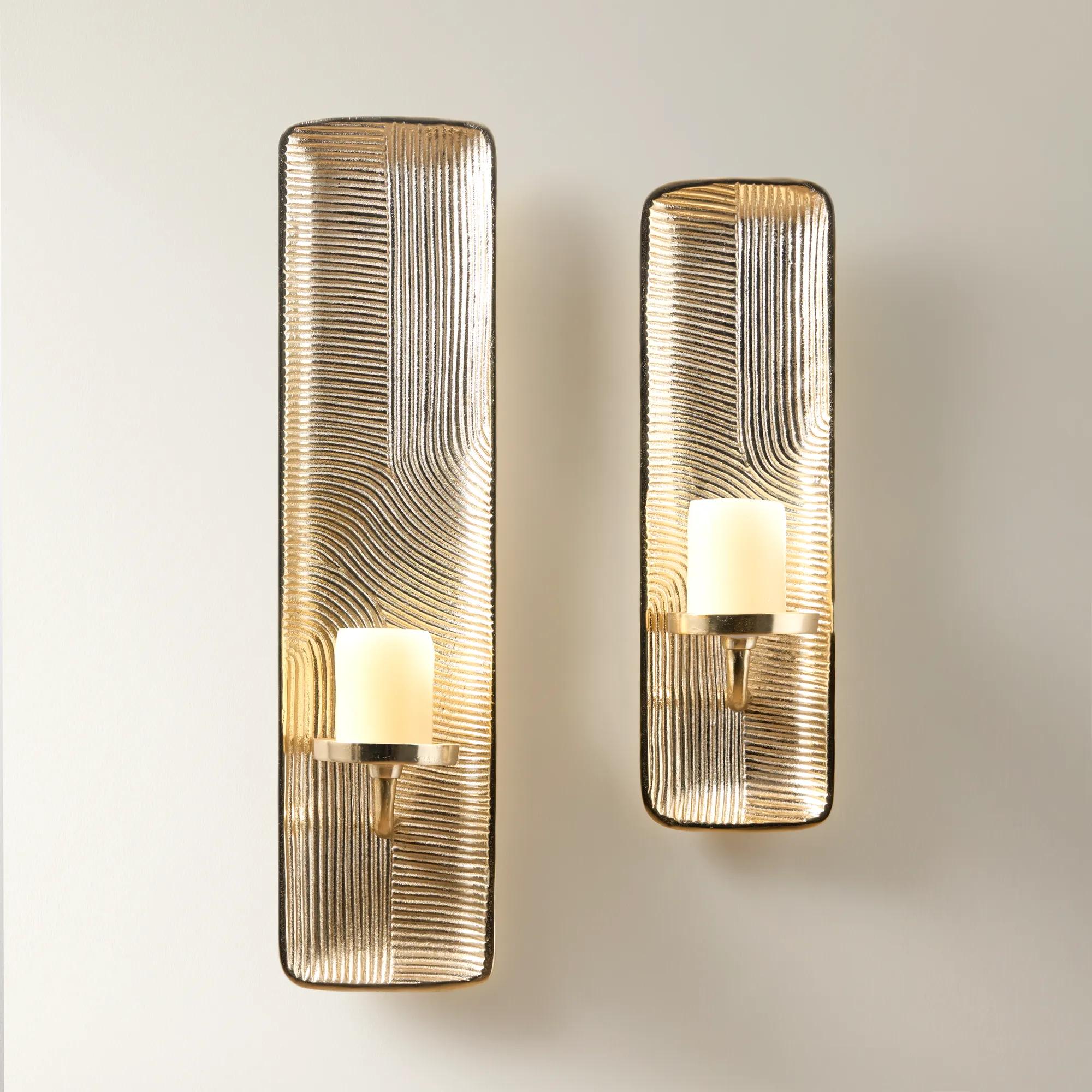
Decorative Mantel Accessories
Decorative Mantel Accessories
-
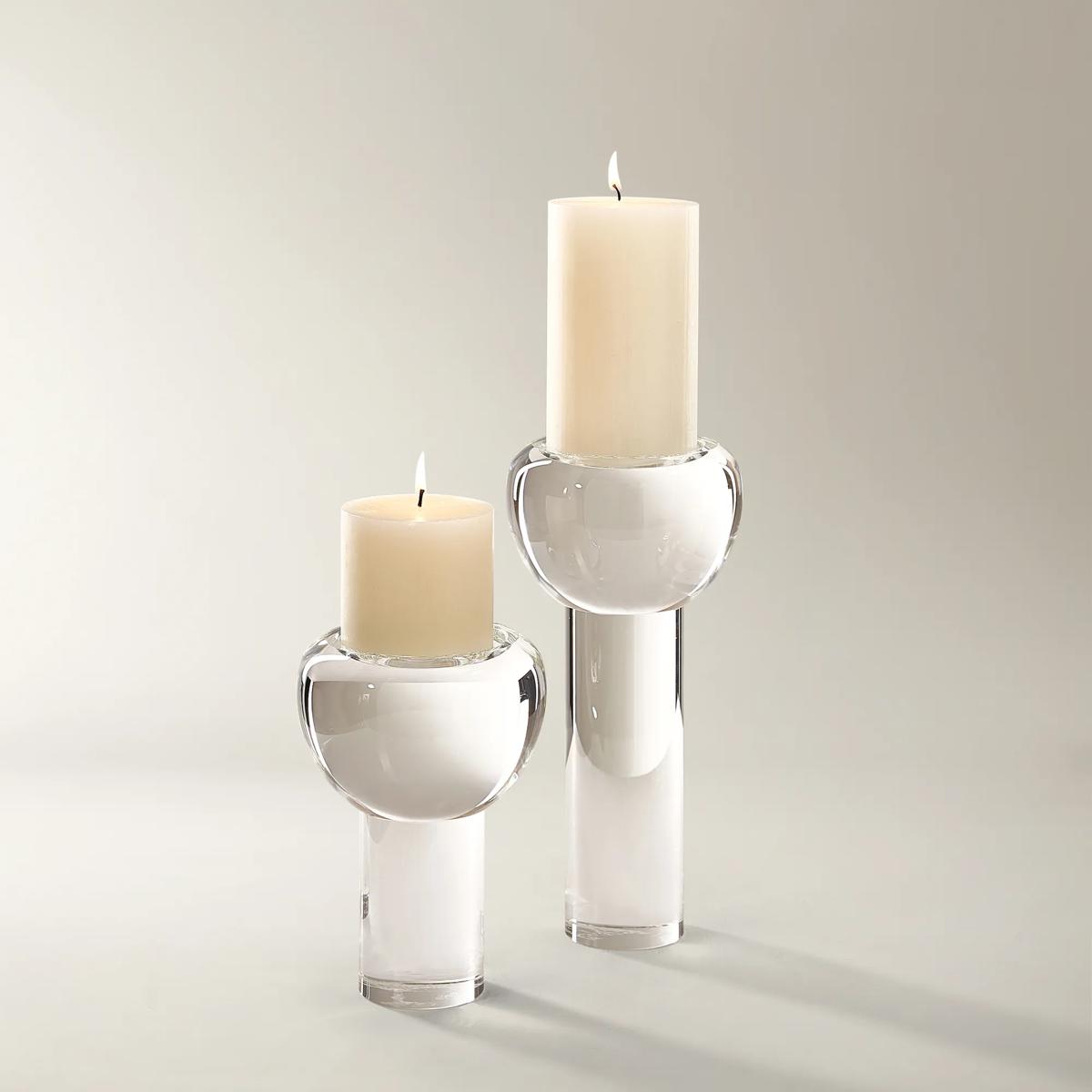
 Chiaro Crystal Pillar Holder$169
A faceted clear crystal and iron holder that adds sparkling elegance to mantels or side tables.
Add To Cart -

 Starlit Holiday Stocking$69
A plush charcoal velvet stocking hand-embroidered with shimmering gold stars for a glamorous holiday accent.
Add To Cart -
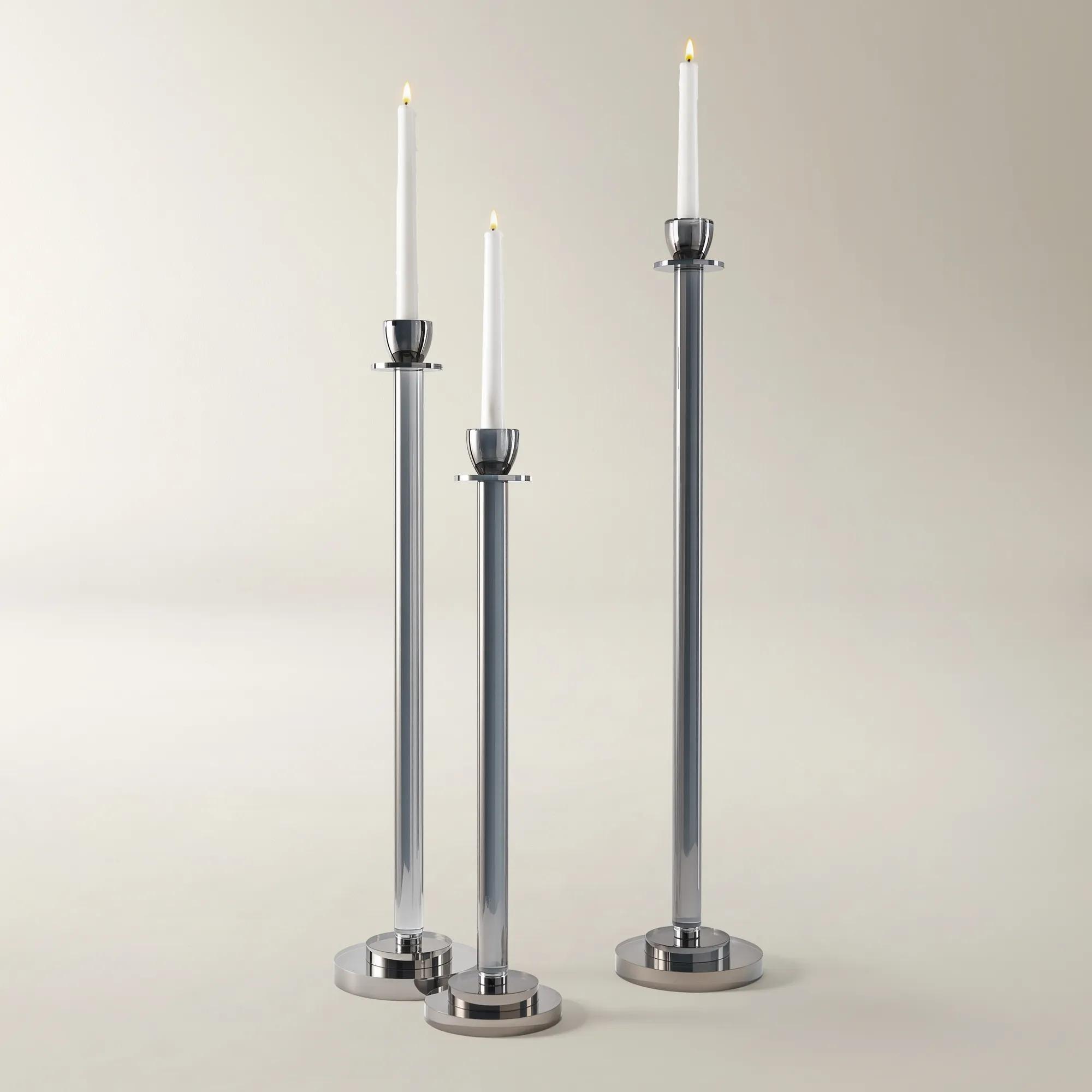
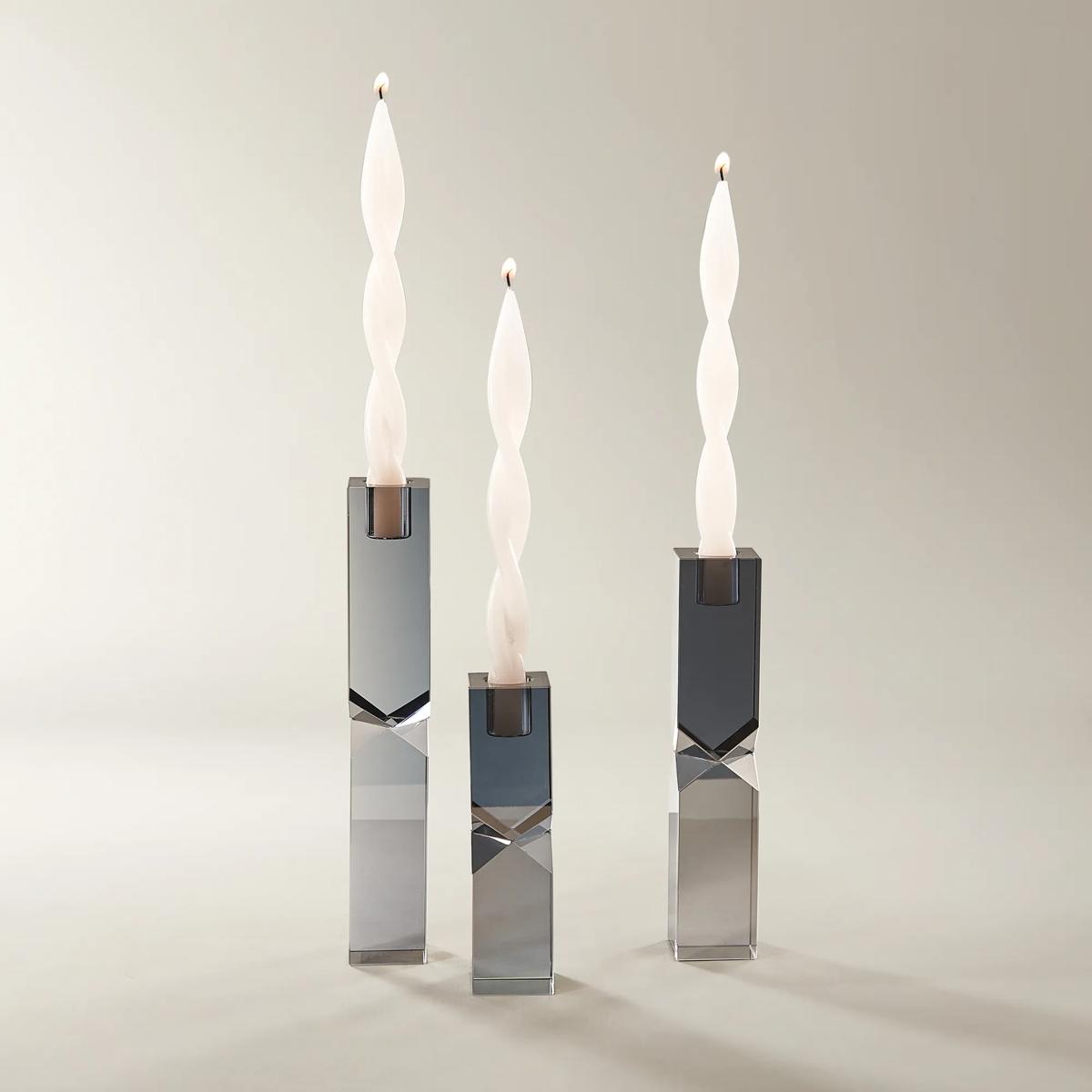
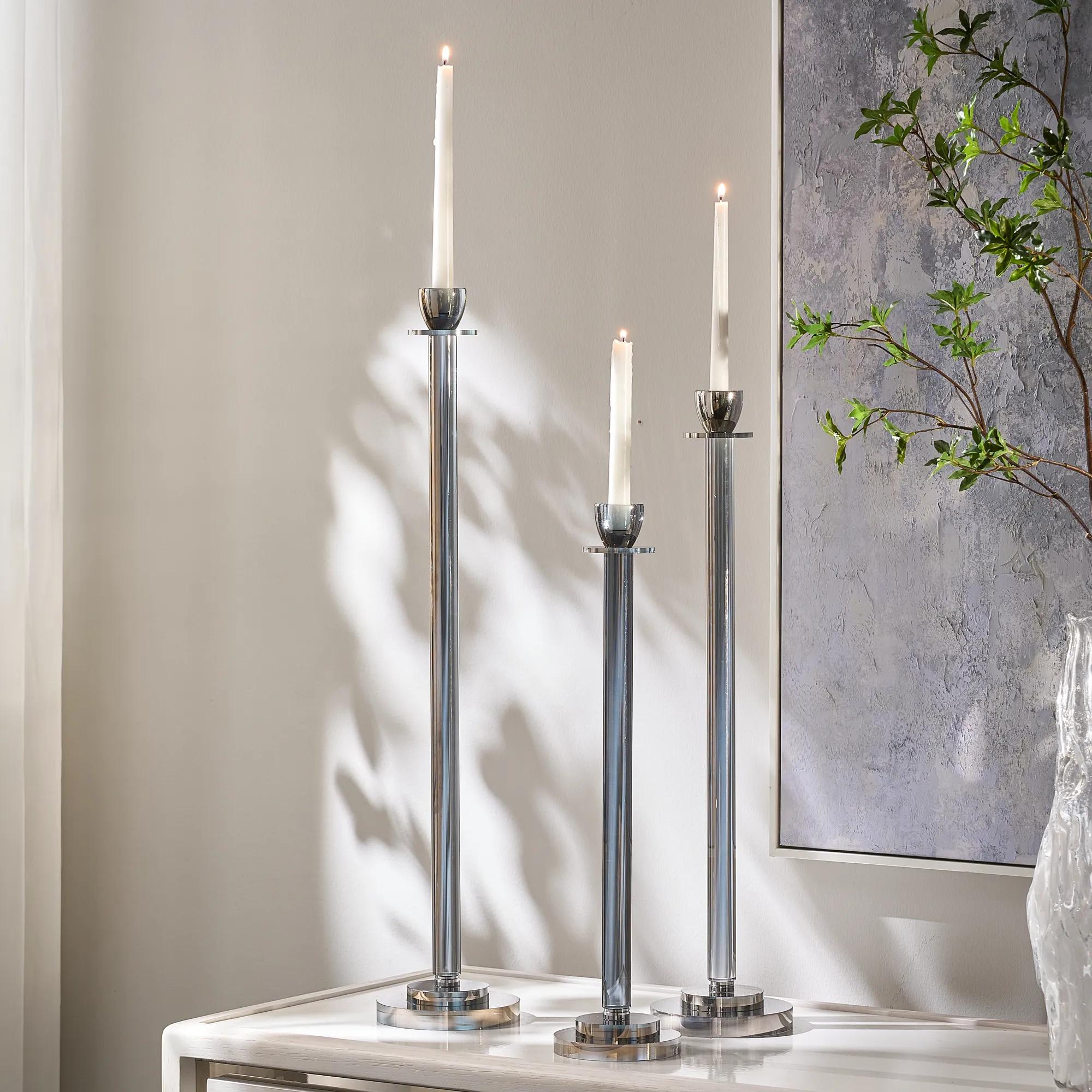 Warren Mirrored Graphite Crystal Taper Holders Set of 3$199
A set of three crystal glass taper holders in mirrored graphite for a dramatic, modern candlelight display.
Add To Cart -
 Leroy Fig Crystal Pillar Holder Large 12.5"$139
A luminous crystal glass candle holder in a rich fig hue with a bold, sculptural silhouette.
Add To Cart -
Leroy Fig Crystal Pillar Holder Small 9.25"$119
A luminous crystal glass candle holder in a rich fig hue with a bold, sculptural silhouette.
Add To Cart -
 Lana Mouth Blown Dusty Blue Taper Holders$69
A handblown dusty blue glass taper holder featuring a sculptural chain link silhouette for artful candle displays.
Add To Cart -
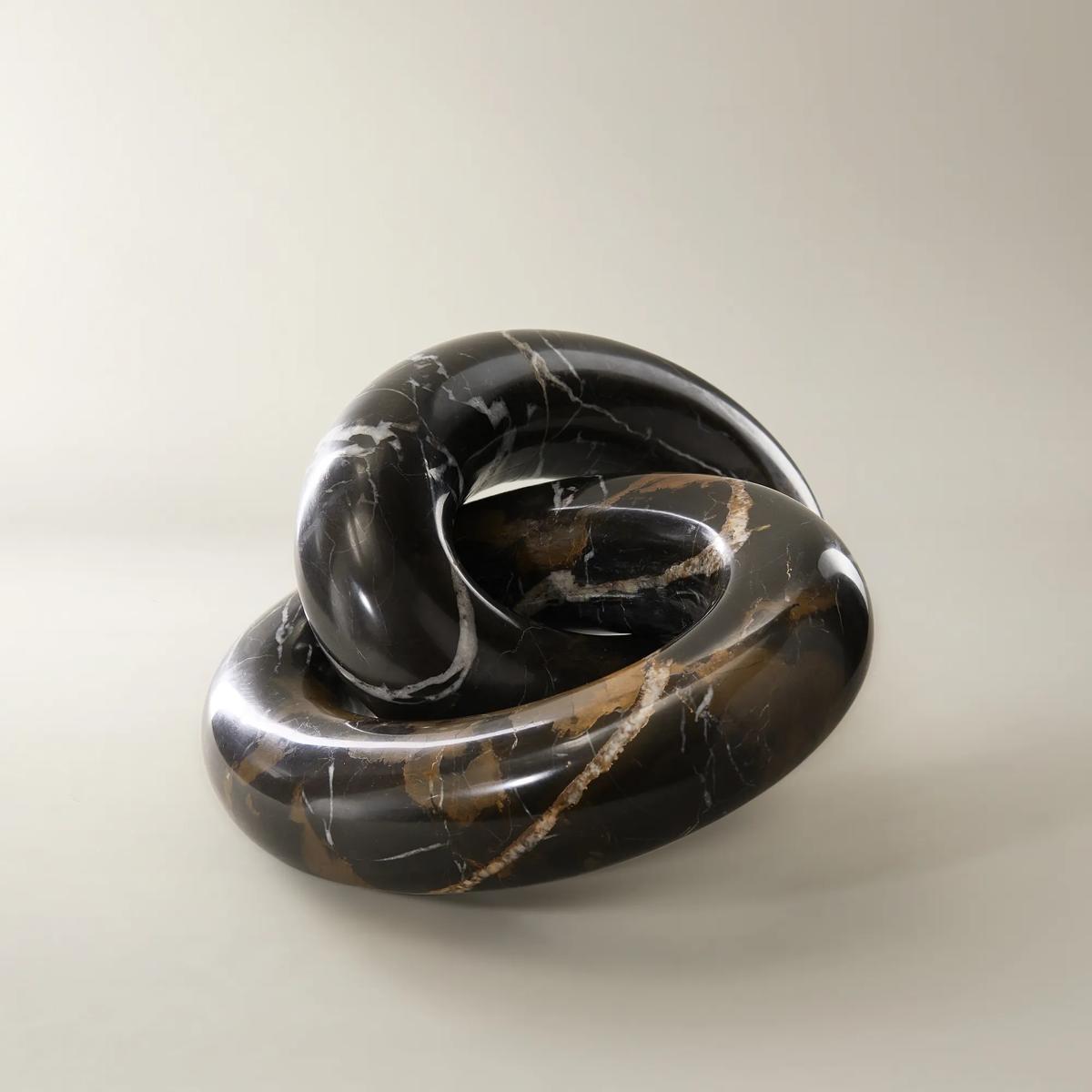 Marble Links Object - Brown$179
A sculptural accent featuring interlocking ovals carved from richly veined, one-of-a-kind brown marble.
Add To Cart -
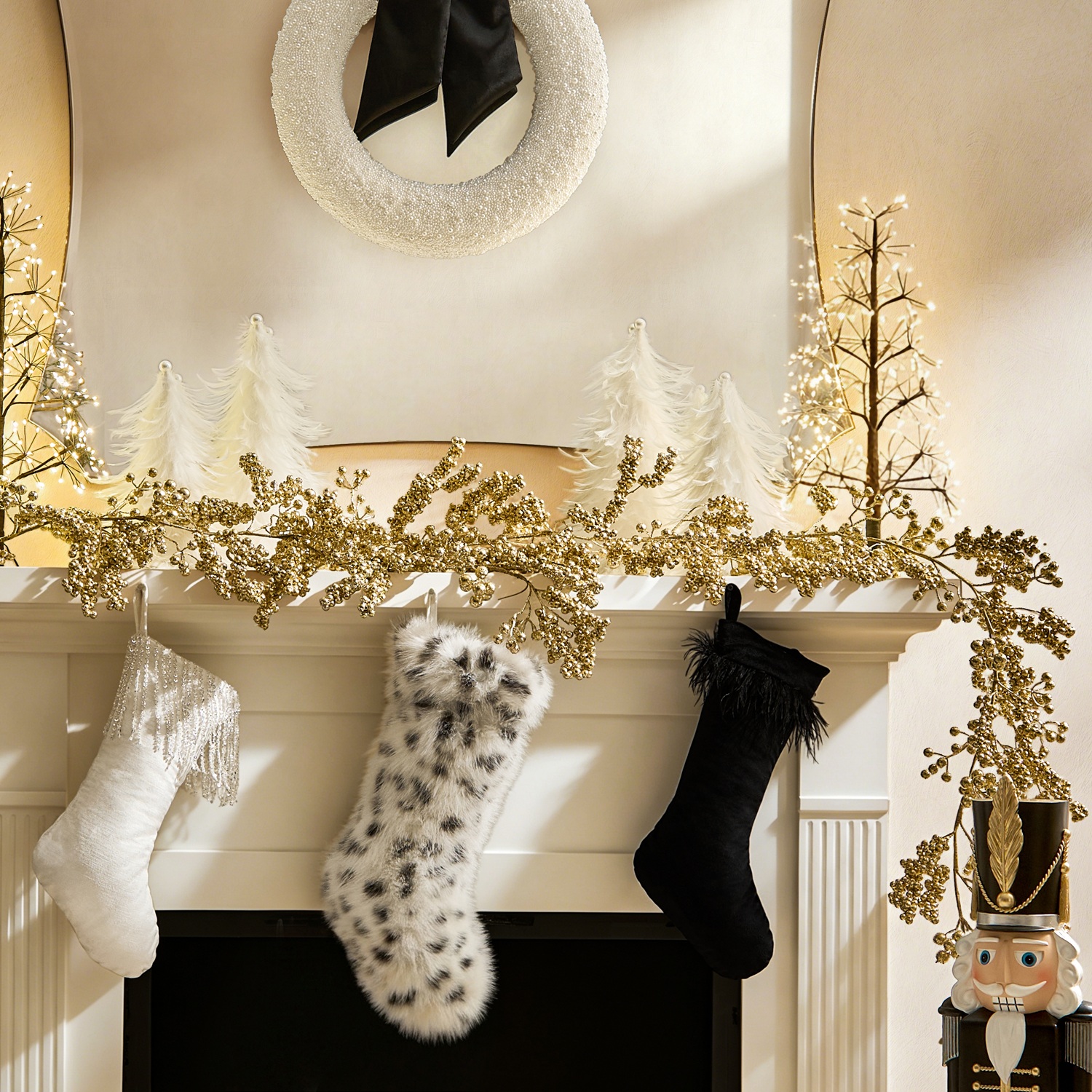
 Metallic Gold Berry Garland 72"$109
A metallic gold garland featuring sculptural berry clusters for a festive, modern accent to holiday décor.
Add To Cart -

 Porto Fig Crystal Pillar Holders$89
A luminous burgundy crystal glass holder with a sculptural silhouette for a bold, modern candle display.
Add To Cart -
 Trio Twist Soft Gold Aluminum Tapper Holders Set of 3$129
A set of three aluminum taper holders in soft gold with sculptural twisted silhouettes for modern elegance.
Add To Cart -
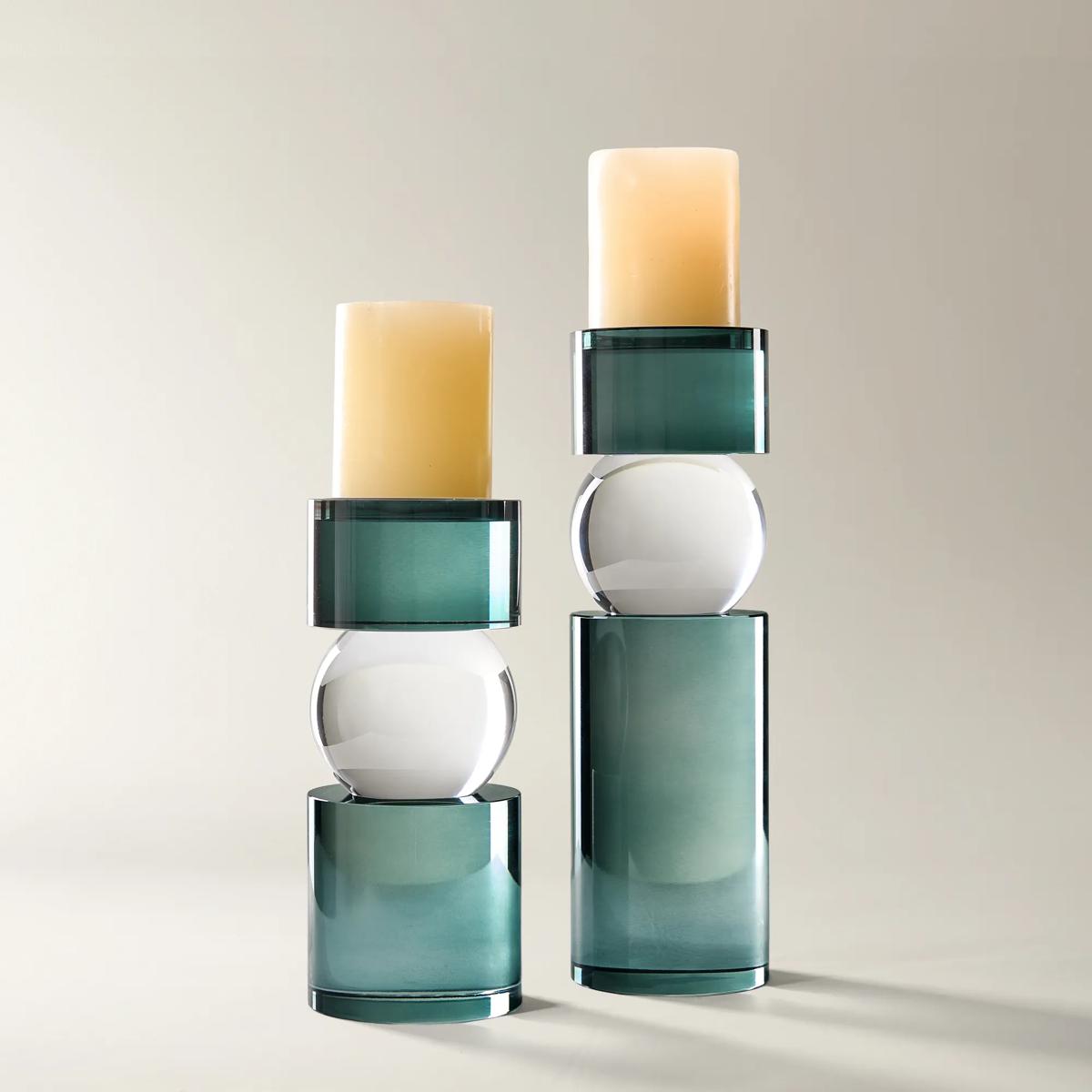 Leroy Teal Crystal Pillar Holder Small 9.25"$119
A stacked teal and clear crystal holder offering bold sculptural depth and instant ambiance to any space.
Add To Cart -
Leroy Teal Crystal Pillar Holder Large 12.5"$139
A stacked teal and clear crystal holder offering bold sculptural depth and instant ambiance to any space.
Add To Cart -
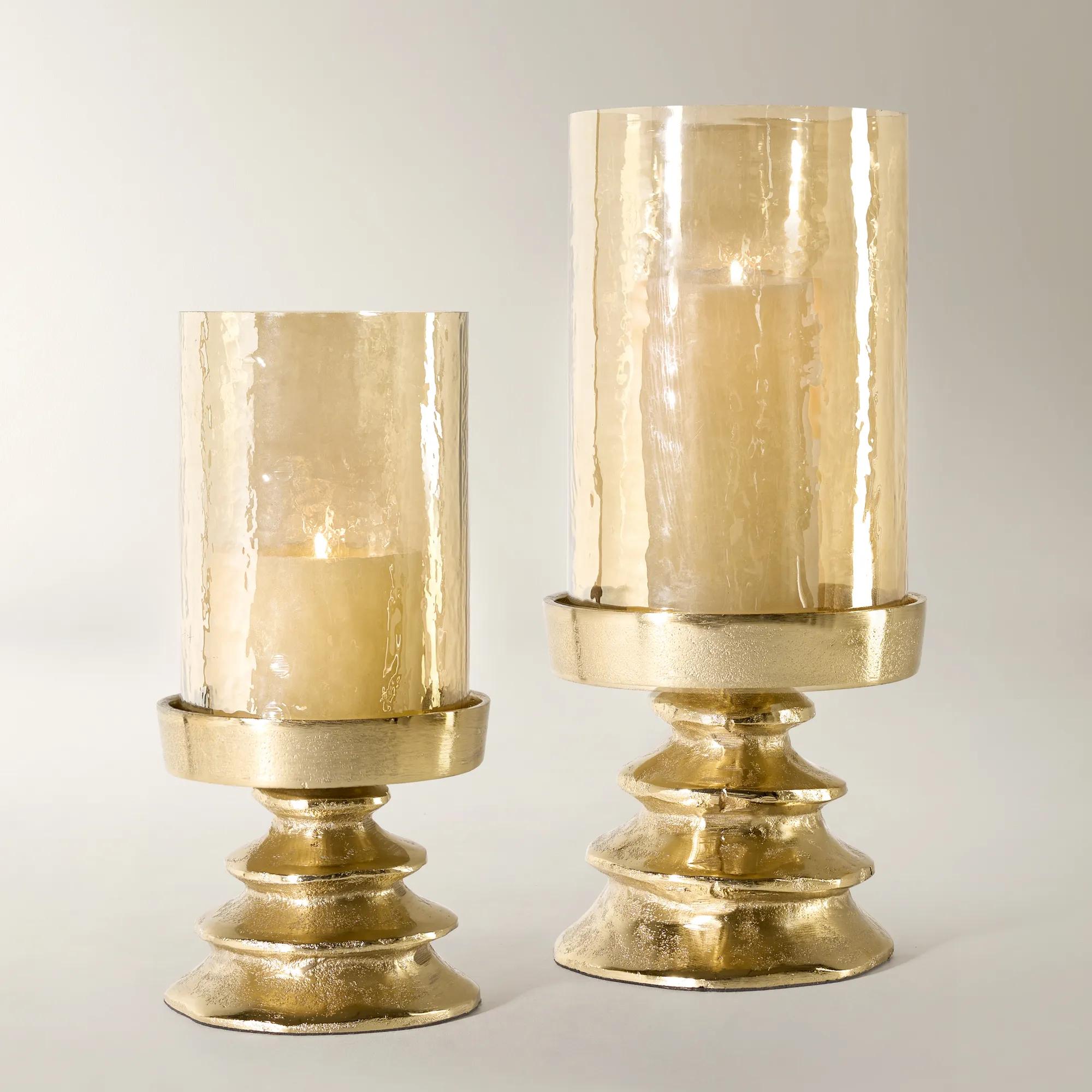
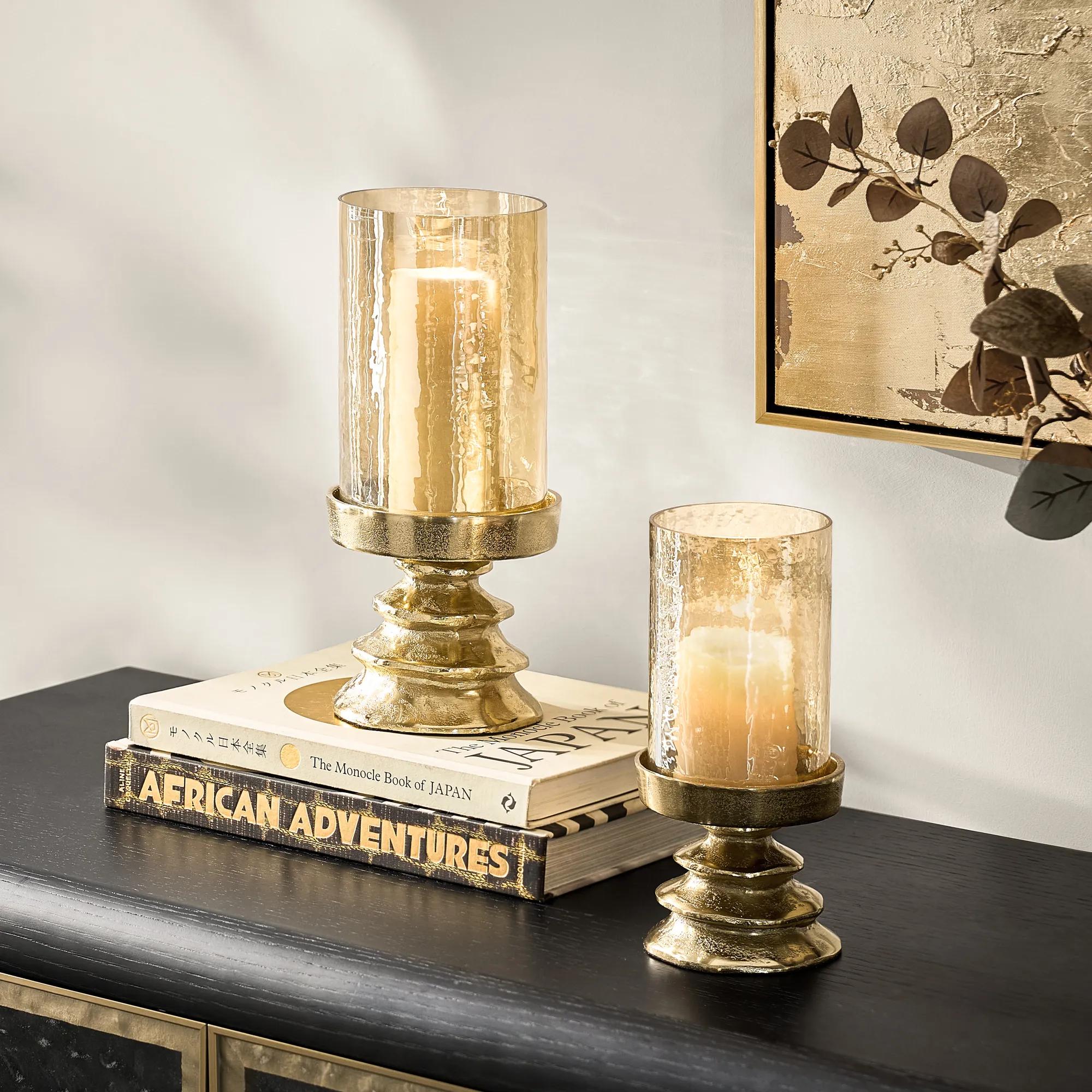 Elliot Soft Gold Aluminum Amber Glass Pillar Holders$79
A sculptural pillar candle holder blending glass and aluminum with a soft gold finish for elegant warmth.
Add To Cart -

 Curio Champagne Aluminum Pillar Holders$99
A sculptural aluminum and glass candle holder in a champagne finish for a touch of polished glamour.
Add To Cart -
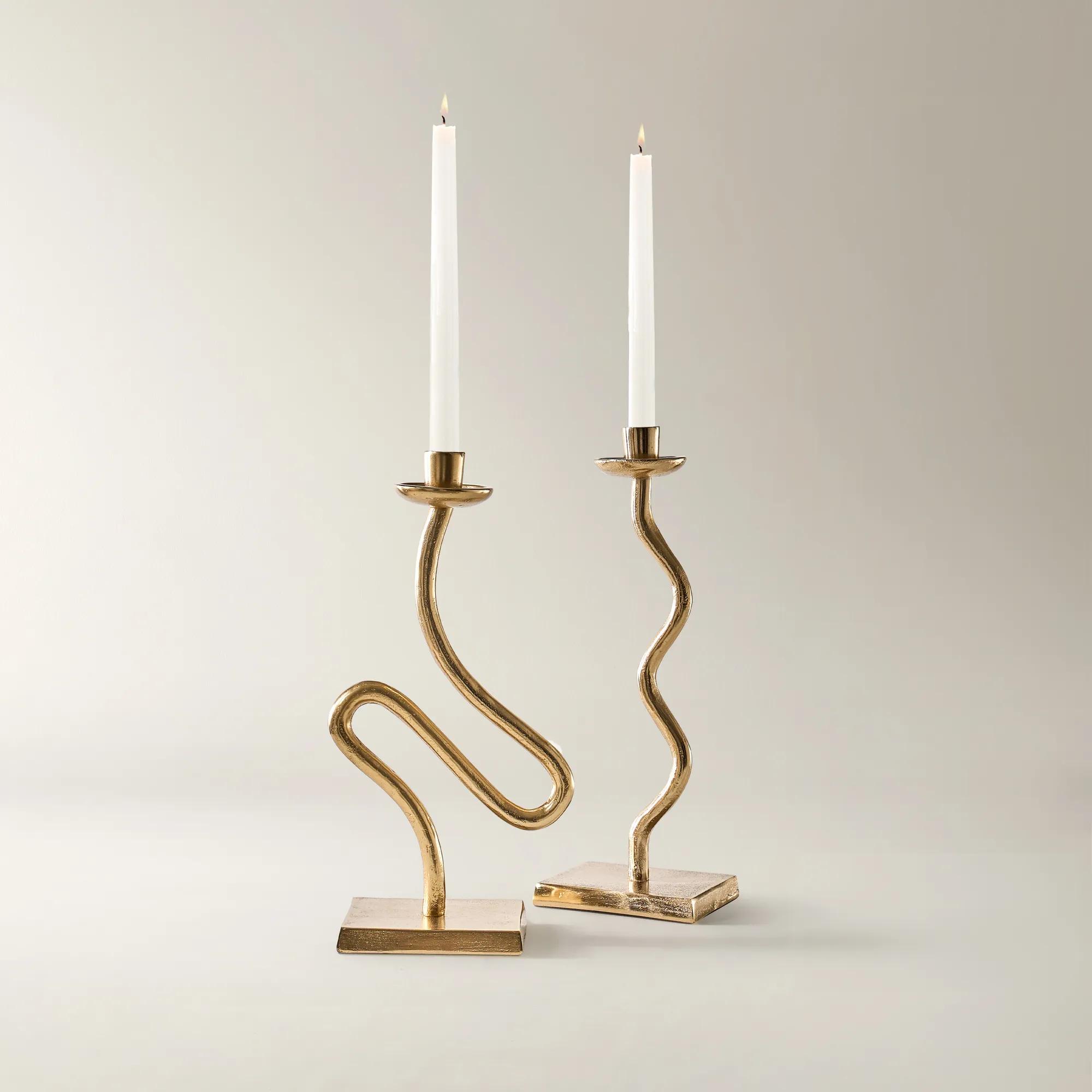
 Serpentine Soft Gold Aluminum Taper Holder$79
A sculptural aluminum taper holder in a soft gold finish with a fluid, wavy loop design.
Add To Cart -
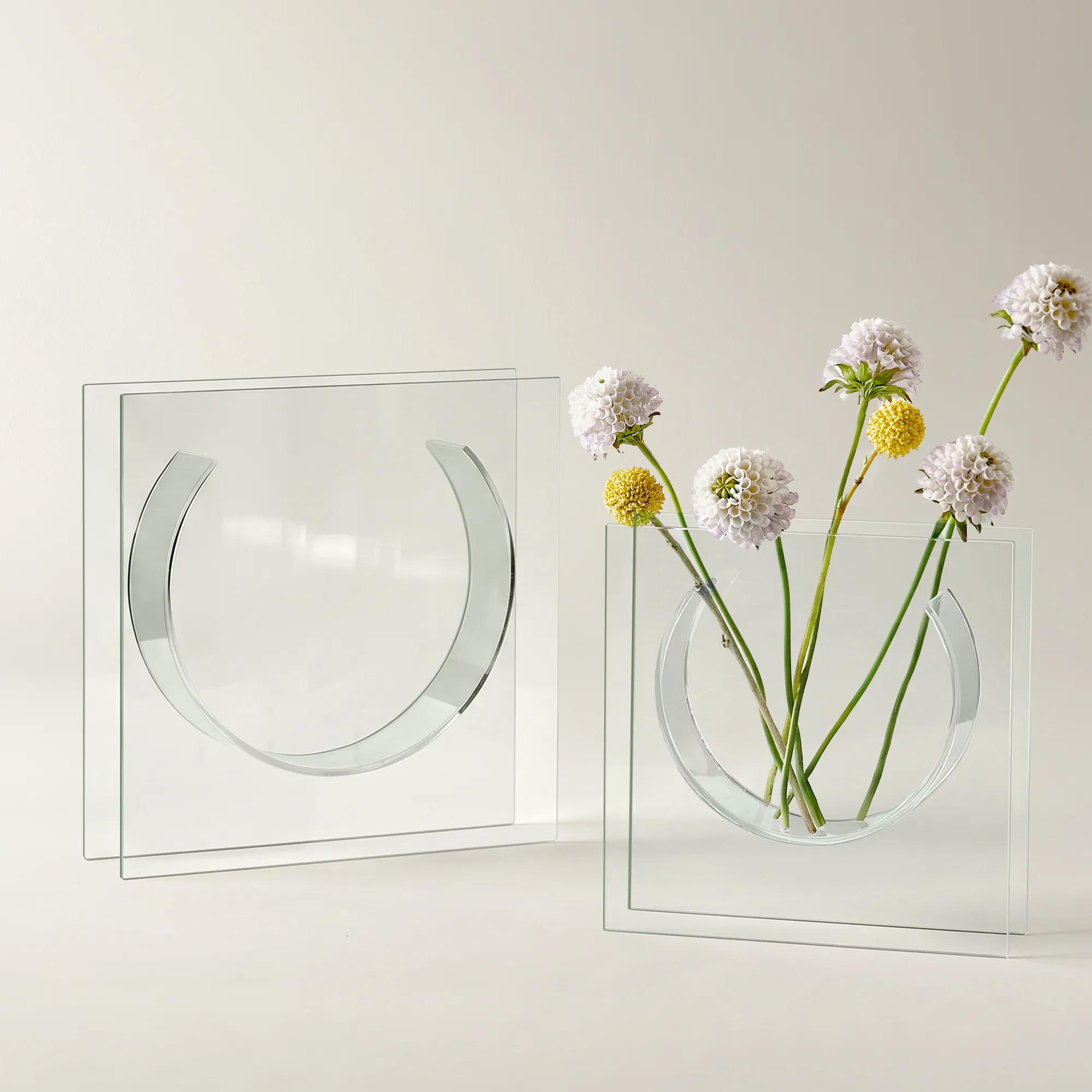
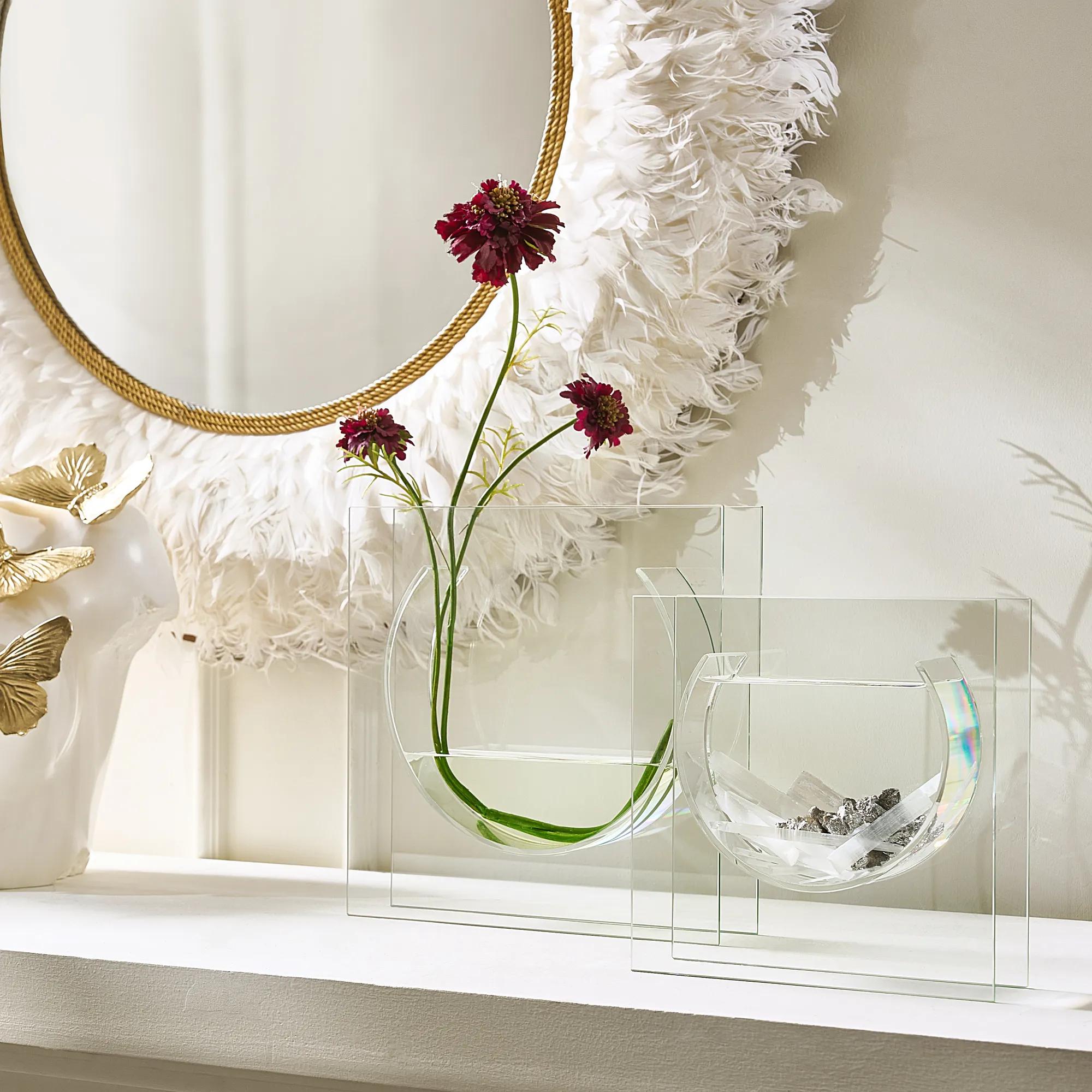 Solaris Clear Glass Vases$29
A clear glass vase with an elliptical bowl and bold modern design between two glass panels.
Add To Cart -
 Speckled Mouth Blown Brown And White Glass Vase 14.75"$129
A handblown glass vase featuring a brown and white speckled pattern for modern, artful appeal.
Add To Cart -
 Celeste Metallic Faux Fur Stocking - Bronze$59
A bronze metallic faux fur stocking with a luxe velvet back, adding shimmer and softness to holiday décor.
Add To Cart -
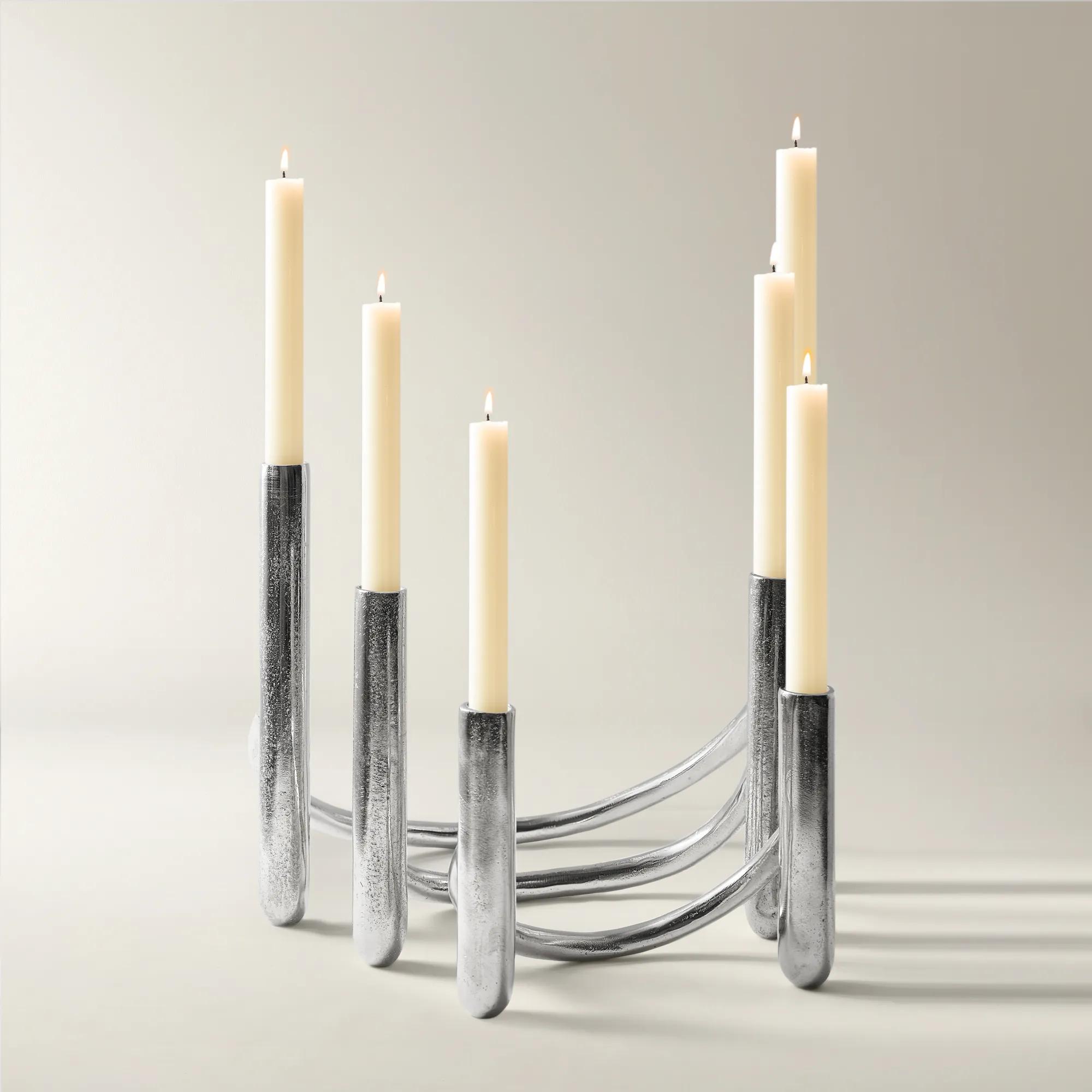 Pillaro Taper Holder - Set of 3$99
A set of three aluminum candleholders featuring sleek two-arm designs and a gleaming silver finish.
Add To Cart -
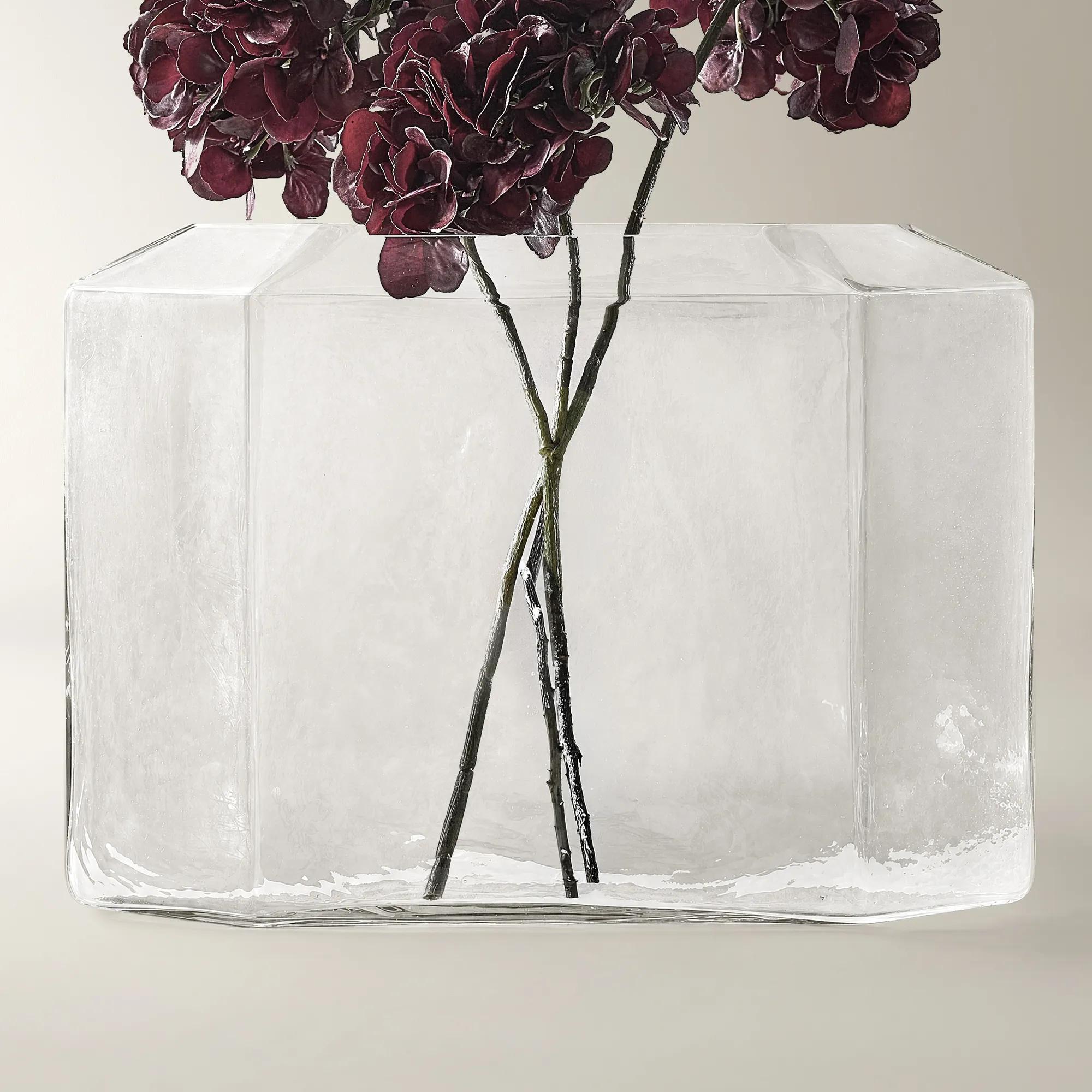 Studio Mouth Blown Clear Glass Vase 13.75"$199
A handblown clear glass vase with faceted detailing that beautifully reflects light for modern elegance.
Add To Cart -
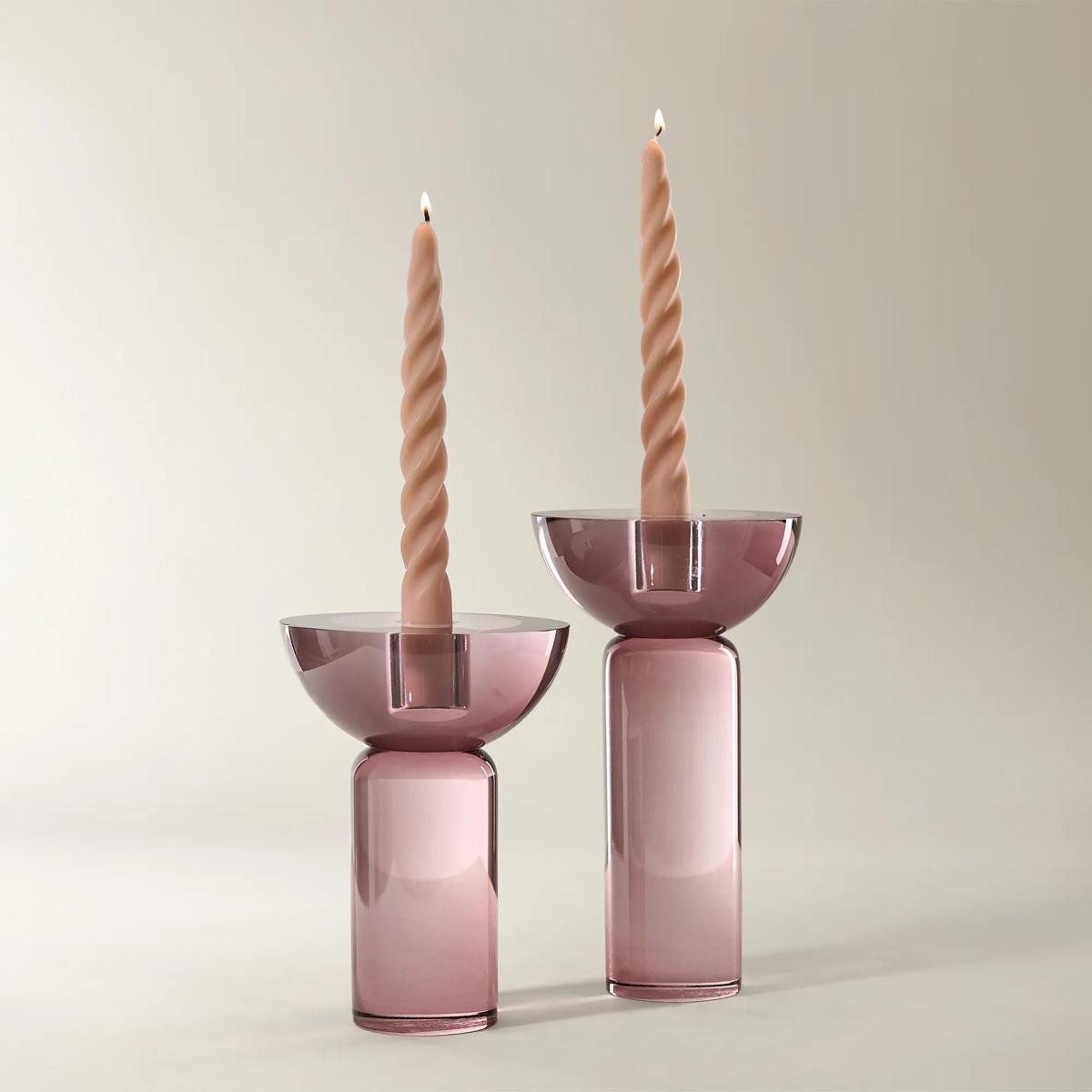 Rose' Crystal Taper Holder$79
A faceted purple crystal glass holder that adds sculptural elegance and sparkling ambiance to candlelight.
Add To Cart -
 Otis Soft Gold Aluminum Hurricane Candle Holders$199
A sculptural hurricane candle holder crafted from aluminum and glass with a warm soft gold finish.
Add To Cart -

 Faux Pearl Garland 38" Set of 3$59
A set of three pearl-finish plastic garlands that add soft shimmer and elegance to holiday décor.
Add To Cart -
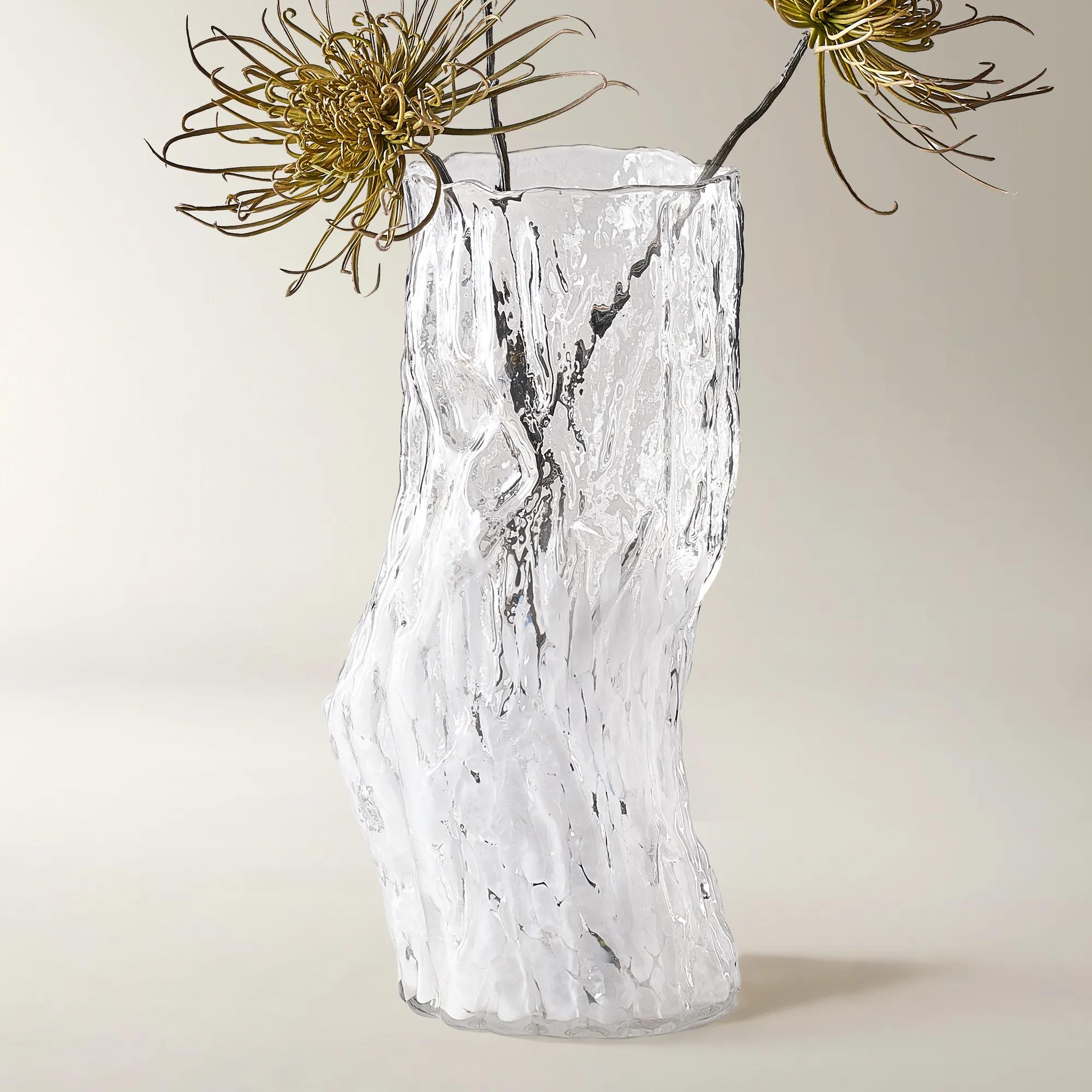 Vanish Mouth Blown Frosted White Glass Vase 18.5"$159
A handblown frosted white glass vase with an ethereal, translucent finish and sculptural silhouette.
Add To Cart

Decorative Mantel Accessories
Decorative Mantel Accessories transform the ordinary fireplace into a curated stage for self-expression, where every detail invites admiration and intrigue. Imagine gilded sculptures catching the light, artful vases commanding attention, and luxe candleholders casting a warm, mesmerizing glow—each piece an invitation to elevate your mantel from backdrop to showpiece. With an eye for grandeur and a passion for artistry, these accents infuse your living space with drama, depth, and undeniable allure. Let your mantel become the centerpiece of conversation—an ever-evolving gallery that reflects both bold vision and exquisite taste.
Decorative mantel accessories bring shape, light, and personality to the architectural ledge above a fireplace. Vases, candleholders, sculptural objects, decorative bowls, and mantel clocks give this prominent surface a sense of intention, while a mirror or framed artwork above provides a larger visual anchor. The most compelling combinations have a clear relationship: a shared metallic finish, a repeated curve, or a palette that connects with the furnishings nearby. Against a dark fireplace surround, pale ceramic and clear glass create luminous contrast; against light stone, deep tones and expressive silhouettes hold their presence. A mantel is often visible from several areas of a room, so its accessories contribute to the atmosphere well beyond the hearth. They can make a formal living room feel more personal, lend polish to an intimate sitting area, or bring an artistic focal point to an open dining space. Scale makes that impression convincing. A substantial sculptural form can balance an expansive fireplace, while a narrower shelf calls for pieces with compact bases and silhouettes that rise rather than spread. Actual depth matters as much as appearance: an accessory needs a stable footprint that rests fully on the mantel without projecting over its edge. Height also changes the composition. Tall candleholders beside a lower vessel create movement, while a pair of similar forms offers a more composed, architectural effect. Symmetry feels especially assured around a centered mirror; an off-center arrangement can introduce energy without competing with the fireplace itself. A little open surface between objects allows distinctive shapes to register from across the room. For a mantel beneath a television, lower-profile accents can preserve the screen’s sightline, provided the placement also respects equipment ventilation and fireplace clearances. These considerations make decorative fireplace accessories more than finishing touches: they establish proportion, connect the hearth with the surrounding room, and give a familiar architectural feature an unmistakably individual character. Even a restrained selection can feel richly expressive when each form has enough space to be appreciated.
Material gives mantel decor much of its character. Glass introduces transparency and reflection, allowing a substantial vase or sculptural accent to feel visually lighter against a detailed surround. Clear surfaces reveal stems and catch nearby light, while tinted or textured glass adds depth without relying on elaborate ornament. Ceramic offers a different presence, ranging from softly matte surfaces to gleaming glazes that emphasize curves and contours. A rounded ceramic vessel can soften the geometry of a rectangular firebox, especially when its finish echoes upholstery, artwork, or a rug elsewhere in the room. Metal accessories contribute sharper highlights and a more architectural rhythm. Gold-toned finishes bring warmth, silver-toned finishes create a cooler brilliance, and dark metal adds definition against pale walls. These tones need not match every fixture precisely; a repeated finish in two or three places often creates a more convincing connection than a room in which every surface looks identical. Stone introduces natural variation and visual weight, with veining, speckling, or subtle shifts in color giving simple forms their own detail. Its weight deserves consideration, particularly on a floating mantel or a shelf with a specified load limit. Wood can bring warmth and grain into a composition dominated by polished surfaces, although its placement near a working fireplace requires particular attention to the fireplace manufacturer’s clearance requirements. Material names alone do not establish heat resistance, and decorative finishes, adhesives, and applied details may have their own limitations. Durability also depends on how an accessory is handled and where it rests. Glass and ceramic can chip when knocked together; polished metal may show fingerprints or develop fine scratches; porous stone can absorb moisture. A lined or appropriately protected base can help reduce contact marks, provided any protective material is suitable for the surface and location. For vessels intended to hold fresh flowers, confirmation that the piece is watertight helps protect the mantel below. Decorative vessels that are not designed for water are better suited to compatible dry arrangements or display on their own.
The intended use of a mantel accessory is worth considering alongside its visual appeal. An unfilled vase can read as sculpture, a decorative bowl can introduce a broad, shallow curve, and a clock can give a composition both a focal point and an everyday purpose. Candleholders add slender vertical lines and a sense of ceremony, but their decorative role does not override fire safety. Any holder used with a burning candle must be designed for that purpose and paired with the appropriate candle size. Open flames need safe clearance from artwork, walls, arrangements, and other combustible materials, and candles should never be left unattended. Flameless candles can offer a luminous effect without an exposed flame, though their placement must still respect the operating conditions of the candle and the fireplace. Above a working hearth, all accessories should remain outside required heat-clearance zones; a decorative mantel is not automatically a heat-safe display surface. Securely mounted artwork and mirrors are particularly important above a fireplace, rather than relying on an unsecured lean. Everyday care helps preserve the finish that makes these accents distinctive. A soft, dry cloth is often appropriate for routine dusting, while cleaning products and damp wiping should follow the individual material’s care instructions. Abrasive cleaners can dull polished surfaces, and moisture may affect certain coatings or porous materials. Lift accessories rather than sliding them across stone, painted wood, or a lacquered shelf. In a household with children or pets, stable forms positioned beyond easy reach deserve priority over precarious arrangements. Mantel accessories also make thoughtful housewarming or wedding gifts for someone who enjoys interiors, particularly when their preferred finishes and available display space are known. A sculptural accent can acknowledge a taste for expressive design without requiring an entire room to change. For further composition inspiration, Ideas for Mantel Decorating explores ways to bring these elements together. The result can be richly personal: reflective surfaces that catch lamplight, tactile finishes that reward a closer look, and silhouettes that give the fireplace a distinctive presence.
FAQs
To achieve a cohesive look, begin by selecting a central focal point—such as an elegant mirror or striking piece of art—then layer complementary accessories around it. Stick to a defined color palette and mix materials like glass, metal, and ceramic for visual interest. Varying the heights and textures of your pieces adds depth, while repeating key finishes or motifs throughout the arrangement ties the look together beautifully.
Seasonal updates can be as simple or dramatic as you wish. In winter, opt for metallic candleholders, pinecones, and plush garlands to evoke warmth and comfort. As spring approaches, swap in pastel ceramics, fresh or faux greenery, and delicate glass vessels. Rotating accent pieces and layering in seasonal touches allows your mantel to reflect the mood and energy of each time of year.
Absolutely. Decorative mantel accessories make exceptional gifts for housewarmings, weddings, or special celebrations. Timeless items like sculptural vases, artisan candleholders, or unique figurines are both personal and versatile, offering recipients a way to express their own style while adding a touch of luxury to their living space.
Incorporating lighting—such as elegant taper candles, metallic lanterns, or clusters of votives—can infuse your mantel with warmth and drama. The interplay of flickering candlelight with reflective surfaces like mirrors or metallic accents creates a captivating ambiance, especially during evening gatherings or cozy winter nights.
To avoid a cluttered appearance, focus on balance and negative space. Choose a few statement pieces and arrange them with intention, leaving room between each item for the eye to rest. Layer objects of different heights and shapes, but resist the urge to overcrowd. This curated approach allows each accessory to shine and ensures your mantel remains a sophisticated focal point.