Decorative Bowls For Shelf Styling
Decorative Bowls For Shelf Styling
-
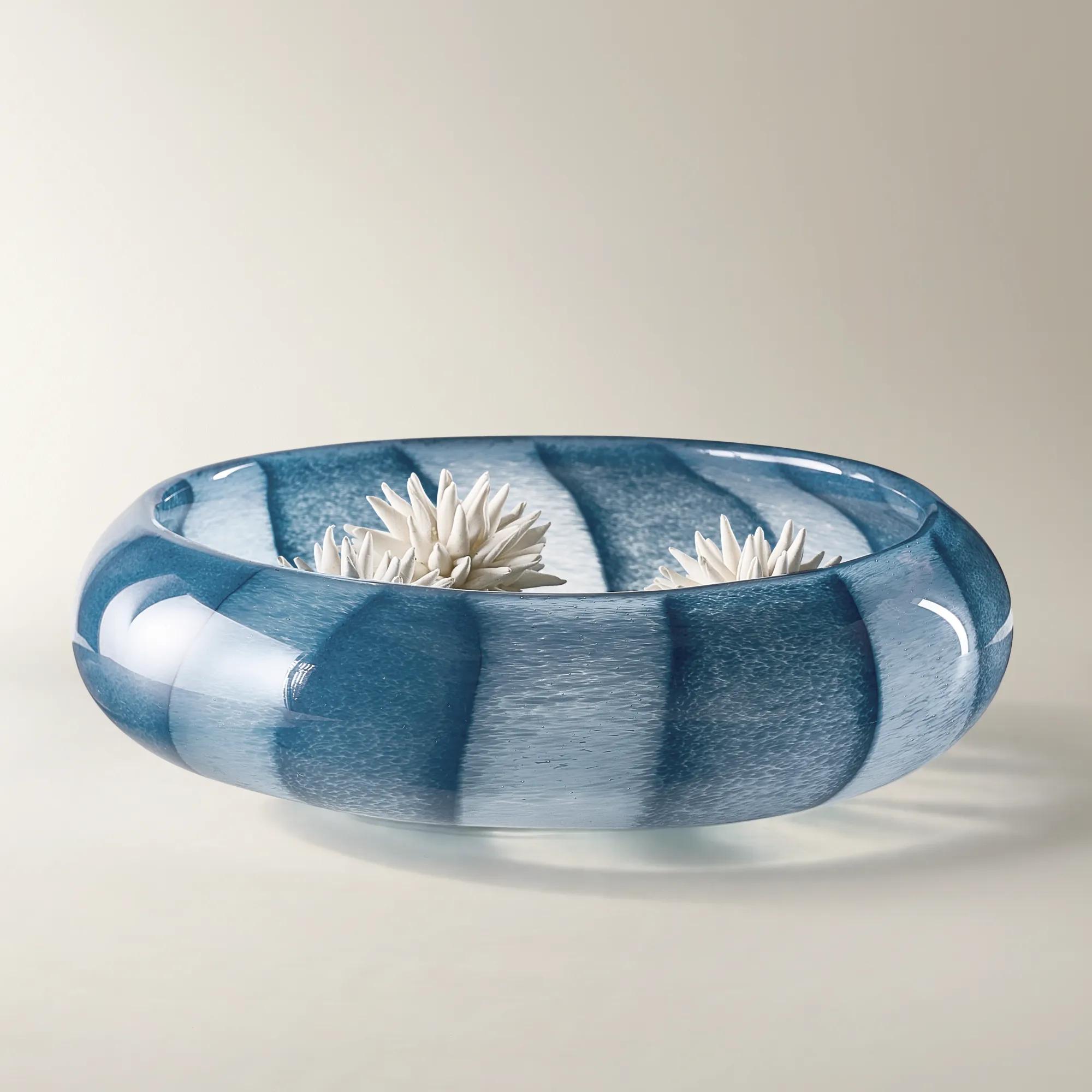 Jonah Mouth Blown Dusty Blue Glass Decorative Bowl 11.75" x 3.5"$89
A handblown glass bowl featuring dusty blue stripes and a sculptural, low rounded silhouette for decor.
Add To Cart -
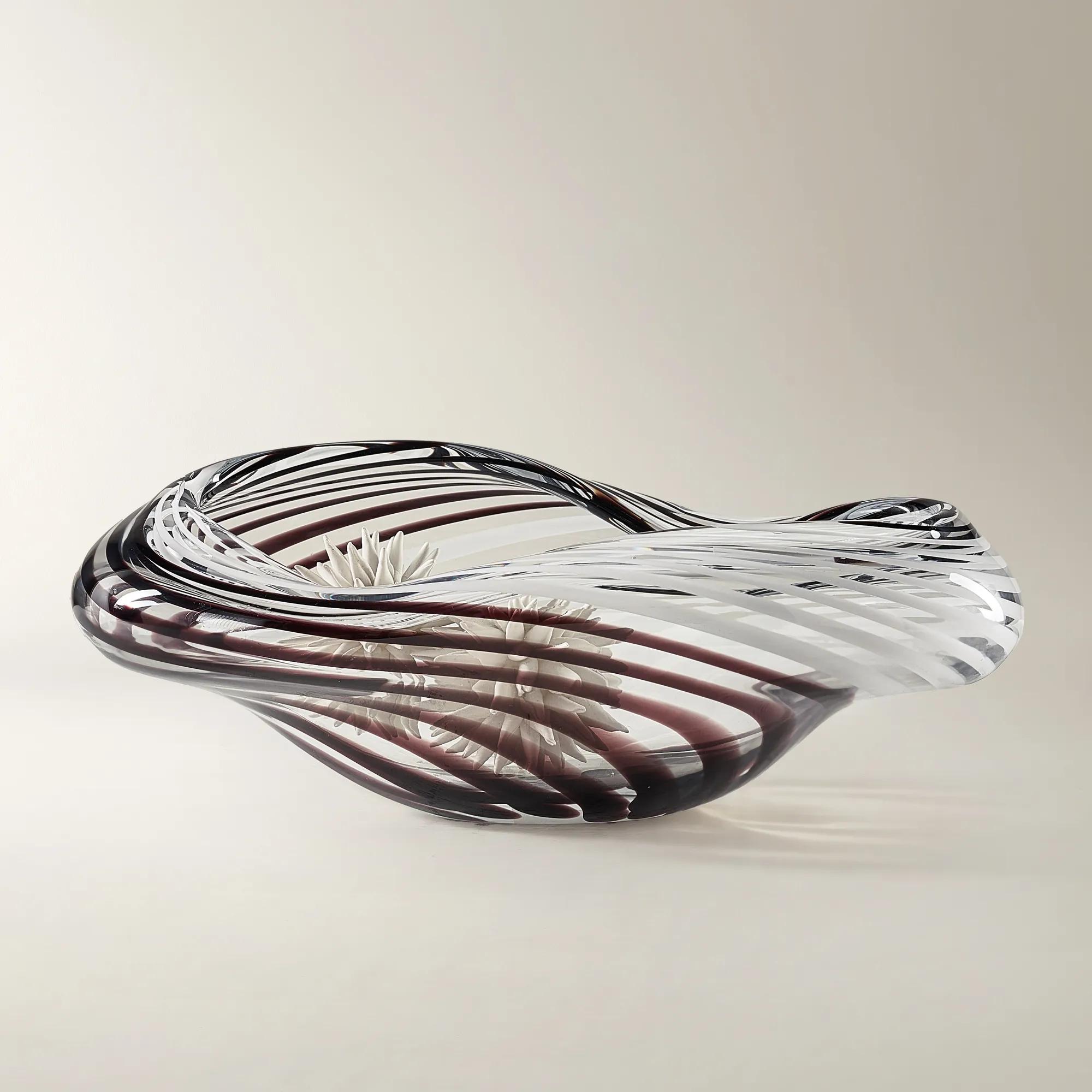 Optic Mouth Blown Black/White Glass Decorative Bowl 17.25" x 5.5"$99
A handblown glass bowl featuring charcoal stripes and a sculptural, Deco-inspired silhouette for decorative display.
Add To Cart -
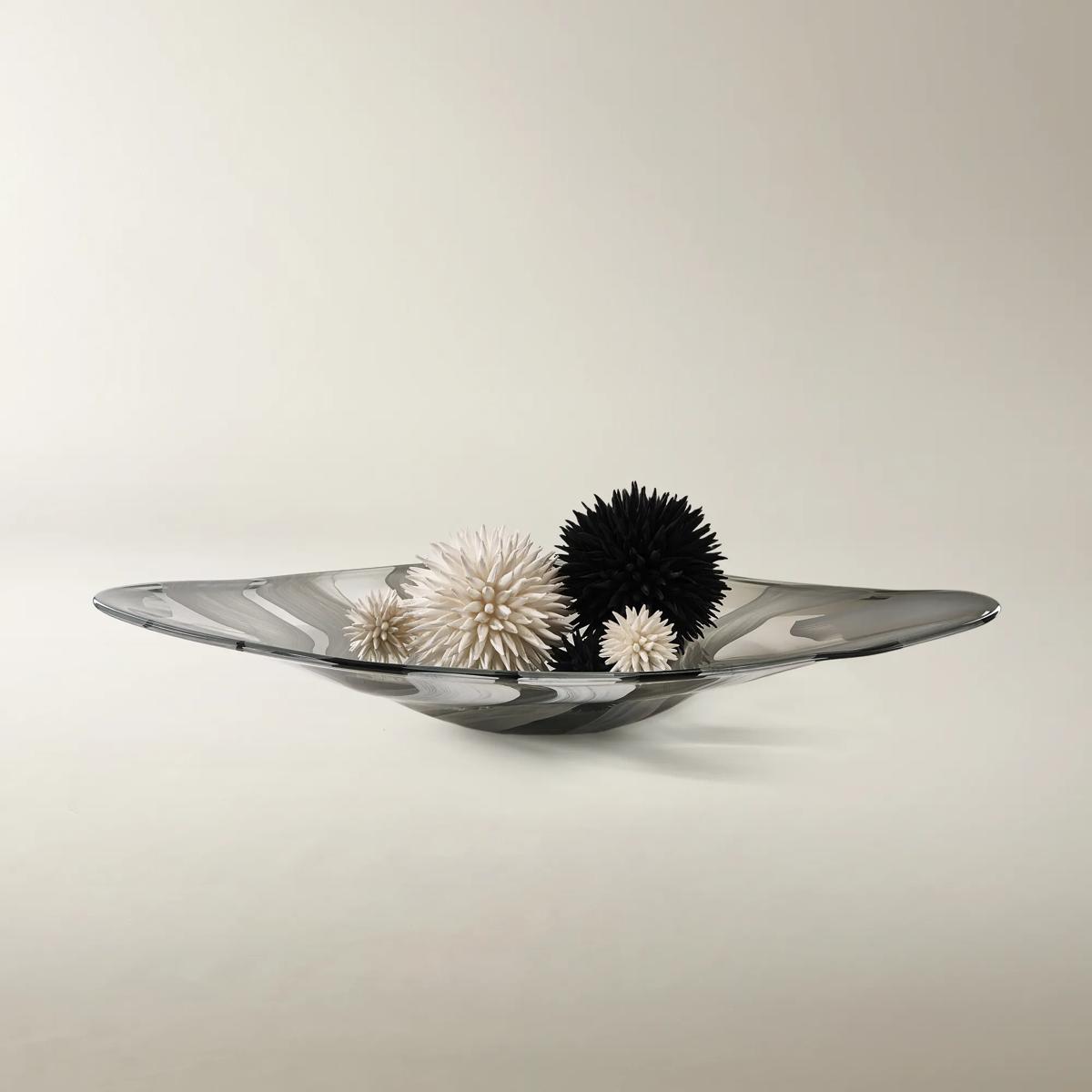
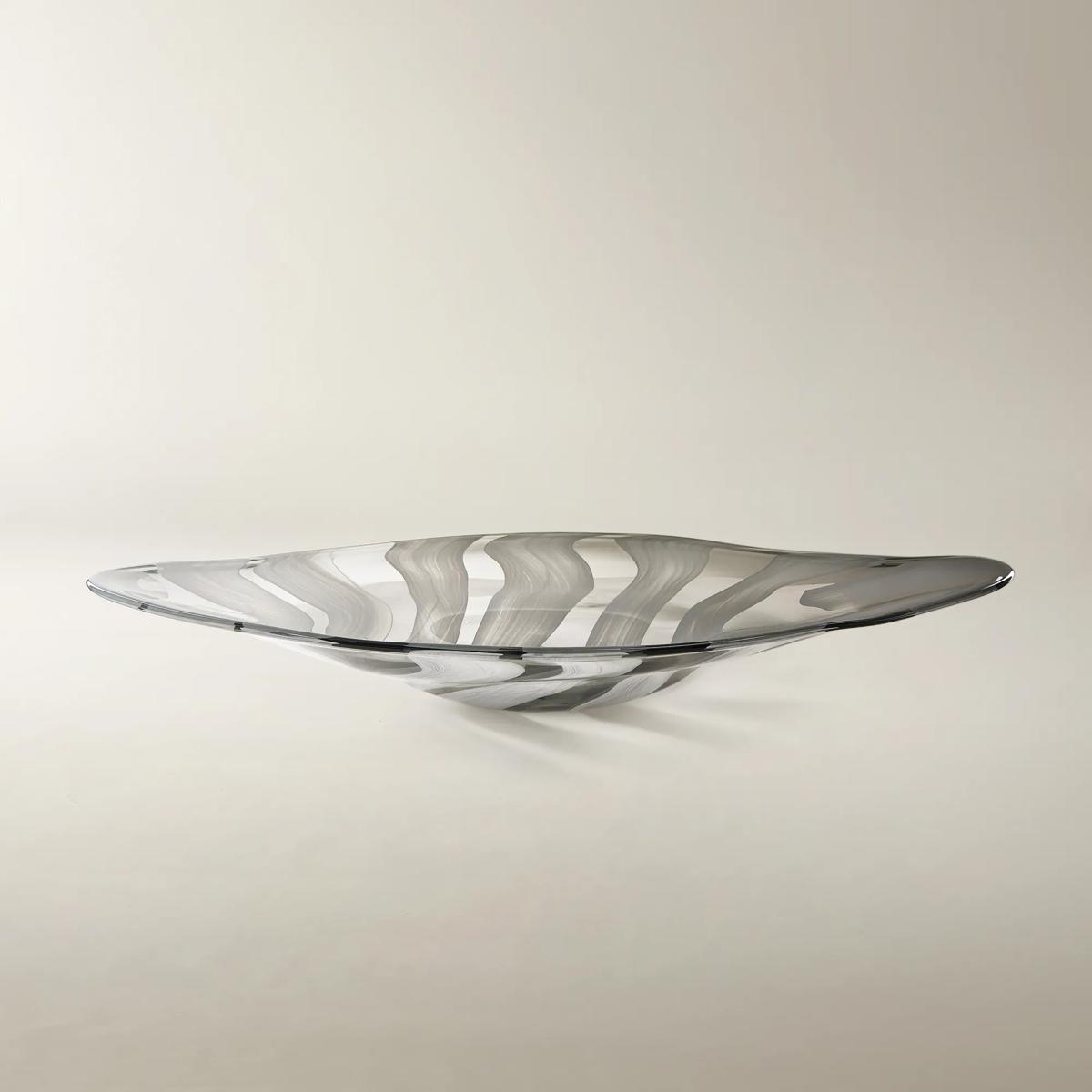 Zoya Glass Bowl$349
A hand-blown grey glass bowl with a marbled pattern and organic silhouette for modern decor.
Add To Cart -
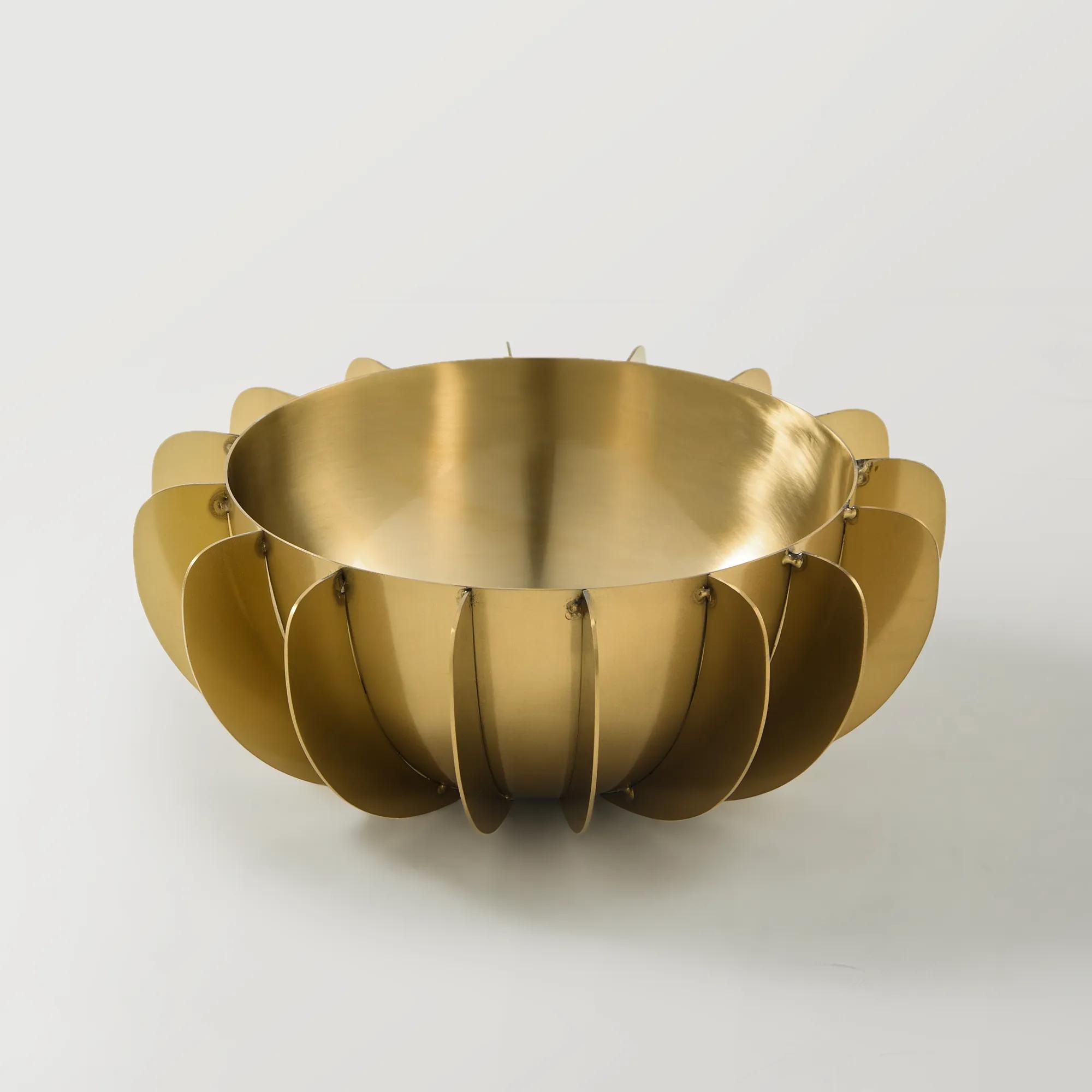
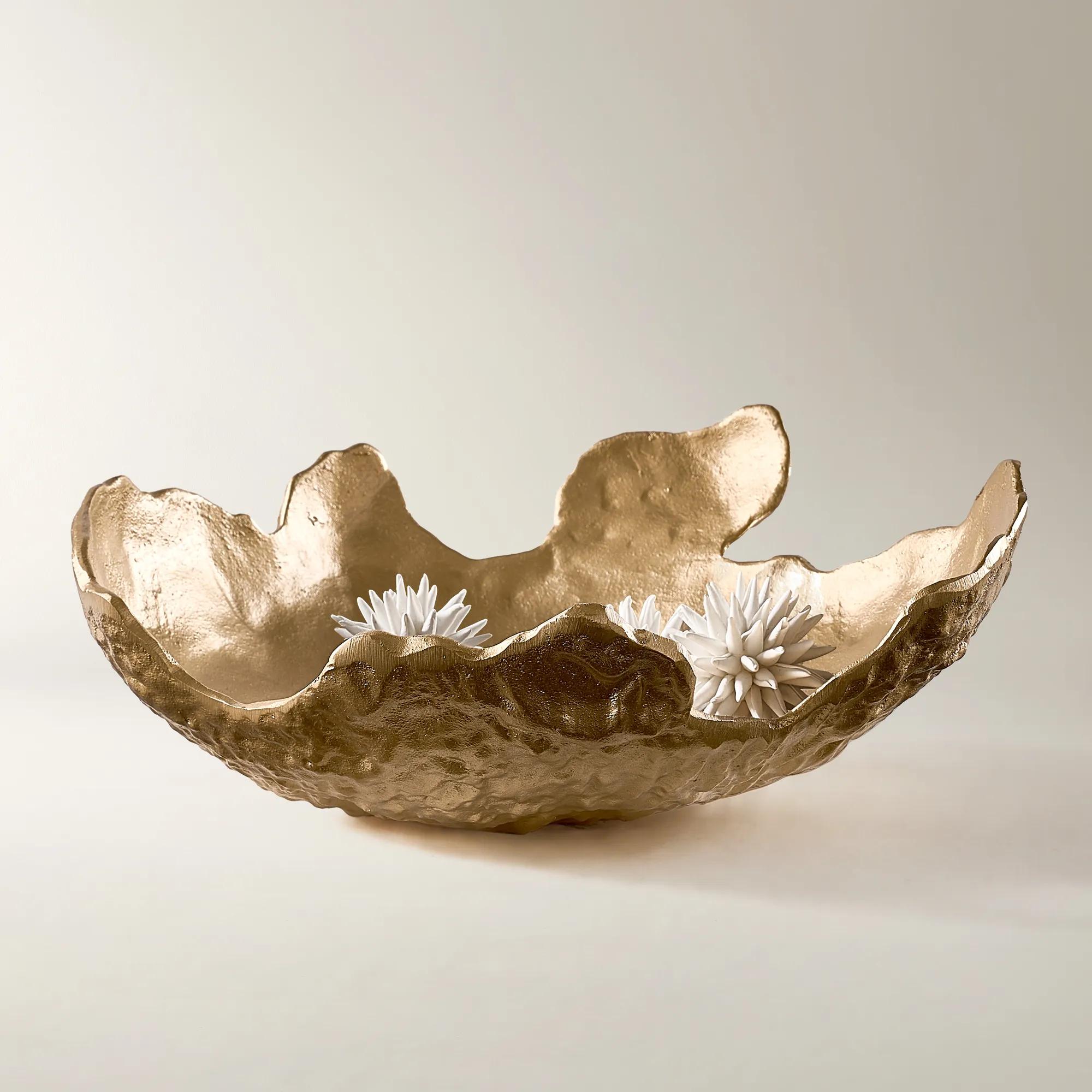 Crush Gold Aluminum Decorative Bowl 16" x 5.75"$169
A sculptural aluminum bowl with a soft gold finish and organic, crushed silhouette for modern decor.
Add To Cart -
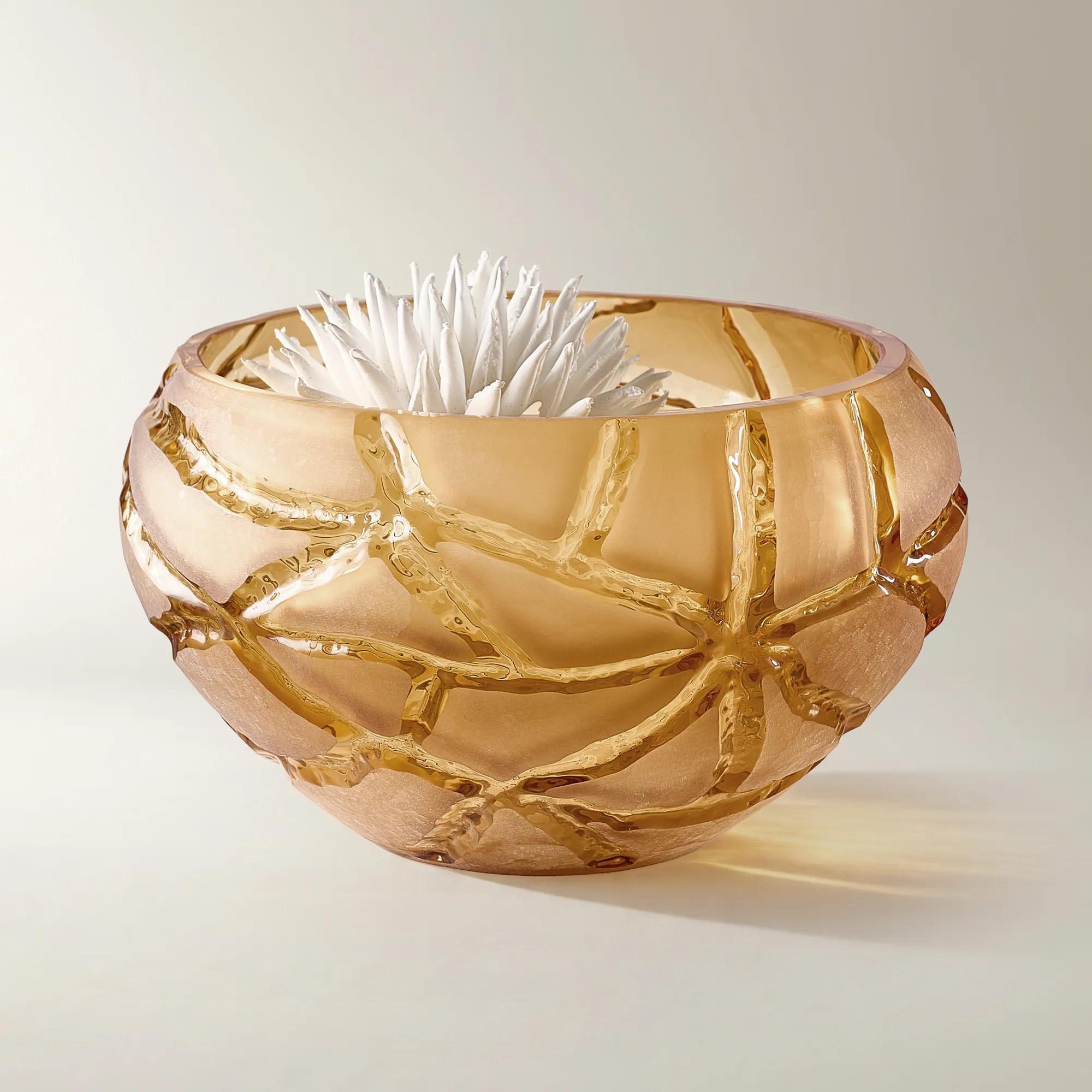 Rowen Mouth Blown Honey Gold Glass Decorative Bowl 11" x 6.25"$129
A handblown glass bowl in honey gold with a textured surface for a luminous, sculptural accent.
Add To Cart -
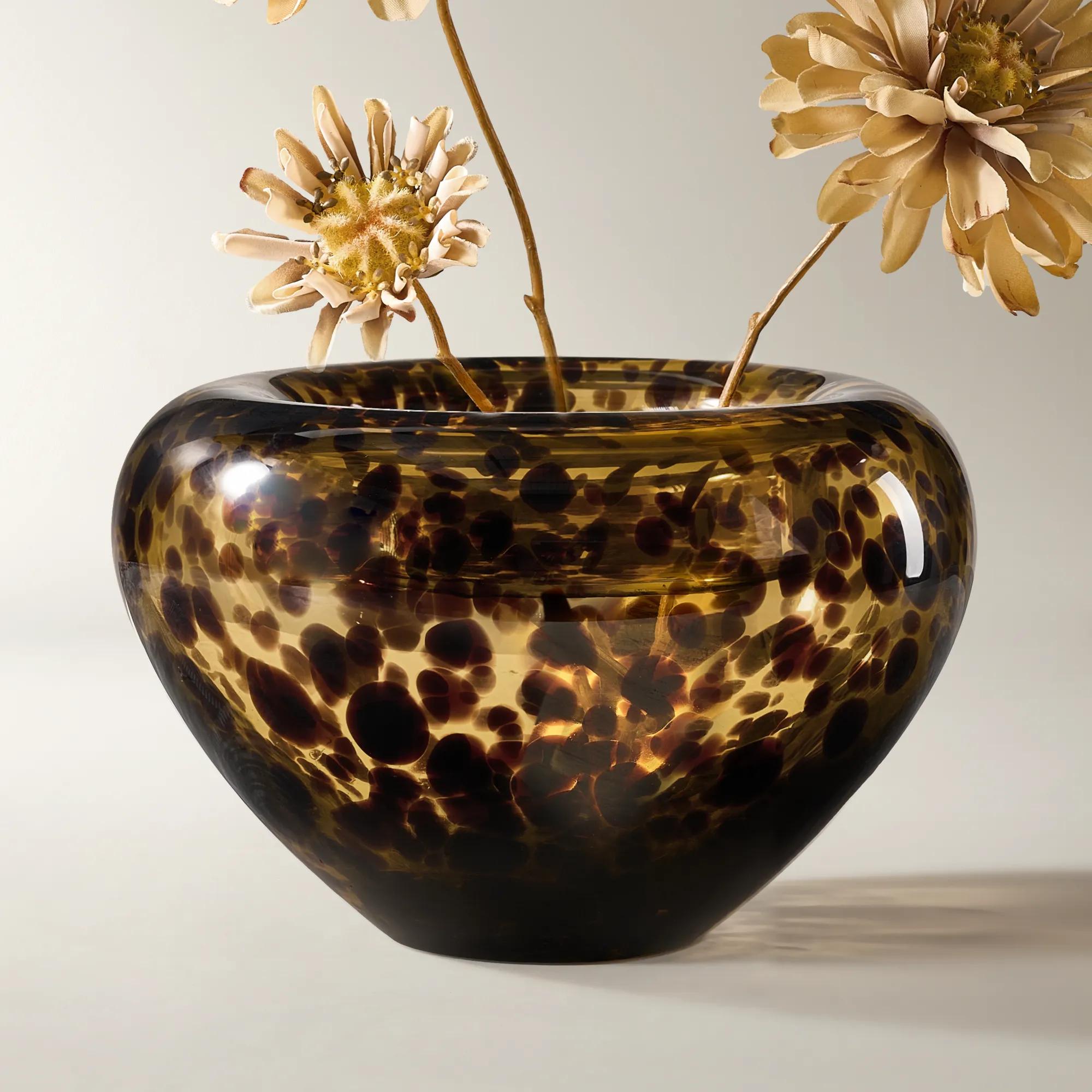 Tortoise Mouth Blown Brown Glass Decorative Bowl 8.25" x 4.25"$69
A handblown glass bowl featuring a warm brown tortoise pattern and a sculptural, rounded silhouette.
Add To Cart -
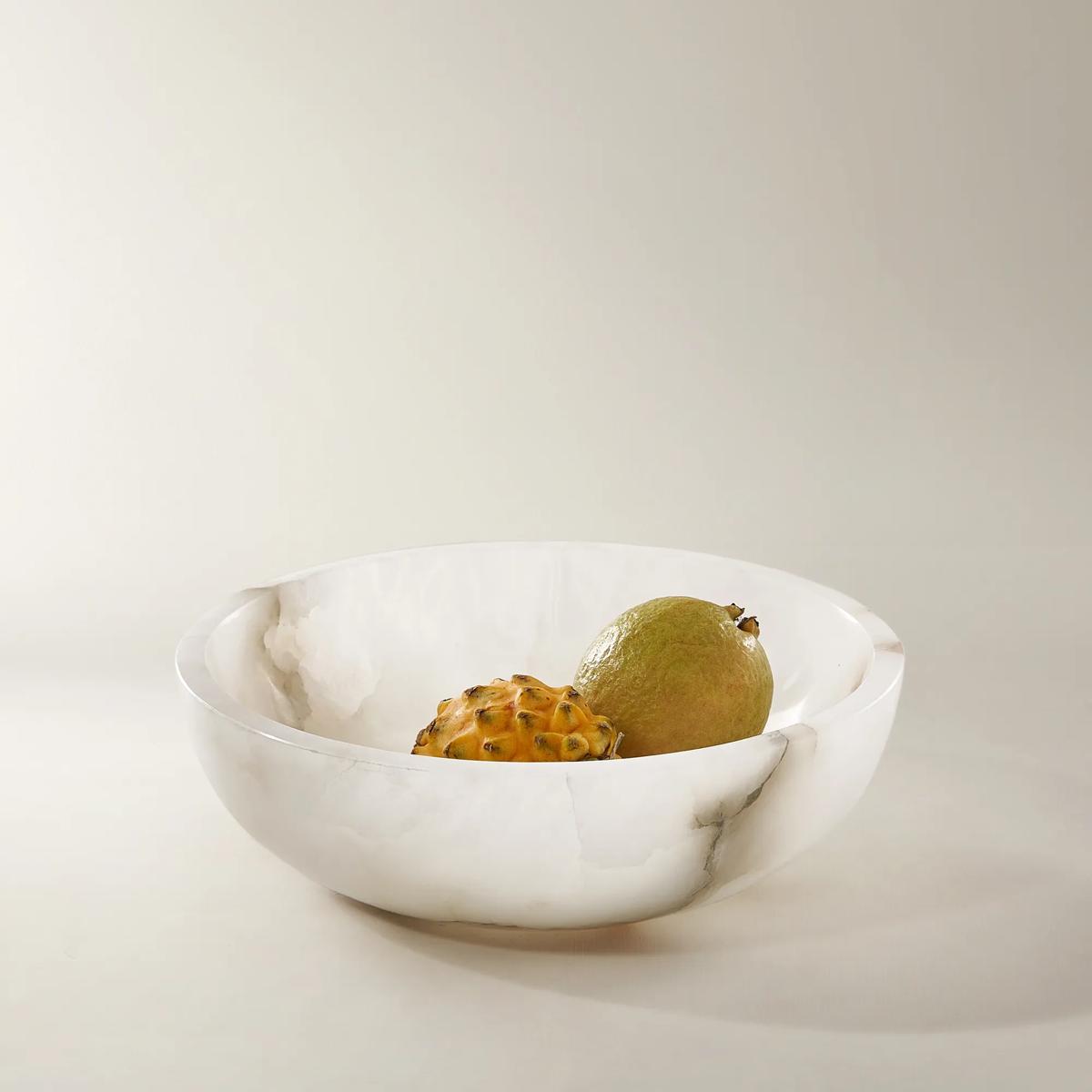 Alabaster Bowl$369
A hand-sculpted alabaster bowl featuring organic veining and soft, milky white translucence.
Add To Cart -
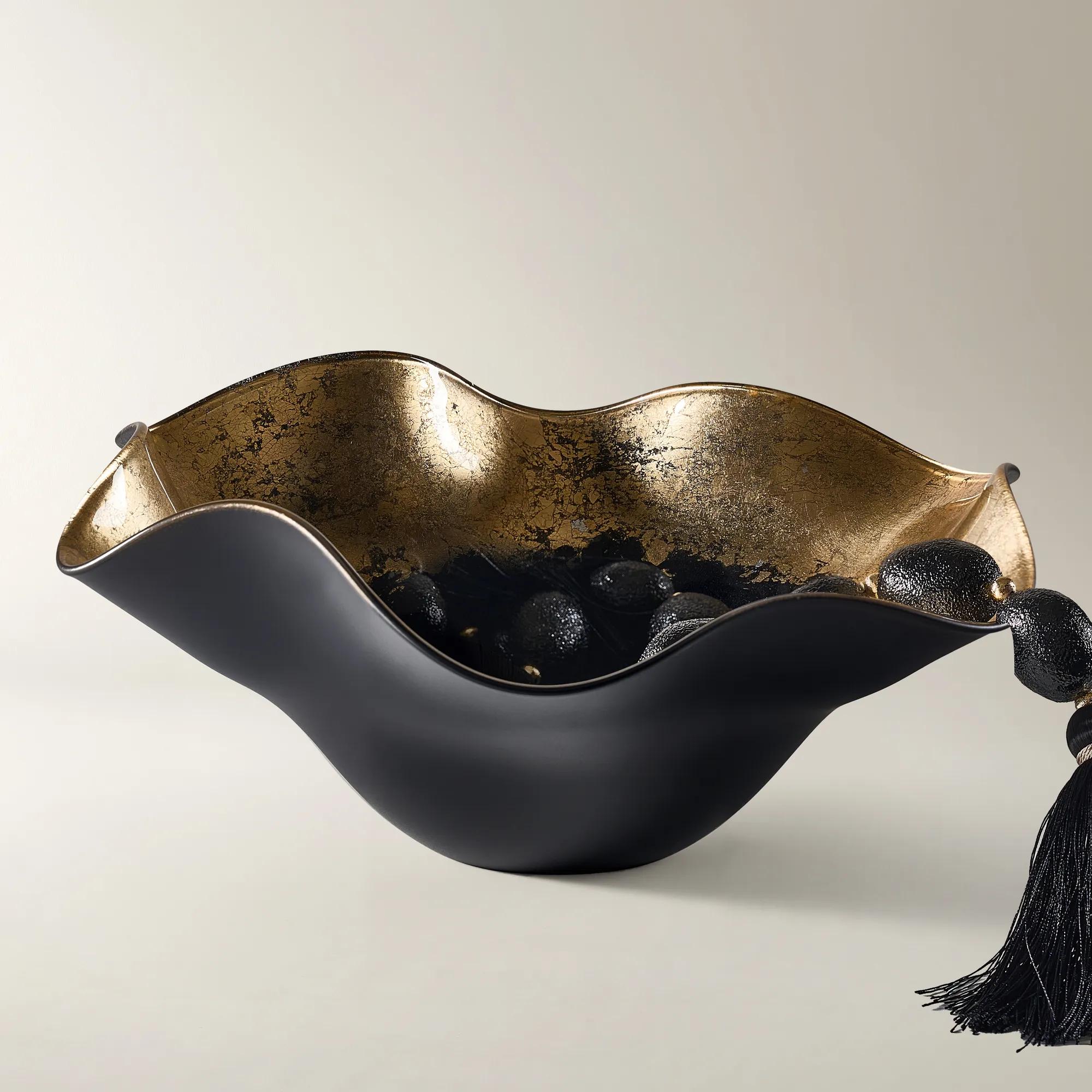
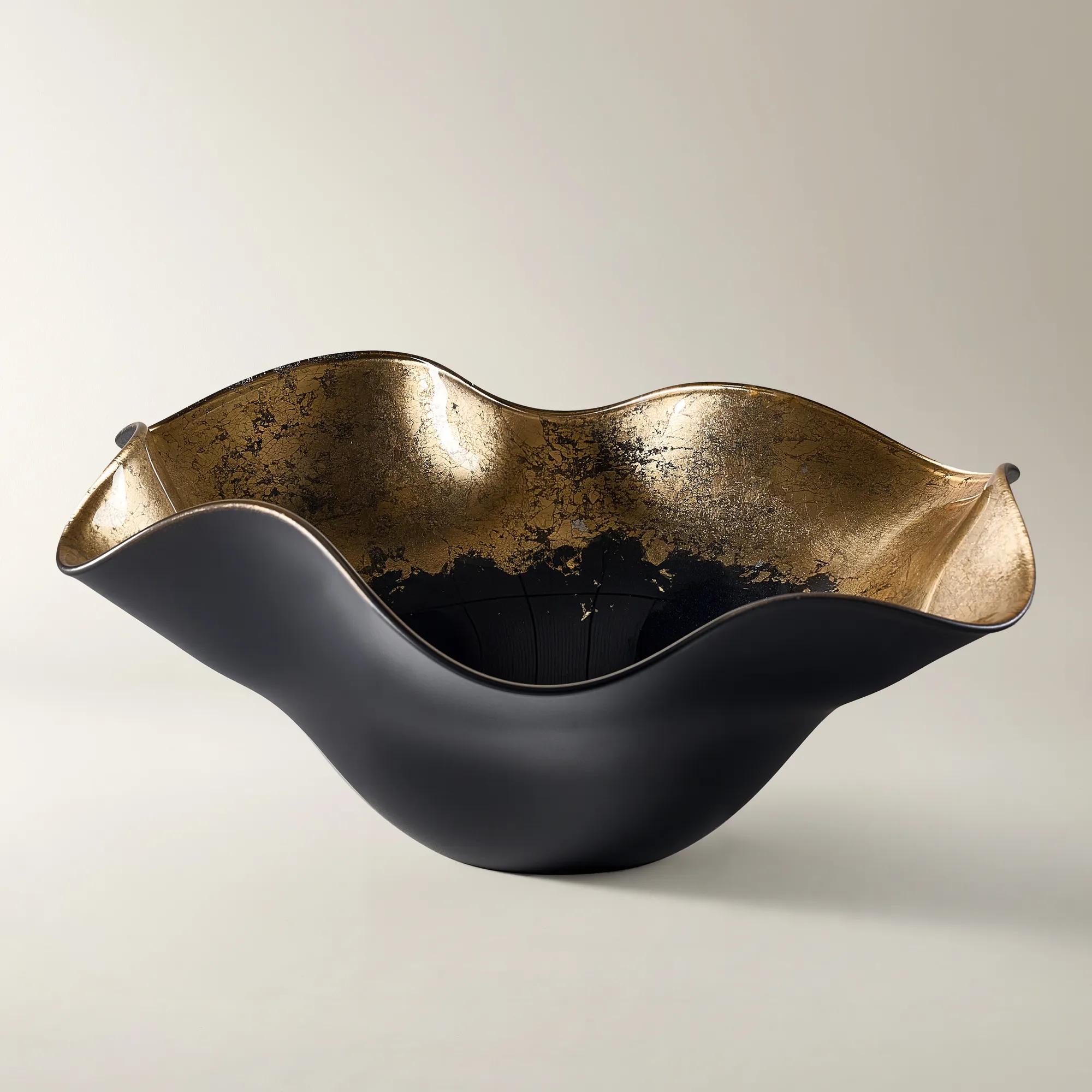 Goldie Mouth Blown Gold Black Glass Decorative Bowl 15.5" x 8.75"$199
A handblown glass bowl in soft gold and black with an organic, sculptural silhouette for modern decor.
Add To Cart -
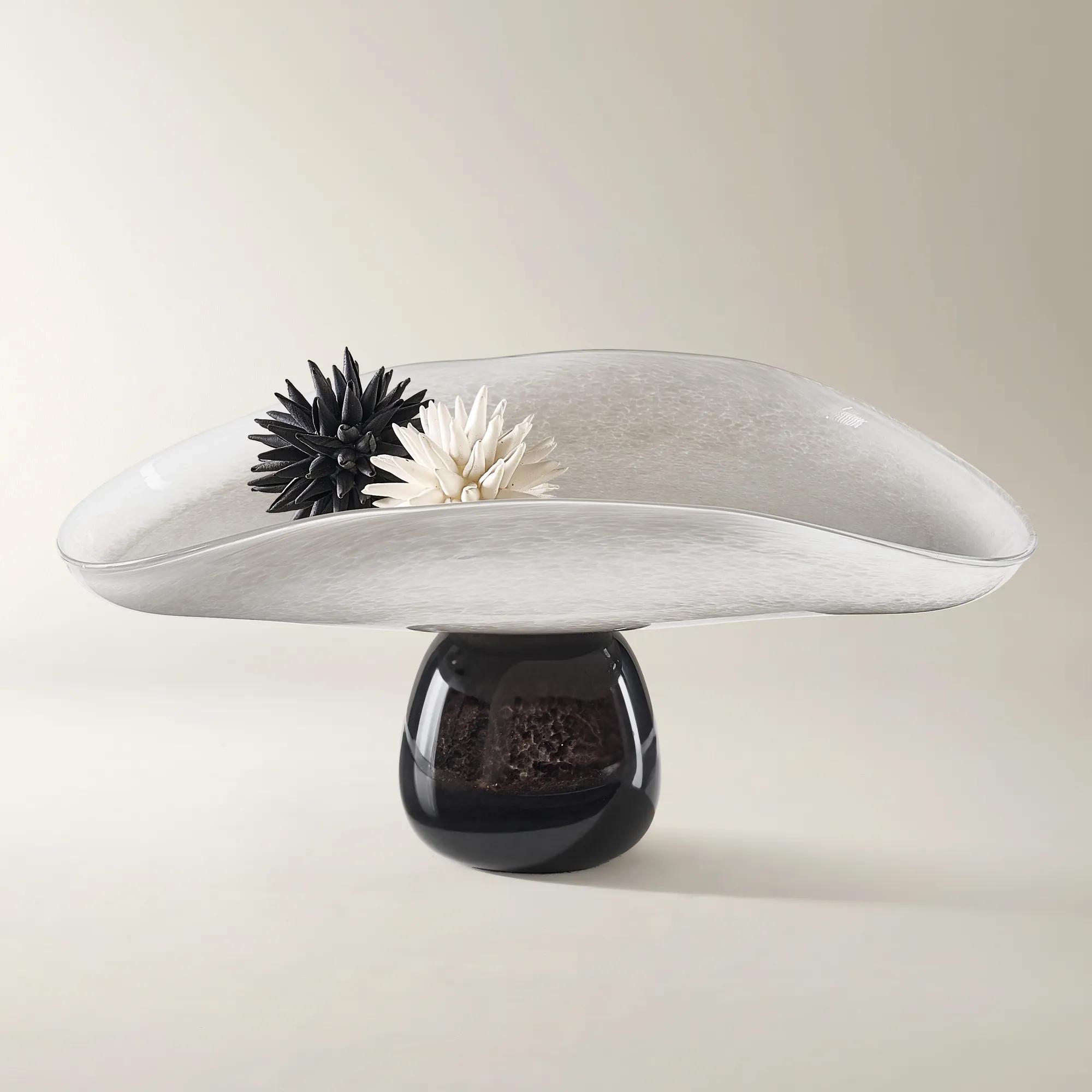 Elois Mouth Blown White Black Pedestal Bowl 14.5" x 7"$149
A handblown glass pedestal bowl featuring striking black and white contrast for a sculptural, modern accent.
Add To Cart -
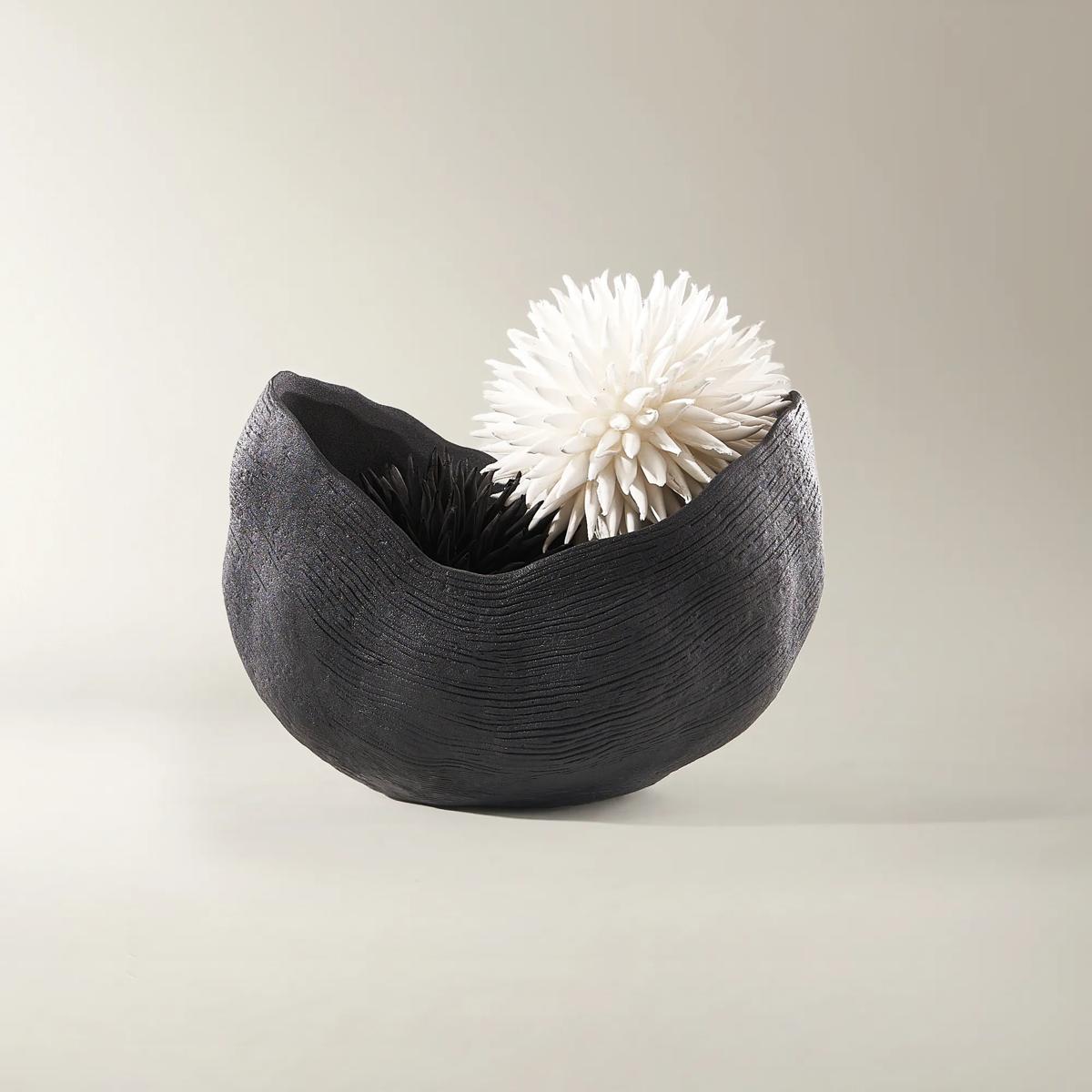 Baz Bowl - Black$119
A sculptural black porcelain bowl with a matte, ridged texture for bold, modern decor accents.
Add To Cart -
 Calla Mouth Blown Blue Glass Decorative Bowl 15.35" x 5.7"$79
A handblown blue glass bowl featuring unique curves and translucent artistry for striking decorative appeal.
Add To Cart -
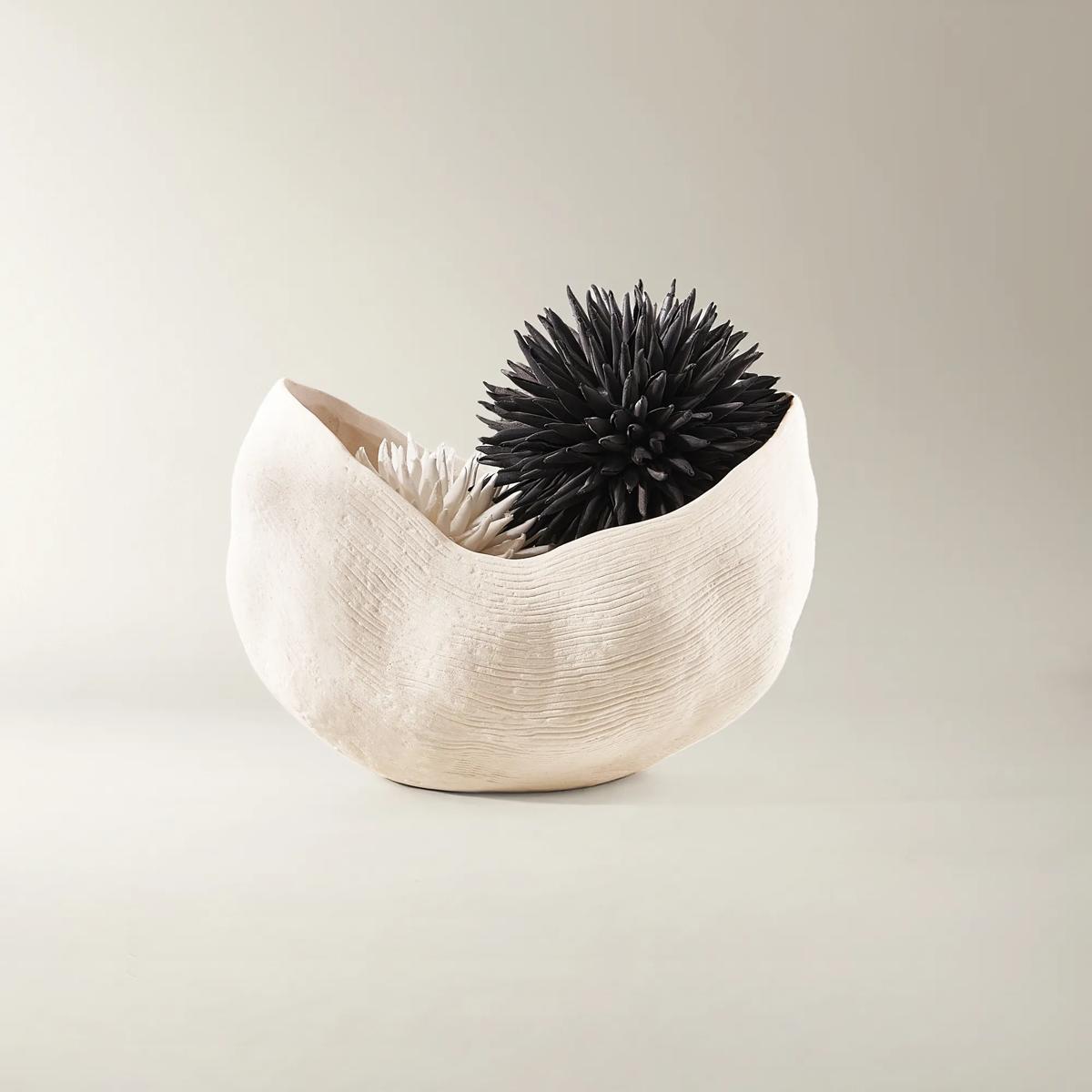 Baz Ivory Porcelain Bowl$119
A sculptural ivory porcelain bowl with a matte, textured finish and organic, free-flowing silhouette.
Add To Cart -
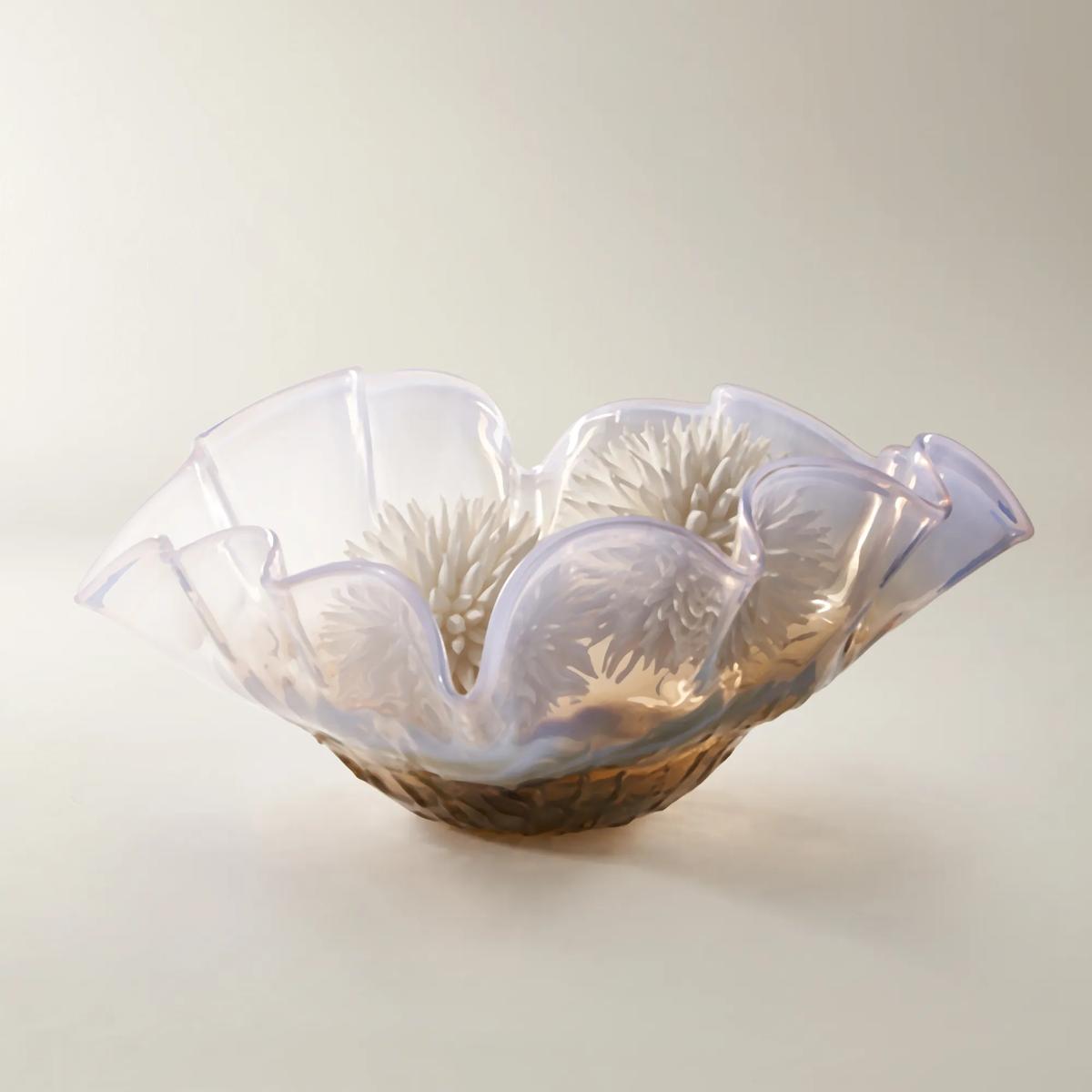
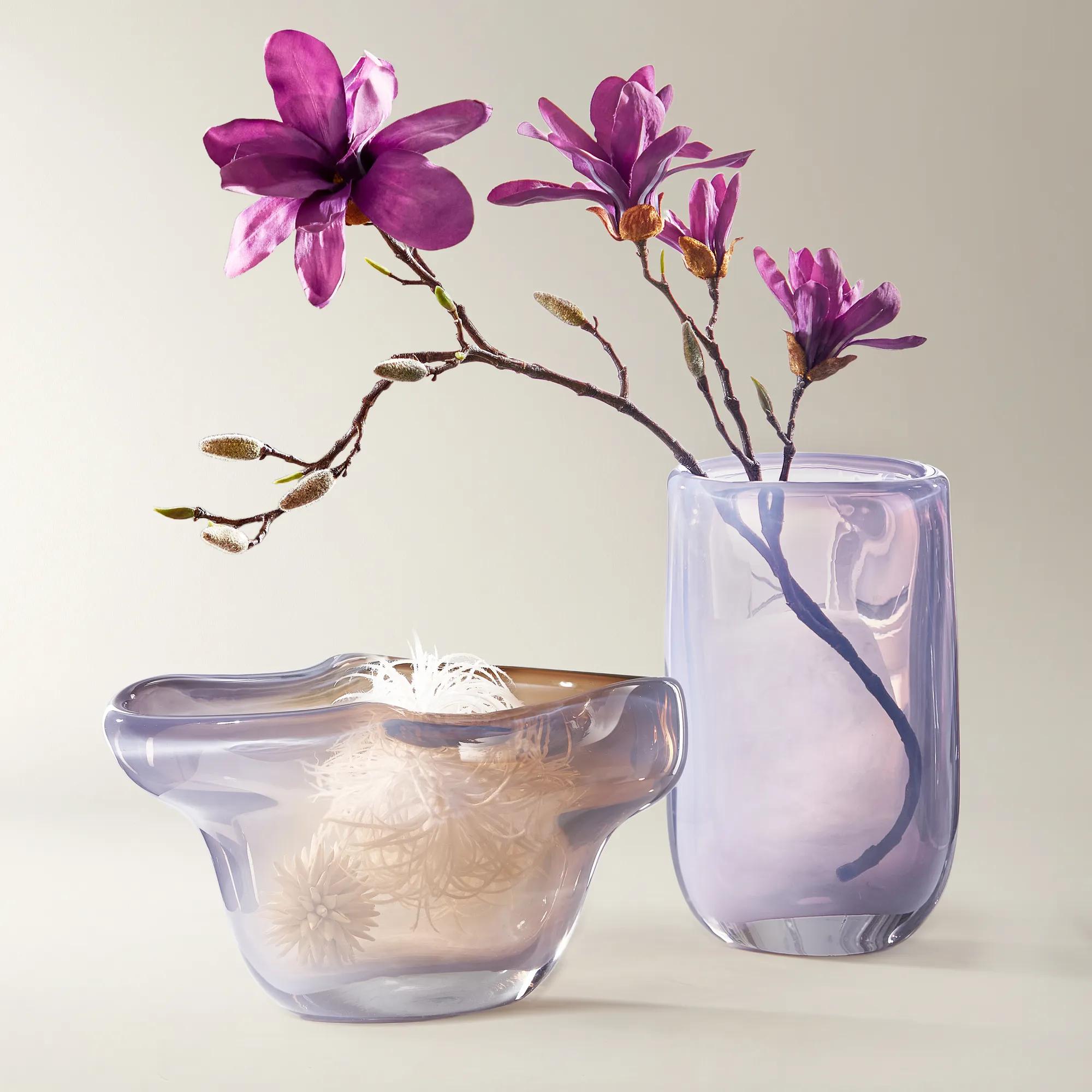
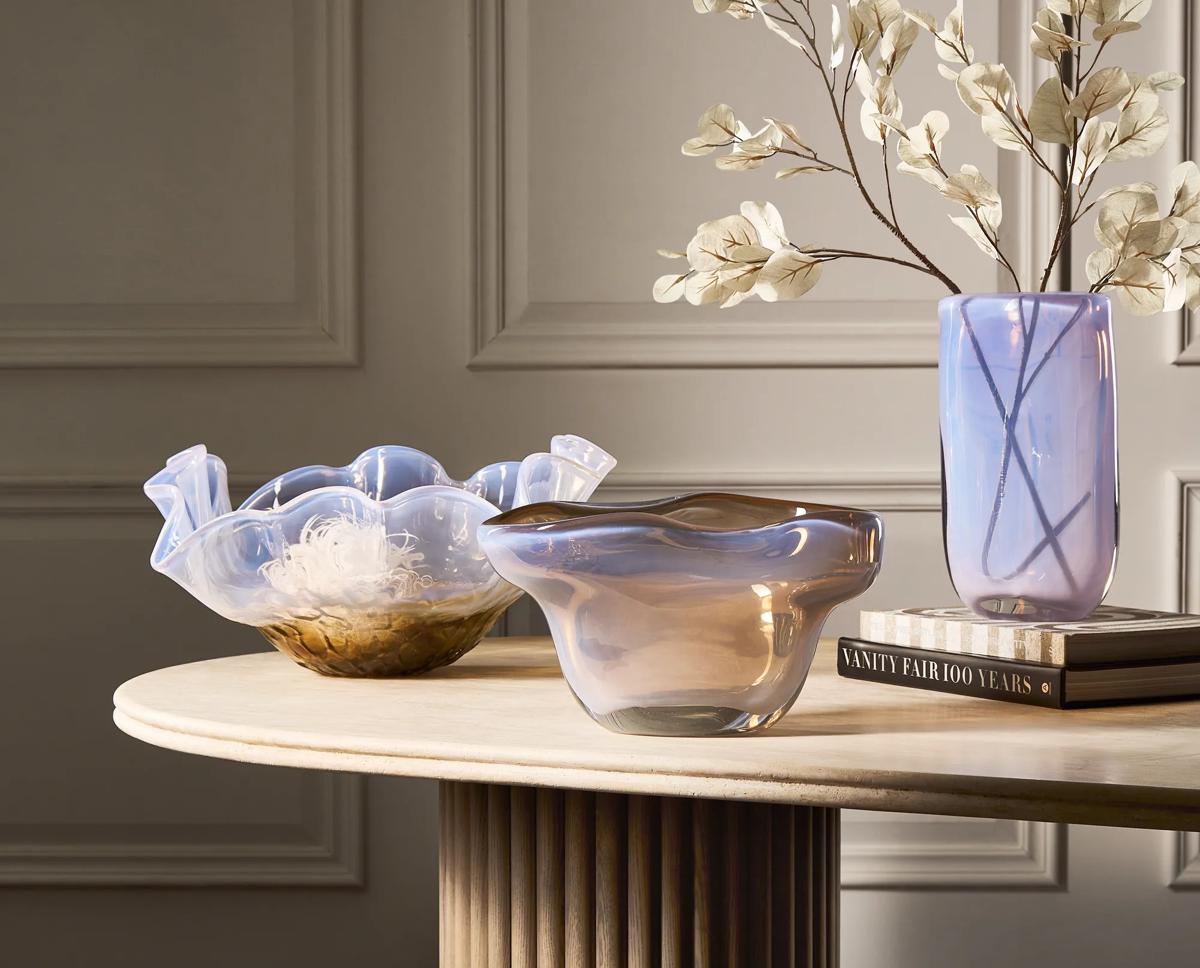 Glacier Glass Bowl$269
A hand-blown glass bowl featuring scalloped edges and swirling lavender and amber hues for artistic elegance.
Add To Cart -
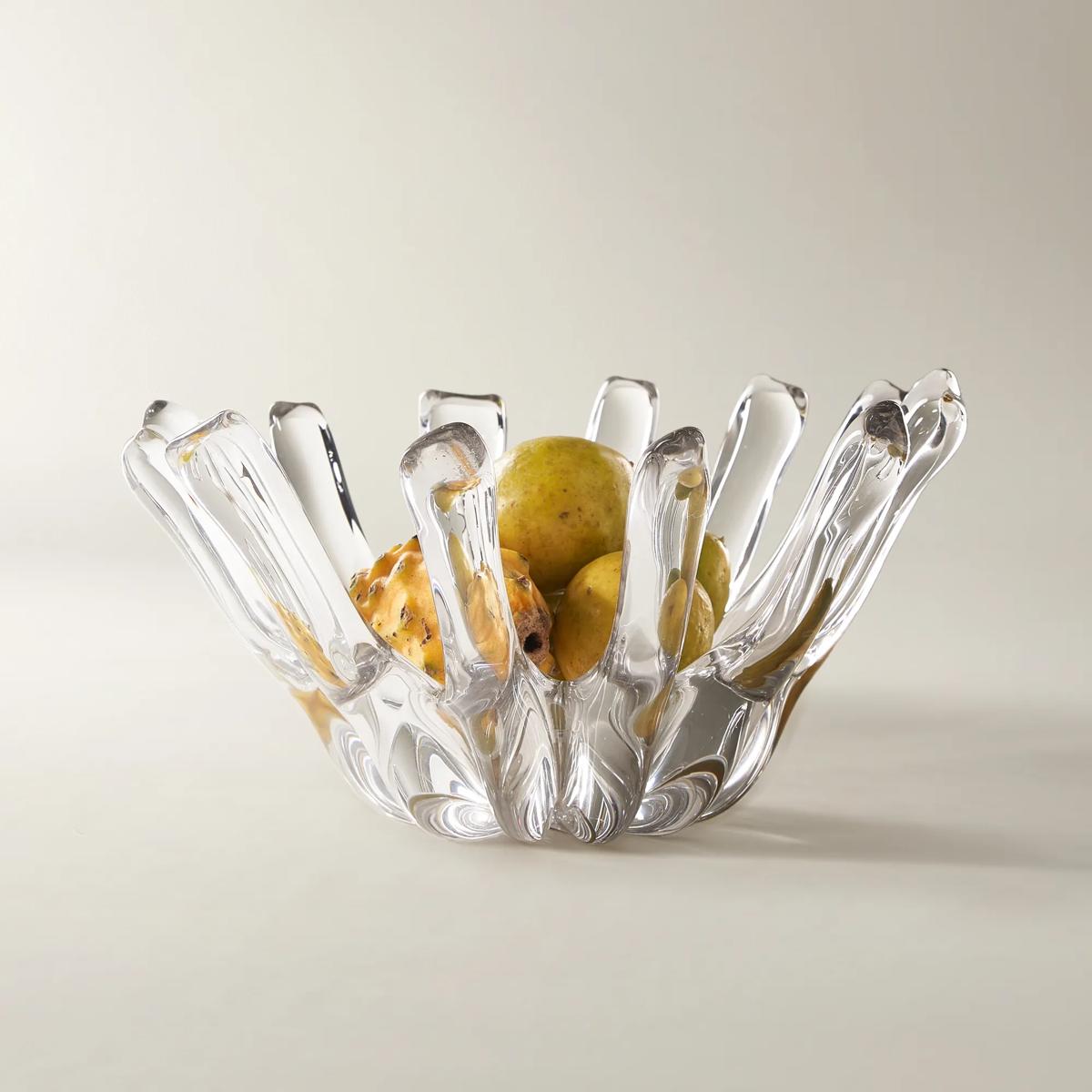
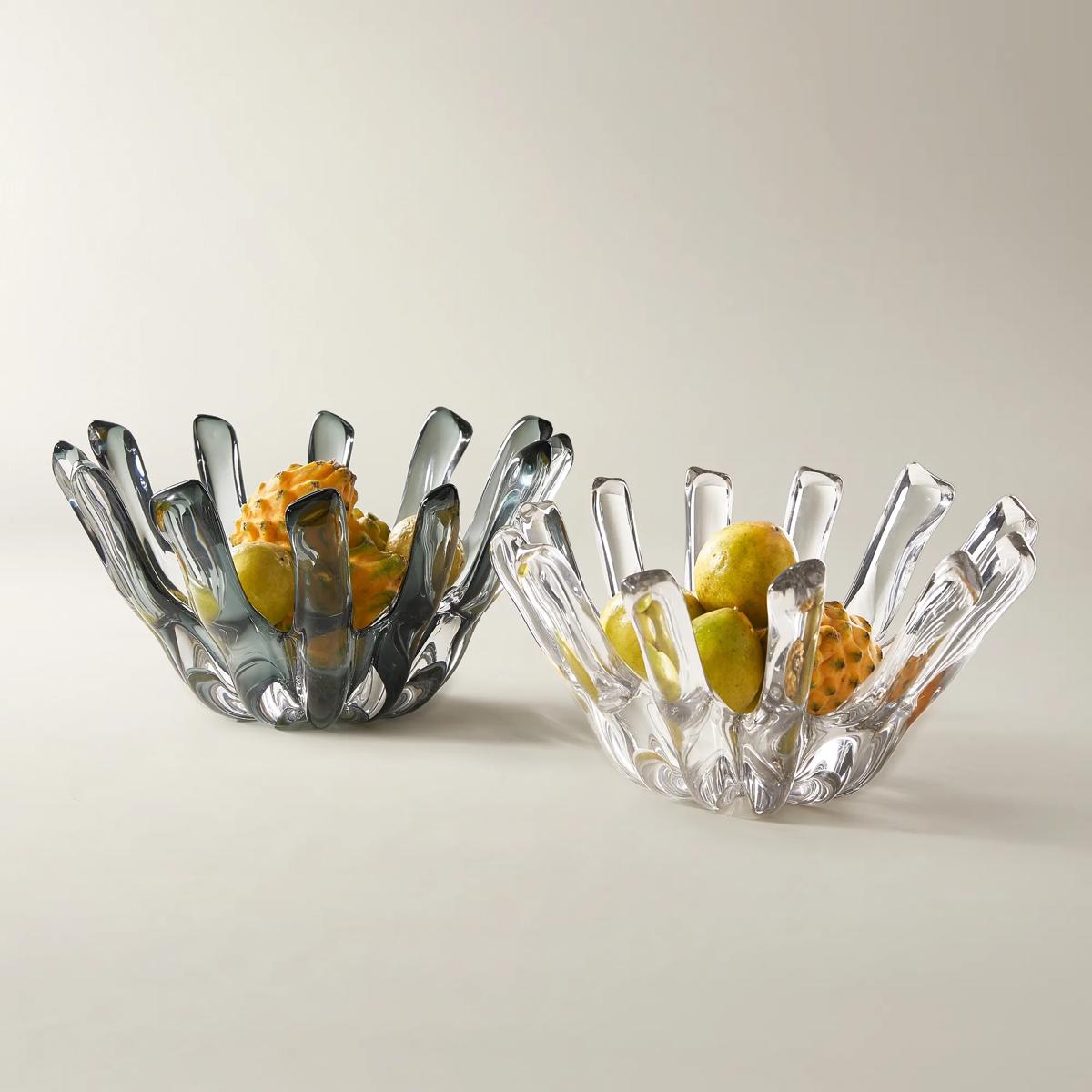 Bossa Clear Handblown Glass Decorative Bowl 13" x 7"$129
A hand-blown clear glass bowl featuring an expressive, sculptural form for modern decorative displays.
Add To Cart -
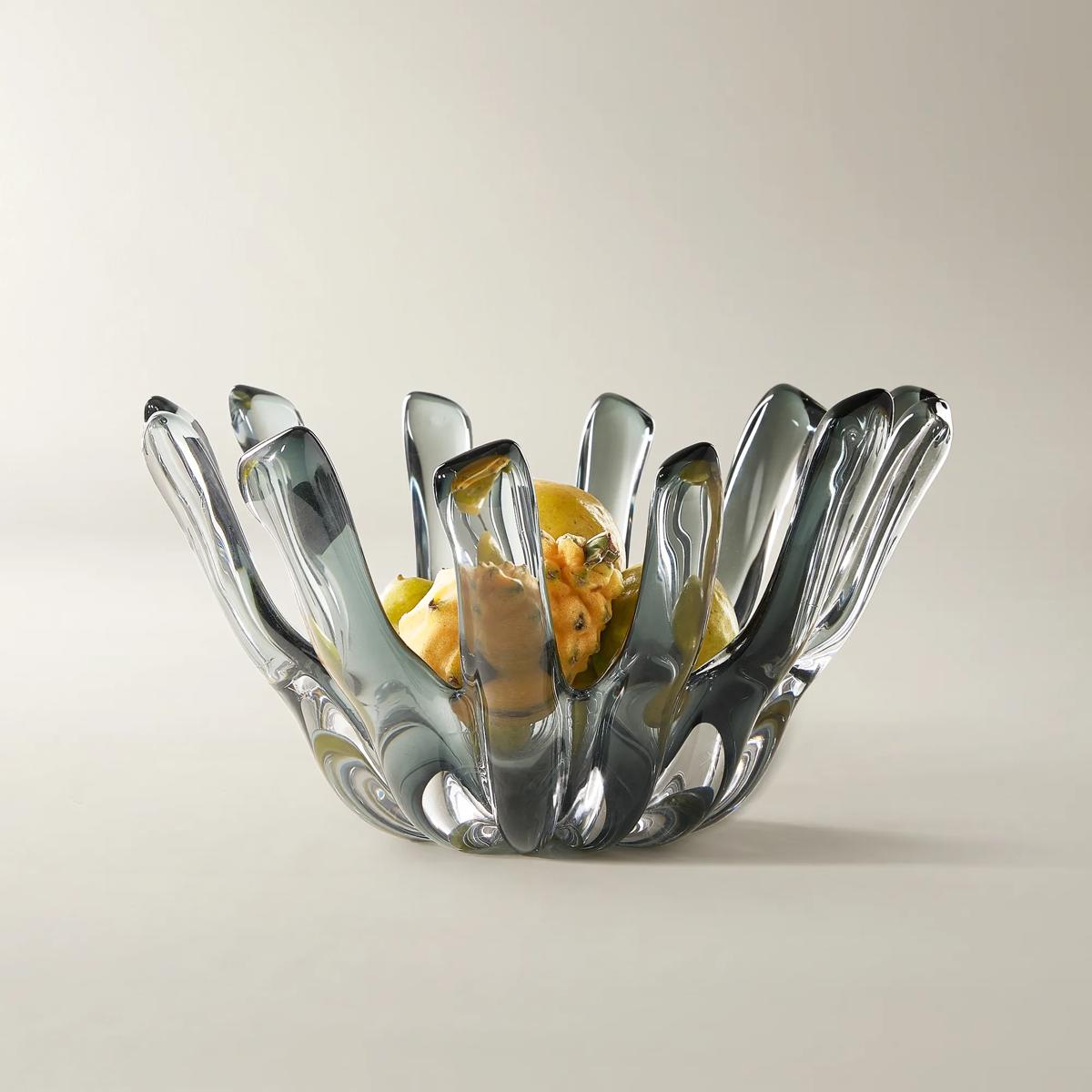 Bossa Smoke Handblown Glass Decorative Bowl 13" x 7"$129
A hand-blown smoky grey glass bowl featuring an expressive, sculptural design for modern decorative displays.
Add To Cart -
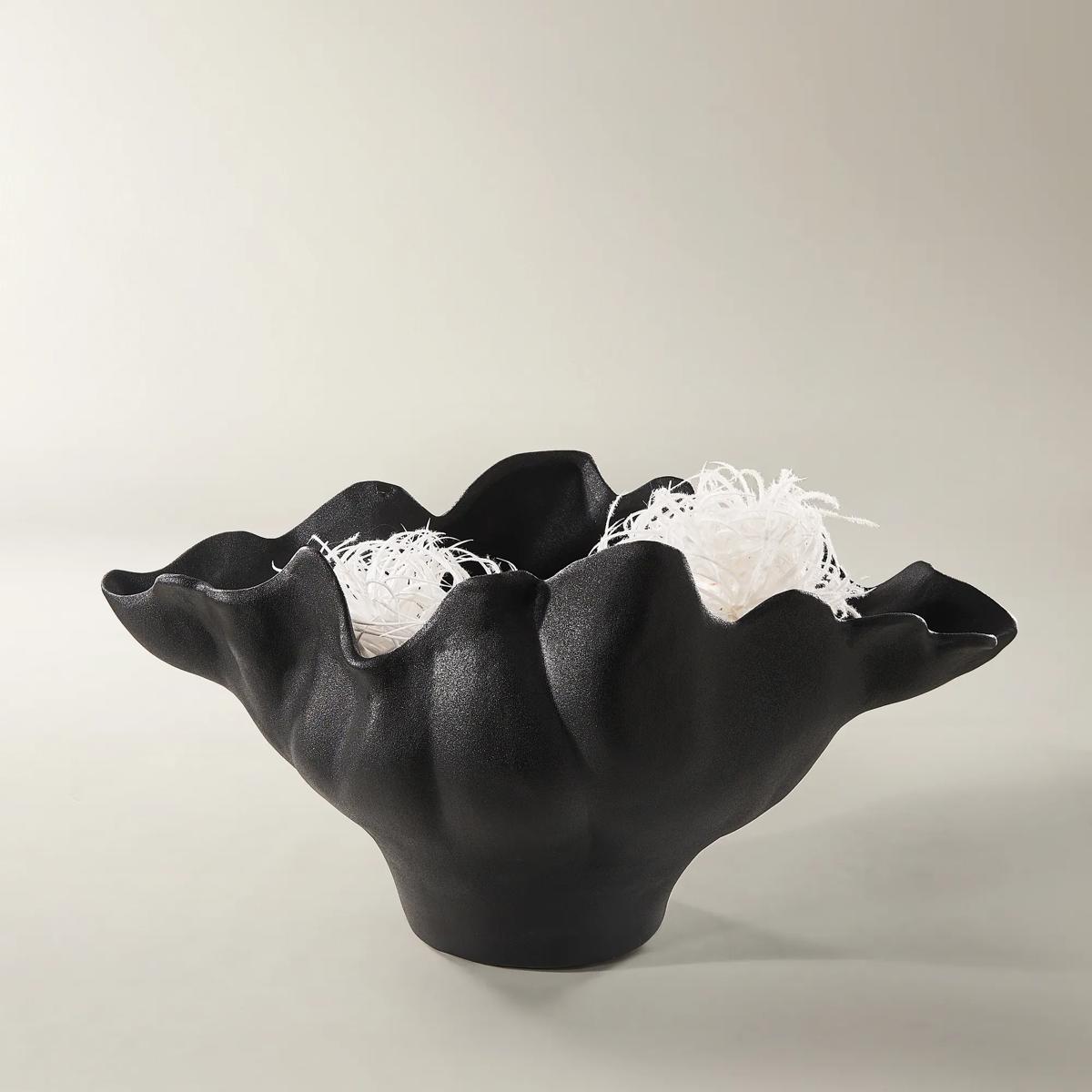
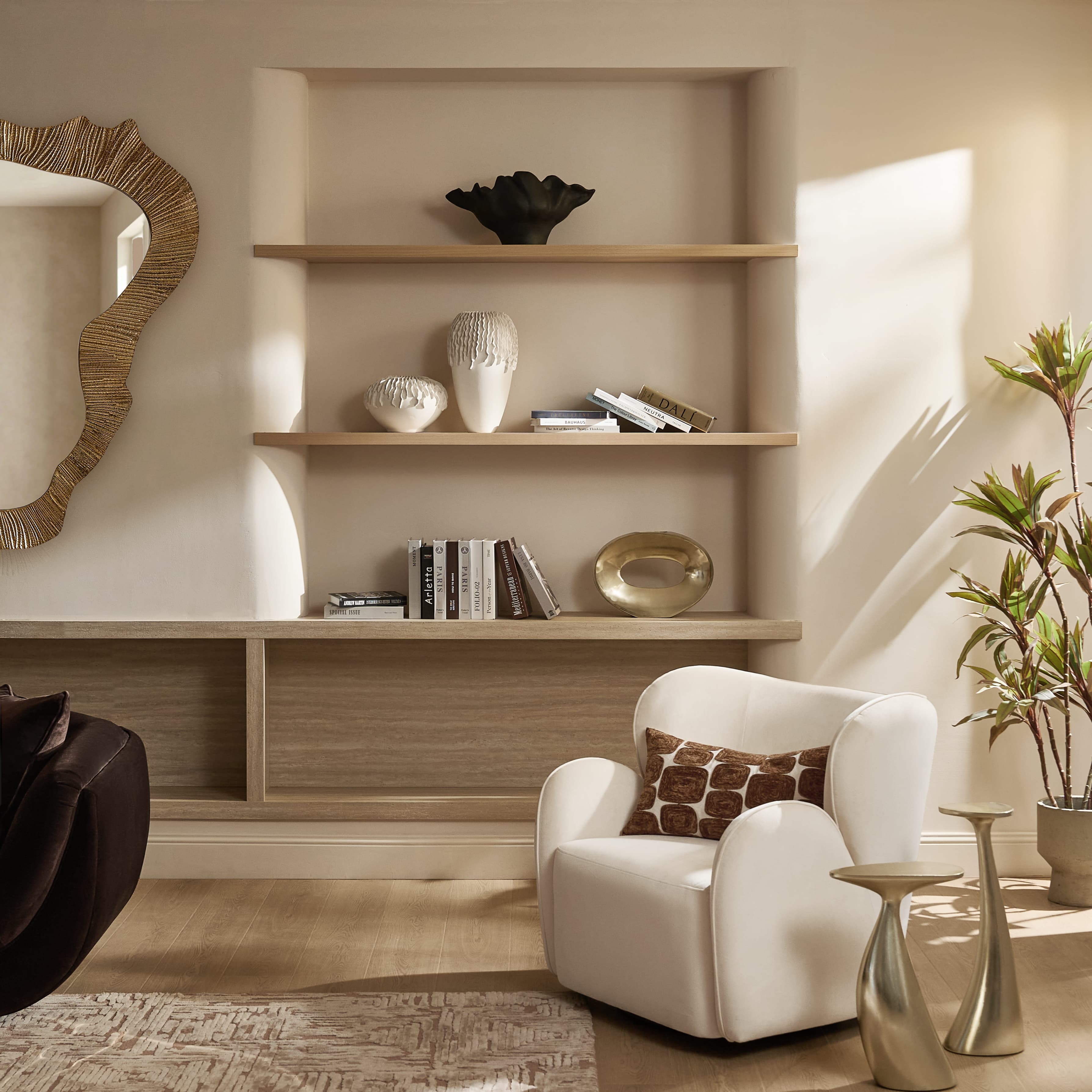 Ebba Black Porcelain Decorative Bowl 20.25" x 10.25"$199
A sculptural matte black porcelain bowl with undulating petal-like edges for bold, artistic elegance.
Add To Cart -
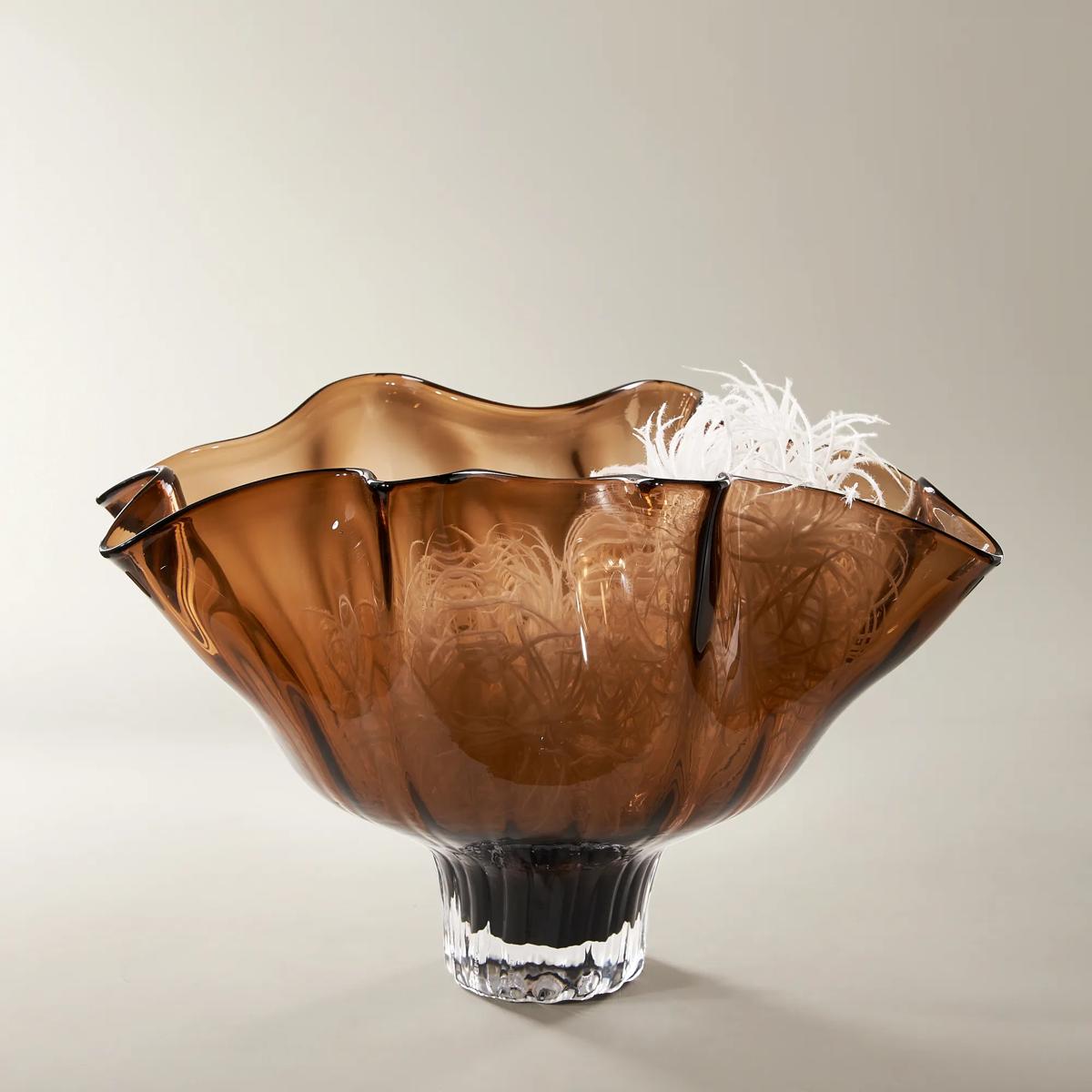
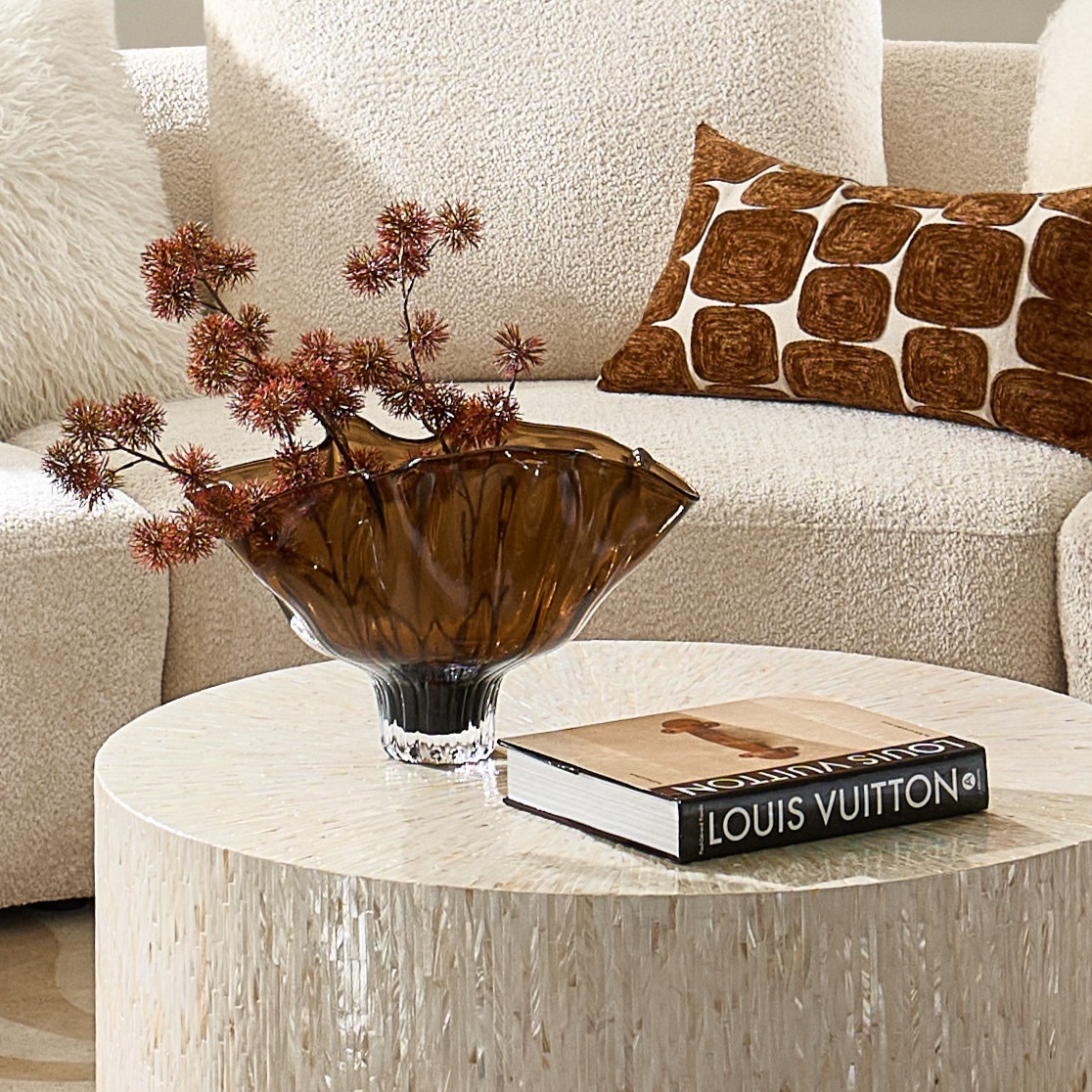 Coco Mouthblown Brown Glass Bowl 17" x 9.75"$139
A hand-blown brown glass bowl with an undulating rim and clear tapered base for sculptural elegance.
Add To Cart -
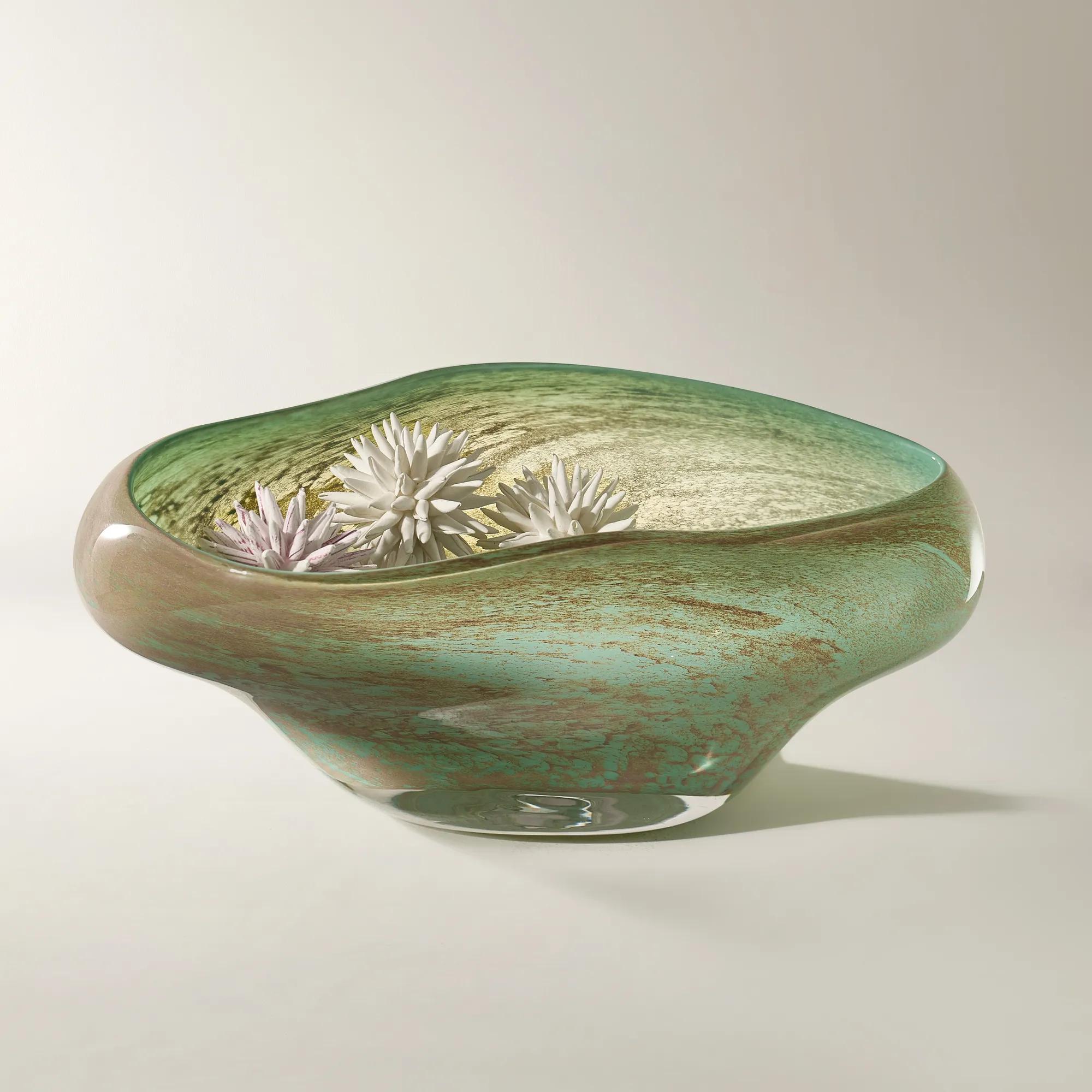
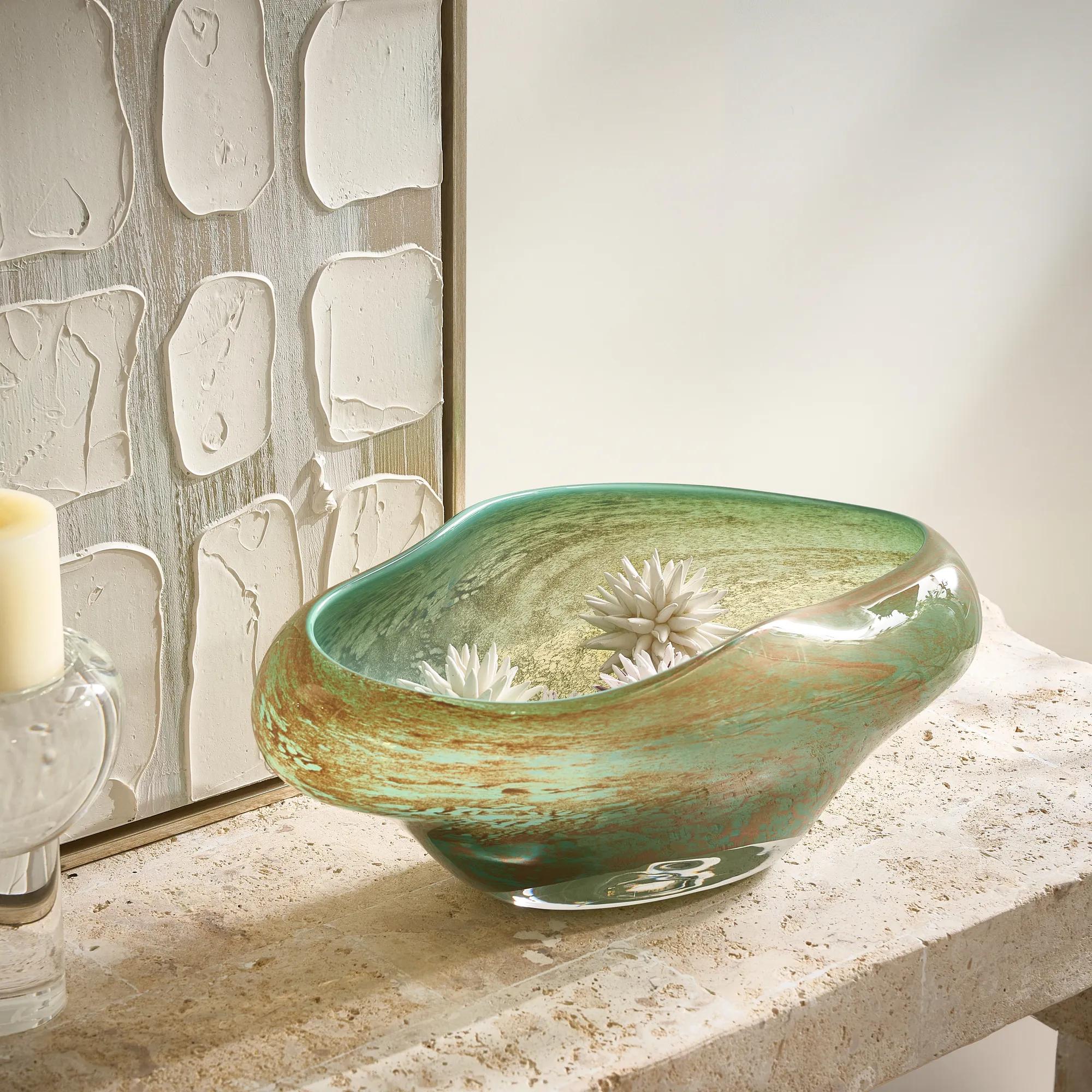 Green Mist Glass Bowl$179
A green glass bowl adding modern elegance to decorative displays.
Add To Cart -
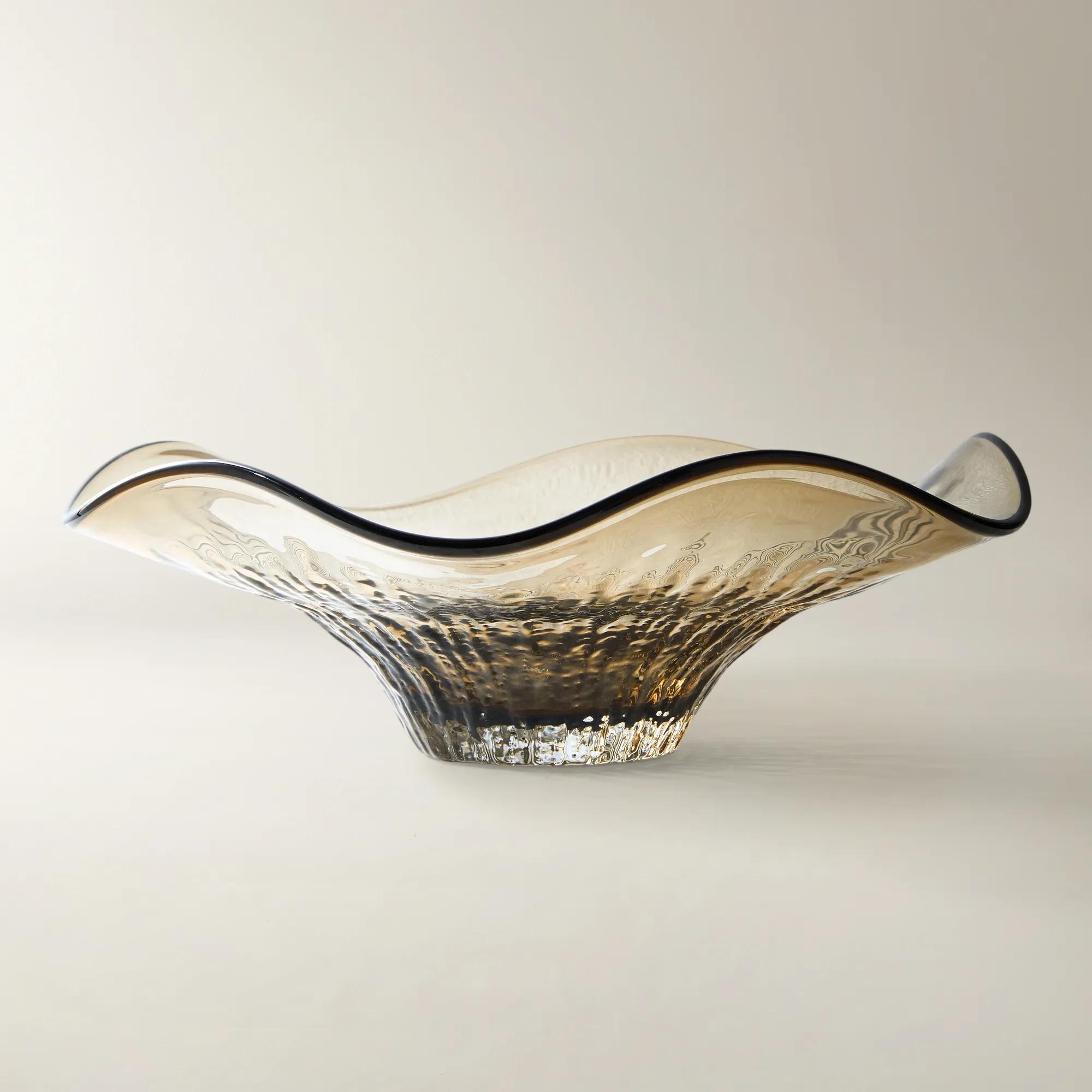 Corsi Brown Handblown Glass Decorative Bowl 15.35" x 5.1"$99
A hand-blown glass bowl in warm amber with organic shape and intricate textural details.
Add To Cart -
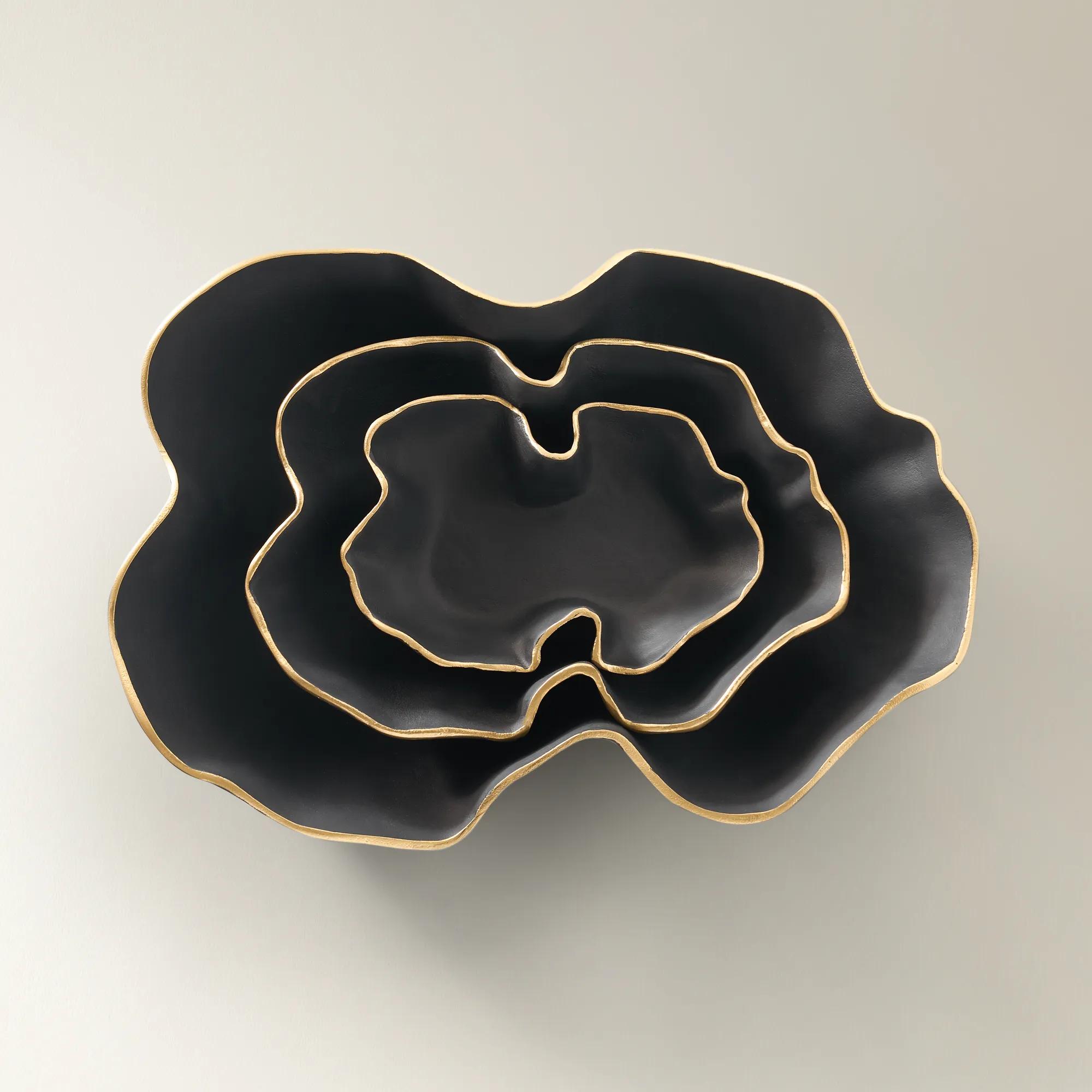 Lava Black Gold Aluminum Decorative Nesting Bowls$39
A deep black aluminum bowl with golden edges, featuring an organic, volcanic-inspired design for decorative display.
Add To Cart -
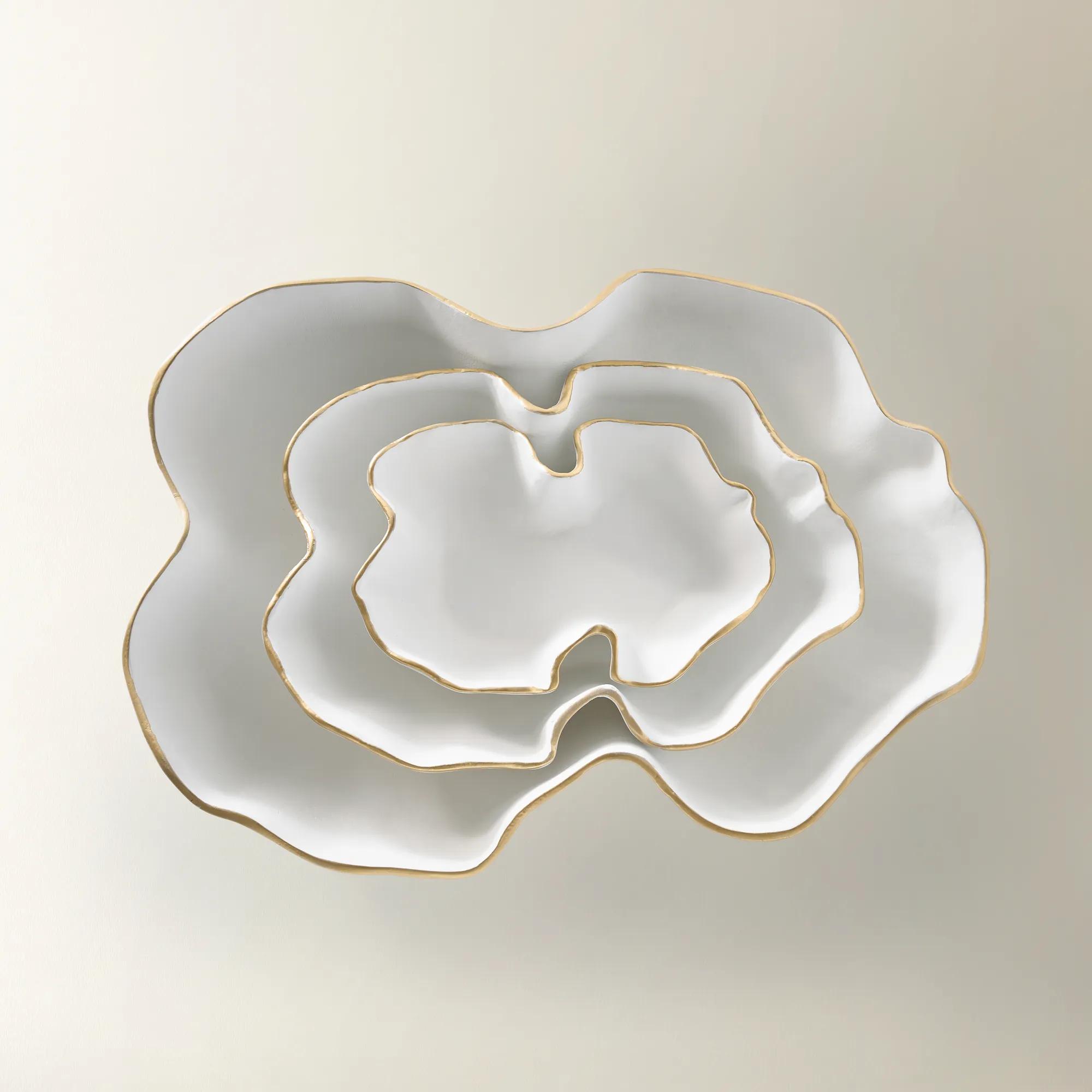 Lava White Gold Aluminum Decorative Nesting Bowls$39
A glossy white aluminum bowl with a golden rim, offering modern elegance for decorative display.
Add To Cart -
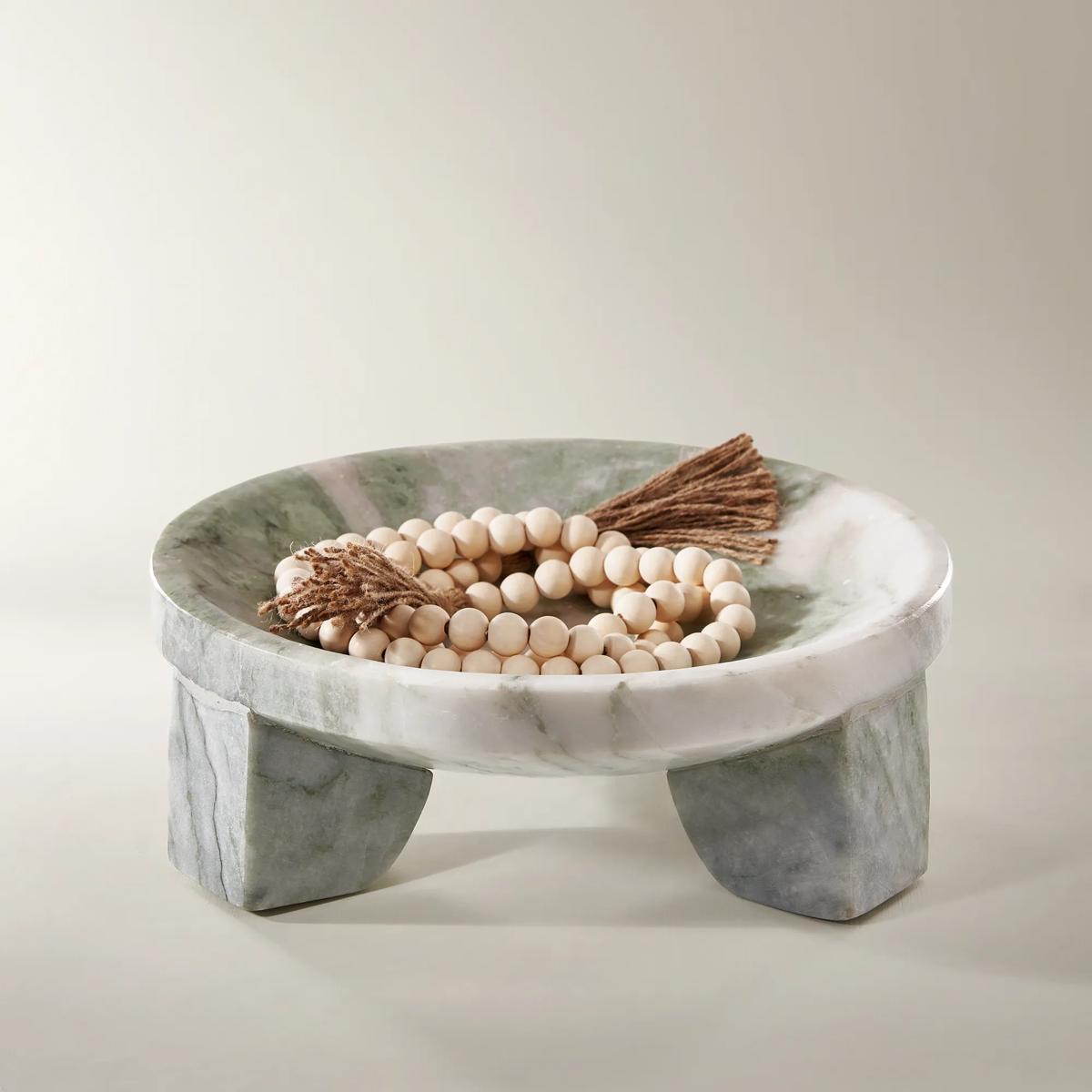
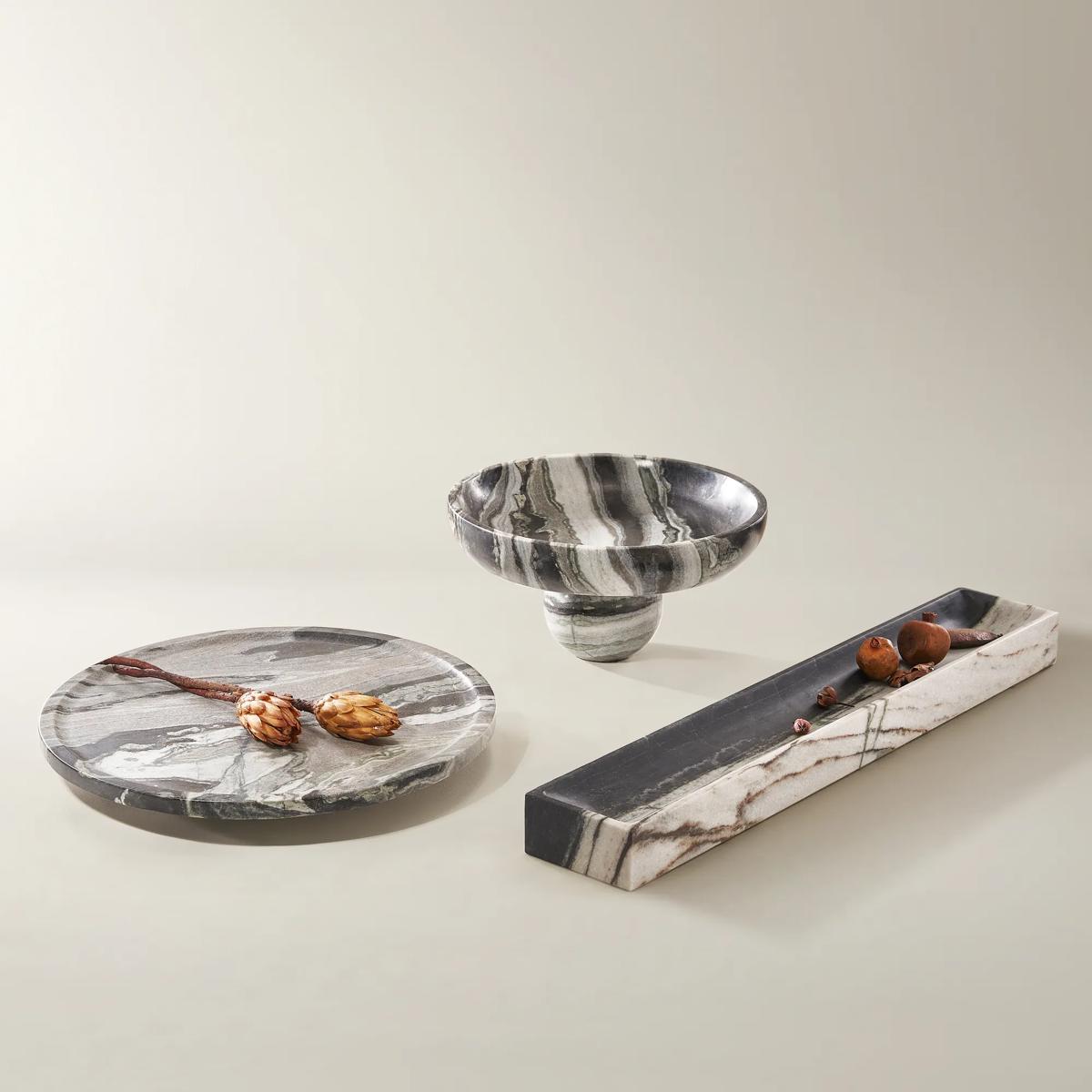
 Light Green Marble Footed Bowl$199
A hand-carved onyx bowl featuring soft green marbling and sculptural feet for organic elegance.
Add To Cart -

 Collins Hand-Cast Gold Aluminum Decorative Pedestal Bowl 23.5" x 5"$79
A gold nickel-plated aluminum bowl with a rectangular pedestal base for striking decorative display.
Add To Cart -
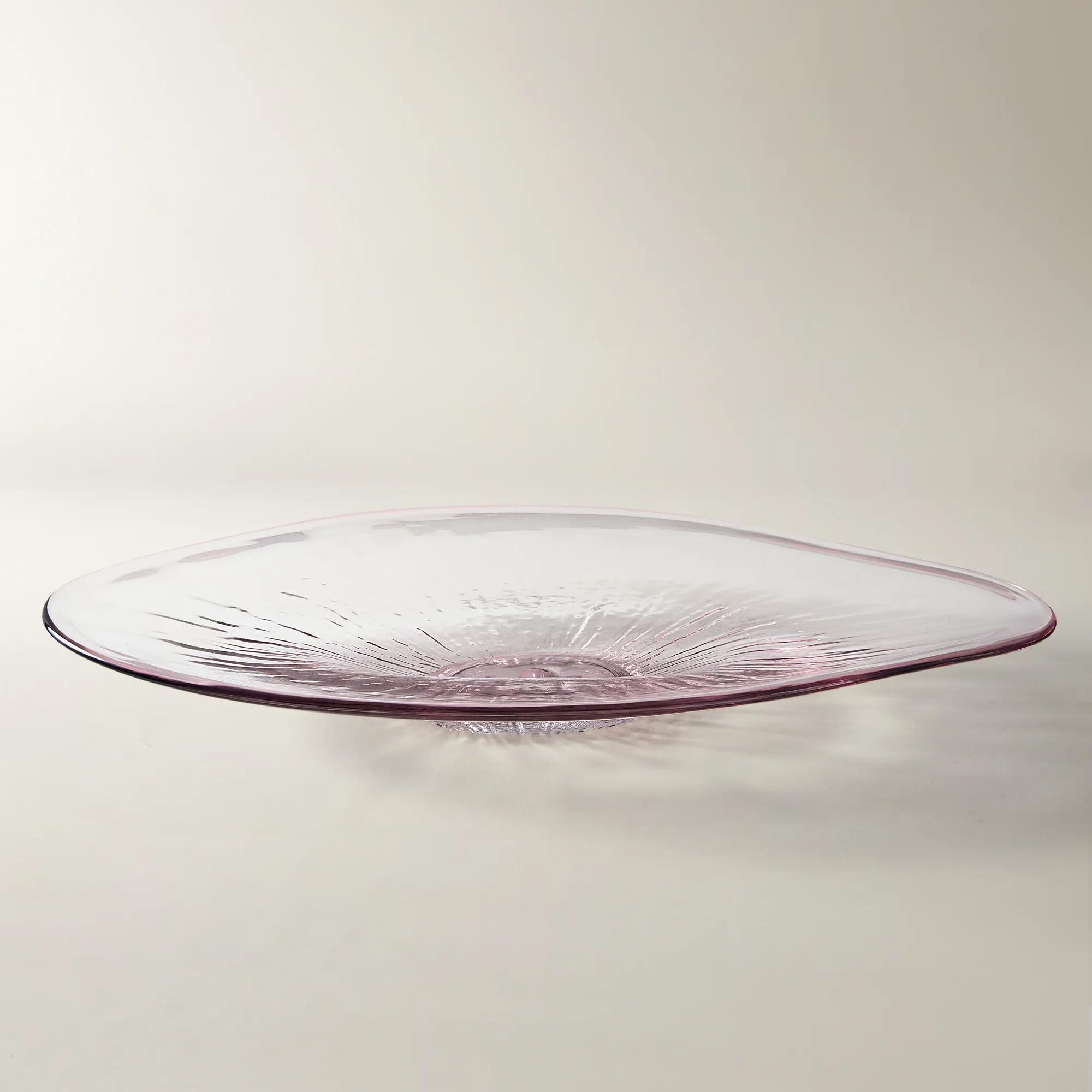 Cortina Decorative Bowl$129
A handblown glass bowl in an ethereal pink hue that brings artistic flair to modern interiors.
Add To Cart

Decorative Bowls For Shelf Styling
Elevate the art of display with decorative bowls for shelf styling—each piece a sculptural accent designed to captivate and delight. These alluring vessels transform ordinary shelves into curated showcases, layering dimension, gleam, and intrigue. Whether nestled among your favorite tomes or standing alone as objets d’art, decorative bowls invite the eye to linger, infusing every vignette with a sense of wonder and refined drama. Discover how a single statement can turn your shelves into an expressive gallery of personal style.
Decorative bowls for shelf styling add texture, depth, and sculptural interest to open shelves, bringing a deliberate focal point to arrangements of books, artwork, and collected objects. Their appeal lies in the contrast between a generous curved form and the straight lines of shelving: a shallow bowl creates a graceful horizontal sweep, while a deeper silhouette introduces volume and a more commanding presence. An expressive rim, luminous finish, or richly textured surface can make even an empty bowl feel complete. On a bookcase filled with upright volumes, a low, wide bowl offers visual relief without competing with the surrounding pieces. Set beside a framed photograph or beneath a taller sculptural accent, it gives the arrangement a grounded center. Scale matters as much as ornament. A petite bowl can disappear inside a broad shelving bay, while an oversized design may crowd a narrow ledge or obscure the objects behind it. The most convincing compositions leave enough space around the bowl for its outline to register clearly, with a little room above the rim so the shelf does not feel compressed. Color helps establish that same sense of intention. A pale bowl stands out against dark cabinetry, a deep-toned finish adds definition to lighter shelves, and a gleaming metallic surface introduces a flash of drama among matte books and natural textures. Repeating one finish elsewhere in the room can make the display feel connected without turning every object into a matching set. Bowls with asymmetric edges or pronounced surface detail offer an artful counterpoint to orderly shelves; smoother, simpler forms allow neighboring artwork and decorative accessories to remain expressive. Viewed at eye level, the exterior and rim often make the strongest impression, while a bowl placed on a lower shelf reveals more of its interior. That difference makes the viewing angle an important part of choosing a shape, especially when the inner surface carries the most distinctive color or pattern.
Material gives a decorative bowl much of its character, influencing its appearance, weight, care, and suitability for a particular shelf. Ceramic and porcelain can bring richly glazed color, subtle tonal variation, or sculpted relief to a display, although their edges require care to avoid chips. Clear or tinted glass creates a lighter visual presence, allowing the backdrop to remain visible through the form; textured glass adds another layer of interest as light catches its contours. Metal offers a different expression, from mirror-like brilliance to brushed or patinated depth, with care needs that depend on the finish. Wood introduces grain and warmth, while stone contributes substantial weight and naturally occurring variations that can make a simple silhouette feel especially distinctive. These materials are not interchangeable in practical terms. A substantial stone bowl requires a shelf capable of supporting its weight along with the rest of the display, and delicate glass belongs where it is less likely to be knocked by a passing hand. Dimensions should account for the bowl’s widest point, including flared rims or projecting details, rather than only its base. The entire base should rest securely on the shelf, with the bowl positioned back from the front edge and clear of cabinet doors or adjacent objects. A flat, stable underside is particularly valuable on narrow shelving; protective pads may help reduce scratches when they are compatible with both the bowl and the shelf finish. Durability depends on construction, surface treatment, and handling, so decorative bowls are best treated as display pieces rather than assumed to tolerate daily serving or frequent rearranging. Gentle dusting with a soft cloth helps preserve their appearance, while abrasive cleaners and vigorous scrubbing can damage polished, plated, painted, or glazed surfaces. Follow the care instructions for the individual piece, especially before introducing water or cleaning products. Raised textures and intricate rims may need more careful dusting than smooth surfaces, and delicate bowls should be lifted from a secure point rather than pulled by an ornamental edge.
The intended use of a shelf bowl can be purely sculptural or gently functional, depending on its design and placement. An unfilled bowl lets its profile, finish, and interior become the focus, making it particularly effective beside patterned book spines or layered artwork. A restrained arrangement of dry decorative accents can emphasize its shape, provided the contents do not conceal a distinctive rim or add more weight than the shelf can support. Small keepsakes may suit a bowl on an accessible study shelf, while an elevated display in a living room often benefits from a clear silhouette that reads beautifully from across the space. Decorative bowls should not be assumed to be food-safe, watertight, or suitable for candles; those uses require confirmation from the product specifications. In an entryway with built-in shelves, a bowl can establish an expressive welcome without occupying valuable walking space. In a dining room display cabinet, it can bring sculptural contrast to glassware and serving pieces, even when its role is entirely ornamental. Bedroom shelving may call for softer curves and quieter finishes, while a dramatic library can support a bold metallic surface or deeply textured form. The same interest in proportion and visual balance extends to Decorative Bowls For Mantelpieces, where the relationship between a bowl, the surrounding architecture, and nearby artwork creates a different kind of focal point. For gifting, decorative bowls appeal to people who enjoy interiors, collect distinctive objects, or appreciate beautiful forms without needing every piece to serve a practical purpose. A housewarming gift feels especially thoughtful when its scale and finish reflect the recipient’s home rather than imposing an entirely new aesthetic. Familiar details—a preference for gold accents, an affection for sculptural ceramics, or a collection of richly illustrated books—can offer useful direction. Whether chosen for a personal collection or given to a design-minded recipient, a decorative bowl earns its place through proportion, material, and presence: a considered curve, a compelling surface, and enough space to let both be seen.
FAQs
Decorative bowls for shelf styling are often crafted from luxurious materials such as marble, ceramic, glass, metal, and wood. Each material brings its own unique character—marble exudes timeless elegance, ceramics offer artisanal charm, metals add a gleaming touch of glamour, and wood introduces warmth and organic texture. Selecting a material that complements your existing décor can elevate the entire look of your shelves.
To create a visually captivating shelf display, try mixing decorative bowls with other objects such as vases, candleholders, and art books. Play with varying heights, materials, and finishes to achieve a collected and curated feel. A bold bowl can serve as a focal point, while smaller bowls can be grouped for a more intricate, layered effect that adds depth and interest to your arrangement.
Absolutely—decorative bowls make exceptional gifts for housewarmings, weddings, birthdays, or host/hostess gestures. Their versatility and artistic appeal ensure they are both practical and beautiful, making them a thoughtful choice for anyone who appreciates refined design and expressive home accents.
A decorative bowl can be styled in countless ways to reflect your personality and the season. Leave it empty to highlight its sculptural qualities, or fill it with decorative spheres, dried botanicals, or seasonal accents like pinecones or ornaments. For a touch of drama, pair a metallic or glass bowl with candlelight to create a luminous, enchanting effect.
Consider the overall mood and palette of your space. For modern or glam interiors, opt for bowls in marble, glass, or gleaming metals. If your style leans more organic or eclectic, look for hand-thrown ceramics or richly grained wood. The key is to select a piece that resonates with your aesthetic vision and enhances the artistry of your shelf display.