Decorative Abstract Art For Homes
Decorative Abstract Art For Homes
-
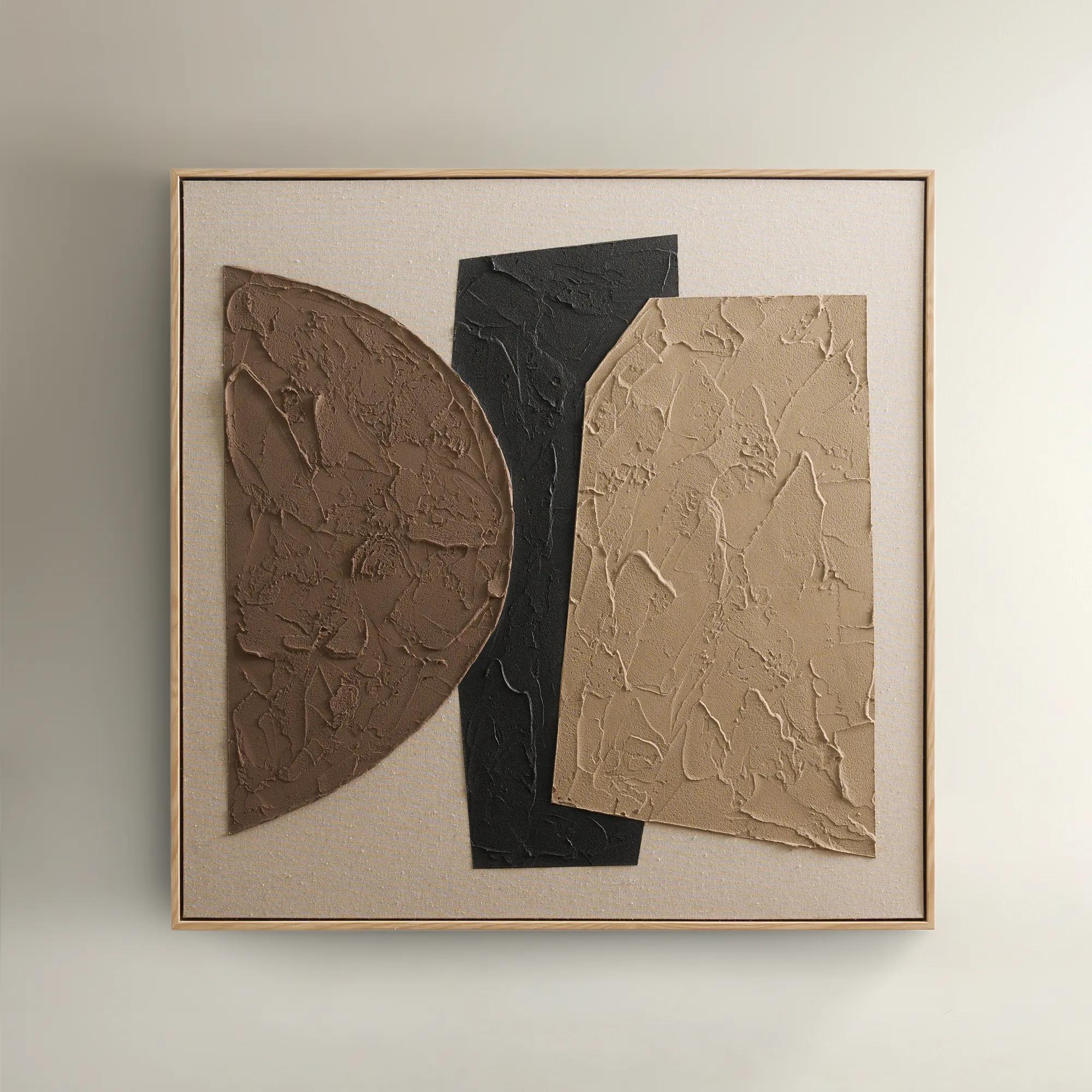
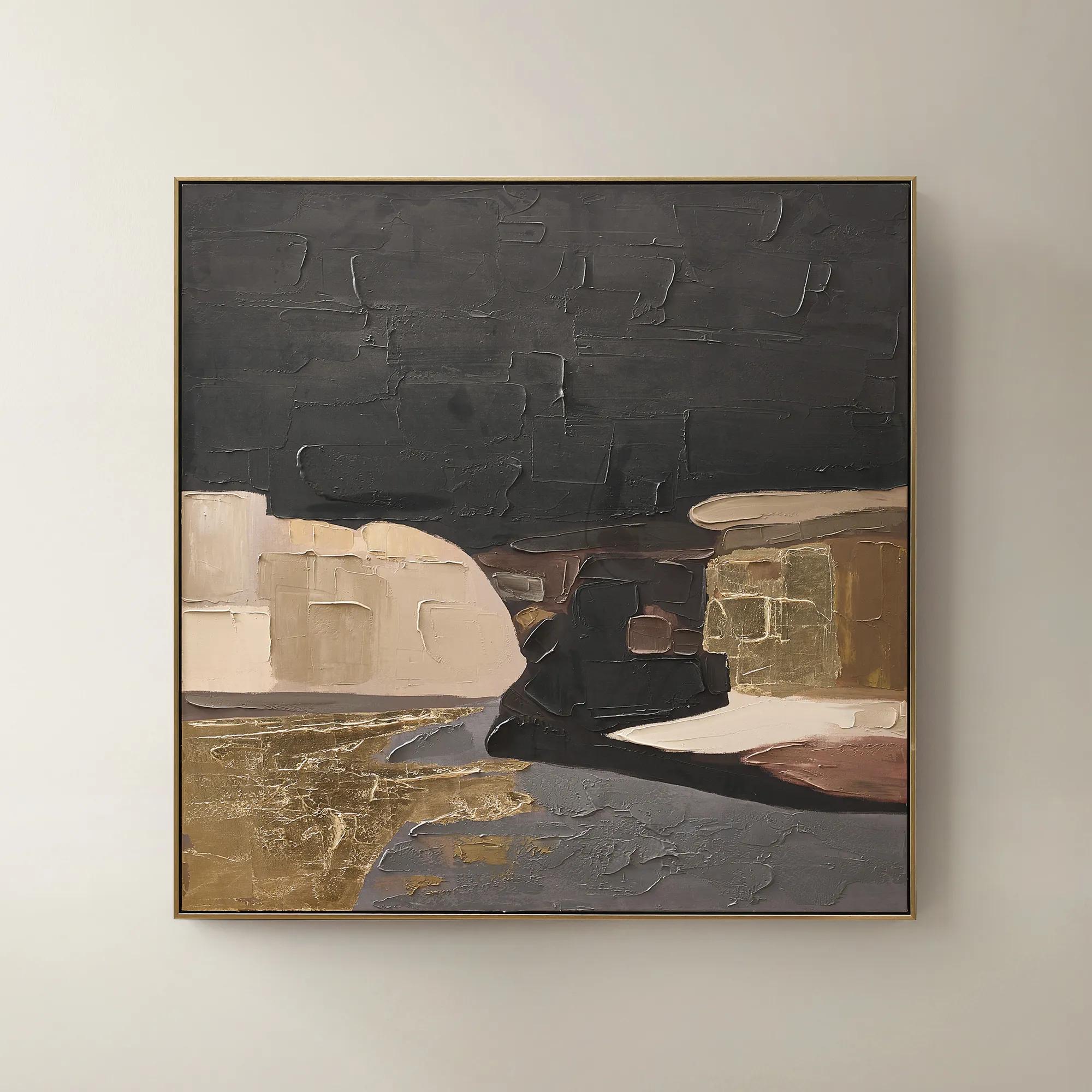
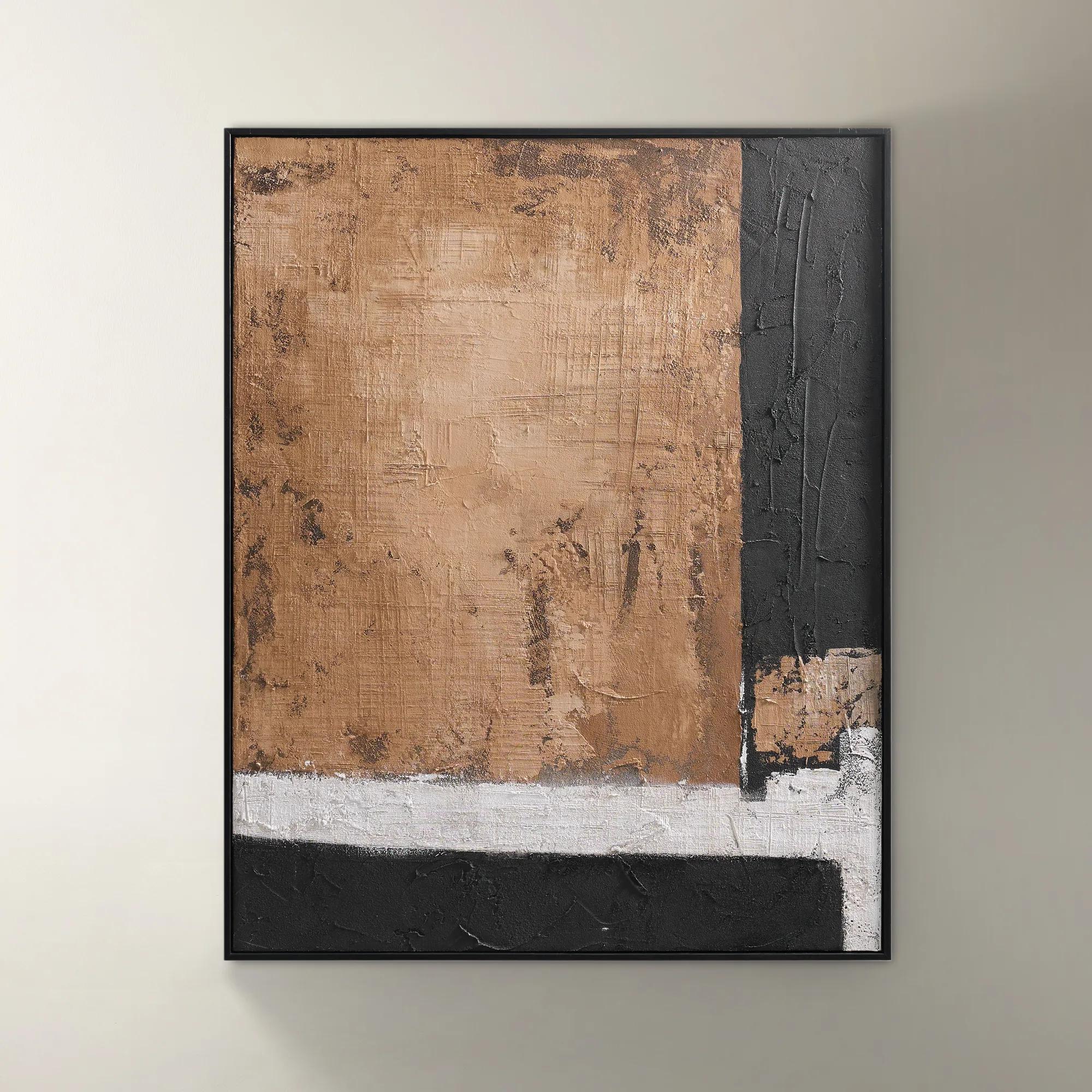 Drift Painting 1$299
A bold hand-painted abstract artwork featuring layered brown tones in a sleek black floater frame.
Add To Cart -
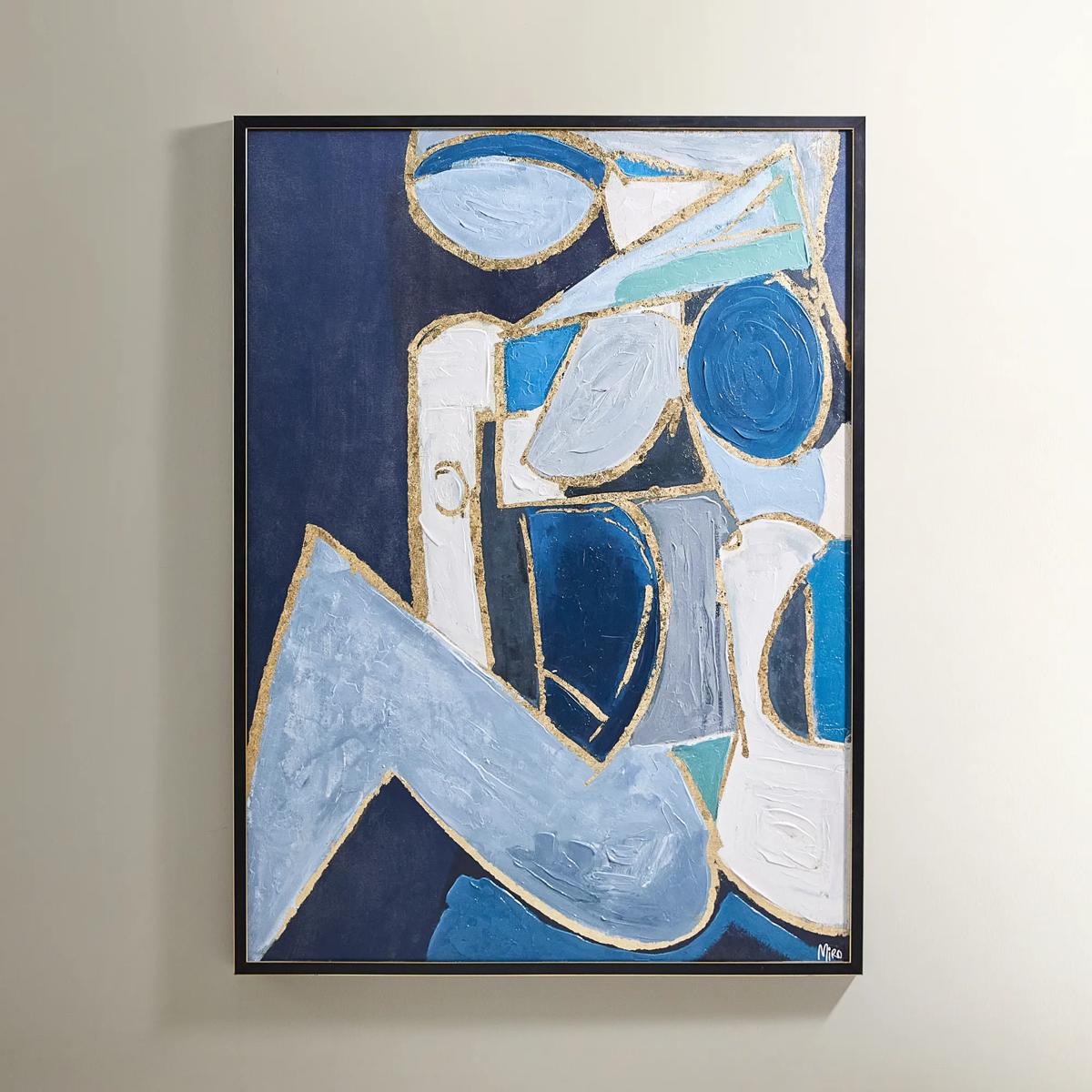
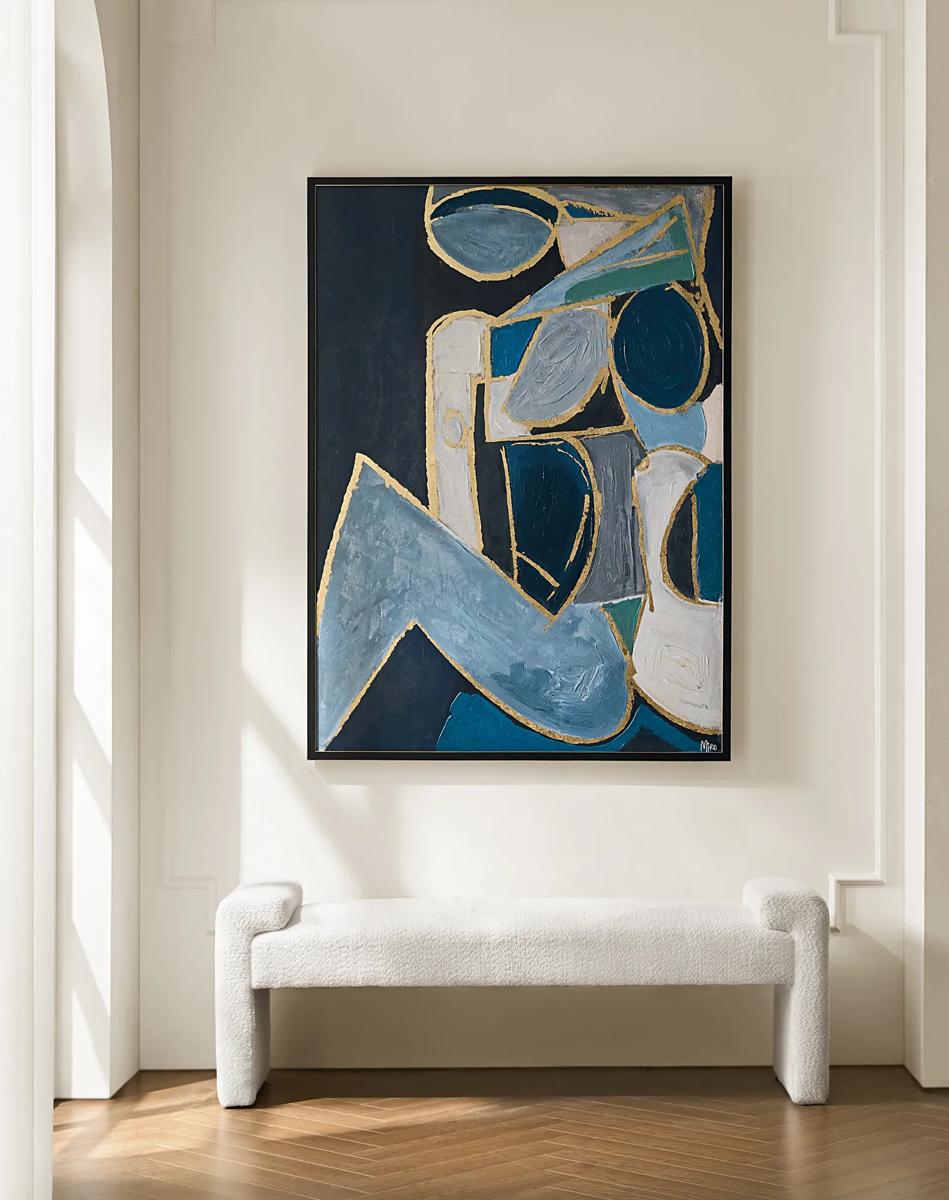 Figure in Cubism Painting$599
A hand-embellished canvas artwork featuring blue, gold, and white hues with elegant silver foil accents.
Add To Cart -
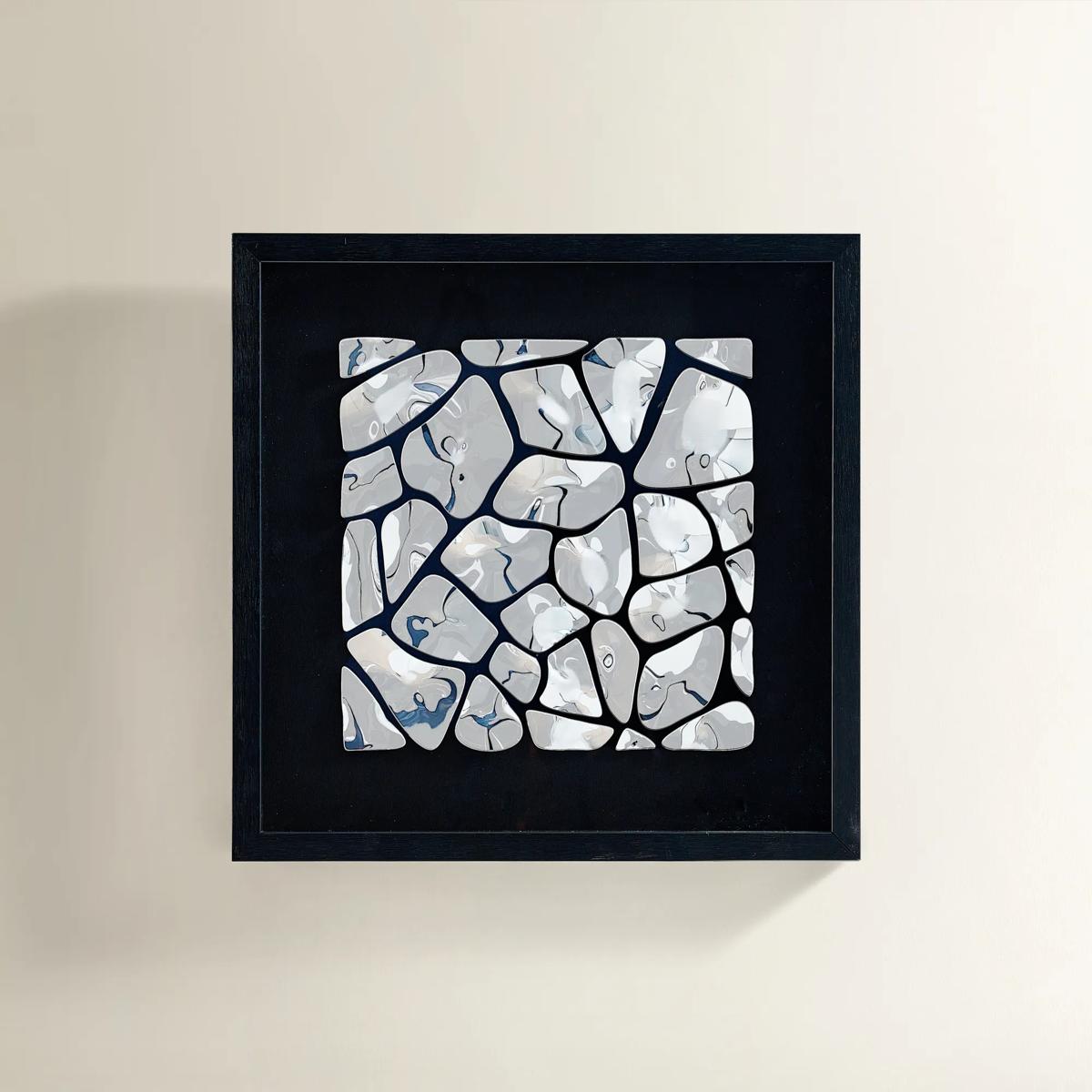 Reflect Metal Art 1$189
A dimensional metal wall art piece featuring polished silver and black forms in a sleek black frame.
Add To Cart -
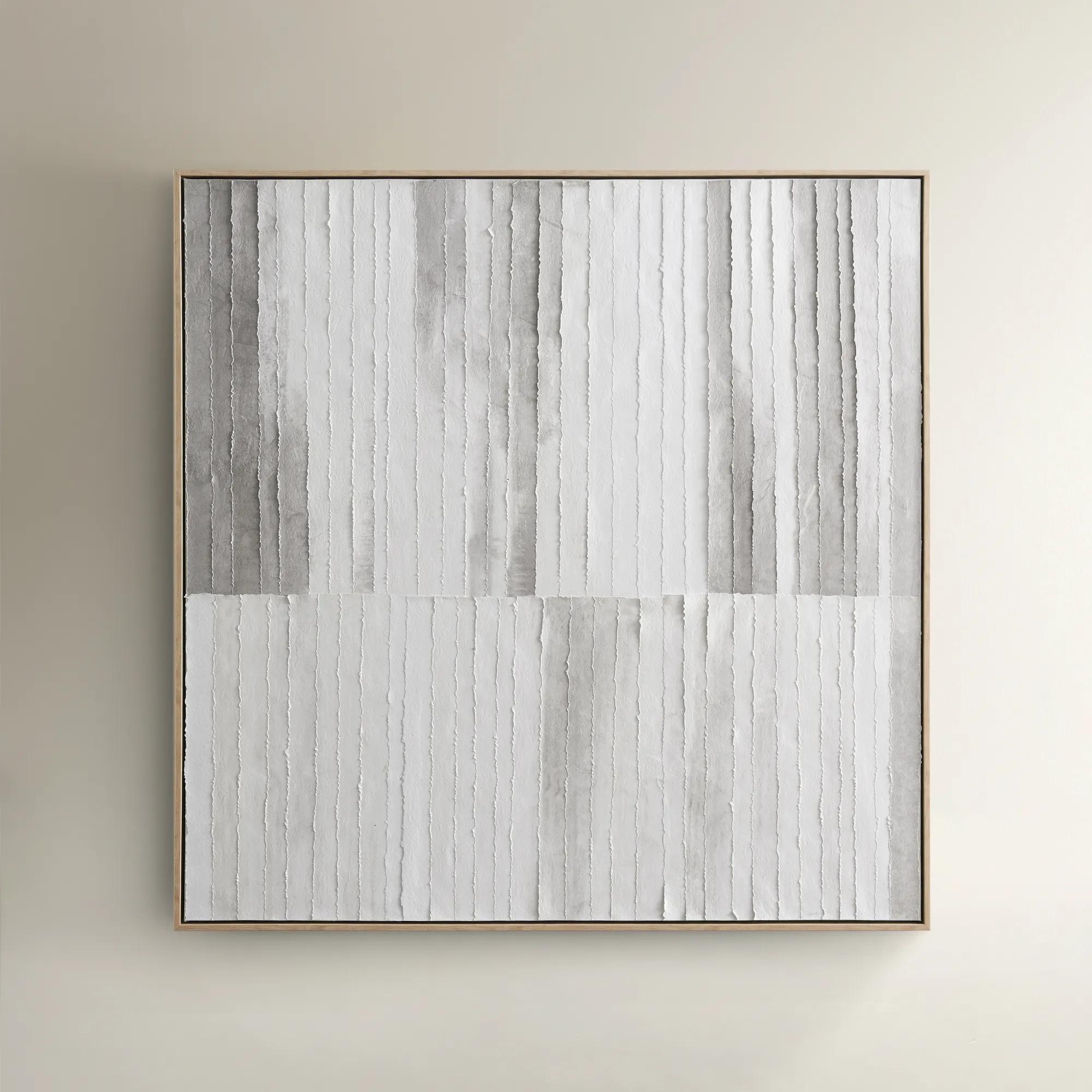
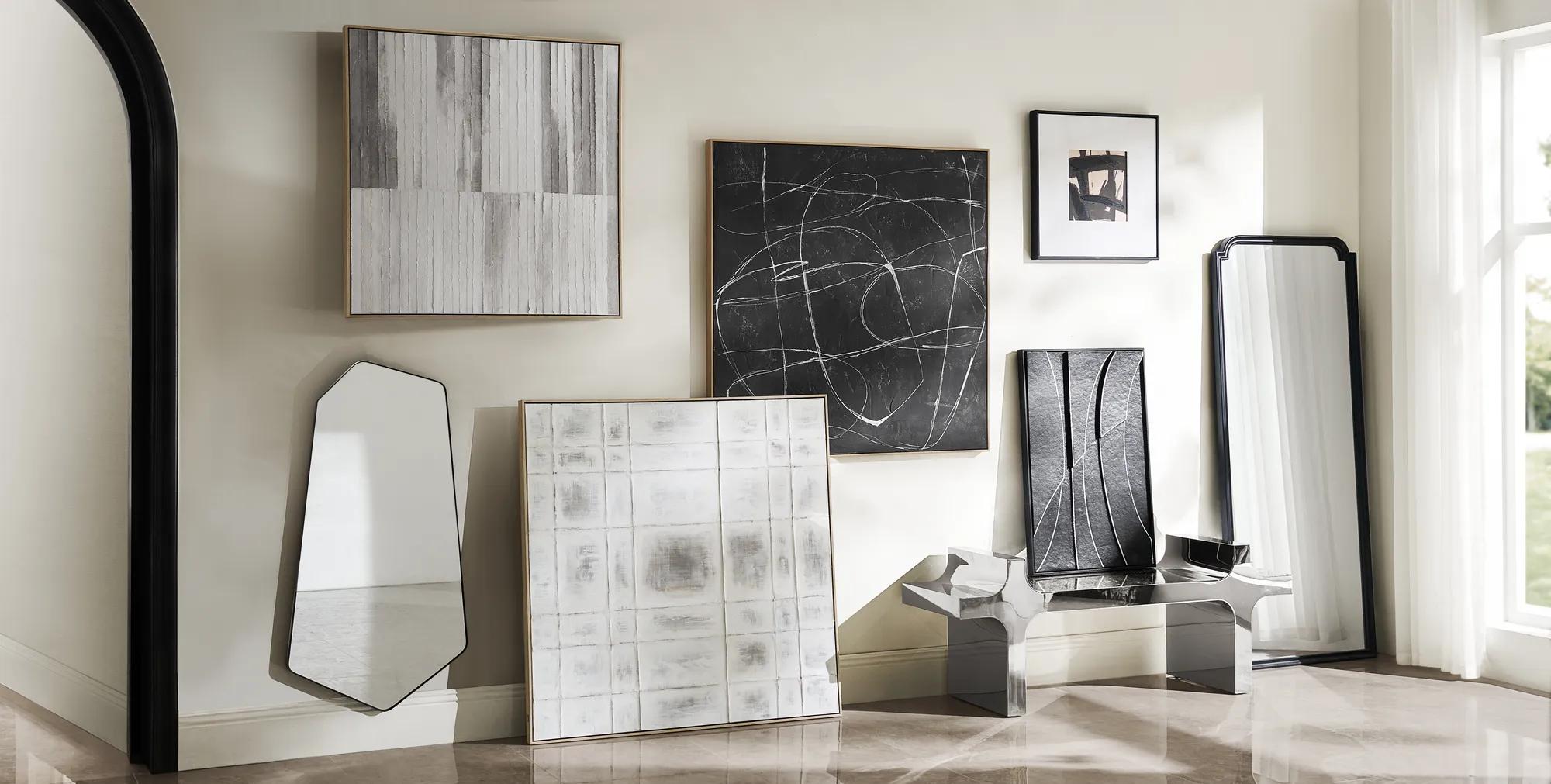 Morning Mist Paper Art$329
A hand-painted canvas featuring rhythmic grey lines in a textured, whitewashed floater frame for serene style.
Add To Cart -
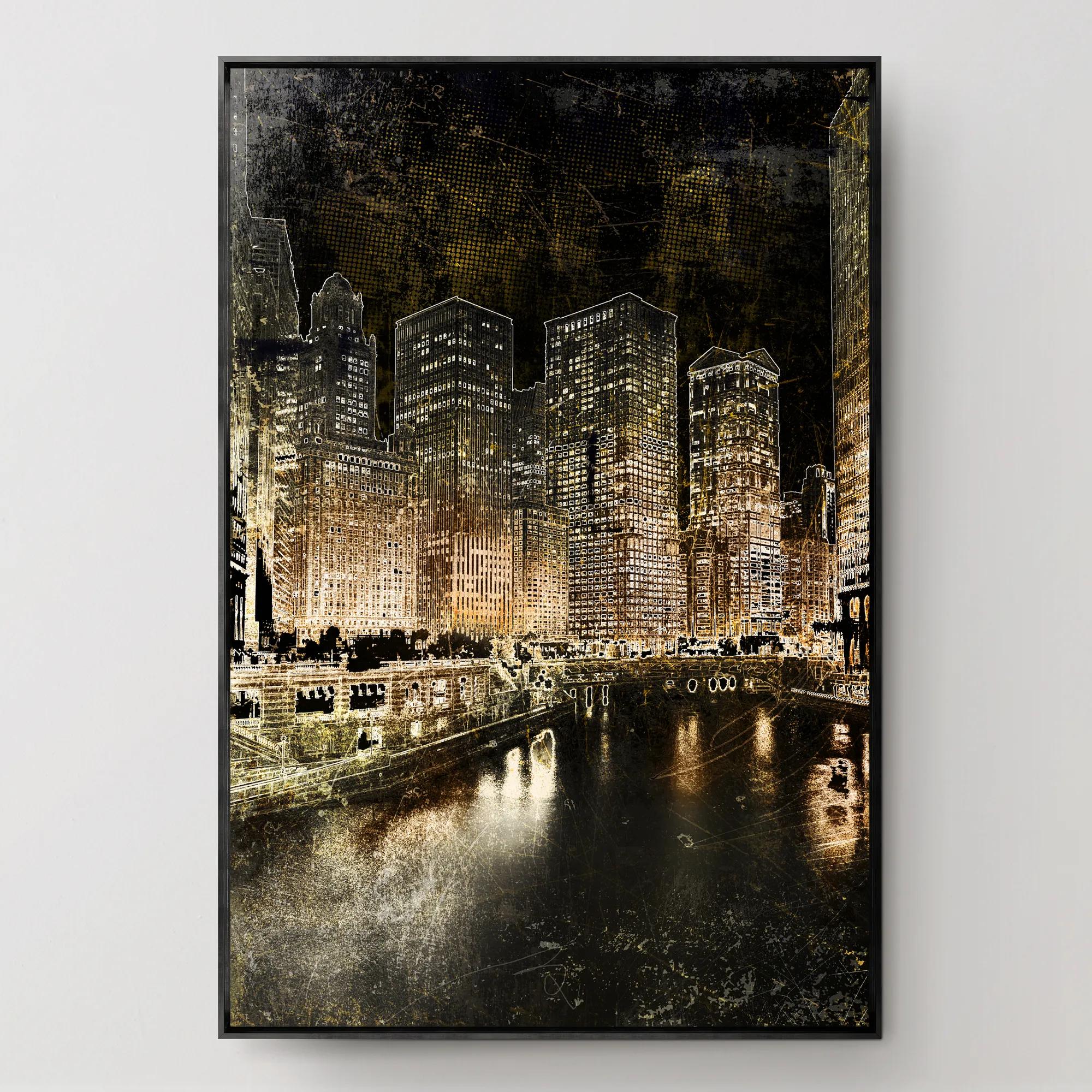
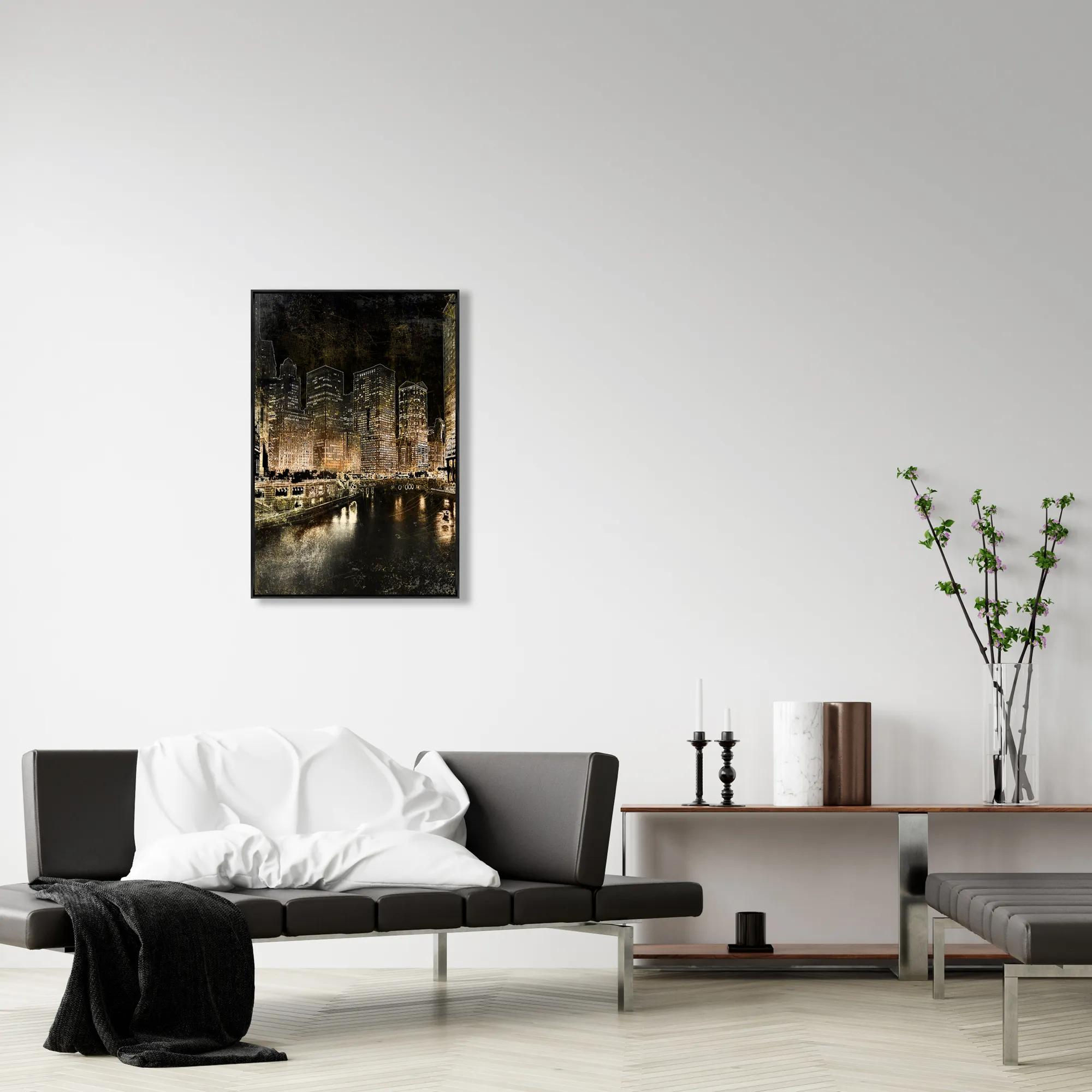 Chicago Lights$649
A gallery-wrapped canvas artwork featuring a hand-applied gel finish in a sleek black floater frame.
Add To Cart -
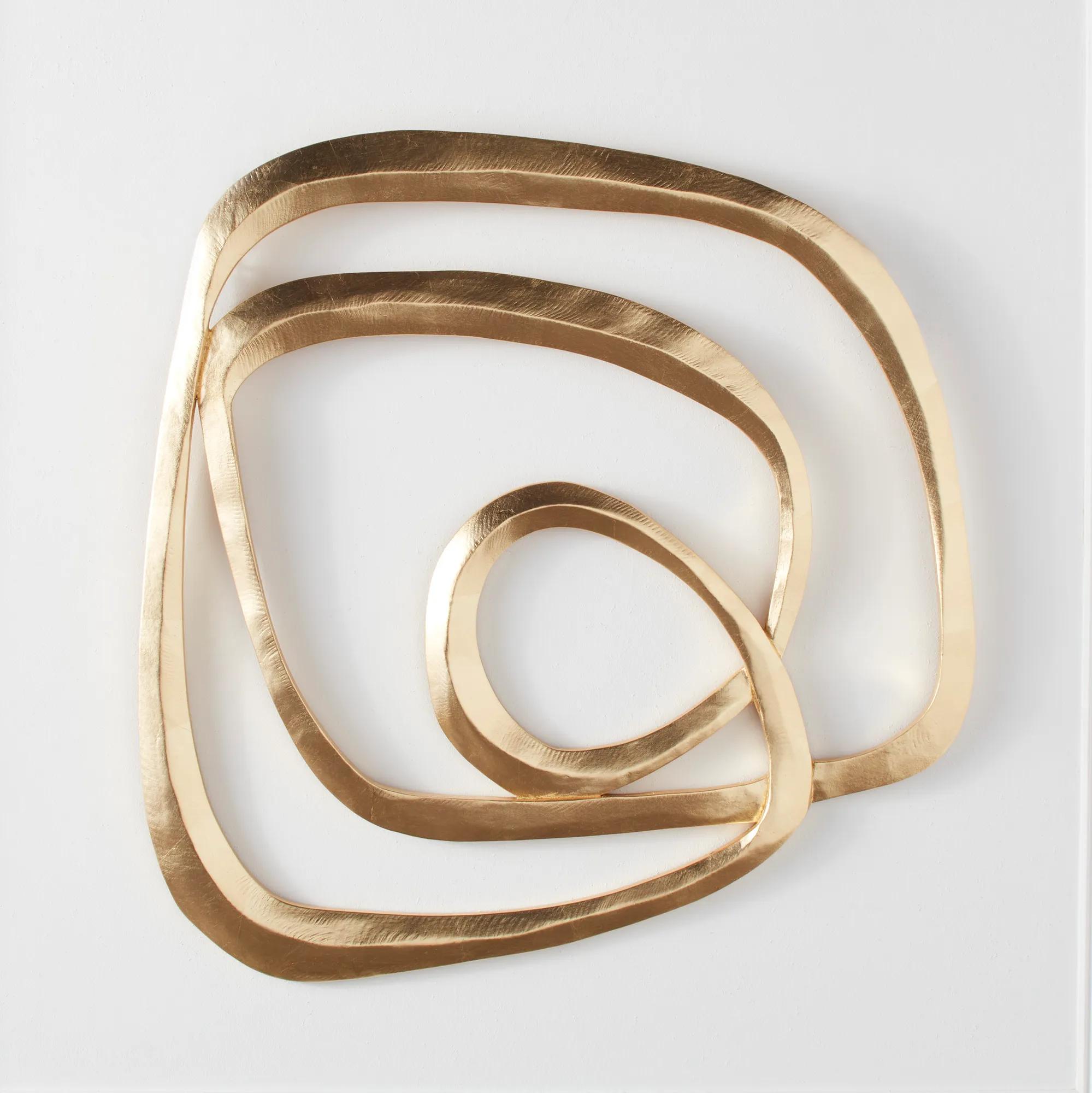 Infinity Gold Leaf Wood Wall Decor I 31.5" x 31.5"$299
A swirling wooden wall sculpture featuring a striking metallic gold finish for a bold decorative statement.
Add To Cart -
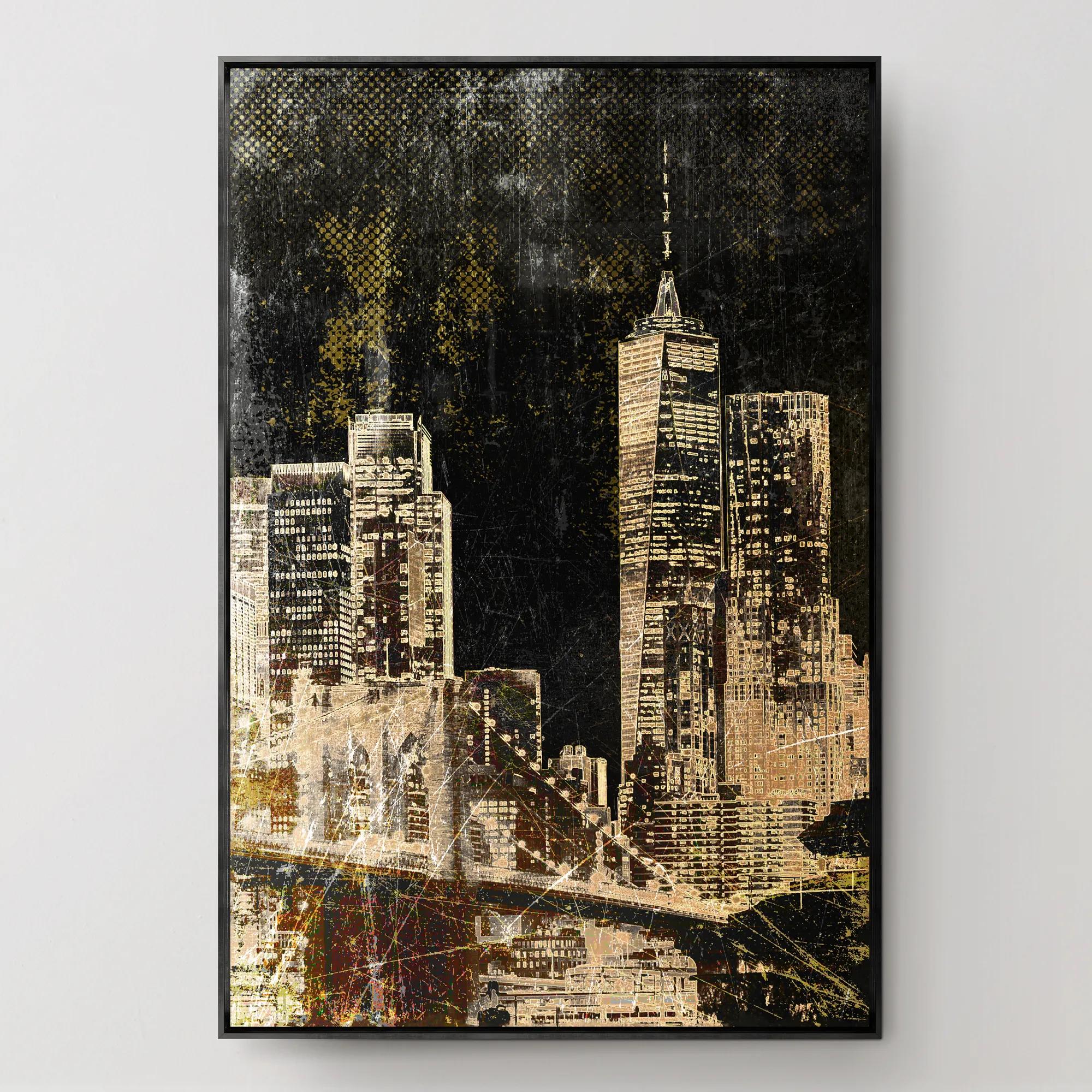
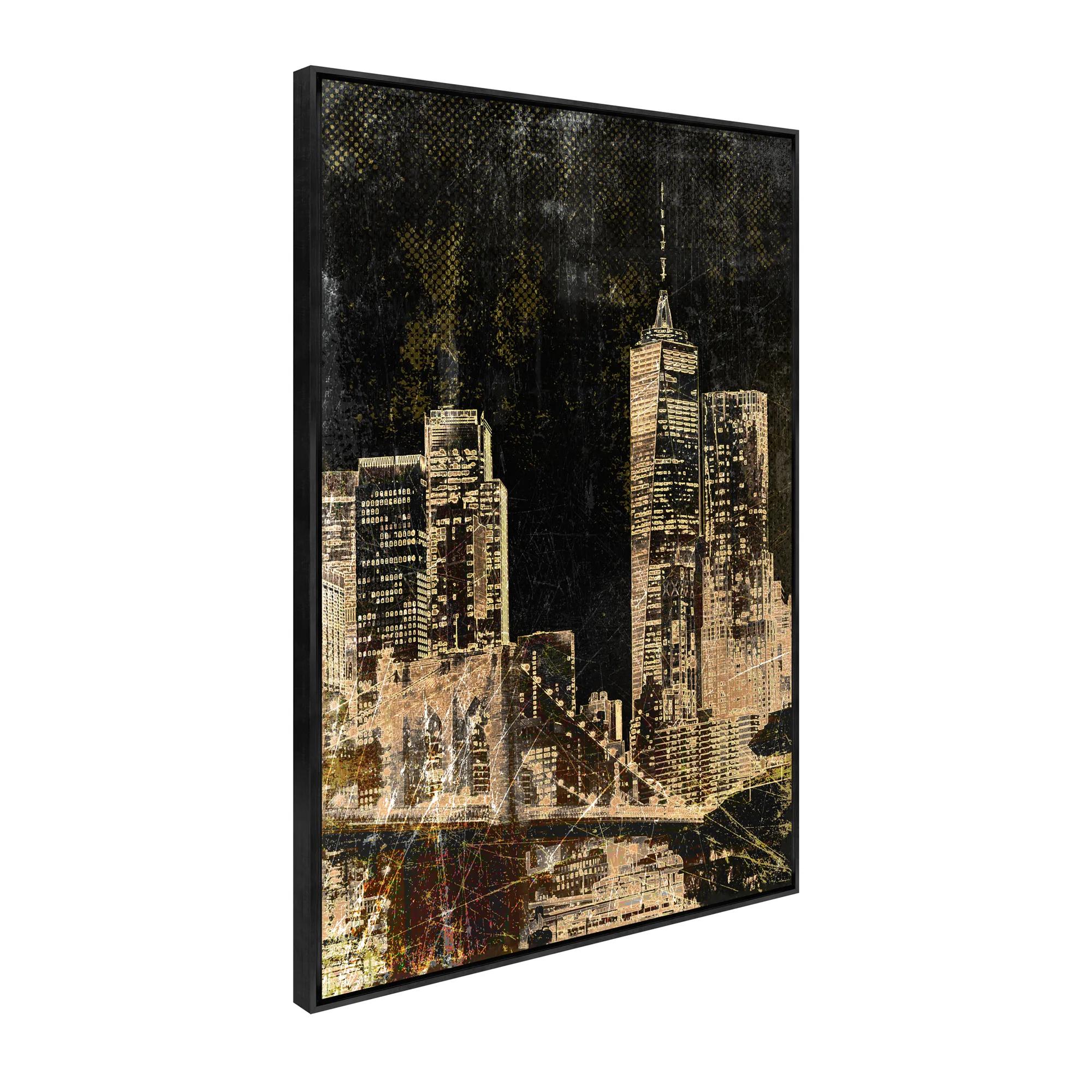 New York Lights$649
A gallery-wrapped canvas artwork featuring a hand-applied gel finish and sleek black floater frame.
Add To Cart -
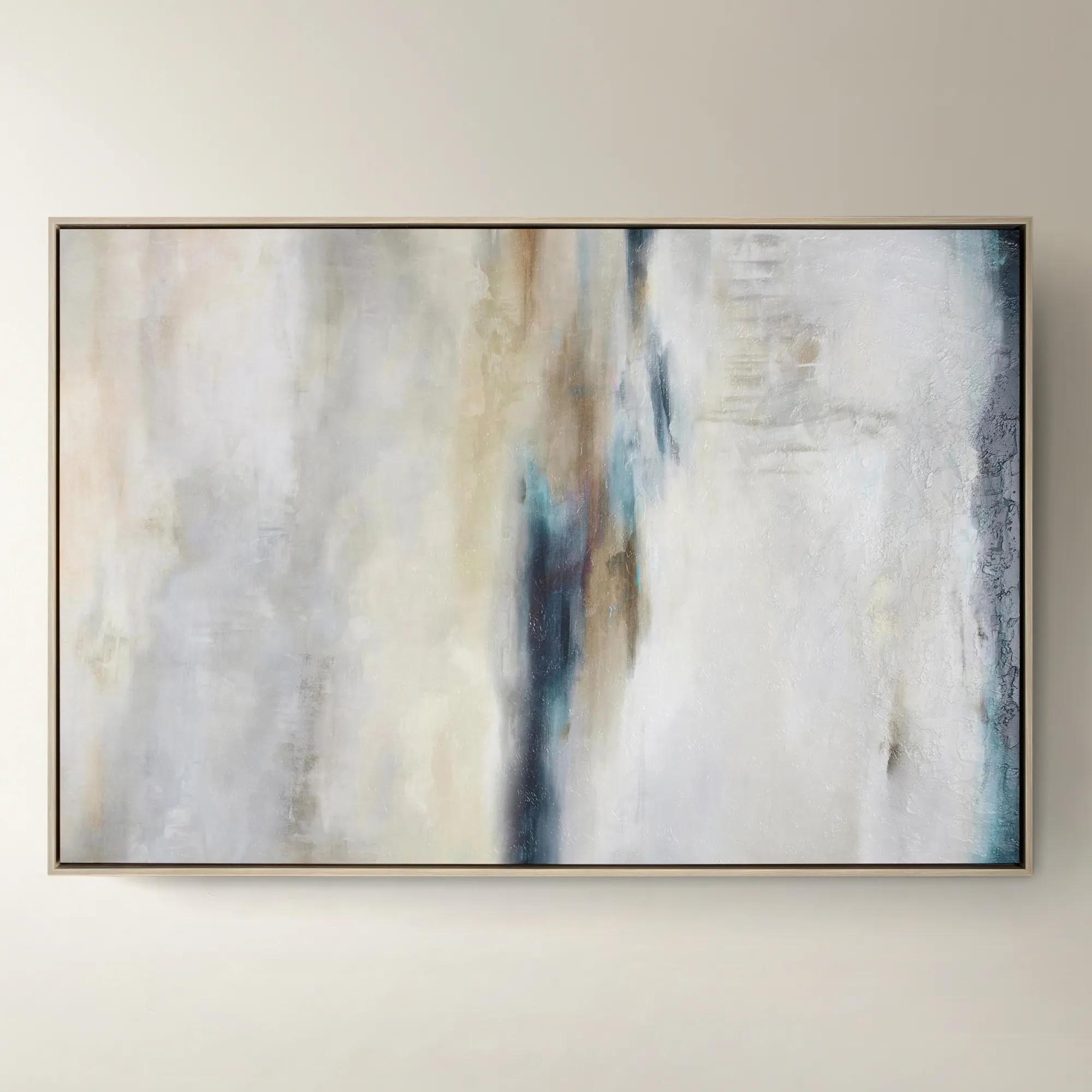
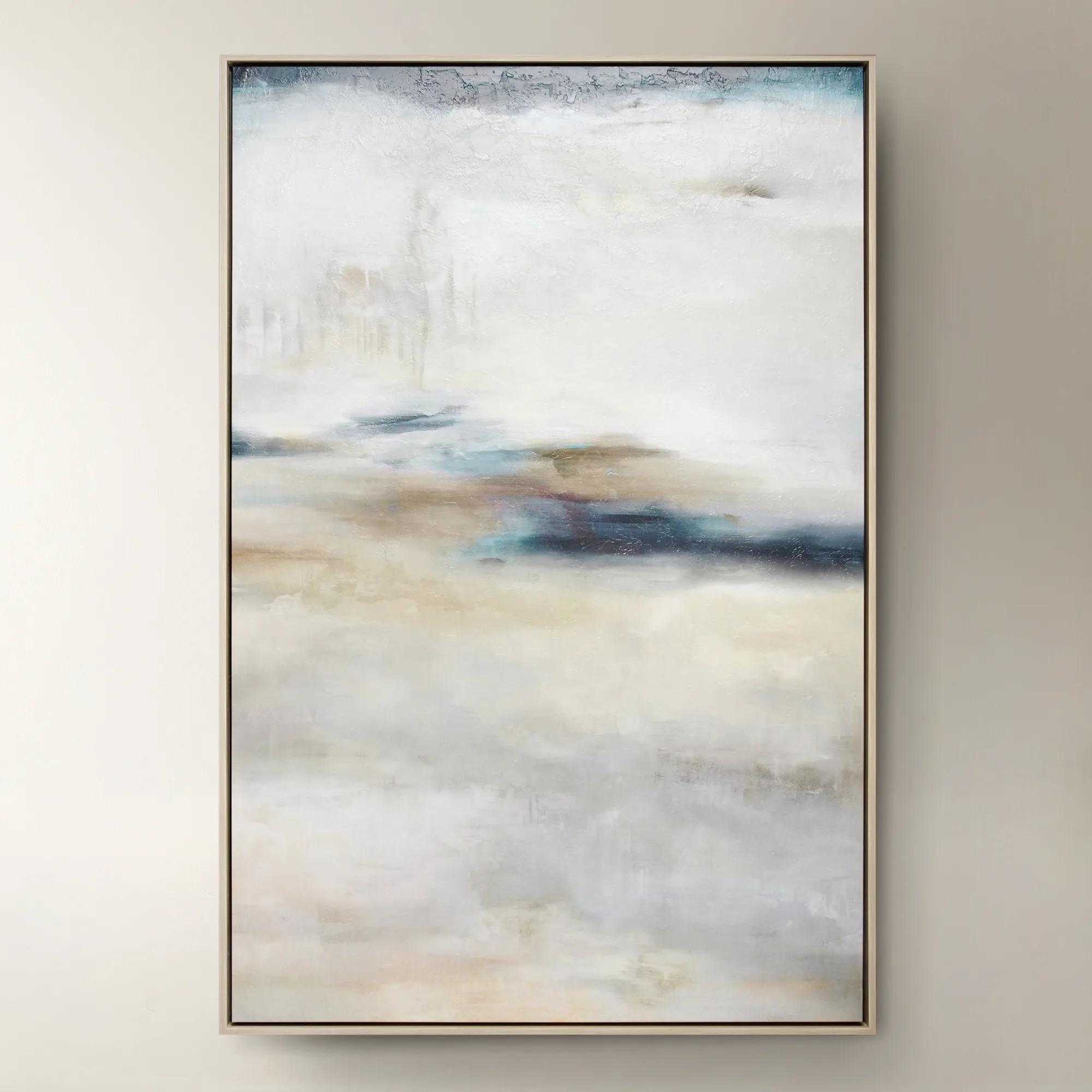 Forward Looking$1299
A softly layered abstract canvas print with a gel finish, set in a natural-hued floater frame.
Add To Cart -
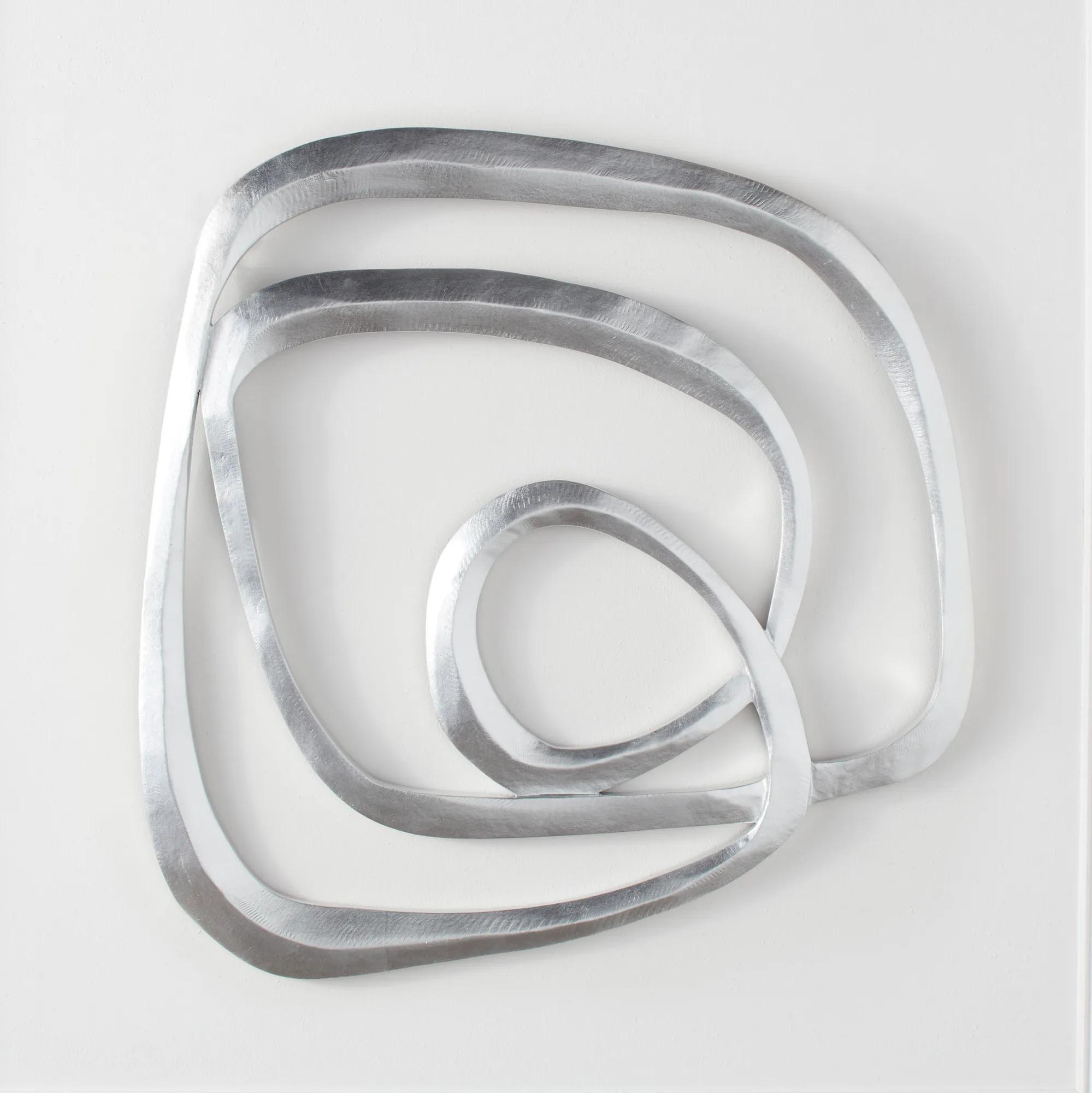 Infinity Silver Leaf Wood Wall Decor I 31.5" x 31.5"$299
A swirling wooden wall sculpture featuring a striking metallic silver finish for modern visual impact.
Add To Cart -
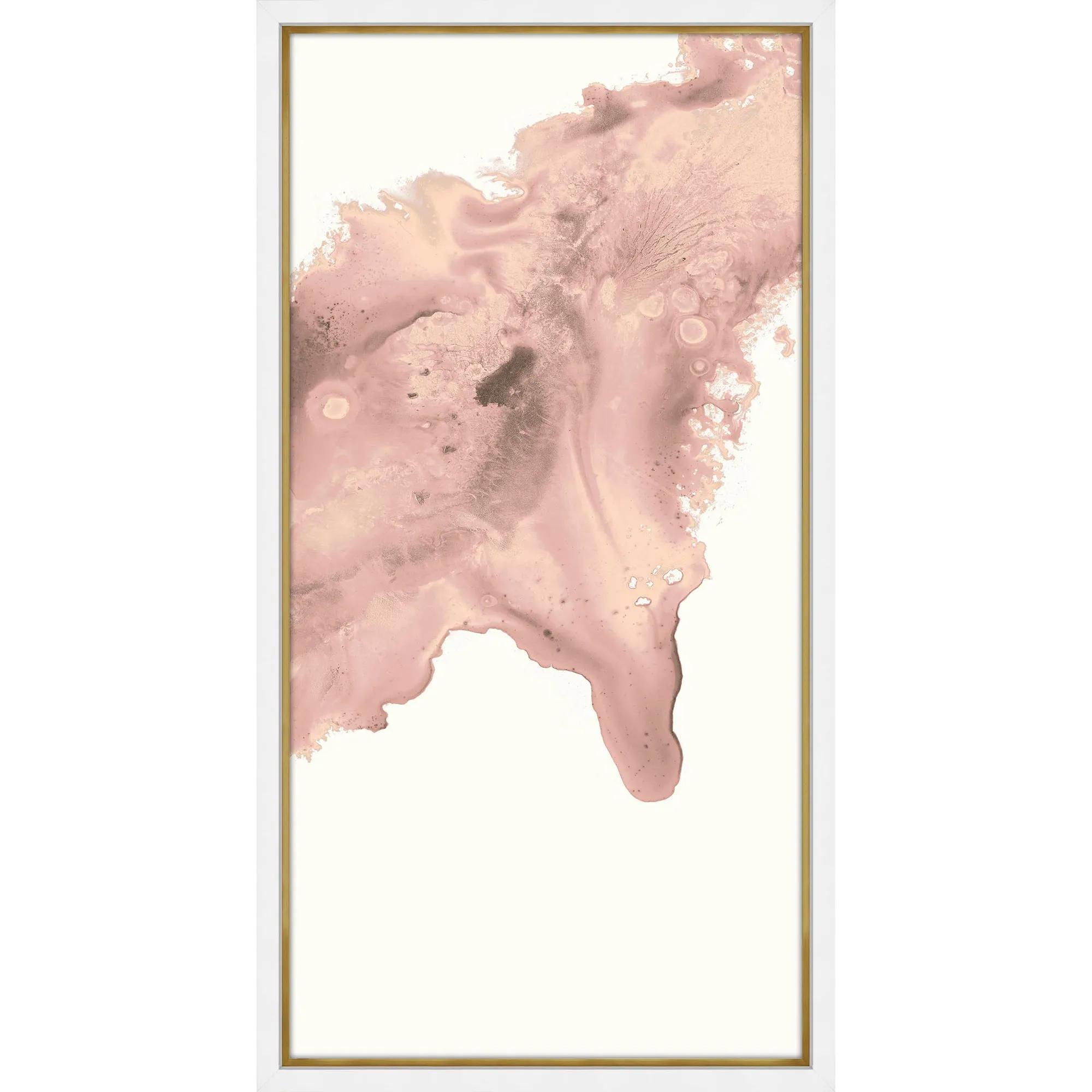
 Blush Conduit 2$849
A striking abstract print on pearl paper, elegantly framed in gold and matte white for modern appeal.
Add To Cart -
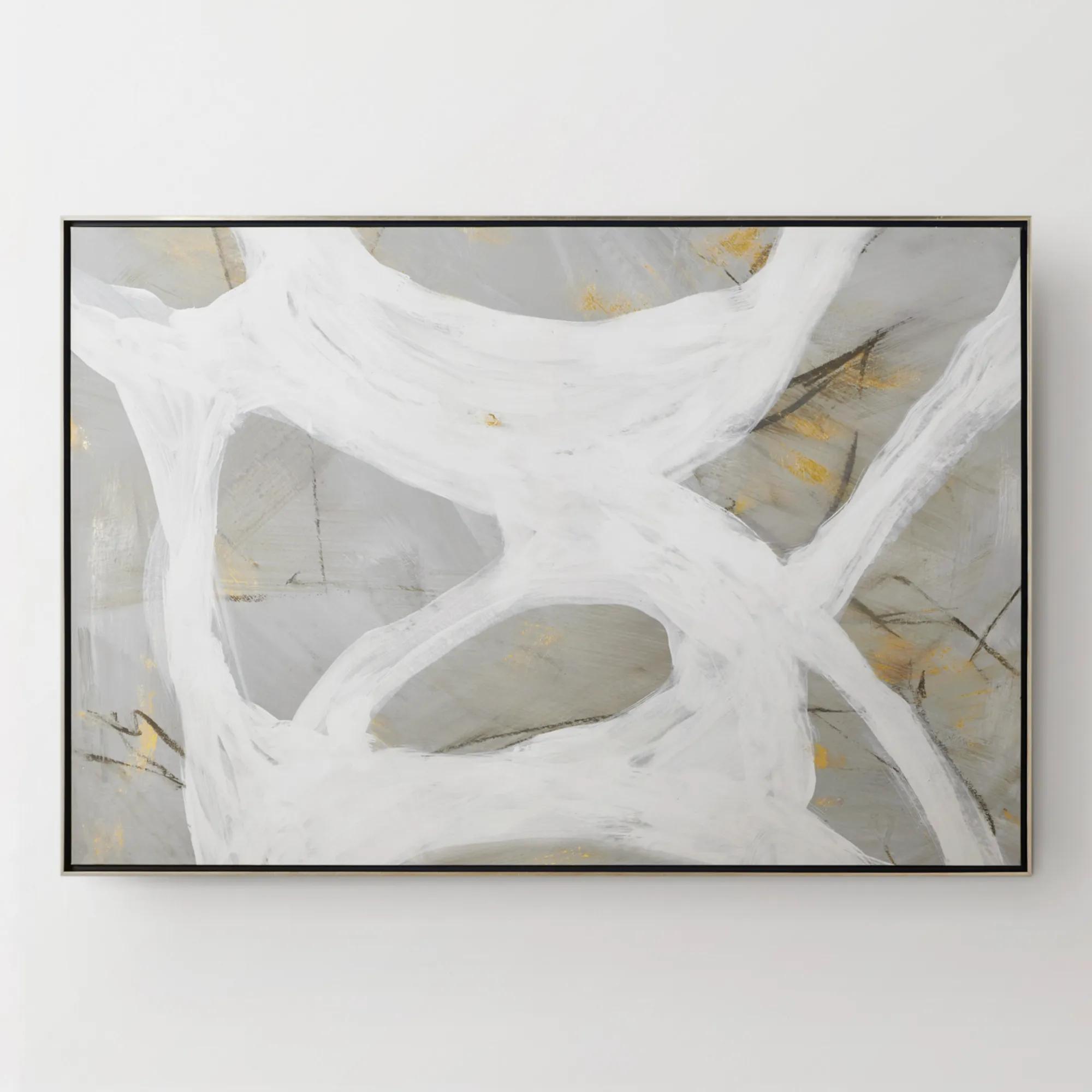
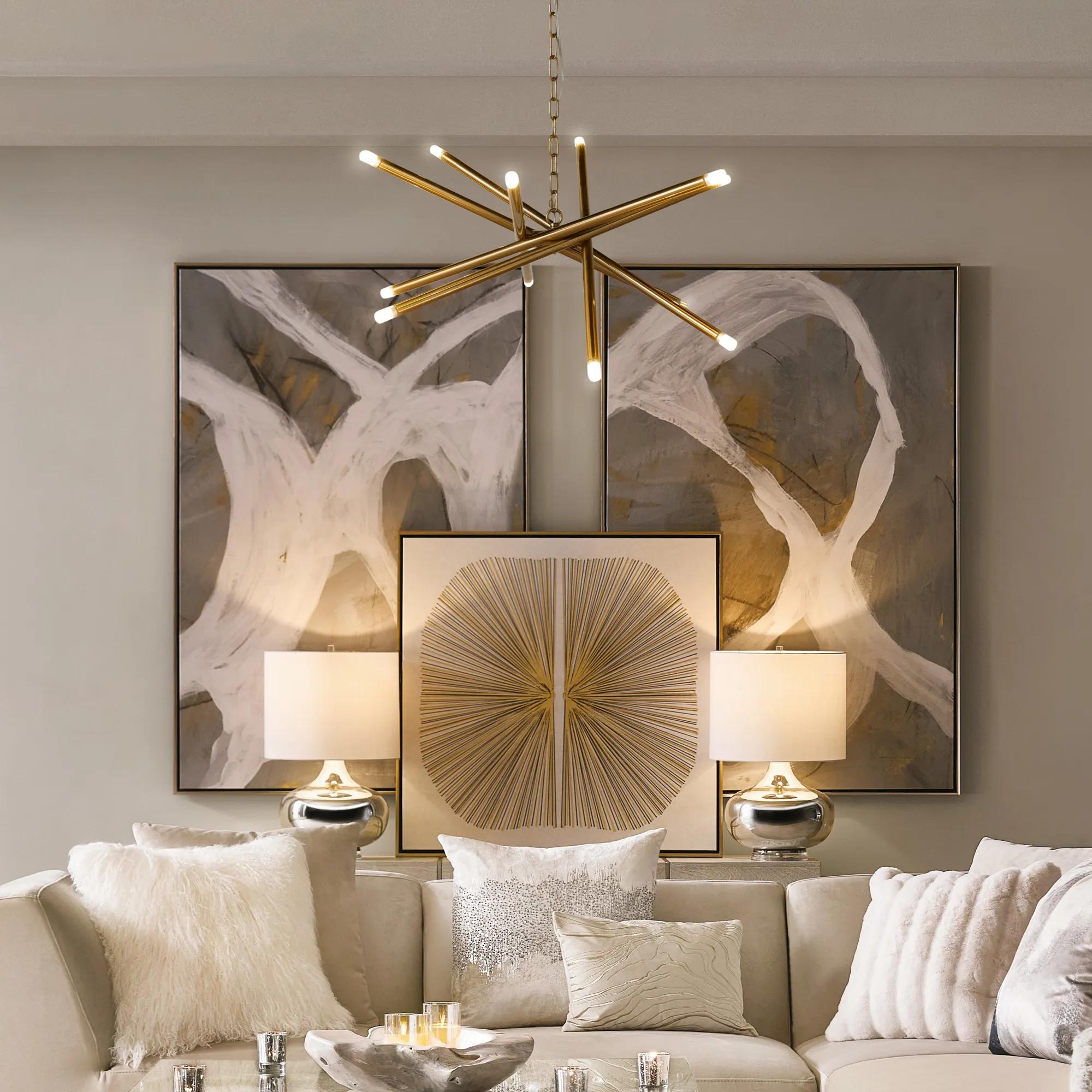 Les Series 2$1099
An abstract canvas artwork featuring bold brushstrokes, hand-applied gold accents, and a silver floater frame.
Add To Cart -
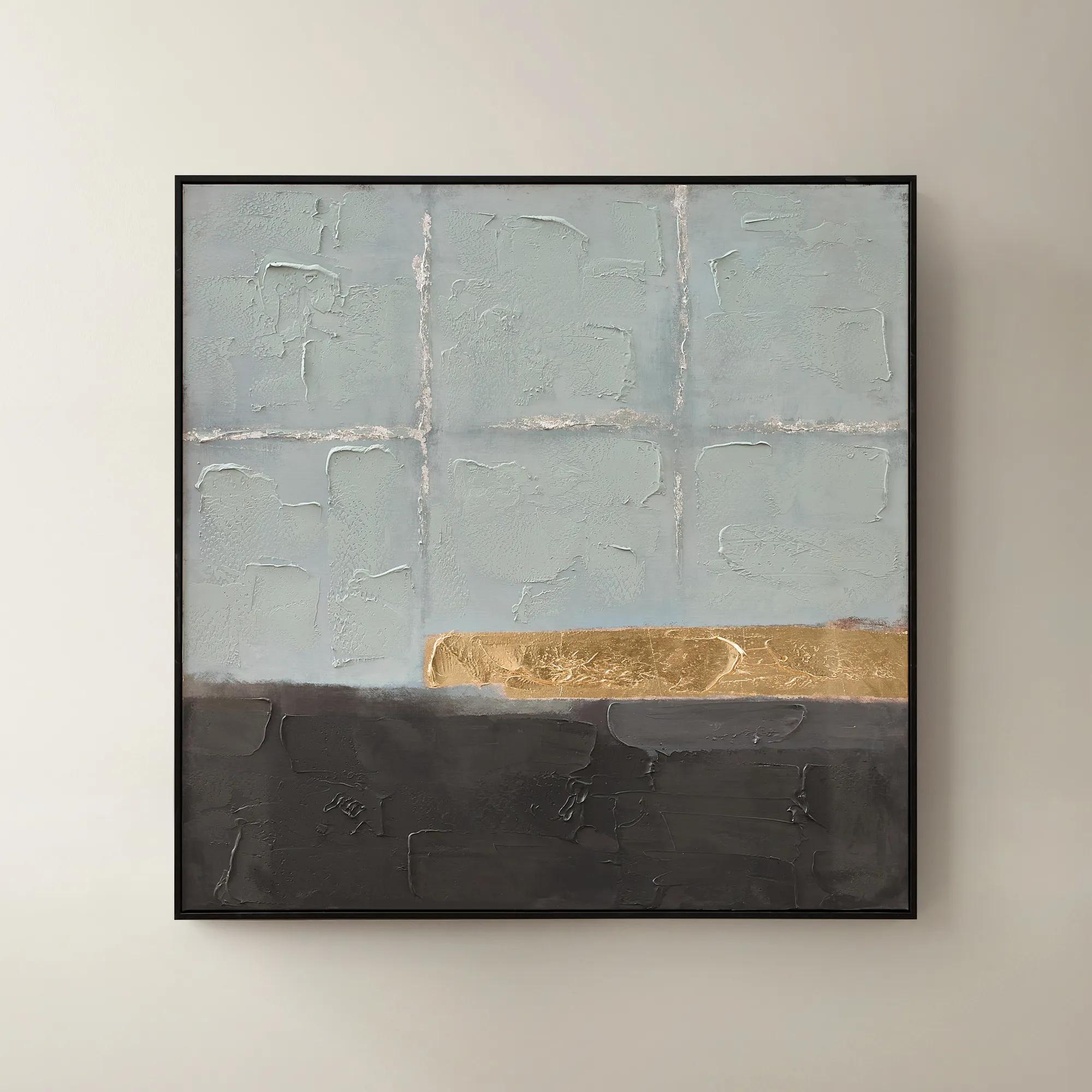
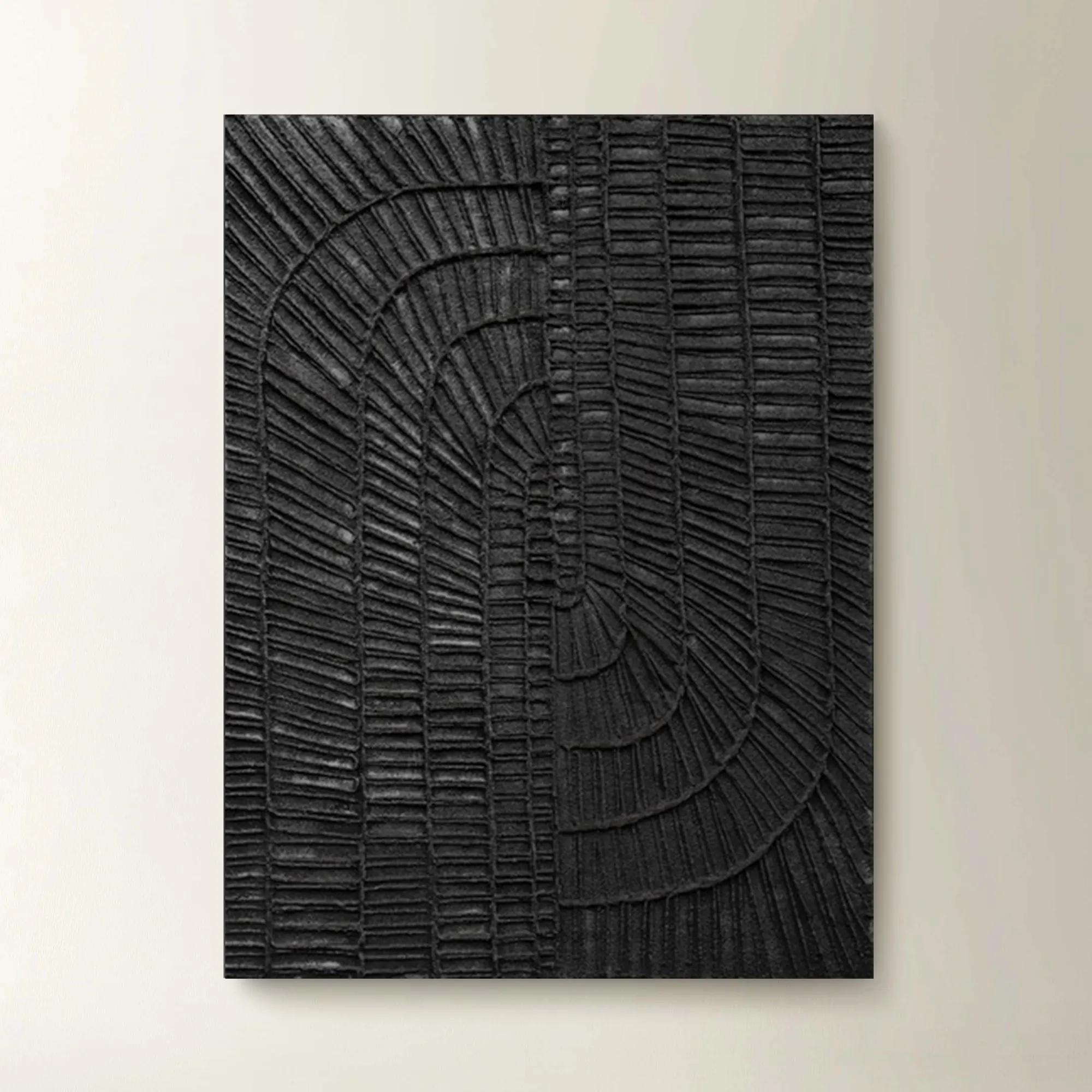 Textured Haze - Black II$499
A striking hand-painted black artwork featuring textured details for versatile vertical or horizontal display.
Add To Cart -
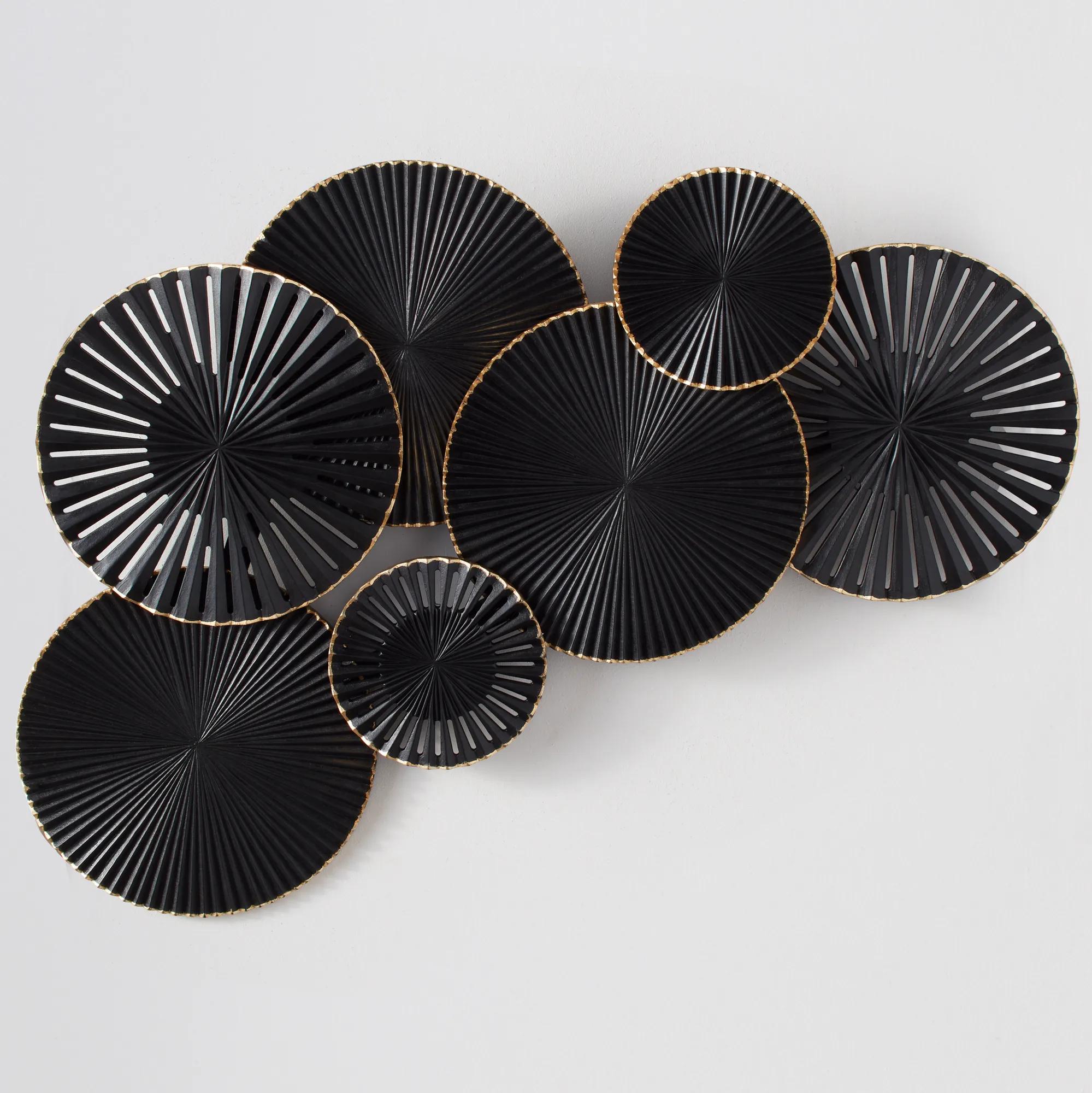
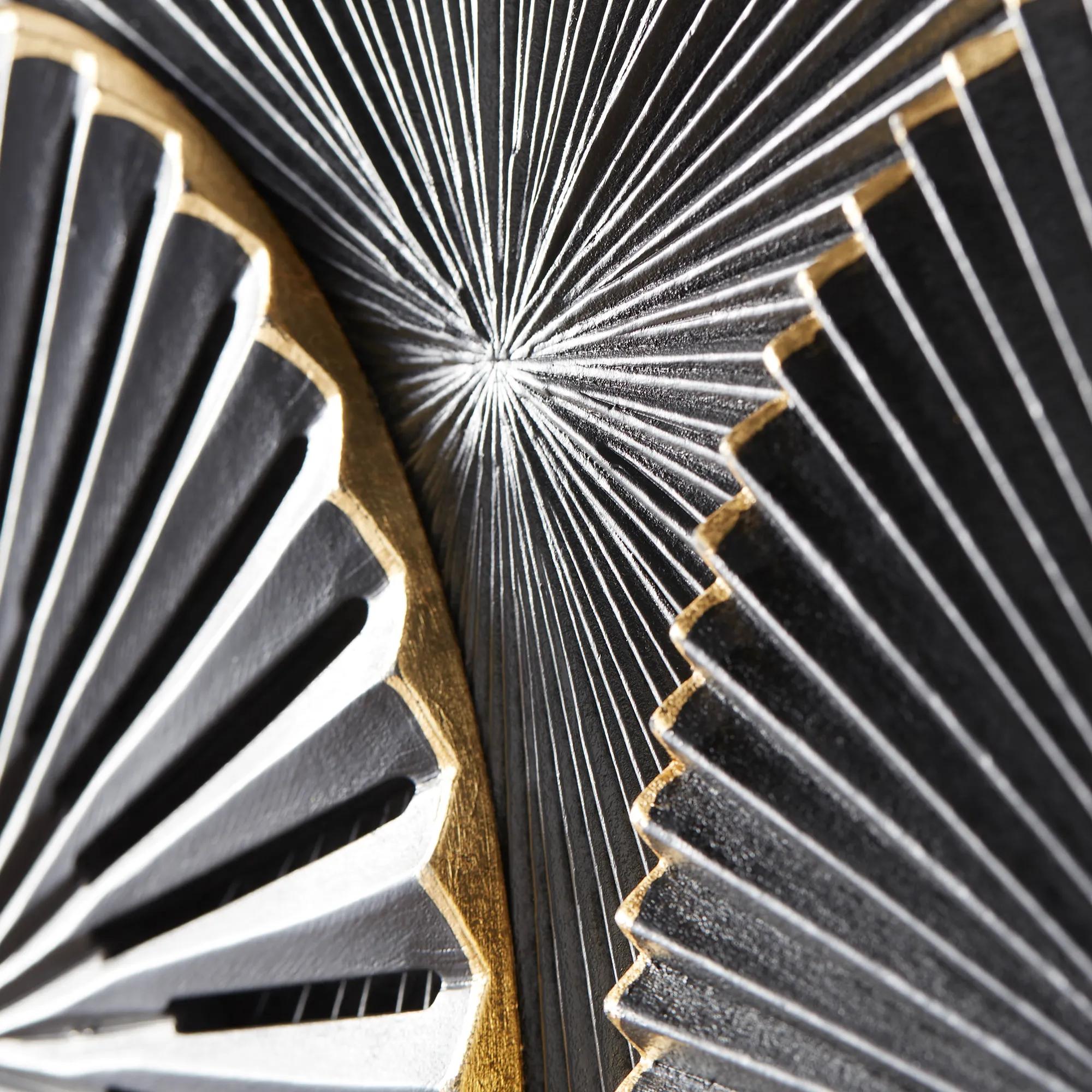 Circa Panel$499
A carved wood wall art panel in black and gold that adds abstract intrigue to any room.
Add To Cart -
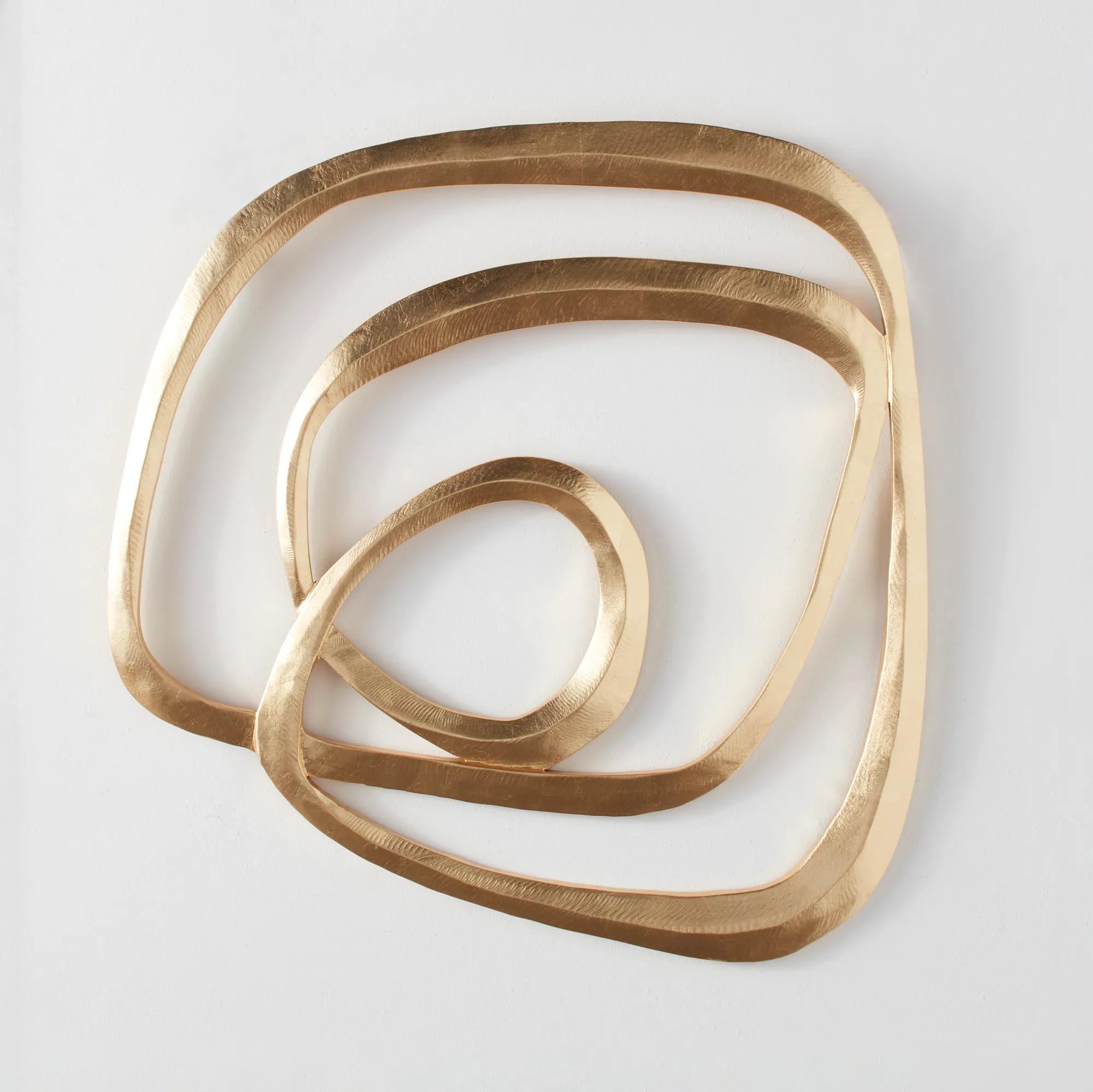 Infinity Gold Leaf Wood Wall Decor II 31.5" x 31.5"$299
A swirling wooden wall sculpture featuring a striking metallic gold finish for a modern statement.
Add To Cart -
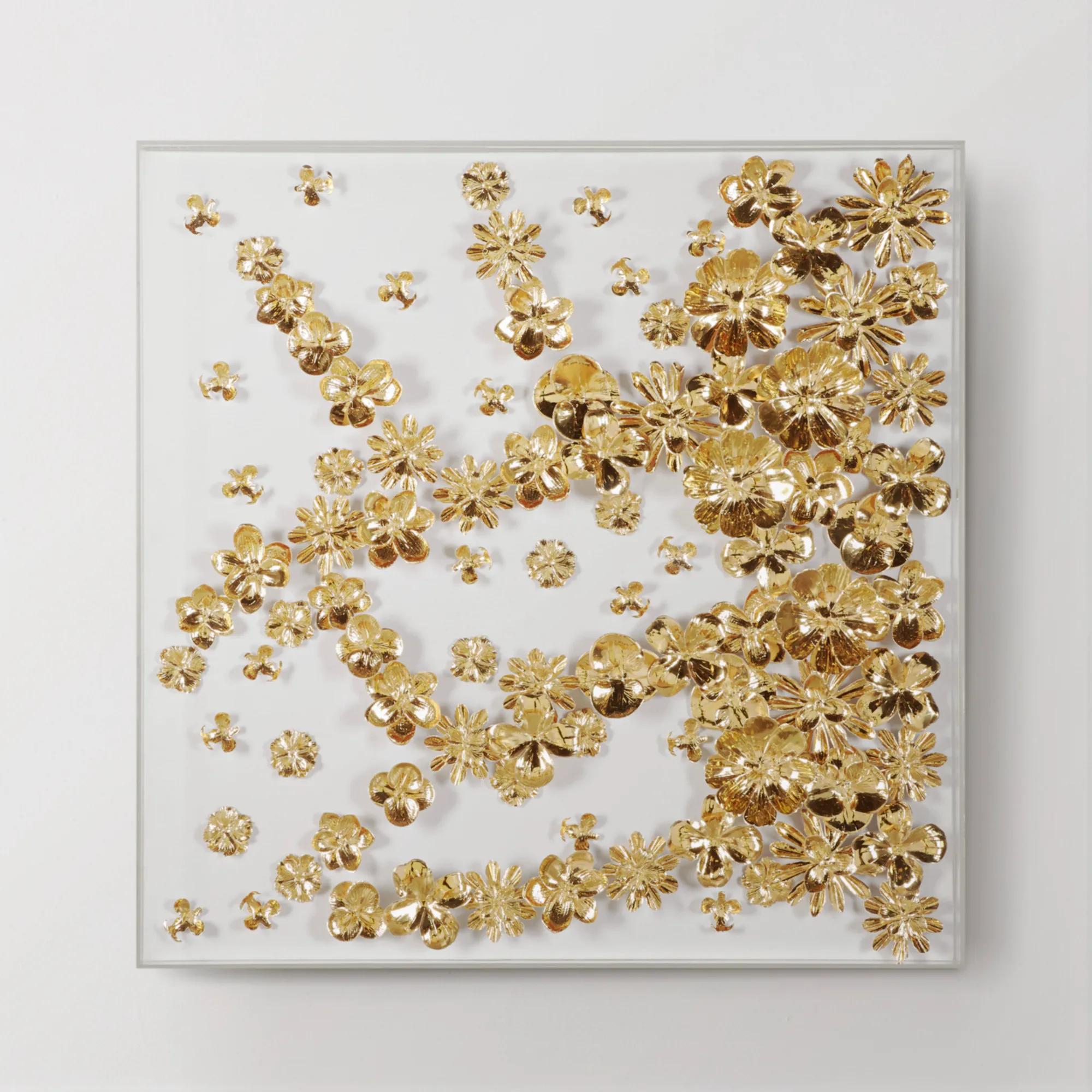
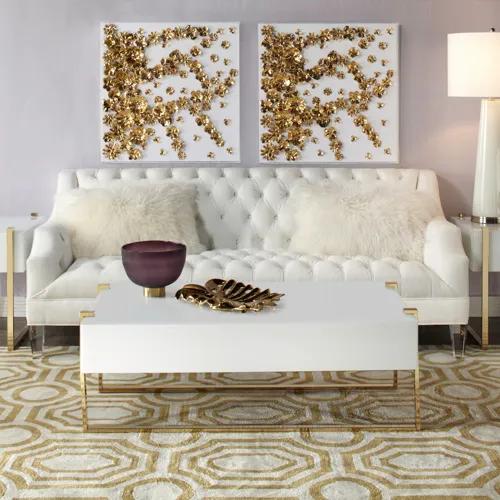 Gold Flora$499
A glam botanical wall art featuring handmade gold foil paper flowers on a white linen background.
Add To Cart -
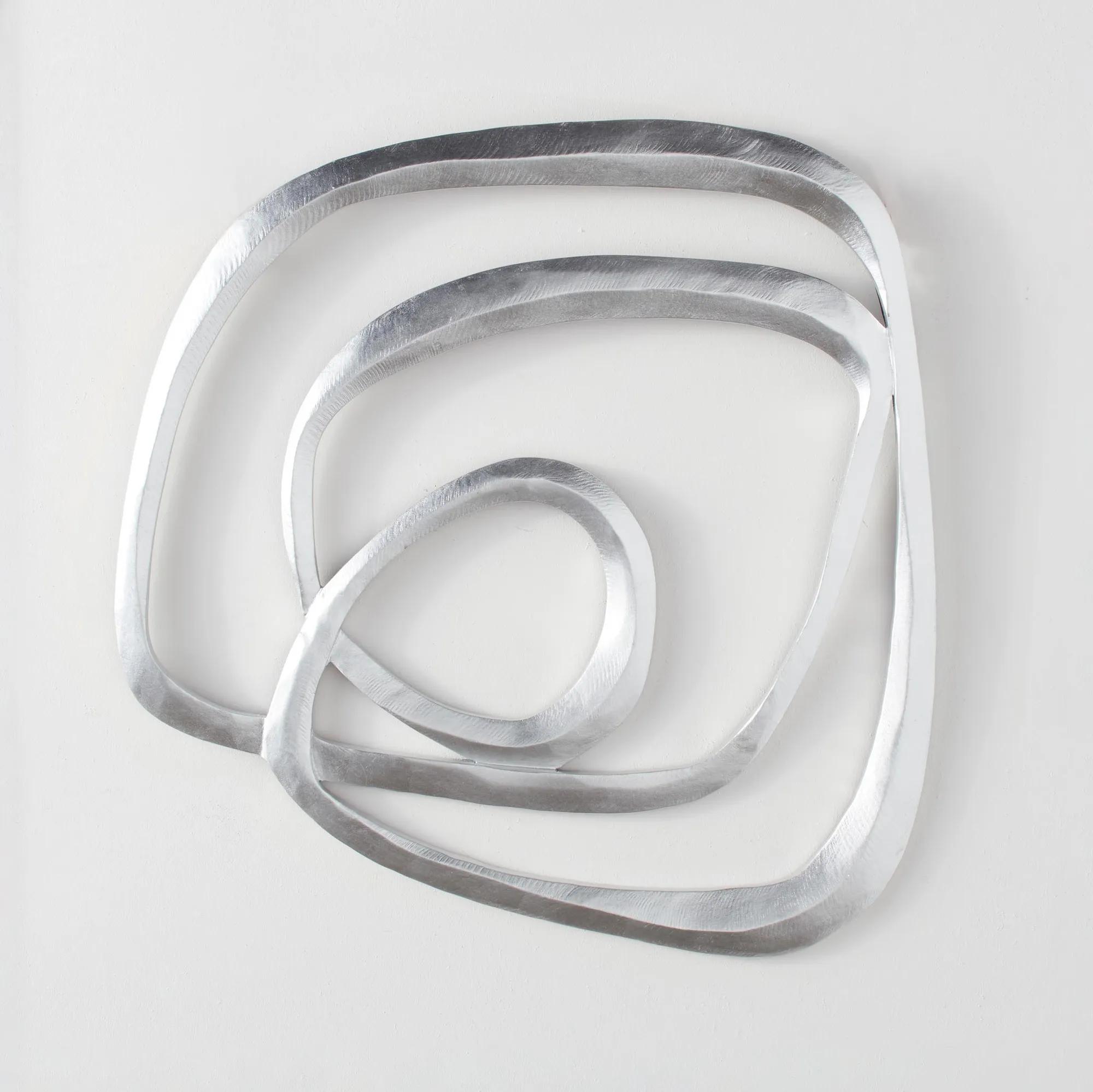 Infinity Silver Leaf Wood Wall Decor II 31.5" x 31.5"$299
A swirling wooden wall sculpture featuring a striking metallic silver finish for modern visual impact.
Add To Cart -
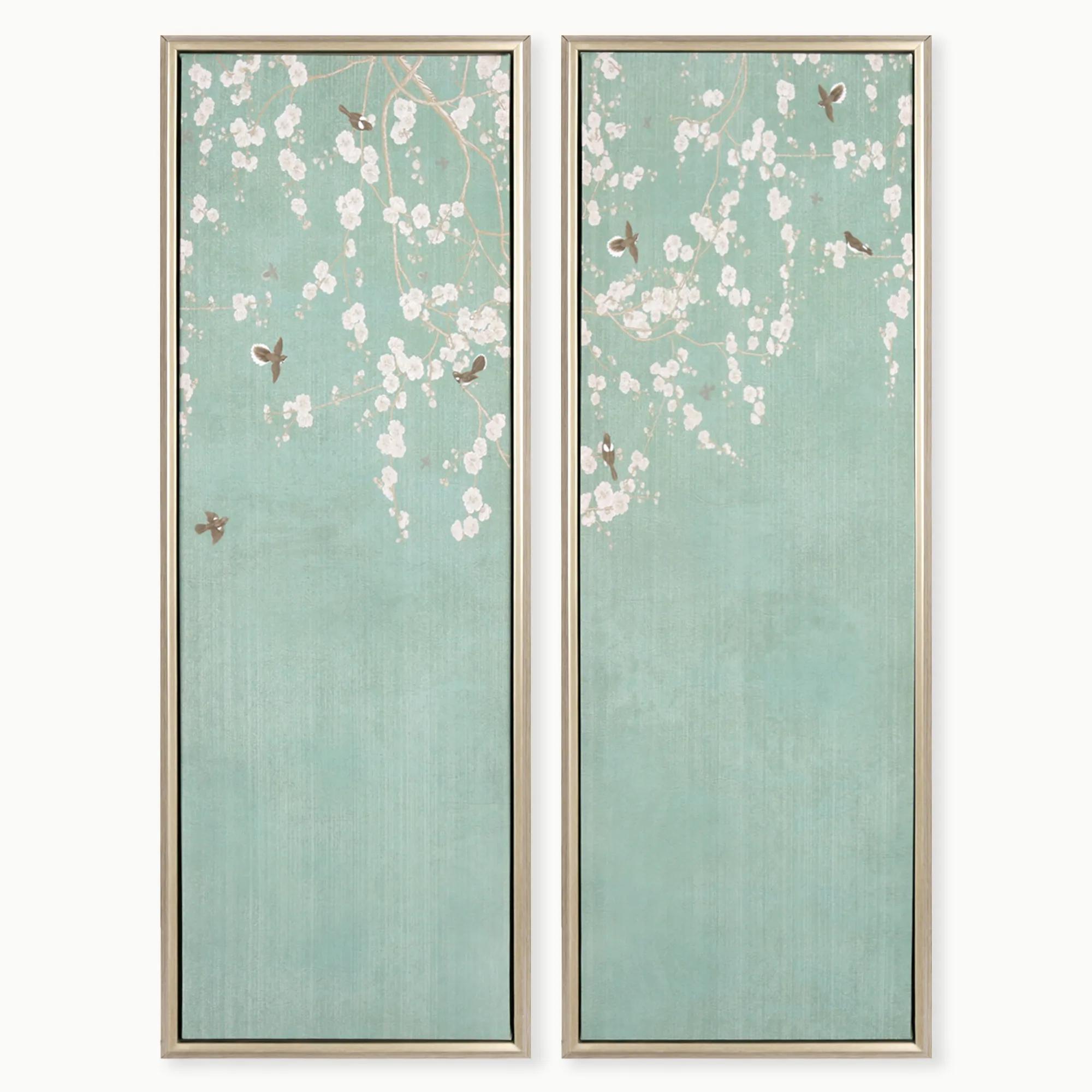 White Blossoms - Set of 2$199
A set of two gallery-wrapped canvases featuring white blossoms and metallic champagne accents in two-tone frames.
Add To Cart -
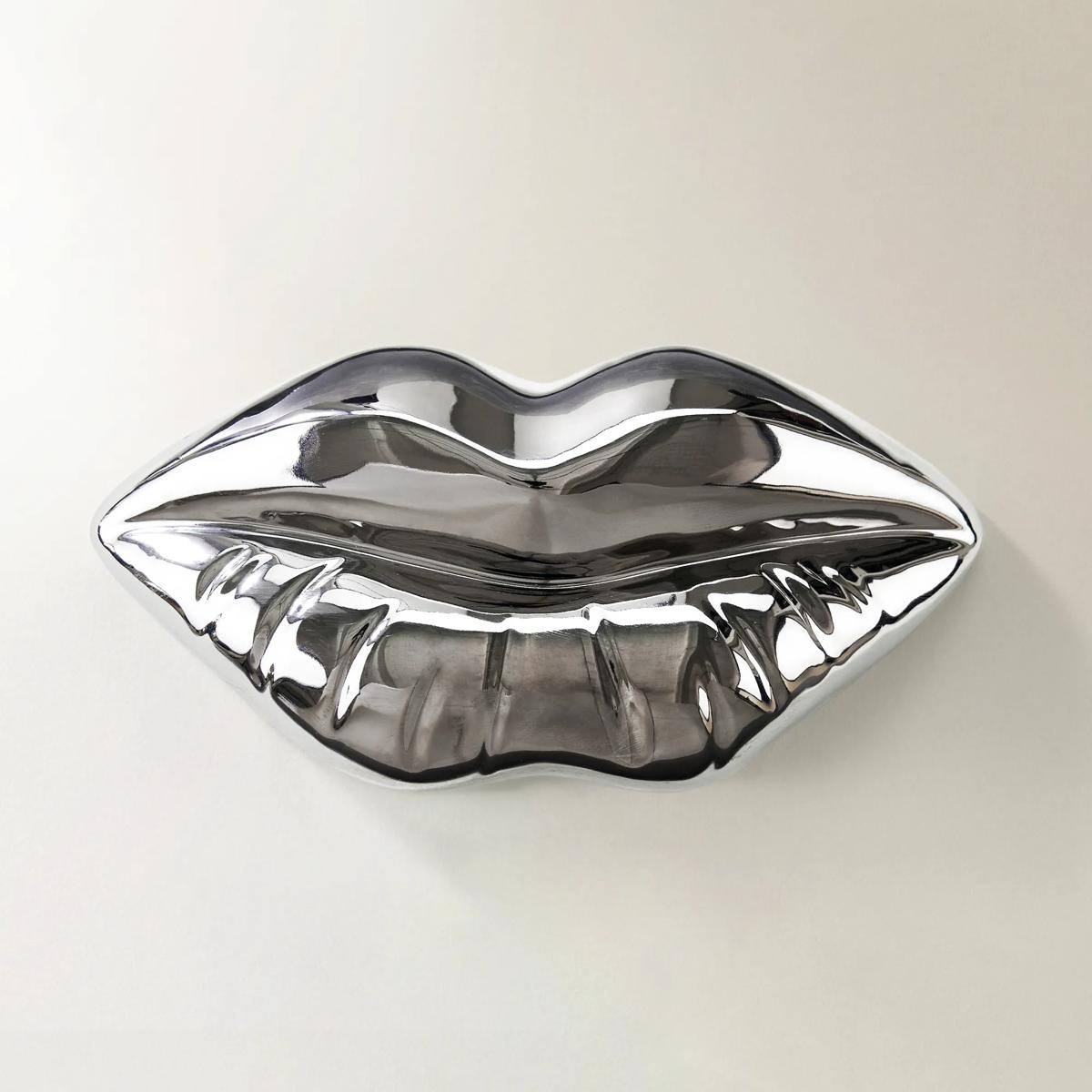 Chrome Lips Object$29
A high-shine silver ceramic sculpture that adds modern pop art flair and playful sophistication to any space.
Add To Cart -
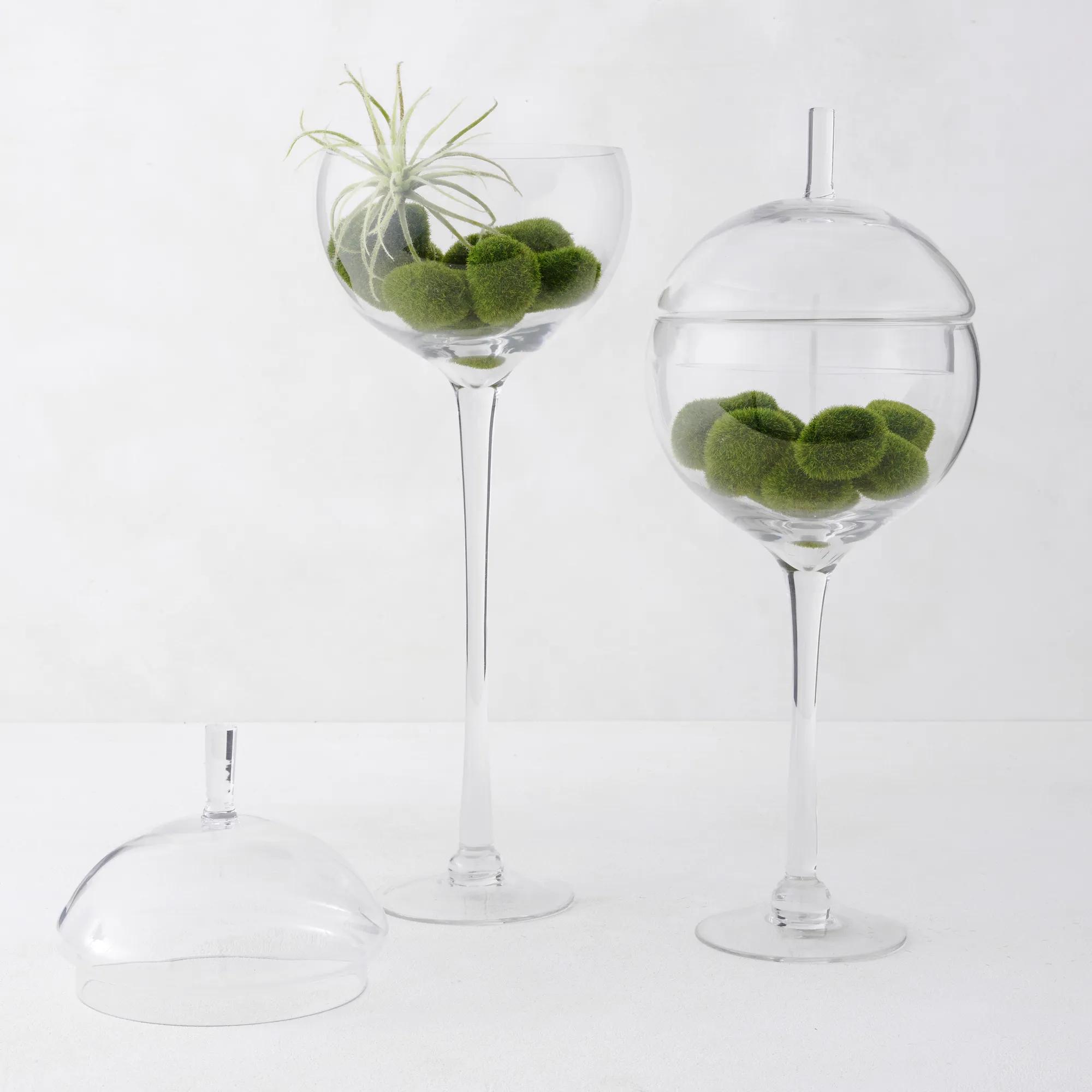 Jules Canister$99
A shapely mouthblown glass canister perfect for displaying cherished objects as decorative art.
Add To Cart -
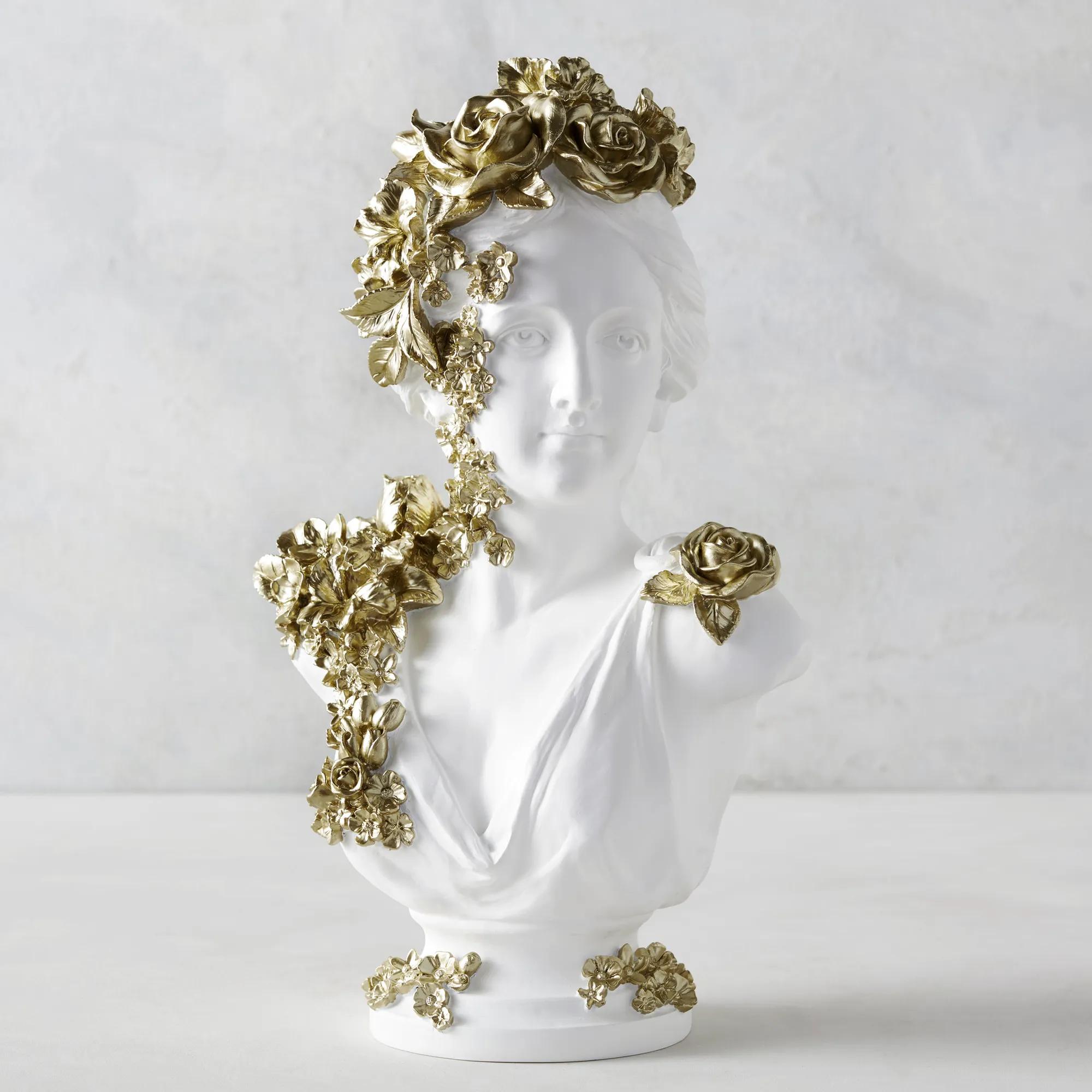 Gold Floral Bust$79
A striking resin bust adorned with intricate gold floral embellishments for a bold decorative accent.
Add To Cart -
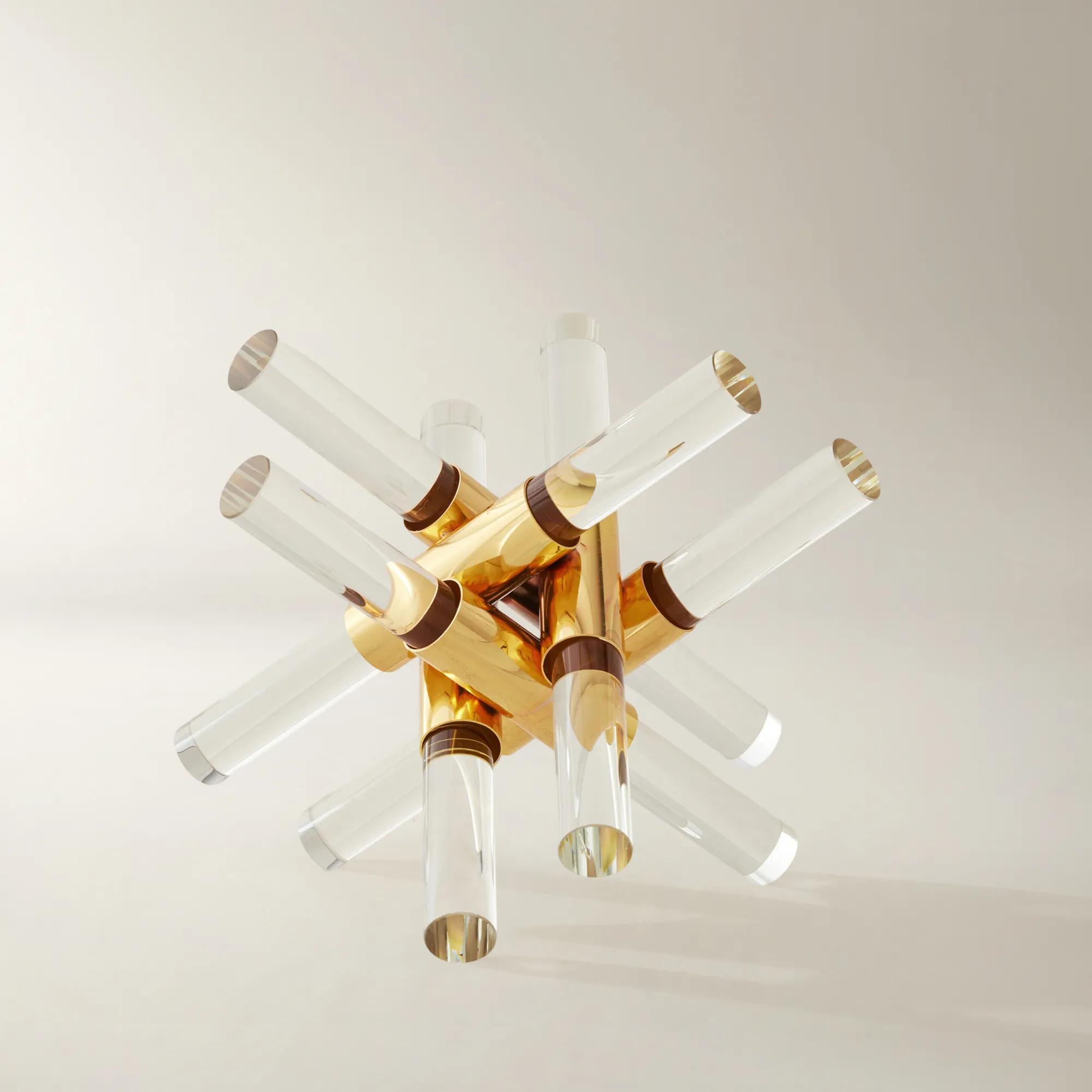
 Glass & Gold Decorative Object$59
A striking decorative accent featuring clear glass rods and gold metal detailing for modern elegance.
Add To Cart -
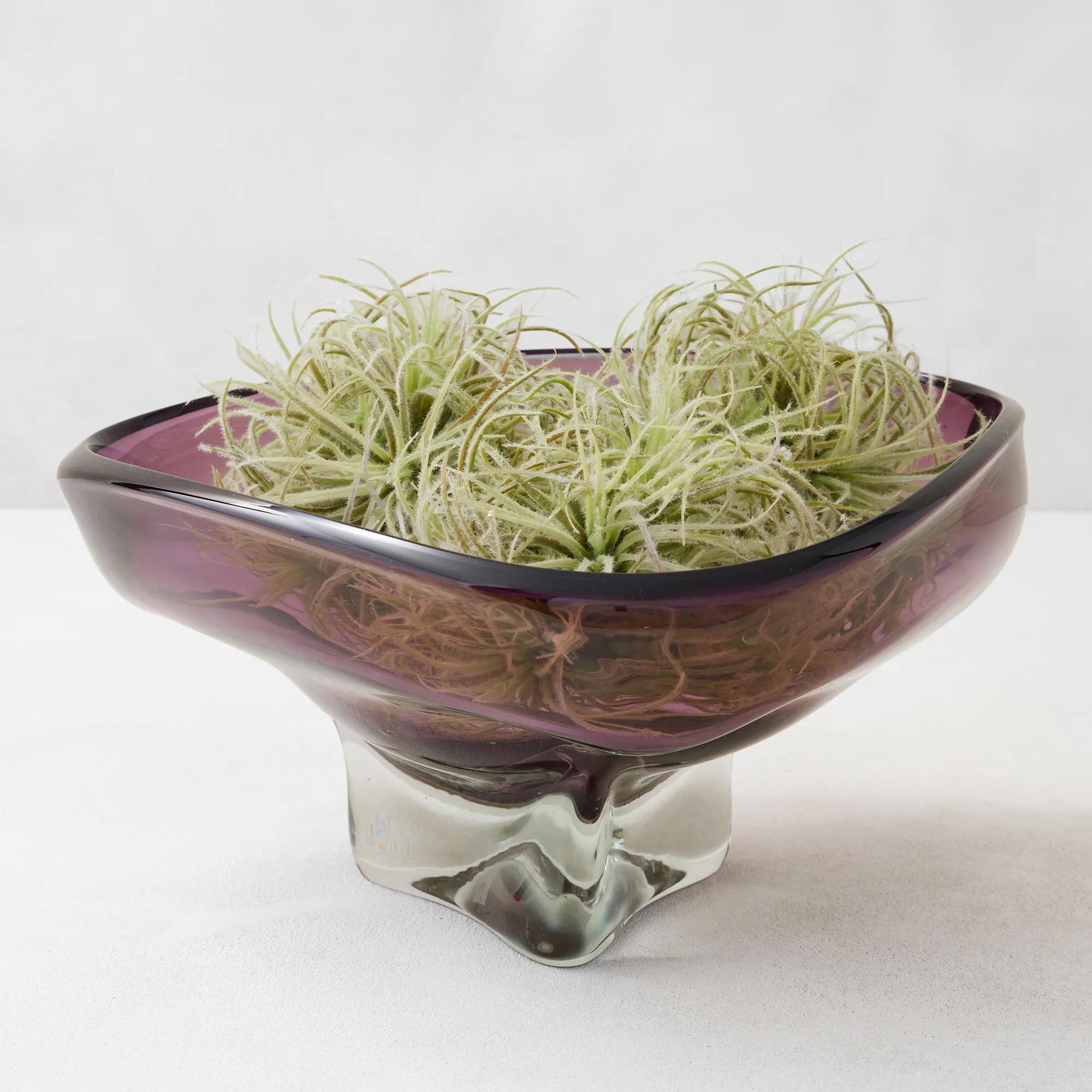
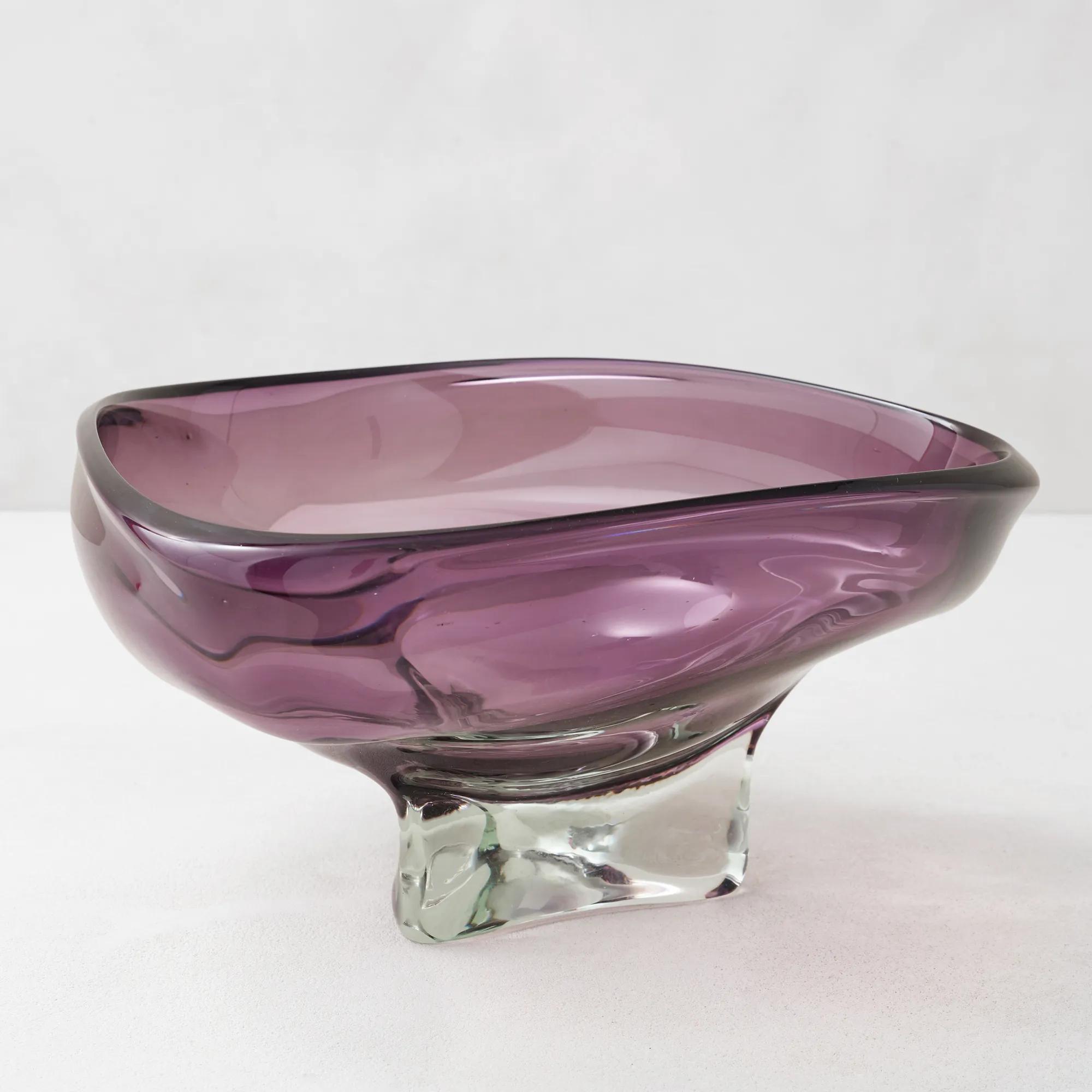 Maydan Bowl$149.95
An artisan-crafted hand-blown glass bowl featuring mesmerizing Amethyst tones inspired by the sea.
Add To Cart -
.jpg?w=1200&h=1200) Calla Decorative Bowl$79
Calla Decorative Bowl$79A handblown blue glass bowl featuring unique curves and translucent artistry for striking decorative appeal.
Add To Cart -
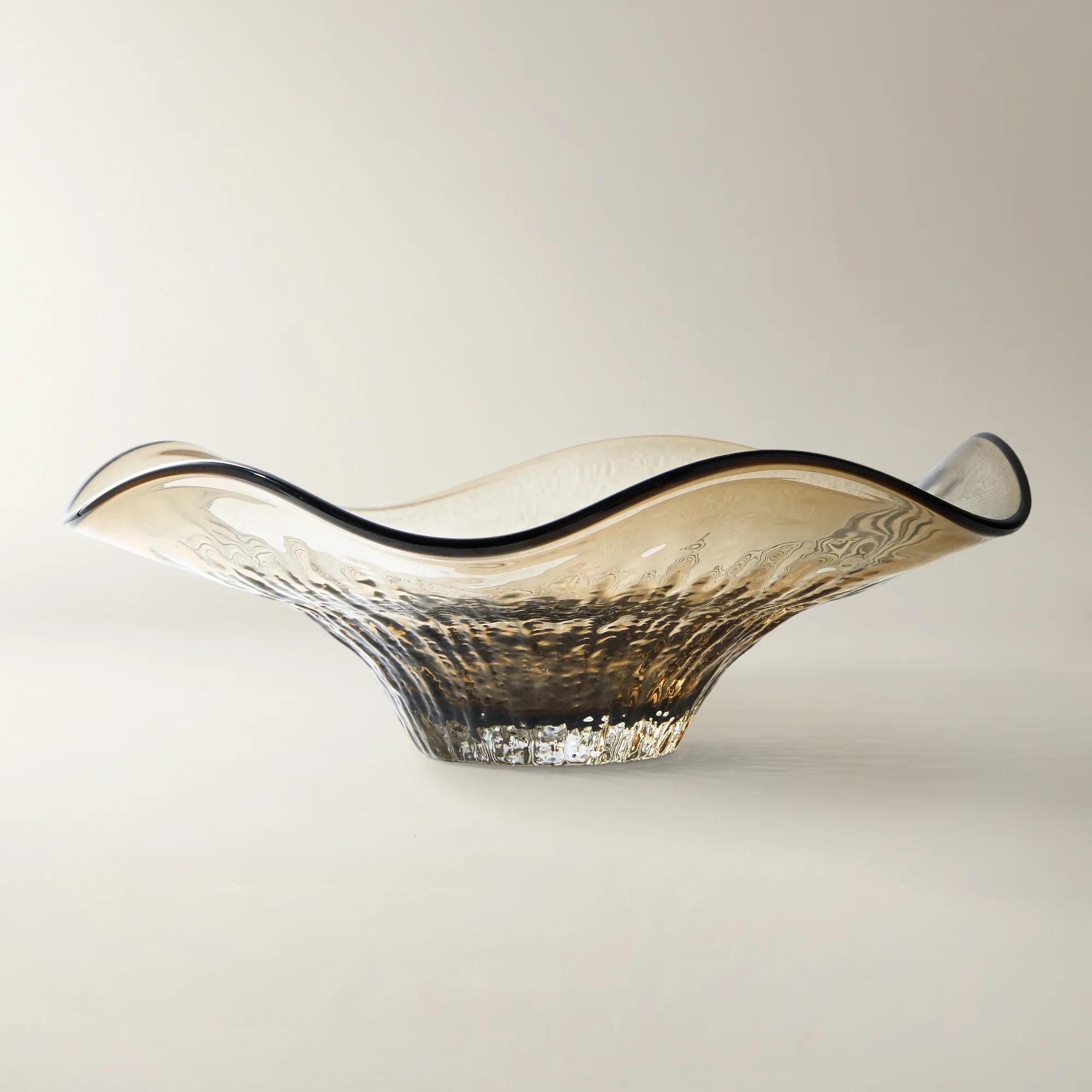
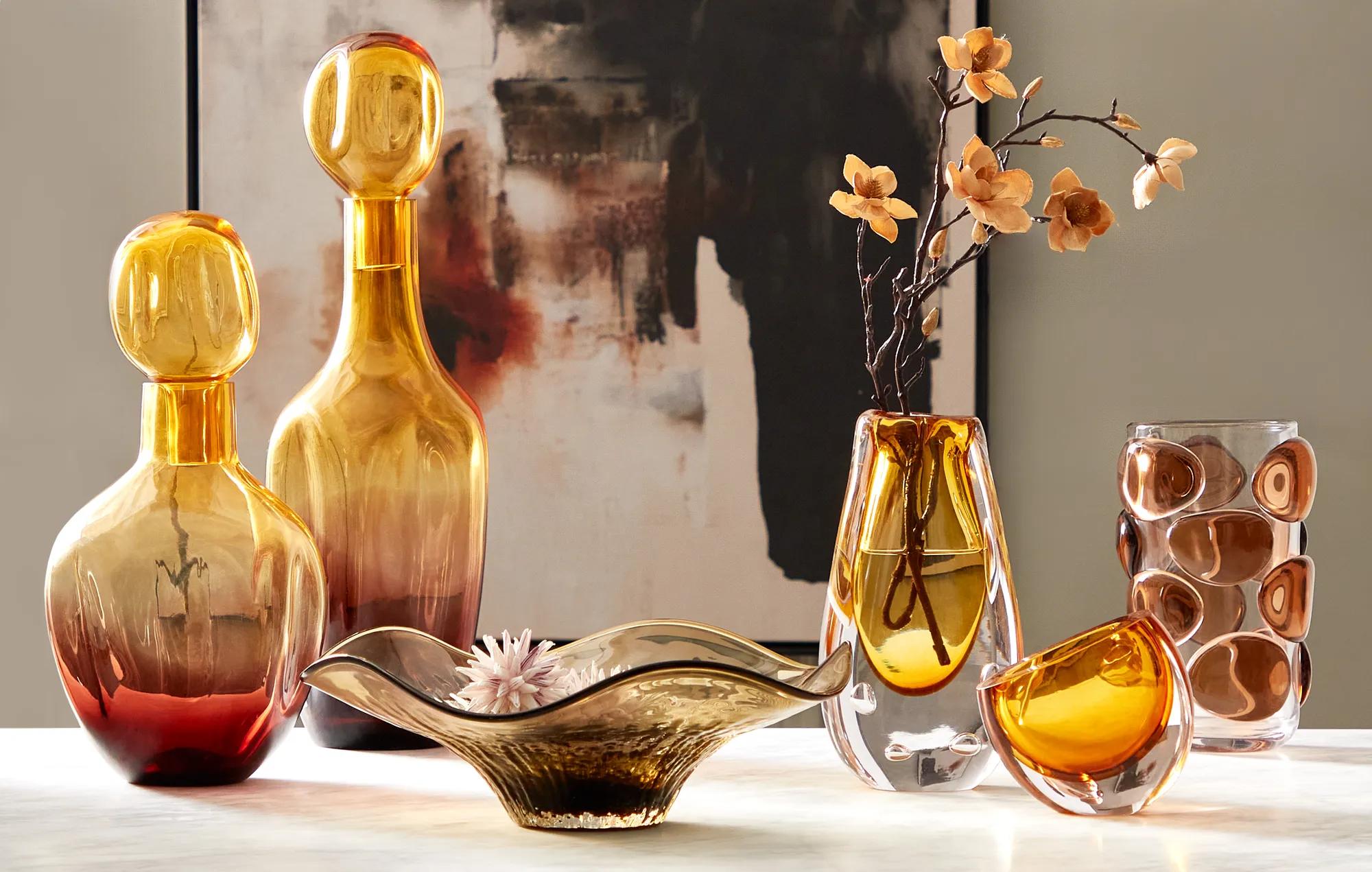 Corsi Decorative Bowl$99
A hand-blown glass bowl in warm amber with organic shape and intricate textural details.
Add To Cart

Decorative Abstract Art For Homes
Unleash the power of imagination and artistry with decorative abstract art for homes—a curated celebration of color, form, and boundless expression. Each piece transforms blank walls into captivating focal points, inviting intrigue and conversation at every glance. Whether you crave sweeping brushstrokes or striking geometric compositions, abstract art infuses your space with a sense of movement and modern allure. Elevate your interiors beyond the ordinary; let your home become a living gallery where creativity reigns and every detail tells a story.
Decorative abstract art for homes transforms an empty wall into an expressive focal point through color, line, shape, texture, and movement rather than literal subjects. A sweeping brushstroke can bring energy to a quiet room, while layered neutrals create a softer, more contemplative atmosphere. Abstract artwork is especially compelling because it leaves room for interpretation; the same composition may feel serene in a bedroom, dramatic above a dining table, or boldly architectural in an entryway. For a modern living room, look to large-scale horizontal artwork that visually balances the width of a sofa or console. In a hallway, petite framed pieces or a carefully arranged grouping can turn a passage into a gallery-like moment. Square formats often suit compact walls, reading corners, and bedroom vignettes, while multi-piece arrangements can extend across a broad surface with rhythm and intention. When choosing a piece, consider the mood you want to create as well as the colors already present in the room. Pulling a shade from a rug, accent chair, curtain, or collection of decorative pillows helps the artwork feel connected to its surroundings, while a contrasting palette can create the daring tension that makes a room memorable. Neutral geometric compositions in beige, ivory, charcoal, taupe, or soft gray complement streamlined interiors and allow sculptural furniture to take center stage. Rich blue, ochre, terracotta, emerald, and black can introduce depth and drama, particularly in rooms layered with gleaming metals, plush upholstery, or warm wood tones. A restrained room may welcome bold, gestural art; an already expressive space may benefit from a composition with quieter tonal shifts.
Scale is one of the most important considerations when selecting abstract wall art. Artwork that is too small can appear lost above substantial furniture, while an oversized piece can overwhelm a narrow wall or crowded arrangement. As a general guideline, artwork placed above a sofa, bed, sideboard, or console should relate to the width of the furniture beneath it, leaving enough surrounding wall to create a sense of breathing room. Before purchasing, use painter’s tape to outline the intended dimensions on the wall; this simple step reveals how the composition will sit beside windows, sconces, bookcases, and nearby architectural details. Keep the center of the artwork at a comfortable viewing height, adjusting for furniture and the proportions of the room rather than following a rigid measurement. Consider the visual weight of the frame, too. A frameless stretched canvas offers a clean, gallery-inspired finish, while a framed print lends traditional polish and a more defined edge. Rolled canvas can be a flexible choice for custom framing, particularly when you want to select a finish that complements your existing décor. Textured and layered compositions add tactile richness, catching the light differently throughout the day and bringing a crafted, dimensional quality to a room. Geometric art feels crisp and composed, while organic forms and expressive marks soften angular furnishings. For a tranquil palette with a hint of depth, explore Blue Abstract Wall Arts For New Homes, where blue tones can echo the quiet expanse of twilight, polished stone, or water while pairing beautifully with ivory, silver, walnut, and warm metallic accents. During the warmer seasons, lighter compositions can make a space feel open and airy; as the weather turns cooler, deeper tones and layered textures create a more enveloping, intimate backdrop.
Abstract art also makes a thoughtful gift for someone settling into a new home, refreshing a first apartment, furnishing a home office, or marking a milestone such as a wedding, anniversary, graduation, or move. Because it does not depend on a particular subject or personal likeness, it can suit a range of tastes while still feeling considered and distinctive. For a gift, pay attention to the recipient’s surroundings: a neutral composition may complement an understated home, while vivid color can enliven a creative studio, dining area, or entertaining space. Art for a new home can be especially meaningful when it reflects the recipient’s personality without dictating the entire room. In your own home, use abstract artwork to define a zone, establish a palette, or give a familiar setting a fresh point of view. A commanding canvas above a mantel can anchor the architecture; a pair of coordinated pieces can frame a bed or buffet; a small work can add a final note of intrigue to a powder room, landing, or styled shelf. Hang pieces where they can be appreciated in changing light, and give expressive compositions room to stand apart from competing patterns. If arranging several works, repeat one or two colors or visual motifs to create cohesion without making the display feel overly matched. The most successful arrangements often balance structure with spontaneity: clean alignment, varied scale, generous negative space, and one unexpected note that catches the eye. Whether your preference leans toward minimalist geometrics, tactile collage-inspired surfaces, sweeping organic forms, or bold painterly color, decorative abstract art brings artistry and atmosphere to the everyday. It completes the room’s story with a confident gesture—one that can make a quiet corner feel intentional and an entire interior feel unmistakably your own.
FAQ List
Abstract art infuses your home with a sense of intrigue and sophistication, transforming walls into dynamic canvases that spark conversation and inspire creativity. Each piece radiates emotion, setting a bold, modern tone that invites both reflection and admiration.
Selecting abstract art is a journey of self-expression—look for pieces that resonate with your aesthetic, whether you crave dramatic color, sculptural brushwork, or metallic accents. Let your instincts guide you toward artwork that elevates your space and tells your unique story.
Abstract art thrives in spaces where it can command attention: above a statement sofa, anchoring a dining room, or as a gallery moment in an entryway. Let the artwork be the focal point, allowing its energy and movement to set the stage for the entire room.
Abstract art is the ultimate chameleon—it pairs effortlessly with everything from opulent glam to crisp modernism. Its fluid forms and vibrant palettes add depth and contrast, creating visual drama that enhances both bold and understated interiors alike.
Our curated collection showcases a symphony of artistry: hand-painted canvases, shimmering metallic leaf, textured layers, and mixed media compositions. Each piece is crafted with meticulous attention to detail, ensuring your walls are adorned with true works of art.