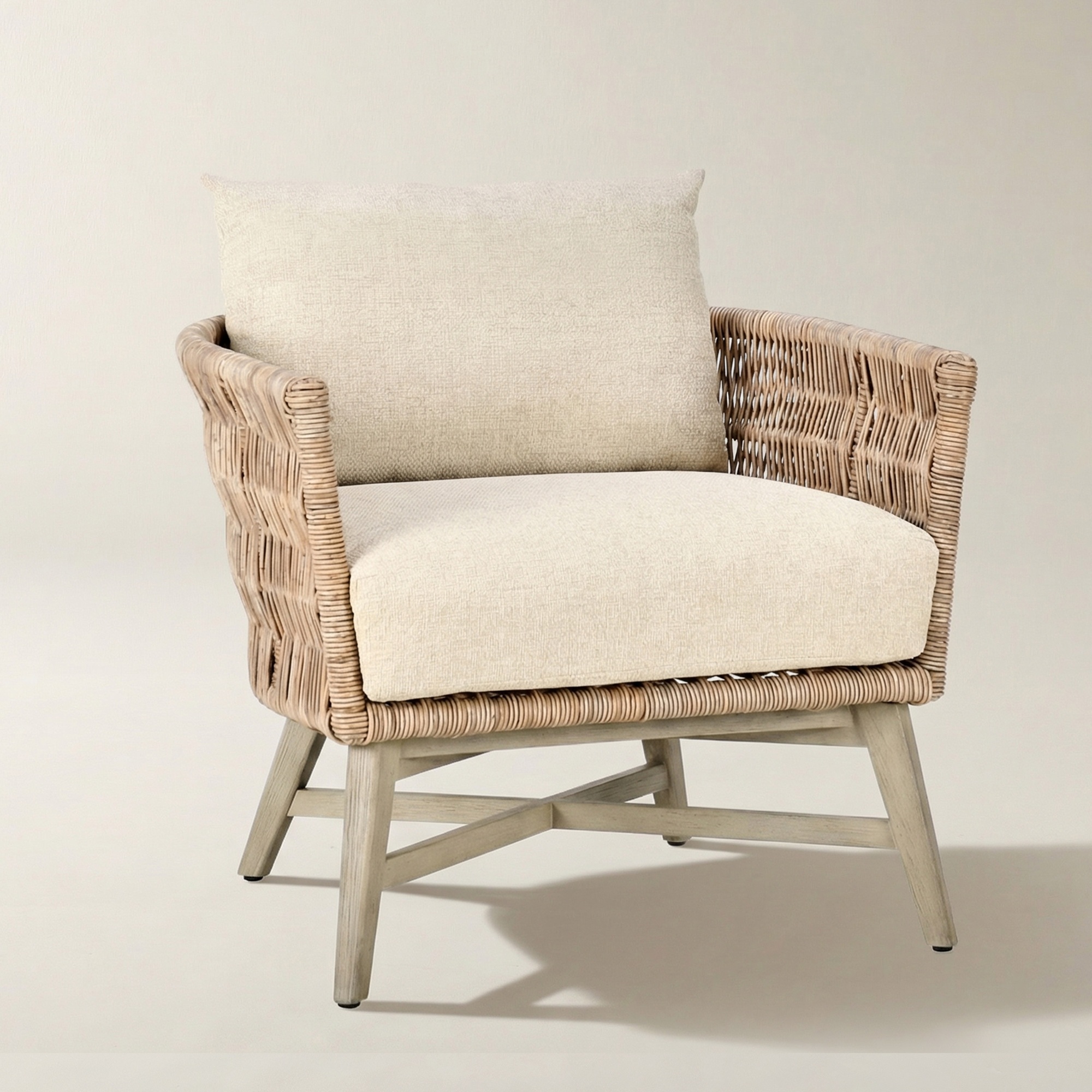
Customizable Accent Chairs
Customizable Accent Chairs
-

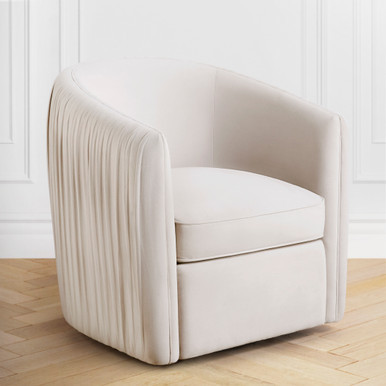
 Aria Pleated Swivel Chair$1799
A modern barrel chair in kiln-dried hardwood and pleated velvet, featuring a smooth swivel mechanism.
Add To Cart -
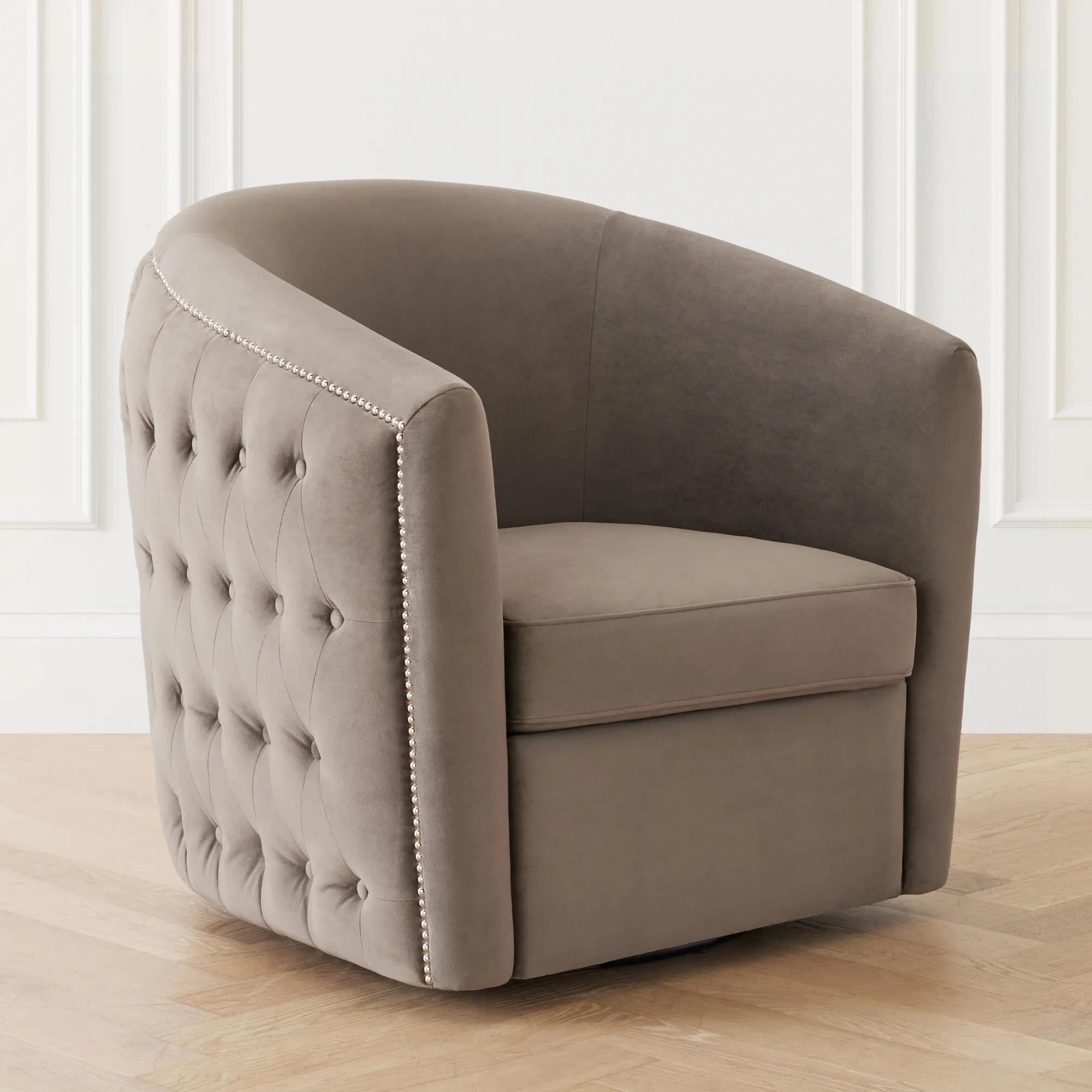
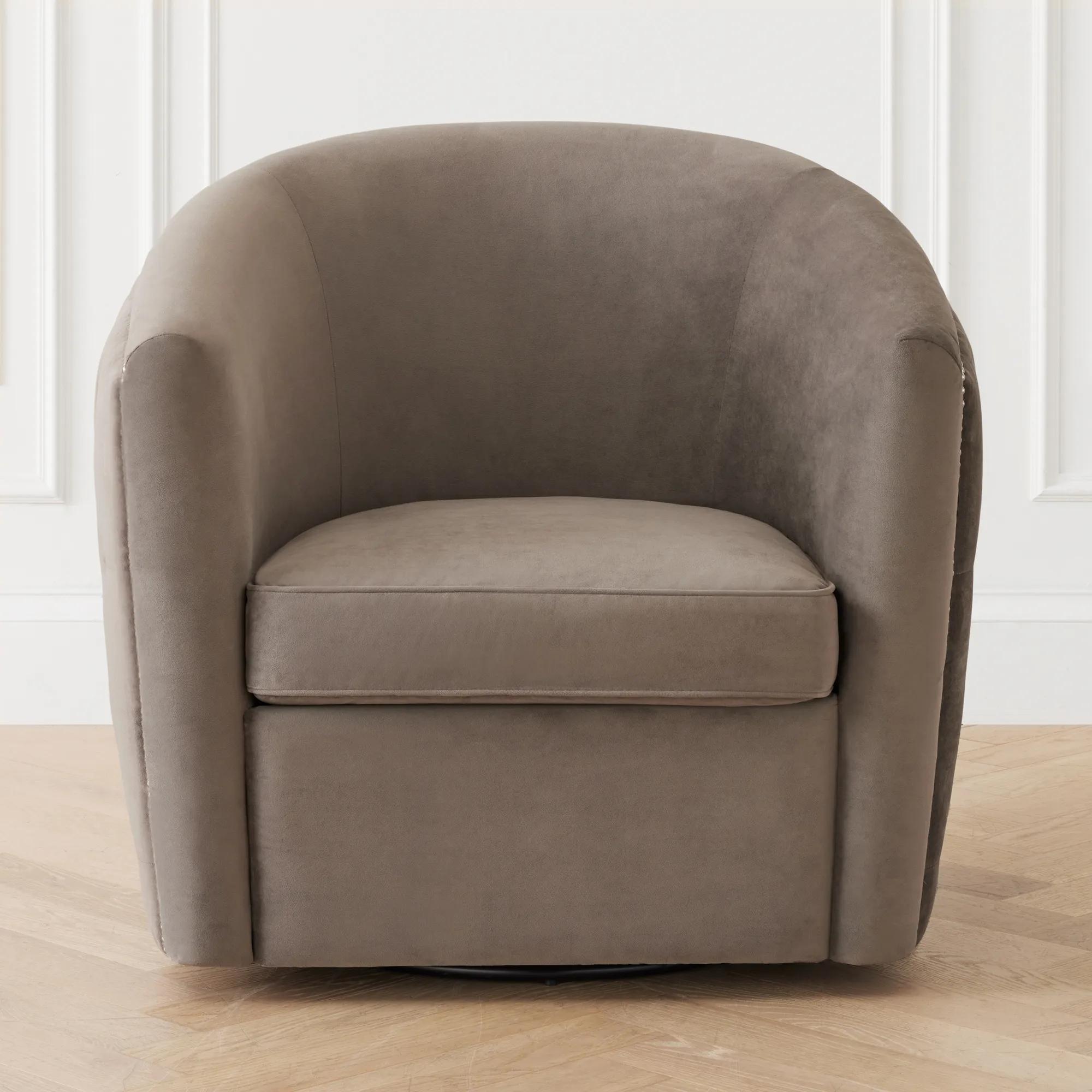 Aria Tufted Swivel Chair$1299
A modern barrel chair in Bella Velvet Otter with tufted detailing, kiln-dried hardwood frame, and smooth swivel.
Add To Cart -
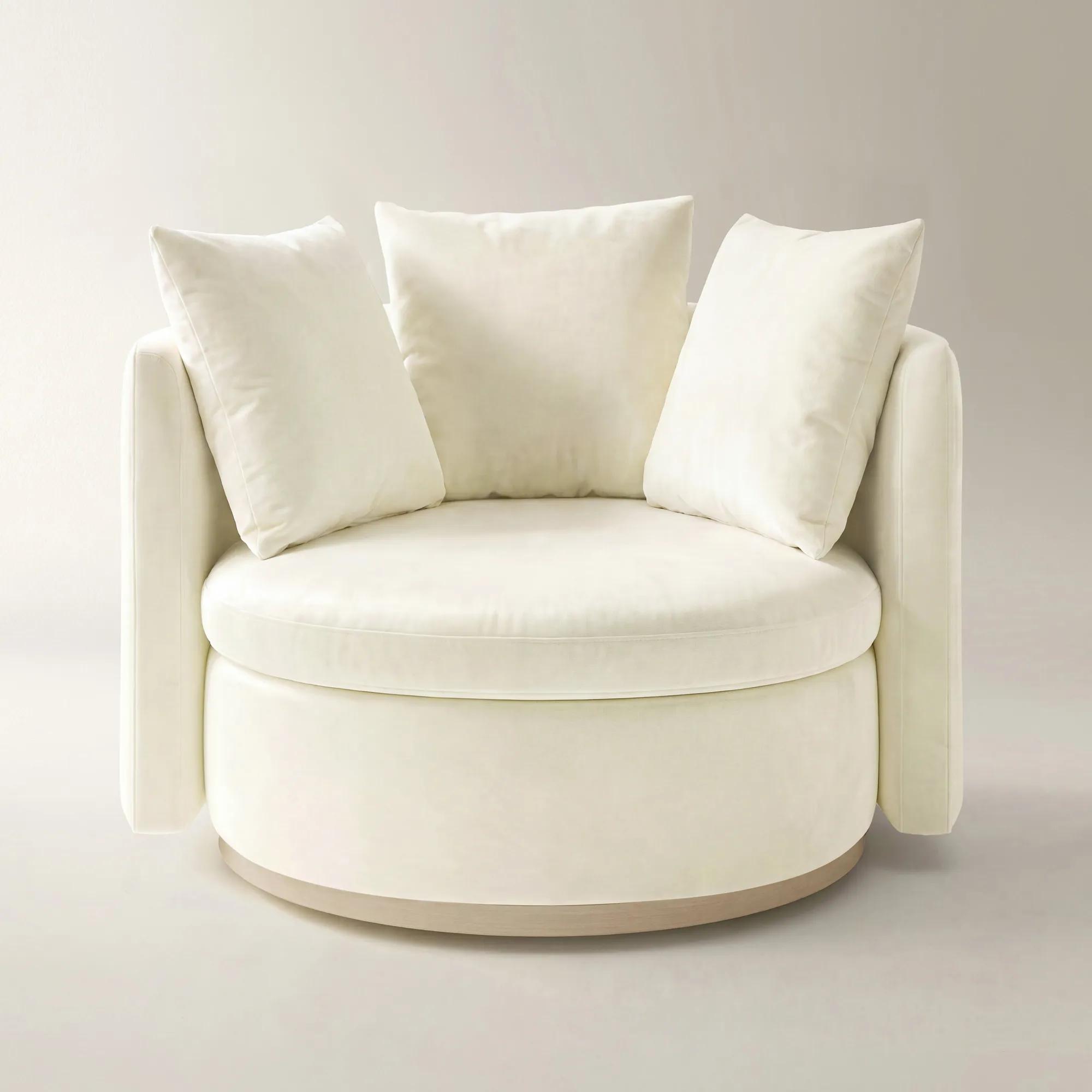
 Stria Cloud Velvet Swivel Accent Chair$1499
A sculptural cloud-velvet accent chair with enveloping curves, layered cushioning, and a concealed 360-degree swivel base.
Add To Cart -
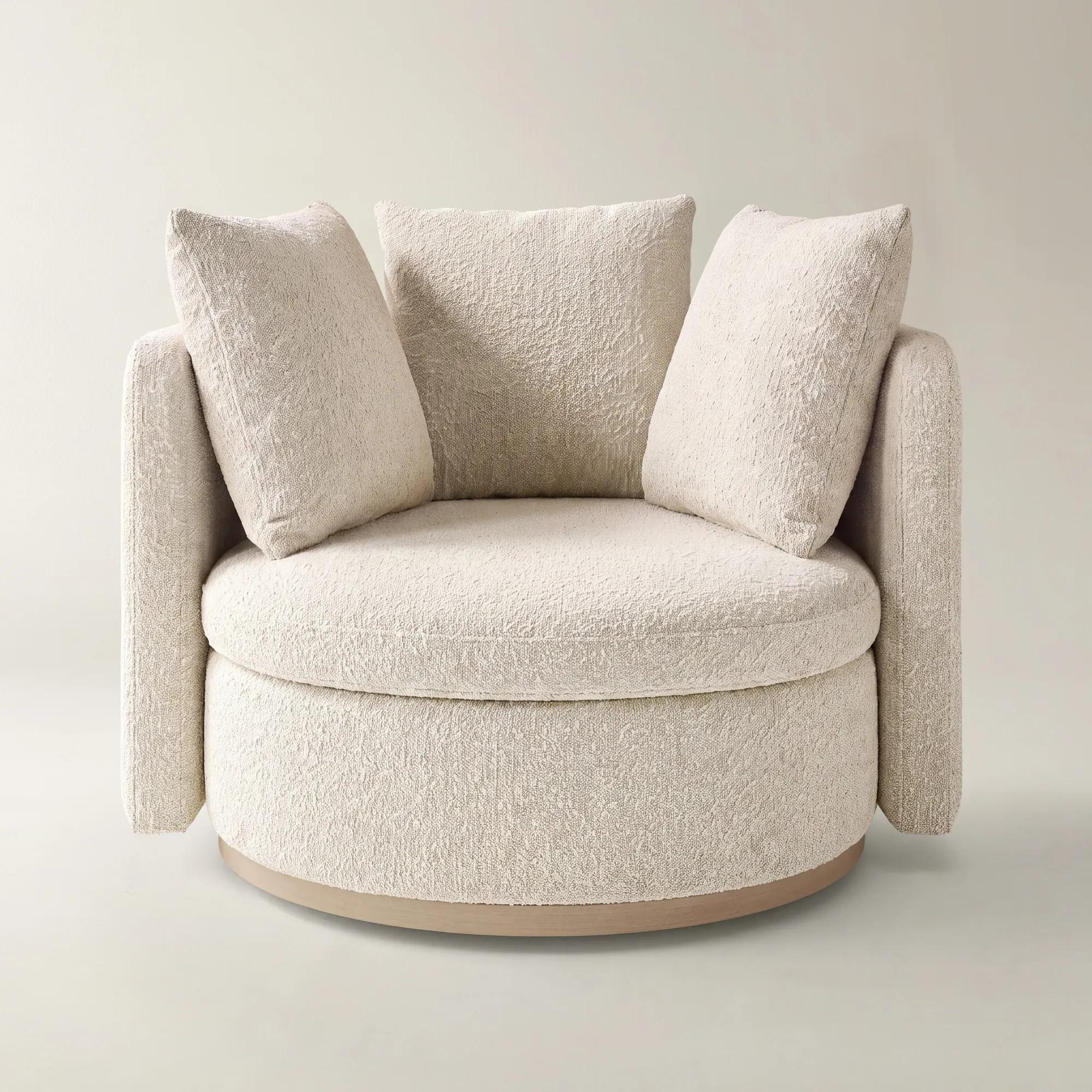
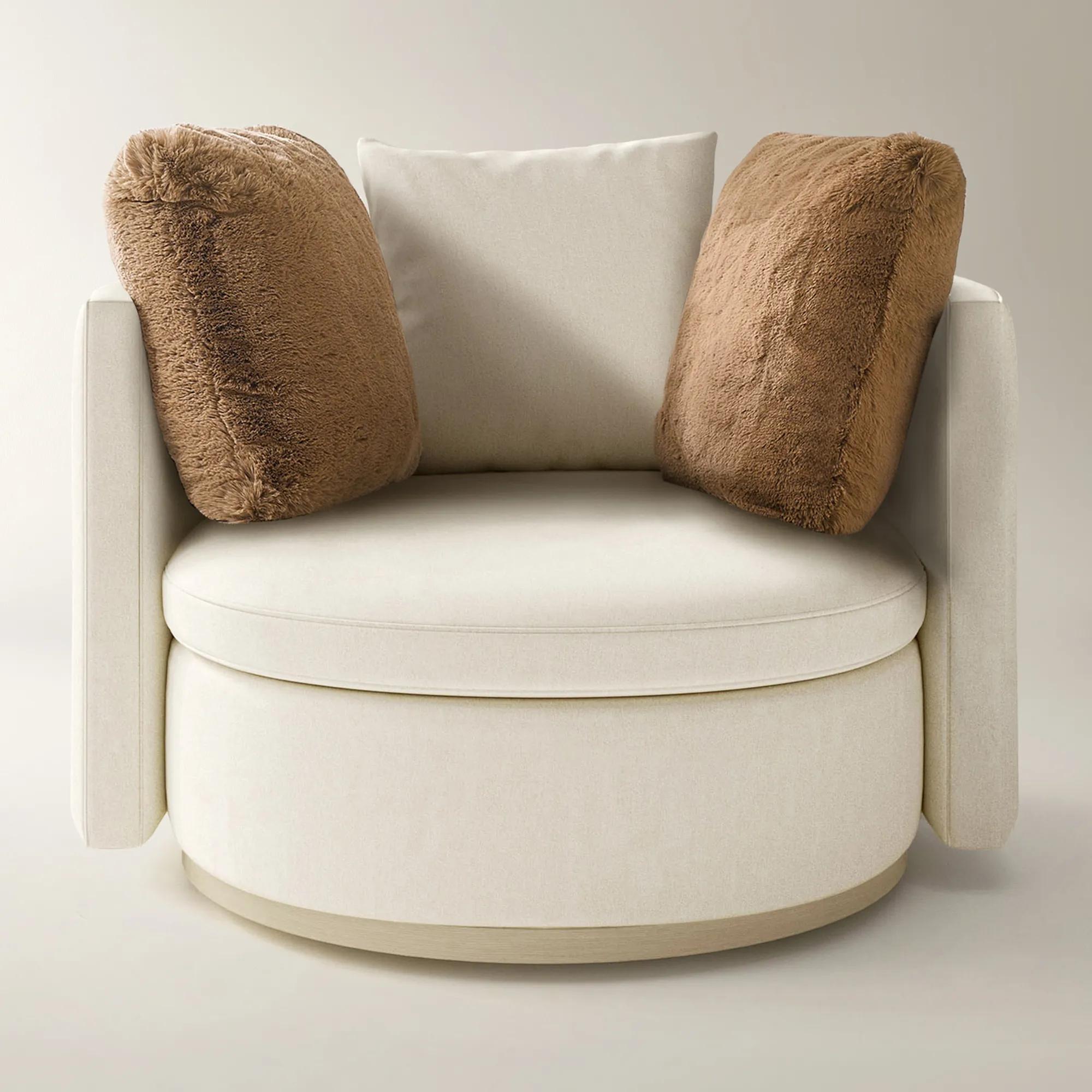 Stria Ivory Performance Boucle Swivel Accent Chair$1599
An ivory performance bouclé accent chair with enveloping curves, layered comfort, and a concealed 360-degree swivel.
Add To Cart -
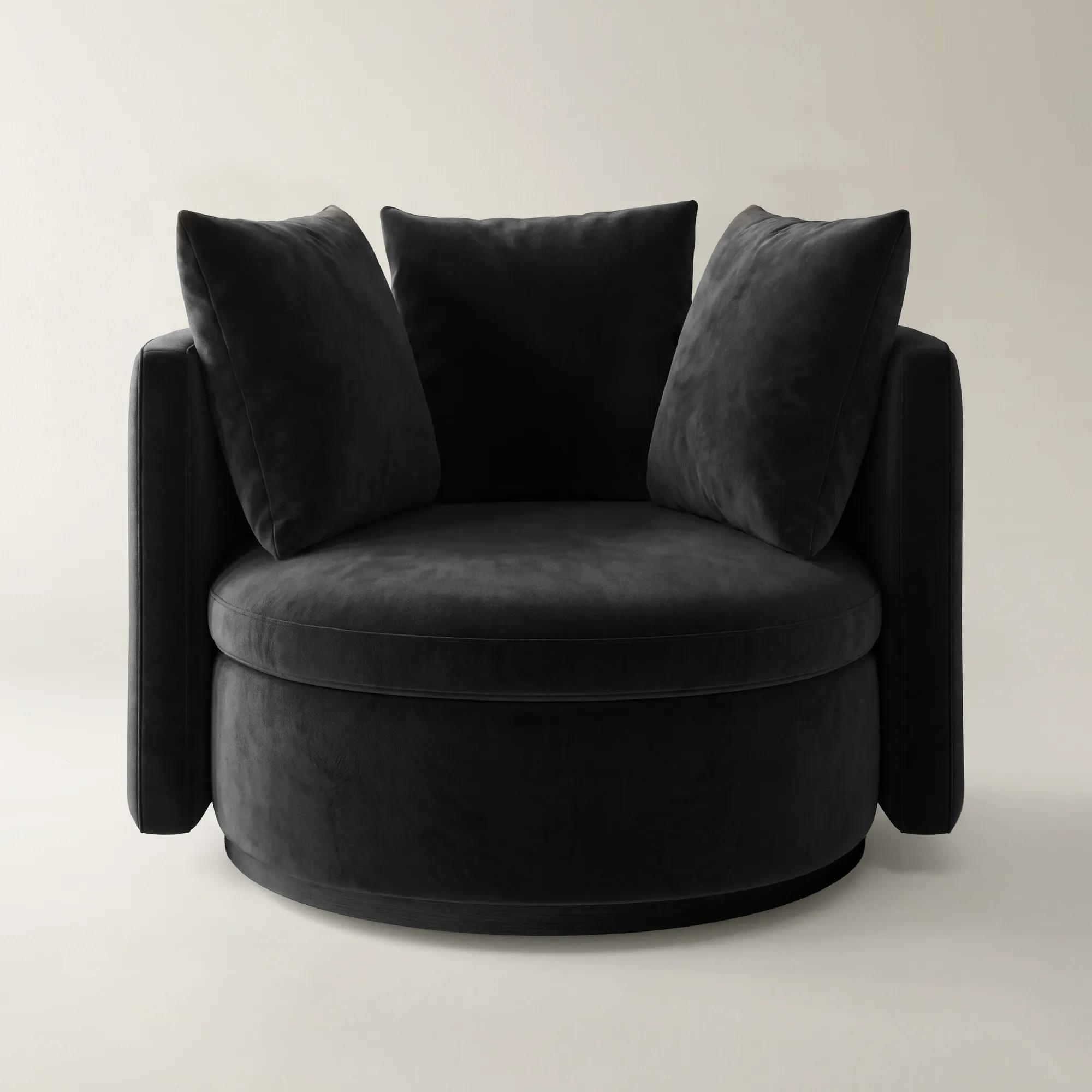 Stria Charcoal Velvet Swivel Accent Chair$1499
A sculptural charcoal velvet accent chair with enveloping curves, layered cushioning, and a concealed 360-degree swivel.
Add To Cart -
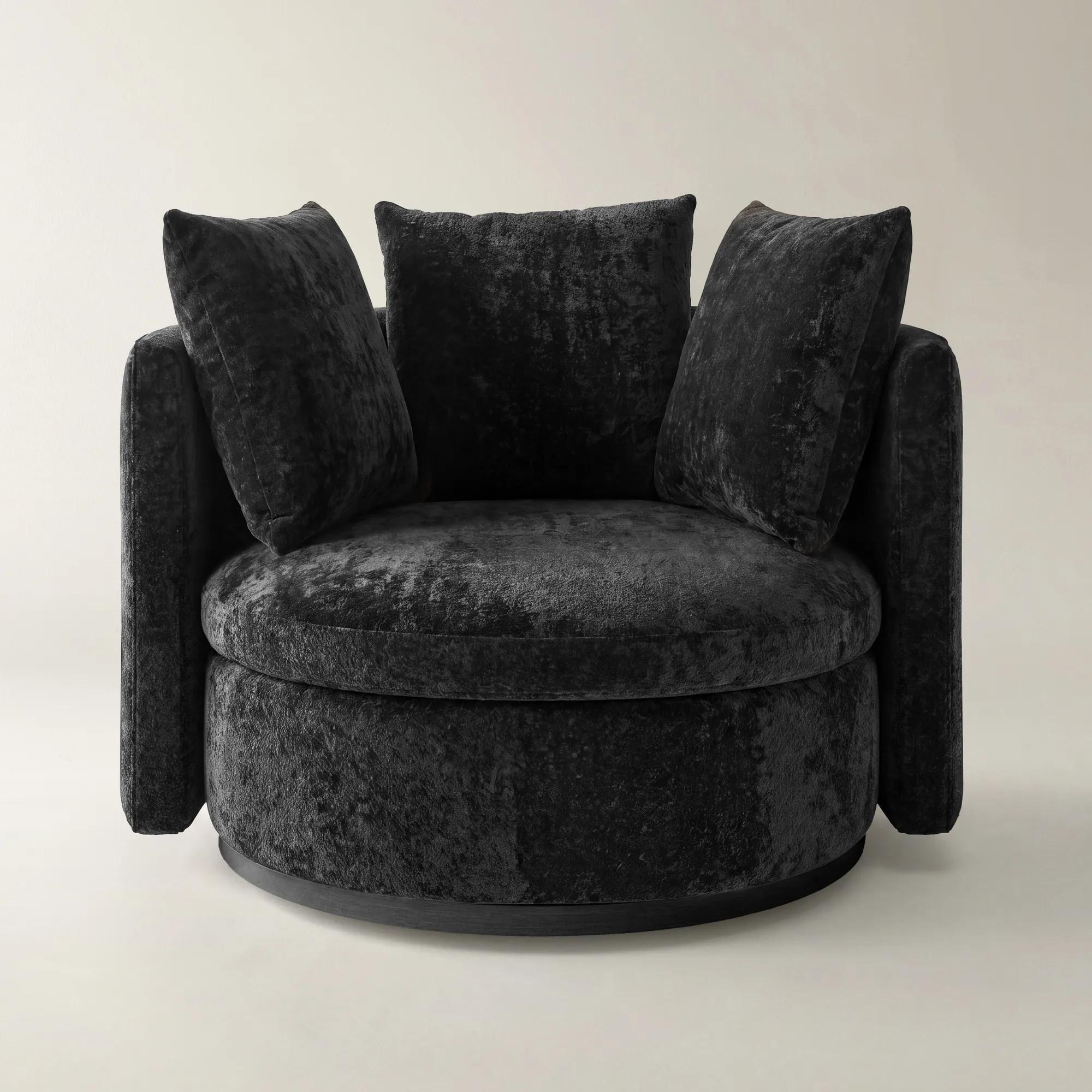 Stria Black Chenille Swivel Accent Chair$1599
A black chenille accent chair with enveloping curves, foam-and-down comfort, and a concealed 360-degree swivel.
Add To Cart -
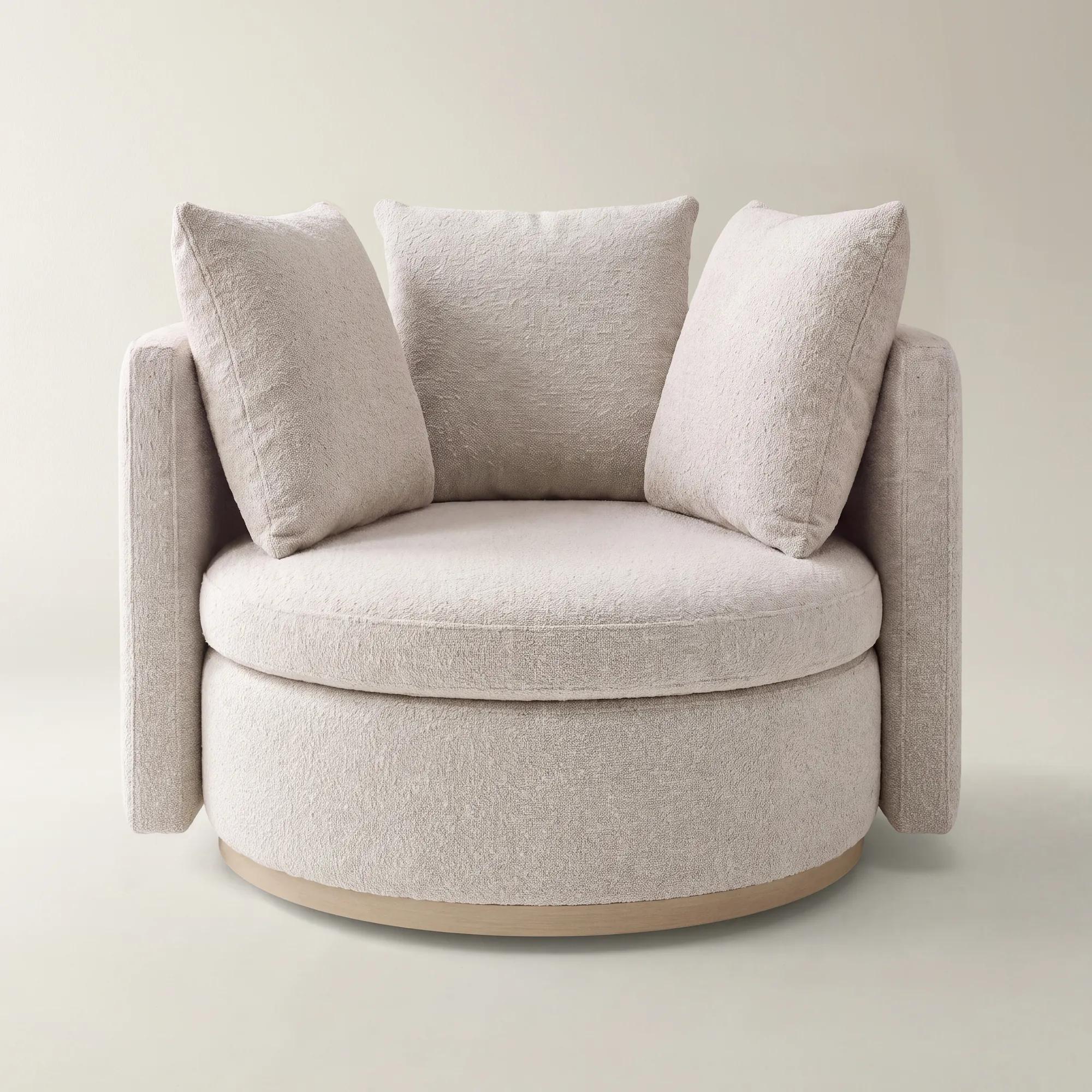 Stria Ivory Performance Boucle Swivel Accent Chair$1599
An ivory performance bouclé accent chair with enveloping curves, layered comfort, and a concealed 360-degree swivel.
Add To Cart -
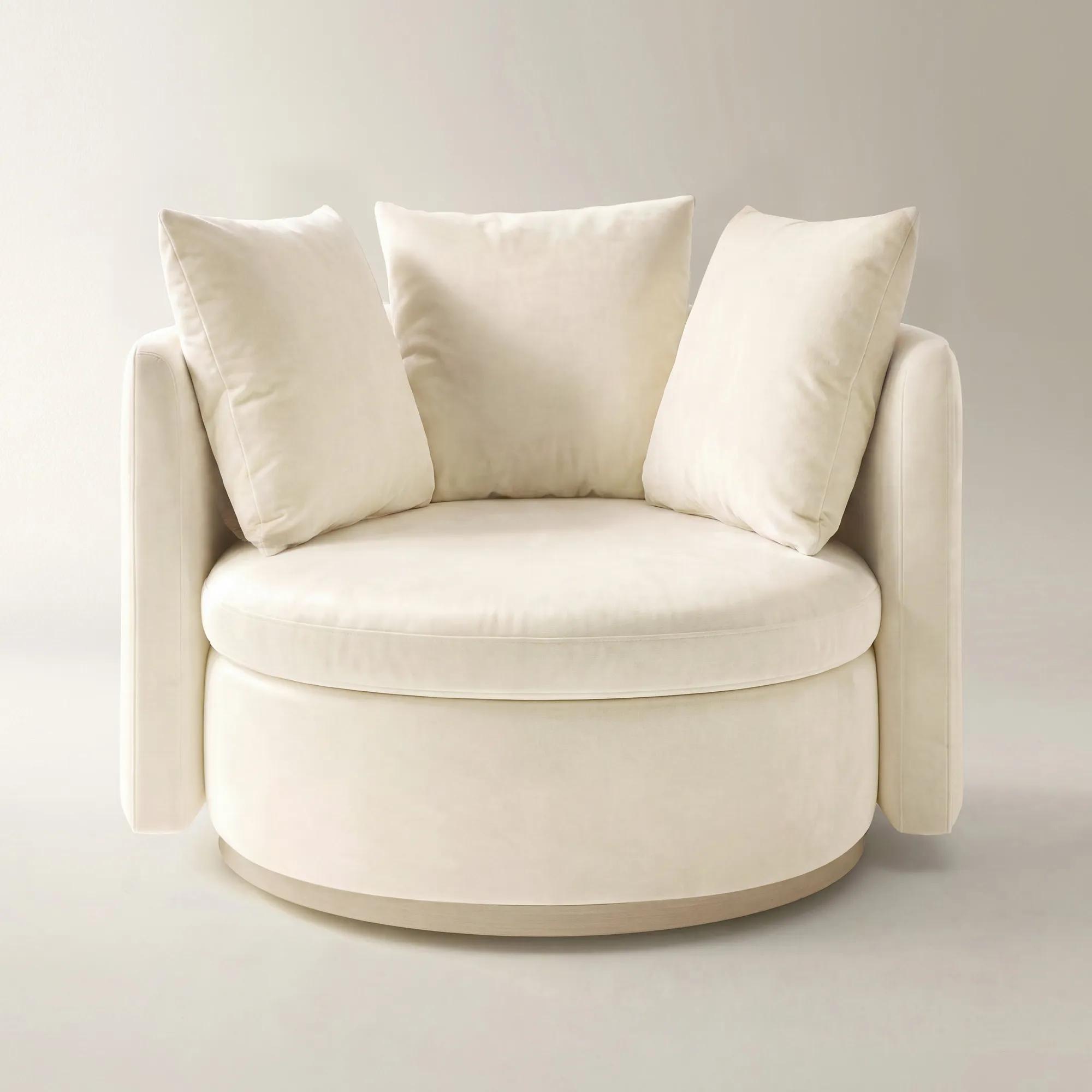 Stria Oatmeal Velvet Swivel Accent Chair$1499
An oatmeal velvet accent chair featuring enveloping curves, layered cushioning, and a concealed 360-degree swivel base.
Add To Cart -
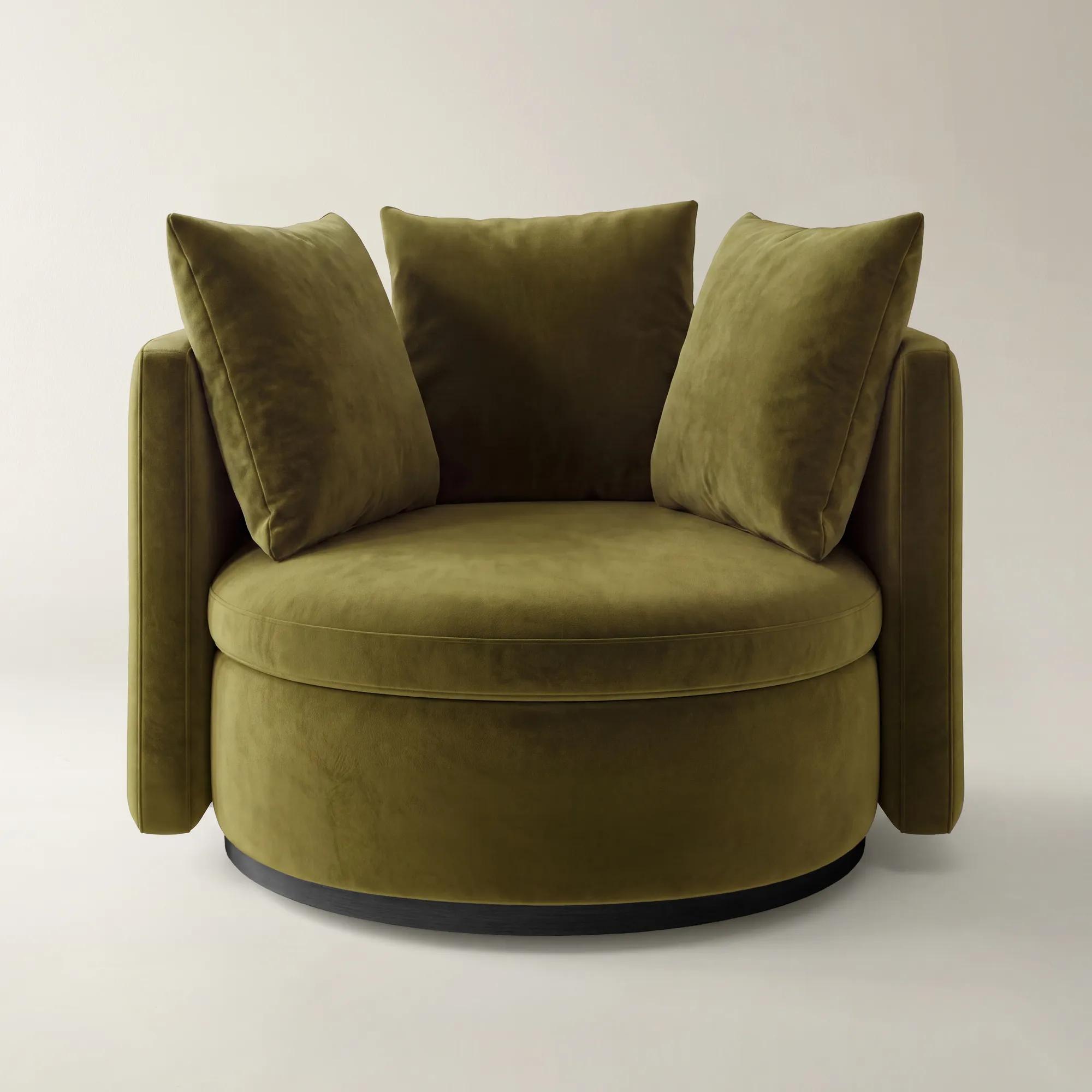 Stria Deep Olive Velvet Swivel Accent Chair$1499
A deep olive velvet accent chair with enveloping curves, layered cushioning, and a concealed 360-degree swivel base.
Add To Cart -
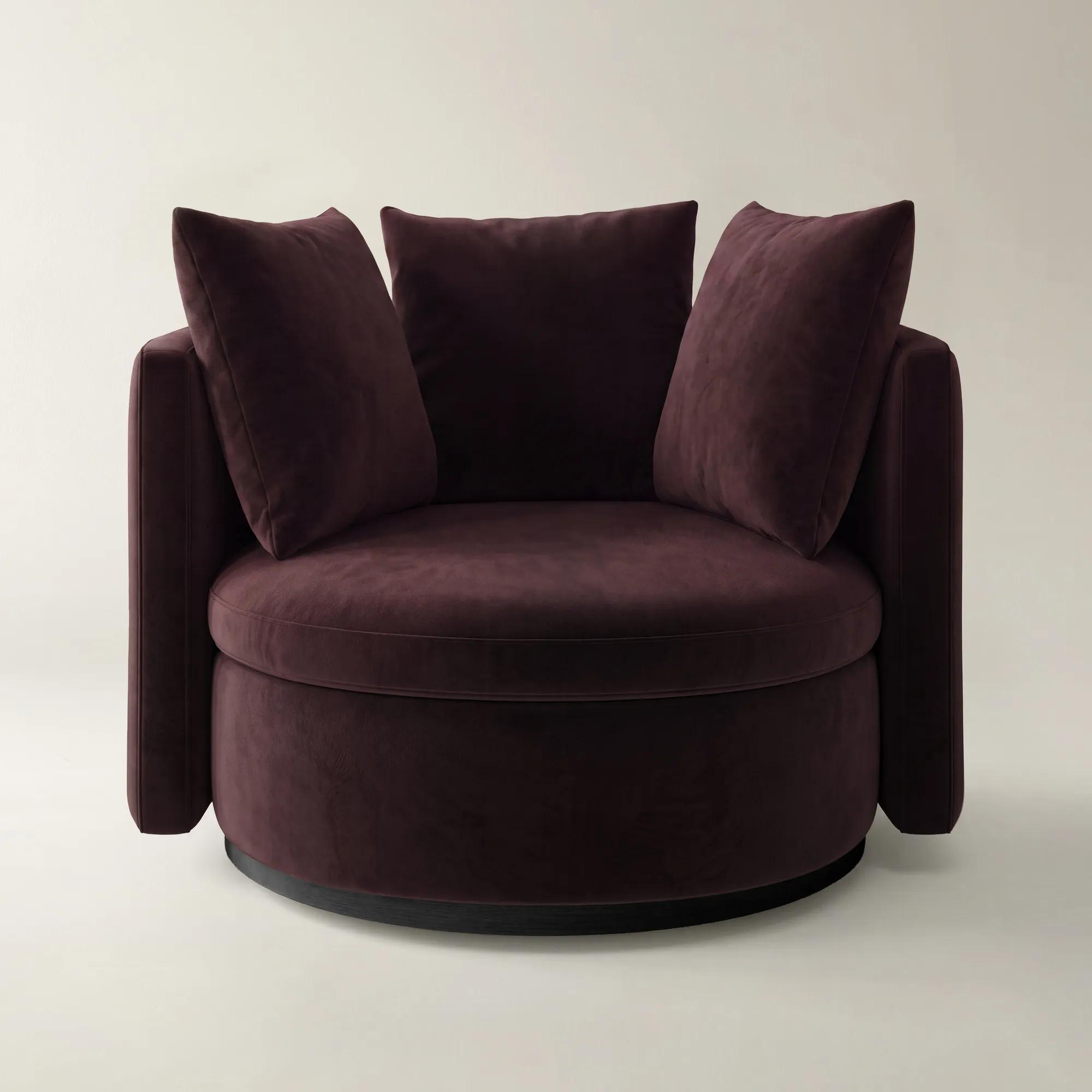 Stria Fig Velvet Swivel Accent Chair$1499
A fig velvet chair with a sculptural wraparound silhouette, layered foam comfort, and concealed 360-degree swivel.
Add To Cart -
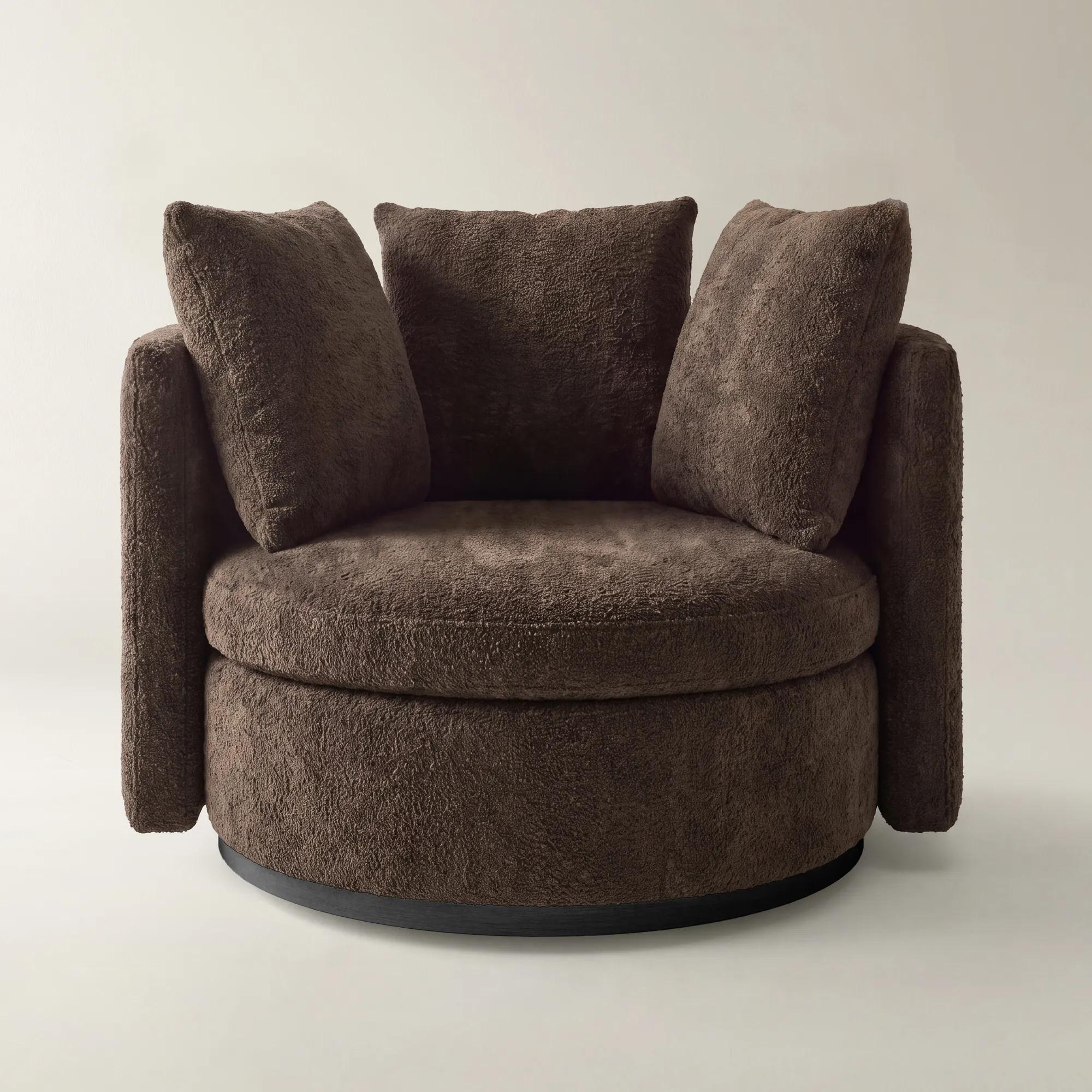 Stria Dark Chocolate Chenille Swivel Accent Chair$1599
A dark chocolate chenille accent chair featuring enveloping curves, layered cushioning, and a concealed 360-degree swivel.
Add To Cart -
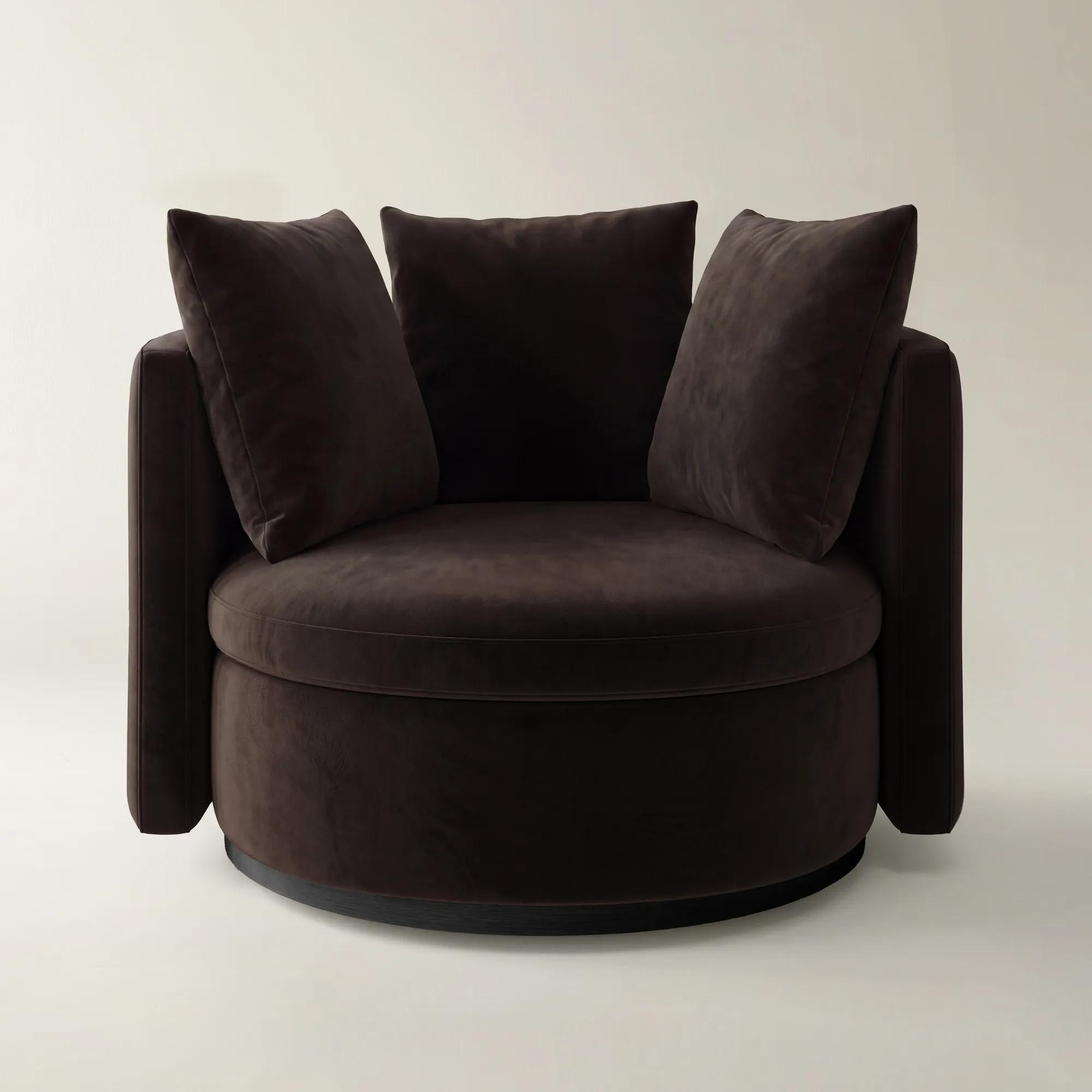 Stria Dark Chocolate Velvet Swivel Accent Chair$1499
A dark chocolate velvet accent chair with enveloping curves, plush cushioning, and a concealed 360-degree swivel.
Add To Cart -
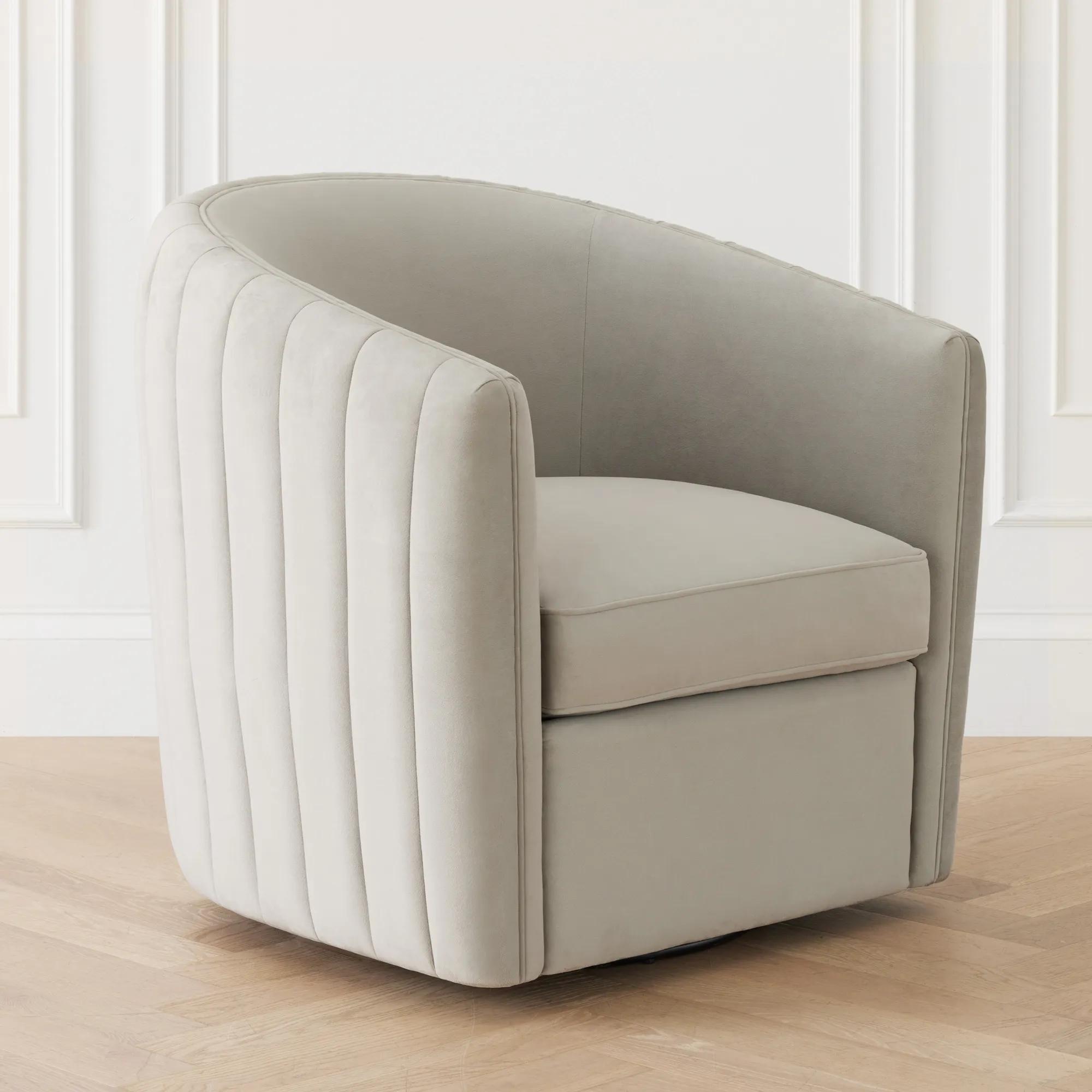
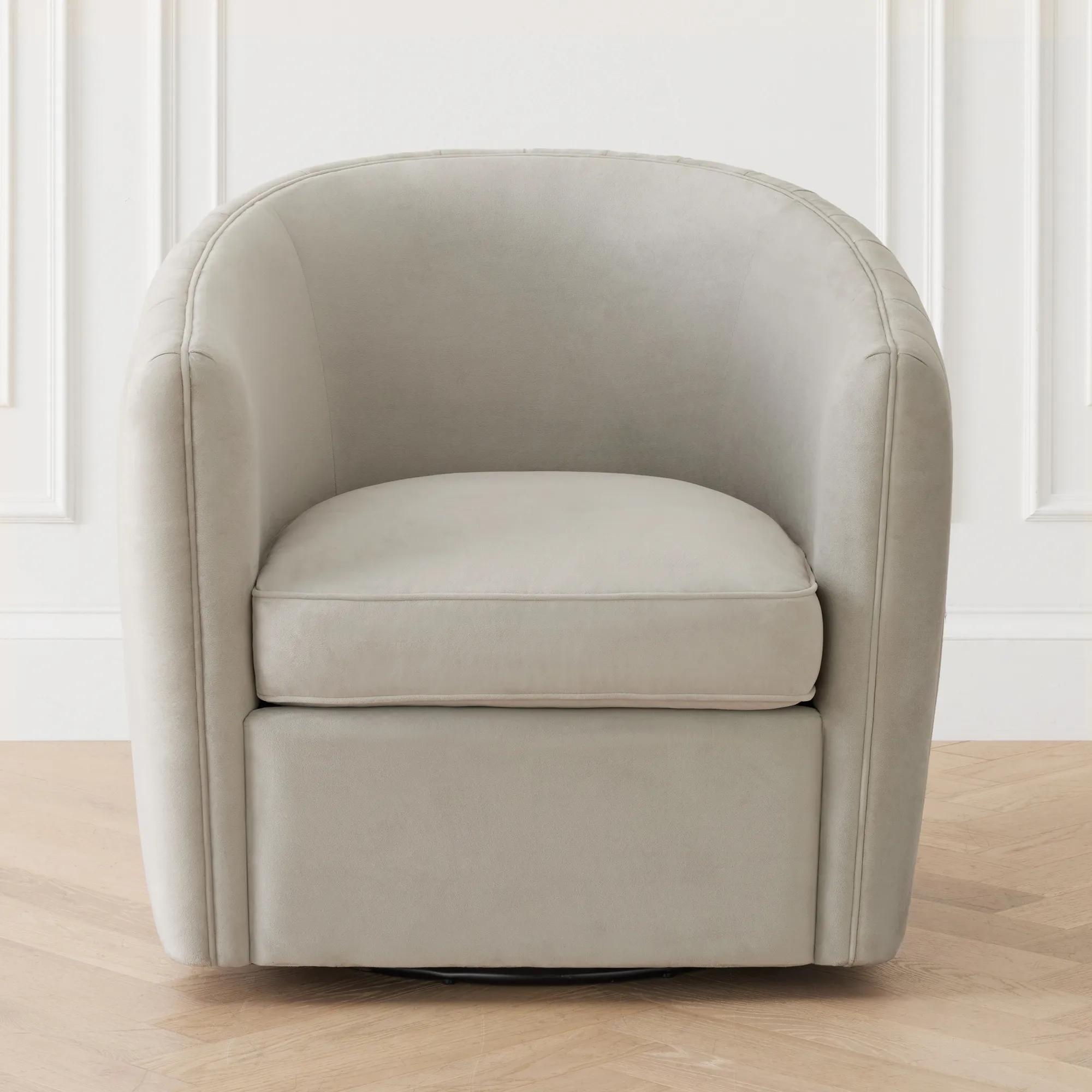 Aria Channeled Swivel Chair$1199
A modern barrel chair in kiln-dried hardwood with channeled velvet upholstery and a smooth swivel base.
Add To Cart

Customizable Accent Chairs
Explore customizable accent chairs to bring a personal point of view to your living room, bedroom, or reading nook. Compare designs, dimensions, and available customization options to find accent seating that suits your space—whether you envision a dramatic focal point or a refined complement to your existing furniture.
Customizable accent chairs bring a personal point of view to a room, pairing a distinctive seating silhouette with upholstery and details selected to complement the way the space looks and lives. Depending on the design, customization can include fabric, color, leg finish, or other decorative elements; the specific choices belong to each chair’s construction. That flexibility makes an accent chair more than a finishing touch. It can introduce a rich note of color beside a neutral sofa, give a bedroom corner sculptural presence, or establish an intimate conversation area with a matching pair. A sweeping barrel back creates an enveloping profile, while an exposed wood frame draws attention to the relationship between upholstery and architecture. Slender legs lend visual lightness; a fully upholstered base feels grounded and substantial. Each direction offers a different kind of drama, from restrained elegance to a chair that commands the room. Fabric gives that form its expressive character. Velvet catches the light with a dimensional sheen, woven upholstery introduces subtle variation, and bouclé adds a tactile surface that contrasts beautifully with polished stone or glass. Color can echo a detail already present in artwork or a rug without matching every element around it. An ivory chair beside a dark console creates crisp contrast, while a saturated jewel tone can carry the visual weight of an otherwise quiet corner. Pattern brings another layer of personality, particularly when its scale feels balanced against nearby textiles. A generous motif reads differently across a broad back than it does on a narrow seat, and a textured solid can offer depth without introducing another pattern. For interiors with several statement pieces, a quieter upholstery choice allows the chair’s curves and proportions to speak. Where the surrounding furnishings are understated, a more expressive fabric turns individual seating into a focal point with purpose.
The appeal of a custom accent chair also lies in how naturally it supports everyday rituals: reading beside a bookcase, welcoming guests into a living room, or creating a place to pause away from the main seating arrangement. Proportion shapes that experience as much as appearance. Overall width determines how confidently a chair occupies its corner, while seat width, seat depth, and back height influence how it feels to the person sitting in it. A deep seat may suit someone who likes to settle in with their feet on an ottoman; a shallower seat can make upright conversation more comfortable. Seat height and arm placement matter for anyone who prefers an easier transition between sitting and standing. Broad arms create a relaxed, substantial outline, while narrow arms preserve more seating space within a compact footprint. In an apartment, an open base can keep the composition airy without sacrificing a strong silhouette. In a larger living room, two generously scaled chairs can balance a substantial sofa and give conversation its own setting. Swivel designs, when part of the chair’s construction, allow seating to turn between a conversation area and another view, with enough clearance around the base for unobstructed movement. For a softer, more enveloping aesthetic, plush custom accent chairs offer a direction that emphasizes inviting volume and tactile richness. Cushion construction remains important: resilient foam can provide a more defined seat, while fiber or feather blends may create a softer feel and require more regular reshaping. A rounded profile does not necessarily indicate a soft sit, just as a tailored silhouette does not always mean firm cushioning. The relationship between the frame, suspension, and cushion fill determines the overall experience. Space for a side table, a reading lamp, and a clear walking path helps the finished arrangement feel composed rather than crowded, and doorway dimensions, stair turns, and elevator access deserve attention alongside the chair’s intended placement.
Materials and care give a personalized chair its lasting role in the home. Frame construction, secure joinery, supportive suspension, and upholstery suited to the intended use all contribute to durability; fabric alone cannot tell the whole story. A chair used daily in a shared living space faces different demands from one reserved for occasional guests in a bedroom. Tightly woven fabrics can be practical for frequent seating, while richly textured surfaces bring a distinctive hand and may need more consideration around pets, jewelry, or other sources of snagging. Performance upholstery can offer added resistance to certain spills or stains, but its capabilities depend on the fabric and do not make it maintenance-free. Velvet has its own visual character: the direction of the pile can create lighter and darker areas, and contact may leave impressions that alter its appearance without necessarily indicating damage. Pale upholstery creates a luminous effect but can make marks more noticeable, while deeper colors may reveal lint or pet hair. These are part of finding a material that feels appropriate for the household rather than choosing by color alone. Care should follow the upholstery label and the manufacturer’s instructions, since cleaning methods differ across fibers, finishes, and cushion constructions. Gentle vacuuming with an appropriate upholstery attachment can help remove surface dust when recommended, and spills are generally best addressed promptly by blotting rather than rubbing, subject to the fabric’s care directions. Removable cushion covers are not automatically machine washable. Direct sunlight can affect upholstery color over time, so placement near a bright window deserves consideration, particularly for richly dyed fabrics. With thoughtful proportions, suitable materials, and consistent care, a customizable accent chair can remain an expressive part of a room even as artwork, rugs, and surrounding furnishings change. Its distinction comes from that balance: a silhouette with presence, a fabric that invites touch, and a seat that belongs comfortably to the person and the space.
FAQs
A customizable accent chair lets you personalize select design details rather than choose a completely fixed look. Available customization options vary by design, allowing you to shape a piece around your decorating vision. Think of it as an opportunity to give your room a more individual signature—one that feels deliberately chosen, not simply coordinated.
Start with the mood you want to create. A saturated hue can turn an accent chair into a striking focal point, while a nuanced neutral lets its silhouette command attention. Draw inspiration from your artwork, rug, or decorative accents to create a color story that feels layered and expressive.
Your accent chair does not need to match your sofa to feel beautifully connected. Instead, establish a shared detail, such as a complementary color, similar curves, or a tailored profile. Thoughtful contrast gives a seating arrangement depth and personality, creating a collected look rather than an exact-match ensemble.
Look to the shapes already defining your room. A sculptural chair can introduce an artistic counterpoint to clean-lined furniture, while a tailored silhouette can bring composure to a richly layered interior. Choose a design that echoes your aesthetic while adding a distinctive note of its own.
Give the chair a supporting cast that enhances its character without competing for attention. Pair it with an artful side table, expressive lighting, and a thoughtfully chosen decorative accent. Repeat a color or shape elsewhere in the room to make the vignette feel intentional, then let the chair's distinctive design hold the spotlight.