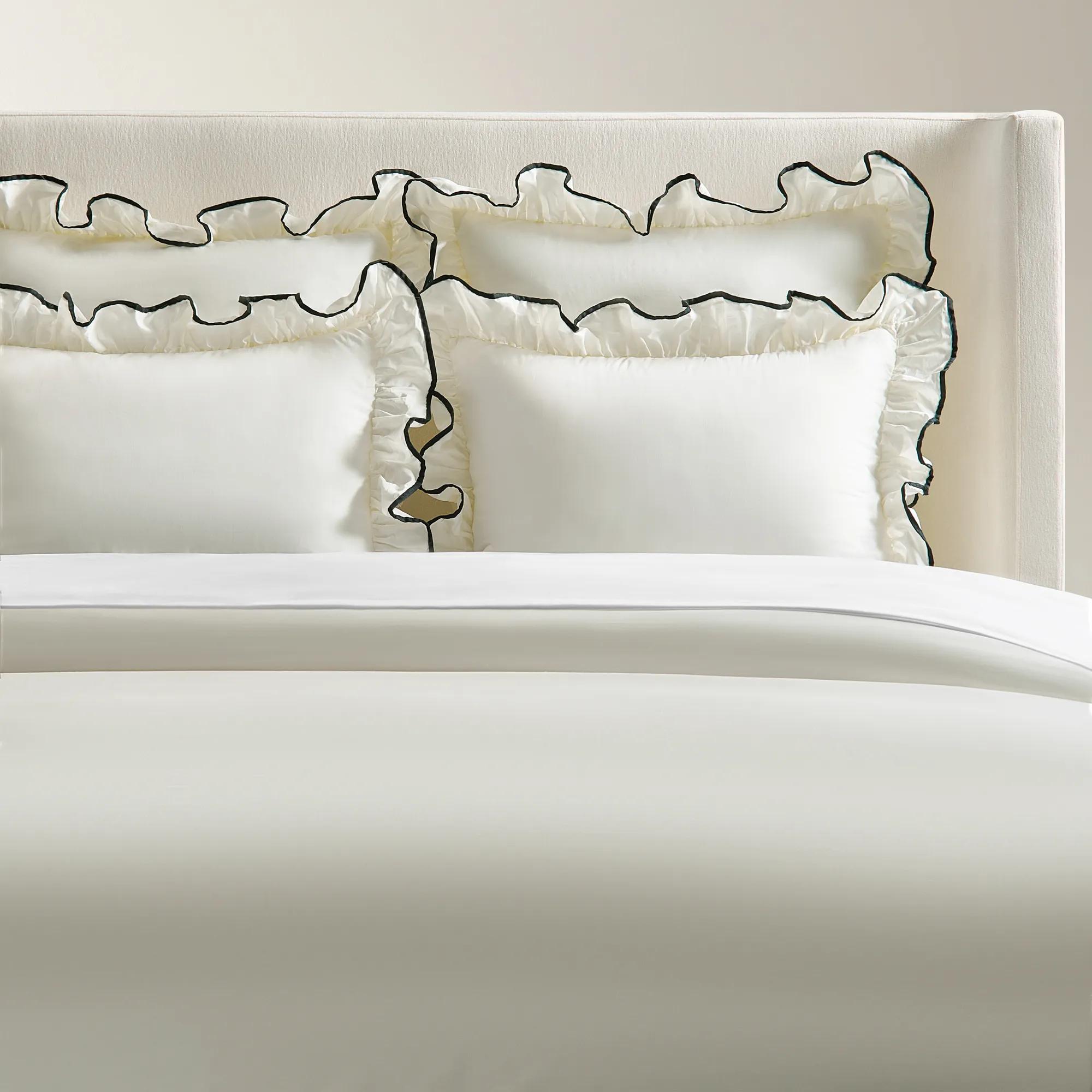
Cozy Bedding For Winter Nights
Cozy Bedding For Winter Nights
-
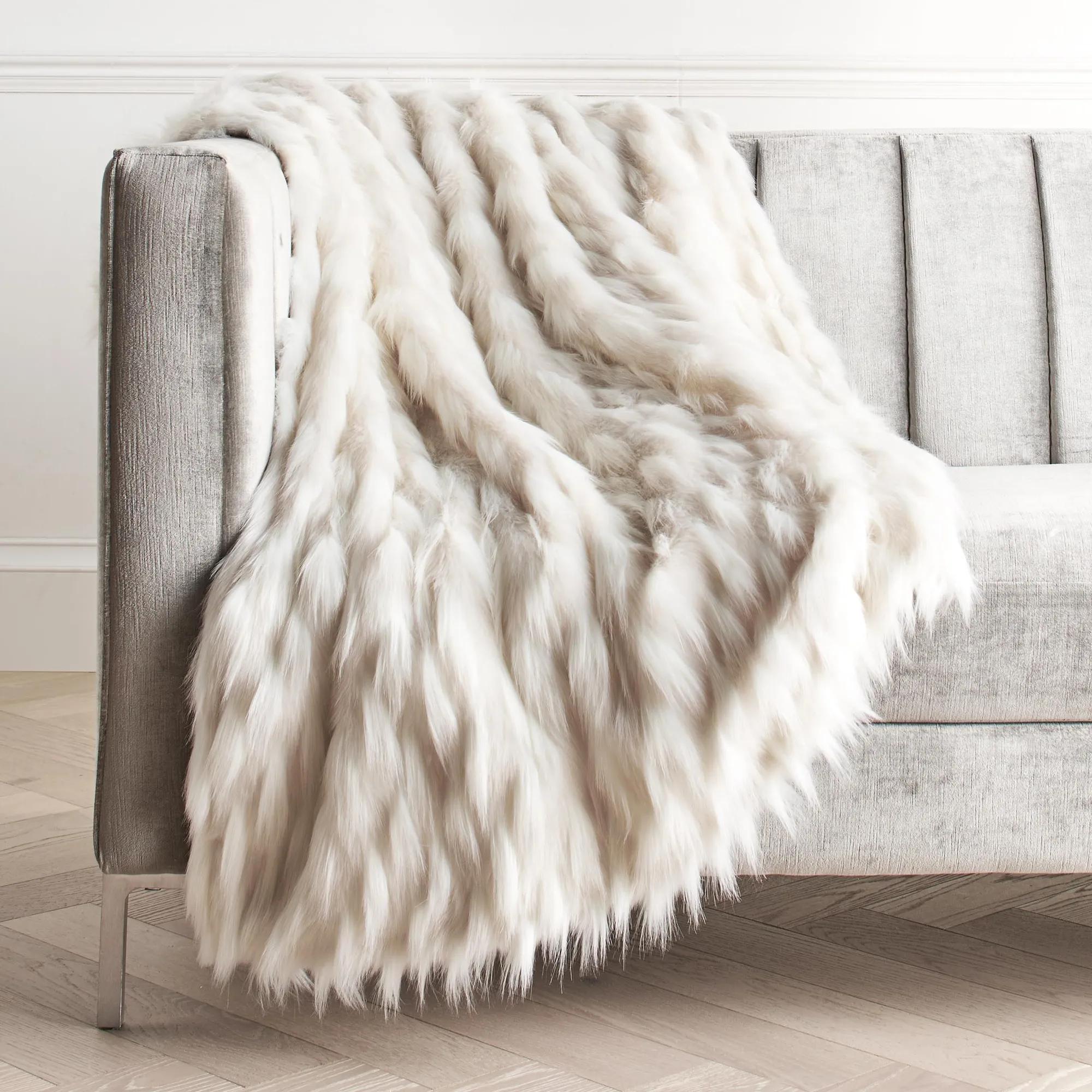 Corseca Throw - Ivory$129.95
An ultra-soft ivory faux-fur throw with silky acrylic front and luxurious velvet reverse for cozy warmth.
Add To Cart -
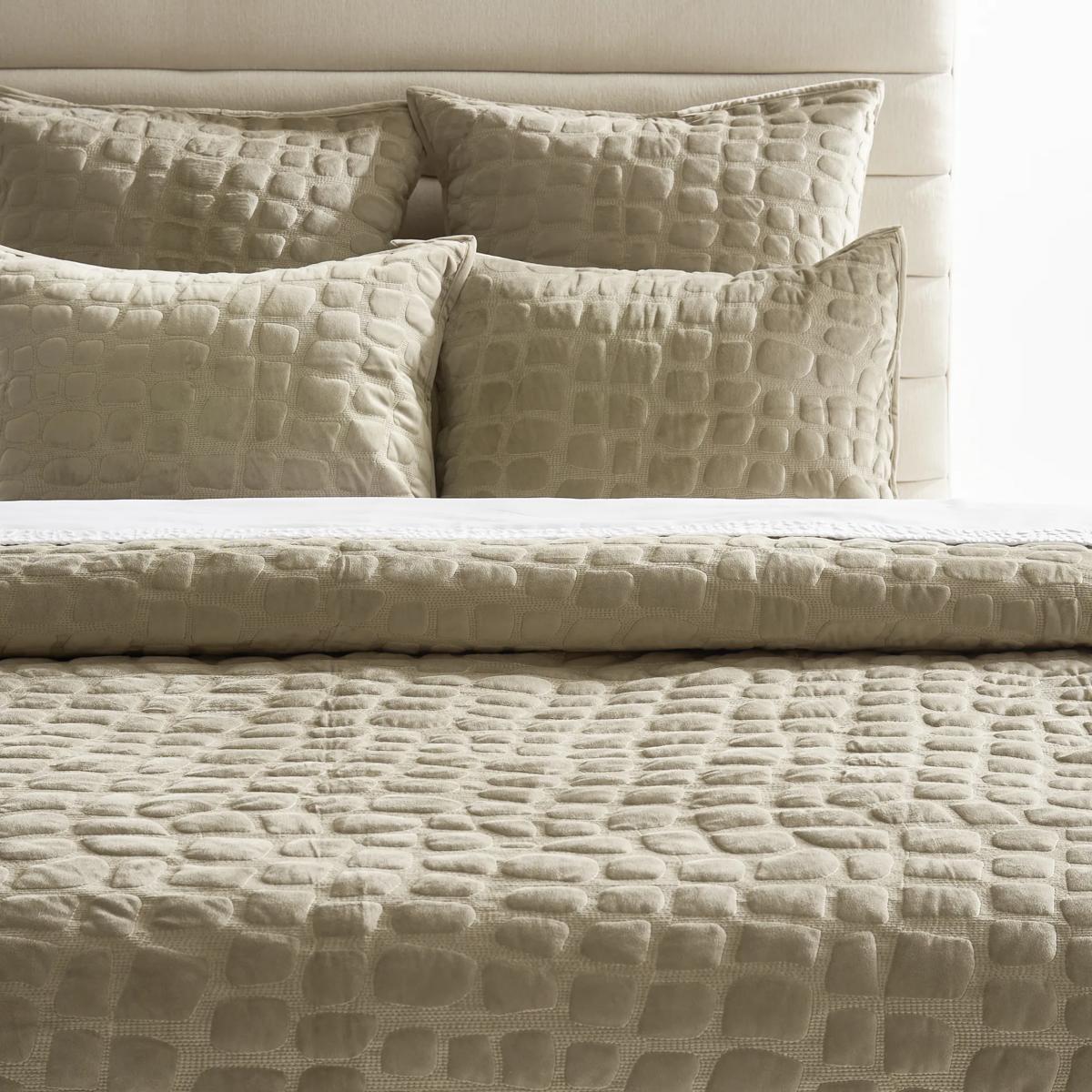
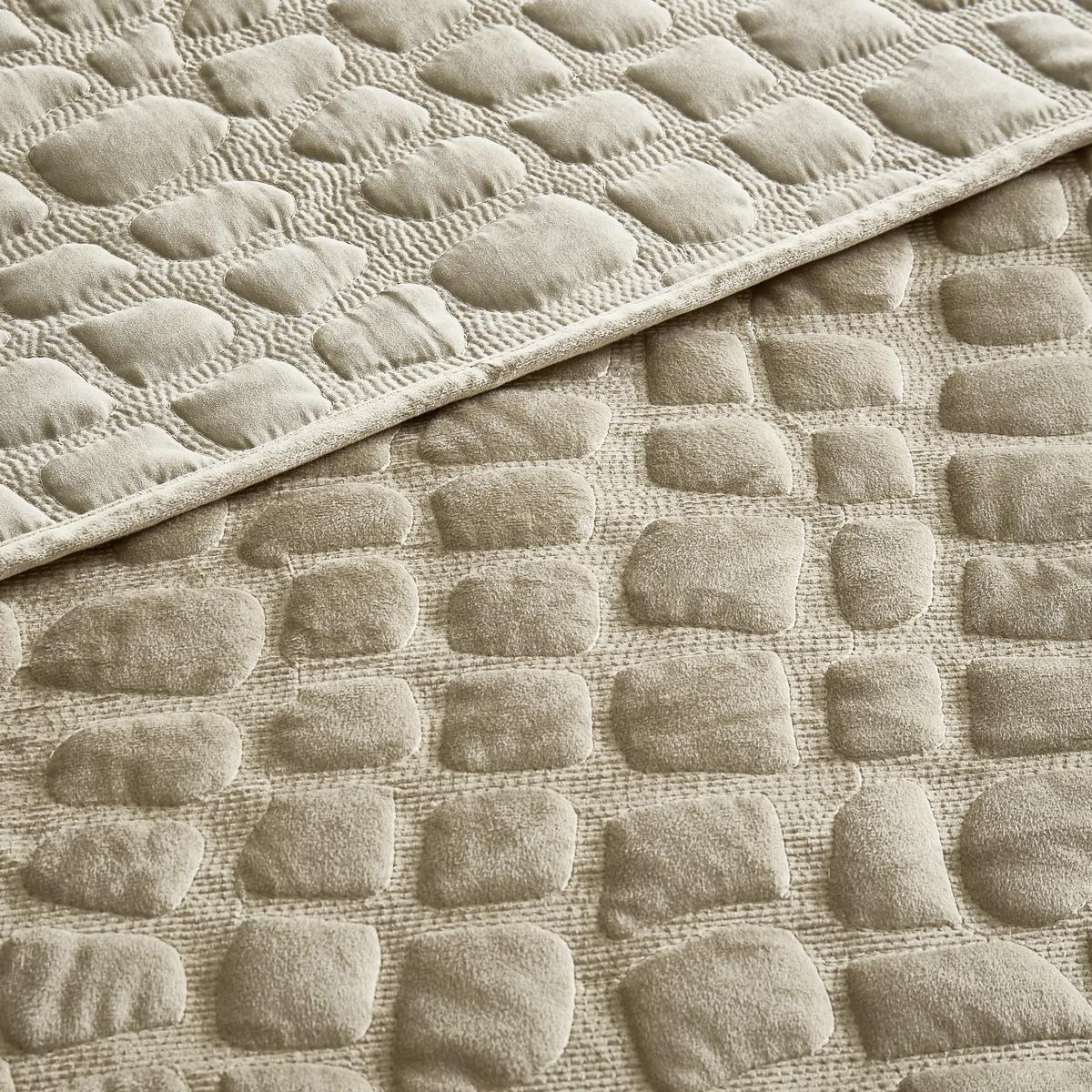 Valen Velvet Quilt Set - Sand$229
A plush sand velvet quilt set featuring a croc-embossed pattern and tailored piped edges.
Add To Cart -
.jpeg?w=1200&h=1200) Glam Grey Shiny Viscose Velvet Quilt Bedding Set$89
Glam Grey Shiny Viscose Velvet Quilt Bedding Set$89A lustrous grey velvet bedding collection featuring modern quilted stitching and refined piped edges.
Add To Cart -
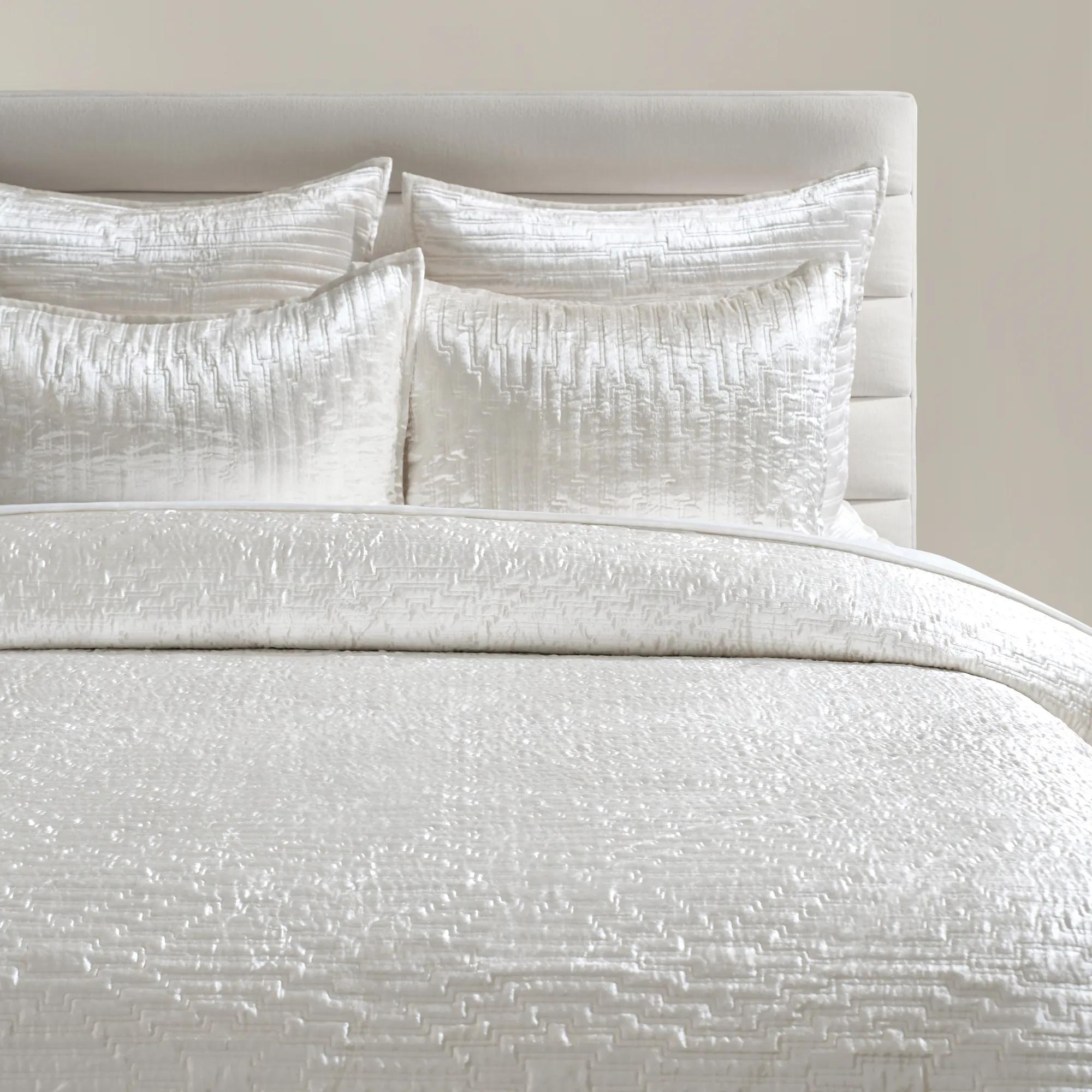
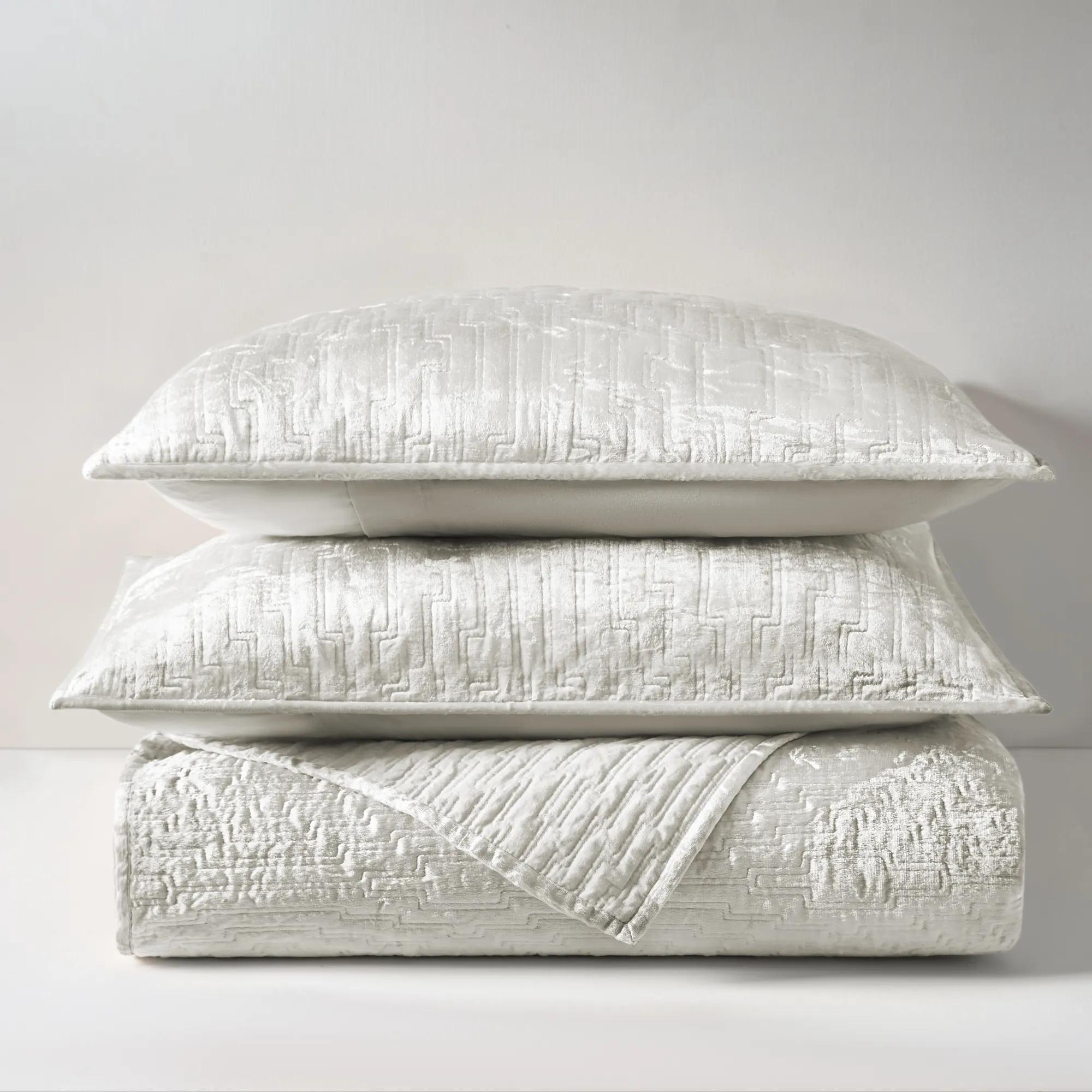 Glam Cloud White Shiny Viscose Velvet Quilt Bedding Set$499
A lustrous cloud-colored velvet quilt with modern geometric stitching and refined piped edges for sophisticated comfort.
Add To Cart -
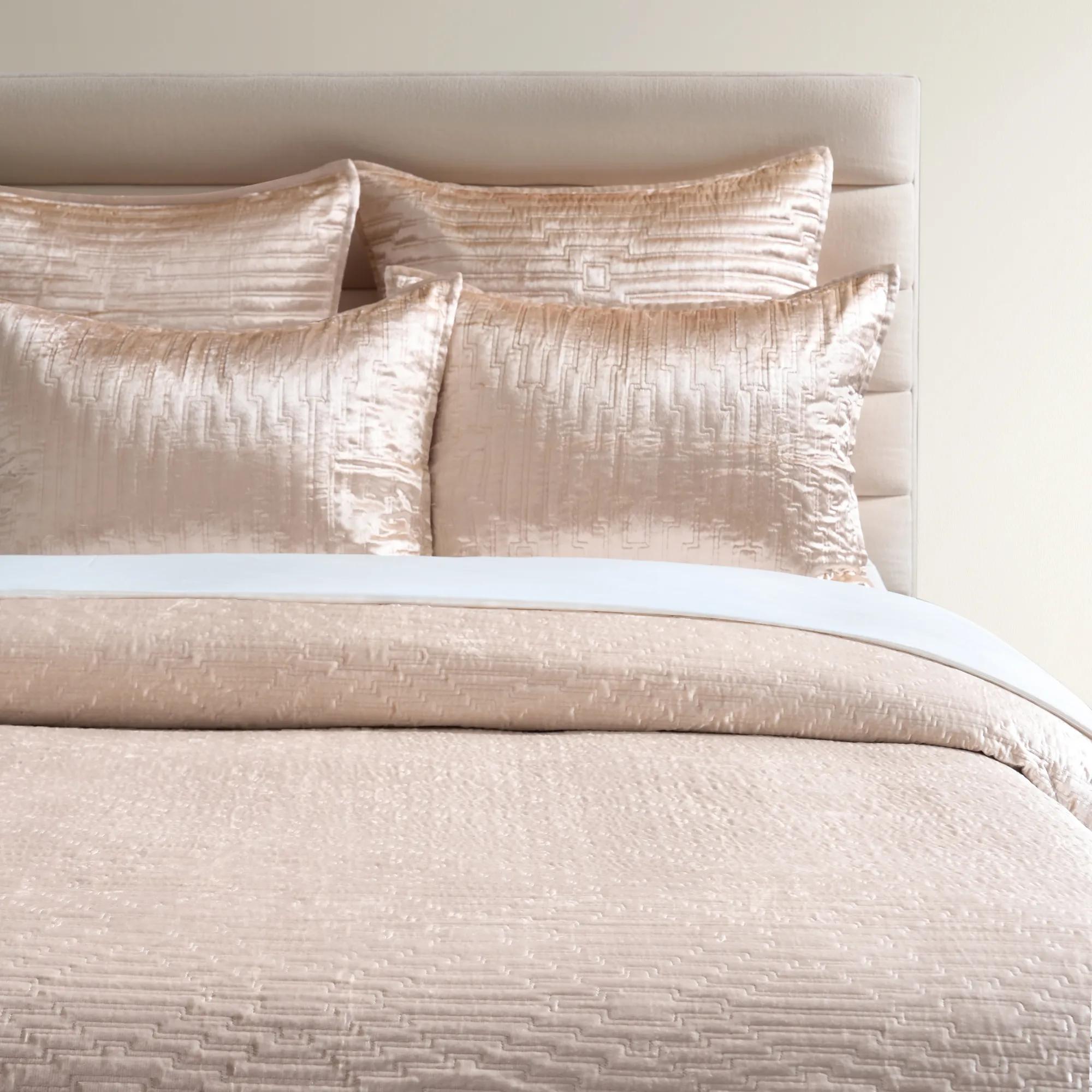
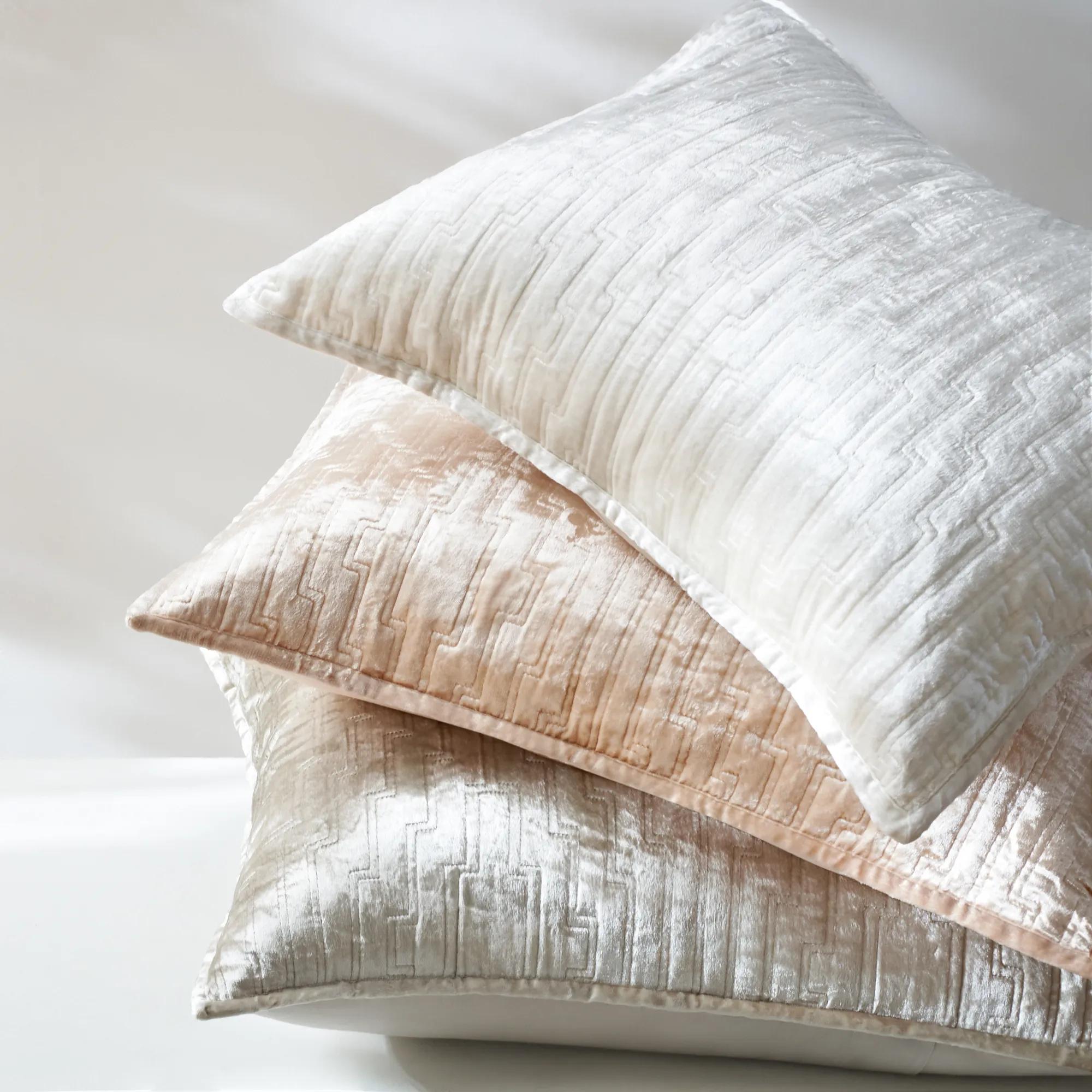 Glam Velvet Bedding - Blush$99
A blush pink quilted bedding set crafted from shiny viscose velvet with cotton backing and piped edges.
Add To Cart -
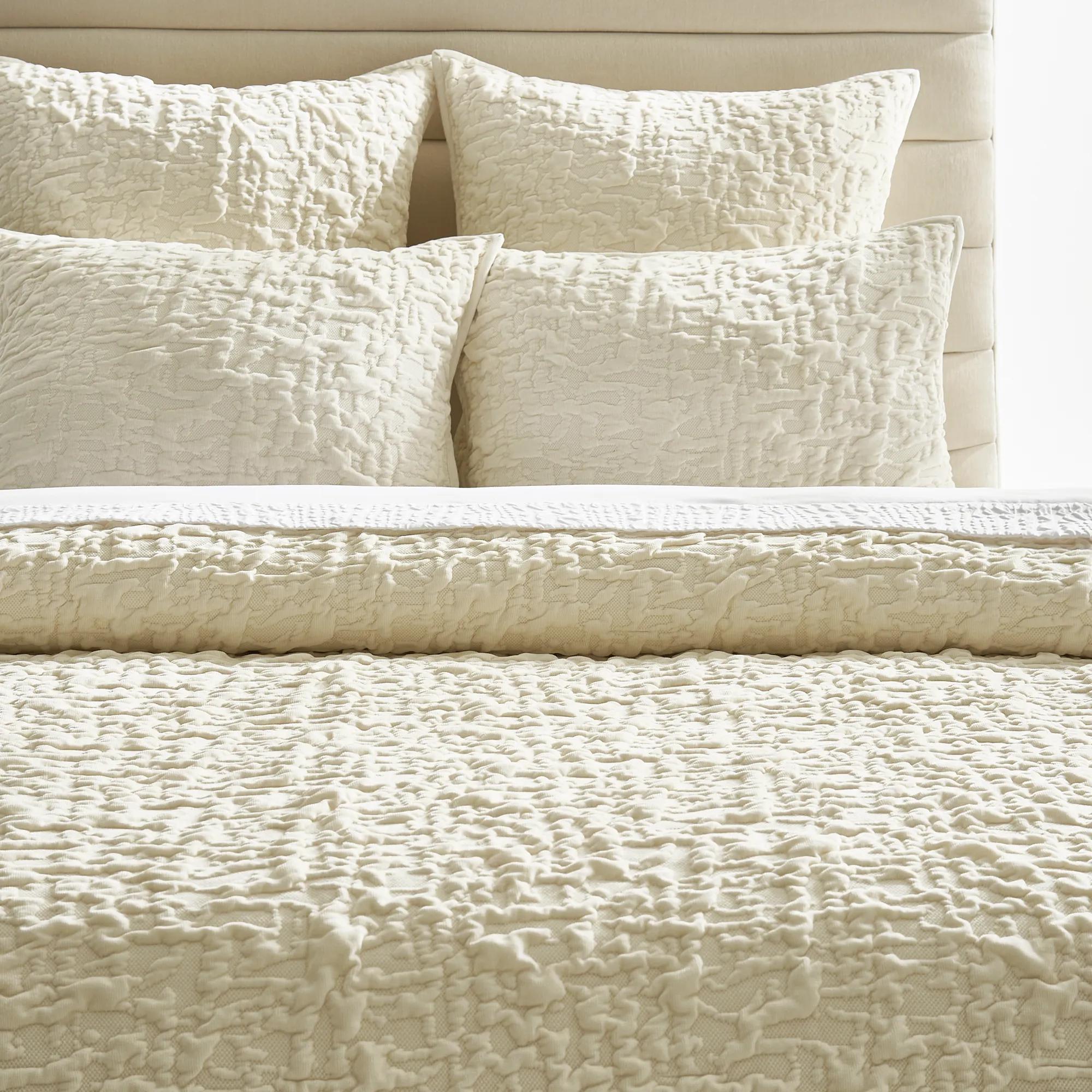
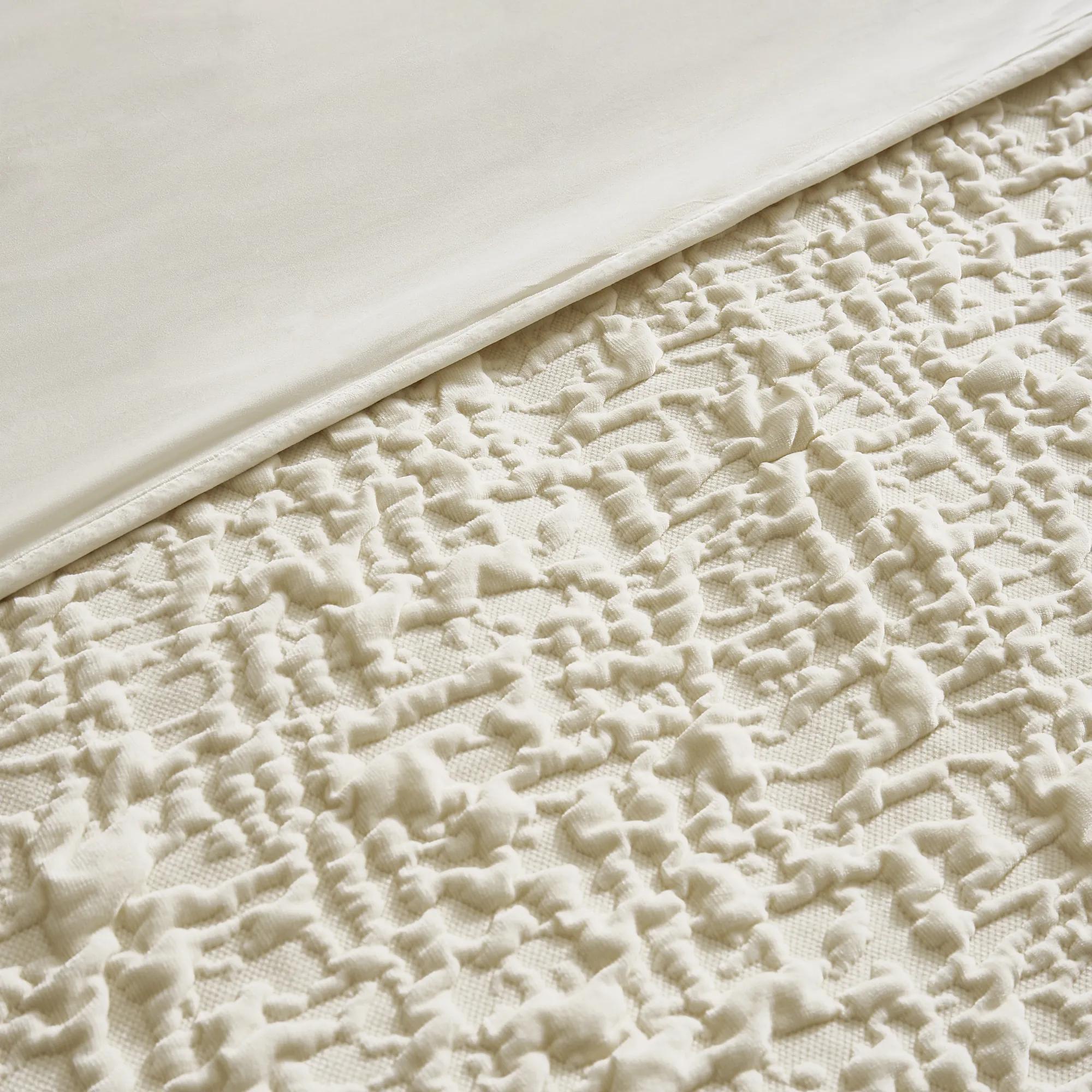 Madera Ivory Textured Velvet Bedding Set$249
A plush ivory velvet coverlet set with crushed embroidered texture and breathable cotton backing for serene style.
Add To Cart -
GRY.jpeg?w=1200&h=1200)
 Fan Velvet Quilt Set - Smoke Grey$69
A luxurious smoke grey velvet quilt set featuring a sculptural fan pattern and polished piped edges.
Add To Cart -
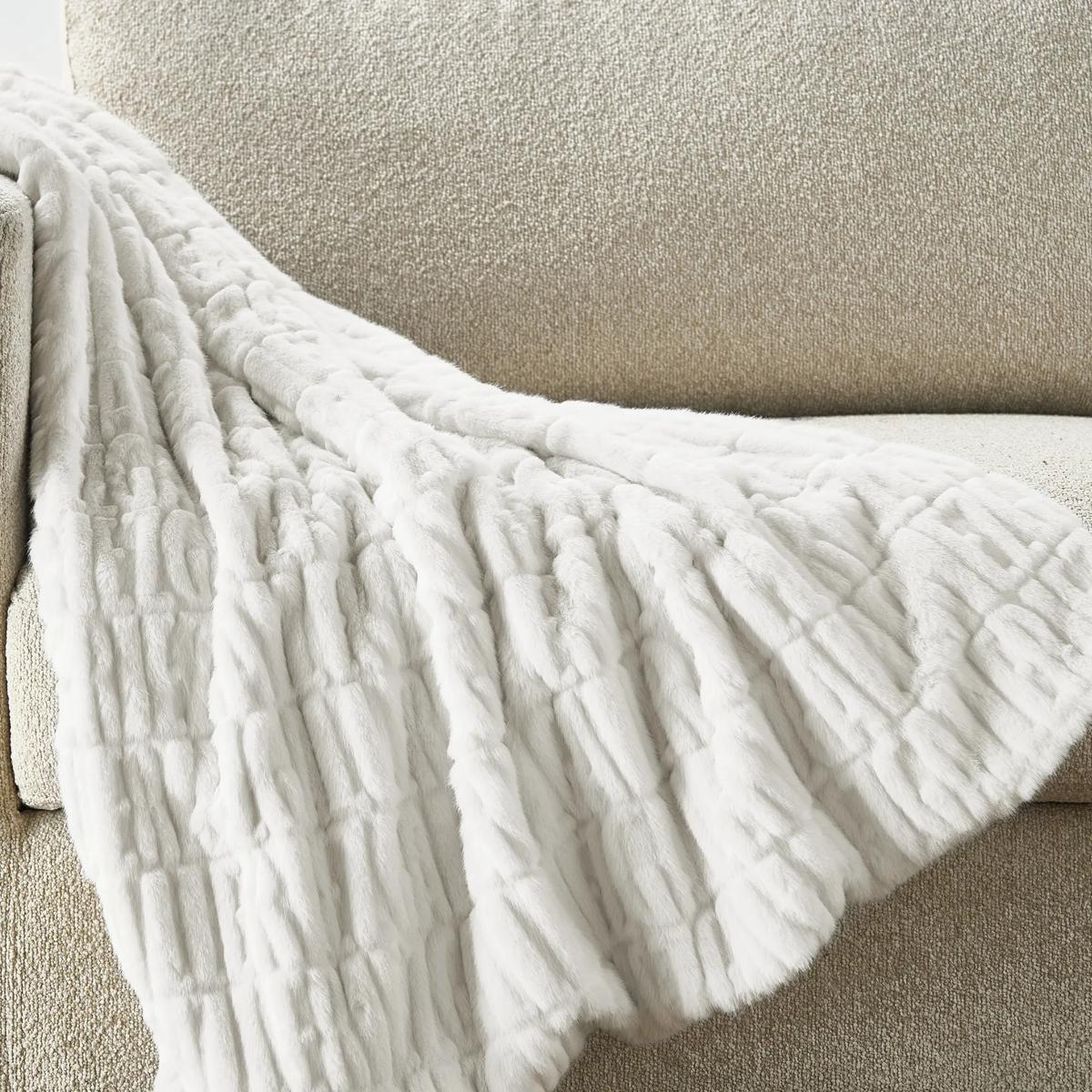
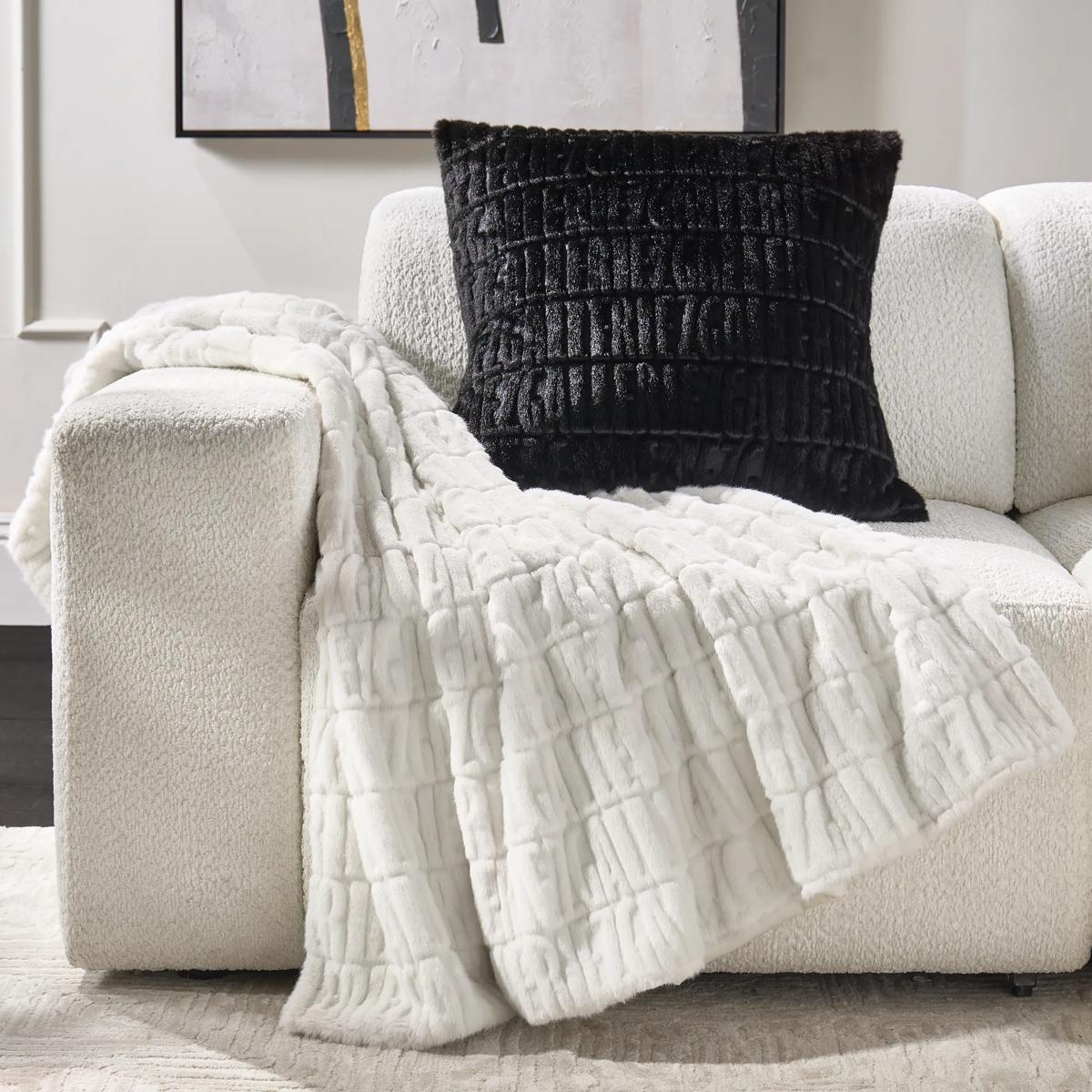 Z Carved Faux Fur Throw 50" x 60" - Ivory$129
An elegant ivory faux fur throw with a sculptural carved pattern and soft velvet backing.
Add To Cart -
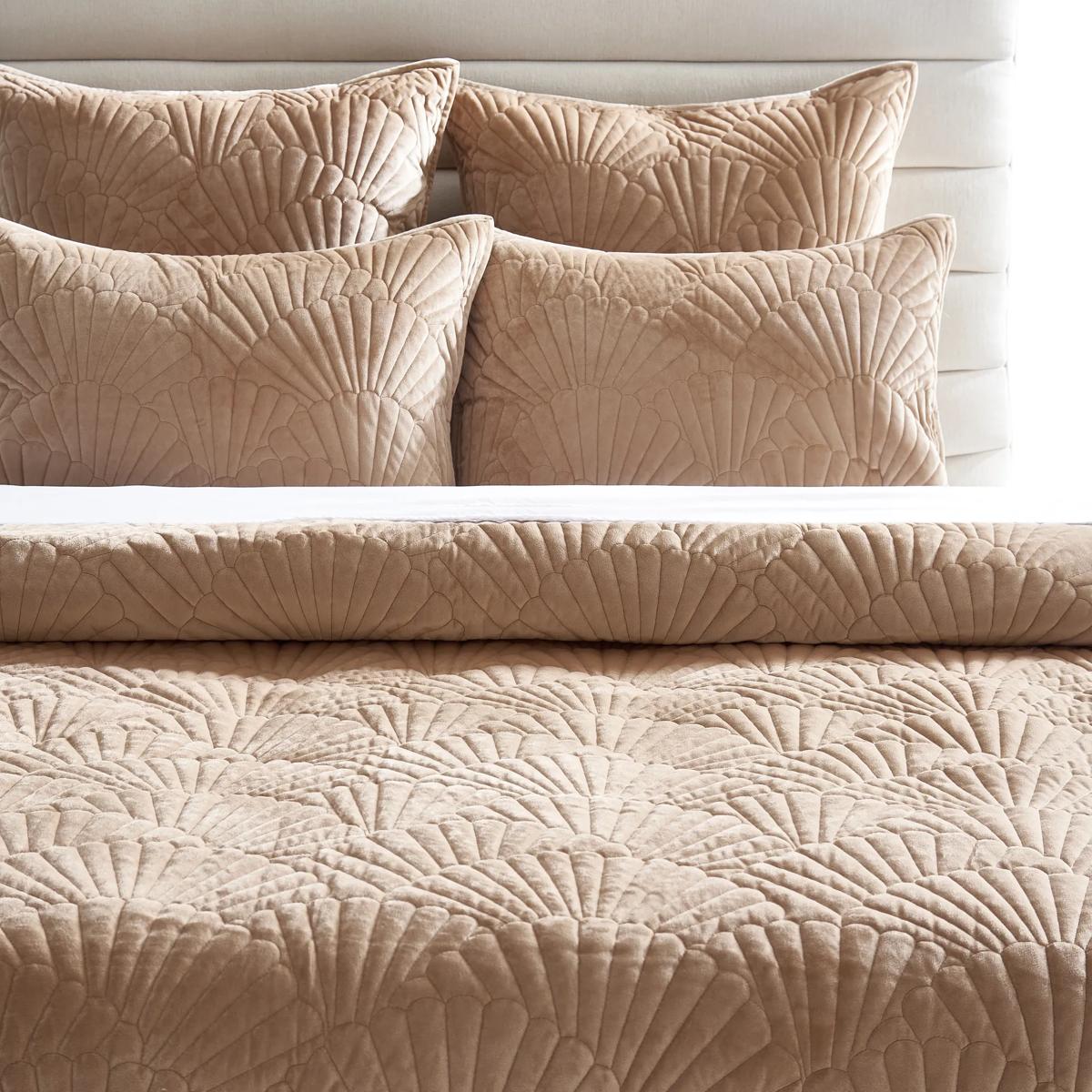 Fan Velvet Quilt Set - Muted Coral$199
A plush muted coral velvet quilt set featuring a sculptural fan motif and piped edges for modern elegance.
Add To Cart -
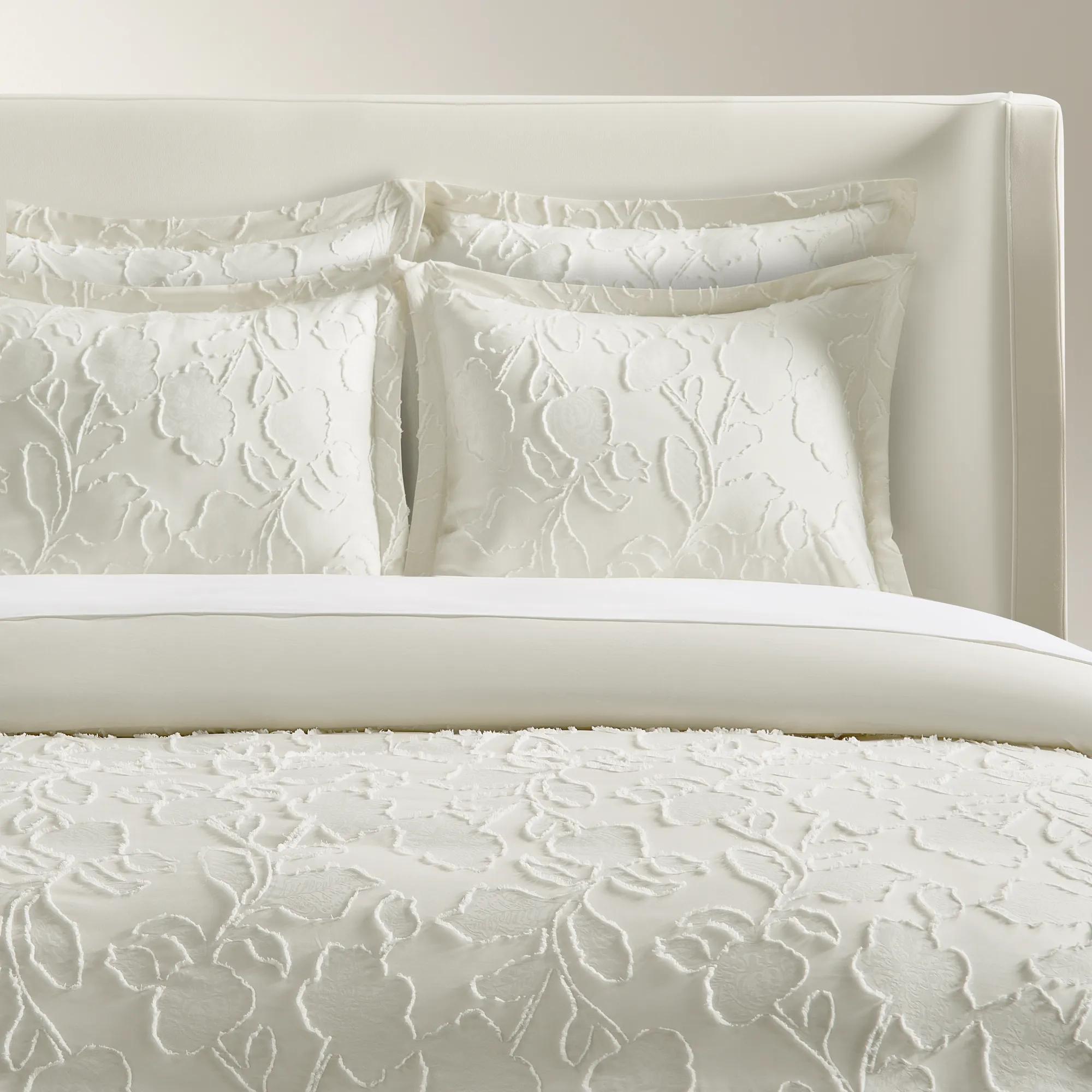
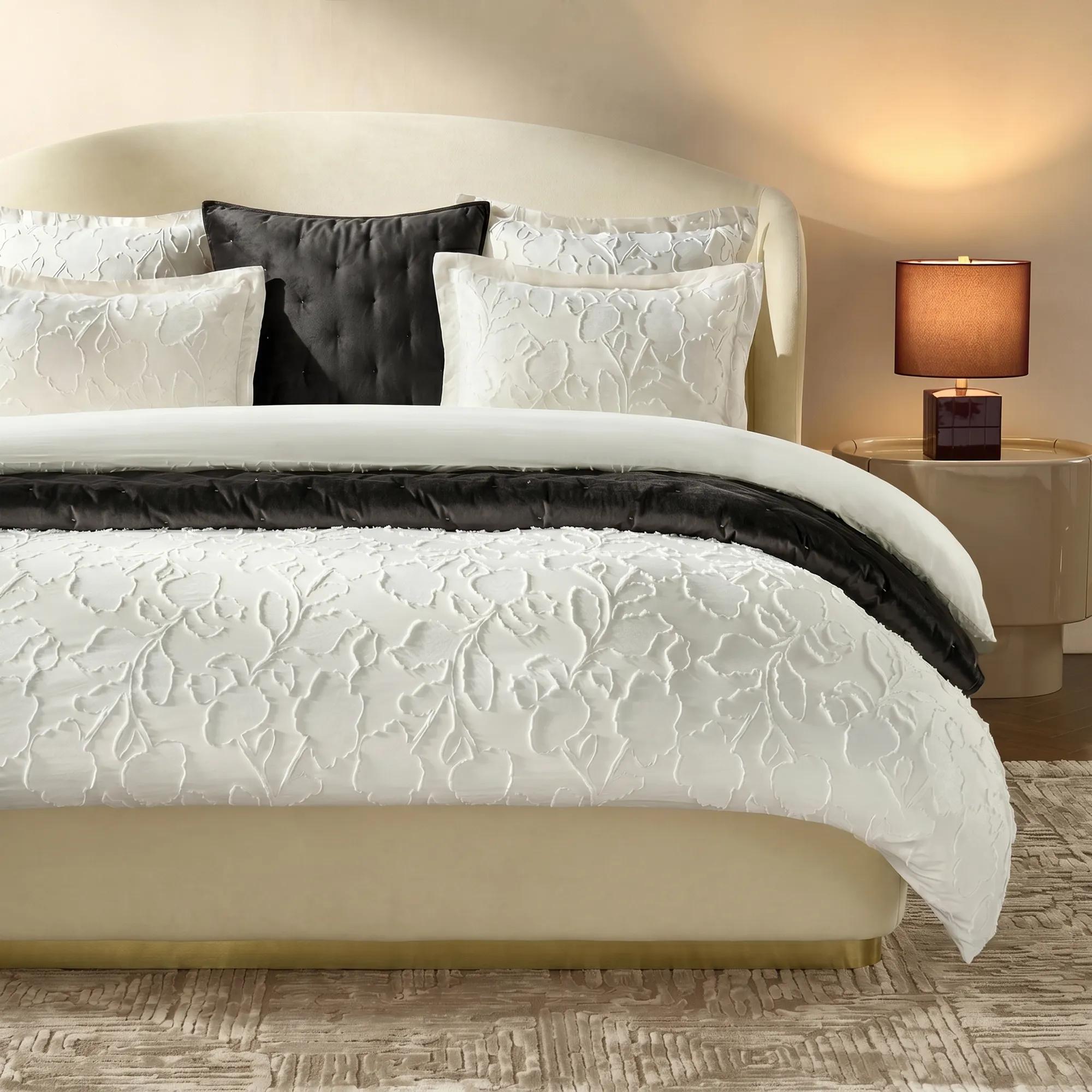 Cosette Ivory Cotton Floral Jacquard Bedding Set$249
A warm ivory bedding set featuring a tonal floral jacquard, eyelash fringe, and soft cotton backing.
Add To Cart -
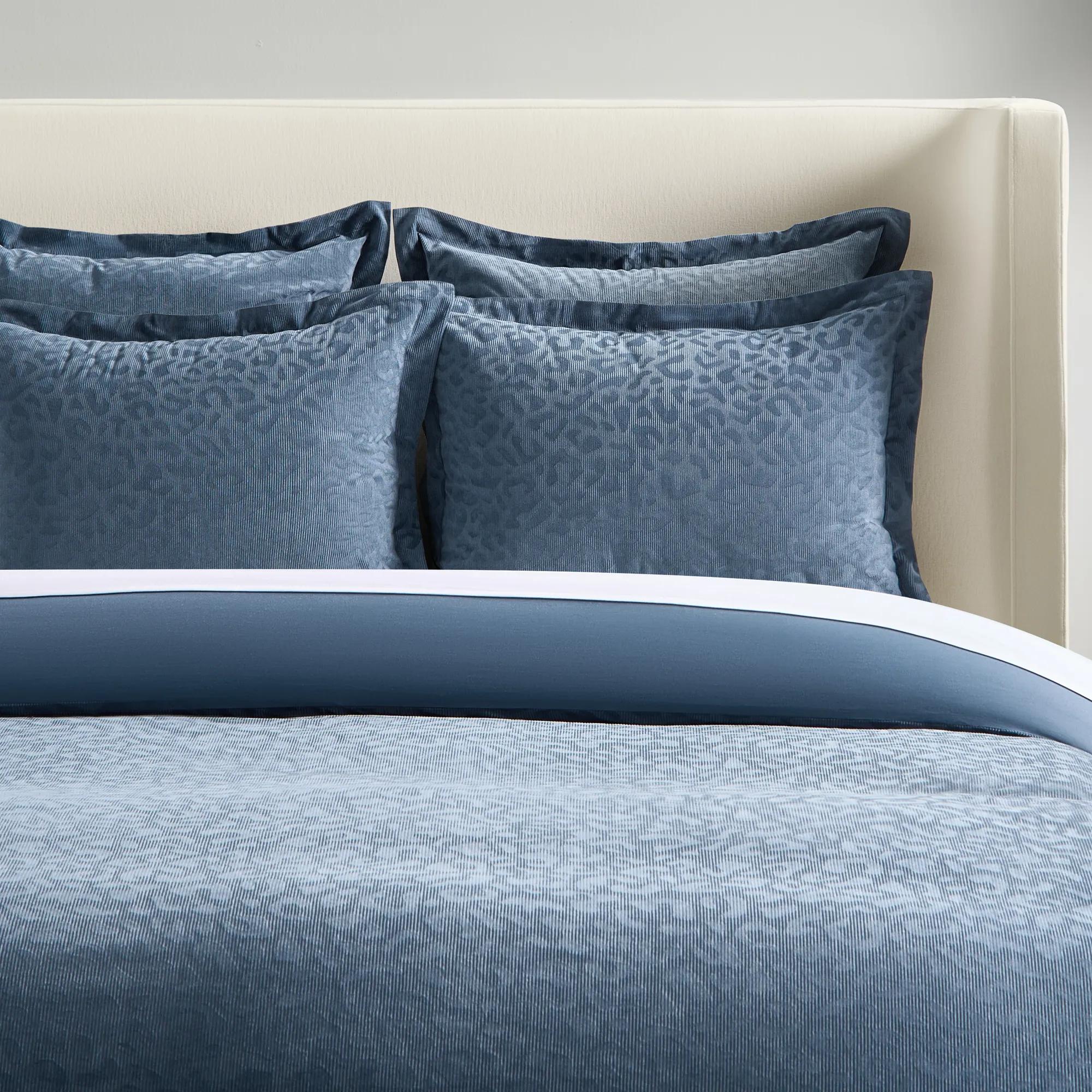
 Leopard Dusty Blue Cotton Corduroy Velvet Bedding Set$249
A dusty blue velvet bedding set featuring a tonal leopard print and soft corduroy texture with cotton backing.
Add To Cart -
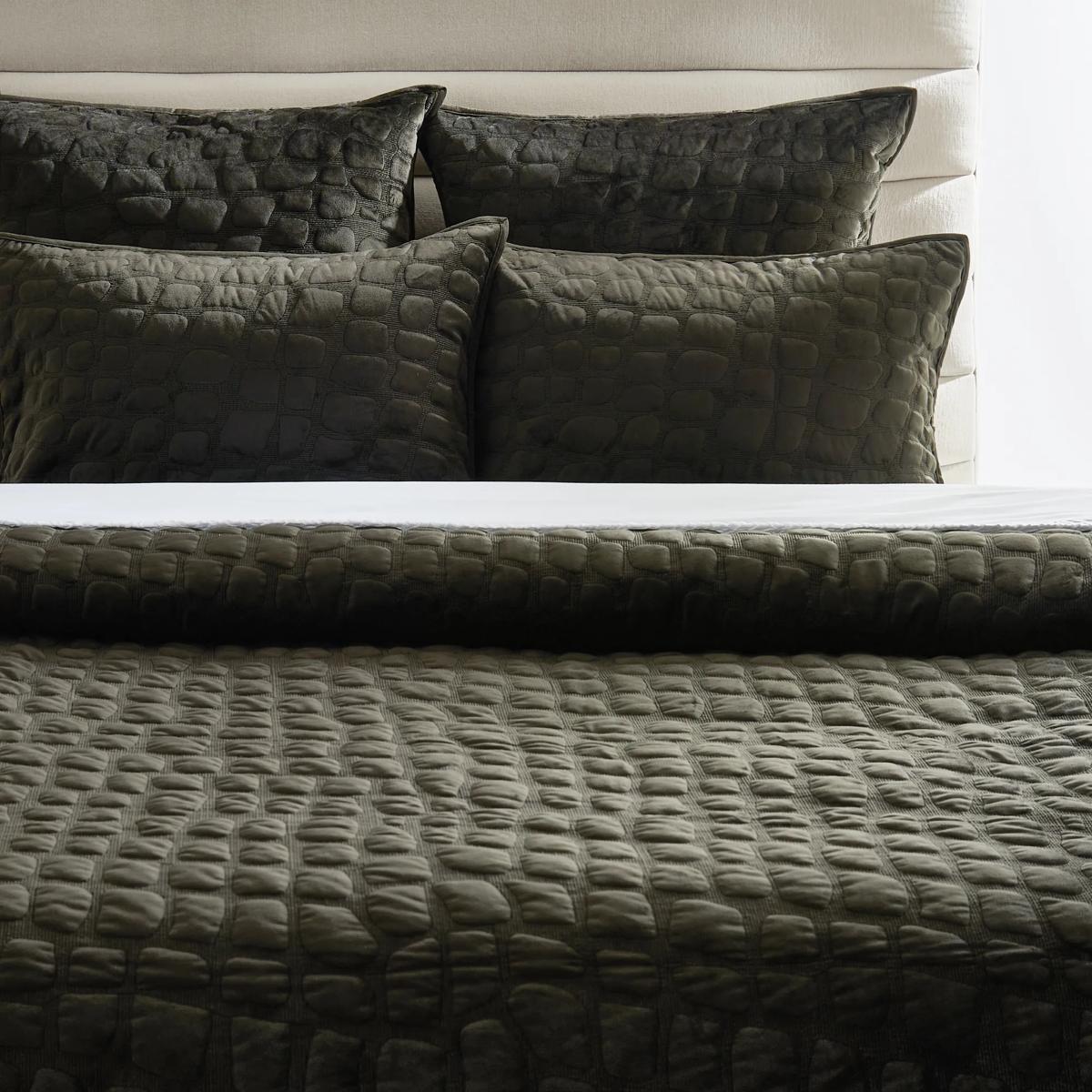
 Valen Velvet Quilt Set - Black$229
A bold quilt set in luxe black velvet with a quilted croc pattern and tailored piped edges.
Add To Cart -
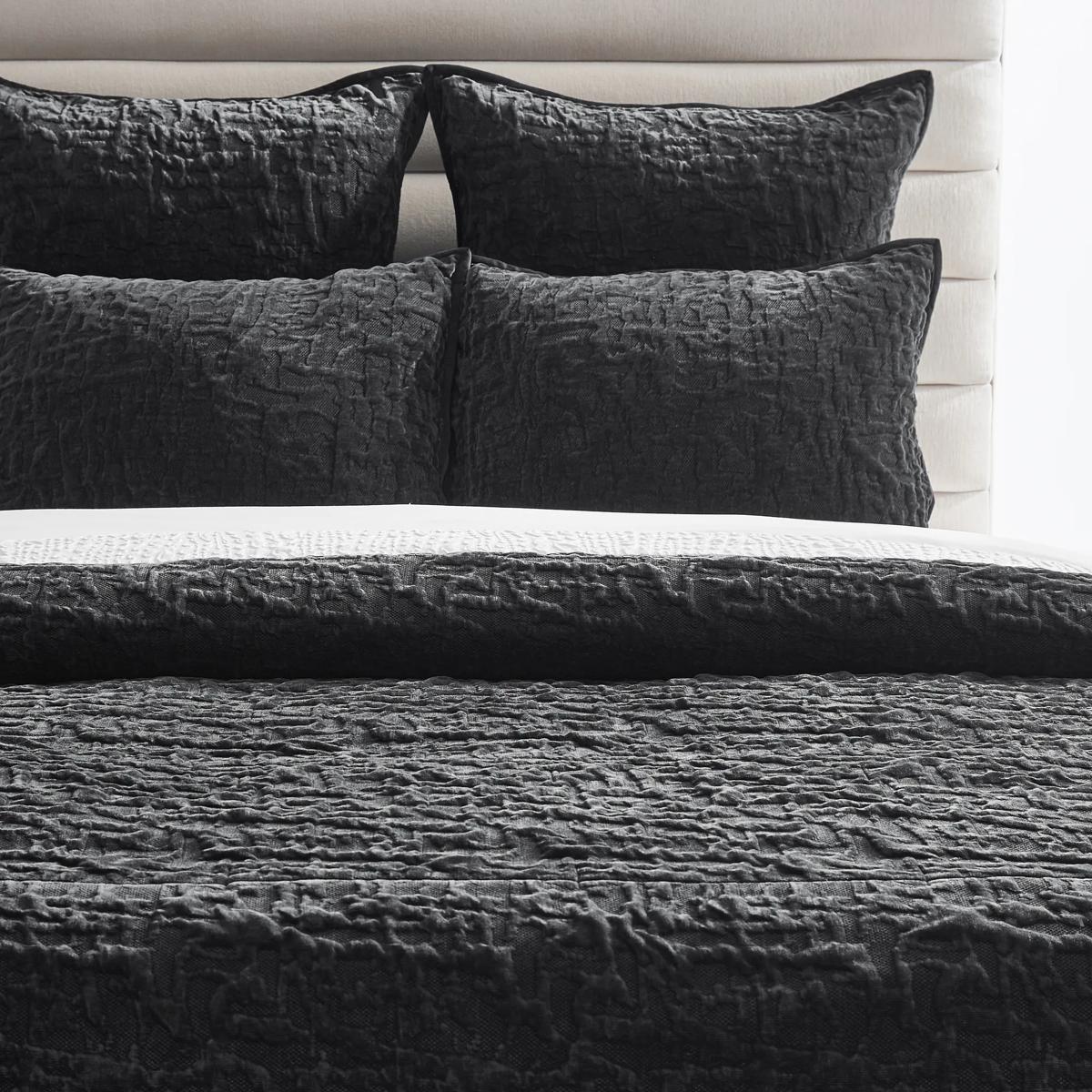
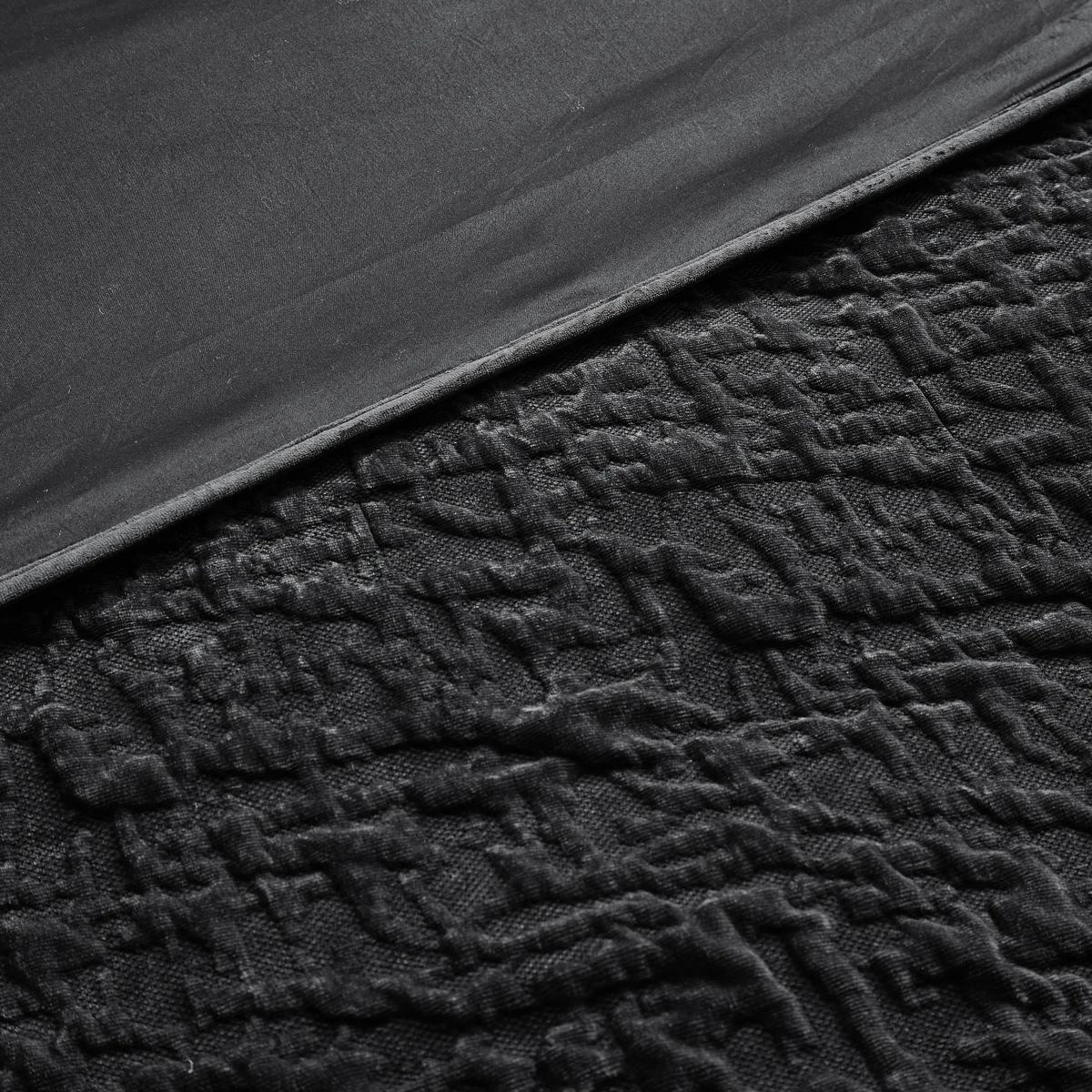 Madera Black Textured Velvet Bedding Set$299
A sophisticated black crushed velvet coverlet set with tonal embroidery and breathable cotton backing for year-round luxury.
Add To Cart -
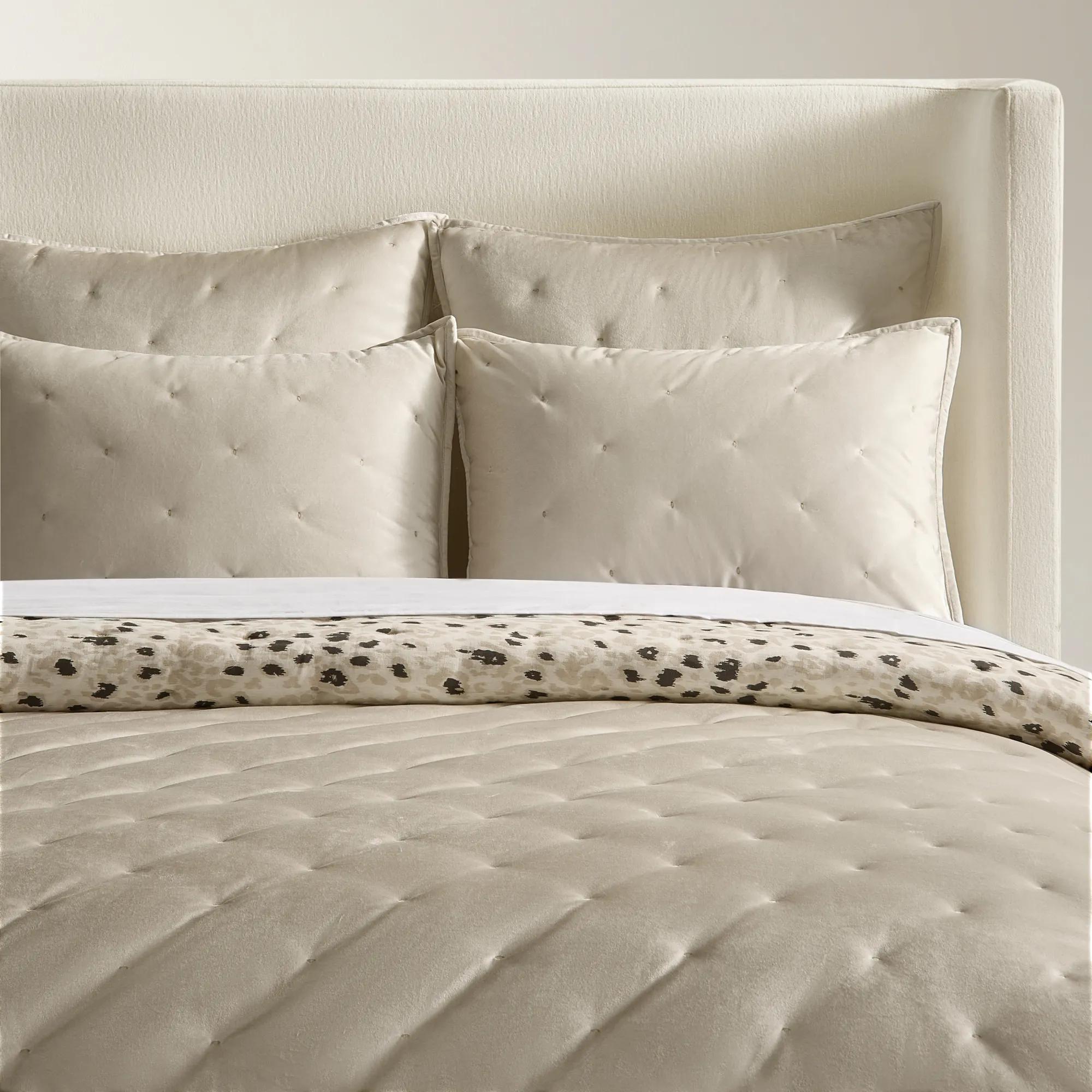 Nemera Alabaster/Leopard Reversible Velvet & Cotton Linen Quilt Set$89
A reversible quilt set featuring plush alabaster velvet on one side and bold leopard print cotton-linen on the other.
Add To Cart -
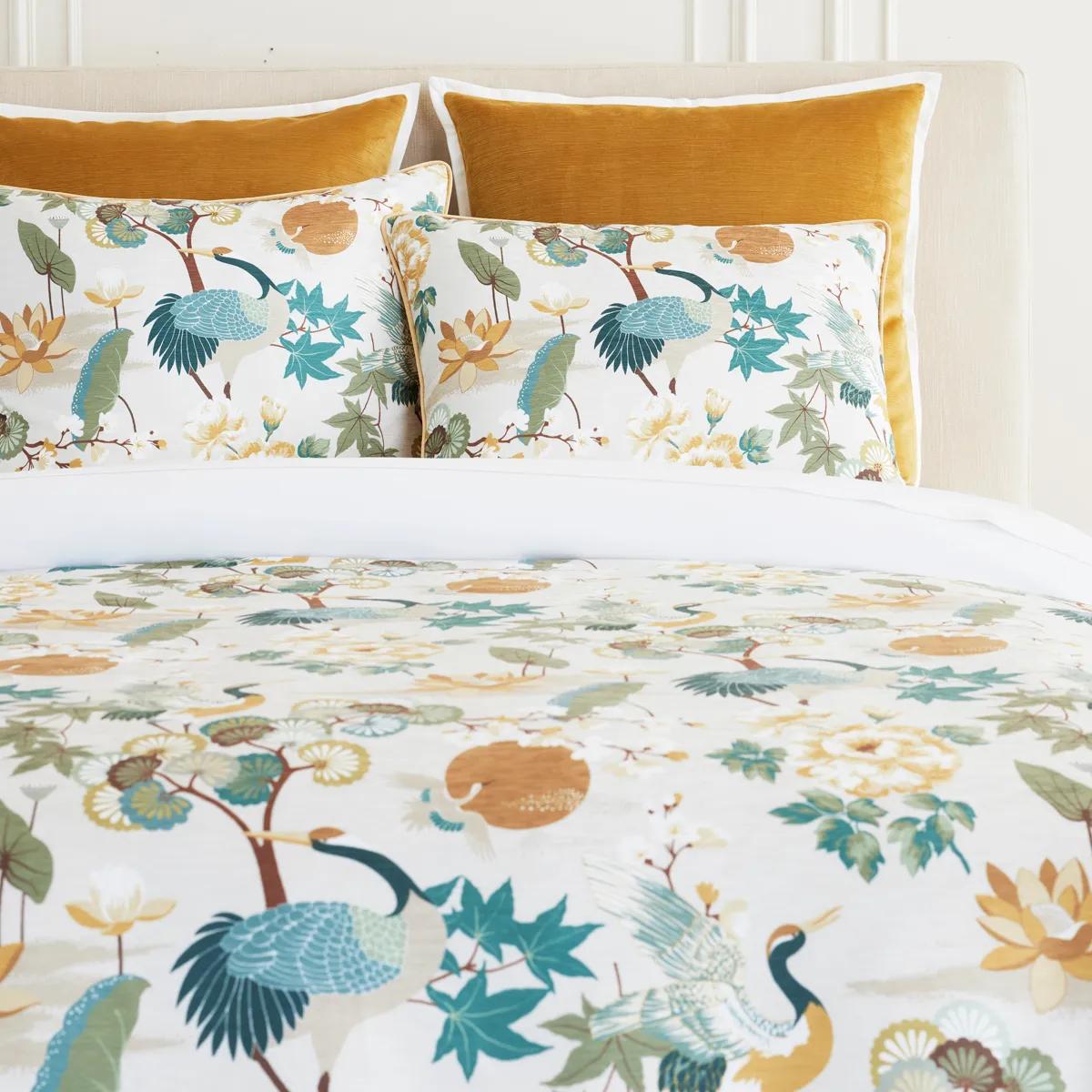
 Sandhill Ivory/Multi Color Printed Bedding Set$639
An ivory bedding collection featuring earthy tones, gold velvet accents, and a soft cotton-polyester blend.
Add To Cart -
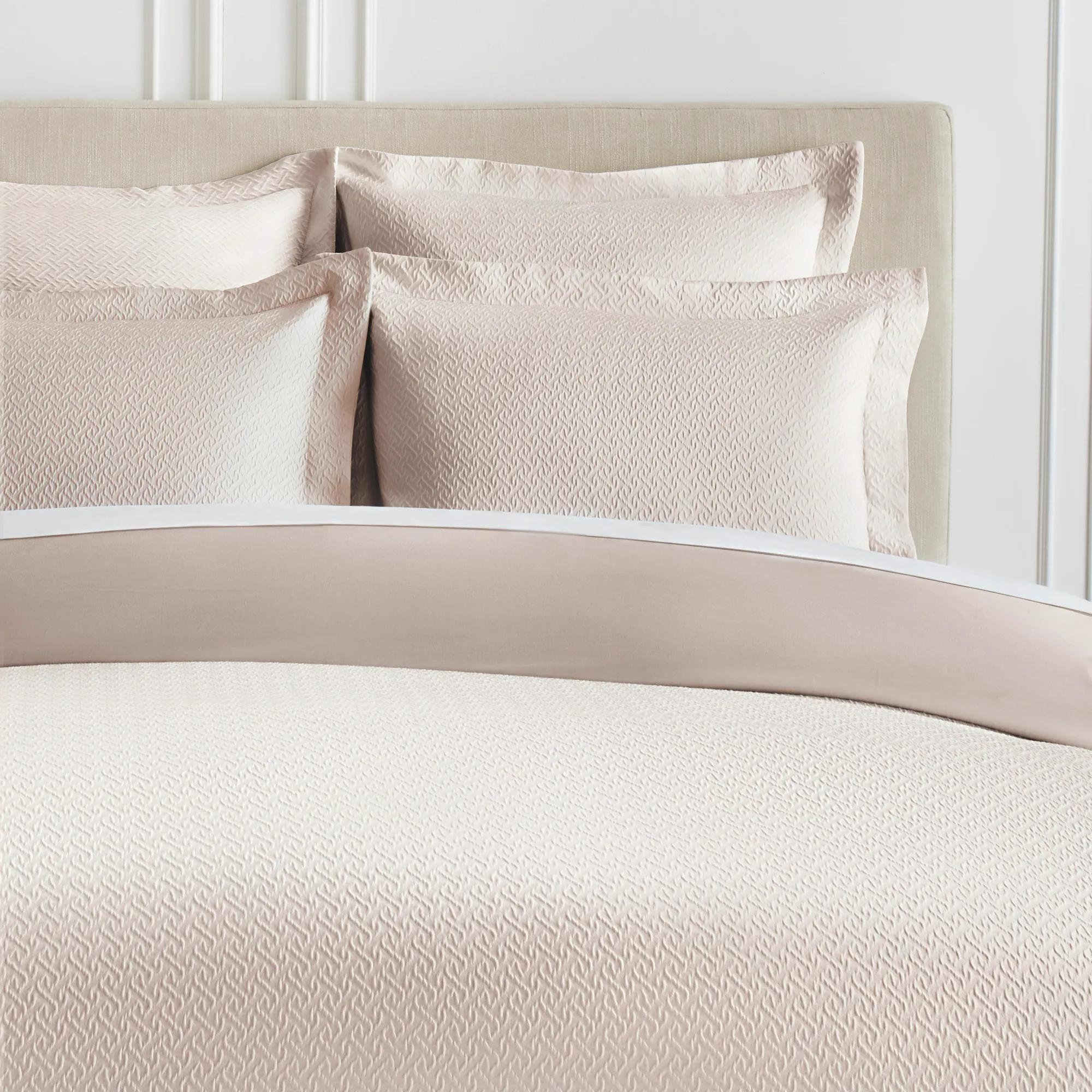
 Marlowe Jacquard Blush Bedding Set$169
A blush jacquard bedding collection offering subtle texture and year-round comfort with a soft cotton blend.
Add To Cart -
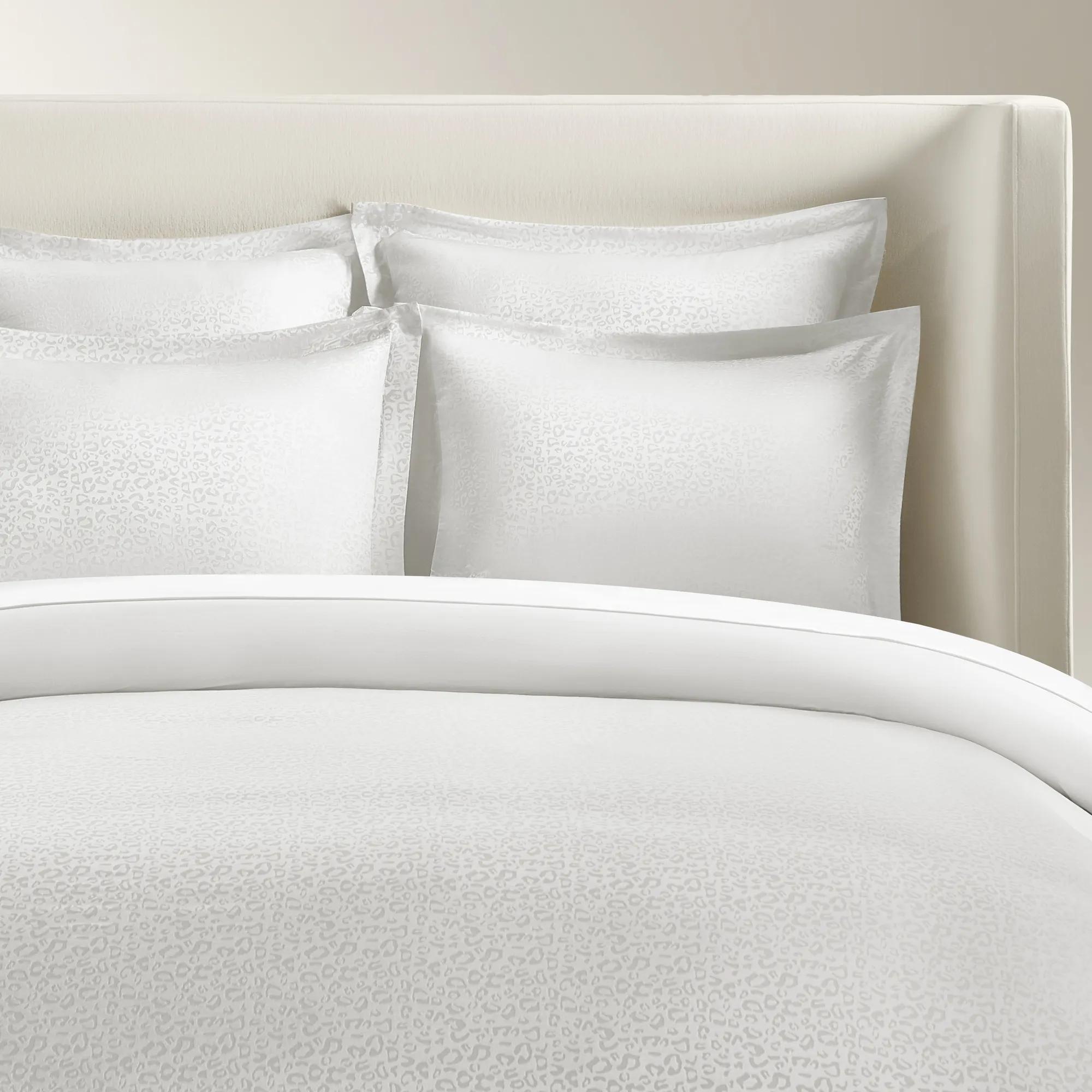
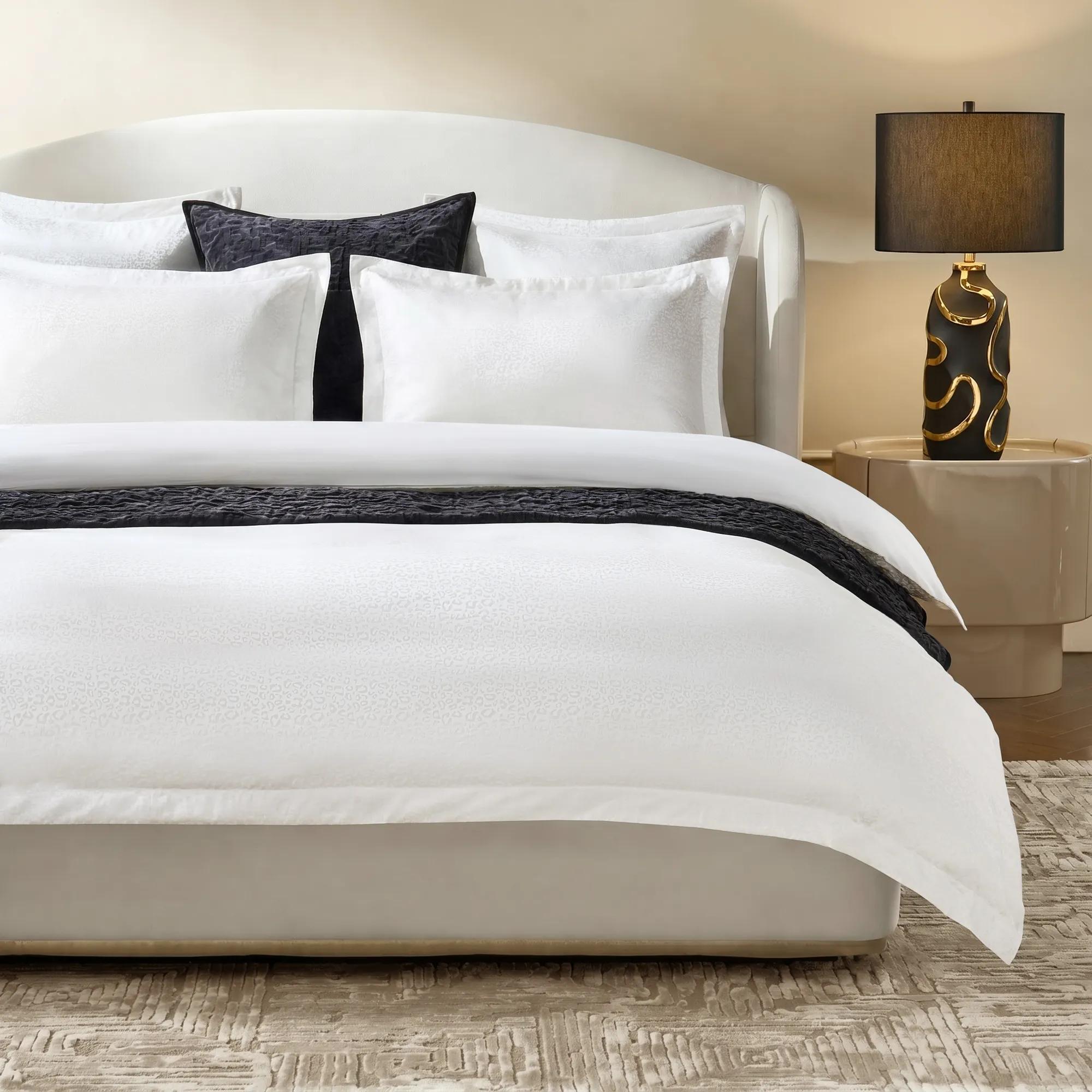 Abi Leopard Cloud White Tencel Bedding Set$249
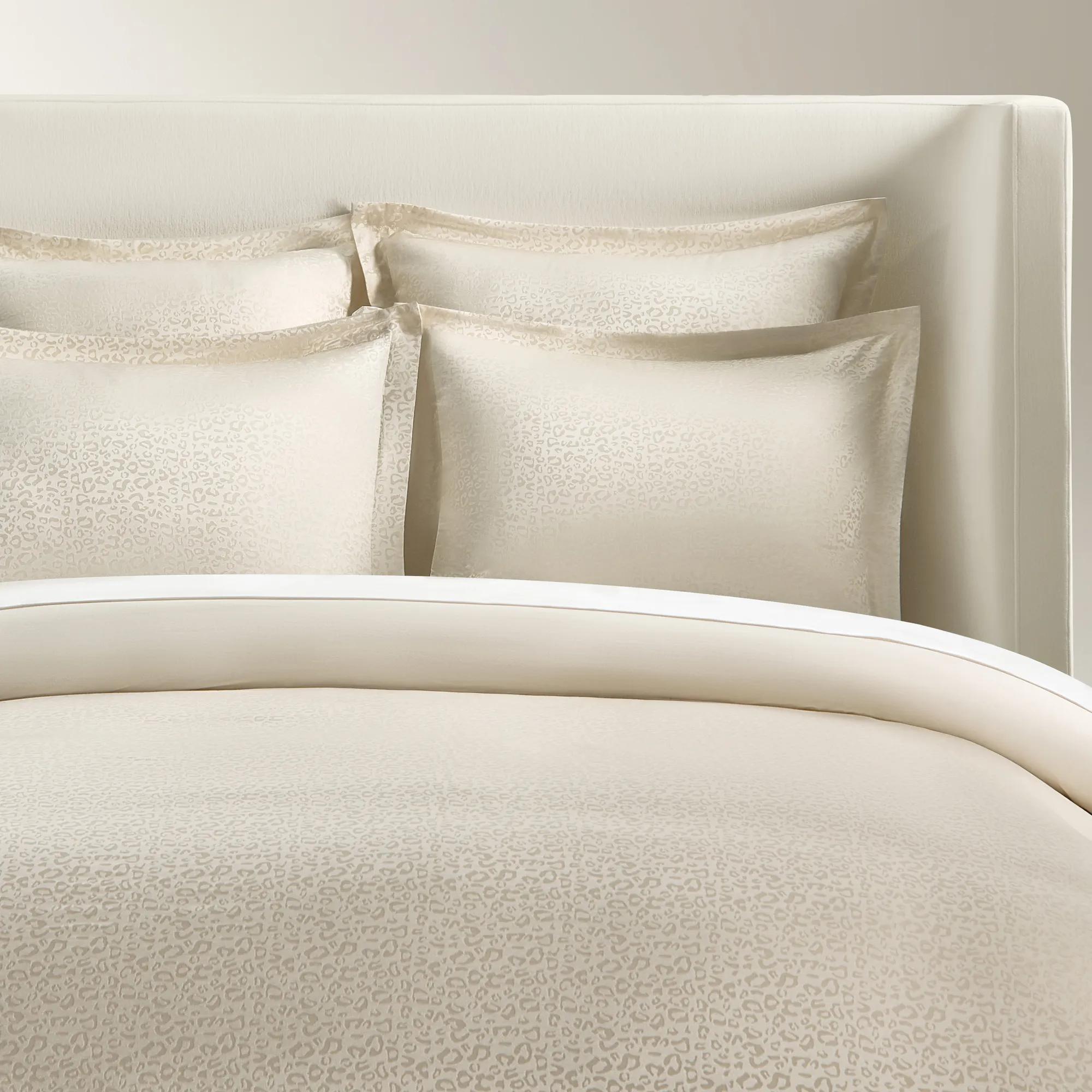
A cloud white bedding set featuring a tonal leopard print in a smooth Tencel blend with cotton reverse.
Add To Cart -
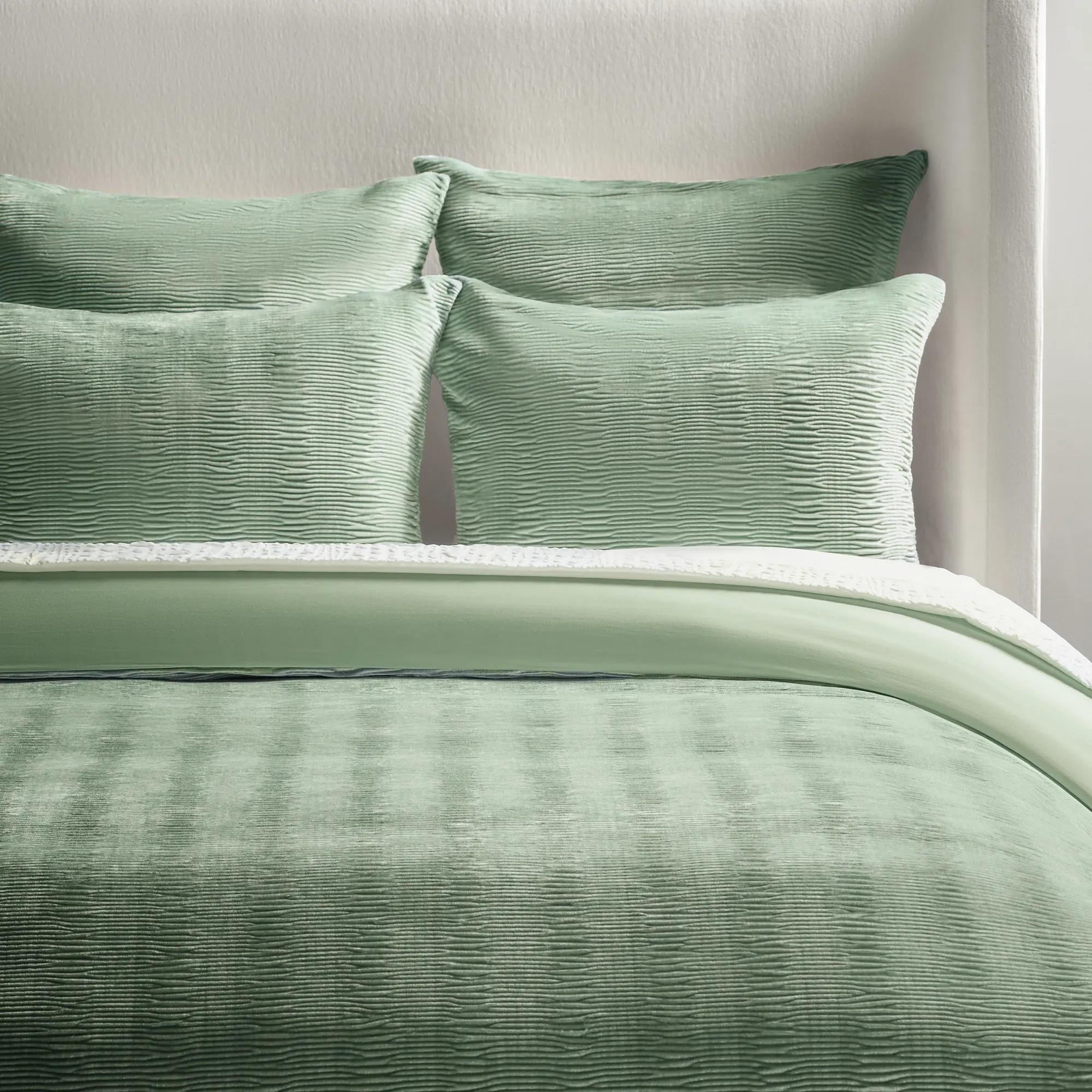
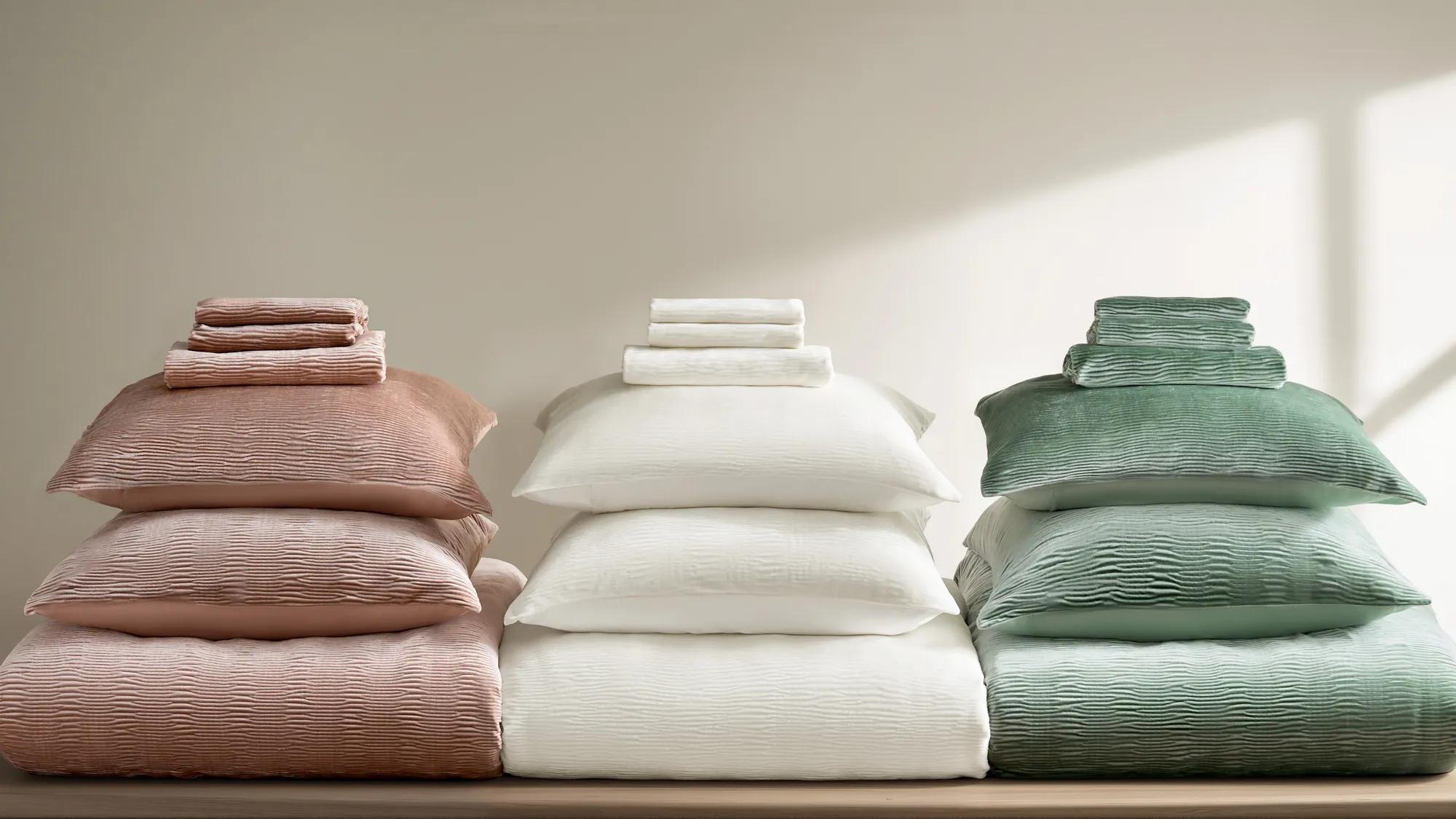 Vera Velvet Bedding Set - Malachite Green$229
A luxurious malachite green velvet bedding set with coordinating duvet and sham covers.
Add To Cart -
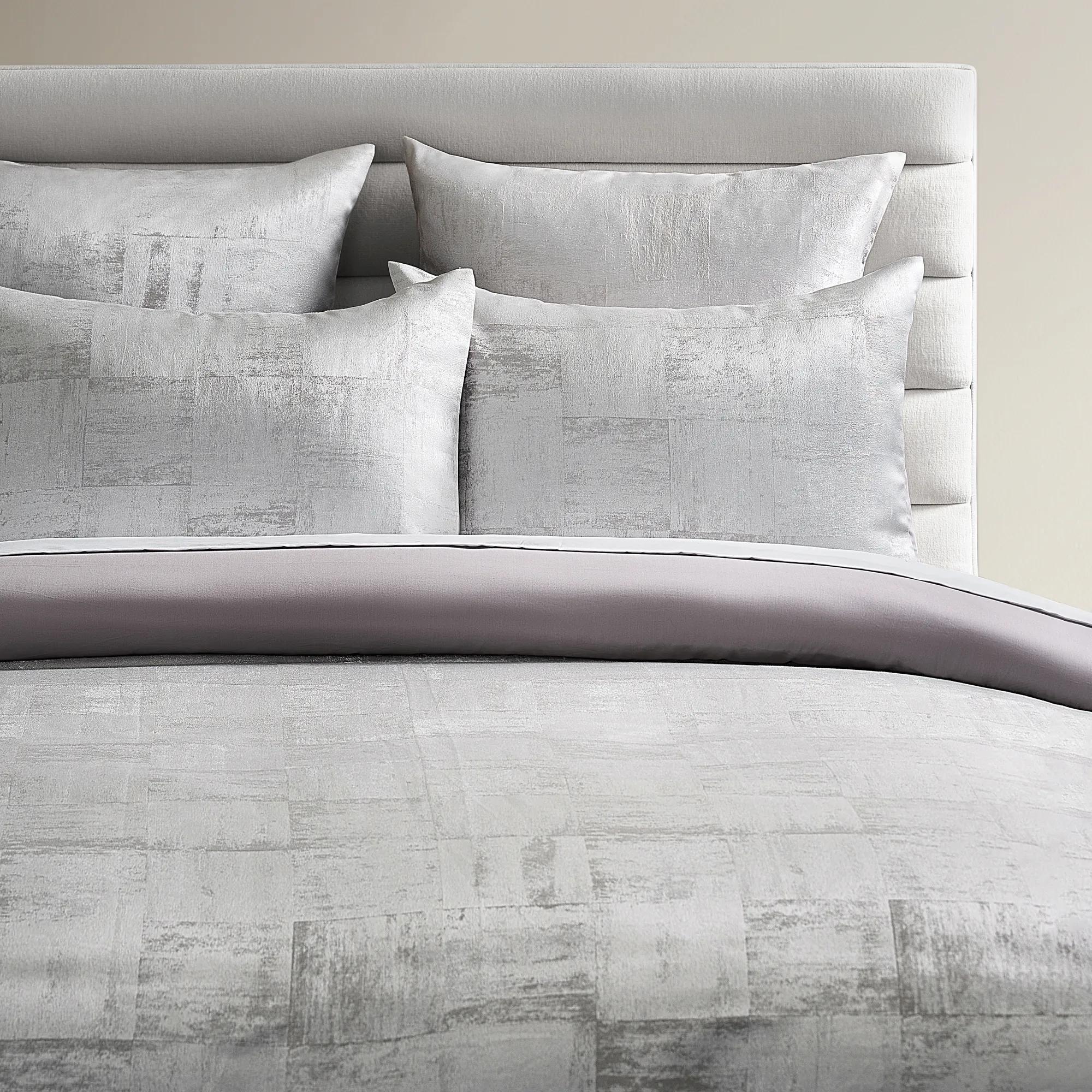 Auden Bedding Set - Platinum$49
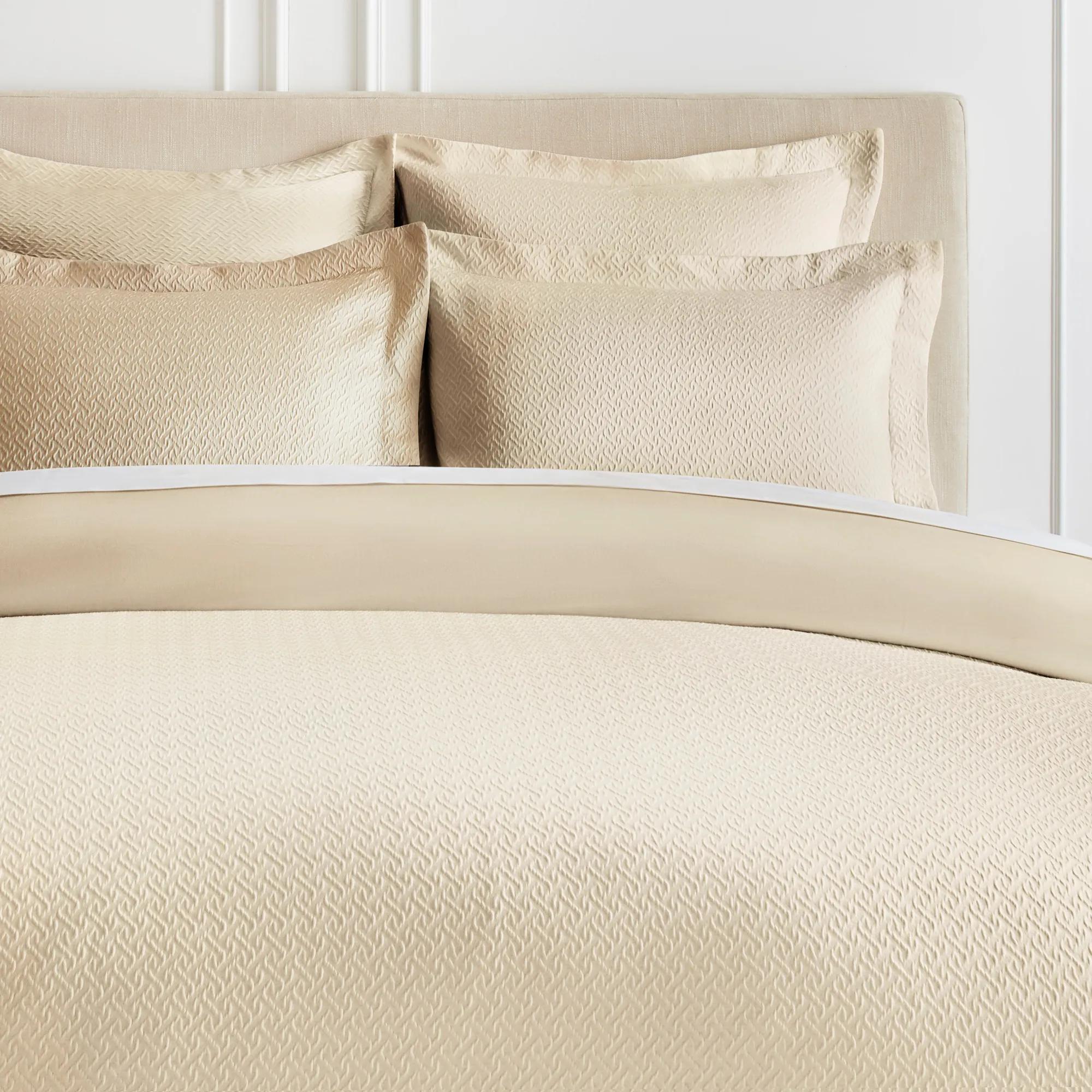
A platinum jacquard bedding set featuring a subtle block pattern and refined, modern detailing.
Add To Cart -
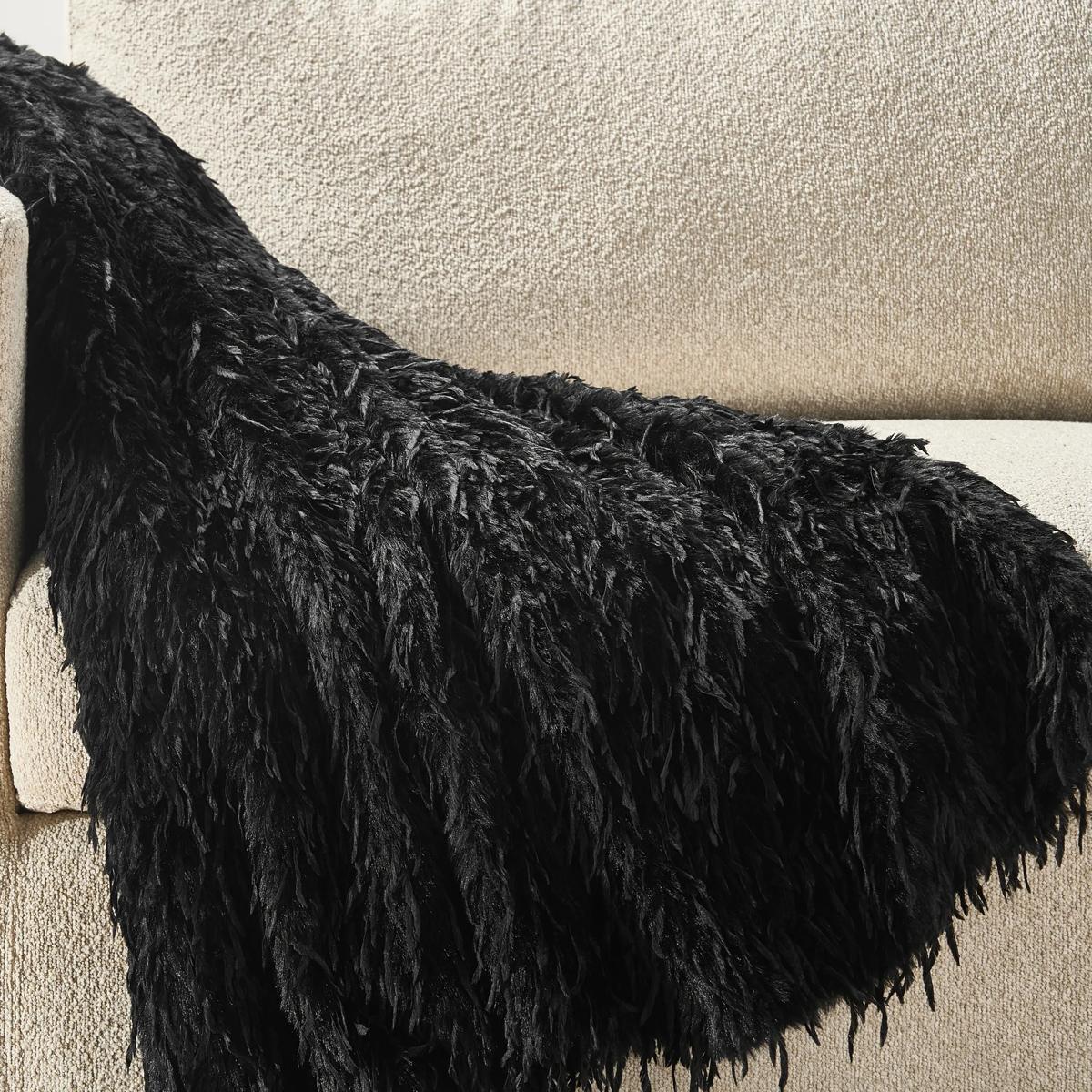
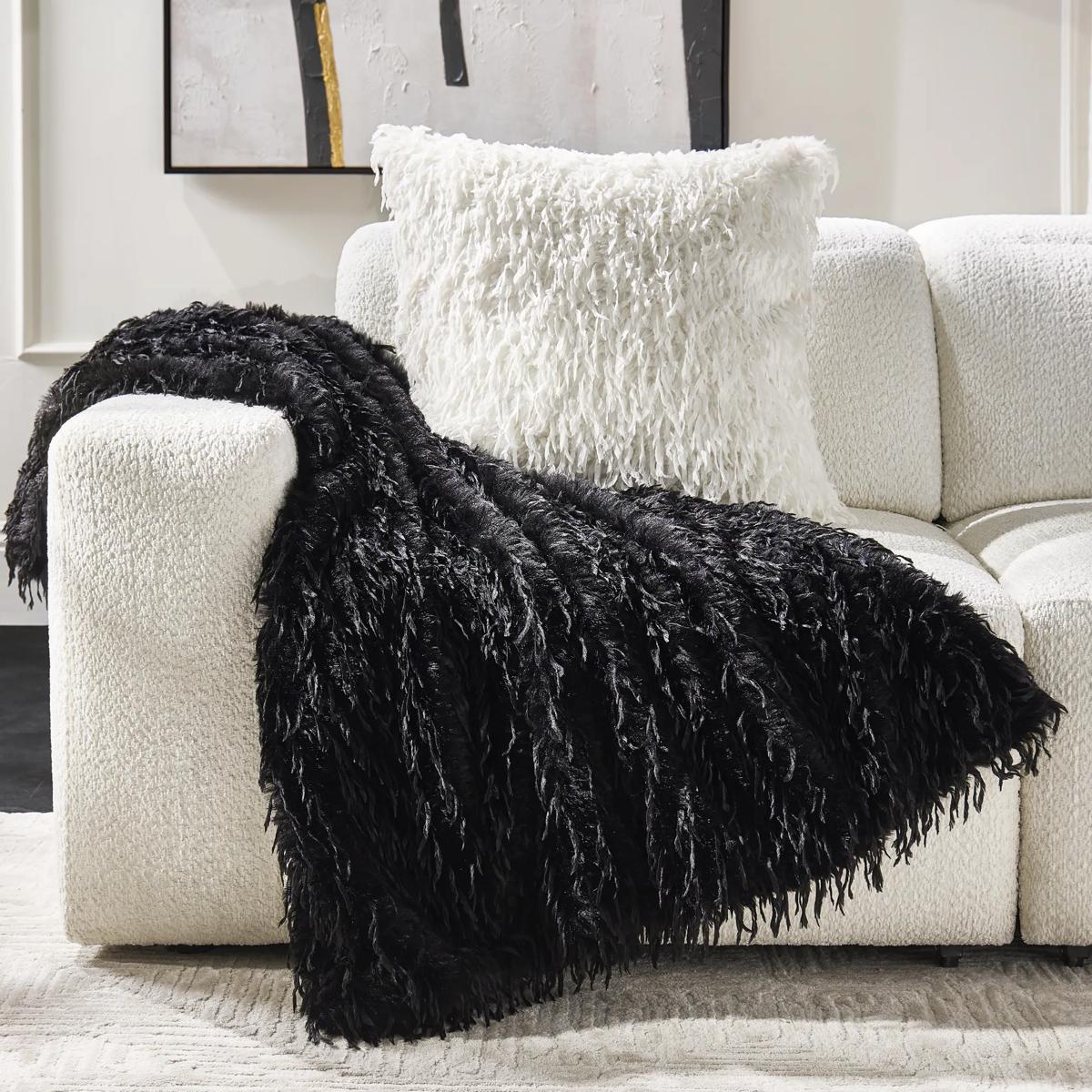 Pluma Faux Feather Throw 50" x 60" - Black$129
A bold black faux feather throw with plush texture and a dramatic, chic polyester velvet backing.
Add To Cart -
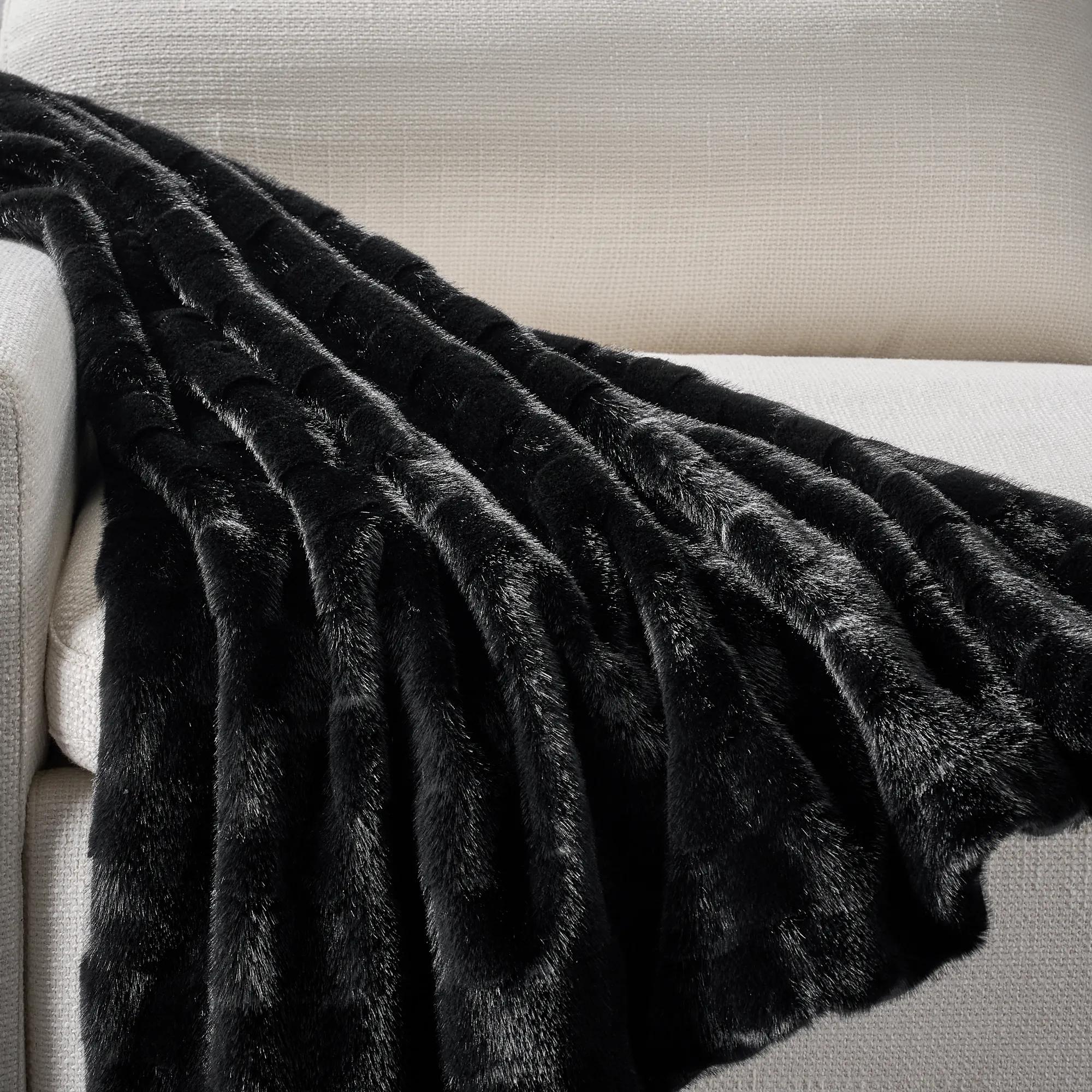 Carved Check Black Faux Fur Throw 50" x 60"$129
A black faux fur throw with a carved checker pattern and a smooth velvet reverse for added luxury.
Add To Cart -
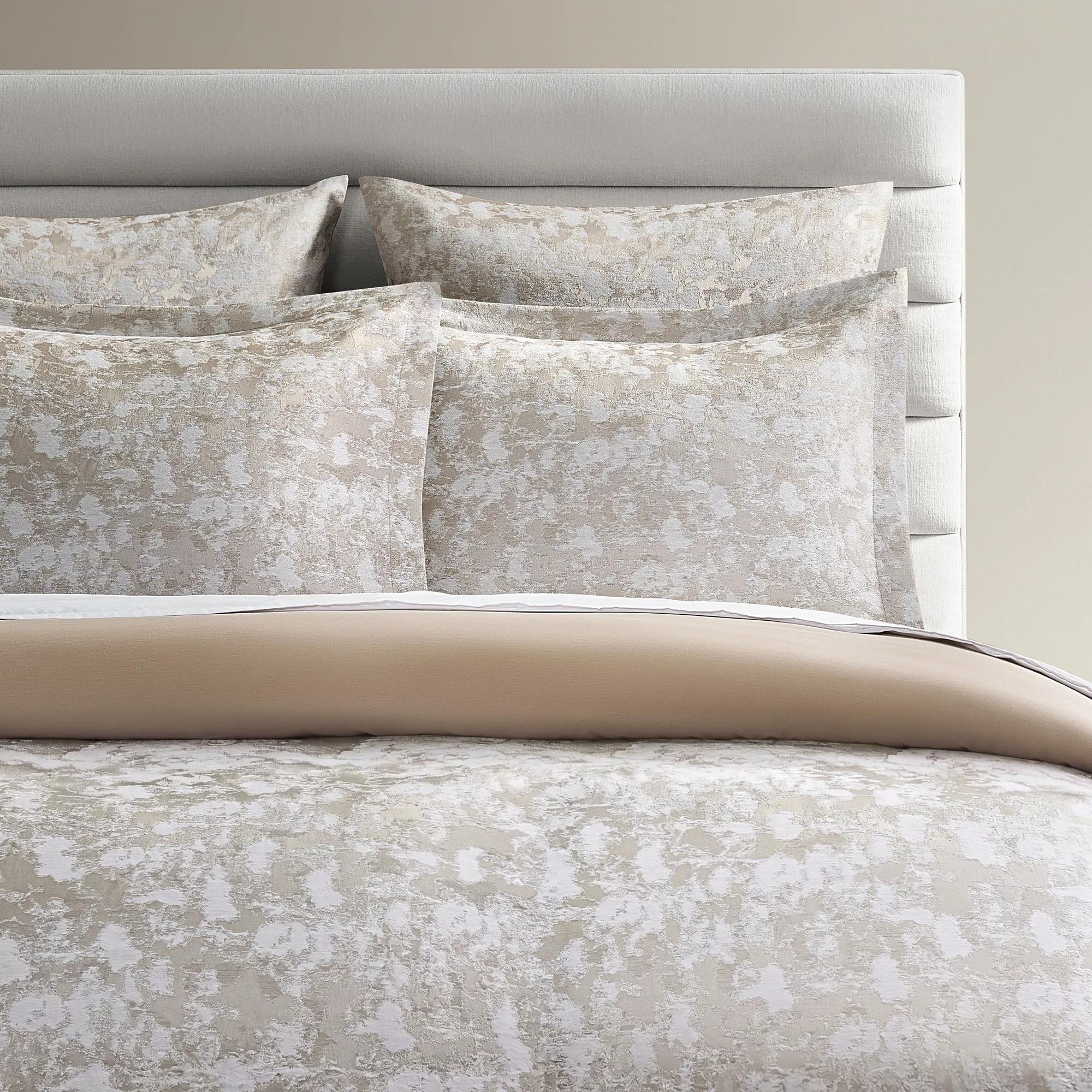 Nimbus Jacquard Metallic Champagne and Silver Bedding Set$49
A cloud-inspired bedding set in champagne and silver metallic jacquard with a soft marbled shimmer.
Add To Cart -
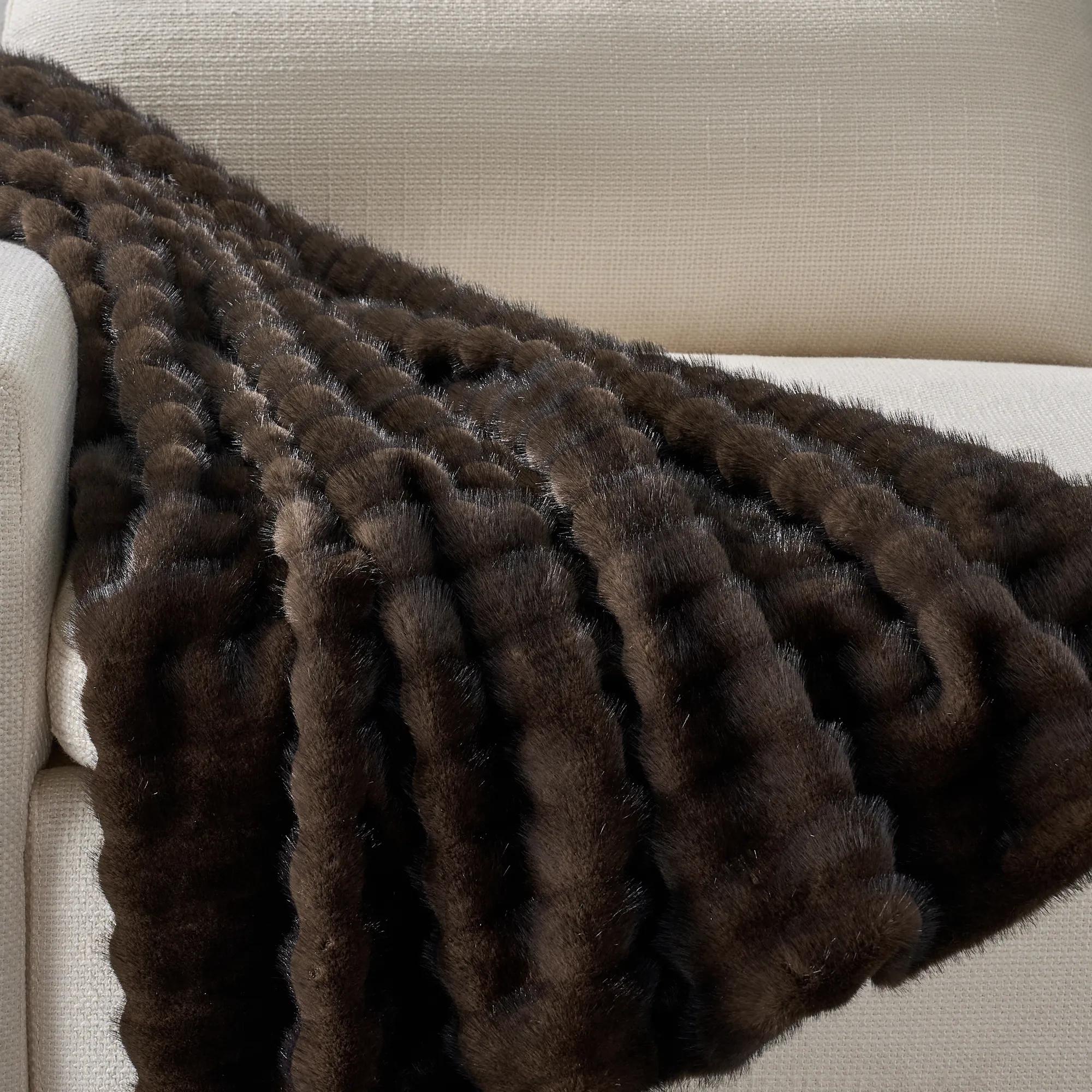
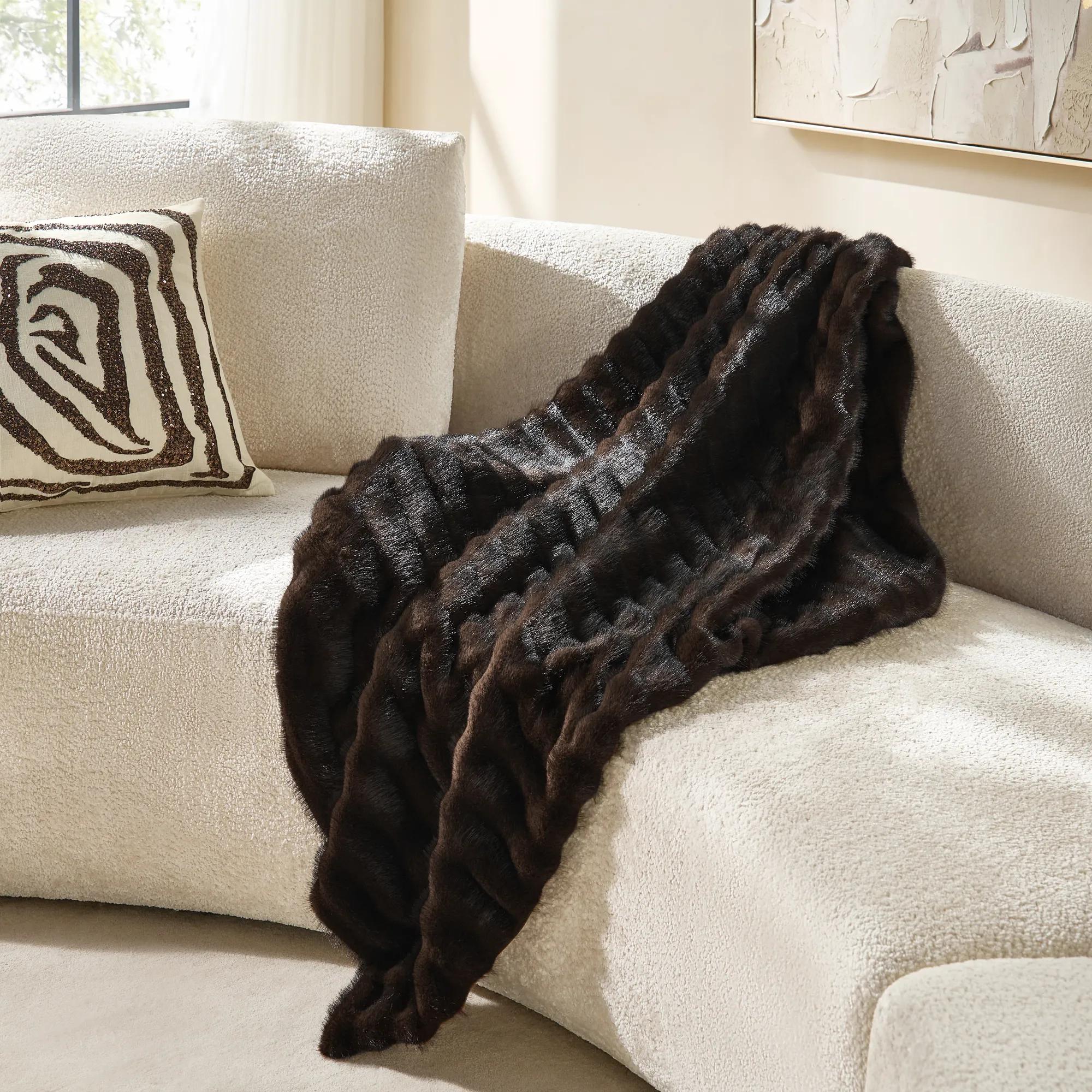 Chaska Channeled Dark Chocolate Brown Faux Fur Throw 60" x 50"$159
A sculpted channeled faux fur throw in rich dark chocolate brown with a smooth velvet reverse.
Add To Cart -
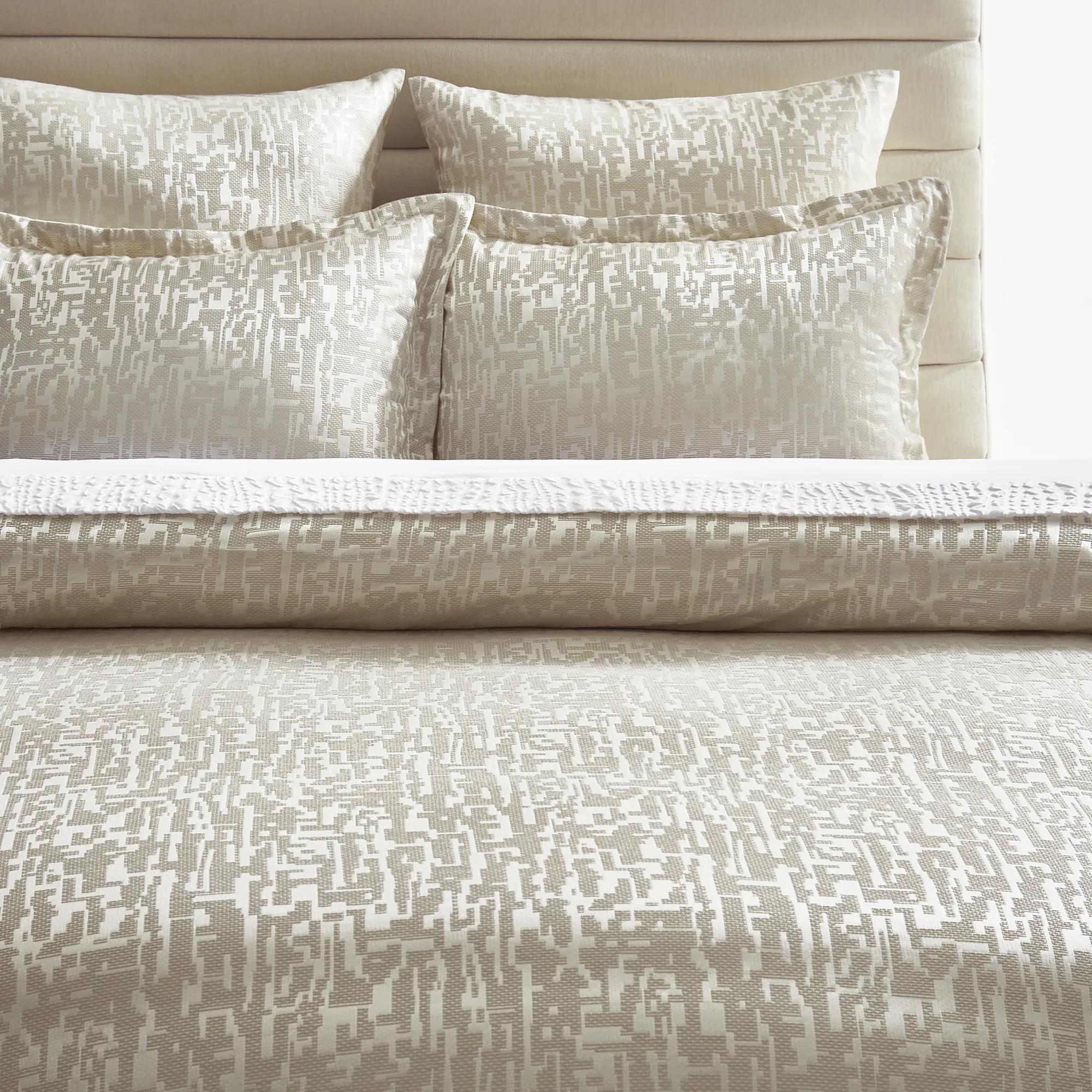
 Podva Embroidered Pearl/Ivory Bedding Set$249
A satin and cotton bedding set in pearl and ivory, featuring modern embroidery and crisp flange edges.
Add To Cart

Cozy Bedding For Winter Nights
Cozy Bedding for Winter Nights transforms the ordinary bedroom into a sumptuous sanctuary, where comfort and artistry intertwine beneath every fold. Imagine sinking into layers that envelop you in warmth, each textile chosen for its ability to cocoon and captivate. As the world outside chills and quiets, your retreat becomes a haven of plush textures and inviting hues—a stage set for evenings spent lounging in luxury. Indulge in the tactile romance of winter with bedding that elevates rest into an experience, turning every night into a celebration of softness, style, and self-expression.
Cozy bedding for winter nights brings together insulating layers, breathable fabrics, and textures that make a bedroom feel deeply inviting. The most comfortable combination is not necessarily the heaviest: soft sheets, a versatile blanket, and a lofty comforter or duvet allow warmth to build without making the bed feel cumbersome. Brushed cotton flannel has a gently napped surface that holds pockets of air close to the body, giving cold sleepers a welcoming alternative to the initial coolness of smooth sheets. Cotton jersey offers a supple, knitted feel, while cotton percale can suit sleepers who prefer a crisp foundation beneath warmer covers. Sateen brings a smoother surface and subtle luster, lending a tailored bed a more fluid, luminous finish. Each creates a different experience against the skin, and that first layer matters as much as the dramatic folds above it. A breathable cotton blanket provides adjustable warmth; wool offers natural insulation and moisture management, though its feel and care requirements vary with the fiber and construction. Fleece delivers softness with relatively little weight, while plush faux fur introduces a more extravagant surface, especially when draped across the foot of the bed rather than used as the entire sleeping layer. For someone who wakes feeling warm, lighter sheets beneath a removable blanket may be more comfortable than several dense synthetic layers. A sleeper who feels chilled can favor flannel and a fuller insulating top layer, then adjust the blanket as needed. The result should feel personal, not prescribed: an enveloping bed for lingering over a novel, a softly layered guest room, or a polished primary bedroom that feels restful without surrendering its expressive edge. Winter bedding earns its place through this balance of atmosphere and function. Ivory against champagne, deep charcoal beside pearl, or a sculptural quilted surface beneath a sumptuous throw can give warmth a distinct visual language. Instead of relying on weight alone, a thoughtfully dressed bed uses loft, touch, and proportion to create the feeling of a private retreat.
Comforters, duvet inserts, blankets, and coverlets each contribute something different to that retreat. A comforter combines an insulating fill with a finished outer shell, while a duvet insert is designed to sit inside a removable cover, making it easier to refresh the surface closest to daily use. Down provides substantial loft for its weight; down-alternative fills offer another route to softness and insulation, with warmth depending on the fill material, amount, and construction. Fill power describes the loft of down, not the complete warmth rating of a finished comforter, so fill weight and the maker’s intended warmth level also deserve attention. Box stitching or baffle construction helps keep fill distributed, reducing the shifting that can leave some areas fuller than others. A quilt or coverlet usually offers a flatter profile, lending definition between sheets and a plush top layer or providing a lighter option for sleepers who need less insulation. Fit is equally important to both comfort and presentation. Mattress size is only the starting point: a deep mattress, pillow-top surface, or added topper may require fitted sheets with a greater pocket depth. Check the actual mattress height against the sheet specifications, and compare comforter measurements rather than assuming that every queen or king designation provides the same coverage. A generous side drop creates a graceful silhouette and can help two sleepers stay covered, but excessive length may pool on the floor or overwhelm a low bed frame. Duvet covers should closely match insert dimensions; interior ties and secure closures help limit bunching when compatible attachment points are present. Pillowcases and shams should also match their inserts so the finished arrangement looks intentional rather than strained or slack. In a shared bed, a separate blanket folded along one side gives a colder sleeper additional warmth without requiring a heavier layer for both people. For more ways to carry a cohesive palette across sheets, covers, and finishing layers, Bedding For Cozy Bedrooms connects that comfort with a bedroom’s larger design story. The strongest combinations let one element command attention—a rich pile, dimensional stitching, or a lustrous surface—while quieter layers give it room to shine.
Lasting softness depends on construction and care as much as the first touch. Tightly secured seams, neatly finished edges, and evenly distributed fill are useful details to assess in bedding intended for frequent use. Thread count alone does not establish sheet quality; fiber quality, yarn, weave, and finishing also shape softness, breathability, and durability. Flannel is often described by fabric weight rather than thread count, and a heavier fabric can feel more substantial without necessarily being the right choice for every sleeper. Plush fleece and faux fur vary in pile density and backing, which affect their drape, bulk, and drying time. Care labels should guide washing and drying because cotton, wool, down, and synthetic pile do not respond identically to heat or agitation. A washable duvet cover can simplify routine care, but the insert still needs attention according to its own instructions. Bulky comforters require enough room to move freely in the washer and dryer; forcing them into a small drum can make thorough cleaning and drying difficult. Some constructions call for professional cleaning, a consideration worth weighing before choosing bedding for a frequently used guest room or a household where laundering happens often. Dry filled bedding completely before returning it to the bed or storing it, and avoid high heat on delicate synthetic textures unless the care label permits it. Decorative shams and embellished pillows can bring artistry to the arrangement, while smooth, washable pillowcases remain the practical choice for sleeping. In a guest bedroom, an accessible extra blanket lets visitors control their own warmth, and an uncomplicated stack of sleeping pillows feels more welcoming than an arrangement that must be dismantled piece by piece. Bedding can also be a considered gift for a housewarming or someone creating a more restful bedroom, provided mattress dimensions, fabric preferences, and care habits are known. A generously sized throw is less dependent on exact bed measurements and can move from the foot of the bed to a reading chair. Across these everyday rituals, the appeal of winter bedding becomes tangible: a softly brushed sheet, warmth held within an airy layer, and a beautifully composed bed that invites genuine rest.
FAQs
For winter bedding, materials like plush velvet, sateen, Egyptian cotton, and faux fur offer both warmth and a touch of opulence. Layering textures—such as pairing a silky sheet set with a thick quilt or a down comforter—enhances the feeling of comfort and luxury, transforming your bed into a sumptuous winter retreat.
Styling your winter bedding is about embracing layers and mixing textures. Start with a base of soft, high-thread-count sheets, add a statement comforter or duvet in a rich hue, and top it off with decorative pillows and a lush throw. Don’t be afraid to play with color and pattern; deep jewel tones, metallic accents, and bold prints can all add to the sense of winter drama.
Absolutely—luxurious bedding makes a memorable gift for housewarmings, weddings, or simply to show someone you care during the colder months. Gifting a set of beautiful sheets, a plush quilt, or a cozy throw is a way to offer comfort, style, and a touch of everyday indulgence.
To keep your bedding looking and feeling its best, follow care instructions closely—most high-quality fabrics benefit from gentle washing and low-heat drying. Fluff comforters regularly, and rotate decorative pillows to prevent flattening. With proper care, your winter bedding will remain sumptuous and inviting season after season.
Yes, thoughtfully chosen bedding can transform your nightly routine into a ritual of relaxation. The tactile pleasure of soft fabrics, the gentle weight of layered blankets, and the beauty of a well-styled bed all contribute to a calming atmosphere, helping you unwind and savor the quiet moments of winter evenings.
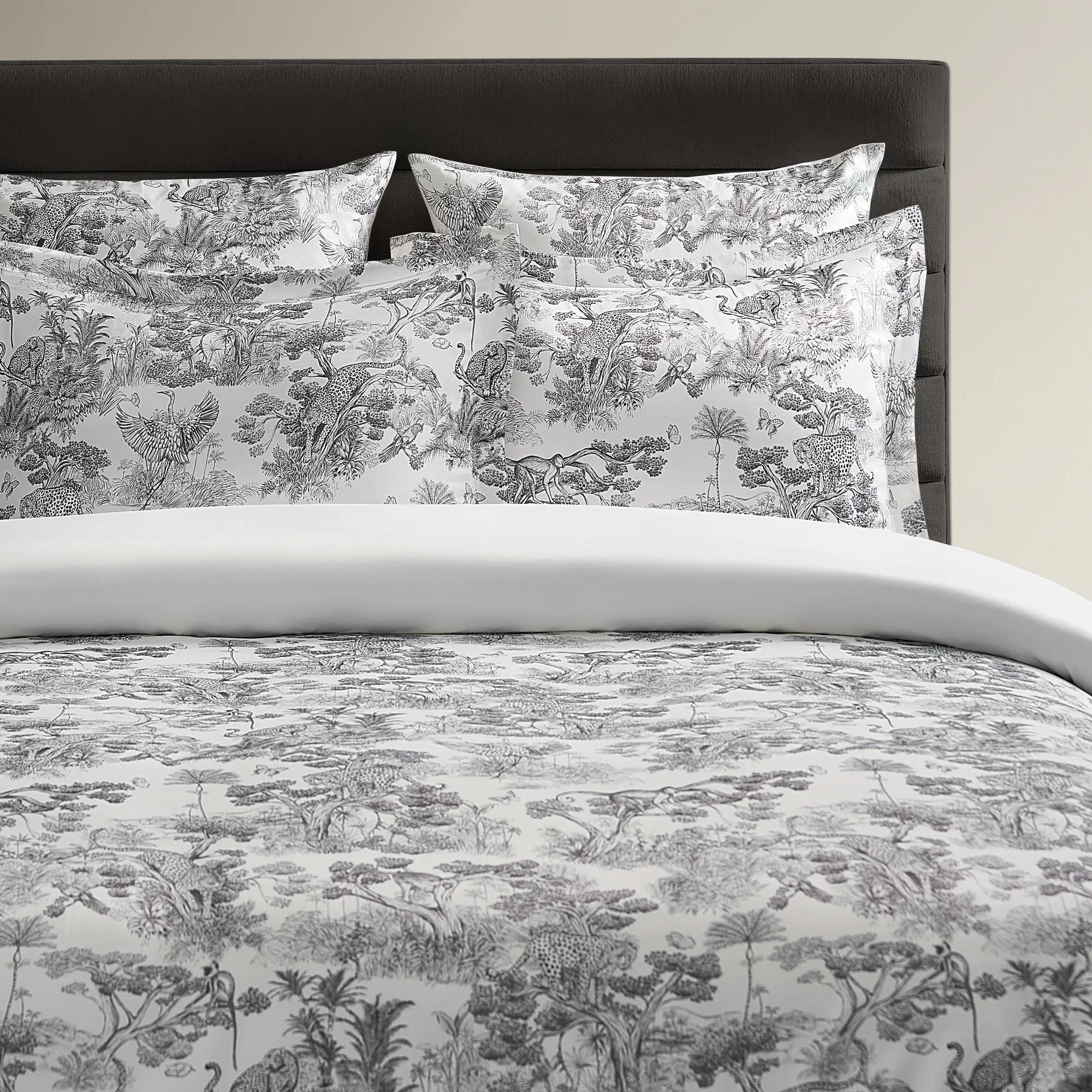
.jpg?w=2100&h=2100)
GRY.jpeg?w=3261&h=3261)