Bedding For Cold Weather
Bedding For Cold Weather
-
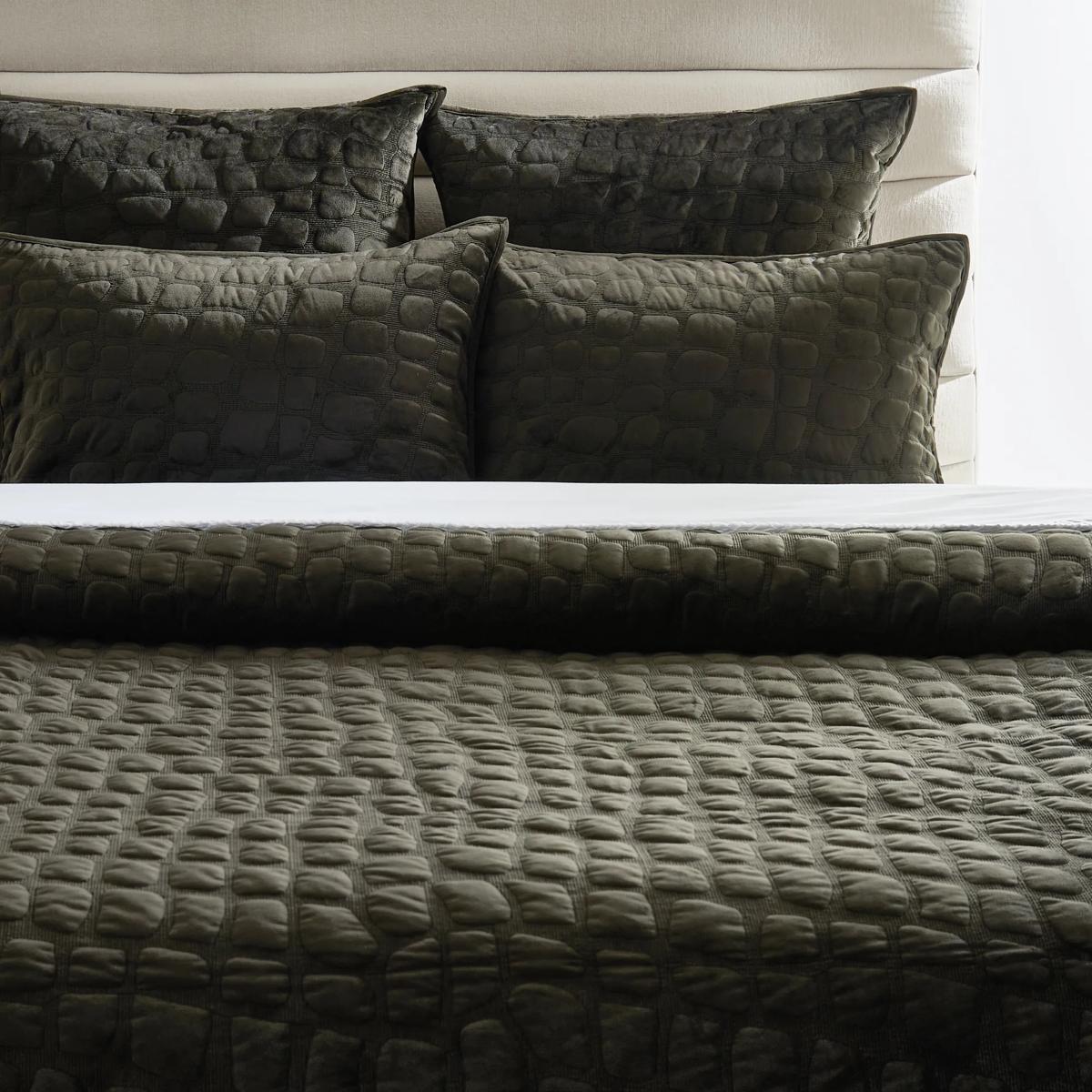
 Valen Velvet Quilt Set - Black$69
A bold quilt set featuring luxe black velvet with a quilted croc pattern and tailored piped edges.
Add To Cart -

 Fan Velvet Quilt Set - Smoke Grey$199
A plush smoke grey velvet quilt set featuring a sculptural fan pattern and polished piped edges.
Add To Cart -
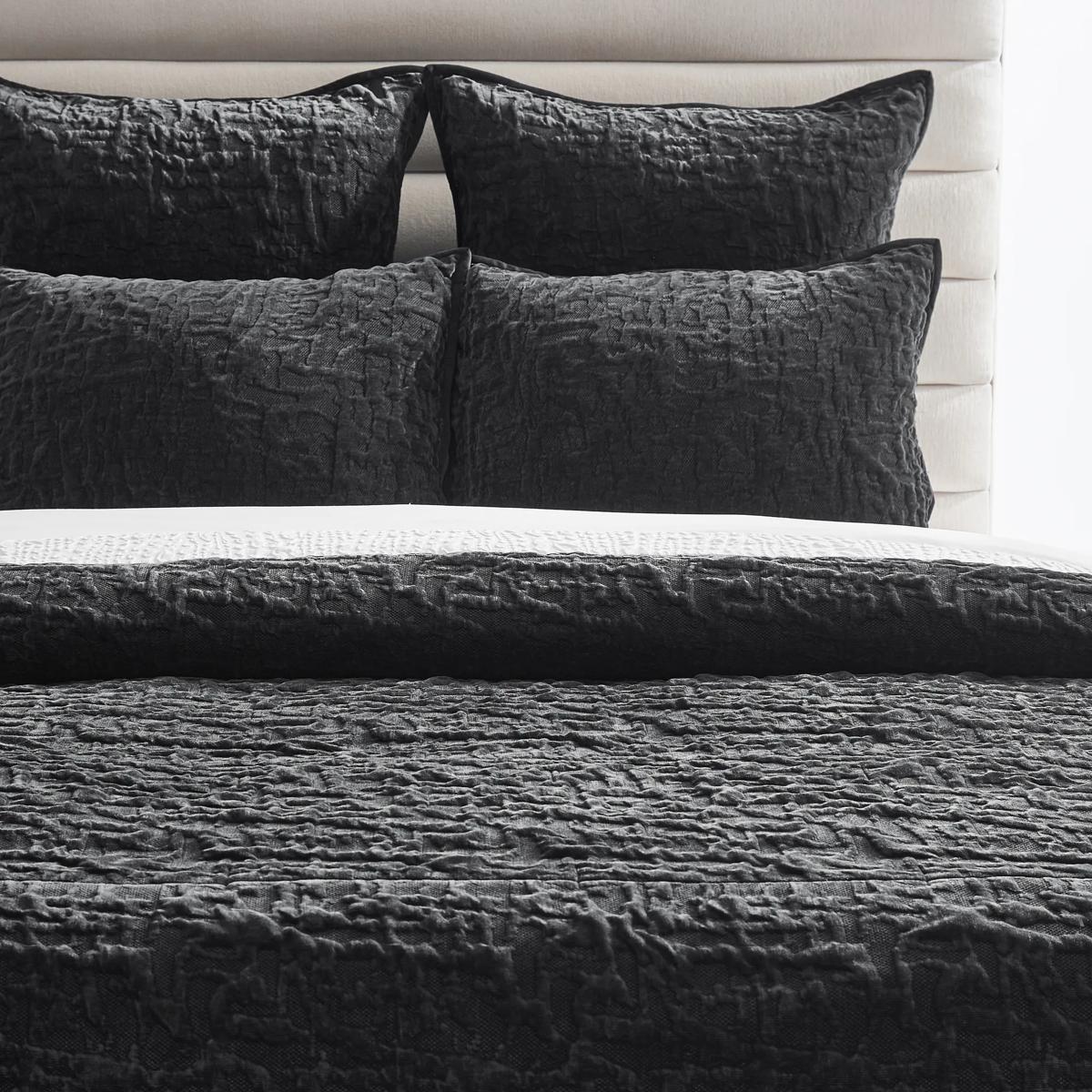
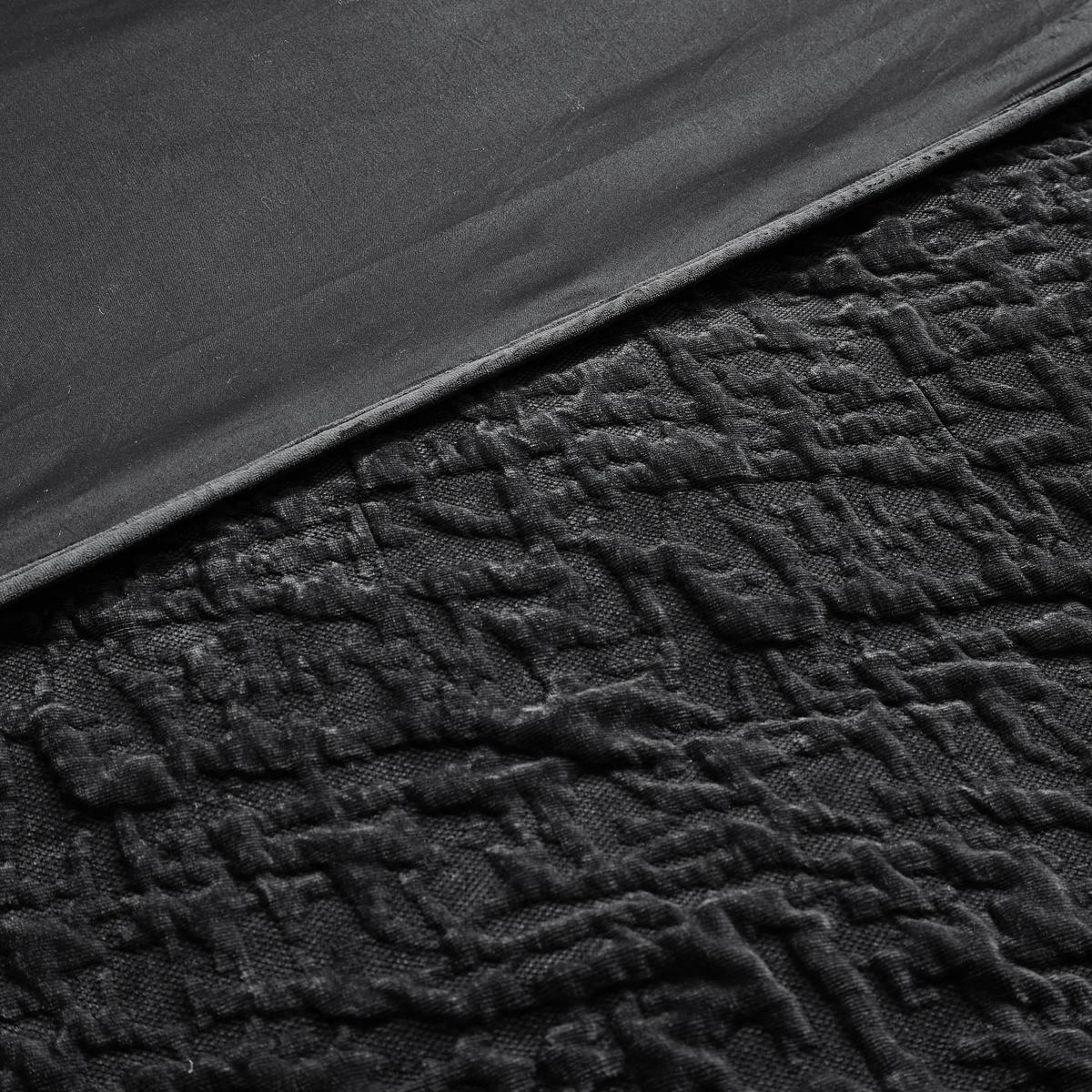 Madera Black Textured Velvet Bedding Set$249
A sophisticated black crushed velvet coverlet set with tonal embroidery and a breathable cotton backing.
Add To Cart -
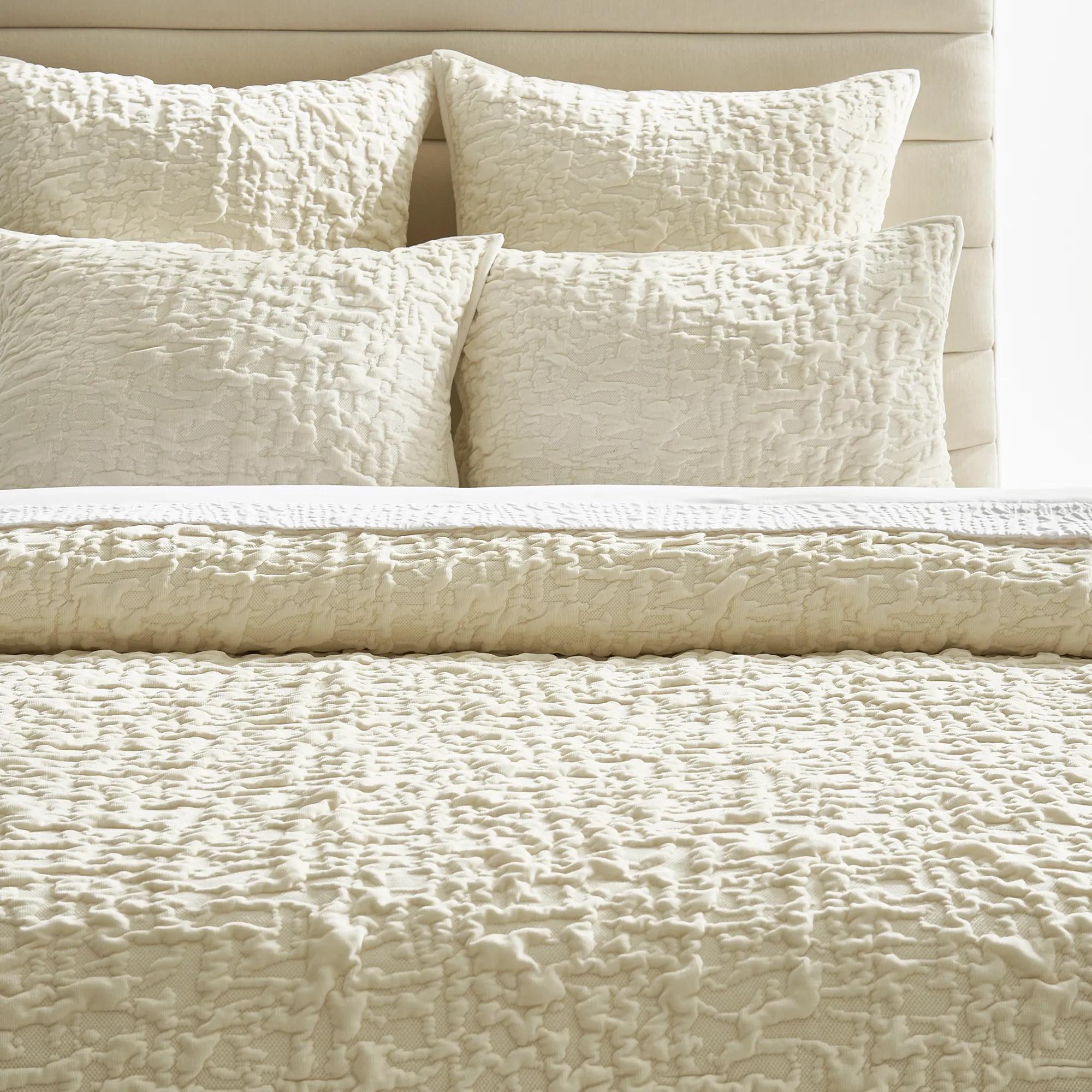
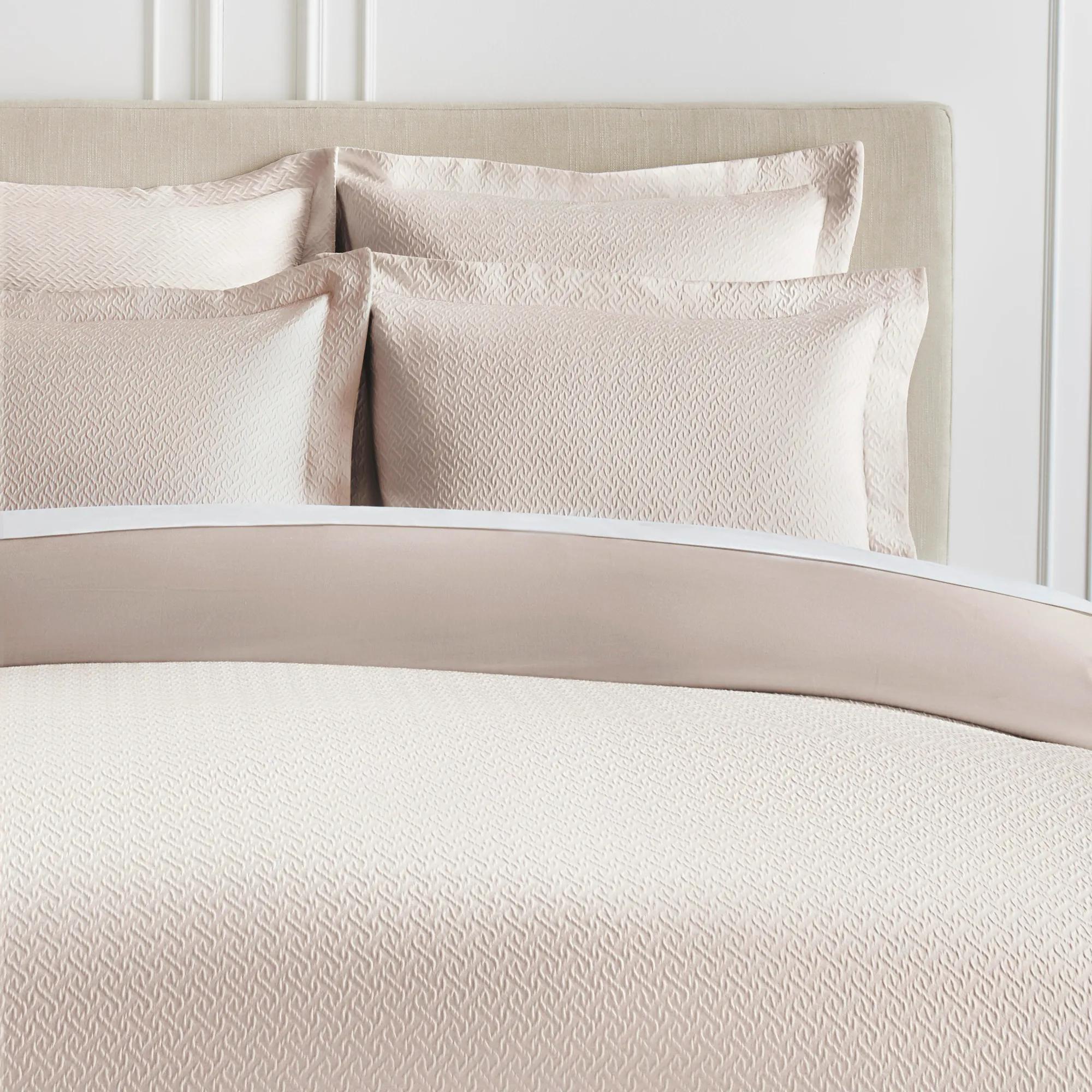
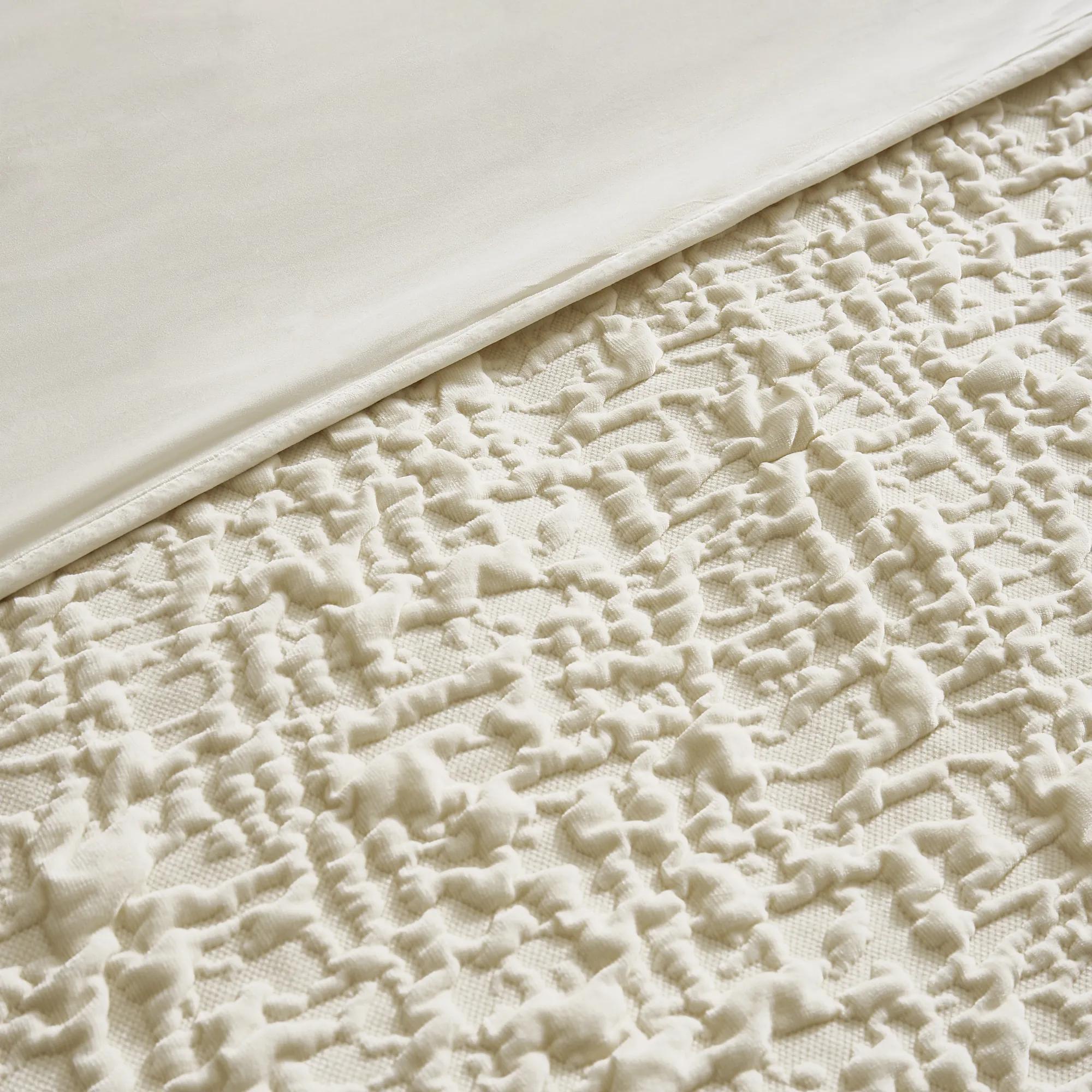 Madera Ivory Textured Velvet Bedding Set$249
A plush ivory velvet coverlet set with crushed embroidered texture and breathable cotton backing for serene style.
Add To Cart -
 Glam Grey Shiny Viscose Velvet Quilt Bedding Set$89
A lustrous grey velvet bedding collection featuring modern quilted stitching and refined piped edges.
Add To Cart -
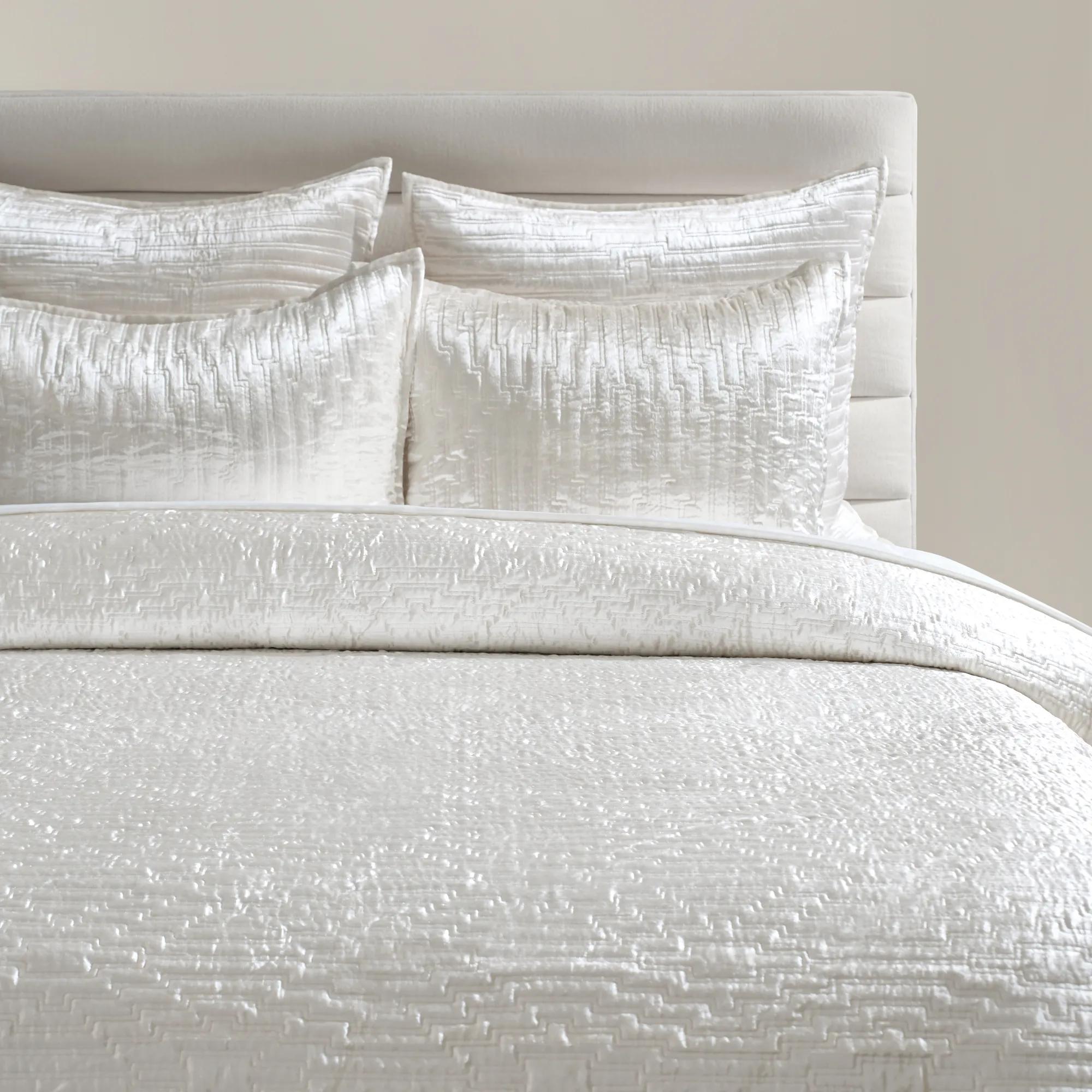
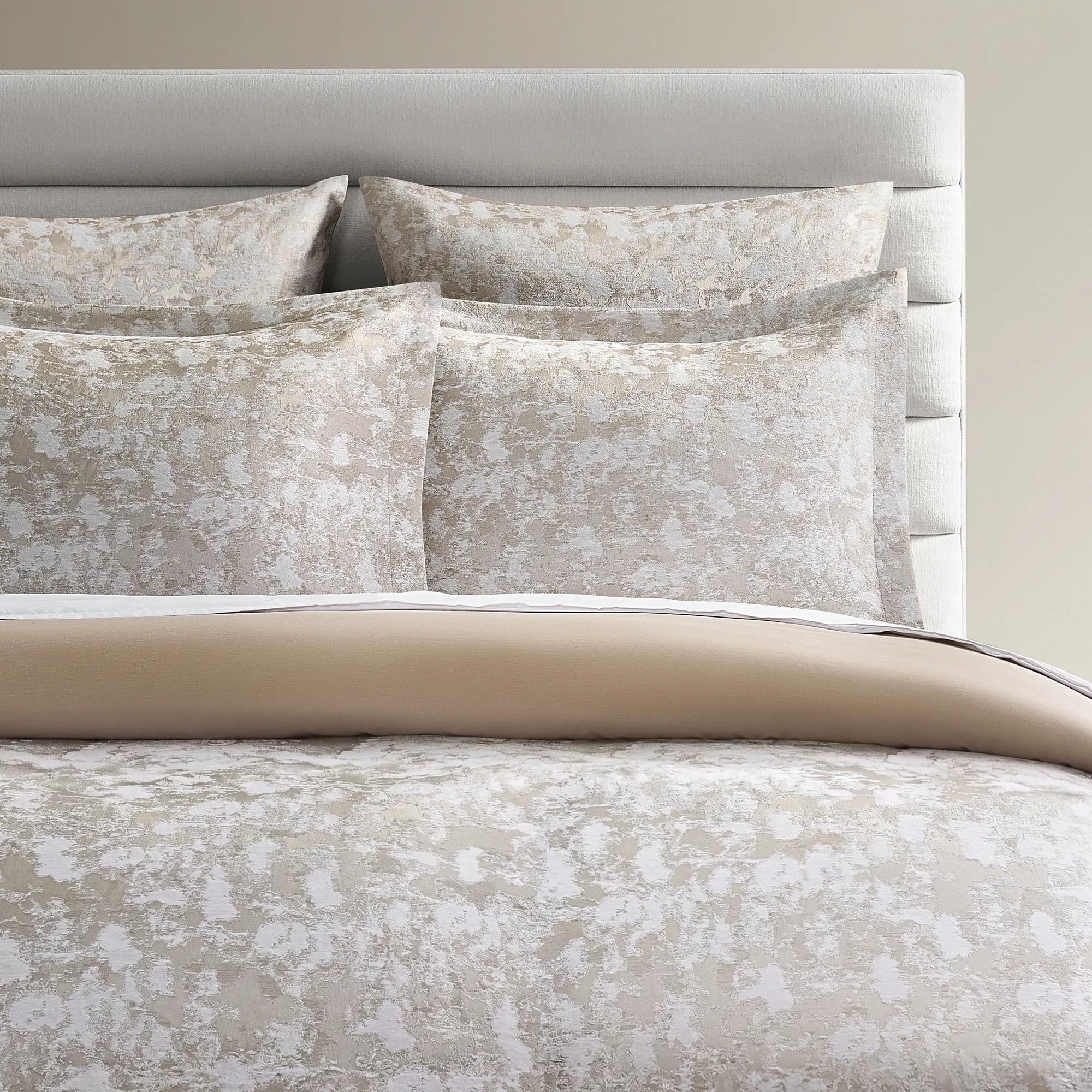
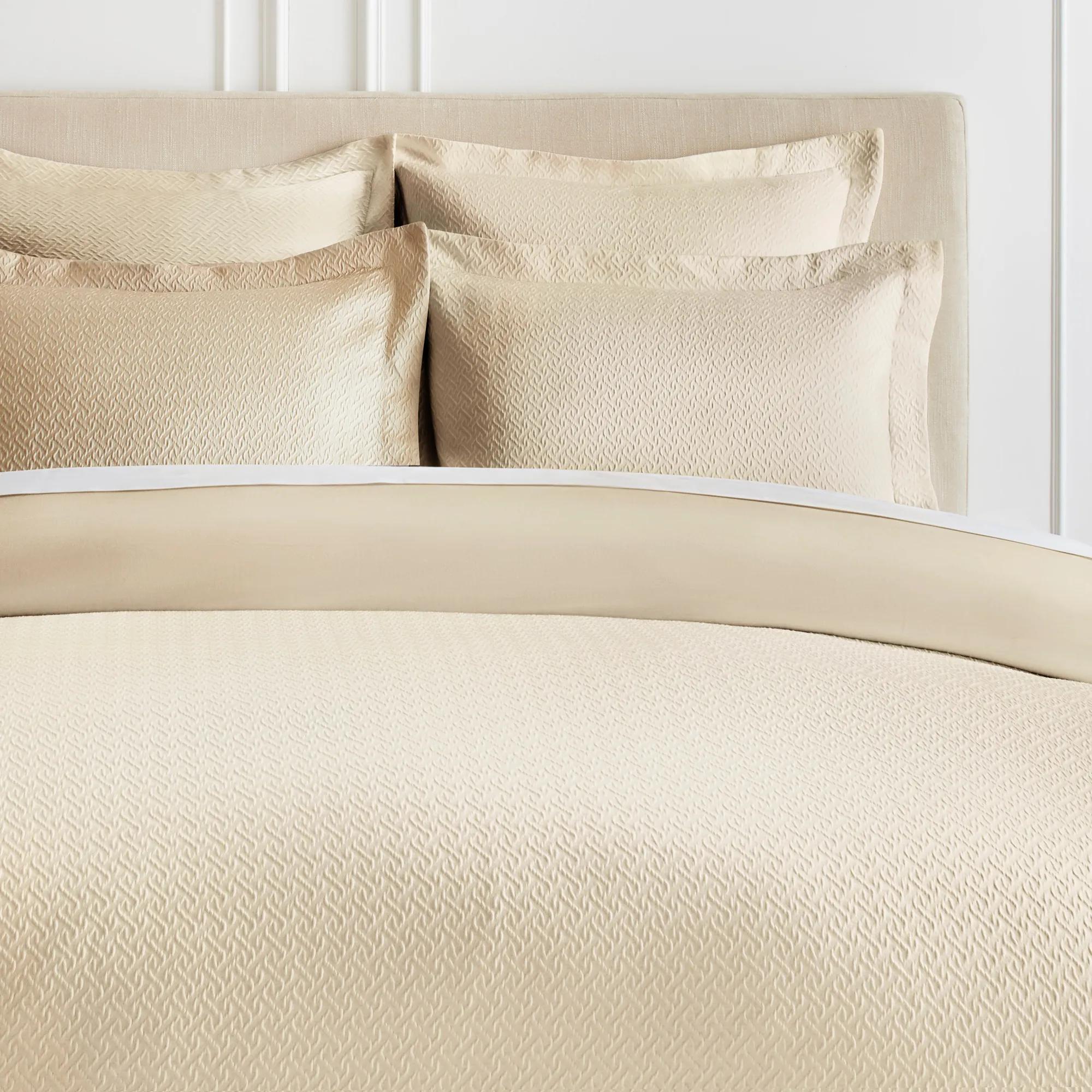
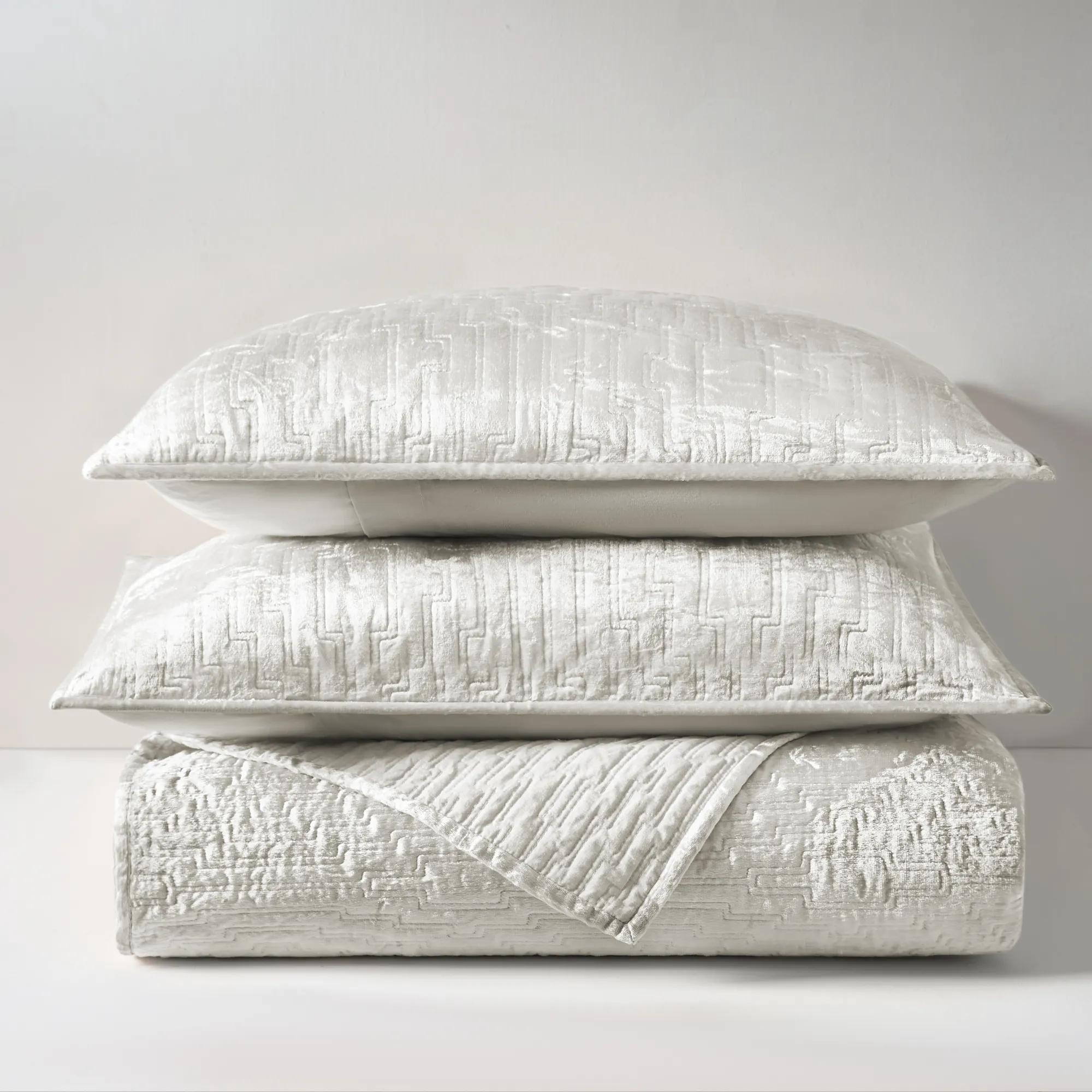 Glam Cloud White Shiny Viscose Velvet Quilt Bedding Set$499
A lustrous cloud-colored velvet quilt with modern geometric stitching and refined piped edges for sophisticated comfort.
Add To Cart -
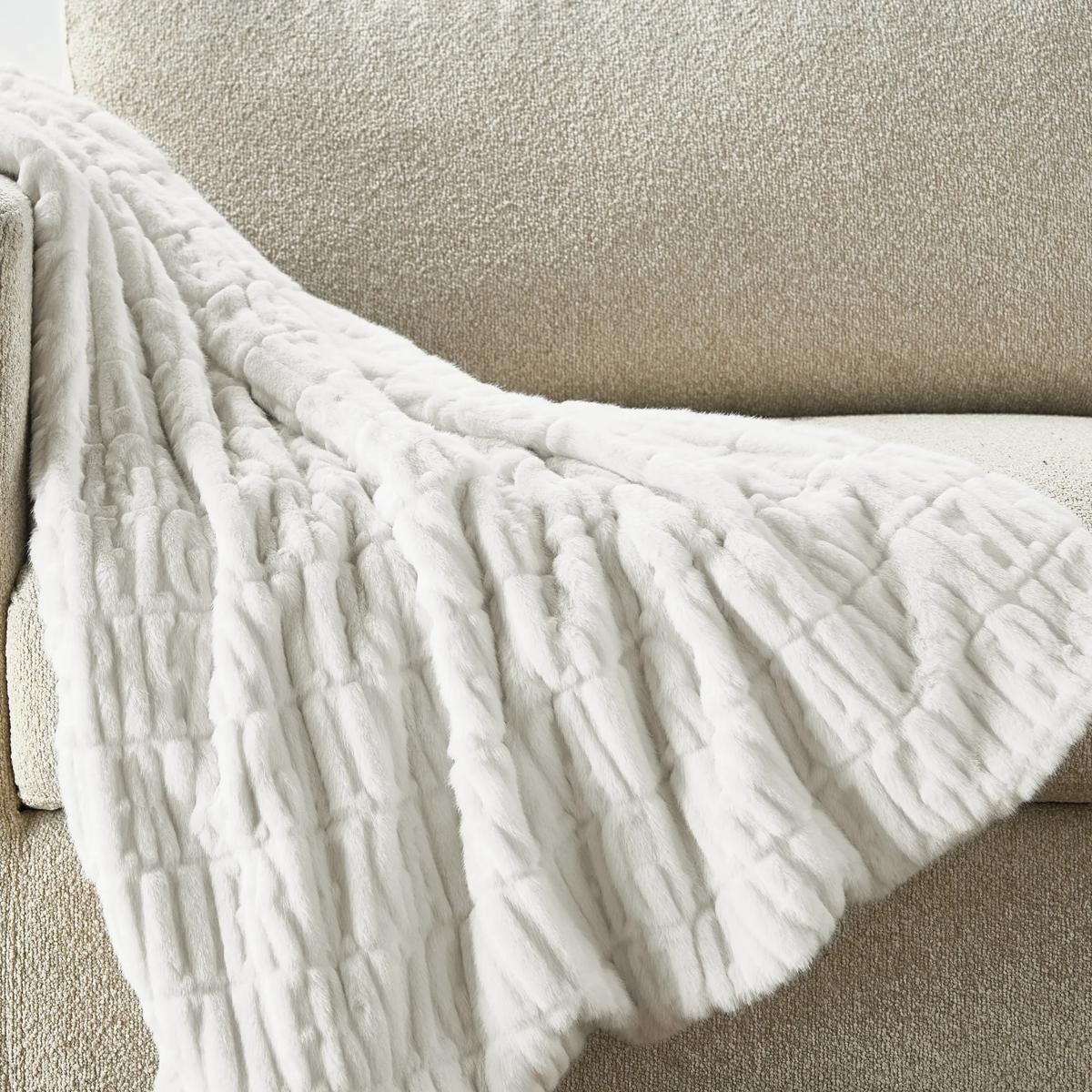
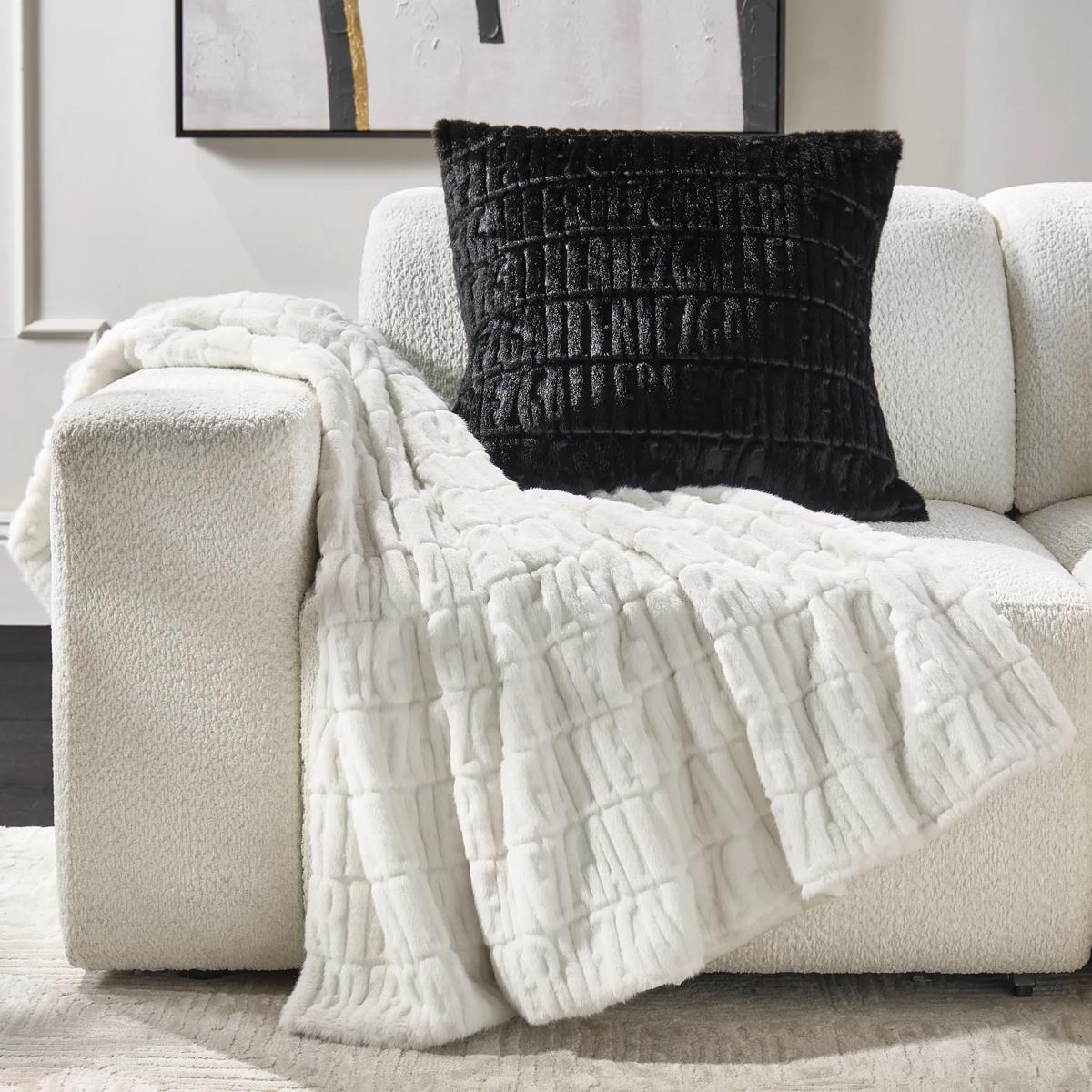 Z Carved Faux Fur Throw 50" x 60" - Ivory$129
An elegant ivory faux fur throw with a sculptural carved pattern and soft velvet backing.
Add To Cart -
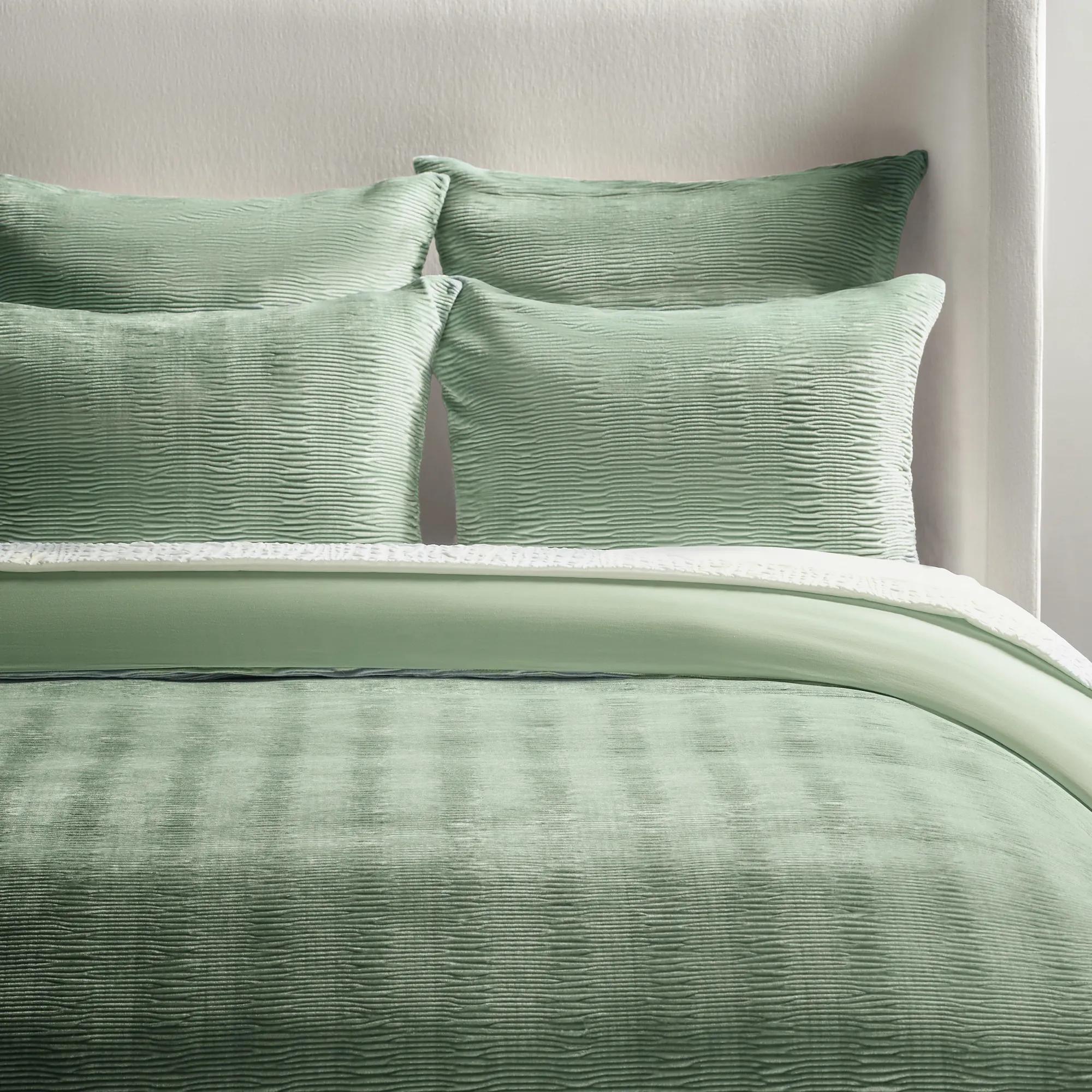
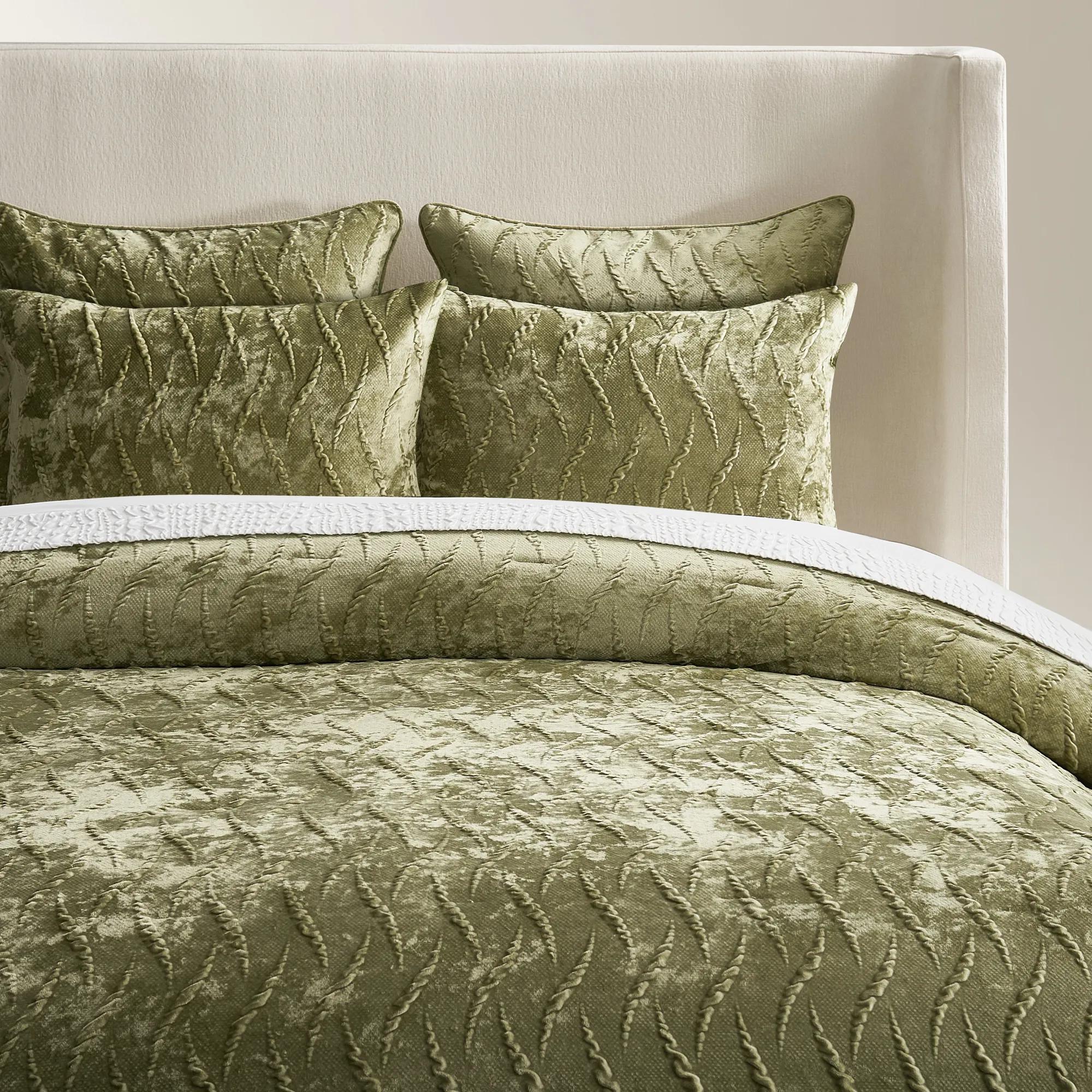
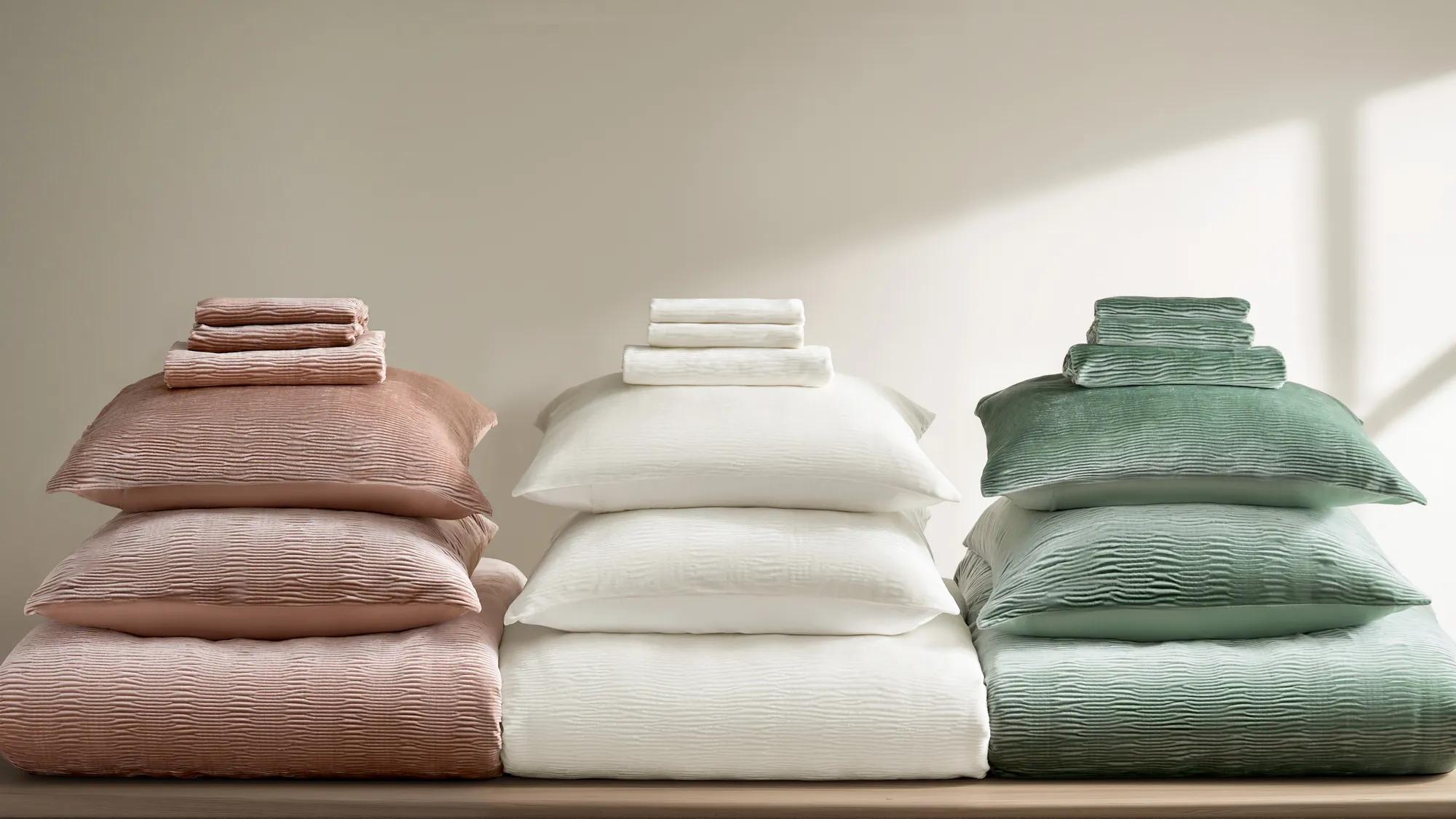 Vera Velvet Bedding Set - Malachite Green$249
A luxurious malachite green velvet bedding set with coordinating duvet and sham covers.
Add To Cart -
 Vera Velvet Bedding Set - Mocha Rose$69
A luxurious mocha rose velvet bedding set with a duvet cover and coordinating sham covers.
Add To Cart

Bedding For Cold Weather
Bedding for cold weather brings together warmth, softness, and the visual richness that turns a bedroom into a deeply inviting retreat. A versatile cold-weather bed combines breathable sheets, an insulating blanket, and a comforter or duvet insert, with layers that can be adjusted to suit the room temperature and the sleeper. Each layer contributes something different: sheets create the close-to-skin feel, blankets add flexible warmth, and lofty fills help retain body heat. The result can feel enveloping without becoming unnecessarily heavy. Cotton flannel sheets are a familiar choice for chilly nights because their brushed surface feels soft and warm on contact. Smooth cotton sheets offer a different experience, especially for sleepers who prefer a breathable foundation beneath more substantial covers. Cotton sateen introduces a subtle sheen and a fluid drape, bringing a polished finish to a richly layered bed. Fiber content and fabric construction matter more than thread count alone when considering warmth, comfort, and longevity. A brushed fabric, a dense weave, and a substantial fill each influence the sleeping experience in distinct ways. Wool blankets offer insulation while helping manage moisture, making them appealing to sleepers whose comfort changes through the night. Fleece and plush synthetic blankets provide a soft, insulating layer, with care requirements that depend on their construction. A textured blanket folded across the foot of the bed also gives warmth an expressive role in the room: a sculptural knit against smooth sheets, a velvety surface beside crisp piping, or a generous sweep of ivory against a charcoal duvet. These contrasts create depth rather than clutter. For a primary bedroom, cold-weather bedding can establish a sense of quiet grandeur; in a guest room, it makes hospitality tangible. The most satisfying arrangement balances the atmosphere of a beautifully dressed bed with the practical comfort of layers that feel right from the first touch through the final hours of sleep.
Comforters and duvet inserts provide the principal insulating layer, but warmth depends on more than a thick silhouette. Down traps air within its clusters, creating loft with relatively little weight, while down-alternative fills offer another route to a cushioned, enveloping feel. Wool-filled bedding combines insulation with moisture management and may appeal to sleepers who want warmth without the same lofty profile as down. For down bedding, fill power describes loft rather than total warmth; fill weight, shell fabric, construction, and the bedroom environment also influence how warm an insert feels. Likewise, a higher fabric or fill weight is useful context, not a complete measure of comfort. A sleeper in a lightly heated bedroom may prefer a more insulating insert, while someone who sleeps warm may find a lighter comforter paired with a removable blanket more comfortable. Shared beds benefit from that flexibility, particularly when one person favors extra coverage and the other prefers fewer layers. Construction also shapes everyday performance. Sewn-through compartments or internal baffles help distribute fill, though their designs create different profiles and insulating characteristics. A duvet cover adds a decorative outer layer and can make routine laundering more manageable than washing the insert itself. Corner ties paired with compatible insert loops help limit shifting inside the cover, while a secure closure keeps the finish composed. Fit deserves equal attention. Mattress depth, including any topper, determines the pocket depth needed for fitted sheets; mattress width and height influence how generously a blanket or comforter falls along the sides. Dimensions are more dependable than size names alone, since bedding measurements vary. A tall mattress may call for a wider cover to achieve an elegant drape without pulling coverage away from a sleeping partner. Shams and decorative pillows complete the composition, framing the sleeping area with tailored edges, plush texture, or restrained shine. Their purpose is visual rather than insulating, leaving the warmth to the layers beneath.
Cold-weather bedding earns its place through repeated use, so lasting beauty depends on materials that suit both the sleeper and the household’s care routine. Cotton sheets often become softer with laundering, while brushed fabrics may develop some surface pilling through friction; fabric quality, washing conditions, and everyday wear all affect how the finish holds up. Plush blankets, embroidered covers, and textured shams can require different treatment, even when their colors coordinate. Care labels provide the essential direction for washing, drying, and any professional cleaning requirements. A generously filled comforter needs enough space to move during laundering, and some constructions are better suited to a large-capacity machine or professional care. Thorough drying is especially important for filled bedding, since retained moisture can encourage odors and compromise the freshness of the bed. Where machine drying is permitted, the recommended temperature helps protect fibers and fill. Between uses, clean, completely dry bedding belongs in a dry storage space; breathable storage can help preserve freshness without compressing lofty fills for extended periods. These considerations make washable covers and separately removable blankets particularly useful in frequently used bedrooms, guest spaces, and homes with pets. They also allow the bed’s appearance to evolve without replacing every layer. A luminous neutral duvet can become more dramatic with a dark, tactile throw, while a richly colored cover gains balance from pale sheets and softly structured shams. For another expression of this layered approach, Cozy Bedding for Winter Nights offers a complementary cold-weather theme. Bedding also makes a thoughtful housewarming or wedding gift when the recipient’s mattress size, fabric preferences, and laundering habits are known. A blanket can be a more flexible choice when those details are uncertain, lending itself to an extra layer on the bed or a luxurious accent across a bedroom bench. Whether intended for nightly use, welcoming overnight guests, or creating a more expressive room, the appeal lies in the union of tactile comfort and considered design. Warmth becomes part of the room’s character: generous, beautifully composed, and personal.
FAQs
For cold weather, opt for bedding crafted from plush materials such as velvet, faux fur, heavyweight cotton flannel, and sateen weaves. These fabrics not only provide exceptional warmth but also add a layer of opulence and tactile delight to your bedroom retreat.
Begin with a foundation of soft, insulating sheets, then add a lofty duvet or comforter as your main source of warmth. Top with a textured quilt or coverlet for added dimension, and finish the ensemble with decorative throws and accent pillows in coordinating winter hues for a dramatic, inviting effect.
Deep jewel tones, shimmering metallics, and cool neutrals like silver, charcoal, and icy blue evoke a sense of winter luxury. Patterns inspired by nature, such as subtle botanicals or abstract geometrics, can bring visual interest and a touch of artistry to your seasonal sanctuary.
Cold weather bedding is a gift that combines practicality with indulgence, offering loved ones a daily dose of warmth and comfort. Its luxurious textures and rich designs make it a cherished present for anyone who appreciates self-care, home décor, or the art of living beautifully.
To preserve the sumptuous quality of your bedding, follow care instructions closely—typically gentle washing, low-heat drying, and occasional fluffing. Regularly rotating and layering your pieces also helps maintain their loft and luster, ensuring your winter retreat remains as inviting as ever.