Comfortable Seating For Small Families
Comfortable Seating For Small Families
-
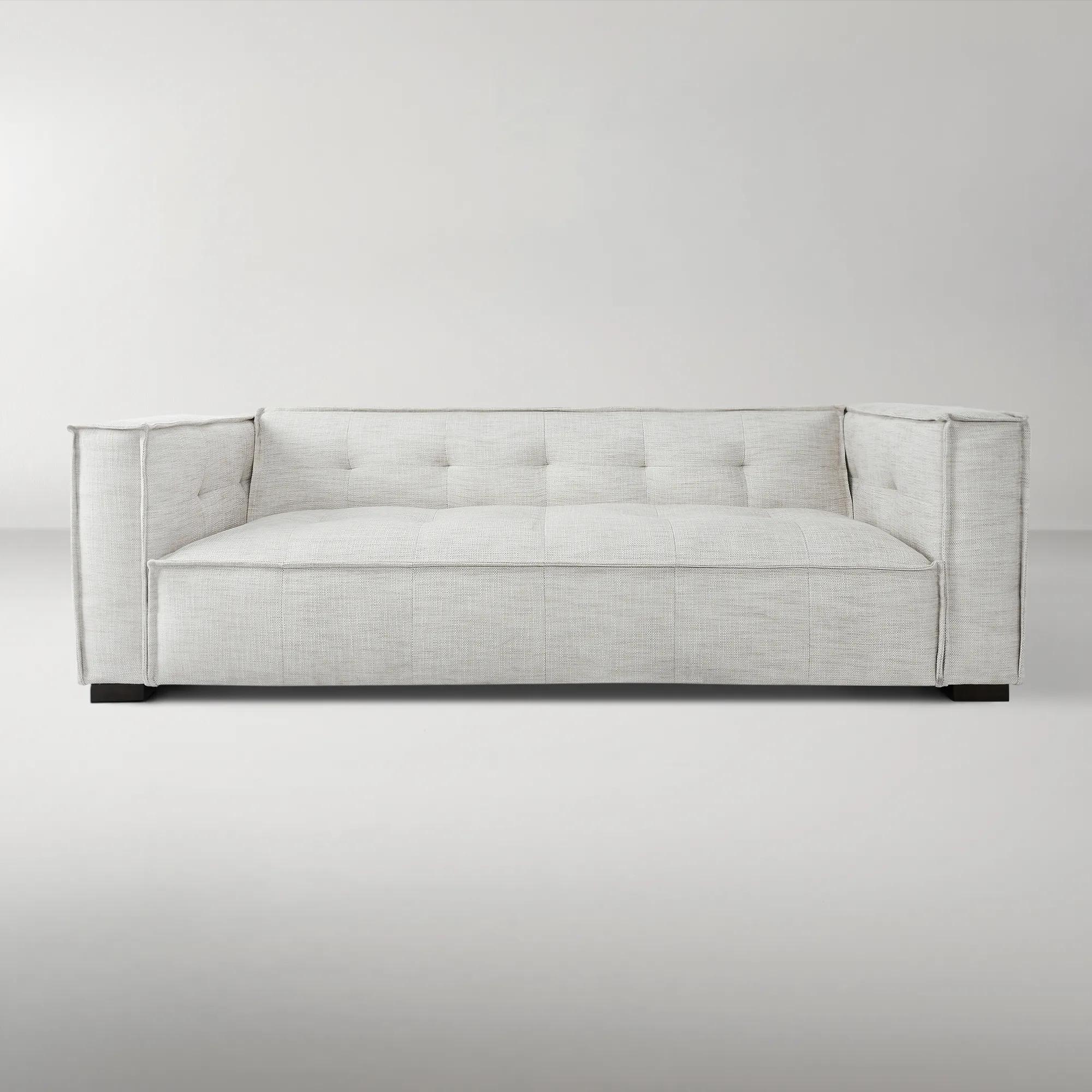
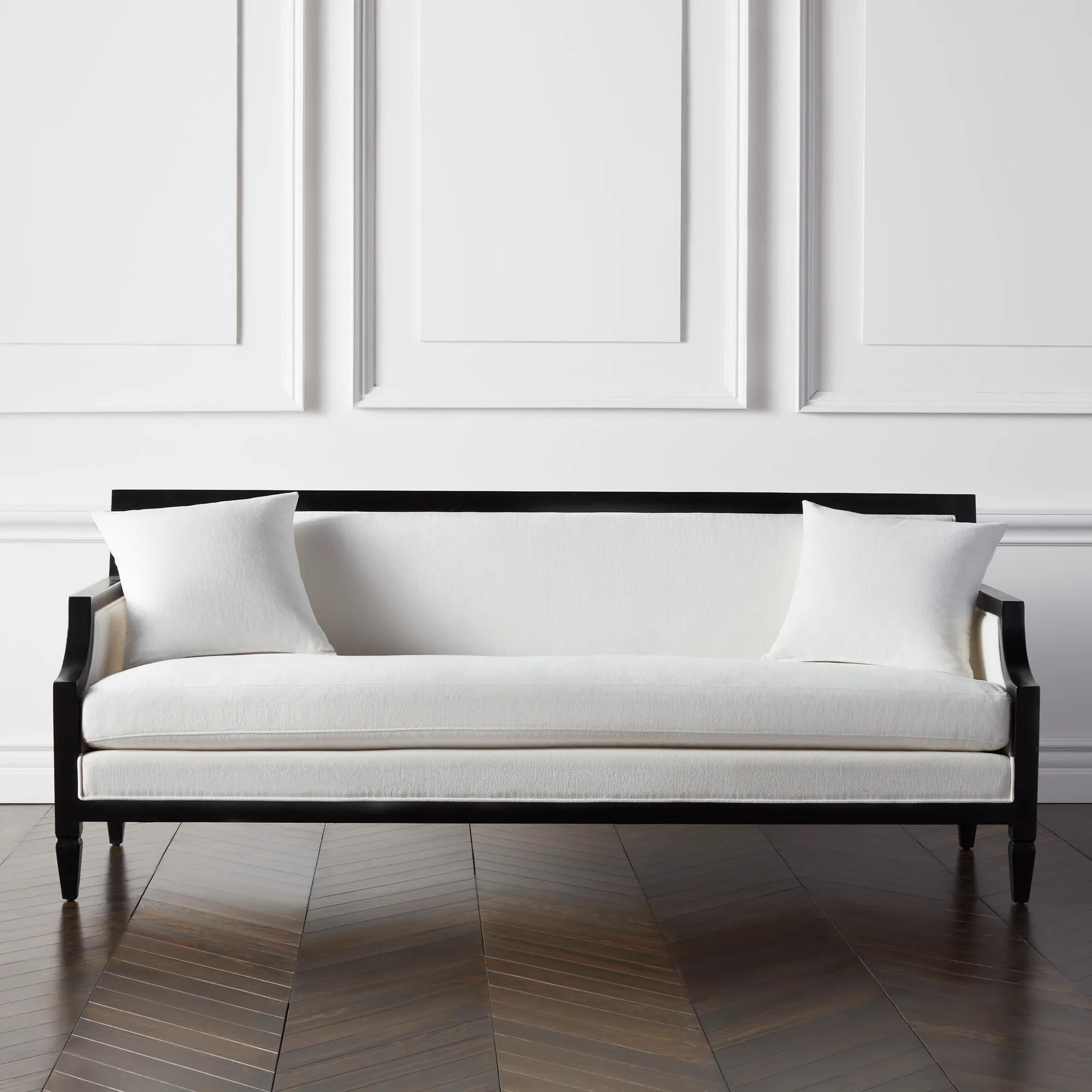
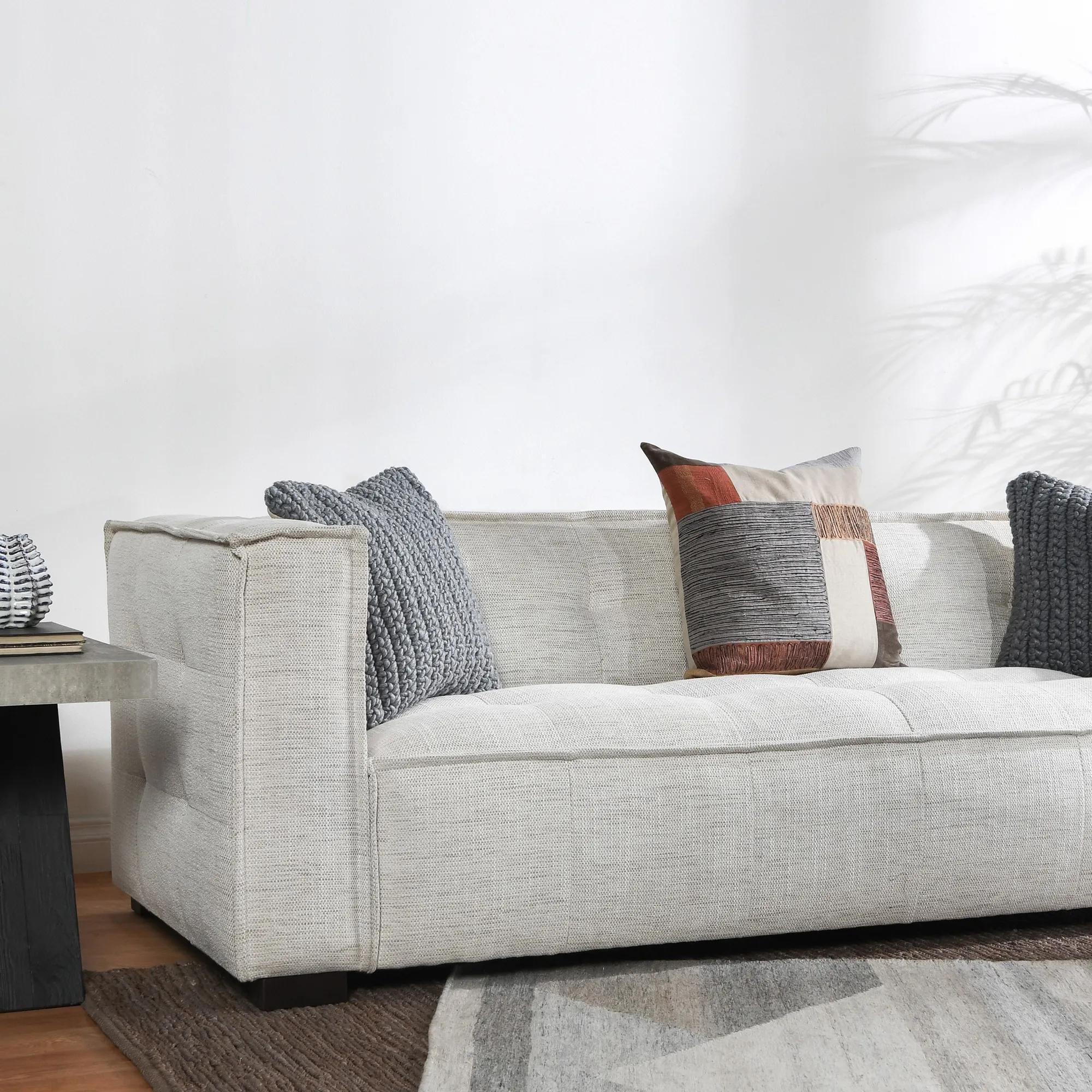 Element Box-Tufted Beige Sofa$2599
A transitional beige sofa handcrafted with a polyester blend and pine wood legs, seating up to four.
Add To Cart -
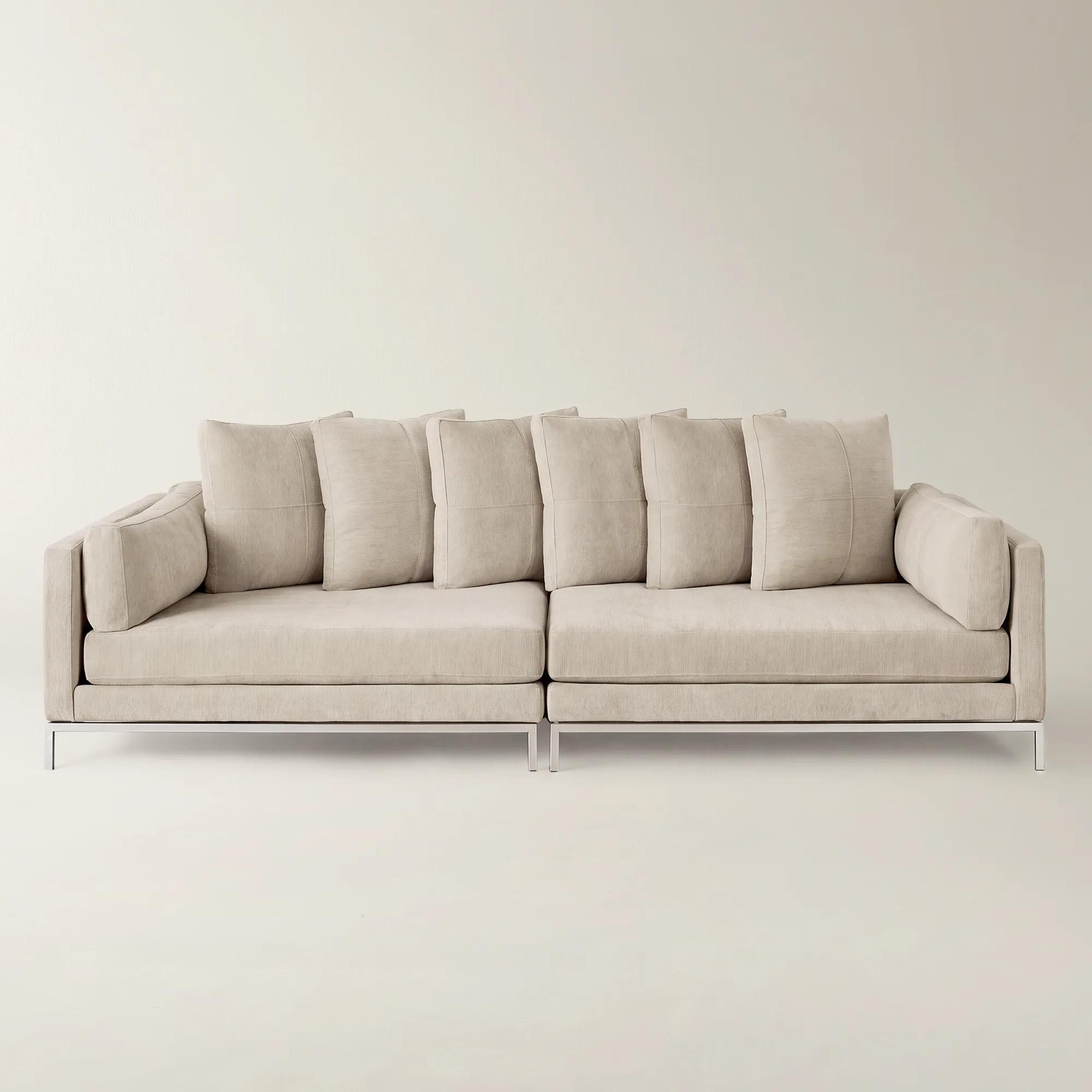
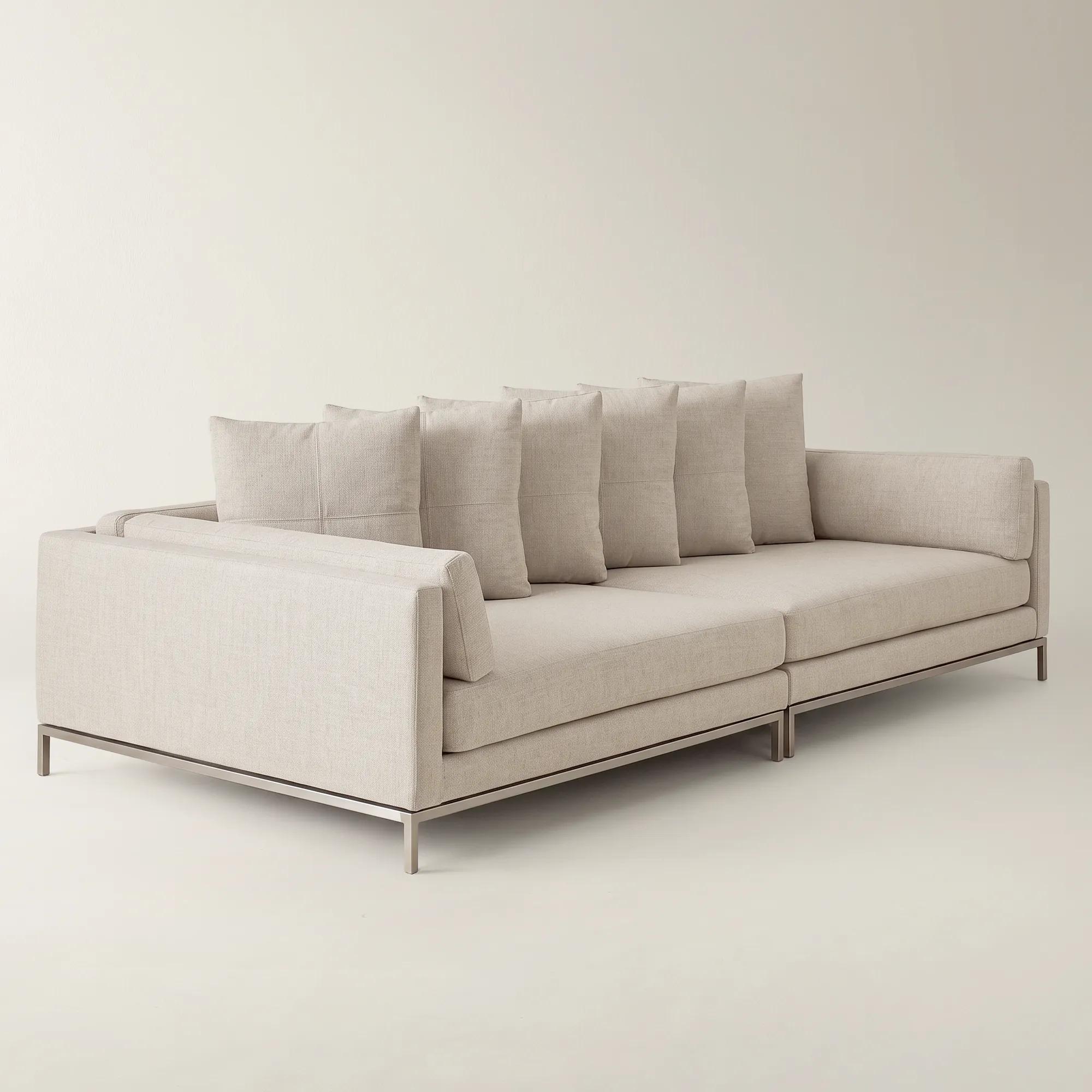 Ventura 2-Piece Square Snow Chenille Sectional Sofa$4299
A modern snow chenille sectional with a floating stainless-steel base, plush feather-filled pillows, and versatile configurations.
Add To Cart -
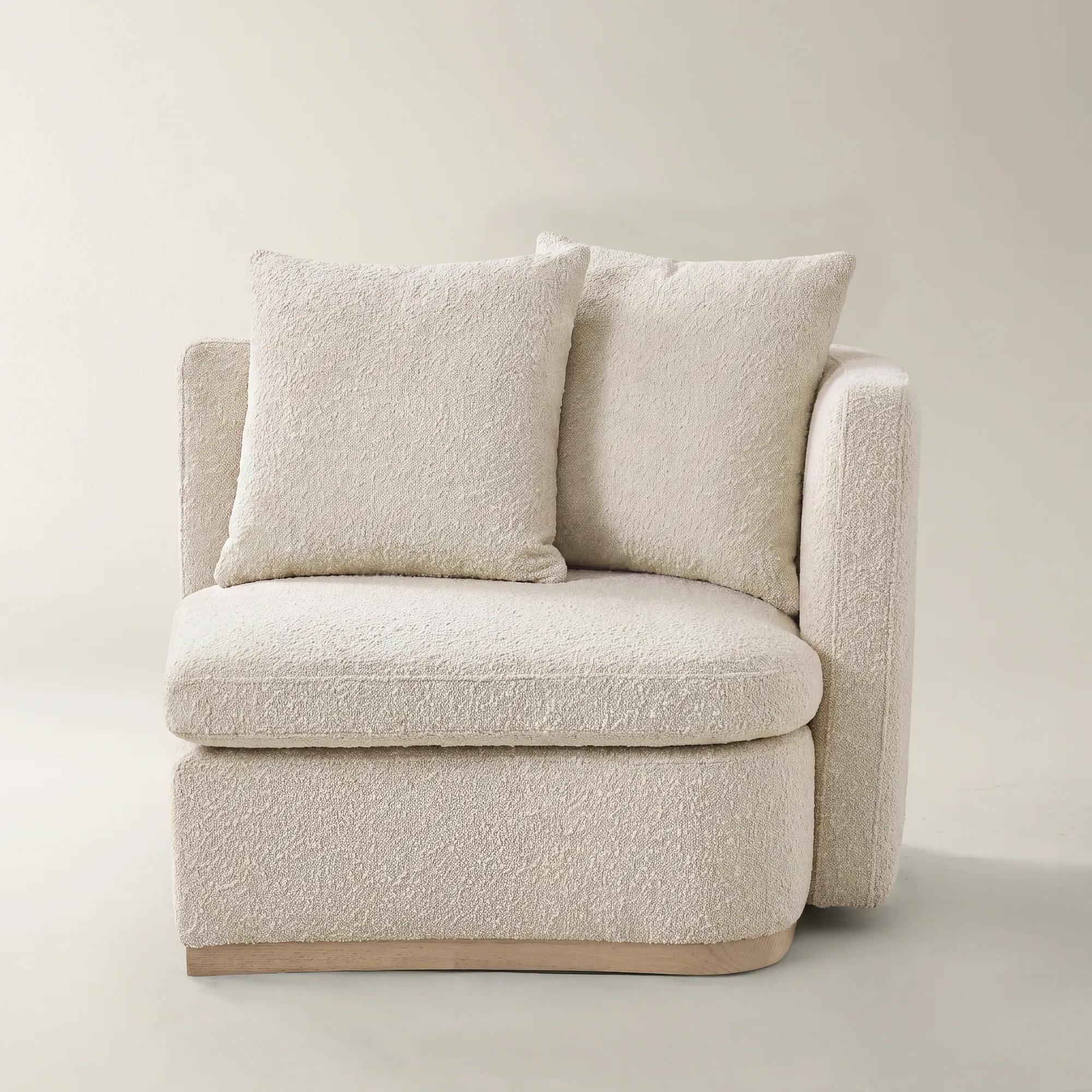
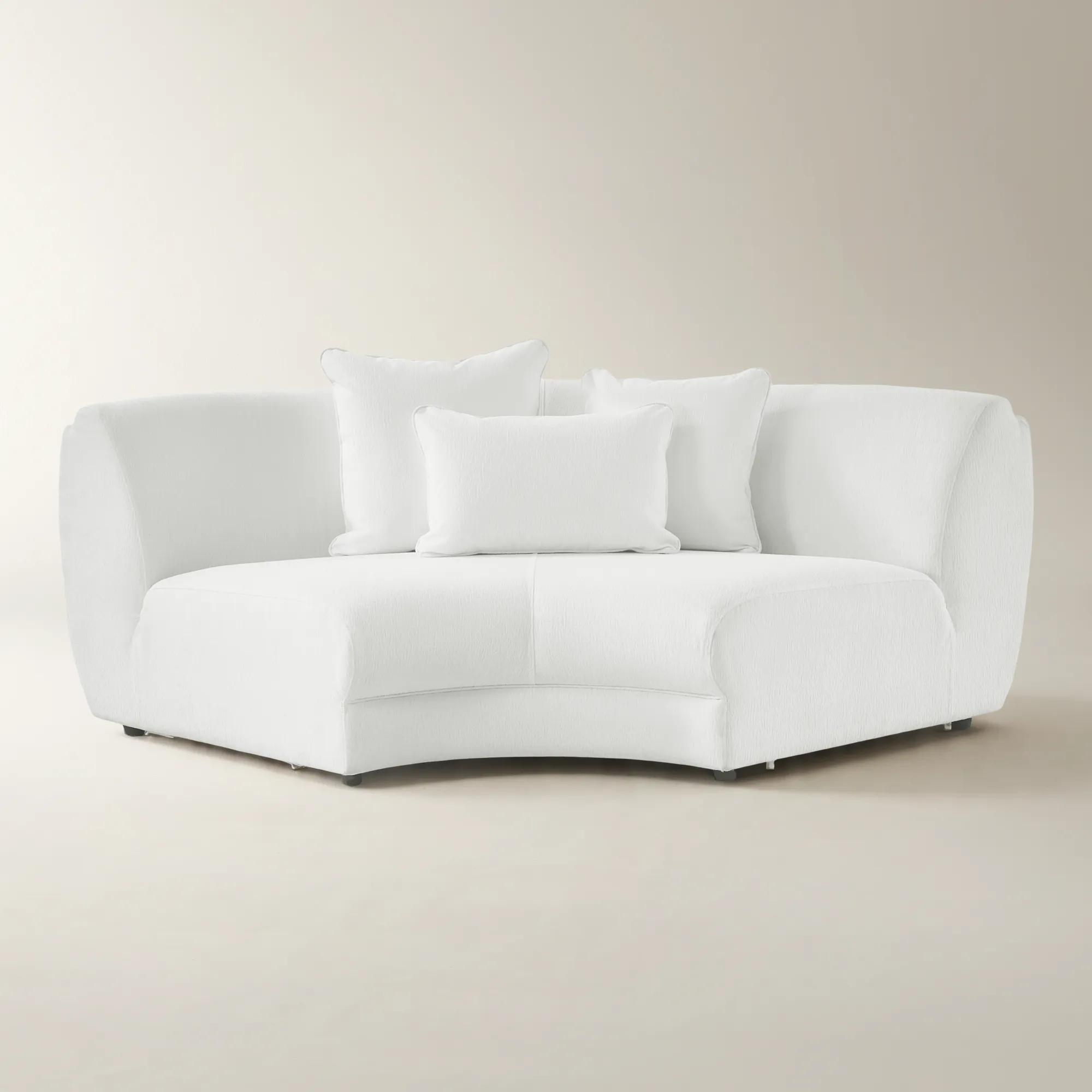 Curvia White Performance Chenille Indoor/Outdoor Corner Chair$1649
A sculptural white corner chair upholstered in performance chenille for plush, weather-resistant indoor or outdoor lounging.
Add To Cart -
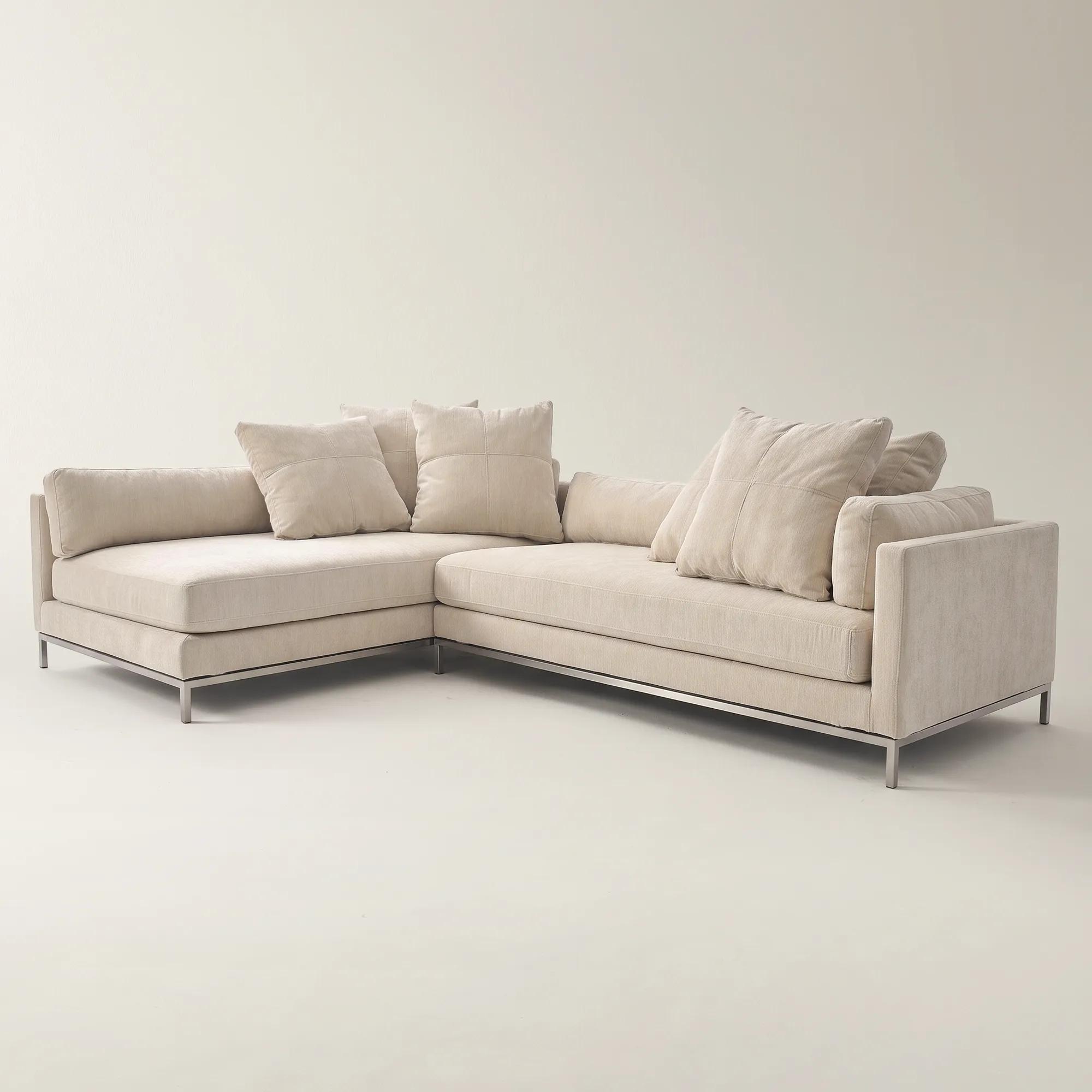
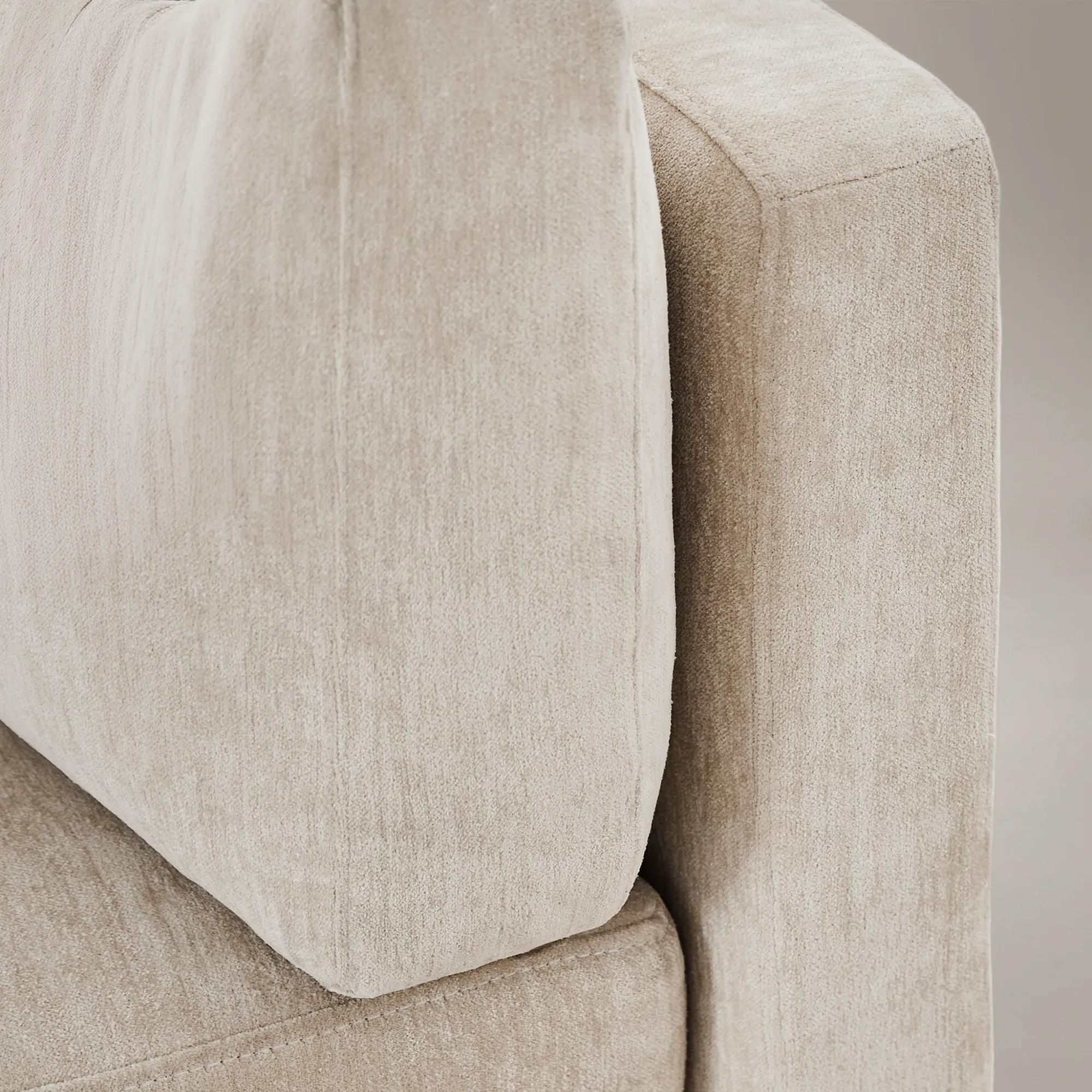 Ventura 2-Piece L-Shaped Snow Chenille Sectional Sofa With Right-Arm Chair$4099
A modern Snow chenille sectional with plush feather-filled cushions, streamlined metal base, and versatile L-shaped comfort.
Add To Cart -
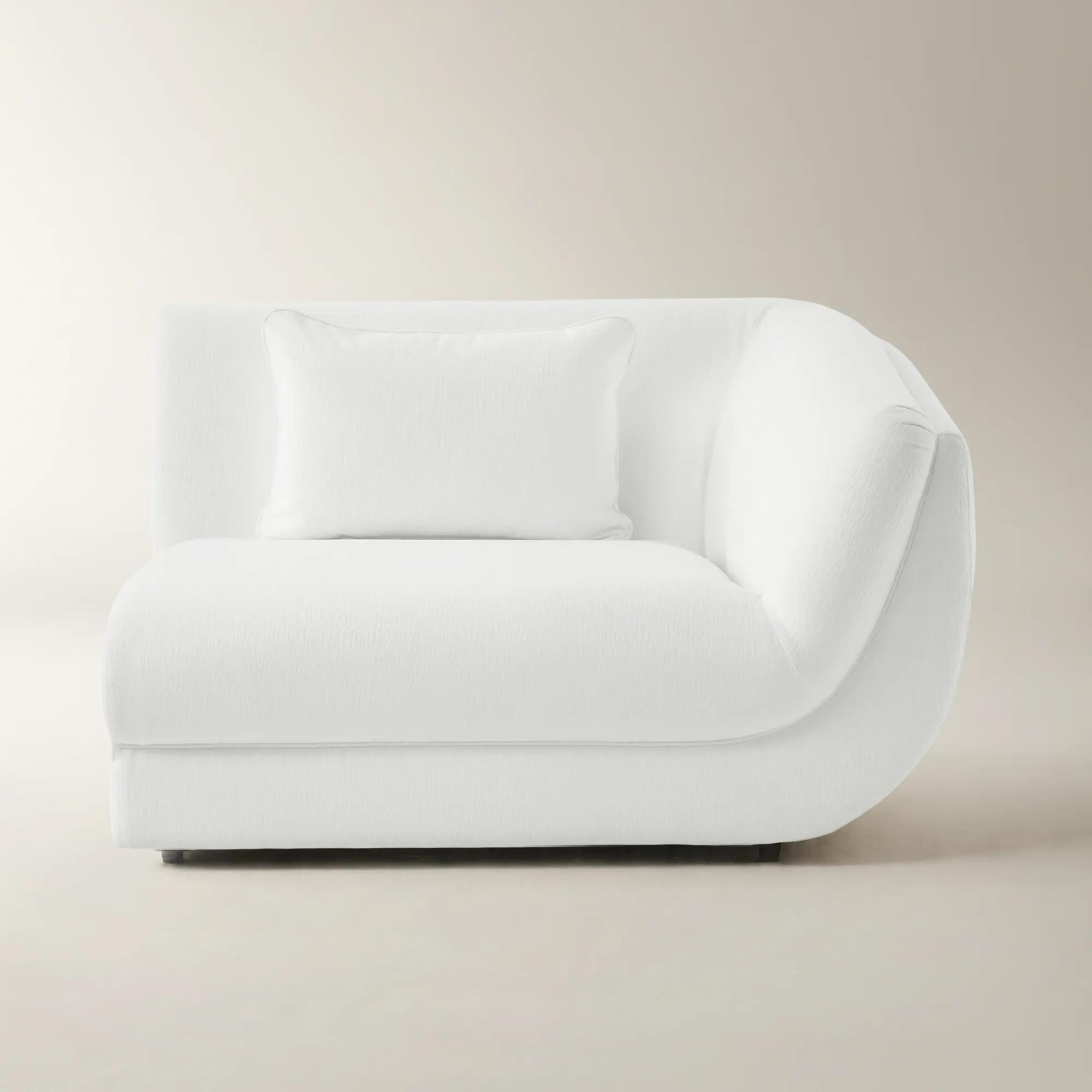 Curvia White Performance Chenille Indoor/Outdoor Right-Arm Chair$1449
A sculptural right-arm chair in white performance chenille, designed for plush comfort indoors or outdoors.
Add To Cart -
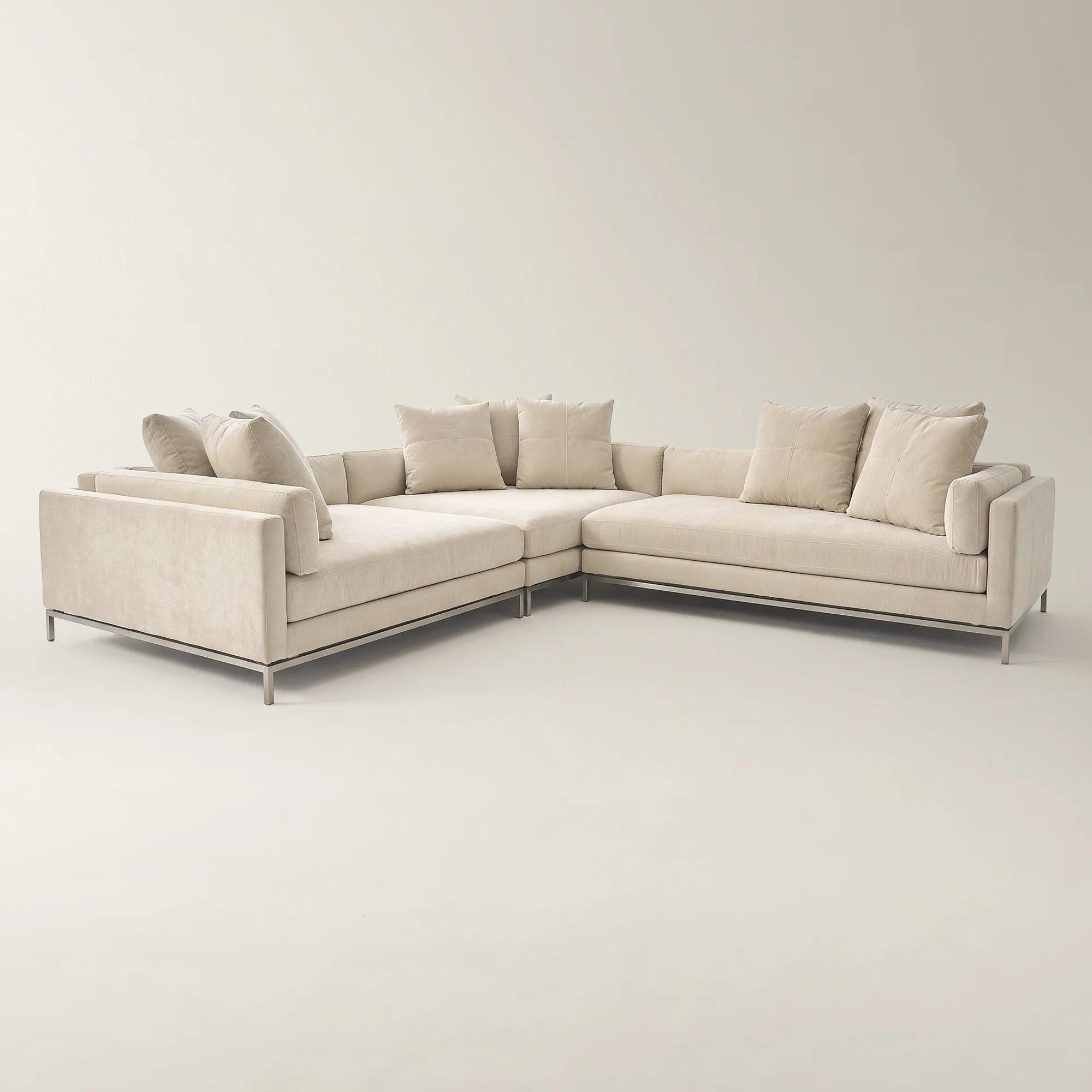 Ventura 3-Piece L-Shaped Snow Chenille Sectional Sofa With Right-Arm Chair$5999
A snow chenille sectional with a streamlined floating silhouette, plush feather-filled cushions, and versatile L-shaped seating.
Add To Cart -
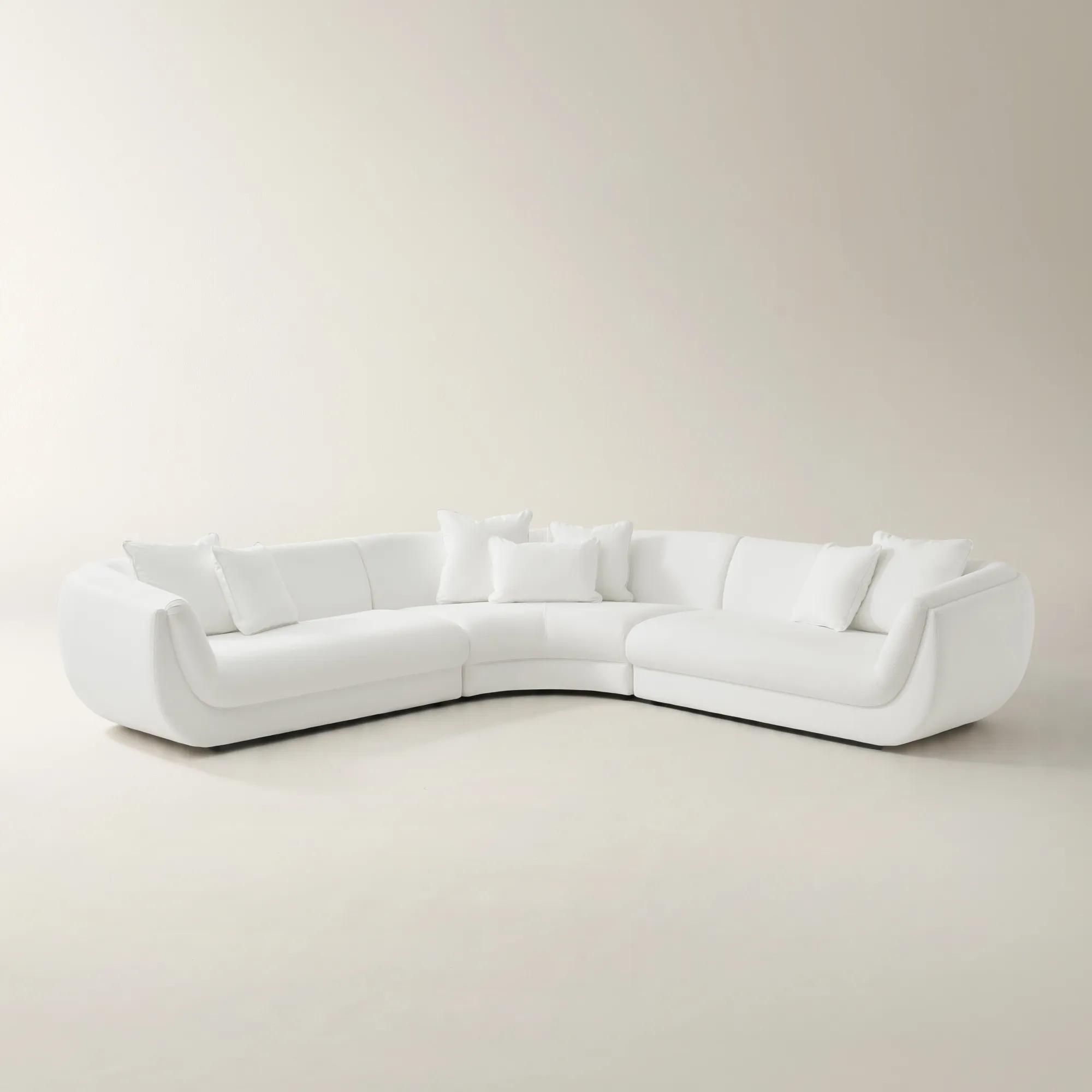 Curvia 3-Piece White Performance Chenille Indoor/Outdoor Sectional Sofa$4599
A sculptural white sectional sofa wrapped in performance chenille for luxurious indoor and outdoor lounging.
Add To Cart -
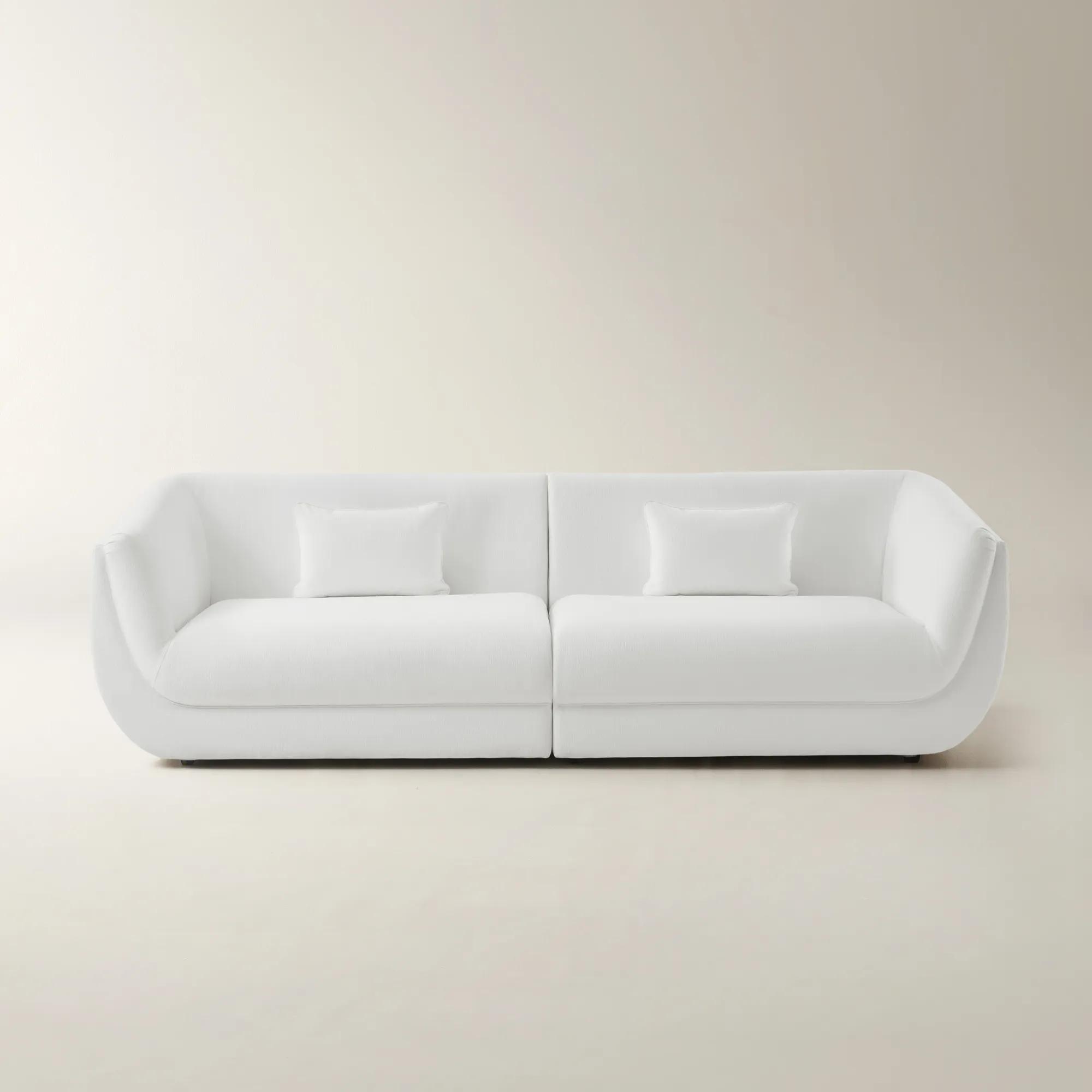
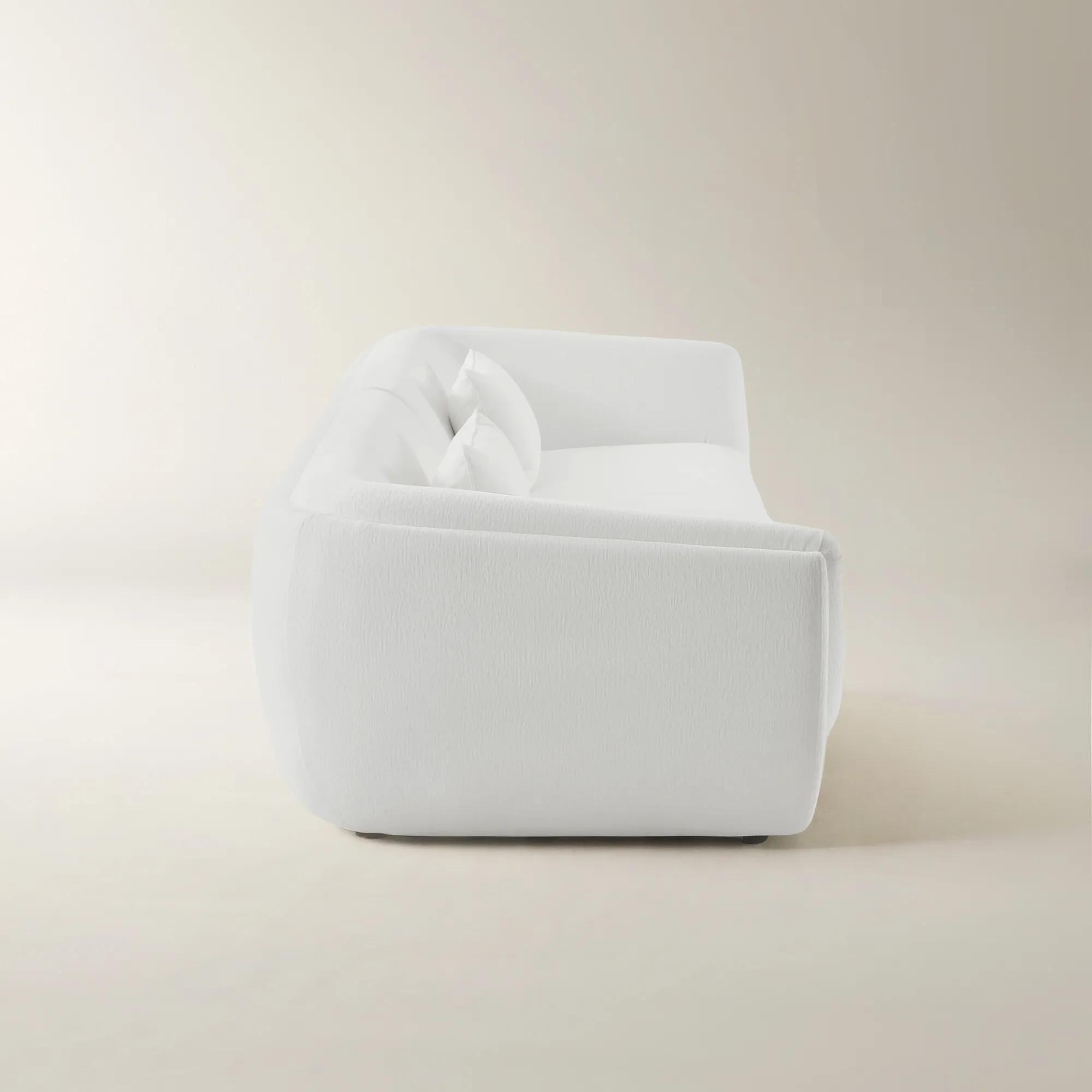 Curvia 2-Piece White Performance Chenille Indoor/Outdoor Sectional Sofa$2799
A sculptural white sectional sofa upholstered in performance chenille for luxurious indoor or outdoor lounging.
Add To Cart -

 Curvia 2-Piece Dark Chocolate Velvet Sectional Sofa$2699
A sculptural sectional wrapped in dark chocolate velvet with plush cushioning and modular, lounge-ready design.
Add To Cart -
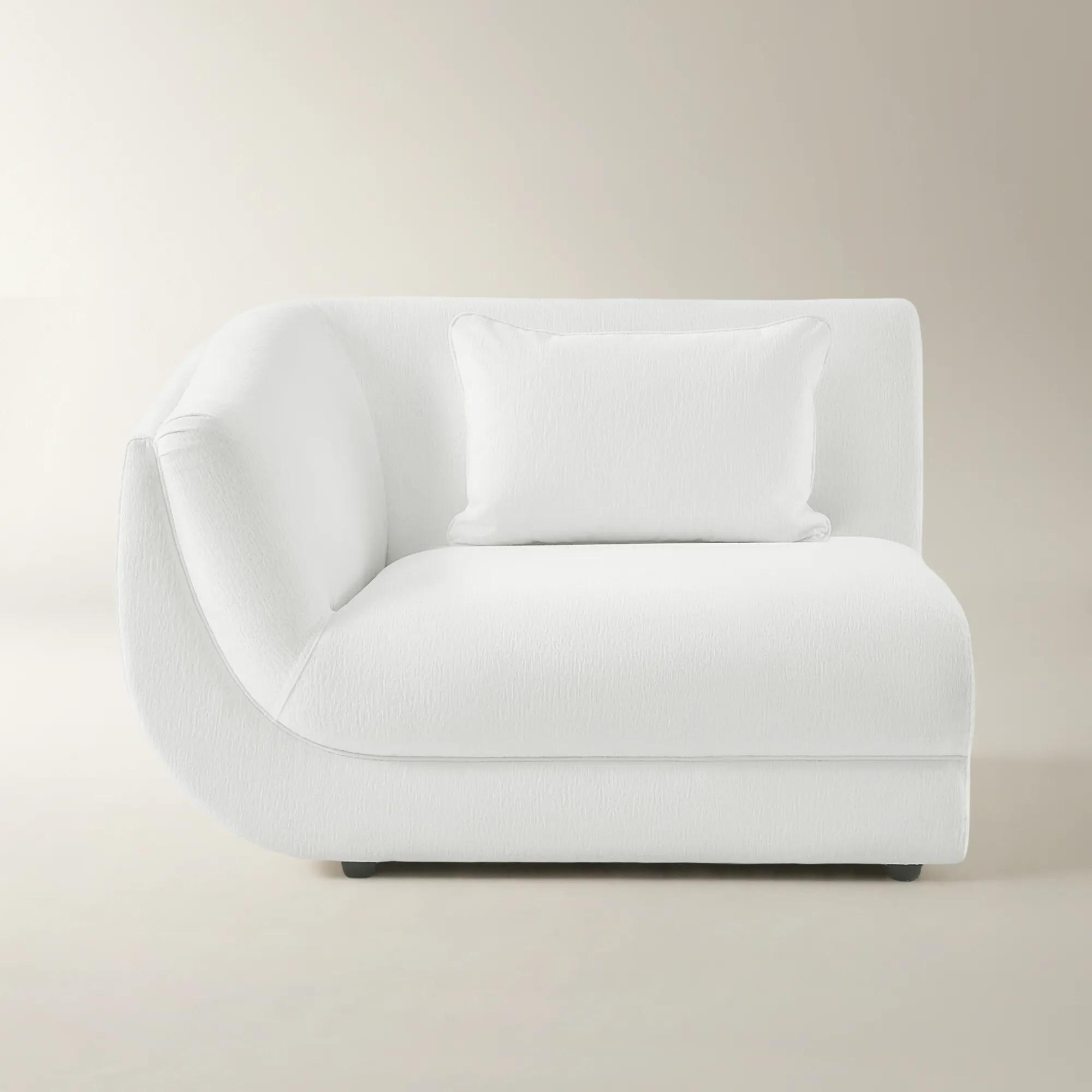 Curvia White Performance Chenille Indoor/Outdoor Left-Arm Chair$1449
A sculptural white chenille chair with plush cushioning, moisture-resistant backing, and indoor/outdoor versatility.
Add To Cart -
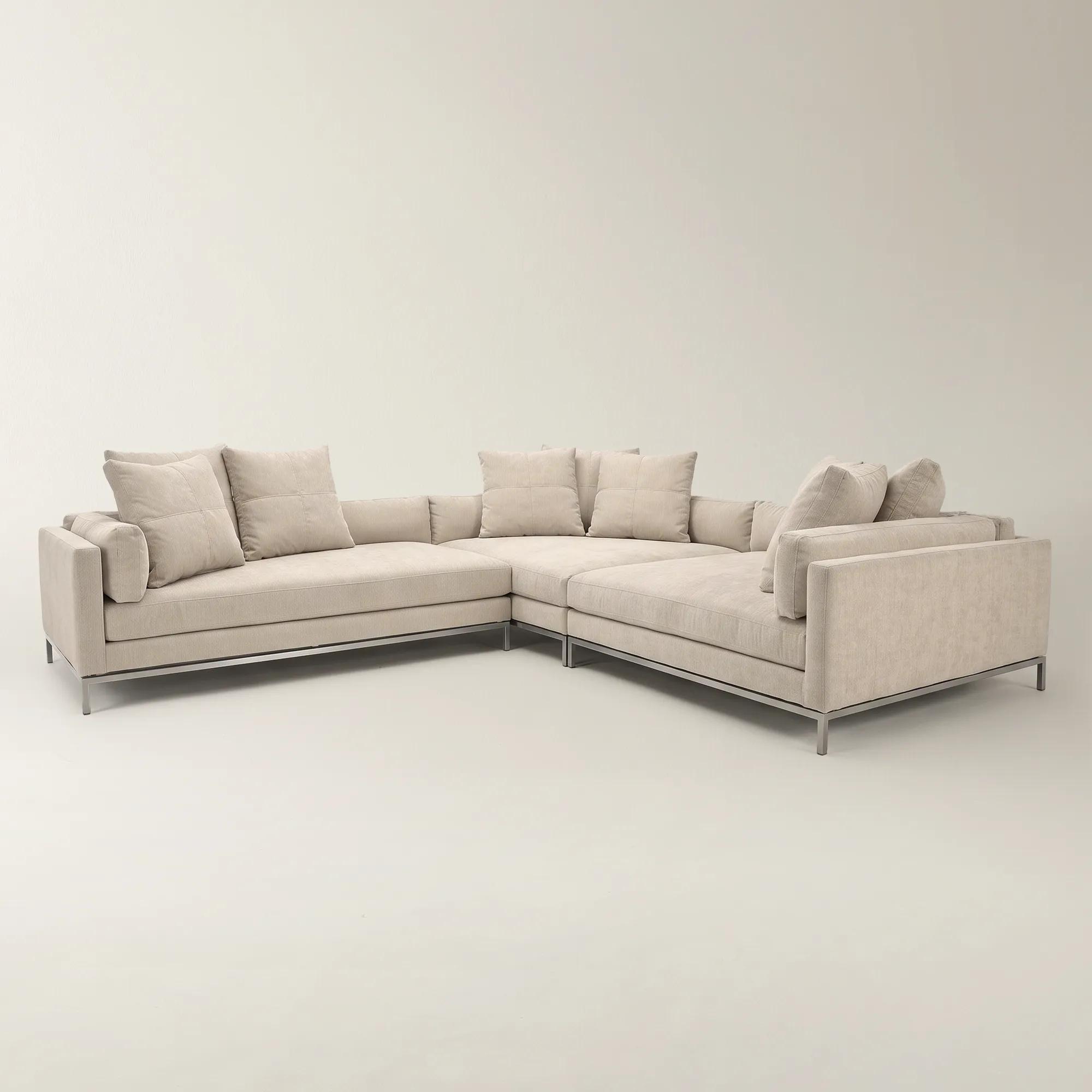 Ventura 3-Piece L-Shaped Snow Chenille Sectional Sofa With Left-Arm Chair$5999
A modern Snow chenille sectional with a stainless-steel base, plush feather pillows, and deep-seated comfort.
Add To Cart -
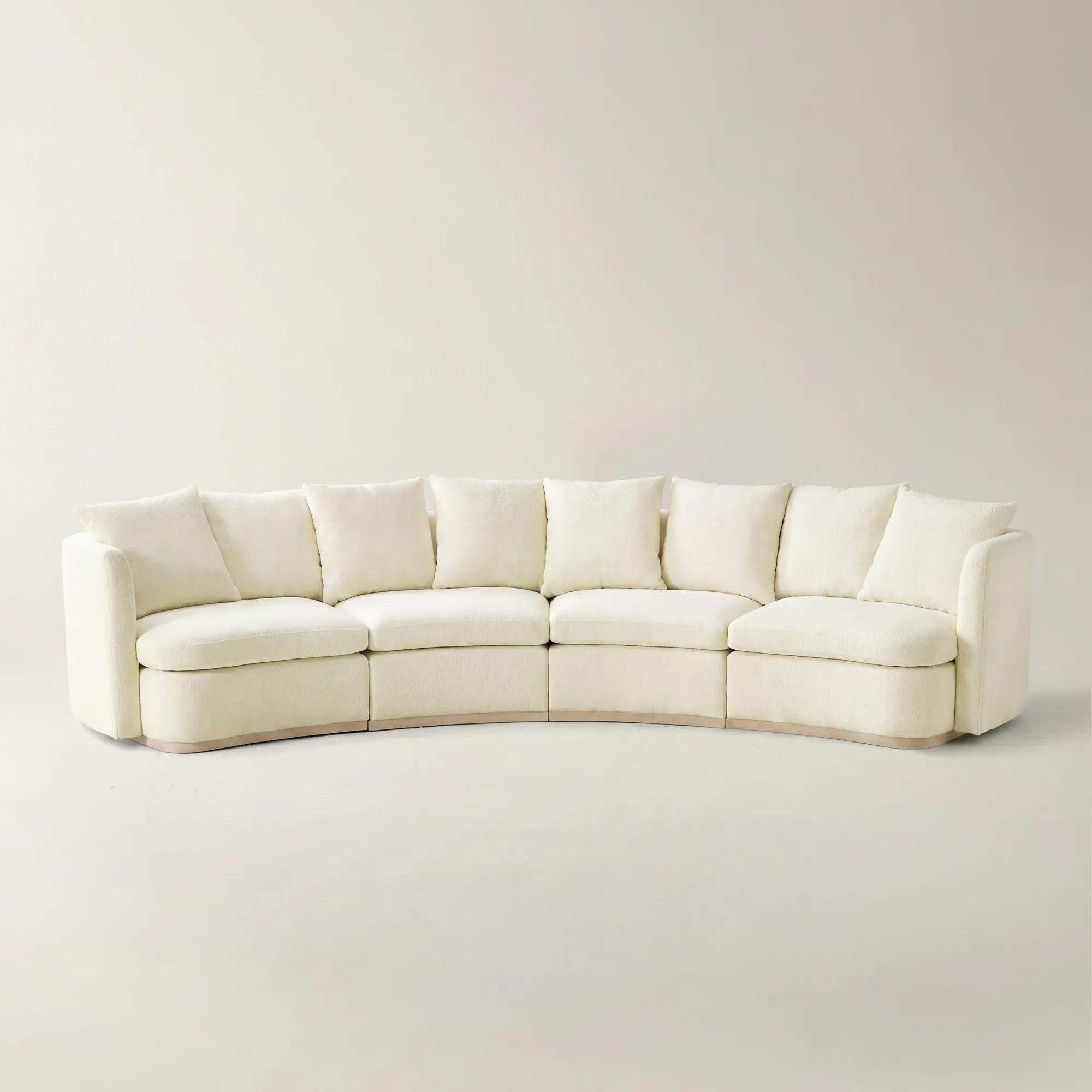
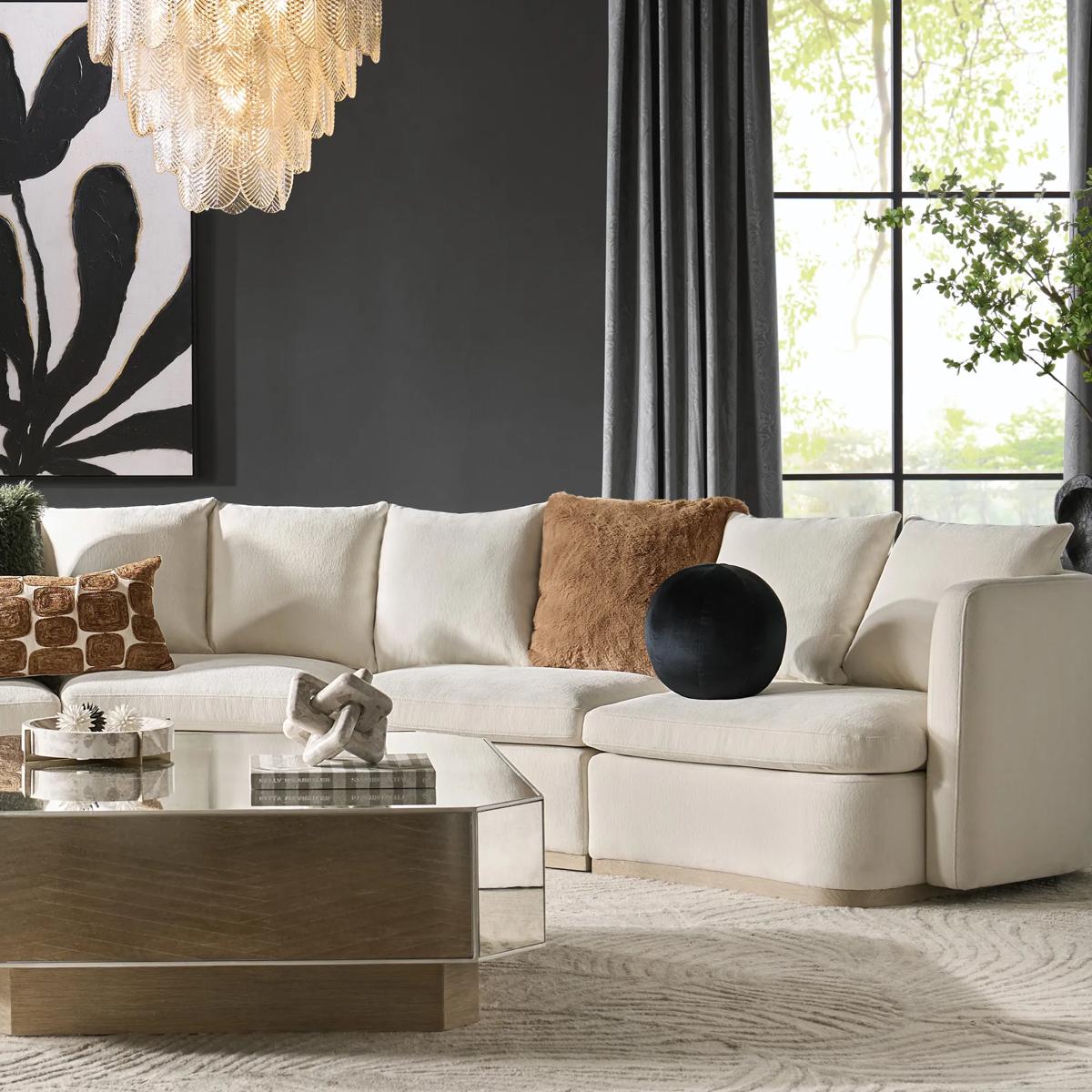 Stria 4-Piece Cloud Velvet Sectional Sofa$4499
A sculptural cloud velvet sectional featuring curved lines, modular connectors, and layered foam-down cushioning.
Add To Cart -
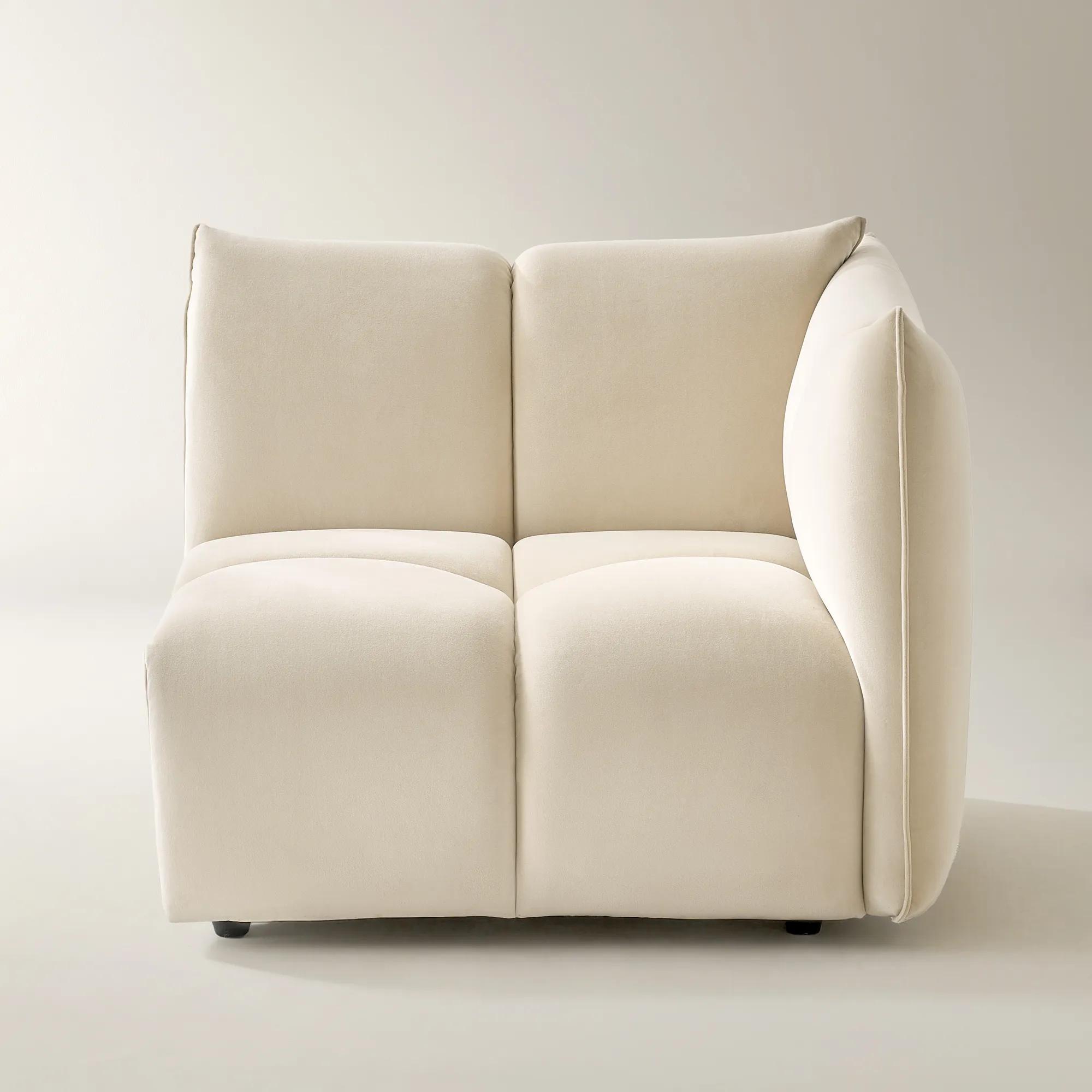
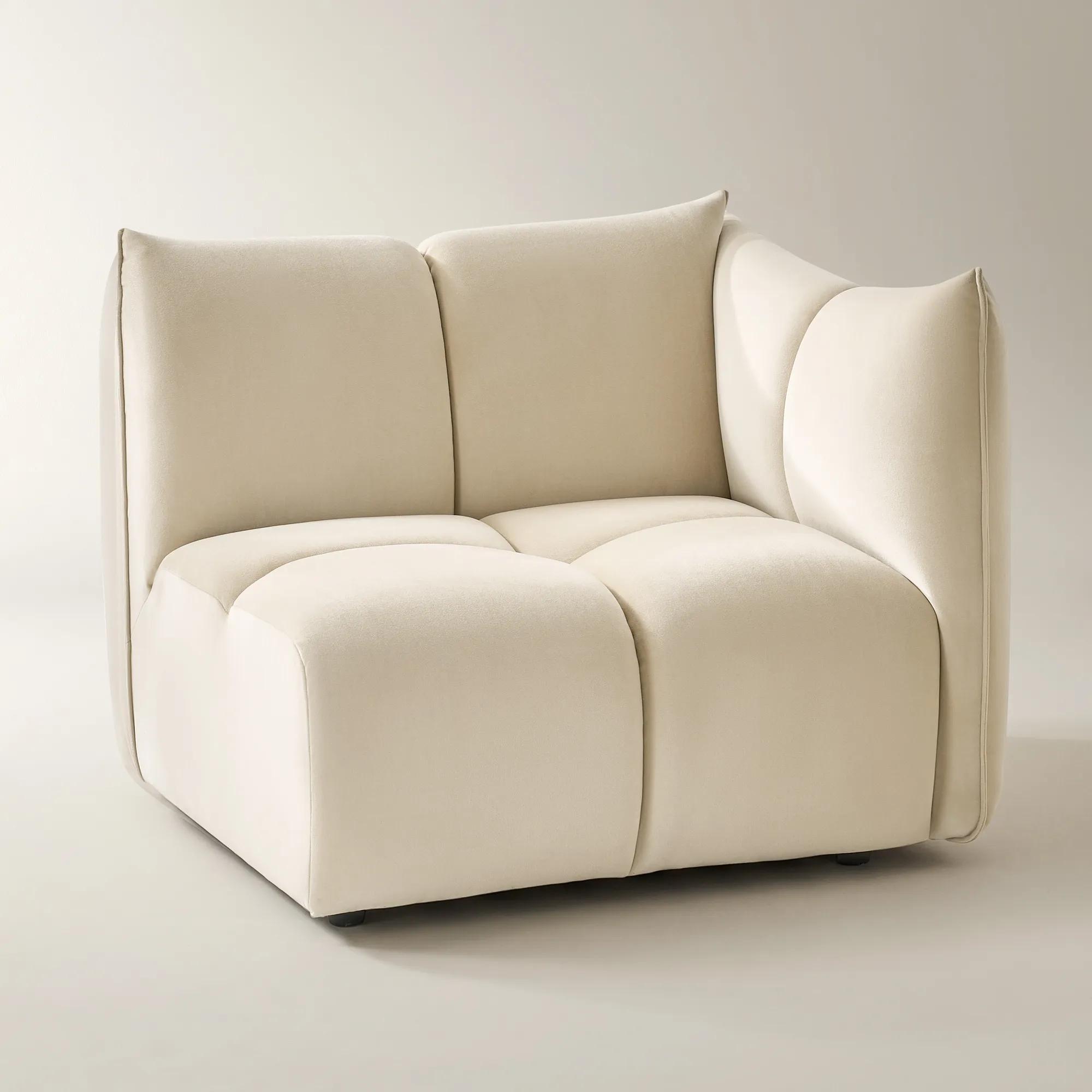 Reina Tufted Oatmeal Velvet Right-Arm Chair$899
A right-arm chair in oatmeal velvet featuring channel tufting, winged sides, and deep, plush seating.
Add To Cart -
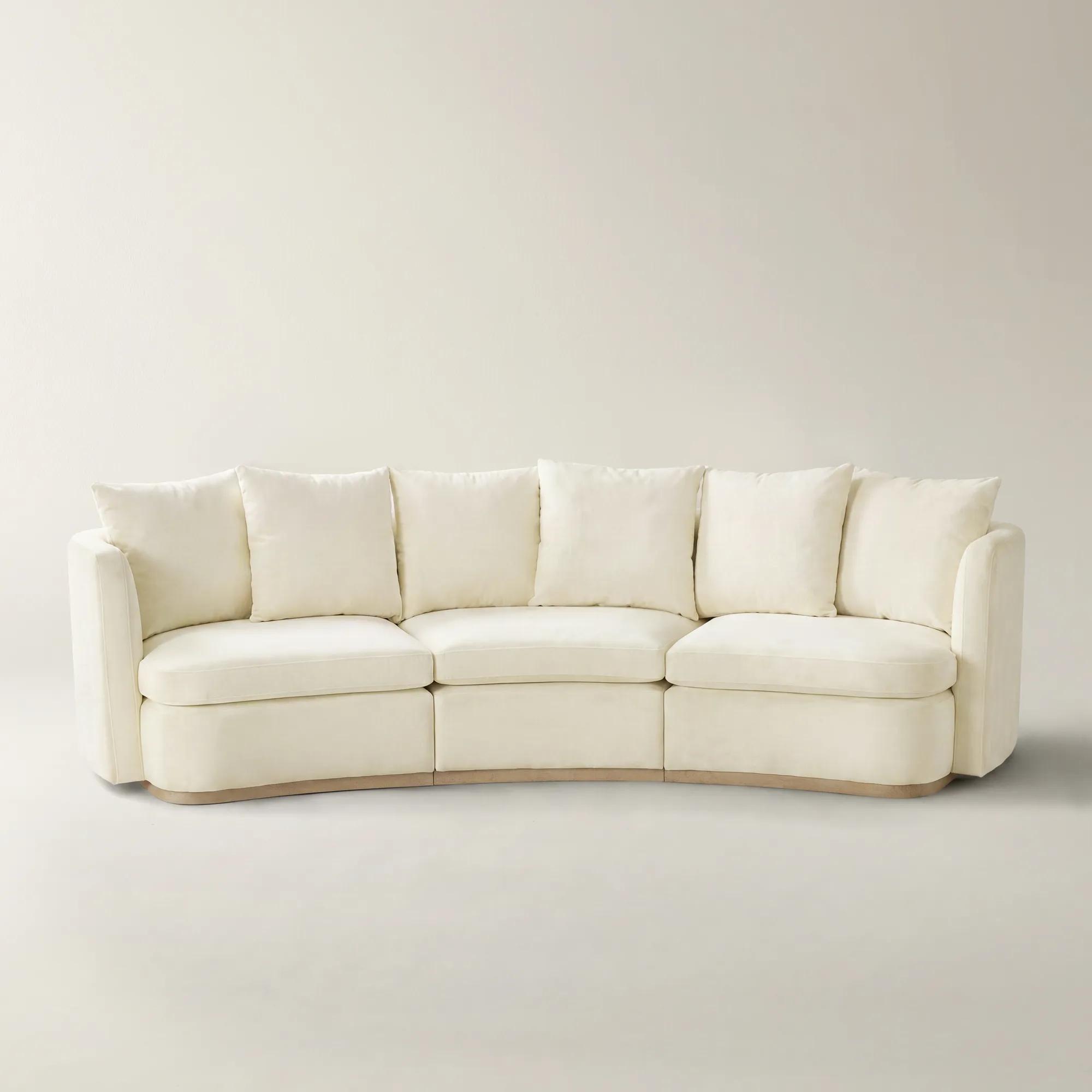 Stria 3-Piece Cloud Velvet Sectional Sofa$3399
A sculptural cloud velvet sectional with a curved silhouette, modular design, layered cushioning, and oak base.
Add To Cart -
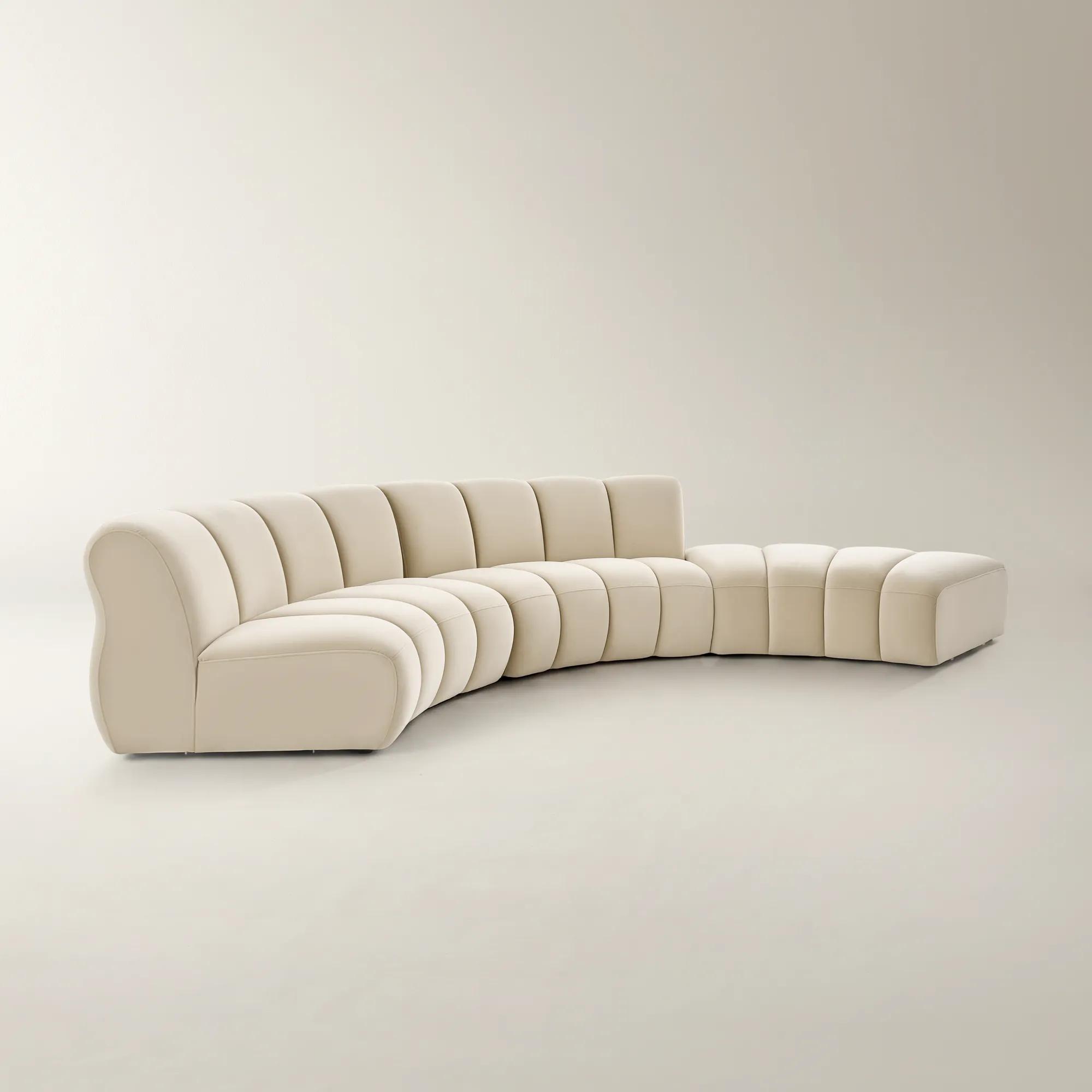 Jocelyn 3-Piece Channel-Tufted Oatmeal Velvet Sectional Sofa With Ottoman$3699
An oatmeal velvet sectional with deep channel tufting, curved silhouette, and modular design for versatile lounging.
Add To Cart -
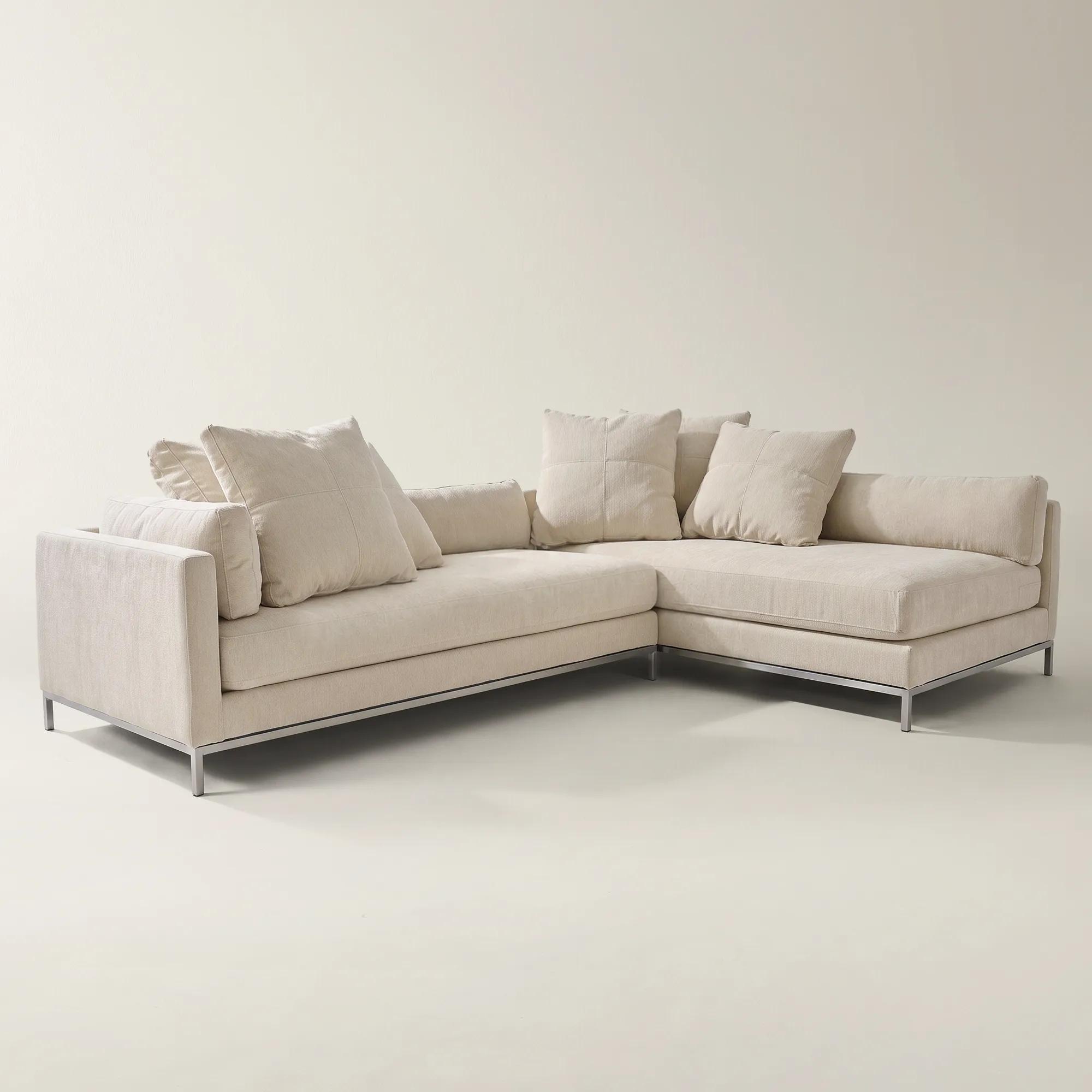 Ventura 2-Piece L-Shaped Snow Chenille Sectional Sofa With Left-Arm Chair$4099
A modern Snow chenille sectional with plush feather-filled pillows, supportive cushioning, and a stainless-steel base.
Add To Cart -
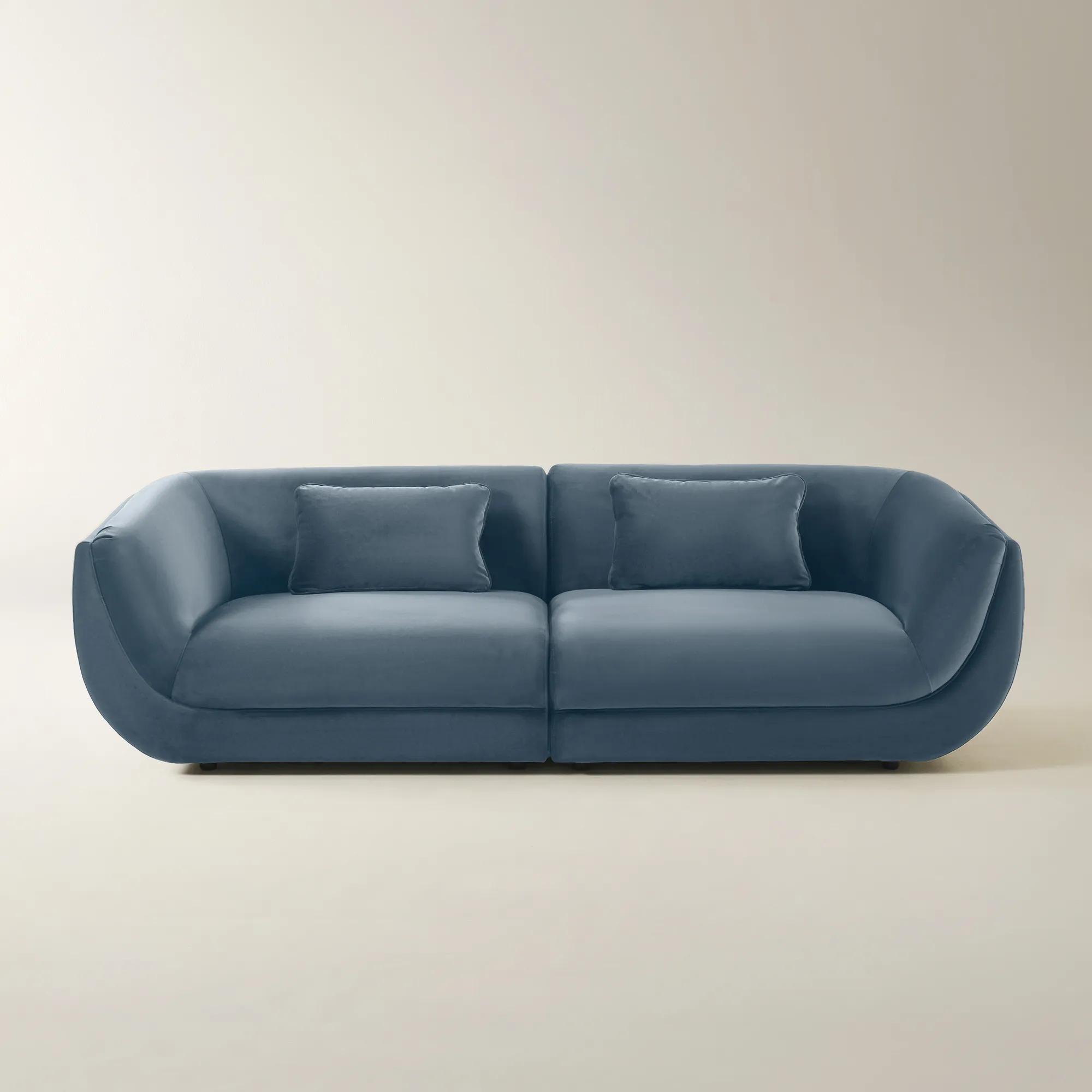 Curvia 2-Piece Dusty Blue Velvet Sectional Sofa$2699
A modular sectional wrapped in plush dusty blue velvet with sculptural curves and deep, lounge-worthy comfort.
Add To Cart -
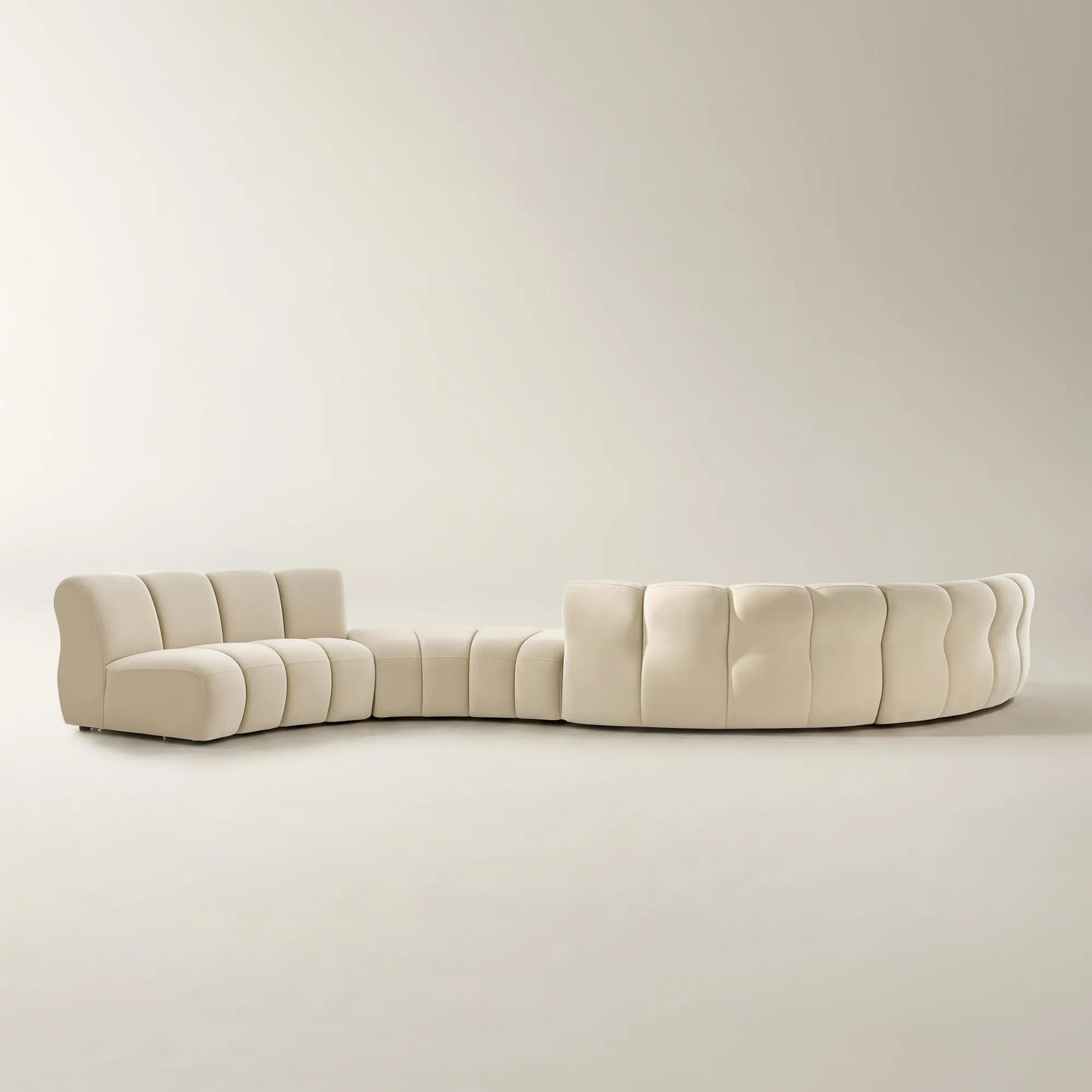 Jocelyn 4-Piece Channel-Tufted Oatmeal Velvet Sectional Sofa With Ottoman$4999
An oatmeal velvet sectional with deep channel tufting, curved silhouette, and modular design for flexible arrangements.
Add To Cart -
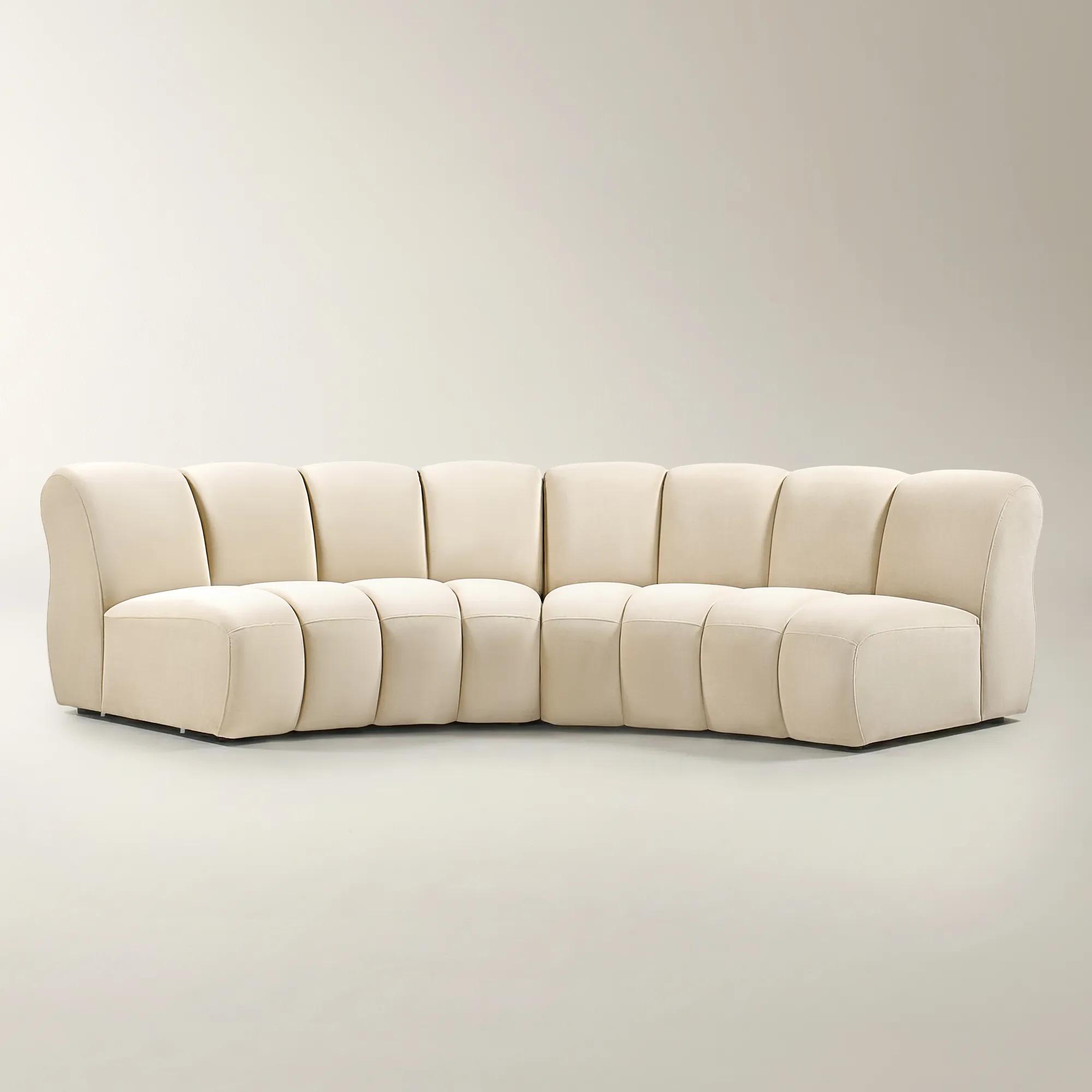
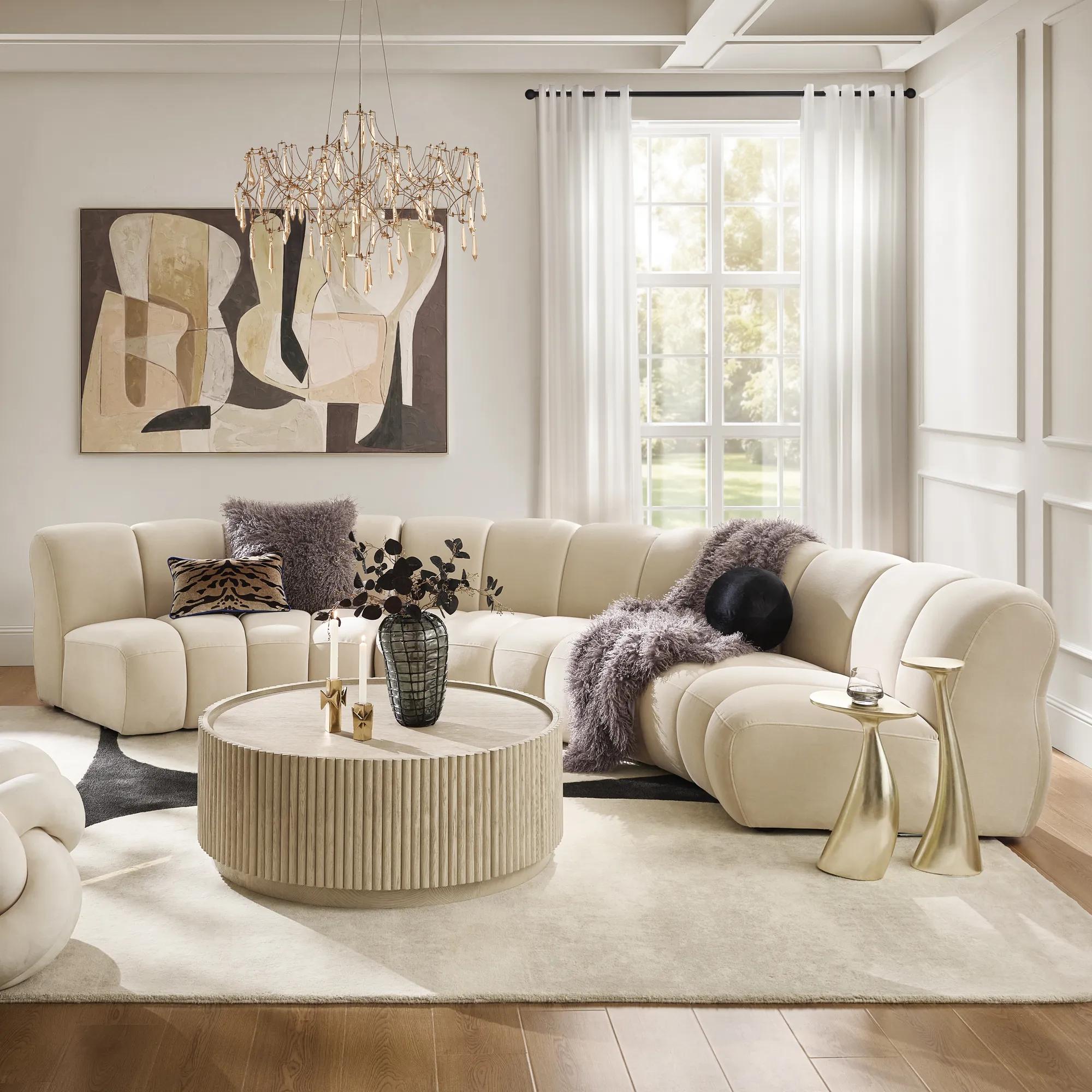 Jocelyn 2-Piece Channel-Tufted Oatmeal Velvet Sectional Sofa$2699
A sculptural oatmeal velvet sectional with deep channel tufting, curved silhouette, and modular, conversation-friendly design.
Add To Cart -
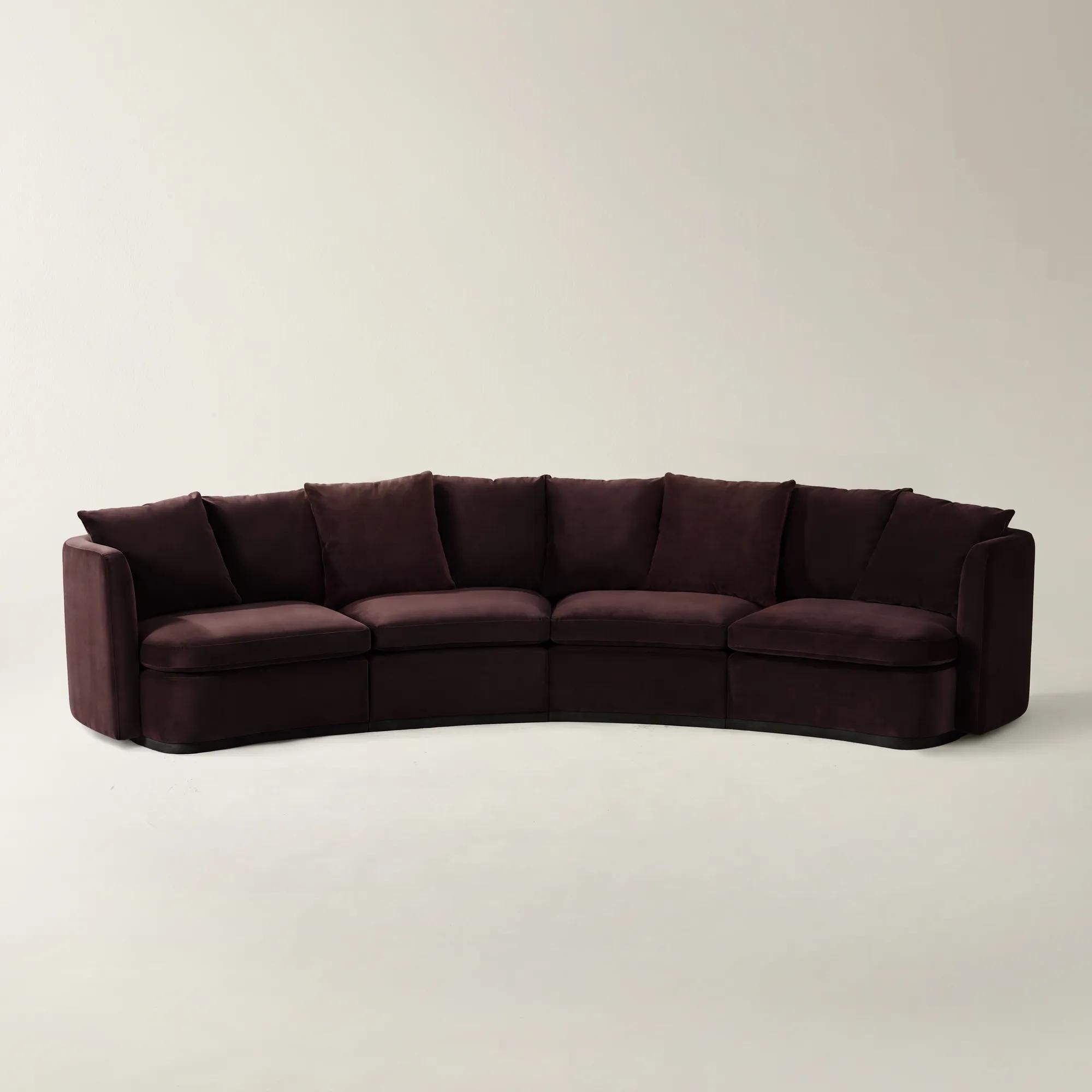 Stria 4-Piece Fig Velvet Sectional Sofa$4499
A sculptural fig velvet sectional with curved lines, layered foam-and-down cushioning, and modular connectors for comfort.
Add To Cart -
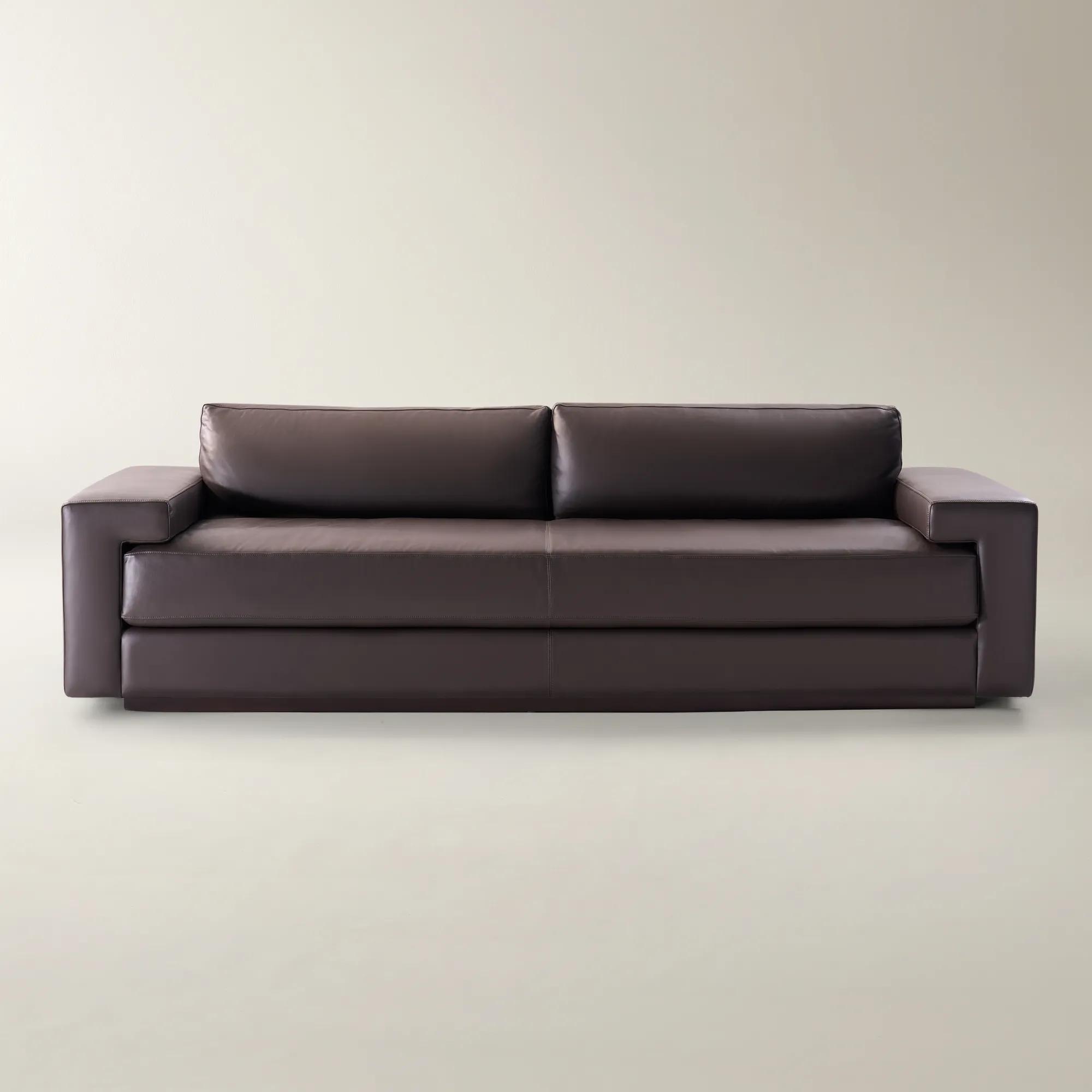
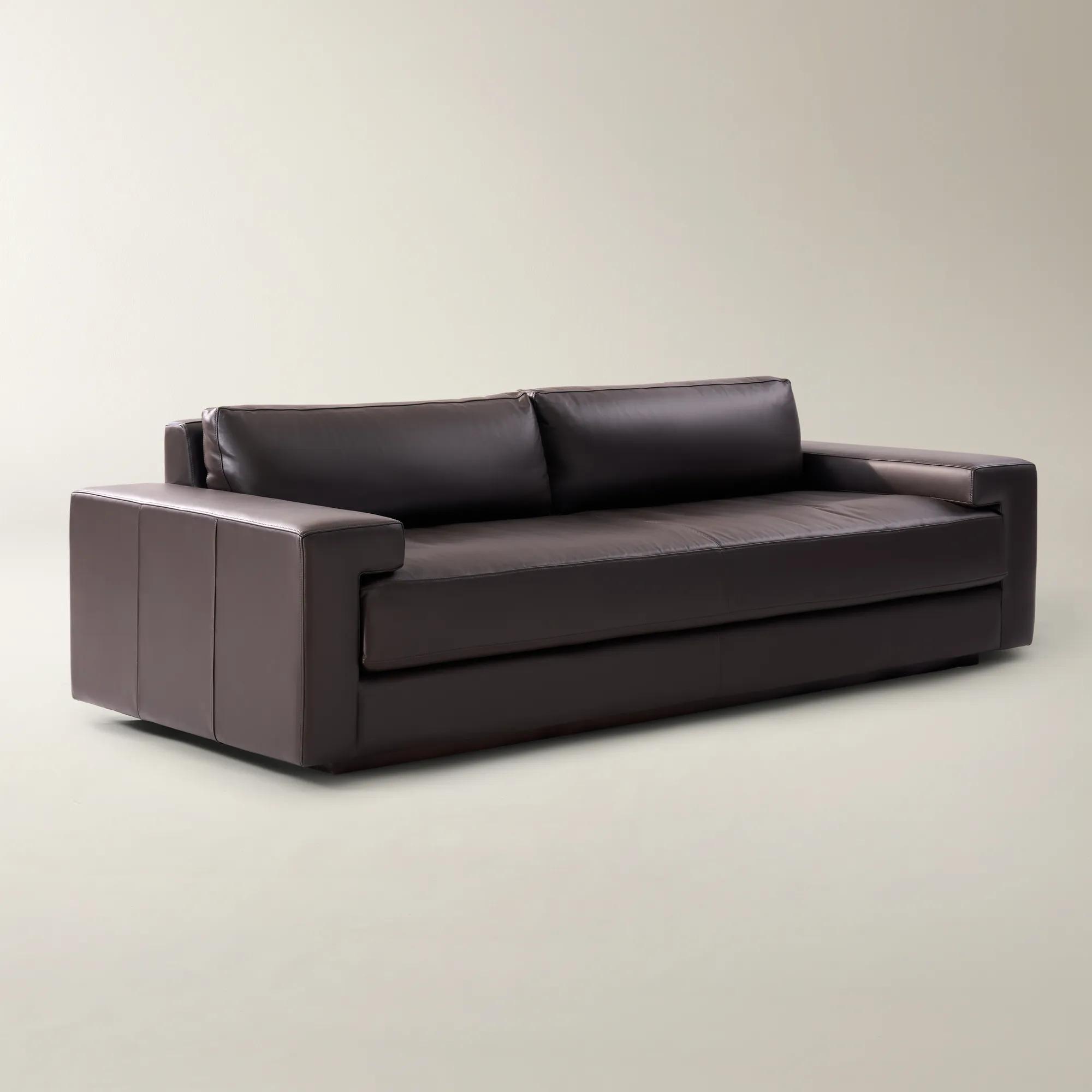 Ariel Brown Leather Sofa$4599
A sleek, hand-upholstered sofa in top-grain leather with plush feather and foam cushions for comfort.
Add To Cart -
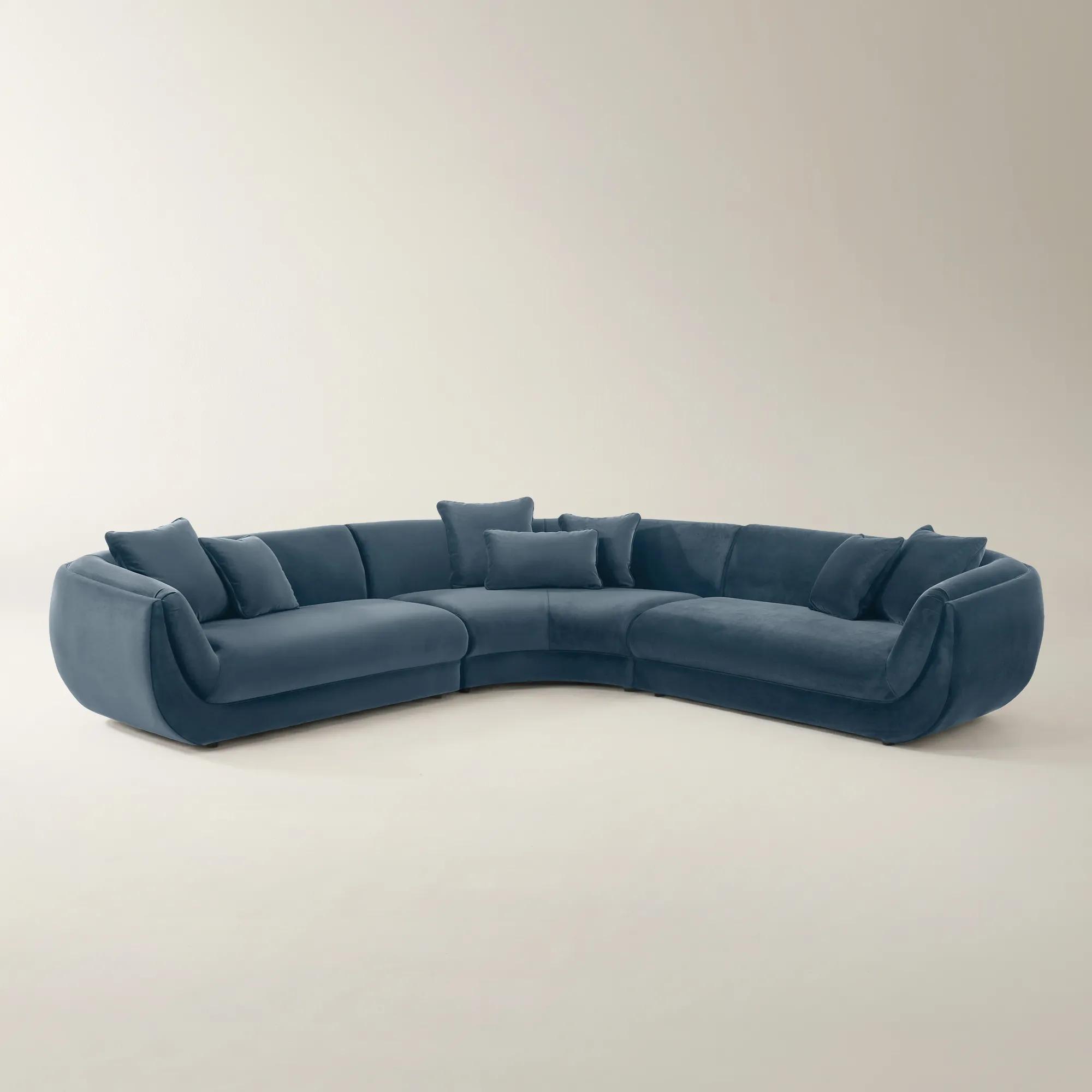
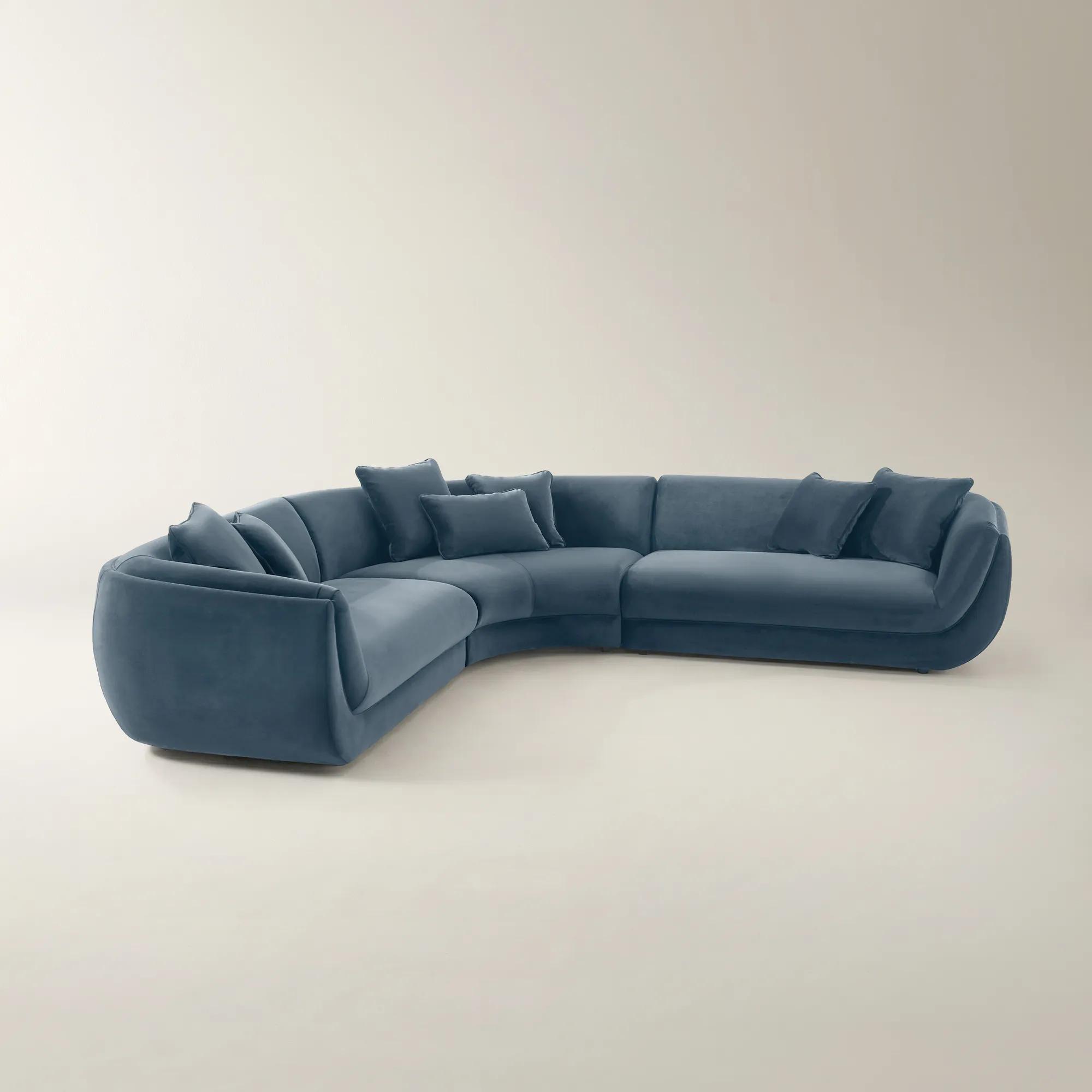 Curvia 3-Piece Dusty Blue Velvet Sectional Sofa$4599
A modular sectional wrapped in plush dusty blue velvet with deep lounge seating and sculptural curves.
Add To Cart -

 Curvia Dusty Blue Velvet Corner Chair$1699
A sculptural corner chair wrapped in plush dusty blue velvet with deep lounge comfort and modular design.
Add To Cart -
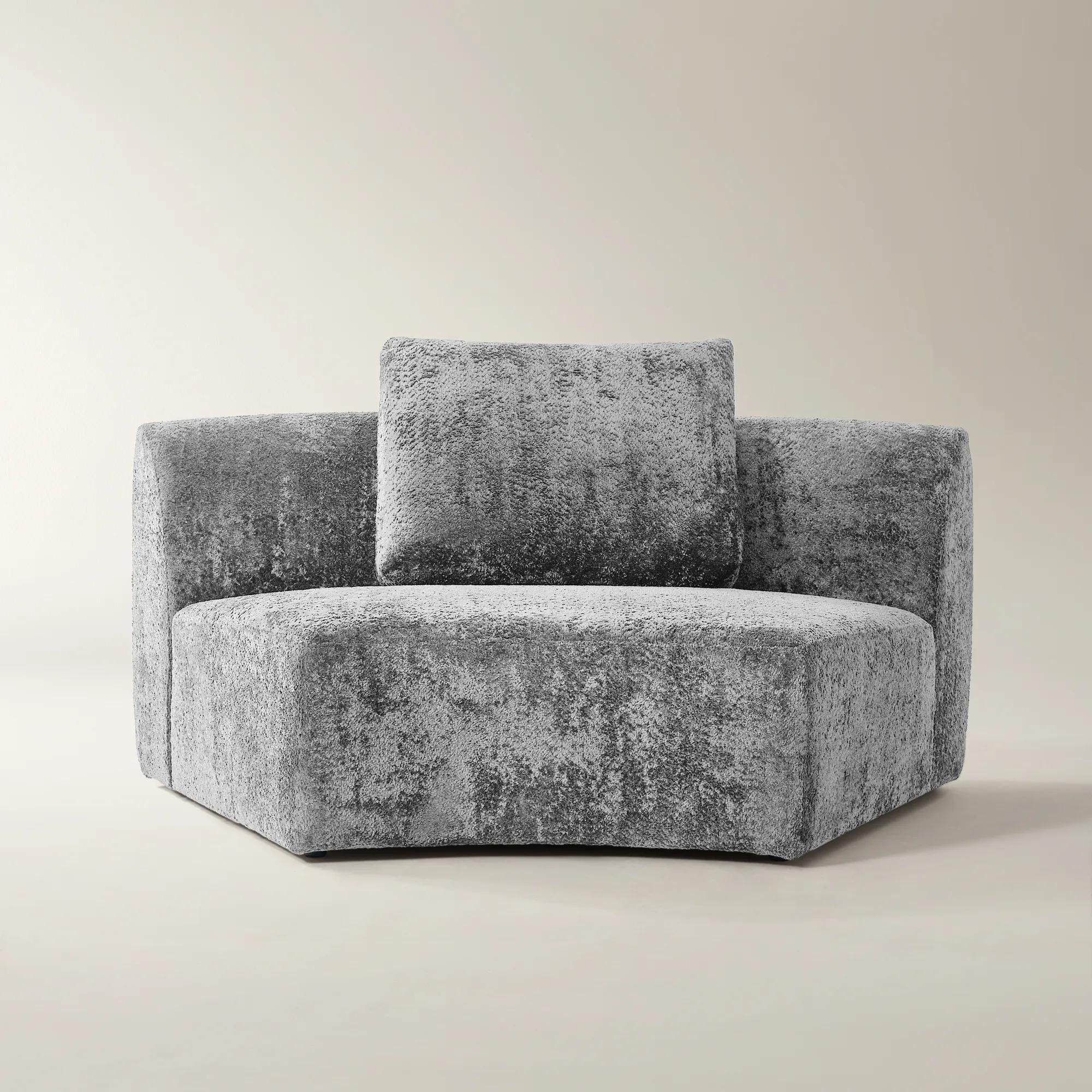
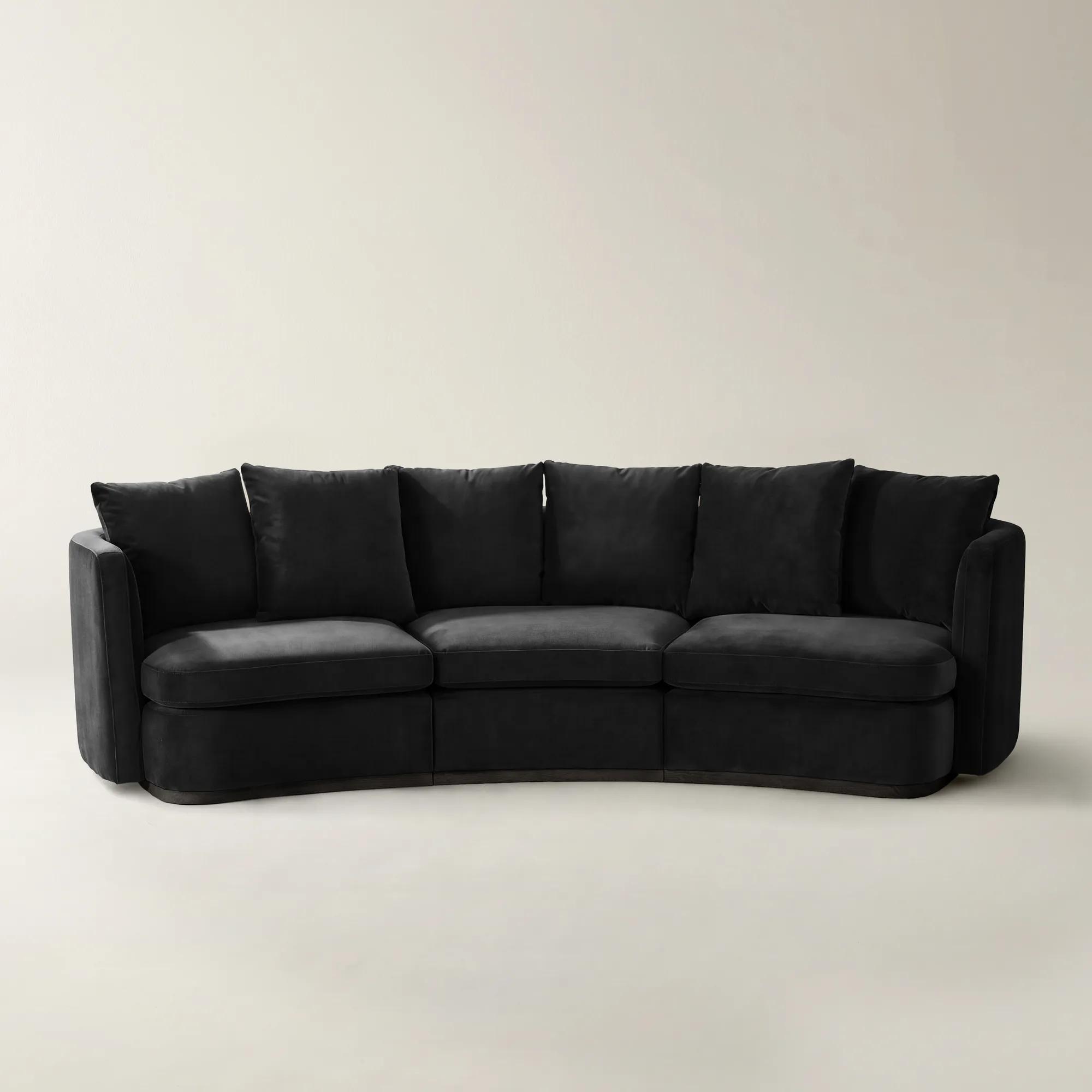 Stria 3-Piece Charcoal Velvet Sectional Sofa$3399
A sculptural charcoal velvet sectional featuring curved styling, layered cushioning, and modular connectors for adaptable comfort.
Add To Cart

Comfortable Seating For Small Families
Comfortable seating for small families transforms intimate gatherings into grand affairs, where every cushion and curve invites connection. Imagine a living space where elegance meets ease—plush silhouettes beckon you to linger, while thoughtful proportions ensure that no square inch is wasted. Here, comfort is never an afterthought; it’s the star, artfully woven into each design to cradle moments both lively and serene. For those who believe that style should embrace as well as dazzle, comfortable seating for small families creates a stage where togetherness becomes the ultimate luxury.
Comfortable seating for small families pairs supportive cushions with thoughtful proportions, giving everyone room to unwind while preserving the flow of the room. For households of two, three, or four, a sofa with an accent chair, a generously scaled loveseat, or a compact sectional can create an inviting place to gather without making the space feel crowded. The right arrangement depends as much on daily habits as square footage: a family that curls up together for movies may appreciate a chaise, while a household that gathers for conversation may prefer separate seats angled toward one another. Small families do not always live in small homes, either. An intimate seating arrangement can bring warmth and definition to a spacious living room, creating a beautifully composed setting for everyday connection. In compact rooms, narrow arms and tailored silhouettes can leave more of the furniture’s overall width devoted to usable seating. Visible legs reveal the floor beneath a sofa or chair, giving a substantial upholstered piece a lighter visual presence. Seat count alone does not tell the whole story; usable cushion width, arm placement, and back-pillow thickness all influence how comfortably people can sit together. A sculptural chair beside a streamlined sofa introduces another comfortable seat without requiring a larger sectional, while an ottoman provides a place to stretch out. Ottomans should serve as occasional seating only when their construction and stated weight capacity support that use. Furniture dimensions also need to work beyond the living room. Doorways, hallways, stair turns, and elevator openings affect whether a piece can reach its destination, and a chaise needs enough clearance to keep everyday walking routes open. Where the layout allows, approximately 30 to 36 inches along primary pathways can help preserve comfortable movement. These practical proportions create the foundation for a room that feels gracious rather than crowded, with enough space for a child to settle beside a parent and for an adult to rise without navigating an obstacle course.
Comfort comes from the relationship between upholstery, cushioning, and the people using the seat—not simply from how plush a silhouette appears. Deeper seats suit lounging with feet tucked underneath, while shallower seats can offer better support for someone who prefers to sit upright with feet resting on the floor. Back height and seat height matter, too, particularly when household members differ in stature or find low seating difficult to rise from. Loose back cushions offer some flexibility in positioning, while a more tailored back creates a composed profile with less daily reshaping. Foam cushions often provide a more structured feel, and fiber- or feather-filled cushions can feel softer but may need regular fluffing; actual comfort depends on the full cushion construction. A sumptuous surface should be supported by a well-built frame, secure joints, and a suspension system suited to regular use. Kiln-dried hardwood, engineered wood, and metal can all appear in furniture frames, but material names alone do not establish durability. Construction details, intended use, and the manufacturer’s care recommendations offer a fuller picture. Upholstery brings another layer of character and practicality. Velvet lends rich color and a luminous finish, creating depth even in a restrained palette, though its pile may show pressure marks or changes in direction. Textured woven fabrics introduce dimension and can make minor visual irregularities less noticeable, while loosely woven surfaces may be more vulnerable to snagging from pet claws. Leather develops its own character with use, but its response to spills, scratches, and cleaning varies by finish. Performance fabrics may offer resistance to certain stains or wear; that designation does not mean every fabric is waterproof, scratchproof, or machine washable. For homes with young children or pets, the most useful upholstery choice is one whose documented care requirements fit everyday routines. A pearl-toned sofa can feel wonderfully dramatic against dark accents, while warm taupe, charcoal, or a richly saturated hue can anchor the room with equal sophistication. Color sets the mood, but a fabric’s texture and maintenance needs determine how naturally that mood fits family life.
The most enduring family seating feels equally considered during quiet mornings, shared reading time, and evenings when everyone claims a favorite corner. A sofa and chair can give adults distinct places to settle while keeping the conversation close; a compact sectional may better suit a household that prefers one continuous lounging area. Modular seating can offer flexibility when its individual components are designed to be rearranged, though connection systems, overall dimensions, and room clearance still shape the possibilities. In an open living area, the back of a sofa can help define a gathering space without enclosing it, while a chair turned slightly inward makes the arrangement feel intentional and welcoming. Decorative pillows add a polished layer of pattern and sheen, but leaving enough unobstructed seat depth keeps the furniture comfortable for actual use. A throw draped over an arm introduces softness without competing with the upholstery’s silhouette. Daily care protects that composition. Gentle vacuuming with an appropriate upholstery attachment helps remove crumbs and dust from seams and cushion edges, and prompt blotting is generally preferable to rubbing a spill into the fabric. Cleaning methods should always follow the upholstery label and manufacturer’s instructions, with any approved cleaner tested in an inconspicuous area first. Removable covers are not necessarily washable, and cushions should only be rotated or flipped when their construction allows it. Keeping seating away from prolonged direct sunlight and concentrated heat can help reduce avoidable fading or material stress. These small habits matter most on the seat everyone gravitates toward, whether it is the corner nearest the reading lamp or the cushion with the clearest view of the television. When frequent guests or a growing household call for additional places to gather, comfortable seating for large families offers a related direction to explore. For a smaller household, the goal remains beautifully personal: supportive places to sit, inviting textures to touch, and a balanced arrangement that gives shared moments an expressive setting.
FAQs
To cultivate a warm, inviting atmosphere in a small family living room, consider love seats, snuggle chairs, and modular sectionals with plush upholstery and textured fabrics. Accent chairs with ottomans or benches add flexibility and comfort, while sculptural silhouettes and layered textiles infuse the space with personality and artistic flair.
Elevate a small seating arrangement by choosing pieces with rich fabrics such as velvet or chenille, gleaming metallic accents, and thoughtfully designed details like tufting or nailhead trim. Layering with bold pillows, sumptuous throws, and a statement rug can further enhance the sense of luxury and drama, transforming the area into a glamorous retreat.
Yes, modular sofas, daybeds, and ottomans with hidden storage offer exceptional versatility for multi-purpose family spaces. These pieces adapt easily to evolving needs, from lounging and reading to entertaining guests or providing extra sleeping space, all while maintaining a cohesive and chic aesthetic.
Performance fabrics such as high-quality microfiber, performance linen, and stain-resistant velvet are excellent choices for families with children or pets. These materials combine tactile elegance with durability, making them easy to clean while retaining their sumptuous look and feel.
Infuse your seating area with expressive energy by mixing neutral bases with vibrant accent pillows, throws, and artful accessories. Incorporate a variety of textures—think velvet, faux fur, metallic threads, or woven fabrics—to add depth and interest, ensuring the space feels both curated and full of character.