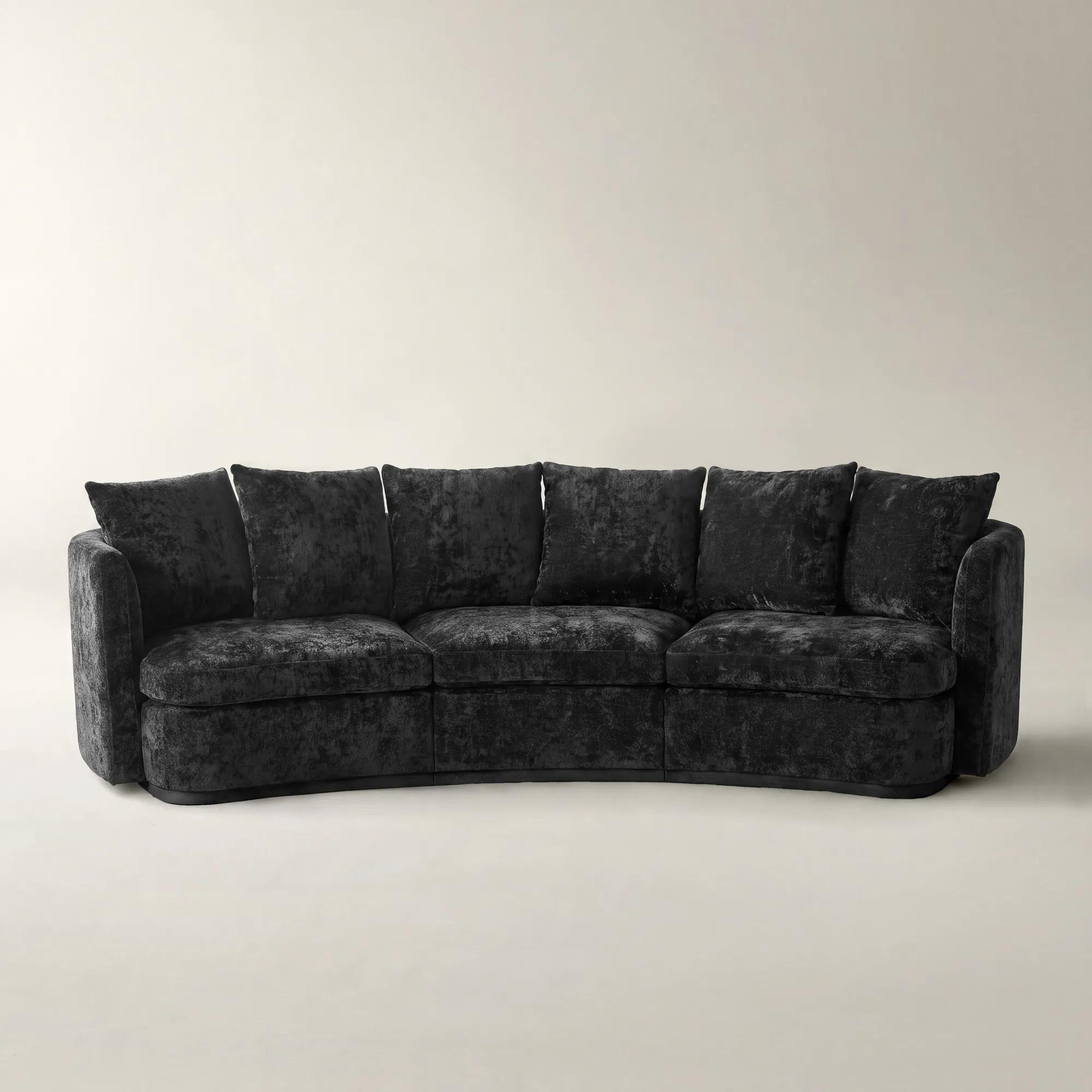
Comfortable Seating For Families
Comfortable Seating For Families
-
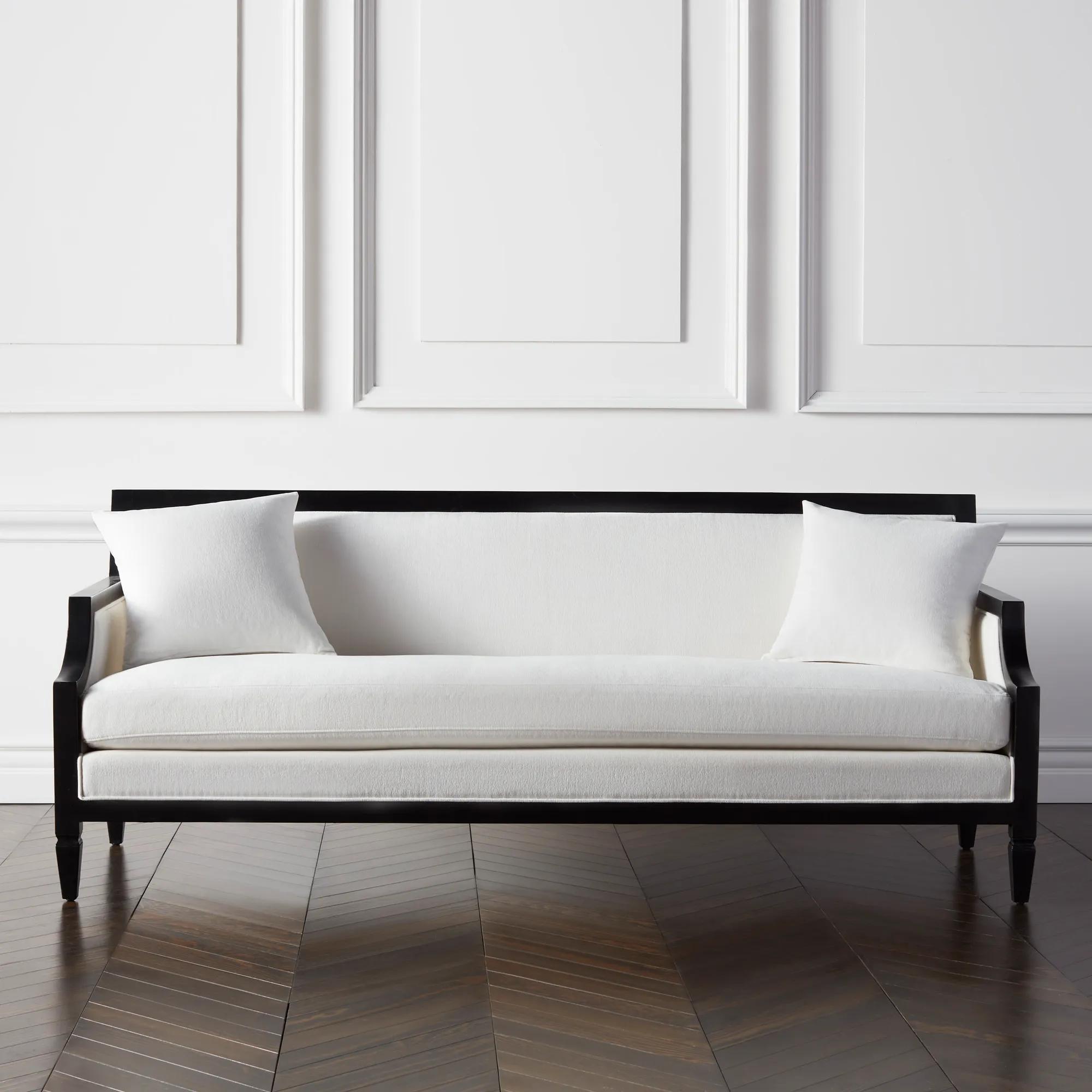
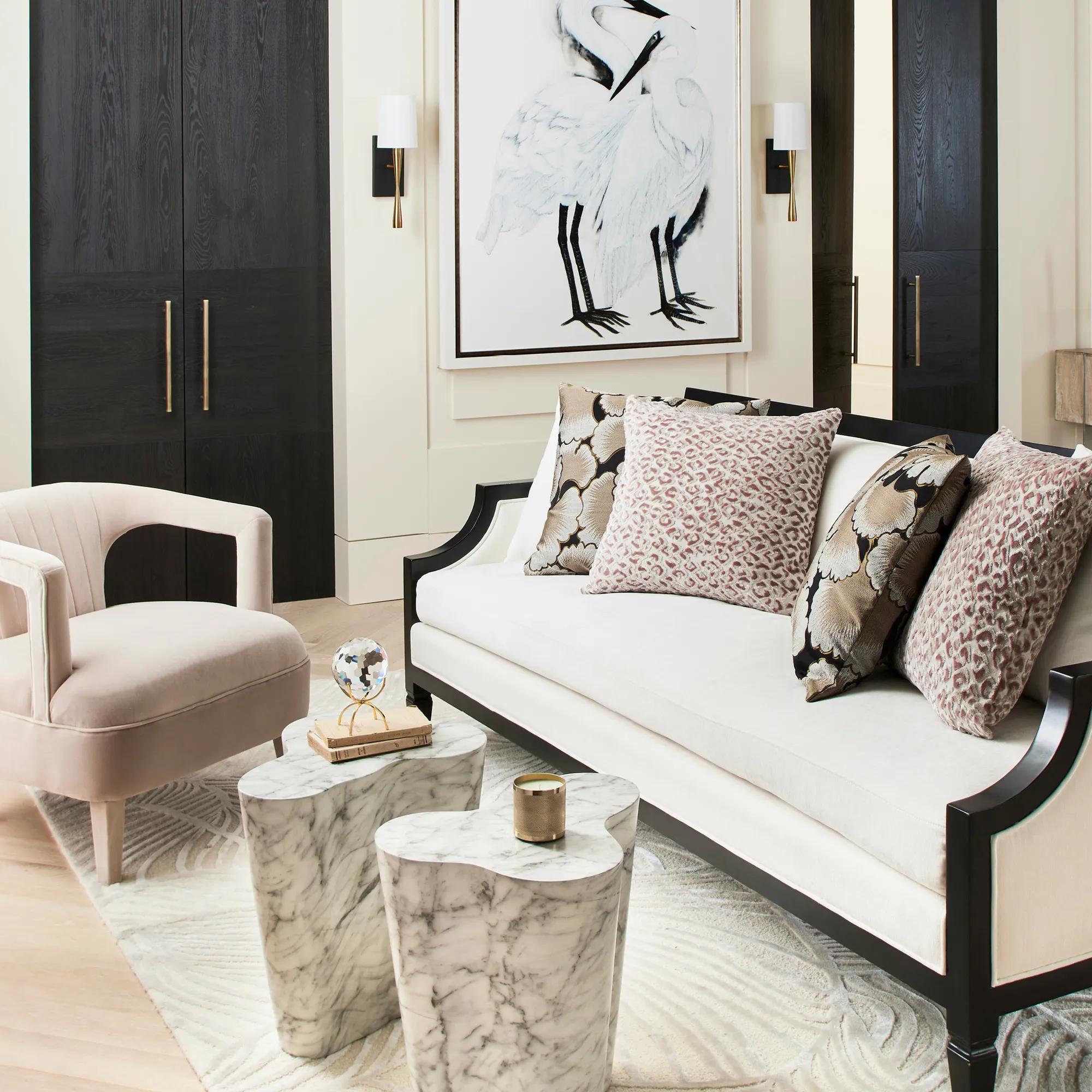 Kayla Sofa$2249
A plush, modern sofa featuring notched arms, matte black wood frame, and soft Kenley Chenille Snow upholstery.
Add To Cart -
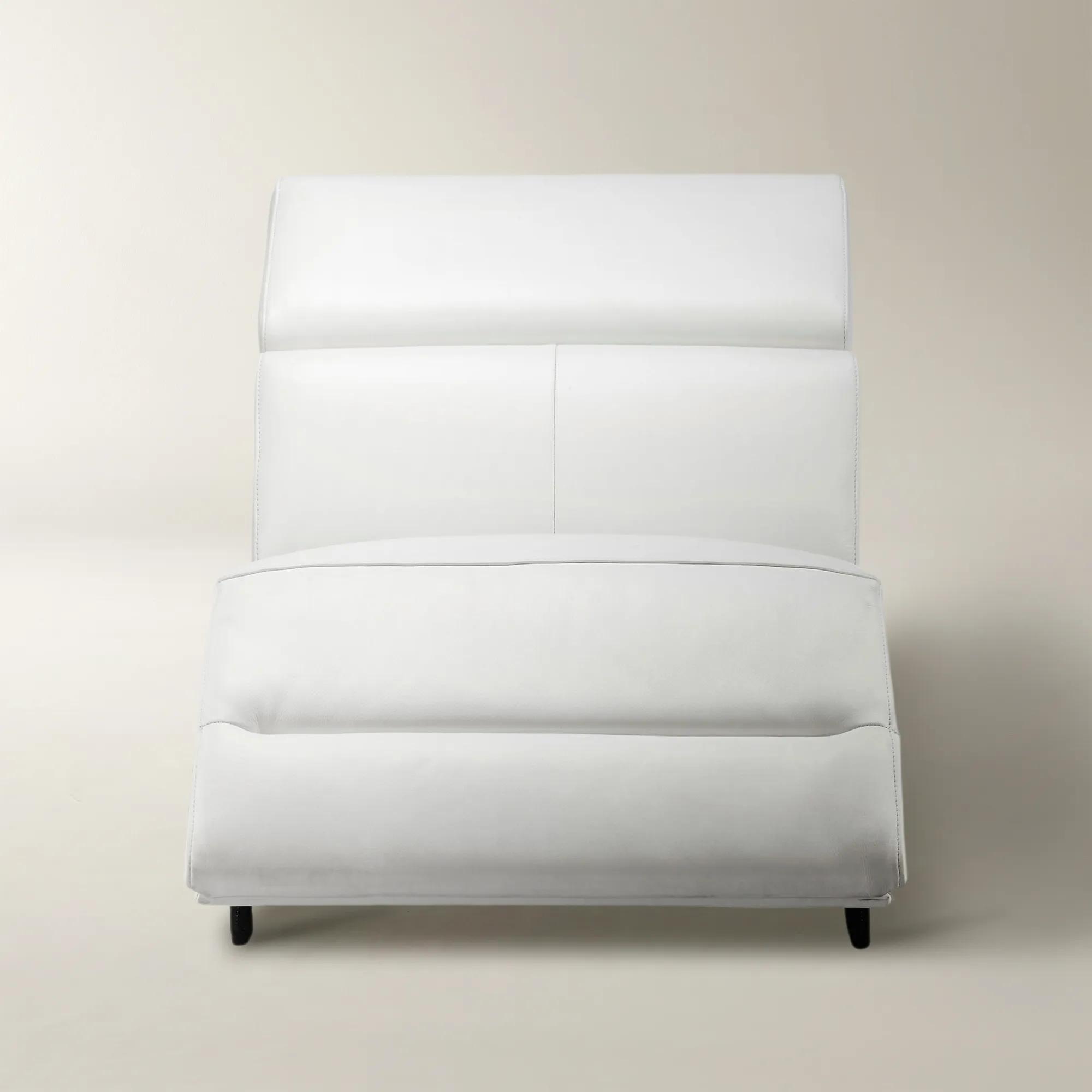
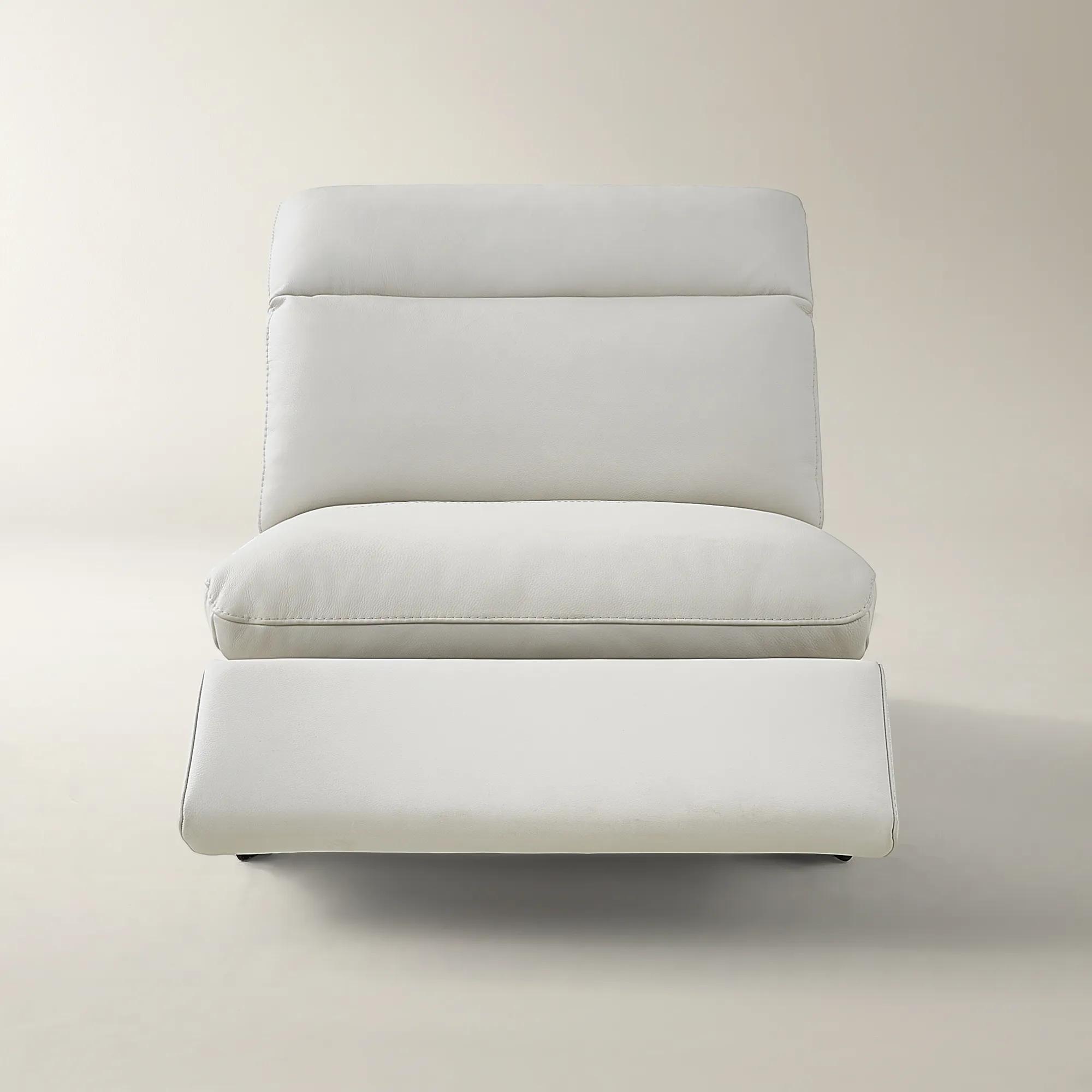
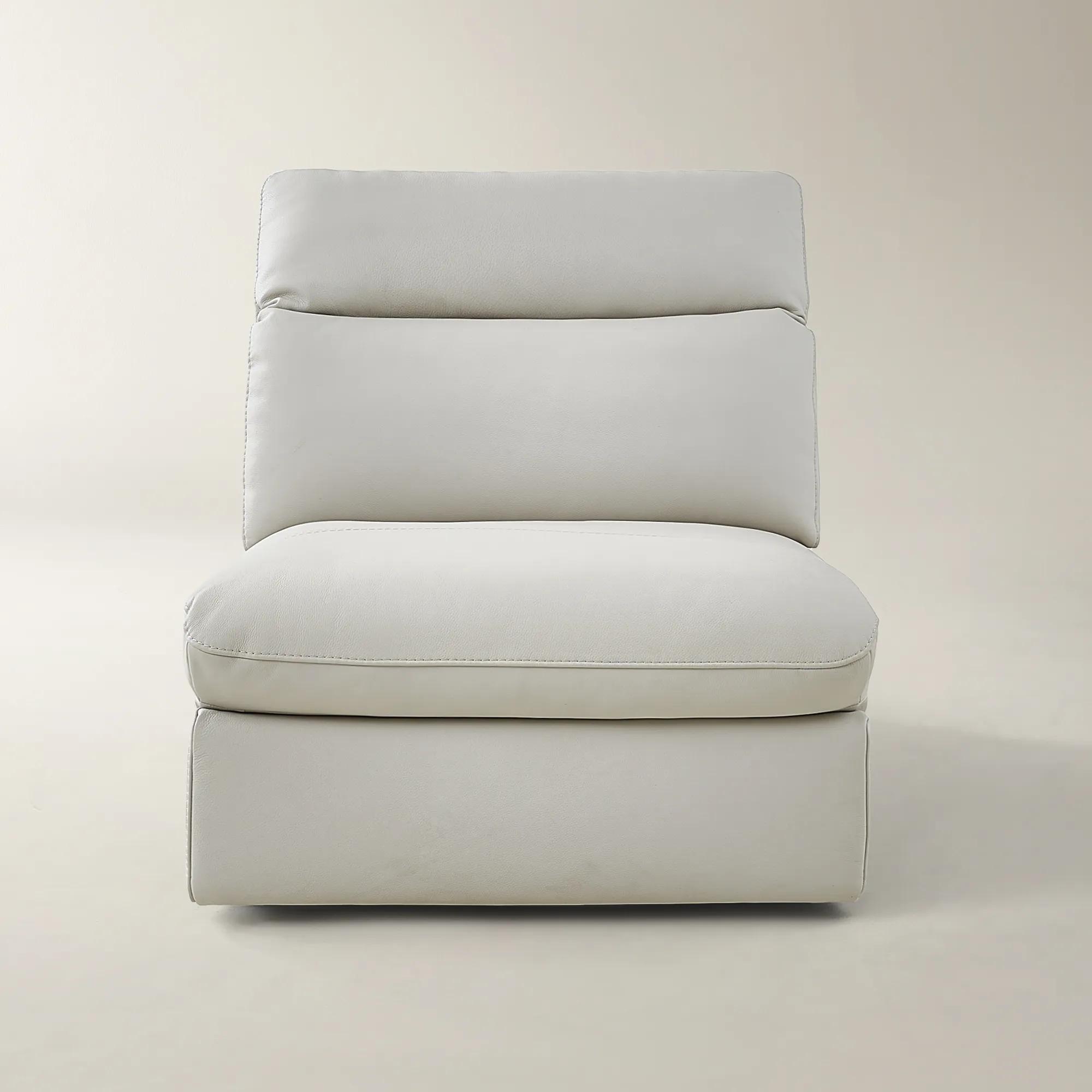
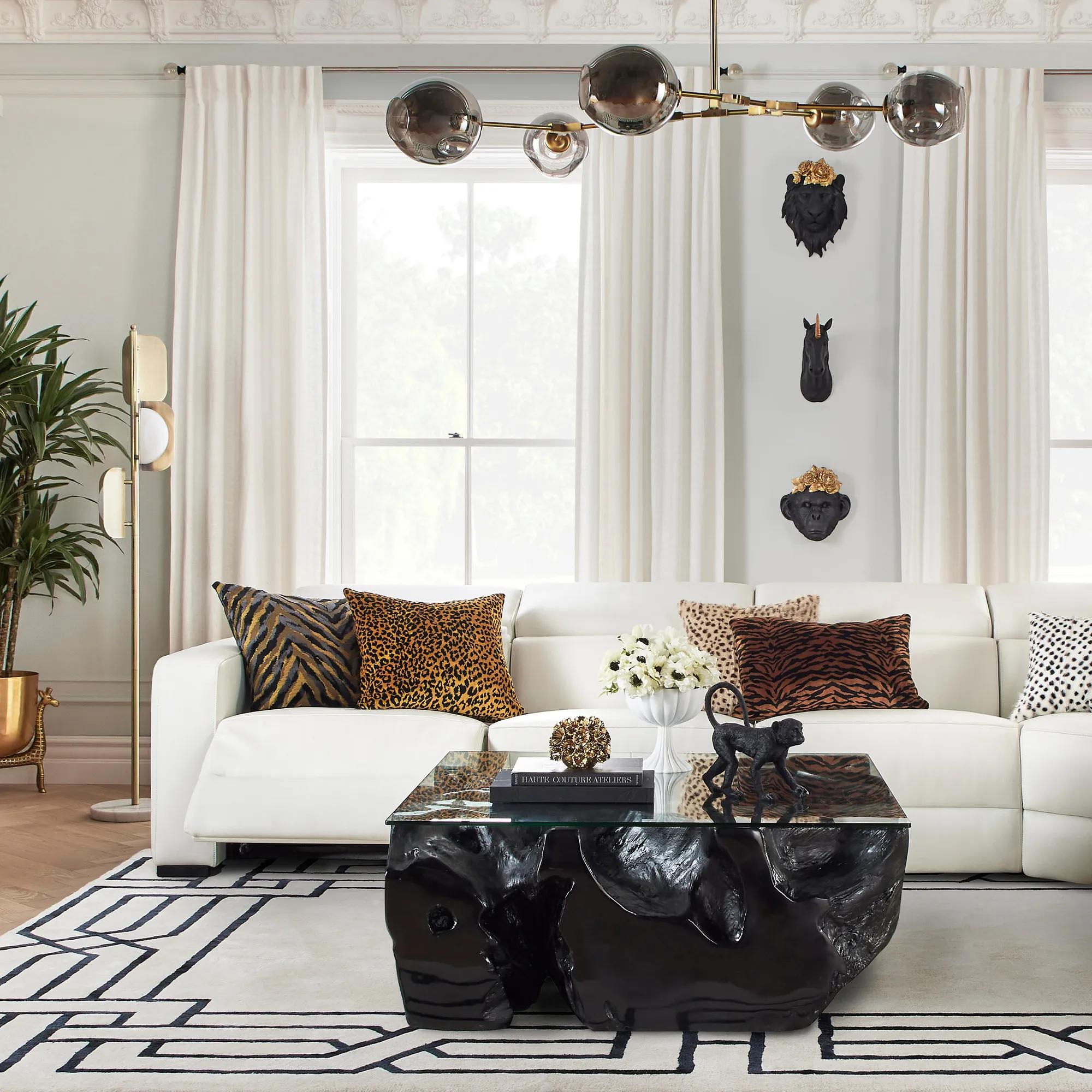 Verona Reclining White Leather Armless Chair With Power$1249
A modern white sectional upholstered in supple semi-aniline leather with adjustable headrests and power-reclining options.
Add To Cart -
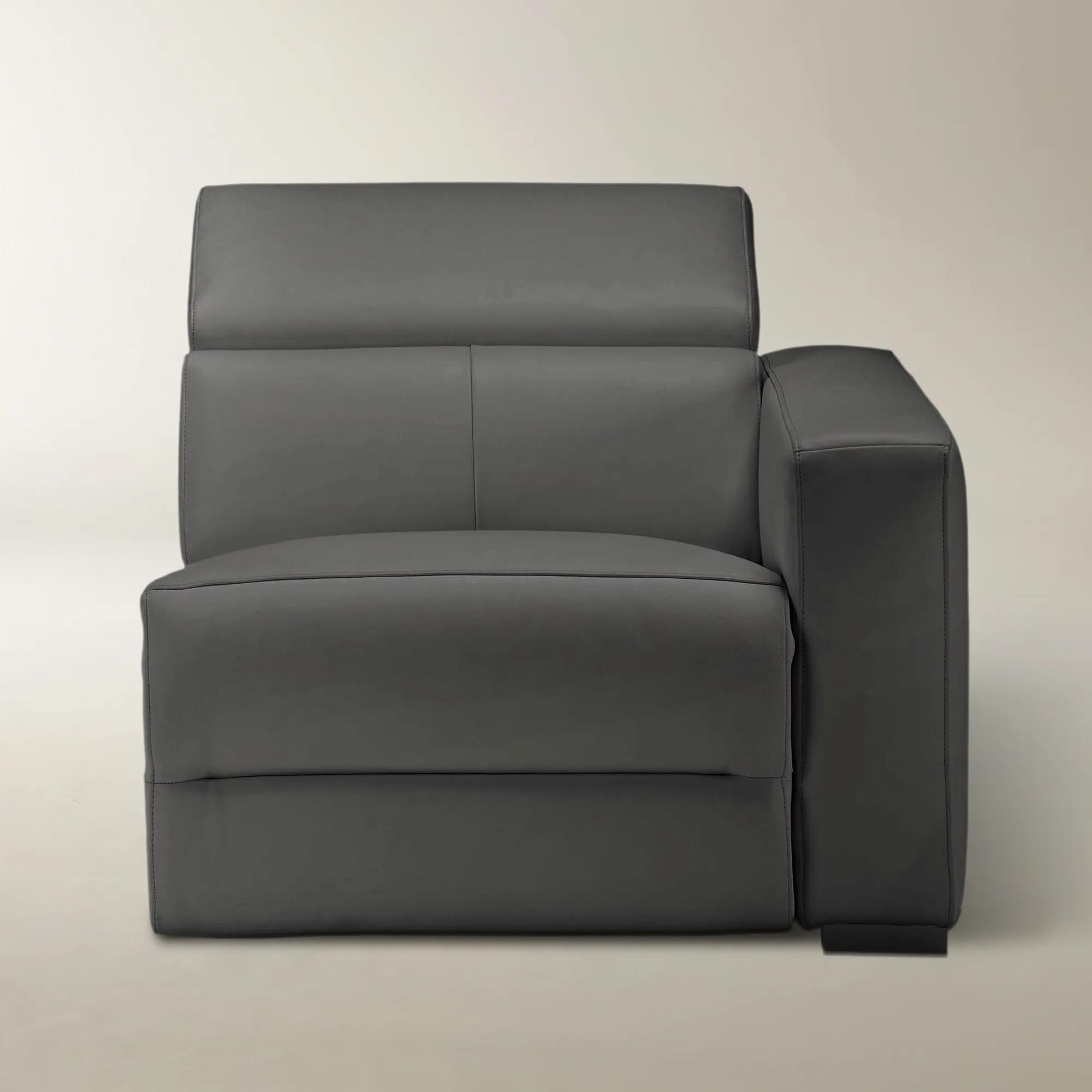
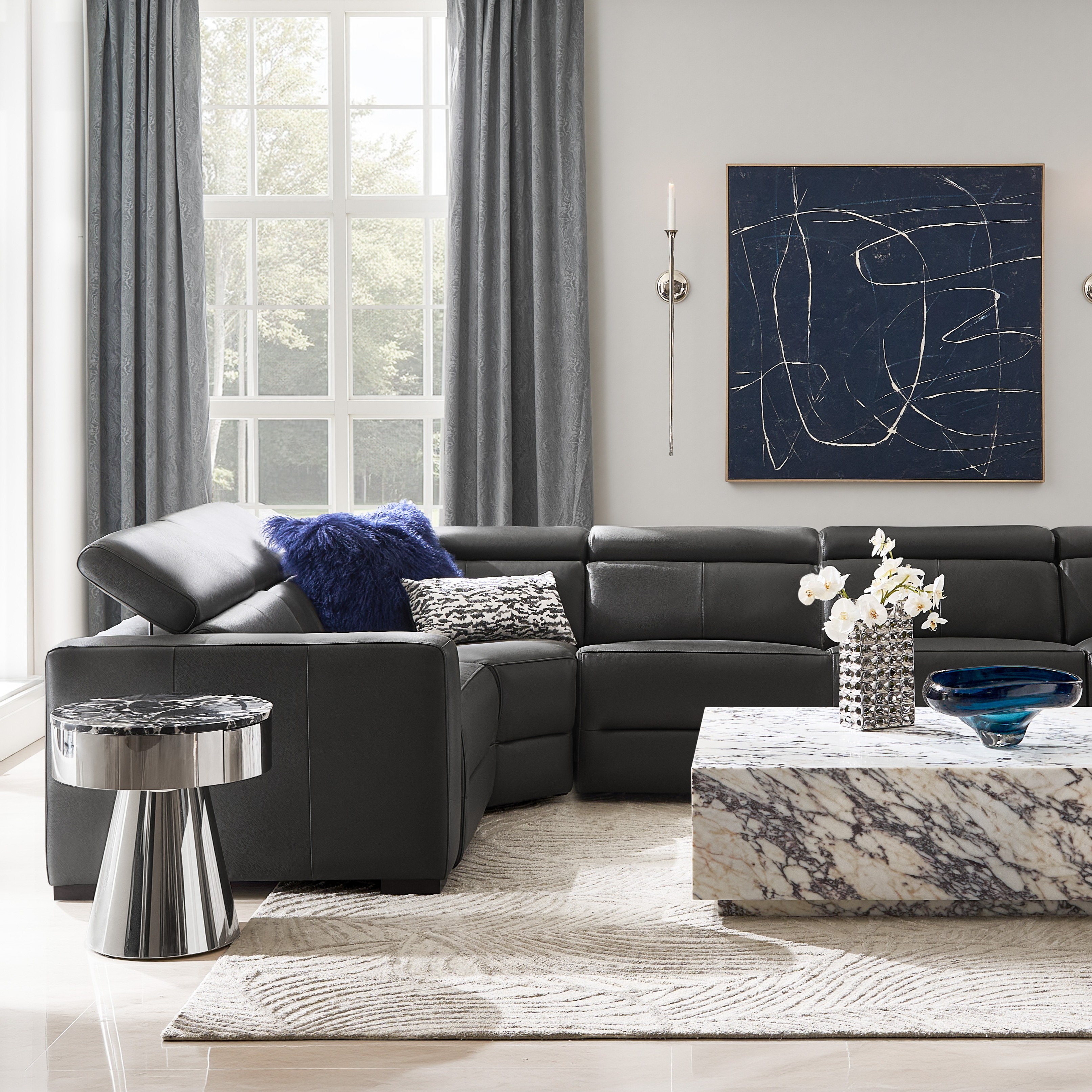 Verona Charcoal Leather Right Arm Chair$1299
A modern charcoal sectional upholstered in supple semi-aniline leather with adjustable headrests and optional power recline.
Add To Cart -
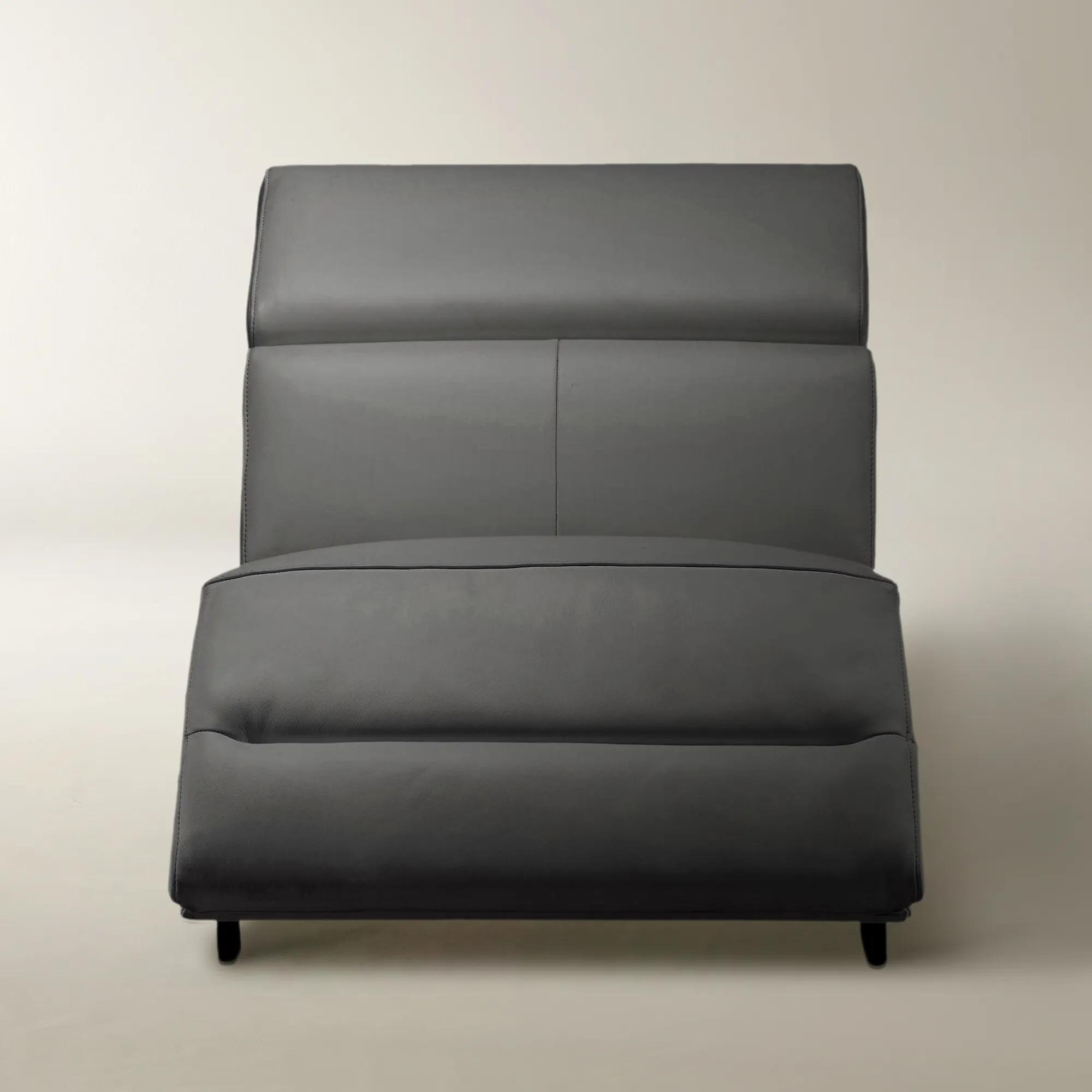 Verona Reclining Charcoal Leather Armless Chair With Power$1249
A charcoal semi-aniline leather sectional with adjustable headrests, power-reclining seats, and kiln-dried hardwood frame.
Add To Cart -
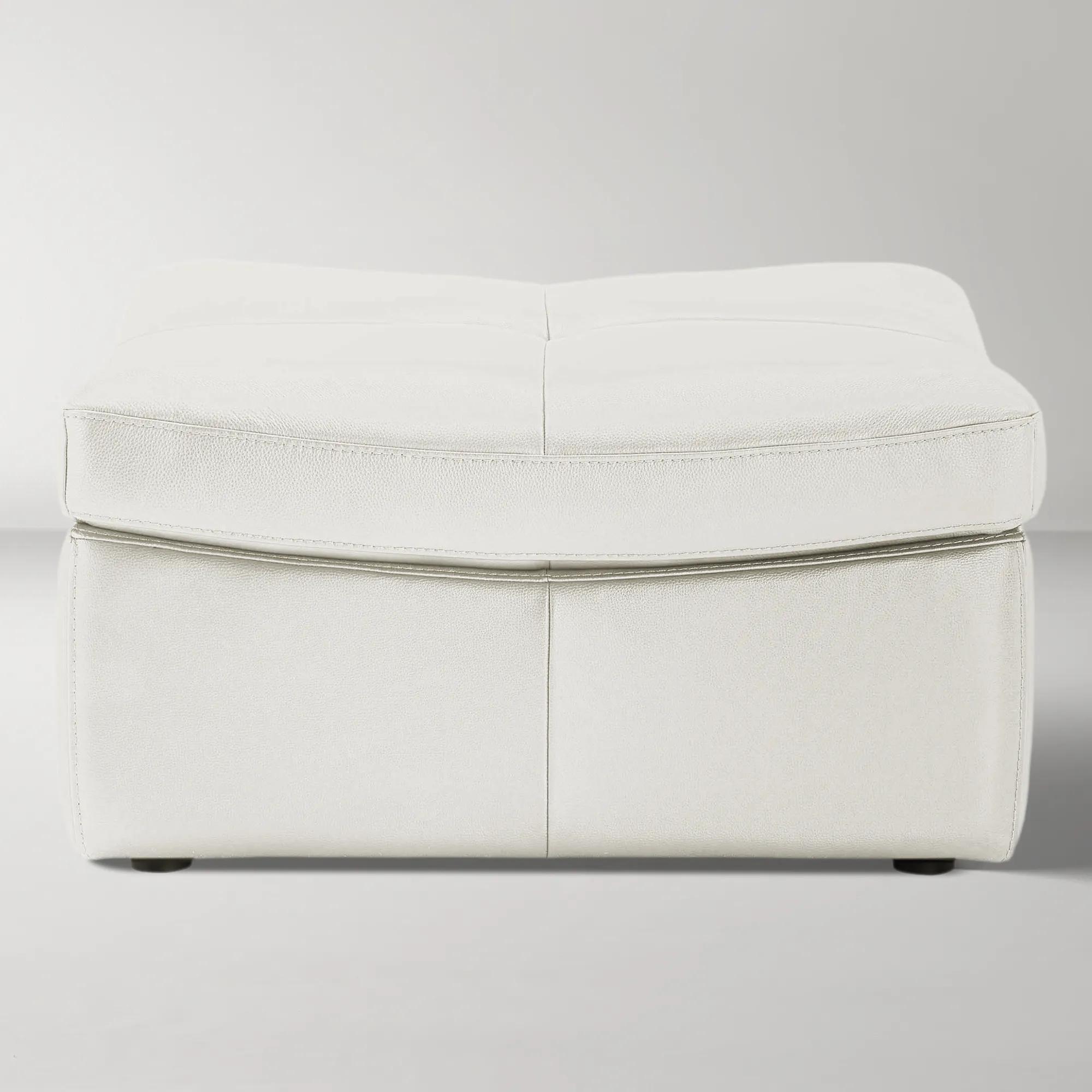 Convo White Leather Ottoman$849
A modular sectional with kiln-dried hardwood frame and charcoal semi-aniline leather upholstery for modern versatility.
Add To Cart -
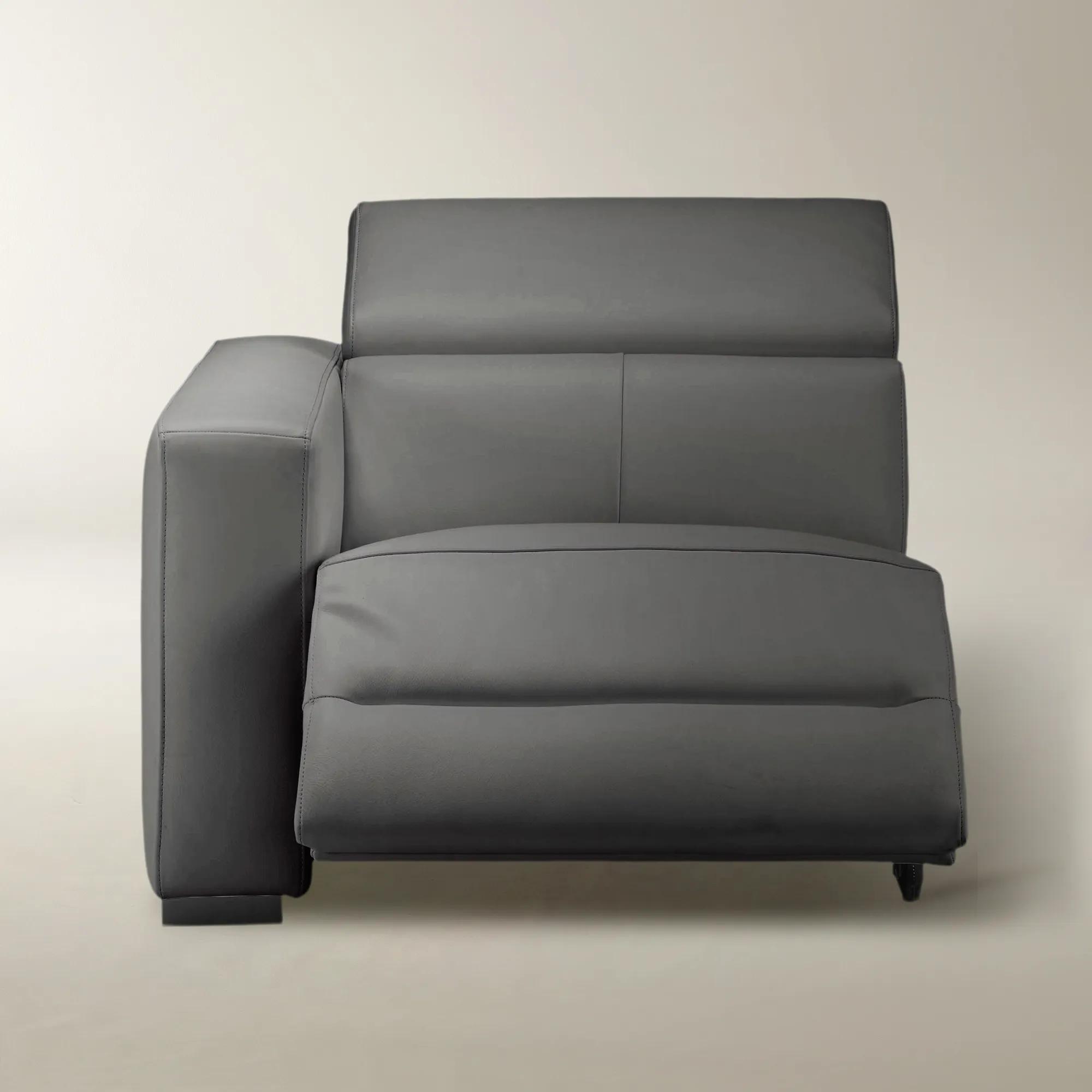 Verona Reclining Charcoal Leather Left Arm Chair With Power$1499
A charcoal semi-aniline leather sectional with adjustable headrests, power-reclining seats, and kiln-dried hardwood frame.
Add To Cart -
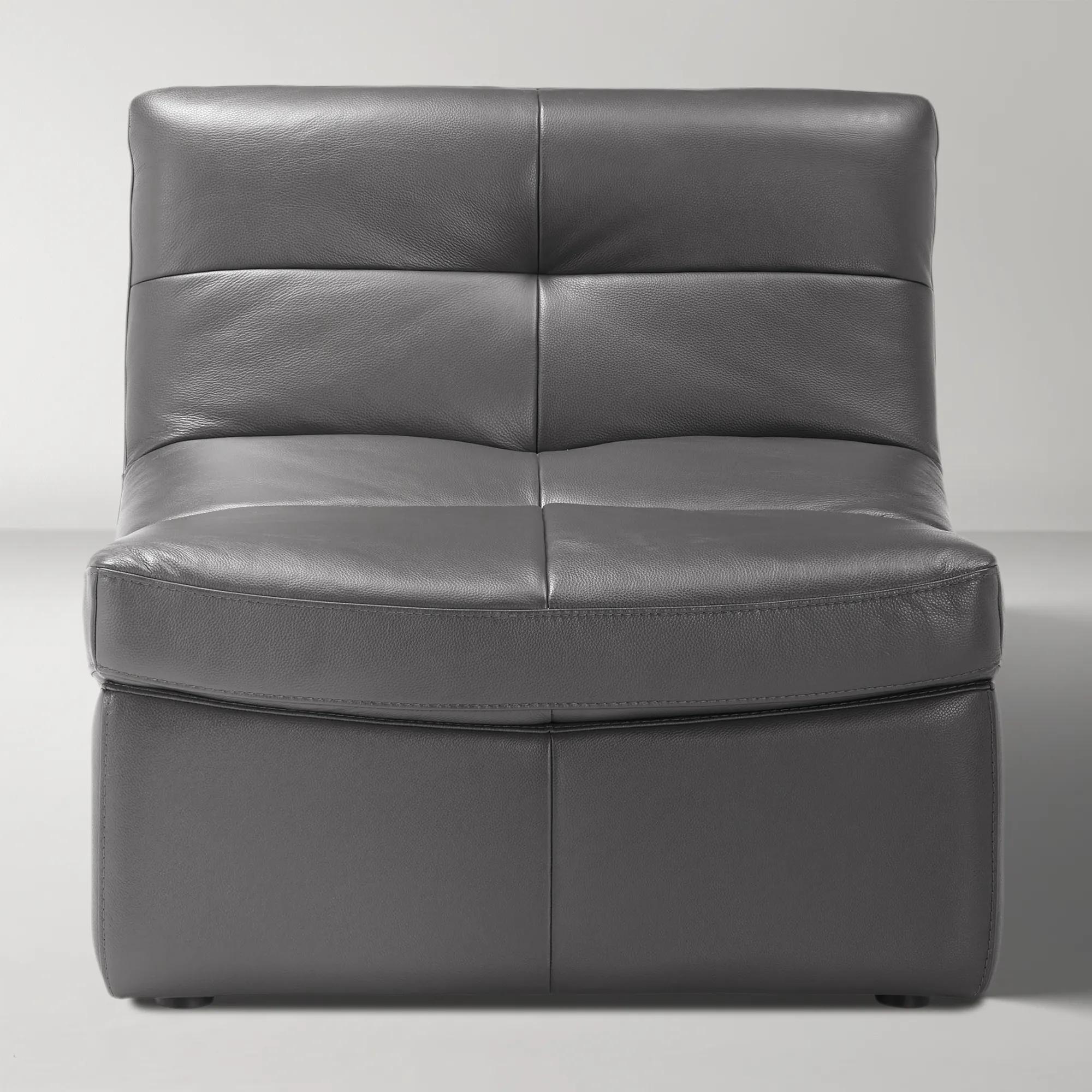
.jpg?w=1200&h=1200) Convo Charcoal Leather Armless Chair$1199
Convo Charcoal Leather Armless Chair$1199A modular sectional with kiln-dried hardwood frame and charcoal semi-aniline leather upholstery for modern versatility.
Add To Cart -
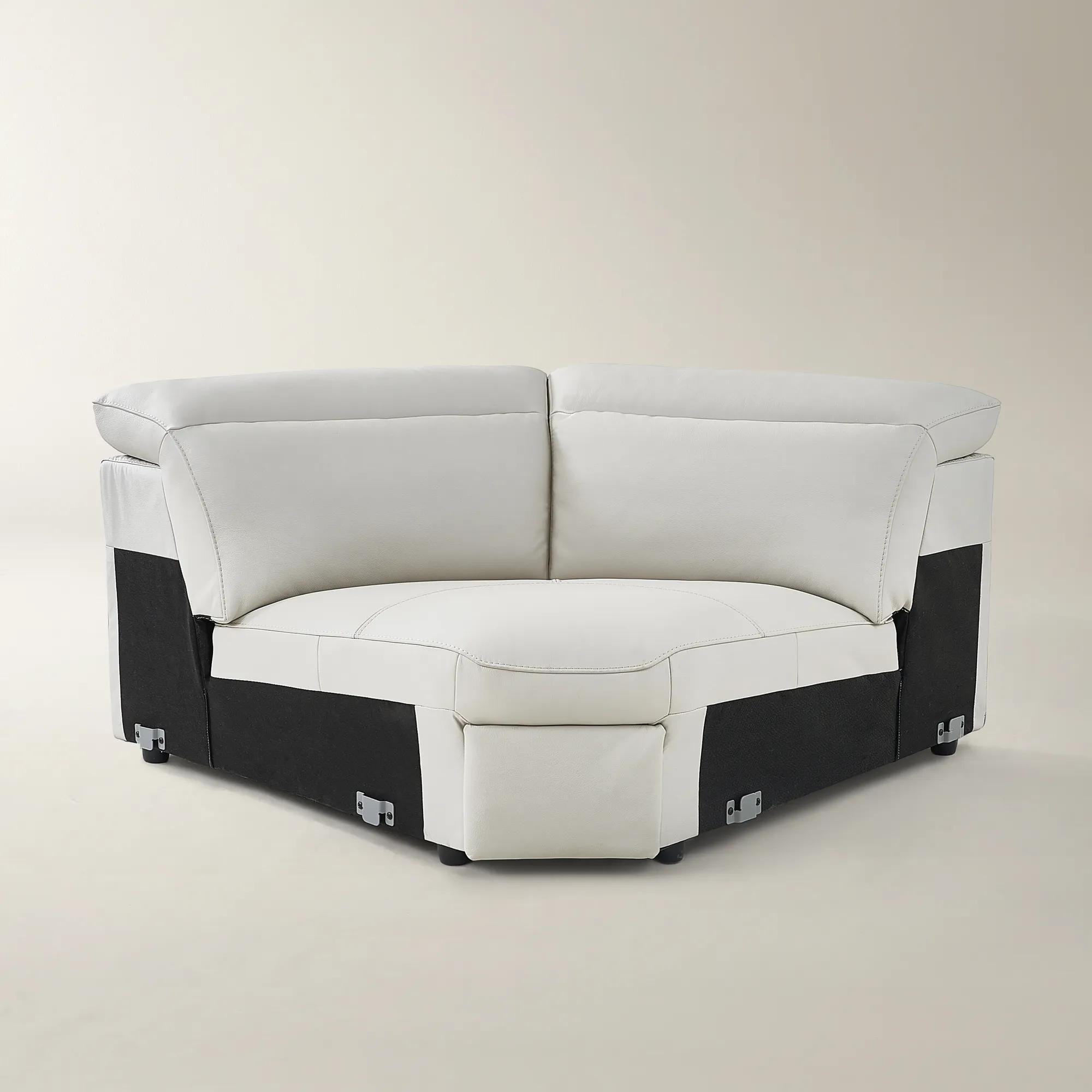
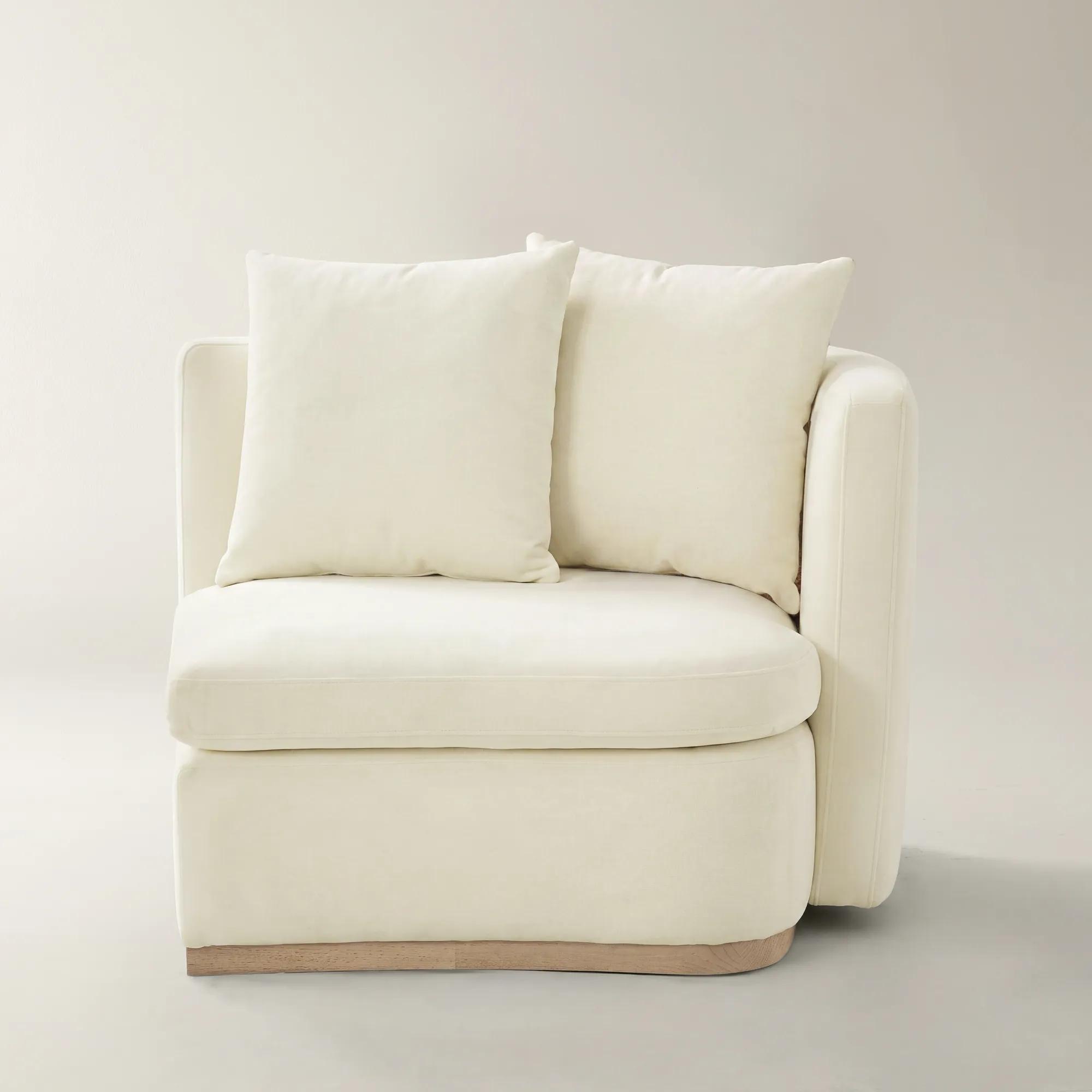
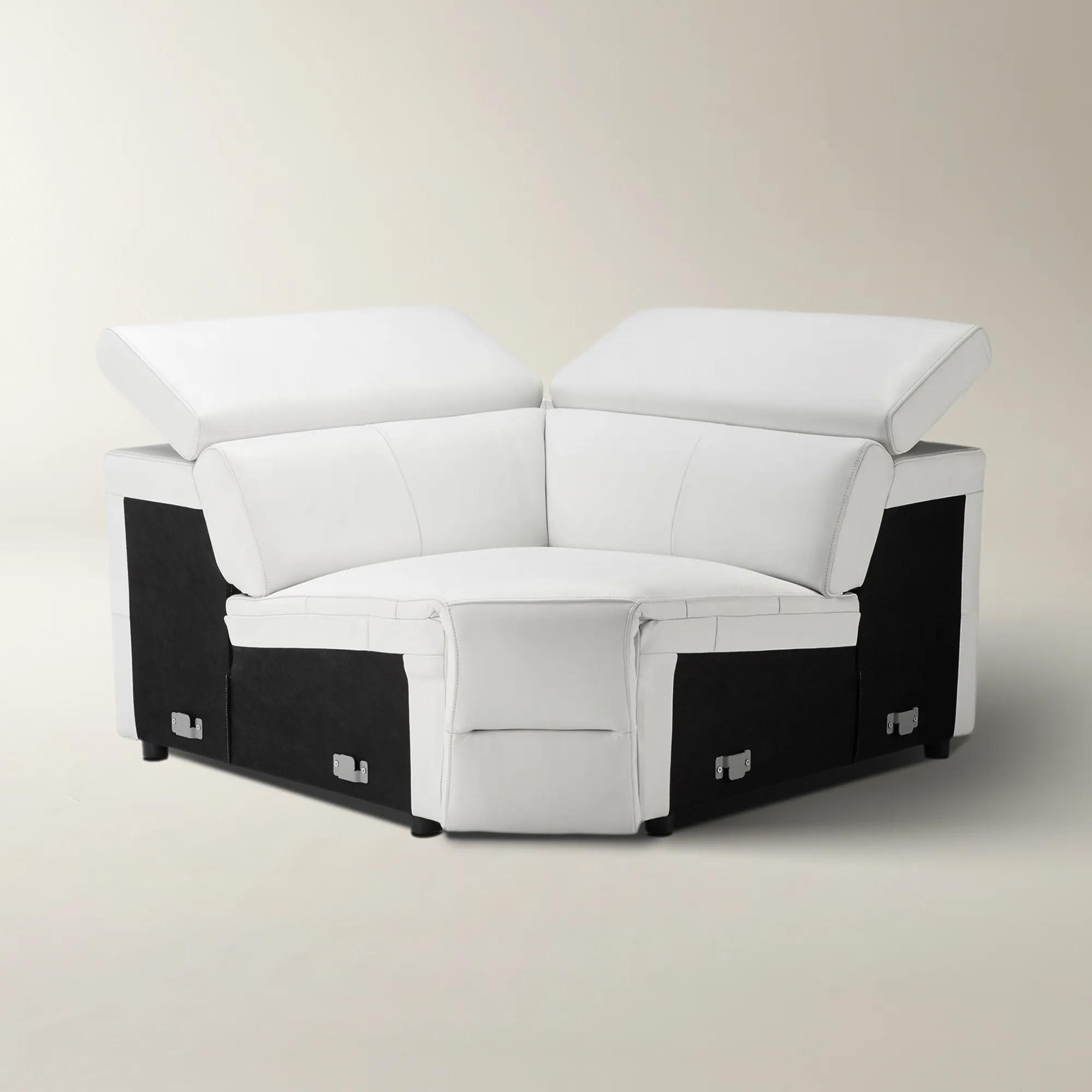 Verona White Leather Corner Chair With Power$1499
A modern sectional upholstered in supple white semi-aniline leather with adjustable headrests and power-reclining seats.
Add To Cart -
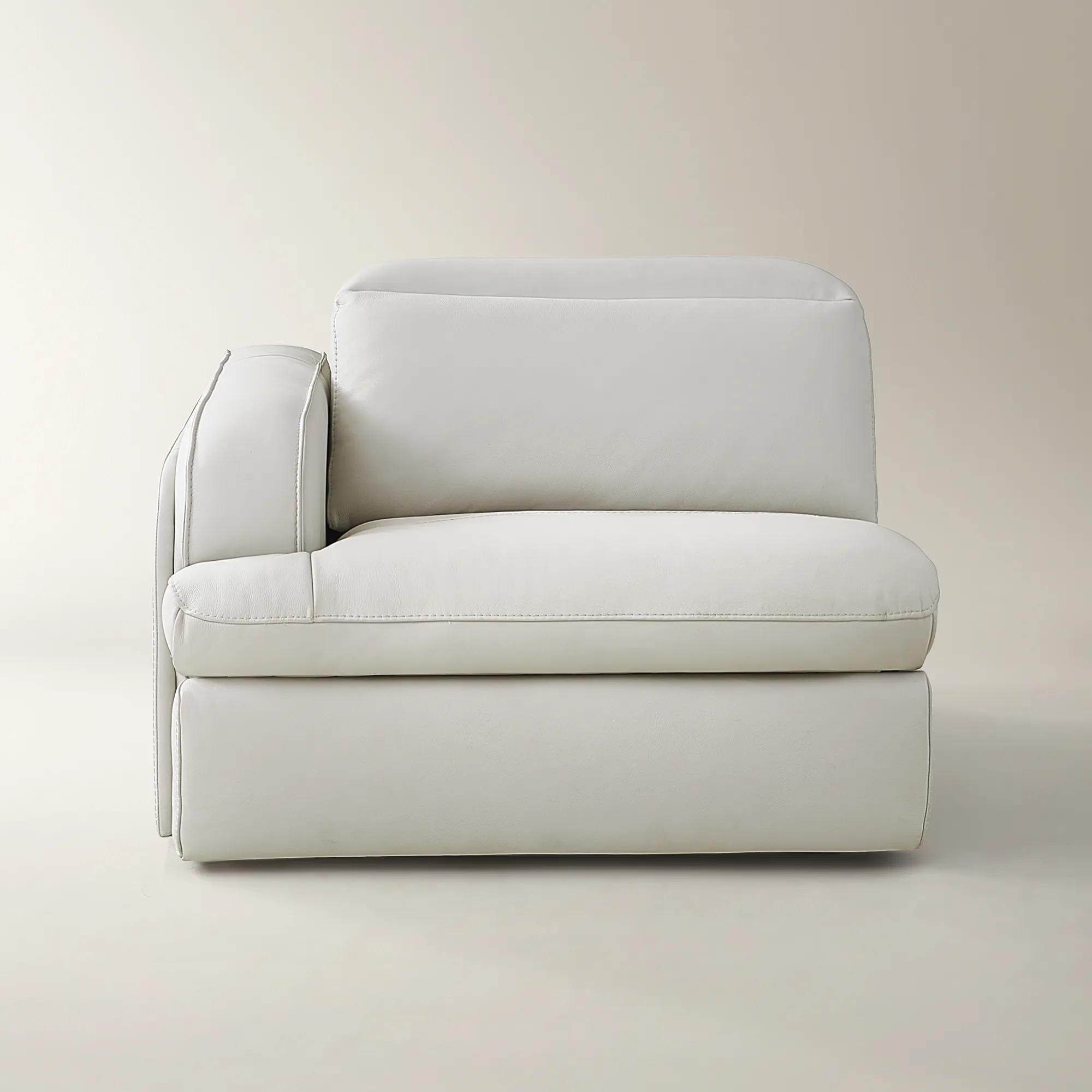
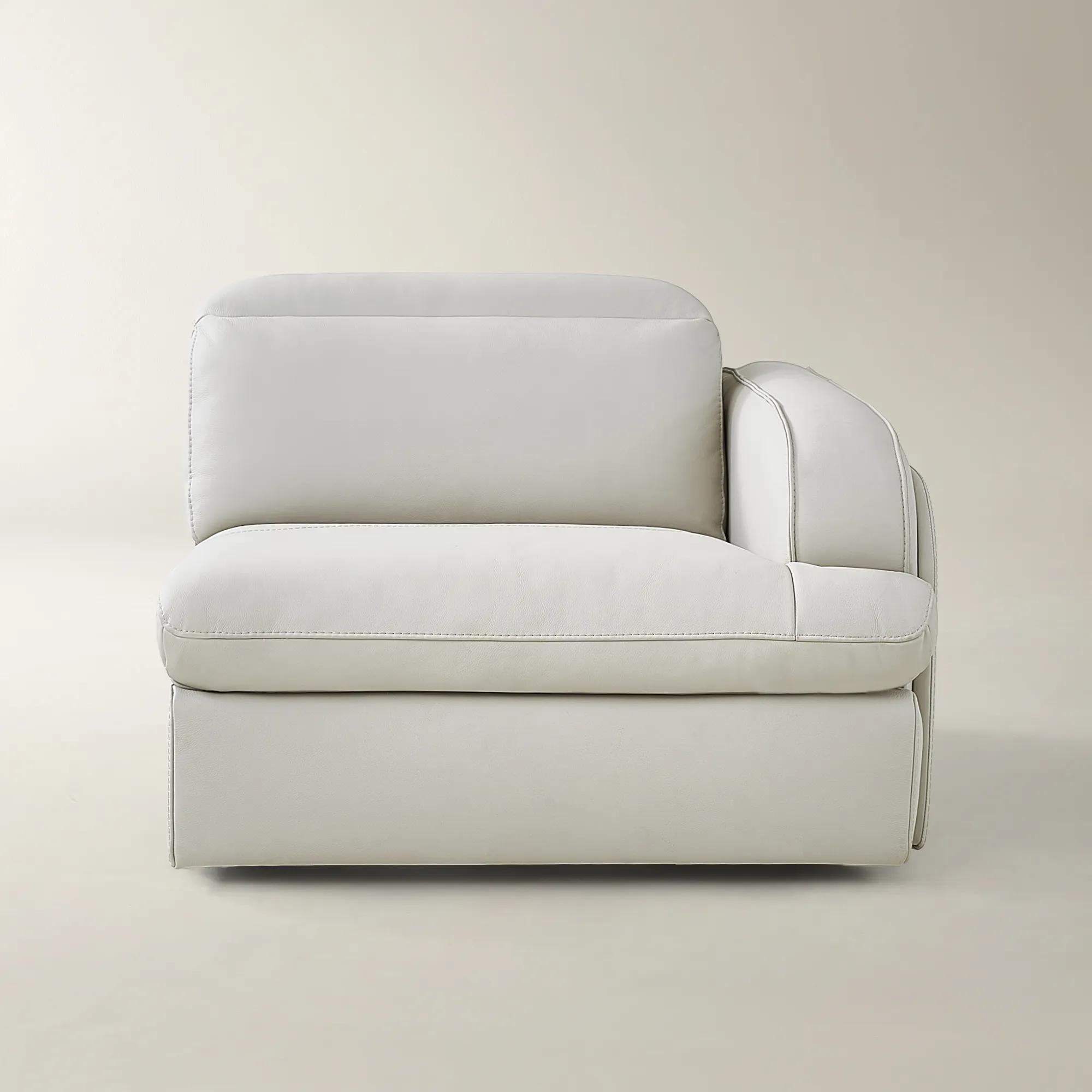
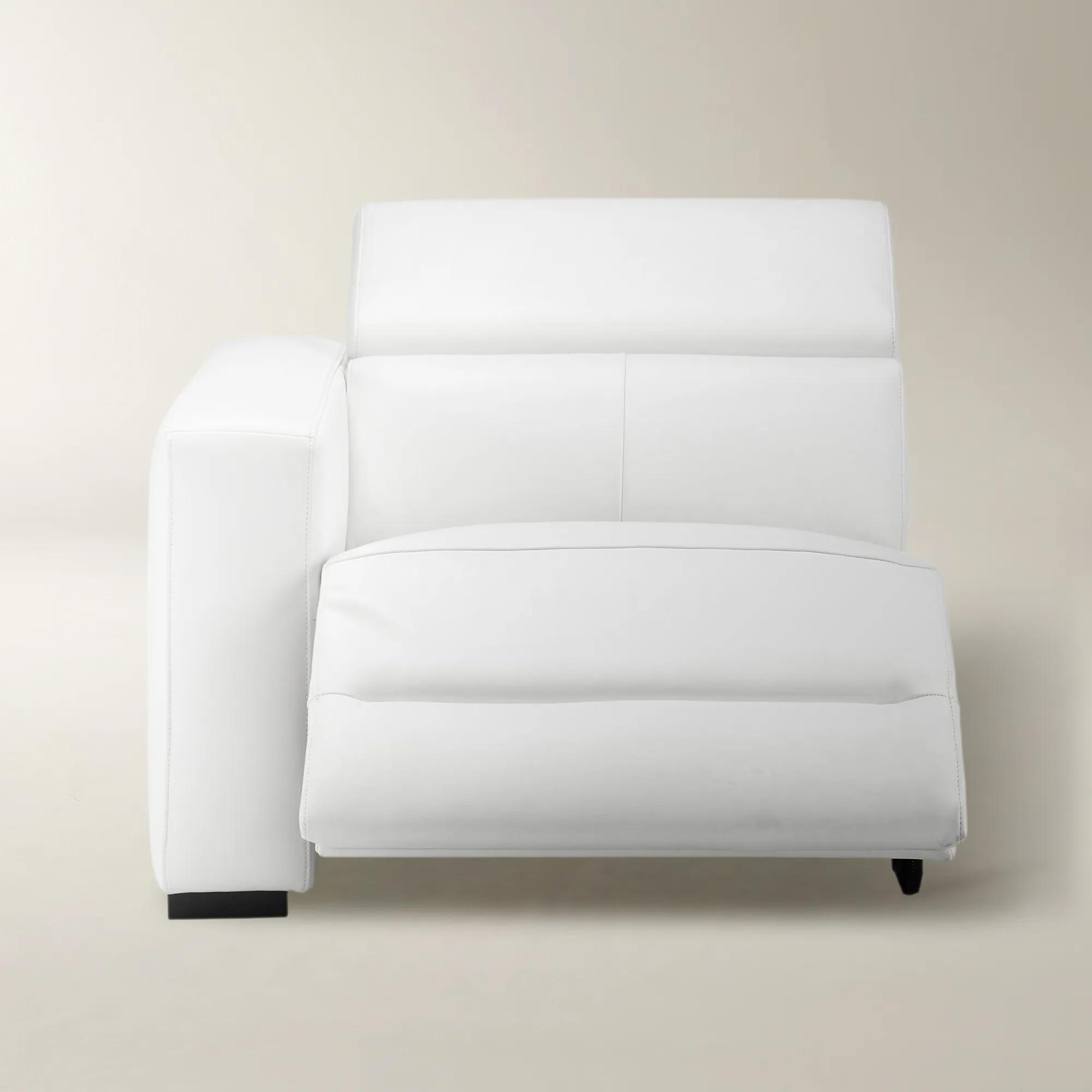 Verona Reclining White Leather Left Arm Chair With Power$1499
A modern white sectional upholstered in supple semi-aniline leather with adjustable headrests and power-reclining seats.
Add To Cart -
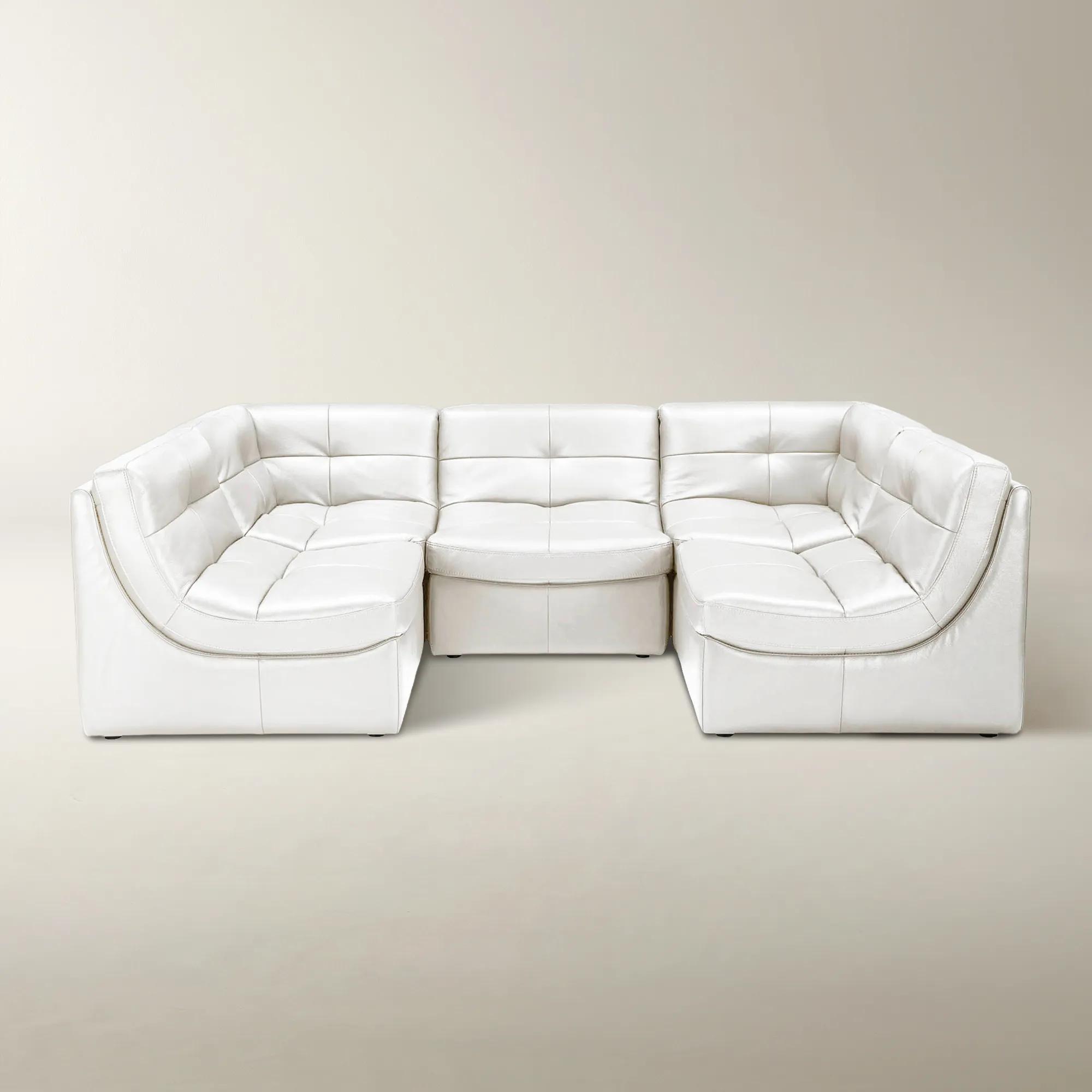 Convo 5-Piece U- Shaped White Leather Sectional Sofa$6399
A modular sectional featuring gently curved seats and charcoal semi-aniline leather upholstery for modern versatility.
Add To Cart -
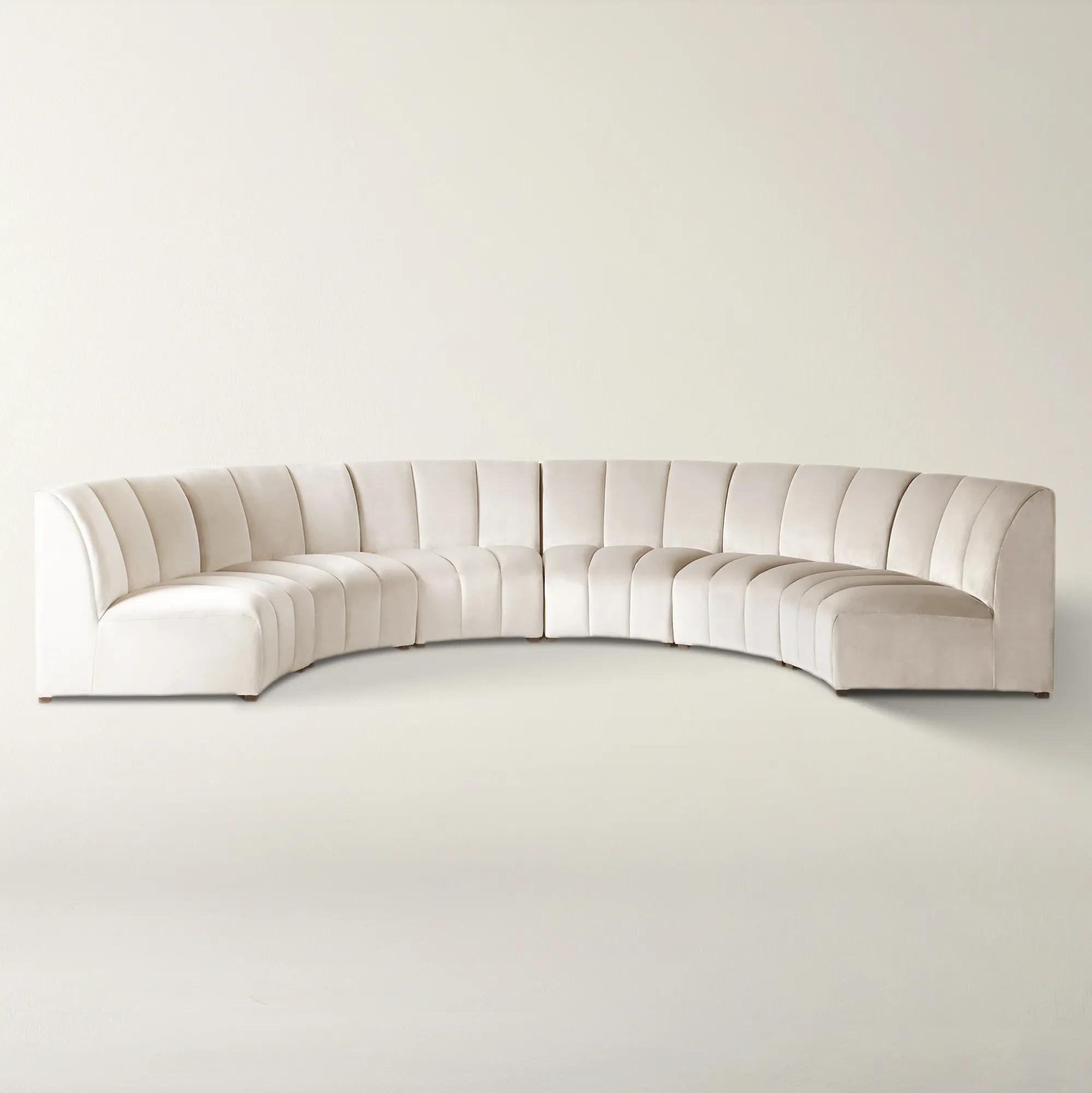 Jayce 6-Piece Channel-Tufted Ivory Velvet Sectional Sofa$5499
A modern curved sectional in stain-resistant Velvet Ivory with deep channel tufting and plush, structured cushions.
Add To Cart -
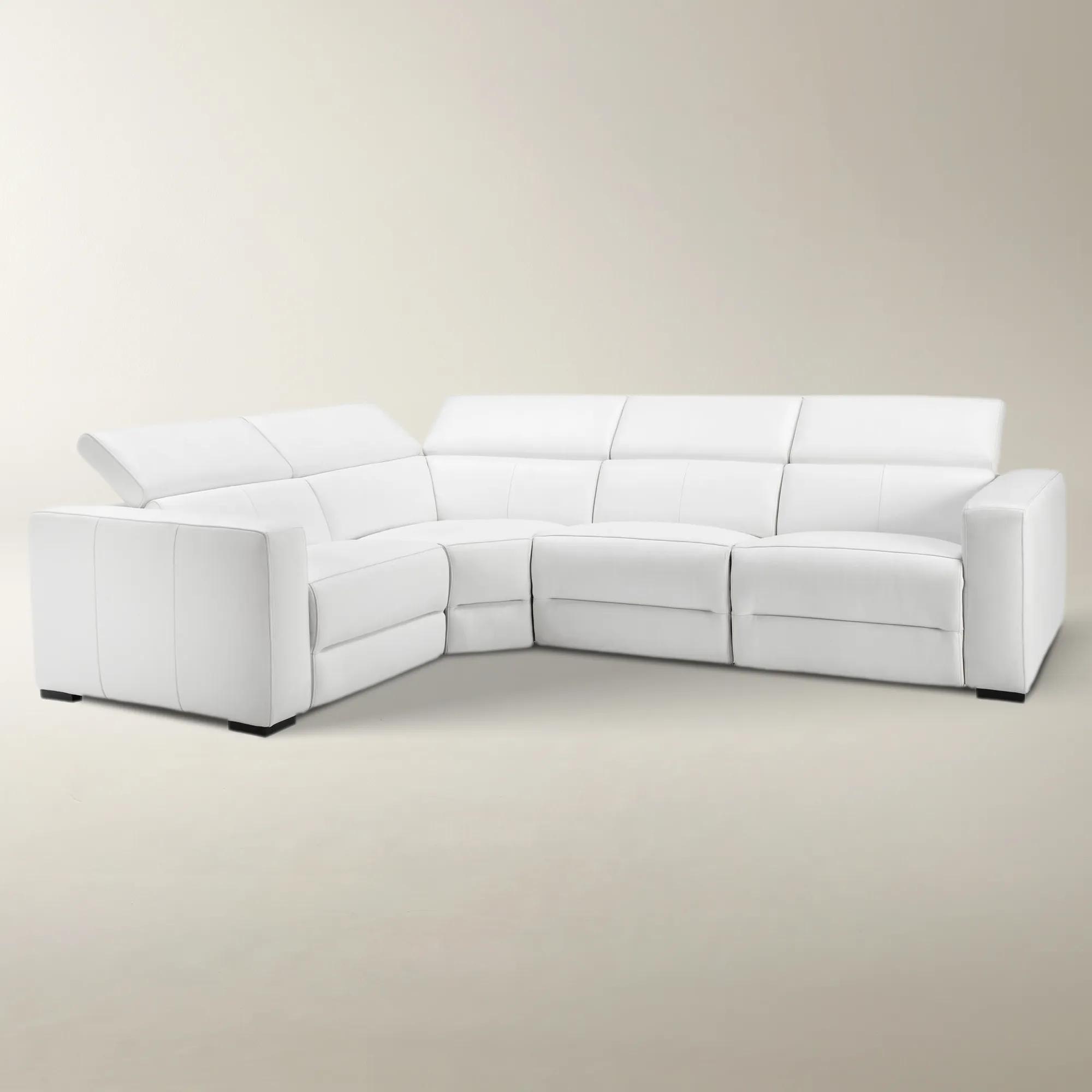 Verona 4-Piece L-Shaped Reclining White Leather Sectional Sofa With Left-Arm$5499
A modern sectional upholstered in supple white semi-aniline leather with adjustable headrests and power-reclining seats.
Add To Cart -
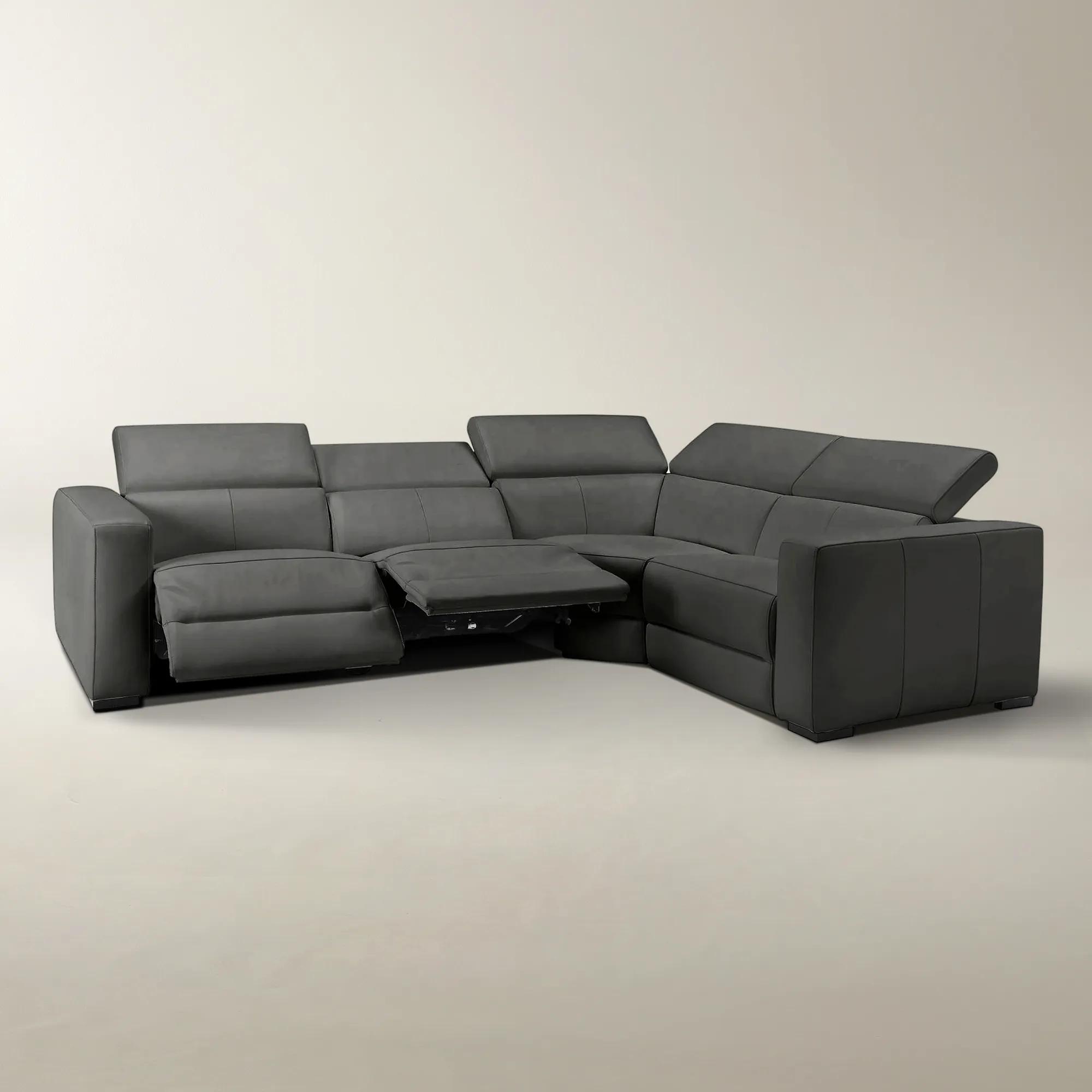
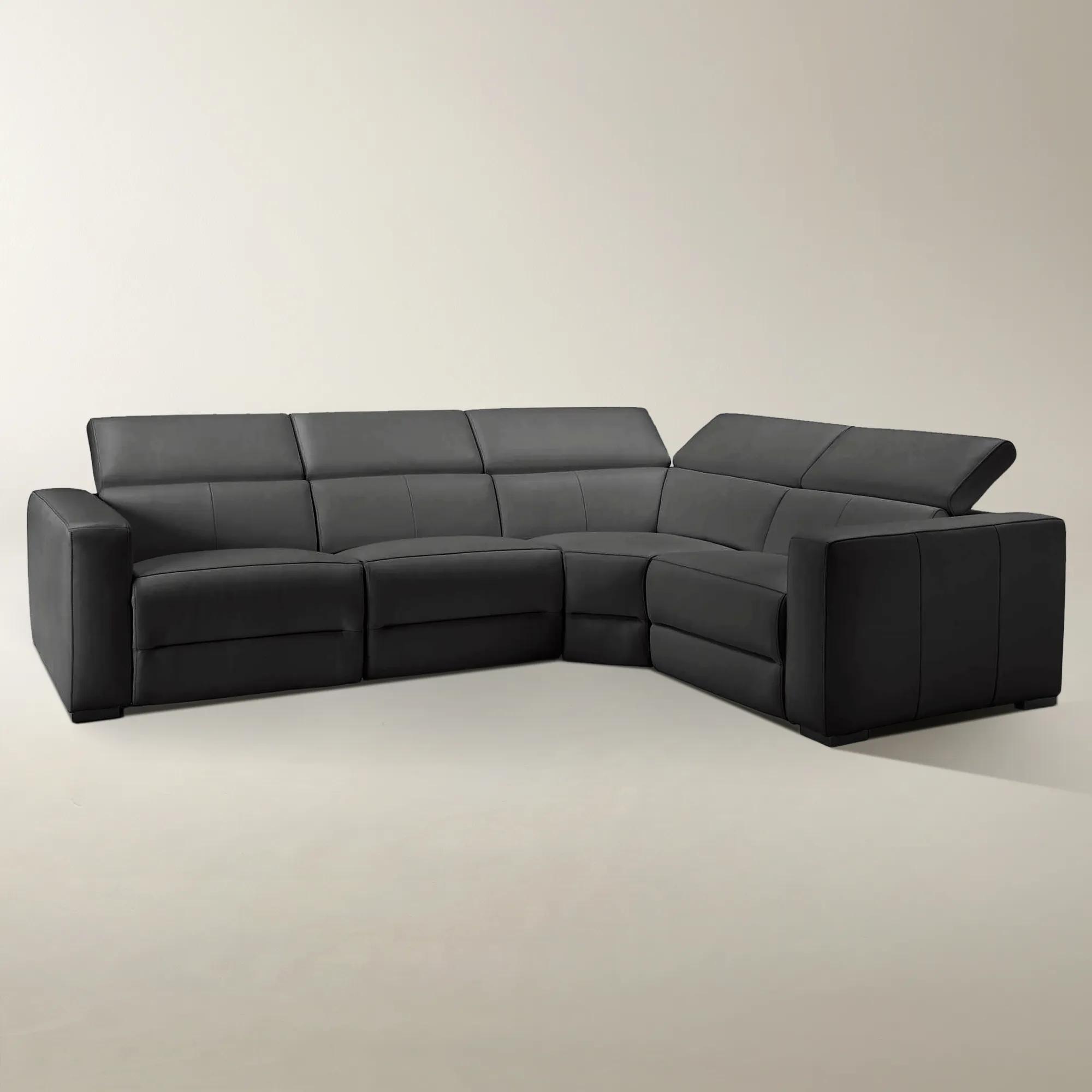 Verona 4-Piece L-Shaped Reclining Charcoal Leather Sectional Sofa With Right-Arm$5499
A charcoal semi-aniline leather sectional featuring adjustable headrests, power-reclining seats, and kiln-dried hardwood frame.
Add To Cart -
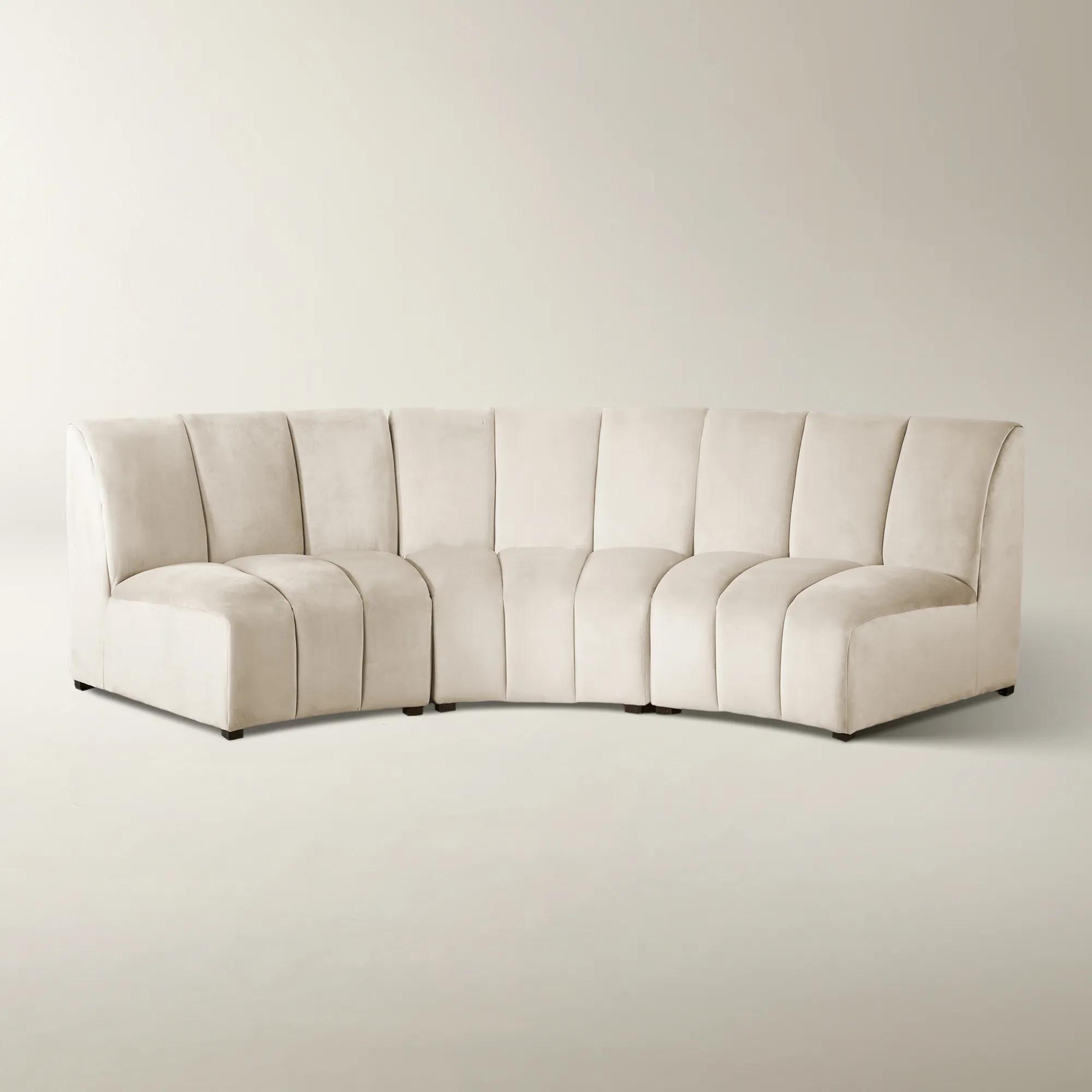
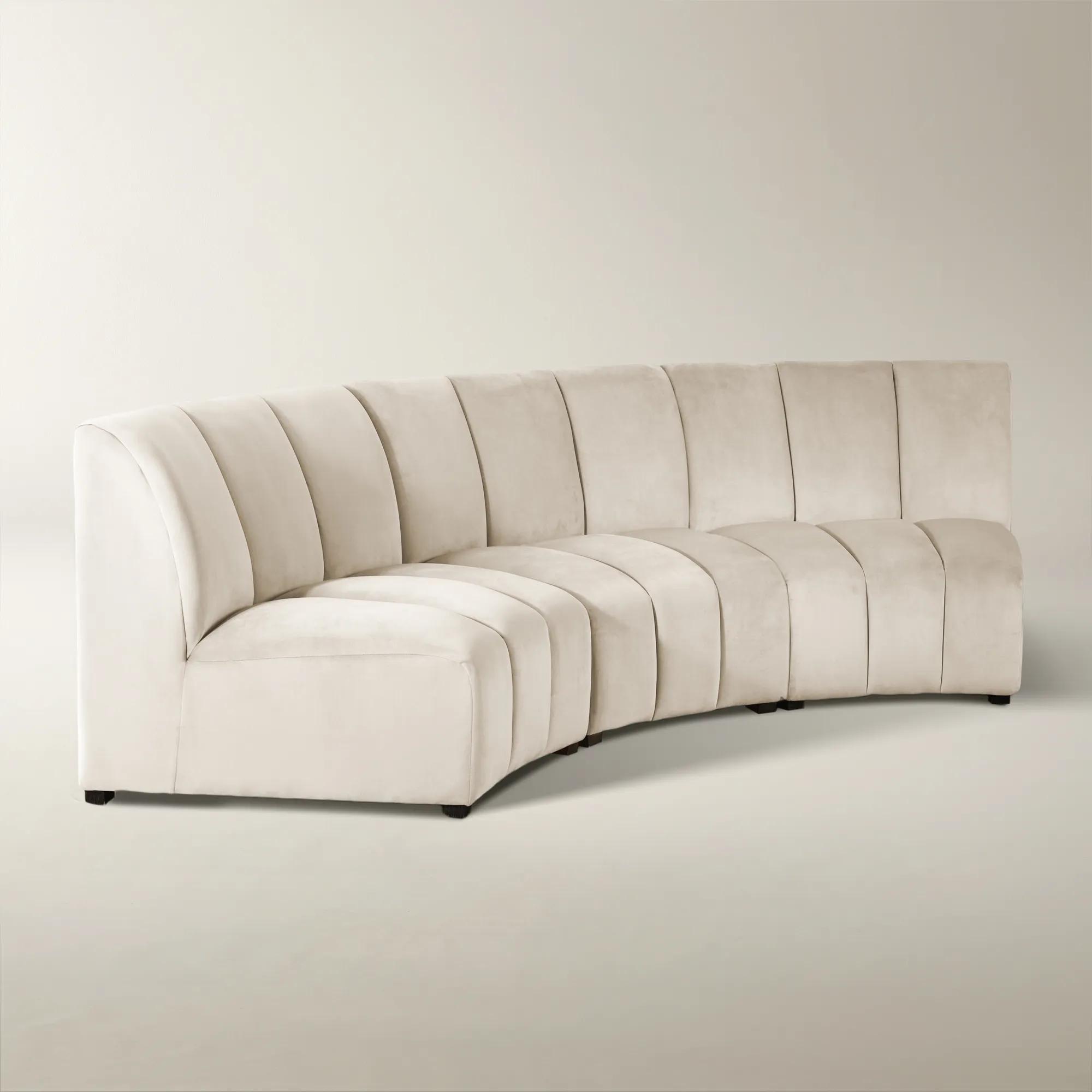 Jayce 3-Piece Channel-Tufted Ivory Velvet Sectional Sofa$2799
A modern curved sectional in stain-resistant Velvet Ivory with deep channel tufting and plush, structured cushions.
Add To Cart -
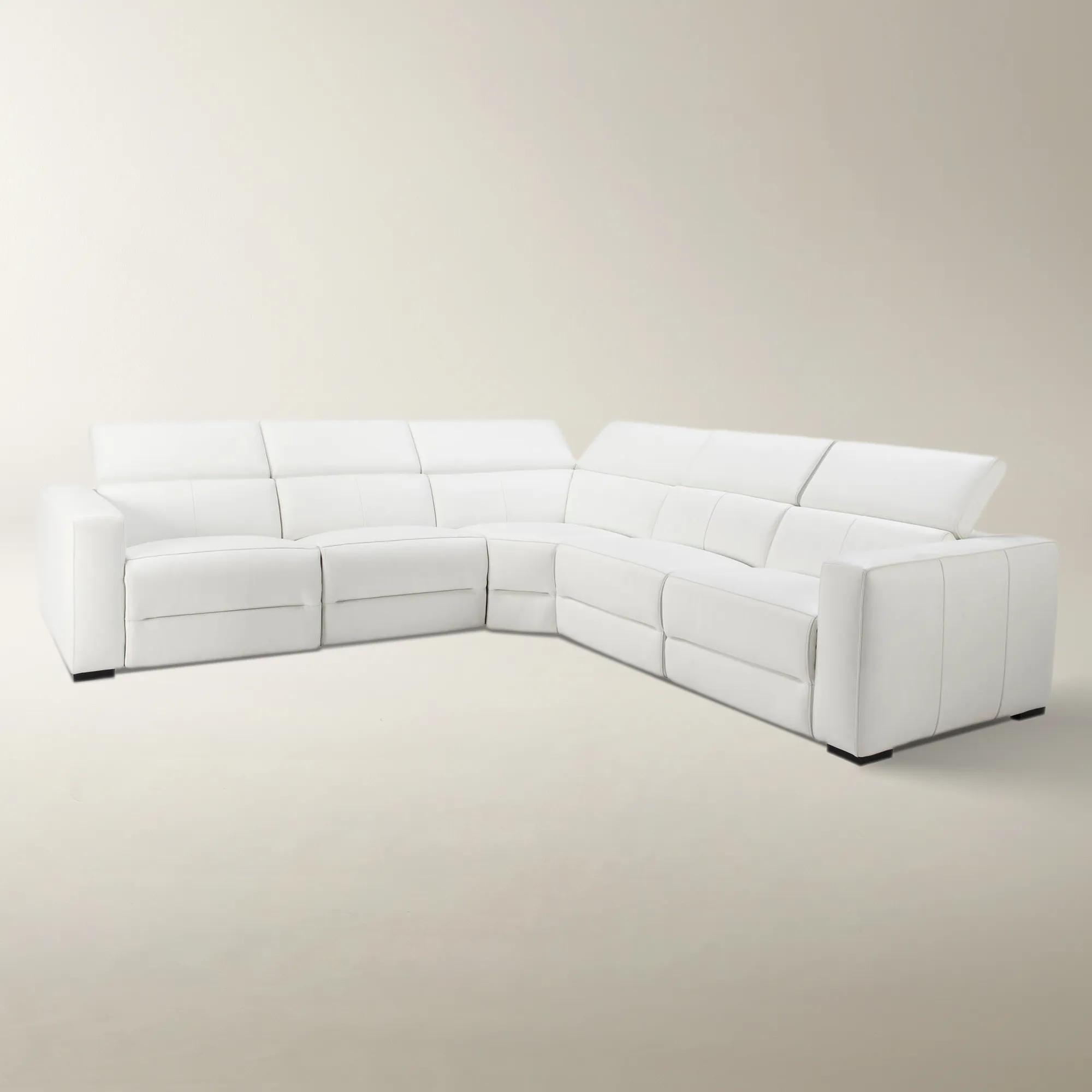
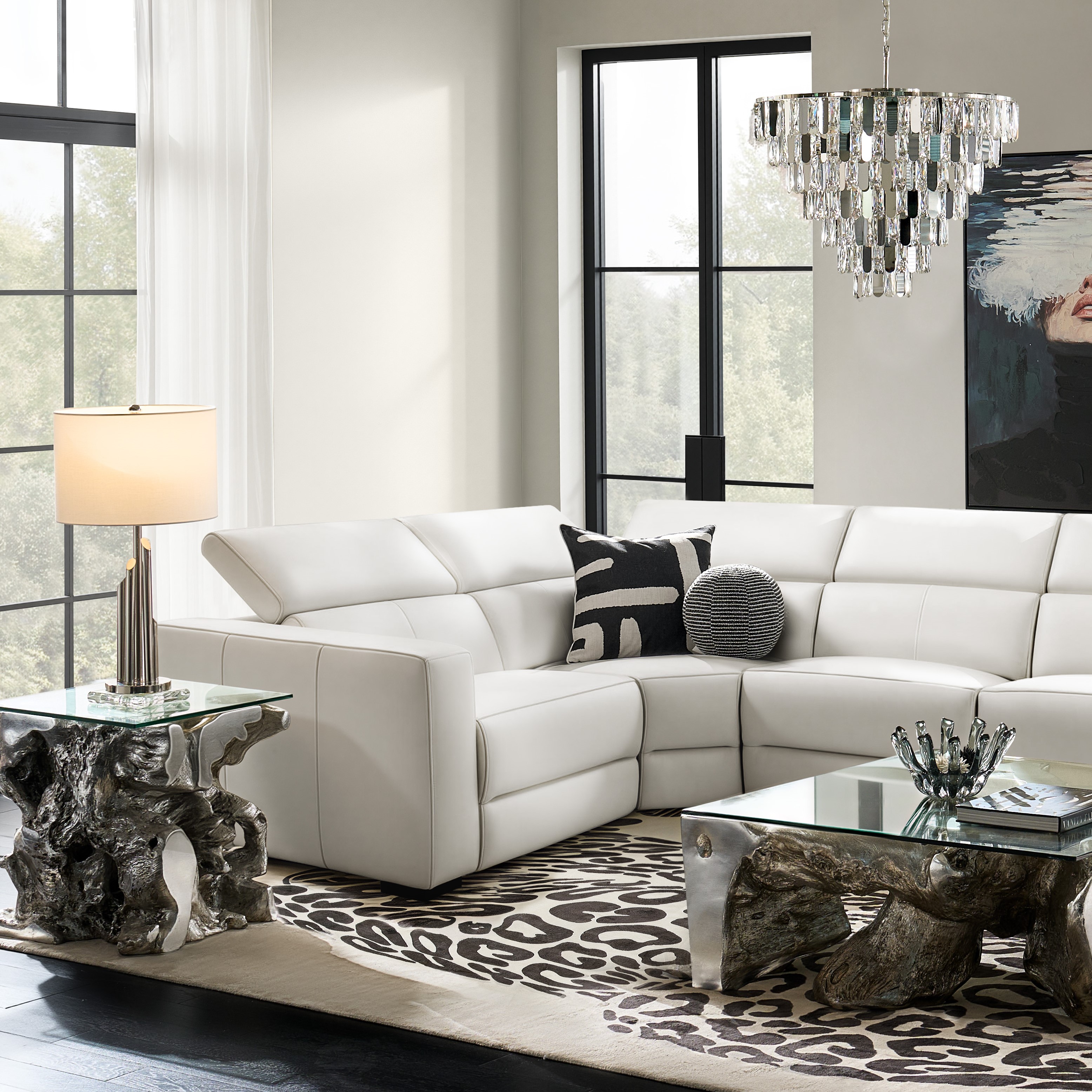 Verona 5-Piece Reclining White Leather Sectional Sofa$6799
A modern sectional upholstered in supple white semi-aniline leather with adjustable headrests and power-reclining seats.
Add To Cart -
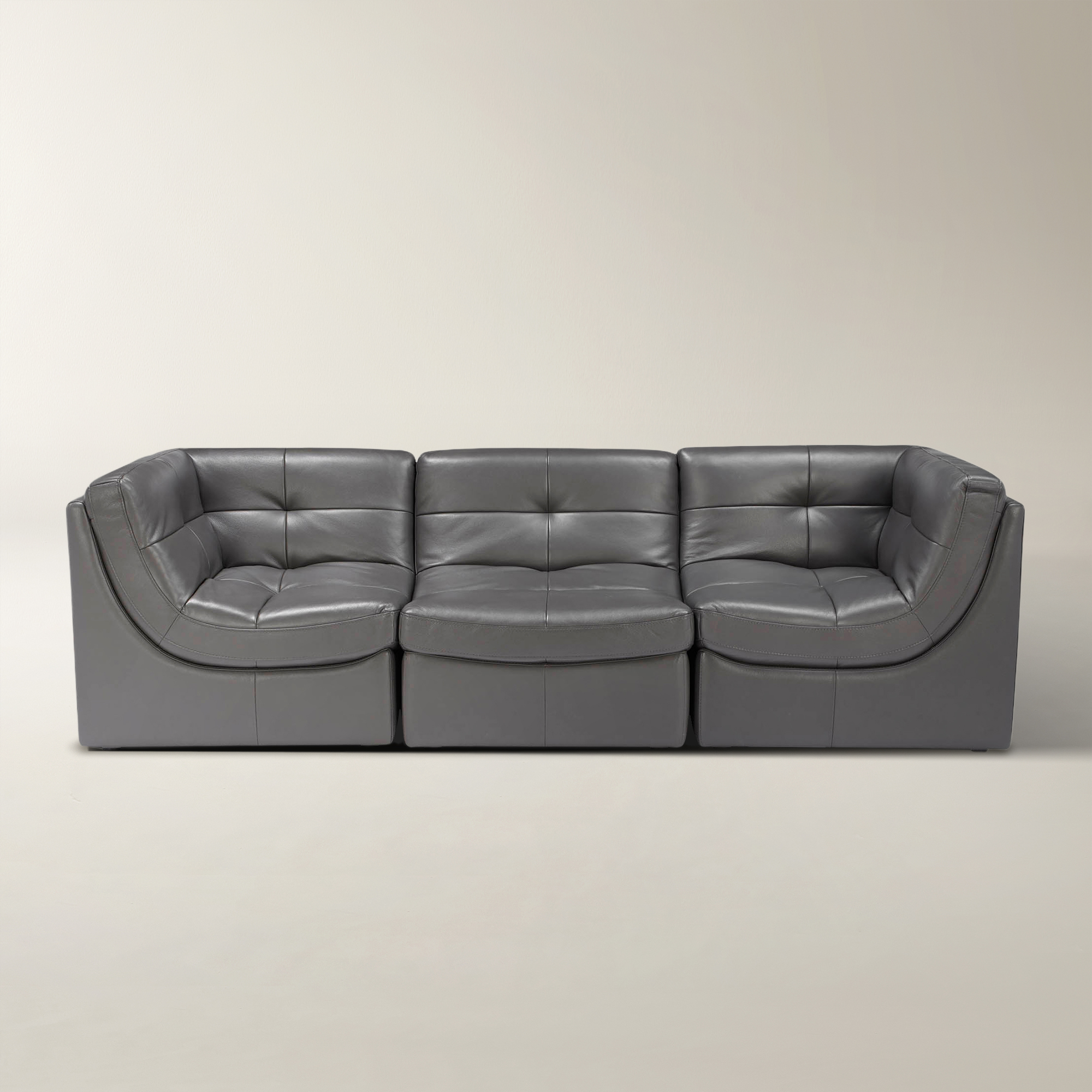 Convo 3-Piece Charcoal Leather Sectional Sofa$3999
A modular charcoal leather sofa with kiln-dried hardwood frame and gently curved, blind-tufted seats.
Add To Cart -
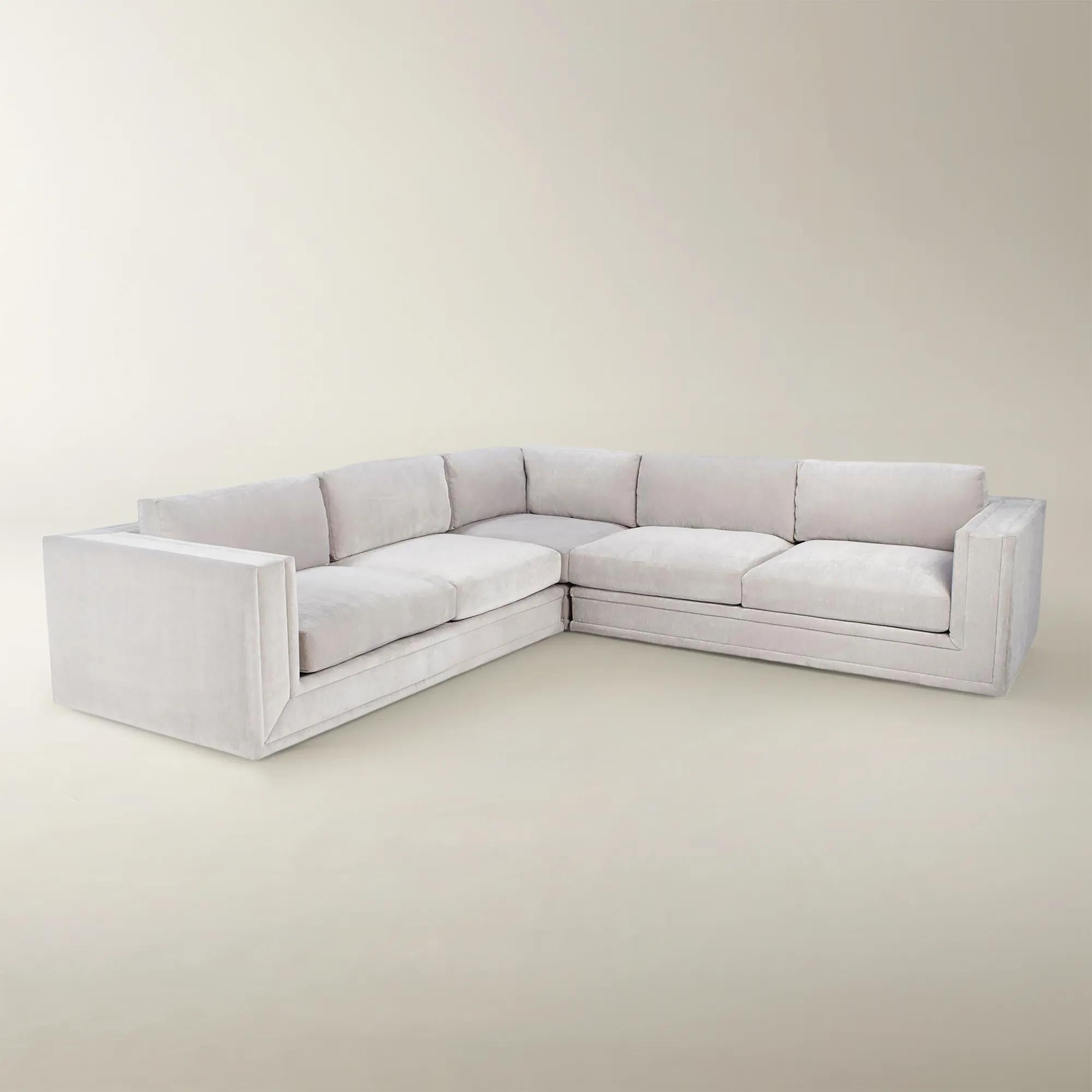 Luka 3-Piece Polar Chenille Sectional Sofa$4999
A modern corner sectional featuring deep seating, high-density foam cushions, and hand-upholstered opulent chenille fabric.
Add To Cart -
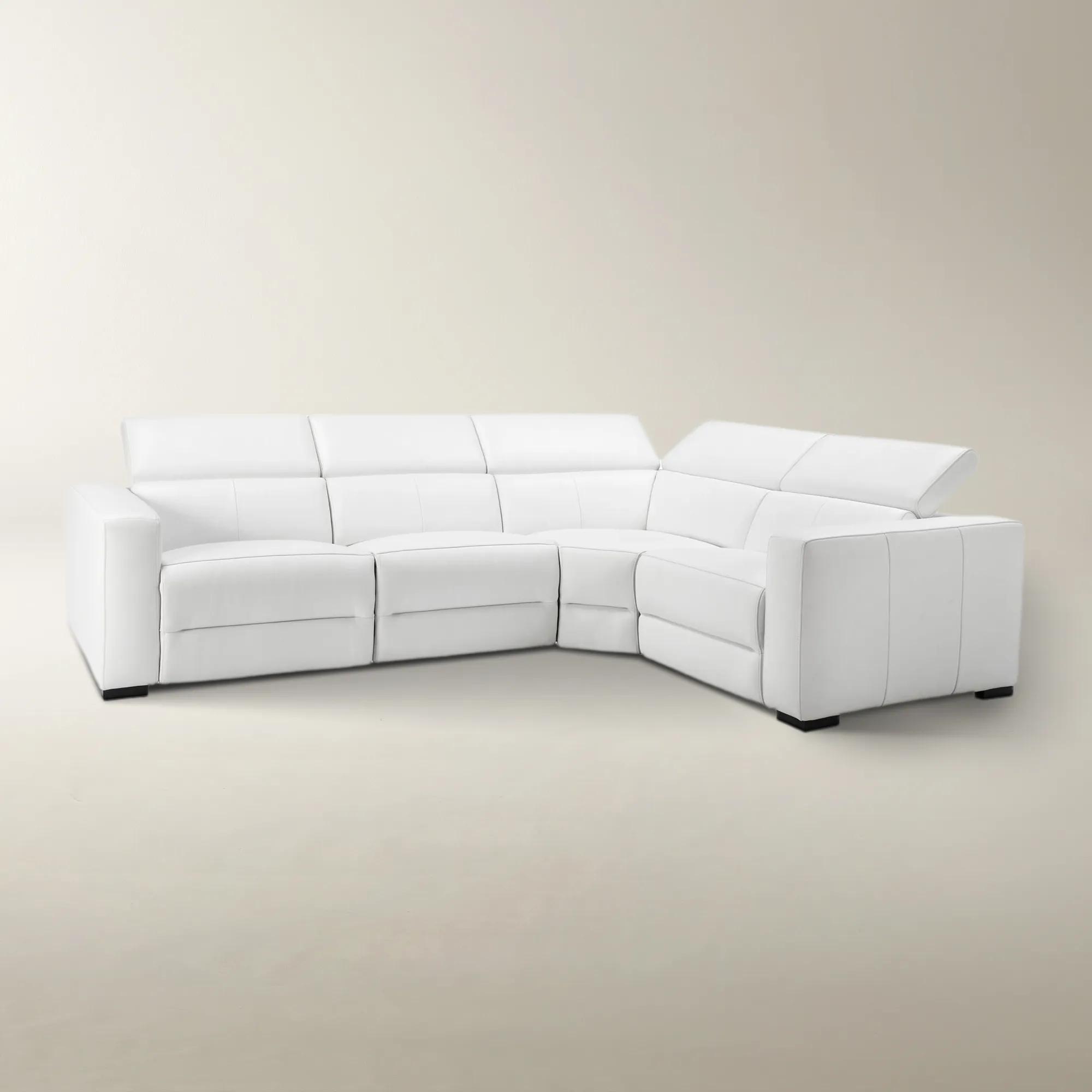 Verona 4-Piece L-Shaped Reclining White Leather Sectional Sofa With Right-Arm$5499
A modern sectional upholstered in supple white semi-aniline leather with adjustable headrests and power-reclining seats.
Add To Cart -
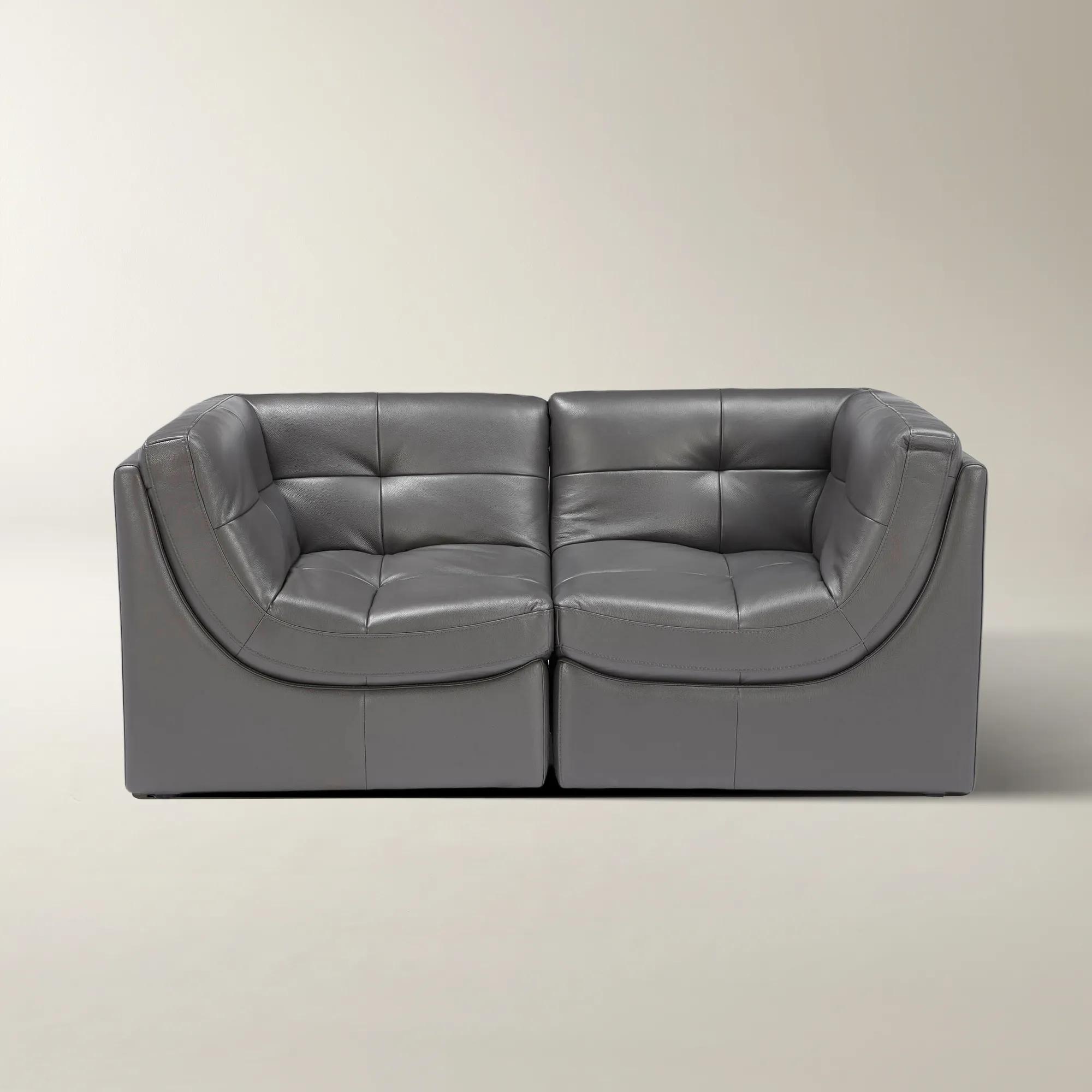 Convo 2-Piece Charcoal Leather Sectional Sofa$2799
A modular charcoal leather sofa with kiln-dried hardwood frame and blind-tufted, semi-aniline upholstery.
Add To Cart -
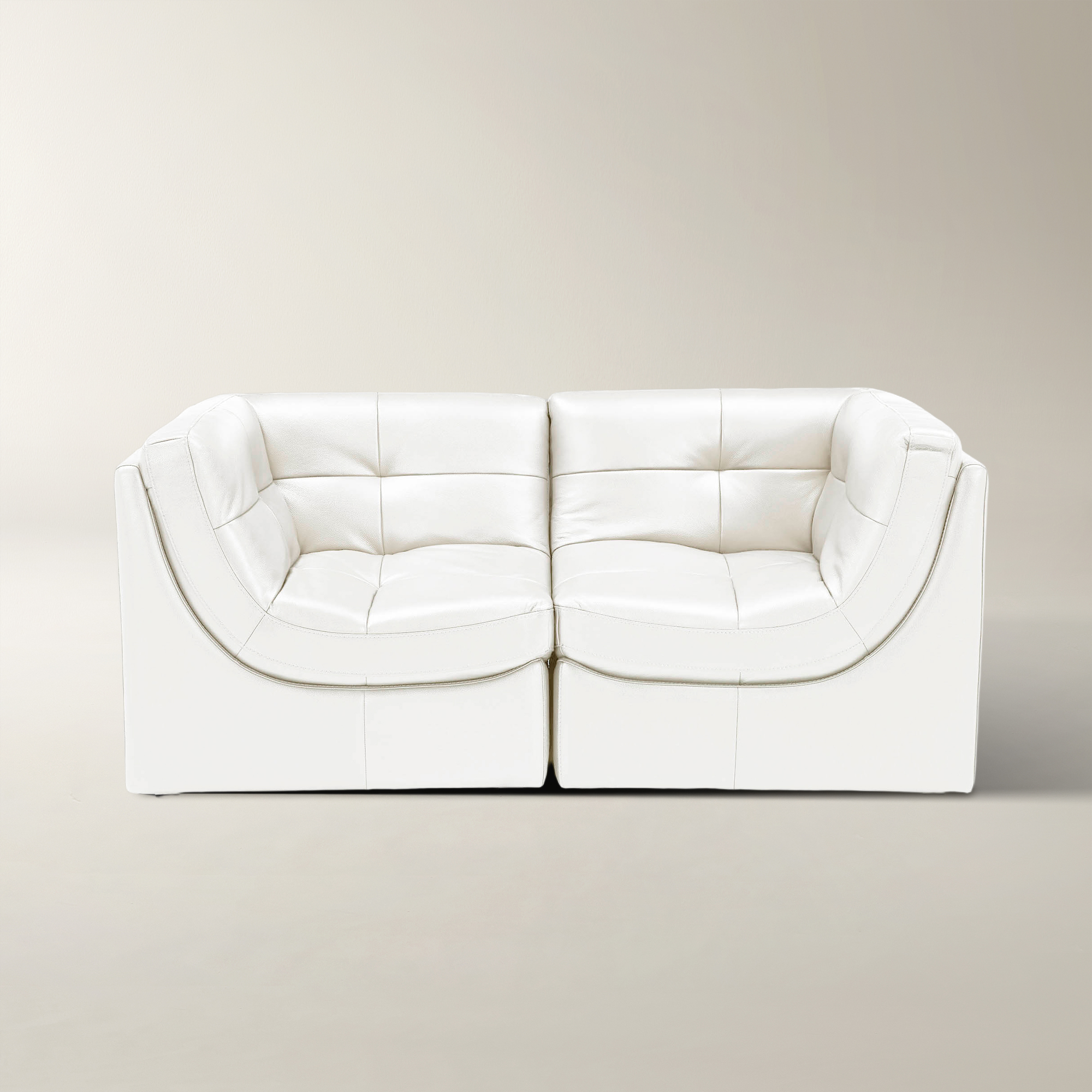 Convo 2-Piece White Leather Sectional Sofa$2799
A modular charcoal leather sofa with kiln-dried hardwood frame and blind-tufted, semi-aniline upholstery.
Add To Cart -
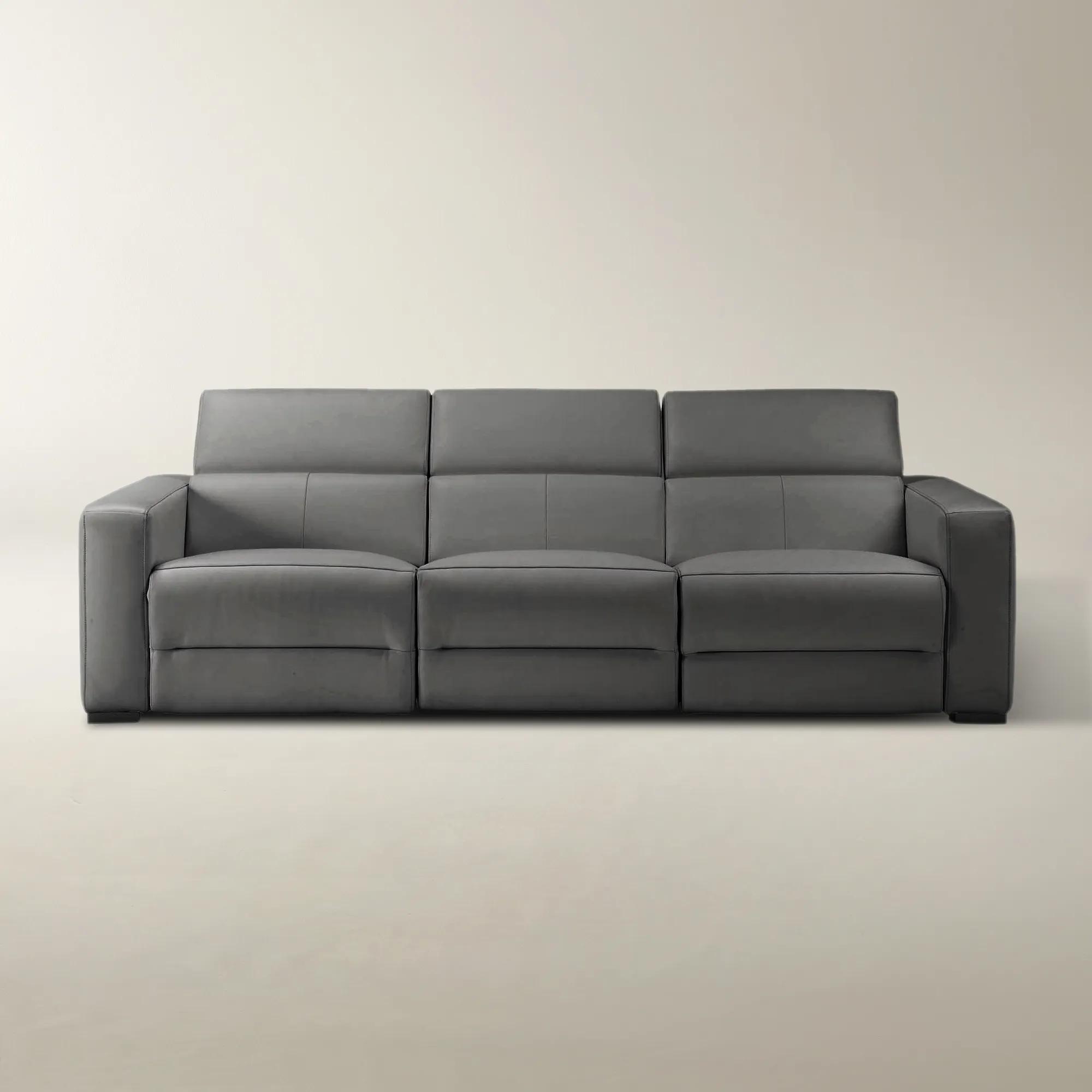 Verona 3-Piece Charcoal Leather Sectional Sofa$4199
A charcoal semi-aniline leather sectional featuring adjustable headrests, kiln-dried hardwood frame, and optional power recline.
Add To Cart -
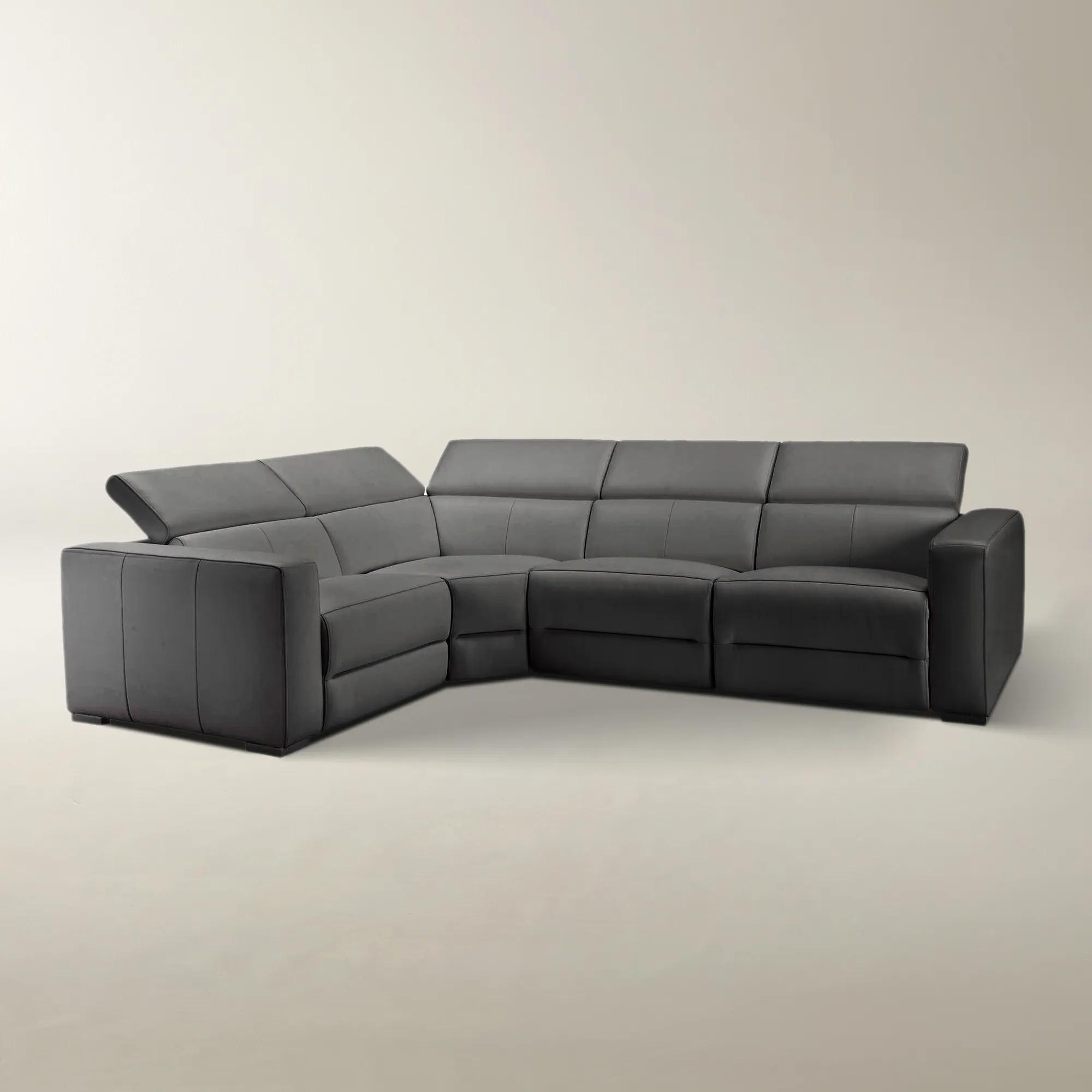 Verona 4-Piece L-Shaped Reclining Charcoal Leather Sectional Sofa With Left-Arm$5499
A charcoal semi-aniline leather sectional featuring adjustable headrests and optional power-reclining seats for comfort.
Add To Cart -
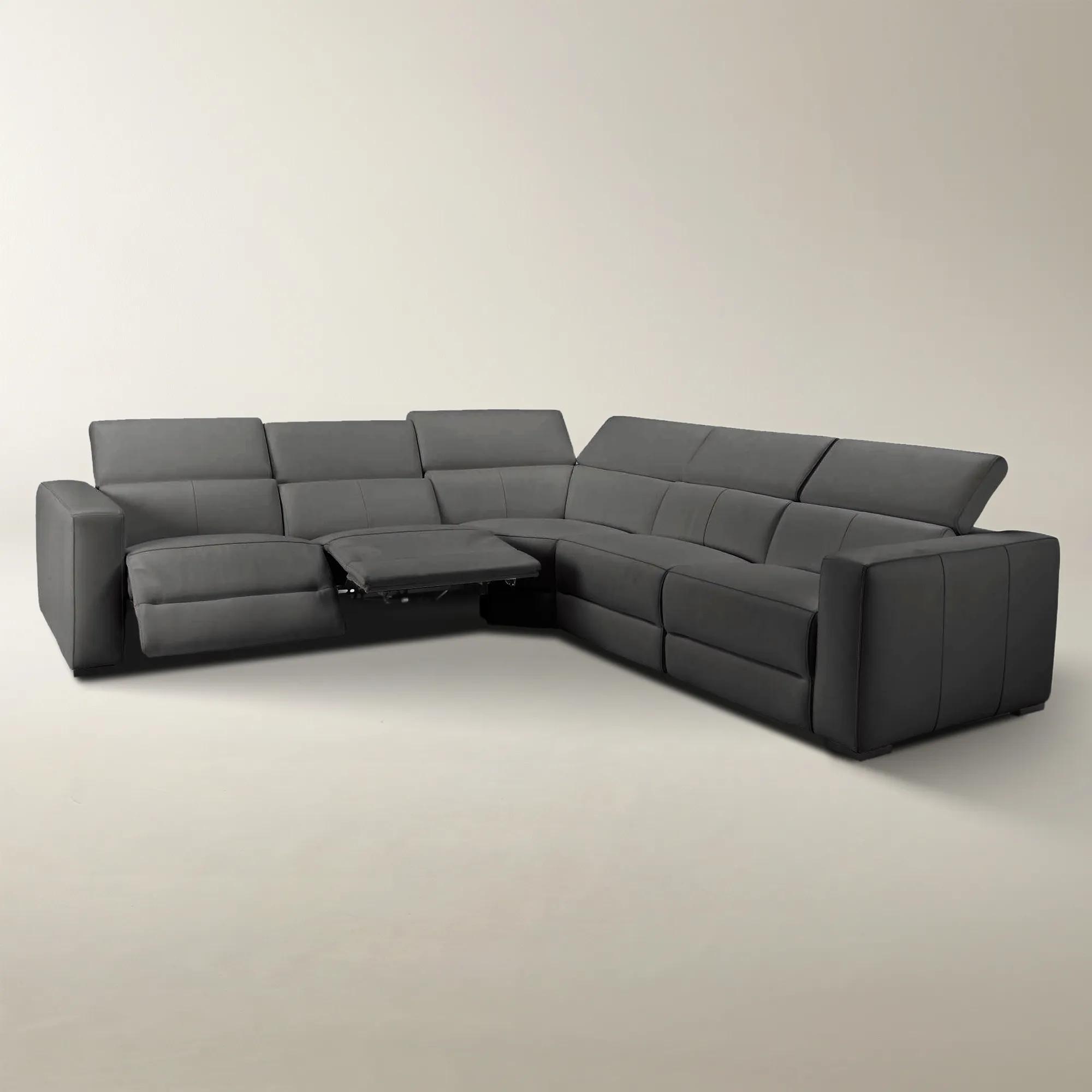 Verona 5-Piece Reclining Charcoal Leather Sectional Sofa$6799
A charcoal semi-aniline leather sectional featuring adjustable headrests, kiln-dried hardwood frame, and optional power recline.
Add To Cart -
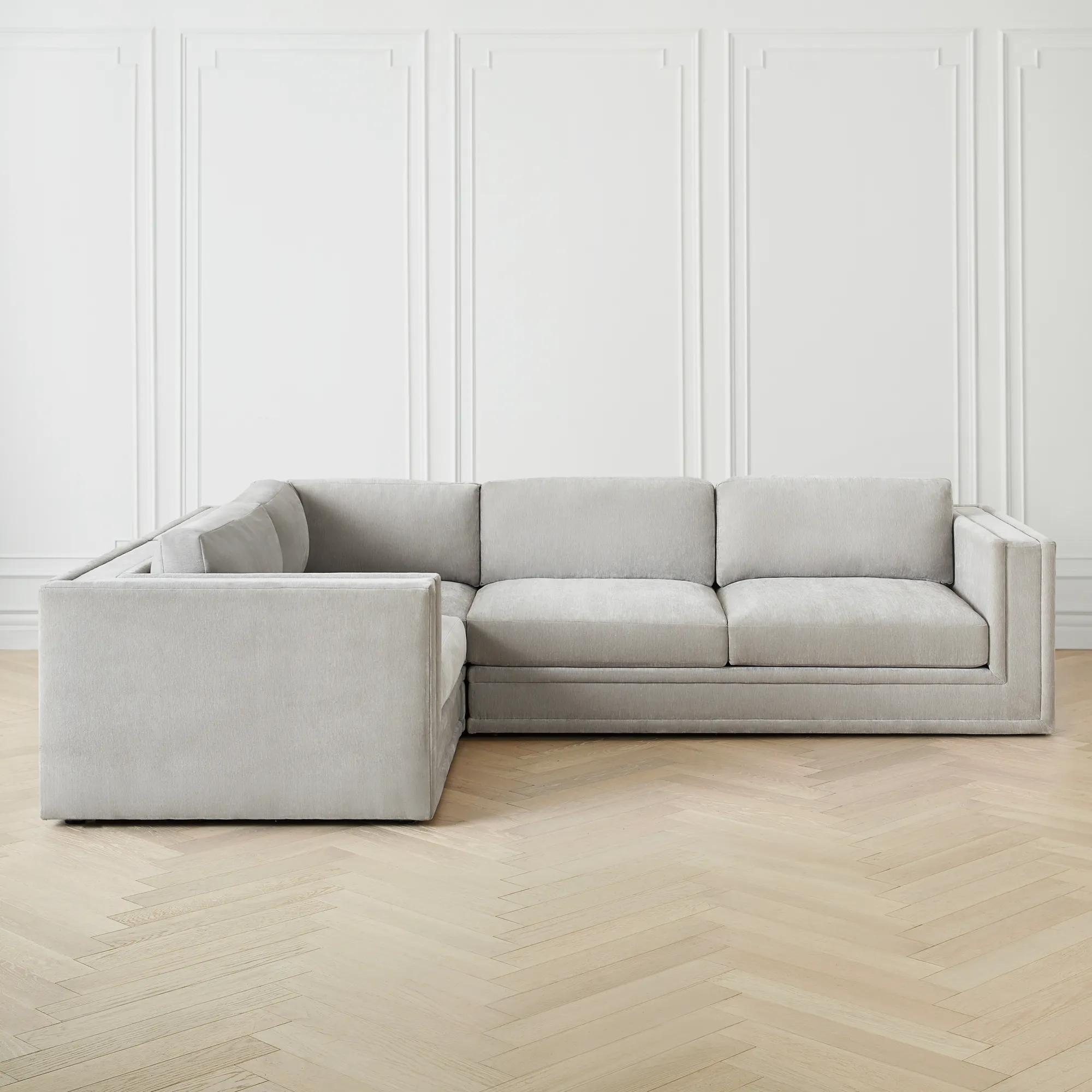 Luka Sectional - 3 PC$4599
A modern sectional featuring deep seating, high-density foam cushions, and hand-upholstered velvet in pearl.
Add To Cart

Comfortable Seating For Families
Comfortable seating for families transforms the living room into a sanctuary of togetherness, where every moment is wrapped in warmth and style. Imagine plush silhouettes that invite you to sink in, generous proportions designed for laughter-filled gatherings, and artful details that turn everyday lounging into an experience of luxury. Each piece is curated to embrace both comfort and sophistication, ensuring your family’s favorite space is as inviting as it is beautiful. Elevate your home with seating that celebrates connection—where comfort meets artistry, and every seat tells a story.
Comfortable seating for families brings generous proportions, supportive cushioning, and expressive design into the room where daily life unfolds. The most inviting arrangements offer space to gather without asking everyone to sit the same way: a deep corner for stretching out, an upright seat for conversation, and a chaise that turns a shared movie into an occasion to linger. Sofas, sectionals, accent chairs, and upholstered ottomans each contribute a different kind of comfort, creating a living room that feels composed rather than crowded. A sectional can anchor a large family room with a sweeping silhouette, while a sofa paired with two sculptural chairs gives adults, children, and visiting grandparents more distinct places to settle. Modular seating offers flexibility when its components are designed to connect in different configurations, making it easier to adapt a layout to a new room or a changing household. For smaller households, comfortable seating for small families can create that same sense of intimacy with proportions that leave the room breathing space. The right capacity depends on usable seat width, not simply the overall length of a sofa; broad arms and generous cushions can occupy more space than a silhouette suggests. A family that gathers for films may value a lounge-oriented sectional, while a household that regularly welcomes guests may prefer separate seats arranged within easy conversation distance. An ottoman can introduce a plush finishing touch and a place to rest feet, though it should serve as an extra seat only when designed and rated for that purpose. Visually, family seating has room for drama: a curved back, richly textured upholstery, or a tailored channel detail can give a hardworking space the presence of a thoughtfully styled salon. Comfort and artistry belong together, especially in a room that holds everything from bedtime stories to long conversations after dinner. Rather than filling every corner, a considered arrangement gives each seat a purpose and lets the people using it become the center of the composition.
Upholstery shapes both the atmosphere of a family room and the effort required to keep it looking polished. Velvet lends depth and a luminous surface to a bold interior, while woven fabrics introduce texture that can soften architectural lines and create a more relaxed backdrop. For households with children, pets, or frequent visitors, tightly woven upholstery and clearly documented stain-resistance properties are useful considerations, but no material is entirely immune to spills, snags, or wear. Performance fabric is a broad description rather than a universal guarantee; its fiber content, tested properties, and care instructions matter more than the label alone. Removable covers can make maintenance more manageable, provided the manufacturer specifies whether they are machine washable, professionally cleanable, or suitable only for spot treatment. A zipper does not necessarily mean a cover can go into the laundry. Leather offers another distinctive expression, with a supple hand and surface character that varies by finish. Some protected leathers allow straightforward cleanup according to their care instructions, while more absorbent finishes can show marks and develop a visible patina. Color and texture deserve equally thoughtful attention: a nuanced weave may make everyday lint less conspicuous, whereas a smooth, solid surface can reveal pet hair or cushion impressions more readily. Durability also lives beneath the upholstery. Well-constructed frames, reinforced joints, reliable suspension, and cushioning suited to regular use help seating retain its support through repeated sitting and rising. Solid wood and engineered wood can both appear in durable construction; the quality of the assembly matters alongside the material name. Foam cushions generally create a more defined seat, while fiber- or feather-blend fills can offer a softer impression and may need more frequent fluffing. Regular vacuuming with an appropriate upholstery attachment, prompt attention to spills, and cushion rotation where permitted help preserve the finish and shape. Blotting rather than rubbing is often recommended for fresh spills, but the upholstery care code should govern the cleaning method, including whether water-based products are appropriate.
Fit is where luxurious family seating becomes genuinely personal. A seat that feels sumptuous to a tall adult may leave a shorter person without comfortable back support, and an exceptionally low sofa can make standing more difficult for someone with limited mobility. Seat height, usable depth, back angle, and cushion firmness all influence how naturally a person settles in and gets up again. For a household with varied needs, combining a lounge-friendly sofa with a firmer, more upright armchair can offer more comfort than choosing identical seats throughout the room. Supportive arms may also be helpful for people who use them when rising, provided the furniture is stable and suited to that use. Loose accent pillows bring color, sheen, and adjustable support, but they should enrich a comfortable seat rather than compensate for proportions that do not fit. Room dimensions are just as important as body dimensions. Measuring the full footprint of a sectional, including its chaise, helps preserve clear routes between doorways, tables, and neighboring furniture. Reclining seating needs the operating clearance specified by its manufacturer, and delivery planning should account for entry doors, stair turns, elevators, and hallways before a large piece becomes part of the room. In open living spaces, a sofa can define the gathering area without blocking the path to the kitchen; in a compact room, chairs with a lighter visual profile can balance a substantial upholstered centerpiece. Families with young children may appreciate rounded upholstered forms, while reclining mechanisms and movable components call for careful use in accordance with safety instructions. Intended use ultimately gives the arrangement its character. Reading together favors supportive backs and a place for an adult and child to sit comfortably side by side. Game nights benefit from seats oriented toward one another rather than exclusively toward a screen. Everyday lounging invites tactile fabrics and generous cushions, balanced by enough structure to remain comfortable over time. With thoughtful proportions, resilient materials, and a distinctive silhouette, family seating becomes more than a backdrop: it gives shared routines a setting rich in texture, ease, and personality.
FAQs
For families seeking both resilience and refined style, opt for upholstery fabrics such as Crypton, microfiber, or ultrasuede. These materials are celebrated for their stain resistance and easy maintenance, while still offering a sumptuous tactile experience. Leather is another elegant choice, known for its timeless appeal and effortless cleaning. High-density foam or memory foam cushions provide lasting support and comfort, ensuring your seating retains its inviting shape through years of daily use.
Start by layering different seating types—think plush sofas, sculptural accent chairs, and versatile ottomans—to craft a visually engaging and functional space. Mixing textures and finishes, such as pairing a velvet chair with a gleaming metallic side table, adds depth and personality. Consider the flow of conversation and the activities your family enjoys, arranging pieces to facilitate both intimate gatherings and lively group moments. Incorporate moveable elements like poufs or floor cushions for added flexibility and a touch of playful drama.
Designing with inclusivity in mind means providing a variety of seating heights, depths, and styles. Low-slung bean bags or floor cushions invite children to lounge comfortably, while supportive armchairs and recliners cater to adults seeking relaxation. Swivel chairs and modular pieces allow everyone to find their ideal spot, fostering togetherness without sacrificing personal comfort. Look for tactile, inviting fabrics and silhouettes that feel welcoming to every member of the family, from toddlers to grandparents.
Accent pieces such as ottomans, poufs, and side tables do more than fill space—they elevate the room’s ambiance and functionality. Ottomans double as footrests or impromptu seating, while poufs introduce texture and a sense of whimsy. Sculptural side tables provide a perch for drinks or books, completing the vignette with a dash of artistry. These finishing touches allow you to personalize the space, layering in comfort and character while ensuring every gathering feels effortlessly chic.
Embrace the cozy allure of winter by introducing plush throws, velvet or faux fur pillows, and richly textured rugs to your seating ensemble. Deep jewel tones or metallic accents add warmth and a touch of glamour, transforming the room into a luxurious retreat from the chill outside. Rearranging seating to maximize natural light or frame a fireplace creates inviting zones for relaxation and connection. These seasonal updates infuse your family space with comfort and visual delight, making every moment at home feel extraordinary.