Chandeliers For Ambient Lighting
Chandeliers For Ambient Lighting
-
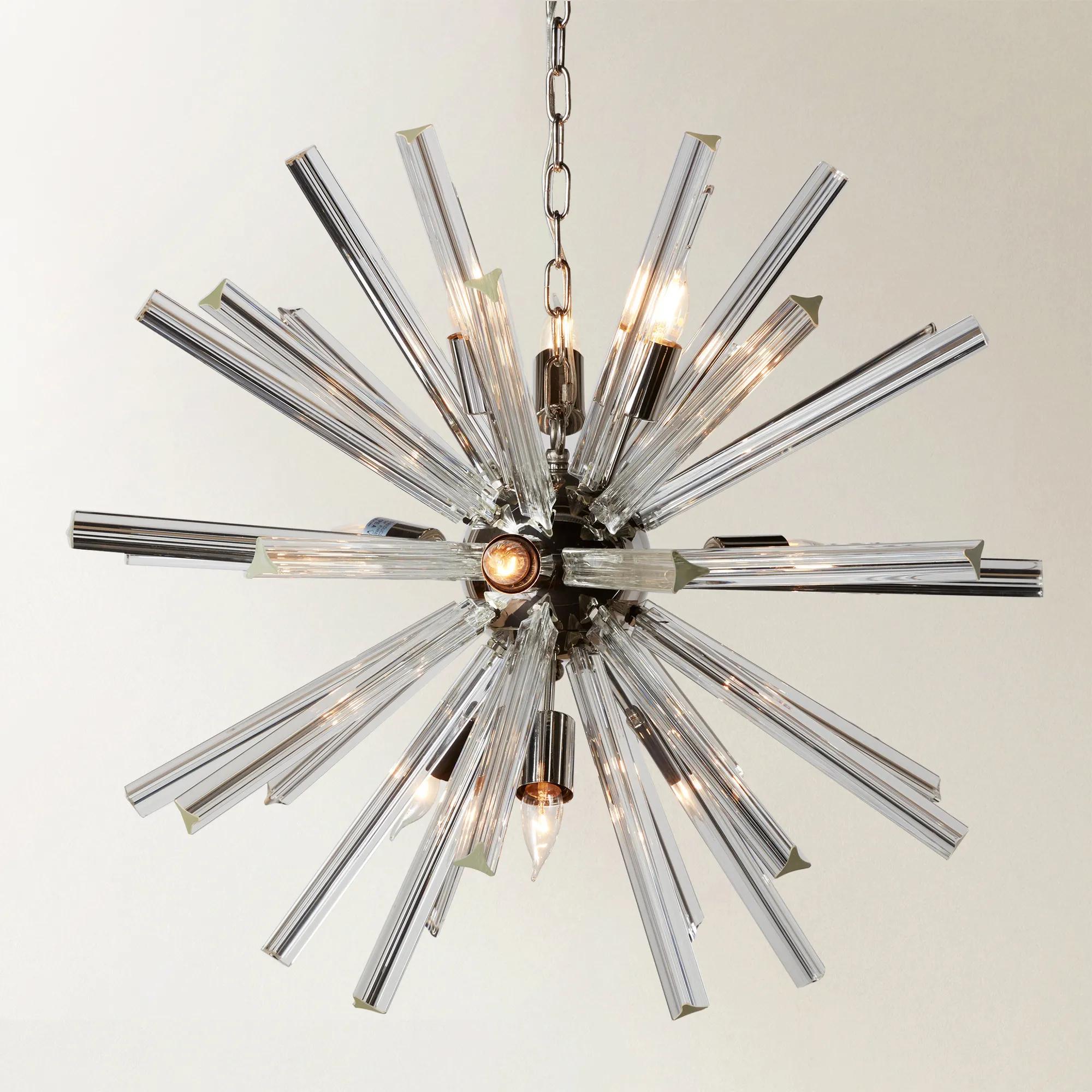
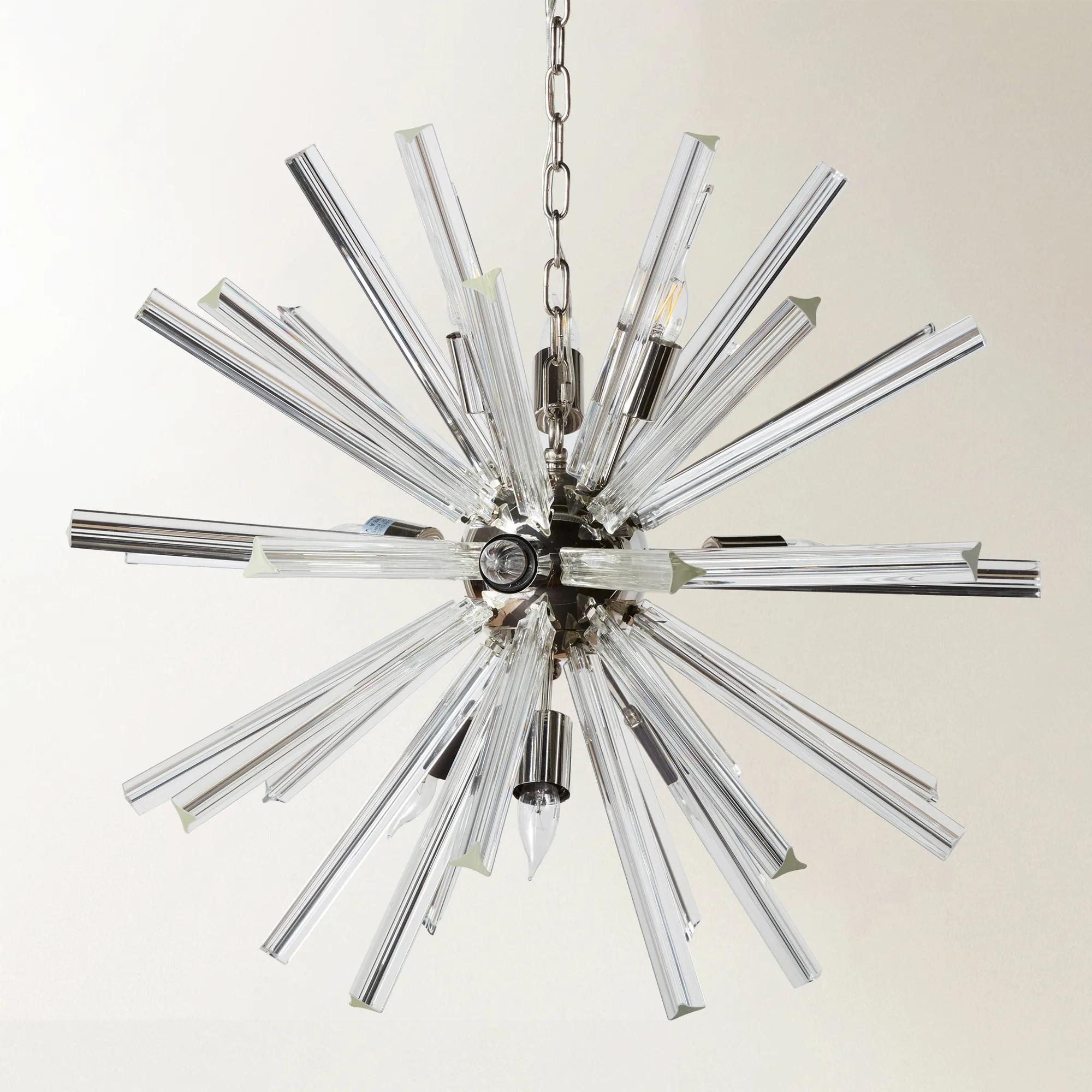 Axis Sputnik Clear Faceted Glass Chandelier 29.5"D$599
A clear glass and iron Sputnik chandelier featuring nine lights and faceted triangular rods.
Add To Cart -
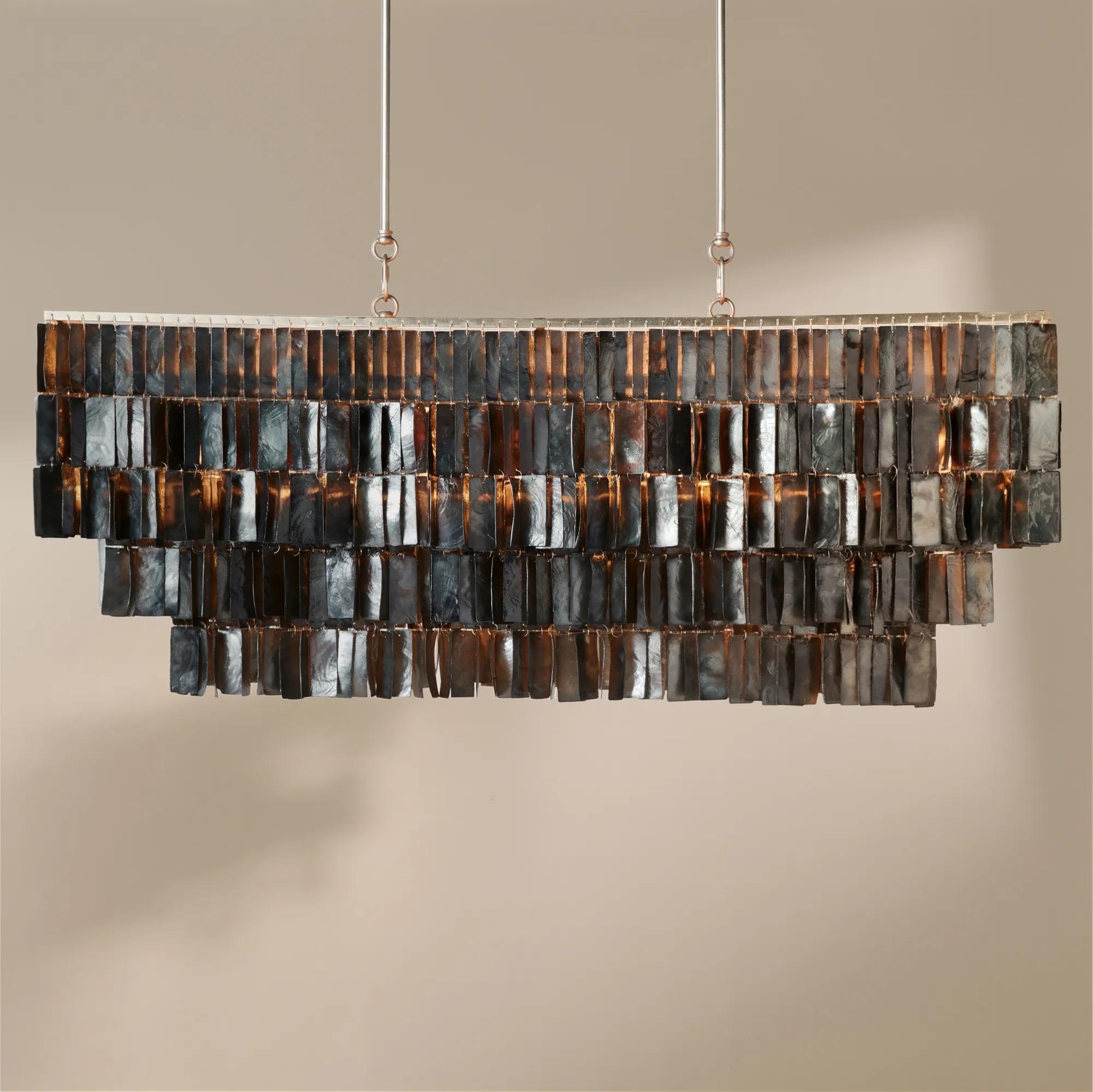
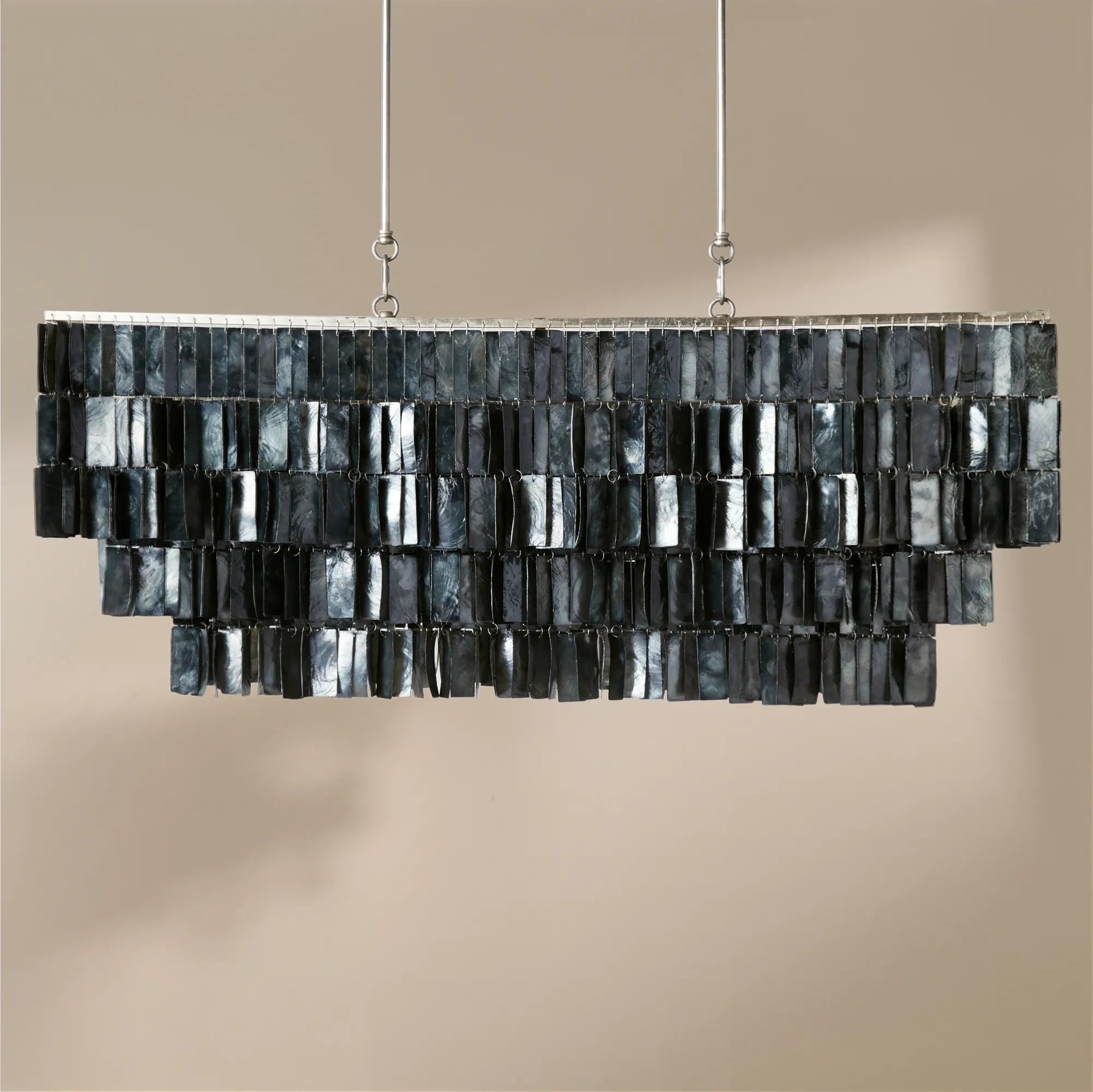 Capiz Shell Graphite Chandelier 39"$849
A chandelier with charcoal capiz shells, a champagne-finished iron frame, and seven dimmable candelabra sockets.
Add To Cart -
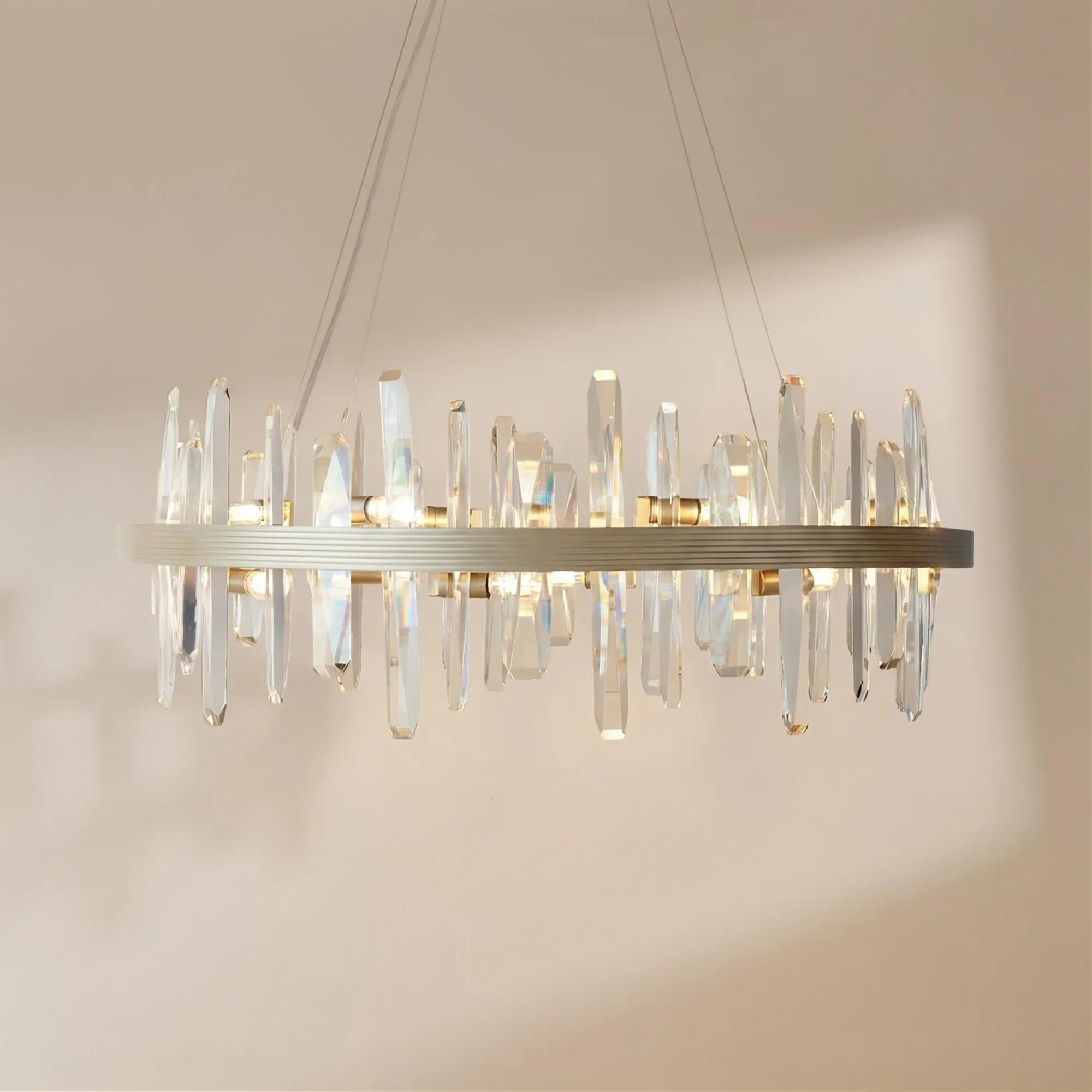
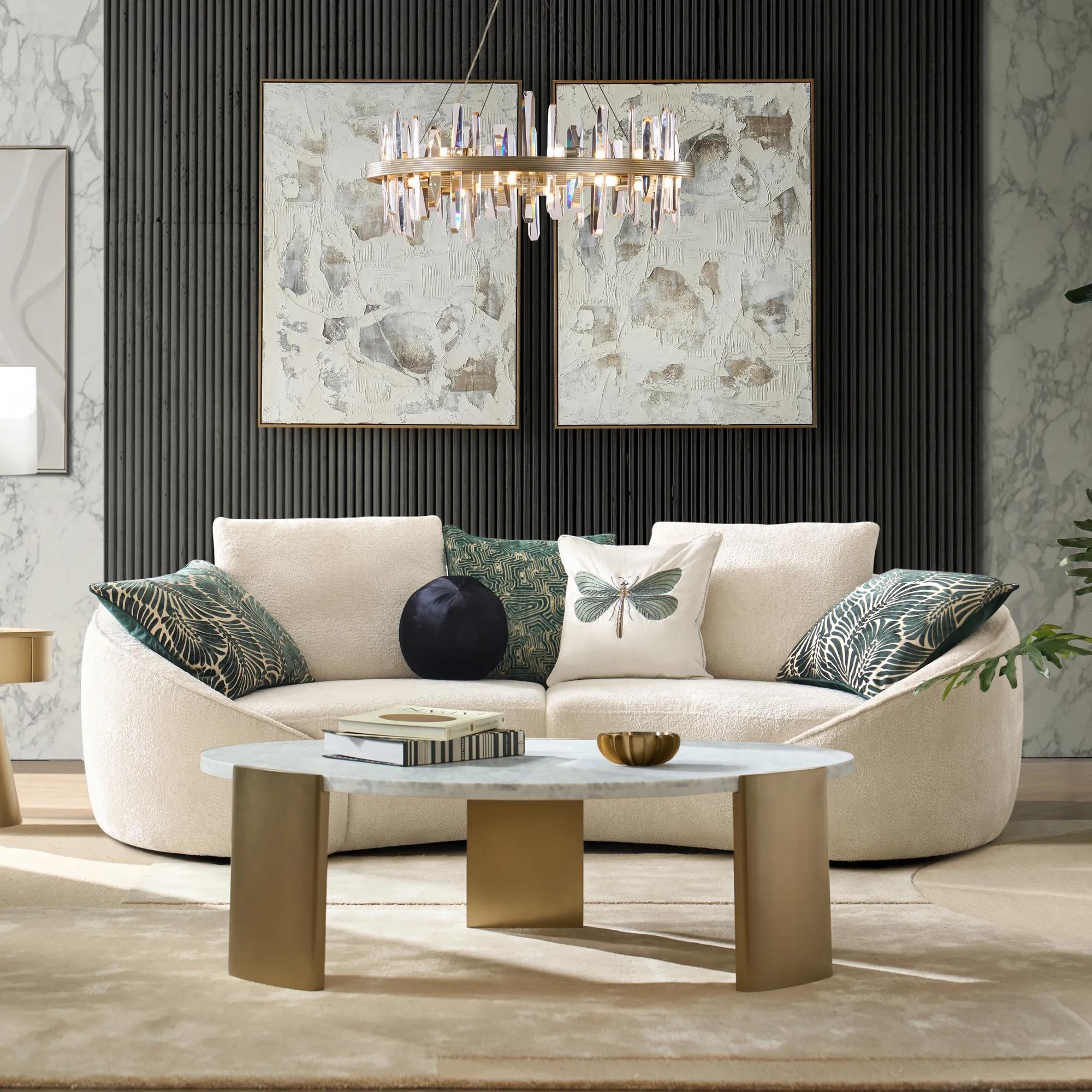 Lumi Clear Beveled Glass Chandelier 31.5"W$929
A chandelier with clear beveled glass, a champagne-finished iron frame, sixteen lights, and dimmable illumination.
Add To Cart -
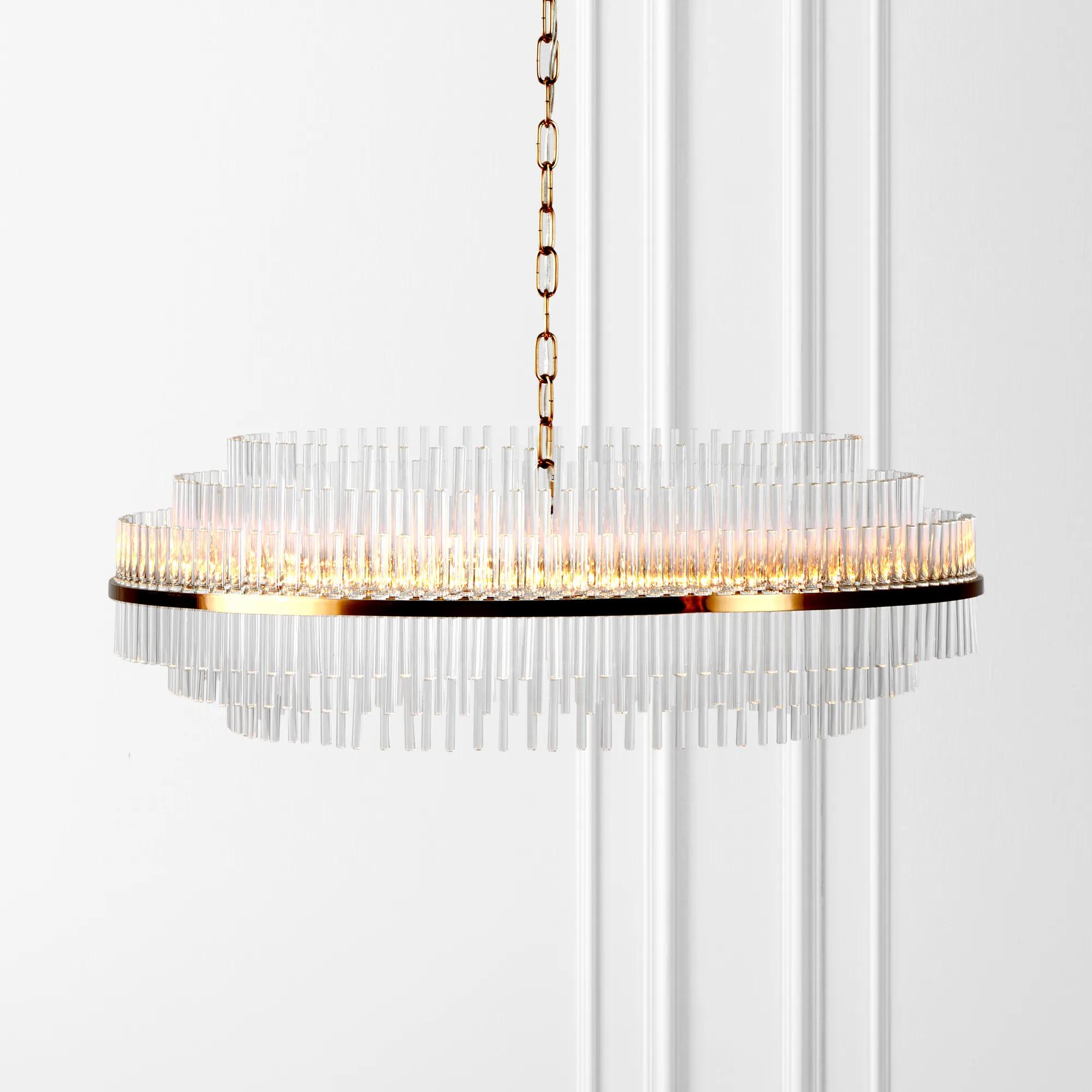
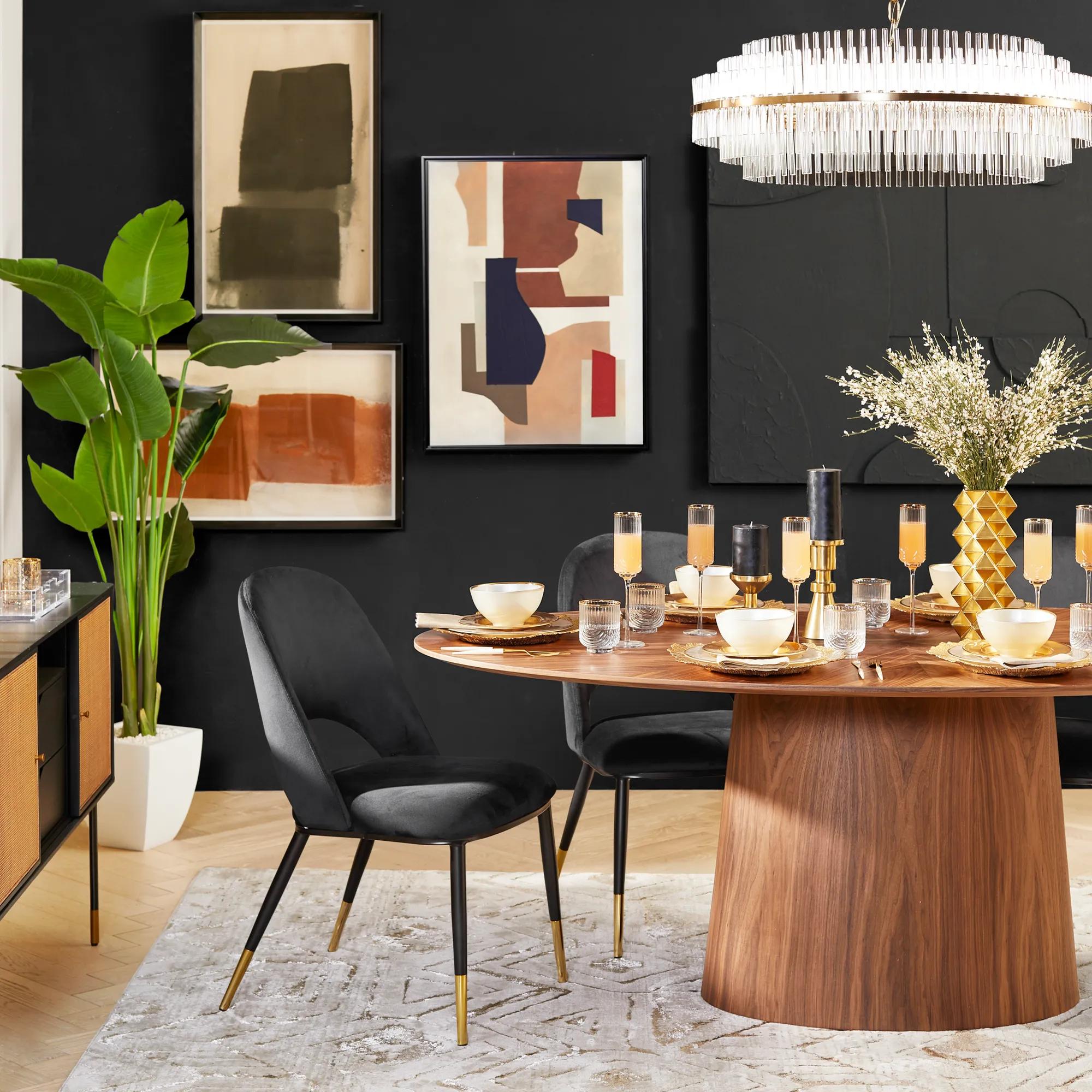 Renata Clear Glass Rod Chandelier 31"W x 10"H$799
A low-profile glass-rod chandelier with a brushed brass iron frame and eight dimmable candelabra lights.
Add To Cart -
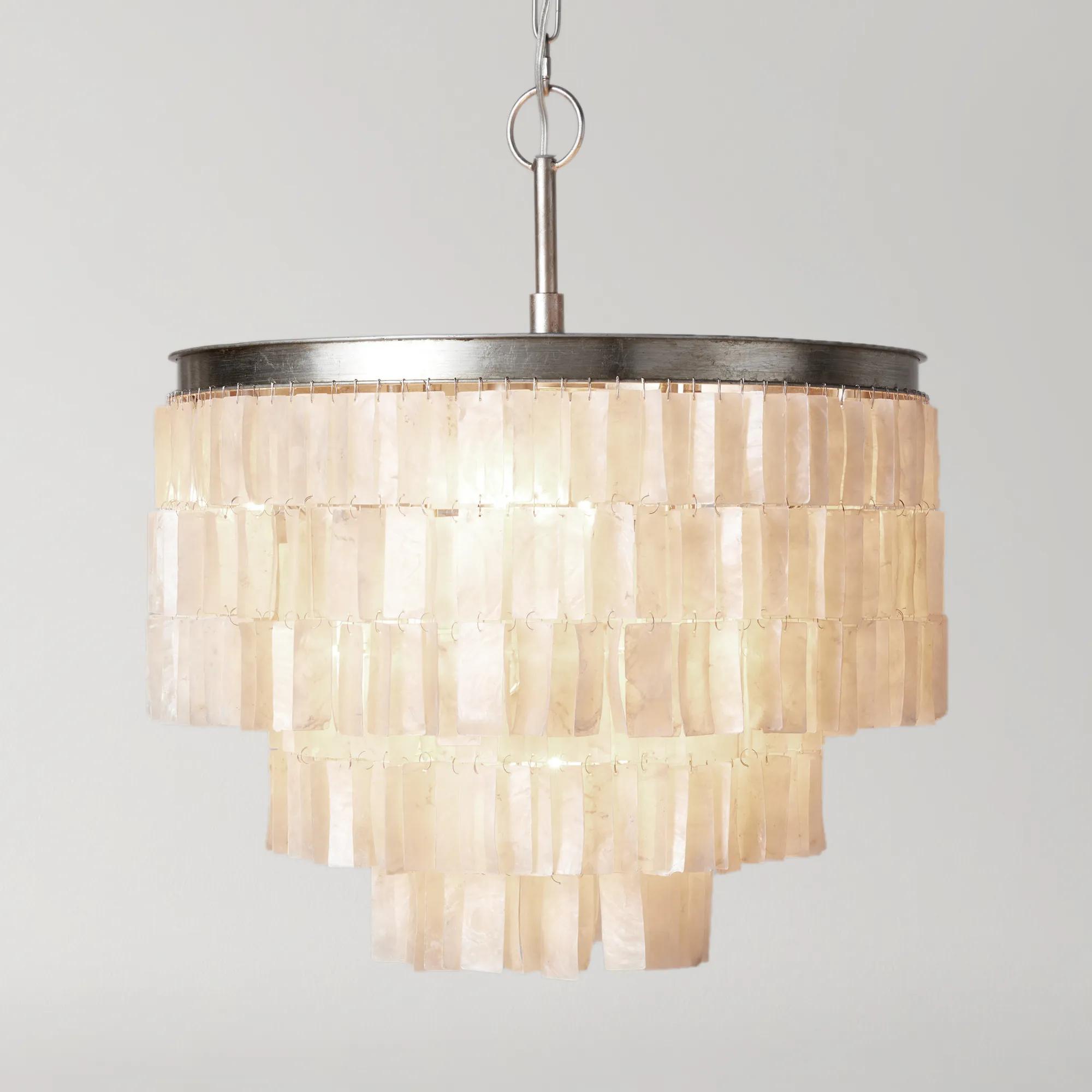 Capiz Chandelier$699
A cascading chandelier featuring over six hundred natural Capiz shells on a nickel-plated iron frame.
Add To Cart -
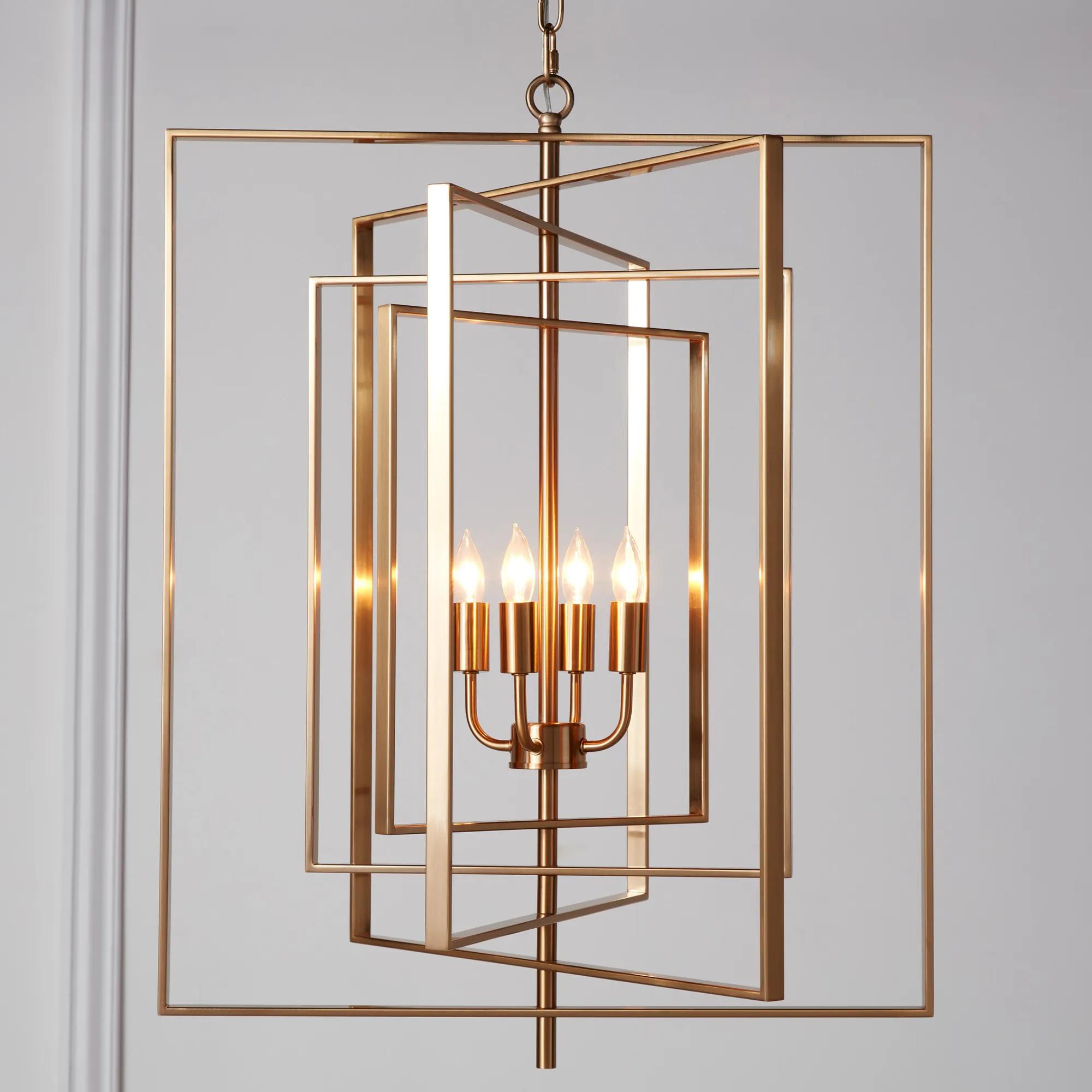 Hollis Chandelier$499
A geometric brass-finished iron chandelier with four lights, perfect for modern and minimal interiors.
Add To Cart -
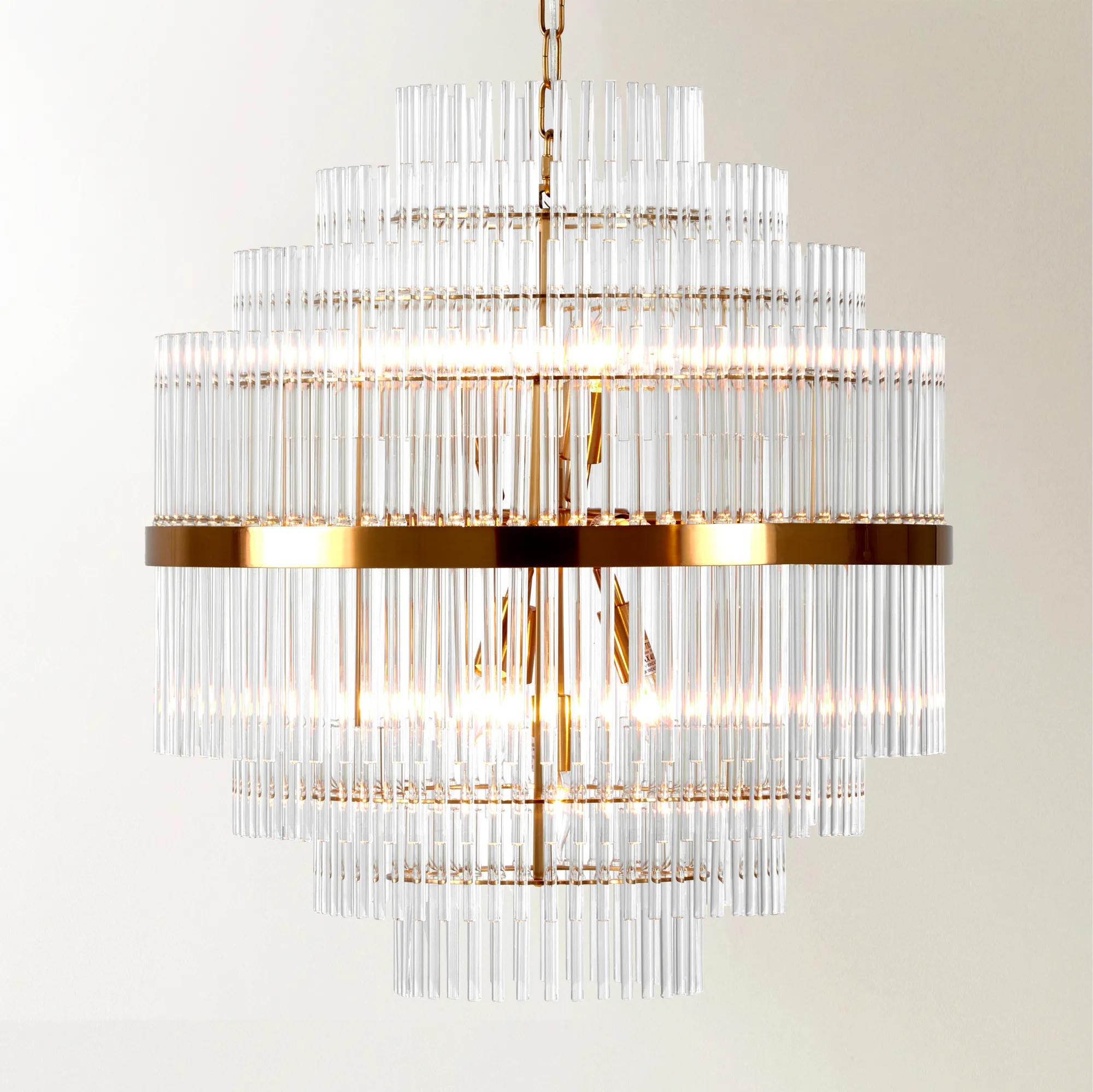
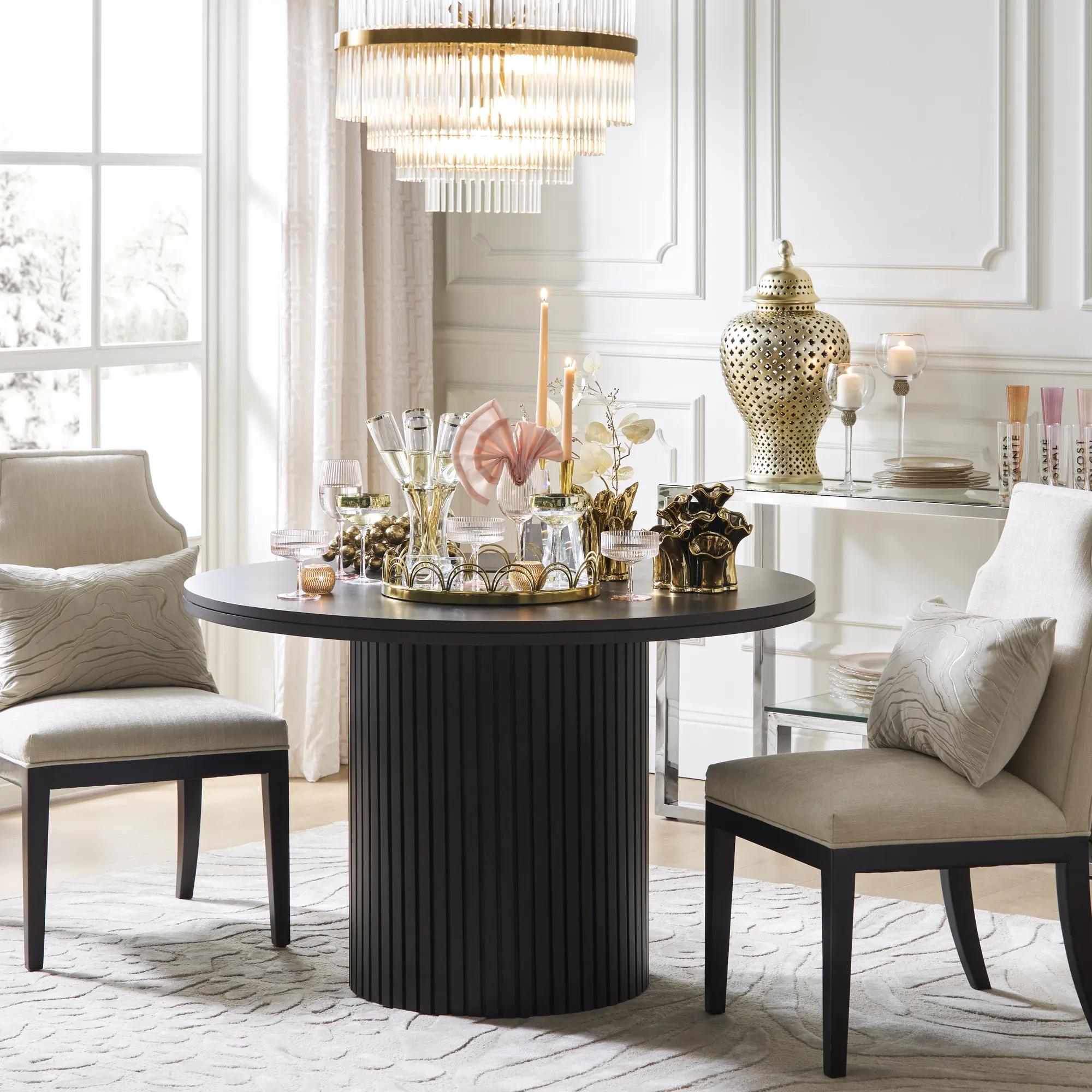 Renata Clear Glass Rod Grand Chandelier 23.6"D x 26.3"H$999
A clear glass rod chandelier with a polished gold iron frame and thirteen-light, dimmable illumination.
Add To Cart -
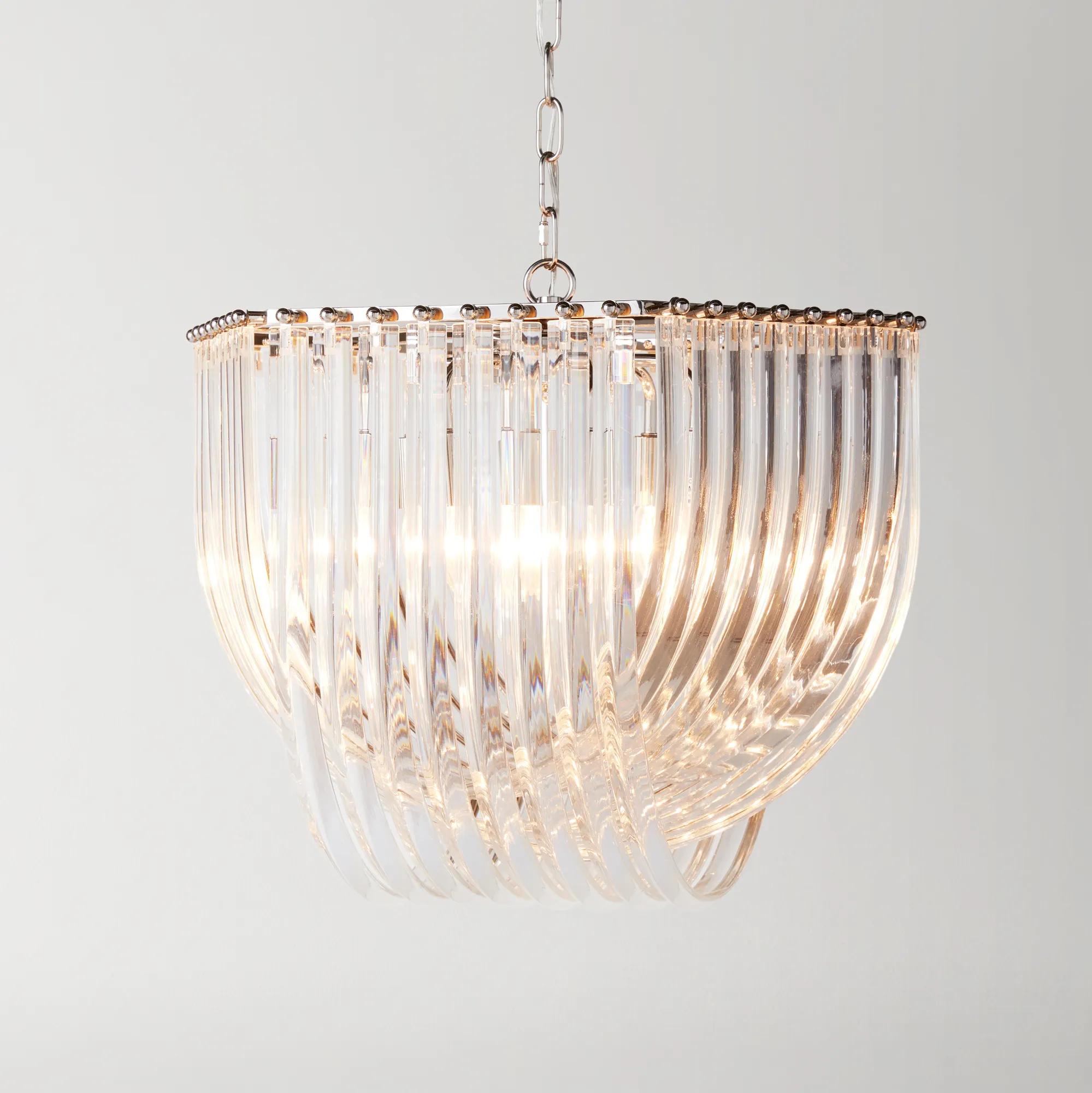 Laval Clear Curved Glass Chandelier 21"D x 18"H$799
A six-light chandelier with layered clear curved glass and a polished nickel frame.
Add To Cart -
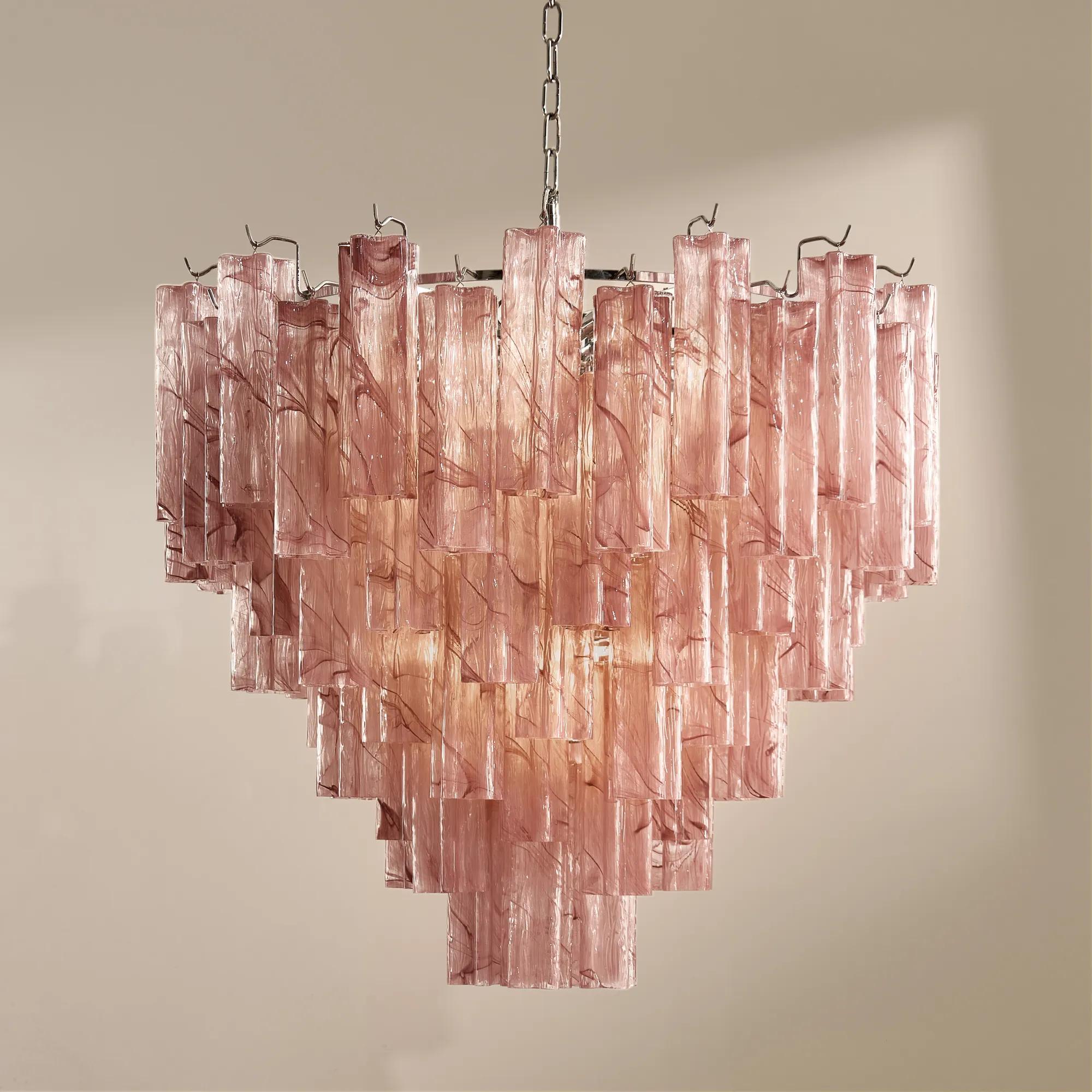 Elodie Rose Glass Chandelier 31.5"$1299
A handcrafted rose glass chandelier with swirled glass, polished chrome framing, and 21 dimmable candelabra lights.
Add To Cart -
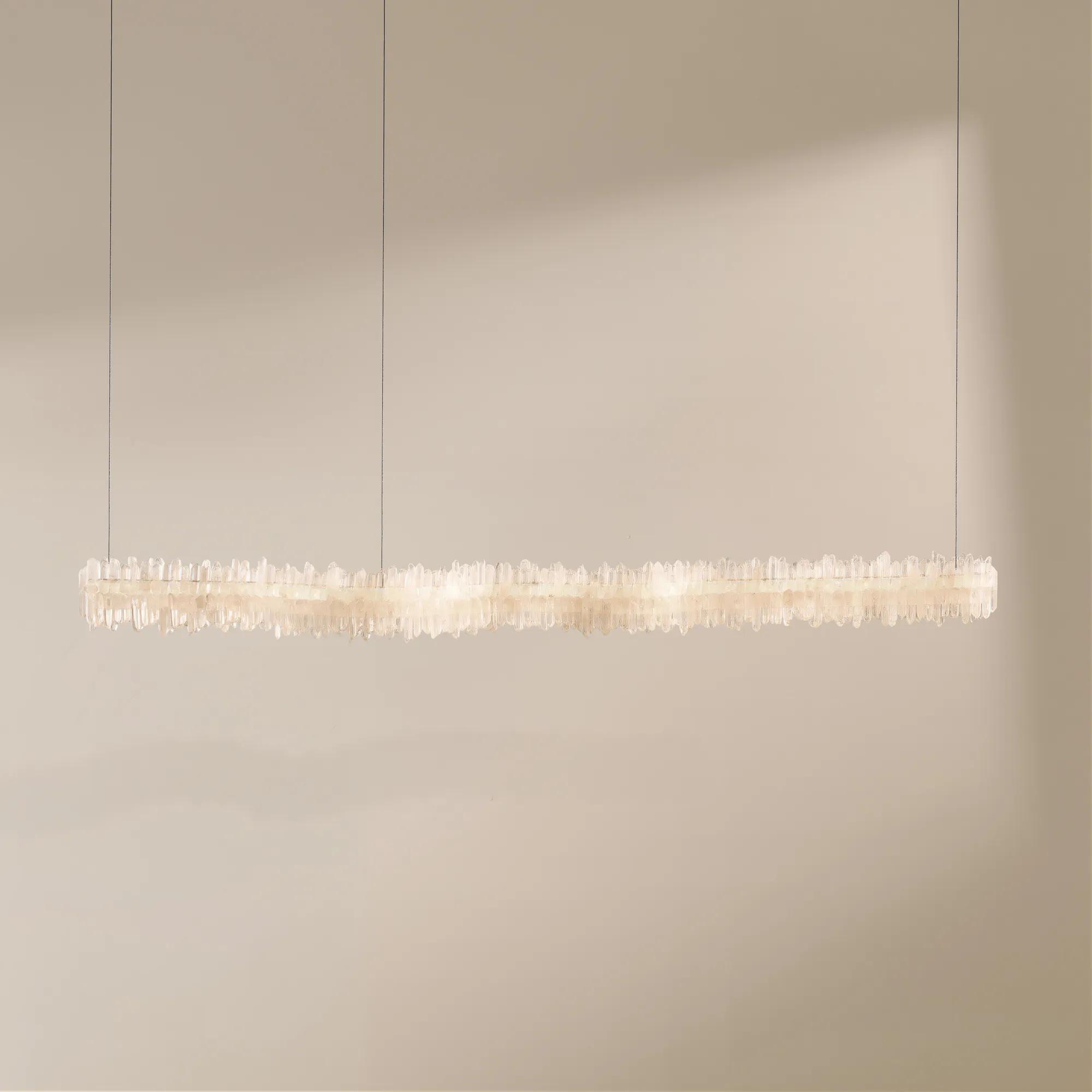 Stella Quartz Crystal LED Chandelier 47.25"$1899
A linear LED chandelier featuring natural raw quartz crystals and a polished rose gold metal frame.
Add To Cart -
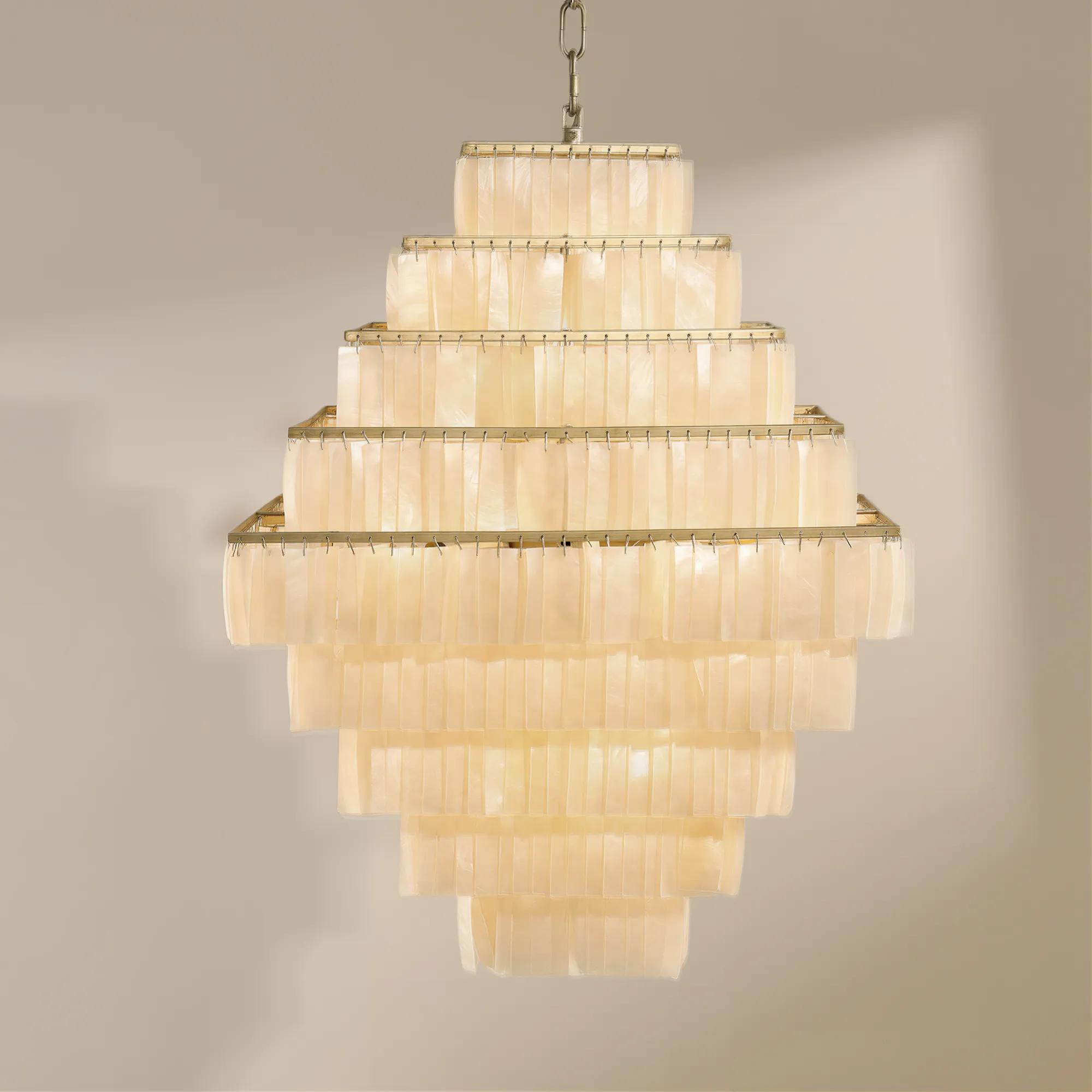 Soleil Capiz Shell Chandelier 25"$999
A modern capiz shell chandelier with 700 pearlescent shells, champagne-finished iron, and dimmable ambient lighting.
Add To Cart -
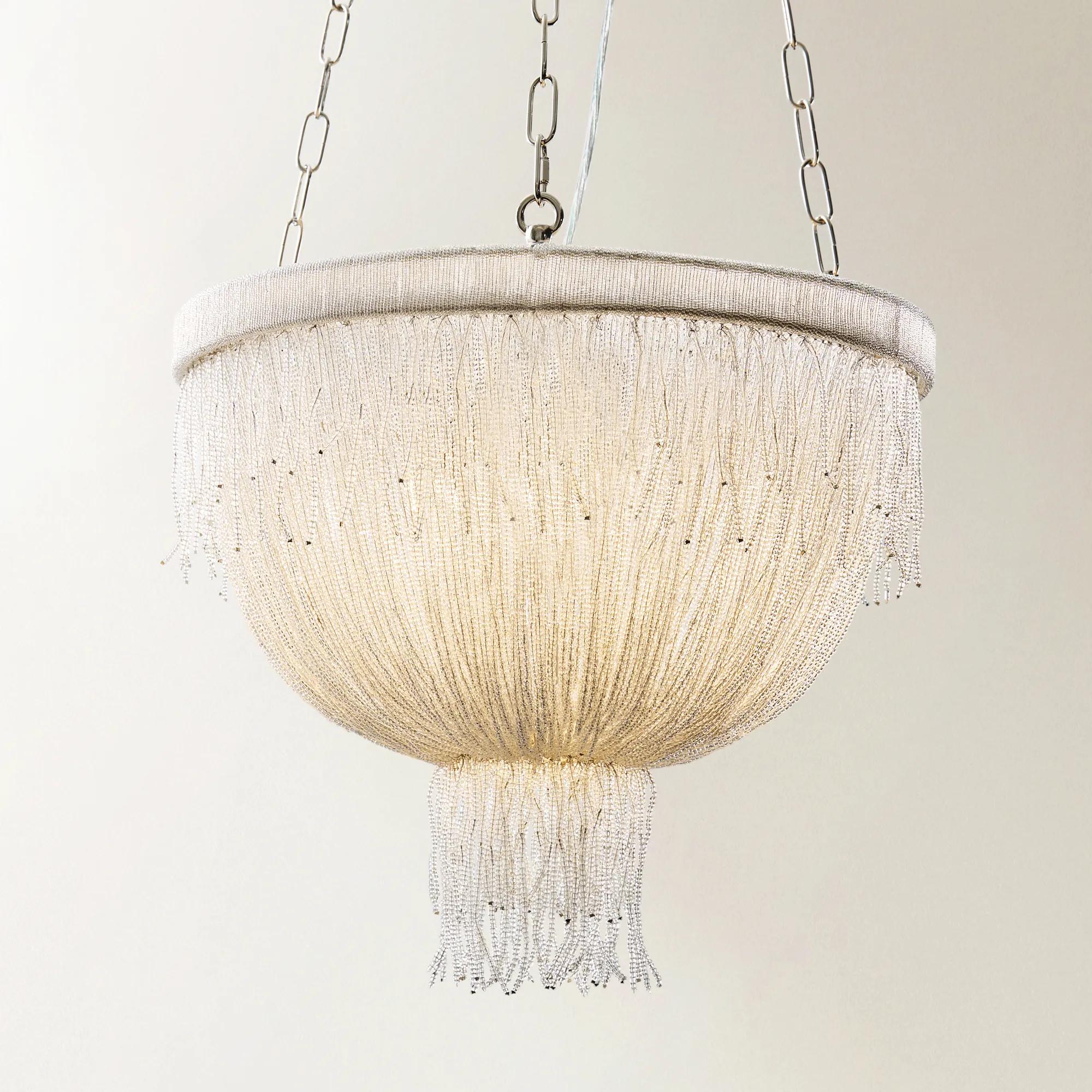 Selene Chandelier$899
A dazzling chandelier featuring cascading clear glass beads and a sleek nickel-finished iron frame.
Add To Cart -
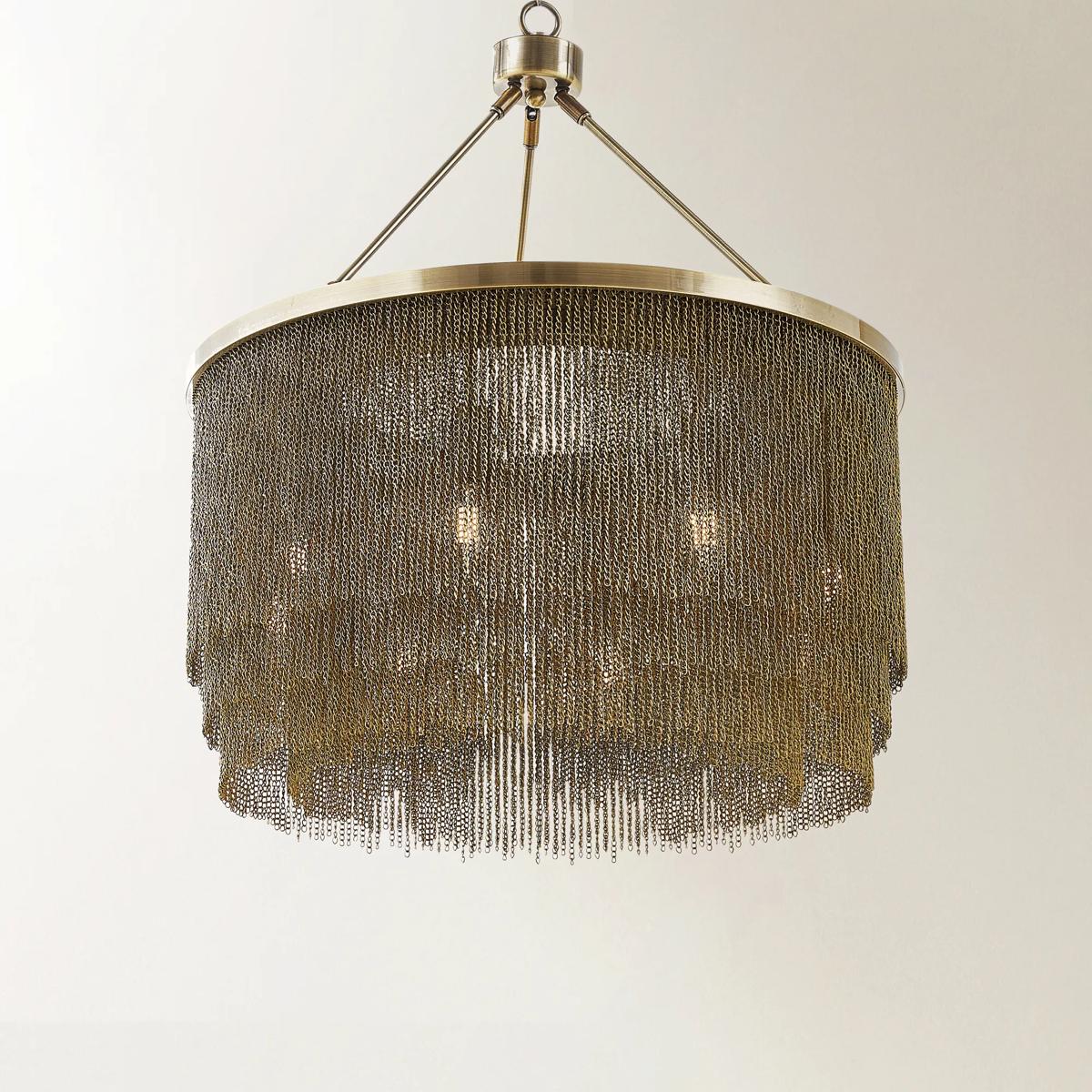
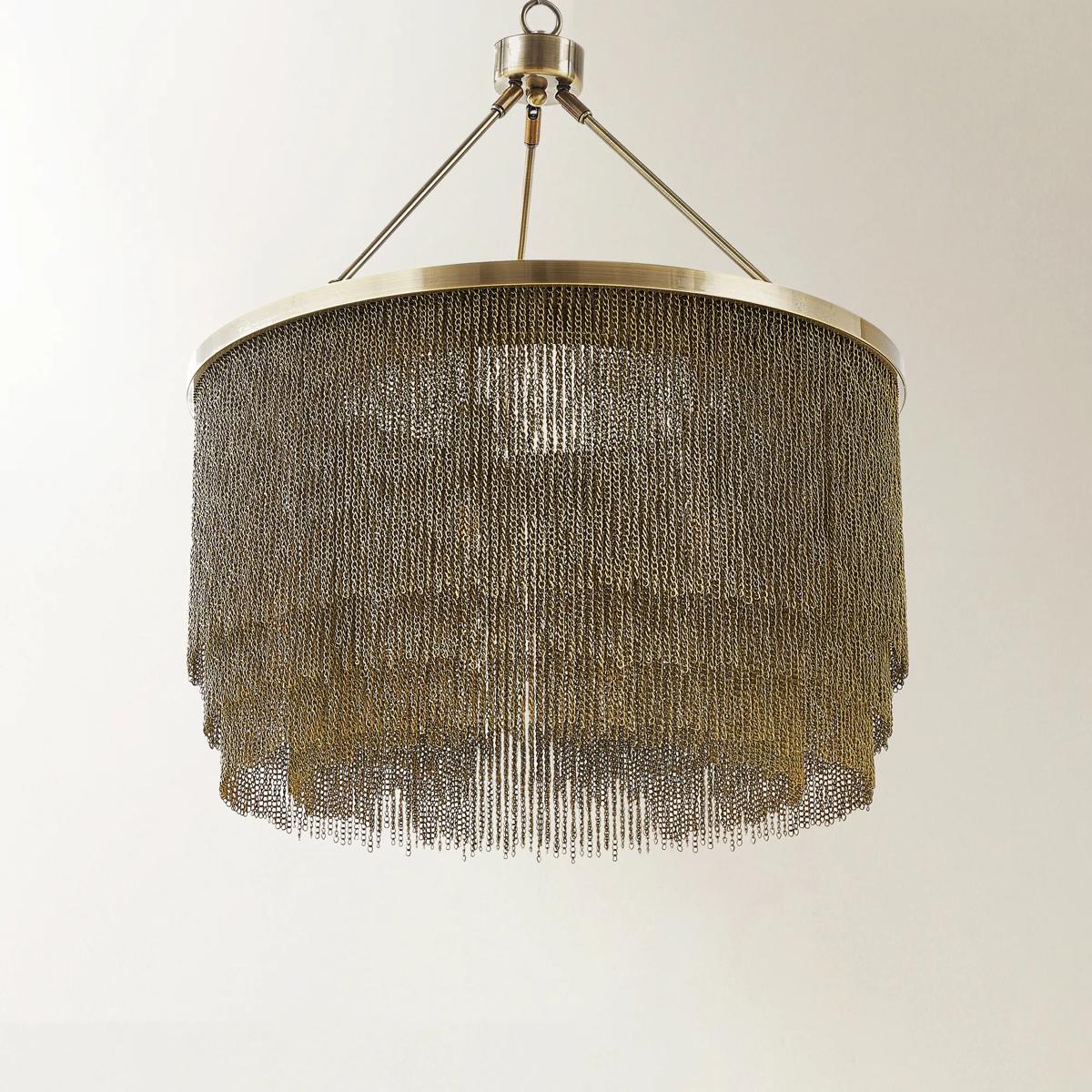 Dagny Brass Link Chain Chandelier 23.5"D x 27.5"H$999
A brass iron chandelier with cascading chain tiers and eight dimmable candelabra lights.
Add To Cart -

 Radiante LED Globe Chandelier 36" - Polished Gold$899
A polished gold LED globe chandelier bringing sculptural illumination and modern glamour to contemporary interiors.
Add To Cart -
 Bolla LED Hand-Blown Glass Bubble Chandelier 60.25"$499
A hand-blown glass chandelier with clear bubbles, matte gold steel framing, and integrated warm LED illumination.
Add To Cart -

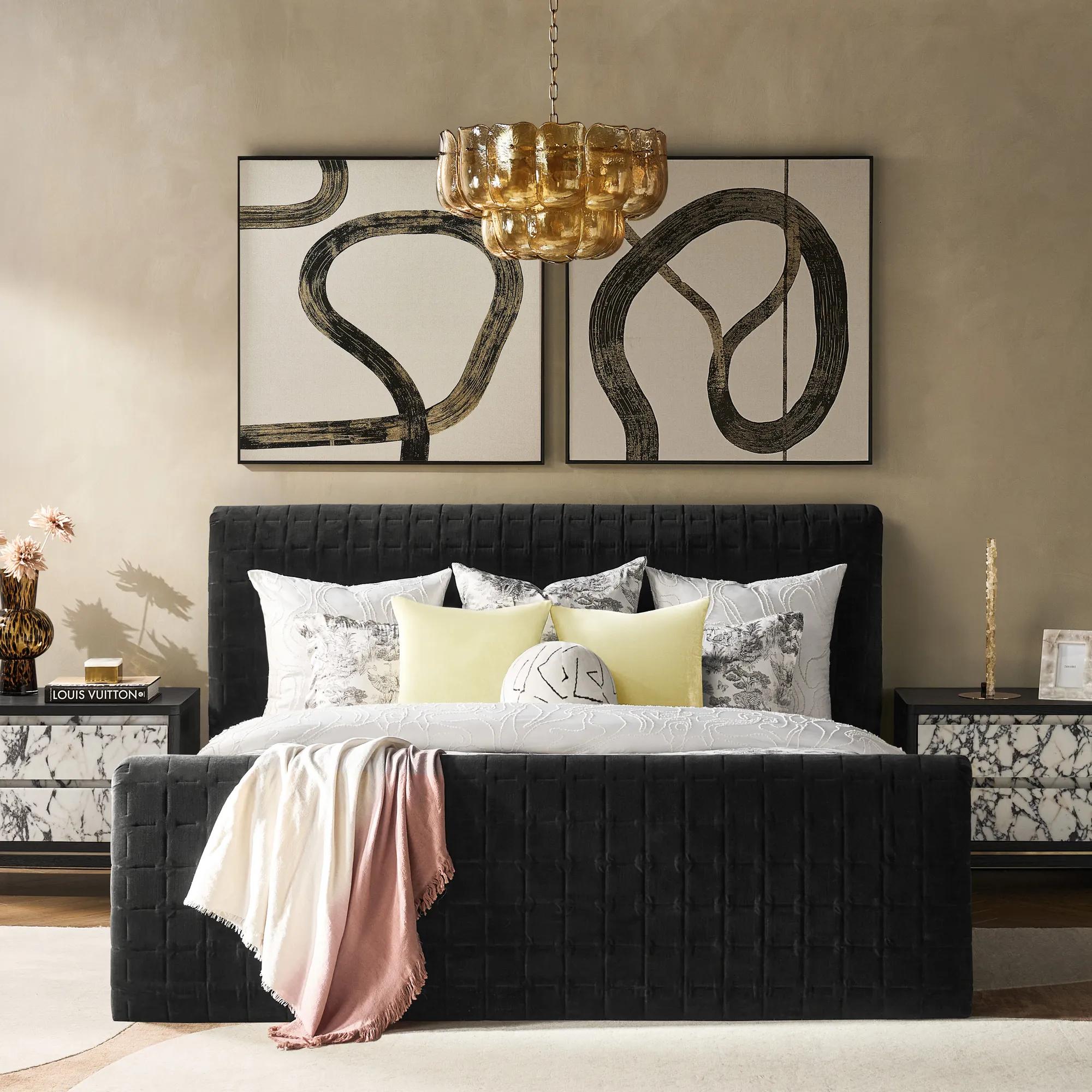 Ember Glow Amber Textured Glass Chandelier 24"$799
A chandelier with textured amber glass petals, brushed brass iron frame, and nine-light ambient illumination.
Add To Cart -
 Glacier Clear and Frosted Glass Chandelier 24"$899
A glass chandelier with icicle-inspired clear and frosted panels, brushed brass frame, and twelve-light illumination.
Add To Cart -
 Sawin Chandelier$699
A sculptural brass-plated steel chandelier with frosted acrylic diffusers for a soft, ambient glow.
Add To Cart -

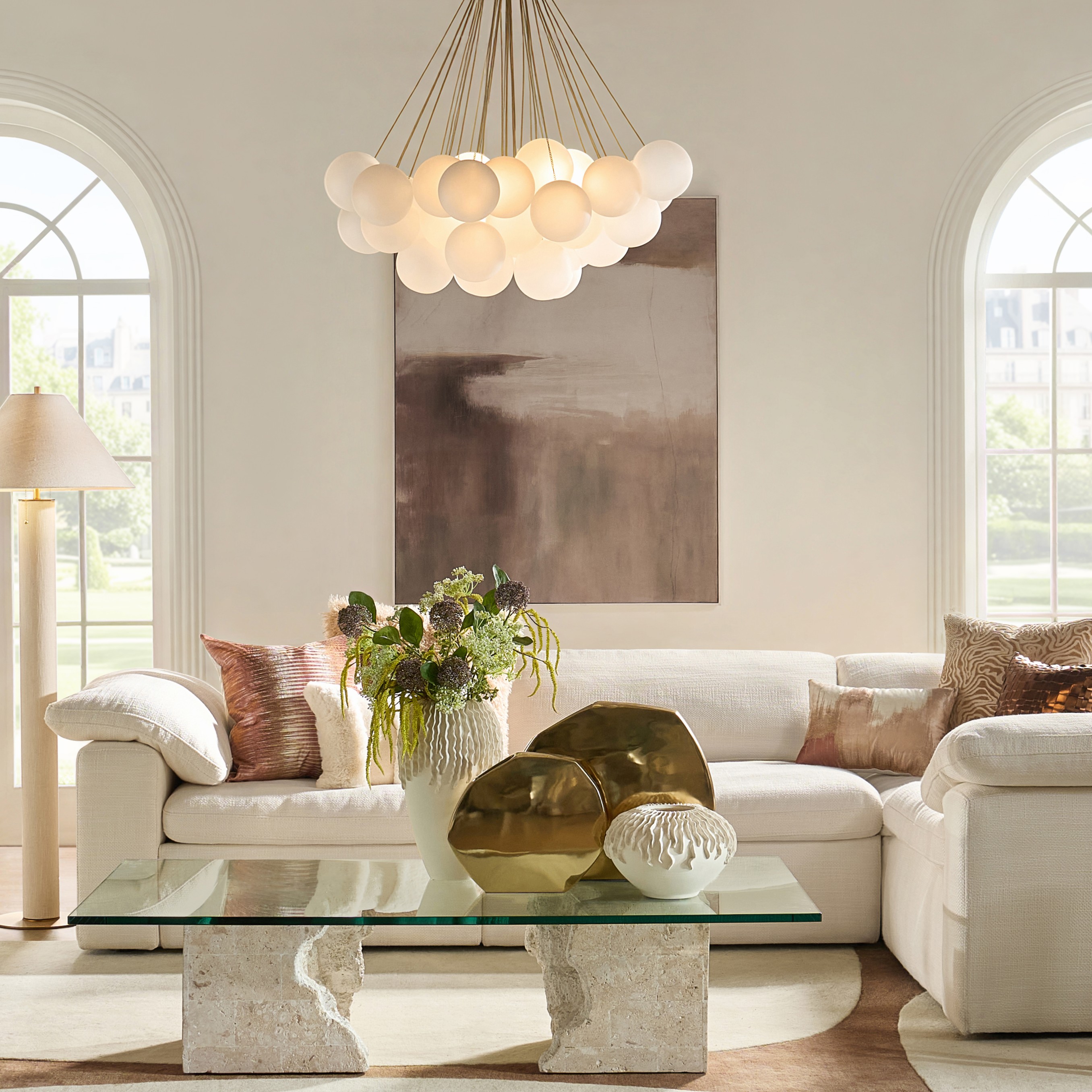 Sanela Frosted Glass Globe Chandelier 39.5"$899
A chandelier with frosted glass globes, an antique brass iron frame, dimmer compatibility, and slope-ceiling adaptability.
Add To Cart -
 Willa Natural Alabaster Chandelier 13"D x 17"H$599
A chandelier with hand-cut natural alabaster panels, a brushed brass iron frame, and four candelabra lights.
Add To Cart -
 Joliet LED Linear Hand Painted Swirl Glass Chandelier 47"$499
A linear chandelier featuring hand-painted swirl glass, champagne-finish canopy, and integrated warm LED illumination.
Add To Cart -

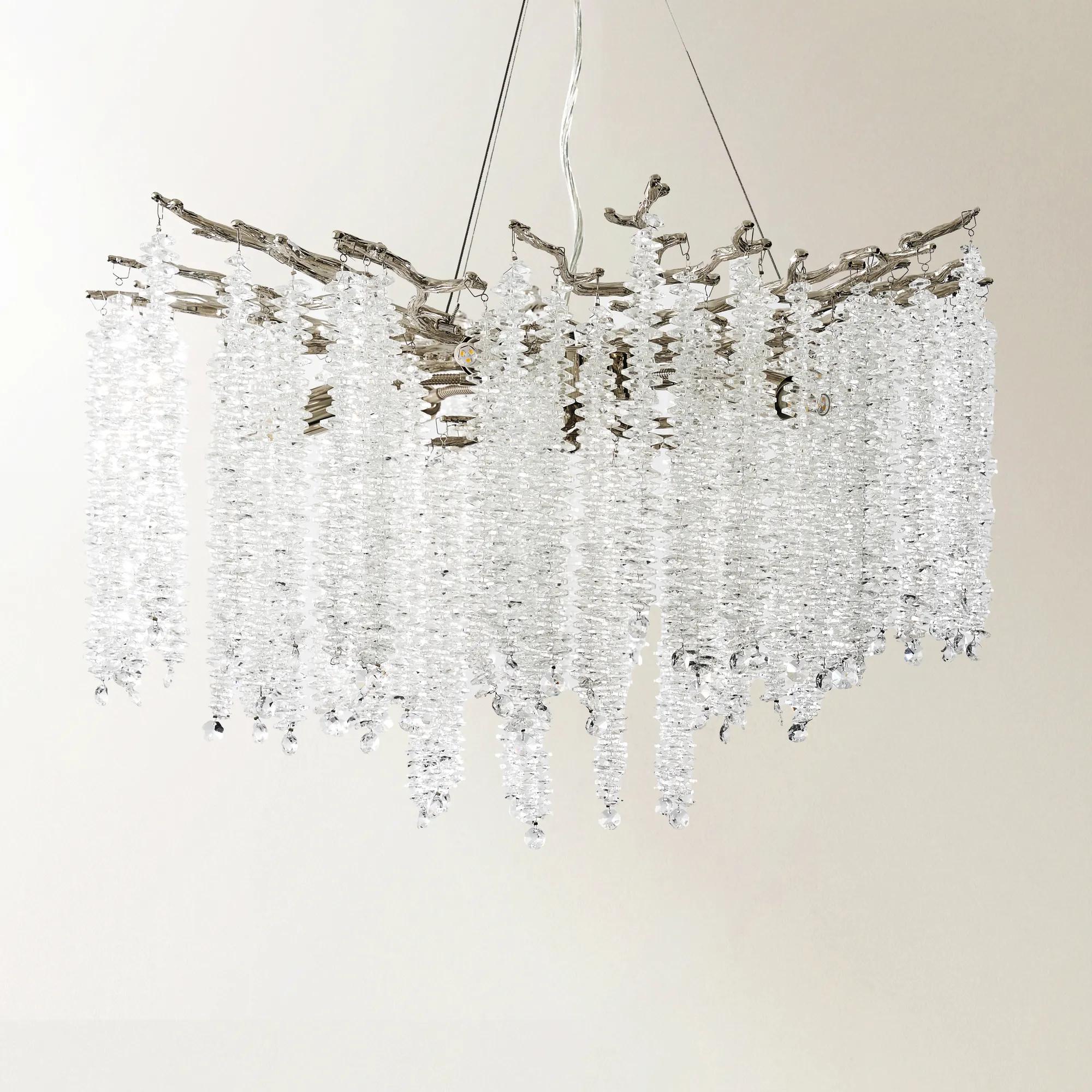 Cassia Clear Cut Crystal Chandelier 23.75"W x 13.75"H$599
A chandelier with cascading clear crystal beads, a nickel branch frame, six lights, and dimmable illumination.
Add To Cart -
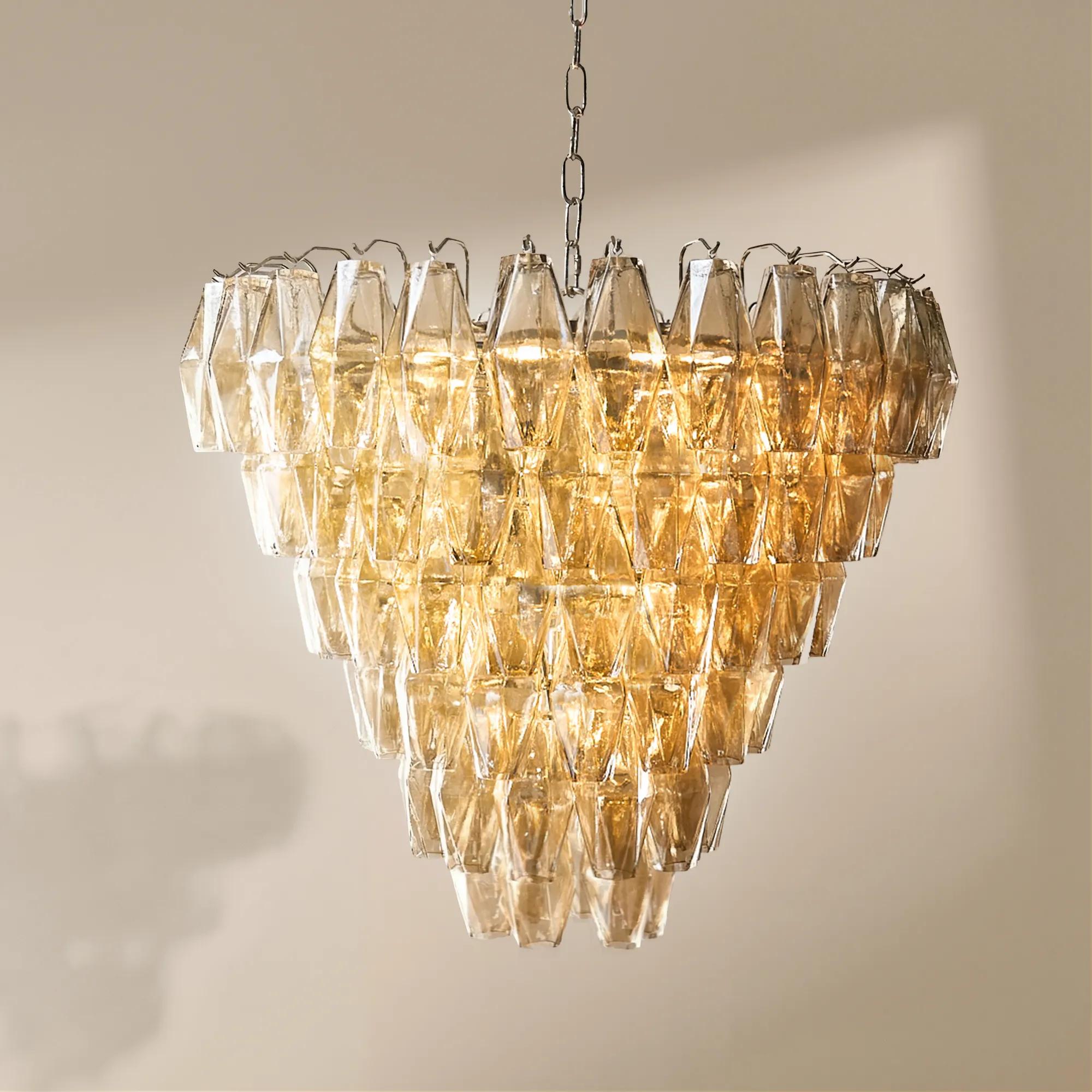
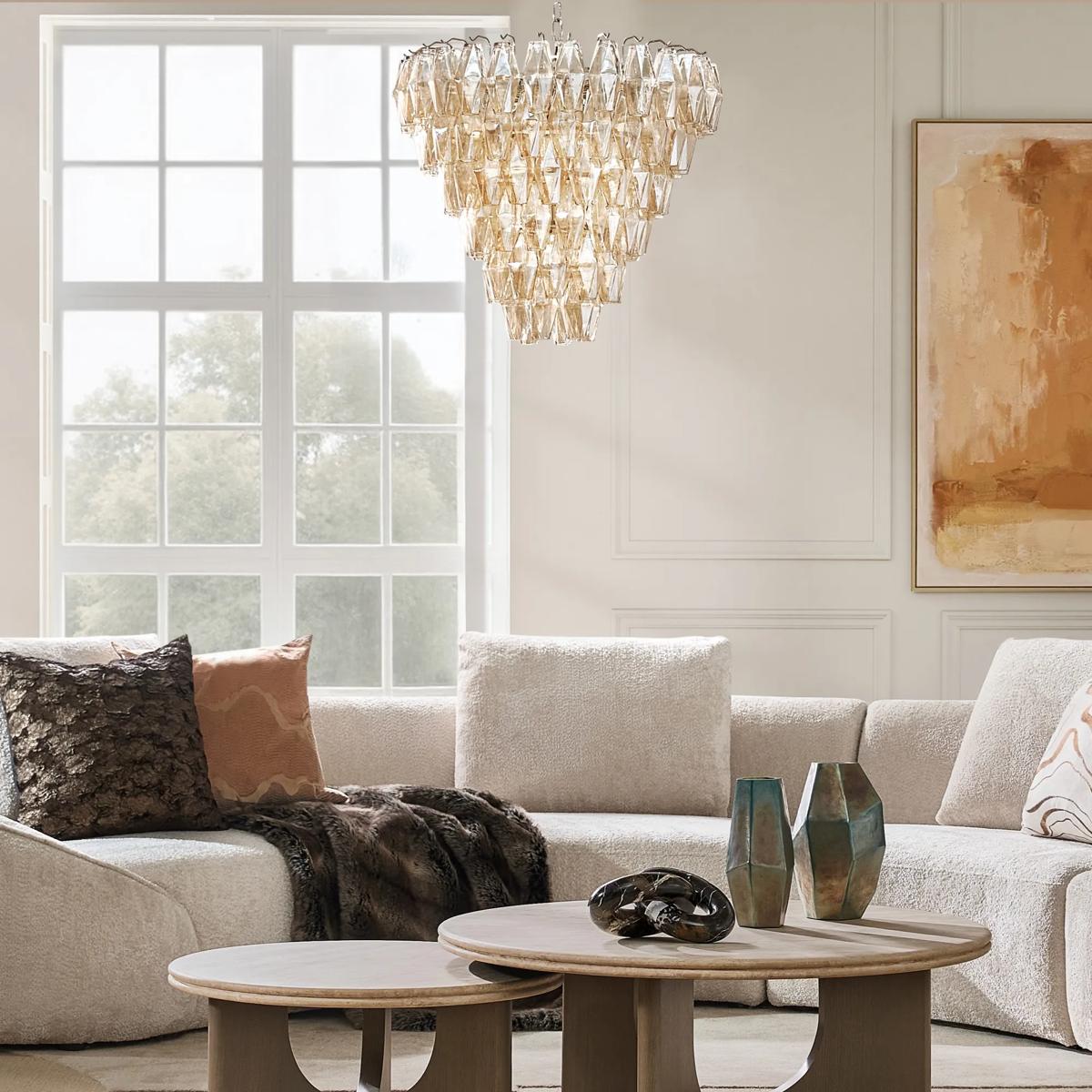 Cosima Champagne Blown Glass Chandelier 25.5"D x 23"H$1299
A chandelier featuring cascading champagne blown glass, a polished nickel frame, and seventeen dimmable lights.
Add To Cart -
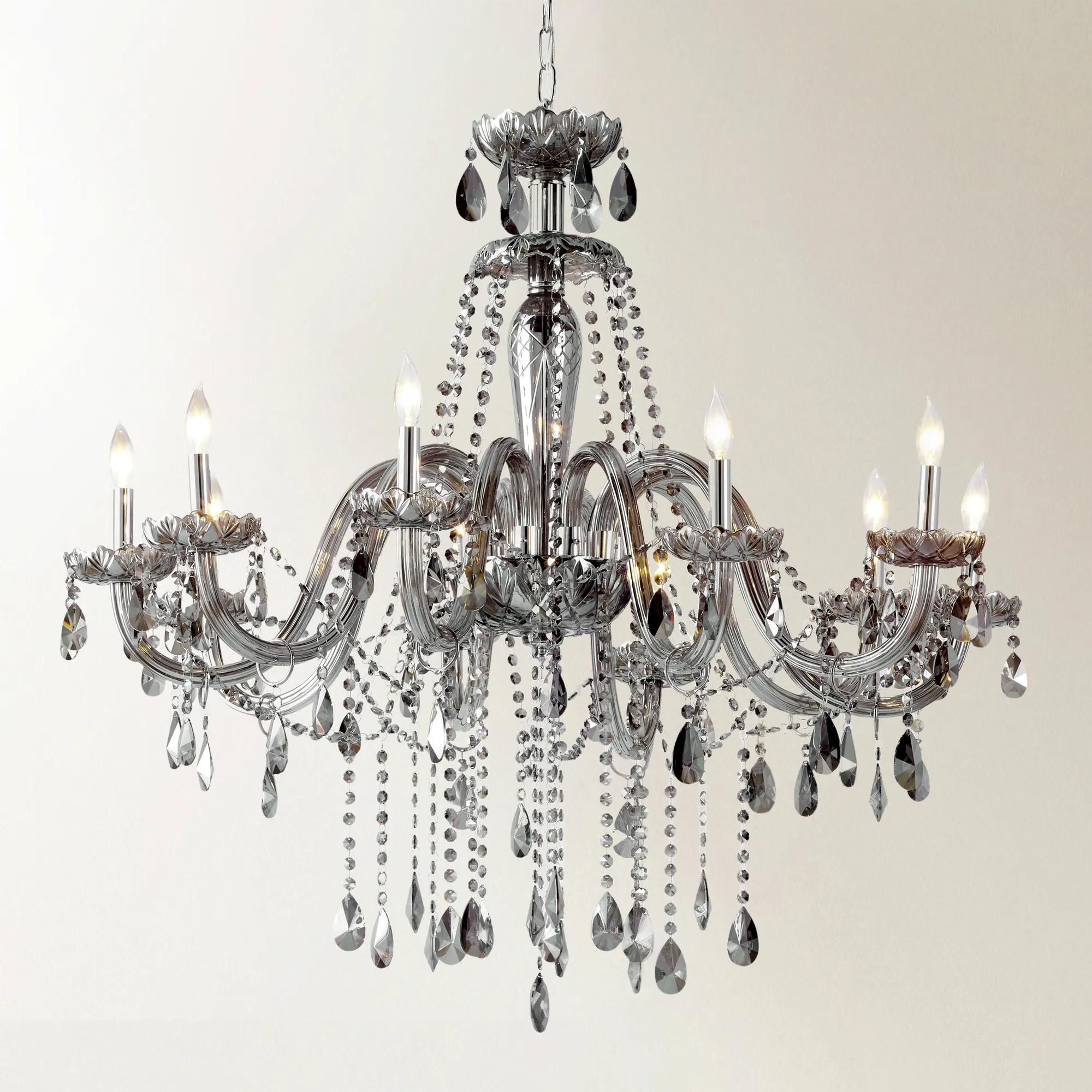
 Omni Chandelier 38.5" - Graphite$999
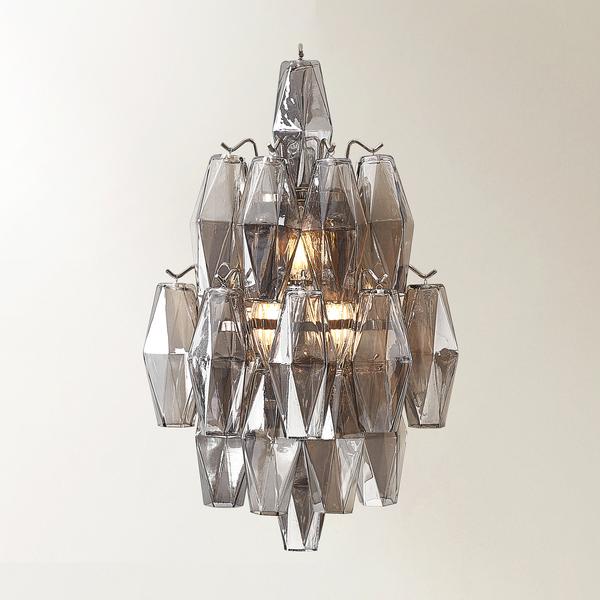
A dazzling chandelier featuring graphite faceted crystals and ten fluted glass arms with nickel hardware.
Add To Cart

Chandeliers For Ambient Lighting
Explore chandeliers for ambient lighting that bring an inviting glow and a sculptural focal point to dining rooms, living areas, and entryways. When comparing these statement ceiling fixtures, consider room size, ceiling height, and how each design distributes light to find a balance of comfortable illumination and expressive style.
Chandeliers for ambient lighting provide general illumination that helps a room feel balanced and welcoming, while giving the ceiling a distinctive architectural presence. Unlike task lighting directed toward a book or work surface, ambient light establishes the overall brightness of a space. A chandelier can create that foundation through multiple light sources, diffusing shades, or light reflected from the ceiling and surrounding surfaces. The effect depends on the fixture’s design: frosted glass and translucent diffusers soften visible brightness, while exposed bulbs and clear crystal introduce more pronounced sparkle. Both can bring drama to a room, but softened light is especially appealing where conversation, dining, and relaxation share the same setting. Above a dining table, a luminous arrangement of glass and metal turns an everyday meal into an intimate gathering. In a living room, sculptural branches or a sweeping circular silhouette draw the eye upward without requiring every decorative element below to compete for attention. Bedrooms take on a more enveloping character beneath a chandelier with shaded lights, especially when the fixture’s scale feels generous rather than overwhelming. Light quality matters as much as the silhouette. Warm-white light, commonly around 2700K to 3000K, lends upholstery, wood, and metallic finishes a welcoming richness; higher color temperatures create a crisper impression. Color temperature describes the appearance of the light, not its brightness, so lumen output remains an important consideration when comparing fixtures. A large room or a space with dark walls may need more total light than a compact room with pale, reflective surfaces. For interiors filled with art, patterned textiles, or nuanced neutrals, good color rendering also helps preserve the character of those details. The most compelling ambient chandeliers bring these practical qualities into an expressive whole: enough illumination to make the room comfortable, with a shape and glow that feel integral to its design.
Scale gives a chandelier its confidence. A broad fixture can anchor an expansive seating arrangement, while an elongated design can echo the proportions of a rectangular dining table. Rounded forms create a graceful relationship with circular tables, curved sofas, and intimate conversation areas; tiered silhouettes introduce vertical movement where ceiling height allows. Proportion involves more than the fixture’s stated width. Airy frameworks can occupy considerable space without appearing visually heavy, whereas densely layered glass or closely arranged shades may feel more substantial at the same dimensions. Ceiling height, furniture placement, and views between adjoining rooms all influence the fit. Above a dining table, a commonly used starting point is approximately 30 to 36 inches between the tabletop and the bottom of the chandelier for an eight-foot ceiling, with adjustments for the fixture, room, and sightlines. Over open circulation areas, sufficient head clearance is essential. Adjustable chains, cables, or downrods can help establish the appropriate drop, but their adjustment ranges and compatibility with sloped ceilings vary by fixture. Materials bring another dimension to the composition. Clear glass lends visual openness, textured glass adds depth, and crystal creates lively reflections that change with the viewing angle. Frosted glass and acrylic diffusers can conceal concentrated light sources, lending contemporary forms a more continuous glow. Metal provides structure as well as contrast: polished surfaces catch surrounding colors and highlights, while brushed finishes offer a quieter sheen. A gilded finish can enrich a restrained room, and a dark framework can give pale furnishings a striking outline. Material choice also affects everyday ownership. Glass and crystal add weight and require secure installation; acrylic is generally lighter but can scratch if cleaned carelessly. Fabric shades introduce softness, although their texture calls for different care than a smooth diffuser. These distinctions make chandeliers especially personal choices for homeowners furnishing a dining room, refreshing a bedroom, or giving an open-plan living space a more deliberate focal point.
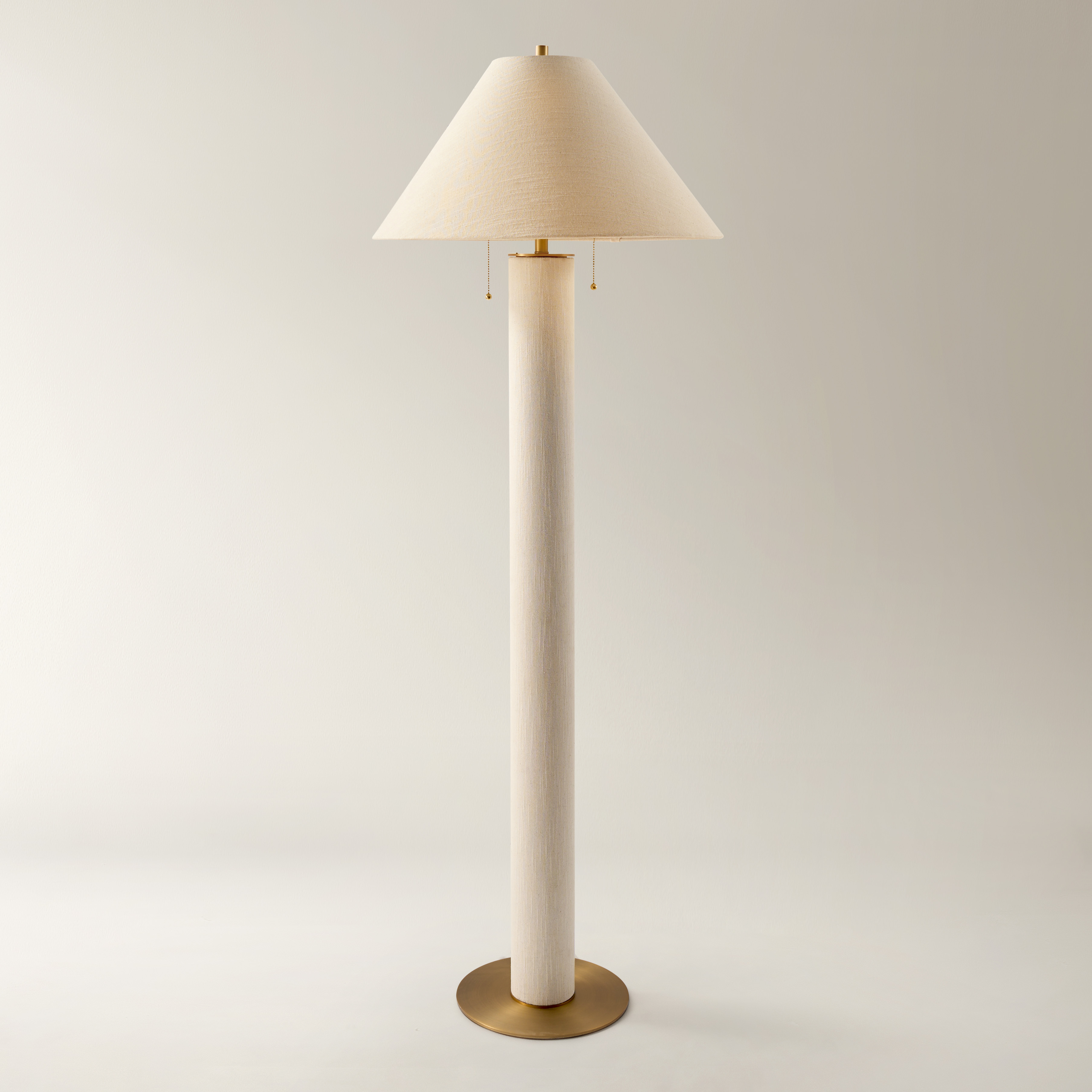
Control and coordination allow that focal point to support different ways of living. Dimmable chandeliers can move from brighter general illumination to a subdued glow for dinner or conversation, provided the fixture, bulbs or LED driver, and dimmer are compatible. Dimming does not necessarily change color temperature; a warmer appearance at lower brightness requires bulbs or integrated technology specifically designed for that effect. Similarly, adjustable color temperature is a feature to confirm in the specifications rather than assume from a contemporary appearance. Integrated LEDs allow slender profiles and uninterrupted illuminated shapes, while fixtures with replaceable bulbs offer flexibility in selecting compatible light sources and replacing them over time. For either construction, the rated output, recommended bulb type, maximum wattage, and maintenance requirements deserve attention. A chandelier also works most comfortably as part of a layered lighting arrangement. Complementary floor lamps for ambient lighting can extend a gentle glow into seating areas beyond the chandelier’s reach, while focused reading lights or discreet accent lighting serve more specific purposes. This balance is particularly useful in larger rooms, where a brilliant center surrounded by dim corners can feel less inviting than several coordinated pools of light. Lasting beauty depends on thoughtful placement and care as well. An indoor fixture should not be assumed suitable for a bathroom, covered patio, or other location exposed to moisture; the appropriate location rating must match the installation conditions. Professional installation helps address mounting support, electrical connections, and the demands of heavier designs. For routine care, turn off power and allow the fixture to cool before following the manufacturer’s cleaning instructions. Gentle dusting helps preserve the clarity of glass and the definition of intricate frameworks, while abrasive cleaners can damage delicate finishes or diffusers. Accessible bulbs, reachable surfaces, and suitable cleaning methods make a dramatic silhouette easier to enjoy over time. With its proportions, light quality, and materials considered together, a chandelier becomes more than an overhead ornament: it gives the room a luminous center and its furnishings a richer setting.
FAQs
For a glamorous interior, explore chandeliers with cascading silhouettes, jewel-like details, or dramatic geometric forms. Sculptural designs bring a modern edge, while tiered profiles offer a more romantic expression. Choose a chandelier that echoes your room’s personality, whether boldly artistic or richly layered.
Treat the chandelier’s finish as part of your room’s palette. Warm metallic tones pair beautifully with rich colors and sumptuous textures, while cool, reflective finishes complement crisp contrasts. For an artfully collected look, repeat a finish in a mirror, decorative tray, or accent table rather than matching every detail.
Chandeliers make an expressive design statement beyond the dining room. A bedroom invites a romantic interpretation, a living room welcomes sculptural drama, and an entryway sets an elegant opening scene. Let the room’s character guide the aesthetic, from softly glamorous to strikingly contemporary.
A chandelier can share a design language with sconces, floor lamps, and table lamps without matching them exactly. Connect the pieces through a recurring finish, curved detail, or geometric motif. Varying their silhouettes creates a layered composition with the character of a thoughtfully curated interior.
Give a statement chandelier a clear visual role, then build the surrounding decor with intention. Echo its curves in upholstery or its angular lines in artwork. Sumptuous textiles and restrained decorative groupings create contrast, allowing the chandelier’s artistry to anchor the room without competing with every accent.