Ceramic Home Decor Gifts
Ceramic Home Decor Gifts
-
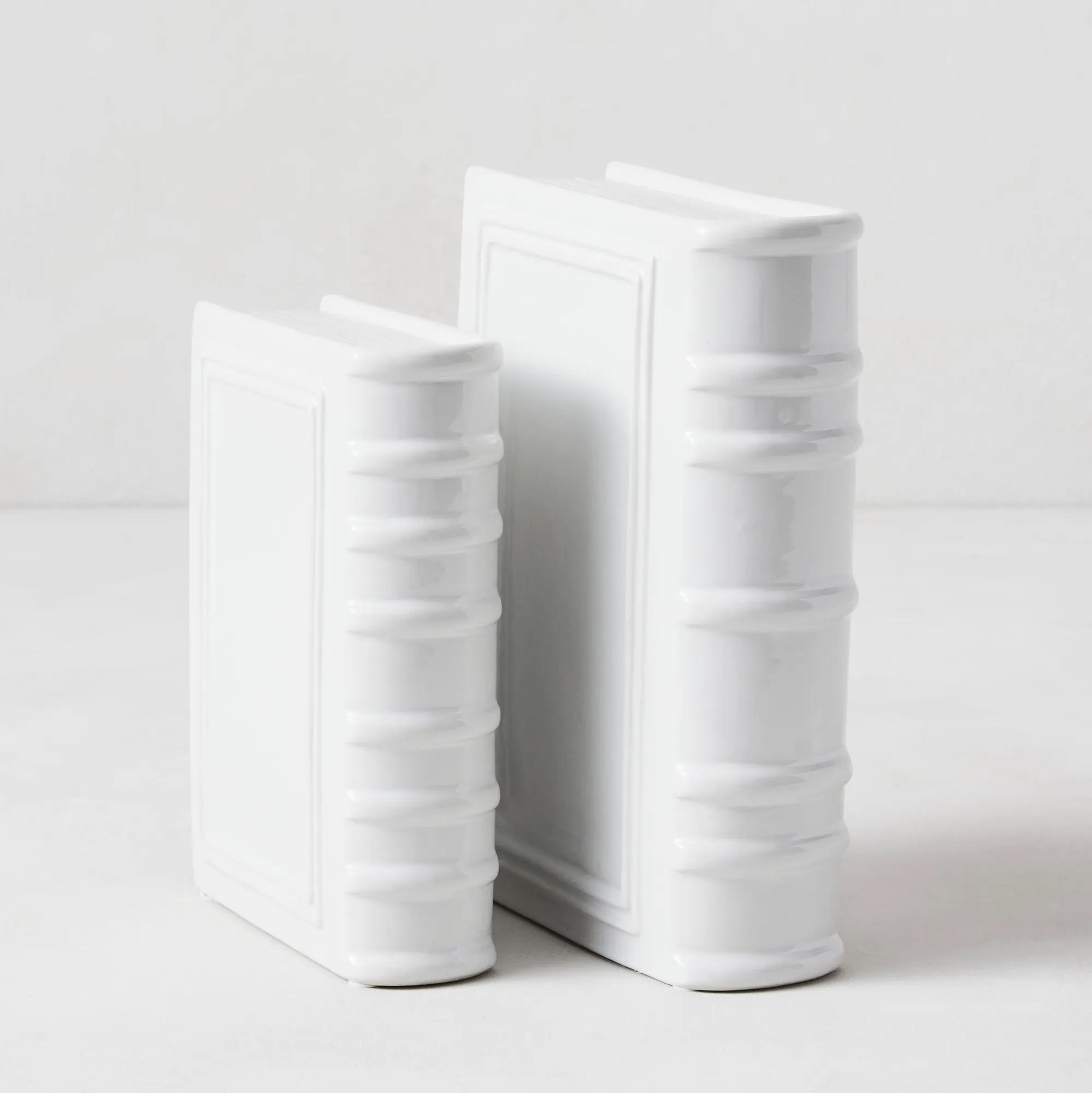
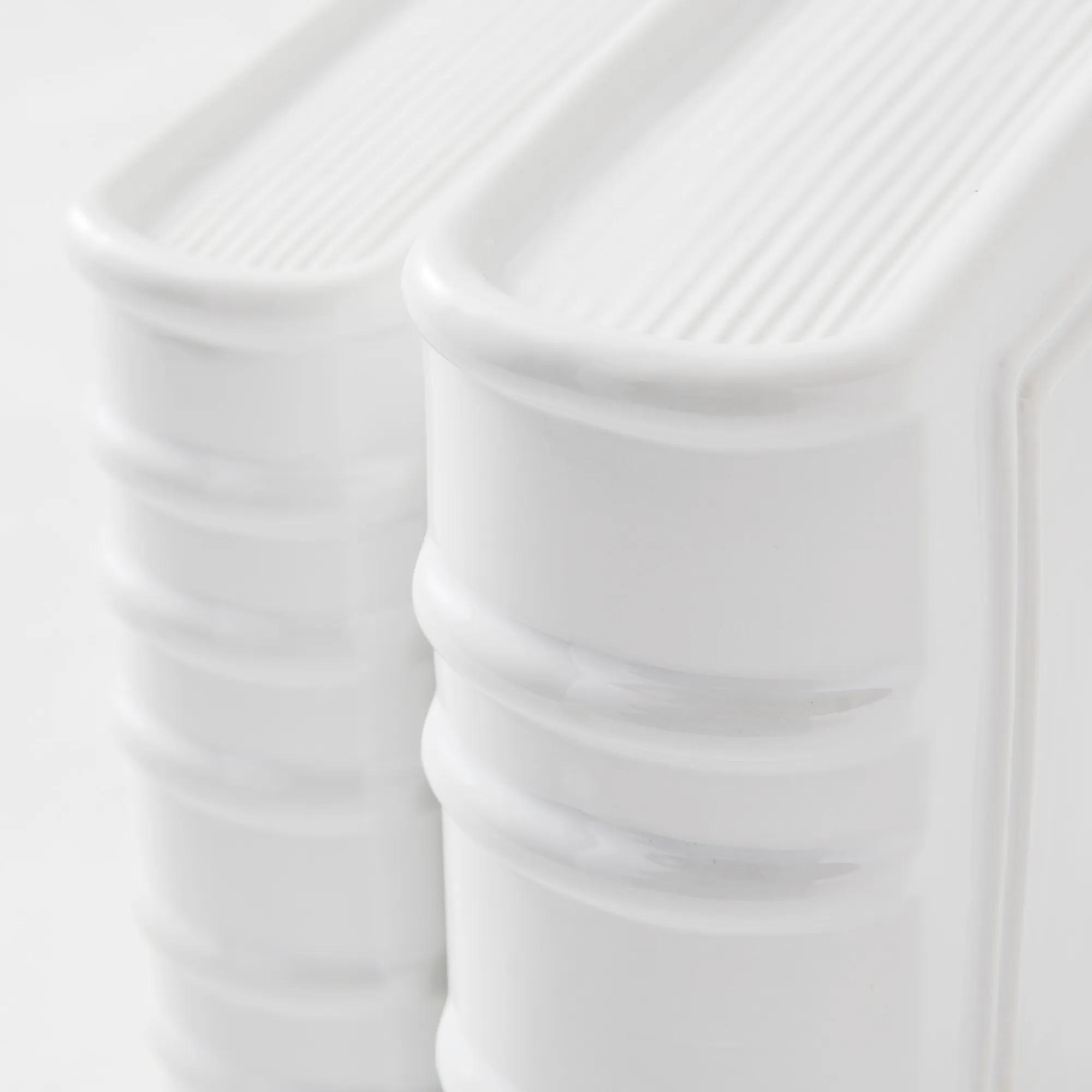 Ceramic Bookends - White$49
A pair of cream ceramic book accents that double as minimalist bookends or decorative console pieces.
Add To Cart -

 Miami Gold Ceramic High Gloss Vase 18.5"$69
A contemporary gold ceramic vase designed for decorative use or displaying faux foliage.
Add To Cart -
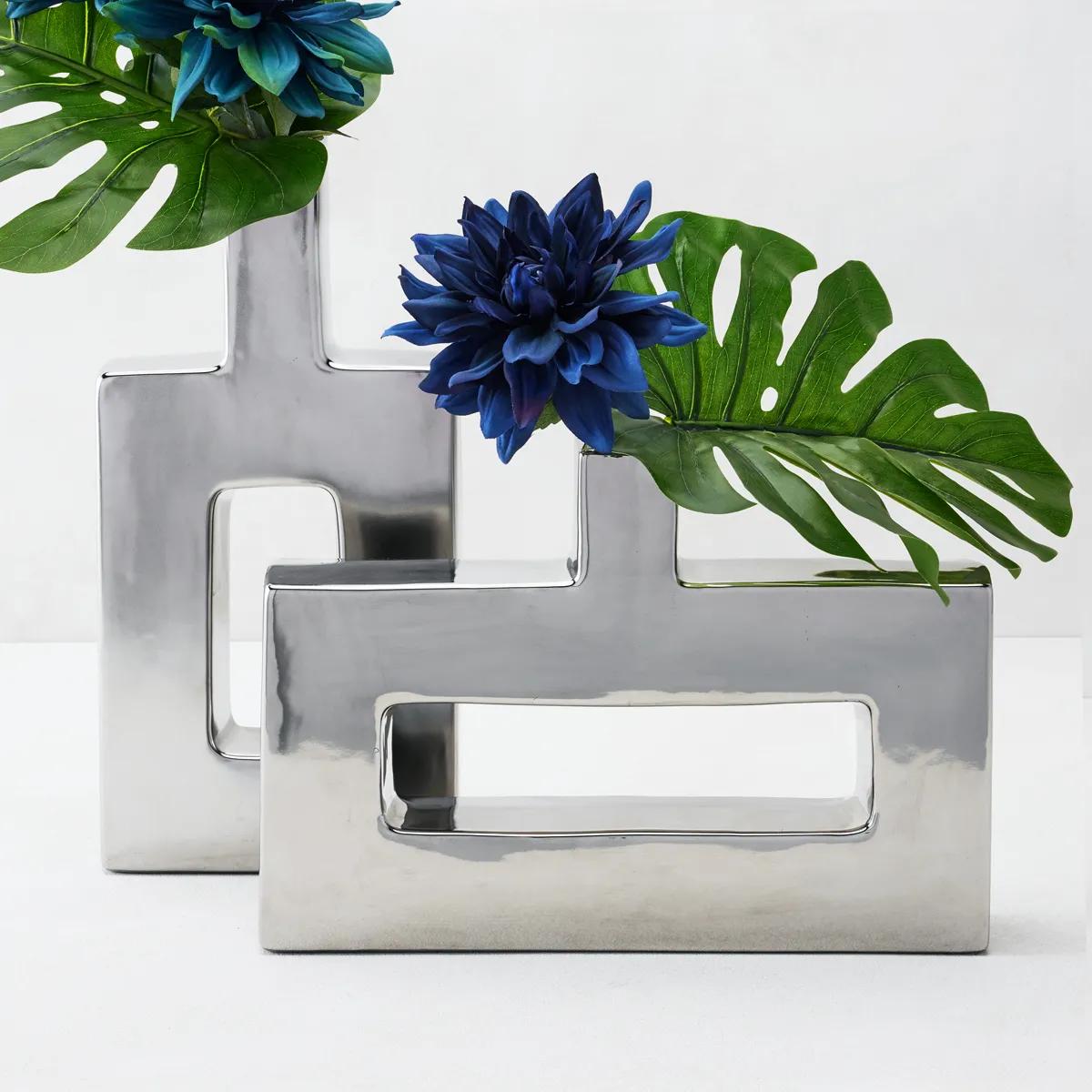 Miami Silver Ceramic High Gloss Vase 18.5"$69
A contemporary silver ceramic vase with a stylish gold glaze, perfect for decorative foliage or display.
Add To Cart -
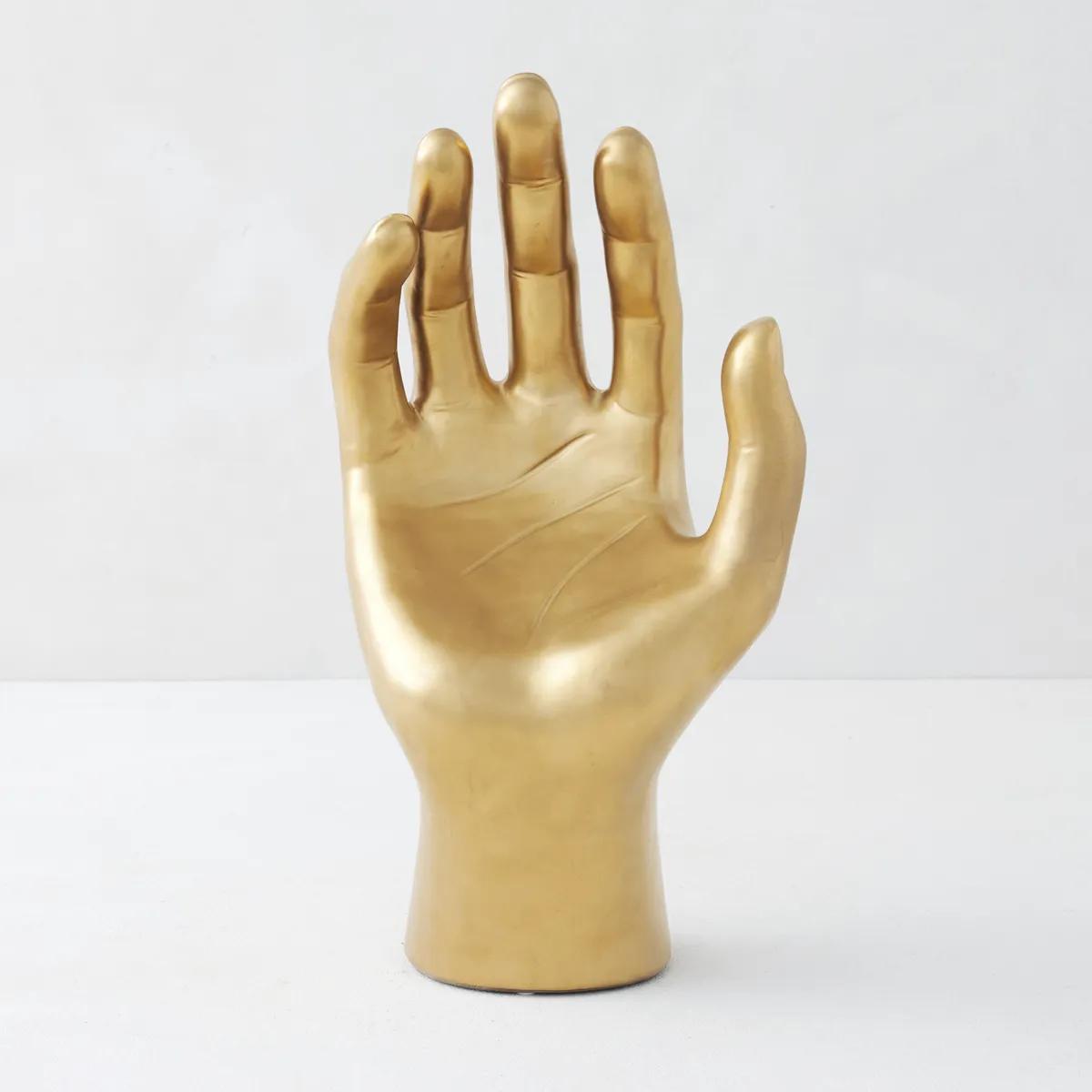
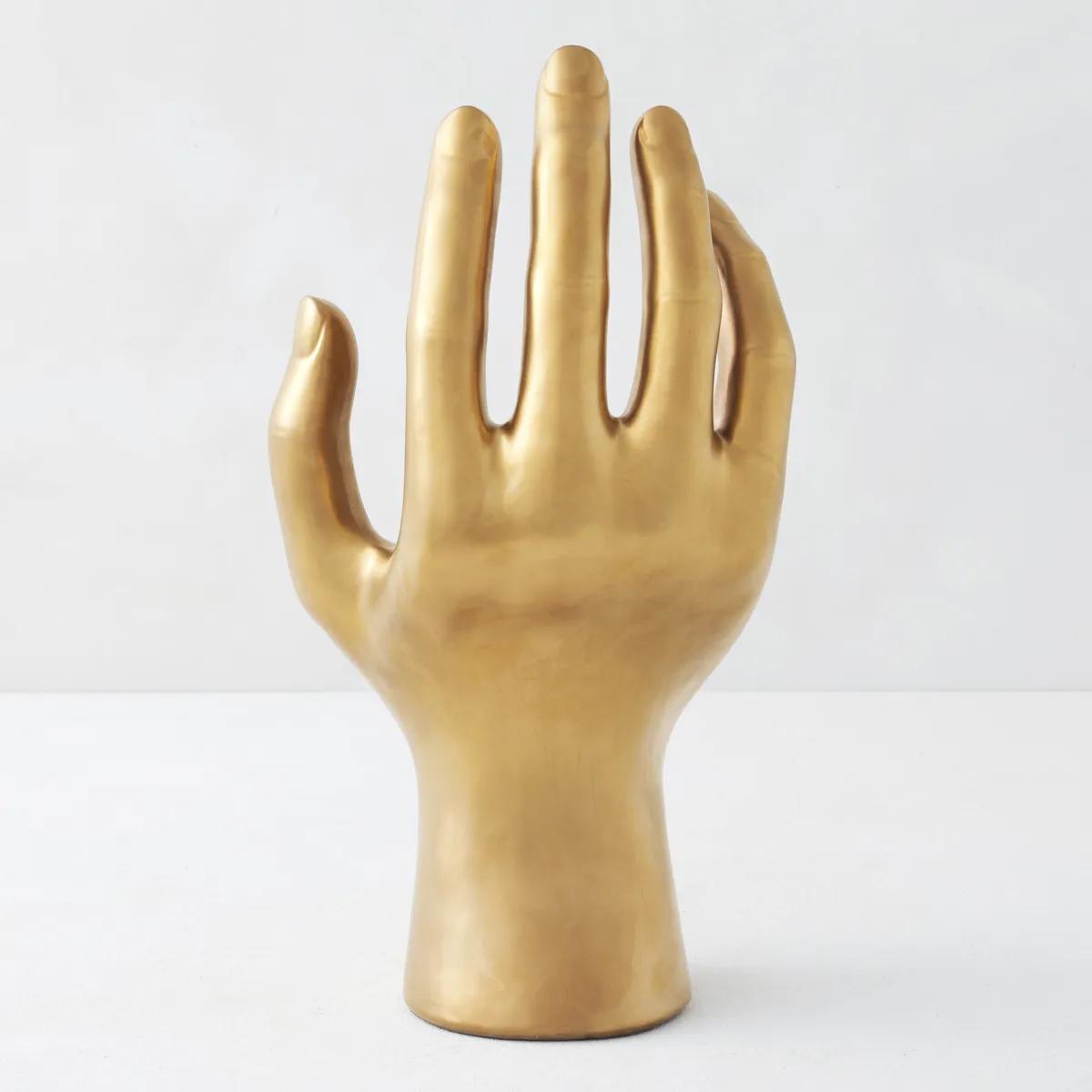 Ceramic Hand Metallic Gold Decorative Object 17.75"$69
A striking ceramic sculpture with a metallic gold finish, perfect for displaying jewelry or as decor.
Add To Cart -
Miami Gold Ceramic High Gloss Vase 11.75"$69
A contemporary gold ceramic vase designed for decorative use as a sculptural accent or with foliage.
Add To Cart -
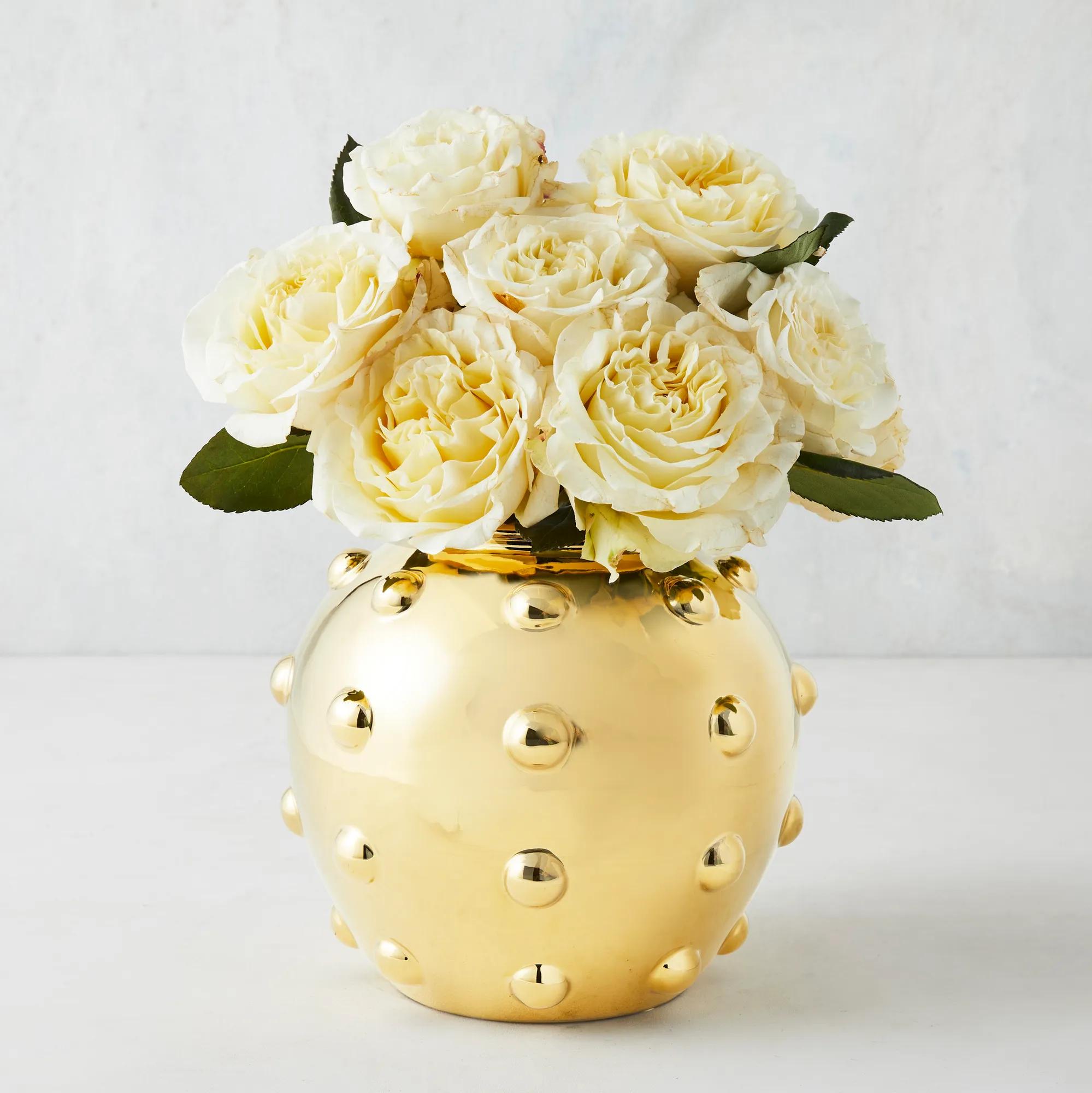
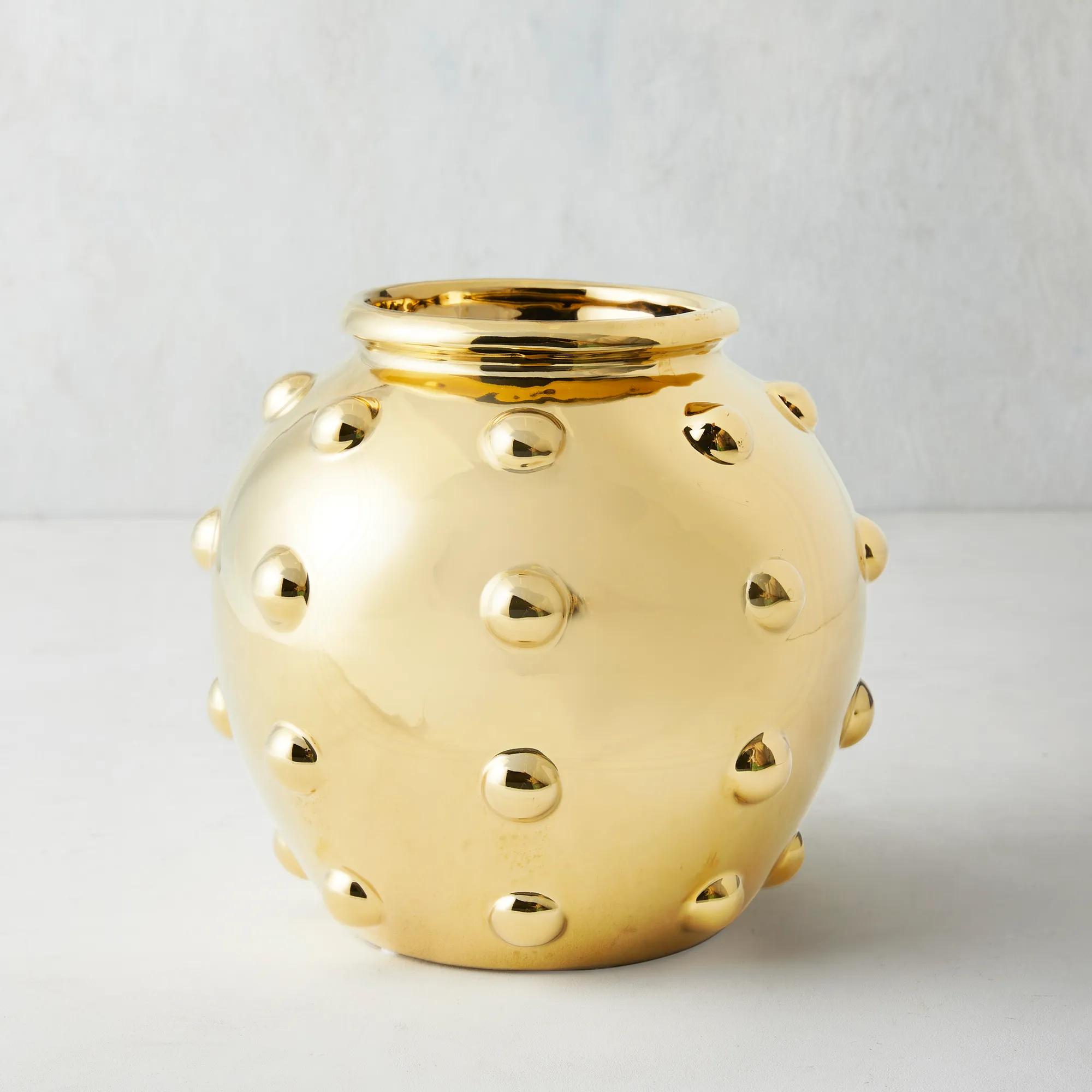 Orb Bauble Vase$59
A ceramic vase with a dimensional dot design and a gleaming gold finish for bold decor impact.
Add To Cart -
Miami Silver Ceramic High Gloss Vase 11.75"$69
A contemporary silver ceramic vase with a stylish gold glaze, perfect for decorative foliage or display.
Add To Cart -
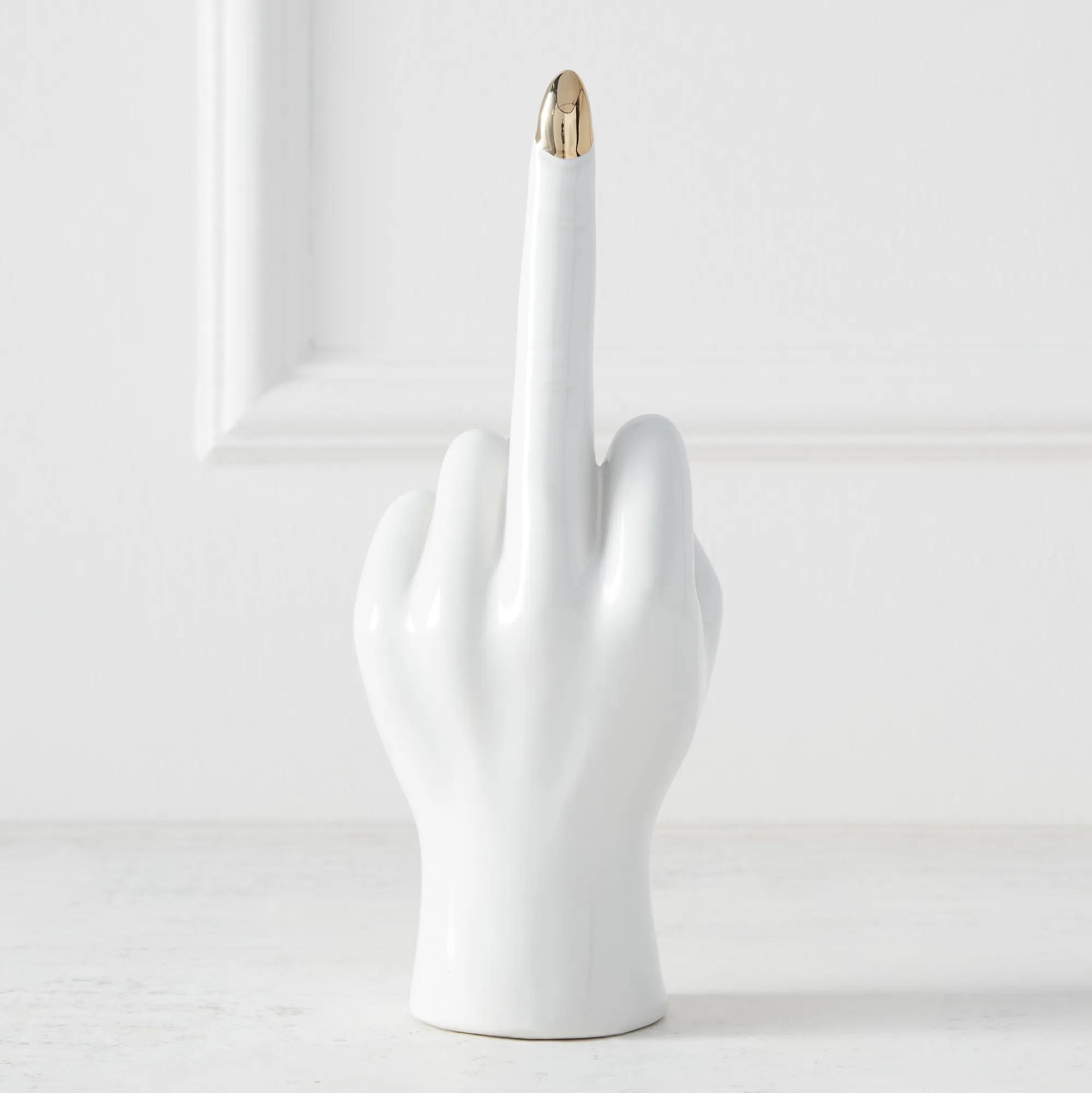
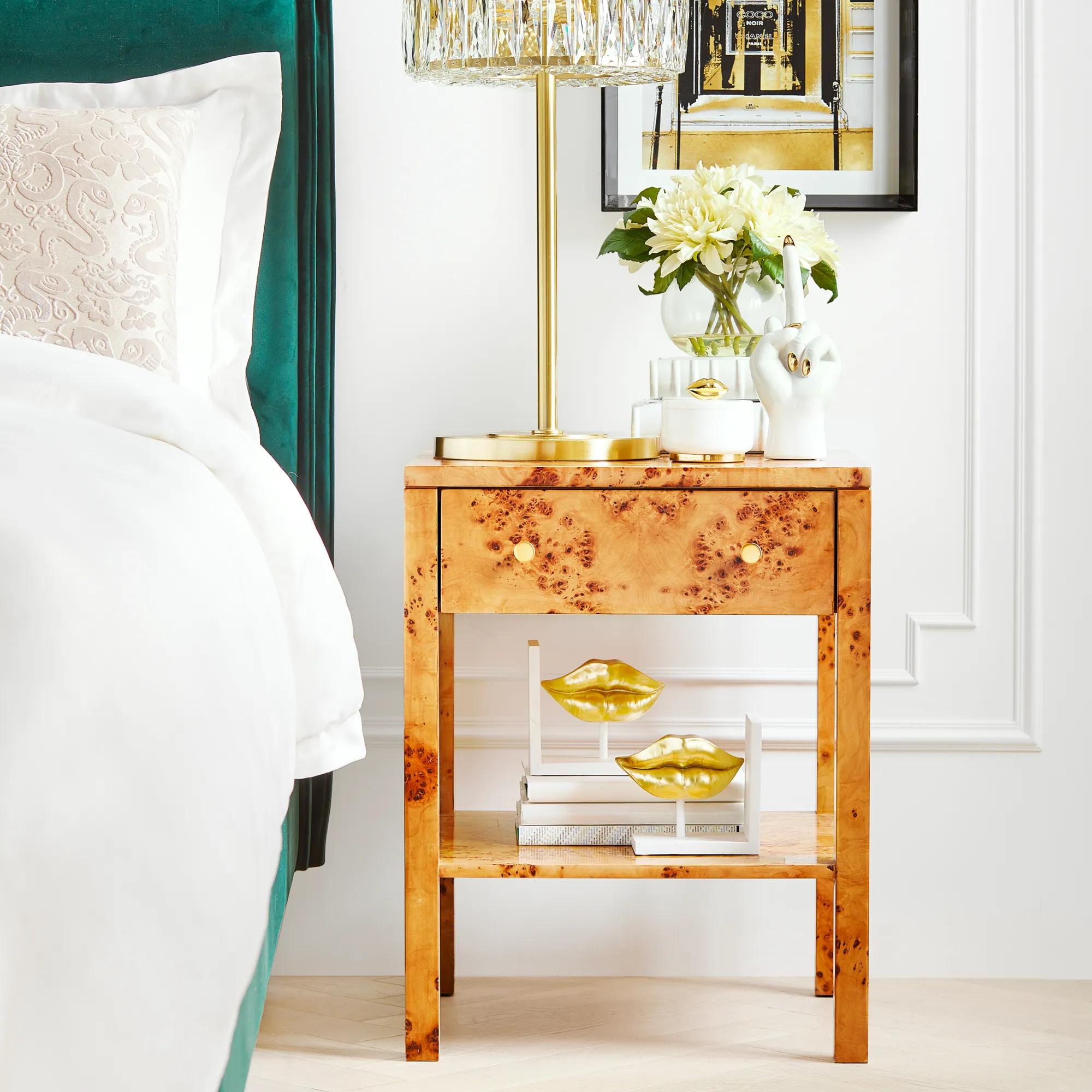 The Finger Hand$39
A glossy white and gold ceramic hand sculpture perfect for displaying jewelry or as a playful accent.
Add To Cart -
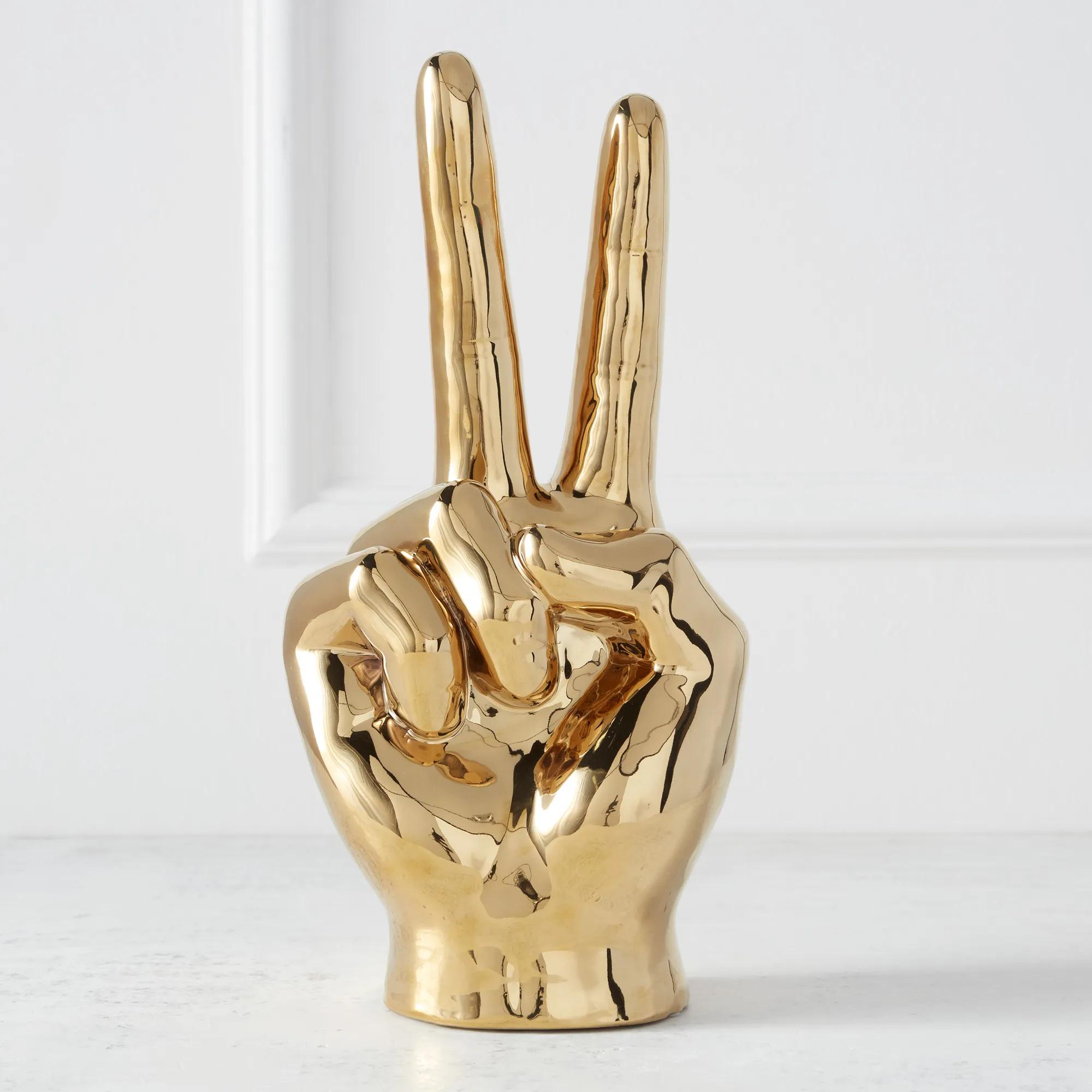 Peace Sign Gold Hand Ceramic Decorative Object 14"$49
A metallic gold ceramic hand sculpture perfect for displaying jewelry or as a decorative accent.
Add To Cart -
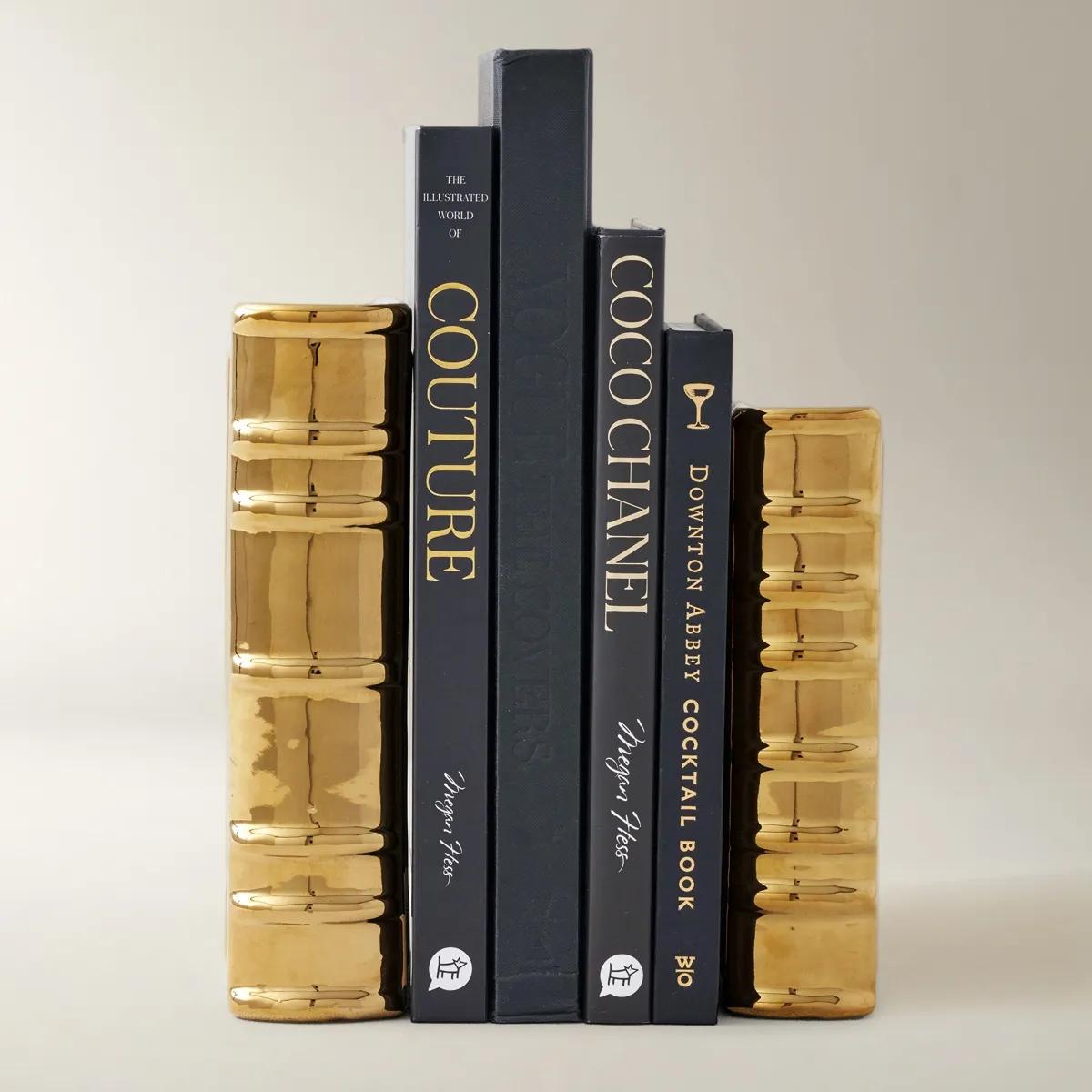 Gold Ceramic Bookends$49
A pair of gold ceramic book accents that double as sleek, modern bookends for any space.
Add To Cart -
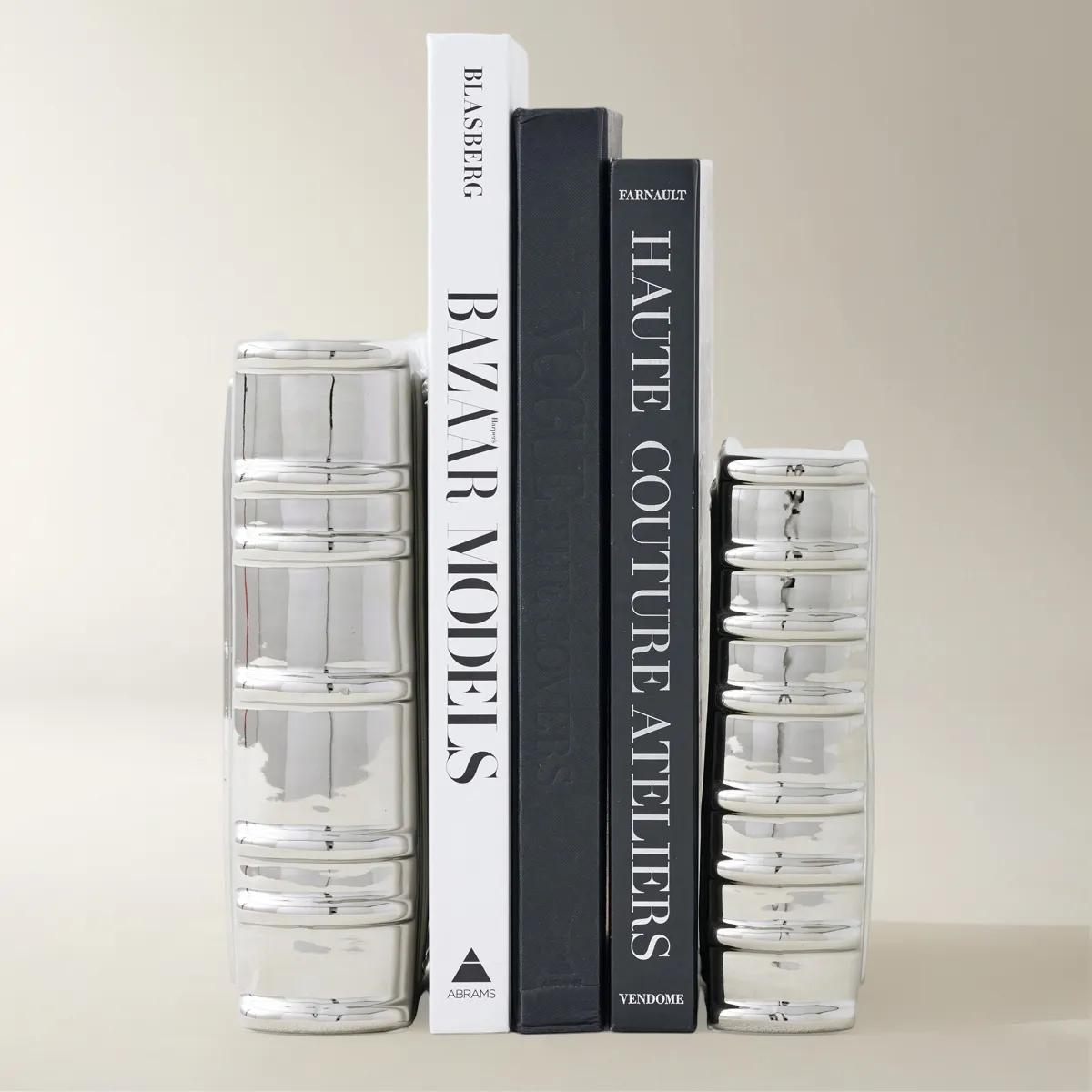
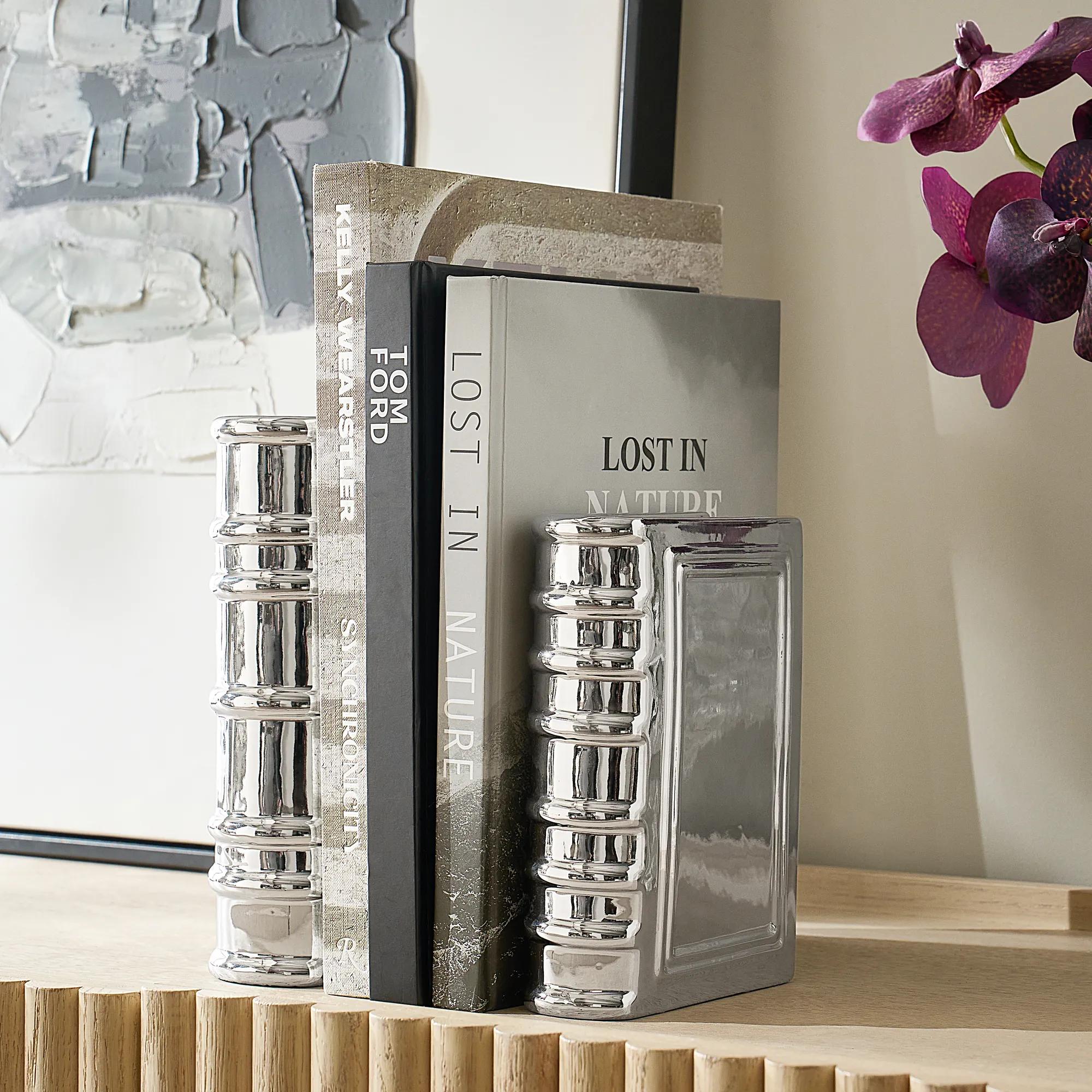 Silver Ceramic Bookends$49
A sleek silver ceramic accent that doubles as stylish bookends for modern decorative displays.
Add To Cart -
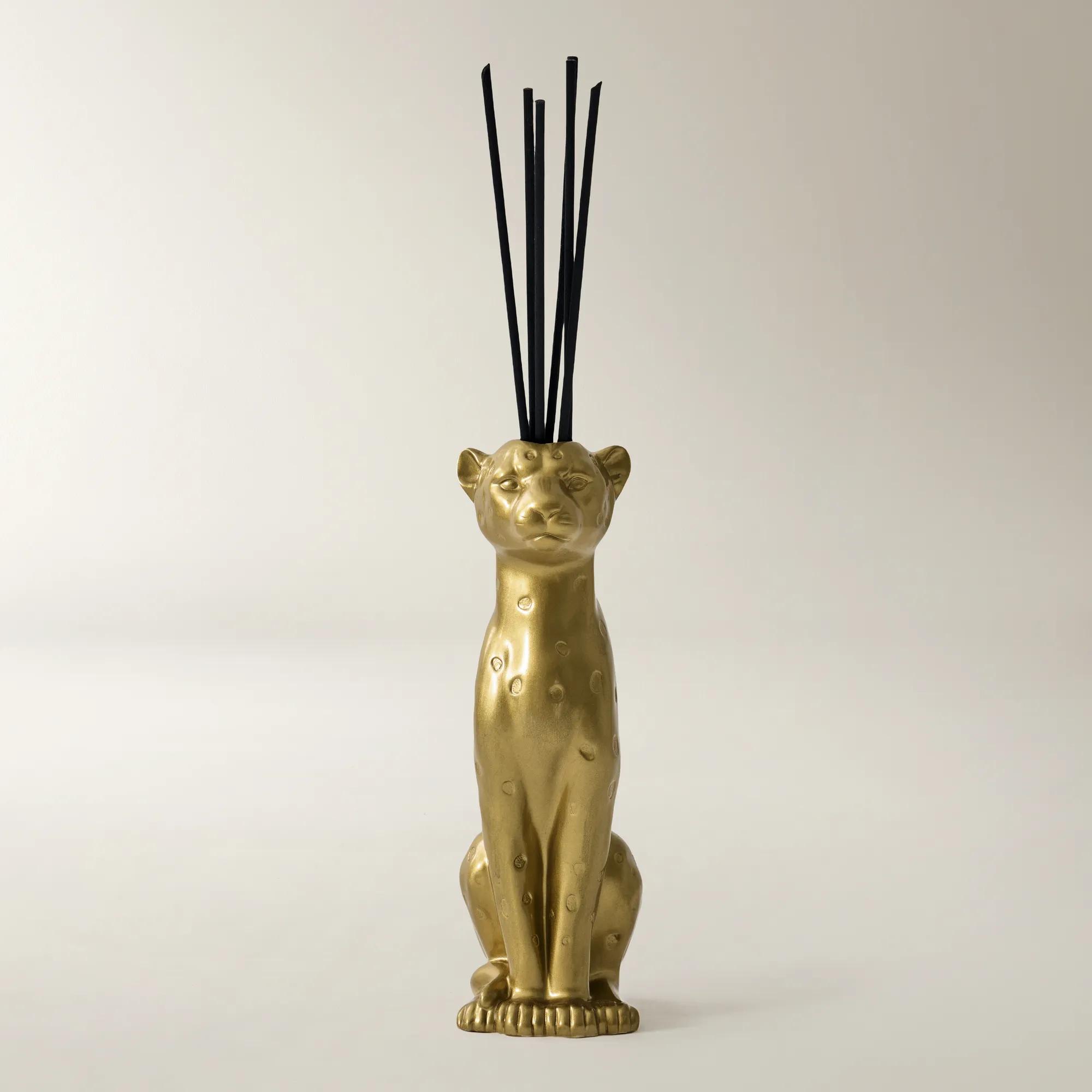
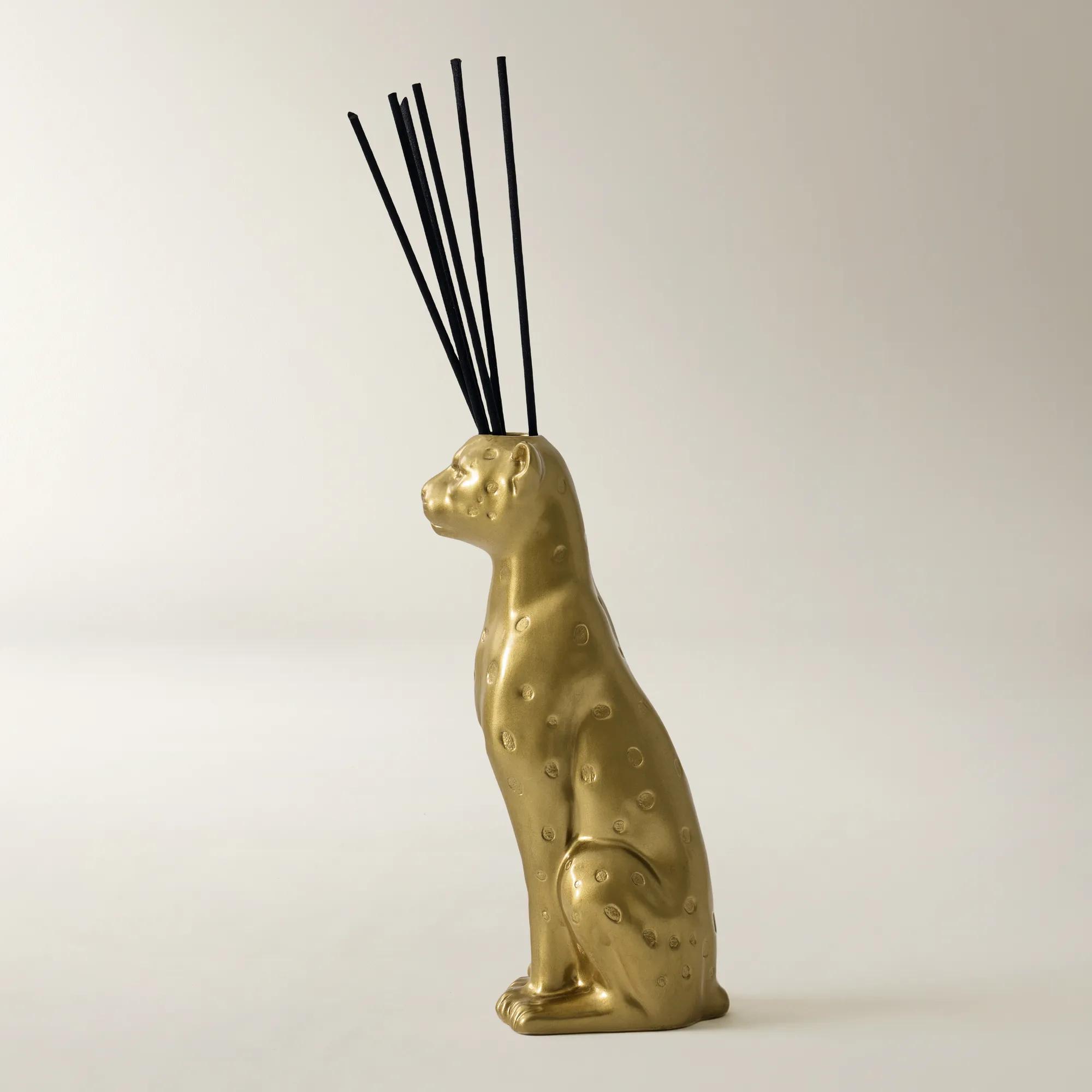 Leo Soft Gold Ceramic Diffuser Gift Set$99
A sculptural porcelain reed diffuser in soft gold, featuring sandalwood and amberwood notes for warm, radiant fragrance.
Add To Cart -
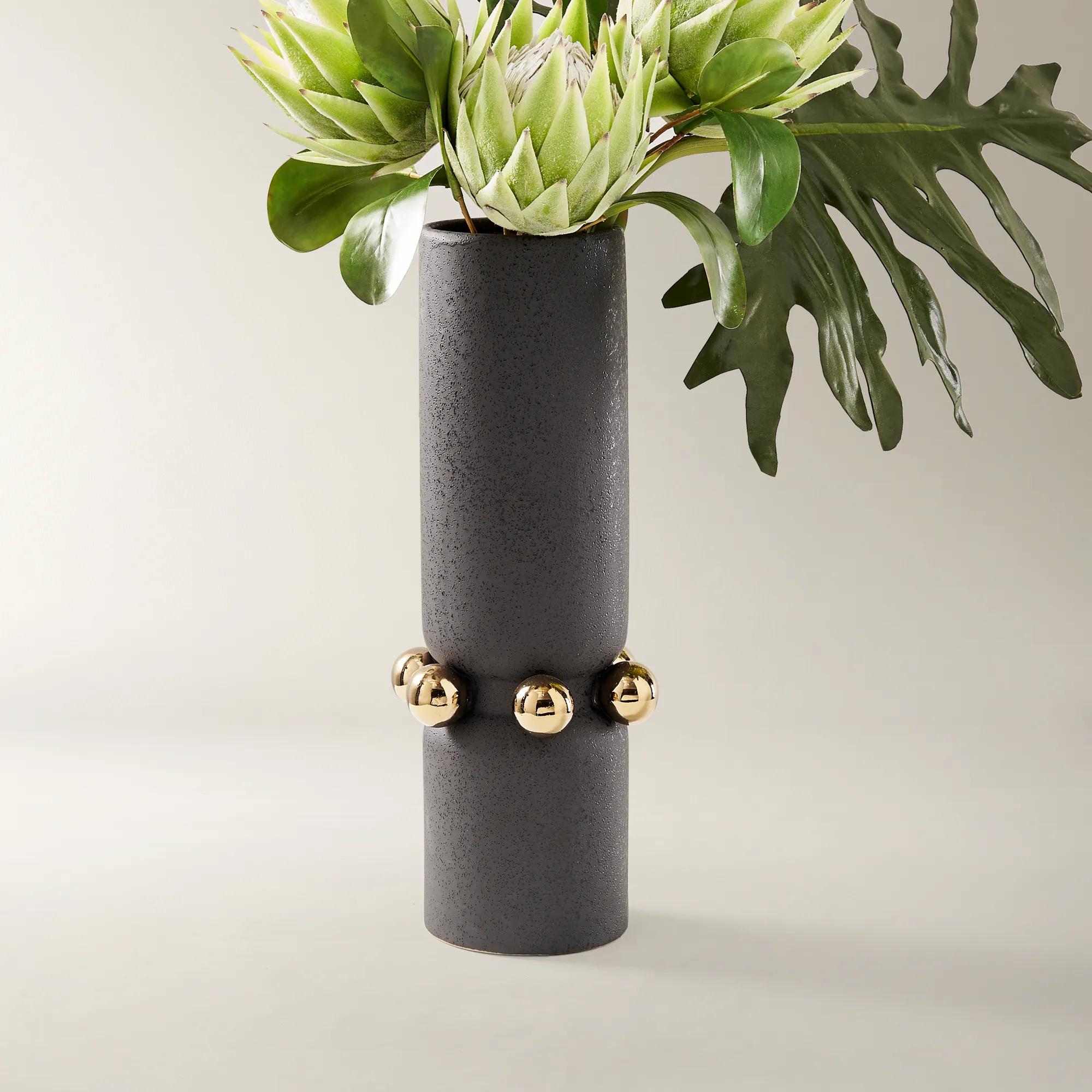 Zerra Vase$99
A ceramic vase featuring a striking matte black and shimmering gold contrast for bold, glamorous decor.
Add To Cart -
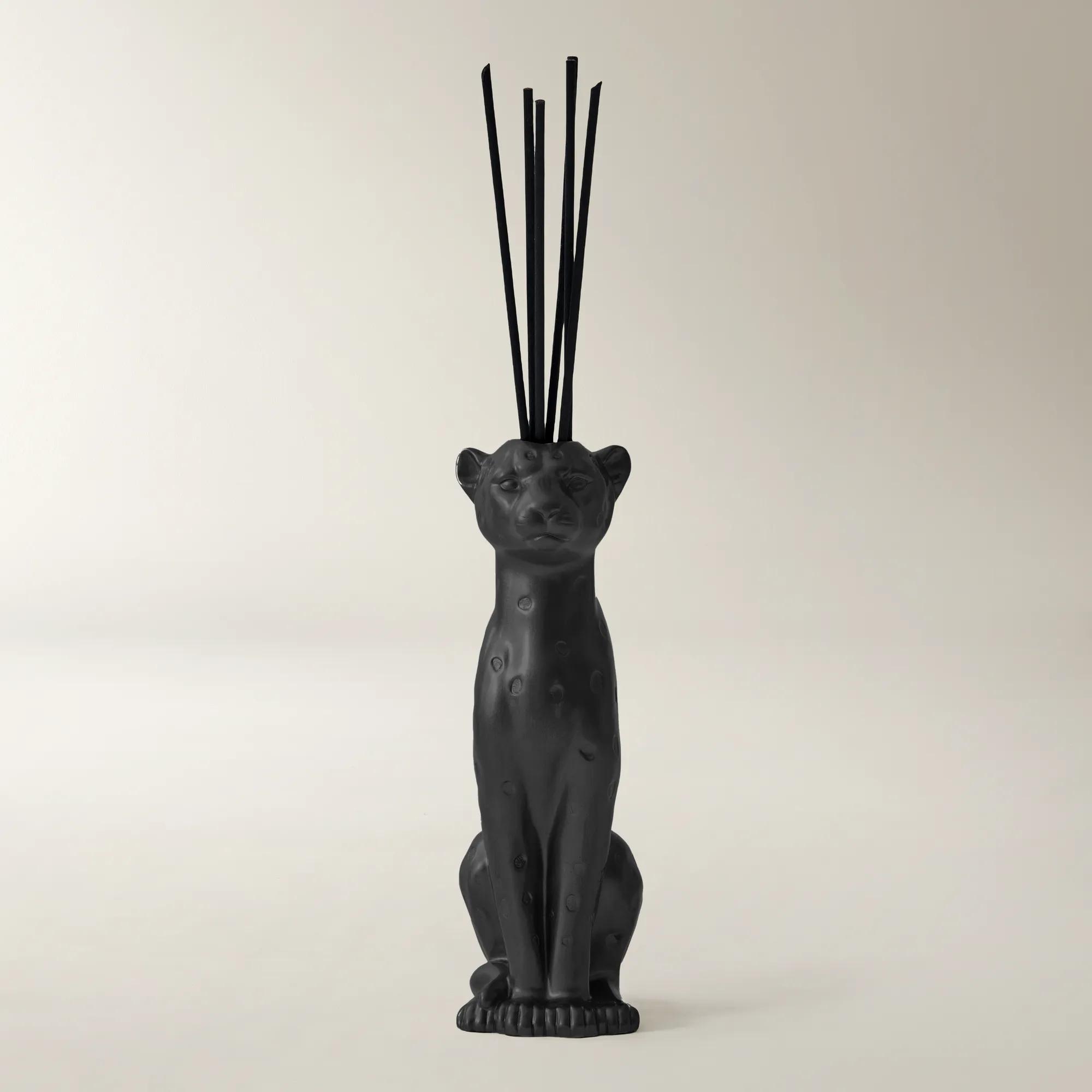
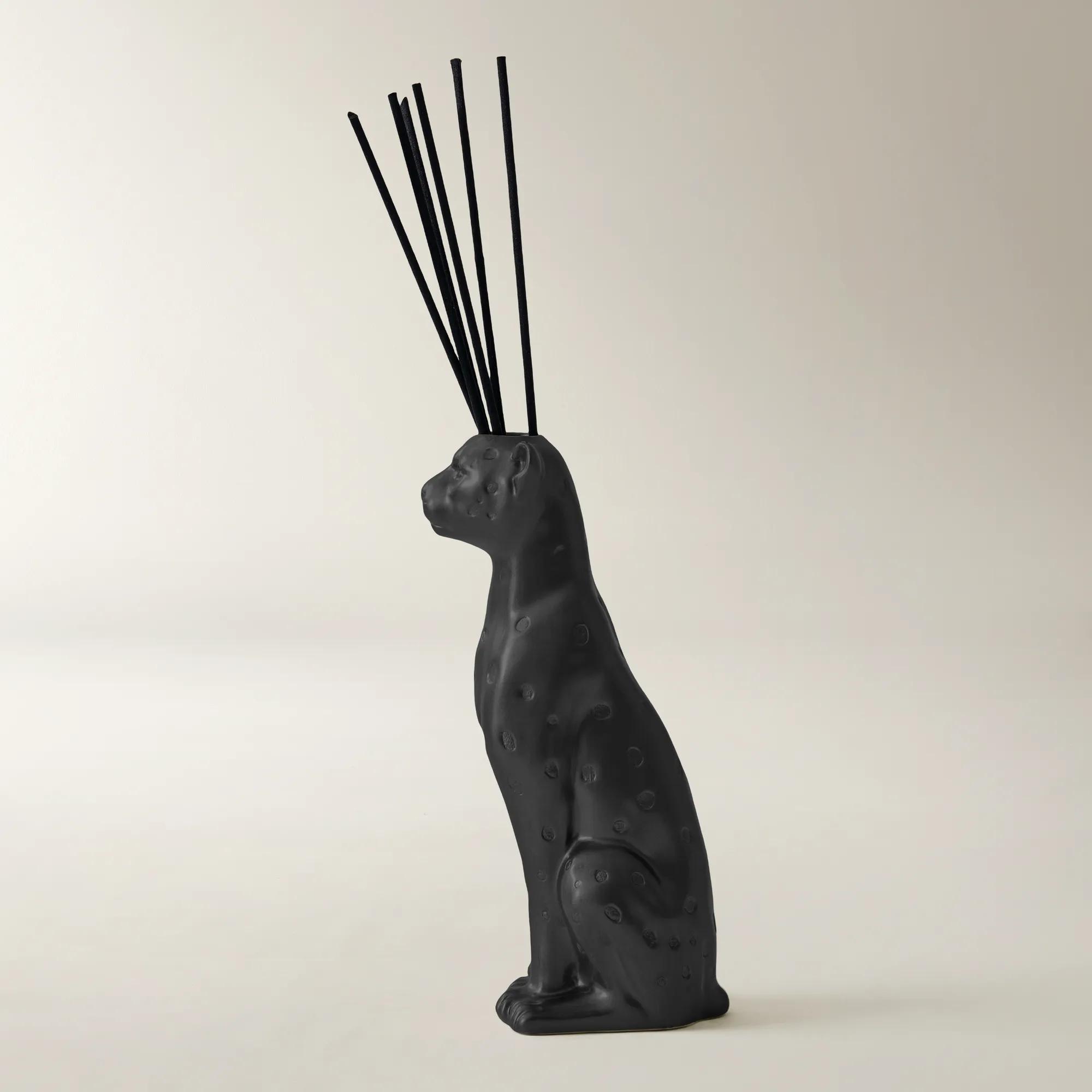 Leo Charcoal Ceramic Diffuser Gift Set$99
A charcoal porcelain reed diffuser featuring a warm, rich Santal Obscur scent and sculptural leopard design.
Add To Cart -
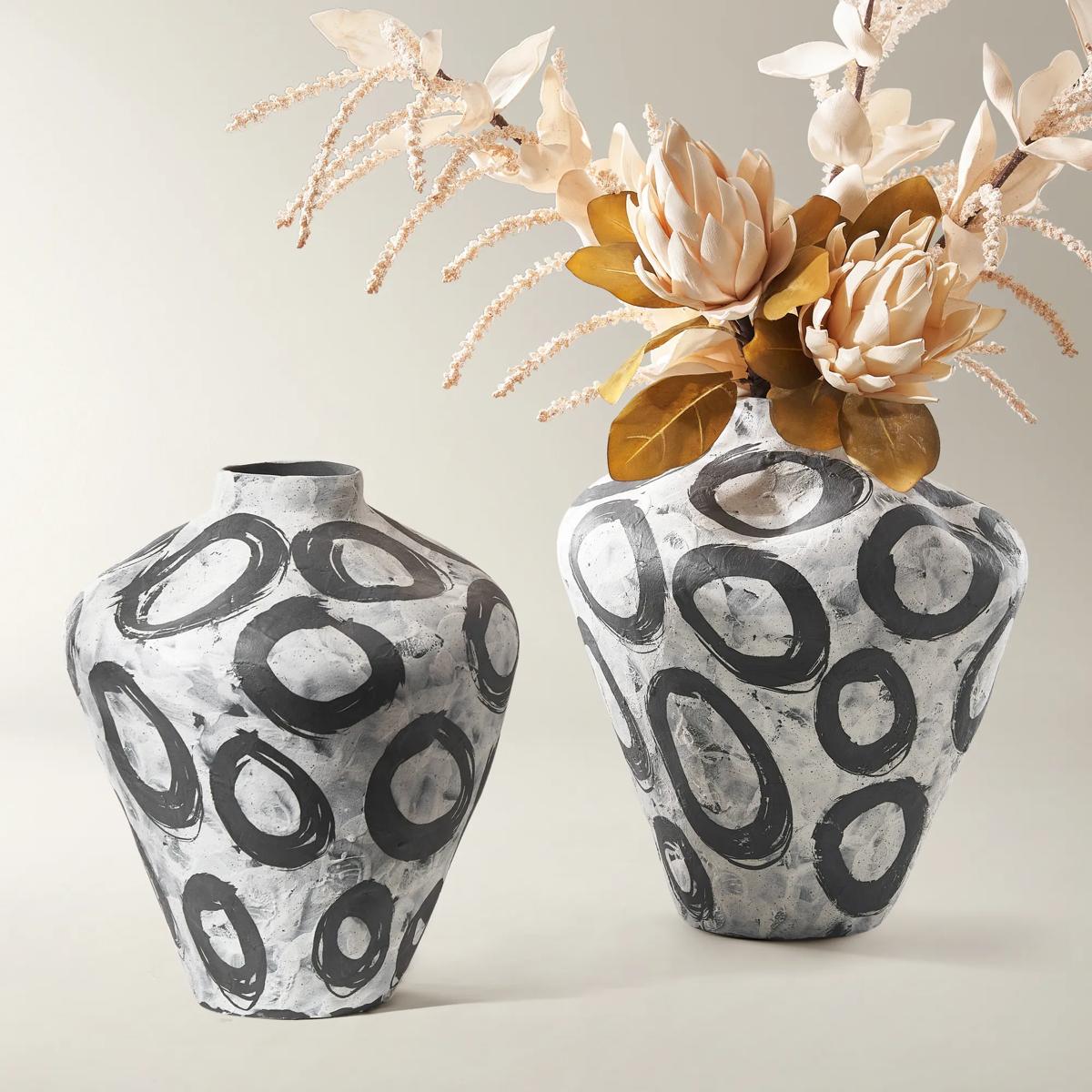
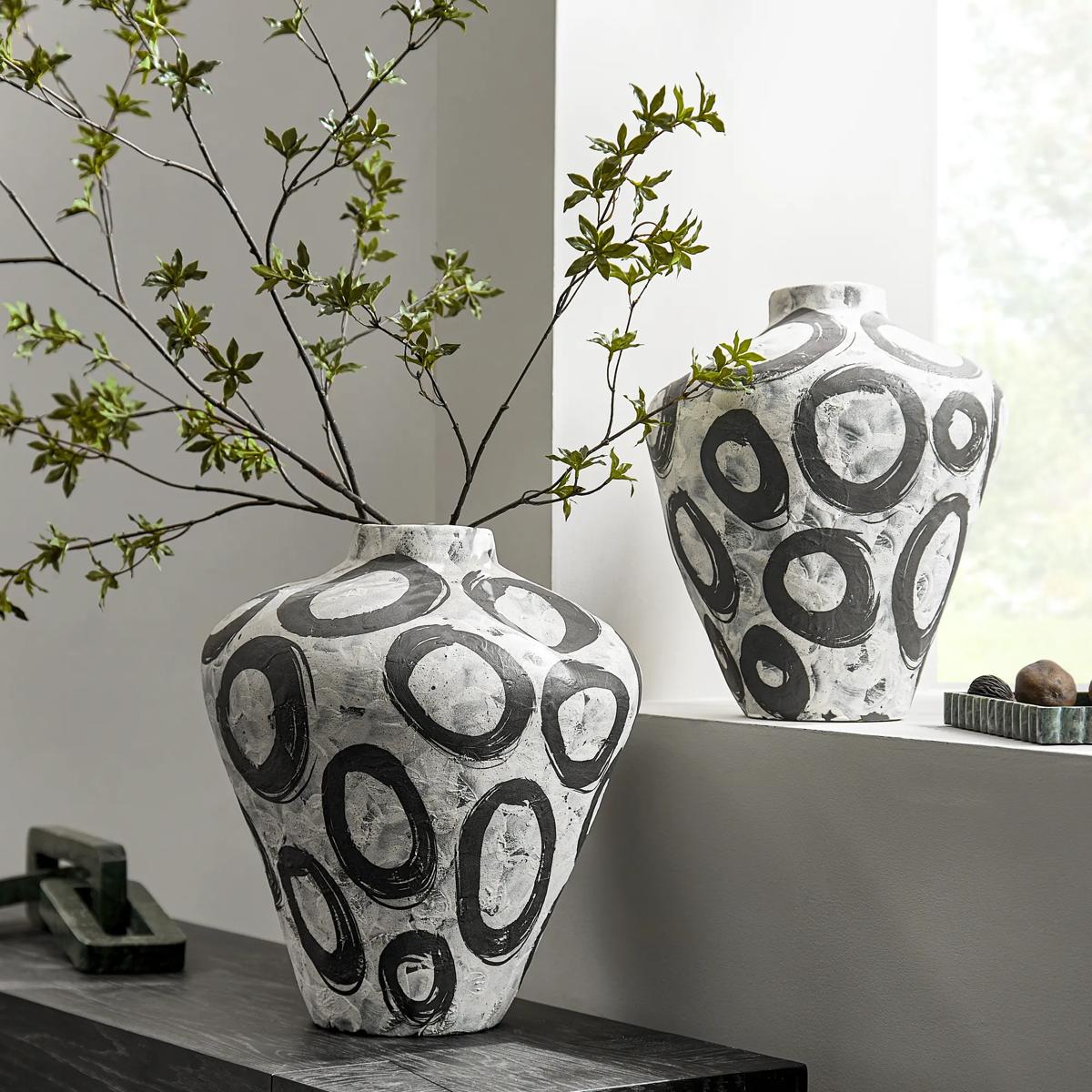 Stone Porcelain Vase$239
A sculptural porcelain vase featuring hand-painted black and white circular brushwork with a matte stone-like texture.
Add To Cart -
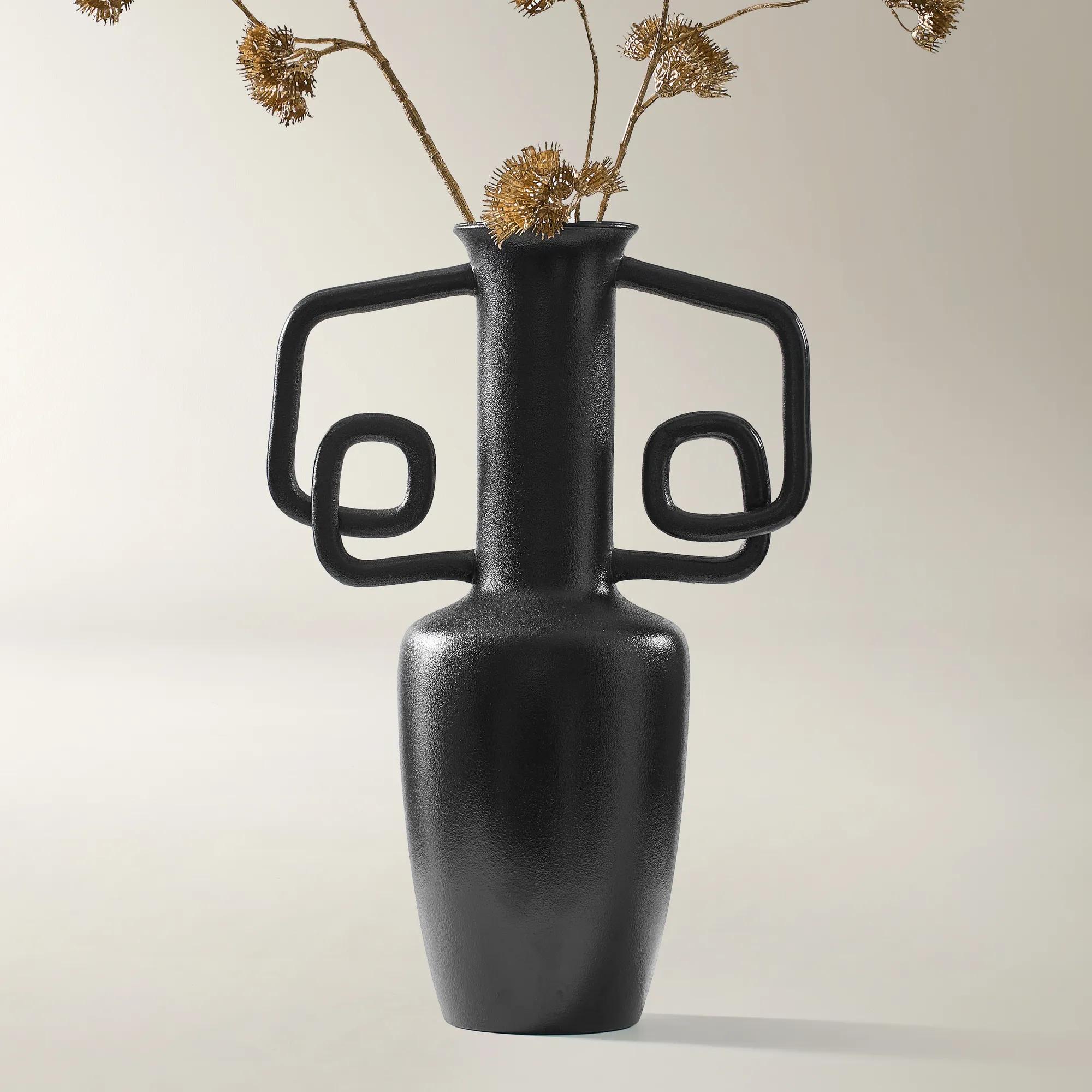 Cleo Handcrafted Black Porcelain Vase 19"$159
A sculptural black porcelain vase with exaggerated handles and a smooth, refined finish for modern decor.
Add To Cart -
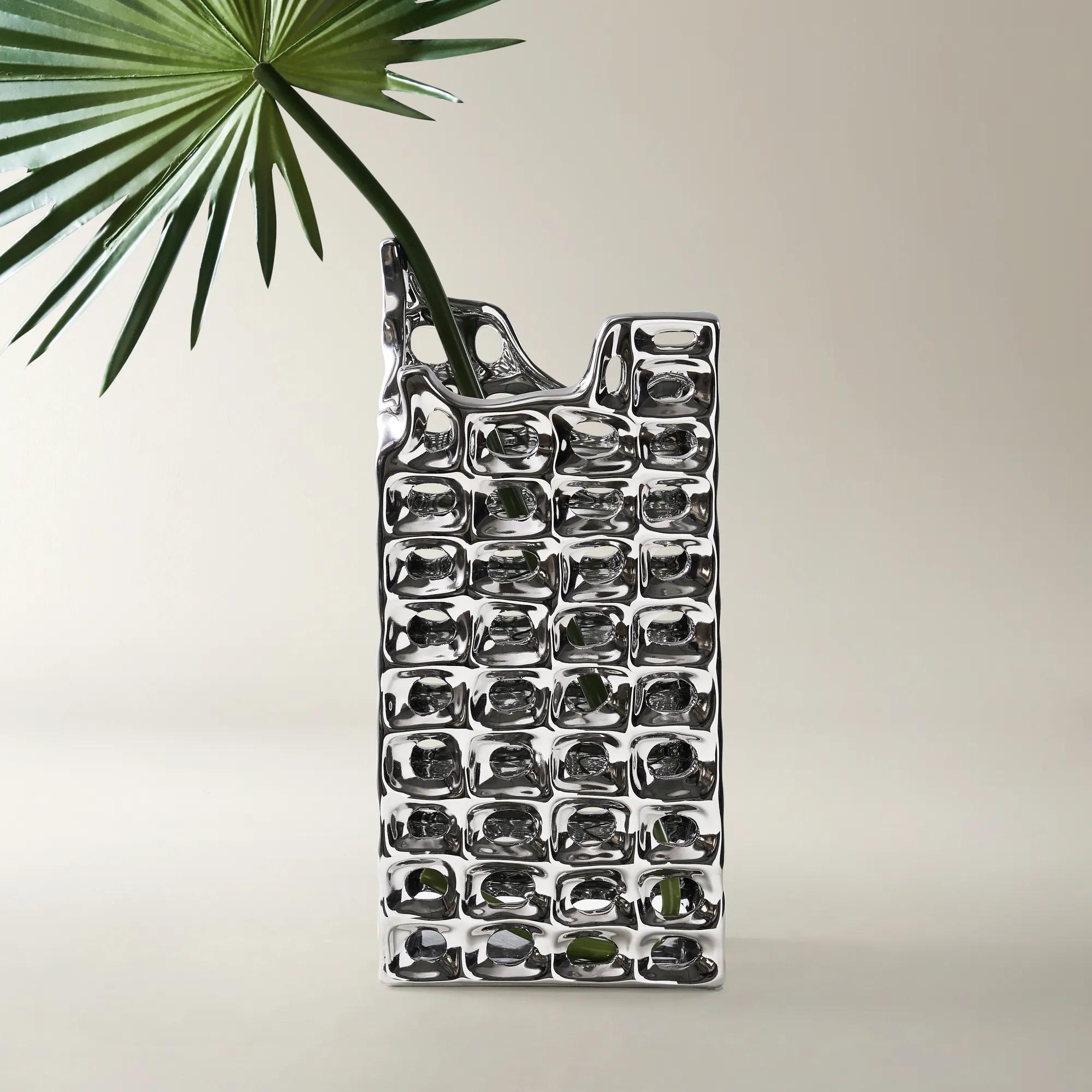
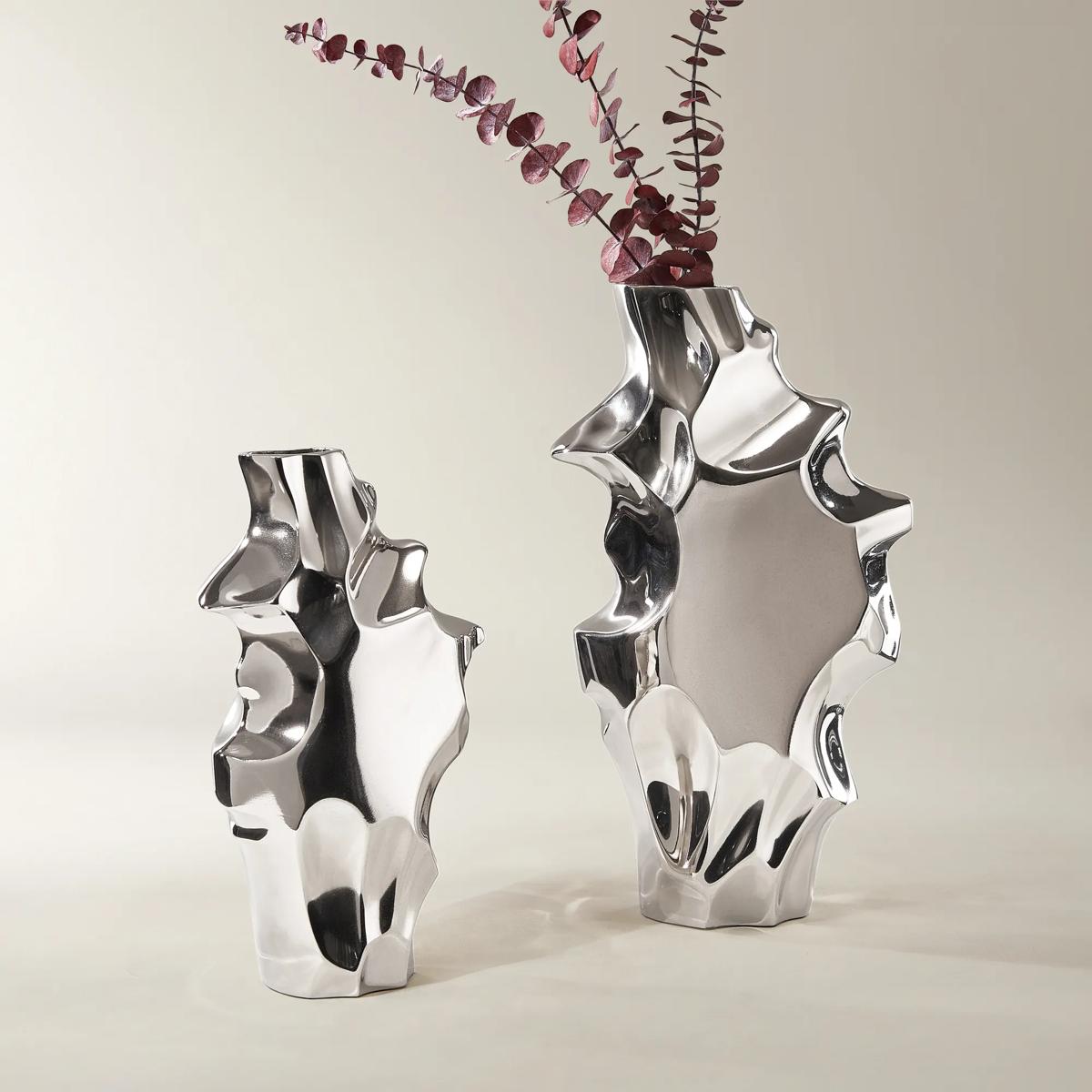
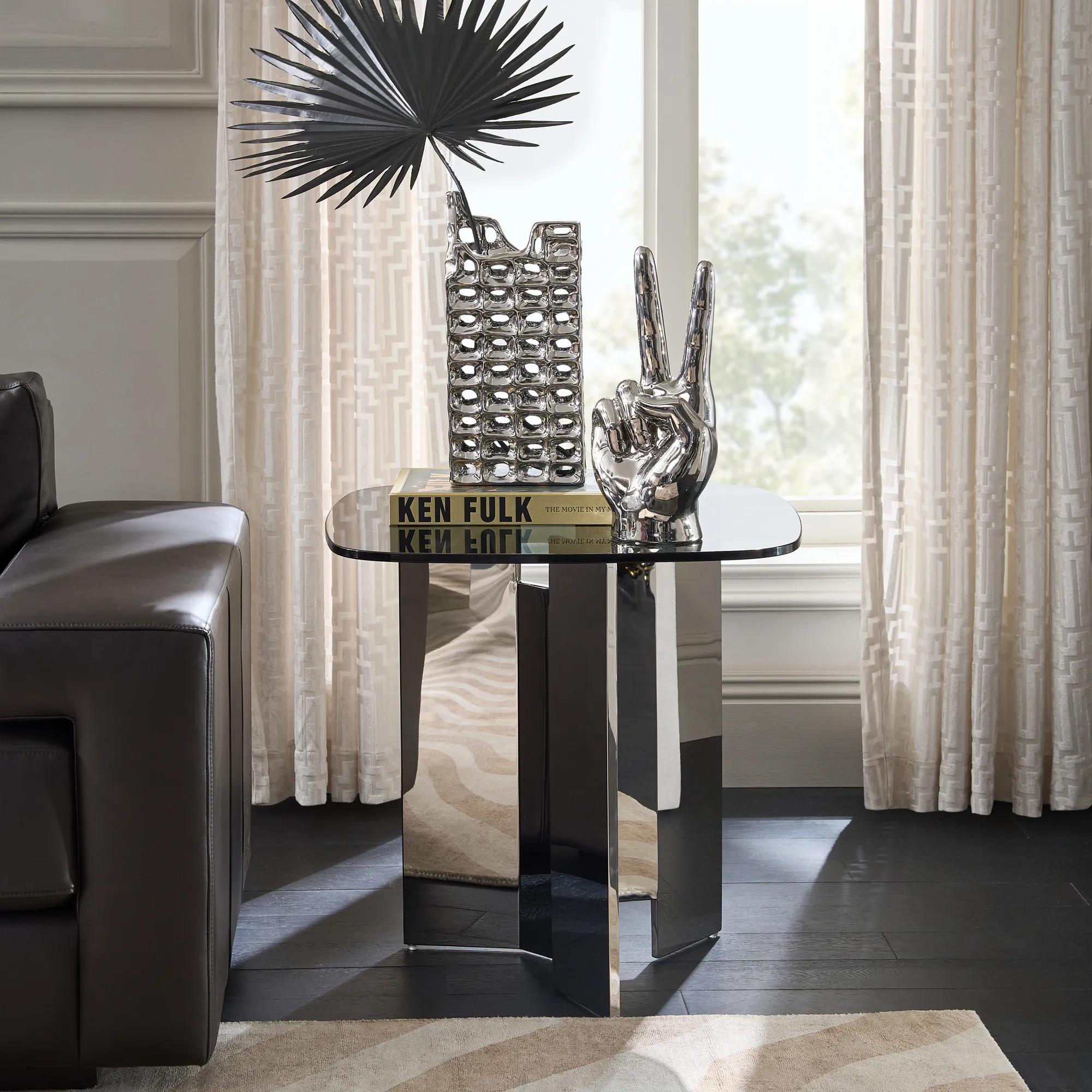 Pierce Vase$69
A ceramic vase with intricate facets and a gleaming silver finish for striking visual impact.
Add To Cart -
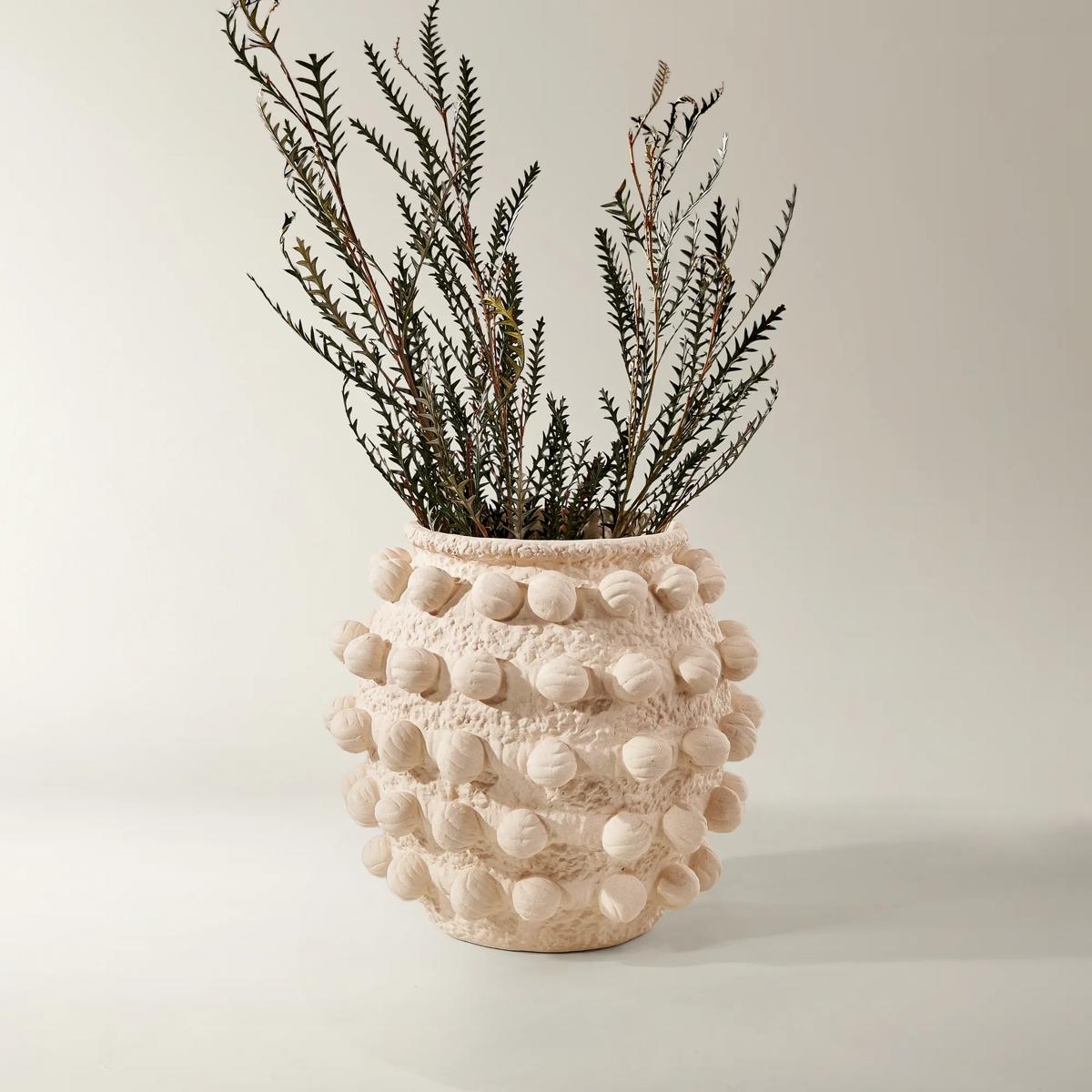
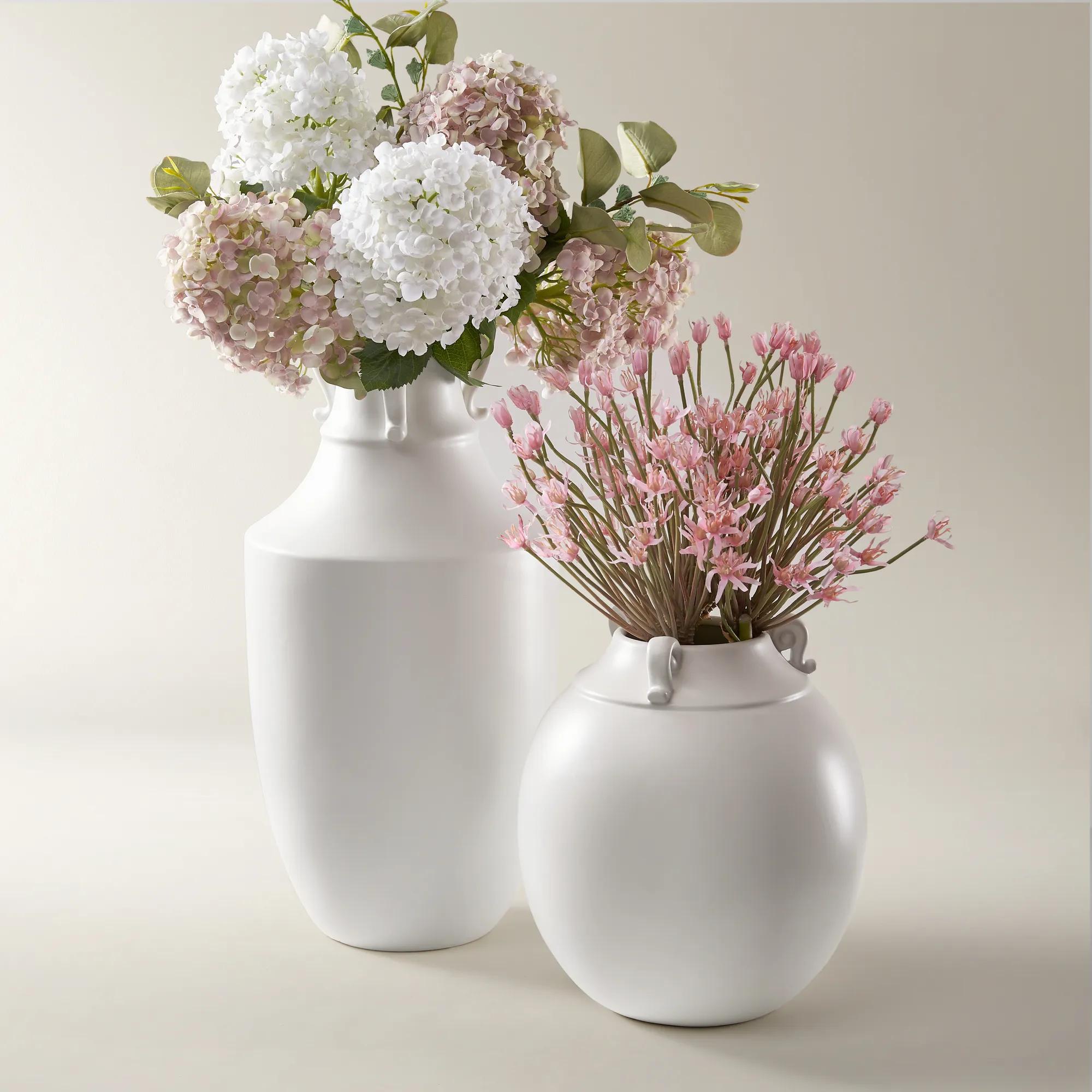
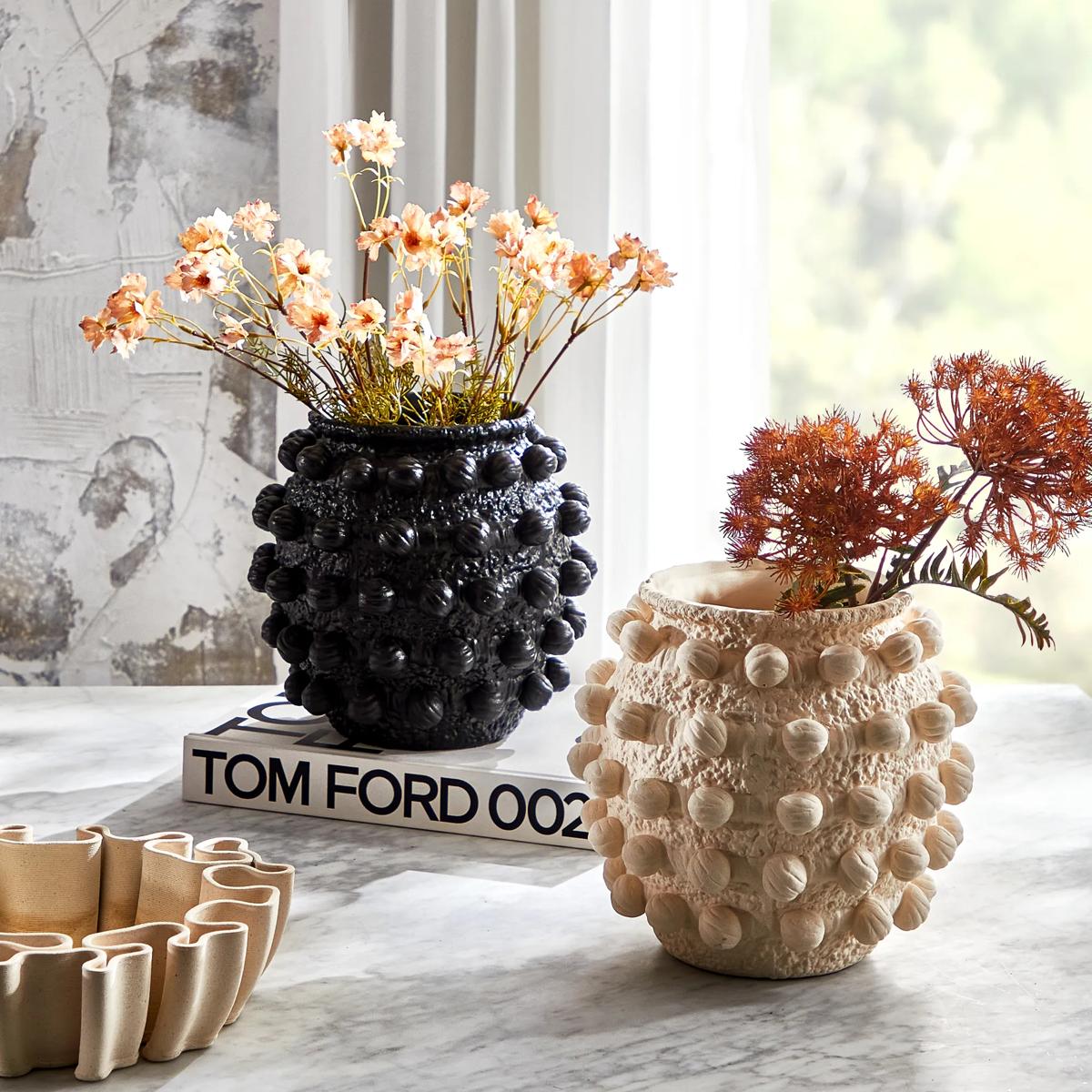 Pompa Vase - Ivory$119
An ivory porcelain vase featuring sculptural rounded forms and a richly textured, tactile surface.
Add To Cart -
 Odessey Collection$159
A decorative porcelain accent in shiny gold, perfect for adding modern elegance to any space.
Add To Cart -
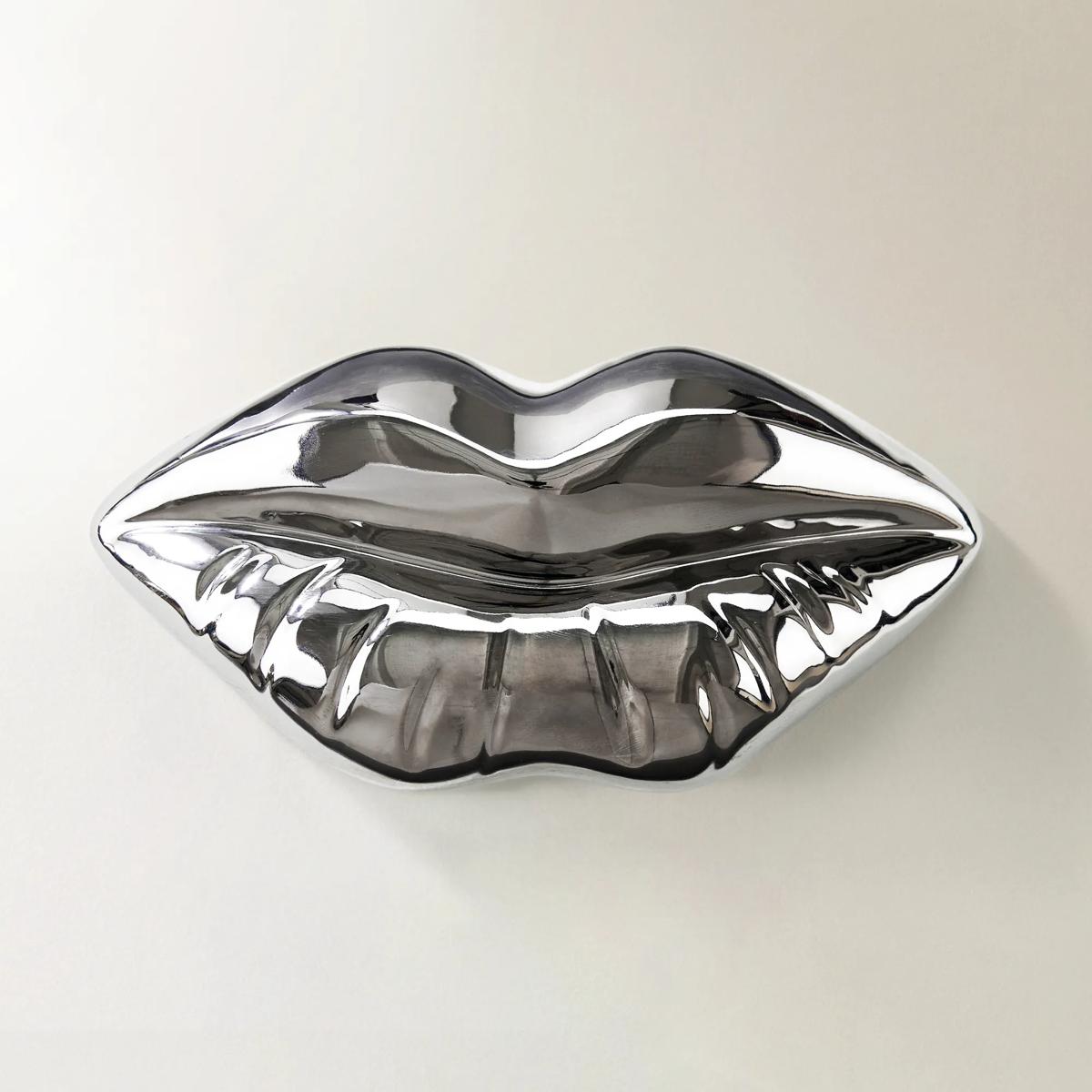 Chrome Lips Ceramic Decorative Object 5.25"$29
A high-shine silver ceramic sculpture that adds modern pop art flair and playful sophistication to any space.
Add To Cart -
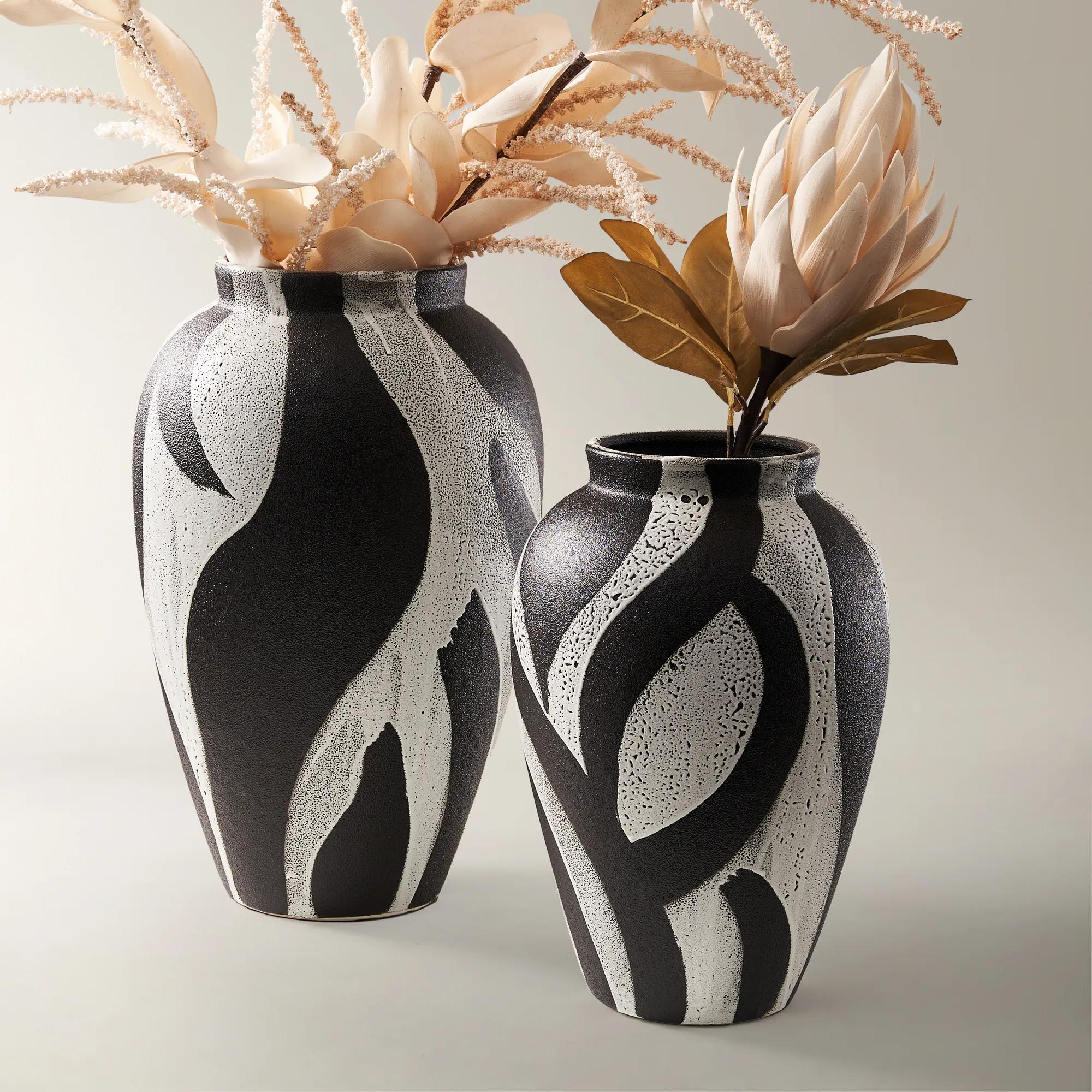 Montae Abstract Zebra Ceramic Vases$149
A ceramic vase featuring expressive black-and-white abstract zebra striping and a rounded, tapered silhouette.
Add To Cart -
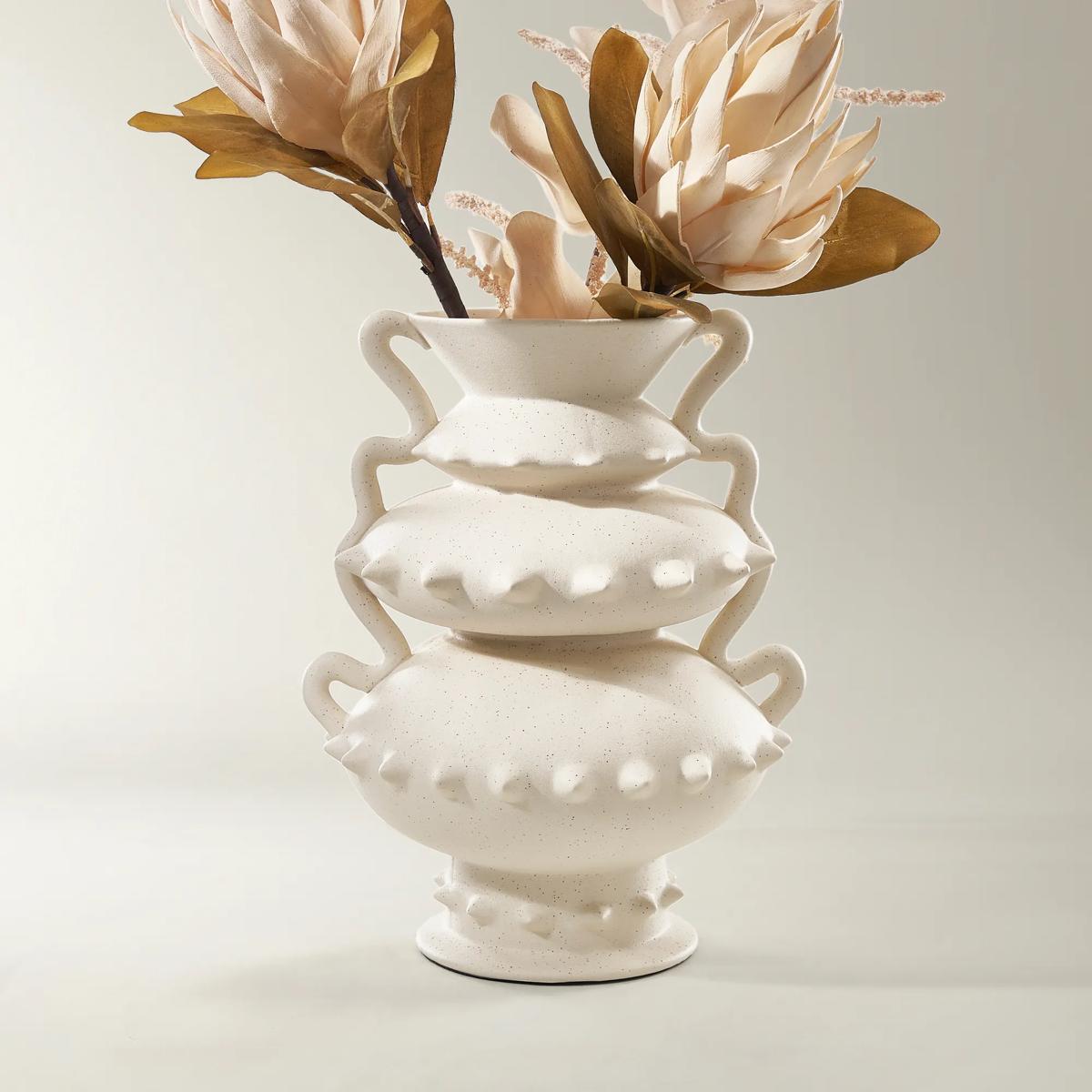 Savior Porcelain Vase - Ivory$189
An ivory porcelain vase featuring sculptural handles, tiered silhouette, and a matte, softly speckled finish.
Add To Cart -
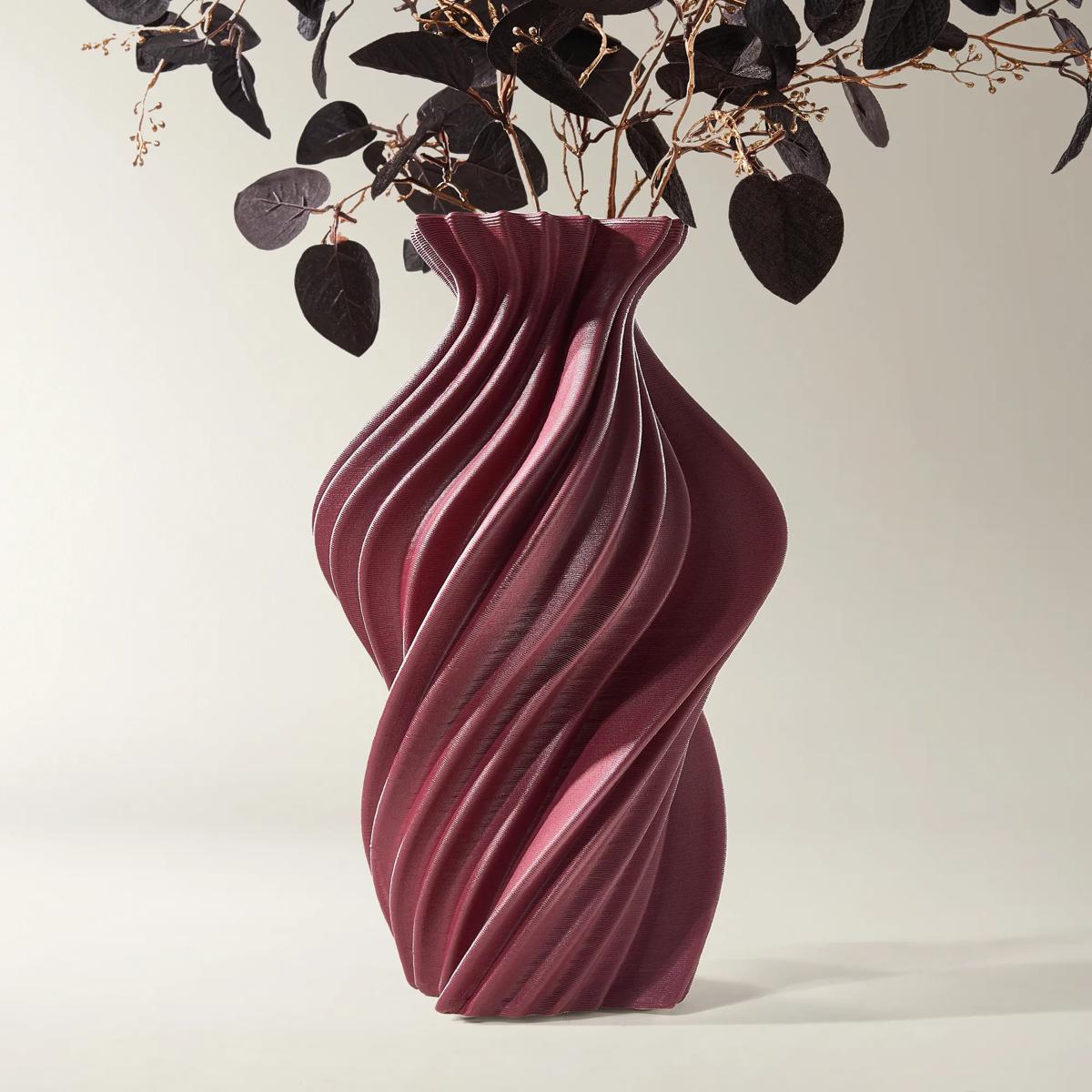
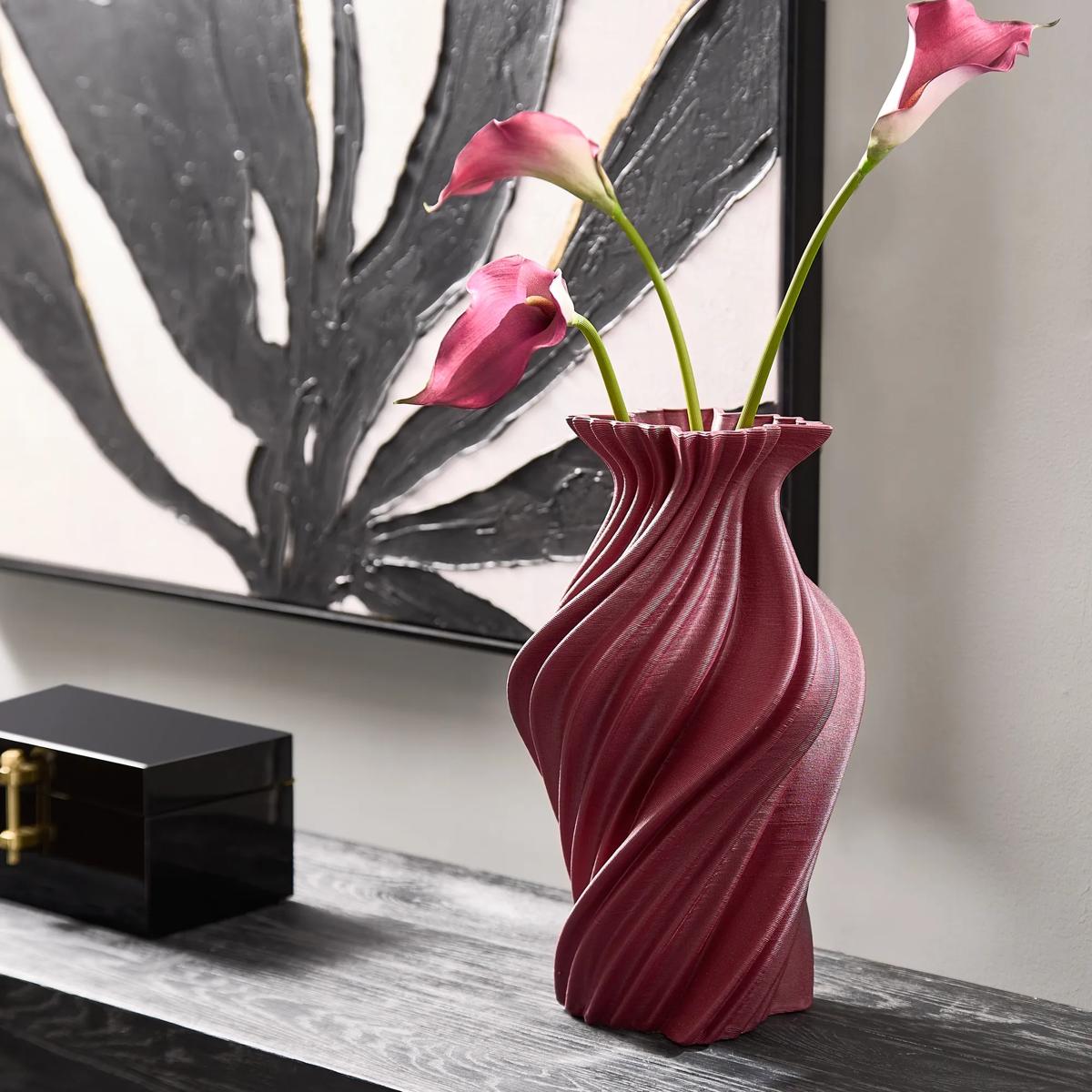 Flame Deep Red Porcelain Vase 16.25"$119
A sculptural porcelain vase in deep red with a dynamic, twisted silhouette inspired by flowing flames.
Add To Cart -

 Madre Handcrafted Ivory Porcelain Vases$129
A handcrafted ivory porcelain vase featuring cascading textured fronds and a smooth matte finish.
Add To Cart

Ceramic Home Decor Gifts
Ceramic gifts bring an artful touch to a couple’s shared home, whether you’re celebrating their wedding or thanking them for an unforgettable evening. Explore decorative accents with expressive shapes, distinctive textures, and finishes that complement their personal style. Choose a piece that feels connected to the home they’re creating together, with just enough drama to make it memorable.
Ceramic home decor gifts bring an artistic presence to the spaces people make their own. Clay takes on remarkable character through shape, surface, and fire: a rounded silhouette can feel generous and serene, while a sharply defined profile introduces architectural drama. That range makes ceramic decor especially expressive as a gift, offering something personal without requiring an intimate knowledge of someone’s entire home. A sculptural accent can give a console a distinct focal point, a decorative bowl can anchor a coffee table arrangement, and a vase can lend presence to a dining room even without a single stem. The appeal lies as much in the interaction with the room as in the object itself. Glossy glaze catches light across its curves; a matte finish softens a composition of glass and polished metal; dimensional texture adds depth to a restrained palette. For someone drawn to glamorous interiors, consider silhouettes with generous proportions, luminous surfaces, or striking contrasts between smooth and textured areas. For a recipient whose style is more understated, a distinctive form in a familiar neutral can feel equally considered. Color deserves the same attention as shape. Ivory and cream offer a gentle counterpoint to dark furnishings, saturated hues introduce a deliberate accent, and black ceramic creates definition against pale walls or reflective surfaces. Scale helps determine whether the gift becomes a quiet finishing touch or the centerpiece of a room. A substantial form needs breathing room, while a smaller accent can sit beautifully beside a stack of books or within a carefully arranged shelf. Think about the recipient’s actual surroundings: the depth of an entry table, the height between bookcase shelves, or the open space on a dresser. A ceramic gift feels particularly thoughtful when its proportions suit a place the recipient uses every day, turning an overlooked surface into a composition with intention. The most compelling choice does not need to match every furnishing; it needs a clear relationship to the room through color, line, texture, or mood.
The beauty of ceramic begins with its material, but the details of construction and finish matter just as much as appearance. Ceramic is a broad category that includes earthenware, stoneware, and porcelain, each with different characteristics influenced by the clay body, firing process, and glaze. Earthenware is generally more porous, stoneware is often denser, and porcelain can achieve refined profiles with considerable strength, though no ceramic should be treated as unbreakable. Weight alone is not a reliable measure of quality or durability. A broad base, balanced shape, sound surface, and appropriate placement all contribute to how comfortably a piece lives in a home. On a narrow console or in a household with active children or pets, a lower silhouette positioned away from an edge may be more practical than a tall, slender form. Felt pads or a suitable protective layer can help keep an unglazed foot from marking delicate furniture, provided the piece remains stable. Intended use is another essential distinction. A decorative vessel is not automatically watertight, and a bowl designed for display should not be assumed suitable for serving food. Check the care information and stated purpose before adding water, arranging fresh flowers, or using ceramic at the table. If a vessel is designated for decorative use only, dry stems or an empty silhouette can preserve its sculptural effect without introducing moisture. Glaze, metallic detailing, applied decoration, and textured surfaces may each call for different care, so the accompanying instructions should take precedence over general advice. Routine dusting with a soft cloth is often the gentlest starting point; abrasive scrubbers, harsh cleaners, and prolonged soaking may damage certain finishes. Dishwasher, microwave, outdoor, and heat-safe use should never be assumed. Ceramic can chip when knocked against a hard surface, and abrupt temperature changes can cause cracking. With sensible handling and a setting suited to its construction, ceramic decor can retain its visual richness while remaining easy to appreciate in everyday life.
As gifts, ceramics offer a satisfying balance of personal expression and flexibility. A housewarming present can help establish the character of a new entryway, while a wedding or anniversary gift can become part of a shared living space without dictating the entire design. For a host who enjoys arranging a table, decorative ceramics can contribute height, rhythm, and an artful focal point, provided any food or candle use is explicitly supported by the product’s intended purpose. A birthday gift for a design enthusiast might lean toward an unexpected contour or a richly layered glaze; a thank-you gift for someone with a carefully edited home may call for a more compact shape that slips naturally into an existing arrangement. Pay attention to what the recipient already loves rather than simply repeating what they own. Curved furniture might suggest a rounded ceramic form, while a collection of graphic artwork could welcome a more angular accent. In a smaller home, choose proportions that leave room for daily essentials and forms that can move comfortably from a bookshelf to a bedside table. In a larger room, visual weight becomes more important: a piece with a strong outline or pronounced texture can hold its own against expansive furniture. Ceramic also makes a compelling companion to other materials. Against wood, it introduces a distinct surface and silhouette; beside glass, it brings opacity and substance. For recipients drawn to natural veining and polished stone, marble home decor gifts offer a complementary direction, with ceramic providing contrast through glaze and sculpted form. Leave enough space around either material for its details to register. A successful arrangement might pair one expressive shape with a lower, quieter element rather than crowding a surface with competing accents. Include any care information with the gift so its intended use is clear. That small consideration allows the recipient to enjoy both the immediate pleasure of an arresting design and the lasting satisfaction of a piece that belongs naturally in their home.
FAQs
Ceramic decor offers a way to celebrate a couple’s shared aesthetic through form, texture, and color. Choosing a piece that recalls their home or a design detail they admire makes the gesture feel personal while giving them room to style it their own way.
Take your cues from colors and finishes you’ve noticed in their home. A restrained palette with an expressive silhouette can introduce artistic interest without demanding an entirely new direction. If possible, consider both partners’ preferences rather than choosing for just one.
Yes. Porcelain belongs to the ceramic family, so porcelain decor can be a fitting choice for a ceramic gift. Compare individual pieces by their finish, texture, and shape rather than assuming the material name alone determines their decorative character.
Give a sculptural piece breathing room so its outline remains distinct. Set it against a contrasting background, or repeat one of its tones elsewhere in the room to create a connection. Layered textures can add richness without making every accent compete for attention.
Follow the individual piece’s care instructions, since decorative finishes and surface treatments can differ. Check the recommended cleaning method before using water or cleaning products, and give textured or intricate details particular attention during routine care.