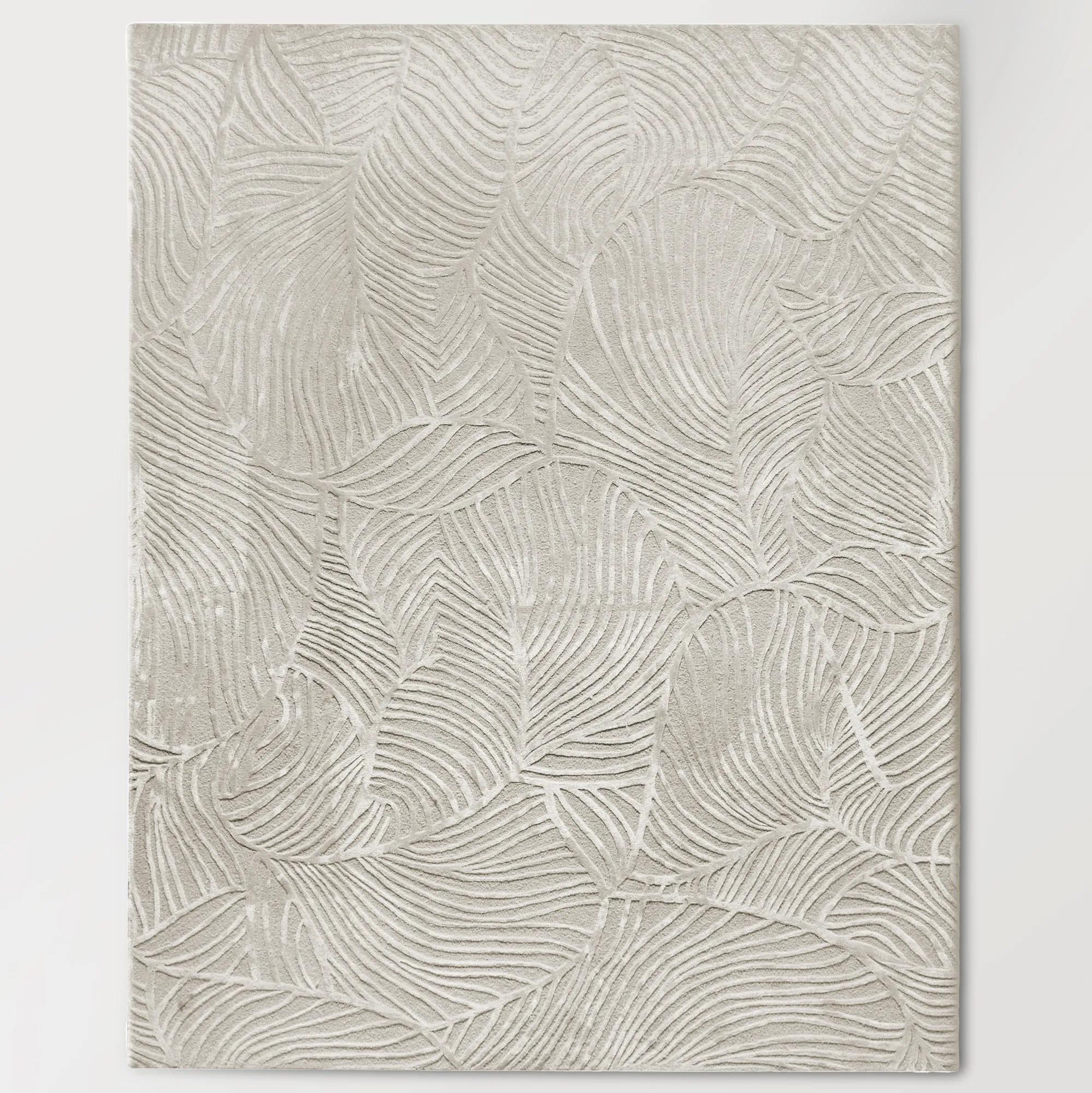
Blue Green Accent Rugs
Blue Green Accent Rugs
-
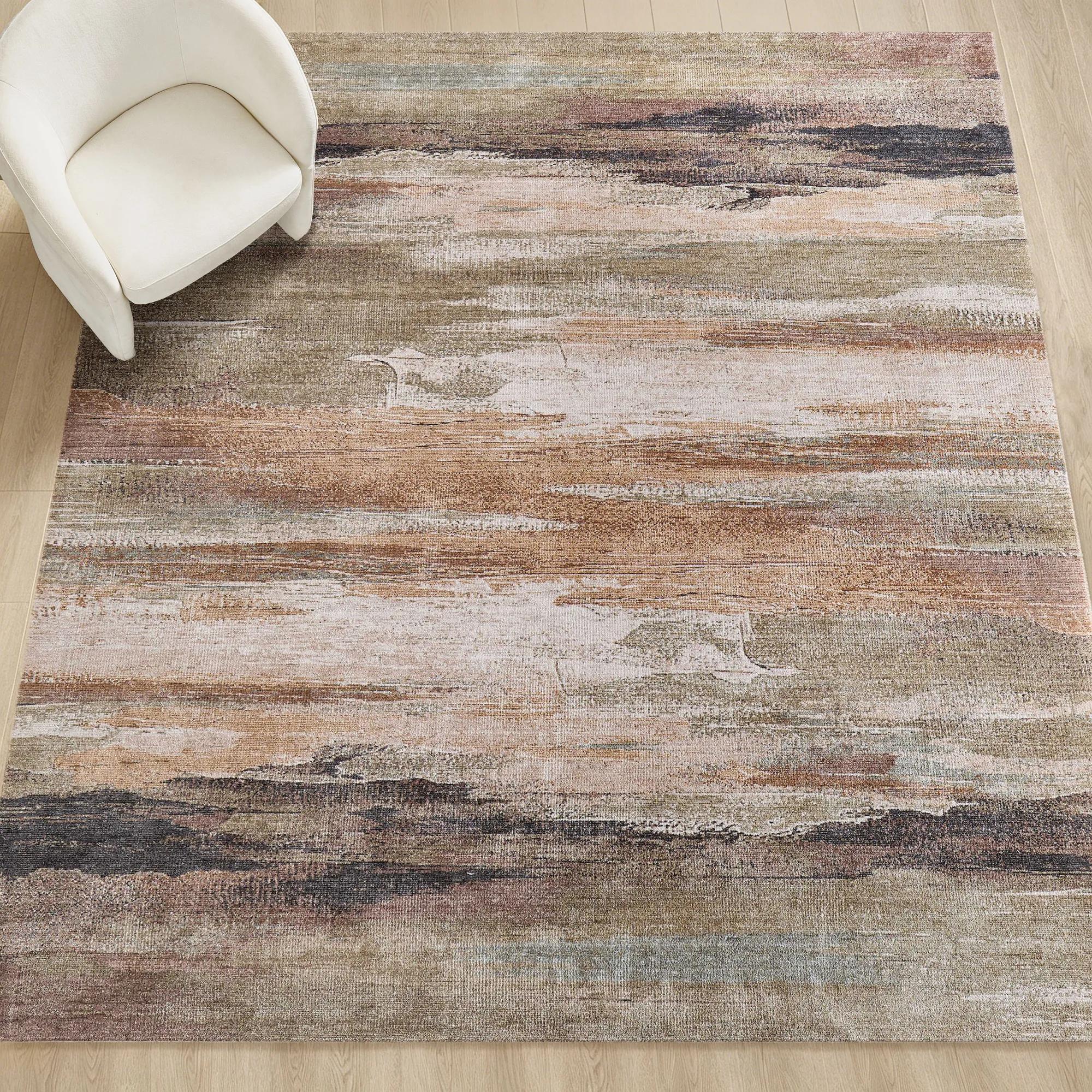
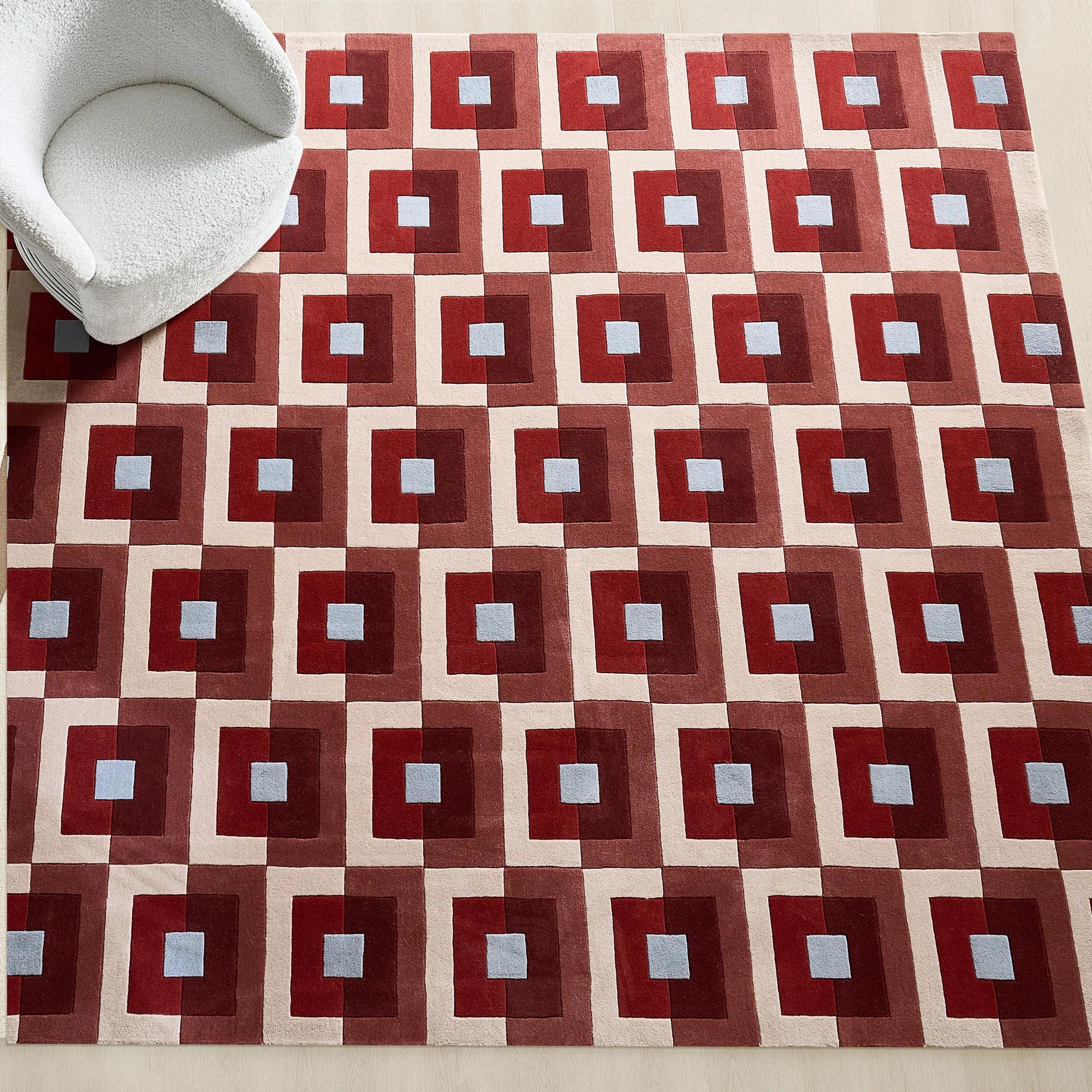
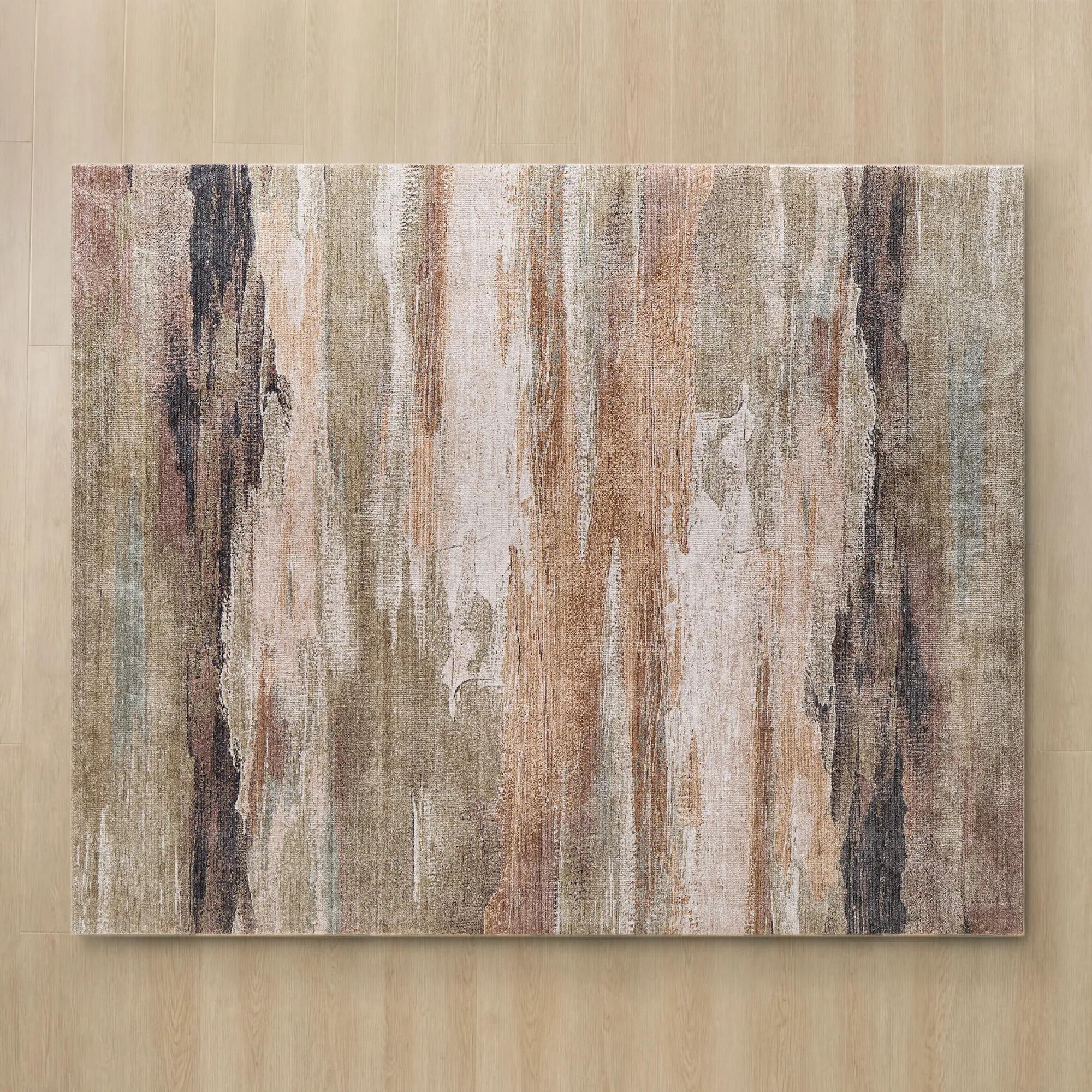 Sedona Rust/Beige/Moss Green/Charocal/Blue Performance Power Loomed Rug$1999
A power-loomed polyester rug featuring a rich abstract pattern in rust, beige, moss green, charcoal, and blue.
Add To Cart -
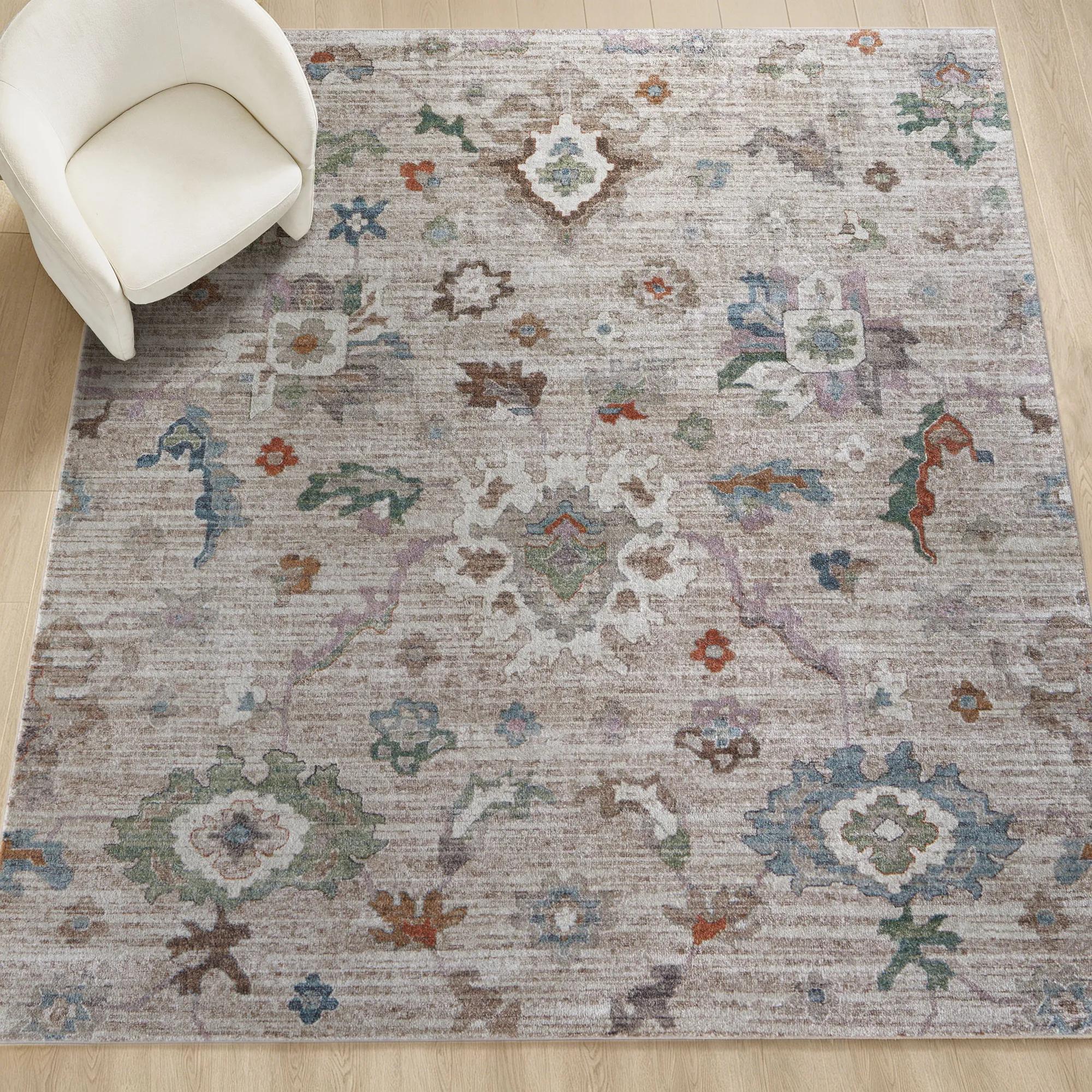
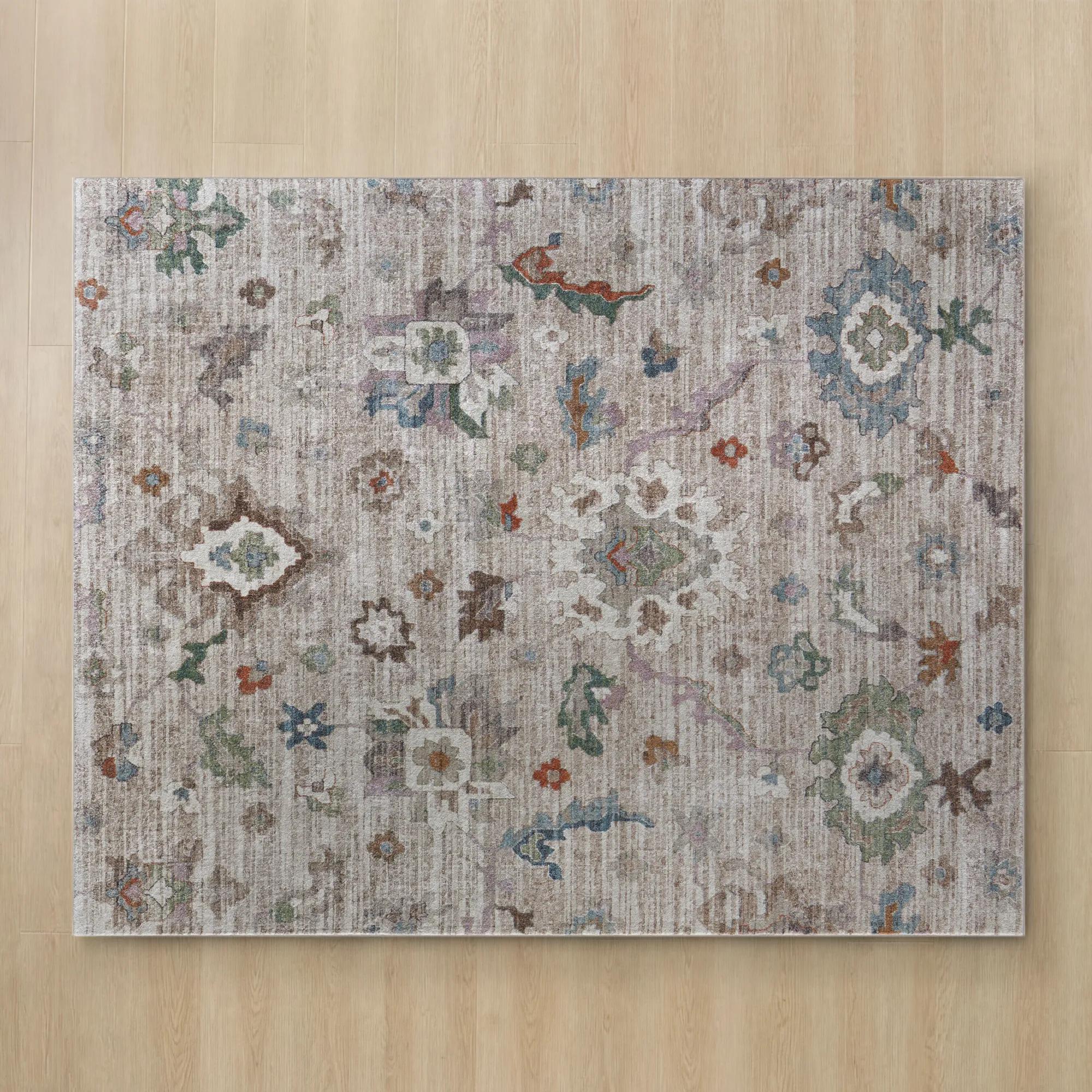 Ariella Floral Taupe/Ivory/Beige/Blue/Green Performance Power Loomed Rug$1399
A Persian-inspired rug in taupe, ivory, beige, blue, and green with a plush, power-loomed polypropylene pile.
Add To Cart -
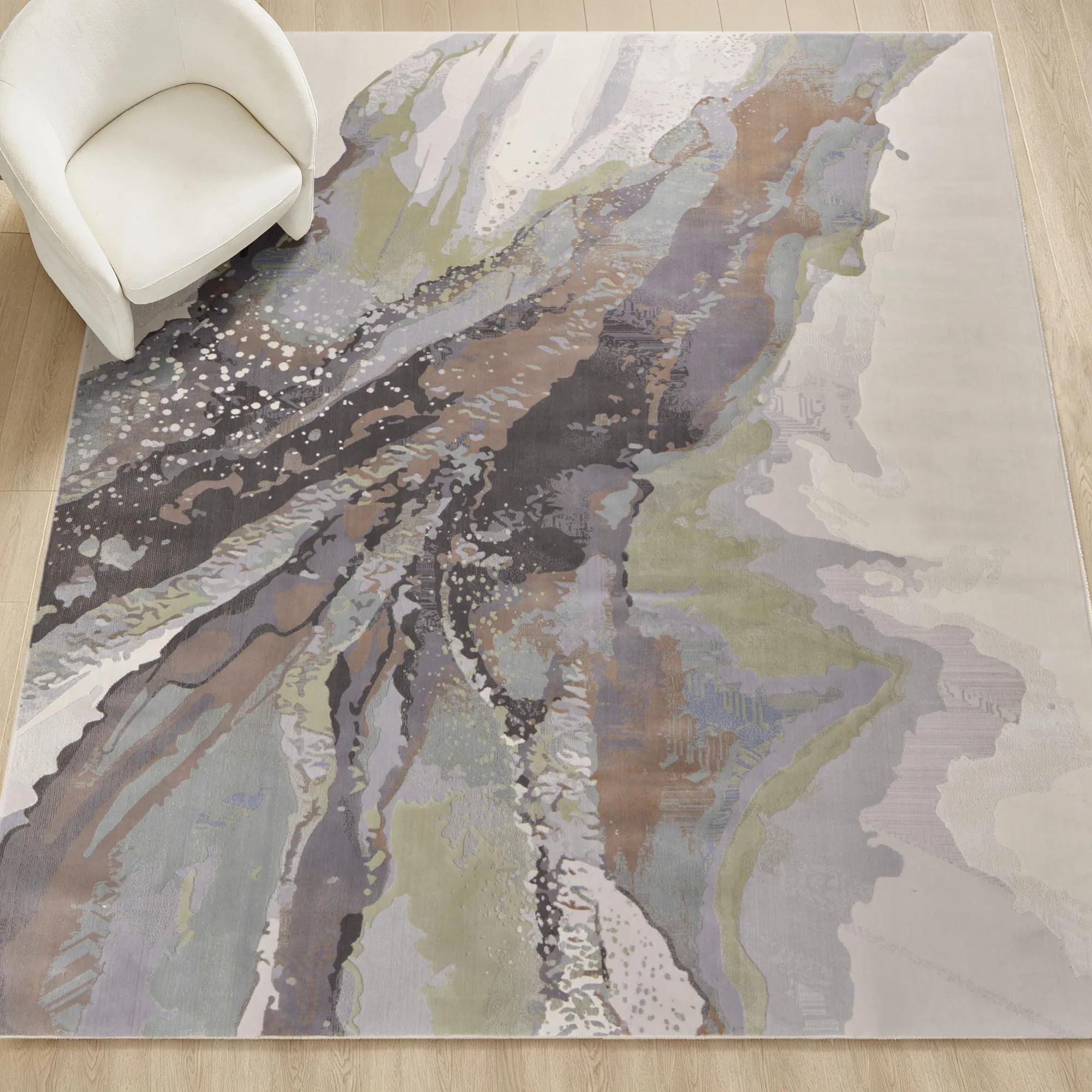
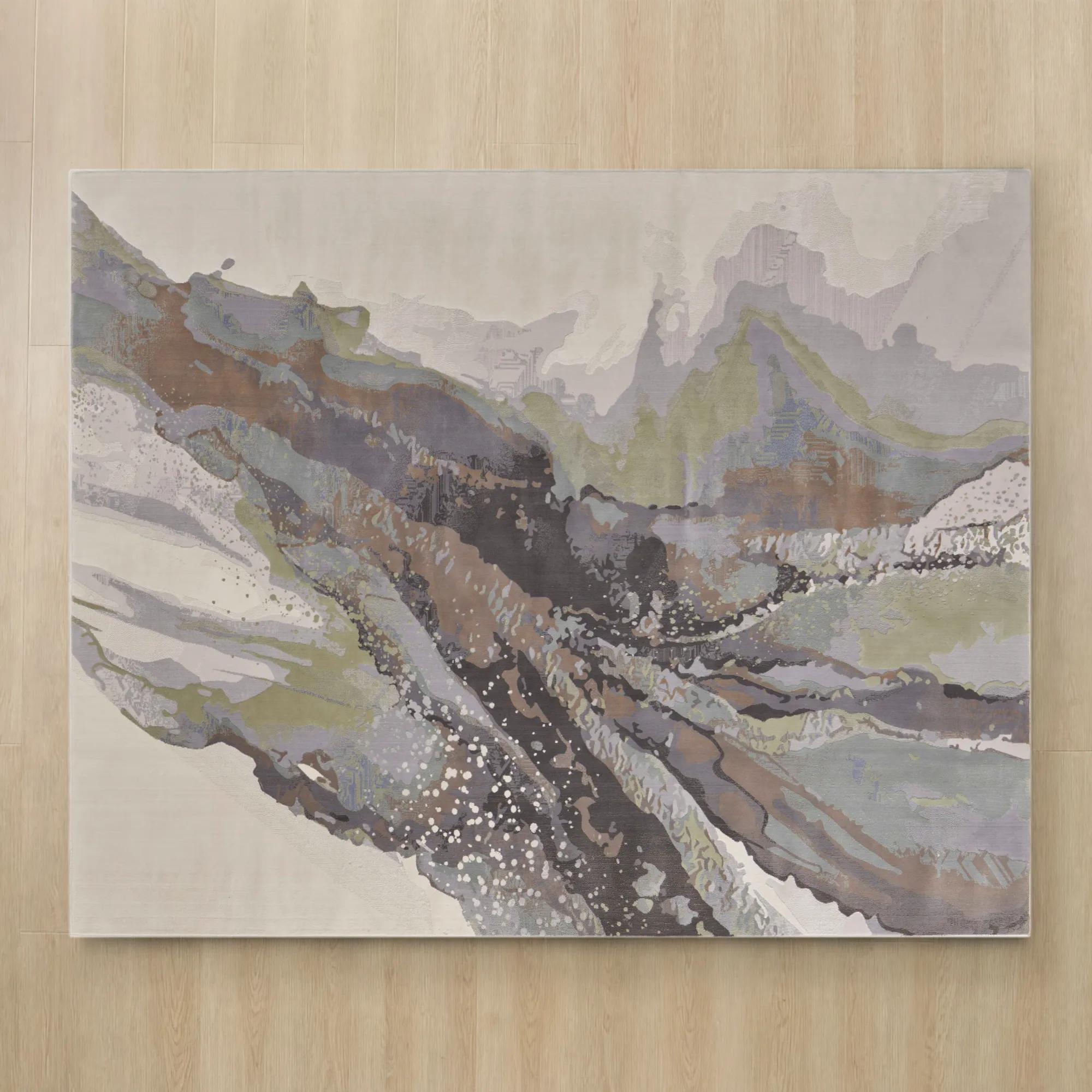 Nerissa Abstract Ivory/Grey/Blue/Green Performance Power Loomed Rug$449
An abstract rug in ivory, grey, blue, and green with a textured, stain-resistant polypropylene-polyester blend.
Add To Cart -
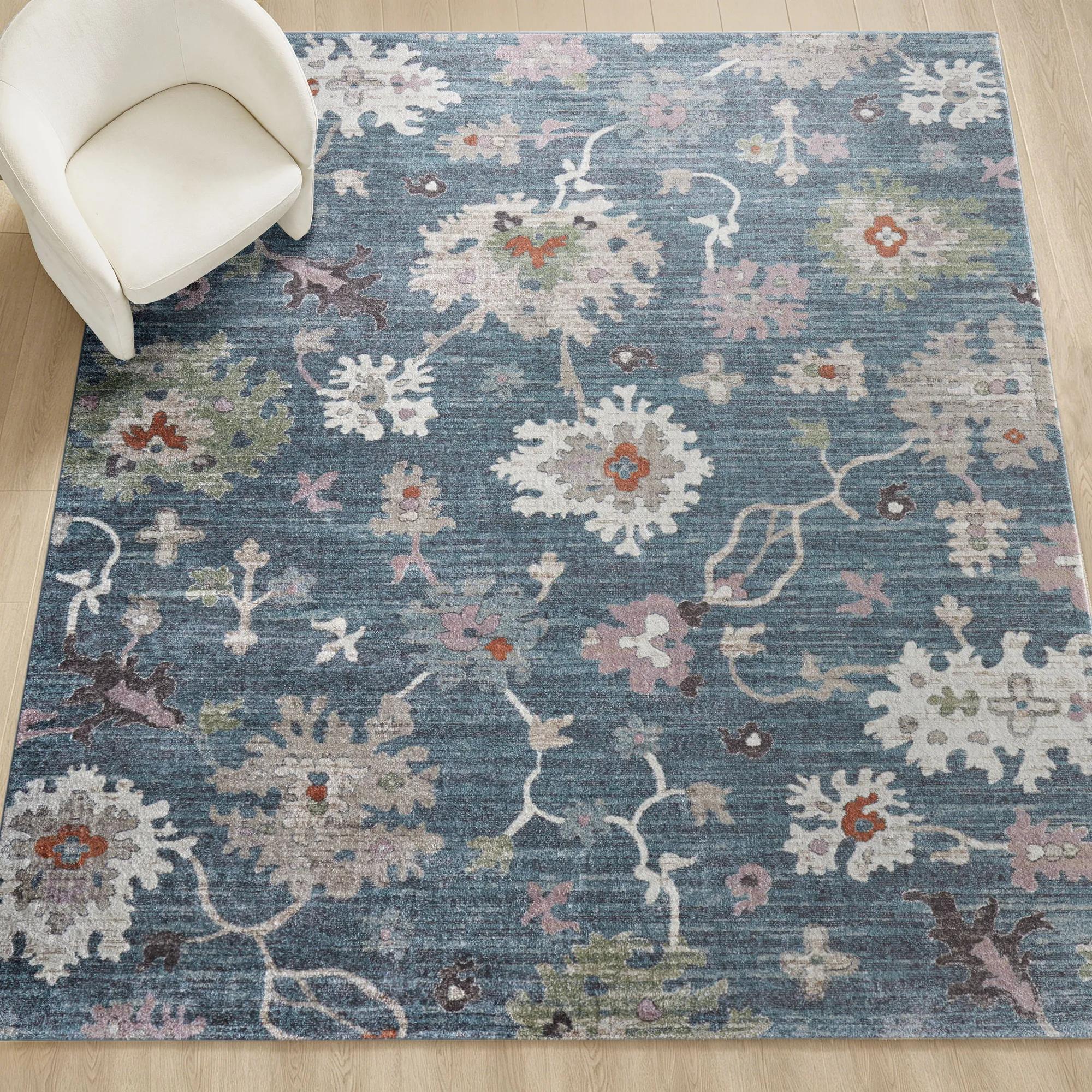
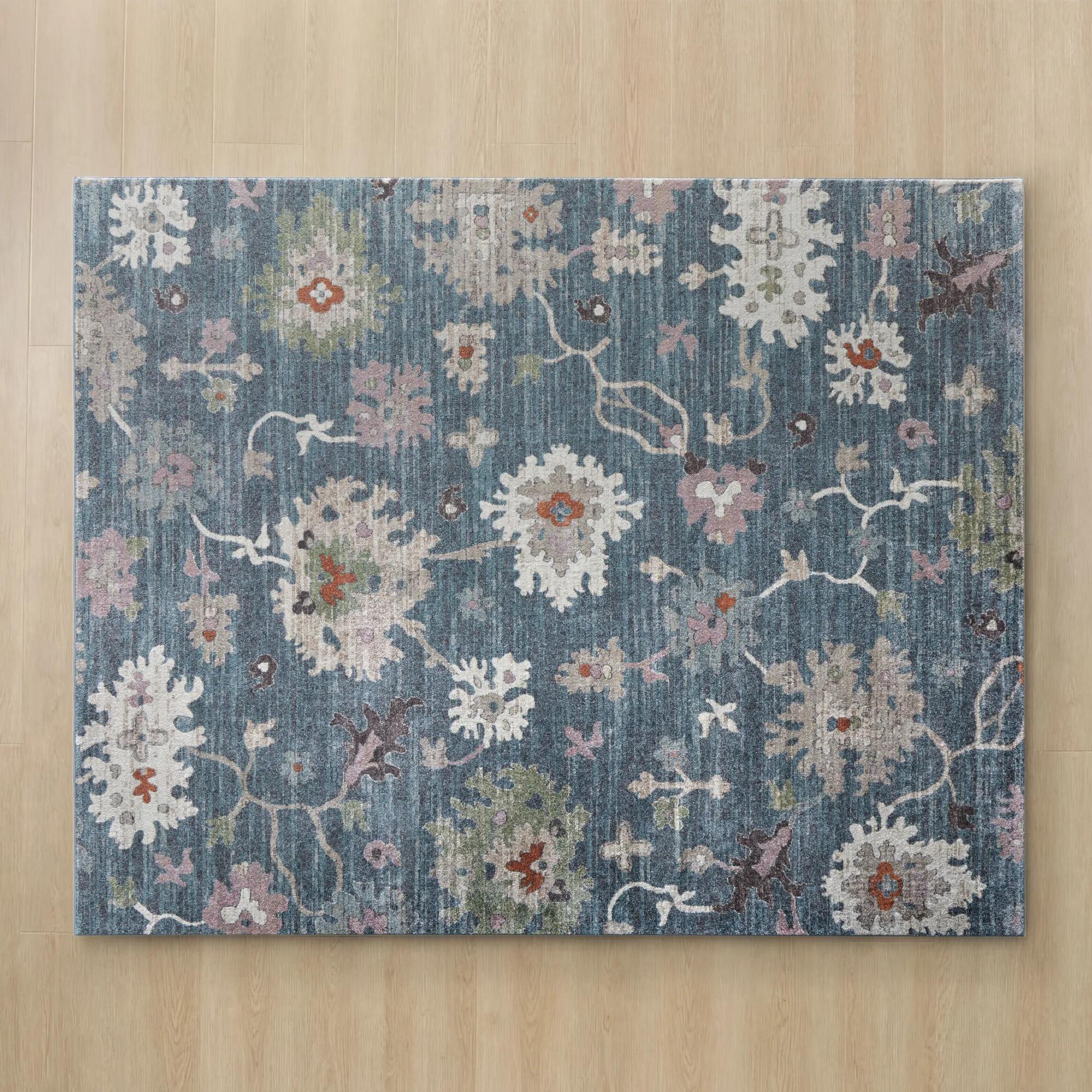 Ariella Floral Blue/Ivory/Beige/Green/Rose Dust Performance Power Loomed Rug$349
A Persian-inspired rug in blue, ivory, beige, green, and rose dust with plush, stain-resistant polypropylene pile.
Add To Cart -
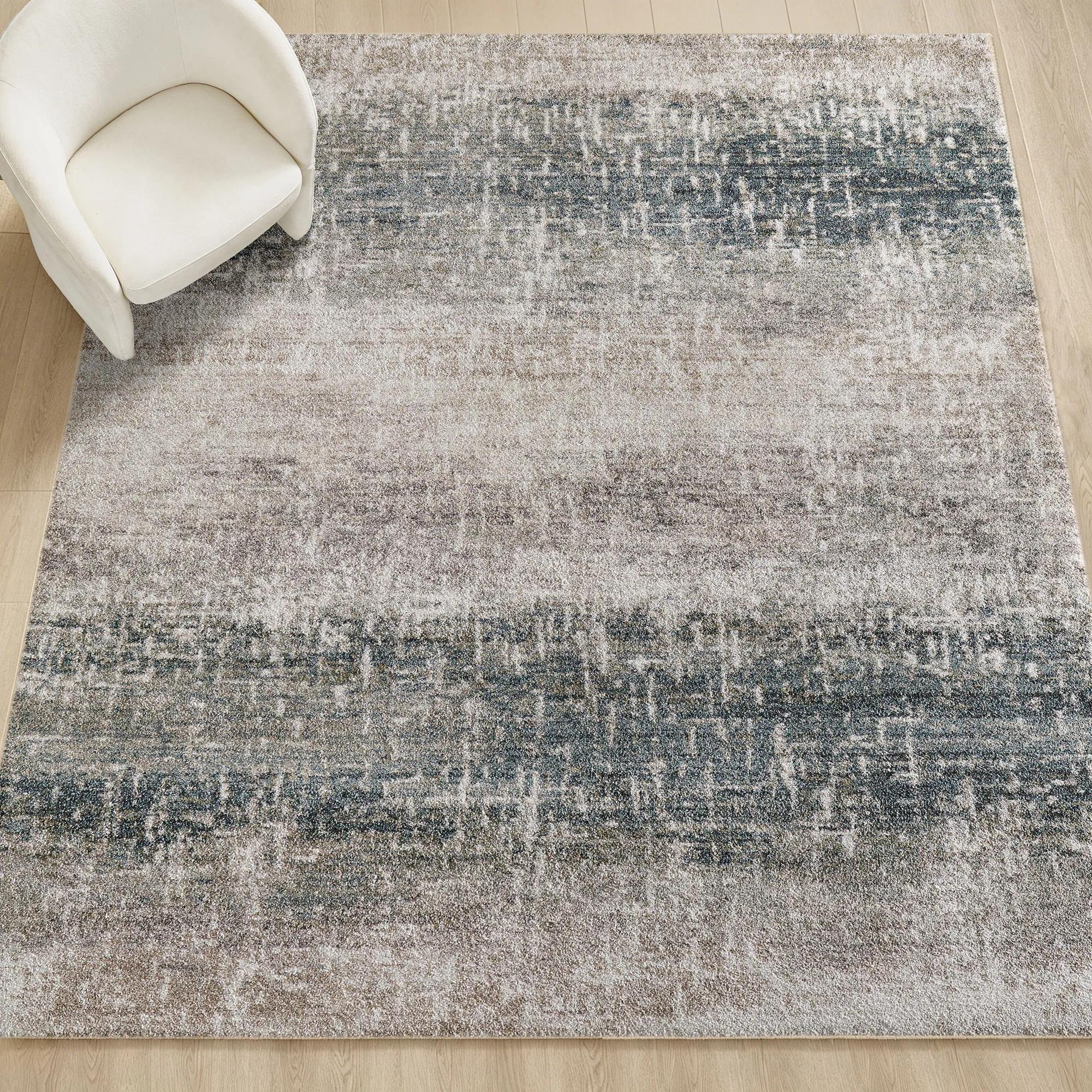
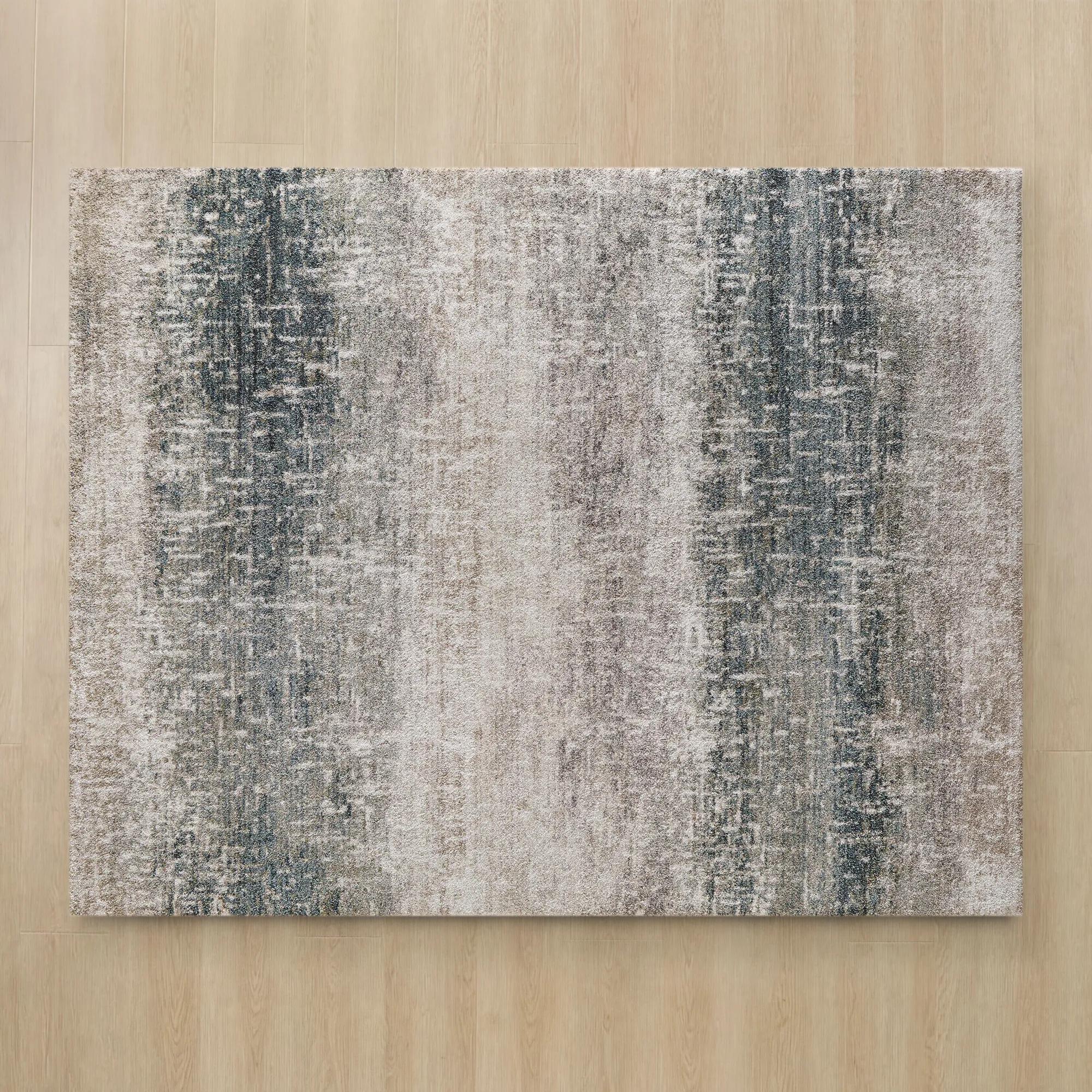 Collier Taupe/Grey/Blue/Green Performance Power Loomed Rug$399
An abstract rug in taupe, grey, blue, and green with a plush, stain-resistant polypropylene-polyester blend.
Add To Cart -
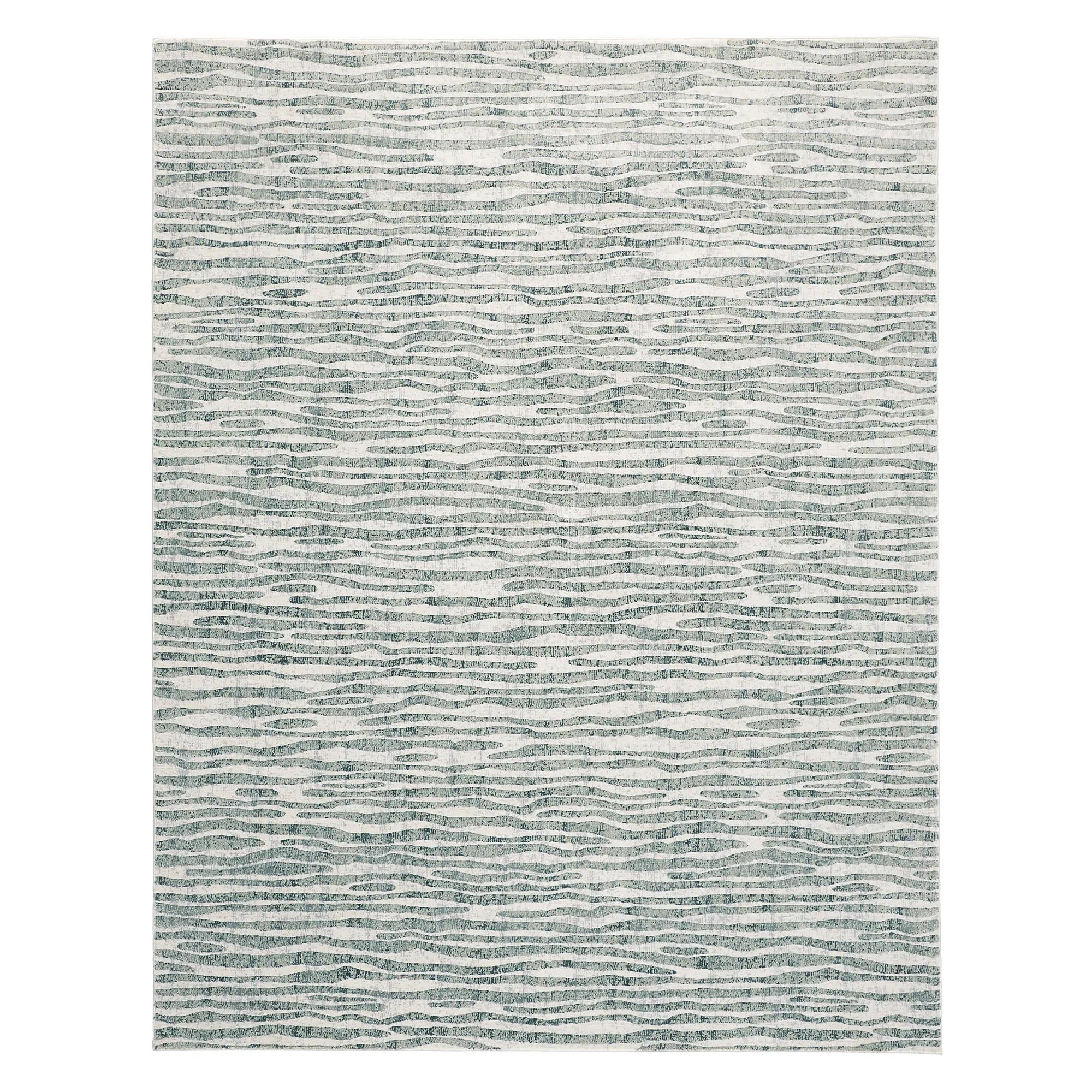 Samantha Power-Loomed Aqua/Grey Rug$719
A machine-woven rug featuring silvery-aqua and green accents on an ivory and grey polypropylene base.
Add To Cart -
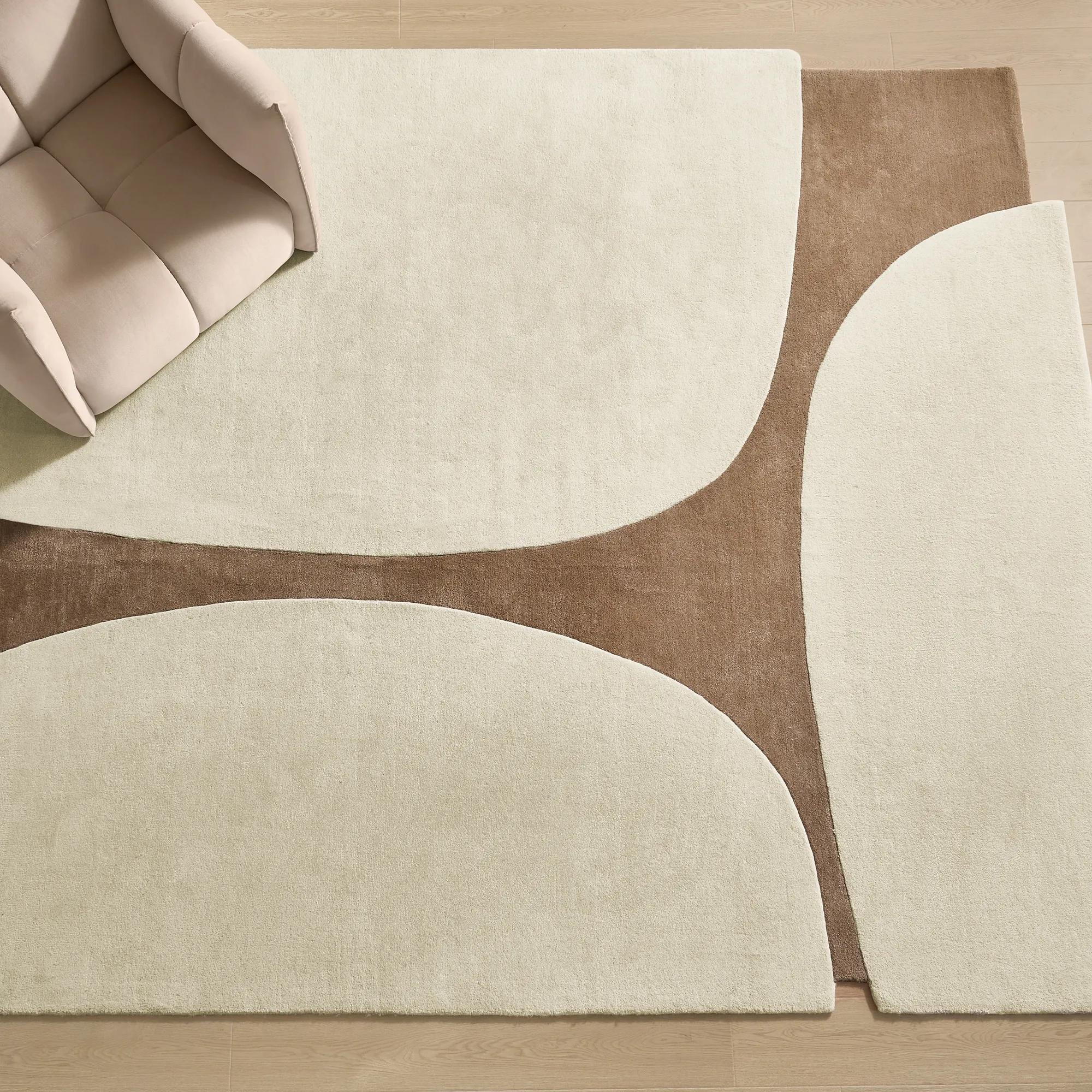
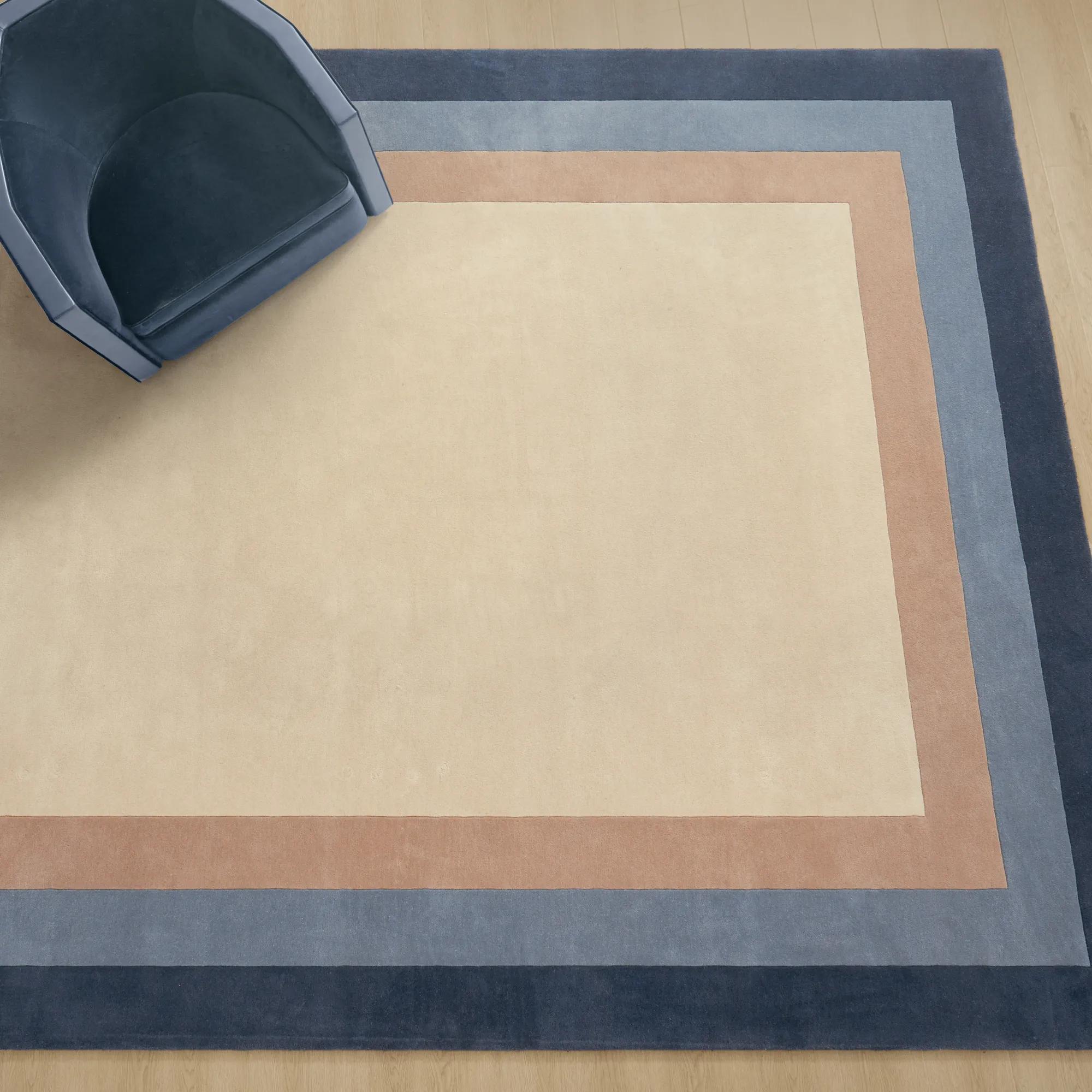 Bastien Hand-Tufted Blue/Taupe/Ivory Wool Border Rugs$1499
A hand-tufted wool rug featuring a bold color-blocked border in dusty blue, taupe, and ivory tones.
Add To Cart -
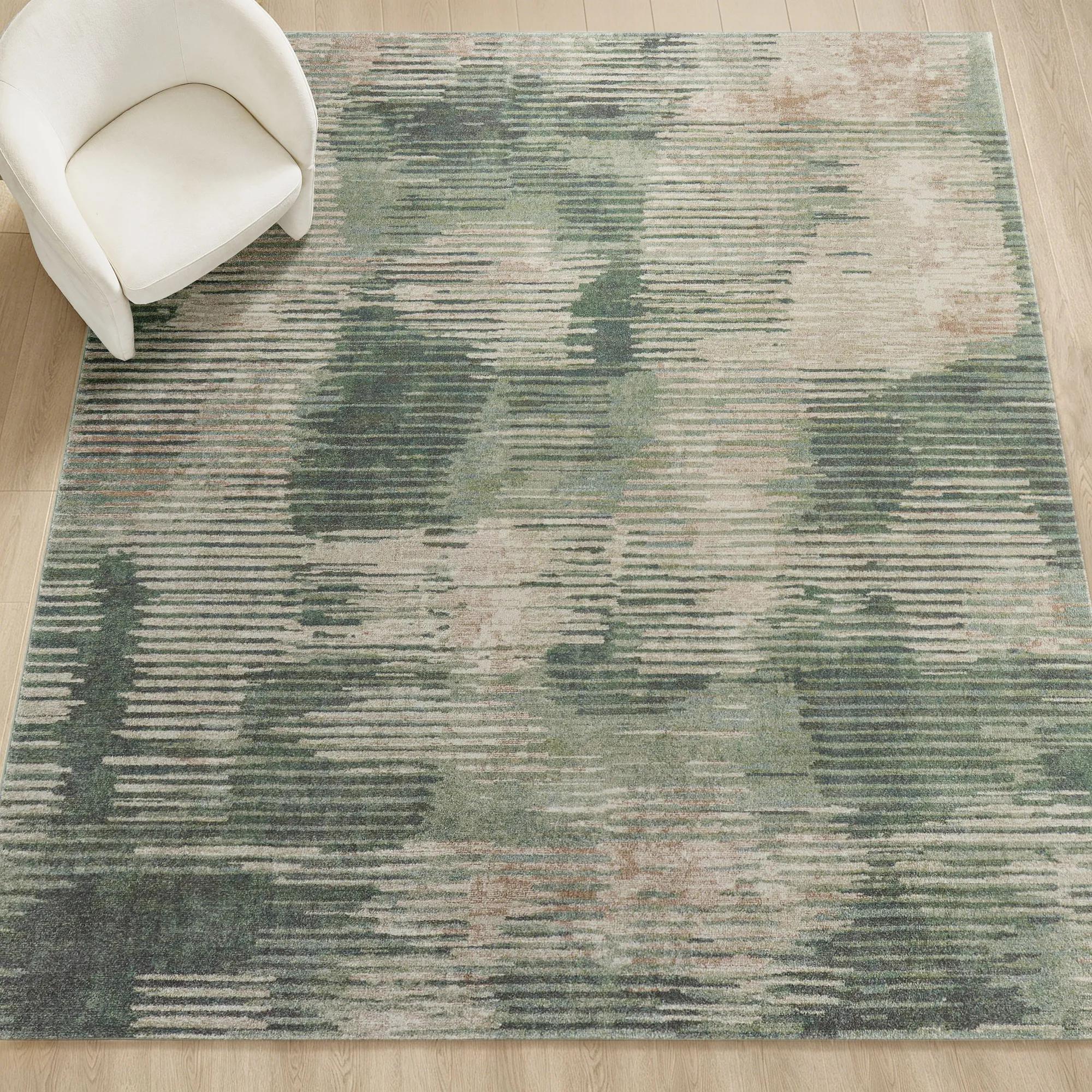
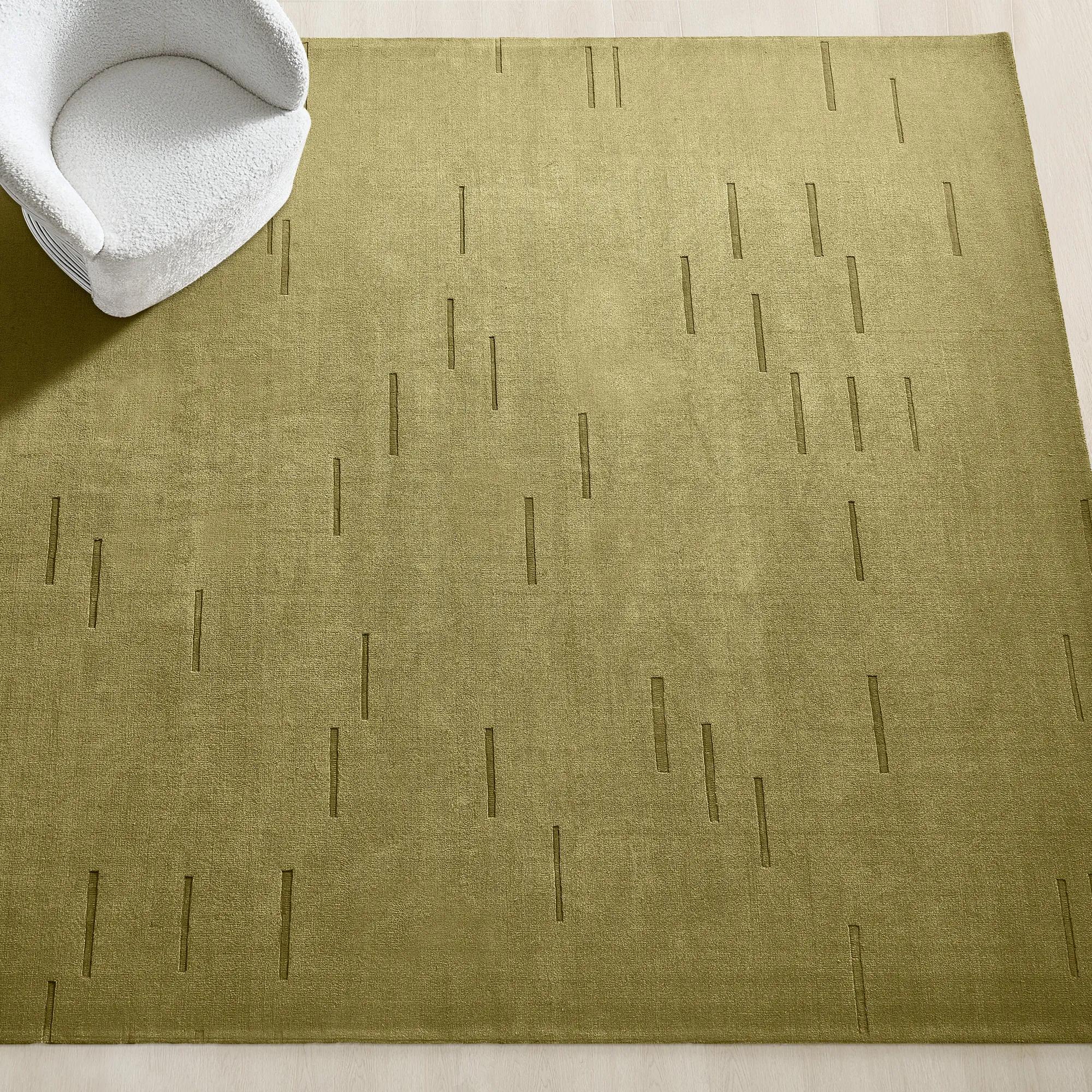
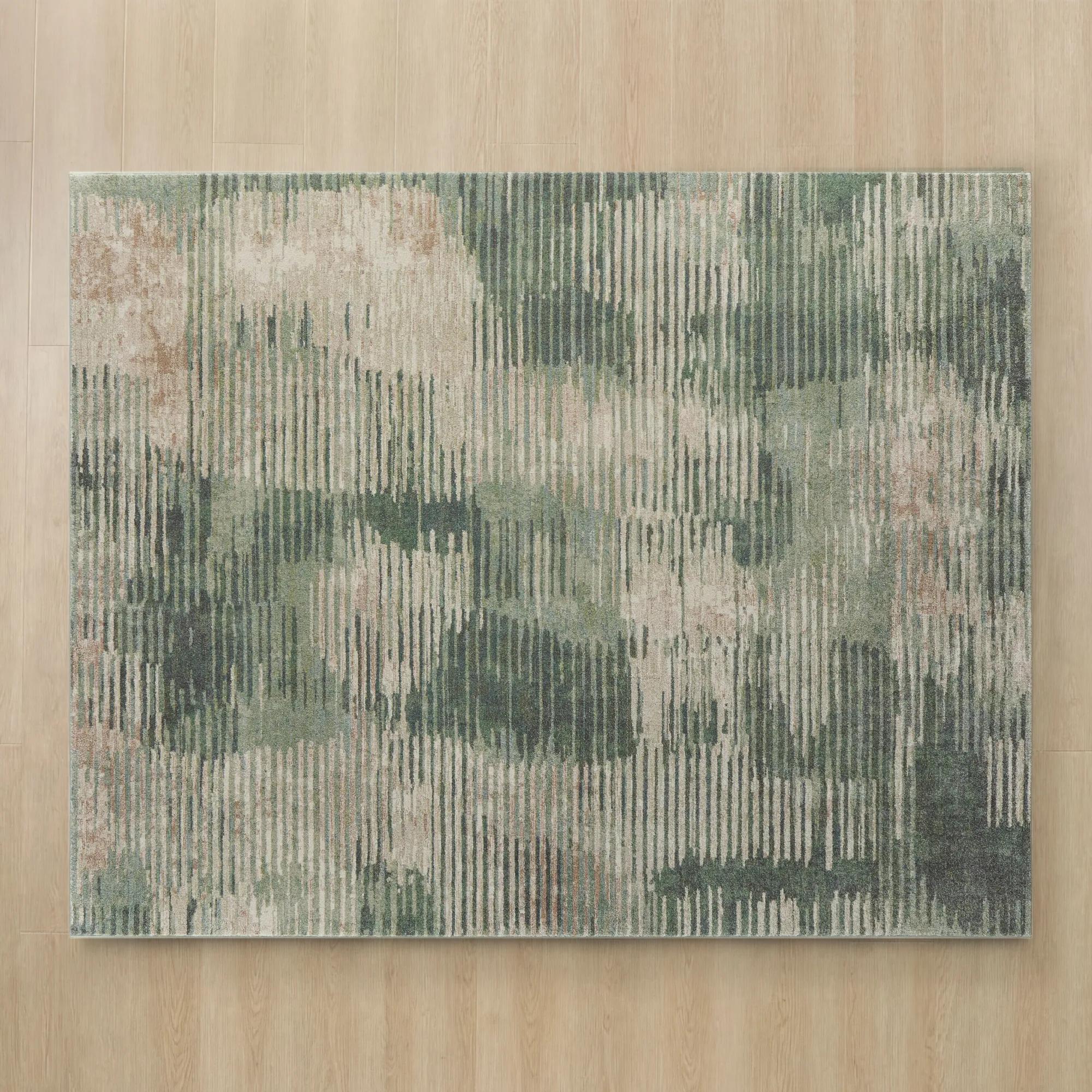 Sylvan Green/Beige Power Loomed Rug$689
A contemporary rug featuring a smoked olive green and beige organic pattern with a soft, power-loomed polypropylene pile.
Add To Cart -
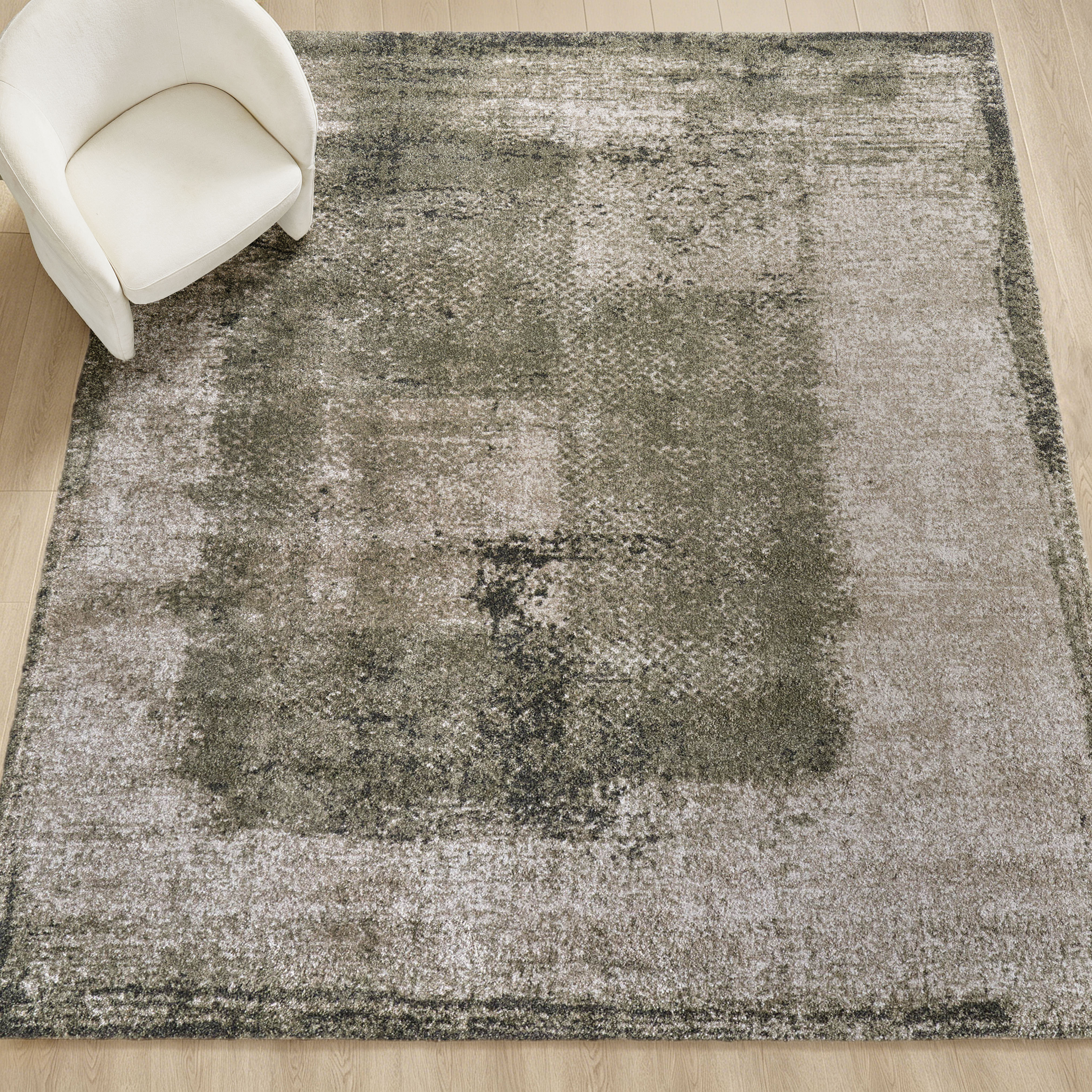
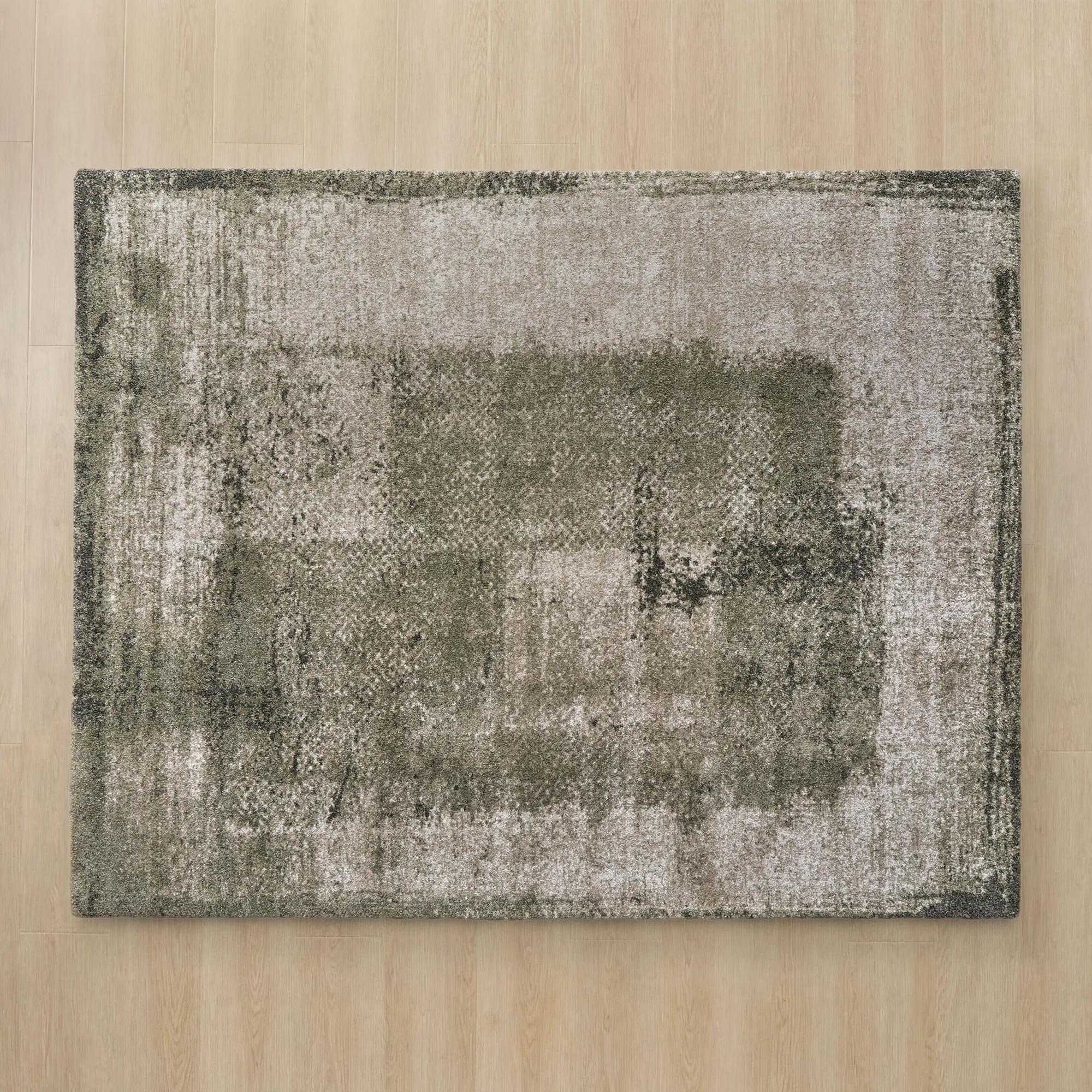 Irving Abstract Moss Green/Beige/Grey Performance Power Loomed Rug$1649
An abstract rug in moss green, beige, and grey with plush, durable polypropylene and polyester construction.
Add To Cart -
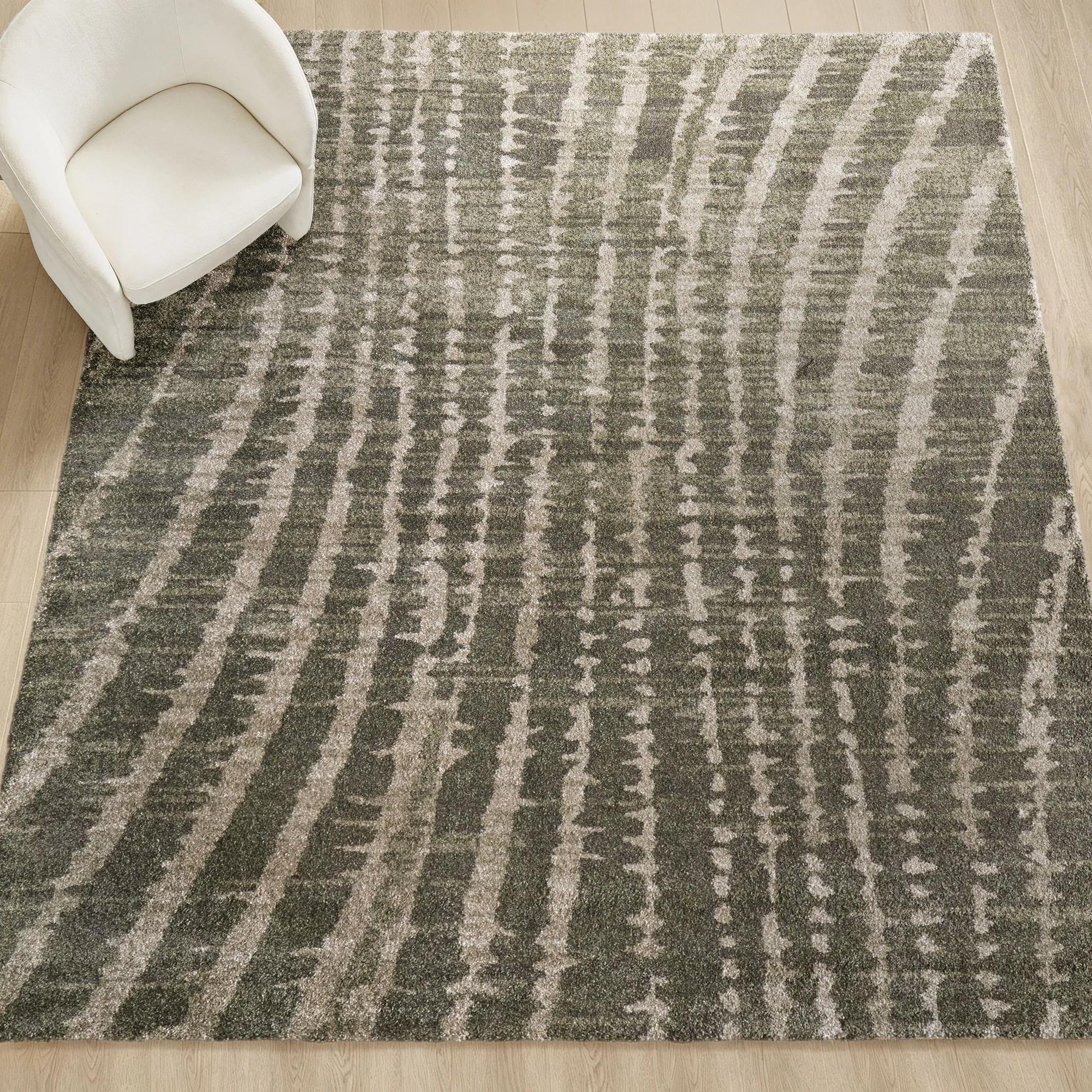
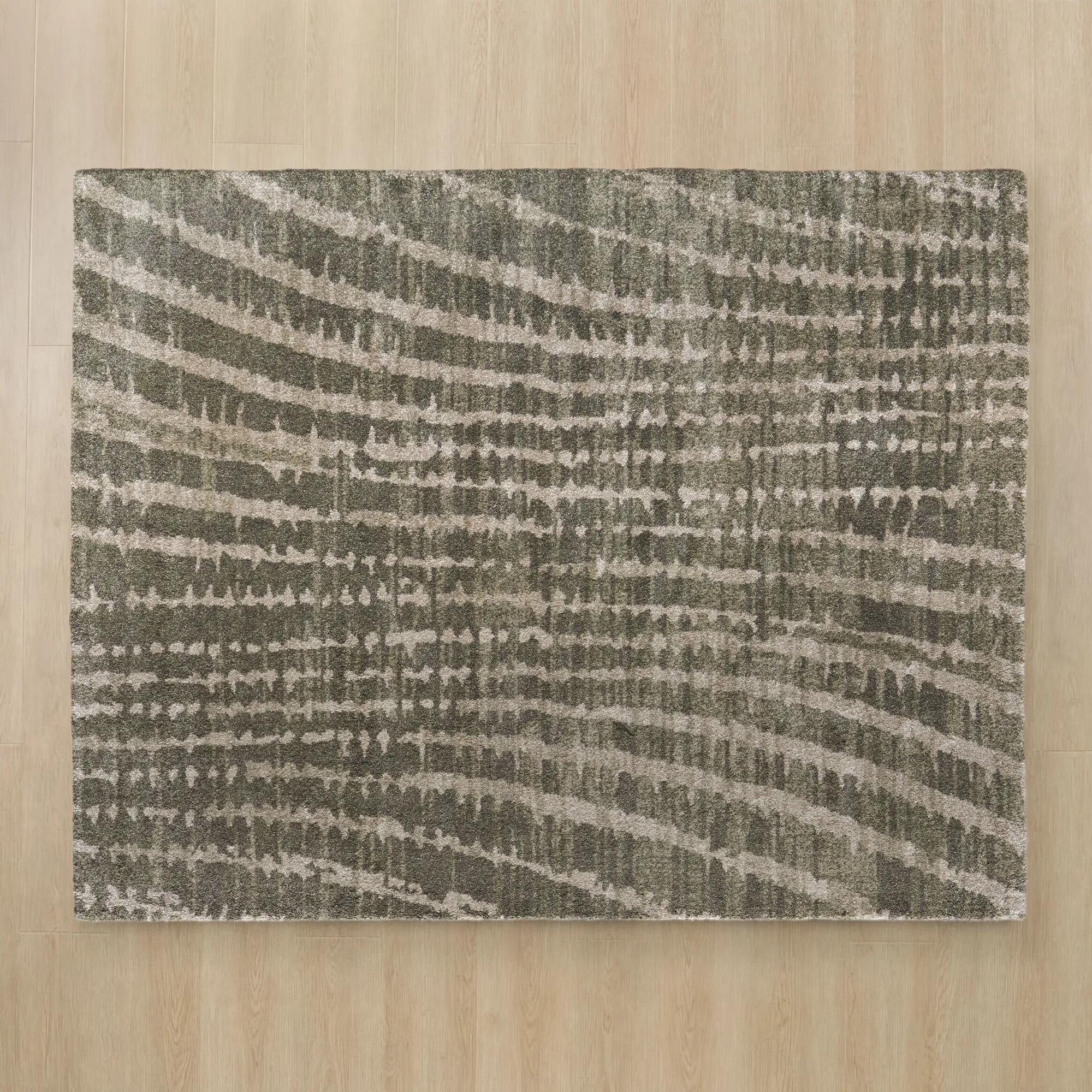 Tempo Green/Grey/Beige Performance Power Loomed Rug$1349
An abstract charcoal grey and beige rug with plush, power-loomed polypropylene and polyester construction.
Add To Cart -
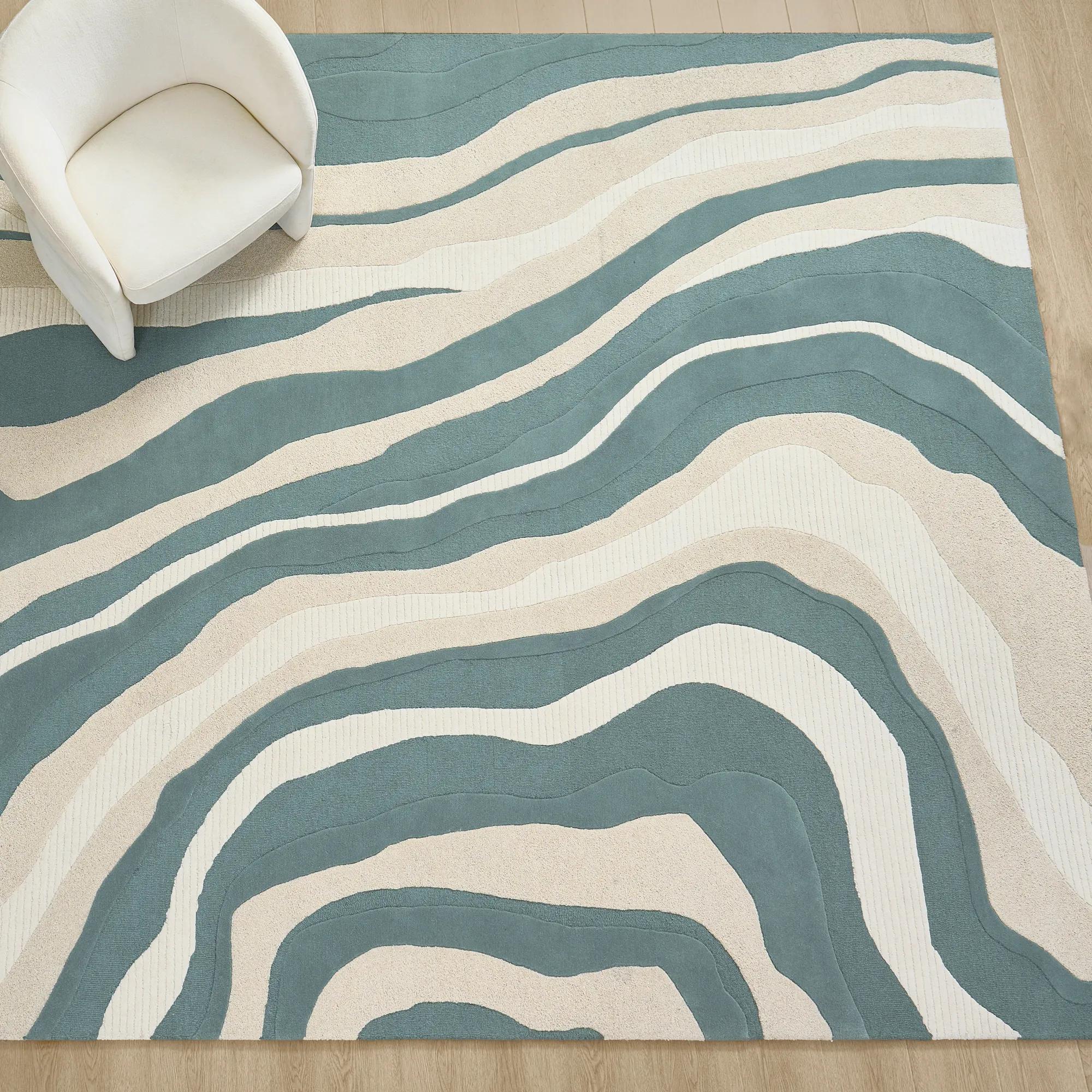 Kadence Hand-Tufted Sage Green/Ivory Wool Rugs$1499
A hand-tufted wool rug in deep sage green and ivory with a sculptural high-low abstract wave pattern.
Add To Cart -
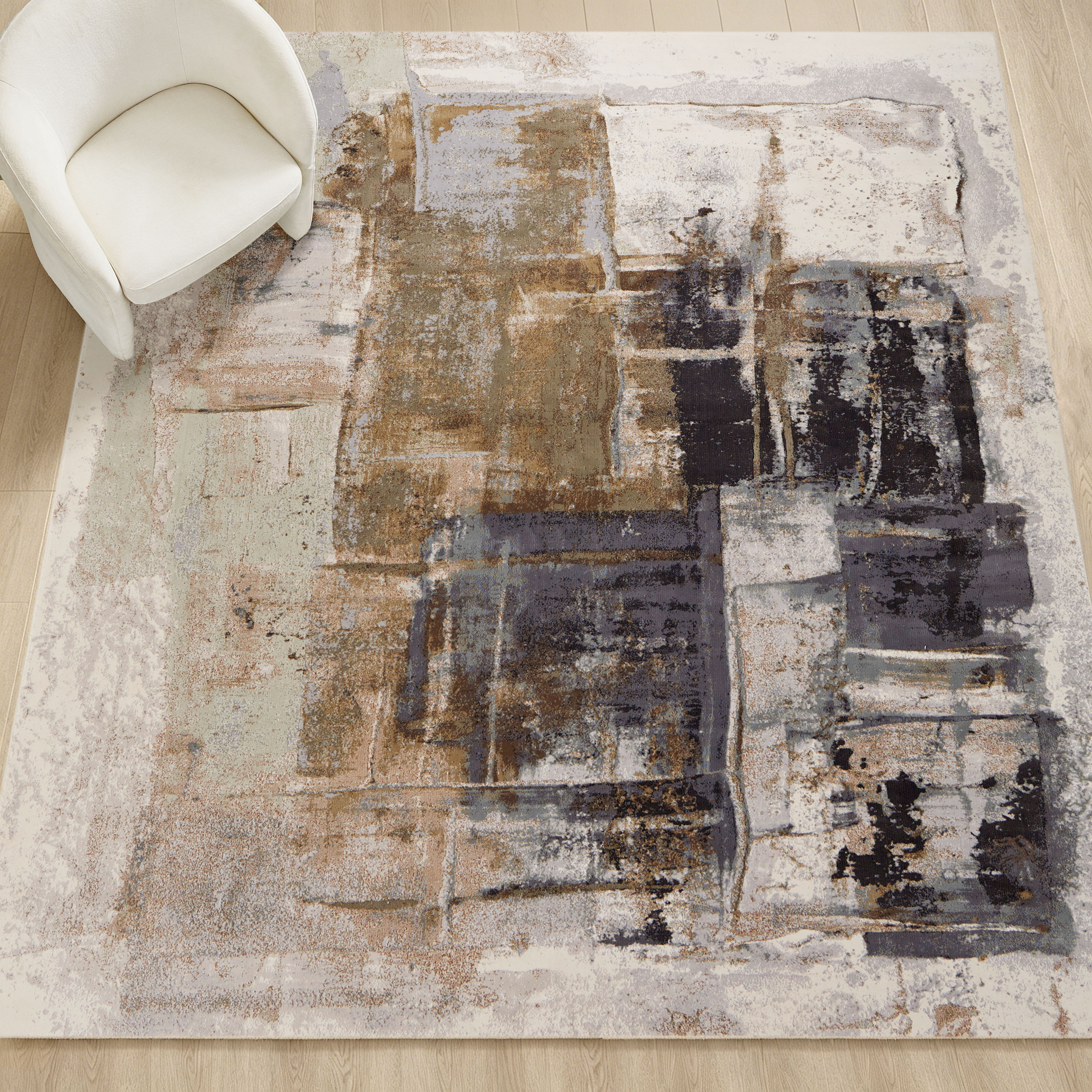
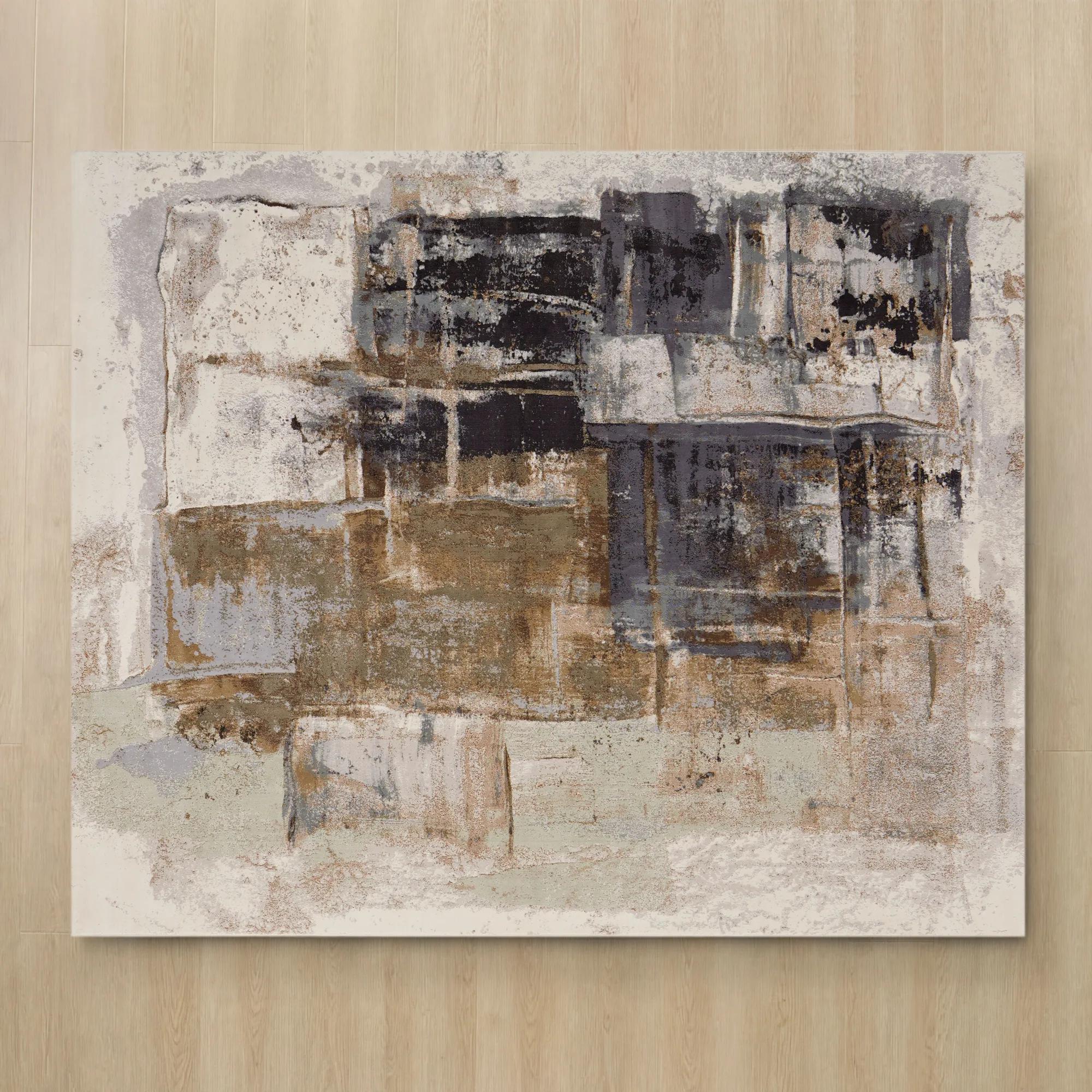 Gaia Abstract Grey/Charcoal/Ivory/Gold/Blue Performance Power Loomed Rug$1749
An abstract rug in grey, charcoal, ivory, gold, and blue with a soft, stain-resistant performance blend.
Add To Cart

Blue Green Accent Rugs
Explore blue and green accent rugs to frame a seating area or give an entryway a distinctive wash of color. Look for tones that echo your existing decor for a layered composition, or contrast with neutral furnishings to create a more dramatic focal point.
Blue and green accent rugs bring calming, nature-inspired color to living rooms, bedrooms, entryways, and home offices, with enough depth to make a room feel richly composed. From pale aqua and sea-glass green to saturated teal, peacock blue, and emerald, this palette can read as serene or theatrical depending on its intensity, pattern, and surroundings. A rug with misty washes of blue and green softens the contrast between a pale sofa and dark wood flooring; a jewel-toned design creates a more dramatic foundation beneath a sculptural chair or beside a lacquered console. The appeal lies in the relationship between the two colors: blue lends visual spaciousness, while green introduces an organic note that feels especially expressive alongside stone, wood, and metallic finishes. Some designs keep those hues distinct through geometric shapes, botanical motifs, or traditional medallions. Others blur their edges in painterly compositions that resemble pigment moving across a canvas. Both approaches offer an artful way to introduce color without changing the largest furnishings in a room. For interiors with cream upholstery, a blue-green accent rug adds dimension without requiring a fully coordinated palette. Against charcoal, navy, or espresso furniture, lighter aqua details can lift the composition and reveal pattern that might otherwise disappear into deeper tones. Brass accents draw warmth from green, polished silver sharpens the clarity of blue, and glass allows intricate designs to remain visible. Repeating one shade in a pillow, ceramic vessel, or piece of wall art can establish a connection without making the setting feel overly matched. A subtle variation is often more compelling: a teal rug beneath an indigo chair, for example, or a muted green border near blue-gray drapery. These layered color relationships give an accent rug a role beyond decoration, helping separate a reading corner from a larger living space or giving an otherwise quiet entry a distinct point of view.
Scale and placement determine whether that color feels deliberate. Accent rugs generally define smaller areas rather than covering an entire room, making them especially useful beside a bed, beneath a compact accent table, or in front of a console where floor space allows. Common smaller dimensions, such as 2 by 3 feet or 3 by 5 feet, can introduce a concentrated wash of color; a 4-by-6-foot format may provide more presence in a reading nook or compact seating arrangement. Exact measurements matter more than the size label, especially when a rug needs to fit between doorways, floor vents, or furniture legs. In a bedroom, a rug placed along the side of the bed offers a softer landing while leaving a handsome floor visible. In an entryway, the right footprint gives arrivals room to step inside without creating a narrow obstacle near the door. For a conversational setting, living room accent rugs can establish a more intimate zone within an open floor plan, provided the proportions relate comfortably to the surrounding seating. A rug that looks generous beside one chair may feel undersized between a full sofa and two armchairs. Painterly patterns are particularly effective where furniture partially covers the surface, since their flowing color remains expressive even when the entire composition is not visible. A centered medallion or sharply defined border benefits from placement that preserves its visual balance. Shape also changes the mood: a round rug can echo a curved chair or soften an arrangement dominated by straight lines, while a rectangular design reinforces the architecture of a narrow nook. Before settling on a size, marking the outline on the floor makes clear how the rug will interact with walking paths and furniture. Door clearance deserves equal attention, as a plush pile and pad together may sit higher than expected. The result should feel beautifully integrated, with enough breathing room for both the pattern and the surrounding furnishings.
Material and construction give blue-green rugs their tactile character, influencing how the color catches light, how the surface feels underfoot, and how well it suits daily use. Wool often offers a resilient, substantial feel, with a surface that gives layered blues and greens a softly nuanced appearance. Cotton can lend a more relaxed texture, especially in flatwoven constructions, though washability depends on the individual rug and its backing. Synthetic fibers such as polypropylene, polyester, and nylon have different performance characteristics; certain constructions offer stain resistance, color clarity, or resilience suited to frequently used spaces. Viscose and other lustrous fibers can create a luminous finish that shifts with the direction of the pile, but they may require more careful handling around moisture and spills. In a home office, a low-profile rug is generally easier to accommodate beneath a moving chair than a deep, plush pile, although rolling casters can still stress fibers and edges. A bedroom or quiet reading space offers more freedom for sumptuous texture, while an entry calls for particular attention to cleanability, secure edges, and the amount of tracked-in debris. Pattern can help disguise small traces of everyday use, but it does not replace regular care. Vacuum according to the care instructions, adjusting the setting for the pile and avoiding aggressive brush action when the construction requires it. Some wool and cut-pile rugs shed initially, making gentle, consistent maintenance more appropriate than repeated forceful passes. Blot spills promptly rather than rubbing, and use only cleaning methods recommended for the fiber, dyes, and backing. A suitable rug pad helps limit shifting, adds cushioning, and reduces friction against the floor; it should be compatible with the flooring finish and trimmed slightly inside the rug’s edges. Rotating the rug where practical can distribute wear and light exposure more evenly. With materials, placement, and care considered together, a blue and green accent rug can become a lasting layer of color and artistry, as satisfying beneath bare feet as it is within the room’s larger composition.
FAQs
Blue green accent rugs introduce depth and fluid color, from the atmospheric allure of deep teal to the luminous character of sea-glass tones. Let the palette inspire a serene retreat, or amplify its drama with richly colored upholstery and gleaming decorative accents.
Ivory, warm white, and soft gray give blue and green tones a polished backdrop. For a more expressive palette, introduce sapphire, emerald, or aubergine through pillows and artwork. Touches of gold bring warmth, while black accents create crisp, graphic contrast.
Blue green accent rugs can anchor glamorous, contemporary, or coastal-inspired interiors. Pair them with sculptural furniture and reflective finishes for a glamorous composition, clean-lined silhouettes for a contemporary setting, or pale woods and organic accents for a coastal mood with sophistication.
Choose a shared blue or green tone to connect the rug with patterned pillows, curtains, or artwork. Balance intricate motifs with simpler designs, and give the eye a place to rest with solid upholstery. The result feels artfully collected rather than visually crowded.
Warm wood finishes lend richness to cool blue green palettes, while dark finishes heighten their dramatic character. Brass and gold-toned accents create a luminous contrast; chrome, glass, and mirrored surfaces emphasize a cooler, jewel-like effect. Choose a dominant finish to keep the composition intentional.