Blue Abstract Wall Arts For New Homes
Blue Abstract Wall Arts For New Homes
-
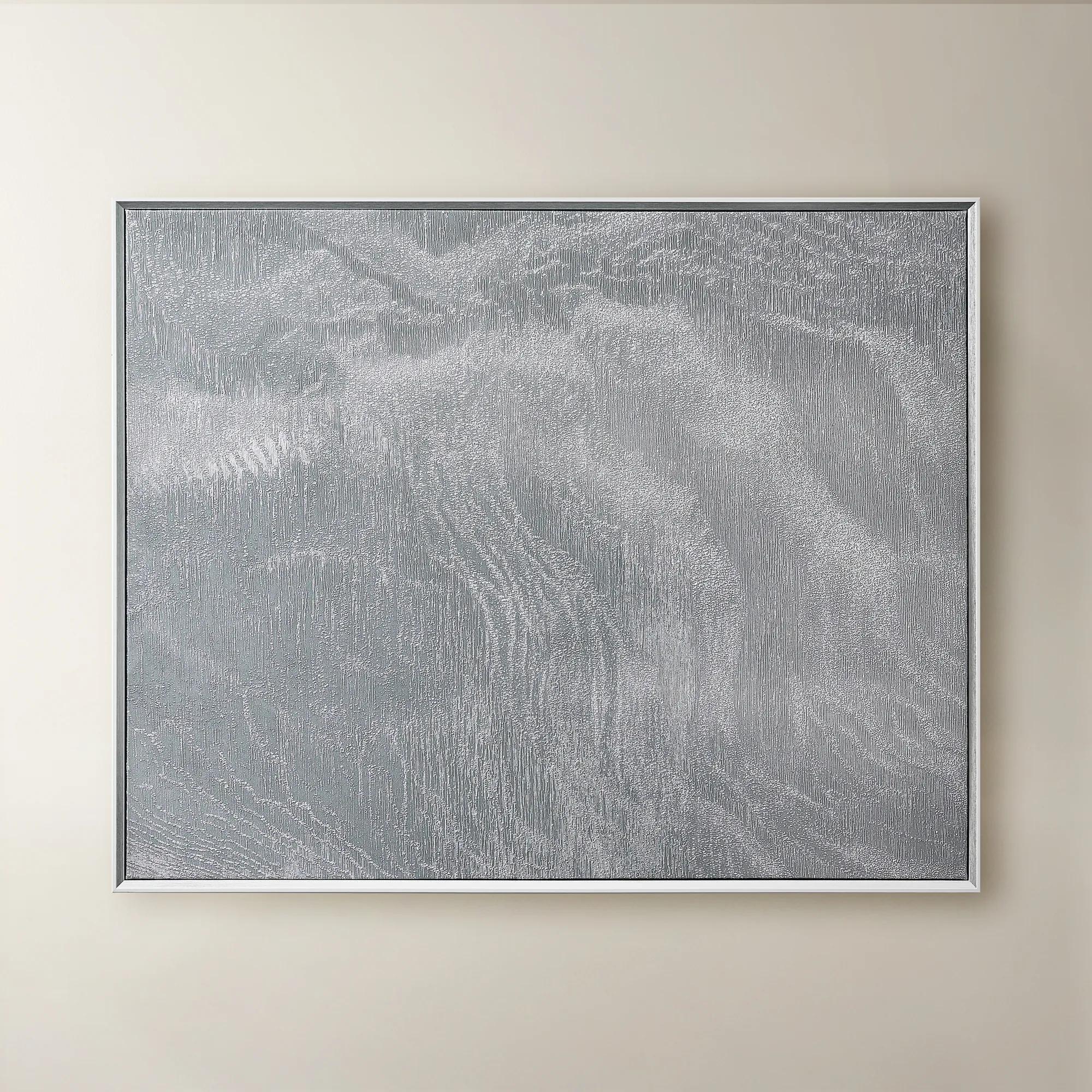 Slow Blue Morning Framed Silver Foil Wall Art 48" x 60"$599
A serene powder blue abstract canvas with silver foil accents, framed in silver and white for modern elegance.
Add To Cart -
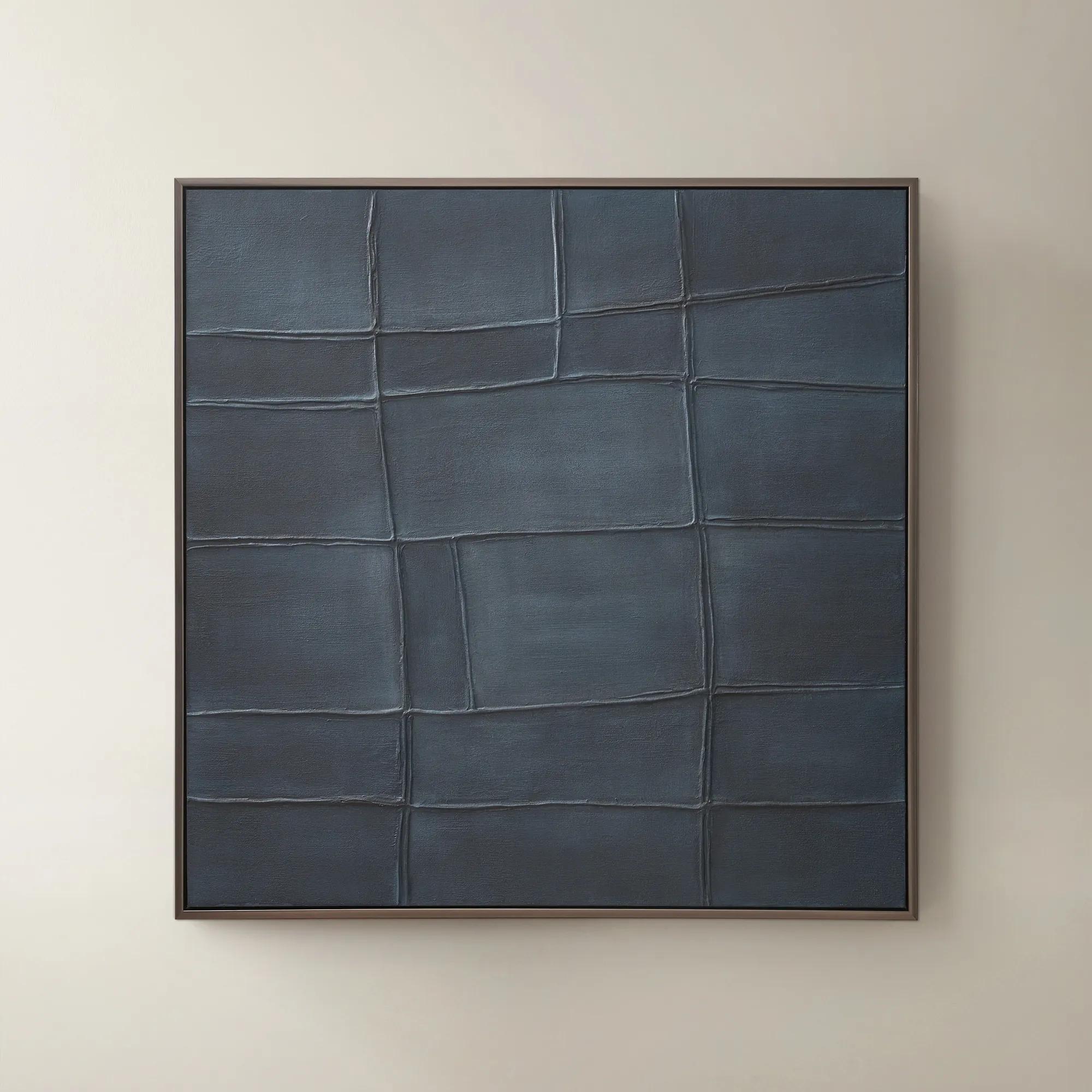
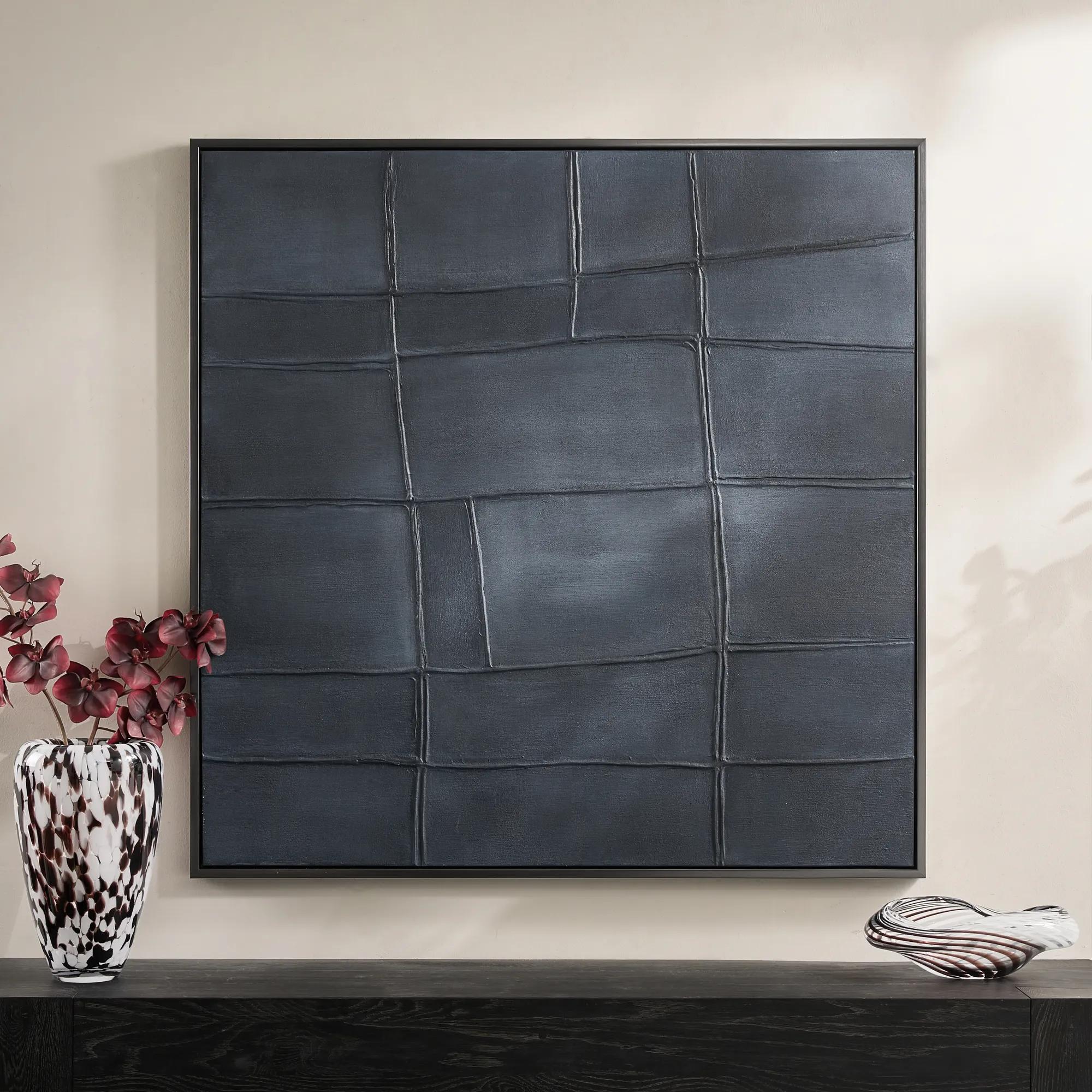 Ink Blue Interval Framed Painted Wall Art 48" x 48"$599
A hand-painted abstract canvas in deep ink blue, finished with a sleek gunmetal frame for modern appeal.
Add To Cart -
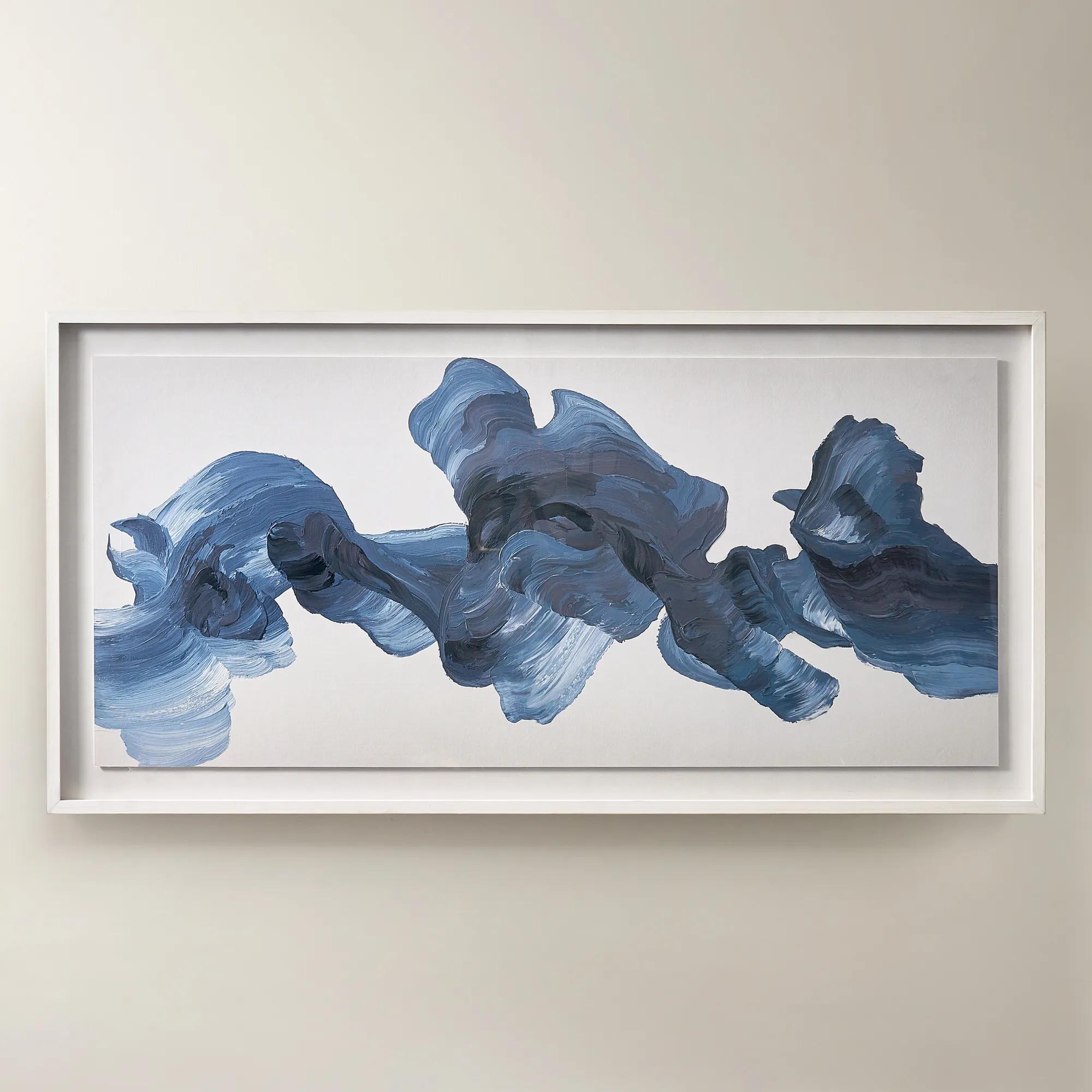
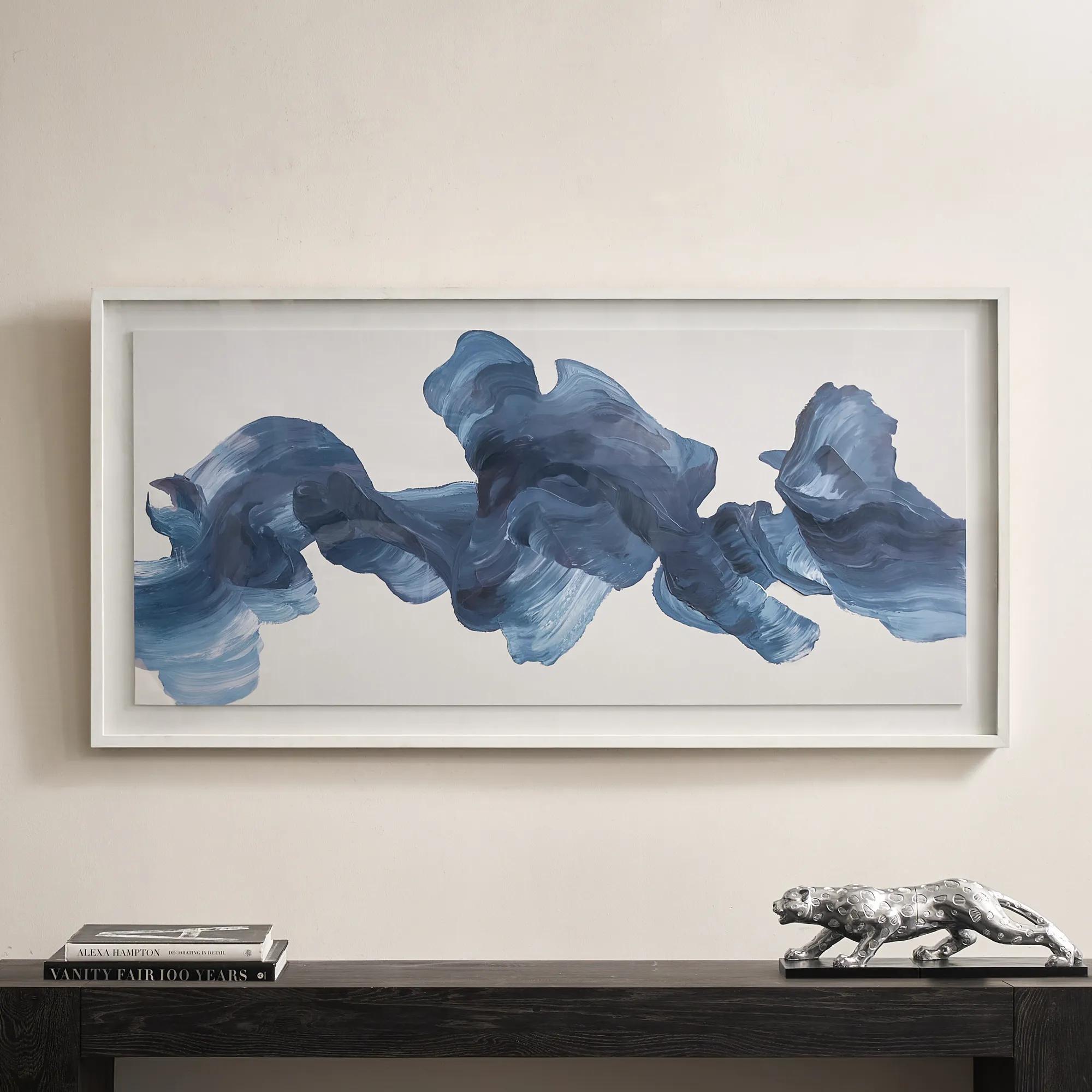 Blue Theory Framed Painted Wall Art in Acrylic 60" x 30"$499
A hand-painted canvas in deep ink blue, framed under acrylic with a whitewashed wood frame.
Add To Cart -
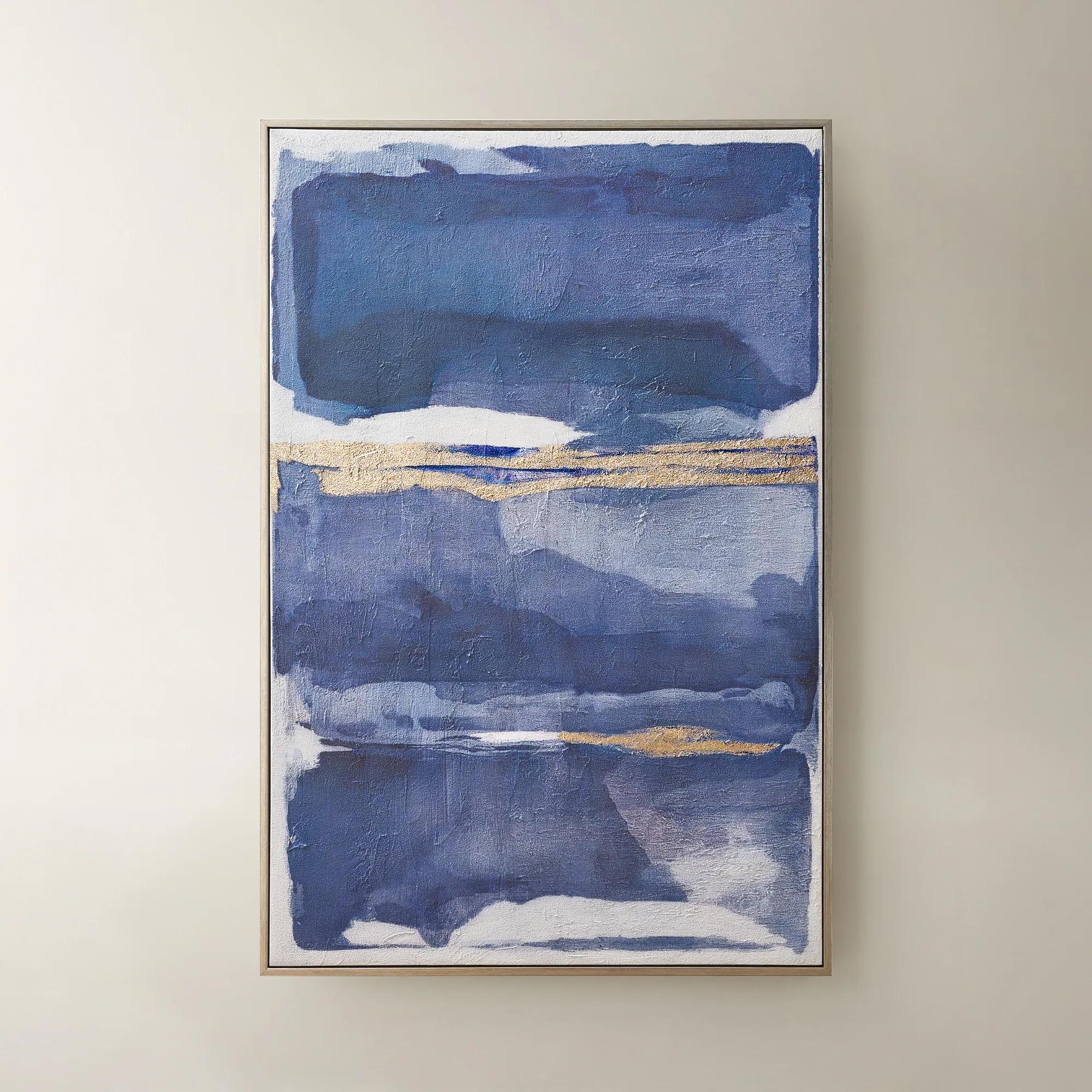
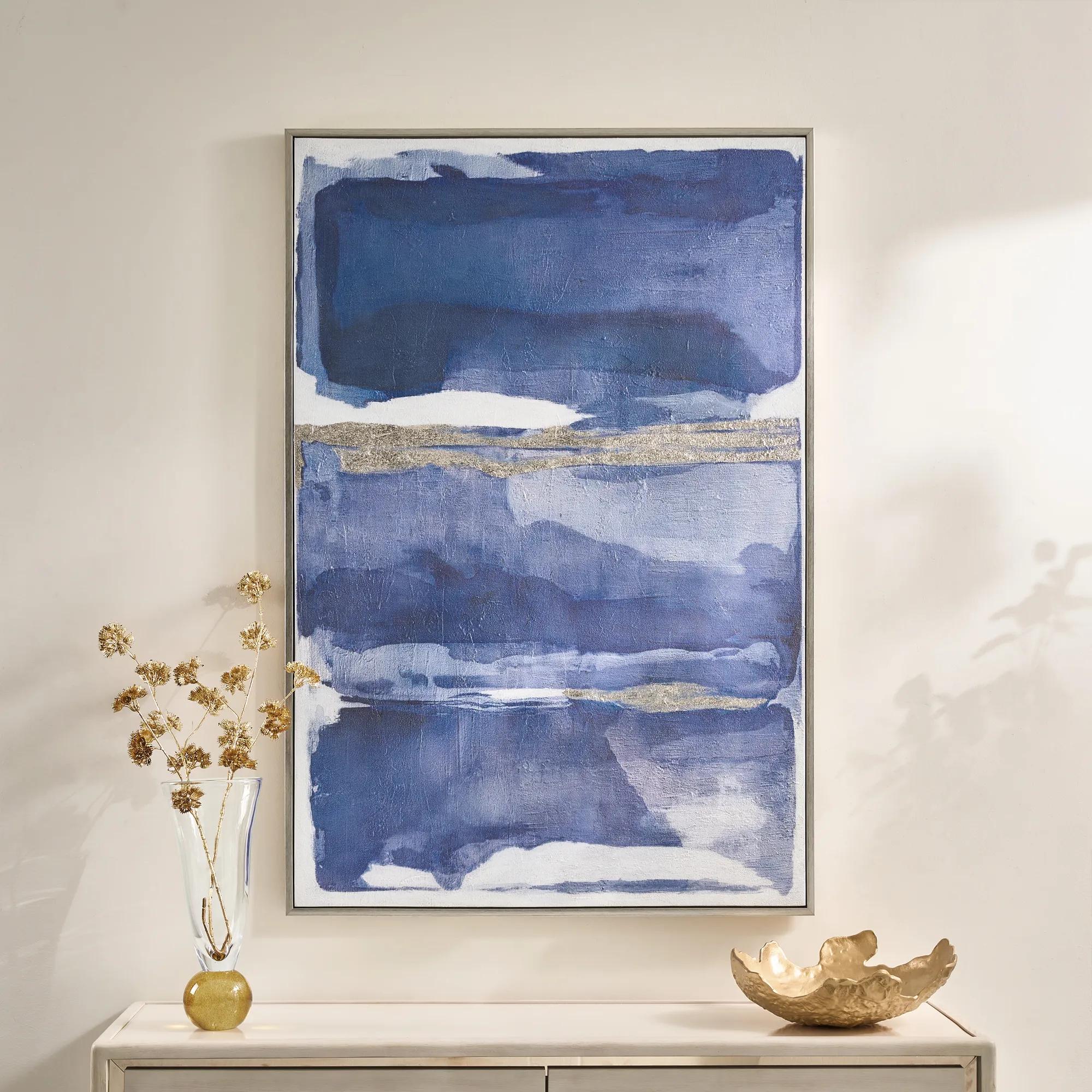 Memories in Blue Framed Painted Wall Art 40" x 60"$499
A hand-painted canvas in deep ink blue with champagne leafing for a sophisticated, gallery-inspired look.
Add To Cart -
 Relic Framed Painted Triptych Wall Art Set of 3$399
A hand-painted abstract triptych in deep navy and neutral tones, set in sleek black floater frames.
Add To Cart -
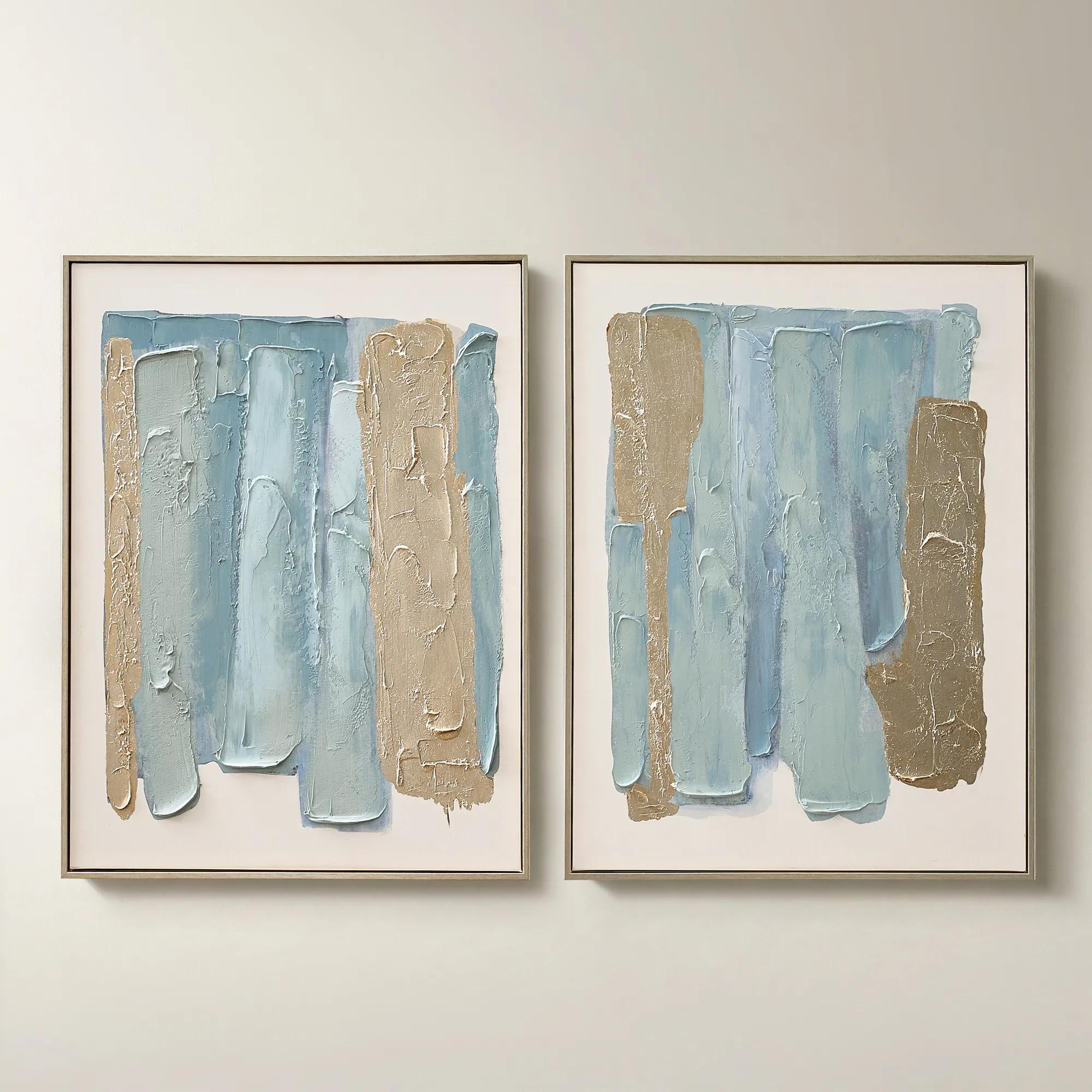
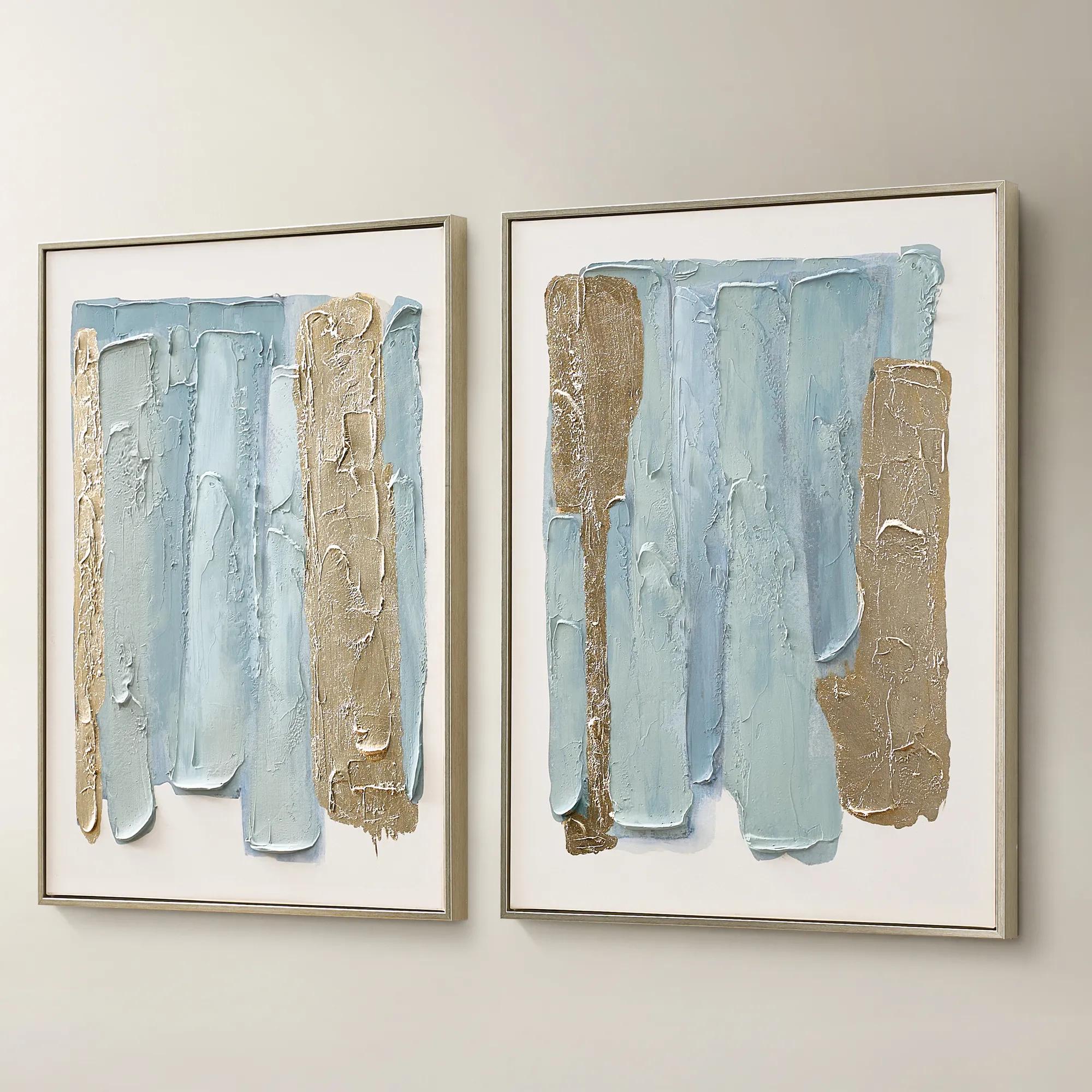 Blue Drift Framed Champagne Painted Wall Art 24" x 32" Set of 2$199
A set of two hand-painted canvases in dusty blue with champagne leafing and modern abstract movement.
Add To Cart -
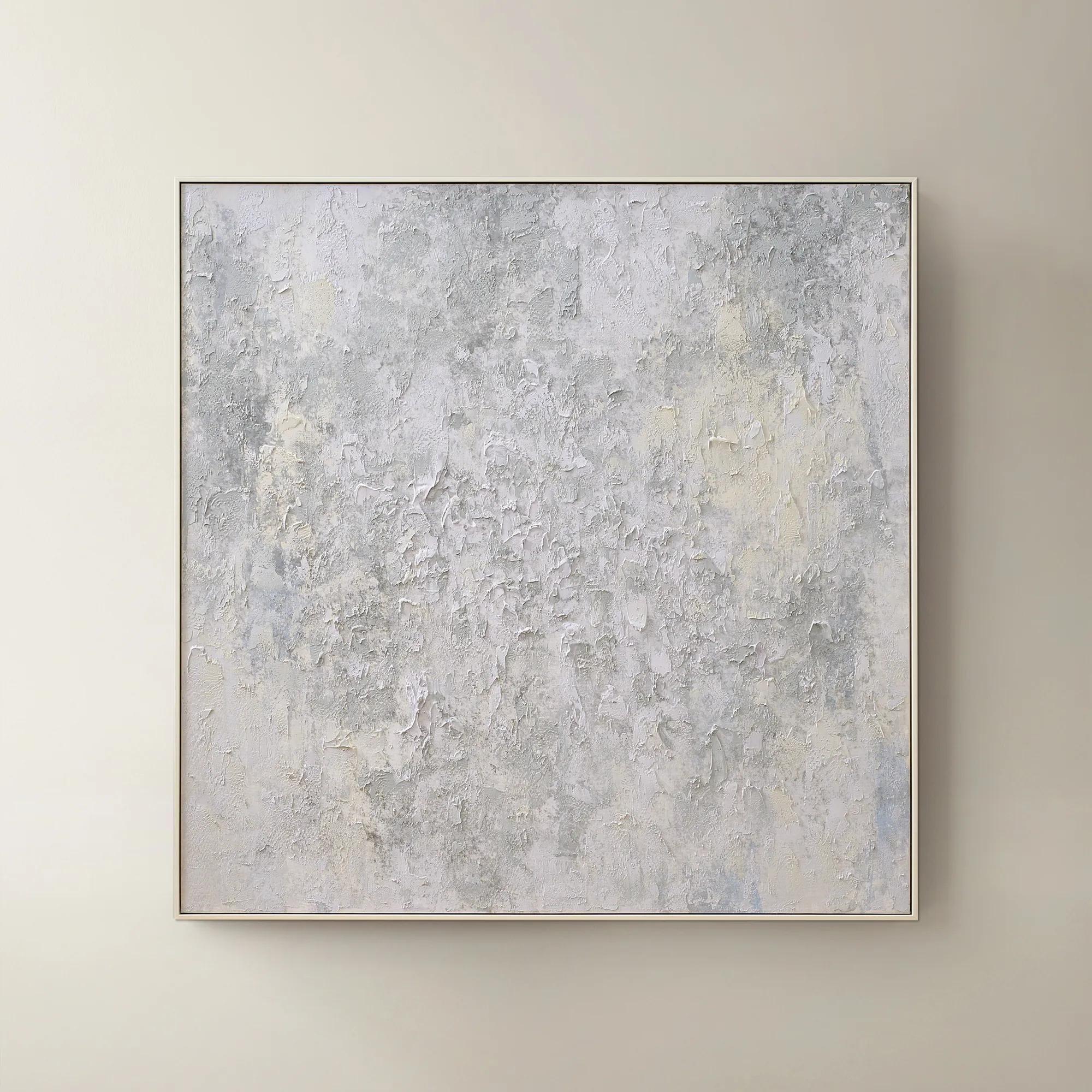 Breathe of Fresh Air Framed Painted Wall Art 50" x 50"$499
A hand-painted abstract canvas in dusty blue hues, elegantly framed in white for a serene, modern accent.
Add To Cart -
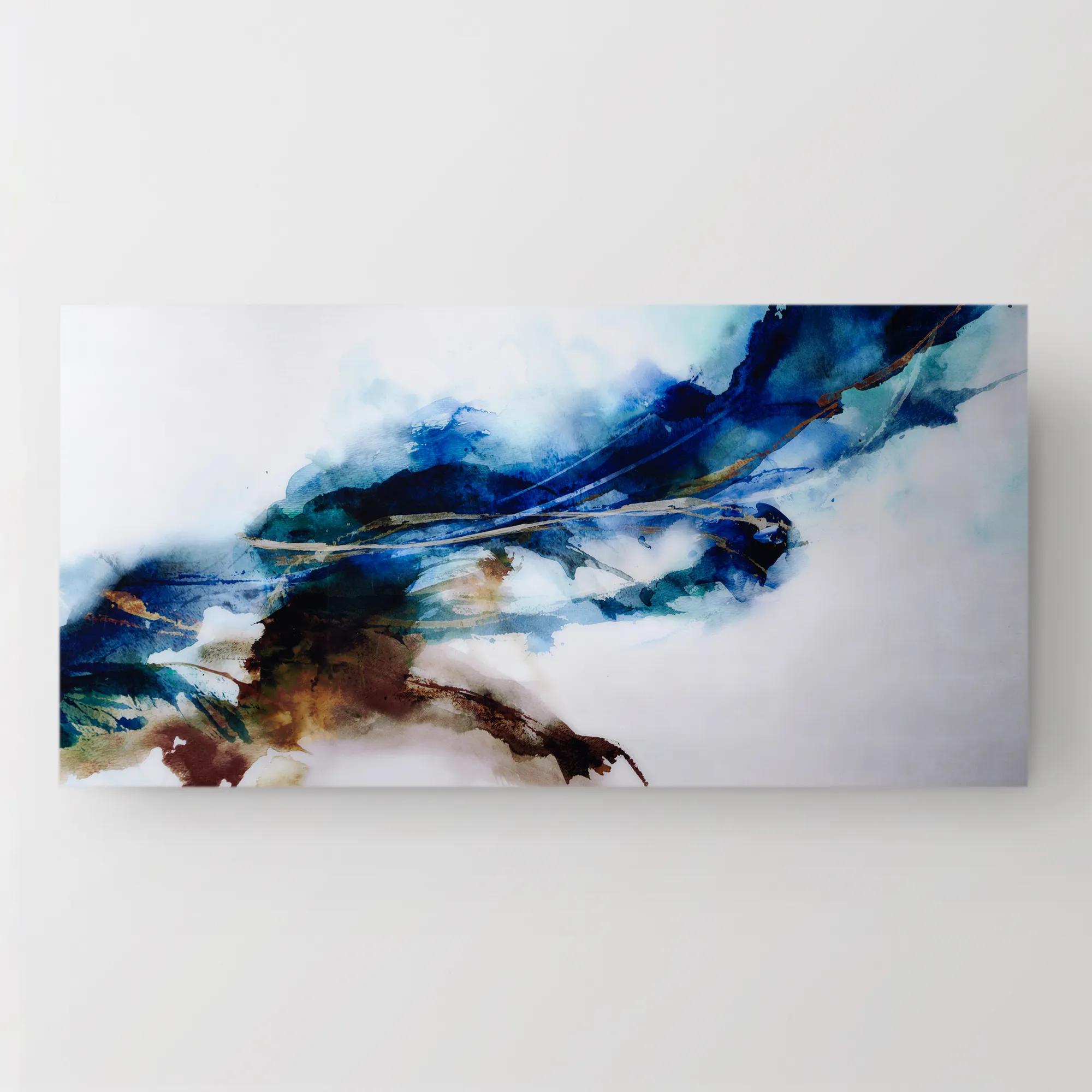 Cerulean Movement Acrylic Art 72" x 36"$1299
A vibrant abstract artwork printed on high-gloss acrylic, infusing your space with dynamic energy and movement.
Add To Cart -
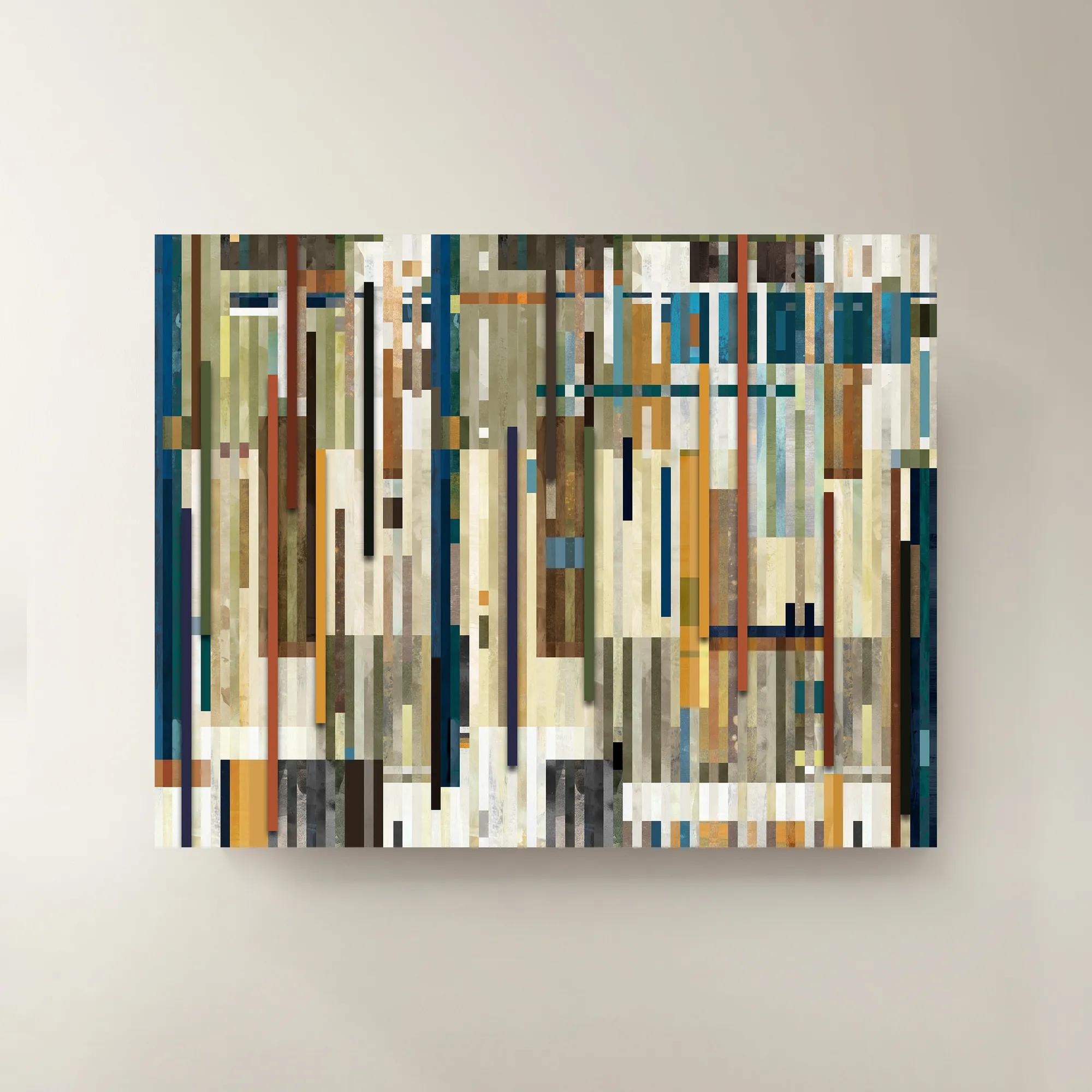
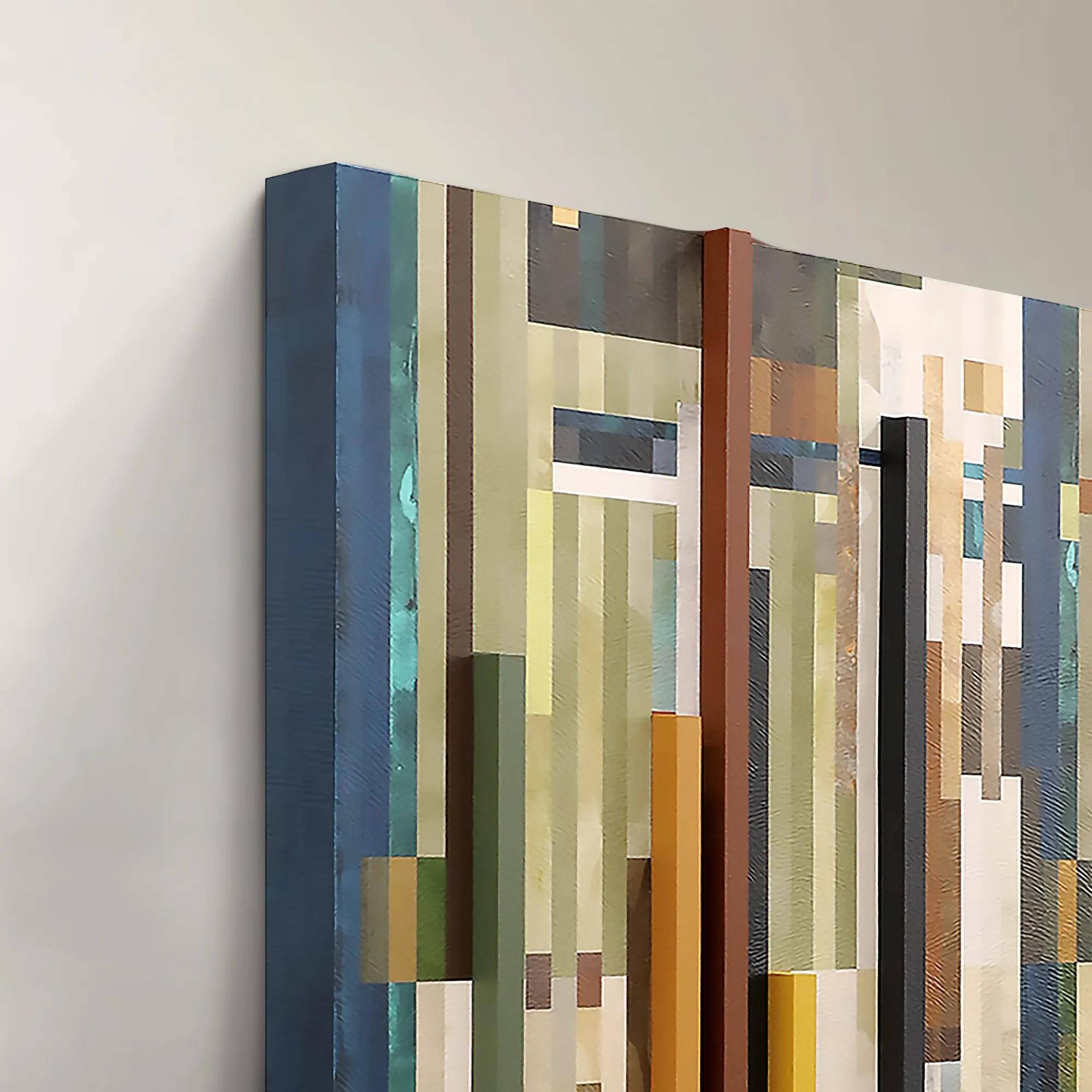 Chromatic Rhythms II Wall Art 60" x 47"$1899
A dynamic blue abstract canvas artwork featuring rhythmic geometric composition.
Add To Cart -

 Twin Abstract 1 Framed Wall Art 30" x 45"$699
A captivating abstract canvas artwork featuring layered blue and purple tones in a sophisticated framed presentation.
Add To Cart -

 Escape Path III Framed Wall Art 30" x 50"$799
A captivating blue and purple canvas artwork adding contemporary movement and layered dimension to your walls.
Add To Cart -
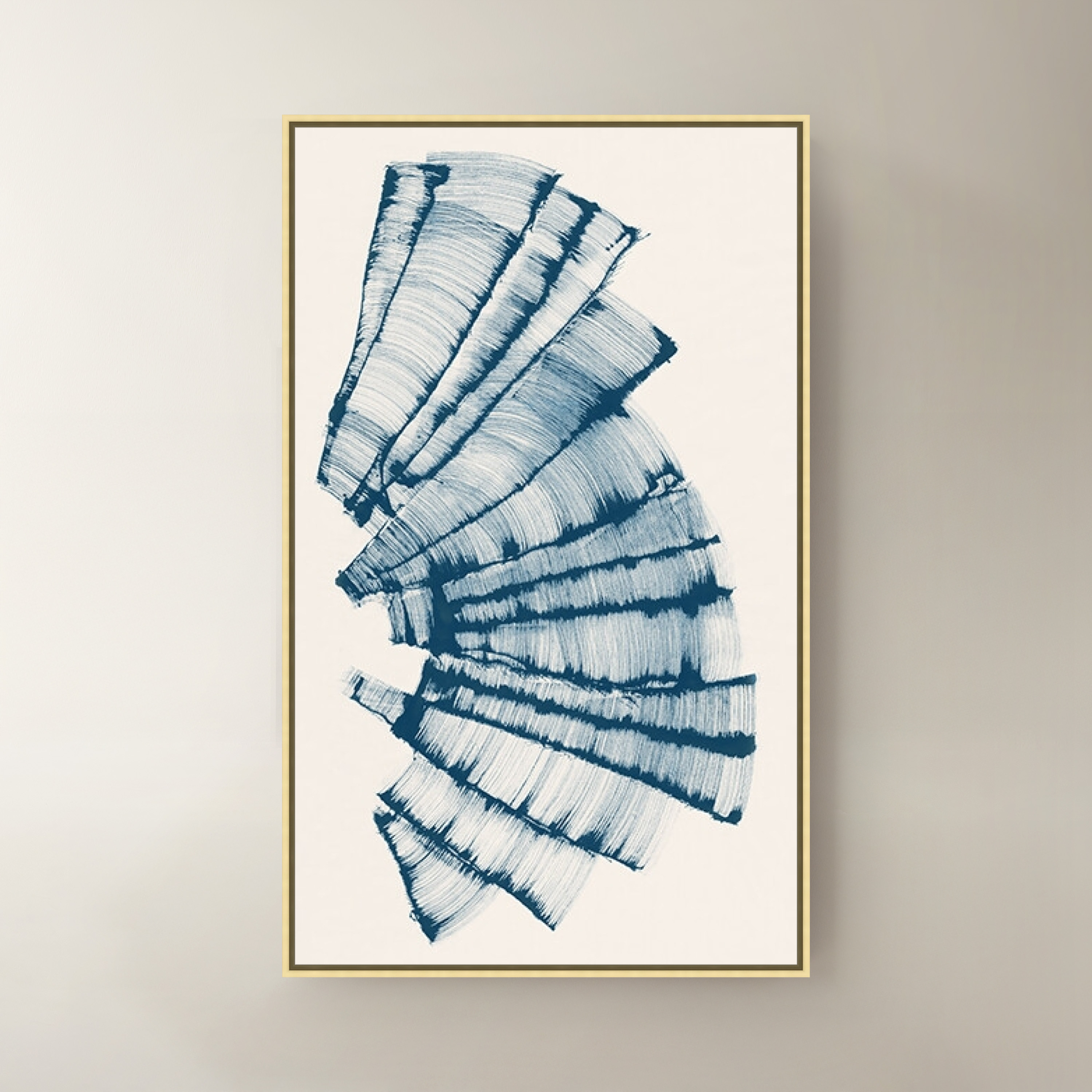
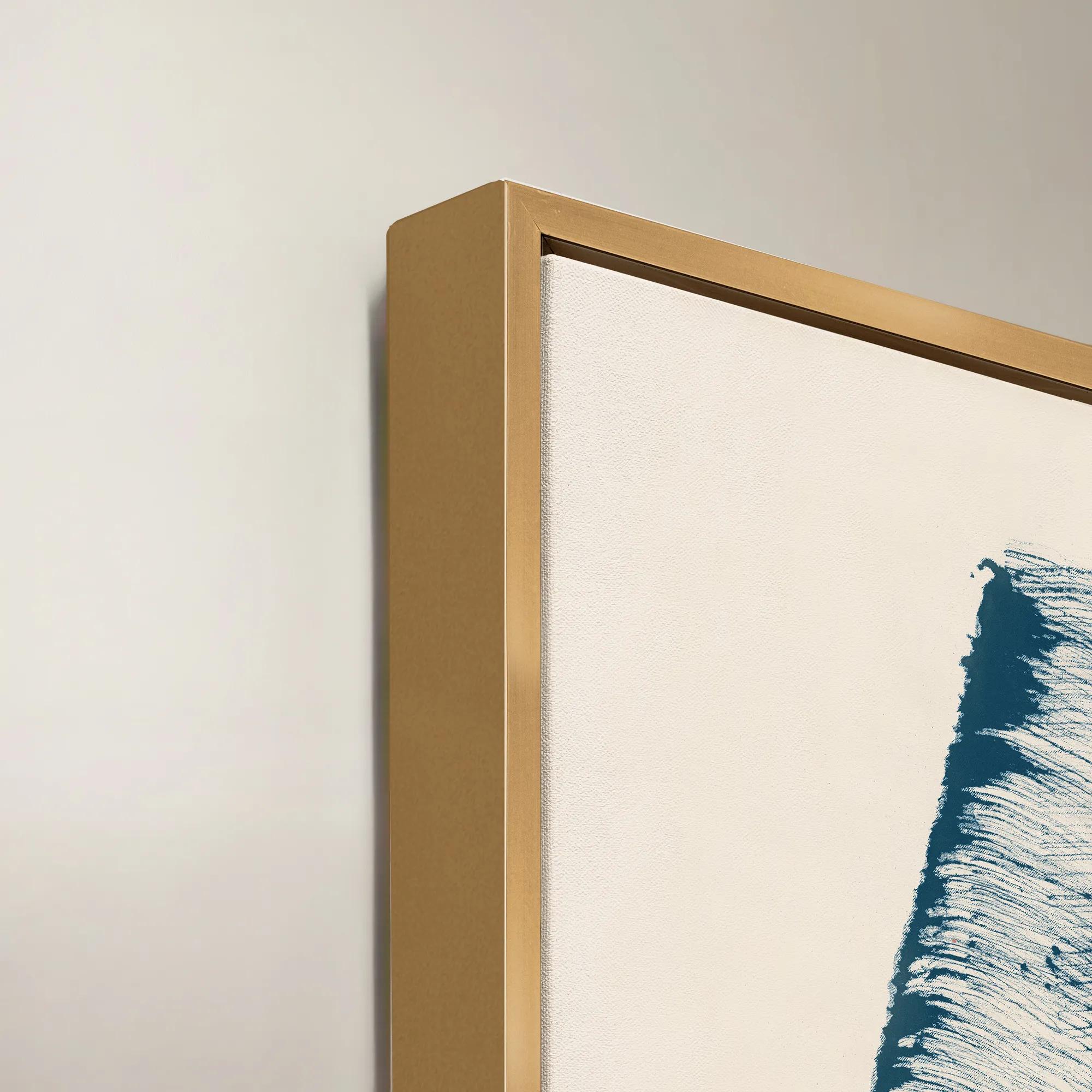 Escape Path IV Framed Wall Art 30" x 50"$799
A blue and purple canvas wall artwork presented in a sophisticated frame for modern interiors.
Add To Cart -
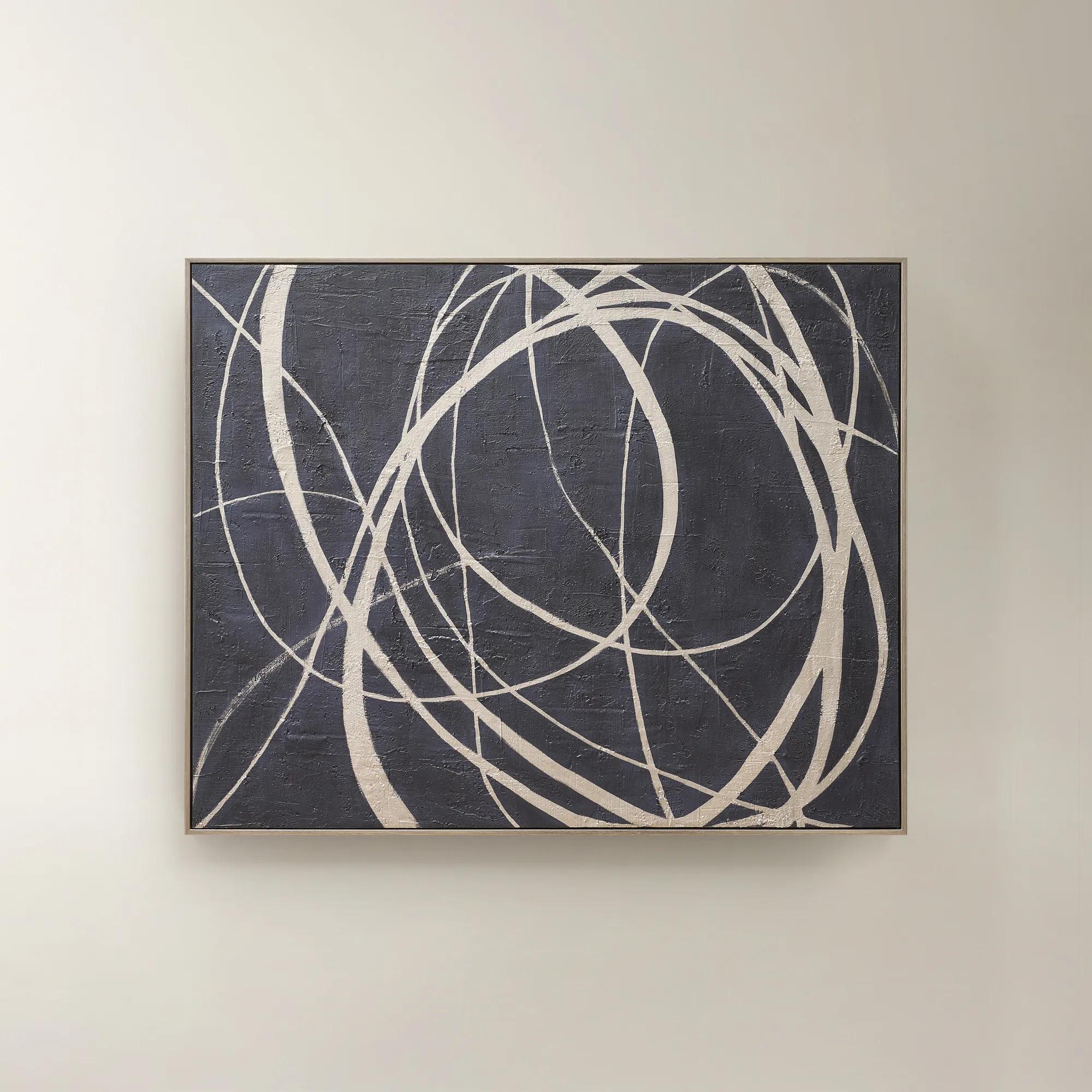 Wandering Framed Painted Wall Art 48" x 60"$699
An expressive hand-painted canvas in deep ink blue with champagne accents for a bold, sophisticated statement.
Add To Cart -
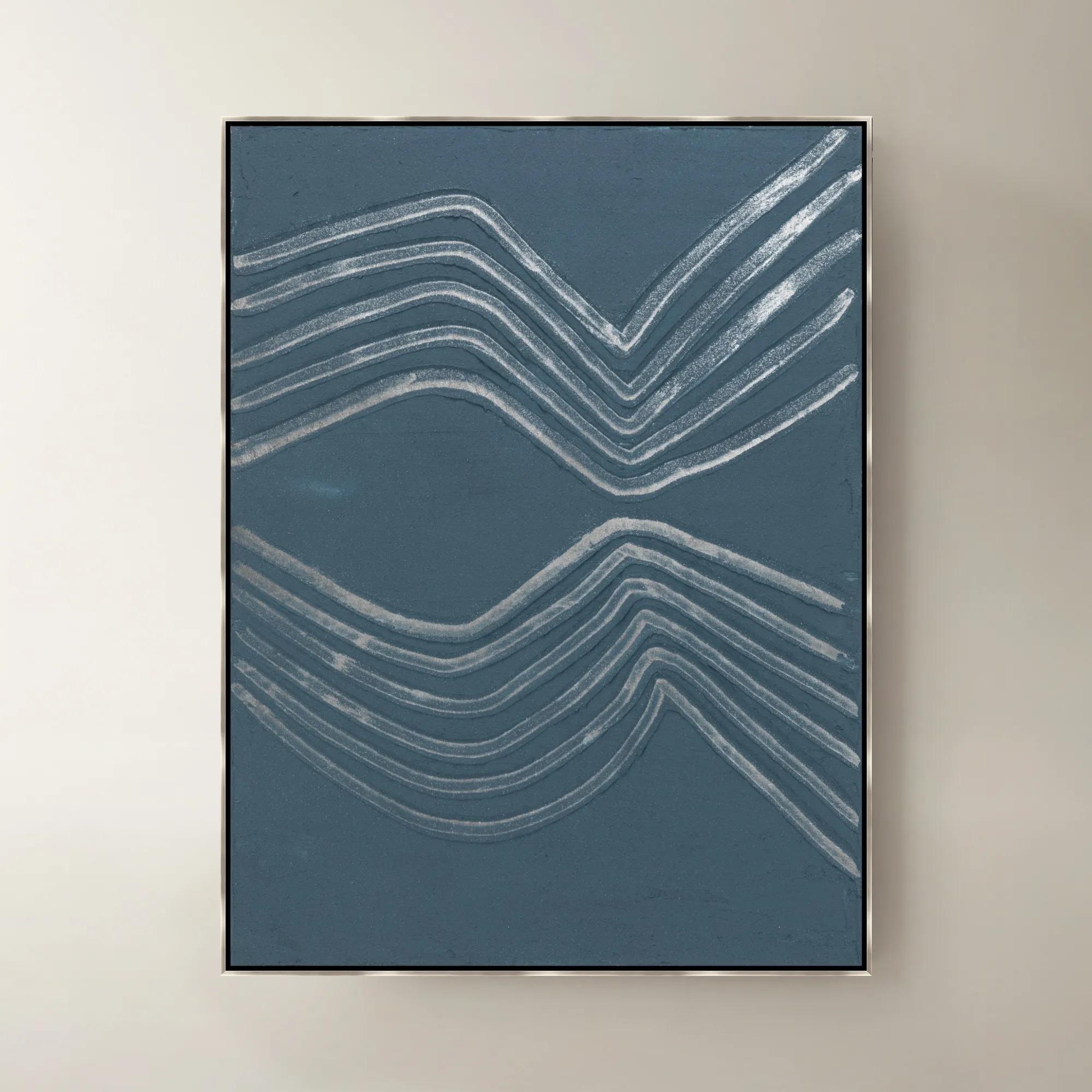
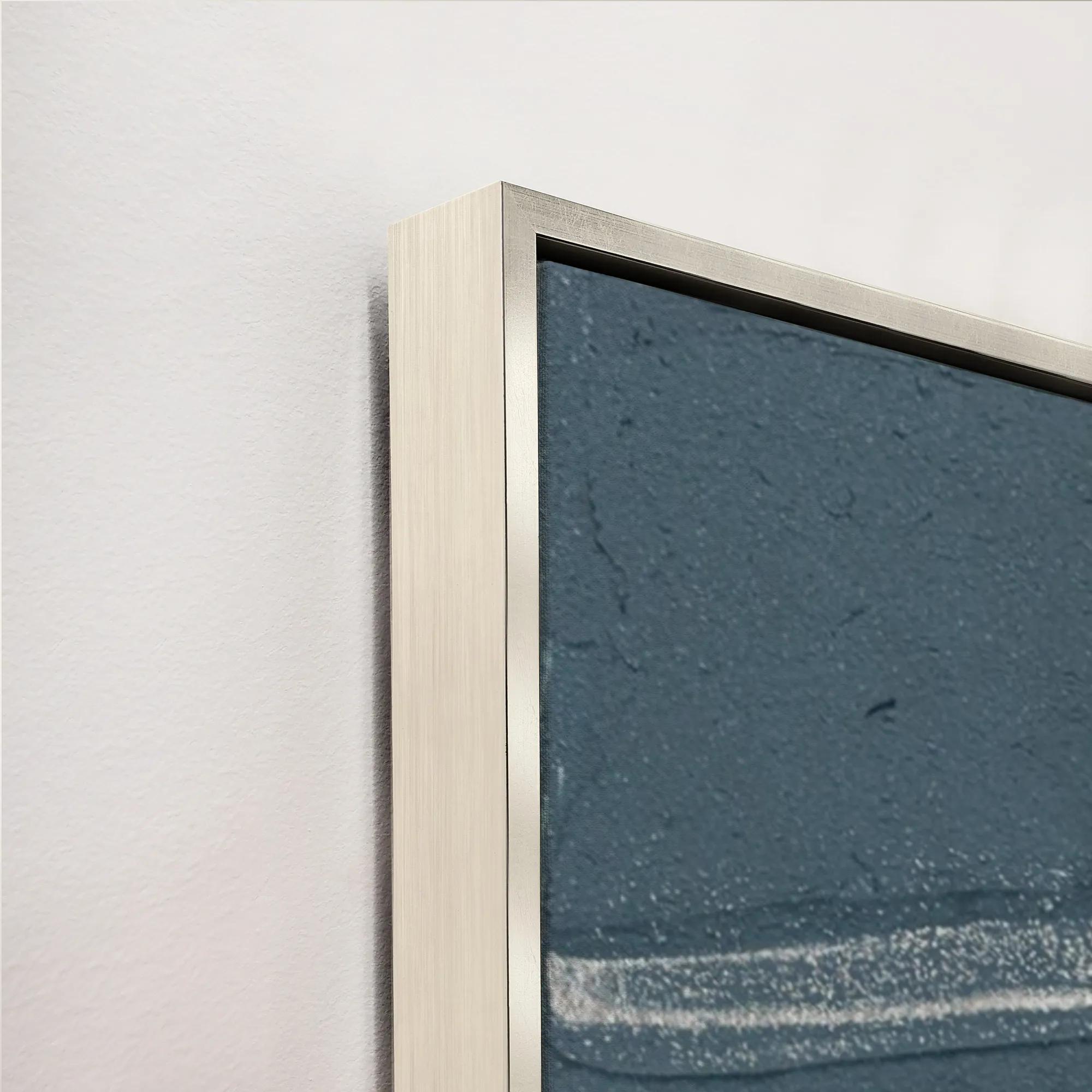 Gilded Waves VI Framed Painted Wall Art 40" x 53"$1399
A framed painted canvas artwork featuring sweeping gilded waves in rich blue and purple tones.
Add To Cart -
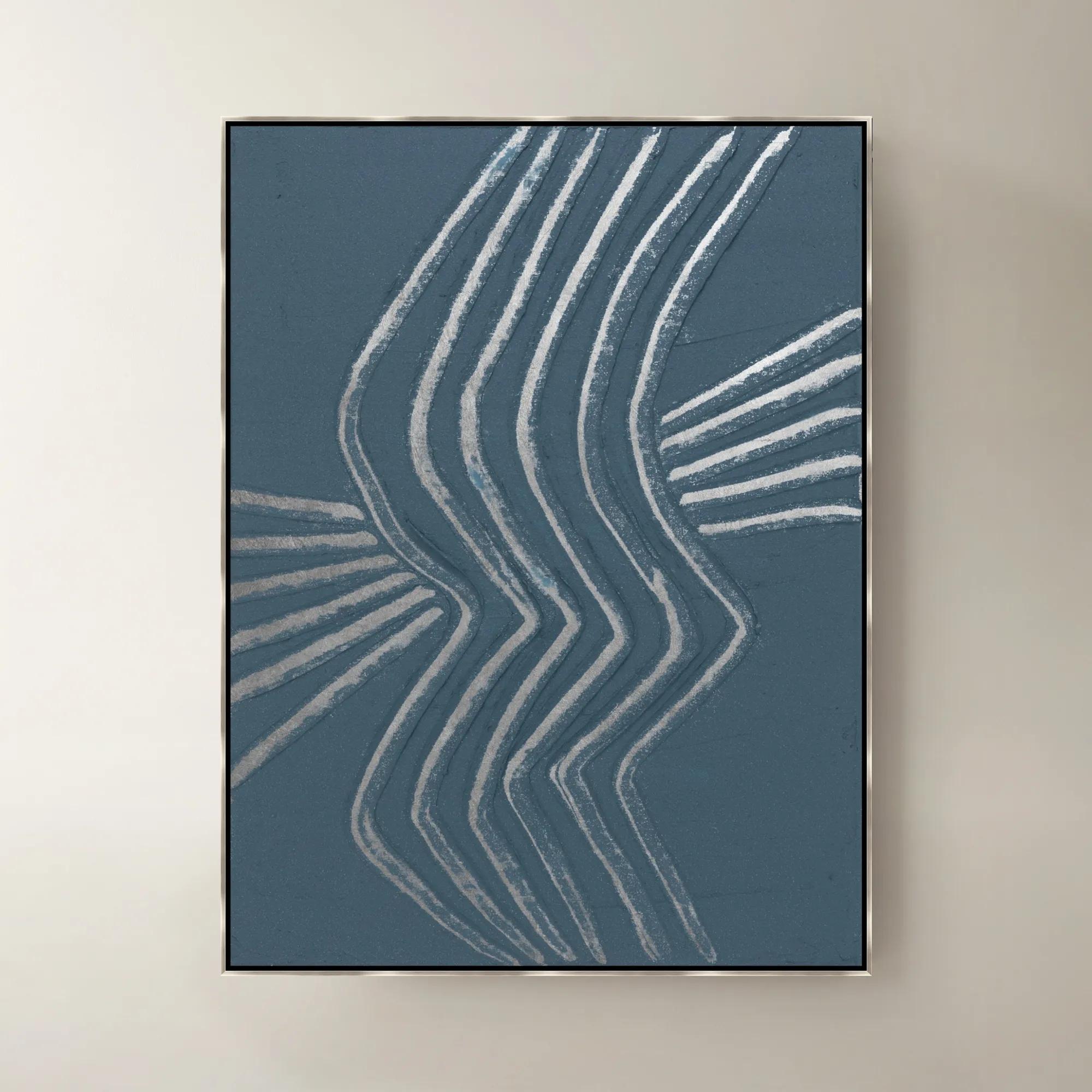
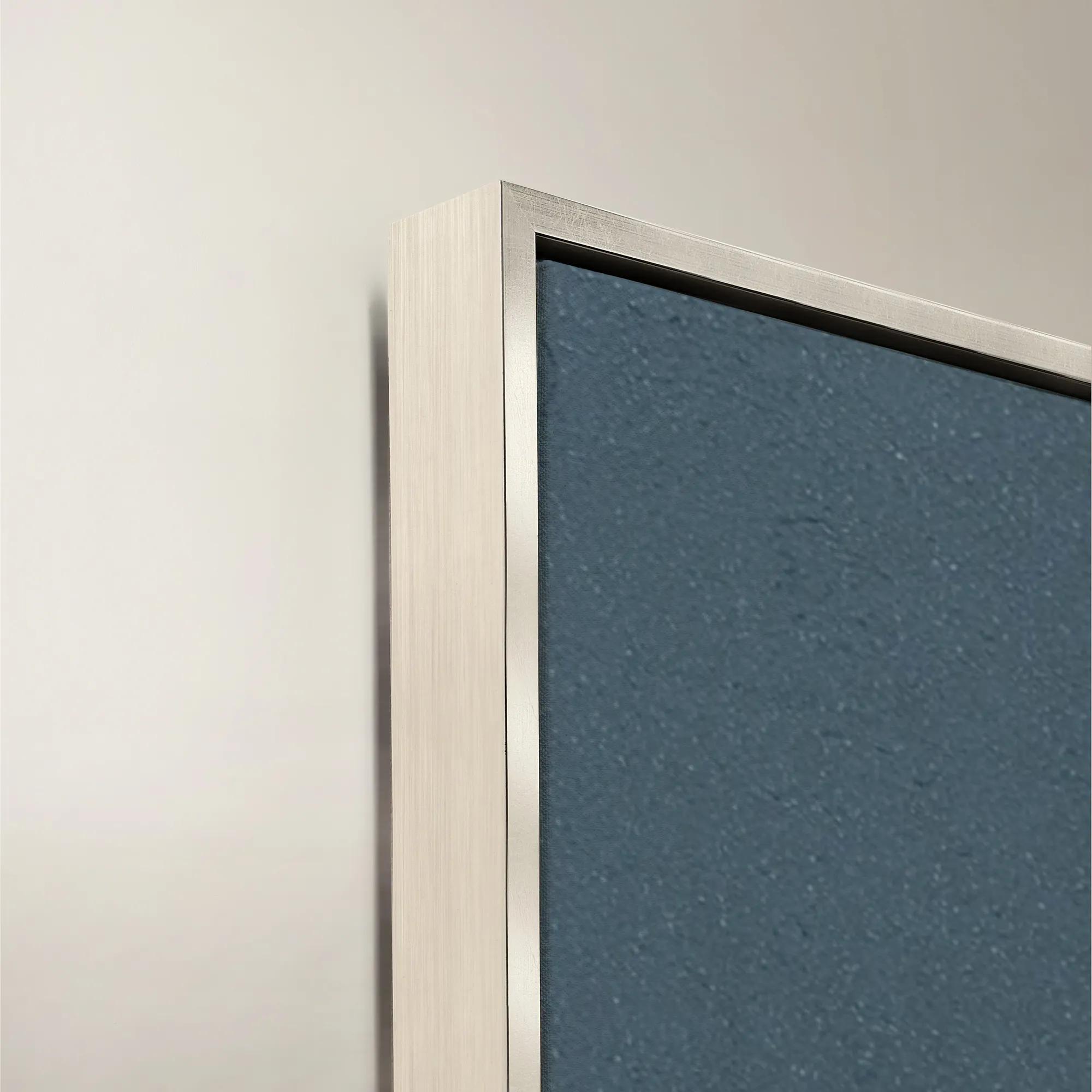 Gilded Waves IV Framed Painted Wall Art 40" x 53"$1399
A framed painted canvas artwork featuring flowing gilded waves in soothing blue and purple tones.
Add To Cart -
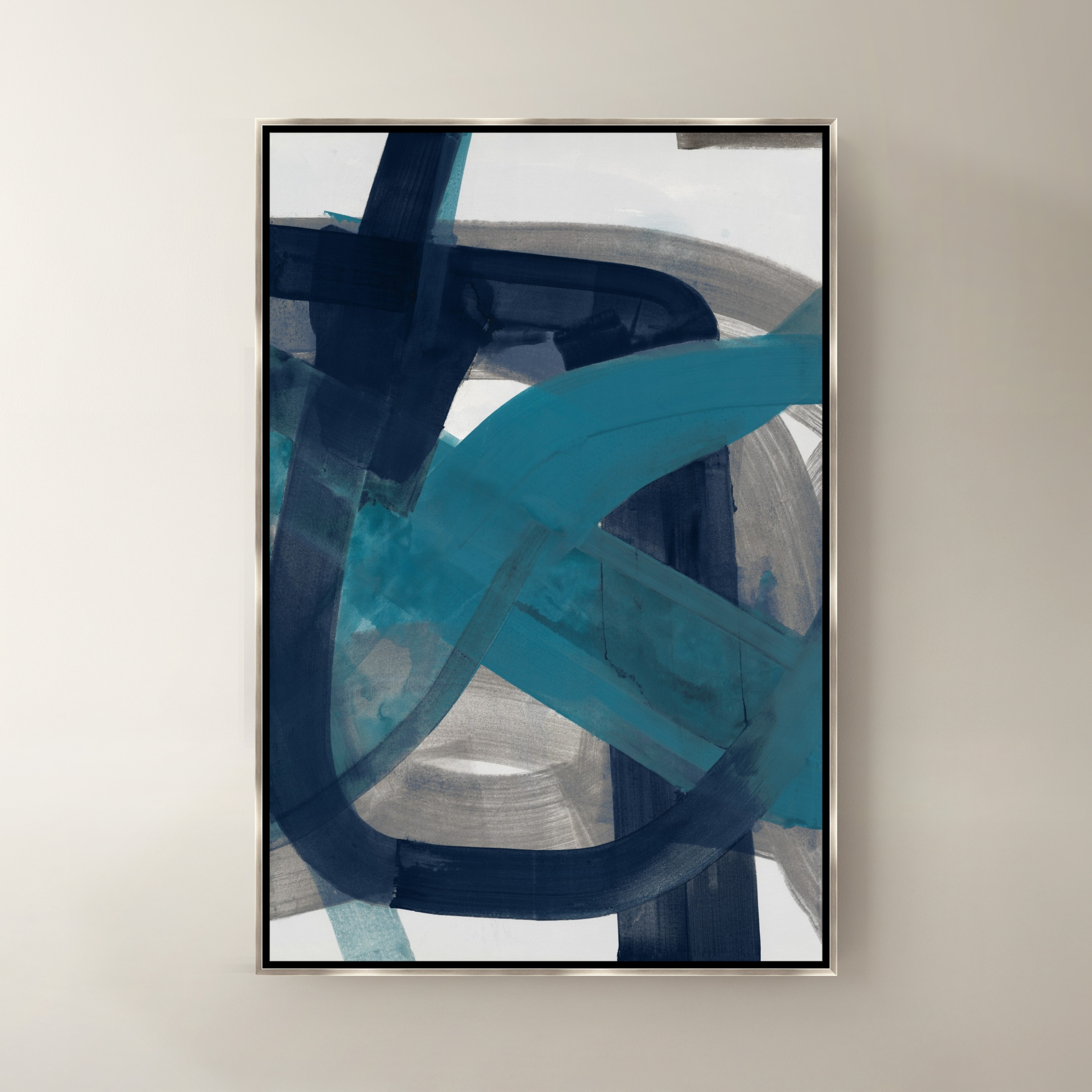
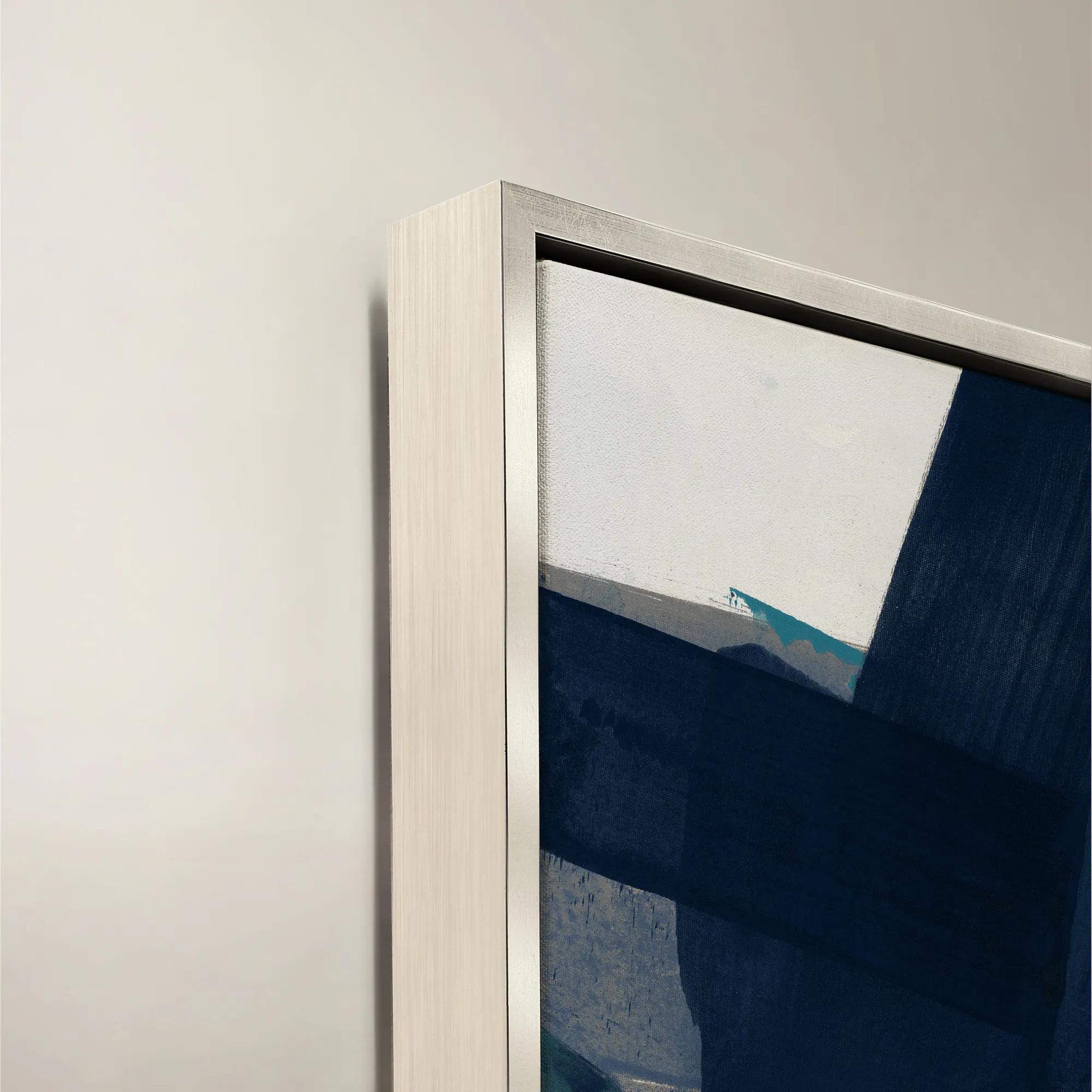 Fractured Currents II Framed Wall Art 24" x 36"$499
A framed canvas wall artwork featuring dynamic blue and purple tones for a modern, expressive accent.
Add To Cart -
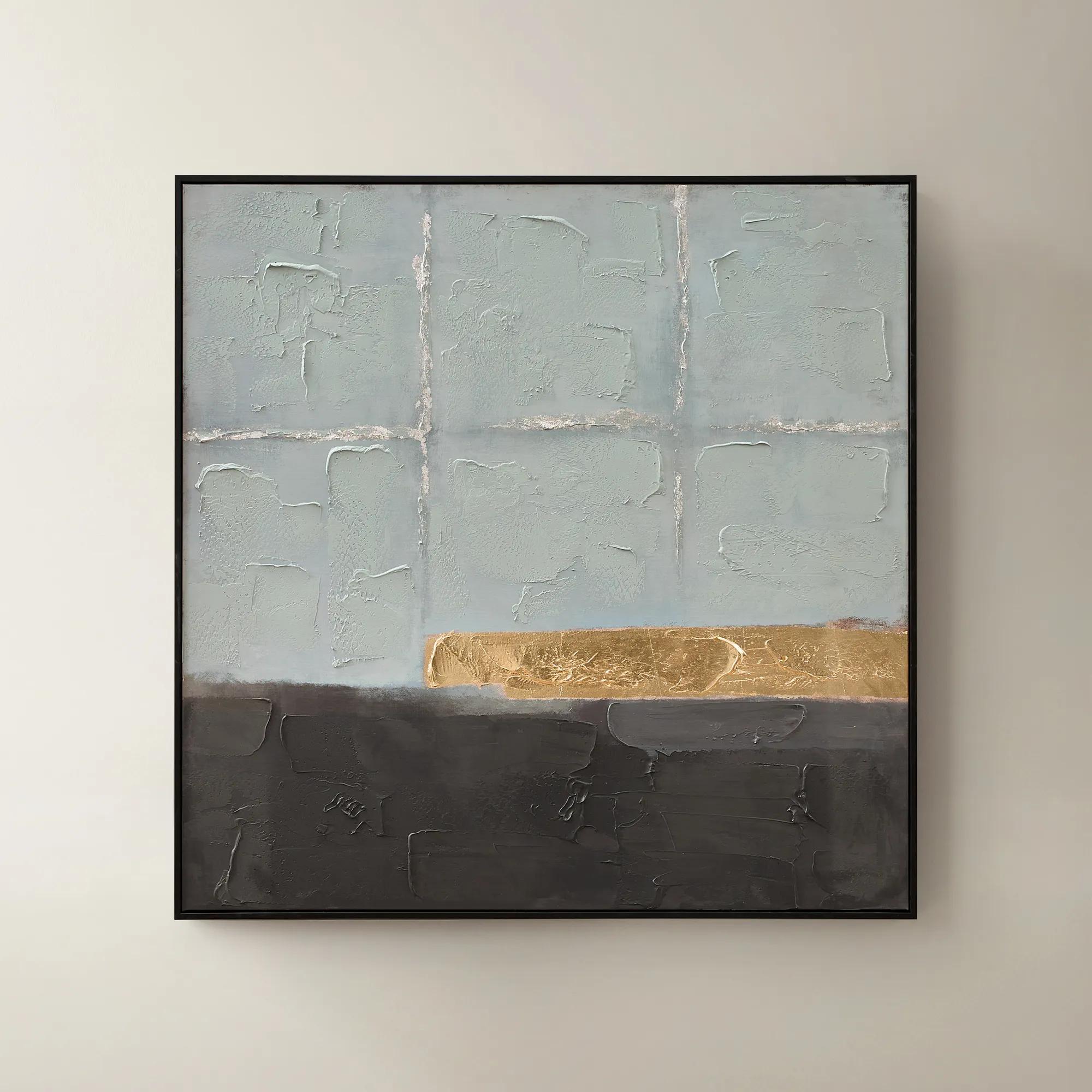
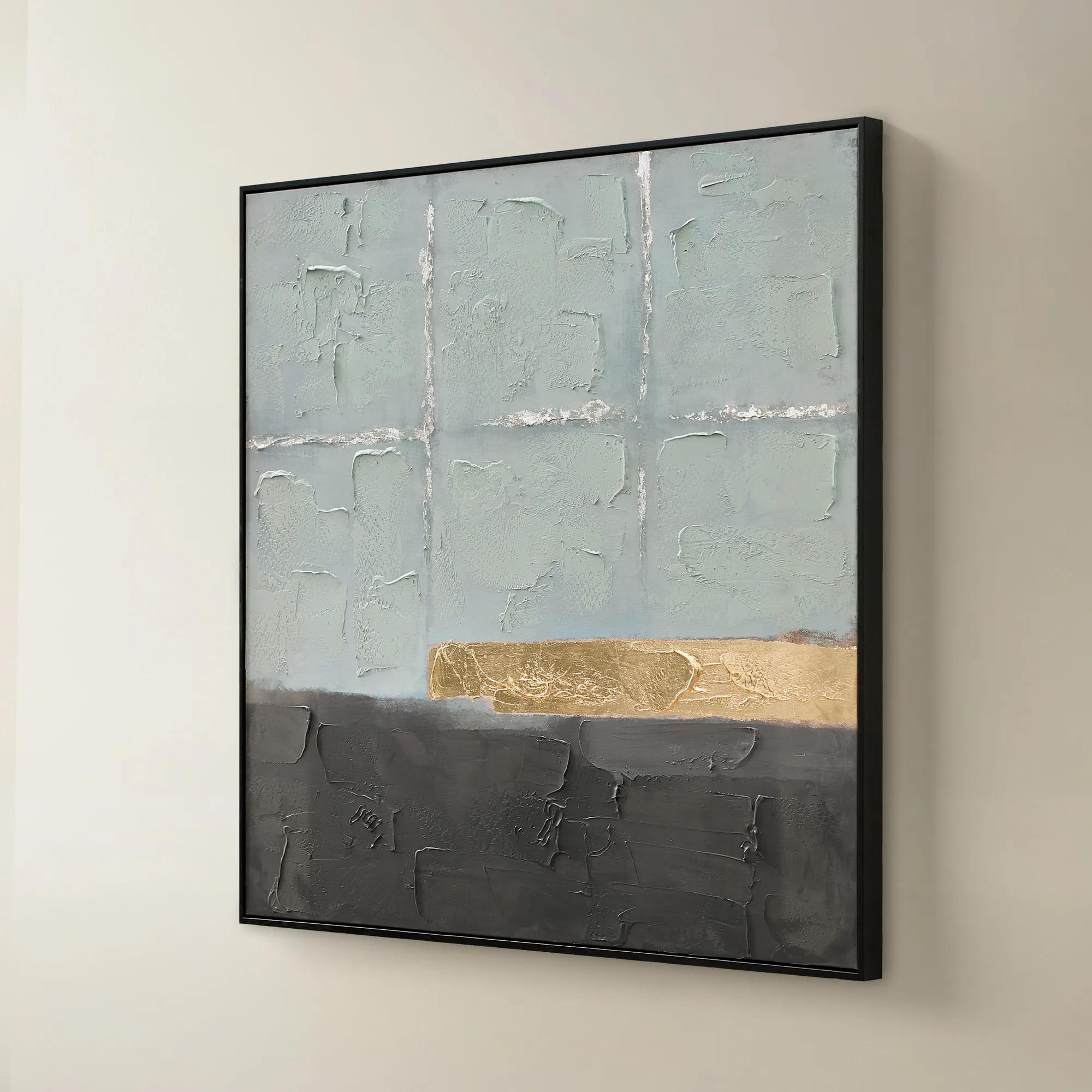 Jules Framed Gold Leaf Painted Wall Art 40" x 40"$299
A hand-painted canvas in mineral blue with gold leaf accents and a sleek black frame for modern appeal.
Add To Cart -
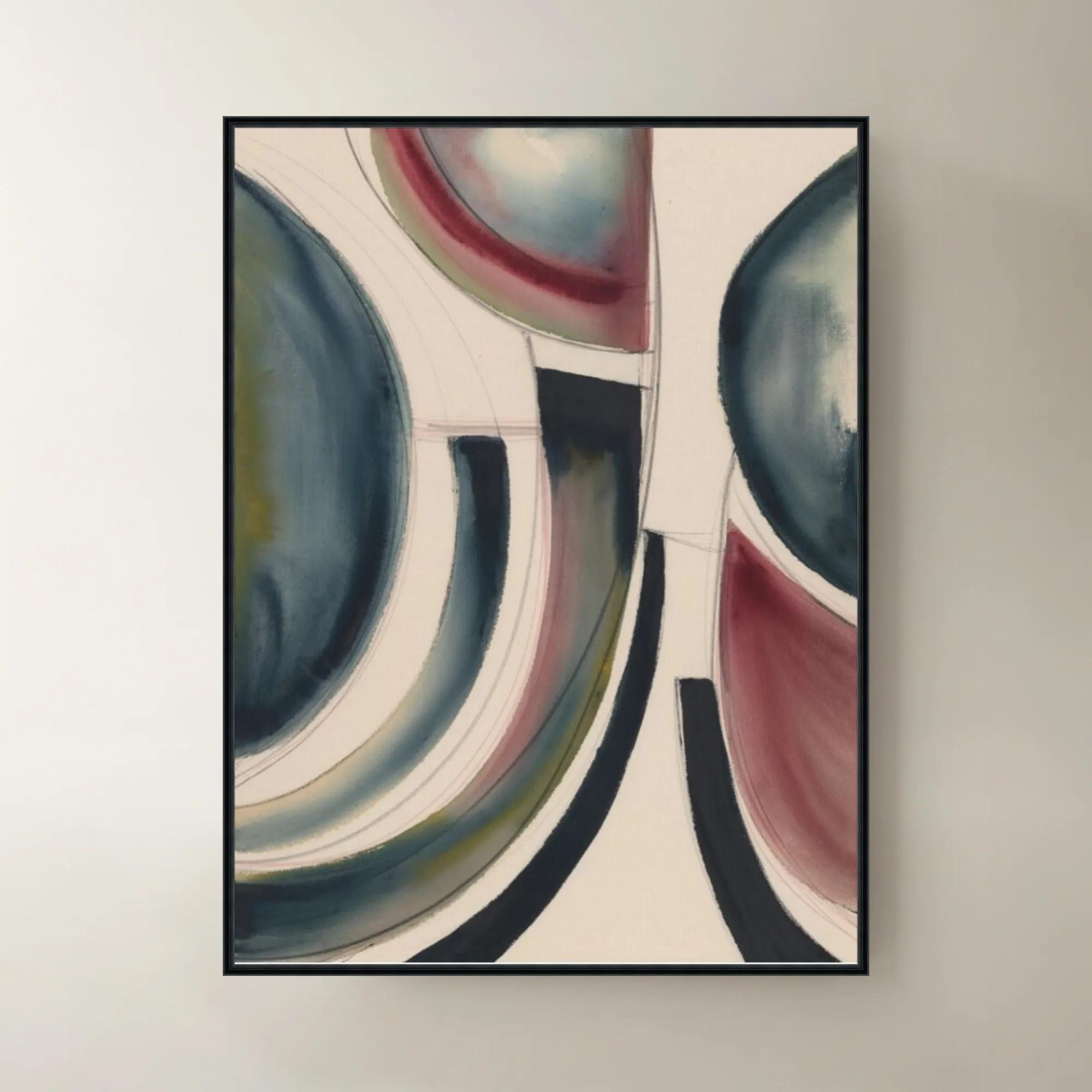
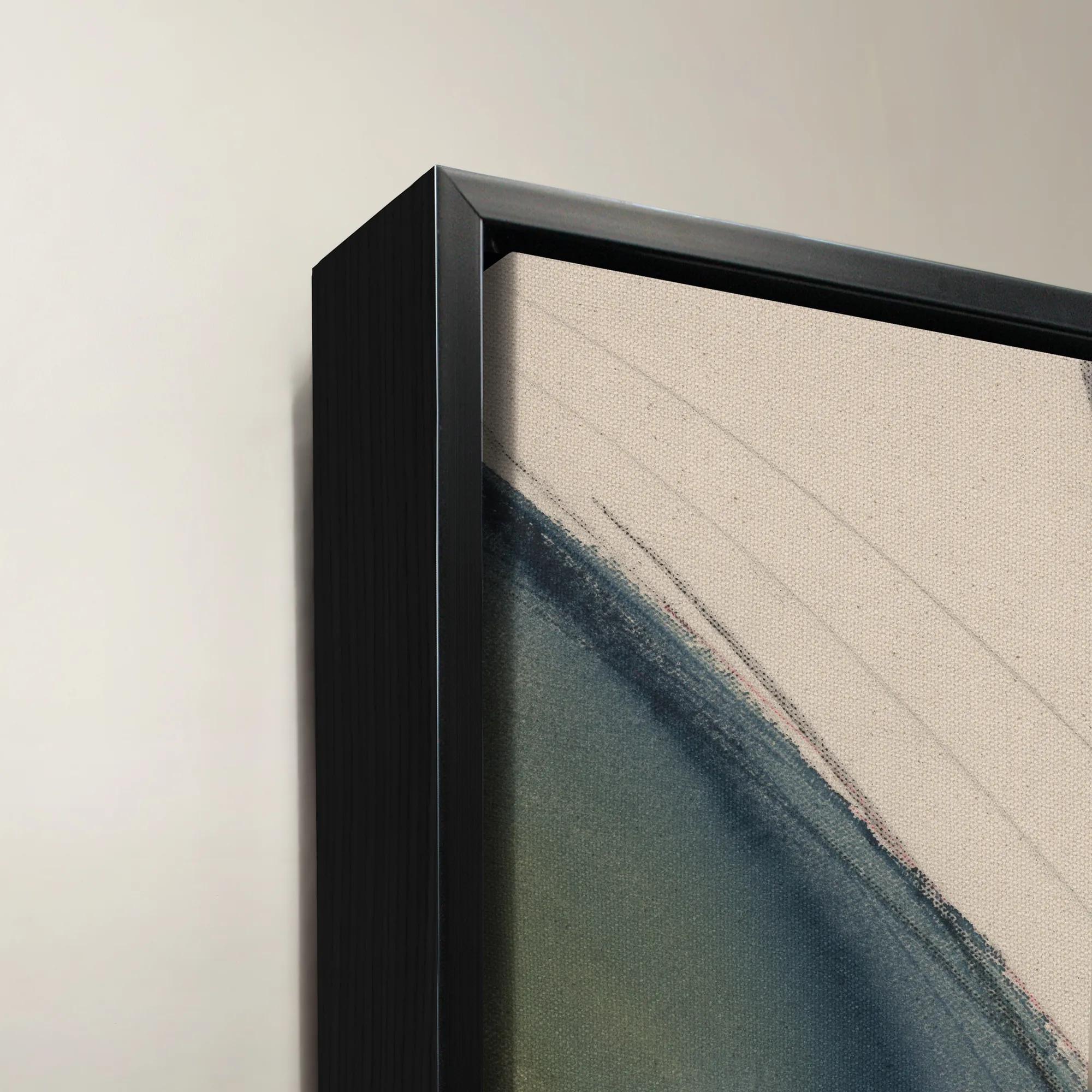 Dreamsicle Framed Wall Art 40" x 54"$1199
A vibrant multicolored canvas wall artwork presented in an elegant frame for contemporary interiors.
Add To Cart -
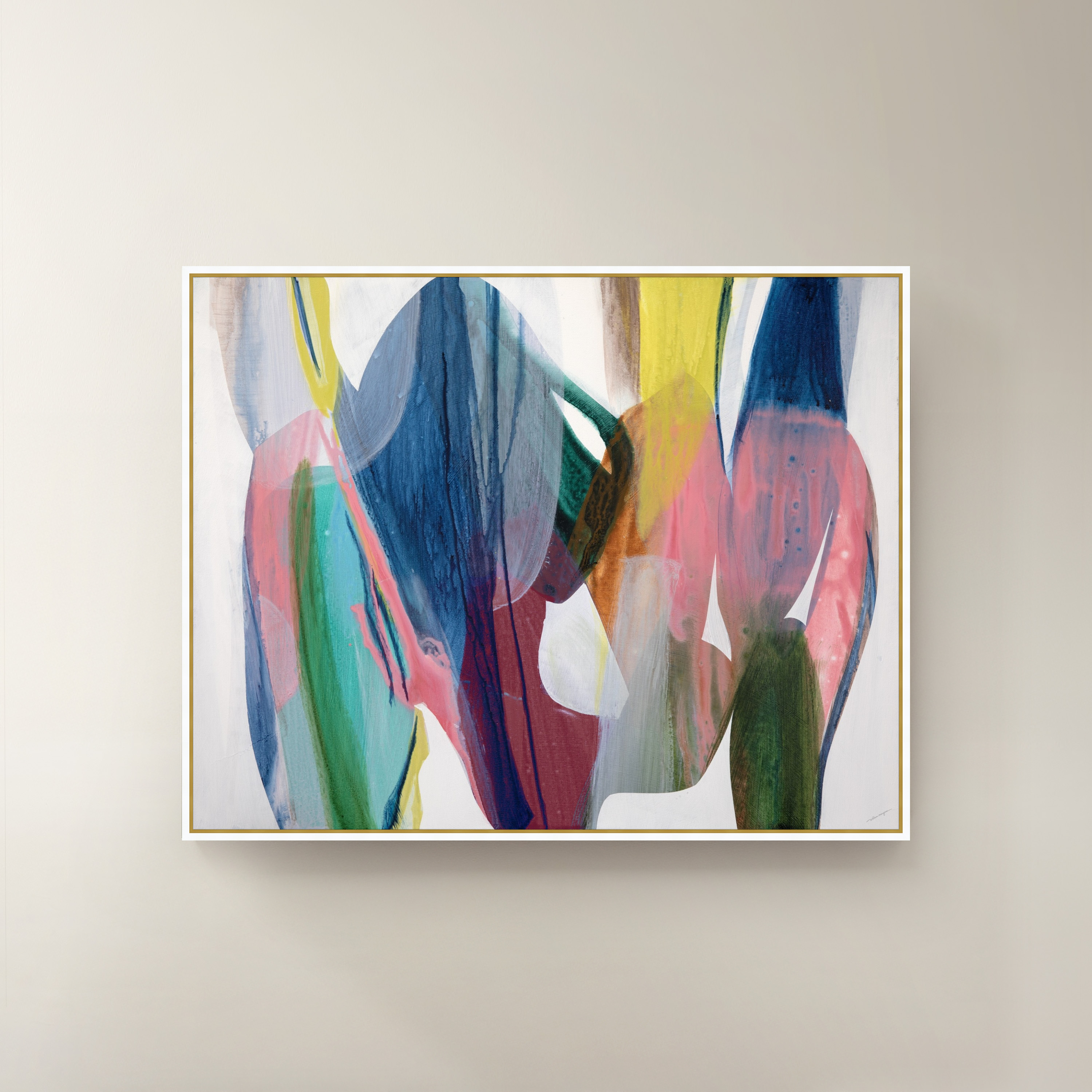
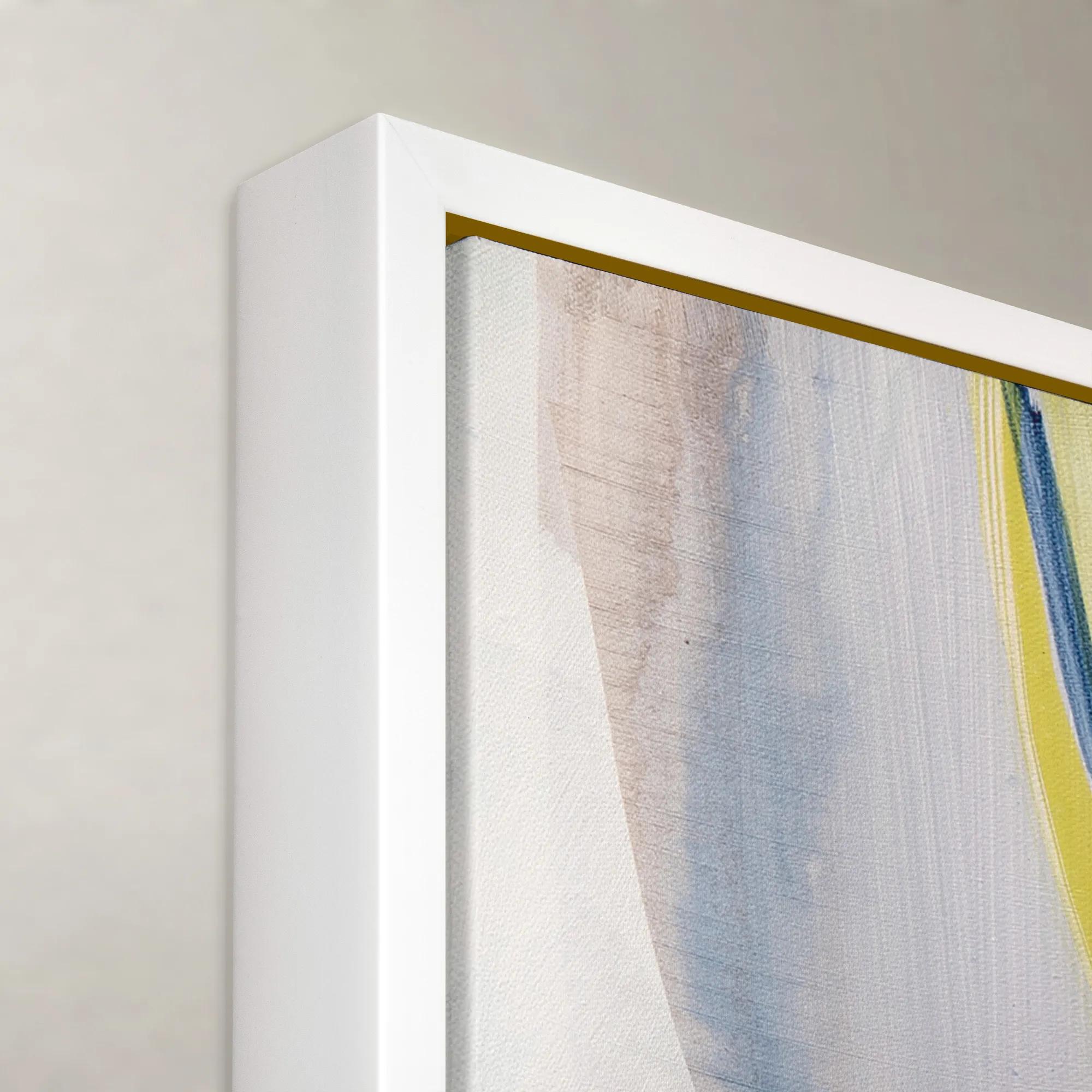 Dreams Take Flight Framed Wall Art 60" x 47"$1299
A vibrant multicolored framed canvas artwork adding expressive, contemporary style to any wall.
Add To Cart -
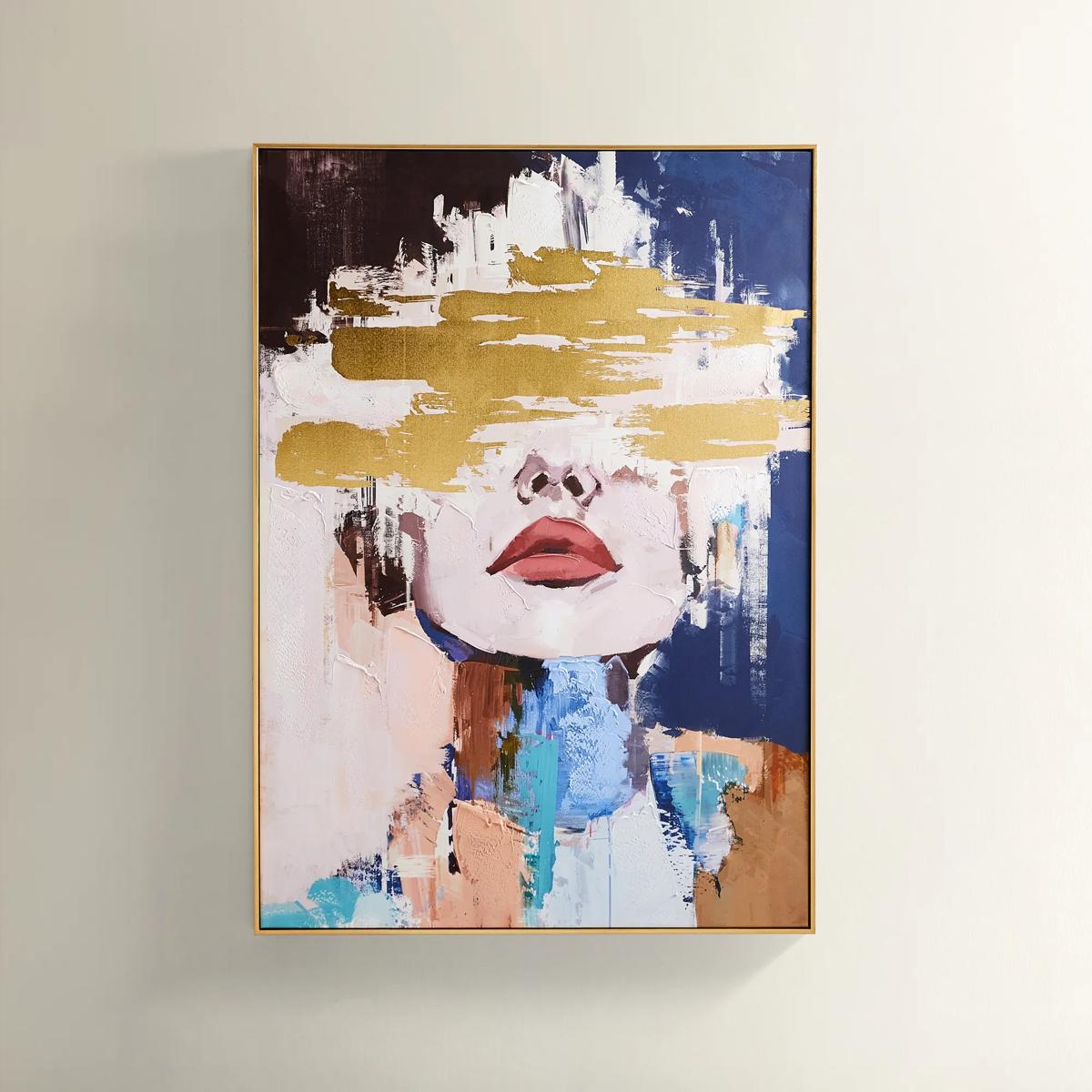
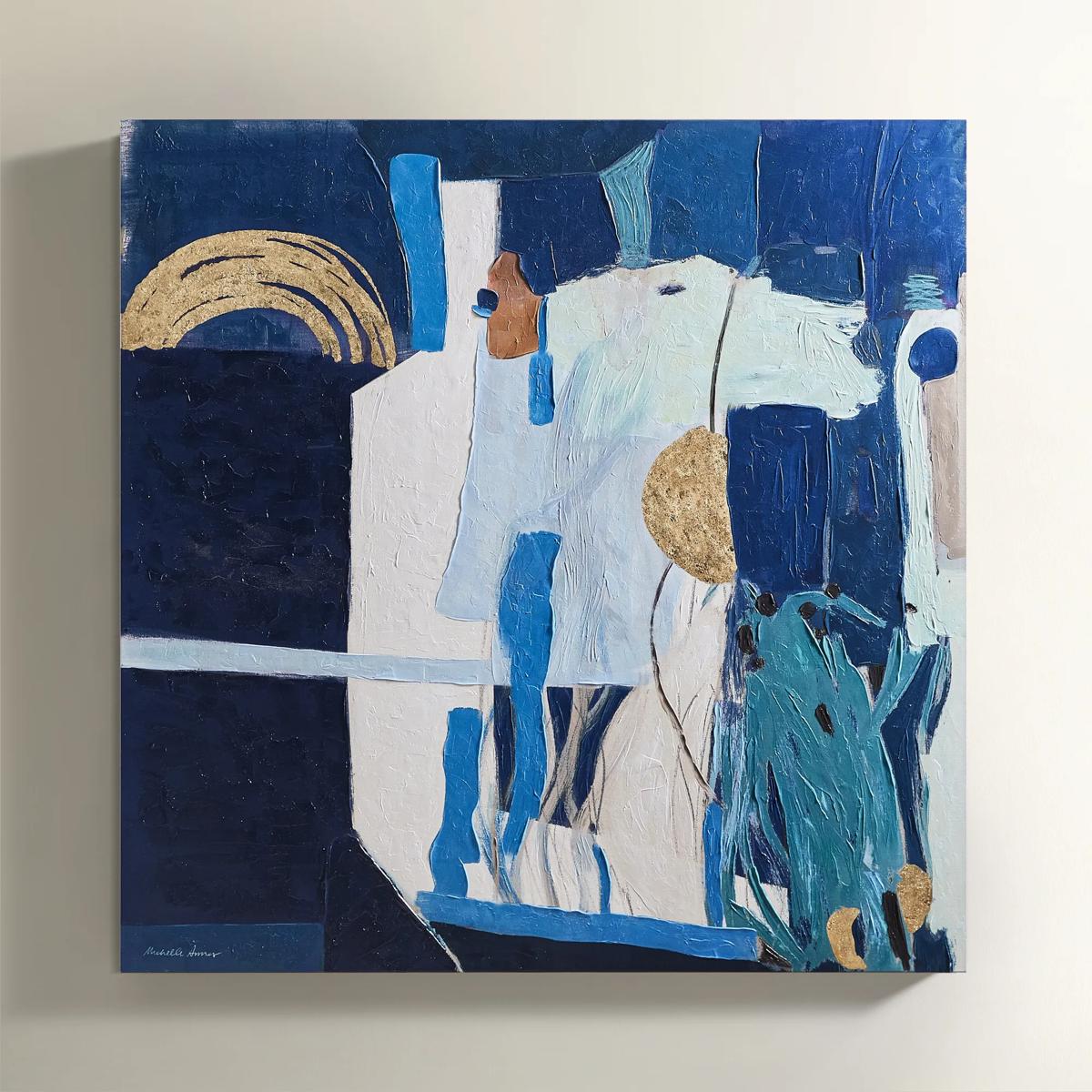
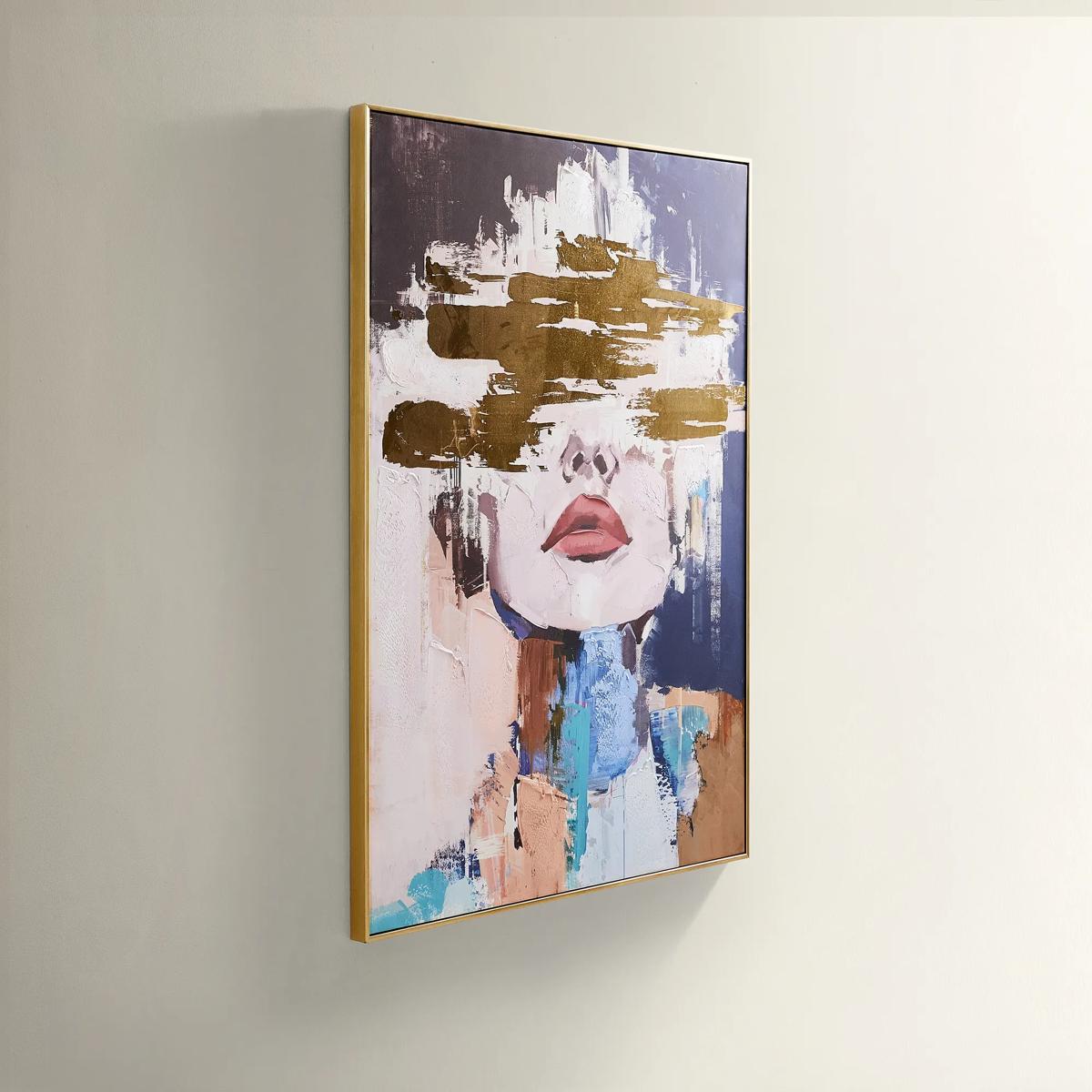 Waiting in Color Gold Foil Painted Wall Art 39.25" x 55"$499
A hand-painted abstract portrait in vivid blue, blush, and gold foil, framed in luxe gold.
Add To Cart -
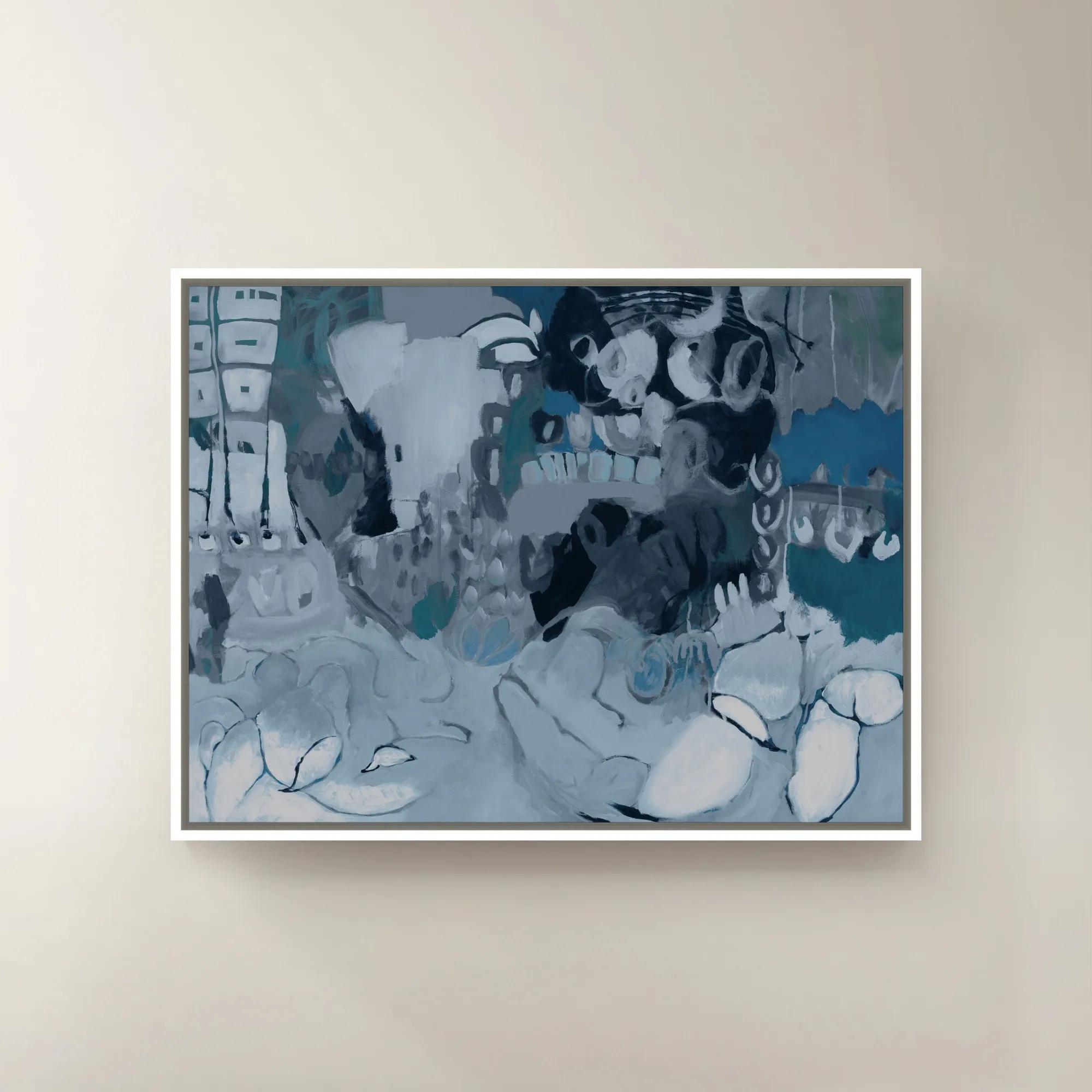
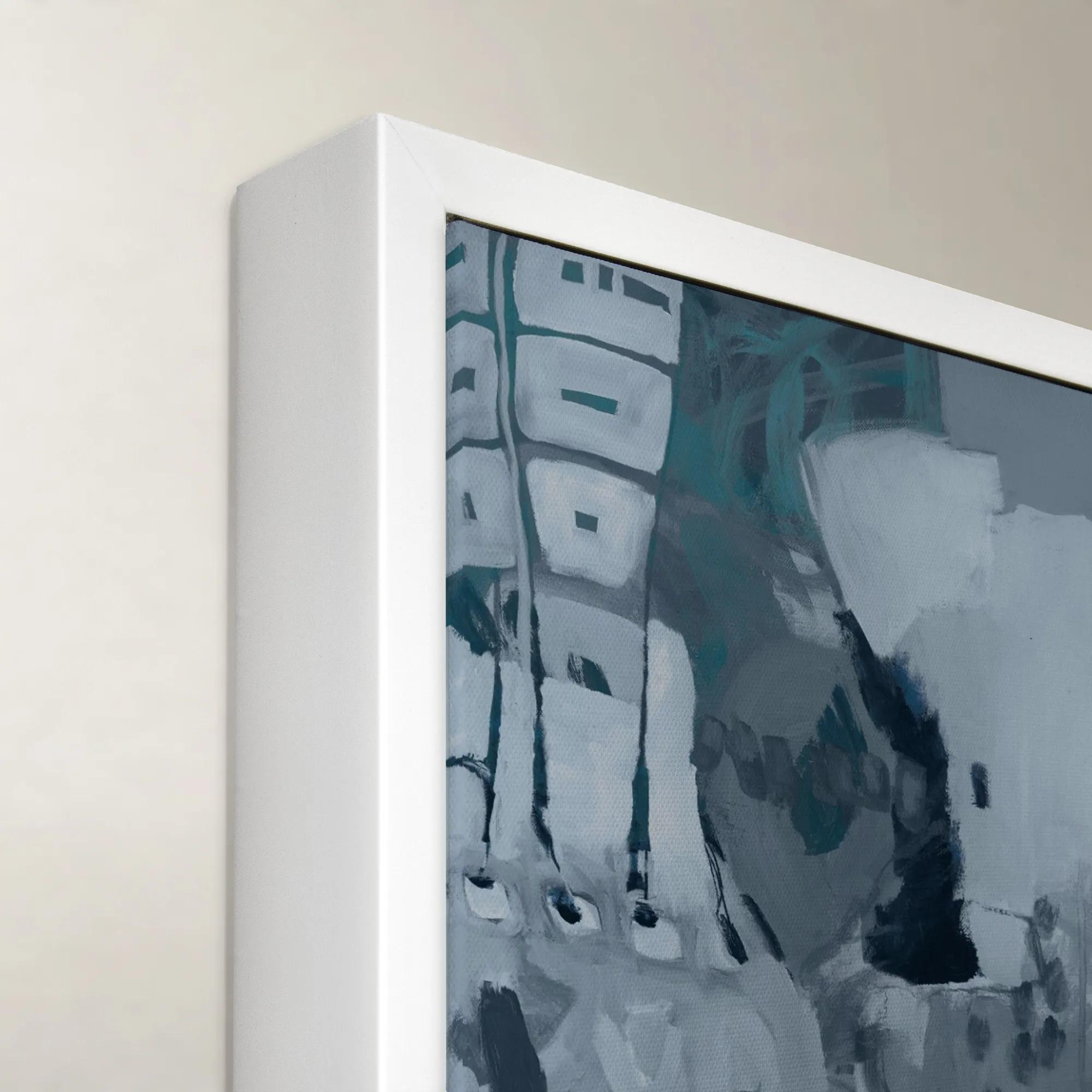 Wrap me in Forever II Framed Wall Art 40" x 30"$699
A striking blue and purple canvas wall art piece presented in a refined frame.
Add To Cart -
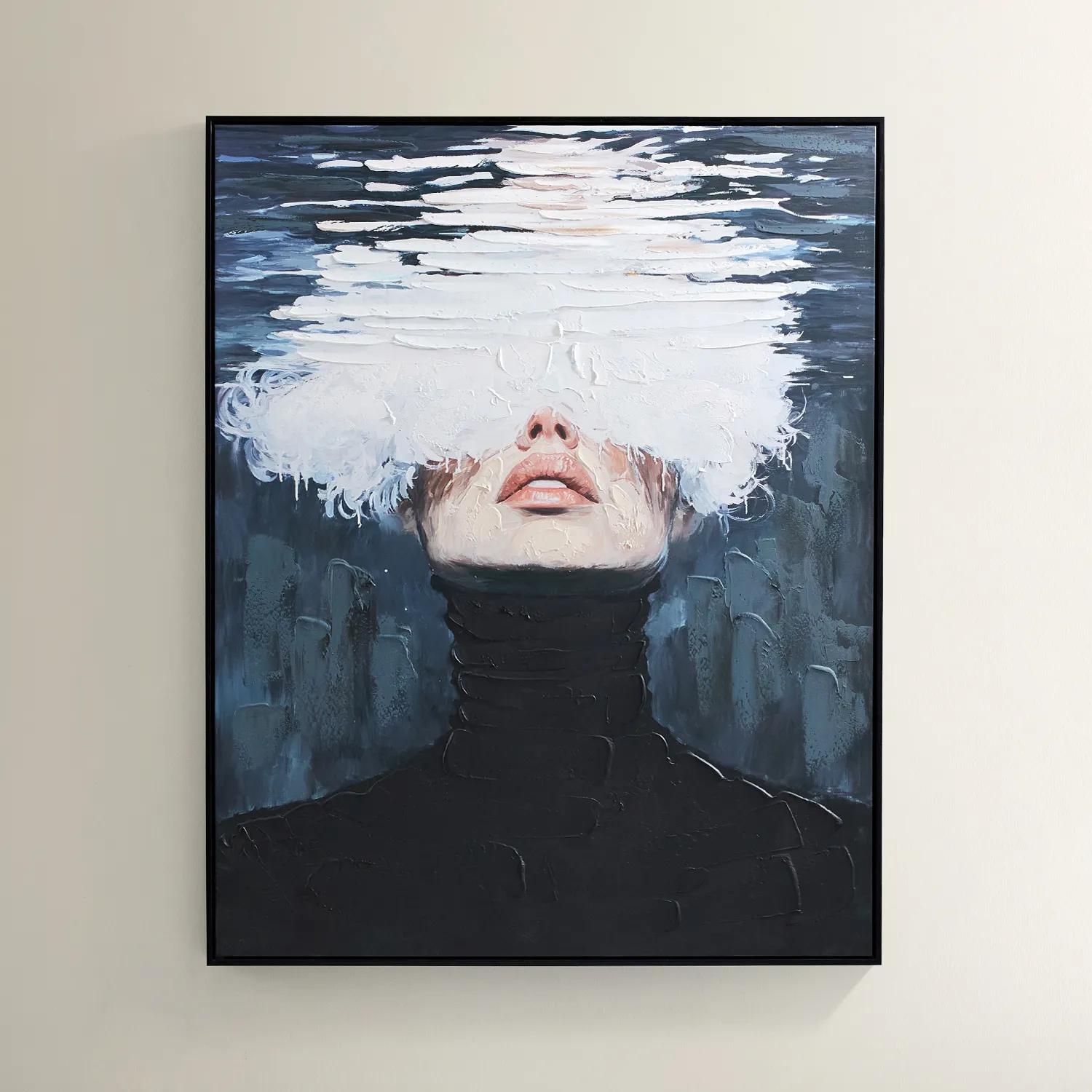
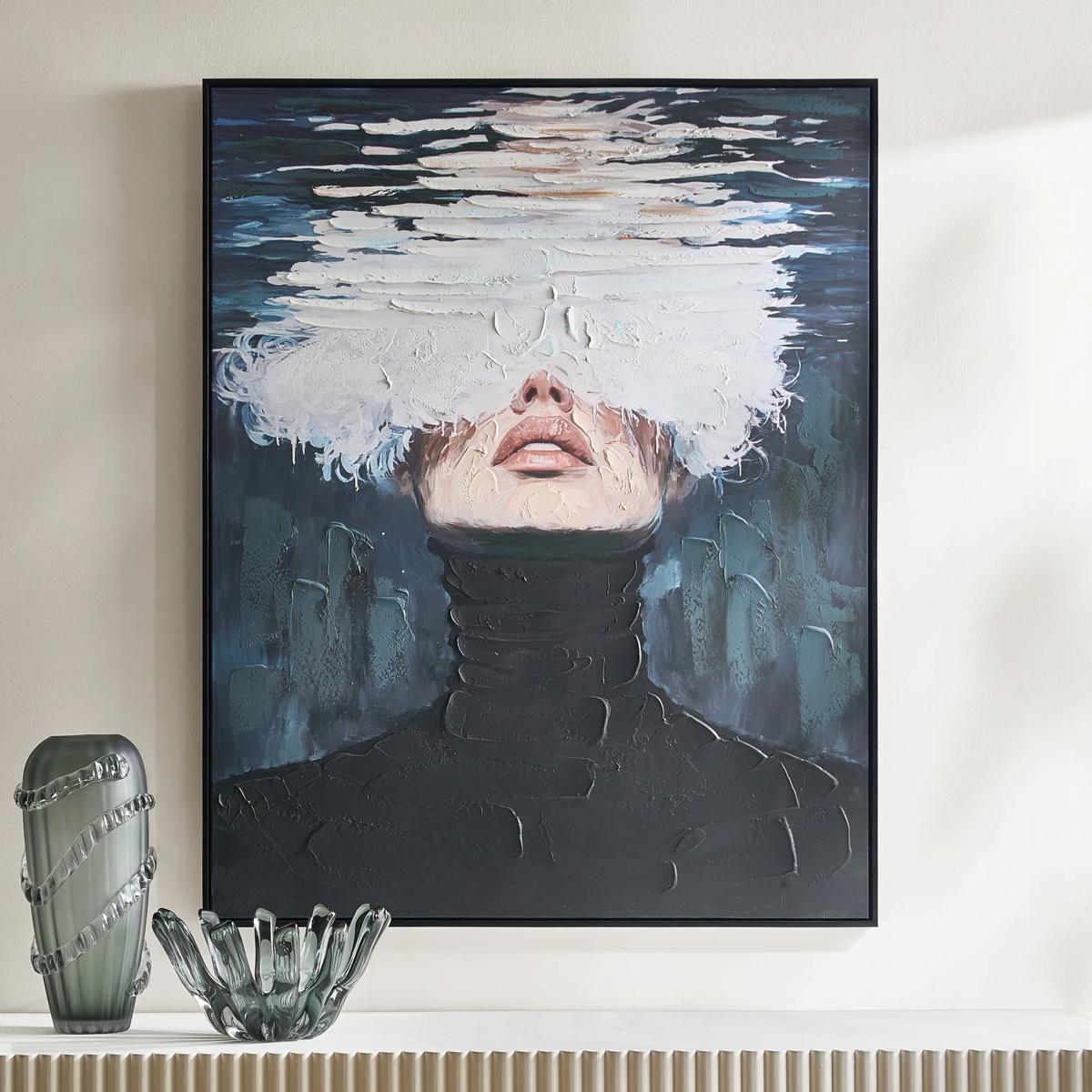 Submerged Framed Painted Wall Art 40" x 50"$599
A hand-painted canvas featuring a surreal portrait in black, blue, and white with a black floater frame.
Add To Cart -
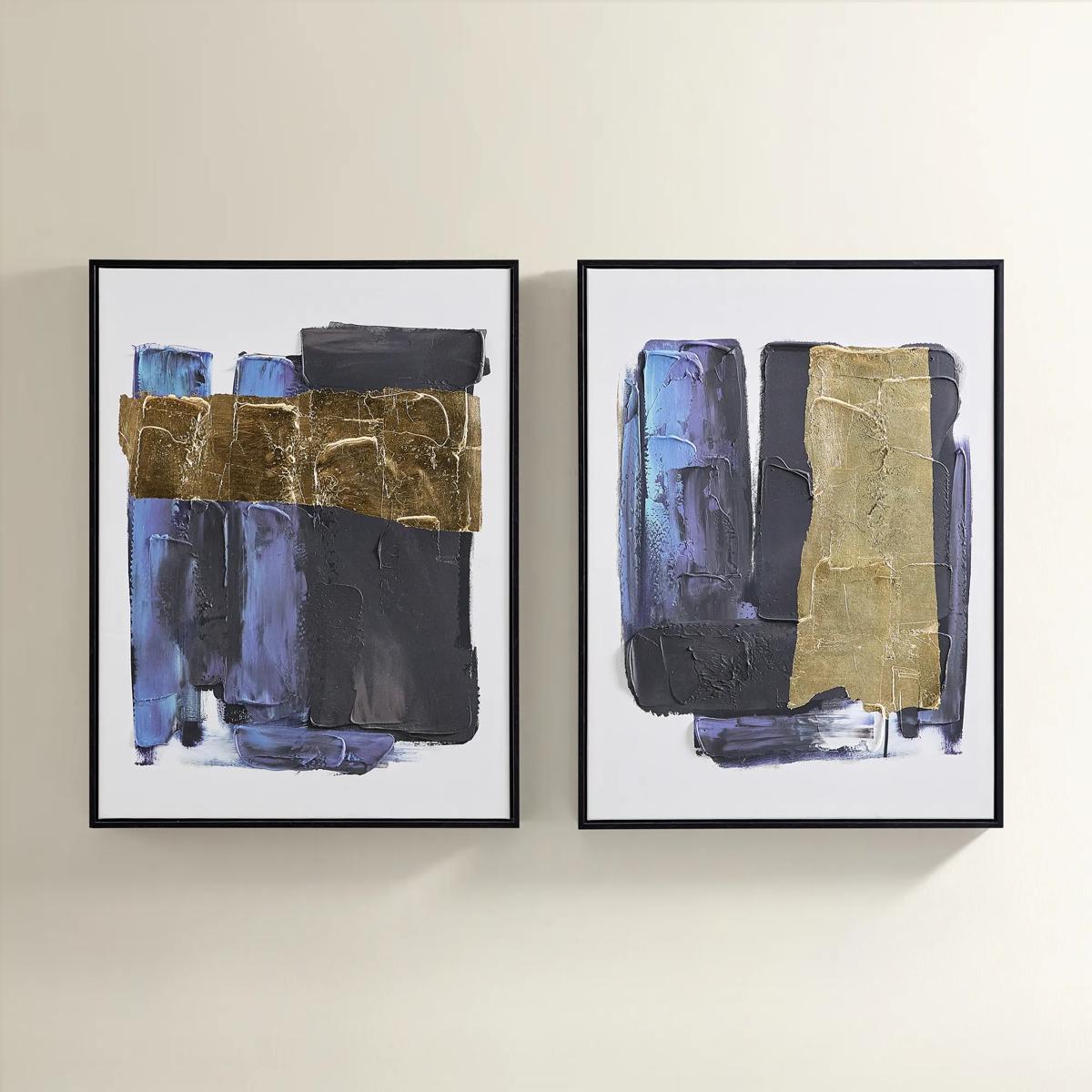
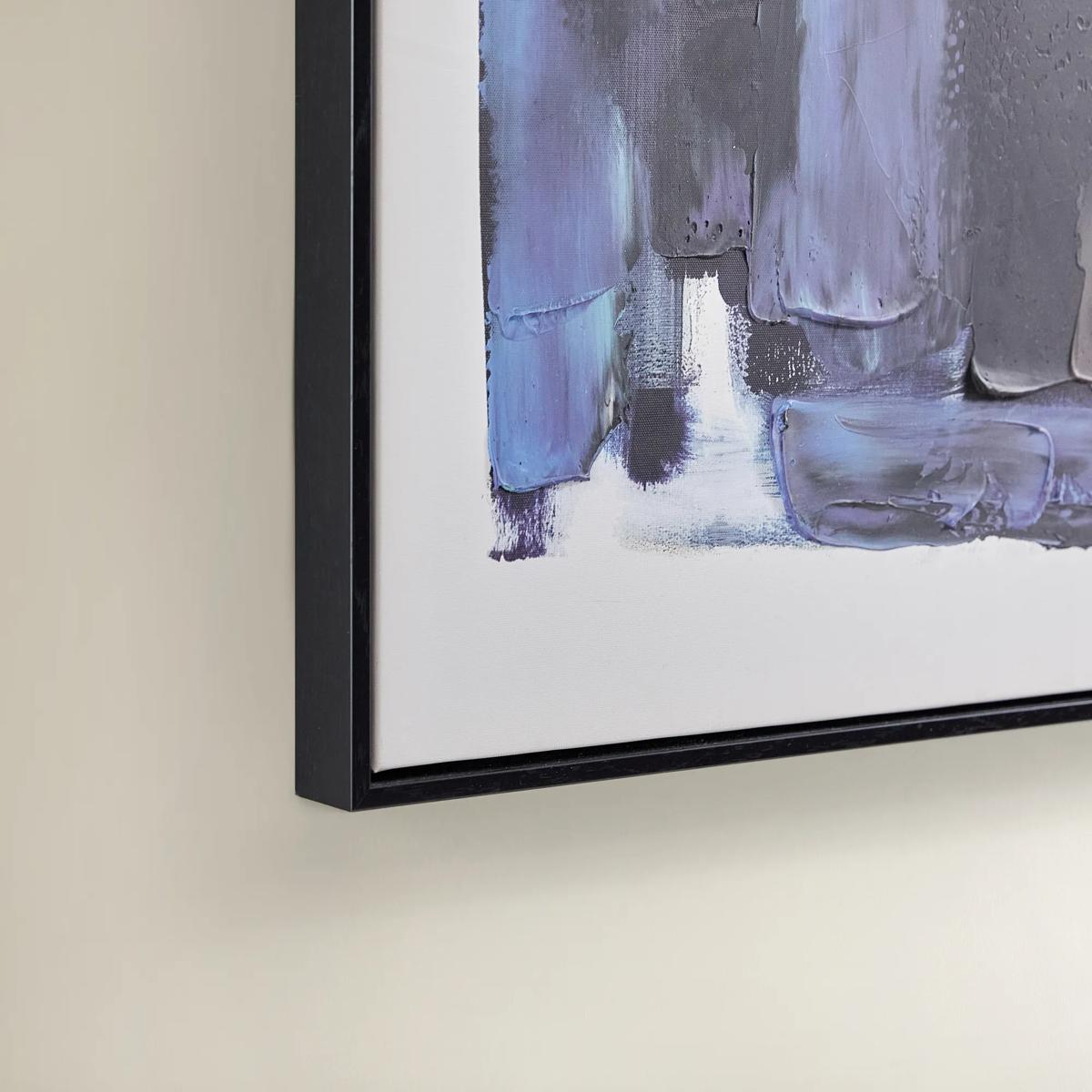 Deep Thoughts Gold Leaf Painted Wall Art Set of 2$199
A set of two hand-painted abstract canvases in blue and gold leaf, framed in sleek black.
Add To Cart -
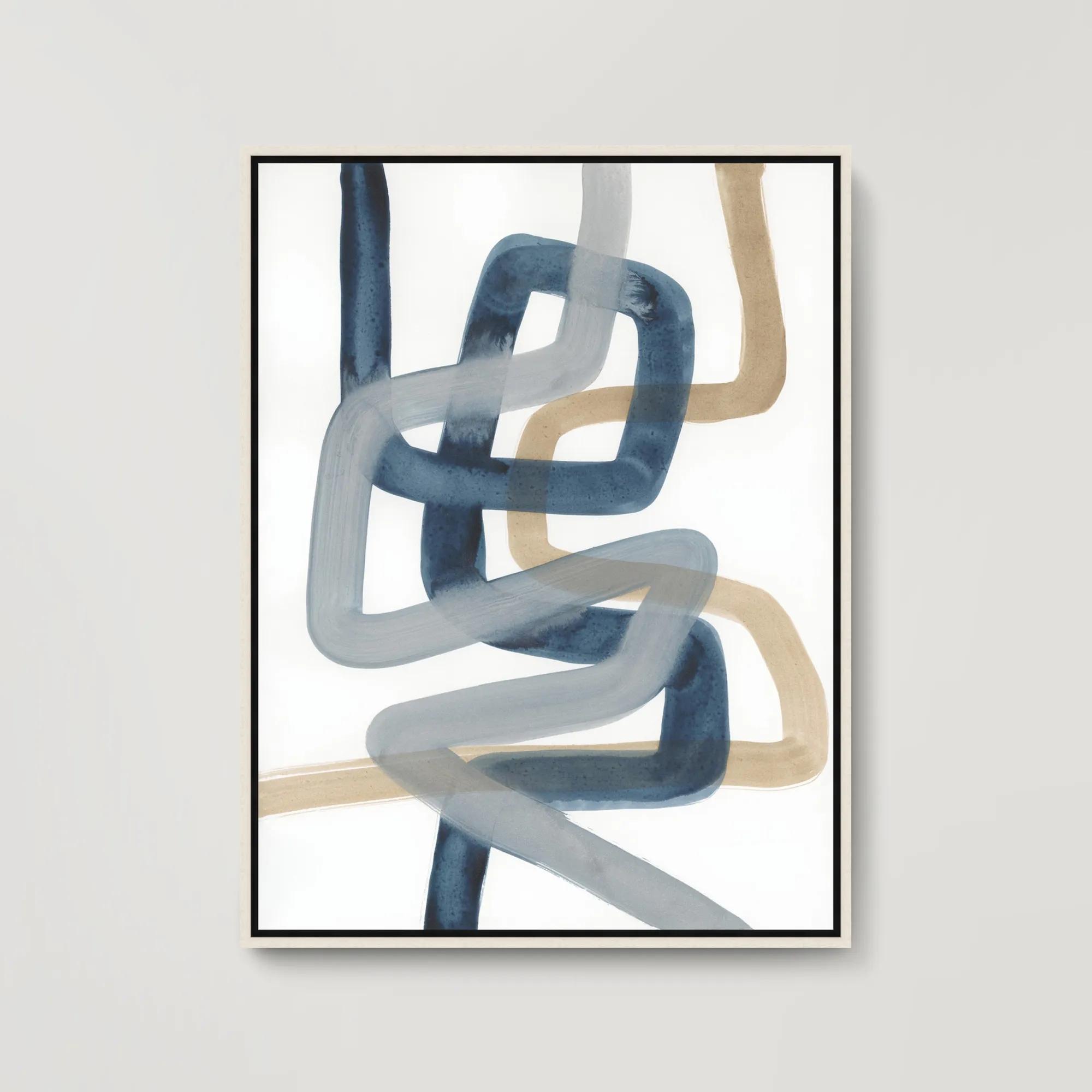 Looped In II Framed Wall Art 31.5" x 41.5"$699
A gallery-wrapped abstract canvas with hand-applied brush gel finish, set in a sleek white floater frame.
Add To Cart

Blue Abstract Wall Arts For New Homes
Blue abstract wall arts for new homes invite a sense of wonder, transforming blank walls into mesmerizing masterpieces. Swirls of sapphire, indigo, and cerulean dance across the canvas, infusing each room with a cool serenity and modern verve. These expressive pieces become the focal point of any space, capturing the spirit of new beginnings and bold design choices. For those who see their home as an evolving gallery, blue abstract wall arts offer an inspired palette—striking yet soothing, always elevating the everyday into something extraordinary.
Blue abstract wall art gives new homes a distinctive focal point, bringing depth to open walls and connecting neutral furnishings through color, movement, and scale. From pale washes of misty blue to saturated cobalt and midnight navy, this artwork can make a newly furnished room feel composed without making it feel predictable. Abstraction leaves room for personal interpretation: a sweeping brushstroke might suggest distant water, while layered geometric forms introduce a more architectural rhythm. That flexibility is especially appealing in a new home, where furniture, textiles, and collected objects may arrive gradually rather than all at once. A painting or print with several blue tones can establish a palette that accommodates future additions, whether those become a sumptuous velvet sofa, a sculptural ceramic vessel, or a pair of gleaming accent tables. Against ivory walls, deep blue creates a crisp silhouette; beside warm wood, softer indigo and slate bring balance without competing with the grain. In a living room with expansive blank walls, generous artwork gives the seating area a visual anchor. In an entryway, an expressive composition sets the tone before the rest of the home comes into view. Bedrooms often suit fluid forms and quieter tonal shifts, while dining spaces can carry bolder contrasts and a more dramatic sense of movement. Blue does not require a coastal setting or a room filled with matching accessories. A single passage of azure can converse with a patterned pillow across the room, while navy can lend definition to cream upholstery and pale stone. The most compelling combinations allow the artwork to contribute something the furnishings do not: a restless line, an unexpected flash of white, or a field of color that draws attention across an open floor plan. For homeowners moving beyond bare walls, blue abstract wall art offers both an expressive starting point and a lasting connection between rooms. Its character comes from the relationship between the composition and the home around it, not simply from the color itself.
Materials and presentation shape that relationship as much as the image. Canvas gives abstract artwork a tactile presence, with a woven surface that can complement gestural marks and layered color. Paper prints can reveal delicate transitions and fine linear detail, especially when a mat creates breathing room between the image and its frame. Framed presentations add a defined edge, while unframed or gallery-wrapped canvases place greater emphasis on the composition itself. Each treatment creates a different impression: a slender dark frame sharpens a graphic arrangement, a light finish softens the boundary against pale walls, and a metallic finish introduces a luminous accent beside polished furnishings. Surface texture also matters. Where present, raised details or hand-applied embellishments catch light differently throughout a room, giving broad blue passages dimension beyond their hue. Dimensions deserve equal attention, particularly in new homes with tall ceilings, wide hallways, or connected living and dining areas. A work that feels substantial in isolation may look undersized above a long sofa. Artwork spanning roughly two-thirds to three-quarters of the furniture beneath it can offer a useful starting proportion, with surrounding architecture and the desired amount of open wall space guiding the final choice. A vertical format can emphasize height beside a console, while a horizontal composition often feels more connected to a bed or substantial seating arrangement. Coordinated panels can create rhythm across a wide wall, provided their spacing feels intentional and the overall arrangement reads as one composition. In an open-plan home, considering the view from the entry, kitchen, and main seating area helps prevent an expressive piece from becoming visually lost. Hanging height should relate to the room rather than defaulting to a lofty position simply because the ceiling is high. Artwork generally feels more integrated when it maintains a comfortable relationship with nearby furniture and the people enjoying it. Smaller blue abstracts can bring the same sense of intention to a reading corner, an alcove, or the wall above a compact desk, where nuanced color rewards a closer look.
Long-term enjoyment also depends on how the artwork suits its setting and how its particular materials are cared for. Canvas, paper, frames, and protective glazing have different maintenance needs, so the maker’s care and installation instructions should determine the approach. A soft, dry cloth may be suitable for many frames, but painted surfaces, textured finishes, and delicate embellishments can require more cautious handling. Cleaning products should not be sprayed directly onto artwork or glazing, where liquid could reach edges and underlying materials. Prolonged direct sunlight can alter some pigments and papers; a placement away from intense exposure helps preserve the intended color relationships. Glazing can provide a barrier against dust and contact, although ultraviolet protection varies by material and should not be assumed. Bathrooms, splash-prone areas, and locations close to cooking steam may be unsuitable for moisture-sensitive pieces. Secure mounting is equally important: hardware should match the artwork’s weight and the wall’s construction, with appropriate professional installation for substantial or unusually shaped pieces. These practical details protect the visual investment without diminishing its expressive appeal. Blue abstract wall art is especially well suited to homeowners establishing a shared aesthetic, design enthusiasts adding a more adventurous note, and anyone seeking an alternative to literal imagery. As a housewarming or wedding gift, it can mark the beginning of a home with something personal and enduring, particularly when the recipient’s preferred palette, wall dimensions, and framing style are known. A gift intended for a specific room feels more considered than one chosen by color alone. For properties being arranged to welcome prospective buyers, the related Blue Abstract Wall Arts For Home Staging collection brings the focus to another setting where scale and visual cohesion matter. In a lived-in new home, however, the strongest choice is the composition that feels unmistakably connected to its owners: serene or assertive, finely layered or boldly graphic, with enough presence to turn an unclaimed wall into a defining part of the interior.
FAQs
Blue abstract wall art is exceptionally versatile, harmonizing beautifully with a range of interior styles. Its dynamic hues and forms complement modern, contemporary, coastal, and even transitional spaces. For a dramatic effect, pair with luxe metallic accents and high-gloss finishes; for a more serene vibe, combine with natural textures like linen, rattan, or light woods. Blue’s adaptability ensures it can anchor minimalist rooms or add a pop of color to eclectic, layered environments.
Blue abstract wall art brings a sense of tranquility and sophistication to any room, setting a calming yet captivating tone. Its fluid shapes and rich color gradients can make a space feel more expansive, while also introducing a sense of depth and artistic intrigue. Whether placed in a living area, bedroom, or entryway, blue abstracts create a visual focal point that draws the eye and elevates the overall ambiance.
Absolutely—blue abstract wall art is a refined and meaningful gift for new homeowners, offering both style and sentiment. Its universal appeal and calming palette make it suitable for a variety of tastes and spaces. Gifting abstract art is a way to help friends or loved ones infuse their new home with personality and warmth, making it an ideal choice for housewarmings or milestone celebrations.
For a striking statement, hang a large blue abstract piece above a sofa or bed to anchor the room. Create a gallery wall by mixing multiple blue abstracts with metallic or neutral frames for added dimension. In hallways or transitional spaces, use smaller pieces to craft a cohesive visual journey. Layering blue art with sculptural mirrors, bold lighting, or textured decor further enhances the artistic narrative of your home.
Lighting plays a transformative role in how blue abstract wall art is experienced. Natural daylight can cause the blue tones to shift and shimmer, revealing subtle nuances in the artwork. In the evening, strategically placed picture lights or sconces can highlight textures and brushstrokes, casting a warm, inviting glow. Adjusting your lighting allows you to showcase the art’s depth and vibrancy, making it a dynamic focal point throughout the day.